


Sophia Sørensen
Korea Gapyear
AlumniI have always wanted to experience living in another country while developing skills that would help me in my future career. South Korea stood out to ...
Read Full Interview


Intern Abroad HQ
169

Intern in Spain with Intern Abroad HQ and experience award-winning, accredited programs in Valencia, Madrid, Barcelona, Tenerife or Seville. Whether you're a student, recent graduate, gap year traveler, or career changer, you’ll gain real-world experience in fields like Business, Psychology, Anima
See All 85 ProgramsThe Intern Group
169
Experience New York City, the world’s financial and business capital, with a career-boosting international internship. NYC provides unparalleled opportunities to gain professional skills, global connections, and real-world experience across finance, business, marketing, PR, tech, NGOs, and more. Ou
See All 13 ProgramsVAC Internships Cape Town
301

Some of the best decisions begin by thinking differently. Choosing to intern in Cape Town is not the obvious path—and that is exactly the point. It is a city that rewards curiosity, independence and people willing to step beyond what is familiar. Beautiful, complex and full of contrast, Cape Town i
See All 27 ProgramsMAXIMO NIVEL
55
Get practical work experience in Costa Rica, Guatemala, and Peru with Maximo Nivel’s professional International Internships. Gaining high-impact hands-on experience abroad sets you apart in competitive job markets and can help define long-term career goals. Maximo Nivel internships elevate your re
See All 8 ProgramsAdelante Abroad
77
Madrid is Adelante's most developed International Internship Program with over 250 participating companies. Placements are available in nearly every field and sector, including medical, law, business, marketing, international education, broadcasting, social work, sports, graphic design, tourism, psy
See All 49 ProgramsAsia Internship Program
14
Spain is a historically beautiful country with lively cities, a unique culture, and captivating landscapes. It also has an economy that is rapidly growing in the EU region, and many countries are becoming highly dependent on its exported goods and services. This is greatly motivating for the country
See All 6 ProgramsCIEE College Study Abroad
0
Your CIEE Summer Global Internship program in Seville lasts 8 weeks and features two key components: A full-time internship with an international organization (approximately 30-40 hours per week) and an internship seminar. Enhance your experience with co-curricular and extracurricular activities whi
See All 2 ProgramsInternational Medical Aid (IMA)
168

IMA offers an opportunity to enhance your medical and healthcare knowledge with International Medical Aid's Pre-Med and Health Fellowships. Crafted for pre-med undergraduates, medical students, and high school students, these fellowships offer a unique chance to engage deeply with global health care
See All 12 ProgramsGoEco - Top Volunteer Organization
77
GoEco offers more than 60 wildlife and animal conservation volunteer opportunities and internships worldwide! Our programs focus on the welfare and conservation of various species, both wildlife and domestic animals. We offer volunteer opportunities and internships at wildlife rescue centers, wildli
See All 139 ProgramsGo Abroad China Ltd.
177

Launch your global career with Go Abroad China's Paid Internship Program. Since 2003, we have connected over 4,000 international students and professionals from 50+ countries to high-impact, paid positions across China's leading economic hubs. Our exclusive network guarantees access to 2,000+ intern
See All 8 ProgramsBeyond Academy
73

Beyond Academy is GoAbroad’s Top-Rated Intern Abroad Program. Our Tokyo Internship Program holds a 9.25/10 rating from 60+ verified student reviews. We combine tailored internships, deep cultural immersion, and a supportive community to help you thrive in Japan — and we’re backed by 500+ verified fi
See All 15 ProgramsJENZA
6
Looking to get ahead over the summer, need academic credit as part of your degree, or just graduated and wondering what’s next? Turn your academic achievements into professional work experience with a 1-12 month internship in the UK. What is Intern UK A cultural, creative, and corporate superpower
See All 2 ProgramsIES Abroad
13
Our study abroad programs in Sydney offers you the opportunity to directly enroll in the prestigious University of New South Wales (UNSW) with access to a vast array of course offerings across hundreds of disciplines. Take advantage of your chance to live and learn in one of the most beautiful and
See All 2 ProgramsAIFS Abroad
102
Want to stand out to future employers, boost your resume, and grow your global network? Intern abroad with AIFS Abroad in Ireland for the chance to grow both personally and professionally while gaining real-world experience. Programs are available in Dublin, Ireland's capital city and one of the w
See All 19 ProgramsAbsolute Internship
71
Our award-winning program gives students the opportunity to spend the summer developing their professional skills on a full-time internship in London. Live and work in this global cultural capital and leading financial center whilst building unique experience that will help you stand out in an incre
See All 13 ProgramsInstitute for Global Studies
8
Travel to the islands of Fiji to learn about coral reefs, island customs, and the cultural ecology that links them together. This six-week program provides interns with an up close and personal immersion into the Fijian way of life and Fiji's marine ecosystems. Training for the project takes place i
See All 215 ProgramsConnect-123 Internship Programs
165
Looking for an international internship that will set you apart—and give you the skills, experience, and confidence to thrive in your career? Connect-123 designs fully customized programs that match your background and goals, offering hands-on experience in some of the world’s most exciting cities:
See All 18 ProgramsWorld Endeavors
39
Ireland's charming people, beautiful rolling green hills, and dramatic coastline combined with its bustling and diverse economy make it the perfect destination for interns looking for rewarding professional opportunities and life-changing personal experiences. World Endeavors interns in Ireland li
See All 73 ProgramsIntern NZ
145
Gain work experience in New Zealand through customized internship placements offered by Intern NZ. Internships can be arranged in a variety of locations throughout New Zealand, and in any industry. The placements are especially ideal for students and graduates who want to earn academic credits and w
Cerca Abroad
92

Gain unparalleled exposure to the world of medicine through a structured shadowing program that provides valuable insights into the inner workings of a professional healthcare environment. This internship is tailored to enhance your medical knowledge and prepare you for a successful career. This sh
See All 41 ProgramsHear what past participants have to say about their experiences
I loved the laid back office environment and the opportunities to gain real hands on experience with invoices, bookkeeping, and financial record management as an operational finance and accounting intern. I gained useful experience that helped prepare me for future roles!
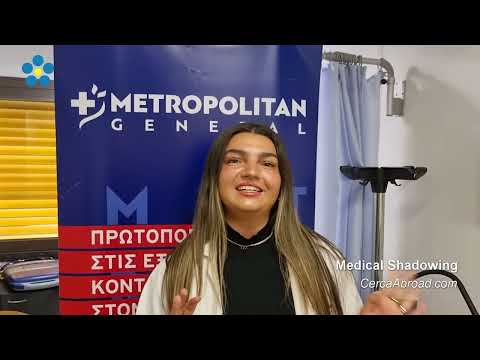
Program: Medical Shadowing in Greece
Hello, my name is Elisabeth and I am from California and I study at San Diego State University. I picked this program because in the future I want to become either a nurse, surgeon or a plastic surgeon, which was solidified while doing this program. I got to witness tons of surgeries in the operating room and it really helped me along the decision of what I want to do when I am older, which is something I’ve been pondering for a little bit. With Cerca Abroad, they’ve been really responsive, so quick and great at communicating for anything I need- from directions to any issues, if there was anything with the apartment. Athens overall has been a great experience. There’s so much to do here and I would definitely recommend doing this program to anyone who is interested in healthcare. It’s extremely flexible and will help you figure out your decision on what you want to do in the future.

Program: Physician Assistant & Pre-PA Internship Abroad | Go Elective
I really enjoyed my time in the emergency department. It was quite busy, and I got to see how doctors handled different cases and made decisions under pressure. I was a little overwhelmed at first, but everyone was welcoming, and I became more comfortable as the days went by. I also liked that we had free afternoons and weekends to explore Kenya. One of my favorite experiences was going on safari in Tsavo National Park, where I got to see elephants, lions, and even dikdiks! Overall, it was a great experience, and I'd happily recommend it to other students!

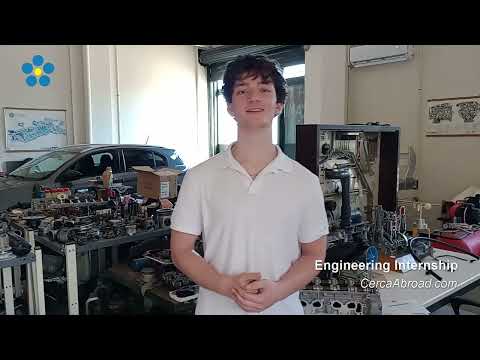
Hi, my name is Sean, I am originally from California in the USA and currently I am a rising sophomore at CU Boulder in Colorado. I am eighteen years old and I am an intern here at the Atlantic University. I chose to intern in the field of drone automation because I am very interested in how precision hardware like drones or quadcopters intersects with a field like animation or AI. I chose Thessaloniki because I heard it has a vibrant student population, beautiful beaches and weather. During my time at the Hellenic University in my internship, I repaired a drone, which involves taking the drone apart and using precision hardware and soldering to repair this drone which has a broken motor. After that was done, we started testing with the sensors. The sensors I coded using Arduino on the bottom of this drone take readings through a DHT sensor, which senses humidity and temperature, and also a raindrop sensor, which detects leakage or, you know, raindrops. Now, this is important in the application of greenhouses or agriculture. The data is stored on the EEPROM terminal of the Arduino, which is an electronically erasable programmable read-only memory. It can be read back using a separate program on Arduino again. During my time in Thessaloniki, I visited many fun tourist spots like the beaches of Khalkidhiki and Mount Olympus, and these are very fun places to visit. The food here is great. The coffee is tasty. The people are very helpful, hospitable and kind. The students are plentiful. The city is very walkable and there is a vibrant nightlife as well. I have learned a lot about technology, culture, and history and I would love to come back in the future if possible. Cerca Abroad has been super communicative and organized. I loved it. The guides are super nice and also communicative. I really enjoyed this whole program. I would totally recommend it for friends and family. Thank you, Cerca Abroad.

Program: Frontline Medical Volunteering | Emergency & Trauma
From my very first interaction with Medi Trip and speaking with Pearl about what I wanted to gain out of my trip, until my very last day in Tanzania, I felt fully supported, completely safe, and genuinely cared for. It is clear that everyone involved in Medi Trip truly wants to change the world. Day by day, they create experiences that shift your perspective on life, teach you how different people see the world, and help you learn how to be a better person in the process. Not a day goes by now where I don’t mention my trip to Arusha and the time I spent with exceptional humans who all shared the exact same goal of making a positive change. During my 3-week nursing internship, I learned multiple lifelong skills that have fundamentally shaped my practice. Immersed in a resource-limited environment, I vastly improved my clinical adaptability, cross-cultural communication, and rapid triage assessment skills, while learning to navigate complex pathologies less common back home. The staff at the hospital were extremely friendly and wanted to learn as much from us as we did from them. Every single member of staff I came across was incredibly grateful for our presence, eager to learn about our culture, and fascinated by how the healthcare world differed across borders. A definitive highlight of my trip happened on a day when I was asked to support the junior doctors with learning catheter insertion, as I was already qualified to do this back home. In return—through what I believe was full trust built by constantly asking the doctors questions and showing genuine dedication—the doctors got to know me and wanted to say thank you. They asked if I wanted to stay in on an emergency C-section. That day, I got to experience the birth of a healthy little boy. I supported the mother, handed medical equipment to the lead doctor, and took part in a clinical milestone I will absolutely never forget. Coming back from the hospital each day was pure comfort. The accommodation felt so homely, the food was absolutely tasty every single day, and the welcome home each afternoon was incredibly warm and loving. From the moment I got home, all I wanted to do was return. I am still utterly grateful for the lessons I learned. I came home a better clinician and a better person, and for that, I will be forever grateful to Medi Trip.
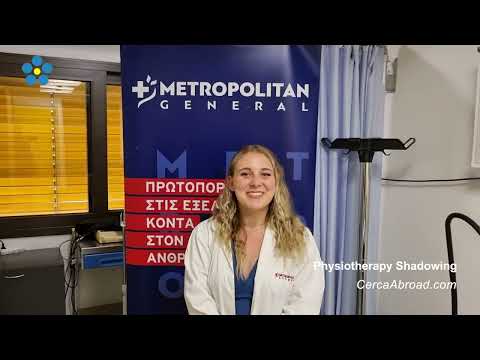
Program: Physical Therapy Shadowing in Greece
Hi, my name is Brylee, I am from Utah in the USA and I study at Utah Tech University and I found this program online. I chose to do it because I wanted some clinical experience with physiotherapy and also I wanted to travel. I really enjoyed my experience here and getting to work with the physiotherapists. They have been so nice and welcoming and I have loved working with the patients. Even though I don’t speak any Greek, I’ve learned a few terms and it’s been really fun to interact with people here. It’s also been very fun to travel. If you get the chance, I would really recommend sightseeing if you can after the internship, when going out and having some fun. The coordination with the program has been fantastic- great communication. You can always message them anytime and it’s really a great program. I would recommend it a lot.

I went to Kenya thinking surgery would be my favorite rotation, but I actually ended up enjoying pediatrics the most. I loved seeing how the doctors interacted with the children and their parents, and I learned quite a bit just from watching and asking questions. I'm glad I got to experience different departments because it helped me figure out what I'm interested in. Overall, I had a really good time with Go Elective and would recommend it!
Program: Technology Internships in Cape Town
I visited Cape Town before and fell in love and knew I would come back. I wanted to try living abroad for a short period of time, and the tech industry in South Africa is really developing, so I wanted to be part of that. I had an amazing process, to be honest. Rowan communicated every detail and took what I was looking for into consideration, so just keep up the good work. One of my personal goals was simple: I wanted a job and I got it. I really appreciated the internship placement, the support and knowing I could call VAC staff if I needed anything, the weekly activities, Culture Series, and VAC staff support. Orientation was very informative and fun. We were a small group, so it felt like chatting with friends. My advice for future interns is to have fun, learn, and try to enjoy every second. It goes by very quickly.
Program: Medical Internships in Cape Town
I was introduced to this opportunity through an alumnus of the program, which inspired me to pursue the internship. The hands-on exposure was invaluable, offering distinct practical insights that are rarely accessible in standard domestic tracks. This experience served as a powerful confirmation of my dedication to this field and my future career goals. I grew so much as a hopeful physician. I learned so many medical techniques and skills that have increased my knowledge tenfold. My advice for future interns is to be prepared to see some things you don’t expect to see back home. Make sure to take advantage of your time and show initiative. Collaborating and living with a proactive, adventurous cohort of peers added immense value to my time here, making the transition home bittersweet. Reflecting on my growth, my main takeaway is the importance of immediate proactivity. I am incredibly grateful to VAC for their stellar organizational support and the excellent weekly events they hosted.
Program: Law internships in Cape Town
I chose Cape Town for my place to intern abroad because I have been interested in South Africa and its history for a very long time. Additionally, because I am African American, I have always wanted to go to Africa and experience the land my ancestors were taken from. I decided to do my internship because I wanted to get real-world experience in my field as well as help people in need. In my internship, I worked in a legal clearing house helping to connect people needing free legal assistance with lawyers able to provide such assistance. In my time there, I became familiar with the legal system of South Africa and significantly bolstered my skills in administrative work and with people in general, making it a great experience overall. My role was to help with administrative work. I helped clients fill out paperwork and worked on their files. One of the personal goals I reached during my internship was becoming more independent and gaining real-world experience. I feel really good now that I have worked a real job in my field. My advice for future interns is to make sure you are good with people and are able to focus for long periods of time. This internship is valuable experience, but it feels like a real job. You are not just shadowing people, and there is a lot of reading and writing. I really appreciated the support and knowing I could call VAC staff if I needed anything, as well as the weekly activities and Culture Series. The orientation activities were the best and definitely gave me some positive memories I will never forget. The Friday meetups and Monday Culture Series were also super fun and enjoyable.


Program: Medical Internships in Cape Town
I had an amazing experience in Cape Town and really loved getting to live in the city and spend so much time here. I think four to six weeks is a great amount of time to fully experience everything, although staying longer would also be amazing if you have the opportunity. I especially loved my medical internship and am so grateful for everything I learned from it. It was such a unique experience getting to see a different healthcare environment and learn from so many incredible people. I enjoyed being hands-on with the patients and talking to the doctors. I also really enjoyed seeing how South African healthcare and training are different from the US. The organization provides free healthcare to people who really need it. For future interns, be prepared to handle blood and intense injuries. It’s an intense internship, but you can also do as much as you want to. I also met so many amazing people during my time here, and everyone was genuinely so welcoming and kind, which made the experience even more special. I really appreciated the internship placement, the weekly activities, the Culture Series, and knowing I could call VAC staff if I needed anything.


Program: Law internships in Cape Town
My time with VAC was nothing short of transformative. My home away from home, the people here have become family and Cape Town has become a place that will forever be in my heart. Without a doubt I will be back, to enjoy South Africa as well as see my VAC family again. My personal goal was to learn as much as possible about the South African legal system as well as just be a sponge for any situation. I definitely did this. I learned so much and feel like I’ve become so much more aware of how the law operates in South Africa and all over Africa. My internship organization contributes to long-term community change through free legal help and workshops explaining different parts of the law. My role was helping consultants with intake sheets to ensure a smooth consultation, as well as research and client-facing roles to support the attorneys. My tip for future interns would be to never forget you are truly helping people in a way that is truly special. Legal burdens are debilitating, and helping those who cannot afford it is rewarding in many ways. Work hard and remember you are changing people’s lives! Besides being instantly welcomed, VAC not only placed me in an amazing internship, but between the Culture Series, Friday adventures, and overall being supportive, they helped me understand and experience South Africa in the best way possible. I can’t put into words how grateful I am for my experience here, and I will forever tell everyone about the best two months ever! Thank you VAC! <3 I felt, during my entire time here, supported fully and knew that if I needed something the VAC family would be there. I truly appreciated it and thought the program did a wonderful job of being involved and letting us know they are there for anything.


Overall, VAC was a life-changing experience. Cape Town is one of the most beautiful places I have ever seen, and every single day I felt like the city got more and more beautiful. I met people from all over the world, was exposed to unique hands-on experience within the workplace environment that I would not be able to find elsewhere, and I made memories that I will talk about for the rest of my life. During my internship, I got one-on-one experience working with clients, which is experience I would not be able to get anywhere else. It truly changed how I viewed psychology, and I am very grateful for my experience. The organization that I worked with, ensures that members within the community have the mental health help that they need and deserve. My advice for future interns is to be ready to hear hard stories. You will get great experience, but you should also be comfortable working one-on-one and having clients of your own. The staff at VAC quickly became family within the first day of meeting them. You are always greeted with open arms, hugs, and a smile when you see them. They are so passionate about their work, ensuring that each person has the best internship and overall experience here in Cape Town. The weekly meetups and activities were also some of my favorite memories here. This city, the people, the working experience, and the memories I made here will change me for the better and will change how I view the world. I am so, so thankful to have found this program, and I think that if you have the opportunity to work through VAC, you should take it without hesitation. It may just change your life.


I chose to come to Cape Town because I had a brief visit last year and fell in love with the city and the people I met. I felt really uncertain about how I wanted to go about it, but I’m so thankful that I had my South Africa experience through VAC. My internship gave me a lot of opportunities for field experience and individual learning, which I really enjoyed. I learned a lot, especially about advocating for myself as well as just how an NGO functions. I planned an event which required a lot of correspondence. I think my communication skills, especially surrounding fundraising and donations, really improved. I also think my general understanding of the functioning of nonprofit organizations improved. The organization focuses a lot on local people and communities and contributes towards long-term change within the city of Cape Town in terms of human rights education and development. The VAC employees are so helpful and kind, and I genuinely looked forward to seeing them every week. The weekly meetups were always so fun and engaging and were a great way to get to know our peers and see the city. VAC also made integration into my internship really easy, which I appreciated. Even though there were some moments that challenged me, I feel like I grew a lot. I always knew I could reach someone at any time of day, and I think the personal WhatsApp communication makes everything super easy. Orientation was SO MUCH FUN! I think orientation week provides the perfect opportunity to make friends and see the city.


Program: Medical Internships in Cape Town
I absolutely loved this experience. The VAC staff was absolutely amazing and truly made me feel welcome in this amazing country. My internship taught me so much, and I am sad to leave! One of my goals was to learn new ways of doing procedures that I had seen many times before. Because of the lack of resources, the dentists had to make do with what they had, which taught me new ways of doing things. The dental clinic helps people in the short term by pulling teeth and fixing cavities, and in the long term by doing preventative cleanings and checks. I was able to help assist with cavity fillings and extractions. My advice for future interns is to go in with an open mind and be ready to learn. Don’t let what other people tell you influence your own opinion. I truly enjoyed my experience. I especially appreciated the internship placement, the weekly activities, the Culture Series, and knowing that I could call VAC staff if I needed anything.
I chose Cape Town because I had a really close friend who spoke very highly of VAC after completing this program the winter before. This was my first big solo trip, and I wanted to go somewhere different. I loved my entire seven weeks here, as I feel like I grew tremendously on both a personal and professional level. My internship was not at all what I expected it to be, but this turned out to give me the best possible experience. Counselling was not something I was really considering for a long-term career, but seeing the progress of my clients, witnessing their reactions when I told them I would be leaving, and researching the best psychological theories to follow during sessions opened my eyes to a whole new path for my future. A main goal I had was to do research while being here. While I didn’t explicitly conduct research for a project, I had to do a lot of my own research on counselling and theories of psychology so I could learn how to apply them to my practice. While it was scary at first, I got the hang of my day-to-day routine pretty quickly and grew to really look forward to talking with my clients and hearing their exciting updates. My proudest moments were when clients explicitly thanked me for my work and mentioned how I helped them in detail, because it made me feel like I truly made an impact and did some good in their lives, which was my biggest goal for the internship to begin with. Anybody can be a victim of trauma, and everyone deserves a safe space to heal and learn how to grow from and live with it. I am proud when I look back on clients who I saw from the beginning to the very end, analyzing their progress and feeling confident with the tools I provided them to create the life they desire and deserve to live. My advice for future interns is to be open-minded, advocate for yourself, and do not be afraid to ask for help especially when it comes to counselling. No question is a stupid question. In addition to the career enlightenment, I found the VAC staff and weekly activities to be a wonderful way to explore Cape Town in ways I never would have thought of on my own. Overall, I am extremely satisfied with my experience and will be returning back to America changed for the best.


My time with VAC allowed me to have an experience that not only immersed me in South African culture, but also taught me to always keep learning, push my comfort zone, and promote positive and meaningful change in communities! I learned all this while creating life-long friendships and enjoying the beauty of Cape Town! During my internship, I loved the research I got to do. I was able to write and complete a 3,000-word research article to be published in the organization’s article review. The organization does incredible research, litigation, and community outreach for Cape Town and South Africa as a whole. I played a small role in bolstering their publications. I also loved the highly personalized VAC experience. Orientation was amazing, and the Culture Series activities were so unique and fun! I appreciated the support and knowing I could call VAC staff if I needed anything. Overall, my time in Cape Town taught me to keep learning, push my comfort zone, and promote positive and meaningful change in communities, all while creating life-long friendships.


I loved Cape Town so much, and VAC was such an amazing resource to have. I really, really enjoyed all of the VACtivities. The staff are so, so lovely, and they helped me figure out how to make the most of my time. I loved the Culture Series, my housing was amazing, and overall, I just loved the whole experience. Serena, Kuselwa, and Loyiso were especially amazing and helped me out all the time. Cape Town is also an amazing place to spend the summer, and I loved getting to be there and explore the city. At my internship, I loved working on the Amathole Project questionnaire, helping with the user experience of the organization’s website, and designing and collecting data for a study started by a previous intern. The organization works with public health data that helps track the HIV/AIDS epidemic, and it was valuable to contribute to that work. I always felt like I could reach out to the VAC staff for support, which was very comforting. The VACtivities I attended were amazing, and I always had so much fun—especially at Babylonstoren. I was also so impressed by my housing experience. When I made suggestions, they implemented them!


I picked Cape Town because I wanted my data science background to actually mean something tangible, not just live inside a homework assignment. My internship gave me exactly that. I came in as a Political Science and Data Science student and left having built a data infrastructure completely from scratch master trackers, standardized systems, spreadsheets, and comprehensive impact reports. What I loved most was witnessing the human dimension behind all the numbers. I got to do site visits, conduct quantitative and qualitative research, and hear firsthand what these programs contributed to the community’s children and families. Having to translate these unique experiences into dashboards, reports, and spreadsheets felt like some of the most meaningful and tangible work I have ever done. I really enjoyed building out mastery and attendance trackers and running correlation analysis to see how consistent attendance connected to student progress. It felt rewarding to turn everyday classroom data into something that could actually inform decisions. I also loved putting together a donor and sponsor-facing report because it meant translating the day-to-day work happening on the ground into something that could help sustain the program long-term. Seeing that report actually get published and sent out to potential donors, knowing it could genuinely help engage people with the program’s mission, was one of the most rewarding moments of the whole internship. I also learned that I thrive in ambiguity, particularly when I am handed a problem with no template and no instructions. This is a version of my own resourcefulness I did not recognize until this internship. My biggest tip to incoming interns would be to stay adaptable and work hard. Come in ready to build, not just to observe. The more comfortable you are with creating structure from scratch, the more value you will be able to add. Get to know the organizations beyond the data as well, the stories behind the numbers made everything I built way more meaningful. The VAC staff made Cape Town feel like home almost instantly. The weekly activities gave interns something to look forward to, and I’m so grateful for how supported I felt navigating an entirely new country. They were incredibly adaptable and helpful, whenever interns needed support, they were there
Program: Education Internships in Cape Town
I chose Cape Town because I wanted to experience a different culture while gaining hands-on experience in education. What I loved most was getting to experience everyday life rather than simply visiting as a tourist. Through my internship at a local primary school, I was able to build connections with students and teachers while learning about the community firsthand. One of my main goals was to better understand education outside of the United States and see how a school responds to the needs of its community. I spent time observing younger learners, seeing how teachers supported different learning and behavioral needs, and having meaningful conversations with staff about their experiences and the challenges facing their students. Seeing the relationships teachers built with their students was one of the biggest highlights of my internship. I stayed for about eight weeks, which gave me enough time to adjust and really experience the culture. The VAC staff and weekly activities made settling into a new country much easier and introduced me to parts of Cape Town I probably would not have discovered on my own. I am especially grateful for the people I met and the opportunity to experience education and community from a completely different perspective.


Alumni and staff share what it's really like to go abroad
Sophia Sørensen
Korea Gapyear
AlumniI have always wanted to experience living in another country while developing skills that would help me in my future career. South Korea stood out to ...
Read Full Interview
Samantha Haase
ArtBound Initiative
AlumniI stayed local for my internship, but I still feel that traveling abroad is important. I think going abroad is important culturally, as immersing your...
Read Full Interview
Lillian Miks
Beyond Travels
AlumniA few years prior to this trip, I went to Peru with my family. Ever since that trip, I knew I wanted to visit the Amazon again, but I didn't think it ...
Read Full Interview
Marlies Leysen
Beyond Travels
AlumniI love traveling abroad to discover new countries, new people, and cultures. I have already traveled abroad in the past, but not for an extensive peri...
Read Full Interview
Juwairiah Ishaq
Roots Interns
AlumniI was inspired to gain experiences in new cultures and different perspectives. Despite this being a remote internship, it was an enlightening experien...
Read Full Interview
Myles Carpenter
FIEN Foundation
AlumniI decided to go abroad because I wanted to challenge myself and step out of my comfort zone by traveling internationally for the first time.
Read Full Interview
Mariana Davila
ArtBound Initiative
AlumniStudying abroad had always been something I wanted to experience because I believe the best way to grow creatively and personally is to step outside y...
Read Full Interview
Pablo Quintanilla Berriochoa
Future For Africa
AlumniI was inspired to go abroad by a strong desire to step outside my comfort zone, experience a different reality, and contribute to something meaningful...
Read Full Interview
Fiona Dolan
The Intern Group
AlumniI’ve always been motivated by personal growth, and going abroad felt like the perfect opportunity to challenge myself. I wanted to build independence,...
Read Full Interview
Carlos Jose Lopez Tort
The Intern Group
AlumniI was inspired to go abroad because I wanted to grow beyond the limits of my usual environment and challenge myself both personally and professionally...
Read Full Interview
Soham Kamble
The Intern Group
AlumniWhat inspired me to go abroad was the opportunity to gain global exposure and step outside of my comfort zone. I wanted to experience a different cult...
Read Full Interview
Maria Plugatyr
The Intern Group
AlumniAside from the overall desire to spend time abroad, my decision was actually a result of my university program requirement. In my international relati...
Read Full Interview
Connor Nicholas
International Medical Aid (IMA)
AlumniI wanted to gain new perspectives and new experiences. Going abroad challenges the way you have been taught to think and do things.
Read Full Interview
Colin Wiechmann
International Medical Aid (IMA)
AlumniI have long been inspired by organizations such as Doctors Without Borders and their commitment to delivering high-quality healthcare in underserved a...
Read Full Interview
Yuto Nakada-Sasaki
International Medical Aid (IMA)
AlumniAlthough I was born and raised in Canada, I have a strong Japanese background, and through numerous trips to Japan, I developed an early appreciation ...
Read Full Interview
Macy Collins
International Medical Aid (IMA)
AlumniI wanted to expand on what I was learning in the classroom when it came to health disparities. I knew what these things looked like as abstract concep...
Read Full Interview
Zihui Qiu
International Medical Aid (IMA)
AlumniI was inspired by the doctors volunteering with Doctors Without Borders and other medical humanitarian organizations in areas such as Gaza and Sudan. ...
Read Full Interview
Kathryn Page
International Medical Aid (IMA)
AlumniGrowing up in a rural community in interior British Columbia, I became aware early on of how geography, staffing shortages, and limited resources shap...
Read Full Interview
Melody Vail
International Medical Aid (IMA)
Alumni"To be loved is to be known" - T. Keller.
Read Full Interview
Nathan Homsey
International Medical Aid (IMA)
AlumniI was initially inspired to go abroad after hearing from other clinicians about how beneficial their time was.
Read Full InterviewExplore the destinations and program types travelers search for most
MyGoAbroad Deals
Submit a single application on MyGoAbroad to get exclusive discounts on travel programs!

Everything you need to plan and prepare for your trip
Advice, stories, and tips from the GoAbroad editorial team


