GoAbroad
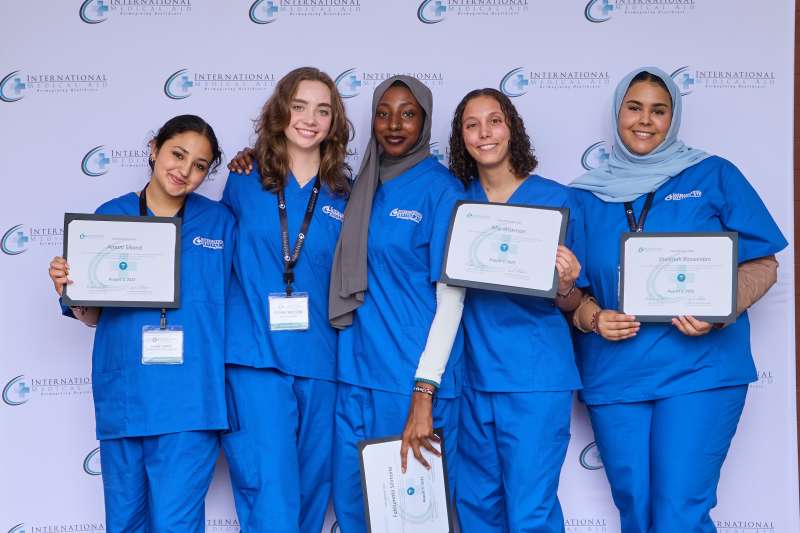
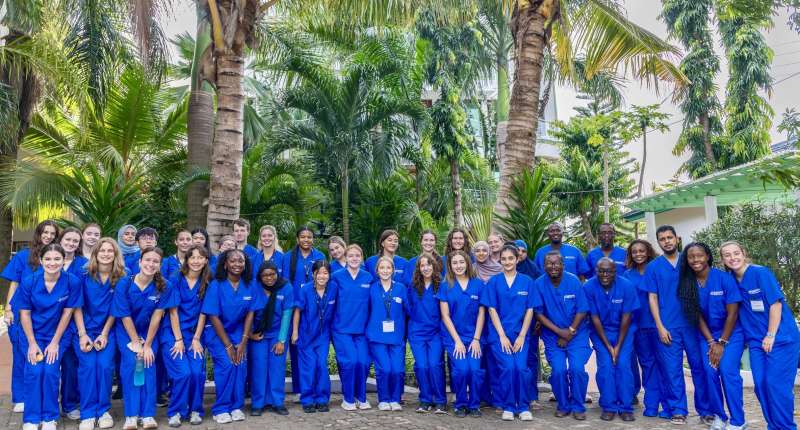
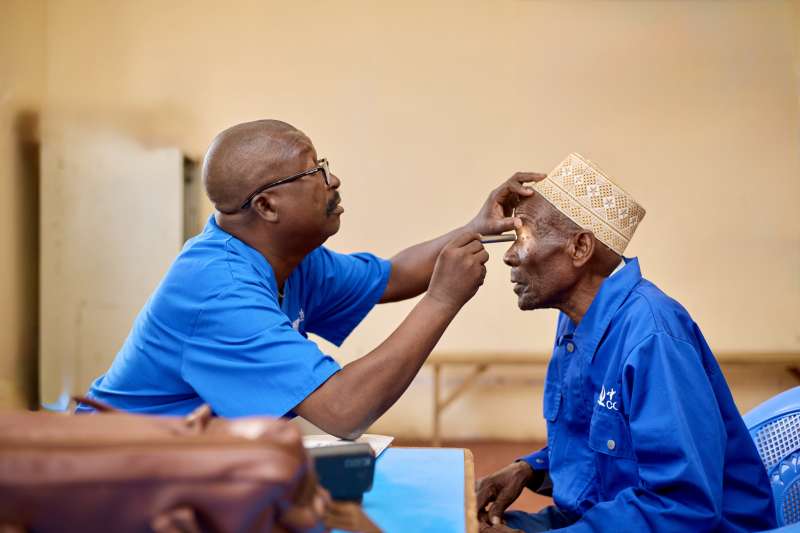
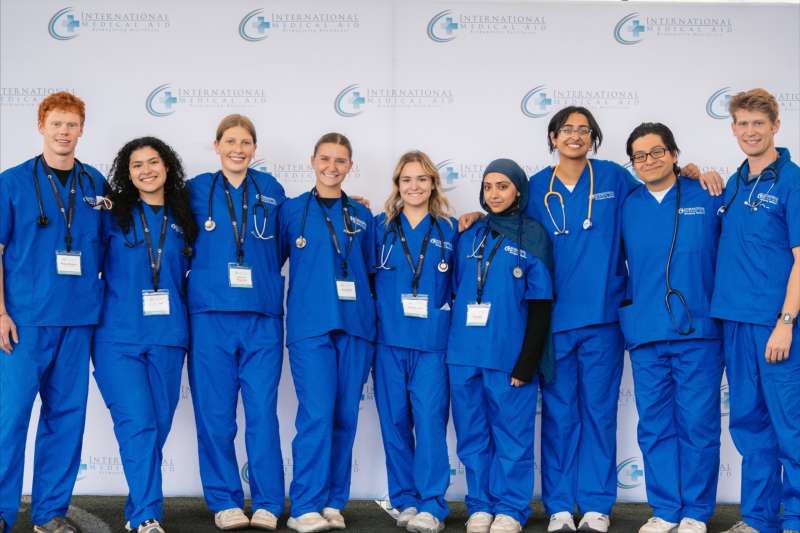
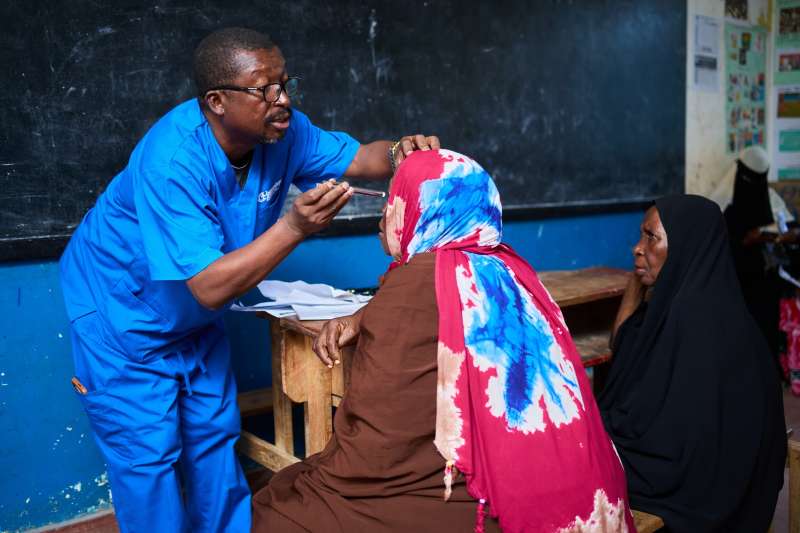
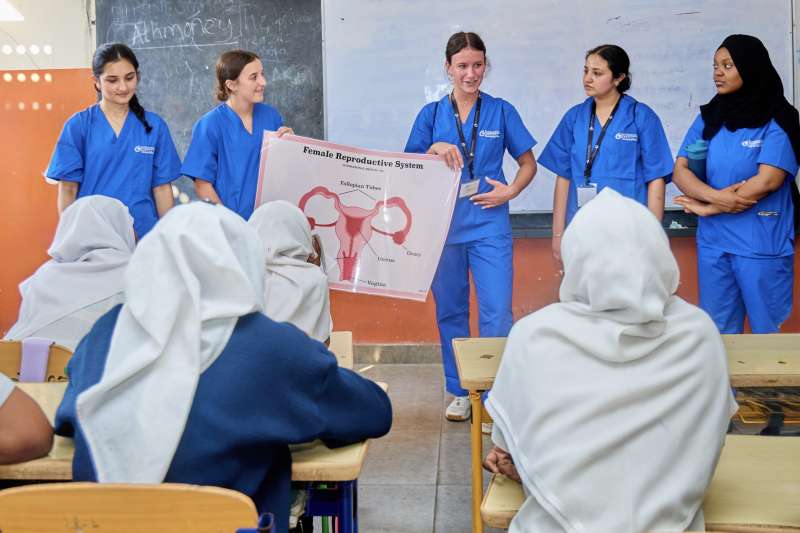
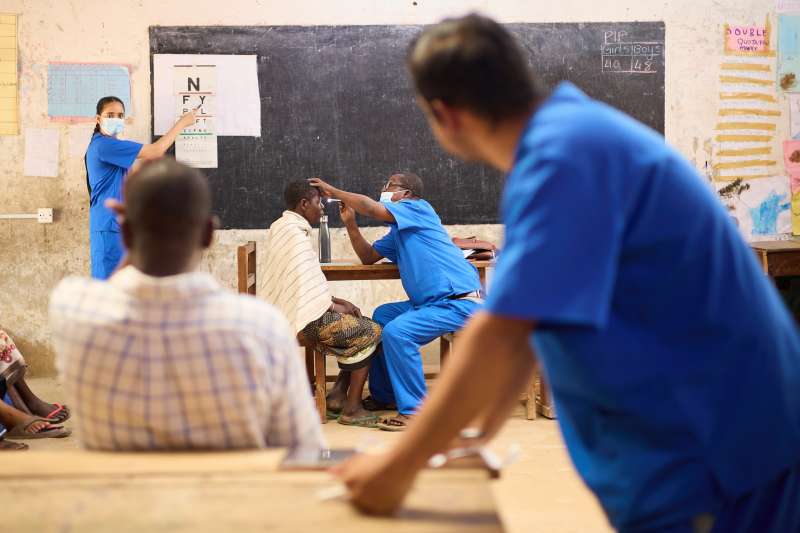
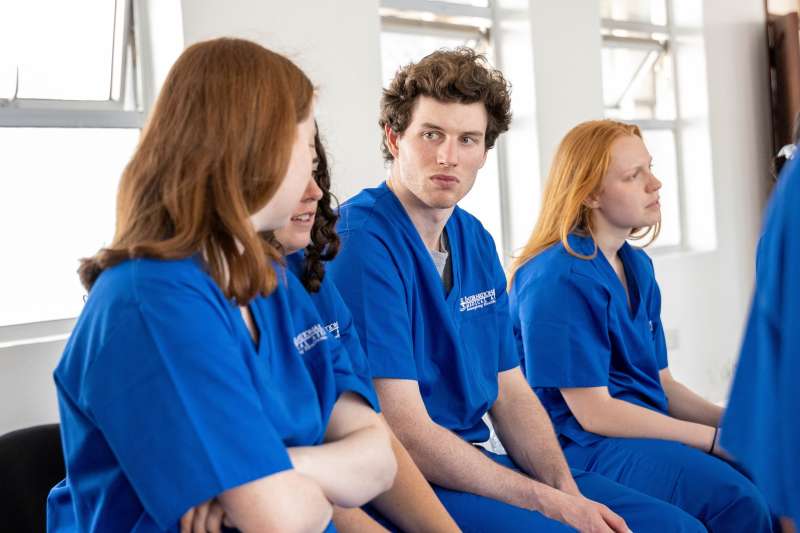
International Medical Aid volunteers
International Medical Aid (IMA) logo

International Medical Aid (IMA)

4.97 (411)VerifiedSince 201213 Programs

Why choose International Medical Aid (IMA)?

International Medical Aid (IMA) is a distinguished nonprofit organization standing at the forefront of global healthcare study-abroad endeavors. As the premier provider of pre-health programs, we offer unparalleled study abroad experiences and healthcare internship opportunities to students and professionals. With programs developed at Johns Hopkins University, IMA's commitment extends to delivering essential healthcare services in underserved regions, spanning East Africa, South America, and the Caribbean. IMA programs align with the AAMC Core Competencies, focusing on developing critical thinking, communication, and cultural competence. Undergraduates, medical students, residents, and practicing professionals gain hands-on experience in medicine, nursing, mental health, dentistry, physical therapy, and public health with a strong grasp of ethical healthcare delivery practices. IMA also fosters an early interest and foundational understanding in healthcare professions by extending opportunities to high-school students. Our approach ensures a broad spectrum of participants can benefit from IMA's comprehensive programs, setting a high standard for experiential learning in global health. Beyond clinical skills, IMA interns immerse themselves in the local culture and beauty of our destinations through our adventure programs. By joining IMA, you will make a tangible impact in underserved communities while advancing your personal and professional growth in healthcare.

Follow Us

FacebookXInstagramLinkedIn

International Medical Aid (IMA) Reviews

Hear what past participants have to say about the programs

Overall Rating

4.97

Total Reviews

411
Leave a Review

Clinical Exposure, Mentorship, and Growth Through IMA’s Pre-Medicine Internship

April 04, 2026by: Victoria Slaven - United States

Program: Global Health & Pre-Medicine Internships Abroad | IMA

5

This program allowed me to grow as an ethical leader in my community, a leader who leads by example. My experiences at Coast General will forever shape my perspective on health care and scarce resources in healthcare settings. While in Kenya, I received constant support from the IMA staff. One specific example that stands out to me was when I was left in the lab by one of the CCC doctors. I called Hilda for support, and even though she was not working that day, she immediately sent Dr. Shaziim to support me. In the residences, the mentors would always be looking out for me, making sure I was healthy and happy as I completed the program. One specific moment in Internal Medicine that stood out to me was when I did rounds in the women's ward with Dr. Shaziim and the gastroenterologist. Dr. Shaziim incorporated my previous knowledge of HIV from the CCC into explanations to help me learn and build upon my knowledge. Thanks to their efforts to involve me in their diagnosis process, I now want to pursue gastroenterology.

Leading a health education session alongside fellow interns during a community outreach initiative organized by IMA in Mombasa, Kenya, as part of my Pre-Medicine Internship Program.Certificate Ceremony at the end of my Pre-Medicine Internship Program with one of IMA’s Physician Mentors.Participating in a Hygiene Education Session hosted by IMA at a local primary school in Mombasa, Kenya, during my Pre-Medicine Internship Program.

How My Pre-PA Internship in Kenya Reshaped My Understanding of Medicine, Advocacy, and Global Health

April 03, 2026by: Muna Mohamed - United States

Program: Physician Assistant/Pre-PA Internships Abroad | IMA

5

When I boarded the plane to Kenya to begin my internship with International Medical Aid, I was filled with excitement, curiosity, and a desire to serve. I have long aspired to become a physician assistant, but I also wanted to ensure that this goal was driven by genuine passion rather than simple interest. I had always hoped to participate in global health efforts and provide care to populations with limited access to healthcare. I wanted to understand patient care outside the modern diagnostic tools, fast-paced hospital systems, and technological resources that shape much of medicine in the United States. During my time at Coast General Teaching and Referral Hospital in Mombasa, I discovered far more than I anticipated: a deeper understanding of healthcare disparities, a profound respect for resilience and community, and a renewed commitment to pursue my career with purpose. When I landed in Mombasa, I felt a mix of familiarity and astonishment. Palm trees swayed over busy streets, and the air carried a warmth that extended beyond the weather. Cars moved in a chaotic harmony, with drivers honking and weaving through traffic while somehow avoiding collisions. Tuk-tuks sped between cars and motorcycles, while pedestrians crossed roads amid the flow of traffic. Vendors lined the roadside selling everything from fresh fruit to clothing, their voices full of energy and persistence. As a Somali born and raised in the United States, these sights felt both foreign and strangely comforting. They reminded me of the stories my family shared about home, full of movement, community, and constant hustle. For the first time, I felt connected to a place I had never lived, yet somehow carried within me. The warmth I received from the IMA staff, doctors, nurses, and local community helped me transition from feeling like an outsider to feeling accepted. Coming from the United States, I have grown up in a healthcare system that, despite its high cost, is equipped with advanced technology and support systems for many patients through insurance programs and government assistance. In the United States, individuals facing financial barriers often still have access to emergency care, routine screenings, and early diagnosis. In Kenya, I learned that healthcare accessibility is shaped not only by cost, but also by location, transportation, and the uneven distribution of medical resources. Many patients travel long distances to reach facilities like Coast General Teaching and Referral Hospital, a public hospital that serves a large population with limited supplies and staffing. Unlike private hospitals, public hospitals operate with restricted funding, yet they remain the primary option for most families. Witnessing doctors and nurses provide care despite shortages in equipment, staff, and funding reshaped my understanding of healthcare. I realized that medical systems are defined not only by their resources, but also by the resilience of the people working within them and the accessibility they provide to those who need care most. My first week was spent shadowing in the pediatric ward at Coast General. There, I learned that caring for a child involves far more than treatment and diagnosis. A child’s well-being is also deeply influenced by the social, political, and economic circumstances surrounding them. The ward was filled with young patients, each with conditions shaped by a different combination of medical and social determinants. Many children were battling illnesses such as malaria, pneumonia, and tuberculosis, conditions that are often preventable or treatable when identified early. However, because of delayed diagnosis and limited access to healthcare, relatively manageable illnesses often developed into serious complications. It became clear that a child’s health in Kenya is influenced not only by biology, but also by access, opportunity, and affordability. One of the most valuable lessons I took away was observing how healthcare providers approached diagnosis through close observation, critical thinking, and thorough physical examination. Dr. Ken, whom I shadowed throughout the week, emphasized that medicine begins with asking the right questions, listening carefully to caregivers, and using physical examination as a primary diagnostic tool rather than relying immediately on testing. For example, a nine-month-old baby who was struggling to breathe needed to be evaluated for either pneumonia or asthma. The physician assistant used chest auscultation, history-taking, and observation to guide treatment. This demonstrated a high level of clinical judgment and confidence. It showed me that good medicine does not always require advanced technology, but it always requires close attention. Another case that deepened my understanding of pediatric care involved a twelve-year-old child suspected of having leukemia with a critically low platelet count of 7. A normal platelet count ranges from 150,000 to 450,000 per microliter. The providers were not yet certain whether the child had cancer, and additional testing was needed before a definitive treatment plan could be made. In the meantime, the child was closely monitored and treated as necessary, highlighting how medical teams must make critical decisions even when full information is not immediately available. Witnessing this balance of caution, urgency, and hope was both shocking and eye-opening. I realized how fragile a child’s health can be, and how every clinical decision carries immense weight. The patient who affected me most was a child admitted with aspiration pneumonia, a bacterial lung infection caused by inhaling substances other than air, such as vomit, saliva, or liquids. His bones were fragile, his legs were extremely thin, and swallowing placed him at constant risk of aspiration. The recommended treatment was a PEG tube to provide nutrition, but the procedure had been delayed because of his mother’s financial hardship. It was heartbreaking to watch her sit beside him each day waiting for a solution. Another intern and I spoke with her, and with her permission, we organized a GoFundMe fundraiser. Within a few days, we raised enough money to cover the PEG tube and his hospital bills. For the first time, I truly understood the role of advocacy in patient care. This experience taught me that healing can depend not only on medical expertise, but also on community action and compassion. By the end of the week, I saw pediatrics differently. It was not just a place where children received treatment, but a setting that reflected larger public health challenges such as malnutrition, sanitation, infectious disease, and socioeconomic inequality. I learned that healthcare professionals in Kenya practice medicine with deep dedication, knowledge, and resourcefulness. Their work reinforced my belief that becoming a physician assistant means not only treating illness, but also understanding the realities that shape health. Pediatric care reminded me that every child is more than a diagnosis; each is a life shaped by family, environment, and access to opportunity. My second week was spent in the maternity ward, where I witnessed joy, strength, and hardship. Unlike pediatrics, where children often arrived after days or weeks of illness, maternity care centered on the very beginning of life. Most of the births I observed were cesarean sections, and seeing the surgery in person was very different from reading about it in a textbook. I was struck by how quickly and confidently the surgical team delivered each baby. What impressed me even more was the precision required afterward. While the actual delivery took only a few minutes, closing the uterus and carefully suturing the abdominal wall required patience, skill, and focus. Observing a C-section up close felt surreal. Witnessing a stillbirth was one of the most emotionally difficult experiences I had during my time at Coast General. I had read about fetal mortality rates and the impact of inadequate prenatal care and delayed access to hospitals, but no statistic could capture the silence in the room or the quiet empathy of the nurses, who understood exactly how to offer comfort without words. In that moment, I realized that healthcare providers must possess not only medical knowledge, but also emotional strength. The ability to support patients and families in their worst moments is just as important as providing skilled care during successful ones. As a future physician assistant, I will need to approach moments of loss with the same clarity, compassion, and devotion I bring to moments of healing. This experience taught me that clinical success does not always mean a positive outcome, but compassion is always part of the responsibility. My time in maternity showed me that medicine is not only about welcoming new life, but also about honoring lives that do not begin as hoped. One of the clearest takeaways from my internship was the contrast between healthcare delivery in Kenya and in the United States. In Kenya, medical care is often provided with limited resources and equipment that would be considered standard elsewhere. Yet the system compensates for these limitations through resilience, teamwork, and creativity. Doctors and nurses consistently made the most of what they had. For example, I observed nurses using part of a surgical glove as a tourniquet when drawing blood. These realities reflect a broader systemic difference in healthcare spending and infrastructure. Recognizing that disparity helped me understand why the two systems function under such different conditions. My internship with International Medical Aid changed how I see healthcare, the world, and myself. I learned that medicine involves far more than treatment plans and clinical skills. It also requires advocacy, cultural humility, emotional intelligence, and adaptability. I encountered illnesses that are uncommon in the United States but prevalent in Kenya. More importantly, Kenya will remain part of my story, not simply as a place I visited, but as the place that reshaped my understanding of medicine, taught me the power of empathy and resilience, and showed me what it truly means to care for others.

Participating in a Hygiene Education Session hosted by IMA at a local primary school in Mombasa, Kenya during my Pre-PA Internship Program.

Exploring Bamburi Nature Trail during cultural immersion activities organized by IMA in Mombasa, Kenya during my Pre-PA Internship Program.Certificate Ceremony at the end of my Pre-PA Internship Program with International Medical Aid in Mombasa, Kenya.

A Drop to a Ripple: How My Pre-Medical Internship in Kenya with IMA Changed My Perspective

March 14, 2026by: Min Ji Cha - United States

Program: Global Health & Pre-Medicine Internships Abroad | IMA

5

This internship was an amazing once-in-a-lifetime experience that I am very grateful for. I have met so many wonderful people, including all of the program staff, interns, and hospital staff. Safety was a major concern for my family and me before my internship, but the program mentors and staff were very informative and cautious, so I felt very safe throughout my stay. The accommodations and food were also beyond what I expected. I have learned so much not only clinically, but culturally as well, and I would love to go back once more in the future. My internship this past winter with International Medical Aid in Mombasa, Kenya has opened my eyes to different perspectives and has given me a glimpse of what life is like in a place that is more than 10,000 miles away from my home. I have learned so much in not only medicine but in culture as well. Through the cultural treks and language classes provided by this program, I was able to learn about the history of the Swahili people, how the Kiswahili language came about, along with the traditions and practices of the culture of the people of Kenya. This opportunity has allowed me to gain meaningful experiences and relationships that I will forever cherish. I spent my internship at Coast General Teaching & Referral Hospital, where I had the opportunity to shadow both medical and clinical officers who play a large role in healthcare in three major departments: Emergency Medicine, Pediatrics, and General Surgery. Alongside these healthcare providers were nurses who play a critical role in patient-centered care and whom I came to befriend. Every day of my three weeks of this internship contained precious moments and learning points that have only furthered my passion for the medical field. Even through a slight language barrier, sincerity shines through, which is something that I will always carry into my practice as a future healthcare provider in the United States. If there is anything that has had a profound impact on my view of life, it is the realization that there is a limit to what I am able to control. From my experiences so far, whether in a medical setting or daily life, there is only so much I am capable of doing for people. This realization crossed my mind countless times as I thought about ways in which I could do more because in my current position, I have no say or control in a life-or-death situation, regardless of how dear someone may be to me. Especially as an intern and student, I was limited to speaking words of encouragement as I watched patients suffer, or simply waiting and hoping for good news. The desire to be able to do more than that has sparked my passion to pursue a career as a medical professional. The healthcare system I experienced in Kenya is notably different from the United States in terms of access to care, disease burden, and health coverage for patients. From the medical officers, clinical officers, nurses, and patients that I spoke to, I found that many patients do not seek care due to long distances and lack of transportation. Although hospitals are scattered throughout the country, they may not be evenly distributed throughout each region or neighborhood. Furthermore, some patients live closer to private hospitals but cannot afford them because they charge much more than public hospitals, which many patients are also unable to afford. This relates to Kenya’s poverty rates, with about one-third of the population living below the national poverty line in 2019 (World Bank, 2023). Additionally, the disease burden in Kenya is very high, with human immunodeficiency virus (HIV), which can develop into acquired immunodeficiency syndrome (AIDS), being one of the major communicable diseases. As for non-communicable diseases, major ones include cardiovascular disease (CVD) and metabolic diseases such as chronic kidney disease, diabetes, and hypertension, all of which contribute to the high disease burden in Kenya. The need for non-communicable disease services to be expanded has been recognized, with guidelines supporting these provisions in patients with HIV, but coverage still remains low (Smit et al., 2019). Additionally, during the Global Health Lecture Series presented by Dr. Shazim during our internship, we learned that the high burden of HIV and AIDS in Kenya accounts for about 29% of annual adult mortality, 20% maternal mortality, and 15% mortality in children under the age of five, which are much higher than mortality rates in the United States. Similarly, non-communicable diseases contribute to more than 50% of inpatient admissions and 40% of hospital mortality, which is also linked to a financial burden for these patients that is further connected to nationwide poverty. With a high disease burden in Kenya also comes a high financial burden, with a major issue being health coverage. Informal sector workers, a population that drives a significant portion of employment in Kenya, have a low rate of national healthcare insurance (NHI) enrollment. This may be due to existing socioeconomic inequalities and barriers they face, including limited access and having to pay NHI premiums out-of-pocket (Wamalwa et al., 2025). This contributes to increased morbidity and mortality due to inequitable access to care, as high out-of-pocket costs prevent patients in this population from seeking care. Studies suggest strategies such as using a tax-based system or expanding subsidies to support NHI enrollment among populations like this, though more research may be needed. Diving deeper into the healthcare system in Kenya showed me the existing gaps that prevent patients from receiving the care they need and ultimately contribute to mortality. My first thought when I learned about the healthcare system in Kenya was that these gaps seemed almost impossible to close. However, it made me think about how these gaps could be reduced, even slightly—whether by addressing health disparities through a health equity lens, focusing on advocacy, or working as a healthcare provider in a hospital setting. This led me to ask further questions, which eventually instilled in me a desire to contribute to making a difference. Although my role as an intern may have seemed insignificant in terms of what I was able to practice, I built many meaningful relationships with various people there and I would like to believe that I made a difference in at least one person’s life. Even though I cannot change the world, brightening one person’s day may feel to them as if something meaningful has changed. This could be the drop that turns into a ripple and has a lasting effect. If one drop can turn into a ripple, I can only imagine what numerous drops can do. I believe International Medical Aid is a wonderful example of how gaps in Kenya’s healthcare system can begin to close. Each intern interacts with numerous patients and healthcare providers and brings back a piece of their journey home to share their stories. Each intern may have also offered words of consolation, encouragement, and hope to the patients they encountered, giving them strength during what may have been the lowest points of their lives. I learned that the smallest acts can accumulate and become something deeply meaningful that touches people’s lives. Each person’s life holds immense value, and I want to be part of something that gives people the opportunity to value their own lives—whether by providing treatment options or simply being there to reassure and brighten their days. I want to be someone who brings joy into people’s lives, a shoulder to cry on when they are hurt, and a source of peace for those in their final moments of life, because that is what I would want if I were in such a position. I want to bring good news to families of patients who have recovered, console them when unexpected things occur, reassure them when they express concerns, and be someone not only patients can trust and rely on, but someone their families can rely on as well. My perspective on life has changed, and for that I am eternally grateful.

Participating in a Clinical Skills Workshop during the Global Health Lecture Series with an International Medical Aid Physician Mentor, practicing airway management techniques in Mombasa, Kenya.Certificate Ceremony at the end of the Pre-Medicine Internship Program with one of International Medical Aid’s Physician Mentors at Coast General Teaching and Referral Hospital in Mombasa, Kenya.Leading a Hygiene Education Session with local students in Mombasa, Kenya, where members of our cohort demonstrated proper handwashing techniques as part of International Medical Aid’s Community Health Initiatives.

Hearing “Daktari”: The Internship in Kenya That Deepened My Commitment to Medicine

March 13, 2026by: Nia Moshari - Canada

Program: Global Health & Pre-Medicine Internships Abroad | IMA

5

My experience with International Medical Aid in Kenya was truly exceptional and profoundly impactful, both personally and professionally. From the moment I arrived, it was clear that the program was thoughtfully designed with intern safety, learning, and well-being at its core. The structure and support provided allowed me to fully immerse myself in the experience while feeling consistently supported and valued. The in-country support team was outstanding. Orientation sessions were thorough and reassuring, covering safety, cultural expectations, and hospital dynamics in a way that made the transition into a new healthcare system feel manageable and exciting rather than overwhelming. Throughout the program, staff members were consistently available, responsive, and genuinely invested in our experience. Whether addressing logistical questions, health concerns, or simply checking in on how we were adjusting, their presence made a meaningful difference and created a strong sense of trust and community. Safety was clearly prioritized at every level. Transportation to and from clinical sites was reliable and well coordinated, housing was secure and comfortable, and clear guidance was provided on navigating the local environment responsibly. This allowed me to focus fully on learning and engagement rather than worry. Accommodations were welcoming and well maintained, offering a restorative space after long hospital days, and the food provided was both nourishing and culturally enriching, giving us the opportunity to experience local cuisine while meeting dietary needs. Clinically, the experience was transformative. Exposure to high-acuity cases and diverse patient populations in a resource-limited setting deepened my understanding of medicine, adaptability, and health equity. Despite demanding clinical environments, clinicians and mentors made time for teaching, discussion, and reflection. Case debriefs and guided conversations helped contextualize what we observed and strengthened my clinical reasoning. I gained invaluable insight into patient-centered care, interdisciplinary teamwork, and ethical decision-making in global health contexts. Importantly, the program emphasized respectful engagement with the community. Interns were encouraged to learn with humility, prioritize patient dignity, and understand the broader systemic challenges facing the healthcare system. The presence of the program supported busy clinical teams while fostering meaningful cross-cultural exchange. Overall, this internship reinforced my commitment to medicine and global health. It strengthened my cultural competence, resilience, and sense of purpose, and it was made exceptional by the dedication, compassion, and professionalism of the International Medical Aid staff and local clinicians. This experience will continue to shape my approach to healthcare, service, and learning moving forward. When I arrived in Mombasa, Kenya, to begin my clinical internship with International Medical Aid (IMA), I expected to gain experience in medicine, but I did not expect to feel so immediately immersed. On my first morning at Coast General Teaching and Referral Hospital, voices in the corridor found me before I found the ward: “Daktari, daktari!” The word—Swahili for “doctor”—warmed and unsettled me in equal measure. I wasn’t wearing a white coat, only IMA-branded scrubs, and I was not yet a doctor. But in that moment, the title wasn’t about qualifications; it was about need. “Daktari” carried a weight of expectation that followed me through every ward, every patient encounter, and every conversation. I rotated through the intensive care unit (ICU), emergency department, cardiology, and surgery, with overnight shifts in maternity when the ward was stretched thin. Over weeks, the hospital’s sounds and textures became my syllabus: the oxygen concentrator’s steady sigh, the antiseptic mingled with ocean air, the clink of enamel mugs as tired clinicians shared tea. I learned to say habari (how are you?), asante sana (thank you very much), pole and pole sana (I’m sorry/so sorry), tafadhali (please), samahani (excuse me), ndiyo (yes), hapana (no), kidogo (a little), and polepole (slowly). People smiled at my first crooked attempts and coached me kindly—“Sawa, daktari, polepole.” It mattered to them that I tried. It mattered to me that they let me. A question became inseparable from my days in the hospital: What have I learned—and how will I use it? My answer lives in stories: of scarce resources and stubborn hope, of ethical lines that felt like cliffs, of laughter shared over tea and cake during a ten-minute truce in an endless day, of a husband in a plastic chair at 3 a.m. asking me if everything would be okay and knowing I could not promise it would. These experiences clarified not only the kind of physician I want to be—clinically excellent and radical in empathy—but also the kind of advocate I must become for equity in global health (Afulani et al., 2021; Kinuthia et al., 2022; WHO, 2023). Being called daktari by patients was an honor, but it was also one of the most sobering experiences of my internship. In Canada, I am “Nia, the student.” In Mombasa, I was “Doctor,” simply because I wore a pair of scrubs and stood beside physicians. Patients would look at me expectantly, asking questions, sometimes holding out prescriptions for me to explain. Their trust was profound, but it also reminded me of the immense responsibility medicine carries. The most challenging moments came when Kenyan doctors asked me to do things far beyond my training. In the emergency department, a physician once handed me a syringe and said: “You give the injection — I will show you this one, and you will do the next patient.” I froze. I had never given an injection in my life. I explained that I wasn’t trained, and he smiled, a little surprised, but then proceeded to demonstrate. When he turned back to me, I shook my head. I had to refuse. He looked puzzled at first, but eventually nodded and moved on. That moment taught me two things. First, the scarcity of staff often pushes students into roles they are not prepared for, out of necessity rather than negligence. Second, I realized the importance of knowing my limits. Patient safety must always come before pride or the desire to fit in. The moment branded a lesson I will carry for a lifetime: in settings where task sharing is a pragmatic response to workforce shortages, clarity about scope and competence is an ethical anchor (Kinuthia et al., 2022; Okoroafor et al., 2023). Even without doing procedures, there was plenty I could do. I learned to read the room quickly, to fetch, translate, listen, soothe, count breaths, find a blood pressure cuff that almost fit, and—most of all—to communicate honestly. Briefly as I remember it, a senior physician offered an unforgettable lesson on empathy versus sympathy: “Sympathy stands beside the cliff and waves,” he said. “Empathy climbs down, sits on the ledge, and helps someone look up.” The next day he put me to the test: a family’s matriarch was failing, and we knew she was unlikely to survive the night. He asked me to speak with them first. I used the SPIKES framework—Setting, Perception, Invitation, Knowledge, Emotions, Strategy—pulling chairs into a circle, asking what they understood, inviting permission to share more, delivering information in short sentences, then letting silence do the rest before outlining next steps (Baile et al., 2000; Buckman, 2005). I did not tell them it would be okay. I told them we would not let her suffer and that we would stay. They wept; I listened. When we stood, the physician squeezed my shoulder and said, “Asante, daktari.” It was especially then that I realized how deeply I want to be a doctor who does not only prescribe but also accompanies (Jeffrey, 2016; Byrne et al., 2024). The ICU taught me the arithmetic of scarcity. Beds were almost always full; positions, too. Kenya has grown critical care capacity since 2020, but the distribution remains uneven, and functionality is a persistent challenge—by one national survey, more than a quarter of ICU beds were nonfunctional on the day of assessment (Barasa et al., 2020; Mwangi et al., 2023). On rounds I juggled vitals and vocabulary: pumua polepole—breathe slowly—repeated to a hypoxic patient as we watched an oxygen cylinder’s needle drift toward red. Families seldom entered the ICU; most waited outside or at home, a difference from many North American units where bedside family presence is standard. This wasn’t indifference; it was infrastructure and policy. And still, even behind glass, love found a way—caregivers pressing palms to doors, whispering their person’s name, and trusting us to be their hands for now. One night, we faced a quiet ethical storm. Four patients needed dialysis by dawn: an elderly man with septic AKI, a young teacher with rapidly rising potassium, a diabetic woman in pulmonary edema, and a middle-aged patient with chronic kidney disease who looked relatively stable. We had one machine available. By clinical urgency, the choice seemed clear. Yet the machine went to the one with the lowest immediate risk. A doctor muttered why: “She’s connected… a politician’s prostitute.” I felt my stomach turn. I had been reading about how procurement, politics, and favoritism can distort resource allocation in Kenyan health systems; now the literature had a face (EACC, 2023; Musiega et al., 2023; Munywoki et al., 2023). We stabilized who we could, improvised where we must, and documented everything. That night hardened my resolve to fight corruption and inequity as fiercely as I fight disease. It also pushed me deeper toward policy: devolution has created possibility and variation across Kenya’s 47 counties, but budget execution, cash flow, and procurement bottlenecks still undercut efficiency (Barasa et al., 2021; Musiega et al., 2023). Scarcity is not an abstraction in nephrology. In Kenya, chronic kidney disease affects millions, dialysis is expanding but remains unreachable for many, and transplant capacity meets only a fraction of need (Maritim, 2022; Japiong et al., 2023; Hathaway et al., 2023; Sawhney et al., 2024). That night, the human cost of those percentages sat at the edge of one bed, wrapped in a paper gown, waiting her turn that didn’t come. I want to be the kind of physician who refuses to accept a world where political proximity sets triage. I also want to be the kind of advocate who helps build systems where such choices never arise. The emergency department compressed hours into heartbeats. One evening a boy arrived listless, skin tented over his knuckles, his mother murmuring tafadhali as we lifted him. The chart said suspected cholera. I had read WHO updates about multi-country cholera surges and Kenya’s intermittent outbreaks; suddenly the textbook was on the gurney (WHO, 2024a; WHO, 2024b). We warmed fluids between our palms, counted capillary refill, measured stool in a basin the color of the sea—only thinner, crueler. When he finally sat up and sipped, his mother clasped my hands and said, “Asante sana.” I shook my head: hapana, pamoja—no, together. It was true. The nurse who found an elusive vein, the clinical officer who triaged quickly, the cleaner who changed the soiled sheets in seconds—medicine is choreography, and everyone had a step. In that same department, the cleavage between can and should appeared again in small ways. Could I interpret an ECG? Yes. Should I be the one to adjust a drip? No. Kenya’s Emergency Medical Care Policy and Strategy envision a coherent, universal emergency system; the WHO Basic Emergency Care curriculum is training first-contact providers to act fast and act right (Republic of Kenya, 2020; Lee et al., 2022; WHO, 2024c; Michaeli et al., 2023). I saw the promise—and the gap between policy and practice when volume surged. Strengthening emergency care is not a luxury; it is a multiplier for survival in trauma, sepsis, obstetrics, and cardiac crises. Cardiology days stitched physiology to story. I will never forget a gentle woman in her forties with poorly controlled hypertension and shortness of breath. She had missed clinic visits—money for transport had gone to school fees. Her ECG muttered strain, her ankles told the rest. I sat beside her and tried my Swahili: Tutapanga pamoja—we’ll plan together. The doctor drew a medicine grid with the colors of her cooking spices: red pill with lunch (chapati day), small white at bedtime (lala salama, sleep well). She laughed, promised to try, and pressed a warm orange into my hand from her bag when we were done. Across Kenya and globally, noncommunicable diseases are rising fast while specialist numbers remain thin; in settings like this, patient education is not a bonus but a therapy (World Heart Federation, 2023; Smit et al., 2020; Oguta et al., 2024). Another morning, I helped a young man with suspected rheumatic heart disease understand why stairs stole his breath. With the team’s okay, I only echoed what the physicians had already explained—nothing more—turning their guidance into quick sketches of valves in my IMA notebook while his friend filmed on a cracked phone. We spoke, strictly within those instructions, about prophylaxis and when to seek help if the chest began to thud like a drum; I made clear I wasn’t adding my own opinions, just passing along accurate information from his clinicians. He shook my hand with both of his and whispered, “Asante sana.” Teaching—faithful to the team’s advice—is a clinical intervention; in low-resource settings, it is sometimes the only one you can leave behind. Surgical days carried a ritual clarity—checklists, cleansing, exactness. After shadowing several operations and taking pages of notes, I followed the team to a break room with practically destroyed leather couches. Someone produced a dented tin and a flask. “You must try our tea and cake,” the doctor insisted, breaking the slice into generous pieces though everything was rationed—time, sutures, sanity. We joked about my Swahili and the way I said ndiyo like a question. We also spoke plainly about weight. One surgeon rubbed his eyes and said, “Sometimes I just want to get out of this place.” He didn’t mean Kenya; he meant the machinery of exhaustion: blocked procurement, too few hands, too many late-stage presentations. He was not cruel, only human. Studies from Kenya echo what I saw—burnout is real among providers, especially in high-acuity, under-resourced settings (Afulani et al., 2021; Lusambili et al., 2022). I could not blame him; I could only admire the way he scrubbed again ten minutes later and went back in. Those same surgeons modeled another kind of abundance. They let me stand a little closer, ask one more question, listen a little longer to a patient’s fear before anesthesia. When I thanked them, they shrugged. “We were also students,” they said. Then they handed me another piece of cake. It tasted like saffron and solidarity. On a night shift that still wakes me, a man found me outside the maternity ward. “Daktari, where is my wife?” His hands trembled. I had observed the birth and learned quickly: his wife had delivered a stillborn baby and was now hemorrhaging. She had lost roughly two litres. The team had rushed her to theatre for uterotonics and transfusion. He asked if she would be okay. I wanted to say yes. I could not. I remembered the lesson: empathy sits on the edge of the cliff. I sat with him in plastic chairs for an hour that felt like a day, using the best therapeutic communication I had—short sentences, honest pauses, simple words, pole sana—and I did not make promises. He told me this wasn’t the first time they had tried, how badly he wanted to become a father, how brave his wife was. He held his head and sobbed. I handed him tissues and spoke to the theatre when I could. When the nurse finally waved us closer and said the bleeding was controlled, he broke again—this time with relief, not joy. We had saved a life; we had also witnessed a loss that would live in the room for a long time. Postpartum hemorrhage is the leading cause of maternal mortality in Kenya, responsible for a staggering share of preventable deaths (Clarke-Deelder et al., 2023; WHO, 2023; Miller et al., 2024). Policy and innovation—from calibrated drapes to E-MOTIVE care bundles—are making a dent, but systems strain at three a.m. (Forbes et al., 2023; WHO, 2023). That night honed my understanding of what “advocacy” must mean for me: not speeches, but the slow, procedural work of ensuring blood is in the fridge, oxytocin is not expired, and referral roads are passable. I learned to see difference not as deficit but as context. Kenya’s health system is decentralized; counties hold power over budgets and hiring, yielding both innovation and inequity (Barasa et al., 2021). Emergency care policy is advancing but remains a patchwork in implementation; critical care capacity has expanded yet is uneven and sometimes nonfunctional; task sharing is both policy and necessity (Republic of Kenya, 2020; Mwangi et al., 2023; Kinuthia et al., 2022). These structural variances mattered in daily decisions—who got a bed; which lab test we could run; whether a consultant could be reached. Politics walked the corridors, too. I saw the best of it—county investments that opened new ICU wings—and the worst of it—procurement shortcuts that warped triage, whispers of favoritism, and morale that bent under both (EACC, 2023; Musiega et al., 2023). Culture threaded everything: family structures, faith, the communal cadence of waiting rooms, the hospitality of tea that no one could afford and everyone insisted you take. I also learned that language is a clinical tool. Saying pole at the right time with the right tone mattered as much as any manual skill I had. People corrected me gently—hapana, not hapoana—and then used my effort as a bridge to trust. Competence before confidence. In resource-limited settings, the temptation to “just do it” is real. I learned to hold the line, graciously and firmly. My future self will keep that boundary for patients’ sake and my own (International Medical Aid, 2025; Kinuthia et al., 2022; Okoroafor et al., 2023). Communication is care. Breaking bad news with the SPIKES framework, listening more than I spoke, and choosing empathy over sympathy are not soft skills; they are lifesaving ones. I will keep training this muscle, because it determines how patients endure what medicine cannot yet cure (Baile et al., 2000; Jeffrey, 2016; Byrne et al., 2024). Systems shape outcomes. Clinical excellence cannot outrun broken procurement, underfunded emergency systems, or nonfunctional ICU beds. My internship turned my interest into commitment: I will pair practice with policy, advocating for anti-corruption safeguards, budget transparency, and county-by-county strengthening (Barasa et al., 2021; EACC, 2023; Musiega et al., 2023). Equity is a clinical competency. Dialysis for the connected instead of the sickest is not only unjust; it is deadly. I want to help build guardrails—triage protocols, ethics support, and public accountability—that make fairness the default, not the miracle (Munywoki et al., 2023; Japiong et al., 2023; Maritim, 2022). Joy sustains the work. Tea and cake in a cramped break room were not trivial; they were resistance. Laughter over my rookie Swahili reminded me that hope is a renewable resource. I will carry that with me—and reciprocate it—for my teams and my patients. These lessons have already recharted my academic path. I am minoring in Global Peace and Social Justice to deepen my understanding of health equity, ethics, and policy. I seek coursework in health systems, anti-corruption in public procurement, emergency care strengthening, and community-centered research. Clinically, I envision a life as a traveling physician-scholar who rotates through hospitals like Coast General, supports county health teams, mentors trainees, and returns regularly—not as a parachute, but as a partner (International Medical Aid, 2025; Kinuthia et al., 2022; WHO, 2024c; Siegel et al., 2024). On my last week, a nurse in surgery pressed my hand and said, “When you come back, will you be a real doctor?” I swallowed. Ndiyo. Nitarudi. Yes. I will come back. I want to be the physician who hears “daktari, daktari” in a crowded corridor and knows both the science and the story behind the plea; who can titrate a drip and also sit in the dark with a husband while the theatre doors stay closed; who insists on ethical triage even when the room grows quiet; who fights for emergency systems that answer in minutes, not hours; who teaches in simple metaphors and shaky Swahili until a patient laughs and understands; who accepts cake and offers it; who returns. One day I hope to wear that word without hesitation—daktari—and to bring it back to the very wards that taught me what it means. Until then, I will study hard, listen harder, and carry Kenya with me into every exam room. Asante sana. All patient stories are de-identified and composite to protect privacy. Details altered or composited for confidentiality include: the exact sequence of the four dialysis candidates; the names, ages, and non-essential demographics of patients in emergency, cardiology, and maternity; and the particular phrasing of clinicians’ quotes (the sentiments are faithful to actual conversations). Specifics about procurement favoritism were reported to me verbally during a night shift and are presented here as a firsthand account consistent with published reports on health-sector corruption in Kenya (EACC, 2023; Munywoki et al., 2023). The scenes of tea and cake with surgeons, the SPIKES conversation with a family, turning down an injection at the bedside, being called “daktari” while in IMA scrubs, learning and using basic Swahili with patient interactions, and sitting with a husband during his wife’s postpartum hemorrhage are drawn directly from my internship experience.

Certificate Ceremony at the end of my Pre-Medicine Internship with Dr. Shazim, one of IMA’s Program Mentors, in Mombasa, Kenya.

Hygiene Education Session hosted by IMA at a local primary school during my internship in Mombasa, Kenya.Volunteering with other members of my cohort in the local community in Mombasa, hosted by IMA.

Beyond the Safari: Cultural and Wildlife Experiences That Made Kenya Unforgettable

March 13, 2026by: Nia Moshari - Canada

Program: Group & Student Travel | IMA Safaris Africa & South America

5

The cultural and wildlife experiences outside of the major safari components were exceptionally well organized and added tremendous depth to the overall program. Each activity felt thoughtfully selected and seamlessly integrated into the itinerary, enhancing cultural understanding, wildlife appreciation, and overall engagement. Walking with giraffes was a truly unforgettable experience. Observing these animals up close in a calm, respectful environment was both humbling and inspiring. The guides were highly knowledgeable and passionate about conservation, and their explanations added meaningful context that elevated the experience beyond observation. The wildlife interaction experience that included giraffe feeding and crocodile feeding was equally engaging and memorable. Learning about animal behaviour, conservation efforts, and ethical wildlife interaction while witnessing these moments firsthand made the experience both exciting and educational, with safety and professionalism clearly prioritized throughout. The first-day visits to Fort Jesus and the spice warehouse were an outstanding introduction to Kenya. Fort Jesus provided powerful historical context, and the guided tour brought the site’s significance to life in a way that was engaging and informative. The spice warehouse visit offered a vibrant, sensory introduction to local culture, trade, and daily life, creating an immediate sense of connection to the community. Transportation to and from each site was smooth and well coordinated, allowing the experience to feel effortless and well supported. Overall, these treks were immersive, enriching, and exceptionally well executed, and they played a major role in making the program feel thoughtful, well balanced, and truly memorable.

An intern participating in International Medical Aid’s East Africa program stands beside towering giraffes during a wildlife conservation experience in Kenya. The encounter allows students to observe these iconic animals up close while learning aboutInside a historic spice warehouse in Mombasa, vibrant murals decorate the walls surrounding piles of spices and goods used in local trade. Visits like this provide interns with a deeper understanding of Kenya’s cultural heritage, trade history, and tA group of International Medical Aid interns and local staff gather at a wildlife sanctuary in Kenya during a cultural excursion organized as part of the program. These experiences allow interns to explore Kenya’s natural beauty while building friend

I gained a lot of knowledge about Zanzibar and made very meaningful friendships

February 23, 2026by: Elle Johnson

Program: Dentistry/Pre-Dentistry Shadowing & Clinical Experience

4

What I enjoyed most about my Dental internship in Zanzibar was meeting new people and learning about a new culture. I gained a lot of knowledge about Zanzibar and made very meaningful friendships with those I met.

An IMA Pre-Medicine Internship At Coast General Teaching And Referral Hospital That Deepened My Commitment To Medicine

December 25, 2025by: Yuto Nakada-Sasaki - Canada

Program: Global Health & Pre-Medicine Internships Abroad | IMA

5

My experience with International Medical Aid in Kenya was transformative, not only because of the extensive clinical exposure but also due to the rich cultural immersion. From the moment I arrived, the program mentor ensured that I felt safe and welcomed. Accommodations were comfortable and secure, and cultural treks and team-bonding activities fostered a strong sense of community with fellow interns and mentors while deepening my appreciation of Kenyan culture. By engaging with patients in the hospital, participating in clinic outreach to underserved communities, and interacting with young students during educational sessions, I witnessed the generosity and compassion of the community despite the significant hardships they faced. Shadowing in the hospital was invaluable, as doctors guided me through clinical presentations, diagnoses, and treatments while linking them to underlying pathophysiology, allowing me to bridge my academic knowledge with the real-world challenges of healthcare delivery in Kenya. One of the most striking cases I witnessed involved a pregnant woman with severe mitral stenosis who required an emergency cesarean section—the first surgery ever performed inside the ICU at Coast General Teaching and Referral Hospital. Systemic challenges common in resource-limited settings, including non-functional equipment and a shortage of trained staff, had delayed intubation overnight, leaving the baby without a heartbeat and placing the mother at risk of hypoxic brain injury by the time I arrived. These limitations ultimately forced clinicians to perform the c-section within the ICU, a decision that highlighted both the difficult trade-offs in patient safety and the resilience and ingenuity of providers working under immense pressure. During community outreach to rural areas, I met a teenage boy with osteosarcoma who presented with a large knee mass he initially believed was from a soccer injury. The doctors explained that amputation was the only available option, as both the financial burden and the lack of chemotherapy resources and training made limb-salvage treatment impossible in Kenya. Watching his tears and the worried faces of his family was deeply difficult, yet it became a profound lesson in empathy and the realities of delivering care in resource-limited settings. I also had the opportunity to observe the neurosurgery camp, where neurosurgeons from Germany traveled to Kenya to perform procedures and follow up on patients from previous years. During outpatient clinics, a neurosurgeon explained that their work has two sides: the heartbreak when patients arrive too late for treatment, and the hope and fulfillment of witnessing patients improve from the condition they initially presented with. The gratitude of families who previously had no access to specialized care is what motivates them to continue returning. Their work highlighted the power of global collaboration in medicine and showed me how compassion and cultural humility truly transcend borders. Overall, the strong support I received from mentors, the meaningful clinical immersion, and the kindness of the local community made this program an experience I will carry with me into my medical career. It not only strengthened my commitment to global health but also underscored the importance of adaptability and empathy in delivering care across diverse cultural and resource settings. but show the full text Thought for 1m 8s My experience with International Medical Aid in Kenya was transformative, not only because of the extensive clinical exposure but also due to the rich cultural immersion. From the moment I arrived, the program mentor ensured that I felt safe and welcomed. Accommodations were comfortable and secure, and cultural treks and team-bonding activities fostered a strong sense of community with fellow interns and mentors while deepening my appreciation of Kenyan culture. By engaging with patients in the hospital, participating in clinic outreach to underserved communities, and interacting with young students during educational sessions, I witnessed the generosity and compassion of the community despite the significant hardships they faced. Shadowing in the hospital was invaluable, as doctors guided me through clinical presentations, diagnoses, and treatments while linking them to underlying pathophysiology, allowing me to bridge my academic knowledge with the real-world challenges of healthcare delivery in Kenya. One of the most striking cases I witnessed involved a pregnant woman with severe mitral stenosis who required an emergency cesarean section—the first surgery ever performed inside the ICU at Coast General Teaching and Referral Hospital. Systemic challenges common in resource-limited settings, including non-functional equipment and a shortage of trained staff, had delayed intubation overnight, leaving the baby without a heartbeat and placing the mother at risk of hypoxic brain injury by the time I arrived. These limitations ultimately forced clinicians to perform the c-section within the ICU, a decision that highlighted both the difficult trade-offs in patient safety and the resilience and ingenuity of providers working under immense pressure. During community outreach to rural areas, I met a teenage boy with osteosarcoma who presented with a large knee mass he initially believed was from a soccer injury. The doctors explained that amputation was the only available option, as both the financial burden and the lack of chemotherapy resources and training made limb-salvage treatment impossible in Kenya. Watching his tears and the worried faces of his family was deeply difficult, yet it became a profound lesson in empathy and the realities of delivering care in resource-limited settings. I also had the opportunity to observe the neurosurgery camp, where neurosurgeons from Germany traveled to Kenya to perform procedures and follow up on patients from previous years. During outpatient clinics, a neurosurgeon explained that their work has two sides: the heartbreak when patients arrive too late for treatment, and the hope and fulfillment of witnessing patients improve from the condition they initially presented with. The gratitude of families who previously had no access to specialized care is what motivates them to continue returning. Their work highlighted the power of global collaboration in medicine and showed me how compassion and cultural humility truly transcend borders. Overall, the strong support I received from mentors, the meaningful clinical immersion, and the kindness of the local community made this program an experience I will carry with me into my medical career. It not only strengthened my commitment to global health but also underscored the importance of adaptability and empathy in delivering care across diverse cultural and resource settings. To provide additional context for why this Pre-Medicine Internship meant so much to me, I want to share the personal experiences and reflections that shaped how I approached this opportunity and what I learned through it. From a young age, I became acutely aware of the challenges of living with illness. As a child, I struggled with severe atopic eczema, which affected me physically and also introduced me to the emotional weight of managing a chronic condition. At sixteen, I was diagnosed with keratoconus—a progressive eye condition where the cornea thins and changes shape, leading to blurred vision. The exact cause of keratoconus remains uncertain, with both genetic and environmental factors implicated; in my case, it was suspected that repetitive eye rubbing due to chronic eczema contributed to the disease. Undergoing treatment to halt its progression was a formative experience and one of the first moments that truly drew my curiosity toward medicine. I became deeply interested in how diseases can arise from different etiologies yet converge in their pathophysiology, and I wanted to understand the mechanisms behind those connections. During middle and high school, I dedicated much of my energy to lifesaving sport. The hours of training instilled discipline, initiative, and a readiness to step into leadership roles—especially when preparing for basic life support scenarios. These experiences taught me teamwork, responsibility, and the ability to stay calm in moments of urgency. Together, my medical history and my training offered a glimpse into what a career in healthcare might involve. Still, at that time, those influences felt more like inspiration than conviction; while they sparked my admiration for medicine, I had not yet fully envisioned myself carrying the immense responsibility of caring for patients in a clinical setting. That perspective changed profoundly through my Pre-Medicine internship experience with International Medical Aid (IMA) in East Africa—one of the most transformative opportunities of my life. Immersing myself in a healthcare system so different from the one I knew in Canada not only deepened my understanding of medicine, but also reshaped how I think about what it means to serve as a healthcare provider. I witnessed the resilience of patients facing significant barriers to care, the ingenuity of clinicians working resourcefully with limited supplies, and the strength of community that was woven into daily life. These experiences challenged me to think critically about global health disparities, the importance of cultural humility, and the role of empathy and gratitude in clinical practice. More importantly, they gave me a clear and undeniable sense of direction: I want to dedicate myself to medicine—not only to treat patients, but also to contribute to bridging systemic inequities in healthcare. I invite you to follow along with my journey as I reflect on the knowledge and perspective I gained through this internship, and how these lessons will guide my path toward a career in healthcare. During my first week, I rotated through the intensive care unit (ICU), a critical care environment dedicated to managing patients with acute, life-threatening organ dysfunction. In Canada, where I am from, the closed model of care—intensivist-led management—is the standard. At Coast General Teaching and Referral Hospital (CGTRH), however, I experienced a more open model. Although medical officers were designated in ICU, patient management was largely directed by surgeons and primary physicians in the absence of intensivists. In conversations with staff, I was struck to learn that only one nurse in the unit had specialized in critical care. Beyond human resource challenges, equipment limitations also played a major role. For example, the blood gas analyzer—essential for monitoring critical respiratory conditions—was non-functional, and these systemic constraints were not abstract; they had direct and visible consequences for patients. One case left a lasting impression on me because it had never happened in the hospital before. A 31-week pregnant woman with severe mitral stenosis, complicated by heart failure and pulmonary edema, was admitted to the medical ICU following cardiology consultation. On the night prior to my observation, her oxygen saturation had dropped below 65%, and fetal distress was documented. At that time, the medical ICU lacked access to non-invasive oxygen delivery devices, and the blood gas analyzer was non-functional. Despite multiple indications for airway intervention, limited equipment and a shortage of trained personnel led to intubation being deferred overnight. When I arrived the following morning, the unit was in a state of urgency, with ongoing debate about whether to transfer the patient to the operating theatre. Given her critical status, disconnecting her from mechanical support for transfer was not feasible. She had already endured prolonged hypoxemia overnight, raising grave concern for hypoxic brain injury. As a result, an emergency cesarean section was performed in the ICU—the first surgical operation in the hospital’s history to be conducted in that setting, without standard infection-control infrastructure. That morning, no heart rate was detected on fetal assessment. Neonatal resuscitation with CPR was attempted but unsuccessful. After delivery, the mother experienced a period of profound hypotension, with persistently low perfusion pressures despite intensive resuscitative measures, before eventually stabilizing and surviving. This case illustrated both the complexity of critical care in resource-limited settings and the devastating consequences of systemic constraints. Beyond observing these systemic challenges, I also gained direct exposure to critical care procedures, including placement of a central line. A patient presented with hepatic encephalopathy in the setting of hepatic, hypovolemic, and septic shock—likely secondary to chronic alcohol use and underlying liver cirrhosis. The patient suffered cardiac arrest but was successfully resuscitated with CPR. A central venous catheter (CVC) was then inserted to provide rapid access to a major central vein for administration of medications and fluids. Vasopressors such as adrenaline (epinephrine), dopamine, or norepinephrine were administered to restore adequate blood pressure and perfusion to vital organs by constricting blood vessels, as the patient remained in a state of shock. Inotropes were also considered when low cardiac output was present. The catheter was primed with heparinized saline to prevent clot formation. I learned that a triple lumen central line has three ports, and that the distal (blue) port provides the closest access to the right atrium—one reason it is used for vasoactive medication and central venous pressure monitoring. In this patient, the CVC was inserted via the subclavian vein for palliative care, as this site offers longer-term access due to thicker surrounding soft tissue and carries a lower infection risk compared to femoral and internal jugular sites. Aside from clinical learning, I also witnessed a case involving mob justice—where community members collectively punish a suspected offender outside the formal legal system. The patient I encountered in the ICU had sustained extensive burns as a result. Cases like this underscore deep societal distrust in law enforcement and the judiciary, often fueled by perceptions of corruption and impunity. Immersed in the intensity of the ICU, I came to appreciate that empathizing—rather than simply sympathizing—with patients’ families is crucial for effective care. Sympathy can cloud clinical judgment and decision-making, especially in sensitive discussions like signing a do-not-resuscitate (DNR) order or explaining a poor prognosis. I observed this challenge in cases ranging from a patient dying of a pulmonary embolism to a cerebral malaria patient in a coma for several days. These experiences showed me how empathy allows physicians to acknowledge emotions while maintaining clarity, objectivity, and professionalism. Similarly, during a community medical outreach clinic to underserved populations, I witnessed the importance of strong collaboration with local communities in providing accessible and compassionate care. One patient remains vivid in my memory: a teenage boy who presented with a progressively enlarging, painful lump around his knee. He initially thought the swelling was from a minor soccer injury, but Dr. Katana, whom I shadowed, had to explain that it was osteosarcoma. While limb-salvage surgery has become the standard of care worldwide, amputation remains the predominant surgical practice in much of Africa. Watching tears well up in this young boy’s eyes as he processed the reality of amputation was heartbreaking. The moment brought to mind my visit to Bombolulu Workshop, where I learned how cultural stigma around disability can intensify psychosocial burden. This experience underscored the importance of building emotional resilience while staying grounded in empathy. During my second week in the surgery department, I learned extensively about medical terminology and surgical procedures. This week coincided with a neurosurgery camp, where neurosurgeons from the SAWUBONA Foundation (Germany) visited to perform procedures and follow up on patients from previous years. With less than 1% of the world’s neurosurgeons serving the African continent, neurosurgical cases are an emerging public health concern. I was struck by how critical it is to exchange knowledge globally and build local capacity to advance neurosurgical care across Africa. My week in surgery began in the outpatient clinic, where I engaged directly with patients, observed clinical assessments in practice, and listened to patients describe their experiences confronting disease. I observed a patient with cervical myelopathy undergoing reflex testing, where hyperreflexia (an exaggerated knee-jerk response) served as a key clinical sign. In contrast, I was taught about the relevance of myelomalacia—an MRI finding reflecting spinal cord softening due to compression. Importantly, patients can present clinically with cervical myelopathy even without visible myelomalacia on MRI, and conversely, myelomalacia can appear when clinical signs are subtle or absent. This reinforced that understanding disease requires actively capturing the clinical picture and integrating—rather than confusing—signs and imaging findings. While shadowing Dr. Degiannis from Germany, I encountered a patient who had undergone resection of a pilocytic astrocytoma a year prior and now presented with a new lesion at the original tumor site. The patient remained seizure-free post-surgery, and histological analysis again showed no atypia or mitotic activity—consistent with a low-grade pilocytic astrocytoma—suggesting residual or recurrent disease rather than a new glioma. Unlike diffuse low-grade gliomas that can transform aggressively, pilocytic astrocytomas rarely progress to higher grades. Even with this relatively reassuring pathology, I observed the difficult decisions the surgeon had to make, especially in a setting where chemotherapy and radiotherapy are nonexistent and remain financially out of reach for many patients despite the oncology department at CGTRH. As Dr. Degiannis explained, outcomes often fall at two extremes: some patients arrive too late for treatment and face a poor prognosis, while others experience remarkable recoveries after surgery. I witnessed this spectrum firsthand—from an elderly patient who underwent lumbar decompression and fusion and later regained the ability to stand independently, to a child with an encephalocele who overcame ataxia and was able to walk with stability. Dr. Degiannis described these moments as joyful and fulfilling, and emphasized that they are why he continues providing care in settings where neurosurgeons are scarce. In the operating theatre, I observed craniotomy and tumor resection for various intracranial tumors. One particularly challenging case involved a giant pituitary macroadenoma with suprasellar extension. Unlike typical pituitary adenomas that are removed via a transsphenoidal approach, this surgery required a craniotomy and entry into the ventricle for safe aspiration. The tumor was soft and easily aspiratable, consistent with a benign adenoma, but its superior boundary was unclear. The surgeons encountered a thin layer over the tumor and could not immediately determine whether it was the tumor’s pseudocapsule or the diaphragma sellae—the dural layer forming the roof of the sella. Removing the diaphragma forcefully could cause a cerebrospinal fluid (CSF) leak or damage critical structures such as the optic apparatus or hypothalamus. Although intraoperative assessment (visual inspection, tactile evaluation, gentle suction, and observation of CSF pulsations) was used to distinguish capsule from diaphragm, it was unlikely that the entire tumor was resected. This case highlighted the importance of meticulous surgical technique and real-time intraoperative judgment, and it inspired me to deepen my understanding of neuroanatomy. I also cannot conclude my surgery week without emphasizing pediatric hydrocephalus. Hydrocephalus is highly prevalent in Kenya, partly due to limited prenatal screening and folic acid supplementation, which increases the risk of neural tube defects. Children often present with complications such as meningitis, and because Kenya is a high TB-burden country, infectious diseases must also be considered as contributing factors. To manage these cases, an external ventricular drain (EVD) was placed to temporarily drain CSF, relieve intracranial pressure, and obtain CSF for diagnostic infection testing. The procedure involved creating a small burr hole, opening the dura, and advancing a catheter 1–2 cm into the lateral ventricle. CSF can appear clear if normal or cloudy if infection is present. This step stabilizes the patient before a definitive procedure, such as ventriculoperitoneal (VP) shunt placement. EVD also allows CSF sampling for culture or PCR to ensure no acute infection is present before proceeding with a VP shunt. During VP shunt placement, CSF is diverted from the ventricle to the peritoneal cavity, where it can be safely absorbed. One case stood out in particular: isolated dilation of the left temporal horn, which required two shunts. Hydrocephalus can be classified as noncommunicating (obstruction within the ventricular system) or communicating (impaired CSF absorption). The case I observed represented an extreme localized form of noncommunicating hydrocephalus, where the affected ventricular compartment becomes sealed off from the rest of the CSF system. This rare presentation often occurs due to post-infectious scarring or post-hemorrhagic fibrosis. By the end of this extensive neurosurgery exposure, my curiosity about neuroanatomy had grown more than ever—along with an even deeper understanding of why global collaboration matters. During the third week, I rotated in internal medicine after requesting a change from pediatrics. I had met Dr. Faruk during a clinical outreach, and his passion for teaching and thorough explanations inspired me to learn from him. In internal medicine, morning rounds were conducted with Dr. Faruk, where a group of interns followed him while medical officers presented their patients. Although crowded rounds are not common in North America, in Kenya this approach was necessary given the level of medical training. I appreciated being part of the intense atmosphere as Dr. Faruk rigorously tested medical officers on diagnosis, management plans, and broader medical knowledge. His questions spanned multiple specialties and consistently emphasized pathophysiology and how drugs act to alleviate disease. He often reminded us that as doctors we are constantly reading, forgetting, and relearning—and that even brief daily study is essential to keep clinical knowledge alive, a habit I intend to maintain. Possibly influenced by neurosurgery camp, I will share one in-depth diagnostic challenge discussed repeatedly by Dr. Faruk that week: a suspected tuberculoma. The patient was admitted with neurological symptoms including progressive leg weakness, episodes of unconsciousness, recurrent vomiting, and convulsions. MRI revealed extensive vasogenic cerebral edema, obliteration of the ventricular system, and a significant midline shift—raising concern that untreated intracranial pressure could progress to brainstem herniation. The initial suspicion was tuberculoma, a granulomatous CNS lesion due to an immune response to Mycobacterium tuberculosis, based on two ring-enhancing lesions on MRI and the patient’s TB history. From there, I was drawn into the essence of internal medicine: evidence-based evaluation and differential diagnosis, acknowledging multiple possible diseases with similar presentations and working to distinguish them by underlying pathology. PCR for TB was inconclusive, HIV serology was negative (despite HIV being a major risk factor for TB), and the white blood cell pattern—elevated neutrophils and reduced lymphocytes—did not strongly support tuberculoma. With limited evidence, attention turned to distinguishing the lesion from metastases and primary brain tumors. Metastasis was considered given the patient’s age, though there was no known malignancy history. A primary brain tumor such as glioblastoma was also considered, though two separate lesions would be unusual. Dr. Faruk suggested a brain biopsy, but it was not recommended due to high intracranial pressure and the risk of spreading infection if the lesion were an abscess. Later that week, a colonoscopy revealed something suspicious, but before confirmation could be reached, the patient passed away—leaving the underlying cause unknown. Kenya is undergoing an epidemiological transition, where infectious diseases remain prominent while non-communicable conditions continue to rise. At the bedside, this reality is complex. The patient above had battled TB yet also carried epilepsy and what may have been an untreated malignancy. This double burden places families under major financial strain and stretches an already overburdened healthcare system, where layered illness complicates both diagnosis and management. In the internal medicine ward, this shift was reflected in the range of commonly encountered cases: acute decompensated heart failure, hypertensive emergencies, acute decompensated liver disease, and multiple myeloma. This trend became even more evident during my final-week rotation in the emergency department. While pediatric emergencies were dominated by communicable conditions such as pneumonia, sepsis, meningitis, and gastroenteritis with dehydration, I was surprised by how often adult emergencies were driven by non-communicable disease—more frequently than trauma, which I initially expected to predominate. One emergency department case remains with me. CPR was attempted on a patient for over ten minutes. As resuscitation continued and no circulation was detected in his foot, I realized he had passed away. His wife collapsed beside him in grief. He had a long history of uncontrolled hypertension, which damaged renal vasculature over time, leading to chronic kidney disease and eventually end-stage renal disease. He required hemodialysis, but financial constraints prevented consistent treatment. Severe electrolyte disturbances, including hyperkalemia and metabolic acidosis, likely triggered arrhythmias that progressed from ventricular tachycardia to ventricular fibrillation, prompting resuscitation. This case highlighted the consequences of limited health literacy around non-communicable disease, poor medication adherence, and the financial barriers that prevent access to essential therapies and follow-up care. Finally, seeing an unconscious patient brought into emergency following a suicide attempt with paracetamol poisoning reinforced that mental health cannot be ignored. Being involved in mental health education for secondary school students reinforced for me how important education is for improving community health literacy. It also reminded me of the value of offering support, sharing perspective, and being someone who listens—qualities I intend to carry forward as I take on greater leadership roles in my community. Experiencing international healthcare collaboration in Kenya was deeply inspiring. From the neurosurgery camp organized by the SAWUBONA Foundation in Germany to the establishment of the medical ICU at CGTRH through support from JICA, I witnessed dedication and expertise that truly transcend borders. Every time I introduced myself, doctors noticed my Japanese background and eagerly shared their experiences, expressing appreciation for doctors from Japan who worked with them during the challenging COVID-19 period. It made me proud of my background and inspired me to one day serve underserved communities similarly—collaborating with cultural sensitivity, sharing expertise that is valued and empowering, and contributing to lasting development of local healthcare systems. Beyond shaping my ambitions, my time in Kenya profoundly reshaped me as a person. One of the most powerful lessons I gained was a deeper recognition of gratitude. Being in a setting where resources were scarce yet generosity flowed freely gave me perspective on privileges I often take for granted. Whether it was patients sharing their stories or students welcoming me openly, I was struck by compassion and kindness that persisted despite hardship. Their resilience redefined what I believe is most essential in life: meaningful human connections, bonds of community, and the ability to appreciate what we already have. Reflecting on these experiences, I see how closely they connect to the personal health challenges and curiosity about medicine that first shaped my journey. Just as navigating my own illnesses ignited a desire to understand disease and provide meaningful care, my time in Kenya deepened my appreciation for empathy, cultural insight, and the responsibility of serving others with humility. These lessons strengthened my resolve to pursue medicine not merely as a profession, but as a lifelong commitment to addressing healthcare disparities, supporting communities, and continually learning from diverse perspectives. I am deeply grateful to the friends and colleagues I met from around the world through this program, as well as the doctors, medical officers, nurses at Coast General Teaching and Referral Hospital, and the program mentors who taught me and offered new perspectives. The medical knowledge I gained, along with the opportunity to immerse myself in healthcare in Kenya, is an experience I will carry with me throughout my continued studies in medicine.

Small-Group Reflection and Clinical Debrief with my cohort and an IMA Physician Mentor during my Pre-Medicine Internship Program at Coast General Teaching and Referral Hospital.Clinical Simulation Session during my Pre-Medicine Internship Program at Coast General Teaching and Referral Hospital, where we practiced airway management and emergency response techniques with physician guidance.Certificate Ceremony at the end of my Pre-Medicine Internship Program with one of IMA’s Physician Mentors at Coast General Teaching and Referral Hospital in Mombasa, Kenya.

A Pre-Medicine Internship With International Medical Aid In Mombasa That Changed How I Understand Healthcare And Humanity

December 25, 2025by: Morgan Brill - United States

Program: Global Health & Pre-Medicine Internships Abroad | IMA

5

“Pole! Pangusa,” I said gently as I poked a woman’s finger to check her blood sugar at a remote community clinic. Her daughter clung tightly to her leg, scared. The woman paused for a moment—then her face lit up. “You know Swahili!” she said, smiling. My Swahili is far from fluent, but I never expected a simple phrase to bring someone that much joy. As patients continued rotating through the vitals station, I realized how easily a small gesture can build connection. It also felt like a meaningful way to give back, even in a small way, for the immense hospitality I had already received in Kenya. That hospitality began the moment I stepped out of Mombasa International Airport. I was greeted with warmth and kindness that exceeded my expectations. The mentors and staff at International Medical Aid made me feel instantly at home, and even small moments early on reassured me that I had made the right decision. Before I had even set foot in the hospital, I met Kate—an intern from a previous cohort who was packing to leave after two months. As she tearfully described how moving and powerful the experience had been, something in me settled. I had arrived worried about travel complications, communication barriers, and whether I’d feel supported. That conversation affirmed that I was exactly where I was meant to be. My relationship with medicine started long before I arrived in Mombasa. In third grade, my dad experienced pituitary apoplexy—a rare hemorrhaging brain tumor. I still remember paramedics rushing into my parents’ room, asking rapid-fire questions, attaching electrodes, and moving with urgency. My mom’s advocacy ultimately helped get him transferred to a facility with the specialized resources he needed. After two brain surgeries, he made a near-full recovery, but as a kid I was confused and scared, desperate to understand what was happening. For years I followed his journey through appointments and specialists, and those early experiences planted the questions that eventually became my motivation. A few years later, I found myself in that same ambulance again—this time as an EMT. Serving predominantly low-income communities taught me how deeply social determinants of health shape outcomes. I learned to meet people with the same empathy and patience I would want for my own family: an elderly patient nearing the end of life, a scared immigrant mother relying on her child to translate, a veteran coping with PTSD. Over time, I stopped seeing “patients” as categories and started seeing whole individuals with layered histories—and loved ones waiting anxiously nearby. That work strengthened my commitment to medicine and to the idea that equitable healthcare must extend beyond treating symptoms: it must restore dignity and hope, especially for people society often overlooks. Kenya expanded that understanding further. During my weeks at Coast General Teaching and Referral Hospital (CGTRH), my view of medicine and humanity deepened in ways no textbook could teach. In Adult and Children’s Accident & Emergency, the pace and volume were unrelenting. Sometimes it truly felt like trying to steady a sinking ship. On my first day, I hated the helplessness of watching people suffer—patients pleading for relief while staff balanced constant urgency with limited resources. But as the days passed, I began to find my role. Some days that meant small, practical acts: comforting families, collecting supplies, helping with vitals and charting, and doing whatever I could to keep the workflow moving. Other days required stepping into high-stakes moments—joining resuscitation efforts, doing CPR, assisting with ventilations, and witnessing how teams function under extreme pressure. Those experiences reminded me why emergency medicine draws me in: the demand for critical thinking, adaptability, and calm decision-making when you don’t know what you’re walking into. In A&E, I saw clinicians and trainees constantly adjusting—using skill, teamwork, and creativity to provide care despite resource gaps. It challenged my assumptions about what “good medicine” looks like. I realized that great care isn’t defined only by pristine facilities or the newest equipment. It is defined by empathy, clinical judgment, creativity, and cultural understanding—especially when the margin for error is small. In the New Born Unit (NBU), I found a different kind of purpose. Caring for fragile new lives brought both joy and heartbreak, sometimes in the same shift. My rotations in NBU and Labor & Delivery exposed me to the raw intensity of birth, loss, and resilience. I was struck by the way staff leaned on each other, on faith, and on community to keep moving forward through grief and exhaustion. Their approach to death and dying also differed from what I had been used to at home. Rather than framing every loss as a “medical failure,” there was often a sense of acceptance grounded in spirituality and shared strength—without diminishing the seriousness of what had happened. Over and over, I witnessed life-saving adaptations in resource-limited settings—workarounds that were clever, effective, and grounded in experience. It made me rethink the “extras” I took for granted in the U.S. I saw how much can be accomplished when teams are resourceful and determined, and how survival does not always depend on the most advanced technology. That discomfort I initially felt—like the absence of certain monitoring or supplies—became a lesson in humility and perspective. I also gained deep respect for healthcare professionals who carry extraordinary responsibility while navigating systemic strain. Conversations with clinicians revealed challenges that extended beyond the bedside—financial uncertainty, heavy workloads, and the ongoing pressure to meet unrealistic standards. Those reflections naturally connected back to what I have witnessed in the U.S. as well: barriers created by insurance, delayed care until problems become critical, and the ways cost and access shape outcomes for marginalized communities. In both contexts, I saw how often the root causes of suffering exist outside hospital walls—embedded in systems that fail to provide consistent, accessible, and equitable care. That theme came into sharper focus as I reflected on rural health and “medical deserts,” where geography, poverty, transportation, and historical injustice can fuel mistrust and limit access. In Kenya, I noticed similar patterns—gaps in health literacy, financial burden, infectious disease concerns, and barriers that weaken trust between patients and the healthcare system. After speaking with people working in emergency settings, I also recognized how different infrastructure can be: when formal EMS systems are limited, communities often rely on family networks, friends, and local support systems to respond. In many places, community becomes both the first line of care and the long-term safety net. One of the greatest takeaways from my time in Mombasa is that kindness and optimism are not byproducts of circumstance—they are conscious choices people make every day. Despite limited resources and immense need, I witnessed gratitude, humor, generosity, and perseverance. The kindness I received—from program mentors to hospital staff to strangers on the streets—left a lasting imprint on me and reinforced a truth I want to carry forward: compassion doesn’t require abundance; it requires intention. I returned home with more than clinical exposure. I returned with a deeper commitment to advocacy—the kind my mother showed for my father—along with a renewed dedication to listening closely, seeing patients as whole people, and challenging the systems that repeatedly fail them. Kenya opened my eyes to a new world, a new culture, a new healthcare system, and a new reality many patients navigate daily. I am forever grateful for the experiences, lessons, and people who shaped me there, and I will carry what I learned in Mombasa into every step of my journey toward medicine.

Clinical Simulation Sessions led by IMA at Coast General Teaching and Referral Hospital where we practiced suturing techniques and reviewed sterile technique fundamentals.Certificate Ceremony at the end of my Pre-Medicine Internship Program with one of IMA’s Physician Mentors at Coast General Teaching and Referral Hospital in Mombasa, Kenya. Other members of my cohort during the Certificate Ceremony at Coast General Teaching and Referral Hospital in Mombasa, Kenya.

A Pre-Physician Assistant Internship Program in Kenya With IMA: Global Health Perspective, Cultural Immersion, and Growth Beyond My Comfort Zone

December 25, 2025by: Taylor Breiby - United States

Program: Physician Assistant/Pre-PA Internships Abroad | IMA

5

This program was a great experience in exploring global health differences and disparities, gaining shadowing experience, and immersing myself in a different culture. The mentors were very welcoming and supportive, even checking in on us when we seemed down or quiet. Hilda in particular checked in on us frequently. The food was 10/10, and the kitchen staff was very hospitable. I enjoyed Dr. Shazim's collaboration with the program, where I learned a great deal from his knowledge and experiences. He was always witnessing to discuss clinical experiences and took it upon himself to give us new facts or wisdom. Additionally, I enjoyed the effort put into the cultural treks, and the mentors always encouraged us to explore while giving us tips on staying safe in the area. I appreciated the gated location of the residence with a guard and locked doors in keeping us safe at night. I gained a lot out of observing the public health system and the impact that access, socioeconomic status, health literacy, local diseases, etc. has on a population's health outcomes. I tend to be a shy person as well, and so this opportunity helped me grow out of my comfort zone a bit in getting to know the other interns and the staff at CGTRH, as well as exploring the city. Lastly, I appreciate that IMA enforces the ethical standards of students participating within their scope of practice. Because the vast majority of interns are students with minimal to no experience, it did feel as though not much of an impact was made from us to the hospital, at least for my duration (except for the medical clinic, where I felt useful). Everyone comes into this world with nothing. Most people spend their whole lives working to have something—then leave this world with nothing again. So, your soul must gain more than your hands. That sentiment has come to define the way I view my daily life after my internship in Mombasa, Kenya. I've always struggled to find my passion and purpose. Yes, I have things I enjoy doing, but nothing defines who I am as an individual. It's something I’ve prayed about for as long as I can remember but never quite felt to come to fruition. That changed during my time in Mombasa. I found the importance of being a part of a community greater than myself and the impacts small actions can have on others for an eternity. I can truly say it set me on the path to becoming a better version of myself—a better future physician and a better friend. I witnessed the beginning of life, formed lifelong friendships, and saw the end of life. The full cycle. And through it all, I was challenged to value every part of my life more deeply. Birth. As Dr. Shazim would say in every debrief, “Let’s start at the beginning of life. Maternity.” Before arriving at Coast General Teaching and Referral Hospital, I was pretty determined to become a pediatrician. I have always been somewhat apprehensive about going into a specialty where death was on the line, and admittedly I had never stepped into a surgery prior to theater 2 at Coast General. Thus, I have spent most of my shadowing hours in a pediatric clinic. However, surprisingly, the maternity ward quickly became my favorite rotation. I could directly see my feelings about Kenya correspond to labor. Mothers spend months preparing to deliver their babies. They feel everything—excitement, fear, anxiety. There’s always an adrenaline rush. No one knows exactly what will happen, but the mothers, nurses, and physicians prepare for the moment a baby finally comes into this world expectantly. That’s exactly how I felt arriving in Kenya—a rush of emotions and so much uncertainty. A dream I’d held since high school was finally coming true, but I had no idea what to expect. The culture shock, the unknown, the lack of healthcare resources—it was all very real. But the maternity ward shaped me into the kind of physician I want to become. Witnessing a woman’s intense pain during labor to then peacefully hold her newborn is a moment I will carry with me. Despite the challenges of pursuing a career in medicine, like labor, being a part of some of the most shaping and important aspects of someone’s lives will make it worth it. In Mombasa I thought I’d be most influenced by the physicians, but it was the strength of the women that inspired me. They made me want to be the best physician I can be—for them. From C-sections to natural births, witnessing the beginning of life reminded me that nothing is guaranteed. I walked away with a new calling: to pursue a career in obstetrics and gynecology. I looked back on my journal entries for my rotation in the maternity ward, and I couldn't help but smile. The women I directly got to help, either by stretching with them during labor or holding their hands, I will always remember, and that empathy I learned while in Kenya will shape me into the best physician I can become. Friendship. Throughout my life, many people have influenced me. I’m a firm believer in “friends for different seasons”—some friendships fade, and some stand the test of time. Friendship is an impactful aspect of a person’s life and shapes who they are and become. In Mombasa, I saw the true value of friendship: in patients, mentors, fellow interns, and strangers. Growing up, I attended the same private school from kindergarten to senior year. I graduated with seven people, and I was not challenged to step outside my comfort zone and interact with different types of individuals. However, during my time in Kenya, I was able to reflect on different friendships I had encountered and truly what I had learned from other individuals in my daily life. There were friends who rallied together after tough shifts at the hospital. Friends like Hilda and Michelle, who made Mombasa feel like home. Patients who opened up to me—confided in me—as if we had known each other for years. Strangers asking me what I was doing in Mombasa and fully welcoming me into their city and culture. There were friends who became like family. I watched physicians rally around one another to care for a community in need. That kind of camaraderie—rooted in compassion—deepened my belief in the importance of human connection in medicine. According to Harvard Medical School, medicine has somewhat lost its human connection due to technology: “At its best, being a doctor is an extraordinary and intimate privilege. We build relationships with our patients and see them through times of both joy and suffering; our relationships with each other help us through the same. It's hard to do that in a way that's truly satisfying when we spend most of the day at the computer screen” (Harvard Health, 2016). At Coast General, resources and technology are very limited, and these physicians and nurses must communicate with the patients and peers, which depends on human connection and in turn often creates a more positive experience for the patient. I specifically saw this at the medical clinics, as physicians had limited resources but collaborated and did their best to help every individual, which is something I deeply admire. Death. I wasn’t prepared to see someone take their last breath. I expected panic, sadness, maybe fear. Whenever I have had a loved one die in the past, I usually view it in a negative way. But the death I witnessed was peaceful—like the patient was ready. In a strange way, that’s how I felt leaving Mombasa. I expected to be in tears, not ready to leave the place I had called home for the past month. But instead, I felt peace. Peace that I had experienced something life-changing. Peace that I had grown spiritually, emotionally, and personally. Peace that I had found friendships that would last a lifetime. In a way, this feeling of “death” will stick with me as I start my career to become a physician. The feeling of peace is advice I can pass onto others who are losing a loved one. Death is inevitable, but while in Kenya I learned it can also be peaceful. Death does not have to have a negative connotation, but the narrative of death can be changed for the better. “If you think about it, life is nothing but thoughts, and our thoughts come from the mind. Our thoughts are an internal path leading us somewhere. To the next thought, the next idea, the next life. Everything is created with thought—emotions, designs, and theories. Where thoughts lead us is the most important thing; it’s our inner path leading to freedom or suffering” (At Peace With Death | Bennington College, n.d.). The people in Kenya were steadfast in their faith, and this helped me realize that in some way we are all just walking each other home. I feel like this is an important lesson to take with me in my journey to become a physician, as I have to come to peace with death and help loved ones keep moving forward in their lives. Souls. Souls tie people together. A soul is what makes someone who they are—and it’s shaped by every experience, every relationship. Kenya changed my soul for the better. I poured into others. I learned patience. I experienced a completely different culture and let it shape me. In the pediatric outpatient ward, I met a young girl named Nora who became obsessed with a balloon glove I made for her. That small gesture—something so simple—brought her joy, and in turn, filled me with joy. It made me more aware of how even the smallest acts can have a big impact on someone else’s soul. Yes, Kenya was culturally different from my small town in Georgia. But what struck me most was the people—their outpouring of love and gratitude. They valued what they had. They didn’t take life for granted. In the Western world, we often measure worth by material things—by how much we have, not by how full our lives are. But in Kenya, I saw the meaning of the phrase “Make sure your soul gains more than your hands.” Even amidst poverty and corruption, people remained faithful, grounded, and fulfilled. That lesson is one I’ll carry for life. Before Kenya, I struggled to articulate my "why" for medicine. My answer was something generic—“I enjoy helping others.” But now, I understand it's deeper than that. Medicine isn’t just about helping others—it’s about having a soul-level impact. What I saw, experienced, and endured in Kenya wasn’t easy. The children begging for food outside our Ubers, the lack of basic life-saving devices in the hospital, and people dying due to lack of ICU beds. None of this was glorious, but the community of people that rallied around each other was. Despite differences in ethnic and religious backgrounds, I saw new mothers look out for each other and their newborns, which is a testament to the people in Kenya and the type of person I want to be for others in my life and when I become a physician. Following my arrival home from Kenya, I was asked to speak at church about my experience. I gave my presentation about my time in Kenya and the ways Mombasa and Coast General impacted my life. I will still struggle to put into words the impact the experience had on me. However, unbeknownst to me, the sermon directly following my speech was about souls. About how people have started to value what they materially have in this life over friendships and the impact they have on others. But whenever one dies, none of those materialistic things goes with them, but their soul does. The experiences and impacts that others have on their soul go with them to their next life. Thus, I realized that the impact Kenya had on my life will stay with my soul forever, and consequently the impact I had on others will stay with their souls. Those who connect medicine with the soul are the difference between a good physician and a great physician. The main physician I saw this connection in was Dr. Faruk. Spending the day with him in the diabetes and thyroid clinic, he taught me the importance of finding my voice and passion in medicine that subsequently has an impact on others' lives. He is starting his own nonprofit to help children with type 1 diabetes get access to insulin. This is something he is passionate about and will have an amazing impact when accomplished. Dr. Faruk is an inspiration for me, as he is the physician I want to become. A physician who is not in it for the money or for the fame but is in it for the direct impact that they have on others' souls and daily lives. As Sir William Osler said, “The good physician treats the disease; the great physician treats the patient who has the disease” (Centor, 2007) International Medical Aid has shaped me into the physician I want to become. My time in Mombasa taught me the importance of understanding each patient’s story and beliefs, and the responsibility I have now to leave a lasting impact on everyone I meet. These challenges and lessons will stick with me forever and my growth as an individual is all accredited to my experience in Mombasa, Kenya.

Certificate Ceremony at the end of my Pre-Physician Assistant Internship Program with one of IMA’s Physician Mentors.Women’s Health Education Session hosted by IMA at a local high school, supporting women’s health education and access to essential supplies in an underserved community in Kenya. Child Welfare Society of Kenya Visit during my Pre-Physician Assistant Internship Program in Mombasa, Kenya with fellow interns as part of IMA’s community engagement programming.

A Transformative Pre-Medicine Internship Program in Mombasa, Kenya With International Medical Aid: Mentorship, Clinical Growth, and a Deeper Commitment to Maternal and Child Health

December 25, 2025by: Tyra Dennis - United States

Program: Global Health & Pre-Medicine Internships Abroad | IMA

5

My experience with International Medical Aid in Mombasa, Kenya, was deeply meaningful and transformative. From the moment I arrived, the in-country support team made me feel grounded and safe. Margaret, my program mentor, was incredibly supportive, always checking in on my well-being and helping me process the emotional weight of clinical work. Janet was equally encouraging, offering guidance, reassurance, and genuine care throughout my placement. Their leadership made the experience both structured and personally empowering. At Coast General Teaching and Referral Hospital, the nursing staff, physicians, and medical students were welcoming and eager to teach. They explained cases in detail, demonstrated procedures, and trusted me to participate in ways that helped me grow. I felt respected as a learner, and I appreciated how open everyone was to sharing their knowledge despite the fast-paced and resource-limited environment. The local community also showed tremendous kindness. Whether in the hospital, at outreach sites, or in everyday interactions, people were supportive, patient, and willing to help us understand cultural norms and the realities that shape healthcare access. This experience strengthened my passion for maternal and child health and further inspired my interest in child neurology, especially after witnessing how delays in early care can affect long-term outcomes. Living and working in Kenya taught me that compassion, cultural understanding, and preventative care are just as essential as clinical knowledge. Overall, this program was a powerful step in my journey toward becoming a physician who serves vulnerable populations with empathy, humility, and a global perspective.

Women’s Health Education Session hosted by IMA at a local high school, supporting women’s health education and access to essential supplies in an underserved community in Kenya.Certificate Ceremony at Coast General Teaching and Referral Hospital at the end of my Pre-Medicine Internship Program with one of IMA’s Physician Mentors.Clinical Simulation Session hosted by IMA during my Pre-Medicine Internship Program in Kenya, practicing foundational airway and emergency response skills.

A Pre-Medicine Internship Program in Kenya That Shaped My “Why”: Cultural Immersion, Clinical Insight, and a Community That Felt Like Family With IMA

December 24, 2025by: Kayla McBride - United States

Program: Global Health & Pre-Medicine Internships Abroad | IMA

5

My experience in Kenya was amazing. I loved fully embracing the culture and meeting so many new people. The people who worked at IMA and in the hospital were wonderful. From the moment Michelle picked me up from the airport, she made IMA feel like home. She was so welcoming, and we quickly became very good friends. I also grew very close with Hilda, who always went above and beyond to make me feel at home and let me know I had a friend in her. The kitchen and housekeeping staff made my time at IMA even more enjoyable. The housekeeping team once even washed my scrubs when I forgot to put them out—something I truly appreciated. I loved the food at the residence, especially the cake! It was really fun when a few of my friends and I got to help make a cake and cinnamon rolls. The residence quickly became my home, and I’m so grateful for that. I feel that I grew as a person both in the hospital and in everyday life, as I was constantly challenged to step out of my comfort zone. The special relationships I formed and every moment I spent in Kenya will stick with me forever. I truly cannot wait to return someday. Everyone comes into this world with nothing. Most people spend their whole lives working to have something—then leave this world with nothing again. So, your soul must gain more than your hands. That sentiment has come to define the way I view my daily life after my internship in Mombasa, Kenya. I've always struggled to find my passion and purpose. Yes, I have things I enjoy doing, but nothing defines who I am as an individual. It's something I’ve prayed about for as long as I can remember but never quite felt to come to fruition. That changed during my time in Mombasa. I found the importance of being a part of a community greater than myself and the impacts small actions can have on others for an eternity. I can truly say it set me on the path to becoming a better version of myself—a better future physician and a better friend. I witnessed the beginning of life, formed lifelong friendships, and saw the end of life. The full cycle. And through it all, I was challenged to value every part of my life more deeply. Birth. As Dr. Shazim would say in every debrief, “Let’s start at the beginning of life. Maternity.” Before arriving at Coast General Teaching and Referral Hospital, I was pretty determined to become a pediatrician. I have always been somewhat apprehensive about going into a specialty where death was on the line, and admittedly I had never stepped into a surgery prior to theater 2 at Coast General. Thus, I have spent most of my shadowing hours in a pediatric clinic. However, surprisingly, the maternity ward quickly became my favorite rotation. I could directly see my feelings about Kenya correspond to labor. Mothers spend months preparing to deliver their babies. They feel everything—excitement, fear, anxiety. There’s always an adrenaline rush. No one knows exactly what will happen, but the mothers, nurses, and physicians prepare for the moment a baby finally comes into this world expectantly. That’s exactly how I felt arriving in Kenya—a rush of emotions and so much uncertainty. A dream I’d held since high school was finally coming true, but I had no idea what to expect. The culture shock, the unknown, the lack of healthcare resources—it was all very real. But the maternity ward shaped me into the kind of physician I want to become. Witnessing a woman’s intense pain during labor to then peacefully hold her newborn is a moment I will carry with me. Despite the challenges of pursuing a career in medicine, like labor, being a part of some of the most shaping and important aspects of someone’s lives will make it worth it. In Mombasa I thought I’d be most influenced by the physicians, but it was the strength of the women that inspired me. They made me want to be the best physician I can be—for them. From C-sections to natural births, witnessing the beginning of life reminded me that nothing is guaranteed. I walked away with a new calling: to pursue a career in obstetrics and gynecology. I looked back on my journal entries for my rotation in the maternity ward, and I couldn't help but smile. The women I directly got to help, either by stretching with them during labor or holding their hands, I will always remember, and that empathy I learned while in Kenya will shape me into the best physician I can become. Friendship. Throughout my life, many people have influenced me. I’m a firm believer in “friends for different seasons”—some friendships fade, and some stand the test of time. Friendship is an impactful aspect of a person’s life and shapes who they are and become. In Mombasa, I saw the true value of friendship: in patients, mentors, fellow interns, and strangers. Growing up, I attended the same private school from kindergarten to senior year. I graduated with seven people, and I was not challenged to step outside my comfort zone and interact with different types of individuals. However, during my time in Kenya, I was able to reflect on different friendships I had encountered and truly what I had learned from other individuals in my daily life. There were friends who rallied together after tough shifts at the hospital. Friends like Hilda and Michelle, who made Mombasa feel like home. Patients who opened up to me—confided in me—as if we had known each other for years. Strangers asking me what I was doing in Mombasa and fully welcoming me into their city and culture. There were friends who became like family. I watched physicians rally around one another to care for a community in need. That kind of camaraderie—rooted in compassion—deepened my belief in the importance of human connection in medicine. According to Harvard Medical School, medicine has somewhat lost its human connection due to technology: “At its best, being a doctor is an extraordinary and intimate privilege. We build relationships with our patients and see them through times of both joy and suffering; our relationships with each other help us through the same. It's hard to do that in a way that's truly satisfying when we spend most of the day at the computer screen” (Harvard Health, 2016). At Coast General, resources and technology are very limited, and these physicians and nurses must communicate with the patients and peers, which depends on human connection and in turn often creates a more positive experience for the patient. I specifically saw this at the medical clinics, as physicians had limited resources but collaborated and did their best to help every individual, which is something I deeply admire. Death. I wasn’t prepared to see someone take their last breath. I expected panic, sadness, maybe fear. Whenever I have had a loved one die in the past, I usually view it in a negative way. But the death I witnessed was peaceful—like the patient was ready. In a strange way, that’s how I felt leaving Mombasa. I expected to be in tears, not ready to leave the place I had called home for the past month. But instead, I felt peace. Peace that I had experienced something life-changing. Peace that I had grown spiritually, emotionally, and personally. Peace that I had found friendships that would last a lifetime. In a way, this feeling of “death” will stick with me as I start my career to become a physician. The feeling of peace is advice I can pass onto others who are losing a loved one. Death is inevitable, but while in Kenya I learned it can also be peaceful. Death does not have to have a negative connotation, but the narrative of death can be changed for the better. “If you think about it, life is nothing but thoughts, and our thoughts come from the mind. Our thoughts are an internal path leading us somewhere. To the next thought, the next idea, the next life. Everything is created with thought—emotions, designs, and theories. Where thoughts lead us is the most important thing; it’s our inner path leading to freedom or suffering” (At Peace With Death | Bennington College, n.d.). The people in Kenya were steadfast in their faith, and this helped me realize that in some way we are all just walking each other home. I feel like this is an important lesson to take with me in my journey to become a physician, as I have to come to peace with death and help loved ones keep moving forward in their lives. Souls. Souls tie people together. A soul is what makes someone who they are—and it’s shaped by every experience, every relationship. Kenya changed my soul for the better. I poured into others. I learned patience. I experienced a completely different culture and let it shape me. In the pediatric outpatient ward, I met a young girl named Nora who became obsessed with a balloon glove I made for her. That small gesture—something so simple—brought her joy, and in turn, filled me with joy. It made me more aware of how even the smallest acts can have a big impact on someone else’s soul. Yes, Kenya was culturally different from my small town in Georgia. But what struck me most was the people—their outpouring of love and gratitude. They valued what they had. They didn’t take life for granted. In the Western world, we often measure worth by material things—by how much we have, not by how full our lives are. But in Kenya, I saw the meaning of the phrase “Make sure your soul gains more than your hands.” Even amidst poverty and corruption, people remained faithful, grounded, and fulfilled. That lesson is one I’ll carry for life. Before Kenya, I struggled to articulate my "why" for medicine. My answer was something generic—“I enjoy helping others.” But now, I understand it's deeper than that. Medicine isn’t just about helping others—it’s about having a soul-level impact. What I saw, experienced, and endured in Kenya wasn’t easy. The children begging for food outside our Ubers, the lack of basic life-saving devices in the hospital, and people dying due to lack of ICU beds. None of this was glorious, but the community of people that rallied around each other was. Despite differences in ethnic and religious backgrounds, I saw new mothers look out for each other and their newborns, which is a testament to the people in Kenya and the type of person I want to be for others in my life and when I become a physician. Following my arrival home from Kenya, I was asked to speak at church about my experience. I gave my presentation about my time in Kenya and the ways Mombasa and Coast General impacted my life. I will still struggle to put into words the impact the experience had on me. However, unbeknownst to me, the sermon directly following my speech was about souls. About how people have started to value what they materially have in this life over friendships and the impact they have on others. But whenever one dies, none of those materialistic things goes with them, but their soul does. The experiences and impacts that others have on their soul go with them to their next life. Thus, I realized that the impact Kenya had on my life will stay with my soul forever, and consequently the impact I had on others will stay with their souls. Those who connect medicine with the soul are the difference between a good physician and a great physician. The main physician I saw this connection in was Dr. Faruk. Spending the day with him in the diabetes and thyroid clinic, he taught me the importance of finding my voice and passion in medicine that subsequently has an impact on others' lives. He is starting his own nonprofit to help children with type 1 diabetes get access to insulin. This is something he is passionate about and will have an amazing impact when accomplished. Dr. Faruk is an inspiration for me, as he is the physician I want to become. A physician who is not in it for the money or for the fame but is in it for the direct impact that they have on others' souls and daily lives. As Sir William Osler said, “The good physician treats the disease; the great physician treats the patient who has the disease” (Centor, 2007) International Medical Aid has shaped me into the physician I want to become. My time in Mombasa taught me the importance of understanding each patient’s story and beliefs, and the responsibility I have now to leave a lasting impact on everyone I meet. These challenges and lessons will stick with me forever and my growth as an individual is all accredited to my experience in Mombasa, Kenya.

Community Medical Clinic in Kenya hosted by IMA where we assisted with medication sorting and clinic preparation to support care delivery in a medically underserved community.Certificate Ceremony at the end of my Pre-Medicine Internship Program with one of IMA’s physician mentors.Clinical Simulation Session during my Pre-Medicine Internship Program in Kenya, practicing suturing techniques with fellow interns.

A Life-Changing Kenya Journey of Growth and Purpose Through My Pre-Physician Assistant Internship With IMA

December 22, 2025by: Grace Munoz - United States

Program: Physician Assistant/Pre-PA Internships Abroad | IMA

5

This trip was truly life-changing and inspiring, and I am very thankful for all of the staff for their amazing support through the process. I loved everything—the food and culture were beyond amazing. I want to give a shout out to my bestie Janet; she accompanied me through my weekend treks. I had a blast with her, and I’m so glad she’s the one that went with me. I never felt unsafe during my time in Kenya, and for that I am so appreciative. I think one of the most positive experiences I made on this trip were the friendships I made, but also the community outreach events we had. There was nothing more eye-opening than going to underprivileged communities and providing the extra support that they desperately needed, which is proper healthcare. I am so blessed to have been able to experience something like this with such a well rounded program. Thank you!! The first time I heard about IMA, I was immediately intrigued. I remember seeing the program, and it fueled my curiosity that had been growing ever since I thought about doing an internship. The idea of actually getting accepted into such a program felt almost far-fetched. I have never taken the time to apply to anything like this before, so the idea of stepping into this opportunity was so thrilling yet nerve wracking. I was lucky enough to have a supportive circle around me—people that encouraged and reminded me that I was capable of doing anything I set my mind to. With enough convincing, I applied. In my mind, I thought, “What’s the worst that could happen? I don’t get accepted—or I could end up having the craziest experience in Kenya.” Fast forward a couple months, and I find myself at the Royal Suites residence, staring in awe at what the next three weeks of my life would hold. I was greeted by a wonderful group of peers and staff, and from that moment, I knew I would be in good hands. Walking into this program, I had some experience as a medical assistant in a neurology office. However, that was completely different from what I encountered at Coast General Teaching and Referral Hospital. I vividly recollect the first day I arrived at the hospital, knowing I would encounter far more striking cases than those back home. During my time there, I rotated through the Emergency, Pediatrics, and Surgery departments, and I also participated in night rotations at least once a week in other departments. Before beginning, I received an orientation that included discussions on what to expect in terms of medical cases, as well as the local culture and customs. I was told that healthcare in Kenya was severely understaffed and poorly supplied due to location and financial reasons (Cultural Approaches to Pediatric Palliative Care in Central Massachusetts: Kenyan, n.d.). I was also informed that many patients present with advanced stages of illness, often as a result of financial constraints or religious beliefs. During my time in the Emergency Room, I saw many patients that would arrive with advanced cancers, severe infections, and untreated wounds. When asked about the situation, the most common response was that they simply did not have the money for treatment. Others would say the nearest medical facility was too far from their homes, requiring them to strategically plan when they could make the trip. One response in particular really struck me: a patient’s family explained that they were relying on prayer to heal their loved one, believing it was best to let God provide the cure. As a believer myself, I was impacted and inspired by that statement. However, it was hard to reconcile because many of the situations I saw needed urgent attention. In those moments, it felt challenging to accept that faith alone was being relied upon in circumstances where timely medical care was critical. There are many traditions of healing and medicine that Kenyans use. Various natural remedies are commonly used such as African potatoes, rooibos, and the hoodia cactus. Additionally, there are rituals that are performed for spiritual healing. For example, shells, bones, and stones are used to communicate with ancestors or spirits to learn more about the patient’s health condition (Brooke, 2023). When I was in the hospital I never encountered someone that firmly believed in these practices, but I heard from the nurses around that it was used by many patients. In terms of patient care, I witnessed a wide range of cases. Being in a public hospital, I observed severe understaffing as well as lack of essential tools equipment. There were many moments when I would instinctively look for an instrument we would normally have back home, only to find it unavailable. In those situations, we often had to improvise and make do with what was already on hand. I vividly recall one night during a shift a patient began coding. One of the nurses was desperately searching for a BVM (bag valve mask), going drawer by drawer in an attempt to find one. The search took four or five minutes, and by the time the mask was finally located, the patient had already been declared deceased. I don’t know if the patient would have survived had the mask been found and used sooner; regardless, the situation highlighted the critical lack of necessary resources. Another example of improvisation was when gloves were used as tourniquets, which led to supplies running out more quickly. I remember one shift in the PICU, I was reminded that one of the mothers that gave birth to two beautiful boys was in intensive care due to birthing complications. One of the nurses approached me and one of my peers, asking if we were interested in feeding the babies. Without hesitation, we both agreed. I have never fed a premature baby before, so I was incredibly nervous and assumed there would be a machine of some sort. I was wrong. We had to use a syringe, carefully letting the milk independently go through the tube. This process was time-consuming, as we had to hold the syringe up in the air to allow the milk to flow, which took roughly ten to fifteen minutes. At times, the milk would get stuck in the tubes or even harden, creating additional challenges. I remember hearing that these methods were used back in the day, so it wasn’t uncommon—just time-consuming and requiring extra attention. Typically, Nairobi and the Central Province are considered to offer the best public healthcare, while the North Eastern Provinces are generally more underdeveloped in terms of medical infrastructure and resources. There are private hospitals in Nairobi that are very respected and known to be top tier (Healthcare in Kenya, n.d.). After all that I have learned during this trip, I returned home with a deep sense of appreciation for the healthcare providers I had worked alongside, as well as a strong desire to continue learning more about global healthcare practices and the challenges faced in resource-limited settings. Witnessing the dedication of the healthcare providers who worked tirelessly despite limited supplies and overwhelming patient needs gave me a deep sense of respect and admiration for their commitment to their patients. I recall all of the conversations I had with the providers and students—one thing was clear: they all shared a deep love for the field. They acknowledged that their work could be challenging and frustrating at times, yet none could imagine doing anything else. There was genuine passion and grit behind every single provider, evident in the care they provided and the dedication they showed to their patients. I witnessed what it was like to think quickly on my feet and rely on the limited skills I had. These experiences taught me that healthcare isn’t just about medicine—it’s about human connection, understanding, and trust. I will be sure to bring these lessons into my career by prioritizing empathy, effective communication, and cultural sensitivity. I’ve always had a deep passion for healthcare, shaped both by my childhood interests and personal experiences. This trip has only intensified my passion, leaving me with a strong desire to learn and do even more in the field. I fully plan to return to Kenya and work at Coast General once I am a certified Physician Assistant, so that I can gain more practical experience while contributing to the healthcare system and properly helping patients in need. My time in Kenya was transformative. It exposed me to the realities of healthcare in resource limiting settings, challenged me to develop critical thinking skills and adaptability, reignited my passion for healthcare, and strengthened my commitment to pursuing a career as a Physician Assistant. I am determined to apply all that I have learned in every aspect of my future practice—fully dedicated to serving patients with compassion and cultural competency while continuing to seek opportunities to learn and grow as a healthcare professional. Beyond the clinical skills, this experience taught me the importance of patience and resiliency. This applies to myself and the patients. I learned how small gestures like listening, showing empathy, and providing reassurance can have a profound impact on the patient’s wellbeing and steps to recovery. Allowing myself to see how other providers navigate such a challenging system inspired me to think of more solutions and think proactively about improving healthcare, even in similar situations where resources are limited. I have gained an appreciation for proper teamwork and collaboration. It was refreshing to see how providers rely on one another to manage heavy workloads and ensure the patients’ comfortability—some demonstrated it better than others. This experience has diligently motivated me to approach my future career with a humbled mindset of service, humility, and continuous growth. Every patient encounter is an opportunity to make a meaningful difference. I am now more committed than ever to properly advocating for patients, embracing diverse perspectives, and integrating proper cultural competency in all aspects of my future practice.

Certificate Ceremony at the end of my Pre-Physician Assistant Internship Program with one of IMA’s Clinical Mentors—celebrating program completion and the growth, mentorship, and meaningful experiences from my time in Kenya.Women’s Health Education Session hosted by IMA at a local high school in Mombasa, Kenya—supporting adolescent health through outreach, sharing practical resources, and creating a respectful space for questions and learning.Community Medical Clinic during my Pre-Physician Assistant Internship Program with IMA—supporting patient intake and health education through compassionate, culturally respectful care.

Amazing Mentors, Meaning, and Medicine Through My Pre-Physician Assistant Internship Program in Kenya With IMA

December 22, 2025by: Ija Mumford - United States

Program: Physician Assistant/Pre-PA Internships Abroad | IMA

5

My experience in Kenya with International Medical Aid was incredible. The in-country support was excellent, and I always felt safe thanks to clear guidance and protocols. Accommodations were comfortable, and the food was a wonderful introduction to Kenyan cuisine. The clinical experience was invaluable. I got to shadow PAs and physicians, learning how they provide compassionate care even with limited resources. My mentors Mitchel, Margaret, Benson, and Hilda were especially amazing; they guided me, answered questions, and made the experience meaningful and inspiring. Overall, this program deepened my understanding of healthcare, strengthened my communication and cultural awareness, and reinforced my commitment to becoming a healthcare provider. It was a truly memorable and transformative experience. I came to Mombasa, Kenya, with a curiosity about global healthcare. What I left with was far more than observation—I left with a deeper understanding of resilience, compassion, and the creativity required of healthcare providers in resource-limited settings. My two weeks at Coast General Teaching and Referral Hospital through International Medical Aid shaped not only my perspective on medicine, but also the kind of provider I aspire to become. The resource-limited setting of a Kenyan referral hospital highlighted the importance of adaptability, clinical judgment, and teamwork in medicine. It also deepened my appreciation for cultural competence and reinforced my desire to pursue a career that bridges patient care with compassion, equity, and access. I reflected throughout my internship on how these lessons shaped my personal and professional goals, and how I plan to apply this knowledge to my future career in healthcare. My first week at the hospital was spent in pediatrics, including the High Dependency Unit, the inpatient ward, and the outpatient clinic. Each area exposed me to different aspects of pediatric medicine and highlighted the challenges of providing care in a resource-limited setting. In the High Dependency Unit, I saw children critically ill with conditions such as malaria, pneumonia, and severe dehydration. With limited monitoring equipment, providers relied heavily on careful physical exams and clinical judgment. Watching physicians and nurses act with such precision reminded me that medicine depends as much on knowledge and presence as it does on technology. I also noticed how central families were to care—mothers and caregivers often stayed at the bedside, feeding and comforting their children. It underscored for me that treating a child means supporting the entire family. The inpatient ward was crowded but full of resilience. Children admitted for longer-term care still found ways to laugh, play, and smile, even while battling illness. This reminded me that pediatrics requires not only medical skill but also creativity, optimism, and patience. The outpatient clinic emphasized communication and trust. I shadowed physicians and medical students as they diagnosed fevers and infections, counseled parents, and provided follow-up care. One memorable encounter was a mother worried about her child’s persistent cough. The physician took time not only to examine the child but to reassure her and explain how to monitor symptoms. That interaction showed me how powerful reassurance and education can be. That week in pediatrics taught me that medicine is not only about addressing immediate illness but also about building trust, supporting families, and adapting to circumstances. The lack of abundant resources revealed how powerful strong clinical reasoning, communication, and compassion can be. As an aspiring PA, I want to carry these lessons forward by becoming a provider who combines medical expertise with cultural sensitivity and emotional intelligence. In the United States, I may not always encounter the same level of resource scarcity, but disparities still exist. This experience showed me that effective providers don’t just treat patients; they meet them where they are, partner with their families, and offer care that is both competent and compassionate. During the second week of my internship, I rotated through the emergency department, including both adult and pediatric units. The emergency department was fast-paced, unpredictable, and often chaotic—a contrast to the structured environment of the outpatient clinic. I witnessed cases ranging from acute infections to trauma. One case that stayed with me was a toddler with severe malaria whose rapid deterioration required immediate intervention. Observing how the team coordinated care under pressure highlighted the importance of quick decision-making and clear communication. Another case involved a man who was involved in a street traffic accident and sustained a significant injury to his face, including a compound fracture and mandible dislocation. The attending physician quickly assessed the situation, coordinated imaging, and explained the care plan to the anxious patient. Observing this interaction, I realized how crucial clear communication is—not just with the patient but also with the family. Every word mattered in building trust and helping the family feel involved in care decisions, and it made me feel content with how everything was handled. The adult ED presented different challenges. Patients often arrived with complex conditions, and resources were limited compared to what I have seen in U.S. hospitals. I saw providers rely on careful observation, prioritization, and creative problem-solving to stabilize patients efficiently. Overcrowding was common, and staff had to make rapid decisions about who required immediate intervention versus who could wait. I had the opportunity to observe the triage process firsthand, watching nurses and physicians quickly assess vital signs, symptoms, and overall condition to determine urgency. This experience emphasized the importance of staying calm under pressure, making swift decisions, and trusting one’s clinical judgment—skills I hope to carry forward as a future physician assistant. Beyond clinical skills, the ED also highlighted the human side of medicine. Many patients were in distress not only from illness or injury but also from fear, uncertainty, or socioeconomic stressors. I observed how providers offered reassurance, listened attentively, and made patients feel heard even in brief interactions. This reinforced a lesson I had learned in pediatrics: effective care is not just about diagnosis and treatment, but about empathy, communication, and emotional support. Experiencing this firsthand strengthened my desire to pursue a career where I can provide competent and compassionate care, especially in moments when patients are most vulnerable. During my overnight shift in the Labor and Delivery ward, I witnessed the intensity, urgency, and profound humanity of bringing new life into the world. Even though my time there was brief, I observed the critical teamwork between medical officers, nurses, and midwives, and how every decision carried weight for both mother and child. I was shocked to learn that epidurals were generally not offered unless the mother was undergoing a C-section, and I felt for the women laboring without this form of pain relief. Seeing their strength and resilience firsthand was both humbling and inspiring. I also had the opportunity to view a C-section, which was an eye-opening experience. Observing the surgical team’s coordination and focus, as well as the immediate transition of the newborn to care, highlighted the precision and teamwork required in critical situations. This experience reinforced lessons I had already begun to understand in pediatrics and the emergency department: medicine is not just about technical skill, but also about empathy, communication, and presence. Providers balanced clinical urgency with compassion, comforting patients and offering reassurance even in high-stress moments. Being in the ward overnight gave me a deep appreciation for the emotional and human side of healthcare and reminded me that being a provider is as much about supporting people through life’s most vulnerable moments as it is about treating disease. These lessons strengthened my aspiration to become a physician assistant who can deliver competent care while also connecting with patients on a human level. Mombasa County has a higher HIV prevalence than the national average, and that statistic became profoundly real during my time at the hospital. I encountered numerous patients—both adults and children—whose lives were directly affected by HIV. The emotional weight of these encounters was palpable, especially when discussing treatment plans and the challenges of medication adherence. One particularly memorable interaction involved a mother in the pediatric ward, deeply concerned about her child’s health. The physician took extra time to explain the child’s condition, the importance of antiretroviral therapy, and the need for consistent follow-up care. Witnessing this compassionate communication underscored the significance of not only medical treatment but also emotional support and education in managing chronic conditions like HIV. My two weeks in Mombasa were transformative, offering lessons that extended far beyond clinical knowledge. From pediatrics, I learned the power of observation, clinical reasoning, and compassion. The emergency department taught me adaptability, rapid decision-making, and the importance of clear communication under pressure. Labor and Delivery showed me the courage and resilience of patients and the teamwork required in critical moments. Encountering patients affected by HIV deepened my appreciation for the intersection of medical care, patient education, and emotional support. I realized that effective healthcare requires not only knowledge and skill but also cultural sensitivity and the ability to support patients through their most vulnerable moments. Together, these rotations solidified my desire to become a physician assistant who can provide competent, compassionate care in a variety of settings. I am inspired to carry forward the lessons I learned in Kenya—the importance of empathy, communication, adaptability, and partnership with patients and families. This internship has not only reinforced my commitment to healthcare but has also shaped my vision for the kind of PA I aspire to be.

Hospital and Clinical Orientation with my IMA cohort—reviewing expectations, safety protocols, and what it means to show up with professionalism and compassion in the clinical setting.Certificate Ceremony at the end of my Pre-Physician Assistant Internship Program with one of IMA’s Clinical Mentors—celebrating program completion and the growth, mentorship, and meaningful experiences from my time in Kenya.Clinical Training and Simulation Session during my Pre-Physician Assistant Internship Program with IMA—practicing BLS, focusing on high-quality compressions, and building confidence in emergency response fundamentals.

Learning Clinical Psychology Where Resilience Lives and Understanding Mental Health Through Compassion, Culture, Care, and Outreach in Kenya

December 22, 2025by: Sophia Skelton - United States

Program: IMA Cross-Cultural Care Mental Health Internships Abroad

5

I felt safe and supported in all areas during the program. Staff and fellow interns made me feel welcome and comfortable during my stay. The whole experience has helped me to realize that I am pursuing what I would like to do as a career - clinical psychology. The staff in the psychology department at Coast General were open, friendly, and knowledgable. I had the opportunity to see diverse mental health cases and learn how different cultures address mental health issues. The most influential part of the program was the outreach we participated in at schools and community clinics. Speaking with the kids and community members was moving because I encountered both kindness and resilience. “Although the world is full of suffering, it is also full of the overcoming of it,” Helen Keller. My time with IMA and at Coast General Teaching and Referral Hospital in Kenya was utterly life-changing and exemplified that quote. The role of psychologists at Coast General Teaching and Referral Hospital is multifaceted. They are counselors for patients, their families, and doctors; they are the support system for those patients without family or friends; they are educators, explaining the health implications to patients for their individual physical ailments; and they are called in to convince patients to get crucial surgeries. Every day there are cases of schizophrenia, bipolar disorder, major depressive disorder, anxiety, postpartum depression, postpartum psychosis, post-traumatic stress disorder (PTSD), autism, cerebral palsy, and learning disabilities. Cases of deteriorating mental health continue to increase, particularly anxiety and depression, as a large portion of the population deals with poverty and fear from political instability. According to the IMA lecture on the disease burden in Kenya, “one in four Kenyans is likely to suffer from a mental disorder at some point in their lives” (IMA, 2025). The psychologists have an added barrier to their work because of widespread stigma against mental health care. Mental health professionals have a battle to fight against stigma in every country and society, but people’s preconceptions differ from culture to culture. I arrived in Kenya with an understanding that there was pervasive skepticism and distrust towards mental health, but I did not expect to encounter a widespread belief in witchcraft. Almost every day, at least one patient would blame witchcraft or karma as the reason for their suffering or the suffering of a loved one. Someone experiencing psychosis, addiction, depression, or the loss of a child in childbirth might explain it away as the result of being cursed by a witch, or a consequence of wrongdoing by them or a relative. Thus, patients refused psychological care, disbelieving that anything other than praying to God or seeing a traditional healer could free them from their suffering. When the psychology department was called to the wards for specific patients, many of them would ask, “Are you talking to me because you think I’m crazy?” They feared this label and made it clear that we could talk to them if we wanted, but they were nothing like the “crazy people” we usually speak to. Mental health stigmas come from more than fear of the supernatural. In the United States, people also fear seeking treatment because of potential discrimination. This discrimination is a product of centuries of misunderstanding the brain and mental illness, and viewing negative representations of those with mental health disorders in the media. According to the American Psychiatric Association, even when people understand the medical and biological aspects, mental disorders still have a bad connotation and people will go out of their way to avoid those who suffer from these conditions (Singhal, 2024). The better my understanding of these social and cultural stigmas, the better clinician I will be in the future. Treatment of patients who believe their disease is a spiritual or metaphysical problem will be different from treatment of those who see it as biological or emotional. It is not helpful to deny the patient’s belief and attempt to psychoeducate them because such beliefs are often deep-rooted. The delivery of mental health care at Coast General is largely the same as treatment in the West, though provider strategies differ slightly. A combination of counseling and prescription medications are used for psychological disorders, but care at Coast General goes far beyond mental disorders. As the medical doctors have limited time to spend with their patients, psychologists fill in the gaps and take on the responsibility of explaining patient conditions and treatments. Low levels of health literacy among patients complicate communication between the patient and health care provider. I witnessed multiple difficult moments with patients’ family members and real moral dilemmas in terms of approaches used to communicate the need for certain treatments. At least once a week we visited the mother of a three-year-old boy who was being cared for in the ICU. I sat with her for the first time as the psychologist explained that her son was initially misdiagnosed. The doctor understated the severity of the boy’s heart condition and missed the gangrene consuming his left foot, up to his ankle. We informed her that her son needed heart surgery as soon as possible, required his leg amputated, and still only had a 50% chance of surviving. The mother held an immense sadness behind her eyes but sat stone-faced and strong as she expressed gratitude for the psychologist’s honesty. The doctors avoided her and she was in the dark before we saw her. She said she understood the limited resources of the hospital and would be satisfied with the doctors’ best efforts. We visited her multiple times to update her on her son’s condition, finally giving her the date of his upcoming surgery after three weeks of waiting. She was grateful and I was hopeful for the boy until my final day at Coast General, when the psychologist informed me she had to tell his mother her son could no longer get surgery. He was too malnourished and his vitals were too low to survive the procedure. He would die in a few days. Patients often expressed distrust of the medical providers at Coast General. Some, such as the three-year-old boy’s mother, understood that few other choices exist, despite a lack of resources at this hospital. However, others preferred to take their chances without treatment. In these cases, the psychologists applied any strategy they could to change the patient’s mind, even if it required strong persuasion. One mother refused to let her five-year-old son receive heart surgery that would increase his chance of living by 20% because she did not trust the capabilities of the doctors. The psychologist sent to speak with the mother told her that she was in luck: a specialist from Nairobi was coming to the hospital. He visited only once a year and received a limited list of patients to perform surgery on, and her boy made it onto the list. At this news, the mother agreed for her son to receive the surgery. However, this specialist from Nairobi did not exist and the surgery would be performed by a Coast General surgeon. The psychologist explained her choice as the only option because the mother was risking her son’s life based on fear and this was unfair to the child. Another patient, a sixteen-year-old girl who had just given birth, had a tear from her vagina to her anus and needed to get stitches, but refused. She was afraid of experiencing more pain after the agony of childbirth. The psychologist began the conversation explaining the risk of infection and other health problems that could result without suturing the tear. However, as the girl did not seem convinced, the psychologist switched tactics and told her that without stitches, her husband would leave her because she would no longer have a tight vagina. This, the psychologist explained, was a greater fear than the risk of infection and death. I continue to wrestle with whether these decisions to scare patients outweigh the problems that might result from declined procedures. A population of people the psychologists treat with regularity are those who have experienced gender-based violence (GBV). GBV has been a long-time problem in Kenya, and similar to mental illness, it is a taboo topic. The GBV patients I encountered were often soft-spoken and reluctant to talk about their specific experiences with violence, while able to converse on other topics. This is particularly the case for male victims. The GBV clinic psychologists explained that male victims do not often come forward because of shame and the feeling of weakness. However, the psychologists also said that any victim who does not speak about their experiences has a higher likelihood of becoming a perpetrator to others. It is also common for families to try and handle the situation among themselves, making it difficult to pursue justice. The fear of stigmatization by others outweighs the desire to report the incident to police. The GBV clinic at Coast General is one of very few in the country and was partly funded by the United States Agency for International Development (USAID) before it was disbanded by the Trump administration. USAID targeted GBV in Kenya by funding “shelters, medical care, counseling, legal aid, and educational initiatives” (Burkybil, 2025). A plaque in the psychology office read, “The Medically Assisted Therapy (MAT) Clinic at Coast General Hospital was officially handed over to the Governor of Mombasa County H.E. Ali Hassan Joho on the 11th September 2015. The facility was refurbished and equipped by UNODC [United Nations Office on Drugs and Crime] with financial support from USAID”. I saw similar signs and brandings of USAID around the hospital, on trash cans and equipment, with the words “From the American People”. My breath caught in my throat the first time I saw this as I had never seen firsthand evidence of the work done by USAID abroad. It made me reflect on how much these programs matter, and how real their impact is on everyday care. Based on these experiences, I feel inspired to write my college senior thesis on gender-based violence and the effects that ending USAID has internationally. My time with IMA in Kenya confirmed my desire to pursue clinical psychology and work for a humanitarian organization, like Doctors Without Borders. Trauma psychology, advocating for better mental health care, and education on mental health are my primary interests. Since returning to my home in the United States and sharing my stories with others, I realize that simply sharing makes an impact on those around me. Describing my experiences and recounting interactions with patients and children, and the examples of USAID’s impact in the country, are transformative to others I’m told. My participation in the East Africa IMA program is a lifetime gift resulting in an increased understanding of cultural differences, helping me be a better global citizen, and impacting my future career.

Hygiene Education Session hosted by IMA at a local elementary school in Mombasa, Kenya during my internship—connecting with students, sharing practical prevention tips, and supporting community health through outreach.Mental Health Awareness Clinic hosted by IMA at a local high school—speaking with students about healthy coping strategies, stress management, and the importance of seeking support in a safe, respectful space.
Certificate Ceremony at the end of my internship program with one of IMA’s Clinical Mentors—celebrating program completion and reflecting on an experience that strengthened my commitment to clinical psychology and global health.

Learning Nutrition in Kenya with IMA: Resource-Limited Care, Real Impact, and Lessons I’ll Never Forget

December 21, 2025by: Emily Green - United States

Program: Global Perspectives in Nutrition Placement/Dietetic with IMA

5

My time in Kenya was one of the best experiences of my life. Interning in the hospital taught me so much about myself, nutrition, and the world. The clinical mentor Nashon in the ICU was one of the more helpful nutritionists I worked with—and while he challenged me, he also taught me so much. Each individual, from the mentors to the chefs to the interns, was so kind and made the experience so fun. The Masai Mara safari was definitely a highlight as well. The tour guide, Shadi, was so kind and really made the experience. I did feel that the program was geared a lot more toward pre-med fields, with mandatory sessions about suturing and clinical skills like that. As a nutrition intern, I sometimes felt out of place and that my time was not as well organized—but I still got so much out of the experience and would not trade it for the world! My recent nutrition internship with International Medical Aid in Mombasa, Kenya, was nothing short of transformative. Throughout my three week internship, I had the opportunity to experience hospital rotations in the pediatrics, oncology, and ICU units, participate in community health clinics about hygiene and women's health, and participate in cultural treks that gave me an expansive view of Kenya and its healthcare system. This experience opened my eyes to new aspects of healthcare delivery, nutrition practice, and political and cultural dynamics that will forever impact my career in nutrition and my approach to healthcare equity and global health overall. During my rotations at Coast Provincial General Teaching & Referral Hospital, I encountered a variety of nutrition-related conditions during my rotations in pediatrics, oncology, and the medical and surgical ICUs. The healthcare professionals I shadowed were working in an environment constrained by limited supplies and strained infrastructure despite having patients plagued by advanced malnutrition, dehydration, and complications resulting from infectious disease and poverty. However, I was most stricken by the lack of basic nutrition information from patients, especially during my rotation in the pediatric department. Formula feeding is very stigmatized in Kenya because breast milk is considered a safe feeding option for mothers battling with HIV/AIDS. Due to the stigmatization of formula feeding, mothers face excessive stress to ensure that their child is being fed properly, especially within the first six months of life. I saw many cases of children who were malnourished from the start of their life with symptoms such as muscle wasting, edema, weakened immune systems, and cognitive defects. On top of the stigmatization of breast feeding, mothers often failed to have adequate knowledge of breastfeeding despite it being the predominant form of feeding for their infants. The other nutrition interns and I performed breast feeding information sessions to large groups of mothers in the pediatrics unit to inform them on the proper way to hold their child when breastfeeding, how to get the child to suckle, and more. Being able to educate patients is the first step in making a change so being able to do this felt very impactful. Another example of limited access to nutrition education was during my rotation in the oncology department. Nutrition interns were given a pamphlet that outlined how to take care of yourself with cancer through methods like food, exercise, and sleep. While working in the oncology clinic taking the height, weight, and BMI of patients I left the pamphlet on the desk. An older man came in and shared that he had prostate cancer and had about six months left to live. He picked up the pamphlet and was immediately taken by the information inside. I told him he could keep it and he was incredibly grateful. I wondered why he was not given a care guide like this alongside his diagnosis and if he had, would his outcome have been different? Coming from America where the predominant nutrition related issues are obesity and chronic disease, I was shocked by the amount of kids facing food insecurity. According to the article Preventing and Treating Maternal, Adolescent, and Child Malnutrition written by UNICEF, “11 per cent of children are underweight, with four per cent wasted. Wasting and severe wasting are linked to increased and preventable deaths among young children,” (UNICEF). This was very prevalent in the pediatrics ward at Coast General Hospital and with just one nutritionist for the whole ward, this posed a challenge. Treatment options for these cases included vitamin supplements such as F-75, F-100, AminoGuard, and more in addition to counseling patients on how to increase their caloric intake. I found it challenging to see that even though a patient may have the proper nutrition information, a lack of monetary stability didn’t always make it possible for patients to have access to the food or supplements that they needed. This was new for me because in America, it is more common to have access and money to ensure that the changes a healthcare professional is providing can be implemented. Despite this, the problem solving techniques and resilience demonstrated by the medical professionals in these scenarios taught me that nutrition interventions can be creative and require deep contextual understanding. Kenya’s healthcare system operates under complex political dynamics. Areas such as Mombasa are historically underrepresented and underfunded. I saw firsthand how malnutrition in marginalized communities are deeply tied to such structural inequalities. For example, during my rotation in the surgical ICU, we saw a patient that needed liquid feed during his recovery from an Ileostomy because he was not able to properly break down micro and macro nutrients. These feeds were too expensive for him to purchase, however, so the nutrition team had to come up with a creative solution to this problem: Mala. Mala, fermented milk, naturally breaks itself down into glucose and galactose due to its enzymes. Therefore, Mala is very easy to digest and a cheap option for individuals who cannot afford the medication they need. This experience taught me that as a future nutritionist, it isn’t enough to focus solely on nutrient science. I must understand, and whenever possible help improve, the political, administrative, and infrastructural systems that determine supply chains, health education, and equitable program implementation. One unique experience that I had during my time in Mombasa was that I was present during a medical personnel strike. According to Daily Nation, “Doctors were promised salary adjustments and payment of arrears spread across different financial years, to be implemented in phases. However, the implementation has been plagued by delays, with healthcare workers pointing to bureaucratic inefficiencies and a lack of political will to honour the agreements,” (Daily Nation, 2025). This leads to healthcare workers' payment being delayed and them not getting the money they need in time. Many student nutritionists that I spoke with during my time at Coast General explained how even though you can be educated, it is extremely hard to get a job in Kenya. This is because it is necessary to have a connection to the place in which you are trying to get a job through family or status. This corrupt system leaves educated people working under-paying jobs and a shortage of healthcare workers overall. Political and structural issues directly impact a patient's access to care and this became evident during my time at Coast General. I found myself in a hospital lacking attending nutritionists, while hundreds of patients still needed basic care. This experience revealed the relationship between labor relations, government, and healthcare access and highlighted that effective nutrition care depends not only on clinical skills but also on policy stability and the rights of workers. My experience at IMA was more than just clinical exposure. It provided me with the opportunity to participate in community outreach. Being a part of the Women's Health Clinic and Hygiene Clinic were some of the highlights of my time in Kenya. Co-leading information sessions to educate kids about their bodies and how to take control of their health was such a unique experience. We were able to tell how genuinely interested they were about what we had to teach them and how much this information meant to them. Although it was hard to see the lack of basic knowledge when it comes to hygiene and health, we were really able to make a difference in the lives of these individuals. A particular moment when I felt really affected was during my first Women's Health Information Session. While we were handing out menstrual pads, girls were taking multiple and hiding them under their chairs or in their desks in order to get more. Although this could be seen as a practical joke done by the kids, I took it as an indicator of just how limited resources are in this area and what a need there is for help. Cultural norms, oral tradition, and location all affect access to accurate health information and resources so being able to set the facts straight with these populations can make a great impact. One thing that I was not anticipating to be such a challenge during the internship was the language barrier. While English is an official language in Kenya, many patients and community members are more comfortable speaking in Swahili. Communication required patience, empathy, and occasional translation support. I learned a greater message in this struggle, however. I learned that the basis of healthcare is always built on trust, mutual respect, and cultural humility. It is so important for nutrition professionals to be culturally competent and understand how to interact with those different from us because nutrition is such a personal topic. Things like religion, socioeconomic status, and environmental factors have a large impact on nutrition care and it is necessary to have a grasp on a patient's history before providing care. One thing that I found interesting was that on the front of each patient file was the patient's religion. Religion greatly affects how patients will respond to care in Kenya. For example, Muslim patients do not eat pork which is something that you would not want to overlook when having a conversation with a patient or creating their food regime. Even though I did not fully understand each religion or tribe in Kenya, I learned that moving forward in my career it is necessary that I stay curious and aware of the differences in patients. Before Kenya, public speaking was not one of my strengths. Although it is still not my favorite thing, my time in Kenya taught me to be a lot more confident in myself. From traveling halfway across the world on my own, to leading women's health information sessions, teaching about hygiene in schools, and having group discussions with nutrition professionals and interns my confidence improved exponentially. Teaching during health education sessions made me feel more confident in the field of nutrition as it combined nutrition science and food hygiene with community engagement. I learned to enjoy sharing health information with large groups of individuals which is something that I can definitely pursue in America especially as I get further along in my nutrition career. Healthcare environments at Coast General Hospital showed me the power of resourcefulness and problem solving. I learned new techniques and ways of looking at nutrition issues that I would never be able to find in a textbook. I learned how to listen to patients and complete urgent and challenging tasks with limited and underwhelming resources. One example of this is how all medical records are hand written. Charting took much longer than it would in America because everything was done on pen and paper. There was also a plethora of missing information on many charts because they were not available to Coast General or they were just never updated. Additionally, I saw nutrition professionals pivot when supplements ran out. In the pediatrics ward, one of the main supplements for malnourished children ran out, F-75. The nutritionist swiftly found another supplement, F-100, that could be used instead with a few modifications. This taught me how to deal with contingencies that are bound to happen in the medical field and emphasized the importance of problem solving that I will carry into my future career. My experience in Mombasa cemented my desire to become a nutritionist who also understands the social, political, and infrastructural drivers of nutrition. I envision a career that designs culturally adapted nutrition education for all individuals. It is important to recognize how factors such as funding inequities determine nutrition and healthcare access. In Kenya, there is a large difference between the public and private sectors of care. Public healthcare is government funded leading them to be understaffed, poorly equipped, and lacking supplies. Private hospitals have much better funding and facilities and they can handle more rare and serious cases of illness. According to The Center for Human Rights and Global Justice, “The wealthy may be able to access high-quality private care, for many, particularly in lower-income areas, the private sector offers low-quality services that may be inadequate or unsafe,” (The Center for Human Rights and Global Justice). It is unfair that individuals have to be wealthy in order to receive quality care. If I had to sum up my nutrition internship with two words it would be life changing. I learned that science and medicine are only powerful when paired alongside cultural empathy, political awareness, and peer collaboration. I saw that structural inequities greatly affect lives, that clinical skills must be flexible, and that meaningful change often begins with listening, adapting, and teaching. Going forward, I will build a career that incorporates both nutrition science and health equity. I am committed to respecting culture, navigating resource limitations, and advocating for policies that ensure every community has access to the nourishment they need to not only survive, but to thrive. While Kenya is very different from America, these are messages that can transcend continents, languages, and lives.

Global Healthcare Lecture Series during my Nutrition/Dietetics Internship Program with IMA in Mombasa, Kenya—learning through guided discussion and real-world case reflection.Program Orientation at Coast General Teaching and Referral Hospital during my Nutrition/Dietetics Internship Program with IMA in Mombasa, Kenya—connecting with my cohort and preparing for hospital rotations and community outreach.Certificate Ceremony at the end of my Nutrition/Dietetics Internship Program with IMA—celebrating program completion with one of IMA's Clinical Mentors.

Shadowing Across Wards in Kenya: My Pre-Medicine Internship in Mombasa with International Medical Aid—Clinical Learning, Public Health Insight, and Personal Growth

December 21, 2025by: Avery Oppenheimer - United States

Program: Global Health & Pre-Medicine Internships Abroad | IMA

5

I spent three weeks in Mombasa, Kenya completing a medical internship that combined hospital rotations with community outreach. I shadowed doctors in surgery, the labor ward, and pediatrics, gaining valuable insight into patient care and healthcare delivery in a new environment. The hands-on learning and exposure to different medical challenges broadened my perspective and strengthened my passion for medicine. Outside the hospital, our community outreach work showed me how education can make a lasting impact in the lives of others. The accommodations were comfortable, and I especially enjoyed the local food—like the chicken dishes and chapati quickly became my favorites. When I was young, the doctor’s office was one of my least favorite places to be. I hated the smell of antiseptic wipes, the crinkle of the exam table paper, and especially the sharp sting of shots. If someone had told my childhood self that eight years later I would spend my summer in an East African hospital, shadowing doctors, observing surgeries, and rushing from ward to ward, I would have laughed and run in the opposite direction. But my fear of healthcare did not last forever. As I grew older, the very things that once scared me began to fascinate me: how the body works, how diseases disrupt it, and how doctors step in to restore balance. That curiosity is what caused me to apply for an internship with International Medical Aid and board a plane alone to a very unfamiliar location: Mombasa, Kenya. After interning in a hospital in San Ramon, California for a year, I thought I knew what to expect from my experience with International Medical Aid. I would be rotating through obstetrics, surgery and pediatrics. Also, because I have traveled in a handful of developing counties, I thought I knew what to expect from the environment around me. However, nothing could have prepared me for the totality of the experience in Mombasa. The city was chaotic, with crowded streets, blaring horns, and a humid air with the lingering smell of cooking fires and burning trash. A constant reminder that life here moved quickly and under challenging conditions. I was initially overwhelmed. Looking back, this experience has profoundly changed me. It enabled me to make a real difference in another human being’s life. Beyond a single patient’s case, the experience ignited my interest in global public health because I witnessed firsthand the disparities in healthcare delivery in such a resource-limited setting. I will never forget the day I observed an emergency C-section. Although Kenya is not among the top 10 African countries with the highest maternal mortality rates, it continues to experience a high maternal mortality (OD AWE 2023). In 2015, Kenya’s maternal mortality rate was 510 maternal deaths per 100,000 live births (Muthee R 2025). This is an exceedingly high number when compared, for instance, to the US maternal mortality rate of 17 per 100,000 live births in 2023 (WHO 2025). That day at Coast General, the mom was in distress, lying on her side in pain because she had been in labor for hours, and everyone in the room was tense. When the doctor finally delivered the baby, I felt such relief when I heard the first cry. But then, everything changed as the baby stopped crying and became limp, not showing any of the normal reflexes babies usually have. I kept waiting for someone to do something fast to address the situation, but the nurse did not seem worried at all. The seconds seem to drag on like minutes. The nurse moved slowly, cleaning the instruments like nothing was wrong. My heart raced. I knew the baby was not breathing, and I could not just stand there, so Dani and I gently but urgently tried to stimulate the baby’s body, which did not open the baby's airway. I spoke up and asked if they could suction the baby’s airway, and the nurse finally grabbed the bulb and cleared the mucus, and after what felt like forever, the baby gasped and started to cry again. I could finally breathe, too. That moment shook me. In a hospital back home, a whole team would have rushed in right away. But here, with fewer resources and a calmer attitude toward emergencies, things moved more slowly. The nurse was operating in an environment that was under-staffed and to her the baby’s status was not an emergency. In that moment, I felt I witnessed a situation that teetered on the edge of life and death. Responding to my perception of an emergency, I also learned that even as a student, I have a voice, and using it can make a difference. I believe it is crucial to act quickly when someone’s life is at risk, regardless of where the emergency takes place. As I reflect back on this moment, however, I can see that “less” does not necessarily mean “worse.” It means using the tools around you to the best of your abilities. In this case, for the busy nurse, that included relying on the two interns to try to revive the newborn. After that moment in the operating room, I started paying closer attention not only to individual cases, but to the entire healthcare system around me. Working at Coast General gave me an unfiltered view of what it means to practice medicine in a public hospital in Kenya. The wards were crowded, sometimes with 70 patients in one large room, and just a couple of nurses caring for everyone. Each morning, before even entering the wards, lines of patients waited in areas overflowing with people, and many of them had been waiting since dawn. It looked very different from hospitals at home, where there is privacy, access to technology, and a sufficient number of staff. Even though the doctors were working with so little, they were incredible. They cared about their patients and took time to explain things to us students. They were patient teachers, despite being clearly exhausted. When the doctor could not do well, it was not because they did not care, but rather because they lacked sufficient resources, staff, or equipment. Or the patient came in too late in the evolution of a disease process. Sometimes doctors had to make hard choices about which patients to treat first because there simply was not enough time or supplies for everyone. My experience in Kenya taught me that healthcare outcomes are not purely just about medicine and physician expertise, but also about systems, access, and resources. I saw how strong clinical skills mattered more without advanced technology to rely on. And I learned how important it is to speak up when something feels wrong, even as a student. My internship with International Medical Aid was more than just a learning experience, it was a life-changing journey. I came to Kenya eager to observe medicine in action and care for people, but I left with so much more: a deeper understanding of health inequities, a stronger sense of compassion and independence, and a clearer vision for my future career. In the developing world, healthcare, I learned, is not just about curing disease; the human being, who has come into the clinic for help, has a particular life story and background that is relevant to their reason for being there. Their treatment is embedded within a complex health care delivery system with its own limitations. In a developing country, what I witnessed is that delivering healthcare means working to create the best outcome possible for that patient. I will continue to carry the lessons of Mombasa with me into every classroom I sit in, every patient I meet, and every decision I will make as a future healthcare professional. Through this experience, I learned that fear can evolve into passion, challenges can lead to growth, and even the smallest acts of care can change or even save another person’s life. Most importantly, this journey showed me that medicine is not just a career, it is a calling to help people who need it most in the worst or hardest moments of their lives. And it has shown me how great the need is in other parts of the world.

Surgery Rotation during my Pre-Medicine Internship Program with IMA in Mombasa, Kenya—observing procedures and learning firsthand in the operating theatre.Certificate Ceremony with IMA at the end of my Pre-Medicine Internship Program with IMA—celebrating alongside my cohort and Program Mentors.Women’s Health Education Session during my Pre-Medicine Internship Program with IMA in Mombasa, Kenya—supporting local young women through health education and essential hygiene supply distribution.

The Perfect Reset After Shadowing: How International Medical Aid Combined Big Five Adventure with Meaningful Cultural Immersion

December 21, 2025by: Samantha Aldridge - United States

Program: Group & Student Travel | IMA Safaris Africa & South America

5

My experience on the Masai Mara Game Reserve and Nairobi Overnight Trek was one of the most unforgettable highlights of my time in Kenya with International Medical Aid. It was a perfect combination of adventure, cultural immersion, and relaxation after intense clinical shadowing. The overall itinerary was well thought out and offered a great balance between travel, exploration, and rest. The progression, from the drive to Masai Mara, the game drives, cultural interactions, and the overnight stay in Nairobi allowed us to experience a diverse range of Kenyan landscapes, wildlife, and local traditions. Everything felt well-coordinated and paced, without being rushed. Transportation was smooth and reliable throughout the trek. The safari vehicles were clean, spacious, and perfect for wildlife viewing, with pop-up roofs that made the experience even more immersive. Our driver-guide was incredibly skilled, both in navigating the terrain and spotting wildlife. The long drives were made enjoyable through engaging commentary and beautiful scenery. The transfer between Nairobi and Masai Mara, though long, was comfortable, and our drivers ensured we had adequate rest stops and water throughout the journey. Our guide in Masai Mara was phenomenal. His knowledge of the ecosystem, animal behavior, and Masai culture added so much depth to the trip. He made an effort to ensure everyone had a great view during game drives and was always open to questions. We saw all the "Big Five," along with countless other animals like giraffes, zebras, cheetahs, and even a leopard sighting, something I’ll never forget. The visit to a traditional Maasai village was another highlight. It felt authentic, respectful, and educational. We were welcomed with open arms and learned about Maasai customs, daily life, and their close relationship with nature.

Lion Sighting in the Masai Mara during the Masai Mara Game Reserve and Nairobi Overnight Trek with IMA—an up-close view of lions resting in the grasslandsGolden-Hour Game Drive Moment in the Masai Mara during the Masai Mara Game Reserve and Nairobi Overnight Trek with IMA—elephants in the background and the savannah lit up at sunset.Elephant Encounter in the Masai Mara during the Masai Mara Game Reserve and Nairobi Overnight Trek with IMA—watching a gentle giant move through the tall grass.

Big Five Sightings, Cheetah Cubs Up Close, and a Picnic in Tanzania—My Once-in-a-Lifetime Masai Mara Trek with IMA

December 21, 2025by: Daniella Bowen - United States

Program: Group & Student Travel | IMA Safaris Africa & South America

5

The Masai Mara Game Reserve Trek was an incredible, once-in-a-lifetime experience. From the knowledgeable guide to smooth transportation and comfortable accommodations, I’m forever grateful to IMA for coordinating everything. One tip I’d offer: if you tend to get car sick, bring nausea medication, the roads can be quite bumpy. Despite that, I felt safe the entire time and shared the adventure with five other interns. We were lucky enough to see the Big Five and so much more. One funny moment was when one of us spotted a cheetah in the distance. Our guide immediately grabbed the radio and maneuvered us into a perfect viewing spot, where we saw the cheetah and her cubs up close- it was incredible! A few days after arriving in Kenya, I got an eSIM card, which gave me access to the internet throughout my stay. Some interns used international plans with their carriers, but the eSIM worked perfectly for me during my two-week stay. Our days were packed with unforgettable activities- from visiting an elephant orphanage and feeding giraffes to the safari rides. We were always provided with water bottles, and the camp we stayed at in the Masai Mara was peaceful and well-kept. The food was delicious! One night, some of us played cards at camp, and it became one of the highlights of the trip. Another unforgettable moment was the picnic we had in Tanzania, surrounded by the wildebeest and zebra migration. Overall, I wholeheartedly recommend this experience to anyone considering it!

Sunrise Game Drive in the Masai Mara on the Masai Mara Game Reserve and Nairobi Overnight Trek with IMA—early morning light, open-air views, and an unforgettable start to the day.Candid Moment during a Game Drive in the Masai Mara on the Masai Mara Game Reserve and Nairobi Overnight Trek with IMA—taking in the views between wildlife sightings.Picnic Lunch in the Masai Mara during the Masai Mara Game Reserve and Nairobi Overnight Trek with IMA—sharing a meal on the savannah with other interns

Masai Mara Game Reserve and Nairobi Overnight Trek with IMA: A Magical Safari You Truly Have to Experience

December 21, 2025by: Nathan Homsey - United States

Program: Group & Student Travel | IMA Safaris Africa & South America

5

The Masai Mara Game Reserve and Nairobi Overnight Trek was absolutely magical. The tour guide was clearly an expert and was basically a search engine in the sense that I could point at an animal and he'd know the answers to every question I could have about it. The accommodations were great as well, the hotel was nice and the Simba + Oryx resort was incredible. The most enjoyable part of the safari was self evident, and can only be described in pictures. The only thing that I would've changed is the compactness of everything. While I certainly got the most out of the experience with the current structure, maybe some of the safari could be designed with some sleep built in. Waking up at 2 am and having a full 16 hours of activities wasn't the easiest, especially when the next day we'd be waking up before sunrise, but at the same time it was still manageable and worked out. I understand my response to this is relatively brief but I don't think I could ever capture the spirit of this safari with words in a prompt. Just have to experience it to understand. Also, our tour guide was the best and deserves a quadruple raise!

Lion Sighting during the Masai Mara Game Reserve and Nairobi Overnight Trek with IMA—an unforgettable moment in the wild.Sunrise Views across the Masai Mara during an early morning game drive on the Masai Mara Game Reserve and Nairobi Overnight Trek with IMA—worth every early wake-up.Giraffe Centre Visit in Nairobi, Kenya during the Nairobi portion of the Masai Mara Game Reserve and Nairobi Overnight Trek with IMA—getting up close with one of Kenya’s most iconic animals.

Masai Mara Game Reserve and Nairobi Overnight Trek: Expert Guides, Comfortable Travel, and an Elephant Encounter I’ll Never Forget

December 18, 2025by: Mackenzie Meyer - United States

Program: Group & Student Travel | IMA Safaris Africa & South America

5

My Masai Mara Game Reserve and Nairobi Overnight Trek was both well-organized and deeply meaningful. The itinerary struck a thoughtful balance between activity and rest, with smooth transportation, comfortable accommodations, and meals that were plentiful and reflective of the local culture. What truly made the trek memorable were the guides and their deep knowledge of the land, wildlife, and culture. One moment I will never forget was observing a family of elephants rolling in the mud. Watching them play together, completely at ease in their natural environment, was both humbling and awe-inspiring, and it perfectly captured the beauty of being fully present in that place. The group dynamics also added to the experience—sharing these moments with peers created a real sense of camaraderie and connection that made the journey even more meaningful.

An unforgettable lion sighting in the Masai Mara, observing a pride resting in the grass as our safari vehicles kept a respectful distance during the Masai Mara Game Reserve and Nairobi Overnight Trek.A rare rhino sighting in the Masai Mara Game Reserve, watching them rest peacefully in the grass during the Masai Mara Game Reserve and Nairobi Overnight Trek.A quick photo inside our safari vehicle between game-drive stops, taking in the open plains of the Masai Mara during the Masai Mara Game Reserve and Nairobi Overnight Trek.

Watamu/Malindi Beach Safari: Grilling with Locals, Shared Laughter, and Traditional Dances That Felt Like Family

December 18, 2025by: Mackenzie Meyer - United States

Program: Group & Student Travel | IMA Safaris Africa & South America

5

What made my Watamu/Malindi Beach Safari truly memorable were the moments of connection and joy woven throughout the experience. One afternoon, we had the chance to grill with locals, and it quickly became more than just sharing a meal. Standing around the grill, swapping stories, and learning about each other’s lives created a real sense of community that transcended cultural differences. The food itself was delicious, but it was the laughter and generosity of spirit that made the evening unforgettable. Another highlight was joining in traditional dances. Even though I didn’t know all the steps, the encouragement and warmth of everyone around me made it easy to let go of self-consciousness and simply be present. Dancing side by side with people who welcomed us so openly was both humbling and uplifting, and it ended up being one of the most meaningful parts of the trek.

Watamu/Malindi Beach Safari: Smooth Travel, Stunning Snorkeling, Spa Relaxation, and an Unforgettable Mangroves Dinner

December 18, 2025by: Morgan Brill - United States

Program: Group & Student Travel | IMA Safaris Africa & South America

5

I thoroughly enjoyed the Watamu/Malindi Beach Safari and truly appreciated the support from my mentor throughout the trek. All of the travel went smoothly, and the team was always open to accommodating any requests we had. Our driver even made special stops for snacks—and a pharmacy—after we realized we needed aloe vera (a reminder to never forget reapplying sunscreen when you’re on the equator lol). The other interns on the trek made the experience even more fun, and our hotel was beautiful. I took full advantage of the spa amenities and loved the massage I booked. The food was amazing the entire trip, and the tribal lunch was especially memorable because we got to interact with locals and learn more about the culture. Our tour guide was full of energy and made the boat ride so much fun. Snorkeling was breathtaking, and we saw so much wildlife—including colorful fish, stingrays, and even a beautiful starfish. I still dream about our dinner in the mangroves—everything was truly so delicious, with an incredible variety of fresh seafood and vegetables. The hike through Hell’s Kitchen, the tours, and seeing the monkeys were also a blast, and I’m so glad I chose to do this trek. Everything was extremely organized, smooth, and accommodating from start to finish.

Holding a bright red sea star in the clear, shallow waters off the coast during the Watamu/Malindi Beach Safari.Our group photo framed by a heart-shaped rock opening at the dramatic rock formations in Marafa (Hell’s Kitchen) during the Watamu/Malindi Beach Safari.Taking in the ocean breeze on a boat ride along the Kenyan coastline during the Watamu/Malindi Beach Safari.

Masai Mara Game Reserve and Nairobi Overnight Trek: Comfortable Accommodations, Delicious Food, and an Unforgettable Camp Stay with an Incredible Guide

December 18, 2025by: Emily Green - United States

Program: Group & Student Travel | IMA Safaris Africa & South America

5

The Masai Mara Game Reserve and Nairobi Overnight Trek was one of the highlights of my time in Kenya. The accommodations were so comfortable, the food was consistently delicious, and staying at the Simba Oryx camp was such a unique experience. Our tour guide, Shadi, was incredibly kind and truly went out of his way to make sure every member of the group felt comfortable and was having fun. Every part of the trip was memorable—even the drive to and from the Masai Mara, because we got to simply enjoy the scenery along the way. The itinerary was definitely packed with activities and could be exhausting at times, especially with a 4:00 a.m. flight, but I wouldn’t take anything out of the trip—it was all part of the experience.

Maasai cultural experience in the Masai Mara region, learning about local traditions through song, dance, and storytelling as part of the Masai Mara Game Reserve and Nairobi Overnight Trek.Our trek group posed beside our safari vehicle in the Masai Mara Game Reserve, Kenya, before heading out for a game drive during the Masai Mara Game Reserve and Nairobi Overnight Trek. Pop-up roof views on safari in the Masai Mara, taking in the open plains as we scanned for wildlife during the Masai Mara Game Reserve and Nairobi Overnight Trek.

Masai Mara Game Reserve and Nairobi Overnight Trek: Lions, Elephants, Sunrise Safaris, and an Unforgettable Wild Experience

December 18, 2025by: Avery Oppenheimer - United States

Program: Group & Student Travel | IMA Safaris Africa & South America

5

My trek in the Maasai Mara was one of the coolest experiences I’ve ever had. Seeing animals like lions, elephants, and giraffes up close in the wild was unreal—it felt completely different from seeing them in pictures or at a zoo. Our guide was incredibly knowledgeable and made the experience even better by helping us understand what we were seeing and where to look. The food and accommodations were also really nice, and I felt safe the entire time. The only challenging part was waking up super early every day, but it was absolutely worth it for the sunrise and watching the animals start moving around. Overall, it was an unforgettable experience and easily one of the highlights of my trip.

Masai Mara Game Reserve and Nairobi Overnight Trek: Safe, Well-Organized, and Full of Unforgettable Wildlife

December 17, 2025by: Sophia Skelton - United States

Program: Group & Student Travel | IMA Safaris Africa & South America

5

I completed the Masai Mara Game Reserve and Nairobi Overnight Trek, and I enjoyed every activity on the itinerary. I truly felt like I received the most thorough tour and overall experience I could have asked for. Enoch, our guide, was incredibly friendly and knowledgeable, and I felt completely comfortable with him throughout the trip. The accommodations were very nice, and I felt safe during the whole excursion. The wildlife encounters were easily the most enjoyable parts of the trip, but I also loved getting to know the other five interns who accompanied me on the trek. The only challenge was the packed schedule—it was exhausting and very full—but I also feel like that pace allowed me to get the most out of the experience.

Masai Mara Game Reserve and Nairobi Overnight Trek: Seeing the Big 5, Connecting With the Maasai People, and Bonding on Game Drives

December 17, 2025by: Kayla McBride - United States

Program: Group & Student Travel | IMA Safaris Africa & South America

5

The Masai Mara Trek was one of the most amazing experiences of my life. Getting to see the Big 5 and interact with the Maasai people is something I will never forget. It was also incredible to get close with the people in our Land Cruiser and form connections that might not have happened otherwise. Our guide, Aaron, was amazing and so wise—he truly made the whole experience.

Masai Mara Game Reserve and Nairobi Overnight Trek: Visiting the David Sheldrick Wildlife Trust Elephant Orphanage in Nairobi, Kenya, with rescued elephants in the background.Masai Mara Game Reserve and Nairobi Overnight Trek: Our cohort during a group photo stop in the Masai Mara, Kenya, with wildlife in the distance.Masai Mara Game Reserve and Nairobi Overnight Trek: Safari vehicle photo with members of our cohort on the plains of the Masai Mara, Kenya.

Masai Mara Game Reserve and Nairobi Overnight Trek: Last-Minute Add-On That Turned Into My Favorite Days in Kenya

December 17, 2025by: Julia Quigley - United States

Program: Group & Student Travel | IMA Safaris Africa & South America

5

I decided pretty last minute—about two weeks before arriving in Kenya—that I wanted to take part in the Masai Mara Game Reserve and Nairobi Overnight Trek, and I’m so glad I did. The itinerary looked great, and it truly felt like we saw as much as possible in the few short days we were there. Our guide, Aaron, was amazing. Our vehicle was always laughing, singing, and probably being pretty loud and annoying, but he was happy to join in, keep the energy up (including providing a speaker), and share his knowledge of the Masai Mara. A big reason I loved this trek was how close I got with the people I went with. The lodging was great, and I always felt safe, well cared for, and well fed.

Masai Mara Game Reserve and Nairobi Overnight Trek: Group photo in the Masai Mara, Kenya, with our safari vehicles in the background.Masai Mara Game Reserve and Nairobi Overnight Trek: Our cohort during game drives in the Masai Mara, Kenya.Masai Mara Game Reserve and Nairobi Overnight Trek: Safari-day photo with members of our cohort in the Masai Mara, Kenya.

Watamu/Malindi Beach Safari: Snorkeling, Incredible Food, and Hilda’s Rainy-Day Pivot That Still Made the Trip Unforgettable

December 17, 2025by: Kyle Taylor - United States

Program: Group & Student Travel | IMA Safaris Africa & South America

5

The Watamu/Malindi Beach Safari was super fun, even with the rain. Hilda did an excellent job pivoting and making the trip as enjoyable as possible despite the weather. The snorkeling was amazing, the food was unbelievably good, and the hotels were great. All of the tour guides were also incredibly friendly, passionate, and informative.

Masai Mara Game Reserve and Nairobi Overnight Trek + Watamu Beach Safari: The Perfect Mix of Adventure, Rest, and Incredible Accommodations

December 17, 2025by: Paige Sowitch - United States

Program: Group & Student Travel | IMA Safaris Africa & South America

5

The Masai Mara Game Reserve and Nairobi Overnight Trek greatly exceeded my expectations. We had plenty of time on the game drives, and I saw so much more wildlife than I anticipated. The places we stayed were also amazing, and everything we received for the price felt completely worth it. I also loved the Watamu Beach Safari! It was such a breath of fresh air after a long week at the hospital. The boat day was a highlight, and I really enjoyed the opportunities to tour unique coastal sites. I was blown away by the hotel we stayed at in Malindi—it was absolutely beautiful.

Masai Mara Game Reserve and Nairobi Overnight Trek: Our cohort during game drives in the Masai Mara, Kenya, with the safari vehicles overlooking the savannah.Masai Mara Game Reserve and Nairobi Overnight Trek: Visiting the David Sheldrick Wildlife Trust Elephant Orphanage in Nairobi, Kenya, for an up-close experience with rescued baby elephants.Watamu Beach Safari: Visiting the Gedi Ruins near Watamu on Kenya’s coast as part of our cultural excursions. / Masai Mara Game Reserve and Nairobi Overnight Trek.

IMA Community Treks in Mombasa: Fort Jesus, Haller Park, and the Experiences That Made the Internship Feel Complete

December 16, 2025by: Madisson Zonta - Canada

Program: Group & Student Travel | IMA Safaris Africa & South America

5

I participated in multiple community treks included in my internship with IMA, and I enjoyed each one. The guides were knowledgeable, transportation was seamless, and every outing felt well organized and meaningful. In particular, I especially enjoyed visiting Fort Jesus, Haller Park, and the wood carving factory. I learned something new at each location and found the experiences genuinely enjoyable. These treks also provided a great opportunity to get to know my fellow interns and build friendships along the way.

Feeding giraffes at Haller Park in Mombasa during an IMA community trek.Coastal views overlooking the Indian Ocean and quality time with my IMA friends while exploring Mombasa.A curious monkey encounter at Haller Park in Mombasa during an IMA community trek.

Watamu Beach Safari with IMA: From Gedi’s Ruins to Hell’s Kitchen—Pure Coastal Magic

December 16, 2025by: Amani Sikand - United States

Program: Group & Student Travel | IMA Safaris Africa & South America

5

The Watamu Beach Safari was amazing, and I have no complaints. Janet and Javon made sure everything ran smoothly and left no room for concern. We enjoyed a beautiful boat ride, visited amazing restaurants, and stayed at a top-notch hotel. The tour guides were also very helpful throughout the trip. At the Gedi Ruins, we even had monkeys sit on our shoulders as we walked the trail through the woods. At Hell’s Kitchen, we had a private hike along with a history lesson that made the experience even more meaningful.

Masai Mara Game Reserve & Nairobi Overnight Trek with IMA: Seamless, Well-Planned, and Unforgettable

December 16, 2025by: John Castellano - United States

Program: Group & Student Travel | IMA Safaris Africa & South America

5

The Masai Mara Game Reserve and Nairobi Overnight Trek was an amazing experience! Enoch was a great tour guide. Transportation was seamless, and the accommodations were very nice. This trek also gave me an extra opportunity to bond with my IMA friends—something I’m truly grateful for. The itinerary was perfect: I loved spending a full day in Nairobi and the remaining time in the Mara.

Lion cubs in the Masai Mara Game Reserve during our overnight trek with IMA. Classic Mara safari views—our game drive vehicles taking a break under an acacia tree during the Masai Mara trek with IMA. Elephants in the Masai Mara Game Reserve during our overnight trek with IMA.

Inca Trail and Machu Picchu Trek with IMA: A Challenging and Unforgettable Experience in Peru

December 16, 2025by: Sierra Jordan - United States

Program: Group & Student Travel | IMA Safaris Africa & South America

5

I thoroughly enjoyed the Inca Trail and Machu Picchu Trek. It was an incredible way to experience the Inca Trail's landscapes and history. The itinerary struck a nice balance between physical challenge and moments to take in the scenery, although the altitude did add an extra layer of difficulty at times. It was a good kind of challenge, the kind that makes you appreciate every step, every view, and every deep breath. I’ll admit, it also made me pretty hungry along the way, which made the meals even more satisfying! Transportation to and from the trekking points was smooth and well-coordinated. The breakfast and lunch meals were tasty and filling, with a variety of local flavors that made the cultural immersion even richer. Safety felt like a top priority—our guides regularly checked in with each participant, monitored how we were adjusting to the elevation changes, and made sure we stayed hydrated and paced ourselves in the heat of the day. The guides themselves were a highlight of the trip. They were extremely knowledgeable about the history, culture, and wildlife of the region, and they shared stories that brought each stop on the trail to life. They also had a wonderful sense of humor and made the group feel cohesive and supported. If I were to suggest any small improvement, it might be to provide a few extra snack breaks along the way—especially on the longer, more strenuous sections—just to keep energy levels steady. Overall, though, the trek was beautifully organized, deeply meaningful, and an unforgettable part of my time in Peru. I left with not only great memories, but also a new appreciation for the resilience of both the human spirit and the landscapes we traveled through.

Exploring Inca Ruins along the trail—one of the most memorable parts of the trek.Machu Picchu Viewpoint with members of my cohort during the Inca Trail and Machu Picchu Trek with IMA in Peru.Taking in the Andes from between ancient stone walls at Machu Picchu.

IMA’s Inca Trail & Machu Picchu Trek: A Once-in-a-Lifetime Experience with an Exceptional Guide

December 16, 2025by: Hiba Rafiq - Canada

Program: Group & Student Travel | IMA Safaris Africa & South America

5

The Inca Trail and Machu Picchu Trek was exceptional—truly a once-in-a-lifetime experience. From start to finish, everything ran smoothly, and we never had any concerns about safety or accommodations. Our guide, Hans, was incredibly knowledgeable and made the trek even more enjoyable. He kept us on schedule, communicated the itinerary clearly, and made sure we had everything we needed while still making the experience fun and memorable. When we arrived in Aguas Calientes—the town at the base of Machu Picchu—we were shown to our accommodations and had time to explore the town’s shops and restaurants. The included brunch was delicious and thoughtfully planned. Overall, this was genuinely one of the best experiences I’ve ever had.

Aguas Calientes (Machupicchu Pueblo), the town at the base of Machu Picchu, where we explored local shops and restaurants and overnighted after the trek.First views of Machu Picchu from the Sun Gate entrance after completing the Inca Trail trek with IMA.An amazing view of Machu Picchu from the Sun Gate (Inti Punku) after completing the Inca Trail trek with IMA.

The Best of Kenya with IMA: Watamu Beach Safari and Masai Mara Game Reserve and Nairobi Overnight Trek

December 14, 2025by: Ryan Egan - United States

Program: Group & Student Travel | IMA Safaris Africa & South America

5

Another unforgettable part of my trip was the safari excursions. During the past three weeks, I had the amazing opportunity to embark on two safaris: the Watamu Beach Safari and the Masai Mara Game Reserve and Nairobi Overnight Trek. The wildlife and culture showcased on each safari were incredible to encounter. Masai Mara was particularly memorable, as I have never seen so many animals thriving together in their natural habitat all in one place. Additionally, visiting the local Maasai villages was a fascinating experience, as it revealed how the Maasai people build a strong community despite their limited resources. Overall, both the Watamu Beach Safari and the Masai Mara Game Reserve and Nairobi Overnight Trek were amazing, and the wildlife and culture showcased on each safari were truly unforgettable.

Feeding a giraffe at the Nairobi Giraffe Centre during the Masai Mara Game Reserve and Nairobi Overnight Trek with IMA.Masai Mara Game Reserve and Nairobi Overnight Trek with IMA—seeing elephants up close at the David Sheldrick Wildlife Trust Elephant Orphanage in Nairobi.Watamu Beach Safari with IMA—taking in the dramatic views at Marafa (Hell’s Kitchen) in Kenya’s coastal region.

The Safari of a Lifetime: My Masai Mara Game Reserve and Nairobi Overnight Trek Experience with IMA

December 14, 2025by: Siena Gross - United States

Program: Group & Student Travel | IMA Safaris Africa & South America

5

My safari experience was genuinely a once-in-a-lifetime adventure. The staff and our driver were exceptionally accommodating and friendly. The culinary offerings were truly delightful, and the safari itself—especially witnessing the grandeur of the Maasai Mara Reserve—was a breathtaking spectacle. The variety of animals we encountered added an extra layer of awe and amazement to the journey.

Game drive views during the Masai Mara Game Reserve and Nairobi Overnight Trek with IMA—spotting elephants in the distance.Up close with wildlife during our Masai Mara Game Reserve and Nairobi Overnight Trek with IMA—an elephant sighting right outside our safari vehicle.Start of the Masai Mara Game Reserve and Nairobi Overnight Trek with IMA—ready for safari in the open savannah.

Masai Game Reserve and Nairobi Overnight Trek with IMA: From Nairobi to the Savannah, an Unforgettable Four-Day Journey

December 14, 2025by: Adelaide Birgenheier - United States

Program: Group & Student Travel | IMA Safaris Africa & South America

5

Beginning our four-day excursion to Maasai Mara, we departed for the airport at 6:00 a.m. The first part of the trip consisted of reaching Nairobi, Kenya’s capital. We landed in Nairobi around 9:30 a.m., where we were greeted by our safari guide, Cornell. We stopped at a mall for breakfast and cash before heading to the Sheldrick Orphanage. At the orphanage, they brought the elephants into an open area with a watering hole. Afterwards, we drove into Nairobi National Park for our first game drive, where we were able to see many rhinos, zebras, and giraffes. Following our two-hour game drive in Nairobi National Park, we ate at an adorable B&B. After this stop, we visited the Nairobi Giraffe Centre, where we had the pleasure of feeding Betty, named after one of the founders. The Rothschild giraffe’s tongue differs from the Maasai giraffes, who are known to be slobbery. Around 6:00 p.m., we reboarded the jeep with the final destination of our hotel. Nairobi is considered the New York City of Kenya, which became evident as we drove through the city to our hotel. Since it attracts a large number of businesspeople and tourists, it makes sense that the area is more developed. There are endless types of cuisine. When we arrived at the hotel, Ibis Styles, we were further shocked by how modern and beautiful it was—you could compare it to a fancy hotel in the States. It was so fancy that for the first ten minutes my roommate and I could not figure out how to turn on the lights. We even called maintenance before realizing you had to insert your keycard to get power. Originally, we had discussed eating out in the city since we had more cuisine options, but that idea quickly dissipated upon seeing the commotion of the streets. Luckily, the hotel had a rooftop bar overlooking the city where we stayed up too late enjoying drinks and food. Beginning our six-hour journey from Nairobi to Maasai Mara, we stopped at the Great Rift Valley observation spot. The Great Rift Valley extends from Jordan in the Middle East to Mozambique in Africa. The rift was created through the shifting of tectonic plates, resulting in the formation of several volcanoes. From this overlook, you can see Mt. Suswa, Mt. Kenya, and Mt. Korosi. Maasai Mara is located on the far left-hand side behind Mt. Suswa. Since there is only one main road leading through the valley, there is not a more direct route across to Maasai Mara. In Maasai Mara, we stayed at the Simba and Oryx Nature Camp. The camp contained a main lodge where meals were served and eight rooms. The rooms were similar to a large yurt—a wooden structure covered by a tent. The doors were glass, which enhanced the idea that we were one with nature. There weren’t any fans or air conditioning within the camp, but the evenings were cool like the high country. When leaving or returning to our room after dark, a guide escorted us because the camp is open to the reserve. The park is famous for its Great Migration of around 1.5 million wildebeest, but is home to many animals of interest. We were all dumbfounded by Cornell’s ability to traverse the landscape when hearing sightings over his radio. We were able to see all of the Big Five if you included the white rhino we saw in Nairobi. It is surreal to spend a total of twenty hours driving through lush savannah, seeing these beautiful creatures in their natural habitat. I don’t know that a zoo will ever be the same for me. Before leaving on our last day, we had the pleasure of meeting and entering a Maasai village. The Maasai are one of the many tribes found in Kenya, and they are known for the continued preservation of their culture. Many remain near Maasai Mara and uphold the traditional lifestyle of their ancestors. Maasai are easily identified by their red cloth. Red is said to be a color of strength and also stands out among the green vegetation. Before entering the village, we were welcomed with a dance from the men. One of the men wears a lion mane during the dance. It was incredible to be welcomed into their homes and learn about their lifestyle and beliefs after hearing so much about them in Mombasa. Overall, I really could not have asked for a better safari experience.

Quick photo at the border marker during our Masai Mara Game Reserve and Nairobi Overnight Trek with IMA.Feeding a Rothschild giraffe at the Nairobi Giraffe Centre during our Masai Mara Game Reserve and Nairobi Overnight Trek with IMA.Group photo at the Kenya–Tanzania border stop during the Masai Mara Game Reserve and Nairobi Overnight Trek with IMA.

Masai Mara Safari with IMA: Phenomenal Itinerary, Incredible Guide, Unforgettable Wildlife

December 14, 2025by: Paige Magill - Australia

Program: Group & Student Travel | IMA Safaris Africa & South America

5

The Masai Mara Safari was 100% everything you dream of when you think of Africa. The organization put together a phenomenal itinerary and provided us with one of the best guides. Enock was incredibly knowledgeable about the wildlife and landscapes of Africa, and I learned so much throughout the safari. The accommodations were also excellent—high quality, comfortable, and consistently welcoming. Overall, this safari exceeded my expectations in every way.

Masai Mara Game Reserve with IMA—Africa’s finest: lions, giraffes, zebras, and elephants all in one unforgettable safari.Masai Mara Safari with IMA—watching a herd of elephants move across the open savannah.Masai Mara Safari with IMA—my cohort soaking it all in (with a giraffe right behind us!).

A Seamless Trek + An Unforgettable Train Ride: Inca Trail to Machu Picchu with IMA

December 14, 2025by: Sofia Malikyar - United States

Program: Group & Student Travel | IMA Safaris Africa & South America

5

I truly loved the Inca Trail and Machu Picchu Trek. Yes, we had to wake up early, but everything ran smoothly and we had no travel issues. During the hike, we were able to take breaks whenever needed, and we could stop along the way to take photos anytime. On the second day, lunch was provided and it was really good. We also returned in the more expensive train cabin, which was such a cool experience—we got to enjoy live music and dancing on the ride back. Overall, I have no complaints, and I’m grateful to IMA for such a well-organized and memorable experience.

My first view of Machu Picchu through the Sun Gate entrance during the Inca Trail and Machu Picchu Trek with IMA—an unforgettable moment I will always remember.A peaceful stop along the Inca Trail at the Wiñay Wayna Waterfall—taking a moment to appreciate the rushing water and the beauty of Peru’s landscapes.Another view of Machu Picchu—seeing the terraces and mountains surrounding the Lost City was unreal.

Rainbow Mountain Trek with IMA: Incredible Views, Amazing Memories, and an Authentic Peruvian Experience

December 13, 2025by: Angel Bautista Borges - United States

Program: Group & Student Travel | IMA Safaris Africa & South America

5

I completed the Rainbow Mountain Trek with IMA during my internship, and it was an amazing experience. Thanks to IMA’s guide, Hans, I was able to take some really great photos—he showed me the best spots and angles along the way. He also picked an excellent place for lunch, and I can’t forget the traditional breakfast he had me try. I loved that part because it made me feel like I was getting a true Peruvian experience.

Pre-Rainbow Mountain Trek moment with my IMA cohort in Cusco, Peru—taking it all in before the hike.One of my favorite Rainbow Mountain memories in Cusco, Peru—meeting local alpacas/llamas and capturing the moment after the trek.Rainbow Mountain Trek (Vinicunca) in Cusco, Peru—one of the most breathtaking landscapes I’ve ever seen.

Standing at One of the Seven Wonders: My Inca Trail Journey to Machu Picchu with IMA

December 13, 2025by: Avery Nicholas - United States

Program: Group & Student Travel | IMA Safaris Africa & South America

5

I was incredibly moved when I reached the end of the Inca Trail and arrived at the Sun Gate entrance to Machu Picchu. In that moment, I felt so small in this vast world and deeply grateful that my body was able to carry me all the way there. I still can’t believe I experienced one of the Seven Wonders of the World.

Reaching the Sun Gate entrance of Machu Picchu after hiking the Inca Trail.The amazing train ride from Cusco to the beginning of the Inca Trail.Crossing from the train from Cusco into the first part of the Inca Trail hike.

A Once-in-a-Lifetime Journey: The Inca Trail and Machu Picchu with IMA

December 13, 2025by: Ciana Rios - United States

Program: Group & Student Travel | IMA Safaris Africa & South America

5

The Inca Trail and Machu Picchu Trek was the most incredible moment of my life. Completing the trek and finally seeing Machu Picchu in person was unforgettable. I loved learning the history along the way, and touring the Lost City is a memory I’ll never forget.

Exploring more of Machu Picchu on the second day of the hike.More of the hike on the Inca Trail approaching Machu Picchu—amazingly beautiful scenery.Reaching Machu Picchu after hiking the Inca Trail into the Sun Gate Entrance.

Walking Through History: My Inca Trail and Machu Picchu Experience with International Medical Aid

December 13, 2025by: Shannon Condon - United States

Program: Group & Student Travel | IMA Safaris Africa & South America

5

Through International Medical Aid (IMA), I also had the opportunity to hike to Machu Picchu. I loved the experience—not only for the breathtaking views, but also for the insight it gave me into the rich history and legacy of the Incan civilization. All in all, my experience with IMA in Cusco is one I would 100% recommend to anyone interested in healthcare, volunteering, and truly understanding what it means to serve a unique culture with unique healthcare needs.

Reaching the first viewpoint of Machu Picchu via the Inca Trail’s Sun Gate entrance.Hiking the Inca Trail toward Machu Picchu with other members of my cohort and our incredible IMA guide!Other members of my cohort at the first viewpoint of Machu Picchu.

Nothing Compares: My Inca Trail & Machu Picchu Trek with International Medical Aid

December 13, 2025by: Dafne Castillo Huazo - United States

Program: Group & Student Travel | IMA Safaris Africa & South America

5

NOTHING compares to this trek. It was amazing from start to finish—even the 8-mile hike. Our tour guide was truly exceptional: such a gentleman, incredibly kind, and so supportive of our entire group throughout the experience. I also loved the video our videographer created. She was so sweet, genuinely talented, and captured the trip in a way that lets us relive all the best moments. I’m so grateful for this experience and the amazing people who made it unforgettable.

Part of the Inca Trail as we approached the Sun Gate entry to Machu Picchu.Viewing the first side of Machu Picchu with other members of my cohort and our incredible guide!Members of my cohort exploring Machu Picchu with IMA.

Unforgettable Treks in Peru with IMA: Rainbow Mountain Trek + Inca Trail and Machu Picchu Trek

December 11, 2025by: Abigail Haase - United States

Program: Group & Student Travel | IMA Safaris Africa & South America

5

I loved all of the treks I embarked on in Peru. From the Rainbow Mountain Trek to the Inca Trail and Machu Picchu, every experience was beautiful and unforgettable. Peru is such a stunning country, and the guides for all of the treks were awesome—very supportive, fun, and educational.

More of the Rainbow Mountain Trek with IMA—an unforgettable experience in Peru’s high Andes.Inca Trail and Machu Picchu Trek with IMA—truly a remarkable experience.Summiting the Rainbow Mountain Trek with IMA at approximately 5,200 meters (17,060 feet) above sea level.

From the Andes to the Clinic: How My IMA Global Health Internship in Peru Transformed My Understanding of Medicine and Culture

December 11, 2025by: Andrea Herzog - United States

Program: Global Health & Pre-Medicine Internships Abroad | IMA

5

My internship with International Medical Aid in Peru was life-changing and gave me deep insight into global health disparities and the cultural complexities of healthcare delivery. As I immersed myself in the tapestry of Peruvian life, I was consistently struck by the resilience of the health providers and the people they served. From learning about Incan history to seeing firsthand how healthcare can look very different between the United States and Peru, the experience was full of meaningful revelations. These moments expanded my worldview and helped cement my desire to pursue a career in healthcare with a focus on underserved populations. One of the most impactful aspects of my time in Peru was seeing how healthcare delivery contrasted with what I was used to in the United States. In many rural areas, the infrastructure for health care is still developing. Some clinics and hospitals lacked basic medical supplies and advanced diagnostic equipment that are often taken for granted in more developed settings. For instance, at Clinic Metropolitano, we frequently took blood pressure by hand because there were few automatic machines. In these circumstances, healthcare professionals demonstrated tremendous resourcefulness and creativity. Specialized care was often limited, especially in rural regions, and many patients had to travel long distances to receive basic healthcare, let alone see a specialist. During mental health clinics in a rural town, I saw how limited access to psychiatric care affected patients. Some women struggled to find support if they experienced sexual or physical violence, and young children did not always have the opportunity to speak openly with a psychologist about issues at home or school. At the same time, I was able to observe a public healthcare system that aimed to provide care to all who worked and contributed. For example, those eligible for EsSalud clinics could receive treatment, but they sometimes faced long waits for appointments, procedures, and medications that were occasionally out of stock. When I visited a hospital to observe an Achilles tendon repair, I learned the patient had waited a year for surgery—an experience that highlighted the realities of limited resources. I also noticed that patient privacy was handled differently in a busy public teaching hospital. Interns were often allowed to observe and sometimes participate in procedures in ways that would be approached more cautiously in the United States. These experiences helped me better understand the trade-offs, pressures, and ethical considerations that come with delivering care in resource-limited, high-demand settings. Navigating cultural differences was part of everyday life in Peru. The country’s rich cultural heritage—rooted in Indigenous, Spanish, and African histories—shapes both healthcare practices and health beliefs. One of the most important lessons I learned was the value of cultural competence in healthcare. When cultural differences are understood and respected, they can significantly improve patient outcomes and satisfaction. Traditional medicine and healers remain highly relevant in many Peruvian communities, especially in rural areas. During my internship, I often saw patients using leaves and other herbal remedies that had been passed down through generations. I observed healthcare providers who respectfully acknowledged these practices while also introducing modern medical interventions when needed, carefully balancing both approaches. I also saw patients who self-medicated with antibiotics and pain medications purchased from street vendors. Although this practice can be risky, physicians approached these conversations with patience and education, encouraging safer behaviors. This experience reinforced for me how essential it is to build trust and collaborate with local communities to provide holistic, culturally sensitive, and effective care. Language barriers were another meaningful part of the learning process. Even though I was conversational in Spanish, many patients spoke only Quechua, an Indigenous language common in the Andean region. This sometimes made verbal communication challenging, but it also underscored the universal nature of empathy in healthcare. One powerful moment occurred when I interacted with a 91-year-old woman who came to the clinic alone. Despite the language gap, we communicated through gestures and with the help of the physician’s limited Quechua. That encounter showed me how deeply kindness, patience, and compassionate presence can impact someone who rarely receives medical attention. I also encountered patients with chronic conditions whose health had been affected by a combination of access issues, lifestyle factors, and healthcare hesitancy. For example, one man in his fifties had uncontrolled diabetes that was leading to neuropathy and vision problems because he did not consistently renew his insulin. Due in part to diet and social norms, many patients lived with chronic hypertension. One patient, who had been taking his medications for three months, still presented with a blood pressure of 176/101. The doctor immediately referred him to the emergency room, knowing that such levels could lead to a stroke or heart attack. These cases were powerful reminders of the importance of preventive care, education, and easily accessible services in managing chronic disease. Another highlight of my internship was learning about Peru’s rich Incan history and how it continues to influence health beliefs and practices today. The Incas were known for their sophisticated knowledge of medicine and their holistic approach to healthcare. They used a wide variety of medicinal plants, many of which remain central to traditional Andean medicine. The Incan emphasis on the mind–body–spirit connection is still reflected in the beliefs of many Indigenous communities. As part of my internship, I visited several archaeological sites where we discussed the Incan approach to health and medicine. I learned about trepanation, the surgical removal of a piece of the skull to treat head injuries—a practice that revealed advanced knowledge of anatomy and surgical technique. These visits gave me a deep appreciation for Peru’s cultural heritage and the ways historical knowledge continues to shape modern health practices. During a tour of the city and surrounding ruins, we also learned about the arrival of the Spanish and the impact of colonization on the Incan people. We heard stories of the encomienda system and the attempted rebellion led by Tupac Amaru, the last Incan leader, whose tragic fate is still remembered. The Plaza de Armas—also called the Plaza de Lágrimas—was the site of many of these events and remains a powerful symbol of resilience and history. Seeing Spanish-built cathedrals constructed with repurposed Incan stone was a vivid reminder of the layers of history present in modern-day Peru. Overall, the tour was an unforgettable experience that deepened my understanding of Incan and Spanish history and its lasting influence on the region. Comparing the healthcare systems of the United States and Peru was eye-opening and thought-provoking. In the United States, healthcare is often characterized by advanced technology, ready access to specialized care, and a strong emphasis on patient autonomy—though these benefits are intertwined with high costs and complex insurance systems. In Peru, particularly in rural areas, healthcare is shaped by limited resources, the continued relevance of traditional medicine, and strong family and community involvement in health decisions. I noticed that patients in the United States are often highly informed about their conditions and actively involved in decision-making. In Peru’s rural communities, there tended to be more deference to healthcare professionals and traditional healers. This difference seemed linked to varying levels of education, cultural beliefs, and access to medical information. I saw many instances where patients trusted and followed the advice of their providers wholeheartedly. Preventive care was another area of contrast. In the United States, routine screenings and vaccinations are widely promoted. In Peru, preventive services can be harder to access, and patients may seek care later in the course of their illness, when conditions are more advanced. This experience sharpened my awareness of the importance of public health initiatives and the need to improve access to preventive care worldwide. Ultimately, this internship was not just an academic experience—it was a journey of personal growth. Living and working within another cultural and healthcare system pushed me beyond my comfort zone and taught me to adapt quickly. I learned to navigate communication barriers, build rapport with patients from diverse backgrounds, and develop a deep respect for cultural practices that differ from my own. These experiences have made me more flexible, empathetic, and culturally sensitive. Some of the most rewarding moments came from bonding with local healthcare providers and community members. Their dedication, perseverance, and compassion were incredibly inspiring. Despite the challenges and resource limitations they faced, they were unwavering in their commitment to providing the best possible care. Their example strengthened my own resolve to pursue a health-related career focused on service and equity. Now, more than ever, I am committed to working in healthcare—particularly in global health and healthcare equity. After completing my undergraduate studies and medical school, I envision myself serving underserved populations in international settings, working to increase access to and improve the quality of care. I am also deeply interested in public health initiatives that address social determinants of health and emphasize preventive care. My time in Peru sparked a fascination with medical anthropology and the ways cultural beliefs and practices influence health behaviors. I believe that understanding these factors on a deeper level will help create more effective interventions and better health outcomes. My internship with International Medical Aid in Peru changed my life and provided invaluable insight into global healthcare disparities and cultural competence. From the ingenuity of healthcare providers working in resource-limited settings to the richness of cultural heritage preserved since the Incan civilization, every day offered something meaningful to learn. The differences between the healthcare systems of the United States and Peru were both surprising and illuminating, reinforcing the need to work toward more equitable global systems. This experience solidified my commitment to a career in medicine, with a focus on global health and healthcare equity. It taught me the importance of empathy, adaptability, and cultural sensitivity in delivering compassionate, effective care. As I continue on my path toward becoming a physician, I am motivated to apply what I learned in Peru to advocate for improved access to quality healthcare for all, regardless of socioeconomic background.

Certificate Ceremony at the end of my Pre-Medicine Internship Program with IMA in Cusco, Peru.Clinical Training and Simulations led by local Physician Mentors; this was our Suture Simulation Session where we learned and practiced different suturing techniques.Community Medical and Dental Field Clinic hosted by IMA in a medically underserved area of Peru’s beautiful Sacred Valley.

From Textbook to Triage: How My Pre-Medicine Internship with International Medical Aid in Mombasa, Kenya Redefined What Global Health Means to Me

November 28, 2025by: Kyle Taylor - United States

Program: Global Health & Pre-Medicine Internships Abroad | IMA

5

I had an excellent experience with IMA. The staff all went above and beyond to ensure my comfort and safety. The experience was so incredibly meaningful, and IMA’s accommodations helped me feel less overwhelmed and more prepared to take in the experience. Hilda in particular went above and beyond, especially on the Malindi adventure. She was very approachable, fun, and organized. I remember sitting in my high school biology class, flipping through a textbook when I stumbled upon a section on diseases prevalent in the developing world. It described, in vivid and unsettling detail, the symptoms of illnesses like Ebola and malaria—two diseases I had never heard of at the time. The page depicted Ebola’s internal hemorrhaging and malaria’s destruction of red blood cells as they burst and release parasites into the bloodstream. The section ended with a sobering note: Ebola and malaria might be curable, but little progress was being made due to a severe lack of research funding. The textbook also estimated the total cost to eradicate malaria. According to the Gates Foundation, the estimated cost to eliminate malaria by 2040 is between $90 and $120 billion—a sum less than the net worth of many of the world’s wealthiest individuals (Renwick). That statistic stuck in my mind and has remained with me ever since: global health inequality is a solvable problem—so why aren’t we doing more to solve it? Over the following years, my interest in global health deepened, particularly as the COVID-19 pandemic exposed glaring inequities in vaccine access. I found myself inspired by frontline healthcare workers—many of whom were my own neighbors—and by the efforts to democratize vaccine availability worldwide. I trained to become an EMT, responding to medical emergencies on my college campus, and became involved in vaccine delivery research focused on developing pulsatile-release vaccines aimed at improving vaccination rates in low-resource settings. I joined a global health club on campus and worked to raise awareness of global health issues among my peers. Still, something felt missing. I didn’t fully understand who I was helping. Who were these vaccines for? Who truly bore the brunt of these inequities? Why was it urgent to act now? I wanted to understand who was behind the numbers—the lives, the faces, the families. Landing in Mombasa marked my first time outside the developed world. I remember the drive from the airport vividly. It felt chaotic, alive, and strained all at once—tuk-tuks, motorcycles, cars, and pedestrians weaving through the streets with no apparent regard for traffic rules. At every stop, people approached our windows offering fruit, nuts, or handcrafted goods, desperate to make a sale. The struggle for daily survival was tangible. I watched silently from the backseat, feeling a complex mix of awe, guilt, and anticipation for what lay ahead in the hospital. During my first week, I was placed in the internal medicine ward, where we were introduced to Dr. Suhail, who guided us through patient rounds. One of the first patients we met was Margaret, a woman who had clearly suffered a stroke. I had been trained to recognize strokes as an EMT, but this was the first time I saw the reality firsthand: facial drooping, right-sided weakness, and expressive aphasia. Dr. Suhail explained that Margaret had been in the ward for about a week and was showing slow signs of improvement. Margaret could understand us but couldn’t speak. She lay motionless on a rusty bed, covered by a colorful blanket, with flies buzzing across her face. Her daughter, strong and vigilant, stayed at her bedside, advocating fiercely for her care—swatting flies, changing Margaret’s clothes, and reading aloud to her. When I asked Dr. Suhail how long it had taken for Margaret to reach the hospital after her stroke, he explained that many patients arrive well past the “golden hour,” when intervention might still reverse the damage. In neighboring Somalia, the average time to arrival for stroke patients is 16 hours (Sheikh Hassan). Many delay care due to lack of healthcare literacy or a belief that divine intervention will heal them (Kimani). As we continued our rounds, I began to notice the silence that filled the ward. Patients sat quietly, not using phones or engaging in conversation. It wasn’t peaceful—it was haunting. It felt like a collective understanding that not much could be done for them. Limited resources meant that Dr. Suhail had to prioritize only the most urgent conditions. Retroviral diseases, for instance, were often left untreated. Despite taking thorough histories and analyzing labs and imaging, there was often little he could offer by way of treatment. One moment that struck me deeply was meeting a 20-year-old woman with stage 4 cervical cancer. She was my age. No treatment was scheduled; she was only receiving palliative care and was expected to spend her final days on a deteriorating hospital bed under the beating sun. That image stayed with me—how unjust it felt that someone my age, with a potentially preventable and treatable disease, was forced to endure such a fate. Had the cancer been caught earlier, this woman might have a better prognosis. However, like many of the other patients we saw that day, she presented with an advanced-stage illness, and the opportunity for curative treatment had already passed. The internal medicine ward revealed a grim reality, yet within it, I also witnessed resilience and community. The patients, though suffering, created a comforting environment within the ward. They wore vibrant fabrics and their beds were covered in intricately patterned blankets. Family members looked after not only their loved ones but checked in on others in the ward as well. In the midst of helplessness, the community thrived. My second week was spent in the surgical department. I observed an array of procedures—from the placement of a ventriculoperitoneal (VP) shunt to a coronary artery bypass graft. On my first day, I watched a double valve replacement. Dr. Iqbal, a visiting surgeon, generously spent two hours walking us through the procedure. He explained that such surgeries are often the result of untreated rheumatic fever—something nearly eradicated in the U.S. due to access to antibiotics like penicillin (Cleveland Clinic). It was jarring to see complex, high-risk surgeries being performed for diseases that could have been prevented with basic, affordable interventions. This theme of treating symptoms instead of root causes recurred throughout the week. VP shunts, for example, are used to treat hydrocephalus, which can arise from neonatal infections like Streptococcus pneumoniae (Sakurai et al.). In many African countries, these infections go untreated due to limited access to antibiotics (World Health Organization). Similarly, I observed a spina bifida surgery—another condition preventable through folic acid supplementation, a standard and inexpensive part of prenatal care in high-income countries (Mayo Foundation). The reality is stark: in Africa, families face costly, high-risk surgeries for conditions that are preventable with the right public health measures. In a country where the health expenditure per capita is just $88.39 compared to over $10,000 in the U.S., bearing the cost of expensive, preventable procedures is unconscionable (International Medical Aid). It was a painful reminder that without robust public health infrastructure, expensive hospital interventions become the last resort for preventable tragedies. Even the operating rooms reflected the resource gap. During one open-heart surgery, a fly buzzed around the room. The presence of a fly during open-heart surgery wasn’t just a nuisance—it was a symbol of how drastically under-resourced the system had become. At one point, Dr. Iqbal requested an alpha blocker only to be met with silence—it wasn’t available. Instead, he instructed the anesthesiologist to improvise using a mix of saline and nitroglycerin. I later learned that Dr. Iqbal was a visiting cardiothoracic surgeon and had only been at Coast General Hospital for three days. Many doctors at the hospital split their time between public and private hospitals to make ends meet. Coast General, the largest public hospital in the region, has only one full-time cardiothoracic surgeon. As my time in Mombasa came to an end, I was left with a deepened sense of purpose, humility, and urgency. I witnessed physicians delivering care under unimaginable constraints, doing everything they could with the limited resources they had. I was struck by their willingness to teach and share knowledge despite the demands of their work. I returned home with renewed gratitude for the healthcare systems I had always taken for granted. Yet, I also returned with frustration. Why are essential resources being cut from USAID-supported programs in this region? I heard stories of emergency rooms without working defibrillators, CT machines being down, patients undergoing procedures without anesthesia, and common medications being out of stock. These are all solvable problems. Programs like PEPFAR (President’s Emergency Plan for AIDS Relief) are being significantly disrupted. PEPFAR has saved over 26 million lives since its inception and cuts to the program could put millions of additional lives at risk (UNAIDS). Additionally, PEPFAR alone employs 41,500 healthcare workers in Kenya, many of whom are now facing layoffs (Kenya News Agency). When international aid programs are cut abruptly, the burden falls on local communities who are ill-equipped to fill the gap, exacerbating health inequities and endangering the lives of many additional people. The future of healthcare in Kenya is unstable and it has me worried. The world has the tools, resources, and knowledge to fix this, but the will to help is eroding. This experience affirmed my commitment to global health—not just in theory, but in action. I now understand that to be a good healthcare professional is to care deeply about people and systems alike. It means advocating for equity, addressing root causes, and seeing the patient within their full human, social, and economic context. My hope is to one day contribute to the transformation of healthcare systems like Kenya’s—through better infrastructure, expanded access to care, and increased healthcare literacy. I am more determined than ever to be part of the solution.

Other members of my cohort during the Certificate Ceremony at Coast General Teaching and Referral Hospital during my internship in Mombasa, Kenya.Certificate Ceremony with IMA at Coast General Teaching and Referral Hospital at the end of my Pre-Medicine Internship Program in Mombasa, Kenya.Women’s Health Education Session hosted by IMA at a local high school in Mombasa, Kenya during my internship.

“Un Día”: Privilege, Resilience, and Holistic Care During My Pre-Medicine Internship Program with International Medical Aid in Peru

November 28, 2025by: Hiba Rafiq - United States

Program: Global Health & Pre-Medicine Internships Abroad | IMA

5

My experience with International Medical Aid in Peru was transformative, and the staff were at the heart of it. Their guidance, care, and example shaped not only my learning but also the way I now see medicine. Dr. Fabrizio was one of the most down-to-earth and knowledgeable teachers I have ever had the privilege of learning from. He led many of our lectures and constantly reminded us that health is never just physical; it is also mental. He taught us how to approach patients holistically and how to rely on our clinical skills and hands as tools when technology was limited. His way of teaching made complex concepts accessible and grounded, and his example will stay with me throughout my career. Dr. Miriam was equally impactful. She not only lectured with clarity and compassion but also worked alongside us in the community clinic in Andahuaylillas. I had the privilege of being with her when we saw a 78-year-old farmer who had not sought medical care in years. Watching her balance empathy with clinical skill as she cared for him was deeply moving, and it showed me what it means to treat a patient as a whole person, not just a list of symptoms. Our program coordinator, Manuela, created an environment where we always felt supported and welcomed. She was consistently kind, approachable, and attentive to our needs, which allowed us to feel at home even when we were far away. Surabhi and Juda also played an invaluable role in ensuring our safety and comfort throughout the program. They were present and attentive, often behind the scenes, and their commitment gave us the confidence to immerse ourselves fully in the experience without worry. What stood out most to me was that each staff member went beyond their formal roles. The physicians modeled the kind of care that sees patients as individuals with stories, while the program staff ensured that we had the structure and security to learn and grow. This combination made my time in Peru not only eye-opening but also profoundly fulfilling. The program has given me lessons about privilege, resilience, and holistic care that I will carry into my future in medicine, and for that I am deeply grateful to every member of the team. “Un día.” One day. This is what a nine-year-old girl said to me when I showed her pictures of my life back home. That simple phrase has stayed with me as it revealed both her dreams and my privilege. We don’t realize the opportunities we hold until we’re met with the reality of others. This was the greatest lesson I learned throughout my internship with International Medical Aid in Peru. Over several weeks in Cusco and the surrounding mountains, I saw the ways limited health education, scarce resources, and cultural barriers shape how people experience health. I listened to children who had limited education about hygiene or menstruation, to patients who had not seen a physician in years, and to elders who still relied solely on traditional remedies. I also saw resilience—in girls who proudly signed their names on pottery they sold to support themselves, in communities who welcomed us into their schools, and in physicians who made the most of every tool available. These experiences challenged me to rethink what it means to be a healthcare provider. They taught me that medicine is not just about treating disease; it is about building trust, offering education, and meeting people where they are. My time in Peru deepened my commitment to a career in healthcare, one rooted in empathy, humility, and advocacy. In every school and orphanage we visited, I realized how much of healthcare begins long before a patient steps into a clinic. Many of the children we met had never been taught how to wash their hands properly, why brushing teeth matters, or what to expect when their bodies begin to change. At the girls’ orphanage, we gave talks on dental care, handwashing, and menstruation, and their questions reminded me just how powerful basic education can be. Some of the girls believed that menstruation meant they were sick, while others were shy to even say the word. Watching their faces light up as myths were debunked was a reminder that information can be as healing as medicine. Back home, I had always taken school health classes for granted; in Peru, I saw what it meant when those lessons were missing. It struck me that the first prescription a physician can give is not always a pill—it is knowledge, dignity, and understanding. As a future physician, this lesson reminds me that I cannot assume patients come with the same baseline of health literacy I had growing up. If I want to truly serve my patients, I will need to carry this humility forward, taking the time to listen, explain, and leave them with more than a prescription—with the confidence and knowledge to care for themselves. That same lesson came into sharper focus during my rotation in Tópicos, where nearly every patient who walked in had varicose venous ulcers. We cleaned and re-dressed wound after wound, with many returning with infections and deterioration. One woman had scratched at her ulcer, not realizing the bacteria under her nails could worsen it beyond recognition. It wasn’t neglect; it was lack of guidance. The nurse explained that these ulcers were so common in Peru due to long-standing labor in agriculture and markets, high rates of obesity, and almost no access to early preventive care. She enlightened me that chronic venous disease thrives where occupational risks, delayed treatment, and poverty converge, and I could see that truth in every leg we bandaged. What I had glimpsed in orphanages—the cost of missing basic education—I now saw magnified in adults whose wounds had spiraled because no one had ever taught them how to care for themselves. In Canada, I grew up with hygiene lessons, clean water, and health literacy woven into everyday life; in Peru, those privileges were often absent, and the consequences were written directly on people’s skin. These structural inequities became even more visible during our community clinic in Andahuaylillas, where many of the patients we saw had not accessed medical care in years. One man I encountered, a 78-year-old farmer, had bilateral vision loss, severe back pain, and a chronic cough that had persisted for more than five years. Decades of agricultural labor, exposure to wood smoke from cooking fires, and his deep mistrust of physicians reflected patterns I later recognized were not unique to him, but part of a larger reality in Peru. He told us that nearly thirty years ago, doctors had advised amputating his leg due to a severe problem, but he refused and “treated it at home,” now claiming it was fine. That experience convinced him that doctors could not be trusted, reinforcing a reliance on home and traditional remedies—an approach I saw echoed in many rural patients. Chronic obstructive pulmonary disease (COPD) in Peru is often driven not by smoking, as in wealthier countries, but by biomass fuel exposure in rural areas and past tuberculosis infection in urban centers (Miranda et al., 2015). His case was a striking reminder of how structural and environmental conditions dictate disease pathways. I saw similar themes in patients who were either visibly malnourished or living with obesity—two extremes often rooted in the same absence of nutritional education and preventive care. Nearly 30% of Peruvian children suffer from anemia, with prevalence reaching 38% in rural areas, largely explained by socioeconomic and educational disparities (Al-Kassab-Córdova et al., 2022). These same inequities perpetuate adult conditions like venous ulcers, which worsen without early nutrition and wound care. At the other end of the spectrum, I also met patients struggling with obesity and hypertension, consistent with data from Lima showing that more than half of patients with type 2 diabetes live with additional chronic diseases such as obesity, hypertension, and dyslipidemia (Bernabé-Ortiz et al., 2015). My patient in Andahuaylillas was not just an individual with COPD or TB; he was the embodiment of Peru’s double burden of disease, where poverty, environment, and education converge to shape health outcomes. His story made me realize how much of my own access to clean cooking, preventive care, and trusted physicians has been a form of privilege I had never questioned before. This showed me that medicine is as much about context as it is about cure, and that healing begins with seeing the whole person along with the conditions that shape their daily lives. Another significant lesson I carried home was the manner in which Peruvian physicians approached mental health. Although I learned in lectures that Cusco has only about fifteen psychiatrists for the entire region, the doctors and nurses I observed never disregarded psychological well-being. They recognized that health cannot be separated into physical and mental dimensions, consistently seeking to make patients feel heard and understood. This was especially evident in the orphanages, where many of the girls had endured poverty, trauma, or domestic violence. Their questions to me revealed how deeply their environment shaped their sense of identity and purpose; some, not even two years younger than myself, asked whether I had a husband or children, as if a woman’s life were confined within these boundaries. At eighteen, I was struck by how different our realities were, and how limited social and educational opportunities had already narrowed their vision of what was possible for themselves. These conversations underscored that health is not only about physical well-being, but also about how people understand their worth, their opportunities, and their place in the world. I saw this perspective carried into practice at the community clinic in Andahuaylillas, where the physicians made it a priority to establish a station for a psychologist so that patients could receive mental health support after their medical evaluations. Their example reminded me that being a doctor requires seeing patients not only as clinical cases, but as whole individuals whose stories and experiences profoundly shape their health. They showed me that holistic care does not always depend on advanced technology or specialist services; it begins with empathy, attentive listening, and presence. While in Canada I have often taken for granted the growing recognition of mental health and the availability of counseling, in Peru I witnessed how deeply impactful it can be when physicians themselves integrate mental well-being into every encounter. This approach is one I intend to carry forward in my own career, ensuring that my patients feel acknowledged not only in their symptoms but also in their humanity. My time in Peru taught me what it truly means to be privileged. I had never realized how far my liberty extended or how much I had taken for granted. The ability to imagine a successful future for myself, to believe I could pursue it, and to access clean water, preventive health, and nutritional education are privileges that often pass unnoticed. In Peru, I saw the reality behind what happens when those pieces are missing: children growing up without health education, adults unable to manage preventable conditions, and elders relying on traditional remedies after losing trust in the medical system. Yet I also witnessed resilience—in young girls who inscribed their names into pottery to claim a sense of identity, in communities that welcomed us into their schools, and in physicians who, even with few resources, practiced medicine with empathy and intentional care. These experiences taught me that medicine is never only about treating disease, but about restoring dignity, sharing knowledge, and meeting people where they are. The physicians I shadowed modeled what it means to care for the whole person, listening to stories, acknowledging mental as well as physical well-being, and ensuring that every patient left feeling seen. Their example reshaped the vision I hold for myself as a future physician. I want to carry forward what Peru gave me: the discipline to look beyond symptoms, the humility to learn from every patient, and the responsibility to use my own privilege to bridge gaps in care. One day, I hope to stand fully in that role, offering my patients the same compassion and hope I once witnessed in Peru. Un día.

Women’s Health Education Session hosted by IMA at a local high school during my Pre-Medicine Internship Program in Cusco, Peru.Clinical Training and Simulation Session hosted by IMA during my program in Cusco, Peru, where we learned different clinical skills including suturing, airway management/intubation, injections/blood draws, BLS, and other skills.Certificate Ceremony at the end of my Pre-Medicine Internship Program with IMA in Cusco, Peru.

Bridging Barriers in Care: My Pre-Physician Assistant Internship with IMA in Cusco and Casacunca, Peru

November 28, 2025by: Sierra Jordan - United States

Program: Global Health & Pre-Medicine Internships Abroad | IMA

5

My internship in Cusco, Peru, through International Medical Aid was an incredibly rewarding and transformative experience. From the moment I arrived at one in the morning, the in-country team went out of their way to ensure that we felt comfortable, safe, and welcomed. They checked in regularly, offered tips such as where we should get food or exchange money, and made sure we always had someone to turn to if we needed help. Safety was clearly a priority. Whether we were in the clinic, traveling to our placements, or exploring the city, I felt well-supported and informed about precautions. Accommodations were comfortable and clean, with a friendly and welcoming atmosphere that made it easy to connect with fellow interns. The food provided was both delicious and varied—meals reflected the local culture, which was a wonderful part of the immersion experience. Professionally, I learned so much through shadowing and observation in the local hospital and clinics. I gained a deeper understanding of how healthcare is delivered in resource-limited settings and saw firsthand the adaptability and creativity of medical professionals working with fewer resources. I especially appreciated the chance to engage with patients, practice my Spanish, and observe procedures that broadened my clinical perspective. On a personal level, this experience deepened my cultural awareness and reaffirmed my passion for medicine. I left Peru with a stronger appreciation for community-based care, a greater respect for global health work, and lasting friendships with fellow interns. The combination of meaningful clinical exposure, cultural immersion, and outstanding in-country support made this one of the most impactful experiences of my life. I am truly grateful for everyone who made it possible and would highly recommend this program to anyone considering a healthcare career. As an aspiring future healthcare worker, I believe that the opportunity to travel and experience other cultures and healthcare systems is extremely integral to a comprehensive education in medicine. Global health experiences provide valuable insight into how socioeconomic, cultural, and systemic factors can shape patient health and, as a result, their experience with healthcare. In July 2025, I participated in a three-week internship in Cusco, Peru, through International Medical Aid (IMA). The program placed me in local hospitals and clinics, where I observed patient care in a variety of specialties such as general medicine, obstetrics, pediatrics, among others. My goal was to gain a deeper understanding of how healthcare is delivered in a country different from the United States, particularly in rural and underserved communities, and to compare these observations to my experiences volunteering in rural Pennsylvania. Peru presents a unique healthcare landscape. While the Ministry of Health (Ministerio de Salud, MINSA) provides public services for citizens, geographic and economic disparities persist. Rural communities, particularly those in the highlands, face limited access to physicians, inadequate infrastructure, and significant travel times to reach care. Language and cultural differences, such as the use of Quechua rather than Spanish in some regions, can further complicate patient–provider communication. According to the Pan American Health Organization, these barriers contribute to higher rates of preventable disease and delayed treatment in rural populations (PAHO, 2024). During my internship, I witnessed the consequences of these barriers firsthand: patients who had waited weeks for care, difficulty explaining treatment plans across language divides, and the creative problem-solving of healthcare workers operating with limited resources. These experiences not only enhanced my understanding of global health disparities but also reinforced the importance of culturally competent, patient-centered care—principles I plan to integrate into my future career as a physician. As part of our education and lecture series with International Medical Aid, I learned that Peru’s geography creates significant challenges for healthcare delivery and patient care. The Andean highlands and Amazon basin contain remote communities where the nearest health facility may be several hours or even days away by road. Public healthcare is available through the Ministry of Health (MINSA), but resources are concentrated in urban centers such as Lima and Cusco—especially with the highest-level clinics only being found in the capital city of Lima. According to the World Health Organization, rural areas in Peru have significantly fewer physicians per capita than urban regions, and residents face longer wait times for both primary and specialty care (World Health Organization, 2017). One of my first encounters illustrating this issue occurred in an emergency clinic in Cusco, where two Quechua-speaking sisters arrived to visit their critically ill mother. Their distress was compounded by the language barrier—Quechua is Peru’s most widely spoken Indigenous language—and luckily, the nurse I was shadowing knew enough to help quell the sisters’ frustration and uncertainty. In another instance, while shadowing in general medicine, I met an older man suffering from a severe case of bronchitis. He had been ill for over a month before reaching the clinic, unable to access a physician sooner due to the distance from his rural home and limited transportation options. These experiences reflect a broader pattern in rural Peruvian healthcare: geographic isolation, limited infrastructure, and language barriers not only delay treatment but also erode trust in the medical system. Studies have shown that such barriers contribute to poorer health outcomes, particularly for preventable or manageable conditions (Houghton et al., 2020). Addressing these challenges requires a multifaceted approach, including expanding rural healthcare infrastructure, improving transportation networks, and increasing the availability of trained medical interpreters. Rural communities worldwide often face significant barriers to accessing timely and quality healthcare due to geographic isolation, limited infrastructure, and workforce shortages (Strasser et al., 2016). My experience in the rural area of Casacunca in the Anta province of Peru exemplifies these challenges. Located several hours from the regional hospital in Cusco, Casacunca is a community where many residents must navigate difficult terrain and scarce transportation options just to reach basic medical services. During my internship with International Medical Aid, I participated in a rural outreach clinic in Casacunca, which provided critical primary care services at a primary school directly within the community. This model addresses some of the obstacles residents face by bringing healthcare closer to patients, reducing travel time and associated costs. At the clinic, I observed patients presenting with a range of conditions, from chronic diseases such as hypertension and diabetes to acute respiratory infections—many of which had worsened due to delays in care. During one memorable case, I could only watch as a doctor diagnosed an eleven-year-old child with malnourishment after finding him 10 kilograms underweight and very small for his age. It was hard to watch, knowing I could not even offer verbal comfort as I was unable to speak the mother’s language as she walked away with her son looking utterly defeated. This experience in a remote rural community highlighted the importance of preventive care and consistent management in rural settings, which are often under-resourced. During this time, I also learned about Peru’s SERUMS program, where medical students are required to complete a mandatory one year of service in a rural or low-resource urban area. This year of service is a prerequisite for medical graduates who want to work in the Peruvian public health system or pursue a specialization. As someone interested in rural medicine, I found this program very compelling and found myself wondering why we do not have similar programs in the United States. My experience in Casacunca deepened my understanding of how rural outreach programs can mitigate healthcare disparities by improving accessibility and fostering trust within communities. It also echoed themes I had seen earlier in my volunteering with patients in rural Pennsylvania, where similar barriers (geographic, economic, and cultural) affect health outcomes. These parallels reinforced my commitment to practicing medicine that not only treats disease but also proactively addresses social determinants of health. My clinical experiences in both Peru and rural Pennsylvania have profoundly shaped my understanding of the multifaceted challenges that affect health outcomes in underserved populations. Witnessing firsthand the geographic, cultural, and systemic barriers in Casacunca, Anta, alongside my work at a rural hospital in Pennsylvania (Evangelical Hospital) and local outreach programs, emphasized the critical need for adaptable, patient-centered care that considers the whole person. These experiences have reinforced the importance of cultural humility and effective communication in building trust with patients. In Peru, I observed how language differences and cultural beliefs could complicate healthcare delivery, highlighting the necessity for physicians to engage respectfully with diverse worldviews. Similarly, in rural Pennsylvania, I see how religious and cultural norms influence patients’ healthcare decisions, reminding me that medical knowledge must be paired with empathy and contextual awareness. As an aspiring future physician, I am especially drawn to the holistic approach central to osteopathic medicine, which emphasizes the interconnectedness of body, mind, and community. This philosophy aligns with the lessons I learned abroad and at home—treating patients not merely as clinical cases but as individuals shaped by their environments and experiences. By integrating osteopathic manipulative treatment with culturally competent communication and community engagement, I aim to address both the physical and social determinants of health. Furthermore, my time with International Medical Aid has inspired a commitment to serving underserved and rural populations. I recognize that improving healthcare access requires not only clinical expertise but also advocacy for systemic change, including expanding rural healthcare infrastructure, enhancing interpreter services, and supporting community-based health initiatives. These goals will guide my future medical practice, ensuring that I contribute to reducing disparities and promoting equitable care. My internship with International Medical Aid in Peru offered far more than a glimpse into another healthcare system; it fundamentally reshaped how I view the practice of medicine. From the bustling clinics in Cusco to the rural outreach program in Casacunca, Anta, I witnessed the resilience of patients and providers working within the constraints and stress of limited resources. These experiences highlighted both the universality of health disparities and the shared human need for trust, respect, and access to care. When compared with my work in rural Pennsylvania, the parallels became strikingly clear: geography, culture, and systemic inequities create barriers to care regardless of national borders. Yet in both settings, I also saw the profound impact of providers who listened, explained, and treated patients with dignity. This reinforced my belief that the most meaningful medicine is practiced at the intersection of clinical skill and human connection. As I move forward in my medical career, I will carry with me the lessons of cultural humility, the importance of preventive and community-based care, and the value of addressing the broader determinants of health. I aim to practice medicine within a framework that aligns seamlessly with these insights, emphasizing the treatment of the whole person rather than just the disease. My goal is to apply this perspective in rural, underserved, and global contexts—wherever the need is greatest—helping to narrow the gaps in healthcare access and equity. The internship not only deepened my passion for medicine but also clarified my purpose within it: to serve as a physician who advocates for patients, bridges divides, and delivers care that is both clinically effective and profoundly human.

Members of my cohort during IMA's Cusco City Tour, where we saw some of Cusco’s most important cultural and historical sites.Clinical Training and Simulation Session hosted by IMA during my internship, where we learned different clinical skills including suturing, airway management/intubation, injections/blood draws, basic life support, and other essential skills.Certificate Ceremony at the end of my Pre-Medicine Internship Program in Cusco, Peru with IMA.

From Cusco Clinics to Casacunca Community Care: My Pre-Physician Assistant Internship with International Medical Aid

November 28, 2025by: Sofia Malikyar - United States

Program: Physician Assistant/Pre-PA Internships Abroad | IMA

5

My time in Cusco was amazing, and I really appreciated everything and all the staff who took care of us. Juda, Manuela, and Surabhi were all very helpful when it came to asking them questions about the program, and they were equally helpful when we asked questions about Cusco, such as restaurant or shop recommendations and how to navigate around the city. I have no complaints with any of the doctors; all of them were super nice and answered any of our questions. Particularly, Dr. Silva and Dra. Yadhira stood out to me, and I really liked their approach to medicine. Lastly, I participated in the Machu Picchu trek, and I want to shout out Hans and Raul, who were our guides. They were amazing and very accommodating. I am a slow hiker, so Raul stayed back with me and my friend so that we wouldn't get lost or be unsafe. They were also very fun and did karaoke with a few of us after the trek, which is forever going to be memorable for me. Overall, I have no complaints with any staff. I also want to shout out Victor for being the best driver, and all of the staff in the hotel for all their hard work. My experience being a pre-Physician Assistant intern through International Medical Aid (IMA) in Cusco, Peru is an experience I will be eternally grateful for—not only because it was a determining factor in why I want to pursue medicine, but also because I learned so much from the social and medical culture in Peru. A reason I applied specifically to the Peru location is because I never hear much about South America as a whole in U.S. media, and if I do hear about it, they only mention the “dangers.” However, the three weeks I have spent here gave me so much growth and knowledge about Peru. I was able to connect deeply with the mentors and other locals in the city of Cusco, and getting to talk to the doctors about their experience in the medical field was eye-opening. Coming to Peru was like finally understanding the expression, “Don’t knock it till you try it,” because all my preconceptions were erased and replaced with true knowledge of the culture and the socioeconomic structure. Ever since I was younger, I was always interested in the medical field, and as I grew up, I started to become more and more aware of how medicine is run in the U.S. I am lucky to have grown up in a household where we are able to afford sufficient insurance, so personally, I have never dealt with the hardship of large medical bills, but through personal research, I have learned how difficult it is for people of low socioeconomic status to get proper insurance and medical care. In the United States, healthcare is not free, but as I learned in Peru through our cultural presentation sessions, all Peruvians have the right to universal healthcare. Though I did not know this before coming to Peru, I was not shocked. It is rarer to see countries that do not provide free healthcare, such as the United States. One of the largest ongoing debates is whether the U.S. should pivot to a universal healthcare plan; some of the disadvantages include “significant upfront costs and logistical challenges,” while the advantages could create “a healthier populace and thus, in the long-term, help to mitigate the economic costs of an unhealthy nation” (Zieff et al., 2020). Due to the U.S. having an extremely advanced healthcare system that can offer some of the best care and procedures for extremely unique cases, many people disagree with the idea of offering a universal plan because it will create more complications in how healthcare should be divided. However, the latter perspective suggests that having an option of universal healthcare will create a healthier America and illness in our population will decrease. Furthermore, in Peru, the way healthcare works is that everyone has access to universal healthcare, but if they are employed, they can opt in to affordable insurance that gives them access to more advanced hospitals such as EsSalud, which is a division 3-1 center. The level of care there is not entirely comparable to the advanced care in the U.S.; however, these hospitals provide general and some specialized care, which is considered high level. The highest level of care in Peru is division 3-2. These centers contain sub-specialized fields and are only found in the capital, Lima, because it is the most populated city (International Medical Aid, 2025). This is unfortunate because if someone were to have a unique medical emergency, they would have to be rushed to Lima to get quality care, while in the U.S., it is common to live closer to hospitals with specialized care. During our time with IMA in Cusco, we also made a short trip to a nearby rural city called Casacunca, where we held a community clinic to help and provide medical attention to the citizens of the city. As we learned in our clinical debriefing sessions, most of Peru’s population is in the large cities such as Lima and Cusco, but there are a vast number of rural cities that, unfortunately, rarely get medical attention, so it was amazing that we were able to assist those who deal with this misfortune. Through my American perspective, I initially thought it was so unfair that people who live far from major cities hardly ever seek medical attention from doctors, and I believed it was almost diabolical that the government hasn’t expanded and created more large hospitals in these regions. However, as I learned by being in the rural cities in Peru, a lot of the citizens do not go to physicians and/or do not believe in Western science and instead prefer herbal medicines and advice from shamans/healers. This is because they strongly believe in the powers of traditional medicine, and access to it is more proximal (van Soeren & Aragon, 2016). In contrast, in Cusco, more people tend to turn to Western medicine because they have access to it, and the EsSalud hospital and many clinics we shadowed at are examples. In an even larger contrast, in the United States, we are the pinnacle of Western medicine—so much so that we try to cure anything and everything with medicine or medical treatment. The U.S. also spends the most out of all wealthy countries on healthcare, which allows us to have many advanced hospitals and medical technology throughout the country. However, we still see a lot of problems with the health of our citizens (PFPG, 2022). Even with this level of spending, we see high infant mortality rates, unmanaged diabetes, and more (PFPG, 2022). This shows that maybe Western medicine is not always the cure for medical problems, and instead there should be a balance between traditional and Western medicine. In one of my classes in college, I learned how if someone is pre-diabetic, instead of instantly starting insulin doses, they should invest in caring for their diet by cutting out artificial sugars and eating more protein. Ultimately, from my knowledge of Western and traditional medicine, I believe that they are both valuable and people should research both when they are looking for a “cure” to what they have. Additionally, through the IMA program, we had weekly presentation sessions, and in one session we specifically discussed the disease burden in Peru. One large takeaway I had from this presentation was that many people die from disease annually in Peru, and some of the main diseases that are killers in Peru are completely managed here in the United States. From the lecture, we learned about the most common communicable and non-communicable diseases found in Peru. Communicable diseases are transmitted between people or other organisms, and the common ones in Peru are malaria, dengue, tuberculosis, and acute respiratory infections (International Medical Aid, 2025). Non-communicable diseases are not spread from person to person, yet they arise due to the individual’s behavior, and the most widespread ones in Peru are hypertension, diabetes, and COPD in adults and anemia and malnutrition in infants/children (International Medical Aid, 2025). Two diseases that stood out to me from being in the lecture and staying in Peru for three weeks were tuberculosis and anemia. According to the lecture, there are about 27,000 cases of tuberculosis (TB) annually in Peru. In the U.S., we have less than half that rate annually, at around 10,347 cases reported by the CDC in 2024 (CDC, 2025). One possible reason that could explain why the U.S. does not experience as many TB cases compared to other countries like Peru is because of our widespread healthcare system. Again, as I have mentioned earlier, U.S. healthcare is considered to be one of the most technologically advanced and is well known for having extremely specialized care. This is most likely the reason why we do not see as many cases of TB, and if we do see them, there is less chance of it leading to mortality. In Peru, healthcare is not as widespread, and what I mean by this is that large hospitals with specialized or sub-specialized care are only seen in the most populated cities. If people are diagnosed with TB in a rural city, they will have to travel long distances to get specialized care in a hospital, and if they can’t afford the travel or do not have access to travel, they have to treat themselves the best they can. This is why TB is extremely prevalent in Peru specifically, and the reason why TB is one of the most deadly diseases in Peru, causing an estimated couple thousand deaths annually (International Medical Aid, 2025). This is why Peruvian healthcare should be more accessible, and this can start with the government allocating more funds to build more division 3 hospitals throughout the country, not just in major cities. Anemia was another disease that I became more familiar with through this internship. Working alongside the doctors and nurses in the EsSalud hospital, I learned that anemia has a different detection threshold in Cusco, Peru in comparison to the U.S. and even other cities in Peru, such as Lima, due to the high altitude. In Cusco, Peru, a detection of 11 mg/dL or below in the hemoglobin is considered anemic, but in the U.S. it is 13.5 mg/dL for men and 12 mg/dL for women (International Medical Aid, 2025; American Society of Hematology, 2025). The high altitude causes there to naturally be less oxygen in your blood because there is less oxygen in the atmosphere, and that is why anemia has a lower threshold in Cusco than in other cities/countries—because Cusco stands at about 12,000 ft, being one of the tallest cities in the world. Anemia is also highly prevalent in infants and children in Cusco, and this is due to malnutrition. Children in Cusco do not eat enough red meat and, in general, have poor nutrition, and I was able to actually see this while shadowing in the pediatric and nutrition departments. Fortunately, most of the doctors I worked with explained that anemia usually goes away after about 3–4 years of age, so it is able to be managed, but they did explain that malnutrition is something that is very common in infants throughout all of Peru, and this is the larger problem. Malnutrition comes with a lot more problems than anemia such as irregular bowel movements, thermal issues, dehydration, and even mortality. Chronic malnutrition in infants in Peru is at levels of 11.5%, and in the U.S. it is about 1%, which shows that our government has more control over infant malnutrition. However, according to the USDA, 1 out of 5 children in the U.S. lack food security, so the statistics on chronic malnutrition could be fluctuating regularly depending on the state of the economy (International Medical Aid, 2025; USDA, 2025). Ultimately, infant malnutrition should not be something prevalent in any country, and it should always be a priority that children have access to sufficient nutrition and meals. To conclude, my pre-Physician Assistant internship with International Medical Aid was life changing and taught me more about medicine and myself. I learned exactly how passionate I am about medicine, and I am grateful that I was able to learn in a new environment where I experienced medicine in ways that I have never seen or heard of before. Now, as I pursue my future career, my perspective on medicine and patient care has broadened, and this is for the better because I can approach medicine with the structured U.S. mindset and also the more interactive Peruvian mindset. I will always remember my time in Cusco, and I cherish it. Thank you for giving me this outstanding opportunity.

Certificate Ceremony at the end of my Pre-Physician Assistant Internship Program with IMA in Cusco, Peru.

More members of my cohort during IMA's Certificate Ceremony in Cusco, Peru.Clinical Training and Simulation Session hosted by IMA during my program in Cusco, Peru, where we learned different clinical skills including suturing, airway management/intubation, injections/blood draws, BLS, and other skills.

From Uncertain to Inspired: My Pre-Physician Assistant Internship in Peru with International Medical Aid

November 28, 2025by: Angel Bautista Borges - United States

Program: Physician Assistant/Pre-PA Internships Abroad | IMA

5

Overall, I loved the program. I loved how all the doctors were inclusive. On off-clinic days, the program mentors always had an event planned, which was so nice. Being able to learn about the city and tour around was great, and I loved all the food they offered. I want to thank the mentors for being flexible with the interns. They would ask daily who was going out to eat and who was eating at the accommodations. The mentors were always concerned about our health if we did not feel well. I remember the day I got sick—Juda and Manuela kept checking up on me to make sure I was okay. I really appreciated their concern and willingness to help us. Manuela did a great job letting me know who was going to pick me up for my trek, and all the drivers were on time. Big shoutout to my trek guide, Hans. We got to know each other very well and really enjoyed the lunch spot he picked out for us. During my three-week internship with International Medical Aid (IMA), I gained a vast variety of knowledge and experience that has permanently impacted my medical journey. One of the most memorable moments of my internship happened at the community medical clinic. We traveled to Casacunca, a small village in the highlands of Anta, where I gained knowledge on how doctors diagnose patients based on their symptoms and physical examination. I also observed how doctors provided exceptional patient care with limited resources. Having the ability to apply my acquired knowledge of physical examination under the supervision of a physician and contribute to essential healthcare access was my favorite part. Furthermore, this experience is one I will carry with me throughout my medical journey to becoming a physician assistant. It helped me understand the importance of patient care, cultural sensitivity, and the value of healthcare access. At the beginning of the internship, I was excited and curious to see how the clinical rotations were going to be organized. I was looking forward to being hands-on and eager to learn from all the medical personnel at the hospitals and clinics. I have a healthcare background—my mother is a medical assistant, and I work at Stanford Health Care—but my patient care experience is limited. Moreover, I was indecisive about my career path in medicine at the beginning of this program. I have a bachelor's degree in Economics, and starting a career path in medicine would mean I would have to go back to school and start over. My plan is to become a nurse to gain patient care hours and then become a physician assistant. By the end of the internship, I was confident and certain my plan was the right one for me. One of the most important lessons I learned during this program was that patients are not just data or markers you read from an exam. They are human, just like us, so we must take the time to get to know them. This made me realize that becoming a nurse before I become a physician assistant is the right path for me. While shadowing the doctors in the IMA program, I learned something new in each rotation and gained an immense amount of experience in general medicine, urgent care, ultrasound, wound care, and pediatrics. Starting with urgent care, working with Dr. Pedro was great. The environment was fast-paced, as he only had about seven minutes to see every patient, but he always took the time to explain the key points to the interns after seeing each patient. During my time with him, we had a patient who came in with complaints of fever, dry cough, and throat pain that had lasted four days. The patient's oxygen saturation was at 88%, which is normal in Cusco. Dr. Pedro explained that the elevation causes physiological changes to the body. We see these changes not because there is less oxygen at higher altitudes, but because of the change in pressure. With the decline in barometric pressure and the ambient partial pressure of oxygen during ascent, the partial pressure of arterial oxygen and the oxygen saturation are reduced (Luks & Hackett, 2022). I was able to observe this change as soon as I started to walk around Cusco. I was out of breath and felt my body working harder to breathe. As we continued to examine the patient, Dr. Pedro auscultated the patient's lungs to check for any abnormal sounds. Dr. Pedro allowed the interns to participate, and we all heard a crackle in the patient's breathing. This moment stood out to me because I was able to put a sound and label on what abnormal sounds could be during a lung auscultation. When the patient was asked if they were taking any medicines for the cough, the patient said yes, they were taking antibiotics. However, the antibiotic the patient mentioned was indicated for someone who had a cough with phlegm, not the dry cough the patient reported. Dr. Pedro then highlighted the pharmaceutical problem they face in Peru. A pharmacist in Peru can prescribe antibiotics based on someone's symptoms. This causes an issue for doctors, as many patients don't need antibiotics for their illness. From this rotation, I learned that the environment and background of a patient become as important as the symptoms you see present. In addition, although Dr. Pedro had limited time with each patient, he made sure to answer all of the questions the patient had. “It's important to get to know the patient and understand them so they trust you and feel comfortable sharing their history with you,” Dr. Pedro would say. The more information you have, the better evaluation you can assemble, which is especially valuable in a setting where healthcare access has its barriers. These barriers can differ from country to country. Some are systemic differences, and others are economic differences. Having the opportunity to shadow at EsSalud helped me understand these differences. I have the privilege of working at Stanford’s Emergency Department, where resources are abundantly available compared to other hospitals. When shadowing at EsSalud, doctors highlighted the limited amount of resources they have to work with. They don't have every specialty at their disposal, so they work with what's available. One of the systemic problems they face consistently is the use of antibiotics. In Peru, pharmacists are allowed to provide antibiotics to patients without a prescription. Doctors are not supportive of this practice, as the patient could be taking medication that does not treat the illness they have. Many infections are caused by viruses, and antibiotics will have no effect on them because antibiotics are prescribed for bacterial infections (What Happens If You Take an Antibiotic You Don’t Need? | UNC Health Talk, 2024). I recall Dr. Fabrizio teaching us the Centor criteria to determine if an infection is viral or bacterial. The Centor criteria had different components in which you awarded a 0 or a 1. If the total came out to be greater than or equal to 4, then the doctors would consider the infection bacterial. This is when the use of antibiotics becomes most practical. Having this understanding of antibiotics has helped me educate my family members. My father is from Mexico, and they have the same type of pharmacy system. Throughout my childhood, I would visit my family in Mexico, and having the ability to discuss my complaints with a pharmacist and then obtain medicine in the same moment was something I always viewed as beneficial. However, after interning in Peru, my perspective has changed. I now remind my family to be cautious about going to the pharmacy right away when we visit Mexico. I advise them to see a doctor first so they can be evaluated and prescribed the right medication. As patients have easy access to antibiotics and are exposed to consuming so many, it's concerning that patients can become antibiotic-resistant. A study was carried out analyzing 10 hospitals across Peru to see the effects of antibiotics given to patients in a hospital setting. About 900 patients were given antibiotics, and around 70 percent of those patients were prescribed antibiotics as empirical treatment, with only about 4 percent of those prescriptions being effective (Rondon et al., 2023). Although this study does not address the specific reason why so many Peruvians are antibiotic-resistant, when I asked the doctors at EsSalud, they all attributed it to the easy access to antibiotics. Patients can simply walk over and obtain medication based on their symptoms from someone who is not licensed to prescribe. Over time, patients have taken so many unnecessary antibiotics that they have become antibiotic-resistant. Comparing this system to the United States, back in 1951, the US government passed the Durham-Humphrey Amendment. This amendment categorized prescription drugs and over-the-counter drugs, with the intention of preventing harm to patients. Prescription drugs would be monitored by licensed medical professionals, and over-the-counter drugs would be available to patients at any local pharmacy (Harrington & Jarrell, 2024). This amendment laid crucial groundwork in controlling access to antibiotics and many other drugs within the United States. Furthermore, another factor that has contributed to the control of antibiotics is antibiotic stewardship programs. These programs aim to optimize the use of antibiotics and minimize the harm caused by unnecessary use (Centers for Disease Control and Prevention, 2024). With programs like these in place and with political influence, the United States is able to control a problem other countries are still facing. The pharmaceutical industry is not the only systemic difference between the United States and Peru. The next topic of discussion looks at the economic differences between the two. During our lecture series with Dr. Fabrizio, he educated us on the economic differences between the healthcare systems of the United States and Peru. In the US, hospitals rely on private funding and public funding. Private funding comes in the form of private insurance companies and patient out-of-pocket payments. Public funding usually comes from government programs like Medicare and state-to-state insurance programs like Medi-Cal. My eyes lit up during this part of the presentation, as I deal with insurance as part of my job at Stanford, and I understand the struggles with funding. Most patients do not understand how insurance works. They think that by paying their monthly premium, they have nothing else to pay. Unfortunately, that is not the case. Some insurances have deductibles, and insurance companies want you to pay out-of-pocket to meet that full amount. However, there is another part of your insurance that many do not know exists, which is your out-of-pocket maximum. This number is the amount of money your insurance company wants you to pay out-of-pocket before they start covering all your medical expenses. So, in addition to paying your deductible, you must also meet your out-of-pocket maximum. When patients receive their estimate for their emergency visit, they are astonished by the high amount. The reason the bill is so high is because of the out-of-pocket maximum that patients are not aware they have. Consequently, patients have shared with me that the high bill is a reason they do not seek medical attention at times. Not everyone can cover the thousands of dollars it costs to be seen in the emergency department. It's always a tough conversation to have with a patient when they are dealing with an illness, accident, or injury, and my job requires me to collect payments from patients. Now, looking at public funding programs like Medi-Cal, which is insurance for low-income individuals and families in California, there are both benefits and setbacks. Patients with Medi-Cal insurance will have their emergency visits covered, but when they want to see a primary care provider or specialist, that becomes difficult. Patients insured by Medi-Cal have to see a primary care provider within the network before they see other doctors. These in-network doctors are usually based in small clinics around the communities and don't typically work at these clinics for very long. Patients have a hard time building a relationship with their primary care provider because they will see them a couple of times in the year, and by the following year, they have a new doctor. Patients have shared with me that they prefer Stanford's doctors, but their insurance makes it difficult to see them. There are even times when patients obtain an appointment, but at check-in, we have to inform them that their insurance has denied the visit. If they want to pay out-of-pocket to see the doctor, we have to advise the patient that they might lose their insurance coverage if they proceed. This can be a very frustrating process for the patient and is a reason why patients don't continue with their medical care. In comparison, the economic problems Peru faces are a bit different. When it comes to funding, they rely on public funding and insurance to cover the costs. Public funding comes directly from the government. In 2009, the government created universal healthcare for all Peruvians to address the health inequities and disparities in its most vulnerable population (International Medical Aid, 2023). Peru's healthcare system is divided into different sections. The Ministry of Health (MINSA) provides services to patients under universal healthcare. Social health insurance, or EsSalud, is a medical service that is paid for by patients' employers. Lastly, there are private clinics that typically receive their funding from patients paying out-of-pocket for their services. Many would think that having universal healthcare would solve healthcare access problems, especially for the most vulnerable and poor populations, but this is not the case. Although these services are built to help, access to these locations is still the biggest problem. Another complication is the distribution of funds from the government. When I asked our mentors in the program what they thought of the government, no one was in support. Some of the things they mentioned were the inconsistency of presidents and the misuse of funds. A study was completed in 2020 about the use of funds, and they found that 3.4 billion soles (1 billion US dollars) was not used (Rolf Erik Hönger & Montag, 2024). These funds could be very useful in many different areas, from healthcare supplies to healthcare infrastructure. No one’s healthcare system is perfect, and both systems could use improvements in different ways. Learning about each country's economic differences was interesting. There was always new information I learned throughout my internship. During my rotation at the private clinics, I observed how to perform an arterial blood draw and how doctors use it to obtain a more accurate read on a patient's oxygen level. Being able to see this in person was fascinating, and the lab technician explained all the new information in a simple manner. However, the patient interaction that stuck with me the most was with the community medical clinic patients we saw at Casacunca. Seeing doctors travel hours to provide care to people in rural communities, all while doing it with a smile, has shaped my perspective on being a healthcare provider. Being a provider is not only about giving care to those who can access it or afford it, but also about providing care to anyone, because everyone should be cared for regardless of their social or economic background. At the community medical clinic, I worked in general medicine with the doctors and attended to a mother and her son. The mother came in for a headache, and her son came in for throat pain. I was able to improve my communication with patients as I completed the lung exam and checked if the patient had any tonsillitis with the supervision of the doctor. Having this opportunity helped me better understand the importance of communication in the medical field. You want to make sure the patient understands how to take care of themselves once they go home, and being able to communicate that with your patient is essential in medicine. Being a part of the community medical clinic was my favorite part of my internship with IMA. Not only do I feel I made an impact in this community, but likewise, this community has made an impression on my future goal to become a physician assistant. In closing, this internship has shaped the way I will approach my medical journey. All of the rotations helped me understand the importance of patient care. The lecture series from the doctors improved my cultural sensitivity, and the community medical clinic helped me recognize the value of healthcare access. My career goal is to become a physician assistant. Before, this idea was up in the air. I was thinking of becoming a nurse first and then seeing if I still wanted to go back to school. After being around providers for three weeks, I have never been more certain that being someone who can diagnose and care for patients is my ultimate goal. I want to have the knowledge and autonomy to care for patients and help them understand what is going on with their bodies so they can care for themselves as much as I will. My next steps are to complete my last couple of prerequisites and apply to nursing school. If I don't get accepted in my first round, I will transition into working as an EMT, CNA, or MA to gain patient care experience and then become a physician assistant. Additionally, working in a rural community has sparked my interest in rural medicine, as it resonates with my family background. When we were in the Casacunca community, I felt at home. My father grew up in a village where you would have to drive for hours to seek medical care. I aim to study rural medicine or conduct research and be able to go back to my father's town or Peru as a physician assistant to provide care. I have already talked about applying to IMA again as an official provider with some of my IMA classmates. Not only do I want to provide care in a hospital or clinical setting, but I also want to travel to provide care to those with limited access. Healthcare should have no barriers and should be accessible to all. I intend to contribute to this belief by sharing my knowledge and being part of medical humanitarian programs throughout my medical career. This program will have a lasting impact on my medical journey, and I cannot be more thankful to IMA for allowing me to have this life-changing experience.

More of my cohort during our hospital rotations in Peru’s public healthcare system!Clinical Training and Simulation Session hosted by IMA during my program, where we learned different clinical skills including suturing, intubation/airway management, BLS, injections, blood draws, among others.Participating in clinical rotations in Peru’s EsSalud public healthcare system with other members of my cohort during my Pre-Physician Assistant Internship Program.

Safe, Supported, and Inspired: My Pre-Medicine Internship in Peru with IMA

November 27, 2025by: Ana Sauceda - United States

Program: Global Health & Pre-Medicine Internships Abroad | IMA

5

Hans was an amazing tour guide both times we had him. I learned so much about Incan culture because he was so knowledgeable and passionate about the subject. I felt incredibly safe the entire time I was there—at no point did I feel like I was in a shady area or surrounded by questionable people. The accommodations were good. As expected, there was no central heating system, so I was perpetually cold, but still comfortable. Our mentor staff, Surabhi and Juda, were incredible—supportive, kind, and always there when we needed them. I never got the name of our chef, but she was amazing as well and very receptive whenever we requested specific foods.

Participating in a Hygiene Education Session hosted by IMA at a local elementary school in Cusco, Peru during my Pre-Medicine Internship Program.Another one of the Hygiene Education Sessions, specifically focused on oral health!Other members of my cohort visiting a local alpaca preserve as part of the local tours organized by IMA during the internship.

Discovering My Future in Medicine: A Pre-Medicine Internship with IMA in Cusco and Beyond

November 27, 2025by: Yasmin Sierra - United States

Program: Global Health & Pre-Medicine Internships Abroad | IMA

5

This experience has truly been one of the best of my life. The entire staff was incredibly kind, supportive, and understanding in every circumstance. They were always willing to help us, and I felt cared for throughout the program. The food was also amazing—I still miss it! My favorite part of the internship, however, was being able to learn how another country runs its healthcare system and what the people there need, while also doing our best to help with the guidance of local physicians who showed us how to examine patients and think through cases. As a young girl, I had always aspired to become a doctor. This pre-medicine internship in Peru was my first real experience in a hospital setting and my first time shadowing physicians. Before arriving, I was extremely nervous and unsure of what to expect. However, from the moment I met the staff at International Medical Aid (IMA), I felt welcomed. Their warmth and professionalism immediately eased my anxiety. We were given an overview of our schedule and provided with scrubs, which made everything feel exciting and real. The next day, I was assigned to a physician in the general medicine department. I was struck by the types of cases we saw and the way care was delivered. The doctors conducted consultations, prescribed medications, and referred patients to other specialties when needed. Being a Spanish speaker gave me a meaningful advantage, as it allowed me to fully understand patients’ concerns and connect with them more deeply. One case that stood out to me involved a woman with paralysis on the right side of her face. The doctor explained that it was likely caused by stress, and the patient shared that family issues were affecting her well-being. This experience highlighted the powerful connection between mental and physical health. Throughout my time in the hospital, I noticed many cases of diabetes and high blood pressure, often related to poor diet and limited use of preventive care. Many patients delayed seeking medical attention and relied on home remedies instead. I also learned about the referral system, where patients needed a formal reference to be seen in another department. One patient had been waiting over three months for a follow-up X-ray and still did not have an appointment. I was surprised to learn that waits of up to six months were not unusual. This was very different from what I had seen in the United States, where imaging is typically completed within days. One of the most impactful days of the internship was a community outreach initiative in a small rural town with very limited access to healthcare and diagnostic equipment. Many patients had poorly managed chronic conditions, such as diabetes and joint problems, and had gone a long time without proper care. We saw clear signs of unmet health needs, even in small details like the condition of people’s nails, which reflected years of limited access to services compared with the urban population. Many individuals depended on the medications and supplies we brought with us, even though we knew that long-term solutions were still needed. During this outreach, I met physicians who travel from the city to this rural area once or twice a week to support the local community. Their dedication inspired me and gave me a clearer picture of the kind of physician I hope to become. Witnessing these healthcare disparities firsthand strengthened my commitment to serving vulnerable populations and pursuing a medical career grounded in compassion, service, and global health equity. I now understand that being a physician is not just about diagnosing and treating illnesses. It is also about recognizing the social, cultural, and systemic factors that shape people’s health. Moving forward, I plan to continue working in underserved communities, participate in global health initiatives, and advocate for more equal access to medical resources. Most importantly, I will carry with me the empathy, responsibility, and perspective I gained through my pre-medicine internship with International Medical Aid in Peru—lessons that will guide how I care for patients and contribute to the healthcare system in the future.

Certificate Ceremony at the end of my Pre-Medicine Internship Program with IMA in Cusco, Peru.Other members of my cohort during IMA's Certificate Ceremony.
Visiting a local animal preserve during the Cusco City Tour hosted by IMA.

From the OR Lights to the Andes: How My Pre-Medicine Internship with International Medical Aid in Cusco, Peru Deepened My Passion for Medicine and Public Health

November 27, 2025by: Navya Munagala - United States

Program: Global Health & Pre-Medicine Internships Abroad | IMA

5

Overall, I really enjoyed my time with IMA in Peru. I thought the program was very well organized and thought out. Our mentors/coordinators were great and easy to contact when needed. As the fluorescent light of the operating room shone on my face, I looked over to my father in awe of his work after performing an Ablation on a patient. From a very young age, I was exposed to the medical field and the U.S. health system, as my father is a cardiologist and my mother was a nurse. After my first visit to the hospital with my father to shadow him, I knew the medical field was where I wanted to be in terms of a career. Fast forward to my sophomore year of college, and I knew it was time to get serious and find unique ways to gain medical experience. That’s when I stumbled upon International Medical Aid online. I had no prior knowledge of this program except that a friend of a friend had completed it in the past, and I had seen a few photos from her time in Peru. Almost completely unsure of what was yet to come, I later embarked on my journey to Cusco, Peru. The feelings of excitement, curiosity, and eagerness were overwhelming, but I was excited to see what was yet to come. I had set many goals for myself before leaving for this trip, the main one of which was to explore different careers in medicine. During my time shadowing in the U.S., I spent time with only a Cardiologist, Pharmacist, and Anesthesiologist. After spending many days with an Anesthesiologist and Anesthesia Assistants, I was set on attending anesthesia assistant school rather than medical school. Now that I have spent time at Hospital Nacional Adolfo Guevara Velasco – EsSalud with General Medicine physicians, Pediatricians, Gynecologists, Obstetricians, and Ultrasound Specialists in Peru, I have decided to keep an open mind about attending medical school since I need to take the MCAT before anesthesia assistant school anyway. My favorite department that I spent time in was Ultrasounds, shockingly. I was not expecting to enjoy this specialty as much as I did, but being able to actually perform ultrasounds on patients and learning how to read them really sparked my interest. I also thoroughly enjoyed being with the Obstetricians, seeing the joy on the mothers’ faces, and hearing their babies’ heartbeats was so rewarding. One thing that stood out to me was that, regardless of the department, a large number of patients were seen within a short period of time. For example, one morning when I was in General Medicine, the doctor saw eighteen patients in the span of 3 ½ hours. That being said, I noticed many differences between the way medical professionals and patients interact with each other in Peru versus the United States. There were many times when other patients would walk into an examination room while the physician was meeting with another patient. This caught me off guard because in the U.S., this would not be tolerated, as it is seen as an invasion of the patient's privacy. I also remember Dr. Pedro (General Medicine physician) telling me, “Patients come to doctors with symptoms and expect a remedy; if the doctor doesn’t provide a fix, they are considered to be bad at their job.” I’m unsure why, but this stuck with me because it made me think about the cultural viewpoint that patients in Peru have on healthcare and doctors. Both of these instances made it seem as though patients in Peru feel they are superior to other patients and that the doctors don’t receive as much respect as they deserve. Oftentimes, patients would speak openly about their concerns or disregard for their physician, which can be a good thing, but also is something you don’t see often in the United States. The overall relationship between patients and doctors was something that stood out to me as I was observing. As a student also pursuing a certificate in Public Health, being immersed in the Peruvian health system was eye-opening and put my learnings into perspective. I had recently taken a class called “The U.S. Health System in a Global Context,” where we learned about foreign healthcare systems, the role insurance plays worldwide, and different cultural views on healthcare. Although I wasn’t specifically taught about the Peruvian system, after learning about it through IMA, I was able to quickly compare it to the Canadian or German system. Much like the German and Canadian systems, Peru launched Universal Healthcare Insurance in 2009 (International Medical Aid, 2024). While the country as a whole is still working to achieve this, it’s in the process of expanding public and private sectors. Peru is made up of two different public sectors. MINSA, the Ministry of Health, provides healthcare for low-income informal workers. EsSalud (one of the hospitals we were in) is a type of social health insurance that covers formal workers and their families (International Medical Aid, 2024). I found learning about this interesting because I have spent a long time learning about U.S. insurance plans, such as Medicaid and Medicare. In terms of quality of care, the U.S. has high-quality care available. Outcomes on certain health measures, like long-term health and certain treatment results, can be worse than in other wealthy countries. In Peru, quality varies, with private providers generally offering better services but higher costs. The public system struggles with strained resources, fragmented communication, and long waiting times for appointments and procedures. Aspects of public health vary between the U.S. and Peru; having first-hand exposure to a foreign system will be beneficial in my studies moving forward. One challenge I faced while being in South America was the language barrier. In high school, I had taken German classes; therefore, I knew little to no Spanish when I entered the internship. This was my biggest worry before leaving for Peru; I was concerned about how I would communicate with/understand patients and the medical professionals I would be working with. Oftentimes, I was paired with someone in my cohort who spoke or understood Spanish proficiently, but there were a few days I was alone in the clinic. Being in this position allowed me to push myself and become creative in my communication methods. I always had a translator app pulled up on my phone to help me understand what was being discussed between the medical professional and the patient. Although sometimes inaccurate, having a translator gave me a general idea of what was going on and allowed me to engage in the consultation versus just observing. I also learned that hand gestures were a fun way to communicate, especially in pediatrics. After taking the provided Spanish classes and being surrounded by so much Spanish, I am more confident in my Spanish understanding skills. Language barriers are something I am likely to face again while working in the medical field. The skills I gained from this experience will allow me to navigate those situations better and communicate smoothly in the future. My favorite part of the internship was the day we visited the rural town of Casacunca and set up a Community Medical Clinic for the town's residents. This was when I applied my learnings from our Clinical Simulation Sessions at the Hospital Nacional Adolfo Guevara Velasco – EsSalud. After being taught how to perform an initial patient workup, being able to apply it hands-on with real patients made it a full circle. During the clinic, we saw many families with young children, the majority of whom presented symptoms of anemia. Poor appetite, fatigue, and slowed development were all prevalent when doing initial work-ups. Anemia is an indicator of poor health and nutrition (International Medical Aid, 2024), therefore coinciding with the fact that these patients live in a rural area with a lack of resources. My most memorable patient interaction was with a 60-year-old male who came to us with upper left leg/hip pain. He presented with an X-ray of his hip from 2019 that showed a clear fracture in his right hip. Without updated scans, we couldn’t determine the state the fracture was in, so we diagnosed him with atrophy. All we could do was suggest that he go to Cusco for new scans, a hip replacement consultation, and prescribe Meloxicam to help manage the pain. While conducting a physical exam, we noticed worrisome symptoms such as severe hand tremors and a fixation of the eyes. These symptoms suggest that the patient likely has Parkinson's disease, but without an official neuro exam, this could not be confirmed. The reason this patient stood out to me was that it put into perspective how many people struggle with underlying symptoms but never receive the opportunity to be treated due to location and resources. Although it was sad to see struggling patients, this was such a rewarding and fulfilling day. Being able to treat those who needed help confirmed my love for working within healthcare and pushed my drive to continue down this path. Overall, my time spent with International Medical Aid in Cusco will be something I always remember. Whether I was attending Spanish class, exploring local markets, shadowing in the hospital, or giving health presentations to children, I was always learning and exploring. I not only achieved the goals I had set for myself, but I exceeded them. In just three short weeks, I watched myself grow as a person and became even more passionate about pursuing a career in medicine. Being in Cusco changed my outlook on not just the medical field, but life in general. Every chance I had to immerse myself in the Peruvian culture, I took it, and I am grateful I was given opportunities to do so. In addition, having first-hand experience in another healthcare system has helped me make connections between things I am learning in school (public health classes) and real life. All in all, this internship has taught me many things, and I can’t wait to take those learnings into my future endeavors, whether that be school or a career. It truly was a once-in-a-lifetime experience, and I forever have IMA to thank for that.

Exploring Cusco through IMA's organized tours with other members of my program during my internship.Certificate Ceremony at the end of my Pre-Medicine Internship Program with IMA in Cusco, Peru.Participating in a Suture Simulation Session hosted by IMA with other members of my cohort in Cusco, Peru.

“Lub Dub” to Confidence: How My Pre-Medicine Internship with IMA in Cusco, Peru Transformed My Path in Healthcare

November 27, 2025by: Mel Moran - United States

Program: Global Health & Pre-Medicine Internships Abroad | IMA

5

I honestly loved it there. If I could, I’d do it often. The food was delicious, the people were very welcoming, the hospitality was outstanding, and the team of mentors we had were super great (I don’t think we could’ve asked for better ones). I learned so much; everyone was so insightful, and the doctors and even patients were super nice and open to letting us learn everything. The treks and tours we took were so good and educational (the tour guide we had was amazing, I loved the guy). Overall, a 10/10 experience—if it wasn’t as expensive, I’d do it all the time. I did the city tour and the museum walk and honestly it was so good. The tour guide we had explained everything in so much detail; we could tell he enjoyed doing what he was doing. What we saw was beautiful, and the amount of culture we saw was incredible. “Lub dub, lub dub, lub dub” were the sounds echoing in my ears as the people around me walked up to their gate waiting to board their plane. “Lub dub, lub dub, lub dub” were the sounds I was so sure everyone around me in the JFK airport could hear as I stared at that text message wishing me a safe flight. Beads of sweat started to form on my forehead as I sat there deaf to my surroundings but painfully aware of the sounds my heart was making. Being anxious was usual for me; however, traveling to a new country where I knew absolutely nobody was out of the ordinary. New levels of anxiety were reached that night, and the pounding of my heart was the only thing that brought me comfort. I was sure all the anxiety would dissipate the moment I landed back in New York after the two weeks of interning; however, I was proven wrong. From the moment I heard the first “lub dub, lub dub, lub dub” coming from the stethoscope and not my own chest, I knew I was exactly where I was supposed to be, and this realization excited me and calmed me down. Interning in Peru was an eye-opening experience where I learned what it would've been like to grow up in South America (I’m from Ecuador) and receive medical care. I learned a lot about the people in general and how a different environment (altitude, vegetation, climate, etc.) can have different effects on their bodies and lifestyles. I learned how medicine is practiced and, most importantly, the sanitary precautions doctors take on a day-to-day basis. I learned the difficult choices that are made when there is a lack of resources. And last but not least, I learned the difference between having money and not when it comes to getting better healthcare. Cusco is at 3,400 meters above sea level, it has a dry season and a wet season (while I was there it was dry season), and some of the common food items are potatoes, pasta, corn, and rice. These aspects of Cusco shape the lifestyles of the people and that influences their health. When I was doing hospital rounds my first week in Peru, I noticed a peculiar pattern; most of the people going to see the doctor had hypertension (high blood pressure) or diabetes. As I was taking their blood pressure, one after the other I would see blood pressures like 148/90, 160/95, and even one that reached 177/89 (this one was due to not taking medication). Curiosity got the best of me, and when I was with the nutritionist we discussed some of the causes for hypertension. She explained to me that most people have hypertension and/or diabetes because of their diet. Since Cusco is so rich in grains like potatoes, rice, and corn, and their gastronomy includes a lot of pastas, most of the people eat that and don’t watch the amounts they eat. Poor diet quality alongside the low intake of healthy food groups eventually leads them to develop conditions like hypertension and/or diabetes (Tarazona-Meza et al., 2025). As well as this, the people were not very trusting and/or educated about the medication for these conditions and were stuck in their old ways, so many of them did not take them as directed by their doctor. Additionally, with Cusco being at such high elevations, the UV rays coming from the sun are hitting the people more directly and intensely. With this said, when we did the mobile clinic in Maras, I made another peculiar observation. Many of the younger women that came to see the doctors did not appear their age. Most of the population in Maras did outside field jobs, so they spent most of the time under the sun. When they came in to get checked, women in their 20s looked like women in their 30s or 40s. Being under the sun and the lack of sunscreen affected their skin and made them appear older than they were. Following this, I also learned the differences between the sanitary precautions they take in Peru versus the ones in the United States. My first observation was made in the ESSALUD hospital in Cusco while doing rounds in the general medicine area; I noticed that all doctors wear masks during consults. From the nutritionist to the general medicine doctors, there was not one nurse, doctor, patient, receptionist, security guard, etc. that wasn’t wearing a mask. On the contrary, in the U.S.A., when you go to any doctor’s office, after COVID it is recommended to wear masks but not everyone does it. I’ve had my gynecologist not wear a mask during my consults. In Peru, masks were enforced. Another key difference was the sanitary precautions taken—or the lack of sanitary precautions taken—in between patients. In Peru, I noticed that in between patients there was no attempt to clean and sanitize the bed where the previous patient was seen. They would have a blanket-type cover on the mattress but it would not get changed in between patients. There was one instance where a patient (female) walked in with a cold; she was coughing all over the place and she sat on the bed and coughed on it. After her, we had a patient come in to discuss his lab results and sit on the same bed. The lack of sanitation could have resulted in the patient coming in for the results to get sick just by sitting on the contaminated blanket. On the other hand, in the U.S.A., after every patient, I see the medical assistants or nurses or PAs sanitize the space. When I go to my primary doctor, they have the paper lining on the beds and after every patient, they change it and sanitize the bed. Furthermore, I noticed that in Peru they don’t wear gloves when working with needles. For example, I was doing rounds in the Geriatrics department when I was taught to take the glucose level of the older patients. When the nurse was showing me, she took the needle with no gloves and took a tiny blood sample to check the glucose levels. It was a culture shock to me because I had never seen anyone take blood samples of any kind without gloves. In the U.S.A., when taking blood samples, every doctor, nurse, PA wears gloves. Furthermore, during my internship I learned that the lack of resources has a great impact on the quality of care patients get in Peru. From my observations, I noticed that the hospital lacked newer equipment, they ran out of instruments such as lancets at times, and/or they didn’t have the facilities to take care of some patients’ needs. For example, while working in the Geriatrics department, I noticed that we ran out of lancets often. We would have to ask the nurses to get them for us, and there was one time we were told there were none left, that the delivery wasn’t in yet. This caused a lot of time to be wasted and the patient care decreased (seeing how some of them had to wait for longer periods of time). Additionally, when I did rounds in the ultrasounds section, the machine stopped working for a while. It was a really old machine and definitely not up to date (the doctor even explained that it wasn’t the first time it had happened). This also decreased patient care because time is not cheap for people. They take off from their jobs to get examined, and when the hospital is not up to par, time is wasted and so is money. Alongside this, when we went to Maras, we didn’t have a lot of the medication people needed. The people would get prescribed medication to treat their illnesses; however, we couldn't provide that at our makeshift pharmacy, so they had to walk out of the consult with no medication. Because we couldn't provide these basic medications, patients had to buy it from private sellers at unaffordable prices (Herrera-Añazco et al., 2021). Having money in Peru also had a huge impact on whether you got better healthcare than others. With having money comes great benefits, such as being able to afford private clinics where the equipment is up to date, medication is available, and being able to travel further distances for better care is not a big issue. However, that is not the case for most people in Peru. Most people have access to some type of healthcare; however, it is not what it should be. The waiting times for people to be seen are ridiculous (one patient had to wait more than 6 months to get an appointment to be seen), the equipment in the public hospitals and clinics is not well equipped, and people can’t travel far to be seen because of their jobs. When we went to Maras, most of the people we saw had not been seen by a healthcare professional in years. Maras is a couple of hours away from the main city and it doesn't have a main hospital facility like ESSALUD, so going to one was expensive. The lack of money, long waiting times, main hospitals being too far away, and being uninsured prevents the people from having access to better healthcare (Aguirre Martens, 2023). With everything that I observed and learned in those two weeks, the drive towards my future goals only got strengthened. When I’m older, I hope to join a non-profit organization (like Doctors Without Borders) and/or create my own to help countries that lack the resources that prevent their people from good healthcare. My perspective on how the world is has definitely changed because I am no longer trapped in a bubble that keeps me from seeing how not every country is like the U.S.A. I plan on using what I learned to be more sympathetic towards others and understand that not everyone has it like me. I know that with this newfound knowledge I will become a great surgeon, one that isn’t about the money but is all about the people. “Lub dub, lub dub, lub dub” are the sounds that I hear in my ears at the moment, but it’s not anxiety-driven; it’s from the excitement of knowing that soon I will be out there in the world applying what I learned and educating others for a better future in healthcare worldwide.

Certificate Ceremony at the end of my Pre-Medicine Internship Program with IMA in Cusco, Peru.Participating in a Community Medical and Dental Field Clinic hosted by IMA in a medically underserved community in Cusco's Sacred Valley.
Clinical Training and Simulation Session hosted by IMA during my internship, where we learned different clinical skills including suturing, intubation/airway management, physical exams, injections, and blood draws.

Three Weeks, Lifelong Community: My Pre-Medicine Internship with International Medical Aid

November 27, 2025by: Geneva Hayes - United States

Program: Global Health & Pre-Medicine Internships Abroad | IMA

5

I truly had such a great experience. All the staff were incredibly kind and willing to help us 24/7. The food was amazing, and I still miss it. Overall, my favorite part of the three weeks was the community we built together. We all became so close in such a short time, and everyone was truly inspiring. I am so grateful to International Medical Aid for giving me this experience and introducing me to people who I know will continue to be a part of my life.

Exploring the beautiful city of Cusco during my internship!Certificate Ceremony at the end of my Pre-Physician Assistant Internship Program in Cusco, Peru, with Dr. Fabrizio, one of IMA's Physician Mentors.Members of my cohort shadowing surgeries during my Pre-Physician Assistant Internship in Cusco, Peru.

A New Perspective on Care: My Pre-Physician Assistant Internship with IMA in Peru

November 26, 2025by: Ciana Rios - United States

Program: Physician Assistant/Pre-PA Internships Abroad | IMA

5

This experience in Peru has changed my view of not only healthcare but also life. The things I have learned are valuable not only to my future working in healthcare but also as life lessons. The doctors I worked hands-on with were all incredibly helpful and understanding. The culture I experienced will stick with me for a lifetime. My internship with International Medical Aid in Peru deepened my knowledge of healthcare and strengthened my resolve to work in the field. Being exposed to a healthcare system that is very different from the one in the United States has influenced who I am and the kind of healthcare professional I want to become. I was able to fully immerse myself in a different culture during this two-week trip, analyze the differences between healthcare systems, and observe a wide range of patient relationships. I will use the important experiences and knowledge I gained as I work toward becoming a physician assistant and developing into the best healthcare provider I can be, committed to combating healthcare inequities. The healthcare systems in Peru and the United States differ greatly. Infrastructure, equipment, and resources are some of the primary distinctions. The healthcare system in the U.S. benefits from significant funding, modern infrastructure, advanced technology, and a wide range of services. Despite having a highly developed healthcare system, access in the U.S. is often limited by insurance status and socioeconomic class. In contrast, Peru’s healthcare system faces major challenges, including older infrastructure, limited funding, and inadequate equipment—particularly in low-income communities and rural areas. Some Peruvian hospitals lack the specialized physicians that many patients may require due to these financial constraints. With limited resources, many hospitals do not have access to modern medical equipment, advanced technology, or even some basic supplies needed to evaluate and treat patients. The United States is said to have 95.58% access to modern technology, which is 27% more than Peru’s 75% (National Master, 2025). However, Peru is said to have 62.5% healthcare cost, which is 36% more than the United States at 45.81% (National Master, 2025). These percentages highlight just a few of the disparities between the healthcare systems in Peru and the U.S. During my internship, I was able to witness some of these differences firsthand. Compared to the United States, Peru has a higher prevalence of natural medicine. Instead of relying solely on pharmaceuticals, as is more typical in the U.S., many people in Peru advocate using natural methods to treat illnesses or wounds. Coca leaves, for instance, are strongly recommended as a treatment for altitude sickness, whereas in the U.S. a prescription medication is usually required to alleviate the condition. Another example is maca, which is said to help prevent or manage anemia due to its high iron, protein, and vitamin content (Peruvian Medicinal Plants, 2022). In contrast, prescribed medication or supplements are typically used to treat anemia in the U.S. Before traveling to Peru, I had never seriously considered using natural remedies to heal a variety of illnesses; I always assumed it was more of a placebo effect. This experience showed me how Peruvian and American approaches to treatment differ. During my time in Peru, I witnessed how medical professionals respected their culture and customs by treating patients with more conventional methods while also accepting and incorporating natural or traditional therapies. I learned to respect a patient’s culture and traditions while still offering a professional medical opinion, which can help the patient receive the best care possible. Traditional medicine was widely used when providing care in the Maras community. Although conventional medicine may often be more reliable or offer faster relief, allowing patients to continue using their traditional medicines helps them maintain their beliefs and gives them a sense of identity—both of which are essential for a patient’s overall well-being. I was also able to observe the distinctions between Peruvian rural and urban areas when delivering care in the rural town of Maras. I went to and helped at a day clinic run by IMA in Maras, which was about an hour and a half away from Cusco. My doctor and I saw about fifteen people and provided them with basic medical care. The patients in the rural and urban communities differed significantly. Due to the lack of resources in remote areas, many people had to endure illness for weeks, months, or even years before getting assistance. Delays in seeking treatment can lead to delayed diagnosis, which can mean that a patient’s condition is advanced and treatment is more difficult or sometimes impossible. This can result in increased rates of illness and mortality, contributing to Peru’s high burden of disease. The United States and Peru also differ in the diseases that are most prevalent in each country. In Peru, anemia is very common in children. About 7.3% of children ranging from ages 6 to 35 months have anemia (Alfonso Accinelli, Alfonso Leon-Abarca, 2020). In the United States, anemia prevalence is lower at 3% (Iron Deficiency in the United States, 2022). This is a major difference between Peru and the U.S. The leading cause of death in the United States is heart disease, with 680,981 deaths attributed to it (CDC, 2025). In Peru, noncommunicable diseases are the leading cause of death, accounting for 102,145 mortalities (World Health Organization, 2022). These differences show distinct challenges within each country’s healthcare system. My internship with IMA has transformed the way I look at healthcare. It has taught me to advocate for better care and preventative measures for all communities. It has opened my eyes to worldwide disparities within healthcare systems. By witnessing these disparities firsthand, I feel even more encouraged to continue my commitment to becoming a healthcare provider. With this new understanding of patient interaction, preventative care, and advocacy for a better healthcare system, I am committed and excited to use my newfound knowledge to provide the best care possible to all patients. This experience has deeply impacted the type of provider I plan to be. It has taught me the importance of compassionate, patient-centered care, and it has strengthened my determination to help reduce healthcare inequities wherever I work in the future.

Members of my cohort shadowing surgeries during my Pre-Physician Assistant Internship in Cusco, Peru.Certificate Ceremony at the end of my Pre-Physician Assistant Internship Program in Cusco, Peru, with Dr. Fabrizio, one of IMA's Physician Mentors.Exploring the beautiful city of Cusco during my internship!

Holistic Healing and Cross-Cultural Care: My Pre-Physical Therapy Internship with IMA in Cusco, Peru

November 26, 2025by: Avery Nicholas - United States

Program: Advanced Opportunities in Physical Therapy/Pre-PT with IMA

5

This was an incredibly full and insightful experience for me as a pre-physical therapy student. I had never had language or cultural experiences like this before, and I learned so much. Everyone at IMA and the hospital was patient and kind to me and supportive of all of my experiences (good or challenging). I loved this internship and would highly recommend it to other students interested in healthcare, rehabilitation, and global medicine. Thank you for everything! Cusco, Perú was a surprise, to say the least. I had not expected to fall more in love with healthcare—or with a place—quite so much. To start, I was nervous to begin my International Medical Aid (IMA) adventure, but I had been in uncomfortably new situations before. I had jumped into the unknown and reminded myself that it wouldn’t be unknown forever. When I first arrived, I remember thoroughly investigating the schedule and looking around at my fellow cohort members. Little did I know that my roommate would become one of my best friends and that I would learn more about what it means to become a healthcare provider—and future physical therapist—than I ever thought possible. One of the most memorable lectures given, in my opinion, was about the differences between Peruvian and U.S. healthcare systems. Dr. Fabricio began the lecture by asking us to define the word health. Health. This word is used in almost every sentence or conversation in the healthcare profession—it’s literally in the name of the field. So it was surprising when we all looked a little incredulous and were unable to give an articulate answer. Health is defined as the complete state of well-being (Fabricio 2025). This understanding—that all parts of being human are essential to understanding the whole—is fundamental to healthcare and especially meaningful in physical therapy, where we treat function, lifestyle, and the person as a whole. I loved this lecture in particular because it highlighted how being holistic is important in becoming and being a great clinician. One of the primary differences between Peruvian and American healthcare is the emphasis on understanding other approaches to medicine, including traditional or holistic methods, apart from symptom-based diagnoses. From herbal remedies such as coca tea to alternative religious or spiritual solutions, doctors in Peru look at a multitude of options when working with patients. “The investigation of plant mixtures used in traditional medicine in Northern Peru yielded a total of 974 herbal preparations used to treat 164 different afflictions” (Bussmann et al. 2010). Traditional medicine is given serious consideration alongside formally trained medicine. There isn’t always a black-or-white solution, but rather many different ways of solving a given issue. This holistic approach is incredibly different from how allopathic medical training in the United States often functions, which is primarily symptom-based. This was very impactful to me, as I think that holistic healthcare is often lacking in the United States. It is invaluable to look at the entirety of a person’s health rather than just their symptoms. One of the main aspects of healthcare that was further developed during my experience with International Medical Aid was the reminder that, whether as a physician, physical therapist, or any provider, you are working with people—not just their symptoms. Your patients are more than the sheet of paper in front of you. A very interesting traditional medicinal approach that was widely used was chewing coca leaves. “Andean Indians have used coca leaves (Erythroxylon coca and related species) for centuries to enhance physical performance” (Casikar et al. 2010). It was common knowledge that coca tea was invaluable at high altitudes and for physical exertion in the Andean climate. For many problems involving headaches, nausea, or other symptoms of altitude sickness, coca leaves were prescribed. While there are some traditional medicine types in the United States, most are not considered central in general practice and are rarely integrated into mainstream care. As I am from a moderate altitude, I did not drink coca tea very often, but the times that I did, I noticed that the caffeine and properties of the leaves helped to alleviate uncomfortable symptoms I was experiencing. One of the most memorable times that I took advantage of coca leaf properties was on IMA’s clinical outreach day in a rural community in the Andean mountains. The community was settled at approximately 13,000 feet in elevation, so I had a slight headache driving up. This was one of my favorite days during my IMA experience due to the connections I made with the doctors and community members, as well as the sheer amount of knowledge I gained. I learned more than I could have imagined about rural health clinics—how doctors and providers properly evaluate patients in low-income settings and how to ask genuine questions that look at an entire person, not just their pain. As someone interested in physical therapy, this was especially powerful: I saw that medicine and rehabilitation are about the health of a person’s life and who they are, not just their list of symptoms or their diagnosis. I was able to see the true care that doctors and providers put into their work and their patients. This is what I wish to emulate when I become a physical therapist. I want to truly see people for who they are, not just their problems or functional limitations. International Medical Aid was an incredibly impactful experience that I would recommend to any student interested in cross-cultural experiences in healthcare, especially those exploring careers in physical therapy, rehabilitation, or patient-centered care. I am incredibly grateful to the IMA staff and the doctors at EsSalud for their patience and guidance, without which I would not have created such valuable connections or learned so deeply about what it means to be a healthcare provider.

Participating in a Community Medical and Dental Field Clinic hosted by IMA with other members of my cohort during my internship in Cusco, Peru.Women’s Health Education Session hosted by IMA at a local high school during my internship in Cusco, Peru.Certificate Ceremony at the end of my Pre-Physical Therapy Internship Program with IMA in Cusco, Peru.

Am I on the Right Path? How My Pre-Physician Assistant Internship with IMA in Cusco Confirmed My Future in Healthcare

November 26, 2025by: Samantha Markley - United States

Program: Physician Assistant/Pre-PA Internships Abroad | IMA

5

With hotel accommodations located just a 15-minute walk from the Plaza de Armas, I was right in the center of the city. The location was also close to so many delicious restaurants and cafés where I could enjoy local cuisine. Safety never felt like a concern, as transportation was provided everywhere we went. The hotel was comfortable, and if we had any trouble, our mentors were always available. Am I on the right path? Is healthcare the best place for me? These were questions I asked myself constantly before my time with IMA in Cusco, Peru. Here, I was exposed to various specialties, shadowing doctors, engaging with patients, improving my medical Spanish, watching a surgery, and being a part of a rural health clinic. All of this instilled confidence and trust in myself. I know more than ever that healthcare is the path for me. That’s all thanks to IMA. Before I boarded my plane to Peru, my path still looked blurry. I had only experienced alternative medicine, worked with physical therapists and chiropractors, and went to school with the original plan of becoming a dietitian. When I decided that dietetics was not for me and I began my pursuit of becoming a Physician Assistant, I was nervous, a little unsure, and quite overwhelmed with all the prerequisites just to apply to schools. Alongside that initial fear, I knew I would have to forge my own path and make my own connections, as I am the first person in my family to enter the medical field. Most people I know going into the medical field have some idea about what specialties they’re drawn to, but I was filled with uncertainties. The purpose of my first international trip alone to Peru was to determine if medicine was for me or if I needed to find something else. Originally, I was hesitant about leaving home and going to a country where I knew I would have to use a language I had barely used since college graduation. I kept reminding myself how I always wanted to use Spanish in my future career. What better way to get comfortable with it than an immersive experience abroad? At least that’s what I thought. Upon my arrival, I quickly realized how rusty my Spanish had gotten, though with some rest, rehydration, and food, I felt ready for my first day Monday morning. My first day started in General Medicine with Dr. Pedro. In general medicine, I saw a variety of cases and had the opportunity to listen to heart and lung sounds to determine abnormalities and get to the root of the patient’s complaint. While performing these tasks, I realized how broad general medicine truly is. Many patients came in with a variety of problems—some for monitoring their medication, others for back pain, and some needing referrals to doctors with further specializations. I was shocked by the extensive knowledge that general medicine doctors need to have to provide care to their patients with such a wide range of issues. The following day, I was in geriatrics. Geriatrics surprised me. From my time working in an assisted living facility, I knew that older patients tend to have multiple medical conditions requiring multiple medications. I found it very impressive how the doctor quickly evaluated labs and made changes to medication lists and instructions on when to take them. It was second nature for her and seemed to require little thought to ensure that the medications were administered at the correct times. Although impressive, it was a little overwhelming to see the speed at which she worked and to imagine how a future in healthcare would require the same confidence from me. She did take the time to explain everything she was doing and allowed me to help with taking vitals and listening to lung and heart sounds. This calmed my nerves. It was interesting to hear the differences in these sounds between an older and a younger person. One thing that stood out to me here was how everyone’s blood oxygen saturation was below 90%. In the U.S., this requires immediate attention, but she explained that in Cusco, these values were normal and healthy. This is due to the low atmospheric pressure at higher elevations, decreasing the binding between hemoglobin and oxygen in the blood (Matthew, 2023). Geriatrics was also where I was introduced to traditional Peruvian attire. Many older women came into the exam rooms with more than five skirts, called polleras, tied around their waists, aprons with a big pocket draped in front of them, and bright, colorful blankets called mantas hanging behind them, holding their belongings and sometimes even children (Merotto, 2021). Topico was by far one of my favorite rotations, where we worked with the nurses. It was a fast-paced environment with multiple things happening all the time. We hardly had a second to sit down, but it was packed full of learning and patient interaction. The nurses here were very kind, and the one I shadowed was a fantastic teacher. She taught me how to draw up injections. Using one hand to hold the syringe while simultaneously drawing the liquid proved to be a difficult challenge. She explained every step in performing the injection—from disinfecting the injection site, stretching the skin, injecting at the cross-section of the iliac crest and top of the hip, aspirating the needle to ensure that you were not in a blood vessel, and finally injecting slowly to reduce the discomfort the patient might feel. She also described the uses of different medications that were administered there every day. Here, I developed a thorough understanding of the common pains, wounds, and problems that the community of Cusco dealt with and got to see it all firsthand. Although I loved my time in topico, obstetrics was my number one. We discussed the growth and development of fetuses, evaluated growth through measurements of the mothers’ uteruses, and listened to fetal heartbeats. Becoming a part of the patient’s journey into parenthood was magical. I didn’t expect to enjoy this specialty so much. I began to see my future in healthcare more clearly and found myself fully engaged in each visit, trying to soak up all that I could. My favorite memory in this unit was with a patient who was about 28 weeks pregnant. During the visit, the obstetrician needed to palpate the mother’s stomach to feel the position of the baby. After doing so, she turned to me, grabbed my hands, and guided me to locate two little feet and the baby’s head. It felt amazing to be able to feel the little invisible human, and in that moment, I realized I might want to do that in the future. The last mentionable rotation was surgery. Maybe because of my love of Grey's Anatomy, I always saw myself working in an OR. Although I’ve tried to find opportunities in the U.S., observing surgeries is difficult to arrange, and being able to see one after wanting to for so long filled me with excitement. We were fortunate enough to watch a patella fracture repair. It began by administering an epidural to numb the lower half of the patient’s body, leaving him awake. Before this, I had only heard of brain surgeries where patients were kept awake, so I was shocked when I realized that this patient was going to remain awake the entire time. What surprised me most about my first surgery experience was how poorly I was able to handle it physically. I thought that I would have no problem watching a surgery, but I quickly found that I was wrong. It might have been a combination of nerves, excitement, and discomfort, but I felt nauseous and lightheaded through just about the entire process. Even so, it was an important learning moment. I realized that becoming a healthcare provider also means understanding your limits, working through them, and giving yourself grace as you grow. Another component IMA included in my time in Peru was being able to provide care to the rural town of Poroy. In Poroy, I saw firsthand the lack of medical knowledge and access to adequate care that affected the lives of the people living there and that of their children. Early on in the clinic day, there was a little girl and a father who came up to the doctor I was with for a consult. The father was concerned about his daughter’s teeth, which caused her pain when she ate. She was just four years old. When she opened her mouth, it was full of cavities. We later learned that she had never been taught how to properly brush her teeth. This broke my heart. What made it worse was that there were many other children just like her that day. A study conducted to compare adolescent oral hygiene in Cusco, Lake Titicaca, and Lima found that 97.65% of their participants in Cusco had dental caries of varying degrees, and 20.81% were severe (Llano-Pérula, 2020). They indicated that these values were likely due to little oral hygiene knowledge. In Poroy, I witnessed the importance of rural healthcare and the need for health education, and I want to be a part of more health clinics in the future. Outside of the clinical experiences I had with patients and providers, I was also able to develop my skills and techniques. I had a refresher on CPR, learned how to perform abdominal, heart, and lung exams, learned how to intubate a patient, and learned three common types of sutures and how to do them. Since then, I have purchased a suture kit to master the knots I learned. My time shadowing the doctors was amazing. In the U.S., this is a very difficult opportunity to find, but with IMA, I was able to be with the doctor, assisting them while caring for people in the community. I was exposed to a variety of specialties and found what areas excite me the most, giving me a better idea of where I want to end up. There are so many options out there, and it’s easy to get lost and stressed about which one is the right choice. My time with IMA allowed me exposure to those options and solidified that I am on the right path. Because of this experience, I am more confident than ever that I will make a great healthcare provider.

Women’s Health Education Session hosted by IMA at a local elementary school in Cusco, Peru.More of IMA’s Clinical Training and Simulation Session — this was specifically the Suture Simulation Session.Clinical Training and Simulation Session hosted by IMA and led by local Clinical Mentors where we learned different clinical skills, including suturing, intubation/airway management, injections, blood draws, and participating in simulated codes.

Home Away from Home: Finding Purpose and Community as a Pre-Medicine Intern with IMA in Cusco

November 26, 2025by: Micayaela Hodge - United States

Program: Global Health & Pre-Medicine Internships Abroad | IMA

5

I truly enjoyed my time in Peru. It was fulfilling and humbling being able to experience all the amazing people there. Their kindness does not go unnoticed. Being able to practice my Spanish was also a highlight of my time. The staff was so amazing. I did become ill but they were my home away from home. Being able to experience the culture was great. I felt safe throughout the entirety of my stay. My roommate was great, and while it was a bit challenging going to sleep with someone who had different sleeping habits, it helped me become more flexible and understanding. Being able to serve was my favorite part and the hospital staff was amazing. I truly learned so much intellectually and hands on. I would do it again if I could and it is my wish to return again. I can’t wait to see all those kind people and smiling faces. Volunteering at EsSalud Hospital in Cusco, Peru, was an eye-opening and humbling experience that deeply impacted me as a pre-medical student. I learned the importance of patient-centered care, especially in a setting where resources were often scarce and the system faced numerous challenges. Greeting patients with warmth and empathy was crucial, as many came in distressed and vulnerable, some crying due to their diagnoses, such as cancer. I was struck by how patients, despite their struggles, greeted me with gratitude and trust. I had the opportunity to wash feet and clean wounds, which was humbling, as I had never experienced such intimate and personal care before. Seeing the everyday resilience of people enduring conditions like osteoporosis, respiratory problems, and parasitic infections opened my eyes to the vast difference in healthcare challenges between the U.S. and Peru. I realized that though my contributions were small, they meant so much to these patients, who were often at their lowest. This experience fueled my passion to serve others and deepened my desire to become a doctor. It was both challenging and inspiring to witness the limitations of the healthcare system in Cusco, especially when many patients came in with conditions that could have been easily prevented or treated with more resources. However, I left with a renewed sense of optimism, believing that change is possible, both in the U.S. and abroad. The cultural richness of Cusco, the kindness of the people, and the everyday struggles they faced shaped my perspective on medicine. It reinforced that being a doctor is not just about treating physical ailments, but about providing comfort, support, and hope to people in their most vulnerable moments. This experience made me more excited about pursuing a career in medicine, committed to making a difference not just through medical knowledge, but also through compassion and service to those who need it most. Healthcare systems vary significantly across the world, influenced by economic resources, government policies, and cultural factors. Comparing the healthcare system in Cusco, Peru, to that of the United States highlights important differences in accessibility, quality of care, and cost. While both systems strive to provide essential medical services, they differ in their infrastructure, affordability, and overall effectiveness in addressing public health needs. One of the most notable differences between healthcare in Cusco and the United States is the level of infrastructure and accessibility. In the U.S., healthcare facilities are generally well-equipped, with advanced medical technology, specialized hospitals, and a wide network of healthcare professionals. However, access to this care depends on factors such as health insurance and socioeconomic status, and many Americans struggle to afford medical treatment due to the high costs associated with private healthcare. In Cusco, healthcare infrastructure is more limited, particularly in rural areas. The city has public hospitals, private clinics, and smaller community health centers, but many lack advanced medical equipment and specialized services. Rural communities surrounding Cusco often experience difficulties accessing healthcare due to geographic barriers and a shortage of medical professionals. The Peruvian government provides public healthcare services through the Seguro Integral de Salud (SIS), a program designed to offer free or low-cost medical care to low-income individuals. However, overcrowding in public hospitals and long wait times are common challenges. Quality of healthcare in the United States is among the highest in the world, particularly in specialized treatments and medical research. Patients have access to cutting-edge treatments, highly trained medical professionals, and state-of-the-art facilities. However, the quality of care often varies depending on factors such as location, insurance coverage, and financial means. Wealthier individuals have access to top-tier medical institutions, while lower-income populations may struggle with limited options and high costs. In Cusco, the quality of healthcare varies significantly between public and private facilities. Private clinics often provide excellent services, shorter wait times, and more modern equipment, but they are expensive and inaccessible to many residents. Public hospitals, while affordable, often face challenges such as understaffing, outdated equipment, and shortages of medication. Traditional Andean medicine also plays a role in healthcare in Cusco, with some individuals relying on herbal remedies and indigenous healing practices alongside modern medicine. One of the most significant contrasts between healthcare in Cusco and the United States is cost. The U.S. has one of the most expensive healthcare systems globally, with high insurance premiums, medical bills, and prescription drug costs. Many Americans rely on employer-sponsored insurance or government programs such as Medicare and Medicaid, but uninsured individuals face significant financial burdens when seeking medical care. Medical debt is a common issue, even among those with insurance. In Cusco, healthcare is generally more affordable, especially within the public system. The SIS program provides free or low-cost medical care to those in need, and out-of-pocket costs for medical services and prescription drugs are significantly lower than in the United States. However, the trade-off is that public healthcare services are often underfunded, leading to resource shortages and long wait times. Private healthcare in Cusco offers higher-quality services but is costly, making it inaccessible to many lower-income residents. The healthcare systems in Cusco, Peru, and the United States reflect the broader economic and social structures of their respective countries. While the U.S. offers high-quality medical services, its system is expensive and can be inaccessible to those without adequate insurance. Cusco, on the other hand, provides more affordable healthcare options, but with limitations in infrastructure and quality of care. Both systems have strengths and weaknesses, highlighting the ongoing global challenge of balancing accessibility, affordability, and quality in healthcare. Overall, there is no better feeling than holding the future of the world. I always envisioned my life as an anesthesiologist, but holding those babies truly warmed my heart. The idea of watching these little humans grow into adults sounds so fulfilling. If the opportunity ever arises, my only goal will always be to serve, be an advocate for my patients, and spread endless amounts of love with every patient I meet, no matter what specialty I go into. I know that is my purpose here. I know now that there is no language barrier to love and care. I know that cultural differences can bring people together. Leaving my little island and traveling was the best decision I could make. Seeing how a “buenos días” and a smile can light up a whole room was my awakening. Leaving with so many hugs from patients and hospital staff warmed my heart more than anything else. Until I return to Peru again, chao! Be sure to look out for the traveling doctor.

Members of my cohort during my Pre-Medicine Internship Program in Cusco, Peru.
Exploring the incredible city of Cusco with other members of my cohort during the Cusco City Tour hosted by IMA during my internship.Participating in a Community Medical and Dental Field Clinic hosted by IMA in a medically underserved community in Cusco, Peru.

Culture, Mentorship, and Growth — My Pre-Medicine Internship with IMA in Cusco, Peru

November 25, 2025by: Alex De Almeida - United States

Program: Global Health & Pre-Medicine Internships Abroad | IMA

5

I had a great experience during my Pre-Medicine Internship with IMA in Peru. It was wonderful getting to learn the history of Peru, Cusco, and the healthcare system. I enjoyed trying new foods and drinks that are not common or available in the U.S. My mentorship was spectacular—every doctor took the time to answer my questions and explain everything in detail. The directors and other staff were amazing. They always put our safety and health first, while also ensuring we had a truly wonderful experience. Our days in the clinics were informative, and our leisure time exploring Cusco was exquisite. I was greatly impacted by learning about the state of Peru and the people living there, and I will carry these lessons with me for the rest of my life. I truly consider the directors of the program friends in another part of the world.

Community Medical and Dental Field Clinic hosted by IMA in a medically underserved community in Cusco, Peru.Certificate Ceremony at the end of my Pre-Medicine Internship Program with one of IMA's Physician Mentors in Cusco, Peru.Exploring Cusco with other members of my cohort during one of the organized tours hosted by IMA.

Three Weeks That Changed My View of Medicine — My Pre-Medicine Internship Program with IMA in Peru

November 25, 2025by: Arya Narayan - United States

Program: Global Health & Pre-Medicine Internships Abroad | IMA

5

I had a truly memorable experience in Peru. Every single aspect of the program was meticulously planned, and everything ran smoothly. All of the mentors were very helpful, concerned for our well-being, and in constant communication with us. They also interacted with us in a way that showed they were our friends rather than our superiors, which is something I greatly appreciated. The accommodations made me feel right at home and safe, and we had a variety of food that was always very well prepared. With regard to the clinical aspect of the program, all of the physicians were more than happy to answer any questions and ensured that we understood what each patient was dealing with by giving us a short debrief after every consult. From teaching kids about oral hygiene to setting up a clinic in a rural community, I felt we had a tangible impact on the community, which was a very fulfilling part of the program. All of the students we presented information to were excited to learn, participated in answering questions, and were grateful. The clinic we set up in the rural town was an eye-opening experience where we saw differences in resources between the city and rural communities firsthand. Overall, I am grateful to have been given the opportunity to spend three weeks in Peru, where I learned so much about the culture, people, and healthcare system and met some amazing people. Thank you, IMA! The touch of the textured ice cream cone, taste of vanilla, aromatic scent of waffle cones, sound of laughter, and sight of good company are what my senses were occupied with on my last night at home before embarking on my journey to Peru. My friends and I went to Graeter's Ice Cream, a local chain, after our weekly Friday night dinner at Buffalo Wild Wings. After enjoying our time together and finishing off the last of our sweet treats, we began to say our goodbyes, at which point one of my friends asked me, “So Arya, what exactly are you going to be doing in Peru?” I responded, “I am honestly not sure.” That was the truth. Although I had a high-level idea about the program, I did not know what to expect. It only occurred to me when my friend questioned me that the familiarity of home was about to disappear. So much, if not every aspect, of the trip was unknown to me at the time. Where was I going to be living for three weeks? How were the other members of my cohort going to be? Were the hospital staff going to be friendly? Was it even going to be worth it? As I continued to ponder these questions while driving home, I quickly realized I had adopted the wrong mindset. I knew that the best course of action would be to embrace the uncertainty rather than be so worried. Instead of going to sleep nervous that night, I went to sleep excited in anticipation of what was to come. The next day, I went on a last-minute shopping spree before I gathered my belongings and headed to the airport with my parents. The process at the check-in counter felt familiar, as my family and I travel to India every year to visit our extended family, but my dad always takes care of our passports and ensures our bags arrive with us. This time around, I was responsible for everything, which was a bit daunting, especially considering the number of times my parents reminded me not to lose my passport. After checking in my bags, my family and I approached the security line where we exchanged hugs and bid farewell to one another. The journey to Peru itself had a couple of challenges, as a flight delay and long immigration line caused me to miss my connecting flight from Lima to my final destination of Cusco. However, nothing could have taken away from the beauty of Cusco after seeing the vibrant city tucked in between the vast mountainous terrain upon exiting the airport. Immediately, I felt a sense of comfort after being greeted by our mentor Cynthia and meeting some of the other interns. Following our arrival at the accommodations, becoming acquainted with the other interns and mentors, and listening to a presentation about the structure of the program, I went to sleep that night knowing I would not regret coming on this trip. The very next day, we were given a very informative tour of the city by our guide Hans Ramirez. In addition to seeing Sacsayhuamán and preparations for Inti Raymi, one notable attraction that we visited was the San Pedro Market. Here, Hans invited us to try various local delicacies including pan chuta and cherimoya. Hans also stated that the use of naturally derived medicine, such as herbs and fruit, to treat various ailments is very common in Peru and originated from Incan practices. For instance, all of the interns were recommended by our mentors to drink coca tea, made using coca leaves, to help with altitude sickness. I greatly resonated with this aspect of Peruvian culture, as being of Indian descent has given me the opportunity to experience such natural methods of healing firsthand. For example, my mother would always combine ginger juice and honey to cure congestion or a sore throat throughout my childhood. In fact, there is a natural system of medicine that originated in India thousands of years ago known as Ayurveda. Generally though, many Western communities heavily rely on the use of synthetic products instead of natural remedies due to what seems like the widespread belief of most Americans that only medications made in a lab by professionals have the ability to produce tangible results. After a very thorough acclimation to the city and its rich history, I was excited to begin shadowing physicians at Hospital Nacional Adolfo Guevara Velasco–EsSalud. The following day was my first day rotating in EsSalud, where I would spend the next three weeks learning a plethora about healthcare in Peru through my time in the gynecology, nutrition, general medicine, geriatrics, obstetrics, and nursing departments. My first realizations were the stark contrast in the structure and organization of EsSalud compared to similar facilities in the United States, as well as the widespread use of paper over electronics for many processes. At EsSalud, patients would come to practitioners who were situated in their own rooms, which was a foreign concept to me considering it is the other way around in the United States where patients are ushered into their own rooms by nurses and assessed by providers who come to those rooms. As a matter of fact, it is a common practice for nurses in the United States to make initial contact with a patient to obtain various pieces of information related to the patient’s health including weight, a baseline set of vitals, relevant history, and the patient’s reason for visiting depending on the type of doctor the patient has come to see. At EsSalud, on the other hand, the doctors had to assume the role and responsibilities of a typical nurse in the United States by discerning the patient’s motivation for seeking a consultation through analyzing signs and symptoms, as well as taking vitals including blood pressure and blood glucose if necessary, which we, the interns, would often assist with. I was also surprised to witness the lack of supporting personnel for physicians at the O2 Traveler’s Clinic, a private medical center that I had to visit after experiencing throat pain and general malaise. The practitioner who examined me took care of everything from asking me about the onset of my symptoms and the quality of my pain, to writing down everything I was saying, conducting a physical exam, and prescribing medication. On a related note, patients receive prescriptions and referrals to other doctors on paper. This was interesting since everything that occurs after visiting a doctor in the United States is done electronically and essentially taken care of automatically. Patients simply have to pick up prescriptions from the pharmacy and attend any follow-up appointments if necessary. Patients in Peru, on the other hand, have more responsibilities when it comes to keeping track of their medical records, which can make organization especially important. On the topic of comparing EsSalud and the O2 Traveler’s Clinic, it is important to understand the composition of the healthcare system in Peru and the United States, both of which are separated into public and private sectors, to put differences into context. In Peru, the public sector includes the Ministry of Health (MINSA), EsSalud, Armed Forces, and National Police. MINSA is responsible for providing health services to around 60% of the population, especially individuals who are uninsured, while EsSalud covers those who are formally employed. The Armed Forces and National Police provide their own services to members. The private sector is comprised of for-profit and nonprofit organizations that provide services to people who can afford them (Borgen Project, n.d.). Similarly, in the United States, federal programs including Medicare, which supports the elderly and those with disabilities, and Medicaid, which covers low-income individuals as well as people with disabilities, make up the public sector. The private sector consists of private health insurance companies which are subsidized in many cases by employer-sponsored group plans (Commonwealth Fund, 2022). While it may seem like both countries have their bases covered, that could not be farther from the truth. A report published by The Commonwealth Fund in 2014 states that the United States struggles with disparities in health outcomes, service quality, and access to care despite the country’s healthcare system being one of the most expensive in the world. This report highlights the need for systemic reform, as well as improving access, efficiency, and equity due to high out-of-pocket expenses and insurance costs limiting access to care (Commonwealth Fund, 2014). Similarly, a study done by the World Bank describes how the fragmentation of Peru’s healthcare system, due to the number of entities providing services and challenges associated with administering care across an often remote landscape, has resulted in uneven access to healthcare as well as disparate health outcomes. This study also discusses the importance of providing access to healthcare to remote communities where infrastructure is subpar, as well as the lasting out-of-pocket payments for certain portions of the population despite the implementation of the Comprehensive Health Insurance (Seguro Integral de Salud, or SIS), a publicly funded insurance program that aims to help the poor. Some solutions the study offers include improving the quality of care through reforming each health sector in addition to addressing coverage, access, quality, and financial protection to achieve health equity for all (World Bank, n.d.). Various practitioners that I shadowed at EsSalud emphasized the prevalence of such issues. For example, Dr. Fabricio Wiesse explained to us during lecture that Peru lacks sufficient laboratory resources, resulting in doctors having to rely heavily on interviewing patients and conducting physical examinations to arrive at a diagnosis. Another provider stated that there are not a lot of specialized doctors in Peru and that the country does not have the resources to produce medications that many patients need. The same doctor went on to say that the only way to obtain such medications is by leaving Peru, and the pension that people get paid is not very high, which can make access more difficult. Another physician told us that emergency rooms in Peru are very busy, and people who have conditions that can be treated during a consult at a hospital such as a headache sometimes go to the ER, which can make it harder for people with life-threatening emergencies to be seen quickly. The same practitioner also talked about how patients with chronic conditions like diabetes are prescribed medicines for three to four months but have regular checkups to ensure their condition is being controlled since some patients sell their medication. Despite being faced with a lack of resources and strenuous circumstances on a daily basis, the providers at EsSalud are truly admirable for upholding their promise to provide the highest quality care to their patients. They showed me the importance of being adaptable in an ever-changing environment as a doctor regardless of the location, resources, and facilities. As I continue to pursue my career in healthcare, my experience in Peru has further motivated me to focus on acquiring knowledge and skills that could be applied in different parts of the world. This would enable me to benefit a larger section of the global population when opportunities arise for me to work outside the United States. In addition to learning about the use of natural resources to treat ailments, other aspects of Peruvian culture became apparent while shadowing at EsSalud. One such characteristic is the unique relationship between physicians and their patients. At EsSalud, practitioners and patients would treat one another in a manner similar to that of family members or loved ones, which was heartwarming. During a rotation in the adult infirmary, we learned that it is common for people in Peru to be hypertensive due to the excessive consumption of salt. However, such dietary habits are hard to break since they are passed down from generation to generation and influenced by tradition. Seeing the uniqueness of Peruvian culture and even its impact on the health of the population reinforced how vital it is to have excellent bedside manner as a provider in order to make sure the patient knows they are being heard. In addition, being empathetic will allow me to make my patients feel like they are in a safe and comfortable environment to express their concerns. It is also equally as important to be culturally sensitive and take certain lifestyle choices into account when developing a treatment plan for patients. For example, it is common practice for people in Peru to consume their prescribed medication after breakfast and lunch since dinner is not often eaten. Being culturally competent will help me develop trusting relationships and optimize the experience for my patients. One of the most memorable parts of the trip was the clinic we set up in Mollepata, a mountain town around two hours away from the city of Cusco. Here, we were able to see firsthand the healthcare inequities between urban and rural communities. One such disparity is the severe lack of certain medications in rural areas of Peru. There was one instance where a patient needed a specific medication that the physician was not able to prescribe because that medication was neither one that we had brought with us nor was it one available in Mollepata. In addition, patients who were told to get imaging taken or received references to see specialized practitioners needed to drive two hours into the city due to the lack of such resources in the town. One unique case that I observed was that of an older gentleman who came into the clinic with fungus on his hands and a respiratory condition. It was sobering to see his condition, especially when considering the amount of time and energy it would take for him to receive the proper treatment. In spite of such challenges, it was fulfilling to have a tangible impact on addressing the issues affecting rural communities, no matter how small, as it is important to remember that change is enacted by taking small strides. My experience in Mollepata helped me understand how crucial it is to consider how I can have a positive impact on communities that are in need. One way of doing this is by not focusing only on jobs in urban locations, but also seeking out employment opportunities in areas of the country where there is a dearth of medical professionals. It goes without a doubt that cities generally have more resources to provide high-quality care compared to rural communities. Therefore, working in these areas would provide me with the opportunity to administer the same quality of care found in cities to individuals dealing with critical issues, as well as a greater sense of fulfillment. Mollepata also highlighted the necessity of community-based health education in order to provide people who do not have access to the same resources as their counterparts in the city with relevant information on how to protect themselves. The idea that caring for the well-being of patients as a practitioner does not end when they exit the room has motivated me to find opportunities that will allow me to act now and educate disadvantaged groups. Overall, I am very grateful for the time I spent in Peru, as it has opened my eyes to the similarities and differences in healthcare between the United States and other parts of the world, as well as how each country can learn from one another’s systems. My experiences have certainly altered my perception of what characterizes a good provider and have provided me with a clear-cut example of the type of doctor I want to become: one that is culturally aware, adaptable in the face of adversity, and focused on having the largest impact, taking after the meritorious professionals at EsSalud. I hope to live up to the words of Dr. Wiesse, who on our last day affirmed, “I might not be the best doctor in the world, but my patients know that I care for them.”

Learning about the history and culture of Peru during the Cusco City Tour as part of my IMA Internship.Community Medical and Dental Field Clinic hosted by IMA in a medically underserved area in the Cusco Highlands, Peru.Certificate Ceremony with IMA at the end of my Pre-Medicine Internship Program in Cusco, Peru.

Where Healing Met the Highlands – My Inca Trail & Machu Picchu Experience with IMA

November 25, 2025by: Emily Teixeira - United States

Program: Group & Student Travel | IMA Safaris Africa & South America

5

In addition to my Midwifery Internship Program with IMA, I also went on the Machu Picchu and Inca Trail hike. It was a beautiful end to the trip. Other interns and I hiked the six-hour Inca Trail to the Sun Gate and down to Machu Picchu. It was no easy feat, but one I am extremely proud to have taken on. Not only were the views and flora astonishing, but learning about Incan culture and history reignited the same sense of wonder I felt reading picture books about Machu Picchu when I was younger. Truly a once-in-a-lifetime experience that I will always be grateful for.

Arriving at Machu Picchu—one of the great wonders of the ancient world and an experience I’ll never forget.More of the incredible hike on the way to the Sun Gate entrance of Machu Picchu along the Inca Trail.Hiking the Inca Trail to Machu Picchu, seeing many incredible sites along the way, including the Wiñay Wayna Waterfall (Cascada de Wiñay Wayna).

Exploring Peruvian Birthing Customs and Holistic Care: My Midwifery Internship Experience with IMA

November 25, 2025by: Emily Teixeira - United States

Program: Midwifery Internships with IMA

5

My experience in Cusco, Peru, as a Midwifery Intern at EsSalud Centro Médico Metropolitano de Cusco was extraordinary, and one that I will be forever grateful for. My accommodations were in the heart of Cusco, where the other interns and I felt comfortable walking to dinner, exploring, and experiencing the culture of the city. Our in-country support from our mentors and staff was so welcoming, and everyone was genuinely happy to share a conversation. Our driver each morning, who always let us play music on the way to the hospital, and the amazing program chefs who made sure we were happy and cared for, truly made me feel at home. Our mentors went above and beyond to ensure we were able to get the most out of our experience, and to them I am forever grateful. As a Midwifery Intern, I was able to spend all of my days in the same two rooms with the same three practitioners, allowing me to form real relationships and gain firsthand experience. The obstetricians and I often, in between patients, asked each other fascinating questions comparing maternal and reproductive care in the States to the Peruvian system, and we also exchanged our knowledge on holistic care. During my time in Peru, I had the honor of seeing 122 patients ranging from contraceptive care, to pap smears, to pre- and post-partum appointments. These stories and experiences are irreplaceable, and I hope to one day be as caring, attentive, and awe-inspiring as the obstetricians I shadowed at EsSalud Centro Médico Metropolitano de Cusco. Thank you to International Medical Aid for this incredible opportunity, and I hope to return to Cusco in my future. During my two weeks in Cusco with International Medical Aid, I had the extraordinary opportunity to shadow obstetricians at EsSalud Centro Médico Metropolitano de Cusco. This experience gave me the opportunity to learn about Peruvian birthing customs and holistic medicine in a way that cannot be replicated in a classroom or textbooks. The knowledge I gained from this experience is invaluable and unforgettable, and I am honored and privileged to have received it. I selected International Medical Aid for my midwifery internship because of their integrity and mission. As a Latin American with the privilege of living in the United States, I wanted a program grounded in ethical, community-centered engagement, and IMA stood out for their clear message that the program exists as a symbiotic relationship. Students benefit from meaningful clinical learning while IMA provides free community clinics to give back to those who do not have adequate primary care. IMA’s approach is centered on creating and executing programs that align closely with the needs of the communities they serve, and these initiatives are designed to have a lasting impact that reflects sustainable development principles (@internationalmedicalaid, 2024). This long-lasting care is what solidified my decision to do my midwifery internship with International Medical Aid in South America. It aligned beautifully with my educational and career goals, where I believe representation and multiculturalism are essential steps toward addressing negative social determinants of health. The pregnancy and birthing experience from pre- to postpartum should be filled with joy and cultural customs, and I am inspired to support futures where mothers and babies can thrive. Education, advocacy, and awareness are the foundations for that brighter future. I can’t even begin to express my gratitude to the obstetrics staff of EsSalud Centro Médico Metropolitano de Cusco. As a midwifery intern, I was able to spend all of my days in the same two rooms with the same three practitioners, allowing me to form real relationships and get some firsthand experience. I quickly learned the routine of initial appointments, from questions to ask to paperwork and tests required. I was able to sit back and listen to the consultations and questions of each mother. In between patients, the obstetricians were beyond enthusiastic to answer any of my questions or ask questions themselves, and we could honestly converse for ages about differences between American and Peruvian healthcare systems and birthing customs. We could spend forever talking about holistic medicine alone. For instance, here in the States, birthing customs often come in waves, generally stemming from indigenous cultures or dating back to Black Granny Midwives of the South, and sometimes they become more widely recognized through articles or social media. Meanwhile, in Peru, it seems these traditions have been passed down through generations and remain deeply woven into care. It was remarkable how practitioners in Peru weave indigenous practices into modern medicine, while in the States this balance can feel more difficult to achieve. Practitioners would frequently offer holistic solutions before pharmaceutical ones, or give honest advice such as when mothers asked, “what is the best position to give birth?” and the doctor would respond with squatting instead of the stereotypical position of lying on the back, which has dubious origins anyway (DiFranco, 2014). In the States, I feel that patients, especially patients of color, often benefit from a certain level of health literacy and self-advocacy to have the most empowering birth experience, both of which are privileges. Pregnancy in the United States is often extremely medicalized and has been for years (Johanson, 2002), while in many other countries, including Peru, it is seen as a time filled with cultural customs and joy. At EsSalud, comprehensive and educational care is provided with nutritionist appointments, child-rearing classes, full lab work, psychologist appointments, vaccinations, and pap smears all in one location. In the States, each of these services is often fragmented, and each comes with its own bill, many of them not covered by insurance. Both countries have their flaws and triumphs, and it was enlightening to compare and contrast the two. There is a sense of autonomy at EsSalud that was refreshing to see compared to the systemic issues the United States continues to work through. Right now, I work as a Research Assistant at the Maternal Outcomes for Translational Health Equity and Research (MOTHER) Lab at Tufts School of Medicine in Boston, Massachusetts. There, I serve on the Marketing and Communications committee, where I dissect scientific papers and condense them into infographical posts about maternal-child health equity. This background knowledge fueled my curiosity in Peru, leading me to ask the obstetricians thoughtful questions about differences in their country. The knowledge I gained in Peru will continue to shape my work at the MOTHER Lab and, I hope, my future work as a practitioner. There were many interesting differences, such as the age women get their first pap smear, the ages of first-time mothers, the percentage of geriatric pregnancies, paid parental and maternal leave, and more. In the States, everything is state-by-state, while in Peru the obstetricians noted differences mainly between MINSA and EsSalud. These differences are fascinating and often culturally and socially determined, so it was meaningful to learn how and why they developed. One standout aspect was a document given to each new mother called “Esperando Mi Parto,” or “Awaiting My Birth.” This form allows each new mom to preemptively plan her birth while also giving her provider key information. Some details include questions like who will be in the room, what position she wants to give birth in, and whether she would want to give birth in the hospital at all. In contrast, American hospitals often require patients to independently develop birth plans, and many times those plans are not fully honored. Of course, birth plans and home births are generally supported for low-risk pregnancies, but this form encourages autonomy and helps reduce fear and anxiousness going into this chapter of life. This connects to health literacy again. In the United States, there is often an individualized mindset in medicine where patients feel the need to educate themselves deeply before childbirth because so much information is inaccessible, overwhelming, or anxiety-inducing (Khajeei, 2022). I believe that this one sheet of paper is crucial in giving mothers peace of mind, rather than requiring them to do extensive independent research and negotiation for their needs. Contraceptive care also differed in important ways. In Peru, girls as young as 13 can obtain contraceptives without parental consent, whereas in the States it is state-by-state. Discussing these differences and their origins with the obstetricians was remarkable. Both countries share the same four main methods of contraception for women (besides abstinence): injectables, oral pills, arm implants, and intrauterine devices (Díaz-Alvites, 2022). This was the order of popularity shared by the obstetricians at EsSalud, while in my community in the States I have more often seen intrauterine devices, oral pills, arm implants, and then injections. By the end of my internship, I felt we both benefited from each other’s knowledge and conversations. The community clinic was one of my favorite experiences with IMA. Set up in Poroy, interns had the opportunity to shadow general medicine physicians consulting with the people of Poroy. This was especially exciting for me since I had spent most of my time with obstetricians. I loved sitting in on consultations with a broader range of patients across sexes, ages, and conditions beyond reproductive health. It was beautiful to see entire families come together to receive basic care that is otherwise difficult to access. The community center where we hosted the clinic was also beautiful, and it was inspiring to witness the communal aspect of healthcare, an art that can sometimes feel less emphasized in the United States. Another highlight of my time in Peru was the educational workshops and lectures given by Dr. Fabricio and Manuela. I learned about differences in healthcare systems and insurance models, the funding structures of each country’s health system (International Medical Aid, 2024), and also their similarities. Dr. Fabricio taught us CPR, suturing, how to take vitals, and many other valuable skills I had not had the chance to learn before. Manuela taught us about Peru’s rich history, from Pre-Incan times through modern-day events, including the upcoming election. With these lectures combined, we were able to connect Peru’s social determinants of health to real-life clinical experiences. The lectures were truly eye-opening and answered so many of the questions I had written in my journal during rotations before I even had the chance to ask them. Seeing how socioeconomic aspects of a patient’s life directly impact their health was profoundly meaningful to learn in real time. Along with these remarkable experiences, I also lived my lifelong dream of hiking Machu Picchu. A beautiful end to the trip, a few interns and I hiked the six-hour Inca Trail to the Sun Gate and down to Machu Picchu. It was no easy feat, but one I am extremely proud to have completed. Not only were the views and flora astonishing, but learning about Incan culture and history reignited a sense of wonder I felt as a child reading picture books about Machu Picchu. Learning about Pachamama, Mother Earth, and relating it back to Peruvian birthing customs I had learned throughout my experience was especially meaningful, including that “women in Inca society typically gave birth at home in a squatting position (toward Pachamama) with the assistance of a midwife or female family members” (Pacino, 2015). Truly a once-in-a-lifetime experience that I will always cherish. In true Latin American fashion, I must express my deepest gratitude to the people—the amazing IMA staff including Manuela, Eder, Grezia, Dr. Fabricio, Dra. Miriam, Señor Victor, Hans, and Piero of DolciDolci—along with the wonderful obstetricians of EsSalud, and the land of Cusco for hosting me. I am the first person in my family to be born in the States, to go to college, and I will be the first to go to medical school, where I hope to one day give back to my community as an obstetrician. During my time in Peru, I had the honor of seeing 122 patients ranging from contraceptive care, to pap smears, to pre- and post-partum appointments. These stories and experiences are irreplaceable, and I hope to one day be as caring, listening, and awe-inspiring as the obstetricians I shadowed at EsSalud Centro Médico Metropolitano de Cusco. Thank you to International Medical Aid for this incredible opportunity, and I hope to return to Cusco in my future!

Hygiene Education Session hosted by IMA at an underserved elementary school in Cusco, Peru.Participating in clinical rotations within Peru’s public healthcare system with other members of my cohort during my Midwifery Internship Program.Other members of my cohort exploring the amazing Cusco, Peru.

Cusco, Community, and the Calling to Serve: My Pre-Medicine Internship with IMA in Peru

November 25, 2025by: Maggie Cornelius - United States

Program: Global Health & Pre-Medicine Internships Abroad | IMA

5

I loved each of the Mentors (Manuela, Cinthia, and Wilo). They were all very helpful and kind. Also, the highlights of the program include watching surgeries, the rural community clinic, and the at-school presentations. Thank you so much, International Medical Aid, for an incredible experience. I loved teaching about feminine hygiene, oral health, and more, and learning about the differences in healthcare systems and their outcomes. In addition, all the people in this group and country are incredible. Until next time, Peru! My internship with International Medical Aid (IMA) in Peru has profoundly influenced my understanding of healthcare and strengthened my commitment to pursuing a career in this field. Immersed in a healthcare system vastly different from what I had known, I gained invaluable insights during my three-week experience that will forever shape my future endeavors. This opportunity allowed me to analyze differences in healthcare delivery systems, cultures, and patient-doctor interactions. As I work towards my goal of becoming a physician, I will utilize these experiences and insights to address disparities in medical care and become a resourceful healthcare provider. The healthcare systems of the United States and Peru differ significantly in terms of infrastructure, accessibility, and resources. In the U.S., healthcare is generally well-funded, with advanced medical technology and a wide array of specialized services. However, access to this care is greatly unequal, largely influenced by factors such as insurance coverage and socioeconomic status. In contrast, Peru's healthcare system, while making strides in recent years, still faces challenges due to limited resources, especially in rural and underserved areas. Healthcare in Peru is often more reliant on primary care and community-based interventions, with less access to specialized care and modern medical equipment. Additionally, there are statistically significant differences in health outcomes between the United States and Peru, which I observed firsthand. For instance, the likelihood of a child in Peru dying before the age of five is 1.4%, compared to just 0.1% in the United States (The Borgen Project, 2020). In 2022, the US spent approximately 16.57% of its GDP on healthcare, whereas Peru spent approximately 6.15% of its GDP (World Bank, 2024). These disparities in both morbidity and mortality rates, as well as healthcare spending, highlight the profound inequalities between the two countries. During my time in Peru, I was able to personally witness the impact of social determinants and the resulting disparities in health. Traditional medicine is far more prevalent and accepted in Peru compared to the US. Upon arriving, I immediately noticed this difference: local Peruvians, including doctors, advised me to drink coca tea as a remedy for altitude sickness. Before this experience, I had never been recommended tea, or any other herbal remedy, as a treatment for an illness; typically, I would be prescribed medication or advised to take over-the-counter medicine. In general, traditional medicine tends to be less regulated and scientifically validated than modern medicine. For instance, there is no proof of the effectiveness of coca leaves for a cure for altitude sickness (Bauer, 2019). This contrast highlights the differing approaches to healthcare, where traditional remedies may be based on centuries of cultural practices rather than rigorous clinical testing. Although the effectiveness of coca leaves remains unproven, research has shown that traditional medicine can offer notable benefits. In some cases, it has demonstrated greater “clinical efficacy, user satisfaction, and future risk reduction”—all while being more cost-effective than conventional treatments (Bussmann, 2006). This suggests that traditional practices may complement modern medicine, providing holistic care that resonates with cultural values and individual preferences. During my time in Peru, I observed how local healthcare providers often integrated traditional remedies with conventional treatments, offering patients a more holistic approach to their care. This exposure allowed me to appreciate how these practices can work together to address the physical, emotional, and cultural needs of patients. I also engaged with the local community, listening to their experiences and understanding the deep cultural significance of traditional medicine, which further enriched my perspective on how these practices resonate with individual values and beliefs. Seeing firsthand how traditional medicine is deeply woven into the fabric of daily life, I realized that while modern medicine offers precision and reliability, traditional practices provide a sense of continuity, identity, and holistic care that can be just as vital to overall well-being. Additionally, through my experience with International Medical Aid, I observed significant disparities between rural and urban areas in Peru, as well as notable differences in the trends of prevalent diseases when compared to the United States. With IMA, I had the opportunity to assist in running a day clinic in Pisac, Peru, a rural town about an hour and a half from Cusco. At the clinic, we assisted approximately 85 patients in receiving baseline medical care. There were stark differences between the level of medical attention these people receive compared to residents of Cusco. In Pisac, medical care and appropriate treatments are not a high priority for many individuals due to the community's limited resources and the significant effort required to travel to hospitals in Cusco. As a result, many locals rely on traditional medical practices and often delay seeking medical treatment until their symptoms become severe. These norms have many implications, including 1) delayed diagnosis and treatment, 2) increased rates of morbidity and mortality, and 3) an overburdened healthcare system. Moreover, the delayed diagnoses are problematic as waiting until symptoms become severe often means that conditions are diagnosed at a more advanced stage, making them more difficult and costly to treat. This ultimately corresponds to the higher rates of morbidity and mortality in Peru. Additionally, when patients finally seek medical care, they may require more intensive treatment, which can strain the already limited healthcare resources in nearby urban centers like Cusco. Beyond the rural and urban disparities, the most prevalent diseases also differed between Peru and the United States. While shadowing at Hospital Nacional Adolfo Guevara Velasco EsSalud in Cusco, I noticed that hypertension and diabetes were highly prevalent among adults, while anemia was common in children. For instance, approximately 32.9% of children aged less than 5 years are diagnosed with anemia in Peru (Al-Kassab-Córdova, 2023) whereas in the United States the prevalence is 3.2% (Gupta, P. M., 2016). Additionally, in 2019, the top 10 causes of death in the U.S. were all due to non-communicable diseases, with ischemic heart disease as the leading cause. In contrast, in Peru, the leading causes of death that year included a mix of injury-related, non-communicable, and communicable diseases, with lower respiratory infections being the most common cause (WHO, 2019). The differences in leading causes of death between the U.S. and Peru highlights the distinct public health challenges faced by each country. In the U.S., the dominance of non-communicable diseases reflects the impact of lifestyle factors, aging populations, and chronic health conditions. In Peru, the mixture of leading causes of death indicates the broader spectrum of health challenges. The prominence of lower respiratory infections as a leading cause of death indicates gaps in access to basic healthcare, sanitation, and public health interventions, while reflecting the ongoing burden of infectious diseases in less-resourced settings. Through my experience and newfound understanding, I have enhanced my cultural competence, allowing me to provide more sensitive and tailored care to patients from diverse backgrounds. It has also deepened a passion of mine to improve healthcare, ultimately inspiring me to advocate for preventive measures and community health initiatives. Overall, I will be better equipped to inform my patients on managing chronic conditions, adopting healthier lifestyles, and the importance of early treatment for infectious diseases. Furthermore, my internship with International Medical Aid in Peru was a transformative experience and profoundly enriched my understanding of global healthcare disparities and deepened my commitment to becoming a physician. By witnessing firsthand the contrasting healthcare systems, traditional practices, and regional challenges between Peru and the United States, I have gained invaluable knowledge into the complexities of delivering equitable care. The stark differences in healthcare access, disease prevalence, and treatment approaches between these two countries have highlighted the need for a more integrated and culturally sensitive approach to medicine. As I continue my journey towards becoming a physician, these experiences will guide me in delivering compassionate, patient-centered care. This internship has not only broadened my perspective but also strengthened my desire to contribute meaningfully to the field of medicine.

Inca Trail and Machu Picchu Trek hosted by IMA during my internship in Cusco, Peru — an incredible experience to see one of the ancient wonders of the world in person.Rainbow Mountain Trek with other members of my cohort, hosted during my Pre-Medicine Internship in Cusco, Peru.Community Medical and Dental Field Clinic hosted by IMA in a medically underserved community in Peru’s beautiful Sacred Valley — such a meaningful experience!

Clinical Growth and Global Perspective – My Pre-Medicine Internship with International Medical Aid in Cusco, Peru

November 23, 2025by: Zennen Dellalonga - United States

Program: Global Health & Pre-Medicine Internships Abroad | IMA

5

I enjoyed the experience in Peru. In the future, I look forward to seeing more medical procedures and surgeries as I gain additional necessary experience. I learned so much from my experience in Cusco, Peru with the International Medical Aid organization that will greatly influence how I approach healthcare in my future. The Spanish immersion aspect of my trip was a bit challenging at first, but I learned quickly so that I could understand people in the facility better. I am a person who thrives in new environments, and I learn best from overcoming difficulties. I was able to see how crucial the nursing department is to any healthcare facility, and I found it very interesting to learn about proper procedures for cleaning wounds and administering injections. Of particular interest to me was when I was able to observe an appendectomy with tubes and cameras because I did not previously know this surgery was completed in this way. I believe that I would like to study more about surgery in medical school, so anytime I can observe these procedures is of great value to me and my future. A doctor also taught me how to do CPR, and I also found it interesting to learn how to correctly complete suturing as well. I was also surprised that it was very common for the Cusco population to suffer from respiratory illnesses and infections. Healthcare is the backbone to the well-being of any society, and I will explore some of the ways that Peru and the United States are similar and different in their approaches. I was able to see how difficult it was for those who live in rural areas to obtain necessary healthcare because of challenges with transportation, which highlights a similarity between Peru and the United States. Individuals in the U.S. who live in rural areas often have reduced access to healthcare as well because of transportation, but other factors such as affordability, quality of care, insurance coverage, and race play a major role as well (Commonwealth Fund, 2022). In Peru, during the early part of the 20th century, healthcare was provided mainly as charity or from the state, but this idea has been met with changes to provide Universal Health Insurance to Peruvian citizens in 2009 (Borgen Project, n.d.). Both Peru and the United States are striving for universal healthcare coverage, but in the U.S., limitations arise which deal primarily with high costs for coverage. Employers sponsor healthcare plans for employees, but individuals pay for their deductibles, coinsurance, and copayments. These costs can be quite costly and can deter people from obtaining healthcare which they need (Commonwealth Fund, 2022). Even though the United States is known for being a global leader in medical technology and innovation, there are too many variations in the care that its citizens receive (Commonwealth Fund, 2014). In Peru, urban areas often have a better quality of care, and rural areas suffer because of the lack of insurance coverage and economics (Country Reports, n.d.). In the public sector, MINSA and EsSalud are funded through taxes, but costs are still prohibitive for some Peruvians (Pacific Prime, n.d.). I look forward to my future in healthcare, and I will always cherish my experience in Peru as a starting point to this important journey. I am currently in my last year of college at the University of California at San Diego (UCSD), preparing to take the MCAT exam and apply to medical schools within the next year. My experience in South America has opened my eyes to other cultures and healthcare systems to see that the world can and should be seen from a wider lens. As I become a doctor, I would like to also assist impoverished people in the world to obtain high-quality healthcare that they deserve. Some ways I might like to do this are to do more work for International Medical Aid or help on the Mercy Ship as a surgeon to provide vital surgeries for those who would otherwise not be able to receive these procedures. I would like to be a part of helping others receive life-changing treatments to improve their quality of life, and I would like to thank International Medical Aid for providing me with such a valuable starting point on my life journey.

Community Medical Clinic hosted by IMA in a medically underserved area in Cusco’s beautiful Sacred Valley.Shadowing surgeries during hospital rotations as part of my Pre-Medicine Internship Program with IMA in Cusco, Peru.Clinical Simulation Session where we learned different clinical skills, including suturing, airway management/intubation, injections, and blood draws, among other hands-on techniques.

Healing, Learning, and Connecting Across Cultures – My Pre-Medicine Internship with International Medical Aid in Peru

November 23, 2025by: Keelin O'Brien - United States

Program: Global Health & Pre-Medicine Internships Abroad | IMA

5

In-country support was great, and all the mentors were super helpful and caring from start to finish. Any time someone wasn’t feeling well, the staff were incredibly sweet and checked in often to make sure we were comfortable, had what we needed, and knew we were supported. That level of attentiveness really helped me feel safe and taken care of, especially in a new country and a new healthcare setting. My favorite part of the program was going out to local schools and educating the kids on how to wash their hands and brush their teeth. It was such a simple but meaningful form of outreach, and seeing how engaged and curious the students were made the experience even more rewarding. Moments like that reminded me why public health education matters and how much of a difference small interventions can make at the community level. Clinically, I learned so much about the differences in healthcare systems between the U.S. and Peru. Being in hospitals and clinics there gave me a new perspective on how resource availability, patient needs, and cultural context shape medical care. Honestly, I also ended up learning things about the U.S. healthcare system that I didn’t even realize before—this internship pushed me to think more critically about access, prevention, and what quality care really looks like in different environments. On top of everything, I feel like we all grew really close with our program mentors while we were on the trip. They weren’t just there to guide us in the hospital—they helped create a supportive community, answered every question we had, and made the whole experience feel personal and meaningful. Overall, this program was such a positive, eye-opening experience, and I’m leaving Peru feeling more inspired, more informed, and even more excited about my path in medicine.

Clinical Simulation Session where we were exposed to different clinical skills—this session focused specifically on airway management and intubation training.Another Clinical Simulation Session where we learned different suturing techniques under the guidance of local physicians and surgeons.Certificate Ceremony at the end of my Pre-Medicine Internship Program in Cusco, Peru with other members of my cohort.

Clinical Lessons and Human Connections – My Pre-Medicine Internship with IMA in Cusco, Peru

November 23, 2025by: Abigail Haase - United States

Program: Global Health & Pre-Medicine Internships Abroad | IMA

5

I feel incredibly grateful that I was able to spend three weeks in Peru. The accommodations and in-country support through IMA made everything smooth and efficient, and the staff consistently went above and beyond to ensure we felt safe, supported, and cared for throughout the program. One of my favorite aspects of the internship was the community outreach. Giving presentations at local schools and helping host the clinic outside of Pisac were the most fulfilling experiences for me because we were able to connect with so many community members in a meaningful way. I also loved exploring such a beautiful country. During my time there, I had the chance to visit Rainbow Mountain, Red Valley, Maras, the Inca Trail, and Machu Picchu—each place was unforgettable and added so much to the overall experience. I loved all of the treks I embarked on. Peru is a very beautiful country! The guides for all of the treks were awesome and very educational. I anxiously craned my head to peer out of the airplane window at the mountains that carved the landscape beneath me. As the plane descended, hundreds of pale brown houses scattered across the ridges came into view. I wondered about the people who lived in those homes and whether I would encounter any of them once I landed in Cusco. I thought about everything my impending internship would bring as I landed in this new country without knowing a single soul. Even though I can’t attest as to whether I came across anyone who lived in the homes I gazed over while landing in Peru, I can say, without a doubt, that my three-week internship with International Medical Aid fostered genuine connections with other interns, staff, physicians, and locals that will last long beyond my stay in Peru. Beyond these connections, this experience allowed me to cultivate new knowledge that will shape my journey into the medical field by thinking about how one’s healthcare system and environment shape the way in which a physician provides care. While working at Hospital Nacional Adolfo Guevara Velasco–EsSalud, our assigned hospital in Cusco, I found myself conducting patient exams, watching procedures, administering injections, and connecting with patients, all alongside the most excellent and educational doctors. One of the most engaging, kind, and patient doctors I worked with at the hospital taught me why it’s crucial for a patient to trust their physician. At a clinic we held outside of Pisac for a local community, this doctor highlighted how connecting with a patient in a meaningful way will make them more inclined to disclose their complete medical history to you. This way, you can properly treat the whole picture of the patient rather than just a snapshot they may give you. This lesson arose when a middle-aged woman came into the clinic complaining of severe knee pain. The doctor initially had us inquire about her diet, to which she responded, “fine,” but quickly brushed it over. However, after a few more questions and assuring the patient that her knee pain would be resolved with the proper steps, the doctor returned to the importance of diet and exercise. The patient finally revealed that she doesn’t have a great diet and doesn’t engage in physical activity. We explained to her then that the knee pain could be due to unnecessary weight, but also that this lifestyle could lead to further issues such as hypertension and diabetes. If the patient didn’t trust her doctor, she may have felt attacked and not revealed this information. Thus, she would not know she had to make adjustments in her lifestyle. This patient interaction shows how connecting with your patient is two-fold: it’s a fulfilling part of being a physician to create human connections, but also a necessary skill to give optimal care. In this same doctor–patient interaction, I also was reminded of the importance of performing the physical exam. I was instructed to examine the patient’s knee, so I told her to “doblar y extender” (bend and extend) her knee as I felt the joint with my hand. I could hear a clear pop of the joint, which supported her pain, but I also noticed a large scar on her knee. I inquired about the scar, and we learned that she had a procedure to drain a cyst when she was a young girl. The doctor highlighted how we would not have had this additional information if we hadn’t performed the physical exam, because the patient didn’t mention this relevant injury until we inquired. Another instance where I learned the importance of the physical exam was working in General Medicine with Dr. Turriago. Through a lecture series with Dr. Fabrizio, we learned how to give respiratory, cardiac, and gastrointestinal exams, which I was able to use in practice in a time-sensitive situation. The patient came in complaining of severe chest pains; we heard tachycardia during the cardiac exam and shortness of breath during the respiratory exam. All of this information was collected in a matter of minutes through a physical exam. Dr. Turriago ended up sending the patient to the Emergency Room because her symptoms from the physical exam were indicative of a heart attack and she needed immediate treatment. These experiences emphasized the importance of the physical exam for me. In the United States, while a physical exam is almost always conducted, its importance is minimal due to the reliance on tests and scans. While tests and scans hold an invaluable place in medicine, the practices of the physical exam were instilled in me throughout this experience because they can offer a lot of information in a very short amount of time. Seasoned physicians across the United States have noted how there is “a generation of physicians who have not been widely exposed to the physical exam” (Yale, 2009). Dr. Turriago’s words ring true in my ear that most medical students in the United States don’t learn how to give a physical exam until after medical school. Seeing firsthand how a physical exam can save someone’s life made me want to be in the generation of physicians in the United States who practice this “lost art.” Beyond these physical lessons I can practice in my medical future, I also learned intangible things about medicine, like how one’s health is intricately linked to their environment. I’ve always viewed health as a very individual issue, but my time in Peru allowed me to firsthand see diseases that affect entire communities because of environmental factors. While working in Pediatrics with Dr. Salazar, I saw and learned how prevalent malnutrition and anemia are in Peru. Dr. Salazar explained how Peru, as a whole, has had a steady decline in pediatric malnutrition over the past decade, but to sustain this trend they have to be adamant to parents during their children’s wellness check-ups about the importance of proper nutrition. Malnutrition needs to be prevented from birth because it can lead to permanent damage and stunt development. However, this progress isn’t widespread in all areas of Peru because “children in rural areas are three times more likely to suffer from stunting due to malnutrition than those in urban areas” (Sherry, 2021). This demonstrates the disparities in healthcare issues between rural and urban areas of Peru. Furthermore, at EsSalud in the city, all children have a wellness card that tracks their height, weight, developmental milestones, and hemoglobin levels, but the health of children in rural areas is not checked regularly through wellness cards or any other manner. Hemoglobin levels aren’t regularly tracked for children in the United States because American youth aren’t facing the same risk factors as Peruvian youth in Andean elevation. As elevation increases, the percentage of oxygen in the air decreases, so there’s less oxygen for the lungs to take in and be transported throughout the body. Anemia can be diagnosed with a blood test to see if hemoglobin levels are below normal levels, but other signs can also be indicative of anemia such as fatigue, cold extremities, delayed growth, amenorrhea (delayed menstruation), tachycardia, headaches, and pica (craving and eating substances that have no nutritional value) (Boston Children’s Hospital). Since I was staying at these high elevations in Cusco, I was able to see the prevalence of this disease, as there were many consultations to aid parents on how to treat their child’s anemia. This is just one instance of disease a physician commonly treats in Peru that a physician in the United States doesn’t see quite as often, showing how our environment affects our healthcare systems. Even within Peru, the issues a healthcare provider has to tackle will vary greatly depending on whether they’re located in a rural or urban area. Anemia and malnutrition, along with many other health issues, are more common in rural areas because there’s less access to treatment and healthcare. This shows how we have to mold how we practice healthcare to the environment in which we’re living and thoughtfully think about how the conditions impact the community’s health. My internship through IMA also allowed me to consider my own privilege to healthcare by immersing myself in a different healthcare system. Growing up, whenever I had a broken bone, strep throat, or needed access to birth control, I had these services right at my fingertips. This was made possible by the type of insurance my parents provided and geographical accessibility in my area. Though the U.S. and Peru have different types of healthcare systems—the U.S. is mainly private-sector whereas Peru is mainly public—both face similar issues of leaving the most vulnerable groups of people lacking proper healthcare. In the United States, people who are more vulnerable in lower socioeconomic brackets will avoid seeing a provider for a minor issue because the expenses are too high, but then this once manageable issue can grow into something life-threatening and even more expensive. Healthcare is dished out on a socioeconomic hierarchy and perpetuates a cycle that makes already vulnerable groups even more at risk. Peru faces socioeconomic barriers in healthcare, but geographical barriers pose more of a challenge because there are such large disparities between health services in the major cities compared to rural areas. The doctor I worked with in the clinic outside of Pisac highlighted these issues very clearly for me with the same patient who came in complaining of knee pain. She recommended that the patient needs to go into Cusco to obtain a referral for an ultrasound from a general doctor. She would then have to go back a subsequent time to actually receive the ultrasound. Finally, she would have to go back into Cusco a third time to get the results, treatment, and any additional referrals. Is this patient going to take all of these steps? No. The patient would need the time and money to fund three there-and-back two-hour bus rides, which is highly unlikely. The doctor noted how this is the sad part of Peruvian healthcare: patients from rural areas don’t end up receiving the treatments they need because they’re inaccessible due to long waits and far distances to travel. In the United States, if I were to have knee pain, in just one appointment I could see a doctor, receive a scan, and get a treatment plan, but this treatment may be expensive even with insurance. Though Peruvian healthcare is free, there are major barriers to accessing healthcare services that forced me to think about the barriers within my own healthcare system. Another eye-opening experience was coming to understand how there are limited public conversations in Peru on topics such as mental health or violence against women. In fact, some don’t even view these as “real” issues within the healthcare system. Many women in Peru don’t even realize the violence they are facing is a violation of their human rights because it’s so normalized. This is because “gender-based violence is widely tolerated, with roots in the complex culture of the country” (Rondon, 2009), and gender inequalities remain deeply embedded into society. I witnessed the lack of education surrounding gender-based harm while giving a presentation on sexual violence to the women coming through the clinic we held. This presentation talked about what sexual violence is, what resources they have access to, and also the opportunity to talk to a psychologist after if anyone needed it. Some women had never even heard the term “sexual violence,” and most didn’t know these resources existed. At home, I work as a peer educator at UCLA, working to prevent sexual violence on my campus through giving preventative workshops and doing social media outreach. Having the opportunity to connect with women on the other side of the world on a topic I’m so passionate about was simultaneously empowering yet devastating. It was startling to see an issue that’s taboo in the United States to be an even less openly discussed topic in Peru because the violence is so normalized. Another way in which we provided education surrounding women’s wellness was when we gave a menstruation and feminine hygiene presentation to the girls at a local school in Cusco. During this talk, we talked about the importance of female hygiene to avoid infections, as well as what menstruation is and how you can take care of yourself during your period. I was able to notice even more cultural differences in how young girls are educated on menstruation in Peru compared to girls in the United States. For instance, girls asked why we didn’t mention things their mothers taught them about their periods, such as wrapping the traditional blankets around their stomachs tightly for cramps or not going in water during their period. We responded that they should take care of themselves in whatever way feels most comfortable, but also noted that these are cultural practices rather than medical ones. It was a very fulfilling experience conversing with some of the girls after the presentation because groups of friends would come up to us, the interns, with a bundle of questions. They’d anxiously glance amongst themselves before one of them felt brave enough to ask. Many girls were very anxious about irregular periods, but we reassured them that this is very normal during adolescence and will regulate with age. However, they were so anxious to ask because no one had ever told them this was normal before, making menstruation somewhat of a taboo topic and leaving young girls worried about their bodies. This experience allowed me to express my passion for educating others on women’s wellness and catalyzed my desire to provide women’s healthcare to underserved communities. Taking off from Cusco three weeks later, instead of contemplating everything that was to come, I marveled over the multitude of lessons I will carry with me throughout the rest of my healthcare career. I had many practices instilled within me, such as the importance of connecting with your patient, how essential giving a physical exam is, and taking into account how environmental factors affect how healthcare is provided. While learning these lessons, I also was able to notice the differences between the healthcare systems in the United States and Peru. Clearly, both systems have flaws, but in both countries, it’s every physician's responsibility to view healthcare as a human right even when the systems don’t fully view it that way. All of these lessons and experiences reinforced my desire and excitement about going into medicine, especially working towards improving women’s healthcare. I feel overwhelmingly grateful I was given this opportunity to work with and learn from such amazing doctors in such a beautiful country. Flying over the mountains as I left, I felt an immense appreciation to be surrounded by people who love and respect “Pachamama,” or Mother Earth, so much. Immersing myself in a new culture opened my view of the world and reminded me to never feel limited by my current circumstances because there will always be more to see and learn. My internship with International Medical Aid permanently altered my trajectory into the medical field by making it a more clear and passionate path.

Certificate Ceremony at the end of my Pre-Medicine Internship with IMA in Cusco, Peru, with other members of my cohort.

Participating in a Community Medical and Dental Field Clinic hosted by IMA in a medically underserved community in Peru’s Sacred Valley—an incredible experience.Clinical Simulation Session hosted by IMA during my internship in Cusco, Peru, where we learned different clinical skills such as suturing, intubation/airway management, injections, and blood draws, among others.

A Once-in-a-Lifetime Journey in Cusco: Growing in Medical Spanish, Compassionate Care, and Health Equity with International Medical Aid

November 22, 2025by: Fabiana Baez Rivera - United States

Program: Global Health & Pre-Medicine Internships Abroad | IMA

5

Participating in a three-week medical internship in Cusco, Peru, was truly a once-in-a-lifetime experience. The in-country support provided by International Medical Aid (IMA) was exceptional, ensuring a safe and supportive environment for all interns. The accommodations were comfortable and well-maintained, with staff who were attentive to our needs and safety. The food was delicious and prepared with care, providing a consistently safe and enjoyable dining experience. This opportunity allowed me to immerse myself in a different healthcare environment and significantly strengthen my medical Spanish skills. IMA offers more than just medical internships—they create narratives of hope, health, and humanity. Through this program, I gained a unique perspective on patient care and the importance of health equity. Working in the EsSalud clinic, I observed how diverse medical disciplines come together to serve the community. Each patient we treated, each smile of relief, and each word of thanks reaffirmed my commitment to compassionate care. I am deeply grateful for the chance to be part of this incredible experience and for the profound impact it has had on my personal and professional growth.

Certificate Ceremony at the end of my Pre-Medicine Internship Program with IMA in Cusco, Peru.Certificate Ceremony at the end of the clinically oriented, scenario-based Spanish language course that I participated in as part of my internship in Peru, where we learned medically relevant Spanish.Hygiene Education Session hosted by IMA at a local elementary school in Cusco, Peru during my internship.

Inspired in Peru: How International Medical Aid Helped Me Grow as a Future Clinician — and Find a Second Family Abroad

November 22, 2025by: Talina Vargas - United States

Program: Dentistry/Pre-Dentistry Shadowing & Clinical Experience

5

Overall, I truly can’t say anything but great things about this program. The bonds I made with my fellow interns turned into strong friendships, and it was incredible to experience the entire internship surrounded by such supportive, inspiring people. Our accommodations and food in Peru were top-notch, which made the whole experience even more enjoyable. I genuinely believe the professional growth I experienced during this internship was invaluable. I gained practical skills that will benefit me throughout my future career. I left feeling deeply inspired to keep working toward my goals, but also extremely grateful for an experience that will stay with me forever. Working in such a supportive environment allowed me to thrive, and I couldn’t have done it without the guidance of the doctors I interacted with and my Program Mentors.

Visiting a local animal conservancy during IMA's Cusco City Tour as part of my internship experience in Peru.Participating in a Community Medical and Dental Field Clinic hosted by IMA alongside local clinicians, providing care to underserved communities in the Sacred Valley near Cusco, Peru.Hygiene Education Session hosted by IMA at a local secondary school in Cusco, Peru, as part of my internship.

Safe, Supported, and Inspired in Cusco: A Grateful Reflection on My International Medical Aid Internship and Machu Picchu Trek

November 22, 2025by: Hope Kim - United States

Program: Global Health & Pre-Medicine Internships Abroad | IMA

5

I felt very safe with the Program Mentors, and they were extremely helpful in guiding us throughout the internship. The food was consistently very good, though it was sometimes a bit repetitive. Shadowing was highly educational and beneficial, but I think the experience could be even stronger with a little more variety during the two weeks. The treks were both fun and informative, although they were more physically demanding than I expected based on the description when we signed up. Overall, this was a great experience with only a few areas that could be improved. I thoroughly enjoyed this internship and am very grateful to IMA for the opportunity. I especially loved being able to go on the Machu Picchu trek and am glad that I signed up for it. Our tour guide was very kind and helpful, which only added to the experience. One suggestion for improvement would be allowing interns to drop off items at the hotel before heading out on the trek, since it was difficult to carry all of our belongings with us the entire time.

Clinical Simulation Session hosted by IMA where we learned different clinical skills—pictured here is the Suturing Simulation, where we learned different suturing techniques and practiced under the supervision of local clinicians.Community Medical Clinic hosted by IMA during my Pre-Medicine Internship Program in a medically underserved community in Cusco, Peru.More from the Community Medical Clinic with one of IMA's Physician Mentors.

From Hospital Hallways to High-Altitude Trails: How My International Medical Aid Internship in Cusco, Peru Shaped My Future in Healthcare

November 22, 2025by: Addison Gingrich - United States

Program: Physician Assistant/Pre-PA Internships Abroad | IMA

5

Overall, my experience in Peru was unreal. I truly learned so much, and it helped me see myself working in healthcare and doing what I love. Eder, Grecia, and Manuela were incredibly supportive and helped us with anything we needed during our time in Peru. They stayed in close communication with us and made sure our experience was the best it could be. I felt safe everywhere I went—including at the hospital, while walking around the city, and especially at the hotel. There truly wasn’t a moment when I felt unsafe. The accommodations were better than expected, and although there were a couple of minor bathroom issues, the staff were responsive and willing to help right away. The food was amazing, and the cooks at the restaurant welcomed our feedback and prepared some truly incredible meals. There were a couple of treks we went on during our time in Cusco. Starting on the second day we were there, we had Hans as our tour guide, and he showed us around Cusco as well as Saqsewaman. He shared so much information with us and answered any questions we had. We then went on another trek (I don’t remember the name), and Hans was also our guide—he showed us more ancient Incan ruins, which was really insightful. Lastly, I went on the Inca Trail and Machu Picchu trek, which was honestly my favorite. Even though the hike was long and rough at moments—especially with the heat and all the uphill stairs—Johanns, our tour guide, was understanding, stopped whenever we needed to, and went above and beyond to make sure the other interns and I were taken care of and had the best experience possible. The overall impact this program had on me was inspiring and eye-opening. I loved every part of my time there—from exploring the city and going on treks, to working in the hospital, visiting rural communities, and participating in hygiene sessions. Everything left a lasting impact on me as I move forward with applying for grad school and pursuing my future in healthcare.

Hygiene Education Session hosted by IMA at a local elementary school in Cusco, Peru, where we taught students about hand hygiene, oral health, and other important life skills.More from a Hygiene Education Session hosted by IMA in Cusco, Peru, focused on oral health.Visiting a local animal conservatory in Cusco, Peru, as part of IMA’s Cusco City Tour.

Unforgettable Study Abroad and Clinical Experience – My International Medical Aid Pre-Nursing Internship in Peru

November 21, 2025by: Dafne Castillo Huazo - United States

Program: Nursing/Pre-Nursing Internships Abroad for Aspiring Nurses

5

My time studying abroad in Peru was truly unforgettable. Surrounded by the soothing mountain air and immersed in the captivating local culture, I found myself at a loss for words, overwhelmed by the sheer beauty of it all. During my clinical rotations, I had the privilege of learning from compassionate and highly skilled doctors dedicated to enhancing the healthcare system while navigating the challenges of limited resources. These dedicated doctors demonstrate an unwavering commitment to advocating for their patients' well-being every single day—a trait that I deeply admire. None of this would have been possible without the guidance of my exceptional mentors. Thanks to their support, I felt at ease in this beautiful country while exploring its wonders. I'm also deeply grateful to our tour guides for their expertise in bringing history alive and for adding an extra dose of enchantment to our memorable 8-mile Inca Trail hike to Machu Picchu.

Hygiene Education Session hosted by IMA in a local underserved community in Cusco, Peru.Clinical Simulation Session hosted by IMA during my internship in Cusco, Peru, where we learned different clinical skills including suturing, airway management/intubation, injections, blood draws, and more.Certificate Ceremony with IMA at the end of my Pre-Nursing Internship Program in Cusco, Peru.

Grateful for a Life-Changing Pre-Med Internship with International Medical Aid in Cusco, Peru

November 21, 2025by: Shannon Condon - United States

Program: Global Health & Pre-Medicine Internships Abroad | IMA

5

International Medical Aid's internship in South America is an experience I am immensely grateful for and recommend to others interested in the medical field, especially rural and global medicine. I am a pre-medical student and primarily shadowed doctors during my time with International Medical Aid (IMA) in Cusco, Peru. I observed general practitioners and specialists at Hospital Nacional Adolfo Guevara Velasco's outpatient center. Each of the talented doctors I had the opportunity to learn from was engaging, open, and kind. They were excited to teach and answer questions about medicine, as well as about the unique medical needs of their hospital and community. I had so many great conversations with these doctors, and they taught me a great deal about overcoming challenges as a physician (such as not having enough resources). Aside from shadowing, I also had the opportunity to participate in community outreach through rural clinics and teach-ins at orphanages. I believe that volunteer work committed to the unique medical needs of underserved populations is essential for healthcare workers, and it was wonderful to be a part of an organization like IMA that clearly also valued this commitment. IMA was also clearly committed to the safety and well-being of its interns. I am especially grateful to have had Manuela and Surabhi as my IMA mentors during my internship. They went above and beyond in providing their support and guidance. Lastly, I am also very thankful for our chef, Piero! During my stay in Cusco, I was sick for a couple of days, and he provided me with food and chamomile tea that calmed my stomach and helped me recover quickly. He also asked the interns each day what they would prefer to eat for dinner, and always invited feedback to help make all of the interns feel more comfortable during their stay.

Certificate Ceremony at the end of my Pre-Medicine Internship Program with IMA in Cusco, Peru.Members of my cohort during IMA's Certificate Ceremony at the end of my Pre-Medicine Internship Program in Cusco, Peru.Community Medical and Dental Field Clinic hosted by IMA in a medically underserved community in Cusco's Sacred Valley during my internship!

A Transformative Global Health Experience – My Internship with IMA in Kenya

November 21, 2025by: Kenneth Chan - United States

Program: Global Health & Pre-Medicine Internships Abroad | IMA

5

My internship with International Medical Aid (IMA) in East Africa was a transformative experience that deepened my commitment to pursuing a career in healthcare. Shadowing healthcare professionals in a resource-limited setting provided me with a profound understanding of global health disparities, cultural influences on medical practice, and the resilience of both patients and providers. This experience not only solidified my passion for medicine but also equipped me with perspectives and skills I will carry forward in my future career. While shadowing doctors, nurses, and community health workers in Kenya, I observed the ingenuity required to deliver care in an under-resourced environment. Unlike the technology-driven healthcare systems I was accustomed to in my home country, many facilities in Kenya relied on basic diagnostic tools and clinical expertise. For example, I saw physicians diagnose complex conditions like malaria or tuberculosis using physical exams and patient histories due to limited access to advanced imaging or laboratory tests.

Clinical Simulation Session hosted by IMA during my internship in Mombasa, Kenya, where we learned different clinical skills including suturing, airway intubation, injections, blood draws, and other skills.Members of my cohort during IMA's Certificate Ceremony in Mombasa, Kenya.Certificate Ceremony at the end of my Pre-Medicine Internship with Dr. Shazim, one of IMA's Physician Mentors, at Coast General Teaching and Referral Hospital.

Honored to Learn and Serve – My Pre-Medicine Internship with International Medical Aid in Mombasa, Kenya

November 21, 2025by: Jenika Krum - United States

Program: Global Health & Pre-Medicine Internships Abroad | IMA

5

I feel extremely honored and grateful to have been a part of this program and to have experienced everything that came with it. I interned with the program in Mombasa, Kenya, for a duration of two weeks, shadowing in the pediatric, radiology, maternity, surgery, and emergency departments. Over the course of these two weeks, I learned a lot about medicine—not only various conditions and types of medical practice, but I also discovered the type of physician I want to be. I discovered that, to be a “successful” practitioner, one must not only have extensive medical knowledge and advanced skills, but also demonstrate compassion towards all patients. I also realized the extreme importance of adaptability in medicine. I observed practitioners as they navigated procedures and protocols with limited resources, determined to provide the best possible care. One of the moments I valued most from this experience was the opportunity to observe cesarean sections, including a case involving an ectopic pregnancy. I am deeply grateful for the International Medical Aid staff, the healthcare professionals who welcomed me to their work, and my fellow interns who shared the same deep desire to learn more about both medicine and culture.

Mental Health Awareness Clinic hosted by IMA at a local high school in Mombasa, Kenya, during my internship.Clinical Simulation Session hosted by IMA during my internship in Mombasa, Kenya, where we learned different clinical skills including suturing, intubation/airway management, injections, and blood draws.Certificate Ceremony at the end of my Pre-Medicine Internship Program in Mombasa, Kenya with IMA.

Details, Dignity, and Dentistry: Lessons from My Pre-Dental Internship with International Medical Aid in Mombasa, Kenya

November 19, 2025by: Ximena Vela - Spain

Program: Dentistry/Pre-Dentistry Shadowing & Clinical Experience

5

During my time in Mombasa, from the moment I exited the airport doors, I felt safe, heard, and cared for. The housekeeping and kitchen staff were all amazing at both their work of keeping our area clean and making delicious meals for us, and at bringing a positive energy into the residence. We would always be reminded of how we need to stay positive and have an amazing day, and those little reminders would be an instant mood booster. Grace was amazing. She would do some morning affirmations with us: I am kind, I am positive, I am worthy. I will never forget her, and I still practice these affirmations in my day to day. The kitchen staff looked after us so incredibly well, accommodated my alimentary preferences, and would always start small talk. I also want to highlight our amazing security guards and how precise they were. I truly felt safe at all times both inside and outside the residence. Overall, I have nothing but kind words to say about my time in Mombasa; the mentors and all the staff made this experience that much better. During my time in the dental unit at Coast General Teaching and Referral Hospital, I learned that dentistry is not only about treating the symptoms patients present with but also about paying attention to the small details. I realized I naturally look for these details, even outside the hospital. One day, while riding to the beach with friends in an Uber, I offered gum I had brought from Madrid to everyone in the car. The Uber driver then asked me about all the gums I've tried. I went on to explain why and describe all the gums I've tried from different parts of the world. He looked at me and said, “You really have an eye not everyone has.” That is true. I am curious as they come, and my curiosity was sparked during my time in the dental department as I sought to understand not just the “what” but the “why” behind each step of care. Every morning, I greeted patients with a cheerful “Habari!” and was rewarded with a smile and curiosity about how I had learned Swahili. Bryan, the staff member responsible for keeping the clinic clean, made sure I practiced by greeting me in Swahili each day. These small cultural exchanges helped me connect with patients before they even sat in the dental chair. Regarding our different backgrounds, life experience, and language barriers, there was a deep level of understanding of the patient in a holistic manner. In Kenya, preventative dental care isn't as common as it is in the US or Europe. The cost of a healthcare premium is $5, although only around 26% of Kenyans have some form of healthcare insurance (IMA, 2025) due to this price being a financial burden for many. Keeping in mind that half of the population are unaware of measures that can be taken to prevent dental disease (Barber S, 2010). This puts into perspective why the condition of the patients' oral health is so poor; the lack of awareness and tools to prevent, combined with the financial burden that it is to get the issue under control. Most of the oral health treatment expenses are out of pocket and with low insurance coverage (Kenya National Oral Health Policy, 2022). Under Dr. Rajeev, “Dr. Raj” to us, I assisted in several procedures and discovered how dentistry adapts to different realities depending on the resources at hand. The first procedure I observed was a root canal. I noticed the absence of tools I was familiar with, such as rubber dams, loupes, different rotary systems, or even a microscope. Despite these limitations, Dr. Raj displayed mesmerizing skills in performing such a complex procedure without magnification or specialized tools for the root canal. He would, some days, bring his own equipment such as mirrors or hand files due to the low quality of the ones provided by the hospital. With the x-ray machine broken in the department, he placed a temporary filling and referred the patient to a private hospital for radiographs. I quickly saw how resource limitations meant root canals often took 3–4 visits to complete, creating financial burdens for patients already from low-income backgrounds. I rotated through periodontics, oral surgery, prosthetics, and orthodontics. The specialties that fascinated me most were endodontics and pediatrics. With Dr. Maria, another intern in the pediatric department, I assisted in procedures such as pulpotomies, pulpectomies, and extractions. One memorable case was a 4-year-old child with autism. Though numb, she became overstimulated by the lights, drilling, and people around her, leading to a meltdown. My initial role was to help restrain her, but I also engaged her with toys I had in my pocket and calming words, which helped her refocus. Dr. Maria worked calmly under pressure, and after the procedure, she congratulated me and asked me to assist again. Another case involved a 3-year-old with advanced cavities in his front incisors. While Dr. Maria stepped out for supplies, I used the time to build trust with him, showing him the suction, water spray, and materials to reduce his fear. Once the procedure began, I distracted him as Dr. Maria administered anesthesia. These experiences taught me that pediatric dentistry requires not only technical skill but also patience, empathy, and creativity in creating a safe environment for children when the resources are limited. In Spain or in the US, pediatric clinics are designed to create a comforting and welcoming environment with toys, etc. Here, I tried to create that with my presence and words. Pediatrics became my favorite specialty because each child reminded me of my dual mission: to relieve pain and to create a safe, welcoming space for them. During our outreach clinics, during my breaks from assisting Dr. Ian in cleanings, I would take the opportunity to interact with the curious kids that were waiting right outside the dental area. I took a dental teeth model from the consult table and would pop quiz them on oral health. I asked them to show me how they would brush the model's teeth, and they were eager to get to do it, and I was eager to answer any questions they had. In addition, I spent two days in the prosthetics laboratory. Mansoor, a technician, showed me their creative but improvised methods of working. For example, they made their own Bunsen burners by filling a container with spirit, inserting a cotton wick, and lighting it to heat tools when working with wax. The lab environment, though functional, was crowded, disorganized, and limited in resources. Mansoor asked me about practices in Spain, and when I explained digital impressions, he and the other technicians were fascinated and eager to learn. They were explaining how their work would be quicker and more efficient with modern technology. In the emergency room, where Dr. Raj was on call, I saw patients with maxillofacial fractures, often from motorcycle or tuk-tuk accidents. Many never returned for definitive treatment because of the high cost of plates required for fixation. These systemic challenges opened my eyes to the intersection between dentistry, medicine, and socioeconomic barriers to care. Low prioritization to implement preventive and promote oral health programs has led to a demand for curative and rehabilitative services outstripping the facilities and human resources available (Kenya National Oral Health Policy, 2022). I also observed the use of products such as chloroform and formocresol without proper isolation. These were used to resolve gutta-percha in root canals and formocresol as intracanal medication. These medications came with negative side effects such as tissue necrosis due to negligent use as an anesthetic or as a dissolver without proper isolation preventing it from coming into contact with tissue in the oral cavity (Taghavi Zenouz, 2022). When I found this out, I asked one of the dentists if these risks were highlighted to the patient, and the short answer was “no”. I realized that whether it was due to the low literacy level of the patients or the lack of patient protection, patients weren’t educated the way they should be with all the risks that the procedure could have. I also noticed this during my night shift in maternity; the lack of provider-patient communication shocked me compared to what I had seen in the US. During one of the labors, the doctors were injecting medications in the mom with no prior warning or explanation as to what it was. As well as with pelvic checks, they just did what they had to do, without reporting the dilatation to the mother or indicating the stage of labor to the mother. This would leave patients disoriented and lost in their procedure, although the ratio of doctors/nurses to patients was so disproportionate that they didn’t have the time to fully educate their patient, because they had 20 other patients waiting for them due to the low amount of doctors and the high number of patients (Okoroafor et al., 2022). My weeks in Mombasa also exposed me to broader realities of the Kenyan healthcare system. Patients or their families were often responsible for transporting blood samples, buying plates, sutures, or even medications themselves. This was at times the nurses' task, although a doctor in the maternity ward was explaining that as a form of strike, due to the high number of patients per nurse and the low pay, nurses wouldn’t do these things at the speed that would be expected. This doctor went on to explain how he would at times go get CT scans, medications, or lab tests for patients to avoid them missing a dose of their medication or waiting all night for results. He seemed burned out due to this situation. He went on to exclaim, “I am tired too, but these people need us no matter how we feel.” As the internship went on, I realized that every x-ray, every case of fluorosis, and every fractured tooth represented more than a medical condition, it represented a person's battle with comfort, confidence, and dignity. This internship not only strengthened my technical understanding of dentistry but also deepened my appreciation for resilience, creativity, and compassion in healthcare, no matter where you are. Mombasa taught me lessons that will stay with me as I continue my journey in dentistry, appreciating the tools I have within my reach, and the team I will work with. I was able to fully grasp the similarities and differences dentistry has across the world. I was aware of the difficulties other developing countries faced, but it is not until you are facing those difficulties that you truly understand what they entail. I aspire to come back one day and be able to give back all the knowledge that I was given during my time in Mombasa. As someone who has called “home” multiple parts of the world, I was eager to see if Mombasa would fit into that category. It did. The people I met, the opportunities I encountered, and the lessons I will carry with me for the rest of my life all made Mombasa feel like home.

Certificate Ceremony at the end of my Pre-Dental Internship Program with IMA at Coast General Teaching and Referral Hospital in Mombasa, Kenya.Mental Health Education Session hosted by IMA at a local high school in Mombasa, Kenya.Members of my cohort during a Hygiene Education Session hosted by IMA at a local elementary school in Mombasa, Kenya.

Finding My “Why” in Mombasa: Reflections on My IMA Internship at Coast General Teaching and Referral Hospital

November 19, 2025by: Alexandra Bengtsson - Sweden

Program: Global Health & Pre-Medicine Internships Abroad | IMA

5

I truly felt that this internship was very well organized, from the contact I had with my mentor before arriving in Kenya to the pick-up at the airport. The transport was very good, and I really think that the orientation day was extremely useful. Everyone at the residence was always happy to explain things and give tips—whether it was what to do in our free time or information about the hospital and the community outreach programs. I remember the food and hospitality always being great. My friends and I helped Erastus bake some delicious desserts, and the kitchen staff was always super friendly and helped us whenever we needed something, like hot water. Before my internship, I had been super excited about all of the community outreach programs, and I was not one bit disappointed. All of them were truly so fun to be a part of, and I really liked that there is one community outreach program each week plus a medical clinic. This was especially meaningful for someone who was only able to stay for two weeks. My mentor Christabel, along with Margaret and Hilda, were all super nice, and I really enjoyed having them there. Bright, sterile lights shone over my eyes as voices moved with calm urgency through the Emergency and Casualty department. I could hear the faint beeping of monitors, the rustle of gloves, and the muffled groans of patients. Patients flowed in, some walking, others carried, yet the medical staff moved smoothly through the chaos. It was my first week at Coast General Teaching and Referral Hospital (CGTRH), and despite attending orientation just a day earlier, I was overwhelmed. This wasn’t just a hospital; it was a high-pressure system driven by resilience, improvisation, and determination. The other interns already looked like they belonged, trailing behind doctors, scribbling notes, asking questions. As this was my first real exposure to a hospital and my first internship of this kind, I stood quietly in the middle with the other interns, observing and absorbing everything, unsure of what to say or do next. My heart raced, not because of what was happening around me, but because I didn’t want to miss anything. Even in the uncertainty of how my time in Mombasa would go, there was one thing I knew with complete clarity: I wanted to learn. I wanted to earn my place in this environment, to contribute, to ask questions of my own, and to slowly become someone who could walk into this space with both confidence and care. CGTRH is the largest public hospital in Kenya’s coastal region and the second largest in the country. As a level 5 facility, it serves as the main referral center for more than four million people across various Kenyan counties. Despite CGTRH’s vital role, the hospital faces several systemic challenges, ranging from staff shortages to limited equipment and overcrowded wards. My internship at Coast General Teaching and Referral Hospital has exposed me to the extraordinary resilience of healthcare workers in resource-limited settings. This experience has not only influenced my understanding of global healthcare inequality but has also reshaped my goals and values as a future healthcare professional. The difference between resource-limited and resource-rich healthcare systems lies mainly in the availability of funding, equipment, infrastructure, and personnel, which directly affect the quality, accessibility, and outcomes of care. Examples of resource-rich healthcare systems include Sweden, Germany, Japan, some areas of the USA, and the UAE. These systems are characterized by advanced medical technology; sufficient funding from the government or private insurance; well-trained and specialized staff with lower patient-to-doctor ratios; comprehensive infrastructure such as clean facilities, laboratories, emergency transport, and reliable electricity and water; widespread access to preventive care and screening programs; efficient digital systems for health records; and strong regulatory systems to ensure safety and ethical standards. The benefits of resource-rich healthcare systems include early diagnosis and treatment, lower infant and maternal mortality rates, longer life expectancy, and a greater capacity for medical research. Examples of resource-limited healthcare systems include Kenya, Bangladesh, and Haiti. These systems are often characterized by limited medical equipment, underfunded public hospitals, high patient-to-doctor ratios (understaffing), weak infrastructure, minimal preventive care or public health education, and continued reliance on paper-based systems that make patient tracking difficult. Other barriers to access such as cost, distance, and cultural factors further complicate care. The consequences can include delayed or missed diagnoses, higher rates of preventable deaths, burnout and stress among healthcare workers, and inequity in healthcare access, particularly between rural and urban areas. Kenya’s healthcare system is complex, shaped by both progress and persistent challenges. It is divided into three main sectors: the public health care sector, which includes facilities like Coast General Teaching and Referral Hospital; the commercial private sector; and faith-based organizations, often funded by religious groups. While the public sector provides specialized care and is officially backed by the government, it suffers from underfunding, resource shortages, and workforce strain. As a result, the private sector has grown to account for nearly 47% of all healthcare facilities in the country, even serving patients from the poorest income quartile, especially when children are sick. This trend is often driven by accessibility, as private clinics are typically located in more urban areas, making them easier to reach than some public hospitals. Many senior doctors split their time between public hospitals and private practices due to overwhelming demand. This situation is partly the result of systemic issues in medical education: attending medical school is expensive, and many who train abroad do not return to practice in Kenya. In addition, Kenya invests more in curative services than in preventive healthcare, leading to delayed diagnoses and higher patient loads in emergency departments like the one I interned in. This experience made it clear to me that improving healthcare in Kenya is about strengthening human resources, supporting primary care systems, and investing in prevention and public health literacy. Despite the structural challenges faced by Kenya’s healthcare system, my time at CGTRH also revealed significant improvements within the public sector that often go unrecognized by the general public. One example is the National Health Insurance Fund (NHIF), which has expanded coverage for millions of Kenyans, including access to essential treatments for cancer, diabetes, hypertension, maternity care, and kidney failure. Coast General itself is an example of how public hospitals are evolving. It is currently the only public hospital in the region with an interventional catheterization lab, a modern 15-bed ICU, and advanced radiology services, which enable it to manage complex cases that smaller private clinics cannot. During an IMA lecture, we even discussed instances of misdiagnosis in some low-tier private practices—a reminder that private care does not always guarantee better outcomes. It is a privilege to be able to see this change happening in front of me and to witness more accessible, system-level improvements in healthcare delivery. Kenya’s healthcare system is heavily impacted by three major domains of disease burden: communicable diseases, non-communicable diseases (NCDs), and injuries and violence. These health issues affect both public health institutions and the overall economy. Communicable diseases remain a leading cause of illness and death in Kenya. According to national outpatient morbidity data, the five most common conditions seen in outpatient visits are malaria, respiratory infections, skin diseases, diarrheal diseases, and accidents. Additionally, HIV/AIDS, referred to as retroviral disease in Kenya, continues to be one of the country’s deadliest health concerns. According to the WHO Country Health Profile (2012), HIV accounts for approximately 15% of all deaths in Kenya. It is responsible for 29% of annual adult deaths, 20% of maternal mortality, and 15% of child mortality under the age of five. The socio-economic consequences of this epidemic are significant, leading to a 4.1% reduction in per capita output. In Mombasa County, where I completed my internship, HIV remains a critical issue, contributing to 3.6% of the national HIV burden and ranking seventh among all counties. Surprisingly, women in Mombasa are disproportionately affected, with a prevalence rate of 10.7%, compared to 4.6% in men. This gender disparity highlights deeper issues related to access to care and awareness, especially among underserved communities. At the same time, non-communicable diseases (NCDs) are becoming an increasingly alarming concern. NCDs now account for over 50% of total hospital admissions in Kenya. Common NCDs include cardiovascular diseases, cancers, diabetes, obesity, and chronic obstructive pulmonary disease (COPD). This rise reflects an epidemiological transition, where lifestyle-related illnesses are increasing in parallel with persistent communicable diseases. The burden of NCDs is worsened by limited resources for early detection and long-term management, especially in rural or economically challenged regions. Injuries and violence also contribute significantly to hospital admissions and deaths. Based on the IMA slides, assault-related injuries account for 42% of trauma-related hospital cases, while road traffic accidents represent another 28%. These statistics reflect broader health concerns related to safety, infrastructure, and social stability. One often overlooked aspect of Kenya’s disease burden is the rising prevalence of mental health disorders. During one of the lectures I attended, I learned that one in four Kenyans is likely to suffer from a mental disorder at some point in their life. However, tragically, five out of six of those individuals will not receive any form of treatment. This treatment gap is due to a combination of factors, including stigma, the limited availability of affordable mental health services, and social taboos that prevent people from seeking help. During my internship at CGTRH, I rotated through Emergency and Casualty (ER) and Internal Medicine. I also had the opportunity to shadow during night shifts, which exposed me to a wide variety of urgent cases. Rather than one defining moment, what I learned came in the form of many small but powerful experiences, like pieces of a puzzle that slowly revealed a bigger picture. In the ER, I learned how to interpret patient vitals on monitors and understand what deviations might indicate, with the support of doctors and nurses who took the time to explain their thinking. Alongside other interns, I asked questions at appropriate times about patient histories, diagnoses, and treatment plans. While I sometimes did not fully understand the information they shared, I scribbled it down in my journal with the goal of researching it later. One case that stood out was a patient in septic shock caused by severe infections in both legs. Through this case, I learned about the different types of shock—cardiogenic, hypovolemic, and distributive—and how septic shock falls under the distributive category. Another meaningful case was observing a nasogastric tube insertion for a heart failure patient, who was later transferred to the ICU (by me). This case not only taught me the procedure of the insertion but also how it feels to become emotionally attached to patients. This particular patient didn’t want to wear his oxygen mask, and it often had to be readjusted or put back on (often by me with the doctor’s consent). I must have adjusted it at least five different times, each time gently asking if he was in pain or uncomfortable, trying to find a way to ease his distress. Yet every time we had found a solution, he would still take it off. Maybe it was out of stubbornness, or perhaps fear, confusion, or fatigue. It was a small yet intimate exchange that repeated throughout the day, and in those moments, I started to feel a deep sense of responsibility. I wasn’t just observing anymore—I was caring. Later that day, I asked the doctor about his treatment plan, and he responded that the patient was close to cardiac arrest, as he was presenting with agonal breathing. I tried to mentally prepare myself for what could happen. I had seen pain and chaos during my time in the ER, but this felt different—more personal. And yet, cardiac arrest never came, and we moved him to the ICU. As I was about to walk away from the ICU, I remember looking at him one last time and quietly hoping that he would make it. That day, I learned not just how to care for a patient, but how to care about one. And that, I think, is one of the most difficult and beautiful lessons in medicine. The emergency department was often at full capacity, and I saw patients suffering from severe head injuries, road traffic accidents, and trauma-related bleeding. One particularly eye-opening adaptation was seeing staff use a medical glove as a tourniquet—a reminder of how healthcare professionals creatively adapt to limited resources. In the Internal Medicine rotation, I had the privilege of following Dr. Faruk to the outpatient clinic, where we encountered a case of hypothyroidism. The patient had painful, swollen lymph nodes, and Dr. Faruk generously walked us through the symptoms and causes of hypo- and hyperthyroidism and diabetes, helping us make connections between physical symptoms and internal cellular processes. I asked whether he found it difficult to diagnose and treat patients without the same resources available in other countries. He explained that in such settings, the lack of advanced technology sharpens one’s observational skills and encourages greater care in physical examination. His teaching allowed me to analyze patients more holistically and strengthened my clinical reasoning skills. That day, our group discussed diabetes management, including different types of insulin (rapid-acting, short-acting, intermediate-acting, etc.). When I mentioned insulin pumps, a common treatment where I come from, I was told that such technology would be considered a luxury in Mombasa. In that moment, I truly understood the disparities between healthcare systems. It struck me deeply that many lives could be improved or saved, yet access and affordability remain major barriers in places like Kenya. Another deeply meaningful aspect of this internship was participating in the community outreach programs, which will forever hold a special place in my heart. I was fortunate enough to take part in four different initiatives: a hand and dental hygiene clinic, a women’s health hygiene clinic, a mobile medical clinic, and a visit to a school for children with mental disabilities. Each outreach experience taught me something unique, but they all left me with the same outcome: a genuine, lasting smile. It was impossible not to feel joy in the presence of the children we met. Their infectious laughter, radiant smiles, and warm, welcoming energy made every interaction unforgettable. At first, I believed we were going there to teach the kids something. But in the end, it was they who taught me. They reminded me of something so simple yet so often forgotten in our busy lives: to smile more. Not just for others, but for myself and for the people I care about. To celebrate life, no matter how small an act or accomplishment may seem. It was a powerful reminder of the emotional connection between joy, kindness, and health, and how much impact a moment of shared humanity can truly have. At the end of this journey, I feel a renewed sense of purpose—a deep, clear reminder of why I want to become a doctor. Before this experience, my mind was often clouded by thoughts of status, prestige, and financial stability. But through my time at Coast General Teaching and Referral Hospital and International Medical Aid, I’ve come to realize that the true core of medicine lies in the desire to help others. I had lost sight of this essential and important desire, and this internship reignited that motivation in me. I couldn’t have asked for a better outcome, as this is a drive I know I will carry with me through the hard times ahead and that will remind me of my “why” when I finally reach the milestone of becoming a doctor. But who says I have to wait until then to start making a difference? I’ve learned that helping others doesn’t always mean performing surgeries or diagnosing illnesses. Until I earn that title, I can still show up with kindness, humility, and gratitude—whether it’s picking up someone’s jacket, smiling at a stranger, or simply listening to someone who needs to be heard. These small acts matter, and they reflect the kind of doctor and, more importantly, the kind of person I aspire to be. In the future, I want to apply what I have learned and witnessed in Kenya. Seeing doctors improvise with limited equipment has taught me that it is important to use sharp observation and creativity to serve patients with what is available. This type of adaptability and mindset is something that I want to carry forward, whether I am in a well-equipped hospital or a resource-limited setting. The outreach programs reminded me of the power of prevention, education, and community engagement. Moving forward, I want to integrate public health into my career, advocating for preventive care and empowering patients to take ownership of their well-being. Kenya showed me that real change starts with you—not necessarily in the hospital, but in schools, neighborhoods, and communities. Additionally, this experience has sharpened my cultural awareness, something that will help me connect with patients from diverse backgrounds. Healthcare is universal, but barriers such as culture and language can greatly impact the care people receive. My goal moving forward is to deepen my understanding of how cultural perspectives shape health behaviors so that I can build stronger trust and provide more effective care for my patients, wherever I practice in the world. I didn’t know what to expect on my first day at the hospital, just as I don’t know exactly what lies ahead in my future. But I now walk into each day with the same excitement and drive I felt back then—ready to learn, ready to grow, and ready to help. No matter how small the action, my time in Mombasa taught me that compassion and presence are some of the greatest tools a person can carry, in medicine and in life. This experience has also shaped my understanding of what makes a truly great doctor, Yes, clinical skills and medical knowledge are important, but just as essential are empathy, courage, independence, resilience, and the ability to collaborate and connect with others. I learned the value of teamwork, the importance of cultural understanding in healthcare, and the critical role of preventive care, especially in the context of under-resourced settings. What truly made this journey unforgettable were the people—the healthcare workers at CGTRH, the IMA staff, and my fellow interns, who inspired me daily with their dedication, curiosity, and shared passion for medicine. I walk away from this experience with lifelong memories, new friendships, and a stronger belief in myself and the path I’ve chosen. Ultimately, this internship didn’t just expose me to the realities of healthcare; it confirmed my passion for it. Every moment, whether observing a nasogastric tube insertion, adjusting a patient’s oxygen mask, or educating children on hygiene, helped me see that medicine is more than a science—it’s about service, resilience, and connection. I now understand more deeply what it means to care for someone physically and emotionally, and it excites me to think that one day I’ll have the skills to make an even greater impact. This experience didn’t just shape my understanding of healthcare; it became the journey of finding my “why.” And now that I have found it, I will carry it with me through every challenge, every opportunity, and every step toward becoming the doctor I aspire to be. “The best way to find yourself is to lose yourself in the service of others.” – Mahatma Gandhi

Certificate Ceremony at the end of my Pre-Medicine Internship Program with IMA at Coast General Teaching and Referral Hospital.Volunteering opportunity organized by IMA at a local elementary school, providing support and essential supplies.Clinical Simulation Session where we learned different clinical skills such as suturing, intubation/airway management, injections, and blood draws.

From Bucket Lists to Bedside Care: My Nursing Internship with IMA in Mombasa, Kenya

November 19, 2025by: Mia Waxman - United States

Program: Nursing/Pre-Nursing Internships Abroad for Aspiring Nurses

5

My internship in Mombasa, Kenya, was one of the most incredible experiences of my life. From the moment I began preparing for the trip, I received an immense amount of support that continued throughout my time there. Having the opportunity to give back to a community in need was deeply meaningful, and I am truly grateful to have been part of this program. During my stay, I loved exploring Mombasa through cultural treks, participating in outreach programs and clinics, and, of course, experiencing the amazing food. The warmth and hospitality of everyone I met made my time there unforgettable, and I cannot wait for the chance to return. For as long as I can remember, I have loved to travel. One of my greatest inspirations is family travel journalist Garrett Gee, co-founder of the award-winning travel-lifestyle brand The Bucket List Family. A Utah-born entrepreneur and content creator, Gee and his wife sold all their belongings after selling a mobile scanning app to Snapchat for $54 million, embarking on a world tour that has now spanned more than 65 countries over the past decade. What drew me most to The Bucket List Family was their philosophy of travel, rooted in adventure, culture, and service. This approach transforms each trip into more than a destination; it becomes a journey of personal growth, global connection, and lasting impact. Africa has been on my bucket list for as long as I can remember. From its extraordinary wildlife to its rich and diverse cultures, the continent offers unparalleled experiences. As the world’s second-largest continent, Africa holds vast reserves of fossil fuels, precious gems, and valuable metals. Home to nearly 1.4 billion people, most of them young, it remains economically developing, with a significant portion of the population living in poverty. Yet, according to the World Economic Forum, Africa is prioritizing economic growth by providing “financial support to innovative and dynamic startups, spurring job creation and technological advancements across the continent” (Masiga, 2025). The wildlife alone is captivating, lions, elephants, leopards, and countless other species roam free. I feel incredibly fortunate to have had the opportunity to experience this remarkable setting during my internship in Mombasa, Kenya. The past four weeks in Kenya have been transformative. Through my internship with International Medical Aid, I rotated through multiple departments at Coast General Teaching and Referral Hospital, including Accident and Emergency, Obstetrics and Gynecology, the Newborn Unit, and Radiology. I also sought out extra opportunities, such as afternoon shifts in the Intensive Care Unit and overnight shifts in both Accident and Emergency and Obstetrics and Gynecology. Alongside these rotations, I participated in community clinics and led educational sessions where I provided vital health information. These experiences were both professionally enriching and personally humbling, lessons I will carry with me throughout my career. Coming from the United States, I am accustomed to a healthcare system that is primarily privatized, supplemented by public hospitals and nonprofit organizations. While U.S. healthcare is among the most expensive in the world, spending rose 7.5% in 2023 to $4.9 trillion, or $14,570 per capita (AMA, 2025), it is often characterized by advanced technology and high-quality care. By contrast, Kenya’s healthcare system is divided into three sectors: public health, commercial private health, and faith-based organizations. Public facilities, though the most accessible and affordable, often face shortages of staff, equipment, and supplies, which can impact patient outcomes and increase the risk of hospital-acquired infections. The private sector offers higher-quality care and stronger doctor–patient relationships but comes with prohibitive costs. Faith-based organizations, such as the Christian Health Association of Kenya (CHAK) and the Kenya Conference of Catholic Bishops, provide approximately 30% of the nation’s healthcare (IMA, 2025). Despite the presence of diverse providers, Kenya’s system faces significant challenges, including high burnout rates among healthcare workers, inadequate compensation, limited resources, and gaps in public health education. Poverty compounds these issues, contributing to malnutrition, poor working conditions, and the spread of preventable diseases. Communicable diseases, noncommunicable diseases, and trauma-related injuries remain major public health burdens. HIV remains the leading cause of mortality, responsible for 15% of deaths nationwide (IMA, 2025), with rates disproportionately high in certain regions due to poverty, limited prevention strategies, and resource constraints (NIH, 2024). This experience has reshaped my understanding of healthcare. Working in an environment with limited resources strengthened my adaptability and problem-solving skills while deepening my commitment to equitable access to care. I now feel an even stronger calling to work in underserved communities, both locally and globally, delivering clinical care while promoting education and preventive measures to reduce health disparities. My time in East Africa reinforced my belief that healthcare is about far more than treating illness; it is about prevention, advocacy, and compassion. Observing Kenyan healthcare workers provide exceptional care despite resource limitations inspired me to carry forward the values of resilience, creativity, and teamwork in my nursing career. This internship not only confirmed my desire to be a nurse but also gave me a greater purpose: to advocate for health equity, serve with empathy, and deliver high-quality care to those who need it most.

Certificate Ceremony at the end of my Pre-Medicine Internship Program with IMA in Mombasa, Kenya.Women’s Health Education Session hosted by IMA at a local high school during my internship in Mombasa, Kenya.Mental Health Education Session hosted by IMA at a local high school in Mombasa, Kenya.

Beyond the Dental Chair: My Pre-Dental Internship with IMA in Mombasa, Kenya

November 18, 2025by: Jackson Luhrs - United States

Program: Dentistry/Pre-Dentistry Shadowing & Clinical Experience

5

From the moment I arrived at the airport to the last moment at the residence, I received excellent mentorship and had an amazing experience. All of the mentors were attentive, friendly, and always had everything prepared for us. I was very satisfied with the meals, hospitality, and living arrangements, and I never felt unsafe at any point during my stay. The cultural treks were a wonderful addition to the clinical experience and helped me better understand the local community. Overall, everything exceeded my expectations, and my time in Kenya was truly unforgettable. Spending several weeks in Mombasa, Kenya, interning through International Medical Aid’s Pre-Dental Internship Program was one of the most eye-opening experiences of my life. As an undergraduate student who plans to attend dental school, I knew I wanted more than just classroom knowledge—I wanted to see what healthcare looked like in different parts of the world, especially in places where people don’t always have easy access to care. I hoped the internship would give me a better understanding of dentistry, but what I didn’t expect was how much it would impact the way I see people, healthcare, and my own future. I was placed in the dental unit at Coast General Teaching and Referral Hospital, one of the largest public hospitals in the coastal region of Kenya. From the first day, I was amazed by how busy the clinic was and how many patients arrived seeking care. Many had waited a long time to be seen, often because they couldn’t afford treatment at private clinics or because there simply were not enough dentists in the region. In the oral surgery department, I observed many extractions and abscess drainages. These procedures were often performed under challenging conditions—limited tools, time constraints, and a high volume of patients. Most of the people we saw were in serious pain and had delayed care until their symptoms became unbearable. We also treated patients with jaw fractures, tumors, and cysts—cases that would typically be addressed much earlier in more developed countries. Here, patients often came in only when the pain was no longer tolerable or when the condition visibly affected their daily lives. Beyond oral surgery, I spent time in other areas of the dental unit, including general dentistry, pediatric care, and cosmetic procedures. In the cosmetic area, I developed close friendships with several dental technicians who took the time to show me how they crafted and molded patient impressions. Watching them create these molds by hand, with such attention to detail, helped me see the artistic and technical sides of dentistry coming together. It showed me how much of dentistry is hands-on craftsmanship—and how rewarding that part of the field can be. One thing I noticed early on—and something I will never forget—was how deeply grateful patients were, even for what might seem like basic procedures. In many cases, the dental treatment they received was the first real care they had received in years, or even in their lifetime. Many patients left the clinic smiling, even after a difficult extraction or painful procedure, simply because their pain had been eased. One patient in particular stands out in my memory: a woman who came in with a serious dental abscess. She had been living with swelling and pain for weeks but delayed care because she couldn’t afford treatment or take time off work. When the team finally drained the abscess and relieved her pain, she was overwhelmed with emotion. She held my hand, looked me in the eyes, and thanked the entire team for helping her. That interaction taught me more about the human side of healthcare than any textbook ever could. It reminded me why empathy is so important—not just in medicine, but in life. These moments of connection were everywhere. Whether I was helping a child feel calm before a check-up or observing a young man’s reaction after getting his teeth cleaned for the first time in years, I felt more and more certain that I was on the right path. Dentistry isn’t just about treating teeth—it’s about restoring confidence, easing pain, and helping people live their lives more fully. Before going to Kenya, I had read about healthcare disparities and access issues in developing countries, but it is one thing to read about them and another to witness them firsthand. I quickly saw how the lack of resources, infrastructure, and funding affected both patients and healthcare workers. Coast General is a teaching and referral hospital, yet they often didn’t have enough basic dental supplies. There were days when the team had to get creative or work with whatever was available to treat patients. I also noticed that many of the conditions we saw could have been prevented with earlier treatment or better education. Dental hygiene tools like toothbrushes, floss, or even clean water were not always available to patients. Preventive care—something I had always taken for granted—was not common in many parts of the community. People simply didn’t have access to the resources or information needed to maintain good oral health, which led to more serious and costly issues over time. According to an IMA lecture on healthcare systems in low-resource settings, one of the biggest challenges is the “delayed care model,” where people only seek treatment when their condition becomes critical (IMA, 2023). I saw this everywhere. Patients weren’t neglectful—they were doing the best they could with what little they had. This made me realize how important community-based health education is and how much of an impact even basic awareness can have. Living and working in Mombasa also gave me the chance to engage with a culture very different from my own. From local food and music to traditions and social customs, I learned so much simply by listening, observing, and asking questions. I was especially touched by how welcoming the staff and patients were. Even in moments when I felt out of place or unsure, people took the time to teach me and include me. The dental technicians I grew close to didn’t just show me their work—they welcomed me like a younger sibling. We talked about our different upbringings, laughed about the differences in slang and language, and even arm wrestled. I learned a few phrases in Swahili, and they teased me kindly when I mispronounced words. Through these moments of cultural exchange, I began to appreciate the power of kindness, curiosity, and humility in building trust—not just with coworkers, but also with patients. Working in this environment made me think deeply about my future and how I want to practice dentistry. I realized that I don’t want to be a dentist who only works in a comfortable clinic treating patients who can easily afford care. I want to be someone who actively looks for ways to give back—whether that means volunteering my time, serving underserved communities in my own country, or returning to places like Mombasa to provide care. I also became more aware of how public policy, infrastructure, and government systems shape access to healthcare. Kenya’s national healthcare system has made progress in expanding coverage, but underfunding, political instability, and uneven distribution of services continue to pose challenges (World Health Organization, 2021). This experience showed me that being a healthcare provider isn’t just about what happens in the clinic—it’s also about advocating for systems that support equity and access. The IMA global health curriculum emphasized this as well. One lecture noted that “healthcare providers must understand the sociopolitical structures that influence patient care, particularly in low-income settings” (IMA, 2023). That point stayed with me because it reinforced the idea that medicine doesn’t exist in a vacuum. As a future dentist, I want to use my voice not only for individual patients, but also to support policies and programs that improve health on a larger scale. Looking back, I feel incredibly fortunate to have had this experience. It pushed me out of my comfort zone, helped me grow both personally and professionally, and confirmed that dentistry is the right path for me. More importantly, it showed me the kind of provider I want to become—empathetic, hands-on, and committed to serving those who are often overlooked. I want to use what I’ve learned to help people with their dental needs while also advocating for better access, more education, and more compassion in healthcare. Whether I am treating a child in a high-tech clinic or helping someone in a mobile dental unit, I will carry the lessons from Mombasa with me. I’ll remember the people, their stories, and the moments of gratitude that made every day in that dental unit meaningful. In the future, I hope to work with organizations that serve low-income communities, both at home and abroad. I would love to participate in dental missions and work in community health centers to provide care and education to those who need it most. My goal is to take the privilege of my education and pay it forward—to use my skills to improve lives, one patient at a time. My internship with International Medical Aid didn’t just teach me about dental procedures or hospital systems; it taught me about people. It reminded me that behind every tooth is a story, a struggle, and a human being who deserves care and dignity. It showed me that healthcare is about more than tools and techniques—it’s about listening, learning, and doing the best you can with what you have. This experience will stay with me for the rest of my life. It has shaped not only how I see the world, but also how I see myself. I am more motivated than ever to become a dentist—not just to practice a profession, but to make a real difference in people’s lives.

Oral Health Education Session hosted by IMA during my internship in Mombasa, Kenya.Certificate Ceremony with IMA at the end my Pre-Dental Internship Program at Coast General Teaching and Referral Hospital in Mombasa, Kenya.Community Medical and Dental Field Clinic hosted by IMA in a medically underserved community in Mombasa, Kenya.

Adaptability, Humility, and a Calling to Medicine: My Pre-Physician Assistant Internship with IMA in Kenya

November 18, 2025by: Paige Sowitch - United States

Program: Physician Assistant/Pre-PA Internships Abroad | IMA

5

My time as a Pre-Physician Assistant intern with International Medical Aid (IMA) changed me from the inside out. I went in with very few expectations, eager to embrace whatever was in store for me. I was so happily surprised with the overall program and felt so individually cared for throughout it all. The residence was such a safe, comfortable place where I felt cared for. One of the chefs, Grace, went out of her way to introduce herself to me on the very first day and make sure that I had eaten and enjoyed the food. She always greeted each intern with a smiling face and so much intentionality. My room was such a great space, and it exceeded all expectations. I always felt seen by the mentors, and they accommodated every need throughout the entire journey. I really appreciated the balance that we were given between learning and rest; while we had deeply meaningful experiences at Coast General, in clinical simulation sessions, through lectures, and at community outreach events, these were often a lot to take in, so I was grateful for ample personal time to reflect, unwind, explore Mombasa, and bond with fellow interns. Janet and Hildah were also so welcoming and personal, and they both were so great at organizing the two weekend trips I went on. Thank you so much to IMA for everything; you made this experience so life-changing and comfortable! Two words describe my overall experience as an intern for four weeks at Coast General Teaching and Referral Hospital (CGTRH) in Mombasa, Kenya: adaptability and humility. When the ENT doctor I was shadowing had her otoscope stolen and there were no funds to buy another, we used a headlamp. When a patient tested positive for cholera but there was no room in an isolation ward, we created a makeshift room for her outside. When a patient had never been seen for his heart condition and had arrived at the Emergency Department with end-stage heart failure, and there was nothing the providers could do to help, we made him as comfortable as possible and comforted his family members. As a volunteer, I worked with the local physicians to understand the best ways to provide care in a place where resources, sanitation, and health literacy are minimal. I learned that medicine is more than diagnoses; it is compassion for the person at large and resilience through obstructions. No medical education, shadowing experience, or laboratory curriculum can prepare you for the moment that a mother is lying in your lap on a cold hospital floor, hysterically crying after losing her two-year-old daughter to cholera. In that moment, explaining the physiology of the disease and treatment methods could not offer any support; I could only provide pure, compassionate human connection. This scenario occurred during my recent medical internship in Mombasa, Kenya, where resources, sanitation, and provider attention were minimal, causing the daughter to pass away from an illness that would have been preventable in the United States. As we watched her child die, I held on to the mother as she collapsed and continued to hold her through her grief. As I cried alongside her, periodically wiping her tears with my scrub top and answering her phone calls that came through from family members, I felt utterly heartbroken and helpless. More than anything, I was forced to reflect on the stark differences between healthcare in Kenya and the US, and how the diseases people face are vastly different from what I am used to. While I have worked in clinical settings at home, where many of the patient presentations are elective, noncritical forms of preventative medicine, many of the cases I interacted with at Coast General Teaching and Referral Hospital (CGTRH) were end-stage disease or emergency cases. I witnessed necrotizing fasciitis, malaria, chronic kidney disease, heart failure, enlarged malignant tumors, an electrocution injury, and Meig syndrome. Each of these was a captivating occurrence that not only taught me an extensive amount, but also opened my eyes to a new side of medicine I had never before encountered. In our “Disease Burden in Kenya” lecture, Dr. Shazim explained to us that a large majority of diseases historically present within the country are tropical illnesses (IMA, 2025). During the clinical debrief on this same day, we also learned about the intersection between healthcare and climate change that plays a drastic role in the distinct disease qualities between the US and Kenya. Cholera, specifically, is preferential to specific water temperatures, salinity, and humidity, making the bacteria more likely to live and survive in conditions like those in Kenya as opposed to the US (Lipp, 2002). While human immunodeficiency virus (HIV) is not necessarily a product of the climate, it is considered a tropical illness due to its prominent dispersion within countries of the tropics (American Society of Tropical Medicine and Hygiene). I had no prior knowledge of this virus aside from the minor details covered in my Microbiology course. During our tour, the stigma and tension behind this diagnosis were strongly apparent to me when Dr. Shazim highlighted the fact that we could not refer to HIV by its name, but rather as retroviral disease (RVD). Furthermore, patients were treated specially in the CCC, a special ward for HIV treatment where, even within its walls, the words could not be spoken. On my first day in the hospital, a clinical director told me to “assume each patient is HIV positive until proven differently” (IMA, 2025). Even with such a widespread presence, this disease is heavily looked down upon, and patients refuse to accept it as a diagnosis. Thus, it leads to a multitude of greater complications, as it destroys essential immune CD4 cells and makes individuals more susceptible to other illnesses, namely tuberculosis or chronic cardiovascular disease (HIV Gov, 2024). Because of this, HIV was consistently in attendance in each unit of Coast General throughout my internship. It was constantly lingering as a possibility in each provider’s mind, as well as my own. I quickly learned how to take this disease into account and factor it into corresponding diagnoses in order to attain a full picture of the patient and provide the best care possible. This came into great display during my last week of my internship, when I was in the maternity unit. Each mother was classified by her relation to HIV, as the virus is automatically transmitted in the birth canal to the fetus. By no fault of their own, the baby is then automatically a carrier of this illness, leading to a greater spread of it throughout the country. It was saddening, yet powerful, to witness the existence and effects of this virus in real life, as it is something that is commonly cited in medicine but not commonly seen throughout the United States. I was surprised and grateful to learn that there is antiretroviral therapy that people can begin to reverse the effects of this devastating disease, yet cost and limited healthcare literacy continue to be major barriers that inhibit people from receiving the care they need, as is the case for nearly every individual I interacted with in Coast General. A lack of health literacy, resources, and funding towards medicine leads to widespread impacts that bleed into every facet of the healthcare system in Kenya. One of the hardest moments I endured in Mombasa was on my very first day as an intern. I had been placed in the Accident & Emergency unit, where there was a surge of patients following a rainstorm the day prior. Right at the end of the shift, when the three of us interns were already drained and overwhelmed from the morning, a case came in who quickly coded in front of us. The clinical directors and clinical officers were all attending to other patients in the back, and the student nurses in charge did not know how to administer CPR. As we interns jumped in to help, we were frustrated when we found out that the oxygen mask had a tear and the only AED in the unit hadn’t worked in months. We were all left helpless, watching as this 18-year-old boy passed away traumatically. As someone who had never witnessed death with my own two eyes, I was frozen in place. It felt like life was moving around me, but I was at a standstill, brokenhearted and powerless in the moment. The three of us with IMA left, unable to verbalize to one another or the rest of the interns what had happened. Initially, I was angry—angry at the lack of provider attention; angry at the fact that they had an AED that didn’t even work; angry that the nurses had not been trained in CPR; and angry that this boy would never get to live the life he deserved. I will be the first to admit that it was incredibly difficult to go back to the hospital the following days and try to be present within my rotation. I found my mind silently criticizing everything and trying to find fault with the Kenyan healthcare system. Fortunately, I had the two other interns who had witnessed this scene, as well as supportive mentors and other clinical directors, to help me get through this barrier. The “Current State of Healthcare in Kenya” lecture opened my eyes with the fact that 5% of the total national profit of the country goes into healthcare. This was followed up by the statement: “Most healthcare funding goes to top hospitals rather than primary care or community health centers, so there isn’t much focus on preventative care” (IMA, 2025). Furthermore, we learned that Coast General cares for a primary population of 700,000 people and also a secondary population of 2 million. I remember being shocked by these truths, and immediately my perspectives were shifted. Rather than frustration towards the system at large, I felt newfound empathy for both the patients and the providers. I was able to realize that it is not the fault of the hospital workers themselves that resources, time, and skills are sparse; rather, there is a nationwide systematic malfunction that is cost-ineffective and inhibits the capacity of the caregivers. With such limited funding, there is no way that the hospitals can have updated equipment, consistent training sessions, or adequate attention from all of the providers. Moreover, the public hospitals are overpopulated in general, but especially with patients who are being seen for the very first time with chronic diseases that have progressed beyond management levels. A qualitative research study led through Health Promotion International identified several key factors as causes of low health literacy throughout Kenya: traditional cultural practices, religious beliefs, inadequate sources for medical advice, inaccessibility to caregivers, cost barriers, and personal responses to illness (Robbertz, Kim, et al., 2022). Without preventative care or basic understanding, citizens allow their maladies to develop past a point of return, and there is often nothing that can be done. While this, in itself, was still incredibly frustrating to me, I was able to enter into my clinical experience with a newfound lens. I saw that the providers were doing all they could, and they were even more defeated by the lack of consideration by the federal government. Coming full circle, this stuck out on my very last shift in the hospital, when I was engaging in a night shift in the Emergency Department. A patient came in with heart failure and COPD, having never seen a healthcare professional for either of these illnesses. I was working closely with the Clinical Director assigned to this case, and I directly witnessed the toll that this situation took on him personally. When asking him what he would do for the patient, he told me that, due to the lack of space in the ICU and end-stage progression of this disease, there was nothing that could be done. He explained that resuscitation “would be a legal formality rather than a helpful procedure” and “all that can be done is to watch his vitals and attempt resuscitation at the last minute” (IMA, 2025). I could visibly see the pain in his face as he explained the emotional and personal hardship of under-resourcing on the providers. He told me that he often feels helpless and takes failure personally, when it is really a result of systematic faults and inadequate healthcare access. Amidst all of their efforts, a single medical professional cannot take on the weight of these issues themselves, and there is clearly a federal transformation that needs to occur for every Kenyan citizen to receive the care they deserve. After hearing this analysis, many family members and friends questioned if and why I still wanted to go into medicine, a career that is quick to repeatedly break one’s heart and challenge one’s faith. Few other careers allow for such depth of connection with others; through immense vulnerability, suffering, celebrating, and intimacy, healthcare providers are able to share in people’s most significant moments. They are consistently called to consider it joy in all things, knowing that each trial brings a new level of depth that lasts far beyond the fleeting moments of this world. It is apparent to me that being a provider is my vocation; my intellectual passion for medicine as well as a love for caring for people align in perfect harmony in this profession. I realize that as a PA, I will not be immune to the many challenges that come with healthcare. My title may read PA-C, but ultimately I am a servant, and I am committed to use my gift of a medical education to serve in all capacities. Through my four weeks as an intern in the Pre-Physician Assistant Internship Program with International Medical Aid, I learned more about medicine, humanity, and myself than I ever thought possible. As I returned to life in the United States, I found it challenging to fit into my previous patterns, as I had changed in such drastic ways. While I initially went to Kenya to serve the people there, everyone I encountered instead helped me in forms that I can’t quite articulate. Seeing first-hand the disease burden, hardship of life, and difficult conditions completely rewired my perspectives. What stood out most was each person’s endurance amidst trials, and their overwhelming joy that filled even the darkest moments. The ways in which I live and practice medicine have been forever altered, and I have a profound gratitude for all that is accessible to me in the US. Still, I greatly miss the vibrant life in Mombasa and yearn for the day that I can return to this beautiful country. I will forever cherish the four weeks that I was lucky enough to spend as a student at Coast General Teaching & Referral Hospital, and I credit International Medical Aid with so much of who I am today.

Community Medical and Dental Field Clinic hosted by IMA in a medically underserved community in Mombasa, Kenya!Certificate Ceremony with IMA at Coast General Teaching and Referral Hospital in Mombasa, Kenya.Hygiene Education Session hosted by IMA at a local primary school during my internship in Mombasa, Kenya.

Seeing the Bigger Picture – Five-Week Global Health Internship with International Medical Aid in Mombasa, Kenya

November 17, 2025by: Julia Quigley - United States

Program: Global Health & Pre-Medicine Internships Abroad | IMA

5

This program was truly one of the most amazing experiences of my life. My time spent at the hospital, the residence, and out in the community was incredible and shaped my experience in such a positive way. I felt very supported and knew that the mentors, especially Bella, were there for me. I also felt extremely safe at the residence, and the program mentors always made sure we knew our schedule in advance so they could address any questions we might have. Everything was very well communicated to us as interns. I truly felt at home in Mombasa. The food was amazing and the chefs were so kind and accommodating. One example of truly feeling at home was when Dorcas, one of the housekeeping staff, noticed that I put my blanket under my sheet and began doing that for me whenever she made my bed. I know that it was extra work for her, and the fact that she noticed and took the time to do that made me feel so special. As mentioned, Bella was an extremely important part of my experience as well. I am so happy she accompanied us on our safari trek and that I was able to properly meet her. She always went out of her way to talk to us and was just all-around amazing. IMA generates a culture in which you are encouraged to befriend the mentors, and I am so beyond grateful because this experience not only gave me incredible clinical exposure but also friends for life. When I reflect on my time as an intern in Mombasa, Kenya, I think about how excited I was to have my first experience shadowing in a hospital setting. I could not wait to learn more about what working in a hospital looked like, especially one in East Africa. Upon arriving in Mombasa, I found that my expectations would be far surpassed. I had unique clinical experiences, shadowing amazing nurses and doctors, but I also gained insights that extended beyond medicine, including a deeper understanding and appreciation for healthcare systems and cultures different from my own. Every single aspect of my time in Mombasa—whether a presentation, debrief, or public health outreach event (both clinical and mental health)—has altered how I see my future in healthcare. What surprised me most during my internship was not how the doctors and nurses practiced medicine, nor the technology or resources, which were often similar to what I would expect in more developed countries, but rather the level of health literacy among patients. Of course, International Medical Aid prepared us during orientation and taught us throughout the internship that this was an issue in lower-income sections of Mombasa and Kenya as a whole. However, I did not comprehend the full magnitude of the situation until seeing it firsthand. Watching a middle-aged man come into the cardiology outpatient clinic with continued trouble breathing, only to find out he had never learned how to use his inhaler properly, was one of those moments. I realized that the problem wasn’t necessarily a lack of resources—he had access to an inhaler with the proper medication—but that he did not understand how to use it. In Kenya, many people rely on “traditional healers and religious leaders” to “treat and prevent illnesses” (Robbertz et al., 2022), and such practices are often passed down from generation to generation. As modern medicine evolves, this can make health illiteracy a major problem. As defined by the NIH, health literacy is “the degree to which individuals can obtain, process, understand, and communicate about health-related information needed to make informed health decisions” (“Qualitative Analysis of Health Literacy,” 2022). I saw firsthand at Coast General Teaching and Referral Hospital (CGTRH), and through our presentations, that health literacy is particularly a challenge in low-income areas, making it harder to deliver care at the level that is possible given the available resources. Additionally, the challenge of health literacy is more prominent in underprivileged groups, such as women (Gatimu, 2018). In Kenya, educational practices often favor boys over girls, meaning girls might lack or struggle more with basic skills such as reading and writing, which subsequently “contribute[s] greatly to how they access health information” (Gatimu, 2018). This is an issue we saw while doing feminine hygiene clinics. Many girls had basic knowledge of the menstrual cycle, but there were often gaps in their understanding. For example, we would often get questions such as whether tampons break virginity, or encounter minimal knowledge of the female anatomy and its role in the menstrual cycle. Such questions and lack of knowledge were not a reflection of their intelligence but rather of their lack of access to accurate information. Health literacy is key to an individual’s ability to advocate for themselves and receive appropriate healthcare—something I had taken for granted in the United States but now understand in much greater depth. While working as an intern, I not only learned about medical practices but also about broader aspects of healthcare, such as insurance and how it can shape patient outcomes. Currently, Kenya has a national health insurance policy in place known as SHA, or Social Health Authority, which operates through contributions from Kenyan citizens. The idea is that “every resident in Kenya can access a comprehensive range of quality health services they need without the burden of financial hardship” (“Social Health Authority”), but I saw that this is not necessarily the case for some patients. During a night shift in the pediatric A&E, a woman brought her infant in with a snake bite. The doctor followed protocol and took blood for testing to determine the type of antivenom needed, as the mother was unsure which kind of snake had bitten her child. However, she had not been paying the monthly contributions to SHA and would need to pay those arrears before being able to receive the antidote under insurance. She ultimately decided against treatment for her child, as she could not afford to pay back the months she had missed or cover the cost of the antivenom out of pocket. She had to sign a form stating she was taking her baby home against medical advice and risk her child suffering a potentially fatal bite simply because she was not covered by SHA. For some lower-income Kenyans, I found that they would often skip paying for SHA. While there are government subsidies available for low-income individuals, many still could not afford SHA and were therefore unable to receive needed treatment. I also observed a few patients, particularly in the internal medicine wards, who were medically ready for discharge but had to wait until they settled their SHA balances or paid out of pocket. Despite this not being legal—“imprisoning patients is not one of the acceptable avenues [for hospitals] to recover debt”—it still happens (“AP Probe Finds Hospitals Detaining Patients Who Can’t Pay,” 2018). This means that beds are being occupied by patients who do not need to be there, rather than incoming patients who require immediate care. This style of insurance, especially for low-income populations, impacts how hospitals utilize resources and the level of access patients have to healthcare. During my five weeks in Kenya, I was able to participate in five different rotations—cardiology, surgery, internal medicine, the comprehensive care center (CCC), and emergency—as well as a night shift in the maternity ward. Each of these rotations provided me with a unique learning experience that has collectively shaped how I see healthcare as a whole. My first week in cardiology was extremely surprising. During the orientation tour, much of the technology I saw in the hospital was outdated, but the cath lab (cardiac catheterization lab) was new and state-of-the-art. Observing procedures in the cath lab helped me realize that there is no major difference in how procedures are performed or how doctors, clinical officers, and nurses are trained compared to more developed countries. The main difference is access to such technology, which is rarer and therefore makes it harder for hospitals to operate at similar levels. Coast General was actually the second public hospital in Kenya to have a cath lab, highlighting how monumental and important this facility is for the public health sector. Despite never having had the opportunity to observe surgery in the United States, I assumed that surgery would be a more universal aspect of healthcare and somewhat standardized across different countries. For the most part, it was. The procedures I observed were similar to those seen in the U.S., such as exploratory laparotomies, central venous catheter insertions, and even skull elevation procedures. Speaking with the surgeons and nurses about these operations was extremely interesting and helpful. It was incredible to have a surgeon talk through each step as he performed it right in front of us. I watched burr holes being drilled into a skull to relieve pressure, saw a patient’s large intestine brought outside of her body in order to remove a dead segment of small intestine, and observed intramedullary nailing to repair a tibial fracture. Internal medicine was my third week, and this was when I started connecting everything into a broader understanding of healthcare. I often saw patients with diagnoses that might eventually require procedures I had observed in surgery. The internal medicine wards were a shock after coming from the cardiology unit and surgical theatres: they were not air-conditioned, had fewer supplies, and had less advanced technology. I was able to learn more about diseases and conditions I was less familiar with, such as tuberculosis, malaria, chikungunya, and sickle cell anemia. I really enjoyed the internal medicine rotations because of how kind and patient the doctors and nurses were. They explained each case and walked us through how they arrived at their diagnoses. One doctor even gave us homework, asking us to come up with differentials for given symptom sets. The CCC, or Comprehensive Care Clinic, offers a wide range of services and resources for members of the community. Within the CCC, there were many different professionals and services available, including dermatology, phlebotomy, and a pharmacy. I expected that the CCC would mainly serve patients living with HIV, but was surprised to see that many patients simply came in on their scheduled dates to pick up medication—quick in-and-out visits. In fact, I spent the majority of my time in the CCC in the dermatology section, where I learned about conditions such as tinea and molluscum. The CCC is a very efficient and important part of Coast General Hospital, and I am so happy that I had the opportunity to observe an outpatient system like this. To me, the CCC is vital in slowing HIV-related stigma in Kenya. From day one of orientation, we learned that there is a significant stigma surrounding HIV in Kenya, which can result in “many people with HIV suffering in silence” and feeling deep “embarrassment” about their diagnosis (Onyegbu, 2022). Many people living with HIV are unaware of their status, “posing a major barrier to HIV prevention, care and treatment efforts” (Cherutich et al., 2012). In an effort to combat stigma and promote better health practices, education is essential. This is why the CCC is so important: it offers resources not only for testing and treatment, but also for providing accurate information and support for those living with HIV. Although this rotation was not as hands-on as some of the others, it taught me so much about another side of healthcare and reinforced how lack of education remains a major barrier to care in Kenya. My last week in Mombasa and at Coast General was spent in the Accident and Emergency (A&E) department. This department was absolutely eye-opening and has permanently changed how I view healthcare and the respect I have for healthcare workers. It was also one of the most emotionally challenging rotations of my internship, as I witnessed a patient unexpectedly die—something I knew was possible in this department but had never seen or truly understood before. It was difficult to watch patients in severe pain having to wait because there were no beds available, even to the point of patients staying in the DOA (dead on arrival) room while waiting for a bed in the main bay. Not only were there limited beds, but during night shifts there were fewer doctors and nurses available, making it harder for patients to receive timely care. In the pediatric emergency room, what stood out most was the lack of adequate resources, such as lines small enough for some of the babies. One baby was poked more than ten times—in his hands, feet, arms, and even head—with no success because there were not enough appropriately sized IV lines available in the pediatric section of A&E, especially considering his severe malnourishment. There were parts of the emergency department that seemed new and modern, such as some of the equipment in the infant section of the pediatric emergency area, but it was still clear that a lack of resources inhibited the care that could be provided. Despite all of these challenges, it was obvious how hard the doctors, clinical officers, nurses, and even medical students worked to provide the highest level of care possible. I saw countless interesting cases, and even in such a stressful environment, the staff did their best to explain what they were doing and why—something I greatly appreciated. In addition to my main rotations, I also completed a night shift in the maternity ward. I wasn’t quite sure what to expect, but I really enjoyed my time there. I observed natural births and C-sections, as well as a miscarriage case. One encounter I remember most involved a woman who had undergone tubal ligation after a previous C-section but had still become pregnant. She could not understand that there is still a small chance of pregnancy after tubal ligation and initially refused to believe she was in labor—again emphasizing how important education is in healthcare. I also found it striking that no pain management was provided to women who were not undergoing C-sections. Epidurals were reserved only for C-section births, and even then, I observed one woman being poked four times before the anesthetic was successfully administered. When we were not in the hospital, I loved visiting schools and working with young women in menstrual health clinics. We answered questions about the menstrual cycle and female reproductive health, and we also visited schools with younger children, making up songs to teach about general hygiene, such as handwashing and toothbrushing. Not only did I enjoy teaching about hygiene, but I also valued talking to some of the girls about what they enjoy outside of school, what they want to be when they grow up, and even their recommendations for things to do in Kenya. These interactions enriched my experience and gave me a better understanding of both healthcare education in schools and local culture. I also appreciated our Friday meetings, where I could hear about rotations I might not experience myself and learn important clinical skills like CPR, intubation, and suturing. It was fun to practice hands-on skills and try to apply some of what we were observing in the hospital. Our public health clinics were probably one of my favorite parts of the program. I enjoyed meeting and speaking with people from local communities and ensuring they had access to healthcare. It was sometimes hard and emotionally taxing to watch children come in alone, single mothers who did not know how to help their child, or older individuals who had been struggling for a long time without time or money to seek treatment. I especially liked working in the consultation room, where we partnered with a doctor to review symptoms and decide whether patients needed referrals or could receive medication at the clinic. Every doctor was so kind and accommodating and was happy to explain how they were making clinical decisions and proceeding with diagnoses. Of course, no healthcare system is perfect, and there are certainly different problems impacting healthcare in more developed countries such as the United States. Because of my time in Kenya—shadowing in the hospital, speaking with doctors, nurses, and patients, and learning through presentations at both the residence and hospital—I now have more insight into the challenges within the Kenyan healthcare system. It would be interesting to dive deeper into how healthcare systems around the world compare to Kenya’s and whether they have had—or currently have—similar problems, as well as how they have addressed or are working to address them. There is no overnight solution, and many of the problems I observed in Kenya are systemic in nature, such as health literacy patterns passed from parent to child or unequal educational opportunities between boys and girls. My time in Mombasa, Kenya, and at Coast General Teaching and Referral Hospital has changed me not only as a hopeful healthcare provider, but also as a person. I feel inspired to continue working hard in my pursuit of a career in healthcare to better serve those who are not yet receiving the care they deserve. Prior to traveling to Kenya for this internship, I had some interest in working in healthcare outside of the United States, but this experience cemented that passion for me. It also made me realize how multifaceted medicine is—that it is not just about a provider’s training, but also about the patient, the culture, the country, and many other factors. It is important not only to learn clinical skills, but to understand the background of the healthcare system and how to use that knowledge to become a better provider and meet patients’ needs. I am so grateful for the friends I made and the experiences I had during my five weeks in Kenya, and I am hopeful that one day I will return to work even more hands-on in the communities that taught me so much.

Certificate Ceremony at the end of my Pre-Medicine Internship with one of IMA's Physician Mentors at Coast General Teaching and Referral Hospital in Mombasa, Kenya.Additional scenes from IMA's Community Medical and Dental Field Clinic in Mombasa, Kenya.Community Medical and Dental Field Clinic hosted by IMA in a medically underserved community in Mombasa, Kenya.

Holding Life, Loss, and Hope – My Pre-Physician Assistant Internship with International Medical Aid in Kenya

November 17, 2025by: Abigayle Romano - United States

Program: Physician Assistant/Pre-PA Internships Abroad | IMA

5

My five-week experience in Kenya with International Medical Aid was life-changing, both personally and professionally. From the moment I arrived, the in-country support team ensured I felt safe, prepared, and cared for. Our accommodations were clean, comfortable, and well-maintained, and the meals provided were amazing. I had the privilege of shadowing local doctors in hospitals, assisting in medical clinics, and teaching children about hygiene, often working with patients who had limited or no access to healthcare. Witnessing cases of TB, HIV, and extreme poverty deepened my understanding of global health disparities, while moments of joy—like interacting with children in schools—reminded me of the resilience of the human spirit. The staff offered invaluable guidance and encouragement throughout the program. This experience strengthened my skills, broadened my cultural awareness, and affirmed my passion for pursuing a career in healthcare, while also making a tangible difference in the communities we served. For as long as I can remember, I have felt a deep desire to serve in Africa and contribute to healthcare in a place where the need is great and the impact can be life-changing. However, for many years, I was unsure how to turn that goal into a reality. I didn’t know where to begin or what that path would look like. My internship with International Medical Aid (IMA) in Kenya provided me with that long-awaited opportunity. Over the course of five weeks, I was immersed in a healthcare system vastly different from what I had previously known. I transitioned from working in urgent care in America—with abundant resources and typically seeing illnesses like influenza, pneumonia, and streptococcal infections—to Coast General Hospital, where resources were sparse and I encountered diseases I had never seen before, such as malaria, cholera, dengue, and tuberculosis. I anticipated I would encounter malaria, as we interns were required to take anti-malarial prophylaxis during our stay. Malaria in Kenya is caused by Plasmodium parasites, most commonly Plasmodium falciparum, which are transmitted through the bite of infected female Anopheles mosquitoes. After a bite, the parasites first travel to the liver, where they mature and multiply, then enter the bloodstream and infect red blood cells, leading to the onset of symptoms. The disease often begins with flu-like signs such as high fever, intense chills and shivering, headaches, sweating, fatigue, muscle or joint aches, and sometimes nausea, vomiting, or diarrhea. If untreated, malaria can progress to more severe forms, particularly in young children and pregnant women. Severe symptoms can include anemia, difficulty breathing, jaundice, seizures, confusion, coma due to cerebral malaria, and, in some cases, multiple organ failure, which can be fatal without medical attention. Malaria is widespread in Kenya, with transmission peaking during the rainy seasons when mosquito breeding increases, and it remains a major health concern across much of the country (World Health Organization, 2023). This experience challenged me academically and emotionally, exposed me to both the beauty and hardship of global health, and ultimately helped me discover clarity in my professional and personal journey. This reflection explores the clinical knowledge I gained, the emotional toll of working in an under-resourced environment, the individual healing I experienced, and how it all solidified my commitment to becoming a compassionate and globally minded Physician Assistant. One of the most complex and unforgettable experiences of my life happened during this internship: performing CPR on an infant for the first time. Despite our efforts, the baby could not be saved. I was the one who had to tell the mother that her newborn had passed. Moments later, I was handed the lifeless body and told to “place it on the shelf” for the morgue to retrieve later. The nurse tried to reassure me that the baby had endured asphyxia during birth and would not have had a good quality of life due to brain damage and the likelihood of developing cerebral palsy. That moment shattered something in me. It was cold and deeply unfair, and yet it was a reality for far too many families here. No words can truly capture how it felt to hold that lifeless baby in my arms, or how helpless I felt knowing that in another country, with better access to care, that child might have lived. Cerebral palsy that develops after birth as a result of asphyxia is caused by a lack of oxygen and blood flow to the baby’s brain during delivery. This oxygen deprivation, also known as birth asphyxia or hypoxic-ischemic encephalopathy, damages brain tissue, particularly in areas that control movement, posture, and coordination. The injury is permanent and does not worsen over time, but the effects can vary depending on the severity of oxygen loss and which parts of the brain were most affected. The symptoms of cerebral palsy following asphyxia often appear within the first few months or years of life. Common signs include delayed developmental milestones, such as difficulty holding up the head, sitting, or walking. Children may show muscle stiffness or spasticity, making their movements appear rigid, or the opposite—low muscle tone, where their body feels floppy. Other symptoms can include poor coordination, involuntary movements, and difficulties with balance and posture. In more severe cases, children may also experience problems with speech, swallowing, vision, or hearing. Seizures and intellectual disabilities can also occur depending on the extent of the brain injury. Overall, cerebral palsy after birth asphyxia results from permanent brain damage due to oxygen deprivation, and the symptoms typically center on motor difficulties and developmental delays that vary in severity from child to child (Seattle Children’s Hospital, 2025). Yet even in the heaviness, there was light. When we visited schools to teach hygiene and promote health, the joy in the children’s faces was overwhelming. The young girls looked up to us with wide eyes, fascinated and ecstatic to touch my long blonde hair for the very first time. They danced, laughed, and hugged us as if we had known each other for years. In their embrace, there was no barrier of culture or circumstance—only shared humanity. They clung to us with a sense of trust, finding safety in our presence. For a moment, the weight of poverty, disease, and hardship disappeared, replaced with laughter. It was in those moments that I remembered why I chose this path: not just to heal the body, but to connect, to educate, and to serve with compassion. Their joy reminded me that even in the most challenging environments, hope persists. These children had so little by material standards—their uniforms were often ripped or dirty—yet their capacity for happiness was abundant. They taught me that healing isn’t always about medicine or procedures; it is just as much about kindness, presence, and human connection. Walking away from those schools, I carried with me the realization that healthcare is not only about addressing illness, but also about empowering communities, instilling knowledge, and creating bonds of trust. I also learned many different things and observed complex procedures, such as surgery to treat hydrocephalus. Hydrocephalus is a condition caused by an abnormal buildup of cerebrospinal fluid (CSF) within the ventricles of the brain, leading to increased pressure inside the skull. This occurs when the normal flow or absorption of CSF is disrupted. Common causes include obstructions that block the flow of fluid, such as congenital malformations, tumors, or scarring from injury or infection. In some cases, hydrocephalus develops because the body cannot properly absorb CSF, often due to conditions like meningitis, hemorrhage, or inflammation. More rarely, it results from the overproduction of CSF. The condition may be present at birth due to genetic abnormalities or neural tube defects, but it can also be acquired later in life from brain injuries, strokes, or infections. The symptoms of hydrocephalus vary depending on age, but they all relate to increased pressure on the brain. Infants may show signs such as an unusually rapid increase in head size, a bulging soft spot, irritability, poor feeding, seizures, or delayed development (Mayo Foundation for Medical Education and Research, 2023). This internship has not only solidified my goal of becoming a Physician Assistant; it has reshaped the kind of provider I want to be. I want to be someone who leads with empathy, who is prepared for the weight of difficult moments, and who can navigate both the beauty and the brutality of healthcare. I now understand that medicine is not always about saving lives—it is also about standing with people in their most vulnerable moments and being present, even when there is nothing more to be done. Kenya taught me how to think critically in low-resource environments, how to deliver care with compassion, and how to see patients as whole people, not just cases. It also taught me the importance of humility, resilience, and cultural understanding in clinical practice. This experience was not easy. It was raw, emotional, and at times overwhelming—but I wouldn’t trade it for anything. I am walking away more grounded, more focused, and more committed than ever to becoming the kind of provider who doesn’t flinch in the face of hard moments, but instead honors them. Kenya didn’t just teach me how to care for others—it taught me how to carry their stories with grace and never forget why this work matters. On a personal level, Kenya also helped me heal. Before this journey, I carried the weight of depression and struggled to find light in my own life. But in the middle of such profound hardship and suffering, I found strength, purpose, and hope. The joy of the children, the resilience of the patients, and the bonds I built with others reminded me that life is worth fighting for. I left Kenya not only with new clinical skills and perspective, but with a renewed sense of self—one that is healthier, steadier, and more hopeful than the version of me who arrived.

Certificate Ceremony with IMA at the end of my Pre-Physician Assistant Internship Program at Coast General Teaching and Referral Hospital in Mombasa, Kenya.Global Health Lecture Series led by IMA during my internship in Mombasa, Kenya, where we learned about Kenya's healthcare delivery system and how it compares to the model in the United States.Women's Health Education Session hosted by IMA at a local high school in Mombasa, Kenya.

Dreams in Motion – Pre-Medicine Internship with IMA in Mombasa, Kenya

November 17, 2025by: Madisson Zonta - Canada

Program: Global Health & Pre-Medicine Internships Abroad | IMA

5

My experience in Mombasa, Kenya, surpassed all of the expectations I had going into it. I felt safe and supported at all times and was highly satisfied with the accommodations and food that were provided. This experience had an immense impact on me, and I feel grateful that I had the opportunity to hopefully make a positive impact on the community under the leadership and guidance of IMA. A couple of significant moments stand out to me. During the hospital orientation, I felt faint as I was still adjusting to the heat. The mentors waited outside with me until I felt better and was ready to rejoin the group, which allowed me to feel safe and supported from my very first day. Another standout moment was the accommodations made for my dietary requirements. I have a severe anaphylactic allergy to tree nuts, and the program kept the residence relatively nut-free the entire time I was there to accommodate this. I am greatly appreciative of that. There are too many extraordinary moments to name them all, but overall, I had an incredible time in Kenya with IMA and deeply appreciate all that the staff does to keep us feeling comfortable, safe, and supported at all times. People experience dreams every day. Whether it is a fictional fantasy that ends with awakening from sleep or a quest toward conquering an objective goal that someone aspires to accomplish, dreams are a fundamental part of the human experience. Like everyone else, I have experienced both of these types of dreams, but to me, there has always been one dream that stands out above the rest: changing people’s lives by providing healthcare. This has been my lifelong dream for as long as I can remember, though I had never had the opportunity to see it through until I had the extraordinary opportunity to visit Kenya with International Medical Aid. My time spent at Coast General Teaching and Referral Hospital (CGTRH) taught me many valuable lessons—not only about medicine, but about the world as a whole. I had the privilege of spending three weeks in Mombasa, and each of these weeks can be summarized by just one word: inspiring, transformative, and informative. I began my internship in the pediatric department, alternating between inpatient and outpatient care. My experiences here are best reflected in the word inspiring. Of all my time spent in Kenya, this week was the most gut-wrenching, pushing me to my emotional limits as I watched children, as well as their parents, suffer the unimaginable. Too many children suffer every day, and witnessing this firsthand reminded me why I have always wanted to go into the field of medicine—specifically pediatrics. On my first day, I witnessed a little girl with an incurable malignancy who was kept in the inpatient unit for palliative care. She remained in the ward throughout my rotation until my last day, when she was sent home, as there was nothing more the hospital could do to help her. This case, as well as numerous others, was extremely disheartening, but it taught me that treatment plans aimed at maintaining quality of life are just as important as, if not more important than, curative treatments. Along with this, I also learned the importance of helping those who are less fortunate, as everyone should have the ability to receive the healthcare they require without being bound by financial constraints. Despite Kenya’s efforts to increase the access and affordability of healthcare for its residents through the implementation of primary healthcare packages, studies have found that there is still a significant gap between the resources provided toward primary healthcare and the normative costs of it, causing it to remain unaffordable for many individuals (Olago et al., 2023). From a little boy with epilepsy whose mother, despite all her efforts, could not afford his medication, to a mother who was having difficulty producing breast milk and could not afford formula to feed her newborn, I watched too many children be sent home without proper treatment, solely due to insufficient financial resources. This injustice inspires me to donate more of my own time and resources to underprivileged communities so that I can hopefully make a difference in the lives of those who cannot afford the care they deserve. My second week was spent in the surgical department, which can only be described as transformative. I loved everything about my time in Kenya, but this week was my favorite. I have always wanted to be a pediatric surgeon, but I had never been fully sure of my desired specialty until this week. I had the incredible opportunity to be in the surgical department during the hospital's “neuro camp,” where a team of neurosurgeons came from Germany to perform procedures that individuals from the community would not otherwise have had access to. I knew from the minute I stepped into the theatre, where a craniotomy was taking place, that this was the specialty I wanted to pursue—a moment I will remember forever. Not only did I have the opportunity to watch the fascinating work performed by these highly trained professionals, but I also learned about the daily struggles faced in Kenya due to the lack of resources. Two instances stand out. One was a power outage that occurred during the extraction of a planum sphenoidale meningioma. All of the machines shut down, causing an instant pause in the procedure with the patient’s brain left exposed. Another was when the entirety of an extraventricular drain had to be performed using a diagnostic camera because the proper camera requested by the visiting neurosurgeon was not available at CGTRH. Both of these cases, among others, created challenges for the practitioners performing the procedures and placed patients at a higher risk of complications—issues that could have been avoided with adequate resources. Studies have found that the lack of resources within Kenya’s healthcare system often causes additional healthcare costs for patients, as complications arising from inadequate resources require additional treatments (Toroitich et al., 2022). In a community where many individuals already struggle to afford healthcare, additional fees should be avoided by working to improve the resources available within healthcare facilities. Ultimately, my time in the surgical department was bittersweet, as it opened my eyes to the differences in healthcare around the world while further defining critical aspects of my dream, making it one of the most life-changing experiences of all. My third and final week was spent in the cardiology department, which can best be summarized with the word informative. This week differed from the prior two, as most of my learning took place in the monitor room rather than the procedural room. My cardiology rotation occurred during the hospital’s “pediatric cardio camp,” so I had the opportunity to observe and learn from cardiothoracic surgeons from Saudi Arabia who were volunteering their time to perform procedures for children with heart conditions in Mombasa. The head cardiothoracic surgeon in the cath lab during my rotation took time each day to teach me about many of the most common heart disorders in children and the various treatment options for each. He was highly knowledgeable, and I learned so much from these impromptu “lessons.” In addition, I observed rare procedures and witnessed complications that can arise during these treatments. One case that stood out involved a one-month-old baby who required a patent ductus arteriosus closure. The anesthesiologist initially had difficulty putting the patient to sleep, so they decided to postpone the procedure until later that day. When they tried again, the infant’s left lung was accidentally punctured and collapsed, causing another delay. This was a striking case because the primary condition that brought the patient to the hospital—a hole between the aorta and pulmonary artery—was not the cause of the complications that arose during the procedure. It has been found that complication risks differ between patients receiving similar treatments for congenital heart defects based on specific techniques and entry points, but even when considering each patient’s unique needs, unpredictable complications may still arise, sometimes being fatal (Stanger et al., 1974). This week taught me the importance of being able to adapt as conditions change and complications arise, as well as the importance of having a deep foundational knowledge of every procedure to respond effectively to unexpected challenges in any given moment. Beyond my time in the hospital, some of my most valuable takeaways from this experience came from my time spent in the community—summarized best by the word grateful. Whether it was teaching students about hygiene and menstrual health, providing healthcare services to members of underprivileged communities, or simply spending time in local areas, the people of Kenya impacted me the most. The pure joy and excitement of the students every time we entered their schoolyard were ethereal. They welcomed us with open arms and greeted us with nothing but love and appreciation. In North America, we are so over-privileged with everything we need and want that pure joy and appreciation can, unfortunately, be rare—especially among youth. Seeing these children, many of whom struggle greatly in their daily lives, show so much happiness despite their hardships changed my perspective on life, reminded me to always be grateful for every moment, and helped me appreciate the small things that are so easily overlooked. Similarly, the medical clinics were an equally eye-opening opportunity, with immense gratitude reflected by every person who received treatment. Listening to patients explain their conditions and how long they had been experiencing them without seeking help showed me how important it is that we all work together to improve healthcare accessibility. No one should feel the need to refrain from seeking care because of the fear of not being able to afford it or not having a means of transportation to reach a facility. These outreach opportunities changed my perspective on my own life and deepened my drive to go into the medical field to help those who are underserved every day. In conclusion, it is impossible to fully capture the life-changing experiences I had during my time in Mombasa. These experiences are ones I will hold close to my heart for the rest of my life, and the lessons I learned will stay with me—reflected not only in my future medical practice but in my everyday approach to life. The pediatric department taught me the importance of advocating for resources devoted to those in need. The surgical department helped further define my passion and brought me closer to my personal goals in the medical field. The international doctors in the cardiology department inspired me to donate my time to volunteer in countries with inadequate healthcare once I become a practitioner. Finally, the people of Mombasa taught me that every day is a gift, and we should appreciate every second of it, as we are extremely lucky to live the lives that we do. Not everyone is fortunate enough to live out their most sought-after dreams, but I had the extraordinary privilege of living out mine for the first time in Mombasa, Kenya—an experience I will never forget. This experience will always be a part of me, not only within the medical field but in how I approach everything life throws my way.

Women’s Health Education Session hosted by IMA at local high-school during my internship in Mombasa, Kenya.Certificate Ceremony with one of IMA's Physician Mentors at the end of my Pre-Medicine Internship Program in Mombasa, Kenya.Shadowing surgeries at Kenya’s second-largest public hospital and one of the most important surgical departments in the region.

Learning to See Beyond the Diagnosis – My Internship with International Medical Aid at Coast General Hospital in Mombasa, Kenya

November 17, 2025by: Amani Sikand - United States

Program: Global Health & Pre-Medicine Internships Abroad | IMA

5

When I arrived in Mombasa, I was extremely nervous and anxious from my long flight, but when I met Michelle, I calmed down immediately. The program mentors went above and beyond to make me feel comfortable, and their efforts showed. Michelle, Janet, and Bella took their responsibilities seriously and were always there when I needed their help. During my first week, I got sick from drinking coffee, and Bella would always check in on me, bring medicine, and arrange specific food for my sensitive stomach. The kitchen staff were amazing. The head chef, Joshua, made excellent food every day without tiring. Erastus prepared delicious desserts and never complained when interns requested more cake to be made. He was also very dedicated to his craft and a good conversationalist. Another special staff member from the kitchen, Grace, is one of the kindest people I have ever met. She would ask me about my day and give me daily motivation alongside her friendship. Our drivers were also incredible. Javon is so funny—I still laugh thinking about some of the things he would say. Some of the interns jokingly called him our uncle because he is so loving and kind. Steve became a memorable part of this experience as well, because the songs he played on the bus are now on all of our playlists. My safety was never a concern because Janet, my “strict mom” in the residence, always had my back and told me when something wasn’t safe enough for me. My laundry was always done on time, and my bed was made every morning. There were so many staff members who made this internship incredible, and I hope they all know the impact they made on our lives. Through International Medical Aid, I traveled to Mombasa, Kenya, where I was given the opportunity to shadow talented physicians at one of the largest public hospitals in the region. I was immersed in a completely new culture and spent my days in a hospital that operated in a vastly different way from the hospitals I was used to back home. I also visited schools to teach students about essential topics such as hygiene, attended various hands-on healthcare lectures, and participated in multiple clinics. While some of the things I was exposed to were difficult to adjust to, I was able to learn and grow from the challenges I faced. From those experiences came a wealth of knowledge I would never otherwise have had access to. What began as an internship turned into a connection to the raw realities of healthcare and an introduction to the world of non-medical healing. I never thought death would become part of my routine. That changed during my summer internship at Coast General Hospital, where it became a part of my daily reality. While walking to my assigned department, I could hear the wails of grieving families echoing through the corridors. One morning, around 6:00 a.m., I was standing near the entrance of the hospital, waiting to be picked up from my night shift. It was still dark outside, and rain trickled down from the low roof—an uneven rhythm suddenly pierced by loud, guttural screams. There was a group of us, half-asleep interns, who were now wide awake in confusion and fear. We turned around abruptly, and what we saw was a shrieking woman in her fifties, her arms wrapped across her chest. I can still picture her standing alone, her body folding in on itself, staring at the ground and screaming. There were often visitors sleeping near the entranceway halls. A few people stirred from their sleep and rushed to her side, rubbing her back and standing by her in silence. One of the interns whispered in my ear that her son had just passed. These strangers made her grief theirs. A medical officer once told me that the louder the bereaved grieve, the better the afterlife for the person who has died. Now I understood that her wailing had a purpose—she was performing her final motherly duty, ensuring her son’s safety in his next journey. That morning, I saw that grief was a universal language, and these strangers, without speaking to her, all understood it. Coast General Hospital is extremely under-resourced and understaffed, especially in departments like the newborn unit, maternity ward, and dialysis treatment (The Weekly Vision, 2025). Patients coming for dialysis often received treatment only twice a week instead of the advised three times. The hospital simply didn’t have the resources. Many cases of worsening disease occurred because patients did not want to spend money on check-ups and postponed their appointments. Treatment was a luxury that many could not afford. By the time they came, the damage done was often irreversible. I quickly learned that it was always a possibility that the patients I bonded with and had the pleasure of learning from could one day meet the same fate. Though I witnessed profound community support, I also learned about the absence of companionship many patients face in Mombasa. More often than not, women in labor would be alone. When I walked through various clinics, patients would be sitting by themselves, without any visitors. However, I did notice that the doctors would check in with these patients more frequently than others. In Internal Medicine, patients who had resided in the wards longer had developed friendships with the physicians. There was one patient I was introduced to who stood out from the rest because, unlike them, he had no currently treatable illness. Two years prior, he’d been in an accident and lost his memory. Despite this, he still resided in the ward. When I asked the doctor why he was still there, he simply responded, “Where else does he have to go? This clinic has become his home.” I am not sure why, but I was struck by the simplicity of his answer. I suppose it was because I knew that public hospitals in Kenya had an influx of admitted patients and limited space to accommodate them all. According to Daily Nation (2025), “Public hospitals experienced a reduction in bed capacity from 40,814 in 2023 to 38,552 in 2024—a loss of over 2,200 beds in just one year.” And despite the pressure to discharge, this patient was allowed to stay. This hospital did not find space; they made space for someone who had nowhere else to go. I was inspired by many things over these four weeks, but this was a moment that stayed with me and taught me who I want to be. I want to be a doctor who sees a patient beyond their diagnosis. A patient is more than a list of symptoms—they are flesh, bone, and feeling. They are a complex web of hopes, dreams, and desires. They come to a doctor vulnerable, holding trust in the promise of protection and care. Over these past four weeks shadowing talented physicians, I’ve seen that being in healthcare goes far beyond just understanding medicine. Facilitating healing can come in many forms; sometimes it’s just starting a conversation. Sometimes it’s simply being present. The medical staff were overworked and resources were limited, but they still showed up every day to do the best they could. Charter Africa states that hospitals in Kenya have an uneven distribution of “professionals, facilities, and resources” (Mwaura, 2024). The physician-to-patient ratio is also 1:5,725, far exceeding the recommended 1:1,000 ratio model provided by the World Health Organization (World Health Organization, n.d.). Despite these challenges, many healthcare workers were gracious enough to teach me. While working a night shift in the maternity department, one of the assisting surgeons hadn’t slept for eighteen hours and yet still walked me through three Caesarean sections. Most of the C-sections I saw involved a spinal tap, where anesthetics were administered via injection into the lower spine. I was given the privilege of being able to hold the hands of the women while they were being injected. My vocabulary in Kiswahili was too limited to communicate verbally, but through this simple gesture I told them: I’m here. I will carry these moments—small in the moment but lasting—as a commitment to the presence I hope to bring to medicine.

Certificate Ceremony at the end of my internship with one of IMA's Physician Mentors at Coast General Teaching and Referral Hospital in Mombasa, Kenya.Mental Health Awareness Clinic hosted by IMA at a local high school in Mombasa, Kenya—creating a platform to inform and open discussions regarding mental health wellness.Women's Health Education Session hosted by IMA at a local high school in Mombasa, Kenya.

From Competition to Compassion – My Global Health Experience with International Medical Aid in Mombasa, Kenya

November 17, 2025by: Jenna Hastie - Canada

Program: Global Health & Pre-Medicine Internships Abroad | IMA

5

Overall, my experience in Mombasa was life changing, to say the least. I met the most incredible individuals in the program, who have been my constant reminder of what hard work looks like. My time in the clinical setting was incredibly eye-opening. Despite the constant challenges faced throughout everyday life, the patients and staff I met at Coast General Teaching and Referral Hospital left me in awe of their resilience and resourcefulness. They have changed my perspective on medicine and shown me that community and love are the root of a career in this profession—not simply money and the title behind it. This perspective shift has been beneficial in my day-to-day life back home, and I find myself reminding others that it is such a profound privilege to be alive, to learn, to move, and to love. Originally, I was a little scared to be travelling to Kenya alone and worried about safety concerns. This program made me feel 100% safe and secure for the entire trip. There were no moments when I felt in danger, and that is thanks to the program security and mentors. The accommodations and food in Mombasa were amazing. We often had fresh fruit and nutritious meals that kept us fuelled for long days at the hospital and out in the community. The kitchen staff were very good at taking recommendations and were amazing at following dietary restrictions for certain individuals. Within the hospital, the staff were very inclusive and were excellent teachers. Dr. Nancy in pediatrics and Dr. Faruge in internal medicine were two of my most memorable mentors. They constantly pushed us to ask questions and gave deep, educational responses. For them, and many other hospital staff, I am incredibly grateful. My time out in the local community at hygiene clinics also stood out for me. These clinics felt like we were truly touching kids’ hearts, and they touched ours right back. The pure joy and happiness the kids showed as we simply high-fived them was inspirational, and it has reminded me to be thankful for the little things in life. The kids’ immeasurable grit and strength have no comparison to what we see in Canada, and they have been huge inspirations in my life—without even knowing it. In conclusion, this experience has changed who I am as an individual and reminded me of the importance of spreading love, joy, and support to the people around you. For the first 18 years of my life, I found myself caught in a cycle that so many of us in North America enter without realizing. This exhausting cycle is built on competition, comparison, and a constant striving for more, despite already having more than enough to survive day-to-day life. The way I grew up and the people I was surrounded by made me want to be the best, have the most, and accomplish more than others—a sad, unloving way to live, but the unfortunate reality of our mindsets in North America. For me, success meant getting ahead of others, checking off boxes, and accumulating numerous achievements, as evidenced by personal belongings. The sad truth is this internship was originally another stop in my life cycle: the next step on the ladder, another box checked—a way to gain clinical experience, strengthen my resume, and set myself ahead of others. The eye-opening experience I’m thankful for every day is what I didn’t expect to happen in Mombasa during my internship. My four weeks spent in that city, within the hospital, immersed in the cultures around me, unravelled everything that I thought I once knew and showed me what truly matters in our special world. One of the immediate differences that struck me when I first started in Coast General Teaching and Referral Hospital was how healthcare operated without the digital “efficiencies” we take for granted. Each consultation I sat in on was done on paper—scrappy, old paper charts stacked in folders, lots falling apart, barely holding it together. There weren’t many glowing electronic screens and no clicking of a keyboard. And yet, despite the lack of electronics, care was still being given. People were diagnosed. Treatments were provided. From my perspective, the absence of technology allowed for something we have lost in North America: presence. Doctors made full eye contact and opened not only their brains to offer knowledge, but their hearts to offer support. In the pediatric outpatient clinic, Dr. Nancy had patients come back from years before, and she remembered not only their medical cases but their faces as well. Patients here were more than just medical history; they were a face and a story. This realization was humbling as I realized that the life-defining technology I once thought was essential hadn’t taken over people's lives here—and maybe that's why people were more grounded, more grateful, and less obsessed with “more.” During the first week of my hospital rotations, a case that left an impression on me was seeing my first umbilical hernia in the pediatric outpatient clinic. The appearance was shocking—the way the abdominal wall was visibly weakened, allowing bulging from the inside out. I assumed, from my first impression, that this would be a major issue, but Dr. Nancy, who quickly became one of my most memorable mentors in the hospital, calmly explained how common these are in children there and that most can resolve on their own. It was published in Management of Umbilical Hernia in African Children written by Ngom Gabriel that “The symptomatic hernia was present in 90.9% of cases” (Gabriel, 2023). If these very common cases don't resolve on their own, a minor surgery with a small incision is often all that is needed to remove the herniated sac. Her calm confidence and deep knowledge immediately reassured both me and the worried parents of the pediatric patients. My week in pediatrics taught me that healing doesn’t start with just medicine—it starts with heartfelt connection. I learned the importance of making both the child and their parents feel safe, asking meaningful questions during the consultation, and truly taking in and listening to their responses. One lesson Dr. Nancy shared with me during my first week and that has stayed with me since was: “In medicine, especially pediatrics, you must carry hope, because you are close to God here—when you carry hope, the families do too.” She fully believed that children responded faster to treatment not only because of their biology, but because of the energy and optimism surrounding them. Pediatrics, she said, was full of magic. And by the end of my week rotating there, I began to see it too. My week in internal medicine took me to a much heavier emotional level. I saw firsthand how many diseases and diagnoses could have been prevented had these patients lived in Canada or the U.S. It was heartbreaking. Chronic illnesses like kidney and liver diseases were common, yet transplants simply weren’t available at the most affordable public hospital. A realization hit me hard: healthcare is far from equal, and many people's outcomes are determined more by geography than by biology. Dr. Faruge told us something that I think about regularly: many children with diabetes in Mombasa die young—not because the disease isn’t treatable, but because their families cannot afford insulin. Something entirely basic and normal for us back home is, there, an essential that is out of reach. “We’ve seen a steady rise in demand for insulin over the past few years, especially for pediatric patients. A vial costing Sh800 to Sh2,000 may last only a few weeks, and families often need multiple vials monthly, alongside syringes and glucose monitors,” said Dr. Jane Wambui in the article Rising Insulin Demand in Kenya Strains Families as Type 1 Diabetes Cases Surge Among Children. It was also mentioned that the financial strain when it comes to insulin supplies and the inconsistency of it in public hospitals is compounded by Kenya's healthcare system challenges. Local health advocates interviewed a mother of a 10-year-old with type 1 diabetes, and during this interview, Mary Otieno said, “For low-income families, it’s a choice between insulin and basic needs like food” (Kiprotich, 2025). There were other moments during this week that stunned me into silence—like the man with a massive cancerous tumour on his foot. It was so large, invading soft tissue and bone, that by the time he was able to go to the hospital, the only option left was amputation from the knee down. Had he been able to afford care earlier or not been afraid to come in, the outcome would have been so different, and he had the potential to continue living life with both legs. Situations like these are ones you hear of back home, but you don’t understand the severity until you see it with your own eyes. Since returning home from my month in Mombasa, I’ve learned that my old problems that I used to allow to consume me—things like small setbacks, minor inconveniences, not having the newest things—now feel impossibly small. This realization and clarity came from not a single moment, but a series of humbling experiences. The silence speaks unbelievably loud when heartbreaking decisions determine which patient deserves a ventilator spot in the ICU or which patients to triage as urgent or less urgent in the ER. I witnessed patients who needed urgent treatment to increase survival rates being treated slowly and after other patients, simply because there weren’t enough resources or staff to make it possible. Witnessing this firsthand changed something in me. Another moment I’ll never forget was in the orthopedic casting room, watching children have fractured bones realigned without any general anesthesia. No sedation, no numbing—just raw, overwhelming, unbearable pain. I stood comforting a young boy, only six years old, as he gritted his teeth in obvious pain. He sat through it with unbelievable courage. Not because he was superhuman, but because there was no other option. This kind of strength is not something we often witness in Canada. In Mombasa, strength isn’t a virtue; it’s a necessity for survival, and for this little boy, I realized that strength isn’t an act of bravery—it’s the only option. These experiences collapsed the illusion of control and comfort I used to carry with me from growing up in North America. I no longer find myself getting upset over small things like slow Wi-Fi, long lines at the store, or slow drivers on the way home. Those “problems” are all privileges. Mombasa taught me that perspective is everything, and gratitude is not something you only express when things are going well, but rather something you carry with you even when they don’t. Looking back now, I see how each of these unique experiences chipped away at my old mindset: the constant search for more, the hunger of needing to be the best, the belief that I had to be better than others to be valuable, that success was about doing, not being. In Mombasa, I found something different: gratitude for the smallest things; communities where little material wealth existed. Strength looks different in different parts of the world—but perhaps it's the most powerful when it comes from necessary resilience and not ambition. One of the most powerful examples of this shift happened during my week in surgery. An American pediatric surgeon from Texas had flown to Mombasa to volunteer for two weeks, offering her expertise to consult on special pediatric cases that exceeded the training level or specialization available locally (Nijeru, 2025). There was no spotlight, no fanfare, but just a woman with decades of knowledge quietly giving not only her time but her heart and care. What very well could have turned into a hierarchical clinical setting became something much more human. Inside that operating room, I witnessed an environment filled with learning, humility, and a spirit of giving. She taught countless procedures and important perspectives by exemplifying how sharing knowledge can create a deep connection and how compassion transcends borders. One of my orientation leaders told me, when I asked him on our city tour of Mombasa what his favourite part of the city was. He looked around and said, “I love it all. This is my home, and all of these people are my people.” This simple answer carries a weight that I still feel in my heart. It captures what part of me was missing back home: connection, belonging, presence. I’ve developed a deep gratitude for my day-to-day life, and with each step I take, each word I speak, and each interaction I make, I’ve begun to try and spread the outpouring of love and community that I was immersed in throughout this internship. This internship changed me. It opened my eyes to the inequities of the world, yes, but more than that, it helped me see myself and my values more clearly. I no longer want to spend my life climbing a ladder that leads nowhere. I want to build something grounded in purpose, humility, and care—care for others and for myself. That shift in perspective is the greatest gift Mombasa gave me, and I will carry this with me forever. I’d like to take this as an opportunity to thank International Medical Aid for making this life-changing experience possible. Your program didn’t just give me clinical exposure; it let me unlearn what I thought I knew and grow into someone who values presence over performance and people over prestige. You gave me more than an internship—you allowed me to reflect on who I was and gave me a window into who I want to become. Because of my time in Mombasa, I now walk forward in my journey through medicine with new goals and dreams—ones no longer rooted in personal advancement, but in service. I hope to return to Africa not as a visitor, but as a physician who gives back to the very communities that helped me find myself at such a young age. I want to be a part of bridging healthcare gaps, sharing knowledge, and empowering others the same way I was empowered during my time in Mombasa. Mombasa didn’t simply shift my perspective on how I see the world; it also shifted my perspective on where I see myself belonging in it, and for that, I am endlessly thankful.

Other members of my Pre-Medicine Internship cohort in Mombasa, Kenya.Certificate Ceremony with one of IMA's Physician Mentors at the end of my Pre-Medicine Internship Program with IMA in Mombasa, Kenya.Participating in a Community Medical and Dental Field Clinic hosted by IMA in a medically underserved area of Mombasa, Kenya.

Finding Peace in the Chaos – Pre-Medicine Internship with International Medical Aid in Mombasa, Kenya

November 16, 2025by: Isabella de Almeida - Canada

Program: Global Health & Pre-Medicine Internships Abroad | IMA

5

From the minute I stepped onto the tarmac at the airport and found Mitchell ready to chat and welcome me to Kenya, I felt at home. She was ready to help me and the other girls I was with navigate our first instances of culture shock and was cheerfully pointing out landmarks and outlining the plan for the day to help us get settled. Naomi and the housekeeping staff were absolutely wonderful—always up for a conversation, ready with extra blankets or plug converters if I needed them, and even came in at 2 a.m. when the water faucet in the bathroom broke. The kitchen staff were incredible; I ate better at the residence than I did at home, and they were more than happy to put together little special treats for intern birthdays. I felt very safe in the residence and in the gated community around it. The security staff were really sweet and even took pictures of Uber license plates just in case anything happened to us girls while we were out. The drivers were awesome and made sure we got everywhere safely and on time. The community outreach programming and cultural excursions were some of the most fulfilling parts of the trip. Getting to give back in small ways, instead of just using this internship to further my own goals, felt important. I know that IMA works hard to make their internships more than just a voluntourism activity, and I hope they maintain that ethic moving forward. Weekly debriefs were helpful and grounding. I saw a lot of heartbreaking things, and it was really meaningful to have a place to share those experiences with interns who had seen similar things or with program mentors who offered more insight. I greatly appreciated Hildah—her jokes, activity suggestions, and her willingness to drive me to the hospital following my needle accident at the clinic (even though it was her day off) were incredibly heartwarming. She is an exceptional human being with a lot of heart, and I’m really glad to have met her. My time at the hospital was “a lot,” to say the least, but as I wrote in my reflection, I truly found a great deal of value in the hard lessons I learned. Being among other medical and nursing students was inspiring and reignited my passion for medicine. Frankly, I encountered some healthcare situations I hope to never see again—but know in my heart I probably will—and I’m glad my first experience with those moments was with people in positions similar to mine. I understand why some IMA alumni choose to return to Kenya. It was an experience I won’t forget, and I honestly feel incredibly blessed to have been an intern. The first time I walked into a hospital, I was seven years old. I had a condition called “trigger thumb” and was referred to the children’s hospital in Toronto, SickKids, for a minor orthopedic surgery. Despite the anxiety I felt walking through those doors, I was struck by an overwhelming sense that I was exactly where I was meant to be. Fourteen years later, on the day of my internship orientation, I walked into the emergency department at Coast General Teaching and Referral Hospital (CGTRH) in Mombasa, Kenya, and had the exact same feeling. It was a deep sense of calm and steadiness, laced with just enough nervous excitement—the kind athletes feel before a game or a race. Although I was familiar with clinical environments from my extensive experiences as a patient, nothing could have fully prepared me for what I would encounter as an intern at CGTRH. During my month in Mombasa, I learned a multitude of things. Some will be directly applicable to my future career in medicine, while others shaped my personal development and broadened my worldview. Coast General and International Medical Aid taught me the importance of community, the value of good health literacy, the power of patient empowerment, the necessity of critical problem-solving and ingenuity, and, most importantly, how to find peace in the chaotic whirlwind of the hospital. Many of these lessons were ones I had previously encountered in books, and while theoretical knowledge is valuable, nothing compares to witnessing these principles in action. When I used to think of the word “community,” I typically associated it with the neighbourhood where I live or the people around me at work, school, or in extracurricular settings. However, the Oxford English Dictionary defines community more broadly as “a social cohesion” (Oxford University Press, 2022), and it was this deeper definition that I continually saw in Kenya. In Mombasa, this cohesion is visible everywhere and became one of the most impactful aspects of my internship experience. I saw it in the postnatal unit, where new mothers shared supplies and took turns caring for one another’s newborns so each person could rest. I saw it in the structure of impoverished neighbourhoods, designed as interconnected living spaces where families could easily commune and share what little they had. Most strikingly, I witnessed it in the seamless coexistence of multiple religions, practiced side by side without the need for dominance or conflict. I come from a very diverse city—Toronto is often considered one of the most diverse cities in the world (Government of Canada, 2024)—and yet it is also one of the most socially and culturally segregated places I have lived. Experiencing a society where true social cohesion is the norm rather than the exception was the biggest culture shock of my trip. In truth, I hated how surprising it felt to be in a place where helping others was more common than ignoring them. That is not to say selfishness and greed do not exist in Mombasa, but they seemed to appear in noticeably smaller and less pervasive ways than what I have grown accustomed to in my own neighbourhood. This sense of community extended to the interns’ interactions with the medical students at the hospital and with each other at the residence. As someone who typically sees herself as introverted, I found it incredibly rewarding to connect with the other interns as we bonded over our shared experiences in the hospital. Returning to the residence each day to debrief, share ideas and knowledge, and grieve patient losses together created a supportive and understanding environment. These conversations became a valuable part of the experience, helping all of us process what we were witnessing and learning. At the hospital, it was reassuring to be surrounded by other medical students who seemed just as uncertain—sometimes even more so—during rounds or while navigating clinical procedures. It reminded me that confusion is a natural part of the learning process and that I was not alone in feeling overwhelmed. It was also fascinating to observe how medical education varies globally. The diversity in training paths challenged what I considered to be the “correct” way to become a doctor and helped me appreciate each physician’s individual journey. Overall, I am grateful for the reminder that community, as social cohesion, matters at every level of healthcare—from the patients receiving care to the professionals providing it. Having a network of peers who understand the emotional weight of the work is essential. Social relationships are instrumental in the development of a physician, and this experience reminded me that I can always learn from others and that I do not need to carry the burden of this journey alone. Throughout this internship, I also had the opportunity to witness the value of good health literacy by seeing its stark disparities in Mombasa. Kenya is a tribal country (Odhiambo & Njeru, 2025) and still upholds many traditional beliefs and superstitions, which often interfere with accurate health education. For example, some communities believe that using tampons means a woman is no longer a virgin, or that having twins is a curse. A study done in Kenya revealed that many parents, who are supposed to be a child’s first line of healthcare, hold the belief that failing to observe cultural expectations can lead to illness in their children (Robbertz et al., 2023). These long-standing traditions instill fear and misinformation, making it difficult for patients to trust medical advice or seek appropriate, timely care. I saw this firsthand in the labour ward, where many mothers were terrified simply because they did not understand what labour would entail—no one had ever taught them. During IMA’s menstrual health clinics, I spoke with teenage girls about menstruation and what constitutes normal pain, only to learn that some of them suffered immensely but had their pain dismissed by adults as a natural part of “the female’s trials.” In many families, menstrual pain and other feminine health issues are seen as burdens women simply have to endure without question. Traditionally, men are expected to be strong providers, while women are expected to handle their reproductive health issues in silence, with little education or support. This lack of health literacy is a significant barrier to seeking timely medical care. For example, a pregnant woman suffering from edema might think it is simply weight gain, when in reality it could be a sign that she needs immediate, preventative care for preeclampsia. Similarly, extreme menstrual pain is often brushed off as normal, despite the fact that it can be a symptom of serious conditions like endometriosis or fibroids. If these conditions go untreated, they can lead to infertility or recurrent miscarriages, which carry their own cultural stigma. In some communities, a woman who cannot bear children may be shunned or seen as “lesser than,” further compounding the emotional and social consequences of untreated health issues. This heartbreaking reality fuels my desire to become a doctor who not only provides care but also educates my patients. I want them to understand what is happening in their bodies so they can make informed decisions and recognize when healthcare is necessary—especially if someone they know faces similar issues. I firmly believe that explaining a procedure to a patient is one of the best ways to gain their trust and cooperation. When patients do not understand what a procedure involves or why it is being performed, they are more likely to resist or become anxious about their care. I witnessed this firsthand in the labour ward, where mothers were routinely given episiotomies without being informed about the procedure—why it was necessary, when it would occur, or how it would be performed. This lack of communication led some mothers to believe that the procedure “ruined” their bodies for their husbands. A simple explanation from the midwife or nurse could have alleviated these concerns and prevented such misconceptions. As someone who has experienced women’s healthcare as a patient, I understand the distress of undergoing procedures without clear communication or honesty from practitioners. I aspire to be a doctor who respects my patients’ autonomy and partners with them throughout their care, ensuring they are fully informed and involved in the decisions that affect their health. This connects directly to another critical lesson I learned: the power of patient empowerment. During my time in the labour ward, the surgical department, and the emergency department, I repeatedly witnessed patients unable to advocate for themselves. Whether it was due to fear, illness, language barriers, or simply a lack of understanding about what was happening to them, many patients were left voiceless in their own care. I’m proud to say that in some cases, I stepped in to advocate on their behalf, though it did not always make me the most popular intern on the maternity ward. One case that stayed with me was that of a first-time mother enduring an especially difficult labour. The midwives decided to perform an episiotomy, but the scissors they used were dull and ineffective. Despite repeated, painful attempts at cutting, they refused to use lidocaine because the patient was “being difficult.” The baby arrived two minutes later, and the mother sustained a second-degree tear in addition to the botched episiotomy. After delivering the placenta, she was left lying in her own bodily fluids for about fifteen minutes before a resident came in to stitch her wounds. During that time, I went to her, introduced myself, asked for her name, and offered to hold her hand. I explained what had just happened, reassured her that her baby was healthy, and walked her through what the doctor would be doing next. That simple act of kindness and clarity shifted her demeanor completely—from abrasive and standoffish to calm and understanding. When the resident arrived, I insisted that enough lidocaine be used in each tissue layer and encouraged the mother to speak up if she felt any pain. For the first time that day, she realized she had a say in what was happening to her. By the end of the procedure, she was speaking up for herself, and I was simply there to hold her hand for encouragement. A second notable case happened during a night shift. On a previous night, I had witnessed a nurse strike a labouring woman for “not pushing correctly.” My peers and I were so shocked that we stood frozen, unsure of what to do. I promised myself I would not stay silent if I ever saw that again, hoping I never would. Unfortunately, I did. During my second—and rather chaotic—night shift, a mother was struggling to push from exhaustion, and I saw a midwife raise her hand to hit her. This time, I stepped forward and firmly said, “Don’t you dare do that.” Offended by my outburst, the midwife told me I could deliver the baby myself if I had issues with her methods and stormed off. I am not certified to deliver babies, so her leaving caused a moment of panic, but a student nurse offered to help. We let the mother rest briefly while we set up, with me holding her hand and supporting her legs, and the nurse positioned to catch the baby. While holding the mother’s hand, I noticed she was clearly uncomfortable and scared, so I asked if she wanted to change positions. She nodded. That small gesture—recognizing her body language and giving her a choice—changed everything. She became more comfortable, more communicative, and eventually delivered a healthy baby boy. She asked to hold him, and for the first time in my two weeks on the maternity ward, a mother was the first person to hold her own newborn. In both of these cases, I did not do anything radical or outside my scope of care. I simply made space for the patient to ask, to speak, and to be heard, which made all the difference. Patient advocacy was not common at Coast General, and while my insistence occasionally frustrated some of the nurses, it also encouraged a few others to stand up for their patients too. There is no way for any healthcare provider to fully understand what is happening inside a patient’s body, because no one knows it better than the patient themselves. I aspire to be the kind of doctor who always creates space for patients to express what they feel and think—someone who listens first, acts with compassion, and never forgets that autonomy is a foundational part of care. If patients feel scared to speak up, then we as doctors, nurses, and medical students are failing them. Another very important lesson I learned during my internship was the value of critical thinking and ingenuity in problem-solving. While I was already familiar with the concept of clinical reasoning, experiencing it in a resource-limited setting was both eye-opening and humbling. The types of common patient ailments, combined with frequent shortages of basic medical supplies, meant that doctors and nurses had to rely heavily on creative solutions to provide effective care. It was common to see patient medication lists marked “out of stock,” forcing physicians to find the closest available substitutes. In the paediatric emergency department, the absence of AEDs meant healthcare workers had to rely entirely on their CPR and basic life support skills. In surgery, when there was not enough ketamine to fully sedate patients for general anesthesia, epidurals were used instead where possible. On the maternity ward, I learned from an attending that mixing a small amount of lidocaine with KY gel could be used as an improvised numbing agent for catheterization—a concoction that worked just as well as the standard numbing cream. While many nurses attributed questionable practices to a lack of resources, I noticed that some doctors were able to avoid unethical care by thinking outside the box. Unfortunately, not everyone was willing to problem-solve beyond the standard plan A, resulting in unnecessary discomfort for some patients. This experience taught me that while systemic limitations are real, the willingness to apply critical thinking and adapt creatively can significantly improve patient outcomes, even in the most constrained environments. Finally, my internship with IMA in Mombasa taught me how to find peace in the chaos of a medical career—and what that peace feels like. Anyone who knows me well knows I have a tendency to take on more than I can reasonably manage, which often leads to burnout mentally, physically, and emotionally. Over time, I have come to recognize that this pattern of chasing chaos is not sustainable and, more importantly, not conducive to becoming a good doctor. So I have made a conscious effort to change. I entered this internship enthusiastic about women’s health and passionate about obstetrics and gynecology. However, as the weeks in my OB/GYN rotation went on, I realized something difficult: right now, I am too emotionally involved in women’s medicine to be the kind of objective, balanced physician those patients deserve. Having experienced many traumatic encounters with the healthcare system myself, I found it incredibly taxing to witness women going through similar experiences during every shift. It wore me down mentally, to the point where I began questioning whether I was meant to be a doctor at all. Then came my final week, where I was placed in the casualty unit. As I mentioned at the beginning of this reflection, just like on my orientation day, I felt an overwhelming sense of peace. Ironically, one could argue that the casualty unit is the least peaceful part of any hospital. It was distressing to witness patients being denied immediate pain relief until family members registered with the billing department and paid for preliminary emergency care. Yet, for the first time in the entire internship, I felt clear, focused, and steady—compassionate but not emotionally overwhelmed. I was present, alert, and functional; not in survival mode, but in my element. This was a full-circle moment for me. When I was twelve years old, I dreamed of becoming a trauma surgeon, and for the first time since then, I truly believed I could be one. I stood in the middle of that chaotic ward, surrounded by noise and blood and urgency, and I felt at ease. I absorbed information, answered questions, responded to emergencies with the other students, and learned as much as I could, all while feeling a deep sense of fulfillment. It is hard to put into words, but somewhere in the chaos, I rediscovered my purpose. I went from questioning whether I belonged in medicine to experiencing a joy so complete that I was confused as to why I had doubted myself in the first place. I hope I never forget that feeling, and I hope I chase it for the rest of my career. It was not adrenaline; it was clarity. Not anxiety, but a deep, grounding peace—the kind that tells you, without question, that you are exactly where you are meant to be. I am proud of the twelve-year-old girl I once was, because she endured so much, and yet she held on to her dream with resilience, perseverance, and grace. Now she is standing at the edge of that dream, and I feel ready. IMA gave me the proof I needed: I am, without a doubt, meant for medicine. I hope I will be a great doctor—an ethical, compassionate, and principled one. Not driven by ego or a savior complex, but by the belief that practicing medicine is a privilege, not a right. To be invited into someone’s most vulnerable moments—their illness, their pain, their fear—is an extraordinary responsibility. My time at Coast General reinforced that the Hippocratic Oath extends beyond protecting patients from physical harm (Stigall, 2022); it includes protecting them from financial, psychological, and emotional harm as well. Sadly, not every practitioner I witnessed upholds this, but I will. I cannot wait for the day that the seven-year-old girl who walked wide-eyed into SickKids Hospital returns there, this time as a doctor. When that day comes, I will carry with me every lesson from this trip: the value of community, the importance of health literacy, the power of patient empowerment, the necessity of critical thinking and creative problem-solving, and, most importantly, the pursuit of peace amidst chaos. The learning curve has been steep, but entirely worth it.

Certificate Ceremony at Coast General Teaching and Referral Hospital with one of IMA's Physician Mentors in Mombasa, Kenya.Clinical and Hospital Orientation at Coast General Teaching and Referral Hospital with one of IMA's Physician Mentors at the beginning of my internship in Kenya.Community Medical and Dental Field Clinic hosted by IMA during my internship in a medically underserved community in Mombasa, Kenya.

Being My Brother’s Keeper – Pre-Medicine Internship with International Medical Aid in Mombasa, Kenya

November 16, 2025by: John Castellano - United States

Program: Global Health & Pre-Medicine Internships Abroad | IMA

5

My experience as an intern with International Medical Aid (IMA) was nothing short of transformative. I had the privilege of learning about another culture’s healthcare system alongside a community of other motivated healthcare students. The IMA mentorship was exceptional: mentors were always accessible, organized, and truly committed to improving my experience in Mombasa. I loved my rotations at Coast General Teaching and Referral Hospital (CGTRH), and I especially found a home in the Casualty (Emergency) Department with Nurse Mogaka and Dr. Salim. The program residence was always clean, the food was nutritious and enjoyable, and the organized afternoon activities perfectly supplemented the hospital shadowing. My favorite part of the experience was the Wednesday and Saturday outreach clinics—hygiene, women’s health, mental health, and free primary care. I will be strongly recommending this program to other motivated friends, and I look forward to staying in contact with the IMA team. One experience in particular changed me forever: the story of a young man named Chigamba, and what his case revealed about CPR preparation and global health disparities. On May 29, 2025—my fourth day shadowing in the Casualty Department at CGTRH—I arrived at the hospital with no idea what to expect. Around 9:00 a.m., a young man was rushed in on a tuk tuk by a good Samaritan. He had suffered a serious head injury from a head-on motorcycle collision. His face and upper body were covered in so much blood that his actual injuries were difficult to see. Although he was a physically fit 20-year-old, his head had swollen so dramatically it gave the illusion that he weighed over 300 pounds. Because neither his family nor friends were initially present—and therefore no one could prove they could pay the small fee required for medical attention—he sat in bed bleeding, sweating, and covered in flies, with little to no attention. By around 9:40 a.m., after he had been lying there for roughly forty minutes, his mother arrived, and a file was finally opened for him. The healthcare team, led by Nurse Mogaka, moved to the bedside. Even though I had already grown somewhat used to the slow operating pace of a severely under-resourced hospital, I was increasingly frustrated. At this point, a group of nursing students was ordered to clean the patient from head to toe. It was another delay. I watched as they hastily wiped blood away for about ten minutes, still shocked by how large his head had become. During that time, I checked his file. Name: Chigamba. Age: 20 years—my age. The attending clinical officer (a PA-equivalent) asked me to copy his name and age onto laboratory forms. With every repetition—“Chigamba, 20 years; Chigamba, 20 years; Chigamba, 20 years”—his image became more personal, etched into my memory not as “the motorcycle trauma patient,” but as a person my own age. Around 9:50 a.m., after being cleaned, he was examined using a three-step system: first, checking ABCD (airway, breathing, circulation, disability); second, recording AMPLE (allergies, medications, past medical history, last meal/drink, and events leading to the injury); and third, conducting a head-to-toe examination. Unsurprisingly, the exam revealed that his airway was partially blocked by blood, his oxygen saturation hovered around 87–89%, and he had serious head trauma. I hoped he would be rushed immediately for trauma imaging, but radiology was backed up. So once again, we waited while he slowly succumbed to his injuries. Around 11:15 a.m., during rounds, Dr. Twahir arrived at the bedside. He noticed that the patient was trying to aspirate his own blood and quickly moved him onto his side into the recovery position. Almost immediately, the young man began choking on his own blood. Although a suction machine was present, there was no suction tubing connected—another consequence of chronic under-resourcing. In a scramble, everyone in the ER began searching for a suction tube while he lay there choking. Roughly ninety seconds later, a tube was found and attached, but by then, he had fallen into cardiac arrest. A clinical officer intern began chest compressions, Dr. Twahir provided ventilations, and Dr. Salim suctioned blood from his throat. As I watched, I noticed that the compression rate was appropriate, but the depth was too shallow, the hands were “bouncing” off his chest, and the ratio being used was 15 compressions for every 2 breaths. In retrospect, I should not have been surprised; studies in Kenya have shown that many senior nursing students score quite low on CPR knowledge exams, reflecting a lack of accessible, standardized BLS training. I told Dr. Twahir that I was certified in Basic Life Support (BLS) through the American Heart Association, pointed out the incorrect compression technique, and asked if I could take over. Having taught dozens of CPR classes to hundreds of students, I assumed compressing on a real person would feel similar to working on a manikin. It didn’t. There was something profoundly different about placing my hands on his still, bloody chest and watching the team frantically try to clear his airway. No number of hours teaching CPR could have prepared me for the emotional reality of that moment: I was helping resuscitate a real person—helping resuscitate Chigamba. I began compressions at a rate of 100–120 per minute, about 2 inches deep, allowing full chest recoil, following a 30 compressions : 2 breaths pattern. I completed five full cycles while Dr. Salim continued suctioning blood from his trachea and Dr. Twahir delivered ventilations after each cycle. When we paused to reassess, we found that he had regained a pulse. We had resuscitated him. His airway was still difficult to manage, so we feared he could arrest again. While continuing to suction, we discovered that his tongue was partially severed and lodged in his throat. Once the severed portion was removed, his condition stabilized slightly, and we waited for a bed to open in the ICU. Afterward, Dr. Salim came over to me and said, “Nice work, bro”—words I have heard countless times in my life, but never with so much meaning. He went on to tell me that not a single healthcare provider in that ER was formally certified in CPR, and that this was the first time most of the staff had ever seen a patient successfully resuscitated from cardiac arrest at Coast General. Around 12:15 p.m., Nurse Mogaka received a call that an ICU bed was available. My scheduled shift had technically ended, but I asked my colleagues to inform my program mentor that I would be staying at the hospital until I knew that Chigamba had reached the ICU. During this time, a neurosurgeon—one of the only specialists in Mombasa—told Dr. Twahir and Dr. Salim that the patient had to be sent for trauma imaging before being admitted to the ICU, or “we will never get him out.” After confirming radiology could squeeze him into their already full schedule, he was taken for a head CT, chest and pelvic X-rays, and an abdominal ultrasound. The images showed a skull fracture, orbital fracture, mandibular fractures, and an epidural hematoma. Afterwards, we brought him to the ICU. The following day, I went to the ICU to find him. He was there, in the same bed, still fighting. I asked Dr. Salim when he might be operated on, and he told me, “He has to be able to breathe on his own before we will operate.” The next week, I went to check again, but he was gone. No one knew exactly what had happened. People say “ignorance is bliss,” but I knew better: it was almost certain he had not survived. While his death was heartbreaking, the deeper tragedy was the knowledge that if he had sustained the same injuries in a well-resourced healthcare system, his chance of survival would have been much higher. This experience solidified my resolve to provide BLS training in under-resourced hospitals so that young men like Chigamba would not remain rare stories of successful resuscitation—or worse, become preventable fatalities. I learned that healthcare workers in Mombasa have limited access to CPR training and that existing courses are often prohibitively expensive for them. I felt I had to respond. I reached out to Nurse Mogaka and asked if I could teach a CPR class. Together, we coordinated a session for June 5, 2025. Back in the United States, I had taught dozens of BLS classes to hundreds of students, teachers, nurses, principals, paramedics, and even accountants. I had mentored five other college students who team-teach with me. I created a website to advertise free classes, worked with an attorney to draft foundational documents for my non-profit, Works of Heart CPR, and partnered with under-resourced school districts to increase CPR awareness. But June 5th in Mombasa was different. I didn’t have access to eight adult manikins, eight infant manikins, eight trainer AEDs, and sixteen bag-valve masks like I usually do. I didn’t have an air-conditioned room or ice-cold water for participants. I didn’t even have a guarantee that everyone would arrive on time. Yet it was the best class I have ever taught. The room was full of eager nurses, clinical officers, and physicians, all deeply motivated to improve their skills and serve their community with the limited resources they had. In that moment, I was reminded that making a real impact does not require perfect circumstances—only the willingness to be your brother’s keeper, to put the needs of people like Chigamba before your own comfort. My experience in Mombasa and at Coast General has motivated me to keep giving back to the community that reshaped my understanding of global healthcare needs. While in Kenya, I was able to host three BLS classes for 48 students, help prepare two healthcare workers to continue teaching BLS, and begin fundraising for manikins and AEDs. These experiences have strengthened my interest in medical school while preserving my passion for service. I plan to return to Kenyan hospitals in Nairobi, Mombasa, Kilifi, and Malindi with more resources to teach BLS and to equip local providers to continue these lifesaving trainings long after I leave. I am just getting started.

Hosting a CPR and First Responder Training for members of Coast General Teaching and Referral Hospital's staff during my internship in Kenya.Other members of my cohort during my Pre-Medicine Internship Program in Mombasa, Kenya.Certificate Ceremony with Dr. Shazim, one of IMA's Physician Mentors, at Coast General Teaching and Referral Hospital in Mombasa, Kenya.

Making an Impact through Dentistry – Pre-Dental Internship with International Medical Aid in Mombasa, Kenya

November 16, 2025by: Daniella Bowen - United States

Program: Dentistry/Pre-Dentistry Shadowing & Clinical Experience

5

My experience with IMA in Kenya was nothing short of memorable and deeply reflective. It reaffirmed my purpose for wanting to attend dental school. From the moment I arrived, I was warmly welcomed by Michelle and Teddy, whose kindness immediately put me at ease. The kitchen staff, especially Joshua and Maria, went above and beyond- helping me open my charger adapter and telling me, “We are here for you.” That simple gesture made me feel truly at home. Whether it was baking donuts with Erastus or building meaningful friendships with the other interns, every moment contributed to an unforgettable experience. I’m also incredibly grateful to Naiomi for coordinating everything so seamlessly and always being available to answer any questions. One of the highlights of my time was the community clinic- an opportunity I almost missed due to a flight change. I’m so glad I made it. There, I was able to contribute by recording teeth numbers during oral diagnoses and cleaning instruments for extractions. It was in this clinic that I truly saw the heart of IMA’s mission in action. This experience was especially meaningful to me, as I hope to one day practice dentistry in a charitable manner.

Women’s Health Education Session hosted by IMA at a local high school during my Pre-Dental Internship in Mombasa, Kenya.Oral Health Education Session hosted by International Medical Aid at a local elementary school during my Pre-Dental Internship in Mombasa, Kenya.Certificate Ceremony at the end of my Pre-Dental Internship Program with IMA in Mombasa, Kenya.

Paper Cranes, Compassion, and Curiosity – Pre-Medicine Internship with International Medical Aid in Mombasa, Kenya

November 16, 2025by: Savannah Prozik - United States

Program: Global Health & Pre-Medicine Internships Abroad | IMA

5

Where to begin? I cannot tell you how grateful I am for interning in Mombasa through IMA. This program is filled with incredible mentors and residence staff, making my experience unforgettable. From the moment my journey to Mombasa began, the mentors kept track of my flights and were waiting with a sign as I exited the airport. They were so thoughtful and welcoming. The residence was absolutely gorgeous and made interns feel very safe. It is in a secluded neighborhood, surrounded by two gates and guarded by very sweet security staff who keep track of your whereabouts. Personally, I felt so safe and at home in Mombasa because the people make you feel like part of their family. The food was amazing—especially the chapati. I could eat that for days. Shout out to Grace and Erastus, who made my experience at the residence so peaceful and enjoyable. I miss them so much. I can’t even begin to explain how amazed I was by the opportunities we were given at the hospital. As someone interested in surgery, I was able to see a myriad of cases from start to finish. The majority of doctors at Coast General Teaching and Referral Hospital (CGTRH) are more than willing to answer your endless questions and love teaching you new things. We were also given incredible opportunities to participate in cultural treks, seeing giraffes, crocodiles, ostriches, and more. My favorite part of my internship was teaching during the hygiene and menstrual health clinics. It is incredibly meaningful to go directly into schools, teach students about such important topics, and distribute hygiene materials to them. All in all, I loved this experience and will be telling other pre-meds about it. It’s beautiful how overwhelmingly diverse a simple piece of paper can be. It can be folded into a plane to soar the skies, a boat to sail the seas, or an intricate crane to simply admire. These seemingly meaningless objects have the power to change someone’s perspective on their day—or even their life. I experienced this revelation during my internship at CGTRH while folding a dull little crane. On my first day of rotation in the pediatric inpatient ward, my heart completely broke from what I saw: countless kids, from toddler to teen, hanging on to life by a thread with their mothers anxiously lying by their side. Each bed was separated by only a few inches, without curtains or sheets for privacy from neighboring patients and interns. Although the children were fully cared for by nurses and doctors, the number of patients completely outnumbered the available support. As I witnessed these conditions, I noticed a beautiful 14-year-old girl lying motionless on her broken cot, seemingly lost to this world. Her mom did everything she could to provide joy in such a dismal situation, but nothing brought happiness to her solemn face. As I watched them, my hands began to fold a piece of paper ripped from my International Medical Aid journal. With each crease, a simple crane came to life. Even though it lacked any glamour or decoration, I handed it to the little girl and watched a small spark appear in her eyes. With a quiet “asante,” her mom began using the crane to play with her daughter, moving the little creature around the cot. My heart leaped as I saw the girl examine the paper crane in her fragile hands and finally smile. It wasn’t until that moment that I realized how impactful a simple piece of paper can be. I have never been someone who was naturally great with kids. To the shock of many of my female friends, you could never catch me babysitting or experiencing any kind of “baby fever.” However, I will never look at children the same way after this unforgettable experience, thanks to International Medical Aid. Throughout my time in this internship, I gained a deeper understanding of the importance of proper patient care despite difficult circumstances. From witnessing the first breaths of a newborn baby to watching a 2-week-old take their final breath, this experience pushed me emotionally and mentally, testing my perceived limits in the medical field. In every department, I witnessed a sense of adaptability and resourcefulness that embodied the beautiful phrase painted on the hospital walls: Huduma bora ni haki yako—good service is your right. I hope to live by this motto and the examples of those in this hospital for the rest of my life. Throughout my experience with International Medical Aid, I gained countless skills, especially adaptability, compassion, and curiosity. From the moment I arrived in Mombasa, I fell in love with the people and the unique culture surrounding me. Although I experienced a bit of culture shock at first, I quickly learned the importance of adapting and learning from those around me—something I have experienced my whole life as a military kid. With each interaction in Mombasa, I felt appreciated and supported, sharing in the excitement when people talked about their cultural practices and history. The mentors and workers with IMA made me feel like part of a rambunctious and beautiful family. Everyone took the time to answer my “dumb” or culturally naïve questions with patience and kindness. I learned the importance of adaptability most clearly in the hospital. As students, we are given the incredible opportunity to witness the medical system in Mombasa at CGTRH and to learn about the cultural and political factors that influence patient care. When I first arrived, knowing it is one of the largest hospitals in Kenya, I was blown away. Its massive structure resembles a brain, with wards and passageways connecting like neural networks throughout the hospital. Although I had done some research on the healthcare system in Mombasa before arriving, the complexity and organization of this hospital far exceeded my expectations. That said, the hospital faces daily challenges in providing care across departments due to shortages in supplies, equipment, doctors, nurses, and funding. The public health sector has historically had a very low doctor-to-patient ratio, meaning that CGTRH staff are pushed past their limits, sometimes working 24-hour shifts. Because less than the recommended share of the national budget is allocated to healthcare, Kenya relies heavily on international funding. The recent loss or freeze of some funding streams has made things even harder. During many discussions with doctors and nurses, I heard concerns about the shift from the National Hospital Insurance Fund (NHIF) to the Social Health Authority (SHA). Many believed that this change left a large number of patients unable to afford medical bills or receive proper treatment, as it fails to adequately cover outpatient care. These political and economic factors have left many departments without the materials or manpower they need to provide care at the level they desire. For example, during my time in radiology, numerous patients coming in for a CT scan had to be turned away because of a shortage of contrast or because the scanner was malfunctioning, forcing them to rely on private hospitals. While shadowing in the Accident & Emergency Department, we saw countless issues in patient support due to lack of beds, materials, ventilators, and more. All of these factors directly and indirectly affected patient care and access for those who needed it most. Despite these challenges, I have never met more resourceful and dedicated doctors than those at this hospital. Because of IMA, my perception of CGTRH and clinical practice has completely changed. I now see the endless number of patients they serve daily and the immense expectations placed on healthcare providers there. During my fifth week in the Comprehensive Care Clinic (CCC), which specializes in HIV diagnosis and treatment, I learned about the reality of losing key financial support. For example, syringe imports used in HIV diagnostics were dwindling. Rather than panicking, many doctors in the CCC improvised with damaged or repurposed equipment to continue providing care. I was in awe of their adaptability. Even in the Surgery Department, I witnessed one of the most jaw-dropping procedures I have ever seen: repairing tendons in a severely damaged hand after electrical burns. When I first walked into Main Theatre 3, I saw the patient’s hands almost annihilated, with bones exposed. Although he had lost full function of his right hand, Dr. Ruth was determined to restore as much control as possible to his left hand. During an incredible four-hour procedure, she and her team adapted their original plans—using catheters as temporary connectors for his tendons. Their willingness to think outside the box gave this patient a chance to use his hand again. This kind of adaptability was present in every department I visited, from Pediatrics to Accident & Emergency. All of the nurses and doctors at CGTRH use these stressful conditions to prioritize patients, sacrificing their time and energy to save lives. I will use their example to loosen my perfectionist tendencies in medicine and instead adapt to each patient’s needs, showing compassion even in the most stressful circumstances. Compassion is monumental when it comes to providing care in the medical field. Sometimes the smallest acts of kindness are all a patient needs to get through their situation. This internship pushed me outside my comfort zone, teaching me to prioritize others before myself and quiet the self-doubt that can block genuine connection. As someone who struggles with social anxiety, meeting new people in a foreign country with language barriers was daunting. Realizing I would be meeting new people every week for six weeks—both at the hospital and at the residence—made my head spin. However, this program helped me focus on compassion when I felt overwhelmed. Before arriving in Mombasa, I could not imagine forming deep, lasting friendships in just a few weeks. I stand corrected. Through hygiene clinics and cultural treks, I built meaningful connections with like-minded students who value community and medical outreach. I am so grateful to have met such inspiring interns, like Melody, who taught me to trust myself, support others when they need it most, and appreciate the little blessings in life. I also learned how important compassion is when connecting with patients, even across language barriers or time constraints. Taking a few seconds to smile or greet someone in their own language can make all the difference. While working in maternity during a night shift, I met a warrior of a mom named Mercy who was giving birth. I had no idea how to support someone in such a stressful moment, but all she wanted was someone to hold her hand. We could barely understand each other verbally, but we both understood the power of physical touch during trying circumstances. Through tears and hand squeezes, we relied on compassion to support each other. That night, she gave birth to a beautiful baby and made it through her excruciating pain. Although I never saw Mercy again, I know wonderful things are being done through her life. Compassion does not need to be flashy or grand. For me, compassion is putting the needs of those around you first and letting love and kindness guide your actions. I believe compassion is crucial in medicine, and this experience only amplified that belief. I have never agreed with the phrase “curiosity killed the cat.” Ever since I was little, I’ve been known as the kid who asks weird and unexpected questions. In many settings, people find that annoying—but in Mombasa, I was encouraged to constantly ask questions and learn from doctors, interns, Uber drivers, guides, and more. During my first week at the hospital, I felt like a fish out of water, drowning in medical terminology bouncing between doctors and interns. I couldn’t tell you the difference between a cyst and a mass or how to read a CT scan before this internship. Through patient explanations from doctors and interns, I was able to embrace my curious nature and learn both techniques and theory, often translated from Swahili to English. With each simulation class and lecture, I could see the puzzle pieces of my understanding of the medical system in Mombasa slowly coming together. As someone passionate about understanding the cultural and political influences on HIV/AIDS in Mombasa, I have never felt more supported than I did in the CCC. Peter Mwazigne, the Medical Laboratory Officer of the CGTRH Molecular Laboratory, took precious time out of his day to show us around the research and microbiology labs and answer all my questions about the role of international funding in HIV diagnostics and treatment. Because of him, I gained a deeper understanding of this stigmatized disease, and I hope to share that knowledge with my friends and family. Outside of the hospital, I learned just as much from IMA mentors, staff, fellow interns, and even strangers. In countless conversations with Uber drivers and people we met in town, I developed a deeper grasp of Mombasa’s history and the concept of tribal lines. Everyone was more than willing to answer my naïve questions about tribe names (I can still only remember Luo, Luhya, and Giriama out of 44 tribes) or recommend places to visit. Every person I met taught me the importance of being curious and truly caring about what others are passionate or knowledgeable about. Providing this kind of support and prioritization is a skill I will carry into my future medical career. From baking with Erastus to receiving inspirational advice from Grace, I have learned so many lessons and gained a deeper understanding of myself mentally, emotionally, and spiritually. Curiosity is contagious; it inspires those around you to want to learn more. I hope to be that person wherever I go, encouraging people to never stop asking questions. I am incredibly grateful that IMA gave me the opportunity to be surrounded by such impressive and creative mentors, colleagues, doctors, and interns. As an undergraduate student just starting my medical journey, being around such intelligent and dedicated individuals pushed me to go beyond my perceived limits and try new things despite my fear of failure. As someone who is passionate about the brain, this internship only deepened my dream of becoming a neurosurgeon and using my skills to help those who need it most. You are never too old or too educated to learn from others or to make mistakes. No matter how prepared I think I am, this internship taught me to expect the unexpected in medicine and to welcome the unknown with open arms. I still have a long road ahead of me on the path to neurosurgery. That said, this internship has reinforced a passionate fire in my heart that will guide me toward my medical dreams through the power of God. Even as a future surgeon, I hope to support hospitals like CGTRH and remember why I entered medicine in the first place: to serve those who need it most. I cannot express my gratitude enough for this life-changing program, and I will never forget the lessons I gained from this experience.

Community Medical and Dental Field Clinic hosted by IMA in a medically underserved community in Mombasa—an amazing and humbling experience.Clinical Simulation Session hosted by IMA where we practiced different clinical skills including suturing, airway management/intubation, blood draws, and injectionsCertificate Ceremony at the end of my Pre-Medicine Internship Program with Dr. Shazim, one of IMA's Physician Mentors at Coast General Teaching and Referral Hospital.

Where Life and Loss Shape Purpose: A Personal Reflection on Global Health and Medicine

November 15, 2025by: Kathryn Page - Canada

Program: Physician Assistant/Pre-PA Internships Abroad | IMA

5

This program challenged me, inspired me, and changed me in ways I never expected. I learned more than I could have imagined, not only about medicine, but also about resilience, compassion, humility, and human connection. The doctors at CGTRH work with limited resources, yet they are among the most resourceful and dedicated physicians I have ever encountered. Their ability to balance urgency with empathy is truly inspiring. They were always eager to teach, creating an environment that was both supportive and motivating. The mentors were equally incredible. From guiding us through the day-to-day at the hospital to ensuring I felt comfortable at the program residence, they provided unwavering support. Margaret, Hilda, Bella, Janet, and Michelle were always approachable, offering guidance, encouragement, or simply a listening ear whenever I needed it. I also want to recognize the rest of the IMA staff—the housekeepers, cooks, and drivers—who played an essential role in making the residence feel like home. From the moment I arrived, they welcomed me with open arms. Whether it was returning to a perfectly made bed after a long day or sharing laughter and good energy around meals, their efforts brought a sense of comfort, joy, and community that greatly enriched my experience. Above all, what made this experience truly unforgettable was the incredible sense of community. From the hospital to the residence, I was surrounded by people whose kindness, generosity, and dedication left a lasting impact on me. Being welcomed into this community has been a privilege, and this program has truly been the opportunity of a lifetime. “Someone needs to switch with him,” said the nurse managing the airway. I stood there in awe. It was May 27, 2025, around 11 p.m., my second week at Coast General Teaching and Referral Hospital (CGTRH) and my very first night shift. I had just entered the pediatrics accident and emergency room (A&E), and in front of me was another, more experienced intern performing CPR on a 2-year-old boy. My heart dropped. I am CPR-certified, but I had never seen it being used, nor needed to use it myself, especially not on a child. The pediatric emergency room that night was short-staffed, and every set of hands mattered. When the call came for someone to take over, another intern stepped forward. Before he could move closer, I asked him, “Are you CPR-certified? Do you know what you’re doing?” He hesitated and admitted he would just try to copy what he saw, believing this is how he could help. At that moment, I made a choice. As a young woman heading not just into medicine, but existing in the world around us, I’ve been taught to always question myself; but this was not the time for self-doubt. I knew I had the training and ability, and I wasn’t going to let hesitation compromise that child’s care. With confidence, I said no, stepped forward, and took responsibility. I quickly pulled on gloves, steadied myself, and took over the airway from the nurse. I focused on the rhythm of counting breaths, grounding myself in the task and pushing away the crushing reality: that this small, innocent boy’s life was partially in my hands. After multiple rounds of CPR, the time of death was called. My adrenaline still surged, but the room was silent, heavy with grief. I locked eyes with the intern who had been doing compressions, and together we stepped back. Then came a sound that will stay with me forever—the anguished scream of the boy’s mother. She rushed to her son’s lifeless body, then turned her grief into rage, lunging toward the doctors, the nurses, towards us. Her pain was uncontainable, raw, and devastating. Nothing more could be done. That night was a turning point for me. I learned that even in the most harrowing circumstances, I could step up, not timidly but with the confidence and clarity needed to help. Yet, even as I carry that lesson forward, I also carry the weight of lingering guilt. I know, rationally, that everything possible was done, but part of me still replays those moments, wondering if anything could have changed the outcome. That tension between confidence and guilt is what continued to drive me throughout my two months at CGTRH. It reminded me of the gravity of this work and of the responsibility I hold each time I step into the hospital. Every patient interaction reinforces that responsibility, but it also fuels my drive to be a source of light in what can sometimes feel like an unbearably dark space. That night in the pediatric emergency room, during only my second week, put everything I was doing at CGTRH into perspective. It was a stark reminder that this was not just observation; this was the reality of medicine. Grateful doesn’t even begin to capture how I feel when reflecting on my eight weeks in Mombasa, Kenya. From the moment I landed on May 16, 2025, I could not have anticipated how profoundly my outlook on medicine, life, and humanity would change. Throughout my time at CGTRH, I was able to rotate through a wide range of departments, from Accident and Emergency (A&E) and Cardiology to Surgery, Pediatrics, the Comprehensive Care Clinic (CCC), Oncology, and Obstetrics and Gynecology (OB-GYN). I also gained exposure to Radiology, the Newborn Unit, the Casting Unit, and even the Morgue. Each placement revealed a different side of patient care—whether it was the urgency of A&E, the vulnerability of the newborn ward, or the complex emotions surrounding end-of-life care. Beyond the hospital walls, I joined community health initiatives, helping in our IMA-sponsored community clinics with triage, pharmacy support, and nutrition counseling. Yet what left the deepest impression were the school-based health education sessions we led with primary and secondary students. Teaching hand hygiene, dental care, and personal and feminine hygiene practices, I saw how simple education could spark lasting change. Those classroom moments brought joy and hope in weeks that were otherwise some of the most emotionally demanding. I also took part in a youth mental health seminar, contributing to efforts to destigmatize a critical global issue. While these experiences gave me invaluable clinical exposure, they also pushed me to think beyond individual patient encounters. Living and working in Mombasa meant witnessing first-hand how healthcare delivery is shaped by political systems, cultural values, and resource availability. Each department, each clinic, and each classroom not only deepened my medical knowledge, but also highlighted the broader forces that define patient care in this context. To truly capture what my eight weeks taught me, it is important to reflect on these systemic differences, unique clinical cases, and powerful patient interactions that left a lasting impact. While at CGTRH, I was able to observe how healthcare delivery, structure, and human resources are deeply influenced by both healthcare literacy and the broader political system—factors which shape patient outcomes in Kenya in ways that stand in sharp contrast to my experiences in Canada. To better understand the challenges many healthcare workers face in Kenya, I first had to grasp the different levels of integration within the healthcare system and the route that many patients must take to finally end up at the hospital. Kenya’s health sector is divided into three main categories: commercial, private, public, and faith-based. CGTRH falls into the public sector, primarily government-funded and used by those less financially fortunate. While this makes it more affordable, it is also severely under-resourced and understaffed. This correlates with higher incidences of hospital-acquired infections and generally poorer patient outcomes (International Medical Aid [IMA], 2025). Limited accessibility to public healthcare compared to private care drives patient numbers at CGTRH even higher, pushing the patient-to-healthcare worker ratio to staggering levels of nearly 21 doctors and 100 nurses per 100,000 people (IMA, 2025). Despite being a publicly funded hospital, CGTRH does not provide universal healthcare. Patients are still required to pay out-of-pocket fees, and for some, even the cost of opening a patient file can be unfeasible. While private medical insurance exists, it largely serves individuals in the formal employment sector. This creates systemic inequity, as approximately 80% of Kenyans are employed in the informal sector (IMA, 2025). Though the National Health Insurance Fund (NHIF) offers subsidized coverage for as little as $5 USD a month, many families cannot afford to opt in, as food, shelter, and school fees often take precedence (IMA, 2025). This makes healthcare bills instantly unaffordable, forcing families to pursue cheaper, short-term "quick fixes" rather than sustainable, long-term solutions. One patient story that has stayed with me was that of a seven-year-old girl in the pediatric outpatient ward (POW), who was born with biliary atresia and, after an unsuccessful Kasai procedure, now also has a chronic form of cholangitis. Her family had traveled to India when she was only two months old for the Kasai procedure, knowing this could be a potential permanent solution but also risky. For this family, it was more financially feasible than the alternative—a liver transplant. Sadly, the cost of HLA testing for family compatibility and the transplant itself made it unattainable. For years, she has been in and out of the hospital whenever her symptoms flared up. Despite these challenges, the POW staff knew her and her mother by name, and together with other mothers on the ward, they built a supportive community. I was welcomed into this circle, often sitting with her, taking her vitals, and giving her mother moments of respite. On my last day, her tearful embrace reminded me of the resilience and humanity that emerge even in resource-strained settings. Her story emphasizes how both hospitals and families must navigate systemic shortages with creativity, sacrifices, and solidarity. Her story also reminds me of my own family. My younger brother also has a chronic form of cholangitis, but in Canada his condition has been far more manageable since diagnosis because of the medications and consistent monitoring available to him. Thanks to this access, his liver has even begun to regenerate, reducing his need for a transplant. The stark contrast between his journey and that of the little girl in Kenya highlights the reality of how geography and resources can determine health outcomes. There is almost a dependence on outside support, especially in CGTRH’s reliance on international aid and donations. Free surgical camps from Canadian open-heart specialists or American pediatric teams temporarily filled gaps that the local system could not. Yet this reliance also revealed its fragility. Recently, cuts to U.S. international medical funding have already impacted departments like oncology, contributing to shortages in HPV vaccines and further increasing the future rate of cervical cancer, which is the most prevalent cancer within East Africa (Shah, 2025). The ripple effects of global politics are felt most acutely by the patients who can least afford it. The contrast with Canada became strikingly clear after I returned home this past summer. While working as a lifeguard, I was involved in a major first aid response where an overdose required CPR. Within seconds, we were able to hook the patron up to an AED. The device not only analyzed the rhythm but gave us real-time feedback, telling us if compressions were too shallow or too slow. Having access to such resources fundamentally changes the effectiveness of care and outcomes. In Kenya, even basic resources like functional monitors or gloves were sometimes scarce. Within my eight weeks at CGTRH, I never saw a working AED being used during a code. In Canada, by contrast, advanced life-saving technology is publicly available in gyms, schools, airports, and pools. To put Kenya’s healthcare spending into perspective, the country invests approximately $88 USD per person annually, or 5% of its GDP, in healthcare (IMA, 2025). This contrasts sharply with the United States, which spends nearly $11,000 USD per person—17% of its GDP—yet still struggles with equitable access. Canada falls between these two extremes, with healthcare expenditure around $4,600 USD, representing about 11–12% of GDP (Canadian Institute for Health Information [CIHI], 2024). Delivered through a publicly funded, single-payer model, Canada’s system ensures that patients do not pay directly for most physician or hospital services at the point of care, unlike in Kenya, where out-of-pocket costs are the norm and often prohibitive. While Canada faces its own systemic challenges, such as longer wait times and healthcare worker shortages, it does not experience the severe supply and resource gaps I witnessed at CGTRH. This comparison sharpened my understanding of how political systems and financial priorities shape access to healthcare. In Kenya, limited government investment and a reliance on out-of-pocket costs mean families are forced into difficult choices between medical care and basic necessities. In Canada, taxation and collective funding help ensure universal access, even if delivery is not always timely. And in the U.S., despite extraordinarily high investment, unequal access persists. These contrasts revealed to me that medicine is not only about clinical skill, but also about the systems that enable or limit its delivery. These systemic differences in healthcare delivery became even more apparent when considering the disease burden in Kenya, where patients face a dual challenge of communicable illnesses, rising rates of non-communicable conditions, and the often-overlooked crisis of mental health—each of which I witnessed firsthand through patient interactions. One of the most striking realities in Kenya is how heavily communicable diseases continue to shape patient care. Malaria, tuberculosis, and HIV remain widespread, but what I learned is that these illnesses are often compounded by malnutrition. This was very prevalent within the pediatric ward and the pediatrics A&E; children admitted for infectious diseases were frequently also struggling with severe undernutrition, which not only weakened their immune systems but also prolonged recovery. This dual burden was something I had not fully appreciated until I witnessed it firsthand. Mosquito-borne viruses were especially prevalent, with many patients only seeking care once symptoms became unmanageable without urgent medical intervention. Numerous malaria cases progressed to cerebral malaria, severe anemia, or other hematologic complications and even liver issues. This vector-borne communicable disease represents 3% of mortalities and one of the top outpatient morbidities in Kenya (IMA, 2025). When speaking about vector-borne viruses, I think it’s also important to highlight chikungunya. Within the hospital, I had many encounters with all severities of this virus—from cerebral chikungunya to cases where it presented as a co-infection with another illness. During my time at CGTRH there was even a chikungunya outbreak within the pediatric ward. This is due to limited resources such as insecticide-treated bed nets, reliable diagnostic testing, and vector control programs. Alongside malaria and other mosquito-borne illnesses, HIV remains one of the more pressing communicable diseases in Kenya, and my time in the Comprehensive Care Clinic (CCC) gave me firsthand insight into the challenges patients face in living with and managing this condition. Beyond the medical realities of antiretroviral therapy, I witnessed the weight of stigma, the barriers to consistent medication adherence, and the extraordinary resilience of patients who showed up day after day for their care. These experiences highlighted how HIV is not only a clinical diagnosis but also a social and emotional journey, one that deeply shapes both patients and their families. Within the CCC, I spent most of my time in the consulting rooms and the pharmacy. In consulting, I was able to learn and educate myself more on the stigma around HIV, and why, when working within the hospital, it was referred to as RVD (retroviral disease). I found that many patients feared being recognized by other community members they might know, and most were willing to travel to this CCC from other surrounding regions to avoid this. Mombasa County contributes 3.6% of the total people living with HIV in Kenya (IMA, 2025). Many would come in disguises, some women wearing full burkas even though they weren’t Muslim. After speaking with one of the consulting physicians, I learned that around 10% of patients wear a disguise so they can remain anonymous to the public. Many, if not all, would transfer their antiretroviral treatment (ART) medication to different pill bottles or stuff them deep into bags so others around them could not hear the shake of the pill bottle. These practices are created by—and further feed into—the negative stigma surrounding HIV, which in turn delays treatment and contributes to a negative self-image. Many CCC physicians found that newly diagnosed patients experienced a decline in their mental health; that is why they offer free counseling for people with a positive status. They found that most patients who accepted their status were very good at keeping up with their ART and informed me that 98% of CCC regular patients had low viral loads. Thanks to this, childhood cases have had an 18% decline. It was also encouraging to learn that they are starting to educate and destigmatize HIV within public schools, helping to increase health literacy among the youth of Kenya. At the same time, I observed the growing burden of non-communicable diseases such as cancer, hypertension, and diabetes. Unlike in Canada, where chronic conditions are supported by long-term management programs, in Kenya many families face fragmented care, limited access to medications, and the overwhelming financial toll of repeat hospital visits. These systemic gaps make non-communicable diseases especially devastating, as families often must choose between temporary fixes and the hope of a definitive treatment. During my time at CGTRH, I spent many hours observing the oncology team. This is where I came to understand how deeply non-communicable disease, especially cancer, can impact patient care in Kenya. Cervical cancer stood out as the most prominent cancer—a trend driven largely by limited access to HPV vaccination and lack of healthcare literacy about cancer signs and symptoms (Ferlay et al., 2024). This often caused women to present in advanced stages of disease. While early detection ensures a favorable outcome and prognosis for most cancers, about 80% of reported cases in Kenya are detected at an advanced stage when very little can be achieved in terms of treatment (IMA, 2024). In these late stages, treatment is not only medically complex but also financially devastating. Even patients with health insurance frequently find that their coverage does not meet the full cost of treatment, forcing families to make impossible choices. I witnessed one particularly heartbreaking case of a woman diagnosed with both breast and cervical cancer who was financially constrained to treat only one condition. Stories like hers were not uncommon, as many patients are forced to pause or abandon life-saving treatment due to lack of funds. These encounters made clear how structural and financial barriers can dictate survival, and how different this reality is from Canada, where universal healthcare ensures that cancer treatment is covered and patients do not have to choose between their health and financial stability. At the same time, I also saw glimpses of hope and innovation. The hospital was running a free drug trial for patients with a specific type of red blood cell cancer, where those enrolled not only received their medication but also had the entirety of their care costs covered. For these patients, research provided an opportunity that healthcare systems alone could not afford them. One oncology consultant I worked with was deeply committed to expanding knowledge beyond hospital walls. He was engaged in outside research and organized medical camps that focused on the hidden burden of undiagnosed cancers within refugee camps. Unlike viral illnesses such as HIV or malaria, cancer often goes overlooked in these contexts, yet the suffering it causes is no less profound. Together, these experiences highlighted how non-communicable diseases are shaping Kenya’s healthcare landscape in profound and complex ways. They expose systemic inequities in access to screening, treatment, and financial protection, but they also underscore the resilience and dedication of healthcare providers who are working to bridge these gaps. My time in oncology left me with a deep appreciation for the urgent need to prioritize non-communicable diseases within global health, as their impact continues to grow in places where resources remain scarce. Equally important, yet often hidden in the shadows, is the burden of mental health. Mental health in Kenya remains deeply stigmatized, with many people taught to simply put their heads down and endure their struggles in silence. The Kenya Mental Health Policy states that 1 in every 4 people is likely to suffer from a mental health illness at some point in their lifetime. This statistic translates to around 12 million Kenyans (IMA, 2025). This mindset, while born from resilience, often eats away at individuals who feel isolated in their pain. Too often, people are left unaware that it is not only acceptable, but necessary, to reach out for help and that they are not alone. This silence surrounding mental health extends into other sensitive issues—most painfully, sexual assault. Nationally in Kenya, approximately 1 in 3 women have experienced sexual violence before the age of 18, and 38% of married women have faced physical violence (Yusuf, 2024). One of the most haunting cases I witnessed was that of a woman who had been assaulted and left at the front of the A&E department with no identification. It ended up taking days for her family to arrive, leaving her alone—a victim of both violence and abandonment. Even more devastating was the case of a three-year-old girl I met on one of my night shifts who had been sexually assaulted. What struck me most was that she did not even realize that what had been done to her was profoundly wrong. I was fortunate enough to gain her trust, and once I did, I was able to help distract her from the harsh reality she was in, trying to offer her some type of comfort in a world that had already failed her. Her innocence—her willingness to laugh and play despite such trauma—was heartbreaking. Having a personal connection to the topic of sexual assault, this experience hit me in an especially raw way. It was both painful and humbling to witness the resilience of someone so young while knowing the lifelong shadow such violence can leave behind. These moments revealed how sexual violence has, in many ways, become normalized, with little discussion of consent or accountability. In Mombasa County, data from CGTRH’s Gender-Based Violence Recovery Centre indicates that between 2017 and 2023, over 3,100 sexual violence survivors sought care, with the median age of female survivors being 15 years old (Olum et al., 2025). This silence echoed in the youth mental health sessions we conducted, where many adolescents asked difficult questions about safety, consent, and how to protect themselves. One female student confided through an anonymous note that a boy continued to force sex on her despite her saying no. Her fear was not only about the violation itself, but also about how it could impact her future. She worried that an unwanted pregnancy might strip her of her chance at an education. Hearing this raw and desperate call for help was devastating. It revealed how deeply these issues are tied to cycles of poverty, gender inequality, and systemic neglect. Yet alongside these experiences, I also witnessed providers who deeply understood the psychological weight of illness and injury. In the casting unit especially, physicians often spoke with me about how traumatic it can be for patients—not just children—to come to the hospital. They made it a priority not only to treat physical injury, but also to ensure patients were leaving in a good headspace. They reassured them that it was okay to feel scared, but that by coming to the hospital, they had done the right thing. Watching this intentional care, acknowledging the patient’s emotional well-being as inseparable from their physical recovery, stood in sharp contrast to the cultural stigma that often surrounded mental health outside the hospital walls. This demonstrated how essential it is to create spaces where young people feel safe to share, to learn about their rights, and to begin breaking the silence surrounding both mental health and sexual violence. It was July 8, my eighth and final week interning at CGTRH, and I found myself once again on the night shift in the accident and emergency department. It felt like a full-circle moment. My first night shift had been here, and now my last would end in the same place. Over these weeks, I had grown tremendously: I had stepped into leadership, learned when to take control, and found confidence in the unpredictability of the night. At 3 a.m., the usual chaos of the ER had quieted, and a few of us sat at the charge station updating notes when the PA system broke the silence: “Code blue, Obstetrics and Gynecology High Dependency Unit. Code blue. Any available A&E staff please report.” I jumped to my feet. This time, I was the experienced intern, turning to the ones beside me who were on their very first night shifts. For me, these codes had become part of the rhythm of nights at CGTRH, each one sharpening my skills and deepening my confidence. A nearby nurse caught my eye and simply said, “Let’s go.” We ran through the back lot toward the OB-HDU, where we found a woman lying unconscious on the bed. She had recently undergone a C-section, but her abdomen remained extremely swollen. The diagnosis: a severe post-surgical infection—sepsis. Gloves on, I stepped forward while another intern checked for a pulse: “I have no pulse, I’m starting CPR.” Immediately, I knew the drill. I directed another intern to find a bag-valve mask, quickly grabbed an oropharyngeal airway, and took charge of the airway. Around me, the doctors and nurses rushed to assess and attend to medications and equipment, much of it outdated or nonfunctional. There was no AED, and the unit was desperately under-resourced. The first bag-valve mask didn’t work, so I sent an intern running to another department’s crash cart for a replacement. Once we had a functional one, I stopped alternating with compressions and remained in charge of the airway. The woman began vomiting bile and blood mid-code. My instincts took over: removing the airway, turning her head, clearing the airway with my gloved hands while the nurse suctioned, then replacing the airway, becoming covered in splashes of vomit in the process. We repeated this cycle again and again until every measure was exhausted; the time of death was called. When I looked up, the newer interns stood frozen, witnessing their first death. This time, though, I did not feel the same guilt I had during my first code. Instead, I felt deep remorse, knowing that this woman’s death was not from a lack of effort, but from a lack of resources. She was a daughter, a friend, a mother—and now she was gone. The fragility of life in that moment forced me to pause. Am I doing something that brings light into my life, into other lives? Am I doing something that makes the world better? I knew the answer was yes. Despite the heartbreak, I knew there was nowhere else I needed to be but here—helping, learning, and stepping forward. This experience, though one of my most testing, affirmed my path. I may not be the most religious person, but in these past few months a verse from Romans 8:18 has kept finding its way into my life: “The pain that you have been feeling can’t compare to the joy that is coming.” That night crystallized for me that medicine, through all the pain and suffering you may have to deal with, is not just a profession but a calling. It inspires me every day to do good, to help others, and to keep driving toward the future I know I am meant for in medicine. These experiences deepened my medical knowledge but also reshaped my perspective. I was able to see firsthand how systemic inequities in healthcare delivery, political priorities, and resource allocation determine patient outcomes. Yet I also witnessed resilience: mothers forming support systems, physicians creating research initiatives, and hospitals leveraging partnerships to meet overwhelming needs. In contrasting Kenya and Canada, I am left with a sharper awareness of privilege, responsibility, and the urgent need for systems that do not force families to choose between health and survival. This journey illuminated not only disparities, but also the universal values of compassion, resilience, and hope that underpin patient care. It highlighted the profound privilege it is to be able to live, to learn, and to love. Life is a gift, and thanks to this incredible opportunity from International Medical Aid, I want to use part of my gift to continue to give back.

Community Medical and Dental Field Clinic hosted by IMA in Mombasa, Kenya during my Pre-Physician Assistant Internship Program.Certificate Ceremony with IMA at the end of my Pre-Physician Assistant Internship Program.Mental Health Awareness Clinic hosted by IMA at a local high school in Mombasa, Kenya.

Ubuntu in Practice – Pre-Physician Assistant Internship with IMA in Mombasa, Kenya

November 15, 2025by: Mackenzie Meyer - United States

Program: Global Health & Pre-Medicine Internships Abroad | IMA

5

My time in Mombasa, Kenya was one of the most formative experiences I’ve had, both in shaping my professional path and in influencing me personally. From the beginning, I felt supported and cared for. The orientation covered everything from safety to cultural expectations, and I always knew who to turn to if I had questions or concerns. That strong framework gave me the confidence to step outside my comfort zone and really immerse myself in the placement. Accommodations were incredible and secure, and they created a sense of community among participants. Sharing meals and day-to-day routines made the adjustment easier, while trying local foods opened a window into Kenyan culture. These small, everyday experiences were as valuable as the structured program activities, helping me feel connected to the rhythms of life in Mombasa. The heart of the experience, though, was the health placement itself and the people who guided me through it. Hilda and Margaret, in particular, had a profound impact on me. Their unwavering support and kindness not only made me feel welcome but also pushed me to grow. Under their mentorship, I was able to develop my own interventions, an empowering process that built my confidence and showed me how creativity and collaboration can directly improve healthcare delivery. They modeled what it means to be both skilled and compassionate, and their guidance gave me a clearer picture of the kind of healthcare provider I aspire to be. Beyond the formal mentorship, the relationships I built with local staff, patients, and community members were equally impactful. Being welcomed into their daily lives reminded me that healthcare is not just about medicine, but about trust, empathy, and connection. These human relationships deepened my understanding of public health in practice, showing me how global challenges like climate change and resource limitations affect real communities, and how solutions must always be tailored with cultural sensitivity and humility. Professionally, the experience sharpened my skills in observation, problem-solving, and adaptability, which I know will be essential in my future as a physician assistant. Personally, it taught me resilience, patience, and gratitude, while reinforcing my belief in the importance of community. While there are small areas where communication or scheduling could be improved, those details are far overshadowed by the mentorship, relationships, and learning opportunities I was given. When I boarded the plane to Kenya for my internship with International Medical Aid, I expected to observe medical cases different from those I had seen in the United States. What I did not anticipate was how deeply this experience would reshape my understanding of medicine, humanity, and my own path. Going into this experience, and coming out of an ethics course I took this spring, I was mulling over the philosophy of Ubuntu: “I am because we are.” At the time, I was struck by its contrast to more individualistic Western moral frameworks. Ubuntu emphasizes shared humanity, interdependence, and the idea that our identities are forged through our relationships with others. I was intrigued by its theoretical implications, but it wasn’t until I began my work at Coast General Teaching and Referral Hospital that I understood its profound application to healthcare. This internship became not just a learning experience in medicine, but an exploration into ethical care, community resilience, and the kind of provider I hope to become. Kenya’s healthcare system is organized into a tiered model: community health services at the base, primary care at dispensaries and health centers, and secondary and tertiary care in sub-county and referral hospitals like Coast General. Public facilities, while technically offering low-cost or free services, often suffer from chronic underfunding, supply shortages, and workforce constraints (World Health Organization, 2021). By contrast, the U.S. healthcare system, although more resourced, is fragmented and heavily privatized, with access determined largely by insurance coverage, employment status, and socioeconomic standing. One of the most significant differences I observed was the absence of private insurance as a standard in Kenya. Only about 26% of Kenyans have any form of health insurance, whether through the public National Health Insurance Fund (NHIF), employer-sponsored plans, or community-based schemes (Ministry of Health Kenya, 2020). In contrast, over 90% of Americans are insured, often through employer-sponsored plans or federal programs such as Medicaid and Medicare (CDC, 2023). Without reliable insurance, Kenyan patients often delay seeking care until symptoms become severe. At Coast General, many admitted patients presented with advanced disease—conditions that, in the U.S., would likely have been detected and managed earlier through routine checkups or preventive screenings. This delay, born from both financial constraint and cultural considerations, drastically impacts treatment outcomes. I saw the consequences of these delays most vividly in the outpatient surgical clinic of a mammary oncologist. Several times a week, women would come in with breast masses so large they visibly distended from their bodies. These tumors had been growing, often for years, without intervention. In nearly every case, surgery was the only option remaining. There was no possibility of early-stage chemotherapy, radiation, or medical management; these were advanced cases requiring aggressive intervention, and even then, the outcomes were uncertain. What struck me most was not just the physical severity of these tumors, but the deep complexity behind why care had been delayed. Some patients had previously sought advice from traditional healers. Others feared the social stigma of a cancer diagnosis or hesitated to travel long distances, missing work and leaving children behind. Several admitted they had waited until the pain became unbearable and they could no longer hide the burden from their families or communities. In the U.S., breast cancer is often detected early through routine screenings, guided by structured health insurance systems and public awareness campaigns. Annual physicals, OB/GYN visits, pediatric checkups, and chronic disease screenings are normalized. But here, the absence of such infrastructure meant that by the time patients sought help, their disease had often reached its most critical stage. It was a stark lesson in how differences in healthcare systems and cultural context shape not just how care is delivered, but when, and sometimes whether, it is delivered at all. In addition to economic and systemic barriers, cultural beliefs and social stigmas profoundly influence health-seeking behavior in Kenya. Conditions such as HIV/AIDS, mental illness, epilepsy, and reproductive health complications are often shrouded in stigma. This stigma not only discourages patients from seeking help early, but it also hinders open conversation with providers even after symptoms become unmanageable. For example, HIV remains a major public health issue in Kenya, affecting an estimated 1.4 million people. Despite widespread awareness campaigns and free access to antiretroviral therapy, uptake is limited by fear of judgment or social isolation. In Mombasa County, the HIV prevalence is 7.5%, higher than the national average (National AIDS Control Council, 2021). I witnessed this firsthand in patients who avoided disclosing their status even to close family members, inadvertently complicating treatment plans and creating dangerous gaps in continuity of care. In addition to systemic barriers, I saw how cultural stigma, especially around HIV, delayed both diagnosis and treatment. Many patients suffering from HIV/AIDS refused care until symptoms became too severe to ignore, often showing up in the emergency room in critical condition. The stigma associated with the disease was compounded by fear of being ostracized by family or neighbors, leading to a reluctance to disclose symptoms or begin antiretroviral therapy. I remember one patient, visibly weak and breathless, being wheeled into casualty. It wasn’t until after stabilization that his chart revealed an HIV-positive status. He had known for years but had refused treatment, only presenting to the hospital when opportunistic infections left him unable to function. The ER staff treated him swiftly and without judgment, but the tension in the room made clear how often this scenario repeated itself. In the U.S., HIV care is widely accessible and often bolstered by public health campaigns. But in Mombasa, even free medication isn’t always enough to overcome stigma. Similarly, in maternal health, many women give birth at home or arrive at hospitals only when labor is well advanced, often due to cultural traditions or the absence of trusted female companions. The idea of giving birth alone or in the presence of only medical personnel contradicts deeply held beliefs about communal and familial involvement in childbirth. Moreover, fear of unnecessary interventions, such as cesarean sections, and lack of prior ultrasounds can lead to tragic complications during delivery. This was a stark contrast to the U.S., where maternal care often involves prenatal checkups, ultrasound monitoring, and detailed birth planning. While American maternal mortality rates still reflect racial and socioeconomic disparities, the baseline access to prenatal care is far more robust than what I observed at Coast General. Despite these limitations, the ingenuity of Kenyan healthcare workers was nothing short of remarkable. I watched doctors stabilize critical cases without access to CT scans, central lines, or even reliable vital monitors. Nurses and clinical officers executed complex procedures with skill and composure, even when supplies ran low. What made medicine in Kenya particularly fascinating, and often heartbreaking, was the way diagnoses had to be made with very limited tools. In the emergency department, patients sometimes lacked the funds to pay for lab tests or imaging. Providers were forced to rely on sharp observation, experience, and resourceful techniques. For example, anemia, which I came to learn was a common issue in Kenya, was often diagnosed by pulling down the lower eyelid to assess “pallor” or the color of the skin below. It was a simple, clinical act, but one that reminded me of how removed American healthcare has become from the fundamentals of physical examination. I became more engaged in these settings because each diagnosis felt like solving a puzzle. With fewer diagnostics, medicine returned to its roots: listening to patients, touching, and critically thinking. I realized that creativity and precision aren’t mutually exclusive, especially in an environment that demands both. This kind of adaptability inspired me to think differently about what it means to be a provider. Medical education in the West often assumes that technology and resources are infinite. But my time in Kenya taught me that true clinical judgment involves flexibility, creative problem-solving, and, above all, compassion. While I had studied Ubuntu in theory, witnessing it in practice was something entirely different. My ethics course gave me a framework and an understanding of how our moral obligations to others can be rooted not just in justice or rights, but in belonging. In Kenya, this was more than a philosophical idea. It was embodied in the way nurses shared meals, in how families supported each other through labor and loss, and in how patients, even those in pain, offered comfort to the people around them. The concept that “I am because we are” was embodied in the OB/GYN and neonatal wards, where mothers, often recovering from childbirth without their partners or family by their side, leaned on each other for strength. Hospital policy restricted visitors from entering the labor wards, meaning these women gave birth alone, managed pain without epidurals, and received their diagnoses without familiar comfort. And yet, they found solace in one another. I watched mothers walk the halls together between contractions, rest together between feedings, and share tender moments looking after each other’s babies in the neonatal unit. There was no resentment, only solidarity, and a quiet, dignified example of Ubuntu in its most natural form. In the U.S., we often take for granted the presence of family during delivery. Here, the absence of that support was softened by community. These women, each undergoing one of life’s most challenging moments, chose to show up for each other. It was one of the most moving displays of compassion I’ve ever witnessed. This sense of communal care shifted my understanding of what healing can look like. In the United States, we often emphasize independence, privacy, and specialized roles. In Mombasa, I saw a model of care where health was deeply intertwined with patient relationships. The line between caregiver and recipient was often blurred as everyone had something to give, whether it was expertise, time, or a simple hand to hold. I began to realize that my role as an intern wasn’t just to observe or assist, but to participate and show up fully, humbly, and with compassion. In doing so, I was reminded that empathy has never been a distraction from medical care, but rather it’s a foundation for it. My experience at Coast General has not only deepened my interest in healthcare but clarified the kind of provider I hope to become. It revealed that healthcare is not just about diagnosing and treating; instead, it’s about listening, adapting, and, above all, belonging. The hands I held, the cases I witnessed, and the community I was welcomed into will remain with me. Whether in a public hospital in the U.S. or a clinic in a resource-constrained setting, I aim to bring forward the values I learned in Kenya: humility, adaptability, and community-driven care. In the future, I also hope to return to global health spaces and contribute to initiatives that bridge disparities—not by exporting Western solutions wholesale, but by collaborating with and learning from communities on the ground. The lessons I learned at Coast General Teaching and Referral Hospital did not come neatly packaged in lectures or textbooks; they emerged in moments of raw humanity through small acts of resilience, quiet sacrifices, and conversations that will stay with me for a lifetime. One such moment came during a night shift in the ER, when a patient went into respiratory arrest. With no ventilators or available beds, a nurse and I were responsible for manually bagging the patient, breath after breath, until the time came when it was no longer medically or ethically justifiable to continue. As we waited, bagged, and hoped, I asked the nurse how she navigates decisions like this that no classroom or CPR lecture can fully prepare you for. What she said will stick with me for years to come, and while I cannot get it word-for-word, it went something like this: “Sometimes it’s unfair to the family, the other patients waiting, and the staff to keep going when nothing’s changing. Letting go is the hardest part, but knowing when to is the most important.” That moment encapsulated the hardest, yet most clarifying lesson of all: that healthcare is often about making impossible choices, and the measure of a provider is not in how long they try to save someone, but in how thoughtfully they weigh every life, every context, and every resource. From the OB wards to the emergency room, from surgical clinics to shared neonatal cribs, I saw how medicine can be both deeply collective and profoundly intimate. The patients and providers I met in Mombasa redefined what it means to show up for others, stressing presence, humility, and grace under pressure. I now know I want to become the kind of provider who carries not just clinical knowledge, but also ethical clarity and emotional courage—someone who brings Ubuntu into every room, because I am only because we are.

Certificate Ceremony at the end of my Pre-Medicine Internship Program with IMA at Coast General Teaching and Referral Hospital.Other members of my cohort at Coast General Teaching and Referral Hospital.Community Medical Clinic hosted by IMA during my internship in Mombasa, Kenya.

Bridging Smiles and Healthcare Systems – Pre-Dental Internship with IMA in Mombasa, Kenya

November 15, 2025by: Joelle Makdessi - Canada

Program: Dentistry/Pre-Dentistry Shadowing & Clinical Experience

5

My experience with IMA was truly one of the most meaningful and unforgettable journeys I’ve ever had. Not only did I have the chance to explore the rich culture, heritage, and cuisine of Mombasa, but I also gained invaluable insight into the local healthcare system. I had the unique opportunity to support dental professionals in a clinical setting, which deepened my appreciation for global dental care and patient-centered treatment. The hospitality throughout my stay was exceptional; the staff and medical professionals were incredibly welcoming, supportive, and kind. IMA created the perfect balance between cultural immersion and clinical exposure. I wholeheartedly recommend this internship to anyone looking to grow both personally and professionally in the healthcare field. As a Health Sciences student born and raised in Canada, I was always aware of the structural advantages of our healthcare system. Universal healthcare, preventive care, and routine dental visits were all part of the fabric of my life growing up. However, I never truly appreciated the scale of global health disparities until I participated in the International Medical Aid (IMA) internship in Mombasa, Kenya. During my two-week placement in the dental unit at the Coast General Teaching and Referral Hospital (CGTRH), along with outreach education at local schools, I witnessed first-hand the resilience of providers, the creativity demanded by resource scarcity, and the tragic consequences of systemic inequities. This experience deeply altered my understanding of healthcare and solidified my long-term commitment to becoming a dentist who not only treats patients, but advocates for access, education, and equity. My placement at CGTRH’s dental unit was an intense immersion into a high-demand, low-resource clinical setting. Under the supervision of local dental professionals, I observed procedures that I had previously only read about, and in some cases, never imagined performing without the basic tools I had always taken for granted. The dental unit was constantly overwhelmed with patients, most of whom came in with severe, irreversible oral conditions due to lack of early treatment. One of the most eye-opening aspects was the frequency of extractions. Unlike in Canada, where cavities are treated with fillings and root canals are routinely performed to preserve natural teeth, extractions were the default intervention in Kenya. The concept of restorative dentistry was, in many cases, financially and practically out of reach for the average patient (IMA, 2025a). I witnessed multiple cases of impacted wisdom teeth removal, with patients often enduring prolonged discomfort and swelling before seeking care. One case involved horizontally impacted molars causing nerve compression and jaw swelling. Due to space constraints and tissue overgrowth, the extractions were highly invasive, and the patient left with instructions for limited follow-up, partly due to the understaffed unit and partly because many patients lacked the means to return. A particularly memorable case involved a man who fell from a roof, suffering a complex craniofacial injury. The diagnosis revealed bilateral Le Fort III fractures, mandibular fractures, orbital wall injuries, and a fractured nasal septum. In Canada, he would have immediately been managed by a trauma team including maxillofacial surgeons, radiologists, and anesthesiologists. In Mombasa, the patient had to wait for a CT scan due to limited access and cost and ultimately underwent mandibular-maxillary fixation (MMF), a technique that wires the jaws shut to heal fractures. While effective, the treatment posed challenges to feeding, breathing, and hygiene, and highlighted the difficult choices faced by both patients and clinicians (IMA, 2025a). I also observed alveoloplasties, surgical procedures where the alveolar bone is reshaped in preparation for dentures. Most patients had lost all or most of their teeth, not due to age, but because they couldn’t access care early on. Many had never been educated on proper brushing or flossing, and their diets, often high in starch and low in calcium, exacerbated the problem. The more time I spent with patients, the more I realized how dentistry intersects with nutrition, education, and economic policy (IMA, 2025c). Alongside clinical work, one of the most transformative parts of the internship was participating in hygiene education sessions at Shimo La Tewa Primary School and Makande Girls' Secondary School. At the primary school, we led informal sessions using demonstration props to show children how to brush their teeth and the importance of oral hygiene. The children were excited, curious, and surprisingly unaware. Many had never owned their own toothbrush or used toothpaste. Some were visibly shy about their dental conditions, stained teeth, loose teeth, or visible decay (IMA, 2025c). At the girls’ school, we led a comprehensive health session focused on women's menstruation. The environment was more structured, and the questions we received were thoughtful and candid. It was clear that there was a hunger for health information, but a lack of structured avenues to receive it. These sessions highlighted the urgent need for early preventive education (IMA, 2025c). By the time many of these children become adults, the damage to their teeth is often beyond repair, leading to infections, poor self-esteem, and preventable complications. What struck me was how much of the problem could be prevented with minimal intervention: education, access to toothbrushes, fluoridated toothpaste, and routine screenings. It inspired me to consider incorporating school-based education and outreach into my future dental practice. Prevention must begin in childhood, and we must meet people where they are. The disparities between Kenyan and Canadian healthcare systems were stark. In Canada, we benefit from a publicly funded model where essential medical and hospital services are covered. In contrast, Kenya’s system is fragmented, with a mix of public and private services. While the public sector is more affordable, it is also severely underfunded (IMA, 2025a). As IMA’s orientation materials explained, over 50% of hospital admissions in Kenya are due to non-communicable diseases (NCDs), yet funding disproportionately favors emergency and tertiary care (IMA, 2025b). In rural or low-income areas, even basic medical supplies may be missing. The National Health Insurance Fund (NHIF) in Kenya is theoretically universal but practically limited. A large portion of the population works in the informal sector and cannot afford the monthly premiums (IMA, 2025a), even though they are only a few U.S. dollars. As a result, many Kenyans rely on out-of-pocket spending, delaying care until absolutely necessary. The result is a population that often only seeks care at crisis points, rather than through preventive visits. This structure is reflected in comparative global data as well. According to the World Health Organization (2012), Kenya’s per capita health expenditure is less than 1% of that in high-income countries. With limited insurance coverage and overwhelmed public facilities, patients are often forced to choose between financial hardship and timely care. Living and working in Mombasa taught me lessons that extended far beyond clinical knowledge. As outlined in IMA’s cultural framework, Kenya is a highly community-oriented society with strong tribal and religious identities. Mombasa, in particular, has a predominantly Muslim population, and gender sensitivity in healthcare is essential (IMA, 2025c). In some cases, women preferred female clinicians; in others, family members were required to be present. Understanding these dynamics was essential to gaining patients' trust and being respectful in clinical settings. Language was another key factor. While English is an official language, many patients, especially in rural or older populations, felt more comfortable speaking Swahili. I made an effort to learn basic phrases like “Asante” (thank you), “Karibu” (welcome), and “Habari” (how are you), and patients often responded warmly to these attempts. It reminded me that cultural humility and effort go a long way in building rapport (IMA, 2025c). I now see language learning as a professional obligation, especially if I hope to serve multicultural populations in Canada or abroad. Another deeply moving aspect of the culture was the sense of community. Patients did not come alone; they were accompanied by neighbors, friends, or fellow church members. I saw community members sharing food with one another in the waiting room, praying together, and offering comfort during procedures. In one instance, a man who had no family was cared for by strangers from his village who brought him to the hospital and stayed by his side. This collective spirit was something I hope to emulate both in my future practice and personal life (IMA, 2025d). A recurring theme throughout the internship was the ethical complexity of working in a low-resource setting. Providers often had to choose between what was medically ideal and what was realistically possible. In Canada, we are taught to aim for gold-standard care. In Kenya, gold-standard care is rarely feasible. Instead, clinicians must weigh the cost of each procedure, medication, or diagnostic test against the patient’s ability to pay and the broader hospital demand (IMA, 2025a). For instance, there were times when CT scans were postponed because the machines were shared between departments or operating at limited hours. In the dental unit, anesthesia supplies were carefully rationed. I learned to appreciate the ingenuity of local providers who, despite these limitations, delivered care with precision, compassion, and creativity. They were not only clinicians but problem-solvers, advocates, and negotiators (IMA, 2025a). While the orientation emphasized the importance of patient consent and dignity, in practice I sometimes observed procedures being conducted with minimal explanation due to time constraints or understaffing. This highlighted the gap between intention and reality in overburdened public healthcare settings and made me appreciate how systemic limitations can affect patient-centered care (IMA, 2025c). This experience has fundamentally changed my outlook on healthcare and my role as a future provider. I no longer view dentistry as a narrow specialty focused only on teeth; I see it as a field that intersects with education, policy, community development, and global health. I now have three clear goals moving forward. First, to incorporate global service into my career. Whether through short-term dental missions or long-term public health initiatives, I want to continue serving in under-resourced communities both locally and abroad. Second, to focus on preventive oral health education. Inspired by our school outreach in Kenya, I hope to create community partnerships to bring oral hygiene education to youth, newcomers, and marginalized groups in Ottawa. Third, to advocate for healthcare equity. I want to use my voice to address disparities in oral healthcare access, whether it’s through policy change or research. In conclusion, this internship experience with International Medical Aid in Kenya profoundly shaped my personal and professional development. It challenged me intellectually, emotionally, and ethically. It reminded me of why I chose this path in the first place—not just to learn how to fix teeth, but to understand people, to advocate for justice, and to make healthcare more compassionate and accessible for everyone. Through clinical exposure, cultural immersion, and community outreach, I gained a deeper sense of purpose. I left Kenya with greater clinical insight, a new lens for viewing global health, a stronger commitment to advocacy, and a deep gratitude for the resilience of both the providers and patients I encountered. I now know that wherever I go in the future, I will carry the lessons of Kenya with me and let them guide the kind of dentist and person I strive to become.

Certificate Ceremony at the end of my Pre-Dental Internship Program at Coast General Teaching and Referral Hospital.
Community Medical and Dental Field Clinic hosted by IMA in a medically underserved area of Mombasa, Kenya.Hygiene Education Session hosted by IMA at a local primary school during my internship in Mombasa, Kenya.

Leading With Compassion and Purpose – Nursing Internship with IMA in Mombasa, Kenya

November 15, 2025by: Danielle Drach - Canada

Program: Nursing/Pre-Nursing Internships Abroad for Aspiring Nurses

5

My experience with International Medical Aid (IMA) was truly incredible. I gained so much during my time in Mombasa, both professionally and personally. Throughout my four weeks, I felt consistently supported, safe, and inspired. My placement at Coast General Teaching and Referral Hospital allowed me to expand my clinical skills as a nursing student, broaden my perspective on global healthcare, and bring home new knowledge that I am now applying in my practice in Canada. For this, I am deeply grateful. The community clinics were a highlight of my experience. Each visit left me feeling humbled and fulfilled. We were able to make a real difference by meeting people where they were and providing education in a safe, inclusive environment. The residence where we stayed holds some of my fondest memories. The entire staff was incredibly kind and welcoming from the moment I arrived. Our mentors were consistently supportive—checking in on us daily and sometimes joining us for meals to talk about our experiences. Their presence and encouragement made all the difference. There is nothing I would change about my time as an intern with IMA. The professional and personal growth I experienced would not have been possible without the unwavering support, guidance, and warmth of every staff member involved. I sincerely hope, and fully intend, to return one day. This past summer, I had the incredible opportunity to complete a four-week nursing internship with International Medical Aid in Mombasa, Kenya. As I reflect on that transformative month, I recognize how profoundly the experience shaped me—both professionally and personally. The sheer volume of knowledge I gained, the experiences I had, and the moments I witnessed exceeded anything I thought possible in just four weeks. Now, as I sit down and write, my mind and heart overflow with vivid memories: clinical observations, impactful patient interactions, and invaluable learning moments—each one worthy of its own chapter in a book. From all that I experienced, I return to Canada with a renewed perspective and a deeper sense of self—more intuitive, insightful, and, I dare say, wiser. While I cannot recount every story or experience from my time in Mombasa in this piece of writing, I will use this opportunity to highlight the most meaningful moments and lessons—those that have most profoundly shaped my perspective and influenced how I intend to practice and serve as a healthcare professional. My time in Kenya not only deepened my commitment to nursing but also instilled in me a clearer vision of the kind of compassionate, culturally competent, and purposeful medical practitioner I am determined to become. Kenya’s healthcare system is a tiered system, unevenly built. It is structured into four main levels: community health services, primary care facilities, county referral hospitals, and national referral hospitals (International Medical Aid, 2022, slide 4). While this tiered system is well-designed in theory, significant disparities in funding and resource allocation undermine its effectiveness in practice (Kairu et al., 2021). The most critical gaps exist at the foundational level—community and primary care—where underfunding results in inadequate services and a lack of essential preventative care (Oleribe et al., 2019). These upstream failures cascade into more serious and complex issues at higher levels of care, as patients often present with advanced, preventable conditions that could have been addressed much earlier (Vedanthan et al., 2015). One of the most striking examples I observed was the lack of accessible and effective prenatal care. Without adequate prenatal services, many congenital conditions go undetected or unmanaged (Baschat, 2023). During my pediatric rotation, I encountered a multitude of congenital heart defect cases—conditions that, in many instances, could have been prevented or treated accordingly through routine prenatal screenings and maternal care (Baschat, 2023). Among these patients was a six-year-old girl whose story had a profound impact on me. She had advanced-stage complications of a congenital heart defect, including lung damage, and required both a heart and lung transplant. This type of surgery was not available at Coast General Teaching and Referral Hospital (CGTRH), and her family could not afford to pursue treatment elsewhere. As a result, she was placed on comfort care. I spent several days with her and her father during my rotation, building a bond. Her father spoke about their struggles—financial and logistical—and how he just wanted his daughter to be pain-free. Despite everything, the little girl remained remarkably quiet, never once crying or openly displaying the pain that she must have been enduring. On the day of her discharge, her father told me that she had shared a dream with him: she wanted to become a healthcare provider. She had told her father that she would go home and begin studying so she could help people, just as she had seen me and other CGTRH staff do. Holding back tears, I knelt beside her and asked if I could make her a “daktari” right then and there. When she nodded, I placed my stethoscope around her neck. Her eyes widened, and a look of awe spread across her face. Her father’s eyes grew glassy, and in a moment of sorrow, we found a bit of joy. That experience is something I will carry with me forever. This little girl’s story is one of many that speak to the structural issues within Kenya’s healthcare system—where preventable conditions are allowed to progress due to gaps in early intervention, and where economic barriers determine the course of a child’s life. Yet, amidst these challenges, moments of connection and humanity shine through. They remind me that fair access to healthcare is not just a professional requirement—it should be our moral obligation. I also came to understand the human cost of understaffing. At CGTRH, the ratio of doctors to patients stands at an alarming 1 to 17,000 (NTV Kenya, 2025). This stark imbalance is not just a statistic—it is a daily reality that shapes the way care is delivered, or, more often, not possible. Due to government corruption, limited public funding, and deep financial disparities across the country, Kenya cannot afford to train or retain enough healthcare professionals to meet its population’s needs (Zhao et al., 2023). The result is a healthcare system that is critically overburdened, where the high volume of patients makes it difficult to provide compassionate and individualized care (Babaei & Taleghani, 2019). I witnessed the impact of this crisis firsthand during a day in surgical consults. A young boy came in with complications following a urethroplasty. Scar tissue had formed excessively, closing off his urethra and putting him at risk of acute urinary retention. The doctor assessed the situation and determined that an immediate catheter insertion was necessary. There were no pain medications administered, no attempts at comfort or distraction—just urgency. She asked that I hold him down during the procedure, explaining she had many more patients waiting and no time to delay. I now understand the pressure these doctors face and the difficult choices they must make. I did as she asked. But as the boy screamed—cries of pain and fear—I had to look away. It was one of the most traumatic moments I’ve ever experienced. After the catheter was inserted and began draining, the doctor left the room. The boy lay there, exposed and in visible pain. I helped his mother dress him, watching him wince with each movement. He was expected to walk himself back to the waiting area. I couldn’t let that happen. Instead, I lifted him gently off the table and walked hand in hand to a chair in the waiting room. He sat on my lap, leaned against my chest, and we waited together while his mother went to retrieve pain medication. I let him watch a children’s show on my phone, and slowly, other young patients—some of whom had also undergone a procedure or were awaiting their turn—gathered around us. One leaned on my arm as another rested his head nearby, all quietly watching. For that hour, I wasn’t delivering clinical care, but I was offering something that, in a severely understaffed system, was unfortunately rare: presence, comfort, and empathy. That afternoon stayed with me and taught me something I will carry into my practice as a healthcare provider: patient care is more than procedures and diagnoses—it’s also about dignity, connection, and compassion. I saw firsthand that when a system is too overwhelmed to allow for those practices, it is the patients—especially the most vulnerable—who suffer. Moving forward, I will hold onto this newfound knowledge and strive to create a space for empathy at all times. I will advocate not only for clinical excellence but for compassionate care that sees and honours the person behind the patient. Integrating into Kenya’s healthcare system also came with challenges. The clinical practices and resources were markedly different from what I was used to in Canada. Many of the regulations and routines I had been taught were, and are, simply not feasible at CGTRH due to a lack of materials, equipment, and staffing. Yet, what struck me most was not what was missing—but what was present: impressive skill, resilience, and adaptability. Despite the resource limitations, the Kenyan healthcare providers were knowledgeable and innovative. Where I might have stopped and thought, “There’s nothing we can do,” they found ways. Their ability to improvise—often under pressure—was inspiring and, in some situations, lifesaving. This difference in approach fostered meaningful collaboration between my Canadian training and their resourceful, hands-on approach to problem-solving. One such moment occurred during a shift in the Intensive Care Unit (ICU). A young man was admitted with some of the most severe pressure sores I had ever witnessed—so deep that muscle tissue was exposed. The pain he must have been enduring was unimaginable. I shared with the nurse I was working alongside that in Canada, we often use donut pillows to offload pressure from such wounds. She agreed that we needed to try something similar. Although CGTRH had no such medical devices, we rolled blankets into circles to create makeshift cushions together. We carefully placed them beneath the affected areas, and when I asked the patient if it felt any better, he said, “Yes.” While we didn’t have high-end tools, by combining our experience, ideas, and compassion, we were able to enhance someone’s comfort level. Another pivotal moment of teamwork came again in the ICU, when a three-month-old infant coded. Within a short period, three nurses, a clinical officer, and I were working in unison. One administered medications, one gave breaths, another completed suction, and I performed chest compressions. My mind focused only on doing what had to be done. About twenty minutes into the resuscitation, a medical officer entered the room. I was in the midst of compressions when he asked if I was okay or needed a break. I responded, “No,” and kept going. A few minutes later, he listened to the baby’s chest and assessed, then looked at me and nodded: “The heartbeat is back in the 100s—and it is strong. Well done.” Relief swept over me as my mind caught up to the moment. One of the nurses pulled me aside, checked in on me, and said, “Be proud of yourself. You did something good.” She also reminded me that the child was critically ill, and even with all our efforts, he still might not survive. It wasn’t a burden that could be carried alone. Her kindness, support, and presence in that moment meant the world to me. From this experience, I learned how essential support from fellow healthcare providers is, not only for delivering effective care but for sustaining the emotional strength to continue this line of work. Although we came from different countries, backgrounds, and paths, we were united by a shared purpose. Together, we saved a life. That moment taught me that medicine isn’t just about knowledge or resources—it’s about people. It’s about trust, shared purpose, and the powerful moments when compassion reaches beyond borders. Moving forward, I will hold onto this perspective, recognizing that collaboration and human connection are essential to patient care and to the well-being of healthcare workers. Education is key. According to the World Bank Group, millions of females globally, including those in Kenya, lack the resources and support necessary for proper menstrual hygiene management. This issue stems from limited access to menstrual products, lack of education on the topic, and social stigma. Therefore, millions of females live in ignorance and fear, which directly impacts their health, confidence, and life opportunities (World Bank, 2018). During my time in Mombasa, I was able to witness just how real and pressing this issue is. As part of our community clinic work, we visited numerous schools to conduct Women’s Health Education Sessions, focusing on menstrual hygiene management practices. Before these sessions, I was uncertain about how the girls would respond. Reflecting on my own experience at their age, where I had a solid understanding of menstruation, I wondered if they were already quite informed and thus might see our lessons as unnecessary. I was deeply mistaken. The gaps in knowledge and widespread misconceptions were staggering. It was heartbreaking to learn that many of these young women had never been taught how to manage their periods or understand the physical changes they were experiencing. Many did not know that blood clots and heavy bleeding were often normal, nor were they aware that pregnancy remains a risk during menstruation or before the first period. The silence and stigma around women’s health had left them confused and vulnerable. Despite this, the sessions were filled with curiosity and eagerness. The girls were engaged, asking questions that reflected their desire to learn and understand. We were able to create a safe space where talking openly about the female body was not only accepted but encouraged. During each session, we gradually replaced shame and silence with knowledge and empowerment. To help foster that comfort, I even shared my own experiences with menstruation, showing them that their questions were valid and that they were not alone. Participating in community clinics, such as the menstrual health sessions, taught me the importance and power of education and knowledge sharing. Empowering young women with information is a vital step toward reducing stigma and improving health outcomes. The perspective I gained through these experiences is one that I will consistently apply to my future practice as a healthcare provider: create safe, inclusive spaces that foster learning, encourage open dialogue, and prioritize education, as it is a powerful tool and integral to improving both health and quality of life. My time as an intern with International Medical Aid was more than a clinical rotation; it was one of the most transformative experiences of my life and has profoundly shaped my path as a healthcare provider. Experiencing the healthcare system in Mombasa, Kenya, redefined my understanding of care itself and the people involved, including both providers and patients. I learned that providing adequate healthcare extends beyond diagnostics and procedures. It involves listening, empathy, and the ability to adapt. I witnessed how healthcare systems function under extreme strain, how disparities affect outcomes, and how creativity and collaboration can become the most powerful tools clinicians have. From bringing light to moments that felt impossibly heavy, to holding and comforting a young boy after a painful procedure, to performing a resuscitation alongside an international team, and helping young women understand their own bodies—I now know the kind of healthcare provider I strive to be. I strive to be someone who leads with cultural sensitivity, humility, and compassion. Someone who sees every patient not just as a case, but as a whole person, deserving of empathy, connection, and dignity. The lessons, newfound knowledge, and perspectives I’ve gained from this internship will guide me as I continue down my healthcare journey. Back in Canada, and wherever my career may take me, I will continue to advocate for equity, create safe and inclusive spaces, and never forget what a privilege it is to educate and care for others. Kenya not only helped shape my goals as a healthcare provider and as a person, but it also solidified them in a way that nothing else ever has. I return to Canada with greater knowledge and a commitment to lead with compassion, guided by my new insight and grounded in humility.

Women's Health Education Session hosted by IMA at a local secondary school in Mombasa, Kenya.Certificate Ceremony at the end of my Nursing Internship Program at Coast General Teaching and Referral Hospital.Clinical and Hospital Orientation at Coast General Teaching and Referral Hospital led by IMA at the beginning of my internship.

Forever Changed by the Language of Medicine – Pre-PA Internship with IMA in Mombasa, Kenya

November 15, 2025by: Nathan Homsey - United States

Program: Physician Assistant/Pre-PA Internships Abroad | IMA

5

Overall, my experience with IMA was life changing and more meaningful than I could ever hope to put into words. The meaning I derived from both the clinical and extracurricular activities cannot be overstated. All the staff members were very nice, and even helped when I forgot to put out my scrubs, which I appreciate immensely. I cannot remember her name (it’s a miracle I can remember my own sometimes), but whoever cleaned Karibu did an amazing job and was very kind. I felt as though the residence was very safe, as was Nyali at large. Mentors had a smaller part than I anticipated, but were nonetheless helpful with questions I had throughout the experience. Accommodations were nice as well—not over the top, which was good. Hot water would’ve been nice, but I understand why it isn’t always possible. Food was excellent, and I really appreciated the lengths the culinary staff went to accommodate my vegetarian diet. I never felt as though the food was boring or repetitive, and I’m still Googling some of the recipes they used. Overall, impact-wise, I feel as though I’m forever changed by the experience. I never would’ve imagined I could achieve such a level of personal fulfillment coupled with seeing the impact of my actions. Outside of just the patients I helped, the community outreaches on alternating Saturdays were my favorite part. To deliver healthcare directly to communities was genuinely one of the most positive things I’ve ever been a part of. These people would have access to the same MOs/COs that they’d get at the major regional hospitals, and at little or no cost. It made all the program fees and expenses seem justified. It’s clear IMA is a force for good in the Mombasa area, not just for the hospital, but for public health writ large. Also, Erastus, the dessert chef, needs a raise. He was a kind person to all of the interns and an excellent chef. The official national languages of the Republic of Kenya, as per the Kenyan Constitution, are Swahili and English. However, I believe there is a third language commonly spoken within the Republic that supersedes national borders or regional dialects: the language of medicine. In a country where healthcare literacy is increasingly essential but tragically uncommon, this language connects every human at the most basic level, as medicine is inherently objective. This point was solidified for me on one of my first days, while rotating in the Comprehensive Care Centre (CCC). I remarked, noticeably surprised, that lavender-topped tubes have the same anticoagulant at Coast General Teaching and Referral Hospital (CGTRH) as they do in U.S. hospitals. A Kenyan clinician replied immediately, very matter-of-factly, that of course that is the case. To paraphrase, he stated that in order for delivery of healthcare to be optimal, providers must have an understanding of equipment and associated physiology regardless of location. While astoundingly simple to grasp, hearing this early on in my internship allowed me to confidently merge my existing clinical knowledge with the invaluable lessons I’d be taught over the next four weeks. While the language of medicine is universal, interpretations and effectuations certainly change between states, nations, and continents. My first day of shadowing with a primary care physician in the CCC would be the first and last time I saw the electronic medical record (EMR) software used at CGTRH. Perhaps naively, I was initially relieved when I saw the EMR wasn’t very different from others I’ve grown accustomed to in my own career. Each patient is attached to a ten-digit number indicating the hospital code and a unique medical reference number. However, this relief would turn to confusion the next day. While shadowing the phlebotomist, Peter, I watched patients file into his office and hand him booklets that looked like they were hit by several vehicles on Links Road, Mombasa. On the front cover, their names, unique identity numbers, and presenting conditions were handwritten in the respective sections. Peter explained that patients were responsible for keeping track of their own health records. I asked what happens if patients lose these books and he shrugged, stating that loss of records is a problem that can, and does, impact continuity of care. While, in the coming weeks, I’d become more skilled at reading these books to understand patient cases, it nonetheless is still something that bothers me on a deep level. The paper system places an unfair burden on a population that already struggles with healthcare literacy, as the paper records—which they must keep track of—become their only means of communicating what plagues them. The differences in delivery between Western and Kenyan public hospitals are not only disadvantageous to the latter, however. Given that resources are more scarce, on both the provider and the patient level, it has forced providers to develop more effective patient care and education strategies than even in many clinics stateside. For example, when explaining complex disease processes such as hypertension to their patients, doctors pull up images on their computers or phones of, say, the vascular anatomy of the brain, and show how hypertension can cause ischemic or hemorrhagic strokes, with pictures for reference. Further, in the outpatient surgical clinic, I witnessed a doctor take a history for a known patient, listen to her symptoms, and calmly write the title of a YouTube video on a prescription pad detailing how to stretch out a muscle that was bothering her. At first, I thought this was a bit dismissive, but upon further reflection, the pseudo-prescription became more ingenious than I had initially thought. In the U.S., a presentation like this would likely involve costly physical therapy or surgery; this solution was far more cost-effective, conserving time and resources. A large majority of patients have access to the internet, and as any student can attest, the internet is full of free, readily available information. Nonetheless, he knew she would return if her condition worsened, and he had an understanding of her as a returning patient. In Mombasa, it is common for workers to be paid at the end of each workday. Compounded with low wages generally, this means failure to show up to work on a given day means that, for that day, the family will not have any money. This paycheck-to-paycheck lifestyle is not specific to Mombasa, as even in the U.S., where wages are much higher proportionally, as many as 57% of people live paycheck-to-paycheck (MarketWatch, n.d.). Unfortunately, though, this day-by-day model means workers will ignore medical ailments until absolutely necessary, because unlike in the U.S., sick days are not readily available. As a consequence, patients won’t seek out medical treatment until symptoms are unbearable, if at all. On my second day in the ER, a patient presented with a history of crushing chest pain for five days. Upon reading the ECG, it was the most profound ST-segment elevation that I had ever seen outside of a textbook. This patient had likely been having a STEMI (ST-Segment Elevated Myocardial Infarction) for five straight days and only came when it became intolerable. This is in stark contrast to my experience in the U.S. as a pre-hospital firefighter/EMT, where people will call emergency services the second they feel slightly abnormal. On the topic of EMS, the pre-hospital medical services of Mombasa’s public healthcare system leave a lot to be desired, but still have the echoes of providers doing their best under suboptimal circumstances. I had the opportunity to enter an ambulance during a lull in one of my night shifts in Emergency & Casualty, and what I found in the patient compartment was a single stretcher, a few rolls of gauze, a loose oxygen tank, and some BLS vital-taking equipment. Even so, what the ambulance workers lacked in equipment, they made up for in compassion. Multiple times throughout the several transfer-of-care reports I garnered from the ambulance teams on patient intake, the EMT was holding back tears, shed for his patient. While every ambulance I’ve worked on in the U.S. is better equipped than entire departments at Coast General, I’ve never shed a tear during patient care, as patient death or decompensation occurs after several interventions, and the general sentiment is that we, as providers, gave the patient the best chance of survival. These handoff reports alone elicited a strong emotional response from me, as I could not imagine being put in his position, where he may or may not know what the patient needs, and certainly lacks the equipment. These shortcomings in the hospital systems are not isolated incidents, but rather a reflection of deeper, systemic issues interwoven in the fabric of Kenyan politics. Since its liberation from British colonial rule in 1963, Kenya has been self-governed via a constitutional republic system of government (Embassy of the Republic of Kenya in Japan, n.d.). While this system of government necessitates frequent elections, there is still a fair amount of civil unrest and political corruption. Just during my brief stay in Mombasa, an afternoon shift was canceled due to riots in the country over an unjust police shooting. This sense of political unrest is not only observed at the macroscopic level, but also weighs heavily on the minds of almost everyone I spoke to about the matter. It was fascinating to talk to patients, providers, and laymen alike and get their input on politics, as even in a country without protected freedom of expression, politics remains in the realm of casual conversation. Specifically pertaining to healthcare, it is essential to first understand how the industry is managed in Kenya. Kenyan healthcare is designed as a mixed system, with both public and privately funded healthcare facilities available to everyone. There are three primary media of healthcare delivery within the nation. Public, which is what I was exposed to primarily, relies on taxpayer funding via the Ministry of Health (MOH) to provide lower-cost health services (Africa House Business, 2021). Private healthcare facilities make up the largest percentage of overall facilities available but are more expensive, with the benefit of better patient outcomes. Faith-based organizations (FBOs) are the third type of healthcare delivery system in Kenya. While I had minimal exposure to these during my time in Mombasa, these FBOs provide 30% of healthcare services in Kenya. Interestingly, while they’re funded and run by religious organizations, the patient’s religious affiliation is not considered by these facilities. While ideally, all three of these systems would provide an equal quality of care, this sentiment is tragically naïve. The exact reasons as to why public healthcare systems continue to lag behind the more progressive private commercial sector are up for debate, but common themes are insufficient funding, political corruption, and exceedingly low provider-to-patient ratios. Whether the funding is insufficient due to low allocation or governmental embezzlement is also up in the air. The way Peter in the CCC explained the healthcare system funding is that SHA, or Social Health Authority, established a framework for managing health insurance. SHA primarily manages the primary and emergency health funds, as well as SHIF, which is the newest administration’s healthcare insurance initiative. While SHA is relatively new to Kenya, every patient chart has their SHA status on the front cover page. The funding of Kenya’s public healthcare system isn’t entirely internal, as an estimated 19% of the capital comes from external funding sources such as UNAIDS, USAID, and the World Bank (Moon & Omole, 2021). On every door of the CCC, for example, the various agencies responsible for funding are listed on a placard, along with the room’s function. Even with all of this funding, both endogenous and exogenous, many providers still feel that the funding each department receives isn’t aligned with their patient load, causing routine supply shortages. When things as simple as disposable tourniquets aren’t even readily available for phlebotomy, it requires the whole system to be examined. The dissolution of USAID was an issue not only heavy on the minds of the clinicians. Patients in the CCC would often pose questions to the doctors about how their treatment plan would change in the coming months and years. These questions were impossible to answer, as not a single concrete answer was available to anyone. These patients could’ve asked the U.S. government directly the same question and been met with the same uncertainty, albeit a more apathetic response. HIV is not an illness that can be put on the back burner while politicians figure out how many people they’re comfortable with killing to save a few dollars. One night shift in Emergency & Casualty, there were two patients that exemplified the shortcomings and corruption of the public healthcare system. The first patient was a bariatric diabetic who was escorted by two bodyguards. After about a ten-minute stay at the patient intake in the ER, this patient was immediately transferred up to ICU without proper indications because she had known the right people to make her stay superior to the common man. We transported her up in the elevator, and as I tried to assist her to the intensive care bed, she was able to move herself over. This wouldn’t have been so shocking if the patient in the bed next to her didn’t have an SpO₂ in the 70s, with a GCS of 3. A couple of hours after the first patient was transferred, a second patient arrived via ambulance. The patient presented as a pleasant 20s male with a unilateral radial fracture. His other arm had been amputated in another hospital about three days before contact, which, according to his history, was indicated due to an RTA (road-traffic accident). Despite this, all his vitals were within normal ranges, and I walked him to a bed shortly after finishing his triage. He was transferred into the bed, after which the man the patient had arrived with, his father, handed me a folder full of scans and a box. He was speaking Swahili, but when I asked the ambulance worker who was with us to translate, he stated that inside the box was the patient’s amputated arm, marked for disposal at the hospital. I placed the box underneath the patient’s bed and reported to the MO with the scans. Upon observing the scans, which were plentiful, there were no obvious abnormalities aside from the arm. Despite this, the patient had a full battery of tests, which was completely unheard of for any patient I had encountered in the hospital, much less a subacute patient such as this one. After further investigation, it became apparent that the reason for the transfer from a private sector hospital to CGTRH was to allow the patient to be closer to home. The father of the patient continued to follow the Medical Officers around, even while they were checking on other patients. Even when I would go to cycle the patient’s NiBP or pulse oximetry, he’d approach me and ask questions, with a rather authoritarian undertone, about what we were going to do with the patient. At approximately 04:00 that morning, the interns were invited to accompany the doctors to the street just outside the hospital for some bananas and coffee. While we were all delighted to experience a wholesome outing amidst a chaotic night shift, we still had questions pertaining to what those two patients meant about the system as a whole. Upon returning to the ER, the doctor sat us down and explained what had happened. The first patient, the diabetic, had been transferred because she was a politician’s mistress, and therefore an order from the top mandated the transfer. He elaborated that it wasn’t a clinical transfer indicated by presenting conditions authorized by Medical Officers on the floor, but rather came from an unknown overseer. The second patient, the man with his arm in a box, was the son of a military power and was afforded higher quality testing and personalized care than typically offered because of his father’s standing. He continued to vocalize his discontent with the system and voiced frustrations that would be too specific to put into writing, due to privacy concerns. In the middle of this passionate political conversation, however, another patient arrived and we had to divert attention to the next patient. One day in internal medicine, after rounds, a Medical Officer asked me if there were any more cases I’d like to see that I wouldn’t at home. At this point, I’d seen more tuberculosis, meningitis, malaria, and dengue fever cases than I thought I’d see my entire career, but after some thought, I replied with “Kwashiorkor.” The MO paused for a moment, then replied that Kwashiorkor is “a thing of the past” for Africa, and that cardiovascular disease is now a much more pressing issue for Kenya. While stating hypoproteinemia cases are a thing of the past is a bit hyperbolic, his comment still reflects the actual disease burden felt by the clinicians and the Mombasa community as a whole. According to the WHO, a third of the Kenyan population has hypertension, a serious risk factor for developing cardiovascular abnormalities such as atherosclerosis, ischemic/hemorrhagic strokes, and even myocardial infarction (World Health Organization [WHO], n.d.). With that, 12.4% of the Kenyan population qualifies as clinically obese. However, according to the CDC, this number trends much higher in the urban regions of Kenya, with some models showing obesity in these regions as high as 60% (CDC, 2018). A 2021 NIH study found this percentage to be closer to 40% in Mombasa specifically (Mkuu et al., 2021). Even without the concrete data, any hospitalist will attest to the fact that hypertension, diabetes, and obesity are a major public health concern at CGTRH. While the high prevalence of nutrition-mediated cardiovascular issues could be manageable on its own, these pre-existing conditions are more likely to become comorbidities in the Kenyan population, worsening the patient outcomes for communicable and infectious diseases, namely dengue and tuberculosis (Onyango et al., 2015). Furthermore, the three leading causes of mortality in Kenya are tuberculosis, HIV/AIDS, and respiratory infections (WHO, n.d.). The high mortality rates for these three diagnoses are not solely attributable to the pathogenicity and immune processes specific to each disease; ultimately, cultural and socioeconomic factors play an unfortunate role in solidifying these diseases as death sentences (Barua et al., 2018). Tuberculosis was a disease I sadly grew all too familiar with by the end of my internship. From visiting the microbiology lab to discuss diagnoses and epidemiology with the lab lead, to writing a rounds-style patient report on a 28-year-old male with recurrent tuberculosis, to assisting with a full physical exam on TB patients, I was privileged to learn as much as I could about all forms of tuberculosis. Mycobacterium tuberculosis, the causative agent of tuberculosis, is an aerobic, non-motile bacterium that originates in the alveoli of the lungs causing PTB (pulmonary tuberculosis). If left untreated, PTB can result in systemic tuberculosis if access to the bloodstream is obtained (Chakraborty & Rhee, 2018). While TB has been mostly eradicated in the Western world, it remains the most fatal disease in Kenya due to poor healthcare literacy and access, economic factors, and a 35% rate of patient noncompliance in the antibiotic regimen (Muture et al., 2011). Kenya utilizes the live-attenuated BCG vaccine as a part of its routine immunization schedule for tuberculosis (Lönnroth et al., 2015). While it’s a positive that there is a cost-effective and widespread vaccine in place, this limits the assays available for diagnosis. Immunologically, a weakened form of tuberculosis is acquired via the live-attenuated vaccine, the pathogen is then phagocytosed, and IgG antibodies memorize the pathogen for future destruction. An unintended side effect of the BCG vaccine is the PPD, or purified protein derivative, being falsely positive, as the IgG antibodies mentioned are still present. Treatment of tuberculosis also remains an issue due to the socioeconomic and cultural variations of Kenya (Abebe et al., 2011). Not only is a three- to twelve-month antibiotic regimen expensive and difficult to adhere to, it also may seem pointless after a few weeks. As any microbiologist will attest, while the patient may feel better when the bacterial load drops below a threshold, the antibiotic course must be continued until a predetermined date, as bacteria are able to reproduce, even in dwindling numbers (American Lung Association, n.d.). This initial “feeling better” may cause patients to discontinue the medication before indicated, causing recurrent infection (Barua et al., 2018). Further, due to the highly infectious nature of tuberculosis, the patient may begin sharing their medication with family and friends suffering from the same—or similar—diseases (Kipruto et al., 2024). This trend of medication sharing is tragically not unique to tuberculosis regimens. In the CCC, providers recount stories of HIV/AIDS patients sharing their antiretrovirals with family and friends. This act of sharing, while reflective of an impoverished and medically illiterate patient population, also represents the cultural stigma around the treatment and prevention of HIV/AIDS. This disease, referred to as RVD (retroviral disease) by those within the CCC to avoid alarming patients, presents with flu-like symptoms, dermatological abnormalities, and, if left untreated, neurological impairments. It is transmitted by transfusion, which often means sexual contact, which is why many Kenyans see it as a consequence of poor morals. Mechanistically, HIV binds to CD4+ receptors and co-receptors (CCR5 or CXCR4) on T-helper cells, allowing viral entry and destruction of these cells, thereby impairing cell-mediated immunity (CMI). Once CD4+ T-cell counts fall below 200 cells/µL, HIV is classified as full-blown AIDS. Due to the high death rate of this disease (WHO, n.d.), compounded by the dominant social stigma of this being a disease of morality, patients may travel hundreds of kilometers from home to get treatment, so as not to face social repercussions from being seen at the HIV treatment center. Because of this large diagnosis and treatment barrier, every patient who arrives at the Emergency & Casualty department is tested for RVD despite symptomatology. Unfortunately, until cultural stigma moves in a more progressive direction, HIV/AIDS will continue to worsen. Even for existing patients in the CCC, treatment isn’t guaranteed; as a part of the Trump administration’s budget cuts, USAID funding has been halted altogether with no meaningful prospective replacements (Baker & Crowley, 2025). Respiratory tract infections account for 37.6 per 100,000 deaths in Kenya (WHO, n.d.), solidifying them as the third leading cause of death in the country. Because of this, throughout the course of my four rotations, specifically in emergency and internal medicine, I saw many lung X-rays positive for pneumonia. Often, if the lung X-ray was ordered and showed no abnormalities, it meant the patient likely had another disease process in the lower respiratory tract, only prolonging his or her stay in the hospital. While on their own, respiratory infections, particularly those of the lower respiratory tract, are difficult to manage, it’s often not the only patient illness. COPD is a pervasive, chronic burden to public health in Mombasa. While the disease is mostly attributed to smoking in the Western world—as well as in Mombasa, with smoking rates of up to 20%—it is also worsened by the use of in-house firepits to keep warm and cook food (Statistics Kenya, n.d.). Many houses lack appropriate ventilation, and therefore it’s not uncommon for the entire home to be filled with smoke. I experienced this firsthand while on an International Medical Aid safari to the Masai Mara. A tribesman invited me into his home to see the living arrangement. Immediately upon entry, my first instinct, as a trained firefighter, was to crouch down. Nevertheless, I followed him into the main room, where I saw the origin of the smoke: a small fire pit maintained by the burning of biomass such as grass and wood. He’d periodically stoke it, only worsening the air quality. Next to the pit was a makeshift kitchen and a bed. While this was a rural community, doctors assured me these living conditions are just as pervasive in the urban areas of Mombasa. It goes without saying that prolonged exposure to smoke predisposes someone to chronic obstructive pulmonary disease, but this chronic exposure also means the immune system is not as capable of fighting infections, specifically pertaining to the respiratory tract. While disease statistics can certainly help form a picture of the types of healthcare challenges in Mombasa, one patient I encountered embodied the consequences of systemic shortcomings and their humanitarian consequences. While awaiting the next patient in Emergency & Casualty, I saw a man wheel an empty stretcher rather hastily towards the ambulance bay. Having a background in emergency medical services, I knew this meant a patient had arrived who was, at the very least, unable to ambulate. I helped him steer the stretcher and walked outside to find that there was not an ambulance in sight, but rather a single red tuktuk with a man standing by the rear trying to pull someone out of the back seat. I walked over and looked inside to assess the patient’s condition, finding a 40s male, unconscious. I checked his carotid artery for a pulse, which thankfully was present. With the help of the man he arrived with, I lifted him from the car and placed him on the stretcher to wheel him into the emergency department. There were not any open beds or available Medical Officers, so I placed the stretcher he was already in against the wall and began a primary assessment. The patient was placed on his side in the recovery position due to the presence of secretions and vomit. His Glasgow Coma Scale (GCS) I evaluated as 5, due to unresponsive, dilated pupils, no vocalizations, and decorticate posturing. Pulse and oxygen saturation were within normal ranges, but his blood pressure exceeded the machine’s capability of approximately 240 mmHg systolic. While gathering vitals, I was talking to the man the patient came in with to obtain a semblance of a history. The man spoke very little English, as did I Swahili, but after acting it out I came to the understanding that the man had fallen straight backwards spontaneously from a standing position, striking his head on the ground. No seizure activity or convulsions were reported prior to or after the fall. Upon physical examination, a soft spot was noted on his rear cranium, proximal to his scalp, suspected to be a contusion. Abdominal examination was unremarkable, as was the musculoskeletal system. Upon auscultation of his lungs, they were observed to be clear and equal bilaterally, with equal chest rise and fall. Upon completion of the primary and secondary assessment, I reported my findings to the closest available Medical Officer. He nodded his head and asked what actions I thought should be taken next, to which I replied a head CT and intubation. He agreed with the indications for a head CT, but stated that due to the patient’s stable SpO₂, procurement of an intensive care unit spot would be difficult. I remained with the patient until the end of my shift, and there he remained for an indeterminate amount of time, as his insurance had to be confirmed before he could be moved to a bed and further evaluated. I arrived back at the hospital at 20:30 that night for night shift, and immediately upon entering, a doctor I had talked to earlier in the week came up to me and asked if I wanted to see an EVD (external ventricular drain). I enthusiastically followed him, pulled back the curtain to enter the bedside, and found my patient still unconscious with a surgeon actively drilling a hole into his head. I referenced the chart, and this anonymous unconscious patient finally had a name: Mohammed. Upon reading the notes and looking at the head CT, it became apparent the reason for the bedside EVD was a massive intracranial hemorrhage, which likely resulted from a hemorrhagic stroke. The EVD was completed without issue, but Mohammed remained vitally unstable and profoundly hypertensive. Mohammed remained in that ER bed for the remainder of my shift, as an ICU bed was unable to be allocated. On the morning two days after the night shift, I spoke to a doctor I had been shadowing, where he revealed Mohammed had expired. While I have had patients die before in the U.S., and also understood this was inevitable given his history and presenting condition, Mohammed’s death still affected me more than any other patient I’ve ever had. The hospital system failed him. He needed an advanced airway and a bed in the ICU, and that was unable to be obtained. I visited Mohammed one last time in the mortuary that afternoon. He was still wearing the same clothes he had arrived in, and had the same expression on his face, with the exception of his mouth being secured closed post-mortem. Mohammed had become just another corpse in the morgue, but he will be with me for my entire career in medicine. Ultimately, aside from the shortcomings and injustices I witnessed during my internship, the lesson that reigns true—regardless of how many confounding variables there may be—is that to be a good clinician, one applies his or her breadth of knowledge to individual patients as effectively as possible. At the end of the day, patient outcome is the only metric that truly matters. If the hospital administrator fails his or her task, money may be lost, but if the hospitalist fails his or her task, people can and will die. On my final day at CGTRH, after visiting and saying my farewell to all the providers I had the privilege of calling teacher and/or friend for that month, I walked past the morgue. The hauntingly familiar smell of formaldehyde and decaying flesh grazed my nostrils and I decided to do one last walkthrough. While I did not recognize any of the people laying to rest, I still spent a few minutes in the building, taking it in one last time. Although I’d be leaving Kenya in the coming days, I had to remind myself that this reality is universal. Whether it be from action, inaction, or unfortunate luck, these people had died in the hospital, and that is something that will always happen, even through no fault of my own. I will always remind myself, before every primary assessment or pharmacological intervention, of the consequences of failure, and I think that’s a lesson every student entering the industry should take to heart. Nonetheless, it’s still important to understand that, even under ideal conditions, patients will still die. At CGTRH, as well as many other under-resourced healthcare facilities, often clinicians are limited in what they can do because of factors outside their control. Even confronted with these realities, I was inspired to see MOs, COs, nurses, and general staff alike always provide the best care possible with afforded circumstances. No task was beneath anyone, as Medical Officers would routinely adjust the angle of patients’ beds for their comfort. There was something about working in an under-funded hospital that inherently increased the empathy required. Unlike U.S. hospitals, there were not many machines with complex algorithms determining dosages or displaying every vital sign and waveform one could ever need. Because of that, patient care wasn’t shrouded with the same superiority complex as in the U.S. Patients often recognized providers were doing the best they could, and providers would see patients as people rather than room numbers and conditions. Ultimately, a good clinician isn’t defined by the resources at their disposal, but rather by how their fluency in medicine translates to maintaining the patient’s humanity and improving their condition.

Other members of my cohort during the Certificate Ceremony in Mombasa, Kenya.Certificate Ceremony at the end of my Pre-PA Internship Program with one of IMA's Physician Mentors at Coast General Teaching and Referral Hospital.Global Health Lecture Series led by IMA where we learned more about Kenya's healthcare system and the country's major disease burden, comparing it with the U.S. model.

Beyond Borders: How My IMA Internship in Kenya Confirmed My Path as a Physician Assistant

November 12, 2025by: Samantha Aldridge - United States

Program: Physician Assistant/Pre-PA Internships Abroad | IMA

5

Participating in International Medical Aid’s program in Kenya was a truly transformative experience, both professionally and personally. I had the opportunity to shadow physicians and healthcare professionals at Coast General Hospital in Mombasa, gaining firsthand exposure to global healthcare challenges and delivery in a resource-limited setting. From the moment I arrived, the in-country support team made me feel safe, welcomed, and well-oriented. IMA’s staff were consistently responsive and approachable. They ensured that all volunteers understood local customs, safety protocols, and expectations in clinical settings. We had weekly check-ins, and the team was always available to address any concerns. Despite being in a new country, I felt incredibly safe throughout my stay, thanks to the reliable transportation, secure housing, and clear communication from the local coordinators. IMA did a great job preparing us with pre-departure materials and continued that level of support on the ground. The accommodations exceeded my expectations. The volunteer housing was clean, secure, and comfortable, with amenities like running water, Wi-Fi, and mosquito nets. Meals were delicious and diverse, offering a great introduction to Kenyan cuisine. The kitchen staff also accommodated dietary preferences and restrictions without hesitation. The clinical shadowing was eye-opening. I rotated through various departments such as maternity and pediatrics. I observed cases I would likely never encounter in my home country and learned to appreciate how medical professionals innovate and adapt under constrained conditions. One particularly memorable moment was observing a C-section where the team maintained high standards of care despite limited resources. I also appreciated the cultural immersion opportunities provided, including excursions to historical sites, safaris, and time spent in local communities. These moments added depth to my understanding of healthcare in Kenya by allowing me to witness the social and economic factors influencing health outcomes. The program strengthened my desire to pursue a career in global health and gave me a more nuanced perspective on the importance of healthcare equity. I became more adaptable, empathetic, and aware of the cultural dimensions of medicine. I also believe that, through volunteer outreach initiatives like health education days, we made a small but meaningful impact on the community. From a young age, I felt an unshakable pull toward the medical field. My white coat was never far from my shoulders, and the plastic stethoscope that draped around my neck felt like a symbol of something bigger, something I couldn’t yet fully explain. I would transform my dolls and stuffed animals into patients, performing makeshift surgeries on them as if I were already a seasoned doctor. Even my dog, who was far too old to escape my ministrations, became my loyal patient. My family played along, offering their arms for bandages, pretending they had broken bones or caught the flu, while I took it all in with a fierce sense of responsibility. It was in seventh grade when my sister asked the question that everyone asks: “What do you want to be when you grow up?” Without hesitation, I said, “I want to be a doctor so kids like me can feel safe and healthy.” I know many kids make fleeting promises to become doctors, only to let those dreams fade. But for me, even then, it was never just a passing thought. It was a passion that felt destined, something I’ve carried with me ever since. When I first considered a career in medicine, I never imagined that a Physician Assistant (PA) was an option or even that the profession existed. It wasn’t until I found myself in the hospital one day, expecting to see a doctor, that I was instead greeted by a PA. At first, I didn’t realize the extent of responsibility and autonomy this role carried. But the more I learned, the more I discovered how much PAs actually do, from assisting in surgeries to diagnosing patients, ordering tests, prescribing medications, and performing physical exams. This role offers the perfect balance: the opportunity to be deeply involved in patient care, but still working collaboratively with doctors. The ability to specialize in different fields, combined with the flexibility to work in diverse settings such as hospitals, clinics, private practices, and urgent care centers, made me realize that this is exactly what I’ve been searching for. Suddenly, my path became clear. I knew this was the profession I wanted to pursue, one that would allow me to contribute meaningfully, grow continuously, and make a real difference in healthcare. I knew I was destined for healthcare the moment I didn’t hesitate to save a life. It was Halloween weekend in 2022. My friends and I were standing outside the bar, waiting for a ride home, when suddenly, the sharp crack of a crash split the air. I turned around and froze. A man lay unconscious in the street, blood spilling from his body, while a motorcycle lay in pieces just a few feet away. Without thinking, I ran straight to him. Later, I learned he’d been hit by a motorcyclist, but in that moment, it was clear only one thing mattered: getting to him. I dropped to my knees beside him. He wasn’t breathing. Blood was pooling around him. I grabbed his wrist, searching for a pulse. Nothing. A rush of adrenaline surged through me, and without hesitation, I started chest compressions. Another person appeared beside me, panic in their eyes. “What do I do?” they asked. “Two breaths every thirty compressions,” I instructed, barely looking up. I could hear the sickening sound of his ribs cracking under the pressure, but I didn’t stop. I couldn’t. We kept switching, exhaustion creeping in, but we pushed through, each compression a desperate plea for life. Time seemed to stretch and warp as we kept going, our breaths shallow, our hands working in sync. Finally, we heard the distant wail of sirens. The ambulance screeched to a halt, and the paramedics rushed in to take over. I stood up, my hands slick with blood, and looked down at them, bright red and trembling. A police officer approached me, his gaze steady as he placed a hand on my shoulder. “You did great,” he said, his voice firm but filled with something more. “You may have just saved that kid’s life.” In that moment, everything shifted. I felt a sense of certainty wash over me; this was no longer just an instinct. It was my purpose. From that moment on, I knew this was meant to be. There was a moment, not long ago, when I truly questioned whether I was cut out for this profession. About six months ago, I was helping a nurse with a blood transfusion. She casually asked, “Do you get squeamish around blood?” Without hesitation, I said, “No.” I figured, having donated blood countless times and seen my fair share of bloody injuries, I’d be fine. But then, as the nurse started the procedure, she pulled out this long, 12-inch needle. With a swift, almost aggressive motion, she drove it into the patient’s arm. The pain was immediate and intense. The patient screamed in agony, but because he was on a ventilator, no sound came out. In that moment, I froze. My body went ice cold, and I knew exactly what was happening. I’d fainted before, and I could feel all the signs: my limbs tingled, my legs started to give way, and my vision blurred, fading into stars. Desperately, I turned my head away, trying to block it out, taking deep breaths to keep myself steady. I knew I had to leave before I collapsed, so I whispered to the nurse, “I need to get out of here or I’m going to pass out.” But she quickly responded, “You can’t, or he’ll bleed out.” I fought with everything I had to stay focused. But suddenly, the room went black. My legs buckled, and I crashed to the floor, hitting my head hard. When I came to, I was surrounded by a crowd of nurses, all staring at me. Embarrassed and shaken, I made my way to the break room and broke down, overwhelmed with doubt. “How can I be a PA if I can’t even handle a simple procedure like this?” I thought. Then, a nurse walked in and asked what had happened. I explained, feeling humiliated. She smiled and told me a story. “When my brother broke his nose,” she said, “there was so much blood pouring out that I passed out. My mom told me, ‘How can you be a nurse if you can’t handle blood?’ But here I am, 10 years in.” Something about what she said stayed with me. “Don’t let one moment define your future,” she told me. “Keep going.” From that day on, I’ve carried her advice with me. Every time doubt creeps in, I remember her story. It became my motivation, proof that even the toughest moments can become stepping stones toward achieving something greater. I never imagined that choosing the path of becoming a Physician Assistant would lead me to this internship, an experience that completely reshaped the way I see medicine, privilege, and the reality of global healthcare. Before this, my understanding of healthcare was largely rooted in what I saw in the U.S., a system full of flaws, yes, but still one with access, options, and a certain level of expectation. But nothing prepared me for what I would witness during my time abroad. One of the first things that hit me was the line outside the hospital—dozens of people, some waiting for hours just to see a doctor for a single minute. That kind of patience, that desperation, shook me. And it wasn’t just the wait times. It was the staggering lack of resources and staff that made me stop in my tracks. When I learned that there was only one neurosurgeon and one cardiologist in the entire country, I was stunned. Then came the numbers: a nurse-to-patient ratio of 1 to 70, and a doctor-to-patient ratio of 1 to 13,000. For comparison, in the U.S., it’s about 1 to 5 for nurses and 1 to 400 for doctors. I was speechless. In the maternity ward, a nurse explained to me how their scope of work stretched far beyond what we’d expect in the States. They did everything: suturing, delivering babies, examining placentas, because there simply weren’t enough midwives or doctors to do it. The only thing they couldn’t legally do was diagnose or prescribe a treatment plan. They had no choice but to stretch themselves thin. In some cases, heartbreakingly thin. One nurse told me how, during critical shifts, they’d sometimes have to make impossible decisions, choosing who had the better chance of surviving, because they didn’t have the time or resources to save everyone. They had to let go of patients who were fading, simply because they didn’t have the luxury to sit beside them in their final moments. I remember watching a woman undergo a labial laceration repair after giving birth. Lidocaine was scarce, so it was diluted to conserve every drop. I’ll never forget the sounds: sharp inhalations, low groans turning into cries, the way her fingers gripped the edge of the bed as her body trembled. The pain was visible in every part of her. It was like the anesthetic barely worked, and yet it was all they had. Back home, I work in a hospital where nurses often talk about being overwhelmed with five patients instead of three or four. I’ve heard the frustration, the burnout, and the complaints about skipped breaks and long hours, and I don’t dismiss any of that. But after seeing what I saw, I can’t help but think: some of us need a reality check. We forget how much we do have. We forget that access to clean instruments, consistent medication, and specialized staff is a privilege, not a given. We take so much for granted. This experience didn’t just show me the cracks in the global healthcare system. It lit a fire in me. It made me realize that being a PA isn’t just about diagnosing or prescribing. It’s about being adaptable, compassionate, and resourceful even in the most limited of settings. It’s about seeing the patient in front of you, not the chart. And sometimes, it’s about bearing witness to pain—real pain—with the humility to learn from it. This was more than an internship. It was a wake-up call. And I’ll carry that with me into every patient room, every diagnosis, every decision I make in the future. I spent my first week in the maternity ward, a deliberate choice driven by a deep curiosity about the female body and the intricate process of childbirth. On my very first day, we were led upstairs to the operating room. The moment I stepped in, a wave of cold air hit me, sterile, sharp, and unforgiving. The room was tense, thick with anticipation. A woman lay on the table, visibly trembling, not from the temperature alone, but from the shock and fear coursing through her. Then the surgeon walked in. She carried herself with unshakable confidence, as though she had done this a thousand times, and maybe she had. The sudden blast of upbeat music filled the room, lifting the heavy silence. It was unexpected but oddly comforting, a tactic, I realized, to keep the energy high, the mood steady. The procedure began. What felt like 15 minutes stretched into an hour; time warps in places like this. The surgeon moved with precision, almost like she was dancing through the motions, each action flowing from muscle memory. But nothing about the procedure was gentle. I watched as she made the first incision, then began pulling and tugging with force to open the abdomen. It was raw, intense, and real. That’s when the nausea crept in. The room started to spin ever so slightly. My arms and legs tingled. Lightheaded, I fought to stay upright. I didn’t want to miss this. I didn’t want to be that person who had to step out. But my body gave me no choice. I slipped out quietly. By some miracle, I returned just in time. The room was still. And then a sharp, powerful cry filled the air. A newborn. Her lungs were strong, her presence undeniable. It was one of the most profound moments I’ve ever witnessed. From cold steel and silence to life and sound, all within a single breath. It was nothing short of extraordinary. After experiencing that, the next two C-sections were amazing to watch from start to finish. I felt like I could handle seeing anything. My second week was spent in the Pediatrics ward, a world entirely different from Maternity. In Maternity, we celebrated new life, the joy of arrival. But here, we faced the fragile thread between hope and heartbreak. It wasn’t about welcoming a child into the world anymore; it was about fighting to keep them in it. The first thing you notice when you walk in is the sound—not soft coos or lullabies, but the piercing screams and cries of children in pain. Then you see the mothers, weary, worried, clutching their sick little ones with tired eyes that have known too many sleepless nights. It was hard to approach the children without fear reflecting on me. To them, we weren’t helpers; we were strangers in white coats who brought needles, pain, and confusion. I could feel their distrust, and it made me feel helpless. I wanted to reach out and let them know I was there to help, not hurt. I wanted them to feel safe, even in the scariest place. That feeling, that longing to be a comfort in the chaos, is exactly why I chose this department. Because in pediatrics, medicine isn’t just about charts and treatments; it’s about connection. It’s about kindness, magic, and making space for laughter even in the midst of fear. Someone once said, “Children may forget what you say, but they’ll never forget how you made them feel.” That’s the truth of pediatrics. Sometimes, the most powerful medicine is simply making them smile. A silly face, a warm hand, a few minutes of pretending the hospital bed is a rocket ship—it changes everything. Children fight hard. They recover fast. They believe in magic. And in pediatrics, you start to believe, too, that maybe, just maybe, anything is possible. It was 8:40 AM when we stepped through the doors of the pediatric emergency room. Almost immediately, I sensed something was wrong. A commotion behind a curtain in the corner of my eye pulled me in. I moved quickly toward the noise. Behind the curtain was a little boy, or so I thought. He looked no older than six or seven. I later learned he was thirteen. His body told a different story. He had pneumonia and was dangerously susceptible to secondary illnesses like meningitis and anemia. His frame was skeletal, every rib visible beneath pale, stretched skin. His abdomen was distended, a stark contrast to the rest of his frail body. Malnutrition had taken a cruel toll. Two nurses were performing CPR—fast, hard compressions—and I could hear the crack of ribs with each push. They were tiring. Without hesitation, I stepped in. Thirty compressions, pause, glance at the monitor. Flatline. Silence. A breath held. Then nothing. Again. And again. Twenty minutes passed, but it felt like an eternity. I pressed a stethoscope to his chest, hoping the monitor had missed something. Still nothing. No heartbeat. No murmur. Just silence. We checked his pupils. Black, fully dilated. No response. No reflex. His brain was gone. There was no life left in that fragile body. We called the time of death: 8:59 AM. That number is etched into my memory. I will never forget it. And then came the part no one can prepare you for: the mother. She entered through the curtain, her face shifting instantly from anxious hope to unspeakable grief. Her knees buckled. She collapsed to the floor, sobbing uncontrollably. Her cries filled the room and pierced through every layer of calm we tried to keep. We stepped out, giving her space. But the sound stayed with me. He had so much life ahead of him. And yet it was taken not by something rare or untreatable, but by something entirely preventable. If he had been in the United States, his outcome would likely have been very different. Routine vaccinations could have protected him from the infections that weakened his immune system. Early medical care could have treated his pneumonia before it became severe. Nutritional programs, regular checkups, and access to antibiotics, oxygen, and intensive care could have given him a fighting chance. Even his severe malnutrition, so apparent in his fragile body, would likely have been addressed long before reaching this point. In the U.S., a child like him wouldn’t just be seen; he’d be saved. This experience gave me more hands-on exposure than I ever expected. But more than that, it exposed me to the brutal reality of healthcare inequity and the devastating cost when basic needs go unmet. Medicine is more than procedures and protocols. Sometimes, it’s about witnessing a loss that never should have happened and carrying it with you so it never happens again. After my week in the Pediatrics ward, something clicked. For the first time, I felt a real sense of direction, a clear understanding of not only what I wanted to do, but why becoming a Physician Assistant is the right path for me. That week, I rotated through three different pediatric settings: two days in outpatient, two in inpatient, and one unforgettable day in the pediatric ER. Each offered its own lessons, but it was those first two days in outpatient that lit something up in me. It wasn’t just interesting; it was fun. Surprisingly fun. I’ve always had a thing for puzzles. I find myself doing mini puzzle games all the time—during car rides, in waiting rooms, even while half-watching TV. There’s something so satisfying about taking scattered pieces and fitting them together to reveal the bigger picture. Outpatient care felt exactly like that. A child walks in with a list of symptoms, sometimes vague, sometimes oddly specific. You ask the right questions, listen closely, and examine carefully. You take all those disconnected pieces—the fatigue, the rash, the cough that won’t go away—and slowly, you build a picture. You work backward from the clues, solve the case, and figure out how to help them feel better. It’s medicine, yes, but it’s also a puzzle. And I loved it. Working alongside the Physician Assistants during those outpatient days was eye-opening. There was an ease to the way they moved—calm, confident, efficient. They listened to their patients, made swift yet thoughtful decisions, and always stayed one step ahead. Sometimes they’d already guessed the diagnosis before even starting the physical exam. It wasn’t rushed; it was refined, like muscle memory earned through years of practice. Watching them, I could see a glimpse of my own future. I imagined myself in their shoes: solving puzzles, guiding patients, making a real difference. It didn’t feel out of reach; it felt like the right fit. That week didn’t just reaffirm my career path. It gave me something more powerful: clarity. And for the first time, I could truly see the future I’ve been working toward. On my last day, we held a mental health awareness clinic at a local high school. One of the activities we did was simple on the surface: a piece of paper divided into four prompts—“I feel…,” “Because…,” “I wish…,” “I will….” The students filled them out anonymously and handed them in. Most were what you’d expect: stress about exams, pressure from home, friendships, the usual teenage chaos. But then I read one that stopped me cold: “I feel sad and scared because I like boys (I’m gay). I wish my friends and family would accept me. I will try to figure it out.” That was it. Just a few words. But behind them was a storm of fear, isolation, and incredible vulnerability. I sat there, holding the paper, unsure of how to even process what I had just read. This wasn’t a cry for attention; it was a silent scream from someone hiding in plain sight. What hit me hardest was realizing just how dangerous that confession was, even anonymously. I hadn’t fully grasped how severe the consequences of being gay could be in this country. Homosexuality isn’t just stigmatized; it’s criminalized. A person can be expelled from school, fired from their job, refused medical care, violently attacked, evicted from their home, or sentenced to up to 14 years in prison. And that’s not even counting the emotional trauma of being rejected by your own family. That student, whoever he is, is living a life of secrecy, fear, and constant self-monitoring. Just being seen could ruin everything. And he’s only a teenager. I wish I could have helped him. I wish I could have told him that he’s not alone, that his identity isn’t something to fear. It wasn’t long ago that being gay was illegal in the United States, too, and was only decriminalized in 2003. And same-sex marriage didn’t become legal until 2015. It’s easy to forget how recent that progress is. For millions around the world, it still feels impossibly out of reach. In Kenya, public pride parades are rare and dangerous. LGBTQ+ activism is heavily restricted. There are no laws that protect queer individuals from hate crimes or discrimination. The fear is not just cultural; it’s legal, physical, and endless. Reading that note reminded me why mental health advocacy matters. It reminded me that healing isn’t always about medicine; sometimes it’s about being seen, being heard, and being safe. And it reminded me that change takes more than time; it takes courage, protection, and people willing to listen to anonymous cries for help and say, “I hear you.” This journey has deepened my understanding of medicine beyond clinical skills and textbooks. It’s shown me that being a Physician Assistant is about more than just treating illness; it’s about listening when someone is afraid to speak, acting when others hesitate, and showing up fully, even in the hardest moments. I’ve witnessed the power of empathy in a crowded ER, the strength of resilience in underserved communities, and the urgent need for equity in global healthcare. I’ve seen how a single act, whether it’s saving a life on the street, holding a child’s hand, or reading a note from a student too afraid to be themselves, can ripple out and change lives. I am no longer the little girl with a plastic stethoscope and big dreams. I am someone who has seen the beauty and the brutality of medicine and who is ready to step into this role not just with knowledge, but with compassion, purpose, and unwavering commitment. Becoming a PA is no longer just my dream; it’s my calling.

Team-building with other interns and IMA staff, hosted weekly by IMA.Certificate Ceremony with other members of my cohort at Coast General Teaching and Referral Hospital, Kenya’s second-largest public hospital.Women’s Health Education session hosted by IMA at a local high school during my internship.

Beyond the Bedside: How an IMA Internship in Mombasa Shaped My Future in Women’s Health

November 12, 2025by: Abbigail Quinn - United States

Program: Physician Assistant/Pre-PA Internships Abroad | IMA

5

Participating in the International Medical Aid (IMA) internship program in Mombasa, Kenya, was one of the most formative experiences of my academic and professional life. My time interning at Coast General Teaching and Referral Hospital not only solidified my passion for OB/GYN but also deepened my understanding of global health disparities and the importance of compassionate, culturally competent care. In-Country Support and Staff: The in-country support provided by IMA was exceptional. From the moment I arrived in Mombasa, I felt cared for and supported by the entire team. All of the mentors were approachable, knowledgeable, and always willing to answer questions or provide guidance, both in the hospital and outside of it. I especially appreciated their attentiveness when I was feeling under the weather; Mitchel always checked in on me and made sure I was okay, which meant a lot being far from home. I want to give a special shout-out to Hilda, who was absolutely awesome to be around. Her energy and warmth made the experience even more memorable. I especially enjoyed hanging out with her during the safari; she was fun, supportive, and made the trip memorable. Safety: Safety was a major concern of mine before arriving, but IMA did an excellent job maintaining a secure environment. Our housing was guarded 24/7, and we were advised on areas to avoid, appropriate dress codes, and how to navigate the city respectfully and safely. I never felt unsafe, and knowing that IMA was always reachable in case of emergencies gave me peace of mind. Accommodations and Food: The accommodations were clean, comfortable, and conducive to rest after long days at the hospital. Rooms were shared with other interns, which fostered strong friendships and a sense of community. The meals provided were consistent, nutritious, and offered a mix of local and international flavors. Having home-cooked meals prepared daily made a huge difference in helping us stay energized and healthy throughout the program. One of my favorite memories was getting to help the pastry chef bake cinnamon rolls and a cake for the other residents. Even though most of us didn’t have strong baking skills, he was incredibly welcoming and made the experience fun and relaxed. It was a small but memorable moment of connection and hospitality that made our temporary home feel even more like a community. Clinical Experience and Impact: The clinical rotations were diverse and eye-opening. I was exposed to several departments, including pediatrics, internal medicine, surgery, and maternity. I found myself deeply drawn to the labor and delivery ward, where I observed numerous births and even had the chance to assist in some non-invasive ways under supervision. This was where I discovered my true passion for OB/GYN. However, this area also exposed one of the most challenging parts of my experience: witnessing the lack of empathy in some clinical interactions. While technically proficient, many staff lacked bedside manner, rarely acknowledging mothers post-delivery. While this was difficult to witness, it also shaped my own understanding of the kind of provider I want to be: one who prioritizes both clinical excellence and compassionate care. Additionally, the resources in the hospital were lacking. From reusing supplies to patients having to bring their own bedsheets, the lack of basic necessities was an ongoing challenge. These experiences gave me perspective on the privileges of the healthcare system in the U.S. Community Impact and Cultural Insights: The program’s connection to the community was one of its strongest features. We weren’t just observers in a hospital; we were invited to engage with a broader conversation about healthcare access, economic disparity, and public health education. Many of the patients we encountered lived in poverty and were unaware of the healthcare services available to them. This highlighted the need for more than just clinical care; it underscored the importance of community outreach and education. IMA’s local partnerships and involvement in community projects show their commitment to making a sustained impact, not just hosting interns. This part of the program helped me understand that healthcare must be holistic, starting long before a patient enters a hospital and continuing long after they leave. Personal Growth and Long-Term Impact: This experience transformed not only my academic path but my worldview. I entered the program as a Pre-PA student, still exploring specialties. I left with a clear vision of becoming an OB/GYN and pursuing medical school instead of the PA route. The emotional and ethical insights I gained from this experience, especially the importance of empathy and equity, are lessons I carry into every patient interaction as a CNA and will continue to prioritize throughout my career. Since returning, I’ve shadowed OB/GYNs in the U.S. and found the same aspects of the field that inspired me in Kenya; emotional connection, variety, and challenge are just as alive here. That consistency across cultures affirmed my decision to pursue this path. Final Thoughts: I am incredibly grateful to International Medical Aid for facilitating such a meaningful, safe, and eye-opening experience. The combination of clinical exposure, cultural immersion, and ethical reflection has had a lasting impact on me as a future healthcare provider. While there were challenging moments, especially in observing disparities and resource shortages, these were necessary for growth and reflection. To anyone considering this program, I would strongly encourage them to go with an open heart, a respectful attitude, and a willingness to learn, not just about medicine, but about humanity. The impact this experience had on me was profound, and I know it will shape the kind of physician I become.

Participating in a Community Medical and Dental Field clinic hosted by IMA in an underserved community in Mombasa, Kenya.Certificate Ceremony with Dr. Shazim, one of IMA’s physician mentors, at Coast General Teaching and Referral Hospital at the end of my program.Members of my cohort during the Certificate Ceremony with IMA.

Finding Purpose Between Life and Loss: My Internship with International Medical Aid in Mombasa, Kenya

November 11, 2025by: Krithika Natarajan - United States

Program: Global Health & Pre-Medicine Internships Abroad | IMA

5

IMA was one of the best experiences of my life and will definitely always stay that way. The in-country support was consistently top-notch in terms of comfort, organization, and punctuality. I greatly appreciated the 24-hour security and the guarded gate at the residence, which gave both my parents and me peace of mind and allowed us to rest easier at night. The guards’ system of having us report our whereabouts for safety reasons made us feel protected while still giving us freedom with our outings and how we spent our time outside the residence. The accommodations within the residence are something I am incredibly grateful for. Having our beds made while we were away and our laundry done for us meant I could focus fully on the hospital and the program rather than day-to-day chores. The food was outstanding. On my first day, I mentioned to the chef that I do not eat beef, and every single day afterward there was always an alternative option prepared for me. I especially want to thank Grace for the friendship we built and how she was always looking out for me—whether it was after a shift or just seeing her around the residence. I remember one evening when the main course was beef burgers and she quietly brought me a plate of chicken that the kitchen had prepared just for me. Every buffet was thorough, generous, and thoughtfully prepared, with more options than I could have hoped for. The kitchen staff is spectacular and truly among the people I was most grateful for during my internship. The outreach and community impact that IMA emphasizes are done exceptionally well. From the weekly clinics to the specific lessons we taught in schools, these moments have stayed with me the most and prompted the deepest introspection and reflection. Being welcomed into under-resourced communities and seeing how we, even as students, could contribute to screenings, education, and basic services was incredibly humbling. Seeing how we were treated as interns in underserved areas was eye-opening and only fueled my passion for medicine as I witnessed how deeply doctors are valued and needed to better society. Even as a high school student, I was allowed to help perform eye tests and participate in the nutritional aspect of medical reviews—experiences I feel privileged to have had so early in my life and prospective career. The multiple avenues that IMA provides for interns—from rotating through different hospital departments to engaging in real-world scenarios where we apply our knowledge to help others—have shaped me in ways I am still processing. I can confidently say this experience has made me a more empathetic, gentle, observant, and benevolent individual. I listen more now and think more carefully before I speak, because I have seen how unforgiving yet how generous life can be depending on where and how people are born. I want to remain mindful of that and truly serve my community to make it a better place. I could not thank IMA more for this opportunity and carry immense gratitude in my heart. It was my first night shift at Coast General Teaching and Referral Hospital. I had barely been in Mombasa for a week and, despite advice to rest, I was too energized to stay in bed. Around 8:00 p.m., I arrived in the ICU not knowing what to expect. I had never been in such an unfiltered clinical environment before. My grandmother had spent her final days in an ICU in America, but even within my first week at Coast General, I knew the two settings were impossible to compare. The ICU was housed in a separate, guarded unit. We covered our shoes and hair before entering. The hospital overall felt like a black-and-white system, with each department having clear responsibilities and routines: surgery with its log sheets, maternity with its different stages of labor and dedicated C-section rooms, the Newborn Unit warm and carefully set up to mirror the womb for fragile infants. The ICU felt like the space in between—the grey zone between life and death—where nothing was sharply defined and every outcome felt precarious. At around 2:30 a.m., Dr. Hassan Ali walked into the doctors’ office and casually asked how we were doing. Still half-asleep, we answered that we were fine. Then he said, plainly, “We just lost a patient a few minutes ago.” There was no padding, no gentle buildup—just the truth. The shock to my mind did not beat the sinking feeling in my heart. Earlier that night, we had gone bed to bed, learning about each patient’s case. A pregnant mother with seizures and pneumonia, eyes rolling back then resetting, body jerking uncontrollably. A patient with a hole in her heart and pneumonia on top of her condition. A 16-year-old mother whose baby was upstairs in the Newborn Unit, while she lay jaundiced and frail from pneumonia. She was the only one strong enough to smile, and I smiled back through my mask with my eyes. Back in the doctors’ room, we reviewed patient files for the first time: names, ages, marital status, medical histories, admission dates—entire lives compressed into a few pages of ink. Around 2:31 a.m., we tried to process what had just happened. When we asked what the patient who passed had been suffering from, Dr. Ali explained it was due to diabetic complications. Her blood pressure had suddenly spiked and then crashed. Resuscitation failed. When we asked why her abnormal vitals hadn’t appeared on the central monitor, we were told her monitor wasn’t connected to the main screen because there weren’t enough connections. They usually kept the more stable patients on that monitor. This time, it turned out differently. It was the first time I fully internalized how chance and limited resources could decide whether someone lives or dies. The following week, I was placed in the Newborn Unit. Here, babies in their first hours, days, and weeks of life were monitored, supported, and stabilized. Some struggled, some were abandoned, and many were under close observation along with their mothers. One of my first tasks was to help clean the cots: washing beds with soap, chlorine, and water, changing bedding, and carefully transferring each baby. Once the work was done, I was introduced to Baby Faith—the baby I would be responsible for feeding. I prepared formula specifically labeled for Faith, mixing sixty milliliters of hot water with two scoops of formula, and wondered how I was supposed to feed him with such a large cup. That’s when Nurse Cecelia handed me a brand-new syringe. I lifted Faith from his bed and carried him to a chair. He began to stir as I gently placed the tip of the syringe between his lips. He drew it in and drank with surprising coordination. He would suck firmly once, then create an air bubble inside the syringe that eased the flow of milk—an adjustment he seemed to discover instinctively. When he fell asleep in my lap, I read through his file. He had been born premature, recently strong enough to leave the incubator and no longer need oxygen support. Then I saw it at the top of the page: “Mother deceased June 10th.” His mother had died of cancer during her pregnancy. She was 25 years old, married, and Faith was her first child. Holding him, I realized he had likely never felt his mother’s touch. From birth, he had gone straight to intensive care. As he rested against my arm, my pulse was one of the only rhythms he had to mirror. The privilege I was given to care for him is something I still struggle to express in words. My time in the Maternity Department brought together everything I had seen about life, risk, and resilience. I helped a mother adjust her clothing, called a doctor when her IV had run dry, and watched as a team supported her through each contraction. I saw the final push—the point of absolute exhaustion where she somehow found the strength to finish bringing her baby into the world. That first cry felt like the end of a war: chaos collapsing into relief. I cried too, overwhelmed by the enormity of what I had just witnessed. Not long after, I scrubbed into a C-section. The gynecologists worked with calm precision, talking us through each step. When the baby was delivered, she did not cry. Under the radiant warmer, the nurses tried stimulation, suctioning, and then CPR—fifteen compressions to two breaths, in perfect rhythm. For a moment, her chest rose faintly, then stopped. After ten minutes, the team had to make the call. The baby had passed. The mother was in critical condition but expected to recover. The abrupt shift—from hope to loss—was devastating. These moments forced me to think deeply about the three stages of life: birth, life, and death. Birth is the first test, where so much can go wrong yet survival is celebrated as a victory of chance and strength. Life is the unpredictable stretch shaped by circumstances often beyond our control. Death is the conclusion of a completely unique story, even when the diagnosis is shared by millions. Doctors stand closest to all three stages, faced daily with sights and decisions most people will never encounter. Quotes I had once read took on new meaning. Neil deGrasse Tyson said, “You can only die if you were ever alive.” Richard Dawkins wrote that most people are never going to die because they are never going to be born, emphasizing how improbable our existence really is. In Mombasa, those ideas felt tangible. I saw people lining up at pharmacies to buy medications they could barely afford, families forced to choose between basic needs and treatment, and communities where clean water is not guaranteed—where 41% of people must risk unsafe options that can land them in the hospital. I realized how rarely I had questioned those guarantees at home: rapid imaging, readily available medications, preventive care taken for granted. And yet, in Mombasa, I never once doubted the humanity of the healthcare workers. I never saw a doctor who didn’t know a patient’s name, even when responsible for more than twenty patients. I never felt they were there for prestige or wealth. Their love for their patients, their collaboration, and their sincere desire to serve were evident in every interaction. The emotional warmth and integrity I witnessed at Coast General is something I will never forget. Leaving Mombasa, the small frustrations of daily life at home felt insignificant. My perspective on privilege, suffering, resilience, and responsibility had shifted. Healthcare, I realized, is a field that operates at the very edge of all three chapters of life, demanding scientific rigor and emotional strength in equal measure. My time with International Medical Aid and at Coast General Teaching and Referral Hospital confirmed my calling to pursue medicine—not just as a career, but as a way to honor the privilege of being alive and to serve others with humility and gratitude. My heart has been permanently imprinted with the benevolence, strength, and radiance of Kenya. The love, mentorship, and trust I received from International Medical Aid, the staff at Coast General, and the broader Mombasa community are gifts I will carry with me forever. Asante sana, Kenya. We will meet again.

Global Health Lecture Series hosted by IMA, where we learned about different healthcare systems and disease burdens. Women’s Health Education Session hosted by IMA at a local high school in Mombasa, Kenya, during my internship.Certificate Ceremony with Dr. Shazim, one of IMA's Physician Mentors, at Coast General Teaching and Referral Hospital.

Bridging Systems and Stories — Lessons from My IMA Internship in Mombasa, Kenya

November 11, 2025by: Alex Chao - United States

Program: Global Health & Pre-Medicine Internships Abroad | IMA

5

I am truly grateful for the experience I had with the IMA program, which exceeded all my expectations in terms of educational value. The mentorship provided was exceptional. Mentors were consistently prompt in responding to calls and emails, and it was easy to arrange a one-on-one meeting with them. The program mentors and residence staff went above and beyond to accommodate our needs and concerns, even being available late at night for emergencies. Furthermore, the accommodations at the residence were impressive. The food was always delicious and well-prepared, and the laundry and cleaning services were both prompt and convenient. Security at the residence and hospital was excellent; at no point during my two months in the program did I ever feel unsafe. The transportation services were remarkably efficient and punctual, which was particularly impressive given the unpredictable traffic conditions in Mombasa. I am deeply appreciative of the IMA staff for their hard work and dedication in ensuring interns were comfortable throughout our stay. Lastly, the clinical mentorship at the hospital was outstanding. Despite their demanding schedules and long shifts, most clinicians were eager to teach and involve IMA interns in their daily activities. They were patient and always willing to answer our questions. Through the hospital rotations and IMA’s community outreach efforts, I gained a profound understanding of the relationship between culture and patient care, and I developed a deep appreciation for healthcare workers serving low-income communities—insights I elaborate on in my final paper. This summer, I had the incredible opportunity to participate in an internship in Mombasa, Kenya, through International Medical Aid (IMA). Over the course of eight weeks, I observed patient care at Coast General Teaching and Referral Hospital (CGTRH), rotating through Surgery; Ear, Nose and Throat; Cardiology; Obstetrics and Gynecology; Radiology; Internal Medicine; the Comprehensive Care Clinic (CCC); and Accident and Emergency (A&E). In addition to my hospital rotations, I helped run local community clinics and led educational sessions on hand and oral hygiene, women’s health, and mental health at local schools. These experiences shaped my understanding of the Kenyan healthcare system and the ways cultural attitudes interact with care delivery. The Kenyan healthcare system is divided into three main sectors: the commercial private sector, the public health sector, and faith-based organizations (FBOs). The commercial private sector, comprising just over half of Kenyan providers, offers the largest number of health facilities and is one of the most developed private health sectors in sub-Saharan Africa (Jerving, 2021). Standards of care vary, but are generally higher than in the public sector. Many private hospitals offer care comparable to Western facilities, while others of poorer quality serve lower-income communities (Jerving, 2021). For-profit models and high costs make many private facilities inaccessible, and some patients are turned away if they cannot pay (Jerving, 2021). The government-funded public sector is more affordable but severely under-resourced and understaffed. Hospital-acquired infections are relatively common, and outcomes are often poorer than in private facilities (International Medical Aid [IMA], 2024). Public hospitals are fewer in number, so patients living far from them may be forced to seek care at private facilities instead (Coarasa & Das, 2015). Nearly half of the poorest 40% of Kenyans still seek care at private facilities despite the associated financial strain (Coarasa & Das, 2015). Faith-based organizations, which provide 30% of healthcare services in Kenya, form the third major pillar of care (IMA, 2024). The United States also relies heavily on private hospitals, with a smaller share of public hospitals (American Hospital Association, 2024). Public hospitals in the U.S. are generally more affordable but experience higher patient-to-doctor ratios, longer wait times, and less personalized care (Immihelp, 2024). Private hospitals often provide more personalized, resource-rich care but charge high fees and typically accept limited forms of private insurance, turning away patients who cannot pay unless they present with qualifying emergencies (Immihelp, 2024). The current health expenditure per capita in Kenya is $88, accounting for 5% of Kenya’s GDP, compared to $11,000 per capita and 17% of GDP in the U.S. (IMA, 2024). Despite this, higher U.S. spending does not always translate into better outcomes due to administrative waste (Johns Hopkins Bloomberg School of Public Health, 2019). In Kenya, private medical insurance primarily serves those in formal employment. The National Health Insurance Fund (NHIF) offers subsidized coverage at public and private facilities, and individuals can opt in for about $5 per month. Still, only around 26% of Kenyans have some form of health insurance (IMA, 2024), while about 92% of U.S. residents are insured (Keisler-Starkey et al., 2023; Masterson, 2024). For many Kenyans, even a $5 premium is prohibitive, especially within the informal economy and widespread poverty. Past failures of managed care schemes have also harmed public trust in insurance (IMA, 2024). For uninsured patients, unexpected medical bills can be insurmountable. During my time at CGTRH, I saw physicians advocate passionately for treating patients regardless of their ability to pay. While patients may be detained for unpaid bills, social workers often intervene to waive costs where possible, and some doctors personally cover treatment. Yet there were also cases where patients were denied lifesaving care due to cost—starkly contrasting with U.S. regulations that require stabilization in emergencies. Communities in Kenya often come together to fundraise for a neighbor’s care, but severe or complex cases can easily exceed what collective support can cover. One family I met exemplified this struggle: a young girl with sickle cell disease, frequently hospitalized and raised by a single mother caring for multiple children. After being rushed to Kilifi Hospital for a splenic crisis, she was referred to Jomo Kenyatta Hospital in Nairobi. Due to unpaid bills at Kilifi, she couldn’t access the specialized care she needed. I was able to help organize a fundraiser to assist with her treatment, but her story reflects a much broader reality in which many patients are blocked from care by financial barriers. Communicable diseases remain a major burden in Kenya due to factors like sanitation, health literacy, and climate. HIV, tuberculosis (TB), and malaria are among the most common causes of illness. While malaria was eliminated in the U.S. by the 1950s (Winny, 2023), it is still one of Kenya’s leading causes of hospitalization, with 3.83 million cases reported in 2021 (World Health Organization [WHO], 2023). I saw cases where children acquired malaria during hospital stays, and limited ICU capacity delayed life-saving interventions. In the internal medicine ward, I was struck by the high prevalence of TB and its complications, a stark contrast to its relative rarity in Western hospitals. Kenya’s TB incidence remains about 250 cases per 100,000 people (WHO, 2023). HIV/AIDS also imposes a heavy toll, accounting for nearly 30% of annual adult deaths (IMA, 2024), with Mombasa’s prevalence notably high. While stigma historically prevented people from seeking testing or treatment, I witnessed signs of progress at the Comprehensive Care Clinic: more patients were disclosing their status to loved ones and accessing antiretroviral therapy. Approximately 84% of people living with HIV in Kenya know their status, and 89% of them are on treatment (WHO, 2023), with preventative options such as PrEP offered to high-risk groups. At the same time, noncommunicable diseases (NCDs) such as cardiovascular disease, COPD, cancer, and diabetes are on the rise, with combined mortality exceeding 600 per 100,000 men and 500 per 100,000 women—similar to U.S. levels (WHO, 2023; Ouyang et al., 2022). In internal medicine, I frequently saw advanced diabetic complications, strokes, and chronic kidney disease, mirroring the health transitions associated with industrialization and changing lifestyles. Mental health poses another major challenge. Around a quarter of Kenyans will experience a mental illness, but only about 16% seek treatment (IMA, 2024). In contrast, roughly 20% of Americans experience mental illness and about 47% receive some form of care (National Institute of Health, 2023; National Alliance on Mental Illness, 2023). While far from perfect, U.S. infrastructure and advocacy efforts provide comparatively greater access. In Kenya, I saw firsthand the impact of stigma during mental health sessions at local secondary schools, where many students did not initially believe people with mental illness deserved compassion. Explaining mental illness as a medical condition—not a moral failing—felt like one of the most important contributions we could make. Encouragingly, awareness efforts and a slowly growing mental health workforce are beginning to shift perspectives (Meyer & Ndetei, 2015). Behind all of this is a severe shortage of human resources. As of 2018, Kenya had only 21 doctors and 100 nurses per 100,000 people, far below WHO recommendations of 36 doctors and 356 nurses (IMA, 2024). Many providers are concentrated in private facilities, and difficult working conditions drive others abroad, worsening “brain drain” and specialist shortages. Poor health literacy further complicates outcomes, with many patients delaying care or turning first to unqualified healers. As a result, I encountered numerous advanced-stage cancers and preventable complications at CGTRH. My experience in Kenya deepened my appreciation for the complexity of healthcare systems and the resilience of those who work within them. At CGTRH, I saw clinicians perform intricate procedures with limited resources, maintain warmth and professionalism through emotional exhaustion, and welcome us into their teams as learners. While some moments were difficult and ethically challenging, most left me inspired by their adaptability, commitment, and humanity. Above all, my time in Mombasa reshaped my understanding of cultural sensitivity, equity, and my own future role as a physician. It taught me to consider patients’ financial realities, to recognize how culture shapes decisions, and to value education and empathy as tools of public health. Although Kenya’s healthcare system faces significant obstacles, I witnessed meaningful progress—from infrastructure improvements to public education and expanded access to treatment. I leave with immense gratitude for the clinicians, patients, and IMA staff who shared their world with me. One day, I hope to return to Mombasa as a visiting doctor, better equipped to serve and to give back to the community that has had such a powerful impact on my life and career aspirations.

Mental Health Education Session hosted by IMA at a local high school during my internship in Mombasa, Kenya.Hygiene Education Session hosted by IMA during my internship in Mombasa, Kenya.Certificate Ceremony with other members of my cohort at the end of my Pre-Medicine Internship Program with IMA at Coast General Teaching and Referral Hospital in Mombasa, Kenya.

A Transformative Mental Health Internship with International Medical Aid in Mombasa, Kenya

November 11, 2025by: Isabel Strelneck - United States

Program: IMA Cross-Cultural Care Mental Health Internships Abroad

5

Every aspect of my International Medical Aid internship exceeded my expectations. From the moment I arrived at the Mombasa airport, the incredible IMA staff helped me feel at home. Throughout my five-week internship, they made sure I was safe, comfortable, and supported through every high and low. The program mentors—Michelle, Hildah, and Margaret—checked in daily about my experiences at the hospital and generously shared their knowledge of both Kenyan healthcare and culture. The drivers navigated the often chaotic roads safely while keeping us entertained with conversation and music, and I always felt well cared for. The residence was comfortable, clean, and a genuinely enjoyable place to spend time. The housekeeping team went above and beyond to make sure we had everything we needed and even did our laundry every day. The food—a mix of Kenyan dishes, international options, and familiar comfort foods—was consistently delicious. The kitchen staff took our requests seriously, accommodated our busy schedules, and even surprised us with a cake on Valentine’s Day. I also appreciated the cultural treks, which provided balance to the emotional intensity of hospital work and helped us better understand the communities we were serving so we could connect with them more meaningfully. I cannot say enough positive things about the kind, professional, and supportive staff I interacted with throughout the program. My time with the Psychology team at Coast General Teaching and Referral Hospital was truly transformative. As a mental health intern, I had the opportunity to shadow outpatient counseling sessions, observe psychiatric evaluations, and join ward rounds in maternity, pediatrics, internal medicine, oncology, emergency, and post-operative wards. I expected to learn primarily about conditions like anxiety, depression, autism spectrum disorder, and how they are diagnosed and treated. I did see these cases, but I also saw far more intense situations that revealed the deep intersections between mental health, trauma, poverty, grief, and limited access to care. Over the course of a single week, I witnessed moments that will stay with me: a woman attempting suicide after being unable to leave the hospital because she could not pay her bill; a mother grieving a stillbirth linked to lack of prenatal care; a 15-year-old boy facing amputation after a school bus accident; a family in oncology learning that their child had very little time left without fully understanding what cancer is; and a community mourning two college students who drowned. These experiences, among many others, showed me how deeply human suffering is intensified when health systems are overburdened and resources are scarce. They motivated me not only to support individuals in their mental health in the future, but also to think critically about systemic change. A central theme of my experience was the role of education in patient outcomes. Many patients—especially those from rural or lower-income communities—arrived at the hospital with very limited understanding of their conditions or when to seek medical attention. Because many cannot afford preventive care, they often present late in the disease process, when treatment options are more limited. Gaps in health education, cultural and religious beliefs, and reliance on traditional healing can create communication barriers between patients and hospital staff. At the same time, healthcare workers are understaffed and overextended, leaving little time to thoroughly explain diagnoses or provide emotional support. In this environment, the psychology team often became the bridge: helping patients process difficult news, understand their situation, and feel seen. The demand for mental health support was overwhelming. The psychology team I shadowed could only see a small number of patients each day, yet we were frequently approached by nearby patients and families who asked to be added to the list. Nearly everyone in a hospital like Coast General is in crisis in some form—physically, emotionally, or both—yet mental health services remain limited and, for many, unfamiliar or stigmatized. Through this internship, I came to appreciate the importance of meeting patients where they are, rather than expecting them to navigate unfamiliar systems alone. I was grateful to contribute in a small but meaningful way through IMA’s community outreach efforts. I helped lead clinics on hygiene, menstruation, and mental health at local schools, where we aimed to empower students with knowledge and practical tools, such as sanitary pads and toothbrushes. These sessions reinforced for me how interactive, engaging education—songs, demonstrations, questions, and open dialogue—can help young people retain information and feel more in control of their health. Seeing students connect with these lessons showed me how early education can reshape health outcomes, whether that means recognizing pregnancy, understanding consent, or knowing when to seek care. This internship also brought my academic studies in psychology, community and global health, and epidemiology to life. I observed diagnoses such as schizophrenia, bipolar disorder, anxiety, and depression in real clinical settings. I watched psychiatrists conduct evaluations, form treatment plans, and collaborate with counselors, and I had the opportunity to debrief with them afterward, which added depth and context to everything I witnessed. I also saw, firsthand, the burden of HIV, tuberculosis, and other infectious diseases and how policy decisions—such as cuts to external funding—directly affect access to medications and staffing. The experience tied together theory and practice in a way no classroom ever could. Throughout my time at Coast General, I noticed small but powerful examples of systemic tension: suggestion boxes that no one used, overflowing containers of condoms alongside persistently high rates of HIV and unplanned pregnancy, and brand-new computers sitting unopened while essential supplies like gloves and needles remained limited. These details highlighted the complexity of building effective health systems and the importance of thoughtful implementation, not just resources. Ultimately, this experience deepened my understanding of how culture, stigma, education, and economics shape access to mental healthcare, and it solidified my commitment to being part of positive change. It reinforced my desire to work in the mental health field, to advocate for health education, and to support communities facing structural barriers to care. My internship with International Medical Aid in Mombasa was challenging, eye-opening, and profoundly meaningful, and I will be recommending this program to everyone I know in the pre-health world.

Women’s Health Education Session hosted by IMA at a local high school during my internship.Certificate Ceremony at the end of my Mental Health Internship Program with IMA at Coast General Teaching and Referral Hospital.Visiting Haller Park, a large nature preserve, as part of my program with IMA in Mombasa, Kenya.

The Intersection of Poverty and Care: Lessons from Coast General Teaching and Referral Hospital

November 11, 2025by: Samantha Kaplan - United States

Program: Global Health & Pre-Medicine Internships Abroad | IMA

5

This program offered me an incredible learning opportunity that both inspired and challenged me in more ways than I could have imagined. Through rotations at Coast General Teaching and Referral Hospital, I was able to be up close with diseases and procedures I would have been unlikely to witness in the United States. I deepened my medical knowledge while gaining a real understanding of how systemic and socioeconomic issues influence every facet of patient care and health outcomes. Some of my favorite parts of the program were the community outreach events—especially teaching local students about women’s physiology, hygiene, and health literacy—as well as local cultural treks that helped me better appreciate Kenyan history and culture. The program staff were extremely accommodating and consistently available, and they went above and beyond to make sure we had the best experience possible. This opportunity has broadened my understanding of global healthcare and left me with invaluable insight into medicine, Kenyan healthcare and culture, and the kind of physician I hope to become. Upon arrival in Mombasa, very little resembled home—from the infrastructure and commerce to the informal traffic patterns and the warmth of the people—but it aligned with what I had anticipated of a different cultural and economic context. I arrived prepared to see differences in medical practice at Coast General and continuously reminded myself not to view things through an ethnocentric lens. Still, nothing could have fully prepared me for the heartbreak of seeing patients unable to obtain necessary treatment due to financial barriers or limited supplies, substandard or rushed care in some instances, and sanitation conditions that conflicted with what I had previously known. In the maternity/OB-GYN department, I immediately saw the consequences of care that is often curative rather than preventive. Many women were hospitalized with preeclampsia, often in advanced stages. While I learned a great deal about diagnosis, blood pressure ranges in pregnancy, magnesium sulfate treatment, and outcomes, it was devastating to see how many of these cases might have been prevented with better access to prenatal care. I also observed limited patient privacy and emotional support, with large groups of providers and students entering during vulnerable moments without the kind of consent and boundaries I was accustomed to in the U.S. The most difficult moment came when I witnessed an intrauterine fetal demise. The stillbirth was managed quickly and clinically, with very little visible emotional support offered to the mother. Intellectually, I understood the cultural and systemic context; emotionally, it was shattering and made me question whether I was “too soft” for medicine—while also reinforcing how much compassionate, patient-centered care matters. In pediatrics, the emotional toll intensified. Many children were failing to thrive or battling serious infections; most inpatients were being treated for sepsis, dehydration, and complications made worse by delayed access to care. I assisted with line placements and began to appreciate how factors like dehydration, darker skin tones, and limited equipment complicate procedures I had only seen in idealized settings. In the outpatient clinic, I strengthened my understanding of diagnostic criteria, treatment planning, and the burden of illnesses such as sickle cell anemia and malaria, seeing textbook concepts like the heterozygote advantage play out in real life. These experiences deepened my understanding of how genetics, environment, and inequality intersect in clinical practice. The emergency department was where systemic strain felt most stark. I witnessed cases that, in a high-resource setting, would have been treated immediately—such as a machete attack with a near-amputated hand and severe head trauma—left waiting in casualty for many hours, even more than a day. There were patients in excruciating pain without timely imaging or labs, and frequent trauma cases from accidents and violence. Sanitation challenges were significant, and while I understood the necessity of conserving supplies, it was difficult to reconcile this with the infection risks. At the same time, I began to see how these conditions contributed to the widespread use of broad-spectrum antibiotics and rising concerns about resistance and hospital-acquired infections. Across departments, I was consistently impressed by the ingenuity and adaptability of clinicians who “worked with what they had.” Gloves became tourniquets, fetal heartbeats were monitored manually, and alternative therapies were used thoughtfully when ideal medications or equipment were unavailable. In surgery, conditions more closely resembled the standards I was familiar with: well-equipped theaters, stricter sterile technique, and a strong sense of urgency. Watching craniotomies, amputations, and laparotomies just inches away was both humbling and affirming, reinforcing my passion for medicine while highlighting the disparities that exist even within the same health system. Through lectures, conversations with mentors, and my own observations, I began to understand how decentralization, funding gaps, policy challenges, and low health literacy contribute to the differences between public and private facilities. A later visit to a private hospital—with markedly better privacy, sanitation, and resources—made it painfully clear that those with fewer means are often left with fewer rights and lower standards of care. Learning that many patients detained over unpaid bills were simply unaware of existing financial support options further underscored the importance of health literacy and patient advocacy. Overall, my time in Kenya left me with immense appreciation for the privileges and resources I have, while also revealing what is not working—both abroad and at home. This experience strengthened my commitment to work with underserved communities and to advocate for healthcare as a right, not a privilege. The emotionally taxing moments that initially made me question my own strength ultimately confirmed that this is the work I am meant to do. The constant feeling that I wished I could do more has transformed into motivation to become the kind of physician who can do more—clinically, ethically, and globally. This program has left an enduring imprint on the future physician and global citizen I strive to be.

Community Medical Clinic hosted by IMA during my internship, working in the field clinic.Oral Health Education Session hosted by IMA at a local primary school during my internship in Kenya.Another Hygiene Education Session hosted by IMA during my internship in Kenya.

Beyond Borders and Bedside Care — Lessons from My IMA Internship in Kenya

November 09, 2025by: Maheen Mirza - United States

Program: Global Health & Pre-Medicine Internships Abroad | IMA

5

I thoroughly enjoyed my time with International Medical Aid in Mombasa. I always felt safe, supported, and accommodated. The staff at the residence were lovely, and the food was amazing. My favorite parts of my trip were meeting and connecting with new people and exploring the city. I especially enjoyed visiting local schools and interacting with students. I hope I made as much of a positive impact on the community as it did on me. My interest in medicine as a career sparked as a young child, inspired by my uncle’s white coat and stethoscope. I didn’t fully understand what being a physician meant at the time—all I knew was that my uncle helped people. As I grew up, I became interested in science as a whole. When I was in middle school, my mother was pursuing her PhD in stem cell biology, and I often accompanied her to the research lab she interned at. I didn’t understand the nature of her research but was eager to come along just to watch her pipette samples. In high school, I got my first real introduction to what a career in healthcare could look like for me. I enrolled in a health science dual credit program with my local community college, which allowed me to take college-level science courses along with my high school curriculum. This included a course in emergency medicine, in which I was able to complete clinical rotations at my local fire station and emergency department. This was my first hands-on exposure to emergency medicine. My second experience in emergency medicine was as a volunteer at a local hospital, which I started a few months before my trip with International Medical Aid. First Impressions My trip to Mombasa was my first time traveling internationally by myself. Initially, I was a bit nervous, but my confidence grew as soon as I boarded my 14-hour flight from New York City to Nairobi. The pilot read my name off of my boarding pass and, recognizing it as a Muslim name, greeted me with “Salam Alaikum” (the traditional Muslim greeting, meaning “peace be upon you”). Hearing this familiar greeting eased my worries and helped me feel more comfortable with the idea of being in unfamiliar situations for the rest of my trip. On the ride to the residence, I noticed that the city of Mombasa (and its tuk-tuk-studded traffic) reminded me of my parents’ hometown of Hyderabad, India. The day after I arrived, my intern group and I toured the hospital where we would be volunteering. Coast General Teaching and Referral Hospital is the second largest public hospital in Kenya with a 700-bed capacity (Coast General Teaching & Referral Hospital, 2023). We learned that the hospital has been serving the people of Mombasa since it was first established around 70 years ago. The first thing I noticed about the hospital was that it was open-air, which I haven’t seen in the United States (but have seen similar facilities in India). There was also a large crowd waiting near the entrance, demonstrating the high demand for medical care where resources are not as readily available as in a developed country. Within Coast General Teaching and Referral Hospital I spent my first week in the accident and emergency department. I immediately noticed that the emergency department at CGTRH was much different from the ones I had seen back home. The emergency departments I had volunteered at in the United States were generally quiet. Patients stayed in their private rooms and were calmly treated by whichever nurses were assigned to them. At CGTRH, patients did not have private rooms—there were curtains available if there was a need for privacy, but these usually stayed tied up and out of the way. Most days, each bed was occupied by a patient. The injuries themselves were also completely different from what I had observed in previous shadowing experiences. From my personal experience, I had seen most people in the States come in for reasons like chest pain, falls, and the occasional motor vehicle collision. At CGTRH, patients had severe injuries after being in tuk-tuk accidents or assaulted with weapons like machetes. Other interns who had been in the program longer had said that the emergency department is usually very chaotic, so I did feel a little prepared—however, hearing about it is different from actually seeing the action firsthand. One of the first patients I saw was a twenty-year-old male who had been assaulted after he was caught stealing food—one of the other interns told me that patients often come in after being assaulted for theft. He had a head injury that needed sutures and his head was wrapped in bandages. He seemed a bit disoriented. Throughout the rest of my week, I checked on him at the beginning of each shift. He was usually resting, but I once saw him sitting on the floor against the wall in a different part of the emergency department, looking disconnected from what was going on around him. The other interns and I asked a nurse about him, and she looked at him sympathetically, explaining that he was confused. Hearing that this patient’s circumstances are common highlighted to me the interactions between healthcare and social issues, especially in regions where resources are limited and the healthcare system is overburdened. Another patient I saw on my first day was a male patient who had previously had his left leg amputated above the knee. He came in after being involved in a tuk-tuk accident—he was the one driving the tuk-tuk, and his right leg was injured. Again, the prevalence of injuries resulting from tuk-tuk and traffic accidents underscored the physical toll of daily life in Mombasa and the realities of transportation and limited road infrastructure and traffic management resources (Bashingi et al., 2020). The patient that impacted me most on my first day, however, was a little boy in the pediatric emergency department. He had a severe injury on his lower back and his father said that he burned himself while trying to get into a bath that was too hot. The nurses were doubtful of this story because of the placement of the injury and suspected that it was intentional child abuse. They were waiting for a burns specialist and a social worker—I later learned that the injury might not have been a burn at all, but could have resulted from the child being dragged across concrete. Lack of Resources On my first day, I had already seen much more severe cases than I had ever encountered. A fellow intern, my roommate, shared her experience in the newborn unit. A newborn was pronounced dead soon after being born the previous night but was resuscitated—she wasn’t doing well the next day and sadly passed away after efforts were made to resuscitate her again. My roommate witnessed this and wanted to take a break because it was understandably upsetting to watch, but the doctor said that she should stay because she should see it. She later learned that the baby could have been saved if they had a working ventilator available. It was awful to realize that this could have been prevented if only there had been enough resources—I had heard before that Kenyan healthcare lacks the amount of resources American hospitals do, but it was difficult to see this in action. The WHO recommends 23 healthcare workers for every 10,000 patients; as of November 2018, Kenya has a ratio of only 16.5 healthcare workers for every 10,000 patients (International Medical Aid, 2024). Furthermore, according to World Bank data in 2018, the current health expenditure per capita in the States is $10,623.85, while in Kenya, it’s only $88.39 (International Medical Aid, 2024). The cost of healthcare afforded per person in Kenya doesn’t even cover one percent of the cost of healthcare per person in the United States. I kept being reminded of this statistic throughout the rest of my time at CGTRH: one day, a woman was going through labor in the emergency department and couldn’t be transferred to the obstetrics department because they didn’t have a bed available. Another time, an intern and I recorded patients’ vital signs at the cardiac center using one pulse oximeter and one blood pressure cuff for everyone, sanitizing them between each use. The blood pressure cuff wasn’t large enough to fit every patient and popped off a few times, so we used their forearms instead. I also saw a patient who had come into the emergency department after being assaulted with a machete and needed a CT scan before surgery. There is only one CT machine at CGTRH and the radiology department is in a separate building. I helped wheel this patient’s bed down the uneven road, its wheel getting stuck in a small ditch right outside of the radiology building. We then waited for a while as there was a long line of patients waiting to get CT scans as well. Witnessing these challenges firsthand allowed me to appreciate the resources available in the United States and gain an understanding of the global disparities in healthcare access. Compared to healthcare facilities in the States, the scarcity of essential medical equipment and the overwhelming demand at CGTRH often led to insufficient care. Consequences of an Overburdened Healthcare System Later in the week, I saw a patient who had been in a motorbike accident. He was unconscious and had blood on his face and his oxygen mask. He was clearly struggling to breathe, indicated by the wheezing, and his oxygen saturation was at 87. There were doctors and nurses having their morning meeting nearby and I assumed that they had already done everything they could, until a doctor noticed the patient and yelled for someone to get a suction machine. He suctioned out a large amount of a thick, pink blood-and-mucus mixture from the patient’s mouth and I watched as his oxygen saturation shot up to 97 and then 100. I realized that this patient was lying there and suffering for so long because his airway was blocked, and something could have been done to relieve his discomfort the whole time. This frustrated me because if only I was aware that something could be done, I could have notified somebody. This incident emphasized the importance of staying vigilant in medical settings. One day, I was with some other interns in the pediatric emergency department. There was a baby under a year old who had first gone to another facility ten days prior for pneumonia. He had a pleural effusion which became septic and his lung had collapsed. We were in the room attached to the main department when we heard the wailing—loud, prolonged, and deeply painful. When we returned to the main room, we saw that the baby had flatlined. A PA student informed us that they had just pronounced him dead. The mother had gone outside—she was the one wailing. An older woman was crying on the phone near him who we assumed was the grandmother. We stood there in shock, wanting to help somehow but not knowing what to do. I noticed that not even two minutes after the baby was pronounced dead, one of the nurses at the nurse station was telling the others a story and they all burst into laughter. The contrast between the laughing nurses and the crying grandmother was bizarre to me. When talking about the incident later, one of the other interns said that the nurses had likely become desensitized after facing similar situations so often. I had previously heard of this phenomenon, but watching this reminded me of the emotional tolls that come with working in healthcare and caused me to wonder how I would handle such circumstances so frequently. That same day, I spent a shift in the maternity department and was able to witness a C-section. I had never seen one before, and it was nothing like I had expected. I always imagined it to be a procedure that’s performed very gently and with the utmost focus—instead, it happened rapidly, with the nurses making a small incision before using their hands to retrieve the baby. I was surprised that it all happened in less than two minutes, and after the events earlier that day, I became emotional the second I heard the baby’s cries. One of the other interns noticed that when the baby was delivered, his head was pointed downward. She asked a nurse why they had to do a C-section and he explained that they had incorrectly assumed that the baby had breeched and the patient didn’t need the procedure after all. I learned that the suturing afterward takes the most time. The nurses had to suture each layer that they had cut through—the uterus, every layer in between, and then the skin. The whole procedure took less than an hour. Moments of Care and Compassion Among the daily bustle in the emergency department, there are several heartwarming moments I remember fondly. A woman was brought in wailing after she was involved in a traffic accident. The left side of her face was scraped and bleeding, but her injuries didn’t seem severe. The other interns and I were wondering why she was screaming and crying so much and a doctor informed us that she was a psychiatric patient. A fellow intern asked for permission to try and calm her down by holding her hand. As she approached the patient, the doctor warned us to be careful because she was mentally unstable. She started gently caressing the patient’s hand and nodding sympathetically but the patient wasn’t registering and continued screaming. A short while later, some of the staff cleaned her up—it turned out that she had a fear of receiving shots and that might have been why she was screaming. They cleaned her arms with wipes, even where she wasn’t hurt—I believe to calm her down and make her feel cared for. There was also a younger patient, perhaps in his teens or early twenties, who was being discharged. As he was leaving, he was waving and saying “bye-bye” to the staff. I hadn’t interacted with him previously, but he said “bye-bye” to me and extended his hand towards me—I instinctively reached out, thinking that he was going to high-five me. He instead interlaced his fingers with mine and smiled at me. Later, I was able to watch a patient being treated for a head injury. The nurses were suturing the injury on the top of his head and he was talking and joking with the nurses all while in pain. When the pain intensified, he would throw his legs up in the air before returning to joking. I found it both impressive and endearing that this man was able to stay optimistic while undergoing treatment. Perhaps the most moving instance I witnessed, however, was when Baby Anna’s father held her for the first time. Baby Anna was born three months earlier and had stayed in the newborn unit after her mother passed away during childbirth and her father hadn’t come to take her home. I was told that she also had a twin who passed away during childbirth, and this may have been why her father didn’t come. During my second week at CGTRH, Baby Anna’s father visited. He explained that he hadn’t been able to provide for her and one of the other interns offered him some money for baby formula, which he accepted before leaving. The doctor advised us against offering him money, saying that he was irresponsible because he left his baby at the hospital for months. We were unsure if he would return and were trying to find a way to support Baby Anna long-term. Shortly after, her father returned to take her home. We brought Baby Anna to him and he teared up as he held her. It was an incredibly touching moment and I am grateful that I was able to witness it. Community Outreach One of my favorite parts about my stay with IMA was the community outreach. I loved traveling to local schools and interacting with students of all ages. We first visited Makande Girls Secondary School and when we entered the courtyard, a crowd of primary school students eagerly raced over to greet us, hugging us and playing with our hair. I didn’t expect such enthusiasm and excitement! We spoke about women’s health at this school and we were told beforehand that there was some stigma surrounding certain topics due to the prevalence of religion in the area—namely, Islam and Christianity. I believed that I was well-prepared, being Muslim myself—however, during our presentation, one of the teachers became upset with us when we were answering a question about feminine products, citing religion as the cause for the students’ concerns. I then realized that even though I assumed I share the same religious beliefs, there are still cultural beliefs that interact with religion and create a gray area, and that I still have to be sensitive to different perspectives within the same religion. We also visited a primary school to speak about hygiene and another secondary school to discuss mental health. During all of these visits, I noticed that many students were curious about life in the United States and wanted to live there one day. Some asked me about Islam in the States and whether they would be allowed to wear their hijabs there—they seemed shocked when I told them there were a lot of Muslim people. One girl in primary school asked me if there was snow in the United States and if they could play in it and make snowmen. These interactions were both heartwarming and eye-opening. Personal Impact As an intern, my duties mostly consisted of shadowing and asking questions. In some cases, the most I was able to do was help calm patients down while the nurses inserted an IV line or hold a catheter bag while a patient moved from her bed into a wheelchair. Sometimes, all I could do was let a patient know their friend was waiting for them at the entrance or just smile and wave back at a patient as he left. I found these moments rewarding, but they made me realize just how much I long to be able to do more. If I knew beforehand that the patient with the low oxygen saturation was struggling to breathe because of the blockage, I could have been the one to take action and suction the blood and mucus out of his airway—or I could have at least known that there was something to be done and notified someone who was qualified. During my time at CGTRH, sometimes patients, cops, or family members thought that I was qualified to do more than I actually am—this increased my desire to be able to help. After just three days, I realized that I do not want to stand by unaware of what to do when I could treat patients with compassion and understanding, making them feel safe and comfortable—especially those who are in pain or arrive at the hospital alone. My time at CGTRH only strengthened my goal of helping those who truly need it, especially in underserved communities. According to the WHO, the number of medical doctors per 10,000 people in the States jumped from 25.704 to 36.082 from 2018 to 2021, while it decreased from 1.61 to 0.982 in Kenya across the same timeframe (World Health Organization, 2021). This highlights the need for healthcare workers in developing countries such as Kenya, in contrast to a surplus in developed countries. Beyond my experiences at CGTRH, I deeply enjoyed connecting with new people. During my first week, a nurse in the emergency department and I were discussing our love for henna and she brought me two henna cones that Friday. I also met a lovely student caretaker around my age in the pediatric emergency department who brought me shawarma during my overnight shift. Outside of the hospital, I met people on the beach who would ask me about my ethnicity and life in the United States; I also met a man named Julius who sold homemade souvenirs outside of the grocery store who would remember me and greet me every time I visited. I enjoyed each of these conversations and loved exchanging our perspectives. After returning home, I resumed volunteering in the emergency department at my local hospital. I was able to recognize some of the conditions the patients came in with—one had a congenital heart malformation, which I first encountered in a pediatric patient at CGTRH who was undergoing open-heart surgery. There was also a patient with hydronephrosis, which I had seen in Mombasa in an HIV patient. I asked a nurse about the causes of this condition (she said structural changes like a mass or kidney stone), and I was able to connect this information with what I had observed during my internship. My time in Mombasa was fulfilling and transformative, both professionally and personally. I am grateful I was able to learn about the challenges of healthcare in underserved regions, and this experience strengthened my determination to pursue a career in medicine. I am especially thankful that this experience allowed me to step outside of my comfort zone and helped me realize what I am capable of and what I would like to achieve in the future.

Highlights from My IMA Pre-Medicine Internship in Mombasa, Kenya.Collage of My Pre-Med Journey with IMA in Mombasa, Kenya.My Pre-Medicine Internship Collage with IMA in Mombasa, Kenya.

Gratitude, Perspective, and Purpose — My IMA Internship in Kenya

November 09, 2025by: Makenna Turchan - United States

Program: Physician Assistant/Pre-PA Internships Abroad | IMA

5

The time I spent in Kenya was life-changing. I did not want to leave. The residence and the staff make you feel like you're at home and are very accommodating with special needs you may have. The hospital and the medical staff are welcoming and genuinely want to help you learn and experience new things. Outside of the hospital, I participated in all of the cultural treks and learned so much about Mombasa and surrounding areas. I'm happy I went on two safaris because I was able to see regions in Kenya. My favorite part was visiting the orphanages and giving one-on-one attention to kids. The smile on their face when receiving a sticker made the entire trip worth it. I can't wait to go back to volunteer at the orphanages and hopefully as a physician assistant as well. I came to Kenya with a general idea about what the healthcare system would entail, visually expecting small huts, minimal electronics, limited transportation, and overall a severely impoverished area, as well as anticipating interactions with local people to be limited or insignificant. I mistakenly created an implicit bias for this country and its people. “Welcome to Kenya.” “You are one of us.” “We welcome you, our home is your home.” All of these phrases comforted me as I acclimated to a foreign country. Culture shock is defined as “the feeling of disorientation experienced by someone who is suddenly subjected to an unfamiliar culture, way of life, or set of attitudes” (Oxford Languages). I never felt this unwavering feeling; instead, my comfort level was at an all-time high. I became so infatuated with the people around me and their way of living that it made it hard for me to picture myself going back to America. The simplicity of the basic needs and the resources available made it impossible to always want more. In America, consumers are constantly wanting more, leading to sellers producing even more. Yet, in Kenya I felt comfortable with the only few things I had. I never had the desire to buy more things to fit in with society or to make my life easier during the time I was there. I simply was living and enjoying the few things I had. I felt a similar way when I spent time at Coast General Teaching & Referral Hospital (CGTRH) in regard to how medical care was being provided. The medical providers focused on the basic needs of a patient and further escalated the plan of care within the hospital. The United States requires many different hoops you must jump through to receive proper or even basic-level care. Many times, you see a primary care doctor one day and then they may refer you to a specialist but can be booked out for months, leading to a waiting period of not receiving any sort of treatment. Once a patient sees a specialist, they may even refer you to a different specialist or recommend you for surgery, which is another waiting period in itself because it probably wouldn’t be considered urgent. Receiving medical care in America is not simple; it comes with many different complex factors in regard to what the doctor is willing to put orders or labs in for. Pediatric rotation is when I noticed this huge difference between the healthcare systems. The providers listened to the patients’ parents’ concerns and ordered lab work immediately. Once results were given, the treatment option was clear. Unlike America, diagnoses aren't assumed simply based on symptoms and recommended further referrals given. It made me question why it is so difficult to get U.S. doctors to write orders, labs, or referrals. With the complexity and time it takes to receive an official diagnosis in America, it can lead to a very large, extensive medical bill even with insurance. The costs of healthcare differ drastically between the U.S. and Kenya. According to World Bank Data (2018), the current healthcare expenditure per capita for the United States was $10,623.85. In comparison, Kenya’s healthcare expenditure per capita was $88.39. Significantly less, but it reflects the limited resources Kenya has in regards to newer medical technology, drugs given, and overall cost of the length of stay at a hospital. However, it's important to consider the ratios of staff to patients within the public hospitals and the overall healthcare system. “Kenya has 11,000 doctors, 76,000 nurses and 19,085 clinical officers, of whom only 4,000 doctors, 47,000 nurses and 6,659 clinical officers were active in the public health sector as at June 2018. This translates to an average of 21 doctors and 100 nurses per 100,000 people compared with the WHO-recommended minimum staffing levels of 36 doctors and 356 nurses per 100,000 people” (IMA Lecture: The Current State of Healthcare in Kenya). Not only is there a lack of resources but also a lack of medical professionals to provide care. During the fourth week of my internship, I was able to shadow in the cardiac cath lab at CGTRH in Mombasa. It is the only cath lab at a public hospital in the entire country of Kenya. Visually, it looked very similar to cath labs I have seen in America. I was able to see many different procedures including angiograms and stent placements. One day in particular made me realize how short-staffed the hospital was. A 60-year-old male patient was admitted to get a stent placed because of the blockage in his left anterior descending artery, which is the largest coronary artery in the heart. For most cath lab procedures at CGTRH, anesthesia is not given because it's a bigger risk to put someone under general anesthesia, especially with a cardiac condition. As the procedure began, the surgeon realized it was much more complex than they had thought. He further requested another surgeon to assist and requested anesthesia to be on standby in case the patient needed to be intubated. However, no extra anesthesia staff were available; all were actively in other procedures. The surgeons decided to proceed knowing that his vitals had been stable the entire time and if it wasn't fixed that day they wouldn't know how much longer he would have to live. Something to note is that these cath lab procedures are paid out of pocket in advance, meaning there was less hesitation to proceed since the family had paid for the procedure. Furthermore, they proceeded with the procedure and were successful enough to put the stent in. The procedure was complete, but soon the patient's vitals became irregular, leading to a cardiac arrest. A code blue was called and CPR was performed. The only anesthesia member available had just finished a procedure and came down to intubate the patient. The vital signs were not improving even with the fluids, drugs, and chest compressions. After 45 minutes, they pronounced the patient dead. Questions began to flood my head: “Why did the surgeons proceed?”, “How did they not know the complexity of it before?”, “Would it have been different if anesthesia was there from the beginning?”, and “Why isn’t there an extra anesthesia staff at all times in case of these emergency situations?”. Simply put, there just weren't the right resources or people at that specific time. This became a common theme throughout the time I was there. Other interns described their experiences where lack of resources, people, or time led to an unfortunate death. In the emergency department, a patient arrived with a severe head injury that required a craniotomy. His vitals were beginning to decrease and there was no brain activity. The neurosurgeon said he would have a slight chance if they went to surgery right away, but there were no operating rooms available. The patient ended up passing within the hour. In the maternity department, a mother had a C-section that soon led to a postpartum hemorrhage so severe that she required a blood transfusion, but there was simply no blood to give her. The mother passed the next day due to several complications stemming from the large amount of blood loss. All of these situations have a common factor of not having enough resources to provide life-saving or adequate care to patients. “Was it really a culture shock?” is the question that I continue to ask myself being back in the United States. In all honesty, it wasn't a culture shock. Instead, it was an experience that led me to feel more comfortable and happier than ever being in America. I experienced culture shock returning home to a place that wastes resources daily, patients complaining about the size of their private room, and families arguing with doctors and nurses instead of saying thank you. I am forever thankful to have spent time in Kenya and look forward to returning as a physician assistant. The internship has pushed me further to not only pursue a healthcare career but return to Mombasa, Kenya. I want to provide care to people in Kenya who are beyond grateful to receive medical care.

One of the Clinical Simulation Sessions hosted by IMA during my internship, focused on intubation and airway management.Women’s Health Education Session hosted by IMA at a local high school in Mombasa, Kenya.Certificate Ceremony at the end of my internship at Coast General Teaching and Referral Hospital with Dr. Shazim, one of IMA’s Physician Mentors.

Hospitality, Culture, and Community — My Unforgettable IMA Experience in Mombasa

November 09, 2025by: Elizabeth Thakuri - United States

Program: Global Health & Pre-Medicine Internships Abroad | IMA

5

My experience with IMA was truly once in a lifetime. I’m endlessly grateful for the staff, including Hilda, Bella, Mitchel, Margaret, Joshua, Benson, Javan, Teddy, and the housekeeping staff who were incredibly hospitable. My laundry was done quickly, my stomach was always full of food, and my bed was always ready whenever I returned to the residence. I felt extremely safe living in the Program Residence; I could even run outside the residence without any issues. I couldn’t have asked for better hospitality. The program itself significantly impacted me. Through the cultural treks, such as the Mombasa Cultural Center and the Nguuni Nature Sanctuary, I felt immersed in Kenyan culture, which I had never learned about in the United States. The community outreach clinics also allowed me to see IMA’s positive influence on Mombasa’s community. Whether it was teaching women’s health or hygiene education, the tangible impact was incredibly fulfilling. In summary, these aspects of my internship made for an unforgettable trip.

One of the Women’s Health Education Sessions hosted by IMA during my internship in Mombasa.Certificate Ceremony at Coast General Teaching and Referral Hospital with Dr. Shazim, one of IMA’s Physician Mentors.Mental Health Internship Education Session hosted by IMA at a local high school in Mombasa, Kenya.

Health Education, Home in Kenya, and a Deeper Calling — My IMA Experience

November 08, 2025by: Kaitlyn Madriaga - United States

Program: Physician Assistant/Pre-PA Internships Abroad | IMA

5

The program has not only deepened my passion for healthcare, but also opened my eyes to global healthcare disparities, the beauty of community outreach, and the vital role that systemic infrastructure plays in delivering healthcare. In the hospital, I shadowed a range of specialties, giving me the opportunity to watch live births and learn pathology alongside medical students. Our outreach clinics had lasting effects on the community, and we were able to see this in real time. Even after educating and answering questions on menstruation and women’s health for 1.5 hours, girls continued to come up to me with questions on the way to the bus. You could see the relief on children’s faces when they learned about issues involving menstruation or mental health and realized they weren’t alone. Children who had previously attended the hygiene clinic remembered the information and were able to assist in educating their peers. One of the issues Kenya suffers from is poor health literacy. Through these clinics, we were not only able to provide supplies for immediate care but also make a lasting impact through health education. As demonstrated in the hygiene clinic, even educating just one group of students can make a difference as they continue to educate each other. From the second I arrived in Kenya, the IMA staff made it feel like home. I felt safe at all times, and if I ever needed anything, our program mentors were easily accessible. The accommodations were more than comfortable—the food was amazing, and the house and kitchen staff always went out of their way to ensure we were taken care of. I often took naps after a long shift at the hospital, causing me to miss the planned dinner time. However, Joshua always made sure there was a meal left for me to wake up to. Being the only new person to the program during my time in Kenya, I was nervous to go on the safari alone. Thankfully, Vivian was there to accompany me the whole time, and there was no one better I could have asked for. She immediately put me at ease and became a lasting friend in the process. I did not expect to love Kenya as much as I did, and I truly believe the IMA staff played a significant role in that. I will always be grateful for my experience there and hope to come back soon.

Certificate Ceremony at Coast General Teaching and Referral Hospital with Dr. Shazim, one of IMA’s Physician Mentors.Mental Health Internship Education Session hosted by IMA at a local high school in Mombasa, Kenya.One of the Women’s Health Education Sessions hosted by IMA during my internship in Mombasa.

In the Heart of Healing: Empathy, Connection, and Care in Mombasa, Kenya

November 08, 2025by: Olivia Bikhazi - United States

Program: Global Health & Pre-Medicine Internships Abroad | IMA

5

My experience with International Medical Aid was outstanding. I learned so much about my personal interests in medicine and my role as a global citizen. I am incredibly grateful for the opportunity I had to visit Mombasa, Kenya, and meet such inspiring, genuine people. Thank you to the IMA staff for your constant support and guidance. You went above and beyond to welcome us and ease the transition to Kenya. The residence was beautiful and safe. I felt comfortable and reassured by the security and the organization by all management. The food was great! I greatly appreciate the kitchen staff and all of their hard work. Thank you for introducing us to Kenyan food and always greeting us with warmth and kindness. The community in Kenya was so welcoming and happy. I absolutely loved getting to know individuals at the hospital, clinics, and locals from the Mombasa area. Viviane and Aaron guided us on the safari and they were the best. I was so grateful for the pure joy and excitement they brought on the trip. Bella, Margaret, and Benson, thank you for all of your support and constant attention to detail to make sure each and every one of us had an enjoyable stay. Hilda, Naomi, and all of the housing staff, thank you for making the residence feel like home. I always felt comfortable and happy. Your friendship and kindness made a huge impact on me over the three weeks of my stay. Dr. Shazim, thank you for inspiring us to be active learners and challenge ourselves as medical students, but more importantly, as human beings. Your passion for medicine and education was refreshing. You made us all excited to learn and share about our time in the hospital. This trip was such a touching and inspiring experience. I had the opportunity to put myself in uncomfortable or foreign situations, inside and outside of the hospital, pushing myself to handle each situation with grace and gratitude. I learned so much about the socioeconomic challenges that impact the Mombasa community and healthcare system. I also learned so much about medicine from the inspiring healthcare professionals at Coast General, and I am so grateful for the time I had to grow and expand my medical knowledge. The environment and culture in Kenya warmed my heart. Everyone is kind and eager to learn and love one another. I felt this welcoming energy and will carry it with me in my future medical plans. Asante Sana. Moments after observing a cesarean section for the first time, I turned the corner to the maternity ward and heard a woman screaming. I rushed to her bedside, hoping I might witness a vaginal birth, but the air in the maternity ward was thick and tense. A young woman named Brenda had been in labor for nearly 24 hours. Exhausted and agonized, she rolled in her bed and attempted to find a comfortable position. As I stood beside her, silently watching her struggle, I felt an overwhelming sense of helplessness. My medical knowledge was limited, and there was little I could do to ease her suffering; but what I lacked in experience, I made up for in persistent dedication to help this person in need. Unfortunately, medical intervention could not relieve the natural progression of childbirth; Brenda needed comfort and companionship. Holding her hand and rubbing her back, I stayed with her and assured her that she was not alone. This moment stuck with me, as I learned that true patient care supersedes clinical procedures. I had an opportunity to provide comfort, a calm presence in the overwhelm of pain and fear, and support in a vulnerable and painful situation. This lesson shaped my experience in Mombasa, Kenya. From the bustling clinics where we treated hundreds of patients to the quiet moments of reflection in between, I realized that true healing requires more than just medical knowledge. It requires empathy, connection, and a deep understanding of the cultural and emotional contexts that shape people’s lives. Prior to this trip, I was accustomed to sterile, orderly spaces with private rooms, abundant supplies, and high-tech equipment. However, the atmosphere at Coast General Teaching and Referral Hospital is starkly different. The hospital is constantly overcrowded—corridors are packed with patients, loved ones asleep on the concrete outside, doctors rushing from bed to bed, and students following closely and silently. Private spaces are nonexistent. Gloves and masks, taken for granted in many other healthcare settings, are used sparingly. The lack of clean drinking water limits the ability to attend to patients’ most basic necessities. While the sight of lizards crawling on the walls and cats roaming freely through the hospital was initially jarring, this was a daily reality. Unwelcome bugs invade sterile spaces, intensifying an ongoing battle against infection. My experience at Coast General exposed not only the logistical difficulties but also the emotional and psychological toll on both patients and healthcare workers. The lack of privacy, the constant threat of infection, and the visible signs of resource scarcity paint a vivid picture of the harsh, demanding realities faced in these settings. Despite the less-than-ideal conditions, everyone in the hospital united, responding with resilience and resourcefulness. Where resources are lacking, the human spirit fills the void, and people overcome the limitations of medicine with the art of human connection. During one overnight shift in the maternity ward, a nurse asked me to grab a condom from one of the free bins in the hospital. Confused and sleep-deprived, I delivered the condom to a surgeon repairing a woman’s uterine hemorrhage. The patient had pushed through labor prematurely and was rushed to emergency surgery. Without a traditional uterine balloon tamponade (UBT), the surgeon responded creatively and efficiently. I watched as the doctor quickly created a makeshift UBT, inserting a catheter into a condom. She filled it with saline to apply pressure and stop the uterine hemorrhage. Despite unexpected challenges and limited resources, her resilience and inventiveness saved a young woman’s life. The staff are innovative and resourceful, constantly finding new ways to provide care in the face of adversity. I noticed cut-up cardboard boxes folded into makeshift file cabinets, just one example of the resourcefulness of the Kenyan people. These observations stand in direct contrast to the extreme wastefulness I have witnessed in the United States, where resources are disposable and easily replenished. The resilience and ingenuity of these healthcare professionals deepened my respect for everyone working in low-resource environments. In less optimal operative conditions, doctors and nurses maintain a delicate balance between rationing resources and prioritizing sterility in the hospital. This experience rejuvenated me during a long night shift and opened my tired eyes to the importance of flexibility, quick thinking, and problem-solving in medicine. It underscored the urgency of patient care, demonstrating how nurses and doctors sacrifice their time to address individual needs. Their consistent composure and compassion, in such trying conditions, inspired me. I left Mombasa with a newfound appreciation for the luxury of abundant resources and a sterile environment but, more importantly, with profound gratitude for models of resilience, adaptability, and unwavering commitment to healthcare. As part of the public health services sector, Coast General serves as an interventive facility, “providing the most accessible and affordable care for populations in Kenya” (The Current State of Healthcare in Kenya, 2024). The majority of the population cannot afford private hospitals or preventative care, so they go to this hospital exclusively for interventions. Anyone can be seen if they pay the minimal registration fee of only $5, as all additional expenses are handled after the patient is cared for. This method of care is drastically different from hospitals in the U.S., in which most medical consultations include a discussion about insurance policies or expenses. While Coast General remains one of the most accessible hospitals, there is an overwhelming ratio of patients to staff and an uneven distribution of resources compared to private settings. Unfortunately, “lower standards of care when compared to the private sector result in poorer patient outcomes and higher incidences of hospital-acquired infections” (The Current State of Healthcare in Kenya, 2024). This high risk of infection threatens all patients and healthcare providers. With no private rooms, individuals are disproportionately exposed to communicable diseases, and the open layout of the hospital exposes patients to animals or toxins from the outside. Because patients typically visit Coast General for intervention rather than routine health maintenance, they are at risk for long-term health complications. By the time they seek medical attention, their conditions have often progressed to severe stages, resulting in higher mortality rates and requiring more complicated treatments. This pattern highlights a critical gap in the healthcare system: the lack of preventative care. Without regular health checkups and screenings, the risk of acquiring non-communicable diseases (NCDs) significantly increases as well. Conditions such as “cardiovascular diseases, cancers, diabetes, and chronic obstructive pulmonary diseases are especially prevalent” (Disease Burden in Kenya, 2024). Unsurprisingly, these “NCDs account for 27% of the total deaths and over 50% of hospital admissions in Kenya” (Kenya NCD Report, 2015). As a result, the hospital is often a last resort, and many patients arrive when their illnesses are life-threatening, overwhelming an already under-resourced system. To mitigate this national issue, International Medical Aid hosts clinics, organizing multiple stations to simulate a comprehensive medical visit. During one of these clinics, hundreds of locals arrived to receive general testing, including BMI, blood glucose, and blood pressure. Afterward, they received individual consultations with local doctors and acquired appropriate medications from the pharmacy. This health clinic was incredibly moving—the overwhelming turnout of families, spanning multiple generations, reminded me how important these resources are in the local community. Moreover, the health outcomes I observed were concerning. I encountered patients with glucose levels as high as 28 mmol/L and blood pressure readings reaching 220/130, underscoring the dire consequences of insufficient preventative care. In a better-resourced healthcare system, these issues could have been identified and managed earlier, reducing the need for emergency interventions and improving overall outcomes. Preventative care is essential to mitigating long-term health risks, yet it remains inaccessible to the majority of the Kenyan population due to resource limitations and the overwhelming demand for emergency care. Therefore, lack of support for preventative healthcare not only burdens the public sector of the healthcare system but also contributes to the cycle of poor health outcomes. It is critical to bridge this gap by promoting regular health maintenance and providing adequate resources for prevention to improve the population's health and ease the strain on hospitals like Coast General. In addition to the public and private sectors, faith-based organizations (FBOs), supported by religious groups, contribute significantly to Kenya’s healthcare system. In fact, “30% of healthcare in Kenya is provided by The Christian Health Association of Kenya (CHAK) and the Kenya Conference of Catholic Bishops,” reflecting the widespread impact of spirituality on Kenyan culture (The Current State of Healthcare in Kenya, 2024). With smaller patient populations and a dual focus on prevention and treatment, FBOs incorporate religious teachings, offering both physical and emotional healing. While the public health sector and faith-based organizations are distinct in development, structure, and focus, faith and spirituality still significantly impact public healthcare. Healthcare workers and patients alike turn to religious practices or prayer in moments of need. Thus, faith transcends the boundaries that separate sectors of the healthcare system, connecting all providers under a universal goal of relieving pain and supporting the broader Kenyan community. In this strongly religious city, Coast General bridges the gap between medical intervention and cultural values. The hospital illustrates how, even in secular settings, faith is a consistent force for both patients and providers. Throughout my time, I observed religious influences on healthcare initiatives, inspiring unity and resilience and underscoring the necessity of culturally sensitive care. In the Women’s Health Clinic, for instance, we discussed menstrual hygiene and the female reproductive system. Many young women were shocked and visibly uncomfortable when we demonstrated the function of tampons because their religious beliefs rebuke inserting anything into the vagina before marriage. Additionally, tampons are foreign and unfamiliar to this population, so it is reasonable that the women responded with such hesitation. As a result, we shifted our presentation, approaching the topic of tampons and sexual intercourse with greater sensitivity and understanding. We created a safe space for vulnerable conversations, where the women could ask questions not only about menstrual hygiene but also about their bodies, relationships, and beliefs. This clinic revealed the importance of cultural awareness, taught us how to lead a discussion with transparency and respect, and reinforced the value of acknowledging religious foundations while still providing critical health information. Just as religious and cultural beliefs influence the way women approach menstrual health, these values impact more life-threatening conditions, such as Human Immunodeficiency Virus (HIV). While speaking with the young women about menstrual resources, we avoided conversations about contraceptives and intercourse. This education gap shocked me, especially when I recalled my own sexual health education, which included conversations about intercourse and emphasized the importance of contraceptives. In Kenya, where the HIV burden is severe, this lack of comprehensive sexual education was alarming. In Mombasa specifically, HIV prevalence is “1.2 times higher than the national rate, standing at 7.5%,” and young women face a disproportionately higher risk (Kenya HIV Estimates, 2015). Due to religious and cultural pressures, young adults rarely receive education on safe sex practices. This lack of awareness fosters guilt and anxiety, perpetuating a cycle of fear and social stigmatization surrounding HIV. Deeply rooted in religious beliefs, the stigma further exacerbates the HIV epidemic, as individuals struggle to reconcile their faith with the reality of their health needs. Without education that challenges these harmful stigmas, the crisis continues to grow unchecked. In one particularly heartbreaking case, a mother brought her one-year-old child to the emergency room. The boy presented with severe malnutrition and suffered from gastritis, pneumonia, and oral thrush—symptoms indicative of late-stage Acquired Immunodeficiency Syndrome (AIDS). Dr. Priyanka, the consultant, gently inquired whether the mother was on HIV treatment. The young mother averted her gaze and remained silent, ashamed to admit her status. With downcast eyes, she acknowledged that she birthed her son naturally and had been breastfeeding him, unknowingly increasing his risk of contracting the virus. As we learned from Dr. Shazim, there is a 10% risk of contracting HIV in utero, a 10% risk from the birth canal, and an additional 10% risk from breastfeeding (Dr. Shazim, 2024). Despite her child’s deteriorating condition, her silence made it difficult for the medical team to intervene appropriately. This case was not unique—many patients are burdened by the social stigma surrounding HIV, so they avoid acknowledging their diagnosis out of fear of rejection by their community or family. The intersection of faith and healthcare further complicates this issue, as some patients delay or refuse life-saving treatment due to deeply ingrained beliefs. Alternatively, we learned that some patients visit faith-based organizations as a substitute for modern medication. With a virus such as HIV, however, hypnotherapeutic or purely spiritual remedies are ineffective and leave the patient with a false sense of a cure (The Current State of Healthcare in Kenya, 2024). Navigating these challenges requires a delicate balance of empathy and respect. Although it was painful to witness patients deny themselves treatment, I learned to honor their values while striving to provide compassionate and culturally sensitive care. While faith can, at times, pose an obstacle to treatment, it also serves as a source of strength for patients and healthcare workers. In one instance, I assisted a nurse in the pediatric emergency unit with a young baby who urgently needed an IV placed. The boy was poked and prodded—nearly 30 times—each attempt unsuccessful. The mother remained calm while holding her screaming, squirming child, her quiet resolve contrasted with the growing tension in the room. My heart raced, while one nurse switched out for another, hopeful that a new set of hands might do the trick. Thirty minutes passed—still no luck. Focused, yet frustrated, the nurse looked at me and whispered, “I’m not sure who or what you believe in, but start praying.” Gently resting my hand on the baby’s head, I closed my eyes and prayed silently for a miracle. Moving from the child’s small feet to his jugular vein and finally to a scalp vein, we made one last attempt. Moments later, the IV was successfully in place. A palpable sense of relief washed over the room. The moment resonated with me, strengthening my conviction in the healing power of faith, especially during the most difficult days in the hospital. This experience underscored the profound intersection of faith and medicine—two forces that, in times of great stress, collaborate to provide comfort and hope. As a student, I felt powerless and underprepared, with little to offer beyond emotional support and a calm presence. However, these experiences with faith taught me a vital lesson about the true responsibility of a medical provider—not just to heal, but to support, aid, and comfort. Although faith and healthcare are intricately linked in Kenya, the strength of these cultural values extends far beyond the hospital walls. Immediately upon arriving, I recognized the interconnectedness that weaves the entire community. Peering out the bus window, I frequently saw locals smile and wave with curiosity and a general sense of welcome. They do not lead with judgment or criticism, but rather with a desire to understand and love. I will never forget a conversation I had with two nurses in the surgical ICU. At around 2 a.m. during an overnight shift, the hospital slept. I sat with a patient in the ICU who had Tetralogy of Fallot (TOF). He was recovering from open-heart surgery three days prior. That night, I was given a unique gift: an opportunity to share my perspective on a highly controversial topic. The nurses wanted to know me; they took an interest in my belief system. We did not argue over our differing opinions; instead, we laughed as we shared opposing viewpoints. In this unique interaction, we bonded over our differences. I appreciate those two nurses for their open curiosity and transparency. They are exemplary of the accepting and inquisitive Kenyan community, and I will carry this open-mindedness with me in my future career. At Coast General, an individual’s health is a collective responsibility. Relationships are at the heart of daily life, and the sense of community is as important to survival as any medical intervention. This communal mindset stands in contrast to the more individualistic, fast-paced culture I am accustomed to. I feel a profound sense of gratitude for the opportunity to meet such selfless, caring individuals. The Mombasa community made me feel welcome and appreciated, from the kind smiles of the IMA staff to the warm hugs from children at the hygiene clinics. Overall, this trip reminded me that friendship and community are invaluable in every area of my life. I witnessed this firsthand when we visited the Maasai community, where the community is the foundation of survival and success. The Maasai live by an unspoken code of selflessness, each member playing a vital role in upholding the tribe’s wellbeing. Watching them work together was awe-inspiring. One of the most striking moments was witnessing the Maasai men come together to build a fire—a process that requires collaboration, patience, and teamwork. The same spirit of unity is carried through every aspect of their lives, from the boys who hunt a wild lion as a rite of passage to the interactive dance ceremonies that welcome guests into their community. The men protect the land and lead their families, building homes that, after nine months of labor, remain for nearly a decade. The women are quiet yet resilient. They nurture their children, prepare meals for the family, and craft intricate handmade jewelry. The cattle, sheltered in the heart of the village, provide milk and resources in return for protection. Even the dogs have a critical function in guarding the community. The Maasai convey how survival is most successful when the tribe works as one—when each individual commits to the shared goal of protecting and sustaining their people. This sense of community mirrored the relationships I built in Mombasa. Whether during night shifts in the hospital, long debriefs after an intense day, or quiet moments on early-morning bus rides, my peers met me with patience and grace. Just like the Maasai community, we formed a tight-knit family of interns, doctors, and nurses—each of us supporting one another through the chaotic and often overwhelming demands of the hospital. International Medical Aid fosters this supportive and positive community. The interns and staff cultivate a collaborative and culturally immersive environment. This program aims to inspire prospective healthcare workers, encouraging self-awareness and reflection. The weekly clinics, lectures, and group discussions are a testament to IMA’s effort to promote compassion, respect, and humility. I am incredibly grateful for the opportunity to work alongside such dedicated and selfless individuals. The bonds we formed, built upon shared values of loyalty and a genuine passion for healthcare, reminded me that medicine is not a solitary pursuit. It requires a collective effort—a team of individuals willing to sacrifice their comfort for the betterment of the patient and the entire community. This experience reaffirmed that the healthcare community is a tribe, driven by a deep responsibility to those we serve. As I continue my journey toward becoming a doctor, I carry the lessons learned from the Maasai community, the greater Kenyan community, and the relationships I formed with my fellow interns and future healthcare professionals. I plan to apply these tools and continue my path to medicine with awareness and intentionality, because individual success depends on our ability to work together and remain loyal to our patients, to each other, and to the shared goal of healing.

Mombasa City Tour organized by IMA during my internship, seeing the major sites in Mombasa, Kenya.Women’s Health Education Session hosted by IMA at a local high school during my internship in Kenya.Certificate Ceremony at the end of my Pre-Medicine Internship Program at Coast General Teaching and Referral Hospital.

Beyond the Ward and Into the World — How My IMA Internship in Mombasa Shaped Me as a Nurse

November 08, 2025by: Ashton Logan - United States

Program: Nursing/Pre-Nursing Internships Abroad for Aspiring Nurses

5

International Medical Aid did a fantastic job of making sure all of the interns were well taken care of. There was never a time when I needed something and IMA was not immediately working to fix the issue. The IMA team in East Africa was so accommodating, welcoming, and overall kind to all of the interns. They genuinely wanted to get to know each and every intern in order to make your experience the best it could possibly be. Personally, I became really close with the transportation team and the kitchen staff whilst in Mombasa. These individuals made my day every time I got the opportunity to talk to them and get to know them. The kitchen staff made amazing food from all different cultures to accommodate everyone's different tastes. I was able to taste classic Kenyan dishes as well as my favorites from home, like pancakes in the morning at breakfast. If you have an allergy or dietary restriction, the kitchen staff will not rest until your dietary needs are not only met but exceeded. They would go above and beyond at every meal, making the whole experience better for everyone as we were all well-fed. As for the transportation team, my favorite thing to do was sit in the passenger seat of the bus on the way to/from the hospital or community outreach and chat with the drivers. I was able to get to know the transportation team on a more personal level, making the drives more fun when you had someone you considered a friend driving rather than just an employee. As for the in-country support, the staff of IMA did a great job of communicating with us quickly when we had a question. They were also clear with us on what was going on around Mombasa that we as interns should be aware of (politically, socially, and culturally) as we made our way throughout the city. As for the living accommodations, the residence was nicer than I could have ever imagined. From the pool the interns would frequently hang out in at night, to the spacious living quarters, the residence gave us more than enough room to play games at night, live amongst 50+ other people comfortably, and rest and relax after a long day. The residence was sparkling clean with comfortable accommodations and, again, the best staff taking care of the living spaces and grounds. Given that the residence was located in a gated community in one of the nicest neighborhoods in Mombasa, I always felt safe and at home. Whenever we would leave the residence, I still felt extremely safe and cared for by the staff members and my fellow interns. However, Mombasa as a whole is made up of some of the nicest, most welcoming people who almost never make you feel as though you are in an unsafe situation. All in all, I would rate this experience a 10/10. I was on the phone with my dad the night before I left, begging to push back my flight just a few more hours to spend more time with all of the amazing interns and staff I met during my six weeks in Mombasa. I did not want to go home, and I still miss it every day. In my opinion, Mombasa changed me for the better, not only as a healthcare professional but also as a person. As a nursing intern going into my senior year of nursing school, I was able to help out the nurses and doctors in the hospitals. Whether I was providing the patient with a hand to hold during a procedure, or doing head-to-toe assessments and giving authorized medications to help relieve the nurses of their heavy workload, I was able to see the impact on not only myself but also the community through the things I did. Mombasa changed me as a future nurse, teaching me how to problem solve in situations where resources and staffing are at the absolute minimum. In the future, I will be able to think quicker on my feet and problem solve in my workplace thanks to my time in Kenya. I was also able to see my impact on the community of Kenya through community outreach set up by IMA and through my patients getting better in the hospital. Whether I was watching a malnourished patient get better over my weeks in the hospital or teaching a child at the local school how to brush their teeth, I was seeing the impact not only myself, but the entire organization of IMA had on the community around us. This program is very special, and anyone who has the opportunity to participate should consider themselves very lucky. Thank you, International Medical Aid. Kwaheri, Kenya! It has been about a year exactly since I called my parents to tell them my wishes of spending my summer in Africa as a nursing intern. Although they were on board with me going abroad to experience other healthcare systems and help those in need, they were not sold on the idea of me flying by myself for the first time to a continent so far away from home. With my fantastic marketing skills, I was able to convince them that I would, in fact, be killing three birds with one stone by going on this adventure. I would gain vital clinical hours to set me apart for nursing job interviews coming up sooner than I would like to admit; I would get the opportunity to study abroad in a sense which I would not have otherwise been able to do due to the constraints of the nursing school timeline; I would get to go to the continent I had always dreamed of traveling to, Africa. Fast forward about ten months later, and I was on a plane en route to Mombasa, Kenya, where I did not have a single clue what I was about to experience over the course of the next six weeks of my life. Upon my arrival to Mombasa, I had an instant culture shock. For starters, Kenyans drive like crazy in comparison to Texas drivers—and that is saying something—and all of the people are very friendly and welcoming, which is uncommon in the United States, even in the South. Thankfully, International Medical Aid did a wonderful job of properly introducing not only Mombasa, but also the country of Kenya to all of the interns within less than 24 hours of their arrival. We learned about the political, social, and religious cultures of both Kenya and Mombasa specifically. We were also given a “Swahili survival guide” of sorts to jumpstart the interns’ typically rocky journey of learning the language. These first few lectures and tours of the city helped put into perspective where our planes had touched down just the day prior, immersing us into the culture and welcoming us into a place like no other. Upon applying to IMA, I expected to learn and grow as a nurse and as an individual. What I did not expect was how much I really would learn during my six weeks with IMA. Throughout my time at Coast General Teaching and Referral Hospital in Mombasa, Kenya, I was able to experience nursing in a multitude of different specialties. Naturally, each specialty came with its own challenges and learning curves. Through encountering these obstacles head-on in each unit, I was able to come back to the United States as a much more well-rounded nurse. My rotations made me think quickly on my feet and problem solve as I went, namely my rotations in the OB-GYN, Pediatrics, and A&E units. During my OB-GYN rotation, I encountered mistreatment of patients. Throughout my rotation, I saw healthcare professionals slapping patients and pinching their lips shut if they made noise while in labor. I saw patients ignored when they voiced their pains and fears as they progressed through labor. I saw a lack of patient consent for procedures such as episiotomies. Witnessing these events taught me how, as a nurse, I must step up to enforce patient-centered care and advocate for my patients to receive the best possible treatment, even when the unit is short-staffed and running low on resources. I did this by taking initiative in the care of the patients—providing them with non-pharmacological pain management methods I had learned and used during my OB-GYN rotation in the United States. These measures included massage, changing the patient’s position, and lending a hand to hold in order to calm their nerves. While on the OB-GYN unit, I learned not only how to take initiative in uncomfortable situations for the good of my patients, but I was also able to show staff members how comfort measures can help enhance a patient’s entire birthing experience. Pediatrics taught me the importance of time management as a nurse. During this rotation, I had the pleasure of shadowing and assisting Nurse Wafa in the pediatric inpatient ward. During my time there, the ward was full, and we had approximately forty patients needing medication administration. Given that there was only me, Wafa, and a nursing student available to help all forty patients, it was very difficult to make sure all medications were given to every patient on time. Therefore, we created a system where the nursing student would chart, Wafa would draw up the medications, and I would administer all medications I was approved to administer as a student nurse. In working with Wafa and the other student nurse from Kenya, I was able to learn about time management while still providing my patients with safe, timely medication administration. Arguably, my rotation in the Accident and Emergency Department at CGTRH taught me the most out of all my rotations. Whilst in the A&E, I learned how to think quickly on my feet to help solve unforeseeable problems as they arose with the ever-changing patient conditions present in this unit. I learned how to jump in where needed to assist doctors and nurses in doing assessments and vitals, as well as IV insertions, as I had previously been trained and approved to do such things. This was a huge help to the staff, as there were also things I could not do, such as comforting family members who had just lost a loved one, administering blood, or giving high-risk medications, to name a few. That being said, I was able to learn so much with the guidance of the staff in the Accident and Emergency Department as they gave me opportunities to learn new things, practice my skills, and ask questions when appropriate. For example, the physicians would point me toward a patient to assess and ask me to guess their presenting diagnosis. By doing this and reporting back with my notes, I was able to receive instant feedback and advice on my assessments. My learning did not end in the hospital. Much of it took place outside the clinical setting in the form of cultural and global health discussions. Through IMA-led lectures and conversations with fellow interns, I was able to better understand how different healthcare systems operate based on each country’s laws, cultural beliefs, and available resources. With interns from around the world, I learned how the U.S. healthcare system differs from those in Australia, Dubai, the UK, Kenya, and more. Thanks to International Medical Aid, I have begun to pay closer attention to healthcare differences worldwide so I can become a more globally aware nurse for my patients. By understanding how a healthcare system works, it becomes easier to recognize inequities in hospital infrastructure and patient care across countries. One of the major differences I noticed between Kenya and the United States was how few patients were insured in Kenya. Even at what U.S. citizens would consider the low price of five dollars a month for insurance, “the insurance scheme is still unaffordable to a majority of Kenyans” (IMA, 2024). This means that many Kenyans are paying out of pocket for healthcare services, making care less accessible and affordable for a vast portion of the working population. Throughout my time in CGTRH, I saw hardships and challenges in every unit I encountered. Many of these issues stem from socioeconomic disparities among different populations across Kenya. In 2020, BMC Health Services Research conducted a quantitative study on the “cost-related unmet need for healthcare services in Kenya” (Arsenijevic et al., 2020). The study found that multiple factors drive unmet healthcare needs due to cost, requiring a multifaceted approach to address inequities, especially among the most vulnerable and marginalized populations. In short, lack of health insurance, limited access to services, and socioeconomic disparities all contribute to patients’ challenges in acquiring necessary healthcare. Throughout my rotations at Coast General, I saw the effects of these factors firsthand. One patient in particular came in with extreme malnutrition during my night shift in the Pediatric A&E during my third week in Mombasa. A couple of weeks later, during my Pediatric rotation, I saw the same child looking much healthier and in better spirits, ready for discharge. When I came back in my last week with IMA to say goodbye to my favorite nurse in Pediatrics, I saw that my patient had been moved to a “waiting” area where children and their mothers stay until they can pay off their medical bills. Their bill continued to increase each day they remained in the hospital, as they were still using bed space and resources. When I asked the mother what was happening, she said they were 30,000 Kenyan shillings short. This mother and son were still there when my internship ended, and I will never know if they were able to go home. This is a real-life example of cost-related barriers affecting real patients. Each day during my rotations presented different challenges and complications. I learned that many of these issues were linked to the political approach taken toward healthcare in Kenya. I witnessed the effects of government shortcomings firsthand, particularly regarding healthcare worker pay and support. During my time in Mombasa, I observed the country struggle under growing tension over how citizens and healthcare workers were being treated. The Kenya Medical Practitioners, Pharmacists, and Dentists Union (KMPDU) “has accused county governments of failing to prioritize healthcare workers’ welfare, with some counties owing salaries for up to five months” (Aura, 2024). Due to strikes by healthcare professionals, staffing became even more limited, making it harder for hospitals to meet patient needs. This even affected interns in the IMA program, as there was a week when no surgeries were available to observe in the Surgical Ward. These issues between the Kenyan government and the healthcare system are deep-rooted and affect many more people than those whose voices are heard. Unfortunately, it is primarily the patients who are put in danger by not receiving proper or timely treatment due to these systemic inequalities. Throughout my time at CGTRH, I learned how these political and structural challenges shape patient care. I learned so much from my six-week adventure in Kenya. Whether I was in the hospital, doing community outreach, or just sitting in the living room with my fellow interns, I was constantly learning—professionally and personally. Professionally, I worked alongside some of the smartest people I have ever met from all over the world, collaborated across specialties, and witnessed a completely different way of practicing medicine due to limited resources and staffing. I also saw stark inequalities and recognized many things we take for granted in the U.S. Personally, I met some of the kindest individuals I have ever known, was welcomed into one of the most vibrant cultures I’ve encountered, and reignited my love for adventure. Thanks to International Medical Aid, I experienced the greatest period of personal and professional growth of my life so far, and for that, I will forever be grateful.

Women’s Health Education Session hosted by IMA at a local high school during my internship in Kenya.Certificate Ceremony at the end of my Pre-Nursing Internship Program at Coast General Teaching and Referral Hospital.Clinical Simulation Session hosted by one of IMA’s Physician Mentors, where we practiced essential clinical skills and hands-on procedures.

Stethoscopes, Stories, and Second Chances — How My IMA Internship in Kenya Shaped My Path in Medicine

November 08, 2025by: Laila Wagdy - Egypt

Program: Global Health & Pre-Medicine Internships Abroad | IMA

5

My internship with International Medical Aid (IMA) in Mombasa, Kenya provided a truly transformative experience that shaped my aspirations in medicine. The in-country support was exceptional. Every member of the IMA team—from Margaret, Benson, and Hilda to Mitchel—was kind, attentive, and incredibly knowledgeable. They didn’t just answer questions; they offered thoughtful insights grounded in deep clinical experience and cultural understanding. Their steady presence made me feel safe, supported, and at home in a place that was entirely new to me. The accommodations were comfortable and culturally immersive, allowing me to connect more deeply with the local community. The food was diverse and reflective of Kenyan cuisine, adding to the authenticity of the experience. Visiting local schools and engaging with children and staff was especially impactful; their joy, curiosity, and warmth were a powerful reminder of the importance of human connection. This journey reinforced my dedication to addressing global health inequities and making a meaningful impact through medicine. It did not just influence my career path; it left a lasting positive imprint on the communities I served—and on who I am. I have always had a desire to step out of my comfort zone and face challenges on my own, which is somewhat unusual given that I have a twin with whom I share much of my life. Despite our closeness, I’ve always felt called to explore the world independently and push myself to grow. At sixteen, I traveled alone to Quito, Ecuador, where I worked in daycares supporting children in under-resourced communities. That experience taught me a great deal about myself and my drive to help others. At twenty-two, I found myself preparing for something even more profound: a journey to Mombasa, Kenya. When I was younger, I dreamed of opening a nonprofit organization in Kenya. I would buy bracelets with the colors of the Kenyan flag, imagining the day I would wear them there. At nine years old, I wanted to be everything—mermaid, astronaut, chef, doctor, fairy, hero. As high school ended, being asked to choose one path felt unfair. I applied to universities in France and Egypt for engineering, but it never felt right. Learning about community colleges in the United States offered hope: a chance to explore different fields before committing. Taking a leap of faith, I moved to the U.S., despite my father’s concerns about the distance from Egypt. My mother—my hero—encouraged me every step of the way and taught me I could be more than one thing: a doctor, a helper, a dreamer. After a few semesters, I chose Biology and pre-medicine, but a small part of me still hesitated, unsure if I had truly found my calling. On October 8, 2023, I attended a conference at the University of California, Davis. There, I discovered International Medical Aid. Their booth introduced a program that offered hands-on hospital experience and, incredibly, the opportunity to do it in Kenya. I subscribed to their newsletter, and a few months later, I applied for the summer program in Mombasa. My father was worried about my safety, but my mother reminded me, “Do not let anything or anyone hold you back. If you cannot reach the moon, reach for the stars.” Soon after, I was on my way. I left Los Angeles on May 30, flying through Washington, D.C., and Ethiopia. In a surreal twist, I ran into a former roommate from UC Davis who, without us realizing, had applied to IMA the same way, chosen the same country, dates, and flights. We arrived together in Mombasa on June 1 and were driven to the IMA Woolsack residence in Nyali, where I met the interns and roommates who would define the next weeks of my life. My first visit to Coast General Teaching and Referral Hospital was on Sunday, June 2. We met Dr. Shazim, an internal medicine physician, who gave us an orientation and assigned departments for the following day. Afterward, we toured Fort Jesus, a UNESCO World Heritage Site, with a guide who brought its history to life. The experience made me eager to learn not only medicine in Kenya, but also its culture and past. My first rotation was in Obstetrics and Gynecology. As we walked into the department, I noticed monkeys jumping around outside the windows—apparently a normal sight. Our team of six interns was split between the first floor, where vaginal births took place, and the second floor, where cesarean sections were performed under the guidance of Dr. Hirsi. One of the first things that struck me was the equipment. Instead of modern fetal monitors, providers often used a simple plastic cone to listen to fetal heartbeats, due to limited supplies and infection-control needs. I couldn’t help but compare this to Hoag Hospital in the United States, where I volunteer. The contrast in resources was stark: instruments were reused, washed, and repurposed out of necessity. My appreciation for the abundance in U.S. hospitals grew quickly. Initially, I wasn’t sure if Obstetrics and Gynecology was for me. That changed within days. For our first C-section, our group rotated in. I was nervous. One intern nearly fainted and never returned to the department. When it was our turn, I watched as the patient—on her fourth C-section—was prepared. Once anesthesia took effect, Dr. Hirsi made a small incision and then separated tissues with his hands rather than cutting through muscle. I hadn’t expected that, but later learned it is a standard technique to promote faster healing and less pain. When the baby was delivered, I cried. Witnessing life begin is indescribably powerful. In Kenya, C-sections are free at public facilities like Coast General, and once a woman has one, she usually continues with them, which influences birth patterns across different socioeconomic groups. In that first week, I saw multiple C-sections and vaginal births, as well as the difficult realities behind them. One case that stayed with me involved a mother giving birth alone. Everything happened quickly. Her placenta became retained, and only a few medical student interns were nearby. With limited staff—only about two doctors assigned per day—Kenya’s physician shortage was painfully clear. Eventually, a doctor arrived and used a technique I’d never seen to manually remove the placenta. It was intense, chaotic, and bloody. The lack of privacy, emotional support, and cleanliness was heartbreaking, yet the strength of the patients was extraordinary. By the end of the week, I was sad to leave the department. I had formed meaningful connections with nurses and doctors whose dedication I deeply admired and hope to work with again one day. My second week was in Pediatrics, divided between inpatient and outpatient. I worked closely with Clinical Officer Ken, who taught us through case after case of sepsis, tuberculosis, anemia, and malaria. While the patterns were repetitive, they reflected real epidemiology and exposed the weight of preventable illness. I preferred the inpatient ward, where I could build longer-term connections with children and families. In the mornings, Dr. Sharifa rounded thoughtfully on each patient, teaching and challenging her interns along the way. Her presence as a wise, compassionate female physician inspired me deeply. We also saw how cultural beliefs shaped care. One newborn with jaundice needed phototherapy and an NG tube, but the family hesitated. The mother believed she lacked sufficient breast milk; the father didn’t want to buy formula, which was too expensive. Traditional beliefs and financial barriers overshadowed medical recommendations. In the U.S., a psychiatric or social work consult might be standard in such a scenario. In Kenya, the extreme shortage of mental health professionals and social support systems leaves many families on their own. On my final days in Pediatrics, I met a mother who quietly asked me to adopt her three-year-old son, Imran Ramadhan. He had developed meningitis, which led to seizures and severe muscle weakness. He’d been hospitalized for weeks beyond his discharge date because his family couldn’t pay the bill. In Kenya, patients who cannot pay are sometimes detained until their balances are cleared. Leaving his room, I fought back tears. That night, I started a GoFundMe and raised over $2,000. Before I could pay the bill, I had to leave Mombasa, but I worked with IMA afterward to transfer the funds so Imran and his mother could finally go home. Since then, I’ve stayed in touch, helped them secure housing, and continued supporting his treatment. While $2,000 may not stretch far in the U.S., in Kenya it changed the trajectory of a family’s life. They have become part of mine. That experience is engraved on my heart and continues to motivate me to return one day as a physician, not just an intern. Every week, we had debriefs, simulations, and lectures with IMA, including a powerful session on Kenya’s disease burden and mental health challenges. There are roughly 100 psychiatrists in the entire country, most based in Nairobi, leaving many regions effectively without access to specialized mental healthcare. Psychiatry had always interested me; I’m often the listener among my friends, and I know firsthand how critical mental health support is. Hearing stories of loss, stigma, and limited access made the need feel urgent and personal. It strengthened my resolve to advocate for mental health, both clinically and culturally. Beyond the hospital walls, we visited schools to lead hygiene, reproductive health, and mental health education sessions. These schools lacked technology and basic supplies, yet they were full of bright, hopeful students. The children greeted us with high-fives, hugs, and unfiltered joy. Teaching them how to brush their teeth and talk about mental wellbeing felt both simple and profound—a reminder that meaningful impact can begin with small, human interactions. Throughout my time in Mombasa, I became acutely aware of all the details I had once taken for granted: adequate staffing, reliable equipment, infection-control protocols, protective gear in operating rooms, timely lab results, accessible medications. At Coast General, I saw surgeries performed with limited protective equipment and pediatric patients waiting too long for critical labs. I saw conditions like hydrocephalus and severe malnutrition tied to gaps in prenatal care and health education. I learned how cultural beliefs, systemic constraints, and economic hardship weave together to shape outcomes. Witnessing these realities strengthened my resolve to pursue medicine—specifically Psychiatry—and to one day establish a nonprofit organization supporting healthcare accessibility in Kenya. I want to stand at the intersection of clinical care, mental health advocacy, and structural change. I am profoundly grateful for my time with International Medical Aid. Coast General Hospital, the IMA team, my fellow interns, and the communities we served changed me. Stepping out of my comfort zone revealed my purpose. Waking up excited for each day in the hospital confirmed that medicine is where I belong. This journey humbled me, sharpened my awareness of my own privilege, and ignited a fire to give back. One day, I hope to return to Mombasa as a physician with the skills, resources, and team to expand critical services—much like the Italian cardiac surgeons I saw performing life-changing surgeries that were previously unavailable in the region. International Medical Aid didn’t just offer an internship; they created the space for a lifelong commitment to grow. My experience in Mombasa will guide me as I work to build a future where compassionate, equitable care is accessible to all.

One of the Hygiene Education Sessions hosted by IMA at a local primary school during my internship in Mombasa, Kenya.Hospital and Clinical Orientation with other members of my cohort.
Certificate Ceremony at the end of my Pre-Medicine Internship Program at Coast General Teaching and Referral Hospital.

Resilience, Resourcefulness, and Resolve — My IMA Internship in Mombasa, Kenya

November 07, 2025by: Benjamin Terkiel - United States

Program: Global Health & Pre-Medicine Internships Abroad | IMA

5

During my time in Mombasa, Kenya with International Medical Aid, I was welcomed into a world that far exceeded my expectations. The hospitality at the residence was nothing short of remarkable. Every member of the International Medical Aid team in Kenya—from Margaret, Benson, and Hilda to Mitchel—was genuinely kind, attentive, and incredibly knowledgeable. They didn’t just answer my questions; they provided insights that reflected a profound understanding of both the medical field and the local culture. Their support made me feel truly at home in an environment that was entirely new to me. At Coast General Teaching and Referral Hospital, my astonishment grew. The doctors there were not only exceptionally knowledgeable but also passionate about teaching. They welcomed us into their world, sharing complex medical cases with enthusiasm and clarity. I witnessed conditions and procedures that I would rarely, if ever, see in the United States—multiple cases of hydrocephalus, open-heart surgeries, and complete knee replacements and removals. The diversity and complexity of the cases were eye-opening, and the relationships I built with the doctors extended beyond the professional. We talked about life, culture, faith, and much more, forming bonds that I will cherish forever. Even beyond the hospital, the experience was extraordinary. The kitchen staff at the residence exemplified kindness and attentiveness, going out of their way to ensure we were well-fed and comfortable. A small gesture—happily preparing more eggs when they ran out—spoke volumes about the care and attention we received. One of the most memorable aspects of my time in Mombasa was visiting local schools. The joy and excitement of the children and staff were palpable; their smiles and enthusiasm made us feel like celebrities. These interactions were not just heartwarming; they were a profound reminder of the impact we can have on communities and the importance of human connection. This entire experience deepened my passion for medicine. It reaffirmed my desire to become a physician and grounded that aspiration in a broader understanding of global healthcare and human dignity. When I returned home, I couldn’t stop sharing my experiences—each story more vivid and inspiring than the last. My time in Mombasa was not just a chapter in my journey; it was a defining period that I will carry with me throughout my career and life. I have always had the desire to step out of my comfort zone and face challenges on my own, which is somewhat unusual given that I have a twin with whom I share much of my life. Despite our closeness, I’ve always felt the need to explore the world independently, pushing myself to grow in personal ways. When I was sixteen, I took my first step in this direction by traveling alone to Quito, Ecuador, where I worked in daycares supporting children in under-resourced communities. Looking back, I learned a great deal about myself and my drive to serve others. Now, at twenty-two, I was preparing for something even more profound: a journey to Mombasa, Kenya. Africa—a continent I had only seen in pictures and heard about in stories, often tied in my mind to the phrase “Hakuna Matata” from The Lion King—felt entirely foreign to me. It was an unfamiliar world I had yet to experience firsthand. This trip felt vast, mysterious, and full of endless possibilities. It was the realization of a lifelong dream: an opportunity to completely immerse myself in a new culture and understand how others live, all while pursuing my dream of becoming a doctor. This time, it wasn’t just about leaving home; it was about entering a world I had imagined but never truly comprehended. The moment I landed at Moi International Airport and began the drive to my residence, I knew these memories would stay with me forever. Stepping foot in Africa, I was embraced by a warm, humid breeze that made me feel genuinely welcome—much like the people themselves. The landscape was breathtaking: lush green trees, clear blue skies, and glistening patches of water. From the plane, the clusters of cement homes scattered across the greenery hinted at the lives and stories rooted there. As we drove on the left side of the road, dodging oncoming vehicles sharing the same narrow lanes, I absorbed every detail—the lively chatter in the streets, the hum of daily life, and the distinct clatter of local transportation. Tuk-tuks—small three-wheeled vehicles—zipped by in a burst of colors, while matatus—shared minivans packed with passengers and adorned with bold slogans—wove through traffic. These were more than just modes of transit; they embodied community, connection, and movement. As we crossed the main bridge into Mombasa, I began to see homes belonging to the impoverished: brick and cement structures topped with corrugated metal sheets. The juxtaposition of natural beauty and visible hardship heightened my sense of wonder and responsibility, igniting a fire within me to understand this new world more deeply. It felt surreal stepping into a reality where everything was both beautiful and unknown, and I was ready to embrace every challenge ahead. Throughout my month in Mombasa, I was eager to understand the systemic factors contributing to gaps in healthcare and persistent inequities. I asked myself difficult questions: Why are HIV and AIDS so prevalent in this region? Why does malaria affect people here so differently than in other places? Why do so many lack basic needs in a globalized world? How can healthcare systems function when wealth per capita is so limited? Why is quality care so often reserved for those who can afford it (Bhattar, 2023)? To begin answering these questions, I knew I had to see the realities firsthand. During my first overnight shift at Coast General, I walked through dimly lit corridors toward the Accident and Emergency (ANE) department. The air felt heavy with urgency. The room was filled with patients and families, each carrying visible fear, pain, and hope. The soft murmur of Swahili, the beeping monitors, and the muted cries of those in distress created an atmosphere I will never forget. In the distance, the call to prayer from a nearby mosque echoed through the night—a calm, spiritual counterpoint to the intensity inside. That juxtaposition between serenity and crisis crystallized my purpose: I was there not only to learn medicine, but to witness the intersection of suffering, resilience, and care. Mombasa was far more than a mission trip or internship; it reshaped my understanding of healthcare on a global scale. Compared to my previous experiences in the United States, the most striking difference was the scarcity of essential resources. In even the most basic American hospitals, many tools and medications are taken for granted. In Kenya, I witnessed a system where shortages of pain medication, diagnostic equipment, and basic supplies were a daily reality. Hospitals like Coast General Teaching and Referral operate under immense strain, with staff doing everything possible despite chronic resource limitations. Doctors and nurses are stretched too thin, with only about 21 doctors and 100 nurses per 100,000 people. Their work demanded creativity, resilience, and constant improvisation. One day in ANE, chaos erupted when a tuk-tuk screeched to a stop and a young man was rushed in. His ankle and foot were hanging by a strip of skin, with his tibia fully exposed. It was one of the most horrific injuries I had ever seen. There was no doctor immediately available—only a single nurse. She called for a “saline toilet,” a term I had never heard before. Everything happened quickly. I found myself holding the patient’s leg steady as the nurse pulled out a red bucket, poured saline over the open wound to wash away dirt and debris, wrapped it tightly, and stabilized it with a wooden splint. With minimal equipment and limited pain management, she stabilized him and moved him into a long queue to see the trauma surgeon. Her composure, resourcefulness, and speed were incredible—and haunting. It was a powerful example of both the strength and the constraints of the system. The hospital’s limitations were evident elsewhere. In the surgical ward, I noticed an operating table missing a leg, propped up to keep it functional. It felt like a metaphor for the healthcare system itself: standing, but precariously. Yet amid such challenges, the dedication of the medical staff was unwavering. They were deeply committed to teaching and to caring for their patients. I cherish the conversations we shared—not just about medicine, but about their lives, beliefs, and hopes. Hearing how Islam informs daily life, learning about halal practices, and exploring Kenya’s rich diversity—with over forty tribes, each with its own traditions—gave me a deeper appreciation for the context in which they practice medicine. The resilience I saw in Mombasa profoundly affected me. It showed me how medicine can transcend limitations when driven by compassion and ingenuity. It deepened my understanding of global health and highlighted the urgent need to address healthcare disparities. I hope to carry these lessons into my medical career as a constant reminder of the importance of empathy, adaptability, and a commitment to improving care for all people, regardless of who they are or where they live. Many of the answers to my early questions lay not only in hospitals but also in schools and systems. After our daily rotations at Coast General, International Medical Aid often took us to other facilities and communities in the coastal region. One day, we visited a private hospital and observed stark differences in access based solely on socioeconomic status. Compared to Coast General, this hospital had advanced technology, ample staff, and visibly satisfied patients. But the cost to walk through the door was nearly ten times higher. Many patients at public hospitals simply could not afford consistent medication, leading to severe hypertension and preventable complications. The inequality between the two hospitals made it painfully clear why public facilities have higher rates of hospital-acquired infections and worse outcomes. On a more hopeful note, our weekly school clinics on hygiene, mental health, and reproductive health were among the most meaningful parts of my experience. These schools lacked technology, supplies, and structure, yet were full of life. The children greeted us with endless high-fives, hugs, and laughter. Their joy was a refreshing contrast to the heaviness of the hospital. Teaching them how to brush their teeth and providing toothbrushes and toothpaste felt like a small but significant act of care. The mental health clinics were especially impactful. Many students faced serious social and financial challenges, including the burden of school fees. While mental health is increasingly recognized and supported in the U.S., in Kenya it is still often stigmatized as weakness rather than understood as a legitimate health concern. With only a small number of psychiatrists and psychiatric nurses serving millions—most based in Nairobi—the gap is immense. Hearing students’ stories was a powerful reminder of how cultural perception, access, and stigma intersect. In the clinical setting, I became acutely aware of details I once took for granted. I watched IVs placed in more fragile veins on the hands and forearms, saw surgeons operating without full protective face shields in settings with high HIV prevalence, and observed how infection-control limitations put both patients and providers at risk. The pediatric ward, tucked away and crowded with infants suffering from infectious diseases like gastroenteritis, highlighted the vulnerability of the youngest patients. Learning that babies with suspected sepsis might wait weeks for PCT test results was deeply frustrating; it underscored how delays in diagnostics can jeopardize lives. At the same time, I gained invaluable hands-on learning experiences—such as assessing infants for nutritional deficiencies and palpating a pyloric mass—bringing textbook concepts into real, human focus. I was struck by the prevalence of hydrocephalus, often linked to inadequate prenatal care, and learned that some mothers, influenced by cultural beliefs, avoid essential vitamins like folic acid during pregnancy, unknowingly increasing risks for their children. Each of these moments revealed how cultural, economic, and systemic factors intertwine to shape health outcomes. Witnessing these realities strengthened my resolve to pursue a career in medicine, specifically surgery. As I apply to medical school with the goal of becoming a surgeon, I carry with me a clearer understanding of global inequities in care and a deep commitment to addressing them. My experiences in Kenya have shaped my aspirations and reaffirmed my dedication to serving patients who, like those I met in Mombasa, navigate the fragile boundaries of hope and healing. There is one thing I know for certain: when I am an established physician, I want to return to this incredible place and community to give back in the most meaningful ways possible. During my time in Kenya, a group of Italian surgeons was performing cardiac procedures previously unavailable in the coastal region. I could not imagine a more powerful way to give back than to follow a similar path—returning with colleagues to share skills, expand services, and show others what a remarkable place Mombasa truly is. International Medical Aid allowed me to experience all of these complex, inspiring emotions. They have come remarkably close to perfecting this program, and I would recommend it not only to medical students but to anyone serious about understanding global health. Mombasa could not have been a more transformative experience as I take the next steps toward the physician—and person—I hope to become.

Hygiene Education Session hosted by IMA at a local school during my internship.Certificate Ceremony at Coast General Teaching and Referral Hospital at the end of my internship with IMA.Suturing Simulation Session hosted by IMA, learning different suturing techniques from local doctors.

From a Childhood Promise to Clinical Reality — My IMA Experience in Kenya

November 07, 2025by: Yasmine Harhira - Tunisia

Program: Global Health & Pre-Medicine Internships Abroad | IMA

5

Prior to arriving in Kenya, I purposely avoided watching vlogs or videos about the accommodation, activities, or hospital—even though I had been following IMA’s account for almost nine months. There were two reasons for this: I wanted to preserve an element of surprise, and I had so much trust in the program that I didn’t feel the need to examine every detail. I remember constantly reassuring my mother, telling her, “I know they will definitely take care of us and make sure we have the best experience possible. I just know it.” Fast forward to after completing the program, I can confidently say that not only was my trust validated, but my expectations were exceeded. This feeling started the moment I left the airport and was welcomed with an IMA banner, helped with my luggage, engaged in a warm conversation in the car, and then arrived at the Woolsack Suites, where I was kindly welcomed. Within that first hour, I had tears in my eyes and felt a genuine sense of being “home away from home.” During the three incredible weeks I spent in Mombasa, I always felt safe, supported, and heard. Whenever I had a question or concern, I could approach any staff member and they were always kind, patient, and helpful. I built strong connections with many members of the IMA team—connections I will never forget and will always mention among the highlights of my experience. The food was consistently well-balanced and nutritious. I deeply appreciated the hard work and care the kitchen staff put into preparing each meal, as well as their effort to provide alternatives for anyone with allergies or dietary requests. On a funny note, my mother had spent twenty years trying to get me to eat eggs in the morning without success—until Kenya. Somehow, I started eating eggs there, and now my mom couldn’t be happier. It is one of many small but memorable ways this experience changed me. I am beyond grateful for each and every person within the IMA community. On a more personal level, this experience opened my eyes to a wider range of health issues and strengthened my desire to continue the volunteering journey I began at fourteen. Witnessing children dancing, smiling, and learning during community outreach events warmed my heart. Being in Kenya reminded me how important it is to have a close-knit community where people support one another and work together to face challenges. I will always be grateful for contributing, even in small ways, to the smiles on the faces of those we met—and for the lessons they taught me, often without realizing it. It was on a warm, sunny Saturday in 2013 that this journey truly began. I walked to my elementary school after hearing about a UNICEF fundraising campaign and was excited to donate the pocket money I had been saving in my piggy bank. I remember proudly carrying the blue and white UNICEF T-shirt on my way home, looking up at the sky and hoping my small contribution might help someone in the world. From that day on, I started learning about humanitarian organizations, watching videos, reading articles, and discovering different parts of the world, their cultures, and their struggles. I promised myself that when I grew up, I would strive to do the kind of work that helps others and makes people smile. Fast forward ten years to another sunny Saturday in 2023. I stumbled upon an ad with a group of students in blue scrubs holding a banner that read “International Medical Aid.” For once, I didn’t skip it. I clicked the link, read about the program, and applied—without telling my parents. That stayed secret until the day I received my acceptance email. From that simple moment of choosing not to scroll past an ad, the summer of 2024 became a solo trip for me—not just a trip, but an opportunity to align my academic path with my volunteer work and to continue fulfilling the promise I made as a child. Although I traveled from Tunisia, the northernmost country in Africa, my twenty-one-hour journey made it feel as though I had crossed continents. On my second flight to Mombasa, I began to wonder how the healthcare system I grew up around in North Africa would compare to that of Kenya, another African country with a very different context. I landed on a Sunday afternoon while others were already on a guided hospital tour, so the next day, on our way to Coast General Teaching and Referral Hospital (CGTRH), I was the only one who had no idea what to expect. From the parking lot, the hospital appeared spacious and surrounded by greenery, which made me feel more at ease. My first rotation was in Radiology. As we walked toward the CT scan area, the calm gave way to reality: a crowded waiting area and a small, busy scan room operating at a rapid pace. We were greeted by Dr. Lisa, who welcomed us warmly and, within my first hour there, took the time to explain core concepts in radiology while simultaneously managing patients and results. I was impressed by both the efficiency of the team and the quality of the imaging. That same day, we moved to MRI, where it quickly became clear that staffing was limited—Dr. Lisa moved between CT and MRI, balancing both responsibilities. Despite the workload, she taught us about radiation protection, MRI safety protocols, differences between CT and MRI, and how collaboration with the laboratory is essential, especially when using contrast agents that require checking kidney function. Throughout the week, I learned patient positioning, safety steps, and the realities of working in a high-demand, resource-limited environment. During longer scans, we would watch educational videos together or I would use her extra computer to research more advanced imaging techniques. At the end of my first week, during the Friday debrief and a global health lecture on the burden of disease in Kenya, I realized how much more there was to understand. We learned that HIV/AIDS, malaria, and tuberculosis are among the leading communicable diseases in Kenya—very different from the patterns in Tunisia, where HIV prevalence is low, malaria is not endemic, and TB is of intermediate concern. This lecture took me back to my International Baccalaureate extended essay on antibiotic resistance and Mycobacterium tuberculosis. I had studied MDR-TB and XDR-TB in theory; hearing about their relevance in Kenya made the issue feel far more immediate. We also discussed non-communicable diseases such as cardiovascular conditions, diabetes, and cancers, which account for a significant proportion of morbidity and mortality in both Kenya and Tunisia, though in different proportions. These comparisons helped me see how context shapes health outcomes and access to care. We also heard about challenges in laboratory systems, including a case where a patient was placed in a TB ward due to a test mix-up and later actually contracted TB. Having interned in a medical analysis laboratory myself, I knew how easily samples could be mislabeled—but also how crucial it is to prevent such errors. Hearing that story made me reflect on the importance of quality control and patient safety. My second week was spent in Surgery. As a biomedical student who had taken an anatomy module involving regular cadaver dissections, I was curious to see how much of that knowledge would transfer into the operating room. The answer was: in structure, a lot; in feeling, everything was different. In the lab, mistakes are part of learning. In the OR, a single mistake can change or end a life. The environment was intense and precise, and we had to be constantly aware of sterility and our surroundings. One of the most memorable cases was a subdural hematoma surgery. Part of the patient’s skull bone was removed and, due to a lack of appropriate storage equipment, placed in the subcutaneous tissue of his abdomen until it could be replaced. The surgeon explained how the bone would be preserved and how this was the safest available option given the constraints. He also questioned us about abdominal anatomy, pushing me to connect what I had studied to what I was seeing in real time. Another striking case involved a woman in her early thirties undergoing an above-knee amputation. At first, I did not expect the extent of the condition, but when I entered the operating room, I saw maggots that had fallen from her infected leg. What began as diabetic foot ulcers had progressed into severe infection and myiasis despite a prior toe amputation. It was one of the most difficult but impactful cases I witnessed. The surgery rotation also included time in clinics, where I could observe how physicians assess patients and apply my musculoskeletal knowledge in real-life scenarios. I saw a patient with polio for the first time, whose surgery carried a very uncertain outcome, and many patients with fractures and dislocations complicated by diabetes and hypertension. I learned that sciatica is one of the most common pain complaints after headaches in Kenya—an interesting connection with topics I had recently presented on academically. My third and final week was in the Emergency Department, and it was the most emotionally challenging part of the internship. The environment there was much less organized and hygienic than in radiology or surgery. Sheets were not always changed between patients, even when stained, despite the high risk of infectious diseases, including HIV. One day, a patient’s family member approached me to ask for clean sheets, and from that moment forward, I paid closer attention and tried to help advocate for basic cleanliness when I could. On our first day, the head nurse explained the triage checklist and assigned tasks due to a potential protest. Despite the efforts of several dedicated staff members, I often sensed a lack of urgency in Adult A&E, likely driven by extreme workload, burnout, and resource limitations. One case that marked me deeply involved a man with a piece of glass embedded in his head. He needed a CT scan, but when we reached the radiology department, the doors were locked. Alongside other interns, I ran back and forth trying to find a solution. Eventually, he received the scan, and we learned that the glass had not damaged any vital structures. His mother hugged us in relief; it was one of the warmest, most human moments I experienced in the hospital. Unfortunately, many other moments were heartbreaking: witnessing the deaths of a young man and a two-year-old girl, seeing a woman with 90% burns whom doctors knew had almost no chance of survival but still admitted to ICU out of hope, observing a patient with polymyositis in severe condition for whom establishing IV access took over an hour, and a man harming himself after being accused of killing his wife. The most shocking image of all was seeing two deceased patients placed together in the same coffin. In between ER shifts, I also spent time in Maternity, where I helped support mothers in labor, observed C-sections, and witnessed the first breaths of newborns. When the ward was less busy, I read through the educational posters on the walls about obstetric and neonatal emergencies. These resources were simple but powerful reminders of how essential knowledge and protocols are in saving lives. Beyond the hospital, the Wednesday and Saturday outreach clinics were among my favorite experiences of the entire program. At schools and community sites, including a school for children with special needs, I felt as though my younger self—the girl in the UNICEF T-shirt, the teenager in Interact Club, the volunteer during COVID-19 vaccination days—had finally stepped fully into the world she had dreamed of. Through IMA, I was no longer just reading or watching videos about humanitarian work; I was living it. We helped organize clinics where around 450 people could receive diagnosis and medications free of charge. We taught children about hygiene, health, and self-care, distributed essential supplies, and spent time dancing, learning, and laughing together. I saw how outreach, education, and access to medication could change someone’s day—and potentially their future. It made me proud of how far I had come in honoring the promise I made to my younger self: to help others in meaningful, tangible ways. Overall, my experience at Coast General Teaching and Referral Hospital and with IMA was intense, eye-opening, and transformative. It allowed me to apply what I have studied in pharmacology, immunology, and biomedical sciences to real-world settings, while also challenging me emotionally and ethically. Being physically present—seeing, listening, helping, and learning—shifted my perspective far beyond what videos or articles alone could ever do. Most importantly, my time in Kenya reminded me why I want to pursue a career in healthcare and research that remains deeply connected to service, global health, and humanitarian work. It strengthened my determination to volunteer abroad, advocate for better systems, and contribute to making care more accessible and compassionate. For all of this, I am profoundly grateful to IMA, the staff, my fellow interns, and every person I met along the way who helped shape my journey and reaffirmed my commitment to making the world a better place for everyone.

Clinical Simulation Session hosted by IMA—learning intubation and airway management techniques.Mental Health Awareness Clinic hosted by IMA at a local high school during my internship.Certificate Ceremony at the end of my internship with one of IMA’s Physician Mentors!

Medicine, Empathy, and Impact — My Time at Coast General Teaching and Referral Hospital

November 06, 2025by: Emily Goldstein - United States

Program: Global Health & Pre-Medicine Internships Abroad | IMA

5

Overall, the program was an incredible experience—well run and excellently executed. Mentors were consistently available for questions or concerns and were always very helpful. The security staff, along with the mentors, kept a close eye on our safety, and I never felt concerned. The accommodations were clean and much nicer than expected. The housekeeping and kitchen staff were incredible—kind, attentive, and accommodating. The program changed my outlook on medical care and patient interaction. It also reshaped my view of philanthropy and reinforced how important it will be to give back to the community once I am a physician. Additionally, I gained invaluable clinical experience and saw many cases I would never have had the opportunity to witness otherwise. The community outreach was one of my favorite parts of the program. I learned so much about the local community and the challenges it faces, and I felt fulfilled contributing—even in small ways. After returning from this trip, I hope to stay involved with IMA and support these outreach events from afar through donations. From an early age, I was surrounded by role models in medicine. While I didn’t know until high school that I wanted to pursue this career, helping people through science has always felt ingrained in me. Three of my grandparents were physicians, and my Grandma Jean would take my brother and me to medical conferences at the school of medicine she attended. These are some of my earliest memories of medicine—an exciting, innovative, fulfilling, and collaborative field. While the human body and science fascinate me, the answer to why I want to pursue medicine is simple: I strive to help and care for people. While in high school, I was fortunate to go on two volunteer trips to the Dominican Republic to teach English, but nothing could have prepared me for my first time walking into Coast General Teaching and Referral Hospital (CGTRH). I saw hallways crowded with people of all ages waiting to be seen, departments with worn facilities, and large, hot wards where patients rested without monitors. This was unlike anything I had seen before and made me eager to understand why conditions were the way they were—and what I could possibly do to help. Experiences from My Time in Kenya During my first week at CGTRH, I was placed in the Pediatrics Department. On my first day, I was assigned to Dr. Ken in the outpatient pediatric clinic. I had shadowed at an outpatient allergy clinic at my university, so I was interested to see how this outpatient clinic would compare. One striking difference was the absence of scheduled follow-up visits or well-child checks—there was a triage desk and a crowded waiting room of parents and children waiting to be seen. I learned that CGTRH is a referral hospital, with care focused less on preventive services and more on specialized treatment. Another barrier I observed was that, unlike in the U.S., only a small portion of patients have health insurance due to cost. This discourages preventive care and often delays seeking help until an issue has significantly progressed. Many cases with Dr. Ken were typical of pediatrics—coughs, runny noses, and fevers—but visits were necessarily brief given the volume of patients. I noticed that many children had been sick for an extended period before coming in. For example, a mother brought in a young boy with a cough who was rapidly losing weight, and Dr. Ken was concerned about tuberculosis (TB). TB isn’t something I had encountered often in the U.S., where incidence is relatively low. When I asked Dr. Ken more about the condition, he took me to the TB clinic where he also works. I observed Directly Observed Therapy (DOT), in which a clinician or trusted supporter observes a patient taking their medication. One patient had drug-resistant TB requiring multiple medications over many months. My astonishment at the differences in care continued in the inpatient Pediatric Ward. While rounding with an intern, I noticed children in metal beds with limited entertainment and minimal monitoring—more a reflection of staffing shortages than a lack of compassion. Many cases involved malnutrition and complications from limited preventive care. I’ll never forget bonding with a young, nonverbal boy with special needs whose face lit up when he grabbed my hand to stand on his bed and curiously touched my watch. That small moment made me feel I had brightened a patient’s day. The next week in the Accident & Emergency (A&E) Department was the hardest. On my first day in Pediatric A&E, I worked with Dr. Aisha, who ran the unit with urgency and decisiveness. A case that stood out involved a one-year-old likely in advanced stages of pediatric HIV. I learned how transmission can occur during pregnancy, birth, or through breast milk—and how prevention and treatment are possible with appropriate steps. It was heartbreaking to see how stigma can impede care, even when treatment is available. In adult A&E, I saw conditions starkly different from the U.S. Patients often waited hours for transfer or treatment, and pain medications were used far less. One night, a fourteen-year-old with a radius and ulna fracture awaited a closed reduction and would remain fully awake with minimal analgesia. He had declined additional pain control, likely due to cost. Hearing his screams during the procedure was devastating. I couldn’t help but compare it to my own childhood fracture, when I received sedation and went home with pain medication. The experience highlighted how resource constraints and poverty deeply affect care and patient experience. My next week was in Maternity. I had never seen a childbirth and was eager to learn. I’d heard that maternal health services are offered free of charge in Kenya, which affects resource allocation and staffing. I noticed staff were often unable to check on patients frequently, and communication sometimes happened over the patient rather than to the patient. The most striking difference from the U.S. was the limited availability of pain management for vaginal births—no epidurals, and often no fluids—though oxytocin was given after delivery and lidocaine used for suturing if needed. Family members were not allowed in the delivery room, which made me especially determined to provide kindness and support to laboring mothers. I also observed cesarean sections and other procedures in the OR. I was surprised by the speed and efficiency of C-sections, and relieved that mothers appeared comfortable. In addition, I saw a cervical tear repair and a hysterectomy. I left the week in awe of birth and with a deep appreciation for the strength of women’s bodies. During my last week, I rotated through Surgery. In the outpatient neurosurgery clinic, I saw many conditions more prevalent in Kenya than in the U.S.—including multiple cases of hydrocephalus. In the OR, I observed a shunt placement for a child I had seen the previous day, which was meaningful because I could follow the patient’s course of care. I also witnessed an open-heart tetralogy of Fallot (TOF) repair performed by a visiting cardiovascular surgeon from Rome, Dr. Roberts, who spent three weeks at CGTRH teaching local surgeons to perform the procedure. Beyond the awe of standing inches from a beating heart, I was inspired by his commitment to pay knowledge forward so more patients can be helped. My favorite and most impactful experiences were the public-health lessons in schools and the community outreach clinics. From my time in the hospital, I saw how essential it is to educate young women about reproductive health and children about hygiene. As a Public Health minor, I know many prominent diseases and much morbidity can be reduced through education. Especially where preventive care is less common, it’s vital to know what is normal or concerning, when to seek care, and how to stay healthy. Providing resources like pads and toothbrushes alongside education felt tangible and empowering for the community. I also loved engaging with local students. A visit to a school for students with special needs had a profound impact on me. I’ve worked with individuals with special needs before and find it deeply rewarding. Breaking through communication barriers and seeing smiles in response brought me joy. Although the school’s conditions were run-down, it felt meaningful to help IMA donate supplies—and to dance and spend time with the students—knowing we’d brightened their day and supported an under-resourced school. The IMA community clinic was another highlight. When our bus arrived, hundreds of people were waiting to be seen. It was difficult to see how many lacked access to affordable care. Working with an A&E doctor, I learned that many patients came primarily for needed medications to manage chronic conditions. As I’d witnessed in the hospital, gaps in steady treatment can lead to serious complications. I also observed how environment and living conditions shape health: many children had fungal infections, which, though treatable, can become serious without hygiene resources. I learned that children under fourteen receive periodic deworming because of risks from soil exposure and water quality; worms can cause malnutrition, diarrhea, anemia, and even death. Seeing these patterns through a public-health lens was eye-opening. One especially impactful case involved a woman with chronic back pain who needed an X-ray that cost 500 shillings—around three U.S. dollars. She couldn’t afford it. The doctor suggested setting aside 50 shillings each week until she could. It was hard to watch her leave without a diagnosis over such a small sum by U.S. standards, yet I admired the doctor’s practical, respectful solution. It reinforced my commitment to help people find paths forward and to be philanthropic wherever possible. My Future as a Physician I feel incredibly lucky to have learned so much from the staff at CGTRH and to have seen such a range of cases. Above all, I will carry forward the importance of patient interaction, kindness, and empathy. I saw firsthand that not everyone can access care, and that care is sometimes constrained by finances, patient volume, and staffing. Even so, I watched many clinicians do everything within their power to help—explaining carefully, thinking creatively, and treating patients as they would their own family. From my time in Kenya, I learned that every patient has a story—a life, a family, a job—beyond the chart. As a future physician, I hope to hold onto that perspective. It will help me treat patients with empathy and keep my passion for medicine alive by reminding me of the impact I can have. Connecting with the people and culture of a beautiful, drastically different country has had a profound impact not only on my life but also on my passion and ambition to help others through medicine.

Certificate Ceremony marking the end of my internship at Coast General Teaching and Referral Hospital with Dr. Shazim, one of IMA’s physician mentors.

More from one of the Hygiene Education Sessions I attended during my internship.Hygiene Education Session hosted by IMA at a local school with other members of my cohort in Mombasa, Kenya.

Three Weeks in Mombasa: Clinical Growth, Community Joy, and a Clearer Path to PA School

November 06, 2025by: Ryan Egan - United States

Program: Physician Assistant/Pre-PA Internships Abroad | IMA

5

No words can fully capture how much this experience meant to me. From shadowing at the hospital to going on safaris and even simply spending time at the residence, every moment of my trip to Mombasa was invaluable. In just three weeks, I advanced my medical and cultural knowledge and built lifelong relationships. At Coast General Teaching and Referral Hospital (CGTRH), I shadowed in three departments: Accident & Emergency, Pediatrics, and Surgery. In each, the medical staff were welcoming and eager to teach, taking time to explain their roles on the care team and how they work to provide the best patient care. In Pediatrics, Dr. Ken and Dr. Nancy were excellent mentors, guiding me through how they evaluate, diagnose, and treat each patient. I expanded my familiarity with common pediatric conditions and treatment plans, and—perhaps most importantly—learned by watching how they communicated with families and patients. The school clinics might have been the highlight of the trip. Visiting classrooms and seeing how excited the children were is something I will never forget. Many were studying in challenging conditions, yet they were among the happiest people I’ve ever met. I loved teaching basic hygiene and personal health. Their pure joy left a lasting impression and made the school clinics an experience I will always cherish. I’m deeply grateful for the memories I made in Mombasa, and I owe so much to the wonderful IMA staff. From the moment I arrived at the residence, I was greeted warmly and always treated kindly by program mentors. Their support and hospitality helped our cohort collaborate and form a strong community. From the chefs to housekeeping, everyone worked hard to make our three-week stay feel like home. This journey was truly transformative. Even after three years of rigorous university classes and guidance from great professors, I gained insights in Mombasa that went far beyond the classroom. I’ve wanted a career in healthcare since high school—partly influenced by my parents, who both work in the field, and partly by my desire to build a meaningful life by serving others. I set my sights on becoming a physician assistant (PA). To gain experience, I started volunteering at my local hospital a couple of years ago, mostly answering phone calls and tidying nursing stations. I became comfortable in a hospital setting but wanted a more immersive, hands-on learning environment. I chose Kenya because I believed the shadowing opportunities would be intensive and eye-opening—and they were. What I didn’t expect was how deeply I would connect with the local community. From my first day, I was struck by the warmth, kindness, and generosity of both patients and providers. Week 1: Accident & Emergency The emergency department forced me to adjust quickly to a fast-paced environment. Without a formal orientation to the local systems on day one, I learned by observing workflows and team communication. The variety of cases was extraordinary; each shift brought a completely different set of presentations, which expanded my understanding of conditions and corresponding treatment plans. One notable case involved an open femur fracture from a tuk-tuk accident—an injury that clearly required urgent surgical care. I observed the team stabilize the patient, and I also saw how resource constraints and staffing pressures can lead to delays. Having volunteered in a U.S. emergency department, I hadn’t seen patients with comparable injuries wait as long; witnessing this underscored the reality of working in high-volume public hospitals. Throughout the week, I asked nurses how I could help to support flow. They gave me simple but meaningful tasks: attaching monitors for new patients, taking vitals, and transporting trauma patients for X-rays. These responsibilities helped me develop my communication skills and learn how to comfort patients in stressful moments. One case that stays with me involved a toddler who appeared to have been abused. He arrived frightened and silent. I sat beside him, introduced myself, and offered a few high-fives until he managed a small smile. In that moment, I realized how much emotional support matters. Health care isn’t only about physical healing—it’s also about presence and humanity. I’ll carry that lesson into my PA career. Week 2: Pediatrics I spent most of the week in the outpatient unit with Dr. Nancy, observing her examine children with a wide range of conditions. She narrated her reasoning—from exam to diagnosis to treatment planning—which made each encounter a teaching moment. We saw several cases of hydrocephalus (excess cerebrospinal fluid in the brain), and I learned how limited access to neonatal care can increase risk. I also visited maternity during a night shift and became aware of how water and sanitation constraints can complicate sterile technique. These observations broadened my understanding of how resource limitations affect patient safety and outcomes. I also noticed cultural differences in patient-provider dynamics. Families in Mombasa were consistently trusting and collaborative with the care team and respectful with student observers. Compared to my experiences in the U.S., where families may more actively challenge recommendations, this highlighted the importance of cultural sensitivity. As a future PA, I want to adapt my communication style to each family’s needs while supporting shared decision-making. Week 3: Surgery Surgery was exhilarating and humbling. At my local hospital in California, I’m not permitted inside the operating theater; at CGTRH, I stood just feet from the field (while maintaining sterile boundaries), asking questions and learning from surgeons and nurses who welcomed teaching. Watching complex procedures up close revealed just how intricate and coordinated surgical care is. One case—an open-heart operation on a young boy—involved a large, highly skilled team. Even with constant movement in and out of the theater, the team’s focus never wavered. Seeing everyone operate as a single unit reinforced the importance of preparation, communication, and mutual trust. It’s a model I hope to emulate in my own practice. Beyond the Hospital While my clinical knowledge grew tremendously, the most profound impact was the people. Driving from the airport, I saw neighborhoods where families lived with limited resources—often without running water or reliable electricity. Yet the everyday joy I encountered, especially among children, was unforgettable. Each week, our cohort visited K–12 schools to teach basic hygiene. I have never been around more enthusiastic kids—dancing, singing, asking questions, and making us laugh. They reminded me that happiness doesn’t come from what you have, but from connection with others. The Kenyan emphasis on community and caring for one another offered a perspective I’ll carry with me. Looking Ahead My three weeks with International Medical Aid changed my life. I came to Kenya to gain clinical exposure, and I left with so much more: stronger patient-care skills, a deeper understanding of global health disparities, and a clearer sense of the kind of clinician I want to be. As I prepare for PA school, I’ll keep prioritizing kindness, cultural awareness, teamwork, and communication. This journey is one I won’t forget—and it has solidified my commitment to provide excellent care while building relationships rooted in empathy and respect.

Exploring Mombasa with other members of my group!Certificate Ceremony at the end of my internship at Coast General Teaching and Referral Hospital with one of IMA’s Physician Mentors.
Hygiene Education Session hosted by IMA at a local school during my internship in Mombasa, Kenya.

Safe, Supported, and Inspired—My IMA Internship in Kenya

November 06, 2025by: Anayensi Escobedo - United States

Program: Physician Assistant/Pre-PA Internships Abroad | IMA

5

From the moment I arrived at the airport to the moment I departed, I felt thoroughly supported and guided by the IMA staff. Their attentiveness made me feel safe and ensured a smooth transition throughout my stay. The accommodations exceeded my expectations—exceptional hospitality that made my time comfortable and enjoyable. I have no complaints about the housing. The kitchen staff and the food were outstanding; the chefs prepared delicious meals, greeted us warmly, and accommodated dietary needs. My experience at the hospital was equally positive. The nurses in OB/GYN were incredibly friendly and welcoming to interns. They were open to teaching and involving us in procedures, and I left each day with new knowledge and skills. One highlight was the community outreach initiatives. Whether participating in women’s health and hygiene clinics or mental health education sessions, I felt privileged to contribute to community well-being. The free medical clinic was particularly impactful. As a first-generation college student, I have often felt unsure about which career path to pursue. During a meeting with my advisor, I discovered the physician assistant role and was immediately captivated. When I told my parents, they laughed—reminding me of my fear of needles and anything to do with blood. Despite that, I was determined to explore the field. With no prior healthcare experience, I knew I needed firsthand exposure. I spent hours researching internships that explored different specialties in a hospital setting. When I received my acceptance to International Medical Aid in Kenya, I couldn’t contain my excitement. I had also heard warnings about challenging conditions, crime, and health risks, and as the departure date approached, I felt a mix of nerves and anticipation. The temptation to cancel crossed my mind, but I was committed to facing my fears. Those three weeks turned out to be an eye-opening journey beyond anything I had imagined. On my first day at Coast General Teaching and Referral Hospital, I was assigned to the accident and emergency department with Dr. Anton, who greeted us with genuine warmth and enthusiasm and gave a comprehensive tour. I noticed differences from what I’d seen in the U.S.—from attire to documentation systems and room layouts that offered limited privacy. I also saw the structured ABCDE approach (Airway, Breathing, Circulation, Disability, Exposure) used to triage critically ill or injured patients, which underscored how clinical officers prioritize care. While initial assessments were quick, there were often delays before tests or imaging—something I’ve also observed in U.S. emergency departments. Several cases stood out. One involved a young man injured after a mob incident; another, a patient attacked with a machete who required suturing. As days went by, patterns of trauma were common, which prompted me to learn more about local safety dynamics. Clinical officers—who complete several years of training and gain seniority through experience—performed much of the frontline care. Observing this system deepened my appreciation for the range of professionals who keep high-volume public hospitals running. In the pediatric emergency department, I assisted with gentle immobilization for IV placement, sometimes via jugular or scalp veins when needed. I observed variations in technique and equipment usage, which reinforced for me the importance of adhering to evidence-based protocols to minimize infection risk and ensure patient safety. As a future physician assistant, I’m committed to following best practices to provide safe, compassionate care. During my surgery rotation, I worried about fainting at the sight of blood. I walked into the middle of a knee replacement and, despite initial nerves, became absorbed in the teamwork and precision. Later, I observed a hysterectomy and a salpingectomy. Seeing how surgery could restore mobility and health was inspiring and sparked a deeper interest in operative care. In my second week in OB/GYN, I explored the labor ward, High Dependency Unit (HDU), gynecology ward, antenatal ward, postnatal ward, and the theater. On day one, I joined the oncology team. Many patients had advanced cervical cancer in a setting where HPV vaccination was introduced relatively recently. Treatment planning often occurred alongside other health challenges such as acute kidney injury and anemia. One case that stayed with me was a 12-year-old with a newly diagnosed malignancy who underwent surgery. Despite her age and diagnosis, she showed remarkable strength, even comforting her mother. The experience deepened my understanding of the complexities families face and strengthened my commitment to women’s health in resource-limited settings. I spent time in the labor ward and witnessed both a vaginal birth and a C-section for the first time—an almost surreal experience. The ward is divided into first- and second-stage areas; women are placed based on their presentation at admission. Space constraints limited family presence, and immediate newborn assessments sometimes left little room for early skin-to-skin contact. Learning more about the benefits of skin-to-skin reinforced for me how small changes in practice can have meaningful impact for mothers and babies. In the HDU, I joined nurses on rounds and witnessed their gentle, compassionate care. They shared detailed patient histories and kept me updated on ongoing treatments, creating a supportive, non-toxic learning environment. When a new patient arrived, the team quickly focused on her comfort. Another patient developed severe bleeding; I helped by handing gauze while the team stabilized her. A third patient with eclampsia deteriorated and entered a coma. The nurses continued talking to her and offering reassurance, acting as surrogate family when loved ones couldn’t be present. I brought adult diapers as a small contribution—it reminded me of my grandmother’s struggle with an incurable illness and the importance of simple comforts. As my time wound down, I visited the gynecology unit, where I encountered a range of conditions—ectopic pregnancies, incomplete miscarriages, pelvic inflammatory disease, molar pregnancy, and gynecologic cancers. Throughout this rotation, Dr. Rehma was an invaluable mentor. She broke down complex concepts—from disease mechanisms to treatment protocols—and invited me to intern meetings on labor progress. I learned to graph labor curves and present cases, which fueled my passion for OB/GYN and showed the power of great mentorship. This program shaped my future profoundly. Beyond hospital learning, the people I met made a lasting impact. As a first-generation student, I found peers who also hoped to become physician assistants and generously shared practical advice on preparing strong applications—from clinical volunteering to relevant coursework. I returned home determined to gain more experience, pursue additional learning, and build toward PA school with an OB/GYN focus. With each step, I feel more equipped and more passionate about my goals. Overall, I am deeply grateful for the opportunity to be part of this program. It enhanced my professional skills and allowed me to contribute meaningfully to the community. The support, safety, accommodations, and enriching clinical experiences have left a lasting impression and clarified the kind of clinician I aspire to be.

Certificate Ceremony at Coast General Teaching and Referral Hospital—Kenya’s second-largest public hospital—with one of IMA’s physician mentors at the end of my internship.Hygiene Education Session hosted by IMA during my internship in Mombasa, Kenya.Meeting the Maasai people during our Maasai Mara Game Reserve Safari and Nairobi Overnight Trek—an incredible experience as part of my program.

Life-Changing Clinical Learning in Kenya with International Medical Aid

November 06, 2025by: Eleanor Stokes - United States

Program: Global Health & Pre-Medicine Internships Abroad | IMA

5

I had an absolutely amazing experience during my time in East Africa through the International Medical Aid program. The staff and mentors were phenomenal. They were available 24/7 and truly listened to our feedback and requests whenever we had questions or concerns. I felt extremely safe the entire time and would absolutely recommend this experience to everyone. I left Kenya with an abundance of new knowledge regarding medicine, culture, language, and much more. I came back to the States with a completely new outlook on medicine and life, and I can’t wait to see how this experience will serve me in the near future! It was 5:45 a.m., just after my final flight landed, and I was greeted by the Mombasa city skyline glowing beneath a magnificent sunrise. The most beautiful shades of pink and orange blended effortlessly, as if they were hand-painted. As I gazed into the enchanting East African sunrise, it felt like home. But with every mile we drove, I felt farther and farther away. In the city, hundreds of people crowded the streets, many walking without shoes. Local shop owners were opening for the day—displaying goods unfamiliar to me. Traffic was chaotic. Buses, tuk-tuks, cars, and mopeds moved as if in a video game—obeying no rules or right of way. Dizzying thoughts came to me: Where am I? This doesn’t feel like real life. Did I make the right choice by coming here? A few days later, I approached the faded “Coast General Teaching and Referral Hospital” sign for the first time, and those same thoughts returned. The hospital was wildly different from anything I had seen before. Beds lined the walls of the “casualty” department, many occupied by people with oozing infections or stab wounds. The aroma of bleach mixed with blood filled the air. We seemed to follow a dotted trail of blood on the floor, passing a room that looked like it belonged in an old mental asylum. The hospital operated like a human body—many intricate systems working together to keep the whole functioning. Providers in the emergency department worked efficiently and tirelessly to treat incoming trauma patients. We passed by maternity, where nurses held newborns as they took their first breaths, and observed the ICU, where some people took their last. It was a lot to take in all at once. As my first rotation approached, I was nervous. At the Ear, Nose, and Throat (ENT) department, I was warmly greeted by the medical students rotating that week. They immediately struck up a conversation, asking more personal questions than I expected: “What is America like?” “What struggles do you have in America?” “Are you a Christian?” “Who are you voting for in the upcoming election?” I chuckled, knowing Americans ask much lamer questions on a first date. I felt guilty describing what America was like. It seemed unfair to look into their lives for a few weeks and then go home to a place where many of their problems didn’t exist. To my surprise, they were more curious than envious and spoke about Kenya with immense pride, showing me bracelets beaded with the Kenyan flag colors. My first takeaway came from this encounter: I live in a great country, yet I don’t have nearly enough pride in where I come from. The medical students led me into the exam room, where a physician’s kind smile lit up the space. Dr. Juma looked younger than most doctors I had shadowed in the U.S. but had an immense amount of knowledge about his specialty. I had purchased a 100-page, pocket-sized notebook for my notes over three weeks, but by my third day shadowing Dr. Juma, it was full. I learned more than I thought possible about different types of ear infections, tonsillitis, thyroid conditions, and much more. Every night after leaving my ENT rotation, I researched the cases I had seen that day, and my excitement for medicine grew. I even witnessed my first surgery—a tonsillectomy—one of the most common pediatric surgical procedures in Kenya (Oburra, 2001). By Friday, I had a newfound interest in ENT and took time to collect my thoughts about what I had seen. Two cases in particular stood out to me—one that still makes me smile and another that broke my heart. Midweek, a boy who appeared to be around five came in with a large facial tumor invading his face and most of his neck. It was impossible not to notice. His eyes seemed dull, as if the weight of the tumor burdened him physically and emotionally. I couldn’t imagine entering kindergarten not looking like the other kids. Dr. Juma examined him and quickly determined the growth was a cyst—fluid-filled and easily excisable via surgery. He reassured the father that the procedure would be straightforward and require little recovery time. For the first time since meeting him, I saw a sparkle in the boy’s eyes and the beginnings of a smile. Almost every job helps others in some way, but physicians have the unique privilege of changing lives and restoring a sense of normalcy, whether physical or emotional. They’re also in a vulnerable position—hearing people’s biggest insecurities, sharing their most painful moments, and sometimes being part of the best day of their lives. For this boy, Dr. Juma had the opportunity to give back the most important feature he had—his smile. The second case involved a girl with special needs who came for a hearing consult. The room quickly filled with her family—mom, dad, grandma, grandpa, aunts, uncles, and siblings—an army of support. The grandfather, clearly struggling, pushed her wheelchair toward Dr. Juma’s desk. The chair was falling apart: bent wheels, missing handles, and an eroded pleather seat. It broke my heart to see what a burden this old chair was for the family. It was obvious even this appointment would strain them financially. After the consult, I asked the nurse how much a new wheelchair would cost. “About 10,000 shillings, which is $77 USD,” she said. I understood why it was such an expense; I’d learned many families lived under a poverty line equating to about three U.S. dollars per day (Odhiambo & Njeru, 2019). Something as simple as a working wheelchair could change this family’s life, yet it stood in the way of getting her to appointments—or even outside. It was frustrating, especially seeing how loving and willing her family was to help. Physicians get to see people’s greatest needs and give from their excess. It may be impossible to erase poverty, but we can change one family’s life at a time by having eyes to see what they need. My next two weeks were in the surgical and maternity departments, where my spirit felt heavier. It was constantly up and down—happy and devastating, life and death. In one operating theater, surgeons miraculously returned organs to a newborn’s chest; in the next, a man screamed in pain after mistakenly waking during brain surgery. The highs and lows weighed on me, and I think my body responded by shutting down my empathy. On my first day, I couldn’t fathom how doctors could seem so uninterested when things went wrong or people died. They would pull the sheet over a patient and move on to the next. As I moved through more intensive rotations, I started to understand. Doctors and nurses are understaffed and overworked—there are approximately 16.5 healthcare workers per 10,000 people in Kenya (Odhiambo & Njeru, 2019). They’re under-resourced and tired of seeing problems they can’t fix. They treat septic, HIV, and TB infections all day, witness constant loss, and have little power to address root causes. Despite my frustration, I didn’t like feeling as if patients were just another helpless problem or time of death. It sickened me that I felt minimal emotion when a mother and baby died during childbirth. Although we’re taught to “turn off” our emotions when treating patients, I saw the harm it can do. Many laboring moms cried out in tremendous pain while being left in the dark about what was happening to them. A simple “We’ve got you, mama,” or “We’re going to help you through this,” can make all the difference to someone alone and in pain. Patients are human, just like us, and we should be allowed to laugh with them, cry with them, and pray with them—all of which, I believe, separates competent physicians from extraordinary physicians. My time interning in Kenya with International Medical Aid was truly an experience like no other—one that not only reinforced my love for health care but also softened my heart toward the communities around me. Although I’ve mostly discussed hospital experiences, I learned from every interaction I had. I met people with unwavering joy despite circumstances, a work ethic like none other, and a welcoming presence toward everyone. Many of the people and patients I met in Kenya are now who I strive to be more like back home. As for my journey to becoming a doctor, I realize the pressure I feel—getting good grades or scoring well on the MCAT—is an immense privilege. Having the opportunity to become a physician is one of the greatest gifts I’ve been given, and I intend to steward it well. This experience taught me what kind of physician I want to be: a smart, kind, empathetic doctor who always feels for her patients and provides the best care possible.

My cohort during orientation at Coast General Teaching and Referral Hospital in Mombasa—Kenya’s second-largest public hospital.More of my cohort at Coast General Teaching and Referral Hospital.
Participating in a Women’s Health Education Session organized by IMA during my internship.

From Uncertainty to Purpose: My Pre-Physician Assistant Internship Journey in Kenya

November 06, 2025by: Chelsey De Zilva - Canada

Program: Physician Assistant/Pre-PA Internships Abroad | IMA

5

My experience in Kenya was better than I could have ever imagined. I truly think it was the best experience I have ever had. From the day I arrived, the IMA staff was always friendly and immediately made me feel at home. The residence was always well kept, with staff cleaning our rooms. Additionally, the food was amazing, and the kitchen staff always welcomed our meal requests and would get them to us right away. Our program mentors were amazing and would always happily talk to us. They gave excellent advice and were always willing to help. The program staff was the main reason that my experience was so amazing. We also received a lot of knowledge about the culture of Kenya from them, which helped me to understand the situations of patients I saw at the hospital. I learned so much about different types of health conditions, especially from Dr. Ken in pediatrics, who would give mini-lectures to us between patients so that we gained the most amount of knowledge that we could. Along with shadowing at the hospital, all the community outreach clinics taught me so much about the community in Kenya. The clinics were my favourite part of the internship, as the kids were always so happy to see us, and I felt like I was making a difference to them. Overall, my experience was amazing, and I felt it went so quickly. I never once had any worry about feeling unsafe or alone, as I was surrounded by amazing staff. I will definitely be coming back. Five years ago, I would have never imagined that I would be spending 3 weeks interning as a pre-physician assistant student at the second-largest public hospital in Kenya. From a very young age, the idea of attending medical school was implanted into my head by grandparents, teachers, and even friends’ parents. However, healthcare workers were plenty in my family, and I did not want to do what everybody else wanted of me. It was not until the end of my high school career during the COVID-19 pandemic that I found a real love for the medical field. Throughout the past 3 years of university, I started working towards the goal of attending medical school and working in the healthcare field, yet I was still confused about whether becoming a physician was my calling or whether there was another healthcare profession that I would be interested in. When I learned about physician assistants, it seemed to be a perfect match for what I wanted, yet it also added to my confusion about what healthcare career I should pursue. Coming to Kenya, I had plenty of questions and was unsure of where I stood in my career but came with an open mind. Before my internship in Kenya, the only clinical experience I had was volunteering at the Grace Hospital emergency department in Manitoba, Canada. I had expected that the Kenyan hospital would look much different from the Canadian hospitals and would be severely under-resourced. Additionally, being born in a third-world country myself and having visited back home to Sri Lanka on multiple occasions, I have seen what an underfunded public hospital can look like and thought I had a decent idea of what the Coast General Hospital would look like. However, from the first orientation day in the hospital, I realized how much I truly had to learn about the state of healthcare in Kenya. Much like I imagined, there were outdoor portions of the hospital and cracks were present in the walls and ceilings; what I had not thought about previously was the lack of sanitation at the hospital. I was shocked to see doctors treating patients without gloves and sometimes without masks as well. Blood spills in the emergency department were wiped with a dirty, wet mop that was then used to wipe another spill in a different room. The only time I saw a counter being wiped was in the pediatrics department, but I was saddened to see that there were no actual cleaning products used, and it was only hand sanitizer being wiped down. In Canada, I would have never thought of cleaning products as a privilege, but from that first day, I realized just how much I have taken for granted. My first week was spent in the pediatrics department, where I switched between the outpatient clinic and the in-patient ward. There were two medical students at the in-patient ward who explained to me what the morning would look like, which included changing patient bed sheets, taking vitals of all patients, and then doing rounds with the doctor once she arrived. Right away, I noticed how involved mothers were in the care of their children in the ward. In Canada, it is normal for the nurses and healthcare aides to change bed sheets and clean the baby, yet in this ward it was the mothers changing the bed sheets and getting the baby ready for when the doctor came around. The sense of community between the mothers in the ward was evident, as everyone was helping each other. Even though many things from Western healthcare may be an improvement compared to the healthcare found in Kenya, I think having the mother involved more in their babies’ care is something that Western healthcare should adopt as well. The mothers all seemed so happy to aid in their babies’ care, which is not something you see in Canada, as nurses and healthcare aides do most of the caring. Furthermore, during rounds, I was able to learn about rickets disease and feel a baby’s abdomen for a common swelling symptom of rickets. The doctor explained that vitamin D deficiency is very common in babies who take formula because the formula in Kenya lacks vitamin D, leading to plenty of deficient children. Additionally, a natural source of vitamin D is sunlight; however, it is “imperative for mothers to seek employment very early in the postnatal period [meaning] that infants are often looked after in indoor informal daycare facilities” (Jones, 2017). As much as I would like to think that if we get formula with vitamin D into Kenya the cases of deficiency would decrease, I could see that the problem was much bigger, and therefore the solution would also take years of change. This first case of rickets opened my mind a lot, as I would have never thought that something as simple as access to enough sunlight would be an issue for these children; but with families facing poverty and mothers having to work right away, most of the children are not raised the way we are in North America. Finally, in the outpatient clinic, I learned a lot from Dr. Ken. With every patient that came in, he explained all the symptoms and possible treatments for the child. Between patients, he would also take the extra time to teach us about pneumonia, tuberculosis, and different blood disorders. I will forever be grateful for all the knowledge I received from Dr. Ken and will make sure to keep the notes with me for when I continue into physician assistant school. The biggest lesson that I learned from Coast General that I will be keeping with me throughout my career is how important patient bedside manner is. I was heartbroken to see how some of the nurses and doctors treated the patients. One case in particular that struck me was a boy in his 20s who came in after an accident in a tuk-tuk that resulted in him rolling on the pavement and having multiple large wounds all over his body, as well as a shattered wrist and broken ribs. When taking him for an X-ray, the medical students were pulling his body left and right to get him into position and trying to force the board under him while berating him for screaming in pain. The sounds of his screams were very difficult for me and the other intern to hear and are something I still remember. I could see how much pain he was in when he arrived, and to see him treated so rough at a place that should be caring for him was very difficult to watch and understand. I saw situations similar to this multiple times during my internship where just a little bit of compassion may have helped these patients tremendously. At the labour ward, I saw doctors telling the mothers to stop screaming during labour and saw them get annoyed when mothers tried to hold their hands. I could see that most of the healthcare workers at Coast General were very overworked and exhausted with the conditions they had to work in, causing them to show less compassion. In addition to a lack of resources, the hospital was severely understaffed, with an average of 21 doctors and 100 nurses per 100,000 people compared with the WHO-recommended minimum staffing levels of 36 doctors and 356 nurses per 100,000 people (IMA, 2024). This was especially evident to me in the newborn unit, where I spent one night shift. There was one premature baby whose oxygen saturation level had dropped to 40% because his oxygen tube was not in his nose properly; however, even though the monitor was beeping, no nurses were rushing to fix this. I notified the nurse, who then came to fix it, but when I came back half an hour later, I could see the oxygen saturation at a dangerously low level once again. This time, when I notified the nurses, they did not come to fix it, and I had to tell three nurses before one finally came to help the baby. Even then, this nurse showed no sense of urgency and came only after a few minutes. This was extremely frustrating for me, as all I could do was notify them, but I could not force them to have more urgency. I realized quickly that in the newborn unit, some nurses had the mindset that the premature babies would probably die anyway, which may be the reason for their lack of urgency, as at least 5 babies passed away there every day. An article from the UCLA School of Medicine says that “how physicians, [and] nurses… approach patients and their families can directly affect the overall experience for patients and their willingness to learn… good bedside manner ultimately improves communications and reduces errors” (Geffen, 2016). If there were more staff present, I am sure bedside manner would be much better and would no doubt lead to a decrease in patients’ distress and hopefully even a decrease in this mortality rate. Apart from all I learned at Coast General, I learned a lot from the culture and people of Kenya. I was amazed at how welcoming everyone was and was especially touched by how happy the kids were at the schools we visited. I have truly never felt as happy as I was when I walked into a classroom and had all the young kids come up to hug me and touch my hair, and it only confirmed for me how much I want to work with children during my career. One school we visited for a mental health clinic especially touched me because I got an insight into how hard their lives must be. The classroom was filled with teenagers, and when we asked them to write down their feelings and any questions on paper, I received multiple comments talking about friends who had committed suicide. Within that classroom of about 30 to 40 students, there were six stories of friends who had committed suicide because of physical and/or sexual abuse from family members. It was heartbreaking to hear these stories but was also heartwarming to see how much joy these teenagers portrayed throughout all their struggles. After we had a good conversation on journaling and how to express our feelings, we had a small dance party outside on the field, and it was truly amazing to see how much fun they were all having. They were so welcoming to us and even brought me into the dance circle with them. I will never forget that moment, as they brought me so much joy, and I only hope that we brought them as much joy as well. Every day that I experienced more of the culture, I became more aware that I was extremely lucky to be there. I went to Kenya with an open mind, ready for new experiences and to learn as much as I could. I got so much more out of this internship than I could have ever imagined. My boyfriend has always said he has wanted to come to Africa to live in a village and help the people as much as he can, and this trip led me to start planning this trip for our future, as I honestly fell in love with the culture and people. I also believe that my experience at Coast General helped me to fall in love with medicine just as I had at the beginning of my university career. I no longer have any doubts about what I want to pursue as my career and have decided to apply to a physician assistant program. None of these plans and excitements for myself were present before my experience in Kenya. I will forever be grateful for my life-changing experience and promise to come back to Coast General once I have started my career to help as much as I can.

Members of my cohort during our initial orientation at Coast General Teaching and Referral Hospital.
Certificate ceremony at Coast General Teaching and Referral Hospital in Mombasa, Kenya, with one of IMA’s physician mentors.Some highlights of my experience with IMA in Kenya.

An Incredible Masai Mara Experience: Wildlife, Friendships, and Seamless Adventure

April 16, 2025by: Emily Goldstein - United States

Program: Group & Student Travel | IMA Safaris Africa & South America

5

My experience on the Masai Mara Safari was nothing short of incredible. From the very beginning, everything ran smoothly. The journey to the reserve was well-organized, and upon arrival, we were warmly welcomed by a very kind and professional member of the IMA staff along with our amazing safari guide. Their hospitality and guidance immediately set a positive tone for the trip. The safari itself truly delivered the full experience. From the moment we entered the reserve, it felt like stepping into a whole new world. The vast landscapes, the wildlife sightings, and the peaceful atmosphere made it feel like a once-in-a-lifetime adventure. I felt fully immersed in the safari environment and grateful for the opportunity to witness it all firsthand. Another meaningful part of the experience was the chance to bond with other interns. Sharing this journey with such a great group of people made it even more special. Whether it was during game drives, meals, or relaxing in between excursions, the time spent together created lasting memories and strengthened friendships. Overall, the Masai Mara Safari exceeded my expectations. It combined adventure, connection, and comfort in the best possible way, and I’m so thankful I had the chance to be a part of it.

person on top of a safari jeepelephantsclose up of giraffe

An Unforgettable Beach Safari: Snorkeling, Island Lunch, and Incredible Hospitality

April 16, 2025by: Nora Vallarino - United States

Program: Group & Student Travel | IMA Safaris Africa & South America

5

I went on the beach safari and thoroughly enjoyed every part of the experience. From start to finish, it was incredibly well organized and offered the perfect mix of adventure and relaxation. The snorkeling was a major highlight — the views underwater were absolutely stunning and unlike anything I had ever seen before. Swimming among the coral and tropical fish in the clear waters of the Indian Ocean was truly unforgettable. The lunch at the island was also a standout. It was delicious and gave us a chance to relax, enjoy the scenery, and connect with others on the trip. Every stop we made along the way was meaningful and memorable. I especially loved getting to hold the monkeys — such a fun and unique experience — and, of course, spending time swimming in the warm ocean. All of the tour guides were friendly, knowledgeable, and made the entire excursion even more enjoyable with their great energy and hospitality. The accommodations at the hotel were lovely — clean, comfortable, and conveniently located, which added to the ease and enjoyment of the trip. Overall, the experience was absolutely wonderful. I genuinely loved every part of it and wouldn’t change a thing. There are no areas for improvement in my opinion — everything exceeded my expectations.

people riding a cameltwo monkeys on top of a rockSykes monkey eating banana

From Savannah to Sea: Experiencing Kenya’s Stunning Diversity Through the Masai Mara and Watamu Safaris

April 16, 2025by: Max Kahane - United States

Program: Group & Student Travel | IMA Safaris Africa & South America

5

I was lucky enough to participate in both the Watamu Beach Safari and the Masai Mara Safari during my time in Kenya, and I can honestly say that these two treks were highlights of my entire experience. Each offered something incredibly unique, and together they solidified my perception of how beautiful, diverse, and dynamic the country of Kenya truly is. At the Masai Mara, the opportunity to see such awe-inspiring wildlife in their natural habitat was unforgettable. From the iconic Big Five to the vast savannah landscapes, every part of the game drives felt like something out of a documentary. The experience of observing these animals up close was both eye-opening and humbling. On the other hand, the Watamu Beach Safari showcased an entirely different side of Kenya — one that was equally captivating. The crystal-clear waters, the chance to go snorkeling, and the overall atmosphere of the coast were simply stunning. Exploring the vibrant marine life and relaxing by the ocean offered a perfect contrast to the inland safari experience. Together, these two excursions revealed the incredible ecological and cultural diversity of Kenya. From the wildlife-filled plains of the Masai Mara to the peaceful shores of Watamu, I was amazed at how much beauty and variety one country could offer.

group picture with elephants at the backgroup of people wearing snorkeling gear inside a boatCultural site in Malindi

From Safari Drives to Local Hospitality: The Masai Mara Experience I’ll Never Forget

April 16, 2025by: Elizabeth Bolton - United States

Program: Group & Student Travel | IMA Safaris Africa & South America

5

I would love to tell all incoming interns just how worth it the Masai Mara trek truly is. It was one of the most memorable parts of my entire experience. From start to finish, everything was so well arranged, and the opportunity to step away from the clinical setting and explore Kenya’s natural beauty was incredibly refreshing. The hospitality we experienced in the areas we visited was exceptional — everyone was so welcoming and warm, which made the entire journey even more enjoyable. One of the highlights was being able to explore the wildlife areas of the Masai Mara. Seeing animals in their natural habitat and driving through the expansive savannah was something I will always remember. The connection to nature, the peaceful landscapes, and the chance to see wildlife up close made this trek an unforgettable part of my time in Kenya. I highly recommend it to any future interns.

border of Kenya and Tanzaniaperson feeding a Giraffepeople around a Baby rhinos's enclosed area

Cultural Immersion and Clinical Insight: How the Masai Mara Game Reserve and Nairobi Overnight Trek Enhanced My Healthcare Internship in Kenya

April 16, 2025by: Jaden Paldino - United States

Program: Group & Student Travel | IMA Safaris Africa & South America

5

The trek and safari experience during my internship with International Medical Aid in Kenya was one of the most enriching parts of my time in the program. It provided an invaluable opportunity for cultural immersion that deeply complemented the clinical experiences I had in Mombasa. As part of the trek, we visited local villages where we had the chance to engage with community members and learn about tribal beliefs, customs, and daily life. Hearing firsthand accounts of traditions and practices gave me a much deeper understanding of the social and cultural contexts shaping the lives of the patients I worked with. This exposure was incredibly eye-opening and helped me make meaningful connections between culture and healthcare. I began to see more clearly how traditional beliefs and environmental factors influence health behaviors, access to care, and perceptions of illness. By gaining insight into how people live, what they value, and how they view health, I was better equipped to deliver more compassionate, patient-centered care during my clinical rotations. Overall, the trek and safari experience not only allowed me to see the beauty of Kenya and its diverse landscapes, but also helped shape my perspective as a future healthcare provider. It reinforced the importance of cultural sensitivity and reminded me that understanding a patient’s background is essential to providing effective care.

two people beside a safari jeepsafari jeep moving near elephantslions sleeping under the shade of a tree

The Safari of a Lifetime: Amazing Guides, Great Company, and the Beauty of the Maasai Mara

April 16, 2025by: Nathan Oke - United States

Program: Group & Student Travel | IMA Safaris Africa & South America

5

I participated in the Maasai Mara Safari, and everything about the experience was absolutely perfect. From the moment we set out, it was clear that the entire trek had been thoughtfully organized. I couldn't have asked for better tour guides — they were incredibly knowledgeable, welcoming, and made the entire journey feel both safe and exciting. Their passion for the land and its wildlife was contagious and added so much depth to the experience. One of the most unforgettable parts of the safari was getting to see the Big Five in their natural habitat. It was a humbling and awe-inspiring experience that made me reflect on the beauty and power of nature. Watching elephants roam freely, spotting lions lounging in the sun, and witnessing rhinos, leopards, and buffalo up close was something I’ll never forget. What made the journey even more meaningful was the group of friends who accompanied me. Sharing this adventure with them made it even more special, and we created memories that will last a lifetime. I’m already dreaming of coming back in the future — and next time, I hope to share this incredible experience with friends or family from back home. The Maasai Mara Safari truly exceeded all my expectations.

group of people inside an airplainegroup picture at the Giraffe CentreElephant

Unforgettable Moments in Watamu and Malindi: Crystal Waters, Coral Reefs, and Swahili Hospitality

April 16, 2025by: Casey Kirchschlager - United States

Program: Group & Student Travel | IMA Safaris Africa & South America

5

I went on the Watamu/Malindi trek and absolutely loved every bit of it. This excursion was one of the highlights of my entire program and truly exceeded my expectations. From start to finish, everything was so well organized and thoughtfully planned. The boat tour was breathtaking — cruising through the crystal-clear waters, surrounded by beautiful marine life, was such a peaceful and unforgettable experience. The snorkeling was a definite favorite; we got to see vibrant coral reefs and schools of tropical fish up close, which made it feel like we were swimming in an aquarium. The homemade Swahili lunch was another standout. It was not only delicious but also gave us a taste of the local culture and hospitality — you could tell it was prepared with so much care. The accommodations were also fantastic, clean and comfortable with amazing views and easy access to the beach, which made the whole experience even more enjoyable. Everything about the Watamu/Malindi trek was perfect — the balance between adventure, relaxation, and cultural immersion was spot-on. I don’t think anything needs to be changed. I would highly recommend this excursion to anyone considering it. It was truly one of the best I’ve been on!

person with an eating Sykes monkey on their armgroup of people with snorkeling geargroup picture of travelers at night

From Inspiration to Impact: A Pre-Medical Journey Through Surgery, Service, and Self-Discovery in Kenya

April 15, 2025by: Hosna Ghafoori - United States

Program: Global Health & Pre-Medicine Internships Abroad | IMA

5

My experience with International Medical Aid in Kenya is one that I will never forget. The memories I made during this program will be cherished forever. During this internship as a high school student, everything I saw was new to me. My time at Coast General Teaching and Referral Hospital was transformative. The experience of rotating through different departments was eye-opening and profoundly educational. In the pediatric department, I witnessed the severe effects of poverty and disease. The sight of malnourished children and the struggle of their families was heart-wrenching. One of the most impactful moments was observing a lumbar puncture procedure on a child suspected of having meningitis. Despite the distressing nature of the procedure, it was a significant learning opportunity that deepened my understanding of medical practices. Beyond the hospital, engaging with local communities was an enriching aspect of the program. Participating in health clinics at local schools allowed me to interact with children and learn about their lives. Despite initial nervousness about public speaking, I grew more confident as I engaged with the children, providing advice and support on various health topics. The mental health clinics, in particular, were both challenging and rewarding. Addressing issues such as domestic abuse and food insecurity, although difficult, provided valuable insights into the socio-economic challenges faced by the local population. My outlook on life will forever be altered because of this program. This program was able to convert me into a very social person that I wasn't before. I will always remember the people that I met in Kenya and the memories I made with them. My safety in Kenya was never a concern for me because the mentors told us what to avoid and recommended better and safer options. The mentors were extremely supportive and helpful if I had any questions or concerns and made sure all the interns were having a great time. The food was great and it was always a highlight to come back from the hospital and sit down for a fulfilling meal with your friends. I will forever grateful for this experience, Kenya and IMA will always have a special place in my heart. As a young girl growing up in Afghanistan, I always knew I wanted to become a doctor. I watched my father save countless patients, whether they were strangers or family members, and his calm demeanor during crises inspired me deeply. One moment that stands out is when he saved my grandfather's life, maintaining his composure even as his own father coded right in front of him. My father's dedication and resilience fueled my desire to become a doctor, to be in the midst of action, and to make a tangible difference. Being born and raised in Afghanistan, I was familiar with the challenges of the healthcare system in a developing country. However, it was not until I went to Kenya that I truly understood the depth of these challenges. As a child, I watched from the sidelines, but as an adult, I became physically involved and saw firsthand how limited resources and understaffing profoundly impact healthcare delivery. My exposure to healthcare in the United States further highlighted these disparities, making it evident how financial struggles and a lack of resources hinder the ability to provide adequate care. My experience in Kenya has been bittersweet. I am deeply grateful for the opportunity to gain exposure to medicine, surgeries, and diagnostics. However, it has also exposed me to the harsh realities of healthcare in developing countries. In America, there is greater access to healthcare, and most patients receive treatment at the early onset of disease because they visit the hospital as soon as symptoms appear. In contrast, many people in Kenya cannot afford their medication or delay treatment due to cost, which worsens their condition by the time they seek medical help. Witnessing patients die due to lack of treatment, resources, or financial means is incredibly difficult. Many of these patients would have survived if they had access to care in a more developed country. For instance, during my time in the Accident and Emergency department, we had a patient suffering from an intervertebral hemorrhage who also presented with aspiration. The patient was given oxygen and medication. The next day, when I had my shift, the patient was still in the ER, oxygen saturation was low, and 30 minutes later, the patient passed away. The patient was in the emergency room for over 24 hours, but his surgery and treatment were delayed. Many patients with intervertebral hemorrhages required surgeries such as External Ventricular Drain (EVD), but due to the unavailability of ICU beds or lack of finance, these surgeries are often delayed. This is a frequent occurrence, with surgeries being postponed due to the lack of available surgeons, operating room, ICU beds, or because the patient cannot afford the procedure. In the coastal region, there is only one neurosurgeon and one psychiatrist, and the ratio of doctors to patients is a staggering 19 practitioners per 100,000 people, which is far off the 1:1000 ratio recommended by the World Health Organization (Mwaura, 2024). Seeing patients pass away due to these systemic issues was the hardest thing to watch and it was a reminder of the disparities in healthcare access. Additionally, financial constraints prevent patients from seeking timely medical help, exacerbating their conditions. Many cannot afford insurance, medical fees, or medications. Kenya’s medical insurance, NHIF, covers hospital stay, consultation, procedure, treatment, and medication (NHIF, 2023). The medical insurance cost in Kenya is approximately 500 Kshs per month, equivalent to three dollars, yet many families cannot afford this for each member. Also, Patients residing in rural areas often face limited access to healthcare services. For those in remote locations, traveling to urban centers for medical care not only delays treatment (Bakibinga et al., 2022) but it may also cause lack of awareness about available health insurance options among these communities, further complicating their access to timely and effective healthcare. These factors combined lead to worsening health conditions, and ultimately, preventable deaths. Being in the hospital also exposed me to issues related to malpractice and personal protective equipment (PPE). I observed practices such as nurses reusing needles by sticking them back into saline solutions and staff using their phones while wearing gloves before intubating patients. Such lapses in hygiene and protocol contributed to the risk of post-operative infections in the hospital. Understanding these issues has deeply informed my perspective on healthcare in developing countries. This experience has instilled in me a profound awareness of the realities of healthcare in developing countries and strengthened my determination to make a difference. Proper equipment, medications, resources, and adequate staffing are crucial in transforming healthcare delivery. Increasing the number of ICU beds and ventilators, ensuring proper sterilization, improving facilities, and updating equipment can not only reduce infection rates but also save countless lives. I had the privilege of working with some of the most talented doctors. Despite their skills, it was heartbreaking to see how many more lives could have been saved with proper equipment and resources. One crucial lesson I learned was from Dr. Rashid during my surgical rotations. He advised us to "promise less, but deliver more" to patients. Doctors are not infallible; mistakes can happen, and complications can arise even in seemingly routine surgeries. His words emphasized the importance of managing expectations while striving to exceed them through dedicated effort and skill. During my time here, I also realized that unlike in the U.S., where a doctor's visit is typically only 15 minutes, doctors in Kenya do the majority of the work themselves. They are thorough in their examinations, meticulously collecting past medical histories and conducting diagnostics. They spend significant time with patients, ensuring they are well cared for and quickly assessing their needs. The doctors were great mentors who truly cared for their patients, reflected in the quality of care they provided. There are misconceptions about doctors in third-world countries, but I quickly learned that the doctors in Kenya are exceptionally talented. They constantly adapt to provide patient care based on a wide variety of diseases and conditions, often dealing with advanced stages of illness due to delayed visits. Despite limited resources, they swiftly treat patients with worsened conditions. The resourcefulness of Kenyan doctors in the face of adversity left a lasting impression on me. They often had to think outside the box to overcome challenges, adapting to the limitations they faced. For example, I witnessed a patient presenting with cervical spondylotic myelopathy, a herniated disk in the cervical spine, which put the patient at risk of paraplegic paralysis. This patient required emergency spine surgery but could not afford the procedure, as they did not have insurance and the cost was significantly beyond their means. Dr. Rashid, demonstrating remarkable adaptability, opted to use an artificial bone graft from the iliac bone instead of the more expensive artificial intervertebral disk. He also made every effort to lower the cost of the procedure to ensure the patient could afford it and have a better quality of life. I respect the determination of these doctors to treat patients and save their lives, despite financial constraints. They consistently found innovative solutions to provide the best possible care with the resources available. My experiences in each department were distinct and unique, offering valuable learning opportunities, and some were more surprising than others. For instance, the first time I entered a maternity ward in Kenya, I was utterly shocked. While I had an idea of what to expect, the reality was far different. Having been familiar with how OB/GYN and maternity wards operate in the United States, I was aware that third-world countries faced limitations, but I was unprepared for the extent of these limitations. The small concrete walls, metal beds, and only two cribs for newborns were truly startling. And the labor and delivery ward of vaginal births were primarily managed by nurses, who serve as qualified midwives. Witnessing how childbirth was practiced and how babies were delivered was equally shocking. I was a nervous wreck observing deliveries, from nurses holding the baby upside down and slapping it to delayed suctioning of the airway. Pregnant women did not receive epidural for vaginal births or local anesthesia for episiotomy when their vagina is cut diagonally to have a controlled vaginal tear. In the United States, mothers have their own bed and room, and babies have their own cribs. Epidurals are available, and immediate suctioning of the airway is standard. Babies are not held upside down but supported carefully, and gentle slaps are administered on the back if necessary. At the start of one of my maternity shifts, I observed an emergency C-section. I watched silently as the surgeons began the procedure. When the baby was delivered, there was no cry. I quickly learned that the cry of a newborn is the sweetest sound, a symphony of life that fills the air with hope. As a healthcare provider, one yearn for that cry more than anything else. Each cry signifies a new beginning, a promise of life. There are moments when that anticipated cry never comes. The baby does not breathe, does not move, and has no heartbeat. In those heart-wrenching moments, you feel utterly powerless. Despite all your knowledge, skills, and drive, you cannot bring life back to the tiny, lifeless body before you. The weight of helplessness is crushing as you realize there is nothing more you can do. Unfortunately, I witnessed many stillborn babies during both C-sections and vaginal deliveries. One of the hardest tasks is breaking the news to the family. I saw hope drain from their eyes, replaced by unfathomable sorrow as they came to see their baby, lying still and silent amidst the cries of healthy newborns. One mother spent the night in the maternity ward with all the other mothers, surrounded by those nurturing their living, breathing babies. She watched them feed, cuddle, and care for their little ones, each cry a painful reminder of what she had lost. This scenario would be different in the United States, where a mother with a stillborn child would have privacy in her own room, away from the other mothers with their newborns. This difference highlights another issue: the mental health impact on mothers who lose their newborns. Being surrounded by what they have lost immediately after giving birth is unimaginably excruciating. During my clinical rotations, I also observed the significant impact of religion and culture on medical treatment in Kenya. Women who become pregnant before marriage are often abandoned by their families, which worsens their financial struggles. One patient, a young woman in her early 20s, had a stillbirth after a vaginal delivery. Alone and grieving, she asked me for water. When I approached the nurse, I was told the patient either needed a family member to bring her water or she had to buy it herself. I bought the water for her, but the harsh reality of the situation struck me. It made me reflect on the many mothers who give birth without any support. This patient received no assistance from the hospital due to limited resources and no support from her family due to cultural and religious reasons. Amidst these moments of deep sorrow and reflection, I also experienced the incredible highs of the medical profession. While I witnessed the hardest parts of death, I also experienced the profound joy of saving a life or seeing a newborn take its first breath and hearing its first heartbeat. One case involved a mother delivering twins, with one twin in a breech position. The staff proceeded with a vaginal birth for one twin and an emergency C-section for the other. When the second baby was delivered, it was lifeless. I held my breath, waiting for the cry that never came. The nurse began suctioning the airway and asked if anyone could perform CPR. As an EMT trained in the United States, I had only performed CPR on adults. My first thought was fear of hurting the baby, but I quickly realized we were the baby's only hope. Everything felt like a blur as I donned gloves and began CPR. The only thought running through my mind was “please live” over and over again. I do not remember how long I performed CPR, but when I finally felt a heartbeat, a profound sense of relief washed over me. The joy I felt at that moment was indescribable. It felt like I could breathe again. That experience reaffirmed my decision to pursue a career in healthcare, solidifying my commitment to making a difference in people's lives. I knew I had chosen the right path because the joy of saving a life is something I want to experience repeatedly. While I understand that being a healthcare provider has its ups and downs and that losing patients is inevitable, saving lives is what I strive for. I may not be able to save everyone, but doing my best to the fullest of my ability is what truly matters. My shifts in the surgical rotation were truly captivating. Standing in the operating room, watching surgeries, and observing the various techniques employed by surgeons were invaluable experiences. The surgeons were exceptional mentors, providing thorough explanations of different procedures and potential complications associated with each surgery. I had the privilege of observing a range of specialties, including neurosurgery, spine surgery, general surgery, ENT, orthopedics, and ocular surgery. These experiences solidified my passion for medicine and surgery. The excitement of learning something new and witnessing different surgical techniques after each procedure was profoundly inspiring. The dedication and expertise of the doctors not only motivated me to pursue a career in this field but also deepened my understanding of the risks and knowledge required to become a skilled surgeon. The intricate nature of the work underscored the importance of minimizing mistakes and meticulously assessing and performing each procedure to deliver the best patient care. This experience also taught me the critical importance of early recognition, treatment, and diagnostics. The doctors were prompt with lab work, treatment, and patient diagnosis to ensure timely care. In Internal Medicine, I learned to appreciate the significance of patient family history, medical background, and living conditions when diagnosing illnesses. In Kenya, where patients are more susceptible to infectious diseases, such as malaria, TB, HIV, cholera, dengue fever and typhoid fever, understanding these factors is crucial. The doctors utilized information about patients' locations to diagnose various bacterial infections, recognizing that some communities are more vulnerable to specific diseases due to environmental factors. Furthermore, during my ward rounds in Internal Medicine, I had the privilege of learning extensively from the doctors. They conducted thorough assessments of patients and engaged in detailed discussions with residents about potential diagnoses based on patient history and lab results, as well as treatment plans and their rationale. This approach provided me with valuable insights into recognizing symptoms of a range of conditions, including malaria, hypertension, diabetes, chronic kidney disease, urinary tract infections, tuberculosis, stroke, and other diseases. During my clinical outreach and women's health volunteering event, I gained deeper insight into Kenya’s culture and people. It was heartwarming to be surrounded by enthusiastic young children who were thrilled to see "Americans" in blue scrubs. They were incredibly welcoming and kind, making it easy to form connections despite our brief visit. However, The women’s health events highlighted a range of issues, especially when young girls inquired about topics such as menstruation, medicine, and pregnancy. A recurring concern was infections following female genital mutilation (FGM). In Kenya, the prevalence of FGM is 15%, and Kenyan Somalis practice FGM with a prevalence of above 90% (Sheikh et al., 2023). FGM is often carried out at home in non-sterile conditions, which increases the risk of infection. Faced with these concerns, I had to find respectful and culturally sensitive ways to address their questions. Common queries included whether undergoing the procedure was advisable, how to prevent infections, and what steps to take if an infection occurred. Additionally, we encountered individuals in need of financial assistance for treatment, who might not be able to afford it. Balancing respectful dialogue with practical advice and addressing financial constraints presented a significant challenge during these interactions. During my hospital rotations, I encountered a wide range of illnesses and treatments. While gaining knowledge about these conditions was exciting, I was soon confronted with the harsh reality of inadequate resources. Many patients faced severe challenges in receiving or affording proper care, highlighting a stark contrast with healthcare accessibility in the United States. The disparity was evident, with financial constraints often preventing patients from accessing essential services such as procedures and medications. This exposure made it clear that while doctors and nurses are dedicated and provide quality care to the best of their abilities, they face limitations beyond their control. I observed that despite their best efforts, the broader socio-economic issues often impede effective healthcare delivery. This realization emphasized the need for systemic changes to ensure that quality healthcare is available to all. Before going to Kenya, I was determined to volunteer outside of the United States. This experience not only deepened my motivation to pursue a career in medicine but also gave me invaluable insights into volunteering abroad. My goal was to better understand the culture, people, and healthcare systems in third-world countries and how these factors impact healthcare delivery. I believe that healthcare should be accessible to everyone, and this experience clarified the type of doctor I aspire to be: compassionate and committed to the principle that every life matters and everyone deserves equitable treatment and healthcare. My goal is to return as a qualified doctor and contribute to improving healthcare delivery in third-world countries. The disparities in healthcare access and resources greatly impact patient outcomes. Witnessing these challenges has fueled my determination to be part of the solution, to drive change, and to help as many people as possible in underprivileged areas.

Volunteer nurse with schoolgirls in Africa.Surgeons performing surgery in OR.Medical students with certificates.

Operating Rooms, Outreach, and Unexpected Friendships: A High Schooler’s Immersive Medical Internship with IMA in Kenya

April 15, 2025by: Harry Pearce - United States

Program: Global Health & Pre-Medicine Internships Abroad | IMA

5

My experience with International Medical Aid in Kenya is one that I will never forget. The memories I made during this program will be cherished forever. During this internship as a high school student, everything I saw was new to me. My time at Coast General Teaching and Referral Hospital was transformative. The experience of rotating through different departments was eye-opening and profoundly educational. In the pediatric department, I witnessed the severe effects of poverty and disease. The sight of malnourished children and the struggle of their families was heart-wrenching. One of the most impactful moments was observing a lumbar puncture procedure on a child suspected of having meningitis. Despite the distressing nature of the procedure, it was a significant learning opportunity that deepened my understanding of medical practices. Beyond the hospital, engaging with local communities was an enriching aspect of the program. Participating in health clinics at local schools allowed me to interact with children and learn about their lives. Despite initial nervousness about public speaking, I grew more confident as I engaged with the children, providing advice and support on various health topics. The mental health clinics, in particular, were both challenging and rewarding. Addressing issues such as domestic abuse and food insecurity, although difficult, provided valuable insights into the socio-economic challenges faced by the local population. My outlook on life will forever be altered because of this program. This program was able to convert me into a very social person that I wasn't before. I will always remember the people that I met in Kenya and the memories I made with them. My safety in Kenya was never a concern for me because the mentors told us what to avoid and recommended better and safer options. The mentors were extremely supportive and helpful if I had any questions or concerns and made sure all the interns were having a great time. The food was great and it was always a highlight to come back from the hospital and sit down for a fulfilling meal with your friends. I will forever grateful for this experience, Kenya and IMA will always have a special place in my heart. I tried as best as I could to show no fear about this internship, I wanted to trick myself into thinking that I wasn’t scared. I was able to keep my composure until the 15-hour flight from New York to Nairobi, that's when it hit me. The fact that I wouldn’t see my family for four weeks on a continent I have never been on, with people I have never met. It was a lot, I just hoped that I could get through it. It wasn’t until I met a couple of other interns in the Nairobi airport that I knew I would be just fine. As soon as the wheels hit the tarmac in Mombasa I knew that this was going to be a once-in-a-lifetime opportunity that would change my life forever. Despite being a high school student, I was fortunate enough to have access to Biomedical Science courses that my school which opened my eyes to the medical field. Having only ever shadowed a physician's assistant for a couple of hours before coming here, I had no idea what to expect especially in a foreign country. For four weeks I was constantly learning, my brain never relaxed, fascinated the whole time. Even the car ride from the airport to the residence was shocking, the ability to drive without stop signs, and traffic lights was something I had never seen. One of the biggest takeaways I have from this experience that I didn’t think about before arriving was the social aspect of this trip. I have never been the most social person when it comes to meeting new people but this trip changed that tremendously. I was truly surprised about how nice and talkative everyone was to all of the new interns, by the end of the night I think I said my name and where I am from over 20 times. I was super excited to get to know everyone and learn about them. I knew that most of the interns would be in college so I wanted to learn a lot from them about college and their advice for me at my age. My biggest fear before arriving was that I wasn’t going to find a group to hang out with but after the night I arrived I knew I had nothing to be worried about. This internship truly changed my entire perspective on people and my opinion of myself. I used to struggle with social anxiety and my ability to be myself around others that I didn’t know. I realized that I should be myself and not what I think others want me to be, if people don’t like me for being me then that is their issue. When I arrived the other interns made me feel like I belonged and that I was liked and appreciated. I knew that this was how I wanted to treat all of the new interns who would come in during my internship. The group of interns that I came in with were mostly high schoolers which made it very easy for us to become good friends during the trip. This experience let me know a lot about myself and the first impressions I gave to people. I was surprised to find that everyone thought I was a lot older than I was and they thought that I was very mature for my age. I appreciated this because I have always thought that I struggled with first impressions and meeting new people. After two weeks, a large amount of people left especially people who I was close with. This left me wondering about who I was going to hang out with for my last two weeks leaving me with only one choice. I need to find other interns and become really good friends with them, I thought that this was going to be a lot harder than it was. Making new friends is something that I have struggled with my whole life, once I get close to people it is hard for me to move on once they leave. I have always viewed myself as not enough for people to have me as their friend but this internship changed that. The newfound social skills that I was able to learn during this experience will forever impact me in the future. All conservations and interactions I have with people will now be changed because of this internship. Every time I think back to this unparalleled experience my mind will always go to one place, Coast General Teaching and Referral Hospital. The combination of knowledge, information, and lessons that I learned about there is something that I will never forget. Since I haven’t had a lot of experience in Western hospitals, everything I saw was truly fascinating. My first rotation was in the pediatric department, where I saw which diseases and illnesses were affecting the children of Kenya the most. I gathered so much knowledge during this week because it was the first time I was able to see the effects of poverty and health issues in Kenya. I have always known that Kenya and other African countries are plagued with malaria, poverty, food insecurity, and lack of access to clean water. But to see the effects of the combination of those on a child was astonishing. The hardest thing for me was seeing how much malnutrition was in the wards with almost every child being diagnosed. It was hard seeing such young patients in so much pain and having to see mothers wonder if their child is going to survive. The most memorable moment in pediatrics was when a young boy was suspected of having meningitis and needed a lumbar puncture. In school, I learned a lot about meningitis and lumbar punctures but to see one in person was a full-circle moment. It was difficult to watch the boy having to be held down by a nurse as he was sobbing because there was no anesthesia used. The doctors and nurses struggled to extract the spinal fluid and it took them many tries to get the sample which caused the patient a lot of pain. Despite the pain that came with the test I was captivated by it. It was the first medical procedures/tests that I have ever seen and I just couldn’t stop watching. One of the interns who was also watching the lumbar puncture has had one before in a western hospital and it was cool to hear about how his experience was different. The doctor who had the biggest impact on me during my time in pediatrics was Dr. Ken. He was such a good teacher and I learned so much about the different illnesses as well as the most common symptoms that the patients come in with. The tuberculosis clinic with Dr. Ken was where I learned the most because TB is rare where I live and did not know much about it. After just a couple of hours in the TB clinic I gained so much knowledge about it and its effects on the people of Kenya. It was scary to learn about how TB can spread anywhere in the body besides a person’s nails or hair. During my time in pediatrics, I got my first taste of how patient care was in CGTRH and how different it was from the US. It was quite scary and infuriating at times to hear the doctors yelling at the nurses. The nurses would be scolded for not changing IVs, not administering antibiotics, and just negligence in general. Also, the lack of communication between the doctors and patients was stunning, many times the patients did not know why they were getting a certain test or treatment. Throughout my time at CGTRH, I was able to realize a lot about healthcare especially when it comes to having skilled and caring doctors and nurses. The biggest difference that leads to such a gap in healthcare between the Western world and developing countries is money. The employees at CGTRH do not get compensated for the amount of work they do which harms everybody. Just a couple of months before I came to Kenya there was a strike of Mar 14, 2024 where almost every doctor in public healthcare went on strike which led to many people dying (Raballa, 2024). The doctors wanted better welfare because they knew that they do a lot more work than what they get paid for. The patients suffer so much due to the negligence of the healthcare workers that they trust to help them. Despite some nurses caring less than others there were still a great deal of people who were amazing to the patients and who I wanted to be model myself after. Seeing the patients interact with doctors gave me a detailed insight into the dos and don’ts of how to treat a patient which I couldn’t get where I live. My main goal for this internship was to try and get a better understanding of what I want to specialize in as a doctor, in my second week I did just that. Coming into this internship I was most excited to see what surgery had to offer especially in a foreign country. I had never seen a surgery in-person before and I had no idea what to expect. As soon as I walked into the OR for the first time I immediately was mesmerized, I saw a surgeon with a mallet pounding away at the patient's tibia to put it back in place. Before my week in surgery, some interns were talking to me about surgery and how they almost passed out during their first time. This made me a little nervous but I was confident that I was going to be fine in surgery. Everything I saw in surgery was a first, the bones, tissue, the sheer amount of blood. It was the coolest thing I have ever seen, I couldn’t look away even for a second. I watched a newborn with hydrocephalus go into cardiac arrest on the operating table and get revived by the doctors. It was hard for me to wrap my head around the fact that the patient was dead in front of me before he was resuscitated. The surgeons and nurses were extremely calm during the cardiac arrest, they just started CPR immediately and were able to save the child. The entire surgery process was incredible from start to finish. I found it especially interesting when the surgeons were suturing the patient back up and I could see the different types of sutures they used. The night shift I did in surgery is an unforgettable experience that I will always look back to when I think about this internship. Due to the protests occurring the night of my night shift the entire night was something out of a TV show. Throughout the night, my fellow interns and I saw four gunshot wounds over the course of around five hours. Being fortunate enough to be allowed to watch the surgeries of these patients is something that I will forever be grateful for. I never thought I would ever see a gunshot wound in person but seeing four in one night was shocking. The most memorable surgery during that night shift was the second one that I watched. The craziest part about it was that the patient was the same age as me, 17 years old. He wasn’t even a part of the protests, he was standing in his yard and then got shot in the hand by the police. The patient was braver than I could have ever been, after only being given a local anesthetic he was looking at his thumb that was falling off the rest of his hand. He was very interested in the mutilated hand especially once the doctor drilled a nail into his thumb to put it back in place. I was in awe, watching a kid my age get his thumb drilled back into place and he was fine, with no tears or signs of pain. After the second surgery, the other interns and I left to surprise another intern for their birthday, and on our way out we had an unforgettable moment. As we were leaving the 17-year-old’s Dad was outside and asked us if his son was going to be okay. We assured him that we were going to be fine and that the surgery went well. As soon as he heard that, his eyes lit up and he started thanking us saying, “God bless you”. Even though I knew we didn’t help with the surgery at all just being able to give the Dad peace of mind about his son is a feeling I will never forget. I knew that I wanted to chase that feeling for the rest of my life, being able to help people and just knowing how much it means to them. I thought about that moment every day for the next week and just remembered how happy it made me feel that I could help somebody who needed to hear some good news. This was my biggest takeaway from the entire 4-week experience because I realized how much I love helping people more than I ever did before. I also realized that I want to be a surgeon because of how interesting and how there's a lot of pressure but it is also very meticulous. I loved the atmosphere during surgery because it was fully dependent on the surgeon, some would listen to music during the surgery while others kept the room very tense and serious. There was another very memorable surgery that I watched during an afternoon shift that has also stuck with me. A man was attacked by another person who was armed with a machete and the man needed emergency surgery. It was the most hectic surgery that I watched because of how much was going on at once. The man was having the tendons in his hand sutured back together so he would be able to use his fingers as well as having brain surgery. The aspect that made this so memorable was when I could see a part of his brain pulsing which I thought was intriguing. One of my favorite things about International Medical Aid was doing clinics at local schools and being able to interact with all the kids and people there. The clinics were so fun and I would always be so happy when could greet all the kids and give them all high fives. The fact that they were so excited to see all of the interns was so heartwarming and I loved every minute of it. Once I learned about what terrible things a lot of the kids were going through at home it felt even better that I was able to brighten their day. It was also a great learning experience for me because I have always struggled with public speaking and I was quite nervous in my first clinic because there were so many kids. I was able to get a lot more comfortable with public speaking and with coming up with things to talk about on the spot. The mental health clinic was very memorable for me because I felt that the kids got a lot of good advice from everybody especially when they would ask questions. It was hard to answer a lot of the questions that kids would give to us because I had never done anything with mental health before. The questions were also about things I have never experienced such as domestic abuse and food insecurity. Even though I wasn’t able to answer a lot of the questions the other interns were still able to give good answers and I think helped the kids get a better understanding of what to do. After we finished the mental health part of the clinic all of the interns danced with all the kids which I had a lot of fun doing. It was great seeing so many people with different backgrounds and experiences be able come together and just dance. It was cool to be able to see how the education system works in Kenya versus how it is back in the US. The first thing I noticed when I first arrived at my first clinic was how the teachers and structure of the education were very strict. The teachers would carry around sticks and it made me wonder if this was more or less effective and getting the kids to stay on task. During the clinics, I learned a lot about how serious the students are about exams and getting good grades which I thought was good. Being able to have kids realize how important school is at a young age is crucial to them being successful. During my time in Kenya, I found that I very much enjoyed learning about the similarities and differences between the US and Kenya when it comes to health. The lectures and Dr. Shazim were very useful in helping me learn differences that I couldn’t see at the hospital. However, learning about Kenya’s healthcare also came with some appalling information about how they struggle with certain parts of healthcare. The statement that stuck out to me the most was, “This translates to an average of 21 doctors and 100 nurses per 100,000 people compared with the WHO-recommended minimum staffing levels of 36 doctors and 356 nurses per 100,000 people” (International Medical Aid 2024). I was shocked when I heard this because when I work I know what being understaffed feels like but I couldn’t even imagine what it is like being a healthcare worker in Kenya. The fact that nurses have to do 3 times the work that they should be doing. After hearing this information I realized that even though the nurses and doctors do a poor job sometimes they are doing so much more work than they should be doing. I remember during one of the debriefs or lectures I was told that the ratio of doctors to civilians in Kenya was 1:16000, this left me astounded. I couldn’t wrap my head around this statistic because of how unreal it sounded. Just seeing how long the time was outside of Coast General was so depressing that most of those people would not even get seen by a medical professional that day. During my third week of the program, I was placed in the Internal Medicine department of the hospital which helped me learn a lot of valuable lessons. Internal Medicine was a very sad and sorrowful place to be in because I knew that the wards had a high mortality rate. I would constantly be thinking about how many of the people in this ward were going to die soon and I couldn’t help them. Internal Medicine was a variety of cases ranging from cancer to heart failure and many things in between. After learning about how non-communicable diseases are plaguing Kenya I was able to see the real-time effects of them on people. I was able to see real people instead of just statistics such as the fact that non-communicable diseases cause 27% of the deaths in Kenya (International Medical Aid 2024). Being able to see humans instead of just numbers was eye-opening because I see a lot of crazy statistics but being able to see them in real-time is horrifying. One patient in particular that I saw was a woman who had her eye removed at another hospital but she didn’t know why and neither did the doctor at Coast General. This shed light on how bad things can get when a healthcare professional doesn’t communicate their decisions with a patient. The conditions of the wards in Internal Medicine were also quite shocking because of the difference between the male and female wards. The male wards had curtains that separated the patients and allowed them to have some privacy. The female wards and no curtains and had the patient's bed around 3 feet apart from one another. Also, both wards had beds that were outside in the heat which was something I never thought I would see especially in such a hot place. Birds were flying in and out of the windows as well as the patients constantly had flys landing on them, for the most part, it was the unconscious patients who would end up flys buzzing all around them. Since I am a high school student I was afraid that my age was going to be a disadvantage during the trip because I wouldn’t be as knowledgeable as the other interns. While I was not as educated as the other interns I was able to use my age and lack of experience as an advantage. I was able to learn so much because everything I saw was new to me and allowed me to get the most out of this program. The one drawback I discovered was that I couldn’t compare the Western hospitals to Coast General as much as the other interns could. But this meant that when I would hear them talk about the differences I was able to gain a better understanding of western hospitals. The coincidence of the protests occurring during the same time I was in Kenya was very tragic yet gave me an interesting perspective. After learning what the protesters were calling it was a surreal thing to think about because during school I learned about times in history where civilians have called for political change. I was able to experience Kenyan history happening in real-time and feel a part of it because I was able to see the tragic moments while in the hospital. I will forever be grateful for this unparalleled experience and how much I was able to take away from it. From the pages and pages of notes I took during my time in the hospital to the unforgettable nights with the other interns, I will always reminisce about this program. Interacting with the local children and being able to teach them about hygiene, mental health, and women's health was so much fun. Being able to see the coolest and most gruesome things I have ever seen in a hospital was incredible. Kenya and International Medical Aid will always have a special place in my heart.

Three medical students in scrubs.Medical students outside ICU entrance.Tourists at Bamburi Haller Park.

Feeling Safe, Supported, and Inspired: How My High School Pre-Med Internship with IMA in East Africa Shaped My Passion for Medicine

April 15, 2025by: Loraine Pidot - United States

Program: Global Health & Pre-Medicine Internships Abroad | IMA

5

The IMA staff were always there to answer any question in a timely manner. One time, we were out of filtered water at the program residence and I texted Bella to ask what we should do at 11 at night. About 5 minutes later, one of the staff members arrived with more jugs of filtered water. There were many more examples of the hospitality provided by IMA while in East Africa as well. I never felt like my safety was in jeopardy as there were 24/7 guards and large fences at the program residence. Bella, Hilda, Michelle, Margaret, Benson and all the other IMA staff made the trip feel like home away from home. There was daily housekeeping and laundry service which was super helpful and Naomi and her staff were very friendly and accommodating even if you were late to put your laundry in. The food was also fabulous and introduced me to Kenyan culture while also still always providing me with American fare if that was what I had desired. The chefs always wanted to make sure that I was eating enough so it is definitely important to speak up if you have dietary restrictions or even just food preferences as they were more than willing to accommodate the many times I asked for chicken :) Overall, my experience in Kenya couldn’t have been better. The friends and mentors I met on this trip guided me through some of the most impactful weeks of my life. While things were understandably challenging at times, everybody was willing to try to help in any way possible even just as a listening ear. Overall I 10/10 recommend this program to any high schooler or college student considering medicine as it confirmed my strong interest in the profession. Asante sana International Medical Aid for this incredible opportunity.

Medical students with African schoolgirls.Doctor teaching medical students intubation.Two medical students in a van.

Saving Lives with Limited Resources: How My IMA Internship in Mombasa Prepared Me for a Lifetime of Patient-Centered, Purpose-Driven Healthcare

April 14, 2025by: Taha Mustafa - United States

Program: Global Health & Pre-Medicine Internships Abroad | IMA

5

Overall, my experience with IMA was fantastic. I had a lot of support from my mentors and they would answer any questions I had very promptly. I also felt very safe at the residence since it was gated and there was also a guard at the entrance. There were plenty of accomodations and the IMA staff would always provide me with whatever I needed. The food was also very good and it was also very healthy as well. IMA had a very big impact of me since it taught me a lot about medicine and a lot of life lessons in general. It also made me certain that the medical field is right for me and it clarified what I want to specialize in the future. IMA also had a very large impact on the community due to the clinics that occurred bi-weekly. I really enjoyed these clinics and felt that I was really impacting the community is a very positive way. Thank you IMA for this unforgettable experience! During my childhood, I was always certain that I wanted to be a racecar driver or a police officer. I was mostly fascinated with cars and planes and never once even batted an eye toward pursuing a career in the medical field. I used to fantasize about winning races and driving all these amazing cars, but as I grew older, I started to grow out of this racecar-loving phase. Everyone in my family is in the IT field so I was pushed into trying out the IT field by my entire family. I learned how to code, different types of machine-learning techniques, and many other computer-related things. As I ventured into high school I knew that I had to start thinking about my future seriously now more than ever. Some people say it's too early to know what you want to do in life while you're in high school, but I am the type of person who always likes to plan. So this is the time when I went to my family and told them that I was not interested in pursuing a career in the IT field whatsoever. My dad was a little crushed when I said this to him since he is one of the main people in my family pushing for me to join the IT field just like him, but he understood and knew that I needed to pursue something as a career that I truly loved. At this point, I was completely clueless about what I wanted to pursue as a career, but I held my head high and was constantly looking for new hobbies and things to do to see if I was interested in anything to the point that I would want to pursue it as a career. During the 9th grade I used to go to the gym often, and it was a normal day like any other at the gym until it wasn't. I am just minding my own business until I hear someone screaming, “Is anyone a doctor?! I need a doctor now!” Then the whole gym goes silent and I look to see what is happening. I see an old man lying on the gym floor while someone( probably his son) is screaming for help. I then see someone rush over claiming that they are a doctor and they start asking the son questions and trying to wake up the man and checking his pulse at the same time. The rest of this is a blur because everyone was told to leave the gym since ambulances and paramedics arrived on the scene. Ever since I saw this I was immediately inspired by this man who had been able to help save someone's life because he was a doctor at the right place at the right time. Now that I was sure that I wanted to pursue the medical field, my journey to the world of medicine started. After I had a clear career set in my mind I would always obsess about medicine and always try to learn more about medicine at any opportunity I could find. Until one day I stumbled upon the Instagram of International Medical Aid which would lead to my life completely changing for the better. I was immediately interested in the program and I looked further into it and discussed it with my parents. Once I got the approval from my family I immediately booked the ticket to Mombasa and I was super excited for this opportunity. Once I arrived at the IMA house I knew I had made the right decision of participating in the program. I was instantly surrounded by like-minded individuals who shared the same interest in the medical field as I did. We also had deep and interesting conversations about medicine and everything in between. And as I stayed there for a couple more days and got used to the whole feeling of being in the IMA house, I loved everything about it from the food to the people as well as the mentors. As I wandered into my first week in the Mombasa internship, I quickly learned that I was in the radiology department that week. I was excited, but at the same time, I was pretty nervous because I had never been in a hospital setting before. On my first day, I went into the radiology room and everyone was very welcoming, they treated me with great respect, and I learned a lot about what it takes to be a radiologist. The first thing I learned that is crucial when it comes to radiology is contrast. Contrast is a liquid substance that is injected into a patient to reveal more detail in the scans. At first I did not think the contrast was that big of a deal, but as I continued my rotations throughout the hospital, I quickly learned the contrast was actually very important because without it CT scans and MRI scans would not reveal hidden abnormalities within a patient. I also learned about a disease called ascites, which really fascinated me. It basically is when too much fluid builds up in your abdomen. This condition often happens in people who have scarring of the liver. I saw many ascites cases while I was in my radiology rotation and the overall lesson that I learned from these cases was that sometimes the sights healthcare professionals see can be mentally and emotionally taxing on a person, but you have to stay strong to provide the best care to the patient. The ascite patients were emotionally taxing because the patients were mostly little boys who were suffering immense pain due to their condition. I can apply this mindset throughout the rest of my life by staying strong in difficult situations and seeing the good in hard times. Throughout the rest of the week, I learned a lot about how to interpret CT scans and MRI scans, as well as X-ray and ultrasound scans. This newfound knowledge will allow me to understand different problems a patient may have much better since I now know how to read these different types of scans. In my second week in Mombasa, I was placed in the surgery rotation, which was a very unique and amazing experience which I will never forget. When I first stepped into the main operating room I was instantly struck with excitement as well as fear since this was my first time experiencing anything like this. The first surgery I observed was an orthopedic surgery in which the surgeon repaired the femur of a patient who had suffered a very traumatic injury. I was closely observing the surgery along with my fellow interns when we noticed that the lighting was not up to par for the surgery. Before coming to Kenya, I knew that the country was not as well off as the USA, but this was inspiring to me because I got to see how the doctors improvised and used different tools to be able to get the job done with the limited resources they had. In this case with the light issues, one of the nurses grabbed a phone flashlight and pointed it into the exact right spot where the incision was made for the surgeons to be able to see what they were cutting into until the overhead surgery lights were functioning. This was very interesting to me because it showed that the doctors and nurses were not willing to just give up because of a lack of equipment or a lack of staff, but rather they were dedicated and focused on saving this patient’s life and getting the outcome that they wanted in the end of the operation, regardless of what resources they had at their disposal. I can use this lesson throughout my life because whenever I face tough situations that I do not have the resources for I can improvise and use what I do have at my disposal to get the job done to the best of my abilities. An article online highlights that medical professionals are sometimes put in hard situations when resources are scarce so they have to improvise and work around these problems to be able to treat their patients to the best of their abilities. An example of this is doctors 3-D printing masks or adapting oxygen tubing to be able to treat multiple patients (Weidner 4). Continuing with my second week I had some days where I was in a plastic surgery clinic and some days where I was in the main operating room. In terms of the operating room, my favorite surgery that I witnessed was a patient who had very severe burn wounds from an electrical burn, and I was actually able to form a relationship with his patient. I was also able to see them as they healed over time during my entire internship, which is very heartwarming for me. Another interesting surgery that I witnessed was a neurosurgery of a little child which was called a VP shunt in which the surgeons have to drain out all of the cerebral spinal fluids from the baby's head. This was a very intricate procedure to watch and since I also aspire to be a neurosurgeon or a cardiologist in the future, it was very interesting to see this neurosurgery for the first time in my life. Something very interesting I learned in the plastic surgery clinic was what a keloid is and how they are formed. Keloids are basically masses that form outside of the body and they are caused by holes that are in the body such as ear piercings and other such holes in the body I used to see a lot of keloids back home as well and I was always wondering what those lumps were and what the complications of them are and how to remove them, but now that I saw one so up close in personal, it was really interesting to see how they form and what treatment options they are, as well as how to prevent a keloid from forming. The most interesting keloid that I saw was one that was coming out of a patient's head that was about the size of his own head if not bigger, which was really interesting to see.I was instantly very curious about how he had lived with this keloid for such a long time and how he would function in his day to day life as well as what the mental affects are on the patient because of this physical abnormality. I was also able to take afternoon shifts during this week, and I took an afternoon shift in the accident and emergency department and the maternity ward for the second week of the program. In accident and emergency, I observed several patients who had come into the hospital due to a very urgent matter, and I also noticed how the doctors would use different workarounds to complete the task at hand as I mentioned earlier (improvisation). One example of this is when I noticed a doctor was inserting an IV into a patient so I went closer to observe and instead of traditionally using a blood pressure cuff or other methods to try to find the veins for the patient, the doctor used a glove and tied it around the patient’s forearm which restricted the blood flow and allowed for the veins to be seen so the doctor could insert the IV. I found this very fascinating because the doctor used untraditional methods to get the job done even when there was a lack of equipment. The maternity ward was very interesting for me because I had never witnessed a live birth before and I also had never seen a C-section be performed either. I had watched videos of live births in America so it was really interesting to see the drastic differences in delivering a baby in Kenya versus the United States. So the first thing I saw was a cesarean section on a young lady who was not able to get the baby out vaginally so they had to do a C-section on the woman which was very interesting to see. The doctor also had a very bubbly personality, and he was very engaging, and he taught me a lot of things and he pointed out everything that was happening in the procedure. In the same shift, I went down to the actual maternity ward, and I witnessed a live birth for the first time which was much different than I had expected. The doctor was very rough with the patient and in this specific case, the patient was struggling to get the baby out so the doctor pushed extremely hard on the patient’s stomach with his elbow to get the baby out. This strategy did in fact work, but it is very risky because it could damage the intestines and the inside organs of the mother. This gave me a sense of enlightenment because I’ve noticed that even though Kenya is more under-resourced than other countries like the USA for example, they still managed to do the same things as a people in the USA. In the USA mothers are given a lot of pain medication and there are a lot of different tools to help a mother get the baby out. Worst case scenario if the mother cannot push the baby out they proceed with a C-section. I noticed in Mombasa it was very different because there was a lack of resources to give a proper seamless, painless birth. From the maternity ward, I further understood that when there is a lack of resources or a lack of staff, you cannot let that come in your way and instead you must do what you have to do to achieve the task that you were trying to achieve. In this case, the doctor used a lot of force on the mother’s stomach to deliver the baby, which is not advised at all, but it did get the job done with the resources that they had available. Overall, my second week was a a very great week because I learned a lot, experienced a lot of things for the first time,, and made great connections with doctors and patients that I will never forget. As my third week rolled around, I noticed that I had been placed in the Cath Lab, which was very exciting for me since I am aspiring to be a cardiologist or a neurosurgeon in the future. I have never been in a Cath Lab before and I had never seen any heart surgery ever in my life so this experience was very life-changing and it honestly helped me decide what I wanna do in my future. I was always stuck between if I wanted to become a neurosurgeon or a cardiologist after I finally was sure that I wanted to be in the medical field to begin with, but after this third week, I was sure that I wanted to be a cardiologist in the future. The first day I walked into the Cath Lab I noticed that there was a veiwing area which we were permitted to enter, but the actual surgical theater we were not able to enter because it was a very sterile environment. I was completely fine with this since we had a very large viewing window, so there was no problem in seeing what was happening. We also had a lot of monitors in which we could see the internal activity of the heart and what was going on internally in the patient during the surgery. The first cardiac surgery I witnessed was the insertion of a pacemaker, which is a device to help keep your heart rhythm in check by sending electrical pulses to the patients heart. This procedure was done by a very talkative doctor who was a great teacher as well since he told me everything that was happening during the entire procedure. The process of inserting the pacemaker was also a site to see because with the screens we could see a live picture or a video. I should say of the surgery taking place, and the doctor inserting the pacemaker into the appropriate position after the surgery, the doctor debrief to me and my fellow intern but what’s a place answer answered all questions and I learned a lot about the cardiac system on my first day in the Cath Lab. This procedure lasted a couple of hours and by the end of it, I was so excited to be in the Cath Lab for the entire week because to me it was very interesting to see all of the heart movements internally as well as the surgical procedures happening inside the patient. The rest of the week went by pretty quickly because of how much fun I was having and how much I was learning about the cardiac system from the blood flow to the heart throughout the entire body as well as different functions of the heart and how to maintain a good healthy heart. My favorite procedure though by far was when a doctor, who flew in from England I believe, performed a procedure on a patient who needed stents and balloons in his cardiac system for the blood to flow correctly throughout the body. This procedure is very intricate and lengthy, but at the same time, it was very interesting to watch since the doctor was very descriptive and very engaging with me and my fellow intern by walking us through the entire surgery. While I was in the Cath Lab, I learned a lot about the cardiac system. At the same time. I learned a lot about the rich culture of Kenya since the Cath Lab was not very busy so it was easy to have a conversation with the nurses or doctors. From these conversations and my own personal experiences, I learned that the culture was very different than America’s in general, but also in terms of healthcare. This is because in America religion is very important but it is not as important to the general public as it is in Kenya. The nurses will tell me that sometimes patients would refuse treatment and refuse to come in for surgery because they relied purely on their religion and they would pray to get better rather than getting medical treatment. This is also heavily influenced by all the different tribes in Kenya, which do not rely on traditional medical treatment as much as they do as praying to their God to receive better health. This is very interesting to me because while there are a lot of religious people in the US there are not as many as they are in Kenya because of the rich ancient culture that these tribes bring to the country. My third week was overall a great experience as I was finally sure of what I wanted to become specifically in the healthcare field and I had a good conversation with a lot of the nurses and doctors who were working in the Cath Lab, which allowed me to learn a lot more about Kenya itself, as well as the people who are living there. This provided me a better understanding of patients overall mindset of healthcare in Kenya allowing me to understand different patient interactions much better. I also learned about the lack of healthcare in certain areas of Kenya due to extreme poverty through IMA’s lectures(International Medical Aid, 2024). My final week at IMA was in the ICU. This was one of my favorite weeks by far because it allowed me to create strong bonds with patients as well as learn a lot about what it takes to work in the ICU. On my first day in the ICU I was not very excited to be honest because I thought the ICU would not be as happening and interesting as the other departments since the main goal of the ICU is to keep patients stable and alive. Little did I know, my perspective on the ICU would completely change very quickly. On the first day in the ICU the doctor showed us all of the patients and explained why they were in the ICU, this was very interesting and I learned about a lot of new illnesses and problems patients may face. The most intresting problem I saw was a thyroid problem in which the patient had exessive thyroid hormones in their system. I also saw the electrical burn patient in the ICU which was nice since that patient and I had formed a good bond with each other. As the days progressed I became closer to each patient since I would see them all day, but it was sad to see some patients unfortunately pass away such as a patient who had his femoral artery bit by a fish and he later succumbed to his injuries. On the positive side of things, I also saw patients making a lot of progress such as one patient who was always in the bed lying down, to being able to fully walk on his own. The doctor in the ICU was very helpful and engaging as well since he would explain every disease/problem each patient had in depth. This doctor taught me a lot more about medicine and allowed me to have a deeper insight into different diseases and illnesses. On my last day with IMA, I witnessed something I would never forget. It was an ordinary day in the ICU until something happened that I will never forget. I see a man in the corner of the ICU, gasping for breath and starting to close his eyes. I also noticed his pulse was getting weaker as well. The ICU nurses also noticed this and quickly rushed over to the man. For reference, this patient had liquid surrounding his heart, which is restricting it from beating correctly and fully. So all the nurses rushed over to the patient, and I immediately followed them ready to assist in any way possible. The nurses immediately started CPR and started injecting adrenaline into the patient. I was not sure what this adrenaline would do or what it was for, but after doing some further research, I found that adrenaline is very common for cardiac resuscitations because it is thought to increase the chance of restoring a heartbeat(Gough, 2). The CPR lasted for about 20 minutes until the nurses eventually ended compressions and pronounced the man dead because the man’s pulse was not rising and the patients heart was ultimately failing. The pulse of the patient got so low that he had to be shifted to a vent to be able to breathe and after being put onto the vent, the pulse stayed steady at around 20 bpm. At first I thought that the patient was still alive since he had a pulse, but I was quickly corrected by a nurse who told me that the man had been injected with a lot of adrenaline, which is why there was still a very weak pulse, but he was unfortunately not gonna make it. It was very traumatic to see something like this for the first time because I had never even been in a hospital setting before let alone seen anyone pass away right in front of my eyes. It was very hard to see the family come in and become filled with grief over their loss. After this day, I have had a clear reason why I want to pursue healthcare. It is because I wanna truly help try to save as many lives as I possibly can. Unfortunately, not every person can be saved, but it is my mission to do everything in my power to try to provide the best care that I physically can to a patient to ensure a quick and easy recovery. Overall, this entire internship experience has been completely life-changing for me as it has provided me with a different outlook on life, different life lessons, and in general a lot of medical knowledge that I can use in the future. Thank you Mombasa, and thank you International Medical Aid for such a phenomenal opportunity!

Certificate Ceremony at the end of my program with Dr. Shazim, one of IMA's Physician Mentors in Mombasa, Kenya.Hygiene Education Session hosted at a local secondary school during my internship in Kenya.Clinical Simulation Session led by IMA's Clinical Mentors—an opportunity to gain hands-on experience with skills such as suturing, intubation/airway management, injections, blood draws, and basic life support in a simulated setting.

Nursing Beyond Borders: How International Medical Aid Shaped My Clinical Skills, Cultural Competence, and Commitment to Healthcare Equity

April 14, 2025by: Brooke Thayer - United States

Program: Nursing/Pre-Nursing Internships Abroad for Aspiring Nurses

5

During my internship with International Medical Aid in Kenya, I received exceptional in-country support that significantly enhanced my experience. From arrival, I was warmly welcomed and received through orientations on Coast General Hospital, Kenyan culture, and safety protocols. Throughout my stay, the IMA team was accessible and responsive, ensuring a smooth and enriching experience. They provided unwavering support in every aspect, from safety and accommodations to delicious meals, fostering a supportive environment that facilitated both my clinical growth and cultural immersion. My journey into healthcare began in kindergarten, though I can’t pinpoint exactly why I was drawn to it at such a young age. My enjoyment of doctor visits might have been an early sign, but with no family background in healthcare to spark it, my interest seemed almost instinctive. I found anatomical charts interesting and I didn’t even mind the shots. As I progressed through school, my passion for working in a hospital solidified, but I found myself torn between nursing and medical school. Eventually, I chose nursing school, though uncertainty lingered because I wasn't entirely sure what it entailed. Being the first in my family to pursue college added to my uncertainty; I had to figure this out on my own. Entering nursing school, I fell in love with everything about it. I was certain I had made the right choice. Yet, whenever asked, 'Why nursing and not medicine?' I struggled to give a confident answer. I lacked familial influence in healthcare and had limited hospital experience at that point. Over time, I gained significant clinical exposure, but doubts persisted. Then, I discovered International Medical Aid. Having longed to travel and previously planned to study abroad before COVID disrupted those plans, I saw this as the perfect opportunity to gain clinical experience while exploring the world. Participating in this program was a transformative experience that reaffirmed my decision to pursue nursing. I am immensely grateful for the opportunity it provided. During my first week of internship, I had the opportunity to rotate between the pediatric outpatient clinic and the inpatient wards, providing me with valuable insights into different hospital settings and healthcare professions. The outpatient clinic, primarily managed by clinical and medical officers, and the inpatient wards, overseen by nurses, offered contrasting but equally enriching experiences. I was particularly thrilled to begin in pediatrics, a potential specialty of interest to me. In the outpatient clinic, I was warmly welcomed by Dr. Ken, who delivered extensive and captivating lectures on common pediatric diseases in Kenya. I shadowed him as he treated a continuous stream of anxious mothers and their children, learning assessment techniques firsthand during patient examinations. Transitioning to the inpatient setting, I had the privilege of working alongside Sister Wafaa. She graciously guided me through the daily responsibilities of a pediatric nurse at Coast General Hospital. I assisted with basic treatments, obtained vital signs, and helped gather essential supplies. It was here that I quickly learned to think creatively and adapt to various challenges. I observed firsthand the striking differences in resource availability in Kenya compared to healthcare facilities in the U.S., underscoring the challenges and ingenuity required to deliver quality care in a resource-limited environment. Each day, I was struck by the nurses' resourcefulness—they devised solutions to problems that I, coming from a more privileged background in the U.S., would never have had to solve. In my spare moments, I cherished conversations with mothers about their children and offered them comfort by giving them a support person. I noticed that Kenyan women exhibited remarkable strength, often adhering to cultural norms that discouraged overt displays of emotion such as fear. Although initially reserved, they gradually opened up during our conversations, revealing their resilience and the deep emotional fear they faced for their children. I frequently visited Sister Wafaa as well as the mothers and children we treated; there will never be anything as refreshing as the feelings that overcame me when returning to the unit to see children who were once battling for their lives now nearly unrecognizable jumping and playing in their cribs. These interactions are among the fondest memories I will carry from this experience as they reaffirmed to me what being a nurse was all about. During my second week of internship, I immersed myself in the challenging environment of the surgical intensive care unit (ICU). With limited prior experience in such a fast-paced setting, I was grateful for the opportunity to shadow nurses, clinical officers, and medical officers. Under the guidance of Dr. Mohammed, I delved into the intricacies of disease pathology and treatment plans. His interactive teaching style extended beyond clinical practice; he assigned us homework on researching electrolyte imbalances and hormonal conditions, which served as a valuable refresher from my nursing school pathophysiology courses. Beyond academic challenges, Dr. Mohammed posed thought-provoking questions that pushed me to reflect deeply on my internship experience. One particular inquiry resonated with me: What makes nursing different from any other profession where one can also help people? This question challenged me to articulate a meaningful response, one that went beyond clichés about helping others. Through this interaction, I came to the realization that nursing is truly a unique profession. Each and every healthcare provider has a common goal of helping their patient, but how they do it is what makes each profession unique. This reflection helped me articulate a more profound personal mission within the field, driving me to make the most of my internship experience. My third week was spent rotating between the pediatric and adult accident and emergency units. Similar to ICU, these were faster paced units as one second you could be sitting at the desk reviewing charts and only moments later you could be performing CPR on a child. I spent the majority of my time in the pediatric A&E practicing assessment skills and assisting with treatments. In my spare time, I spent the time conversing with mothers. I felt heartbroken for these mothers, who were alone aside the beds of their sick children. You could see the looks of desperation and hopelessness in their eyes as they begged for us to help their children. These moments give you purpose and fuel for your passion as there is nothing more rewarding than being able to be the best part of the worst day of someone’s life. During the final week of my internship, I had the privilege of working in the labor ward, where I had a profound experience that answered the question that I had been pondering for years. I had the honor of holding the hands of twelve incredibly brave new mothers. These moments became the most meaningful of my internship. Whether they know it or not, I cried tears of joy alongside these women as each beautiful baby entered the world, and I shed tears of sadness with those who were grieving. Witnessing their journeys was a deeply emotional experience for me. Each mother arrived on a stretcher, filled with fear. When their babies were born, their expressions weren't joyous; they were simply filled with relief at having survived the delivery. Maternal mortality rates have risen in Kenya, ranging between “...500 and 999 deaths per 100,000 live births…”, making many women fearful for their lives (World Health Organization, 2023). Many of these women were alone—either because their partners weren't allowed in the room or because they were young and had been abandoned by their families out of shame. It was particularly difficult as unlike the United States, birthing women do not routinely receive anesthetics or pain medication in Kenya. So, throughout their labor, I stayed by their sides, offering reassurance and advocacy. I promised them that I would do everything in my power to support them and make the process as comfortable as possible. In their most vulnerable moments, many cried in my arms, expressing gratitude for my presence on what was undoubtedly the hardest and scariest day of their lives. I will never forget these moments as they are what helped solidify my passion for nursing. My four-week internship at Coast General Hospital not only reaffirmed my passion for nursing but also provided profound insights into the healthcare challenges in Kenya. I witnessed firsthand how limited healthcare literacy and overall accessibility due to financial constraints often prevent individuals from accessing essential care (Ilinca et al., 2019). The shocking contrast between healthcare systems was highlighted further when I learned that in 2021, healthcare expenditure per capita in Kenya was approximately $95 USD, compared to $12,470 USD in the United States (World Bank Group, 2024). This significant disparity in resources, coupled with the resilience and ingenuity of Kenyan healthcare workers, has inspired me to be an educated advocate for providing equitable healthcare. I plan to incorporate this newfound knowledge into my practice by actively engaging in policy advocacy to support healthcare reforms that address disparities. I am dedicated to remaining educated and open to learning about healthcare policy worldwide. I will use this passion and my clinical experience to promote culturally competent care and advocate for access to resources for underserved populations. By staying informed about global health issues and working to implement evidence-based practices, I am committed to bridging gaps in healthcare access and improving patient outcomes. This experience has ignited a passion and I am dedicated to applying these insights to make a meaningful impact in the field of nursing. In conclusion, my internship with International Medical Aid has been transformative, deepening my global healthcare experience and reaffirming my passion for nursing. This journey has clarified that my interest in healthcare lies in the patient-centered approach of nursing, rather than the broader focus of medicine. Each rotation, from pediatrics to obstetrics, has enhanced my clinical skills and broadened my understanding of healthcare disparities, strengthening my role as a patient advocate. I’ve developed a greater sense of compassion and a strong commitment to supporting vulnerable populations. This experience has solidified my determination to pursue a nursing career where I can make a meaningful impact. I am excited to apply the knowledge and perspectives gained to provide compassionate, culturally competent care and am grateful for the lessons and relationships that will guide me through my final year of school and into my professional career. 

Certificate Ceremony with Dr. Shazim, one of IMA's Physician Mentors, at Coast General Teaching and Referral Hospital in Mombasa, Kenya.Clinical rotations with fellow cohort members at Coast General Teaching and Referral Hospital—one of the largest and most prominent teaching hospitals in East Africa.More clinical rotations with another of IMA's Clinical Mentors at Coast General Teaching and Referral Hospital.

Two Weeks, a Lifetime of Lessons: A High School Student’s Journey of Purpose and Passion Through My Internship with IMA

April 14, 2025by: Nora Vallarino - United States

Program: Global Health & Pre-Medicine Internships Abroad | IMA

5

This experience was truly life-changing and I can not speak highly enough of it. In Mombasa, I received all the support that I needed. Before my internship, I did a toy drive and brought hundreds of toys with me. The IMA staff were very helpful for this whole process. They took time out of their busy days to lay out all of the toys, giving me suggestions to where my donations would be the most impactful. Ultimately, they let me have the final say. They also helped me distribute the toys, bringing the duffle bag to the hospital for me to give out. They donated the toys that I couldn't personally deliver to the places of my choosing.I felt very safe the entire time. The residence and surrounding area was very safe; I never had any issue. People would smile and greet me as I walked by. Everyone in Mombasa was very friendly towards me. The accommodations were wonderful. The residence was beautiful and the dormitories were pleasant. After hospital shifts, other interns and I would hang out in the common rooms, laughing on the couches or playing games at the dinner table. The IMA staff were all amazing and I am so grateful for their unmatched hospitality. I loved the food at the residence; every meal was delicious. The highlight was the dinner on my last Friday night. The wonderful IMA staff prepared dinner for us outside by the pool. For many of us, that was our last night. The IMA staff made sure we left on a high note as we enjoyed one last meal together. Even though I am only a high school student, I still believe that I was able to make a positive impact on the community. Since I am not qualified to practice, my impact was limited. However, I still helped however I could. From feeding orphaned babies in the NICU, to helping nurses in A&E, to holding a woman's hand while she was in labor, I maximized my impact. I believe my biggest impact in Mombasa was my toy drive. I donated over one hundred stuffed toys to pediatric patients, kids around the hospital, and babies in the NICU. I also donated more small toys and stickers to a local orphanage, fidget toys and coloring books to the mental health unit of CGTRH, and school supplies to a local school. Although my internship only lasted two weeks, it was life-changing. It further cemented my interest in medicine and opened my eyes to a different culture. My experience revealed my purpose in life: I wish to help other people when they need it most. I discovered my passion, specifically in emergency medicine. Despite a lack of resources and unideal conditions, the people at CGTRH were nothing short of inspiring. From mothers giving birth with little pain medication, to the toughest people I have ever seen in the emergency room, and to the doctors eager to teach and care for their patients, every person inspired me. I expanded my knowledge of medicine each and every day I was at the hospital. Seeing the conditions at CGTRH were eye-opening and the entire experience increased my maturity. I am endlessly grateful for everything this internship has taught me. I have always wanted to pursue a career in healthcare. When I was young, my desire stemmed from my interest in science and math. I looked up to my mother, a kind-hearted nurse, and wanted to follow in her footsteps. As I aged, I underwent several orthopedic surgeries. My experience fortified my passion for medicine. The patience of my orthopedist, explaining everything to a frightened yet curious girl, the compassion and benignity of the nurses, and the physical therapist’s dedication inspired me. Without their efforts, I would not have been able to sprint down soccer fields or run half-marathons. I aspire to emulate such benevolence. Eagerly pursuing my passion, I searched for summer internships. I found International Medical Aid and instantly applied. I was overjoyed when I found out I had been accepted. I had no idea exactly how much I would learn. Before my arrival, I knew I wanted to maximize my impact. I created a toy drive, where I raised hundreds of toys to donate. Each donation was euphoric; it was unlike anything I had ever felt before. From teddy bears to fidget toys, I knew each donation would bring a smile to a child’s face. What I didn’t expect was how much it would impact me. Even just thinking about my toy drive makes me smile. I felt an unmatched sense of ecstasy. I knew helping others makes one happy but this experience truly made that proverb a reality. My toy drive only further reinforced my desire to help others in any way that I can. I zealously waited for June 14, the day I would leave for Mombasa. The night before I could hardly sleep, overflowing with excitement. After many hours of flying, dragging two huge duffle bags and a big suitcase of toys with me, I made it to Kenya. I met several interns, little did I know that they would become lifelong friends. We piled our belongings into the van and drove to the residence. Beaming with excitement, I could not wait for this opportunity. The weather was perfect as stunning palm trees reached towards the stars above. As we drove along, I looked out the window. I saw street vendors selling food to crowds, people riding tuk-tuks along the busiest streets, and goats prancing about. We drove over a dirt road, eventually reaching the residence. There, we were greeted by a herd of interns. They ran up to us from the pool, eager to introduce themselves and get to know us. Their amiable smiles were my first image of the residence. I knew most of the interns would be college students, and being a 16-year old high school student, I thought they wouldn’t want to be around me. That couldn’t have been farther from the truth. The other interns were very affable and actually wanted to get to know all of the high school students. After a long day of travel, I went to bed quite early, excited for what the next day would bring. The next day, I woke up to the most beautiful morning. The weather was again perfect and everyone was very welcoming. All of the new interns ate a delicious breakfast prepared by the wonderful IMA staff before listening to an introductory lecture. This lecture laid out our responsibilities as an intern, as well as brief background information about Kenya and its people, helping us to better empathetically care for patients. We were then driven to the hospital, where we were given a tour. Coast General Teaching and Referral Hospital was drastically different from any hospital I had ever seen. As we walked through the corridors, I saw monkeys roaming around and bugs on the floors. The hospital didn’t have nearly the same resources as American hospitals, but yet the people there were infinitely stronger. The patients at Coast General possessed an inner strength unlike anything I had ever seen. We continued walking and stopped at this one particular ward. Dr. Shazim told us this ward often has up to 140 patients with one or two doctors and a nurse. In front of the group, he asked me if I believed each patient received the doctor’s best possible care. I thought that was impossible: there was no way a doctor could give their best possible care to 140 different patients at once. My response was what I had thought rational: it is impossible for each patient to receive optimum care because there are just too many patients and not enough doctors. His response will forever resonate with me: our doctors will always try their best to give each patient their best possible care. Dr. Shazim’s answer was very inspiring and the situation would be unheard of in the Western world; each doctor gives their patient their best when they have an insane amount of people to care for. I hope I continue to carry that same attitude with me throughout my journey: always give your best quality of care to every single person, even in seemingly impossible situations. On my very first day at the hospital, I was placed in the New Born Unit. From my arrival, I was eager to help. Nursing students quickly taught me the best way to hold a baby and how to pick one up. Alongside another intern, we held babies as nursing students cleaned their beds. After cleaning several beds, a student asked me if I could pick up a baby with hydrocephalus. This baby had fluid buildup causing him to have an abnormally large head. Scared to cause harm to the baby, I asked the other intern if she could do it. I was shocked with how much they allowed us to help. Many of the doctors, nurses, and students believed us to be medical students or professionals ourselves. They were surprised when I told them I was still in high school, yet continued to ask for my help. A nursing student taught us how to make formula milk for the orphaned babies. Learning quickly, we made the formula ourselves for the remainder of the week. Every three hours mothers would come in to feed their children. Thus, every three hours we would feed the orphaned babies. There was one particular baby girl who I absolutely fell in love with. She was the sweetest and most precious baby. Feeding and holding her were the best parts of my day. I was fascinated with the NICU and developed an interest in neonatology. The ability to help a young human at their most vulnerable time is something quite profound and magical. Every second I was there, I learned something new. From how to take care of an infant, to different neonatal procedures, the learning was endless. That very night, I did a night shift at Coast General. I was in the surgery department with four other interns. We had the opportunity to watch a transtibial amputation. The patient had severe burns and lost feeling in his leg, thus needing it removed. The entire procedure was unforgettable. It took around an hour and a half to put the patient under anesthesia. The patient was so malnourished and dehydrated that the anesthesiologist struggled to insert an IV. I winced as the patient was stuck over and over again trying to insert an epidural. The entire time this man’s heart rate never exceeded 80 beats per minute. I’m pretty sure my own heart rate was over a hundred. After finally putting him under, one of the surgeons woke up from his nap and started the procedure. It started off just as I had suspected; the surgeons used a scalpel to carefully cut open his leg. And then everything changed. The nurse anesthetist started blasting Tik Tok videos, curled up in a chair in the corner of the OR. When it came time to cut the bone, one surgeon held the patient's thigh with both hands as they used some sort of wire to saw it. The surgeons were clearly using their entire strength to hold the thigh down and grind through the patient’s tibia, however, the thigh still jolted up-and-down, as the sound of bone grinding echoed through the room. Suddenly, the patient's heart rate spiked, and the anesthesiologist went over to check on him. I asked another intern what happened. She said the patient woke up. The patient woke up while his leg was being sawed off by a piece of wire. I could feel my heart racing as I said a prayer for this poor man. The anesthesiologist was able to put him back to sleep before he was mentally conscious enough to move. After sawing off the tibia, the surgeons did the exact same method for the fibula. The cuts weren’t clean, leaving the muscle and fat jagged. They grabbed the foot and slightly moved it--enough to detach it from the leg but close enough that the blood pooled out onto his healthy thigh. The surgeons then had to cut off more bone in order to close the skin. They grabbed pieces of muscle and fat, throwing them into the trash can allowing blood to spatter around the room. While they were sawing off more pieces of bone, a piece flew off and hit the anesthesiologist, squirting blood near an intern’s eye. She was simply talking to the doctor, and ironically was the farthest away from the patient. I greatly looked up to her, she was a college student who answered every one of my questions, explaining what was going on in a manner I could understand. Seeing her fear after getting blood in her eye was absolutely terrifying. She quickly left to flush out her eye, another intern going with her. The rest of us stayed for the remainder of the procedure. As they were closing, the surgeons started asking us questions and laughing at us. We were just stupid Americans. They laughed as they sutured the patient’s leg, each chuckle causing the stitch to jolt the leg up-and-down. After they finished, one surgeon asked me if my friend was okay. He said something absolutely shocking: you get used to having blood squirting in your face. The fact that it was normalized absolutely startled me. None of the surgeons wore goggles or any face protection. Yet they grew accustomed to the little resources, still putting themselves at risk to care for others. After the surgery, the intern was rushed to the private hospital while the rest of us remained. I went to the post-operative unit where I started talking to a few nurses. One of them said he hadn’t eaten in two days while the other laughed. I couldn’t tell if he was joking or not. That’s how prevalent malnourishment was. I remembered I had a protein bar in my backpack, and so I gave it to him. He ate it and inspected every detail of the packaging. The nurses asked us questions about life in America, and I was surprised to find out they knew more about American politics than many Americans did. This entire experience was very memorable. Seeing how content the nurses were with the lack of resources and their gratitude for the most mundane and minute snack was truly indelible. Later that night, we walked around the hospital. There were no more surgeries, so we were finding a way to pass time before the bus came. As we walked around, I saw a foot sticking out of a body covered by a sheet. It took me a minute to realize that this person was not breathing. That this person was no longer alive. Although I had seen dead people at funerals, that was my first time actually seeing a dead person. A person who likely was alive just a few hours ago. A real human being, dead, but left abandoned on a bed in the middle of the night. Before the bus came, I had seen four more bodies. I will never forget that night. Although it was a long and emotional night, I still wanted to come in the following morning. With each passing day, I gained more responsibility and ability to help out. By the end of the week, I was able to change and clean bedding, wash and clean babies, and make and feed babies their formula milk. I was grateful for the opportunity to make even a small difference. One morning in the NBU was particularly horrific. The other IMA intern was on a safari, so I was the only intern in the NBU. As I walk in, I see a yellow baby on the procedure table. I look and notice it has no heart rate. A woman comes up to me and asks, “Nurse, is my baby dead?”. I immediately tell her I am not a nurse, just a student, and ask a doctor to come over. I go into the next room to help with the morning cleanings and I hear a sound I will never forget. The woman cries so hard she screams, her loss beaming through the entire unit. The mother was told her baby was gone. Her baby was alone when I arrived, a dead human being left with no one. The poor mother walked in and saw her child in such a state. I swore to myself that I would never let that happen. I would never leave anyone--alive, sick, or dead--alone. It sounds simple, but this moment will stay with me for the rest of my life. One day, after my morning shift, the amazing IMA staff helped me organize all of my donations. They took time out of their busy schedules to help me, giving me suggestions but ultimately giving me the final say. Their eyes widened when they saw the extent of my donations. I undid the vacuum packaging, causing the stuffed animals to expand and multiply in size. We organized the toys into several bags for several different areas: a big bag of lovies and small stuffed animals for the NBU, two huge duffle bags of stuffed animals for pediatric patients, a suitcase of small toys for a local orphanage, a big box of school supplies for a local school, and a big bag of fidget toys and coloring books for the CGTRH’s mental health unit. After previously getting permission from the hospital staff, on Friday I brought dozens of toys with me to give to mothers in the NBU. I walked around the unit while the mothers were there breastfeeding their babies. I brought the bag to each mother, allowing them to choose toys for their newborns and other children they had. Some hospital faculty took some for their kids, too. Giving away these toys brought me an indescribable feeling of joy. I am grateful for the opportunity to make even a minute impact on their lives. After the debrief, the IMA staff were kind enough to bring another duffle bag of my toys to give out. A mentor showed me to various pediatric units, where we were able to give patients toys. Seeing the smiles on their faces made my world. Each toy I gave out further reinforced why I want to go into medicine: I want to make a positive impact on others lives, especially when they need it most. Also on that Friday, we listened to a lecture about diseases in Kenya. Dr. Shazim taught us about the most prevalent diseases in Kenya, such as the abundance and causation of each. His ability to teach us such a heavy topic with great patience was admirable and I was intrigued to learn more. I was surprised to learn that accidents account for the majority of outpatient deaths. Although not unreasonable--the streets of Kenya are chaotic and covered in unsafe tuk-tuks and vehicles--I had always assumed that diseases like malaria or HIV would take more lives. His teachings helped me be better prepared for my later shifts, specifically in the emergency department. The following week, I was in the OB-GYN department. On Monday, I saw my very first birth. I saw two c-sections and one natural birth. Although the processes were very bloody and painful, it was beautiful to see new life come into this world. Every mother inspired me. They gave birth with little to no pain medicine. They rarely complained, cried, or screamed. They fought the pain head-on, maintaining a tough demeanor. This is very unlike the United States, where patients beg for pain medication and persist to complain about the most minute issues. After my first shift in OB, I had an afternoon shift in the Accident and Emergency Department. Before my shift, other interns helped me pass out eighty more stuffed animals. We went to various areas of the hospital, giving toys to pediatric patients, children waiting around the hospital with their families, hospital faculty for their own kids, and more neonatal patients. I was overjoyed that the donations made it to where they will be greatly appreciated. I loved that I could share this joy with my fellow interns. During my afternoon shift, I was mainly in the pediatric unit of A&E. This shift was the most life changing part of my entire internship. This one patient had severe burns. She was only four years old. I helped the doctor change her dressing, performing simple tasks like getting her saline and opening sterile gauze. The doctor treated this little girl with such care and compassion, comforting her through this scary and painful experience. I had given the child a toy from my toy drive earlier in the day--a stuffed gray elephant. When the child cried, the mother gave her the elephant and she would relax. This experience taught me that my actions are capable of having a positive impact, and I am capable of helping other people, regardless of my age or present status. The following day, we were given a lecture on the history of pre and post colonial Kenya. I learned of the corruption embedded into the government, and this helped my later understanding. That night was the night of the first protests. The Kenyan people were protesting an inhumane bill proposed by a corrupt government. I also happened to have a night shift in A&E that very night. The lecture helped me understand the history and present state of the Kenyan government, allowing me to better comprehend the situation and why patients were coming into A&E with bullet wounds from the very police that were meant to protect them. I was overwhelmed with inexplicable rage and disappointment at the entire situation. That night, I started off in the pediatric ward and luckily, no pediatric patient was wounded from the protests. I learned more about various conditions the patients had. The nurses and older interns explained every condition to me with such patience and detail that I truly understood it. After a few hours, I went over to the adult emergency room. I saw patients covered in bandages, from their head to their chests and every limb. Apparently, this was the tail-end of the protest’s aftermath. Apparently, many more people had been injured, and a few dead. One particular patient stood out. He was my age, 16 or 17 years old, with a bandage wrapped around his hand. From the back, he looked normal, minus the bandage. He was so tough that no one would have guessed that he was just shot in the hand. No one would have guessed he had a bullet in his hand and little pain medication, but yet sitting upright as if nothing had happened. The only thing that gave it away were his eyes. Looking into his eyes revealed the inescapable and unhidable fear of an innocent young boy. I knew I couldn’t leave his side. I knew there wasn’t much that I could help with, but I was determined to help however I could. I tried to talk to him to ease his nerves. He told me that he was just outside his house when protesters ran by, chased by police. He was an innocent bystander. He was an innocent child shot by his own police. I was horrified and I will never forget the look in his eyes. I walked with him down to surgery, wishing him good luck as he was brought to the operating room. When I returned to the emergency room, Dr. Shazim was there. He told me how the protests were far worse in Nairobi. He told me how a young female doctor was trying to save the life of a wounded protester when she was shot in the back by the police. She died on the spot. He explained how cruel the proposed bill and taxation were and how corrupt the government is. The whole situation sickened me and filled me with such anger and melancholy unlike anything before. My shifts in A&E revealed my passion for emergency medicine. It is the department that best aligns with my philosophies: I seek to help others when they need it most. I seek to bring compassion, empathy, and comfort to others during their darkest moments. I want to maximize my impact. After seeing the knowledgeable and caring doctors, I seek to emulate their abilities, grit, and resourcefulness. I aspire to become just like them. Every single day at the hospital was filled with endless learning, and my last few shifts were no exception. I saw more c-sections, with doctors eager to teach me and myself eager to learn. For instance, I learned why some mothers have to have c-sections and how c-sections are conducted. The doctors worked swiftly but yet carefully. One particular doctor was incredibly fast; just four minutes after the first cut, he delivered a healthy baby boy. Within a half hour, the mother was all stitched up and the baby sent to the NBU. Downstairs, I also saw many more natural births. Every mother’s strength is amazing. They would deliver babies, get stitches, and even episiotomies with little to no pain medication. I remember one mother was getting stitched up after delivering her child, and I went to hold her hand. The mother and doctor both laughed at me. Kenyan culture is very different from American. Kenyan people are much tougher and stronger, unwilling to show any kind of weakness. Their strength through difficult and painful situations is nothing short of inspiring. I had the opportunity to listen to twins' fetal heartbeat, a beautiful experience that is likely once in a lifetime. I heard the first cries of several babies, seeing the mother’s joy as they held their child for the first time. The culture is quite different from the United States. There, if a mother would cry or scream during labor they would call her “uncooperative”. Mothers would hold their own legs open as they delivered in a pool of their own blood. In the United States, it is the opposite: the situation is far more sanitary, mothers hold their families hands and are dosed with pain killers. Although labor is extremely painful, mothers in Kenya have an insane pain tolerance and unmatched strength, delivering their children with insufficient pain medication and little support. Words cannot express their strength; I hope to emulate even a mere fraction of their fortitude and bravery. Although I was only in Mombasa for two weeks, my internship was nothing less than life changing. The learning was indefinite and endless; I learned a plethora about various medical conditions and techniques, as well as life skills and who I am as a person. Each patient taught me something new. The entire experience not only increased my maturity, but also my compassion and gratitude. It cemented my desire to pursue a career in healthcare, sparking my interest in neonatology and pediatrics, but especially emergency medicine. I always thought there was no way I could be a doctor. I thought I did not have the intelligence nor capacity to make it. Seeing the interns in college and medical school made me realize that I am not too different from them. I realized that I am capable of following my passions, no matter how difficult the road. I am infinitely grateful for this life changing experience and hope to complete another medical internship abroad in the future. I cannot speak highly enough of everything it taught me and how much I have grown. I hope to continue my journey carrying everything this internship has taught me; I aspire to emulate the strength and bravery of the Kenyan people and the compassion and resourcefulness of the hospital faculty, driven by the purpose of helping others when they need it most. Asante sana, Mombasa.
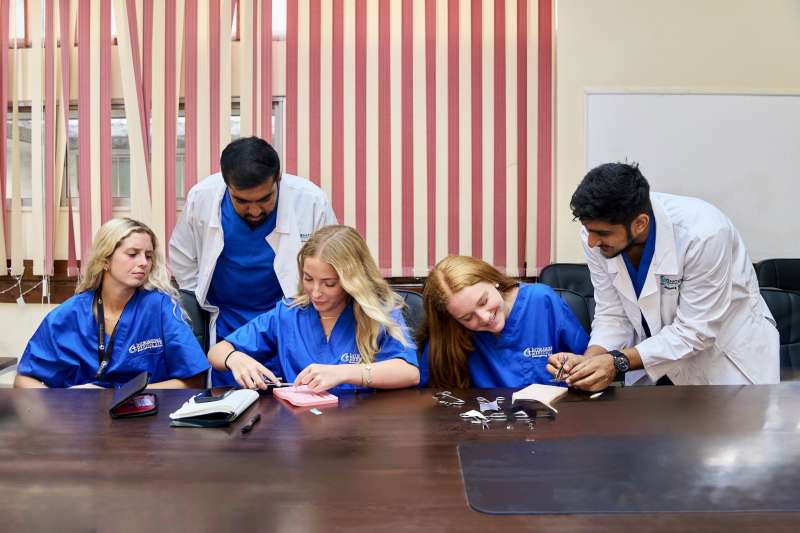
Certificate Ceremony with Dr. Shazim, one of IMA's Physician Mentors in Mombasa, Kenya!Members of my cohort at Coast General Teaching and Referral Hospital during the Certificate Ceremony.Clinical Training and Simulation hosted by IMA during my internship — an opportunity to gain hands-on clinical skills in simulated environments.

An Internship That Felt Like Home: Lessons, Friendships, and Growth with IMA

April 14, 2025by: Tatyana Maldonado - United States

Program: Nursing/Pre-Nursing Internships Abroad for Aspiring Nurses

5

Interning at IMA was a life-changing experience for me. It completely transformed my daily life, bringing me immense joy. The welcoming atmosphere from my fellow interns and the entire staff—mentors, doctors, security, and even the cleaning and kitchen teams—made me feel like I was part of a family. I had the opportunity to witness wonders of the world that I never thought I'd see, and now that I've left, I deeply miss those moments. I hope to return as soon as possible. The food was always fresh and delicious, and the kitchen staff were open to any suggestions or special requests. The accommodations were lovely, and the location was convenient, with easy access to essentials like grocery stores, malls, and even the beach. Our drivers became more than just drivers; they were our friends, joining us on many memorable trips. When I came to Africa, I expected a strictly professional and clinical experience, but I received so much more. I now cherish countless memories and have made lifelong friends.

Internship in Kenya with kidsGroup photo during Women's Health Education Session

From Observation to Impact: How IMA’s Immersive Clinical Internship Shaped My Perspective on Medicine, Equity, and the Power of Human Connection

April 13, 2025by: Max Kahane - United States

Program: Global Health & Pre-Medicine Internships Abroad | IMA

5

When arriving in Kenya, I was initially skeptical about what the accommodations would be like—both at the hospital and the residence. However, those concerns vanished the moment I arrived. I was welcomed by numerous IMA staff with warm smiles and open arms, offering to take my bags and ensuring I was fully settled in before anything else. From that moment on, my experience through IMA was like no other. The hospitality, the food, and the sense of community at the residence were outstanding, and the guidance we received from the nurses and doctors at the hospital made this experience truly life-changing. The IMA residence was located in a secure neighborhood, and not once did any of us feel unsafe. The staff provided safe and reliable transportation to and from our placements. Despite the visible resource constraints at Coast General Teaching and Referral Hospital, observing the passion and resilience of the healthcare providers there gave me a new appreciation for what it means to be truly dedicated to medicine. With limited staff and medical supplies, the doctors and nurses consistently remained positive and committed to helping every patient in need. As someone who has been interested in healthcare from a young age, this internship allowed me to see that the values of compassion, dedication, and service transcend borders. My specific interest lies in cosmetic and reconstructive facial surgery. While often misunderstood as a field focused on vanity, I believe cosmetic surgery can be life-changing, especially for individuals who have experienced trauma, congenital abnormalities, or injury. Participating in this program helped solidify my belief that healthcare should never be limited by borders or financial means. Throughout my three-week internship, I had the opportunity to shadow various healthcare professionals at Coast General Hospital—a level five teaching and referral hospital that serves as a major hub for medical, PA, and nursing students. The hospital’s limited infrastructure stood in stark contrast to the facilities I was used to in the United States: no air conditioning, malfunctioning machines, and ongoing staff shortages. These challenges became all the more real during our departmental rotations, which included Surgery, Accident & Emergency (A&E), the Neonatal Intensive Care Unit (NICU), and OB/GYN. The Surgery Department, my first rotation, offered an eye-opening introduction to the local medical system. A workers’ strike had significantly strained staff availability, yet we still observed several surgeries, including an arteriovenous fistula procedure, a bladder-related surgery on a 15-year-old boy, and a craniotomy. In the ICU, under Dr. Mohammad’s supervision, we witnessed the kind of professionalism and compassion that defines great healthcare, even in the most trying circumstances. During my second week in the A&E Department, the differences between healthcare in Kenya and the U.S. became even more stark. Many patients delayed seeking care due to cultural or religious beliefs. Research by Nikki Georggi on the intersection of religion and health in Western Kenya highlighted how religious practices and healthcare are deeply intertwined in African contexts—often causing delayed medical intervention. Patients presented with a range of conditions, including diabetes, jaundice, sepsis, and injuries from gang violence. One memorable case involved a woman with infected bedsores who had developed sepsis due to untreated hydrocephalus. Financial barriers had prevented early intervention, and her condition had deteriorated significantly. This case underscored how access to care can profoundly affect outcomes. It was encouraging to learn that the Kenyan government is taking steps to address some of these healthcare challenges. Initiatives like the Health Services Sector Fund and the elimination of user fees for vulnerable populations (children under 5, pregnant women, orphans) represent progress toward more equitable access to care. My final week in the NICU was the most emotionally challenging. I had limited knowledge in neonatal care, but under the guidance of Dr. Mohamed Abrahim, I gained deep respect for the tireless efforts of the NICU team. We observed numerous premature and jaundiced infants, and I learned about the critical importance of blue light therapy and early intervention in these cases. Every task, from feeding to documenting vitals, was carried out with precision and care. Later that week, I joined an afternoon shift in the OB department, where I witnessed firsthand the physical toll of childbirth in resource-limited settings. Many women gave birth without anesthesia, and the midwives employed aggressive delivery techniques such as episiotomies. I also saw tragic outcomes, including stillbirths and maternal deaths. According to a 2015 CNN report, maternal mortality remains high in areas like Mandera County, where an estimated 38 mothers die for every 1,000 live births. These experiences were sobering, revealing the critical need for education, advocacy, and investment in maternal health. Without a doubt, my time with IMA in Kenya was transformative. Each rotation offered unique insights into global health disparities and deepened my understanding of medicine’s role across different cultures and systems. It reinforced my desire to practice medicine—particularly in cosmetic and reconstructive surgery—and further strengthened my commitment to serving others through accessible and empathetic care. I am more motivated than ever to contribute to a healthcare system that empowers patients, bridges inequities, and honors the humanity of every individual.

Certificate Ceremony at the end of my program with Dr. Shazim, one of IMA's Lead Physician Mentors.M Kahane - IMAM Kahane - IMA

Where Healing Begins: Lessons in Empathy, Ethics, and Mental Health from Kenya’s Leading Referral Hospital

April 13, 2025by: Maya Balboni - United States

Program: IMA Cross-Cultural Care Mental Health Internships Abroad

5

Staff members were kind, welcoming, and extremely helpful day to day. Hospital placements and community outreach were better than I expected, allowing interns to immerse themselves in hospital and community culture. I was able to make lasting connections with the people I worked with and experience so much more than I anticipated, while still adhering to ethical standards. This is a very difficult line to walk and IMA did it very well. Overall, this was an incredible experience and exceeded my initial expectations. Interning at Coast General Teaching and Referral Hospital (CGTRH) provided the opportunity to observe the psychology department directly, as well as the entire hospital through a psychological lens. Psychologists have a unique role in the healthcare setting because they see patients in every section of the hospital. As a psychologist, with academic focuses in neurology and education, learning about the educational models and cultural beliefs that guide clinician practices provided insight into the systemic workings of the hospital as well as the different types of relationships between patients and providers. This experience yielded a better understanding of the psychological education system, knowledge of the daily workings of a hospital, and an increased perception of the mental healthcare system in Kenya. One thing that stood out is how new psychology is as a field of study. The University of Nairobi offered the first psychology degree beginning in 1999 (Department of Psychology, n.d.). Prior to that, the first psychology classes were offered to healthcare professionals beginning in 1989. Today, psychology is recognized as a degree at 30 institutions across the country, with four different tracks; general psychology, counseling psychology, medical psychology, and psychology with an IT (technology) focus (KUCCPS, n.d.). The formal psychology department at CGTRH was created in 2020. The department is still so new that it is not discoverable on the hospital website (Coast General Teaching & Referral Hospital, n.d.), so the remainder of the given information was provided verbally by psychologists working in the hospital (CGTRH Psychology Staff, personal communication, June 2024). Prior to the pandemic, there was one psychiatrist in the hospital, and a majority of his case load had to do with secondary conditions, such as addiction, insomnia, and anger management. This is a result of a combination of understaffing in the hospital; i.e. a psychiatrist was only called for the most outwardly disruptive cases, and that mental health was, and still is, largely stigmatized. It wasn't until the pandemic hit, and a majority of the neurotypical population was faced with social isolation, that the general public began to accept that mental health conditions, such as depression and anxiety, can arise in otherwise healthy individuals. It was at this time that the previous psychiatrist was reaching retirement age, but realized that there was nobody else in the greater Mombasa area who was certified to replace him. As a result, the hospital paid two students to become certified psychiatrists in order to replace him, but the previous psychiatrist had to work an additional four years past when he wanted to retire, until these two students were able to complete their degrees. In addition to hiring two new psychiatrists, the hospital hired three full-time psychologists, to assist with the growing case load. In addition, there is one visiting psychologist, who works for the government, and a number of students, interning at the hospital, who are still among some of the first psychologists in the country. Currently, the hospital has a large outpatient clinic, several specialized clinics; such as the Gender-Based Violence Clinic (GBV) and the Comprehensive Care Center (CCC), and conducts daily rotations in the wards. Speaking with the Kenyan psychology students about their educational experiences has allowed the ability to learn more about the psychological education model in Kenya. From talking with students, it appears that the lessons taught in the classroom model those taught in the U.S. pretty similarly. The main difference is that because this is still such a new field, there is not a whole lot of guidance in the clinical applications; i.e. students complete a two month clinical rotation during their fourth year of schooling, where students are working alongside certified psychologists in the workforce. Many of the students expressed stress during these rotations because they did not feel they had the guidance needed to effectively handle the given cases. Since there is a language barrier, all IMA interns were paired with a Kenyan student or provider during our rotations. We were also given two comprehensive tours of all departments in the hospital, with both general healthcare and psychology specific focuses. The Kenyan interns, however, were expected to go off on their own from day one and handle cases independently. The interns were not explicitly trained on how to make people feel comfortable while asking questions. Consequently, many of the students struggled to get patients to open up to them; i.e. if someone was not immediately forthcoming with information, students would move on to the next patient without really asking a lot of follow-up questions. From an outsider's perspective, as reported by many of the patients, it appeared that these students didn't care to learn more about the patients. It, however, became quickly apparent that this was not the case at all, but rather students were not properly trained in asking questions in a way that makes people feel comfortable to share. For example, there was one young man who had been in the hospital for several months due to a machete accident, who previously was an orphan living on the streets. This particular gentleman had experienced a lot of betrayal; his adopted family physically abused him and he had to run away from home, some of the friends who he met on the streets robbed him of all his belongings in the middle of the night, and even his current friends never bothered to visit him in the hospital, which is something that he expressed really hurt him. Initially, he did not want to talk to anyone, and it took one psychology student sitting with him every day for weeks before he opened up about his situation. He told her that he felt as though many of the students were simply trying to check a box during rounds, but did not actually care to really get to know him. Although this was definitely not the intent of the other students, this was the impact of their actions. As such, it is so important when working with vulnerable populations to understand how our actions are perceived by others. It is not a fault of the students, because they are all still learning, but rather a gap in the education system. Another thing that was really interesting about the teaching practices, is that there is a wealth of knowledge with regard to mood disorders, such as depression and anxiety, PTSD, and other related trauma response conditions, but there is still a lot of unknown with regard to conditions such as bipolar or schizophrenia, i.e. mental health conditions that don’t have concrete triggers. In the past, mental health conditions were considered to be a result of witchcraft, in that there was an external reason why someone was acting in a particular manner, rather than a biological imbalance. While today this is not a widely accepted belief in the medical community, mental health treatment plans are often still focused on treating external factors. For example, there was a middle aged woman who was admitted to the ER after being hit by a tuk-tuk, but was referred to psychology due to disjointed thoughts and erratic decisions. This woman had late stage HIV, which she believed to be caused by bewitching by her husband’s second wife. While this on its own is not necessarily cause for concern, her actions that followed the onset of this belief are indicative of an underlying mental health condition. When this woman started experiencing these symptoms she ran away from home, leaving behind her three children, and moving to Mombasa to live on the streets and work as a sex worker. She claimed that this was a much needed vacation for her, and that she came to Mombasa to relax, but that she was still worried about her children. Her disjointed thoughts were likely attributed to her HIV, as it is quite common to experience mental disturbances if it is left untreated (National Institute of Mental Health, 2023), but her impulsive actions and observed mood disparities were characteristic of another underlying condition. Unfortunately, there are not enough beds in the hospital to admit psychiatric patients long term, so the treatment plan was centered around relieving HIV symptoms, and hoping that she would realize that her physical symptoms were a result of her condition rather than bewitching. The thing that was most interesting about this is that the mental health treatment practices are focused on treating physiological conditions and assuming that mental health will improve on a parallel basis. While this logically makes sense, someone with a true chemical imbalance is not able to think rationally in this way. The treatment for mental health conditions is still very neurotypical centered and there is still not a lot of knowledge about invisible disorders. A lot of this too comes down to limited resources, so there's not necessarily an easy fix, nor are physicians at fault, but it does illuminate a systemic pattern about how mental health conditions are treated. One aspect of the Kenyan mental health system that could be implemented in the American system, is that care is very patient centered. Despite there being limited staff members, once psychologists get over the initial hurdle of learning how to ask good questions, staff prioritize quality of care over quantity of patients seen. Most psychologists have regular patients that they see daily or weekly (depending on if they are in or out patients) and psychologists never rush conversations or go in with set expectations about appointment times. In the U.S. there are very clearly defined timelines for which a provider will spend with a patient, and once that time is done, the psychologist will leave, even if they are in the middle of a conversation. This, however, is not the case here, as there are no set appointment times and psychologists will stay with the patient until the conversation runs its course. This often means that practitioners don't end up getting to everyone, i.e. they are assigned more cases than they can ever get to in a day, and thus patients often have to wait to speak with someone, but with the knowledge that when it is their turn, they will have the undivided attention of staff members. For example, there was a young girl who came into the outpatient clinic due to anxiety induced muscular pain. Whenever the daughter experienced a lot of anxiety, typically centered around academic performance and exams, she would develop debilitating pain in her legs, which prevented her from walking or performing other necessary tasks of living. The girl was accompanied by her father, who was also experiencing a lot of anxiety around the situation. The father was the only person supporting the daughter, as everyone in the family had dismissed her pain as psychosomatic, and essentially her just being dramatic. Typically an outpatient session runs about thirty minutes, give or take, but this particular session lasted over two hours. Although the session was for the daughter, we spent a large amount of time speaking with the father, as he expressed a lot of guilt and wanted help in deciding how to handle the situation moving forward. We were able to speak with both family members individually, and then bring them back together to have a facilitated conversation in which they could share their respective grievances and come up with a plan of action for moving forward. This personalized care model, in which providers really take the time to get to know patients, is so incredibly important because it builds trust between patient and provider, and helps to make patients more likely to follow through with treatment plans. Providers take the time to explain why they are doing what they are doing, and really break down each step of the process, which is a critical step in building genuine therapeutic relationships. Something that was really emphasized at the hospital, that is also emphasized a lot in my psychology classes at home, is the interconnectedness between mental and physical health. At home we talk a lot about spheres of wellness; physical, mental, social, intellectual, environmental, spiritual, vocational, and financial (Northwestern University, n.d.). These factors all work parallel to one another in order to make a complete and well person. When one factor becomes depleted, imagine the cup metaphor, in which each sphere is represented by a cup of water. When one cup of water (sphere) becomes depleted, all of the other cups must give some of their water to the empty cup, meaning that all other spheres become a little bit depleted as well. This is especially important in the hospital because if someone is in the hospital, by definition, their physical wellness cup is depleted. As such, it is crucial for people to take care of their mental health and fall back on their support systems in order to have the strength and energy to recover physically. It is so incredibly important to speak with patients and allow them to know that there is someone out there who cares about them and wants to see them get better. This is especially true for patients who don't have family members and/or are struggling financially, because multiple of their spheres are depleted at once, which means that there is even less water (energy) to be distributed. Many people who are in the hospital give up mentally long before they give up physically, and as such psychologists play a critical role in patient outcomes. For example, there was an older woman in the oncology department, who was undergoing radiation treatment. The first day we met her she was very withdrawn, talking about how she thought she was going to die, and how she didn’t see a point to traveling to the hospital everyday anymore. We spoke with her and her husband at length, allowing her to talk through her fears, and validating that it was worth it to continue treatment. Over the next several days she slowly came out of her shell and began to appear brighter. By the third day she was walking around the center, instead of sitting in the corner, and was even laughing at jokes. She confirmed that she wanted to continue treatment and that she was feeling much better after our conversations. The main reason being that she previously did not feel like she had an outlet to express her concerns, since she didn't want to further burden her family, and was bottling it all up inside. As a result, the psychology team was able to help her and many other patients realize the importance of their life, and remember that they are not alone in their fight, which can often be the make or break moment in a person’s recovery journey. Interning at CGTRH provided the opportunity for immersion in daily hospital routines, allowing the ability to forge genuine connections with patients, observe noticeable improvement in patient outcomes, and learn about the educational and clinical psychological practices in Kenya. This placement allowed the possession of a deeper understanding of healthcare as a whole, an increased conception of the interconnectedness between the body and mind, and a greater appreciation of the importance of patient centered care in psychology. Additionally, working as a team with providers has fostered the ability to form compassionate therapeutic and professional relationships, as well as a deeper understanding of the factors that inform clinical practices. The knowledge obtained from this experience will guide any and all future work in the field.

Certificate Ceremony hosted by IMA at the end of my internship, pictured with one of IMA's Clinical Mentors.Women's Health Education Session hosted by IMA at a local secondary school in Mombasa.Members of my cohort at Coast General Teaching and Referral Hospital—Kenya's second-largest public hospital and a key regional referral center for mental health patients.

Finding Clarity in Care: How My Time in Kenya Reaffirmed My Calling to Healthcare

April 13, 2025by: Laney Hill - United States

Program: Global Health & Pre-Medicine Internships Abroad | IMA

5

My experience with International Medical Aid was so much greater than I could have ever imagined. From the moment I was greeted by one of my mentors at the airport, I knew that my time with IMA would be nothing short of amazing. From the amazing chefs that made sure everyone was fed and their dietary restrictions were considered, to the awesome staff that made sure our scrubs were clean and ready for every day spent in the hospital. All of IMA's staff was incredible, and they did everything they could to make us feel welcome and at home throughout our whole experience. I formed so many life-changing friendships, and my time with everyone throughout this experience will never be forgotten. I cannot thank International Medical Aid enough for such a life-changing experience! All of my life, I have known that I was interested in working in healthcare. There has never been anything else I have ever considered doing. In recent months, I had started doubting, for the first time in my life, if healthcare was really the right career path for me as a person. When I signed up for International Medical Aid, I was hoping for some clarity into whether I was making the right career decision or if I needed to start going down a different path. I also looked forward to receiving a different view on healthcare than what can be seen in the United States. I got everything I hoped for out of this trip and so much more than I could have ever imagined. When I walked out of the airport for the first time after a total of over 24 hours of traveling, I was immediately thrown into Africa’s culture and everything it has to offer. I had known that this whole experience would be vastly different than anything I had experienced in America, but some aspects caught me off guard more than others. On the 30-minute drive back from the airport, I could not keep my eyes from wandering all over outside and witnessing all of the differences that were already relevant. There were some obvious differences like driving on the opposite side of the road, but also others that I was not exactly expecting. One of these differences includes the number of elderly and children that you would catch in the middle of the road tapping on your windows, trying to get anything possible to be able to help their families out. There were many experiences like this, and every one left me feeling so incredibly sad about the fact that we would not be able to help everyone. Walking into the hospital on that first day with Doctor Shazim was an experience that I cannot even begin to explain. I have spent countless hours in U.S. hospitals, whether it was for volunteering, visiting new babies, or being there for my relatives during surgery. Nothing could have prepared me for how different Coast General Teaching and Referral Hospital would be from any other hospital I have ever seen. Of course, I knew that there would be some differences. That is always expected when visiting somewhere new. What I was not prepared for were the number of moths I would see in the operating room, the monkeys I would witness stealing bread from toddlers in the pediatric observation ward, and the cats I would see walking around labor and delivery. Obviously, given the fact that it was an open-air hospital, these things were not very easily preventable. That still did not stop them from coming as a complete shock to me. Before we even arrived in Mombasa, we were made aware through various emails that Coast General was in the middle of a physician's strike. Thankfully, by the time my week got there, the strike was coming to an end. This did not mean that there were not huge repercussions. The physicians at the hospital were on strike for weeks and weeks because their pay had been cut back so much. They were not receiving enough pay for the amount of work they were doing, so it was acceptable for them to fight for their right for higher pay. The problem was that, with this being the only public hospital in the area, there were tons of patients who were suffering from the lack of physicians and did not just have the option to go to a different hospital. This left a lot of families suffering and struggling, trying to figure out how to care for the ones they loved. Even after the strike was over, the hospital was still trying to catch up on all of the patients and surgeries that could not be taken care of over the strike. We witnessed the struggles of them trying to figure out which patient would be able to undergo their necessary procedures each and every day due to the lack of working anesthesiologists. On that first Monday, I was starting in OB GYN with three other girls that I had just met a couple of days earlier. I was so excited for what was to come on the first day, but I was also extremely nervous for what the day might consist of. Within an hour of being in the hospital, we found ourselves in the surgical theater for an emergency C-section. This was the first surgery I had ever had the opportunity to witness in person, and I was so unsure of what to expect. There was so much adrenaline, and as the procedure continued, I was made very aware of how different and difficult the working conditions were. Obviously, as an American, I am not used to the heat, but there was also the aspect of 20 doctors, nurses, and students being packed into a very small operating room. The procedure ended up taking about two hours. As the adrenaline wore off and the heat, lack of water, and standing quite a while began to hit me, I realized that I did not feel so well. Within 10 seconds of that wave hitting me, I was passed out in a chair where my three brand new friends thankfully had caught me. Thanks to my friends and the wonderful nurses that wheeled me out of the operating room and gave me some water, I was all good to be back with the doctors doing rounds just a little while later. What that experience made me realize, as someone who had not been feeling well laying in a stretcher trying to get better in the high heat and humidity, was just how hard it would be to be both a doctor or a patient in that hospital. With Africa having both 34 million men and women suffering from HIV and also 33% of the world’s deaths because of tuberculosis occurring in Africa, there were many encounters that both gave me a unique learning experience but also a unique outlook on the upsetting differences in healthcare abilities (ILO and World Health Organization). I had known about both HIV and tuberculosis prior to this experience, but I had never had such hands-on and in-person experience with its diagnosis process and effect on the patients. While I was in pediatrics, I met a 2-year-old patient that was living with HIV. His mother had HIV and, thankfully, was put on medicine to help her symptoms at the hospital’s Comprehensive Care Center. Sadly, while the mother was pregnant, she started experiencing extreme morning sickness, which she attributed to the medicine, so she decided to stop taking her meds. She thought that seemed like the only choice for her and the only way she could make it work. This resulted in her baby being diagnosed with HIV when it was born. When I was in the POW, the baby was in the hospital dealing with the repercussions of his diagnosis, including extreme weight loss and malnourishment. As the hospital staff made us aware of, 1 in 4 people in the area are living with HIV. As sad as it was for me to hear that this mother and her son were living with HIV, there are so many others in the same situation as them. I was thankful to hear about Coast General's amazing CCC clinic where they help out so many families and also try to take away the stigma regarding HIV. One thing you hear a lot about regarding Africa is the problems regarding the water. In Mombasa, there is not a lack of water; the problem is that there is a lack of access to drinkable tap water. In the residence, we brushed our teeth, cooked, and drank from the gallon water bottle kept in the kitchen. For other families that had the money, they were able to pay for drinkable water similar to us, and they could just buy water bottles from the store and at restaurants. For other families that are struggling with money, buying water bottles all the time is just not something that they are financially capable of doing. Since Coast General is a public hospital, a lot of the people that we saw there were in the lower economic classes. According to UNICEF, there are approximately 779 million people in Africa lacking basic sanitation services (UNICEF). This makes them unable to have access to clean drinkable water and also other sanitation services regarding hygiene. In pediatrics, there were a large number of babies that were hospitalized for malnourishment. There are plenty of reasons that this could be caused, but there was one specific case that stuck with me. There was a one-year-old baby boy that was in the pediatric open ward for the entirety of my week spent in pediatrics. By the end of the week, he had finally started to recover, and his food and liquid intake were both up due to his gastrointestinal issues being resolved. I was very excited for this family, as I had seen the recovery that this baby was experiencing firsthand. The other interns and I talked to the clinical officer intern that we had been following around for the week, and she made us aware that the family was homeless and living on the streets. This meant that they did not have consistent access to clean water. The reason that the baby was experiencing issues from malnourishment was because of the water and its effects on the baby’s GI tract. The COI told us that, sadly, as long as the baby was still drinking the contaminated water, he would probably keep on continuously being hospitalized on and off for a while because his little body could not tolerate it. The hospital had done all they could to make the baby better while hospitalized, but there is nothing they can do for the baby while he is not in their direct care. As the weeks went on, my experiences with both the doctors and nurses in the hospitals and also International Medical Aid’s wonderful staff only made me fall in love with Mombasa and Africa more and more. I learned so much about myself through this process. It has shown me that being in healthcare really is where I want to be, and I truly cannot imagine doing anything else with my life. Being able to help people when they really need it is such a fulfilling process, and I really want to be able to do that for others. Following patients throughout their treatment and being able to see them as they make their way through their recovery process is such a unique and life-changing experience—to be the person that is there to help them through what may be one of the worst days of their life. I can never thank International Medical Aid and Coast General Teaching and Referral Hospital enough for such an enlightening and life-changing experience.
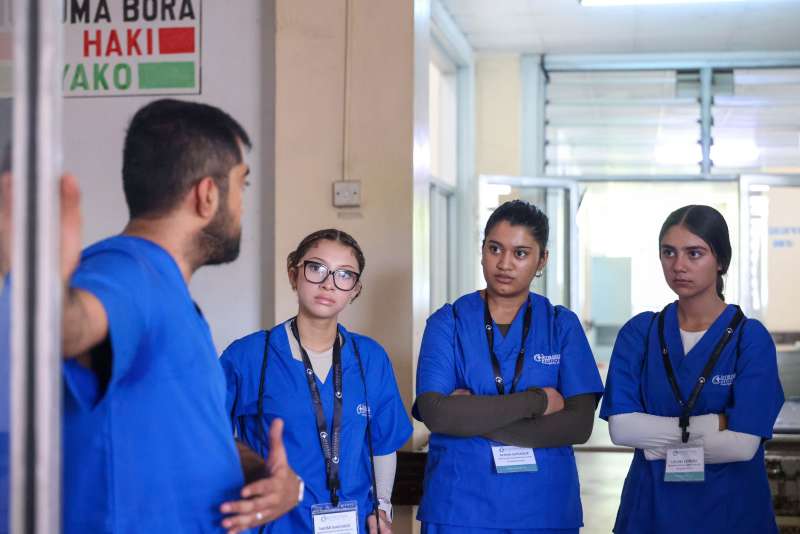
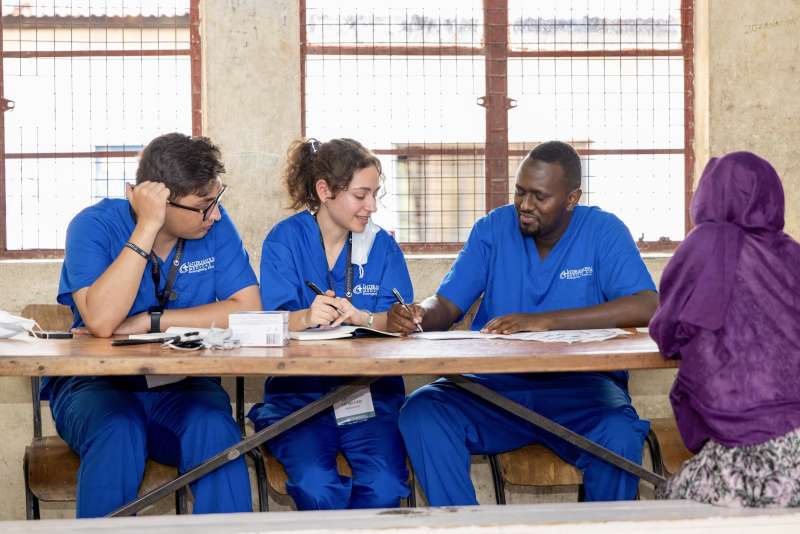
Members of my cohort at Coast General Teaching and Referral Hospital, Kenya’s second-largest public hospital and one of the most important referral hospitals in East Africa.Hygiene Education Session hosted by IMA at a local secondary school in Mombasa during my internship.One of the amazing wildlife treks organized by IMA during my program in Kenya!

Beyond Expectations: Exploring Kenya Through Culture, Care, and Community Impact

April 12, 2025by: Elizabeth Bolton - United States

Program: Global Health & Pre-Medicine Internships Abroad | IMA

5

Coming into the program, I did not expect to explore Mombasa and parts of Kenya with the program. These cultural treks and first-day tours of the country made me feel safer and allowed me to maximize my time in Kenya afterward. Additionally, the staff was excellent. I always felt supported and cared for in all aspects, whether it was getting picked up from the hospital with stomach issues or getting asked how my day went after time in the hospital. I can not thank the amazing staff enough for all they do for the interns and the program details. The kitchen staff was excellent with food restrictions and recommendations throughout the entire month I was there. One of the most impactful elements of the program was the community outreach. The hygiene clinic and female reproductive clinic allow us to target specific stigmas and gaps in knowledge that children in Mombasa hold. The free clinic allows us to provide more one-on-one support to communities that cannot access and afford healthcare. These outreach programs have propelled my desire and love for helping others in underserved communities. The internship in Kenya has impacted me personally in ways I could not have imagined. It has deepened my love for healthcare and has motivated me to travel abroad after finishing graduate school to help others where it is most needed. Thank you.

Women’s Health Education Session hosted by IMA at a local secondary school during my internship.Members of my cohort at our clinical site—Coast General Teaching and Referral Hospital, Kenya’s second-largest public teaching hospital.Members of my group at IMA’s amazing Program Residence in Mombasa, Kenya.

Medicine, Mentors, and Mombasa: My Unforgettable Internship with IMA

April 09, 2025by: Marguerite Beaudoin - Canada

Program: Global Health & Pre-Medicine Internships Abroad | IMA

5

It’s hard to describe my experience in Kenya as anything but amazing. I spent two short weeks in Mombasa, shadowing physicians and learning about the Kenyan culture and healthcare system, and let me tell you, I would have stayed longer. I truly did not know it was possible to learn so much in such a short time, but thanks to the physicians and nurses at Coast General Hospital, I learned and saw things I will never forget. I will carry and cherish the knowledge and experience I gained throughout my career as a physician, whether it be in Canada or abroad. From the moment I arrived in Kenya to the moment I was dropped off at the airport, IMA made me feel welcomed and safe. The mentors and the staff were always so supportive and kind, always going out of their way to ensure the safety and comfort of the interns. They truly made my journey in Kenya even more memorable. I will be forever grateful for this experience. Asante sana, IMA.
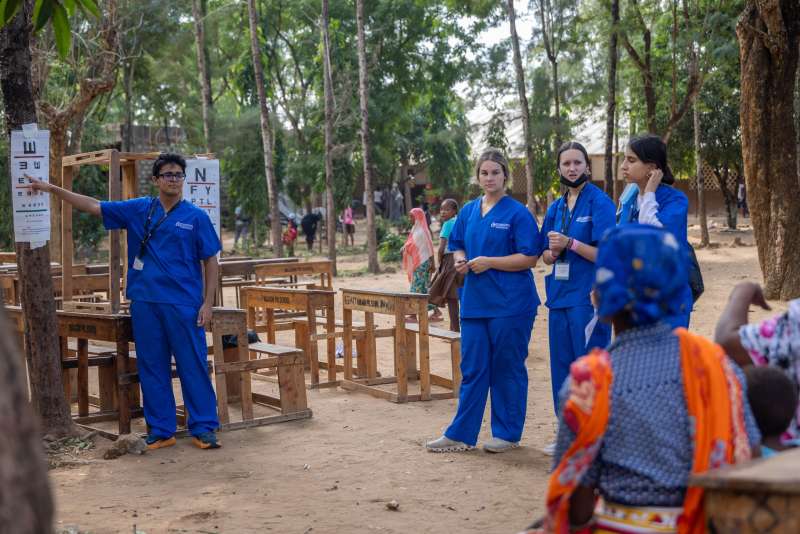
Nurse girl posing and doing the peace signTeam of volunteer nurses with children in Africa.Visiting giraffes at Haller Park in Mombasa as part of the tours organized by IMA during my program.

From "Jambo" to "Rafiki": A Transformative Journey in Medicine, Culture, and Humanity with IMA

March 20, 2025by: Ashlee Blankenship - United States

Program: Physician Assistant/Pre-PA Internships Abroad | IMA

5

My experience with International Medical Aid was life-changing. All of the staff members were incredibly nice, accommodating, and helpful if problems arose. They were easy to reach and made me feel very safe both at the residence and on our trips. The residence was clean and our laundry being done for us was a perk I never would have expected. All of our meals were fresh and the cooking staff was open to suggestions for any foods that we wanted more/less of. That being said, one of my favorite parts was how dedicated IMA was to teaching us about the culture of Kenya. We went on multiple excursions/tours of Mombasa and other parts of Kenya and the tour guides were incredibly knowledgeable. There were also scheduled lectures regarding health care in Kenya, cultural ideas, and history of Kenya and it's political system where I got to ask questions and learn more about the innerworkings of the country. The other aspect of this internship that I thoroughly enjoyed was the community outreach activities that we were able to participate in. I loved going to the local schools and talking and interacting with the kids during both the handwashing clinics and the menstrual hygiene clinics. Overall, I am forever grateful to IMA and the people of Kenya for allowing me to live out this amazing opportunity. I knew coming into this internship that I would have an opportunity to see healthcare in a setting that many never have or will see. However, I did not expect to emerge from this internship with so many new friends found in the hospital, community, and the IMA program itself. From the moment I drove through the IMA residence gates, I was greeted by a community of staff and interns who welcomed me like one of their own. The hospitality and generosity continued as I began to engage with the Coast General Staff. Even through chaos and exhaustion, the medical professionals I worked with were willing and eager to teach me about procedures and illnesses they encountered, local healthcare struggles, and even inform me about Kenyan life outside of the hospital setting. The IMA staff worked extensively to ensure that the interns were exposed to all of the things that Kenya has to offer. I especially cherish the kitchen staff for introducing me to traditional African dishes and even their takes on American classics, all of which were phenomenal. I enjoyed the cultural treks and classes that further helped me to immerse myself in this new culture. My favorite activities outside of the hospital setting were the community outreach events, or more specifically, getting to visit the Tumaini Children's Home. Being able to connect with the youth of Mombasa is something that I will never forget, and it is something I wish for everyone to get to experience. Following the end of my internship, I wish I could stay for many more weeks, and I am eager to find more opportunities like this in the future. From my two weeks in Mombasa, Kenya, I vividly remember three words from the Swahili Language: “jambo”, “pole pole”, and “rafiki”. Even if they are few in number, the sentiment behind these words is a true testament to the hospitality, serenity, and amiability of this country and the people who inhabit it. My time with International Medical Aid has been an experience that has taught me amounts of medical knowledge beyond measure, but it is these three specific attributes that I will carry with me through my future medical journey and beyond. “Jambo”, meaning “hello”, perfectly encapsulates the welcoming nature of the people I met in Keyna. At the IMA residence, the staff’s openness was remarkable. I was greeted by a team of individuals who were eager to provide me with abundant opportunities to explore Kenya, even beyond the medical scene. My favorite trek included visiting the spice markets, Fort Jesus, and, most notably, the Pembe Za Ndovu. “One has not truly been in Mombasa without seeing the giant tusks,” our guide said. Known by many as the Mombasa Tusks, this attraction site historically commemorates Queen Elizabeth's visit during the time of British colonization and was later refurbished before Princess Margaret’s visit in 1956 (Gacherl, 2022). This large structure symbolizes the culture's hospitality as it welcomes thousands of individuals a year, from royalty to travelers like myself. Similarly, the Coast General Teaching and Referral Hospital staff welcomed me with open arms. The medical professionals enthusiastically participated in discussions regarding typical cases and their management, the influence of local culture on medical procedures, and their creative use of resources to assist patients. Several Medical Officers, in particular, were especially skilled at informing interns about specific cases, explaining them in precise but easily understood detail. For instance, Dr. Sarat extensively explained meningitis, a condition where the meninges become infected, causing fever, a stiff neck, and potentially seizures or death. While this disease annually affects around 3,000 individuals in the United States, it ranks among the top five pediatric cases at Coast General Teaching and Referral Hospital (Boston Children’s Hospital). Cerebrospinal fluid retrieved from lumbar puncture procedures is commonly used to diagnose meningitis. I had the opportunity to witness two lumbar punctures during my pediatric rotation in addition to a variety of other minimally invasive, palliative, and diagnostic procedures. The willingness of the busy staff to share their knowledge and genuine interest in my learning made my experience invaluable. Mombasa’s medical community, much like its general population, has characteristics of generosity and openness, making it a truly welcoming place for anyone fortunate enough to visit. “Pole Pole”, meaning “slowly” or “little by little”, captures the laid-back and contented attitude prevalent in many aspects of Kenyan life. This philosophy promotes slowing down to appreciate the hear and now and life’s journey, as opposed to rushing toward the future. Based on my experiences, the most significant difference between American and Kenyan communities is the level of urgency and perception of time. In the United States, a fast-paced, career-driven lifestyle is the norm. Although Kenyans place a high value on their work, they also tend to live considerably slower and more deliberately. The emphasis on connections and experiences over strict adherence to time is evident in the fact that it is culturally acceptable to arrive thirty minutes later than planned (Healthcare Internship Orientation: Cross-Cultural Considerations). They are efficient, yet they savor and appreciate the journey that leads to their final destination. During the hospital orientation, Dr.Shazim stated that each ward floor has a patient capacity of 75, yet there is usually only one Medical Officer on each floor. This information shocked our entire group, as such a disproportionate ratio is relatively uncommon in the United States. I anticipated my first day shadowing in these wards to be chaotic, with little opportunity to build rapport with and inquire information from the Medical Officers. To my surprise, this was not the case. Despite being severely outnumbered, the Medical Officers took their time assessing and explaining each patient and their treatment plan, often engaging in lighthearted interactions with both patients and fellow staff members. The surgery department shared a similar sense of serenity. During my night rotation in this department, there were multiple gunshot casualties, creating a serious, urgent atmosphere. However, amidst all the x-rays and sutures, the anesthesiologist was singing along to “Tennessee Whiskey” by Chris Stapleton. The ability of the medical staff to stay composed through daily tasks and challenges highlights the common sense of calmness and relaxation towards life shared by Medical Officers, other medical staff, and Kenyan citizens in general. “Rafiki”, meaning “friend”, indicates the importance of friendship and teamwork that I observed through my experience. Aligning with their welcoming charisma, the African people are thoughtful, supporting the community and individuals alike. During my second week at this internship, I got to visit the Tumaini Children’s Home. From the moment we walked through the gate, the children asked us to talk, laugh, dance, and play. Their eagerness to befriend every one of the interns models that, even in this culture's youth, they are committed to serving and supporting everyone. This sense of friendship and care extends far beyond the youth of Kenya, as exemplified in their Vision 2030 political agenda. In 2008, the president at the time, Mwai Kibaki, initiated a campaign that planned to create a more industrialized society by 2030. One of the three pillars of this plan was to increase the social prosperity of the Kenyan people. From recruiting more teachers and building more educational centers to supplying additional tuition funding to lower-income families, this pillar strives to facilitate educational opportunities for citizens to become more involved in society through jobs, vocation, and recreation (Kenya Vision 2030). The Kenya government replicates its cultural values of promoting the well-being and happiness of others by continuously focusing on providing opportunities for growth and support to all of its citizens. In the hospital, the camaraderie among the staff was palpable. Whether professional or personal, the medical staff at Coast General were always communicating with each other. During a thoracic gunshot wound procedure, I witnessed their remarkable teamwork firsthand. Nearly 15 medical professionals were coming in and out of the operating room, retrieving supplies, providing the newest MRI scans, offering their expertise, etc. The bullet ended up being more difficult to retrieve than expected, and they were unsure if they would actually be able to do so without causing too much trauma. I specifically remember a group of Medical Officers huddled together going back and forward discussing this matter. They ultimately came to the general consensus that they would send the stable patient to the ICU, allowing a more specialized professional to assess the patient and provide his medical advice. Much like healthcare within the United States, it is essential that the medical staff discover and communicate patient care plans with one another. The staff at Coast General surpassed my expectations of what communication in the hospital setting should be, as they effectively communicated through difficult cases and maintained a positive, friendly relationship. My time in this internship exposed me to an abundance of medical diagnoses and procedures, some of which I had never even heard of. I enjoyed the ability to feel so involved in each case, affirming my ambition to go into this field, particularly in the high-pressure environment of the operating room. While I gained significant medical knowledge and techniques, the most valuable lessons I learned were those that medical school might not necessarily teach, such as the concepts of “jambo”, “pole pole”, and “rafiki”. Experiencing the warm and welcoming nature of the Kenyan culture has made me realize how essential this trait is in the healthcare setting. Having these welcoming characteristics helps foster trust, comfort, and honest communication between the medical staff and patients. In the role of a healthcare professional, I have found the importance of replicating the Kenyan's relationship with time. Moving forward, I understand the necessity of slowing down and invoking professional and personal life balance. Doing so ensures that I can provide a calm and supportive environment for patients. Along with this, having supportive friendships and collaborative teams is an important aspect of my career and life in general. Being able to effectively communicate with staff members is important, but obtaining supportive relationships is equally as important in this high-stress career. This experience has prepared me to embrace these three values as I pursue my future in healthcare. After completing this internship, I am extremely grateful for the chance to travel to Mombasa, Kenya, for two weeks and be a part of the International Medical Aid program. In addition to explaining my knowledge of medicine, this experience has taught me priceless life lessons. The warmth of the Kenyan people, their emphasis on cooperation, and their balanced outlook on life have taught me the value of building trust, upholding individual well-being, and working well with others. I am applying these traits in medical school and future career endeavors to continue to provide kind, patient-centered care.
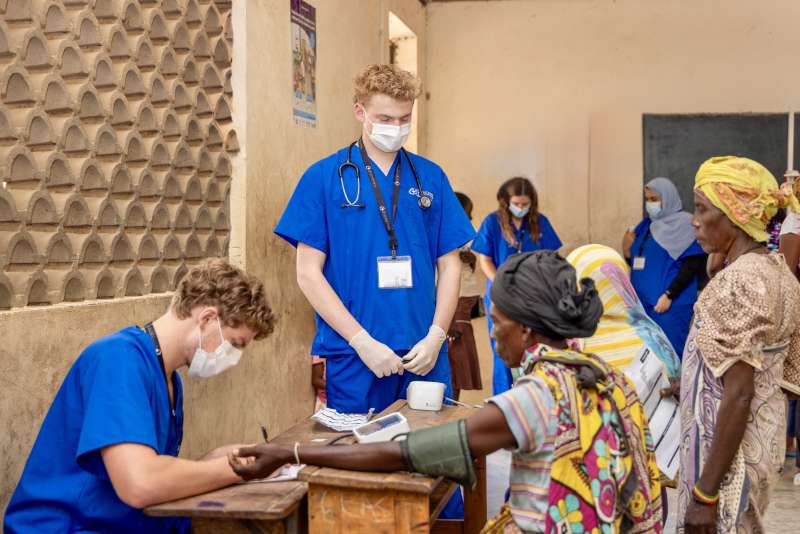
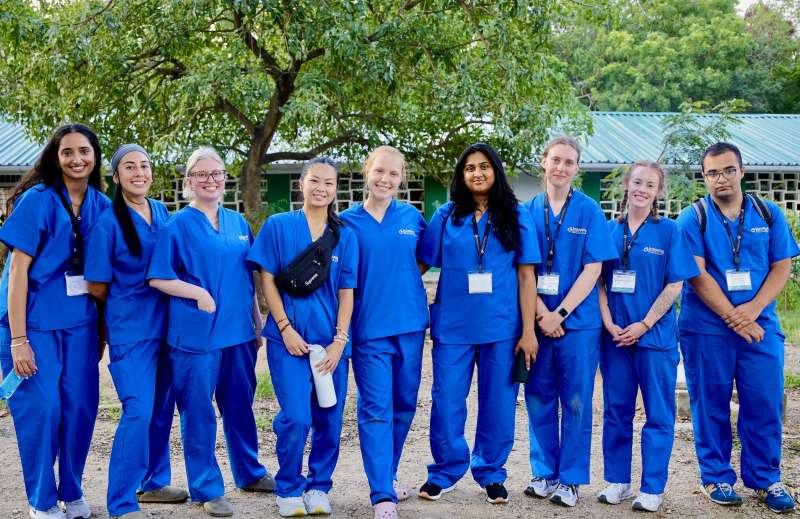
Nurses with certificatesVolunteer nurse hugging kidsSelfie with African students

Jambo, Pole Pole, Rafiki: An IMA Internship Journey Through Kenya’s Warmth, Wisdom, and Friendship

March 20, 2025by: Addie Weishaar - United States

Program: Global Health & Pre-Medicine Internships Abroad | IMA

5

I knew coming into this internship that I would have an opportunity to see healthcare in a setting that many never have or will see. However, I did not expect to emerge from this internship with so many new friends found in the hospital, community, and the IMA program itself. From the moment I drove through the IMA residence gates, I was greeted by a community of staff and interns who welcomed me like one of their own. The hospitality and generosity continued as I began to engage with the Coast General Staff. Even through chaos and exhaustion, the medical professionals I worked with were willing and eager to teach me about procedures and illnesses they encountered, local healthcare struggles, and even inform me about Kenyan life outside of the hospital setting. The IMA staff worked extensively to ensure that the interns were exposed to all of the things that Kenya has to offer. I especially cherish the kitchen staff for introducing me to traditional African dishes and even their takes on American classics, all of which were phenomenal. I enjoyed the cultural treks and classes that further helped me to immerse myself in this new culture. My favorite activities outside of the hospital setting were the community outreach events, or more specifically, getting to visit the Tumaini Children's Home. Being able to connect with the youth of Mombasa is something that I will never forget, and it is something I wish for everyone to get to experience. Following the end of my internship, I wish I could stay for many more weeks, and I am eager to find more opportunities like this in the future. From my two weeks in Mombasa, Kenya, I vividly remember three words from the Swahili Language: “jambo”, “pole pole”, and “rafiki”. Even if they are few in number, the sentiment behind these words is a true testament to the hospitality, serenity, and amiability of this country and the people who inhabit it. My time with International Medical Aid has been an experience that has taught me amounts of medical knowledge beyond measure, but it is these three specific attributes that I will carry with me through my future medical journey and beyond. “Jambo”, meaning “hello”, perfectly encapsulates the welcoming nature of the people I met in Keyna. At the IMA residence, the staff’s openness was remarkable. I was greeted by a team of individuals who were eager to provide me with abundant opportunities to explore Kenya, even beyond the medical scene. My favorite trek included visiting the spice markets, Fort Jesus, and, most notably, the Pembe Za Ndovu. “One has not truly been in Mombasa without seeing the giant tusks,” our guide said. Known by many as the Mombasa Tusks, this attraction site historically commemorates Queen Elizabeth's visit during the time of British colonization and was later refurbished before Princess Margaret’s visit in 1956 (Gacherl, 2022). This large structure symbolizes the culture's hospitality as it welcomes thousands of individuals a year, from royalty to travelers like myself. Similarly, the Coast General Teaching and Referral Hospital staff welcomed me with open arms. The medical professionals enthusiastically participated in discussions regarding typical cases and their management, the influence of local culture on medical procedures, and their creative use of resources to assist patients. Several Medical Officers, in particular, were especially skilled at informing interns about specific cases, explaining them in precise but easily understood detail. For instance, Dr. Sarat extensively explained meningitis, a condition where the meninges become infected, causing fever, a stiff neck, and potentially seizures or death. While this disease annually affects around 3,000 individuals in the United States, it ranks among the top five pediatric cases at Coast General Teaching and Referral Hospital (Boston Children’s Hospital). Cerebrospinal fluid retrieved from lumbar puncture procedures is commonly used to diagnose meningitis. I had the opportunity to witness two lumbar punctures during my pediatric rotation in addition to a variety of other minimally invasive, palliative, and diagnostic procedures. The willingness of the busy staff to share their knowledge and genuine interest in my learning made my experience invaluable. Mombasa’s medical community, much like its general population, has characteristics of generosity and openness, making it a truly welcoming place for anyone fortunate enough to visit. “Pole Pole”, meaning “slowly” or “little by little”, captures the laid-back and contented attitude prevalent in many aspects of Kenyan life. This philosophy promotes slowing down to appreciate the hear and now and life’s journey, as opposed to rushing toward the future. Based on my experiences, the most significant difference between American and Kenyan communities is the level of urgency and perception of time. In the United States, a fast-paced, career-driven lifestyle is the norm. Although Kenyans place a high value on their work, they also tend to live considerably slower and more deliberately. The emphasis on connections and experiences over strict adherence to time is evident in the fact that it is culturally acceptable to arrive thirty minutes later than planned (Healthcare Internship Orientation: Cross-Cultural Considerations). They are efficient, yet they savor and appreciate the journey that leads to their final destination. During the hospital orientation, Dr.Shazim stated that each ward floor has a patient capacity of 75, yet there is usually only one Medical Officer on each floor. This information shocked our entire group, as such a disproportionate ratio is relatively uncommon in the United States. I anticipated my first day shadowing in these wards to be chaotic, with little opportunity to build rapport with and inquire information from the Medical Officers. To my surprise, this was not the case. Despite being severely outnumbered, the Medical Officers took their time assessing and explaining each patient and their treatment plan, often engaging in lighthearted interactions with both patients and fellow staff members. The surgery department shared a similar sense of serenity. During my night rotation in this department, there were multiple gunshot casualties, creating a serious, urgent atmosphere. However, amidst all the x-rays and sutures, the anesthesiologist was singing along to “Tennessee Whiskey” by Chris Stapleton. The ability of the medical staff to stay composed through daily tasks and challenges highlights the common sense of calmness and relaxation towards life shared by Medical Officers, other medical staff, and Kenyan citizens in general. “Rafiki”, meaning “friend”, indicates the importance of friendship and teamwork that I observed through my experience. Aligning with their welcoming charisma, the African people are thoughtful, supporting the community and individuals alike. During my second week at this internship, I got to visit the Tumaini Children’s Home. From the moment we walked through the gate, the children asked us to talk, laugh, dance, and play. Their eagerness to befriend every one of the interns models that, even in this culture's youth, they are committed to serving and supporting everyone. This sense of friendship and care extends far beyond the youth of Kenya, as exemplified in their Vision 2030 political agenda. In 2008, the president at the time, Mwai Kibaki, initiated a campaign that planned to create a more industrialized society by 2030. One of the three pillars of this plan was to increase the social prosperity of the Kenyan people. From recruiting more teachers and building more educational centers to supplying additional tuition funding to lower-income families, this pillar strives to facilitate educational opportunities for citizens to become more involved in society through jobs, vocation, and recreation (Kenya Vision 2030). The Kenya government replicates its cultural values of promoting the well-being and happiness of others by continuously focusing on providing opportunities for growth and support to all of its citizens. In the hospital, the camaraderie among the staff was palpable. Whether professional or personal, the medical staff at Coast General were always communicating with each other. During a thoracic gunshot wound procedure, I witnessed their remarkable teamwork firsthand. Nearly 15 medical professionals were coming in and out of the operating room, retrieving supplies, providing the newest MRI scans, offering their expertise, etc. The bullet ended up being more difficult to retrieve than expected, and they were unsure if they would actually be able to do so without causing too much trauma. I specifically remember a group of Medical Officers huddled together going back and forward discussing this matter. They ultimately came to the general consensus that they would send the stable patient to the ICU, allowing a more specialized professional to assess the patient and provide his medical advice. Much like healthcare within the United States, it is essential that the medical staff discover and communicate patient care plans with one another. The staff at Coast General surpassed my expectations of what communication in the hospital setting should be, as they effectively communicated through difficult cases and maintained a positive, friendly relationship. My time in this internship exposed me to an abundance of medical diagnoses and procedures, some of which I had never even heard of. I enjoyed the ability to feel so involved in each case, affirming my ambition to go into this field, particularly in the high-pressure environment of the operating room. While I gained significant medical knowledge and techniques, the most valuable lessons I learned were those that medical school might not necessarily teach, such as the concepts of “jambo”, “pole pole”, and “rafiki”. Experiencing the warm and welcoming nature of the Kenyan culture has made me realize how essential this trait is in the healthcare setting. Having these welcoming characteristics helps foster trust, comfort, and honest communication between the medical staff and patients. In the role of a healthcare professional, I have found the importance of replicating the Kenyan's relationship with time. Moving forward, I understand the necessity of slowing down and invoking professional and personal life balance. Doing so ensures that I can provide a calm and supportive environment for patients. Along with this, having supportive friendships and collaborative teams is an important aspect of my career and life in general. Being able to effectively communicate with staff members is important, but obtaining supportive relationships is equally as important in this high-stress career. This experience has prepared me to embrace these three values as I pursue my future in healthcare. After completing this internship, I am extremely grateful for the chance to travel to Mombasa, Kenya, for two weeks and be a part of the International Medical Aid program. In addition to explaining my knowledge of medicine, this experience has taught me priceless life lessons. The warmth of the Kenyan people, their emphasis on cooperation, and their balanced outlook on life have taught me the value of building trust, upholding individual well-being, and working well with others. I am applying these traits in medical school and future career endeavors to continue to provide kind, patient-centered care.
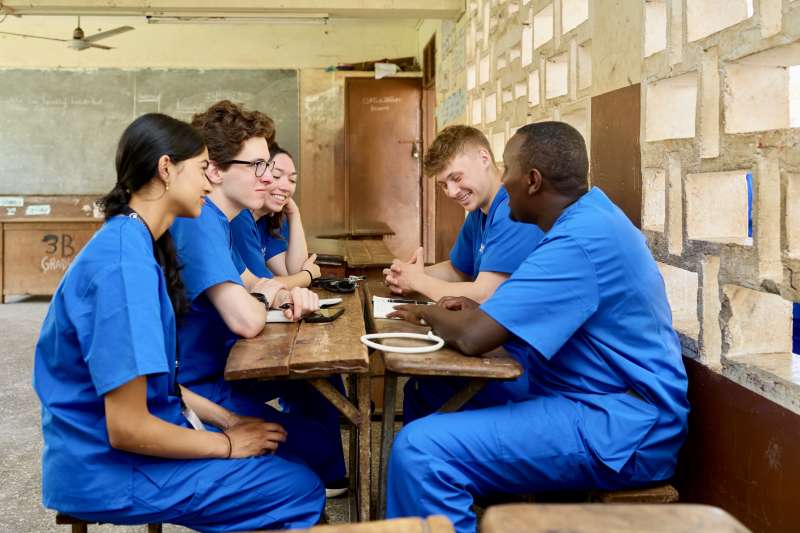
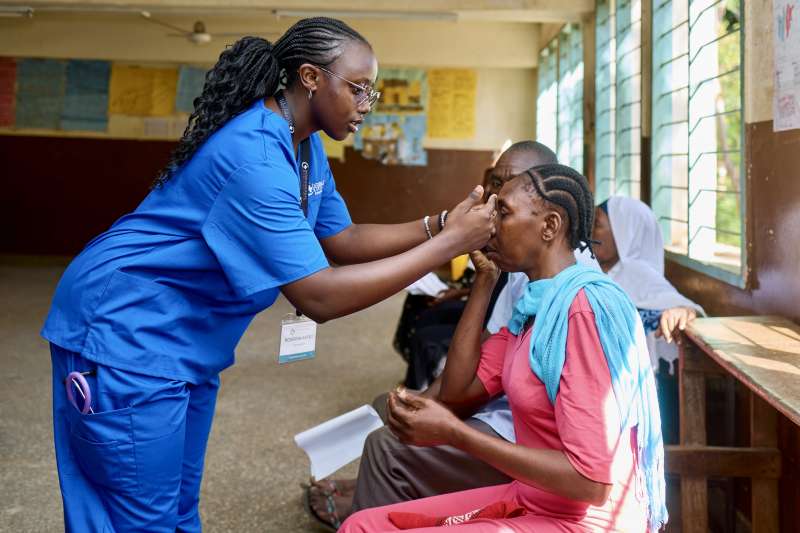
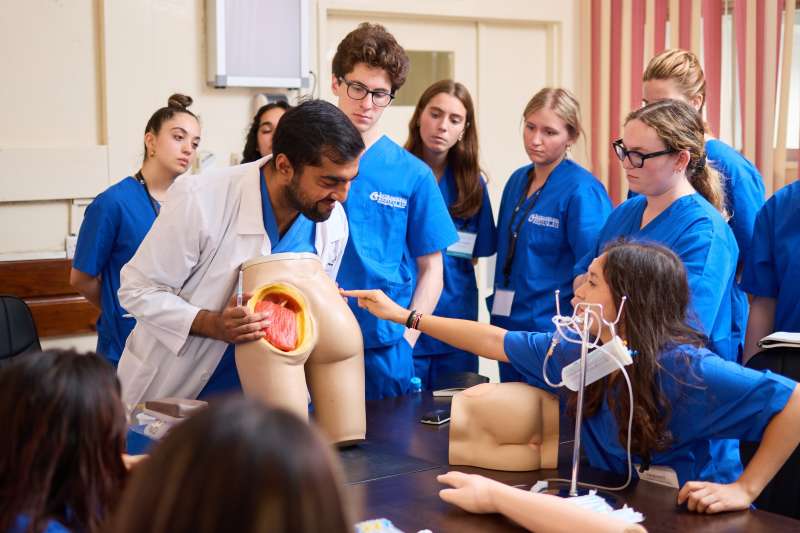
Giving of certificateOrientation to nursesCultural orientation

Bridging Cultures Through Care: My Immersion into Kenyan Healthcare with IMA

March 20, 2025by: Katie Manning - United States

Program: Advanced Opportunities in Physical Therapy/Pre-PT with IMA

5

The program was more than I could have ever expected. When I first arrived in Mombasa, I did not know what to expect. I was not even sure there was going to be a sign from IMA waiting outside of the airport for me. But when I stepped out from the airport I was greeted by an IMA staff member with kindness and hospitality. The staff at the residence was more than helpful by doing laundry daily, providing excellent meals, and willing to help with anything us interns may have needed help with. The program mentors were always very easy to approach and some I have become close with after my time in Kenya. I appreciate everyone's kindness and help during my time in Kenya. At the hospital, I learned more about healthcare than I expected. The doctors were kind, and willing to spend the time to teach us how they were treating the patients. Many of the medical staff also provided us insight on the healthcare system in Kenya. The community in Mombasa was welcoming and everyone I met was nice. When doing the Women's Health clinics, I could immediately see the impact we had on the young women we talked with. I distinctly remember meeting a young girl at one of the school we went to for a clinic and she was asking me if I was a doctor. I explained that I was in school to become one and she looked at me with such excitement and explained that she dreams of becoming a doctor one day. Seeing the girls hope in her eyes to become a doctor makes me realize how much of an impact we have on the schools we attended. I made sure to tell her she could do anything she set her mind to, because I truly believe that. That exchange I had with the young girl is the best example of how much I see we have made an impact on the community, not only by teaching about Women's hygiene but also showing that these girls can pursue the careers they choose to. The experience I had with International Medical Aid was one that more than exceeded my expectations. When I first discovered IMA, I was unsure of how much I may learn or experience, but after reaching Mombasa, I discovered a program that taught me far more about healthcare than I could have imagined. Not only did I learn about the overall experience as a healthcare provider, but also what healthcare looks like in Kenya and some of the differences in the healthcare system between East Africa and America. I have gathered a new appreciation for healthcare providers, especially those in the Coast General hospital. Coming to Coast General, I was not sure what to expect especially on the Physical Therapy side because many of the other interns there were pursuing Pre-Med or Pre-PA. But I met many Physical Therapists that welcomed me with such kindness and taught me a great deal about what it means to be a Physical Therapist. During my days in Coast General I rotated between six different in-patient Physical Therapy areas of the hospital. Each rotation I worked with a different Physical Therapist and learned something new that I will continue to value through my time as I pursue a career in healthcare. I began my first three days in the medical ward of the hospital with Omar. Omar was kind and welcoming, and a wonderful teacher. He showed me to every patient that he had in the ward and discussed with me the details of their prognosis and how a Physical Therapist would treat the patients. Many of the patients we saw in the medical ward were stroke patients. Omar spent time with me and the other Kenyan Physical Therapy students discussing the physiology of a stroke. He taught me many details on stroke patients such as the etiology, risk factors, the two types of strokes, the clinical presentation, and how a physical therapist may help a patient’s condition when presented with a stoke patient. After this discussion, we went to see some of the stroke patients and Omar continued to ask me questions about how I think we should proceed when presented with a stroke patient that had developed hemiplegia. His openness to my own learning experience while I shadowed him in the hospital is something I more than appreciate. Some of the things that PT would do with a stroke patient would be passive physiological exercises. The goal of this exercise would be to maintain joint range of motion, blood circulation, muscle tone and more. The only reason I am able to list these details is because of Omar and his openness in sharing with me his own knowledge. I have shadowed Physical Therapists in America, but I had never been met with such eagerness to teach than the therapists I met in Mombasa such as Omar. After my first three days in the hospital, I had already gathered a new respect for not only Physical Therapists overall, but also the ones I had met at Coast General. The next rotation I had in the hospital was in the surgical ward with the Physical Therapist Joanne. In this ward I saw neurological and general surgery patients who suffered from things like cervical spine fractures, traumatic brain injuries, and severe burns. The PTs would often ask me questions to understand more of my own knowledge on the different cases that we saw. Most of the questions I was unsure of, and the PT would send me home with homework to do some research on the condition of the patients we would see. Even for the Physical Therapist to have me do research outside of the hospital is something I appreciate because it shows even though they have just me they still care for me to learn. One of the more memorable patients we saw in the surgical ward was Nickson. Nickson was a burn patient who suffered from severe burns on both of his legs. I had learned that he had been in the hospital for five months and is still far from fully healing. One of the main tasks of the Physical Therapist when helping Nickson was to apply pressure on his knees to help him fully extend his legs as that what something he was unable to do after being burned. Watching the patient-therapist interaction is something that I have appreciated. I learned though my shadowing the importance of a Physical Therapists encouragement and support especially with a patient that is undergoing severe pain in the process of physical therapy. In addition, there were time it seemed to me that the therapist should have stopped the pressure on the knees to help Nickson fully extend them, but what I have learned is that there would be no progress in his injuries if he was met with insufficient exertion. The experience I had seeing the work Joanne was doing with Nickson made me appreciate the mental strength of a PT. It is hard to see someone suffering in any form, but to be able to have the ability to encourage someone to continue to help themselves and get better takes much strength. Each day I would return to see Nickson I could see the progress being made and it filled me with optimism and hope. Although I could see his pain, I could also see how the work of a Physical therapist can truly help someone’s recovery process. The other rotations I was able to do were in orthopedics, Peds, NBU, and the surgical and medical ICU. These rotations each taught me something new about the importance and purpose of Physical therapists. Each therapist I shadowed showed me something new about how important a physical therapist is when it comes to someone’s recovery or stability. The ability to shadow in several different specialties of physical therapy allowed me to see what I may be more interested in as I continue to pursue a career in physical therapy. The area that I enjoyed the most was orthopedics. During my time in the orthopedic ward the physical therapist was more than willing to teach me about the duties of a physical therapist when it comes to orthopedics. The most memorable aspect of ortho was seeing difference in physical therapy management between pre-surgery versus post-surgery. In addition, seeing the x-rays of the bone fractures before and after surgery seeing the check x-ray. There is so much that the physical therapist taught me one the protocol of therapy when it comes to a patient with a fracture. On the third day in orthopedics there was a new patient with a femur fracture and the therapist asked me how I would begin to help the patient. From what I learned in the past days in orthopedics I was able to share with her what I thought would be important for a physical therapist to have the patient do. To be able to shadow a PT who was willing and able to teach me about the responsibilities of a physical therapist is one that I greatly value. My time at Coast General, shadowing each of these therapists has allowed me to learn far more about physical therapy than I could have imagined. With IMA I was able to attend weekly Women’s health or hygiene clinics that allowed us interns to connect with the community and provide knowledge of various topics. I was able to attend two Women’s health clinics where we attended secondary schools in the community and discussed the female reproductive system as well as educated the students menstrual hygiene. The clinics gave me an opportunity to have a better understanding of the limitations girls face not only in Kenya but globally when it comes to menstrual hygiene. During the clinic we made sure to keep the girls engaged by asking questions to have a better understanding of their knowledge on menstrual hygiene. Most of the girls had a basic understanding, but I could immediately see the impact we had being there and giving the girls more insight on this important topic. Each one of them had many questions to further their knowledge on Women’s health and continued to show their excitement at our presence at their school. After the clinic was over, we were able to hand out pads to the girls. As an American who has grown up privileged to have access to something like pads, I truly gathered a new appreciation for the opportunity to be able to supply these young women with something that can truly help them feel more comfortable with their natural cycles. Not only did I see how educating the girls on Women’s health and supplying them with pads impact them, But I also saw how our presence as students ourselves made an impact. At the second Women’s Health clinic there was a young girl who asked me many questions after the lecture was over and one of them was if I was a doctor. I explained to her I was currently in school to be a doctor, and she looked at me with so much excitement in her eyes and said she dreams of being a doctor one day. This exchanged showed me how much influence we may have on these young girls we can have just by coming to their school. Through reaching out to the community in Mombasa, we had a significant impact on the girl’s lives. The opportunity that IMA gave us to be able to have such an impact on the community is one that has allowed me to have a new appreciation for my own experiences in life and even more being able to share this knowledge with these young women. During my time in Mombasa, IMA presented us interns with several different global health lectures where we learned about the history of pre- and post-colonial Kenya, disease burden in Kenya, and the Kenyan healthcare system. Through attending the lecture on pre- and post-colonial Kenya I was able to grasp a better understanding of the culture and history of Kenya. The lecture taught me of some cultural differences between America and Kenya. One of these differences is the number of ethnic groups in Kenya compared to America. Kenya is a diverse country with 44 ethnic groups and almost all speaking at least two languages. This to me represents the rich culture of Kenya and during my time in Kenya it is important to think about how diverse the country is. Another difference is the economy and poverty in Kenya. While Kenya is continuing to develop as a nation, it was clear to me not only from the lecture, but also during my time at the hospital that there is a great deal of poverty. Many patients at the hospital were unable to financially support themselves to receive treatment they needed from the hospital. This challenge is something I saw the healthcare providers have to navigate as they are trying to care for their patients, but without financial support sometimes they are unable to. In addition to the differences in economy, I also learned of the history of Kenya. Learning about the history of Kenya is something that was important to me during my time with IMA. In order to fully immerse myself into the culture of Kenya, learning of the history is an important step. Through this lecture I was able to better understand the experience of Kenya through history and how it came to be the way it is today. The lecture is one I value and remember during my entire time in Mombasa and still even after I have left that has given me an appreciation for the culture of Kenya. An additional lecture topic that I found to be important to understand during my time with IMA is the Disease Burden in Kenya lecture. During this lecture I was able to grasp more knowledge on the main diseases that are seen in Kenya. I found this lecture to be the most important to use as a resource when in the hospital so I could understand more of what the healthcare providers are mainly treating, one of these diseases being HIV/AIDS. HIV/AIDS is a disease that many patients in the hospital have and as I learned in the lecture has one of the highest mortality rates in Kenya. The lecture also mentions that over 50% of males in Kenya have HIV. This statistic alone exemplifies how prevalent HIV is in Kenya. Learning about these facts made me have a better understanding of what healthcare providers may have to deal with in the hospital and even in the community in HIV prevention education in order to slow the rates of infection in Kenya. In addition, diseases such as malaria, TB, of the respiratory system, skin diseases, and more are extremely prevalent in Kenya. Many of the patients in the Coast General hospital had these diseases and the doctors in the hospital are the ones that have to diagnose and treat these illnesses. It is important to understand how prevalent these diseases are in Kenya in order to understand how the doctors may try to manage these various illnesses. Of course, these are not the only illnesses of the disease burden in Kenya, but they are some of the ones I most frequently saw patients within the hospital. The lecture on Disease Burden in Kenya allowed me to understand the challenges that healthcare providers in Kenya often face and how they may manage the spread of these diseases. The last lecture I was able to attend was on the current state of healthcare in Kenya. This lecture was particularly insightful because I was able to grasp a better knowledge on the working of Kenya’s healthcare system. In Kenya there are three different categories of healthcare which when comparing to America is similar. Where I found more differences between America and Kenya is with the funding, accessibility, and outcomes. American spend much more on healthcare than the citizens of Kenya, but in Kenya many more citizens are paying out of pocket which can become difficult for the patients who cannot afford their needed healthcare services. In the Coast General hospital, this issue of being unable to pay medical bills was prevalent as many of these patients were not allowed to leave the hospital or did not get the service they needed until the bill was paid. It is important to consider the challenges that many healthcare providers must face when working in a hospital such as Coast General where they may be unable to care for a patient due to their economic status. Through this lecture I was able to understand more of the differences between Kenya’s healthcare system and America’s. My experience with International Medical Aid was one that I will never forget or take for granted. To be able to have the opportunity to immerse myself in a new culture is one that has allowed me to grow as a person. Being in the Coast General hospital for the three weeks I had there taught me to be more grateful for the life I have been gifted with. In addition, it has pushed me to want to give back to communities as well as be open minded to new experiences. The list of lessons I have learned during the internship could be endless, but mostly it has taught me what it means to be a physical therapist. The Therapists I worked with were kind, generous, and careful to be sure they gave the patients all the help and support they needed. There is not enough gratitude I can express to be given this opportunity to learn and grow during my time with Internation Medical Aid.
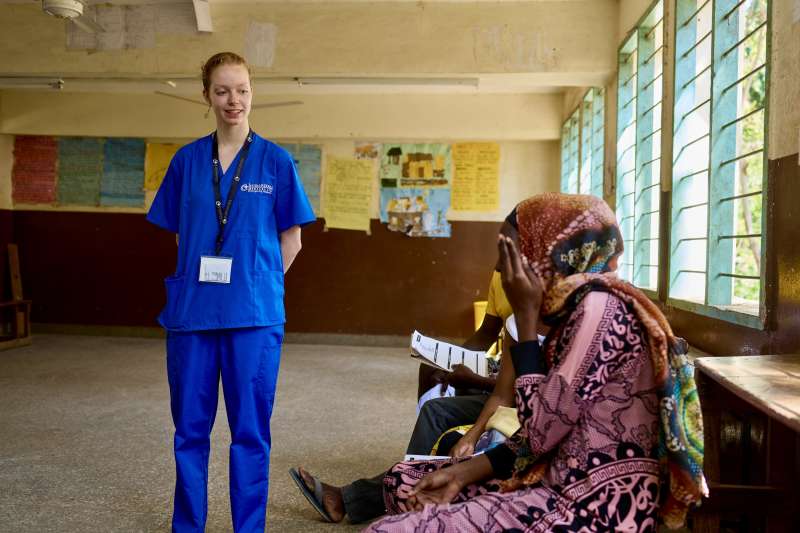
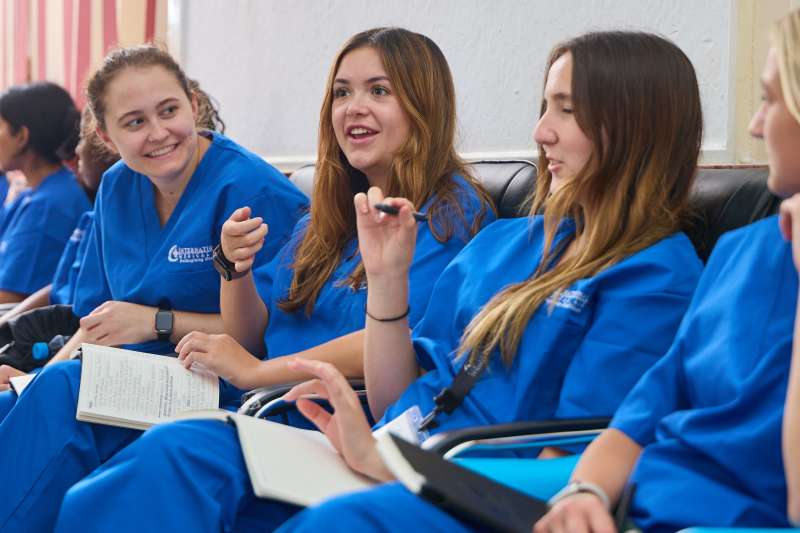
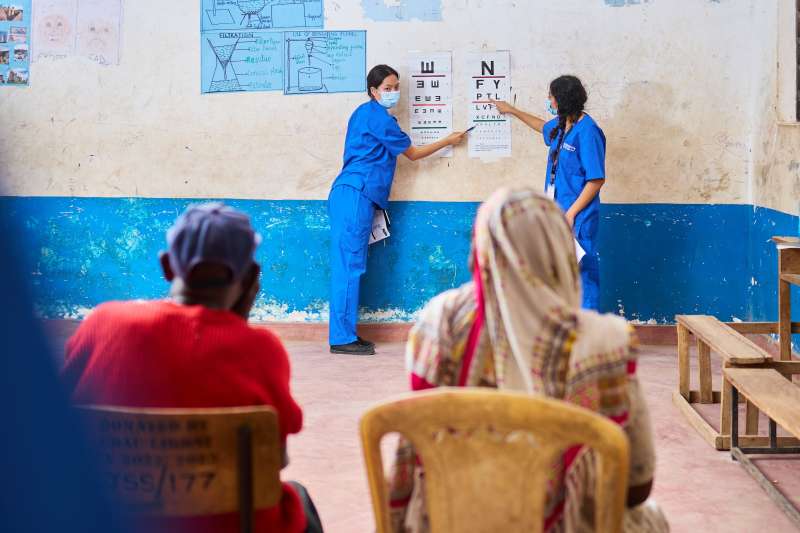
Nurses with certificateVolunteer nurse with African studentsVolunteer nurse with African Students

Healthcare Disparities and Challenges in Global Settings: Insights from My IMA Internship in Mombasa

March 20, 2025by: Jaden Paldino - United States

Program: Physician Assistant/Pre-PA Internships Abroad | IMA

5

My experience with International Medical Aid in Mombasa, Kenya, has been transformative on multiple levels, encompassing a comprehensive view of healthcare delivery, cultural immersion, and personal growth. The support provided by International Medical Aid was crucial in navigating the complexities of working in a foreign healthcare environment. From the initial orientation to daily guidance and mentorship from local medical professionals, I felt well-supported throughout my internship. The program coordinators were responsive to our needs and ensured that we had the resources and assistance necessary to make a meaningful impact in our placements. Safety was a priority throughout the program, and I appreciated the proactive measures taken by the organization to ensure our well-being. We received thorough safety briefings upon arrival, including guidance on cultural norms and potential risks. The accommodations were comfortable and provided a safe haven after long shifts, and the communal living fostered camaraderie among participants, creating a supportive network. Professionally, the experience enriched my clinical skills and broadened my understanding of global healthcare disparities. I gained firsthand experience in diverse medical specialties, from obstetrics to infectious diseases. Personally, the exposure to Kenyan culture and daily interactions with patients deepened my empathy and reinforced the importance of patient-centered care in all healthcare settings. Our contributions through free clinics, hygiene initiatives, and educational sessions had a tangible impact on the local community. We provided essential healthcare services to underserved populations, addressing immediate medical needs and promoting long-term health through education. My passion for healthcare—particularly in underserved communities—began in high school. My journey began freshman year of college volunteering in the Dominican Republic; I witnessed firsthand the impact of compassionate care on those with limited access to medical services. However, growing up in a supportive environment, I was initially shielded from the struggles many face accessing healthcare. My time in Mombasa opened my eyes to significant disparities in healthcare delivery. It further inspired me to pursue a career as a physician assistant dedicated to bridging these gaps. Arriving in Kenya with International Medical Aid, I was prepared to learn about healthcare delivery in a resource-limited setting; however, despite that preparation, the differences were striking. From the moment I stepped off the plane the bustling streets of Mombasa, the vibrant markets, and the warm greetings from locals set the stage for an immersive experience. Over the next four weeks, I moved through various clinical rotations, from the Newborn Unit to Radiology. I taught at various schools and had the opportunity to help with community medical clinics. The hands-on involvement and the cultural exchange were profound. Observing and participating in the care of premature infants, learning from seasoned professionals, and connecting with patients deepened my understanding of the human side of medicine. These experiences enriched my clinical knowledge and reinforced my commitment to providing compassionate and equitable healthcare. On my first day of internship orientation at Coast General Teaching and Referral Hospital (CGTRH), I walked through bustling corridors, observed daily operations, and absorbed common rules and practices. I soon learned that patients had to pay out of pocket for basic medical supplies, including sutures, medications, and catheters. If and when they were unable to afford these essentials, they were subjected to detention within the hospital until they could settle their bills. This practice was starkly different from anything I had encountered in the United States, where such necessities are routinely provided. Proceeding through orientation and a tour of the hospital, it seemed the aforementioned healthcare disparities only continued to grow. While healthcare inequality is an unfortunate reality throughout the world (to include back home), my work in Mombasa set into stark relief just how extreme those inequities can be. It was disheartening to see patients without rooms—separated only by thin curtains—waiting for an indeterminate amount of time to receive care due to significant staff shortages. The overburdened healthcare providers struggled to meet the overwhelming demand, resulting in long waits and insufficient attention to individual patients. The immediate exposure to these harsh realities was a poignant reminder of the impact of systemic inequity in healthcare. My first week in the OB labor ward at CGTRH was eye opening, and it afforded me the opportunity to engage with deeply moving work. I was inspired by the strength and resilience of the women I encountered. Despite the intense pain and fear they must have been feeling, these women endured labor and related procedures without epidurals or any form of pain relief, including episiotomies. Witnessing their courage firsthand was humbling and enlightening, and highlighted the incredible fortitude of mothers in this environment. Parallelling and necessitating this inspirational courage, the care provided in the labor ward was markedly rushed due to chronic understaffing. The limited number of healthcare professionals available required tasks to be performed quickly, often without adequately communicating with patients. I was shocked to observe that staff did not explain procedures to women, instead performing actions (e.g., bursting the amniotic sac or making incisions) without any warning or explanation. The urgency of the situation was often conveyed through yelling at the mothers to push and (at times) even physically pressing on their stomachs to expedite the process. This sometimes-necessary approach was decidedly different from the patient-centric work I was more familiar with. Nested with the staff challenges discussed above, much of the delivery work was carried out by student nurses. One particularly memorable moment was watching a 20-year-old student nurse perform her first solo delivery. She managed the situation with competence and confidence, a testament to her training and ability to remain adaptable in such a high-pressure environment. This reliance on student nurses was a direct consequence of the severe shortage of medical staff. Dr. Mohammed—the one doctor in the ward—was frequently needed in the operating room to handle emergency C-sections, leaving the ward under the care of these young trainees. One night shift brought an emotional and heart-wrenching experience that I will never forget. A mother, clearly in distress, tapped me on the shoulder to get her cervix checked. Her desperation and the immediacy of her need were palpable. When she opened her legs and revealed her cervix, I saw a foot—a clear sign of breech birth for the premature 30-week-old twins. I immediately alerted the doctor, and the twins were delivered promptly. The delivery was complicated by both babies being in a breech position, requiring extraordinary efforts from the medical team to ensure a safe birth. Tragically, despite all efforts, one of the twins passed away the next day. This event made clear that in neonatal care, there is an ever-present, fragile line between life and death; this practice can take a profound emotional toll on families and healthcare providers. Access to skilled healthcare providers and adequately stocked facilities is critical. Notwithstanding global disparities, the divide between rural and urban areas (e.g., Mombasa) domestically is similarly stark. Resources remain limited in urban centers but are relatively better than in the westernmost provinces of Kenya. By way of example, the maternal mortality ratio in Kenya “stands at 355 deaths per 100,000 live births, translating to nearly 5,000 women and girls dying annually due to pregnancy and childbirth complications. While access to skilled birth attendance has improved . . . over 80% of maternal deaths are attributed to poor quality of care” (UNFPA Kenya, 2016). Without routine care, including regular antenatal visits, ultrasounds, and blood tests, women are more likely to die from complications during pregnancy and childbirth. In the U.S., maternal and prenatal care is generally more accessible, with regular standard care practices. Most women have access to skilled healthcare providers, advanced medical facilities, and pain relief options during labor. By contrast, Kenya faces substantial challenges, including a shortage of healthcare professionals, limited medical supplies, and under-resourced facilities. As with the previously-identified high rates of maternal mortality, the disease burden in Kenya was an ever-present reality during my time in the labor ward. HIV remains a significant health challenge in Kenya, where stigma and misinformation about the disease continue to affect many, particularly expecting mothers and newborns. According to the 2015 Kenya HIV Estimates, “women in Kenya are more vulnerable to HIV infections compared to Kenyan men, with the national HIV prevalence at 7.0 percent for women and 4.7 percent for men.” This heightened vulnerability translates into considerable impacts on maternal and child health. For example, “HIV and AIDS in Kenya accounts for 20 percent of maternal mortality and 15 percent of deaths of children under the age of five” (International Medical Aid, 2024). During my time in Mombasa, I observed that healthcare staff often avoided discussing the HIV status of mothers directly, referring to it as "RVD" (retroviral disease) instead of HIV. This semantic avoidance perpetuates the stigma and prevents open conversations that are crucial for effective disease management and support. In the maternity ward, HIV-positive mothers were subject to different delivery protocols to minimize the risk of mother-to-child transmission. For instance, staff would take extra precautions such as delaying the rupture of the amniotic sac until the baby was fully delivered, reducing the baby’s exposure to HIV in the birth canal. Despite these careful measures, the lack of open communication about their condition left many mothers feeling confused and isolated, unable to fully understand or engage with the necessary steps to protect their health and that of their newborns. These anecdotal experiences underscore the immense challenges faced by the Kenyan healthcare system and the pressing need for improvements in maternal care. The courage and endurance of the mothers, coupled with the dedication of the healthcare providers working under such constraints, left a lasting impression on me. It reinforced my commitment to advocating for better healthcare resources and practices, both locally and globally, to ensure that all women have access to the quality care they deserve. I found one of the most important parts of my 4-week internship was engaging with the local community through hygiene clinics at children's schools, women's healthcare sessions, and free Saturday clinics. These opportunities offered me a deeper understanding of the cultural context in which healthcare is delivered. Teaching dental and hand hygiene to children, for example, emphasized the importance of preventive care and health education in improving public health outcomes. We introduced basic concepts of cleanliness and disease prevention through interactive demonstrations and activities, which were met with enthusiasm and curiosity from the children. This hands-on approach not only equipped them with essential skills, it highlighted the critical role of early education in fostering long-term healthy habits. Witnessing the children's eagerness to learn and their immediate application of these practices was a powerful reminder of the impact that simple, preventive measures can have on a community's overall health. The cultural variations I encountered during these sessions, such as different beliefs about healthcare and varying levels of health literacy, reinforced the need for culturally sensitive and patient-centered care. For instance, in women's healthcare sessions, we discussed female anatomy, family planning, and hygiene. These discussions often revealed deeply ingrained cultural beliefs and practices that influenced women's health choices. Understanding these cultural nuances was crucial in providing relevant and respectful healthcare advice. It was evident that a one-size-fits-all approach would not be effective; instead, healthcare providers needed to tailor their communication and interventions to align with the community's values and beliefs. With improved communication comes better community outreach, a key component to improved healthcare outcomes made evident during my work in the Saturday community medical clinic at Likoni Primary School. Many patients who attended these clinics had limited access to healthcare due to financial constraints, geographic barriers, or lack of awareness about available services. In Kenya, the current health expenditure per capita is only $88.39, compared to $10,623.85 in the United States, reflecting the vast difference in economic resources and the extent of healthcare services available. By bringing healthcare directly to these underserved communities, we were able to reach individuals who might otherwise go without necessary medical attention. This initiative emphasized the importance of accessibility and equity in healthcare delivery, particularly in a country like Kenya, where healthcare spending stands at just 5.167% of its GDP compared to 16.885% in the U.S. (International Medical Aid, 2024). This divide in health expenditure reflects the challenges faced by Kenyan communities in accessing comprehensive services. Outreach programs are critical in bridging the gap and ensuring that more people receive the medical care they need. Through these community engagements, I also learned about the challenges faced by healthcare providers in educating and empowering patients. Many individuals struggle with literacy, making it difficult for them to understand medical advice and adhere to treatment plans. For example, one of the last patients we consulted was a 13-year-old girl with sickle cell disease; she was experiencing severe pain in her upper left abdomen, likely due to a sickle cell crisis. This condition, exacerbated by limited access to medications and healthcare resources, can lead to complications such as splenic sequestration or splenomegaly. The girl’s condition showed me the unfortunate impact of inadequate healthcare infrastructure and education. Her family lacked knowledge about the importance of regular medical check-ups and the management of sickle cell disease. They were unaware of the necessity for routine blood tests, vaccinations, and the avoidance of dehydration and infections; all critical components in managing her condition. This meant that the girl often went without the necessary medications and preventive care, leading to frequent and severe pain crises. During the consultation, it was clear that her condition had been neglected not out of indifference, but due to financial constraints and a lack of awareness. This anecdote is representative of a broader trend; most patients we consulted at community clinics were young teenagers. This demographic presented unique challenges as they were at a critical stage of development and faced various health issues, including malnutrition, infectious diseases, and reproductive health concerns. Many had limited knowledge about their health and the importance of seeking timely medical care. The doctor explained that they relied on these clinics to get the medication and care that they needed. Most obviously, healthcare providers play an important role in treating illnesses; however, that importance is matched by the need to educate and empower patients. Effective communication and education can bridge the gap between limited resources and better health outcomes. By providing clear, simple, and culturally appropriate information, healthcare providers can help patients understand their conditions, adhere to treatment plans, and make informed decisions about their health. These experiences have deepened my appreciation for the complexities of delivering healthcare in diverse cultural settings, teaching me the importance of adaptability, empathy, and cultural awareness in my practice. Moving forward, I will integrate these lessons into my career as a physician assistant, striving to provide compassionate, culturally sensitive, and patient-centered care to all individuals, regardless of their background or circumstances. My time in Mombasa has solidified my interest in pursuing a career focused on global health and working in underserved communities. The resilience, dedication, and resourcefulness of the healthcare professionals I worked with have inspired me to strive for excellence in my own practice. I have developed a specific interest in neonatal care and maternal health, recognizing the need for specialized care in these areas, especially in low-resource settings. To this point in my professional development, my internship experience in East Africa is the cornerstone of my journey toward becoming a physician assistant. I am beyond grateful for the clinical exposure, cultural immersion, and unique challenges faced. Looking back, this time has not only enriched my knowledge and skills, it has deepened my passion for making a meaningful impact in the field of healthcare.

Volunteer nurse with African studentsVolunteer nurses with African studentsIMA's Program staff

From New Horizons to Lasting Bonds: A Transformative Journey of Service, Learning, and Connection with IMA in Kenya

March 20, 2025by: Nathan Oke - United States

Program: Dentistry/Pre-Dentistry Shadowing & Clinical Experience

5

IMA has built an incredibly tight-knit family and makes you feel like one of their own. There is nothing more refreshing or reassuring than having a smile greet you at every moment of the day, telling you that you belong here and your hands are helping change lives. You can only begin to understand the gravity of what you are accomplishing once you step out of your comfort zone and into the world of service and education. There is not one thing I would change about my experience and I am glad to be coming home with a wealth of knowledge, strong friendships, and an even stronger initiative for helping others. There are no words to describe how incredible of a country you are. Even though I was more than 8,000 miles from home, you made the distance feel not as far. Your people, the culture, and everything you stand for have opened my eyes to the immeasurable amounts of your compassion and the pride you hold. When I first arrived on your soil, there was this beautiful collision between nerves and excitement I had never felt before. Even though I had researched and read about all that you had to offer, I was still shocked to see the bustling streets of people that were shoulder to shoulder, the nonexistent streetlights or road signs, and the endless sidewalks lined with vendors. I got to experience the sunrise over the horizon of the Indian Ocean and watch the colors of the night sky fade away from the residency balconies. I saw Fort Jesus, MacKinnon Market, and other prominent landmarks that show the deep roots of your history. On the Maasai Mara Safari I learned about local customs and saw exotic animals, including the Big Five. Even learning simple phrases from your language made me feel more connected to others and allowed me the chance to show my respect towards everyone. My favorite days were those when we hosted our outreach clinics in your local communities. We helped the men, women, and children of these places by providing them with necessary medical resources and instructions on how to stay safe and healthy during their lives. My favorite clinic was when we visited Coast Girls’ High School and presented an educational lecture on Women’s Health and Hygiene. According to the World Bank Group, five hundred million women across the world have inadequate care when it comes to menstrual hygiene. Lack of supplies and education on how to effectively manage these health concerns have many adverse implications. It can cause disease, and lack of confidence, and make it easy for other complications to arise. Our goal was to create an environment where the girls at this school felt safe and comfortable asking questions regarding menstruation, the women’s reproductive system, and other related topics. The girls were attentive, asked great questions, and enjoyed our presence. We were even able to give them menstrual products as our way of saying thank you and further pushing the importance of management. There were still times when I wished I could do more for you and your people. You made it difficult to leave a place where I consciously knew that people were in poverty, struggling, and suffering. Yet, you gave me hope from the impactful experiences that I witnessed and most importantly, a love that goes far beyond the walls of any hospital. I know I will visit you again someday and find more ways to make a difference in people’s lives. Until then, I will use all that I have learned to continue towards my goal of becoming the most compassionate, competent, and confident dentist I can be. Asante sana, Kenya. It was my greatest pleasure and highest honor to get the opportunity to know you and learn your stories. I was welcomed not as a guest, but as an integral member of the IMA group. I feel that I have truly made lifelong friends and strong relationships that span across states and continents thanks to the efforts of International Medical Aid. Everyone continues to be supportive and caring as we move on to our new chapters in healthcare professions. It has been one month since my departure and my days have been filled with warm wishes to all as we continue adjusting to our lives without one another. It was with you all that I learned of the Healthcare systems, financial and resource constraints, and other challenges people face daily. There is a severe lack of human capital, varying standards of quality and sanitation, a prevalence of preventive diseases, ethnic discrimination, and deteriorating working conditions in which the sectors of healthcare struggle most. Witnessing these barriers every day not only makes one fortunate for what they have but begs the question of what else can be done. I know many of my fellow interns became proactive and started donating supplies, holding GoFundMe’s, and holding themselves responsible for checking in on specific patients. My personal goal is to one day return with the sole mission of giving people the best quality of dental care possible for their issues and donating equipment that allows hospital staff to better treat future people. From getting us safely to our destinations to providing us with fabulous meals, and accommodating the needs of everyone, IMA gave me the peace of mind to focus on what mattered most during my time in Kenya: learning, educating, and helping. It was this experience that opened my eyes to the possibility of pediatric dentistry, made me start putting my goals into perspective, and gave me the desire to return with more knowledge on how to assist those in need. I cannot wait to see where these upcoming years take us, and I am looking forward to watching everyone’s story unfold. Asante sana, International Medical Aid family. Learning about the types of diseases patients often deal with, the lack of mental health treatment, and the common issues that Kenyans face daily was staggering. 1HIV, malaria, tuberculosis, diabetes, and respiratory infections are just a few causes of mortality that we see across Kenya. While all of these are treatable and often preventable, there is a lack of medicine, protection, or education on them that results in higher prevalences. While I did not interact with patients who had these as their main concerns, there are different procedures to take in the dental unit when understanding the patient’s history. I connected with your dental specialists who gave me valuable insights on the procedures they follow. I got to see how resourceful these doctors are and how treatment varies globally. Every member of the hospital was educated and ready to share their own experiences and how they approached different cases. What came to me as a shock was how patient history is taken and filed. Everything is still done by hand, and the patients are the ones responsible for keeping their X-rays, files, and other important documents of reference. It is incredible to see the different spectrums of dentistry and how care can be given. I broadened my horizons in the field of dentistry, but I was also fortunate enough to participate in the overnight shifts that other departments offered. It is not every day that you get to witness three C-sections and three live births on the same day as your birthday. There is so much still to learn from you, your doctors, and your patients, but for now, we will have to wait until I see you again. Asante sana, CGTRH. I do not know how to say thank you. A thank you does not begin to touch the surface of how grateful I am for you all. There has been nothing more reassuring than having you all in my corner rooting me on in my every endeavor. The support, generosity, and sacrifices each of you have made are invaluable and have left me forever changed. This trip meant more to me than I could ever imagine, and I am so glad that you were able to live vicariously through me during this time. Getting the chance to update everyone or talk about my time in the hospital was always my favorite way to finish off my nights. I hope each of you enjoy all the pictures I sent back and the stories that are yet to be told. A special thank you to my parents, grandparents, brother, and girlfriend is much deserved. You understand the effort I have put into my future and all that I aspire to be. You are all the cornerstones of my life, and I could not imagine taking on my feats without any of you. Asante sana, family, and friends. You did it. You traveled overseas, made new connections, and made your shadow time worthwhile. I am deeply proud of all the people you met and helped during this journey. You spread smiles to children, opened conversations with your fellow interns, and talked to doctors about their paths and reasons for being where they are now. Thank you for having the courage and the passion for dentistry that you do. You are going to be a rockstar throughout graduate school, during your years of associate work, and into your practice one day. You may think that this trip was only a once-in-a-lifetime opportunity, but you are just getting started. Asante sana, Nathan.

Clinical rotations at the Dental Unit of Coast General Teaching and Referral Hospital, one of East Africa's major centers for dental care.Other members of my cohort at my primary clinical site, Coast General Teaching and Referral Hospital in Mombasa, Kenya.Selfie on a bus

An Unforgettable Adventure: How My IMA Experience in Kenya Went Beyond Expectations

March 17, 2025by: Lakshana Raja Annamalai - Canada

Program: Nursing/Pre-Nursing Internships Abroad for Aspiring Nurses

5

My experience with IMA in Kenya was amazing and unforgettable. The program exceeded my expectations. From the moment I arrived, the local team was there to guide me through every step of the journey. They were friendly, knowledgeable, and always available to answer questions or address concerns. The organizers took every precaution to ensure we were always in secure environments. They were well-prepared for any potential issues, making me feel safe. The accommodations were comfortable and provided a good mix of local and modern. Each place was also very clean and well-maintained. The program also had a positive impact on the local communities we visited. By engaging with local guides, artisans, and families, we helped support their livelihoods.

Nurses with certificatesMedical volunteers assisting children.Rainy hike, happy faces.

From Scrubs to Self-Discovery: The Impact of My IMA Internship on My Nursing Path

March 17, 2025by: Casey Kirchschlager - United States

Program: Nursing/Pre-Nursing Internships Abroad for Aspiring Nurses

5

Overall this internship with IMA was amazing in several aspects. In country support, accommodations and day to day communication made me feel safe and at home. The staff was very friendly and catered to any need we had day or night. The hospital was welcoming and so many doctors and nurses were eager to help me learn. The community outreach was one of my favorite aspects of the program. Being able to teach children in remote area about sensitive health topics and them fully embracing the information and asking a million questions made every bit of our hard work pay off. I have a new found respect for this country and healthcare system and will take back so much new knowledge about procedures, protocols and the nursing role within CGTRH. During my International Medical Aid Internship in Mombasa Kenya at Coast General Teaching and Referral Hospital (CGTRH) I was placed in the pediatric ward, accident and emergency and labor and delivery. My experience in these three wards were very different and provided a lot of insight into the differences of healthcare in this region compared to the United States. Having gone through three years of nursing school already and only one more year before graduation, it was very eye opening to see not only the nursing role and procedures but also how nurses are taught and the weight they carry within the hospital. I have gained an immense amount of respect and appreciation for not only the doctors and nurses of these under resourced facilities but also how knowledgeable everyone is despite the difference in healthcare delivery. One of the biggest factors I have taken from my hospital experience is that you cannot save everyone, and the limited resources cannot be allocated to everyone. Financially, many patients and families in these public sectors do not get the care or treatment they need because there is no money to pay. Others may be neglected if not with a support system or not treated in a timely manner. Medication is limited and medical supplies are sometimes made from innovative ideas like making splints from bending metal. I have not only seen a lot but learned and practiced skills alongside the nurses and providers. My perspective of how this area of the world functions has certainly shaped my idea of healthcare in different countries. I am coming back from this experience with a more open mind and appreciation for life. I have one more year left of nursing school and my experience here has only made me want to perform me in school and in my career to the best of my abilities. After seeing the disparities and lack of resources in this hospital and country it makes me realize how fortunate I am to be going into a workforce that can truly impact almost every life in a positive way. I want to take with me the care and compassion of some of the nurses and doctors I have encountered. I’m also invigorated to provide a calm and friendly bedside manner than not many of the nurses and doctors have in Kenya. I am also influenced to maybe even go back to school after some experience and earn a higher degree to perform more tasks and skills. Outside of the hospital I was very excited about each of the hygiene, reproductive and mental health clinics and seeing how much of an impact we had on the children. I think that might be taken for granted in the US as from from a young age children are taught about health and hygiene and their bodies. As a nurse one of my roles will be education of every different age and population. It excites me to know that children appreciate and take this information to heart. I want to be able to talk young girls through puberty and menstruation or be able to destigmatize and help someone going through a mental health crisis. I want to be that person that someone knows they can go to for information, in hard times or just needing a hand to hold. I felt that in the community and in CGTRH and It makes me so excited to carry that back into my career here in the US. The biggest aspect of this whole experience was seeing the differences in healthcare delivery and use of resources compared to the United States. Starting with the private vs public health care sectors. The public sector is more accessible and affordable but also contributes to poorer patient outcomes, lower standards of care and limited resources. On the other hand, the private sector is slightly more common in use (International Medical Aid, 2024) and provides a higher quality of care for patients. Upon arrival to the hospital patients must pay for their records booklet and then are given a bill that must be paid before leaving the hospital at the end of their stay. Those who do not have the money to pay their bill are detained at the hospital until it can be covered and some even change clothes and run away. I was shocked by this fact as well as the matter that no one goes after the escapee and police do not intervene. In addition to the financial side of the healthcare system I found it very shocking how common medical neglect was. A patients must come in with a support system or person to advocate for their health, especially in accident and emergency, otherwise doctors may not see them right away or at all. Patients or their family must also purchase their own medical equipment as needed for their condition. Whether it be sutures, ng tube, catheter, medication, etc.… The family or person accompanying the patient must follow what the doctor says to go buy it at the entrance of the hospital and then come back with the supplies. Each unit of the hospital has its differences and different procedures for care, but I found that labor and deliver was one of the most different from the US. First, the nurses and even student nurses are the providers for vaginally delivers while only the PA’s and Doctors perform the c-sections. Mothers are to birth alone in their bay, no one else is allowed to be with them including the father figure. Fathers and family must wait outside of the unit but can buy and bring in medication or supplies if instructed to. Most women birth naked and are left to scream in pain for hours without anyone checking in \. Epidurals are only used for c-sections and even then, are only an injection into the spinal column rather than a catheter that is left in place until after the procedure. At CGTRH babies are brough straight to warmers after delivery and remain there for 2-3 hours. On the other hand, in the US babies are delivered straight to skin-to-skin contact with the mother called the “golden hour” and breastfed with in that time. I found it interesting that there are signs all over the unit saying babies must be fed within 30 minutes to an hour, but I never saw that happen. After asking a nurse about this they said that the baby must remain in the warmer while the mother cleans herself up and after three hours the baby must be breastfed to prevent hypoglycemia. In addition to the procedures, I observed that no stethoscopes or dopplers were used when assessing fetal heart rate, only fetoscopes. There is also only one maybe two for the whole unit and they are just passed from patient to patient as needed. Doctors and nurses are very skilled at using this device and can almost immediately determine what condition the mom and baby are in without any other test or device. The pediatrics department also surprised me, where critically ill babies are placed in wooden bins next to each other and older children are still in cribs or beds with their parent next to them 24/7. Patients do not have their own bay or room and everyone is in one area together. All children and babies have an IV placed upon admission to the unit and many have ng tubes for feeding. Children are here for a number of reasons, but the most common illnesses are tuberculosis, severe acute malnutrition, HIV and pneumonia. Aside from the public and private sectors to healthcare only around 35% of the population has health insurance. This leads to patients not seeking care when needed, increasing transmission of diseases like HIV and Aids and therefore putting even more strain on the system. I also find it interesting that faith-based organizations are a large contributor to the healthcare system. In the United States doctors and other providers are of the highest paid professions with some making over $500,000 per year. Nurses make an average annual salary of around $94,000 (US Bureau of Labor and Statistics, 2024) with that coming out to around $45 per hour. At CGTRH I asked a labor and delivery doctor about his income which was only around $1,200 USD per month or $14,400 per year. This encompasses a full 40-hour work week, 50-60 c-sections per month, being on call, assisting with vaginally delivers, caring for complications and leading the unit. He said at the end of the month he still must scrounge from money to pay rent and provide for his family. I was also able to talk to nurse about their salary and it comes out to around $3 USD per hour which is practically nothing. Culturally disease, death and dying is all too common in this part of the country and happens quite often. Many people do not see a doctor when they are sick and only show up to a hospital if they are extremely ill. Everyone is very strong. From a young age boy are taught that crying is a sign of weakness and can even be punished for it. Death and burial are also a very religious process. Families of a deceased body follow the body to the morgue and stay with it until they can have it for ceremony. People are very protective of the body and have specific rituals when it comes to death and the afterlife. During my time in the hospital, I saw many unique cases that are not common or even exist in the US. The pediatrics department saw many cases of malnutrition which is common in the country but quite the opposite in the US. Marasmus, also called severe acute malnutrition, is a condition that I have only read heard and learned about in textbooks where the patient’s body is not absorbing nutrients and therefore the stomach becomes very large while the limbs are very tiny. This was my first time seeing a patient living with it and I was shocked by how someone could live with this. In labor and delivery there was such a high volume of patients, some came in so fast and providers had no idea how many weeks they were, the condition of the baby or specifically how many babies there were. I was working a night shift when a momma came from around the corner of her room and asked for a cervical check. As we laid her on the bed and pulled the gown back, the tiniest foot was coming out. Nurses scrambled to find her chart and it wasn’t until both babies were coming out that they realized she was only around thirty weeks. Each weighing less than two pounds they were just set in a warmer until being brought to the newborn unit and eventually both passed away. In the United States there are so many technologies and medications used to detect multiple fetuses, abnormalities and solutions for be able to carry the babies closer to term. It’s just another eye opener to the disparities of this area but also the strength and resilience of the mothers who give birth under these circumstances. I the pediatric ward also learned that there are no organ transplants within the whole country and those who are in need must make arrangements to travel to a different country. Specifically, there were two children in the POW ward that needed liver transplants to survive. One child’s family was fortunate enough to have the funds to travel and he was being prepared to leave for India where he would receive the new liver. Unfortunately, the other child did not have much family and traveling for the surgery was not an option, so providers were just making him comfortable with the time he had remaining. I had never heard of the term mob justice until coming to CGTRH. I learned about this when in accident and emergency after seeing patients come in who had just been brutally attacked. This is the result of letting the public handle discrepancies rather than the police getting involved. From stealing to fighting, looting and assault, the “mob” will get back at the person who was involved in the event by throwing rocks called stoning with the intent of killing the person. In extreme measures tires are put around the suspect so they cannot move or run and then lit on fire are stoned until death. If they are lucky at any point during these events, bystanders may try to help and pull them from eventual death, but this is just how some problems are taken care of. In the US there are also many injuries and death due to gunshot wounds, but in this part of the world there are more manchette attacks and stoning than anything else. This all was a little scary to see at first but just gives me a deeper look into the difference of a less developed and structured country. In accident and emergency, I was observing the intake side with some other interns while a patient to the left fully seizing. Not a single doctor or nurse came over, so we ran over, turned her on her side and protected her head. She was foaming at the mouth, barely breathing and seizing uncontrollably every minute or so. It took almost 45 minutes for a nurse to push meds, which the grandmother could not pay for, so another person did. This did not work, and she was given more an hour later. After about 2 hours a doctor came over and yelled at us to let go of her. It was extremely hard to see that she didn’t get the care she needed because money was a factor and the fact that doctors and nurses did not seem to care, they just stood around and did nothing. We all thought she was going to pass away, but two days later came back to find her in the ICU in a coma. I don’t know what while happen or if she will live but she was only 20 years old, and I pictured that being me. In labor and delivery, a mama had just delivered a baby girl. She was so excited and all she wanted was to hold and feed the baby. After talking to her for a little while this was her third child but the other two were both still births. It was so rewarding to see her happiness with this child, knowing it was most likely going to survive but also a eye opener learning that still births and complications during labor and delivery are a very common occurrence in the hospital. In addition to patient interactions, I enjoyed getting to know some of the doctors and nurses very well and hear about not only their role in the hospital but their background and details of the job. Schooling is somewhat like the United States as doctors are in school for 6 years, PA’s and Nurses have 4 years along with clinical rotations and shadowing hours. The main difference though is that students are taught the best way to learn is to do. The interns and students do much of the work and care while they are supervised by the higher ups. It’s taught during any skill or procedure that you observe one, do one and teach one. Once those three have been covered you do them on a regular basis, even without having full credentials. In conclusion to my internship and looking back at my experience as a whole I have expanded my knowledge and skills greatly and taken with me a newfound respect for the lives of everyone who lives here. Life may be hard, and healthcare may be scarce, but I fell in love this the fact the citizens of this country are so proud to call Kenya their home. Everyone was so warm and welcoming, and I never once felt scared or in danger. The experience and memories I have taken with me from this internship will last a lifetime and hopefully inspire others to follow in my footsteps.

nurses with certificatesNurse volunteer with African kidsGroup photo of volunteers

More Than Medicine: Rehumanizing Healthcare Through My IMA Experience

March 17, 2025by: Lily Langenbahn - United States

Program: Physician Assistant/Pre-PA Internships Abroad | IMA

5

After my time with IMA, I will be quick to recommend this Internship with anyone who is interested! This internship taught me numerous lessons that will stick with me for a lifetime. Among many things, I learned how medicine has the power to remind people of the value and dignity of their life. This opportunity has made me even more excited to pursue a future in Medicine. Outside of the hospital, the accommodation that the program offers are exceptional. The IMA staff is so kind and work incredibly hard to give every intern the best experience. Typically when someone is asked why they want to work in the medical field, they might respond by saying it is because they want to help people in a tangible and hands-on manner. Growing up with no family members in the healthcare field, I never really thought about working in medicine until I was a junior in high school. What drew me to the medical field was, in fact, the opportunity to help others. However, as time goes on, my perspective and understanding of medicine has exponentially grown and developed beyond “helping others”. Yes, medicine without a doubt gives someone the ability to help a hurting person, but it goes much deeper. My time in Kenya exposed me to that deeper motivation and helped further develop my reason for why I want to pursue a career helping others. Everyone in life needs a ‘why’, a reason for why you want to do what you want to do. Knowing your ‘why’ brings perspective, clarity and direction to life and the way you choose to live it. Having a why grounds you and makes you a steady, thoughtful person even in the midst of adversity. My time in Kenya has given me a different ‘why’ for practicing medicine, a ‘why’ that I am eager to explain. During my internship I spent time in three different rotations with extra shifts in other departments. My view of medicine grew in different and unexpected ways during each of the rotations. My first week was spent in the Accident & Emergency Department, getting to see both pediatric and adult patients. Patients who came into the A&E often had wounds that smelled foul, defects that made them look different, and injuries that were grotesque. Additionally, there were patients who were brought in dead (BID) and placed in a small exposed hallway until their family arrived. I also encountered many younger patients who had been abandoned by friends and family. As the week went on, I began to understand the power that those who work in the medical field have: the power to rehumanize the dehumanized. The word re-humanize implies the process of restoring human dignity, value, and respect where dignity has been diminished or deprived. Circumstances or illnesses that bring patients to the hospital leave many of them in a dehumanized condition. However, medicine gives physicians and nurses the means to pursue and draw close to those patients, to restore human dignity, value and respect. Those who practice medicine are able to engage with these same patients, look them in the eye, help bind up their wounds and give them excellent care. This concept of re-humanization was something that I had never associated with medicine before my rotation in the A&E, and it continued to grow throughout my other rotations. I spent the second week in the Obstetrics Department, and I feel that this rotation was the one that surprised me the most and, at times, was the hardest to observe. I learned that all patient care in OB is free for mothers and babies (Brian Barasa Masaba & Mmusi-Phetoe, 2020). The majority of nurses and physicians were exceptional and treated their patients with great care, while there was a small minority who struggled with the idea of free health care. As I observed, my new perspective of medicine as a means of restoring dignity and value continued to grow. I began to grasp that just because medicine has the power to rehumanize people, does not mean that a doctor or nurse will exercise its power. The kind of medical professional you are is not only related to the foundational knowledge and experience gained in school. It is also just as related to who you are as a person and who you desire to be for your patients. A health care worker’s moral and ethical qualities, who they are when no one is looking, what they believe about the dignity of human life, and how they demonstrate these qualities to their patients is vital. If your patient needs to be gently cared for, you gently care for them. If your patient needs to be reassured and met with peace, you reassure them and meet them with peace. If they need a truthful explanation of a procedure, you patiently deliver information honestly. A good physician meets medical needs, while an exceptional physician considers who they need to be for their patient, and becomes that, while also meeting their medical needs. In the OB Department I understood this difference and realized that all the nurses and doctors were good, and some were truly exceptional. To be exceptional, you realize the power that you have to give excellent medical care and you strive to exercise that power by showing each patient dignity, honor and respect. I hope and desire that this knowledge gained from Kenya will help me not just be a good Physician's Assistant, but an exceptional one. My last week was spent in the surgical department. I thoroughly enjoyed this rotation and I was able to learn so much because of all the different cases I was exposed to. I watched everything from brain and spine surgeries to amputations and hydrocephalus surgeries. Anesthesia is not as commonly used in Kenya as it is in the US, due to lack of access to it and lack of safety resources when using it (Epiu et al., 2017). So, patients are either fully under anesthesia or they are awake but covered so they do not panic during surgery. Surgery at times can feel exposing and dehumanizing. You are laying on a cold table only covered with a sheet while many eyes stare at you. As I watched the surgeons I realized that their patients really did not know what was going on due to them either being asleep, or awake, but covered. Because of this, the surgeons and nurses hold a lot of power. This made me think about what I will do when my patients cannot speak, feel, see or move for themselves. How will I seek to protect their humanity and dignity in a time where they cannot do it for themselves? How will I choose to treat them in the moments when they will never have any idea how I actually treated them? Medicine has the power to re-humanize, but will this still be executed even when no one is looking? I hope that I strive to protect the humanity, dignity and value instilled in every patient, even when they are not watching. While I learned so much about medicine inside the hospital walls, I also grew in my understanding of a different culture during my time talking to the nurses and spending time outside of the hospital. I learned a lot about Kenyan culture and the way Kenyans think. One of the big things I learned is that if you leave Kenya without having learned any Swahili, it is considered rude because you have not invested in their culture (Odhiambo, P., & Njeru, C). I realized that if you want to show someone you care about them, it is crucial to invest in the things they invest in, to care about the things they care about. This can be true when you are halfway across the world with strangers or when you are in the comfort of your own home town with friends and family. Showing interest in someone’s life and caring for them is rooted in investing in their life and the things that matter to them. The ability to invest in others I believe also reminds people of their value, worth, and dignity. I was amazed at how much Kenyans know about Americans, our politics, even our stereotypes, and how much they wanted to talk about them. I was challenged by how little I knew about Kenya, so I sought to spend my time in Kenya, growing in my understanding of their worldview, their perspective, and their culture so that I could show my investment in them as individual people. I am incredibly grateful for the willingness of the staff at CGTRH to allow students from all over the world to come and learn. The kindness and eagerness from doctors and nurses to teach me was remarkable and forever impactful. My time in Kenya helped further shape the way I view medicine in light of the world around me and it fueled my desire for how I want to use medicine for the good of the world around me. This opportunity in Kenya gave me my new “why” for choosing medicine, stretching beyond the purpose of helping people. So, why medicine? Because of the opportunity and privilege medicine grants for helping rehumanize those who have been dehumanized in a way that other professions are unable to. I can now see that medicine provides a powerful way to restore dignity, value and humanity to the dehumanized. It is up to me in how I choose to exercise that power for my patients, even and especially when no one is watching. In Kenya, I saw a new side of medicine I had never seen before, a potential for medicine I had never understood before and a power of medicine I had never experienced before. My passion for medicine was ignited into a passion that cannot be contained. It is opportunities like this one in Mombasa, Kenya that make me desire to choose medicine again and again.

Selfie of nurse volunteersNurse volunteers laughing with a manladies at the beach

From Textbooks to Trauma Wards: How My IMA Internship in Kenya Redefined My Medical Journey

March 17, 2025by: Abigail Brandes - United States

Program: Global Health & Pre-Medicine Internships Abroad | IMA

5

My three-week internship with IMA was the most incredible experience I have ever had. Working in Coast General Teaching and Referral Hospital gave me a new outlook on life and such a sense of gratitude for the access that I have and a newfound drive to be the best healthcare professional I can be. The IMA staff, from the house staff to the program mentors, were the nicest and most helpful people I have ever met. I f ever there were any challenges we were facing, they worked very diligently to make us feel comfortable and supported.This trip had such an impact on me. I met the most amazing people - friends I feel like I've known forever. Working in the clinics with the kids were always my favourite. Getting to meet them, talk with them and answer their questions was such an amazing feeling. Seeing the impact we made on the communities we visited was such a monumental feeling that will last a lifetime. I have nothing but gratefulness for the opportunity to participate in such an amazing experience. Thank you, IMA, for having me! My whole life I’ve known exactly what I wanted to do with my life. I’ve spent my entire educational career working towards becoming a cardiothoracic surgeon, whether it be studying my dad’s old anatomy textbooks at 14, researching the results of my latest blood test, or doing Co-op placements at a hospital in high school. I have been building up my clinical experience in the Canadian Healthcare system for the past 4 years, and I can honestly say that nothing came remotely close to the profoundly impactful experience I had at Coast General Teaching and Referring Hospital. The sheer amount of opportunities to observe so many different arenas of the healthcare system in Kenya could not compare to what I could have gotten back in Canada. I arrived in Mombasa at 4 in the morning after 30 hours of travel and a treacherous experience in the Jomo Kenyatta International Airport. Immediately, I was greeted by Benson and Javan who packed me in my “brain-fogged” state into a van and brought me to the residence. The only thing I remember from the drive was staring out the window and seeing the giant elephant statues and Javan asking me if I knew any Swahili. I arrived at the house, to find it completely empty; I was the first person to arrive for the summer cohort. I fell fast asleep and was awoken by a knock on my door a couple hours later by Naomi, who had called me down for breakfast. I met with Joshua, Grace, and the rest of the amazing kitchen staff who had prepared me a beautiful meal. I ate and proceeded to go right back to sleep, which was interrupted by the arrival of my newest roommate. Hilda introduced me to my roommate Lily, and we then proceeded to complete our first bonding moment: sleeping the entire day. We met the rest of the mentors: Margret, Christabel, and Michelle later that day and our driver Teddy and next housemates Terry, Devi, Sarah, and Lakshanna. It may seem strange that I dedicated an entire paragraph to talking about a day that I spent mostly sleeping. However, to me, this day was when I met some of the greatest people. Every single staff member I mention had such a deep impact on my experience in Kenya. These were the nicest people I have ever met, and they went above and beyond just doing their jobs to make each and every one of us interns feel safe and welcome in that home. The experience was only enhanced by having the other interns around. The opportunity to not only learn from my experiences, but learn from their experiences as well was profound. As one of the younger and less experienced students in the house, my newfound friends offered me much advice on how to pursue my future career when I return home. This experience has given me lifelong friends who made my trip even more insightful than I could have imagined. The three weeks that I was in Kenya was an interesting time to travel in terms of healthcare politics. I arrived in Kenya during the doctor strike. Kenya doctors' strike of 2024 was a major statewide demonstration by physicians working in public hospitals that started on March 13 and went on for 56 days. The Kenya Medical Practitioners, Pharmacists, and Dentists Union (KMPDU) called for the walkout in response to unresolved concerns about low pay, unfavourable working conditions, and the failure to execute a previously agreed-upon Collective Bargaining Agreement (CBA) from 2017. The physicians requested increased pay, the immediate posting of medical interns at KSh 206,000 per month, and improved working conditions in all public institutions. Millions of patients countrywide were negatively impacted by the strike's substantial interruption of medical services, which made it difficult for many public hospitals to provide even emergency care. I spent my first week ( May 6 - May 10) in the Accident and Emergency Department, where I saw first hand the effects of this strike on patient flow. The halls of CGTRH were empty, the beds in the acute injury area were at ¼ capacity. The emergency area of the A&E was filled with patients that were picked up on the street by the police or brought in by ambulance. I walked in and was introduced to the charge nurse Antoine, who showed me around. We went to see each patient and he explained to me what was going on with them. We saw a patient with deep head lacerations from a drug induced motor incident, a woman with a blocked urethra causing her filled bladder to protrude out of her stomach, a teen boy with a fractured ulna and a blood infection, and most notably, a patient who overdosed on drugs trying kill himself. Antoine explained to me that unfortunately, cases of attempted suicide is something that is seen quite often in the emergency department. This notion was solidified during our global health lecture series where it was explained that mental health disorders are a significant cause of morbidity and contribute to the burden of non-communicable diseases in Kenya. These disorders not only affect but are also affected by other non-communicable diseases. They can serve as a precursor or consequence of a non-communicable disease or result from interactive effects between the two1. During this strike period when I was in the A&E, I saw the physical manifestation of the consequences of the strike. I had read articles that the bodies in the morgue were piling up because people were not going into the hospitals to get treated because they knew the strike was happening2. I saw this first hand based on the sheer amount of bodies brought in dead, either by family, or by police who found them on the streets. Many people were brought in alive, but it was too late to help them and they were made comfortable so that they could pass away painlessly. Although the patient influx was slower than it normally would have been, I was able to learn quite a lot during my time in the A&E. I followed around new nurses as they were trained on hospital procedure and they taught me the ins and outs of their jobs. I shadowed the doctors and asked questions about their patients to which they explained in detail their conditions and their course of treatments. I was able to observe minor procedures and assist in small ways. I saw an incredible amount of patients flow in and out of the hospital in such a small amount of time, allowing me to experience so many different avenues of healthcare. My most notable patient interaction occurred when I was in A&E, which solidified my already heightened interest in healthcare and will probably have a great impact on the way I will treat all my future patients. A woman was brought into the hospital by her daughter and granddaughter. This woman had an underlying heart condition and came in with a systemic infection. She was short of breath and frothing at the mouth. This woman was in a state of extreme discomfort. I was the only IMA intern in the A&E this week, however, there were other interns from other companies who were already in medical school from across the world and the interns and medical students from the local medical school who had joined me in the A&E that day. When the doctor rounded on this patient, we all joined her. The medical students were allowed to take vitals and speak with the patient and family about the condition. Once the doctor had left, the students remained, curious as to what this patient's conditions were. Throughout the day, the students went back and forth, playing with the equipment surrounding the patient, taking her vitals, and blatantly talking about her conditions in front of her face. This woman was working her harvest to stay alive, she was in extreme discomfort, her family was surrounding her, and these students, who were so eager to learn, had forgotten that this wasn’t a dummy they are given in school to guess what the disease is. They seemed to have forgotten that there was an actual human being laying on that bed and not a textbook for them to study. This made me quite uncomfortable watching, but I tried not to think anything of it, as they were just eager students wanting to learn more. I went to the trauma theater sometime later to observe a hip realignment, and when I returned, I was met with a code blue. This patient had coded and was brought to the resuscitation room. I stood back, blocking the view of passing spectators. That’s when a flood of students from across the hospital rushed into the already crowded room. The doctor and nurse were performing CPR on the patient, as the 25 students stood back, whispering and snickering in the corner of the room as the daughter and granddaughter cried and paced the floor behind them. The resuscitation went on for 25 minutes. Not a single person in that room was helping apart from 3. They were all talking in the background while this woman was vomiting the contents of her stomach. Unfortunately, the patient passed away. I will never forget the screams of her distraught daughter, they still ring in my ear. All I could think about for the rest of the day was this woman and her family. She spent the last remaining moments of her life treated like a lab experiment and died with no semblance of privacy. She was poked and prodded, not even for the benefit of her health, but for the education of others. Her family couldn’t enjoy their final moments with their mother and grandmother. This experience will change the course of my education. When I do my rotations in hospitals, this experience will follow me. I will do everything in my power to never make a patient feel the way this woman must have felt in her dying moments. Although the story is sad, and most other interns will probably have more inspirational stories that inspired their future careers, this is the most significant one for me. This experience will forever serve to remind me that I am treating a human being, and not a disease; It will remind me to not get too wrapped up in my love of medicine and remember the reason I wanted to go into healthcare in the first place, to help human lives. After the KMPDU and the Kenyan government reached a return-to-work deal, the strike came to an end on May 8, 2024. The government promised to comply with the physicians' requests in this agreement, but other matters remained unsolved and were postponed for future discussion, especially those pertaining to the posting of medical interns. During this time, I was in my 2nd week of my internship, working in the surgical department. This week was the transition week where the hospital was starting to return back to normal. This rotation was one that I was most excited for as this is what I wanted to do in my future. I spent time in the Surgical Outpatient Clinic Department, where I shadowed a group of neurosurgery residents and cardiothoracic surgery residents. When speaking with the neurosurgery residents I learned 2 interesting facts. 1) that there is only one active neurosurgeon in the entire Mombasa county and 2) the most common type of cases they see is pediatric head traumas. The leading causes of injury in Kenya include assault (42%), road traffic crashes (RTC) (28%), unspecified soft tissue injury (STI) (11%), cut-wounds and dog-bites, falls, burns and poisoning (each <10%)3. This was made prevalent when I was in the surgical department. Most of the procedures I encountered were performed on children ranging from ages 2 months to 14 years of age. During my time in the surgical department, my love of surgery was amplified exponentially. The procedures I observed include: jugular dialysis catheter implantation, craniotomy and hematoma removal, VP Shunt for hydrocephalus, Acute Left Thalamic Hemorrhagic CVA, 2 Fistulas, Suprapubic Catheter Implantation, Anterior Corpectomy, Umbilical Hernia Removal, 5 C-Sections, Tubal Ligation, and an Emergency Hysterectomy. I spent my last week in the Labor and Delivery Ward, where I quickly realized that maternity care was not the right fit for me. Despite observing around 25 live births and several C-sections, this experience confirmed my preference for the surgical field. Although it wasn't my favorite rotation, I still gained valuable insights and skills, which only heightened my excitement for a career in surgery. Reflecting on my time at Coast General Teaching and Referral Hospital, I can see how profoundly this experience has shaped my professional aspirations. The opportunity to observe and participate in a wide range of medical procedures and patient interactions has provided me with a holistic understanding of the healthcare system, particularly in a resource-limited setting. This exposure has taught me the importance of adaptability, empathy, and cultural sensitivity—qualities that are essential for any healthcare professional. Witnessing the impact of the doctors' strike firsthand underscored the critical need for effective healthcare policies and the challenges that medical professionals face. It reinforced my commitment to advocating for better working conditions and patient care standards in my future career. Furthermore, the relationships I built with my mentors, colleagues, and patients in Kenya have left a lasting impression. Their dedication and resilience have inspired me to strive for excellence in all aspects of my practice. I am more determined than ever to pursue a career in cardiothoracic surgery, armed with the knowledge, skills, and compassion gained from this transformative experience. This journey has not only confirmed my passion for medicine but also deepened my resolve to make a meaningful difference in the lives of my future patients. My internship experience with International Medical Aid in East Africa has been profoundly transformative, offering me invaluable insights and shaping my future career aspirations in healthcare. Throughout my time at Coast General Teaching and Referral Hospital, I have gained a comprehensive understanding of healthcare delivery in a resource-limited setting, experienced the impact of political dynamics on medical practice, and encountered cultural variations that have enriched my perspective as a future healthcare professional. One of the most significant lessons I learned is the importance of adaptability and resourcefulness in healthcare. Working in a setting with limited medical supplies and personnel, I witnessed firsthand how healthcare professionals in Kenya make the most of available resources to provide patient care. This experience has taught me to be innovative and flexible, qualities that will undoubtedly enhance my ability to respond to various challenges in my future career. The doctors' strike during my internship period highlighted the critical need for effective healthcare policies and the challenges faced by medical professionals in advocating for better working conditions. This experience has underscored my commitment to not only practicing medicine but also being an advocate for systemic improvements in healthcare delivery and professional working conditions. Understanding the intricacies of healthcare politics has made me more aware of the broader context within which healthcare is provided and the importance of being an informed and engaged healthcare professional. Culturally, working in Kenya exposed me to diverse patient populations and varying health beliefs and practices. This cultural immersion has enhanced my cultural competence, an essential skill for providing empathetic and effective care to patients from different backgrounds. The patient interactions I had, particularly with those who faced significant health challenges, reinforced my dedication to treating each patient as a unique individual, respecting their cultural context and personal experiences. Observing unique clinical cases, such as severe trauma cases and the management of non-communicable diseases in a different healthcare environment, has broadened my clinical knowledge and skills. These experiences have solidified my interest in pursuing a career in cardiothoracic surgery, as I have seen the critical need for specialized surgical care in diverse settings. In conclusion, my internship in East Africa has profoundly influenced my interest in pursuing a career in healthcare. It has equipped me with a deeper understanding of the complexities of healthcare delivery, the importance of cultural sensitivity, and the need for advocacy in healthcare. I am committed to using this newfound knowledge and perspective to make a meaningful difference in the lives of my future patients, advocating for improved healthcare systems, and providing compassionate, culturally competent care. This transformative experience has not only confirmed my passion for medicine but also strengthened my resolve to be a dedicated and empathetic healthcare professional.

Nurses group photo at ICU doorObserving surgical operation proceduresHappy three nurses

Expanding Horizons: How My Experience with International Medical Aid Transformed My Perspective on Clinical Nutrition

March 17, 2025by: Katharine Hamelin - United States

Program: Global Perspectives in Nutrition Placement/Dietetic with IMA

5

I absolutely loved my experience with IMA. The IMA staff were so kind and welcoming right from the start when they picked us up at the airport. All of the peer mentors and IMA staff were constantly there to support us in any way in order to make sure we had the best experience. Their dedication to us was incredible. While there were many staff members at CGTRH, I still felt that I had great mentorship from the nutritionists at the hospital. They were so kind and always made sure I got to learn as much as possible during my time at the hospital. In addition to these amazing clinical experiences, we were truly able to make an impact on members of the community through our weekly education sessions and medical clinics. I am forever grateful to IMA for giving me the chance to experience so much from my time in Kenya, as well as allowing me to meet so many other amazing interns from around the world. It is often said that the best learning happens outside of your comfort zone. One of the greatest ways to do this is to explore other countries or cultures outside of your own. I’ve felt this first hand time and time again through my experiences traveling and studying abroad for my undergraduate degree. Throughout my degree, I studied abroad three separate times to different countries. Each of these trips being different from the last, and allowing me to stretch my comfort zone further and further with each experience. My first experience was my first semester of freshman year. While most of my peers were moving across town to our local university, I was moving all the way to New Zealand to study at the University of Auckland for my very first semester of college. I was again pushed outside of my comfort zone during my junior year when I left my home university again to study abroad in Denmark. These two trips were very different from each other, and I discovered a newfound confidence in my ability to live and study in a place so different from home. Once more in my senior year I pushed the boundaries of my comfort zone when I participated in a study abroad program to South Africa. This trip was different than both of my previous ones, and allowed me to appreciate the world so much more. Needless to say, I’m comfortable being outside of my comfort zone. In fact, I’ve grown to love being outside of my comfort zone. Thus, when I found International Medical Aid and the opportunity to go outside of my comfort zone through this internship in Kenya, I thought I knew exactly what I was getting myself into. While many aspects of this experience were what I expected, I did not expect to fall in love with and learn so much more about my future career in dietetics. In my other experiences studying abroad, I learned so much about myself and skills such as intercultural communication, resilience, adaptability, and problem-solving. And while these skills were definitely in use for this internship experience in Kenya, I specifically feel that I gained a better appreciation for my field of study and future career. Prior to university, I did not have an extensive education on nutrition and did not realize what I wanted to do for my career. I truly struggled trying to decide a career path that I was passionate about. However, the more nutrition classes I’ve taken in my undergraduate experience, the more I have grown to really love the field of nutrition and dietetics. This led me towards my current goal of becoming a Registered Dietitian. Ever since I made this career choice, I have been exploring different domains of dietetics that I may want to pursue further. Since I myself did not get a good nutrition education growing up, I was initially drawn to community nutrition and nutrition education from a public health perspective. Additionally I have explored nutrition counseling and sports dietetics as areas that are interesting to me. This being said, the one area I never really thought I would enjoy was clinical nutrition. Despite my initial disinterest in clinical nutrition I decided to give it a try when I found this internship in Kenya, and I cannot express how grateful I am that I did. This experience really opened my eyes to clinical nutrition as a field that is more interesting than I originally gave it credit for. The reason I have always been drawn to more outpatient settings such as community nutrition or counseling is because I like focusing on prevention efforts more than reactive treatment such as in inpatient hospital settings. During my time shadowing at Coast General Teaching and Referral Hospital, I realized how difficult prevention efforts are in Kenya. On the other hand, when patients are being treated in the hospital, they are often receiving nutrition care and diets that better meet their needs. This is because many of the patients can not afford certain more nutrient dense foods. This makes counseling and outpatient services much more difficult because the patients may not have access to the foods that you would recommend to them. One example of this was during my rotation with the nutritionists in the pediatric department. One of the children was diagnosed with severe acute malnutrition that developed after the child reached 6 months of age. During discussions with the mother, the nutritionist discovered that at 6 months old when the mother was weaning the child to food, the child was not having sufficient protein intakes. When questioning if they could include more eggs into the child’s diet the mother indicated that it was too expensive given her husband’s income. This was very eye opening to me because in an outpatient setting it would be very difficult to find protein options that the family could afford. In the inpatient setting; however, we were able to supplement the child’s intake with high protein formulas and ready to use therapeutic food. In this case, the inpatient setting felt much more helpful for the child than an outpatient counseling setting would have been. While the inpatient setting in Kenya can really help improve an individual’s nutritional status, many Kenyans have very poor health care seeking behavior. Many individuals from lower economic status avoid essential care services due to the cost burden associated with these services (Ilinca et al., 2019). These financial difficulties; however, only increase when these patients later return due to chronic and severe illnesses developed. Thus, the patients in the hospital often had very progressed conditions because they would only come to the hospital once their condition had worsened to the point where care was absolutely necessary. These poverty related issues explain why there were so many cases of preventable diseases such as malnutrition seen in the hospital (International Medical Aid, 2023a). In addition to the learning opportunities at the hospital, I thoroughly enjoyed the educational sessions run by International Medical Aid. While these programs were not related to nutrition and dietetics, they were great for reaching a larger audience and spreading important health knowledge and education. My two favorite experiences were the mental health education session and the women’s health education session. During both of these sessions, the students were very engaged and asked lots of great questions. These topics were also of great importance as at least 1 in 4 individuals in Kenya suffer from a mental disorder during their life (International Medical Aid, 2023b). Additionally, women in Kenya are more vulnerable to HIV infection indicating a stronger need for women’s reproductive health education (International Medical Aid, 2023b). It was very rewarding being open and speaking with these students because they had a limited knowledge on these basic health concepts, and it truly felt like we had made an impact on them. One reason that this experience with International Medical Aid was different from my past experiences studying abroad is because this was the first experience that was directly related to my future career in nutrition and dietetics. While some of my experiences allowed me to study public health and community health in a new setting, none of them were specific to nutrition. This was also my first experience with clinical nutrition. Prior to this experience in Kenya, I have not had the chance to really apply the nutrition knowledge that I have been obtaining in school to real life situations. I loved getting the opportunity to apply this knowledge and see firsthand how the concepts of nutrition are applied in a clinical setting. For example, one day the nutritionist and I finished our rounds fairly early and had some extra time together. During this time, we discussed renal patients and nutrition care for renal cases. This was so exciting because I have taken an anatomy class as well as my nutrition classes, but this was the first time I had to think about how impaired kidney function could impact nutritional status and what types of food would be recommended for these patients. I did not even rotate through the renal department that day at Coast General, but I felt like I learned so much about clinical nutrition care for renal patients that day. To conclude, clinical nutrition was never an area of nutrition that I thought I would enjoy. If it wasn’t for International Medical Aid allowing me to push the boundaries of my comfort zone once more, I would not have discovered this newfound appreciation for clinical nutrition. While I still have a very strong passion for nutrition education and public health efforts, I have gained such a great respect for clinical nutrition throughout this experience. In fact, I am much more excited about my clinical courses that I will be taking this upcoming academic year because of my time in Kenya. Even if I do not pursue a career in clinical nutrition, my outlook on my career and passion for nutrition have been reinforced and I am even more excited about becoming a Registered Dietitian.

Happy nursing volunteers with their certificates.Photo collage of the volunteering activitiesPhoto collage of nurse volunteering activities.

The Practice of Medicine: How Kenya Redefined My Understanding of Patient Care and Human Connection

February 24, 2025by: Adelaide Birgenheier - United States

Program: Global Health & Pre-Medicine Internships Abroad | IMA

5

Whenever I’m asked, “How was your trip?” I find it hard to form a response that does justice to the experience. Whether I say “amazing” or describe it as “eye opening and incredible,” those words never capture the overwhelming impact of the journey—a journey I’m still processing. I chose IMA because of its highly rated safety and focus on cultural immersion, but I was met with far more. From the moment I applied, the staff was responsive and helpful in providing information. When I stepped off the plane in Mombasa, I had prepared myself for a very minimalistic lifestyle. Growing up, you hear stories about poverty in Africa. I had even visited other countries like Costa Rica, where I witnessed second-world conditions firsthand, so I thought my experience might be even more austere. However, when we arrived at the residence, I was surprised by the grandness of the home. There was a pool, indoor toileting, running water, and electricity. In addition, I enjoyed 24-hour security in a safe neighborhood, reliable transportation, hot meals prepared for me, air conditioning at night, a made bed, and daily laundry. I even sent pictures of my delicious meals to my parents, who were relieved to see I was well cared for. The staff’s attentiveness made me feel at home and ensured I had everything needed to succeed. There were moments when we interns felt it was more of an educational vacation than a rigorous internship. Yet, when considering my hospital experiences, it’s easy to recount the shocking differences between a third-world country and the United States. Life in Kenya is simpler and slower—people are kinder and more tolerant, and there’s far less judgment, which makes learning and connection more enjoyable. Even back home, I found the overstimulation of American life jarring—I once sat through an entire rotation of a stoplight in my first week back. My journey extended beyond lifestyle contrasts into the realm of healthcare—a sector where I encountered challenges that reshaped my perspective. Within the often frustrating limitations of Kenyan healthcare, I discovered a new regard for human life that has reignited my passion for becoming an empathetic provider. Healthcare delivery varies greatly around the world; each system has unique challenges that are impossible to fully appreciate without firsthand experience. As an emergency department clinical technician, I’m no stranger to staffing shortages or burnout, but the term “under-resourced” hardly conveys what I witnessed at Coast General Teaching and Referral Hospital. Many of these limitations stemmed from Kenya’s transition from centralized to decentralized operations. From 1964 to 2010, primary and secondary health services were run by the national government. Since 2010, these services have shifted to county governments for operation and financing—even though large public hospitals like Coast General still rely on national support. This hybrid system has led to challenges in financial distribution, resource access, and accountability. For example, in the Newborn Unit, a Pediatric Morbidity and Mortality CME session revealed a shocking 25% mortality rate in September. The head consultant demanded answers, and two critical issues emerged: there were only three CPAP machines available for the many infants who needed them, and most of the babies who died were not born at CGTRH but had suffered delayed care after being referred from underfunded county hospitals. Resource dilemmas were evident in nearly every department. In the maternity section, nearly no patients received prenatal care, resulting in many children being born with conditions like hydrocephalus—despite the known benefits of proper folic acid intake. At the medical clinic, high blood pressure was rampant, a situation likely exacerbated by the naturally high salt content in many African foods. While such issues might be addressed easily with sufficient funding and education, both county and national budgets in Kenya prioritize infrastructure and education over healthcare. (Current State of Healthcare in Kenya, 2022, p.31) The United States spends about 16.885% of its GDP on healthcare compared to Kenya’s roughly 5.167%, a disparity that affects everything from medical supplies to the quality of patient care. In the Casualty Unit, I witnessed gloves, needles, and sutures used with extreme frugality—often reused in ways that would be unthinkable in a more resource-rich environment. This culture of conservation is passed down through every level of the system. In Minor Theatre, I observed a resident chastising an intern for not conserving sutures—a practice critical in Kenya yet less emphasized in the United States. Staffing shortages compounded the issue, forcing interns into roles with minimal supervision. In Casualty, interns hurriedly collected patient histories, wrote orders, and interpreted scans with little oversight, sometimes leading to critical oversights. Cultural factors also heavily influence care. Kenya is home to forty‐four tribes, each with its own traditions and beliefs about medicine. In one instance at the skin clinic, a patient—initially hesitant to discuss his urinary issues because the room was filled with female staff—revealed he had been self-treating recurring UTIs for a year. When the consultant recommended circumcision as a preventive measure, the patient, a member of the Luo tribe which traditionally does not practice circumcision, refused the suggestion despite the explanation. This encounter underscored how deeply entrenched cultural values and stigmas, even among healthcare professionals, affect treatment decisions. The persistent stigmatization of HIV, which in 2015 was linked to 29% of annual adult deaths (with women being more vulnerable), further complicates efforts to educate youth and prevent transmission. (Disease Burden in Kenya, 2021, p.11) I also witnessed how financial constraints ripple through the system. Patients often remain in hospitals well past their discharge dates because they cannot pay their bills, leading to overcrowded wards and an increased risk of further illness. In remote areas, limited transportation and resources force many to rely on traditional remedies—exemplified by a twelve-year-old girl in Ward 10 who succumbed to Rheumatic Heart Disease after her family’s delayed decision to seek medical aid. Through all of these challenges, I learned that at the center of healthcare is the human life we serve. Whether it’s sutures, medication, surgery, or simply an empathetic ear, every patient deserves care. My time in Africa has reshaped my understanding of medicine and reinforced my commitment to compassionate, patient-centered care. It’s a reminder that even in resource-limited settings, the human spirit can inspire profound change.

Certificate Ceremony with IMA and other members of my cohort at the end of my internship.Hygiene Education Session hosted by IMA at a local community school during my internship in Mombasa, Kenya.Community Medical and Dental Clinic hosted by IMA during my program in Kenya.

Transformative Horizons: Navigating Heartbreak, Hope, and Healing in Kenya’s Medical Landscape with IMA

February 24, 2025by: Hannah Kaye - United States

Program: Global Health & Pre-Medicine Internships Abroad | IMA

5

My time in Kenya with International Medical Aid, while short, was the most inspiring, heart-wrenching, informative, and eye-opening experience. It surpassed any expectations I had previously set in my mind and deeply invigorated my passion for medicine. As soon as I stepped off the plane, I was met by the immense warmth and hospitality of the Kenyan people. I was able to develop strong bonds with the other interns and the incredible IMA staff during my two week stay while the mentors made all of the interns feel instantly at home. The kindness and happiness that the people of Mombasa exuded was extremely contagious and I will never forget all of the extraordinary people I met. At the hospital, the doctors went above and beyond to make the IMA interns feel included and be able to learn as much as possible. During my rotations in Pediatrics and Surgery as well as our Community Outreach lessons in orphanages and children’s homes, I witnessed great global health disparities stemming from a lack of healthcare literacy and a great lack of resources. The doctors, however, took on each challenge with great resilience and creativity and continuously demonstrated their passion and love for helping their patients. Moving forward, the lessons and experiences I have learned from my time in Mombasa will significantly guide and shape my future in healthcare. Asante Sana Mombasa! The sweltering heat and thick humidity slammed into my senses the second I de-boarded my plane in Mombasa. The climate was just one of the many things I was unprepared to experience during my time with International Medical Aid in Kenya. As I met Robert at the airport and was escorted through the city to the residence, the cultural shock began to settle in. I couldn’t stop staring out the window, noticing the cattle roaming in the road, the lack of driving lanes, wooden huts on the side of the road selling fruit or housing people, and the substantial poverty evident through the lack of infrastructure. But, I was also noticing the smiles that people adorned on their faces, the strong sense of community enveloping around me, the little kids waving at me and saying “Jambo!” as we drove past, and the overall great beauty of Kenya. I am not completely sure why, but I have always been drawn to Africa. For as long as I wanted to pursue medicine, I have had the desire to experience the healthcare system there whether it was through an internship or a volunteering program. Perhaps it was partly due to the countless stories I’ve heard of the kindness and generosity that the people of Africa exude or because of the experiences and knowledge I believed I could gain about global health disparities from this trip, but this urge to complete an internship in Africa finally came to fruition when I applied to International Medical Aid this past spring. While I expected great challenges and unique experiences, nothing could have prepared me for all the lessons I would learn and inspiration I would gain from this trip. The next round of shock came for me on our tour of Coast General Teaching and Referral Hospital (CGTRH) on our first day. When we first jumped out of that van, the first thing I noticed was the overwhelming number of people spilling out of every hallway, clearly in dire need of medical attention. As we walked throughout the entirety of the hospital, my sense were heighted and the weight of what I was going to be doing began to sink in. I started to feel quite anxious about these upcoming two weeks and all that I would witness. What I saw on this initial day was a severely understaffed and under-resourced hospital that looks drastically different from healthcare facilities in the United States. The smells were strong, the humidity made our scrubs drenched within seconds, there were wards full of hospital bed frames pushed next to each other with dirty cots resting on top, flies were landing on nearly every patient, mothers were sleeping on the same cot as their sick child, buckets of throw up were laying on the floor next to the beds, wails of injured patients poured through the walls, and not a sanitary surface in sight. While these first observations showed me a healthcare system in more severe distress than I had initially predicted, my previous assumptions about the doctors I would encounter during my internship were repeatedly proven wrong. Especially after seeing how few resources the hospital had to work with, I assumed that the quality of knowledge and experience the doctors possessed would be inadequate. However, throughout my two weeks in CGTRH, I met many doctors who were some of the most hardworking, intelligent, and caring people I have ever encountered. They approached each problem with such grace, creativity, and resilience. It was through these interactions that I came to fully understand that the disparities in healthcare between the United States and developing countries such as Kenya does not come from a lack of ability or passion in the healthcare field, but rather from intricate and complex root issues in the healthcare system and an overall lack of healthcare literacy throughout the greater population. I began my first week with my pediatrics rotation. As I stepped into the ward to join the doctors and other interns on rotations, my breath was immediately taken away. The first child that the doctors were revisiting this morning was extremely emaciated from malnutrition and his mother was laying on the tiny cot next to him, sobbing. As I glanced through his chart, I saw that the child also had cerebral palsy, congenital heart disease, respiratory distress, pneumonia, and dehydration in addition to his malnutrition. My heart sank at the ongoing list of medical complications and diseases that this poor 6 year-old had to endure. The doctor doing the rounds told me that since many mothers in Kenya do not have access to prenatal care, many babies are born with complications such as congenital heart disease. She also informed me that many of her patients have multiple underlying diseases and conditions which only further exacerbate one another. The high disease burden in Kenya comes from both communicable and non-communicable diseases which results in a double burden of disease (Disease Burden in Kenya Lecture, 2023). In addition, there is a high prevalence of diseases such as malaria, malnutrition, and HIV/AIDS which can open up the door and make the patient vulnerable to many other diseases. In fact, “50% of Kenyan households are food insecure due to poverty and inadequate food production” (Current State of Healthcare in Kenya Lecture, 2023). When many patients come into the hospital with baseline conditions such as malnutrition, it makes the other diseases more difficult to treat since the patient’s immune system is already on the decline. I learned that one of the major root causes of such high morbidity rates in Kenya is due to the healthcare budget allocation. Most of the budget tends to be skewed towards the secondary and tertiary care facilities which have a heavier focus on interventional care, leaving preventative care largely under-funded. Therefore, many diseases that could have been prevented with proper healthcare remain unsolved until they progress to a more serious stage. Throughout my rotation that week, I observed many difficulties that the pediatrics department faced daily. The wards were tightly-packed with hospital beds a mere foot or two apart from each other, no privacy existed between patients, mothers attempted to fit on the cot with their child, diligently taking care of them and watching over them after the doctors had done their morning visits, and the majority of the children appeared severely malnourished. Aside from these devastating conditions, I also witnessed the power of a mother’s love and the cheerfulness many of the patients still possessed despite their circumstances. Although I was merely there to learn, many of the mothers would profusely thank me for helping their children. Their love and strength was evident as they stayed by their children’s side day and night, feeding them and taking care of them when the doctors couldn’t. I often saw the mothers comforting each other or standing by each other’s side as the doctor delivered the notes for the day. The love and support they had for each other was palpable. Despite working in an under-resourced ward, the doctors were hardworking and passionate. On one of the rounds I observed, the doctor gave a lecture to the other doctors-in-training on how to be a good doctor. The doctor told them that there were only good doctors and bad doctors in this world, and in order to be a good doctor, you must understand your patient’s history thoroughly and have a detailed reason for every action in their course of treatment. She was harsh, but instructive, with her tone and the lecture resonated with me more than I realized. I saw how much this doctor cared about helping her students be the best they could. During my first week in Mombasa, I decided to complete a night shift in the casualty department. I knew the shift would be challenging and I wanted to embrace that challenge to see how I could potentially grow from it. I spent the night under Dr. Fatma, who so graciously spent a lot of her time that night teaching me and explaining her patients’ cases. Throughout the night shift, the creativity of the doctors and their ability to adapt to difficult situations strongly impacted me. One of the first patients brought in that night had been in a terrible traffic accident and his left tibia and fibula were fractured and sticking through his shin. At this time, all of the theaters were full and they were not able to rush him into the surgery he so desperately needed. The hospital also lacked proper equipment to brace and sterilize his leg. Dr. Fatma quickly adapted to the situation and found a long piece of cardboard and had me help her wrap the man’s legs with the cardboard and gauze in an effort to stabilize the fracture while he awaited surgery. I was in awe of how Dr. Fatma calmly responded to this dire situation and immediately found an alternative solution to help ease the patient’s comfort and heal his wound. The overnight shift also revealed to me what can go wrong when the hospital is severely understaffed. During the whole ten hours I was there, there were only two doctors on call for the entire hospital, including the casualty department and all of the wards. At one point, Dr. Fatma and I had to go to one of the wards to see a patient of hers. When we got there, the nurses said that he had suffered from a dislodged embolism after his surgery and had quickly died while we were on our way to the ward. When walked up to his bed, Dr. Fatma announced his time of death and closed his eyes. It was alarming how quickly the doctors could no longer be of help to this patient as life left his body. The doctor hadn’t even been able to be there when the emergency occurred. I couldn’t help but wonder if there had only been more doctors on call, or more equipment to keep him alive, maybe he wouldn’t have passed. While we walked back into the casualty department, stricken with sadness at what had just occurred, we immediately came upon the other doctor starting chest compressions on a woman who had just come in. After a few minutes of performing the compressions, the doctor shook his head and her family began wailing. In mere seconds, two lives had been taken away, leaving crushed families behind, and I was left deeply saddened, understanding that a lack of resources had been the cause. I was also very impressed with the doctors working that night. I saw how much they cared for their patients and the effort they put in to save them with what they had available. I also witnessed how they were able to feel that sadness, and keep it tucked away as they started to work on the next patients that needed saving. One aspect of CGTRH that I noticed was significantly obstructing the flow of healthcare was the delivery of medications. I first learned of this shortcoming on my overnight shift in casualty, but as the next two weeks progressed, I began to see how this process could be a significant turning point in the health of a patient. When a patient is brought into the casualty department, and the patient requires medications, such as pain medication, the family of that patient must go to the pharmacy in the hospital to purchase the drugs before the doctor can administer anything. This can severely reduce the quality of care the patient receives as the time for any helpful medications to be delivered is significantly delayed. This can have a further negative impact if the patient has not arrived with any family members and they must wait even longer for the family to arrive at the hospital. Finding a solution to this issue, I believe, could greatly improve the patient’s healthcare experience. Another facet of CGTRH that shocked me was that all patient records and medical notes are on paper. They do not have an electronic system to record any hospital activity or to copy their patients’ records. This worried me because if there were to be any sort of natural disaster at the hospital, all the medical records would be lost. According to the Current State of Healthcare in Kenya lecture, CGTRH has been working to improve their records system by converting their records to an electronic version. However, it is clear that it is taking a long time for these changes to come into effect within the hospital because none of the doctors I worked with used any sort of technology to track their patients. My second week marked the beginning of my surgery rotation. Throughout this rotation, I learned so much information from the doctors and I was deeply intrigued by the procedures they were performing. I was equally amazed by the amount of surgical equipment they had. They had far more than I had originally predicted and the theaters were well-staffed and resourced. I was again taken aback at the depth and quality of knowledge the surgeons had. They were more than willing to bring me close to the surgical table and explain the entire procedure to me. I saw more procedures than I can count including a shunt placement, craniectomy, orthopedic surgical repairs, laminectomy, adenoidectomy, and many more, each more enthralling than the last. I was fully prepared to sit back and observe, but whenever I asked the surgeons questions, they brought me in closer and taught me the entire time they performed the surgery. I had such a positive experience working with the doctors in surgery and wish I could have had the opportunity to stay longer. This rotation opened my eyes to the possibility of pursuing surgery which I had never really considered before. I was also able to complete two afternoon shifts during my second week at CGTRH in maternity. During my time in the maternity ward, I was overcome with deep appreciation for the strength of the women there. I was able to watch one vaginal birth and two cesarean sections, and each time I was in awe of the women and doctors. However, I did see many disparities in maternal healthcare when comparing the system to the United States. Some of the discrepancies stemmed from a lack of resources and some of them stemmed from a difference in bedside manner. The women were not allowed to have any other family members in the room with them, so they were often giving birth alone. During the first cesarean section I watched, I stood by the mother and attempted to comfort her in Swahili because I wished she was able to have a warm presence during the scary procedure. The doctors were working extremely diligently to deliver her baby, but none of them were comforting the mother or speaking to her throughout the procedure as they worked. During the vaginal birth, I felt significantly more defeated at the conditions in which these women had to give birth. Her room was tiny, extremely hot, dirty, had no privacy, the cot was slanted at a weird angle with just a singular sheet, and the bed had no stirrups for her to place her legs. The mother was laying on the cot with no one to hold her or comfort her as she gave birth. She was given no pain meds and the nurse delivering the baby barely spoke to her. Giving birth is such a vulnerable experience which was only exacerbated by these conditions. As soon as the baby was delivered, the baby was taken away to another room, so the mother couldn’t even hold the baby at first. She was lying in her waste for ten or fifteen more minutes while the nurse in training delivered the placenta incorrectly. The nurse in charge then had to put the mother through immense pain as she plunged her hand up her birth canal to check that the placenta removal hadn’t caused any more bleeding. I was so disgusted that this poor young woman had to endure one of the most painful experiences without anyone to comfort her, and in unsanitary conditions. I was so horrified by these events that I knew I had to learn more about what root issues had created such horrible birthing conditions for these women. In a conversation I had with Caroline, she informed me that delivering a child in a hospital in Kenya is free – a good thing for the progression of healthcare, but a detriment to the quality of maternal healthcare (personal communication, December, 2023). According to the World Health Organization, “In Kenya, between 2017 and 2020, maternal mortality increased by 55%” and it is one of the many African countries with a “very high rate of maternal mortality, ranging between 500 and 999 deaths per 100 000 live births” (WHO, 2023). Without regular prenatal doctor visits, women are far more likely to die from unforeseen complications during the pregnancy or childbirth. One of the maternity doctors at CGTRH explained to me that they have many cases of pre-eclampsia because women come in to give birth but haven’t received the proper prenatal care to understand how their blood pressure will affect their delivery. Many times, the doctor explained, this ends in them hemorrhaging during labor and can lead to death. During my two weeks in Mombasa, I was also able to participate in the community outreaches at both a children’s home and an orphanage. At the children’s home, we taught the girls the importance of female reproductive hygiene as well as handed out personal hygiene products. I absolutely loved teaching this lesson because I feel it is so important for girls to understand their bodies and care for themselves the best they can. On the way to the children’s home, I spoke to Caroline and was saddened at the state of women’s healthcare in Kenya. She told me that tampons and pads are difficult for young girls to purchase as they are too expensive (personal communication, December, 2023). According to the FSG organization, “65% of women and girls in Kenya cannot afford any brand of sanitary pads on a monthly basis” (Menstrual Health in Kenya, 2016). Additionally, it is illegal to buy any contraceptives before the age of 18 as well as get an abortion. The Center for Reproductive Rights recorded that “low uptake of contraceptives, increased rates of unintended pregnancies, unsafe abortions, sexually transmitted infections including HIV, sexual and, are attributable to lack of access to information by women and girls, the report found, which also leads to higher rates of gender-based violence such as rape and sexual exploitation” (Center for Reproductive Rights, 2021). I was exceptionally proud to be a part of a program that sees this disparity and actively works to educate and help young girls understand their bodies and their health more. I wish there was more that I could do to change the system that allows for such healthcare illiteracy and consequent healthcare ramifications to exist. However, I understand that the matter in question is far more complex than meets the eye and includes many interconnected issues such as cultural practices, biases and stigmas, and religious perspectives. I am at least very grateful to have been able to go to the children’s home and orphanage and know that those girls will go forth with a better understanding of their bodies and their health. One of the main concerns is the lack of healthcare literacy. Many young girls don’t know how to properly care for their bodies, understand their reproductive system and cycle, and are very misinformed on contraception. Caroline informed me that many girls will attempt to make a concoction of chemicals at home in an effort to perform an abortion which can cause sepsis and death (personal communication, December, 2023). Something that really struck me during our presentation was that many of the girls thought using a tampon would “take their virginity.” My heart sank at this because I’ve taken my access to healthcare information for granted. Every young female I know has been using a tampon since we first got our period. I realize now this is in part due to the education we receive on tampon use and personal hygiene. Conversely, the girls in Kenya didn’t grow up with that same access and therefore don’t have basic information about their own bodies. The Center for Reproductive Rights reports that only “12% of girls aged 12-19 and 38% of women ages 21-30, are knowledgeable about menstruation” (Center for Reproductive Rights, 2021). Giving young girls more education about their hygiene and menstruation can empower them to take control of their healthcare and make informed decisions. This could also lead to fewer health complications. Throughout my time with IMA, I experienced moments of heartbreak, despair, and frustration as well as moments of passion, love, and inspiration. I strongly desired to be able to help the hardships people face within the Kenyan healthcare system and oftentimes felt helpless as I observed disparities that, if alleviated, could greatly improve the quality of medicine. I also felt immensely motivated during my time in Mombasa and my passion for medicine was profoundly reinvigorated. Not only did I learn useful medical information, but I left with the knowledge of what kind of doctor it is that I want to be. I saw what I did not want to bring into my career in medicine. I do not want to be a doctor who does not have the patience to talk to the patients and make them feel comforted and informed because I believe that bedside manner is just as important as the medicine. Nor do I want to be a doctor who does not give their patients everything they possibly can with what is available. From observing and interacting with the doctors and watching them work under such difficult conditions, I realized I don’t just want to be a doctor. I want to be a doctor that is resourceful, creative, selfless, innovative, and most importantly, a doctor that comes to work everyday knowing why I go to work and why I dedicate my life to medicine. I will be a doctor because of my desire to help in an area of expertise I understand and my desire to guide patients to understand their health better; my internship in Mombasa has immeasurably helped illuminate this to me.

Clinical Rotations at Coast General Teaching and Referral Hospital, one of the most important teaching and referral facilities in sub-Saharan Africa.Observing surgeries—including neurosurgeries, orthopedic surgeries, and cardiothoracic procedures—during my Surgical Rotation at Coast General Teaching and Referral Hospital was a truly incredible experience!Hygiene Education Session hosted by IMA at a local center for endangered children during my internship in Kenya.

Bridging Cultures, Healing Hearts: Reflections from a Transformative Internship with IMA in Kenya

February 24, 2025by: Nicole Wolfe - Canada

Program: IMA Cross-Cultural Care Mental Health Internships Abroad

5

I am SO glad that I made the decision to join IMA in Kenya. After endless vetting for the seemingly most legitimate, meaningful, and impactful internship abroad, I decided to go with IMA. As my parents were initially hesitant, I am glad to report that neither of us are disappointed. There were so many positive experiences, that whatever else paled in comparison. The staff were THE BEST and helped make the trip that much more organized, fun, educating, and memorable! They were always open and receptive with communication and addressed any questions or concerns. I felt truly supported by them. Working in a hospital setting for the first time was extremely eye-opening, and oftentimes heartbreaking. I was admittedly afraid of being thrust into conducting psychiatric sessions and offering helpful advice to patients - but was instantly moved by the abundance of faith and positivity. The impact made me feel as though I had contributed meaningfully and learned so much. Gratefully, IMA planned lots of interesting tours, clinics, and lessons to adequately add to the experience and education. Planned activities were immersive, and enjoyable, and also provided unique cultural perspectives. The treks were incredible and well organized, with great guides and activities. It is quite the luxury, but it is definitely worth having the experience while you're there! When asked to reflect on what I have learned from my internship with International Medical Aid in Mombasa Kenya, my mind floods with an amalgamation of faces, stories, smiles, and painful struggles. It is no easy feat to concisely put into words all of the experiences shared, and lessons gathered. Though cliché, I truly felt as if I was acquiring knowledge in each interaction had – whether it be medical, historical, cultural, or personal, there was always a new perspective to be learned. Made clearer than ever, was the opportunity for growth and connection when one opens their mind, heart, and ears to those around them. By voicing our concerns and deepest struggles to somebody we trust, the grounds for support and healing become fertile. Though community is a powerful agent of health, it is inevitable that individuals will fall through the cracks in the foundation of governmental institutions. When housing, food, and education are a large financial burden for many, accessing quality healthcare becomes a luxury (Odhaimbo & Njeru, 2023). Additionally, there are social constraints such as religion, stigmas and taboos, and gender norms that further dictate health quality and seeking behaviours (Bakibinga et al., 2022; Coast General Teaching and Referral Hospital, October 2023). Throughout this paper, I aim to highlight the disparities and their origins in the Kenyan healthcare system, via resource scarcity, financial instability, lack of health education, social stigmatization, and violence against women and children. Lastly, I seek to draw comparisons from North America to illustrate that these inequities are ubiquitous and cross-cultural in nature. Firstly, I would like to preface that this discussion is from the perspective of a Canadian student, who has never known the struggle of financially supporting my family members, falling short of tuition fees, or only affording one meal a day. I do not know what it is to live in a country that largely pathologizes homosexual relationships, or what it may feel like to be ostracized from my community for engaging in premarital intercourse. While I was aware of these differences before I began my journey, my fear of immersing myself in this culture lay in transitioning to a label that was now “other”. The worry was not aimed internally, but rather at, “how would I adequately understand, support, and respect a culture so different from my own?”. Ingrained deeply in my values and often uncensored personality is a duty to speak up in the face of injustice and inequality. And so navigating a terrain rife with these imbalances was a daunting feat. Without proper experience, training, and cultural knowledge, how was I going to effectively and ethically address the concerns of patients in need of dire help? Sadly, yet thankfully, I quickly learned that any participation would be of enough value. An unfortunate truth made apparent swiftly, was that skill and ethics are cast aside when labourers and resources are scarce. With a meager 8.5% expenditure allocation from the government, considerable mortality rates from treatable ailments, and approximately 1 psychiatrist per 1 million Kenyans, one would be illogical to assume the level of standard practiced in the West (Odhaimbo & Njeru, 2023). In spite of the barriers, I observed many determined doctors and interns. They are passionate about their patients and offer healing in the best ways they know how. As always, there are those who exploit a flawed system. Sadly, this reality is inevitable cross-culturally, where financial gain often remains a top priority. Many practitioners and organizations will cut corners across care and ethics standards to reduce costs and effort output (Odhaimbo & Njeru, 2023). Alternatively, skilled professionals often flock to the private sphere or other nations in search of higher-paying wages (Odhaimbo & Njeru, 2023). Perpetuating a cycle of inaccessible care, those most vulnerable often bear the direst consequences. Whilst the government invests heavily in infrastructure to boost private capital growth and the production of goods, the needs of the population are severely ignored (The World Bank, 2017). Coupled with the fact that mental health is heavily stigmatized and not overtly apparent, seeking help for it is even harder. Alike North America, a historical lack of education, cultural gender norms, and the fear of being labeled ‘crazy’, seem to perpetuate the stigmatization and lack of access to mental health care. Though doctors recognize that targeting prevention is a more effective means of remedying physical and social ailments, the current system and resources in place often inhibit it (Odhaimbo & Mohammed, 2023; Coast General Teaching and Referral Hospital, October 2023). Too frequently, a problem remains untreated until its manifestation becomes critical. Rather than the loss of human lives, this turning point wrongfully often lies in the loss of capital and productivity. To provide a small-scale example, I was pleasantly surprised when one of the head psychologists, Anne, was invited to spend the day at a local shipping company to discuss mental health with their employees. The following day, seemingly exhausted, she shared the alarming degree to which these individuals were suffering at. Until eight o’clock in the evening, she was flocked with pleas for private discussion, where similar tales were divulged of severe stressors, an inability to cope at or prioritize their work, and a deeply rooted shame in the expression of their emotions and struggles (A. Nzioka, personal communication, October 12, 2023). To take time away from work to focus on our health and our dependents is a luxury that many cannot afford. When I praised Anne and the company for their efforts, she non-chalantly remarked that the company had suffered several suicides and a drop in workplace productivity (Coast General Teaching and Referral Hospital, October 2023). Presumably, the company sought to improve their financial returns and efficiency, rather than the health of their staff that allowed it to function. Likely, the most common concern from patients was how they would manage to pay their bills. Though private healthcare providers exist, and are the dominant choice, they are unaffordable and inaccessible to many (Odhaimbo & Njeru, 2023). Additionally, only 26% of Kenyans have insurance, and 36% live below the poverty line (Odhaimbo & Njeru, 2023). In the United States the rate of poverty is estimated at 11.5%, and in Canada 8% (Shrider & Creamer, 2023; Government of Canada, 2023). To risk their family’s being pulled from school or starving, people are unable to afford the time and cost of seeking medical attention. Due to a shift toward decentralized control and a lack of resources, public sectors remain grossly unequipped (Odhaimbo & Njeru, 2023). Statistically, patient outcomes are poorer and the rate of infection from the hospital is larger (Odhaimbo & Njeru, 2023). As a result, having less financial means leads to inequitable access and quality of healthcare. For those with a poorer socioeconomic background, a lack of education and health literacy results in worse health-seeking behaviours (Odhaimbo & Njeru, 2023). These individuals are more likely to delay diagnosis and treatment, or simply do not have the knowledge and tools to create and maintain health promoting habits (Odhaimbo & Njeru, 2023). A reality for some patients is spending weeks in the hospital, unsure of their diagnosis, and unsure of how to ask their doctors about it. From a lack of time or urgency, the role of many doctors and nurses remains to examine patient status, administer medication, and move on to the next. Patients may refrain from demanding explanation or treatment for fear of being labeled difficult, and further ignored by faculty (Coast General Teaching and Referral Hospital, October 2023). Oftentimes, the burden of disclosing the most sensitive and heartbreaking news is delegated to the psychological staff. To highlight the extent of broken communication, Margaret was a young woman teeming with discomfort and pain. She was noticeably underweight, tears leaked from her eyes, and her stomach was distended to the degree that assumed pregnancy. Following a discussion conducted in Swahili by a psychiatrist in training, Dr. Sood, we consulted her medical file. Since 2018, extensive detail had been recorded on Margaret’s treatment and recurrence of cystic ovarian mets (Personal communication, October 15, 2023). Though receiving blood and chemotherapy in the past, it was clear - without medical training, that her condition had catastrophically worsened. Dr. Sood and I were shocked to see that a recent entry had stated the patient was briefed on her condition, yet she and her husband were asking about the course of treatment and surgery that would follow. The file read that Margaret would be transferred to the palliative care unit, as there was no further treatment (Coast General Teaching and Referral Hospital, October 2023). Lastly, a major disparity that I witnessed was in the way that women are treated both inside and outside of the hospital. Touring the labour wards, I was appalled to see each expectant mother alone - a protocol that is enforced by the hospital. In the maternity and other female wards, a male companion was a rare sight. Gender roles seemed much more solidified, where daughters, sisters, and mothers were often relegated to caretaking, and men presumably remained at home and in the workplace. Though many had several family members that were capable, it was the school age girls, elderly matriarchs, and working mothers that assumed the role of personal nurse. In the male wards, a wife was the most common bedside assistant, followed by a son or brother (Coast General Teaching and Referral Hospital, October 2023). Confined in the bleak hospital environment, women frequently risked their physical and mental health, education, income, and free time in order to provide care for their loved ones. Remarkably, Kenya has abolished user fees for labouring mothers in the hospital, a luxury that does not exist in the United States (Odhaimbo & Njeru, 2023). However, several breaches of Western healthcare practice and standards were detailed by my medical peers against birthing women. Though anesthesia is rarely administered to the degree it is in the West, it is seldom used in the process of labour. Additionally, though it is classified as a high-risk procedure, the lack of resources and standard of care employed reflects a greater ignorance of female health. One intern detailed how more than once, after closing a c-section only then did medical personnel count the sponges and realize they were short. The response was that of, “well, she is already closed”. Another intern described the sheer agony a delivering mother was in when her baby was not crowning, devoid of familial support and epidural or pain medication. Mistakenly taking the doctors open hand as an attempt to soothe, he smacked it away. Afterward, they proceeded to inefficiently cut her perineum with a dull pair of scissors. Many Kenyan women avoid delivery in public facilities for these reasons. While other labs at the hospital have received state of the art technology and adhere to proper sanitary protocol, the condition of maternal care reflects the greater inequality and acceptance of violence toward female bodies. Similarly, we were met daily with the harsh realities of violence and abandonment perpetuated by male figures in domestic and public spheres. During my time in the gender violence department, not one survivour was over the age of 25, and the majority were children below the age of 10. Among my consultations, there was only one boy, yet he was brought in by his mother for assaulting their house staff. Rather than fearing his harmful behaviour and seeking psychological treatment, her main concern was that he had been engaging in intercourse and wanted him to be “checked”. With slight gestures to her behind, it was evident that she feared her son was engaging in homosexual intercourse, thus leading him to assault their cleaning lady (Coast General Teaching and Referral Hospital, October 2023). Countless other horror stories were divulged, including one where a man living at the perimeter of a school was coercing female students on a scheduled basis to engage in sex for the exchange of money. Having close connections with the village elder and a relatively corrupt justice system, the process to detain and charge the perpetrator was hampered. Another incident was where a teacher physically reprimanded a 3 1/2-year-old student which resulted in her broken arm (Coast General Teaching and Referral Hospital, October 2023). An image I doubt will fade from mind, is when we visited the Kadzandani primary school for a hygiene information session, and a teacher smacked a child in the head for misbehaving. Such force of power from an authority figure toward a child - or any being for that matter, was completely foreign to me. Instinctively, I audibly gasped and froze in place, though no one around me acted like anything had happened. Admittedly horrified and unable to shake the occurrence, I afterward asked a program mentor if physical punishment is common in Kenya, aware that there are cultural differences in the practice. After a genuine bout of laughter, she replied that it is considered weird if a parent does not do that. Apparently, it is only against the law if you leave a mark or sustained injury. How does one learn that corporal violence is psychologically harmful and has long lasting negative effects, when caregivers freely enact it on children? In all instances, there was some form of institutional authority that minimized or largely perpetuated the acceptability and prevalence of physical and gendered violence. Lastly, a large player dominating the intersection of gender, health, and sexuality is devout religious ideals. Stemming from the amalgamation of colonizing powers in the country, Christianity and Islamic faith are widespread (Odhaimbo & Njeru, 2023). With 94% of Kenyans identifying as religious (Odhaimbo & Njeru, 2023), sex outside the context of marriage and childrearing is taboo and strongly discouraged. Coupled with a lack of health literacy and birth control access, many young individuals do not have the knowledge, tools, and acceptance to engage in healthy sex practices. Unfortunately, this leaves many with sexually transmitted infections, unwanted pregnancies, and ostracism from family and community. The implications of sexual harm are worse for women, where they must unequally bear the outcomes of pregnancy and childrearing, assault, and victim blaming. This effect is even larger for LGBTQ+ individuals, who face immense shame, disapproval, and a lack of community or supportive systems. It was shocking to hear the contempt, perceived ill-nature, and need for cure of “gayism” espoused by psychological professionals. Likewise, in order to “safely” access resources, intimacy, and a family life, many young women are sold the dream of marriage before their minds and bodies have had the chance to fully develop. It is estimated that about one in every five of Kenyan girls aged 15-19 are expecting, or already have a child (African Institute for Development Policy, 2016). At one point, the head psychologist Anne led a small group of interns to speak with an 18 year-old girl who had just lost her baby and her uterus. In many traditional Swahili cultures, men are permitted to have multiple wives (Odhaimbo & Njeru, 2023). In reality, this often allows men to neglect their family once they have grown tired of them, as their attention and income is redirected to alternative dependents. As heard many times by a variety of female patients in the hospital, when a man decides to spend his time and resources elsewhere, it becomes the responsibility of the mother to pay bills, feed their families, and raise their children. Additionally, where abortion is only offered in life-threatening emergencies, similar to some of the United States, women are once again disproportionately restricted to the choices they can make for their own bodies and life. Many women are forced to choose between raising a child they may not want or have the means to support or risking their lives in an underground abortion procedure. It became no wonder why the top cause for admission to the gynecological ward was incomplete abortion (Coast General Teaching and Referral Hospital, October 2023). “But it is not like that where you are from”, or some version of this was a statement I heard often. My immediate and truthful response was to reply that - in fact it is in some ways the same. Despite Kenya having higher poverty and a host of inequitable challenges, many of these same health and social concerns exist in North America and for a large number of people. In Kenya, the poverty and disparity in healthcare is simply more widespread and easier to see. My aim in this statement is not to neglect the health crises and larger gaps that exist in Kenya, but rather to highlight the ubiquitous nature of inequitable global health. Whether in North America or Africa, the resources available to a nation and individual will heavily impact ones’ quality of safety and health. During my time in the hospital, the primary lesson I learned was that positivity and support truly go a long way. Connection and belonging are essential for wellbeing, which was observed in each interaction. Daily, I found myself glowing from the unyielding spirit and hopeful souls of so many people. Though I have never worked in a hospital, I doubt that this radiance exists everywhere. It seems as though it is much easier to appreciate what you have, when one is not constantly striving to gain more. My journey in Kenya magnified the level of privilege that exists in my own life - where travel, education, health, safety, and clean water come relatively easily. Pertinently, my life has allowed me the luxury to question the environment around me and freely decide the paths that I venture. For those in a cycle of poverty or struggling to make ends meet, the same freedoms, safeties, and choices are far less tangible. More than ever, Kenya has shown me that humanity fares much better when we are united in community, rather polarized and interested in our own good. I realize that while stigmas are alive and well to demonize those that stray from the norm, the global community heals when we accept those that are different and learn from new perspectives. While the world of economics and power politics fills us with fear, hatred, and superiority, it distracts us from what it means to be most human - to relate to and care for one another. In summary, the key teaching from my internship abroad in Kenya is that we must critically challenge systems of inequality, and actively work to promote health and safety for the welfare of all global citizens. Though health is a human right, it is far too often treated as a commodified privilege. Unsure of exactly which career path I will end up on, my internship experience has assured me with confidence that I will continue to assist others in achieving safety and support. Gaining this firsthand knowledge, I am eager to continue counselling gender violence survivours, and promoting education on sexual and mental health. Being abroad in a completely new environment ignited my passion to work with the global community and explore other cultures. Overall, my internship with International Medical Aid has provided me with lessons and experiences I would not expect to gain elsewhere. I am forever thankful for the perspective and connections it has opened me toward as I seek to find myself and my career journey.

Women's Health Education Session hosted by IMA during my Mental Health Internship Program in Mombasa, Kenya!Community Medical and Dental Clinic hosted by IMA in a nearby, underserved community in Mombasa, Kenya.Exploring Mombasa with other members of the cohort during IMA's Weekly Cultural Tour.

Transforming Perspectives: A Life-Changing Journey with International Medical Aid in Kenya

February 24, 2025by: Leonie Stollberg - United States

Program: Dentistry/Pre-Dentistry Shadowing & Clinical Experience

5

I really enjoyed being a participant in the program. From the moment I was picked up to the moment I was dropped off from the train station I felt very safe and the IMA staff was there every step of the way to support and guide me. The accommodations were excellent, I was not expecting the hospitality that I received and I have no complaints! The kitchen staff and the food were all amazing. The chefs were very friendly and made very yummy food. My experience at the hospital was also good. The dentists in the dental unit were all very friendly and were very open to having interns there. I always left the hospital having learned something new. The community outreach was nice because it felt like I was able to make an impact in the community whether it was through the women’s hygiene education session or the mental health education session. I especially enjoyed the free medical clinic. I was with the dentists and I was able to assist them by setting up the tools needed for extractions and cleaning up after an extraction was completed. During my childhood, my career aspirations varied from wanting to become an astronaut to a wanted to pursue a career in education. However, all those aspirations quickly changed after I got my wisdom teeth removed at the age of 12. I thought it was cool that the oral surgeon was able to remove all four of my wisdom teeth in just 45 minutes. I started to think about possibly pursuing a career in dentistry. I had always enjoyed going to the dentist as a child. I loved everything about the dentist’s office; from the smell, to getting my teeth cleaned, to the sound of the instruments as they did procedures. I quickly fell in love with the idea of becoming a dentist, and it stuck. As a college student, I have actively pursued my interest in dentistry by joining various pre-professional clubs for students wanting to pursue careers in healthcare. While looking for something to do over the summer that would add to my professional development, I stumbled upon International Medical Aid. Initially skeptical since I stumbled upon it through a random Google search, something urged me to complete an application. When I received an email for an interview, the opportunity became real, and I excitedly informed my parents. Upon acceptance into the program, I knew with certainty that I wanted to participate during the upcoming summer. Although I have family in Kenya and I had visited them a few times in the past, I wasn’t quite sure of what to expect at the hospital, especially in the dental unit. However, over the course of four weeks, I witnessed the extraordinary dedication of doctors and dentists who provided exceptional care to numerous patients despite the limited resources available to them. On my first day we were introduced to the dental unit and one of the dental interns showed us around before cutting us loose to choose where we wanted to observe. I began by observing in the oral diagnosis department where I watched as Dr. Mulei attentively listened to patients’ complaints and examined their mouths. Throughout his diagnosis process, he was sure to thoroughly explain what he was doing and why he was doing it. By the end of my shift, Dr. Mulei had already started quizzing me on the different issues that ailed the patients. Upon my return to the residence, I was already in awe of all that Dr. Mulei had done with the patients he saw in the few minutes that he interacted with each patient. The set up in the oral diagnosis department consisted of two plastic chairs that were facing each other and a box of tongue depressors. Despite all the resources that were lacking in that environment, Dr. Mulei was still able to provide the best care he could to his patients and help them find the best course of action for them. Observing the dentists in the Dental Unit at Coast General further solidified my decision in wanting to pursue a career in dentistry. Two distinct moments were particularly impactful. The first occurred when I accompanied Dr. Khadija Athman as she went to see a patient who was staying in a ward to clean his tumor. The patient had been hospitalized for about a month and the only unit that was really seeing him and making sure he was getting the care he needed was the dental unit. The patient had an oral squamous cell carcinoma, and the tumor was so big that it was protruding from the patient’s eye and had taken over the entire right side of the patient’s face. The dentists had put in a request to have the patient reviewed by oncology 3 weeks prior to the day that we had come in to clean his tumor. The tumor was very infected and had started to bleed which is why the patient needed to have someone come every day to clean it. After reviewing the patient, it was noted that oncology still had not come to review the patient and over those three weeks that the patient was waiting, the patient’s condition continued to deteriorate. The dentists called the oncology unit and were told that if they wanted an oncologist to review this patient that they would need to physically come to the oncology unit and request the review. Once the dentists had arrived at the oncology unit and asked why they didn’t review the patient after the first request was sent, they told the dentists that they never received such a request. So, because of miscommunication, this patient was left untreated by the unit that he needed the most and at the time the oncology unit was finally able to see the patient, there was nothing more that could be done for him. The patient ended up passing away that very afternoon and it left me thinking about how much the dental unit did for the patient even though to a certain degree it was outside of their scope of practice. But because the patient was not receiving the treatment he needed from the oncology unit, the dental unit continued to care for the patient, check up on him, and advocate for him. The second instance that reinforced my dedication to dentistry involved a patient who I saw improve over the four weeks that I was at coast general. This patient was in the hospital because they had a decayed tooth that caused a case of Ludwig’s Angina, which was left untreated and then became necrotizing fasciitis. I was told by the dentist who saw the patient when she first came in that the necrotic tissue went from just under her chin all the way to her chest. When the patient first arrived, she had a very poor prognosis and they did not think that she would make it, but the patient was able to recover and come out even stronger. Every time I saw the patient no matter how much pain she was in, she always found a way to smile. By the time I left, she had been cleared to leave the hospital and was crying tears of joy at her dressing changing visits. Something that the dentists at Coast General often discussed was how people in Kenya view dentistry more as a cosmetic matter, and they don't really visit the dental unit unless it is their last resort. Growing up, I regularly went to the dentist every six months for check-ups and cleanings. I had never once thought that these appointments were vain or solely for maintaining the appearance of my teeth. It saddened me to know that a large part of the population believed that dental visits were necessary only if they were experiencing significant issues. Consequently, most of the visits I observed at the dental unit were for curative care rather than preventive care. This trend was also evident throughout the hospital. In "The Current State of Healthcare in Kenya" presentation, one of the covered topics addressed the division of the healthcare system. During this lecture, I learned that the prevalence of curative care over preventive care at the hospital was partly due to the greater funding allocated to curative care. Another contributing factor was the expense of receiving treatment at the hospital, even with subsidized prices, making it unaffordable for the average Kenyan. People are reluctant to spend extra money that could be used to support themselves or their families solely for ensuring their health. They only want to invest in healthcare when it becomes a dire situation. This brings me to a conversation I had with my uncle and cousin after they picked me up from the train station in Nairobi. Based on what I had witnessed during my time at Coast General, I stressed the importance of taking oral health seriously and considering it a priority for overall well-being. While my uncle agreed with me, he also reminded me of the significant costs and time involved in visiting the dentist. These are resources that could be used for necessities such as food or paying bills. He even expressed his reluctance to find out if there was a serious health issue, as he wouldn't want to burden his family with the financial strain of medical bills and treatment, potentially jeopardizing their well-being. When he shared this with me, I experienced a range of emotions. The environment I grew up in had shaped my perspective on priorities. I had placed great emphasis on oral health based on my own experiences, but my uncle's upbringing and current circumstances differed significantly from mine. He never visited the dentist solely for teeth cleaning or an x-ray. His life is filled with struggles, and ultimately, having a roof over his head and food on the table takes precedence over going to the hospital for a check-up. The knowledge I have gained from my time with International medical aid is invaluable. Witnessing the dedication and resourcefulness of the healthcare professionals in Kenya, despite the challenges they face, has inspired me to become more of an advocate for improved access to preventative care and to address the systemic issues that inhibit proper healthcare delivery to those who need it. I am committed to using the knowledge I have accrued from this experience throughout my career in healthcare and to continue to build upon it. I hope to return to Kenya as a licensed practitioner and continue to learn and grow as a medical professional. Most importantly, I plan to share my experience and inspire others to come to Kenya and learn about healthcare and the beautiful culture that surrounds Coast General. My experience through IMA has shaped me into a more aware and perceptive person. It has changed my worldview and my view on healthcare. Although I have only experienced healthcare in the United States and Kenya so far, it is a starting point for me. It has helped me understand how healthcare works, how healthcare systems can impact a population, and the importance of never losing sight of the primary goal of healthcare: improving the lives of patients!

Certificate Ceremony with Dr. Shazim, one of IMA's Clinical Mentors, at the end of my program.Shadowing at Coast General Teaching and Referral Hospital's Dental Unit—a primary site for dental care for patients in the coastal region of Kenya.Hygiene Education Session hosted by IMA at a local community school in Mombasa, Kenya

Umoja Ni Nguvu: How My IMA Internship Transformed My Pre-PA Journey

February 23, 2025by: Breana Smalls - United States

Program: Physician Assistant/Pre-PA Internships Abroad | IMA

5

My overall experience with IMA was terrific. The house was spotless, with helpful staff. Interning in the hospital was a great learning experience. I thoroughly enjoyed every community outreach opportunity. Coming to this internship experience, I hoped to gain the hours needed to become a strong applicant for PA school. However, my internship experience in Mombasa instilled a new outlook on the medical field and invigorated my pursuit of a healthcare career. While in Kenya, I discovered my strengths and built the confidence needed to thrive as a provider. I plan to incorporate the same passion and dedication Coast General Teaching and Referral Hospital's medical staff displays into my career. I wish to educate my American colleagues about our privileges compared to others worldwide to create change. Kenya will forever have a place in my heart, and I aim to continue to support the people of Mombasa by building a non-profit while working for my medical license. "Bahati haibish mara mbili" is Swahili for "luck doesn't knock twice" and reminds people to take advantage of the opportunities that present themselves in life. I took full advantage of the opportunity to discover Mombasa; my lessons will live with me forever. Studies show that our brain is continuously changing through the process of neuroplasticity. Triggered by new stimuli, neuroplasticity is the ability of neural networks in the brain to change through growth, and reorganization. Neurologists suggest that traveling to a new location has been found to stimulate the brain, allowing neurons to form new connections with other neurons, generating more dendrites, and thus increasing neuroplasticity. That being so, the month spent in Kenya not only opened my eyes, it rewired my brain. Adapting to a new environment, learning the Kenyan culture, conducting a weekly community outreach, and assisting at Coast General Teaching and Referral Hospital (CGTRH) reframed my view of the global healthcare system and the world. Understanding the infrastructure of the Kenyan healthcare system was crucial to adjusting to the medical environment at CGTRH. The Kenya healthcare system is divided into three divisions: public health sector, commercial private sector, and faith based organizations. CGTRH is a part of the public health sector and provides the most affordable and accessible care to the majority of the Kenyan population. Unfortunately, these public facilities are often short staffed , low on medical resources, and provide a lower quality of patient care. During my time at CGTRH I was able to experience these disparities first hand as I shadowed in various departments around the hospital. For example, instances when a tourniquet was needed, a glove was used instead, lack of sterile technique contributed to high incidences of hospital acquired infections, and many wards were short staffed and run by residency doctors. However, aside from the lack of resources, all medical staff were knowledgeable , precise, well versed, and spoke multiple languages. I observed, as medical officers maneuvered through crammed wards with no central air conditioning, to monitor the health status of each patient and create a specialized plan of care. It was during these times that I was able to understand the true meaning of what it takes to be an exceptional healthcare provider. Even in the least desirable circumstances, all medical staff remained on the same mission; to listen, treat, and heal in the most efficient way possible. This was the case for an infant girl with hydrocephalus. Hydrocephalus is a neurological disorder caused by a buildup of cerebrospinal fluid deep within the brain. The excess fluid causes the ventricles to widen, putting pressure on the brain, potentially causing brain damage or early death if left untreated. A prominent indicator of hydrocephalus in infants is an enlarged head and swollen veins on the scalp. Due to lack of prenatal care in Kenya, hydrocephalus is commonly caused by deficiencies in folic acid and vitamin B12 during pregnancy , as well as neonatal infections like neonatal meningitis and ventriculitis. I observed as neurosurgeons skillfully performed a Ventriculoperitoneal shunting, or VP shunt, procedure on the small infant.The procedure consisted of drilling a small hole in the skull, making a surgical cut in the stomach, and passing a catheter through a ventricle of the brain down to the abdomen to drain the excess cerebrospinal fluid. Almost immediately after the shunt was placed into the ventricle, the excess fluid began to drain, indicating a successful procedure. Witnessing this operation awakened a new interest and enthusiasm for surgery , and the surgery department soon became my favorite rotation. I took full advantage of my time there, and observed over 10 major surgeries including an appendectomy, a skull elevation, a coccygectomy, and a foot amputation. During each operation, I had the opportunity to ask questions, take notes, and get an adjacent view of procedures I had only read about in books. This up close perspective helped me recognize that I am not a squeamish person, and am able to stay calm in paramount procedures. I continued to learn more about myself as I rotated throughout CGTRH, and my confidence grew as I shadowed and learned from medical and clinical officers in internal medicine, pediatrics, maternity, and the newborn unit. Outside of the hospital, I had the chance to display that confidence while hosting community outreach clinics. Every week, the IMA interns and I traveled to local primary and secondary schools to teach lectures on hygiene education, and women’s health. During these lectures I sharpened my public speaking skills, while engaging in important conversations. I enjoyed volunteering as a team leader and collaborating with the other interns to create fun and memorable lectures. However, the most rewarding part was being able to distribute items like toothbrushes, toothpaste, and menstrual pads. It was humbling to see how something as trivial as a toothbrush could bring so much joy to a child. Days like this put into perspective how privileged life in America was, and every week I became eager for the next clinic. Aside from hygiene and women’s health, the IMA interns and I also collaborated with psychologist and medical officers from CGTRH to host a mental health clinic, and a free community medical clinic servicing hundreds of civilians.The mental health clinic gave the interns and I a chance to speak with high schoolers and gain an insight on the day to day pressures they face. It was refreshing to learn that they deal with the same problems and insecurities as teens in America, and being able to relate to them made it easier to teach them positive mental health practices. The community medical clinic required a more hands on approach, as we provided essential healthcare services to those in need. Here I had the opportunity to work alongside pharmacists and learn how to fill free prescriptions for the community. Experiencing this level of philanthropy was profound, and made a lasting impression on me. Coming into this experience I hoped to gain the hours needed to become a strong applicant for PA school. However, my internship experience in Mombasa instilled a new outlook of the medical field and invigorated my pursuit for a career in healthcare. While in Kenya I discovered my own personal strengths, and built the confidence needed to thrive as a provider. I plan to incorporate the same passion and dedication displayed by the medical staff at Coast General Teaching and Referral Hospital into my own career. I wish to educate my American colleagues of the privileges we have compared to others around the world in hopes to create change. Kenya will forever have a place in my heart, and I aim to continue to support the people of Mombasa by building a non-profit while working for my medical license. “Bahati haibish mara mbili” is swahili for “luck doesn’t knock twice”, and reminds people to take advantage of the opportunities that present themselves in life. I believe I took full advantage of the opportunity to discover Mombasa and the lessons I learned will live with me forever.

Certificate Ceremony with IMA at the end of my internship in Mombasa, Kenya!Leading a Mental Health Awareness Clinic hosted by IMA during my internship at a local secondary school in Mombasa.Clinical Orientation with Dr. Shazim, one of IMA's Physician Mentors in Kenya!

Phenomenal Hospitality & Profound Lessons: A Transformative Journey Through Kenya

February 23, 2025by: Alexandra Bessler - United States

Program: Global Health & Pre-Medicine Internships Abroad | IMA

5

The accommodations were phenomenal! I could not have asked for better. Sharon and Joshua were the best at accommodating and making yummy food. It was never an issue asking for alternatives to the meat options. In terms of safety, I felt very safe within the residence with security and the closed-off nature of the residence in addition to our time traveling in the bus as well. My program mentor, Christabel, was the best; she always responded to my texts and needs with a sense of urgency. I also appreciated the ways in which she engaged with interns with a sense of elegance, desire to enter difficult conversations, answer questions, and make the interns fulfill any of their needs. I share future in my own reflection. Reflection Spending four weeks in Kenya taught me an incredible amount about healthcare and the role I desire to play in medicine as a physician, but most importantly, the time I spent in Kenya grew me as an individual with the desire to engage in difficult conversations and create a tangible and sustainable impact on the world. Through International Medical Aid, I rotated in various departments in Coast General Teaching and Referral Hospital, a level 5 public hospital in Mombasa, Kenya. The other interns and I would work six-hour shifts Monday through Friday with occasional afternoon shifts and overnights, depending on preference. Outside of the hospital, we spent our time leading Hygiene and Women’s Health Clinics at local schools in addition to Medical Clinics where we volunteered our time with physicians and hospital staff to provide medical care to surrounding communities like setting up a pharmacy, consultation rooms, counseling, and more. Throughout this time, I learned an absorbent amount of information on diseases, conditions, procedures, medications, routines in hospitals, and the current state of public health more broadly in Kenya and in surrounding African countries. Beyond our experiences in healthcare in Kenya, I had the opportunity and privilege to visit cultural centers, learning about the growth of tribal communities in Kenya, in addition to seeing the beautiful country and wildlife of Kenya through Nairobi National Park and Masai Mara Game Reserve. At Coast General Teaching and Referral Hospital, I started my rotations in pediatrics spending time in both the inpatient and outpatient spaces within the hospital. I particularly enjoyed working and shadowing in the inpatient facility due to the ability to connect with patients on a deeper level. Especially during my time in pediatrics, I found myself growing a deeper appreciation for motherhood in a different light than before. I spent a decent amount of time talking and learning from Sharon, a nine-year old girl suffering from a quite severe case of Steven Johnson’s Syndrome (SJS), and her mother Saada. With a disproportionate ratio of nurses to patients, where you might find there to be one nurse for about seventy patients, the mothers of these children must step forward to ensure their child receives adequate care, whether that may mean changing sheets, doing laundry, helping with bed pans, feeding, giving baths, and most importantly advocating and questioning the care of the providers. However, it is extremely important to recognize that many people do not know how to question and advocate for loved ones and their medical histories. It was almost like the poor infrastructure of the healthcare system has changed the role of the mother in Kenya. Due to SJS, Sharon had significant deep tissue burns all over her back that required her mother to take care of, typically using a warm washcloth and rubbing on the open wound, and over the course of my time at Coast General her wound became more infected, most likely due to the sterility of the wound cleaning and thus the lack of resources from both staffing and accessible for the mother to provide. Ultimately, working in pediatrics further reinforced my desire to work with kids and support the next future generations. The following week I spent my time in the Emergency/Casualty Department. Before arriving in Kenya, I have had an interest in emergency medicine with the vast array of caseload, chaos of the department, and fast pace, and to say briefly, I saw just that. As days progressed, I began to notice significant differences in the quality of care between US emergency departments and those in Kenya. More significantly, I noticed and often found myself frustrated by the lack of urgency from physicians and even the residents and medical students rotating in the department. During conversations with Program Mentors, I began to understand the nuances of a system that is broken where there is a deeper desensitization that develops between the provider and the patient in a public hospital like Coast General. For example, I recall a case with a mid-forties man that fell off a second-story building and suffered from severe head trauma; without the means to afford a head CT, the patient simply was just left in his bed and passed away later in my shift. I found this to be the case with the majority of head trauma patients within the emergency department where staff identified an individual that was not a priority in their hands, due to the inevitability of what the result of an accident like this would cause or due to the financial restrictions of the individual. The lack of urgency within the emergency department was also illustrated in the nature of how treatment works. For example, a patient would arrive and in order to receive any type of treatment whether that is in the minor theater, medications, or simply any materials needed, whoever brought them in were to leave and purchase all necessary materials. On the same note of motherhood in pediatrics, this also made me think deeper about individuals without loved ones and the difference in the level of care that the patient would thus receive. However, the beauty of humanity continued to prevail despite the circumstances of this broken system. I think it is important to share the following anecdote in order to steer away from the negativity of what an outsider may perceive the state of Coast General: A women in her mid-fifties was found in a unconscious in a ditch by a stranger, and this good samaritan followed her care throughout the hospital, purchasing materials, asking questions, and attempting to find family members. This is not to say that a situation like this would never happen in the United States, but it seems as though this circumstance is not an anomaly in the Kenyan community. The third week in Kenya I shadowed physicians in the maternity ward, specifically the labor ward, the operating room, antenatal, and with the neonates. Before entering the ward, I have always had an interest or inkling to further dive into working in medicine with the female reproductive system and the medical specialty of obstetrics and gynecology based on the principle of supporting motherhood and women at large. I do recall the first Cesarean section I shadowed in the operating room to be quite a remarkable experience, almost bringing tears to my eyes, being able to see the deliverance of life into the world. I very much align with the principle of working in maternity in helping mothers bring life into this world in addition to the nature and concept of how suffering can be further identified in the maternity department. Working in this department, even as an intern shadowing, is extremely rewarding being a part of some of the best days for a patient in addition to the longitudinal relation the physician can build with their patients. My final week at Coast General I spent within the surgery department which I found to be extremely fascinating, especially at this point in my education where I was able to finally piece together anatomy, physiology, biochemistry, and more to understand procedures and ask valuable questions in the process. Throughout the departments, sterility was always a point of conversation and the lack thereof throughout departments, especially within the operating room. Throughout my time in Kenya, within program debriefings and more, we typically explored the differences between public and private hospitals in Kenya and the significant disparity of care between the two. Through my rotations, I enjoyed interacting with hospital staff like the medical students and interns, and during my surgical rotation, I asked an anesthesiologist what he thought was the most surprising difference between public and private facilities; he noted that public hospitals have an increased amount of regulations that need to be followed and there are no shortcuts like the private ones which is why in his profession in anesthesiology he appreciated working in Coast General more. One of the most poignant moments about my time in pediatrics was the realization of seeing young children suffering from diseases like hepatitis, polio, and measles that I am vaccinated against in order to begin Kindergarten back at home in the states and recognizing that privilege when walking in these spaces. This has made me think deeper on the anti-vax nature within the United States and how modern medicine can often be overlooked. Upon first thought, I found myself extremely frustrated at the privilege of someone to refuse medical care that can prevent something as severe as death to their child, especially after seeing the effect of these diseases first-hand at Coast General. And by this statement, I do not intend to cast shade or blame on parents skeptical of medical advancements but rather also emphasize the lack of medical literacy and even health literacy that does also exist in the United States. People still think that vaccines can result in Autism in America. In Kenya, despite language and cultural differences, I observed a notable absence of medical understanding, where the same concepts could even be deemed as common knowledge in more privileged areas of the United States, and this was most significant in how to advocate for medical care or even know when it is time to receive medical care. For example, the interns from International Medical Aid and I were invited to meet leaders in the community health clinic at Shauri Yako, the largest slum community in central Kenya, housing over 210,000 people. This clinic provides basic care in addition to vaccines, testing for diseases like Malaria, and a pharmacy. It is typical for a Kenyan to visit their community health clinic and then be referred to Coast General later, resulting in the progression of the individual's condition to worsen. Writing this two weeks after I have returned to the United States, I am still finding it difficult to put into words the shift in perspective of my time in Mombasa. Reflecting on my exposure to the profundity of life in Kenya was priceless. In this statement, I attempt to avoid language like ‘eye-opening’ due to my previous understanding and awareness of the state of the world. Using similar language suggests a level of hierarchical relationship to what may be myself as a white person coming from the Global North may view the life of an individual in the Global South. On this same note, during my experience, I found myself oftentimes silent in my awareness of privilege as a white person from America, and the way the color of my skin was viewed oftentimes as a sign of wealth in Kenya or simply our presence as a group in various spaces. The notion of silence I personally also felt as I battled through understanding what effective change looks like as someone that is an outsider. In the same way, I typically found myself contemplating the notion of White Saviorism. On an honest and vulnerable level, I sometimes felt intrusive to another individual's life, especially in visiting local primary schools in leading hygiene clinics and women’s health clinics. Beyond my role in Kenya, I believe one of the biggest concepts that I did not envision leaving with is the role religion plays in my life. There is privilege in not identifying with religion. As someone that grew up in a household of a Jewish father and a mother that was raised under Christianity, the regular routine of religion slowly extinguished in my childhood with emergence of different ways to interact with greater powers and a deeper sense of self. My first week in Nyali I found myself waking up each morning at 4:57am to the prayers at the Mosque off beach road. As time moves on, I am finding that more and more of my friends and younger generations at large have dissociated from the concept of religion and perhaps even painted religion in a delusional and/or negative light. However, as I move through spaces where suffering looks very different, religion is what keeps so many young adults, mothers, fathers, siblings, grandparents, friends in Kenya whole and motivated for life. To have Faith is quite a beautiful concept in my head, whether or not it is a tangible figure or a deeper power. It is beautiful because it represents a deep trust or belief in something beyond oneself. It can provide comfort, hope, and a sense of purpose in times of uncertainty or adversity. Faith often fosters connections with others who share similar beliefs, creating a sense of community and support. I was also able to see how faith can inspire acts of kindness, compassion, and selflessness, where the beauty of faith lies in its ability to transcend individual circumstances and unite people in shared values and beliefs. It is a privilege to not identify with a religion. In an academic context, Kenya has made me want to explore various topics more deeply. Currently, as a senior at Colby College, I am looking to further my knowledge on immunology during my last semester by taking a course on psychoneuroimmunology as well as the advanced immunology course offered at my institution. I am a current Neuroscience major with a chemistry minor at Colby, applying to Masters in Public Health to explore my interests in global health and human rights and perhaps even the role of infectious diseases in systems of healthcare. I can better see my own life more clearly, and the role that I wish to play in, not simply just in a medical context. Writing even two weeks later, I am finding a deeper sense of confidence in my own sense of self. The contrast between the two lives calls for recognition and acceptance of what truly is, and I am confident my understanding will continue to unfold for years.

Certificate Ceremony at the end of my program with Dr. Shazim, one of IMA's Physician Mentors!Women's Health Education Session hosted by IMA at a local community school in Mombasa, Kenya.Members of my cohort at our primary placement site, Coast General Teaching and Referral Hospital, which is the second largest public hospital in Kenya.

Shaping Perspectives: An Internship Experience in East Africa's Healthcare System

February 22, 2025by: Siena Gross - United States

Program: Global Health & Pre-Medicine Internships Abroad | IMA

5

My experience with International Medical Aid in East Africa was nothing short of exceptional. The sense of safety and the wonderful accommodations made me feel at ease throughout the internship. The warm and welcoming nature of everyone involved further enhanced my experience. This program profoundly influenced my perspective and deepened my appreciation for healthcare in Kenya. I firmly believe that this program made a substantial positive impact on the community, particularly through its efforts in medical education and the provision of essential resources. Embarking on a six-week-long internship with International Medical Aid in East Africa was more than a venture into the realm of healthcare; it was a transformative experience that embedded lifelong connections and profound cultural insights. This extended duration facilitated the forging of enduring bonds with fellow interns, medical professionals, dedicated staff members, and even strangers. This journey also allowed me to immerse myself fully in the rich tapestry of Kenyan culture, granting me an invaluable opportunity to not only observe but begin to comprehend the nuanced intricacies of the culture and medical practices prevalent in this vibrant community. During my time at Coast General Teaching and Referral Hospital, I delved deep into the heart of public healthcare in Kenya. The hospital, despite its evident resource limitations and understaffed departments, stood as a testament to resilience and dedication, illuminating the pressing consequences of such inadequacies on the healthcare system. It was within the corridors of this hospital that the disparities in healthcare provision became glaringly apparent, igniting in me a sense of purpose to contribute towards bridging this healthcare gap. In addition to my time at the hospital, I actively participated in various clinics that aimed to provide medical education to local schools and communities within the Mombasa area. From basic hygiene clinics to women’s health clinics and general medical clinics, each experience broadened my understanding of the pressing need for continued medical education within the Kenyan community. Witnessing firsthand the direct impact of providing essential resources and aid to those in need propelled me towards a deeper commitment to addressing healthcare disparities not only in Kenya. This essay delves into the wealth of knowledge I gained during this internship, exploring the intricacies of the healthcare system, the cultural variations I encountered, unique clinical cases observed, and the profound impact these experiences had on my determination to pursue a career in healthcare. The stark difference between Kenya's community-centered approach to healthcare and life and the individualistic approach prevalent in the United States left a lasting impact on my perception of the role of society in health. In Kenya, the emphasis on community and collective well-being was palpable. The hospital's under-resourced and understaffed nature further accentuated this communal ethos, revealing the incredible solidarity even in the most critical and sensitive situations. Within this environment, the distinct roles of medical professionals often blurred. It was not uncommon for everyone to join forces wherever needed, exemplifying a collective dedication to patient care. In this collaborative spirit, the surgeon would seamlessly transition from a supporting role to a lead role during surgery, showcasing a remarkable flexibility and unity among the medical staff. Moreover, the pervasive sense of community extended beyond the medical staff to the patients themselves. Neighboring patients, particularly mothers, often extended a helping hand, whether by cradling a baby or offering comforting words, illustrating the interconnectedness and compassion that defines Kenyan society. This experience has profoundly shaped my belief in the transformative potential of community-oriented healthcare systems and has fortified my resolve to incorporate this ethos into my future endeavors in healthcare. In the US, roles within the healthcare system are highly specialized and meticulously distinguished, adhering to clear boundaries of professional responsibilities. There's a notable emphasis on staying within defined roles, with minimal expectation to extend beyond these boundaries. The focus, often, is on individual accomplishments and career advancements, rather than the collective health of the community. While it's essential to acknowledge the compassion and dedication displayed by many healthcare professionals in the US, the structure of the system can inadvertently prioritize the significance of a few over the well-being of the entire population. This difference in approach underscores the need for a nuanced understanding of healthcare models and the impact of cultural values on the delivery of medical services. It has urged me to explore and advocate for a balance between the individual's role and societal well-being, emphasizing a collaborative approach that can enhance healthcare outcomes for all. A chance encounter with a Kenyan Uber driver initiated a profound shift in my perspective, casting a spotlight on what I now recognize as "the luxury of complaining." The stark contrast between the complaints and discontent often observed in more privileged parts of the world, particularly in the United States, and the palpable contentment and gratitude exhibited by the Kenyan community was eye-opening. It made me reflect on how the privilege of abundance could inadvertently lead to dissatisfaction and a disconnect from the simple joys of life. This encounter was a turning point in my understanding; a seemingly ordinary day for my Uber driver marked a significant shift in my perspective. Inquisitive about life in the US, he wondered if everyone there was as happy as one might expect given their abundance. I shared that, ironically, the more one possesses, the more they tend to lose the genuine excitement and appreciation for what they have. This loss of connection with life's fundamental pleasures seemed less prevalent in Kenya, where people radiated happiness, acceptance, and gratitude, even towards strangers. The Uber driver's profound insight struck me deeply: "We cannot afford to complain or be unappreciative. We don't have the luxury of being self-conscious or discontent. So, we are typically happy and grateful." This notion astonished me, prompting a realization that complaining indeed functions as a sad luxury—one that drastically alters one's outlook on life and the world. The radiant smiles of the children in local Kenyan schools and communities left an indelible mark on my heart. The joy and resilience these children exhibited despite their circumstances were awe-inspiring. One particular incident profoundly impacted me: when a group of fellow interns and I noticed the children at a local school playing with a deflated soccer ball. Driven to make a difference, we decided to contribute by providing them with new soccer balls. The delight and excitement in the eyes of those children when we handed them the balls were immeasurable. Among these remarkable children, I formed a special connection with a young girl named Grace. On a day when I was feeling overwhelmed due to an impending interview and a delayed bus, Grace's comforting presence, her hand on my back, and her reassuring grip on my arm grounded me and brought me a sense of peace. This interaction underscored the power of small acts of kindness and genuine human connection, revealing how these simple gestures can transcend language and cultural barriers, leaving a lasting impact on both the giver and the receiver. I was deeply moved to contribute to increasing medical education in the local Kenyan schools, particularly at the women's hygiene clinic. Witnessing the enthusiasm of these children to learn about the female reproductive system inspired me to lend a helping hand. I decided to create informative posters, aiming to simplify and elucidate the complexities of the female reproductive system for the young minds. The joy and curiosity on their faces as they engaged with these educational tools were incredibly rewarding. This experience reinforced the significance of contributing, no matter how small, to International Medical Aid and the community. It highlighted the profound impact that collective efforts can have in advancing healthcare awareness and knowledge, fostering a sense of fulfillment and purpose in being part of a meaningful cause. During my internship, I had the privilege of forming close bonds with a diverse group of healthcare professionals, each leaving an indelible mark on my journey. From the remarkable Dr. Ken to the dedicated clinical officers like Brian Ndenga, and the compassionate nurses Prudence, Priscilla, and Promillah, each imparted valuable insights and shared their experiences in the medical field. Witnessing their unwavering dedication and tireless efforts motivated me to express my gratitude in a meaningful way. I decided to leave them with my scrubs and clogs, a small token to convey my appreciation for their hard work and dedication. Seeing the joy these simple gifts brought to them was truly heartwarming and added to the profound happiness I derived from this enriching experience. I hope to remain in contact with them well into my professional career. Gaining a comprehensive understanding of Kenya's healthcare landscape has been an enlightening and invaluable opportunity. Witnessing the escalating burden of non-communicable diseases in Kenya has underscored the urgency for strategic, preventative healthcare approaches to tackle this growing health crisis effectively. The intricacies of the healthcare infrastructure reveal how much Faith-based organizations play a significant role in healthcare provision, showcasing the collaboration between medical services and cultural or religious institutions (Odhiambo, P., & Njeru, C., 2023). Kaci McDade et. al further emphasize the dependence of Kenya’s healthcare system on funding from donors which creates weaknesses and vulnerabilities with the healthcare system (2021). This experience has also shed light on the challenges that persist, particularly in mental health and nutrition, where access to adequate healthcare services remains unequal. One staggering revelation has been the statistic from the "Kenya Mental Health Policy (2015-2030)," which indicates that approximately 12 million Kenyans, or one in every four individuals, are likely to face a mental health illness at some point in their lives (Odhiambo, P., & Njeru, C., 2023). This has emphasized the critical need for heightened attention and resources to address mental health on a national scale. Through this unique experience, I have gained profound insights that will undoubtedly shape my perspective on healthcare and inform my future endeavors within this critical field. The under-resourced and understaffed hospital environment constantly necessitated immediate and active engagement from interns, often in life-or-death situations. Instances like identifying an incorrectly placed oxygen mask on a baby or noticing infants struggling to breathe exemplified the critical role of advocacy and quick thinking. It was astonishing to think that my attentiveness to a baby who seemed to not be breathing and choosing to speak up about it was a life-saving decision as the baby was quickly resuscitated. In these high-pressure scenarios, our ability to act assertively and proactively was decisive. These experiences illuminated the imperative of staying vigilant and being willing to take initiative in healthcare settings, especially where resources are limited. Equally remarkable was witnessing the resourcefulness and efficiency of the doctors in utilizing supplies judiciously, managing time effectively, and providing care to a large number of patients. This exposure not only highlighted the resilience and adaptability of medical professionals but also impressed upon me the significance of these qualities in delivering quality healthcare, particularly in challenging circumstances. Witnessing and appreciating the cultural sensitivity and varying perceptions of death within the healthcare setting has been an enlightening experience. Cultural differences, notably in healthcare practices like family viewing of autopsies and the approach to death by hospital staff, vividly illustrate the necessity of understanding and respecting diverse beliefs and rituals surrounding health and mortality. In a research paper regarding the presence of autopsies in Kenya, specifically in Nairobi, Milka Brunei et. al discuss the motivations behind family viewing of autopsies by stating that “the majority (97%) of PM consenters did so because they wanted to know the cause of death of their child” (2019). They also posited the normalcy of observing the autopsies among families with only a small portion of people thinking it was disrespectful to view (Brunei et. al, 2019). The ease with which death is acknowledged and integrated into daily hospital life was intriguing. In this environment, discussions about mortality were commonplace and handled with a sense of normalcy that was distinct from the often somber or hushed tones surrounding such conversations in other cultures. This exposure emphasized the importance of cultural competency and sensitivity, underlining how essential it is for healthcare practitioners to be attuned to and respectful of the diverse beliefs and practices that shape patients' experiences and perceptions of life, death, and the healing process. My internship experience with International Medical Aid in East Africa has been a transformative journey that equipped me with knowledge, empathy, and a deeper understanding of healthcare, culture, and societal dynamics. The exposure to the healthcare system in Kenya, its unique challenges, and the resilience of its people have inspired me to pursue a career in healthcare with a commitment to advocate for equitable and accessible healthcare worldwide. As I move forward, the lessons learned and the perspective gained during this internship will guide my actions and decisions, propelling me towards a future dedicated to improving healthcare for all.

Certificate Ceremony at the end of my program with Dr. Shazim, one of IMA's awesome Physician Mentors!

A Life-Changing Nursing Internship with IMA: 40 Unforgettable Days in Kenya

February 21, 2025by: Paige Magill - Australia

Program: Nursing/Pre-Nursing Internships Abroad for Aspiring Nurses

5

IMA has provided me with an experience I can never forget. The staff went above and beyond to ensure my stay was perfect. They continuously provided me with comfort, support, encouragement, educational mentorship, and safety. The accommodation was consistently a welcoming environment and never failed to provide me with anything I needed. The IMA chefs were incredible and were always supplying me with incredible and nutritious meals. 12,029 Kilometres and 40 memorable days in the most welcoming country of Kenya. Never in my wildest dreams did I picture my future including a nursing internship in Africa and now I can’t imagine my life without this incredible experience. Nursing is my passion but my time with the International Medical Aid proved that my passion extends to underprivileged countries and communities. I have worked within the healthcare system in Australia for 3 years now and for the first time I have felt truly valued as a medic and saw first-hand the impact my profession can have on my wider community. My time in Kenya was extraordinary, I created connections from across the globe and became companions with many of the locals. I was provided with an incredibly opportunity to enhance my clinical skills, learn from exceptional practitioners and explore the impacts of diseases not seen in Australia. I completed rotations in departments I wouldn’t have been able to access at home including Accident and Emergency, obstetrics, paediatrics, radiology, laboratory sciences, internal medicine, surgery, and neonatal care. Interning with International Medical Aid has been a dream come true and I am beyond thankful for everyone who helped make this opportunity a realty. Kenya is immersed with so many cultures and during my internship, International Medical Aid provided me with numerous opportunities to learn and engross myself in the community. My time in Kenya solidified that I have never met a society as pure and genuine as that of Mombasa. Despite, its severe poverty, and disadvantages within political systems the people of Kenya never fail to smile. In addition to the classes on Kenya’s culture, I learnt the most about Kenya’s culture through my interactions with the locals. I will have long term memories of all these encounters, including my time in the Masai Mara community, Bombolulu, Mackinnon Markets, Shauri Yako Slum, and the Mombasa Cultural Centre. The opportunity I was given to explore these incredible communities allowed me to ask questions and understand how they ended up in the conditions they are in. It allowed me to see first-hand the impact of poverty on communities, the economy, and especially healthcare. It was refreshing to see many values within the Kenyan culture which I value as an individual, but are not fully appreciated in Australian culture, still being prioritised. Some of the values that were evident to me in Kenyan communities was their commitment to marriage and family, their respect for privacy and maintenance of religious traditions (Wandibba, S., 2004). As a vastly multi-cultural and multi-ethnic country it was very impressive to see that individuals within the Kenyan community were still able to practice their own religions with very little resistance. One of the key elements in my internship that really helped immerse me in Kenya’s culture was the amazing food. I was able to try many of Kenya’s well known Swahili foods such as Ugali and Chapti. I was extremely appreciative of IMA’s staff for providing us with the opportunity to try some of their favourite local dishes. Furthermore, participating in the IMA Swahili classes was incredibly enjoyable and allowed me not only ability to communicate but gave me orientation to my locations. I was able to read basic signs and notices that ensured my safety and provided me with relief. I thoroughly enjoyed learning this language and using it to play with kids in the communities and local schools. I have learnt an incredible amount about the healthcare system within Kenya and how it compares to Australia. I studied how the health clinicians have been trained to cope and adjust to circumstances beyond my imagine. Working at Coast General I was exposed to numerous amounts of diseases, conditions, and therapeutic treatments that were foreign to me living in Australia. The impact of HIV and Malaria was one that I severely underestimated going into this internship. I was not aware of the severity in which Malaria impacts Kenya, with three quarters of its population infected in 2022 (Githure, J., et.al., 2022). Malaria exacerbations were a highly common patient presentation at Coast General and it’s evident that despite Kenya’s increasing awareness of this disease without more sufficient interventions this disease will continue to progress (Githure, J., et.al., 2022). It became very clear to me early in placement at Coast General that my time there was going to be confronting and overwhelming, but an incredible opportunity to enhance my clinical scope to a completely new patient presentation. As a paediatric nurse I was expecting my rotation in the paediatric unit to be my most memorable week, but I was surprised when my time in main laboratory quickly became my preferred place. The Laboratory allowed me to learn brand new skills in the areas of Haematology, Chemistry, Microbiology, and my personal favourite, Histology. This rotation provided me with a incredibly unique view on healthcare. As a clinical practitioner I am used to seeing the patient and treating the symptoms of disease. However, in the laboratory there is no patient contact, which meant I got to see diseases and conditions from an investigations view which included the dissection and mounting of tissue samples. This has given me a new perspective on the way I treat and understand patients’ presentations and I am so very grateful for this newfound knowledge. It's no secret that Coast General is functioning on a very low resource income and it was evident that the staff working there are functioning hard to keep their patients safe. It was beyond impressive to observe the work that the healthcare practitioners were able to provide their community despite the circumstances they are working in. Learning from the nurses allowed me to understand how little we need to provide high quality care and they taught me how to utilise my resources to treat the greatest number of patients. 5 weeks working at Coast General no doubt resulted in many notable patient interactions, however I do believe that for me it was the relationships I formed with hospital staff that made my experience beyond incredible. Going into my final year of university there are many lessons from my internship that I endeavour to incorporate into my ongoing clinical practice. Communication and cultural acceptance are a significant aspect of health care that challenged me while working in Kenya. Due to the language barrier and cultural differences between me and my patients, communicating with these families was difficult. I struggled to provide adequate care to these patients as I was unable to gain consent from majority of them. After seeking assistance, I was taught keyways to approach patients of certain cultures, key words, and sayings to use to communicate effectively. Most importantly I was taught what values of patient care must be prioritised for certain cultures, religions, and genders. I was surprised at the difference in health seeking behaviours of women in Kenya compared to Australia. Women of Kenya were typically more resistant or hesitant to come to Coast General for support, compared to their male counterparts (Mochache, V., et.al., 2020). Whereas, in Australia that is reversed. Kenya is heavily impacted by socio-cultural norms and gender stereotyping which has had an ongoing effect on the vulnerability, behaviours, and attitudes towards women seeking healthcare particularly around reproductive health (Mochache, V., et.al., 2020). I am extremely grateful for the new insight I have into cultural and religious practice as it’s something that is not commonly taught in Australia, and I have in turn had very limited experience with these patients. As an aspiring travel nurse these newfound skills in communication are something that will be vital in my ability to travel the world and provide quality healthcare. The 5 weeks I spent in Kenya gave me so much more than just a holiday, I have learnt clinical and life skills that will be with me forever. The incredible hospitality of the country and IMA staff will never be forgotten. I am beyond grateful for the opportunity and cannot wait to use my newfound skills to make a genuine impact on my community and hopefully disadvantaged communities globally.

IMA intern receiving certificate of completion

From Struggle to Strength: How My Internship with IMA Solidified My Passion for Mental Health

February 21, 2025by: Gabrielle Earnest - United States

Program: IMA Cross-Cultural Care Mental Health Internships Abroad

5

From the moment I stepped off the plane in Mombasa, the program mentors were there to assist me in any way I needed. The security on site made me feel incredibly safe during my stay. My experiences in the hospital were some of the most shaping of my entire life and I could never be more grateful for the experience I had there. Our program chefs were incredible and made delicious food, including cultural foods for us to try. I know this sounds like rambling, but I just have too many good things to say about my time with IMA. I have what I would consider to be a special and deep passion for mental health care. As someone who has struggled with mental health for a majority of my life, I have seen first hand how detrimental and isolating mental illnesses can be. As a child, I lived what can only be described as a double life. At school, I was a poster child for the perfect student. I excelled in all my studies, testing years above the grade I was in at school. All throughout elementary school, my teacher’s took special interest in me and my intelligence, giving me advanced worksheets and books to read to keep me entertained and challenged. However, once I went home, a switch flipped and I became a completely different version of myself. Nearly every day when I would come home from school, I would scream and cry for hours, throwing tantrums that left my parents helpless with no clue what to do. They took me to specialist after specialist, and no one could figure out what was wrong with me. Hearing that there was something wrong with me at such a young age definitely impacted the way I viewed myself and mental health growing up. It was not until I was about thirteen years old that I was diagnosed with anxiety. This anxiety that I masked at school, when paired with the boredom I experienced due to work I found too easy, fostered tension that was released once I stepped foot inside the safety of my home. For a short period of time following this diagnosis, I wanted to be a child psychologist. Frankly, I just thought it would be a cool career. It was not until I turned twenty that I realized my passion for mental health care and how deeply I cared about the issue. It sounds cliche and dramatic to state that I had an epiphany, but that is the only way I can think to describe how I came to my decision to be a psychologist. Yes, I was a psychology major in my last year of college, but I had no idea what I wanted to do after graduation. This fall, I went through what can only be described as the hardest time I have experienced. I spent days unable to get out of bed, trapped inside my own head and paralyzed by my anxiety. At night, I would be taken by horrifying panic attacks that seemed to come out of nowhere, leaving me shaking and unable to catch my breath between sobs. At this point, I genuinely no longer wanted to be alive. The single hardest thing I have had to do in my entire life was tell my parents I needed help. Once I got my medicine adjusted, my anxiety started to decrease, and it was at this point that it became clear to me that I wanted to work in mental health, helping people who struggle like I have. Once I was accepted into International Medical Aid’s Mental Health program in Kenya, I was beyond excited. I had never worked in a clinical setting, and the only exposure I had previously had to mental health facilities was the child counseling center I went to when I was younger. I thought that I could not be more prepared, as I would have a unique first-hand understanding of what the patients I would deal with experienced. However, I could not have imagined the dire state of mental health care in Kenya. My first day in the hospital was nothing short of eye opening and shocking. While I had known that the hospital would be nothing like the healthcare facilities in the United States, I could not have imagined the setting I stepped foot in. The first thing I noticed was the sanitation, or lack thereof. Nearly every room in the hospital held rusty equipment, with few monitors or other devices one would expect to see in a large hospital. There were flies everywhere, and it was drastically clear that there was not only a lack of staff, but an abundant lack of resources. The moment I stepped foot into the psychology unit, my confidence that I knew what to expect immediately dissipated. The unit was incredibly small, with a medical officer and two psychologists. There is also a psychiatrist, but during my three weeks in Kenya, I did not ever meet or see them. Considering the population that Coast General Teaching and Referral Hospital serves, two psychologists was nowhere near enough to combat the mental health problems that Kenyans faced. Statistics supported my observations, as it is estimated that 1 in 4 Kenyans is likely to suffer from some sort of mental illness at some point in their life. Furthermore, there are only 62 psychiatrists in the entire country of Kenya (International Medical Aid, 2019). Learning about these facts only further solidified that the state of mental health care in Kenya was much worse than I had previously thought. Each day in the psychology department brought new cases and challenges. I was able to sit in on counseling sessions with a variety of different patients, allowing me a clinical experience that I would never be able to have in the United States. One of the first cases I sat in on was with a first-time mother who had lost her baby during childbirth. While Anne, the psychologist who handled the case, counseled the mother with nothing short of compassion and inspiration, it was immediately clear the vast differences between psychological counseling in Kenya as opposed to the United States. Essentially, all the psychologists were able to do in this case was to provide support and guidance for staying busy to keep the mother’s mind off the loss. It was also emphasized to her that she would likely conceive again, and that situations like these are out of our human control. Though, the most shocking part of the session was that we sent the mother back to the maternity ward to wait for discharge, where she was surrounded by all the other new mothers holding their newborns. While there was nowhere else for her to go, as there wasn’t a psychiatric ward or anything of the like in the hospital, sending her back to an environment that would only remind her of her loss seemed cruel. Perhaps the most heartwrenching case I experienced over the span of my three weeks in Kenya was with a fourteen year old girl. She came into the Gender-Based Violence Center, and the first thing I noticed about her was how small she was. She looked sickly, and during her counseling session, she kept coughing and appeared short of breath. It was during this session I learned that she had been raped by a neighbor. She actually had blocked the rape out of her conscious due to trauma until she realized she was pregnant, at which time the horrific event came back to her. When I heard this story, I was overcome with anger and felt physically sick. Hearing this small fourteen year old child tell us that she was pregnant with her rapist's baby brought bile up my throat. The worst part of it was that he was not in prison. She had to go home and live in fear everyday because he was not in custody. After the session ended and the girl left the room, I asked why he wasn’t in custody. I was told that it was a legal issue and there was nothing we could do pertaining to the rapist other than offer the girl support. This infuriated me and truly showed me how vastly different Kenyan medical care and politics were from those in the United States. If something like this happened in America, there are systems in place, teams that work together to ensure that the patient is taken care of medically, psychologically, and legally. But there was no legal team for us to work with to ensure justice. Rather, it was a completely different structure in society that needed to be dealt with separately, only causing additional stress to the client. Rape was actually something that I heard a lot about during my time working alongside the psychology team. This sparked a desire inside of me for working with those who have experienced sexual assault and abuse. While I have not personally experienced rape, I know far too many people who have, and hearing these stories lit a fire within me for advocating and helping these victims. While I had previously known that I wanted to work with adolescents and young adults, this clarification allowed to me realize that I would like to work specifically with depression, anxiety, and sexual abuse cases. Depsite the challenges I know will come with this field of practice, these victims deserve to have someone listen to them and support them through these dehumanizing experiences. A study on mental health and gender-based violence in Kenya found “...that experiencing rape within the last two years was a strong predictor of scoring poorly on all PTSD, depression, and anxiety scales” (Friedburg et al., 2023, p. 10). In a country that already is facing a multitude of mental health problems, with no public funding to combat them, the co-occurence of rape and poverty only further worsen these issues (International Medical Aid, 2019). Despite the difficult and sickening stories I heard during my time at Coast General, my experience is one that I will cherish and remember for the rest of my life. I learned more than I could have ever imagined about mental health care and what a career as a psychologist looks like. While there were vast differences between psychological care in Kenya and the United States, there were still countless lessons I learned during my internship. For starters, I learned how to deal with cases using empathy and kindness, fostering a comforting environment that allowed clients to feel safe opening up and sharing their experiences. I also learned how to support clients through these extremely difficult times, providing them with hope and support. It was nothing short of fulfilling knowing that despite the difficult circumstances these clients were facing, I was someone that they knew supported them and believed in them. It became clear that providing support is no small gesture, as mental health in Kenya is extremely stigmatized. According to the Forum on Neuroscience and Nervous System Disorders et al. (2016), “Stigma toward people with mental illness exists on every level, from the community to health care workers.” This stigma further deters people from seeking help, exacerbating the mental health problem. My time in Kenya with International Medical Aid was nothing short of a dream come true. During my time working at Coast General Teaching and Referral Hospital, I gained an immense amount of knowledge and experience that I would never have the opportunity for in the United States. Working alongside the psychology team allowed me to sit in on counseling sessions with patients and to see how the psychologists handled difficult issues. Each day I spent at the hospital further solidified my passion for mental health care and provided me with clarity that this is the career I was called to. I am confident that this experience will help shape my counseling outlook during my career, as I now have a unique perspective on cultural aspects of mental health. This experience has also opened my eyes as to how desperately mental health needs a global platform. Even in the United States, mental health still has a lot of stigma attached to it. I will never stop advocating that mental health matters. After all, how can we expect people to live a full life, contributing to society, if we do not address the illnesses and challenges they face concerning their mental well-being? 

IMAperson receiving internship certificateIMA Mental Health Interns

More Than Just Medicine: Finding Comfort, Friendship, and Adventure in Mombasa

February 20, 2025by: Siyuan Sun - China

Program: Global Health & Pre-Medicine Internships Abroad | IMA

5

I vividly remember the moment on the shuttle bus: sweaty bodies pressed against each other; the air filled with a suffocating humidity… The thought that flashed through my head at the instant was that it was not going to be like any journey I’ve had before. And of course, it started with the airport losing my suitcase. Thankfully, the problem was quickly resolved on the next day with the airport and residence staff being incredibly eager to help. That was just my first taste of Kenyan’s kindness. The accommodation in the Nyali neighborhood was nothing like I anticipated. Not only did I get a spacious, single room, the window portrayed a tropical view of greenery. There was a great variety of dishes and although I didn’t have specific dietary requirements, I always see the chefs happily preparing special dishes for the other interns based on their needs. Throughout the two weeks, I was fortunate enough to try multiple cultural dishes such as Ugali and Nyama Choma, which immediately became my favorite combination. The chefs are easy-going and affectionate; during afternoon and night shifts, they would prepare packed lunches and dinners for us. In the mornings, they would prepare an egg omelet for me if I requested politely. With their smiles and delightful treats, my experience outside the hospital was made comfortable and satisfying. In the entirety of the two weeks, not only do I feel welcomed by all the locals, but more importantly, I felt safe. Every time we went out, there were 2 staffs accompanying us. And I guess one of the great things living with interns that are mainly postgraduates is I’m like a younger sibling to them without feeling excluded.

Clinical rotations, including observing at Coast General Teaching and Referral Hospital, which is Kenya's second-largest public hospital, was an amazing, eye-opening experience, especially as a high-school student. I had the opportunity to witness suHygiene Education Session hosted by IMA at a local community school during my internship.Women's Health Education Session hosted by IMA where we taught young women about menstrual hygiene management (MHM).

Bridging the Gap Between Patient and Person: A Transformative Medical Journey in Kenya

February 20, 2025by: Preet Lehal - Canada

Program: Global Health & Pre-Medicine Internships Abroad | IMA

5

IMA provided me with unparalleled experience compared to other pre-medicine internship experiences globally. The mentors went above and beyond by building personal relationships with each of the interns and ensuring we felt at home even though we were thousands of miles away. I never once doubted my safety at the residency or with staff. I built lifelong connections with the interns and the staff, such as the kitchen staff, who nourished us with healthy food and mentors who would check in on us daily. The experience at Coast General Hospital was a once-in-a-lifetime experience; we could follow the staff who relentlessly showed up daily against all the barriers they faced in providing health care. It was highly inspiring to see as I head into my journey. Even as I went to and from the hospital, the drivers played music to boost morale; these little things meant a lot. Outside the hospital, the orphanages and the community outreach experiences the organization put together were outstanding; they continuously took our feedback and input and altered schedules and activities to meet our needs and interests. Although, at times, it would become emotionally draining, the weekly check-ins and the welcoming nature of the staff allowed us to debrief during these difficult times. Kindness and friendliness are things I was not expecting from the other interns, and I have not created life-long friendships. Overall, it was a warm environment without judgment, and we all strived to bring each other up. This experience has forever impacted my life. At the age of six, I would answer the question “What would you like to be when you’re older?” with the excitement and naivety of a child exclaiming “A doctor!”. I could not have anticipated the work, dedication, and drive required to pursue a career in medicine until faced with college admissions. Staring at the endless GPA requirements, reviewing admission statistics, and comparing myself to the many other applicants globally, the reality set in of the work that would have to be put in to even be allowed to study my field of choice. At times I had begun to think that the simplicity in which I used to think about medicine diminished with my age, yet I was forced to reconsider the extent of my knowledge and expectations for healthcare the minute my foot set down on the beige-coloured floors in Coast General Teaching and Referral Hospital (CGTRH). When I arrived in Kenya, I thought I was prepared for what I would see, I knew that the cases could be more severe. I knew the ongoing difficulties many African countries have faced with HIV, and I knew of the limited resources and underfunding the hospital and community as a whole faced. I knew to a vague extent about the corruption that had infiltrated and cemented itself into the Kenyan political system, and entered with my internship with an ignorant confidence and a small list of simple Swahili words I could still not even pronounce. For what I did not realize that was simply knowing these facts did not mean I was prepared to live them, to witness first-hand, and to face the unfiltered truth that has been hidden from my privileged upbringing in a wealthy community. So, as I entered Coast General and was immediately greeted with the chaos of the cramped, smelling, and pain within the emergency room, I only knew enough to admit to myself that I knew nothing. I have studied cadavers, I’ve held, touched, and seen the entirety of the human body, inside and out. Yet, the adjustment to seeing patients in pain, hearing their screams, and simply observing them in their worst moments quickly became the most difficult thing to endure during my time with IMA. The first time I witnessed a medical procedure, it was relatively simple, a toddler was to have a small cyst removed from the interior of her nasal cavity. The girl of approximately two years in age was seated in her mother’s lap with no pain medication, peacefully sleeping and blissfully unaware of the doctor prepping her blade and suction to extract the growth. When the doctor began the child awoke in shock screaming with such agony. I tried to stand there with the neutral face the staff held, with the curiosity and interest about the procedure my fellow intern portrayed. However, as her screaming continued, as the blood rushed, as the doctor relentlessly scraped without any hesitation from the evident pain the child was portraying, my empathy for this little girl overtook me. As she represented me, at once blissfully unaware of the pain the world held, and sharply woken up to the gruelling reality, never the same. I slid down the wall as my vision went white, my ears deafened with ringing and drenched in sweat. I awoke seated on a chair supported up by the medical resident whose face slowly came into vision. I became aware of my state, and what I thought of at that time as a failure. I had failed to witness a simple procedure, I had let a child’s screaming take me to the floor, but when I had held a cadaver’s brain in my hand I faced no emotional response. I soon realised that what had shocked me was the relation between person and patient. I sat there embarrassed as my blood pressure was measured and observed to be too low, I watched as the doctors blamed my fall on heat and dehydration and happily stuck to that excuse, unsettled with the reality of my state. As I sat with an IV fitted in my hand, I felt nothing but guilt as all the doctors had rushed to tend to me while the room outside was crowded with patients who were dismissed and told to come back next week again and again. Just an hour earlier I explained to an exhausted mother who had taken a 3-hour journey with her sick baby that she would not be seen today. I let her vent her frustrations to me, I listened to her story, to her complaints, and explained to her I had no credentials to diagnose or treat. This mother reacted to me with an unexpected understanding and kindness and had even wished blessings upon me. She thanked me for simply listening to her story, for giving her the chance to speak and be heard. The doctors listened to me in the chair apologising for the time I was taking away from the other patients and responded simply ‘you do not apologise for being sick’. I sat there watching the drips in the IV fall again and again wishing it would drain faster. Confined to my seat and IV I watched as two kids walked past, quite clearly disconcerted at the sight of somebody in a medical attire being ill. Trying to console them I gave them a smile to assure these youths that I was okay. I would find myself on the receiving end of a similar smile two days later during post-op rotations with Dr. Juma. This patient had had a tracheostomy, and I watched as his tracheostomy tube was taken out and as the doctor dragged a heavy and clearly used machine to the patient’s feet and placed a suction tube into his trachea. I watched as the elderly patient became uncomfortable while trying to suppress his cough. The patient looked at myself and my fellow intern and smiled, as if to say he was okay. Again, my empathy overtook me as I remembered the smile I had given to calm the frightened look on those children. It was as if I was placed into that chair with the suction in my throat and my vision began to blur again. I took a seat and tried to breathe through, to calm the thoughts of how personified this patient had become. It was at this point the intern partnered with me began to ask why I would go into medicine if I could not even stand to watch simple procedures, she asked if I would be better suited for research, and I was too ashamed to answer. Being 18 years old starting the internship I was the youngest amongst my peers for several weeks. I had entered the internship with the same naivety that I had held when I was six, completely unaware of how different being witness to these medical procedures on live people was to reading the terms in a textbook or watching videos, where I could find comfort by remaining behind a screen. I researched the phenomenon of passing out as a medical student and found that as many as 12% of students undergo something similar, I found comfort in an article by a urology surgeon explaining his past difficulties staying conscious at even the sight of a needle on his arm (Berry, P. (2018)). Dr. Berry explained to hydrate, breathe, and keep your legs moving to increase blood circulation. As I entered my surgical rotation the following week, I faced no difficulty in witnessing a knife taken to skin and as the human body was splayed open on the table with doctors cutting, hammering, and drilling in various parts. However, I did not think of this as successful as I had simply realised, I had only been able to tolerate surgery because the patient was depersonalized. Hidden under the dark green sheets with nothing except the operation sight in view and sometimes the odd foot if the patient was too tall to be completely covered. I fell in love with the methodology of surgery, with the organization and mostly how the patient was anaesthetised and hidden out of view. Equally, I enjoyed my time in outpatient where I had the opportunity to listen to the person’s story and watch as the doctor built relationships with many. This rotation allowed me to discover that I enjoyed observing procedures on patients and I enjoyed talking and understanding the person behind the patient, but only when they were in a more dignified condition. I was determined to bridge this gap I held between patient and person by exposing myself to units where patients were in unfiltered pain, the birthing and emergency unit, extremely vulnerable and extremely human. My first night shift was in OBGYN, where Dr. Hassan had taken incredible lengths to assure, we not only knew terms but truly understood an array of conditions. Upon my arrival the raw and real screaming of the many patients in labour filled my ears. Within ten minutes I was tucked into a small room with two other interns shoulder to shoulder, as the doctor encouraged a young woman, completely alone with no pain medication to push. The flickering lights above attracted flies and the other women’s’ screaming filled the hall behind me, only separated by a partially closed curtain. I watched as the women screamed, kept my legs moving and focused on my breathing as I became unsettled with standing witness to her pain, as if she was a learning tool and not a person enduring one of the most impactful moments of her life, alone. She screamed and I wished to comfort her but stood stuck behind the doctors impartial face unsure of what was professional or not, unsure of what comfort I could provide with my limited Swahili. But the women’s screaming came to an abrupt halt as a small cry began from the new-born baby. Her face flooded with relief and that temporary pain and discomfort had brought her a lifetime with her child. I found myself in an operation room twenty minutes watching as the doctors prepared for caesarean section, the first major surgery I would witness on a patient who remained awake. I began watching the procedure from an angle that purposely disabled me from seeing the patients face that hid behind a thin curtain setup. I watched as layer after layer was cut through until the baby was finally taken out. I followed the surgeon with the baby as he showed the mother her child. I saw before me a young woman, only a few years older than myself. Seeing her body shaking, her breathing laboured, while behind the thin curtain viewing her uterus stitched and unstitched as the young surgeon perfected his technique the illusion between person and patient shattered. I had finally completely broken the barrier. While the surgical staff continued to focus on closing the patient, I began comforting her, I patted her head, held her hand, and helped her focus on her breathing to calm her shaking. I looked into her eyes while glimpsing to see the surgeons perform stitch after stitch, layer after layer, trying to assure her it would be over soon. From this point onwards my confidence within my own abilities grew exponentially, I no longer feared to witness the person behind the patient and wished to actually connect to them in order to understand and help them better. I was placed in the ER for my second night shift, and entered wary of what awaited me behind the gates at the entrance of the hospital. I entered the department fist bumping the endlessly optimistic security guards who greeted us interns with a big smile as if in complete oblivion to what pain and tragedy layed behind them. Within this cramped ER I found myself to continuously be in the way, no matter which way or which wall I would place myself against I would find the voice of a staff member asking me to mind myself. I would stumble around buckets of vomit and infectious waste bins layed haphazardly throughout the department and become tangled within the thin curtains which separated patients. As nurses and doctors ran with an agility I envied through this chaos, us interns struggled to keep pace. I would catch an intravenous pole mere inches away from a concussed and barely conscious patient after my fellow intern would accidently trip over one of the broken legs on the pole, one of the only available in the entirety of the department. A little girl would run into the ER with childlike playfulness, and I would try to block her view and protect her from the violence behind me, but as she looked around, she remained more unphased than all of us interns. One patient was laying there with his family upon my arrival, a few hours later he had gone for scans and arrived back quite some time later. His family was laughing with him amused by an intoxicated patient who kept taking his bandaging off the minute any staff left him unattended. I did not know the patient history and was not quite concerned since the patient seemed stable, so when the family started to ask for the attention of the staff the response was the opposite of emergent. I watched as nurses kept their backs turned, as doctors walked pass as if they did not even hear or see them. The family looked to us interns in blue scrubs expecting us to be able to administer the care our attire called for. Faced with their desperation, I turned to the staff asking if they could talk to the family. A nurse went after some time and convincing to see what had happened and realised the family was trying to inform us the patient had lost consciousness, they rushed to grab one of the few pulse oximeters. I remained curious as to why the patient was not placed in the recovery position but guessed it may be related to the size of the patient and difficulty it would take. A minute later a spew of vomit came from the patient’s mouth and the oxygen saturation dropped from 80% to 40%. All of the family was taken outside except the son who stood by his father’s side. The curtains were withdrawn to allow room for the staff and an aspiration machine which would be used in attempt to clear the vomit from the patient’s lungs before any attempts of CPR could begin. The patient layed in display for the entirety of the ER, trying to form a type of blockage for the patient’s privacy, I tried to align us interns in a way that could block the view but found the other patients manoeuvring their heads in a way where they could still gain visibility, unable to help their curiosity. Two nurses and the son of the patient attempted to turn the patient into recovery position at this point, oxygen saturation had reached 4% and after failed attempts the staff walked away. As the patient layed there, the son quietly began to clean his father’s face, and the staff returned to their prior tasks. I quietly asked a doctor if the patient had passed and was faced with an extremely matter-of-fact response ‘yes’ as he turned back to analysing x-ray scans. I caught the eye of the son and muttered ‘pole’ (sorry) and he responded with an understanding small nod. As I pushed aside the curtain that blocked the narrow side room where they stored bodies prior to moving them to the morgue for the security guard, I was interrupted by screaming unlike any other I’ve heard before. I turned to see the wife of the deceased mourning her husband, she was dragged out of the room by three staff members fighting and screaming. The security guard rolled his eyes and told me she was causing quite the scene. I found this response rather heartless, but quickly realised as the sirens of an ambulance arrived outside, and the doctors prepped for the arrival that this dissociation was the only way to survive here. This was the first death I witnessed and unlike the pain I witnessed of the patients in the labour unit, there would be no relief after the suffering, what followed was simply more pain. The medical staff here, limited by their numbers, funding, and equipment did not have the luxury to provide these patients with personification. They did not hold the luxury to bring the family into a briefing room, they had no space or time to sit with them and council their grief of their loss. The strain it brought upon these practitioners to dismiss their patients confined by the constraints of time and funding was only relived by dissociation. So, to a new intern, to the patients, and to the families who watched as the staff walked away and continue to make light-hearted jokes, laugh, and smile after watching a life end looked heartless. In reality, this was the only way the staff could continue to provide care day after day, loss after loss. I was reminded of a quote I had read by the neurosurgeon Henry Marsh when comparing his experiences working in exceptional working conditions such as America to his time in Ukraine and Sudan he states: “... despite the very great differences in equipment and technology many things are the same. Our vulnerability and fear of death when we are patients know no national boundaries, and the need for honesty and kindness from doctors - and the difficulty at times in giving these - is equally universal (Marsh, 2014, p.XXI).” Whereas doctors in Kenya are restrained by their time and equipment, doctors in Canada find themselves restrained by strict regulation which limit the time they can provide a patient in a public healthcare system. And for some, this lack of connection they can build with their patient is as frustrating for them as it is for the patient with “53% of physicians reported feeling burned out in 2021” (CMA, 2022). For many the cliche of wanting to ‘help people’ rings true for wanting to work in the medical industry, and yet when restricted and unable to truly connect and help their patients, it becomes draining as they are limited in the care they want and wish to provide. Although dissociation is a valid survival instinct that is adapted by many practitioners globally it also has its limitations on patient care. For patients, having their voices heard is as important as treatment to their illness. On this side of the world, where technology and information is as easily accessible as tapping your fingertips, patients have become evermore educated and evermore afraid when faced with harsh diagnoses from a simple symptom such as a cough. This has prompted the return of the condition familiar to those of wealthy backgrounds originating in France called the disease of the little paper. In which, patients will arrive with “tiny pieces of paper that unfolded into long sheets on which they’d written long lists of medical complaints” (Koven, 2022, p.165). Yet, after they finish reciting their lengthy lists, and as the practitioner listens, they often recount feeling better after just being heard. Just as the mother I listened to as she complained of not being seen by the ENT that day, her gratitude for being heard and seen had lifted her entire mood. No matter where, it is human nature to need connection to others, especially when in a vulnerable state. Having seen the depths of medicine first-hand in Kenya allowed me to face my fears of connecting patient to person. Having seen the dissociation techniques practiced out of survival by the staff let me observe not only the impacts on the patients and their families but also the staff themselves. As I head into a career in medicine, and as I continue to grow as a person, I can recognize two fundamental lessons I will carry with me for the rest of my life. The first being that to provide quality care you must first take care of yourself. Having healthy coping mechanisms, which allow you to keep practicing in an extremely emotionally dense field is crucial to continue providing quality care. Although dissociation is a survival mechanism many are forced to use, it has its limitations. Since I have the privilege of working in a society that is no longer focused on survival, I can take the time to assure I am in the right mind to treat my future patients and truly listen to their stories that are equally in demand for attention. The second being, medicine is a balance, a fine line between arts and sciences, the connection between mind and body, and to stay on one side of this spectrum will be a failure as much to your patients as it will be to yourself.

Certificate Ceremony at the end of my program with Dr. Shazim, one of IMA's Physician MentorsMental Health Awareness Clinic hosted by IMA at a local community school aimed at improving mental health outcomes in marginalized communities.Weekly clinical simulations and trainings hosted by IMA, providing hands-on exposure to various clinical skills, including suturing!

Bridging Borders in Medicine: How IMA Expanded My Perspective on Healthcare

February 20, 2025by: Lukas Adamczyk - United States

Program: Physician Assistant/Pre-PA Internships Abroad | IMA

5

My time in Mombasa, Kenya, was absolutely fantastic. When I first arrived in the country, I was graciously met by Teddy with a great big smile on his face and holding an IMA flag. When I made it to the residence, I was met by multiple friendly and smiling IMA staff members. The in-country support from the staff members went above and beyond my expectations. There were multiple times when I would submit a request for a night shift late but my program mentor still proceeded with accommodating me with any shifts or treks that I wished to participate in. If there was any issue I had with anything, the IMA staff would try their absolute best to help resolve it as soon as possible. Their actions showed me that they truly cared for my well-being and comfort. Also, never once was I concerned about my safety. The wall, gate, and security around the residence helped ease any tension that I may have had. The room that I stayed in was always cleaned everyday and kept neat. The residence as a whole was always kept clean and pristine. The food at the residence was very good as well. I enjoyed myself eating Kenyan cuisine for the first time. I enjoy starting and experiencing new things, so eating Kenyan food was a great experience. Finally, the impact this experience had on me was astronomical. I never thought that going to Kenya would leave such a lasting impression on me. During and after my trip, I started to look at things with a new eye and perspective. It made me more grateful for everything that I have in my life. It also showed me the pride and spirit that the Kenyan people embody, which motivated me to do better as well. I believe that our cultural treks left a lasting impression on the community as well. With the help of out program mentors and staff, we provided the local communities with valuable knowledge about health and hygiene. I believe that this knowledge will stay with them and will be passed down to posterity. Overall, my time in Kenya was absolutely transformative. I had zero problems with the loving staff, beautiful residence and accommodations, and safety precautions that were in place. The resin w in Mombasa, Kenya, really felt like a home away from home. Ever since I was a child, the field of health care has always caught my eye. My father was a teacher, and my mother has bounced around several odd jobs over the years. I was not too sure where the inspiration to go into healthcare came from, but it always piqued my interest. I remember as a kid always fantasizing about what kind of person I would become. I would often think about what the future would hold for me and what type of medical specialist I would become. Without much experience or connections in the field of healthcare, I did not have that much knowledge about the field itself. As I got older, some of my friends also decided to go into healthcare and I would always hear them talking about topics that I was not truly knowledgeable about. Because of these conversations, doubt had already begun to wander in my mind if I was cut out to join the field. It seemed to me that I had already fallen behind the group early in the race. As I entered college, I still wanted to join the healthcare setting, but the thoughts of self-doubt still lingered. A couple of years passed by, and I got my first job in a healthcare setting, as a medical assistant in an asthma and allergist’s office. My job gave me some great medical knowledge, patient interactions, and experience. However, even with working at this job, it still felt like I was missing something big. Something that would help put all those thoughts of self-doubt away. And that something was a trip to Mombasa, Kenya, in East Africa. When I heard the news that I got accepted into the program, I was ecstatic. Travelling has always been at the top of my bucket list, and I have never done that much of it. Also, this adventure came with much more than just an opportunity to go to a foreign land, it also came with the once in a lifetime opportunity to work in a public hospital and expand my knowledge of the field that I so desperately wanted to be a part of. The weeks leading up to my departure were some of most stressful ones I had in a while. They were stressful because I wanted to make sure that I had everything in line for a smooth trip. This trip to Kenya was the first time I ever stepped off the United States of America’s soil, so it was important for me. It was also a big deal for my family because most of my family has never left the United States as well. When I finally made it to Mombasa, I was ready for my journey to begin. While in Mombasa and Coast General Teaching and Referral Hospital, I learned vast amounts of medical knowledge, experienced differences in the delivery of medical care, and learned about the political system of the country. One of the biggest takeaways I had from this experience was the vast amount of medical knowledge I learned. I learned many things involving the body, what symptoms indicate what, how patients were handled, the proper course of treatment, etc. During my first week in the emergency room, I learned many new things, thanks to Dr. Faruk. Dr. Faruk was unlike the other doctors in the emergency room because if there was something interesting or unusual, he would make sure to call the group over and he would explain to us what was going on, how it would be handled, and other essential information. Dr. Faruk also went over the basics in the emergency room with us. For example, he taught us the normal range of blood range of blood pressure, the normal range for Spo2, and how to test blood sugar level. Many patients in the emergency room also had elevated blood pressure levels, so he would go through the list of medications that could help lower blood pressure, like ACE inhibitors, beta blockers, vasodilators, and calcium channel blockers. Many patients in the emergency room also had diabetes, so Dr. Faruk instructed the group about the three signs of diabetes which were frequent urination (polyuria), increased thirst (polydipsia), and increased hunger (polyphagia). Also, while in the emergency room, I was taught how to properly read a CT scan and an x-ray. I have always seen an x-ray, but never knew how to properly dissect it and look at it piece by piece. While reading x-rays, I also learned about several types of bone fractures, such as transverse fractures, oblique fractures, spiral fractures, comminuted fractures, and open fractures. While learning about the different types of fractures I also learned that fractures involving the tibia and fibula are one of the most common areas for osteomyelitis. After my first week in the emergency room, I started my second week in the surgical department. I knew surgery would be interesting for me, but I was not aware of the impact that it could have on me. Due to my one week in the surgical department, I am now considering having my future involved around surgery. I absolutely loved watching all the diverse types of surgeries that I witnessed. Some of the surgeries that I observed include a total knee replacement, endoscopic third ventriculostomy, cesarean section, nephrectomy, and intramedullary nailing of the tibia. The endoscopic third ventriculostomy was one of the most interesting surgeries I witnessed. It was so captivating because what I was watching was happening inside the human brain. All these surgeries struck me, but the ones that still stick with me the most are the orthopedic surgeries. The total knee replacement and the intramedullary nailing of the tibia were such a fascinating sight to see, and I can still remember it quite distinctively and vividly. Another thing that will stick with me for a lifetime is the differences in the delivery in healthcare between Kenya and the United States. One of the sights that stuck out at me is the lack of medical personnel present at the hospital. According to worlddata.info, for every 1000 inhabitants, there are 0.20 physicians in Kenya. For comparison, for every 1000 inhabitants, there are 2.59 physicians in the United States (worlddata.info). There are over 10x more doctors in the United States than in Kenya. I can see how this makes sense because during the orientation of Coast General, we were informed of the extreme lack of medical personnel. Another interesting statistic is that Kenya spends around 5.7% of its national income on healthcare and health resources (businesstoday.co.ke). This is apparent while going through the hospital due to the lack of resources, beds, and essential goods. Another difference in the delivery of healthcare is the overall speed with which people are taken care of. At Coast General, the doctors and medical personnel were dealing with overcrowded conditions, and it affected their efficiency in delivering care to patients. Although, due to the current state of healthcare in Kenya, this is to be expected since there are not enough doctors and resources to take care of everybody as quickly as possible. For there to be advancements in medicine, there must be a change in the country's political realm. While in Kenya, I heard the locals speak about the current president and political system quite often. One of the biggest complaints and differences I heard about the president and political system is the corruption that runs rampant. After doing some research, the level of corruption was a problem in the country. Kenya scored a 68 on the corruption index. The corruption index measures corruption from 0-100, 0 meaning no corruption and 100 meaning high corruption levels. Although corruption is a problem in Kenya, the government has still tried to implement policies that benefit the common people. For example, “The Kenyan government launched its long-term development plain, Vision 2030 in the year 2008 with the aim being to transform the country into a newly- industrialized, middle-income country that provides a high quality of life to all its citizens in a clean, safe environment” (International Medical Aid, 2023). This policy shows that the country and government of Kenys is looking out for the betterment of its people. If the government keeps on implementing policies like this one, and keeping corruption out and away, I believe that Kenya will give the people the care and lives they deserve. Overall, all this newfound knowledge will be beneficial for me in the long term because it will help me become a more well-rounded medical provider and person in the future. The information that I learned in the surgical department will be especially useful since I now have my sights set on orthopedic surgery. It will help me advance in the field, and it will allow me to take better care of my patients in the future. I believe it is essential to have a solid foundation in medicine to excel, and this experience provided me with a durable and sturdy foundation. My experience in Coast General Teaching and Referral Hospital has helped shape me into the medical provider I wish to become. It has taught me valuable life lessons, improved my interpersonal and bedside manner skills, and it has improved my overall being. This experience has helped light a bigger and brighter flame within me that wants to help people in need. It has given me the medical knowledge and confidence that I needed to be a part of this field. It has also helped silence those voices of self-doubt that had lingered for years. Thank you for the experience of a lifetime Kenya and International Medical Aid, asante sana!

Visiting a local craftsman village in Mombasa—one of the many wonderful cultural treks I participated in during my program in Kenya.My cohort during one of the Hygiene Education Sessions hosted by IMA during my internship.Women's Health Education Session hosted by IMA at a local community school in Mombasa.

Safe, Rewarding, and Culturally Enriching Internship Experience With IMA

February 20, 2025by: Brittany Lau - Canada

Program: Global Health & Pre-Medicine Internships Abroad | IMA

5

The program was extremely safe from pickup to departure I was never concerned about safety. The staff was extremely effective at communicating with us, and the residence was well equipped with security. All the staff were friendly and helpful. Working at the hygiene sessions were my favourite part of the program because we were able to teach the students and see their positive reactions. Volunteering at the rural clinic on the weekend was also extremely fulfilling because we were able to offer free medical services for over 300 community members. Aside from shadowing and volunteering, the cultural tours, lectures, and Swahili lessons were extremely helpful in learning about the culture.

Certificate Ceremony at the end of my program at Coast General Teaching and Referral Hospital.Participating in a community outreach project initiated by an IMA alum, focusing on fire safety for young children, inspired by her experiences treating pediatric burn victims in Kenya.Hygiene Education Session hosted by IMA at a local community school in Mombasa, Kenya.

From Theory to Practice: How My Time in Kenya Shaped My Future in Psychology

February 20, 2025by: Ella Galustian - United Kingdom

Program: IMA Cross-Cultural Care Mental Health Internships Abroad

5

The programme was extremely safe and welcoming. The food was excellent and so were the ALL of the staff. The mentors were very helpful and kind. Safety and accommodation was also excellent. I found it extremely difficult, especially the first few days, to hear the stories and get to know the patients myself and the psychologists spoke to. I found it of course very upsetting, however I did not expect there to be such amazing facilities or organisation regarding mental health because of the stigma in Kenya. So, this was a nice surprise and helped when I found it upsetting, because it was good to know that they have somewhere, and that they have people to help them. The psychologists and psychology interns I worked with were truly outstanding at their jobs, I am surprised about the difference between psychologists in Kenya vs at home. I prefer the more hands on/passionate techniques and demeaners that the psychologists in Kenya had. I knew I wanted to work in psychology before and most likely with victims of abuse, and after this experience, it has tripled my goal of pursuing this career. Seeing the effects that talking to the patients had alone was so inspiring and confirmed the need to work in this field. I was also extremely taken aback by the resilience of the patients, I believe that a part of this is because most of them do not have the 'luxury' to dwell on their feelings, as they have families to run, jobs to go to (without excuse) and fewer resources to help them with their troubles over a long period of time. The GBVC clinic and the people dedicating their lives to helping patients was so inspiring; going to court for them, carrying out gruelling medical exams for abuse survivors, and supplying victims with resources, despite them having little to give themselves. I could not have had this kind of experience in my home country.....it was more than valuable. I hope to keep in contact with the staff I worked with and hopefully return to the hospital when I return to Kenya. My experience in Mombasa with IMA has motivated me further to pursue a career in Clinical Forensic Psychology and if possible, return to Mombasa to conduct research for my future dissertations. I found the cultural/social differences to be extremely interesting and enriching, including the greater resilience that I observed in the people in CGRTH compared to people in the UK (a generalisation). Additionally, it was priceless for me to be able to shadow doctors in surgery and OB, as I would not be able to gain this kind of experience in the UK (without being a medical student). I found it extremely interesting, however I am still set on pursuing a career in psychology. Since the very start of my high school years, I was fascinated by how people think and what makes people act as they do. I realised I fell in love with Psychology after completing my final 2 years of high school studying higher level Psychology. This was my first formal introduction to the subject, but I did not have any hands-on experience with the clinical aspects of psychology until my first years of university, where I volunteered at a suicide prevention phone line. I learnt so much during the training for this experience and during the night shifts on the phone talking to the hotline users. Talking to them about their suicidal thoughts, severe depression, anxiety and experiences with abuse, I was able to fully understand the extremes that poor mental health support can bring people to. I knew that I would do whatever I could to help people with this delicate area of wellbeing and I would take great pride in doing so. I had been to Kenya on multiple occasions prior to this internship as I have family living all around the area, however I had never been to Mombasa or to a hospital in East Africa. I arrived in Mombasa only knowing that I want to pursue a career in psychology and that I would have novel experiences that I would not be able to get in my home country, England, or most other places in the world. I experienced this within my first day in the hospital. I walked into the Gender Based Violence Clinic and was shocked by the number of patients waiting to be seen and the small size of the facility. However, having had some experience with East African culture and society, I was also pleasantly surprised that there even was such a facility or that there were a good number of psychologists and psychology interns who were making such a large difference at the hospital. During my first day in the hospital, after introducing myself to the psychologists and psychology interns that I would be shadowing for the next 2 weeks, we started our rounds in the post-natal department to look for new mothers who needed counselling. The first thing that stood out to me was that new mothers had to share beds with their babies and other women due to capacity limitations, this was seen all around the hospital, including in units where patients may have been contagious. During the rounds on the first day at the post-natal unit, the majority of the counselling was for mothers who had lost their babies. I was taken aback by the psychologists and their interns’ counselling techniques because I immediately noticed differences between them and psychologists that I have seen and worked with in England. For example, in England a psychologist would not suggest what the clients next steps should be at all or if they did it would be after trying many other techniques first; there are strict regulations on ‘advice-giving’. In England psychologists would not often give patients any options until the patient suggested them themselves. For example, we spoke to a woman in the GBVC whose daughter had been defiled, and the perpetrator was said to be released from prison and back into their village, where her children live. The mother was quite inconsolable at first, very emotional and understandable, not thinking rationally. The psychologists seemed to deem that the best way to help her was to lay out ideas and steps that she can take, to help make it clearer for her and it seemed to calm her down a lot. After reading psychology guidelines, I found that very few people recommend this technique for psychologists as it is seen as unethical and to cause very harmful, ultimately unhelpful, outcomes. However, I personally saw that it truly helped the patients to be told their options and to let them decide the outcome. I believe that this observation is due to the severity of their living conditions, which means that they do not have the ability to draw counselling out over multiple sessions, they cannot afford to take time from work, their family or make the journey to their sessions. If they were to be treated by a psychologist as though they had expendable time and money, they could maybe slow down the end goal of viewing options and instead focus on emotions and recovery. However, they do not, therefore, I really believe that in scenarios such as the ones I witnessed over my internship, this is the best technique to use. Additionally, I believe that the success of this method may also be due to a lack of education in some cases. For example, the case with the mother that I mentioned above, the direct advice seemed to help a lot not only due to the short amount of time and money she could spend in counselling, but also because she simply did not know what some of the options and legal consequences for the perpetrator entailed. The first week, when we were asked to sum up our week in five words, I thought of ‘the luxury of staying sad’. It seemed as though the patients we saw did not have the “luxury” to remain crippled by their emotions for long at all after an incident. For example, there was a mother we saw in the post-natal unit who had lost her 3rd child only moments ago, and within 10 minutes of speaking to the psychologist she stopped crying, her mood seemed to lift and she came to the conclusion that she must be fine in order to go home quickly and feed her other children, take care of her family and go to work. I found this difference to be extremely interesting between what I saw here and what I see in the western world. Family and friends that I know have gone through a stillbirth, a miscarriage or any kind of physical assault would have not been able to carry on, compartmentalise, push through, however you would like to describe this resilience. I believe this is because their lifestyle does not force them to. By no means am I suggesting that the patients I saw in Kenya feel less about the traumatic incidents that they face, but that they are more resilient because they must be. This is interesting because it shows what the human is truly able to withstand. In the UK (and USA) we are overly coddled to a point where it seems as though it is having negative effects on the population, which most psychologists are trying to fight back on. For example, in the USA and in the UK, people have been trying to censor what others say, write and read if they deem it “offensive” or “triggering/traumatic”. Countless psychologists have deemed this practice to be increasingly harmful for our youth’s mental health, anxiety, depression, and victimization. I will be writing a dissertation for my master’s programme this year and for my masters next year. This observation has piqued my interest in studying resilience in the face of trauma across the globe, perhaps even looking into people’s emotional resilience in war zones or advocating for the damage that censoring does to our resilience and mental health. Another idea I would like possibly to explore is the relationship between happiness and resilience, then compare this in Kenya to the UK. I spoke to IMA alumni Caitlin Moroney and saved her contact details as she completed her research project based in Mombasa, which is something I would like to do either on some of the subjects above or this related to sexual violence victims. My first 2 days especially, I found it very hard to not be too emotional in front of the patients in response to seeing them in dismay or after hearing their stories. I spoke to the psychologists and interns (Anne, Saida, Joy, Grace and Hashwin) to learn how they do not allow themselves to be too emotional in front of the patients. They advised me that I am not the patient’s friend or family, so I do not need to be so closely emotionally involved in their stories. The patients need someone to talk to who will be professional and who won’t get emotional, that is how we would help them. This advice really helped; I carried it with me for the next 2 weeks and putting this advice into practice in Mombasa. We are only there to help them and be able to listen and provide comfort that they may not get elsewhere. Something interesting that I observed when the patients could only speak Swahili was that I was trying so hard to decipher what they were saying through their body language and facial expressions that it felt harder to not get too emotional. I tried to find studies supporting this however I found that although body language provides us with 90% of our information about people, body language is not universal and differs across cultures (Academy & Sharmin Chonda, 2022). I am unsure why I felt like it was harder for me to witness sadness of the patient through their body language compared to their words (when they spoke English), perhaps it is because of my prior experience with the Kenyan culture, or perhaps it was due to the timing of the observation being at the beginning of my trip before I became able to control my emotional reactions to patients. The psychologists and interns always debriefed me after the session with the patient if they only spoke Swahili, and if appropriate, they would translate a bit of the conversation during the session. Those were my observations from just the first few days, and already I confirmed that I had chosen the right career path to follow. I was very lucky to have another intern from IMA who was working in the Gender Based Violence Clinic (GBVC) at the same time as me for the first week of my stay. She already knew about how the days worked and what our roles could be in the GBVC, so she helped fast track my learning process and ensured I was integrated quickly. During the first week we saw a case of a 2-year-old sexual abuse survivor. While the mother and the psychologists spoke in Swahili, the other intern and I kept the little girl company and brought toys from the children’s area for her to play. Despite her sad backstory she had, she was extremely playful and very affectionate which was surprising but inspiring to see. We were with her for quite a long time, playing with the toys and learning some words in Swahili from her and her mother, however we noticed that the toys were not clean, a lot were broken, and it was a safety concern. The young girl we saw that day was putting the toys in her mouth (as expected from a 2-year-old) even though the toys were very unsanitary. The other intern, who was also working in the GBVC, and I went to the mall to buy new toys for the children’s play area in the clinic and cleaning supplies so we could clean the existing toys and tidy up the area. We saw many more children that week and hope that it helped make the area more comfortable during stressful times and appointments. The women working at the GBVC were exceptional. There are the psychologists who work at the GBVC when needed to counsel, there are the doctors and nurses who work a the GBVC to perform medical tests, and then there is Mary who organises so much and works with the victims regarding the legal aspect of their cases. I never shadowed Saida in the medical examination room, but I know that they performed forensic sexual violence examinations that mimic the ones you would see where I am from in the UK. This includes tests for STD’s such as HIV, and oral, vaginal or rectal injury examinations. During the second half of my second week, I went with the psychologists and interns to do rounds at the oncology, radiology, newborn and burn unit. The oncology unit where patients were receiving chemotherapy was extremely cramped, but the majority of the patients seem to be uplifted after speaking with us. This was interesting to see how a little conversation seemed to improve their demeanour so much. On one of our rounds to ward 1, we spoke to a girl who was born with HIV (transmitted from her mother) who had been in hospital for 8 weeks with tuberculosis. She was extremely upset in all of our visits over the 2 weeks because she wanted to leave the hospital and return home, although she could not because her mother could not pay, and her father refused to. The social services were in the process of helping her return home when I left, and after following up with one of the interns a few days ago I found out that she has been waivered and thankfully sent home! I was stationed with the psychology department and the GBVC for the duration of my internship, and I never wavered that that is where I wanted to stay. I was however interested to see the real life versions of the stories that my peers who were all pre-med were describing. I was especially interested in experiencing OB, and surgery, so I signed up to an afternoon shift in surgery and a night shift in OB. My afternoon in surgery was certainly intriguing, I had never seen anything like it, unlike my other peers who had been in pre-med school for the last 3 years. The first surgery I saw was a diabetic man who’s sole of his foot had begun to rot away, I found out that this surgery is called a debridement. It seemed like standard procedure except for the comfort offered to the patient, in that I did not observe the surgeons provide any comfort to the man. His heart rate was rising quickly, so I tried to search for the word in Swahili to tell him not to worry and confirmed it with the main surgeon. The patient laughed and politely corrected my pronunciation of ‘usijali’, which seemed to lessen his nerves. Whether it was from the entertainment and distraction he found in correcting my Swahili or from the phrase itself, or both, I am unsure, but I was relieved to see him relax during the spinal anaesthetic. I was also lucky enough to see a twin c-section. I have never seen a natural birth (until my nightshift in OB) let alone a c-section. One of the babies was in breach and one had the umbilical cord wrapped around his neck. I was able to watch the c-section with another intern who had been in OB all week and who had OB-GYN work experience back home, which was very interesting and helpful to be able to ask her questions. I was beyond shocked when I saw the surgeon reach into the small incision with both hands and pull apart the muscles to get into the uterus. I was even more surprised to find out that this was a normal worldwide procedure for c-sections. I was able to view my IB biology knowledge in real time during the c-section When the babies were out and stable, and the mother was safely stitched back up, the wave of relief was unexpectedly strong. The last surgery I saw was for an open tib-fib fracture, where a man had an accident on his ‘boda-boda’. Here I watched the surgeons cut open the wound further to expose the broken bone, then drill metal rods into 4 precise places in his tibia, stretch it apart and forcefully push the bones back into place. It was totally novel and fascinating. In all these surgeries, the patients were only on local anaesthesia and were therefore awake. This was especially shocking in the tib-fib fracture due to the noise of the drills that the patient was able to hear. The patient was severely shaking and was complaining of being cold, we turned off the AC and covered him up where we could, however it did not seem to help. I thought it may also have been from the cold IV drips he was receiving or most likely from some shock because of the noise and commotion surrounding his injury. I realised that the lack of general anaesthesia and the fact that the patients were awake during their surgeries is different to the USA and England after asking my friends who study medicine. After asking the surgeons, I found out that this was due to a lack of supply, which reminded me of the luxuries in western countries or private hospitals in Kenya compared to Coast General Teaching and Referral Hospital (CGTRH). Since the doctors and psychologists, I shadowed were highly trained and knowledgeable, sometimes it was easy to forget that CGTRH was in a third world country facing the limited access to basic resources and medicines. One of the most interesting, and less emotional cases was of a young boy who was referred by his aunt who was worried about him after finding out about a sexual experience he had with an older man. I waited with him for a while before the psychologists were ready to come back in and speak to him. During this time, he lied about where he lived, why he was there and that he had a full-time job as well as a successful rapping career. He was obsessed with a rapper from the US and had become violent when people didn’t share a mutual love for the rapper. He also explained that when he is violent, it is a female alter-ego of his and not his male personality, which I found out is not what I thought-split personality disorder, but rather a dissociative disorder, possibly because of his upbringing by an extremely unstable mother. I have never met anyone like this patient in my life and it sparked such a great interest in dissociative and split personality disorder in relation to violence. I completed my undergraduate dissertation on sexual violence, so I have previously had great interest in why people commit such violence, this experience gave me an ulterior angle to research it from. This leads me to a cultural difference that I found intriguing. I had heard of the stigma surrounding mental health in Kenya; however, I had never seen it in person properly until my trip to Mombasa. Although I have read many studies about the inadequate access to mental health in Kenya (Short, 2023). I noticed that after we would introduce ourselves to patients and psychologists and psychology interns, they would seem confused and sometimes did not understand what our role was or how it differed to a doctor. Despite this observation, it was found by the World Health Organisation that over 2 million people in Kenya have a reported mental illness (International Medical Aid, 2019). This statistic is likely much higher, as are other statistics of many physical illnesses, although this is often due to the reliance on religious beliefs to cure their illnesses over doctors at the hospital to. Another cultural difference was the difference in expectations for men from Kenyan women and expectations for men from western women. For example, I was asking the psychologists and interns why men are rarely present for the birth of their child. I was old that it is not the man’s role to be there for the women, it is a women’s time. This is very different to England and the USA which I explained to the interns. In response to me explaining how unacceptable it would be for the husband to not be there for his wife during birth (unless there was a very valid excuse), the interns were confused and quite amused. Additionally, from the women who came into the GBVC for domestic abuse, it seemed as though men had a disregard for the women in their communities. This may be a factor in the high prevalence of sexual abuse crimes that is recorded by the women working at the GBVC. This has been seen as a factor that increases the probability of sexual violence towards women in other cultures (Kalra & Dinesh Bhugra, 2013). Another cultural difference was the alternate views about sexuality and masculinity, compared to what we have in the UK. We saw quite a few patients being referred to the psychology unit from the GBVC for being homosexual. These counselling sessions were extremely interesting to observe because I heard of the true opinions that the psychologists and interns had about homosexuality, yet during the patients’ sessions, they made the patient feel comfortable and gave little to no indication that they were acting particularly taboo. This was extremely professional and useful for me to observe, because knowing their true feelings about the subject made the techniques and phrases, they used to make the patient more comfortable were easier for me to pick out (after observing them with other patients prior to the homosexual patients). Near the end of my internship, I introduced 3 of the other interns who were placed in other units of the hospital, to the psychology staff so that they could maybe spend some time with psychology and the GBVC to raise awareness for the units. We also bought newborn baby diapers to give to new mothers who were referred to us by Mary at the GBVC. Most of the mothers impregnated as a result of rape or underage sexual activity did not have the support to afford such a basic necessity for their babies. I would like to say how appreciative I am of this internship experience, meeting the IMA staff, the friends I made, and having the experience of visiting the historical and cultural sites of Mombasa. My experience with International Medical Aid has been beyond valuable. I hope to be able to return and visit CGRTH/GBVC and possibly conduct some research for my master’s and PhD dissertation. I have touched on some gruelling stories, and of the cultural differences in perceptions of mental health. However, it is important to note that the UK is also troubled with such cases. I am even more motivated to pursue a career in clinical forensic psychology now, and I will benefit greatly from the experiences I have collected from IMA and Mombasa.

Certificate Ceremony at the end of my program with Dr. Shazim, one of IMA's Clinical Mentors.
Women's Health Education Session hosted by IMA during my internship in Mombasa, Kenya.Women's Health Education Session hosted by IMA during my internship in Mombasa, Kenya.Members of my cohort at Coast General Teaching and Referral Hospital, where I worked at the Gender-Based Violence Recovery Centre (GBVRC).

Healing Beyond Borders: How Mombasa Shaped My Future in Global Health

February 19, 2025by: Imari Green - United States

Program: Global Health & Pre-Medicine Internships Abroad | IMA

5

My expectations of this program were beyond exceeded with the amazing, mentors, staff, activities, and clinical experiences. I appreciate how thorough and attentive the program mentors and the staff were at the residence. Everyone is very welcoming and wants to see that you are getting everything you need. The staff at the hospital are very busy, yet they always welcomed me with open arms and answered every one of my questions. I have learned so much from the doctors, nurses, interns, physician assistants, and patients at the hospital because of this. Lastly, I also appreciate having the opportunity to explore Mombasa and have a full perspective of the city and where the patients live. The cultural treks that I have been on allowed me to appreciate the culture of Mombasa and the people who live here. My short time in Mombasa has inspired me to educate myself on other international healthcare systems and create long lasting programs that will contribute to equity in global healthcare. I have not only learned more about the Obstetrics and Gynecology field but I have also learned more about Kenyan culture, their healthcare and political systems. This experience is the most invaluable kind of journey you can go through as a future healthcare professional. I truly believe that I am a more global citizen, a more empathetic professional and an all around better person. I specifically applied to the East Africa internship location because I felt that many people either don’t understand what’s going on on this side of the world because of the stereotypes or they just neglect to really give attention to Africa in general. Before arriving, I will admit that my expectations were clouded. The only part of Africa I visited before this internship was South Africa for vacation, and even then I was separated from the actual people who were native to the area. As anyone could assume, I was nervous about being fully immersed into the community because the only image I had of African communities was from social media or entertainment. Nonetheless, I was also excited to be able to break down those walls and gain a new perspective of what life and healthcare is like in Kenya. Once I arrived, Catherine and Teddy stood at the airport with all smiles and I immediately felt excited and welcomed. I was ready to take on whatever Kenya had in store for me. Upon my first day at the hospital, I was very anxious. I heard all the stories about what the interns who came before me had seen and their honest reactions to everything at Coast General Teaching and Referral Hospital. I was prepared to be moved emotionally by the patients, the staff and the differences in the healthcare system. I anticipated a change coming in the way I saw healthcare and what I would do moving forward as a future professional in the field. Before visiting Kenya I had just finished up a research and clinical shadowing internship at a hospital back at home. I shadowed in the obstetrics and gynecology as well as the neurosurgery department at the Louisiana State University Health sciences Center. This experience was fresh for me, so I came into Coast General with the predisposition that I would also observe their hospital and compare the differences. In alignment with my interests, I was assigned to the Obstetrics and Gynecology ward at Coast General. Upon walking into the ward, I quickly realized that I wasn’t going to have that same joyful feeling that made me want to be an OBGYN in the first place. It was eye-opening and frustrating for me to see the women and staff working with such a lack of resources when I am aware of what the department and childbirth would be like if there was more equity in healthcare. Just 10 minutes after arriving, the first mother was in active labor and ready to push. At Coast General, all of the mothers who are healthy enough to have a vaginal birth are not given the option of masking some of the pain with an epidural. So naturally, you can imagine what the ward sounds like on a daily basis. The mothers are kept in rooms that accompany one bed, a curtain, a sink and a bucket for any liquids that might fall off the bed. Family members do not come to the rooms, so the mothers are left alone to labor and deliver on their own. Shortly after they give birth, they are encouraged to get up so that their room may be used for another incoming patient. The respect I have for those mothers is hard to put into words because they don’t have the luxury of sitting in the bed for hours to feel better like the mothers in the United States. The majority of the vaginal births done in the ward are carried out by the nurses, who they call midwives. I learned from the Global State of Healthcare in Kenya presentation (Global Health Lecture Series, August 8, 2023) that Unlike the American system, before becoming a nurse in Kenya you must be a midwife because all of the vaginal births are done by the nurses, not the doctors or what they call medical officers. It was interesting to see how hands-on the nurses were with the patients and to see how the doctors took more of a back seat on the day-to-day practices. The surgical part of the labor ward is right above the vaginal delivery area so that there is easy access in case of emergency surgeries. The first c-section I observed was done by Dr. Zenab. The entire procedure took less than 10 minutes and I noticed that the aseptic practices, techniques and general protocol for the procedure was a bit different than what I had observed in the States. For example, once the uterus was cut open the baby's head was harder to get out than expected so one of the medical students put constant, repetitive pressure on the stomach of the mother to help push the baby out of the uterus. Whereas, I have observed a more gentle technique of stretching the uterus open until the head comes out. Noticing the small technical differences like this makes me grateful that I have that ability to compare what I’ve observed at home to what I am observing here. More common differences would be because of the lack of funding and supplies available in the ward. One woman had a vaginal delivery in the ward and the placenta was ruptured while coming out but there were no clamps around to help the midwives clean out the rest of the placenta. The nurse had to go in with her hands and hope that she got what was left of the placenta out of the woman because an infection could be caused. A situation like this would have potentially been a big legal problem for a hospital in the United States, but the women here make do with what they have and don’t complain about their shortcomings. When the labor ward was low on patients or waiting for hours on end for the mothers to labor through, I was invited to visit the Gynecology section of the hospital to learn more about the types of cases they see. I learned that most of the cases that they see are about incomplete miscarriages, abortion, menstrual disorders, and cervical cancers. One major difference from healthcare delivery that I learned is that the women in Kenya either don’t receive the human papillomavirus vaccine or the second dose of the vaccine isn’t followed up with. As a result, there are many cervical cancer cases seen in the hospital. However, in the U.S. you aren’t allowed to go to school without the vaccine. This made me ponder on different things that we take for granted and think is routine that might be different in Kenya as well. As I walked through the ward was mostly filled with patients who were discharged, but still in a medical gown and had been staying in the bed for days on end. I asked one of the medical students why all these women were still here and he informed me that they were not allowed to leave until their bill was fully paid (personal conversation, August 9, 2023). As a result, there would be family members that visit the hospital to bring extra clothes for the patients to change into and sneak them out without paying. Since Coast General is a public hospital, they see many patients who aren’t able to afford their treatments and medications. I've learned that in Kenya there are three different sectors of healthcare that people utilize. There is the private sector, which is similar to healthcare delivery to the United States and is the most expensive option. The public sector, which is funded by the government and more accessible to the public. These hospitals are more likely to have poorer patient outcomes, lack of resources, and under-staffed facilities like Coast General Teaching and Referral Hospital (Global Health Lecture Series, August 8, 2023). Lastly, faith-based organizations play a big role in healthcare with over 800 facilities throughout Kenya. However, many people only choose a holistic path of medicine that might not be able to cure the specific problem they have, so when they go to the public or private hospitals, it is often too late to clinically help them (Dr. Shazim, hospital tour, August 6, 2023). I would have liked to see more of Kenya since I wasn’t able to go on a safari trek or community health clinic due to my short stay. However, the lecture series and tour around the city helped me gain a new perspective of the Kenyan people through their history. My favorite non-historical trek was the Shauri Yako Slum. The poverty that I’ve witnessed in Kenya immediately showed distinct differences to poverty in the United States. The people in the slum are very community oriented and welcome the idea of visitors which was very shocking to me. Initially, I felt uneasy when they told us we were visiting one of the largest slums in the area because I know visitors would not be welcomed in a settlement area like this back at home. We would consider people living like this “homeless” and they would live in something similar to this settlement which we call “tent city”. The location of these people aren’t considered official settlements and often are forced to relocate often by the police. However, the people at Shauri Yako immediately welcomed us with open arms because they envision money coming into the community when they see visitors like this. As we walked through, they smiled, waved, followed us, and even tried to get us to dance with them. I admire how even through some of the hardest times, they keep smiles on their faces and rely on each other to build up the community they have. This is something that is missing from American culture that I wish we had more of. Overall, my two weeks in Mombasa have given me a new level of understanding for what global healthcare looks like and ideas for what we can do to improve equity in these spaces. I knew I wanted to work in an international setting for some time but this experience has confirmed those plans for my future. I hope to be able to visit more places and make a difference in their communities as well. The people of Mombasa and the International Medical Aid have given me a sense of family that I hope to come back and visit in the near future.

Certificate Ceremony with Dr. Shazim, one of IMA's Physician Mentors!My cohort volunteering at a local home for vulnerable children.Exploring Mombasa with other members of my cohort!

Beyond Borders: How My Experience with International Medical Aid in Kenya Changed My Life

February 19, 2025by: Melina Masselli - United States

Program: Physician Assistant/Pre-PA Internships Abroad | IMA

5

Growing up, there is the popular question serenaded amongst adults towards children: “What do you want to be when you are older?” I was always at a loss when I was asked the dreaded question, and found it difficult to pin-point exactly what might be considered the right future for myself. As I made my way through high school, I found myself falling in love with science - specifically in classes with a medical focus. Before one could even blink an eye, I was reading human anatomy and physiology books for fun, practicing skills such as tourniquets and splinting, and doing research about a potential future in medicine. At that point in my life, I knew that medicine was exactly where I needed to be. Fast forward four years later, my experiences in Mombasa, Kenya have done nothing but inspire me to chase that passion more than I could have ever imagined. Through the start of my undergraduate education, smiles were something of the imagination and authentic human connection was hard to come across due to the pandemic. I jumped at every opportunity to get any possible chance of clinical exposure during the time-being. Though I was thankful to get wonderful clinical experience while volunteering in ICUs and working as an outpatient rehabilitation aid, I felt that something was missing. By the books, I knew I loved the idea of working in medicine - when it came to reality, I genuinely had no idea what I was getting myself into. With no true shadowing experience and no certifications, I felt that I was ill-resourced and under-qualified to even consider a future as a physician’s assistant. I felt I needed an experience that would push me almost a little too far out of my comfort zone; an experience that would challenge new perspectives and support growth not only in my future career, but growth in myself as an individual. As I was awaiting my flight at London’s Heathrow Airport, I was overwhelmed with a rush of emotions. I’d never traveled far from the bubble I called home, and my first-year of college was the first time I’d taken a seat on a plane. This would be my first time traveling internationally, and being somebody who’d never traveled too far from home, I thought, “This is either going to be the greatest decision of my life, or the most difficult thing I’ve ever had to do.” In hindsight, I can confidently say that choosing to send in that application to join IMA in Mombasa was the greatest choice I’ve ever made, and my memories from my time there will forever follow me. I remember the excitement upon flying into Moi International Airport, knowing that this would be the place I called home for the next month. While scared of what the unknown might hold, I knew that at that moment, I would be granted some of the most valuable life lessons I would ever receive. As we drove to the residence, my eyes felt like magnets to the world outside the window. I saw children running into their homes made of scrap roofing sheets and bamboo, individuals begging on their hands and knees beside traffic attempting to sell the last of their produce, and roadside markets where most make their living. In just a short drive, I was astounded by the level of poverty I had witnessed, and would later come to understand the translation into healthcare. My first week at Coast General Teaching and Referral Hospital (CGTRH) was transformative. As I walked through the walls of the hospital, I noticed that while there were countless families lined up waiting to see practitioners and receive necessary medical care, it was almost emotionally barren. The magnitude of loss and hopelessness radiating from patients unsure of whether they’d ever make it out was heartbreaking. I felt guilty knowing that as hard as I tried, I could never understand the pain they were experiencing, and wished that for just one moment, I could take it from them. It is common practice in the United States to say that we are under-staffed and overworked when it comes to healthcare settings. It is not common practice for these healthcare workers to go on long and frequent strikes against the system - as is often the case in Kenya. Due to the poor compensation system and appalling work conditions, these doctors are protesting against the government by going on strike, which results in an inadequate number of doctors needed to care for the vast number of patients. I observed this first-hand when I walked into the pediatric ward filled with hundreds of kids, only to see no more than a couple of doctors performing rounds. As much as I would’ve liked to think that this sight is a rarity among public healthcare institutions, it was a seamless example of statistics. Taking into consideration the number of practicing doctors and nurses in the state of Kenya, an average of 21 doctors and 100 nurses help support every 100,000 people. In contrast, the World Health Organization (WHO) suggests that this number should be increased to 36 doctors and 356 nurses per every 100,000 people - at a minimum (The Current State of Healthcare in Kenya). Given this complication, it pained me to know I was not able to assist or aid the mentors I was working with. There were many situations where I was asked: “Can you help me insert a line in that patient, over there?” “Can you suture that child’s wound for me?” As much as I wished I was able to do something more than offer words of comfort or hold a patient’s hand, I always responded with no. While I may not have been able to develop clinical skills at this juncture, knowledge is power. Being able to learn from some of the incredible doctors in the pediatric unit allowed me to discover my love for working with children. During my time working with Dr. Robert Siminyu, he treated me like one of his medical students. He allowed me to listen in on the child’s heart and distinguish that a murmur sounds like an ear brushing against the pillow when falling asleep, as well as listen for the S4 gallop that occurs in a child enduring heart failure. He probed us with questions on disorders we didn’t know the answers to, with the expectation that we’d know the answers by the next morning. With each new patient that came in, I found myself kneeling to their eye-level and welcoming them with a warm smile and a greeting: “Jambo, jina langu ni Melina.” For most, the fear of entering an office with a bunch of strangers in big white coats quickly faded away, and instead, we shared smiles. One thing that drew me to working with children was their innocence. There are often patients who bring themselves to diagnoses by no fault of their own, but when it’s a child, there is nobody to blame. Being able to take any step towards making a child feel better and supporting their family during the process was a really rewarding experience, and while there were some heartbreaks mixed in through it all, I couldn’t have asked for a better experience. This developed love of working with the pediatric population was a double-edged sword when it came to visiting The Baby Life Rescue Center. It was an extremely difficult experience emotionally. I’ve been incredibly grateful to have grown up in a family that’s given me nothing but endless love, support, and opportunity. Upon walking into the room, there were over a hundred bright eyes with big smiles looking up at us. Knowing that those big smiles were robbed of the love that every child deserves to experience, I began to cry. I gave it my best attempt to stop the tears I had no right to shed, but found it difficult knowing that we’d be leaving shortly thereafter and leaving those children in the dark once again. Despite the best of intentions, I struggled with the idea that whenever one of those children asked when I was coming back, I couldn’t give them a firm answer. Knowing that my time in Kenya was not long enough to return, I hesitated, but said I’d hope to be back one day to see their smiling faces again. After seeing many cases of success and recovery, visiting the orphanage brought me back to my bearings and prepared me for the highs and lows of the newborn unit (NBU). My rotation in the NBU offered me insight into a career specialty that I otherwise never would have considered. Upon walking into the unit, I was shocked at how sterile and hygienic everything had been compared to my time in pediatrics. Unlike I’d seen previously, all of the staff in the NBU did their best to maintain sterile fields, wear proper PPE, and keep the area surrounding the newborns as hygienic as possible. While these were all positives, I still witnessed IV drips being hung with ripped gloves, needles being re-used, and blood stains that remained on the floors for hours following failed canulations. In other areas of the hospital, many of these flawed sterile practices were rather an act of negligence over resources. I learned to appreciate the effort shown by the staff in the NBU. It goes without saying that the NBU is not a light place to work. The bulk of my time in the NBU was spent in the high dependency unit (HDU), alongside an incredible medical officer intern named Dr. Noel, who ran the entire unit. This was only his second internship rotation, following working in the surgical department, and I felt that my time working with him held incredible value and learning opportunities. He explained that while being in the HDU was rewarding, he struggled with this rotation given the weight and emotional demand that it required. On the rare occasions where he was able to go home after a long shift, he often replayed the events of his shift over, questioning what could have been done differently. On multiple occasions, I witnessed death first-hand - something that no person should ever have to experience. I remember the silence of the monitor attached to one of the newborns who had been fighting a battle with necrotizing enterocolitis, and the nurses who all surrounded the incubator in a panic. For close to twenty minutes, Dr. Noel and the rest of his staff performed compressions in an attempt to get a heartbeat that unfortunately never returned. Another newborn who was previously expected to have a positive outcome was taken off of the vital signs monitors to allow for use on other patients with more severe prognosis. Seeing as the chaotic attention of the HDU staff was all directed towards saving one life, unfortunately, they lost another in the process. While I wish it to be different, dealing with death is part of a doctor's job. Being able to share these onerous experiences with Dr. Noel and other interns at our weekly clinical debriefings were instrumental in coming to accept the harsh realities of the job, and provided me with insight on how to cope with situations like these in the future. Of all of the wonderful knowledge I gained during my time at CGTRH, one takeaway that sparked a need for change was healthcare accessibility. I’m privileged in saying that the genuine lack of medical attention received was something I had never been confronted with before. According to the World Bank, 36.1% of Kenyans live below the international poverty line (The History of Pre and Post-Colonial Kenya) - which is equivalent to having an income of less than $2.15 per person per day (The World Bank Group, 2023). Though insurance is available to Kenyans through the National Health Insurance Fund (NHIF), about 82.7% of the population struggles to afford membership (The Current State of Healthcare in Kenya). Growing up in a life where going to the emergency room for a minor injury goes without question, experiencing situations where the patients walk in when it’s too late was heartbreaking. During my rotation in the outpatient clinic for surgery, I met a patient who came in with severe lymphedema in his upper extremities to the point where he was unable to keep his arms at his side or turn his neck when somebody was speaking to him. When asked to get an MRI performed, he immediately refused due to the inability to afford the imaging. Without any further inquiry or conversation, the doctor I was sitting with at the time looked him in the eyes with a somber expression and told him, “Find those in your life who are important to you and tell them what is needed - you have less than six months to live.” To say I am fortunate to have an option when it comes to receiving healthcare is an understatement. A pleasant surprise I was presented with as a result of my experience rotating in surgical theater was discovering a love for surgery, which is something I never wanted to even consider in my future career. During the week I was placed in the surgical theater, an incredible organization called Care for Child’s Heart (CFACH)was doing a cardiac camp for the entirety of the week, where they were able to grant twenty-five families the opportunity to get their child’s congenital heart disorders repaired free of charge. Their mission strives to “facilitate and coordinate medical support programs for marginalized children affected by heart disease, so as to restore health, hope and happiness” (CFACH, 2020). I witnessed this restoration of hope in a nine year old girl undergoing a Tetralogy of Fallot (TOF) procedure, which is usually performed during infancy. The work that CFACH does to grant children a new shot at a better life is so incredibly special. Not only did this experience allow me to experience cardiothoracic cases on a more intimate level, but it motivated me to get involved with an organization similar to this in the future, allowing me to grant those wishes of hope and happiness to children in need across the globe. Moving 7,000 miles from home is something that can be considered unsettling, especially when walking into a community that is so different from your own. From the minute I entered Kenya, I was humbled by how tightly knit the community was compared to my more individualistic society back home. The community I found during my time in Kenya quickly made me feel as though I belonged, despite our obvious differences. Throughout my time in Kenya, I came to broaden my perspectives and become more aware of the unspoken realities of healthcare, to which I will use to be a more sensible practitioner and initiate change for future patients. I will always emphasize the patient over the problem, and ensure that their experience is comfortable and they feel supported rather than just another number. I was grateful to gain an abundance of knowledge that will prepare me for future clinical settings, and I learned the true value of resourcefulness and innovation to overcome challenges. I now understand the importance of having healthcare accessibility, and the influence of cultural competence when treating patients. Most importantly, I came to realize that gratitude should be a default emotion. I was humbled to know that those who are much less fortunate than I were living in that default - thankful to even have a roof over their heads, receive medical attention, or have a home-cooked meal. Lastly, I learned that while there are language barriers, smiles are universal. I struggle to find words that sum up all that I experienced in such a short amount of time, but I am continually in awe of the strength, compassion, and kindness of the Kenyan community. I can wholeheartedly say that this experience changed me for the better, and I will continue to cherish and carry the memories made in Kenya for the rest of my life.

One of the many Community Outreach Activities hosted by IMA during my internship in Mombasa, Kenya!A collage of different aspects of my IMA experience, including clinical rotations, community outreach, and clinical simulations and trainings.A second collage of different aspects of my IMA experience, including clinical rotations, community outreach, and clinical simulations and trainings.
Melina Masselli video

From Fear to Passion: My Transformative Dental Internship in Kenya

February 19, 2025by: Ngoc Nguyen - United States

Program: Dentistry/Pre-Dentistry Shadowing & Clinical Experience

5

My time in Kenya was truly unforgettable. I met incredible people, made new friends, and learned more than I could have ever imagined. To be able to say I traveled to Kenya is awesome, but to be able to add that I interned in a public hospital and got to observe patient care up close is really the cherry on top. The dentists that I observed were some of the nicest people I have ever met. The IMA team/mentors were always ready to answer questions, and they taught me so much about Kenya. The food was delicious! I usually went back for seconds, and it was such a treat to be looked after by the housekeeping team. Snorkeling in the Indian Ocean and experiencing Malindi/Watamu was definitely a highlight, but I also loved the day-to-day routine of going on the bus, driving to the hospital and people watching out the window, saying hello to and fist-bumping the guards, and walking all around the dental unit. Going out to local spots with my fellow interns was also so much fun. I really do hope I have a chance to return to Kenya one day. As a child, I was terrified at the thought of sitting in a dental chair. Sitting in the chair itself was a whole other obstacle. There I was sitting in a bizarre-looking chair with a direct view to a tray of dental tools that had 6-year-old me thinking would bring me nothing but pain and discomfort. Needles and drills moving towards my face with no explanation of what was about to happen. It was a complete nightmare…until I met the person that would end up being my pediatric dentist. Her office was warm and inviting. The chairs had TV screens attached to them so that patients could be entertained and distracted from all of the drilling and prodding. Her assistants always let me hold their hands while they administered the anesthesia, because even though squeezing their hands did not actually help much with the pain, it was nice to know that they simply cared to ease my pain. My dentist talked me through every little thing she did, and she got me cavity-free. Being her patient–a scared child desperately wanting someone to validate her fear–inspired me to want to become a pediatric dentist. I wanted the chance to help other children be calm and maybe even excited to sit in the dental chair. When I tell people I want to be a dentist, I usually get asked, “why teeth?” I do not think it has much to do with teeth as it does with patient interaction. I am fascinated by teeth and take dental hygiene quite seriously, but I am most excited about the thought of telling a young patient that I will leave the numbing gel on just a tad longer before administering the anesthesia if it means easing their anxiety. Or demonstrating proper dental care on stuffed animals just like we did during the hygiene clinics at the primary schools. The little things. In preparation for dental school, I have spent hours shadowing at local dental offices, but in 2022, I became interested in observing dental work on an international level. After some research, I stumbled upon International Medical Aid. I took a leap of faith and applied, and I landed in Mombasa, Kenya in the Summer of 2023. Being able to say I have traveled to Kenya has given me a lot of pride, but also being able to say I interned at Coast General Teaching and Referral Hospital just does not seem real... During my time with IMA, interning at CGTRH in the dental unit, I learned more than I could have ever imagined. I felt incredibly privileged being in a position to observe dental care in a country that has significant healthcare differences to the United States. Much of the healthcare challenges in Kenya are poverty related; for example HIV/AIDs is so prevalent that all patients are assumed to have it until proven otherwise (Current State of Healthcare in Kenya, 2022) . I observed that sanitation was at its best after procedures that resulted in some blood loss. HIV prevalence in Mombasa is actually 1.2 times higher than the national level at 7.5% (Disease Burden In Kenya, 2022). Additionally, I observed low health literacy–many patients did not fully understand their conditions or treatment plans, but they followed all of the doctors’ orders, trusting that the doctors knew best and accepting that they themselves did not know better ( Health Literacy, 2022). Notably, Dr. Khadijah did an excellent job helping patients try to understand the need for tests, treatments, and medications. She was compassionate and patient, and always encouraged her patients, particularly during painful procedures. I also noticed that many patients were coming in for issues caused by self-neglecting behavior. Most did not have the luxury of coming in for annual cleanings or routine treatment. If they noticed a cavity or a slight ache, this would go untreated for months or maybe years until the pain became so unbearable they had no choice but to come in. The dentists extracted many teeth that had complete decay of the crown. There were multiple instances in which they extracted teeth from abscessed sites, but due to the infection, the anesthesia was not fully effective, resulting in pain and discomfort. After root canals, most patients did not return for the crown. I was informed that they actually just keep the temporary filling in until that starts to cause issues. There was one particular patient who had cavitation on a tooth on her lower jaw, and it went untreated for so long that the infection spread to her roots and then to her neck, which resulted in necrotizing fasciitis. During my time in the unit, I saw her return for a check-up after prior treatment, and the infected site was healing well. The degree of infection was disheartening to consistently see, because it seems so normal to have these issues addressed promptly in the United States, and most of the time, the issue will be caught during regular cleanings before it can even progress to infection. Early detection and treatment seem like such little things. In Mombasa, they were not so little things, since early detection and treatment were not affordable for many. In the United States, there is a routine to most treatment plans. The patient sits in the chair, a bib is placed around their neck, the dentist applies numbing gel to the treatment site in preparation for the lidocaine, and then lidocaine is administered. I was incredibly shocked to see that numbing gel was not being used in the dental unit. There was lidocaine spray, but it was only used occasionally on pediatric patients. It was certainly not part of routine treatments. Even when the lidocaine spray was used on pediatric patients, they reacted poorly to the subsequent lidocaine administration. Some began crying while the lidocaine spray was getting applied, and those who made it through that stage screamed and squirmed at the sight of the needle. There were times doctors would jump in to hold a patient’s arms and legs down, and others would steady the head and neck so that the lidocaine could be given, but the patient would fight even more. This young boy reluctantly made it past the lidocaine, but the moment the dentist began extraction, the boy had had enough. He flipped over in the dental chair and slid off, refusing to get back on. He screamed, “Jesus” over and over again, and he was completely inconsolable. I felt awful, because I know how terrifying the dentist can be, yet I have all these little things that help ease my fear, like numbing gel. Maybe these “little things” were actually not so little. I also witnessed adults experience intense anxiety in the dental chair. They would grimace at the sight of the needle and even reach for the dentist’s hand while the anesthesia was getting administered. Something as not so little as numbing gel could make patients’ and dentists’ lives easier. I actually was able to sit-in on a meeting during which the dentists discussed pediatric treatment and how to manage patient and parent behavior better. They noted the importance of using simple terms, for example, referring to lidocaine as “sleeping juice.” They also mentioned how the presence of parents can change a child’s behavior. The previously mentioned combative young patient originally came in with his mother, and he left without having completed his treatment. However, he returned a few days later with his father and was fully cooperative. One dentist suggested using colorful composite for fillings to incentivize children to fix their cavities, and it just makes it more fun for them. The fillings would be on their primary teeth, so as they lose their teeth, they will lose the colorful fillings, but it could be something for children to look forward to. She also suggested limiting the number of people in the room during pediatric treatments because having more dentists present may make the patient feel uneasy and concerned about the need for so many people. I believe these changes can truly improve children’s experience in the dental chair. I was someone who hated going to the dentist, and now, I look forward to every visit. I want to help people take pride in their teeth and smile. I hope one day I am given the chance to heal any traumatic experiences a person has ever had in the dental chair.

Dental Hygiene Education Session hosted by IMA during my internship in Mombasa, Kenya!Clinical rotations at the dental unit of one of East Africa's largest public hospitals.More community outreach events hosted by IMA during my internship!

From Shadowing to Purpose: How International Medical Aid Shaped My Medical Journey

February 19, 2025by: Dawson Blankenship - United States

Program: Global Health & Pre-Medicine Internships Abroad | IMA

5

Overall, my experience with International Medical Aid was incredible. The residence and food exceeded my expectations. It was nice not to have to worry about finding food. I liked it because the chefs always cooked something unique. Also, I was thankful to the house staff for doing laundry daily. When traveling with the program and staying at the residence, I never felt unsafe and knew I was in good hands. There are not enough words regarding the impact this program had on me. My perspective on global medicine has been forever changed, and I have been inspired to practice medicine globally, providing care to those in most need as soon as possible. As for the impact on the community, we made the most significant impact while doing the free clinics and hygiene sessions. Not only were we able to provide education, but we were also able to provide some enjoyment to their days. As a pre-medicine student, the question: Why do you want to become a doctor? is simply unavoidable, and even though I have been asked dozens of times, I have never felt like my answer has been good enough. My response usually followed the same pattern of I couldn’t imagine myself doing anything else and I want to be able to help people live a healthier, meaningful lifestyle. While I do not feel like my past answers were bad, I have just thought they were missing something–a deeper reason, a more meaningful why. However, after completing a five-week internship with International Medical Aid at Coast General Teaching and Referral Hospital in Kenya, I not only found my why, but I also discovered what qualities make a great physician. The night when I truly discovered my why I was completing an overnight shift in the surgical department. This was not a typical shift in surgery because not only were emergency surgeries taking place in the main theatre, but emergency caesarian sections (c-sections) were also taking place. I had already observed the end of a craniotomy and one c-section when the surgical team brought in another mother for a c-section. The c-section was going smoothly, and they were about to deliver the baby when the midwife standing next to me told me to watch the clock to document the time of birth. She then handed me a bag-mask valve (BVM) and told me to follow her if the baby need resuscitation. A couple of minutes later, the baby was delivered–I quickly wrote down the time of birth–and it was soon evident the baby needed resuscitation. Next thing I know, I am running down the corridor, BVM in hand, following the nurse running with the newly born baby. We get to the resuscitation area, the nurse begins CPR and manual ventilations, and then we realized no one followed. I then ran back to the theatre, asked the anesthesiologist for help, and returned to the resuscitation room. There I watched the baby’s life slowly leave its tiny body while the midwife and a team of surgical staff worked to keep the baby alive. After what seemed like the longest ten minutes of my life, the baby was declared deceased, and my fellow intern and I slowly made our way into the hallway. In the hallway, my fellow intern stopped, and tears filled her eyes. As I walked over to give her a hug, she says through the tears, “I have never seen a dead baby before,” to which I replied, “I wish this wasn’t my first.” At that point, I did not know what to feel; I was not feeling sad or dejected; instead, I felt more helpless than anything. I felt helpless because although I ran through the department with the BVM and ran back to get help, I did not feel like I did enough to help. Even though the baby was ten plus weeks early and had a non-reassuring fetal heartbeat, I kept wondering if I could have done more to help save the baby. I knew that there was nothing else I could do because I am not trained to do so, yet the feelings never changed, and this is where I discovered my why. Simply standing by and not being able to help showed me that I want to be actively involved in the patient care process, more specifically, in the role of the physician. As a physician, I get to take on the role of leading the healthcare team. In doing so, I get to oversee the entire healthcare process, and I get to make sure that everything is being done within my power and the hospital’s power to give patients the best healthcare possible. Then, at the end of the day, I can say I did everything possible to help that patient, and I can feel confident about the care that I provided. In addition to finding my why, I also witnessed several important qualities in the physicians that I shadowed that I hope to emulate in my future practice. The first quality is resilience. During my first debriefing session with our physician mentor, at the end of my first week, Dr. Shazim presented us, interns, with a question: When a child dies in a hospital surrounded by friends and family, who goes back to work? A moment of silence followed, and no one had a response. I remember thinking, nobody goes back to work, people go home and mourn the death of the child. Silence continued until Dr. Shazim revealed the answer: the doctor. Honestly, I was a bit taken aback by the answer, mainly because I am surprised no one thought of that, but the more I thought about Dr. Shazim’s question, I realized how much the answer truly did make sense. In a hospital setting, whenever anyone dies, the doctor and other healthcare professionals have no choice but to quickly deal with the death and continue on, and throughout my five weeks of shadowing, there was no shortage of this in action. When doctors are able to continue with their day following a death and not show much emotion, they are often coined as desensitized. However, while there may be some desensitization surrounding death because it occurs quite often with limited control, I firmly believe that these doctors are showing resilience because they have trained and worked in their respective environments for numerous years. Additionally, healthcare professionals prove to be resilient every day by continuing to work in the current state of the health care system in Kenya. Recently, about 800 medical interns are on strike due to the lack of promised wages and pay from the government (Edwin, 2023). Because of this strike, doctors are forced to work longer hours and carry larger patient caseloads, which not only can take a toll physically but also mentally and emotionally. During my time throughout every department I shadowed in, especially maternity and accident and emergency, it was evident that there was a lack of interns to support the physicians with taking care of patients. Aside from the extra load placed on physicians, nurses also face large workloads. In Kenya, there is an average of 100 nurses per 10,000 people, and the current recommendation from the WHO is about three and a half times greater (Current State of Healthcare in Kenya, 2023). Although I did not directly shadow within the departments of internal medicine, Dr. Shazim had said that one nurse may be required to take care of upwards of fifty plus patients. In comparison to the United States, specifically New York State, the patient to nurse ratio is about six point three to one (Major New Study Projects Thousands of Lives Could Be Saved with Safe Staffing at New York Hospitals, n.d.). Moreover, from what I observed in Kenya, the nurses do not have the support staff that nurses have in the United States, which may include CNAs and Patient Techs. From this stark comparison, the resilience required by Kenyan healthcare workers in immense, which is something that I hope to obtain someday. Another quality I observed that I will strive to follow is compassion. Compassion is a quality that every healthcare professional should have in their tool belt, but not everyone does. During my time rotating in the maternity department, I observed two different ways that the midwives would treat the mothers while they were delivering. Some midwives were tougher on the mothers and would occasionally hit the insides of the mothers’ legs to keep them open. Most mothers did not respond well to this, and it often would distress them further than natural childbirth already is. Other midwives, however, were much more supportive and would offer encouragement throughout labor, often saying you’re doing good, mama and congratulations after the baby was delivered. During these deliveries, the mothers were much more receptive and willing to do as the midwives were directing. Simply by observing these two different techniques of practicing medicine, it was easy to see that the technique with compassion resulted in a better outcome. Aside from the fact that compassion and positive reinforcement, the mothers in the labor and delivery ward are already under immense stress. This is because they often go through labor alone, without any support from friends, family, or other loved ones. Another unique example of compassion I observed took place while I was shadowing in the accident and emergency department. I was shadowing on the chronic side of the department, and it was a slower kind of day, so the physician I was following asked if I want to come with her to visit some of her patients that were transferred to the wards. Naturally I agreed, and then I proceeded to follow her to the pediatric and women’s internal medicine ward. At each stop, the physician sat and talked with the patients, and their family, if they were there, to get an update on how things were going. She also talked to the patients’ doctors to make sure everything was being handled properly and that her old patients were doing as well as they could be. What was incredible about this, however, is how the patients responded when they saw their old doctor. Both patients and their families would smile and truly enjoyed her presence and interest in her patients. This level of dedication and compassion goes above and beyond what is expected of her, yet makes all the difference to her patients, which is exactly what I hope to echo in my future work as a physician. A third quality present in every doctor that I shadowed is their desire and willingness to educate not only the next generation but also their patients. In Kenya, the healthcare literacy rates is extremely poor. Healthcare literacy is defined as, “the parameters which determine the understanding, acceptance, application, and utilization of health information, in the maintenance of health and prevention of diseases” (Adejumo, 2023). Because healthcare literacy is low, Kenyans often do not understand what is physically or mentally going on with them nor what their doctor might be telling them. Along with low healthcare literacy, Kenyans also have poor health seeking behavior, meaning they are less likely to seek medical attention when they are feeling ill. Because of these two factors, educating patients becomes an extremely important job for a physician, so the patient can understand the extent of their illness and the consequences of the choices they make with their medical decisions. Moreover, due to the lack of resources available in Kenya, physicians are forced to become creative in their approach in treating patients. Some creative approaches I was able to observe include using gloves are tourniquets and using hand sanitizer to clean surgical sites. One explanation for the lack of resources comes from the lack of spending from the Kenyan Government. For comparison, the United States Government spends roughly $10,000 per capita, where the Kenyan Government spends about $88 per capita (Current State of Healthcare in Kenya, 2023). Without the support from the government, the healthcare sector cannot properly provide resources to the hospitals; thus, forcing doctors to be creative. These doctors then pass down their creative solutions to problems to those they teach. In addition to educating their patients and medical students, the physicians and nurses that I shadowed were always willing to teach us about whatever was happening in the department we were in. Most Kenyans speak three languages: English, Swahili, and a dialect from their original tribe, and most doctor-patient interactions are done in Swahili because it is often what the patient is most comfortable with (The History of Pre- and Post-Colonial Kenya, 2023). However, the physicians would always do their best to translate the conversations they were having with the patients from Swahili back to English so we could understand what the patient was going through. In the maternity department, there was one midwife that would translate as the doctor interacted with the patient. This same midwife would also brief us, interns, on the patient’s condition during rounds and then would go on to explain how it is treated. Spending only a couple of days following her after rounds proved to be some of the most learning throughout the internship. There were many other mentors like this midwife throughout the departments I shadowed in. For example, in accident and emergency, one physician gave us, interns, a lesson on how to read a lab report and which elevations and depressions in cell types correspond to different diseases, where another gave a lesson on diabetes and the treatments for each type. By these doctors going out of their way to teach us, interns, and explaining everything we were observing, I learned much more than I could ever imagine. Watching these physicians and nurses express their willingness and enjoyment while teaching has definitely motivated me to want to teach medicine to the generations that follow me. Finally, perhaps one of the most important qualities a physician can have is to be servant minded. Being servant minded means that someone is continually willing to volunteer and help others who need it most. For example, during my time in Kenya, International Medical Aid hosted a couple free-medical clinics at local schools. At these clinics, patients of all ages could come and be evaluated. First, us, interns, would gather health information such as height, weight, BMI, blood pressure, nutritional status, and blood sugar levels. Using this information, local physicians who have volunteered their time on a Saturday morning would consult with the patients to see if lifestyle changes need to be made and/or the patient needs to be referred to a hospital. The patient is then not required to pay the referral fee when they go to hospital. Physicians, who have already worked long hours throughout the week, truly showed their service mindset when they volunteered during these clinics. Additionally, during these clinics, physicians are committing to being advocates for these patients who typically do not have the resources to go to the hospital by discussing with them what may be wrong regarding their health, and then guiding them to the right place to get help. Another example of being servant minded that I witnessed through my internship was the mental health clinic we held. In Kenya, the idea of mental health is taboo and there is a severe lack of support for mental health services and awareness. In fact, a Kenyan psychiatrist stated, “very little has been done systematically and deliberately by government or by ourselves to bring up the level of mental health in this part of the world” (“Kenya Doctor Fights Mental Health Stigma in ‘Traumatized Continent,’” 2012). Within this fact, there are only ninety-two psychiatrist consultants in Kenya for forty-two million people (Current State of Healthcare in Kenya, 2023). Despite these harrowing facts, a group of psychologists and psychologist students were able to come together for a mental health clinic at a local school. During the clinic that I partook in, us students did our best to lead a discussion about mental health and raise awareness for these issues. Then, the professionals were able to fill in the gaps to create a well-rounded presentation for the students. In doing this clinic, these healthcare professionals are going against the status quo to make sure these young students have the resources and information so that they can better take care of themselves. As a result of watching the dedication of these physicians to selflessly serve those in most need, I have been inspired to work with global health initiatives in the future. While completing my medical degree and residency and on into my career, I plan to continue to travel the world serve others through providing medical care and any other assistance that I can. To conclude, my time shadowing the doctors of Coast General Teaching and Referral Hospital will forever hold an impact on the way I practice medicine in the future. Not only did I discover my why while abroad in Kenya, but I was also able to observe several important qualities that physicians hold. As a result, whenever someone asks, Why do you want to become a doctor? I can always look back on my five short weeks in Kenya and my ever-changed perspective on medicine for an answer.

Certificate Ceremony with Dr. Shazim, one of IMA's Physician Mentors!Hygiene Education Session hosted by IMA in Mombasa, Kenya, during my internship.Community Medical and Dental Clinic hosted by IMA in Mombasa.

More Than Shadowing: A Transformative Five-Week Journey in Kenyan Healthcare

February 19, 2025by: Olivia McClellan - United States

Program: Global Health & Pre-Medicine Internships Abroad | IMA

5

Immediately upon our arrival and exit from the airport, Caroline, our program mentor, warmly welcomed us. From the jump, she knew our names and basics—it became extremely clear from the very first moments that the mentors care about you a lot as an individual. Throughout my weeks spent in Mombasa, there was always very quick communication and the mentors availability was truly unparalleled. At any hour, I was able to get into contact with them no matter what it referenced—a switch in department rotation, a health issue, etc. The mentors were truly like family, both in words and in action. There was never a moment I felt unsafe, as there was 24/7 security at the house, it was entirely walled in, and located within a gated community. I always felt safe in transportation, too, as the buses and vans were in great condition and driven by very talented, careful individuals. As I am a vegetarian, I was always given extra meals to accommodate my dietary restriction (and they were always super yummy, too). I faced absolutely no issue with food, even though I am a self-described picky eater. The health clinics and hygiene sessions always had a huge impact on the community and on ourselves. We certainly learned just as much as did many of the clinic participants. We built tight bonds with many of the locals, who I miss dearly, and it was clear that we were welcomed with warm, open arms. Thank you IMA! Miss you all so much. The second my soles returned to the concrete of America off which they had been lifted five weeks prior, I was greeted with 15 notably different variations of “why did you go to Kenya, again?” If my mother’s prideful Facebook posts were not enough, I usually explained it as “an internship-type-thing… essentially shadowing doctors.” For those I met in passing or who were alarmingly content with a short answer, it was left there. However, as was the case for many, the conversation would then proceed to an explanation regarding my intrigue with the culture, admiration for the people, and disdain for being back on American soil. The conversation, though, never met its end before a mention of Kenyan cuisine, and my new normal of disappointment with the flavors coming out of said American soil. Each time I discussed my five weeks, I somehow reverted to a metaphor for food. Usually, I related my experience to a dish I frequented—a Kenyan curry or stew, usually served atop rice. I told them the experience, much like the variations I would see in my stew’s vegetables day-to-day, was assorted; I experienced new culture, people, and customs, all of which were rich—perhaps not monetarily, but for certain in benevolence. Before the conversation neared its end, I would be sure to mention the “glue” of Kenya that bound its people together and what allowed me to hold the country in such high regard, much like my metaphorical soup’s sauce did to its vegetable contents. That enduring and somehow ever-present binding force was the comradery. For my first rotation in Coast General Teaching and Referral Hospital, hereafter CGTRH, I did not test the waters by following doctors around in the wards, nor open my week with a gentle smile from a pediatric patient. Instead, I was catapulted into the surgery department—hip replacements, partial foot amputations, and all. I had been waiting to walk into the operating room for months—years, if including stateside desires. Now that a distant hope became an all too certain reality and a countdown once comparable to infinity had neared its end, so too had my ability to walk. Following reflection during my Atlanta-bound flight, I realized what I had perceived to be a wildly turbulent placement was a really soft landing—buoyant, even. Juxtaposing my initial moments in the department with their reciprocal final moments spent in a surgery overnight shift, I understood that what made walking in those double doors so much easier on day 32 was this comradery, a sort of “synergy” with the rest of the CGTRH surgical team. Confirming that cooperation and its induced harmony existed both in this hospital—an undervalued, understated, and certainly underfunded local resource—and my workplace at home—a world-class hospital endowed with millions—confirmed that the common ground was healthcare, and sent me further down a career trajectory headed directly for patient care. Once I was integrated into the CGTRH team, comfortable in my new environment, and familiar with its customs, I, along with my fellow interns, was able to simulate a methodology similar to that of a licensed, practicing healthcare team. My colleagues had first seen a patient in his surgery and documented the surgery’s steps and erroneous steps taken. From there, I was able to explain his subsequent admission to the ICU and later earthly departure. Despite the unfortunate circumstances surrounding his death, our teamwork allowed us to both make sense of the patient’s story and locate puzzle pieces that were quite literally lost in translation. Amidst our revelations about this case, it was found to be both clinically unique and unparalleled in the insight it gave into Kenyan culture surrounding the succession of health by illness, and later illness by death. Firstly, the surgery was really a surgery gone wrong—one where the consultant anesthesiologist later noted it was taken up by “gung-ho” surgeons who operated beyond their means. In a world largely absent of compassion and understanding, it would have been easy to blame the young surgeons for the patient’s death, but doing so would separate the professionals from their physical circumstances and the material confines of CGTRH. The consultant’s following sentence was along the lines of “Nonetheless we learn, we teach, and we continue.” Despite the surgery’s plight due to human error, I further understood that comradery and the learning that comes with it was constant. The second the consultant’s near-cinematic sentence was muttered, I recall digging my heels deeper into the footing of a path headed straight for healthcare. Really, I learned that in a setting where patients arrive already surrendered to their illness, trust in their physicians is all that is left and, while miracles certainly are miraculous, they can only occur under miraculous circumstances and in miraculous, technologically-advanced settings—CGTRH is not one of these. In under-resourced hospitals, my fellow interns and I noted that these unique clinical cases arise because communication—the “sauce” of my metaphorical soup or the “glue” of Kenya that I mentioned earlier—is no longer there to bind together members of healthcare teams, and them to their respective patients. There were two notes of irony indefinitely lingering in my head: firstly, despite being in an intensive care unit, the man’s death was far from intense—really, it was casual. Secondly, his death felt lonely, but the ICU was far from it—there were no walls dividing the patients from each other, nor the patients from the front desk staff, nor the front desk staff from the cleaning staff. Even in these settings where patients lack familial presence and when all clinical hope was unintentionally discarded, human connection remained and it remained fortified, at that. Whether or not different surgical circumstances could have saved this patient’s life, it was clear that what I longed for in healthcare was that it was not an intense Olympic race in surgical speed, nor a Guinness record in most surgeries conducted. Rather, at its core with all layers removed, healthcare careers simply task their candidates in generating teamwork, comradery, and compassion through patient care—a force that on its own is healing. In healthcare, teamwork—”synergy”—is an unwavering constant that drew me in and continues to dare me to continue down a physician-fixated path. When our bodies are overtaken by frailty, we are ridden by sicknesses, and the metaphorical soup once rich with vegetables is instead strained of its contents—what is left at the bottom of the pot, bound to our soul and key to my desire for practicing medicine, is human connection. With a brief callback to my first paragraph, you will recall me boiling down my five-week experience into the simple term “shadowing.” Those who did not carry on in my spell of a conversation missed an eventual concession that I wrongfully pruned a complex, five-week exploration of health and, ultimately, humanity into that far too simple term. Sure, my five weeks largely consisted of shadowing hours, but it was also so much more than hopeful gazes and inquisitive conversations. It was a delicately layered and intricately woven experience that tasked its undertakers to both understand new cultural customs and weaken a very strong language barrier. Despite my earlier admission to the common ground between Kenyan and American healthcare that ultimately confirmed my desire to work in medicine, I would be doing my time a disservice if I were not to mention the systemic differences that so too made healthcare less of a career possibility and more of a lifelong pledge. In any setting, those who have the ability and licensure to care certainly do. However, dedication to patient health is so unanimously and universally prioritized that even I—an unlicensed, zero-clinical-hour-bearing individual—was requested to join the command and contribute to the comradery. When doctors were unable to locate a patient’s vein for cannulation, they repeatedly offered me and fellow interns the used needle. Looking back, their pushy “you can help, yes?” comments seem less so, enkindling a passion for healthcare. The team was simply optimizing their resources and recruiting any onlookers to help their patients and lighten the load handed to their coworkers. Especially distinct from my stateside experience was the lack of superiority or inferiority in the healthcare worker pyramid. While a medical officer legally ranks higher than a clinical officer, and so too with a clinical officer to a nurse, the consultants worked just as intently on intravenous cannulations as any given student nurse. In my home country, healthcare is very intimate: HIPAA is practically scripture for American healthcare professionals. All barriers erected to protect the patient in America seem to have never been built in Kenya. In fact, most if not all watchful gazes are welcomed—patient charts wide open. Primary literature notes that the degree of privacy in health care plays a larger role in overall patient satisfaction in the U.S. than it does in Kenya (Nyaga et al., 2020). The patients in CGTRH almost seemed to operate on an ignorance-is-bliss philosophy, while American patients are nearly intrusive to physicians in demanding details regarding health. As my five weeks continued, my understanding of the Kenyan value system advanced, my interactions with locals multiplied, and I understood this difference to be due to a difference in cultural customs. While Kenyans practice humility, most Americans tend towards entitlement and emphasize privacy. These intrinsic traits carry over into how patients understand their health and, further, its urgency. While the most fragile being in American healthcare is the patient’s privacy, the most fragile being in Kenyan healthcare is the patient themself. In Kenya, a country where non-communicable diseases (NCDs) like cancer account for 27% of the total deaths and over 50% of total hospital admissions, there is little to no mitigation of these by way of regular check-ups with general practitioners (International Medical Aid, 2023). Speaking with various medical officers, clinical officers, and nurses, it became clear that patients came to CGTRH so fragile and in such a late stage of disease because there was not only a lack of this availability for primary, preventative care, but its general importance was trivialized. Many Kenyans opted to entrust their faith with taking care of their health and, when this did not work, typically moved towards faith-based organizations for healing (International Medical Aid, 2023). So, not only did my experience in Kenya further develop a general interest in healthcare, it narrowed my branches of interest in specialties to being a primary care physician for low-income individuals who are unable to afford basic health management and are forced to watch their once minor issues mutate into larger threat.

Certificate Ceremony at the end of my internship with IMA!Staffing a Community Medical and Dental Field Clinic organized by IMA in Mombasa, Kenya.Women's Health Education Session hosted by IMA during my internship.

Witnessing Resilience: How My Internship Redefined My Passion for Medicine

February 19, 2025by: Jessica Martinez - United States

Program: Physician Assistant/Pre-PA Internships Abroad | IMA

5

The moment I stepped out of the airplane when I got to Mombasa, I got hit with the humid air. I felt like I couldn’t breath and I thought to myself how I was going to survive with that weather. I am used to the cool air and weather so that was the only thing I disliked about Mombasa. As I met with the IMA staff, they were really excited to see me along with other interns. They made me feel safe and comfortable right away. I was amazed looking at the culture while we were on the way to the residence. My two weeks staying at Woodland Sack Suites were amazing. I am speechless about the hospitality, the food, the service, and the transportation that was provided for the interns. Every single one of the staff was very welcoming and attentive. I was surprised not to see blankets on the beds, but I later understood how one bed sheet was more than enough in the hot weather. The food was good, I can’t complain about it. The support system from the mentors was amazing. I loved the activities that involved Kenya’s culture because there was always something new to learn. It was great how we always had something going on. We were either busy with lectures, community services, or with outings. This opportunity has been the most impactful one I ever experienced. I am grateful for Margaret, Robert, Caroline, Bella, Benson, Teddy, Phares, Sharon, and everyone else for making this experience the best. Everyone worked together to make our accommodations easier. The only thing I regret is not staying longer, but regardless it was the best two weeks of my life. Experiencing a small piece of the medical field in the Kenyan culture gave me a different point of view what passion for helping others really means. My passion to help others in the medical field started when I was seven years old. My twin sisters were in the NICU after being born premature. That meant that I was frequently at the hospital for a month. I would observe how the nurses and doctors worked together in that department and I wanted to be like them one day. I remember it was that night that I decided I wanted to be in the medical field. As I was growing up, I started to involve myself into this career by getting into internships and volunteering so I can open doors for my future. The first step was to attend to a medical high school. I attended Dozier-Libbey Medical High School where it gave me opportunities to complete an internship at Kaiser Permanente and volunteering at a mobile health clinic for John Muir. This was just the beginning of my career. Fast forward to eight years still pursuing the medical field as my career, I started to do research about being a physician assistant. As I was looking for local shadowing opportunities, I ran into International Medical Aid website page and did my research. I didn’t even think about it twice when I was submitting my application. I knew that completing this internship was out of my comfort zone and it was going to be somehow challenging, but I am a risk taker. I like to challenge myself and I didn’t want to waste this opportunity. Short enough I got emails for an interview and then my acceptance letter. I was thrilled and couldn’t believe I was going to Kenya to complete an internship. As I was on my way to Kenya, I was nervous to see what the daily life was going to be like. I was nervous that I might disappoint my mentors and not be strong as I thought I was. The IMA staff that picked me up from the airport were so welcoming and helpful with everything. As I was on my way to the residence I was already amazed by the culture. As I entered into the gates of Woodland Sack Suites, I didn’t know how impactful the journey would be. Not only did I become a better person, but I also became a better peer, team member, a better intern, a better critical thinker, and a better communicator. On the day of orientation we were given a hospital tour and at the end, I was feeling overwhelmed by how chaotic the hospital looked. It was definitely different than what I was used to in the United States. During my first week at Coast General Teaching and Referral Hospital, I was placed in the OBGYN department. During my first day, I walked around the department and I was shocked when I saw the delivery rooms. One twin size bed with plastic covers over them. It didn’t have sheet covers, blankets, and pillows. The beds looked very uncomfortable to lie on. They didn’t look soft. As I watched vaginal births, I noticed that mothers are always alone with no partner or family support. They go through labor and birth alone with no medications. One morning as I walked into department, I noticed the building was dark. I asked what happened, the staff told me there was a fire the night before which damaged the electrical system of the building and the lights no longer worked. There’s a resuscitation room in the department just in case of a stillbirth. There was a vaginal birth that same day and the baby came out with the umbilical cord tight around the neck and he stopped breathing. The doctor’s instinct was obviously to run to that resuscitation room, but she forgot we couldn’t use the equipment. The doctor then ran upstairs to the newborn unit so the baby can be resuscitated. All the interns, including myself, ran behind her. I could feel my heart racing as I was praying for the baby to make it alive. The nurses and doctors worked hard to resuscitate him and got him breathing again. I couldn’t believe I witnessed that. Not having electricity that day almost cost a life. The next day, there was a patient who was 27 weeks pregnant and she was going through labor. She was informed that she had a placenta rupture and her baby was already dead in the womb without her knowing. Since the mother wasn’t seeking any prenatal care, she couldn’t be notified about the complications in her pregnancy. Prenatal care including ultrasounds isn’t easily accessible for patients, only one in five women receive it (“Antenatal Care in Kenya Needs Improvement”, 2019). This is just one example showing that women’s pregnancies can be high risk or have fatal complications, but without ultrasounds, doctors won’t be able to show that to their patients. This can result in many children being stillborn or live a short time, and the mothers have no idea until it has already happened, and no way to monitor the pregnancy and seek help before it is too late. Seeing the mother in agony was heartbreaking because she was going to become a mother to a lifeless baby. Once she gave birth, the nurse quickly wrapped the baby in a blanket and walked away. I was surprised because they didn’t even give the mother the chance to spend time with her baby and grieve. It’s as if death, even in childbirth, is usual and normal. I understand that death has to happen, but the reactions I saw from people in Kenya are mostly calm or even indifferent. I have seen parents in extreme grief over the loss of their child together in my home country, but unfortunately in Kenya it seems to be almost normal to lose a child. Besides vaginal births, I also observed cesarean births. It was my first time witnessing any surgery in person. The operating room was cold and it caught my attention how there was music playing in the operating room. At some point, the radio went static and some students quickly fixed the radio and played music again. I think music is very important for them to calm their nerves in the operating room. The room was pretty crowded as well since there were other interns and medical staff. One of the cesarean births I saw an intern did it and she was taking longer than usual to take the baby out. The surgeon was watching her, but she gave the intern her space to perform what she needed to do. After the baby was born, the intern was stitching the patient and she was having trouble with the suture. I kept seeing more and more blood and that made me nervous. I kept turning to the doctor to see when she will take over. It was after a few minutes when she decided to take over and helped the intern with the suture. That stressed me out a little because I didn’t see any progress when the intern was suturing the patient. I was just thinking about the amount of blood that the patient was losing. My second week took place in the emergency department. In my opinion, it was the most chaotic place in the hospital. There are two sides within the emergency department, the acute and the chronic side. The chronic side of the room focuses on severe and long-term diseases and cases. The acute side focused on short-term diseases and fast recovery cases. The chronic side was obviously more crowded and chaotic than the other side. During that week, I saw two people die in front of me and also saw two autopsies. One morning we talked into the emergency room and I noticed a young girl lying on a bed and she looked unconscious. She had a massive tumor and it had some drainage. I noticed her family members around her, which looked like the mother, the father, and the grandmother. There were a few cases that day. I remember that for the first time, there weren’t patients sitting against the wall with IVs. Later on, a man was brought in after suffering an automobile accident. Any type of road accidents is very frequent and common because drivers and pedestrians don’t practice safety. The most common transportation is motorcycles because they are faster and can easily go between cities and traffic (“The Burden of Motorcycle Crash Injuries on the Public Health System in Kisumu City, Kenya”, 2023). This recent article provides information about road accidents specifically motorcycles. Since safety isn’t practiced in the roads, the majority of the outcomes in these accidents are fatal. The patient that was brought in after being involved in a car accident had blood coming out from the nose, ears, and mouth. The doctors started to drain the blood, but the machine wasn’t fast enough. There was more and more blood coming out. They sat him up and a huge amount of blood started to gush out from his mouth. The patient’s pulse and oxygen levels were normal, but he suddenly stopped breathing. Doctors took turns performing CPR, but unfortunately they couldn’t save him. They pronounced the patient dead after they failed to find a pulse or oxygen level. None of the doctors there had a stethoscope and when one of them called for one, they had to walk away from the patient to look for one. One of the doctors took one from another doctor. Tragically, many of the doctors and hospitals don’t have enough resources to care for patients properly. At the same time, the young girl’s family started calling the doctors because the girl stopped breathing. As one of the doctors went to check on her, he asked who was taking care of that patient and no one said anything. Everyone just looked at each other. No one knew about the status of that patient. Everyone was still focused on the man that just passed away. Once the doctor looked for her pulse and checked her heartbeat, he declared her deceased. I can’t forget the mother’s reaction to their daughter’s death. She screamed and wailed. I looked back to the deceased man and back to the girl. Those were two different cases, two different ages with the same outcome. Life is just very short and you never know when it will be your turn. Seeing the mother wailed as she hugged her daughter hurt me and I didn’t know what to do. I wasn’t sure if I could hug her and console her. My eyes were filled with tears as I walked to the other side of the emergency room. Before IMA, I had never experienced the medical world personally. It was my first time being involved in a hospital with healthcare professionals. That is the reason why I wasn’t sure if I was strong enough to handle the stress that the hospital can provide. Although, I don’t know the type of stress that the U.S. hospitals provide, I now know what type of stress the hospital in Mombasa provided. The chaotic setting has prepared me to think ahead of any plans that can be made for patient care. The healthcare system works differently in Kenya than the United States. The majority of the people can’t afford medical assistance therefore they don’t get regular check ups. They wait to seek medical assistance once they’re advanced in their sickness. In the article, “Patient Access to Medicines- A Critical Review of the Healthcare System in Kenya” explains how the healthcare system works in Kenya and how patients are being affected by it. Health financing system in Kenya isn’t very reliable for everyone since only 19% of them qualify through other insurances (Toroitich et al, 2022). This shows that most of the people cannot afford medical expenses and there aren’t programs that can help patients receive the treatment they need. If they can’t afford treatment, then that makes them to not being able to focus on their health. Unfortunately, this is very common in Kenya and I was able to witness this type of situation. The story about the young girl who had a tumor in her knee is an example. She was diagnosed with cancer a year prior and the doctors recommended to amputate her leg to stop the cancer from spreading. Her family opposed and a year later, they came back for the same problem, but the cancer had spread and she passed away because of that. These type of situations costs patients’ lives daily. This experience has prepared me emotionally and mentally because I can say that I have seen everything you would while working in the medical field in the two weeks I was there. Seeing the two patients pass away in front of me was an experience I never thought I was going to face in the hospital. This made me eager to accomplish my dream to become a physician assistant. I wanted to be more involved in the hospital and try to help with a solution, but I was just an intern. I was there to observe and ask questions. Sometimes it was so busy that there wasn’t time to ask questions, but just time to observe. The hospital could have limited resources, but the determination that the doctors and nurses have to treat patients is unbelievable. Everyone works together for the same objective. International Medical Aid has taught me to become stronger emotionally and mentally, to overcome my fears, and to push myself out of my comfort zone. This is going to help me in the future as a medical professional by not limiting myself and know that my potential can help a patient. My words can’t express the amount of gratitude I have for this life changing experience. I will forever treasure the moments, the memories, and the lessons I have taken with me.

Certificate Ceremony with IMA at the end of my internship!Scrubbing in to observe surgery at Coast General Teaching and Referral Hospital.Hygiene Education Session hosted by IMA at a local community school in Mombasa, Kenya.

A Transformative Pre-Medical Internship in Mombasa: Growth, Challenges, and a Renewed Purpose

February 19, 2025by: Firass Chebbo - France

Program: Global Health & Pre-Medicine Internships Abroad | IMA

5

Most of the answers to my survey were a 10/10 because all the aspects you are asking for are there. During my trip to Kenya, I never had a safety problem thanks to the rules set by the mentors (no tuk-tuk, going back to the residence before midnight, …). The staff and the food were excellent, thanks to Charlotte, Joshua, Lensa, and Peter taking excellent care of us. If I believe what I heard from other interns, the residence that we stayed at clearly exceeded everyone's expectations. Everything was available; if not, the mentors were very responsive to our demands and would grant us immediate solutions to our problems. The community outreaches were always filled with great encounters and amazing discoveries about Kenya's culture in general, but also, more specifically, about the day-to-day life of the population there and their relationship with healthcare. During the community outreach program, I had the chance to learn from Dr. Shazim in the consultation room. He shared a wide range of knowledge with me, from the fundamental aspects of patient communication and interaction to the complexities of diagnosing potential cancer patients with non-specific symptoms. Additionally, the communities we reached out to were groups of people unable to go to the hospitals for practical reasons or get primary treatments that we usually have continuous access to. Thus, being able to help and be part of this mission conducted by IMA was a blessing. We were able to provide medication and treatment to these people and could see their happiness and relief after our interventions. Overall, what can be confidently said about this experience is that it was a success, full of unexpected adventures, new relationships, and unforgettable memories. Under the summer's enchantment, within International Medical Aid (IMA)'s sacred walls, nature unfolded its breathtaking beauty, and my African internship came alive. My journey started with a Mombasa city tour, discovering the impressive architectural marvel in Africa. With each step, I got more immersed in the history of Port Jesus, while the vibrant tapestry of Mombasa Market echoed the stories of past generations. Then we visited Akamba’s handicraft; jumping from the inspiring past of Kenya, we embraced the reflective present through its community, its nature, and how both came to live together today. There, I realized how magical nature is in Kenya. Neem wood can apparently cure malaria in only three days, when infused with tea. And the ebony tree, so firm and powerful, was used to make spears dense enough to protect and preserve the community over the centuries. But with time nature came to be used to express emotions and spread creations through the world. Akamba’s workers were able to carve a variety of wooden sculptures and figures. The ebony and neem wood were perfect to craft beautiful artistry. I discovered nature’s healing, fighting, and creating powers in Kenya, the boundaries blurred between nature and humanity, revealing a profound unity that resonated with all of us interns who observed its beauty. After seeing what life in Mombasa looked like, I got drawn back to reality when I witnessed death in the eyes of a baby on my first day at Coast General Teaching & Referral Hospital (CGTRH) in the NewBorn Unit (NBU). My heart was prepared for the challenges that awaited me, but nothing could have prepared me for the piercing and abrupt end of that baby, the purest form of a human being not yet jostled by the reality of life, only filled with curiosity and wonder for what the outside world prepared for him. Unexpectedly, the scene seemed peaceful, seeing that child finally off all these equipments: the oxygen mask covering his whole face leaving him helplessly trying to see through the blurry plastic, the IV cannulation escaping the scalp of the baby, and the pulse oximeter pinching the skin of his small foot. He could finally rest comfortably and break free from this fight that lasted 3 weeks. However, what truly shattered me was the mother’s look when she confronted the lifeless body of her child. A somber silence enveloped the room only to get quickly broken by the gentle sobbing of the mother trying to contain her pain and hide her face. Death was never unknown to my life, yet every time I encountered it, it never failed to strike me again and again as viciously and mercilessly as the very first time, leaving me shattered, struggling to make sense of what happened. As I stood there, a witness to her pain, I felt an overwhelming sense of responsibility. Would I have been able to save that little child if I had the experience and expertise of a doctor ? This question resonated in my head as my eyes wandered off the now empty incubator. The gentle hum of the machines faded into the background, allowing the whispers of my thoughts to grow louder. As paradoxical as it seems, seeing that child collapse in front of me made me think about my life… I grew up in France and spent the first seven years of my life there, in which I embraced the French culture. French became my native language and I adopted their customs as my own while my parents hoped to see their son grow holding on to his Lebanese heritage, to which I was always reluctant. France was fun but life had another plan for me. I was now heading back to Lebanon, my home country full of excitement for what new encounters and adventures were awaiting for me there: it was a new arc of my life. I started out afraid, lost, and closed to myself but it only takes a little love and care to make a child happy. I eventually became more confident and capable, thus I did what seemed to be the most daunting challenge in life at that age: make friends. We became four over time, Mossab and Ahmad were the pioneers of the friend group, then me and my brother Ramy joined along. We always used to meet under an old oak tree to play around and talk about life when we barely understood it. In the heart of our town, that oak tree had stood there for generations, its gnarled branches reaching out like ancient arms. It was beloved by the people of the village as a symbol of strength and wisdom. But one day, news spread around the village that our cherished tree was dying. The whole village came together, desperate to save our tree. Even arborists and volunteers from around Lebanon joined our mission, yet nothing could stop its inevitable death. The once happy gathering spot for me and my friends rapidly turned into a somber site of grieving. My friends and I stopped playing together as much. In fact, that day not only did we lose our tree, but we also lost our favorite meeting area. It was not the same anymore. Surprisingly, that silent tree, which has never spoken or interacted with us, proved its ability to bring us together. That day I realized how slight changes to our lives that can seem insignificant have the power to alter their trajectories forever. I also understood the fragility of life and the importance of enjoying every moment. It made me want to make a difference in the lives of those around me; I wanted to be that tree joining people together. This event sparked a flame in my heart, igniting a need to leave a positive impact on people that only grew bigger and stronger with time. Curiosity thus grew along the way. Now comes my teenage years, with the complexity of emotions and identity exploration that emerged along. I did not know what I wanted to pursue in this world. Despite being surrounded by medicine, my two parents being amazing doctors, I wanted to self-discover what was going to become my way of life. But it only took my first visit to my mother’s cabinet to understand that embodying the noble mission of a doctor was what was meant for me. I was able to become our old oak tree, using my roots and values to stand as strong as a sturdy trunk to lift up the people around me. Just as our tree provided a safe and nourishing environment for us, I would be able to care for and protect for the people that need it the most. Coupled with that was born an undeniable love for surgical procedure: seeing a body manipulated with extreme knowledge and understanding of its complexity was fascinating to me. I was submerged into this whole new realm , a new set of rules and conditions that I had not yet had the time to fully comprehend. My ascending curiosity wanted to appreciate this world and have the luxury to manipulate it with perfect precision and accuracy. I found my path. I now had to pursue it. With that in mind, I left Lebanon heading to America in pursuit of new opportunities and a broader horizon. I met amazing people that supported me in my journey, with whom I spent an amazing year. However I needed to explore more. Why would I limit myself to the most fortunate countries ? I wanted to bridge the healthcare differences between resource-rich and resource-constrained conditions, underlining the importance of innovation and adaptation. And all of this would have never been possible without IMA. Traveling to Kenya, I expected to discover a new culture filled with unique adventures, but little did I know that this month would become a life changing experience. So here I was in the NBU closely fixing the tiles on the floor. Existential questions haunted my mind: did I truly appreciate the life I had been given, the same one that was torn away so soon from that innocent child ? How could I ever be ungrateful ? I could only be more appreciative of my life after this tragic incident. That way my first day with IMA in Coast General Hospital ended up being an unmatched experience on its own. I came out of it more thankful for the simple gift of life. My first day at CGTRH was only a drop from the sea of knowledge awaiting me for the next four weeks. Over the course of my journey with IMA, my rising curiosity continued without ever coming to a stop, only increasing my appetite for learning and discovering the never seen wonders of the healthcare system in Kenya. I was always thirsty for more. I eagerly enrolled in every single shift available not to miss a single drop of experience. I could certainly not take the sea with me back home, thus, I was desperately absorbing everything that could fit in my hungry brain. Moreover, as I committed to making myself one with the healthcare system in Kenya, I got fascinated by how welcome I felt since the very first day in NBU. I, who was once afraid of adventuring into Coast General Hospital, was now part of the team, treated as equal, talked to with respect and dignity. It was recomforting to see that I had my place in the hospital. However, I always got humbled by the doctors there. Dr. Juthy and Dr. Samira never failed to make me feel like a sponge of knowledge everyday during their rounds: they flooded us interns with their immense expertise, reducing us to mere novices. We used to come back to the residence, searching up in our notes all the difficult terminologies to try and understand what these two bright minds discussed during our shifts. What truly amazed me though was the resilience and patience of Dr. Noel. Despite just being an intern he was the most present in the high dependency unit in NBU, day and night. He was a genuine inspiration; whenever my feet trembled from standing up all day, I would glance at Dr. Noel and see him accomplishing twice as much as me. His dedication motivated me to continue and never give up throughout my journey with IMA. One week passed by in the NBU, where I saw amazing medical operations and picked up helpful healthcare knowledge. Two weeks passed by, and I found myself in the emergency department, where I kept learning new medical concepts and gaining new experiences. In my third week, I thought I already saw everything. That turned out to be incorrect after I stepped foot in the OB/GYN department. An entirely new gate of knowledge opened in front of me, leaving me as captivated as my first day. Dr. Hassan and Dr. Zainab became my new Dr. Juthy and Dr. Samira. I was captivated by the complexity of the woman's anatomy and how it could fully craft a new human being. I was able to see with my bare eyes the emergence of life into this world, and all the complications that came with it. I had the privilege to witness Dr. Hassan beautifully performing cesarean sections, hysterectomies, and episiotomies. In each of these procedures I discovered new techniques, gears, and manipulations that I was unfamiliar with. Plus, how could I ever forget Dr. Zaynab’s unwavering enthusiasm, keeping a smile on her face whatever challenging case she had to deal with. She irradiated a positive aura throughout the operation room, recomforting the worried patients, and entertaining the interns throughout the long shifts. Thankfully, after enduring harsh and demanding periods at the hospital, we were lucky to attend community outreach events and local workshops. They were always filled with great encounters and amazing discoveries about Kenya's rich culture and the daily life of its people, especially their relationship with healthcare. Every Saturday was a truly healing experience, IMA allowed us to share a happy and compassionate moment with those in need. With IMA, I found that having the ability to give is just as therapeutic as receiving. Being able to offer assistance and help to those in need brings an immense sense of fulfillment and happiness. During the community outreach events, I had the chance to learn from Dr. Shazim in the consultation room. He shared with me a wide range of information , from the fundamental aspects of patient communication and interaction to the delicacy of diagnosing potential cancer patients with non-specific symptoms. Having the opportunity to be part of this mission conducted by IMA was a blessing and represented significant help to the community, as we conducted our program mainly within populations that had little to no access to hospitals. We were able to provide medication and treatment to the community, reflecting happiness and relief on their faces after our interventions. It was a humbling and eye-opening experience, pushing us into realization that the privileged world we grew up in is not universal. Eventually, my internship with IMA was coming to an end. I reached my fourth week in Kenya, proud of what I had achieved, thanking God for this wonderful experience. I am a muslim believer, and in Islam we believe in Qadr, the concept that Allah (God) has a plan for every person in that world and that He is aware of what will happen. With that in mind, I trust in the wisdom of Allah, that he had put this internship in the way of my journey for me to learn and grow from it. On a personal level, this experience also brought me closer to God. I was sent to Mombasa thousands of miles away from my family and discovered that home was not that far after all : I was surrounded by my people all along. I felt a genuine union with the people of Mombasa, and realized that the only difference between us resides in the color of our skin. In fact, our beliefs, traditions, and values were shared. I saw the fundamentals of Islam reflected through the community there and looked at these people with admiration, some of whom had less opportunities and chances than me in life yet were better muslims and had a stronger faith in Allah. During my internship, I went to the mosque located right next to the hospital on many occasions, and witnessed greatness in the community. No matter the economic challenges, muslims in Mombasa were thankful to God and would consistently unite in the mosque to pray Friday’s prayer. The least and most fortunate were sharing the same holy place to perform the communal prayer. I had an opportunity to talk about Ramadan with a muslim brother from Kenya, and he shared with me brimming with joy and enthusiasm the beautiful nights of this holy month in Mombasa, a month not only about fasting but also a month of generosity and respect where people show happiness and goodness. Everyone was spiritually connected to God seeking guidance to their creator. I found myself wishing to have experienced Mombasa during Ramadan, when the magical aura of this month charmed the whole city. That way ended my trip to Kenya, probably the most precious experience of my life. Saying that my sejour in Kenya was resourceful would be an understatement. During my internship there, I looked up to every shift excited to step back into this building filled with stories. It was challenging to keep up with the bright minds running the departments. Nevertheless, teamwork and collaboration with other interns and healthcare workers allowed me to overcome the obstacles. I was only growing sharper and stronger, shaped into successfully becoming a future healthcare professional. I learned so much, both practical knowledge about medicine and the unique lifestyle of a doctor. Working alongside dedicated workers allowed me to acknowledge the difficult decisions made in resource poor conditions. Each day, I gained valuable insight into tropical diseases, malnutrition, HIV/AIDS, and more that I could not cite in only one essay. This journey in Kenya made me rediscover purpose in my own medical career, revealing the true essence of being a doctor, making all doubts about my profession vanish replacing them with a strong drive for medicine: it was a confirmation of my career choice. Being surrounded by passionate people in the healthcare field also made me realize how important it was to enjoy the journey, and that is what I was doing. I found fulfillment in assisting Dr. Samira in the NBU, as well as Dr. Hassan in OB/GYN; two amazing doctors, clearly driven by their incomparable sense of humanity and compassion. To sum it up, I can say that ِwith IMA, I aspired to become the greatest in life. With IMA, I was able to become a tree. With IMA, I found the strength to face brutal challenges. With IMA, I became more aware. With IMA, I presented relentless commitment. With IMA, I harvested the principles of integrity. With IMA, I enjoyed giving. With IMA, I embraced the beauty of diversity. And finally with IMA, I rediscovered that my dream was to become a doctor.

Certificate Ceremony with IMA and other members of my cohort!Clinical Orientation at Coast General Teaching and Referral Hospital, Kenya's second-largest public hospital.Women's Health Education Session hosted by IMA at a community school in Mombasa, Kenya.

A Life-Changing Nutrition Internship in Mombasa: Lessons, Challenges, and Cultural Insights

February 19, 2025by: Grainne Friel - Ireland

Program: Global Perspectives in Nutrition Placement/Dietetic with IMA

5

I had a very positive experience during my time in Mombasa. All the staff I met were very kind and friendly, offering their assistance regularly if needed. During our debriefings, the program mentorship staff would take time to ask each intern about their day and if they had any queries or concerns that they wanted to address. The mentorship staff also made themselves available for one-on-one appointments if an intern wished to speak more privately. The kitchen staff was great; they would check in at every meal to ensure food that fit each individual's dietary needs was available. I loved how they would provide a mixture of cuisines with each meal, always providing a Kenyan dish for everyone to try. The driving staff were also brilliant, navigating the chaotic Mombasa roads quickly while providing knowledge of the area and keeping the music upbeat. I felt very at ease during my stay. The program residence itself was enclosed with security at the gate. We received an orientation presentation during our first few days at the home. This was very informative regarding our internship hospital internship and sessions/clinics. They also provided a wealth of knowledge about the local area, their recommendations, and some tips for our time in Mombasa. Arriving at Mombasa International Airport was like nothing I had experienced before. Stepping off the plane to see such an open-air airport was the first initial shock of my 3-week stay in Mombasa, Kenya. Traveling through the chaotic traffic from the airport to the residence made it clear to me that I would experience many more culture shocks throughout the duration of my stay. My interest in nutrition began when I was a teenager. My grandmother was diagnosed with type 2 diabetes and as a result of this, I witnessed the constant finger pricks and questions of when was the last time she ate. Naturally, I had many questions as to what exactly was going on, and through a broad explanation given to me by my aunt, I began to realize that the foods we consumed on a day-to-day basis had an impact on our bodies. Whenever my grandmother felt weak or shaky she would often go to her cupboard and take a gulp of a carbonated drink. This episode is now what I now know to be hypoglycemia - commonly known as low blood sugar (CDC, 2022) Rather than manage the condition she opted for the quick fixes which in turn led to health complications. Up until that point, I did not have any awareness that the different foods and meals we ate would impact an individual's energy/satiety levels et cetera, and in the longer term their lives. This knowledge intrigued me and is what made me want to pursue a career in nutrition - to understand how best to fuel our bodies and actively promote healthier lifestyle choices. I began my internship quite naively, not anticipating what I would observe or what my daily role would be. On our day of induction, as we walked around the hospital, I was hit by a wall of panic and a mountain of internal questions - how was I going to find my way around, everywhere is so overcrowded, how would I cope with seeing difficult patient cases, would I be able to manage to get through the day with the heat and lack of air conditioning. However now on reflection, the experience I had with International Medical Aid (IMA) in Kenya was so amazing and vividly eye-opening in many ways. I had no clinical experience prior to my time at Coast General Teaching and Referal Hospital (CGTRH) therefore I was so grateful to be able to be there. Any information/knowledge shared with me during my time there was truly so interesting and insightful. From witnessing the daily tasks that had to be completed, learning about the most common conditions in the different wards and how they were treated, to observing how each mentor I had interacted with individual patients and caregivers. The biggest lesson I learned was how important it is to take time to converse with patients/caregivers. Each day it was evidently clear that when dealing with nutritional cases speaking with the patient/caregiver was the best way to gather information. When the individuals in question felt they had the opportunity to speak freely and were being listened to is when a conclusion would be drawn on the condition in question and an intervention would be set in place. Dr. Shazim reiterated weekly at our de-briefing sessions that without nutritional intervention and guidance a patient would not be able to recover completely. During my 3-week internship, I saw this to be true. There would be major rounds done on the wards 2 if not 3 times a week whereby healthcare professionals from different departments would go to each patient to assess their progress and create and agree on a strategy. It was a delight to witness the cohesiveness of the medical departments. As aforementioned, I had no prior professional experience in a hospital/clinical setting therefore, I cannot say exactly how the healthcare system in Ireland is run. However, I have spent days as a patient/visitor within the Irish healthcare system and also, know people working within it so, I can give a point of view. As in Kenya and the majority of countries throughout the world, Ireland has both private and public hospitals. My internship in Kenya was based solely in the public hospital - Coast General hence any comparison I make will be of the public hospitals in Ireland. Healthcare in Ireland is available to all people on the island of Ireland regardless of income. People from a lower socio-economic background can avail of a medical card system whereby medical care is free or at a much-reduced rate. (Citizensinformation.ie) Other categorizations include but are not limited to GP visit cards and health insurance. Healthcare is always available regardless of social/ economic standing and medical expenses can be sorted in the aftermath. The fact that the people availing of healthcare within Coast General could not leave the hospital until their bills had been paid was a real culture shock. In Ireland, healthcare fees are sent out in the postal service where you can choose to pay the balance upfront or a payment breakdown can be made up where you pay in installments. It is not an ideal situation to have to stay in the hospital until bills can be paid however, through the educational presentations we received from IMA (Kagwanja, 2023)(Shazim, 2023) I understand now why this is the case in Kenya. As it would be difficult to locate patients once they have left the hospital due to a lack of housing infrastructure, it would not be possible to send bills to individual home addresses as it is in Ireland. In terms of some of the procedural differences between the two countries, I would say that students definitely get more responsibility in Kenya than they would in Ireland. Students on attachment at Coast General were shown the protocol on their first day in the ward and they were expected to implement it perfectly by the next day without any supervision. I found this difficult to come to terms with as I would want the patient to receive the best care possible and on certain occasions, I would feel that some students were not fully ready for the responsibility. However, I am aware that understaffing is an issue so I can see why this is necessary. The lack of resources can also be tough to navigate. For example, baby formula is not stocked at the hospital so therefore, a child's recovery, depending on their age can only go so far. As a result of this, Susan (my nutrition mentor in the pediatrics ward) informed me that the hospital experiences re-admissions due to dehydration and starvation. While the Irish healthcare system is far from perfect, it does not experience a lack of resources to this extent. Lastly, in terms of differences I initially found it peculiar that most patients have a family member as a caregiver within the hospital. In comparison to Ireland, the nurses would generally perform the tasks that a caregiver does within Coast General. I did come across a case whereby the grandmother had to be a caregiver for a patient as the mother and father could not afford to miss work. These differences highlight that while I am comparing two public healthcare systems, there can be no real comparison as the hospitals are on vastly different wavelengths in terms of staffing, wages, resources, policies et cetra. My first week at Coast General, saw me assigned to the pediatric ward. This ward was separated into 2 sections, the Patient Observation Ward (POW) and the Ward 10 section. For my first 3 days, I was placed in the POW. My mentor (Susan) informed me that the POW was seeing a spike in cases of children suffering from diarrhea/vomiting outbreaks. This spike was a result of the coastal region of Mombasa experiencing higher levels of rainfall than what they normally would have during this time of the year. This rainfall caused sewage runoff which then mixes with rainwater that children subsequently drink causing illness. This emphasizes a real issue in the area showing how children are becoming sick due to not having adequate resources to have access to clean drinking water. The pediatric ward dealt with a vast amount of malnutrition, the majority of those cases were classified as severe acute malnutrition (SAM). Between the SAM and the diarrheal outbreak, the POW was a challenging ward to be placed in. It was almost at capacity with constant cries of children and also mothers/caregivers trying to get your attention. Throughout my first 2 days, I observed a child being treated for septic shock, unfortunately during my 3rd day on the ward the child sadly passed away. What happened next was utterly incomprehensible to me at the time. The mother was told her child had passed and naturally she began to wail. There was not much privacy available to the woman as the POW is a crowded open-planned ward. The woman fell to the floor and continued to wail as life went on around her. Nobody went to console her, she was just left until family members arrived. I could not come to terms with how the rest of the ward continued with its daily operations while a woman was crying on the floor. I was placed in the ward 10 section of pediatrics for the final 2 days of my first week. Ward 10 was defined to me as housing children with medical conditions with some form of malnutrition. It generally saw patients that were older in age whereas the POW was mostly children under 1 year of age. Environmentally the pediatric ward as a whole was startling. A protocol within the ward was to weigh each admitted child regularly, occasionally recording their height also. The weighing scale and measurement tool were both manually operating making them susceptible to human error. My observation was that with some children the length measurement was very much an estimation as the children would often become distressed making it difficult to get an accurate reading. These measurements were needed in all cases to calculate the nutritional needs of the patients however, they were rarely cleaned or sanitized. With the children being in such a delicate state this would make it easier for skin conditions or general illnesses to be passed from child to child. There was no air conditioning in the ward, with only one working ceiling fan which was placed over the nurses' station. I witnessed monkeys, birds, and a cat wandering throughout the ward. On one occasion a monkey came into the ward and stole a loaf of bread from a mother while she was caring for her child. During my second week at Coast General Hospital, I was placed in the post-op surgical ward. Nashon, my mentor for this ward was responsible for patients in ward 7 and also the pediatric surgical ward (PSW). Ward 7 was female-only and was split into 2 sections. The first section consisted of neuro surgeries, general surgeries, and ear, nose, and throat surgeries. The second section was separated and housed patients recovering from surgery as a result of burns. I noticed on this ward that some patients were suffering from diabetic ulcers or amputations as a result of those ulcers. I spoke with one of the Mombasa students that were on attachment about this. She informed me that during her experience in the diabetic center within Coast General, patients suffering from diabetes mellitus generally did not attempt to manage their diabetes as they could not afford medication or transport for treatment. This made me reflect and think about my grandmother and how difficult it was for people to explain to her this condition. Without the support network around her, she would also not have managed the condition. We visited the PSW daily, and on my second day, Nashon highlighted to me the most frequent surgeries that were needed for children. I returned to the residence that evening and researched the top 10 list I was given. I wanted to understand what each surgery entailed but most important (in my case) to find out the nutritional management of each post-op surgical patient. What I found to be highly interesting is that the majority of that list were surgeries that were carried out due to congenital defects. This reality shocked and saddened me. Some of these surgeries could have been prevented if the mother had been taking the recommended pregnancy supplements such as folic acid (CDC, 2022). Within the last 10 years, maternal care within Kenya has been made free to its people and as a result, they have seen a reduction in maternal morbidity and mortality. (Lang’at et al., 2019) This is a positive government action change and should continue to receive positive results. My third and final week at Coast General was a split week where I was based in the Oncology Department for Monday through to Wednesday and then the Maternity Unit for the remainder of the week. The general nutritional ailment in the oncology department was wasting due to the chemotherapy/ radiotherapy and how it was impacting the patients' appetite. Due to this reason, the nutritional intervention for each patient was to counsel them on how to maintain weight and to help them navigate if they were experiencing any appetite-suppressive symptoms such as nausea, or issues of the throat or mouth. (NCI, 2022) The lead nutritionist in this department - Caroline had a very natural approach when it came to the nutritional counseling of the patients. She would take time with each patient, asking them how they were and how the treatment had been affecting them. This would give a solid basis for Caroline to understand how the patients were feeling about their eating habits and in turn, advise what would be best for each individual. My two days in the maternity unit were a mix of emotions. We would first visit the high dependency unit (HDU) which would have expectant mothers that needed more observation as they would potentially have hypertension, anemia, or gestational diabetes so different diets were assigned to each different condition. It also had a mother who had lost their child due to complications and then had a postpartum hemorrhage so she needed to be counseled on foods for when she went home. I witnessed the mental health department visiting with the woman who lost her child which was a welcome sight. As I mentioned earlier, consoling the mother who lost her child in the pediatrics ward, was not a priority potentially due to overcrowding and understaffing, therefore, it was good to see this service made available to the bereaved mother in the HDU. Next would be checking in with the mothers in the vaginal birth ward and the post-caesarian section ward. The purpose of visiting those wards was to counsel on nutrition for breastfeeding, to check the latching of the babies, ensure each mother was producing enough breastmilk and if they were not then prescribe them a supplement to promote production. Lastly, would be visiting the nursery. The mood in the nursery was generally uplifting which was nice to witness in the final two days of my internship - concluding on a lighter note than I started. Through taking several different modules during my undergraduate degree, I picked up a particular interest in pre-conception nutrition. I found it so fascinating how the nutritional status of the mother could determine health outcomes for the unborn child. My time in the pediatric ward emphasized just how immensely important a mother’s dietary intake truly is to the child. Not only is it important while the child is inside the womb - but due to the prevalence of breastfeeding in Kenya, the mother's nutrition status must also be monitored closely as it will determine the quality of the breast milk. This is especially important in the first 6 months of the child’s life during which the only form of feeding is exclusive breastfeeding. For this reason, I understand greatly why in each nutrition review plan within the pediatric ward, the mother is counseled on foods that would enrich their breastmilk to be able to give the child optimal nutrition. The mothers/caregivers are also counseled on hygiene practices to help keep themselves and their children as healthy as possible. This part of my experience at Coast General has solidified the love I had and now have even more for nutrition pre, post, and during pregnancy. I will continue to pursue pre-conception nutrition in the future thanks to the influences of my time in the pediatric ward of CGTRH. Another aspect of my internship that has created a new interest for me would be the clinics we attended and spoke at. I thoroughly enjoyed being able to be part of each clinic that was held during my time in Mombasa. The privilege of being able to educate individuals was unmatched by anything I have experienced before. The women’s health education session stands out for me as the girls we were talking to were genuinely interested in what we had to tell them. I felt as though the information we were presenting to them was going to have a somewhat positive impact on their lives in the future. Since I finished my undergraduate degree I have had nutrition volunteering on my to-do list. I decided this year was the year I was going to do it and so I began researching. Happily, I stumbled across IMA and the information on their internship in Kenya. After reading through all the information I immediately submitted my application with so much hope & anticipation. I felt so privileged to have been given the opportunity when I got accepted. I packed up my bag eager to see what I has signed up for. Upon reflection, my 3-weeks in Kenya were honestly something I could never have dreamed of. Educationally I would have never been able to gain so much knowledge in such a short space of time. Everyone I interacted with went out of their way to ensure I was learning something every day and for that, I am so grateful. The experience reiterated to me my passion for nutrition, specifically nutrition, and pregnancy. Getting to hold education and awareness sessions was a highlight that I would never have expected. I had never been one for public speaking but I immersed myself in my role and came away from it with a fondness for presenting. Being educated on Kenyan history and culture, getting to travel to historical/cultural sites, experiencing the cuisine, and getting to meet so many new people from different backgrounds, as well as sightseeing the beautiful surrounding area. I will forever hold International Medical Aid and Mombasa in my highest esteem with the hopes of returning one day. Asante Sana IMA, CGTRH and Mombasa.

Certificate Ceremony with IMA at the end of my program!Women's Health Education Session hosted by IMA during my internship in Mombasa, Kenya.Hygiene Education Session organized by IMA at a local community school in Mombasa, Kenya.

A Life-Changing Journey: How My Nursing Internship in Kenya Transformed My Perspective and Career

February 18, 2025by: Cameroon Sniderman - United States

Program: Nursing/Pre-Nursing Internships Abroad for Aspiring Nurses

5

The last month in Kenya changed me. I can't describe the impact Kenya has had on my heart, and I will forever be grateful for the memories I have made that will shape the rest of my life and nursing career. I’m beyond devastated to leave because the staff, interns, and locals in Kenya welcomed me with open arms and fully immersed me into their culture, but I know for certain I will be back to rekindle my forever friendships! There are no words to sum up how incredibly thankful I am to have experienced the full beauty of Kenya and its incredible people. Thank you for bringing me perspective and shifting my mindset to encourage a better version of myself. ASANTE SANA KENYA and IMA for a once-in-a-lifetime experience. P.S. I'm gonna miss the food so much! A portion of my heart is in Mombasa, Kenya and it will travel with me for the rest of my life. Through the experience with International Medical Aid, I learned how to step out of my comfort zone and always strive to do and be my best no matter the environment or people around you. Not only did I learn more within the field of nursing and medicine, but I learned how to prioritize, think quickly, and adapt to any measures given. The biggest gift International Medical Aid gave me was the opportunity to meet lifelong friends. Not only did I bond with my fellow interns from IMA, but I also bonded with nurses and medical officers who work in Kenya. I sat for hours learning about the ins and outs of nursing and life in Kenya. To be able to compare our lives and acknowledge the differences and similarities between each other, taught me to be cognizant of others, what they have been through and how we are different, while connecting on what brings us together. I feel beyond grateful for the people I met in Kenya. From their welcoming attitude, laughing at nursing school teachers, going to dinner, talking about relationship issues, fun gossip and serious issues, we built forever friendships. From worlds apart that are completely different, we always connected on the same things. Our differences made our relationship beautiful. Through my nursing career, I promise to acknowledge the difference between me and others, and celebrate them, instead of allowing that to create distance. I now understand the value of immersing myself in someone else's culture and learning from the people and experiences. It allows you to learn so much more than any textbook can teach you. My experience in the hospital from a medical perspective was beyond eye opening. I loved seeing how patient’s family members took the role of the nursing assistants, that we have in the United States. It showed how they value family and the Kenyan culture of love and hospitality. I learned from my fellow colleagues the importance of resourcefulness, as in using gloves for tourniquets, saving gauze and open sterile gloves if unused, hanging IV’s off of windows, and sharing beds for infants if need be. Healthcare for everyone stems from the same place, no matter where you are, with whatever resources are around, the end goal is always the same. Watching Coast General nurses and doctors eventually get to the same desired goal encourages me to be less wasteful and to realize how much extra resources we have in the United States. I found the hospital experience to be so inspiring. It drives me to root my career in serving under-sourced countries. I hope to use my education and ability to provide care communities that have little to no resources. Shadowing and working alongside the most knowledgeable people, gave me so much valuable information on global health, specifically in Kenya. Their dedication to Kenya while working in unbelievably challenging work environments, is both motivating and inspiring. These working conditions were elaborated on during one of the lectures so I was able to start to understand the depth of their overall healthcare issue. Due to these conditions, I took note of the lack of empathy given to the patients, sometimes I noticed Coast General staff be very apathetic towards patients. For example, working in labor and delivery, I reached out to one of the mothers and touched her shoulder and said good job mama after all the nurses has been screaming at her, and she squeezed my hand and started to cry. I took so much away from that interaction, the simple act of kindness made such an impact on her. Allowing her to be vulnerable during a very difficult time. It motivates me to continue to lead with empathy and kindness toward all my future patients. Being able to see the epidemic of infectious diseases in comparison to the United States, where we have an epidemic of chronic diseases, allowed me to take a step back and realize all the things I can improve in my own community, as far as illness and community outreach. It seems that the reason Kenya has less of an issue with chronic disease is because most people are not living sedentary lifestyles and/or eating a westernized diet. Dr. Shazim lead a lecture of “Disease Burden in Kenya” which taught us why we were seeing the communicable disease we were seeing at Coast General but also about the uprising epidemics of poor mental health and chronic issues like “cardiovascular and metabolic disease including hypertension, diabetes mellitus, congestive heart failure, and chronic kidney disease” (Shazim, slide 4). Mental health being a scary issue Kenya faces with only fewer than 500 mental health specialists to serve over 50 million people (2021, Marangu, E). One of the most mind blowing aspects of my internship in Kenya is the lack of health literacy of the common citizen. For example, if anyone in the United States saw someone giving CPR they would know that the victim is in a very unstable condition and all measures are being practiced to resuscitate that person back to life. Yet, in Kenya when CPR was given to a very young infant, I watched the mother have almost no reaction. I was so confused and I Sniderman had to step back and realize she didn't even know what the doctors were doing, she just assumed the healthcare providers were helping her young son. Soon later they turned to her and pronounced him dead and then she had a surprised and devastated reaction, as she had no clue that CPR was a procedure used when someone is close to death. This was shocking, in fact it really made me reflect on the importance of patient teaching. The reason I was able to identify the issue of health literacy with this woman was due to one of the lectures during my first week. In the lecture “ The Current State of Health Care in Kenya” given by one of the amazing IMA staff members, they had mentioned one of the biggest systemic issues in Kenya on why people are not getting the healthcare they need was due to health literacy (slide 40). In nursing school they harped on how you must teach everything to your patient and watching the lack of patient education and general health literacy made me incredibly aware of incorporating that heavily into my career. Not only was the hospital a valuable place to grow my education, but I found the lectures and treks added a lot to my overall experience with all of the community outreach opportunities. I was able to fully understand the differences between our countries. One of the many highlights of my stay in Kenya was outreach to the schools. One in particular, where we helped to educate children on hygiene and women's health, was a highlight. They were so warm, welcoming and excited to learn everything we were explaining to them. I have never felt so much love and gratitude from people in my life. They were eager to learn and they valued the time we spent with them as much as I did. I truly have never smiled so much in my life. I learned so much about healthcare throughout my time in Mombasa, but more than that I learned the value of a smile, a hug, a compliment, patience, and understanding. Asante Sana Mombasa and International Medical Aid. I’m going to continue to work hard so I can come back to Mombasa and rekindle my friendships as well as give deserving healthcare to the beautiful people of Kenya.

Women's Health Education Session Hosted at a local community school during my internship.A Glimpse Into My Clinical Rotations in Mombasa, Kenya.Hygiene Education Session hosted by IMA during my program in Mombasa, Kenya.

Life-Changing Lessons in Mombasa: My Transformative Nursing Internship with International Medical Aid

February 18, 2025by: Caroline Hashimoto - United States

Program: Nursing/Pre-Nursing Internships Abroad for Aspiring Nurses

5

International Medical Aid has completely changed my life. I wish I could put into words just how impactful this experience has had on my life because I want everyone to know what an incredible journey this past month has been. I've never felt more welcomed, safe, and accommodated in a foreign country so far away from home. The staff were absolutely incredible, and I can't thank the kitchen and housekeeping staff enough for their services (I have a new love and appreciation for African cuisine!). The program was very organized and there was always something to do and explore. The mentors did a phenomenal job with getting to know each and every intern on a personal level, and encouraging us to participate in all the planned activities. At the hospital, I learned more than I have in my entire time at school, and I have never been more solidified in my passion for nursing. I also appreciated how involved IMA is in the communities around Kenya, and I realized how big of an impact we had when participating in clinics, donating to orphanages, and supporting local attractions. I could go on forever about how phenomenal this program is and I will look back on this experience for the rest of my life! What have I learned from my internship with International Medical Aid in Mombasa, Kenya? That’s a question I love being asked, because there is no end to my answer. I have learned more in this short month than I ever have in my entire nursing education. But before I acknowledge the question, I would like to give some context of my life before embarking on this once-in-a-lifetime experience. It was early January and I had no idea that I would be spending a month of my summer in Mombasa, Kenya. I was stuck in my comfortable routine of going to clinical at the same time every day, at the same hospital, treating the same kind of patients. I always knew that I had such a strong passion for nursing, but I often found myself asking, was this it? Am I able to become the best nurse I can be if I solely stick to what is familiar? By February, I was itching to get out. I had an overwhelming desire to push myself so far outside my boundaries and experience something, anything, different from my life in Omaha. I did some long and hard searching, and when I heard about International Medical Aid, I immediately started gearing up for the journey of a lifetime. Now back to the question, what have I learned from my internship with International Medical Aid in Mombasa, Kenya? The very first thing I learned was how to adapt to unfamiliar places. This was a continuous lesson over the past month, as I entered new places and situations that required me to adapt my attitude, beliefs, and way of thinking. When I stepped foot into Coast General Teaching and Referral Hospital for my first shift in the emergency room, my stomach dropped. Seeing the people line the hallway to the entrance and sheetless beds overflowing with multiple patients, I knew that this was far from my familiar hospital in Omaha. I was overcome by a mixture of sadness, fear, excitement, and anxiety, and questions piled in my head. Immediately upon entering, I teamed with a nurse and two Kenyan nursing students and began to help with what I could. I remember standing at the nurses station getting report from a doctor, when I turned around and saw a child getting CPR by a single nurse. I searched all around me in a panic to see if anyone else was going to help, if materials were being fetched or if parents were being consoled. But it was just the singular nurse, quietly trying to rescue this child’s life while other patients, doctors, nurses, and families went about their days. I was horrified, and rushed over to help. Tears pooled in my eyes and my hands quivered as I held my flashlight over the child’s face. I looked around again to see if anyone was coming, and heard the nurse mumble that we needed adrenaline. No one heard. I yelled, “we need adrenaline over here!”. No one came. I was distressed at this point, confused and frustrated by the lack of urgency and wondering why on earth this situation was not considered a medical emergency. After about 10 minutes, the nurse called over the doctor to pronounce the time of death. I was frozen. Everyone had already moved onto the next patient or next task, and I stood there unable to move. The nurse I teamed up with grabbed me and brought me into a back room, where I hysterically let out tears of anger, confusion, frustration, and sadness. After comforting me and giving me time to grief, I remember her saying, “Caroline, this is the harsh reality of working in this kind of environment, so how are you going to adapt? You can either learn from this experience or it will eat you alive”. I’ve never needed to hear those words so badly in my life. In that crisis, I was expecting a team of healthcare workers to come to the rescue, with a crash cart filled to the brim with every medication and tool you need to save someone’s life. I assumed that the norm in which patients are treated back in Omaha is the same as in Kenya. From that point on, I adapted both my mindset, beliefs, and thinking to my present environment. I recognized how different our healthcare systems were, and used that knowledge to create new solutions to the problems I faced. I learned how to not disregard, ignore, or depress the rollercoaster of feelings I felt along the way, but rather feel them to the full extent so that I can move on to the next patient without carrying the weight of others. This experience has shocked me into the reality that there is no place that will be exactly the same as Omaha. Throughout my nursing career, I will encounter a variety of different work environments, situations, and patients that all require and depend on my ability to adapt. In nursing school, we are repeatedly taught the importance of cultural competency. We have numerous simulations and case studies that test us on our ability to care for patients of different races, religions, and backgrounds. But, despite how much stress my school puts on this aspect of nursing care, I have never actually had any experience treating a real patient that is not caucasian and catholic. Interning in Kenya was my opportunity to expand my knowledge and learn how to adjust my care for the well being of every patient. I not only learned how to perform skills on darker skin, such as finding veins or identifying discoloration, but I learned about the Kenyan culture and the beliefs, values, and practices that are seen in the health care setting. I was in the labor and delivery ward, when I really learned about the different Kenyan tribes and how their individual practices are respected within the hospital. It was shocking to me when I saw young women giving birth to their third or fourth child. Such women were often found to be in polygamous marriages, where their husbands stayed at home with the other wives. The Muslim religion was also very common, and I learned about why some of the women requested private prayer time throughout the day. The most surprising thing that I noticed was that childbirth in general is not typically experienced and celebrated as a joyous or exciting event in one's life, unlike in the United States. It was very difficult at first to set aside my own beliefs that I had about childbirth and I had so many questions about why and how it could be so different from back home. I was tested to self reflect on a much deeper level so that I could provide the best level of care and respect to each woman. This experience has allowed me to broaden not only my perspective of other cultures and religions, but also my competency and ability to care for such patients. I’ve learned that cultural competency is an ongoing practice of health care with no limit of improvement and something I will continue to work on in my nursing career. At the beginning of every day at the hospital, all the IMA interns would scatter to the wards they were assigned to and shadow the head doctor, surgeon, or clinical officer. In my cohort, I was only one of three nursing students, so it was up to me to scout the nearest nurse that was willing to let me tag along for the week. I not only had the privilege to get to know all the wonderful nurses who worked vigorously to care for each patient, but I also became friends with many of the Kenyan nursing students. A new group of them would circulate throughout the ward I was assigned to, and we would quickly become friends after bonding over the hardships that come with nursing school. I felt so drawn to these students, not only because we were the same age or that we were all still in school, but because their perspectives on health care and being in the hospital were so different from mine when I first began clinical. I remember being hungry for opportunities to practice my skills, would give anything to see the most interesting cases, and focused much of my time on finishing my paperwork rather than speaking with the actual patients. On the other hand, the Kenyan nursing students were some of the most composed, smart, kind, and respectful people I’ve ever met. They preferred to respect privacy and tend to other patients than to sit and watch family break down during a medical crisis. They often were cleaning, taking vitals, fetching supplies, or comforting a patient rather than fighting over who got to insert the next catheter. I truly looked up to these students. I not only learned about the kind of nursing student I want to be in my last year of school, but I learned about the kind of nurse and person I want to be overall. While there was not much they could do to assist medically, they showed me just how far compassion and respect can go in such a high demand and high stress environment. They showed me that simply taking the time to change the sheets and make the bed of a patient who had been there for weeks can actually make their entire day. They showed me how just sitting down and listening to a patient can make them feel safer, more relaxed, and a little less lonely. They showed me that by being kind and loving to everyone they encounter can make the hospital a more hopeful environment. I will always value how influential these students and nurses at Coast General were to me and how they helped shape the kind of nurse I want to be in the future. International Medical Aid has changed my life forever. Five months ago I felt like something was missing in my life and forced myself to do something completely different and outside of my comfort zone. Now, I look back and think why I hadn’t done something like this sooner. I will take all that I’ve learned and apply it in every aspect of my life, because Kenya has changed me in more ways than I ever thought. The friends I’ve met along the way, all the IMA staff, and the patients I’ve cared for will stay in my heart forever and remind me of exactly why I want to be a nurse in the first place. This is who I am meant to be; someone who loves, cares, and serves others that are in need. Thanks to this incredible experience and International Medical Aid, my passion for nursing has never been stronger, and I have felt called to declare my specialty in pediatric oncology!

Clinical Placement at Coast General Teaching and Referral Hospital, the second-largest teaching and referral facility in Kenya.Hygiene Education Session hosted by IMA at a local school in Mombasa during my internship.A Community Medical Clinic hosted by IMA during my program in Kenya!

A Life-Changing Journey: Gaining Hands-On Medical Experience and Cultural Insight in Kenya

February 18, 2025by: Alyssa Ruiz - United States

Program: Physician Assistant/Pre-PA Internships Abroad | IMA

5

My decision to travel thousands of miles out of the U.S was one of the best decisions I have ever made. The clinical facilities in Kenya provided me with a unique opportunity to gain hands-on experience and ask several questions about Kenya’s healthcare system. We were exposed to several tropical diseases and other communicable diseases, where we witnessed how doctors and other healthcare professionals handle challenging situations. With limited staff and resources, we saw commendable improvisation and logical reasoning in order to provide the best care possible for their patients. I had the privilege to spend time in different departments, learn about various specialties, and discover how care is delivered differently from what is practiced in America. We had the privilege to participate in medical outreach and educational opportunities, contributing to advancing education in Kenya. I made several connections with my fellow interns in the program and I have created life-long friends that have similar interests as me. Outside of the hospital, we were exposed to an incredible culture, experiencing diverse foods, a different language, and we saw the beauty of Kenyans and their heart and strength. From the time I was born, medicine has always been a central part of my life. I was in the neonatal intensive care unit for almost three months due to my small intestine, large intestine, stomach, and liver being developed outside of my body. I had several hospital visits as an infant and a few checkups later as a result of having gastroschisis. During these visits, I always looked forward to seeing my pediatrician as I loved interacting with her and learning about my condition. I would communicate my concerns as she would educate me on why I was feeling the sharp pains in my stomach and how I will always be susceptible to intestinal kinks and blockages. These visits fostered my aspirations to learn about gastroschisis and how to prevent further complications. This is what began my fascination for the medical field and it is what has inspired my desire to want to provide patient centered care. It wasn’t until my internship in Kenya where I learned how diverse patient interactions were and how various healthcare systems operate differently. The education of medical conditions from doctors to patients is absent and preventative visits such as annual checkups do not take place. Proper education remains one of the most crucial assets for any country to attain, especially for developing countries like Kenya. In order to resolve pressing issues of poverty, healthcare, crime, infrastructure, employment, and poor quality schooling; education is needed to create a better understanding of how to prevent these issues from reoccurring. The lack of education was prevalent in the two units I spent most of my time in. In the obstetric and gynecology unit, I witnessed several birthing complications and deformities. A few babies had vaginal atresia, a birth defect in which the vagina is abnormally closed or absent. This deformity stems from the inability to take prenatal vitamins and most other complications go unnoticed as routine checkups are not done during each stage of pregnancy. This failure to practice preventative care has led to various complications, and the lack of education for this problem is continuous. There are organizations that have helped this issue and there has been improvement in understanding the importance in preventative care but this has not been completely resolved. In the internal medicine ward, there were patients with various conditions such as hypertension, renal failure, anemia, pulmonary tuberculosis, cardiac diseases, malaria, pneumonia, and hepatitis. Through shadowing the senior interns, I had the opportunity to ask various questions about the different illnesses, drugs being prescribed, and more importantly why there is a lack in educating patients on their conditions. In response to my question, she stated that the patients would simply not understand, lacking the basic knowledge to comprehend what is causing their complications. This failure to educate patients was alarming as there will be a continuous cycle of patients not performing the necessary measures to prevent their illness from progressing. In my case of having gastroschisis, if I was not informed by my doctor of foods to avoid and the importance in drinking fluids and having bowel movements daily, I would have had severe complications such as intestinal kinks that would require surgery. Several patients in the internal medicine ward needed a blood transfusion due to being anemic and having sickle cell anemia. One patient had squamous cell carcinoma, a type of lung cancer found in the center of the lung and next to the bronchus. He was unable to continue chemotherapy as he had severe anemia and had to wait for a blood transfusion, in order to continue treatment. The wait for a blood transfusion is an urgent issue in Kenya. The inability to initiate blood transfusions quick enough to save patient’s lives has been the contributing factor to anemia deaths in sub-Saharan Africa (Thomas, 2017). A study investigated the system of ordering blood transfusions in 10 Kenyan county hospitals. Over the course of the study, from September 2013 to March 2016, researchers found that an alarming five percent (2,875/53,174) of admissions had blood transfusions ordered (Thomas, 2017). In Kenya, on average, seven people require a blood transfusion every ten minutes (World Bank Group, 2018). With this continuous shortage, treatments for other complications such as lung cancer cannot continue and the wait for a blood transfusion will be a constant trend with an increasing fatality rate in children and adults. During my time in Kenya, I wanted to understand why various illnesses and complications persist in developing countries. I was able to see first-hand the importance of having routine checkups in order to find a potential health issue before it becomes a problem. By being able to detect problems early on, this allows patients to have the best chance for treatment and avoiding further complications that could cost more money. Through my experience here, I understand the importance as a healthcare provider in educating my patients on their life-style choices, preventative measures, and treatment. Patient centered care increases the adherence to medication and compliance allows for a more efficient healthcare delivery system as a whole. Although I witnessed several problems in education and the healthcare setting, Kenya’s education sector has vastly improved over recent years. The government has worked to advance the quality of education through taking various approaches by implicating a competency-based curriculum (CBC), reforming professional teacher development, establishing textbook policies, and managing practices at a local level (World Bank Group, 2022). This improvement has projected Kenya’s gross domestic product (GDP) to grow by 5.5% in 2022 and 5.2% in 2023-24, displaying a remarkable recovery from the 2020 global pandemic (World Bank Group, 2022). My decision to travel thousands of miles out of the U.S was one of the best decisions I have ever made. The clinical facilities in Kenya provided me with a unique opportunity to gain hands-on experience and ask several questions about Kenya’s healthcare system. We were exposed to several tropical diseases and other communicable diseases, where we witnessed how doctors and other healthcare professionals handle challenging situations. With limited staff and resources, we saw commendable improvisation and logical reasoning in order to provide the best care possible for their patients. I had the privilege to spend time in different departments, learn about various specialties, and discover how care is delivered differently from what is done in America. We had the privilege to participate in medical outreach and educational opportunities, contributing to advancing education in Kenya. I made several connections with my fellow interns in the program and I have created life-long friends that have similar interests as me. Outside of the hospital we were exposed to an extraordinary culture, experiencing diverse foods, a different language, and we saw the beauty of Kenyans and their heart and strength. I was fortunate enough to witness the love and compassion the people of Kenya have for others, while also seeing the perseverance and resilience within themselves. During one of our tours in downtown Kenya, one of the tour guides responded to a comment about how happy everyone was, by stating “We are expanding the lifespan by laughing.” There are a lot of learning opportunities that I have gained from this experience but one of the greatest lessons that I can practice, to grow as a person, is to find the good in every situation. No matter how tough life gets or how much pain one may feel, happiness and being joyful is a choice, and the people of Kenya make that choice every day. They focus on the good and they invest their time into helping others. During my time here, I have found that the more you give your life away, the more you find it. With everything I got to see during my time here in Kenya, this has only further motivated my aspirations in healthcare. Every day I will choose to show love and compassion for my patients and others, continuously giving myself in order to help those in need. I will choose to find the good in all situations while being happy and joyful like those I had the pleasure to meet. My pathway to medicine started from recurring hospital visits when I was a young child, but my continuous infatuation and appreciation for the medical field has been driven by the remarkable experiences I have had the opportunity to encounter. As a physician assistant, I hope to use what I have learned from my experience in Kenya, educating my patients and being mindful of others and their various cultural, financial, and religious backgrounds. By seeing a developing country’s medical system, this has inspired me to focus my career on helping other underserved communities and those with limited resources. Thank you International Medical Aid for this life-changing experience. Kenya is a beautiful country and it will always have a special place in my heart.

Certificate Cermomy with IMA at the end of my program!A collage of the different Community Outreach Activities hosted by IMA during my program.More photos of the Community Outreach Activities and hospital rotations during my program in Mombasa, Kenya.

Beyond Expectations: A Transformative Journey Through Kenya’s Culture, Healthcare, and Humanity

January 30, 2025by: Jolie Guinn - United States

Program: Global Health & Pre-Medicine Internships Abroad | IMA

5

This program blew my expectations out of the water. I was prepared to be challenged physically and mentally since I was visiting a new country. Still, the only mental and emotional challenge was at the hospital which was to be expected. However, for the rest of the program, I felt relaxed and eager to participate in any activities. I felt extremely safe, probably because I remained in a large group. I also expected the accommodations to be less lovely. The house itself was spotless and secluded, and I was blown away by the efficiency and attentiveness of the house staff, who cleaned our rooms and did our laundry. I expected to lose weight since I am a picky eater, but I didn't. The chefs and the kitchen staff cooked some incredible meals, and the food was delicious (breakfast could be improved a little). I loved that the program always had something planned and scheduled. I was never bored and felt like I could make an impact on the community, which was a big goal of mine on this trip. There was good variety between each outreach trip and trek, and this program did a great job of acclimating each new group to Kenya. I genuinely could not have asked for a better experience. I wish I knew how amazing the trip was going to be so that I could have stayed longer. It is hard to perfectly articulate exactly what it felt like to experience and encounter Kenya. Words fall short when trying to capture the feelings I felt. I was aware that I had lived and grown up in a safe little bubble, but I was not prepared for what it would be like to take off the filter. This trip stretched me in every way possible and in the best ways possible. I met and interacted with people of varying religions, backgrounds, cultures, and ethnicities; some of which, I had never been exposed to before. All of whom, were the most welcoming and most kind individuals I had ever met. Everyone laughs and smiles so easily, something that is not as commonly seen in the United States. Some of the kindest individuals had the poorest backgrounds and lived very challenging lives. However, I noticed that the Kenyans chose not to focus on what they were lacking but remained grateful for what they did have. Kenyan culture does not promotes a “more is better” mentality like the United States because the majority of the population do not have the luxury of obtaining anything more than the necessities. Therefore, I noticed many people found contentment in the little things, like spending time with friends or family, being physically healthy, and freedom in their religion. This trip put into perspective how much I take for granted, and shadowing at Coast General Teaching and Referral Hospital bolstered that sentiment. As a public hospital, it saw and cared for some very ill and poor individuals. This hospital has absolutely no comparison to any I have ever experienced in the United States. Despite the meager resources, each clinical officer, medical officer, intern, and nurse put their heart into caring for each and every patient. The hospital is federally funded; however, few national funds are allotted for public healthcare which means that many times the health care professionals were either being underpaid or not paid at all. Even though this may seem counterintuitive, many of the hospital staff continued to work overtime or with minimal pay. I learned that many of the staff were driven to work due to their heart to serve and not for the monetary gains of the job. One specific nurse working in the Comprehensive Care Clinic confided that she cared for others because of her strong faith in God. She wanted to live as Jesus would and believed that the reward she would receive from God would be greater than any purchase that money could buy. She taught me how important it is to be grateful and to remain grounded in life. I also learned a lot from shadowing in the pediatrics unit. Not only are the children fighters, but the mothers have such strength and composure. The mothers are there every hour of the day taking care of their children and giving them comfort. Most of the children, even the ones with chronic diseases remain in high spirits. I loved interacting with the children and playing with them. Despite having IVs strapped to their hands, they loved to laugh. One girl in particular had been staying at the hospital for seven months. She was diagnosed with a cancer that affected one of her eyes and had started to move into her brain. After months of radiation and chemotherapy treatment, the cancer had been contained to her eye. However, she was the most joyous of all the children in pediatrics. I would see her every day running around with a smile on her face. Hearing her laugh was medicine for the soul. The good natured and carefree spirits of the children taught me so much about how I want to approach situations in the future. Despite the challenges and rejections I expect to face in the future, there is always something to smile about and be thankful for. The ability to persevere through life with a smile on my face depends on my perspective. It’s easy to become discouraged or focus on the negative, but at the same time, there is also always something to be learned and gained from every situation. As I said, it’s all about perspective, and I have learned so much from the positive perspective that the children and mothers maintain throughout their hospital stay. I also became much more knowledgeable about the healthcare system in Kenya after shadowing multiple different medical officers and medical interns. Especially in the pediatrics unit, I was working with a medical officer who had just graduated from medical school, so she and I both were learning as we saw patients. I learned how to determine if a patient has cardiomegaly from an x-ray. I read the difference between Hodgkin’s and non-Hodgkin’s lymphoma and how each is classified. I learned that malnutrition is a leading cause of skin diseases in children. I also learned the normal respiratory rate for children at different ages, and these are just a few of the many topics where I was able to expand my medical knowledge. As I continued to observe in the hospital, at times, I realized that the lack of resources makes it difficult to perform the necessary tests and implement the best treatment. This seems to be common for public hospitals. For example, there are limited sizes of needles, so I watched as a nurse attempted to insert an IV catheter in an infant with a needle that was much too big for the baby’s veins. At another point, I observed another nurse trying to take the blood pressure of a child with the same size cuff that would be used for an adult. Because there is a lack of necessary resources or a variety of instruments, the hospital practices are much more tedious and difficult to perform. However, each medical professional gives their best with the equipment they are afforded. I learned in one of the lectures that the Kenyan government allots a smaller percentage of the general government expenditure on healthcare than the United States. While the United States allocates 22.502% of the general government expenditure on health, Kenya only allocates 8.549% indicating that the financial resources for public hospitals is much more limited. The Kenyan budget is much more focused on infrastructure. Also, much of the funding is funneled into interventional care instead of into primary healthcare services, and most of the health care workers are in the private sector due to better pay and environment leading to low retention and lack of physicians at public hospitals. Unfortunately, the number of healthcare workers in the public and private sector only totals 78,7111 people for a population of 47.8 million citizens. This means there is a ratio of 16.5 health care workers per 10,000 people which is much lower than the recommended ratio of 23 per 10,000 by the World Health Organization. Therefore, there is not enough staff in order to properly treat each individual leading to poor patient outcomes and more incidences of negligence. There is especially a lack of psychiatrists even though 1 in every 4 Kenyans suffer from a mental illness during their lifetime which means that about 12 million Kenyans are affected. In Kenya, there is a total of about 92 consultant psychiatrists and 327 nurses with most based in urban cities. There is even a limited number of psychiatric hospitals and bed space for treatment with only 19 mental health hospitals in Kenya. Meaning that many people suffering from mental health illnesses will go untreated. Despite the lack of funding and resources, there have been some recent improvements to the healthcare system. Kenya’s Vision 2030 plan that launched in 2008 seeks to “deliver sustainable healthcare development that assures equitable, accessible, affordable, and quality health for all populations despite their location in the country”. Another project called the Healthcare Transformation Program was launched in 2015 which aims to decentralize healthcare services so that local counties are able to make health care decisions for their area instead of the federal government. This allows the citizens to have a louder voice in healthcare decision making locally. Also, preventative screenings have become more popular in order to diagnose and treat diseases at an earlier stage which reduces hospital costs later down the line and decreases patient mortality rates. Coast General has seen some of these program goals materialize in the past few years. They have a modern cardiac center, radiology facility, intensive care unit, and improved operating room technology that allows for high risk surgeries; however, there are still many parts of the hospital that have yet to be improved. However, progress is progress, and any small improvement is welcome. Despite some improvements in the healthcare system, Kenya still has a high disease burden meaning that thousands die each year from diseases that can be prevented or treated. The disease burden is the amount of life that is lost due to a disease compared to an individual’s life expectancy. Some of the most common preventable diseases is HIV/AIDs, diarrhea, and respiratory infections. HIV/AIDS is the leading cause of death in Kenya with about 1.5 million people living with HIV. HIV, human immunodeficiency virus, is caused by a retrovirus that attacks and kills the CD4 white blood cells that work to fight infections and disease. Because HIV decreases the amount of effective white blood cells, the individual is much more prone to contracting other diseases that could be deadly since the individual is unable to mount a proper immune response. HIV is mainly spread through blood and unprotected sex; therefore, educating the general public about ways to prevent spreading HIV could prove very effective. HIV is especially prevalent in Mombasa, contributing to about 3.6% of the total Kenyan population with HIV. However, there have been improvements in HIV treatment and spread prevention. Antiretroviral treatment is now free in public hospitals and the majority of the medicine is donated by the USAID. While I was shadowing in the Comprehensive Care Clinic, all of the patients coming in with HIV had such a low viral load that it was undetectable by the system, meaning that the patients were all receiving medicine and taking it as prescribed. If an individual with HIV maintains a low or undetectable viral load, this greatly reduces the risk of HIV transmission. Malaria also has a high prevalence in Kenya. An individual can contract malaria via a female mosquito infected with a Plasmodium parasite. One day, when shadowing in the pediatric outpatient clinic, I learned that if a fever is detected in a child, malaria is the first suspected cause. Non-communicable diseases also play a large role in the high disease burden. These include cardiovascular disease, diabetes mellitus, cancer, hypertension, mental disorders, and injuries, for example. Non-communicable diseases are responsible for 27% of total deaths in Kenya and seems to be on the rise. Cardiovascular disease and cancer have the highest mortality rates. An individual with untreated HIV is more likely to contract cancer, non-Hodgkin’s lymphoma, Kaposi sarcoma, and cervical cancer. I also learned that there are a lot of unnecessary deaths due to the lack of health care literacy in Kenya, meaning that the general public is not properly educated about the system. There are many stigmas and rumors about hospitals that are not true. For example, some people falsely believe that ultrasounds are dangerous when in reality they are a necessary part of the pregnancy pre-screening process. This prevents many mothers from coming into the hospital for their check-ups. Many people also do not realize the importance of preventative medicine. A lot of Kenyans do not begin to take care of themselves until they begin to feel sick or their body starts to hurt. Even if a person does start to feel sick, most will not come to the hospital unless it starts to affect their ability to work or provide for their family. Which many times, when they come in, it is too late. Spreading knowledge about preventative medicine and visiting the hospital when the concern is minimal could prevent future deaths and lead to a longer life expectancy. For example, I was in dermatology when a man entered with a left foot that was four times the size of the right. He was diagnosed with elephantiasis which is when a limb becomes significantly enlarged due to a blockage of the lymphatic vessels in that area. However, his condition was so severe that when he visited the hospital the damage was permanent and no treatment would be effective, so this man would have to live with an enlarged leg for the rest of his life. Unfortunately, due to high poverty rates, many ill individuals avoid the hospital until absolutely necessary in order to continue making money for their family. Taking a day off from work or closing their business in order to go to the hospital could be the difference between their family having food for dinner that night or not. So not only is a lack of healthcare literacy preventing people from visiting the hospital when necessary but also high poverty rates. It is also common to see people seeking natural remedies from a witch doctor since it is less expensive than the hospital. The hospital is not only more expensive, but if an individual is unable to pay their bill, the patient is detained at the hospital until it is paid. However, the price increases daily with interest which prevents most people from being able to leave. There is a program in place by the federal government that allows for hospital bill forgiveness if a family is unable to pay. However, most people do not know that this relief exists which prevents many from going to the hospital in the first place or trying to run away. There were a few people in the IMA program that paid for the release of a patient. I wish I had the opportunity to pay a patient’s medical bill, but the opportunity did not arise in the departments where I was shadowing. One day, when I am financially secure, I plan to help cover some of the hospital bills at Coast General. Some of the payments are considered chump change in America but may bankrupt a family in Kenya. It is the absolute least I can do. Even though I am unable to change the hospital structure in Kenya, I plan to advocate for and teach about preventative medicine. It is so important for people all over the world to understand how it increases infant survival rates and increases life expectancy overall. The disease burden and the lack of proper health care infrastructure is a systemic problem that cannot be solved overnight. It is the role of the Kenyan government to prioritize the health of its citizen and create a system that aids those who are impoverished. I thoroughly enjoyed the lectures on Kenya’s health care system. I am much more educated on the topic and how drastically it differs from the healthcare system in the United States. Not only am I much more educated about Kenya’s healthcare system, but I am also so grateful for the United States’ healthcare system. Even though the system in the United States is not perfect by any means, there is at least a better standard of care with structured rules and safety precautions. Sanitary and safe hospital practices are lacking in Kenya which lead to a higher number of infections and hospital accidents. For example, I saw a nurse use an open needle to pick up gauze and deliver it to a physician. I learned so much from shadowing at the hospital, but I would not feel comfortable being treated at Coast General. Despite the heartbreaking work environment and deteriorating condition of some of the patients, I am so fortunate that I am able to learn and expand my current knowledge about the healthcare system in Kenya. It is so important to remain educated about different cultures and how each country has varying systems. I not only broadened by medical knowledge, but I became much more educated on the culture and customs of Kenya as a whole. Observing and participating in specific Kenyan practices was one of my favorite parts of my experience. I absolutely love learning about different cultures with practices that vary from my own. Not only is it fascinating, but it is so important to understand and respect other cultures. As a future physician, I will be treating patients of all different backgrounds, races, religions, and ethnicities, each of which have their own unique practices and beliefs. Learning how to communicate and best treat people of different backgrounds is a necessary skill in order to succeed in the medical field. In order to gain the respect of the patient, you must be knowledgeable about their values and cultural practices. I learned that Kenya has 44 different tribes, each with their own dialect. The largest ethnic groups are the Kikuyu, Luhya, and Luo. Because they are the largest ethnic groups they tend to control the political sphere which can lead to discrimination and marginalization if the government is corrupt. The ethnic group that holds the majority of positions in the government tend to distribute more resources to their own people leaving smaller tribes without a voice and without the proper amount of resources. This type of discrimination in Kenya can be equated to the racial discrimination that still unfortunately occurs in the United States. Despite learning about that tragic fact, I loved learning about the dynamic way that the tribes all interact and affect one another. I enjoyed even more being able to visit a traditional tribe community. I visited two separate cultural centers, one in Mombasa and the other one in Nairobi where I watched as traditional ethnic dances were performed. I loved watching the dances and being pulled up on stage to dance with them. The dances were so lively, and the dancers were so passionate. We were also able to tour about 10 out of the 44 traditional tribe homes and learn about their customs. Many of the tribes had homes built from mud and straw some with separation of rooms and others without. Most of the men lived in separate homes from their wife or wives. If a tribe practiced polygamy, all the wives would live separately with the first wife living in the largest home. I think my favorite experience from the trip was visiting a Maasai village and learning about their traditions. Immediately, we were greeted by the men in the tribe where they performed a traditional dance for us. I loved being able to join in and share the experience with them. Next, we watched at the men showed us how they make fire. I found it fascinating that they chose not to buy matches since they are nomadic and may require a fire without modern resources. They made it look so easy, but once we tried their technique, it proved to be much harder than we anticipated. Next, we watched as the women welcomed us with song. However, my favorite part of the visit was being invited into one of the homes. I loved being able to sit and talk with Daniel and his family, learning about their family dynamic and what life looks like for them. The home is humble compared to American standards, but it was so fascinating to understand and truly experience what life is like as part of a traditional Maasai community. And of course, I bought a painting and some jewelry in order to remember and commemorate my experience there. At first, I felt like I was intruding into their space and community, but then I realized that they truly enjoyed having us there. In American, many times people welcome me into their city or home, but few times do I actually feel welcome. However, in Kenya, I could sense the genuine warmth and kindness from each person that welcomed me. I have learned so much from this trip, not just about Kenya, but also about myself. Not only do I have an ever growing interest in the medical profession, but I have a strengthened desire to connect with others that are different than me in one or many ways. I have found a true joy in interacting with and learning about different cultures and people, hearing stories that are different than mine, but also finding similarities between people who live a life very different than mine. This trip was so fulfilling in many ways. Within the two short weeks that I was in Kenya, there was so much personal growth. I have grown academically, emotionally, and socially. Now, I just count down the days until I can visit Kenya again.

Certificate Ceremony with IMA at the end of my internship!More members of my cohort at Coast General Teaching and Referral Hospital in Mombasa, Kenya.A collage of my different experiences in the hospital and during the different clinical and community outreach hosted by IMA during my internship.

A Life-Changing Journey: Embracing Culture, Cuisine, and Healthcare in Kenya

January 30, 2025by: Ronisha McCardell - United States

Program: Global Health & Pre-Medicine Internships Abroad | IMA

5

Overall, my experience was wonderful. I enjoyed the food, meeting new people, learning the culture, exploring the country, and understanding the healthcare system of Kenya. I felt very safe with security being at our residence and also knowing that there is security in the majority of the places we visited. The staff was lovely and made sure we had everything we needed. The chefs also made sure that we enjoyed what we were eating and provided alternatives if needed. This trip made a huge impact on my life because I came home with a different mindset. I became motivated and started to see the good in all aspects of my life. I truly appreciate everything I have and everything I learned from being in Kenya. This is an experience I would recommend to everyone and I would do it again!

Women's Health Education Session hosted by IMA during my internship in Mombasa, Kenya!Another Women's Health Education Session in Mombasa.Hygiene Education Session hosted by IMA at a local community school in Mombasa, Kenya.

Two Weeks, Lasting Impact: A Life-Changing Journey into Kenyan Healthcare and Culture

January 22, 2025by: Rady Negatu - United States

Program: Dentistry/Pre-Dentistry Shadowing & Clinical Experience

5

Travelling to Kenya for merely two weeks was not nearly enough to experience such an amazing culture and amazing people full of joy in their hearts. This trip opened my eyes to the challenges countries in Africa face when compared to other countries and what a blessing it is that a program is going above and beyond to give to those deserving yet underrserved. Even though I was there for a short time, I gained so much knowledge from compassionate an selfless doctors and hopefully have impacted the lives of those during educational sessions. This experience marks a pivotal turning point in my life and will always be grateful for the chance to educate the people of Kenya while also learning from them as well. I will remember this moment in my life and hope to continue the characteristics IMA has instilled in me, teaching what I have learned and carrying the tradition of providing to those less fortunate - changing their lives!

Participating in IMA’s various community and clinical outreach activities during my Pre-Dental Internship Program in Mombasa, Kenya!Different experiences during my internship, both in and out of the clinic!

10/10 Experience: Unforgettable Support, Safety, and Cultural Discovery in Kenya

January 22, 2025by: Aubriana Jenkins - United States

Program: Physician Assistant/Pre-PA Internships Abroad | IMA

5

I rated everything a 10 due to the overall experience being wonderful. I found the support and safety to be on point as I never felt unsafe while in Kenya. The accommodations within the residence were beyond excellent and the staff was so sweet and very appreciative. I could say the same with the additional accommodations when doing other treks. The food was amazing, I loved trying new things and wouldn’t change anything about the menu. Everything I had seen or experienced in Kenya was a wonderful eye opening experience, I learned so much about the Kenyan culture and about myself during this internship. Everything is what you make of it and I would recommend it to everyone and go again!

Certificate Ceremony with Dr. Shazim!Hygiene Education Session hosted by IMA in a local community in Mombasa, Kenya.Participating a children's fire safety program developed by an IMA alum in Kenya!

Safe, Welcoming, and Perspective-Shifting: My Incredible Experience with IMA in Kenya

January 22, 2025by: Keila Jellings - United States

Program: Global Health & Pre-Medicine Internships Abroad | IMA

5

I was extremely impressed with how safe I felt throughout the program. Everyone working for IMA did a fantastic job making me feel very comfortable in a new country, and new continent. I couldn’t have asked for better food and hospitality services. The outreach programs were relevant and I was able to learn a lot from them. All the drivers and mentors were great and I was very comfortable asking questions that not only related to the program but also about Kenya as a country. Being able to see to see Coast General has completely changed my perspective I believe in a positive way. The doctors were friendly and taught me a lot about local and global issues within healthcare. There really isn’t much I would want changed about my experience.

Certificate Ceremony with IMA!Women's Health Education Session hosted by IMA during my internship.Members of my cohort during the Clinical Orientation at Coast General Teaching and Referral Hospital.

A Safe and Supportive Program That Changed My Perspective on Medicine and Life

January 22, 2025by: Emily Reeder - United States

Program: Physician Assistant/Pre-PA Internships Abroad | IMA

5

Overall, I felt very supported by all of the staff during my time; I never felt like I wasn't being seen or heard; I think it was great. I never felt unsafe at the residence or going to and from the hospitals, and even in Ubers with other people I felt completely fine. The accommodations were very good, especially given the surrounding area. The food was really good and I'm glad I got to try a lot of authentic food, the kitchen staff was also great at accommodating for people if they needed. The program had a very large impact on me and a big part of that was just getting to go to a place where they don't have as much as we do in America and to be in the hospitals and interacting with people taught me so much about medicine but a lot about myself and what I actually value in life and how I want to go about living my life, it was very overwhelming in a good way.

Certificate Ceremony with IMA!Clinical Orientation at Coast General Teaching and Referral Hospital in Mombasa, Kenya.Hygiene Education Session hosted by IMA during my internship!

Beyond My Comfort Zone: A Transformative Dive into Kenyan Healthcare and Culture with IMA

January 22, 2025by: Kristen Choi - United States

Program: Advanced Opportunities in Physical Therapy/Pre-PT with IMA

5

This experience was completely different than anything I've done in my life, but I am so happy that I leaped out of my comfort zone and came to Kenya! Everyone at IMA was very welcoming. They made sure we were safe in and out of the residence and were always available to address concerns. Before coming to Mombasa, I had never shadowed in a hospital before. Seeing the passion of the doctors and medical interns at Coast General taught me a lot about the hard work, dedication, and kindness it took to be a physician. It was interesting to see the differences in healthcare delivery, sanitation, and treatments offered in Kenya compared to the United States. One of the best parts of the trip was getting to interact with the locals. The weekly hygiene and menstrual health education sessions gave me a deeper look into the community of Mombasa. It was so cool to experience a new culture!

Certificate Ceremony with IMA!Women's Health Education Session hosted by IMA during my Physical Therapy Internship!Global Health Lecture Series hosted by IMA.

Unforgettable Journey: Warm Welcomes, Cultural Immersion, and Meaningful Community Impact with IMA

January 22, 2025by: Sophie Meredith - United States

Program: Physician Assistant/Pre-PA Internships Abroad | IMA

5

From the time I landed in Mombasa to my flight departure, the IMA staff welcomed and supported me through the entirety of my experience. The IMA staff was very helpful in guiding my group of interns on excursions and places to visit. They were able to give us details on areas that we would not only enjoy but would be safe for us to visit. The kitchen staff was very accommodating and allowed us to experience the amazing local cuisine. The community outreach programs were by far my favorite part of the trip. They were truly fulfilling and memories I will never forget. To be able to be hands on and of service to the local community was special.

Certificate Ceremony with IMA!My cohort at Coast General Teaching and Referral Hospital in Mombasa, Kenya.Community Medical and Dental Clinic hosted by IMA during my internship.

Life-Changing Program With IMA: Inspiring Mentors, Community Impact, and a New Vision for Global Health

January 22, 2025by: Grace Ramey - United States

Program: Global Health & Pre-Medicine Internships Abroad | IMA

5

My time in the program was amazing. I always felt safe at the residence and in the hospital. The residence is gated and the guards are very kind. The program mentors were incredible. They do so much and are always happy to help. They truly became like family. The residence and food was great. The chefs were very accommodating and did well with people with allergies. This program has changed my outlook on healthcare. It also made me realize I want to do more with global health after I get my medical degree. The people of Mombasa are so kind and welcoming. I would love to be able to give back to this community in a larger aspect. I love the medical clinics and the women's health clinics that IMA is apart of. It is obvious that these clinics are important and really help the community.

Certificate Ceremony with Dr. Shazim at the end of my internship!Women's Health Education Session hosted by IMA during my internship in Kenya.Participating in a fire safety initiative for children in Kenya, developed by an IMA alum!

Transformative Internship Experience in Kenya: Exploring Healthcare, Culture, and Community Impact

January 22, 2025by: Jadyn Clark - Canada

Program: Global Health & Pre-Medicine Internships Abroad | IMA

5

Overall, I had an amazing experience during my internship in Kenya. Seeing the healthcare system in action first-hand at CGTRH was very eye-opening and allowed me to appreciate the differences between healthcare there and at home. My rotations in ER/Casualty, OBGYN, Pediatrics, and Surgery gave me the opportunity to explore different specialties and affirm my desire to pursue pediatrics. Outside of the hospital, the Community Outreach events were one of my favorite activities. Spending time with the kids in the community while sharing useful information and volunteering at the medical clinic on the weekend gave us the opportunity to make even a small change in the community. Additionally, the Local Cultural Treks and Global Health Lectures allowed me to really immerse myself into the Kenyan culture and fall in love with it. By the time I left, Kenya felt like a second home. Kenya felt like home, thanks to all the amazing IMA staff and the other interns I met. I always felt taken care of and like I could go to any staff member if I ever needed anything.

Certificate Ceremony at the end of my internship with IMA!Hygiene Education Session hosted by IMA in Mombasa, Kenya.Women's Health Education Session hosted by IMA during my internship in Kenya!

Five Words: My Internship's Profound Lessons

February 13, 2024by: Claire DaValle - United States

Program: Global Health & Pre-Medicine Internships Abroad | IMA

5

Five words. That’s it. The ultimate definition of short and sweet. At the end of each week during debriefing, we were asked to present the group with five words that encompassed our experience in our respective departments. Every Friday, this would force me to seriously reflect on what I had witnessed, learned, and accomplished that week since my words were numbered. I came to appreciate how succinct and purposeful these recaps were. Here are my five words that sum up what I have taken away from my incredible four-week internship experience with International Medical Aid: aware, resourceful, hardworking, compassionate, appreciative. These are the five words that describe the person I aspire to be in my future healthcare career. Aware. During my time at Coast General Hospital, I quickly learned how vital it is to be aware of the population that you are serving as a medical care provider. It is important to understand the culture and beliefs of the patient in order to comprehend their thinking and way of life to give them the best treatment possible. On my first day in the Emergency Department, I was greeted with the sirens of an ambulance as EMTs brought in a young man who had fallen victim to a knife attack. He had multiple stab wounds and lacerations all over his chest, back, head, and abdomen and was unstable in regards to vitals. I observed as the medical providers examined the patient’s numerous gashes and made note of each one in his chart. I peeked at his file to see a human diagram with over twenty pencil marks signifying the location of each painful slash. From the IMA lectures and talking with various physicians, I quickly was introduced to the mob justice that ruled over Mombasa and most of Kenya. I learned that this results when the citizens decide to take the law into their own hands, usually in the form of knife attacks, because they have little faith in their police and criminal justice system. I studied the patient’s alarming monitor as his blood pressure began to plummet most likely due to his pneumohemothorax and watched as they rushed him away to insert a chest tube. I had no idea what warranted his attack but he was only a couple years older than me and it was definitely a culture shock to witness the aftermath of mob justice. I was informed that many Kenyans believe the police are unmotivated and corrupt which is why they solve their own problems and disputes. During my time in casualty, I came across numerous individuals who had been subjected to these mob justice attacks which had left many of them on the brink of death. According to one report, more than 500 die annually in Mombasa alone due to these attacks (Kinninger, 2016). I also came to realize that it is crucial to be cognizant of the patient population’s daily lives, struggles, and routines. My rotation in outpatient pediatrics with Dr. Siminyu taught me that awareness and understanding of the patient’s entire life is what makes a good physician. He informed me that it’s not just a case of a cough sitting on the examination table. It’s a young boy with severe malnutrition who is several standard deviations behind in the weight category. It’s a young boy who is failing to thrive and is at risk for sepsis. It’s a young boy whose family walked over three hours just to get him to the hospital and who struggle daily to put food on the table for him and his seven siblings. It’s not just a cough. Dr. Siminyu helped open my eyes to the ability to truly be aware of all the factors that go into presenting patient symptoms. This awareness and attention to detail is especially important in pediatrics, in which many of the patients are unable to voice their needs or concerns. There was a young six-year-old girl who had come in with her mother and father. She was a little apprehensive of me at first but finally approached me to draw in my notebook. As she was doodling, I noticed Dr. Siminyu intensely questioning the parents in Swahili and glanced at the patient chart to see what the chief complaint was. She had come in with vaginal bleeding and Dr. Siminyu later told me that he suspected possible defilement and had ordered a urine analysis which could potentially detect sperm. It broke my heart to learn that cases like hers were not uncommon and I was furious with the world and whoever was sick enough to take advantage of such a sweet, innocent soul. Dr. Siminyu handled the situation with great care and was attentive to his patient’s needs. My time at Coast General taught me that in order to be an exceptional medical care provider, it is absolutely necessary to have an in-depth awareness of your patient’s culture and daily life. Resourceful. The lights went out and everyone in the operating room immediately took out their phones to use as flashlights. I was standing in the now dark operating room observing the arm amputation and extensive thigh debridement that was on the table. As it happened to be the third power outage of the procedure, the response time of finding other sources of light was improving. The surgeons seemed to be unfazed and simply waited for the generators to kick in and bring back the lights so they could finish sawing through the patient’s necrotic bone. Throughout my rotations in each department, I noticed the lack of resources that the doctors faced and yet was amazed by how they handled each situation. The bottom elastic part of the gloves would be ripped off and used as IV bands while the physicians and nurses looked for puncture sites. In the ER, providers would be extra careful to make sure that the disposable scalpels avoided touching the patient when cutting sutures so that some could be reused for other patients. These brilliant doctors were treating all these patients with what little resources they had, making sure that everything was put to good use and nothing wasted. “The History of Pre and Post- Colonial Kenya '' IMA lecture taught me that Kenya is a relatively young country and became independent in 1963. While touring the hospital, Dr. Shazim had mentioned that Coast General was underfunded, but he also had commented that a lot of the government money doesn’t always get to where it’s supposed to go due to political corruption. Reports find that approximately a third of the Kenyan state budget, which amounts to $6 billion, is lost every year to corruption (Miriri, 2016). This is definitely a major problem and is a contributing factor in why the hospital is struggling with a lack of resources. Despite all this, the doctors, nurses, and staff at Coast General have found creative ways to provide the necessary care to every patient. In the future, I aspire to be just as resourceful and innovative in my healthcare career no matter the environment. Hardworking. From the “Current State of Healthcare in Kenya” lecture put on by IMA, I was shocked to find that “in Kenya, the doctor to patient ratio is 1:5,000 in comparison to 1:385 for the same population in the United States”. Needless to say, there is definitely an inadequate number of healthcare personnel which means that the doctors and nurses of Coast General work extremely hard to provide care. The nurses also mentioned that sometimes they can go months without ever seeing a paycheck. It definitely puts the functionality of the healthcare system into perspective. Here in the United States, the nurses are very adamant that they don’t go above their nurse to patient ratio, which is typically three to four patients per nurse. At Coast General, Dr. Shazim noted on our orientation of the hospital that nurses can have up to 72 patients. The nurses are definitely the backbone of the hospital and all the hospital staff work incredibly hard. In my ER rotation, I watched in amazement as Dr. Gor worked tirelessly, going back and forth between seeing new patients in casualty, to debriding a foot in minor theater, to running upstairs to perform an amputation in the operating room. I don’t think I ever saw her sit down, eat, or close her eyes. I would see her in the morning during my day shift and come back for a night shift to find her carefully examining X-rays and CT scans. Yet, despite the exhaustion and endless hard work, Dr. Gor treated each patient with compassion and kindness and her eyes would sparkle with excitement as she gowned up for surgery. She told me that each surgery was unique and that she never tired of the challenge and excitement that came with it. Her dedication to her patients, hospital, and skills was an excellent reminder of the perseverance, sacrifice, and diligence that comes with serving others as a physician. Compassionate. Time of death: 10:39. It was a stillbirth on June 28th during my night shift that was by far one of the hardest things I had to watch during my time at Coast General. The mom, nurses, and physicians were all aware that the baby had already passed but the mother still had to deliver. It was heartbreaking to see because the mother had zero motivation to push since she knew her little girl was already dead. The baby’s head was stuck in the vaginal opening but the mother simply would not push. “Sukuma, mama!” The doctor and nurses were encouraging her to push as they did everything they could to try and deliver the baby. For over thirty minutes, the baby’s head and one arm was breached and stuck. The nurses tried numerous techniques to get the baby out: they were pushing on the pelvis, had the mother go on all fours, and were pulling at this baby’s head with all their might. My heart hurt for this young mother, her eyes glazed as if she were somewhere else entirely. After the physician had decided there were no other options, I cringed at the snapping of the baby’s neck and watched her tiny head completely rotate 360 degrees. This allowed the physician to deliver the baby and while the nurses asked the mother if she wished to hold her daughter, she lay there absolutely traumatized by what had been her first pregnancy. She refused to look at her little girl and I followed the infant and watched them weigh and swaddle her. The nurse then brought the deceased baby to a back room, which looked like an old storage closet, where they would keep her until the mother was ready to take her home. All night, I stared at this room which was right next door to the grieving mother, completely aware of the little soul who never even had the chance to live. The entire process was heart-wrenching and painful to watch but it made me understand the importance of compassion as the nurse squeezed the patient’s hand, whispering comforting words. With no one else in the room to be there for her, it was up to the nurses to be sensitive and encouraging to help her get through the pain. Healthcare providers are there at some of the worst times in peoples’ lives, which is why it is of utmost importance to treat each patient with love, sympathy, and compassion in their darkest moments. Appreciative. Who knew that playing basketball with an invisible ball could be so entertaining? Hands down one of my favorite parts of this internship was being able to interact with all the amazing kids at the schools and orphanages during clinics. Every time we arrived at a school, I was showered in endless hugs and was greeted with so many beautiful smiles and high-fives. Swarms of kids would touch my hair and hold my hand as they led me around their school and talked about their favorite subjects. After one particular hygiene clinic, there was extra time so I organized some games to play with them. After running in relay races and teaching them the wave, I noticed a basketball court and walked over with a large group of kids in search of a basketball. I looked everywhere for a ball but the court was empty. So I started to make hand motions pretending to dribble and to my surprise, the kids loved it. I passed the “ball” to a young boy and he took the ball all the way down the court to shoot a basket. After that, we played an entire pick-up game of basketball without a ball. For at least twenty minutes, shrieks of laughter filled the air as the kids would run back and forth dribbling the “ball”, playing defense, and cheering each other on as they made three-point shots. I felt so loved and welcomed by these kids that I couldn’t help but make a mental note of comparison to the kids back home in the United States. Although I hope I’m wrong, I doubt that a complete stranger from Kenya or anywhere else in the world would be welcomed with open arms and treated with such kindness by a group of American kids. After working as a camp counselor for a couple summers, I also am skeptical that kids from the United States could be entertained for so long by a game of invisible basketball. Yet in Kenya, here I was, a complete stranger 10,000 miles away from home, and it was like I was their best friend that they see everyday. As I played soccer with the kids at the orphanage and “Simon Says” with kids at the schools, I was incredibly impressed by how welcoming and appreciative these kids were for our interactions. These children reminded me to be more grateful for the little things in life and to be more welcoming of others. A simple smile goes such a long way. The kids of Kenya showed me how to view the world through a lens of childlike innocence, love, and appreciation for one another. One of my favorite quotes is by Mother Teresa in which she reminds us that “we must know that we have been created for greater things, not just to be a number in the world, not just to go for diplomas and degrees, this work and that work. We have been created in order to love and to be loved.” I feel that in contemporary American society, especially as a pre-medical student, it is easy to get caught up in the numbers, schedules, and timelines. Life seems to be centered on schooling, scores, and this imaginary list of what it means to be an exceptional candidate for medical school. This can prevent us from remembering what it actually means to be a healthcare provider and why many of us want to go to medical school in the first place. It is all for the patients and the ability to serve others in their time of greatest need. International Medical Aid and the country of Kenya have simply refocused my perspective and outlook on pursuing a career in healthcare. I want to be a provider that is a voice for the patient and aware of their circumstances and immediate needs. I aspire to be a resourceful physician that can help no matter the environment or situation. I’d like to be considered as a hardworking provider, dedicated to my craft and patients. I hope to be known for my compassion and empathy. Lastly, I want to be appreciative of every patient interaction and welcoming of every person who walks through my door. The people of Kenya forever have my heart and I am eternally grateful for this experience and its gentle reminders of what it means to truly love and serve one another.

Certificate Ceremony with one of IMA's Physician Mentors at Coast General Teaching and Referral Hospital!Hygiene Education Session hosted by IMA during my internship in Mombasa, Kenya.Other interns in my IMA cohort :)

Embracing Culture, Medicine, and Community: A Well-Rounded Journey in Mombasa with IMA

February 13, 2024by: Hailey Ficken - United States

Program: Global Health & Pre-Medicine Internships Abroad | IMA

5

My experience in Mombasa and CGTRH was priceless. All of the IMA staff were so accommodating and supportive. They always made sure to ask you how you were doing and that you were cared for. I never doubted my safety while with IMA. They drove us everywhere we wanted to go and gave us all of the information we needed to remain safe. The food prepared by the chefs was out of this world. It was lovely to be able to taste all of the cultural foods and learn the names of the dishes and even how they are made. We went on many cultural treks and did many community outreach activities in which I learned tons and got to interact with the community outside of the hospital. This made the program so well-rounded and unique. My experience has impacted my life in many ways through my new perspectives and knowledge of medicine. I have learned so much about the beautiful Kenyan culture. I can't wait to go back to Kenya and see all of the wonderful people I met there. I would 100% recommend IMA to anybody looking to do an internship abroad.

Certificate Ceremony with one of IMA's Physician Mentors at Coast General Teaching and Referral Hospital!Women's Health Education Session hosted by IMA during my internship in Mombasa, Kenya.Distributing books about fire safety written by an IMA alum at local primary schools in Mombasa, Kenya.

Journey of Gratitude: From Lost Luggage to Lifelong Lessons in Kenya

February 13, 2024by: Stefany Matute - United States

Program: Physician Assistant/Pre-PA Internships Abroad | IMA

5

I first started out losing my bags at the airport. Once I finally got them back, the staff was more than happy to pick up my bags twice for me. Javan and Teddy were awesome; I admired their upbeat attitudes every day. I'm grateful to Caroline, Vivian, Robert, and Benson for keeping us safe on every trek or community outreach. They also always were happy to give us any insights into the culture we were exposed to. The food was great; Joshua, Sharon, and Katherine always cooked us authentic Kenyan food. I loved the diversity of it. I've been missing out on samosas and chapati all my life. A big thanks to Sabrina and the rest of the staff for taking care of our rooms and upkeep. I appreciate Margaret, Cristabel and Dr. Shazim for the lectures and debriefings we got to do. It allowed us to all talk about our days, whether they were rough or exciting. We're human, so it lets us decompress some of our thoughts out into the open. I really enjoyed every community outreach. Each one had its own purpose, and they made an impact. At Coast General, I'm grateful to all the nurses, doctors, and clinical officers I got to speak to. They were cordial and pushed us to learn. It really forced me to be more extroverted, which in turn will only help me in the future with socializing and creating connections with people. I learned tons of procedures and surgeries I will never forget. I was especially mesmerized by the many female lead doctors—a huge inspiration to me as a first-generation Latina.

Certificate Ceremony with Dr. Shazim, one of IMA's Physician Mentors at Coast General Teaching and Referral Hospital!Women's Health Education Session hosted by IMA during my internship in Mombasa, Kenya.Community Medical Clinic organized by IMA during my internship- one of the big highlights of my program!

Reflections from Kenya: A Journey of Service and Discovery with International Medical Aid

February 13, 2024by: Ogheneruona Ejenavbo - Nigeria

Program: Global Health & Pre-Medicine Internships Abroad | IMA

5

I always jump at the opportunity to serve because I know and appreciate the level of impact it precedes. My time in Kenya served two major purposes; it informed my capability to pursue medicine and contributed to strengthening my resolve on service. Two weeks was rather short to have the full International Medical Aid (IMA) experience; however, it was enough to give me a taste of my future as a healthcare professional, from shadowing doctors in the Emergency and Surgery departments to clinical simulations, community outreaches, and global health lectures. My experience in this light was indeed developmental. Even with so little time, IMA did not fail to enthrall me with Mombasa's rich culture and beautiful nature/wildlife reserves. Everything was structured to a quality standard; the food was amazing, residence comfortable and safe, transport timely and convenient, tours fascinating, communication swift and effective, outreaches, impactful, and rotations educational. In all, words will fail me, but I must say, it was a well-rounded experience I would most definitely love to repeat. My sincere gratitude to all residential staff and program mentors. Thank you, IMA!

Certificate Ceremony with Dr. Shazim, one of IMA's Physician Mentors at Coast General Teaching and Referral Hospital!Women's Health Education Session hosted by IMA during my internship in Mombasa, Kenya.Mental Health Awareness Clinic hosted at a local secondary school during my internship in Kenya!

Beyond the Hospital Walls: Embracing Culture, Connection, and Compassion in Kenya

February 13, 2024by: Kesanet Mahray - United States

Program: Physician Assistant/Pre-PA Internships Abroad | IMA

5

Kenya was a truly eye-opening and valuable experience for me. Being at Coast General wasn't the only part of the experience. I formed lasting relationships with the patients, the IMA staff, and the other interns I met from all corners of the world. They were all key attributes in my wonderful experience here. I gained a lot of knowledge about Kenyan culture. The food is incredible, and the nation has such a deep history. I definitely felt at home throughout my stay at the residency thanks to the service and attention I received. Everyone with whom I came into contact made sure I was good. I would without a doubt recommend this program to anyone who is interested in learning more about healthcare in other countries. This experience was definitely once in a lifetime and I will cherish it forever. I value my time in Kenya as one of the most influential moments in my life and in my development as a future healthcare professional.

Certificate Ceremony at the end of my internship with Dr. Shazim, an IMA Physician Mentor!I and a fellow intern at Coast General Teaching and Referral Hospital, an IMA placement site.Tour of Haller Park in Mombasa, Kenya, organized by IMA during my internship.

A Transformative Pre-Dental Experience With IMA: New Perspectives on Healthcare, Life Choices and Friendships

February 13, 2024by: Regan Coxon - United States

Program: Dentistry/Pre-Dentistry Shadowing & Clinical Experience

5

One of the things that stuck out to me the most during my time in Kenya was that no matter the circumstances, the people of Kenya always manage to find a reason to smile. On top of that, they showed a side of strength that I have never seen before. During my 3 weeks of shadowing the doctors in the dental unit at CGRTH, I was able to obtain a different perspective on dental care. They gave me tools that I will forever cherish as I continue my career in dentistry such as the way they approach extractions, how to handle kids, and operate minor and major oral surgeries. I am grateful to have been able to see how they work to ensure that the patient is getting the care they deserve. They showed me how teamwork is essential to problem-solving when performing a procedure and assessing a patient. I cannot express how thankful I am for how welcoming everyone has been to me and the rest of the interns. Being able to visit schools and educate the students about hygiene and women’s menstrual hygiene was so rewarding. Everyone expressed the most welcoming and kindest smile. Lastly, I’m blessed to say that I made lifelong friends with the people I met. I was enlightened by the city of Mombasa and all it has to give. These experiences have been life-changing and given me a different perspective on healthcare, life choices, and friendships. In 2019, I was a senior in high school. A senior that is just beginning to think about what career to pursue for the rest of my life. Finding a career that I find rewarding and helpful to others. A job that could fulfil my goal in assisting people. With many dentist and orthodontist appointments, I soon realized that teeth were very fascinating to me. Teeth are very interesting because you might think that they are all the same, but in reality, they are all different. I soon began to realize this as I interned with the dental unit in CGTRH. The dentist would observe the panoramic of the teeth and roots when preforming a procedure on the patient to make sure they approach it the correct way. They would show us that some teeth have very short roots, or some have very long ones which would take a longer time to get out when extracting because they don’t want the roots to break off. It was very interesting to see how each individual dentist approached a patient and what they did to preform the procedure. During my three weeks in Kenya, I have gained knowledge, resources, and friendships. Before coming to Kenya, I had my mind set on being a pedodontist. I really enjoyed being around kids, so I thought being a dentist and working with kids would be the perfect job for me. I shadowed one of the Dentist, Dr. Ian, to see how he approached the procedures when dealing with kids. He did a beautiful job of calming the kids down and explaining what he would be doing, but I soon realized after watching a couple procedures be done, that pedodontist isn’t for me. That is one thing that I am grateful for as I shadowed the dentist at CGRTH, I got to see what interest me and what didn’t. All the Dentist in the unit were very knowledgeable and help explain the procedures to us as we were watching. They made sure that every patient was getting the care that they need even when they had limited resources. Right from the start of shadowing the dental and facial unit in CGRTH, I was immediately shocked. With the cases the doctors observed and how they handle and went about them was incredibly amazing to experience. They explained that they had a lack of resources, and they would only use some instruments on a patient if they really needed it. They mentioned that they could use an elevator on a patient’s tooth when extracting it, but only if the tooth really needs it because they might need it more for the next patient that comes in to get an extraction. This was one of the big differences between Kenya and the States. In the United States, we tend to take advantage of the resources we have. For example, the private dentist I work with explained to me that they would rather use more resources on a tooth, like cement for a crown, so they know that it is going to stick and be easier for them to work with, rather than use a smaller amount to where they might run into more issues when preforming on the tooth or in the future. Whereas in Kenya they used only what they needed and never used more because they couldn’t afford to waste material and instruments. The first day at CGRTH was one of the most intense days I have ever experienced. The pace of the hospital and what they saw daily was a complete culture shock. I saw more intense cases then what I am used too with my internship with the private dentist in Michigan. Dr. Grutter, a dentist I work with back in the States, explained to me that the “bread and butter” -what they see and work on every day- are crown and bridges. Whereas for the dentist in Kenya, their “bread and butter” is extractions and root canals. There is a big difference in the dentist in the States and in Kenya. For example, the dentist in Kenya went straight to dental school after high school whereas the dentist in the states must go to undergrad before attending dental school. Also, the dentist is Kenya did everything from oral diagnosis, exodontia, periodontics, paedonotics, conservative dentistry and endodontics, prosthetics, orthodontist, and minor oral surgery and the dentist in the States usually specialize in one thing. This was so fascinating to me because it showed how diverse they were in dentistry. They can do any of those procedures and do a great job at it. One of the cases that stuck to me the most was this 5-year-old girl with a sarcoma. It was my first day at the hospital when she came in. She was held by her mother who looked worried and anxious for her daughter, but still made sure to comfort her daughter during the whole procedure. Dr. Solomon, a maxillofacial surgeon, attended the patient with great care and observation as he examined her face. She had what they thought was a sarcoma on her right cheek. As they were done examining her face, they started to clean it out to try to get rid of the infection that was causing this. She was in so much pain as they did this, but she was able to sit there and not make it hard on the Doctors. She was one of the strongest girls I have ever met. Every day she would come back for daily cleans knowing what was going to happen, and still willing to get it done. She never gave the Doctors a hard time when they were cleaning her infection. After this case, I soon realized that the people of Kenya are a different bread of toughness. The people of Kenya gave me a new prospective of what toughness and kindness is. No matter the circumstance they were always grateful and happy. They always had a smile on their face and made sure we felt welcomed. Something that can be uncommon in the States. The dentist that we worked with took us out and gave us a once in a lifetime experience. They gave us a tour of the city of Mombasa and made us try food that they enjoy and that are common in Mombasa. This just showed that even though we are all from different parts of the world we are still human beings. This experience not only gave me great knowledge and tools to use towards my journey towards dentistry, but it also gave me lifelong friendships and memories. Being able to visit schools and educate the students about hygiene and women’s menstrual cycle was so rewarding. Everyone expressed the most welcoming and kindest smile. I’m blessed to say that I made lifelong friends with the people I met. I was enlightened by the city of Mombasa and all it has to give. This experience taught me so much and made me realize that once I become a dentist that this is the type of work I want to do. I want to travel the world while helping as much as I can with dentistry to keep the world smiling. This experience has been the most rewarding and challenging thing I have ever done. I am grateful that I was given the opportunity to push myself to go out of my comfort zone because I’ve gained so much from everyone I met in Kenya. This was a life changing opportunity which will shape my future as I continue my journey in dentistry, forever advocating for equality in the healthcare systems around the world.

Certificate Ceremony at the end of my internship with Dr. Shazim, one of IMA's Physician Mentors.Hygiene Education Session hosted by IMA during my internship in Mombasa, Kenya.Another Hygiene Education Session, focusing on oral health, hosted by IMA during my time in Mombasa, Kenya.

Perspectives on Healthcare: My Internship at the Coast General Teaching and Referral Hospital

February 13, 2024by: Alisha Itty - United States

Program: Physician Assistant/Pre-PA Internships Abroad | IMA

5

Overall, I had a great experience; everyone in Kenya is incredibly welcoming, and I learned so much. I am grateful to the program mentors for being friendly and communicative; I enjoyed all my conversations with Margaret, Benson, Bella, Robert, Carol, and Vivan. It was nice to learn the differences between Kenya and America, along with seeing so many similarities to India. The residence staff and cooks were kind, and I appreciated the morning chai they would make upon request. I particularly enjoyed the hygiene clinics we would do. Seeing how a culture perceives something such as women's health entirely differently from what would be usual for me was eye-opening, such as thinking that a baby would be born with disabilities due to being fertilized during pregnancy. Going to Coast General and observing the healthcare providers has been the highlight for me. One particular surgical nurse, Oloo, left an impact on me in the way that he was efficient in his tasks and could joke around with his colleagues. He was also kind enough to explain parts of the surgery I did not understand and would teach me the medical terms afterward. Another impactful event was when I attended the OB/GYN CME conference about the various types of abortions, ways to diagnose and treat complications after an abortion, and how to advise a mother on the proper procedure for her subsequent pregnancy to avoid complications. "Jambo Alisha!" I hear this from the security guards as I enter the hospital gates. Jambo is a common greeting in Swahili, which means hello. In response, I reply, "Mambo Daniel!" to the friendly guard that greets me every morning. Kenyans are amiable, and I adore how they openly welcome someone they have just met. After greeting the security guards and conversing with them, I wave goodbye and head toward my assigned department for the week. At first, navigating the hospital was challenging because all the departments were in different locations and the fact that I have zero sense of direction does not help. However, after getting lost a few times, I was able to find my way around with ease. Coast General Hospital has a beautiful open design with hallways that are not enclosed, allowing the wind to circulate. I love walking down the halls as I can view the scenery, feel the rush of wind against my face, and get ready for the day ahead. The sound of metal clanging against bone echoed through the operating room as I observed a hip intramedullary nail surgery. For my first rotation, I was in the general surgery department shadowing Dr. Asif, the esteemed head surgeon in orthopedics. As I compared my experiences observing surgeries in Texas with those in Kenya, I noticed many differences in the surgical process. In Kenya, the patient is often not fully covered, but despite this, the team made every effort to keep the surgery suite sterile by changing scrubs, wearing surgery shoes, hair nets, and masks. In Texas, the surgical process is streamlined, with patients already in a peaceful slumber by the time the surgeon enters the operating room; with everything meticulously prepared beforehand, the surgeon and their assistant can focus solely on performing the surgery with precision and care. However, in the case of a shortage of nurses, Dr. Asif may lend a hand in the preparation process, demonstrating his commitment to ensuring the best possible outcome for the patient. For the complex hip intramedullary nail surgery, Dr. Asif led the residents in placing screws at the fracture site. At the same time, Dr. Asif guided them to ensure precise placement. "The intramedullary nail is placed directly into the marrow canal of the bone through an opening made at the top of the greater trochanter, [one] or multiple screws are then placed through the nail and into the femoral head." (Fischer et al., 2020) As they meticulously drilled into the bone marrow, they double-checked the screw placement, and I could discern how their efforts were essential in ensuring successful surgery outcomes. During the surgery, surgeons were utilizing X-ray images to confirm the location of the fracture and the precise placement of screws. However, during the surgical procedure, the team faced a hurdle as they required the assistance of a radiologist to operate the X-ray machine. Unfortunately, everyone in the suite was either scrubbed for surgery or lacked the necessary expertise. As a result, the surgeons requested my help to contact multiple radiologists until one arrived, albeit in ill-fitting scrubs, which was a funny sight for the surgeons. In addition, I was honored when Dr. Asif entrusted me with the crucial task of turning the leg support knob on the table to help the surgeons obtain a clear view of their screw placement, while the radiologist got images. As the surgeons worked meticulously to repair the complex fracture, I could not help but reflect on the incredible resilience of the patients in this region. With limited access to transportation and expensive medical care, many individuals rely on their own physical strength to navigate through life. This patient, in particular, was in his seventies, yet his strong bones made the surgery much more simple. I was in awe of how the patient could still navigate through his daily life with a fractured hip before the surgery since it took several weeks for him to get this surgery booked. This experience highlighted the dire understaffing and overbooking of surgery suites in the hospital. As a result, patients with debilitating fractures often had to wait weeks for their surgeries, but they remained grateful to the surgeons for their expertise and care. Witnessing such dedication and precision was genuinely inspiring. Reflecting on my experience visiting Coast General Hospital and observing healthcare providers has been unforgettable. Among the many talented professionals, I had the pleasure of meeting, Oloo, a surgical nurse, left a significant impression on me. With his infectious humor and camaraderie, Oloo skillfully prepared surgical tools and sterilized equipment and assisted the surgeon precisely and efficiently. His upbeat personality lightened up the intense atmosphere of the surgery ward, and everyone seemed to enjoy his presence. Observing Oloo's ability to balance humor with seriousness is exceptionally inspiring, and I aspire to become a healthcare professional like him who can uplift any environment with a positive attitude. However, what made Oloo truly stand out was his exceptional kindness and expertise. He went out of his way to explain complex aspects of the surgery that I did not understand at the time and even taught me the medical terms afterward, which I still remember. Oloo's willingness to share his knowledge, skills, and jokes made me feel privileged to have been in his company, and I will never forget his impact on me. "Push the baby out, Mama!" These powerful words of encouragement echoed through the OB/GYN department as a team of dedicated Kenyan nurses worked together to bring new life into the world. Observing the mother and healthcare team's strength and teamwork during a natural delivery was inspiring. The nurses played a crucial role in guiding the baby's journey and supporting the mother throughout the process. Despite being understaffed, the dedicated medical professionals worked tirelessly to provide efficient care. Nurses are the primary providers for natural deliveries, they expertly guide the baby's path into the world, while medical officers may assist in complicated cases. In such cases, the Medical officers may even use techniques like elbowing the baby out of the womb in cases where the mother cannot push, something I was not accustomed to seeing or hearing about. In some instances, nurses may need to carefully cut the vaginal folds to aid a caput delivery, which is from pressure on the head as the baby moves through the birth canal during a prolonged or difficult vaginal delivery. However, mothers often choose to forgo local anesthesia and rely on the compassionate guidance of the nurses. Although labor and delivery can be intense, with the help of skilled and caring nurses, it can be such a beautiful and life-changing experience. The nurses' dedication to the mother and baby's well-being is truly remarkable. In the surgery center, I observed a tubal ligation, a popular form of permanent birth control; where the fallopian tubes are surgically cut, tied, or blocked to prevent the eggs from reaching the uterus for fertilization. In this case, the mother had chosen to have the procedure done during an elective Caesarean section, a surgical delivery of the baby through the mother's abdomen and uterus. "During a cesarean section, the visualization of the Fallopian tube is often simple after the uterus becomes exteriorized." (Sung & Abramovitz, 2022) It is common for women who have already had a C-section to opt for tubal ligation as the procedure can be performed simultaneously, minimizing the need for a second surgery. This method is known as "postpartum tubal ligation." Interestingly, the mother decided to undergo this procedure after her sixth child, which could indicate that she had already met her desired family size or had personal reasons for opting for permanent contraception. While glancing through the mother's chart with the midwife, we learned that she had previously given birth to twin boys. Later, when the mother was settled in the antenatal ward, I joined the midwife in asking her about her decision. The mother shared that she and her husband felt unable to provide for six children and had mutually agreed with an OB/GYN consultant that tubal ligation after a cesarean section was the best option for them. In the OB/GYN surgery center, Maryam, the midwife in charge of caring for post-cesarean section babies, was an excellent teacher during my time there. I was particularly struck by her care for a baby who was diagnosed with Down syndrome. She explained to me that the diagnosis was supported by the baby's distinct physical features, such as eyes that are level with the ears, a crease in the palm, and a tendency for the tongue to protrude from the mouth. In the postnatal ward, I shadowed MOI Zaniab; I observed her updating charts, monitoring symptoms, and performing medical procedures on mothers who had just given birth. Some mothers were ready to be discharged, while others required further monitoring such as needing to have bloodwork tested to check thyroid and protein levels. I noticed some differences in medical procedures and techniques in Kenya, such as using the fingers of a rubber glove as a tourniquet to draw blood from the veins on the back of the hand. Despite limited resources and overcrowding, MOI Zaniab was providing exceptional care to her patients. However, the reality of limited bed capacity meant that many mothers had to share accommodations with their newborns and, at times, with other mothers. Such situations highlight the need for more resources and better infrastructure in the Kenyan healthcare system. Several female patients in the gynecology ward have cervical cancer and other health conditions. According to recent statistics, "[cervical] cancer is the most frequent cancer among Kenyan women, and national screening rates are currently less than 5%." (Hunter et al., 2021). Cervical cancer is a significant public health issue in Kenya, as it is the most common cancer among women in the country. However, despite the high incidence of this disease, national screening rates are shockingly low; this can be attributed to a lack of awareness and education about the importance of regular screenings, limited access to healthcare facilities, and the cost of the screening procedure. While early detection of most cancers typically results in a more favorable outcome and prognosis; unfortunately, approximately 80% of reported cases are identified at an advanced stage when treatment options are limited. (Hanzala, 2023) As a result, many women are diagnosed with cervical cancer at a late stage when treatment options are limited, leading to a higher mortality rate. "The leading cancers in Kenyan women are breast, cervical, and esophageal. Breast cancer affects 34 per 100,000 population, while cervical cancer affects 25 per 100,000" (Hanzala, 2023). Cervical cancer is the second most common cancer among women in Kenya. "Even though cervical cancer screening is free in the public health sector in Kenya, additional costs such as transport may explain low screening rates among the women in lower wealth quintiles; [programs] to increase cervical cancer screening should factor in hidden costs such as transport or lost earnings as women seek screening service." (Ng'ang'a et al., 2018) Improving screening rates and increasing awareness about cervical cancer is critical to reducing the burden of this disease among women in Kenya. A late-stage cancer diagnosis is a significant issue in Kenya, as many patients do not have access to regular screenings or medical care. As a result, cancer often goes undetected until the disease has advanced to a late stage. The late-stage diagnosis means that cancer has already spread to other body parts, making it more challenging to treat and cure. This is particularly true for cervical cancer, where early detection through regular screenings is crucial for successful treatment outcomes. As a participant in a CME conference on abortion, I was honored to join the discussion presented by the clinical and medical officers. First was clinical officer Brenda, "[in] Kenya's public health system, a Clinical Officer (CO) is an intermediate care provider trained and authorized by law to perform many clinical, administrative or legal duties that require a Medical Doctor." (Kagwanja, 2023) Clinical officers are the equivalent of a physician assistant in America. Clinical officers like Brenda play a critical role in providing healthcare services, especially in rural areas with a shortage of physicians. In the case Brenda presented, the mother had undergone an unsafe abortion, a significant health concern in Kenya due to the country's strict abortion laws. The mother was experiencing severe bleeding and other complications requiring urgent medical attention. As the clinical officer in charge of the case, Brenda was responsible for diagnosing and treating the mother's condition, interpreting medical tests, and ensuring that the mother received appropriate aftercare following the procedure. Through Brenda's presentation, I gained a deeper understanding of the challenges that healthcare providers in Kenya face when providing safe and legal abortion services. Medical officer Zainab followed with an insightful presentation on various types of abortions, including the importance of preconception care, which must be done three months before the subsequent pregnancy to avoid further pregnancy complications. The consultant, Dr. Teddy, led us through the proper care of patients after abortions. His gentle but firm approach encouraged all residents and medical officers to think critically about the best way to prevent further patient health complications. He asked challenging questions that made everyone reflect on their practices and strive for better patient care. I had the privilege of participating in several hygiene clinics, which were enlightening and enjoyable. One such clinic was held at the Makonde Girls Secondary School, where we focused on women's health and menstrual hygiene management. It was shocking to learn that "at least 500 million women and girls worldwide cannot access adequate facilities for menstrual hygiene management; the lack of access to hygienic menstrual products, inadequate sanitation infrastructure, and persistent social stigma surrounding menstruation all contribute to this problem." (Njeru, 2023) Something as common as a period that a woman gets monthly is considered shameful in some households; thus, I was grateful to teach the girls that this is a very normal and precious part to a woman’s everyday life. Despite these challenges, seeing the girls' enthusiasm and interest in learning about this topic was inspiring. Many girls believed myths surrounding menstruation, such as the idea that getting pregnant during one's period could cause a baby to be born with deformities or that having cramps or a prolonged period was a cause for alarm. I was happy to reassure them that these were all ordinary experiences. I hope that I was able to shed light and break down some of the barriers to addressing menstrual hygiene management. In general, my time in Kenya has allowed me to understand better the obstacles women and girls encounter when seeking primary healthcare and the criticality of addressing these challenges to foster gender parity and enhance public health outcomes. Landing in Kenya, I felt like I was back in India, which I had visited before this internship. It was surprising how similar the heat, the way people drove on the roads, and the food were. I remember that Javan and Carol were the mentors to greet me at the airport, and I felt so at home when looking at their smiling faces. I remember immediately hitting it off with them and bonding over the similarities between Kenya and India. I remember explaining to Carol that in India, we refer to ‘tuk-tuk’ as an “auto” as it was a short form for an automatic rickshaw. I remember looking at the way that people drove there and noticing that it was not much different from India; one thing that did shock me was that those who rode scooters or motorbikes did not typically wear a helmet; I explained to Carol that the village in India I visited, drivers would receive a ticket for not wearing a helmet and this was strictly enforced. I remember all the immediate history and culture lessons she provided me in that short ride from the airport to the residence. I was struck by the warmth and friendliness of the Kenyan people, and I could not help but think that if every person in Kenya possessed this level of kindness, my experience would undoubtedly be unforgettable. My internship in Mombasa, Kenya, was a particularly enlightening experience, as it exposed me to a healthcare system that differed significantly from what I usually see in my home country. In addition, every aspect of my time in Mombasa taught me essential lessons about medicine, culture, and humanity. Despite the challenges posed by understaffed hospitals and overbooked surgery suites, the gratitude and resilience of patients in Kenya inspired me. One of the most significant things that I learned during my internship was the importance of cultural competence in healthcare. As I worked alongside healthcare professionals in Kenya, I had to learn to communicate with patients from different backgrounds and cultures. This required patience, empathy, and a willingness to learn about different cultures. I believe that this experience has made me more culturally sensitive and better equipped to work with patients from diverse backgrounds. Additionally, I learned about the challenges of healthcare delivery in developing countries. Kenya has a shortage of healthcare workers, and the healthcare system is often underfunded and overburdened. I saw firsthand how patients had to wait for long periods to receive medical care and how healthcare providers had to work long hours with limited resources. This experience has given me a greater appreciation for the resources that we have in the United States, and it has inspired me to find ways to address healthcare disparities and work toward healthcare equity. My experiences in Kenya have further solidified my interest in pursuing a career in healthcare. I have seen the impact that healthcare providers can provide with just the right amount of empathy, concern, positive energy, knowledge, and skill can have on the lives of their patients and coworkers, and I want to be a part of that. I have also seen the challenges that healthcare providers face, and I am eager to work toward finding solutions to these challenges.

Certificate Ceremony with one of IMA's Physician Mentors!Women's Health Education Session hosted by IMA during my internship in Mombasa, Kenya.Hygiene Education Session hosted by IMA at a local secondary school in Mombasa, Kenya.

Life-Changing and Empowering Experience With IMA in Kenya

February 12, 2024by: Morgan Christopher - United States

Program: IMA Cross-Cultural Care Mental Health Internships Abroad

5

My time spent in Kenya was a life-changing experience, to say the least. I set out on this experience promising myself to step out of my comfort zone. I’m not very good at learning languages, but learning Kiswahili made locals so excited when I would use the few words I learned. I’m a picky eater, but I got to try and enjoy so many new, traditional Kenyan meals. I have never liked talking in front of groups, but I decided to assert myself in clinics and debriefings. With the help of mentors, guides, locals, and the other interns I got to meet, I got to learn so much about mental health and how other communities live.

Medical CertificateCertificationMedical Celebration

A Journey of Strength and Resilience: My Life-Changing IMA Experience in Kenya

January 16, 2024by: Kimberly Figueroa - United States

Program: Global Health & Pre-Medicine Internships Abroad | IMA

5

I loved it here. Being a part of this program has helped me gain so much valuable experience and cultural knowledge. I have gained incredible friends and even some I would consider family. The food is incredible and the Swahili classes enabled me to practice more so that I could communicate better with the community. I loved it and I cannot wait to go back. “We will have to try again.” Three grown adults are holding this little 10-year-old boy into position to get a bone marrow biopsy from his hip for the fourth time in less than an hour. Hordes of students were crowding the doctors eager to see the procedure while I just focused on the little boy, whose unimaginable strength reminded me of a warrior. A single tear eager to glide down his little mahogany brown cheek, but still, it did not, and he didn’t make a noise. He didn’t even move, didn’t flinch, didn’t even complain about the pain. He had this instrument dug into his hip four times and did not move, that strength in a child is something I have never seen before. It is said children are resilient and tough, but they also fear big sharp objects; I mean, who doesn’t? Prior to that day, I had just returned from Nairobi, Kenya where I had the privilege of visiting the Maasai Mara Village and learning about the culture and history of the Masai. They sang beautiful songs in their native language, Maa, and allowed us to take part in some of their dances Their red-tartan Shuka cloth draped around their bodies gliding into the air as they jumped as high as they could. It was beautiful. While there I learned about the rite of passage for young boys, which consisted of being circumcised and sent in a group into the national park for some time until they bring back a lion, only then are they considered a warrior. This rite of passage initiates the boy into adulthood while showing strength; this is something many boys look forward to in the Maasai village. During their circumcision, the boy must remain silent as expressing pain can bring temporary dishonor to him (The Maasai People of Kenya, 2022). These children show an undeniable strength while undergoing their rites of passage into adulthood. While on the pediatric unit of Coast General Teaching and Referral Hospital (CGTRH) in Mombasa, Kenya, this boy reminded me of the strength those children must have to undergo their cultural rite of passage. The ability to endure physical pain in that way and resist the urge to express it is something I have never seen before. He was the strongest person I have ever seen. After trying a fifth time, the pain started to take hold of the child and he whimpered. It was the first sound I have ever heard him make. After that time, I took a few steps back to collect myself as the thought of him having to endure that again started to get to me. How could he be so strong? The next day, I saw him, even though he had a traumatic day prior, he showed no signs of fear to any of the doctors or nurses. He smiled. This child, who is part of a population where people live below $3 USD a day and who endured physical pain the day prior still managed to smile at everyone (International Medical Aid, 2022). He knew everyone was there to help him; to heal him. There is a quote from Wess Stafford, (an advocate for children and former CEO of Compassion International) that states, “Every child you encounter is a divine appointment.” He’s right; every child is, but this boy’s strength touched me. It showed me a different side to children. This boy grew up in poverty with older parents that could not afford to bring him to the hospital prior to this admission. Still, with having almost nothing, barely being able to eat, and enduring the pain from the biopsy; he still smiled. He is a warrior. Being in Kenya has taught me more than words can describe. I have learned more than medicine, I learned about the culture, language, and history of the beautiful country and found a love for the people. People will describe it as a life-changing experience, and they are right. Kenya changed me in every feasible way and made me long to go back as soon as I returned what I use to call my home, but now I will call it one of my homes. I use the term homes, because I never felt more love and acceptance than I did in Kenya. I truly feel like that is a second home for me, a place where I can seek refuge from the trials and tribulations of life. A place where those who have nothing continue to smile and be thankful for another day. It is truly a remarkable beautiful place. The beautiful language, culture, food, and people are forever a piece of me and will continue to play a role in how I evolve as a future physician. While In Mombasa, Kenya, I experienced and saw conditions that I had only ever heard of or read in books. I think when we learn these things, we don’t grasp how they truly impact others. Malaria, HIV/AIDS, Tuberculosis, and other diseases cause a significant burden on the population of Kenya. While HIV/AIDs are seen in the U.S., other diseases such as malaria are not as commonly seen. Kenya is considered one of the “high burden” HIV countries in Africa and accounts for almost 30% of adult deaths annually. In Mombasa, specifically, HIV is 1.2 times higher than the national average at 7.5% and contributed to almost 4% of the total number of people living with HIV in Kenya (International Medical Aid, 2022). Many people cannot seek treatment for some diseases, they simply cannot afford to, like this child; whose family could not afford to make the journey and take the time away from their home to bring him to the hospital until it was severely impacting his life. Many people die due to the inability to afford healthcare. Healthcare is something that should be affordable for all. There should be no price point on saving a life, regardless of who they are, but that is not the reality of many people around the world. Although I work in a hospital in Texas, I have never experienced what I had in Kenya. CGTRH is the second largest public hospital in Kenya and serves a population of about four million people and has a 750-bed capacity. Although it is a large hospital and cheaper than a private one, it is still unaffordable for most people in Kenya and is severely under resourced and understaffed. The cost to come into the hospital is what some make in a day. Due to the economic toll, it would take on a family, many do not seek help until it is too late. Many have died waiting to raise the funds to be able to seek care. It is a tragic reality for many in Kenya and it is something I saw countless of times in the hospital. As it is a public hospital, the families must pay their bill to be discharged and leave the hospital. Many cannot afford to pay it, and in turn, are unable to leave; further increasing their bill. Some will stay there for days, even weeks. These occupied beds take up space for potential patients and can hinder the ability for others to be seen, but these patients cannot afford to leave. It is a tragic cycle. During my time in the pediatric ward, I saw many sick children, but I also saw healthy ones waiting to go home. They run around and play in the furthest part of the giant ward, playing tag around their mothers. None of these children can leave until their family can afford to pay first. Every morning they wake up in this ward full of sick children, and every night go to bed next to them. Still these healthy children manage to make everyone smile, even those who are sick. The sickest children are in an intensive care room, where I spent much of my time that rotation. Here the laughter of playing children could not be heard over the loud beeps of the heartbeats on the monitor. Some were fast, others slow. There, families prayed with one another, mothers held their children and fathers never left their bedside. Even during this trivial time, sometimes the parents managed to smile at their children, and if their child woke, they managed to smile back. S0me children never went home with their families, others did. This internship was the most humbling experience I have ever had. The strength of people is something I had never truly paid attention to. The strength a mother had to bear a child, the strength of a father who never left his sons side, and the strength of a community of strangers coming together to care for one another. I have always had a desire to work in healthcare as a volunteer for Doctors without Borders, but this experience further solidified my desire to achieve that goal and to come back to Kenya. In Kenya where there is the strength of a community the need for doctors.

A group photo of childrens together with nursesNurses distributing a pack of napkins together with young girl studentsGroup photo of nurses in a meeting table

My Life-Changing Pre-Medical Journey: Gaining Perspective and Learning Compassion in Mombasa, Kenya

January 16, 2024by: Kaylyn Montoya - Canada

Program: Global Health & Pre-Medicine Internships Abroad | IMA

5

My time in Mombasa, Kenya was amazing. The staff were great support and always friendly and willing to help you in any capacity. The food was amazing with a variety of familiar and local cuisine. Being able to visit the local schools and talk about hygiene was a highlight, with the children being so welcoming and kind. I was very impressed that there were opportunities to go on cultural treks during my stay there as well as visiting various landmarks and the market. By far, my favorite part was being in the hospital. There was never a dull moment and always something to learn. With brilliant, compassionate and innovative doctors I learned more than I could have ever imagined. My time in Mombasa, Kenya has cemented my dream to work abroad in developing countries and provide healthcare services. The doctors I shadowed showed what it truly means to be a great doctor regardless of intelligence. This experience was life-changing, broadening my perspective on the world and allowing for great reflection on my own life and opportunities. My journey to Kenya is one I will never forget and take with me through my education to becoming a doctor continuing through when I become a practicing physician. During elementary school is when I first heard about organizations where doctors go to underserved and underdeveloped countries to provide healthcare. It was at this time that I knew I wanted to go to medical school to become a doctor and go abroad with these organizations. Having the opportunity to go to Kenya has solidified these dreams of working abroad and providing care to those less fortunate. The doctors I was able to shadow showed through their actions what it means to be a great doctor. It was eye-opening to see firsthand the struggles of those in the lower class of society concerning access to healthcare and the difference between Canadian and Kenyan healthcare systems. Overall my experience in Kenya has shown me what I truly want to do as a doctor, what type of doctor I want to be, and has allowed me to further put into perspective how privileged I am. My experience in Kenya has provided me with a wealth of knowledge firsthand of what a doctor's job in a developing country entails. The doctors at Coast General Teaching and Referal Hospital (CGTRH) are some of the most innovative and brilliant people I have met. This is due to their need to be creative in their approach to treating patients whether it is to help keep costs down for the patient or due to the lack of resources. I witnessed several ways the doctors have had to be innovative due to a lack of resources, for example when taking blood samples they cut the cuff off of an examination glove and use that as a tourniquet. Compared to Canada, we have an abundance of rubber tourniquets and may use more than one on a patient if the first poke for blood draw does not work. The doctors at CGTRH and their ability to think outside the box to serve their patients with the highest degree of care have solidified my dreams of working abroad in underdeveloped and underserved countries and communities. The doctors at CGTRH have taught me so much not only in medical knowledge but about what traits make a great doctor. Some of the best doctors I had the privilege to shadow had a common trait that I quickly recognized to be compassion. This trait I find is often seen as lacking in the western world where everyone is in a rush, either to get you out of the hospital or the exam room at your family doctor. What the Canadian and Kenyan societies prioritize are different. In Canada, it is a fast pace society mainly focusing on one's self, whereas in Kenya it is more of a collectivist society focusing on family and helping out one another. This difference between societies can be seen in the way doctors treat their patients. An example of these doctors' altruistic behaviours was when a patient needed blood work to see if their levels were back to baseline in order to be discharged, as they were feeling a lot better the doctors felt no need for her to continue staying. Although they were still held because they couldn’t afford the cost of blood work, this lead to the doctors themselves paying for the patient's bloodwork so they no longer had to stay in the hospital. These actions of the doctors not only allowed the patient to go home to their family, but also served the patient because as found by Hauck and Zhao (2011) “A hospital stay carries a 5.5% risk of an adverse drug reaction, 17.6% risk of infection, and 3.1% risk of ulcer for an average episode, and each additional night in hospital increases the risk by 0.5% for adverse drug reactions, 1.6% for infections, and 0.5% for ulcers.” Seeing how the doctors cared for each and every patient, treating them as equals and with compassion has really shown me the traits of a doctor I strive to be. In Canada, we have universal healthcare furthermore, I have insurance provided to my parents through their work that continues to cover me as a student. These two combined allow me to go to my family doctor, the emergency room, physiotherapist, massage therapist, chiropractors and more without enduring any cost and not putting any financial strain on my family. This fact until recently was nothing special to me, I never appreciated how fortunate I am as a Canadian to have access to healthcare anytime I need without thinking of how I am going to afford it. As I grew up I learned in the USA healthcare can be very expensive and it deters a lot of people from visiting the doctor. Upon arriving in Kenya I learned despite volunteering at a public hospital, patients still needed to pay. This was quite a stark difference between the Canadian and Kenyan healthcare systems as Canada only has a public sector that does not bill you. Although the Kenyan public sector is heavily subsidized by the government non the less, I saw many families unable to afford certain tests and treatments due to the financial strain. The cost of tests and treatments at a first glance looks very low, especially compared to what I have heard about treatment costs in the USA. But as I continued to learn more about Kenya I was informed that 36.1% of Kenyans live below the International poverty line (International Medical Aid, 2022) and the international poverty line is $1.90 (World Vision, 2021). I was humbled in seeing the difference in healthcare systems and these facts were able to put into perspective why what at first seemed like low prices for healthcare was truly a financial burden for so many Kenyans at CGTRH. My time in Kenya is one I will never forget, it was a once-in-a-lifetime experience that has further allowed me to appreciate my opportunities in Canada and broaden my world views with regard to developing countries. CGTRH and their doctors have really given me a new perspective on what it means to be a doctor and a healthcare provider. I enjoyed witnessing the many facets of what being a doctor is, and how doctors working in regions with limited resources go about treating patients. Being able to shadow doctors in a country that has alternative priorities than the western world truly showed me various attributes that go into being a great doctor regardless of how intelligent you are. Being able to witness and learn firsthand about a different healthcare system was humbling and gave me a greater appreciation for what I have. I am grateful to International Medical Aid for providing such an eye-opening and life-changing experience that has allowed me to truly find what I am passionate about.

Certificate Ceremony with one of IMA's Physician Mentors at the end of the internshipA stolen photo of 3 women in an medical suitGroup photo of girls and boys having their certificate

Incredible and Humbling Internship Experience with IMA in Kenya

January 15, 2024by: Faneisha Bynoe - Canada

Program: Global Health & Pre-Medicine Internships Abroad | IMA

5

I enjoyed every aspect of my internship, from the airport pick up on my first day to drop off on my last day. I felt very safe and at home. I truly appreciated the kind hospitality, care and support that is provided at the residence. My internship at Coast General was a very humbling experience and I will always be eternally grateful for such an incredible opportunity. Health education and access to health care resources is so very important and often taken for granted in developed countries, my internship at CGTRH gave me an immense insight of the medical practices in Kenya with limited resources. I was especially intrigued by the skills of each medical professional that I connected with. I was also very grateful to play a role in hygiene and wellness clinics to provide education and useful insights on how to combat period poverty, mental illness and prevent diseases by practicing good hygiene habits.

Certificate GivingWoman's CareWith the Colleagues Nurses

An Enriching Internship Experience with IMA: Learning, Cultural Immersion, and Gratitude

January 15, 2024by: Danait Yemane - Canada

Program: Global Health & Pre-Medicine Internships Abroad | IMA

5

I am incredibly grateful for the opportunity to participate in an internship with IMA. The mentors, house staff, chefs, and drivers provided outstanding accommodations and hospitality. I felt at home and well-cared for as they made sure each intern felt welcomed and at ease. The medical staff and physicians at Coast General Hospital taught me a lot. The doctors took their time to explain each procedure thoroughly, engaged us in rounds and discussions, and allowed us to interact with the patients. I learned all about the disease burden in Kenya, and how to navigate the socio-cultural aspects of healthcare delivery. I am fortunate to be a part of such an exceptional internship that allowed me to learn about Kenya's rich and beautiful culture, traditions, and health care practices. I am thrilled to use what I have learned from this internship in school and hope to return to IMA in the future. "The art of medicine consists of amusing the patient while nature cures the disease," is a phrase written by Voltaire in 1880, implying that patients are treated by nature—that is, by the higher power/God, which a percentage of Kenyans in Mombasa believe. In May 2022, I was fortunate to intern at Coast General Teaching and Referral Hospital in Mombasa, Kenya, where I experienced the application of Voltaire's phrase in the healthcare system. My goal in participating in an internship in Kenya was to compare healthcare delivery in Kenya to Canada and the United States. Kenya's fundamental origins in healthcare delivery are comparable to those in the western world. As a developing country, Kenya has several difficulties that affect the Kenyan population and healthcare delivery, including poverty, labor exploitation, literacy, corruption, and infectious diseases. (Jamali et al., 2021) I witnessed only a few shortcomings at Coast General Hospital that influenced the healthcare delivery. It's outstanding that all of the hospital's physicians and medical staff conduct remarkable treatments and techniques while encountering obstacles that might impair healthcare delivery, which is not seen in the western world. In Mombasa, the public's cultural and religious traditions/beliefs, a lack of health literacy, and economic inequalities influence their healthcare system. These were a few of the factors that I noticed affecting the health care system at Coast General Hospital. In Kenya, access to health care varies significantly across the country. It is influenced by various variables, including substantial inequalities between rural and urban regions and between the wealthy and the poor. The impoverished in Kenya—those are living below the national poverty line of less than $2 US—make up about 52 percent of the population. (Turin, 2010) Kenya's healthcare system is divided into public health, commercial private sector, and faith-based groups. Public hospitals such as Coast General serve patients that are 44 percent of Kenya's population living in abject poverty. (IMA lecture, the Current State of Healthcare in Kenya) Having an impoverished population in the hospital impacts the care. Many patients come to the hospital with severe cases due to their economic state influencing their decision and their reliance on their religious beliefs—when their neighbor healer fails to cure them. During my night shift in the ER, I witnessed patients' relying on their cultural/religious traditions. I noticed a father carrying 6-year-old "Hanna" in his arms. Hanna was pushed into a pit and presented with two large wounds on her forearm and chest. She began kicking and crying hysterically at the sight of large needles, praying it would be over. As three nurses held her down, I held her hand gently, telling her that it would be okay in Swahili. Hanna realized I was not a native, so she requested to help cover her eyes in English and explained that she only came in because her neighbor healer could not repair the wounds. As I helped lessen her anxiety, I realized that the cultural beliefs in Mombasa impact health literacy. Health literacy is a significant issue in Kenya, with the majority of the public having difficulty accessing, comprehending, and using health information to improve their health. Health literacy is the foundation of a person's capacity to obtain health care and reach a higher degree of health and wellness. (Gatimu, 2018) In the household, women make most medical decisions and seek health information. Low health literacy impacts not just a woman's health understanding and capacity to navigate the healthcare system but also her ability to care for her children and family. (Gatimu, 2018) Cultural practices in the impoverished communities influence many old traditions practiced in the community, such as the male being encouraged to access education. At the same time, the female gets married and becomes a housewife. Health literacy is a multifaceted problem that affects people, families, and communities. Old traditions can impact people's well-being, misleading them with false information. Many patients I saw at the hospital throughout my pediatric ward and outpatient rotations were patients with various unusual illnesses that would not be seen in Canada and the United States. Malaria, Hepatitis, Meningitis, HIV, and jaundice were the most frequent diseases among children. Many of these disorders necessitate long-term therapy and follow-up. When treating the child, many physicians would counsel the parents regarding the severity of their situations and the medications by using cultural traditions to convey the importance of their conditions and therapy. Health literacy is critical for chronic illness self-management. In Kenya, the incidence of communicable diseases has a significant role in influencing health outcomes. The primary diseases contributing to the high burden in Kenya are communicable diseases such as HIV/AIDS, malaria, and non-communicable diseases: cardiovascular and metabolic diseases, kidney failure, and violence/trauma. (IMA lecture Disease burden) The prevalence of HIV in Kenya is not uniformly distributed, with prevalence rates in certain regions much higher, roughly twice the national average. (Turin, 2010) Malaria is another severe burden, accounting for 13.6 percent of mortality in children under five. (Turin, 2010) In my pediatric rotation, while assisting Dr. Siminyu in checking patients' vital signs, I was astonished to see 15-20 Hepatitis and Meningitis patients every day, diseases I had never encountered during my clinical experiences in Canada and the US. Witnessing those specific diseases was surprising because, in the western world, vaccines are mandatory for a child to live and attend school. Witnessing many children in Coast General in a lethargic state is unfortunate because those illnesses are also very preventable when vaccinated. Moreover, many male children admitted had an inflammation of the testis at a young age, which can cause infertility and cancer if not treated aggressively. Some children came in with HIV, sickle cell anemia—common for Africans, jaundice, and severe dehydration due to malaria and malnutrition—the population of children coming to the public hospital was impoverished. Furthermore, health and economic disparities are linked. Many of the patients in the emergency department would come in due to not affording lifetime medications such as diabetes, HIV, and more. In my ER night shift, a gentleman had both legs below the knee amputated due to drug abuse and failing to take his medications for his Gangrene disease. The gentleman contracted the disease by constantly itching his limbs, causing an infection that led to the condition. Poverty in some regions causes many patients in the ER with severe cases like the amputated gentleman. When patients arrive in the ER, it is often too late to relieve their physical pain. Even if they may be treated to provide long-term benefits, patients usually refuse or postpone treatment due to the cost. There are hurdles in healthcare, no matter where a practitioner is. In Kenya, many physicians do not get paid for many months due to corruption and lack of support. Minimal funding in healthcare in Kenya influences hospital care because many physicians work in several hospitals, putting far more obligations on nurses and producing significant stress in the healthcare system, affecting patient care. In Canada and US, physicians do not need to be concerned about not being paid. A lack of funding and resources appears to bring challenges in Kenya. During my OB/GYN rotation, I noticed the economic burden in the labor and delivery ward. Many laboring moms could not afford the medications, so they had natural vaginal births without IV or ibuprofen. In comparison to the United States, Coast General does not offer epidurals. Many women in the US and Canada would get epidural during vaginal delivery to avoid discomfort and relieve their pain. However, in Kenya, that is not an option. If the woman wishes to take pain relief medications, her spouse or family member must acquire the medication from a pharmacy and bring it to the ward for the medical staff to deliver the medications. In the United States, the medical team would administer the medications required for the patient and then issue a medical bill, with insurance covering most of it and the patient paying the remainder out of pocket. The sole difference between this structure in the United States and Kenya is that the cost is not disclosed until after you consent to treatment in the United States, and bill repayments are enforced in the US/Canada than in Kenya. According to the IMA presentation on the current state of healthcare in Kenya, specific individuals are challenging to locate due to a lack of house infrastructure, making collecting medical fees after patients leave the hospital difficult. Moreover, I saw several caesareans and complicated cases such as pre-eclampsia, eclampsia, breech infants delivered vaginally, and ectopic pregnancy from HIV. My surprise at the labor ward was that the beds in the labor department were small thin metal beds with a rubber covering and that the moms did not receive any assistance while pushing. When the mother was pushing, the nurses removed the blood clots and deposited them on the ground, creating an unsanitary puddle of blood under the bed. Furthermore, physicians do not assist in childbirth but only perform C-sections, whereas, in the western world, physicians deliver the child. Additionally, according to Kenyan custom, the mother would give birth alone with no family present. However, in Canada and the United States, the child's father and family would support the mother during the delivery; this belief is related to the concept that childbirth is a motherly experience; if the laboring mother were young, she would sometimes bring her mother for support. The Coast General delivery rooms, on the other hand, were small, with open rooms and no monitoring devices for vital signs. Coast General hospital is a teaching and referral hospital with many patients with complications, so they provide complex healthcare requiring skilled physicians and medical officers even with limited resources. They provide preventative care and participate in the local community and long-term care. (Muga, 2005) The fundamental technique in Mombasa, Kenya, is similar to the care in Canada and the US. Even with restricted resources, the medical staff is incredibly innovative and creative in performing highly skilled surgeries and procedures for their patient population. I appreciate how the medical staffs use their culture and religious values to treat patients because the population is religious, which helps the patients believe the physicians and trust western medicine. Cultural traditions play a role in healthcare delivery in Kenya and the western world. The lack of health literacy and economic disparities contribute to the population's healthcare decisions resulting in the public relying on their cultural traditions. The internship taught me how to navigate the socio-cultural aspects of healthcare delivery and the disease burden in Kenya, which are uncommon in Canada and the US. I am fortunate to be a part of such an exceptional internship that allows me to learn about Kenya's rich and beautiful culture, traditions, and healthcare practices. I am thrilled to use what I have learned from this internship in school to practice while learning the underlying mechanisms that manifest in the ailments I came across in the hospital. The internship reaffirmed my passion for medicine, and I hope that the Kenyan healthcare system continues to progress and that, in the future, the public will start to trust western practices more.

Certificate Ceremony with Dr. Shazim, one of IMA's Physician Mentors!Clinical Simulation Session and Training hosted by IMA during my internship.Hygiene Education Session hosted by IMA during my internship in Mombasa, Kenya with IMA.

Unforgettable Adventures: Exploring Malindi, Watamu Beach, and Masai Mara on Two Incredible Safaris

January 14, 2024by: Kathyrn Jones - United States

Program: Group & Student Travel | IMA Safaris Africa & South America

5

I went on two of the cultural treks, Malindi/Watatmu Beach Safari and Masai Mara Game Reserve Safari, and had an amazing time! Both trips were well thought out and organized. There was just the right combination of planned events and free time during the program.

Driving In Masai MaraNear A Baby ElephantIn the beach with my Friend

Enriching Summer in Mombasa, Kenya: Embracing Medicine, Culture, and Compassion

January 14, 2024by: Kathryn Jones - United States

Program: Global Health & Pre-Medicine Internships Abroad | IMA

5

I had an amazing time during my four weeks living in Mombasa, Kenya. I felt supported and safe throughout my stay due to the enclosed residence, security at the gates, and the mentors being close in proximity. The friendliness of all of the cleaning, cooking, and driving staff also made me feel supported 24/7. The cooking was amazing, it was the perfect combination of Kenyan cuisine and some familiar American foods. I really enjoyed all of the outreach we did including the hygiene and menstrual health clinics. Getting to interact with all of the kids in the schools and in the orphanages were one of the highlights of my trip. I spent four weeks in Mombasa, Kenya shadowing in Coast General Teaching and Referral Hospital. I’ve never shadowed at a hospital where the doctors and nurses wanted you to truly learn and understand as much as the doctors at CGTRH. Having the ability to shadow doctors in the emergency department, catheterization laboratory, surgery department, obstetrics and gynecology department, radiology department, and pediatrics department was a luxury and privilege I will always look back on. I learned medical treatments, diagnoses, and procedures but in addition to the medical aspect of shadowing the doctors, I learned about the Kenyan culture and how so much of the culture impacts the practice of medicine in the hospitals. I also enjoyed the broad scope of what we saw in the hospital. There was hydrocephalus, sickle cell anemia, births, and many road traffic accidents. The Global Health Lectures that accompanied my weeks in Kenya were also enlightening because it allowed me to learn the why behind what we saw in the hospital. Overall, my time working with all of the medical and clinical officers in CGTRH was one filled with learning and excitement for my future in healthcare. In medical school and in my undergraduate classes, they teach you the parts of the body, the illnesses, the treatments, but learning how to interact with patients is one of skills that can’t be taught in a textbook. This is one of the big things that I watched and observed while in the hospital. The doctors, nurses, and other medical staff there had incredible patience with all the patients and used their textbook knowledge about cases to help their patients in non-textbook ways. Because of the lack of funding going into the public hospitals, there aren’t many doors that completely close and if there are closing doors, many times they don’t close all the way nor lock. In many instances, there are just curtains. Because these doors don’t close all the way and the curtains are moving and flowing, many times patients would push their way into the outpatient offices. As a student, I was overwhelmed just watching the doctor try and juggle two upwards of three different patients at one time in a small area, yet the doctors always handled the patients with respect and care. There were some days that there was no time in between patients for me to even ask the doctor questions because as one patient was leaving, another one was coming through the door. Regardless of the bustle and rare breaks between patients, the doctors continued to administer care to each patient. Their patience is a characteristic that sometimes I fault in, but I now know is a critical characteristic I need to improve upon. Their patience was a trait I admired but their creativity in delivering patient care with limited resources was a trait that I was surprised at. Like stated earlier, the public hospitals don’t have as much funding and resources as their private hospital counterparts. This forced the doctors to make decisions that doctors in America would never have to make. In one of the ascitic tabs that I witnessed, instead of using a plastic bag to drain the excess fluid, the doctors used towels and cloths. The reasoning was that plastic bags were expensive, and the hospital didn’t have enough of the bags to use them for every ascitic tab done. This was a procedural creative decision the doctors had to make, but doctors also used this same method of thinking when diagnosing. Since this was a public hospital, the patients that came in often didn’t have excess money laying around for extensive testing. The doctors in CGTRH often would make diagnoses with limited tests run or no scans run. While this would seem unprecedented in America, in Kenya it was common and efficient. Doctors needed to still save lives while managing to run as minimal scans as possible, and they did. Even with a hospital that was short staffed and limited resources, the medical officers still delivered exemplary care and took the time to handle all of the patients, which is something I admire and strive to be when I eventually practice medicine. This experience was my first time in Africa and my first time surrounded by a different culture at all. I would consider myself pretty sheltered from the cultural world considering my whole life I grew up in South Carolina and attend my state school. At first it was a bit of a culture shock, but I was also shocked about just how much Kenyan culture is reflected in their practice of medicine. One of the differences that stood out to me was in the maternity ward. There were many other differences, but I am particularly interested in the maternity ward so I picked up on more things there. For one, there is rarely any other family that supports the mother. When I did my rotation in the OB/GYN department, I never saw a husband, nor did I see a grandmother or sister. When I first noticed this, I asked one of the nurses and she said it just wasn’t custom for family to come and support the baby. There also wasn’t great importance put on the baby being born. In America, it’s usually a big deal and it’s celebrated when a mother becomes pregnant or gives birth. In Kenya, it felt more of a routine duty and it seemed like the mothers were more grateful that labor was over than that they delivered a new child. This also could be due to the fact that only mothers going into caesarean section got epidurals and pain medication. The lack of epidurals and pain medication for mothers is another one of the consequences of the limited resources and lack of funding for Kenyan public hospitals. Like I mentioned earlier, many patients would budge in or the doctor would be talking to multiple patients in one room. This is not something I would have been prepared for had one of the mentors not told us our first day about this big cultural difference… personal space and boundaries. I witnessed the patients invading other patient’s boundaries, space, and privacy, yet the other patients weren’t offended. I also had patients get very close to me which is a big difference from the culture in America. With all of this, it allowed me to learn more about Kenyan culture at the same time that I was learning about medicine and their medical practices. This summer internship was very different than my summer shadowing last year. Last summer I shadowed a family physician in South Carolina where everyone spoke English and there were no cultural shocks. This summer, the patients spoke Swahili, and the cultural norms of Kenya were far different than in America. This language barrier was challenging, but it allowed me to grow in a more unique way. I had to learn how to facilitate patient-physician interaction with minimal words. In a hospital, where people are sick and dying, a physician’s demeanor and body language is crucial to keeping families at ease. This was something that I grew to learn and excel at, considering I couldn’t offer words of comfort because my level of Swahili was minimal. Being in medicine means that you are in a constant state of change and learning how to adapt to that change is what makes a good doctor. Because I am not licensed or certified, I was unable to do hands on things in the hospital, but I certainly was able to learn how to quickly adapt to the situation and think under pressure. The Global Health lecture series were very helpful and I really gained a lot of insight from these lectures. My favorite lecture was the International Medical Aid presentation on Disease Burden in Kenya. It illuminated all the diseases and infections in Kenya which allowed me to compare that to what I knew about American diseases. I knew that HIV and AIDS was a big epidemic in Kenya, but seeing the numbers on paper was shocking. 29% annual adult deaths are from HIV or AIDS and 20% of maternal mortality was due to HIV or AIDS (International Medical Aid Disease Burden in Kenya). We learned these statistics from the lecture, but in the hospital, I was able to learn what and how the hospital was doing to mitigate this epidemic. I personally never worked in the Comprehensive Care Center which held the HIV clinic, but I still was able to discuss with other doctors how they were combatting HIV. The HIV medications were subsidized allowing more people to afford medication and the clinic in the CCC made it easier for people who needed treatment to receive treatment. Because of the high maternal mortality rate for mothers with HIV and AIDS, Kenya implemented the enhanced mentor mother program (EMMA) to help with the national prevention of mother to child transmission (PMTCT) program (The Enhanced Mentor Mother Program for the Prevention of Mother-to-Child Transmission of HIV in Kenya). This was really intriguing to me so I talked to one of the nurses more about this program. Essentially when the mother first comes in for prenatal checkups and tests, they are screened for HIV and if HIV is found present, mothers are instantly started on medication and care. This way, by the time the baby is born, the HIV won’t be transmitted to the child. With the implementation of this program, CGTRH only had one mother to child transmission in the past five years, and that one transmission was from a transfer patient. That statistic really surprised me but also incited hope for the future. On top of battling infectious diseases, Kenya is also burdened with non-communicable diseases. One of the top of these being cancer. In 80% of reported cases, cancer is detected in the advanced stage, which is much harder to cure than if caught earlier on during the progression (International Medical Aid Disease Burden in Kenya). After the lecture about healthcare in Kenya and talking to medical officers in the hospital, this statistic didn’t surprise me. We learned about how many people will wait until they are very sick to come consult a doctor. If sick, people visit the dispensaries and don’t go to medical officers. Because of this, patients get misdiagnosed, the cancer isn’t stopped, and eventually spreads until the patient finally consults a doctor, and it’s too late. Unfortunately, the infectious and non-communicable diseases aren’t only killing Kenyans, but preventing the economic growth of Kenya. It was really beneficial learning about how everything was connected; the disease, the government, and the economy. The four weeks spent in Mombasa, Kenya working in an understaffed public hospital allowed me to grow as a person, but also as a hopeful medical practitioner. I learned more than I could in a classroom and it instilled a stronger drive in me for the pursuit of medicine. I really was able to develop relationships with the medical officers, clinical officers, and nurses there. I also grew close to a lot of the other interns and was able to sit down and truly talk about my career goals. I gained a whole network of people that are currently studying for the MCAT, have already taken the MCAT, and some who are entering PA school in the fall, I have been able to broaden my connections across America and make new connections. This is something that I didn’t have the ability to do before this internship. I feel excited for my future and feel even more driven to become a practicing physician one day. My time in Mombasa has really inspired my drive for the medical field. In America, it’s easy to get caught up in the money aspect of becoming a doctor. By working in CGTRH, I watched so many of the doctors working endlessly and tirelessly for an income that isn’t huge. It was so fulfilling watching them help these patients that had so little yet the doctors still gave them the best care they could. The doctors that I learned from truly embodied what it meant to put the patient first, and that is something that I aspire to do in the coming years.

AwardingWomen's Health EducationNurse

My Journey with IMA Redefined My Perspective on Global Healthcare and Forever Changed My Life

January 14, 2024by: Shannon Foley - United States

Program: Global Health & Pre-Medicine Internships Abroad | IMA

5

I had the most amazing experience during my time in the program! This program made such a positive impact in my life, and I can only hope that my experience can inspire others to join the program as well. My perspective on global healthcare is completely changed and my respect for the doctors at Coast General is beyond words. To be able to see such brilliant minds perform and excel with limited resources has challenged me to expand my thoughts and approach to problems. Being able to go to schools and see the children was my favorite part of this whole experience. The fact that I was able to make an impact, no matter how small, on their lives made me even more confident in my decision to pursue medicine because I want to make more services available to them. This program is so unique and special in my heart. I truly hope I am able to travel back when I have more experience in order to give more back to the community that caused such a change in me. “What do you want to be when you grow up?” This is the question always asked by teachers, family, people you meet in the supermarket. “What do you want to be when you grow up?” My answer has always been, “I want to be a doctor.” My entire life I have been surrounded by strong men and women in the medical field. My parents met at medical school, where my mother chose to specialize in family medicine, and my father went into general surgery. I grew up in the doctor’s office, that doctor being my mother. With my dad serving in the military during my first few years, the majority of the childcare was carried out by my mother. For many years, she had to raise three children mainly on her own, while also keeping up with her full-time medical practice. This caused me to spend many afternoons in my mom’s office. If I had a day off during the week, when many of my classmates went on trips or excursions to fill the time, I went to the doctor’s office. Because of this upbringing, I have always admired healthcare workers, especially my mom. For as long as I can remember, I have known I wanted to follow in my parents’ footsteps and become a doctor because I have seen all the good they are able to do. “Why do you want to be a doctor?” This question, of course, being the natural follow up to the original. “I want to help people,” was my standard reply. Since I have known what I have wanted to do from such a young age, it has always been difficult to describe my desire to go into medicine. It felt right, and it is what I am passionate about, so I have always just connected it to my dedication to service and helping others. Although my passion for serving others has not wavered, my recent experience with International Medical Aids has caused medicine to take on such a greater meaning and sentiment for me now. My first day at Coast General teaching and Referral Hospital was immersive, to say the least. My flights had been delayed a total of twenty-six hours, so I did not end up arriving in Mombasa until the day prior to starting. The jet lag and my excitement had me completely out of my element. As I arrived at the hospital, I was escorted to the surgical theater by an intern who had previously had the rotation. I changed into my second pair of scrubs and my clogs, and threw on my hairnet, and was watching my first surgery. It truly felt that swift and was so fascinating. Next thing I know, the doctor is holding what looks like a chainsaw. My first surgery and experience in the hospital was an orthopedic case - a full hip replacement. Joint replacement surgeries are one of the most common orthopedic cases in Kenya, so this was a fairly routine procedure for the doctors which allowed them to be very interactive with us interns and answered many questions. (Adarigeorge, 2021) Despite the smell of burning flesh and the sound of the drill reverberating through me like nails on a chalkboard, I was hooked. Although I had barely considered surgery as my future specialty, I could not help but be fascinated by how the providers worked through each case. From talking with the anesthesiologist about proper dosages, to asking nurses about the equipment, to observing the techniques of each surgeon, I could not seem to get enough information. Although that first case will always be ingrained in my memory, the case that changed me forever was the first pediatric surgery I would see. Reading the chart, I saw that the surgery would be an excision of a cystic lesion, but what confused me was the fact that there were three surgeons listed to be operating. When the nurse, Omar, came in to prepare, I asked him which doctor was performing the surgery. Although I had just assumed it must have been a mistake, he confirmed that all surgeons would be working together on this surgery. I understood the severity when I finally saw the CT scan, and it looked as if the cyst could have broken into the skull. If the mass was superficial, the excision would be all that is necessary to remove it, but if it had broken through the bone, it would become dural and would require a full craniotomy. After determining the cyst was superficial, the surgeons were adept at cauterizing and removing this lesion until the power went out in the surgical theater. Although the medical professionals in the room looked anxious about the situation, the other IMA interns as well as myself were distraught. My mind was racing with thoughts of tragedy, until the anesthesiologist, Dr. Kochie assured me that this is a fairly common occurrence and all would be well. The anesthesia would last up to an hour with its own power source. This could definitely occur in the US but it would be rare and may not have been handled as calmly by the staff who kept composure. Power was returned after about 30 minutes and the staff finished the tasks without issue. Despite my father’s many years of surgery, he had never lost power in the middle of a procedure. When asked by the lead surgeon, Dr. Okanga, after the surgery was long over what I thought of the procedure, the words I had were, “Crazy, yet somehow controlled.” My next week at Coast General, I was in my internal medicine rotation. I was most excited about this experience as it was one of the specialties I had considered the most for my future career. When I first stepped foot into Ward 1, the women’s medical ward, I could not help but acknowledge the striking differences between what the medical ward looks like back home. Whereas I was used to separation between patients, privacy and sterility, every woman was within three feet of one another, and some were out on the balcony in order to fit more beds. My original shock turned into amazement once the rounds started. Since it was the major ward rounds, there were four doctors and six medical interns surrounding each patient, there was an incredible amount of knowledge and learning opportunities. I was interested to discover that Kenya adopted a primary care plan that gives prominence to community based primary care. (Onyancha, et al, 2020) I could truly see how the providers kept all aspects in mind during the diagnosis. This rotation was distinctive from any other I would experience because, unlike when I would shadow other doctors and ask questions, Dr. Muraya would ask me questions about the patients, their diseases, and possible treatments. He then proceeded to assign me homework where he wanted me to research several aspects of seizures. This rotation was when I started noticing the change in how I would view cases. Dr. Muraya could not just treat the patient for whatever affliction brought them to him, he had to treat the patient as a whole, considering all their symptoms, even if it did not have to do with the original disease or his specialty, internal medicine. There were many patients that Dr. Muraya had to refer to surgery or other departments due to other diseases that required more specialty care. I was always fascinated with how Dr. Muraya worked through each case, how he saw the smallest change in numbers and it would alter the whole diagnosis. He inspired me to take on a new way of thinking when it comes to medical diagnosis, as if everything is a puzzle piece and how they fit together is how you find the best treatment. In the US, doctors would run several tests and scans before coming up with certain diagnoses, but considering the prices of many of those tests, he was focused and taught us to rely on the history and physical and not test results. Dr. Muraya worked through other methods in order to provide the best patient care that would be more realistic for the patient to afford. Despite the revelations that the first two weeks of my program brought me, the biggest shock I would receive came when I least expected it. I knew during my time at Coast General that I would experience death first hand, but I did not expect it to be on my radiology rotation. I was watching the medical interns set up for a CT scan as a patient from the emergency department was brought into the room. He was badly beaten and was brought in to have his whole abdominal cavity scanned. I went back into the viewing room, so that I was not in the way while the patient was being moved onto the CT scanner, when the radiologist, Kelvin, returned and began deleting the patient from the scanning protocol. I am immediately confused when Kelvin explains to me that the scans will no longer be necessary. He proceeds to clarify that the patient had just died. Nothing could have prepared me for the drop I felt in my stomach. I have had family members and people I knew very closely pass away, but it felt nothing like this. With the patient so close and there being nothing I could do. It was at that moment that a wave of determination passed through me. I had never felt such certainty and confidence that I would become a doctor, so that when a situation arose where someone needed care and life-saving procedures, I would be able to act. My final rotation was in pediatrics. I was able to shadow Dr. Hassan in Ward 10 and Dr. Kennedy in the clinic. I knew going into this rotation that it would be one that was difficult for me as it is challenging to see a child suffer. Instead I focused on the learning opportunities to see how diseases presented differently in children than adults. Most prominently was the severity of malaria symptoms. Since malaria is the most common cause of outpatient morbidity in Kenya, we saw many cases of malaria in the clinic. (International Medical Aid, 2022) Dr. Kennedy explained that since malaria can present differently in all patients, it always has to be ruled out when considering the diagnosis because if untreated there can be many worse complications including it spreading to the brain. I enjoyed the continuity of care that I had following a patient from the clinic into the ward because I felt truly immersed in their treatment. On my first day, I saw a four-year-old girl with spastic cerebral palsy come into the clinic for convulsions and vomiting, and she was admitted to the ward. I learned that she had developed CP from when she was infected with meningitis and never fully recovered. I was able to follow her case throughout my week in pediatrics, and by the end of my rotation she was much stronger and close to being discharged. This rotation was special to me because I was able to build connections with the patients through one-on-one interactions, and I was able to be so much more involved in their care. I want to go into a specialty that allows me direct access to patients so I can build relationships with them. I want to be a resource to them for any medical needs. Although my rotations in the hospital helped me to discover more about medicine and who I want to be as a doctor, I noticed the biggest change in myself came from my interactions within the surrounding community. I always hear about people going to different countries and then coming back saying they have a whole new perspective on everything, and I did not know how true they were until now. I came into this program excited to be able to experience a new community and immerse myself in a new culture, but I could never have expected how much I have grown to respect and admire the people I met. When I went to my first hygiene clinic I knew very little Kiswahili, but I still wanted to be able to show the students that I was as eager to learn as they were, much to their entertainment, as I stumbled and stuttered trying to ask them what their name was. After I introduced myself, a group of boys started pushing one of their friends towards me, saying we had the same name. When I clumsily asked, “Jina lako nani?” he replied, “Sharon! Like your name!” Although it was not quite the same, the bright smile on his face caused me to smile too as I replied saying that it was and I was so glad to meet him. I decided at that moment that I would have said my name was anything just to see how excited he was. I have volunteered with kids many times in my life, but it has never felt as rewarding as the hygiene and women’s health clinics I was able to assist in. The clinics allowed me to give back to a community that was giving so much to me without even knowing it. The people I met in Kenya showed me such kindness and welcomed me with open arms in such a way that I am eternally grateful. From the program mentors and my fellow interns to the doctors and medical professionals, everyone was generous and made me feel at home while I was so far away. Despite everyone being so understanding about my curiosity and some of my foreign habits, the greatest memory I have is from when I was on the Masai Mara safari. I made many amazing memories on the reserve, seeing animals I had only seen in movies or on the internet, but the one that will always have a special place in my heart may seem like the simplest of actions. Living in Atlanta, Georgia, I am very used to light pollution, so it is not always easy to see the stars. While staying at Simba Oryx camp, I was in awe of the sky at night. Since we had been told to always have an escort at night, I asked one of the Masai guards, Joel, if we would be able to sit and watch the stars for a while. He happily obliged us, although he was confused as to the request. Joel did not understand that the lack of light pollution was not something we can commonly find in the US. He sat outside with us for over an hour while we just stared at the sky, and we were able to talk about the differences in our communities. Despite being self-taught to speak English, and my Swahili being elementary at best, we talked the entire time about our families and homes. Although it is easy to focus on where our lives contrasted, I was most interested in the similarities, our love of family and desire to do what is best for them being the largest. Whereas I had been hearing about how Masai men can take up to five wives, Joel explained to me that he only wanted the one he had. Despite the fact that he worked nights at the camp, he would walk five kilometers home every morning in order to make it back to take his two children to school. In him I saw my father, who would work long shifts at the hospital but still spent every moment he could with me when he got home, no matter how tired he was. I will forever be grateful to Joel for helping me find a piece of home where I least expected it. The opportunities that International Medical Aid has given me will forever impact the woman and doctor that I will become. It has given me a new love for my journey, allowing me to delight in the learning process. I developed new methods of working through problems and a new perspective to allow me to see all variables. It has renewed my passion and sparked more determination in me for the path I am on. I have learned to find the good in even the hardest of situations, striving to learn everything I can. But most of all, I have grown into someone so much better than the person I was when I first arrived in Mombasa. I chose to lead with kindness and look for joy in every situation. I learned that I can find friendship even when there seems to be nothing in common. These are the lessons that I plan to carry with me throughout my life. These are the lessons that will shape the future physician that I become. “Why do you want to be a doctor?” “I have always felt a calling to help people, and I have always admired those around me in the medical field. I find medicine to be fascinating and I have a passion for learning that I believe will help me succeed in medical school. I was lucky enough to have been able to shadow many doctors during an internship in Mombasa, Kenya, which helped me to solidify my determination to pursue medicine. I believe my experience and expertise will allow me to provide patient care with empathy and understanding and involve myself in all aspects of their treatment. I truly want to help people, and my experience in Kenya has encouraged me to help where help is needed most, so I can also see myself traveling to provide care to lower-served communities.”

Awarding With the Nurse InternsWomen's Health Education

A Life-Changing Journey: My Remarkable Pre-Medical Internship Experience in Kenya

January 14, 2024by: Jenna Mello - United States

Program: Global Health & Pre-Medicine Internships Abroad | IMA

5

This internship exceeded my expectations. I did not know what to expect when I finally landed in Mombasa after 30 hours of traveling, but I was amazed by the organization of the program, the welcoming staff, and the beautiful country. Everyday the chefs surprised us with wonderful meals that allowed us to taste the Kenyan cuisine or have meals that reminded us of home. I was able to meet with some of the interns already in the program and hear about their experiences in Kenya and all of the exciting things they saw and did. At the residence I was always greeted with a smile from IMA staff who were always there for support and not once did I feel unsafe. Everyone made sure that I was okay and enjoying my time in Kenya. Though, the best part for me was the going to the hospital and the community outreach activities. At Coast General, I was welcomed by medical staff who quickly took me under their wing to teach me. Learning directly from the doctors helped me realize why I want to become a doctor. In addition, helping at the medical clinics was always extremely rewarding as I was able to see the impact we were making on these individuals. Overall, my internship in Kenya was nothing less than incredible and I cannot wait to go back! I did not know what to expect when I took my first step off Kenya Airways flight KQ604. I had these images in my head of what Kenya was like with its rural communities, malnourished children, and kind people that was portrayed by the media, but that is not exactly what I found. Mombasa is a huge city, quite like my hometown of San Diego. There were skyscrapers at its heart with numerous suburbs surrounding it, a diverse population of individuals, resorts on the beach, lots of traffic, and schools on almost every street. At Coast General Teaching and Referral Hospital I witnessed many young children with severe malnutrition, but there were also so many children who were thriving. The one thing that was completely right in my vision of Kenya, was the people. I was welcomed with open arms by everyone that I met, and everyone truly made me feel like family. My first day at CGTRH was exciting, memorable, hilarious, and worrisome. I was in the maternity ward doing rounds with the doctors when a woman was rushed in because she had pre-eclampsia and vaginal bleeding. As I stood in that small room wearing a large N95 mask, sweat dripping down my face because of the humidity and numerous people huddling next to me, I began to feel light-headed, I thought I was going to throw up, then I started to lose some vision. Right away I stepped out of that room, grabbed my water, and went to sit down; almost immediately I felt a little better, but was still a bit shaken from the experience. Then I joined the mass of people in another room, and it happened again. At this point I was less concerned about the fact I was physically unwell and more worried and upset that I almost passed out on my first day in the hospital. Right away I began to think that I wasn’t cut out for this, that I shouldn’t become a doctor, that the one time I felt queasy because of my own stitched up finger was going to be the same every time I saw blood or some procedure. Then it hit me, not only was I extremely exhausted because I slept for only three hours and didn’t eat a lot for breakfast, but my knees had also been locked. After this realization I took it easy for a little bit, then joined the doctors, nurses, interns, and clinical officers with their rounds. Shortly after, I was able to see the birth of a baby boy which was nothing less than incredible. Thankfully the small hiccup I had in the beginning of my first shift would never return for the duration of my time in Mombasa. Seeing the birth of the baby boy was not what I had imagined. I was in shock seeing the limited resources available to these mothers when they gave birth. I figured that epidurals were not common because of the price of the medication, but I did not expect women to get episiotomies without a local anesthetic. I shuttered each time I saw one since the woman would scream even louder the moment the first part of the cut was made. I was also surprised to see the lack of sterility in the ward: kittens walked around, butterflies flew through the labor rooms as a mothers pushed, and heaps of blood splashed on the bed and floor that would only be wiped up with disinfectant. The final shock to me while in the maternity ward was the lack of familial support. Most women entered the ward alone, and they remained alone except for the doctors, nurses, and students who were assisting or observing the birth. This was one of the hardest things to see in maternity because I know birth as a familial affair. These women did not have someone to ease their pain, to comfort them, or to just be there. Rather, when they were screaming in pain, some nurse did whatever was required to keep the women quieter and keep them pushing. Though, seeing these women give birth was truly inspiring because they overcame the difficulties of labor without pain medication, what I consider an adequate birthing environment, and support from a loved one. For the next three weeks I would venture between the pediatrics department, newborn unit, and surgical floors, seeing new procedures, meeting new doctors, and learning new terminology. In these departments I learned about severe malnutrition, neonatal jaundice, hydrocephalus, respiratory distress syndrome, VP shunts, and thyroidectomies in addition to many other conditions and procedures. In the pediatrics department one of the most prominent conditions was severe malnutrition. Many of the young children who came to the clinic or had been admitted to the ward were either so skinny that their bones were visible (which presents as marasmus) or had noticeable edema (which presents as kwashiorkor). These nutrition deficiencies are often due to familial poverty, so these children fail to thrive (Ayaya et al., 2004). What I learned in the outpatient clinic is that when these families are in poverty, the younger children suffer because they stay at home with their parents and are rarely fed. In contrast, the older children go to school where they are fed one meal a day and can continue to grow. The two common conditions I saw in the newborn unit were respiratory distress syndrome and jaundice. Many neonates were admitted to the high-dependency unit of the NBU and immediately put on oxygen. These tiny babies struggled to survive every minute with these conditions, but continually pushed through. Since there were so many of these cases, I was able to easily identify which babies were developing jaundice or were suffering from respiratory distress syndrome by the end of the week thanks to the amazing doctors. My experiences with the doctors and the patients helped affirm my interest in pediatrics, and even helped me to further consider working in neonatology. I also have established that seeing my patient over the course of time is important to me. While in maternity I watched a c-section of a young girl whose baby had hydrocephalus. Two weeks later I saw the infant in the newborn unit awaiting surgery for a VP shunt placement. The next week, I saw the infant and mother in ward 9 after a successful VP shunt placement while I was on my surgery rotation. Seeing this patient through the four weeks and noticing the rapid increase in her health was incredibly rewarding. Witnessing this progression in the patient has allowed me to realize that I want to specialize in a field where I can follow a patient through their recovery or through their life. While there were amazing recoveries at Coast General Hospital, there were also devastating losses that reminded me of why I want to spend the next 10 years in training to become a doctor. The first patient that I knew had passed was a three-year-old boy who had down syndrome and congenital heart disease. I saw him in the HDU during my first day in pediatrics lying nearly unconscious with an oxygen tube to help him breathe. At that time, he looked extremely sick but was fighting to stay alive. As I watched the doctors remove then reinsert his IV, administer medication, and just help this child, I felt helpless. I did not know why I was even there, because there was nothing that I could do. I wanted to be the one to help this child get better, to help this child go home, to help this child run around and just be a kid. Being able to do nothing was probably the worst part about walking into that hospital every morning, but that aching feeling helped me truly realize that I want to become a doctor to help save these children. The next Wednesday I was told the little boy passed away the day prior because he had internal bleeding. The doctor mentioned that his death could have possibly been prevented, but it took too long to receive the test results and scans to even give him a chance at survival. Sadly, the tragedy of this young boy is the reality of many patients at public hospitals around Kenya, deaths are a lot more common because there are too few doctors and too few resources to help treat these sick patients. On average, there is one doctor per 6,369 people in Kenya (World Health Organization, 2018). Thus, if a doctor worked 80 hours a week (4800 minutes) and 52 weeks a year, there would only be around 39 minutes to spend with each patient per year. In contrast, there are about 383 patients per one doctor in the United States which averages to about 10.8 hours spent with each patient per year (World Health Organization, 2018). The difference seen in the doctor to patient ratio seen between Kenya and the U.S. provides one explanation for the healthcare disparities seen between the countries, and this is exactly what I witnessed. I watched doctors quickly jump between patients because they were responsibly for whole floors by themselves. While there were other medical professionals on the floor, the doctors were making the decisions and did not have much time to come up with a treatment plan. In addition to the limited number of doctors and staff, there is also a limited amount of medical equipment, medication, and hospital beds (International Medical Aid). Due to the limited number of resources, tourniquets were not available for use by the medical professionals. Instead, the bottom ring of a glove was used in lieu of a tourniquet to engorge the veins for IV insertion. In addition, some of the medical equipment in the operating rooms were outdated compared to what I have seen in the United States. It almost felt as if I was walking back in time when I stepped into my first OR because there were no fancy computers or robotic machines that I have seen in U.S. operating rooms. Rather, I saw two lamps and a monitor to keep track of vitals, though this did not stop the surgeons from doing their jobs. Once the patients were out of surgery there were a limited number of beds in the ward as CGTRH only has 700 beds for a primary population of about 700,000 and a secondary population of about 2 million (Coast General Teaching and Referral Hospital). Thus, there are not nearly enough beds to treat all the patients who need to be treated at this public hospital. As a result of the low bed number, there are some wards, like maternity, where multiple patients must share beds. My time at the hospital was not the only thing that I looked forward to each week. I was always ecstatic to get on the bus and drive to one of the medical or hygiene clinics we organized. My first clinic was my first exposure to medicine in Kenya. I joined the team the day after my arrival to serve the local community with free medical care. I was in consultation that day and saw a variety of patients each with different conditions and needs. Overall, it was cool to see the unity of all the different healthcare workers coming together to make a difference in the community. Though, my second clinic was an entirely different experience. We traveled to Utange Girls Secondary School to present on women’s hygiene to the students. A lot of the girls already knew a lot about menstrual hygiene, but they were so inquisitive and asked so many valuable questions. All the girls I met were so welcoming and kind and excited to learn from our group of interns. Once the teaching aspect of the clinic was over, the real fun began. Upon exiting the classroom, I was met by even more girls who were excited to talk, laugh, and take selfies with me and the other interns. This was the best part for me. Seeing the smiles on everyone’s faces made me so happy that I almost cried tears of joy. After shadowing at Coast General for four weeks, participating in clinics, and exploring Mombasa my time in Kenya finally came to an end. I was forced to say hard goodbyes to the friends I have made with the interns, the wonderful IMA staff, the amazing healthcare workers, and welcoming residents of Kenya. Though this experience opened my eyes to a whole world of people, cultures, and opportunities that I knew little about. Before arriving in Kenya, I considered finding different organization so I can work in Africa as a doctor but had some hesitations. Now I can confidently say that I will come back, though it took a little bit of time to come to this realization after being so overwhelmed by the newness of everything. The shock from meeting many new people, seeing live procedures, experiencing a new culture, and being 10,000 miles away from home made me a bit nervous in the beginning of my internship, but I wouldn’t ask for anything different. I was able to build a tremendous amount of confidence and learn so much about medicine, that I cannot wait to see what my next medical related experience will be. This internship with International Medical Aid was the experience of a lifetime because it gave me the opportunity to visit a country so beautiful with people so kind. The people and country will forever hold a place in my heart, and I am forever thankful for the overwhelming kindness everyone showed.

Awarding CertificateNurse Holding Blue Dragon Stuff ToyHygiene Education

My Unforgettable Experience in Kenya: A Medical Student's Journey of Learning and Growth in Healthcare Delivery

January 14, 2024by: Anoushri Senthil Kumar - India

Program: Global Health & Pre-Medicine Internships Abroad | IMA

5

I had an amazing experience in Kenya, one that I will remember and treasure for the rest of my life. In-country support was amazing, most of my interactions were with Christabel and Karen. I could always reach out to Christabel if I had any issues and she would always make me feel better. Karen was like a friend to me and I felt so comfortable talking to her about my day and everything. I had absolutely no issues with safety and accommodation. We were very well taken care of. Food was really good, I really enjoyed Friday BBQs. I definitely feel different now that I have seen how people in Mombasa live and how the healthcare system is. I am now able to see things in a whole new perspective. I realize how blessed I am and how much I should do to give back to society. I am definitely coming back to Kenya when I am more qualified to help in the healthcare industry. The hygiene and menstrual clinic were my favorite. I had so much fun playing and educating the kids at schools. It definitely made an impact on the kids' lives. They were so involved and interested to learn. I remember them asking us really relevant and good questions, which made me feel like I am doing something good to make an impact on the community. At the hospital, many mothers have personally thanked me for my help during their labor, which made my heart melt. People in Mombasa are really sweet and grateful. Ever felt immense emotions coursing through your blood, at the sight of blood itself? This sentence summarises my entire journey during my Medical Internship in Kenya. I was overwhelmed with joy when I received my acceptance letter into the international medical aid medical internship programme, full of hope and excitement. As a third-year medical student, I was more than interested to be exposed to a wide array of interesting patient cases in a region like Africa. I was eager to learn from healthcare professionals while having the privilege to be a front liner in a healthcare system that is almost completely different from what I’ve witnessed and been exposed to thus far. Coming from Singapore, a country known to have one of the worlds’ best healthcare system and facilities, I was eager to better understand how healthcare differs in a third world country. Over the five weeks that I’ve spent in Mombasa, Kenya, Africa, I’ve learnt medical knowledge that could have never been learnt through books or in theory. More than that, I’ve learnt how to be compassionate and empathetic towards people, qualities that cannot be taken away from theory books. Safe to say, my journey in Kenya is one that I’ll keep close to my heart. Always. My favourite and best experiences were in the Maternity Department, Obstetrics and Gynaecology. I was able to shadow, observe and assist on many interesting procedures such as Caesarean sections, spontaneous vaginal deliveries, removal of cysts and fibroids, myomectomies, and hysterectomies. An interesting incident was how the doctors and nurses in Kenya were so determined to find alternatives to treat patients when faced with limitations. I understood the importance of thinking on my feet. Another interesting situation was when honey was used as an anti-infection treatment for infected surgical wounds. Antibiotics and usual anti infection medications that we use in first world countries are unavailable and unaffordable in public health sectors. Honey has anti-bacterial properties that would attract bacteria toward the layer of honey applied rather than travelling through the skin and beyond. Never would I have imagined honey to be an alternative in such situations. Kenya is known for the prevalence of natural resources, and it was heart-warming to see how healthcare workers use that to their advantage and continue to innovate new ideas to treat patients to the best of their ability. An incident that was painful to watch was when mothers were being sutured up after spontaneous vaginal deliveries without anaesthesia or painkillers. These occurred commonly to mothers who would have had up to secondary or even tertiary vaginal tears. Since anaesthesia was not readily available and affordable, it was reserved for more serious procedures like suturing of cervical tears. Mothers would be wailing in pain during such procedures and nurses would just continue suturing without showing any sympathy or emotions toward them. After suturing and cleaning up has been done, mothers are to sit on plastic chairs laid out in front of the nurses’ station for an hour before they are asked to leave with their baby if there are no complications. Mothers are expected to bear the pain of childbirth, suturing and healing without any anaesthetic and are expected to leave the entire hospital within 90 mins of delivery. Whereas in Singapore, mothers are pampered with every service you can possibly think of. Food, water, drinks, snacks, hot packs, extra pillows, a comfortable bed, personal televisions, personal bathrooms, a nurse in-charge for each mother and the list goes on. Mothers usually are given epidural before labour upon request and painkillers afterwards. During suturing, the vaginal walls are numbed with local anaesthetics and mothers do not feel a thing during suturing of vaginal tears. Mothers stay in the hospital for an average of 3 days after delivery, just be sure and confirm that there are no post-partum complications. Simply put, mothers who deliver in Singapore are provided the best service you can think of. As a result, delivery procedures in Kenya were painful to watch. Yet, I did not hear a single complaint from any of the mothers, they were more than grateful to receive any care given to them. Situations like these made me feel so blessed and served as a reminder to always be grateful for what we have. Another remarkable difference I noticed between healthcare delivery in Kenya and Singapore was the amount of work they do. In Kenya, nurses are the ones who do most of the work in the wards, including the entire process of delivering babies via spontaneous vaginal delivery. They perform every procedure required, from admitting the patient to performing dilation checks, monitoring vitals, providing medications at the correct time intervals, encouraging mothers to push, and delivering the babies when its time, delivering the placenta, suturing up any vaginal or cervical tears that occurred during delivery, providing after delivery care for mothers and performing general checks for new-borns and calculating their scores. Doctors only show up in the event there is a complication in the pregnancy where the nurses are unsure of the next steps and patient requires further medical attention. In contrast, nurses in Singapore are only allowed to assist and provide medications that the doctors prescribe after each check. Doctors are the ones who perform vaginal examinations and deliver the baby. The only situation where nurses are allowed to deliver the baby is when the doctor is unable to reach in time for the mother’s labour. But the process of suturing up any tears is solely done by doctors. Moreover, in Kenya, doctors are expected to clean up the patient in operating rooms after they have performed a surgery. I witnessed doctors preparing the patient for surgery, draping them in sterile covers, preparing instruments required for surgery, performing the surgery itself, cleaning the patient up after completing the surgery, dressing the patient up, disposing single-use surgical supplies and even drapes and operating table sheets. It was interesting to see how doctors are expected to carry out every procedure required for a surgery, from start to end, including cleaning up. Back in my home country, doctors literally come into the operating theatres after everything is prepped and ready for the surgery to begin, including the patient, and leave once the patient has been closed. They do not involve themselves in any of the after care or cleaning up. Nurses are the ones who apply dressings and clean up the patient to send them to the wards from the operating theatres. It is amusing how doctors in Kenya do so much more work but get paid so much lesser, in comparison to doctors here in Singapore. My involvement in the maternity ward was one of the most memorable ones for me. Since I was professionally trained in medical school to assist in medical and surgical procedures, I was able to execute many hands-on procedures. Coast general teaching and referral hospital was an extremely understaffed and under resourced hospital, therefore, they needed all the help they could get, from anyone who is certified and knows what they are doing. As an eager medical student keen to gain practical knowledge and skills, I took advantage of this situation. I scrubbed into as many procedures as I could get approval for and performed many procedures in the wards, with a supervising doctor or nurse. One that still feels surreal is when I delivered a baby. This would definitely be one of my most favourite and memorable experience by far. During that night shift that I was doing, there were 2 nurses on duty, with approximately 12 mothers in active labour. It was overwhelming, I still cannot believe how the staff managed to deliver all the babies smoothly. The entire ward was so chaotic, mothers screaming in pain, nurses and interns yelling instructions at each other and everyone running around the ward frantically not knowing which mother to attend to first. Due to the shortage, I was asked to monitor vitals and assist with deliveries that night, which I was more than happy to accept. But never did I think I will have to deliver a baby by myself, in a foreign country. I was walking around the ward, performing dilation checks on mothers to assess if they were ready to push. Just as I entered the next cubicle in line to do a vaginal examination, I saw a mother yelling that her baby is coming right now and that she needs someone to check her. I rushed in and gloved up. After performing the vaginal examination, I realised that her baby has already descended to the cervix, her contractions were very regular, and she has already been trying to push her baby. I ran out and screamed for a nurse but everyone available was already busy with another mother in labour. The nurse in charge told me that I had to deliver the baby by myself, and that was the best form of care that mother was going to receive tonight. Panicking on the inside, I started recalling everything I learnt about spontaneous vaginal delivery in theory and practical back in my university, I put up a brave front and scrubbed my arms and gowned up to deliver the baby. I informed the mother that she was ready to push. Seeing the worry on her face, I told her to breathe calmly and explained each of my steps before proceeding on to insert my fingers into her vagina. I patiently told her that we are running out of time as the baby’s head had already descended into the cervix and refusing to push hard enough could be detrimental to the baby as it could suffocate in the cervix. “Trust me, mama. At the count of 3, scuma.” I said, trying to use as much Swahili as possible. She gave me a good push and I could see the head of the baby. “Scuma mama scuma scuma” the other pre-nursing intern encouraged her. I told her to keep pushing as I grabbed the baby’s head and positioned the shoulders right to deliver the rest of the body out. I pulled the tiny human out of the mother’s body and placed the baby on the table. I clamped the umbilical cord while reciting the next steps in my head. The baby did not cry immediately after delivery and my heart dropped. I kept my emotions under control and rubbed the baby’s back and did a minute of infant CPR. Shaking nervously, I felt a pulse, but the baby was still not crying. My anxiety creeped in as I was consciously thinking what to do next. I gave the baby a hard pat on the back and I heard a soft but significant murmur. I started rubbing the baby’s back vigorously and it finally started crying. My god, what a roller coaster ride! I let out a sigh of relief and proceeded on to cut the umbilical cord. I placed the baby on the mother’s chest and handed her her beautiful baby girl for the first time. Seeing the smile on her face made it all worth it. I passed the baby to the pre-nursing staff to do basic checks and continued tending to the mother. I delivered the placenta shortly after and just then, a nurse came into the cubicle to help me out. She assured me that I was doing well and guided me along the next steps. I had to insert my entire arm into the mother’s uterus to remove any blood clots that was left behind, palpating her uterus with my other hand from the outside. I apologised to the mother each time I heard her whine in pain and discomfort as half my arm was now inside of her body. She was so cooperative, and I was so grateful for that. After cleaning her up, it was time to suture her vaginal tears. I assessed the tears and confirmed with the nurse that it was only first-degree primary tears. The nurse supervised me as I sutured her tears up carefully. Once she was all sewn up, I cleaned her and the bed and wrapped her vagina up with a thick stack of cotton wool. Due to lack of sanitary pads, cotton wool is used as a substitute. The nurse congratulated me and reassured me that I did very well, and both the mother and the baby are healthy and looking good. I cleaned myself up and accompanied the nurse to write down patient notes. I explained exactly what I did as I recalled every move I made. I went back into the cubicle to check on the mother. She was so happy to see and hear me ask her how she was doing. That’s when I realised how the staff in the hospital do not care as much for the patients, especially when they are busy. The mother told me that she has had 4 children and I was the first doctor who came to check on how she was doing after delivery. She told me that the care I had given her was amazing and thanked me with tears in her eyes. My heart melted. I hugged her and told her to take care of herself. What a wild night it was! Thinking about that night gives me goosebumps till this moment. I am indeed so grateful for all the opportunity and guidance I had received that night. It was an enriching experience. I was also able to scrub in and assist in c-sections with Dr Rahema, the best doctor in the entire ward. She was kind and sweet, extremely talented and truly cared for her patients. Everyone loved her and lit up whenever she walked into the room. She patiently taught me and showed me the different types of blood vessels in the uterus, different types of sutures used, pointed out ligaments, and taught my tips and tricks that were important which she learnt only through experience. It felt amazing to be handed a list of dos and don’ts that only comes with experience. My most unforgettable experience in C-section was the birth of triplets. Pulling 3 tiny babies out of a uterus was exhilarating. The human body never fails to amaze me. It feels impossible for a uterus, normal size of 2 fists, to be stretched big enough to hold 3 tiny humans. I am thankful to have had such experiences. During my rotation in Internal Medicine, I met Dr Muraya and followed him around during rounds and treated his patients. He was an amazing mentor and I learnt so much from him. One of the main diseases I saw in this department was kidney diseases and kidney failures. The number of people who required dialysis was never ending. I learned many interesting facts about how doctors diagnose and treat kidney failures and kidney diseases. Most of the physicians in Kenya refer patients for dialysis as soon as there are elevated creatine levels in their blood and urine test reports. However, in medical school, we are taught that elevated creatine levels could mean a million different things. We are taught to use the AEIOU acronym to decide if dialysis is required. A – Acidosis E – Electrolytes I – Intoxication or Ingestion O – Overload U – Uraemia These are the factors used to determine the acute indications of dialysis. There may be a possibility that the physicians in Kenya have been taught differently as compared to what I have learnt. My week is the surgery department was electrifying. There were so many surgeries that I have never witnessed before in my life and so many surgeries where I was able to assist in and learnt new facts from. I assisted on a hernia repair on a 12-year-old boy. He had a hydrocele on his testes, where his left testes was swollen due to an excess fluid filled sac. I was able to assist on a corneal repair. It was very interesting as every tool used was a microscopic version. It felt like I was playing with surgical toys. I also observed a nephrectomy which was a wild ride. There was a large amount of fluid build up in the patient’s left kidney. Her abdomen was swollen and distended so huge that she could pass off as being pregnant. The surgeons decided that removing the entire kidney would be the most effective way to stop the spread. One she was open on the table and her kidney was exposed; the surgeons drained the fluid. The kidney was filled with urea and toxins which have accumulated over years. After cauterizing and suturing up the connected blood vessels, the kidney was removed from the patient. Just as the surgeon was finishing up sutures on the surrounding blood vessels, he accidentally punctured the renal vein. Blood was oozing out and soon filled up the entire body cavity. The surgeons were rushing to suction and blood just kept filling up. The surgeon quickly found the hole and plugged it with his finger. After having better visualization, he was able to suture the hole up. The patient had lost close to 6 litres of blood at this point. He immediately ordered blood for transfusion, transfused blood upon arrival and closed the patient up perfectly. Medicine is such an unpredictable field and I realised that doctors must always be on their feet and think of solutions when they are put in a spot. Overall, my experience in Kenya was extraordinary and it is something that I will forever cherish and treasure close to my heart. The knowledge and soft skills that I have learnt and picked up here are irreplaceable. The biggest difference in healthcare delivery in different countries are mainly due to accessibility, affordability, and availability. This is definitely not something that can be changed overnight, but with such determined healthcare workers, I foresee some change over years. It was wonderful watching how certain things are done differently in Kenya compared to Singapore. Not only in the hospital, but also the way people live generally. My biggest takeaway will always be, Be grateful and happy with what you have. People of Kenya live extremely simple lifestyles and yet, they are grateful for every little thing they have and choose to be contented with life. This is something people from first world countries do not have very often. We tend to always want more, always have some dissatisfaction and always complain about one thing or another. Life is short, we must learn how to embrace it. And for myself, I have Kenya to thank for this lesson. I realise how blessed I am and how many things were just given to me, without me having to work for it. I have to admit, I did take certain things for granted. I will do better, be better and give better. ASANTE SANA KENYA, you have a piece of my heart. I will be back real soon.

Awarding CertificateHygiene Education SessionWith the interns

Discovering My Passion for Healthcare: An Unparalleled Clinical Experience in Mombasa

January 14, 2024by: Owen Lee - United States

Program: Global Health & Pre-Medicine Internships Abroad | IMA

5

Throughout my college years, I found some difficulty determining what it is that I wanted to do for a profession. I had never imagined myself participating in a medical internship experience abroad. However, my time in Mombasa was unparalleled. The learning opportunities and the ability to encounter so many nuances in healthcare, culture, and lifestyle have changed not only my perspective on how I plan to seek a career in healthcare, but they have also changed how I live my life. I am eternally grateful that I was fortunate enough to spend six weeks in Mombasa with countless incredible people and experiences. When I first arrived in Mombasa, I was amazed by how wrong my assumptions were about Kenya and East Africa in general. Entering a new place that I had never really conceptualized in my head truly opened my eyes to understanding what life is like in other countries. I am so happy that I’ve had the privilege of understanding this for myself and I hope to spread information about the healthcare, culture, and lifestyle of Kenya to others. To preface my experience in Coast General Teaching and Referral Hospital (CGTRH), I did not have any experience in a hospital setting before arriving in Mombasa, nor did I have any knowledge of anything related to healthcare, dentistry, or radiology beyond the basic medical proficiency that most of the general public might have. As a consequence, my first intention during my internship experience was to surround myself with information and absorb as many details as I could. On my first day at CGTRH, I had already achieved my goal. I spent the first five of my six weeks in the dental unit. Most of the days were quite repetitive due to the high demand for certain procedures such as extractions and root canals. Even so, I quickly learned to be assertive and place myself in the right places so that I’d get the most out of each day. One of the initial realizations that occurred to me was that the price of orthodontics and braces were out of reach for most patients so the most cost-friendly and effective alternative was to simply extract affected teeth. I was able to observe at about an arm’s distance what the extraction process entailed: administer a local anesthetic, utilize an elevator tool to shift the tooth slightly out of its root, and pull the tooth out with medical pliers. In reading patient medical history books and listening to the resident dentists, I quickly understood the tooth numbering system, which is different from the system in the United States. In Kenya, teeth are divided into quadrants whereas in the United States they’re divided into top and bottom and then numbered. I also learned that it’s best practice to elevate teeth away from the center of the mouth to prevent any collateral damage to other teeth or gums when extracting. I’ve had teeth pulled from my mouth in the past, and my experience with the matter was a world of difference from what I observed at CGTRH. Solely the extraction area was numbed, so the patient wasn’t fully sedated at all. I admit, it was difficult to watch the younger patients grimace as the extractions took place and as I watched, I realized that this is what patients have to go through: there wasn’t another option. There was often no light or a standby person would shine a phone flashlight for an adequate vision of the extraction area, and this, in particular, created an air of nonchalance during each procedure. I felt a sense of informality wherever I was in the dental unit due to the openness of doctors to speak with patients about medical history even when other patients were present, their openness to speak with myself and other interns about almost anything from our favorite foods or movies to complex surgical procedures, and more. From my perspective, I sensed that this was just a part of the Kenyan cultural norms, and that interacting with others in a way that I felt to be too personal at times was quite regular for Kenyans, at least a number of patients at CGTRH. Additionally, the pleasantly laid-back environment I observed in the main theater surprised me and I quite enjoyed the experience of listening to typical surgery room conversation. The prices of dental procedures at CGTRH were eye-opening to me: around four US dollars for one tooth to be extracted, about twelve dollars for a root canal, and so on for other procedures. In the United States, dental operations like orthodontic braces and jaw surgery have astronomical prices, usually in the range of thousands of dollars. I did note and was curious that when patients paid their medical bills, ‘NHIF’ was written in the medical history booklet or printed on the receipt. I learned that NHIF or National Health Insurance Fund was the social health fund in Kenya that covered any member’s medical procedures (International Medical Aid, Current State). Individuals could become members of the fund through payment of a monthly fee of about five US dollars or if they were covered by their employer. I thought of it similar to how most Americans have health insurance that covers their medical expenses when they go to the hospital. I believe NHIF is most similar to the Medicare system in the United States. I think the most impressive procedure I shadowed in the dental unit was a main theater facial reconstruction after a degloving. Degloving is essentially where the skin is ripped clean off of the bone and/or muscle (Degloving). As one might expect, most cases of degloving are a consequence of motor accidents which I noticed encompassed a huge number of patients admitted to CGTRH, at about 70 percent (International Medical Aid, Disease Burden). In the United States, typically a facial plastic surgeon will take care of anything related to the head or upper face, and any procedures involving the upper and lower jaw or teeth are left to a maxillofacial surgeon. At CGTRH, the dental unit received all patients with injuries or issues related to the face, even if they had nothing to do with jaws or teeth. The particular reconstruction I had the privilege of observing involved probably the most unbelievable yet interesting thing I’ve witnessed in my entire life: a man who was a conductor for a matatu fell out while moving but was stuck by his feet and the side of his head was dragged along the street. A section of his bare skull was visible, and a large portion of the skin on his upper head around the frontal lobe and his eye area flopped over. There were even cigarette butts and tiny rocks inside the flap of skin remaining from the pavement. Although the scene was graphic, I found the reconstruction process to be quite simple. Dr. Solomon, the sole maxillofacial surgeon in all of Kenya, did a fantastic job suturing bits of skin together, stretching it back into place. He described determining where the skin should be stretched as “putting a puzzle together”, which I found to be a useful analogy to help understand the procedure. The operation lasted about two hours although we were only able to stay and view the first half. Nonetheless, I absorbed as much as I could in the main theater setting: staying quiet, focused, and determined to accomplish. During the last week of my internship with International Medical Aid, I transferred into the radiology department because this was my other interest besides dentistry and lots of the other interns I met said great things about the doctors, medical students, and their experiences from the department. The reason radiology intrigues me is due to the fact it doesn’t involve any interaction with bodily fluids or surgery-related procedures, almost as if it’s behind the scenes. I also love human anatomy and although I haven’t yet completed an anatomy course in university, I’m motivated to learn because I enjoy physical activity/working out and learning the science of the body parts. I was able to accomplish much more in radiology than I imagined from learning how radiographers set up scans for different parts of the body or positions, to understanding what contrast is and why it is useful. Contrast is a fluid that radiographers inject into patients after an initial scan that allows for more accurate viewing and to get a better picture of the affected area. Unfortunately, the automatic timed contrast injection machine wasn’t functioning properly during my last week, but I was still able to observe a fellow qualified intern of mine administer contrast via intravenous injection and watch the following scans come in with astonishing clarity compared to the initial scans. Although the radiology department was also repetitive due to a large collection of similar CT scans daily, the most interesting case I encountered during my week in radiology involved a chest/abdominal/pelvic scan of an older man. I sat in the desk chair at the main computer, and the medical students I met named Kingsley and Micah taught me how to scroll through the images we processed to look for any issues within the body. In particular, we discovered signs of pulmonary fibrosis, bronchiectasis, and an abnormal mass within the man’s left lung. Ultimately, Kingsley showed me the key he studied to determine what he was seeing in the scans, and explained that it was very difficult to differentiate between the diagnoses in the case. He had never seen evidence for three different issues in one patient and explained that our job, in this case, was to narrow down information as much as possible to give the respective doctor the best possible description for a correct diagnosis and treatment. Seeing how the medical students navigated each patient’s condition and each scan with precision and focus gave me a great look into what I might be doing daily if I pursue radiology. Over the few days I remained in the radiology department I became very efficient at planning scans and recording patient information in the record book. I learned exactly where radiographers place scan borders on the body so that the patient would be exposed to as little radiation as possible. I also became familiar with the overall scanning interface. Head scans were the most interesting to view because they were accompanied by three-dimensional models of the scanned area that helped us visualize conditions like broken jaws or noses from motor accidents, which I found fascinating. The most common CT scan was chest/abdominal/pelvic, and often the patients were older. The medical students and I had some great conversations about radiology and what it takes to become a radiologist or radiographer in Kenya. They explained that anyone can enter the field of radiology after secondary school through a form of university for four years. This is certainly different from the path one takes to become a radiologist in the United States. Moving on, I never expected to make any friends with doctors at the hospital: I thought that it would be an extremely strict and rigid environment with no time for talking beyond the procedure that was happening. Exactly the opposite occurred, and I made connections with some wonderful people. Both a dentist and a good friend, Juma introduced me to all the other dentists and doctors in the dental unit before I knew anything or anyone, and it cleared my nerves to know that I was surrounded by such amazing individuals. Juma taught me so many Swahili phrases that I can hardly remember them all. We talked about football (soccer), East African music, life and politics in Kenya and the United States, and differences in dentistry in the countries. We still keep in touch today through social media, and I’m so glad to have formed such a great friendship. Experiencing the ability to connect and make friendships in the medical world made me more open to pursuing a medical career because I always felt like we were a team trying to accomplish everything we could. The sense of cooperation and back-and-forth learning was an incredible sensation and today, I can certainly see myself enjoying that kind of environment in the healthcare field in the future. Although it may sound as though I’ve merely observed several eye-opening procedures and become friends with interns, program staff, and doctors alike, my time in Kenya with International Medical Aid encompassed so much more. The most important thing I gained from this internship was unexplainable experience and understanding. In my mind, I previously had no concept of what it is like to work in a hospital, what life is like in a developing country, or how to go about navigating a new experience by myself. After my internship, I now have a great visualization of all of these things, and these newfound ideas have only made me more excited and motivated to pursue a career in healthcare. In particular, I’ve begun to lean more towards radiology even though dentistry was initially my priority. The dentistry department was fantastic and I loved shadowing there. I’m so thankful I did because it made me realize the possibility that dentistry might not be the right path for me. To sum up, before my internship I remained undecided on what I wanted to do with my biology degree on the pre-med track. I knew that I was interested in the medical field but I needed to solidify my desire to become a dentist or radiologist by gaining first-hand experience in a clinical setting. Interning abroad with International Medical Aid was the best possible thing I could have done to strengthen my motivation to pursue healthcare and become a radiologist because I know now what a humbling and rewarding experience it can be. I have been strongly inclined to return to Kenya and I can see myself potentially working in healthcare in East Africa in the future. Lastly, I wish to thank International Medical Aid and all of the ever-inspiring staff and doctors who guided me through this journey, I will cherish it forever.

Awarding CertificateHygiene Education SessionCommunity Medical Clinic

Journey of Discovery and Compassion: Experiencing the Heart of Medicine During a Life-Changing Internship in Mombasa

January 13, 2024by: Azriel Kunchick - United States

Program: Physician Assistant/Pre-PA Internships Abroad | IMA

5

My experience in Mombasa was life-changing. It was the safest I felt while traveling abroad, and the knowledge I acquired was invaluable. My needs were always met, and the staff was very accessible when arranging additional accommodations. The food was delicious and laundry was always done with impressive timeliness. The impact this internship had on me was immense. I spent over 230 hours in the hospital over the course of 5 weeks, and the exposure I got to the medical practices in CGTRH was unlike anything I had experienced back home. The connections I made in the hospital with both staff and patients alike were incredibly impactful, and I don’t take any of them for granted. This experience truly was a once in a lifetime. My time in Mombasa left me with a deeper passion for medicine than I could have previously imagined. The hospital provided me with immense insight into medical practices outside of the United States, and I was fortunate to connect and learn from the most amazing individuals. I arrived in Kenya with the hope of acquiring a new perspective of medicine, how culture affects the delivery of care, and how medical professionals perform their jobs with limited resources. After five weeks, I returned to the United States with the feeling that I had just opened a new door into my future, and the desire to provide medical care internationally following my formal education. By elementary school, I knew human connection was an essential part of life. By middle school, I knew that medicine was overwhelmingly cool. By high school, I had fallen in love with the idea of experiencing new landscapes and cultures. Lacking financial means to travel, I started working in fast-food and odd jobs when I was 16 to save money and shadowed at a local veterinary hospital for medical exposure. Later that year, I received a job offer at the veterinary hospital and began working as a veterinary assistant. For 2 years I helped with health exams, administered vaccinations, talked to clients, and assisted in surgery. I became more enamored with medical practice and loved how hands-on I could be in veterinary practice, but I also recognized that my passion was rooted in the human world of medicine. In 2019, I began my first year at university, and hoped to gain more medical experience combined with international travel through study abroad programs. During my second semester, the COVID-19 pandemic hit and put my hopes on hold. Hospitals closed their doors to students, my college classes were taught from a computer screen, and my “why” for pursuing medicine became harder to grasp despite the pandemic showing me exactly how medicine is so important. When travel restrictions were lifted, I knew I needed to find a way to rekindle my love for human connection, medicine, and travel. This is how I stumbled upon International Medical Aid, willed myself to apply, and embarked on a life changing adventure to Mombasa, Kenya. From the time I was accepted by IMA to my departure date, I gathered a few ideas of what traveling to Mombasa might be like. I even researched restaurants and activities to do while I was there. I did not expect to be so involved with the hospital, medical and hygiene clinics, program outings, and group events that I didn’t make it to a single one of my previously researched locations, and I wouldn’t change a thing. Another aspect I failed to consider was how deeply emotional my interactions with patients would be, and the many conflicting feelings I would have about the quality of care they receive in the public hospitals. My first week at Coast General Teaching & Referral Hospital (CGTRH) was spent in the radiology department. I believe this experience eased me into the internship as a whole. I was able to get a sense of what common ailments brought people into the hospital, as well as the poor healthcare seeking behavior in Mombasa (perhaps all of Kenya) due to the severity of the cases I observed. The most common illness was oncology cases, where many cancerous lesions had been allowed to grow to concerning sizes, sometimes with very poor prognoses. The second most common injury was road traffic accidents (RTAs), likely due to the lack of traffic organization in a highly populated area. Skull fractures were particularly common, which I would not have anticipated beforehand. My second week was spent in the newborn unit (NBU), my third week was in the surgery department, my fourth week was in the emergency department, and my fifth and final week was spent in the maternity ward. These departments were much more interactive, and I learned a lot about myself and new approaches to medicine. In the NBU, most of the babies admitted there were cases of respiratory distress from birth asphyxia and/or meconium aspiration. Having little newborn experience prior to CGTRH, I gained a wealth of knowledge on how to identify fetal distress, how to take vitals on infants, how to perform newborn CPR, and how to feed and change diapers for the two abandoned babies being cared for in the NBU. Something about this environment and the comfort I was able to provide to the babies simply through gentle care and physical reassurance was deeply emotional, especially for the two babies that had no parents to go home with. The medical care in the newborn unit was sometimes frustrating to witness. More than once, the NBU attending would come from her private practice to do rounds with the other doctors and nurses, only to find that the patients had been receiving too much or too little formula or incorrect doses of medication. While no one meant any harm, improper nutrition or incorrect medication doses can make the difference between life and death, especially for premature babies in the NBU, so it was disappointing that there was a lack of attentiveness to make sure their calculations were correct. I felt similar frustrations in the surgical unit, when patients undergoing major orthopedic surgery on their lower limbs would regularly come off their spinal block during the surgery. I watched several patients on the operating table squirm and cry silently as the anesthetist took their time to readminister the spinal block for the patient or place them under general anesthesia. After witnessing this occur a few times, I decided to inquire if it was a common occurrence in the operating room. The doctor explained that in the United States, we are so afraid to feel pain, while in Kenya, they are able to endure it to “minimize opioid addiction”. While I agree with his sentiment to a point, I didn’t feel satisfied with it as an excuse to allow patients to feel so much pain when doctors have access to modern pain management. A Kenya-specific study concluded that pain management is available in most hospitals, but patients are being severely undertreated for pain (Huang, 2013). In other departments, such as emergency and maternity (the labor ward in particular), access to water was entirely dependent on the patient. If they had not brought their own water or had friends/family to retrieve water for them, they simply did not have access to any. This opened my eyes to aspects of healthcare I hadn’t previously thought about, which is the importance of pain management, access to food and water, and emotional support. At CGTRH, it seemed as though the major aspects of healthcare were addressed, but the seemingly little things were overlooked, potentially causing more poor outcomes than they account for. One man in particular was in the emergency room following an assault, he had been mugged and beaten severely, causing a brain bleed and convulsions. More than five hours after he had been admitted, he had not received water despite asking repeatedly for some and had no family nearby to bring him any. He was trusting or desperate enough to allow me to search his pockets and wallet where I found a single bill for 50 kenyan shillings, which allowed me to purchase him one bottle of water. His gratitude was nearly heartbreaking, and I recognized then how much small actions mattered. I spent many night shifts in the labor ward in the maternity department, and as I grew more comfortable with my presence there, I started showing up for the women in labor as much as I did for my own learning. During contractions, I would ask the soon-to-be mother for permission to keep them company and rub their backs. In a medical ward where there are too few professionals, and family isn’t allowed to stay next to the mother in labor, my presence and actions resulted in many emotional connections with the women there. There was adrenaline during labor and birth, excitement after each healthy baby born, and the joyful tears from handing a mama her newborn baby for the first time. Despite language barriers, sharing such a life-altering moment was something I hadn’t anticipated on such a deep level. I witnessed many things while in Mombasa, several of which had the potential to be traumatizing, but in those moments of high intensity, I felt capable of calm and reason. I left the hospital each day with an overwhelming sense that I was in the right field, with the ability to both care for patients and compartmentalize the difficult moments. Overall, this experience inspired me more than any other to continue pursuing my education to be a physician associate, and serve as a medical professional around the world.

Awarding CertificateMedical CommunityWomen's Health Education

A Pivotal Internship Experience with IMA: Cultivating a Unique Perspective and Igniting a Passion for My Future Career

January 13, 2024by: Bisharo Mohamoud - United States

Program: Physician Assistant/Pre-PA Internships Abroad | IMA

5

My visit to East Africa was a pivotal moment in my life because I gained a unique perspective and developed valuable skills. I became a better person through the relationships I built with my peers, and I learned more about my culture and religion. As a result of my trip, I am more open-minded and deeply respect others no matter who they are. I left feeling motivated and passionate about education and my future career. This summer, I had the opportunity to shadow amazing doctors, nurses, and other staff in Mombasa, Kenya, at Coast General Teaching and Referral Hospital (CGTRH). When I first landed in Kenya, it reminded me of the two years that I had lived in Somalia. CGTRH is the largest public hospital in Mombasa, and it is where people come from distant places to receive health care. The patient would speak to the doctor about being sick for a long time; this made me realize that patients do not come to the hospital and instead manage it at home until their illness progresses to the point where they cannot handle the pain anymore and need help. Most people cannot afford to pay for the necessary, ongoing medication, so when patients finish a pack, they stop buying more medication. This stoppage causes them to get sick again. I measured the blood pressure of many patients who ran out of their medication and came to the hospital clinic, and they came with high blood pressure. A few patients walked in with a blood pressure of 200/150 when their average blood pressure would usually be 120/80. Cardiovascular disease affects the heart and blood vessels, which is common in people with high blood pressure. The high pressure damages the vessels and the heart muscles. "Mortality due to CVDs in Kenya ranges from 6.1% to 8%, while autopsy studies suggest that more than 13% of cause-specific deaths among adults could be due to CVDs. The prevalence of hypertension has increased over the last 20 years. Recent studies have shown the overall prevalence to vary in different Kenyan communities'' (Odhiambo & Njeru, 2019). Individuals of African descent have a higher blood pressure than Caucasians. Patients have a hard time managing their blood pressure and their diabetes. So, people who do not know they have diabetes would start to enter diabetic ketoacidosis in the hospitals, which lets the doctors know about diabetes. Another way they find out is when their wounds do not heal and the patient comes in with an injury that is deep, necrotic, and gangrene. The most common cases are hypertension, diabetes mellitus, malaria, hydrocephalus, motor vehicle accidents, and GI conditions. I have shadowed in different departments, which gave me different experiences. I learned to communicate with other staff and know the departments and patients. I also took the time to ask questions about what was going on. There were language barriers since I did not understand Kiswahili, and not all patients understood English. To combat this, I would ask the staff I was shadowing to explain in English about the situation. I have also learned that the hospital has limited resources and medication. "In Kenya, the doctor-to-patient ratio is 1:5000 in comparison to 1:385 for the same population in the United States- according to The World Bank Data" (Odhiambo and Njeru, 2019). While shadowing health care workers in the ICU, I noticed that each nurse had four or maybe five patients. However, in the United States, nurses in the ICU would only get one to two patients. In Kenya, there is not enough staff for all patients to come to CGTRH. Most health care workers want to be in private rather than a public hospital that pays less for their patients. There was a surgeon in the emergency department I was inspired by because she was a hard worker and cared for the patient a lot, and took her time even for minor cases because of the limited staff. I saw her in the morning in the emergency department, and when I came for the night shift, I would still see her there. She said she was there in the morning doing cases and surgeries. The night shift had less staff but was very busy in the emergency department. The staff members went from patient to patient despite being short on people. All the healthcare workers worked hard and did everything they could to stabilize them. I remember I was in OB, and a nurse I was talking to said that she used to work in a private hospital that paid her well but that she came to CGTRH for the experience because she learns so much and enjoys being in the hospital. It was Monday, and I was in the surgery ward on a neurosurgery consultation. I was with a surgeon who had patients come in to check on their progress after their surgery or to schedule their surgery. The patients who needed surgery were being scheduled too far out, and it was after two months. I was told it was because many people were waiting for surgery, and the schedule was filled up. There are not many surgeons to get to thousands of patients, and what the doctor schedules first is a priority. One patient had a tumor in her brain, but it was not cancerous when we looked at the CT scan. The tumor looked big, and the doctor said we need an ICU bed if we do surgery. The doctor asked to check if any was available, but there was none, and she told the patient to wait until one was known and schedule her surgery after two months. With limited resources, it is hard for patients to get treated or get a bed. Doctors must decide hard on who would get the care due to limited supplies. For example, the doctor has to decide on whom to get ventilation for tons of people who require them. Also, when fewer gloves are available, the staff ends up not using gloves because there are little to none, but they wash their hands after contact with the patients. In addition, their medication storage is not enough for everyone, so most people can not afford it, so medication is not used when mothers are giving birth. In OB, mothers give birth with little to no pain medication and have to give birth naturally. I noticed that the doctor uses local anesthesia for procedures that should use general anesthesia because of limited resources. The nurse has to do an expected episiotomy if the mother can not get the baby's head out. Every mother who already had a c-section has to have one again every time they are pregnant because the doctor says they have a high chance of rupturing the uterus. It was unfortunate to see and hear the mothers screaming in pain because I could feel their pain. The mothers are powerful enough to give birth naturally. In the Labor Ward, I did not see the fathers there to support the mothers. I also saw women related to the patient coming in to drop something off and leave soon after. I was told that mothers giving birth do not have the father come in to support them in the Labor Ward because of their culture. Many patients have pregnancy complications and are sent to a different room to check for their progression. The most common complication I saw was meconium being released from the mothers and the nurses deciding the grade of the meconium, grade 2 and grade 3, which means that the fetus is in distress. When the baby inhales the meconium, they go into respiratory distress, which is an emergency. The nurse takes the baby to a different room to suction, remove the waste, and help with the baby's breathing. I enjoyed my time in all departments but especially in Internal Medicine because, during rotation, Doctor Muryah would ask us questions about the patient and have the medical interns and international medical aid interns explain the patient's conditions. I learned a lot from each patient's diagnosis; after that, the other interns and I went to the clinic with Dr. Muryah. I would see cases of stroke, hypertension, and diabetes. Every Friday, there would be Continuing Medical Education in the conference room with other doctors and medical interns. I found it interesting when Dr. Muryah was doing a presentation on Multiple Myeloma with their history, amount of cases in the hospital, pathophysiology, medication, CAR T-cell therapy, and how to increase life expectancy. "In Kenya, most MM diagnoses are made upon clinical manifestation, which tends to be late and could be part of why survival times are shorter. This makes the prospect of screening attractive in this setting. Findings from a population-based study show that MM patients with prior incidental diagnosis and follow-up of monoclonal gammopathy of undetermined significance (MGUS), a pre-myeloma condition, were found to have longer survival than patients in whom a diagnosis was made due to overt disease" (Lotodo, Melly, et al., 2021, para. 7). Patients who come into CGRTH come in late, causing them to get delayed treatment. I loved how the doctors came together to talk about important topics to help improve patient treatment. "Anything is possible in a resource-limited hospital as long as it is not willpower" (Dr. Muryah). Health care workers are creative and do what they do for their patients—problem-solving because of the situation and limited resources for people who come into the hospital for care. "Medicine is like a language; if you understand the language, you understand the craft" (Dr. Muryah). Medical language is created, so health care professionals understand each other and speak effectively. Every week, the International Medical Aid interns and I would have activities where we have Saturday's clinic and Wednesday's hygiene education or Women's education about their menstrual cycle. It would be different every week, but I enjoyed helping and educating the community about their health and ways to take care of themself. I loved seeing the children's smiles in the education session because they were happy and excited to see the interns and me. The Saturday clinic helps you understand people more on a more personal note and what the common conditions people come in for. I mostly saw a denial of their situation, causing them not to go into the hospital for more treatment. More people have hypertension and get sent to the pharmacy for hypertension medication, or some with diabetes would need metformin. Being in Kenya reminded me of my time in Somalia. In the summer of 2016, during my time in Somalia, I got very sick. I was unable to walk or eat and was bedridden for weeks. I was the first person who got ill, and unfortunately, my illness spread to my brother, mother, and then my younger sister. I had a tough time watching them suffer because of me. My aunt took us to the hospital, and when we got there, I was surprised by the number of people at the clinic. There were hundreds of sick people waiting to see a doctor. The people in the waiting room were also very ill and seemed to need urgent care. Although the hospital was the biggest in Somalia, the staff could not serve the number of people seeking help. The hospital I was in was pretty new, with advanced technology, amenities, and services only available at this location. It was also staffed with licensed doctors from Turkey. This hospital was also known for its commitment to sanitation. In contrast, other hospitals have a reputation for not being well-kept. This is why this hospital was top-rated among the locals. It was my first exposure to a health care system outside the United States. Although the U.S. has severe health care inequalities, low-income people still have opportunities to get insurance through the government to see a doctor. However, in Somalia, low-income people do not have the same access to insurance through the government. People have to pay for everything, and if they do not afford the care at the hospital, they will have to go to another clinic. This was extremely hard to understand because I do not believe it is suitable for someone not to receive the best health care. After all, they are unable to afford it. My family was able to receive care and see a doctor because we had money. This experience was transformative because I witnessed many inequalities during my hospital visit. I was angry to see people turn away because they could not pay. This experience was transformative because I witnessed many inequalities during my hospital visit. I was angry to see people turn away because they could not pay. Money should not be a barrier for people to receive quality health care. My experience at this hospital influenced my decision to become a nurse. I not only want to work locally in Minnesota with the Somali community but to provide quality health care to poor Somali people back home. I hope to do work that will help lower-income people receive quality health care and, through my actions, inspire others to do the same.

Awarding CertificateCommunity Medical ClinicHygiene Education Session

Cultural Competence and Mental Health Insights: My Transformative Internship Experience with IMA in Kenya

January 12, 2024by: Kelechi Matthias - United States

Program: IMA Cross-Cultural Care Mental Health Internships Abroad

5

My internship in Kenya truly helped me understand what it means to be culturally competent, and the skills it requires and offered me the chance to appreciate the differences between individual cultures. It challenged me and allowed me to assess whether I was truly culturally competent beyond working with my community. I could practice adapting to cultures different than my own by subtly changing psychological techniques or advice I’d usually offer as I had to decide whether they were suitable and effective. During my time at Coast General Teaching and Referral Hospital, I discovered a new interest in Sexual Health Psychology through interning in the Youth Zone and HIV Clinic (within the CCC). I’ve always known I wanted to work in Psychology and this trip only confirmed this. Within this essay, I will share what I’ve learned, explain some of the differences in mental healthcare delivery between Kenya and the UK, as well as some of the patient interactions that stood out to me. Mental Healthcare at Coast General: Throughout my three weeks in Mombasa, I spent time in multiple areas of Coast General Hospital. Starting in the Gender-Based Violence and Recovery Centre (GBVRC), then getting permission to shadow clinicians in the Psychiatric ward, Psychological Ward Rounds, Youth Zone, HIV clinic in the CCC, and a nightshift in Maternity. Each area taught me different things and I had a chance to meet and learn from a variety of different conditions. The prevalence of mental illness is very high in Kenya, with 1 in 4 citizens likely to experience a mental health problem at some point in their life (Ministry of Health, 2015). Despite this, funding for mental healthcare in Kenya does not have a separate budget. This is different from the UK where although the mental healthcare system is thought to be underfunded, the budget is still separate. With the mental healthcare funding coming from the national healthcare budget, there is little government funding going towards it. This ultimately leads to less staff in hospitals, less money to invest in staff training, and fewer public patient facilities. In the Coast General Psychology department, the majority of staff were interns themselves, undergraduates still studying their degrees and who were only there for a short amount of time. This seemed to be a common theme across all departments; a lot of student nurses and doctors, working long hours and taking on difficult clinical cases. Whilst this is an amazing first-hand experience, I can imagine it can sometimes be incredibly daunting being thrown into the deep end so early on in one’s career. However, the support system from the lead psychologists was amazing as at the end of each day, they offered a space for reflection and where the interns could share difficult cases. Being an intern in an underfunded system will always be difficult as you are affected by staff pressures and limited resources, and this could lead to burnout. This may explain why there is such a shortage of mid-senior level clinicians, as they may be burnt out and want to move to a different healthcare system (Strathmore Business School, 2017). Professor Kokwaro mentions the importance of investing in current healthcare staff, so they feel valued and have a better working environment & this better working environment is what I feel makes the Psychology team so great. I met 2 psychiatrists at Coast General, both of which worked in different hospitals throughout the week. One of the psychiatrists only came in on Wednesdays for the forensic cases. This is due to the low number of psychiatrists working in Kenya, with the majority of psychiatrists being based within Nairobi. When the psychiatrists weren’t there, the psychiatric nurses were prescribing medication and offering counselling sessions. One thing that was common across all departments was that nurses seem to be the backbone of the hospital system. I saw them leading and managing different departments; this concept is similar to the UK with a lot of Service leads coming from a nursing background. We also have leadership pathways specifically for nurses to progress, it is refreshing to see nurses in management positions rather than the stereotypical idea of only trusting doctors. Gender Based Violence and Recovery Centre: My first few days within the GBVRC were quite intense. On my first day, 4 young boys came in who had all been abused by the same man; some of them were penetrated. This was followed by 4 more boys the day after. The first major difference I noticed was the different ways people expressed trauma. Some of the survivors were very open with the psychologist, Saida, this may be linked to Kenyan culture, where people are open to discussing topics that may otherwise be considered sensitive or personal (International Medical Aid, 2022a, p. 31) The current understanding of trauma is very Eurocentric, focusing on how trauma is understood in the Western world. However, this differs across cultures and even more so across sub-cultures. Instantly I saw that Western understandings of trauma cannot be so easily applied here. It is important to provide mental health care that is culturally responsive to the area it is being used, particularly when using a specific therapeutic model (Woods-Jaeger et al., 2017). I loved how the Kenyan psychologists I worked with used their understanding of their communities combined with their psychological knowledge to provide the best possible service. Saida created a safe space for both the survivors and their families, it can sometimes be difficult to contain both a client and their family at the same time, especially within the same space. This was an example of systemic therapy used, in conjunction with narrative therapy as there was a key focus on the survivor being given a narration platform. The GBVRC had a multi-disciplinary team made up of a nurse, a general psychologist, a child psychologist, and a paralegal. The staff worked across departments, specifically with the Youth Zone and Maternity; as there were often abuse or statutory rape cases. The team was incredibly welcoming and coved what they did, they acknowledge the job was difficult but they continued to provide amazing care for people who may have just gone through the most traumatic thing in their life. Mary, the paralegal, was a particular stand-out character. She took us around the hospital, telling us how the GBVRC is involved in different departments and what they do. Rates of domestic abuse are high in Kenya (BBC DOC REFERENCE) and the litigation process can take up to years. However Mary shared with us how she follows up with the police to ensure survivors receive justice, she’s received threats and bribed but she has remained true to her morals. I saw how truly important it is to love what you do and care about the people you’re helping, in a system that often seems against you. In the GBVRC, people are offered either short or long counselling sessions if needed; a stark contrast to the UK where people are typically offered 6 sessions maximum and are subject to up to yearlong waiting times compared to the 2 weeks offered at Coast General. This may be due to the difference in mental health literacy, with fewer people accessing services and continuing to attend sessions after the first one offered to them. Psychology Department: The Psychology department within Coast General is still relatively new, opening in 2019 as a response to Covid-19 patients being isolated and unable to speak with their families. Despite only being a recent addition to the hospital they are still heavily relied upon, being called to different areas when they’re needed and doing ward rounds across the hospital. While I was at Coast General, there were 5 psychologists, with 3 of them being interns. As they have to work across hospital wards with a limited number of staff, there’s little room for specialisation. I mainly shadowed Ann, the Clinical Psychologist, and the interns. I observed the 8-step psychological assessment they follow when doing the ward rounds: 1) Check medical report 2) Observation 3) Cognitive assessment 4) Psychological review 5) Insight 6) Thought Process 7) Narration 8) Offer Psychosocial support What I liked about this assessment style is its focus on understanding the patient, their understanding, and their background. All of these things have to be taken into account when offering psychological care. A key similarity I noticed was that both this assessment and the GBVRC use narration platforms for their clients. I saw the positive impact of people being given a chance to share their stories. During our ward rounds, there was a woman who was terrified of eating as she was in too much pain. She began shouting when we went near her as she thought we were going to force her to eat. The psychologist reacted calmly, showing her that there wasn’t any food in our hands so she would feel at ease. She sat down at her level and spent time with her, calling her “Mama” as a sign of respect. Despite the Psychology team being pressed for time, they always ensured they spent time with each patient so they felt seen and understood. When we followed up the next day the woman began eating again. The psychologist mentioned that the woman was Swahili and her understanding of Swahili culture was that Swahili women enjoyed being treated gently and looked after. It was because of this cultural understanding she adapted her disposition and tone to best suit the patient. This was a defining moment for me as it was my first true understanding of what culturally competent practice means. The key difference between Kenya and the UK public mental health care is that therapeutic models aren’t as heavily relied upon in Kenya. I discussed this with Ann who explained that since the understanding of mental health is still new in Kenya, the general public doesn’t understand different models and theories. She also stated that CBT models are often used in private hospital settings. At Coast General I saw theory being used in practice, there wasn’t a huge focus on overexplaining people who may not be familiar with theory as the psychologists knew what would work best. Psychologists seemed to be used as an intervention technique for grief, fear, anxiety, and more. In the UK there is a huge focus on theory and models in our NHS service before a client signs up for sessions. Different service websites explain the theories or techniques that will be used in the session. It was refreshing to take a break from learning and applying theory and instead see it in practice, as it seemed equally as effective for patient care. Another difference was the use of prayer to instil hope into the patients and this was very well received. The Kenyan demographic is very different from the UK where there is more of a separation between church and state. 94% of Kenyan people would say they are religious (International Medical Aid, 2022a), I imagine this is why using faith as a support tool is very beneficial. Youth Zone and HIV Clinic (CCC): HIV is a large part of Kenya’s disease burden (International Medical Aid, 2022b, p. 4) as it is one of the biggest killers. Mombasa rates are higher than the national prevalence in the rest of the country (National AIDS Control Council, 2015) though rates do differ between local areas. Before coming to Kenya I had a general understanding of HIV and the negative stigma surrounding it, what surprised me the most was the joy of working in this area and promoting a healthy, happy, and positive lifestyle. I worked with Cynthia, the Youth Zone adherence counsellor. The Youth Zone is the equivalent to the UK’s Child and Adolescent Mental Healthcare services but specifically for those living with HIV up to the age of 25. Cynthia led health talks throughout the week. The main aim was to create a stigma/judgement-free environment for the young people, so they could discuss tackling stigma, their struggles, relationships, or anything else that was bothering them. I learned a lot more about what HIV is, how it is spread, how it attacks the body, and the positive lifestyle changes that can help maintain a low viral load (LVL). The daily routine at the Youth Zone consisted of a health talk followed by consultations. Here they checked height, weight, medication adherence, further referrals, and the use of condoms. If necessary, the client was then referred to counselling with Cynthia. Within these sessions Cynthia delved deeper into medication adherence, trying to understand the root causes. Psychosocial support was also offered and advice for being in a relationship as someone who is living with HIV. The young people knew they were in good hands as they slowly warmed up to sharing their struggles with the group, knowing that this was a safe space. After this visit appointments were made 3 months in advance unless the person has a high viral load that needs to be monitored in which case they come back in 1 month. The volunteers are also people living with HIV, which gives a solid sense of community and role modelling. The aim for each person is to work towards a Differentiated Care Model (DCM) which offers 6-month appointments rather than 3 however the patient needs to have an LVL and no opportunistic infections. This model of care both fosters independence as and reduces hospital burden, whilst still ensuring the patient has access to the care they need. My experience in the HIV Clinic was similar to the Youth Zone, though I only spent one day here. I noticed that this clinic was larger and there seemed to be more staff; which I narrowed down to differences in funding. The clinician talked me through what good adherence looked like and the content was similar to what was shared at the Youth Zone health talks. • Taking drugs at the right time each day • Consistent use of condoms to prevent the spread of HIV or other STIs/STDs • Good nutrition and exercise to improve immune systems and keep them as strong as possible • Stress management • Appointment keeping to help monitor one’s health Psychiatric Clinic: Visiting the psychiatric clinic, I saw a mixture of general and forensic cases. There were some issues with the forensic cases accessing treatment/assessments as those under the care of the prison were no longer entitled to free psychiatric care. There seemed to be some miscommunication between the hospital and the prison as they now had to pay, this meant for the first half of the clinic no prisoners could be seen. It is my understanding that bureaucratic processes often take a while in Kenya and this may have been an example. Once the forensic cases began, the psychiatrist went through them very quickly. Perhaps because he had quite a few cases to see, he had already started late and was only based at Coast General for a few hours before having to leave for another hospital. One major difference I noticed is psychometric tests were not being used for psychiatric evaluations, learning disability assessments, or mental health conditions. Instead, the psychiatrist used his understanding of these conditions to assess each individual. Considering that these tests were developed in the West and for Western populations, much like the theories they’re often used with, this may be a good thing. They may not be as accurate of an assessment or need to be adjusted culturally. Furthermore, some psychometric tests are very time-consuming and expensive, especially with so many becoming computerised (French, 1986). This may be the most cost-effective and efficient way of working for Kenyan mental health professionals. As well as not using psychometric tests, there were differences in how learning disabilities were treated or assessed. One of the forensic cases involved assessing an individual who had been raped for a learning disability; it wasn’t made clear whether this was to assess their credibility, his ability to give consent or to ensure the punishment for the perpetrator was more severe. I worked in a learning disability setting for 6 months and often conducted assessments and these were very thorough, taking up to 3-4 hours whereas this lasted 20 minutes. Rather than a learning disability, the psychiatrists called it a “mental retardation”. I was rather shocked by the term as using the term “retarded” is heavily frowned upon in the UK, but that may be due to the recent reframing of language surrounding disability. I learned more about Kenyan attitudes to both physical and learning disabilities during our cultural treks, which I will expand on in my next paragraph. Outreach and Cultural Treks: Interning at Coast General was an amazing experience but I also loved our weekly afternoon excursions with IMA. We volunteered in schools, leading hygiene workshops and helping out in free medical clinics for the community. My favourite was the women’s health presentations, we were fortunate enough to have a qualified midwife with us who gave a brilliant explanation of the menstrual cycle. We did our best to create a safe space for the girls to ask us any questions they had, ensuring they were met with zero judgement. These clinics are important has some of the girls may not have had a space to ask questions without stigma before, it was fun to laugh and joke whilst also normalising feminine hygiene and making it accessible. We had the advantage of visiting the Bombalulu Workshops, a community organisation that provides work, housing, schooling, and more for people who are physically disabled and their families. They foster independence, improve general life skills, and self-esteem and instill a sense of self-worth. It was inspiring to see the space they have created and the art that comes from their hard work. The workshop runs as a project by the Association for the Physically Disabled of Kenya and doesn’t seem to be reliant on government funding. This made me think about how much public funding goes towards the needs of those with disabilities. A report from Development Initiatives illustrates that whilst there is government funding available to those with disabilities, there doesn’t seem to be an allocated budget for “vocational and technical training” (Owino, 2020). This is a key focus area at the Bombalulu workshops. The report also highlights the difficulties of not being able to adequately evaluate outcomes, since the data isn’t available. It is difficult to know where the money is going or if the current budget allocation is truly effective and making a difference. Conclusion: My time in Kenya was the most influential time of my life, it took 2 years due to Covid but I’m so glad I had the opportunity to learn and meet so many people. It determined my passion for working in public healthcare and it reminded me that whilst I can make a difference at home, there is the rest of the world to experience and learn from. Mombasa will be seeing me again, thank you to IMA for making my first internship experience so amazing and to the Coast General clinicians for taking me under their wing.

Awarding CertificateMembers of my cohortHygiene Education Session

An Undoubtedly Life-Changing Experience: Learning and Serving in Mombasa With International Medical Aid

January 12, 2024by: MacKenzie Moore-Kosslow - United States

Program: Dentistry/Pre-Dentistry Shadowing & Clinical Experience

5

I loved my time in Mombasa with International Medical Aid. From the moment I met the team at the airport, everyone was extremely welcoming and very accommodating. I learned so much during my time at the hospital in the dental clinic and am so grateful I got to shadow such knowledgeable and accomplished dentists and oral surgeons. Some of my favorite parts of this experience included when we got to go to the schools and teach the health and hygiene lessons - I loved all the community outreach we did! The IMA program was undoubtedly a life-changing experience for me and I would 100% recommend it to any pre-health students who want to witness healthcare in a different country. When I received my acceptance email into a pre-dental internship with International Medical Aid, I was overjoyed. I recall immediately phoning my mom to inform her of the great news, and she mimicked my elation. After a few days of discussion about the logistics of the feasibility of this sort of large scale trip, it had been decided - in 2 months time, I would be headed to Mombasa, Kenya for 3 weeks. I had rather straightforward goals for what to gain out of my time in Africa: to learn as much as I could about dentistry and oral healthcare, to help wherever and however I could, and to immerse myself fully in a completely new culture and continent. In the weeks leading up to the trip, I remember feeling extremely excited for the adventure I was about to embark on but also nervous about the cultural and medical differences I would be experiencing. I have had ample clinical experience in the past, with 100+ hours spent shadowing in both hospitals and dental offices, but despite this, I knew that none of that would prepare me for what healthcare would be and seem like in Africa. Flying into Mombasa, I knew I was in for the experience of a lifetime. The sheer amount of information I learned from my internship experience with International Medical Aid was staggering. Spending 5 hours a day, 5 days a week, for 3 weeks, in a clinical setting, particularly one that is characterized by being a fast-paced, high-energy environment, provided me the unique opportunity to see a variety of new procedures each week and gave me exposure to many cases that I would likely never have the opportunity to see firsthand in the US, some of which will be discussed later. As for procedures that I observed and learned about, I was able to witness many that were both common and uncommon in US dental clinics. I observed many extractions, scalings, and root canals (which I learned are actually 3 different procedures: extirpation, biomechanical preparation, and obturation), which I had a certain level of familiarity with from my time spent shadowing in America. While the methodology employed to conduct said procedures were quite similar, the materials used were oftentimes very different. When I inquired about what some of these different materials were (such as using silver fillings instead of composite) and why they were being used, I was oftentimes responded to with the same answer: finances. Seeing the lack of resources available, and even the quality of materials being used, made me acutely aware of the sheer disadvantage that many of the dentists and practitioners had due to the materials they were working with. It was not uncommon for me to hear about how, when moving to work at Coast General, the dentists had to learn new ways and tricks to use the materials they had on hand and improvise in order to provide the patient with the best quality of care possible. One of the most advantageous aspects of my time spent at Coast General Teaching and Referral Hospital was the fact that the dental clinic had almost every aspect of not only general dental work but also specialties in-house, in the dental unit. In the US, when you go to visit a general dentist for a routine check up or cleaning, you would usually go to a clinic, or a stand-alone office. Then, if you need specialized care, such as to see an endodontist or periodontist, you would be referred to one of these care providers who has their own clinic, most times located far away from the original general dentist’s office. If you are visiting a prosthodontist, and need to get fitted for dentures or other similar mouth gear, while you may be fitted for such at the prosthodontists office, the molds taken from the patient will then be sent out to a specialized oral prosthetics lab where the new denture will be made. In Coast General, all of these aforementioned specialties in dentistry are located just a few rooms down from each other. This gave me the unique opportunity to be able to experience so many specialties, with such a wide range of procedures included in each one, each and every day. It was not uncommon for me to go from observing a patient getting braces put on in the orthodontics room to shadowing in the minor oral surgery theater where a different patient was getting sutures on their lip and mouth after being injured in a road traffic accident. I think that this set up could be advantageous to be used in America. Oftentimes, referring patients to further clinics requires extra time and planning, and can lead the patient to be untreated for a lengthy period of time than could be necessary. If dental clinics were set up similar to Coast General, with multiple specialties grouping together and having their own in-house or nearby prosthodontic lab, I think that the quality and efficiency of care could be increased significantly. One of my most poignant learning experiences was becoming aware of how different healthcare delivery is in Africa, particularly when contrasted with the healthcare delivery I am most accustomed to in the United States. Patient interaction and bedside manner is focused on much more heavily in the US (Reference 1). At Coast General, I became more accustomed to seeing limited patient-provider interaction, as reading from patient charts seemed to be the more common form of becoming acquainted with what the purpose of the visit to the hospital was. Then, the dentists would often do an oral examination, without much more direction for the patient other than instructions to open their mouth. Following this, the dentists, if multiple were present in the room, would briefly discuss amongst themselves a possible diagnosis and then determine the course of action following. To contrast this with the US, dental care providers would often initiate conversation with the patient about their medical history and what was ailing them, and there would be much more verbal communication between both parties. Some potential reasons for this could be cultural and social differences in dynamics between healthcare professionals and patients, perceived time allotment per patient, and level of healthcare literacy among the general population. That last reason is also something worth mentioning about differences in patient care. After a visit to the dentist, and especially after a procedure is conducted, either the dentists themself or a hygienist or assistant will give the patient specific instructions about how to care for the wound, any lifestyle or dietary changes that need to be made immediately follow, and any other things to look out for or change. This instruction sequence was not at all present at Coast General. It was rather shocking for me to learn that, other than occasionally telling patients to chew their food on the opposite side of wherever they had the procedure done, there was no instruction given on how to clean or care for the recently operated on site. I believe that a lot of the differences I was made aware of can be attributed to differences in the political systems and structures in place in Kenya as well as some of the many cultural variations interwoven in society that I encountered. One thing I noticed was, because Coast General is a government hospital, many government workers came in for procedures. There would be times when many members of what I assumed to be the Kenyan military would line up inside the dental clinic to get extractions or other such procedures done. This was somewhat surprising to me because I had assumed that those who were a little more financially well off, such as those with jobs in the government, may choose to get their dental and medical work done at a private or other such hospital; however, because of the way the government works in conjunction with the hospitals their, government workers and officials often had their medical care done in hospitals just like Coast General because of their verys subsidized or sometimes even free costs (Reference 2). There were also numerous cases of cultural differences I noted. One was the level of patient and family interaction, especially when dealing with pediatric patients. It was not uncommon for an 8 to 10 year old patient to walk by themselves into the clinic room to be seen by a dentist. In the US, parents are almost always accompanying the children, and it is rare, if ever, to see any patient under the age of 16 without a parental figure with them. The independence and bravery of these elementary and middle school aged children was very impressive (Reference 3). Throughout each day at the hospital, I would take notes on different patients, cases, and procedures, as well as notes on any of the equipment, skills, and techniques being used. Over the course of my time there, I amassed dozens of pages of notes and saw hundreds of cases. Out of these huge quantities of procedures seen and people talked to, a few specific clinical cases did stand out to me. One of which was a 12 year old boy who had been diagnosed with epilepsy. He had been on medication to treat his epileptic episodes for a few months at that point, but had presented at the hospital with extensive oral tumors covering the entire roof and most of the walls of his mouth. When visiting him on rounds through the wards each morning, the dental team began to predict that the cause of these tumors was one of the specific anti-epileptics he was on, called phenobarbital. Dr. Solomon, who led the rounds, instructed some of the attending interns to do research and see if there was any scientific literature or previously published cases where this specific medication had resulted in manifestations of oral tumors. The dental and inpatient team was then put in the difficult position of choosing whether to keep him on the phenobarbital and work to remove the tumors individually or risk taking him off the anti-epileptic medication and see if the tumors reduce from that. Another case that stuck with me was with that of a 25 year old man who initially came in with zygomatic bone fracture and fibrous dysplasia, but who also had fibrosis. I was rather familiar with fibrosis because I have worked in some underserved communities in the US where fluorosis is also a rather common issue. Being able to juxtapose the specific treatment given for this diagnosis in the US versus Mombasa was very advantageous for me to see. A third case that I believe will stick with me far into the future was one of a young girl who was about to turn 6. When she initially came in, I thought she could be no older than 3 based on her small stature. She had a bony tumor on her left cheek that the dentists presumed was cancerous, so they decided to do a biopsy of that sarcoma. She had a huge ulcer on the side of the tumorous mass, and I watched as the doctors carefully cut a small chunk of her cheek out for a biopsy. When cleaning the wound, they found that not only did she have necrotizing fasciitis of the cheek and oral tissue but also of the bone, and one of her molars even fell out while they were treating the ulcerous area. This girl, before she even entered elementary school, would have to undergo a partial jaw resection. The severity of this case was quite shocking to me, but I found the work the doctors did with ehr, and were planning on doing with her into the future, very valiant. The quantity of notable patient interactions is not to be understated, either. One of the particularly poignant interactions for me was seeing an older man who was visiting the dental clinic after having had his jaw fracture treated with a maxillomandibular fixation. After 4 weeks of having his top and bottom jaw wired together, one of the dentists in the clinic assessed him and decided his jaw was stabilized to remove the wiring. This meant he was able to fully open his mouth and eat non-liquid food for the first time in over a month. After the wires were removed, as he was on his way out of the clinic, he approached each of the dentists and interns in the room, including myself, and grasped their hands saying “asante sana” over and over again. He had visible tears in his eyes, and the earnestness with which he was expressing gratitude for the team was very touching to witness. Another meritorious patient interaction I saw was when one pediatric patient, a boy around 5 or 6 years of age, was very hesitant to sit still enough to allow the dentist to inject him with the local anesthetic. He was obviously very scared about the lengthy needle that was about to be stuck in his gums, but instead of just brushing aside his nerves, the dentist took time to speak to him in Swahili and explain where and how the anesthetic would be put in, and how he would feel much better after it was injected. The dentist then repeated what he said to me in English, and it became apparent that the boy was much more relaxed after he knew what was happening. Despite his young age, the boy seemed to just be seeking some words of affirmation from the dentist who was operating on him, and it was very heartwarming to see how the practitioner took just a few extra moments to make the pediatric patient’s dental experience much calmer. This sort of care is something I hope to carry with me when I become a healthcare professional. I will undoubtedly use this newfound knowledge and the perspectives I gained throughout my healthcare career. Throughout my college career, I have always enjoyed community outreach and worked towards connecting volunteers and students from my school to the greater community and city that I live in. I have chaired multiple outreach committees in various clubs I am in on campus and am a frequent volunteer at shelters and mobile health clinics. I was able to pursue this passion on a much larger and a much more diverse scale while in Mombasa. My experiences in East Africa have influenced your interest in pursuing a career in healthcare because I now know I want to incorporate global outreach and service to become an integral component of my career. During my time observing, I was able to see a program known as Smile Train perform dozens of cleft palate surgeries on children, completely free of charge. This is a program I would love to become part of so I would be able to visit hospitals like Coast General and put my knowledge and skills to beneficial use to the community, especially at a low, if not free, cost. I am extremely grateful for all the learning experiences I had in Mombasa, and am sure they will stick with me for not only the rest of my academic and medical career but also for the rest of my life.

Awarding CertificateHygiene Education SessionCommunity Medical and Dental

Four Weeks with International Medical Aid: My Most Meaningful Life Experience

January 12, 2024by: Meghan Yang - United States

Program: Global Health & Pre-Medicine Internships Abroad | IMA

5

Overall, I had the most amazing experience during my IMA internship. The program mentors were amazing and more than willing to work with us on any issue or requests that we had. The residence was very nice and the hospitality staff were exceptional. We were consistently served excellent meals by an outstanding kitchen staff. Every person who works for IMA truly goes out of their way to ensure that all interns have the best possible experience. My rotations in Coast General Hospital were super informative, and I strongly feel that I could not have had the same experience anywhere else. All of the hospital staff were welcoming, and made time in their busy schedules to answer our questions and include us in their rotations. I always felt like I was a part of the rounds in each department, and was constantly learning something new. I had the opportunity to learn from so many brilliant doctors, and seeing them work definitely solidified my intentions of applying to medical school. I was standing in the center of the Neonatal High Dependency Unit of Coast General Teaching and Referral Hospital (CGTRH) watching the nurses round on the patients, when I see a nurse nervously start to shake one of the babies. I look around in a brief state of confusion because it quickly becomes apparent to me that this small baby, whose life had begun mere days ago, was no longer breathing. I watch the nurses as they tap the oxygen apparatus only to realize that it had not been working for who knows how long. They quickly rush the baby to the procedure room, and I follow in a state of morbid curiosity. They start to do CPR while they yell for a doctor who is not there. They do round after round of CPR, but there are no signs that this baby is going to come back. By the time Dr. Fatma arrives, it is too late: the baby is gone. I vividly remember the moments after they give up their resuscitation attempts. I stared up at one of the only fans in the entire newborn unit (NBU) and struggled to grapple with the rush of emotions that I was feeling. I could not stop wondering: if somebody had realized that this baby’s oxygen was not flowing, would it have made it? How long had this baby been dead in its incubator before anybody noticed? I found myself blaming the nurses for not paying close enough attention. I was absolutely horrified by what I had witnessed because, while I had seen many deaths in my short time at Coast General, this was the first one where I felt that the patient’s death was avoidable. I thought that, if only they had been paying better attention, the baby would have had a chance at life, and a young woman would not have had to experience every mother’s worst nightmare. This poor baby’s death was tragic but, as my internship continued and I learned more about the state of healthcare in Kenya, I started to realize that the issue was not the nurses but a mixture of many deeper factors. As someone who has only ever experienced healthcare through the privileged lens of a middle-class American citizen, I failed to understand that there were other, less obvious factors to blame for the death of this baby as well as countless other patients in the country of Kenya. In America, we often complain about a physician shortage when our doctor to patient ratio is 1:385, while in Kenya it is 1:5,000 (Current State of Healthcare in Kenya Lecture, International Medical Aid). In a developed country, there would have likely been multiple doctors constantly present in a unit that contained as many sensitive patients as the NBU. At Coast General, there was only one to two at a time, and at the beginning of my shifts there was often only a doctor who was still completing their training. The NBU was primarily run by nurses, but in Kenya the nurse to population ratio is only 103.4:100,000 while the World Health Organization (WHO) recommends a ratio of 250:100,000 (Kenya Nursing Workforce Report- Ministry of Health). At first, I would see doctors and nurses rushing through patients in a way that, from my outside perspective, could seem apathetic and even borderline rude. However, the more time I spent in Coast General, the more I realized that it was not apathy but a genuine need to get through as many patients as quickly as possible. When I was rotating in OB/GYN, one of the obstetricians was literally pushing a woman who was clearly in pain from being in active labor with twins in effort to get her to turn over faster for a vaginal exam. When the doctor said, “I have other patients, so I cannot afford to have patience.” I finally understood that, in the crowded wards of Coast General, they did not have the luxury of time to emotionally connect with every patient or even to allow patients to move at their own pace. In a hospital with so few staff trying to attend to a very crowded unit, it is in everyone’s best interest that they move as efficiently as possible. On top of Kenya being severely lacking in healthcare professionals, I also got to witness some of the factors that increase the difficulty of delivering healthcare like the poor working conditions experienced by those working in the public health sector as well as cultural and religious beliefs. Speaking from my experience at Coast General, I witnessed inadequate resources, overcrowding of wards, staff not showing up for shifts, and unsanitary conditions. These poor working conditions decrease the quality of care that patients are able to receive because the doctors and other health care professionals often lack the resources to treat the patients in the most efficient and effective way possible. For example, I watched an open discectomy during my surgical rotation, which is the surgical removal of an intervertebral disc that is typically done laparoscopically in countries like the United States. Dr. Okanga had to explain to me that they lacked the resources to do it in this in a less invasive and more easily monitored manner. On top of this, healthcare workers must also contend with different cultural and religious beliefs that keep people in Kenya from seeking professional medical help. Many people choose to turn to alternative options like prayers or witch doctors over trained medical professionals due to their belief systems. I saw one patient in the surgical ward who had hydrocephalus, but their mother chose to explore other options for six months in the hopes that it would be cured in a nonsurgical way, despite the child desperately needing the procedure. By the time the child came in for the surgery, their head had grown to about the size of a large watermelon. I can only imagine how frustrating it can be for a healthcare professional to watch patients refuse or delay treatments that they need due to beliefs in false medicines that rarely work. I got to appreciate the difficult balance that doctors must face between encouraging patients to seek the help that they need and invalidating the patient’s beliefs. Even in countries with ample resources, healthcare work is a taxing profession that can take a toll on the strongest of workers. In the United States, we have relatively good conditions for healthcare workers, but fifty-five percent of frontline healthcare professionals still report experiencing burnout which is the mental and physical exhaustion that results from chronic workplace stress (Kaushik, 2021). Burnout can be dangerous to patients because it can cause declines in empathy, decreases in quality of patient care, and even mistakes in treatment. Even without all the barriers that I have already mentioned that healthcare workers experience in Kenya, careers in medicine are inevitably stressful because they must hold patients’ lives in their hands and can see some extremely emotionally taxing cases. During my internship, I got to see how the numerous challenges they face can compound to cause burnout, even in newly trained staff. I had so many staff members express frustrations to me about their professions like being paid too little, working excessive amounts of hours, seeing too many patients, or simply needing a break. It was especially noticeable in the nurses which is likely because they did the majority of the work in the hospital. It truly made me appreciate how fortunate I am to live in a country where we experience significantly less challenges and have a much less extreme physician shortage. Learning about all the barriers that I have discussed thus far led me to see that my blame in the nurses for the death of the baby that I witnessed was extremely unfair and misplaced. The lack of healthcare workers and the understaffing of the public health sector in particular made it impossible for the nursing team to constantly be watching every single patient. The lack of resources also means they only had a few vitals monitors in each department, so they could not consistently watch the vitals of all the patients at once. On top of that, the nurses in the NBU were extremely overworked and many of them had been working all night already. I never once saw the nurses stop working throughout all of my shifts, so it was unfair for me to ever think that they were not doing the best they could given their situation. While the baby’s death was avoidable, there were so many outside factors in their death that just go to show how flawed the healthcare system is in Kenya. There were so many impactful patients that I saw while I was at CGTRH, and I took so many things away from each and every experience that I had. Many patients, like the baby who sadly passed away, gave me some real insight into the weight that all physicians must carry. They have so much power over a patient’s outcomes, and for the first time I was able to experience a fraction of what that responsibility must feel like. As someone who wants to become a physician, I am extremely grateful to have had the chance to experience this integral part of the career. I always knew that being a physician was a high-pressure job, but at Coast General I got to see real patients and the impact that a physician can have on their lives. I recently have been experiencing serious academic burnout. I have been consistently struggling to motivate myself to study, and I find myself making up excuses because what I am learning often feels pointless to me or like knowledge that I will never really use. Speaking to physicians at Coast General showed me how wrong I was. They talked about so many topics that I remember not bothering to study during my courses, and I got to appreciate the breadth of knowledge that every physician must have to effectively treat patients. I came to the realization that my laziness now could potentially affect my ability to treat patients in the future. I am grateful for getting to experience some of the weight of being a physician because it served as a reminder for me that my actions now could have real consequences on people’s lives. All of my patient encounters and the hours I spent shadowing also helped me discover more about what I want to do with my career in healthcare. I chose to come to Kenya to be sure that I was passionate about medicine and that I wanted to continue to pursue being a physician. My internship with International Medical Aid not only taught me that becoming a physician is the right path for me, but it also helped me focus my intentions with my career moving forward. I was able to confirm and strengthen my interest in surgery. If I had spent my summer shadowing in the United States, I would never have had the chance to watch major surgery from right next to the table like I did at Coast General. I was extremely fortunate to have such brilliant surgeons patiently explaining procedures to me and giving me the opportunity to see them up close. I also found that I have a huge passion for pediatrics, and now working in a pediatric intensive care unit, something I never considered, is at the top of my list for careers to pursue. I found working with children to be enjoyable because they require a more gentle, empathetic approach when being treated. I also like that in pediatrics you have to educate the parents and explain your decisions while also making the child feel safe. I enjoy the challenge that pediatrics posed, especially in the pediatric and neonatal high dependency units. I got to learn about each patient in-depth from their history to their current conditions to what their treatment plans were. I loved being able to watch the conditions of very critical patients improve over time and getting to experience the almost puzzle-like nature of treating complex cases. Surprisingly, I found it the most helpful to my future when I discovered that I did not enjoy OB/GYN, a specialty that has been at the top of my list for years. I have always had a passion for women’s health and gender-based health disparities, but during my rotation I found that I did not have the same passion and gut feeling that I experienced in other departments. I was happy when I did not have the same rapt excitement for the OB/GYN rotation that I experienced in all of the others because it helped me to narrow in even more on my interests and where I am going with my career. In addition to exploring different specialties, I also discovered a serious interest in health disparities. During the women’s health seminars, I was struck by how much of a stigma there really is around discussing things like periods in Kenya. I was surprised by the amount of misinformation being spread and how many people, not just children, believed things that were completely unfounded like taking pain medication during your period can cause infertility. It was no wonder to me that, in a country where there is so much misinformation and so little education surrounding these topics, the quality of women’s health and maternity care was very low when compared to other departments. My first day in the maternity ward, I watched a twin birth where the mother had edema that blocked the babies from being monitored with a fetoscope, so the doctors recommended her for a C-section. However, the mother started crowning before it was possible. She gave birth to the first twin, and it did not start crying. In the United States, we would vigorously rub the baby or use other methods to try to stimulate breathing, but the nurses just set the baby on the mom’s chest and gently rubbed it. The baby gave one gasping cry and they decided to take it away. The second twin was delivered breech and also was struggling to breathe. The demeanor of the nurses was very surprising to me when the babies were born because, in the United States, labor and delivery teams strive to get that baby to breathe and cry as fast as possible. I rotated in the NBU after maternity and saw just how prevalent birth asphyxia is in Kenya which I learned also is linked to the high rates of cerebral palsy. On top of this, I also saw many episiotomies that were unnecessary, bad pushing techniques without correction, and out of date practices. In most countries, women’s health lags behind other areas in terms of innovation and making practices more humane for patients, but many of these things were hard for me to witness as a woman. I also saw many socioeconomically linked health disparities and the way that money could block access to treatments that patients desperately needed. I watched an orthopedic surgery on a man who had been assaulted six weeks prior which led to his elbow completely dislocating and a displaced fracture of his ulna which caused his forearm to retract. I asked the doctors why the procedure was being performed so long after the initial injury, and they explained to me that they could not perform the surgery because the patient was unable to pay until now. That man was only one of the numerous patients I saw in nearly every department who were also denied treatments or who had to stay in the wards until they found a way to afford them. It was so sad for me to sit there and watch this happen because the treatments were desperately needed by the patients. Watching people have to wait in pain or even have their conditions get worse because they could not afford a medication or a procedure seems so wrong to me, but I also understand why it has to be that way, especially in a hospital like Coast General. Many patients in the public healthcare sector are of a lower socioeconomic status which is why they visit public hospitals rather than the more expensive private ones. However, like I have already discussed, public hospitals in Kenya are already under resourced and understaffed. These hospitals cannot afford to give patients free healthcare because then the hospital will have no money to run. I find this to be a very upsetting reality and something that I wish to find a way to help with once I become a doctor. I hope to have the opportunity to travel to understaffed and under resourced hospitals like Coast General in the future where I can do something like the cardiac camps that they already have in place. I would love to use my future medical training to find ways to help out in areas where patients cannot afford treatments or where I can help shoulder some of the immense workload on the doctors. My experience with International Medical Aid gave me firsthand experience and newfound appreciation for how much impact even one doctor can have. When I learned that the entire coastal region of Kenya only has one practicing neurosurgeon, I was shocked that he was able to make that work and cater to so many areas and so many patients. While it is a hard reality that there is such a severe need for more doctors, I found it immensely inspiring for me to see the impact that I could potentially have in the future, even if I am only one person. Overall, the four weeks that I spent with International Medical Aid were the most meaningful period of time in my life thus far. I was constantly learning, and it was the most intense time of personal and professional growth that I have ever undergone. I had the amazing opportunity to learn from brilliant doctors, make connections with so many people, and experience a beautiful culture that is completely different from my own. My eyes were opened to a whole new healthcare system and its barriers, and I now see a much clearer path for the career that I want to pursue as well as the impact I want to have. I will never forget everything that I experienced and all of the things that I learned during my far too short time in Kenya.

Awarding CertificateClinical Simulation SessionOne of the Hygiene Education

Incredible and Truly Life-Changing Journey: A Pre-Med Student's Experience with International Medical Aid in Kenya

January 09, 2024by: Kylie Boyer - United States

Program: Global Health & Pre-Medicine Internships Abroad | IMA

5

As a whole, my experience in Kenya with International Medical Aid was incredible and truly life-changing. I have so much appreciation for everyone who takes part in running the program. My experience at the residence was great, including safety, food, and the incredible staff. I learned a lot about medicine and gained valuable experience working in a hospital setting. There is no doubt in my mind that I am far more prepared to go to medical school and eventually be a doctor thanks to this experience. However, the most growth came from the learning and volunteering I did outside of the hospital. I was able to see how content and incredible the people of Kenya are even with how little they may have. I am able to appreciate my life so much and really admire a culture as beautiful as Kenya's. When I made the decision to go to Kenya for a month over the summer, I knew that it was going to be unlike anything I'd ever experienced in my life. I could not have any expectations because there was no way for me to have any idea what I would experience. I am not an extremely adventurous or outgoing person and I had never been to Africa. In fact, I had never even been to Europe or Asia either, so going all the way to Kenya for an entire month as my first travel experience without my family was pretty bold. This decision not only shocked my family but even shocked myself, but I knew that it would be an opportunity of a lifetime. When I first planned to participate in the International Medical Aid program, I was so excited to learn at the hospital and explore an unknown culture so far from my home. I did not know that the time in the hospital would change my life and that a foreign country would feel just like home with such incredible people and a beautiful culture. My first day at the hospital was filled with nerves and excitement. I had no idea what healthcare in Kenya looked like. I knew it would be different than America, but I was not prepared for the drastic differences in cleanliness, staffing, resources, funding, and more. For example, the current amount spent on healthcare per person in Kenya is about $88; in America, it is about $10,624 (Odhiambo & Njeru, 2019). Taking this into consideration, the fact that hospitals are even up and running safely and successfully in Kenya is a miracle. Throughout my internship, I experienced first hand the many drastic differences of healthcare compared to America and the effects that come with them. Of all the differences in healthcare in Kenya compared to America, what stuck with me the most was how serious every case was. There weren't exactly patients coming in with the common cold or a little stomach pain. The patients that come to the hospital have severe pains, sicknesses, or conditions. There are many reasons that patients only see a doctor when it is absolutely necessary, but some of them include inability to pay for treatment, unavailable transportation, and disbelief in modern medicine. Additionally, healthcare insurance, despite the fact that it only costs five dollars a month, is quite unaffordable to the majority of Kenyans. For this reason and others, only 26% of people living in Kenya have healthcare insurance (Odhiambo & Njeru, 2019). In contrast, in 2020, 91.4% of Americans had healthcare insurance (Bureau, 2022). This drastic difference gives a qualitative explanation as to why so many people in Kenya are not getting the healthcare they need until it is either too late or it is very extreme. I continued to see the effects of this issue again and again throughout my time at Coast General. My first week was spent in the OB/GYN department. When I walked into the ward, I felt a rush of heat, and I was shocked at how uncomfortably warm it was in the room where women were birthing their babies. It was an immediate difference that I noticed from healthcare in America: in America, they have all the resources and ability to make the patients as comfortable as possible, while the patients in Kenya have babies in extreme heat, open rooms, and small, uncomfortable, unstationary beds. I felt badly for the patients, and I wondered why they would keep them in these conditions. I found out that "The Government of Kenya abolished user fee for maternity care under the Free Maternity Service policy, in June of 2013 in all public health facilities, a move to make maternity services accessible and affordable, and to reduce maternal and perinatal mortality" (Lang'at et al., 2019). This, in turn, resulted in "an overall increase of deliveries in health facilities from 44% in 2012/13 to the current estimate of 62%" (Masaba & Mmusi-Phetoe, 2020). This successful increase also led to fewer deaths and complications during childbirth. However, it also led to problems in hospitals. For example, "the quality of care might have reduced because of the challenges within the hospital as earlier discussed; like under-staffing and inadequate resources vis-a-vis the increased number of patients" (Masaba & Mmusi-Phetoe, 2020). I definitely encountered these struggles and more throughout my two weeks in the labor ward. My first day in the hospital was my first clinical experience in my whole life; I had never shadowed before, so I had no idea how it would go for me. I have always known that I am prone to fainting but I just assumed that I would be okay with enough food and water. Unfortunately, it did not go as well as I had hoped. While we were seeing only the second patient of the day during rounds, I had to leave the room because I was about to faint. In that moment while I was sitting down trying to regain my composure, I felt distress and terror as I came to a realization: I had to be there for four full weeks and I almost passed out during my second patient encounter. I worried not only for the next four weeks but for the rest of my life. Is pursuing a career in medicine not an option for me? Will I ever get over this? I decided that for the rest of my day—and honestly, for the rest of my time at Coast General—that I would just do my best. I was there and there was no going back, so I decided that even if I had to step out fifteen times, I would keep stepping back in. After rounds, the labor ward was slow for a while and I had some time to talk to the doctors and nurses about the hospital and ourselves, which relaxed me and made me less nervous for the rest of the day. At the end of the day there was a complicated delivery of twins with one of them breached. I had never seen a live birth, so I was very nervous. Due to fear of passing out, I watched from the hallway for a while until a nurse waved me into the room. I took a deep breath and reminded myself that I would just do my best. It was truly incredible and I felt just fine the whole time. The mother and the babies were all healthy. I smiled to myself and knew at that moment that in that hospital I would not only learn so much but also grow so much as a pre-medical student. On my first day, I had already made so much progress and was so grateful for the experience. The next day I did not know what to expect. I knew I made progress the day before, but I didn't know if I would go back to fainting at the sight of medical procedures. The day started with rounds and it shocked me how quickly we traveled from patient to patient. The Masaba article states, "The FMS program was also associated with low privacy, poor hygiene, and low consultation time in the health facilities" (Masaba & Mmusi-Phetoe, 2020). This was another struggle in public hospitals that I encountered daily in the maternity ward. The doctor spent less than five minutes with every patient, used the same tools on each one without washing them, struggled to find clean gloves for each examination, and the hospital lacked the supplies necessary for proper cleaning of the patients before exams. Additionally, each patient was placed into a "room" covered only by small and flimsy curtains. The entire ward could hear all the noises and see all the private appearances and exams that come with delivery. It seemed sad, but that all comes with providing free delivery for women in Kenya. After the extremely brief rounds, the doctor proclaimed that she had about six cesarean sections to perform that day, so she had to go up to the theater. I was confused at first why the only doctor in the whole ward was leaving, but I quickly realized that she was all they had for both the vaginal deliveries as well as the C-sections. It was just another example of the lack of staff in public hospitals. Even though I was terrified of how seeing a surgery would affect me, I decided to go with her because of the promise I had made myself the day before: even if I have to step out, I will keep stepping back in. Watching the C-section was absolutely incredible. It was one of the most remarkable and insightful experiences I have ever had. One of the nurses even taught me how to scrub in! I felt so comfortable in the theater during the C-sections and it gave me so much joy and confidence for the days to come and for my future. However, it wasn't a completely smooth path from there on; the confidence I felt after the second day did not last forever. On my fourth day in the hospital, I spent the day in the postnatal ward with women who had gotten a C-section. Unfortunately for me, my biggest struggle in the hospital was with wounds, specifically on the top layer of the skin. Although it did not make any sense to me, this served to be a huge issue when a major part of postnatal care is cleaning and redressing C-section wounds. I had to leave the room multiple times that day during the most interesting procedures where I could've learned a lot. I was very frustrated with myself to the point where I wanted to cry. While the doctor was in the same room, I went to the nurses in charge of the ward and explained that I often feel sick while shadowing. I asked if this might mean medicine just isn't for me. The nurses Tabitha and Nabila, who I will never forget, proceeded to tell me stories about how they tried to quit nursing because they didn't think they could handle it for the exact same struggles I was going through. They told me that as long as I have a passion for medicine in my heart, I can get used to it and become a doctor. I used their encouraging words to think positively every day in the hospital, and for the most part, after that day in the hospital, I had very few issues feeling sick. I was so happy that I used my time out of the procedure room to talk to them; it was a conversation that will inspire me to persevere for the rest of my educational career and for the rest of my life. The remainder of my time in the OB/GYN department was filled with incredible cases and opportunities to learn. I spent time in the labor ward, the postnatal ward, and ward nine, gynecology. During these two weeks, I spent the most time shadowing Dr. Rehema. She is a brilliant consultant for Coast General, who openly admitted to me that she could move anywhere in the world, but she wants to stay right at Coast General because she "loves helping the poor people." She inspired me as a future doctor and as a person. An interesting case that I encountered with Dr. Rehema was in postnatal where she reapplied gauze to a massive (about six inches long and four inches wide), complicated, and infected C-section wound. They were out of gauze, so the patient sat there with an open wound in the room all alone for about fifteen minutes. This was another example of the struggles of public health in Kenya. Once the gauze arrived, she treated the wound by pouring honey into it, which cleans the infection, I learned. I was in awe of the makeshift resources that she came up with. Later in the day, she and another doctor Dr, Kikenyi examined a mom and she told us that she is supposed to be thoroughly cleaned before each exam, but they didn't have the cleaning supply. She said, "we should do it, but we don't have the resources because this is a public hospital." Dr. Kikenyi replied "and it's Africa." To have doctors acknowledging the lack of resources not only in public hospitals in Kenya but in all of Africa was a distinct indication of how necessary it is that Kenya has better access to resources. My two weeks in the OB/GYN department were extremely educational and full of personal growth. These weeks were my introduction to hospitals in general and to the shortages in Kenyan healthcare. I am so grateful to the incredible and insightful doctors and nurses of this amazing department for all that I have learned from them. My third week in Kenya was spent in the radiology department, which was a huge shift from the OB/GYN department. It was much less hands on and much less urgent all the time. Between the CT scanning room, the ultrasound room, and the radiologist's room, I loved the experience that I received this week. I was very impressed by the modern technology available in the hospital. On the CT scans, I saw tumors, bleeds, pulmonary angiograms, and even a CT guided biopsy. In the ultrasound room, I was taught how to find and view all of the major organs in the abdomen. It was very educational and exciting! The most exciting, though, were the obstetrics ultrasounds. I learned how to measure the baby's head, abdomen, and legs; how to view, hear, and measure the heart rate; and how to identify the gender. It was quite an amazing experience for which I am so grateful. On the last day, I worked with the radiologist Dr. Muntha and went through each and every scan she had to interpret for the day. Almost all of them were X-rays, which Dr. Muntha made an interesting point about. She said that most doctors at Coast General are clinical officers, which only requires a diploma—two years less school than a degree. There are few medical officers—which requires a full diploma—and almost no consultants. For this reason, the clinical officers have less knowledge and a longer list of patients, so they order far more x-rays than medically necessary. This is costly to the patient both financially and medically, and is a detrimental effect of having insubstantial staff. Overall, my week in radiology was more than just interesting and fun. It continued to grow my stability in medical environments while inspiring me to potentially pursue a career in radiology in the future. My final week at the hospital was spent shadowing in the pediatric department, split between pediatric outpatient, inpatient, and POW. I saw many different patients throughout the week with interesting cases, and I was able to get a good sense of what pediatrics looks like in Kenya. It is fast-paced, extremely busy, sometimes heartbreaking, and sometimes repetitive due to such high numbers in cases of pneumonia. The days I spent in outpatient with Dr. Siminyu were my favorite days at the hospital. I never wanted to leave, and I soaked up every piece of knowledge and minute of experience I could get. I was able to call in the patients and ask for their child's medical history and situation. Being given the wonderful ability to actively work with pediatric patients was truly a gift that I will use as motivation throughout my educational career. Regardless of some of the struggles that pediatric doctors face and the overall struggles of pediatric departments, the week I spent in pediatrics at Coast General influenced the rest of my life. Although the types of cases in Kenya look very different than they do in America, the type of care and interaction with the children would be the same. I cannot be sure what the rest of my life will look like at the age of twenty, but based on how much I loved pediatrics during my internship, I can be sure that working with children in medicine will be in my future. In addition to my experience in the hospital, I participated in many adventures, built lasting relationships, and bonded with the community. Most importantly, my experience in Kenya would not have been the same without my visits to the orphanage. After the first two weeks, even though I got so much out of my time at the hospital, I did not feel that I was maximizing my time in Kenya. I decided to work with the program mentors to find some time to visit the orphanage and help out as much as I could. The first time I went, I walked in during lunch where they each ate one wafer and a lollipop. This immediately struck me with shock and sadness to see that was all the kids got for their meal. Throughout the evening, I was able to play with the kids, hold the babies, assist with hanging and folding laundry, and feed the babies and kids. It again was sad how little food each child receives once all the food is split up. After I fed them all their dinner, they all wanted more but the orphanage just doesn't have anything else to give them. After this visit, many of the interns were interested in doing similar work, and I encouraged all of them, especially knowing how much help they need. I was able to visit the orphanage one more time before I left Kenya. I brought diapers to donate which they were thankful for, but I knew would only last them a short time. After continuing to grow bonds with the beautiful children, I wished that there was more I could do. I talked with Rose, the wonderful and hardworking woman in charge, and she gave me a list of all the items the orphanage would need from a store. Even though I knew I would not be able to return, I knew that many of the interns were interested in helping, and before I left Mombasa, they had already started to gather donations to buy as many supplies as they could possibly get for the orphanage. As I reflect on the relationships I built with the children and staff at the orphanage in only my two visits, I am so grateful that I was given the opportunity to work with them. I saw that the children were happy and grateful for what they had, and that is a quality that I will forever cherish. I will always hold onto the memories of laughs with the children, the smiles of the staff when I brought in the diapers, and the peace of rocking a parentless baby to sleep. These experiences have changed my perspective on my own life as well as my future career in healthcare. I hope to take these memories and use them to inspire good in myself, in others, and in the world. The experiences I had with the people at the orphanage are similar, in general, to the interactions I had with the patients and people of Kenya. Whether I was bonding with a young child at the orphanage, with a driver or cook in the program, or with a patient at the hospital, everyone seemed to be happy and thankful. Everyone loves their home and are proud to be Kenyan. Even if they strive for more, everyone is grateful and content with what they have and what they live with everyday. These general characteristics of the people of Kenya are not only admirable but truly inspirational. They will be kept in my heart for the rest of my life, utilized in my own ways and admired from a distance. One of the most important takeaways that resides with me after my time in Kenya is the difference in availability and quality of healthcare compared to America. When I started at Coast General, I was shocked by these differences, but I got very used to the circumstances in Kenyan healthcare throughout my time. As I walk away, I reflect on these disparities with sadness and action rather than shock. The fact that 65.4% more of America has healthcare insurance compared to Kenya is telling of the need for improvement. This drastic difference serves to prove the point that the government in Kenya has a long way to go to make healthcare more affordable and available, and it is so necessary because the incredible people of Kenya are deserving of great care. The doctors in Kenya are incredible and brilliant, and their ability to make use of the resources they were given to properly treat their patients amazed me each day. Their skills and capabilities should be passed on to many more doctors to treat the whole country. I hope to use these unfortunate realizations about the healthcare disparities in Kenya to inspire change in my home and someday, in countries throughout the world. As outlined throughout this narrative, my four weeks in Coast General Hospital resulted in what felt like years of experience and extraordinary growth. During my first hospital shift, I had to step out about five times in order to avoid fainting and I questioned whether I could ever pursue my dreams of becoming a doctor. By the time I was leaving, I had opted to attend two ten hour night shifts in the emergency room at the hospital, participated in extra afternoon shifts in the intensive care unit, and cherished every minute I could get in the three departments I shadowed at. I genuinely loved going to the hospital. Most importantly, I left Kenya with so much inspiration to become a doctor. My dream has always been to become a doctor, and after my experience at Coast General, I know without a doubt that medicine is the right path for me. My month in Kenya not only solidified my career aspirations but also got me much closer to my dreams. Without these four weeks, I would still faint the next time I attempted to shadow in a hospital, I would have no confidence in my desire to become a doctor, and I would have no understanding of hospitals or the medical field in general. I will never be able to express the appreciation I have for International Medical Aid and the staff at Coast General for all that I have learned and experienced. My internship with International Medical Aid was one of the most amazing experiences of my entire life and my life will never be the same. I will forever appreciate the unique patients I visited with and learned about as well as all of the medical lessons on which I was educated. The ability to learn about tracheal intubations, suturing, and IV lines from a fantastic doctor is rare and I loved and appreciated it. Finally, I will never forget how incredible the country and people of Kenya truly are. Regardless of the financial or healthcare burdens they were presented with, the people of Kenya were happy and they were proud to be Kenyan. They welcomed me into their country and their culture. The staff at International Medical Aid and the doctors at Coast General always treated me with kindness and hospitality. All of these people made Kenya feel like home. One day, when I use what I've experienced in Kenya to become a doctor, I hope to return to this incredible country and reciprocate the love and generosity I have received.

doctor handing out certificate to program participantgroup of people wearing scrubs  rubbing their hands in front of students for hygiene demonstrationgroup picture in a local clinic

Healthcare Beyond Borders: Lessons and Challenges from My Pre-Medical Internship in Kenya

January 09, 2024by: Sarah Montreuil - United States

Program: Physician Assistant/Pre-PA Internships Abroad | IMA

5

My experience in this program was excellent. The support we received from the program mentors was so helpful. The staff was always willing to go the extra mile to make each intern comfortable. I appreciated all the treks and events they planned for us. I have never met such a trustworthy and caring group of people as the IMA Kenya program staff. Additionally, there was never a time in Kenya where I felt unsafe. The neighborhood was safe and the drivers were all excellent. The accommodation and the food truly exceeded my expectations. The kitchen and housekeeping staff were so kind to us. When I decided to go to Kenya, I knew that the healthcare system was going to be different from America's. What I didn't know was how these differences would present themselves and how I personally would handle it. Prior to Kenya, I had extensive experience working at a doctor's office in the U.S., where medical supplies never ran out and patients never had problems affording their co-pays. The biggest issues I dealt with were prescriptions not arriving at the pharmacy fast enough and the doctor's hectic schedule. While these experiences proved valuable in terms of medical knowledge and terminology, they never prepared me for the thoughts and emotions I felt in Kenya. I always enjoyed talking to patients and never failed to say something to make them feel a bit better. However, on my first day at Coast General Teaching and Referral Hospital (CGTRH), I found myself unable to do this. The language barrier prevented me from using my voice, so all I could do was stand there and offer a smile while the doctors spoke. I was eager to ask the doctors questions about diagnoses or treatments, but speaking in English in front of patients felt disrespectful, almost as if we were gossiping about them in a language they couldn't understand. I wanted, so badly, to be able to brighten each patient's day. I often wonder, however, would I have been able to? What would I have even said to comfort them? In all honesty, I have no idea how to comfort people who probably have had lives more difficult than I could ever imagine. What advice could I possibly offer them? These questions are why I will continue to pursue a career in medicine. During my time at CGTRH, I witnessed several instances where doctors faced challenges in delivering care due to limited resources. On my first rotation in the Accident & Emergency Department, I met Dr. Sayyid. We were in the outpatient section all day, where there were easily fifty patients waiting to be seen by him. "Are hospitals in the U.S. this crazy?" he asked me as we glanced at the long line of patients sitting outside. "I don't think so, no." I replied, not knowing what else to say. He responded by saying that he thinks they are, but they have more human resources. He was right. CGTRH has 400 beds and only 800 staff members (Research Intl E Africa Ltd., 1999). In addition, it's the only public hospital in Mombasa, so all of those who can't afford to go to a private hospital have no choice but to go there. Mombasa has a population of 1.2 million, with 37.6% living at or below the poverty level (World Data Atlas, 2006). Because of this, CGTRH is overcrowded and wait times at the Accident & Emergency Department are long. Later on that same day, Dr. Sayyid was preparing to perform a mass excision when he complained that the sutures the pharmacy supplied him were not the size he asked for. He explained that these sutures were much bigger than ideal and would likely leave a scar, however there was nothing he could do because he had a line of other patients waiting. Dr. Sayyid proceeded with the wrong size sutures and as I watched the patient crying out in pain, I couldn't understand why he didn't just wait for the right sutures. This is something I would come to learn throughout the remaining four weeks of my internship. As I spent more and more time in the hospital, my admiration for the doctors grew immeasurably. These doctors somehow manage to provide excellent care despite such drastically limited resources. Dr. Faraj, an orthopedic surgeon at CGTRH, spent half an hour before a hip replacement surgery preparing the room for his patient. The legs of the operating table were uneven, causing the table to wobble. He explained to me that positioning is very important in a procedure like this, and that it's crucial to prevent any patient movement. Him and the two doctors assisting him grabbed some empty boxes and started ripping them into pieces of cardboard. They put these pieces of cardboard underneath the short leg of the table to stop the wobbling. Furthermore, the waist support bar attached to the operating table was too short, so Dr. Faraj taped four bottles of saline together and stuck it in between the patient and the bar instead. After all of this, the patient was finally stabilized and in the correct position. I had never been in a situation in which doctors had to come up with such creative solutions for resource shortcomings. I thought to myself, is this what these doctors signed up for? Have healthcare workers in the U.S. ever faced anything quite like this? Medical supplies and pharmaceuticals are scarce at CGTRH. Lidocaine is used sparingly, which unfortunately means patients have to endure a great deal of pain. On my first day in the hospital wards, I observed Dr. Salwa squeeze out a small amount of lubricant from a tube for a catheter placement. She explained to us that ideally she would use the entire tube of lubricant for this procedure, but supplies are limited and this was all that could be spared. This of course was not enough to prevent the painful friction the patient felt as the catheter was being placed. In the CGTRH maternity department, it is commonplace to use epidurals for cesarean sections only, as opposed to in the U.S. where they are often used to relieve the pain of natural births. Lidocaine isn't even commonly used for episiotomy repairs (a very painful procedure) in postpartum mothers. Furthermore, upstairs in the Surgery Department, general anesthesia is too expensive and isn't used unless absolutely necessary. I was shocked to discover that this means the patients are wide awake during most operations. I can only imagine how serious the psychological trauma can be from being awake and exposed during surgery. This is how I learned just how brave and unwavering Kenyan people are in the face of fear. Many of them are tough because they simply have no choice to be anything else. The lack of healthcare workers in the public health sector of Kenya is a growing issue. There are only 15 physicians per 100,000 people, whereas in the U.S. there are nearly 300 physicians per 100,000 people (Muga et al., 2005; Young et al., 2016). From this already limited pool, most choose to work in the private sector because of better pay, hours, and conditions. Dr. Shazim said one of the main issues with working in public health care is delays in payment. Oftentimes, doctors won't be compensated for weeks or even months. Thus, doctors who work at CGTRH choose to do so, not out of their best interest, but out of their desire to help people who need it the most. I feel so honored that I had the opportunity to meet some of these incredible staff members. Aisha was a medical intern who I met in the Accident & Emergency Department. I asked her if she likes working at CGTRH, and without hesitation she said no. I was slightly taken aback by her abruptness, so I asked her why. She expressed to me that she often felt very tired and burnt out. As an intern, she works 12 hours a day, 7 days a week, for a year straight. She doesn't get any days off for the entirety of those grueling 365 days. Shockingly, she still maintained a positive attitude and was joking and smiling with her coworkers. Dr. Hassan, who I met in the pediatric ward, also spoke about how tough the long hours can be. He told us he had already been at the hospital for close to 30 hours, and only had a few hours to go home before he had to be back for a night shift. I came to the realization that the lack of human resources in public hospitals is perhaps even worse than the lack of supplies. These peoples' lives are completely consumed by their training as providers at CGTRH, where the working conditions are far from ideal. Dr. Hassan & Aisha's determination in the face of overwhelming difficulty was deeply inspiring. My love for medicine was revitalized during my internship in Mombasa, and for that I have the excellent staff of IMA and of CGTRH to thank. Health care reform is needed desperately in many parts of the world and Kenya is no exception. Despite this corruption, the Kenyan people always find a way to smile. I have never met kinder individuals or felt more welcomed as I did during this internship, and for that I hope to one day return to Kenya as a graduate student or later in my career when I am better equipped to help. I look forward to being a healthcare professional in a world where making a patient feel better might not seem like such an impossible task.

two people holding certificate three people wearing scrubs demonstrating how to brush teeth using stuffed toytwo doctors talking to a local around a table

Beyond Nursing: Embracing Cultural Wisdom and Personal Growth with International Medical Aid in Mombasa

January 09, 2024by: Leah M - United States

Program: Nursing/Pre-Nursing Internships Abroad for Aspiring Nurses

5

International Medical Aid truly pushed me to my limits in the best way possible. I learned so much during my time in Mombasa. Much of what I learned was medical, but I also took away a different perspective and mindset. I quickly learned that when being immersed in different cultures it is very important to understand why they do things the way they do and appreciate it. This experience will most definitely make me a better healthcare worker, along with a more well rounded person.

Leah holding certificateVolunteer with local children holding dental kitsAnother of the community outreach activities hosted by IMA!

Transformative Experience in Kenya: Exceptional Organization, Safety, and Cultural Insights in Healthcare

January 09, 2024by: Samantha Hosking - United States

Program: Nursing/Pre-Nursing Internships Abroad for Aspiring Nurses

5

This program exceeded my expectations. The program is very well organized and I really liked how there were things planned every day for us to do whether it was mandatory or an optional tour. The residence was extremely safe; I never once felt unsafe. The food was incredible and the staff were very good with accommodating people with food allergies. All of the staff at the residence were extremely friendly and were always welcoming to any questions or concerns. This program has made a huge impact on me and on the way I view healthcare delivery. It has taught me a lot about Kenyan culture and shown me how to be creative when there is a lack of resources. I really respect all of the providers in Coast General and am so happy that I had the privilege of being able to shadow them and learn from them.

Certificate Ceremony at the end of my internship with IMA!happy people clappingcommunity care

Empowering Growth and Connection: A Life-Changing Medical Pre-Internship in Kenya

January 09, 2024by: Smythe Lefebvre - United States

Program: Global Health & Pre-Medicine Internships Abroad | IMA

5

I loved everything about the program! I consistently felt safe during my time in Kenya. The program mentors were a great support system to have throughout the trip and were always open to making arrangements for me. The program residence had 24/7 security, therefore I always felt safe while I was there. Even when leaving the residence, the program mentors ensured that we would never be put in a sketchy situation. The accommodations at the residence were also fantastic. Even though I am vegetarian, the kitchen staff made sure that I always had something to eat at every meal. My biggest takeaway from the trip however, was the community outreach we did weekly. My favorite day each week was Wednesday when we would go to the local schools to do the hygiene clinics. My advice to anyone doing the program is to become more involved in the local community. During my time there I tried to visit the local orphanages or elderly homes to get more involved. This made my experience in Kenya certainly so much more impactful. Even if you don't have donations, just showing up at local places can make an impact. Some days in Kenya were harder than others, especially with what we were experiencing in the hospital. This experience taught me the highs and lows of being a doctor. Losing a patient compared to watching a healthy baby being born. However, I am extremely grateful for every minute that I spent in Kenya, and I would've spent another 8 weeks there if I could. I certainly plan to go back in the future. As an undergraduate with plans to enter the medical field in the coming years, the question I am asked most frequently when I state my pursuits to others, is, why? When I first met with my pre-med mentor at Elon University, where I am currently attending, he asked me this question as well to ensure I was heading down this pathway for the right reasons. While my first answer usually is, “well to help others, of course,” I sat pondering this simple, yet profoundly complex question. Throughout my life, my career aspirations have matured with my growing age, which is partially due to the realization that reality is in fact harsh. When I was five I had dreams of becoming a crocodile dentist, this endeavor blossomed from my love of the crocodile dentist toy everyone had growing up. The one that would clamp down on your hand if you pressed the sore tooth. Though my love of the game quickly turned to curiosity as to whether or not crocodiles had the same accessibility to dental care. Each time that the crocodile would clamp down on my hand, I knew he wasn’t doing it to be malicious, he was doing it because he had limited access to dental healthcare. My next big idea came to me at the ripe age of ten, when I decided dental school wasn’t for me, and instead law school was my next stop. During this time period of my life, I started riding horses, it was also during these years that I became aware of the cruelty that animals endure. After many angry letters to the President, which I’m positive never made it out of my house, I decided that I would become a lawyer advocating for glue factories to stop using retired show ponies. Reading through these ideas my naive self scavenged up in my brain, one might wonder what this has to do with becoming a doctor. Though I came up with many other ideas similar to those above, I picked these two in particular to highlight. When it comes to that simple yet profoundly complex question, these ideas encapsulate my answer that has somehow always been there, even if it was imagined through silly ideas over the years. Being a crocodile dentist or a horse lawyer, although still cause a laugh in my family today, were innovative ideas at the time of their conception. They addressed the big problems I was facing in that particular period of my life, as I grew more mature and worldly so did these problems I was battling. Now that I have entered a more professional atmosphere, my ideas of what I want to be post-graduation have become concrete, but my ideals have remained since I first wondered about the health of a crocodile’s mouth. These ideals are what drove me to apply to the International Medical Aid pre-medical summer internship in Kenya. I had been abroad previously, to Ireland, my first semester of college. However, I knew that this experience would be drastically different than taking a few classes at an Irish university, and would have a lasting impact on my future medical career. That is why I ultimately decided to sign myself up for eight weeks of the program, allowing myself to become fully immersed in everything there is to encounter. My impending departure to Africa did not feel real until I was laying on the floor of a doctor's office after getting seven vaccinations consecutively. A month later, my bags were packed, my goodbyes were said, and I boarded the first flight of my twenty-hour travel time. During my time at Coast General Teaching and Referral Hospital, I rotated through the surgical, ICU, pediatrics, internal medicine, emergency, OB/GYN, and radiology departments. Any preconceived notions of these departments were thrown out the window as soon as I stepped foot in CGTRH, as I wanted to come into the experience with an open mind. CGTRH was actually the first hospital I had ever shadowed in. Due to COVID, my other hospital shadowing experiences were canceled, so I was really entering with little knowledge of how different it would be in Kenya. With many of my family members working in the healthcare field, it was interesting to speak to them about the similarities and differences between Kenya and the US. Many things that I expected to be differences between the US and Kenya were actually similarities. Especially with the effects of COVID in the US, it has left many hospitals understaffed and under-resourced. During my week in the emergency department comes one of my most “edge of your seat” stories from my internship. It was a slow morning, nothing coming in or out of the ER, so I decided to head over to the plaster room. Just as I turned the corner to walk into plaster, I heard screams and sirens outside. I knew something big was going to happen and I rushed back to casualty to ask the doctors what was going on. They stated that a mass casualty was coming in and they needed the ER completely clear, as there would be many patients that needed immediate care. Suddenly the ER was full of screaming patients, everyone was covered in blood, and every single bed was full. Bones were popping out of arms and legs and people were convulsing left and right. Patients were still being carted in by the dozen, and the doctors somehow found space for them. A patient wheeled in on a stretcher had died, his wife was with him and collapsed to the floor. I comforted her as she cried, and the mass panic around us ensued. Once the inflow of patients stopped, there were about fifty people in the ER that was empty moments ago. As I followed around one doctor, he started to tend to one patient whose arm appeared to be broken. Unexpectedly he stopped working and smiled, then the patient smiled. Being the third party in this exchange, I was shocked and confused at what was going on. With a smile still on his face, he said “this is all a drill.” I stood there dumbfounded at what had just taken place, all of the patients that were once screaming and crying started to clap. To my bewilderment the patient I saw die, sat up and joined in the excitement, even though I saw him pass just moments before. I approached the wife who I consoled and commended her acting job. The smiling doctor who gave away the act swore that he had no idea that it was a drill until that moment. The reason for the mass casualty drill was due to the upcoming Kenyan Presidential Election, which took place a few days after I left, on August 9th, 2022. The current President, Uhuru Kenyatta, has been president since 2013 and has served the maximum amount of time a president can be in office (Pires, 2017). Therefore, with a new presidential candidate stepping into office, there is the possibility of violence. In a previous presidential election, there was a period of time called the 2007-2008 Kenyan crisis (Pires, 2017). This violent stretch took place after President Mwai Kibaki was announced as the winner of the 2007 presidential election (Pires, 2017). This victory resulted in targeted ethnic violence between tribes, and unexplained murders of innocent men, women, and children (Pires, 2017). With recent presidential selectees in the United States, we have seen acts of violence and brutality that have shocked the nation. When the fake mass casualty was happening in CGRTH, it made me think of what it must have been like in nearby hospitals when these events take place. I was so impressed by all of the doctors and nurses in the ER, they were quick-thinking and resourceful. They were able to get all of the patients into beds and attended to them in a timely manner, prioritizing those who needed urgent care. Other times in the hospital I’ve seen doctors continue working when the power goes out, use gloves as tourniquets, and make split-second innovative decisions that resulted in saving a patient's life. One doctor I shadowed during my time in CGTRH went to medical school in the United States, and I asked him if he ever considered staying there to practice. Without hesitation, he stated, “this is my home, if I didn’t come back to take care of these people, then who would?” He was one of the most knowledgeable and brilliant yet selfless and humble doctors I have ever interacted with. Although understaffed and under-resourced, the staff of CGTRH works miracles. Death or the loss of a loved one is always a difficult matter. However, in the hospital, we are surrounded by death and sickness. One doctor in radiology remarked, “if you really think about it, doctors profit off of death, sickness, and injuries, so are we good people? Many times in debriefing after a hospital shift, all of the interns would share “interesting” stories of their rotation, and complain about the boring days. This made me think deeper about what it truly meant for a day to be considered boring. Boring meant that nobody died, no traumatic cases came in, or no one had to be resuscitated. My time at CGTRH pushed me to appreciate the boring days, it gave me time to speak with the doctors and nurses to gain more knowledge. It also meant that for that day, the patients were stable or doing better. The first patient I saw die was during my first week in CGTRH. He was a 42-year-old male that suffered an assault. He was brought in at 4 AM and had since been waiting to go into the theater for a craniotomy, and later died at 10 AM in the same waiting room. Throughout the remainder of my time in the hospital, I saw seven more people pass away. I thought I would be prepared for that moment when someone dies, as I have worked with the dead before. I am the Undergraduate Anatomy Foreman in a human donor laboratory at Elon University. Each semester we get new donors that we dissect to be taught in the anatomy laboratory sections. I soon learned that death and the dead are very different. That same doctor in radiology commented on the subject of death, he stated that many new staff members view senior nurses or doctors to be cold. Once a patient dies they move right on to the next patient, as if the dead cease to matter. However, if they dwell over the loss of one patient then they might lose the next patient as well, they are not cold, they are efficient. My time in the hospital exposed me to loss and taught me how to cope with this, for if you don’t, then you risk losing more. With that being said, my time in Mombasa also made me realize how important it was to check in on your mental health in any situation, especially going into the medical field and being surrounded by loss. Many doctors in Kenya rarely have time to do so, as they work countless hours each and every week. Although I am not planning on going into the field of psychiatry, it was intriguing, yet saddening, to hear about those who went to Port Reitz Psychiatric Hospital and The Gender-Based Violence Recovery Center. In all of Kenya, there are about 100 psychiatrists, which means there is one psychiatrist per one million residents (Meyer, 2016). Many people with mental, neurological, or substance disorders face stigmatism or discrimination when seeking health services, and there is a large treatment gap between the lower-middle class and the upper class (Meyer, 2016). One week in the hospital, I saw first-hand how apparent the mental health crisis is as the doctor I was shadowing received a call that the previous weekend one of his colleagues committed suicide. He had to take a few moments to himself before he could address the current situation. We sat and talked about the lack of resources in Kenya for mental health services, and the public and self-stigmatism behind seeking out help. The topic of mental health in the United States has become a larger movement in the past few years, trying to break down the stigma behind reaching out. I hope for Kenya that a similar trend will occur, developing an action plan to provide accessible resources to those who are in need of help. One of my favorite experiences from my time with International Medical Aid (outside of the hospital), was the Maasai Mara weekend safari trek. Everything that was included in the trek surpassed my expectations, including the hospitality of the accommodations and the group of girls that I traveled alongside. A typical story an intern might bring back from Maasai Mara includes seeing the big five, a hunt, or even a kill. Although I did boast these stories to my fellow interns, my claim to fame story I brought back with me was one of a different nature. Someone tried to buy me in the Maasai village. After our tour of the village and learning about the diverse cultural background of the tribe, it was time for us to look inside a typical Maasai house. We were broken up into groups of two, and each pair parted ways into separate houses. The man who welcomed us into his home sat us down and allowed us to ask him any questions about what we had learned so far, we asked about their culture, language (Maa), and schooling system. It was fascinating to hear about the rite of passage that the Maasai men take part in once they reach the age of 14. In a group of young boys, they must leave the village and remain in the wilderness for five years, only returning after a male lion has been killed (Ward, 2015). As we sat in the Maasai house, the man spoke of how his group killed the lion, he also reflected on how his family members did not recognize him upon his return, as his hair had grown out long and he was covered in mud to prevent the animals from attacking him. Once the boys return to the village, they are married to a woman of the tribe's choosing, however after this marriage is complete, the man can have multiple wives of his own preference (Ward, 2015). This discussion brought up marriage culture in the United States, and we allowed him to ask us questions about where our two cultures differentiated. Suddenly he turned to the other intern sitting beside me and pointed in my direction. He questioned, “how many cows for this one?” and after a pause of confusion, he continued “usually I would pay five cows for a woman, but for her, I will pay twenty because she will give me big strong Maasai warriors.” As a woman who is 5’11, I am used to the comments on my height, however, this might be the biggest compliment I have ever received in my life. I said back to the man that I would have to speak to my father, because I did not know if he would accept cows in place of me, as we do not live on a farm, nor have space for 20 cows. Although I was extremely impressed with his offer, I politely had to decline to finish my internship in Mombasa. After speaking with doctors in the hospital or uber drivers to the Nyali center about this proposal, I truly learned what an incredible offer I had passed up. I am grateful for my experience in the Maasai village, as I was able to learn about a new culture and truly be immersed in a new way of life. During the last week of my internship, it was truly a bittersweet feeling. I was excited to go home and see my family and friends after being away for eight weeks. However, I was deeply saddened to be leaving everyone behind in Mombasa. All of the connections I made in the residence, on the bus, in the hospital, or at the local orphanage, were truly some of the hardest to walk away from when it was inevitably my time to be driven to the airport. On my last day in the hospital, I made rounds to all of the people who had impacted my time in CGTRH. I stopped in all of the places I spent my eight weeks and reflected on everything that I was able to learn and experience there. My last stop was outside the main theater, where I spent my first two weeks in CGTRH. Although many weeks had passed since my first two weeks, I still look back on these weeks as being the most impactful of my journey with International Medical Aid. Coming into the hospital for my first day I was extremely nervous, felt out of place, and honestly had no idea what I was doing. If I have ever felt imposter syndrome in my life, it was certainly during those first moments in the hospital. It wasn’t until a very admirable anesthesiologist by the name of Dr. Kochi walked into the room. He immediately addressed me, introduced himself, and asked me to take a selfie. Throughout the rest of my time in my surgery rotation, he became my go-to for all of my unanswered questions. Dr. Kochi was the first person that I became acquainted with in the hospital, therefore it would only be appropriate to have him be the last person I said goodbye to. We met outside of the main theater doors, where he gave me a pair of shoes that he called “surgery shoes,” and I couldn’t wear the shoes until I became a surgeon. Although these are just a pair of shoes, they meant so much more to me than that material value, in a way, these shoes now serve as that driving force to achieve my goal of becoming a surgeon. Dr. Kochi saw something in me that inspired him to give me the shoes with a stipulation, or else he would have stated I could put them on whenever. I have yet to put on the shoes, as I believe it would be bad karma to put them on before I am a surgeon. However, they are sitting in my closet, just in view to remind me of this goal when things get tough. I told myself I was not going to cry as I made my final walk down the pathway to the vans. All bets were off though when a group of interns and Benson, lined up alongside the pathway and sang “Jambo Bwana” as I made my way down. My time in Mombasa and CGRTH taught me so much more than I ever anticipated. It taught me how to be respectful and appreciative of different cultures, religions, and viewpoints on life. Our weekly hygiene clinics taught me how to be imaginative and confident. Visiting the local orphanages and elderly homes taught me humility, kindness, and empathy. My time in the hospital taught me what kind of doctor I want to be, innovative, resourceful, and most of all, selfless. Returning to the simple yet profoundly complex question, I want to become a doctor because I want to continue to work with these innovative ideas, I want to continue to advocate for those who are looking for answers, and most importantly I want to continue to address these real-world problems now that my world has grown exponentially. I plan to travel back to Mombasa in the coming years, I’ve made many deep connections that I’ve carried back with me to the United States, and would love nothing more than to see them again.

Certificate Ceremony at the end of my program with one IMA's amazing Physician Mentors!teaching medical careOther members of my cohort during our Certificate Ceremony!

Masai Mara Safari and Watamu Beach Safari: Truly Life-Changing, Once-in-Lifetime Experiences

January 08, 2024by: Caroline Hashimoto - United States

Program: Group & Student Travel | IMA Safaris Africa & South America

5

I participated in both the Watamu Beach Safari and the Maasai Mara Safari, and I have only amazing things to say about both! At the beach safari, there was never a time to be bored. I enjoyed every activity that was planned and I loved learning more about Kenya along the way. The visit to Waka Waka Island was by far my favorite, and I had an incredible time learning about their culture! Overall, the beach safari was a great break on the weekend, and I recommended it to everyone! The Maasai Mara safari was one of the most life-changing and incredible experiences of both my trip and my life. It surpassed my expectations, and I found myself speechless as I drove through the reserve. My favorite part was visiting the Maasai tribe in the village, and I teared up because of how thankful I was to have experienced such a beautiful tribe and people. Again, I was never bored on this safari, and I have a HUGE thank you to Shady, our tour guide, throughout the entire safari!

above the zoo car

Absolutely Incredible Experience During the Masai Mara Safari!

January 08, 2024by: Jolie Guinn - United States

Program: Group & Student Travel | IMA Safaris Africa & South America

5

The Masai Mara safari was absolutely incredible! There were a lot of bugs at night, but I don't think that could be improved because we stayed in a very nice camp. Bugs are to be expected when you camp in nature. The Mara was so beautiful and being able to experience and watch the animals with my own eyes was breathtaking and surreal. I especially enjoyed visiting the Maasai village and meeting people of the tribe. Being immersed in their culture was one of my favorite experiences my whole entire trip to Kenya.

IMA Safaris feeding the giraffedifferent pictures of animals

Wonderful Experiences in the Masai Mara and Watamu, Kenya

January 08, 2024by: Katharine Hamelin - United States

Program: Group & Student Travel | IMA Safaris Africa & South America

5

I really enjoyed both of my trek experiences! The beach safari was a fun way to relax and see more beautiful sights in Kenya. And the Masai Mara safari was just incredible, seeing the animals. I am so grateful to IMA and their staff for organizing such wonderful trips that allowed me to see more of Kenya.

with the gangBeautiful woman and lakemonkey on my shoulder

Masai Mara Game Reserve and Nairobi Overnight Trek: One of the Best Parts of my Trip

January 08, 2024by: Kristen Choi - United States

Program: Group & Student Travel | IMA Safaris Africa & South America

5

The safari was one of the best parts of the trip. I had always dreamed of seeing animals out in the wild, and the trek was everything as advertised. Our tour guide, Enoch, was very welcoming and experienced. He went above and beyond looking for the animals and answering all our questions about the park. The accommodations and food were perfect.

With baby elephantsdrives in the Masai Mara.great culture outfits

Masai Mara Safari and Malindi/Watamu Beach Safari: Absolutely Amazing Experiences

January 08, 2024by: Olivia McClellan - United States

Program: Group & Student Travel | IMA Safaris Africa & South America

5

It was absolutely amazing. I have no complaints whatsoever about Masai Mara nor Malindi/Watamu. It was truthfully once in a lifetime, and I feel the value of the experience was great given the cost. It was the perfect "amount" of busy--we had time to relax, but were also constantly doing interesting things. No complaints whatsoever. Thank you so much!

Compilation of my safari experience with IMA!

Masai Mara Safari: Coolest Thing I've Ever Done

January 08, 2024by: Emily Reeder - United States

Program: Group & Student Travel | IMA Safaris Africa & South America

5

I went on the Masai Mara and it was really incredible. It's probably the coolest thing I have ever done. Enoch was incredible and super sweet and made us feel very welcome. It was also nice to be able to see other cities and parts of the country as well as the Masai tribe and how they live. I learned a lot culturally, which I enjoyed.

Lion RestingLone GiraffeLocals of Maasai Village

Masai Mara Game Reserve and Nairobi Overnight Trek

January 01, 2024by: Jessica Martinez - United States

Program: Group & Student Travel | IMA Safaris Africa & South America

5

My Masai Mara Game Reserve and Nairobi Overnight Trek was the best. I could even say that the experience also changed my life for the better. I totally recommend it for everyone. The wildlife is amazing!

A car heading somewhere in the wounds.A picture of environment of a city.Photo of a women with nature in the background. There is also a sign in front of her saying that International Boundary, No entry  into Tanzania

Malindi/Watamu Beach Trek

December 31, 2023by: Ngoc Nguyen - United States

Program: Group & Student Travel | IMA Safaris Africa & South America

5

The Malindi/Watamu trek was incredible. The "catch of the day" lunch was delicious! The locals were so nice and welcoming. It was my first time snorkeling, and I had a blast. I would definitely recommend it to anyone considering going.

Selfie photo of girls while walkingWoman raising her hand while facing the sea2 monkeys sitting in the ground with nature view in their background

Masai Mara Game Reserve with Nairobi Overnight Trek and Watamu Beach Safari

December 31, 2023by: Aubriana Jenkins - United States

Program: Group & Student Travel | IMA Safaris Africa & South America

5

I participated in the Masai Mara Game Reserve with Nairobi Overnight Trek and the Malindi/Watamu Beach Safari. I l absolutely oved all of my trek and Safari experiences. I would not change a single thing!

Selfie photo of 3 people wearing there goggles for swimmingstair from the sea with tree besideFood in ship
Aubriana Jenkins video

One of the Best Things I've Ever Done- Masai Mara Safari

December 31, 2023by: Megan Yang - United States

Program: Group & Student Travel | IMA Safaris Africa & South America

5

I went on the Maasai Mara trek, and I honestly would not have changed a thing about the experience. It was truly one of the best things I have ever done. Every place that we stopped was awesome and unique. I had constant fun the entire trek. The camp we stayed at was exceptional with an amazing staff. All of the meals that they served were delicious and the staff went out of their way to ensure our safety and enjoyment. The Maasai Mara itself was so beautiful and amazing to see. The safari vehicles we rode in were so cool and the drivers/guides were very knowledgeable. We saw so many animals and the guides tried their best to ensure that we saw every major animal.

girl with messy hair smiling while riding a adventure carGroup photo 8 people having their picnicSunset with nature and 2 giraffe

Unique and Amazing Experiences During the Watamu, Masai Mara, and Mafia Island Safaris

December 31, 2023by: Shannon Foley - United States

Program: Group & Student Travel | IMA Safaris Africa & South America

5

Throughout my program, I was able to participate in the Watamu, Masai Mara, and Mafia Island Safaris. Each of these treks was so unique and amazing that I am so grateful that I was able to experience them all. Being able to see how each of these communities was different and similar to Mombasa was so interesting. They were also so educational on the history of the areas, but in a way that was so interesting and fun to experience!

girl sitting in front of the carElephant walking with other 1 elephant in the backWoman with 2 piece suit and holding a goggles for swimming standing with sky and ocean in her background

Shimba Hills Day Trek

December 31, 2023by: Regan Coxon - United States

Program: Group & Student Travel | IMA Safaris Africa & South America

5

I went to Shimba Hills with a group of interns and it was one of the best experiences. This trek allowed us to see different parts of Kenya, wild animals, hike through the forest, and create a stronger bond with each other. After seeing the waterfall we went to a restaurant where the owners were so nice and accommodating. The food was amazing and gave me the opportunity to try new foods. I would 100% recommend this trek to any and everyone.

Incredible Experience During the Masai Mara Safari

December 31, 2023by: Kimberly Figueroa - United States

Program: Group & Student Travel | IMA Safaris Africa & South America

5

I LOVED MASAI MARA!! It was an incredible experience with the amazing food, the outstanding staff at all the lodges, and the guide. Our guide (Enoch) was incredible, and I would go back in a heartbeat.

selfie picture of 2 young girlsNature view with 1 person followings the cows

Masai Mara Game Reserve and Nairobi Overnight

December 31, 2023by: Sarah Montreuil - United States

Program: Group & Student Travel | IMA Safaris Africa & South America

5

The Maasai Mara trek was unbelievable! There was not one aspect I was unhappy with. Enock was our guide and he was so amazing and kind. The days were action-packed with activities and I really feel that I got my money's worth through this trek.

Girl smiling while standing and a nature view in her background

Most Incredible Experiences during the Masai Mara Safari and Shima Hills Trek

December 31, 2023by: Kylie Boyer - United States

Program: Group & Student Travel | IMA Safaris Africa & South America

5

I went to Masai Mara as well as Shimba Hills. I have absolutely no complaints about these trips. The safari was one of the most incredible experiences I have ever had in my entire life. I am SO happy that I went and I would absolutely suggest it to any interns in the future!

Girl smiling while riding in an adventure car2 women smiling inside in an adventure car2 ladies standing while smiling with nature view in their background

Once-in-a-Lifetime Treks in Masai Mara Game Reserve and Malindi/Watamu

December 31, 2023by: Sydney Mayer - United States

Program: Group & Student Travel | IMA Safaris Africa & South America

5

One of the most exhilarating experiences of my life, getting to see & get so close to these beautiful, wild animals and be surrounded by their natural habitat. Both the Masai Mara trek and Malindi/Watamu trek were amazing and the highlights of my trip. They were all so well organized and I knew I was safe at all times. I wouldn't chance anything about those two treks.

girl smiling out of the window of an adventure car with other adventure car and 2 lion sleeping in the background2 women smiling inside an adventure car4 people in the sea wearing goggles for swimming

One of the Highlights of My Internship With IMA

December 31, 2023by: Madison Fleming - United States

Program: Group & Student Travel | IMA Safaris Africa & South America

5

I went on the trek to Masai Mara Game Reserve and Nairobi. The experience was definitely one of the highlights to the trip! I loved every aspect of it and would not make any alterations!! An overall incredible experience.

Girl smiling while giraffe beside hergroup of elephantsgroup photo with a nice nature view in their background

Shimba Hills and Masai Mara Treks

December 31, 2023by: Samantha Hosking - United States

Program: Group & Student Travel | IMA Safaris Africa & South America

5

The treks that I did were Shimba Hills Day Trek and Masai Mara and they were both so amazing. I really enjoyed both and it was organized very well. Really cool opportunities and I am very happy I signed up.

gilr with 2 piece suit standing under the small fallsgirl wearing glasses with giraffe beside herA tiger looking at the adventure car

Shimba Hill Day Trek

December 31, 2023by: Owen Lee - United States

Program: Group & Student Travel | IMA Safaris Africa & South America

5

My trek to Shimba Hills was so much fun, and I wouldn't change anything about it. It was well organized and planned. The staff were also great during this trek, and it was amazing to see the Shedrick Falls!

One of the Greatest Experiences of My Life

December 31, 2023by: Bethany Blank - United States

Program: Group & Student Travel | IMA Safaris Africa & South America

5

The Masai Mara Game Reserve and Nairobi overnight trek was one of the greatest experiences of my life! Wildlife, culture, and sunsets created amazing memories during my safari. It was absolutely breathtaking!

Masai Mara and Malindi Treks

December 31, 2023by: Maia Masamoto - United States

Program: Group & Student Travel | IMA Safaris Africa & South America

5

I loved my treks to Malindi and the Masai Mara Game Reserve! The treks were well organized and all of the guides and staff were amazing. I have no complaints; it was the most amazing once-in-a-lifetime experience.

Elephant looking at the cameracheetah walking 2 rhino in the tall grasses

Unforgettable Safari Adventures in the Masai Mara and Malindi

December 30, 2023by: Claire DaValle - United States

Program: Group & Student Travel | IMA Safaris Africa & South America

5

I had a great time on all of my safari treks (Masai Mara Game Reserve and Malindi/Watamu Beach Safari) and was impressed with the organization of each one. They were truly the highlight of my internship. I have no complaints! :)

girl happily feeding the giraffe3 lions 3 women wearing their 2 piece suit sitting down in the ocean

An Unforgettable Masai Mara Safari Adventure: Exploring Elephants, Giraffes, Masai Culture, and the Wild Wonders

December 30, 2023by: Morgan Christopher - United States

Program: Group & Student Travel | IMA Safaris Africa & South America

5

My Masai Mara Safari experience was truly astounding. Between the elephant orphanage, giraffe center, Masai village, and the game drives themselves, each new experience was one I will remember forever.

Girl standing at the rock with nature in her backgroundGroup photo of beautiful black peoplebeautiful sunset

Exploring Compassion and the Realities of Kenyan Healthcare: My Six-Week Adventure in Mombasa

December 29, 2023by: Sydney Mayer - United States

Program: Physician Assistant/Pre-PA Internships Abroad | IMA

5

I was not sure what to expect out of my six weeks in Mombasa, however, it ended up being the most thrilling and enlightening experiences of my life! The staff was so welcoming and helpful, and the doctors were so willing to teach. The residence was beautiful and way nicer than I could have ever imagined. Chef Joshua made amazing food that expanded my palette. The community was so kind, and everyone welcomed me with a smile. Dr. Shazim was an excellent teacher and opened my eyes to so many realities of the world. This journey has forever changed the way I perceive the world and global health care, and I wouldn't be the same person I am today without this experience. I miss all the friends I have made so much but am thankful for the memories we were able to create. When I was in highschool I had a teacher who relayed the concept of learning in unique ways. His methods of teaching were difficult for some students to grasp if they were unwilling to adapt. The way he taught was more effective than traditional and typical public school methods. He thought that personal hands-on experience, involving a subject or concept, resulted in new ways of thinking and observing ideas, and by doing such was the only way humans' knowledge of the world could continue to evolve. That basic methods led to basic results and mediocre teaching/learning led to mediocre people. The majority of the public school system requirements were for teachers to relay subject material, but rarely required discussions or engaging ways of learning. Evidently, resulting in people unable to expand their minds, that lack the passion to think and rethink, and have no desire to be open minded to differences or change. A world full of arrogance, fear of the unknown, ignorance and less acceptance to foreign ways. This specific teacher and course has stuck with me as the years continued because I felt a shift in the way I perceived the world. I learned new ways to learn and my eagerness to understand the world in new lenses flourished. The hunger I developed to restudy concepts in a multitude of ways became so severe I felt malnourished of knowledge in settings unwilling to challenge new ideas. I had always loved science growing up, how every fact is constantly being reinvestigated, however, his class is what sparked my love for medicine. The medical field is always being developed constantly, and looked at in different ways. Everything in the field is vital for increasing the quality of life, and accounting for every little detail and difference is crucial. When I was young, the concept of being sick was very simple to me. A part of my body does not feel well, so I take medicine, I rest, drink water, and in a few days I am better. As I grew older, I realized what works for me may not be what is needed, work, or available to others. I noted the hierarchy of needs, severity and frequency of illnesses are different between genders and age, and then that demographics and socioeconomic standings are factors too, And eventually I realized how different the world really was. There are different methods for every country based on politics, the abundance of resources, climate, and more. Every person, community, country and continent has their own methods of treatment based on a multitude of factors, and to some, these differences may seem wrong. However, as Mr.H taught me, Just because something is different or learned differently it doesn't make it wrong, being able to look at things and learn different ways of doing things makes you a more well rounded human and investigator of the world. He would always have the quote “To acquire knowledge, one must study; but to acquire wisdom, one must observe.” written on the front board. I knew that one day I wanted to implement his teachings into my life and learn by observing not just by studying textbooks. It is a huge part of the reason why I was inspired to travel to Kenya and learn about a new culture and about medicine in a new atmosphere. So that one day, I could be a more well-rounded and wise practitioner, open-minded to differences in challenges and solutions within the field. During my time in Kenya I learned things about the country, culture and medicinal practices commonly used in East Africa, which in return taught me things about myself. It opened up my eyes to the privilege bestowed upon me and things I had often taken for granted my entire life. Before my arrival into Mombasa I had done research on Kenya to be prepared for the 6 weeks I would be staying in a new country. I familiarized myself with customs and learned the basics about their politics and religious dynamics. I acquired information that told me to anticipate major differences and that I will experience intense cultural shock, but those were just other people's opinions. I had no idea what to expect from my own experience. I remember arriving at Coast General the first day and feeling overwhelmed and caught off guard. I knew that the hospital would be resource challenged and not like hospitals in the United States but the difference was so extreme I felt at a loss of words. The hospital was busy and overcrowded, understaffed, underfunded and under supplied. There was little of the modern technology seen in Westernized facilities and the sterile scent of a hospital that comes to mind was absent. Much of the supplies and hospital beds were very old and rusted, the walls had leaks and mold, and the luxury of air conditioning was found only in the surgical department. During the orientation we examined many of the external challenges the hospital faced, and Dr. Shazim described to us in detail many of the hospital’s internal challenges. He explained how the majority of the patients are from the impoverished community and often can't even afford the subsidized prices, which to my surprise were roughly 3-5 US dollars. Many people do not seek treatment quickly because of a lack of financial support, the help is far away, or they attempt spiritual means to cure initially. These risk factors result in cases of greater severity and more fatalities. Dr.Shazim also mentioned that there is corruption within the healthcare system, and much of the government funding or support goes within places it should not go, resulting in the hospital's lack of staff, supplies and technology. People often hear about the differences and challenges developing countries face and how privileged we are in America for the quality of health care we are able to receive, yet never really understand the true realities. Seeing in person the challenges Coast General faced was humbling but also inspiring. Despite the bad odds handed to them, I witnessed resilient and brilliant Doctors, nurses, and staff use what little they had and still save countless lives. I was able to examine procedures and surgeries done in ways I had never seen or heard about, and at first, it was easy to perceive such as them doing it wrong. But when I stepped back and opened my mind, remembering just because something was done differently does not make it wrong, I recognized the beauty and intelligence in the way these people were able to adapt to being undersupplied. Expectations are often different from reality, and being able to adjust to such is a vital part of life, especially when having a career in medicine. Being immersed into Coast General reinforced such ideas, as I had to reinvent my way of understanding their methods, and by doing so, I learned so much more from ingenious people. In my experience, many westernized doctors are arrogant, they feel they are better than everyone else, including their students, and show off that pride like a peacock shows its feathers. Many are demanding for more pay, more benefits, more time off, and while I agree doctors should be paid and rewarded greatly, it was stimulating to watch and speak to some of the Doctors at Coast General and just hear them express their love for helping people. I shadowed Dr. Kikenyi for a week in the OB/GYN department and even ended up doing a night shift with him. He stuck out to me the most for many reasons, but what I really liked is that he treated me as an equal. He taught me so much and was brilliant but never once tried to act like he was better than me. He would explain his every move, ask me questions and make sure I was involved, never once talking down on me. The night shift we had together was one of the most motivating and eye opening times for me while interning at Coast General. He was the doctor in charge of the entire OB/GYN department for the night. That meant he alone had to oversee prenatal triage, delivery (second and third stage), the HDU, postnatal, and any ER consultations. His shift was from 8:30pm that night until 3:30pm the next day, and then he would have to report back to the hospital at 8:00am the following day. What was even crazier was when he told me he had not had a day off since November. In the US doctors and interns have insanely busy schedules as well, but they often still have days off and there are federal laws regulating time in. Not to mention, a doctor's salary at Coast General is roughly 15 times less than the average US doctor's salary while they work with no breaks. All of this angered me that these hardworking and smart doctors were overworked and underpaid and often underappreciated. After sharing all of that with me I asked Dr. Kikenyi why he stays at Coast General when he could work at a private hospital instead and I'll never forget his response. He looked at me and chuckled and then answered, “I do it for the adrenaline rush of getting to save people, especially the povertized community, and if we don't do it, who else will.” He went on to explain how one day he hopes to move somewhere more stable to practice but for now he is okay with putting other people first. His vocalizing his awareness for the importance and his passion for his job was so utterly refreshing, since so many individuals have become blinded by the luxuries of their westernized jobs in medicine. I saw Dr. Kikenyi once again before I left to return to the states and he rendered some advice for continuing my journey into the medical field, stating, “find and do what you love, and then learning everything about it will be easy, good luck.” He then flashed his big smile he always had and I felt a spark reignite in me. Meeting and learning under Dr. Kikenyi reminded me why I wanted to become a Physician's Assistant. He enlightened me to the kind of practirioner I hope to be one day; humble, kind, exhilarated for even the hardest of times and eager to teach others the same way he was able to teach me. During my prep to come to Kenya I was required to get a number of vaccinations. They included Typhoid, Yellow Fever, and taking malaria pills during the entirety of my stay. I also met with a travel doctor who went over a list of do’s and don'ts that I must implement during my travels to Eastern Africa. Because of all of the preventative care taken I knew I had protection against foreign diseases and illnesses, however, I still did not realize that the things I was building a defense against were diseases still threatening citizens of many developing countries currently. My ignorance led me to believe that threats of communicable diseases ceased to exist in most of the world, due to modern technology, and that diseases only found in Africa were only threats to travelers, people not normally exposed. I was wrong. Despite “ experiencing an epidemiological transition in its disease burden from infectious to non-communicable conditions,” (2. Pg 19) transmissible diseases still lead as the largest contributor to Kenya's disease burden. HIV/AIDs, respiratory diseases, and malaria are responsible for 30% of the population's mortality (2. Pg 7). I could discuss in detail about every single communicable case I saw, and how it made me feel and what I learned, but there was one case involving the horrors of these diseases that spoke volumes to me in a multitude of ways. It was my first real day at the hospital, Monday, May 16th 2022. My first weekly rotation was in the casualty department, and I remember walking in and immediately feeling overwhelmed. The triage room had 6 rusty, old beds, each one with a patient desperate for help sitting upon it. There were more patients than beds so bleeding, broken and sick patients sat on the floor near the filled beds, waiting for guidance. The inpatient department was divided into three sections: male, female, and pediatrics, and the room was full of raucous. There was little escape from the blistering heat outside, since the ER had no AC or working fans and I wondered how people could work in such conditions everyday. I felt dizzy after an hour and was mad at myself for having to take a seat for a few minutes to prevent myself from passing out. Mad because there were really sick and hurt people here and I, having lived my entire life privileged with things that seemed like necessities to live (AC, surplus of supplies and water, etc.), couldn’t make it an hour at the hospital without those things. Eventually, I felt fine again and re immersed myself into the morning rounds with the nurses, doctors, and med students. After rounds I found myself shadowing Nurse Noelle, she was a kind and compassionate nurse who always made sure I was involved and learning, which was especially appreciated since it was my first day and I had no real clue as to what I was doing or where I should stand. Half way through my first shift I found myself standing alone in the chaos of the triage room, quietly observing and absorbing every detail. I was attempting to learn and understand the methods of operation. I compared how US hospitals are run and regulated to what I was observing before an,d initially, I felt it to be very unproductive and counterintuitive. I caught myself quick to judge and decided to reevaluate my beginning thoughts. I altered my questioning from “why would they do things this way” to “why must they do things this way.” Differences in facilities, supplies, technology, and staff all affect the way a hospital is operated. And what first appeared as pure unorganized chaos was actually a meticulous plan of action to be swift, and it seemed to work given certain circumstances. During this period of thinking, a frantic mother abruptly pushes through the crowded room and up to me, screaming “daktari, daktari!” She was holding her child who appeared to be 2-3 years old and as she approached me she shoved her son at me insisting I take him. She continued screaming, now adding, “is he dead? Is he dead?” to her dialogue. Throughout the chaos, I realized my royal blue scrubs had given her the impression that I was the doctor. Not only my scrubs but that my pale, white skin was in ways indicative to many patients that I was somehow to be trusted more than the actual doctors. Despite being the minority in Kenya, many associated my skin color with privileged ideologies and automatically assumed I was highly educated. That upset me because why should my skin color place me higher than the ingenious doctors I was studying under. I had no credentials, no official medical training, I was simply a student and yet based on appearances I was somehow expected to know more. I felt scared in the moment because a mom had just entrusted her son with me, asking to verify if he had any pulse, while I had no authority to do such. I looked around the room calling for help from any of the doctors or nurses, however, they all ignored my calls and carried on with their prior assignments. I took a deep breath and decided to feel for the child's pulse, since I had pre-existing knowledge on how to do such. I felt nothing but had hope that under pressure, I had failed at feeling for it or that it was just weak. Then, to my relief, a doctor approached and told me to carry the child to a bed. He used his stethoscope to hear the child's heart and breath sounds. He then began speaking to the mother in Swahili, and I could not understand what he was saying. A nurse had overheard the conversation and explained to me that the boy had died, despite the mother's denial and the assertion that her child was very healthy, only having a slight cough the past 3 days. The child had most likely died from untreated pneumonia, a communicable disease that poses a huge threat, especially to young children in East Africa. The doctor then showed me how the body of the child was already undergoing rigamortis, that it was stiff. That had meant the boy was probably dead for a while and the mother just didn’t know since the body still felt warm due to the intense heat outside. I was in shock and yet surprisingly felt unphased by what had just happened. I watched a mother just lose her child sitting there holding him, not crying, just staring in disbelief. My heart hurt for her, and yet my body did not let me react. Similarly to how my vaccines initiated my body to build antibodies, my brain built a defense against the tragedy I had just witnessed. This was my first of many experiences of compassion fatigue and repressive behavior while at the hospital. This case will remain with me forever as I continue my career and will influence the way I see the world. I will forever remain humble regardless of my knowledge and regardless of people's expectations, avoiding the ideologies of saviorism. Also, that the battle against communicable diseases is far from over, and that I will continue advocating for easily accessible and affordable treatment for impoverished communities and developing countries. Currently, Kenya's health care system and government has been striving for more affordable options in order to give a larger portion of the population a better chance at receiving adequate treatment. However, not all decisions that have been enforced have been beneficial. Since “health budgetary allocations tend to skew towards interventional care (there has been a resultant) of inefficiency and inequity in the provision of health services” (1. pg29). The government has sought means to resolve such issues by removing specific fees for certain age groups and situations (orphans, pregnant women, etc.). In return, the government increased funding and the budgets of primary health care services to compensate them for revenue lost (1. pg29). Despite these progressions, hospitals and patients are still faced with enormous financial burdens. The public hospitals, like Coast General, are facilities designed to accommodate the impoverished communities. All procedures, treatments, etc. are subsidized dramatically. However, despite efforts to aid the poor, many patients are still unable to even pay the subsidized fees. I noticed that the outside halls were filled with people laying, sitting, eating and sleeping and eventually found out many of the people who are unable to pay their bills are unable to leave. All entrances and exits to Coast General were heavily guarded by military personnel equipped with large and intimidating assault rifles. I was in disbelief for a long time that so many could not afford a hospital bill that equated to 3-5 US dollars. In America, if a person is uninsured and goes to the hospital for a chest x-ray (a scan very commonly done in Kenya) it would be estimated at $550. At Coast General, every uninsuried patient who required a chest x-ray paid roughly $5, and many were still unable to pay that. There was one patient I had studied in the ER whose condition originally fascinated me and later would reinforce the reality of the disadvantages the poor face by a system overpressured. The patient was a 22 year old male, not much older than me, who was in a road traffic accident. Road traffic accidents were the most common causation for acute injuries at Coast General and responsible for 28% of all injuries in Kenya (2. pg27). He presented with a right clavicle fracture that laid between the sternum and AC joint, abrasions on his face, elbow and legs. However, the more pressing matter was that the patient had no feeling and could not move anything below his chest. The first test was ordered, a spinal CT scan, and although subsidized, the scan would still cost the patient roughly $30-$50 US dollars. The doctor explained how he suspected an injury to the spinal cord at either T-1 or T-5, since there was no movement from between the nipples and down, where T-4 lies. After the scan had been noted to be ordered, we moved on to the next patient during rounds. However, I remember so clearly the look of terror and vulnerability his face echoed as he layed on a bed unable to move. The rest of the week during my ER round, the same young man laid there paralyzed, with a blanket placed over his face to keep the swarms of flies that inhabited the hospital off of him. Eventually, my week in the ER had come to a close and I moved on to my next departments, and just like that, roughly five weeks had passed since I had seen the patient. During a debriefing session at the house someone was sharing how there was a man in one of the long term wings and she described his condition to sound exactly like the 22 year old man I had seen come into Coast General 5 weeks prior. I asked her questions like a detective, attempting to uncover if her patient was in fact him. It turned out to be him, and he was still paralyzed. Not because there was nothing to do, it was the fact that he could not afford the decompression surgery he needed to relieve the pressure off his spine which was keeping him paralyzed. My heart sank, imagining laying in the same spot for 5 weeks, unable to move simply because he was unable to pay for the treatment. I actually think about this patient a lot since my return to the states, and wonder if he is still there just laying, unable to move, and the damage becoming more and more permanent. Although seeing a paralysis case in person was an amazing learning experience and unique to study, his situation is undoubtedly devastating and not at all uncommon in the region. So many people who have the ability to get better are denied the chance because of financial circumstances and a system unable to support the burdens placed upon it. I learned so much about medicine and the operations of resource challenged facilities, but I also learned some things that had nothing to do with the hospital. I relearned the meaning of simplicity and finding the beauty in life. Despite the challenges of poverty and injustices of corruption, the people I met were some of the most genuine, kind and joyful people ever. We often would go to primary schools to teach and there I would be swarmed by the most contagious smiles, hundreds of hugs and highfives. The children radiated pure happiness, having so much respect and gratitude for what little they had. None of the children complaining, or greedy, but just grateful at the opportunity to be alive and learn. They had so much admiration for the life they had been given, and seeing that spirit in hundreds of children almost brought tears to my eyes every time. I saw people faced with unimaginable difficulties and yet they never failed to smile, laugh and dance. So many people in westernized societies have grown to take so much for granted, criticizing and complaining about the smallest inconviences. Many are selfish and self-centered and amplify pessimistic attitudes when something does not go their way. And I realized I do not want to live like that, I want to live like the people of Kenya that I had the privilege of meeting. Live my life joyfully, kindly, and thankful for every blessing I am lucky enough to ever receive. This trip was the most humbling and inspiring experience. Every student, child, mother, teacher, doctor, nurse, worker, etc. I got to talk to, reminded me that it’s the little things in life that matter the most, and that is something that can not be taught in any classroom. Overall, the six weeks I spent in Kenya have forever changed the way I perceive the world as a future practitioner and as a human being. I do not think I could ever truly put into words the extent of how this experience has shaped me, however, I can say this. Being immersed into such a different and beautiful environment reinforced the importance of open mindedness. Everything in the world has different ways of existing, and new ideologies are evolving constantly. I’m proud to say I did not just learn on this trip, but I grew into a person ready for the next chapter of my life to commence. I’ve been influenced to continue advocating for equality and funding within healthcare systems worldwide. As well as advocating for people to just take a step back from their calculated lives and authentically experience the world in new perspectives. I'll always be appreciative of the opportunity I had to experience life within a new country and culture, and I'll continue to take what I learned from my encounters and reflect such into my own existence.

Certificate ceremony at the end of my internship with Dr. Shazim!Stolen picture of people in medical suit having fun with the stuff toystolen picture of 4 people doing demo with a stuff toy brushing teeth

Transformative Weeks in Kenya: A Journey of Medical Discovery and Community Impact with IMA

December 29, 2023by: Jenna Harrington - United States

Program: Global Health & Pre-Medicine Internships Abroad | IMA

5

The three weeks I spent in Kenya with IMA were truly the most transformative of my life. I saw firsthand the impact of social factors on health, and the adaptive ways that doctors are able to overcome such barriers to provide excellent care. I am grateful for the opportunity to have seen five different hospital departments through my weekly placements and afternoon shifts. Outside of the hospital, I really enjoyed the community outreach initiatives where we traveled to local primary and secondary schools to teach students about personal hygiene. It was uplifting to not only see how excited the students were, but to be able to play a part in increasing health literacy. These clinics also uncovered my passion for education and thus an appreciation for primary care. In regards to the program safety and accommodations, I felt very safe throughout my stay. There was 24/7 security at the residence, and mentors who suggested safe and fun places to go, often joining us on our excursions. The residence was very nice and cleaned daily, and the food provided was delicious. This experience would not have been what it was without the amazing hospitality and kindness of the IMA staff who made me feel like I was at home even being 8000 miles away. The other interns are all kind, fun, and similarly driven to pursue meaningful careers in medicine; it was a great experience to be surrounded by like-minded individuals who appreciated the value of our time in Kenya much like I did.

2 people awarding a certificate2 women in medical suit together with young women children smiling with menstrual napkin in their hands3 women with medical suit having picture to one doctor wearing their mask

An Unforgettable Journey: A Life-Changing Experience in Kenya

December 29, 2023by: Lucas Yao - United States

Program: Global Health & Pre-Medicine Internships Abroad | IMA

5

I had a really wonderful time during the four weeks I was in Kenya. All the staff were extremely welcoming, friendly, and willing to help and make accommodations. I felt very spoiled while I was there. Laundry was done daily, my bed made, the room cleaned daily, and I had three delicious and varied meals a day in a residence that is significantly nicer than any place I've ever lived before. The residence felt very safe, as did the program transportation, the hospital, and the clinics. I loved the clinics particularly because I felt like I was able to be hands-on and helpful to the community. Shadowing at the hospital gave me a very good insight as to what different departments did on a daily basis. The departments I enjoyed the most were the ones where I was able to help, even if it was just writing down patient information, passing supplies to professionals, or holding patients' hands. This is why I enjoyed the clinics -- I was given specific tasks to do that I knew were contributing to the health and well-being of patients. While I did learn much from the program and from the hospital, if I were to return to Kenya or to another location with IMA, I would most likely do it after I have finished medical school and had some experience as a doctor, as I believe my presence would be more helpful to the patients and the hospital as a whole.

2 person awarding a certificate2 working nurse and 2 patients. 1 is calculating the blood pressure and the other 1 checking the body temperaturegroup photo of working nurses

An Unforgettable Journey: A Life-Changing Nursing Internship in Kenya

December 29, 2023by: Madison Fleming - United States

Program: Nursing/Pre-Nursing Internships Abroad for Aspiring Nurses

5

This was an experience of a lifetime. The treks were amazing and I learned so much about Kenyan culture and history. The hygiene clinics left me smiling. The kids were so happy to see us and they were so fun to teach and play with. I felt like I was helping these kids by reinforcing their knowledge and answering any questions they had. It left me feeling warm and fuzzy inside. Being in the hospital can get difficult emotionally and mentally. Observing taught me a lot and motivated me to work harder to get my nursing degree. When things got hard, in the hospital or outside, I had so much support from the mentors. I absolutely loved the mentors as well as the staff. They were so sweet and could always put a smile on my face. The food never disappointed either. They were very accommodating to those with restrictions and every Friday night the staff did big and amazing BBQs. I loved every moment of this trip.

Awarding a certificateA stolen shot of 3 people wearing nurse suitstolen picture of 4 people having their conversation

From Dreams to Reality: A Transformative Pre-Medical Internship in Kenya

December 29, 2023by: Bethany Blank - United States

Program: Physician Assistant/Pre-PA Internships Abroad | IMA

5

My experience in Kenya was absolutely life-changing. Being able to observe physicians every single day for ten weeks made me so antsy to get my degree and help serve underdeveloped nations. This internship solidified my love for medicine and I cannot wait to move back to Africa and help serve alongside the doctors that are already changing the world. The moment I stepped off the plane and planted myself on Kenyan soil, tears of joy began streaming down my face. I had not realized how much Africa had touched me during my gap year in Ghana, but as the tears continued to fall and my heart began to swell with absolute joy and peace, I knew I had come back home. Ever since I was a young girl, I have often dreamed about living in Africa; to this day I am unsure what sparked my love and fascination of Africa, but after my year in Ghana my love for Africa only swelled to greater strengths. Due to my time in Ghana, I began to daydream and wonder what it would be like to practice medicine overseas in the continent that I never officially lived in but have always thought of as home. As I was researching medical internships one day, I came across International Medical Aid’s Pre-Physician Assistant Internship that immediately caught my interest. As I read more about it, I fell more and more in love with the background and the mission of this organization and knew I had to be a part of it. Filled with excitement and wonder in my eyes I began to share this opportunity with my friends and family who immediately supported me and encouraged me to apply. I was so nervous throughout the application and interview process because this program was exactly what I needed for my future career in overseas medicine, and I did not want to miss such an incredible experience such as this one. When I finally received my acceptance email, I could hardly believe it because I was so overjoyed to be able to participate in a program that I believed in so much. Stepping out of the plane onto African soil was one of the most joy filled moments I have ever experienced, but what I did not know was how absolutely life-changing the next ten weeks of my life would be. I entered this internship with Pediatric Oncology as my dream specialty, so naturally I did two of my rotations in both Pediatrics and Oncology. One would have thought that these two rotations would have been my favorite, but what I was not expecting were the tears and emotional turmoil that I felt throughout these two weeks. During our morning rounds in Pediatrics, it was all I could do to fight the tears from streaming down my face watching these dear children hopelessly fighting for their lives as their parents held their precious hands knowing that there is nothing more that could be done in some cases. One case that still brings tears to my eyes today was this young twelve-year-old boy who was admitted into Coast General for chronic kidney failure. The reason this case was so heartbreaking was that organ transplants are very rarely practiced in Kenya, meaning if this child had any hope of survival, he would have to travel out of country to get functioning kidneys.2 Unfortunately, this was not an option for this family, so the young boy and his dad just had to sit in the child’s bed together waiting for his next dialysis appointment. Every day that I was in the Pediatric department I would just be overwhelmed with the feeling of helplessness, fighting to understand why these things could ever happen to such incredible people. When my week in the Pediatric unit ended, and I had to move on to a different department, but I would constantly wonder how that child and father were doing. Heartbreakingly, at the end of the next week I was told that he had passed away in the ICU because there was nothing they could do further without a kidney transplant. This news still tugs at my heart, bringing tears to my eyes and sorrow to my heart, because it is just so unfair. All my life I have lived in the US where everyone complains about healthcare, how doctors are rude and impersonable, how wait times are too long, and how expensive everything is, but witnessing this case grounded me for the first time in my life. Yes, I have been overseas before. Yes, I have emersed myself in various cultures, but nothing could ever have prepared me for the anger and pain I felt towards this incredibly unfair case. Right before I left for Kenya, a close family friend of mine that I have always considered a second father to me was diagnosed with brain cancer. When we were told the news we were all incredibly upset, feeling as though life is completely unfair sometimes, and although that is true, I had never witnessed a case in which a patient had to die when there was an actual cure to the disease already. Of course, a cancer diagnosis is life changing and absolutely horrific to face, but the reality in the US is that we have hope; we have hope to recover through advanced medical intervention when that is not a reality in every part of the world. This realization occurred during my third week in Kenya and only escalated throughout the next seven weeks. Throughout every single department I was assigned to I witnessed hopelessness when the case did not have to be hopeless, but due to the lack of resources that Kenya has to face daily they became hopeless cases. The unfairness of these situations set my heart on fire even more for overseas medicine. It was not that the doctors were inadequate at their jobs, in fact there were many cases where I believe the doctors are even more qualified than any I have witnessed back in the US, but it is due to lack of resources and lack of staff that many advanced medical procedures are unable to be accomplished in Mombasa, Kenya. Although I had assumed my Pediatric and Oncology rotation would have been my favorite, confirming my desire for those specialties, I came out of this internship with a whole new subspecialty interest. Before this internship I had never once considered being a surgeon, but after my surgical rotation in Coast General my fascination with surgery grew exponentially. Before entering the Operating Room for the first time I was slightly nervous I would be queasy by the blood, but after I watched my first orthopedic surgery I was enthralled by the art and precision these surgeons had mastered. Most of the patients were admitted due to road traffic accidents, entering the OR mangled and barely able to survive.3 It was truly amazing to observe the surgeons correct each fracture with exact precision, explaining the procedure every step of the way. Since, I have played sports all my life, I am very familiar with various orthopedic surgeries, but actually being able to witness the surgeons opening up the patients to resolve the breaks by screwing plates directly into the bone was nothing like I had ever seen or imagined. This internship opened my eyes to the way of life overseas and specifically the hardships that medical professionals must overcome daily. The lack of resources and lack of manpower is an ever-present obstacle that must be perpetually overcome. Many people in the US think of doctors as extremely wealthy but at Coast General it is not the case at all. Many times, doctors would express to me that they had not gotten paid for months at a time, meanwhile they were still tirelessly saving lives, not because they were being paid to do so, but because they had a desire and a passion to use medicine to make the world a better place. I often asked doctors at Coast General if they had ever worked in a private hospital or if they would ever consider doing so, and each doctor that I asked gave me the same response. They replied with, “If I transfer to a private hospital who will help these poor people?” This response blew my mind; there they were working over eighty hours a week, getting severely underpaid, working a thankless job, but none of that mattered to them.4 The only thing that mattered to them was that their patients be given the best treatment possible. There were many instances where the doctors themselves would help pay for their patients’ procedures because in many cases the patients could not afford the treatments that were required. Every single day that I was in Coast General, I was continually reminded of the beauty and love of humanity just simply by observing the selflessness of the doctors and staff at Coast General. Even though the amount of medical exposure I had during this internship was absolutely priceless, I would say the greatest impact that this internship had on me was on my heart. Everywhere I turned, people were living selfless lives, always looking out for the good of someone else, always putting someone else’s needs above their own; this was the most life changing aspect of this internship. The most beautiful thing that humankind can do is to offer up whatever they have, whether great or small, to aid someone else’s life. Many of the people that I met were quite impoverished yet beaming with such vibrant love and joy that radiated to everyone they encountered.

Awarding certificate3 young children together with 1 girl in a nurse suitGroup photo of people

A Genuinely Life-Changing Experience Beyond Any Expectation

November 13, 2023by: Amira Chammat - Canada

Program: Global Health & Pre-Medicine Internships Abroad | IMA

5

There is no denying that I began this internship with both fear and uncertainty for what lay ahead for my two weeks in Africa with International Medical Aid. I had questioned myself on the plane if this experience was truly going to be worthwhile. As I sit here today, a graduate of the program, a forever changed student and human being, I can confidently tell my scared self on the plane that it would all be worth it and more. This experience was genuinely life-changing and beyond any expectation I could have for an internship program. From the clinical experiences in the hospital, hands-on simulations, lecture series, community outreach programs, Swahili and cultural classes, adventures, newfound friends and connections, and so much more, these opportunities and experiences were all beyond extraordinary. I intend to take each and every lesson, experience, and teaching, with me and apply them in all my future endeavors in the medical field. No matter how big or small, every interaction and experience has left a significant impact on me not only as a pre-medical student but a human being as a whole. I am forever grateful for both the wonderful people of International Medical Aid and the beautiful people of Kenya for a truly life changing opportunity On the third of June, I boarded the plane in Toronto to embark on my journey to Mombasa, Kenya. I said goodbye to my family and friends and sat on the plane waiting to take off, gazing out the plane window beside me. Feelings of excitement, wonder, thrill, and most especially fear had started to consume me. Up until that moment, the prospect of travelling to the other side of the world on my own, knowing no one, was nothing but an idea. As I sat on the runway this incredibly bold idea of mine suddenly became real, there was no turning back now. I had no idea what to expect going into this trip, having never travelled all on my own, nor having done anything even remotely as daring and adventurous. In that moment, waiting on the plane, if you would have asked me if I wanted to turn back home to where it was safe and certain, I would have undeniably said yes. As I have now completed the most incredible two weeks in Kenya and sit here to write and reflect upon my experience, I can confidentially say that I am more than thankful that I made the decision to stay on that plane and push myself past my comfort zone. Since I can first recall, I have always responded to the common childhood question ‘what do you want to be when you grow up’ with the confident and smiling response of “I am going to be a doctor and fix people.” As the years grew on and education and career path choices needed to be made, I continued this journey to the healthcare field through both my studies and practical experiences in the field. I have shadowed, interned, and worked in many different healthcare settings, all of which have been limited to my local and privileged community within Canada. When I stumbled upon International Medical Aid’s social media page, I saw an opportunity to expand my healthcare experience beyond the comforts of my hometown and affluent country of Canada. I wanted to be able to experience and learn about the sides of healthcare related to religion, economics, culture and more, that are not experiences provided within my current setting. As a Canadian citizen, I am afforded the privilege of universal healthcare, which is something I came to learn during my internship was not afforded to many of my fellow interns or the citizens of Kenya alike. The hospital orientation and tour with Dr. Shazim made the known fact of my afforded privilege regarding universal healthcare even more real. As we walked through the departments of Coast General and listened to Dr. Shazim, I learned about the National Health Insurance Fund or NHIF that is available to all Kenyans. According to both Dr. Shazim and the Current State of Healthcare presentation, the fund covers a variety of services in both the private and public health sectors and is available for an equivalent of five US dollars a month. However, the sad fact of the matter is that five dollars a month is unaffordable to a great majority of Kenyans. This was an incredibly hard concept for me to grasp on only my second day in Kenya, as I had not yet begun to see first-hand the vast poverty and economic hardships many of the amazing people of Kenya face every day. During my hospital orientation, Dr. Shazim described some of the challenges the facility faces, including lack of staffing, resources, corruption, and other economic and monetary related issues that are a large concern for patients of Coast General. As new interns, we were informed of some of the initial costs and fees of the hospital including the 300-shilling fee or equivalent to approximately three US dollars, that is required by patients of CGTRH to simply allow entry into the hospital for evaluation and to receive a chart. Again, very similarly to the issues surrounding the use of NHIF, a significant amount of Kenya and those that do not have private coverage cannot afford this amount. This fact was further understood when described in the Pre and Post-Colonial Kenya presentation, that currently 36.1% of Kenyans live below the international poverty line. This fact provided an even larger wakeup call and perspective to my own privilege, when during the hospital orientation I asked Dr. Shazim why there was such significant security presence within the hospital. He explained that many patients attempt to escape or try to be smuggled out by visitors as they are not able to pay for their treatments and are held at the hospital until they can do so. This heart-breaking idea was further enforced by a fellow intern when they later described a similar situation where a patient could not afford to pay for his medical bills, and therefore was required to stay at the hospital even though he was now well and able to be discharged. The patient worried that while he was healthy and now waiting in the hospital to raise enough money to pay, the bill would continue to pile up and grow. Therefore, the patient had decided to sleep on the floor of the hospital and refused food in an effort to stop the hospital from further billing him for food and a bed. The patient was regrettably still billed for food and his stay at Coast General despite his efforts. Due to countless impactful experiences throughout my internship in Kenya such as this, I am certain more than ever that when I establish my medical career, I will put forth as much effort as possible to provide free care and medical mission trips for people such as this patient. I began my internship journey with a rotation in the obstetrics and gynecology department of CGTRH. In the beginning, the idea of this rotation sparked the least amount of excitement and intrigue as a student hoping to pursue a career in the field of podiatry. This rotation was certainly not my first choice as childbirth and female reproductive health have little to nothing to do with podiatry. However, I quickly altered my mindset and expectations regarding what I was hoping to learn and get out of each rotation, when I met Dr. Rehema and the other amazing staff members of the OB floor. Within my first day of shadowing, I began to see the bigger picture and opportunity this internship would provide me with, that being perspective and growth. During my weeklong rotation, I learned, experienced, and grew exponentially, not only as a pre-medical student, but as a human being. The OB rotation provided amazing experiences with bedside manner, surgical and OR observation, charting, patient intake, and so much more that can all be applied and practiced daily in the field of podiatry and any other healthcare setting. This rotation provided my initial exposure to how incredibly understaffed, under resourced, and stretched thin CGTRH is. The most difficult case I experienced within my OB rotation that I will carry with me throughout my own medical career, was the death of a premature baby. This case stuck out to me not only for the tragedy of a death of an innocent baby, but due to the fact that the fetus was not considered viable and therefore no lifesaving measures were taken before or after birth. In developed and resourced countries such as Canada and the United States, viability of a fetus is considered to be at 20 weeks, as opposed to 28 weeks in Kenya. This preterm baby was 21 weeks and therefore although considered one-week past viability and may have been able to survive in my own country with better technology and resources. In Kenya nothing could be done for this baby. I came to learn that the term given for this tragic outcome is an inevitable abortion, and in this moment, I felt both pain and sadness for this mother, as well as a sincere sense of thankfulness, a crucial perspective regarding the luxuries and opportunities for healthcare provided by my own country. However, despite significant limiting factors and tragedy, I was able to see and experience firsthand incredible medical practitioners such as Dr. Rehema and Dr. Zayed still able to flourish and provide successful procedures and outcomes for patients with less than half the resources provided to practitioners in my country. For example, on my third day of my OB rotation I was observing a caesarian section of a mother of six, when during the procedure the power suddenly went out. Only the oxygen and battery-run overhead light remained on for the doctors. As panic and concern for this patient started to set in, I tried to contain myself and be professional within the OR. However, the doctors did not hesitate and continued with the closure of the uterus, as I later came to learn this was very normal for the facility and Mombasa at large. It was truly beyond inspiring on both a personal and professional level to see how amazingly adaptive and skilled these doctors were in the OR with only one small overhead light. These doctors showed me that skill and education are much more important and reliable than technology and other supplies when it comes to helping and saving a patient. I hope to become even half as talented as these doctors and other healthcare professionals of CGTRH as I continue my medical education. This internship also further inspired my career goals and aspirations to help others once I am a podiatrist in regard to the prevalence of ‘clubfoot’ within the country. During my rotations I was able to identify a prevalence of this condition within the OB floor and NBU, as well as the surgical and orthopedic cases I witnessed for those that were older and had not yet sought out help or could not afford surgery. One patient that was very hard to witness was in their fifties and walking on his ankles his entire life. The patient had only now been able to raise enough money for surgical interventions. When I inquired about the prevalence of clubfoot to Dr. Shazim, he explained that although prenatal care is provided to mothers, most do not seek treatments or do not know that they are pregnant until it is too late. This was a concept that I found to be very surprising as someone coming from a developed country such as Canada, where prenatal treatment is highly stressed and practiced including prenatal pills and vitamins, routine ultrasounds, bloodwork, and more. The idea of finding out the gender of your baby is also highly practiced in Canada, something that is not afforded to most of the citizens of Kenya. This is where I observed during both vaginal and caesarian births, the first step after baby is born is to present mom the fetus with genitals open and exposed first to show the mother the gender. Therefore, the lack of prenatal care practices that vary greatly from Canada’s practices, most importantly the lack of prenatal vitamins, can account for the prevalence of clubfoot in Kenya. According to our lecture series regarding the Disease Burden in Kenya, malnutrition is a serious issue for the people of Kenya. In fact, protein-energy malnutrition accounts for a total of four percent of the causes of mortality in Kenya. Malnutrition in combination with a lack of prenatal vitamins can lead to many nutritional deficiencies including folic acid deficiency, which is a contributing factor to clubfoot (Sharp et al., 2006). As an aspiring podiatrist, I hope to return to Kenya and other developing countries that experience tragic birth defects such as clubfoot, to be able to educate women on preventing these issues and encourage the practice of prenatal care, as well as help the children that cannot afford surgery in hopes to prevent the tragic circumstances such as the fifty-year-old patient with clubfoot that I had experienced. After an eventful and truly lifechanging first week in Kenya, I continued my internship in week two with rotations in the emergency and surgical departments. Being in maternity and visiting schools and the local community for the free clinic, had begun my exposure to the distinct differences in healthcare delivery and culture of Kenya. However, when I entered the emergency department on my first day, this level of exposure had begun to multiply rapidly in comparison to week one. I had gone into this rotation with the understanding that the week would be challenging and that I would mostly likely experience shocking situations and cases. However, I was not prepared for my introduction to the term ‘mob justice.’ I would later come to find out as I continued my week, that this gruesome and horrifying act was a regular, if not daily occurrence for patients of the emergency department at Coast General. One of my most unforgettable interactions with a victim of mob justice was a patient that had been wheeled into the ER leaving a trail of blood from his leg. He was crying out in pain and asking for someone to help him. It was explained to us by the program coordinators of IMA that it would be common for patients to mistake interns for doctors, which had been the case for this patient. He began to beg me for help as I stood there helpless and searching for a doctor to assist him. Thankfully, within a few minutes a doctor in her internship had come over to begin assessing the patient. They spoke in Swahili for quite some time and the doctor began IV fluids. After the assessment, the intern explained that the patient was a victim of mob justice and had been beaten badly with a garden hoe as he was caught stealing. During my time in emergency up until this point, I had witnessed doctors that had not been as attentive to patients that came in with injuries related to committing their crimes. However, both the intern and Dr. Gor had admirably ignored the facts of his crimes and looked at the patient simply as a human being in need. This interaction taught me and inspired me towards the practice of healthcare without discrimination and bias, something I will strive to incorporate in my own future in the field of healthcare. Therefore, despite the patient’s circumstances, I was happy to help bring him for x-rays, a task I had not yet done throughout my rotation. As a podiatric medical assistant, I have read many fractured tibia and fibula x-rays, however I was not prepared for the films that would develop on the computer screen of the patient’s leg. His entire tibia and fibula were shattered to pieces, as both the doctors and I stood in shock that the patient was even conscious still from the pain of the injury. In Canada if this patient came in, they would be rushed to surgery and given high dose painkillers, however here, the patient was admitted to the ward and splinted with a broken up carboard box. I remember feeling so incredibly sorry for the patient even despite the circumstances that had resulted in his injuries. I hope to always remember this patient and the humane and just manner the doctors had treated the patient with despite his crimes, as I hope to emulate this type of honest practice throughout my own medical career. There is no denying that I began this internship with both fear and uncertainty for what lied ahead for my two weeks alone in Africa with International Medical Aid. I had questioned myself on the plane if this experience was truly going to be worthwhile. As I sit here today, a graduate of the program and a forever-changed student and human being, I can confidentially tell my scared self on the plane that it would all be worth it and more. This experience was genuinely life-changing and beyond any expectation or hope I could have for an internship program. From the clinical experiences in the hospital, hands on simulations, lecture series, community outreach programs, Swahili and cultural classes, adventures, newfound friends and connections, and so much more, these opportunities and experiences were all beyond extraordinary. I intend to take each and every lesson, experience, and education, with me and apply them in all my future endeavors in the medical field. No matter how big or small, every interaction and experience has left a significant impact. I am forever grateful for both the wonderful people of International Medical Aid and the beautiful people of Kenya for a truly life changing experience.

Amira Chammat Receiving A Certificate Medical Practitioner stretching her hand along with Kenyan Students Staff teaching Med Students

Embracing Community, Cuisine, and Change in Kenya with IMA

November 13, 2023by: Kevin Avila - United States

Program: Physician Assistant/Pre-PA Internships Abroad | IMA

5

My experience with IMA was much better than I could ever imagine. I felt welcomed and at home from the moment I landed in Kenya. The chefs, the staff, the mentors, and all the new friends I was introduced to made this experience truly life-changing. IMA showed me the importance of learning and understanding the living conditions of those who are truly in need. Those who sacrifice their health in order to provide a living for their families. The IMA program reflects the change that this world needs. Not only by providing education and a change in perspective for interns but by also helping communities with resources, education and medical attention. Making a change for the better. Throughout my trip I really got to enjoy the amazing cuisines that were provided by Joshua and Chris. Two amazing cooks that gave me the best perspective of what Kenyan food is all about. I felt really safe during my stay, especially when around the mentors. Knowing that I was surrounded by locals and constantly being given advice, safety didn't become a concern of mine while being at the residence. My trip to Kenya was an ultimate success and I am so thankful for the experience that was given to me. We are often told that tomorrow is not guaranteed, that what’s promised today may not be present tomorrow. There’s a lot we may have which we usually take for granted, until it's too late or until it's completely gone. Sometimes, things that may seem simple at the moment, like accessibility to clean water, being able to afford over the counter medications, or even having food in our fridge for the next day, may not be so simple when the desperate need is present. It’s the little things in our regular day to day lives that often make us forget how blessed we truly are to have what we have. We forget that one day such “simple” things can suddenly be taken from us, either temporarily or permanently, and we simply do not realize how life changing those events can be. In August of 2021, I was sitting by my desk at the urgent care where I currently work. I remember very clearly that it was a very slow Sunday afternoon, which was extremely unusual due to the busy summer we were having from the Delta variant surfacing worldwide. During my slow shift, I spoke to my coworker expressing how I really wanted to have a unique life-changing experience, an experience that will live with me forever, where stories would be made, friends created, and lessons learned. I wanted to live an experience that not everyone could go through. As our conversation continued, my coworker hinted how I should try to do something that would also challenge my love for healthcare and the medical field. The idea became extremely eye catching to me and I started doing some research for internships that I could apply to. I was thinking of an internship in New York, in a hospital setting, where I could commute and still work/attend school, until I stumbled upon the International Medical Aid (IMA) website. Seeing a program that would get me out of my comfort zone and test my learning abilities, had me hooked on the idea of what IMA was all about. That same day I decided to apply without a doubt in my mind, and I told myself that if the opportunity went through, I would take it without any hesitation. After weeks of waiting for a response and going through my interview process, the opportunity to be part of IMA was successfully granted. Finally, over 10 months later, one of my life and career dreams was about to take flight… As I landed in Kenya, I could immediately tell that the culture was extremely different from what I’m used to at home. As we arrived at the residence, I began to analyze my new home for the next month. I was able to recognize that there were roads with little to no road signs or pavement, people walking on the sidewalks without shoes, street vendors hustling to afford a living, and people going up to cars begging for shillings to support their families. On the contrary, the views of the beautiful bodies of water glazed as we drove past them, kids playing with soccer balls on big, empty fields with ear-to-ear smiles across their faces, herds of goats, chickens, and monkeys around the neighborhoods, and colorful tuk tuks with quotes that either made me motivated or made me crack a smile. I knew from the moment I landed in Kenya that I was going to involve myself with a place that would give me the humbling experience that I needed to become a future role model for those back at home. In my first two weeks in Kenya, I volunteered to be part of the emergency department for Coast General Teaching and Referral Hospital. In the emergency department, patients would rush in while facing life threatening injuries, infections, or even being completely nonresponsive. In CGTRH, patients travel for hours, days, or even weeks to arrive, since it’s one of the only public health hospitals located in all of Kenya. This guarantees that the service will be cheaper when compared to private hospitals, which many patients can not afford due to severe poverty. This also means that there is a high demand for medical staff and equipment, since there is extreme overcrowding with patients that beg for help on a day-to-day basis. As discussed in the lecture series of The Current State of Health Care in Kenya, since there’s high demand on medical equipment, the facility would often be under-resourced for medical procedures or testing to be done, causing such an issue to be a burden in the healthcare system in Kenya. Poverty is one of the biggest problems that is currently being dealt with, especially in the healthcare sector of Kenya. A vast majority of those who enter public hospitals, tend to not have health insurance because it is often too expensive for them. Expressed in the lecture series of The Current State of Health Care in Kenya, the National Health Insurance Fund (NHIF) is a social health insurance that provides outpatient and inpatient cover at both private and public hospitals nationwide, with a premium that is equivalent to $5 USD monthly for the voluntary memberships. Due to its cost, many locals rather run the risk of not having health insurance since they often feel that they won’t benefit from it, until they are in need of emergency help. However, it becomes too late to apply for insurance once they arrive at the hospitals, simply because in order for coverage to be accepted for medical expenses, they would need to have insurance prior to their visit. As public hospitals lack equipment, they can’t run the risk of losing tools without charging their patients. This means that in order for patients to receive treatment, they would have to pay for their tests, medical tools, and services prior to receiving them. As poverty emerges as one of Kenya’s biggest crises, many patients have no option other than to cope with the fact that death could be their outcome. I shadowed Dr. Gor (a surgical resident) and Dr. Aisha (a medical intern who finished her residency as I was approaching the end of my trip) in the emergency department, where the environment was extremely fast paced. By having very limited staff, patients continuously rushing in, and individuals begging for medical attention, feeling burnt out was almost inevitable in the crammed, unsanitary environment. Common cases that were constantly evaluated were violence based traumas, pathological diseases, motor vehicle accidents, and chronic illnesses. As rounds were being done with Dr. Gor and Dr. Aisha, they would explain to us each case and how they would follow up with the patient with testing and treatment. An outstanding case that caught my attention was from a 36 year old male that was rushed into the hospital due to mob justice injuries. As I asked Dr. Aisha, “What is mob justice?”, she explained how it usually involves a person who commits a crime and locals from the neighborhood gathered to inflict violence on that individual to make them pay for what was done. It was also expressed how innocent men would sometimes be wrongfully accused for crimes that they didn’t commit, which would lead to an intense act of violence which would sometimes lead to death. Such case was intriguing to me, since an experience as such was not one that I had ever experienced or learned about. It was taught to us through the Disease Burden in Kenya lecture series that violence based cases have gained popularity in the emergency rooms as the number of injuries increase. Making violence a burden for the people of Kenya. Another case that caught my interest just as much was from a 53 year old male patient with elephantiasis. Elephantiasis is a medical condition characterized by gross enlargement of an area of the body, usually on the limbs (Zazula, 2009). The limb of the patient had severe discharge coming out of various areas of his left foot as sharp pain radiated from his knee to his toes. It was explained to me that the condition is rare but usually found in tropical regions, commonly caused by parasitic infections that attack the lymphatic vessels. This then leads to the swelling of the limbs when not treated on time. These two cases were significantly different from what I am familiar with at my workplace. Helping me get informed about rare cases, as well as introducing me to trauma cases, helped me develop a new skill of learning through visual experiences that will mentally and emotionally prepare me for the future health care experience I might endure. Throughout my emergency department rotations I was able to get some experience shadowing in the minor theater, where minor procedures would be performed. CO’s, or Clinical Officers that are equivalent to Physician’s Assistants in the United States, would perform procedures just like the MO’s. MO’s are Medical Officers which are equivalent to Medical Doctors in the United States. In the minor theater, procedures such as sutures, biopsies, wound cleaning, incision and drainage, foreign body removal, urethral catheterization, and any service that didn’t require general anesthesia would be performed. A very notable experience that I had with Dr. Gor was when a male patient entered the minor theater due to an infection from sutures he received prior. The 32 year old male went through a hernia repair surgery and had an incision from the upper abdomen to his lower abdomen. Since the wound wasn’t properly treated due to lack of resources, the wound got infected and was opening as the sutures couldn’t sustain its closed structure. As Dr. Gor cleansed and sterilized the wound, she came upon the realization that there were no more suture instruments. Having a crowd of patients waiting for care and needing to find the best solution for treatment, she decided to suture the abdomen completely by hand. Motivation and admiration grasped upon me as Dr. Gor was able to handle the needle with care as she performed such procedure. The risk of puncturing her own finger with the needle as she sutured was very probable and hazardous. Yet, with great practice, care, and focus, she was able to successfully complete the procedure. Throughout the task she explained to me that the lack of equipment is very common in the emergency room, and that they always find creative alternatives to push through. By developing different techniques and strategies to find solutions in a fast paced environment, the skill of creativity, critical thinking, and adaptability play a major role as one gains experience in the medical field. All of the advice that was passed down to me created a key moment in my life that cemented the idea of wanting to be a Physician’s Assistant. That experience with Dr. Gor was really important to me, because I saw the true definition of patient care, of what it really meant to be selfless in order to find solutions for another person due to dedication and passion. Dr. Shazim, the head doctor for the program, once said, “The most satisfying part of being a doctor is seeing that smile at the end of their visit. Receiving those thank you’s and seeing a patient go home healed is what keeps me pushing in this field.” It’s the moments like these that’ll live with me for the rest of my life. Throughout my last two weeks of my internship, I volunteered to be in the surgical theater to see procedures that usually needed general anesthesia. In the surgical theaters, procedures that were invasive would take place, whether it was orthopedic surgeries, cardiothoracic surgeries, general surgeries, gastrointestinal surgeries, and anything that required advanced equipment. Throughout my shadowing experience in the surgical theater, I shadowed multiple surgeons. Before each surgery, the interns and I would speak to surgeons upon the history of the patient and how the surgery would help in the process of finding a cure. Every single surgery was intriguing and filled with stories that held tons of information. Still, no surgery caught my attention like the one that I experienced on my very last day. On my last day in the surgical theater, a 50 year old female was brought in for two procedures on the same day. The patient had experienced a broken elbow and had dead skin tissue on her right thigh which radiated to the knee cap. The patient, being a school teacher, was helping kids cross the street, when all of a sudden she was hit by a truck. The doctor explained that her injuries occured one month prior to the surgery and that she simply couldn’t afford treatment right away, so she had to wait until she could gather enough resources for us to help her. Since such injuries weren’t treated on time, the doctor told us that the elbow had necrosed, meaning that amputation would have to take place. Having a necrotic bone meant that the bone tissue was dead and could only be treated through extremely expensive surgeries, which would not be affordable for the patient. As for the thigh, the patient needed debridement so that the dead skin tissue could be removed. As the operation started, Dr. Rashid was walking us through the steps as he was advancing for the right arm amputation. He taught us about the anatomy of the human arm and how he was able to identify the arteries and nerves in the arm. As Dr. Rashid progressed in tying the arteries before cutting them, all the lights suddenly went out. As we all momentarily panicked, Dr. Rashid calmly told us that there was no room to panic and that instead we needed to help him by flashing the flashlights from our phones so he could proceed with the surgery. As the lights came back on and he was advancing to saw off the bone, he explained that since there was already a power outage, he needed to manually cut off the bone with a gigili saw. This part of the procedure was very important because there was a risk of the arteries getting in the way as he would cut through the bone. As he began, the light suddenly went off again and all the interns immediately assisted by flashing our flashlights for the procedure. The light continuously turned on and off several times throughout the process until the bone was severed off. Once the stitching process began, a foul odor began to surface in the room. While we all looked around to know what was causing it, the nurse pointed out that a brown fluid was leaking on the floor. The interns and I discussed that it could possibly be that the patient deficated as a reaction to the anesthesia. Once the drapes were removed by the nurses, the fluid started to pour out of the patient’s thigh. Dr. Rashid followed up by draining the fluid and explaining how such a procedure was not possible to sterilize the area completely due to the severity of the infection. He continued the second procedure as the debridement took place. He pointed out that the dead tissue had advanced way too much and another procedure would have to take place in order for it to heal to its max potential. Yet, another surgery would probably not be possible since the patient was already struggling financially to afford the first two surgeries to begin with. Such a gruesome experience, I believe, really prepared me to handle tough decision making situations. Overall, I can genuinely say that this whole experience has become one of the most important events in my life. I laughed, cried, endured, and most importantly, I learned. I learned to become a better person, emotionally and spiritually, for all of those around me. I learned that I am fortunate, and that I, unlike millions of others in the world, have privileges that some may never have. I learned that to take care of others, you must have compassion, respect, and empathy. I learned that healthcare truly is my life’s passion and what I want to pursue, not only for myself, but for all of the people around me who need the help, guidance, and understanding. I am forever grateful to IMA, the staff, doctors, mentors, fellow interns, and beautiful people of Kenya for allowing me this amazing opportunity and experience that I will cherish for the rest of my life.

2 med practitioner smiling on women's health campaignKevin Avila Receiving a certificate Medical Interns holding their certificates

Life-Changing Adventures in Kenya: Embracing Culture, Healthcare, and Personal Growth with IMA

November 13, 2023by: Taylor Johnson - United States

Program: Global Health & Pre-Medicine Internships Abroad | IMA

5

This experience was nothing short of life-changing. The staff at IMA and doctors at Coast General were so welcoming and caring, it was an honor to experience Kenya with a group like this. I felt completely safe the entire time, and having the mentors as references for different community experiences (such as trying new restaurants) was amazing. I loved the flexibility of the program schedule to allow us time to venture into Mombasa on our own and immerse ourselves deeper into the culture. I also loved the emphasis placed on cultural perspective and growth through little details, like the meals served in the house or the Swahili lessons held weekly. A part of the experience I didn't expect to love so much was the community outreach clinics and education sessions. It was such a fun contrast to the hospital and I felt like I was actually making a difference in someone's life! Overall, my experience at IMA was unlike anything I have ever been through and I could not recommend it enough. IMA pushed me to the edges of my comfort zone and taught me more about equitable health care, the Kenyan culture and myself than I ever thought possible.

Taylor Johnson receiving a certificateMed intern Teaching on a black boardMed Intern with students showing the given sanitary napkins

Transformative Immersion: Unforgettable Experiences in Kenyan Culture and Healthcare

November 13, 2023by: Georgia Lehto - United States

Program: Global Health & Pre-Medicine Internships Abroad | IMA

5

This experience was hands down the most incredible thing I have ever done! Immersing myself in the Kenyan culture allowed me to gain a new perspective on life. The physicians were incredible at explaining the healthcare system in Kenya and teaching us about diseases that are prevalent in the country, but not common in the United States. Visiting the local schools was one of my favorite parts. The kids were always so engaged and excited to see us and it is hard not to smile when you are surrounded by such positive, loving kids. The IMA staff were incredible all around. The food was amazing, the mentors were awesome and always willing to help with whatever we needed. I loved being able to go on treks and explore more of Kenya and I never felt unsafe.

Georgia Lehto receiving a certificateParticipating in a Hygiene Education Session hosted by IMA during my internship in Mombasa, Kenya.A Women's Health Education Session hosted by IMA at a local primary school in Mombasa.

Empowering Journey in Kenya: A Review of IMA's Supportive Staff, Culturally Rich Experiences, and Eye-Opening Healthcare Insights

November 12, 2023by: Karissa Thoreson - United States

Program: Physician Assistant/Pre-PA Internships Abroad | IMA

5

Overall, I felt really supported when I was in Kenya. All of the program staff were checking up on me and helping me get my lost luggage. I never felt unsafe once, and the security staff were very friendly. The food and juice was so tasty. It was cool to be able to experience the culture of Kenya and get to learn about their current healthcare state. It was honestly eye-opening to step into the hospital and see what the people of Kenya go through each day. I have learned so much about the healthcare provider that I want to be from the things that I have seen here. My journey to Kenya was every bit of an adventure as one would expect it to be, if not more. From the moment I stepped on the first plane, I knew it was not going to be an easy journey. I had never flown internationally by myself or anywhere without a support system that was right next to me or that I could not reach instantly by phone. With the help of a plane that had an air bleed and needed to be turned around, I ended up missing my connecting flight in France. This resulted in me being stranded in Paris for the day, adding extra unnecessary stress, and arriving in Kenya with no luggage to my name. Just in these few days alone, I learned so much about myself and what I could handle, which would only be the prologue to what I was going to experience in Kenya. My first official day at Coast General Teaching and Referral Hospital was one that I will never forget. It was the day that I questioned everything about my career path and thought that I was not cut out for healthcare. I was in Accident and Emergency for my first rotation and was placed in the minor theater for the day. It seemed like a fairly quiet day until things began to pick up quickly. Everything was going well until a woman came in needing a core biopsy in her left breast. It could have been jet lag, not eating enough for breakfast, seeing something considerably graphic, or a mixture of all three; but I began to feel woozy and like I needed to sit down before I passed out. The next few days I realized that my original thoughts of not being cut out for healthcare were incorrect as I was able to witness angiograms, chest tubes being placed, infected gastrostomy tubes being replaced, large masses getting removed, and more core biopsies in the breast. This department was entirely different from what I was used to at home. The first major difference was that in Accident and Emergency, patients were not able to get services done until it was paid for and the supplies to go with it. This often resulted in many patients not being seen at all or having to wait for treatment until the very last minute; if it was not too late for them already. In the United States, you are able to be treated and pay your bill after the treatment is completed, especially while in the emergency department. The second difference that I noticed while in this department was how most of the patients are coming in with diseases that have progressed to late stages. For example with some of the core breast biopsies being done, the patients had what the medical officer called a “frozen breast.” This is where the breast stays in place and does not move due to the disease that is occuring in their breast (such as cancer or an infection). “Frozen breast” is not something that is heard of in the United States and the description of it does not produce any results when researching it. Another piece with disease progression is that for some patients even when they would come in to get their disease assessed at an early stage, they were turned away and told to come back when the disease had progressed further. An example of this was when a young man came into the minor theater asking if he could get the mass on his hand removed. Unfortunately, he was turned away and told to come back when it had gotten bigger. This is different from the US as they focus on preventative medicine, so they want to try and nip diseases in the bud before they progress further. The second week that I was at Coast General Hospital, I was in the surgery department. This department provided me with the opportunity to experience things that I would otherwise be unable to experience while in the United States. Here I once again noticed how the limited funds of some of the Kenyan residents became a burden when receiving treatment. With these patients, they would often undergo procedures with local anesthesia by means of a spinal block instead of being placed under general anesthesia to reduce the cost of surgery. I can only imagine how the patients felt during the procedure and the traumas that would come from hearing the surgeons drilling into their bones, smelling the cauterization of their tissues, and hearing the doctors talk about what they are doing to their body. Seeing this has inspired me to want to be a provider who cares for their patients and ensures that their experience with healthcare is as positive as it can possibly be. This experience in surgery has also increased my interest in healthcare from the different procedures that I saw. I was able to see broken femurs get realigned and placed back together with a metal rod, shunts placed under the skin to relieve the pressure of CSF building up in the head, cysts being removed from a thyroid and bladder, and many other varying surgeries. Through each of these procedures, I was able to encounter different fields of medicine and see which of those fields I would be interested in going into as a future healthcare professional. My third rotation at the hospital was pediatrics and I went through a whirlwind of emotions while here. This department was where I learned that the majority of parents do almost everything for their child while they are in the hospital; from helping them go to the bathroom, changing them, bathing them, feeding them, and doing anything else that is required of them besides IV medication administration and the tasks that the medical officers perform. My first experience in the pediatric unit was not a positive one. I was doing rounds with the medical team when I witnessed a young kid become incontient. No one did anything and the young boy laid in his urine for close to 10 minutes until his father finally changed his pants. The young boy remained lying on his soaked sheet for another 5 minutes until I could not stand there and see the kid continue to lay in his urine. I finally went on a mission to find a new sheet and it took me going through 3 different nurses to finally get one. Once a nurse acquired the sheet, the nurse looked at me and asked dismissively, “aren’t you going to change it?” About 45 minutes after I had changed the sheets, I became upset again for the same young boy. I had noticed that in the High Dependency Unit, they had accumulated close to 15 different nurses, medical officers, nutritionists, and interns swarming each patient during rounds. Again, I thought of how the patients were feeling. I could only imagine how these poor children felt overwhelmed and scared that there were 15 random people staring at them and talking over them. This made me think just how hard of an environment it must be to try and get better while at a public hospital in Kenya. The hospitals are overcrowded and loud, there is a lack of resources, and some of the staff are overworked and not giving the best care that they could possibly be giving. This experience once again showed me what kind of provider I want to be. I want to ensure that my patients feel like they are heard, are not feeling swarmed by random people, and that they feel like they can trust me as a provider. I also want them to feel like I am giving them the time of day to listen to how they are feeling instead of just dismissing them or ignoring them. I know that inevitably everyone feels overworked at some point in their career. However, this experience has taught me that I want to ensure that even while I am feeling burnt out and overstimulated that I am still putting my best foot forward for the patients. During my last week in Kenya, I spent my time in the OB/GYN department, encountering the miracle of birth. While here, I was able to see rounding of all the units that OB/GYN medical officers are in charge of, live births, episiotomies, cesarean sections, and a twin cesarean section. It was also in this unit that I felt the weight of if you see something that doesn’t feel right, say something, especially as a future healthcare provider. The first example I have of this was on my first day while witnessing a c-section. One of the medical interns broke the sterile field during the procedure, realized what they did after we told them, and briskly walked out of the operating room. Then the other medical intern that was with her did the same thing, leaving the two other International Medical Aid interns and I in the operating room pondering what to do with this information. When the medical officer’s assistant asked us to grab them something, I told them that the sterile field had been broken. The two of us were able to correct the issue and they continued on with the surgery after asking questions about how the sterile field was broken. Another example of where I felt the weight of saying something was when another IMA intern and I noticed that an expecting mother’s blood transfusion was almost done and that there was air in the IV tubing. The medical officers, nurses, and medical interns had rounded into this mother’s room and no one had said anything or noticed that there was air in the line. When they continued on, I went up to the nurse to ask about it and tell her that there was air in the line. The nurse thanked me and promptly stopped the transfusion. As healthcare providers, we are responsible for the lives of our patients and it is critical to speak up if you do something wrong or see something that does not look right. Through these experiences, I learned that I would rather say something and be wrong then not say anything and have a patient be harmed from something that could have been easily fixed. During my time in Kenya, one of the most harrowing yet rewarding experiences was befriending a 10-year-old boy in the pediatric department. We became fast friends as I showed him pictures of my dogs and family, through drawing pictures together, and as I spent nearly a full week with him. I spent as much time with this young boy as I could, through stopping by for quick visits, going with him to get labs and a CT scan, and through comforting him during an excruciatingly painful bone marrow biopsy procedure. Through meeting this boy and his family, I was able to truly see firsthand how slow the diagnosing and treating process is in Kenya. It had taken months for his care team to determine that he had Kaposi Sarcoma, a rare cancer that forms purple lesions across the body on the lymph nodes, mucous membranes, internal organs, and skin (Mayo Clinic Staff, n.d.). Just in the two weeks that I had the privilege to spend time with this kid, I saw him go from a walking, smiling, laughing, full of life kid to someone who was pale, incredibly swollen, covered in purple lesions, unable to move, and constantly in pain. After I found out that he had Kaposi Sarcoma, I decided to research it to learn more about the disease. From my research, I learned that in Sub-Saharan Africa, it has a poor prognosis with a seroprevalence (testing positive for a specific disease through serology specimen) greater than 40%. In the United States and in Europe, Kaposi Sarcoma has a seroprevalence of less than 10% (Cesarman et al., 2019). After learning more about the poor prognosis of the cancer and how he was already in the late stages of this cancer, I felt hopeless for this family. I wanted to believe with every ounce in me that things would only get better since they finally discovered the disease causing this family all of their problems. Heartbreakingly, 4 days after his diagnosis and 3 days after I returned back to the United States from Kenya, my young friend passed away peacefully. However, as I began to learn more about his death, I felt that one grave mistake seemed to have been made in this case. They found out that he had HIV. From the Disease Burden in Kenya Presentation given by Dr. Shazim, it was stated that HIV is the number one killer disease in Kenya, with close to 2 million people with active HIV, not including the undiagnosed cases. It was also stated that the HIV prevalence in Mombasa is 1.2 times higher than Kenya’s national prevalence of 7.5% (International Medical Aid, 2022). During the presentation, Dr. Shazim mentioned that every patient in the hospital is tested for HIV. With this information I had learned, it made me question why this young boy was never tested for HIV when he arrived at the hospital? Cesarman and his coauthors in their academic paper on Kaposi Sarcoma discussed how treatment for early AIDS-related Kaposi Sarcoma should start with the control of HIV with antiretrovirals, which “frequently results in Kaposi Sarcoma regression” (Cesarman et al., 2019). If this young boy would have received a HIV test right when he arrived and if they were giving him antiretrovirals, would his outcome or prognosis have been any different? Reflecting back on my time in Kenya has shown me how much I have learned medically, professionally, and emotionally. I now feel that I have a better understanding of a different healthcare system as well as my own. Upon my return to the United States, I am more appreciative of the supplies that we have here and the level of care that others and myself are able to receive. It has also made me more aware of how wasteful the healthcare system is here. Professionally, this encounter has taught me the importance of maintaining boundaries with patients in healthcare and to not get too attached. Patients come and go, and sometimes there are bad outcomes; it is best to place some distance between the patient and yourself. This way you can continue to make rational and competent decisions surrounding their care without being too involved. Emotionally, I learned how to process hard situations and to not keep things that I found hard to digest bottled up inside of me. With each debrief meeting that International Medical Aid held, I was able to talk through some of the challenging things that I was experiencing and also to listen to the challenges that others were going through as well. I am now one step closer to achieving my dream of becoming a Physician Assistant, and I will carry this experience with me as it influences the healthcare provider I strive to become.

Women's Health Education hosted by IMA during my internship! This is part of the organization's on-going community outreach activities.Med Interns Teaching the use of sanitary napkins to young womenGroup photo of medical practitioners in blue scrubs

Embracing Global Healthcare Challenges and Triumphs in Kenya

November 11, 2023by: McKenna Whiting - United States

Program: Global Health & Pre-Medicine Internships Abroad | IMA

5

My two weeks in Kenya have forever changed my understanding of global healthcare and life itself. I spent one week in the OB/GYN watching talented nurses and doctors successfully deliver babies through emergency C-sections and SVD with 1/4 of the supplies that we have in the United States. I spent another week in the pediatric department interacting with kids and learning from amazing doctors who are versed in handling conditions such as malaria, sickle cell anemia, malnutrition and HIV. I hope one day to practice medicine 1/2 as well as the providers I observed. I’m grateful that I was able to teach basic hygiene such as proper dental care and hand washing to children in primary schools as well as feminine hygiene to young women in secondary schools. Their joy to learn/interact was contagious and humbling. Beyond these amazing opportunities, my experience wouldn't have been the same without the gracious IMA team. They always went out of their way to ensure I had a comfortable living space, great food, safe transportation and personable mentorship that fostered the best learning environment. Thanks to International Medical Aid, I have gained a new understanding about myself and the doctor I hope to become.

Hygiene Education Session focusing on oral health hosted by IMA during my program!Women's Health Education Session hosted by IMA at a local school in the Mombasa community.More of the Women's Health Education Session!

Global Healthcare Insights: A Six-Week Journey through Kenya's Medical Landscape

November 11, 2023by: Abby Gangl - United States

Program: Global Health & Pre-Medicine Internships Abroad | IMA

5

In this experience, I was able to learn more about how different healthcare delivery models work around the world. I was able to accomplish this through shadowing clinicians in their management of complex diseases that are not often found in the United States, and by being involved in International Medical Aid’s community medical clinics and humanitarian programs. I spent six weeks shadowing doctors, residents, and medical interns in six different departments: OB/GYN, pediatrics, accident and emergency, internal medicine, radiology, and the comprehensive care center where dermatology and the HIV counseling center are located. Outside of the hospital, I was able to learn more about the culture of Kenya through visiting local historical sites and participating in a number of treks around the country. The residence we interns stayed at made me feel safe and at home. The chefs were so accommodating with dietary restrictions and always had a smile on their faces. The housekeeping staff did an excellent job at keeping our residence clean and were some of the sweetest people I met in Kenya. The physicians at the hospital did their best to teach us what they could, while providing care to their patients. I would do this program again just to visit all the amazing people I met!

Certificate Ceremony at the end of my program with IMA!Other members of my cohort during our Certificate Ceremony.Our team during one of IMA's Community Medical Clinics!

Embracing Challenge and Community: A Transformative Healthcare Internship in Kenya

November 11, 2023by: Alison C - United States

Program: Nursing/Pre-Nursing Internships Abroad for Aspiring Nurses

5

From the moment I stepped off the plane, I received a warm welcome from Javan and the other program staff. I always felt at home and created friendships with the drivers, kitchen staff, housekeepers, maintenance, guards, and administration. I was comfortable asking for support when needed, but I rarely had to do so. My living situation was great and every single meal was incredible. I never felt unsafe because Sofie and Austen were at the gate at all times, and the drivers always made sure we got to different locations safely. I am still reflecting on my experiences at the hospital. It was very challenging. I saw many things that I felt were unfair and not right. At the same time, it was rewarding, and I am grateful to have been exposed to the Kenyan healthcare. I've learnt that it's very political, the disease burden plays a large part, and hospital staff have to be resourceful. I am also glad to have had the opportunity to participate in community outreach. Although we interact with patients in the hospital daily, it is nice to see and interact with children and adults on the outside. This internship as a whole has increased my desire to be a part of healthcare and work in underserved and low-resource areas. I hope one day I'm able to return.

Certificate Ceremony at the end of my program with Dr. Shazim, one of IMA's Physician Mentors!Hygiene Education Session hosted by IMA during my internship in Mombasa, Kenya.Women's Health Education Session at a local primary school in Mombasa hosted by IMA.

Discovering a Passion for Surgery and Global Health through IMA

November 11, 2023by: Maia Masamoto - United States

Program: Physician Assistant/Pre-PA Internships Abroad | IMA

5

I loved how the program was set up and the experience I had. I thought that the mentors, drivers, and staff were extremely supportive and well-intentioned. I felt safe and well-accommodated. The food was wonderful even if I had two dietary restrictions. I feel like this program was so affirming in the sense that it confirmed that I definitely want to be in the healthcare field; it also confirmed that I want to go into surgery. Getting to go on the cultural treks and community outreach programs opened up my eyes to so much as I had never left the US before. It definitely inspired me to push myself to get my degree so that I can actually be in a place to give back and help others. My participation in International Medical Aid’s pre-physician assistant internship represented my first adventure leaving the United States. Upon my arrival to Mombasa, I was in awe of the beauty of Kenya, but I immediately noticed just how different my home country was in comparison to Kenya from the lack of infrastructure to the chaos of the streets. Not only was this my first time leaving the country, but it would also be my first time in a hospital, not as a patient or visiting family members. My initial exposure to the general state of Kenya made me both curious and nervous to see what my first experience would be like in the hospital. Entering the hospital, I immediately noticed the sheer quantity of people, the indoor/outdoor setting, and the smell. My knowledge of hospitals may be limited, but I could immediately recognize that the sanitary practices in Kenya were incomparable to that of the US; however, I also came to realize the further I got into the internship that it was the best they could do for the circumstances that they were in. Before the internship, I considered going into pediatrics, surgery, and emergency medicine, which I was able to try out during my three weeks. As I shadowed, I wrote a list of everything I liked, disliked, and specialties I could grow to like. This list would soon help me see similarities and differences between my preferences and guide me to where I want to be. Through my week in pediatrics, I came to realize that pediatrics was not for me. The screaming, the grieving mothers, and the tiny veins taught me that I prefer medicine on adults; people who can communicate what ails them and can try to cooperate with their doctors. While I could not do much except shadow during my internship, my pediatrics rotation made me feel the most helpless. I was able to encounter so many pathologies in this ward. On my first day, I saw a three-month-old female baby with abnormal external genitalia, read CT scans, and learned about convulsions and anemia. Throughout the week I was taught about ascites as a product of liver disease, malaria, tonsilitis, hydrocephaly, respiratory distress syndrome, and more. Many of the pediatric patients were in for sickness that could be helped with medicine; however, I found the time simply waiting for medication to work or to take effect to be one of the more frustrating experiences in pediatrics. I also got upset by the downfalls of the healthcare system for the families present. While CGTRH is a public hospital and has lowered healthcare costs, this so-called ‘affordable’ healthcare is still out of bounds when nearly 33% of Kenyans are under the poverty line (Wamugu, 2022). One notable patient was in the hospital for weeks with painful edema and an unknown source. All he needed was a biopsy that cost $100 US dollar equivalent to help diagnose his condition, but his parent only made $50 a month. Without being able to pay for the biopsy, he had to stay in the hospital longer – costing even more for each day he stayed. In general, patients could not leave until their bills were paid and the longer patients waited in the hospitals the higher the risk was for them to get sicker by a different infection. This was extremely eye-opening to witness and frustrating to experience since I could not help medically or fix a systemic problem. However, it was probably my most educational rotation as I spent so much time conversing with knowledgeable doctors. The next week, I started my surgery rotation. Immediately, I walked into the main theatre and felt chills — excitement for what was yet to come. The frustration I felt from pediatrics disappeared once I got into the OR. The first surgery I encountered was a reconstructive orthopedic surgery on a tibia. The tibia had been shattered in a motor vehicle accident and was previously repaired with plates and screws, but those had failed, and a new implant was needed. Coming into this, I knew musculoskeletal pathologies were my favorite to study, but this confirmed it immediately. As I only have experience with dead, cadaver tissue, it was interesting to see tissue with blood flow and the ability to ‘stretch’ and move. It was thrilling to see the surgeons work with such speed and confidence on a shattered tibia, but what was even more shocking was to see that the patient was under local anesthesia for the whole procedure. Speaking to the nurses, it seemed like this was common practice to keep costs down and save resources. I was also able to see a case of occipital encephalocele where the growth was larger than the baby’s head itself, and the surgeons told us that this was a case you do not get to see in westernized countries very often since these types of pregnancies would have been terminated. Following this conversation, we also talked about other factors that could lead to this congenital defect with the main emphasis on the lack of prenatal care and medical illiteracy. I loved the rush of immediate satisfaction that came from seeing the surgeon actively fixing what was wrong compared to waiting for medications to work. I enjoyed the way that we could see the’ fixing’ happening versus watching chemicals and antibiotics do their job. Interventional care is where I learned I need to be in the future. While I adored the orthopedic surgeries I saw, I also got the experience to see a beautiful reconstructive surgery. I nearly cried watching this maxillofacial surgeon perform emergency surgery on a six-year-old girl whose face was degloved from getting hit by a motorcycle. In comparison to the many tools and gadgets that the orthopedic surgeon used, this one used just suturing to piece back together the puzzle of skin left attached to the face. He did it in about forty-five minutes, like watching an artist at work. I was amazed and immediately indeed reconstructive surgery or plastic surgery, which I previously had not considered, to my list of ‘yes.’ The surgeon said that the girl would probably be treated like a burn patient now, and could potentially heal with minimal scarring. The main concern for the patient was that she had been hit in the daytime in a rural area, was admitted at 6:00 pm, and then was able to receive surgery at about 9:00 am the next day, her wounds were at high risk for infection since they were dirty for so long. This was eye-opening, and frustrating, yet not surprising since the access to healthcare is poor. I enjoyed the immediate gratification that comes from surgery and how I can actively see the ‘fixing’ happening. The week in surgery was so affirming to my future goals of wanting to be in an OR and has influenced my decision to want to switch from the surgical PA path to a surgeon. I participated in a day shift in the morgue during my internship. I have three years of experience working at my university’s cadaver lab, and I was curious to see what a morgue was like in Kenya, even though I had not been to one in the US. While the deceased themselves did not phase me, it was the sheer quantity of bodies, the smell, and the sanitation that had me shocked. It was obvious how the lack of resources affected the morgue: the formalin drips coming out of half-cut jugs, the bodies stacked one on top of another in the freezers that were not cold enough to keep the bodies from decomposing, the blood on the floors, and the rusty autopsy tools. I learned about the quantity of unnamed and unclaimed bodies there were their causes of death, and how cremation in Kenya is believed to just be a Hindu tradition compared to the common practice that cremation in the US. Despite the sadness that came with the morgue, I found that it was also beautiful. The pathologist student we worked with that day was so passionate about his job and I could tell that he cared for and respected the people in his care, regardless of if they were dead or alive. He showed us how he prepared the bodies for the families of a boy around 5 years old who died from chronic illness. It was bittersweet but beautiful to watch him wash the boy with compassion, and then to watch him make the boy look once again peaceful. By the time the family came to pick him up in his coffin, he simply looked like he was sleeping. I enjoyed the idea that this necessary process could help bring the families peace after watching their child struggle. I was forewarned before the autopsies that I saw that two family members had to be present for the autopsy, which was quite a culture shock to me. I felt quite comfortable in the autopsy room having done that work myself, but it felt like a whole different game with the family there. I found it exciting to watch the pathologists work on the bodies and demystify the causes of death, but I missed the finesse that came with surgery. At my job, I dissect the cadaver to reveal structures and make them look neat and pretty for my students– usually spending a year on a body. Here, the pathologists took about fifteen minutes to tear apart the body. I had also considered autopsy/pathology work before wanting to become a PA, and I would say I still have an interest, but I still want to be in an OR more. Both autopsies I witnessed found the cause of death to be subdural hematomas; however, one stood out to me. One of the subdural hematomas was from a road traffic accident (RTA), and when the pathologists removed the skull, there was a baseball-sized hematoma compressing the brain. The pathologist said that the patient died in the hospital, and if they had received care earlier to relieve the pressure then the patient would have had a much better chance of survival. In a lecture, I learned that RTAs are the second leading cause of injury making up about 28% of admission and mortality (IMA, n.d.). When I was at the morgue looking at the list of unclaimed bodies in the morgue on their way to mass burial and the amount of RTA’s was astonishing but not surprising especially after experiencing the roads of Mombasa myself. In my third and final week, I spent my time in the accident and emergency department. I saw patients with convulsions, cancer, difficulty breathing, and broken bones. While I enjoyed the opportunity to witness all these pathologies, I found myself wishing I could see the ‘fixing’ process more. There was a young boy with a torn Achilles tendon, and all that happened in the emergency room was monitoring him while he waited for surgery, and I just wanted to watch that surgery happen. I realize that in the different sections of the emergency ward, I enjoyed the more procedural sides of the specialty. I liked watching the biopsies and lipoma removals in minor theater, and I liked watching the talented doctors snake catheters through arteries in the Cath lab. I also enjoyed the fast-paced nature of the emergency room and how new patients came in every day compared to in-patient pediatrics. One of the hardest obstacles of this week was losing patients. One patient was a septic newborn, just days old. The survival of this patient was dependent on time, and the speed at which it could have been brought into the hospital for antibiotics. However, the patient’s parents were deeply religious and brought the baby in when it was too late, and the sepsis had reached the brain. It was hard to see the family praying for the baby to get better when it was already brain dead, and hard to see knowing that if they were more medically literate and if they understood just how far God could ‘fix’ their baby then their baby could have potentially survived. Medical literacy, religion, and cultural values are just some reasons why Kenyans are deprived of healthcare (IMAb, n.d.). This internship flew by, but I learned more medical information and looked more introspectively about myself than I have in my undergrad experience. It has inspired me to push myself to get my graduate degree so that I can be in a place to give back to my community and help others. It was eye-opening yet frustrating to see what people take for granted in the United States, where there is better access to medical literacy and education, but people still choose to make selfish decisions. It also made me even more grateful to have the chance to be educated in a country where there are available teachers, resources to help patients, sanitary practices, and work hour restrictions. This insight made it easier to understand the multifaceted issue of healthcare in Kenya and the brain drain of its doctors and just how hard systemic problems are to fix. I cannot express the gratitude I have for this once-in-a-lifetime experience and how it genuinely has inspired me to change my life. I hope one day I can come back to Kenya and give back as much as it has given me and more. Asante Sana for everything.

Certificate Ceremony with IMA at the end of my program.Participating in one of many Hygiene Education Sessions hosted by IMA in Mombasa.More of one of the Hygiene Education Sessions!

Without question the most extraordinary experience of my life

January 25, 2023by: Alexandra Battaglia - United States

Program: Global Perspectives in Nutrition Placement/Dietetic with IMA

5

This was, without question the most extraordinary experience of my life, and I would recommend this program in the utmost. I cannot speak highly enough of the IMA staff - the program mentors, residence staff, and drivers each went far above and beyond to make this experience as enriching as possible. I cannot adequately express the depth of my gratitude to each of these extraordinary people, all of whom welcomed and supported me every step along the way, despite the unexpected obstacles that were faced. The IMA team afforded me plenty of independence to take the initiative to make this experience my own while invariably grounding me in a strong network of support. The accommodations were fantastic; I felt incredibly safe, both from a security and from a hygiene perspective. The food was phenomenal; the talented cooks were incredibly accommodating of my particular dietary needs while still ensuring I was able to enjoy Kenyan cuisine. The degree to which IMA is embedded into the community through local outreach initiatives is one of the highlights of this program. It’s beyond question that the organization devotes as much of its resources to the community as possible. As I consider my experience as an IMA intern, I would be remiss if I did not begin with a reflection on my ignorance and privilege. Before my venture to Kenya, I was well aware that I am an ignorant and privileged Mmarekani who’s seen so little of the world, but I did not fully grasp the impact of ignorance or appreciate the degree to which one person’s social privilege can affect others. I recall a conversation that I overheard on the flight to Mombasa. Two individuals in the row opposite my own were discussing how the United States uses propaganda to misrepresent African culture. One passenger noted that American media is apt to report on violence and famine but quick to ignore the progress and contributions of African nations. The other replied that Americans also fail to recognize the diversity that exists within Africa. Indeed, in Kenya alone, there are over forty tribes and more than as many languages spoken—and this represents but one of Africa’s 54 countries (American University, n.d.; Balaton-Chrimes, 2020; United Nations, 2021). I was later engaged in dialogue with a local who echoed the sentiment of my fellow passengers, remarking that many Americans think of Africa as a country rather than a continent. I was disheartened to realize, upon reflection, that I agree with him—perhaps not in a literal sense, but I’d wager that the designation as a continent is the extent of most Americans’ expertise on the subject. I’d go so far as to postulate that most—admittedly including myself before this experience—couldn’t name more than a few African countries and, even of those they could name, could hardly tell you a single thing about their history, government, or culture. After all, we Wamarekani seem to be, by and large, ignorant of every part of the world that lies outside our country’s borders. As I contemplated these comments and the perception of America that they reflect, I began to wonder why we are not more alarmed that this is the state of our country. Why do we demonstrate such self-absorption? Particularly considering the vast privilege so many of us carry, should we not endeavor to become deeply embedded within our global community so that we may use our resources to assist others in raising themselves from disadvantaged circumstances? This is certainly not a novel concept, but I suspect one of the obstacles it faces is what I’ve observed to be a natural aversion to accepting that one is privileged; people prefer to maintain that they’ve “earned” everything they have. But we need not be afraid of acknowledging privilege. I’ve come to believe that privilege itself is not the “problem”—it’s what we choose to do with it that matters. I don’t think anyone embodies this quite as poignantly as one of my peers, a medical student whom I had the great honor of befriending through this experience. Much could be said about her—about her passion, medical brilliance, and worldliness. From her, I was fortunate enough to witness the wielding of privilege in a manner that resulted in a resounding positive impact. She engaged her social media presence, connections, and medical knowledge to raise funds for the procurement of supplies for the hospital, two local orphanages, and a home for the elderly. Her courage, industriousness, and dedication in pursuing her own avenue of service cannot be overstated. From her, I learned that within the realm of humanitarian work, one must not be solely occupied with their “program” so to speak—one must go beyond the tasks assigned to them and reflect critically to identify how they, as an individual with unique skills and assets, might leverage the resources their privilege has afforded them to best contribute to the community they serve. We all have attributes and tools that, when fully engaged, allow us to bring something more to what we do. I am deeply grateful for the community work in which I was able to participate as an IMA intern. Assisting at the free, community medical clinic was among the most memorable experiences of my life. Initially, the planning did not include a nutrition station at the clinic; however, a fellow IMA nutrition intern advocated for its addition, having found a Coast General nutritionist willing to attend with us. In the days prior to the event, the two of us worked closely with the nutritionist to prepare materials and coordinate our roles. At the clinic, I was responsible for conducting anthropometric assessments and determining whether to refer patients to the nutritionist for counseling. We assessed hundreds of patients, representing a wide range of health statuses. Considering 60% of Kenya’s population is moderately or severely food insecure, I expected to see predominantly an underweight presentation of malnutrition (World Bank, 2019b). However, I encountered both under- and overweight patients. Indeed, in recent years, Kenya has seen a trending increase in mortality from noncommunicable diseases, many of which are associated with obesity and its contributing lifestyle factors (World Bank, 2019a; WHO, n.d.). This comes as U.S. dietary patterns exert increasing influence and corrupt a diet traditionally bountiful in fruits, vegetables, legumes, and other nutritious staples. I often discussed such topics with the aforementioned nutrition intern, an accomplished dietitian with a strong dedication to charitable works and someone from whom I learned a great deal. Beginning my first days there, he quizzed me with the occasional scientific question of a nutritional nature, on subjects ranging from medium-chain fatty acids to sports drinks. Anytime I did not know the answer, I asked him to tell me, as is my curious nature. He would respectfully reply that I should look it up and tell him the answer. This was initially quite confusing to me; I expected him to provide a response, seeing as he was the one testing me and presumably knew the answer already. However, I came to recognize and appreciate the value of the lesson he was teaching me: that one must have their own mind—that one must review the science to inform their own conclusions rather than blindly accept knowledge imparted to them by others, qualified as those others may be. Nutritional science is a complicated and rapidly-evolving field; on any given subject, there are numerous interpretations of the literature. I realized from my time with him that to become a competent dietitian, it is necessary to traverse these murky waters in order to develop an informed knowledge base, one that can be used to justify every piece of nutritional advice one sets forth. This lesson could not have come at a better time, as it was with this mindset that I entered the pediatric department at Coast General Teaching and Referral Hospital. Having never worked with watoto before, I was keen to gather every ounce of knowledge that I could, as the many pages of notes in my journal can attest. During my week in the department, I learned, for example, about taking MUAC measurements, differences between the presentation of chronic and acute malnutrition, formulas appropriate for the treatment of harisha, and nutritional implications of pediatric hepatitis. I recall a particular child—he was on a restrictive protein regimen of 0.5 g/kg due to his hepatitis. We started him on a formula low in protein but with a higher-than-typical ratio of branched-chain amino acids in an attempt to optimize utilization of what little protein his liver could tolerate. I assisted the nutritionist in designing a menu that would accommodate his nutrition prescription. What I’ll never forget, though, was his smile—it was bright enough to light the city, and I couldn’t help but smile too when he’d laugh and point at the monkeys that scurried along the window sill. The clinical knowledge is important to remember, but so too are these moments. I have suspected for some time that this environment of work would be one in which I would find my calling. However, having never been to a low-resource region of the world, I could not know for certain. My time in the hospital was far too short, but even so, I can report in earnest that I did, indeed, find the sense of purpose that I’d hoped. Coast General can certainly be a challenging environment to say the least, but one must be sensitive to the numerous obstacles that public hospitals face. Lack of staff, lack of resources, and corruption each take their toll. I don’t really know how I’d begin to describe the emotions I experienced on a daily basis, but I can say that there is a complicated pain that accompanies this work. However, I’ve grown to realize that this pain is, in part, what drives me to be in this environment—to be part of a collective committed to serving its most vulnerable, no matter the conditions. I would love to be able to describe, clearly and succinctly, why exactly I feel, despite its challenges, such an intense connection to this particular professional endeavor. Perhaps all I need say is that during my internship, I awoke very early each morning simply because I couldn’t keep myself in bed any longer, as every part of me wished so fervently to do the work before me. As a mere mwanafunzi, I was not, in many situations, able to contribute to the degree that I wished while at the hospital; in my lack of knowledge and experience, I often relied on others to teach me what to do. Of course, there were tasks I could undertake independently—assessments I could conduct, calculations I could perform—but I yearned for the day when I might return, finally able to give time and knowledge rather than take it from others. The nutritionists at Coast General so graciously mentored me, and I vehemently look forward to the opportunity to honor that generosity by returning to use that knowledge in service of communities in need. Alas, until then, I shall wear my bangili, decorated with the Kenyan flag, as a reminder of this most transformative experience and as a tribute to the singular people that I had the exceptional honor of coming to know—people of boundless kindness, profound wisdom, and admirable resilience, people whom I hold dear to my heart and to whose contributions of time and tutelage I hope to do justice as a member of our global community.

Alexandra Toth BattagliaAlexandra with her fellow interns Hygiene Education Session hosted by International Medical Aid

Great experience with International Medical Aid in Kenya

January 25, 2023by: Julia Bautel - United States

Program: Global Health & Pre-Medicine Internships Abroad | IMA

5

I had a great experience in Kenya. The people and Kenya staff were very kind and accommodating. I felt supported and safe by everyone there. The food was good and the chefs were so nice to us all. The accommodations felt safe, but it would be nice to have more access to transportation. My experience impacted me greatly. I really loved this community and felt the desire to continue reaching out to similar communities. Some of my peers and I raised money for food and supplies for the members of a slum community, and we were thrilled to have been able to feed so many families. This is the most direct impact we made on the community. This also impacted us because we want to continue doing similar volunteer work. The physicians in Coast General Hospital were very helpful, and I learned a lot from observing them in Kenya. I learned the realities of having limited access to resources in medicine, and the dedication to do whatever it takes for the patients. My interest in medicine started while I was a patient with a sports injury. Fortunate to have access to medical facilities, I was able to have an operation quickly and was home the same day. This was the start of my experience with medicine, and since then I’ve shadowed physicians and worked in an urgent care in the United States. My experiences in healthcare in my home community have been invaluable to me, yet I knew most of the world does not have the same access and preventative medicine. I was eager to learn about healthcare systems globally and was given the opportunity to experience healthcare in Mombasa, Kenya with International Medical Aid. From my internship experience with International Medical Aid, I was able to witness the realities of global healthcare. Healthcare in Mombasa, Kenya looked very different than in my home community. A major contrast that I noticed was the urgency of casualties simply because the hospital did not have enough staff or resources. A particularly difficult experience for me to witness was a patient that was assaulted and had a major head wound but waited several hours for a CT scan because there were too many patients waiting for the one CT machine that the hospital had. In my home city, this patient would have been rushed to CT immediately, and then likely brought straight into surgery. This patient ended up dying, which was difficult to process because it felt like we took too long to get imaging done for him, but this ended up being the normal process in this hospital that was trying to keep up with all the patients. This experience was difficult for me, but it allowed me to recognize how important it was to me to work in healthcare and to be able to prevent these patients from dying. While I noticed differences in treatment protocols, I also witnessed the effects of the disease burden in Mombasa, which was different than what I am exposed to in my home community. HIV is a leading cause of death in Kenya, causing an estimated 29% of adult deaths in the country (International Medical Aid Global Health Lecture Series: Disease Burden in Kenya). Even higher is the HIV prevalence in Mombasa County. During my week in the pediatrics department, I had a conversation with the pediatric physician about the burden of HIV on the children she works with. During rounds, she introduced me to a baby that was HIV positive, most likely because the mother did not have prenatal care and breastfed the baby without any preventative measures. It was upsetting to know this child would be facing challenges with this disease for its entire life when the transmission could have been prevented. Unfortunately, the physician admitted to me that she did not have much hope that these rates will change much for the future in Kenya, as most of the population will not want to change their lifestyle, and a lot of people do not have the power to protect themselves. Malaria is also very prevalent in Mombasa, and I had never been exposed to this before being in Kenya. I learned that malaria must be treated with medication or else the patient will die, which is sad knowing a large number of the population cannot afford healthcare to diagnose and treat this disease. It was exciting that towards the end of my time in Kenya a vaccine was announced for malaria. I am hopeful that populations in these regions will be able to get vaccinated soon and help the communities with the burden of this disease. While I was in Mombasa, Coast General Hospital went through a multi-week strike, as it had been several months since the county government had paid the doctors and nurses. Kenya changed its constitution and devolved, giving each of the 47 counties more say in government decisions (International Medical Aid Global Health Lecture Series: The History of Pre and Post-Colonial Kenya). This devolution allows the county government to make decisions in healthcare, which meant Mombasa County hospitals were not being funded, yet the surrounding government hospitals received money from their local government. This caused the hospital in Mombasa to be extremely understaffed, and patients stopped coming for a few weeks because of this. This was difficult to see because we knew a lot of the patients could not afford to go to a private hospital instead, so many of them went back home to suffer there. The staff that still came impressed me, because they were all exhausted and still working for the patients. It showed their true dedication to the community, and I want to bring that same value to my patients as a future physician. During the strike in Coast General Hospital, I was able to encounter Bomu Hospital, a Faith-Based Organization that is more similar to a private hospital in Mombasa. Public hospitals like Coast General are more accessible and affordable, which is why we saw many urgent emergencies with patients that have not received any preventative care (International Medical Aid Global Health Lecture Series: Current State of Healthcare in Kenya). It was very apparent every day that these hospitals did not have enough resources and staff. In contrast, Bomu Hospital offered much cleaner conditions and seemed to have more resources available for its patients. I’ve been fortunate enough to never have to worry about having access to food or sanitation. I realize this is not the case for a large population in the world, and saw firsthand entire communities malnourished and without sanitary supplies. Due to many reasons, about 50% of the Kenyan population is food insecure (International Medical Aid Global Health Lecture Series: Current State of Healthcare in Kenya). While in Mombasa, Kenya, three of my peers and I raised funds to purchase food and supplies for a particular community that was below the world poverty line. With these donations, we were able to feed 400 families and provide menstrual health supplies to girls in the secondary school in this community. During this experience, I realized how important it is to me to put myself in these situations to see the real impacts of these issues, and then use my power to improve the condition however possible. Since this experience, I’ve been sharing the information with friends and family to raise awareness and encourage others to be involved in improving global food insecurity. I plan to continue advocating for these issues and I will continue visiting similar communities as a physician and will provide help wherever I can. After my six weeks in Mombasa, I left with a passion for global medicine. I have been exposed to the realities of the resources and disease burdens in other countries, as well as how I can help. My experiences in Mombasa have shaped me and my path, as I am eager to continue my career in medicine, serving similar communities. The care and kindness extended to me from the community in Mombasa has forever left an impact on me, and I hope I will be able to return and make an impact on serving these wonderful people.

Interns of IMAInternational Medical Aid's Hygiene Education Sessions in MombasaJulia Love Bautel

Learned more than I could have ever imagined

January 25, 2023by: Abhishek Menon - United States

Program: Global Health & Pre-Medicine Internships Abroad | IMA

5

Everything about the residence was perfect, including the cleanliness, the housekeepers, and the food/chef. The residence instantly makes interns feel comfortable and safe. The drivers also do a great job of being friendly and informative for the interns. Overall, the experience was made that much better by the staff and services provided by IMA. I went to Mombasa, Kenya with the hopes of learning a tremendous amount about myself and health care in East Africa. I came back having learned more than I could have ever imagined within the walls of Coast General Hospital, but I learned just as much outside of them. In tandem with my novel experiences in the surgical, pediatric, and obstetric departments, immersing myself in Kenya’s community exposed me to not only its beautiful culture but also its concerning issues. These issues were passionately explained to me by Kenyan natives as well as International Medical Aid’s mentors and staff and have significant impacts on medical care. However, they do not receive sufficient attention because of how they appear unrelated to health care on the surface. These issues include poor infrastructure, wealth distribution, mental health, and more. As I finished my time in Mombasa, I grew more and more passionate about addressing these issues whether it be in East Africa or the United States. My internship experience with International Medical Aid not only cemented and aided my aspirations to become a medical professional, but it also motivated me to use my knowledge and resources to begin attending to societal issues that quietly have enormous impacts on health care systems globally. I will begin by discussing how my experiences and observations at Coast General Hospital have molded the way I will approach medicine and health care in the future. There were three primary individuals at Coast General who made enthusiastic efforts to strengthen my interest in medicine. These people taught me about the intricate medical details of different patients and forms of treatment. But most importantly, they showed me what truly matters when being a health professional. They showed me that health care is about understanding people, their motivations, and deriving genuine happiness from being able to help patients by any means necessary. This began when I had a philosophical discussion about various health-related topics with Dr. Imran in the female surgical ward. I shadowed Dr. Habana in the surgical wards during my first week at the hospital. She took great initiative to show me the procedures or tasks she was doing and why she was doing them. This included drawing blood, administering IVs, writing patient reports, and interacting with severely ill patients. Amid writing reports, a man named Dr. Imran chose to sit next to me. After talking briefly about my background and his experience as a health professional, he transitioned into telling me what it takes to become a doctor. He said no amount of medical knowledge can be sufficient to become a doctor. Instead, how effectively you communicate and empathize with people is what defines you. This ranges from understanding different religions, socioeconomic situations, family dynamics, etc. Though these elements may seem unrelated to health care, these elements are what form one’s motivations. People are motivated by what they have experienced and how those experiences view medicine. Some people may have stigmas against certain medical practices because of their cultural or religious beliefs. Others may not believe in medicine as much as you do because of a case of medical mistreatment in their family history. What I took from this discussion is that you can be a doctor that is most successful at identifying diagnoses and illnesses. But if you do not know how to communicate with a diverse collection of people by understanding their underlying motivations, you will not succeed in health care, nor will you be respecting its principles. This discussion sparked the peaking of my interest in becoming a health professional. I want to be a doctor who excels at understanding the people he works with and the patients he treats, going beyond diagnoses and medicine. Similarly, a short interaction with a nurse in the pediatrics department highlighted the attitudes that are necessary to become a health professional. My time in the pediatrics department was filled with several enlightening interactions. These interactions were with nurses, doctors, clinical officers, and parents of patients. Of these interactions, my brief conversation with a young nurse in the Neonatal High Dependency Unit (Neonatal HDU) was the most impactful on my desire to become a doctor. The nurse, Tuva, was in the Neonatal HDU for the day monitoring and administering phototherapy to premature infants. When I asked him about a particular infant who was receiving phototherapy, he went into intricate details. He explained that the infant suffered from Jaundice, specifically saying that the rate at which the red blood cells are being broken down is significantly greater than the rate at which they are being excreted. This results in a build-up of bilirubin, which can be treated with phototherapy. Though I learned about Jaundice as a medical condition through Tuva, I observed something more meaningful from my conversation with him. As he taught me about the infant’s condition, he could not keep a wide smile off his face because he was so happy to share his knowledge with me. I could tell that nothing made Tuva happier than being there to aid the infants and improve their lives moving forward. I finished my conversation with him by talking about why he chose to pursue his field and what it means to him. He passionately explained that being able to help children in any way possible is what makes him happy. My interaction with Tuva showed me the passion it takes to become a health professional. Given that I am particularly interested in pediatrics, seeing Tuva radiate with passion as he shared his knowledge helped cement my desire to become a doctor. Lastly, my day with Dr. Samir Said in the gynecology and surgery departments highlighted why I would love an opportunity to pursue health care. Dr. Samir Said of the gynecology department was the most influential doctor I interacted with during my time at Coast General. He embodied the type of doctor that I want to become when I join the medical field for various reasons. Firstly, Dr. Said was immensely eager to share his knowledge and day-to-day tasks with me. He had faith in me to be inquisitive and observant of what he was doing. This was his first trait that I was inspired by. As a doctor who had stressful and time-consuming tasks to complete throughout the day, he went out of his way to make me feel involved. This is the type of medical professional I want to be, which is one who involves others who may be intrigued. Secondly, Dr. Said displayed incredible knowledge of several fields within the hospital. He was knowledgeable about medical conditions ranging from fetal macrosomia, polycystic ovarian torsion, malaria, and various surgical procedures. Additionally, he was always prepared to address these diagnoses without interruption, while also explaining each of these conditions to me along the way. Lastly, Dr. Said was incredible at communicating and forming relationships with everyone around him. As Dr. Imran explained is essential for a doctor, Dr. Said understood people and their motivations. He had great relationships with his nurses, residents, and other doctors. He excelled at communicating with his patients and even tried to understand me. We sat together at the end of the day for one hour while waiting for the patient to arrive in the surgical department. We talked to each other about life and health care in America, Kenya, as well as other introspective topics. This ability to form relationships helped him create a positive attitude and environment in a hospital that could sometimes feel dark and dejecting. Of all his traits, his ability to form comforting relationships within his hospital’s environment is the one I want to embody the most. I hope to use what I learned from him as a communicator when I become a health professional to create my own positive environments. In addition to learning more than I could have imagined from doctors and nurses within Coast General, I learned just as much by experiencing Kenyan society and its concerning issues. During my time at Coast General, I saw more patients harmed by violence and accidents than I had ever seen in the United States. I witnessed gruesome injuries where patients’ entire limbs had been detached from the rest of their bodies due to motor accidents and patients who had been violently attacked by mentally unstable people. Witnessing these severe cases within the hospital was indicative to me of the issues in Kenya that exist outside of health care. These issues were largely intertwined and included poor infrastructure, attention to mental health disorders, violence, stigmas against health care, and wealth distribution. The issues I found most apparent were accidents and violence, caused by poor infrastructure and a lack of attention to mental health disorders. It was brought to my attention inside and outside of the hospital that Mombasa suffered from poor infrastructure. More specifically, roads and traffic laws were not implemented nearly well enough. Road surfaces were extremely rough, lane markers were not present, and vehicles were forced to drive just inches away from one another. At times cars would go too fast, and at other times vehicles were stuck in traffic jams. Traffic laws were also poorly implemented, as highlighted by the habits of drivers. Some drivers would aggressively cut off others, tailgate those in front of them, or drive on the side of the road where no pavement was present. This was a serious issue because it drastically increased the risk of motor accidents. This was evident in the surgical department, where patients with severe lacerations and fractures would be attended to every day. Statistics also support this observation, as morbidity in Kenya is 70% composed of accidents, including injuries (International Medical Aid). Additionally, 28% of these injuries are caused by road traffic crashes (International Medical Aid). This is higher than the global average of 24% (Bachani). There is enough evidence to suggest that traffic laws and road infrastructure are not successfully implemented nor distributed in Kenya, with Nairobi receiving a vast majority of infrastructure developments. To improve health care, causes of accidents and injuries must also be addressed. Furthermore, mental health has a significant impact on accidents and injuries as well. Mental health is a significant issue in Kenya that is not sufficiently addressed. 1 in 4 Kenyans are likely to suffer from mental health disorders, and 5 in 6 Kenyans are unlikely to receive any treatment or attention (International Medical Aid). This creates an even larger burden on local hospitals because mental health disorders can be precursors for non-communicable illnesses and increased risk of violent behavior. In Kenya, assault accounts for 48% of accidents, and a significant proportion of these cases could be caused by a decrease in one’s mental health. Similarly, depression can predispose someone to a heart attack, ultimately calling for serious medical attention and increasing the number of patients in the hospital. It becomes harder for health professionals to attend to additional cases of morbidity caused by violence, road traffic injuries, and mental health disorders when they already have countless cases of communicable diseases and other illnesses. Therefore, it is essential to resolve Kenya’s lack of mental health resources and treatment. It is also essential to resolve the stigmas that surround mental health by raising awareness of mental health disorders. Lastly, poor wealth distribution, as well as potential corruption, contribute to insufficient health care for the working class. As explained by my mentors and doctors at Coast General, the public health sector of Kenya is under-resourced. The results of this are poorer patient outcomes and higher incidences of hospital-acquired infections. This is a significant issue because much of Kenya’s working class, who cannot afford adequate medical attention to begin with, will not receive the treatment they need. Additionally, they could obtain other illnesses by going to the hospital to resolve their active illness. My observations of the hospital being under-resourced are supported by statistics regarding the Kenyan government’s expenditure. While the United States government uses 22.502% of its total expenditure on health care, Kenya’s government only uses 8.549% of its total expenditure on health care (International Medical Aid). This distribution of wealth does not attend to the needs of Kenya’s health care system. Many of the doctors and local Kenyan citizens that I discussed with credited this issue to corruption. According to a 2017 survey, approximately 67% of Kenyan natives believe that the government is not doing enough to address corruption (Alexander). Whether corruption is truly a part of Kenya’s government and health care systems or not, there is not enough funding for necessary resources at local hospitals. Collectively, these issues I observed in Kenya may seem unrelated to medical treatment. However, each of these issues massively contributes to health departments being overwhelmed with patient cases. In addition to advancing medical resources and treatment, the causes of morbidity and mortality must be addressed as well, particularly when they are avoidable. Health care cannot function on its own. It stands on the legs of many other contributing factors in Kenyan society. My experience in Mombasa has sparked my interest in contributing to communities in ways other than simply treating patients. As a health professional, I do not want to simply provide adequate health care to my patients. I want to use my knowledge, perspective, and resources to improve other aspects of my communities as well. This includes improving the mental health of those around me, getting involved in local political landscapes to address infrastructure and wealth distribution concerns, and advocating for certain rights among citizens. Although it is unrealistic to believe that I could impact all of all these areas of life without fail, I am much more aware of these issues that exist than I was before. I have also become aware of how these issues connect to health care. I want to delve into each of these fields and necessary changes at some point in my life. I want to be known as more than just a medical professional, but someone who used his knowledge and resources to improve his community. I went to Mombasa hoping to learn how to become a better medical professional. I came back not only more prepared to join the field of health care, but also a more cognizant, wary, and passionate man. I could not have asked for a more eye-opening experience. I completed my time in Mombasa grateful for the opportunity and proud of the way I used it. I feel more ready to approach health care than I ever have as a student. I am excited to use my refined and widened perspective to understand those around me and to partake in medicine.

Abhishek MenomIMA interns in one of their Mombasa toursIMA interns

Masai Mara game reserve and Nairobi overnight trek

January 25, 2023by: Taylor Schraub - United States

Program: Group & Student Travel | IMA Safaris Africa & South America

5

Everything about the safari was so amazing. Shady, our tour guide, was so kind, and he knew right where to go on the safari. He took great care of us, and the experience was so great. I would absolutely recommend that every intern take part in it if they are able to.

Impactful and unforgettable experience in Kenya

January 25, 2023by: Taylor Schraub - United States

Program: Global Health & Pre-Medicine Internships Abroad | IMA

5

My experience was so amazing. Everyone at the residence made me feel so comfortable and at home. Chef Joshua and Cathie took such great care of us. I always felt so well-fed and taken care of. Margaret, Bella, Benson, Phares, and Elsie were always available whenever I had questions and made me feel very comfortable to reach out to them. Javan, Teddy, and Benson were such amazing drivers. All of the staff were so friendly and welcoming. Each and every one of them made such an impact on me, and I will never forget them. Additionally, the doctors at the hospital were very kind and explained things in great detail. Also, the schools that we partnered with for community outreach events welcomed us right in. Finally, Dr. Shazim was so great. His lectures were very in-depth, and he answered all of our questions. The community events, tours, and the hospital made such a great impact on me, and I will never forget this experience. I am so grateful to all of the staff. It was truly unforgettable. Growing up I have always known that I wanted to enter the medical field in some capacity, as I have always had the desire to help others. This is very much rooted in me due to my father being a chiropractor, so throughout my childhood and into my adult years I have been able to experience many patient interactions as well as work in his office myself. From putting patients on the decompression table to performing sound wave therapy, I have always enjoyed seeing the comfort and satisfaction of those who were just relieved from pain and all the interactions that come in between. Since I had all these experiences in a doctor’s office, I thought that I had some clue of what I would be entering in Kenya, but now that I have personally witnessed the public hospital in Mombasa, I now know that nothing could ever prepare anyone from a first would country to see the conditions that those in Kenya are facing. One of the greatest things that I took from this internship is that we Americans are extremely privileged. I thought I knew just how lucky that I was, but I have taken resources for granted, especially healthcare, as I think many Americans do. We Americans typically only see these types of conditions on our television screen in between commercial breaks, and it is hard to wrap your head around people actually living through these circumstances when we have such an abundance of resources in America but being able to see it firsthand is a completely different experience. So, one thing that I am very inspired to do now that I have done this internship is to spread the word of the scarcity of resources and many of the limitations of healthcare in Kenya with great detail in order to get more people to recognize that we have a strong duty to help others in third world countries. My healthcare experience began as my fellow interns and I pulled into the hospital parking lot. I was immediately taken aback. Benson, one of our program coordinators, had to roll down our windows where we were met with an armed guard, but we were quickly let through with verification of who we were. This was one of the first experiences of the hospital where I first thought that this was very different from my experiences back home, but throughout the rest of my time there, I quickly realized that I would be encountering armed guards on a regular basis. There are generally few security guards in American hospitals, much less those with military grade weapons. Dr. Shazim then informed us in our tour that this is because people try to escape the hospital as they cannot pay their medical bills. He further accounted that a baby had been born in the hospital and had turned two years old there as the family could not afford the bill, so they were trapped there until someone could help them. He then showed us one of the boards outside of the hospital that displayed the procedures that they can perform there and the cost of each procedure in shillings. Many of the procedures were about fifty US dollars, but that is five thousand shillings to Kenyans. It made me very upset to see that people could not afford procedures that they so desperately needed especially since we Americans sometimes spend that on dinner or a shopping trip. This problem seemed to persist the entire time I was at Coast General and while we performed free health clinics. For instance, I shadowed Dr. Shazim in one of the free health clinics, and he was so great to translate each interaction to me. So many of the patients had extreme health issues many of which we were informed of in the “Disease Burden in Kenya” lecture. The patients had their blood pressure done prior to being seen, and the shift to non-communicable diseases was obvious. A ton of the patients displayed hypertension, and many were in a state of hypertensive emergency to the point that we did not even know how they were still functioning or even living. Dr. Shazim immediately would tell them to go to the emergency room but was met with refusal due to not being able to afford treatment or consultation at the hospital. I then asked Dr. Shazim if there was any sort of program that would allow people to donate to the patient’s hospital bills directly to allow them to get a procedure done or pay an outstanding bill to leave the hospital. He said that there was nothing like that in place, but that people could donate to the hospital itself. While I think that that is so great that the hospital takes donations, I also am motivated to investigate how something like that could be set up to help the Kenyan people in that aspect. Dr. Shazim also informed us that most Kenyans could not afford medical insurance provided by the National Health Insurance Fund, which is five hundred shillings per month. This would only be sixty dollars a year for us which again is what some might spend at the grocery store in the United States, but as stated in the “Current State of Healthcare in Kenya” lecture, this is highly unaffordable for most Kenyans which can be seen since only twenty six percent of Kenyans have coverage, as stated in the lecture series. I would love to see something instituted where there could be a donation to pay for Kenyans’ insurance or for their procedures. This is something I want to research in how that could be set up because without it many Kenyans cannot be treated at all leading to more unnecessary suffering and ultimately leading to death in some situations. This is especially important at this time because the rise of non-communicable diseases in Kenya is increasing poverty levels as these diseases are causing untimely deaths and inability to work, which ultimately impacts the individual along with the country as a whole as outlined in the “Disease Burden in Kenya” lecture. We further dived into this issue in “The History of Pre- and Post-Colonial Kenya” lecture. The lecture informed that 36.1% of Kenyans are living below the poverty line. This is a major issue regarding healthcare especially with non-communicable diseases increasing this percentage. This realization of the impact of poverty on access to healthcare is one of the greatest things that I learned and experienced, and what I think to be one of the most important things that I gathered as I know that there is something that can be implemented to help. In the off chance that patients are able to afford treatment, then the treatment that they receive might not be the best in terms of medical equipment; however, the doctors are very well versed in medical knowledge. I observed that the doctors had to be so well trained to make do with the resources that they were given. For example, I was in both the pediatric and emergency wards, and in both wards, there was a lack of tourniquets. The doctors had to rip gloves in order to make tourniquets themselves. This, however, formed another problem as the gloves were also very limited in supply. This is not the best especially in terms of being hygienic. I witnessed many nosocomial infections while I was at the hospital. For example, the number of flies that were on each patient was astronomical. In the emergency department, I saw many open wounds with flies crawling all in them. This was a huge issue as flies were laying eggs in these wounds at the hospital, so patients ended up having maggots embedded in their wounds. This seemed to become a bigger issue as there was so much time for the flies to do this as when I was in the emergency room, I saw the same patients laying unattended to for an entire week. This was due to the lack of doctors in this ward. At the time there was only one doctor seeing patients when there were so many to be seen. In one of our global health lectures, “The Current State of Healthcare in Kenya,” Dr. Shazim outlined this as a major issue. Whenever I used to think as resources being an issue, I did not view doctors as a part of this, but my experience has shown me otherwise. There is such a lack of doctors, and in the lecture, we were informed that there is one doctor to every five thousand Kenyans which is way too large of a gap to deliver the best healthcare to all. We also learned that doctors are leaving Kenya otherwise known as “brain drain” as they are in search of a better work environment. In many of my interactions with medical students, in fact, I learned that most of them had a plan to move out of Kenya and work somewhere else as a doctor themselves, making the doctor to patient ratio even wider. Overall, for this internship, I feel like I have gained so much insight and perspective on healthcare in developing countries. This experience has completely changed me as a person, and I want to use what I have learned from this experience to help in the future. I have such a strong desire to come back to Mombasa one day when I am a physician and help at the hospital with strong hopes that I will be as knowledgeable and resourceful as the doctors at Coast General. In the meantime, I still want to research how to help those to pay for their medical bills or insurance, and further, find a way to help the hospital gain more resources. I know that International Medical Aid has helped so much with providing resources to the community and promoting this cause, and I feel so lucky to have been able to experience this. The main thing that I take away is that my fellow Americans and I all have a duty to help our fellow brothers and sisters in Kenya. I have learned so much about Kenya and its culture and gained an amazing amount of knowledge about medical procedures. I am so grateful to all the doctors and the program staff for providing me with such an amazing and safe experience, and my goal is to use this newfound knowledge to promote change in some way.

Taylor SchraubTaylor and her fellow interns at Coast General Teaching and Referral HospitalCommunity Medical Clinics hosted by International Medical Aid

Experience was better than anything I could have ever imagined

January 25, 2023by: Talia Tomasin - United States

Program: Physician Assistant/Pre-PA Internships Abroad | IMA

5

I had an overall amazing experience in Kenya. It was better than anything I could have ever imagined. From the moment I arrived the staff was so welcoming. I felt safe every moment I was there. The hospital experience was one of my favorite things I have ever done. I found amazing doctors and nurses to follow and learn from, seeing and learning about things that do not occur in the U.S. From the food to the location everything about the residence was more than I could have asked for. I am so glad I was able to help out around the community and learn about the Kenyan culture. I hope to return someday In the near future!

Talia TomasinInternational Medical Aid's Community Medical Clinic InternsWomen's Health Education Session hosted by IMA at a local school in Mombasa, Kenya

Internship took me out of my comfort zone in so many amazing ways!

January 25, 2023by: Ryan Damm - United States

Program: Global Health & Pre-Medicine Internships Abroad | IMA

5

This internship took me out of my comfort zone in so many amazing ways! It was the first time leaving the country, let alone the entire continent. I was very nervous as to what the living situation would be, but was stunned when I saw how nice the program residence actually was! The hospitality was amazing and you were easily able to get help whenever you needed it. Chef Josh is amazing and really tries to make sure that everyone is well fed after every meal, making sure that all dietary limitations were accommodated. The cultural treks were so informative and they really broadened my view of Kenya, and specifically the city of Mombasa. I was also very happy with how safe I always felt. During the days we were very well taken care of by our drivers and program mentors. All of our tours were guided by a local who also made us feel very safe. At night, the gated residence attended to by a guard made me feel very comfortable at night as well. It has been several weeks since returning from what may be one of the most eye-opening and inspiring trips I will take in my lifetime. The things that I learned, from working with doctors in the hospital to building relationships with the locals, have broadened my understanding of healthcare and have reinvigorated my desire to focus much of my energy on under-served communities. My first day at the hospital began with an orientation tour to get myself and the other interns acclimated to the very large hospital that we would be working in for the next several weeks. Coast General Teaching and Referral Hospital (CGTRH) is the second largest hospital in all of Kenya, so it could be easy to get lost. On our tour of the hospital we saw and learned some very interesting things. CGTRH has the only COVID-19 isolation unit in Kenya with a capacity of six patients at a time. How can a country of 42 million people only have one COVID-19 isolation unit, with 6 beds, in the middle of a global pandemic? Coast General is also one of the very few hospitals with an ICU. Again I ask, how can a country of 42 million people have so few ICU’s? This was my first exposure to what “under-resourced” actually looks like. As the tour progressed we passed a place called the Comprehensive Care Clinic. This was the clinic that dealt with all things HIV and AIDS. In a presentation on the disease burden in Kenya, it was said that, “The high burden on HIV and AIDS in Kenya accounts for: An estimated 29 percent of annual adult deaths… 20 percent of maternal mortality… 15 percent of deaths of children under the age of five,” (International Medical Aid, 2021). I was personally invested in these statistics, as several of my own friends here in the United States are HIV positive. I was aware of the burden that HIV possessed in the US, but I was completely unaware of the gravity of the situation in places like Kenya. The only widespread treatment for HIV/AIDS that is currently on the market is a drug called PrEP, which stands for pre-exposure prophylaxis. This drug works by stopping the replication of the HIV virus inside the body and, even though it will not cure HIV, can make the amount of virus in the body so low that it is undetectable, and better yet, untransmittable. This is the only way that we currently have to treat and stop the spread of HIV/AIDS around the world. But, in order for the medication to work effectively, it must be taken daily. Unfortunately, when large shipments of PrEP are donated to Kenya the corrupt government uses the opportunity to make a profit. So they place a tax on the imported medications. This stalls the delivery of the medications to patients in need by several months. And like I have stated, PrEP is only effective at stopping the spread of HIV/AIDS from person to person when it is taken every day. This means that attempts to make a meaningful change in the course of the AIDS epidemic are being thwarted by Kenya’s own government. This made me angry and saddened at the same time. As my time in Kenya went on, I soon learned that this would not be the only instance of sadness and anger. For my first week in Kenya I was scheduled to be shadowing in the casualty department. As early as it was in the morning, there were plenty of patients lined up in the waiting area to be seen. With a quick scan of the room you could see patients ranging from malaria and meningitis, to facial contusions and fractures. This was quite a reality check. This was the type of medicine I had wanted to see and experience, first-hand, for so long. As a shadowing pre-med student in an environment like this, it was very easy to feel helpless. I wanted to help and I wanted to have an impact on the wellbeing of these patients, but my job was just to observe. To stay helpful and remain engaged, it was our role as interns to have tape, gloves, needles, and gauze on standby for the doctors as we were seeing patients. As we got more comfortable with the hospital we would sometimes be in charge of wheeling patients to get their ultrasounds, x-rays, and CT scans in different areas of the hospital. On some days the casualty department would be all out of exam gloves, so the doctors would have to use surgical gloves to see each and every patient. Something that is very costly, but the doctors have to do what they have to in order to be safe. On other days the department might be all out of dextrose, an IV fluid containing sugar, to give to patients. This was particularly alarming because in the event of a hypoglycemic attack there would be little to nothing that we could do to help that patient. In the United States, it is very rare to be out of stock of something that is necessary to treat patients, and when there is, it is generally just due to human error (i.e., forgetting to order more supplies). In Kenya, having to adapt and improvise to unpredictable situations in the hospital is routine. One of the most notable patients that I encountered in my rotation in the casualty department was a boy who, for privacy purposes, I’ll refer to as Muhammad. When I arrived in the casualty department on my first day in the hospital, I saw a boy, around my age, wearing nothing other than green shorts, sitting on a rusty wheelchair waiting to be seen by a doctor. We were told that Muhammad was accused of stealing, and was very badly beaten. His eyes were nearly swollen shut from contusions and his back was scattered with lacerations. On examination, he was unsure of his name, where he was at, or the current date. This was not a good sign, as it meant that there may be something serious happening in the brain. For the entirety of my shift, Muhammad continued to sit still in his wheelchair. Occasionally a doctor or nurse would check on him and make sure that he doesn’t fall asleep, but for the most part it didn’t seem like he was getting much treatment. This confused me. Why would a patient, who seems to be in such a serious state, be getting neglected by the doctors? This is when I learned that in order to get scans, such as a head CT, or any other outpatient treatment, the patients must pay for their treatments in advance. This is the rule because many people in the community can not pay for the treatments that they need when they come to Coast General Hospital. When these same patients are finished with their treatments and are feeling better, it would be common for them to run out of the hospital in order to avoid paying. Since Muhammed was unable to recall his name, or any useful information, he wasn’t able to get any scans done of his head. Medically, we were left in the dark about his diagnosis. The next day I walked into the casualty department to be greeted by the nice surprise of a very slow morning. Not many patients came in overnight so the trauma bay was fairly empty. This was surely a relief to the doctors and nurses. As I walked a little further into the casualty department to set down my water bottle, I noticed that there was a person locked in what seemed like a prison cell inside the emergency department. This room had a large steel door with large deadbolts and a small window in the middle. Inside there was little besides a bucket for the patients to relieve themselves. After further investigation, I found out that the person locked away was Muhammed, the patient from the morning before. I was very confused. Since Muhammed was unable to get any CT scans, he sat at the hospital for an entire day. The doctors hoped that if they gave him time, he would become lucid and all the necessary treatments could be performed. Instead, overnight Muhammed became agitated and aggressive towards the doctors and nurses, so they placed him in the cell and kept him there for, what turned out to be, the next several days. When offered food or water he would turn it down. By day 3, Muhammed was able to recall his name, but there was a new problem. He was acting very strange. Muhammed would occasionally be let out of his cell to walk around the hospital and lay down on the beds in the ward to get some rest. While not violent anymore, he still carried an emotionless expression on his face, and spoke almost no words. He slowly became more talkative as the days went by, but he was still unable to have conversation or string enough words together to form a sentence. It was as if he was assaulted so bad he was put into a state of psychosis. On day 5 of Muhammad’s stay in Coast General Hospital, the necessary signatures were obtained to go forward with a CT scan done for his head. The results were shocking. Muhammed had a large mass in the right side of his brain, a brain tumor! Not to mention the small pockets of blood dotting the brain. This was an “aha!” moment for the doctors, students, and us interns. Muhammad’s symptoms were less likely to be associated with his recent trauma, as they were more likely to be the result of the mass in his brain. This is something that could have very easily been discovered on the first day that Muhammad presented to the hospital. Instead, he had to wait 5 days in order to get the necessary paperwork filled out so that he could receive the proper treatment that he needed. In a country like Kenya, protocols like this have been made over time as a result of ongoing poverty and the high price of medical care. Since so many people in the country are uninsured and unable to pay for the medical treatment they need, they might try to flee the hospital instead of paying. The protocol put in place is a result of this, but it puts doctors, patients, and CEO’s of the hospitals in a very tough position. The hospitals need all the revenue they can get, otherwise they will be in worse shape than they are already. But, as doctors, it is in their nature to help all the patients in the best way that they can. This is not always possible and it was relatively often that treatment would be stopped on patients once they were determined to be terminal. This was done in order to conserve resources and to reduce the financial burden on the families. The entire world has experienced, or heard of, similar situations in hospitals from the COVID-19 virus that has caused surges in hospitals around the world. Hospitals were overrun and understaffed. There were not enough beds in hospitals to fit the amount of people that needed care and we were seeing people dying in their homes before they could get proper medical care. This was the country’s first exposure to what medicine is like in less resourced countries. My second week in Kenya was spent in the surgical department. Right away I could see some distinct differences between different departments in the hospital. Each individual department has their own budget and all departments are not created equal. Newer, more expensive units such as the Cath Lab or the ICU have more funding and, as a result, are much more sterile and organized. The casualty department, for example, had little funding and consequently had fewer supplies, little organization, and poor sanitation. One department that was noticeably missing from the hospital was a psychiatry ward. Psychiatry was actually quite absent in Kenya as a whole. In a presentation from one of our program mentors about the current state of healthcare in Kenya, we learned that there are, “about 92 consultant psychiatrists… serving a population of over 45 million people,” which means that there is only, “one psychiatrist serving per million population,” (International Medical Aid, 2021). This number astounded me. Mental health is very stigmatized in Kenya and it is often looked at as not a real illness. It’s a common mindset among the Kenyan people that if you’re not physically in a lot of pain, then you shouldn’t need to seek medical help. This way of thinking leads to many people to refrain from seeking medical help and society will just disregard them as a crazy person or one who might be cursed. Men suffer the most from this stigma. Men are expected to be strong and to not show any weakness, whether that be physical or mental. Another statistic presented in the presentation about the disease burden in Kenya supports this with the statistic that there is a, “3x likelihood of a Kenyan man commiting suicide than a Kenyan woman,” (International Medical Aid, 2021). The mix of communicable diseases, non-communnicable diseases, violence, and suicide creates a heavy burden on the already weak healthcare system in Kenya. As an intern in the surgical department, we were tasked with observing many surgeries and trying to absorb as much information as possible, without getting in the way of the doctors or nurses. The most shocking procedure I got to observe was a craniotomy where the doctors were to remove a portion of the skull that had become concave from a head injury, and replace it with a metal mesh. The first step of the procedure involved drilling three burr holes into the patient's skull to relieve some pressure on the brain. I was stunned at the moment I saw the manual drill that the surgeon pulled out to do these burr holes. Never once did I anticipate that even surgical departments don’t have power tools for procedures involving cutting through bone. The surgeon proceeded with the three burr holes in a triangular arrangement. What came next shocked all of the interns in the room. The surgeon fed a wire saw through the burr holes and braced us by saying, “here’s something you’ll never see in America,” before proceeding to aggressively saw the skull, thrashing the patient's head back and forth, in order to cut the piece of skull bone out. Luckily our masks covered the astonished looks on our faces. The surgeon was correct in saying that we would never see something like that in the United States and I quickly realized how money provides, not only a more pleasant medical experience, but likely much better outcomes as well. The surgeon then placed the metal mesh and sewed the patient’s scalp back together with careful precision. In my time in surgery I got to see numerous general surgeries, generally involving making or reversing stomas, and all of which were on pediatric patients. One goal of mine for my time in Kenya was to determine what specialties I am interested in pursuing as a career, since this would be my first real-life exposure to surgery and operating rooms. High on my list of specialities I was considering was surgery. Had I not gotten this exposure, it might have been years before I realized that surgery isn’t actually for me. I had a very narrow view of the life of a surgeon and didn’t realize how much of a surgeon’s time is spent managing patients post-operatively, and how little time is spent actually operating. A complaint that I would often hear from intern doctors on their surgical rotation was just that. In surgery, very often a patient will cease to improve or will actually decompensate in recovery. The stress and responsibility of managing care for these patients can be very draining for doctors and to some, that is their least favorite part of medicine. I also learned that being as hands on as a surgeon is something that doesn’t appeal to me as much as I once thought. An exploratory laparotomy to remove a necrotic piece of the bowel confirmed this to me. The things I learned, and experienced, in my time in Kenya have already changed my perspective of medicine in the United States as well as under-resourced countries like Kenya. I was exposed to instances where doctors made make-shift solutions for problems where the necessary materials weren’t available. I got to see patients who suffered as a direct result of a lack of resources. I got to learn what caring for patients looks like from intake, all the way through their discharge. I learned how to research and present a patient for rounds, just as I will in medical school. I received mentorship from many physicians from a wide range of specialties. Of all of the things I learned on this trip, discovering my love to treat and heal other humans especially those with little access to quality care, is a passion that will grow for the rest of my life.

Ryan DammRyan with other members of cohort and one of IMA's best Physician Mentors, Dr. ShazimOne of the Clinical Simulation Sessions hosted by IMA

Learning for a better world with IMA

January 25, 2023by: Andrea López - Colombia

Program: Global Health & Pre-Medicine Internships Abroad | IMA

5

My experience overall was good. The in-country support is helpful and gives you and your family tranquillity. Safety is great; I never felt in danger. The accommodation is comfortable and has everything that is needed. Food and how they adjust to your requirements is admirable; they are always keen on helping and trying to make the best for you. The hospital rotations give you a lot to learn and reflect on. One part of the program I liked the most was the outreach activities; they were really organized and gave you time to see the world outside the hospital. “We learn medicine not only by treating patients and studying cells in hospitals and laboratories, but also in streets and homes where we can discover why people get sick and what from” (Abad Faciolince, 2012). Understanding not only the human body, but also human dynamics has always intrigued me. What happens inside bodies and how humans behave to create the world, makes me curious. It is important to be critical about the situations and actions we see in our world. That is why it is relevant to analyze everything with different perspectives. With that in mind, I decided to participate in the International Medical Aid´s internship which took place in Kenya and left me with a lot of useful knowledge and dilemmas for my personal and professional life. In this essay, first I am going to talk about my personal experience in the program as a Colombian and second, how it influenced my life. Then, I will compare Colombia and Kenya, and finally, I am going to expose how I want to help people in need with my new knowledge. I was born and raised in Colombia, an underdeveloped country, in a small village named San Gil. Colombia is an unequal country, but in my hometown the social and economic differences were not as strong as in other places. When I realized the reality about poverty we face worldwide, I was disoriented and wanted to help, but I understood that in order to do that, I needed first to understand people and what they truly need. For some people it would seem paradoxical, and even selfish on my part, a woman from a third world country going to another third world country to learn and help. But the meaning it has for me is completely different. It does not seem right to me to help people only from my own country because we are all humans inhabiting earth. To me, to create a real change we need to see each other as individuals with the same needs, who can learn and gain different perspectives from each other to grow as a community. International Medical Aid gave me an integral experience which not only let me see how things work inside the hospital but also in the outreach area. Getting to know different schools and communities, like Bombolulu Workshops and the Akamba Handicraft Industry, allowed me to learn their way of teaching and operating, as well as to get a real perspective of Kenya, their difficulties, and their strengths as a country. This is important because one cannot see health as an isolated aspect that only occurs in the hospital. In my rotations at the Coast General Teaching and Referral Hospital, I evidenced that in rush and monotony, doctors, nurses and students sometimes forget basic aspects of human interaction like greeting the patients, explaining everything that is going to happen and closing the curtains to preserve their privacy. Most of the time, the staff skip these things unconsciously, so these are things I want to make sure do not happen to me in the future as a practitioner. Also, at the hospital I witnessed different types of procedures done without the standard measures of care that I was taught. One of the things that amazed me the most was how sterility seemed like a utopic term at the hospital. For example, when placing a urinary catheter if there were no sterile gloves, they just used normal ones. Also, lubricant was never used for this procedure while I was there. Another aspect that worries me a lot was the dysregulated and wide use of large spectrum antibiotics in Kenya. They seem to not have an infectology department for consulting about the use of antibiotics. Instead, doctors use them as they think is the best way, but most of the time they prefer using antibiotics rather than putting more effort in the prevention of the infections. I would say the absence of following the standard procedures, in order not to get infections or harm patients, happens because of the lack of resources and knowledge. All these factors influence the general perspective people have about medicine. That is, based on what I saw during my rotations and in the outreach activities there, I could distinguish two different groups. On one hand, there are people afraid of the hospital environment in general and think medications are responsible for more damage, so one could see extremely ill patients that were afraid of going to the hospital before and arrive when no curative treatment is possible. On the other hand, we have people that blindly believe in the good intentions of the hospital staff. The latter are patient and are looking for treatment and attention without questioning it. For example, once I witnessed a patient who suffered a lot because it was difficult for nurses and doctors to place an intravenous line on her. When they finally got it after several attempts, I expected the patient to be angry. On the contrary, the patient and the family were not angry at all, and they understood it was a hard case, so they were thankful. Colombia and Kenya have similarities and big differences too. One problem that both countries face is corruption which leads to loss of hope. Based on my time in Kenya and my conversations with Dr. Gail DeHart (intern at the time I was in Kenya) I realized that when people are in poverty, they think the only way out is money and they close themselves to other possibilities and paths they could take for improving their situation. This explains why in Kenya, as well as in Colombia, people are not looking for ways of improving as a country and changing the current situation, but they are looking at ways to go out to a wealthier region with more possibilities to earn money. This is directly related to politics and our governors since it has been shown that destructive governments, rather than destructive geography, explain the poverty of nations (Goldin, 2019). Corruption is all around us, and it clearly affects the healthcare system by the misuse of the money, not giving what is needed and prioritizing money over lives. It makes no sense that most hospitals are managed by non-health care personnel, as if it were just business. One of the most important aspects I want to evidence is the obstetric violence Kenyans go through, that is the same in Colombia (Hurtado, & Mateus, 2021). Gynecology and obstetrics have always been part of my interest, mainly because there are a lot of things I perceive this field is lacking in terms of humanity. For example, the pain patients face have been normalized and not understood. In my experience, I saw a nurse hitting a woman who was in pain giving birth because she was not cooperating with her; this left me with the desire to help other women and make a childbirth more human by spreading empathy and sorority. Regarding the differences, one that was intriguing to me was to see how the roles are not specified in the hospital. In Kenya you could see nurses doing things that in Colombia only doctors are supposed to do; for example, suturing a grade II tear after a vaginal delivery, and the other way around, you could find doctors placing IV lines or giving medications to patients. This was explained due to the lack of personnel, which is influenced by different factors, one of them being professionals tending to migrate as was said before. This impacts the efficiency and quality of the healthcare delivered to patients. The internship left me with a lot of things to work on since there is a big health disparity worldwide that needs to be assessed. Women have a harder barrier to overcome because they face not only the difficulties a man typically has in the developing world, but the gender disparity as well. Women are the ones responsible for the life of future generations, and since countries like Kenya have high birth rates, this is a central problem to address. Also, studies have shown that women´s health is an indicator of social progress (Goldin, 2019) and it is important not to forget that gender is a social determinant of health that needs to be prioritized (Orach, 2009). This can be done through the empowerment of the population by means of education. Activities like the ones we did in this program such as teaching children basic hygiene information and girls about menstrual and reproductive health, are consistent with this idea. Having said all that, empowerment via education and awareness are vital practices to promote. This is supported by the fact that developing countries have improved health, not only based on higher incomes, but based on access to improved health care knowledge and services (Orach, 2009). Additionally, failure in healthcare delivery has been shown to be related to lack of quality rather than quantity of resources spent (Goldin, 2019). Therefore, I would like to emphasize the fact that helping is not the same as giving money, as improving goes beyond only financial materials. Taking everything into consideration, this experience has given me a wider view of the world and a better understanding of the dynamics in Kenya. At the same time, it shows me how different countries face similar challenges and, most remarkable, how improvement as a country must be done by different approaches and not only by money. Finally, making healthcare more humanized and emphasizing in women´s health is something our practitioners as well as politicians must have as a priority in their agenda.

Andrea López SanmiguelHygiene Education Sessions hosted by IMA Community Medical Clinics hosted by IMA

Opportunity to learn about Kenya's healthcare and culture

January 24, 2023by: Salem Birkholz - United States

Program: Global Health & Pre-Medicine Internships Abroad | IMA

5

International Medical Aid provided me with an experience where I not only learned about Kenya's healthcare but also was immersed in Kenya's culture and the country as a whole. The program staff was extremely accommodating and supportive. They all provided me with an environment where I was comfortable and able to flourish. The staff was considerate and enthusiastic about teaching me more about the culture of Kenya. The cultural treks, presentation series, and clinics were all extremely helpful and enjoyable. IMA also greatly impacts the community through its generous giving in the form of community medical clinics.

Salem BirkholzHygiene Education Session hosted by International Medical AidCommunity outreach activities

Better experience than I could have ever dreamed of

January 24, 2023by: Zoe Jeske - United States

Program: Nursing/Pre-Nursing Internships Abroad for Aspiring Nurses

5

My time in Kenya gifted me with some of the most heartwarming memories and valuable experiences of my life. Under the guidance of my fellow interns and mentors, I learned important skills and lessons that I will carry forward into my nursing career. I am so grateful to all of the doctors, nurses, and midwives at Coast General who allowed me to learn alongside them. Many of the lessons they taught me went beyond the hospital, instead focusing on how to truly impact patients' lives. Beside hospital hours, my time spent at local clinics and schools taught me the importance of humility and patience. It showed me how a simple act of kindness can have lasting affects on someone's life. The staff at IMA worked diligently day in and day out to make Kenya a second home for the other interns and I. Every aspect, from cooking to safety, was planned out to ensure we had a good experience. Their kindness and support made for a better experience than I could have ever dreamed of.

Interns at Coast General Teaching and Referral HospitalWomen's Health Education Session hosted by International Medical AidWomen's Health Education Session hosted by IMA

Most influential and impactful weeks of my life

January 24, 2023by: Ilahi Creary - United States

Program: Global Health & Pre-Medicine Internships Abroad | IMA

5

I absolutely adored my time spent in Mombasa. I was extremely anxious to be traveling to a foreign country by myself because I had no clue what would be in store for me. As soon as I arrived I felt like I was at home. From the great playlist in the car to the helpful and friendly program mentors, I was immediately made comfortable and felt safe. I really enjoyed soaking in all the new aspects of different cultures and also connecting with other pre-med students. We were all very different, yet we had an instant connection and bonding experiences. One of my favorite service programs was when we visited Mji Wa Salma Children’s Home on Christmas day and learned to cook while also interacting with the children. The experience made me feel so whole that I nearly forgot I was spending my first Christmas away from family halfway around the world. I enjoyed all of the community education sessions because they brought me out of my comfort zone and really helped me to connect with the Kenyan people.

Ilahi CrearySome interns with Dr. Shazim at Coast General Teaching and Referral HospitalIlahi Creary

Experience like no other that I will remember forever

January 24, 2023by: Riley Bennyworth - United States

Program: Physician Assistant/Pre-PA Internships Abroad | IMA

5

This experience was like no other and I will remember it forever. The local clinics were so heartwarming and open your eyes to the culture and way of life in Kenya. Truly eye opening and would not change a thingwhole trip was great. In country support was amazing. It was very convenient to be able to get a SIM card and be able to add data once it ran out. The WiFi at the residence was also very nice and you could connect almost anywhere at the residence. Safety was also a big fear coming to this country but once I got here, I never felt unsafe, not once. The mentors and staff were great at keeping us safe. The food made by chef was amazing and healthy. The local clinics were so heartwarming and open your eyes to the culture and way of life in Kenya. Truly eye-opening and would not change a thing.

Hygiene Education Session hosted by IMAHygiene Education SessionRiley Bennyworth with her co-intern

Coolest thing I have ever done

January 24, 2023by: Mitchell Brenner - United States

Program: Group & Student Travel | IMA Safaris Africa & South America

5

My safari experience was amazing. It was the coolest thing I have ever done. I did the Maasai Mara reserve safari weekend and loved it. Enoch was my guide and was amazing. Do what you need to do to keep him around, he made the experience even better than it already was.

Sunset view in Masai Mara ReserveMasai villagers

Truly indescribable internship experience with International Medical Aid

January 23, 2023by: Mitchell Brenner - United States

Program: Global Health & Pre-Medicine Internships Abroad | IMA

5

My time in Kenya was truly the first indescribable experience of my life. Over eight weeks I saw myself and those around me grow as students, providers, teachers, and most importantly human beings. This journey has left me with more questions about what exactly I want to do in medicine but has certainly solidified what I want to do with the rest of my life. I owe so many thanks to International Medical Aid for allowing a kid from Minnesota live out his dream. To the people of Mombasa and Coast General Teaching and Referral Hospital, thank you. Your selflessness and kindness were always so inspiring to me. Without my program coordinators, mentors, staff and fellow interns, this experience would not have been what it was: unforgettable. This trip has reignited the deep passion that brought me to Kenya in the first place. A passion to learn, a passion for adventure, a passion for medicine, and a passion to help those everywhere. Thank you, Kenya. This is not goodbye. Like most citizens of the developed world, I arrived in Mombasa, Kenya not knowing what to expect. Packing my entire life into a couple suitcases and taking a chance on a new country, culture and people was the hardest thing I have ever done. My eight weeks at Coast General Teaching and Referral Hospital taught me so much about life, healthcare, and what it takes to be a good healthcare provider. The lessons learned, people encountered, and cases overseen are something that will stick with me forever. This experience has left me with more insight on what it means to be an exemplary healthcare provider and has fueled my passion for medicine more than I ever thought. I arrived in Mombasa scared, nervous, excited, and eager to learn. I came in with little to no clinical experience at all. I had spent some time shadowing and volunteering in a private surgical center at home. There, I was surrounded by a well-trained and educated staff, a cleanly and organized workplace with endless medical supplies on reserve and many rules in place to keep the medical professionals, staff, and well insured patients safe. There was nothing that could have prepared me for the shell shocking experience that was CGTRH. The poverty and culture shock of the city hit me like a brick wall. I was met in Mombasa with endless impoverished tin huts, pothole ridden roads supporting vehicles that obey little to no traffic laws and endless swarms of people living out their lives trying to support themselves in any way they could. Whenever I found myself on the roads in Mombasa, I was never doing anything besides looking out the window, swatting away mosquitoes and soaking in the reality of a developing nation. My first week at the hospital was different than the average intern. Instead of being thrown into the wards or emergency department I found myself in the more modern and organized radiology department. Radiology had recently been blessed with a new CT and MRI machine within the past couple years and had the benefit of a more modern workplace. However, the modern look did not mask the reality of lack of medical supplies and staffing. Although I sat in a well-lit, air-conditioned room behind a glass wall with little patient interaction, I could not think of a better place to start my internship. Besides learning the typical day to day activities of a radiographer, technician or sonographer, the kind and welcoming staff were able to teach me about the ins and outs of Coast General. They enthusiastically provided me with a crash course in common medical terminology, charting, bookkeeping, insurance practices and even a little Swahili. Radiology at Coast is a lot more intimate than it is back home. In the US you are privately wheeled into a cold room, scanned, and told you would receive your results within a certain time frame. Here anyone who wants to watch you be scanned is more than welcome to. After your scan is done your printed imaging is eventually put into your own personal folder and given to you to hold onto. This allowed me to get an inside look at the burden many communicable and non-communicable diseases have on the general population as well as the effects of living in a developing nation. I saw the lung damage tuberculosis or COVID-19 causes, I saw the debilitating brain damage caused by stroke or a car accident on lawless and crumbling roads, I saw the intensity and damage of malignant cancer that overtakes so many parts of the body. It was here I realized that I was about to see some serious and tough cases during my time here. Radiology was also where I learned the most about what paying for medical services entailed. Most Kenyans are uninsured and are forced to pay for services out of pocket. With many citizens living well below the United Nation’s definition of poverty, a roughly 50 USD head scan could cause financial ruin. Even with the ability to pay five dollars a month to have all future scans covered through the National Health Insurance Fund (NHIF) almost no one had their procedures covered (Odhiambo 2021). I quickly learned that people were coming here because they had no other choice. Every patient, every doctor, every room was dealing with life and death. I was intrigued and unapologetically scared to see what was in store for me in other parts of the hospital. My second week took place in the emergency department. Here I was exposed to raw, fast paced, and intense cases in very sick people. Emergency was even more understaffed and lacked even more resources than radiology had the week before. I was immediately impressed with how much the doctors, students and nurses were able to provide with such little resources at their disposal. It inspired me to see that if these professionals can treat people with such little resources, there is no excuse for me to not provide adequate care in a western hospital. The emergency department comprised of an intense trauma unit and ward, a minor surgical theater and an outpatient clinic overflowing with people seeking immediate care. As I predicted, the cases I experienced were intense and almost always life or death. It was here where I witnessed death for the first time and learned the new importance of allocating resources properly. It happened in a young man who was brought in by his entire family for complications with a lower respiratory infection. His heart rate, oxygen saturation and blood pressure were plummeting. He quickly lost consciousness and the EMT and ER doctor quickly began examining him, I assisted in any way I could. After a quick examination they pronounced the time of death. The family became hysterical as they had lost their oldest son. I felt a lump build up in my throat in a way it never had before and developed a clear look of disappointment and anger in my face. “Why did they not do more?” I thought to myself. The medical student next to me could sense that I was upset and pulled me to the side. “You have to understand Mitch, this happens all the time. If we were to resuscitate him, we do not have the resources or staff to keep him stable. We have too many other patients to think about” I quickly realized that this is the reality here. As a provider in this setting, you must make decisions that ultimately will be the best for your team and will use resources in the most effective way possible while saving the most lives. As my rotations continued, death was still a reality but a reality that sadly became easier the more I was exposed. You learn to hope for the best and do everything you can to realistically keep as many alive as possible. The emergency department also opened my eyes to the stigma that surrounds many diseases in Kenya, specifically in HIV/AIDS. Like much of Sub-Saharan Africa, HIV is the deadliest communicable disease in Kenya accounting for roughly 29% of annual adult deaths. Around 8% of Mombasa citizens are carrying the virus (Odhiambo 2021). HIV is not the same disease it was when it first became a problem in the late 20th century. Today there are many effective and free medications, testing and counseling to provide an adequate and healthy lifestyle to those living with HIV. However, many Kenyans still suffer from negative perceptions about themselves and others who are living with HIV (Yebei 2008). I first saw this stigma in a young man who visited a doctor in the outpatient clinic. He came in with his concerned parents who eagerly questioned the doctor about what could be wrong with their son. After a brief description of symptoms and the presentation of medication that had already been prescribed, the doctor told the parents to exit the room. Upon their departure the doctor immediately asked the patient why he had not told his parents he had HIV. The patient tried to provide a few excuses, but the doctor simply informed him that he needed to be honest with himself and someone he trusts, otherwise his life expectancy is greatly reduced. This was tough for me to watch because although he said that he would confide in someone, it seemed to me that he would never be talking to someone. I learned that this is common in Kenya and is responsible for many deaths. It is crazy to think that someone would rather die from a disease than to experience the potential shame that comes from admitting infection. My next rotation in pediatrics was short lived but eye opening. This was my first time in an actual ward. The sight of very sick children all on top of each other was tough to see. Some of the common conditions in the pediatric unit included gastroenteritis, sepsis, severe malnutrition meningitis and malaria. I shadowed with a large group of medical students and had my first look into what being a medical student or “intern” was like in Kenya. The entire process of becoming a doctor is much different than in the US. They begin their schooling directly after high school. It was odd and impressive to see fourth year medical students that were near or the same age as me. I followed a group of them around everyday going over the various cases in the ward. They were frequently quizzed on the patient’s condition and medical knowledge by the attending physician. It was a great way for me to learn about pediatrics along with them. I was taken aback by the lack of privacy in the children’s ward. I thought about being in the hospital when I was a kid and thought about how scared I was being in a private room with only myself and my parents. I quickly realized how important bedside manner is in medicine. The only way to build these young patients trust was with a warm and embracing demeanor. I was always impressed with how well the children reacted to the pediatrician solely based on her body language. I could not imagine how scared these kids were. They were constantly being huddled over by a large group of adults and being examined and poked at by various needles, instruments, and medications all while not feeling well. These kids will end up with more strength and bravery then I ever will. The next week I began an incredible rotation in the surgical department, which consisted of the operating rooms and surgical wards. I got to see some amazing procedures during my time in surgery. From broken femur repairs and intricate plastic surgery skin grafts to open heart surgeries and craniotomies, one surgery always made me eager to watch the next. Surgery was the rotation whose process is like how things are done in the United States. Keeping equipment and hands sterile was the top priority. It was the first department that seemed to have adequate equipment and staffing as well. The most interesting part was how versatile the surgeons are. There was one general surgeon I shadowed who could perform just about anything. From general procedures to orthopedic surgery and craniotomies, almost nothing held him back. However, my biggest takeaway during my time in surgery was my day in the surgical wards. The surgical wards were like other wards of the hospital. There is a lack of privacy and the chance for HAIs is at an increase. I had the chance to talk to the head surgeon one day and let him know how impressed I was by his staff’s versatility. He led me to a woman who was in the surgical ward awaiting a skin graft. She was in the process of getting the wound cleaned. She had a completely mangled forearm. The surgeon told me that she had been chained to a tree by an abusive husband and nearly losing her arm was her only escape. I was really disturbed by this. Intimate partner violence (IPV) is a huge problem in Kenya. Many women face abuse by romantic partners, especially if they are at a higher education level or occupational status then their partner (Lawoko 2007). This was one of the most brutal flesh wounds I had ever seen. If something like this were to happen in the US, it would be all over the news. In Kenya, it was just another story. It really puts into perspective how bad violence against women can get in many parts of the world. It shows that for how far we have come as a society, we still have a lot of work to do to find equality for everyone. My next three weeks were spent in the internal medicine wards and ear, nose, and throat (ENT) clinic. In internal medicine, there was a huge lack of doctors and most of the department was run my nurses and healthcare students. I found myself easily able to ask questions and learned about many common conditions in Kenyan hospitals. I quickly became familiar with the daily ward activities and was able to assist in any way I could. The most common cases dealt with hypertension, diabetes, CHF, kidney disease, and mosquito-borne illnesses. It was interesting to see how many conditions that cause issues in US hospitals are some of the same ones that cause issues in Kenya. It was concerning to see the big differences between the men’s and women’s wards. The men’s wards had been recently renovated with brand new beds, windows, flooring, and walls between beds for a little privacy. The women’s wards were some of the roughest wards in the hospital. The entire ward looked as if it had not been renovated once since the construction of the hospital. It was disappointing to see this inequality. Seeing the men have a clean and private hospital bed while the ceiling and walls were cracking just one floor above was very frustrating. This was the first department where I was dealt heavily with COVID-19 infections. The week prior to my rotation, there was a large outbreak in the men’s and women’s wards. There were multiple days where a patient in the ward would test positive for the virus and was transferred to the COVID isolation unit. This was tough to see knowing that everyone around this patient was not vaccinated for the virus and was directly exposed to a potentially deadly infection. ENT was the department that lacked the most equipment for day-to-day activities. There was an exceptional lack of PPE. I found this odd since the staff was always so close to the patients they were interacting with. Many of the staff members had to reuse masks and sometimes gloves. The face shields used to examine throats were loosely held to the face by a piece of string or twine. The lack of technology was immense compared to other areas of the hospital as well. Oral, nasal and ear examinations were conducted using phone flashlights, tuning forks and old donated Nagashima medical instrument stations from the late 20th century. I was impressed with how well nurses and medical officers were able to make an accurate diagnosis and treatment plan with so little assistance from the tools at their disposal. When I came to Kenya, I was expecting a little lack in the quality of medical knowledge and a lack in the ability to provide accurate care. ENT proved me wrong. It never was and never will be about a lack of medical knowledge, a lack of education, a lack of passion or lack of commitment to medicine. It never was even about what tools, instruments and funding assist you. It really comes down to working with what you have and providing the best care possible. My last rotation was in the brand-new cardiac catherization lab for the cardiology department. This state-of-the-art lab is the only one of its kind in East Africa. I was amazed by the beauty and advancement of the lab. Being in there felt like I was in a clinic in the US or Europe. In the lab, cardiologists can identify the prevalence or source of coronary artery disease and are able to perform angiograms, angioplasties, and stent insertions to save lives. One life that was saved that week was the life of an elderly woman. She had gone to the emergency room with a pericardial effusion. Using the catherization lab the cardiology team was able to successfully remove the effusion and save the woman’s life. Without the lab, she surely would not have made it. I immediately fell in love with the catherization lab. The passion in the staff’s words and teachings that week really resonated with me. They were proud of what had been built at Coast and were ready to be caught up with the rest of the world. To me, it showed a bright future ahead for medicine at Coast and in Kenya. If something of this advancement could be built and maintained, then the sky was the limit for the staff at Coast General. The staff inspired me so much that I am considering a career in cardiology. My time in Kenya was truly the first indescribable experience of my life. Over eight weeks I saw myself and those around me grow as students, providers, teachers, and most importantly human beings. This journey has left me with more questions about what exactly I want to do in medicine but has certainly solidified what I want to do with the rest of my life. I owe so many thanks to international medical aid for allowing a kid from Minnesota live out his dream. To the people of Mombasa and Coast General Teaching and Referral Hospital, thank you. Your selflessness and kindness were always so inspiring to me. Without my program coordinators, mentors, staff and fellow interns, this experience would not have been what it was: unforgettable. This trip has reignited the deep passion that brought me to Kenya in the first place. A passion to learn, a passion for adventure, a passion for medicine and a passion to help those everywhere. Thank you, Kenya. This is not goodbye.

Certificate Ceremony with Dr. ShazimIMA's Program StaffHygiene Education Sessions at a local school in Mombasa

Watamu/Malindi Beach Trek

January 23, 2023by: Erica Collins - United States

Program: Group & Student Travel | IMA Safaris Africa & South America

5

I went on the Watamu/Malindi beach trek and absolutely loved it! I feel like we were able to fit lots of activities in the short period of time that we were gone. I especially enjoyed Waka Waka Island and walking down Hell's Kitchen at sunrise.

Dancing with the localsBoat tourSykes Monkeys at Gedi Ruins in Malindi, Kenya

Six weeks I spent in Mombasa with International Medical Aid changed my perspective on universal healthcare

January 23, 2023by: Jessica Sherman - United States

Program: Physician Assistant/Pre-PA Internships Abroad | IMA

5

When I first got off the plane to Mombasa, I was overwhelmed. However, the staff reassured me of my safety and security with their warm-hearted welcomes. They always made sure I was alright and accommodating to any of my needs without hesitation. Shortly, they become my home away from home. I enjoyed every moment I spent in Kenya. I had the opportunity to shadow physicians and PAs in different specialities, witness unique medical cases, and help care for patients at Coast General Hospital. My favorite thing to do was going to the hygiene and free medical clinics. We teach children the importance of dental and menstrual hygiene, and help local underserved communities receive free medical help. It was priceless. Overall, the six weeks I spent there changed my perspective on universal healthcare and showed me the importance of education in medicine. I knew I wanted to become a physician assistant before attending this program; however, I did not know I wanted to do more. I am excited for my journey to becoming a PA. I am forever grateful to IMA for giving me the chance to explore, not only medicine, but also the culture in Kenya. Everyone I meet during this time will forever be in my heart. I was anxious and scared to travel to Kenya, especially since it was my first time traveling outside the United States. However, I knew that I wanted to explore more about medicine in other countries around the globe, so I jumped onto this opportunity. As I got off the plane and felt the gust of humidity touch my face and witness this beautiful view of culture, I had yet to see the rest of what Kenya had to offer. I thought I was ready to take on whatever Mombasa had to show me, but it greatly exceeded my expectations. I only gathered these expectations from American media, but it did not hit me until I stepped foot in Kenya. I was excited to start my learning journey at Coast General Teaching and Referral Hospital (CGTRH), however, it turned out to be an overwhelming first experience. The first two weeks I was assigned to the Surgical Wards and Operating Room. On my first day in the Surgical ward, I was exposed to many different medical cases that were not common in the United States, such as hydrocephalus, spina bifida, and severe meningitis. The most shocking thing I witnessed was in the burn unit next door. Surprisingly, most of the patients admitted to this unit were children. Every other day, the patients would need a change of dressing. The nurse brought the first patient in; she was a two-year-old female with third-degree burns on her abdomen, arms, and neck. When the nurse began unwrapping the old dressings, the patient would whine here and there. However, as we got closer to the deeper burns on the abdomen, the patient started to scream in pain. The nurse asked me to help hold down the patient so she can properly clean and redress the patient's wounds. As we proceeded, the screaming got louder and louder as tears of pain ran down the child's face. I asked the nurse, "do we have any pain medication to give them so we can numb the pain?" The nurse stated that pain medications are not readily available and are only given to patients with more critical medical problems. It never occurred to me that a hospital would compromise pain medication for other medical supplies. I realized the minimal number of resources and staff at Coast General Hospital when a surgical resident inserted an intravenous catheter in a patient. The resident asked me to grab three gloves. I was confused as to why she needed an extra glove. I handed her the gloves and she placed two on her hands and the third one as a tourniquet. I asked her if they ran out of tourniquets, and she stated, "We never had tourniquets on the floor, so we use a glove to get a good vein.'' I was shocked. There were no intravenous pumps, they used gravity and a stopper for fluids. There was no pain medication, the patients learned to tolerate the pain. There were no extra needles to start an intravenous line, only one per patient. It was difficult to comprehend how medical providers could continue to give care in these conditions. It made me realize how innovative the CGTRH care providers are when a patient and there are not enough medical supplies. After my first two weeks, I thought I had a good understanding of healthcare in Kenya from just observing procedures and the patient interactions at CGTRH. It was not until I attended the lecture series about Healthcare in Kenya (International Medical Aid, 2021) that I received a better understanding. The presentation explained the 'why.' In Kenya, there is little concept of primary or preventative care in their healthcare system so most patients at Coast General Hospital arrive with serious diseases and some with severely progressed diseases. In Kenya's Struggling Health System article, Mwoka states that political officials are aware that primary care can greatly reduce the mortality of current diseases in Kenya, yet still allocate a low amount of funding (Mwoka, 2017). With inadequate education on this matter, there is no motivation for healthy practices within the community. Other factors contribute to this problem, most of which stem from the small retention of healthcare providers, lack of funds for medical equipment and supplies, and political reforms on healthcare. There is a massive need for more medical professionals in Kenya. In Mwoka's article, she states that the ratio of doctors to patients in Kenya is one to ten thousand (Mwoka, 2017). This results in the staff feeling overloaded with such minimal resources in supplies and high inflation of patients admitted. Additionally, the low salary and low maintenance in public facilities do not stimulate an environment for further career growth so most medical staff leave the public hospitals in Kenya, for a better opportunity. Moreover, Dr. Shazam and other CGTRH staff state that there is little to none when it comes to specific mental health. As reported by the WHO, Kenya is one of the countries whose government does not have a separate budget allocated towards mental health (International Medical Aid, 2021). With that being said, at Coast General Hospital, there is no set system or department to refer psychiatric patients to, let alone any medical professionals in mental health at the hospital. Due to the insufficient funds for mental health in Kenya, there are only sixty-two psychiatrists in the whole country and a very limited number of psychiatric facilities in the area (International Medical Aid, 2021). Since CGTRH does not have anyone specializing in this field of medicine, they must refer patients to another public hospital. As stated before, due to the lack of promoting mental health, the chances of the patients seeing through to the referrals are slim. From that point on, I did not think anything else would surprise me, but I was wrong. During my fourth week, I was rotating in maternity. I was rounding with one of the consultants and then I heard some yelling in the 'first phrase of labor' section. The consultant then said, "Jessica, come here and see a woman give birth without an epidural or anesthesia." There was a crowd of nursing students and a lot of yelling "Sukuma." I see vaginal blood and fluid stream down this worn-out, rusty bed into the hazardous waste bin at the bottom. After ten minutes of the woman trying to push the baby out, the nurses decide to widen the vagina by performing an episiotomy, the surgical incision made in the perineum. The nurse grabs a pair of surgical scissors and starts cutting the vagina. The woman continued to push through until her baby was born. They quickly injected the mother with oxytocin and pulled out the placenta. Then the nurses started to pack and stitch the vagina, once again with no anesthesia given. It was a moment I will never forget. In my last week at Coast General Hospital, I attended the oncology department. This specific branch of medicine is very dear to my heart because back in the United States, I work with inpatient oncology patients. I was eager to learn about the different medical procedures and treatments used for cancer patients. It was busy every day with cancer patients coming in to either start their cycle of chemotherapy or attend a consultation to review the prognosis of their cancer. One day, a patient came to the oncology center to receive her cycle of chemotherapy. She showed us her appointment ticket and it stated that she was supposed to have her first chemotherapy earlier in the week. The physician assistant questioned why the patient decided to come now and not earlier. The patient replied that she lives far in the countryside and did not have enough time, let alone money, to get to her appointment that day. The physician assistant was frustrated because the patient did not come on the correct day to receive her chemotherapy, thus taking a spot from another patient who came on the correct day to receive their treatment today. The physician assistant was torn between which patient should receive chemotherapy first. This moment was hard to digest. The patient had little money, no sustainable mode of transportation, and a far distance from the hospital. She had to make a decision: save money or my life. These factors impacted her decision to come later in the week to get treatment. These are factors that I take advantage of back in the United States. Near the end of my time in Kenya, I started to reflect on every moment and interaction I had in the program. The only word that came to mind was gratitude. Even though the United States healthcare system is frustrating, I am grateful to know that anyone with a serious illness could receive care regardless of lack of money. When I go back to work at the hospital, I know that all the medical supplies I need will be readily available. I realized how often I take for granted the small things in life and learned to be more grateful for them. Additionally, this opportunity has opened my mind and perspective to the idea of global healthcare and given me an interest in public health education. I know that I want to do more than just medicine in the United States and get ready to change the world.

Certificate Ceremony with IMA!Presenting information about hand hygiene during one of International Medical Aid's Hygiene Education Sessions.My cohort during one of IMA's Community Outreach Activities in Mombasa.

Forever one of my greatest memories

January 23, 2023by: Abigal Pohl - United States

Program: Global Health & Pre-Medicine Internships Abroad | IMA

5

My time spent at Coast General Teaching and Referral hospital will forever be one of the greatest memories I cherish. I learned so much and was taught by doctors who were passionate about teaching medicine. They also wanted me to learn about the Kenyan culture, the differences in healthcare delivery, regional-specific ailments, and their treatment approach. My eyes were truly opened being there and made me even more confident in my career choice. I most definitely had an experience of a lifetime and met incredible people along the way. The people of Mombasa made me feel so welcomed and were so full of gratitude and pride. Being so far away from home and in a completely new surrounding; the Kenyans never failed to show unity and love. Twenty-one years ago, I was born and the evolution of my mind, body, and soul began. I have been blessed with my surroundings and the experiences I have endured along the way. Medicine has been apart of my life since I was a child, having an orthopedic surgeon as a grandfather and an orthotist/prosthetist as a father. It was not until this year that I truly understood why medicine was my calling. My twenty first birthday, I spent my first day in Coast General Teaching and Referral Hospital in the obstetrics and gynecology ward. This day was the beginning of a major impact that Kenya had brought upon me. From the three weeks spent there, I learned so much about my self and the doctor I would like to be, from embedding my self in the beautiful culture of Kenya, and to diving into adversity and overseeing the healthcare system put in place first handedly. Through my first week in the Obstetrics ward to my last rotation in Dermatology I was able to truly see what the health care system looks like across the other side of the world. On the first day there, I gained so much insight into Kenya’s health care system. I quickly came to grasp that the hospitals were understaffed due to the governments unappreciated efforts towards medical professionals, lack of equipment and resources, and the equipment that was used was very worn out. The obstetrics ward had one hall with individual rooms, closed off by torn up curtains for active delivery and another area very similar for women in prolonged labor or waiting to go up to surgery. The women laid on hard metal beds with ripped cushions and there were only two baby beds to fit multiple babies. Most of the women would end up having complications and needed cesarean sections due to positioning of the child or fetal distress. Due to lack of equipment, the doctors were never able to get good imaging of the position of the baby and would have to feel for the baby intravaginally. The women screaming in agony as non of them could receive any pain medications due to the lack of them. In this moment I questioned the beauty of birth until I saw the first newborn grasping for oxygen after leaving his home of 39 weeks. The strength and courage of the mother, especially in such conditions, and to do something so miraculous. Seeing the first few seconds of a human’s life, not once but multiple times that first day was surreal. Throughout the day, I kept walking to the babies’ rooms and was admiring this healthy babe and the fact that we share the same birthday, and we shared the start to our lives on the same day. This baby had a whole life ahead of it and the idea that we would have such different encounters in life and live through different experiences and situations was my consistent thought. This made me some how feel so connected though despite our situations and made me realize why I am here. To step out of my comfort zone and explore the depths of a world so unknown to me and bring love, compassion, and unity. To learn and educate myself more so that I can progressively and actively work to make a change in something I once knew so little about. During my week in this rotation a clinical officer named Issak had welcomed me and a few other interns into morning lectures. He would assign us topics to go back home with and come the next morning with more knowledge on. He discussed the prevalence of postpartum hemorrhage in Kenya being the leading cause to maternal deaths. Knowing the presentation and causes to PPH and how to diagnose it properly is very important among medical professionals. “Postpartum hemorrhage accounts for 34% of maternal deaths in Kenya and the World Health Organization guidelines on postpartum hemorrhage are not always followed despite being prominently promoted in hospitals” (Kinuthia, Stephenson and Maogoto, 2019). African women are also genetically predisposed to getting fibroids in the uterus which is a big risk factor for postpartum hemorrhage. This was another reason why many mothers would have to have a caesarean section instead of natural. Every mother was given misoprostol after a caesarean section to prevent postpartum hemorrhage from occurring. One thing that stuck out to me that the clinical officers kept reiterating is that the doctor must save the mother over the child. In the United States, I have always heard based off mothers’ wishes and by the doctor that a child is saved before the mother. From an epidemiologist point of view, they call this, years of potential life lost. The child has more years of life to give than dying so young but, because of lack of resources to observe the baby in uterine, if the mother is in terrible condition than most likely the baby will be nearly dead already due to fetal distress. Now that is the loss of two lives. The Ministry of Health in Kenya has been working hard to make sure that women get the right quality of care with insurance or no insurance. They have been making policies and now they just need to be followed and enforced. The women should no longer fear the day of their births but, look forward to being properly cared for and bringing in a healthy baby. One of the patients I saw, she went through a still birth and it was truly heartbreaking to see because you could see her pain of losing this child. She was in the prolonged labor room for over a day waiting for a natural birth of her dead baby. One psychiatrist came in and talked to her for some time, and this is when I learned how scarce doctors were in this specific profession. He had travelled from another clinic to come see her specifically. I never saw him again after that week and I had seen many more traumatized patients. When mental health deteriorates so does your physical health. “There are about 100 psychiatrists in Kenya. Outside of Nairobi, there is one psychiatrist per million population” (Meyer and Ndetei, 2015). Kenyans in fact deal with mental health so tremendously like so many others, they just don’t have the access, care, or treatment by a medical professional in the field of psychiatry. During my second week in the hospital, I spent most of my time in the outpatient pediatric clinic. I was observing Dr. Siminyu who was excellent at explaining and interacting with the patients and the interns. I was able to do patient examinations, listen for heart and lung sounds, and ask about patients’ history. This was extremely helpful in familiarizing myself with how to ask the proper questions and learning the correct symptoms and signs to look for during examinations for certain diagnoses. Throughout this week, it was so common seeing children come in with severe acute malnutrition and dehydration. The patients with malnutrition were sent up to the nutritionists who would form a dietary plan and try and provide them with some protein packed shakes and food. In the United States, one of our leading chronic diseases is obesity and there are more than 14.4 million children and adolescents that are obese (CDC, 2021). It really put into perspective the concept of moderation and to use enough for sustainability of health instead of overconsumption and gorge. Many families and children would do anything to just have a cup of rice, while where I come from many abuse the fact, they can have unlimited food if they please. My last week in the Comprehensive Care Clinic put into perspective how prevalent HIV/AIDS truly is in Kenya. I was told to treat every patient as if they had HIV because the majority will. I sat in the HIV clinic and watched many patients come in and out of there. It is amazing to see the progress the medical community has made with helping HIV patients live a long-life, leaving HIV undetectable in their blood stream on proper retroviral treatment. It still is very life changing but, at least no longer a death sentence. I also spent some time in the Dermatology department of CCC with Dr. Matonda. He was such a great doctor and explained in depth the skin disorders we were seeing in his office. I saw two very rare cases in his office such as leprosy and elephantiasis of the foot. Dr. Matonda went out of his way to make sure his patients had the proper care and were getting follow up visits and treatments. As much as one hundred to two hundred shillings, I saw him pass out to a few patients who were in need. He recommended them to other specialist for further diagnosing or treatment and wanted to make sure they went. These patients were beyond grateful. They had nearly nothing in cash value, but this goes to show they had someone who cared. He told me, just getting these patients to come in and see him is a challenge. So, once they come in to get help, he wants to make sure they seek treatment all the way through. Many of the people would not seek treatment due to their lack of knowledge and lack of health literacy. They also could not afford insurance, the price of their medication needed, or the treatment plan put in place, so they would never seek help to begin with. It was nice to see these patients had a doctor who truly cared about their well-being. My time in the hospital was very rewarding yet challenging seeing the many strengths and weaknesses of medicine and Kenya’s health care system. My time spent there will forever be one of the greatest memories I will forever hold. I learned so much and was taught by doctor’s that did not have to teach me but, wanted me to learn medicine. They wanted me to learn about their home and how they deal with patients and the kind of normality they see that I would consider abnormality. My eyes were truly opened being there and made me even more confident in my career choice. I most definitely had an experience of a lifetime and met incredible people along the way. The people of Mombasa made me feel so welcomed and were so full of gratitude and pride. Being so far away from home and in a completely new surrounding; the Kenyans never failed to show unity and love. So many patients would call me sister and to know that even living across the world, living completely different lives, we are all still connected and one big family. We get to choose how we respond to our surroundings, and we get to make the choice to branch out of them as well. Branching out of my surroundings was the best decision I could make. This encouraged me even more in my dream of being a doctor without borders. I want to continue to travel to other countries and bring my knowledge of medicine, help make a change in the healthcare facilities and learn more about our world. I want to inspire other students and medical workers to step out of their comfort zone and come make a difference where it really matters. I will be back to Kenya before I even know it. Mombasa and Coast General Teaching and Referral Hospital, you will forever hold a special place in my heart. Asante sana

Certificate Ceremony with IMA!One of the tours organized by IMA during my internship!More members of my cohort during the Certificate Ceremony at Coast General Teaching and Referral Hospital!

Experience was everything I wanted and more

January 23, 2023by: Elizabeth Rose - United States

Program: Global Health & Pre-Medicine Internships Abroad | IMA

5

I did not know what to expect when I originally applied for this program. However, it ended up being everything I could have ever wanted and more! I felt safe and well taken care of during the entirety of my time in Kenya. I learned so much at the hospital and was able to enjoy numerous cultural treks in my free time. I would thoroughly recommend this program to anyone. I have always had an interest in global health but throughout my undergraduate career, I could never find the time to travel abroad. So during my first gap year, post-graduation, I was excited to finally have time to pursue this dream. I spent several weeks researching medical programs in Africa before coming across International Medical Aid. Between the glowing reviews on the website and all the beautiful Instagram photos from past interns, I decided IMA was the program for me. I was ecstatic when I received my acceptance but also incredibly anxious because what was once just an idea was now becoming a reality. I spent the next few months prepping, and then COVID hit, and I had to delay my trip to the following summer. During that year span, I changed jobs and was accepted into medical school. It felt like a lifetime since I had applied for IMA and what was once a fully planned experience, felt more like a dream again. But somehow on June 4th, 2021 I sat down on a plane in the JFK airport and departed for Kenya. When I arrived in Mombasa, a mere 17 hours later, I had no idea what to expect. The first car ride to the residence was a culture shock in itself. Beyond the initial surprise of the road system, traffic patterns, and tuk-tuks, I took immediate notice of the poverty level and the clear economic stratification. According to the World Bank, “ Kenya is East Africa’s largest economy…” and yet “36.1% of Kenyans [are] still living below the international poverty line” (The history of pre-and post-colonial Kenya lecture). This inequality is evident on the street as you see families living in huts only a few minutes away from mansions with tall gates, topped with glass shards so no one can enter. It is also evident in the healthcare systems. Private hospitals, such as Premier, offer superior facilities to those who can pay the cost, while the lower class has access to public-funded hospitals such as Coast General Teaching and Referal Hospital (CGTRH). The public facilities are “under-resourced in terms of equipment and clinical staff” and have “overall, poorer patient outcomes and higher incidences of hospital-acquired infections” (The current state of healthcare in Kenya). Equipt with this information, I was eager to start my hospital rotations and get a better idea of the true healthcare experience in Kenya. My first week in CGTRH was spent in the Obstetrics department. Within my first day, I saw six vaginal births, including a set of twins, and learned all about the different stages of labor, medications given to mom and baby, use of the fetoscope, procedures for cord-cutting and sex determination, and so much more. I felt immediately welcomed into the hospital. Everyone was eager and willing to teach and let us see everything. This was a welcome change from shadowing in the United States where pre-medical students are often treated as more of an inconvenience than anything else. This was definitely not the only notable difference from the hospital settings I was used to. The biggest difference, by far, was in the use of pain medications. In the United States, a woman laboring in the hospital readily has access to multiple forms of pain medication including the well-known and commonly used epidural. In Kenya, however, moms are not given any pain medications unless they have to undergo a cesarean section. This means that women go through the entire labor, sometimes including an episiotomy and later suturing, unassisted by analgesics. This type of strength and personal fortitude is unimaginable in the United States. The other major difference is in prenatal care. Although prenatal care is offered for free in Kenya, most people do not go to the doctor before they are in labor. This is due to a large number of factors, including lower health literacy. Due to this, most mothers go into labor without any knowledge of the sex of the baby or even the number of babies they are having. In the United States, most women receive consistent prenatal care, including “every 4 weeks until 28 weeks of gestation, every 2 weeks from 28 to 36 weeks, and then weekly until delivery” (Lockwood, 2021). This creates much more opportunity to monitor the health of both mom and baby, increasing the likelihood that any complications would be detected early and taken care of. The following week I was in the pediatrics ward. I was able to learn a lot here from the nurses and resident doctors. It was particularly interesting to learn about their top ten most common conditions -gastroenteritis, pneumonia, several acute malnutrition, neonatal sepsis, neonatal jaundice, meningitis, malaria, anemia, bronchitis, and tetanus- because they are so much less commonly seen in the US. I was also shown how to insert a nasogastric tube into a newborn which was very interesting. My third week was spent in the Accident and Emergency Department. Here I was able to see a lot of interesting and varied cases from bandage and catheter changes in the minor theater, to epilepsy and pneumothorax in the beds. But what I really enjoyed about this department was getting to talk with so many of the staff members when there was downtime. Doctors spoke openly with us about the corruption in their government and police force, the lack of resources and staffing at the hospital, the pay delay that they were currently experiencing, and the poverty that surrounds them. Here, I gained a new sense of appreciation for the level of dedication that these people were putting towards their patients. I was told that the staff is paid monthly and that although it was almost the end of June, they still had not received payment from May. They had apparently tried to strike in the past but were unsuccessful. Despite all of this, when I asked the residents if they would continue to work at Coast after their training was completed, most of them said they would because they loved the work they were doing. That is one of the biggest things I will take with me into my future practice of medicine. Always put the patients first and remember why you came into the profession. My last week was spent in the surgery department. This rotation was particularly fascinating as I have had very minimal OR time in the US. During my first day in the theater, I was able to observe a bilateral inguinal hernia repair on a five-month-old baby, a biopsy and excision of a mediastinal mass, and a bullet removal from near the spine performed under local anesthesia. On my second day, I was able to watch a broken femur repair. Then, I was even fortunate enough to get a third day in the OR after another intern had a night shift. During that shift, I was able to observe another inguinal hernia repair with a circumcision, and a skin graft from a woman’s leg onto the right side of her face after they had previously removed a neurofibromatosis. The skin graft was by far the most interesting and intricate procedure that I have witnessed. The surgeon was absolutely amazing and really took the time to teach us and show us what he was doing. I was able to learn so much from this. I was also able to learn a tremendous amount outside of the hospital. Between the clinics, the cultural treks, and the Masai Mara safari, I was able to gain a deeper knowledge and appreciation of the history and culture of Kenya. What stood out to me the most was the warmth we received everywhere we went. In the United States, especially in New York, where I am from, people aren’t very openly friendly to one another. This was not the case in Kenya. At the hygiene clinics, the children would run up to us with open arms for hugs and high fives. At the beach, people would strike up conversations about where we came from and what we thought about Kenya so far. At the grocery store, we had people thanking us for coming to the country and working in the hospital even though we got much more than we were able to give. Time and time again the people of Kenya inspired me to be a kinder, warmer person. When I sat down on my June 4th flight, a year and a half after applying to IMA, I could not have known the impact this experience would have on me. I am so grateful to the IMA staff, the hospital staff, the Kenyan people, and the other interns for making my experience everything that it was. As I start my journey through medical school, I will take with me all the knowledge I gained and the lessons I learned. I will be kinder, warmer, more dedicated, more resourceful, and above all, more appreciative for all the things that I had previously taken for granted. And once I complete my training, I would love to return and give back to the patients everything that was given to me. 

Elizabeth RoseWorking in the Patient Triage Area during one of IMA's Community Medical Clinics.My cohort during a Hygiene Education Session at a local school in Mombasa.

Internship has truly changed my life for the better

January 23, 2023by: Karen Fetsch - United States

Program: Global Health & Pre-Medicine Internships Abroad | IMA

5

Interning at the Coast Province General Hospital through International Medical Aid over the past few months has been nothing short of amazing. I owe the medical and clinical officers at the hospital so much gratitude for being willing to share their knowledge and life experiences. The housekeeping, driving, and kitchen staff were so so welcoming and truly made the residence feel like home, allowing all of us to focus on our internship without worrying about logistics. The program mentors being able to organize all 50-odd interns and ensure we all rotated through the departments and shifts we requested in order to learn everything we could is such an impressive feat. Possibly the most impactful part of my experience with IMA was the welcoming community of Mombasa, from the kids I got to play football with every week to strangers on the street to shopkeepers at the markets we got to wander. This internship has truly changed my life for the better by giving me perspective, forever friends, and some unforgettable experiences. My two months interning through International Medical Aid taught me more than I could have ever hoped for, both inside and outside of my time at the Coast General Teaching and Referral Hospital (CGTRH). Not only did I have the opportunity to fill two entire notebooks with notes on the various medical conditions I saw in the hospital and gain invaluable experience with patients in a clinical setting, but interacting with the hospital staff and my cohort of interns also changed the way I see the healthcare field, and even how I see myself entering it. Before this internship, my plan was to blaze through the remainder of my undergraduate degree and head straight to medical school, as I had no real attachment to research or health policy. I had no passion for meaningful patient interactions, as I wanted to be a good surgeon, nothing more. Despite my intentions, my time with IMA changed my plans and my outlook on why I felt so drawn to the operating room. For ages, I had convinced myself that I wanted to be a surgeon to save people’s lives, but in retrospect I realize that I was trying to take the easy way out. I have never considered myself a “people person” and certainly did not foresee myself changing lives any way other than by extending them. Now, after eight long weeks in Mombasa, where doctors find ways to care about their patients in a way that many American physicians simply do not despite having extremely limited access to resources, this has changed. The patient interaction that really solidified this difference in my mind was a very young girl in the burn ward who the consulting plastic surgeon insisted get skin grafts, not because they were lifethreatening burns, but because he wanted her to return to normalcy as soon as possible with little enough scarring to have options in the future. “What if she wants to be a model,” he asked, “Will she ever be able to feel confident in her body?” No matter how dire the situation or how critical the patient, it felt as though the medical officers of CGTRH showed more compassion and approached each patient with a holistic approach in a way that many American doctors do not. This brings me to the next topic of this paper, the differences in healthcare delivery between the United States and Kenya. Most notable of the many discrepancies I encountered is the absence of the Health Insurance Portability and Accountability Act, or HIPAA. Because the health insurance system in Kenya, the National Health Insurance Fund (NHIF), is governmentrun, there is less need to protect patient privacy than in America where insurance companies can and do alter availability and affordability of insurance policies based on an individual’s medical history. This difference, while not beneficial to the patients at CGTRH, allowed me and my fellow interns to learn so much more than we would have been able to in the US. There were also looser regulations about what students can do and how much they can interact with patients. Although my scope of practice in the States only extends to taking vitals, chest compressions, assisted deliveries, and a handful of other minor procedures, I was offered (but had to respectfully decline) the chance to place IVs, suture, and draw blood. I was, however, able to accept opportunities along the lines of handing doctors sterile equipment, cutting sutures, and filling syringes. It is doubtful I would have been able to gain so much experience participating in healthcare delivery in the US. Another difference in healthcare delivery, this time beneficial to no one, is that even in the emergency room patients cannot receive treatment until they have paid for it, causing delays in treatment. One such case that stuck out to me was from my week in the surgery department, where a young girl had badly broken her femur over two weeks before finally being scheduled for surgery once her family was able to pay her hospital bill. What would typically be one of the most interesting surgeries I saw, with plenty of incisions, plates, and screws, turned into one of the more depressing operations I observed. I felt none of the usual operating room excitement as the surgeon scraped away the bone callus attempting to heal incorrectly, just sadness. Another disheartening example of this difference occurred during a night shift in the emergency department, with a patient with a systolic blood pressure of 262 mmHg. The doctors knew the patient likely already had a cerebrovascular accident with no realistic treatment options, so there was no sense of urgency in lowering the patient’s blood pressure or getting a CT scan done as the medication that could reverse the patient’s condition was far too expensive. This, compounded with the fact that Kenyan hospitals are severely understaffed with a doctor to patient ratio of 1 to every 5000 patients, means that people seeking treatment at CGTRH cannot receive care in a timely or affordable fashion (State of Healthcare). The final contrast between western healthcare and what I saw during my internship I will cover in this essay is the very different disease burden. In Kenya, a much larger percentage of patients suffered from communicable diseases such as HIV, respiratory diseases, and malaria, than in the States where these diseases are either preventable or more easily managed (Disease Burden). This percentage is becoming more comparable to the States thanks to the growing prevalence of noncommunicable diseases such as heart disease, cancers, diabetes, and COPD because Kenya is undergoing an epidemiological transition as life expectancy increases enough for these conditions to arise in the general population (Disease Burden). Cancer especially is a concern at CGTRH and most of Kenya because surgery and chemotherapy are the only treatment options. If a patient needs radiation therapy to treat their cancer, they must invest the time and money to travel to Kenyatta National Hospital in Nairobi, which is not an option for most. Besides healthcare delivery, there are many differences between the United States and Kenya. These are not limited to those depicted in American media, such as widespread poverty and the importance of religion in society but extends to the welcoming nature of nearly everyone I encountered, a sense of peace and acceptance between religions, and an optimism despite less than ideal living conditions. One memory that stands out is of a wall mural we passed on the daily commute to the hospital. This mural depicted leaders of three vastly different religions and read, “WE BELIEVE IN THE POWER OF PRAYER.” Even in America, the self-professed melting pot of religions and cultures, I don’t believe that kind of coexistence could occur. No one can deny that, being a third world country, poverty affects the people of Kenya more severely than the western world is acclimated to. However, the pop culture myth that every African family lives in a makeshift hut simply does not stand up. During my time with IMA, a few interns and I made friends with the family living behind the residence and would frequently cross over into their yard to play football together. This family did not have a perfectly manicured lawn or a white picket fence like American suburbia would expect from its middle class. However, their children never went without, and they never hesitated to welcome us in for a warm, home-cooked meal and even to their children’s birthday parties. My time spent getting to know that single family and laughing until we were all breathless are some of my fondest memories from Mombasa. Further, I had the opportunity to explore much of the city on foot, especially the markets in Old Town, Kongowea, Bombolulu. The richness of culture and openness of the people I interacted with truly made me feel at home, even with my very limited knowledge of Kiswahili and local customs. Even outside the hospital, Mombasa had so very much to teach me. On the surface, the political climate in Kenya is comparable to the United States in that both are led by an elected president and that there are many political parties, but only two are dominant (The History of Pre- and Post-Colonial Kenya). However, the States are much more dynamic in international policy. This became clear during a tour of the molecular PCR lab, where Covid-19 and HIV viral load tests were run, courtesy of an amazing lab technician I met during my week in the pediatric department, and my rotation in the Comprehensive Care Centre (CCC) only highlighted it. These are funded by USAID, and suffered financially while President Trump was in office, so much so that many patients in the CCC were only able to acquire a few months of HIV medication at once and viral load tests were upwards of three months behind schedule. This in turn caused medication compliance to drop due to limited access, and since viral load checks were so far behind, it was difficult for the medical officers in the CCC to correct their patients in time to avoid any adverse effects. No American is blind to police corruption any longer after the protests of 2020, but I saw this take on a different form during my time in Kenya. While officers walked the halls of the hospital with some of the largest guns I’ve seen, I never once felt as though I was in danger from them. On the streets, however, we were stopped by police several times for no offense at all, and our amazing IMA drivers had to pay a bribe to be allowed to continue on. Additionally, watching nearly the entirety of CGTRH and much of Mombasa grind to a halt most of the week that the former prime minister came for the grand opening of the Cardiac Cath Lab was startling. While any celebrity or government figure coming to a hospital in the States would also cause a bit of havoc, the extent of this still caught me off guard, as the normally bustling Ear, Nose, and Throat department saw only a handful of patients Wednesday through Friday of my rotation there. Overall, I owe so much to the community of Mombasa and to IMA for helping me mold my chaotic life into an exciting future I can’t wait to experience. For giving me a home away from home. For allowing me to meet lifelong friends I never knew I needed. For teaching me so much about medicine, and so much about life. Thanks to this experience, I now know that I want to practice medicine internationally, that I want to be involved with research and teaching, and have a better idea of who I am, even outside of the medical field.

Some of the Clinical Mentors at Coast General Teaching and Referral Hospital!IMA's Program Residence in Mombasa!New friends and fellow interns exploring Mombasa with IMA's staff members!

Immersive experience to visit the Masai Mara and learn about Kenyan culture

January 23, 2023by: Josephine Grote - United States

Program: Group & Student Travel | IMA Safaris Africa & South America

5

The Masi Mara safari and culture experience that I experienced was amazing and really helped me see the culture of Kenya more. From seeing the animals close up, to going to the Nairobi museum to learn about the history and culture of Kenya, I gained valuable information firsthand that I could not have learned else were. It is different when you are learning in person from people who have lived in Kenya their whole lives versus trying to read about the history on the internet. I thoroughly enjoyed the giraffe sanctuary, the museum, the safari, and the visit to the Masi village. In all, I think the safari experience was amazing.

Zebras in Masai Mara ReserveSunset view in Masai Mara

Forever grateful for my experience with IMA

January 23, 2023by: Josephine Grote - United States

Program: Physician Assistant/Pre-PA Internships Abroad | IMA

5

My three weeks spent in Kenya were not near enough time. I enjoyed all aspects of the internship, from the staff of IMA to the clinical and medical officers at Coast General Teaching and Referral Hospital. The support I felt at all times was unmatched and I felt as if I never had to hesitate to ask a staff member about anything. They were always more than willing to help me and I felt so cared for and safe. The accommodations were amazing. I will admit that I was slightly wary, as Kenya is a third-world country but the accommodations were incredible, in fact, they were much better than I could have expected. With the staff providing a laundry service to our rooms being cleaned each day, I felt as if I was living in a resort. Another aspect of the internship that I had no expectations for was the food. Joshua, Katherine, and the whole kitchen staff blew me away with the meals that they made, and I even got to help with the preparation of lunch one day! It was amazing to be immersed in their culture in this way among many other events that the staff brought us to around the community! Along these lines, every Wednesday we went to a local primary school and taught different lessons about hygiene, from women’s health to the correct way to wash hands and brush one’s teeth. It was truly an amazing experience getting to interact first-hand with children, answering their questions, and just talking to them about daily life. I’ve met some truly amazing people that I will forever be grateful for and hope to stay in touch with! This experience has motivated my studies of medicine and has changed my perspective on life in the way that I want to embody the Kenyan spirit of being resilient and give everything I have into making people feel cared for and welcomed. IMA has forever changed my life and I am beyond grateful for this experience. “What do you want to be when you grow up?” This question is extremely common and asked frequently throughout childhood. For some people, they could answer immediately without skipping a beat. For others, it seemed to be a daunting question that always seemed to linger in an unfavorable fashion. For me, this question always brought joy and I was quick to answer, “I want to help people!” The common follow-up inquiry I received from this would be “by doing what??!” Now this answer, for me, was ever-changing. A few of my proudest responses were wanting to be the mail carrier or owning a ski resort and serving the best hot chocolate. The medical field did not draw interest until I experienced it firsthand when I tore my ACL. This event occurred when I was in the 7th grade playing co-ed soccer in my small hometown. I suffered the injury in a battle with a fully grown boy for the soccer ball and unfortunately, the outcome was not in my favor. I would have to drive two hours to the state capitol of Indiana to receive this reconstructive surgery. Frightened was an understatement and pessimistic thoughts clouded my head. The physician's assistant noticed my uneasy nature and not only comforted me, but also explained the entire process from the surgery to the recovery and beyond. She was incredibly articulate and knew exactly what to say to a 12-year-old girl who was beyond scared. This experience changed the course of my life. I went from knowing that I wanted to help people to pinpointing exactly how I can make that happen. The answer was through healthcare. This was only the beginning for me, as I endured 5 additional surgeries on my knees. I constantly was reading, learning, and yearning for more information about the medical field and the ever-changing nature of how healthcare was being delivered in the US. With this mindset, it was crystal clear to me when I stumbled upon International Medical Aid that this was an opportunity of a lifetime. I was thankful to have been accepted into the program, and after waiting a year due to the covid-19 pandemic, this trip became a reality. Due to the delay, it seemed like a fever dream when I finally arrived in Mombasa, Kenya. I had no expectations and planned on taking advantage of all the opportunities that were available. The first person I encountered was Teddy, holding a sign that read “International Medical Aid” at the airport exit. Bright eyed and outgoing, Teddy welcomed me with “Karibu Kenya, Josie!” and proceeded to help me with my luggage and drive me to the residence. After not sleeping for the better part of 30 hours, I managed to tour Woolsack Suites, meeting more of the IMA staff, including Margaret, Katherine, Joshua, Javon, and other interns. My first and lasting impression of Kenya was that the people here are incredibly nice, outgoing, genuine, selfless and care about every person’s well-being. Asking questions during IMA’s lecture series, “The History of Pre- and Post-Colonial Kenya '', I would later learn how all Kenyans came together to gain freedom from the British Colonization. The national motto is termed ‘Harambee’ which means ‘all pull together’ in Kiswahili. A BBC article mentions how “[H]arambee represents an unwritten law of generosity, and regardless of class, ethnic group, gender or religious background, [Kenyans] will lend a hand to assist anyone in need.” (BBC, Harambee: The law of generosity that rules Kenya). This quote addresses the unselfishness and giving nature that I recognized right away as I interacted with the staff of IMA, medical and clinical officers and nurses of Coast General Teaching and Referral Hospital, and many other Kenyan citizens. Although this was not specific healthcare knowledge that I gained, it shifted my perspective and has continued to motivate me to change in a way that embodies this nature in my everyday life, which fortunately involves healthcare practices and lending a generous hand to those in need. With the “Harambee” motto as the primary impression going forward into my internship, I was eager to help and learn as the next three weeks left me amazed, shocked, disheartened, and everything in between. During the tour of the Coast General Hospital on the Sunday before my first rotation, we walked through the casualty area and saw a man pass away. His body was wheeled away behind a sheet until he was picked up by other hospital staff. I was shocked by the uncleanliness in the ER, including the absence of gloves by some of the doctors, needles being dropped on the floor and continued to be used, and stains on the walls, which looked to be remnants of throw up and/or blood. Just walking through the ER, I took notice to how extremely understaffed the area was and how many patients looked at us, hoping to receive our care. As we continued our tour, I started to recognize other basic necessities that the hospital lacked, including the absence of monitors and resuscitation equipment. This was just the preliminary takeaways, in which I would see more of during my rotation in the ER during week two. This walkthrough led by Dr. Shazim left me craving more information on how healthcare was delivered in Kenya. Returning to the hospital on Monday morning with my notebook, pen, and a will to learn as much as I could, I met Eric, the medical officer in the pediatric ward. He was quick to connect, teach and lend a helping hand to us in any way possible. My hopes were high but unforgiving as we continued into rounds with the clinical officer. The soft-spoken nature of the clinical officers plus the 15 medical students surrounding the patient made it incredibly hard to hear and understand the patient-medical team’s interaction. It was not always evident during these rounds what the patient’s ailment was. Although this was discouraging, I realized quickly that in order to learn and be able to participate in these rounds, I would need to get more involved, which would include having pre-existing knowledge about the patients and understanding common ailments of children in Kenya. After the rounds, I read the patient files, took notes, and asked Eric questions about the patients and the information in the files. That night, I researched gastroenteritis and comorbid diseases that tended to present with the conditions we saw. One step further and I was able to see certain bacteria which causes this in African children and how it was normally treated. At the hospital the next day, I asked more in-depth questions and became more engaged in the patients’ cases. This also allowed me to have informative conversations with Eric and the other medical students in the ward. By discussing these conditions with the medical staff, it became evident that there is a link between the hygiene and cleanliness of food, home, and lifestyle of these families and the ailments that the children are facing. This realization was so disheartening in that it was not necessarily Kenyan citizens’ fault, but instead, the collective lack of health literacy among the East African population. The poor health literacy and utterly inadequate resources were two major issues I saw during my time in the pediatric ward. This subject was discussed through IMA’s “Current State of Healthcare in Kenya'' lecture, in which I learned about the absence of basic health classes in many primary schools. My time in the pediatric ward was pretty standard for the rest of the week, doing rounds and learning a plethora of knowledge involving the disease burdens of children in a third world country. Although extremely sad at some points, I was eager for what the next week of rounds would bring. Due to my ambitious nature, I signed up for a night shift during the first and third week. I was eager to make the most of the opportunity at hand and gain additional shadow experiences in the maternity and the emergency ward. Having absolutely no idea what to expect, I was blown away by how much I could learn in just one night at the hospital. I was able to observe two cesarean sections, each being for a different reason and both being successful. The first c-section was due to the placenta being fused with the uterus, which is called placenta accrete. This condition was treated by the surgical team, lead but Dr. Said and assisted by the midwife, Viola. With the resources available to them, they performed the surgical procedure flawlessly, especially for it being 2:00am in the morning. The second cesarean section was due to the mother’s previous 2 children being born via the same method, which in turn made her unable to give a vaginal birth to her third child. I was fortunate enough to help Viola perform routine procedures on both the newborns as they were pulled from their mother. In addition to learning first-hand from Viola about midwifery, the medical interns quizzed us during the down time throughout the night on different pregnancy complications and how they are treated. By doing this, I was able to compare and contrast the medical care that is given in Kenya versus the United States. I learned that all maternity care is provided free by the Kenyan government, even though most mothers only show up to the hospital when it is time to give birth. With no ultrasounds or previous check-ups on the child and mother throughout the pregnancy, the medical and clinical officers that work in the maternity ward have to adapt to many unforeseen circumstances and be quick in their executions. Although I witnessed a few unsuccessful deliveries, I can confidently say that the team of healthcare professionals in the maternity clinic are beyond amazing and provide the best care with the resources that they have. They have adopted procedures for their situation, such as the three stages of pregnancy method of separating the mothers in the birthing process and utilizing the incubation beds for more than one child. These conditions are unseen in the United States and although there are issues in Kenya with cleanliness, I was impressed with how the medical staff used their resources accordingly. My other night shift was in the emergency department and it was quite different. This experience allowed me to witness the culture of Kenya along with the unfortunate disparities of having limited resources. Upon arrival, there was an immense number of people in the ward with only two medical officers and a few perplexed-looking nurses. I approached the desk and implored how I could lend a hand. The answer I received was, “We are only temporarily here, we don’t know what you could do to help right now.” This answer shocked me. I was confused on how there were so many individuals needing assistance and no one to help them. I later found out that the medical and clinical officers were not being paid accordingly and many were on strike. This made it hard for the hospital to employ and staff the wards for all the patients that needed attention. Dr. Deep, the emergency ward clinical officer of the night arrived later, and he was more than happy to explain all the cases and walk us through his next steps of treatment. He also provided insight into the economic conditions within Kenya that gave us an idea on why they were so short staffed. A few interesting cases that I saw throughout the night were a cyst removal, dealing with symptoms from diabetic keto-acidosis, and one of the more cultural cases: a mob justice victim who came in with a knife lodged in his shoulder blade. All of these cases had different methods of approach that I was able to observe, ask questions about, and further compare the differences in treatment between the US and Kenya. Overall, these night shifts were immensely helpful and critical to my understanding of Kenyan medicine, culture, and lifestyle. Switching gears from the slow pace that pediatrics entailed, I headed to the emergency ward (also known as casualty) for my second week and onto surgery for the third. These weeks were fast paced, although the sense of urgency that I observed in America was not quite as relevant in Kenya. I interacted with many patients during these two weeks, as I was allowed to do more hands-on interventions versus my time that I spent in the pediatric ward. With many unique and interesting encounters with patients, one stuck out to me. A man in the emergency room with his 7-year-old daughter had a partially frayed Achilles’ tendon. As I approached the duo in the waiting area, inquiring what had happened, I learned that he was the father to 6 other children and that this was his youngest daughter. Trying to keep his daughter, Ella, and him distracted, we discussed many topics, as they were incredibly easy to talk to. He described his hardships and how his wife and himself have worked to make the quality of life for their children better than their own. He in turn, asked many questions about me and my life. This interaction confirmed how caring and generous the people of Kenya truly are. It was my pleasure to help him and his daughter through radiology and later in the emergency ward. Although this was just one interaction, there were many similar ones that happened over the course of the next two weeks. In the following week shadowing at the surgical ward, I was able to take vitals for patients while observing Dr. Mohammad discuss the cases of each patient and his plan of treatment. Taking vitals involved me asking the name of each patient and recording the blood pressure, SpO2, and pulse rate. Most of the patients did not speak English, which allowed me to practice my Swahili with them by saying hello, “Jambo” and asking what their name was, “Jina lako ni nani”. Although this was a small task to do, it was incredibly rewarding. The patients perked up as I tried my hardest to speak clearly and without my “English accent”. Talking to these patients, hearing their stories, and being able to discuss their life helped me gain a perspective that will help me care for all patients in the future. My three weeks in Kenya was not nearly enough time to learn and experience the rich culture and beauty of this East African country. With that being said, it has been my newfound activity to continue to research Kenya in terms of culture, language, politics, and of course, medical interventions that are taking place. This internship will not only provide me with an edge in generosity going forward into the medical field as mentioned above, but it has also motivated me to serve the human population as a whole. I found it extremely helpful experiencing the CMEs, different lessons offered by Dr. Shazim including the intubation and suturing and participating in the multiple cultural events offered by IMA. By experiencing the Masai Mara Safari, visiting the Masai village, learning about the culture and history of Kenya at the Nairobi National Museum, appreciating the environment of the Bombolulu community, visiting Fort Jesus & Old Town, and just taking the time to appreciate all that Mombasa had to offer by traveling to the local Nyali Beaches and stores, I was able to immerse myself in this incredible culture filled with people of all trades and backgrounds. By doing additional research into the politics surrounding the Kenyan healthcare system, I learned how Kenya endured three different phases after gaining independence, with one of the more significant phases being “between independence and 1980, which was characterized by declining aid dependence, rapid growth, and rising political intolerance” (Chege, M.The political economy of foreign aid to Kenya). During this period, healthcare was not made a priority, which in turn, became an ongoing trend throughout the next two phases of the economic situation faced in the country. Aid from foreign countries and failed reforms further caused a politically conflicted environment, which in turn, did not make healthcare a priority. Although the Ministry of Health has recently increased its budget due to covid-19, there is still a tremendously long road ahead of the healthcare system in Kenya. An important issue that Dr. Shazim emphasized in the “Disease Burden in Kenya '' is the absence of a mental healthcare budget. This leads to many Kenyan individuals suffering without help available. Furthermore, it is estimated that there is a Sh101 trillion loss in cost of productivity nationally due to the depression and anxiety faced by the public. This is just one instance among others involving the absence of adequate funds, healthcare providers, and equipment needed to treat the population of Kenya accordingly. Going back to the original question: “What do you want to be when you grow up?” After experiencing all that International Medical Aid has provided me with, including the hospital experience at Coast General, working the clinics on Saturdays, and providing general health lessons to primary schools on Wednesdays, I have never been more confident in my life to say that healthcare is the profession I need to be in. I am so thankful to have gotten the chance to immerse myself in this unique experience that will continue to provide me with an exclusive edge going forward in my career as a Physician's Assistant. My newfound knowledge paired with my individualized perspective will allow me to not only deliver healthcare when it is needed, but to achieve my mission of helping others to the best of my ability while doing so. Asante sana to Kenya for helping me uncover and continue my passion in serving the public, and living by the motto, ‘Harmabee’.

Certificate Ceremony with IMA!Group picture with the children at a local school in Mombasa.More of my cohort!

Watamu beach trek and Masai Mara safari

January 23, 2023by: Katherine Overbey - United States

Program: Group & Student Travel | IMA Safaris Africa & South America

5

Both of my safaris were awesome. Our tour guides at Masai Mara were fun and informative, the hotels we started at were clean and nice. While very busy I felt that I saw a lot and experienced a lot on both of my treks. Totally worth it!

Watamu Beach SafariMombasa City TourFriendly monkeys at Watamu Beach Safari

Amazing time during my seven week Pre-Med Internship

January 23, 2023by: Katherine Overbey - United States

Program: Global Health & Pre-Medicine Internships Abroad | IMA

5

I had an amazing time during my seven-week internship in Kenya. The staff at the residence are so kind and very willing to help you with whatever you may need during your stay. While living in a new country and shadowing in a hospital where you don't speak the local language can be at times, overwhelming and confusing, the program mentors and the doctors at CGTRH do a great job of making you feel at home and help you adjust to the new environment. When I was 16 years old, I did my first dissection in AP biology. We pinned down each organ of the bullfrog and examined its physiology. When I was 17, I shadowed a transplant surgeon and I saw him replace livers, kidneys, even a pancreas. When I was 18, I got to shadow a fetal surgeon and watched c-section after c-section. In every single one of these experiences, I never once saw a patient’s face. When I got to Kenya, I expected a similar situation. A cold observation of medicine, where I would learn the textbook definitions of diseases and watch from afar as patients were treated. What I found was that being in healthcare had many more components than simple medicine. During my rotation in pediatrics, we had a 1-month-old come in named Ryan with severe dehydration, malnutrition, and diarrhea. Now, this wasn’t uncommon for the neonatal pediatrics ward, but Ryan was more severe than most. As we were doing rounds, Dr. Irene explained to Ryan’s mother that she needed to follow a strict feeding plan for her child to get better. The mother nodded and we all assumed she understood. Two days later when we returned, Ryan had gotten worse, much worse. After consultation with the mother, we determined that she had no understanding of his healthcare and even less of his condition. Ryan had developed acute kidney injury (AKI) and needed a special catheter that his mother couldn’t afford. He was moved to the ICU that night and when I returned in the morning to check on him, the head nurse looked me in the eye and said, “He’s dead.” I would love to say I handled it well and carried on, but I didn’t. I sat outside in the hallway and cried. That was the first time I had experienced death like that: a completely preventable death caused by lack of resources and lack of healthcare literacy. Severe Acute Malnutrition is the third most common disease found in the neonatal ward at Coast General; in Kenya as a whole, approximately 48,375 children die before the age of one with the leading causes being diarrhea, pneumonia, and neonatal complications (Orina 2020). These financial barriers aren’t just in the pediatric ward, they are spread throughout the whole hospital. During my rotations in the surgical wards, we had a wound dressing patient, Florence, who presented with an RTA that had amputated her left pinky toe and left her fourth metatarsal exposed. She was admitted to the ward 2 weeks previous and required wound dressing replacement every other day. When I asked the nurse why she hadn’t had surgery to cover the exposed flesh and correct her bone fractures, she simply replied that she couldn’t afford it. With 27.3% of Kenyans living under the international poverty line (Faria, 2021), the levels of poverty and struggles I saw at Coast General shouldn’t be surprising, but statistics become much more real when you see your patients die or in so much pain they can’t walk or work. Social stigma also presents a huge barrier to healthcare access. Many patients won’t come into the hospital or won’t comply with their medication because they refuse to accept their diagnosis. HIV, for example, is an extremely prevalent and stigmatized disease in Kenya and has affected about 1.5 million people in Kenya in 2015. It causes 29% of annual adult deaths and 15% of deaths of children under the age of 5. Mombasa County has especially high rates of HIV given “HIV prevalence in Mombasa is 1.2 times higher than the national prevalence at 7.5%.” (Shazim, 2021). Unfortunately, only 75% of HIV-positive adults are on antiretroviral treatment, and many more are non-adherent or don’t take it regularly. According to Advert, a global educator on HIV/Aids “Although awareness of HIV and AIDS is high in Kenya, many people living with HIV face high levels of stigma and discrimination which prevent people accessing HIV services.” (HIV and AIDS in Kenya 2020). One of my most painful experiences with HIV at Coast General happened on my very last day working at the hospital. We had a 40-year-old male patient come in, low saturation, late-stage AIDS with suspected tuberculosis and suspected covid, both very progressed past the point of recovery. He passed away 10 minutes after arriving in casualty. After a patient died in the emergency room, they are placed in the temporary bid area until they can be moved to a funeral home or taken by the family. Shortly after his death, his wife came in, asking after her husband begging the doctors to let her see him. When they informed her that he was dead, she ran into the temporary bid area and immediately started sobbing, crying out for someone to help her, but there was nothing anyone could do. He was gone. She cried and yelled at the top of her lungs for about 5 minutes until one of her other family members came in and physically carried her out of the ward. But just as Coast General taught me the very much human pain of losing a patient or the hopelessness of not being able to help them especially regarding incurable diseases like HIV, it also taught me hope. I distinctly remember, it was my fourth day at Coast General and the exhaustion and sadness of the hospital had already taken its toll on me. I was working in the PMTCP, a clinic designed to prevent the transmission of HIV from mothers to their infants while breastfeeding. While many patients did speak English, they were much more comfortable in Swahili and more able to communicate their symptoms. Luckily the doctors translated for us, but the language barrier, as well as my general lack of familiarity with HIV still, had me feeling a bit lost. We had a patient come in, an 18-year-old mother with a 2-year-old child. As the doctors explained later, she was a victim of sexual assault and had had her child despite her assault and subsequent HIV positive status. For children born from HIV-positive mothers, should they test negative two years after birth, they are considered HIV-negative for life. This mother had just received her 2-year old’s results. They had come back negative. The joy that showed on her face when she ran into the clinic, crying and thanking everyone in the room translated through any cultural or linguistic barrier to pure human joy and gratitude. I learned a lot working in the CCC, both about HIV and about how the healthcare system was run in Kenya. On Wednesday, consults had not started by the time we had gotten there, so Ryan and I decided to go talk to the pharmacists to get a better understanding of the drugs used to combat HIV. We ended up in a discussion about the similarities and differences between American healthcare and Kenyan Healthcare. In my discussion with the pharmacist, she also explained that HIV medicine is free of cost and that most medicines were free or low cost. In Kenya there is no FDA, meaning hospitals and doctors can use competition created by other non-Kenyan companies, primarily from India, to drive down prices and that the US also subsidizes a big portion of the money needed to provide LAD, the primary prophylaxis drug used to combat HIV. The lack of competition in the United States creates a monopoly in which drug companies can drive prices up however they want, knowing that people will still buy them because they need those medications to live. On the other hand, almost all Americans have healthcare insurance policies, either private or government-funded, so in the case of injury or serious illness, they are covered. According to the IMA Current State of Healthcare lecture “Low cost, innovative insurance products are uncommon in Kenya” and “26% of Kenyans are covered under private, public, and community-based insurance schemes” (Njeru, 2021) as compared to 90.8% of Americans. Part of this phenomenon is cultural, Kenyans don’t trust the new healthcare systems or insurance companies, and part of it is financial; they aren’t willing or able to pay the $5 a month to enroll in the government insurance (assuming they’re not public servants). A combination of lack of insurance and lack of healthcare literacy leads to patients coming in months or years after the onset of their symptoms. We had one such patient during one of my surgery afternoon shifts. I was working afternoons in surgery the week of the German Neurosurgery camp and saw a shunt placed on a 1-year-old girl suffering from hydrocephalus. Her head had swollen so much she couldn’t open her eyes and she was suffering serious neurological deficits. The surgeons placed a VP shunt to drain the cerebral fluid building up in her brain to her stomach where it could be processed and disposed of by her kidneys. When she was first brought in, she looked like something out of a science fiction movie, head swollen and off-balance. Her mother was investigated for abuse, but as I watched the mother with her child that she so clearly loved I had to ask myself why she had neglected her child’s health to such a dangerous point. I spoke to the doctors on her case and gained one simple explanation. She didn’t know what to do. They didn’t have health insurance, and she had never even heard of hydrocephalous let alone who to see to treat it, so she had let it progress until she could no longer deny that her child needed help. But her child received a VP Shunt and was thankfully on the way to recovery by the time I left Kenya. In cases like this, where the patient is on the border, it gives me faith to know that those cases don’t always turn into bad outcomes. The elation from the good outcomes sits side by side with the pain of the bad ones. One of the main reasons I want to devote my life to medicine is that in following a patient’s journey, you not only see their lowest lows, but you also get to see their highest highs. When the sickness is cured or the pain is over and they can move on with their lives, suffering less than when you first met them. One patient in particular sticks in my mind who embodied this for me. Her name was Mwanatumo Juma. On a walk back from the gynecology clinic during my first week in OB/GYN, I came across her and her husband in the hallway, where she was leaning on a pillar, barely able to stand. I came up and asked if they needed help, and they informed me they were headed to the labor ward. I put one of her arms over my shoulder and her other over her husband and we carried her to the labor ward. Due partially to COVID and partially to cultural norms, her husband was not allowed in with her. While we waited in triage, she complained of serious pain while I sat and held her hand, bearing the contractions. It was her first child, and she already had names picked out. She told me about her life, in a mix of Swahili and English, and I asked her questions to distract her from the pain that was wracking her body. She told me about her schooling and her family, about how she met her husband and his job, about the plans she had for her baby and their future life. She told me how she was scared, and in so much pain. Because of lack of resources and a cultural norm that women should be able to bear the pain of childbirth drug-free and alone, most of the women in the labor ward sit alone and in pain throughout their whole labors. Mwanatumo was no exception. She cried out for her husband, her mother, God. Her contractions were 2 minutes apart, lasting 45 seconds when she was finally seen by the triage doctor. There had been many emergency c-sections that day and he was the only doctor working the whole ward. When he finally examined Mwanatumo, she was dilated 8 cm and in clear active labor. As is customary, I was not allowed in the room during the examination. Right after the doctor came out, he said “she’s asking for you.” I hurried into the room, where she lay in pain, tearing at her hair, scraping her palms. I escorted her to a delivery room and 30 minutes later, she delivered a beautiful baby boy. I held her hand the whole time, explaining what was happening to her and as soon as she delivered, she looked up at me and said, “thank god for you.” I don’t think I understood the aloneness she must’ve felt until she said that. She thanked God for a stranger and whatever brief comfort I could provide, if only it was holding her hand to have someone share in her pain. I checked on her baby then, with his perfect small hands and a full head of black hair. She named him Isaac. In those moments after birth, when he had cried, and they brought him up so she could see him I knew that all that pain she had suffered for the last 5 hours had been worth it. The doctors came up to me and fist-bumped me saying ‘my patient’ had finally delivered. My patient. The idea of being even marginally responsible for someone’s comfort or positive outcome made a small piece of me glow with pride. Mwanatumo took her baby home the next day from the post-natal ward. I met her husband again that day as she checked out, and he grabbed my hands thanking me for staying with his wife. I never say Mwanatumo for any of her checkups or again around the hospital, but that memory of holding her hand as the nurses screamed “Scuma! Scuma!” will never leave me, not when I’m accepted to medical school, not when I’m an attending, not even when I’ve been working for 40 years and treated hundreds of patients. She will always be the first patient I got to know as a person and a patient, and it made her outcome even sweeter. Mwanatumo, combined with all the other patients and healthcare professionals I interacted with during my internship, inspired me to try to keep bringing light to a dark world. I’ve learned so much about healthcare systems, their pitfalls, and strengths both in the US and in Kenya, about how to interact with patients, about diseases and ailments, about the perseverance of the human spirit, and most of all, about myself, and my drive to help eliminate barriers to healthcare-associated with poverty and improve outcomes for patients of all backgrounds.

Certificate Ceremony with IMA!One of the Hygiene Education Sessions I participated in during my internship.Community Medical Clinic hosted by IMA in Mombasa, Kenya!

Masai Mara Safari with IMA

March 23, 2022by: Taylor Schraub - United States

Program: Group & Student Travel | IMA Safaris Africa & South America

5

Everything about the safari was so amazing. Shady, our tour guide, was so kind and he knew right where to go on the safari. He took great care of us, and the experience was so great. I would absolutely recommend that every intern take part in it if they are able to.

My experience with IMA will make a better future healthcare provider

March 23, 2022by: Nikki Stumpf - United States

Program: Physician Assistant/Pre-PA Internships Abroad | IMA

5

When I got to Kenya, I immediately felt welcomed when I was picked up at the airport. I knew right away I had a family away from home awaiting my arrival. I felt safe and welcome during my internship in Kenya. I was happy to learn that the program supported our local treks and helped us learn about Kenya's culture outside of the hospital. I loved learning more about the community in Kenya. My time in Kenya helped me expand my cultural awareness and sensitivity, which will help me become a better healthcare provider in the future. My prior knowledge, current education in public health, and experience in Kenya have further proved one statement: “health is wealth.” There are multiple social determinants of health, which play a role in wealth contributing to health. Social determinants of health broadly include individual behaviors, genetics, environmental influences, medical care, and social factors (Centers for Disease Control and Prevention [CDC], 2019). Social determinants of health include how an individual grows up, family and friendship assistance, personal behavioral choices, exposure to environmental toxins, educational support, and community influences to name just a few. Government and policy play a significant role in the health of their citizens and can affect social determinants. Healthcare financing and expenditures are associated with the nation’s Gross Domestic Product (GDP), or the total products or services that are produced in a year. There is a positive relationship between increasing healthcare expenditure and a higher GDP (V. Raghupathi & W. Raghupathi, 2020), which is also associated with disease burden and overall health (OECD, 2017). Developing countries and government expenses should be expected to contribute to the nation's basic needs through building public infrastructure. Contributing government funds towards creating clean and filtered water systems would create not only a sustainable environment but make uncooked foods safer to eat. The governmental policy should implement laws towards attending schools, helping to promote education amongst their citizens. Education helps to create more accessible knowledge about proper nutrition, disease prevention, a healthier lifestyle and is associated with income. Governments are also responsible for safe roads, traffic laws, and public transportation. Due to the government's primary role towards creating public infrastructure, the government is directly associated with social determinants of health, either increasing or decreasing disease burden in the country. Kenya’s annual 2020 GDP in United States Dollars (USD) was $98.843 billion, compared to the United States’ 2020 GDP of $20.937 trillion. Further, Kenya spends 5.16% of its GDP on healthcare, compared to 16.89% in the U.S. (International Medical Aid [IMA], 2021). Kenya’s government is corrupt, misappropriating funds (Kodongo, 2018). Therefore, Kenya's healthcare system is lacking structure compared to other countries. I saw firsthand that Kenya's healthcare lacked resources and basic equipment, such as gloves and drugs. Due to the lack of basic equipment, sanitation is at risk, ultimately advancing the disease burden in the hospitals. Kenya's national annual finances are less than the U.S., but both countries have similarities regarding the health system. Kenya's public sectors are the most affordable and accessible to citizens but are the most under-resourced, leading to poor patient care. Kenya's wealthier population is more likely to use private sector hospitals, which have higher-quality equipment and more resources (Ilinca et al., 2019). Wealthier Kenyans can afford basic food, better education, and better healthcare, while poorer Kenyans suffer from food insecurities, lack education, and cannot afford health services. In the U.S., socioeconomic status (SES) is the best predictor of health. SES consists of income, education, occupational status, and race. On the SES scale, the wealthiest are the healthiest compared to individuals in poverty who suffer from health problems (Schneider, 2021). Both countries exemplify that “health is wealth” primarily due to social determinants of health, which can also be influenced by the government. If an individual is truly interested in healthcare and treating disease, experiencing healthcare in a country that lacks basic resources can help future providers' opportunities to grow. My internship in Mombasa, Kenya exposed me to cultural differences, rare diseases, history, and furthered my knowledge, creativity, and social awareness. As a future provider with a master’s in public health, I am interested not only in treating disease but preventing disease. My experience in Kenya exposed me to how to treat disease in a developing country and how to further my public health practice at preventing disease. With the additional knowledge I will gain about healthcare in various settings, I hope to close the gap between the statement “health is wealth” by becoming more knowledgeable about social determinants of health in different clinical settings. Due to my internship, I know that I am one step closer to becoming the future provider and public health advocate I strive to be. In 2019, I was accepted to attend International Medical Aid’s 2020 summer internship. I was stoked to attend a third-world country and learn about their daily struggles and how they tackle medicine. I committed to 6-weeks in Mombasa, which was nerve-racking as I have never traveled farther than Jamaica. Due to COVID-19, my internship was postponed to 2021. With life continuously moving, I was unable to attend the internship for 6-weeks due to now working a full-time job. I was upset that my experiences in the hospital would be nearly diminished due to only shadowing two specialties, compared to six. Though, I was pleasantly surprised that this was not the case. I was able to be in the hospital for a total of 58.5 hours instead of 27 hours during my short 2-week time in Mombasa. The hospital can be overwhelming and even upsetting at times, but thankfully I have a strong work ethic, so I decided to stick it out. I was able to learn from physicians in Pediatrics, ENT, General Surgery, Maternity, ER, and Radiology. The time I spent in these specialties has forever changed how I view clinical medicine. On my first day in the hospital, an infant that was about 16 months old looked to be about 3 months old. The doctor turned to the interns and said, “one of the most common conditions here is severe acute malnutrition.” He then added in front of the parent, “see why mothers need to breastfeed their children? It helps them grow big and strong.” With my public health knowledge, I knew immediately that this truly was not the parent’s fault. The child’s malnutrition was due to a lack of income and education. The parents were unable to afford nutritious food for the family or they are unaware of how to properly feed their child. The child’s social support, a social determinant of health, was affecting her wellbeing. The physicians were then responsible to treat this child’s malnutrition, however, it is ultimately up to the government to resolve the issue by educating their citizens as well as trying to decrease poverty in the country. I learned how the physicians manage malnutrition, which includes IV fluids and encouraging breastfeeding from the mothers. Severe acute malnutrition is less common in the U.S. but is still present amongst individuals in poverty. I will be familiar with how to treat these individuals and will also be prepared to educate their families to prevent future occurrences. As I rotated around the pediatric ward, we came across a child with a distended abdomen, looking as if he was 40-weeks pregnant. After the physician spoke to the parent in Swahili, the doctor turned to us and said that he has a nephroblastoma or Wilms’ tumor. We learned that this occurs from immature kidney cells, which grow out of control, resulting in a mass of cancer cells. The physician said that the child would need suppression immunotherapy, which was in Nairobi. I thought to myself how difficult it must be for some citizens to travel from Mombasa to Nairobi, which is approximately 300 miles. Due to unfinished roads and no traffic laws, the trip could take about 8-to-9 hours in Kenya, while the trip would take only about 4.5 hours in the U.S. The individuals that come to the public hospital are less likely to be able to afford treatment, otherwise, they would attend the private clinic. Therefore, taking time off work, traveling, and paying for gas, hotels, and food is likely out of the picture for the patients at Coast General Teaching & Referral Hospital. I realized that the sick child will likely not be able to receive the treatment necessary. Once again, due to social determinants including environmental factors and medical care, that child likely did not survive. If the government was able to put in place better roads and infrastructure, it would be more possible for patients to travel. Further, funding public hospitals could put better technology into more hospitals, possibly making medical care possible in Mombasa. This moment in the hospital, unfortunately, brought me back to the statement that "health is wealth." I learned not only how to diagnose and recognize Wilms' tumor, but I realized that public health is necessary for clinical medicine to help these patients get proper treatment. My overnight shift in maternity was one of the most memorable 12 hours of my life. Immediately when I walked into the ward, I heard a woman screaming as if someone was hurting her. I rushed over to the noise to find a pool of blood on the ground with two nurses trying to clean up the new mother. The nurses looked at me and said, “can you stitch?” Everything in me wanted to say “yes, anything I can to help.” Unfortunately, I had to tell the nurse that I was unable to help her and that I am only a pre-medical student. As I looked around the ward, not a single doctor was in sight able to help this woman stop bleeding. The new mother only had so much time to be sewn before she lost too much blood. Shortly after, a man with Nike flip-flops, a T-shirt, and sweatpants walked in and started to glove-up to sew the woman shut. The doctor mentioned that he does not typically work in the hospital, but he had to fill in due to two other physicians not showing up for their shift. Thankfully the physician filled in, otherwise, the new mother likely would not have survived. I noticed not only the shortage of physicians in the ward but the lack of urgency amongst nurses. One of the women was in labor for three days, who then ultimately gave birth to a stillborn. I watched as the woman laid on the floor behind her curtain, screaming and crying in pain. I wanted to somehow help her, yet I was unsure what to do. The nurses in the ward did not seem to care for her due to the baby being stillborn. Like the physicians, the nurses were also burnt out. One of the nurses in the ward had been there for two days straight. Due to the lack of nurses, the workers sadly needed to focus on the women giving birth to healthy babies. The lack of staff in the Maternity ward likely contributed to the high maternal mortality ratio in Kenya. In 2017, Kenya had 342 per 100,000 maternal mortalities, compared to 19 per 100,000 maternal mortalities in the U.S. (The World Bank, 2019). The high maternal mortality ratio is directly correlated to the medical care in Kenya, which the government is responsible for. More funding for hospitals from the government would likely lead to higher-paid physicians, who would be more willing to work. Therefore, the well-being of the new mothers in the hospital is at risk primarily due to the lack of funding from the corrupt government. My internship in Mombasa, Kenya has opened my eyes to learn more about both clinical medicine and public health in a third-world country. I learned that public health is closely tied to clinical medicine. I not only learned how to recognize conditions and their onsets, but I realized the importance of public health, which includes both policy and education. Road traffic accidents are directly tied to the lack of traffic laws in Kenya. To reduce accidents and mortalities from driving, the government must put in place laws and better infrastructure. Therefore, as a future provider, I plan to not only clinically treat my patients, but push for policy while educating my patients. My experiences in Kenya showed me that a third-world country is not all that different from the U.S. Impoverished individuals will likely always be unhealthier and at risk compared to wealthier individuals, which is apparent in both the U.S. and Kenya. Social determinants of health are crucial to understanding as a future provider. Understanding why the disease or condition is present helps not only to treat the disease but hopefully prevent future occurrences. Education in countries like Kenya is necessary to reduce not only non-communicable diseases but communicable diseases. I look forward to becoming a future provider and to be able to come back to Mombasa not only to help clinically treat patients but to educate and push for public health changes in the country.

Certificate Ceremony with Dr. Shazim!Group picture with my cohort at Coast General Teaching and Referral Hospital.Gede Ruins

Clinical experience I gained went beyond anything the United States could have offered me

March 23, 2022by: Peyton Brooks - United States

Program: Global Perspectives in Nutrition Placement/Dietetic with IMA

5

Coming to Mombasa was the first international and solo trip I have ever done. Upon arrival, I immediately felt safe and included by the IMA staff and existing interns! I really appreciated the extra safety measures such as the 24/7 security guard, gate, and IMA drivers. The accommodations were far nicer than I expected and I felt at home there! I will never be the same after this trip and am confident that I will return to Kenya again someday! Asante sana, IMA! Human beings influence each other’s decisions and mindsets, right? For better or worse, everything we think, say, and do is quietly intertwined with those closest to us. I can personally speak to this idea because it is precisely what changed the trajectory of my life. I wish I could say that nutrition has always been the plan. For years, my path was set - I was going to do everything I could to be a part of the journalism world and maybe someday write my own books. However, in my junior year of high school, my mindset was forever changed. I remember the day that my parents sat my siblings and I down and told us that we were going to begin taking in foster children. I was excited and nervous - our family of six was about to embark on a foreign journey together. Foster care is the first thing that led me to completely change my plans. I was fascinated by the power that physical therapy and adequate nutrition held to heal an underdeveloped, malnourished child. For so long, I thought that my hands would best be spent typing or holding a pen - little did I know how much I would enjoy the hands-on experience of helping our foster children learn to roll over, walk, and crawl. Little did I know how joyful my heart would feel to see their twig-like arms and legs gain muscle and healthy fat. Their tired eyes and bodies were transformed after being in our care. The second and perhaps equally crucial piece of my plans changing was my mom’s experience with chronic dieting. Our shelves were always lined with the latest diet cookbooks and nutrition fads. I watched her cycle through weight loss, weight gain, and many tears of frustration. Foster care influenced her view of herself and how she cared for her body - she always put herself last. This mindset, coupled with rapid loss of close family members, caused her to spiral into a state of depression. I realized that my heart ached for her like it did for our foster children. This ultimately was what solidified my decision to pursue a career in healthcare, specifically nutrition. I wanted to be a voice in the dietetics field that women like my mom would listen to, telling them that they were beautiful and worthy and that there was a better way. I wanted to be a part of the generation of dietitians that made women burn their diet cookbooks and adopt a mindset of freedom. The reason that I decided to come to Africa was two-fold; I had been longing to return ever since a life-changing mission trip in Rift Valley in 2018 and lacked experience in the clinical field. I know that the saying, “I left a piece of my heart in _____” is cliche, but it also could not be more true. I left a piece of my heart in Kenya and the rest of my heart was longing for more. I knew, after researching clinical internships abroad, that International Medical Aid was my missing puzzle piece - it presented an opportunity and a challenge. The incredible and positive alumni testimonies further affirmed my decision to apply to IMA. I didn’t care that I wouldn’t know a single soul there. I didn’t care about the cost. All I cared about was getting there, no matter what. As many interns will confess, I was completely unprepared for what Coast General Hospital in Mombasa held. I will never forget my fourth day in the hospital. I entered the pediatric unit for my usual rotation with Susan (the head pediatric dietitian) and Mohammed (one of the interns), blue scrubs on and phone ready for note-taking. I saw a crowd of employees around one of the beds and knew instantly from the looks on their faces that something was very wrong. I turned to Susan and asked what was wrong. Susan calmly explained that one of the children was experiencing septic shock and for fifteen minutes, the doctors and nurses worked to revive her. Her tiny body seemed too fragile to handle the chest compressions being performed and she lay as still as a board. Collectively, they ceased their efforts and exchanged looks with one another that only meant one thing - there was nothing more to be done. Susan sighed and declared, “The child is dead.” I felt like I was going to be sick. How was this child that was alive yesterday suddenly gone from the world? The room felt hot and claustrophobic. They brought the mother and father in to tell them the news and I will never forget the grief-stricken wailing; it still rings in my ears. They didn’t remove the baby for quite some time and we continued the rotations of the beds right next to her. Death is so common within Coast General that people moved right along to the next task. On a lighter note, what I most enjoyed about working in pediatrics was that Susan and Mohammed would ask me questions and treat me like I was one of them; I never felt like they did not respect me or that I was an annoyance to them. Together, we discussed fluid/protein/caloric needs and the medical conditions of the children we visited. They allowed me to write in patient booklets and taught me calculations to figure out exactly what the patient needed. As a group, we discussed the possible causes of the issues at hand and researched solutions. I remember coming in one day to a new patient with cerebral palsy; myself and the other intern were curious about if the patient was at risk for diabetes. We found that the child was hypoglycemic and we would need to account for that when creating her nutrition plan. It was wonderful to feel valued and needed. The sights and smells at Coast General were exactly what one might expect at an understaffed, under-resourced hospital. While the hospital by no means manifested impossible conditions to work in, it was challenging at times. It was winter in Kenya (a crisp 80 to 85 degrees) which meant that men and women wore layers; one mother even had her baby in a winter coat and boots! The layers only amplified the lack of deodorant and unwashed bodies from staying at the hospital for extended time. I considered having to wear a mask a blessing! Another thing that shocked me was the lack of adequate sterilization; I watched a doctor attempt to place an IV into an infant’s arm and miss, getting drops of their blood on the sheets and placing the needle directly on the sheet to adjust the makeshift tourniquet from a ripped glove. Privacy of patient records was nonexistent; I could look at any patient’s booklet, write nutrition reviews and plans in the booklet, and even sign my name as a nutritionist. The lack of technology within the hospital meant that patient booklets lay absentmindedly piled on the counter; one had to sift through them to find the correct child. Men in green uniforms were there everyday mopping floors and scrubbing windows, but it didn’t seem to put a dent in the mess. I remember the traces of blood and bodily fluids ingrained in the floors of the OB ward, stains that would take effort to scrub away. There was no air conditioning in the pediatric ward where my rounds took place, only the faint breeze that occasionally floated off of the Indian Ocean nearby. The beautiful ocean view outside seemed like another world from the peeling walls and faded sheets of Coast General. I want to thank IMA for the lectures prepared for interns; I thoroughly enjoyed learning the history of Kenya as well as their current state of healthcare. The environmental difference between private and public hospitals disturbed me; although public healthcare is more accessible and affordable than private healthcare, the cons far outweigh the pros. The facilities are like night and day in terms of moderness, cleanliness, efficiency, and patient privacy; I was reminded of this every time we drove by Premier Hospital (a private hospital). Premier was like Coast General’s nearby rich cousin. The statistic that struck me the most was that “the doctor to patient ratio is 1:5000 in comparison to 1:385 for the same population in the United States” (International Medical Aid, 2021). The sheer amount of burnout and inadequate compensation existing for doctors in Kenya helped me understand why so many opted to leave the country and seek employment elsewhere. I was also floored to learn that Kenya’s current health expenditure per person was about $88.00 compared to about $10,600.00 in the United States (International Medical Aid, 2021). There is a clear lack of priority and urgency among the Kenyan people for healthcare. Patients often came in when they had exhausted all other options or the pain was too gruesome to bear any longer. In the United States, a nutritionist is usually referred to as “anyone with an interest in diet or nutrition” (Healthline, 2020). It is a common cause of frustration among American dietitians to be referred to as a nutritionist because it insinuates a lack of certification and degree. However, at Coast General, not a single dietitian referred to themselves as a dietitian. I soon discovered that, to Kenyans, a nutritionist and a dietitian only differ in the types of degrees they hold. I also learned that the KNDI (Kenya Nutritionist and Dieticians Institute) requires similar things from their members as the AND (Academy of Nutrition and Dietetics) in the United States; some of these things include an unpaid and accredited internship as well as registration with their respective institute. They also have areas of specialty that must be completed within the internship and must complete an exam to be considered for graduation (Nutrition Point, 2016). It is also very uncommon there to pursue the route I am embarking on (either eating disorders or healthy weight loss); privilege and materialistic abundance among American women create a whole new set of problems compared to the malnourished, underprivileged state of most Kenyan women. Many of my friends have an arsenal of horror stories from wards such as Emergency, ICU, or Maternity. Many have seen incredible surgeries, gut-wrenching fractures, and sickening wounds. I consider myself lucky to have spent my time in pediatrics; I know my friends will never forget the horrible things they heard and saw. When I walked past a malnourished baby, I thought of my foster brothers and sisters who came to my family in a similar state. When we created a nutrition plan for a child, my heart filled with pride to be part of saving a life. Every day, I prayed fervently that death’s door would stay closed to the suffering pediatric patients and that abundant life would fill their souls. The clinical experience I gained at Coast General went beyond anything the United States could have offered me. As I sit and write about my time with IMA, I feel privileged to have the opportunity to give an account of it. Never again will I take quality healthcare for granted. I feel more confident now to take on my clinical rotations within my dietetic internship; an area that once felt foreign and scary is now the area I am most excited to experience in the United States. As I revel in the differences, I hope it drives me in my dreams of helping people to be their healthiest and happiest for both themselves and the people they love. I’ve also discovered a new future interest to volunteer overseas as a registered dietitian and help supply formulas, supplements, and healthy hospital meals to under-resourced hospitals for a discounted price. Asante sana to the IMA staff, Coast General staff, and other interns I am now privileged to call friends; I will be back soon as Peyton Brooks, RD.

Certificate ceremony at the end of my program!Clinical Simulation sessions Haller Park, Mombasa

Experience opened my eyes and my heart to the world around me

March 23, 2022by: Liana Giglio - United States

Program: Nursing/Pre-Nursing Internships Abroad for Aspiring Nurses

5

This experience opened my eyes and my heart to the world around me. Even though there was so much loss to be seen, it was accompanied with determination, grace, and fearlessness.These qualities could be seen through the eyes of the several healthcare providers around me and it only made me inspired to dance in the face of my fears and not let circumstances limit me. Most importantly, I learned to make the best out of everything and to be discouraged from any hardship I face, but rather embrace it and move on. As long as I keep knocking, a door is bound to open. I know now that if I look closely through the rain, I’ll see sun glow. " “Live life simply” is the first phrase that stuck with me while on my first flight to Kenya. Although I have heard this phrase a multitude of times prior, it carried a little more weight to it this time around. Whenever I travel, I always like to converse with individuals who have the same nag to talk as I do. The man who said this to me was a man on his way to Rome, newly retired, and immensely excited. Beginning from that engagement forward, I made sure to journal everything that caught my eye and ear. The journey began in the airports—before the destination—through conversations with people who came from all over. Specifically, an older gentleman Daniel I met in Frankfurt, Germany. I started talking to Daniel due to baggage issues and discovered that he was flying back to Nigeria to return to his wife and the two orphanages they own together; after informing him that I was adopted myself from Russia and was headed to Kenya, he immediately exclaimed “God bless you, for you are doing amazing things” to which was proceeded by the exchange of emails and departing to our separate ways. A year ago, if someone told me that I would spend my next summer in Kenya, I would have a tough time believing them. I have always wanted to travel to Africa and Asia, primarily because of the drastic cultural differences and the abundance there is to learn from in both places. No matter how much I read on the places I have never been, I knew it to be true that I would never utterly understand it unless I experienced it for myself, once and for all. Landing in Kenya immediately put my imagination of this country to rest and allowed me instead to simply be and embrace where I was. The first thing I noticed was the beautiful palm trees that surrounded the airport and how I was welcomed with open arms by the customs staff as I was getting checked through security. I wondered if everyone was this welcoming at the time, for I was honestly unsure of what to expect; but looking back now, no matter where I was in Kenya, I always felt welcome. On the numerous drives taken during my time in heart of Mombasa, I was cognizant of everything—paying special attention from the buildings to the various personalities strolling across the streets and how the town was separated between the old and the new. Every hospital ride, I saw something new: a walker strolling in between two moving trucks with no hesitation, an older gentleman working hard under a tin hut carving wooden statues, four children riding a single motorbike on their way to school, and three men pushing a wheelbarrow on the side of the road—one in the front, two in the back. Taking in not only the interactions I had personally but also the physical place where I was in that second allowed me to constantly feel present and take notice of all the radiance in Kenya, including the individuals who I did not have the privilege to talk to. Along with the radiance of course came the burden of poverty displayed in the city. One of the first things I learned when I arrived was that 40% of Kenyans live below the poverty line; “below the poverty line” equates to less than two dollars a day (Odhiambo, 2019). In the city, individuals can be seen with no shoes on and torn clothing while surrounded by buildings that are just not upkept. No literature or videos could have prepared me for the first-hand experience of no traffic lights and extraordinarily little signs or markings on the streets. Every day, I was in awe at how the walkers, bikers, cyclists, and motor vehicles all shared the same roads in some areas, with no distinction for sidewalks. Given the fact that a massive chunk of Kenya’s population is indubitably tight on income, it reinforces my mind to remember that going to the hospital is expensive, even if the consultation at Coast General Hospital is much lower in price compared to a private hospital and arguably more than reasonable to someone who is used to the United States’ cost of healthcare. Throughout my days at the hospital, I often begged the question, “why do people wait so long and let their condition get severe rather than going in sooner?” to finally one day have it hit me that the reason a family may not eat that night is the very consequence of that two-dollar consultation. Putting this in perspective lead my brain down a path of questions, each one leading to the next. Eventually with time, a bigger question grasped my thoughts over all others—taking precedence in my mind. That question was this: if there are this many people suffering in front of me due to limited income and resources, can my imagination even grasp how many people pass away without even stepping foot in a hospital due to income restraints? Spending the vast majority of my life in the States with a financially stable household granted me the privilege of not having to worry about necessities and although I argue that I am an open-minded individual, I also recognize my shortcomings; specifically, my lack of awareness on the ways of life for varying populations around the world. I never had to worry about Malaria nor Cholera back at home, meanwhile those two diseases are seen often in the hospital. Additionally, I never had to worry about drinking contaminated water or going to a hospital that may not have the staff at the time to treat me. It never would cross my mind that a hospital would be anything less than sterile and well kept, forgetting that funding for public hospitals can be minuscule depending on the place. These things were overlooked by me back in the states and as I reflect now, I notice how much privilege I possess that I was not even aware of. Observing daily rounds in Coast General Province Hospital in various units in addition to hearing fellow interns’ stories from their shifts enabled me to learn a substantial amount in the three weeks that I spent there. My first week was spent in the neonatal unit (NBU) of the hospital and I was able to work closely with the doctor as well as two medical interns who were also shadowing him around the unit. Several incredible cases came out of that week, and I am immensely grateful to him; he always made sure we knew what was going on, each baby’s case was discussed for at least fifteen minutes. He took time after rounds were complete to allow us to share what we had learned in addition to asking him questions or asking him to elaborate on a case further. Two of the cases that stuck out the most to me were a baby with a neural tube defect and another baby born with gastroschisis. These two complications as well as other common complications that babies were born with like jaundice are most often preventable with proper nutrition for the mother. Because pre-natal care is not a commonality in Kenya, a decent number of babies born that I observed were malnourished, resulting in some type of complication causing the need for admission into the hospital. Around 26% of children under the age of 5 in Kenya are stunted and around 11% of children are underweight (UNICEF, 2017). A lot of defects seen in babies admitted to the NBU would be considered avoidable with proper pre-natal care. Although this does not affect me personally at my age, it bothers me deeply for the simple fact that malnourishment should not be an issue globally this day in age; malnourishment is something that could be fixed, it is not a disease that scientists do not have the answer to, so why aren’t we doing more? This is a major point I took away and ask myself “why does it have to be this way?” frequently. Food inequality needs to be addressed and should not be treated as another unanswerable burden that people need to suffer with. One day I had arrived at the NBU earlier than the doctor and decided to see if any of the nurses could use an extra hand. In this time, I became close to the head nurse or “boss” as the doctor would call her. She was incredibly kind-hearted. She opened up about herself which then got a few other nurses talking and eventually the conversation led to the question of if I had ever washed a baby before and if I would like to. Of course, I jumped at this opportunity. As I was gathering materials, I sped past the doctor and happily exclaimed “I get to wash the baby!” The head nurse supervised me through the full process of carrying, washing, and drying the baby; afterwards, I was able to introduce myself to the mom and found out that the baby was admitted due to the possibility of infection from birth. I got the great news that the baby was set to be discharged in the next day, and after seeing so much death in the unit over the past couple of days, I was over the moon. Although this experience is nothing groundbreaking to some, it was nothing short of everything to me. International Medical Aid offered many opportunities in the weeks I was there, and I made sure to take all of them. Similarly, each unit of the hospital I rotated through offered numerous lessons, I just had to listen. The emergency room was no exception, and I am happy to have taken all the afternoon and night shifts possible in this unit. Being able to get this much time in the emergency room was amazing since emergency medicine is what I have a primary interest in, along with medicine practice abroad. There is one case specifically that circulates my mind frequently, and this case was on my second night shift. In the emergency room, there is never a dull moment; I got to shadow doctors taking care of inmates with diabetic ketoacidosis, patients expelling bodily fluids, screaming individuals, plus several other types of cases. There are limited resources in combination with limited staff and these factors both contribute to the challenge medical staff face of trying to provide the best quality of care possible; but from what I saw, they truly tried making the best of what they had around the clock. As I walked in the front trauma section of the emergency room, I saw a patient bleeding from the ears, a patient with a blood pressure reading of two-hundred twenty-two over one-hundred eleven getting treated, a man with a belly as enlarged as a nine-month pregnant woman, and an old lady who looked severely malnourished. I walked around taking it all in while helping where I could. After taking a few vitals and grabbing supplies for the nurses, I listened to what the doctor had to say about a few cases and read over some charts. After some time, I made my way over to the minor theatre, where surgeries that do not require anesthesia are performed. In the minor theatre is where I met a little girl. She was currently getting examined by the doctors at her leg and was crying. As I approached her bed, I saw her whole Achilles tendon and gastrocnemius muscle exposed. Seeing such a thing is shocking and intimidating to say the least; after reviewing her chart, I quickly noticed that she was on no pain medication. Pain medication is too expensive and not often given in the hospital but for a case like this, I was not prepared. Not to mention that she did not scream, she just cried like many other cases where I would expect people to be screaming their hearts out. I stood there just watching the nurses wrap her foot up while I myself could not move, for my soles were firmly planted to the ground. It was at that time I had decided I would not leave her side. After she was relocated to the main room of the unit, I got to sit down and talk to her mom for a bit, and she explained that the cause was a motorbike hit-and-run and we discussed this in addition to her daughter’s hobbies and school friends for a while. After they fell asleep, I continued rounds until it was late into the night when I circled back around to them. The little girl heard me and put out her hand, leaving me to stand by her bedside where I held her hand until it was time to go that early morning. I learned early on that you cannot get caught up on every upsetting case you see. Just because I am aware of this does not mean it was easy. From the first time I saw a dead baby in the NBU to now, it never became easier; I just was able to temporarily move on a little less hesitantly by this point. I remember the doctor in the NBU stating casually “that baby seems to be dead for a while now, but we can still attempt compressions” and after attempting CPR for a couple of minutes, he quickly continued with rounds. This experience paralleled what occurred in the emergency room. Patients often passed away and it was not made into anything bigger than what it was: reality. As I previously mentioned, the hospital had limited resources and the emergency room displayed this everywhere you turned. Since all wall monitors were broken, nurses were stuck with wheeling around a single portable defibrillator to take vitals. Let me be clear: all doctors and staff work tirelessly to provide the best care they can, but death was often indirectly affected by the limited resources available. One night, I witnessed this first-hand: an older woman passed away because her vitals were not being monitored continuously; when a sudden drop in her blood pressure occurred, no monitor was in place to alert the staff and therefore she passed away. Seeing death so frequently was difficult to get used to, and I often grieved for the mothers of the babies that passed and older patients themselves who did not make it. Even though doctors seemed hardly affected, I understand that this is just their everyday reality, and I know they are consistently putting their best into every patient. The only way to continue giving their all is to move on during that time. The doctor on one of my night shifts was an amazing person who I was able to learn so much from while I worked with him. He helped me understand the trauma and violence he sees the most. He expressed his concern for safety on the street due to the number of assault cases that come through the doors over the span of a single night in addition to motor vehicle accidents. He progressed the conversation into the topics of the GCS scale, how to assess trauma, one patient who had a stoma ruptured colon, a possibility as to what was causing a young boy to have uncontrollable seizures, and another patient who came in with a breast lesion. Knowing that he sees plenty more than I could fathom and is still positive and graceful made me feel all the more grounded and content. There was not one person who I walked away from after a conversation and was unable to gain a new perspective from. Everyone gave me insight, whether that be a doctor, a nurse, or a child that I talked to when visiting their primary school. Not only did this internship enrich my knowledge entirely on the different practices of medicine in a new country but it also enriched my knowledge on life lessons. A lot of life lessons and philosophies I carry with me originated from books that I read or word of mouth before traveling here. My two main philosophies are to expand my knowledge and therefore increase my contact with the unknown (what I do not understand) and to lessen the suffering of others. Although I was unable to provide pain relief to the little girl in the ER through medication, I tried my best to keep her distracted and entertained while awaiting surgery; between drawing on paper, playing SpongeBob on my phone for her, and talking to both her and her mom, I put all my effort in that moment of keeping her smiling. Treating each patient as a unique case rather than letting your mind be swayed by assumption is one of the most important takeaways that was stressed rigorously here in practice. The most prominent example of this was during my time in the ER, distinguishing patients who displayed symptoms that were found in both diabetic ketoacidoses. There are ways to distinguish between the two but the easiest way to determine which one a patient has is by testing the blood ketones and following protocol from there. Treating each patient as an individual was also stressed away from the patients during staff board meetings. Whenever a hospital board meeting took place, I always tried to sit in. The one that I recall vividly was on the topic of mortality in the NBU. I clearly can recall the doctors and the cases discussed because it triggered an enormous uproar. The first problem was the staff was just listing numbers rather than providing the statistics—the main picture—of what was going on. When one wants to make an analogy—a conclusion of one aspect based off points of commonality between two or more similar things— you need trendlines to base a claim on, not raw data. The head supervisor was furious due to zero critical analysis of the data being performed; some cases discussed also got him upset due to mistakes made that were avoidable, the wavering quality of treatment, and excuses being made on the spot for it. After several workers were flustered over the words that were spoken, the supervisor asked the question “was this death avoidable or unavoidable?” after every case and many times, although hard to admit, the death was avoidable. An example of this was a case of a patient with hypoglycemia, chronic liver disease, among many other diagnoses. The cause of death, the doctor proclaimed, was hypoglycemia, which is what initially set off the head supervisor, as hypoglycemia is not a reasonable cause for death when the patient was admitted for over a week already. Coast General Hospital is a referral hospital, causing the mortality rate to be elevated in comparison to neighboring hospitals because Coast General Hospital takes on more complicated cases which directly corresponds to the increased mortality rate. From this board meeting, I took so much out of it and reflected that night on everything that I heard. I hope to build from their experiences and mistakes, so I do not repeat what I know does not work. Once again, let me be precise in my words when I say that Coast General Hospital is a great hospital with impressive patient stats such as the average annual outpatient visits of 240,000 people (Coast General Teaching and Referral Hospital, 2019). Of course, I will make mistakes, and of course medical professionals everywhere make mistakes, for we are all human; but this will remind me to be more precautious and precise in the future rather than unsure. I will be sure to keep the lessons in my head so that I learn from them and have the capability to catch my mistakes early, should I ever slip. Another place I found myself reminiscing about when I asked myself what experiences had shaped me during my time in Kenya was certainly the hygiene clinics. My first one was at a primary school nearby. It was downpouring that day and we got to discuss menstrual periods with the girls who attended that school. After a couple minutes of discussion, the students began to open up and we got to answer all their questions. It was an amazing experience where the kids just clung to you wanting pictures or to talk further. I was touched at how welcoming all of them were and how happy they were to have us visit; it was truly a once-in-a-lifetime experience. I found beauty in the town of Mombasa and the culture in which I was fortunate enough to be engulfed in. The hospitality from everyone was overwhelming and left me reminiscent of all I had seen and experienced. It is not the easiest of lives living in Mombasa for most and yet from what I had experienced, that did not deter anyone from being the most friendly and outgoing individuals. I was fortunate enough to be invited to a patient’s house with a friend since she was thankful to us for keeping her company in the maturity unit as she was giving labor. The extraordinary experience of going to her home, meeting her family, having a feast of ugali and vegetables as well as getting to hold the newborn was nothing less than an honor. Exploring old town and new town, walking through the parks and shops where people hand made all types of art, attending morning prayer at a local temple, and strolling around all the natural scenery on the outskirts of Mombasa offered me a perspective which in turn revealed a new dimension of beauty. People with varying beliefs all living in one city, hearing prayer broadcasted over all the buildings, and the persistent feeling of welcoming was unlike anything back at home and utterly left me with a feeling of melting tenderness. This country is referred to as the Cradle of Mankind which I was not aware of until I learned it during my visit (Odhiambo, 2019). After spending three weeks there, I believe the name fits like a glove on the hand that is Kenya. Learning about all the history of pre- and post-colonial Kenya as well as the burdens that plague the country up to this day, it displays how strong the wills of Kenya’s people are and have always been. I was always inspired from what I saw daily whether it was the strength of someone pushing a massive cart down the road or the quick decision a doctor would have to make on the spot; this kept me aiming to be a better, more open-minded, individual myself. Whenever I had free time, I tried to practice Swahili just so I could connect with the patients some more and it was a beautiful moment when a patient looked at you and understood that you were trying your best to connect with them. I always had a feeling that I wanted to practice medicine abroad as I began college, but this experience has confirmed it. I get great pleasure out of learning new languages, and I clearly remember a conversation I had with one doctor during my emergency night shift. It was on the topic of reading and how he and I are both avid readers. I told him about all the books I have read and how I am on a mission to learn as much as possible in every way, not just in medicine. He informed me that I should learn Arabic, as many terrific books are written in that language. We built off of each other on how certain things just do not have a direct translation and being able to absorb these things in their mother tongue provides more insight than the most effective translation could give you; after all, a translation is someone else's interpretation of the words. Later that shift, there were a few quiet moments in the emergency room, so I decided to pull out a book. He looked over and asked, “What are you doing?” to which I replied, “I am understanding.”

Certificate Ceremony with IMA!One of the Hygiene Education Sessions hosted by IMA during my program!Visiting a Massai village during the Masai Mara Safari organized by IMA.

Emboldened to continue pursuing medicine and cannot wait to see where my future takes me

March 23, 2022by: Merrick Heid - United States

Program: Physician Assistant/Pre-PA Internships Abroad | IMA

5

I came to Kenya looking for clinical experience and found so much more. I believe it was important for me to have this medical experience outside of my own country, for it allowed me to appreciate different aspects of medicine in Kenya and in the United States. Prior to my internship, I had been debating between medical school, Physician’s Assistant (PA) school, and graduate school; I was able to discuss this with various interns and process my experiences at the hospital, learn from them, and observe how I responded to medical situations. The experiences I had at Coast General Teaching and Referral Hospital taught me that medicine isn’t easy and requires sacrifice. After assessing my life goals and personal values, I was able to determine that PA school was the best decision for me. Now knowing my future path in medicine, I am emboldened to continue pursuing medicine and cannot wait to see where my future takes me. When I received notice that I was accepted into the International Medical Aid program, I was ecstatic to have the opportunity to learn more about medicine. At this point in my life, I wasn’t positive that I wanted to work in the medical field. I had been debating between medical school, Physician’s Assistant (PA) school, and graduate school, so I came to Kenya hungry for experience. I looked forward to understanding more about the culture of Kenya, the resources the hospital had access to, and how those resources played a role in medicine at Coast General Teaching and Referral Hospital. Over this month-long internship, I learned about Kenyan culture, saw the harsh reality of medicine with access to few resources, discovered that I wanted to pursue medicine, and was forever impacted by the doctors and interns who have influenced my newfound drive for medicine. After arriving at the residence, the interns made me feel at home and took me under their wing, giving me advice about the experiences I was to have at Coast General Teaching and Referral Hospital. They informed me about the lack of resources at the hospital and the tougher situations I was bound to experience. Their words took on a new meaning when I entered the hospital and experienced those situations firsthand. My first week was spent in the Comprehensive Care Clinic, a department that included dermatology and the HIV clinic. The first two days I was in the HIV clinic where the doctor prescribed HIV prophylaxis medication for numerous patients with HIV. I learned about HIV from the doctor and began to understand how dangerous of disease it could be, especially for patients without access to HIV prophylaxis. Patients with HIV often develop tuberculosis, a life-threatening lung condition that is hard to treat. HIV weakens the immune system and patients become susceptible to other illnesses. I learned from Christabel that the government refuses to fund the HIV prophylaxis that Coast General Hospital provides, so the HIV clinic has to be funded by a private institution. The lack of funding provided by the government to Kenyan hospitals, only 8% of the national budget, means that the hospitals have very little resources and often cannot provide adequate care to all the patients that need it (Odhiambo, P., & Njeru, C.). This reality was evident at Coast General Hospital. How was it that the government could be so blind to the medical needs of Kenyan civilians? The lack of resources led to the selective use of pain medication throughout the hospital, notably in the OBGYN department. In the United States, epidurals are an option for women delivering vaginally. At Coast General Hospital, epidurals are not an option unless a patient is having a C-section. Witnessing a vaginal delivery without pain medication was a maturing experience. I had never seen an episiotomy performed before, and to see it done without pain medication was hard to watch. I was surprised by the number of episiotomies performed by the Kenyan doctors. In the United States, episiotomies aren’t performed as often because it can significantly increase vaginal tearing in future deliveries, present the potential for painful sex the rest of a persons’ life, and has many other potential complications (Gün, İ., Doğan, B., & Özdamar, Ö). After learning this information, it was even harder to watch episiotomies performed, especially when it seemed the doctor was performing it to rush the birth process along so a bed could be accessible to another patient. Stitching was typically done without pain medication, although occasionally lidocaine would be injected into the skin around the tearing. The doctors in the OBGYN needed to be able to adjust their birthing approach at a moment’s notice because without ultrasound, there was the potential for the baby to be positioned awkwardly or for twins to be born. One of the biggest complications that doctors at Coast General Hospital faced was the general ignorance towards medicine presented by the greater Kenyan population. By the time patients decided to see a doctor, their cases were severely progressed and intervention options were few. I witnessed this in the dermatology department and pediatrics department. A patient in the dermatology department came in with a massive festering ulcer on his leg that he had delt with for eight years. At this point, the doctor lectured him about taking care of himself and finding treatment and sent him up for an ultrasound to determine whether he had a severe case of vasculitis. The doctor lamented to me about this issue, and how it was especially detrimental for cancer patients. He recalled a time when a woman came in with a massive tumor and by the time she was seen, her cancer had already metastasized and she was given a terminal diagnosis. In the pediatrics department, Dr. Irene informed me about the lack of medical attention children often receive. I asked her about a patient with an extremely severe case of hydrocephalus. This child had cephalic swelling, unlike anything I had seen before. His eyes had popped out of his head and had been removed due to the immensity of the swelling. Dr. Irene recounted that the child’s parents didn’t bring him in early enough when the swelling started getting bad, so at this point, there was little they could do. They had attempted to put a stint in, but the bacterial infection remained and the stint wasn’t working effectively. They hoped to get him in for surgery during the Neurology camp that week. In the outpatient clinic I saw a child with scoliosis and pigeon chest. These deformities could have been improved or even solved with a brace when the child was younger, but because the child hadn’t received proper care, the conditions were too far progressed to be improved (Martinez-Ferro, M., et al). Kenyan culture presented some difficulties for doctors with regards to ignorance, but Kenyan culture taught me lots about community and how medicine that isn’t so fast-paced can be beneficial in many ways. Kenyans have a strong sense of community that often isn’t seen in the United States. I saw strangers bringing other strangers to the hospital to receive care, paying their entrance fees. There were two children that had been hit by cars and a bystander brought them in to the outpatient clinic to be observed. The bystander sat with them in the examination room and took them to get X-rays after the X-rays had been prescribed. Taking the time to sit with strangers is not something people often have much time to do in the United States. Kenyan culture is slower moving than the United States. Doctors take more time to interact with the patients and discuss their symptoms. In the United States, doctors often don’t take the time to talk to the patients; they often leave PA’s or nurses to do the majority of the talking and they only interact with the patient for a few minutes to diagnose them. Throughout my weeks at Coast General Hospital, various doctors took the time to mentor and advise me. During a C-section, I chatted with the general practitioner in charge of the surgery. He said to me, “You don’t have authority over life and death; you’re not in control of whether someone lives or dies. You just do your best, and that’s all you can do”. His statement reminded me of the harsh reality of death. Medicine is hard, and you are constantly presented with difficult situations. You can decide to quit when you make mistakes and things get hard, but Dr. Irene reminded me that how you react to your mistakes is what makes you a good doctor. “You’re going to make mistakes”, Dr. Irene told me. “It’s how you pick yourself back up and learn from them that makes you a good doctor”, she stated. Various doctors told me how medicine requires sacrifice. Many had given up time with their families, others had sacrificed some of their mental peace and pushed themselves to their limits every single day to help as many as they could. All of them ran into various medical complications when attempting to treat patients and had to come to terms with the loss of the patient or the fact the patient may not get better. Loss is hard. It happens every day in a hospital, and sometimes no matter what you do, the patient still dies. These realities of medicine that I witnessed inspired me. The bravery of the doctors, the bravery of the patients, and the important work that the doctors were doing in patients’ lives was something I knew I wanted to be a part of. I came to Kenya looking for more medical experience and found so much more. I believe it was important for me to have this medical experience outside of my own country, for it allowed me to appreciate different aspects of medicine in Kenya and in the United States. I was able to discuss PA school and medical school with various interns and process my experiences, learn from them, and observe how I responded to medical situations. The experiences I had at Coast General Teaching and Referral Hospital taught me that medicine isn’t easy and requires sacrifice. The life and death situations I witnessed helped me realize that I prefer to work in less life-or-death specialties. After assessing my life goals and personal values, I was able to determine that PA school was the best decision for me. Now knowing my future path in medicine, I am emboldened to continue pursuing medicine and cannot wait to see where my future takes me.

Certificate Ceremony with Dr. Shazim- one of IMA's Physician MentorsMy cohort at Coast General- the main hospital that we worked in.During the Masai Mara Safari with IMA!

Transformative experience with IMA

March 23, 2022by: Margaret Ritchie - United States

Program: Physician Assistant/Pre-PA Internships Abroad | IMA

5

I had a really good experience with the program. The IMA staff were excellent and they made sure I was comfortable, I never felt unsafe during my stay in Kenya. The food was excellent! I really enjoyed trying the local food and the kitchen staff always made sure to accommodate everyone's dietary requirements. This summer, I came to East Africa with few expectations. I knew the things I would experience in Mombasa and the things I would learn at Coast General Teaching and Referral Hospital would be vastly different to anything I had experienced through the United States healthcare system. Even though I currently work in a healthcare setting at an assisted living facility where I am exposed to death, sickness, and loss; it was a different experience in East Africa where these realities were so much more magnified. Throughout my eight weeks in the Pediatric, Cardiology, Internal Medicine, ICU, and Surgery departments; I saw and learned so many things as I observed each patient's journey in the hospital and experienced second hand the concrete ideas of death, sickness, or loss. The Kenyan healthcare system is divided into three general categories that include a Public Health Sector, a Private Health Sector, and Faith-based Organizations. Hospitals like Coast General Teaching and Referral Hospital (CGTRH) are included in the Public Health Sector category. CGTRH is responsible for providing the most accessible and affordable care for all Kenyans. Although public hospitals provide care to all Kenyans, it is often the most underdeveloped in terms of resources and staffing available (Current State of Healthcare in Kenya). For example, there were a few instances in the pediatric department where I saw some of the medical officer interns (MOI) forced to use the same needle multiple times when they were doing a procedure. I observed this most when the MOI’s were doing lumbar punctures when they often didn’t get spinal fluid on their first attempt. This not only increases the risk of the child developing a secondary infection but, it also increases the amount of time the patient spends in the hospital overall. As a result, within the underdeveloped Public Health sector, patients have a higher probability of poor patient outcome (increased mortality) and increased risk of infection. Kenyan public hospitals are challenged for improper/inconsistent allocation of resources, lack of proper medical equipment, inadequate medical personnel, and poor working conditions with varying levels of service qualities across different counties. These are the challenges that increase the amount of death, sickness, and loss in Kenya compared to what is seen in the United States (Current State of Healthcare in Kenya). The United States uses a mix between private and public healthcare funding resources. An example of private healthcare funding would be employer-based health insurance, while an example of public funding would include government programs such as Medicaid or Medicare. This approach allows Americans to make monthly insurance payments to ensure coverage in the event that they need to go to annual doctor appointments (annual physicals, dentist appointments, etc), elective medical visits (visiting a medical professional outside of annual appointments), or elective surgical procedures (non-life-threatening surgical procedures) (Understanding the US Healthcare System). When I think about sickness, it seems like a simple problem with a simple solution. If I was feeling sick I would go to a walk-in Med-Express where I would see a Doctor or Physician Assistant. While meeting with them I would describe my symptoms and they would provide me with a prescription for the necessary treatment. Depending on the diagnosis, I would go to the pharmacy to pick up any antibiotics or medications that have just been prescribed to me. I would then follow the prescription instructions and if I was still feeling symptoms after finishing the prescription, I would then make an appointment with my regular Primary Care Physician to discuss why I am still feeling symptoms. During my time at CGTRH, I did not encounter a single primary care physician or witness a routine annual physical like I would have in the United States. For Kenyan individuals who come to Coast General, many of them live below the poverty line and are unable to afford routine healthcare visits. Because of this, patients often chose to wait a lot longer to come in versus patients in the United States. For example, while I was at a night shift in the surgery department, I observed a surgery for an ectopic pregnancy removal. The patient was about two months gestation and had been experiencing bleeding for around a month with severe abdominal pain for two weeks. When they opened the patient up for surgery, I was surprised how much blood there was. The surgeons explained that she had an ectopic pregnancy and since she had waited around a month to come into the hospital that her fallopian tube had ruptured and she had been bleeding out into her abdominal cavity. There was so much blood, I couldn’t wrap my head around the thought that I might see this patient die. During the procedure, the surgeons also stopped working on the patient in the middle of the procedure, covered the open body cavity with a cloth, and did not come back for around an hour. Perhaps they waited for the patient's vitals to stabilize on their own after the amount of blood loss that occurred. Although the patient did end up making it through the procedure, for a while I was not sure they would. The three major domains for disease burden in Kenya include communicable diseases, non-communicable diseases, and violence/trauma. The communicable diseases Kenyans often experience are retroviral infections (HIV/AIDS), respiratory diseases, and malaria. In Kenya, 1.5 millions people are currently living with HIV/AIDS which makes up 15% of the country's total mortality. Within the 15% mortality, it is estimated that HIV/AIDS accounts for 29% of annual adult deaths, 20% of maternal deaths, and 15% of death in children under 5 years of age. HIV is a bloodborne pathogen that can be spread through sexual contact, gestationally or postpartum, drug use, or workplace hazards (coming into contact with a contaminated needle) (Center for Disease Control). Although there is no cure for HIV/AIDS, Cost General has implemented increased access for testing, antiretroviral drug theory, and patient support through the Comprehensive Care Clinic to improve the quality of life for individuals in Mombasa and surrounding countries who have been infected with HIV (Disease Burden in Kenya). Malaria is another common communicable disease in Kenya. Malaria is a mosquito-borne illness caused by a mosquito infected with a plasmodium parasite. Like HIV/AIDS, malaria is a bloodborne illness meaning that it can be transmitted from the mosquito directly, blood transfusion from an infected individual, contaminated needles, or congenitally through birth (Disease Burden in Kenya). In the United States, malaria is not a common disease. There are around 2,000 cases of malaria reported a year in the United States and this is usually from individuals who have been traveling to places where malaria is common (Center for Disease Control). When I first came to Coast General, I knew I would be observing patients with malaria but I did not realize just how many cases I would observe. In my pediatric rotation, a majority of the patients I saw in both the in-patient and out-patient settings were infected with malaria. I did not know how to internalize the fact that this disease was so common in Mombasa when it was barely an issue for people in the United States. When the patients are diagnosed with malaria through a blood test, they are given an antimalarial drug. But, it is common for malaria to return multiple times if patients do not follow the proper guidelines on the antimalarial medication which is a common challenge in the Kenyan healthcare system. The second domain of disease burden in Kenya is non-communicable diseases. Non-communicable diseases include cardiovascular conditions (heart attack, coronary artery disease), cancers, diabetes, COPD, etc. As Kenya moves more towards a westernized lifestyle non-communicable diseases are representing more of the morbidity rate for Kenyans. It is estimated that non-communicable diseases represent 27% of total deaths in Kenya and 50% of all hospital deaths are caused by non-communicable diseases (Disease Burden in Kenya). I observed a lot of non-communicable disease treatments at Coast General throughout my internship period. In the Cathlab, I observed life-extending cardiovascular procedures like angiograms, pacemaker implantations, and angioplasty. Thy physicians were able to diagnose and treat the patient's issue. For example, I observed an angiogram procedure. The doctor was able to determine that the blockage was severe so they ended up performing an angioplasty as well. The procedures I witnessed will likely extend the patient’s life span significantly and decrease their risk of death from other cardiac conditions. In other departments such as Internal Medicine and Surgery, the most common non-communicable disease I observed was cancer. Similar to the United States, cancer affects every age group. For instance, I observed a patient who was only 14-years-old who was suspected to have cancer. The doctors suspected this due to the patient's high white blood cell count. I also saw a patient who was diagnosed with end-stage breast cancer in the surgical ward while I was rotating in the Surgical department. This patient was older, probably in their late 60’s or early 70’s but they were informing them on end-of-life care as cancer had metastasized to a point where it was incurable. Although cancer is common in the United States as well, these cases were hard to process because the mortality outcome could have been impacted by early detection and more resources. While I was doing my rotation in the ICU, I took the mortality rate from the first day I was there and I took the mortality rate at the end of my rotation two weeks later. On July 19th, the mortality rate of the ICU alone was 31% and by the last day July 30th, the mortality rate had increased to 50%. It is hard to accept that the mortality rate is so high in a place where the main purpose is to heal people and save their lives. The third domain of disease burden in Kenya is violence/ trauma. This category includes assaults, road traffic accidents, soft tissue injuries, and minor injuries (cuts, burns, falls, poisonings, etc). Assault makes up 42% of all hospital mortality while road traffic accidents make up 28%, soft tissue injury makes up 11% and other minor injuries make up less than 10% of hospital mortality (Disease Burden in Kenya). This domain of disease is different from the other two in that it causes more immediate death than the other two domains. For instance, an individual who is in a road traffic accident is more likely to die quicker in the ICU than a child who was just diagnosed with malaria. In the United States, it is common to see violence/trauma patients in the Emergency room but, because there are not limited resources, unsterilized spaces, shortage of hospital staff, or no patient payment method, the mortality rate is less than Kenya. Death and loss were also concepts that I got a better understanding of during my time in Kenya. Before coming to Kenya, I only had a vague grasp on the concept of death. Since I do work in a geriatric patient care setting in the United States, I had seen one individual go through the process of dying but never witnessed death directly. The first time I went to Coast General, I was shocked that there were around four to five funeral service buildings just across the street from the hospital. Each building was lined with coffins that seemed to accurately reflect the high mortality rate. When I compared the way that I viewed death and the way that someone from Kenya would view death, it seemed like the people who went into Coast General accepted the possible outcome of death while I viewed death as a near impossibility. Going back to the patient undergoing surgery for an ectopic pregnancy, I was struck with a thought. As I watched the patient's vitals become unstable, it occurred to me that this patient could die despite having the resources available for the surgery, despite the surgeons knowing how to perform the surgery, and despite the appropriate aftercare. The difference in this situation was the amount of time this patient waited to seek medical attention. This could have been due to cultural norms or beliefs, distance to a hospital, or fear of financial hardship. My time in Kenya has impacted me on a deep level. The patients I observed and the medical professionals I interacted with have inspired me to continue my intended career path in medicine. In the future, I would like to return to Kenya to balance out their resource discrepancy by performing free surgical procedures like the visiting German and Turkish medical teams I encountered in Kenya. Every patient has a story and a unique set of circumstances that impact their health. As a future medical professional, my time in Kenya has helped me understand that patient outcomes are impacted by many factors, like what country they live in, how far they live from a hospital, their cultural norms, and family beliefs. Many of these are well outside of a medical professional’s control. In many of the patient cases I shadowed, the outcome might have been different in another part of the world. Still, my observations this summer have solidified my interest and desire to respond to every patient in their time of need with the quality healthcare they deserve.

Certificate ceremony with IMA!Certificate ceremonyCoast General Teaching and Referral Hospital

Incredible experience in the Masai Mara and Nairobi

March 23, 2022by: Alexandra Battaglia - United States

Program: Group & Student Travel | IMA Safaris Africa & South America

5

The safari experience was extraordinary. I cannot thank you all enough for allowing me to join that excursion at the last minute! Shady was an excellent driver - he was very skilled at anticipating the movement of the animals and positioning us in just the right spot. The campsite was phenomenal; it was such a treat to be there over Christmas, as they had special activities planned, such as games and traditional Maasai dances. The Maasai village was an extraordinary and disillusioning experience; I would have loved to have spent more time there, if possible, but I recognize that we were pressed for time. Even the drive to the Mara was an incredibly valuable experience; I was able to compare Mombasa to the more rural areas of Kenya and had the chance to observe some agricultural operations as we drove by. The city tour of Nairobi was also excellent. I heard that there is a place in the city to pet elephants - I know the day is already very tight, but perhaps that might be a stop to explore if possible! I would recommend this excursion in the utmost!

Experience developed my cultural competency and confirmed my desire to become a healthcare professional

March 04, 2022by: Reuben Burch - United States

Program: Global Health & Pre-Medicine Internships Abroad | IMA

4

International Medical Aid Program staff, Coast General Teaching and Referral hospital healthcare providers as well as the locals were so incredibly welcoming towards me during my internship. I have the utmost gratitude to them since it was my first time traveling internationally. I hope to be able to return the favor once I am a licensed doctor by coming back to the hospital and helping where I can. I look forward to serving as an advocate for all my patients in the future. This experience developed my cultural competency and certainly confirmed my desire to become a humanitarian healthcare professional and advocate for everyone that I can on a domestic and international level. My last shift at Coast General Teaching and Referral Hospital in Mombasa, Kenya proved to have some of the most memorable moments of all five weeks of my internship. On my last night, I witnessed a prolonged labor of a fifteen-year-old who was then taken to the surgical theater. In the process of preparing the teenager for the emergency cesarian section, the baby was delivered. Unfortunately, the baby was not breathing which required twenty minutes of neonatal resuscitation that was successful. The moment independent breathing commenced, I witnessed the doctor lean down and say “welcome to this cruel world”, a moment I will never forget. While that is admittedly an incredibly dark anecdote, it showcases the very real strains on healthcare and healthcare literacy in Kenya and was a moment that I will carry with me for the rest of my life as I pursue a career in medicine. Unlike many pre-health students, medicine was not my first and only interest. I have dabbled in the culinary arts, education, business, and biomedical research; however, they all left me feeling incomplete. Medicine sits at the corner of humanitarian and scientific work which is ultimately what drew me towards it. My experience in Kenya helped to remind me of why I am pursuing a career in medicine. In my future career, I hope to be a physician that serves all people in a comprehensive, understanding, respectful, and implicitly educational fashion. I have the utmost gratitude to the doctors of Coast General, the staff of International Medical Aid, and my fellow interns for all that they have taught me about Kenya, healthcare, and myself. Healthcare is more complicated than the sciences behind diagnoses. Social determinants of health often play just as large of a role, though they are comparatively rarely discussed in the academic setting. The World Health Organization (WHO) defines social determinants of health as “non-medical factors that influence health outcomes... [and] the conditions in which people are born, grow, work, live, and age, and the wider set of forces and systems shaping the conditions of daily life” (WHO, 2021). These determinants include income, education, food insecurity, housing, amenities, structural conflict, childhood development, and social inclusion. I was able to witness first-hand the impact of all of these factors on the daily lives, diagnoses, and ultimately the prognoses of the local population and patients (WHO, 2021). Each week of my internship exposed me to a different department and in turn different factors affecting healthcare. A majority of social determinants are only amplified by the political structure of Kenya as well as the politics within the hospital. There is a notable political influence on healthcare in Kenya. On a governmental level, there is a larger expenditure on other areas, namely infrastructure, which plays a large role in funding and accessibility. The current healthcare expenditure per capita in Kenya is approximately $88.39 while in the U.S. it is approximately $10,623.85 (IMA, 2021). The U.S. expenditure is approximately 120 times larger per capita. Insurance has a comparable structure to the Affordable Care Act of the United States with the desire to increase accessibility to care. The National Health Insurance Fund (NHIF) is a social health insurance program with both voluntary and compulsory membership options that are more affordable than private insurance options (IMA, 2021). Unfortunately, there can still be steep costs for many households which is a barrier to care. The bureaucracy and workplace politics of the hospital itself also play a role in healthcare delivery as well. Throughout my five weeks, I witnessed several staff members of all different ranks express grievances regarding their paychecks, or lack thereof. My first week at Coast General placed me in the Ear Nose and Throat department (ENT) where I received several lessons that would be beneficial in the coming weeks. This was my first week of shadowing since the beginning of the pandemic. Being back in a hospital reminded me of why I am in school and what I have to look forward to in my future career. The bustling corridors of the hospital and humanitarian chaos of it all was inspiring to see again. One of the highlights of my first week was spending the day shadowing the nurse of the ENT department, Eunice. I enjoyed shadowing Eunice because she educated me on aspects of Kenyan culture such as learning Swahili and exposing me to several Kenyan snacks. One of my conclusions from this first week was that health is more complicated than just pathogens; social determinants play a significant role on the need for healthcare and in turn the ability to access it. In my first week, I gained a sense of the nutrition of the patients. According to "Current State of Healthcare” presentation, “about 50% of Kenyan households are food insecure due to poverty and inadequate food production” (IMA, 2021) which manifests itself in a plethora of conditions including goiters (caused by a deficiency in iodine). In my studies, I have discussed diet and holistic medicine; however, this was my first exposure to some of those ideas in person and I will certainly carry those ideas with me to my future career. My second week proved to be one of the hardest weeks emotionally with some incredibly high highs and low lows. I spent my second week shadowing Dr. Yamani in the newborn unit. This was some of my first exposure to infant mortality. One of the most difficult moments of this week was being present for the loss of a patient immediately followed by the medical officer telling me that it “would not have been lethal in your country,” which provided a grim perspective. While a majority of this week was difficult to process and tears were shed, I am deeply appreciative for all the lessons I learned and I aspire to have the strength of the doctors and nurses of this department. Regardless of what was occurring in the unit, they maintained a strong mettle. I had the privilege of developing my presentation skills this week as I was assigned a case to research and present to the attending physician. I elected to present on the prophylactic measures utilized in neonates born to seropositive mothers in order to prevent an infection. Human Immunodeficiency Virus (HIV) or RetroViral Disease (RVD) (RVD replaces HIV due to the stigma surrounding the acronym and archaic misconceptions about the transmission of the virus) can be transmitted from mother to young by means of blood and breast-feeding. By means of taking prophylactic drugs and implementing strict regimens, there is a strong chance of preventing infection. In the United States, seropositive mothers are often told to simply give their children formula feed after birth to reduce risk of transmission. Unfortunately, economically speaking, that is not as feasible in Kenya as formula is unaffordable. This is a prime example of economic pressure serving as a social determinant of health as the affordability of formula can directly impact the risk of contracting HIV as an infant. This week certainly showed me some off the harsh realities of the medical field and mortality while showing me the strength and knowledge of medical professionals which was inspiring. My third week served as one of the most educational and engaging weeks at the hospital. During rounds, Dr. Mohammed inspired me to continue research and build on the concepts I have been taught in my STEM courses at home. For example, we engaged in an in-depth conversation on the immunological and clinical manifestations of systemic lupus erythematous. Some of the differences between the American medical education system and the Kenyan medical education system became significantly more apparent. As an undergraduate student, I have a relatively strong grasp on the biochemical sciences that feed into the illnesses witnessed on the wards. On the other hand, it seemed that the medical students my age had a very strong grasp on the treatment of said conditions rather than the chemistry behind them. Their education system seems to hold hands-on experience to a greater significance at an earlier point in their academic career. For example, when rounding on the women’s ward, I was able to discuss the B12 metabolic pathways with the attending physician while the medical students were able to develop a precise treatment to target the clinical manifestations of errors in said pathway. I really valued the opportunity to discuss what I have learned in my courses in the clinical setting. My fourth week was in the Comprehensive Care Clinic (CCC), familiar territory as I volunteer with HIV care in the U.S. as well. I spent my afternoons shadowing in the Intensive Care Unit (ICU) during this week where I discussed resources and creative solutions to problems with the nurses. Comprehensive care as a department seeks to provide respectful holistic care to patients with HIV. It encompasses several specialties that are integral to effectively treating and managing HIV. Other patients requiring specialty care, specifically dermatology, were referred to the clinic. I spent a majority of the week with the dermatologists. Two of the cases I became the most attached to during my time in Kenya were in this week. One patient interaction that was especially memorable for me was a discussion on Pre- exposure prophylaxis or PrEP, an antiretroviral drug designed to prevent an HIV (RVD) infection for individuals at risk. In the United States, I help to inform individuals getting tested for HIV (RVD) of this possibility, and I was able to sit in on a consultation for this drug in the Comprehensive Care Clinic. HIV care is incredibly complex especially due to the stigma associated with the virus in both Kenya and the U.S. Given the often contentious nature of the subject, it was very interesting to participate in the conversation and give some global perspective into the reception of PrEP. The patient was incredibly concerned about the risk of contracting HIV due to a mistrust in their partner. In Kenya, due to some economic factors and social factors, there is a reluctance to receive care, especially when it pertains to HIV. Another patient I observed came to the clinic with a growth. Due to my work in the U.S. volunteering at a HIV clinic, I was somewhat familiar with the clinical manifestations of late-stage HIV and the risks of failure to treat it at early stages. The patient came in with a growth that resembled karposi sarcoma, a cancer caused by HIV/ AIDS. This was recognized by the dermatologist. The patient was then tested for the virus which came back positive and at a very severe degree. At that stage the virus and cancer was recognized, the prognosis was very poor. The poor prognosis was incredibly hard to process as the patient was very sweet. After discussing the case with the doctor, I became more aware of the gravity of social determinants of health in Kenya. Due to the patients age, residence, and socioeconomic status, the viral diagnosis and treatment was simply not feasible. While a majority of the observations I made in comprehensive care were remarkably similar to the U.S., healthcare in Kenya typically yields a different structure and method of delivery to that of the U.S.. The differences begin with the structure of the education system and the responsibilities that come with each stage of healthcare education. In Kenya, the medical students, for the most part, regardless of department, had more responsibilities than their U.S. counterparts. With HIV care especially, constant care and maintenance of medications is critical. Due to economic factors and transportation, often times it is significantly more difficult for patients in rural areas to maintain their medications and receive care according to the doctor. Throughout the week, I spent time in the pharmacy discussing the biochemical activity of different anti-retroviral therapies. While in the pharmacy, I witnessed a patient swap the bottle that their anti-retroviral medication was in. I asked the pharmacist why and she explained that it was for the individuals own safety. Within different communities and tribes, there is also a steep stigma against seropositive individuals. Oftentimes, a positive diagnosis can result in eviction from villages or violence according to the pharmacist. This again shows a cultural influence on the reception of care. My internship helped me develop my cultural competency, especially with regards to the groups surrounding Mombasa. Before my internship, I would not have realized the necessity of discrete administration of anti-retroviral drugs. As I continue my studies, I will look into the most respectful care for different cultures. While spending my afternoons in the ICU during my fourth week, I gained more perspective into the cultural ideas behind certain healthcare practices. A majority of the patients in the ICU experienced organ failure to some degree. Organ transplantation is a relatively common practice in the United States. Citizens are able to consent to donate their organs (in the event of tragedy) by simply adding a heart symbol to their identification. In Kenya, there is a cultural and to some degree financial resistance to such practice according to the ICU staff. One of the most common transplants globally is a kidney transplant. I saw a significant number of patients with some degree of kidney failure and/or injury requiring dialysis during my internship. According to Elizabeth Mbuga, approximately 103 transplants occurred in the last decade, and there are approximately 6,000 Kenyans on dialysis (half of which require transplantation) (Mbuga, 2021). This again shows economic pressure that prevents acquisition of proper care for conditions. The nurses also discussed the reluctance due to cultural pressures. Finally, my fifth and final week of the internship yielded some of the most impactful and inspirational experiences and conversations. I was able to work directly with the radiologists and was given insight on how to recognize certain conditions on CT scans as well as MRIs. This was an excellent department to conclude my internship with as I was able to see the follow-up and progress of patients that I had seen during rounds from previous weeks. Members of the radiology department were incredibly approachable, transparent, and inspiring, and I have maintained communication with some of them thanks to technology since returning home. I hope to stay in touch with them for when I return in the future as I truly value their hospitality. While in radiology, I certainly saw the most patients as they came from all wards; however, during my five weeks, some patient interactions stuck with me. Good health generally begins with prevention and education. The hygiene and menstrual education sessions hosted by International Medical Aid allowed for my fellow interns and I to educate younger populations on these healthcare topics. Engaging in these conversations about the human body help people to feel more comfortable in their own skin and understand the process of the menstrual cycle. In the future, other difficult concepts like comprehensive sexual education would be helpful as that is key to promoting a mindful and safe sex life and a reduction in the transmission of sexually transmitted infections. The students were for the most part so enthusiastic, which was uplifting and inspiring. Several of the students engaged in conversation with me about how they were looking to become doctors when they grow up as well. In my future career, I hope to include educational elements to medicine. When delivering a diagnosis for example, it is important to explain what it means and how it works in an understandable fashion. On my last night at coast general, after witnessing the newborn resuscitation, I engaged in a three hour discussion with the anesthesiologist on healthcare and the culture of Kenya. Given this was my last night at the hospital, there was an atmosphere of reflection and ambivalence caused by my desire to continue my shadowing for as long as possible and my early signs of homesickness. Our conversation concluded as I compiled my belongings in order to catch the morning bus with an “until next time” rather than a “goodbye.” The anesthesiologist explained to me the political differences between Kenya as well as the neighboring countries and gave me a summary of the educational system in Kenya as well as the hospital. He also gave me a list of things to do and recommendations for my return to Kenya in the future. The COVID-19 pandemic serves as a microcosm that highlights the shortcomings of healthcare systems and health literacy globally. In Kenya, the culture surrounding the pandemic as a whole was more faith-based and contempt compared to that of the United States. Within the hospital, there was a tremendous pressure that stemmed from the pandemic as there was a constant need for large scale containment as dire cases regularly came in to casualty. My hospital at home’s ICU is also nearly at capacity as of writing my reflection. While the hospital was evidently stressed, the general atmosphere surrounding the pandemic on the street was more relaxed. While exploring Markiti market, we had a salesman tell us to remove our masks since the “virus was not there and God was on our side”. This is reflective of the conservative faith- based cultural and the lack of healthcare education which differs sharply from the more scientific and statistic-based discussions of the pandemic on the streets of the United States. Throughout the internship, there was an overarching feeling of futility that in turn served as a source of inspiration. As a premedical student, my travels to Kenya were purely for educational and observational purposes as I am unqualified to do any more than observe procedures. The hospital was generally overwhelmed and at times I wished nothing more than to be able to help; however, I understood that I was in no position to do so. As a result, I have an increased passion and desire to become a physician and return to East Africa during my career. Furthermore, my time in East Africa helped me to gauge a sense of what kind of doctor I want to be in my future both in terms off career path and day-to-day activities. I thoroughly enjoyed my time in Comprehensive Care, Internal Medicine, and radiology. While I understand the importance of and learned a significant amount from casualty, maternity, and the ICU, they were not as enjoyable for me personally. I feel that I have found my calling for specialties like dermatology. Before my internship, I had never thought about specializing in dermatology; however, after spending time in east Africa, I have a profound interest in this specialty. The hours I spent with Dr. Matunda discussing cases related to autoimmune conditions, albinism, and even scabies feel as if they were yesterday and I appreciate all that I learned about dermatological conditions in Comprehensive Care. My time at Coast General and the outreach clinics also helped me to determine the type of doctor that I want to be in terms of bedside manner and day- to-day activities. I strongly believe in the educational elements of medicine and the necessity of teaching people diagnoses and the basics of their health so that they may truly understand their diagnoses and the implications of their daily actions on their overall health. The moments where doctors were truly engaged in compassionate conversation with the patients, regardless of the language used, were my favorites. Empathy and the atmosphere of support can be felt regardless of language. My time in East Africa also reaffirmed my desire to learn as many languages as possible and expand upon my knowledge of Swahili so that I can be a healthcare provider to as many people as possible in the future to promote equity in the medical sector. Often times, I wanted nothing more than to be able to help which reaffirmed my interest in medicine. With all of the highs and lows of my time in Kenya in mind, I look forward to the day where I can return as a doctor and truly be able to assist the doctors of coast general. In my future career, I hope to be able to give back as much as possible. The International Medical Aid and Coast General staff as well as the locals were so incredibly hospitable towards me which I have the utmost gratitude for as it was my first time traveling internationally. I hope to be able to return the favor once I am a licensed doctor by returning to the hospital and helping where I can. I look forward to serving as an advocate for all my patients in the future. This experience developed my cultural competency and certainly confirmed my desire to become a humanitarian healthcare professional and advocate for everyone that I can on a domestic and international level.

Hygiene Education Session hosted by IMA!Another one of the Hygiene Sessions which was conducted during my internship.Working in a Community Medical Clinic hosted by International Medical Aid in Mombasa, Kenya.

My internship with International Medical Aid was everything I could have ever hoped for

March 04, 2022by: James Chrisman - United States

Program: Global Health & Pre-Medicine Internships Abroad | IMA

5

My internship with International Medical Aid was everything I could have ever hoped for. I left knowing that I wanted to return in the future and hope to see the IMA staff and doctors when I return. I was able to see unique medical conditions and their treatment, and also experienced the day-to-day life of the locals in Mombasa. The clinical mentors were incredibly willing to teach and answer our questions. Additionally, the program staff, food and accommodation exceeded my expectations. I also deeply appreciated being able to interact with the community through the weekly hygiene clinics at local elementary schools and biweekly medical clinics.

Certificate ceremony at the end of my internship!Community Hygiene Clinic hosted by IMA in MombasaOne of the Community Medical Clinics hosted by International Medical Aid during my internship!

My experience in Kenya has changed everything

March 04, 2022by: Parker Garner - United States

Program: Physician Assistant/Pre-PA Internships Abroad | IMA

5

My experience in Kenya has changed everything. Shadowing at the Coast General Teaching and Referral hospital was such a shocking contrast to what I've observed in the US. There is nothing that could have possibly prepared me for what I was able to experience in Mombasa. From the moment I walked into the doors of the hospital I was taken back by what I saw...There are still moments in my day where I stop and reflect about my time at the hospital. I would recommend this program to everyone!

Certificate Ceremony with Dr. Shazim- one of IMA's Physician Mentors!My cohort at Coast General Teaching and Referral Hospital- one of the largest teaching hospitals in East Africa!Masai Mara Safari

Easily the best three weeks of my life

February 09, 2022by: Deeba Daneshmayeh - United States

Program: Dentistry/Pre-Dentistry Shadowing & Clinical Experience

5

My three weeks in Mombasa, Kenya, were easily the best three weeks of my life. The idea of traveling to a foreign country with little to no knowledge of its people, culture, language, and the healthcare system can be presumably scary. However, after just my first day in Mombasa, it became obvious to me that I had nothing to worry about. Foremost, I would like to thank IMA Program Staff for the role they had in making me feel welcome and safe during my stay. I am extremely thankful for the opportunity I had this summer to learn from my peers, the patients, CGTRH dentists, and IMA staff while in Kenya. I leave knowing that I have made a group of lifelong friends as well as an everlasting support system from the IMA staff. I look forward to coming back soon. For now, Asante IMA.

Community Hygiene Education Session with IMA!

Most life-changing and meaningful experience

February 09, 2022by: Tatiana McAnulty - United States

Program: Global Health & Pre-Medicine Internships Abroad | IMA

5

My experience in Kenya was the most life-changing and meaningful experience that I have had to date. I am returning home with a new perspective after getting to observe the differences in healthcare delivery between Kenya and the United States. Furthermore, I really enjoyed all of the cultural treks and safari trips where I was able to learn more about the culture and history of Kenya. The IMA staff were all incredibly welcoming and accomodating, they made me feel safe and well-cared for during my time here.

Certificate Ceremony with International Medical Aid!During one of the Hygiene Education Sessions which are hosted by IMA weekly.Another Hygiene Education Session in Mombasa!

One of the best experiences in my life

February 09, 2022by: Nazareth Miner - United States

Program: Global Health & Pre-Medicine Internships Abroad | IMA

5

I genuinely had one of the best experiences in my life during my internship in Kenya. I had incredible mentorship at the hospital and was involved in all aspects of patient care and treatment. The accommodations exceeded my expectations, and we had excellent staff to support us throughout our journey. This program had a massive impact on me as a person, because it was eye-opening, humbling, and greatly rewarding, especially through the community outreach activities, daily hospital rotations, or just making memories with the other interns. I thoroughly enjoyed every aspect of this experience, and I would do it again in a heartbeat.

Certificate Ceremony at the end of my program!Picture of my cohort outside of Coast General- my main internship site.Exploring Mombasa with other interns!

Wonderful study abroad experience with IMA

February 09, 2022by: Daniel Shin - United States

Program: Global Health & Pre-Medicine Internships Abroad | IMA

5

During my stay in Kenya, the IMA Program staff did everything they could to make me feel at home! I am truly grateful for their constant concerns and questions in order to best accommodate my safety and comfort while undergoing this internship. From the kitchen staff to the drivers to the program coordinators and director, I would like to express my utmost gratitude for working so hard to help us better ourselves throughout this entire program. My 4 weeks internship felt too short and my only regret is that I didn't stay longer.

Certificate Ceremony with IMA!Global Health Lecture Series hosted by International Medical Aid.One of the many Community Outreach Activities during my internship.

Experience changed so many aspects of my life

February 09, 2022by: Emily Adofo - United States

Program: Global Health & Pre-Medicine Internships Abroad | IMA

5

I am extremely grateful that I was able to participate in an intensive experience like this one. I feel that it has changed so many aspects of my life. The staff at both the hospital as well as the program staff were exceptional and catered to our every need (no matter how demanding that need was!). I feel that this experience has prepared me to confidently enter into the medical field with a strong overarching purpose.

Certificate Ceremony with one of IMA's Physician Mentors!Community Medical Clinic hosted by IMA.More of my cohort at Coast General Teaching and Referral Hospital in Mombasa, Kenya.

My internship completely changed my perspective on global healthcare and fueled my passion

January 26, 2022by: Elly H - United States

Program: Global Health & Pre-Medicine Internships Abroad | IMA

5

Throughout my time in Coast General, my eyes were opened to the many disparities between healthcare in Kenya compared to what I have grown up seeing in the United States. The touching cases I witnessed and the conversations I had with the hospital staff and other interns, taught me how much more meaningful working in the medical field is in a place like this is compared to the United States. My internship with International Medical Aid completely changed my perspective on global healthcare and fueled my passion for what I want to do in the future. Above all, I learned exactly why I want to continue down this path into the medical field, to make an impact. Leaving for Mombasa, I honestly had no idea what to expect out of the month to come. Growing up, I have always had a passion for both healthcare and helping others. Up until this summer, that had looked like volunteering in different clinics and going on local medical mission trips. Although these were all such good experiences, I had a desire to do more. I wanted to immerse myself in a new place, see new things, and help people in a different way than I ever had before. During my internship with International Medical Aid, that is exactly what I had the chance to do. I’ve always heard the saying “The best way to grow is by stepping outside of your comfort zone.” My time in Kenya showed me how true that quote really is. In just one short month I had the opportunity to see more, learn more, and grow more than I have ever before…. During my first week in Coast General, I was in the middle of a pretty routine day in the surgical wards. I had spent the morning making rounds, taking vitals, and assisting in dressing and undressing wounds. As I was still adjusting to the time change and the new environment as a whole, I was about ready to call it a day when one of the surgical residents on duty, Dr. Shermani, approached me and started a conversation. After a basic introduction of where I was from and what I was studying Dr. Shermani jumped straight into the hard questions and asked me “exactly why are you practicing medicine.” I had never really sat down and truly thought about that, “I love science and love helping people”, I responded. Although he thought that was a pretty decent response, he quickly explained to me how it seemed like many people in the United States were going into the medical field for the wrong reasons. He had gone to a medical school in Canada and was now back working in Kenya, so he had a very good perspective on the disparities between healthcare in the developed world compared to more low-income places. He thought that many people were going to medical school in the United States nowadays for reasons such as money and making a comfortable living for themselves. While these are not necessarily bad things, there are many more meaningful reasons for going into medicine. With a concentration in plastic surgery, Dr. Shermani explained how in many countries these surgeries are mostly for cosmetic purposes and enhancing people’s appearances. On the other hand, his focus was on the reconstruction of hands in those who had gone through bad accidents that left them handicapped. He wanted to help people get back on their feet and be able to use their hands again to work, feed themselves, and support their families. I had only been in Coast General for two days, but this conversation was already so touching to me as I realized how selfless these doctors were. This completely opened my eyes to how much more meaningful healthcare was in this place compared to anything I had seen before. I knew immediately that I wanted to go into a career in the medical field for a reason like this; to make an impact on as many lives as I could in the places that need it the most. Throughout my internship with International Medical Aid, I gained so much knowledge on the vast differences in healthcare delivery between the United States and Kenya. In the United States, healthcare is much more available and accessible than it is in Kenya. Poverty plays a huge role in this disparity, as Kenya lacks many of the resources that the United States has such a surplus of. In 2019, 36.1% of Kenyans were below the International Poverty Line (IMA History of Pre and Post Colonial Kenya Lecture) while in the US only 10.5% of the population was considered to be in “extreme poverty” under this line (Census Bureau, 2019). As you can imagine, that creates many challenges in the healthcare sector. Many preventable diseases such as malaria, pneumonia, and malnutrition are much more common while diseases such as HIV and AIDS are also very prevalent and cause a large burden on the healthcare system in Kenya (IMA Current State of Healthcare Lecture). One of my most interesting rotations in Coast General was when I worked in the HIV/TB clinic within the Comprehensive Care Center. Dr. Shekali Shadya taught me so much about these diseases, how they spread, the various stages a patient can be in, and the different treatment plans used on a case-by-case basis. This was such a unique and informative experience for me as in the United State these diseases are not nearly as common. As another side effect of the poverty crisis, healthcare facilities in Kenya lack a majority of the funding, medical equipment, and other resources to treat diseases like this as easily as medical professionals in the United States can. Similarly, the absence of adequate healthcare workers and personnel continues to add to these disparities. According to the World Bank Data, the doctor to patient ratio in Kenya is 1:5000 in comparison to 1:385 for the same population in the United States (IMA Current State of Healthcare Lecture). Because of this, doctors in Kenya are tired and overworked but work constantly in an effort to help others. While at Coast General, there were many cases I witnessed that were strongly affected by the lack of accessible resources and healthcare workers that the hospital would have on that specific day. In one of my afternoon shifts in the Emergency Room, a man came in who had been shot through the head, and the bullet had traveled through his brain and back out the top of the skull. As they rolled him in from the ambulance, I was surprised by how calm everyone seemed and how no one seemed to be in any sort of rush to start operating on him. We asked the nearest doctor what their plan of action was and she casually responded that there was nothing they could do for him and he was going to die. I was shocked and could not understand how could they bring this poor man in and then just watch him die. She explained to me that this entire hospital (the second largest in Kenya) had only one neurosurgeon. He happened to be out on that day so there was no one there to perform the surgery. I had met so many great surgeons at Coast General already, I knew that there had to be at least one person qualified to try and save this man’s life. She told us that even if there was a surgeon there to help, all of the ICU beds were full and they were out of sterile gloves for the day so no matter what they would not perform any procedures. My heart broke for that man and his family around him as I thought about how different this entire situation would have been if we were somewhere else in the world. On this afternoon shift, my eyes were truly opened to the fact that this hospital was running based on what was available that day. If a specific doctor could have been there or one more ICU bed was open, that man would still be alive today. With the surplus of resources and medical professionals in the United States, this was something I had never even considered before. It was heartbreaking to me that these workers had to choose whose lives they were able to save each and every day based on what they had access to at that time. While cases like this were so hard to see, it also introduced me to the hearts of the doctors who just really wanted to help. Although they were overworked and underpaid, they tried their hardest every single day to make an impact on the lives of others and the community around them. My favorite rotation of the month was my week in the dermatology unit. I have always had an interest in dermatology, and the clinical dermatologist I worked with was one of the best doctors I have ever met. Dr. Matoucha was full of knowledge, always stopping to draw a diagram or explain something to me and share his knowledge as much as he could. His heart for helping was amazing, from the day I started working in his department I could tell that he was the type of doctor that I aspired to be. Due to the extreme poverty in Kenya, people do not normally come into the hospital unless it is absolutely necessary as they don’t want to spend any money unless it is crucial. Because of this, patients often come in very bad conditions, forcing the doctors to perform more difficult procedures than they would if the patients would have come in during an early stage. A man came into Dr. Matoucha’s office with a melanoma growth on his forehead so large and infected it was near the size of the softball. The patient had waited so long to come in due to a lack of financial resources that he would die soon if the cancer was not removed. The patient explained that he could not afford the surgical removal and was going to leave and go back home without any treatment. With no hesitation, Dr. Matoucha assured the man that he was referring him to a plastic surgeon to remove the tumor immediately and he would pay for the entire procedure out of pocket to avoid any financial worries for the patient. Seeing this first-hand was an amazing experience and truly showed me how selfless and generous Dr. Matoucha and the other doctors of Kenya were, unlike anything I had seen in the United States. Between my time working in Coast General, exploring Mombasa, and meeting all of the beautiful people of Kenya and within IMA, I made so many memories and learned so many valuable lessons that will stay with me throughout my life. This internship not only fueled my passion to go into the medical field in the future but more importantly made me realize the exact reasons that this is what I want to be doing. If I could go back to one moment, I would go back to my second day in the hospital and tell Dr. Shermani my new response as to why I am studying medicine. My goal is to work in healthcare to benefit others, not for any amount of money or for any selfish reasons of my own. I aspire to be like the compassionate and selfless medical professionals of Kenya who are willing to work with scarce resources and for little money all because they want to make an impact on the lives of those around them; a doctor with a heart for helping.

Certificate Ceremony Community Hygiene Clinic hosted by IMA in Mombasa!The outside of Coast General Teaching and Referral Hospital- my main clinical site.

Awesome safaris and weekend treks

January 26, 2022by: Nikki S - United States

Program: Group & Student Travel | IMA Safaris Africa & South America

5

My weekend treks and safari were awesome!! I loved having the opportunity to be a tourist in Malindi, Nairobi, and Masai. I enjoyed having the opportunity to learn more about medicine, culture, and public health in Kenya while being able to be a tourist at times.

Game Drive in the Masai Mara during the safari!GiraffesMonkeys during Watamu Beach Safari in Malindi!

Great experience with IMA Safaris

January 21, 2022by: James Chrisman - United States

Program: Group & Student Travel | IMA Safaris Africa & South America

5

Everything about both of my treks, the Maasai Mara Game Reserve & Nairobi Overnight and Watamu/Malindi Beach Safari, was great. I enjoyed every aspect of the trek from the accommodations to the guides and would not change a thing.

Masaai village

Very well organized experience

January 21, 2022by: Katie Fairhurst - United States

Program: Group & Student Travel | IMA Safaris Africa & South America

5

I went on the Watamu beach safari trip and had such an amazing time! IMA did a great job at offering a wide range of treks and weekend activities, which was a nice break from the hospital during the week! The treks were all very well organized, and the staff and drivers worked hard to make sure they were fun-filled and safe.

Group picture at the Gede RuinsBoat tour during the Watamu Beach Safari

Watamu beach safari

January 21, 2022by: Kate Farhart - United States

Program: Group & Student Travel | IMA Safaris Africa & South America

5

I went to Watamu Beach Safari in Malindi and I seriously had the best time. I think the beach safari was priced very well and the place we stayed in was adorable! I really really enjoyed every minute of it.

The boat tour during the Watamu Beach SafariSunrise trek to Marafa Hell's Kitchen- Kenya's "Grand Canyon"Watamu Beach Safar

Absolutely amazing safari experience

January 21, 2022by: Sarah Price - United States

Program: Group & Student Travel | IMA Safaris Africa & South America

5

The Masai Mara Game Reserve and Nairobi Overnight Trek was absolutely amazing and the stay at the ecolodge in the Mara was beautiful. There is absolutely zero recommendations that I have to improve the trek.

Giraffe Centre An elephant in the Masai Mara Game ReserveMasai Mara

My internship with International Medical Aid was all that I could have asked for and more

January 21, 2022by: Amanda Harkins - United States

Program: Physician Assistant/Pre-PA Internships Abroad | IMA

5

My internship with International Medical Aid was all that I could have asked for and more. I learned so much about myself, what I want to do with my life in the medical field, and about the local people of Kenya. Arguably the most important similarity I noticed between Kenyan and American healthcare systems is that medical professionals, for the most part, have this supreme urge to help others. This is not just in terms of helping patients, but helping the next generation learn. I have always been a curious person, so ever since I was little I was asking doctors all sorts of questions during my appointments. Granted, the medical professionals were under no pressure to give me an answer, yet they always did in a way that my younger self could easily understand. When I arrived at Coast General Teaching and Referral hospital for my first day of interning I had no idea what to expect, and I had no clue if they would be as friendly to me as the doctors I had when I was younger. In my four weeks at CGTRH, I was not once ridiculed for asking what I thought of as a stupid question, and the staff always asked me if I understood them or if I had any follow-up questions. This friendliness and willingness to help the next generation learn is one of the things that I love most about those in the medical field. Yes, it can be cliche to say that people become doctors, nurses, or PA's because they want to help people, but I know that those in the medical field have the desire to help others and make the world a better place. I see it in the way that CGTRH medical staff do a little celebration after surgery is complete. I see it in the pain in their eyes when they have to turn a patient away because they do not have the resources or beds available to help them. I see it in the smiles when I answer one of their questions correctly. People go into healthcare for various reasons, however, I am happy to know that those who usually do, care about others; sometimes more than they care about themselves..."

Group pictureGroup photo of my cohort at Coast General Teaching and Referral HospitalCertificate ceremony with Dr. Shazim- one of IMA's Physician Mentors

My trip to Africa has broken countless boundaries and shown me what it takes to be a successful physician

December 15, 2021by: Shane Telesz - United States

Program: Global Health & Pre-Medicine Internships Abroad | IMA

5

Every intern and physician I had the pleasure of interacting with was incredibly welcoming and emanated such perseverance, passion, and enthusiasm. I’m forever thankful for the opportunity to absorb the culture of the Kenyan people alongside my fellow colleagues. My involvement in the hospital was a once-in-a-lifetime experience, but being able to have such intellectual and zealous interactions with my fellow colleagues and physicians was incomparable. My fellow colleagues really showed me the true meaning of how to be welcoming of others who may hold foreign ideals or passions that may not necessarily align with my own. They showed me the meaning of gratitude and optimism despite unfortunate circumstances. I will be forever grateful for my experience in Kenya and to International Medical Aid for allowing me this opportunity. My trip to Africa has broken countless boundaries and shown me what it takes to be a successful physician. As I arrived June 18th in Mombasa, I soon realized my experience in Kenya was going to be simply life-changing. On our way to the residence, I stared out the window as we drove through unfinished roads and passed what looked like destitute infrastructure. With this being my first time out of the US, the sentiment towards my journey was filled with times of uncertainty and indications of acculturation. In preparation for my trip, I often found myself looking at pictures on Google of what I could potentially expect in Mombasa; however, pictures could never truly encapsulate the extent to what I felt and experienced during my time. This experience altered my perspective on the healthcare industry while simultaneously promoting a greater understanding of myself. The knowledge I gained while in Kenya has filled me with a greater sense of gratitude and humility beyond what I could have ever found or experienced in the US. My first weekend in Kenya consisted of a tour of Coast Provincial General Hospital, which kickstarted an already eye-opening experience. Our program mentor, Dr. Shazim, began our tour in the Emergency Room where I saw a patient who had just passed being draped with a bedsheet. I had heard stories from other interns about the possibility of seeing patients pass during my time here, but this wasn’t something I could’ve expected to see on my very first day visiting the hospital. As we continued with the tour, despite the prominence of a shortage in both the accessibility of resources as well as clinical staff in the public sector hospitals such as Coast (Nejru, C.), the doctors continuously persevered and were seemingly unaffected by the dire circumstances. They only incessantly provided exceptional care for all of their patients to the best of their ability. There was an understanding amongst the interns, staff, as well as myself that we were in fact walking into a hospital that is incredibly underfunded and built by a system that was completely foreign to our traditional western medical practices. Nevertheless, I could not have anticipated to what extent this was the case until I saw it first hand. The tour was just the starting point, but I was already in amazement at the sense of gratitude for not only the healthcare workers working at Coast Provincial General Hospital, but also for the healthcare we are provided with back at home. As the weekend came to an end, I could only wait in anticipation about getting started in my first rotation, the Ear, Nose, and Throat Department. Given the often up-to-date and medically advanced technology I am used to in the US, I was baffled by the usage of ancient and considerably outdated instruments. An outdated instrument such as a head mirror and light for ear, nose, and throat examinations were being used by the physicians at Coast whereas most physicians in the states use an otoscope, which can be more efficient, reliable, and more effective than the traditional head mirror. However, the concept of reliable and advanced technology coincides with an acknowledgment of the privilege needed in obtaining those “updated” instruments. His knowledge, however, spanned beyond the beneficial aspects the otoscope might have provided through obtaining a proper diagnosis for each patient. This accounts for only one of the many instances where Coast providers amazed me with their ability in providing such admirable and impressive care given the insufficient resources allotted to them. Between each patient, he would take time to explain the different diagnoses as well as their indicators. During this week, I gained extensive knowledge on not only the different parts of the ear but also infections that could occur, which could potentially develop into more serious health issues, such as meningitis. Additionally, I was also able to learn how to conduct hearing loss tests with the tuning fork and how to read audiograms. Due to the continuous technological advancements being adopted in the US, there is often a misconception that the adoption of newer technology will enhance the work of the physician, but in my experience, ENT proved to be more about knowledge and the true understanding of the basics. Oftentimes technological advancements act as shortcuts for a lot of physicians in the US and ultimately inhibit the proper care needed in a place that lacks those same advantages. Moreover, a key component to the proper deliverance of medicare is through proper bedside manner, which was demonstrated so proficiently by the MO’s, CO’s, and nurses at Coast. I can only hope that one day I can adopt their same principle in providing the best care for my patients through extensive knowledge and patient etiquette. In my second week, I was able to conduct a rotation in the Emergency ward. Inherent in its reputation, I found my time in this department to be by far the most hectic yet interesting experience of all my time at Coast. The underlying theme throughout the hospital of being under-resourced was more prevalent in this department than ever, given its chaotic and frantic environment. They had a singular working vitals cart circulating both the triage and outpatient units. Given its inevitable mayhem, a singular working vitals cart isn’t sufficient enough to support a whole department, especially one as tumultuous as this one. Most patients that come into the ER need to be continuously monitored in the prevention of coding. A 70-year-old patient came in complaining of pain on her left side and was evidently severely malnourished, which was, unfortunately, a consistent theme amongst patients I saw during this rotation. Watching this woman pass before any treatment was administered to treat her hypertension left me with a feeling that was incredibly disheartening. I had a million thoughts going through my head and all I could do was just stand there in shock watching her daughter drop to the floor in agony. All I could think was how curable her diagnosis was and how she could have been treated if the scarcity of resources wasn’t such a pervasive issue. The unfortunate reality of the apparent low socioeconomic status amongst the population of Kenya has left a disparaging mark on their health status. Most Kenyans earn only about one US dollar per day, which cannot even cover the dollar fifty(one hundred fifty shillings) baseline pay for a visit to the hospital. Consequently, many patients entering the ER are those with severe injuries or illnesses that require immediate attention, yet the rates are still incredibly unaffordable given the general population’s socioeconomic status, leaving many worse off. My week proceeded to include learning about suturing and other infections taking place in the minor theatre as well as many wounds being re-dressed and sutured. One case, in particular, struck me; a man came in with a severe cut on his hand, which required suturing. Much to my dismay, the Clinical Officer made the patient go to the pharmacy to purchase his own sutures in order for them to proceed with the proper course of treatment. This put an emphasis on my comprehension that Coast General was not acquiring the proper amount of resources to accommodate all their patients. This brought about a state of incertitude and left me with the troubled feeling that had me pondering the luxuries granted to us in the states of never having to be responsible or obliged to bring our own medical supplies. My last day in the ER consisted of a patient who was a known HIV patient. While attempting to place an IV into her arm, blood had dripped onto the floor. As I continued to watch the course of her treatment being carried out, no staff member had attended to the blood laying on the floor. Given that HIV is the highest cause of mortality in Kenya at a rate of about 15%, I was personally taken back by the potential risks that are associated with the lack of urgency in the cleaning and disposal of the infected blood (Njeru, C.). Even so, this common communicable disease is seen by physicians on the daily. The Emergency ward gave me an immense amount of knowledge through not only an observational lens, but also through a more hands-on approach. This consisted of taking vitals and assisting the nurses and Clinical Officers during their suturing and wound dressings. The doctors and Clinical Officers were incredibly knowledgeable in educating us on the understanding of all aspects surrounding their diagnosis. Given that the interns are predominantly made up of pre-medical students, the feeling of being treated as if we were equivalent to the medical interns or residents was incredibly refreshing. The substantial amount of unique cases and knowledge that I gained during my time in this unit is incredibly valuable as I embark on my future endeavors. Once again, I was confronted with a new outlook on the healthcare field and seasoned my determination towards the pursuit of my future profession. My following two weeks consisted of my placement in two new departments: Radiology and the CCC. Personally, I could not have foreseen the possibility of either of these two units becoming of interest, but astoundingly I found that some of my favorite experiences lied in both of these departments. It was less so about the subject matter and more about the excellence exhibited by both the physicians and radiographers. Beginning in Radiology, the radiographer on staff during my week, Kelvin, provided us with the most engaging and thoughtful teachings. I imagined my time in Radiology to consist of simply viewing scans all day; however, this was not the case. As soon as we walked into the room, Kelvin immediately stood up, offered his seat and spewed his knowledge on all the doctrines associated with the operations behind understanding the usage of the CT machine. His astounding yet personable character, demonstrated through as simple of an act as giving up his seat, was striking as many radiographers in the US would have never evinced that same tutelage. Kelvin made us feel as if we were wanted and meant to be in that control chair. He started explaining the capabilities the machine could carry out, what each one was for, and how the contrast works after being injected into the patient. His esse exemplified through his eager and willful nature in trying to teach me made me feel at home given my real home being 9,000 miles away. Throughout the whole week in radiology, Kelvin took us under his wing and taught us more than I could have ever imagined. This corresponding theme was carried over into the commencement of my next department: Dermatology in the CCC. My original discernment regarding this department was once again refuted. The physician on staff during my week in dermatology within the CCC, Dr. Matunda, was by far one of the most charismatic and knowledgeable doctors that I had the pleasure of meeting while at Coast. Dr. Matunda took the time to make us feel as if we belonged in this department, similar to that of my previous mentor, Kelvin. Dr. Matunda’s effervescent self was displayed by his salutations towards every patient in the introduction of us interns as “his friends from the United States.” Shadowing Dr. Matunda was a pleasure due to his solicitude for both his patients and us interns. One instance that I remember so fondly was when he took forty-five minutes to simply explain to us everything he knew on leprosy. I found this to be one of the most intriguing parts of dermatology because of how HIV and leprosy go hand in hand. Dr. Matunda was in no way inclined to spend time outside of seeing his patients to go into such depth about leprosy given how busy he already was, but he wanted us to understand every detail of the disease because of its prevalence. Another aspect that amazed me about Dr. Matunda was the considerate and thoughtful nature he exuded on a daily basis. One patient came in with a very severe bacterial infection, but due to the socioeconomic status of the patient, he did not have the means to acquire the antibiotics necessary in treating his infection. Dr. Matunda’s following actions spoke true to his character and will be a moment that will stick with me forever. He told them to meet him outside around one o’clock, so Dr. Matunda himself could purchase the antibiotics needed for the patient to treat his infection. This was not the only time I witnessed what I believed to be a heroic doing by Dr. Matunda. He continuously upholds his values in being a good person before being a doctor. In a country that is so socially and economically challenged, oftentimes there are limitations to the value of human life. Dr. Matunda was the perfect example of what it means to uphold the value of every human life no matter the circumstance. His upstanding efforts went beyond the scope of just medicine alone, in which, on multiple occasions, patients would ask for money in order to buy food because they could not afford any. His willingness to always lend a helping hand to his patients not only clinically but in other hardships as well showed just how compassionate he really was. These two departments not only taught me a lot of the necessary medical knowledge, but also how to treat those who may be learning from me in the future. Kelvin taught me to always be welcoming to those who are new and how to make others feel as if they are equals in the healthcare field. Dr. Matunda taught me how to put being a good human being before being a doctor and how to take the time to teach others who are learning from you. These two experiences will forever stick with me through my journey into the healthcare field. I can only hope that one day I will be able to make future doctors, nurses, physician assistants, etc. feel the way they made me feel. Coast alone could never make up the entirety of the extensive knowledge I gained; infact, the cultural treks and clinics that were held outside of the hospital were some of the most memorable parts about my experience. The hygiene and menstrual clinics were incredibly educational, nevertheless, my interactions with the students at the schools was where I believe I gained the most. Upon arriving at every school, we were invariably greeted with lots of smiles, hugs, high fives, and a multitude of additional friendly gestures. All of the students emanated such enthusiasm with their ecstatic greetings and interactions. It was like nothing I have experienced before. I was ambivalent about how the interactions between us and the rest of the Mombassan community would manifest, but I could not have asked for a more inviting and heartfelt welcoming from the community. I was fortunate enough to be given the opportunity to learn more about the Kenyan culture on different treks throughout my four weeks in Kenya. The two that really stand out to me are the treks to Bombolulu and the Maasai Mara. Bombolulu was incredible in that their mission made the entirety of my experience there that much more meaningful and heartfelt. At Bombolulu they give disabled adults the chance to learn different skills in order to help provide for their families as well as themselves. My interactions with the people in Bombolulu really showed me the amazing capabilities people can possess. One of the other cultural experiences we had there was having the opportunity to watch tribal dances and walk through re-creations of the different tribal housing. The ability to see how different tribes lived and how they were able to maximize the resources offered to them given their geographical location was indelible. The tribal dances in particular were very intriguing to me because the tribal dances I have seen on the internet were nothing in comparison to witnessing one in person. Their expression through every little movement and the meaning behind each of the individual dances was captivating. Additionally, my participation in some of their dances was marvelous. It really made me feel like they wanted me to immerse myself in a part of their culture. The other experience of being able to visit the Maasai Tribe in the Masa Marai was one of the highlights of my trip. I was delighted by the welcoming presence from the members of the tribe and was grateful for a sneak peek into their lifestyle. I met some of the happiest people I have ever met during my time at the Maasai village. This really put things into perspective for me, especially when comparing it to the western world’s adoption of what I believe now to be a materialistic outlook on happiness. They were all so willing to answer the many questions we posed and even welcomed us into their homes, which was mesmerizing. We were able to watch and perform a dance with many members of the tribe. It was an amazing experience being able to meet these people and learn more about the Maasai tribe and its history. These experiences outside of the hospital will help me in my future endeavors in the healthcare field, but also have changed my outlook on my life back here in the states. These opportunities allowed me to get out of my comfort zone and really showed me that when you break the boundaries you’re used to then that's where you learn the most. Every intern and physician I had the pleasure of interacting with was incredibly welcoming and emanated such perseverance, passion, and enthusiasm. I’m forever thankful for the opportunity to absorb the culture of the Kenyan people alongside my fellow colleagues. My involvement in the hospital was a once-in-a-lifetime experience, but being able to have such intellectual and zealous interactions with my fellow colleagues and physicians was incomparable. My fellow colleagues really showed me the true meaning of how to be welcoming of others who may hold foreign ideals or passions that may not necessarily align with my own. They showed me the meaning of gratitude and optimism despite unfortunate circumstances. I will be forever grateful for my experience in Kenya and to International Medical Aid for allowing me this opportunity. My trip to Africa has broken countless boundaries and shown me what it takes to be a successful physician.

Women's health education session!Clinical simulation session on intubationsHygiene education session in Mombasa

Experience guided me in investigating new directions in medicine

December 10, 2021by: Maya Lautenberg - United States

Program: Global Health & Pre-Medicine Internships Abroad | IMA

5

During my time in Kenya, I not only learned about healthcare in Kenya, but I also gained so much respect for the medical officers and nurses. I saw first-hand the struggles and difficulties they faced due to the lack of resources, staff, and support. Despite their limited resources and long workdays, they were resourceful, using the available equipment and supplies in unexpected and non-traditional ways, to make up for what they were lacking. International Medical Aid guided me in investigating new directions in medicine I had not previously considered. Through the doctors I shadowed, I have learned how to see and treat a person as a whole, considering their lives beyond their conditions, not just seeing the symptoms and finding a cure, but to understand the person and their individual needs for their long-term health. This will be my continued intent as I pursue a career in medicine.

Certificate Ceremony with IMA!Community Medical Clinic hosted by International Medical Aid.More of the Community Medical Clinic.

Chance to learn and grow in Kenya with IMA

December 10, 2021by: Ethan Haynes - United States

Program: Global Health & Pre-Medicine Internships Abroad | IMA

5

This opportunity has been an eye-opening and life-changing experience that I never could have hoped to achieve without the help of IMA, the staff, and the other interns that came along with me. From even before I boarded my first flight for the trip, the IMA staff, especially my program mentor, Margaret, and director Phares, were both very hands on about answering questions quickly, and in making sure I made it to Kenya safely. Also, after arrival in the country, the staff was waiting for me with a sign, which gave me a sense of comfort and familiarity in a country in which I was completely unfamiliar. Furthermore, the staff made sure that we were comfortable and safe at all times, not only when at the residence, but also on cultural treks and community outreach events, but also during day trips that were planned by ourselves. Not only did they make sure we were comfortable and safe, but also the staff at the residence were very accommodating and made sure that we had good food, and on occasion Swahili food, to eat at all meal times, and made sure the house was always clean for us, which is especially nice during COVID. In regards to the hospital, Coast General was very helpful in my medical interest and knowledge, and helped me along every aspect of my internship. Even in a scary and traumatic place, the doctors, and other staff, and also the IMA mentors made sure I was working within my comfort zone. After each day, we followed the hospital with a debrief session at the residence, which was very beneficial for me, not only in gaining insight on what other parts of the hospital were going through that day, but also helped me to get the day off of my chest in order to move on to cultural treks, or just my next day at the hospital. In regards to the cultural treks, the staff did an amazing job ensuring that I gained full emersion into the Kenyan culture and the people during my stay in Mombasa. The treks helped me to not only gain an understanding of the medical hardships in Kenya, but they gave me a sense of cultural appreciation and admiration for the people of Mombasa, helping me to gain a greater understanding and sense of social empathy. As for the people of Kenya, from my experience, I was completely accepted in every situation I found myself in. The people of Kenya were very embracing and loving, and shared their knowledge and lives with me. Finally, I would like to say thank you for this opportunity, I never would have found myself in the position I am today had I not gotten the chance to grow as both a healthcare provider, and as an individual. This experience has been life-changing for me, and I can never thank you all enough for your support and the chance to learn and grow in Kenya with IMA. Coming into my experience with International Medical Aid, I would describe myself as a very quiet and reserved individual, so naturally I gravitated towards the idea of travelling to a third-world country alone. However, I never could have imagined the cultural, social, and emotional impact this internship would have on me and my healthcare journey. Looking back, I remember my nerves more than anything. Arriving in Mombasa, Kenya for the first time, I experienced a whirlwind of emotion. The large array of new people, culture, sights, smells, etc., swirled through my mind as a prepared for the two-week adventure I was bound for. As we headed to the residence, out of the bus window, I saw young men pulling carts full of fruits by hand, barefoot people walking along the uneven dirt roads, there were even men lining the road, with shovels and cement, paving by hand. This being not only my first experience in a third- world country, but also my first time travelling internationally, I was nervous and did not know how to cope with these newfound realities. As I reflected and learned about the culture and work ethic of the Kenyan people, my nerves quickly turned into excitement. I developed a true desire to fully immerse myself into the Kenyan people and culture, which gave me insight and knowledge on life that I had never experienced. Week one of my internship was spent in the radiology department, and prior to my time in Kenya with International Medical Aid, my career goal was to become an interventional radiologist, so the idea of spending a week learning hands-on from doctors and nurses in the field excited me. As I went throughout my week in the department I learned and grew as a healthcare provider more than I ever could have predicted. Throughout the week, I travelled throughout the different sections of the department, including x-ray, CT scans, MRI scans, and ultrasound. These rotations in the hospital lit a fire driving me into the healthcare profession more than ever before. As I watched these men and women work, I developed a passion for the field of radiology that has followed me back home. When I first found International Medical Aid’s website, I had found myself in a slump. I was losing interest in school, and healthcare, and I was ready to begin a new career path. However, I knew the internship in Kenya would give me clarity on whether I truly was dedicated and passionate for the pursuit of a medical degree. My time with IMA, and Coast General in Mombasa, gave me the clarity I was looking for, and provided me with the insight and the true passion to pursue a career in interventional radiology. My first day was spent learning how to operate the CT Machine and read scans. For around four hours, the radiologist sat around the computer with my fellow interns and I, and taught us how to read the scans effectively, and how to reach a diagnosis. This was an experience that I never could have imagine experiencing first-hand, and as I continue my studies and my career in radiology it will have a tremendous impact on my insight and overall knowledge of human anatomy. Along with learning to read CT scans, we were also guided through the process of preparing a patient and running the machine. This technical aspect of radiology also interested me because it provided me with patient interaction and hands-on care. Although patient interaction is much more limited in radiology than other medical fields, this small communication and care gave me a heart-warming feeling that has followed me back home. However, this key piece of healthcare delivery was largely impacted by the lack of access to healthcare equipment, and funding. Throughout the following weeks, Coast General was going to be using their old CT machine which does not function as effectively as their new machine, because the new machine was broken, and it was going to take at least two weeks to fix because they had to order the part to fix it from China. Coming from America, this was a surprising concept. In the United States, when any item related to healthcare is broken, it seems to be the top priority, and from personal experience, is normally fixed within the same day. After doing research, America spends an estimate of ten thousand dollars per capita on healthcare, while Kenya’s current expenditures per capita come out to an estimate of ninety dollars (The Current State of Healthcare in Kenya). This statistic gives insight into the root cause of the differences between healthcare in the United States and Kenya. Without funding, hospitals are unable to buy supplies, grow staff size, or grow the hospital. Therefore, as a result, hospitals in the United States can more effectively serve the needs of the patients because supplies are more readily available, and easily accessible. Throughout my time in Kenya, I not only noticed differences between healthcare, but I also noticed a variety of different cultural and political differences between Kenya and my home of the United States. One of the major differences I was presented with was the way people interacted with police officers in Kenya. While on our Mombasa city tour, our tour guide warned us of the corruption involved with the policing system in Kenya. This struck a nerve in me that opened my mind to understand the true differences between my home and Kenya. Also, with the prevalence of the COID-19 virus, I could also see the disastrous impact this pandemic was having on the people of Kenya. During my stay in Mombasa, due to COVID-19 restrictions, there was a city curfew at ten o’clock every night. This alone was an experience that I never had before. Coming from the southern states of Louisiana and Texas, I never had a curfew forced upon me, but the Kenyan government required its people to be at home every night before ten. These small differences in the political system and cultural norms in Kenya provided me with an insight into the culture and how the people of Keya live. Coming back to the United States I had a newfound appreciation for the freedom which can be found in America. This thought gave me recollection into an idea which we had learned in a lecture from IMA, that the Kenyan healthcare system was struggling because of “brain drain.” This “brain drain” idea is that doctors and other professionals from third world countries leave their homes in order to work in a less impoverished country (The Current State of Healthcare in Kenya). This proves to be a real problem in Kenya because while in America there is one doctor per every five thousand patients, while in America there is one doctor per every three hundred eighty-five patients, according to The World Bank (The Current State of Healthcare in Kenya). This disparity causes many problems which were prevalent in my experiences in Coast General Hospital. The lack of healthcare workers in Kenya was obvious from my first experience within the Coast General Hospital in Mombasa. During our tour o the hospital I noticed the crowded outdoor waiting rooms, the busyness of the doctors, and the tiredness in the eyes of Dr. Shazim. Because of this “brain drain’ concept, doctors and other healthcare professionals are leaving Africa in order to find more promising opportunities. This is causing these crowded waiting rooms, which lead to more disastrous complication in patients because of wait times, and less professional assistance. This acknowledgement of the complication in healthcare due to understaffing inspired me to work harder to pursue my career in healthcare. I watched the work0- ethic of the Kenyan people, and learned from their stories of hard work to become a doctor, and I realized if this was my career choice, I needed to be all in. This internship gave me that passion and provided me with the skills and cultural understanding to move forward in my career. The work-ethic, and true content spirits I found among the Kenyan people is beyond belief. From conversations witch many different doctors, nurses, and residents of the city, I learned how to find happiness, and how to want to learn and grow and move on. This experience, and these differences in how the culture, and politics, and social norms are in Kenya truly inspired me to crave knowledge and interaction with others. As I stated in the introduction, I came into this internship as a shy, reserved individual, however I learned how to love, and communicate with patients, fellow employees, interns, Mombasa citizens, and IMA staff because of the knowledge I gained from the Kenyan people. Although life is conveyed as different, and not the “American Dream,” there is love and happiness that can be found within third-world countries such as Kenya. A friend of mine once told me “You are where you’ve been,” and looking back on my experience in Mombasa I truly understand this statement. The people, the culture, and the knowledge I discovered within Kenya during my internship will stick with me throughout my entire schooling, career, and personal life. I truly learned how to love, live, and grow through knowledge and friendship not only from the Kenyan people, but from my fellow interns.

During one of the Hygiene Education Sessions hosted by IMA in Mombasa.Community outreach!Coast General Teaching and Referral Hospital

Really positive experience with IMA

December 09, 2021by: Olivia O'Toole - United States

Program: Global Health & Pre-Medicine Internships Abroad | IMA

5

I had a really positive experience with IMA. The prospect of traveling after spending the past year and a half indoors was daunting, to say the least. However, I felt safe throughout my entire stay with IMA and found myself willing to embrace the entirety of the experience through this comfort. Safety and health were never a concern for me. The Program Residence staff were warm and welcoming and the food was pretty good as well.

IMA certificate ceremony - Summer 2021 CohortClinical simulation session at Coast General Teaching and Referal HospitalWomen's health education session with IMA

International Medical Aid was truly one of the best experiences I've ever had

December 09, 2021by: Nia Branch - United States

Program: Physician Assistant/Pre-PA Internships Abroad | IMA

5

I truly enjoyed my experience with International Medical Aid. From the very first day the staff made me feel right at home, from getting picked up from the airport to my final exit. During my free time, I immersed myself in the Kenyan culture by going to local restaurants and trying the local cuisine, as I wanted to really get the most out of my experience. When I became slightly ill, I informed the Program Staff and was quickly taken to the private hospital five minutes away from the residence; my problem was handled in the quickest manner which made me feel very safe. I felt we made the biggest impact on the community during our bi-weekly free medical clinics, as we were able to do something hands-on to really help so many different communities. International Medical Aid was truly one of the best experiences I've ever had, and I will cherish it forever." Upon arriving in Kenya, I had no clue what the outcome would be after completing my internship at Coast General Teaching and Referral Hospital, but I couldn’t be more thankful for what I’ve learned about healthcare, as well as myself. Although I had done research on International Medical Aid in the past, there was no amount of internet research that could prepare me for the experience I was going to have. It has taken me thirty days to be able to summarize my experience and what I learned from it, as it has completely changed my perspective on life as well as what I want to do as a career. For the past thirty days, I have been researching and digging through the internet to find a career that could encompass everything that I felt while I was in Kenya, and that has led me to Nursing. Before arriving in Kenya, I was set on becoming a Physician Assistant, which has recently been changed to Physician Associate in The United States. I was even a part of a club in college called The Association of Pre-Physician Assistant Students, or better known as APPAS. Given this information, I signed up for the Pre-Physician Assistant internship through International Medical Aid. In Kenya, the “equivalent” to a Physician Assistant is a Clinical Officer (CO). It was extremely interesting to me to learn the multitude of different names for their health care providers such as Medical Officer (MO), Clinical Officer Intern (COI), and so many more. In the beginning, it was a little confusing, as I was referring to CO’s as MO’s, and CO’s as COI’s, and I had to be corrected a few times by interns who were there weeks before me. The one thing that was perfectly similar to the name in the US, was a nurse. I may not have always known who the CO or the MO was, but I always knew who the nurse was in the room, as I came to learn they are extremely autonomous in Kenya, and often are running the wards. My time in the different wards is what truly shaped my experience in Kenya. My first week, I was in the Internal Medicine Ward. Before going into the week, a few of the interns who had already been there asked me which wards I would be in during my time at Coast General. When I mentioned Internal Medicine, I would constantly hear that people found it to be boring, but as it was my first week, I still went into it with high hopes. Upon my arrival in the ward, I was introduced to the MO, a few medical students, and a few nurses. The other interns and I were then taken around the ward and we went patient to patient, doing major work rounds, which is done on Monday and Thursday of the week. I found the major work rounds to be extremely enriching as I was able to see how the MO figures out what is wrong with the patient, and then determines the plan of treatment. After the MO determines the plan of treatment, it is the medical students and the nurses/nursing students who actually handle the treatment. The students welcomed us with open arms and allowed us to follow behind them closely to every patient and watch every single thing they did. Not only did they welcome us, they also perfectly explained what they were doing, as they wanted us to be as engaged as possible. I personally found my time in Internal Medicine to be very rewarding, and I feel this ward is where I learned the most medicine during my entire time in Kenya. My favorite part of Internal Medicine was being able to draw connections between the diagnosis and plan of treatment to my knowledge of microbiology. Being able to understand a lot of what the healthcare providers and the students were talking about allowed me to be engaged, and even give my input when asked. Starting off in Internal Medicine was the perfect start to my internship. My second week in Kenya, I was in the labor ward. Prior to going into the ward, I was expecting it to be like an OBGYN office. To my surprise, the entire room was labor and delivery. One side of the room is called first stage, which is for women who are thought to not have any complications giving birth. The other side of the room is second stage, for women who are more likely to have complications and/or possibly need emergency caesarean sections. I split a lot of my time between both stages, but the most interesting births were in the second stage. The labor ward was where I discovered my love for the Nursing profession, as the nurses and nursing students ran this entire ward from triage to the actual birth. I loved seeing how autonomous the nurses were. The week that I was in the labor ward happened to be the last week for the nursing students in that ward, as they had been there for three months. Due to this, a majority of the births that week were “final assessments” for the students, and we were unable to watch the assessment births. Luckily, there was one assessment birth that the lecturers allowed me to watch, and it was the most interesting thing I had ever seen, as I’ve never seen a live birth. The nursing students were extremely welcoming; as soon as I told them I had never seen a live birth, they came to find me in the ward when someone was close to giving birth, just to allow me to see. The nursing students in the labor ward were some of the smartest and nicest people I have ever met, and I fell in love with their love for health care, as it was truly inspiring. The most interesting thing was the differences between a labor ward in Kenya, in comparison to the US. There are no family members in the ward with the women while they’re giving birth, and this was a shock to me, as birth is such a special time in a woman’s life. Aside from it being special, it is also painful, as they do not use epidurals in this labor ward. Learning this, I was able to see how the nurses try to keep the women as comfortable as possible, given the resources. They have to be more than nurses; they have to exude such a warm energy for these women going through an uncomfortable experience, and I loved every second of my experience in the labor ward. At the conclusion of this week, I was so inspired to the point that I wanted to also pursue nursing. My third week in Kenya, I was in the Emergency Room. The Emergency Room physicians were some of my favorite physicians that I met during my internship, as they wanted to engage the interns as much as possible. I spent a lot of my time in the Emergency Room split between “Minor Theater” and triage. Minor Theater was for patients that needed things such as wound dressing, debridement, stitches, and many other small things. The Minor Theater was ran by some of the most amazing nurses, who also wanted the interns to be as engaged as possible, and allowed us to watch every single thing that they were doing. They were open to any question we had, and never once did they seem annoyed at the amount of questions I had, as there were a ton. Triage had many different types of patients every day, such as patients with broken ribs. I learned a lot of medicine in Triage from the physician and medical students, as they explained everything from the patient coming in to them either being discharged or admitted to the Emergency Room ward. During this week I also did an overnight shift in the Emergency Room, which was very enriching. This was the first time I had ever done an overnight shift in a hospital, and I had no clue what to expect. Due to Kenya having a curfew, there are less people coming into the Emergency Room for things such as car accidents, as people are in their homes. Patients were coming into the Emergency Room mostly from at home accidents. Because there were less people in the hospital at night, the interns were able to be engaged in the plan of treatment, and even more engaged with the physician, as there were no medical students at night. We also spent a lot of our overnight shift in the Emergency Room ward, following the physician around patient to patient, checking on things such as catheters, and making sure they were comfortable. I found the Emergency Room to be very exciting, as you never knew what the next patient was going to come in with. My favorite case was a one year old baby coming in that had a disease called Hydrocephalus, which is the buildup of fluid around the brain. As soon as I saw the baby, I knew exactly what they had, which made me so excited to be able to know what was going on. An interesting part of my internship, I actually contracted food poisoning, after going out to a Japanese restaurant and eating raw sushi. Although this was a painful and excruciatingly uncomfortable experience for me, I was able to experience another hospital known as Premiere Hospital. The differences between Coast General Hospital and Premiere are drastic, as Premiere Hospital is in the Commercial Private Sector while Coast General is in the Public Health Sector. As we learned in our lecture series, hospitals in the Public Health Sector is considered more accessible and affordable for citizens in Kenya. Public hospitals are also under-resourced when compared to the private sector. On the other hand, hospitals in the private sector offer much higher quality healthcare when compared to the public sector. One of the interesting differences I noticed in the under sourcing of hospitals in the public sector, is that at Coast General, to take blood they tie gloves together to be used as a tourniquet, while at Premiere, they use actual tourniquet. I even noticed simple things such as automatic doors, and automatic hand sanitizer dispensers at Premiere Hospital. It was very evident that the private sector is well funded in comparison. Although I was sick, I was grateful to be able to experience the difference as a patient hands on. My last week was in Surgery, which to my surprise, was my favorite. When doing surgery, you split your time between the surgical theater and the surgical ward. My first day was in the surgical theater, which started my week off on the highest note. The other interns and I were able to see an adenoidectomy on a baby, a broken femur repair, and the beginning of a skin graft surgery. I stood as close as possible without being in the way of the surgeons, as I was extremely interested in everything they were doing. One of the more surprising things that I found interesting was the nurse anesthetist. During the broken femur repair, there was something about the surgeons inserting multiple rods into the patients leg, and the patient feeling absolutely nothing due to anesthesia. I was very intrigued by all of the different machines used for the anesthesia and to make sure that the patient stays asleep during the surgery. It was after this surgery that I found an interest in being a Nurse Anesthetist, as I loved the surgery atmosphere and all that goes into having a successful surgery. When I mentioned this new found revelation, many of the interns asked me why I don’t want to pursue surgery, but this is when I mentioned that in the previous weeks I found a love for the patient care experience, and Nurse Anesthetists get the best of both worlds, by handling pre and post-operative patient care, and also getting the full surgery experience. Finishing my internship with surgery and figuring out what I want to do in life, was the perfect conclusion. As mentioned in the beginning, this internship really put my life into perspective, because even though I figured out what I want to do career wise, something still seemed to be missing. This is when I came across the area of Global Health. After spending a month in Kenya, I felt that I wanted to be a part of tropical medicine, and have a hand in some of the neglected tropical diseases such as malaria, dengue fever, rabies, and many other diseases. I had hands on experience with dengue fever, as of my roommates contracted it while we were in Kenya. This caused me to do a lot of research on how to not only keep myself protected, but what I could do to help her feel better, as she was miserable. As I’ve been home for a month doing research, I found that it is possible to be a nurse and also take part in global health in the US and also in other countries through organizations such as the World Health Organization. Completing a healthcare internship abroad allowed for me to understand the importance of cultural competency, especially if I’m going to be working in a country like the US, as it is a melting pot, full of people with many different beliefs and cultures. It is important to be able to place yourself in your patients shoes to treat them to the best of your ability. To conclude my reflection on my internship, I am beyond appreciative for the experience. I feel if I didn’t participate in this internship, I would be pursuing a career that isn’t my dream. I truly feel that being a nurse anesthetist and also incorporating global health is the perfect career for me. I am extremely thankful for International Medical Aid allowing me to understand the importance of cultural competency, as I will carry that lesson with me for the rest of my life, for my future patients. I have left Kenya as a completely different person, but a much better person.

Community medical clinic with IMA!My cohort at Coast General Teaching and Referral HospitalCertificate ceremony at the end of my program!

My experience in Kenya is one that I will never forget

December 09, 2021by: Taaha Adamji - United States

Program: IMA Cross-Cultural Care Mental Health Internships Abroad

5

My time in Kenya was incredibly transformative in so many ways. My cultural understanding, medical knowledge, and awareness of disease burden, politics, and healthcare quality all upgraded more than I could have ever imagined in 4 short weeks. From the moment I was greeted by the IMA staff at the Mombasa airport to my very last day, I was always comforted by the immense kindness and hospitality of the IMA staff and Kenyan people. I never had a moment where I felt unsafe, in fact, I would always feel a sense of love from every local I had encountered. When I arrived at the residence, I was astonished by how clean and spacious the residence was. The staff was incredibly accommodating and never failed to brighten the room. Linnet, Catherine, and Naomi constantly made sure the residence was in tip-top shape with the most amazing attitude. Linnet specifically treated me as if I was her own son, which made me feel like I never left home. I always looked forward to meals, because Joshua, the chef, did an amazing job of introducing Kenyan cuisine in new and delicious ways every single day. One of my favorite parts of my time in Kenya was with the driver, Francis, who became a lifelong friend and was always enthused to drive us anywhere in the Nyali area and provide amazing insight into what it is like to be a born and raised Kenyan. The food and culture I experienced were like no other. Our mentoring doctor, Dr. Shazim, who lead suturing, intubation, and resuscitation workshops, also took time to tour us on the best restaurants and street food Kenya has to offer. He also took us to a go-karting spot and a kayaking site where I made some life-long memories. Benson also did an amazing job showing us the must-see spots of Mombasa on the city tours. I was stationed at the Mental Unit of Port Reitz Hospital. My rotations sectioned my time between the Outpatient department, Occupational Therapy department, and clinical psychology. However, Psychiatry is an interdisciplinary field, so it was encouraging to see all the departments work cohesively as one unit despite the stark lack of resources compared to the western world. The lacking of sufficient resources was a constant theme throughout my experience at Port Reitz, but it was awe-inspiring to witness the creative lengths the staff managed to perform to deliver the best care they could despite the cards being stacked against them. On top of all the routine obstacles to the delivery of proper mental healthcare, during my time there, devastating nurses and physicians strike was in full swing. While this caused most public hospitals to be virtually non-functional, the few immensely altruistic nurses and interning physicians who still called to duty allowed Port Reitz Mental Health hospital to not only fully functional but adapted and evolved to make their healthcare delivery more efficient prior to the strike. It was thanks to these heroic few that I even still had the opportunity to shadow abroad, but more importantly, they kept from depriving the Kenyan people access to the second-largest Mental Health Institution in Kenya. Overall, my experience in Kenya is one that I will never forget. I recommend this program to everyone and the lifelong friendships I made in 4 weeks will have me back in Mombasa in no time.

The safari experience was amazing

December 09, 2021by: Josephine Grote - United States

Program: Group & Student Travel | IMA Safaris Africa & South America

5

The Masai Mara safari and culture experience that I experienced was amazing and really helped me see the culture of Kenya more. From seeing the animals close up, to going to the Nairobi museum to learn about the history and culture of Kenya, I gained valuable information firsthand that I could not have learned else were. It is different when you are learning in person from people who have lived in Kenya their whole lives versus trying to read about the history on the internet. I thoroughly enjoyed the giraffe sanctuary, the museum, the safari, and the visit to the Masi village. In all, I think the safari experience was amazing.

Totally worth it!

December 09, 2021by: Katherine Overbey - United States

Program: Group & Student Travel | IMA Safaris Africa & South America

5

Both of my safaris were awesome. Our tour guides at Masai Mara were fun and informative, the hotels we stayed at were clean and nice. While very busy I felt that I saw a lot and experienced a lot on both of my treks. Totally worth it!

Would do it again in a heart beat

December 09, 2021by: Morgan Moseley - United States

Program: Group & Student Travel | IMA Safaris Africa & South America

5

Amazing!!! Just like all of the other staff at IMA, I could talk forever about how wonderful Enoch was. My safari trek was complete with 5 other interns and no IMA staff. Enoch filled the shoes of other IMA staff beautifully and educated us on more than we could have ever hoped for when it came to the city of Nairobi, the Masai Mara, and all of the animals we saw. It was worth every penny and I would do it again in a heartbeat.

100% recommend the Masai Mara Safari to any intern

December 09, 2021by: Olivia O'Toole - United States

Program: Group & Student Travel | IMA Safaris Africa & South America

5

I had the best time on my trip to Masai Mara. It is in no way hyperbolic when I say that this was one of the best and coolest experiences of my life. I 100% recommend this to any intern who is even remotely considering it!

Safari group in the Masai Mara!Safari groupGiraffe Centre

One of the best experiences of my life

December 09, 2021by: Jenna Kraft - United States

Program: Group & Student Travel | IMA Safaris Africa & South America

5

I had the most amazing time on the Masaai Mara Safari. There is not one aspect I would change. It was one of the best experiences of my life that I wish I could relive over and over. I am extremely happy that I went on that safari."

In the Masai Mara!Full-day game drive in the Masai Mara Reserve

Well organized and well-staffed experiences

December 09, 2021by: Emily Adofo - United States

Program: Group & Student Travel | IMA Safaris Africa & South America

5

I completely loved both Watamu and the Masai Mara Game Reserve safari. These were both well organized, well-staffed, and the accommodations were exceptional. It was great to go with a smaller group of interns as well (8-10) as we were able to gain closer connections with each other.

Masai Mara Game Reserve and Nairobi overnight trek!Elephants in the Masai Mara Game ReserveGiraffes

Treks allowed me to better appreciate Kenyan culture and African wildlife

December 09, 2021by: Tatiana McAnulty - United States

Program: Group & Student Travel | IMA Safaris Africa & South America

5

I loved every trek and safari that I attended. I found these experiences to be once-in-lifetime opportunities that allowed me to see a different part of life and better appreciate the Kenyan culture and African wildlife.

Full-day game drive in the Masai Mara Reserve!Sunset over the MaraMarafa Hell's Kitchen

Prefect trek and safari experiences

December 09, 2021by: Ralph Choi - United States

Program: Group & Student Travel | IMA Safaris Africa & South America

5

The trek and safari experiences were so perfect I would not change it. Considering this is all in Kenya, I found all the locations we stayed at and looked at were world-class. I have no complaints regarding any of the safari or trek experiences. They were extremely thorough and I learned a lot about Kenya just from those trips.

Sunrise over Marafa Hell's Kitchen during the Watamu/Malindi Beach Safari

Masai Mara and Watamu/Malindi Treks

December 08, 2021by: Erin Braxton - United States

Program: Group & Student Travel | IMA Safaris Africa & South America

5

My safari experiences at Masai Mara and Watamu/Malindi were amazing! I felt they were packed with experiences and cultural sights which we wouldn't be able to see anywhere else in the world. Everything was planned so well - I have no complaints!

Sykes Monkies at the Gede RuinsLandscapeLion sighting during the Masai Mara Game Drive

Masai Mara Game Reserve and Nairobi Trek

December 08, 2021by: Monica Doorley - United States

Program: Group & Student Travel | IMA Safaris Africa & South America

5

I loved my safari and feel very lucky that I was able to add the Masai Mara Safari to my trip. I emailed Christabel on a Sunday night that I was interested in adding on the Maasai Mara safari and by Thursday of that week I was leaving at 6 am for the trip. This kind of flexibility within the IMA program is something I truly appreciated. It was very clear throughout my experience that the staff truly wanted to help each intern get the best experience possible.

Highlight of My Experience with IMA

December 08, 2021by: Cassidy Welsh - Canada

Program: Group & Student Travel | IMA Safaris Africa & South America

5

The safari was a huge highlight of my trip. It was worth every penny that was spent. The lodge we stayed in was beautiful. The food was great and our safari driver was hilarious. No improvements here.

Giraffe Center in Nairobi on the first day of the Masai Mara Safari.Game Drive in the Masai Mara Game Reserve.Sunset over the Mara.

Best thing I have ever done

December 08, 2021by: Michaela Soden - United States

Program: Group & Student Travel | IMA Safaris Africa & South America

5

My Watamu/Malindi trek was amazing. I loved snorkeling and going to Waka waka island. My Masai Safari was the best thing I have ever done. Worth every penny. Thank you for providing such a great experience.

Game drive in the Masai Mara!More of the game driveZebras in the Masai Mara

Absolutely loved the Watamu/Malindi beach trek

December 08, 2021by: Erica Collins - United States

Program: Group & Student Travel | IMA Safaris Africa & South America

5

I went on the Watamu/Malindi beach trek and absolutely loved it! I feel like we were able to fit lots of activities in the short period of time that we were gone. I especially enjoyed Waka Waka Island and walking down Hell's Kitchen at sunrise."

Watamu/Malindi beach safari

December 08, 2021by: Rayna Edwards - United States

Program: Group & Student Travel | IMA Safaris Africa & South America

5

I absolutely loved my safari to Watamu/ Malindi. I was lucky enough to go with Vivianne and Javon who were wonderful people to travel with. I am still in awe from the beauty if the Kenyan countryside. I find no areas of improvement."

Experienced the real life Lion King

December 08, 2021by: Taylor Barker - United States

Program: Group & Student Travel | IMA Safaris Africa & South America

5

The safari was amazing. The tour guide knew a lot and brought us to the right places to see all the animals. The places we stayed at were comfortable, clean, and nice. Experienced the real-life Lion King. It was an amazing experience.

Full-day Game Drive in the Masai MaraVisiting a local village and learning about the Maasai cultureIn search of the Big Five in the Mara!

Experienced and learned about Kenyan culture

December 08, 2021by: Meg Ritchie - United States

Program: Group & Student Travel | IMA Safaris Africa & South America

5

The treks and safari experience were incredible. I wouldn't change or improve anything about the experiences I had such a good time on each trek and I feel like I learned and experienced a lot about Kenyan culture.

Truly a once-in-a-lifetime experience

December 08, 2021by: Liana Giglio - United States

Program: Group & Student Travel | IMA Safaris Africa & South America

5

My safari trek in Masai Mara was truly a once-in-a-lifetime experience. Everything about it was well-planned and had me in awe. Shaudi was the sweetest individual and I hold so much respect for him. The hotel, lodge, and safari itself were all great and I would not change a thing!"

Better than I could have imagined

December 08, 2021by: Kiana Summers - United States

Program: Group & Student Travel | IMA Safaris Africa & South America

5

IT WAS INCREDIBLE! I loved every single second of it, there's nothing that I would improve, it was perfect. Enoch was great, the Masai village was amazing, everything was better than I could have imagined.

One of the most incredible experiences of my life

December 08, 2021by: Sarah Dible - United States

Program: Group & Student Travel | IMA Safaris Africa & South America

5

My safari to Masai Mara was hands down one of the most incredible experiences of my life. From start to finish, the entire trek was mind-blowing. I thought that the trip was well planned and organized and definitely worth the money. Seeing the game reserve and all of the wildlife in its natural habitat was breathtaking!

Safe and amazing opportunity

December 08, 2021by: Sarah Batakanwa - Canada

Program: Group & Student Travel | IMA Safaris Africa & South America

5

I went on the Safari in Nairobi: loved the fact that the IMA team had everything set for you once you had paid the required fee like the plane tickets, the rides from the airport to hotels, rides all over the city, some of the meals, etc. You had one job after that: ENJOY THE TRIP! The presence of a guide throughout the entire trip is also a plus since we had someone to help us go from place to place, communicate and teach us on so many aspects of the city and animals. Finally, the visit to the Masai Community was a great idea: I love getting to know real-life stories so this was a safe and amazing opportunity.

Masai Mara trek

December 08, 2021by: Isabelle Hammack - United States

Program: Group & Student Travel | IMA Safaris Africa & South America

5

I went on the Masai Mara Trek and it was a highlight of the trip. The hotel and everything about it were great. Not to mention, the safari itself was so incredible to see. It was absolutely beautiful!

Game Drive during the Masai Mara SafariElephants in the Masai MaraLions

Truly phenomenal safari experience

December 08, 2021by: Angela Ramirez-Chetto - United States

Program: Group & Student Travel | IMA Safaris Africa & South America

5

My safari experience was truly phenomenal. Our tour guide Enok was the smartest and most well-rounded person. He is the reason why I was able to see the Big Five on my weekend, which is not common. The hotels I stayed in were amazing, it truly felt like I was on vacation instead of an internship. I loved that the hotels had buffet-like food services, it accommodated perfectly to my no-meat diet.

Enjoyable and informative trek to Malindi, Kenya

December 08, 2021by: Maya GS - United States

Program: Group & Student Travel | IMA Safaris Africa & South America

5

When in Malindi, our guide, Abdi was very informative and knowledgeable about East African history as a whole. He is a great asset to IMA, and our exploration would not have been the same without him.

Watamu beach safari

December 08, 2021by: Catherine Tran - Australia

Program: Group & Student Travel | IMA Safaris Africa & South America

5

I went on the Watamu Beach Safari and I absolutely loved it. I was very happy with everything and wouldn't change anything. If a change had to be made, maybe add an extra free day, just to explore or wander around."

Amazing trek experiences in Mombasa, Watamu and Diani beach

December 08, 2021by: Katie Fairhurst - United States

Program: Group & Student Travel | IMA Safaris Africa & South America

5

My trek experiences were nothing short of amazing! I went to Watamu and Diani Beach, and during both Treks, IMA did a great job of keeping us safe as well as giving us time to explore and have fun on our own. IMA offered many different activities, some of which were pre-planned, and they were some of my friends' and I's favorite moments of the trip! From feeding giraffes to holding snakes, to visiting schools, to touring Old Town, IMA definitely made sure we had the opportunity to see and enjoy Mombasa!"

Best safari experience

December 08, 2021by: Eliza Rogers - United States

Program: Group & Student Travel | IMA Safaris Africa & South America

5

My safari was amazing. It was one of my favorite parts of the trip. We saw 4 of the big 5! The lodge we stayed in was beautiful and had the best food! I have nothing that I think needs to improve on this trip.

Masai Mara safari and Nairobi overnight

December 08, 2021by: Hannah Pedersen - New Zealand

Program: Group & Student Travel | IMA Safaris Africa & South America

5

The safari was amazing overall. I really liked the accommodations in Nairobi and the Mara Sopa Hotel. I don't have any ideas on what to improve because I had such a great time on the safari that I wouldn't change a thing!

Game Drive in the Masai MaraGiraffe CenterMore of the game drive in the Mara

Safari is a must for all interns!

December 08, 2021by: Suzan Raines - United States

Program: Group & Student Travel | IMA Safaris Africa & South America

5

My experience to the Masai Mara was amazing! I loved being able to see wild animals in their natural habitat, without any outside influence from humans. One morning, we even woke up to giraffes and elephants right outside our bedroom window. The safari is a must for all interns!

Suzan Raines

Unforgettable adventure

December 08, 2021by: Ann Hollas - United States

Program: Group & Student Travel | IMA Safaris Africa & South America

5

The Masai Mara safari was a once-in-a-lifetime experience. It was incredible to see these majestic animals in their domain! Our driver that we were placed with was humorous, kind, and got us some incredible shots. I will never forget this adventure!

Amazing safari and lifelong friendships

December 08, 2021by: Dylan Sheedy - United States

Program: Group & Student Travel | IMA Safaris Africa & South America

5

The safari experience was amazing!! By far an incredible experience where I was able to create lifelong friendships and check an African safari off my bucket list. The Sopa Lounge was also a beautiful hotel to stay at.

Expertly coordinated trek with IMA

December 08, 2021by: Corinne Manley - United States

Program: Group & Student Travel | IMA Safaris Africa & South America

5

Absolutely breathtaking! A once in a lifetime experience for sure. Saw the big five in one day and a lot more! The Masai Mara Safari was incredible! I feel so lucky that International Medical Aid allowed that as an option; it was expertly coordinated and I likely wouldn't have done it otherwise.

Stop over on the way to the Masai Mara Game ReserveDavid Sheldrick Elephant OrphanageGiraffe

Masai Mara safari

December 08, 2021by: Carly Wiltshire - Canada

Program: Group & Student Travel | IMA Safaris Africa & South America

5

I went on the Masai Mara Safari and it was incredible. It was definitely worth the cost to do it. If you are going to Africa, it is something you need to do while you are there. My group had an amazing driver who educated us on all the animals we saw. We got right up close to so many different animals. The accommodations we stayed in were also extremely nice!

Watamu/Malindi beach trek

December 08, 2021by: Tessa Daidone - United States

Program: Group & Student Travel | IMA Safaris Africa & South America

5

I went on the Malindi trek to Watamu beach. The trip involved snorkeling, sightseeing and lots of good food. The vibrant blue waters and the snow-white sands made a sightly scenery. It was a beautiful area and the exertions were a lot of fun.

Hope to go again someday

December 08, 2021by: Amber Montoya - United States

Program: Group & Student Travel | IMA Safaris Africa & South America

5

I loved the safari experience. We were able to see all of the big 5 and several others. I experienced the Masai Mara village and would recommend going. I am glad I went and hope to experience it again someday.

Truly a once in a lifetime African safari

December 08, 2021by: Scott Mayo - United States

Program: Group & Student Travel | IMA Safaris Africa & South America

5

My safari experience was out of this world. I never thought I'd be able to say that I had completed an African safari. Truly a once in a lifetime experience that I will cherish forever. Masai Mara was beyond beautiful and our driver was very engaging, allowing for the best possible time.

Experience that ultimately will forever change my life

December 07, 2021by: Sarah Price - United States

Program: Global Health & Pre-Medicine Internships Abroad | IMA

5

IMA offered me an experience that ultimately will forever change my life. From the community outreach activities, to the rotations at the hospital - IMA offered me the most beneficial learning opportunity I could have ever asked for. From the amazing staff, to the luxurious living, and especially the knowledge I gained during my stay, Kenya and IMA will forever have a piece of my heart with them, wherever my life decides to take me. I will NEVER forget my time in Mombasa. At this point I am a walking IMA Ad! When I originally applied for the International Medical Aid internship in 2020, I never imagined just how much the internship would have impacted my life. Until traveling to Kenya, I was a doubtful young woman unsure of what my future in the medical field could hold. After a short month in Mombasa, I learned so much information, met so many wonderful people, expanded my cultural horizons, while also growing into my confidence within my career path (Shulsinger, 2021). Each week in Mombasa led me to discover more and more about myself and the beautiful country that I was staying in. From learning about all the different diseases that were affecting Kenya (International Medical Aid, 2019), to the local clinics and the rotations in the hospital – Kenya had taught me more in one short month than any other medical field job I had ever had the privilege of working. Although the internship had taught me a lot about the medical field, this internship also allowed me to see the differences amongst the same career paths in different countries while also understanding just how fortunate I am to live the life that I have. What Was Learned Week 1:Pediatric Department During my first week in Mombasa, I spent most of my time learning about the Mombasa culture while also getting used to my new job at the hospital. In my first week, I had the privilege of working in the Pediatric department and working closely with many doctors, nurses, and consulting officers. During this time, I met a consulting officer intern, Erick, who helped me intensively understand every case all the interns observed. From explaining medical plans and diagnoses – to understanding why doctors are ordering certain tests, Erick allowed me to understand the day-to-day preceding’s of doctors at Coast General while also explaining many cases that I would never have the chance of seeing in the United States, such as malnutrition, malaria, HIV and many other cases. While the interns got to view and manage many cases, we wouldn’t have the privilege of seeing them elsewhere, we also learned a lot about the cultural life and healthcare in Kenya (Njeru, 2019 & International Medical Aid, 2019). Throughout my time in Mombasa, I believe that some of the most beneficial information I gained during my stay was from the lectures and local clinics that were developed by the IMA staff and program mentors. In these lectures, we learned about the diseases the affect a vast majority of the Kenyan populations, such as different types of cancers, sexually transmitted diseases and even chronic illnesses. From what we learned in the lectures, we not only got to witness the same diseases within the hospital but also through the weekly clinics we put on for the community. The local doctors from Coast General and IMA staff not only taught us about these diseases, but how to treat them, and just why these disease’s affect so much of the country’s populations based on basic hygiene, access to medical supplies, and even medical literacy (Njeru, 2019 & International Medical Aid, 2019). Week 2: Emergency Department While my second week in Mombasa was shorter than the rest of my stay, the information I had learned in the Emergency department was some of the most impactful. From learning how to read a hairline fracture on an X-ray, to determining the effects of occipital brain tumor, to even figuring out how to test for COVID-19 in an area where COVID testing supplies are limited. Even though the information that I learned in the ER was some of the most helpful and knowledgeable information, this was not the information that impacted me the most during my stay. On the second day of my ER shift, I had witnessed one of the most heartbreaking experiences, unexpected death. Early into the shift, a patient had come in kidney failure and psychosis from a road vehicular accident and drug abuse. While the case seemed treatable for the most part, I slowly began to observe the patient’s vital signs drop and oxygen levels began to slowly deplete. After about ten minutes of observations on the patient, the blood pressure and oxygen levels were at an all-time low and it was clear that CPR was needed in order for us to save this patient. As the interns and I began CPR – we were immediately stopped by one of the doctors. She stated that CPR was not to be started and the patient would have to pass. In complete and utter disbelief, most interns stormed off in anger while I was left with the patient, I had just saw take their breath for the very last time. I was heartbroken, shocked, and in complete disbelief. I could not understand why we were to leave the patient to die when our entire job was to save the patient and make the most rational call for their wellbeing. By the end of the shift, it was apparent to the doctor that most of the interns were thrown off by the experience with the deceased patient. The doctor came up to all of us and explained why the patient could not have been revived. She stated that healthcare in Kenya is handled much differently than in the United States. For one, the protocols that would have been necessary to save the patient’s life in America would not have been easily accessible in Kenya. Secondly, she explained that even if CPR was administered, the patient would then have to be placed in the ICU to ensure adequate care could have been met. While it would not have been a second thought to do so in America, the people in Kenya and Coast General Hospital does not have the funds or room to be able to afford and transfer the patient to another department. She stated, “If the patient had survived and had been successfully transferred, the patient’s family would ultimately face the financial burden of taking care of this patient's life. They wouldn’t be able to afford the medicine, the continuous care or even prolonged stays at Coast General or any other facility in Mombasa.” After the doctor explained this information to us, the other interns and I realized just how fortunate we are to live the life we come from. While the interns and I had been introduced to the Kenyan life through lectures and local tours, none of us understood the extent of our privilege until working this shift. We knew that not everyone had access to healthcare, and we knew that supplies were limited to the area, but none of us had really realized just how much all these issues really affected Kenyan’s day-to-day life until experiencing the death of this patient. Week 3 and 4: Obstetrician and Gynecology Department Throughout the last half of my stay in Mombasa, I experienced the most influential and knowledgeable information during my rotation in the OBGYN Department. During my rotation in OBGYN, I got to personally shadow Dr. Malkia during my two weeks in the department. Dr. Malkia taught me the most knowledge about medicine while also giving me something no other medical professional had given me – confidence in my knowledge of medicine. In my shifts in OBGYN, I was able to palpate a fetus in the womb, listen to a fetal heart rate with a fetal scope, learned about pre-eclampsia, how to treat pre-eclampsia, shadow in surgeries and so much more. Unlike other medical professionals I met in Kenya, Dr. Malkia took a special interest in me and took me as her mentee. She frequently challenged my knowledge in the department, gave me homework assignments to study and work on for the next shift and even occasionally quizzed me on my knowledge of medicine. Although Dr. Malkia gave me all the tools to be a successful doctor in the future, she also gave me the reassurance and confidence that I will be very successful in what I would be doing one day. While this seems rather minuscule to the other information I learned from this internship, Dr. Malkia was the most influential person during my time in Kenya. Never before had I met a medical professional who “took me under her wing” as she did and seriously take the time out of her day, each day, to make sure I was fully grasping the information she had given to me. Dr. Malkia saw something in me no other person had seen in me before. She saw my passion for medicine and the kindness I had for others and reassured me that those are all the tools for being a successful doctor. Dr. Malkia believed in me and gave me the tools to believe in myself. Conclusion Before traveling to Kenya, I never expected to love and learn as much from the country that I thought I would. Going into this experience, I assumed I would get some shadowing hours and learn some information that would further advance my career. I would have never thought this internship would completely change my life and the way I view it. While I did get to learn more knowledge about the medical field, this internship allowed me to grow both as a person and as a medical professional, challenge my thinking on a daily basis, and even learn to appreciate the life around me a little more. It was evident during my stay in Mombasa that I got to learn and grow in my medical knowledge, but I also got to grow on a personal level as well. This internship allowed me to see and meet some of the most beautiful people in this world. From the staff at the residence to the other interns and even the local citizens in Kenya, Mombasa taught me just how fortunate I am to experience this adventure of a lifetime. Kenya not only taught me how to take better care of people’s lives, but it also taught me how to love the life I live and to take better care for my life in the process. By getting to take care of the amazing people in Kenya, I was able to reignite my passion for medicine while also learn how to take better care of those who are needing help, no matter the financial situations, supply shortages or disease burdens. Kenya gave me the confidence to continue to pursue my dreams and reminded me why I chose this field. Even though as an intern I experienced hardships from my patient’s life and loss, it also allowed me to grow into my confidence as a medical professional. It taught me that even the most trained professionals need second opinions and that even the most knowledgeable doctors were once in my shoes. Kenya taught me life lessons that will last forever, and that is why I could not be more thankful for this adventure and all the unforgettable life lessons I will cherish forever.

Hospital rotations at Coast General Teaching and Referral Hospital!One of the women's health education sessions held by IMA in Mombasa, KenyaA hygiene education session focusing on oral health that was conducted in Mombasa by IMA!

A step closer to achieving my dream

December 07, 2021by: Olorundamilola Okemeta - United States

Program: Global Health & Pre-Medicine Internships Abroad | IMA

5

The very moment I took my first step into the designated program residence in Mombasa - Kenya, I was astonished. "Welcome home!", said one of the housekeeping team members. The hospitality shown was immense. I remembered how I was given a tour around to residence, as well as the two specific medical institutions; BOMU hospital, and Coast General Teaching & Referral Hospital (CGTRH), I would be working with. The various students I worked with while in the program were totally amazing. I am personally a student that one can regard as an introvert before participating in this healthcare internship abroad program. I barely come out of my shell or socialize. International Medical Aid taught me the importance of teamwork. The importance of having a me-time even after a long day. The importance of setting a moment or few apart for relaxing, networking with my peers, and getting a goodnight rest. How? I am the type of student that gives my all to the extent of overworking myself. Even while participating in this internship, I was taking two summer classes that requires me to stay up at night from 11 PM to 2 AM Kenyan time. One of my life-changing roommates, Laura, would always say, “Lola, you’re crazy. That is a lot of exhausting activity” and we would both laugh it off. But International Medical Aid brought out the best in me and I will forever be grateful for those shared moments. I realized that I do better when I pace myself and give myself time to Breath. I saw life outside just education. I met wonderful peers and it changed my perspective about been a “Perfectionist”. I realized that even when it is necessary to give our best and all, it is our flaws and imperfections that make us perfect and unique. What an irony! Sitting up at 6 AM and listening to piano songs while writing this exit survey only brought back memories that makes me emotional. To every student out there, I want to leave you with this, “Education is important, and doing what you love is equally important. However, while doing what you love, and getting educated, approach it with your whole heart. You will be surprised at how much you made a difference! You will be surprised at how much this life-changing experience prepares you for the future. You will be surprised at how this program positively brings out the best in you”. A huge thank you to International Medical Aid for pushing me a step closer to my dreams of becoming a Cardiothoracic Surgeon. I will take this gathered knowledge of mine and hold unto it dearly while continuing my medical journey. I promise to not only work hard for this dream but also enjoy the journey. You taught me this! I cannot wait to share my experience at International Medical Aid, the clinical and program teachings/mentoring, the weekly community outreaches, the sightseeing of the cities and local places, the adventures, the salivating Kenyan food, and all the love felt. I cannot wait to inspire every student out there. I cannot wait to make a difference. Thank you, IMA!

Certificate ceremony with IMA!One of the oral health education sessions in Mombasa, KenyaOther members of my cohort at Coast General Teaching and Referral Hospital!

Most fulfilling, educational, and enjoyable months of my life

December 07, 2021by: Morgan Moseley - United States

Program: Physician Assistant/Pre-PA Internships Abroad | IMA

5

My time in Mombasa, Kenya with International Medical Aid was the most fulfilling, educational, and enjoyable months of my life. All of the staff was helpful, caring, knowledgeable, gracious, and so much more. I could (and did) write an entire essay over the staff and how grateful I am for each and every one of them. The accommodations, transportation, and food could not have been more ideal. The lodging surpassed all of my expectations and I was constantly outside to enjoy the beauty of the residence we were in. The food was always delicious and more than I could have asked for. In-country support ties hand in hand with the staff of IMA and how I could not have been more thankful for them. This summer they had more interns than ever before, which I was one of the many that was considered lucky and blessed to be accepted again post COVID, and the staff handled it with grace and ease. Even though it may not have seemed like that behind the scenes, there was not a moment where I thought the staff did not have everything under control and was on top of everything. The attention to detail and each aspect of every intern still blows my mind to this day. On day 1, the entire staff had memorized my name and knew everything about me. I could go on and on, but overall the experience was an 11/10. I would, and will, recommend this program to everyone that I can.

Certificate ceremony with Dr. Shazim, one of IMA's Physician Mentors.Hygiene Education session in the local community!More of the Hygiene Education session!

An experience that I will never forget

December 07, 2021by: Gaddiel Ahmed - United States

Program: Global Health & Pre-Medicine Internships Abroad | IMA

5

Reflecting on the days when the region of Mombasa, Kenya became my home as well as that of other colleagues, only emotions of nostalgia and joy return. My experience began from the moment I got off the plane at the Mombasa airport, where I met some of the International Medical Aid staff, who immediately made me feel not only welcome, but accepted and protected. At that very moment, I knew that it would be a long journey, but that it would be an experience that I will never forget. After they picked me up at the airport, they took me and the other colleagues who shared similar dates. Upon arriving at the residence they introduced us to the rest of the staff, who were very humble and above all welcoming, they helped me with my bags and showed me around the residence until finally showing me where I would be staying for the next three weeks. After putting the suitcases in place, I met the rest of the interns who were present at that time, with whom I created a friendship, which I will keep for my whole life. The next day we went on a tour of the hospital, where they were showing us the location of each department and a brief explanation of how situations are handled in the hospital. That same day, they took us to different places in Mombasa, where we got to learn about history and a bit of culture. Finally, when we arrived at the residence in the afternoon, as every day, they received us with a very exquisite dinner prepared by the chef. The next morning was my first rotation at the hospital, where I met many of the doctors who were assisting and teaching us as if we were one of their students. The experience in the hospital, day after day, week after week, was shocking in every way. The procedures, the handling, the love for the patient, the fragility of life and above all the respect for the patient were values that each medical officer forged while we were in their care. If I had to decide which department was my favorite, I would easily have to say that it was emergencies or casualty department which was how they called it. It was full of activity, it was very busy, but above all it was where I learned the most in all the rotations I did in the hospital that became my second home while I was there. I am very grateful for all the doctors, nurses, surgeons, anesthesiologists, all health care professionals who took their valuable time not only to teach us, but to have the intention of knowing us and knowing what our passions were. One of the most gratifying experiences that I will take from Mombasa was the visit to the school where we were conducting the hygiene sessions. Many of those children will be in my heart forever, especially those with whom I managed to interact. Secondly, it would have to be the clinics that were carried out, the trust and acceptance of the patient with which we were present and provided a service to them was something that not only impacted me, but also moved me. I am grateful to have been able to be a participant in such an internship, where I managed to expand my horizons and not only learn a little medicine and expose myself to cases that are atypical in my nation, but also learn from another cultu re, learn history, feel more human, but above all, create bonds that, no matter the distance between them, cannot be broken. Thank you very much International medical Aid for allowing me to live such an experience and sow a seed that will germinate in the future.

Community medical clinic hosted by International Medical AidGroup of interns at Coast General Teaching and Referral HospitalLearning how to intubate during a clinical simulation session with Dr. Shazim

Experience will serve as reminder for my long-term aspirations in the health care field

December 07, 2021by: Nicole Ivanova - United States

Program: Dentistry/Pre-Dentistry Shadowing & Clinical Experience

5

My trip to East Africa was an absolute success thanks to all the IMA staff who protected us and worked hard on our behalf during our stay. From our daily drivers: Javan, Teddy, and Benson to our housekeepers and chefs, we were able to have every one of our needs met due to their efforts. Our safety was a top priority during our trip and we never had to sacrifice the feeling of comfort. I am grateful to have experienced the way of life and the Kenyan culture during my two-week stay abroad. I was able to grasp the true meaning of a developing nation as I was faced with the reality of Kenyan's way of life. Whether it was through the constant bus rides and the observations I was making of the roads, the houses, and the civilians. Or whether it was face to face on a daily basis at the public hospital where I interned in the dental unit, it was under these circumstances that I was exposed to a lifestyle that will forever linger in my memory. This mission trip will serve as a personal reminder for my long-term aspirations in the health care field. I would like to return as a dentist in the future and aid these people with my time, effort, and resources. I would like to extend my gratitude towards the International Medical Aid organization for allowing me to participate in this educational experience so early in my dental career.

Hygiene education session at a local school in Mombasa, KenyaPre-dental rotations at Coast General Teaching and Referral HospitalPre-dental rotations

Couldn’t have asked for a better experience

December 02, 2021by: Erin Braxton - United States

Program: Physician Assistant/Pre-PA Internships Abroad | IMA

5

I couldn't have asked for a better experience in Mombasa. Everything was thoughtful and planned for our sake - the food, the lectures, the tours. I follow a vegan diet and the kitchen staff was extremely accommodating and always made sure I had enough to eat, so that was amazing. The residence is beautiful and wonderfully maintained, and the cleaning/laundry staff are all so friendly. I fell in love with Mombasa through the local tours and, mostly, through the hospital. The doctors, nurses, clinical officers, interns, students, and everyone were so welcoming and willing to teach us. I learned so much every single day and completely filled up a notebook with all of my notes from the hospital. So many of the doctors and consultants wanted to make sure we (IMA interns) were being actively included in the team, and would give us readings to study when we got home as well as some responsibility for the patients at the hospital. I really felt like a useful member of whatever department I was in at the time, but particularly in my radiology and OB/GYN rotations. The opportunity to do night shifts allowed me to familiarize myself with the Maternity department, which, coming into the internship, I believed would be my preferred department. I could not have been more right. I felt completely at home in OB/GYN and my rotation and night shifts there truly solidified my love for women's health and I am now certain of my career path. IMA gave me the chance to explore different parts of the hospital and immerse myself enough to get an idea of what my future will look like. I always thought I was scared of babies. A strange thing to be scared of, maybe, but their seemingly fragile bodies and sharp cries have always put me on edge and made me feel like if I even touch them, I’ll hurt them. Although I had always been interested in women’s health, I assumed that childbearing wasn’t too important of a component. I had always said “Sure, I’ll deliver a baby, but afterwards I don’t want anything to do with it – only with the mother.” You might imagine, then, how terrified I was to have my first rotation in the Newborn Unit (NBU) at Coast General Teaching and Referral Hospital. I was never supposed to have this extra rotation, and never would have chosen it for myself, but due to a last minute change in flights which had me arriving a week earlier than expected I was put into NBU. I felt unprepared and out of place amongst the sick babies and the team of healthcare professionals who seemed to know exactly what to do for them. For the majority of my first day, I hung back during rounds and mostly just tried not to pass out from the heat. With no prior clinical experience in the US, I had nothing to which I could compare the Neonatal High Dependency Unit (HDU). I knew, though, that there would at least be air conditioning in a US hospital. I focused less on the babies and more on myself, how uncomfortable and disoriented I felt. Had I made a huge mistake? Was I even prepared to be spending nine weeks in Kenya? If I couldn’t do my internship here, how was I going to be a medical professional in the States? Questions ran through my mind later that night as I fought against the time difference to fall asleep. The next morning I woke up with conviction in my heart – there was no way I was going to come seven thousand miles to a country I’d never been to, a country that everyone back home told me wasn’t even worth coming to despite never having been there, to just pout and give up. The least I could do was start researching conditions I had seen the previous day. I was going to do everything I could to learn about these babies and their conditions, even if it wasn’t my preferred department. I spent the morning cramming on respiratory distress syndrome, sepsis, and jaundice, some of the most common ailments found in the babies in the Neonatal HDU. With my change of heart and nightly studying, I quickly figured out that I would only get out of this internship whatever I put into it. I also started to realize that neonatal care is not too different from adult care and can sometimes be more complex because the patients can’t tell you what they’re feeling. I got into my groove in NBU and started to really enjoy looking at each case as a sort of puzzle; what symptoms can I physically observe? How does the baby appear? What sort of investigations can we perform to find out more about the baby’s condition? Dr. Yamani was an enormous help, always explaining cases to me, telling me what to study for the next day’s discussion, and making me feel like a real part of the NBU team. Once I got over my fear of these fragile babies, though, I started to notice stark differences between the healthcare practiced at a public Kenyan hospital like Coast General and a hospital back home. The only US hospital experience I had to compare was when I was a volunteer for patient transport, as well as the secondhand hospital stories from my mother who has been a respiratory therapist for 37 years. Whatever little I knew of healthcare and the hospital environment in the US was wildly different from what I was seeing here in Mombasa. I immediately noticed the lack of resources – both equipment and staff – the hospital had. Instead of the disposable rubber tourniquets used to draw blood that I remembered from home, the staff used the fingers of latex gloves. The doctors were being pulled in a million directions, and even with the help of the Medical Officer Interns (MOIs) they seemed overworked. The lack of resources, however, sparked ingenuity and resourcefulness in the doctors at Coast General, as I saw in some rather extreme cases. Gastroschisis is a condition in which a neonate is born with a defect in the abdominal wall which results in the abdominal organs coming out of the body. Cases can range from minor, with a small portion of the intestines outside of the body, or severe, with the stomach, liver, and larger portions of the intestines found outside the body. Gastroschisis is extremely rare, occurring in approximately 1 in every 2,000 babies worldwide (Opitz, J. M., Feldkamp, M. L., & Botto, L. D., 2019). This means that a large public hospital like Coast General would only see around two cases of gastroschisis a year. During my time in NBU, there were two cases of gastroschisis within days of each other. Needless to say, I was shocked and confused, and at a loss for what could even be done for these babies. As always, though, the doctors in NBU and OB/GYN worked together with their cool heads and quick thinking, using their expertise and the resourcefulness they’d grown accustomed to needing. In the first gastroschisis case, the mother came into the Labor and Delivery in active phase of labor without ever having had an ultrasound done. Her chart was sparse, and the nurses and doctors only had the information she’d given in triage to build her case. Without an ultrasound, the doctors just had to pray that the baby would be healthy. No such luck. Hours passed and the woman wasn’t progressing in her labor well – the normal range of progress for cervical dilation is approximately 0.5-1.0 cm per hour. When a woman is dilating normally and stops for an hour or two, or if she is dilating too slowly, this is considered poor progress of labor, or prolonged labor (Arthur H. R., 1972). This is one of the most common reasons a woman would need to have an emergency caesarean section delivery: a surgical delivery of the newborn. The doctors in Maternity explained to the patient the importance of delivering via C-Section as well as the risks that come with it and had her sign an informed consent form. Prepped and ready for surgery off the patient went to the operating theater. Expecting a normal delivery, the doctors hadn’t specially prepared for an unhealthy newborn – definitely not a newborn that would need the level of care that this particular baby would need. Needless to say the surgeons were surprised to deliver a baby with its intestines outside its abdomen. Working quickly, they wrapped the abdomen in saline-soaked gauze to protect the intestines and keep them moist and flexible, then sent the neonate to NBU for further care. Usually, before surgery can be performed on the neonate to close the abdominal defect and return the organs in place, a silo needs to be put in place. Because the fetus’s organs are exposed to the amniotic fluid, they get irritated and inflamed which makes it even more difficult for them to fit back into the abdominal cavity. A silo is a clear sheath of silicone which contains the intestines above the newborn’s body and allows gravity to shrink and pull the intestines back into the cavity over the course of hours or days. Typically the silo is tightened using a rubber tourniquet to encourage the intestines to shrink, but in the case of the babies at Coast, we had to get a bit creative. With the silo being held up using string, the doctors needed a way to tighten the silo without the typical disposable tourniquet. Something durable, yet easy to adjust. The answer? Two popsicle sticks, one on either side of the silo, held together horizontally by string at both ends. The solution was perfect – the more the intestines shrunk, the further down the popsicle sticks could slide. No need for multiple rubber tourniquets, i.e. no need for excess or waste or unnecessary materials. Over the next few days the department waited and held its breath while we watched the intestines shrink back into the body where they belonged. The newborn was able to be taken to the operating theater after about a week where the life-saving surgery was performed successfully. The gastroschisis cases made me question whether most American doctors would be able to think on their feet in this way. As a product of the privilege of working in the US’s stocked, staffed, and comfortable hospitals, it seemed to me that doctors in the US had forgotten what it was to think critically and creatively. Although I had heard stories of doctors in the US thinking outside the box out of necessity in extraordinary situations, I wondered whether they would be able to find everyday solutions to everyday problems, sans all the fancy equipment. I thought back to the gastroschisis case; most doctors in developed nations have never had to deal with lack of resources like the doctors at Coast General had to in this case. From the mother not having an ultrasound done to the baby’s makeshift silo-contraption, it was clear that if there had been more resources available this case would have been easier to deal with. In the United States, no woman would dream of passing up a chance to see an ultrasound of their unborn baby, and yet many women don’t even realize that it is a huge privilege for them to be able to get ultrasounds. Although there is no upfront medical care cost associated with maternal health in Kenya, it is still difficult for women to take full advantage of the care available to them and their young children. Consider not only the monetary cost of transportation but also the time cost. Time spent away from a job, time that children at home would have to be looked after by someone else. It is not always realistic for women to make regular or even semi-regular visits to the clinic or hospital, especially if they live far away and need to take some sort of transportation. This explains why the woman from the first neonatal gastroschisis case, and many other women I encountered in my time in OB/GYN, didn’t have any ultrasounds or previous visits to the doctor pertaining to the pregnancy. And so, just one more thing that American doctors never have to consider or worry about; almost every single American mother will get an ultrasound during her pregnancy. I was amazed at the speed and calm with which the gastroschisis case was handled. From the surgeons who delivered the baby to the doctors who took over in NBU, the entire team seemed to keep their cool in a way that I’m sure is learned with many years of practice. I loved seeing the babies come into NBU and be taken care of, but I was ready to see the other side of things – the labor and delivery side. I wanted to see the mothers, get to evaluate them, learn how to listen to the fetal heartbeat. I wanted not only to meet the mothers in antenatal and postnatal, but I wanted to meet the women in the gynecology ward. Women’s health had been my passion since I had first become interested in pursuing medicine. I’ve always seen the stark gap in research for a group that makes up half the population in any given country, at any given period in time. It has always been astonishing to me how often women are cast aside or not taken seriously when they bring up medical complaints. Over and over we’re told “it’s normal, nothing to worry about” or “it’s just hormones acting up, nothing to worry about.” It’s always “nothing to worry about” and women all over the world learn to keep quiet until they can’t anymore, and oftentimes it’s too late. I wanted to get into women’s health to be better, to start creating a culture of believing women when they say something is wrong. I wanted to be a healthcare professional that women would feel comfortable with, someone they knew wouldn’t dismiss their pain and ailments as “nothing to worry about.” And so, when my Obstetrics and Gynecology rotation rolled around, I was more than ready to learn about the clinical side of women’s health. My first day in OB/GYN was not really my first day – I had chosen to work several night shifts in the department throughout my seven weeks prior to my actual rotation, so I was familiar with the department and the people there. During the morning meeting, I got to meet Dr. Farhiya, one of the consultants for OB/GYN, for the first time. Instantly I was in awe of her assertive nature and no-nonsense attitude towards the MOIs and Clinical Officer Interns (COIs) – if someone had made a mistake, she had no problem calling them out clearly in front of everyone. It made me at the same time terrified and delighted by her, and this feeling would only intensify the longer I knew her. I decided to spend my rotation in the antenatal and gynecology ward since I had already had some experience in labor and delivery, and would have more, from night shifts. This was my moment – for years I had told everyone in my life about my passion for women’s health. I was so set on doing OB/GYN as a career path, but I had never actually gotten any clinical experience in the area. This rotation would make or break my visions of my future career, and I started to get nervous that I wouldn’t like Gynecology as much as I had thought I would. I walked into Ward 9 with the medical students, nervous as ever, but soon realized my fears were for naught. From the beginning I was made to feel that I was part of the team – when the medical students were given cases to present, I was also given cases to present. When Dr. Farhiya assigned reading to the medical students, she made sure I was also reading. I never felt like I was in the way or that I was cast aside during my time in the Gynecology ward. Aside from feeling like I was part of the team, I found the cases in gynecology absolutely fascinating. Enough so that when we were asked to read on risk factors of cervical cancer, ovarian cancer, molar pregnancy, and ectopic pregnancy to present the next day, I studied all through my night shift and still came in the next day. Something about the cases in the Gynecology ward were so interesting to me that staying up for 36+ hours multiple times a week seemed to have no effect on my energy levels. It felt like I could have read and studied those patients for hours on end without getting bored, and oftentimes that’s what I did. My passion for women’s health only increased when I was given direction and guidance for my studies as well as free reign to read charts and ask questions to patients. This is something that Coast General could offer me as an intern that I knew no American hospital would – free reign. American hospitals tend to be extremely strict when it comes to interns and volunteers reading patient charts, and especially when it comes to interacting with patients. As an intern, there’s not much you would be allowed to do without a doctor breathing down your neck. Reading charts is a HIPPA violation, and doctors just assume that students haven’t learned bedside manner well enough to speak to patients, so interns end up being stuck behind a doctor and missing a lot of context for the patients’ cases. In my experience at Coast General, we were not only allowed but encouraged to learn about the individual patients, collect histories, and ask questions in order to piece together why this particular patient may be suffering with this ailment. My studies came to life as I wasn’t just reading a textbook anymore but was seeing real women with real diseases and cancers and disorders right before my eyes. One particular case that illuminated my textbook studying was a woman in her late thirties with a massive ovarian cyst which was scheduled to be surgically removed. Only having briefly read the woman’s chart, I got to meet her right before she went into surgery. All I could think was how she almost looked pregnant, and I had to make sure I had read the right chart, and this wasn’t actually a C-Section being performed. Never had I seen an ovarian cyst as large as the one I saw that day. Typically the ovaries are about the size of an almond, and the ovarian cyst I saw extracted from the patient could be described as beach ball sized and looked to be about 7 kilograms. I was incredulous as the surgeons worked painstakingly to detach the cyst from the abdominal cavity without rupturing it. It looked heavy and fragile, and my admiration for the doctors grew rapidly in the operating theater that day. The way they worked together, one holding the cyst above the body as the other used a scalpel and a cauterizer to bring the cyst away from the body. The cyst, the ovary to which the cyst was attached, and several other cysts and masses were removed from the woman’s body in the theater that day. Astonishingly, the surgeons were able to keep the entire uterus and the other ovary intact and did not have to remove them, as they would play an important role continuing to produce hormones so the patient would be able to live a normal life and not reach menopause early. As the woman’s abdomen was sutured, I could only stand in awe of what I had just seen. I knew in that moment that women’s health – both Gynecology and Obstetrics – is my calling. Never in my life had I been so sure of anything. This is the biggest gift that International Medical Aid and Coast General have granted me: certainty in my career path. If possible, I was even more amazed the next day to see the patient, not looking pregnant anymore and looking more like a burden had been lifted from her. I couldn’t help but smile at the way she was sitting up in bed, talking, laughing, and just having lighthearted banter with the MOIs. I understood all at once that this is why we do medicine – not for the money, not for the clout, but for the simple “thank you” from a patient. For the experience of seeing a woman who could barely walk the day before transform into a woman who is able to live a normal life because of a surgery you performed. I learned that the woman had been screened a year earlier and they had found the cyst – at that point no larger than a pencil’s eraser. It had taken a year for this woman to come in for surgery, due in part to the issues mentioned earlier such as transportation, taking time off of work, taking time away from her mother for whom she was the caregiver, as well as the money it would cost to get to the hospital and for the surgery. The patient had almost no choice but to let the cyst grow for more than a year to prepare herself financially, physically, and mentally for the tough surgery and recovery process she knew she would have to go through. Yet here she was – through with the surgery and just beginning the recovery, but happy all the same that she would be able to live normally from now on. The case invigorated me and made me imagine being someone who could give this same peace of mind to my own patients someday. My path became clear, and I just needed to use my experience in CGTRH now to remind myself of my “why.” So where does this all leave me now? My “why?” How has my experience changed my prospective career path? There are so many different answers to this question because my experience has changed and shaped me in ways that I never would have expected. First and foremost, my “why.” I’ve always condemned people who get into the medical field just for the money. “It’s not worth it” I would say, “it’s too much work and time and heartache to just be doing it for the money” – and I think I truly believed that. It wasn’t until I finished my internship that I realized that I was doing it for the money. Of course, I had other stronger motives to get into medicine, but whenever someone would ask me why I wanted to be a Physician Assistant, part of my answer always included “they make good money.” It took me going to Kenya for two and a half months to realize that money is not what will keep me interested and grounded in my career. Watching your patients heal, saving a life, changing a life for the better – those are the things that will be my “why.” Those are things that are irreplaceable, priceless. When I saw a baby born for the first time, I had to leave the room because I was crying – how amazing was it that I could be the medical professional that helps to bring a new life into this world! I could be lucky enough to behold a miraculous creation and be a tiny part of this newborn’s life. My “why” changed from “because they make good money” to wanting to make a difference, however small, in someone’s life. I always thought I was scared of babies. I was never really scared of them – just scared that I wouldn’t be a good enough medical professional to take care of them. I was scared that I wouldn’t be able to put together the puzzle pieces of their care and save lives like I had seen so many doctors do throughout my life, and especially here at Coast General. Being in the newborn unit, however, brought me closer to what that level of care actually looks like on the doctor’s side. There’s a lot of trial and error, guessing at symptoms because the patient can’t tell you what’s wrong, and consoling worried mothers. Mothers who have just given birth, who still need medial care for themselves. Seeing these mothers care for their babies bridged the mental gap I had made between Obstetrics and Neonatology and made me realize that to take care of a mother postpartum, I must also be able to take care of the newborn. I must be able to understand the newborn’s condition and the treatment going into their care to be able to explain it clearly to the worried mother. More and more I’ve come to understand that being a good medical professional not only has to do with diagnosing and treating patients, but also with consoling families, explaining a diagnosis, and working with patients towards the most sustainable treatment plan for them. I’m so fortunate to have been an intern at CGTRH where the staff saw me and met me where I was, while at the same time working to expand my knowledge and expectations for myself. They reminded me every day that the field of medicine is never static, but moving and breathing and constantly changing, and I will be blessed enough that it will be my job to keep up with it for the sake of my patients, my team, and myself.

Certificate ceremony at Coast General Teaching and Referral HospitalCommunity outreach clinic with IMA!Our weekly Global Health lecture series conducted by IMA's staff and physician mentors.

A truly transformative experience with ima

December 02, 2021by: Erica Collins - United States

Program: Physician Assistant/Pre-PA Internships Abroad | IMA

5

The experiences I encountered during my 6 weeks in Mombasa were truly transformative. It not only built on my foundation of medicine, but increased my awareness of disease burden, cultural competency, politics, quality of healthcare, and so much more. The staff at CGTH including the consultants, medical officers, clinical officers, nurses, etc. were so open and willing to teach you. They were enthusiastic to answer all of my questions. I learned so much that is already overlapping in my life back in the states. I appreciated that it is run by staff who are born and raised in the area to not only provide local support but to talk about their own perspective of healthcare in Kenya. The entire IMA staff welcomed all the interns with open arms and truly made me feel like family. I am forever thankful for the time spent playing soccer with Benson and Teddy, good conversation with Phares, cooking with Catherine and Joshua, driving adventures with Javan teaching me Swahili, and everything in between. My time with International Medical Aid (IMA) allowed me to be more cognizant of biases, increase my cultural competency, increase my awareness of disease burden, and build on my foundation of medicine. I was introduced to aspects of medicine I had never seen before, such as various systemic factors and how the role of politics influences or hinders care. Even beyond the hospital, I learned about healthcare in a whole new light. I truly believe my outlook on medicine is dynamic, ever-changing, and never static. Perspectives can change in an instant after one experience, one second, or one moment in time. Beyond that, perspectives on medicine and healthcare can be molded by social situations that don’t necessarily relate to medicine. These moments can shape you by providing insight to the type of healthcare worker you want to become someday. The experiences I encountered here during my six weeks in Mombasa were so transformative that I have a new career plan, cultural awareness, and outlook on life. The distance between America and Africa is significantly great not only by miles, but by social and cultural ignorance. When I would tell people in the United States I was going to be an intern in Mombasa, Kenya, I was bombarded with many questions. People would ask me, “Is that in Africa?” “Are you going to help starving kids?” “Are you going to be staying in a hut?” “Will you see a giraffe outside your window?”. The heavy implication of ignorance that was loaded with these questions was truly disheartening. The lack of cultural competency when I returned was about the same. When I got back to the United States, I received a single question and it was always the same question, “How was Africa?”. While it’s true I was in Africa, they were generalizing my time spent in the beautiful country of Kenya to the entire continent. By not specifying as well, they were further supporting the idea that the continent of Africa is an undifferentiated entity. This idea couldn’t be farther from the truth and is not a new issue. In fact, in 1988, Gerald J. Bender described it as “a ‘know nothing’ approach to Africa which has dominated American thinking about the African continent” (Bender, 1988). Many Americans believe that all the people located in Africa are poor and, yes, some people are faced with poverty and disease, but this isn’t the sum total of everyone. In Kenya, I was able to see the diversity, compassion, and richness of its culture, specifically the beauty of Mombasa. In fact, some of my favorite memories there were talking with the local residents in town, learning about the culture from the IMA staff, and having conversations with various staff at Coast General Teaching and Referral Hospital (CGTH). I loved walking the streets of Marikiti market attempting to utilize the little Swahili I was learning. I saw a beauty to Kenya that isn’t portrayed properly in today’s social media. This idea of cultural competency is one of the several layers to healthcare that go far beyond medicine. At the core of every surface-level issue, there are challenging systemic factors that either help or hinder the patient. I saw this firsthand at CGTH. Some of the experiences that stuck out to me specifically were in the Comprehensive Care Clinic (CCC) and the Gender-Based Violence Recovery Centre (GBVRC). The CCC and its staff are funded completely through USAID and all services in this department are free to patients. This differs from the rest of the hospital because patients don’t have to worry about the cost of their treatment. It does, however, pose different challenges. Because it is funded through an outside source, the CCC relies heavily on the dependability of USAID. For example, when the US government imposed a new tax into their donations a few years back, that led to a snowball affect where the medications at Coast General were extremely limited. Instead of writing prescriptions for 3-6 months, the CCC was giving them for only a few weeks at a time, limiting patients to get only the immediate medicine they needed. This created serious complications as adherence to the medicine will be lower due to limited accessibility (Associated Press, 2021). In 2015, there were about 1.5 million people living with HIV in Kenya, accounting for 29% of annual adult deaths (IMA, 2021). These statistics show the severity of HIV in Kenya and prove the issue of limited accessibility is life-threatening. This is not a limitation or fault of the hospital, but a lack of resources available to them as a direct result of the supplier. This example directly showed me how important it is to look past the medicine and to the many other changing systemic factors. It is vital to keep in mind accessibility and availability to healthcare to maximize patient outcomes. Other times I saw systemic factors affect the way I see healthcare was during my time in the GBVRC. Services provided in this department are also free to patients, similar to the CCC. It is a small department, with only one nurse named Saida. Because there was less concern about cost, Saida was able to focus on giving the survivors the compassion and counseling they need. She was able to give them rapid HIV testing, STI treatment, pregnancy prevention, and paperwork to take to the police to give the survivors justice. She spent almost an hour with every patient to ensure they understood their options, time being a privilege here that is not an option in the United States. Because nurse Saida is the only one in the entire department, I was able to help her with basic paperwork and counseling, all within my scope of practice. I saw strength in this department like I have never seen before. Strong women came in brave enough to talk about how they were raped or involved in domestic violence. Young boys talked about how they were defiled in a men’s bathroom. A young girl cried as she described in detail how she was sexually assaulted by her uncle and wanted justice. Saida showed patience as we listened to survivors tell their stories. I could not begin to fathom experiencing first-hand the events they discussed. It made me wonder how many others in the area had something happen to them and were not yet willing to come forward. It made me want to examine the culture of healthcare in a bigger picture, looking beyond a single patient interaction. Coming to Kenya, I initially had my heart set on medical school. I wanted to be a doctor practicing medicine internationally and thought that was the best way for me to help patients. However, it was these experiences at Coast General that influenced my decision to explore a new career plan and push for a desire to go beyond single patient interactions. Currently, I have a Bachelor’s degree in physiology and will receive my Master’s in Health Education in May 2022. When I graduate, I am also completing a certification in non-profit management with an emphasis in International Non-governmental Organizations (INGO). After graduation next year, I’d like to utilize my certification and work for an INGO or non-profit in the healthcare industry. With a new career path in mind, I hope to incorporate what the staff of IMA has taught me into this new career choice. Benson showed me kindness in a way I’ve never seen before. Teddy taught me compassion. Christabel is a strong woman and showed me it is okay to be a female in a place of authority. Joshua and Catherine, in teaching me how to cook new foods, showed me patience. Conversations with Phares opened me up to being more cognizant of my surroundings and help shed light onto difficult topics. I can’t thank the entire IMA staff enough for opening up their beautiful city and allowing me to change my perspective. IMA and Coast General let me explore systemic factors and shine light on various biases in a way I never could have done in the United States. This new perspective and increased cultural awareness is what I hope to be able to build on within my own life and professional career.

Certificate ceremony with International Medical Aid!One of the hygiene education sessions conducted by IMA in Mombasa, KenyaCommunity medical clinic organized by IMA

Wouldn't trade the experience with International Medical Aid for anything

November 27, 2021by: Ralph Choi - United States

Program: Global Health & Pre-Medicine Internships Abroad | IMA

5

Everything about the program is amazing. The program places you in the safest and best place in all of Mombasa, the accommodations they make for you are there, the hospitality at the residence is amazing, the staff is extremely nice and welcoming. The hospital placement was great too, everything about the program made the journey/experience unforgettable and I would not trade it for anything else. Going into Kenya, I was not sure what to expect. I was not sure of what I was going to learn, who I was going to meet, and what my life would be like there. But at the end of my trip, I was sure that medicine is what I want to do as a career. I learned a lot about the culture of Kenya, how the hospital operated, a wide variety of cases I would never see in the United States, and the reality of what medicine looks like in a developing country. I am eternally grateful for the opportunity I have been given by International Medical Aid, the lifelong friends I have made at the residence (including the residence and transportation staff), and the hospital staff for teaching me more than I would have imagined. I plan on one day going back to Kenya as a physician to volunteer at the Coast General hospital and hope to one-day cross paths with the memorable people I met there.

Clinical shadowing at Coast General Teaching and Referral Hospital in Mombasa!Interns at the beachOne of IMA's amazing drivers-Javan

Experience will forever be a landmark in my life

November 26, 2021by: Ocean Crawley-Sweeney - United States

Program: Global Health & Pre-Medicine Internships Abroad | IMA

5

Overall, I had the best time in Kenya. I believe that all aspects of the program were top tier, including the accommodations and the Program Staff. I have never felt more at home in any other place than during my time in Mombasa, Kenya. This trip made a huge impact on me and will forever be a landmark in my life. I am so happy we got to experience the Community Outreach Activities through the hygiene education sessions and medical clinics. These truly impacted my time in Kenya in the best way possible. Growing up, I was not quite set on any one career, but I was absolutely positive that whatever I was doing, I wanted it to be centered around helping others. I believe I obtained this desire for catering to those in need from my mother, who throughout my years growing up did all she could to help those around her. When I was younger my mom and I would go to food kitchens to serve the homeless, protest any issues we found disheartening, and give homeless teenagers a place to stay and get back on their feet. These influential moments in my life while growing up defined my goals and dreams with the common theme of giving back to others who have less. As I became older, I grew into loving STEM classes and by the time I got to high school I was set on my dreams of becoming a doctor. Unlike many of my peers who also wanted to be doctors, I did not want to be a plastic surgeon in Beverly Hills. Instead, my goal has always centered around helping third-world countries and working with Médecins Sans Frontières, commonly known as Doctors Without Borders. The summer after my freshman year of college I was lucky enough to be accepted into a public health study abroad program in Geneva, Switzerland where we visited and spoke with personnel from the World Health Organization, Médecins Sans Frontières, UNHCR, and the United Nations. These meetings and explorations of each organization only pushed me towards my ultimate goal of helping others. When I came back from my trip, I knew that the following summer I wanted to apply for another program abroad that was centered on the medical aspect of my career goals. When I discovered International Medical Aids program I was ecstatic, not only was it an internship program designed for pre-med students, I would finally get to visit a country I had always dreamt of working in, Kenya. In order to participate in this internship program, I received a grant from my university to focus on any research project. I knew I wanted to combine my public health and pre-med interests and decided to look at the interaction between the built environment and chronic illness. Unfortunately, this is when COVID-19 hit and the internship was pushed back to the following summer, giving me time to educate myself about Kenya and how I could incorporate my research into my time abroad. After completing my grant and officially committing to the internship, I was counting down the days until I got to Kenya. I knew that I was going to be thrown into a completely new world, one that the media displayed in the one-dimensional light of being “third world” and was curious to see the differences between my expectations and pre-dispositions versus my new reality. Leaving the airport and driving to the residence I felt an overwhelming sense of privilege and anger for the way most Americans live their lives. As my trip would continue, these feelings would only intensify and give me a new perspective on life. Our first tour of the hospital gave me a look into what the healthcare professionals were facing at Coast General and across Kenya. Although a large hospital with affordable treatment for patients, Dr. Shazim began to explain not only the understaffing issues and prolonged wait many patients go through, but how guards are located at every door because many patients try to escape without paying. Immediately following this statement, we learned that the price of being seen by a doctor at Coast General was 100 shillings, or 1 American dollar. Looking back, I believe that this statement is one of the simplest yet thorough ways of explaining life in Kenya. A minuscule amount of money to most people in America, could be and typically is, the difference between life and death there. Although a public hospital with low costs, Coast General Teaching and Referral Hospital is still exceedingly out of reach for the majority of Kenyans. As of 2016, more than one third of the population in Kenya lives on less than $1.90 per day8, meaning that for most people, a hospital visit is worth half of their income. I was very excited to begin my first week in the hospital, not only because it was going to be my first week, but also because my first rotation was in pediatrics, a specialty I was extremely interested in. In high school I was lucky enough to shadow a neonatal nurse practitioner, and immediately fell in love with the idea of becoming a neonatologist or working with children. Although excited, I was a bit weary, many of the other interns who had already been in pediatrics warned us about the slow pace and lack of action. The department was slow, but I was able to learn a lot of information about life in Kenya and small fractions of what I would continue to see over the next 5 weeks. Through the pediatrics department I was given a glimpse of the difficulties faced by the hospital staff, the patients and their family, disease and the burdens of health, and the lack of healthcare literacy. Along with working in pediatrics my first week, I also went to a night shift in the emergency department, where what I had been seeing in pediatrics was immensely magnified. There was a steady flow of patients from 8pm to 4 am, with one fourth year resident doctor managing the treatment of over 50 patients. In the moments of peace in the triage room, the doctor would go over different medical topics with us and teach us about the cases we were seeing. This is where I was first asked the daunting question of “how is this ER different than ones in America?” and “what could we do here to be more like your hospitals”. A difficult question to be asked and answered, I was trying to find the words to describe the stark differences between the two hospitals. As I started to explain a few key differences, such as the lack of vital machines and privacy, I stopped myself and really thought about the question. Instead of continuing to describe the lack of necessities at Coast General, I answered with one simple word that would come to be the answer of almost every question asked about Kenya versus America. Money. The case that stuck with me the most from my first week occurred during this night shift. A 2-year-old girl came in seizing, and like many cases in the hospital, the delay of treatment was overwhelming. With over 50 patients, the doctor was doing the best she could, providing treatment to everyone, as quickly as possible. Unfortunately, this child was not responding to any of the three combinations of treatments given to stop seizing. She was eventually transferred to the pediatric ward where she not only continued to seize but would eventually end up passing away. The emergency department doctors asked me another similar question, “this wouldn’t happen in America right?”. A question that every time asked, I would visibly wince and would disappointingly nod in response. This specific case gave me a complete picture and taught me a lot of lessons about life in Kenya and the medical field, all of which I had seen glimpses of in the first few days I was there. The initial doctor in the ER was over worked and overwhelmed, and there were not enough treatments in the hospital for the doctors to use. The parents were unaware of what was going on, and most importantly, the child was suffering. The next day, when the afternoon shift arrived back at the residence, I was told that the baby passed away. A wave of relief passed over me when I was told this, the baby had been suffering for over 15 hours and was in severe pain. Now she could finally be at peace. There are many aspects that influence the way medical treatments and facilities run in Kenya, the most influential two being the education system and the government’s role in distributing money. In the first lecture about life in Kenya, we were explained both of these important aspects of the healthcare world. Medical school in Kenya begins directly after high school and is a six-year encompassing educational program. For high school students to become doctors in Kenya, they must have all A’s and be at the top percentage of students in their classes2. If they do have these high remarks, they are given direct government admission, completely sponsored by the Kenyan government. If they did not receive these high grades but still want to be a doctor, they must have at least B+’s and pay for the education themselves. I believe that this order of education does make sense but could also contribute to the lack of experience and overall knowledge many of the healthcare workers have. When explaining the American system of education to medical staff in the hospital, the confusing aspect of being “pre-med” and not in “medical school” became a large topic of conversation. Many times, physicians would ask us to do tasks out of our scope of knowledge and would be disappointed when we said we weren’t allowed. Once we explained the system the physicians had a better understanding of our role but the lingering question of “why is this better” was always asked, usually followed up by “how much money is school in America”. Similarly, the governments involvement in healthcare has been changing from the centralized system to the now decentralized system3. The idea for this change was based off of allowing the district levels to have more autonomy and decision-making power for themselves7. Although there were positive aspects to the change, the actual implementation of this has had many negative consequences such as inconsistency and discrimination which have led to healthcare personnel resigning and having frequent strikes6. One of the most adverse effects of this change has been the discrimination professionals have faced, leading to high numbers of unemployment for healthcare professionals and low wages in the public sector. Along with this, the distribution of money for healthcare is alarming low compared to other countries. The United States spends on average 16.85% of the GDP on health expenditures, whereas Kenya averages 5.163. An alarming low percentage, hospitals all across Kenya are not given enough funding to support their civilian’s minimum healthcare needs. The education system, re-designed structure of power, and uneven distribution of money for healthcare have all contributed to major issues within the medical field, one major concerning issue being emigrating personnel. With an average income of $400 to $850 a month (USD)9, many healthcare workers are emigrating to more developed countries for better wages, more education, and better equipped facilities6. Commonly known as a “brain drain”, having a large outflow of medical personnel can contribute negatively to long term national development6. To highlight these low retention rates, the recommended physician to population ratio from the World Health Organization is 23:10,000; Kenya has a ratio of 1.8:10,0002. The large numbers of healthcare workers leaving has led to a large understaffing issue, not only leading to a lack of service but also a lack of a proper education and teaching system6. With a low retention rate, many hospitals have a lack of consultants and supervisors, or the most experienced medical professionals within the system. Unfortunately, this has a trickle-down effect and leaves less experienced medical professionals doing upper level work and procedures. With a low number of experienced physicians available, consultants have limited time to see large quantities of patients, while also teaching residents. Instead of residents and medical students being in the background of the treatment process, they are the sole ones providing complete care. From diagnosis to medical plan, unexperienced medical professionals are the ones deciding the proper ways to treat patients, many times incorrectly. There were many moments while I was on rounds where the consultant would be dumbfounded by the diagnosis and treatment plan a physician was administrating to a patient. Not only does this lead to poor health outcomes for patients, it also leads to doctors being improperly trained. One example of this lack of knowledge from lower level doctors was during a morbidity and mortality meeting with the pediatrics department. All of the doctors presenting the cases were young, lower level residents, with all of the consultants and supervisors in attendance asking questions. During the explanation of the last case the consultants were confused about not only the outcome of death, but the diagnosis and lack of treatment provided. The patient was a young child who was in the hospital for multiple days with a limited amount of treatment given and a lack of care. At the end of each case the department chair asked if this death was avoidable or unavoidable, every answer was the same. Avoidable. The consultants were once again astounded and disappointed at their young physicians’ outcomes and encouraged them to reach out and ask for their opinions when unsure of a treatment plan. Although this would be ideal and seems obvious, many of the residents have 50-100 patients, a limited number of nurses, no one to chart or do paperwork, and do not have enough time to do research and learn more outside of the hospital. When we left the meeting and talked to the medical students about the lack of supervision, the students seemed confused and again I was asked “is it not like this in America?”. Later, this got brought up during a surgery rotation. I was interested in the understaffing issue in terms of lack of teachers and the correlation between this and money. I explained how I at first was annoyed at some of the lack of knowledge and care towards patients but how I understood the connection to these issues and resources of teachers. The surgeon asked me a similar question to the many I had previously received, “residents don’t administer their own treatment in America?”. After explaining the hierarchy and system for diagnosing and providing treatment for patients in America, the surgeon looked at me stunned. He then proceeded to tell me a story that I would never expect to hear. As a novice physician, he performed a surgery that he had never done before by watching a YouTube video. In his first week of OBGYN rotation his patients uterus was not contracting, the treatment for this is an immediate hysterectomy. Not knowing how to perform the surgery, the young doctor called his superiors, all were out of town or busy. Not knowing what else to do, he pulled up a YouTube video showing the step by step procedure and followed the directions. Luckily, the surgery went well, and the patient was okay. Although a great surgeon now, at the time he had no experience and no one in person to show him what to do. A surreal story, I believe this exemplifies an accurate depiction of the medical world in Kenya and the effect a lack of materials and education has. I also believe this shows the true strength and spirit of many people in Kenya- doing the best with what they have and using their resources effectively. Each of these barriers discussed have instrumental effects on the healthcare system within Kenya. The improper training and lack of funds has an immediate effect on the patients outcomes and leaves family members wondering what went wrong. Healthcare literacy in Kenya is remarkable low. Although family members want to help their loved ones, many do not know when the right time to go to the hospital is. Paired with low wages and the hospital costing money, many families wait until it is too late for the doctors to help. In addition, when their loved ones are finally brought in, they unfortunately do not have enough healthcare knowledge to know what should and should not be happening. One example of this was during internal medicine rounds when a patient on the other side of the hallway suddenly passed away. The family was crying and screaming but the doctors continued with rounds as if there was nothing happening. Finally, once we completed our conversation about the patients we were originally on, they went to do CPR, but it had been too long of a wait. In the United States this is almost unheard of because of the persistence of many family members calling and demanding help. The difference being that in Kenya, the civilians do not know enough about health too advocate for their family. Another component of the low health literacy is fear. Many family members see their loved ones walk into Coast General and never walk out. Unfortunately, this creates many fears of doctors and hospitals, only adding to the delayed treatment process. In America, 98.4% of births happen in hospitals1, and most concerned or scared mothers prefer giving birth at a hospital for immediate access to medical supplies and doctors if needed. In comparison, 35.2% of births within the Coast region occur without a doctor present4, displaying the widespread fear, lack of knowledge, and limited resources many have in the country. During my rotation in the OBGYN department, this immense fear was highlighted. A pregnant women came in fully dilated And refused to give birth. Laying on the table, The woman was screaming and pushing the doctors off of her. The medical staff tried to explain how her baby was ready to come out any minute but the women was so frightened of the hospital that she was refusing to push and let the baby come out. Eventually, she fell on the floor and a nurse was able to catch her baby just before it hit the ground. Once her delivery was over and both the mother and child were safe the nurses began to explain how the patient gave birth to her four other children at home and did not want to come into the hospital because she was afraid of dying. Unfortunately, this lack of health literacy is passed down through generations, and with no additional education given in school, many children have the same fears as their parents. I immediately became aware of this my first week in the pediatrics department, all of the children would cry when we tried to say hi or play with them. At first I was confused by this reaction, but then I looked down and realized I was wearing the same clothes many of the doctors wore-scrubs. One of my favorite aspects of International Medical Aid is that we worked to combat this divide. All of our programs at the schools were educational on the topics but also bridged the gap between healthcare workers and civilians. Interacting with the kids showing them that people in scrubs, who work at hospitals are not scary was one of my favorite aspects of my trip. In addition, educating the kids on basic sanitation techniques allowed them to bring this knowledge back to their families and provided basic health literacy. Every facet of my experience in Kenya was life altering. I was not only able to learn a tremendous amount of information about Kenya and medicine, but I also felt useful and a part of the process of expanding healthcare to everyone in the country. Interacting with the children every week at schools and being able to help different neighborhoods during our clinics helped me bridge the gap between foreigner and friend. The goal I had set for myself before I arrived in Kenya was being able to feel helpful and apart of someone’s positive experience with healthcare. I believe that these clinics not only allowed me to complete this goal of helping others, but also immersed me into the neighborhoods and people of Mombasa. I am grateful for every person I crossed paths with in Kenya and each story of bravery and strength will continue to inspire me throughout my life. My time at Coast General was the most important and awe-inspiring experience I have had. I learned an immense amount of information about the medical field, many I otherwise would not have seen for many years. I was able to experience what life as a doctor will be like and have confirmation that I am on the right path. Coast General pushed me out of my comfort zone in the best possible way and encouraged me to continue working towards my goal of being a part of an organization providing medical care in developing countries, such as Doctors Without Borders. The doctors inspired me to take pride in my journey and appreciate the resources I have at my fingertips. My love for medicine and science grew along with my appreciation for education and resources and remembering to never take either for granted. Most importantly for my education, I experienced the connection between public health and medicine first hand and recognized the overwhelming need for global health. Mombasa not only introduced glimpses of my future life in medicine but also taught me a lot about myself and my privilege. I have a newfound appreciation for the smallest of amenities in America and feel extremely grateful to live in a place with access. I am inspired by the people in Kenya for their perseverance, strength, resourcefulness, and positive mindsets. Whenever anxious, I think of the amazing people I was able to meet and picture them saying “Hakuna Matata”. Along with a new appreciation for my environment, I gained a support system of people. Relying on each other when we needed to take our minds off of cases only solidified my admiration for my fellow interns. I have never been around a group of people with the same goals and dreams I have had since I was a young child, helping others. Being able to discuss paths, plans, and objectives with others along the same journey was astonishingly valuable and priceless. My time in Mombasa will always be remembered with high admiration and as the pivotal moment where I undoubtedly knew I was meant to become a doctor.

Hospital Orientation at Coast General Teaching Hospital in Mombasa, Kenya.Global Health lecture series!Physician Shadowing during one of IMA's community medical clinics

Experience truly changed my life forever

November 26, 2021by: Makayla Baker - United States

Program: Physician Assistant/Pre-PA Internships Abroad | IMA

5

Before leaving for Kenya, I was lost. A year prior to my acceptance, my dad passed away unexpectedly from carbon monoxide poisoning. My dad was, and always will be my best friend. With that being said, after the incident happened I was totally disoriented. I did not know how to go on with my life without someone so special to me. For a whole year, I was miserably unhappy. I felt lonely and I was on the wrong path in life. I needed a way out. Fast forward to Christmas break of my sophomore year of college, I was researching international shadowing opportunities. Luckily, International Medical Aid was the first to pop up. I took a chance and applied. After about a month, I received a letter of acceptance and I was thrilled. Never did I know this could turn my life around for the better. Going into college, I majored in biology as a safety major but never knew I was going to have a passion for it. Before Kenya, I really was not totally interested in the medical field, I needed this internship to help me make my final decision. There were alot of experiences that really pointed into the direction to continue my education within the medical field but there was one that really stood out to me. It was my third week in Kenya, I had been trying to get a night shift but because everyone wanted one, it was hard to get. Moreover, one of the slots for the Emergency Department opened and I immediately took it. I was most definitely frightened as I have never been in that fast paced environment. About 20 minutes into the shift, we noticed a little girl that had been in the minor theatre for quite some time. Never did I think this little girl would for one, show me my passion for medicine, and for two, change my life. As we read her chart, we were in disbelief that she was not crying. The ten-year-old girl, Louise, was so strong. Louise and her mom did not have any means of transportation other than by tuktuk, motorcycles, or buses. So, they both hopped on a motorcycle. On the way home, her right leg accidentally hit the spinning wheel, rupturing her achilles tendon. In the states, a grown man would be crying if that happened to him. Furthermore, as they were assessing her injury, pulling on her skin revealing the ruptured tendon and heel bone, a doctor asked her, “How are you?” She replies, “Fine…” The moment she said that, my heart dropped. I knew she was in excruciating pain but she was so brave. As I entered the room, her eyes lit up. I had no idea why. She whispers to her mom, “Is that Grace?” For context, Grace is her friend from the states that comes to visit when her family travels to spread Christianity. She immediately felt safe with me. I immediately felt like I was there to not only care for her medically, but be a friend to her. She clinged to me all night. She never left my side and I never left hers. When the doctors did not have a sense of urgency to care for her pain, I made sure to push them. As she fell asleep, she held my hand so tight. With tears in her eyes, her mom starts talking to me. She was talking about her faith in Jesus and how He was going to get them through it. That was when she looked me in the eye and said something I will never forget. She said, “Thank you so much for not leaving us tonight. We were so scared, I did not know what to do. You really are our saving grace.” Those words meant more to me than anyone would ever know. I remember I had to step away for a little bit because I was so emotional. Coming home, I knew that I was starting to become passionate about medicine being a human right for everyone. I started doing research and found myself watching hours upon hours of those that grew up in Kenya, studied other places, then practiced back in Kenya. A man named Joseph Lekuton experienced this first hand. In his lecture, he states, “ I represent Northern Kenya: the most nomadic, remote areas you can even find. And that man told me, ‘So, here you are. You've got a good education from America, you have a good life in America; what are you going to do for us?’” Due to the lack of education in Kenya, he has started multiple organizations to help fund schools that will concentrate in medicine. Moreover, the biggest problem is that the majority of the population is below the poverty line. Meaning, they are not able to pay their hospital bills. Many will not be able to afford a check-up in a hospital, so many of their serious health problems go untreated which is very harmful. To help this, there have been multiple attempts to bring the cost down. The SimIns Basic Model has uncovered various strategies to assist those that need it the most. In the article, “The cost of free health care for all Kenyans: assessing the financial sustainability of contributory and non-contributory financing mechanisms,” it explains the potential outcomes of the different frameworks. It states, “Expected future changes in disease burden from communicable to non-communicable diseases (NCDs) as well as management of revenue and expenditure were beyond this model. These, however, are expected to have some influence on health-seeking behavior and health care costs…” Not only are they creating plans to help the population, but they are also taking notice that things may go wrong. Healthcare is not the only problem in Kenya, infrastructure is a major problem. The biggest challenge of creating that is the people. Most of the population can not find jobs because there is no open work. The article, “Infrastructure for Economic Growth and Shared Prosperity in Kenya: Addressing Infrastructure Constraints, Promoting Economic Growth, and Reducing Inequality,” explains it very well. The article states, “Due to the stagnation, agriculture and manufacturing have not been able to create enough jobs for Kenya’s growing working population. Most of the jobs are created by the informal economy and are concentrated in the low productivity segments of hospitality, trade, etc. Improving the ease of doing business is one way toward job creation and higher productivity in the manufacturing sector.” Creating more jobs for more people can help a lot of characteristics about Kenya. All in all, this trip has helped me realize that medicine is right for me. I knew it in my mind but I needed confirmation in my heart. I will never forget everything Kenya brought me. It has truly changed my life forever. Kenya has taught me so much, and I can not wait for the day that I can bring something back.

Physician Shadowing during a Community medical clinic run by IMA in Kenya!Certificate ceremony with IMA!Nairobi city tour during the Masai Mara Safari trek

Expectations were exceeded by a long shot in every aspect

November 26, 2021by: Taylor Barker - United States

Program: Global Health & Pre-Medicine Internships Abroad | IMA

5

Highly recommend this program. My expectations were exceeded by a long shot in every aspect. I never once felt uncomfortable or unsafe in anyway. The drivers were great and very reliable. The staff was very welcoming and personable. If I or anyone else ever needed anything they would accommodate those needs very well. The food was good and had plenty to eat with all three meals a day. Kenya itself was amazing and my experience with International Medical AId made my trip that much better.

Hospital Rotations at Coast General Teaching Hospital which is the second biggest public hospital in Kenya.Community outreach in the local community with IMAInterns in scrubs

No words can describe my amazing month with IMA

November 26, 2021by: Emma Bossaert - United States

Program: Physician Assistant/Pre-PA Internships Abroad | IMA

5

No words can describe how amazing my month in Mombasa, Kenya was. From shadowing the amazing staff at Coast General Hospital to going on an African safari and everything in between. Mombasa has brought me forever friends and memories I will always cherish! The entire IMA staff was extremely welcoming and helpful with any questions/concerns I had. The accommodations were clean and in great condition. The cooking staff did a great job making sure the food was prepared well and on time. I enjoyed all the food that was made and was always excited to try new Kenyan dishes both at the residence and at local restaurants. I felt very safe every day at the residence and in the surrounding community of Nyali/Mombasa. I enjoyed all of the community outreach programs such as the hygiene clinics and medical clinics on the weekends. It was a great experience to work directly with the surrounding communities. Thank you International Medical Aid for this once-in-a-lifetime experience!

Hygiene education session in the local community with IMA!Giving out hygiene productsIncredible experience during the Masai Mara Safari

Taught me so many life lessons that I will hold on to

November 26, 2021by: Noely Macias - United States

Program: Physician Assistant/Pre-PA Internships Abroad | IMA

5

So grateful to have been able to spend two weeks in Mombasa, Kenya as an intern for International Medical Aid. During my time here I shadowed at Coast General Teaching and Referral Hospital where I had the opportunity to learn about international medicine and Kenya’s health care system from incredible doctors, nurses, and medical interns. These short two weeks have taught me so many life lessons that I will hold on to tightly as I work towards becoming a physician assistant. I want to thank the IMA staff for making my time in Mombasa unforgettable and providing me with such a great learning environment! And lastly, I am thankful for the bonds that I created with the other interns who shared the same goals and interests as me.

Community outreach with IMA!Tour of MombasaWatamu beach safari during the weekend!

Fantastic experience with International Medical Aid

November 26, 2021by: Monica Doorley - United States

Program: Physician Assistant/Pre-PA Internships Abroad | IMA

5

I have a fantastic experience with International Medical Aid in Mombasa, Kenya. From all of the staff at the residence to the transportation and mentorship staff, every individual was helpful and incredibly kind to us. I felt very safe traveling with the IMA staff and at Coast General Hospital. The accommodations at the residence exceeded my expectations and the staff was very kind. The kitchen staff was incredible and constantly provided us with local Kenyan dishes and delicious homemade juice, fruit and desserts. I appreciate the staff very much and think they are all fantastic. The opportunity provided by IMA that made the biggest impact on me was the community clinics held on the weekends. Meeting and speaking to local residents of Mombasa at the clinics who otherwise would not be able to afford healthcare made me feel truly lucky to be a part of this program. The power of IMA as a force for good in their community really shown in these experiences. I feel humbled and fortunate to have been able to play a role in the care for these individuals and learn from the physicians treating them. Coast General Teaching and Referral Hospital afforded many learning opportunities as well. A mentor who stood out during my time there was Dr. Matonda through the Comprehensive Care Clinic. During my last day of my Internal Medicine rotation, I passed by the CCC where my fellow intern Erica was shadowing for the week. She introduced me to Dr. Matonda, who instantly showed so much interest in teaching interns that I knew I had to switch my final week rotation to the CCC. While shadowing Dr. Matonda in the Dermatology clinic, he constantly challenged us to learn and remember diagnostic features of common diseases and skin conditions. By Wednesday of my rotation, I was able to give correct diagnoses to Dr. Matonda when listening and looking at how his patients were presenting in clinic. With how busy the providers and staff are at Coast General due to understaffing and lack of resources, it truly meant so much to me that Dr. Matonda cared and gave us so much of his attention during his clinics. When leaving at the end of the week, Dr. Matonda shared his contact information with me after a long day of learning and observing. This mentorship is what I am most taking away from my experience at Coast General. I feel very lucky to have met the Medical and Clinical Officers who work at Coast General and to know their adaptability and drive to give the best medical care available.

Community medical clinic with IMA!Learning to suture during a clinical simulation session!Oral health education session in Mombasa, Kenya

Opportunity to shape not only my career path, but my personal character

November 26, 2021by: Ai-Vi Nguyen - United States

Program: Global Health & Pre-Medicine Internships Abroad | IMA

5

This experience has been unbelievable. It holds so many memories that I will never forget, but it was especially all the people I have encountered that have made this experience the best it could have been. Even before I landed in Kenya, I had last-minute changes in my flights and the IMA staff was very accommodating and understanding about my situation. Despite being stressed and worried, the IMA staff quickly communicated and relieved my anxiety. That was only the start of the support and kindness I received from the IMA staff. Every single person was undeniably genuine and had every interns' best interest in making this experience unique. I won't forget Kathryn, Joshua, and the rest of the kitchen staff that cooked commendable and delicious meals that surpassed my expectations every time especially Kathryn's sincere smile. I won't forget the housekeepers, who I could not imagine doing everyone's laundry every day and handling it with such diligence especially Jacqueline's earnest efforts every time I lost an article of clothing. I won't forget the personalities of every driver, Javone, Teddy, Steve, and Benson for providing us transportation in a safe form while listening and engaging in our wild conversations. Whether it was just taking us to the hospital or picking us from Moonshine, they were absolutely the best. I won't forget the endless amount of medical students, officers, interns, and doctors that I encountered who not only strengthened my knowledge of healthcare but answered all my questions about their lives and careers with pleasure. I won't forget the rest of IMA staff especially Margaret, Christabel, Vivian, Phares, and Dr. Shazim who provided us structure, discipline, but still wanted us to have a balance in learning about what Kenya had to offer. Through this internship, it has enforced my passion in healthcare and also has given me great friends. It has taught to be humble, to be selfless, and that a little goes a long way. There are enough words that can describe this experience, the people, or the culture. I am truly thankful that IMA has given me this opportunity to shape not only my career path, but my personal character.

Community medical clinic - International Medical AidHygiene education session - International Medical AidMasai Mara Safari with IMA

Unbelievably not understanding and inconsiderate program

October 27, 2021by: Lily Dumas - United States
1

This program was a complete waste of my time and hard-earned money. Two days before my flight departure I started to take the malaria medication as instructed by my doctor. I ended up being allergic to the medication and broke out in a full body rash. I immediately reached out to my program coordinator and she told me to try a different one, which I did and my body still was reacting to it. Since they insisted on no refunds, I ended up going anyway and just dealing with the rash. A day or two after I got there, I started having intense chest pains and delusions. I ended up switching my flight to two days later as I was scared to not be protected against malaria. I got zero dollars back. I spent $10,000 of my own hard earned money on this trip as I also paid for a safari. They refused to move the safari up one weekend for me to attend and they refused to refund for me for that also. I ended up spending over $10,000 for 4 days in Kenya. They suggested I just stop taking the medication (and risk getting malaria??). On top of this, the program is full of students who were clearly there for the wrong reasons. While some of the people with me were moral and seemed to be there to volunteer, there were also a good amount of people who were taking videos of the hospitals for their snapchats. They would video tape the sick patients and post it as well as distribute photos of certain things seen throughout the day. After the days at hospital the students would be up until 2-3 am being loud and getting drunk. The staff leaves around 8:30 pm which leads to a lot of drinking on any given night. The 100% safety rating they have is also inaccurate as two people from my trip contracted malaria, and a lot of people during my trip had GI bacterial infections (they were not refunded for their safaris either). I did the mental health unit and we go to a completely different hospital so if you are doing that be prepared to be there completely alone some days as the majority of the interns are pre-medicine. The hospital is 45 mins away also. This program was such a waste of time and money. If you are seeking a career in medicine, I recommend allocating your time elsewhere.

Grateful to Have Gotten This Unique Experience to Remember for a Lifetime

April 11, 2021by: Raia D - United States

Program: Physician Assistant/Pre-PA Internships Abroad | IMA

5

IMA Kenya was absolutely amazing! Very well accommodated and felt safe at all times. The food was great and I am so thankful I got to have this learning experience and make lifelong friends that I plan to see again. I am always thinking about Kenya now that I am back in my own country and plan on going back to contribute to a positive change in healthcare. I have learned many things such as ways of treatment that will be useful once I’m a certified Physician Assistant but of course, learning never stops and you can never know “too much”. I 100% recommend to everyone especially those pursuing healthcare to go abroad. Ever since I was a young girl, I have always dreamt of being in the medical field. Growing up, I was fortunate enough to have been exposed to some of the ins and outs of healthcare as my mother was an RN, now NP (nurse practioner). A few months prior to graduating with my Bachelor of Science degree in Exercise Science and Health promotion in 2020, I thought interning abroad would be an excellent way to close out that chapter of my life before starting the next. I plan to become a certified Physician Assistant (PA) while I have an interest in different specialties such as, pediatrics, dermatology, and emergency medicine. I went to Africa with an open mind knowing that there would be challenges that I have never seen or faced before such as having to be careful with drinking water, but I was eager to learn about the culture and how healthcare is delivered in a country apart from my own. I was placed at Bomu Hospital. As I completed rotations in the Maternity (Ob-Gyn) and Outpatient department, I noticed that in the United States, if one needs to be seen by a doctor, we will go to our primary care and then referred to a specialist. Our primary care doctors are typically in offices away from hospitals but at Bomu Hospital, everything is in one building. A difference in the healthcare delivery that stuck out to me apart from having different providers in one building was how patients in Africa must pay first to be seen and treated, as mentioned by the MO’s and CO’s I met and in our lecture meetings. In America, hospitals will see you and take payment after treatment. That is extremely unfortunate when many civilians make less than $2 a day while healthcare is expensive. One case that I followed where I saw this happen was in the maternity ward. There was a baby that was about 4kg and had sepsis, oxygen levels went down to 42% and she needed to be transferred but the family did not have enough money to pay. Thankfully after almost 6 days in the NICU, she was able to go home. This has made me want to contribute to a change in healthcare even more because, I strongly believe that everyone should get the medical help they need to live a long and healthy life. I spent majority of my time in the outpatient department at Bomu and was able to shadow clinical officer (PA), Jacob Mutai. Due to language barriers, Jacob thoroughly explained the patients concerns and possible course of treatment to me and followed up with questions to allow me to think critically. Throughout my days shadowing him, we saw a numerous number of patients dealing with scabies which is common in crowded areas. I learned how scabies is treated in Africa. Scabies is treated in Kenya by placing mattresses outside for 3 days along with dipping sheets into boiling water to destroy the mites and applying a topical cream to the infected body without bathing for a few days. Seeing how the same illnesses that can affect everyone in the world were treated, allowed me to learn a few different alternatives that I can use throughout my future career as I will see a variety of patients with different living circumstances. Outside of the hospital setting, we did hygiene clinics in the communities which I truly enjoyed. I have learned that many people including kids do not know how to properly wash their hands, brush their teeth or how to protect themselves during sexual intercourse. This stems from not having the proper resources to be educated and actively practice these safety measures and that is also something in the near future that I would like to help change, which is, the delivery of medical education. It is so important for people to be able to wash their hands properly and in clean water to prevent the spread of germs especially in crowded spaces as seen in Kenya. It is also important to have good oral hygiene and reduce the spread of sexually transmitted diseases such as HIV, which is extremely prevalent in Africa. During my 2-week internship in Kenya, I was able to shadow a PA to learn more about medicine. I made incredible friends and I was educated on the culture in Kenya due to the community outreach activities and I am so grateful to have gotten this unique experience to remember for a lifetime. I will use my abroad experience and newfound knowledge to educate others on the life and healthcare in Kenya and remind others to be mindful and grateful at all times. I will also use my abroad experience to encourage others to step out of their comfort zone and see more of the world to broaden their perspective on various things such as cultural differences. In the future, once I am a practicing Physician Assistant, I would like to return to Kenya as well as visit other countries and help where I can through programs like Doctors Without Borders.

IMA's Program Residence in Mombasa, Kenya.Clinical Simulation Session with IMA where we learned how to suture, do different types of injections and as pictured here, we were able to learn and practice airway management on mannequins.

Amazing Experience!

April 11, 2021by: Christy D - United States

Program: Nursing/Pre-Nursing Internships Abroad for Aspiring Nurses

5

This was one of the best experiences of my life. The staff and drivers were amazing!! Due to covid we had fewer medical clinics which is out of our control but wish we had more community outreach activities

Hospital Rotations in with IMA!Hospital Orientation with IMA's Physician Mentors at Coast Provincial General Hospital.

Incredibly Instructive and Eye-Opening Experience

April 10, 2021by: Arshia R - Canada

Program: Global Health & Pre-Medicine Internships Abroad | IMA

5

My experience was incredibly instructive and eye-opening. I met incredible people who sought a similar career path and goal. The staff in the program location was incredibly helpful and welcoming. All of my needs were met if I had any and they sought to provide me with whatever I needed.

Certificate Ceremony with International Medical Aid

Experience is Who I Strive to Be, and Will Shape Me to What I’ll Become

April 10, 2021by: Moneet S - United States

Program: Global Health & Pre-Medicine Internships Abroad | IMA

5

Two short weeks and I’d do it all over again. Mombasa, you absolutely amazed me, and rattled me in ways that words can’t express. I am so thankful and honored to have had the privilege to intern and learn about dentistry and healthcare from a different approach, especially in the beautiful country of Kenya. My time in Mombasa taught me so many life lessons that I will carry for a lifetime & will forever utilize in my future career. At Bomu Hospital, I witnessed many unique cases, treatments and learned so many approaches to handle such situations. HEALTHCARE IS A HUMAN RIGHT. Unfortunately, a vast majority of Kenyans struggle financially to get the treatment they need. In contrast to the Gold Standard healthcare in the U.S- Dentists, PA’s, Nurses, and countless Doctors are on call day and night to treat patients that need an immense amount of care and treatment. It’s nothing close to what you see on Grey’s Anatomy. I shadowed dentists where patients with little to no oral hygiene couldn’t afford a cleaning or an extraction. A 15-year-old girl came into the dental chair with severe tooth decay in need of dentures. I witnessed mothers of infants in desperate help for their babies in the NICU, with deoxygenated blood that couldn’t be transported to a different hospital with proper care due to cost, as well as mothers in labor with no epidural, birthing with strength and bravery under serious circumstances. I witnessed diseases such as Malaria, Meningitis & HIV are the harsh realities in Kenyan healthcare. Healthcare is a human right, and these physicians and nurses are working extremely hard to promote & make healthcare and the people their number one priority. Asante Sana to the incredible staff of International Medical Aid , who worked day and night to make sure we had the experience of a lifetime. Dr. Shazim, the coolest doctor who taught us basic suturing and the intubation process. To the most incredible people that I will never forget- 2 weeks was not enough & I am so thankful to have met friends who have the same passion and vision for the world of healthcare. This experience is who I strive to be, and will shape me to what I’ll become.

Community Outreach with IMA in Mombasa!Observing clinical procedures during the hospital rotations.Community Medical Clinic conducted by IMA in Kenya.

Experience will challenge you to advocate for better healthcare for all

February 24, 2021by: Judy B - United States

Program: Nursing/Pre-Nursing Internships Abroad for Aspiring Nurses

5

To say my experience in Kenya was amazing would be an understatement. My experience in Kenya with IMA was truly life changing. It opened my eyes to many things including the differences in health care delivery, culture, politics, disease burden and much more. My first day in Kenya I was welcomed at the airport by IMA staff, they immediately made me feel welcome and safe. All Kenyans truly made me feel welcome and safe. There smile, spirit, and culture was immediately evident and welcoming. As we drove to the residence IMA staff gave me a brief education on the areas we were passing by. They pointed out coast general from the road so I could see just how large the public hospital was from a distance, soon where I’d be interning. They pointed out the different shops (how most make a living in Kenya) and the differences in driving from what I am accustomed to in the United States. Upon arrival to the residence they helped me get my bags and introduced me to the house keeping staff as well as the chef who would be taking care of me the next couple weeks. I was then shown were I would be staying and given a tour of the residence. The residence made me feel safe and secure. I had a few concerns arise that were immediately addressed by in country support and my program mentor. It made me feel even more welcome knowing that I had the support if I needed it. The IMA staff became like my new family. Over the next couple weeks I spent time at the hospital following the clinical officer, interviewing patients, and taking care of there needs. I was also able to observe many emergencies in the emergency room. Following the clinical officer really allowed me to see first hand the diseases affecting Kenya and how treatments performed are much different of that than the United States. I seen first hand how malaria affects the country and why malaria can be serious, I seen how Dengue fever also effects the region, this another mosquito borne illness. I seen how respiratory illnesses like pneumonia, rhinovirus, and adenovirus impact the children of Kenya as well as non respiratory illness like H. Pylori impact the children. I became aware of how lucky we are in America to have access to clean food, air, and drinking water. We did a hygiene education session at the local school, a subject very much taboo in Kenya. We taught young girls about menstrual health and proper hygiene. At first I was very nervous and I thought I wouldn’t enjoy teaching young girls about menstrual health. It was very out of my comfort zone and I wasn’t sure what to share. However, I reminded myself why I came on this journey in the first place, it was to push myself out of my comfort zone and immerse myself in another cultures healthcare system. I embraced teaching the young girls, the girls asked us many questions about our own experiences and we were able to share our own experiences with them. It wasn’t until after we were done that I realized how big of an impact I had and how big of an impact the menstrual hygiene clinics IMA does have on the communities of Kenya. As I have returned home from Kenya I have taken everything I learned home with me. It’s important that we continue to advocate for change in Kenya. Kenya needs access to clean water for cooking, hygiene, and drinking. Kenya needs access to a better healthcare system. Currently in Kenya access to healthcare is a privilege not a right. Payment is due at the time of service, if you cannot pay service is not rendered and this is not fair to the Kenya communities. The money America sends over seas helps fight HIV in Kenya. Women are able to receive free medication to manage their HIV due to support from the United States. This is amazing and I am so glad I learned this during my medical internship. I would highly recommend a medical internship with International Medical Aide. It will challenge you to grow mentally, physically and emotionally. It will challenge you to fight for change in other countries and it will challenge you to advocate for better healthcare for all. Thank you to all of the IMA staff for making this experience possible.

Certificate Ceremony on the last day of the program with International Medical Aid.Community Hygiene Clinic conducted with IMA in Mombasa.Weekend safari to Watamu Beach in nearby Malindi, Kenya- highly recommended!

Home away from home

January 24, 2021by: Sarah B - Canada

Program: Physician Assistant/Pre-PA Internships Abroad | IMA

5

My accommodations were better than when I go on a personal vacation: always got the best food, having a chef allowed us to get to taste so many different food from the country, beautiful home, so comfortable, absolutely felt like a home away from home! There is so much support from the IMA crew, always someone there for you, they even provide you with a SIM card to make sure you have a way to communicate with them and others at anytime. Our mentor was always available through e-mail and replies so fast. No matter what was the request, they found a way to answer to it and made it safe for all the interns. Only positive comments really! I went on the Safari in Nairobi: loved the fact that the IMA team had everything set for you once you had paid the required fee like the plane tickets, the rides from the airport to hotels, rides all over the city, some of the meals, etc. You had one job after that: ENJOY THE TRIP! The presence of a guide throughout the entire trip is also a plus since we had someone to help us go from place to place, communicate and teach us on so many aspects of the city and animals. Finally, the visit to the Masai Community was a great idea: I love getting to know real life stories so this was a safe and amazing opportunity. Just recently, I graduated from my undergrade program in Health Sciences, at Ottawa University. Afterwards, I had the opportunity of working in different fields as a physical therapy assistant at a private clinic, a care giver’s assistant in a home and a substitute teacher in elementary and high school; all which led to my final career choice, Physician Assistant in Pediatric. Next fall, I will hopefully be attending a PA program in which I will use a combination of my previous healthcare experience with the new ones acquired through my International Medical Aid internship in obstetrics and gynecology, in pediatric and in intensive care units, to excel in my future courses. Through this essay, I will present various perspectives of my placement in Kenya using different aspects based on the healthcare delivery, the political system and the cultural variations encountered at Coast General Hospital. My learning adventure began on week one, at the Labour Ward of the hospital. The first element that caught my attention was the lack of privacy, a major concept in Canada that was not enforced at Coast. For instance, during their visits, pregnant women were required to make their first stop at the examination room.Every “room'” was separated from one another by a simple curtain, in most cases not entirely closed; thus, private conversation subjects between doctor/nurse/intern and patient would become a conference with everyone in the perimeter. In addition, mother’s hospital books were located at the welcome counter, giving accessibility to anyone at anytime. At Coast General, the notion of giving birth is comparable to a transaction: for example, some show up at thehospital for the first time only when the moment comes to give birth. Nurses also expect each patient, when dilated enough to allow the baby’s exit (at seven to ten centimetres), to push quickly and efficiently; as a matter of face, it was rare for a birth to occur without an episiotomy. The most rapid delivery I have seen at Coast General Hospitalwas of a mother, who made her first hospital visit when having short contractions and all in around fifteen minutes,she had given birth to a premature baby, taken a shower and was ready to go. Aside preterm births, stillbirths andfetal deaths are very common in Kenya – hence many mothers barely flinch when announced the baby’s death. For Canadian women, the entire pregnancy process is an experience with several steps: prenatal visits many weeks before the child’s arrival, pregnancy photoshoots, gender reveals, pregnancy workouts, etc. Some even get to choose the type of delivery they desire such as vaginal births, natural births, scheduled cesarians, scheduled inductions, etc. On the big day, in contrary to Kenyan women, Canadians enter the delivery room with their companion by their side and their families eager to meet the family’s new addition. Unlike the American postpartum rooms, where each mother gets a clean bed, a spacious room, and fair nutritious meals portions, at Coast, rooms are overcrowded, sometimes obliging two mothers and their babies to share abed. In addition, the food provided by the hospital consists of a slice of bread and milked tea. During my time at the Coast General, I noticed a big lack of sterile instrument use. For each birth, a nurse-midwife is entitled to a sterilized pack of equipment allowing her to proceed to the delivery with safety. Unfortunately, therewas a lot of contact between clean and sterilized surfaces: in certain cases, after wearing sterile gloves, midwives would handle various objects before inserting their hands into the mother’s vagina. For the second and third week of my internship, I got to work alongside Doctor Siminy in pediatrics: myfavourite department. There was a lot of opportunities for learning in such short amount of time due to the diversity of the cases. Just like in Canada, each doctor has an office where patients are received: in every room there are two chairs, a table, and an examination bed. However, they are aesthetically different from our “kids friendly” rooms: walls did not have paintings of children playing at the park and room corners did not have toys and drawings for entertainment and distraction purposes. The benefit of an outpatient department like pediatrics at Coast General Hospital is the increased probability offinding treatment in one location. Let us use a scenario to illustrate this statement: a child, born to a mother with HIV, comes in with a high fever, diarrhea, and a pulmonary infection. After the diagnostic, the physician requires the patient to consult the Comprehensive care clinic for AIDS, the Laboratory and the Radiology Department forthe fever, diarrhea, and lung infection and the pharmacy for the medicines. For many families, “going to the hospital” involves taking a day off work, paying transportation fees, traveling forty-five minutes to two hours, etc. Thereby, having the possibility of making one stop to get all the help they need is a major upside. From my observations, I noticed that many of the severe cases in pediatrics were direct consequences of parent’sbeliefs. For example, we had a young patient who came in one year following the incident responsible for distorting his elbow. “Why would they wait this long to bring him to a hospital?” I wondered the exact same thing. As Dr. Siminy explained, after an incident requiring medical help, many parents will first turn to religion. If that doesnot work, they will try traditional medicine through consumption of mixtures of ginger, lemon and medicinal plants,witchcraft, etc. As a last resort, they will lean to modern medical care, and when they do, more damage would have already been done. On my second week at the pediatric ward, we had an interesting case of a mother who brought in anunconscious baby for a late vaccination. She had carried that newborn, all the way from home, covered with a traditional sheet. Once in the vaccination quarter, mothers were required to sit in a row, allowing nurses to work effectively. Nurses would ask mothers to make the child’s arm available for the shot, going from one baby to the other. As the nurse was about to vaccinate our patient’s baby, unlike her usual habits, she first asked for the blanket to be lifted, revealing a lifeless child. From my standpoint, the most chocking part of this case was not the baby’s condition but the healthcare professional’s reaction to the nurse’s implication: many congratulated her for checking the infant’s status before the procedure, an initiative that seemed crucial to me. Later, I was explained that mothers have tried prosecutinghospitals for administering medications potentially responsible for a deceased infant, hoping to get a compensation from the organization. Finally, I spent my last week at Coast at the Intensive Care Unit (ICU). The recently renovated department ofthe institution exuded features of Canadians ICU’s. However, as observed in the whole hospital, there was a lack of resources in this unit as well: it accommodated only nine beds for adults and kids, two beds for babies, one electrocardiogram, and one defibrillator. In addition, the availability of some materials, such as bed nets, were at the families’ discretion, therefore, not provided by the hospital. As it was my first time working in an intensive treatment unit, I had few expectations, especially given that this was the unit sheltering patients with the most critical cases. Coast’s ICU’s death rate was surprisingly high: onlytwo out of nine patients had a chance of survival. In my opinion, I found that Coast General’s ICU mostly contributed in slowing patient’s deaths. Also, on many occasions, working in the ICU was emotionally challenging: one day the patient could be doing great and stable and the next day, his health could be worse than when he arrived. While I had great hope for patients with an improving condition, seeing them die before my eyes was difficult. The common factor of in these deaths seemed to be poverty and lack of resources (provision of health professionals). Here is an example to support my affirmation: Early in the week, we had a patient who suffered from a postpartum bleeding causing a bilateral acute subdural hemorrhage. As she underwent her first burr holesurgery for the right side, she had a cardiopulmonary arrest. That is when they implied a myocardial infraction (M.I.). For several days, doctors studied her case, suspecting that the anesthesia, trauma, and her personal history of myocardial infraction made her code. Due to the shortage of surgical nurses and the seriousness of the situation, physicians concluded that it would be best for the patient to get her left side burr hole surgery in a private facility. Healthcare workers of Mombasa public hospitals are currently, on and off, on an ongoing strike: several have not had their salaries for months. According to the World Bank Data, in Kenya, the doctor to patient ratio per 1000 people is 1:5000 in comparison to 1:385 for the same population in the United States.1 The patient’s family refused to send their relative to a private facility due to the lack of funds and the high cost of treatment in a non-public establishment. Public health service sector provides the most accessible and affordable care for populations in Kenya. […] These facilities are mostly under-resourced in terms of equipment and clinicalstaff.2 Unlike hospitals in Quebec, Kenyan relatives had to purchase the medications prescribed by the physicianin order for it to be administered to the patient during the intensive care, pay for the patient’s daily cost of bed use and pay for the anesthetic needed during surgery. Ultimately, as the medical team took the decision of performing the surgery at Coast General Hospital, with employees and residents available at the time, the patient died before she could go to the operating room. In Quebec, these types of situation are unlikely to happen due to the common use of health insurance, covering most of our health expenses. In opposition, building a market for health insurance in Kenya has been an uphill task. Only 25% of Kenyans are covered under a private, public, and community-based insurance schemes. […] Both consumers and health care providers have poor knowledge and perceptions of health insurance. […] Low cost, innovative insurance products are uncommon in Kenya.3 If I had to use one sentence to describe what I have learned from my internship with IMA, I would say that I have learned that: “It’s not how much you have that counts, it’s how much you can do with what you have.” Coast General Hospital partakes in the improvement of many lives with just a few resources. Could we imagine how much more they could do if they had as many resources as Canadians do? They would do miracles. And this quote could be applied in many aspects of life: Kenyans are one of the most loving and welcoming people I have ever met, and, truly, they are the proof that you do not need to be a billionaire to be happy. Working at Coast General Hospital officialized my decision of wanting to become a Physician Assistant. Once I graduate, I plan on doing humanitarian work at hospitals in my home country, Ethiopia, and hopefully make a difference in many lives. Moreover, inspired by our Wednesday’s IMA community outreach, I will also use my background in teaching to raise awareness on many subjects that are currently taboo in the African communities such as periods, sex, rape, mental health, etc. And on this note, I will add “Assante” Kenya and “Assante” IMA for all you have thought me.

Community Hygiene Clinic with IMA.Masai Mara Safari and Nairobi Overnight with IMA Safaris!Oral Hygiene Presentation during one of our outreach activities in Mombasa.

Loved Every Aspect of Working with International Medical Aid

December 20, 2020by: Jessica Byrne - United States

Program: Physician Assistant/Pre-PA Internships Abroad | IMA

5

I loved every moment and every aspect of working with International Medical Aid! The staff of program mentors and interns was incredible. They were extremely efficient and made everything run smoothly, ensuring the success and well-being of each volunteer. They were so kind and I always felt welcomed and encouraged! The living accommodations and food were also great! Joshua and the support staff were the best, and I always looked forward to coming down in the morning to chat with them. The safety could not have been better. I never once felt unsafe or worried. Driving accommodations were always provided and we were introduced to our surrounding areas on foot, which provided a sense of familiarity and comfort. IMA proved to be extremely thorough in making me feel safe. The days were split nicely. In the morning, we would work in the hospital and usually do a cultural trek or community outreach in the afternoon/on the weekends. Going out into the community and meeting the individuals in their neighborhoods was amazing. We volunteered at feeding centers and brought supplies to orphanages. We set up clinics on the weekends and did health/hygiene clinics for children in local schools. These memories are some of my fondest and were some of my favorite parts of IMA. I would definitely recommend this program. The staff could not have been more professional and the experiences I had there I would not trade for the world. I am so grateful that this program exists. The lessons learned and experiences had are truly once in a lifetime and are ones that will be with me forever. I look back on my time in Kenya as one of the most important times in my life and in my journey as a healthcare professional.

Feeding Center in Mombasa, KenyaCommunity Medical Clinic with IMA!Hygiene Education Session in a school in Kenya

Coming Back to Kenya with IMA for a Second Time was the Best Decision

December 20, 2020by: Katie Fairhurst - United States

Program: Global Health & Pre-Medicine Internships Abroad | IMA

5

My time in Kenya was a whirlwind of some of the best memories, friends, and experiences that I will never forget. From night shifts, weekend treks, to community outreach opportunities, my internship taught me valuable lessons that I will carry with me as I pursue a career in medicine, and I am so grateful for the mentors I had the opportunity to learn from at Coast General.⁣⁣ ⁣⁣ While the academic component of learning about treatments and diseases was a large part of my experience in Kenya, some of the most important things that I learned on my trip were actually the ones having nothing to do with reading x-rays or determining the cause of chest pain. I learned how a simple hand-hold can comfort someone who has lost their ability to speak. I learned how simply listening and being present is a crucial part of gaining a stranger’s trust. All these lessons that I learned at Coast General are ones that instilled in me the kind of doctor that I want to be. One who is a mixture of confidence and compassion, and one that will not lose sight of the fact that I am treating a patient first, not simply a disease.⁣⁣ ⁣⁣ Coming back to Kenya this summer with IMA was the best decision. Seeing familiar faces, building off knowledge and observations from the year before, and spending concentrated time in the Accident & Emergency Department made both summers in Kenya exponentially more meaningful, and Kenya will always hold a special place in my heart! The IMA staff was nothing short of amazing. The staff worked day and night to not only keep us well-fed and safe, but to ensure that our experience, both in and out of the hospital, was everything we hoped for. The program coordinators answered my calls/texts at any time of day or night, supported me through my fundraising efforts, and worked with me to make sure the time I spent in the hospital was purposeful and well-spent. As an intern in a country halfway across the world, I always felt like these people had my back! I cannot say enough great things about the staff, they are a huge part of what made my trip so meaningful and worthwhile!

IMA - Kenya!One of the doctors during a Community Medical Clinic with IMA.IMA's Hygiene Education Session in Kenya.

Life-Changing Dental Internship Abroad

December 20, 2020by: Micheal J - Canada

Program: Dentistry/Pre-Dentistry Shadowing & Clinical Experience

5

I’ve never shadowed dentists before, but after just a week of shadowing at Coast Provincial General Hospital, I witnessed procedures that I never would have imagined seeing. I spent a lot of time in the minor oral surgery room because I’m interested in specializing in oral surgery after dental school. During the first hour of every shift, all the interns and dentists gathered in the minor oral surgery room and did dental rounds on cases of patients. This was my favorite time of the day because it was a great opportunity to be in a discussion setting. I listened to the dentists talk about unique cases including facial and oral tumors, and a lot of the times, the cases would be truly uncommon in a dental setting back in Canada. Reflecting on my journey today, I couldn’t be more grateful for the incredible individuals I’ve met along the way. Although public healthcare in Kenya is completely different than a setting that I hope to work in the future, I’ve realized that what makes a great dentist is all the same, no matter where in the world. A great dentist should be someone who is not afraid to make sacrifices for the ultimate greater good of health, and that is to do the best you can for as many people as possible. My memories with IMA are definitely ones that I will carry with me for the rest of my life. Before I arrived, I had a full schedule planned for me so I knew exactly what I had to do. I had three meals a day planned out for me, but also had the flexibility to go out to eat. My cultural trek to the Masai Mara was also very organized. I enjoyed being a guest of IMA my entire trip and definitely would say that IMA made me feel comfortable during my trip to Kenya.

IMA volunteer in Kenya!

Experience Taught Me About Myself and My Future Goals

December 19, 2020by: Mia O - Canada

Program: Global Health & Pre-Medicine Internships Abroad | IMA

5

All of the staff at IMA were incredibly welcoming and accommodating. My room was always clean and the food was very good. I would definitely recommend this program! I learned a lot about myself and my future career goals.

Community Medical Clinic with IMAIMA Field Clinic in Mombasa, Kenya

Unique and Challenging Clinical Shadowing Experience

December 19, 2020by: Brian C - United States

Program: Global Health & Pre-Medicine Internships Abroad | IMA

5

The overall experience of the program was excellent. The clinical placement was challenging in unexpected ways and exposed me to aspects of medicine I'd never considered. The IMA team was extremely accommodating and allowed me to customize my experience to pursue the best possible internship. The accommodation, food, and support I received from the IMA staff really set IMA - Kenya apart from other shadowing programs I've done. I'd never been to Kenya before and I was concerned about safety whether or not language would be a barrier. IMA felt perfectly safe and helped me adapt to Kenyan cultural norms and expectations. The program confirmed that medicine is the right career for me and helped me develop my interests in both surgery and comparative healthcare. Plus, I got to meet amazing new people from an entirely different background and feel part of an organization that strives to improve access to healthcare.

International Medical Aid's Community Outreach in MombasaHygiene Clinic at a local school in KenyaVisiting Haller Park with IMA

Most Unforgettable Experience

December 19, 2020by: Alice W - United States

Program: Global Health & Pre-Medicine Internships Abroad | IMA

5

This experience helped me realize my true passion for the medical field. I gained so much more insight and empathy seeing doctors care so much about patients despite the long hours and working conditions. We learn about healthcare resource disparities around the world, but seeing it in person opened my eyes and left a lasting impact. I felt safe and cared for by IMA despite stepping out of my comfort zone. The initial shadowing shifts took a while to get used to, as doctors there don't have time to hold your hand and walk you through every step. However, this did not detract from the experience as I learned to be engaging and ask questions at the right times. The hospital staff members were all very welcoming, explaining anything I wanted to know. Overall, these were some of the most unforgettable weeks of my life.

VolunteerIn the community teaching kids about oral and hand hygiene!Visiting Haller Park in Mombasa, Kenya

Very Good Experience with IMA

December 19, 2020by: Abby M - United States

Program: Global Health & Pre-Medicine Internships Abroad | IMA

5

Overall, I had a very good experience with International Medical Aid. The food was always prepared for us on time, if not early and was always delicious. They also catered to dietary restrictions when possible. The rooms were nicer than I expected, each room with its own bathroom. The mentors were very helpful when trying to schedule overnight shifts or switching around your department for the week. I thought the community outreach aspect of the program was very nice, and we got to interact with a lot of the locals.

Community Hygiene Clinic in MombasaField Medical Clinics with IMA

Incredibly Eye-Opening and Worthwhile Experience

December 19, 2020by: Kathleen M - United States

Program: Physician Assistant/Pre-PA Internships Abroad | IMA

5

My time in Kenya was incredibly eye-opening and worthwhile. The staff was excellent and very helpful. The residence was safe and comfortable. The food provided offered a nice variety and was always plentiful and fresh. Transportation to the hospital and cultural sites was efficient and safe. There is a whole team of people that cared about your well-being and your experience. They always checked-in to make sure that you were doing well and that your internship was living up to expectations. They were always willing to discuss life and culture in Kenya. Benson was particularly kind and compassionate--he really cares about what he does and about the experience the interns have. Husna was also extremely helpful and informative and Bella was always there when you needed something or had a question. An experience like this change how you view the world and also makes you think about your role in it. I wish I could have stayed twice as long--there was so much more to do and see. Back at home, I think about my experience every day and can't wait to go back.

Oral hygiene education session - Mombasa, KenyaCommunity outreach with International Medical Aid

By far one of the greatest experiences of my life

June 06, 2020by: Asia Williams - United States

Program: Global Health & Pre-Medicine Internships Abroad | IMA

5

Participating in the IMA pre-medical internship has been a life changing experience for me. The program mentors, resident chef, and local support staff were always helpful and accommodated any need that I had. Working in the hospital definitely tested me in ways that I never imagined. I saw a lot, and I experienced a lot. Most of all, I learned a lot. Every doctor that I came in contact with was more than willing to teach me and allow me to interact with patients. Riding to Coast Provincial for my first day of rotations, I did not know what to expect. I was filled with feelings of anxiety and joy; I was about to embark on a once in a lifetime experience. As I made my way to the gynecology ward, many thoughts rushed through my head. What would I see? What would my mentor doctor think of me? I was greeted by the warm embrace of Dr. Rehema, and I knew that everything was going to be alright. My time spent at Coast General taught me so much. Not only did I learn about medicine, but I learned about myself. With each patient I saw in the hospital, I gleaned medical knowledge and learned about not only my humanity, but the humanity of the people around me. During my internship, I spent a large portion of my time in the wards dealing with women and children. In each of those wards, despite seeing women laboring, children in agony, and innocent newborns fighting for their lives, there was so much beauty and strength to be found. One of the first things you notice going being in the wards is the immense strength of the women; not just the strength of women in labor, or the mothers watching their children fight off illness, but of the female nurses and doctors. The female doctors displayed a level of confidence that I had never seen before. They were always sure of their work and what they knew; they were never afraid to speak up concerning a patient’s diagnosis and why their diagnosis was correct. Despite being fierce and knowledgeable of their field, every female doctor I came in contact with was kind and gentle with me as well as their patients. I could not always understand what they would say to their patients, but each doctor took their patient’s hand and gave them caring, reassuring looks. Where I was concerned, each doctor took their time to explain cases to me and should be as a future physician: sure of my knowledge, yet humble enough to care for my patients and those around me. I learned an immense amount about myself during the four weeks I spent in Mombasa. The first thing I learned was that obstetrics and gynecology was my calling. I absolutely loved being in the labor ward and realized that I could see myself being there everyday. The next thing I learned was that my passion for helping people was greater than I thought. I absolutely loved doing hygiene clinics. I gained a sense of fulfillment that I had never experienced before every time I saw the smiling face of a child that I had just received a new toothbrush. My internship with IMA was by far one of the greatest experiences of my life. I learned a lot about medicine; more importantly, I learned about myself. Medicine is not just about taking care of someone’s health: it’s about recognizing the patient’s humanity as well.

A person with two monkeys on their shouldersMedical staff with IMA bannerCommunity Medical Clinic with IMA

Learned more than I could have ever asked for with International Medical Aid

June 06, 2020by: Anna M - Germany

Program: Global Health & Pre-Medicine Internships Abroad | IMA

5

About 20 years ago I was born “Nameless” in a Hospital in Berlin. My mother vanished one day after my birth and left me at the hospital for adoption. As good luck seemed to be part of my life from the beginning, I was soon adopted and called Anna Minkwitz. With my newfound parents I moved to the suburbs of Berlin, close to my new grandparents and extended family. Growing up there, my parents allowed me to live a life of great privilege that included going to an international school to learn English, moving abroad as an exchange student for a year and lots of travelling throughout Europe, Africa, and America. Especially, the family trips throughout Africa had a great affect on my personality and upbringing and thus I decided to apply to International Medical Aid in Kenya after working in hospitals in Germany for a year now and attaining my EMT license. Getting accepted into the IMA pre-med program was a great honor and throughout my 6 weeks in the program I learned more than I could have ever asked for. At Coast Provincial General Hospital (CPGH), I started out in the New Born Unit (NBU) with Dr. Juthy. She took me under her wing and I felt sorry for bothering her with my million questions about the different clinical pictures: which diseases were very common, which were rarer, how they tested for the diseases and the treatment plans. I also asked many questions about the Kenyan healthcare system and Dr. Juthy always took her time in answering my questions thoroughly. She also helped me draw comparisons to Germany as she has worked in Germany as a Doctor for some time doing an internship and so we could draw parallels between the two healthcare systems together. One day for example, there was a highly septic new born, that had been transferred to CPGH from a different clinic, which needed to be ventilated as it could not breathe on its own. So, for my whole shift I ventilated the new born by hand as there was no ventilator available, this is the first time I encountered the magnitude of the lack of resources. Following the NBU, I rotated in the Emergency Room (ER). I didn’t really have a mentor there, as doctors always dropped in and out of this department but I did manage to make this an everlasting learning experience that strongly assured me that starting medical school in March 2019 is the right decision for me. In Emergency I had many learning by doing experiences and I could draw from my EMT knowledge to assist the doctors and nurses. As an EMT at home you must think on your feet and always be ready for the unexpected, this helped me in a lot of ways at CPGH as the emergencies rolling could be anything from minor issues to actual life-threatening problems and the shortage of resources and staff made it hard to keep up with all the cases. Here I learned about the lack of insurance coverage within the population and the struggle the patients face when having to come up with the money for a CT scan for example. Coming from a country where everyone is insured by the government at no cost, I learned to appreciate what I had been given by just being born in Germany. While I surely shouldn’t apologize for this privilege I, by all means, have grown more aware of it and as a future doctor I hope I will be able to give back. Working in the ER, I got to witness and assist many interesting cases that did not only better my understanding of the Kenyan healthcare system but also the culture. Especially, the different way of viewing death in Kenya vs. Germany was a unique experience for me. One day I witnessed a 4-year-old arriving at CPGH’s Emergency room after a tuktuk accident. The patient was on her way home from school, when she was hit by a tuktuk, so the tuktuk driver brought her to a local hospital as the child was badly injured. Unfortunately, the hospital was ill equipped for such severe traumas, so they sent the injured child away without stabilizing her first and suggested the tuktuk driver to take her to CPGH. When they arrived, the child was already dead, and I ended up just cleaning up the blood as far as I could so the parents didn’t have to see all the gory. When the mother arrived, she was miserable but also accepting of her daughters passing and said that if this was God’s wish she must let go and comply. One of the nurses their explained to me later that the high child mortality makes death a much more present thing throughout the country, so it is almost expected that one may lose a child. This struck a nerve in me, as my adopted parents had lost child doing pregnancy before they adopted me, and they still struggle with accepting this loss. Subsequently I rotated in the Operating Room. There I worked especially close with Dr. Peter, the plastic surgeon at CPGH. This was probably one of my favorite learning experiences, as I have been very interested in pursuing a career in reconstructive plastic surgery and I could draw from my experiences in Germany working in multiple plastic surgery departments in various hospitals, including Germany’s biggest burn unit. Dr. Peter showed me how to be innovative and creative when in lack of resources. I learned how one can amputate a leg without a tourniquet and how to do a make-shift tourniquet from bandages. He explained and showed me how to do skin grafts when you don’t have a meshing device, how to harvest skin without an automated skin shaver, how to make vacuum wound dressing without the actual vacuum machine and many more things. As he is the only plastic surgeon in all of hospital, seeing him work without a team of plastic surgeons assisting him, without surgical nurses that have been trained to assist in plastic surgery was also very impressive. As Dr. Peter and I worked well together and as he mentored me far beyond what I ever expected we have now decided to create an exchange program for doctors with a plastic surgery department in Germany that we are now working on together. I hope that this project will help the plastic surgery departments in both countries to learn from and with each other and to improve patient care in the long run. Besides the work at CPGH, I also learned a lot thru the outreach events that IMA organized, and I was happy to also organize a few community outreach projects. I especially liked working with the Gender Based Violence and Recovery Centre (GBVRC), because this opened my mind to the issue of defilement in Kenya and the resulting unwanted pregnancies and sexually transmitted diseases. Through this Centre I also met the paralegal Mary, who helped me organize an outreach in the Mikindani Area to educate the youth about gender-based violence in this at-risk area. As I have returned to Germany now, I’m continuing communicating with the GBVRC to fund their projects to raise awareness and build safe shelters for children that have experienced defilement by a family member. All in all, IMA in Kenya was a program with unlimited options. Phares and Bella, the program coordinators, were more than willing in helping me realize all my plans and dreams for this experience. My time at CPGH taught me many things some of them being: how to connect with patients when you don’t share the same language or culture, how to be more proactive and take initiate, how to work around a lack of resources with creativity and how to cope with drastic situations. The outreach programs like the mobile medical clinics or hygiene clinics installed a sense of confidence in me and my medical knowledge and taught me to take on more responsibility. I learned that you can not only see the human as a biological structure, but you must see the person as whole with mind, body and spirit in unity. I feel more certain than ever that a profession in health care is the right choice for me as I don’t only like working with patients and assisting them in difficult times, but I also learned that taking initiative and taking on responsibility doesn’t scare me it empowers me. Seeing doctors that work well in a team and some that don’t, I also understood more and more what it means to work in a team where sometime a life is at stake, and that to obtain the best patient care everyone needs to take a step back from their own personal wishes and focus on what is best for the patient. Thus, I hope to be a doctor someday that is reflective, balanced, open-minded, determined, creative and always ready to learn more.

Nurse at a pharmacy at a Community Medical ClinicHospital placement at Coast Provincial General Hospital in MombasaMeasuring the height of a child

My invaluable experiences both inside and outside the hospital reinvigorated me

June 06, 2020by: Ali L - Canada

Program: Global Health & Pre-Medicine Internships Abroad | IMA

5

This experience was honestly better than I had hoped or imagined that it could be. The Program mentors and IMA staff were absolutely incredible, super accommodating, and worked super hard to make sure that I got the absolute most out of my experience. I came into this program not entirely sure about my desire to go into medicine and I have most definitely come out of this program more inspired and motivated to pursue a job in medicine. I came to Kenya on June 13th, 2018, hauling the hazy childhood dream of becoming a field doctor. The doubts and insecurities that arose from my freshman year of college had bombarded that once luminous vision. Thus, my International Medical Aid internship would ultimately serve to either crumble or invigorate those lingering ambitions. The priceless knowledge I have gained from medical staff, peers, and Kenyan natives has spurred my desire to grasp onto my dream of becoming a field doctor with new clarity. Although, I observed many fascinating clinical cases, I found that the most powerful lessons came through the questions I asked from my observations. At Coast General Hospital, I had the incredible opportunity to learn from the medical staff and observe cases I would not be able to see in US hospitals. Some of the most notable clinical cases I observed included Cholera, Malaria, Hydrocephalus, Organophosphate Poisoning, and Gastroschisis. I learned how to take and read vitals and how to set the oxygen levels for oxygen masks and nasal cannulas. However, the most impactful lesson came from the woman with Herpes Zoster in Surgical Ward 7. She left a burn untreated which was sadly a common occurrence. Eventually, the burn became septic, she contracted shingles, and the entirety of her midsection became one festering wound. As I watched the nurse carefully peel away the dead skin from her oozing breast tissue, I could not comprehend the amount of physical and emotional pain she must have been experiencing. There were no psychologists around to talk her through the body dysmorphia she must have been feeling. And yet, she barely showed any signs of physical or emotional pain except for a wince or two. It was baffling to me. I later learned the cultural norm in Kenya is not to visibly show pain in response to physical pain but it’s customary to openly display emotional pain in response to death, which is the opposite of the cultural norms of the United States. That newfound information caused me to speculate whether pain catastrophizing, which is the tendency to describe a pain experience in more exaggerated terms than the average person, is caused more by genetic or cultural factors. When I get back to school, I hope to do more research in this area and propose a cross cultural psychological study about the factors that contribute to pain. Additionally, something of interest I noted was the lack of cancer patients during my rotations in different departments. It could have been that most of them were relocated to the cancer center or that cancer patients either could not afford a consultation or that cancer is not as common in Kenya as in the US. After inquiring, I was told that breast, prostate, and cervical cancer are the leading cancers in Kenya. I found it significant that skin cancers were not mentioned since it is quite prevalent in the US. I later asked an ER doctor if sunscreen was a common practice. He informed me that it is not due to the high amount of Melanin in African skin compared to Caucasian skin. However, I felt that since Kenya has a thinner ozone layer because it is located near the equator, that might counteract the effects of having more Melanin. Perhaps skin cancers are not reported as much because it is often diagnosed in later stages whether that is because it is harder to discern the symptoms with darker skin or perhaps because there is a false belief in the commonality of it so it is not common practice to check for skin cancer. I will definitely continue to research and mull over that variation. Despite the engrossing information I took in during my internship, the most invaluable thing I have taken with me are the questions that I hope to be able to independently research in the future. There were many differences in clinical practices that I observed at the Hospital. For the first two weeks, I was troubled by how nonchalant the staff reacted to medical emergencies; in fact, they did not seem to regard any situation as an emergency. Nevertheless, as I took on my second night shift, I started to empathize with the attitudes of the hospital staff. By 3 am, I found myself mentally conflicted. How could I strive to become a sympathetic field doctor if I accept the suffering around me as normal? The pained moans and terrified eyes that greeted me in every Ward had morphed into an accepted backdrop by my third week. Does one even bother trying their best for patients who look like they are about to die? Once you see enough cases, you will probably be able to predict the life expectancy of most patients that come in. Should you only be prioritizing the people that have the best chance? Is it naive to think I can give every patient 110% of my effort and somehow not grow too emotionally attached? Many times during my internship, I heard about patients who took off their oxygen masks and later died because the nurses did not manage to put the masks back on. I was told that that happens because they know that the patients who seek help at Coast General are not wealthy by any means. Thus, there is no fear of repercussions. I found that frightening. Even if the patient has given up, should their physicians as well? Shouldn’t compassion for others be the driving motivation for doctors rather than money? The next morning, I found myself more motivated than ever to pursue medicine and become a doctor who would care for every patient equally, no matter their background or economic status. Many of the ethical issues I observed at Coast General can be contributed to a lack of resources. As I was taken on a tour of the Accident & Emergency Department, I was not prepared to be greeted by a cadmium yellow door with vertical bars across the window. It was labelled the “Strong Room” and its appearance was contradictory. To the rest of the world, it appeared to be a cheerful yellow door but the dark, musty interior divulged its purpose as a solitary holding cell with minimal light and no food or water. I was perplexed by the existence of such a room. After continuous inquiries, I learned that patients who are violent or suicidal are locked in the room for days until a nearby psychiatric facility is able to take them. However, during Bella’s presentation, I learned that there were only 14 hospitals in the area equipped to deal with only about 10-20 psychiatric patients. These lack of resources necessitated the creation of this inhumane room of sensory deprivation. The hospital had no physical department to transfer any psychiatric patient to and no straps to tie down any patient that was suicidal or violent. Additionally, the lack of resources at the hospital clearly made it hard to keep sanitary conditions for the safety of both the patients and the staff. Many times, there was no running water for doctors and nurses to wash their hands. The transportation of patients from the OR to a Surgery Ward often involved having the patient physically move themselves from one stretcher to another. There were flies buzzing everywhere because of the building’s open air design. The hot and humid climate mixed with the inability to create a pristine and clean sanitary environment is a breeding ground for infection. Ultimately, I found it incredibly courageous that the staff at Coast General were able to run a functioning healthcare facility with the limited resources they had. In the US, I acknowledge the existence of the less fortunate but I never truly reflect on the depth of their suffering. But at Coast General, when timeworn beds are lined up centimeters apart, there is nowhere to avert my eyes. I spent weeks at the hospital marveling at the strength of every patient and healthcare professional I came across and heartbroken over the implication that some could not pay the mere $3 USD for a day’s stay at the hospital. This remarkable experience has cleared the hazy doubts in my mind and replaced it with thought provoking questions. I’ve walked away with a newly found motivation to pursue my childhood dream in hopes that one day I’ll be able to shine hope into hopelessness and help patients conquer their illnesses as courageously as the woman in Surgical Ward 7.

International Medical Aid certificateGroup of people in Masai Mara ReserveRadiology Department at Coast Provincial General Hospital in Mombasa, Kenya

Experience forever changed my life and my perspective on healthcare

February 17, 2020by: Isabelle Hammack - United States

Program: Global Health & Pre-Medicine Internships Abroad | IMA

5

My experience in Mombasa what life changing. The people I met and all that I learned while working at CPGH was irreplaceable. I worked in the nutrition department at CPGH and saw so many different types of conditions and learned so much about the health care system in Kenya. The support from the International Medical Aid’s staff was amazing. Bella and Husna were always there when I needed something and I felt like they truly cared about my well-being and experience. The food at the house was AMAZING to say the least. I am a pescatarian and don’t eat poultry or red meat and they were so accommodating! Their fish was so delicious and tasted so fresh. All of the cooks were so sweet as well and they even let me use the kitchen one night to bake chocolate chip cookies! International Medical Aid and my trip to Kenya was truly amazing and I can’t wait till I get to go back one day. The impact this experience had on me will last a life time and I hope the knowledge I gained will help me with my future career to change the lives of those around me. Growing up, I never knew what I wanted to do. I looked at my friends who were so sure of their passions and their future, but when I looked at myself, I was stumped. The one thing I was always sure of was that I wanted to help people. “But how can I do that?” I would ask myself constantly. Then, in 10th grade, I was diagnosed with the autoimmune disease, Type 1 Diabetes. This changed everything. One thing I learned quickly after being diagnosed was that there were a lot of different medical professionals involved in the management of this disease. Every three months I would visit an Endocrinologist, Dietitian (RD), Therapist, and a Certified Diabetes Educator. During these appointments, I was always intrigued by the Dietitian and found it so fascinating how foods and the nutrients can affect our body on a molecular level. This was when I knew how I was going to help people, as a Dietitian. When I arrived in Mombasa in June of 2019, I had no idea what to expect. I have taught nutrition classes to low income families in the area where I live, and I figured this might be similar to what I might see in Kenya. When I went into Coast Provincial General Hospital (CPGH) on that first Monday, I had no idea that what I would see there would forever change my life and my perspective on health care. During my time at CPGH, I was working in the Nutrition department. I shadowed Dietitians and Nutrition interns in almost every department of the hospital, because nutritional support is needed everywhere. The differences between nutritional support in the United States and Kenya varies greatly, as well as the conditions seen in the different hospitals. During my first week at CPGH, I spent most of my time in the pediatrics department. I was shocked to see over a dozen cases of PEM, aka. Protein Energy Malnutrition, which is not common in developed nations because malnutrition is a poverty associated condition, which is very common in Kenya. (The Current State of Healthcare in Kenya, pg.33) I was able to learn, hands on, about the different types of malnutrition, which was an invaluable experience and something I would have never been able to see in the United States. I remember one patient in particular that really stuck with me. It was a young boy around the age of 3 years who had Kwashiorkor. I had seen pictures in textbooks of this condition, but it is so rare to see cases like this back home. The child had edema and his whole abdomen was so swollen and distended that he couldn’t even sit up straight. The Nutritionist, Hussein, working in this department looked at me and said, “what can we do for this patient?” I remember having no idea how to approach a case of PEM this severe. I had no idea what was in store for me. Hussein was very knowledgeable and informed me on the two main types of PEM, Kwashiorkor and Marasmus. Over the next week, I was able to learn how to diagnose and differentiate between the two, as well as learning about the different treatment methods for both of these conditions and how to measure the level of malnutrition a patient has. In the pediatrics department, I also saw many cases of iron deficiency Anemia, meningitis, and tuberculosis. Although I saw many conditions which are uncommon in the United States, I also saw many conditions that I was familiar with. One of these conditions that I got to see a lot of was Diabetes Mellitus, both Type 1 and Type 2. Non-communicable diseases (NCDs), such as Diabetes, are one of the top three areas that contribute to the disease burden in Kenya. “Non-communicable diseases account for 27% of the total deaths and over 50% of total hospital admissions in Kenya.” (Disease Burden in Kenya, pg.20) Because NCDs like Diabetes are so common in Kenya, I saw many cases of Diabetic patients at CPGH. While working in the Diabetes Clinic, I was able to learn how these conditions are treated and managed, which was very different from the management for Diabetes in the United States. The first thing I was taught while working with Diabetic patients at CPGH is that both Type 1 and Type 2 patients are immediately put on the “diabetic diet” when they are diagnosed. This is different from the treatment in the United States in that only Type 2 Diabetics are prescribed a “diabetic diet,” while Type 1 Diabetics are immediately put on insulin therapy. Type 1 Diabetics work with a Dietitian to maintain a healthy diet, but their carb intake is not limited like the Type 2 patients on the diabetic diet. At CPGH I learned that the Type 1 Diabetic patients are typically put on a long acting, mixed insulin and are advised to take two injections daily. In the United States, Type 1 patients are typically on two types of insulin, long acting, and short acting. They will take anywhere from 5-10 injections per day, or they will use an insulin pump, which is not an option for Diabetics in Kenya. In Kenya, there are also many misconceptions about Diabetes. I learned that it is not uncommon for families to think that the Diabetic patient is cursed, or that their disease is a result of witchcraft. This leads to families of patients not wanting to give the proper care to the patient, but instead trying to use prayer and other natural remedies to “cure” them. Working at the Diabetes clinic was an eye-opening experience for me because of how different the management for the disease is. This gave me a new perspective into the health care in developing nations that I would have never known about otherwise, as well as broadening my horizons to learn about how other cultures perceive different diseases. The ICU at CPGH was one of the most rewarding, but also most taxing departments, that I was able to work in. Before I came to Kenya, I knew I wanted to be a clinical Dietitian and work in a hospital, but I wasn’t sure which departments I had interest in. After spending a week in the ICU at CPGH, I fell in love. The ICU was so challenging because you are treating patients with life threatening conditions, and most of them aren’t using oral feeds, but instead are on TPN (Total Parenteral Nutrition) or NG tube (Nasogastric intubation). This means that your role as the Dietitian is to come up with the feeds that will be given to these patients. I learned the most working in the ICU, because there is so much for the Dietitian to do. I learned how to assess a patients nutritional and physical status to decide what type of feed (oral, TPN, NG) they should be put on. Derrick, the Nutrition Intern working in the ICU, was so engaging and showed me the different types of TPN feeds they use at CPGH and how to calculate the amount of feed the patient should be receiving per hour, as well as how to administer the feeds. He taught me how to prepare diets, meal plans, and mixed feeds for patients that are on an NG tube. 36.1% of Kenyan’s are living below the international poverty line. (The History of Pre and Post-Colonial Kenya, pg.20) This means the Dietitians have to consider whether or not the family can afford something when planning feeds for patients in the ICU at CPGH. At CPGH, all patients are given porridge, along with options of milk, mala (fermented milk) or juice. If the patient requires NG feeding, they would initially be given porridge through the NG tube. Typically, the patients require more nutrients than just what the porridge can provide so it is up to the families of the patients to provide the funds for a speicialized feed. “About 50% of Kenyan households are food insecure due to poverty and inadequate food production.” (The Current State of Healthcare in Kenya, pg.20) This means that providing the proper diets for patients at the hospital can be impossible for some families. When coming up with feeds, this was something that had to be prioritized. I think the reason why I loved working in the ICU so much was because of all of these challenges. With all of the obstacles thrown at you, it makes you think critically and become a better Dietitian. But it is so rewarding because you get to see patients heal and see an actual difference in whether or not what diets you are prescribing are helping them or not. Because of my time at the ICU at CPGH, I have found a passion in my future career that I never would have known about. I cannot wait to see how this will affect my career as a Dietitian. The experience I had at CPGH was truly life changing and has given me so much clinical knowledge that I will be able to take with me into my career as a Dietitian. I think above all the knowledge I’ve gained, most importantly, I was exposed to a new culture and community. Spending six weeks in Mombasa, working at CPGH, I have grown an interest in public health and helping lower income communities right here at home. I come from the San Francisco Bay Area, which has a large homeless community, as well as many people who are classified as low income, living paycheck to paycheck. My experience in Kenya has shown me how important it I s that everyone have access to health care. I am beyond excited and eager to start my career. International Medical Aid and all the Nutritionists and Dietitians at CPGH have given me an irreplaceable experience that will stick with me throughout my future in the health care field and will always hold a special place in my heart.

Interns measuring the blood sugar of patientsInterns at a Medical clinic

So glad that I took the leap and applied for International Medical Aid

February 17, 2020by: Shana Thomas - United States

Program: Physician Assistant/Pre-PA Internships Abroad | IMA

5

I stumbled up International Medical Aid’s website while looking for an opportunity to gain experience in the healthcare field. This program stood out to me because the internship was unique in providing insight to specific health care roles. As a Pre-PA student, my experience up to this point was limited to working as a nursing assistant in a brain injury rehab and in an emergency room. Although these experiences were valuable in forming the foundation for my career goals, there was a whole other side of healthcare that I had yet to see. I was curious to learn more about how healthcare in other countries differed from that of the USA. Out of curiosity, I decided to apply for International Medical Aid’s pre-pa internship. After a few months, I received the news that I was accepted. I was terrified, but excited at the same time. I had never traveled alone, but I needed to push past my comfort zone and learn more about the world outside of my two-story suburban home. Without hesitation, I booked my ticket and flew to Mombasa, Kenya. To my surprise, Mombasa was very similar to my motherland, India. I felt at home as we passed by colorful buildings and street vendors. When I was given a tour of Coast Provincial General Hospital for the first time, I was shocked at how different the hospital was from a typical American hospital. One of the first places we visited was the NICU. The incubators were filled with up to four babies, and the staff was extremely limited. There were two to three nurses in charge of over fifty babies! I learned that the nurses depended on the mothers to tend to their children because there is not enough staff to watch over all of the infants. I could only imagine what I would see next. I was placed in surgery the first week and shadowed Dr. Hasan. We went patient to patient, and I saw cases that I had never seen in America. During our disease burden lecture, we learned that the most common cases that you will see in a Kenyan Hospital are “malaria, respiratory diseases, skin diseases, diarrhea, and accidents” (Disease Burden Lecture, n.d). Patients are at a higher risk of acquiring these illnesses because of their environment and living conditions. Dr. Hasan emphasized how important it was to touch the patient instead of solely relying on scans and verbal complaints. I admired how the team of surgeons worked tirelessly to assess and treat each patient in an overcrowded ward with no air conditioning. When I asked Dr. Hasan why he chose to work in a public hospital instead of a private hospital, he explained that these patients were in dire need of medical attention, and it was important for him to serve the needs of the public community, especially those with low-incomes. “Public hospitals have the most accessible and affordable care for populations, but they are also the most under-resourced and have higher rates of poor patient outcomes” (International Medical Aid, n.d). While in the OR, I noticed there was no proper protocol to enforce scrubbing in and scrubbing out, and staff walked freely from room to room. When radiation was involved, I was told to stand behind staff with protective garments on because there were not enough gowns for everyone. I met a kind nurse who was able to take the time to explain each surgery to me. I learned that a common issue that they have in the OR was lack of equipment. If a surgeon needed a specific tool and it was not available, they would have to make do with what they had on the table. One surgery that stuck out to me was an anterior cervical discectomy and fusion performed by a group of surgeons from Spain. They treated a patient’s spinal cord compression by decompressing the spinal cord and nerve roots of the cervical spine. Then, they performed an inter-vertebral fusion to stabilize the corresponding vertebrae. Their team and the medical staff at Coast General had to work together to overcome the language barrier in order to execute the surgery. Overall, I was extremely grateful to have my first rotation in surgery. I learned that there was a vast difference in protocol between our two countries, and this is largely due to differences in access to equipment and proper staffing. My second rotation was in the emergency room. The first thing I noticed in the ER was that the doctors were in charge of inserting IVs, and that it consumes a lot of their time. In America, nurses are trained to place IVs so that the doctors can focus their time on meeting the patient’s medical needs. One doctor that I shadowed had trouble inserting an IV in an infant who came in in critical condition. The infant eventually passed because she was not able to get the medication and fluids that she needed fast enough. This was not the first death I had seen from a patient seeking medical attention at late stages. I learned that many low-income patients in Kenya hesitate to make their health a priority because they have to weigh the cost of travel, missing work, and health care expenses. Additionally, health literacy continues to be a massive issue in under-served populations. Patients fail to assume an active role in preserving their health because they are simply unaware of their options. One thing I discovered in the ER is that the billing and administration process is extremely frustrating. Doctors completely rely on the patients to maintain their medical history in a small booklet. To administer medication, a doctor will issue a prescription. The patient’s family will then have to visit the pharmacy and billing and then show proof of payment before the doctor can even administer the medication. There was one instance with a patient’s family that I will always remember. A pediatric patient had passed, and his family was taken out of the ER. The grandfather came back and wandered aimlessly trying to find someone to assist him. This poor man had just lost his only grandchild, and he was desperately trying to pay the bill so he could leave and be with his family. Also, the lack of equipment, staff, and space is glaringly apparent. “The doctor to patient ratio per 1,000 people is 1:5000” (International Medical Aid, n.d). Most health care workers in Kenya choose to work in private sectors, or work in public sectors temporarily and then move to private as a result of burn-out. Public hospitals are under-resourced, under-staffed, and have higher rates of stress while confronting the obstacles they face. I remember standing between a Masai warrior with a neck injury and an HIV patient that was going to die because they did not have enough ICU beds. I assisted the doctor in creating a makeshift c-spine collar for the neck injury patient out of a cardboard box and cloth. We wrapped it around the patient’s neck and used tape to hold it together. I could not believe the ER doctors had to go to this length to make up for the conditions that they worked in. I admired their ability to assess a situation quickly and get creative in finding a solution. After interning at Coast Provincial General Hospital, I have developed a deeper understanding of my desired role as a future health care provider. I knew that I wanted to be a Physician Assistant, but I didn’t put much thought into where I would work and what I would do after I achieved this goal. Through International Medical Aid, I realized that my education would have a meaningful impact on communities that cannot access the care they need. I was able to gain so much knowledge and perspective on the accessibility of healthcare. I have decided to work as a primary care provider in underserved communities. My dream is to provide care for those who need it the most, but do not have the means to attain it. As a future Physician Assistant, I will do all I can to increase access to health care services in medically under-served populations. I am so glad that I took the leap and applied for International Medical Aid. I was able to immerse myself in Kenyan culture and gain perspective on what health care is like there. The staff went above and beyond to make sure we felt comfortable and safe. They were extremely flexible and worked with us to adjust any last-minute changes. After interning with International Medical Aid, I have developed a deeper understanding of my desired role as a future health care provider. 

Coast General Teaching and Referral HospitalIntern with a certificateIntern feeding a giraffe

This internship gave me much more than I could have ever asked For

February 17, 2020by: Alejandra Rivera - Canada

Program: Global Health & Pre-Medicine Internships Abroad | IMA

5

Medicine has always been my passion, however the road to get into medical school is a tough and competitive one. My purpose for volunteering abroad was to learn, encourage, and remind myself the reason why I decided to take this road. Being a pre- med student in Canada can sometimes get discouraging since we get absolutely no clinical experience or courses related to medicine, besides basic science. Even volunteering opportunities at hospitals are narrow and not really hands-on. Having said so, I will be forever grateful for the opportunities that International Medical Aid offered me and the inspiration and courage they seeded in me to pursue my dream with more determination than ever. The reason why I have chosen medicine is to help others to the best of my abilities. I was born and raised in Honduras, also a developing country, and ever since I participated in brigades there, I was motivated to dedicate my life to serving those in need. World Health has always been an interest of mine, so I was thrilled to get to know Kenya and have the opportunity to immerse in a healthcare setting that I was not accustomed to. This internship not only challenged me but also gave me significant insight and preparation to work under difficult circumstances and scarce resources. I was fortunate to work with incredibly knowledgeable doctors who were patient enough to answer all my questions. There were several scenarios that I will carry with me throughout my career. During my week in Radiology, we saw numerous relatively young patients (20-45 years old) with traumas and diseases that were never treated properly and had only grown worse over time, up to a point were a full recovery was nearly impossible. For instance, a 3 year old boy was referred to Coast General Provincial Hospital. He had lupus, but he was not treated properly nor diagnosed with lupus on time. He had recurrent fevers and was only treated with ibuprofen for the fever specifically. Unfortunately, when a patient has lupus, they are more vulnerable to get infections since the disease weakens the immune system. As a consequence, the patient developed cerebritis (bacteria entered the brain through his sinuses) and this caused hydrocephalus. Dr. Valerie explained that the CT scan already showed irreversible brain damage that would most likely result in dementia. The only plan of treatment was now a shunt to release the pressure caused by the excess fluid. This case was a quintessential example on the importance of having the equipment necessary to properly diagnose a patient and giving adequate treatment as early as possible. In Canada, cases like this would rarely happen since detailed lab examinations are made to rule out any other diseases, patient follow-up is reachable, and treatment technologies are exceedingly advanced. In this situation, the patient’s mother did not have the healthcare knowledge nor the economic freedom to visit a doctor as often as desired. The National Insurance Hospital Fund offers two types of memberships, the one more accessible to the majority of the population costs $5 per month. Taking into consideration that most Kenyans live by making $1-2 per day, insurance is helpful but still unaffordable for those living below the poverty line, which is a vast majority. I was able to see this as we visited the Maasai village and its surrounding areas. As we drove from Maasai Mara back to Nairobi, the closest health centre from the villages was in Narok, which was 2 hours away driving. During my week in Internal Medicine wards, I was able to have a better understanding of the hospital’s dynamic. Usually consultants, interns, and some nurses gather and discuss the cases after they finish their morning rotations. The discussions gave me a better understanding of the weakness that exists in Kenya’s health infrastructure. Nurses expressed their frustration when they received patients from the Emergency department with no X-rays or lab examinations done prior to admitting them to the wards. Consultants also talked about how hard it is to get specialists to visit patients. For example, there was a patient with a skin condition and consultants in Internal Medicine were unsure if it was scleroderma or other disease. They had been waiting for the dermatologist for 5 days to tell them what treatment would be best to follow. Dr. Bebora, a medical officer, also addressed the lack of blood supply available for patients. During my rotation, there were three patients with severe anemia that had been waiting to get a blood transfusion for days. She explained there were several more patients who needed blood, but not enough donors. I decided to donate myself, so she took me to the blood blank. The clinic was “hidden” behind the hospital and there were no signs that would help me get to it if I was not accompanied by Dr. Bebora. I was surprised that the only test done was to make sure my hemoglobin and my blood pressure were fine. The form I filled was not too detailed and asked about medical history. I then handed in my form and the clinician told me my hemoglobin was fine and that I was all set to donate. Personally, I am aware about my medical history, vaccinations, medications, etc. but I can see how this can be a setback for those who want to donate but have no file or knowledge of theirs. Additionally, if information is hidden or the donor is not aware of a condition, complications during the transfusion increase. With the Canadian Blood Bank, the procedure is more detailed. After the form is filled, the clinic staff makes sure you understood every question and goes through the questionnaire with you. A brochure is also provided so that the patient understands the procedure and an aftercare guide is also given. This provides a pleasant and reliable experience, which encourages donors to keep donating and create awareness. Another problem Dr. Bebora addressed was the strikes by the personnel. Staff from the diabetic clinic and nutritionists were on strike, demanding a better pay for their work. As a result, interns and officers from Internal Medicine were asked to rotate throughout the week to cover for them at the clinics. According to the World Health Organization, the doctor to patient ratio in Kenya is 1:5000. This is an incredible amount of work and pressure on doctors and nurses who are not making enough money for their work. Inevitably, they go on strikes, resign, or move to the private sector. There were several cases that stuck with me during this week. I saw a girl my age who at first glance I believed was around 6-7 months pregnant. Dr. Fatma explained it was a progressive abdominal extension and that the patient had AIDS. Patients with AIDS are more likely to form masses, and they were waiting to do an ultrasound to confirm it was a tumor. There was another case were I first believed the patient was a psychiatric patient due to the signs he presented. He was screaming incoherencies, had urinary incontinence, and an altered level of consciousness. I was astounded to learn this was a case of severe malaria and could not believe a 12-year-old child was going through such a complicated case. Dr. Varvani went through all the symptoms that severe malaria presents, its causes, and its treatments. I even had the chance to look at the parasite from the patient’s blood sample and the lab technician guided me through the life cycle of one of the most common parasites that causes malaria. These two cases are an example of what I’m calling “eye opening”, I felt ignorant with the assumptions that I made and how little I knew about the extent of these diseases, but at the same time these cases ignited my passion for medicine and how much I want to help especially in countries that are carrying heavier burdens than others. During this week, I also saw two cases of attempted suicide through poisoning. I find it appalling how a corrupt government turns a blind eye on a major health issue. Apparently, there is no funding towards mental health in Kenya from the government. According to WHO, over 2 million Kenyans are living with mental health problems, and those are only the reported cases. I believe health should always be seen in a holistic perspective, always including mental health. My week in surgery was mesmerizing. As I mentioned before, during Pre-med there is no chance at all to see surgeries, so I felt very fortunate to be present in those procedures. I even did a night shift in Surgery. However, it did not go as expected. I was only able to see one surgery since there was no water available the whole night. This inconvenience heavily affected the one surgery that I got to see. It was a 22-year-old man whose surgery was delayed from 3:00pm to 10:00pm. He was induced for acute testicular torsion but the delayed caused necrosis of the testicle, it now had to be removed and the patient was now infertile. It was tragic to see how a very simple procedure grew in complexity due to not having water and I cannot imagine how the other scheduled patients were affected too. I spent the rest of the night talking to one of the anesthesiologists, who kindly showed me all the medications they used, the machines in the operating rooms, and how they clean everything. It was nice to see that the Surgical department actually had good equipment, a better sterile environment than the rest of the departments, and according to the anesthesiologist, medications were always available. This internship gave me much more than I could have ever asked for. It not only reminded me of why I wanted to study Medicine, but it inspired me tremendously to pursue my career in Global Health. I learned how important it is to educate and create better awareness in order to avoid or mitigate harms. It can help people start practicing preventive health behaviors that would reduce the risk of developing diseases. It can also help detect an illness when it is easier to treat with fewer complications. I believe education is also the key out of poverty and corrupt systems, and what I aspire is to be able to invest in a country that has given me so much. I cannot fully express in words how Kenya has inspired me. Its people and its amazing culture have motivated me to become the best I can be with the hope of being able to give back once I become a doctor. IMA made this experience very pleasant. I felt secure all the time and very well informed by my mentors on what to do and also what to avoid doing. The environment at the residence was more than I could ask for, everybody was very welcoming and making sure I was enjoying this experience. I also loved how Naomi, Benson, Joshua, and Brian were always helping get my Swahili words right! The food was delicious and accommodations were comfortable. My mentors at the hospital were incredibly helpful and patient. Even though it was very hectic, there was always someone who could guide me or help me understand everything that was going on. The only thing I would have changed is that I didn't get to attend clinics since there were not enough interns during my time there. It was a little bit sad to see that a clinic was done just a week after I left. Overall, I will be forever grateful with IMA for making this experience as productive and comfortable as it could be.

Volunteer with a localMedical staff at Coast Provincial General hospitalSuture simulation clinic

Experience validated my desire to pursue medicine

February 17, 2020by: Abinaa C - Canada

Program: Global Health & Pre-Medicine Internships Abroad | IMA

5

As this was my first trip alone, I was a little scared of what I might encounter in Kenya. However upon landing, Benson and Brian were very sweet and I felt already secure. When I approached the resident I felt safe to know that there was a security guard at all time and there were also cameras outside the door. The resident was clean and comfortable. Naomi and Joshua were amazing. They were super sweet and accommodating to whatever I needed. They're energy and continuous smile was pleasant to see in the morning. Benson was very accommodating when it came to seeing the city and always asking for feedback, which I really liked! The program was very organized. The time table helped to know what and where I should be at all times. There were a lot of rotations and so I was able to get my first pick. The mentors at the hospital were very helpful and asked a lot of questions. I found this experience to be very educational. All in all, my time in Kenya was eye opening. This experience was a validation for me that I want to be in the medical field and I want to be helping people in every way I can. I want to use my knowledge on how they treat patients and expand it to other countries that are way less developed. I have learned balance and not dependency. To further elaborate, I want to be able to talk with patients and understand their symptoms as well as looking at labs and testing to decide on a conclusive diagnosis. It takes a lot of practice to be able to spot diagnosis a patient as there are many diseases and similar symptoms. This trip has made me realize that I am eager to learn. I didn’t know the answers to many questions asked by the interns and medical officers due to the fact that I simply didn’t learn. But when the medical officers were asking questions I was motivated to think outside the box. I was able to adapt to their style of thinking to figure out how to diagnosis a patient. This is a skill that I learned via this internship and I plan on expanding my knowledge even further.

An experience to guide my future path

February 15, 2020by: Corinna M - United States

Program: Nursing/Pre-Nursing Internships Abroad for Aspiring Nurses

5

As I reflect on my experiences with International Medical Aid (IMA) at Coast General Hospital, I am reminded of an ancient African proverb, “seeing is different than being told”. This priceless Internship placement with IMA has shed more light onto this age-old saying. I am still in disbelief, as I reflect on my encounters with patients, healthcare members, and health systems. Some experiences were as if they were drawn straight from Global Health textbooks, while other clinical presentations were so uncommon, it baffled even the most senior of nursing staff. In the States, I have been a practicing Nurse in the perioperative environment for over six years. However, my desire to help others globally is what initially propelled me into the nursing field since I was a young girl. This ambition, lead me to complete my Master of Global Health in 2018. However, a deeper curiosity remained, to hopefully yet experience and expand my theoretical knowledge of Global Health and Nursing. This calling eventually lead me to Mombasa, Kenya with International Medical Aid. This was such an incredible experience. I learned so much about myself and what I am capable of doing. I grew in my self-beliefand determination to practice personal excellence. My experience in emergencies in the A&E, ICU, and Labor Ward has given me the confidence that I can act well under pressure and in fact, I enjoy it. I am a strong patient advocate. This experience has taught me that I am ready to change from practicing in the operating room to another specialty. This experience has also reinforced my passion and desire to work in Global Health. Additionally, I learned that qualitative research is valuable in understanding the social networks among people and environments, and I wish to deepen my research skills. I learned so much about myself, however, my path is still unclear. Wherever my path may lead, I know that it was guided by the experiences shared with International Medical Aid at Coast General Hospital, and for this I am grateful.

Experience through IMA will make me a better doctor

February 01, 2020by: Anna M - Brazil

Program: Global Perspectives in Nutrition Placement/Dietetic with IMA

5

n July of 2019, I went to my first health-related experience abroad as a medical student. I spent four weeks in Mombasa, Kenya, shadowing physicians from the country’s second-largest public hospital, and learning about the Kenyan culture and healthcare system. My goal through this experience was to learn and understand how a country, different than my own, manages public healthcare, to perceive how culture plays a part in healthcare, and precisely what role I can assume, as a future doctor, to better global health care. I firmly believe that a great doctor cannot be limited to their home surroundings to treat a patient holistically. They must be knowledgeable about different cultures and beliefs and the way that disease manifests in different ethnicities and backgrounds. My trip to Kenya had the sole objective of putting me on the path to becoming, what I regard as a great doctor. Similarl to Brazil’s public healthcare sector, Kenya has four levels of public healthcare services: primary, secondary, tertiary, and urgent. During my time in Mombasa, I got to experience the functioning of the tertiary healthcare level, being that I was shadowing physicians at Coast Provincial General Hospital (CPGH). The first thing I grasped about public healthcare in developing nations such as Kenya is that underfunding is generalized in the healthcare system. This, likewise, happens with public healthcare facilities in Brazil; however, the tertiary level is usually better funded if the city is large enough or if the hospital attends to a large number of individuals, but still underfunded nonetheless. Whereas, here we had the second-largest public hospital in Kenya and there were only three nurses per shift working in an ICU with over ten beds (usually in ICUs it is necessary to have one nurse per bed) and that was the only public ICU in the whole county district, portraying that even though this hospital clearly attends to a vast group of people, it still did not receive the funds to hire more hospital staff. This understaffing issue depicts something that I took for granted for a long time about Brazil’s public system: in Kenya, there are two doctors for every 10,000 Kenyans, whereas solely in the state of Bahia (my state in Brazil) there are 13.5 doctors per 10,000 citizens. I always thought that my state was considerably medically understaffed, but after realizing that my state had almost seven times as many doctors for 10,000 people than an entire country, that put things in perspective for me. One thing that I learned once I immersed myself in the Kenyan healthcare system that surprised me was that public healthcare is not free. This took me by surprise because I come from a country in which everything in the public health sector, ranging from surgeries to hypertension medication, is free. And I assumed that it would be the same in Kenya because 37% of its population is living below the poverty line. During my time at CPGH, I witnessed people that could not afford to pay 5 USD for a cast, that could not pay 2 USD for prenatal care, I saw people that weren’t able to be treated because they did not have the money to buy the medication needed for it. The country’s public healthcare policies do not always favor the people to which they are attending. With only 4.6% of the population having health insurance and public insurance not always being able to afford what they propose, the Kenyan people end up at a dead-end street, where the policies that should be for them, sometimes are against them. However, even with all of these hardships, I got to witness doctors, among other health professionals, do whatever they could to try and help these patients with the few resources that they had. Even though they were clearly not paid enough, they were there for the patient and would try to help in the best way that they could, because they lived and understood the disadvantages that the patients went through within the public sector. The most compelling aspect of my whole experience was being able to understand the Kenyan labor culture as it is remarkably distinct from the Brazilian one. Brazil is the world’s second lead in c-section as many women choose to undergo this procedure rather than natural birth. Whereas in Kenya, c-sections are reserved for emergencies or high-risk pregnancies only. After experiencing the natural labor procedure, it was clear that it is a more accessible, humanized, and holistic approach to the labor process, as it praises the natural course of birth, and allows a better connection between mother and child. In my medical career, I will most certainly advocate for natural labor and its benefits. Also different from Brazil; women go through labor alone, with no family member present. This was something I considered extremely important to learn about, as I believe that, particularly because the women are undergoing the labor process alone, the health professional must form an even stronger connection with them to make them feel comfortable during the process. This is something I will take into my medical career as I work abroad. As I lay out my commentary based on my experience, it is important to note that it is easy to be a spectator, a passenger that will not have to live through these hardships that Kenyan medical professionals and its population face daily within the healthcare system. And it is easy to assimilate everything that is wrong with the system, but not provide solutions, or care enough to empathize because it does not directly affect you. However natural that may be, it is essential to try and understand what these difficulties mean socially, economically, and culturally to a country, how it affects the growth, the education, and try to find ways, even if small ones, that a spectator can help out. Kenya is a country that has only had four presidents and not even 60 years of independence yet, it has an abundant amount of growth in its future, and it is important to magnify this growth. Kenya taught me the importance of giving back to the community. It taught me that healthcare is inherently a human right, and it should not be taken for granted. The experiences I’ve had through this program helped me understand that I want to be involved in global health and that I want to help create policies that make public healthcare systems beneficial for the people that it is designed for. The good things do not convey the potential that something has, as growth is found in hardship.

Doctors in scrubsMedical team

Last six weeks have both exceeded and challenged my expectations

December 04, 2019by: Fiona Huang - United Kingdom

Program: Global Health & Pre-Medicine Internships Abroad | IMA

5

Programme was very well run, with the local staff ensuring we were all coordinated in our placements and maximising learning opportunities. They were very helpful with arranging extra learning opportunities too, and I always felt comfortable to bring up any issues or requests. Really appreciated the extra local experiences and tours, I feel it was incredibly enriching to learn about the social and historical context of Kenya. The house was very comfortable and we were incredibly well looked after, from the room cleans to the large variety of delicious food cooked for us daily. The clinics and outreach gave variety to our experience, loved going to new places, meeting new people and learning new skills. Safari was well planned. The guides we had were excellent, the accommodation much more luxurious than what I was used to/expecting! A fascination with transcultural psychiatry was what initially set me on the path to want to become a psychiatrist, and an unforgettable six weeks in Kenya. All through medical school I was determined to work in infectious diseases. This abruptly changed in my final year thanks to an elective placement abroad. I chose to study malaria with Shoklo Malaria Research Unit in a remote area of Thailand helping the Karen refugee population. Soon after arrival I found that the organisation was so good at its job, there was barely any malaria left. Looking for additional work, I undertook antenatal clinics where to my initial confusion, nearly every woman was reporting ‘chest pain’, ‘breathlessness’ but with no underlying cardiac or respiratory causes I could determine. Probing further, it became apparent that many women were suffering from prolonged severe stress, having survived a civil war with ongoing uncertainty regarding their futures. Many could have met the criteria for depression, anxiety, post traumatic stress disorder (PTSD). Their presentations however were completely different from that in my native UK, mainly favoring physical somatic symptoms. I wondered if they would be picked up on a standard diagnostic questionnaire, which invariably were created based on Western, Caucasian patients. This fascinated me. How could the same diagnosis present differently across different cultures and peoples? Is this the same for all mental illnesses? I learned that day a new phrase – transcultural psychiatry – the study of how social and cultural factors can create, determine or influence mental illness. I wanted to discover more about this nuanced and multifaceted specialty, to experience more countries and cultures. After graduation and two relentless foundation years in multiple busy specialties, I was exhausted. I decided to take a year out before applying to specialty training and return to what made me first enjoy with psychiatry initially. IMA’s Kenya internship in mental health seemed the perfect fit. I wasn’t sure what to expect, but these last six weeks have both exceeded and challenged my expectations. I had prepared for GBVRC by reading up on post sexual assault/rape guidelines beforehand, mostly geared towards adult victims. What shocked me on the first day was that 75% of the attendees are under 18. I was seeing children both male and female who were as young as 1 year old brought in post sexual assault and rape. Attendees had to undergo further rounds of an intimate examination, pregnancy test if necessary and a long course of HIV prophylaxis, coming back for counselling and support. I learned how to carry out an intimate examination with the help of the sister in charge, how to fill out a post rape care form, handle the evidence collected and prescribe prophylaxis according to guidelines. A lot of the survivors were unaware that they shouldn’t change their clothes, wash, etc after an assault, so in many cases there was no evidence to collect. A situation analysis of post rape services in Kenya found overall a limited awareness of what to do, where to go in the event of rape, with it generally not reported. (Kilonzo, 2003) Gender based violence also includes domestic violence and its consequences. There was a young boy around 5 years old in the clinic and he wouldn’t stop crying. When I tried to engage with him, he suddenly started shouting at, punching and kicking me. His mother said that the father routinely beats her and the children; the day before when the boy was crying the father beat him until he stopped, then burned him with a cigarette. His face and torso were covered in bruises and there were circular burns on his shoulder blade. How could I blame him for his attack on me, when violence was what he knew? We tried to get the father arrested ASAP, and continue working with the boy in therapy, praying that this could break the cycle. These experiences with children have led me to consider seriously the subspecialty of child and adolescent mental health, where the patients are amongst the most vulnerable, and you hope that an early intervention can change the path of their lives. Seeing how sensitively and calmly the counsellors dealt with the survivors and relatives, treating each person’s stories seriously and with compassion was a bright beam of humanity in what were often deeply upsetting accounts. Feeling some difficult emotions, I would try to verbalise and make sense of them after the survivor had left, and I appreciated then how important it was to have supportive colleagues to debrief with, for the sake of one’s own mental health. An interesting aspect of being at the clinic was how I learned through the survivors about some of the wider social issues. Poverty meant many patients could not continue to attend counselling, that young poor girls were exploited by older men giving them money or a meal in exchange for sexual contact. The nurse in charge Saida would give all the girls counselling on the importance of staying in education, but when young girls became pregnant (and there is a high rate of teen pregnancy in Kenya with a national average of 18% according to the Kenya Demographic and Health Survey 2014), they mostly dropped out of school due to lack of resources to support them. There was also the tension seen between the generation of young Kenyans who wanted to have casual relationships, go out drinking alcohol and party, and the older generation of the clinic staff who still taught celibacy before marriage. Some of these issues were universal to other countries such as substandard sex education, but knowing about others more specific to Kenya, such as the tradition for early marriages, helped explain why so many teenagers were seen. Port Reitz was yet another learning curve! I saw patients mainly in outpatient clinics, clerking them for admission as necessary then reviewing them on the ward. There was also an opportunity to sit in on counselling sessions with the psychologists and take part in occupational therapy. Highlights of the occupational therapy included being taught by a patient how to use a hoe to garden and taking the patients for a therapeutic seaside walk. The very concept of a mental illness was very different in Kenya compared to what I was used to. Patients and relatives would often have spent years trying prayers or traditional healers before attending the hospital. It is more considered a spiritual disorder e.g. due to possession or witchcraft rather than a medical condition and a hospital attendance was often the last resort. There are innovations being trialed for delivering community based mental health care in Africa such as collaborating with traditional healers, establishing relationships with Muslim leaders to facilitate identifications, which I will follow with interest. The presentations were also different. There was high prevalence of psychoactive substance use such as khat/mugoka, bhang/cannabis which lead to psychotic symptoms. Psychotic patients would present with symptoms ‘talking too much’, ‘wandering’ – these presenting statements I have never heard uttered in the UK. The psychotic patients tended to present more with visual and auditory hallucinations rather than thought disorders, which was also found in a worldwide study of schizophrenia in different cultures (Sartorius et al., 1986). Interestingly, they seemed less concerned by auditory hallucinations than patients I saw in the UK were. An anthropological study by (Luhrmann, Padmavati, Tharoor, & Osei, 2015) has found that voice hearing experiences of people with serious psychotic disorders were shaped by local culture. The African and Asian participants were more likely to report rich relationships with their voices compared to American participants who tended to describe the voices as a sign of a violated mind. A possible explanation posited is that Europeans and Americans tend to see themselves as more individualistic, whereas outside the West people see themselves as more interwoven with others. I learned to be more flexible in seeing how different mental illnesses present, and not make assumptions about the person’s own interpretations of their symptoms. Comparing the scarcity of the resources available here compared to the UK was sobering. Staffing levels were low, with so few psychiatric nurses, clinical officers, and only one psychiatrist for the whole county who was retired. I could choose between only about four antipsychotics due to limits of cost. The patients were mostly poor so I found myself grappling with wanting to help my patients but they were unable to afford medications, admission, therapy, or even follow up attendances. At home in the NHS, I was used to working within the limits set by a nationally funded healthcare system. However, at the point of contact with patients all services were free. Here I found it difficult deciding which of the three medications the patient needed was the most important when she could only afford one, how to best manage a patient as an outpatient who would otherwise have been admitted but the family could not afford it. Instead of ‘best practice’, it became ‘good enough practice in these circumstances’. This can sap morale at times, so I suppose that is why when one of the patients I first clerked got discharged completely well, I was extraordinarily happy. There were many instances which were cause for admiration. I was surprised at how many people attended with the patients. It was common to have a brother/sister, father/uncle, neighbor/friend all present, and patients are often living with an extended family. The care shown was humbling; an elderly father who travels 4 hours from home and back every day to visit their child in hospital; family members washing and helping toilet a young man who had been too psychotic for a month to self care. In the UK, it seems like a greater proportion of the psychiatric patients I’ve seen are living alone and have little to no family support. The role of the family and community support cannot be underestimated and has long been seen as a positive and protective feature in mental illness. There is a hypothesis to suggest that schizophrenia has a better outcome in developing countries, however the WHO studies with this conclusion have many limitations and there have been studies questioning the findings since (Cohen, Patel, Thara, & Gureje, 2008). What is clear to me is that the level of family and community interconnectedness is higher in Kenya and can be a significant resource in a patient’s improvement. As beautiful as the landscapes of Kenya are, I will leave with the greatest impression of its people. The extraordinary resilience of the psychiatric patients, clinic survivors and the clinical staff living and working in circumstances that are often limiting are an inspiration. I am encouraged to continue down the path I have chosen and will hopefully be able to help more sexual violence survivors and psychiatric patients in the years to come, as a better doctor than before I started six weeks ago.

Participant with certificateMedical staff talking to locals

Internship impacted me in ways I never expected

December 04, 2019by: Katherine C - Canada

Program: Global Health & Pre-Medicine Internships Abroad | IMA

5

An unforgettable experience where I learned more than I have ever expected and grew to appreciate the Kenyan culture and history. Staff went above and beyond to make everyone feel at home and when accommodating requests. Residence was very clean and the food was amazing (both prepared by Chef Joshua and the restaurants we visited such as Mubins Cafe). The internship impacted me in ways I never expected. It taught me many lessons such as humbleness and appreciation and I left the country a different person for the better. I went on the Watamu Beach Safari and it was a great experience filled with adventure and education. I loved how we were able to have fun, try new foods (ex. local seafood) and learn something new such as the history behind the Portuguese Church and the Gedi Ruins. Some portions of the trip could have been longer such as when we went snorkeling and when we were able to get off the boat and into the water, but overall an amazing experience that I would definitely recommend to everyone.

Cultural tour of historic old town Mombasa, Kenya

Productive, engaging, and humbling experience with International Medical Aid

December 04, 2019by: Patrick M - United States

Program: Global Health & Pre-Medicine Internships Abroad | IMA

5

Prior to beginning my internship in Mombasa at Coast General Provincial Hospital, I had completed approximately 200 hours of medical volunteering in hospitals around Los Angeles, California. I had never been exposed to serious illnesses or diseases with pneumonia arguably being the most serious condition I have ever encountered. Most of the patients I had seen and interacted with simply had some sort of upper respiratory tract infection or were simply stricken with diabetes or obesity. Looking back, I could not have imagined all that I would be able to view and learn while rotating through the different departments at CPGH. During the internship, I was happily placed into the Pre-PA Program where I hoped to gather knowledge and shadowing experience from Clinical Officers which are the equivalents of PAs in Kenya. As for the unique and remarkably memorable cases I had the privilege of viewing firsthand, there was certainly no shortage of them. My very first case was of a two-year-old boy who was suffering from Ricketts. I had only heard of the condition from textbooks and learned from my attending pediatrician that this was common among young children in Kenya. Dr. Siminyu passionately questioned, “I bet you’ve never seen that in America and I highly doubt you’ll ever see it even after you become a PA.” To be frank, he is probably correct. As my first case this was especially memorable simply since the condition is just so common in Africa and learning that just easily made it unbelievable to me. However, the case of Rickets is certainly not a case that will stick with me for the rest of my life as the one I am about to describe. My experience in being in areas of intense odors and smells is certainly above average in my opinion for a young college student. I have taken a class with cadavers and have grown accustomed to the smell of formaldehyde. In addition, I also visited the morgue on a few occasions at CPGH and witnessed some autopsies right behind the medical examiner. Nevertheless, none of this experience could have prepared me for the sight or smell I would experience with this patient. The patient was a middle-aged man who was suffering from a rare form of Tuberculosis called Pott’s Disease. This form of Tb usually affects the lower area of the spine and can easily spread to other areas of the body. In this patient, Dr. Hassan had to forcefully remove pus and other fluid from the patient’s inner right thigh. A rather significant and potent iliopsoas abscess had been festering for a period of three days now. The disease had unfortunately spread to this area of the body and had caused significant infection of the muscle and tissues associated in that region. The procedure itself was simple; squeeze out all the fluid. I have never smelled a worse stench in my life than the pus that was streaming from that man’s inner thigh. Dr. Hassan simply made a small incision and just pushed on the area surrounding the hole and an endless faucet of rather odorful fluid came out. Most memorably, I have never seen a doctor or attending nurses gag from a smell before. The odor was so strong people in the waiting area of the Emergency Ward were complaining of the smell. Importantly, Dr. Hassan stopped the procedure because the man was thriving and screaming in too much pain. He mentioned to me however that he truly stopped the procedure because there was simply too much fluid coming out; that this simple procedure had transformed into a surgical one that would have to be continued in the Main Theatre. This by far was the most unique and memorable case I ever encountered during my time at CPGH. In addition, I should mention that I had the most interactable and personal relationship I have ever had with a patient before throughout all my clinical volunteering hours. I had the pleasure of caring for and getting to know a middle-aged man for two weeks during my departmental rotations. The first week I met him was in the Radiology department where I was shadowing radiographers, radiologists, and sonographers through various procedures. My radiologist happened to be on her lunch break at the time and I thought this would be a great and humbling opportunity for me to meet and just talk to some of the patient s waiting. This man happened to speak English perfectly to the point where he was understanding my American slang and jokes. He happened to also be born in California as I was and moved to Kenya when he got married as his wife was from Nairobi. I can not express how much we had in common throughout our initial conversations; we were simply compatible. He told me how he graduated from the U.S. and met his wife on an internship and how life just took him to Nairobi and Mombasa. We shared several hearty laughs and heated discussions about our favorite American sport teams and even had heated arguments on what Steven Spielberg movie was the best. In the moment, I could not believe how someone on the other side of the world and twice my age could be so relative and share so much in common with me. As he was a fantastically friendly and intelligent person, he was unfortunately in a hospital. I asked him what images or tests he was getting done at Radiology and even at the lab as he had several referrals for blood and platelet tests as well. He explained to me that physicians were not certain as to what was causing his symptoms of exhaustion and severe headaches. I responded that hopefully none of his symptoms meant anything too serious and happily helped him into the X-Ray room and told the radiographer just how incredible of a person he was. His tests commenced and I happily wished him a great afternoon. However, later that evening, as I was viewing several chest X-Rays and angiograms along with Dr. Valerie, we happened to come upon his chest X-Ray, spinal X-Ray, and angiogram. Dr. Valerie quickly turned upset as she viewed his angiogram and even me with little experience in reading radiological tests noticed there was certainly some sort of mass located in his brain. I honestly hoped I would not see the man again as I could not face him and let on to him that he was fine. Incredibly, he found himself again back in Radiology with more tests being conducted on his lower extremities. I made little contact with him, but on his way out he called to me and told me he had a question. He asked, “Just because I have cancer doesn’t mean we can’t still be friends, right?” I awkwardly smiled and let him know that we were absolutely still friends. He continued onto me that it was an operable mass and that his outlook on the surgery would be positive. The doctors noted to him that he may experience some weakness in his limbs on his right side after the surgery due to the mass being located on the left side of his brain. Altogether, he should make it out alive and continue living his life with his daughter and wife. He also mentioned to me that the tests being conducted today were just as a precaution and to assure that there were no abnormalities located around his body. Most importantly, he stated his surgery would be taking place next week and I happened to be rotating into surgery the following week. I made it clear to him that I would be there for his surgery and to talk about how the Dodgers were going to lose in the World Series again this upcoming season. He laughed at my comment and graciously invited me over to dinner later that week so I could meet his family. The dinner was easily the best dinner I had in Kenya. His wife made an assortment of Kenyan foods and we basically just talked about life and all that comes with it for 5 hours. However, the most memorable thought from that night I can recall was his wife reassuring me that he would be fine throughout the surgery and that all would be well. Friday morning came around and the surgery was a few hours prior to commencing. I was with him for about an hour during pre-operation in the surgical ward and we talked about a plethora of things. However, approximately 20 minutes before we carted him into the theatre, he sharply motioned to me to come over as he had something to tell me. “Okay, I need to get a little serious before I head in. You are the only person among this hospital staff that I truly trust, and I know we’ve known each other for a few weeks, but I have a task for you. If I go on the table, I need you to tell my family how it happened as best as you can. My wife also trusts you and I think my daughter trusts you, but she does think you’re weird since you’re not African. And lastly, make sure they put everything back where it should be will ya’?” I laughed at his explanation but as he got carted in and went under, I could not help thinking that what he told me was outright frightening in my mind. He had to make it through this. The surgery went perfectly through the first three hours with all the now removed glioblastoma resting on the nurse’s equipment tray. However, just as Dr. Okonga removed the last bits of tumor and told his assistant surgeon to begin the suturing process, the unthinkable began occurring. His heart rate and respiration plummeted and Dr. Okonga ran right back into the theatre and from there chaos ensued. I could not understand what the staff were communicating to one another as everything was now being said in Swahili; all I could make out was that this perfect surgery was heading in the wrong direction. Additional oxygen and compressions began 30 minutes after his decline in respiration and heart rate, and in a span of an additional 10 more minutes he lay cold on the metal table. My friend was no longer with me. I let the surgeons and nurses break down what just happened for some time and patiently waited outside the theatre for Dr. Okonga. He came out about 20 minutes later and all he could explain to me that there was a complication as he removed the last bit of tumor from his brain. His body utterly and completely went into shock as it occurred and they made several attempts of trying to raise his heart and respiration rate back to normal, but to no avail. Dr. Okonga relayed, “These things happen in medicine unfortunately and there was nothing else we could have done.” And just like that, he walked away back to the surgical ward to report and file my friend’s untimely death. Now I had to prepare for a guilty walk to a home that seemed strange to me now and an explanation for which I had none. I left that home feeling disheartened and outright helpless, but also hopeful. I relayed the explanation to his wife just as Dr. Okonga told me. She was in tears, but she also wanted to assure to me that it was all a part of God’s plan. We happened to all be Catholic which may have been a huge reason in all of us gelling together so well. I cannot even remember how many apologies I gave her that evening and she kept repeating that none of it was my fault. My lasting memories of the conversation I had with her that night was her sternly telling me to keep following my path in becoming a PA and to do my best and to try and make sure something like this never occurs again within another family. I left that sanctuary of a home with my friend’s Dodgers jersey as his wife mentioned to me that he would have wanted me to have it. I have that Steve Garvey jersey already framed in my bedroom as a reminder of him and how he impacted my life. I highly doubt I will ever have a personal interaction with a patient in the same way I had a relationship with this man throughout my life or medical career. I simply hope that I can devote my life’s effort to making peoples’ health better and more friendly just as my friend and his family wished. If there was any doubt in becoming a PA or other health professional, the thought was eradicated the moment I met this person. My experience from working at CPGH was certainly memorable, but the second I stepped into the hospital I already noticed the significant differences in the delivery of healthcare compared to the United States. As discussed in one of our lectures, “Among the Public Health Services Sector, most facilities tend to be under-resourced in terms of equipment and clinical staff as well as share lower standards of care when compared to the private sector” (IMA 2019). There were numerous differences I noticed as I began my internship at CPGH compared to hospitals in the United States. For example, every note, record, chart, or evidence of a patient was in paper with no information digitized at all. The use of physical copies of information and data caused notorious confusion among health care practitioners at moments since some data would often go missing or be misplaced. Arguably the greatest misfortune without a computerized central system was how archived patient information would be deleted or otherwise misplaced, meaning if a returning patient came into CPGH, they would have to be processed all over again. Other differences I readily viewed firsthand was the lack of sanitation, cleanliness, and otherwise disorder of CPGH. Each of the physicians and nurses are fully capable of handling and caring for patients but with the environment they work in, the job becomes challenging and, in many cases, quite difficult. With upmost resources challenging to acquire, “The health insurance scheme does not contribute a significant amount of funding to public hospitals in Kenya and is largely unaffordable for a majority of Kenyan citizens especially in the informal or poor sector” (IMA 2019). Without out delving too much into the steps Kenya needs to become a more advanced and industrialized country, the country needs to solve the poverty issue. Most lifestyles and other ways of life will fall into order once poverty is mostly eradicated in Kenya. The overall wellbeing and security of the healthcare system will improve greatly if poverty were cut down to improve the lives of most Kenyans. If the overall welfare and status of Kenya improves some of the direct issues regarding Kenya’s healthcare can be readily improved. For example, “Many of the current challenges facing healthcare in Kenya include inconsistent resource allocations, ethnic discrimination, long and frequent medical personnel strikes, resignation, and poor working conditions” (IMA 2019). I happened to work during one of the many healthcare strikes they hold at CPGH every year during my internship. The period was unsettling especially for interns since we had no doctor or nurse to whom we could shadow. More importantly, there were hundreds of people who had no option to seek and acquire the care they needed. The strike apparently was due to the medical professionals going unpaid for months at a time. Their response was completely understandable, but obviously a problem exists between the government and its medical practitioners. The issues regarding the stability of healthcare in Kenya all begin at the top of the Kenyan government and unless there is a significant change of view in determining what is best for the country, the healthcare system will continue to suffer dearly. This internship with International Medical Aid has been a productive, engaging, and humble experience. Any and all my expectations and goals I had prior to travelling to Kenya were satisfied in the first week in Mombasa. I do not believe I could ever share an experience as fulfilling and knowledgeable in the United States nor would I see 90% of the associated diseases and conditions I met while interning at CPGH. All the physicians, nurses, and clinical officers at CPGH provided me with invaluable knowledge that I will go on and use as I train to become a PA. They taught me techniques and ways of looking at medical problems that I do not believe I would be able to find in a medical textbook. They were simply lessoning I could not learn in a traditional classroom setting. Through this experience with IMA, I have learned how to readily listen to a patient and to complete challenging tasks with limited and otherwise underwhelming resources. I believe that my passion for wanting to help and care for people increased insurmountably through this internship and my motivation for becoming a PA is more confirmed in my mind. Every health care professional I met at CPGH did their job and did not complain about being out of examination gloves or faulty MRI’s or chest X-Rays. They all contained a passion for providing people with care that I have not seen personally in the United States. Perhaps it was the conditions in which they worked in or just how much harder they had to work to be in the positions they are now in, but they all seemed to have this “fire” to solve the problem. I hope I can adapt and acquire this “fire” and integrate it into my own medical training and career. Nonetheless, I believe I will never have an experience as fulfilling and enriching as this internship that I had the pleasure of working through with International Medical Aid.

Hygiene education clinic with International Medical Aid

Can't wait to go back!

December 03, 2019by: KM H - United States

Program: Physician Assistant/Pre-PA Internships Abroad | IMA

5

My time in Kenya was incredibly eye-opening and worthwhile. The staff was excellent and very helpful. The residence was safe and comfortable. The food provided offered a nice variety and was always plentiful and fresh. Transportation to the hospital and cultural sites was efficient and safe. There is a whole team of people that cared about your well-being and your experience. They always checked-in to make sure that you were doing well and that your internship was living up to expectations. They were always willing to discuss life and culture in Kenya. Benson was particularly kind and compassionate–he really cares about what he does and about the experience the interns have. Husna was also extremely helpful and informative and Bella was always there when you needed something or had a question. An experience like this changes how you view the world and also makes you think about your role in it. I wish I could have stayed twice as long–there was so much more to do and see. Back at home, I think about my experience every day and can’t wait to go back.

Internship with International Medical Aid has motivated me beyond belief

December 03, 2019by: Hannah C - United States

Program: Global Health & Pre-Medicine Internships Abroad | IMA

5

Before my internship with International Medical Aid, I was conflicted with my future career path. Since eighth grade I had my heart set on being a pediatrician or a family practitioner, but as I grew older I developed a new interest of public health and health equity. Recently, I have been struggling with combining my two passions. As I did more research, I discovered disaster relief medicine, international medicine, or work with communities who have inequitable access to health care are possibilities. In these career paths, I can practice medicine while creating more equitable and sustainable access to quality health care. But this past summer, I started to doubt my ability to take on the challenges of medical school – as its no easy task – and I was unsure if I was cut out for long hours, intense workload, and honestly, blood. Within a couple hours of my first day in the Labor Ward, I knew I could handle blood. I remember it clearly. By 10am Monday morning there had been four births and everyone was running around to deliver a baby, or placenta, suture up a woman’s tear, or taking care of a newborn. As I watched the blood drip onto the floor, I thought nothing of it except for excitement because I realized I could handle blood. My entire experience with this internship was discovering new abilities I had and how eager I was to use them in the future. Each day in the hospital brought on new surprises and challenges, but as I surpassed each one, I became more and more confident in myself and my future. My first surgery, a C-section, taught me that I crave to scrub in and suture up. As each minute went by, I slowly inched closer and closer wanting to get a better view of the surgery. I was ready to scrub in and learn as much as possible about the anatomy and steps of the C-section. My second week, I was placed in internal medicine and by the end I knew this what I want to do. I loved the variety of symptoms, diseases, and treatment in internal medicine and the ability to work with inpatients and outpatients. Doctors were always thinking and trying to figure out the puzzle of the patient’s symptoms. One of the most memorable moments for me was working in outpatient in the cardiac clinic. I loved asking patients questions and learning about their symptoms. On my second day in internal medicine, I was with an intern M.O. and she was going through a woman’s medical history and writing up her chart. The woman had posterior lumbar pain. Her abdomen CT scan showed that her right kidney was inflamed and she recently had a miscarriage and had pain in her lower abdomen. The intern M.O. stepped out to get a consultation about her CT scan and the patient turned to me and asked me if I thought her inflamed kidney was what caused her miscarriage. I didn’t know the answer to her questions. I despised the feeling of not knowing and not being able to help her. I didn’t know what was causing the issue with her kidney or her miscarriage, but I couldn’t help her. I wanted to figure out what was wrong with her so she would not worry or fear what was wrong with her. After the hospital, I felt unsettled and researched everything I could think of related to kidneys and miscarriages and uteruses. I still wasn’t sure which infuriated me. I wanted help, but I couldn’t. In that moment, I turned my frustration and anger to motivation. This interaction is what I now use as motivation to get through stressful times preparing for – and hopefully, will stick with me during – medical school. In every interaction with a patient, whether it was watching, asking the patient a question, helping dress wounds, or using my stethoscope, I had a surge of exhilaration running through my body. I felt like I was at the start of making my dreams come true. To be honest, at the beginning of my internship I didn’t have the urge to suture or put an IV in. I was scared and didn’t want to harm any patient, but by the end it took everything in me not to step up and ask to draw blood myself. After watching M.O.s, C.O.s and nurses’ practice, and Dr. Arif’s seminars on intubation, IVs, and suturing, I wanted to do them myself, but I knew I was not qualified and couldn’t risk harming patients. Instead, I used this as motivation. By the end of my internship I was ready to go home in order to look at medical schools, prep for the MCATs, finish up my last two years of undergrad to get back in a hospital and be allowed to practice medicine on my own. Not only have I learned a tremendous amount about medical diagnosing, treatment, and care, but I also learned a lot about the impact of health care on communities. I learned about the basics from my time in triage in IMA’s pop-up medical clinics to learning about an orthopedic surgical femur repair. Furthermore, the impact of communicable diseases and non-communicable diseases on communities in developing countries is something I was never exposed to in the US. Diseases such as AIDs, tuberculosis, malaria and dengue fever are out of control in developing countries (Boutayeb 2006). First hand, I saw how these diseases affected the patients at Coast. Not a single patient had just one thing wrong with them, and sometimes patients contracted communicable diseases – like TB – while in the hospital. Furthermore, Non-communicable diseases account for 27% of total deaths and over 50% of total hospital admissions in Kenya (Boutayeb 2006). Non-communicable diseases such as, cardiovascular conditions, cancer, diabetes, violence, epilepsy and mental disorders are just a few examples. Patients suffering from these diseases come to the hospital as last resort. Sometimes, public hospitals are too expensive for citizens of Mombasa. Patients leave with the best care they can afford, but often times it’s not a sustainable treatment. While in Kenya, I learned a lot about myself. Not only my future and ambitions, but also more about what I am capable of doing. I was pushed – in and out of the hospital – to be more confident in my decisions and to do things I never thought I would do. In the hospital, there were countless occasions where I was asked to put in IV’s or suture, but with zero previous experience in the medical field, I was not comfortable to perform either. My first week I was told I was going to deliver a baby. Don’t get me wrong, I wanted to do it and be more hands on, but I wasn’t comfortable to do so with the minimal training and experience I had. I respectfully refused, but on some occasions, I had to do it repeatedly and stand my ground. On the other side of it, I was pushed to be in highly sensitive situations I wasn’t sure I could handle. For instance, on my first day in the surgery ward, I was pulled into a tiny room with a nurse dressing a woman’s burn wounds. This was the first time I have seen burn wounds and this woman was covered with burns. The patient had an epileptic episode and fell into a fire pit with no one around to help her. She was burnt on both of her legs, stomach, breasts, and her arms. One arm was fully burnt with negligible movement in her fingers, but the other arm was amputated above the elbow because of how severely burnt it was. After two months of recovery, most of her body was exposed flesh. What stuck out to me were the smell of burnt flesh and the flies landing in her open wounds. During the three hours I helped the nurse dress wounds, I felt like my instincts took over me. I mainly swatted the flies away, handed the nurse cream and the dressings, but I didn’t realize until later that afternoon how intense that situation was. I felt awful for what pain that woman had to endure and I still do, but I also try to take the positives out of this situation. First, this woman is incredibly strong – she represents true bravery and determination. Second, this situation showed me the power and influence doctors, nurses, and other medical practitioners have. When patients seek medical care they are in the most vulnerable and exposed situations. Medical professionals are entrusted with the lives of people. Finally, this situation taught me a lot about myself. I realized I can handle high pressure situations and can prioritize the care patients over emotions. In the future, the knowledge I have acquired will be helpful for my volunteering with the Blood Center at St. Jude, as well as, when I am in DO school and learning about patient care, diseases and illnesses, and treatment. Furthermore, my experience in Kenya has helped me gain a new perspective of what I want/have in life and what I need. In Kenyan culture, I notice there is a different prioritization of values. Even in the simple phrase, “hakuna matata” or “no worries” people seem to not fret the small stuff. Kenya has helped me check myself and focus on what is important and good for me. To continue, my time in Kenya taught me that I value the health and happiness of myself, my family, and my friends over all else. What I want is to keep challenging myself and making sure I’m happy while doing it. For me, that’s going to medical school, focusing on public health and giving the best care I can to patients. Another aspect of health care I learned about was the public health care’s role was in the access to quality care. In the Coast Providence, citizens are from predominately minority tribes. Past and present Presidents and Prime Minister have only been from two majority ethnic tribes, which has resulted in some bias and uneven distribution of money towards providences with minority tribes. CPGH is a regional hospital funded by the regional government that is distributed from the national level. Since the Coast Providence is not represented very well at the national level, the hospital is underfunded and understaffed. Gloves and hand sanitizer are difficult to find at times, but more importantly, doctors split their time at Coast and their own private practices, patients don’t have privacy, and there are not enough monitors, suture kits, beds, etc. Speaking of private practices, once doctors are done with their fellowships, many go to private practice because that is where the money is. The Kenya private sector is one of the most developed and dynamic in Sub Saharan Africa (Barnes et. al. 2010). For those that can afford private health care, it is fantastic care, but for those seeking public health care it leaves them with doctors at the hospital for only a couple hours a day. Many doctors that work at CPGH only come in for a 3-4 hours a day and they consider it volunteering because the hospital can’t afford to pay them a competitive salary. Furthermore, the culture around health care affects how people view going to see a doctor. It’s important to note, that cultures are created around the lifestyles of people; it comes from people’s jobs, income, food security, access to transportation, and access to quality education which affects the culture around health care. For instance, food security is a public health issue that effects the overall health of patients seeking care. In Kenya, people with low incomes cannot purchase adequate food, such as fruit and meats, to reach recommended levels of food and nutrition (Olielo 2013). Food insecurity leaves people in various forms of malnutrition and makes it more difficult for patients to recover from diseases and illnesses. Additionally, Because forty-two percent of a population of 44 million in Kenya live below the poverty line (“UNICEF” 2018) going to the hospital when a child has a small rash or an adult finding a lump, or getting annual checkups is not the most important thing. Food on the table, clean water, and a home for their family is where money goes first. This isn’t just a Kenyan problem, it is international problem. Every family in the world deal with this situation, but especially those below the poverty line. Moreover, the Kenyan population is religious, about 70% are Christian (38% Protestant, 28% Catholic), about 25% are adherent of indigenous religions and 6% are Muslim (“East” 2018). Religion and ethnic tribes influence patient’s decisions of when and where to get access to health care. There are many religious healing practices, as well as, praying and having faith in God and his plan. Some communities will partially or wholly rely on religion for answers concerning their health and wellbeing. This affects how people view western medicine practices and if they go to hospitals or clinics for health care. My time with IMA and CPGH felt too short. In some ways, I was ready to leave to kick start my career, as this internship has motivated me beyond belief. But, I miss being in the hospital; asking questions and building friendships with the M.O.s, C.O.s and nurses at Coast. They taught me about medicine, yes, but they also taught me about people’s decision making, their cultures and beliefs, what it means to be a strong and empathetic doctor and about what I want in my life and future. Thank you, Kenya, IMA, and Coast for giving me the opportunity to participate in a life changing medical internship.

Clinical rotations at Coast General Hospital

Wouldn't trade my experience with International Medical Aid for anything

December 03, 2019by: Ivy Klabunde - United States

Program: Physician Assistant/Pre-PA Internships Abroad | IMA

5

Overall, this experience was invaluable in terms of opportunities and experiences. The program mentors were available 24/7, which proved to be very helpful in many circumstances. We were provided with many activities to do around Mombasa and safe alternatives to extra things we wanted to do. The mentors were proud of their culture and taught us new facts about Mombasa and Kenya daily. The food that was served at the residence was delicious and filling. This trip taught me to appreciate everything that I have in the United States. The sense of gratitude upon my arrival back to Wisconsin was perceived by anyone I talked to about my trip. I wouldn't trade my experience for anything. Boarding my flight for Kenya, I didn’t know what to expect. I knew I would be in a hospital rotating through different specialties and volunteering during the week. I chose to observe a variety of specialties in order to expose myself to a variety of cases within the hospital. I also knew that I would get out of my experience what I put in. I went into this trip with an open mind and willingness to learn. I wanted to take this as an opportunity to motivate me in my academic career moving forward. I knew that I wanted to go to school to become a physician assistant, but I wanted to begin my exposure to medicine in an environment that is completely different from the United States. In doing this, I would allow myself to step out of my comfort zone in order to learn the most about not only medicine in Kenya, but also the way of life there. I could then also realize how fortunate we are in the United States to have access to so many medical supplies and to see how Kenyans adapt to supply and staff shortages. According to a lecture series that was presented during my orientation day in Kenya, the national poverty line for Kenyans is making less than 2 USD a day and about 40% of Kenyans are below this number. This means that 40% of people living in Kenya can’t afford basic necessities, let alone healthcare. This was a very tough concept to grasp but was very evident in my time at Coast Provincial General Hospital on many different occasions. I remember one of my first days at the hospital I saw a sign on each ward that showed the services offered to patients and the price. Most services were free, but not all. One of the interns I was with was baffled by the idea that a major surgery only costed the equivalent of 100 USD. To us, that seemed affordable and was surprising. However, the reality of the situation is that many people cannot afford that because it is 50 times more than the poverty line. This leads to patients not receiving surgeries or medications because of the cost. Another difference in the healthcare systems between Kenya and the United States is the method of payment for services. In the United States, if a surgery is needed or lifesaving medication is required for a patient, they receive the treatment and are billed later. Of course, this leads to a huge burden of debt from medical bills. According to a medical officer that I was observing in Mombasa, if the patient does not have the money up front, they do not receive care at CPGH. This was heartbreaking to witness as patients who had options for continuing care were trapped in a corner due to the price. However, this is the case for so many people who live in this country. The highlight of my trip was being able to do a few night shifts in the labor ward. My mother is a labor and delivery nurse in the United States, so I had a rough idea of what giving birth involved. However, watching my first delivery on night shift was shocking. Having the ability to watch different moms bring new life into this world every hour or so was an incredibly humbling and invaluable experience. Each time I watched a new birth I was reminded that there is no pain medication offered to the moms here, but the exhaustion of delivery was quickly washed away by the joy of a newborn baby. During one of my night shifts I talked to a midwife about her career and what she has seen in her years at CPGH. I couldn’t help but mention how many children people have at such young ages in Kenya, especially since there is high population of those in poverty. She told me that Kenyans do their best to not worry about money. They know that they will be able to make ends meet one way or another, but correlating having kids with lack of money never crosses their mind. I found that to be inspirational that they leave material wealth up to a higher power and appreciate everything that they do have. All of these experiences and many more allowed me to develop a deeper appreciation for medicine and a desire to be able to do more. After doing my rotations, I am elated to continue my education and upon completion of school I want to come back to Kenya. I want to return when I am qualified to do more at the hospitals and when I can make more of an impact on the people who cannot afford medical care. I would not have been able to experience any of this without International Medical Aid. The program had an amazing staff that was more than willing to help out with any problems that arose, or questions that came up. They also made sure that the interns knew what was expected of them throughout their stay. I learned so much about not only healthcare in Kenya, but also about daily life on that side of the world. I would not trade my experience for anything, and I hope to someday return the favor.

Community medical clinics with IMAHygiene education clinics in Mombasa, Kenya

Experience strengthened my resolve to pursue a career in healthcare

December 03, 2019by: Brenn Manwaring - United States

Program: Global Health & Pre-Medicine Internships Abroad | IMA

5

The administration was amazing and very accommodating and I made life-long friends among them. There was never a moment that I was in their company that I felt unsafe or frightened. The residence was great and despite the lack of infrastructure of the nation everything worked to the extent that I could feel sanitary and relaxed. The food and the kitchen staff were great. The way to really make it an amazing experience though was to put yourself out there and make as many friends as you possibly could. I am glad to know that I now have friends from all over the world. I loved the experience and found a new love for Kenya and its people that I never thought I would have. During my time in Kenya, I learned so much about how politics and cultural differences affect healthcare delivery and quality. Growing up in America, I don't often consider the cost or availability of healthcare. Resources such as technology, equipment and supplies seem readily available to everyone. I trust that my healthcare providers possess the knowledge, skill and experience to preform medical miracles. In Kenya, I learned that my high healthcare expectations might be idealistic and non-universal. The Kenyan perspective on wellness, hygiene, cleanliness, disease transmission and triage differ greatly from what I see in the United States. The healthcare workers I encountered in Kenya are every bit as smart, compassionate and hardworking as those in America, but they work shorthanded and ill equipped. Nevertheless, the Kenyan people receiving medical care are less entitled than the American patient is. The faith, trust and gratitude Kenyan patients show inspires me. People in the U.S. often die from non-communicable, preventable diseases such as cardiovascular disease, diabetes and cancer due to our sedentary and abundant lifestyles. In Kenya, preventable diseases are also a serious issue. However, overeating and lack of physical activity isn't what's killing most Kenyans. Poor sanitation and lack of affordable medications contribute to the prevalence of communicable, preventable diseases such as malaria and HIV in a country already up against daunting challenges to delivering basic healthcare. Although the American healthcare system suffers from healthcare disparities, African healthcare appears even more imbalanced. As in the U.S., the African population's health needs and access to care vary across different parts of the country. Socioeconomic status greatly affects the quality and accessibility of healthcare. The government is Kenya's largest provider of healthcare. However, the public healthcare system is plagued by staffing and supply shortages. These shortages directly and indirectly impact patient outcomes. The average African citizen can't afford to go to a private facility where qualified providers and adequate equipment are more available. Attaining equitable health services requires run-down public health care infrastructures to be revamped, management practices to be improved, priorities to be set for accountable and transparent use of resources and more skilled healthcare workers to be trained and retained (Benatar, 2013). When I entered the Coast Province General Hospital on my first day in Mombasa, I was surprised by the shortage of healthcare professionals and the condition of the facility. This hospital is the second largest government hospital in Kenya and serves the entire coast region. The harbor view from the hospital is splendid, but the facility is sadly unkempt. The garbage receptacles outside the hospital are overflowing. The water supply inside the hospital is unpredictable. The equipment is worn and in poor repair. Healthcare workers are trying to keep up with the demand for care, but the supply of workers and resources keeps them continually behind. Some of my experiences in Kenya changed my perspective on global healthcare. In America, the labor and delivery and postpartum areas of the hospital are happy and flourishing. Mothers are comfortable and babies are thriving and secure. However, when I entered labor and delivery in Kenya, the scene was distressing. One small room holds several delivery suites separated only by curtains. Patients aren't able to labor or birth with dignity and privacy. They hear each other's painful cries. Anesthesia isn't common, so the area is loud and chaotic. Cleanliness isn't a priority either. Along with the grim situation in labor and delivery, Kenyan hospital nurseries host a number of abandoned babies. Mothers leave babies for various reasons in African countries, but regardless of the situation the babies' health and development is at risk. These destitute babies also burden an already depleted healthcare system. Seeing babies without families and homes and mothers without hope tugged at my heartstrings and changed my perspective on life and priorities. I witnessed a new mother lose her life as a healthy baby boy started his life without a family. To me, this situation seemed preventable. The mom with Placenta Previa lost a lot of blood during a long, difficult labor. Late in the process, the doctor opted for a caesarian section. We desperately performed CPR to save the young women, but blood loss and fatigue won in the end and the mother died leaving a baby (and probably more children at home) with no one to nurture and love them. Rivaling the despair in the birthing area, the intensive care section of the hospital dismayed me. In the middle of the night, this area hosted people who were losing a hard-fought futile battle. Quality care end of life care isn't a priority. Comfort and dignity are lacking too. The residents seemed to have surrendered to an overburdened system. I felt heartsick seeing the desperation in this place. As previously mentioned, too few doctors and other professionals manage Kenya's healthcare. According to Naicker, Plange-Rhule, Tutt, & Eastwood (2009), the World Health Organization (WHO) recommends at least two physicians for every ten thousand people (p. 62). In Kenya, one doctor per ten thousand people serves the community (p. 60). In many African countries, doctors, nurses, and other health professionals leave for countries better provided with health workers, technology and medical supplies. Also, two-thirds of African countries have one or less medical schools (Hagopian, Thompson, Fordyce, Johnson, & Hart, 2004). To help with the medical worker shortage in Africa, quality in-country training or incentives to return home after foreign training might increase the supply of professionals. Also, recruiting medical students unlikely to leave the country may help. Africans are smart and motivated enough to take care of their own healthcare needs. Establishing quality medical and nursing schools in Africa would boost the morale of healthcare workers and decrease the chances qualified personnel would migrate to other more developed countries (Naicker, Plange-Rhule, Tutt, & Eastwood, 2009). Although most of the doctors I encountered in Africa, are smart, educated and experienced, according to Chatterjee, Datta, & Sriganesh, (2012) lack of healthcare information and poor infrastructure contribute to healthcare disparity and poor outcomes in the country. Increasing the number of healthcare workers is not a permanent solution to this problem. Funding and resources to initiate and sustain the training of medical personnel in Africa would offer a more long-term solution (Chatterjee, Datta, & Sriganesh, 2012). Nevertheless, despite these discouraging scenes, hope prevails in Kenya. People are helping. A caring medical community is working hard to improve the system. Africans are grateful for their lives and health. The optimism and faith of the African people is motivating. The Kenyans exhibit incredible strength and courage. My experience in Kenya strengthened my resolve to pursue a career in healthcare. The perspective I gained in Kenya encouraged me to gain the knowledge and skills necessary to improve healthcare both at home and abroad. With my privileges and opportunities, I know I can help.

Hygiene education clinics in Mombasa

Incredible experience with International Medical Aid

December 03, 2019by: Angela C - United States

Program: Physician Assistant/Pre-PA Internships Abroad | IMA

5

My experience in Kenya was incredible. In terms of interning at CPGH, I was exposed to so many cases and learning opportunities, it was truly a once in a lifetime experience. The doctors and nurses were for the most part very helpful and instructive. The tours and treks I was a part of, shaped my stay in Kenya in so many ways. I was taught so much on the culture, food, traditions, current setbacks, etc. The knowledge enriched my outlook on the country I was staying in for over a month. Being able to go on the safari and experience the Lion King in real life was indescribable. The food, attentiveness, and care that I received while staying in the residency was truly was made the trip feel like home. Every person I interacted with made sure I was happy, fed, and had clean scrubs every day. I was able to help cook a few meals for the interns and I, Joshua was incredible. I am still in awe that I was a part of such an amazing program. My safari experience was truly phenomenal. Our tour guide Enok was the smartest and most well rounded person. He is the reason why I was able to see the Big Five on my weekend, which is not common. The hotels I stayed in were amazing, it truly felt like I was on vacation instead of an internship. I loved that the hotels had buffet like food services, it accommodated perfectly to my no meat diet.

Medical staffParticipantMedical staff clapping

Best experience of my life!

November 20, 2019by: Chloe Jay - United States

Program: Nursing/Pre-Nursing Internships Abroad for Aspiring Nurses

5

My clinical internship in Mombasa, Kenya was the best experience of my life thus far. It has been a month since I have been home in the states, and not a day has passed that I have not dreamed of the people, culture, hospital wards, and the incredibly vibrant spirit that is Kenya. My whole family did not want me to come; they were afraid for my wellbeing. After fundraising the cost of my trip, they couldn't have been happier when I assured them of my safety at the residence in Kenya. The entire staff went above and beyond to make us feel comfortable and at home during our stay. The hospitality and cooking were unlike any I'd ever had - we were so welcomed and loved. I learned more than I ever thought I would during my internship and rotations in the hospital. I spent every day with my jaw to the floor, in complete awe of my surroundings. This experience awoken my soul and changed what direction I want to go in healthcare. I would recommend this program to absolutely anyone. I greatly hope to go back. When I arrived in Kenya, I was wide-eyed, restless, and eager to breathe in every single aspect of Kenyan culture, tradition, and healthcare. I came into the program as a pre-nursing student and a Certified Nursing Assistant for the last year and a half, working back home in a nursing and rehabilitation home for the elderly. My only hospital experience was the 40 hours of clinicals that my program required for training. Needless to say, I had no idea what to expect. All I knew going into this experience was that it was going to change me. I severely underestimated how deeply it would. My first rotation in the hospital was in obstetrics. I saw a twin C-section in theatre on my very first day in the hospital and it was the most fascinating experience of my lifetime thus far. Throughout the week I had the pleasure of witnessing 15 babies come into this world. It was the most beautiful, raw, and touching experience I’ve ever been a part of and I felt as if I could stay there forever. Of all of the differences between Western and Kenyan hospitals and healthcare systems, I was most taken back by the procedures in the labor and delivery ward. One of the first things I witnessed was the extreme shortage of supplies. You had to hunt hard for a pair of gloves, there was no soap, and no hand sanitizer. I later found it to be odd when I worked in the ICU and ER and found that they had plenty of these products, which seemed just as essential during labor and delivery. They seemed to always be very busy, with a shortage of beds, thus explaining the reasoning behind their protocols. They did not come out and say it, but it seemed as if their goal was to get patients in and out as efficiently as possible, with good outcomes of course. Expecting mothers were instructed to come to the hospital at the first sign of labor pains, at which point the nurses began the process of artificially (manually) rupturing their membranes (breaking their water), if their water had not spontaneously broken yet. At the first sign of labor, your water in most cases has not broken yet. When the amniotic sac ruptures, the cushioning between the fetus and uterus is decreased, both of which are processes that increase the frequency and intensity of contractions. In other words, stripping the membrane is a way to induce labor and speed the process along. Spontaneous rupture of membranes is the most common practice in the U.S., unless there are complications and inducing labor is absolutely necessary. If they need to rupture the membrane in the U.S., they use a sterile plastic hook instead of a needle, and it usually is not painful. Watching the women in Kenya being poked and prodded with a needle inside their cervix until a gush of fluid and blood rushed out while they yelled and screamed in pain was horrifying, and my heart hurt for them every second of the way. Following the rupturing, it was then a waiting game as they continued to measure the cervix until the women were fully dilated. The birthing process was also much different than that of in the United States. It was much less personal and intimate for the mother and baby, and much less of a celebration that it is in America. The mothers never seemed to show much emotion after giving birth or towards what sex the child was, or perhaps they were too exhausted to show it. During birth they were often hit by the nurses to spread their legs open or push harder, and they took the pain with such endurance and strength. After cutting the umbilical cord, the protocol is to quickly show the sex of the baby to the mom, wrap the baby on her chest, and whisk the baby away for measurements. The mother is then given a shot of oxytocin immediately, and the nurses force the delivery of the placenta by pulling the umbilical cord tightly until it spills out. In the U.S., the placenta is only delivered naturally, unless there are complications, or it is during C-section. Afterwards, the mother is cleaned up and within minutes she is standing and walking to retrieve her baby. They are then moved to the Post-Natal ward where they are allowed to stay for 24 hours, where they must share a bed with another new mom due to overcrowding. In America, women cry for hours during and after birth. Their whole family gets to be there, especially their spouse or partner. They have a private room, or at least their own bed. They are pampered. These women were happy with just their baby being alive and healthy. They did not care about anything else. I compared them to warriors. The women of Kenya will forever be warriors in my mind and in my heart. To end on my experience in labor and delivery, as it was by far the most moving for me, I was very surprised by the cultural differences in birth control. On the first day I noticed a nurse wearing a uniform that said, “Ask me about…,” with a picture of an intrauterine device. I asked her for additional informational and then asked several other doctors and nurses in the ward. They offer the copper (non-hormonal) IUD free of cost for any women post-delivery, and many government funded organizations will provide contraceptives at little or no cost. An IUD at a private hospital in Kenya costs between 7,000-15,000 shillings. I asked if a lot of women take them up on this offer of a free IUD post-partum, and they said no. I learned that in Kenya, and in the Muslim culture, men don’t believe in family planning. They believe that pregnancy is part of God’s plan and it is wrong to tamper with his narrative. They prefer if their wives do not take birth control. The women I spoke to say that many take it behind their back and that the Depo-Provera birth control shot is popular for this reason because it can remain a secret. Some partners can notice the IUD, the pill is obvious since you take it every day, and the Nexplanon arm implant is big enough to feel. However, according to my research, the most common form of birth control in Kenya is the pill. It hurts my heart that women have to hide this from their partners in order to be in control of their own bodies. Here in the U.S., as women we are constantly having to stand up to our Republican government and argue for the rights to our own body that were given to us at the beginning of time when it comes to abortion laws. I cannot imagine it going any further than that, but in Kenya it is worse for women in every way. As I drove away from our residence in Kenya, I had never felt more lost or alive all at the same time. And the most beautiful, profound part of the entire journey, was how much it changed me fundamentally. It awakened my soul to find a deeper purpose to my existence and helped me find what I need to do in order to feel fulfilled in life. My internship with International Medical Aid and my experience in Kenya has drastically changed the course of my future healthcare plans. Instead of staying sedentary after completing my degree in two years, I plan on traveling with Nurses Without Boarders to different developing countries each year for a month and volunteering my services. Kenya has created a passion for service within me that I never knew existed so boldly. The thoughts and memories of the Kenyan people and their culture is all-consuming. I have never missed a place so badly. I yearn for the day I can return and gaze in awe again over the people, the sights, and the healthcare system. I now know that I was put on this earth to help others, to nurture spirits, and bring care to parts of the world that need it. My ultimate goal would be to move to Africa for several years. It takes time to truly make a difference, and four weeks just wasn’t enough. I’ll be back.

Mombasa, KenyaMedical outreach

Invaluable Exposure That Helped Me Get Into PA School

December 20, 2018by: Meghan K - United States

Program: Physician Assistant/Pre-PA Internships Abroad | IMA

5

My time in Kenya with International Medical Aid was an incredibly valuable experience and one that I will stay with me forever. I had the opportunity to shadow doctors at Coast Provincal General Hospital in the OB/GYN and Surgical Departments. IMA's physician mentors were always so welcoming and ready to teach and answer any questions that I had. It was very interesting (and eye opening) to see some very advanced disease processes as well as the ingenuity of the PAs, doctors and nursing staff in the face of limited resources. All of the organizations staff outside of the hospital did all that they could to assure that my experience was as beneficial as possible. The residence was very nice and the food prepared by Chef Wilson was as good as you would find in a restaurant and I loved learning about Swahili cuisine! I would have to say that the best part of my trip was the community outreach that International Medical Aid organizes. I really enjoyed helping out with the medical clinics and being able to interact with and help members of the local community. In Kenya and more specifically in Mombasa, International Medical Aid is very well respected by the community because of all of their humanitarian projects and it really was an honor to get into and work with this program. After my trip, I was applying to PA school and the help I received from International Medical Aid's Program Support was invaluable. IMA's medical director in the US reached out to me directly, provided me with feedback on my application (showing me where/how to improve) and helped me put together a letter of recommendation from my experience. We were also able to do a mock interview which was really helpful for when the real thing came around. I think that this is something that most people overlook when they are wanting to volunteer abroad but IMA really does all they can to help their students during and after the program. I am currently in my first year of PA school in my top choice program. I can say without a doubt that IMA's support and guidance was a huge factor in allowing me to get this far in my career. I really hope to work with them again in the future!

Quality program with enriching opportunities

December 20, 2018by: Thomas Suh - United States

Program: Global Health & Pre-Medicine Internships Abroad | IMA

5

My experience of Kenya through this program was amazing, not only because of amazing people I was able to meet, but quality of the program and enriching opportunities I was able to participate in. Food from the house was amazing, safety was not a concern for me (because it's safe around the house!), people are amazingly welcoming, and unforgettable experiences! I was able to further enrich myself in the field of medicine, especially plastic surgery. By jumping into the scene, I was able to first-hand experience what the physicians may handle daily.

People on the beachA person taking a selfie with a monkey on his shoulderPerson wearing scrubs in a hospital

Thanks to IMA

December 20, 2018by: Lauren C - United States

Program: Global Health & Pre-Medicine Internships Abroad | IMA

5

Thanks to IMA, I Believe That I Can Be A Catalyst to Meaningful Change "To work in healthcare is to have a good heart, but succeeding in the field requires a strong heart.” My Medical Officer and good friend Abdalla shared his philosophy with me after witnessing my heart twinge with pain alongside the 14-year-old girl sprawled across the ER table. His ideal has ingrained inside me and transcends all injustices I see— at CPGH, in child detainment alongside our southern border, in racial and gender inequity in the workplace, in the homeless shelter across the street from the Starbucks I frequent. But in that dusty corner of the CPGH ER, I understood the difference between witnessing injustice as a passive bystander and taking control of said injustice to learn from and better the debilitated victims. For most of my IMA peers, this call of responsibility transcended into a pursuit towards medical school. Me, I diverged. I entered IMA with an open soul and an undecided scholarship beneath the healthcare inequity umbrella. With an inclination to study infectious disease and global health inequity, I requested to learn in the CCC (comprehensive care unit) unit for the entirety of my stay, all while taking afternoon shifts in the ER, maternity ward, and NBU to enrich my studies. I soon came to the unsettling realization that hands-on patient care would not be my field of pursuit—I wanted something more, to upscale my actions, to treat populations rather than individuals, to be bigger, to do better. My call to action stemmed from observations of systematic injustice entrenched upon CPGH and accepted by the masses. A lack of a ventilator in the NBU ended the life of a newborn baby. Unwashed materials between patient rotations in the ER left many susceptible to infection. A lack of nutritional supplements in the CCC denied an HIV patient from increasing her BMI to a healthy level. These small pieces of the CPGH puzzle not only identify the many broken links in the chain of action, but also how widespread the issues are. Each fault can ideally be eradicated via simple intervention, more donations, or even more attentiveness. While all true, each imperfection relates back to the large injustices done onto the facility by lack of governmental upkeep, monetary corruption, and a disadvantageous starting place. Trained and qualified healthcare workers cannot care for their patients to the best of their abilities given the state of hospital resources. I visualized this injustice firsthand in the maternity ward. A woman in labor had no access to a Cesarean section due to a lack of available theaters; as such, she succumbed to a natural birth for forty hours. In another example, a cancer patient in need of radiation was referred to a hospital in Nairobi, which was the only facility in Kenya to offer such services. This patient could not afford a ticket to Nairobi nor the time to wait months for the next available appointment; as such, this patient’s health was sacrificed due to a lack of resources not only in CPGH, but also in all of Kenya. Besides health crises that stemmed from within the hospital, I also recognized the population denied access to CPGH facilities as a whole. One consultation meeting is 200 Ksh. Over half of the Kenyan population amasses 180 Ksh per day; to ask a majority of the population to give over a day’s amount of work (and maybe more to cover transportation fees) over to a consultation that lacks the resources to properly treat serious inhibitions is preposterous. That money could instead be used for food, drink, shelter, and any other daily life accommodations. The public health system is broken if it cannot serve who it is meant to serve. Hyperaware of all the issues observed around me, I decided to educate myself on the topic as well as I could. Bridging my two passions of infectious disease and healing public health disparities, I circulated my self-education around the CCC. I spent my hours at the CCC conducting personal research regarding the current state of the public health system in Kenya, the general sentiment towards NGO donors and public aid, the meager state of sustaining supplies, and what needs to be done to improve patient outcomes as a whole. I conducted 21 interviews amongst the MO’s, nurses, and interns stationed around the CCC to try and understand the state of public health from all health worker perspectives. Each interviewee spoke upon the lack of governmental support for the CCC, the lack of resources and staff for day-to-day life, and the overall belief that the CCC can run smoother, faster, and more carefully. Alongside these sentiments, every interviewee relayed their belief that the CCC has improved in resources and daily mechanics throughout the years and will continue to improve given the dynamic nature of the facility. The CCC serves one of the most vulnerable patient populations in the world (patients living with HIV), and requires up-to-date facilities and resources in order to do so well. It is largely unaffected by governmental influence due to NGOs that cover the majority of the funding. However, the funding covers just enough to keep the center afloat on a day-to-day basis. I also discovered improvements made to the CCC throughout the past ten years; the center digitalized its patient database, relocated its pharmacy inside the center to reduce stigmatization, and hosts daily health talks as a form of social intervention and education. These interventions have improved patient outcomes and adherence records, thus reflecting the benefits of constantly updating the center and innovative thought. Compared to a western facility, the CCC is in need of more technology, more MO’s, and more mental health resources. However, because this list of demands is considered superfluous to donors, patients are then denied access to a more updated system, a more competent staff, and mental health services to guide them through a life of HIV. My interpersonal relations within the CCC were the most impactful CPGH moments outside of my research. I woke up each morning excited to see my friends and learn from them why they decided to pursue a career in infectious disease. Nurse Rosie’s eyes glimmered whenever she talked about the gratification that came to serving those who truly needed it. Nurse Rebecca treats each patient with the same love and care that my family graces me with. Dr. Matonda treats a man living with leprosy to lunch every week because he sees him not only as his patient, but also as his brother. This well-rounded treatment gives patients the physical and emotional support required to maintain a high compliance percentage. I am honored to have witnessed and integrated myself into the CCC’s culture of respect, dignity, and grace. I hold the hope instilled within the CCC, the compassion in Nurse Rebecca’s will, and the pursuit of justice within every healthcare worker in the CPGH with me every day. I will not let these sentiments fade away after my physical time in Mombasa. Rather, I will use my efforts and attained knowledge to be proactive about some issues noticed at CPGH. I am working with two other CPGH interns and professors from my school to create an online platform that connects Western doctors to doctors in Mombasa. The platform will offer a source of support and mentorship, and will be an optimal resource for those at CPGH to convey the resources they need to a power that may be able to help them acquire it. From my time with IMA, I learned that I am meant to participate in the healthcare sector on a larger magnitude than everyday patient care. I want be the change for unjust policy, and I want to be the link between Western and LMIC communication. Through these implementations, I hope to positively influence a larger magnitude of vulnerable populations suffering from unjust healthcare systems. IMA taught me that change comes slow, but change is necessary. And while change has been happening throughout the decades, it is not happening at a fast-enough rate. I want to be the catalyst in this reaction, and, thanks to IMA, I believe that I can.

InternsIntern with studentsIntern with certificate

Truly an experience of a lifetime

December 18, 2018by: Scott Mayo - United States

Program: Global Health & Pre-Medicine Internships Abroad | IMA

5

My month in Mombasa, getting to work alongside so many other brilliant and encouraging inters, was truly an experience of a lifetime and was only made possible through the incredible love and support of the staff. The way they cared so deeply about every intern who walked through the front door, ensuring safety, proper hospital placements that matched each interns desires and needs, and being of major help in situations big and small, truly reflects their outstanding desire to make this a unique and memorable trip for all. From the food to the hospital, and the medical clinics to the beach and everything in between, allowed for one of the greatest months of my life. Leaving more full of growth in both my knowledge of medicine and culture, I wouldn't trade my time here for anything. The most valuable aspect of this program was having the opportunity to rotate through multiple wards in the hospital. Before arriving, I never thought I'd even have an interest in orthopedics or in A&E. Yet after my week in each of those departments, I gained a new appreciation, love, and respect for both specialties, giving me the desire to keep all my options opened as I move on to the next stages in my desire to become a physician. My safari experience was out of this world. I never thought I’d be able to say that I had completed an African safari. Truly a once in a lifetime experience that I will cherish forever. Masai Mara was beyond beautiful and our driver was very engaging, allowing for the best possible time. During my time in Mombasa, Kenya, I’ve lived more life, gained more knowledge and experienced more medicine than I ever thought possible when initially embarking on this adventure. Through my month at Coast Provincial General Hospital along with my time at the International Medical Aid residence, I’ve learned what it looks like to care for people deeply; not only those that are sick, but those that express different beliefs, religions, lifestyles and cultures. I think the most valuable thing I’ve gained since arriving, has been the understanding that sickness is the universal connector, a lot like O- is the universal blood donor. The hospital is a place where everyone congregates, seeking care for a wound or disease that they most definitely don’t want. With that being said, I can attest that no patient at CPGH chooses to be there. That was made very clear during my weeklong rotation in the Accident and Emergency Ward. I saw patients with tumors the size of baseballs walk through the front doors. After a quick history, it was made clear that this patient’s mass had been growing for over 3+ years. Due to skewed beliefs of medicine, lack of money, and ignorance, led to case after case of patients arriving to CPGH with diagnoses far worse than they would have been if they had just shown up to the hospital when initially symptomatic. Yet, even in the midst of the frustration, knowing that what was actually being treated could have been alleviated by simply showing up, the doctors I got to shadow showed them grace, understanding the patient more than I may ever understand. It was a beautiful picture of community, people working together to offer the best care they could. One of the doctors in A&E once said, while treating a man who came in after theft and assault, “It’s not up to us to judge a patient, only God can do that. We are here to treat.” This quote, simple yet so profound, completely shaped the way that I view medicine and shaped the future physician I hope to one day become. I learned that as a physician, your job is to care and to treat. It sounds obvious, even as I write it down, but an art that I’ve seen been lost in the US. My initial desire to be a physician, for as long as I can remember has always been rooted in my desire to interact with people and love them in the midst of suffering. Giving them hope when hope can be received, and to provide a plan when everything else seems to be spinning out of control. My time in Mombasa has shown me that to be a doctor is the most rewarding profession. It’s by no means the most glamorous job, and far from a job with “good hours.” Yet it somehow continues to draw me in. Intrigues me to my core. I’m convinced that has to do with the fact that the good ones, the doctors who have made an impact on me, are the doctors who act out of love. The doctors who see patients as people who are hurting, yet are also people who can heal. From that, stemming the desire to treat, even in situations far less than ideal. During my time at Coast General Provincial Hospital, I saw a lack of resources that left doctors helpless to use techniques far from ideal. Yet they were beyond brilliant. The doctors at CPGH had the most incredible critical thinking skills, having to constantly think on the go. Most doctors in the departments I got to observe, would even stop to tell me what they “should be doing at this time” given the proper equipment and resources. For example, a patient with abdominal pain from a stab wound on his left side, needed to have the FAST method performed on him, to indicate the location of fluid they knew was in the cavity of the body. Yet, due to lack of equipment, it took 4 hours before this patient could be x-rayed and have ultrasound performed, leaving the patient at larger risk for infection and even fatality. The resident in charge showed his frustrations, yet worked when possible, and didn’t complain once. I’m more grateful for the resources the US has to perform medicine, yet am shocked at some physicians who have lost the necessary skill to critically think in situations where the brain is required to create a proper diagnosis, apart from technological tests that at times are wrong. I will be leaving Mombasa with the desire to increase my critical thinking skills, knowing that medicine is a never-ending classroom, with new knowledge and techniques to learn every day. I owe such a desire to my experience with the doctors at CPGH and the IMA program, as without it, ignorance would still ring in the ears of an American boy, thinking western medicine could fix any problem. It would be a shame if I didn’t reflect on the culture I had the opportunity of being immersed in. Culture that not only changed the way I view medicine and treating patients, but culture that changed the way I view people and life and freedom and community. I had the privilege of going to a local market at what locals call “Old Town”. I was with a smaller group, so we had more opportunity to embrace what it may be like to shop and buy as a local Kenyan, without the large stigmatization of being the “mazungu”. I watched as people bartered and ran from shop to shop helping mothers find the right size dress for their children and walked past mosques were Muslims get the call to prayer 5 times a day. I was overwhelmed by the sights and the smells. It was raw and it was beyond beautiful. It’s so easy to get caught up in the monotony of western culture. The day in and the day out of what I’ve come to call comfortable. The second I stepped outside of “comfortable” into what I once saw as “unknown”, I was overcome by joy that exceeded any and all tiny expectations I may have held a month prior. I think there’s value in traveling and immersing oneself into the daily lives of people who may seem so different, only to find that maybe we all aren’t so different after all. From patients and doctors at CPGH, to beach goers at Nyali beach, to the meat butchers in Old Town who think it’s funny to make a severed goat head look like it’s talking, to the school kids who’s community I got to interrupt and intercede in even for only a few hours; I learned more than I ever thought I could, simply by listening and watching. Movements and phrases, handshakes and smiles, they all seem to speak this universal language that brings me back to the reality that we are all human. We’re all in need of being the patient, and other times get the opportunity to be the hero. I’ve come to learn that nothing is as grand and nothing as beautiful as the little moments in life where we get to say “yes” to the once in a lifetime opportunities that end up changing our lives in ways we didn’t think possible. In ways we didn’t expect. To be a physician, to be an advocate for the sick and needy, to possess the power to heal. I’m convinced it’s the most powerful yet humbling profession in the world.

Intern carrying a babyIntern playing with the studentsIntern measuring blood pressure of a local

My experience with International Medical Aid

December 13, 2018by: Joshua Herrington - United Kingdom

Program: Global Health & Pre-Medicine Internships Abroad | IMA

5

Having recently graduated from a Master’s degree in Biology, I felt disenchanted by the experience of working in a research lab. To this end, I looked toward the more dynamic, high-pressure working environment of the hospital. I am fortunate enough to have been born in the UK, where I currently live, which means the National Health Service (NHS) is available to care for me if I fall ill. No questions asked and no bills to pay. The public-funded NHS will provide healthcare to all British citizens without discrimination. I applied for an internship with International Medical Aid (IMA) for two reasons; one, to further my understanding of healthcare in a system which is not paid for by the government; and two, to develop my skills working in complex, high pressure environments. This essay will explore the extent to which these objectives were met during my internship. Upon arrival in at Mombasa, Kenya, I was warmly greeted by Bella and Javan and instantly put at ease. They then took me to the villa I was to stay in, where Chef Wilson prepared a delicious breakfast for me. Rehema, the housekeeper, had a very comfortable room prepared for me. The welcoming nature of Kenyan culture was heart-warming and provided stark contrast to the lukewarm personalities found in British society. I was allowed the opportunity to rest for the first day before beginning my rotations at Coast General Provincial Hospital (CPGH). When Phares escorted me through the hospital for my first day on placement in the Internal Medicine ward, my first impressions of the hospital were mixed. It threw me to see patients left exposed on balconies or kept in close proximity to other patients with contagious diseases, especially if they had open wounds susceptible to infection, without barriers to inhibit contamination. Further to this, the long queues for examination and treatment were a new concept to me – in the UK, queues are avoided by employing more staff to ensure faster patient turnaround times and following strict procedures when it comes to organising appointments. Neither of these methods appeared to be employed at CPGH (presumably due to a lack of financial resources), resulting in consistently full waiting rooms. However, despite these differences, the similarity shared between Kenyan and British healthcare remained in how diligent and thorough the staff remained in treating patients. No corners appeared to have been cut in order to minimise expenditure, which surprised and reassured me. Before my arrival in Kenya, I erroneously believed that healthcare might be hindered by improper education of medical staff due to a lack of funding and investment in education, research and development. I found it impressive that despite the formidable difference in funding, the expertise of the doctors and nurses was not limited by this. The level of knowledge shown by the doctors, nurses and even students exceeded all expectations. In this respect, there was no compromise on patient care. As an intern, the working conditions in the hospital were trying. It was emotionally difficult to meet patients who were unable to pay for the treatment they needed and to see priority given to patients who could pay. It was also difficult to adapt to a system that lends freedom to students to practise their skills on real-life patients as I am used to the western style that does not allow students to practice certain skills until after graduation. Although I was never pressured into performing any task or procedure that I was not comfortable with, I did feel spurred to keep up at times. I am all the more grateful for experiencing this style of learning (a sort of “learning by doing” practice) as I would never have seen this in my home country and feel this experience has made me more adaptable in pressurised environments. Moreover, as distressing as it was to see patients turned away for lack of funds, it was interesting to see how healthcare is provided when it is not accounted for by a single-payer system (like the NHS). Following my first week shadowing staff in the Internal Medicine ward, I was to observe in the Casualty and Surgical wards. The surgeons in the operating theatre had no qualms at all answering questions and actually prompted and invited questions. Similarly, the doctors and nurses in the Casualty ward pushed me to learn as much as I could from each individual case, providing me with hands-on experience. I found my time in these departments to be particularly enjoyable and feel I learned the most during my time spent there, owing to the willingness of the doctors and nurses to educate and involve me. Looking to the future, I would like to think that, having experienced first-hand the value of enthusiastic teaching, I would endeavour to emulate this quality during my time as a professional. Prior to my experience with IMA, I was hesitant in belief that medicine was the right career for me, primarily because I felt that I would not be good enough to contribute to the field, or even if I were good enough, that I would not have the resources to pursue this career. However, working with the staff at CPGH, who have become so excellent in their profession in spite of the plethora of hardships they have had to overcome in order to gain their education, has imbued a sense of duty in me. It would be narrow-minded to say that it would be impossible for me to become a doctor in the UK when these doctors have achieved so much in the face of obstacles greater than those that I face. Despite the myriad of systemic differences in healthcare between Kenya and western society, the ultimate objective of curing the sick remains universal. With this, I can say with some certainty that my experience with International Medical Aid has solidified my resolve to pursue a career in medicine. The question now remains, where would my efforts be best placed? In the sterile comfort of the NHS in my home nation, or the visceral grit of healthcare in the developing world?

Interns measuring the temperature of a personIntern talking to studentsIntern with certificate

One of the most incredible experiences of my life and the Masai Mara Safari was amazing!

December 12, 2018by: Dylan Sheedy - United States

Program: Global Health & Pre-Medicine Internships Abroad | IMA

5

Many months ago, before arriving in Mombasa, Kenya, I made both the best and hardest decision of my entire life. The internship through International Medical Aid was the perfect fit and one of the first steps along my journey of becoming a surgeon. I made the choice to independently coordinate, plan and pay for this experience myself. I clocked in extra hours at my work and acquired various side jobs to save enough money to be comfortable with each amount. Not only was I still in Massachusetts, but the internship was already teaching me responsibility and a sense of maturity that I will forever be grateful for. Once I arrived in Mombasa, the reception and the atmosphere of the program was something I have never experienced before. Right from the first minutes of arriving in Africa, Javan, who I became quite close with, had one of the best personalities I have ever seen; and from that moment on, I knew that I was meant to be there. As for the program directors, Phares and Bella, not enough great things can be said for both individuals. Their warm welcome and tireless work to accommodate all interns both in the hospital and outside the hospital was absolutely amazing. With my time in the hospital I was able to shadow and learn from many amazing doctors that work at Coast General Provincial Hospital. It was amazing to see the environment in which these professionals were able to work and the attitudes they carried to work; knowing very well that the environment was less than standard. The amazing part in which I learned the most can be categorized into one word: Innovation. To me, memorizing information is the easy part. Anyone is able to memorize a ton of words and definitions, whether it be medicine, music, or even a language. However, where I was able to learn the most is from how innovative each doctor was. The resources were quite limited in the hospital, so each case and each procedure had to be done in a way that was the most effective with what they had. The image that sticks in my mind the most is how the doctors established an IV line. In the United States, there are special rubber bands to help express a vein. However, from the innovation of the doctors in Kenya, a simple rubber glove wrapped around the arm did just as well. Little snapshots and moments like this is where I learned the most throughout my time in Kenya. Yes, the knowledge I gathered through research on each case was amazing, but being able to see how these doctors worked, and what they were able to utilize for each case and scenario is something I will be able to take with me through life. To learn the ability to scan what you have and think of more than one way to use an item is something that will not only help me in medicine, whether surgery or an urgent case, but will also help me in everyday life. The experiences I have learned from outside of the hospital are also once in a lifetime. Through the various orphanages the program visited and also the many medical clinics that were performed, the importance of life was very much, re-learned. In the United States, many things are taken for granted and often overlooked. Simple items such as a toothbrush and toothpaste that were given out, are almost a hassle to many Americans. However, in Mombasa, these two items are so appreciated and could definitely change the lives of many. That is why I believe that the most important things in life were truly re-learned during this internship. The aspects of family and togetherness, and to be grateful for what we have stretches beyond just Africa, but can be applied to our everyday lives as well. Also outside of the hospital, it was amazing to see the attitudes of all the children. Each child has been thrown into a life that may seem less fortunate to many, but for them it is their everyday reality. They make the most of their situation and truly go through life with amazing attitudes. It was amazing to learn through these children, that life really is what we make it. Not only did the children help me learn more about life but it also strengthened my urge to pursue medicine. Being interested in pediatrics, it was gratifying to be able to help even if it was by the smallest gestures. Working with the children and seeing their attitudes has most definitely pushed me into a field where I can continue to help children. Throughout my whole time in Kenya, it was truly a life changing experience. From the directors, to the doctors, to the everyday locals I saw on the street, I cannot say enough great things. This experience has taught me more about myself and my path towards my career in medicine. I will be able to use both this innovation and new aspects on life to my advantage as medical school become very competitive. Furthermore, in my years, I will be able to utilize these techniques and experiences in my practice. I have always had a passion for medicine, however, the International Medical Aid only strengthened my decision to pursue medicine. I will be forever grateful for the experience.

Intern feeding a giraffeIntern doing a check up on a personIntern measuring the blood pressure of a patient

Very positive and memorable experience

December 10, 2018by: Catherine Tran - Australia

Program: IMA Cross-Cultural Care Mental Health Internships Abroad

5

My experience with IMA was both very positive and memorable in the entire four months I interned as a practitioner. I found the support of both Bella and Phares to be on point in that they were always available to address any questions and/or concerns I had - as well as proactively followed-up each and every time. Bella and Phares are very approachable and friendly individuals. My placement at the GBVRC at CPGH was definitely a highlight of my time in Mombasa, Kenya. As a Counsellor early in my vocation, I was able to both learn and practice even more so about trauma counselling, and how it applies to survivors of defilement and rape. I was provided with thorough shadowing and training for some weeks before I commenced counselling independently. In this placement, I was able to help fill a void, as the centre was understaffed. By taking on primarily counselling work, in the time that I was at Gender, it allowed the clinic's Nurse (in-charge) to focus on medical exams, as she used to do both counselling and medical exams. I found the staff, Saida and Mary, very welcoming, accommodating, caring, and helpful at all times. Throughout my time with IMA, I always felt safe, whether at the residence, on the road, in the hospital, or elsewhere. I felt that IMA made safety a priority and we were briefed at the start of our internships about local safety and so on. By having Javan always drop us off and pick us up from the hospital was especially helpful. Javan was always very careful when driving us from place to place and his friendly persona was always appreciated. The guards at the residence too were always very helpful and caring towards us too. The residence was very accommodating and provided us with luxuries such as hot water, air-conditioning, and even wifi. I appreciate that the rooms were simple and shared as it allowed us interns to get to know others more. By sharing rooms, we also had to learn and practice balancing everyone's needs, and adjusting/being flexible. We were fortunate to have housekeepers who worked hard in ensuring that our rooms, bathrooms, and laundry were up-to-date. Rehema, Naomie, and Victoria were very easy to approach and always very helpful. Chefs Wilson and Osman were wonderful chefs. They were both cooking for us a variety of local and international dishes for lunches and dinners. The chefs provided me with filling packed lunches too when I was at the hospital for longer shifts. The chefs would always take on board our dietary requirements as well as cook on request any meals that we might be craving from home e.g. pizza or a favorite local dish from Mombasa. The impact on me, that interning with IMA has left on me, can only be described as overwhelming (in a positive way). In the months that I was in Mombasa, I learnt so much about Kenya and its culture, Kenyans, trauma counselling, sexual violence, and about challenging myself. I am so grateful for everything that I was exposed to as I acquired many learning opportunities and life experiences. I always desired practicing counselling in East Africa, and having the opportunity to do so via IMA, and with such an at-risk population group, was most definitely fulfilling and something I will be eternally grateful for. I would like to hope that I offered both the residence community and the GBVRC community my entire self when I was on placement. I feel that within the residence, I offered a helping hand and caring heart, as I truly do enjoy supporting others. Whenever I was referred to as the "house captain" or "mum of the house" - it was always something I took seriously. In the residence, I tried my best to help others, help the staff, and of course to be responsible. Within the GBVRC community, I hope that I was able to help comfort my clients in knowing that such violent acts do not determine who a person is. Rather, it is what the survivors choose to do next in moving forward, and knowing that myself and Gender will always be there to support them with counselling and medical support. I believe the counselling that I provided my clients with was the start of the healing process. For quite a few clients, we explored several sessions, and the healing process was further advanced, whereby clients were adjusting to leaving the violent act behind them, and that they were carrying on with their lives, and with a different perspective on life. Gender-Based Violence is an area of counselling unique to East Africa and especially Kenya. Yes, in Australia we have counselling services for victims of rape and sexual assault, but, it is almost unheard of that a child has been defiled. As a Children's Counsellor interested in trauma counselling, I was able to apply and practice my own counselling skills, as well as learn more about trauma counselling skills specific for survivors of defilement and rape. Through the GBVRC, I was able to participate in an outreach program called 160 Girls' Justice Clubs. I had the opportunity to work with three local primary schools in educating students about defilement; how to identify it, how to ask for help, and what to do if someone has been defiled. This program is primarily based in Kenya and again another unique experience of my time with both GBVRC and IMA. I went on the Watamu Beach Safari and I absolutely loved it. I was very happy with everything and wouldn't change anything. If a change had to be made, maybe add an extra free day, just to explore or wander around.

Intern carrying a babyIntern measuring the heights of localsIntern with local children

Experience of a lifetime with International Medical Aid in Africa

December 10, 2018by: Elsa Ross - United States

Program: Global Health & Pre-Medicine Internships Abroad | IMA

5

IMA has provided me with an experience that will stay with me for a lifetime. In the last three weeks, I have met physicians and hospital staff that have taken their time to teach me and my peers. In the US, it is incredibly difficult to obtain clinical exposure and experience, but the doctors and staff at CPGH welcome you with open arms and truly want you learn from their lessons. Although Kenya is a third world country and lacking proper medical resources, there is so much modern medicine in the states and abroad can learn from their practices. Apart from the hospital, the living conditions and IMA staff were wonderful. They care about each intern and strive to make their experience as perfect as possible. The food cooked by Wilson and Paul was amazing. The chefs introduced me to authentic Swahili cuisine, and I was never disappointed. The house keeping staff was kind, always keeping the IMA villas clean and tidy. The drivers and security were always so nice and managed to make me feel safe, whether we were at the villas or exploring the sites around Mombasa. Bella and Phares were my right hand me, as they were always there for me and the other interns, making our stay the best it could possibly be. Some of my favorite memories that I will take back with me were the community outreach clinics. Being able to interact with Kenya’s youth has a major impact on me, and I hope the feelings are reciprocated. Educating children on proper hygiene is so important, and I’m glad IMA encouraged us to get involved in the community outside the hospital. This program has introduced me to a myriad of people and taught me so much. I am beyond grateful for the experience this program has given me, and I encourage anyone seeking valuable medical experience to consider IMA. I believe the most valuable aspect of this program was learning how comprehensive medical care can be provided with Kenya’s lack of resources. In Westernized cultures, medicine has increasingly been dominated by technology. We rely on a plethora of tests in order to obtain a diagnosis and then continue to implement technology during the treatment of patients. This results in astronomical hospital bills that burden families for years after treatment. Kenyan physicians do things quite differently. Because CPGH serves such a poor population, the doctors refrain from expensive tests in diagnosing patients. Rather, physicians rely on their extensive knowledge to determine and care for the conditions patients present. While working with doctors in the obstetrics/gynecology ward and pediatrics ward, I was able to learn how diagnose and treat many conditions with the least amount of resources possible. If anything, I have truly realized that sometimes less is more. Despite the huge amount of money spent on healthcare in the United States, the Kenyan healthcare system still manages to do as much as, if not more in some cases, the United States in treating patients.

Two interns on the beachGiant turtleInterns at the hospital

Beyond impressed by the Levels International Medical Aid Would Take to Ensure We Would Have the Best Program Possible

December 09, 2018by: Naomi Brooks - Australia

Program: IMA Cross-Cultural Care Mental Health Internships Abroad

5

My mental health placement with International Medical Aid taught me so much about not just mental health and the mental health system in Kenya, but also about myself. I completed my placement at Port Reitz Mental Health and Substance Abuse Unit and I only wish I would have had longer. Port Reitz taught me strength by surviving and adapting to minimal standards of working conditions due to lack of funding. The undying support by the staff was above impressive considering the limited resources they have. Additionally, the stigmatization around mental health in Kenya was at the forefront of challenges experienced by staff and patients alike. It is very confronting to accept that for so many families they are related to ‘crazy people who have lost their mind’ to quote many family members directly. I have a deepened interest in creating awareness of mental health and mental illness in Kenya and other African or third world countries who deserve to be educated on the need for mental health facilities but also in order for them to understand their own family and community members who have been struck with mental illness. This is how I would like to shape my career, working in these respective countries to help combat the stigmatization surrounding mental illness, and Port Reitz has definitely helped me understand the need for this and the way that the families need to be educated. My first day was difficult and heavily confronting, especially seeing men in blue and white striped clothing in the isolation unit. The prison like structure at Port Reitz is a very difficult environment for staff to confidently and efficiently assist in the patient’s recovery. My second day created a change in me, when a young patient was walking beside me saying ‘don’t be scared.’ It was in that moment that I realised that perhaps my body language had shown I was reserved, and that was the last thing that I wanted the patients to feel. We had arrived at Port Reitz being debriefed that the patients could be violent, and that was the understanding that I had in the beginning. I wasn’t scared of the illness, but I was scared of the ideas about the patients that had been pushed onto me. The heavy sedation of the patients meant that I never actually saw them act out or be violent, and with me they were grateful, interested and always showed a smile. Their happiness was contagious because it was a little bit of hope that I needed to see in what could be such a difficult place to seek such an emotion. The staff at Port Reitz were so committed to ensuring I had a fulfilling experience, and I could not thank them enough for the time and effort they put into ensuring that I was gaining everything possible from my time there. But amongst my gratefulness, they were so thankful that I had been there, a feeling I could not comprehend as I could never have done as much for Port Reitz as it did for me. I learnt so much about counselling in my time with the clinical psychologist. It was interesting because many outpatient cases will only ever visit for counselling once, which meant that much different counselling approaches needed to be taken compared to Western cultures in which clients will often come back multiple times. During my time at Port Reitz there was a visit from the local MP who made numerous promises to the hospital, ones that I knew he was not necessarily obliged to follow through with. I wrote him an email myself, hopefully making him a little bit more accountable for what he had said, but also as a desperate plea to do something for a place that had shared so much love, generosity and compassion with me. The political system severely underfunds and does not recognise mental illness and the needs of these hospitals to continue functioning adequately. However, it is only recently that my own country, Australia, has been able to combat these fears and misunderstandings surrounding mental illness. I only wish that I could bring our politicians together and let the Kenyan government be more educated on these issues. The government body should be the first people to promote mental health awareness, but without this structure in Kenya the mental health facilities and those suffering with mental illness will continue to suffer because the stigmatisation is at the forefront of the challenges for both staff and clients. Whilst I cannot discuss specific counselling cases, I can guarantee that each one gave me a unique cultural perspective on the differences between Western and Kenyan approaches to dealing with relative issues, and the challenges that cultural and religious views can have on dealing with specific cases. It is not possible to throw Western ideologies and ways of counselling into Kenya because that would neglect the cultural differences that are so apparent and necessary when dealing with individuals. Overall, I would not change my experience with IMA for the world. I am so privileged to be invited into Port Reitz and be immersed in the environment of both the staff and the patients. A piece of me will stay with this hospital forever.

Interns exploring the areaTwo interns near a signIntern with staff and doctors

International Medical Aid taught me more about myself than I thought possible

December 09, 2018by: Ann Hollas - United States

Program: Global Health & Pre-Medicine Internships Abroad | IMA

5

This program provided me with many unique opportunities and an incredible experience overall. The people in Kenya were extremely kind and accepting, and the children absolutely stole my heart. Every day was filled with beautiful scenery and Kenyan cuisine that I still daydream about--including chapati. Visiting the local communities during the medical or hygiene clinics was a blessing to me even more than it was to them. Seeing the different living situations for the lives of all these joyous people showed me just how unimportant and unnecessary that material things are! I hope that I can bring this new perspective to the many future teams/schools/jobs that I will be a part of in the years to come. I certainly can't wait to go back to Kenya when I am certified and skilled enough to make a medical impact at their hospitals and in the community! My internship with International Medical Aid allowed me to be a part of unique cultural situations that can only be experienced in Africa, exposed me to medical conditions that are rare in the Unites States, and taught me more about myself in one month than I thought possible. I now see the world through a different perspective in various situations and am better off for it. My experience, combined with my newfound knowledge, will also enhance my ability to inspire teams I am a part of in the future, and allow me to convey ideas or concerns sparked by this experience abroad. Healthcare delivery in Kenya is different from the United States’ hospitals in countless ways. The most pronounced differences that I noticed is the lack of technology, materials, and medicine/anesthesia. Due to this reality, I witnessed many doctors and nurses forced to improvise. In one case located in a minor theatre, the nurse could not find a scalpel with a handle, so the doctor had to use a clamp to hold onto the blade for the entire procedure. Also, due to the lack of available drugs, all mothers in the Labor and Delivery ward had zero access to pain killers of any kind. Another difference that took me a while to get used to is the Kenyan staff’s sense of urgency. For instance, a woman began seizing in the ER, and I watched as nurses stood by, looking unconcerned, until one nurse finally took some action several minutes later. In the states, the patient would have been monitored with multiple machines, alarms would have been going off, and a team of providers would have probably responded immediately. But I really admired the physicians and the staff I was fortunate enough to observe, and I hope someday I will be able to come back as a physician and help at Coast Provincial General Hospital physically and financially. Along with the many differences in healthcare, Kenya’s culture and religious status made an impact on me as well. The first things I noticed when I entered the city of Mombasa were the people—with their heavy accents, fluent Swahili, and the many hijabs being worn by citizens. My first week in the hospital proved to be quite a difficult learning environment strictly because I could not understand what the doctors were explaining to me or the other interns. Even though they were speaking English, the accent took some getting use to. However, once I adjusted to the native peoples’ accents, I learned that the nurses and doctors were extremely willing to teach! Before my visit to Kenya, I had not been exposed to many religions, and I did not know much about Muslims. While in the beautiful country of Kenya, my eyes were opened to this religion; my roommate was even Muslim! What I learned is that they are just normal people with all different personalities, they just have some different beliefs than I do. I think I subconsciously stereotyped them before this trip just because I have not been around many Muslims and I was slightly ignorant of their faith. This is just one more way that my experience in Kenya opened my eyes to the fact there is so much unique and beautiful in this world. All of the exposure and close up observation inside the Kenya healthcare system really confirmed I want to pursue a career in medicine. I witnessed new lives being brought into the world in the Labor and Delivery ward, and also observed a man pass away right before my eyes in the Casualty ward due to impact injuries. In these moments, I realized that I wanted to be a part of the process, whether it be life or death. I understand that I will encounter many gruesome and heartbreaking things by joining the medical world, but it’s going to be the smiles and the joy of patients and their families that I am able to truly help that will make everything worth the struggles and effort. It would be my privilege to be a part of something that deeply affects so many peoples’ lives, and I sincerely hope I can have such a positive impact.

Intern feeding a giraffe

Rewarding, impactful and life changing in many ways

October 22, 2018by: Suzan Raines - United States

Program: Advanced Opportunities in Physical Therapy/Pre-PT with IMA

5

As a pre-Physical Therapy intern, I was one of the first interns to ever come to work in the Therapy Department; therefore, it was a new experience both for me, and the therapists that I worked with. Everyone was very open and excited to teach me everything from their treatment methods to their favorite foods. The amount I learned from each therapist in the department, whether I personally shadowed them or not, is immeasurable. On top of the success I had in my department, the relationships that I made with the other IMA interns was something that made my experience even more amazing. Sharing stories from our days in the hospital, having tough conversations concerning things that we saw, and exploring Kenya together is something that I will always cherish. Altogether, my experience with IMA was rewarding, impactful and life changing in many ways. My experience to the Masai Mara was amazing! I loved being able to see wild animals in their natural habitat, without any outside influence from humans. One morning, we even woke up to giraffes and elephants right outside our bedroom window. The safari is a must for all interns! Upon my arrival in Mombasa, Kenya, I was completely unaware of the impact that the International Medical Aid internship program would have on me as an individual, and further, an aspiring Physical Therapist. The culture in Kenya was overwhelming, in the best sense. It completely engulfed me and allowed me to explore the ins and outs of a foreign culture and healthcare system. My experience through this internship program provided me the opportunity to break down various barriers, allowing my perspectives and attitudes towards everyday situations to be transformed. Mombasa, being one of the two cities in Kenya that has major hospitals, has a public teaching hospital called Coast General Provincial Hospital. It is here where my internship began, and where I was able to learn from multiple different therapists to broaden my knowledge on Physical Therapy and foreign healthcare systems. My experience at Coast General, located in an area of extreme impoverishment, provided me with an environment that required me to understand and break down socioeconomic, racial, cultural and language barriers. The way in which Kenyans welcomed me into their country, and made sure I was learning everything that I possibly could, made me have a whole new respect for the way in which they live their day to day lives. Although I was from a different continent, and looked so different than the native population, I never felt as if I was a minority. I have always believed that people should be treated as human beings and not any differently based on their characteristics, and this experience allowed me to gain more perspective on this idea than I ever thought possible. I learned that being open and eager to learn about all groups of people enables individuals to gain insight and understanding of the world as a whole, expanding the capabilities and assets that such people have. I believe that having this desire and drive is important for Physical Therapists working in all settings, and I trust that it will benefit me greatly in the future. Through this perspective, I also learned the impact that a simple smile and wave has when there is a strong language barrier, being calm in situations that are outside one’s comfort zone, and asking tough questions when one does not understand a cultural practice of another group. In addition to these barriers that I learned to overcome through gaining perspective, the atmosphere of the hospital also presented itself with barriers concerning the resources and population of Coast General. The hospital is extremely under resourced and overcrowded, which gives ample opportunity for high stress situations. This atmosphere creates a barrier in itself, which often requires health professionals to make difficult decisions regarding the number of patients they will see in a given amount of time and the amount of resources they will use. From this, I learned from Kenyan Therapists the importance of patience, and giving their undivided attention to each patient in order to see the best results. There would be many times where the therapists would be called to other wards to see other patients, but they were always sure to stay with their current patients until the very end of their care. From the first moments I knew I wanted to become a Physical Therapist, I always admired the relationships that therapists had with patients based on the level of interaction that they had, and how they genuinely cared about their quality of life. By being able to form relationships in Kenya myself, I was able to practice this characteristic of Therapists that I thought so highly of at a whole new level. Through this experience, I learned how to better understand and adapt to stressful situations by remaining patient, but efficient, in order to give each individual that I form relationships with the proper care that they deserve. Altogether, my experience in Mombasa, Kenya allowed me to acquire skills and perspectives that I hope to use in order to become the best Physical Therapist I could be. My experiences with this program not only reaffirmed my interest to become a Physical Therapist, but greatly expanded it due to the characteristics of the therapists and hands on work that I was able to observe. I desire to continue to give and learn from each community that I am able to work with, in order to continue expanding my knowledge on various groups and characteristics of people. The perspectives that I gained from this experience will stick with me throughout the course of my future career, where I will continue to learn and build upon them.

Intern together with the local doctorsChildrenPlaying with the students

Learned so much in such a short amount of time

October 22, 2018by: Katie Fairhurst - United States

Program: Global Health & Pre-Medicine Internships Abroad | IMA

5

This trip to Kenya was truly incredible, and has definitely both solidified, and encouraged my interest in medicine! I made some really meaningful relationships with doctors, nurses, and technicians at the hospital who took the time to teach me and engage me in their work. The mentorship I received at CPGH allowed me to not only learn how to do technical and hands-on tasks, but also how to be a confident and compassionate person in healthcare. As each day passed, I learned how to take advantage of my time here more and more, and play an active role in helping the staff as well as the patients! It took time before I was able to fully immerse myself in the hands-on experience, but when I did, I felt like I really found what I want to dedicate the rest of my life to! I learned so much in such a short amount of time, and got to see a lot of different perspectives and ways of thinking that I think other countries could really learn from! After working in the hospital, we would always come home to a lovely house, a very supportive staff, and amazing food! IMA really made sure we were well taken care of, and kept safe! IMA also gave us many opportunities to explore Mombasa, and see a way of life that is rich in spirits. Kenya has left a big mark on my heart and mind, and I am already thinking of when I can come back! My trek experiences were nothing short of amazing! I went to Watamu and Diani Beach, and during both Treks, IMA did a great job of keeping us safe as well as giving us time to explore and have fun on our own. IMA offered many different activities, some of which were pre-planned, and they were some of my friends and I's favorite moments of the trip! From feeding giraffes, to holding snakes, to visiting schools, to touring Old Town, IMA definitely made sure we had the opportunity to see and enjoy Mombasa!

Intern with certificateIntern donating a wheelchairInterns in Coast Provincial General Hospital

My placement was so impactful on my education and future role in medicine

October 22, 2018by: Emily Pilgrim - United States

Program: Physician Assistant/Pre-PA Internships Abroad | IMA

5

My time here in Kenya was incredible. The residence allowed for us to truly get to know the other interns and spend time together. The location of the residence was great in terms of activities for us to engage in outside of the hospital. Safety was no question, and if there were ever any red flags we know that we could reach out to Bella or Phares. The food is fantastic and I cannot wait to make chapati when I return to the US! My placement in CPGH was so impactful on my education and future role in medicine. The mentors were so willing to teach and not only about medicine, but also about life in Kenya as a physician. The outreach events for the community is something that will never leave me, from the welcoming songs to simply filling up containers with medicine to disperse - it all made such an impact on me and bettering my understanding of global health care. Kenya truly is a beautiful place with even more beautiful people, that thankfully I got to know well! The most valuable experience to me would be to understand what it is like to work with minimal supplies. In the US, we tend to overuse supplies and make healthcare expensive do to all the resources we use. Here in Kenya, the lack of supplies has really taught me to think on my feet and be able to truly assess the patient and understand what is needed rather than what it done to prevent litigation in the US. America is viewed, as I came to understand from my time in Kenya, as the land of milk and honey. Unfortunately, that is not the case. Westernized medicine is costly and there tends to be more discussion of litigation than holistic treatment. There is an unhealthy, fast paced practice where patients feel neglected and doctors feel pressed to meet a quota. Kenya was full of knowledge and I gained experiences that I never would have elsewhere. I saw cases such as leprosy that I would rarely ever come across in the United States. It was incredible to see the physicians treat with such little access to supplies and recognize how easily as Americans we take for granted the access to resources such as electronic fetal heart monitors and electronic patient records. My time in Kenya truly opened my eyes to how misinformed I and many other Americans are of developing countries. We are taught to believe that areas are desolate and if individuals would donate money to the cause, life would become better. My time in Kenya grew me in my love for medicine, cultural awareness, and mostly a better understanding of what it truly looks like to help another. The practice of medicine in the United States has always been considered a noble career in which young children aspire to become a doctor from a seemingly simple idea of being able to help people. My time in Kenya truly exposed me to what it means to help another human. Dr. Matonda is a dermatologist at Coast Provincial General Hospital in the Comprehensive Care Clinic (CCC). The CCC treats cases of chronic illness such as Human Immunodeficiency Virus (HIV), Acquired Immunodeficiency Disease (AIDS), and tuberculosis. Dr. Matonda’s role was to address and treat the secondary skin illness these patients would face. The first day I was with Dr. Matonda, a elderly gentleman walked in the door, not for an appointment but to see Dr. Matonda. His skin was covered with lesions like I had never seen, and Dr. Matonda began to ask him how he was and if he had found time to have lunch. After realizing he had not eaten, Dr. Matonda began to probe him about what he would want for lunch, then giving him two fold of what he asked, sent him to the canteen with a doctor’s note from him. Without explanation, he brought in the next patient. Dr. Matonda then explained how he knew the previous man. He had come to the doctor with a severe case of leprosy a year ago and Dr. Matonda realized that he was homeless and was struggling with substance addiction. Dr. Matonda acknowledged the simplest, yet profound piece of information – that an addict rarely has money to spend on food, and if he does not eat the medicine for the leprosy will not take effect. I sat there in awe of the story of their relationship and how Dr. Matonda was so humble about who he was to this man. In those days with Dr. Matonda he embodied how being a doctor comes second, and being kind to fellow man first. Measuring success in medicine is tricky when life and death is a consequence of your practice but Dr. Matonda taught me one line that I will take with me through my career to judge daily how I am as a provider - “see how they are happy, that means I am happy too.” In reality, as individuals raised in western culture, it is rare to think that money cannot fix a problem and in a sense, money cannot fix anything to do with the medical system in Kenya. If money is donated, it is quite easy for the money to seemingly vanish due to government corruption. Understanding how to aid a developing country long term is difficult if there is no research done or experience had. The exposure I had made it apparent how frequently my train of thought, even if meaning well, is focused on short term rather than long term. To truly aid a country, to prosper in medicine, to make a difference at all our actions must be directed toward a long term goal. Focusing on the long term is the only way to create sustainable change. Due to my newfound knowledge, I can make more educated decisions in the future on how to be of true sustaining change within healthcare. All the lessons I learned over this internship will continue to mold me as a person and future clinician. Gaining a deeper understanding of global healthcare has been a privilege, but also necessary for me to develop into a physician that will treat and think holistically in medicine. I will be forever grateful for my time and experiences in Kenya and would be overjoyed to return to Coast Provincial General Hospital and Mombasa in the future.

Intern with certificateIntern taking temperature of a localIntern letting a child hear her heartbeat

Entirely different and remarkable experience

October 22, 2018by: Carly Wiltshire - Canada

Program: Nursing/Pre-Nursing Internships Abroad for Aspiring Nurses

5

The experience I had with IMA was entirely different than any health care or outreach experience I have had previously. Outside of hospital placements, it was wonderful getting to know the other participants on the program while learning about the culture of Mombasa, Kenya. The program mentors were phenomenal- extremely supportive and accommodated to my exact interests. They went out of their way to ensure I was having a good experience and had the opportunity to do everything I wanted to. The accommodations were very nice and in a very safe neighbourhood and we had incredible meals prepared by the resident chef. Regarding hospital placements, the experience is what you make of it. You need to be ready to dive in, be proactive, and build relationships. I underestimated how challenging the hospital placement would be, in terms of how mentally and emotionally draining it was. There are things I saw and experienced in the hospital that have made a permanent mark in my mind. I gained valuable insight into how cultural differences impact health care, being aware of the way things are done differently due to either cultural differences or systemic differences. In many ways my mind grew, my heart expanded, and my heart broke. I am incredibly grateful to have had this experience, and I know it will stay with me. I am confident that this experience will forever change the person that I am and the nurse that I am. I valued having a combination of time in the hospital with time in the community. My favorite days were when we would visit schools and have hygiene clinics and medical clinics. I went on the Masai Mara Safari and it was incredible. It was definitely worth the cost to do it. If you are going to Africa, it is something you need to do while you are there. My group had an amazing driver who educated us on all the animals we saw. We got right up close to so many different animals. The accommodations we stayed in were also extremely nice!

Volunteer with staff and faculty of schoolMedical aidHad a wonderful time with these students

Incredible experience, can't wait to go back to Kenya

October 22, 2018by: Ann Hollas - United States

Program: Global Health & Pre-Medicine Internships Abroad | IMA

5

accommodations, food, impact on you and impact on the community. This program provided me with many unique opportunities and an incredible experience overall. The people in Kenya were extremely kind and accepting, and the children absolutely stole my heart. Every day was filled with beautiful scenery and Kenyan cuisine that I still daydream about--including chipati. Visiting the local communities during the medical or hygiene clinics was a blessing to me even more than it was to them. Seeing the different living situations for the lives of all these joyous people showed me just how unimportant and unnecessary that material things are! I hope that I can bring this new perspective to the many future teams/schools/jobs that I will be a part of in the years to come. I certainly can't wait to go back to Kenya when I am certified and skilled enough to make a medical impact at their hospitals and in the community! My internship with International Medical Aid allowed me to be a part of unique cultural situations that can only be experienced in Africa, exposed me to medical conditions that are rare in the Unites States, and taught me more about myself in one month than I thought possible. I now see the world through a different perspective in various situations and am better off for it. My experience, combined with my newfound knowledge, will also enhance my ability to inspire teams I am a part of in the future, and allow me to convey ideas or concerns sparked by this experience abroad. Healthcare delivery in Kenya is different from the United States’ hospitals in countless ways. The most pronounced differences that I noticed is the lack of technology, materials, and medicine/anesthesia. Due to this reality, I witnessed many doctors and nurses forced to improvise. In one case located in a minor theatre, the nurse could not find a scalpel with a handle, so the doctor had to use a clamp to hold onto the blade for the entire procedure. Also, due to the lack of available drugs, all mothers in the Labor and Delivery ward had zero access to pain killers of any kind. Another difference that took me a while to get used to is the Kenyan staff’s sense of urgency. For instance, a woman began seizing in the ER, and I watched as nurses stood by, looking unconcerned, until one nurse finally took some action several minutes later. In the states, the patient would have been monitored with multiple machines, alarms would have been going off, and a team of providers would have probably responded immediately. But I really admired the physicians and the staff I was fortunate enough to observe, and I hope someday I will be able to come back as a physician and help at Coast Provincial General Hospital physically and financially. Along with the many differences in healthcare, Kenya’s culture and religious status made an impact on me as well. The first things I noticed when I entered the city of Mombasa were the people—with their heavy accents, fluent Swahili, and the many hijabs being worn by citizens. My first week in the hospital proved to be quite a difficult learning environment strictly because I could not understand what the doctors were explaining to me or the other interns. Even though they were speaking English, the accent took some getting use to. However, once I adjusted to the native peoples’ accents, I learned that the nurses and doctors were extremely willing to teach! Before my visit to Kenya, I had not been exposed to many religions, and I did not know much about Muslims. While in the beautiful country of Kenya, my eyes were opened to this religion; my roommate was even Muslim! What I learned is that they are just normal people with all different personalities, they just have some different beliefs than I do. I think I subconsciously stereotyped them before this trip just because I have not been around many Muslims and I was slightly ignorant of their faith. This is just one more way that my experience in Kenya opened my eyes to the fact there is so much unique and beautiful in this world. All of the exposure and close up observation inside the Kenya healthcare system really confirmed I want to pursue a career in medicine. I witnessed new lives being brought into the world in the Labor and Delivery ward, and also observed a man pass away right before my eyes in the Casualty ward due to impact injuries. In these moments, I realized that I wanted to be a part of the process, whether it be life or death. I understand that I will encounter many gruesome and heartbreaking things by joining the medical world, but it’s going to be the smiles and the joy of patients and their families that I am able to truly help that will make everything worth the struggles and effort. It would be my privilege to be a part of something that deeply affects so many peoples’ lives, and I sincerely hope I can have such a positive impact.

Measuring the heights of studentsTogether with the studentsPracticing and discussing medical stitches

IMA's program is the best decision I ever made

July 03, 2018by: Cassidy Welsh - Canada

Program: Dentistry/Pre-Dentistry Shadowing & Clinical Experience

5

This program is the best decision I ever made. The program mentors in Kenya helped me from the minute I got accepted to the moment I left. They were very approachable and friendly. I always felt safe during my stay in Kenya. The mentors go out of their way to ensure the safety of the interns. They provided us with tips that would further ensure out safety while they were not around. The accommodations were much better than I had anticipated. Our rooms were cleaned every day and we stayed in a very nice neighbourhood. The food never disappointed. All of the interns looked forwards to meals as it was always something yummy. This program had a huge impact on me. I have learned so much about Kenyan culture and was able to see and learn a lot. I was able strongly notice the differences between Kenya and North America. With the help of hygiene and medical clinics as well as other outreach activities, I hope I made some impact on the communities we visited, they certainly made an impact on me. I believe the most valuable aspect was the interactions we had with the children at schools and within the communities. performing the hygiene clinics and medical clinics really opened up my eyes to what some of these kids are exposed to. Despite the exposure I faced at the hospital, being involved within a community was slightly more valuable for me. The safari was a huge highlight on my trip. It was worth every penny that was spent. The lodge we stayed in was beautiful. The food was great and our safari driver was hilarious. No improvements here.

Interns wearing scrubsIntern together with kidsIntern in a safari

A very unforgettable experience abroad

June 20, 2018by: Tessa - United States

Program: Physician Assistant/Pre-PA Internships Abroad | IMA

5

Every aspect of the program can only be spoken highly of. The trip exceeded my expectations and there was no part of it I would change. Being an intern at IMA was a very amazing experience and it is something I will definitely recommend to others. The ability to shadow in such a different atmosphere from what you are used to is very rewarding. Not only were the experiences inside the hospital enjoyable, but outside of it as well. Getting to bond with the other interns was also an awesome aspect of the trip. Overall the IMA internship was a very unforgettable experience and if I can do it again in the future I will in a heartbeat. I believe the most valuable aspect of the program would be the ability to experience another culture. To me this is an important factor because it helps a person become more worldly and understanding of what happens outside of one's everyday life. I went on the Malindi trek to Watamu beach. The trip involved snorkeling, sight seeing and lots of good food. The vibrant blue waters and the snow white sands made a sightly scenery. It was a beautiful area and the exertions were a lot of fun.

A group of people wearing scrubs outside of a building

Amazing experience abroad, incredible support

June 20, 2018by: Amber M - United States

Program: Global Health & Pre-Medicine Internships Abroad | IMA

5

It was an amazing experience with a lot of support! I will 100% recommend this program to other and hope that they get the same experience I have! The most valuable aspect was the education received by the doctors in the hospital. I learned so much in the 5 weeks I’ve been here and experience more medicine then the 4 years I’ve been study as a pre med. I loved the safari experience. We were able to see all of the big 5 and several others. I experiences the Masai Mara village and would recommend going. I am glad I went and hope to experience it again someday.

A person in scrubs inside a surgery roomA person looking at brain scansA person doing an ultrasound test

An amazing catalyst to view Kenya and gain experience working in an international medical field

November 20, 2017by: Caitlin M. - United States

Program: Global Health & Pre-Medicine Internships Abroad | IMA

5

International Medical Aid could not have been a better catalyst to view Kenya and gain experience working in an international medical field while feeling truly immersed in the culture. I was placed in the Gender Based Violence Recovery Center working with survivors of sexual violence, and rather than simply observing the care that these men and women were given, I was allowed to provide counseling and medical attention to them, feeling as though I was getting real hands on experience. I learned empathy, compassion, how to have humor in the face of tragedy and trauma, and of course, a lot of Swahili. My supervisors at the hospital were supportive and encouraging, and at times, had more confidence in my abilities than I did myself. They taught me more than I could have anticipated, and I have made lasting mentorships with these people. As compelling and inspirational as my time in the hospital was, I was just as motivated to make the most of my time in Kenya by my program mentors. Even though it was hard to leave the hospital out of our minds after we left for the day, they allowed us to feel good about experiencing the culture and seeing the true beauties of Kenya while not working. I was always taken care of by the housing staff, the security guards, our driver, Yusuf, and the locals in Kenya. I always felt safe in my surroundings, and just as important, I always felt cared for and supported emotionally by the IMA team. If I had witnessed something that was heartbreaking, which I did, I always had support through the emotional ups and downs. By the end of the trip, I felt as though the program mentors had blossomed into real friends, and I will take that with me through life. I am aware of the new term 'voluntourism' as something negative that happens to the community when volunteers come in to an underdeveloped nation and offer limited support for a short amount of time, and leave thinking they made a truly massive impact on the community. In reality, though the intentions might have been true, the limited help cannot offer lasting support to the community. With the knowledge of this, I was very particular in selecting the group I wanted to volunteer through, making sure that if I were to offer my service to a community, it would be received well and actually help the people I was working with in a sustainable way. I could not be more pleased with my choice of serving with International Medical Aid. I got to witness first hand how revered IMA is within Mombasa, and how the locals truly admire the work the program is doing. We got to do outreach programs, medical clinics, visit schools and orphanages, and meet with locals in the hospitals who all were highly appreciative of the service we could give them. I know that I am forever impacted by their help and time spent with me, and I feel confident that the work IMA is doing is providing lasting change and benefit to the community in Mombasa. One of the hardest things about the program was knowing that it had to come to an end in Kenya, and myself and several of the other volunteers were trying to think of ways that we could carry on the lifestyle and positive change we were trying to evoke even when we were back home. This is where Homayon came in and gave us inspiration to take the knowledge and skills we had gained while serving in Kenya, and translate those into meaningful continuations in our daily lives. Through writing, advocacy, sharing stories, continuous research, and keeping up to date with the happenings in Kenya, my fellow volunteers and I feel as though we are working to make an impact even after the program was completed, and I feel like that is the true change that happened within me. I now feel compelled to take my experience in Kenya and use my privilege of being there and getting to witness its power, and translate that into something good. I will forever cherish my time spent with International Medical Aid.

Looking after a new born babyGetting our certificatesTalking to children

Stellar in-country support, safety, and accommodations

November 20, 2017by: Michelle Zhou - United States

Program: Dentistry/Pre-Dentistry Shadowing & Clinical Experience

4

International Medical Aid provided stellar in-country support, safety, and accommodations. The food was prepared by a top chef and is hands down, some of the best food I've ever had! Our oral hygiene clinics that we held in the slums were beneficial to the local community as we were able to educate the locals on hygiene habits, something that isn't commonly available. The hygiene clinics were some of my favorite aspects of this program. This program also was very safe and necessary precautions were taken in this program to ensure our safety.

Dental internship abroadHad a blast with my co-volunteersEnjoyed my time with the locals

Excellent mentors, meaningful clinical exposure, and very safe experience

November 20, 2017by: Tyler Hostetler - United States

Program: Global Health & Pre-Medicine Internships Abroad | IMA

4

I remember the time leading up to my medical internship in Kenya being full of excitement and anticipation. As the time grew closer, I became more worried and anxious. I worried about my safety, enjoyment, health, and if I was going to gain more knowledge from my experience. Soon after arriving in Kenya, my anxieties quickly disappeared. The staff that International Medical Aid provided for us was incredible. Our mentors were very knowledgeable and were always there for us when we needed something. Our chef cooked us delicious food that was both safe and stayed true to common African dishes. Our housekeeper was very friendly and always made sure our residence was a homey place to live. On top of the excellent staff that was taking care of us, our place of residence was very nice, clean, and safe place to live. After a few days of being immersed in the culture of Kenya, my concern about gaining knowledge from this experience disappeared quickly. I began to learn about the people and their lifestyle as soon as I stepped off the plane. I have a complete new appreciation for the life I live in the United States. My worries, complaints, and hardships seem minuscule after seeing what some of the people of Kenya go through every day. I had the opportunity help in hospitals, play with orphaned children, teach children how to wash their hands and brush their teeth, help hold a medical clinic for a primary school, and most rewarding of all, I now sponsor a first grader so that he can attend school. I can't say thank you enough to International Medical Aid and its staff for the incredible experience. I am a completely changed person after my time spent in Kenya. This was a special trip. I not only made friends, but I made friends that I want to continue to stay in touch with and see again. This is a big deal since they are on the other side of the world. Because of this trip, I plan to go back to Mombasa, Kenya to volunteer more, go back to connect with old friends, and hopefully be an ambassador for IMA. I encourage those I talk to about this experience to try it out themselves or support the organization. Mombasa, Kenya will always be my second home.

Nutrition placement abroadGiraffePlayiing the ukulele with a child

Great insight into Kenyan healthcare system, extremely organised placement

March 22, 2017by: Joshua O - Australia

Program: Global Health & Pre-Medicine Internships Abroad | IMA

5

Extremely well organised placement with no hassles. Gained a good insight into healthcare and the challenges faced in a hospital setting in Kenya, with the support and supervision of welcoming and dedicated doctors.

Learn, Experience and Contribute in A Meaningful Way

March 22, 2017by: Kassie - United States

Program: Nursing/Pre-Nursing Internships Abroad for Aspiring Nurses

5

My experience in Kenya was indescribable. From a medical standpoint, I was able to learn, experience and contribute in such a meaningful manner that these memories will remain with me for the rest of my life and professional career. My mentor was a great source of comfort for me while in Kenya. He was always checking in on me and ensuring my safety, comfort and well being and assisting wherever necessary in helping me to become accustomed to life in Kenya. IMA's cook was a dear friend and a phenomenal chef preparing courses that could have easily been offered in a 5 star restaurant on a daily basis. The accommodations were safe and comfortable. I was in walking distance to the beach and any resource I might have required. I have made dear friends from my experience in Kenya that I will keep in close touch with. I look forward to completing another trip with International Medical Aid and will recommend this agency to any of my contacts in the medical community who are interested in contributing abroad in a meaningful way.

Visiting the Fisherman's Village near Watamu Beach

A radically different yet incredible experience

August 20, 2016by: FELIPE DE SANDE PALMA - Spain

Program: Dentistry/Pre-Dentistry Shadowing & Clinical Experience

5

If you are you looking for a radically different yet incredible experience next summer, stop looking. This is it. Granted that this was my first time in Africa. And the first time I volunteered as a dentist. So the experience would have probably been a memorable one either way. That said, it was not just memorable, it was simply life-changing. IMA gave me a unique opportunity to both work as a doctor, and learn as a student. There was obviously some ramping-up to do, but it was just a matter of days until I started getting hands-on experience, working with dedicated mentors, and really wonderful colleagues. The organization was also great in helping me to explore, learn and live the city and culture of Mombasa. Locals are incredibly welcoming, and while you might think safety is an issue, the in-country support was just exceptional at making sure we did not take any unnecessary risks. And don't get me wrong. I did take risks. But they involved holding snakes with my own hands, driving by lions at Maasai Mara, and skydiving over the Mombasa valleys. And I can tell you those risks were totally worth taking. The worst part is that all of this happened while staying and living at genuinely one of the most wonderful dorms in the city, with great people taking care of you, and delicious food waiting on the table. Hope this does not sound too good to be true, but I really could not speak any better of my time in Kenya, with IMA. It has been an incredibly enriching experience, and one I will never forget.

International Medical Aid Dental ElectiveMasai Mara Game Reserve

Haiti 2015

January 29, 2016by: Lilias - Cushing

Program: Global Health & Pre-Medicine Internships Abroad | IMA

5

This was my third trip to Haiti. This was an amazing tip! I am so thankful for the opportunities from IMA to make these three trips. I would not want to make one of these mission trips without IMA. All the preparations were again made by IMA. This year we stayed in a bed and breakfast. It was my home away from home. We had beds and more than one bathroom and showers. We also had breakfast and diner each night cooked for us. We even had my favorite food, pizza!! The hosts really catered to us. They even made arrangements to get ice. Having ice was wonderful!! We had great reliable safe transportation!! This trip was a little more difficult for me personally. I had a hospital stay for several days, a month before we were supposed to leave. My doctor wasn't too excited to let me go but she gave in. I was not 100% healthy yet and probably should not have went. The thought of not returning was horrible. I could not imagine not going. I was very determined to go. So I made the trip. The clinic days were long and tiring but very successful. The last clinic day I got pretty ill. I was close to passing out and had to have an IV in the field. The great nurses that I was working with, Tiffany, Dustin, and Sharon were right there with me and got my IV started and meds going. My translator went to praying for me. I didn't want to leave but Homayon insisted that I go back to the house and rest. He made the call and got me transported back to the house and took over my job. He was awesome. We were there to treat the Haitians but when one of his own was down, then that was what was most important. I was taken great care of. From the nurses in the field, to Homayon, to the transportation, to the host of the bed and breakfast, everyone took care to make sure I was ok and on the mend. I hated to miss the last half of the day but I am forever greatfull for the awesome care I received!! As we prep for our next trip, which is just a few months away, I am so looking forward to returning with IMA. I have thought of Haiti and the people there every single day since my first trip. Each and everyday I think of how blessed we are here in the United States. I love being able to go there and know that I am making a difference in the lives that we touch in the clinics. Can't wait for my fourth trip to Haiti!

Haiti 2014

January 29, 2016by: Lilias - Cushing

Program: Global Health & Pre-Medicine Internships Abroad | IMA

5

This was my second year to Haiti. All of the planning and preparations were done again by IMA. This was another awesome trip. This year we stayed in a house that was right in the middle of a community. We had running water and cold showers! We were better prepared this trip as we knew more of what we should pack and bring with us. Clinic days were long, emotional, and very tiring. But each day was a success. As I got to work with an amazing translator, who by now is an awesome friend, I learned so much about the people of this country. One thing that rang true this year as it did the first year, was that these people have amazing faith. Looking around and seeing the conditions that they live in and the conditions of their health but yet they still have an amazing strong faith! We had an extra person join us this year and it was a lot of fun. I went to nursing school with her and I would never have thought that all these years later we would be working side by side in a third world country. WOW Safety was never an issue. We had reliable transportation and a safe place to stay and always plenty of water. This trip was an amazing trip as was the first one. I made new friends and spent time with the old ones. It was a successful trip to Haiti again this year and am greatfull for Homayon and IMA.

Haiti 2013

January 29, 2016by: Lilias - Cushing

Program: Global Health & Pre-Medicine Internships Abroad | IMA

5

This was my first trip to Haiti. Needless to say I was so nervous and scared and excited all at the same time. The planning of the trip was very easy to do with the help of Homayon. Because of his planning and preparedness, I never once worried about our safety. IMA took care of all the planning making sure to speak with us as we were just a part of the team. We all stayed in the same house together which was really nice. Each evening after a long day at clinic we were able to meet together and relax and talk about our day and the patients and situations we encountered. Homayon made it known that we were important and we were part of this group. We immediately started setting goals for our next trip. At the time I kept thinking to myself, "will I return to Haiti?" By the end of the trip I was certain that I would return. I knew that traveling with IMA was the only way I would return. I am very greatfull for all of the hard work and dedication that Homayon put forth.

IMA Tanzania Volunteer Trip

December 30, 2015by: premed001 - Washington DC

Program: Global Health & Pre-Medicine Internships Abroad | IMA

5

As a medical school applicant, this experience was worthwhile. As a volunteer at Mt. Meru Regional Hospital in Arusha, Tanzania, I got a chance to further my medical knowledge all while making a lasting impact within the local community. The doctors were so welcoming and went out of their way to explain unique clinical cases in depth. Following my volunteer experience, I can truly say I have a greater appreciation for medicine. The IMA staff were really friendly and ensured everything I needed was taken care of. I have done multiple volunteer trips in East Africa and I can say without hesitation that IMA is top tier when it comes to providing students a seamless experience. In the future, I would strongly consider doing an elective with IMA again.

Haiti 2014

October 04, 2015by: Sharon - Macon

Program: Global Health & Pre-Medicine Internships Abroad | IMA

4

This was my second trip with IMA to Haiti, and my third trip overall. I thought I was ready for what we would see, but found out just how wrong I was. The details of this trip were handled by Homayon and IMA, taking into consideration the suggestions offered by our team. They were able to discuss time frames for the trip, and we were able to make the arrangements for time off from work. They purchased the tickets and than we paid them back, and it made for a very smooth transaction. They made arrangements so that we all arrived about the same time to the airport, so there was no delay in being picked up. So we never felt we were "stranded" in a foreign country. Transportation was with a large, enclosed vehicle. This made me feel very safe, and our entire team was together. It was also very nice to have the translators travel with us at times, which I feel just made our team gel even more. The housing was separate this year, and this made me very grateful. I didn't feel as if we were in anyone's way. I must admit, I did miss the time sitting around discussing the events of the day which we did the previous year. This year, each person went to their rooms and there was not much interaction after the end of clinic. If there had been a more central area to gather, with a table and chairs, this might have happened. We came prepared and packed food for our trip. Homayon made sure that there was plenty of fresh water at the house, so no one had any issues with dehydration. The house was secure and I felt safe, and we were right across from Pierre, one of the translators and a local Pastor that I had worked with before. This year was very different from the previous year. There were so very many sick people to treat. One that will always remain in my mind was Ode. He was a little one who was very sick. After being treated for 2 days in the clinic, he came to where we were on Sunday, and we knew his condition was grave. Homayon altered the plans for the day, and we spent several hours at a local hospital, before traveling to where Ode could receive more definitive treatment. But he died the next day. This was very hard for me to deal with, as being a nurse we think we can "fix" everything. I was having some problems dealing with all the emotions from this. And even though I was thousands of miles away from home, I could feel that I was surrounded by people who cared. Never once during this did Homayon try to push me to work, and I feel was very caring for what was happening to me during this time. This meant a lot to me. And, because of what I saw and heard, and how people were around me, I was able to come to terms with Ode dying. It still hurts, but I feel this was my way of learning that we can't fix everyone, we fix the ones that we can. And because of the actions of others, with everyone pulling together as a team, we did make a huge difference during this clinic. Again, Homayon made everyone feel important, and never made me feel like my suggestions were unimportant. This leadership caused our team to pull together, and the teamwork was like we had all worked together for years, instead of just a short time. I appreciate the professional way that IMA deals with the trips, how they make everyone feel important, and how the encourage eveyrone to be an active participant in planning future trips. This will lead to continued trips for me with IMA.

Haiti 2015

October 04, 2015by: Tiffany - Macon, MO

Program: Global Health & Pre-Medicine Internships Abroad | IMA

5

This was my second trip to Haiti. On arrival everything seemed but I was so wrong. This year we were staying some place different and our transportation was very different. I have to admit that the first day I was very scared as we made our way up the mountain. Our driver had a little trouble getting to where we were going to be staying. I look back now and laugh as I would allow our amazing driver Andy to drive me any where. He over that week became a dear friend who I stay in contact with frequently over social media. Once we finally go to where we were staying we were made to feel at home. Rocky and Meliana who run On a Hill Guest House went out of their way daily to make us feel like we were part of their family. A couple of us ended up sick this time and Homayon made sure we were taken care of. He had transportation make special trip to transport the sick back to the house, and made sure someone was watching over them as clinic went on. We did not see as many acute illnesses this year. We did however continue to make a difference as we educated people at every opportunity that was given. As we were concluding our trip it was obvious that the elections were starting to take place and people were not happy with what was happening. Homayon was constantly checking on the situation to make sure we were always safe. I have never felt unsafe knowing he was going to take care of our safety. I had some doubts as to if I would go back in 2016 as I was physically and emotional exhausted at the end of this trip. Because of the amazing people we have taken care of and I have come to love I will definitely return next year. I feel I have a calling from God to help take care of them. I also met some amazing people who we get to work with. I know we go to work very hard which we do daily. By helping them they have helped me be a stronger and better person. We give them jobs and in return they give us so much love. I stay in touch many of them and can't wait for 2016.

Haiti 2014

October 04, 2015by: Tiffany - Missouri

Program: Global Health & Pre-Medicine Internships Abroad | IMA

4

I was introduced to IMA through a coworker who had gone on previous trips to Haiti with them. My family had many questions and concerns about safety which I was able to get answered for them prior to me departing. My first was very eye opening as to how people live in a third world country. We were well prepared for little food being available and no electricity most of the time. This is from the planning done by IMA. I felt the entire time that I was safe and well taken care of. I we were getting low on water Homayon made sure we received more. We have worked with great translators and been made to feel very welcome. This trip was hard for me at times as I had a mother bring me a deceased child looking for help. Homayon saw the emotional impact this took on me even though I didn't want to admit it. He stepped in and took my place so I could step back and gather myself. I didn't have to even say anything and he was able to see this. After my first trip I felt we had changed the lives of many. We saved so many that year just by being able to educate, give medications, and IV fluids. I knew I would go back the following year after the impact this year had made on me. After the trip Homayon encouraged us to give positive as well as negative feedback as to how to make the trip better. I felt like the organization did listen as I prepared for my second mission trip to Haiti.

Haiti 2013

October 03, 2015by: Sharon - Macon

Program: Global Health & Pre-Medicine Internships Abroad | IMA

4

I was introduced to IMA and Homayon through his father, who worked at the same facility that I did. Upon returning from a mission trip to Haiti, I had the feeling that there was so much more that could be done. Upon "meeting" Homayon, he worked hard to try to make this first trip happen. He followed through on contacts that I had made, and our first trip with IMA was born. I was impressed with the way that Homayon interacted with other members of the team. Being on my first medical mission trip, I was really outside my comfort zone. But Homayon reassured, watched for problems, discussed the events of the day, and made us feel like we were an important part of the team. Being all together in the same house location was very nice, but the person we were staying with did not follow through with some of the things which were discussed before arriving. We were made to feel like an outsider there, even though she had invited the team to stay with her while we were in Haiti. Booking the flights were handled by IMA, after discussing with us our ability to get to and from the airport. The time frame for the trip was worked out well in advance, so time off work could be arranged. Again, we were made to feel as if we were an important part of this team, and that helped make this initial trip a very good one. Because of the attentions that were shown by IMA, we were able to see the need in Haiti, and left knowing that we needed to return. And knowing that this return trip would be with IMA made it all the better.

Haiti 2015

October 03, 2015by: Sharon - Macon

Program: Global Health & Pre-Medicine Internships Abroad | IMA

4

Our team joined with IMA for our repeat trip to Haiti this past May. Working with IMA is a really wonderful experience. They listen to suggestions and always balances out these when making plans. They are always willing to listen and consider, and talk to the team members on a 1-1 basis, discussing plans. They also listen when the discussion revolves around the translators, and work hard to have the translators that we work with best. They make you feel very valuable in the entire process, and they make you feel that you are truly a part of the team. This year, because of the tensions in Haiti, the decision was made to house in a different location. I will admit, sleeping in a bed each night, having breakfast and supper cooked and waiting for us was really nice. I do feel bad regarding the cost of this, as I know we could have found a different way to spend this money. But I also know that safety is a prime concern with IMA, and never during the time did I feel like I was not in a safe environment. Purchasing tickets and making arrangements to join the rest of the team was very easily accomplished. Transportation while on the ground this year was different, as the team was split into 2 different vehicles. I much preferred being all together when we travel instead of apart. But know that this isn't always possible. Haiti has, once again, touched my heart in ways that I never thought possible. I feel that, while we did impact the community, that there is much more that can be done in this area where many live on less than most of us spend on soda for the month. I hope that we can continue to serve this area, and can expand what can be offered in the future.

International Medical Aid (IMA) Programs

Browse programs you might like

International Medical Aid (IMA)

International Medical Aid (IMA)

4.96

168 reviews

Top Rated Program Intern Abroad in Kenya 2026
Global Health & Pre-Medicine Internships Abroad | IMA

IMA offers an opportunity to enhance your medical and healthcare knowledge with International Medical Aid's Pre-Med and Health Fellowships. Craft...

IMA - Safari

International Medical Aid (IMA)

5

109 reviews

Top Rated Program Adventure Travel in Kenya 2026
Group & Student Travel | IMA Safaris Africa & South America

IMA Safaris Africa and South America, an initiative of International Medical Aid, offers student travel programs, treks, and educational tours ac...

International Medical Aid (IMA)

International Medical Aid (IMA)

5

70 reviews

Top Rated Program High School Abroad in Multiple Countries 2026
Physician Assistant/Pre-PA Internships Abroad | IMA

Join the ranks of forward-thinking healthcare professionals through International Medical Aid's (IMA) Physician Assistant and Pre-PA Internships....

International Medical Aid (IMA)

International Medical Aid (IMA)

5

23 reviews

Nursing/Pre-Nursing Internships Abroad for Aspiring Nurses

International Medical Aid (IMA) proudly pioneers nursing and pre-nursing internships globally, catering to students and practitioners eager to am...

International Medical Aid (IMA)

International Medical Aid (IMA)

4.89

18 reviews

Dentistry/Pre-Dentistry Shadowing & Clinical Experience

Global dental healthcare with International Medical Aid's (IMA) Dental Internships for pre-dental undergraduates, dental students, dentists, and ...

International Medical Aid (IMA)

International Medical Aid (IMA)

5

11 reviews

IMA Cross-Cultural Care Mental Health Internships Abroad

International Medical Aid (IMA) pioneers impactful mental health internships worldwide for undergraduates, graduates, and licensed mental health ...

Frequently Asked Questions

What are IMA's Global Healthcare Fellowships?

International Medical Aid offers healthcare fellowships abroad designed for aspiring medical professionals. These fellowships provide extensive clinical, public health, and community service experience across East Africa, South America, and the Caribbean, fostering a global perspective on healthcare challenges and solutions.

Who can apply for these fellowships?

The fellowships are open to pre-med undergraduates, medical students, and high school students who seek to broaden their medical knowledge and experience through immersive global healthcare settings.

Where are the fellowships located?

IMA's fellowships are strategically placed in East Africa, South America, and the Caribbean, regions known for their diverse healthcare challenges and rich cultural heritage.

What will I do during the fellowship?

Fellows have the opportunity to shadow experienced healthcare professionals, participate in community  medical clinics, and engage in significant public health projects that aim to improve community health outcomes.

What makes these fellowships unique?

Our fellowships were originally developed by our founders at Johns Hopkins University. They designed and established these programs with the aim of offering a unique and immersive experience to participants while upholding the highest standards of clinical and ethical practice. The emphasis on quality and professionalism has been ingrained in the core values of our fellowships since their inception.

Interviews

Read interviews from alumni or staff

Colin Wiechmann

Colin Wiechmann

Participated in 2025

Alumni

I have long been inspired by organizations such as Doctors Without Borders and their commitment to delivering high-quality healthcare in underserved and resource-limited settings. For nearly four years, I have been volunteering in healthcare while studying medicine, which has solidified my desire to work with diverse patient populations and address health inequities on a global scale.

Show Full Interview
Connor Nicholas

Connor Nicholas

Participated in 2025

Alumni

I wanted to gain new perspectives and new experiences. Going abroad challenges the way you have been taught to think and do things. 

Show Full Interview
Zihui Qiu

Zihui Qiu

Participated in 2025

Alumni

I was inspired by the doctors volunteering with Doctors Without Borders and other medical humanitarian organizations in areas such as Gaza and Sudan. Their willingness to sacrifice safety for the care of their patients is what inspires me to pursue a global perspective of medicine. 

Show Full Interview
Macy Collins

Macy Collins

Participated in 2025

Alumni

I wanted to expand on what I was learning in the classroom when it came to health disparities. I knew what these things looked like as abstract concepts, but I needed real-life experiences to support my understanding. 

Show Full Interview
Yuto Nakada-Sasaki

Yuto Nakada-Sasaki

Participated in 2025

Alumni

Although I was born and raised in Canada, I have a strong Japanese background, and through numerous trips to Japan, I developed an early appreciation for viewing the world through different cultural and systemic perspectives. 

Show Full Interview
Saboor Zeeshan

Saboor Zeeshan

Participated in 2025

Alumni

A goal of mine, ever since I developed an affinity for altruism and human compassion, has been to serve in underprivileged parts of the world. 

Show Full Interview
Melody Vail

Melody Vail

Participated in 2025

Alumni

"To be loved is to be known" - T. Keller. 

Show Full Interview
Kathryn Page

Kathryn Page

Participated in 2025

Alumni

Growing up in a rural community in interior British Columbia, I became aware early on of how geography, staffing shortages, and limited resources shape access to healthcare. Even in Kelowna, these challenges persist, reinforcing my curiosity about how social determinants influence patient outcomes beyond a Western or Canadian context. 

Show Full Interview
Anna (Anna Clair) Wiggins

Anna (Anna Clair) Wiggins

Participated in 2025

Alumni

My interest in global health began through my public health coursework, where I learned about health disparities, access to care, and social determinants of health. While these topics were academically engaging, I felt limited by learning them only in a classroom setting. 

Show Full Interview
Nathan Homsey

Nathan Homsey

Participated in 2021

Alumni

I was initially inspired to go abroad after hearing from other clinicians about how beneficial their time was. 

Show Full Interview
Jada Mann

Jada Mann

Participated in 2025

Alumni

When I was younger, I often overheard fascinating stories from one of our dear family friends, who was an OR nurse. Every year, this incredible nurse and father of two would leave for 2-3 weeks with an organization of nurses and doctors to Ecuador. This was not a vacation among friends, but rather a mission abroad to administer essential medical aid. They were constantly working in makeshift hospitals where their skills were desperately needed. When he returned home, he often spared me the details but never left out the poverty and sheer need he witnessed. 

Show Full Interview
Hana Nixon

Hana Nixon

Participated in 2025

Alumni

I have been very fortunate to have been able to travel frequently during my childhood. Going on a safari somewhere in Africa has always been at the top of my bucket list. Making this happen was proving to be difficult as the flight routes were complicated and I had no idea where to start, so I quickly dismissed the idea as something that I would do when I was older and settled into a career. 

Show Full Interview
Sophia Skelton

Sophia Skelton

Participated in 2025

Alumni

I believe it is important for future healthcare professionals to experience differences in medical care depending on location and culture, especially how to adapt when under-resourced. 

Show Full Interview
Bitanya Ephrem

Bitanya Ephrem

Participated in 2025

Alumni

I was inspired to go abroad because I wanted to understand healthcare beyond textbooks and well-resourced hospitals. As a pre-nursing student, I felt it was important to witness how care is delivered when systems are strained and resources are limited. 

Show Full Interview
Fatoumata Silimana

Fatoumata Silimana

Participated in 2023

Alumni

I was inspired to go abroad to continue expanding my knowledge of healthcare across different cultures and countries. As a public health science major on the pre-pa track, I wanted to explore how medicine is delivered in resource-limited settings. 

Show Full Interview
Paige Sowitch

Paige Sowitch

Participated in 2025

Alumni

My family has a zeal for adventure and a profound love of travel. During college, my parents moved to Sweden for a two-year period, and I had the opportunity to immerse myself in a new culture and travel independently around Europe. That experience greatly developed my character, and I returned to the United States as a more well-rounded, empathetic, and intelligent person. 

Show Full Interview
Krithika Natarajan

Krithika Natarajan

Participated in 2025

Alumni

After the pandemic, learning behind my desk was no longer enticing. From the hours of online instruction and Zoom calls with teachers, I ironically began to see the true value behind face-to-face meetings and in-person classrooms. 

Show Full Interview
XIMENA VELA ROMERO

XIMENA VELA ROMERO

Participated in 2023

Alumni

I have always been raised in an international context in countries like Argentina, Bolivia, Trinidad and Tobago, Spain, and the USA. Throughout my life, I have moved to six different countries, allowing me to experience six completely different cultures and ways of life. 

Show Full Interview
Savannah Prozik

Savannah Prozik

Participated in 2025

Alumni

As a child of a military family, I have learned the importance of experiencing diverse cultures and languages. From living on the Island of Guam to the city of Bucharest, I have learned valuable lessons about myself and my perspectives on the world. 

Show Full Interview
Isaac Simon

Isaac Simon

Participated in 2024

Alumni

I was inspired to go abroad firstly because I love to travel. Growing up in a diverse and multicultural city, I feel great joy when appreciating other cultures in their truest form. When I travel, I’m able to fully immerse myself in a new culture rather than reading articles about it.

Show Full Interview
Blessing Omolafe

Blessing Omolafe

Participated in 2024

Alumni

I was inspired to go to Kenya because of the opportunity to branch out of my bubble and knowledge of what I thought healthcare meant. Being a Pre-Physician Assistant student, I was motivated to be the best future provider I could be. I had worked in the US as an Emergency Medical Technician for the past year in my hometown.

Show Full Interview
Lakshana Raja Annamalai

Lakshana Raja Annamalai

Participated in 2024

Alumni

I chose to travel to Kenya because I wanted to experience a healthcare system that was very different from what I was used to in North America and push myself beyond my comfort zone. I was interested in learning how healthcare workers deal with cultural diversity, accessibility, and resource constraints.

Show Full Interview
Abbey Telesz

Abbey Telesz

Participated in 2024

Alumni

I have experienced the American healthcare system and volunteered at multiple hospitals, including those in both rural and urban areas. This has allowed me to understand and observe the various practices and services available to individuals.

Show Full Interview
Abigail Miller

Abigail Miller

Participated in 2024

Alumni

There was a student at my school in the grade above me who was in the International Medical Aid program in Mombasa the year before I was. She posted a day in my life on our college’s Instagram, and I was hooked from there.

Show Full Interview
Andrea Herzog

Andrea Herzog

Participated in 2024

Alumni

My decision to intern abroad was driven by a deep desire to reconnect with my Hispanic roots and explore my passion for the medical field. As a Hispanic individual born in the United States, I often felt disconnected from my culture.

Show Full Interview
Ashton Logan

Ashton Logan

Participated in 2024

Alumni

As a child, I had the opportunity to travel to many countries and states with my entire family, all thanks to my grandparents. Because of this, I gained a love for travel and adventure at a young age. Therefore, when I went to college, I knew I wanted to study abroad at some point.

Show Full Interview
Elizabeth Bolton

Elizabeth Bolton

Participated in 2024

Alumni

While growing up, my parents instilled in me the importance of travel and immersing myself in new cultures. They always prioritized saving for trips whenever possible and took us to new places to inspire a love for the world and its diversity.

Show Full Interview
Julianne Zielinski

Julianne Zielinski

Participated in 2024

Alumni

My family has always encouraged travel to learn more about the world and the people around us. My grandfather traveled to military bases throughout the world, which resulted in my dad growing up in many different countries, like the Philippines, London, Jordan, and many more. I was always told that you learn so much from going outside of your comfort zone and immersing yourself in a different culture.

Show Full Interview
Penelope Dalton

Penelope Dalton

Participated in 2024

Alumni

Growing up in a small, tight-knit community in Utah, I was fortunate to be surrounded by an environment where everyone knew each other. For 13 years, I attended school with the same group of people, and our interactions were shaped by shared experiences and a common background.

Show Full Interview
Nadia Little

Nadia Little

Participated in 2024

Alumni

I was inspired to go abroad by a desire to expand my understanding of healthcare in a global context. In my home country, I spent many hours shadowing physicians and volunteering at the local hospitals. My experiences with patients in America drove me to wonder about the experiences of patients in other parts of the world. In addition to wanting to broaden my perspective on the world, I was also looking for an opportunity to immerse myself in a new culture whilst furthering my Spanish-speaking skills.

Show Full Interview
Liv Lovering

Liv Lovering

Participated in 2024

Alumni

What inspired me to go abroad was the desire to step out of my comfort zone and explore the world from a new perspective. I have always been curious about the way different healthcare systems work in different countries, but I have never had the privilege to see them for myself. Along with that, I am passionate about learning about different cultures and immersing myself in new things. Additionally, I wanted to push myself, whether that meant learning a new language, adjusting to new environments, or forming relationships with individuals from different backgrounds. My decision was motivated by the hope of developing not only knowledge but also a greater sense of empathy and global awareness. That is what drew me to this program, and it allowed me to do all of that!

Show Full Interview
Emily Teixeira

Emily Teixeira

Participated in 2024

Alumni

I have always been fascinated by learning different birthing customs across South America, with this interest originating in my own Brazilian culture. As I progressed in my studies as a first-generation American and first-generation college student, I realized I could become a part of systemic change by committing to learning and advocating for multicultural representation in medicine, where I hope to give back to my community one day as an obstetrician where I can mirror their appearance and speak their language. It is the responsibility of the new generations of Latin Americans who have been given the world from their families to listen to their elders to not only preserve these traditions and practices but also to expand on them and create a harmony that is lost in American medical systems were holistic care and modern medicine is usually put at odds and not being put to work together. I aspire to deepen my understanding of cultural practices in Latin American healthcare so I can support those who feel unseen and underrepresented in their most vulnerable moments. This is why I decided to go abroad to learn about these practices firsthand!

Show Full Interview
Brooke Thayer

Brooke Thayer

Participated in 2024

Alumni

I grew up in a very small town where I wasn’t exposed to much diversity, which made me curious about what life was like outside of my bubble. I wanted to see the world beyond what I knew and saw this as a challenge. Not only would I get to experience a new culture, but I’d also be stepping outside my comfort zone and doing something completely different. Going abroad solo, without knowing anyone else in the program, felt like the perfect way to push myself. It was an opportunity to grow my independence and really test my personal limits.

Show Full Interview
Andrew Klingele

Andrew Klingele

Participated in 2024

Alumni

Initially, my decision to go abroad stemmed from a desire to expand my clinical knowledge and gain hands-on experience in a healthcare setting. I was eager to immerse myself in a different culture, witness healthcare practices in resource-limited environments, and contribute to underserved communities. Growing up in the U.S., I had always heard about global health disparities, but I wanted to see them first-hand, believing this experience would help me grow as a future physician. My motivation was simple: to learn, help, and explore. However, my time in Kenya profoundly reshaped these motivations, offering me a deeper understanding of healthcare and exposing the ‘bubble’ I had been living in. On my first day in a village, I took blood pressure and directed patients to further testing. I felt a sense of accomplishment, believing I was making a meaningful impact. However, as the days went on, that initial sense of purpose was overshadowed by a growing awareness of the systemic barriers these communities faced. I witnessed patients unable to afford even basic care, such as a man with a broken hand who had waited months to save enough for treatment. In the Accident and Emergency Theater, I saw a young woman with HIV pass away due to an overworked staff. In the ICU, I saw a burn victim who was burned on an underdeveloped power line. Reflecting on these experiences, I recognized the ‘bubble’ of privilege I had lived in. Back home, my challenges seemed trivial—stress over exams or deciding what to wear on any given day. In Kenya, I encountered children playing soccer barefoot on rocky ground, smiling despite lacking necessities. This contrast shattered my initial, more simplistic motivations and replaced them with a deeper drive. What inspired me to go abroad has evolved. While I initially sought clinical experience and cultural immersion, I left with a profound commitment to addressing healthcare disparities and bridging the gap between privilege and access.

Show Full Interview
Chloe Schmidt

Chloe Schmidt

Participated in 2024

Alumni

When I was three years old, I lost my leg as a result of a lawnmower accident. The days following my accident were slow and terrifying as I traveled my long road to recovery. A few years later, I was well-adjusted to my new leg, and at five years old, I started my first day of kindergarten. I adapted so well to my new way of life; it was as if I had always been an amputee. I retained my cheerful and determined spirit. Living as an amputee presented many challenges to me. However, my life experiences have only served to strengthen me and make me a more determined and passionate woman. The first responders and the medical team who assisted me after my accident did so much more than just their job/role; they comforted me, supported me, and went above and beyond to make me feel safe and confident as I embraced a whole new way of living. They made me feel loved and valuable despite the loss of my leg. God used all these experiences to plant the seed, and the people in my life lit the fire in my heart to help others as I had been helped. This, coupled with the desire to experience life and culture outside of my world and my small circle of experience, inspired me to look for opportunities to go abroad. Everyone I talked to and everything that I read online by those who had gone abroad expressed what an incredible journey it was for them. So, I made the decision to apply to IMA with the intent to push my limits, to stretch myself outside of my comfort zone, and to experience a life-changing trip.

Show Full Interview
Maggie Cornelius

Maggie Cornelius

Participated in 2024

Alumni

I've always been driven by a strong desire to travel, experience new places, and connect with people from diverse backgrounds. Immersing myself in different cultures and practices brings me immense joy, as it combines my passions for meeting new people, creating meaningful experiences, and gaining valuable life lessons. Additionally, I'm deeply motivated to enhance my Spanish-speaking skills, which adds another layer of purpose to my travels. After graduating from university and deciding to take two gap years before applying to medical school, I wanted to use this time productively. I sought opportunities that would allow me to explore the world while continuing to grow personally and professionally. This aspiration led me to pursue an abroad medical program, ultimately selecting IMA for its alignment with my goals.

Show Full Interview
Alice Curtis

Alice Curtis

Participated in 2024

Alumni

My main academic and professional focus is social justice's role in mental health and learning how to provide care across different cultures. Kenya immediately stood out as I had traveled a little in Africa beforehand and had loved it. I live in a pretty homogenous community and knew that if I wanted to provide the care I was so passionate about, I needed a very different experience under my belt.

Show Full Interview
Dawson Blankenship

Dawson Blankenship

Participated in 2023

Alumni

About a year before I traveled to Africa with International Medical Aid, I was on a high school culture club trip, and we traveled to several countries in Europe. While traveling throughout Europe, I was often in a sense of awe because, before this, I had done little travel outside of the Midwest.

Show Full Interview
Firass Chebbo

Firass Chebbo

Participated in 2023

Alumni

Coming from an underprivileged country, I'm well aware of healthcare injustices and the critical need for medical help and education in communities like mine. This early realization has fueled my interest in medicine and public health, inspiring me to explore opportunities that allow me to make a good impact while learning from a variety of healthcare settings globally.

Show Full Interview
Adelaide Birgenheier

Adelaide Birgenheier

Participated in 2023

Alumni

Growing up, I was encouraged to explore the world. This seed ultimately led to traveling abroad.

Show Full Interview
Luma Barreto

Luma Barreto

Participated in 2023

Alumni

What inspired me to go abroad was the opportunity to learn from people that were from a completely different background from mine.I wanted to experience a new language, food, culture, and most importantly, the lessons that I could carry after each interaction, each moment while abroad.

Show Full Interview
Ashleigh Lechner

Ashleigh Lechner

Participated in 2023

Alumni

My inspiration to travel abroad stems from my belief in the importance of expanding one’s knowledge outside the confines of their own “bubble.” I have always believed that there is a great value in experiencing the world from different perspectives than my own.

Show Full Interview
Anna Lawless

Anna Lawless

Participated in 2023

Alumni

I would be provided with a glimpse of a hopeful and imperishable future as a physician. I was also interested in having the opportunity to provide patient care while being intertwined with the unique and idiosyncratic healthcare system of Peru.

Show Full Interview
Leonie Stollberg

Leonie Stollberg

Participated in 2023

Alumni

I was inspired to go abroad to Kenya because I am half Kenyan, and I thought that it would be a great opportunity to connect to my roots and learn more about my heritage.

Show Full Interview
Siena Gross

Siena Gross

Participated in 2023

Alumni

I have always wanted to see how I could combine learning about other cultures and medicine. Being able to do just that as a pre-med intern with International Medical Aid in Mombasa, Kenya, was a dream come true.

Show Full Interview
Jessica Martinez

Jessica Martinez

Participated in 2023

Alumni

I wanted to take an internship abroad in order to experience how healthcare works in a different country—being able to experience the differences in countries that don’t resemble infrastructures similar to the U.S.A.

Show Full Interview
Brittany Lau

Brittany Lau

Participated in 2021

Alumni

When I went on my first volunteer abroad trip in 2019 to Ecuador I gained valuable cultural insights.

Show Full Interview
Sarah Rubin

Sarah Rubin

Participated in 2023

Alumni

I had never traveled at that point and knew that I wanted to spend my career experiencing different cultures. More than eight years later, I’ve only become more passionate about pursuing a career in humanitarianism and meeting people across the world.

Show Full Interview
Preet Lehal

Preet Lehal

Participated in 2023

Alumni

When I found International Medical Aid, I was not specifically searching for an abroad experience. Once I saw what they had to offer, local internships seemed to pale in comparison.

Show Full Interview
Sophie Meredith

Sophie Meredith

Participated in 2023

Alumni

My decision to go abroad was driven by several factors that sparked a sense of curiosity and opportunity through a rewarding hands-on experience. I wanted to explore outside of my comforts and gain a greater understanding of different cultures, traditions, and ways of life far different than my own. Experiencing new perspectives has always been a source of inspiration for personal growth, and can serve to strengthen my relational abilities.

Show Full Interview
Breea Diamond

Breea Diamond

Participated in 2023

Alumni

My favorite part of my host country was the food. Despite never having tried Kenyan or East African cuisine before, it's now among my favorites. Proximity to the Indian Ocean made masalas and biryani common, infused with the freshest spices.

Show Full Interview
Breana Smalls

Breana Smalls

Participated in 2023

Alumni

The decision to explore opportunities in a foreign setting has been motivated by a combination of personal and professional factors. Firstly, my desire for personal growth and cultural enrichment has been a driving force. Experiencing different cultures and engaging with diverse perspectives has always been a source of inspiration for me. I believe that immersing myself in a new environment will not only broaden my horizons but also enhance my adaptability and resilience.

Show Full Interview
Taylor Johnson

Taylor Johnson

Participated in 2022

Alumni

Growing up in a small town in the rural southeast United States, everyone looked like me, talked like me and believed what I believed. My views were rarely challenged and the only culture I knew was the one I grew up in. Until I was 18 years old, I’d never had a friend who wasn’t Christian or who voted differently than I did. I’d never been exposed to someone who’s views contradicted my own, or whose parents weren't born in the country they call home.

Show Full Interview
Kelechi Matthias

Kelechi Matthias

Participated in 2022

Alumni

I really wanted to get more experience within the psychology field and I read about other people going abroad and really enjoying their time away. I hadn't had much experience within the mental health field by that point and wanted to learn outside the classroom. I was finding it difficult to get volunteering opportunities within the UK and thought by interning abroad I'd be able to learn directly from professionals in a new environment and in a new context.

Show Full Interview
Kailey Lynch

Kailey Lynch

Participated in 2022

Alumni

As I searched for an internship, I was focused on finding an experience that would allow me to better understand the roles of individuals in healthcare, receive guidance and mentorship in the medical field, as well as increase upon my foundational skills in patient care and communication.

Show Full Interview
Gonzalo U. Serrano Alderete

Gonzalo U. Serrano Alderete

Participated in 2022

Alumni

Growing up in a small town of Puerto Rico with a desire to give a lot, but having almost nothing, looking back at my younger self I realize that I was always trying to look for ways to serve others. I think this love to serve others was seen a lot in my parents and in our family physician.

Show Full Interview
Jill Putnam

Jill Putnam

Participated in 2022

Alumni

I have always had an interest in traveling and wanted to find an opportunity abroad that went beyond the typical tourist experience. Specifically, I wanted to experience a healthcare system that differed from what I grew up with in Canada. I was looking to develop my cultural competency, expand my worldview, and cultivate skills that would make me a better global citizen and ultimately a better practitioner.

Show Full Interview
Elsa Riley

Elsa Riley

Participated in 2022

Alumni

Being from the UK and having not visited many countries outside of Europe, I wanted to experience the beauty and reality of Kenya. I also wanted to push myself, broaden my experiences and perspectives of the world especially in the area I'm fascinated with, healthcare. It was important to me to educate myself on the disparities in healthcare opportunities and standards across the globe, to better my understanding and hopefully help alleviate these inequalities in future.

Show Full Interview
Briana Robinson

Briana Robinson

Participated in 2022

Alumni

I have always wanted to travel to another country and I knew that this would be a great opportunity to not only get to travel, but also get the experience of learning from a different healthcare system. I knew that I wanted to go to Africa, not only because of the differences in culture, but also because their healthcare system is vastly different from my own in the states.

Show Full Interview
Andrea López

Andrea López

Participated in 2020

Alumni

Since I realized the inequality and poverty we face worldwide, I became curious about it and wanted to help. I understood that in order to do that, I needed first to understand people and what they truly need. With this in mind I decided to take part in the internship that international medical aid offers.

Show Full Interview
Ahmad Elarid

Ahmad Elarid

Participated in 2022

Alumni

A key inspiration to me traveling abroad was a conjugation of my desire to explore new cultures and gain new experiences while traversing into the education of overseas medicine. I was motivated to challenge myself, broaden my horizons and seek new adventures, which ultimately became one of the greatest adventures in my lifetime.

Show Full Interview
Abigail Gangl

Abigail Gangl

Participated in 2022

Alumni

I knew I wanted to go abroad during some point in my college career, but being a pre-medical student made it hard to study abroad for a whole semester. There were too many classes that I had to take in a certain order that did not make it very feasible for me. I transitioned into looking for an abroad experience I could do for the summer, since it would not impact my class schedule. I was specifically looking for some sort of medical experience abroad since it would give me more patient hours as well as satisfy my desire to go abroad.

Show Full Interview
Smythe Lefebvre

Smythe Lefebvre

Participated in 2022

Alumni

I was inspired to go abroad after a previous abroad experience in the first semester of my college career. I went to Dublin, Ireland and attended the University College Dublin during my first college semester.

Show Full Interview
Claire DaValle

Claire DaValle

Participated in 2022

Alumni

I was ready for a challenge and a change. I had never really been out of the country before so I was looking to push myself out of my comfort zone. Going abroad was my chance to explore the world and interact with new people.

Show Full Interview
Selina Hiller

Selina Hiller

Participated in 2022

Alumni

During my semester break, I knew I wanted to do something meaningful. A friend of mine also spent time at a hospital abroad, and while he shared some experiences with me, I knew I wanted to do something similar.

Show Full Interview
Jackson Sweeney

Jackson Sweeney

Participated in 2021

Alumni

Before the pandemic, getting stuck in the routine of attending class, trying to get good grades, and volunteering was easy because that is what every pre-med kid was doing. However, with the pandemic throwing a wrench in that routine, I had a unique chance to self-reflect on why I wanted to enter healthcare.

Show Full Interview
Samantha Hosking

Samantha Hosking

Participated in 2022

Alumni

What truly inspired me to go abroad with International Medical Aid is my passion for healthcare. I have always loved helping others, and being given this opportunity of a lifetime was something that I am extremely grateful for.

Show Full Interview
Josh Salmon

Josh Salmon

Participated in 2022

Alumni

Prior to this experience, I spent a year volunteering on board a hospital ship in West Africa. This had already lit a small spark in my soul to become a physician and spend my career alleviating human suffering. Particularly, in under-resourced countries.

Show Full Interview
Olorundamilola Okemeta

Olorundamilola Okemeta

Participated in 2021

Alumni

Compassion inspired me to go abroad. I have always had a passion for having a healthcare-related career. My dream has always been to be a Cardiothoracic surgeon. CUNY - New York City College of Technology requires students to engage in internships relating to their majors during their junior or senior year in college. This summer of 2021, I was in my sophomore year in terms of years in college. However, in regards to credits, I already had the amount equivalent to a student in their junior year. I then approached my program advisor, and I was given permission to have an earlier internship.

Show Full Interview
Liana Giglio

Liana Giglio

Participated in 2021

Alumni

I have had a dream to intern abroad for a long time. This dream stemmed primarily from reading. Reading books enabled me to learn about different perspectives through the exposure of such various walks of life. I realize that when you have an urge to do something, whatever it is, you do it because that is an urge from the innermost part of your soul and no one can reckon with such a will.

Show Full Interview
Margaret Ritchie

Margaret Ritchie

Participated in 2021

Alumni

I wanted to go abroad because I wanted to see and experience new aspects of culture that I could not observe within the United States. I also wanted an opportunity to witness medicine in action that was different from what could be explained in a classroom. My experience in Kenya was an unforgettable experience.

Show Full Interview
Mitchell Brenner

Mitchell Brenner

Participated in 2021

Alumni

My main inspiration to go abroad was to explore and learn more about my passions. My passion for learning, my passion for adventure, my passion for the health sciences, and my passion to help those everywhere. I am a global health major and a pre-medicine student, and a big goal of mine is to become a medical professional that dedicates their time to helping those with inadequate access to healthcare through humanitarian work.

Show Full Interview
Sarah Price

Sarah Price

Participated in 2021

Alumni

For me, going abroad was about broadening my horizons and allowing myself to defy my own borders. As an individual who has lived in my hometown since birth, I found it of the utmost importance to allow myself to see more of the world that wasn't just my small southern town.

Show Full Interview
Scott Gautier

Scott Gautier

Participated in 2021

Alumni

I love to travel whenever I can, and going abroad allows me to immerse myself within another culture and expand my view of the world. I was supposed to study abroad as part of my scholarship at Texas A&M, but the onset of COVID prevented me from being able to fit a study abroad opportunity into my course load.

Show Full Interview
Kiana Summers

Kiana Summers

Participated in 2021

Alumni

I have always loved traveling but the cost limited me from doing so as often as I would've liked. At Penn State, I was accepted into a Fellowship that gave me a stipend to participate in an internship abroad. It was exactly what I needed as it allowed me to combine my passions for traveling and healthcare.

Show Full Interview
Elizabeth Rose

Elizabeth Rose

Participated in 2021

Alumni

I had always had an interest in traveling and in global health but never had the time to go abroad during my undergrad. Then, during my first gap year before medical school, I finally had some time to pursue this dream.

Show Full Interview
Nikki Stumpf

Nikki Stumpf

Participated in 2020

Alumni

I decided to go abroad to broaden my understanding of health in other cultures. I believe that individuals that have an inspiration to go into medicine should become culturally aware and understand medicine in other countries.

Show Full Interview
Ebipade Juliet Eyemienbai

Ebipade Juliet Eyemienbai

Participated in 2021

Alumni

I moved to Limerick, Ireland in 2019 from my home in Lagos, Nigeria for a masters program in advanced healthcare practice at the prestigious University of Limerick. After settling in, I had started inactively but simultaneously searching for volunteering opportunities in-country and abroad, and hospitals for my dietetic internship.

Show Full Interview
Jessica Sherman

Jessica Sherman

Participated in 2021

Alumni

I saw one of my friends go abroad through

Show Full Interview
Kristen Dean

Kristen Dean

Participated in 2021

Alumni

I have previously exploited many opportunities to go abroad. From business networking, sports, dance, and a study abroad semester, I have had a multitude of experiences in other cultures. However, I was left thirsting for an experience where I could devote myself to learning in the medical field.

Show Full Interview
Josie Grote

Josie Grote

Participated in 2021

Alumni

Being able to step out of one’s comfort zone is the first step in learning more about the world. This is the gateway to getting an insight into others’ perspectives. I wanted to go abroad because I yearned to immerse myself in a different culture. Living in a small town in Indiana for the majority of my life, I was not able to experience other cultures. I knew that the best way to learn about how others live, their values, and culture was to educate myself and go through this firsthand.

Show Full Interview
Makayla Baker

Makayla Baker

Participated in 2021

Alumni

My biggest inspiration to go abroad is dedicated to my desire to absorb new knowledge whether it was culturally or academically. I was so excited to have a new cultural experience but I never knew it would pay off as it did. Not only was my interest in other cultures driving my desire to go abroad, but I also wanted to see personal growth in myself.

Show Full Interview
Erin Braxton

Erin Braxton

Participated in 2021

Alumni

I’ve always known I wanted to spend time abroad learning medicine – whether it would end up being a semester abroad, a medical mission, or something else, I couldn’t have predicted. It wasn’t until about a year ago when I started doing research on maternal mortality rates across the world that I really narrowed the scope of where I wanted to be and why.

Show Full Interview
Shane Telesz

Shane Telesz

Participated in 2021

Alumni

I was really looking for an experience that would change my outlook on the medical field. I have always loved traveling, but I was never able to travel abroad because of my busy baseball and school schedule. Going to Africa has always been a dream of mine and what better way to experience Africa doing something I love, helping people. It allowed me to get out of my comfort zone and learn about different cultures.

Show Full Interview
Erica Collins

Erica Collins

Participated in 2021

Alumni

The story of my inspiration to intern abroad in Kenya begins back in 2016. I was a freshman in college and knew I was interested in international medicine and healthcare but was not sure exactly what a career in international healthcare looked like. At the time, I was designing a class project that was meant to bring attention to the health disparities that exist in Cameroon, Africa. Following this project, I had the honor of being invited to spend the summer in a small town in Banyo, Cameroon.

Show Full Interview
Ethan Haynes

Ethan Haynes

Participated in 2021

Alumni

I was inspired to go abroad by the rich history and culture of Kenya, along with the hope to give some sort of aid to under-priveledged people who live in third world countries, such as Kenya. The idea of traveling and giving help to those in need has always sat heavy on my heart.

Show Full Interview
Chloe Jay

Chloe Jay

Participated in 2019

Alumni

It was during my final year of completing my prerequisites for nursing school and I received an invitation to study abroad in Cape Town with my college, as I am a member of Pi Theta Kappa Honor Society. I was extremely intrigued. I had longed to travel to Africa since I was a little girl.

Show Full Interview
Jess Byrne

Jess Byrne

Participated in 2020

Alumni

I have always loved traveling. From a young age, I traveled both domestically and internationally thanks to my place in the world of competitive Irish Dancing. As I grew older and began my education at the University of Delaware, my love for medicine manifested and I found myself looking for ways to marry my two loves: travel and medicine.

Show Full Interview
Kelli Tichy

Kelli Tichy

Participated in 2020

Alumni

I initially wanted to go abroad in order to gain exposure to the medical system in a foreign setting. I specifically wanted to visit somewhere outside the U.S. in order to be challenged to a greater extent. I think the opportunity to be completely outside of your comfort zone was attractive to me in order to “test my metal”.

Show Full Interview
Angela Ramirez-Chetto

Angela Ramirez-Chetto

Participated in 2019

Alumni

There are two things that really fulfill me: traveling and helping others. I believe life has so much more to offer us when we decide to explore it. My passion of helping others has influenced my career, but my passion of traveling has helped me learn so much about different cultures as well as the destination itself. 

Show Full Interview
Emily Hill

Emily Hill

Participated in 2019

Alumni

I wanted meaningful education and exposure to healthcare beyond the scope of what I was accustomed to. Many of the schools I wanted to apply to required additional shadowing experience, and I did not want to shadow someone in a setting where I had already worked.

Show Full Interview
Sydney Stalter

Sydney Stalter

Participated in 2019

Alumni

Since I was a young girl, I have been drawn to traveling and exploring the world. However, as I grew older, I realized I was drawn to more than just “exploring the world.” I was drawn to engulfing myself in another culture, embracing different world views, and engaging in travel that truly brought about positive change in my life. I knew I wanted to see more, experience more, and do more from a global perspective. 

Show Full Interview
Alejandra Rivera

Alejandra Rivera

Participated in 2019

Alumni

When I decided to volunteer abroad, I just finished my last year of pre-med and was waiting to be called for interviews for med school. I was born and raised in Honduras and I was used to volunteering in hospitals and learning about the patients and what they were being treated for. As I was adjusting to a new country, I felt that my pre-med journey in Canada was not as smooth as I thought it would be. I found myself taking courses completely unrelated to medical school and felt my career as a doctor was very far along the line. I needed to remind myself why I was in this career, despite it being so challenging.

Show Full Interview
Lea Safarpour

Lea Safarpour

Participated in 2018

Alumni

Since I was a kid I have always wanted to do a program like IMA. For my eighth grade career day I chose to work for the Peace Corps. This was mainly due to my best friend's mother who spent one year in South America volunteering at a hospital. She used to talk about her time there and the amazing connections she made with everyone she met. After listening to her stories I knew I wanted to follow in her footsteps one day. However, instead of jumping directly into a full year, I wanted to get an idea of what working/interning abroad would be like. So after many years of nagging my parents to allow me to do a program like IMA they finally gave me permission during 2018 and I instantly found a program to travel abroad. 

Show Full Interview
Hannah Pedersen

Hannah Pedersen

Participated in 2018

Alumni

What inspired me to go abroad was my love for traveling, my passion for helping people, and the opportunity to learn medicine abroad. Ever since I was little I have loved to travel and I found that I have a passion for helping others after my mission trip to Haiti in 2015. After my mission trip, I felt that I would be able to do more to help if I was able to use my medical knowledge. This is when I started to look online for trips where I would be able to travel abroad while being able to learn and hopefully help people. 

Show Full Interview
Caraline Sbrissa

Caraline Sbrissa

Participated in 2018

Alumni

I am a creature of habit and comfort. It wasn’t until recently when I realized the extent of it. I grew up in Birmingham, Alabama, where I attended high school. I only applied to the University of Alabama, where I would spend the next four years of my life—only a forty-five minute drive away from a home-cooked meal. Come my senior year, I hit a wall. I was reflecting on my accomplishments without fulfillment. It’s not a good feeling, the feeling of emptiness.

Show Full Interview
Tessa Daidone

Tessa Daidone

Participated in 2018

Alumni

I have always been curious about the world around me and how those who live in it are so different, yet also so similar. I was shown at a young age that there are people in the world who don't have the opportunities that I do. I began going on mission trips with my church at 12 years old and this is what sparked my passion for traveling and helping others in situations so different from mine. I decided to go to Mombasa, Kenya because I wanted to learn more about healthcare in a country where medical need is so dire and not as readily available as it is in the U.S. 

Show Full Interview
Dylan Sheedy

Dylan Sheedy

Participated in 2018

Alumni

Inspired by underprivileged and underdeveloped communities, I traveled abroad to not only experience but also provide hands-on aid to those in need. The opportunity to travel abroad allowed myself to remain grounded and thankful for the smaller things in life, which many, too often, take for granted. 

Show Full Interview
Catherine Tran

Catherine Tran

Participated in 2018

Alumni

I have been very fortunate to travel to East Africa (Rwanda and Tanzania) as a missionary in 2017 whereby I worked with disadvantaged children who were not able to live at home. I found during my time on mission that there was such a need for counselling for children, adolescents, and adults alike. However, in my role at the time, providing counselling was not a possibility. After completing my mission, and working at home as a Counsellor, it remained with me the need for counselling in disadvantaged communities in East Africa. Given how much I adore East Africa, I aspired to find a way to offer counselling support to communities in need, and thus why I went abroad in 2018. 

Show Full Interview
Alicia Podwojniak

Alicia Podwojniak

Participated in 2018

Alumni

Around winter break of last year, my friend asked if I would go with her on one of those overseas medical missions. In fact, going abroad for this purpose had not crossed my mind until she brought it up. I was not sure that I wanted to go, with the thought that everything I could do abroad I could also do at home. I was not really "inspired" to go abroad until I began doing my research.

Show Full Interview
Cassidy Welsh

Cassidy Welsh

Participated in 2018

Alumni

I love to travel, so to be honest, that was my original inspiration. I was looking to get away for the summer but wanted to gain meaningful experience. I finally came across the idea of volunteering abroad and (even better) volunteering within my future field of interest. It was a win-win for me. 

Show Full Interview
Sharon Kennison

Sharon Kennison

Participated in 2015

Alumni

I originally went to Carrefour Haiti in 2012 on a mission trip. Once there, I was just utterly amazed at the living conditions of the people of the area. I remember riding along the highway from the airport, looking at the rubble that was still visible, and wondering how I would ever survive in such a place. We worked with the kids at a bible school, and the love for God that was evident was truly amazing. The smiles of the children, well they would almost have to be seen to be believed; the area touched my heart in ways that I had just never imagined, and I knew I had to go back someday.

Show Full Interview
International Medical Aid (IMA)

International Medical Aid (IMA)

4.97Verified

Ready to Learn More?

International Medical Aid (IMA) is a distinguished nonprofit organization standing at the forefront of global healthcare study-abroad endeavors. As the premier provider of pre-health programs, we offer unparalleled study abroad experiences and healthcare internship opportunities to students and professionals. With programs developed at Johns Hopkins University, IMA's commitment extends to delivering essential healthcare services in underserved regions, spanning East Africa, South America, and the Caribbean. IMA programs align with the AAMC Core Competencies, focusing on developing critical thinking, communication, and cultural competence. Undergraduates, medical students, residents, and practicing professionals gain hands-on experience in medicine, nursing, mental health, dentistry, ph...

Awards

Check out awards and recognitions International Medical Aid (IMA) has received

Top Rated Program High School Abroad in Multiple Countries 2026
Top Rated Program Intern Abroad in Kenya 2026
Top Rated Program Adventure Travel in Kenya 2026
Top Rated Program High School Abroad in Ecuador 2025
Top Rated Program High School Abroad in France 2025
GoAbroad Top Rated Provider 2025 - Intern AbroadHOSA Premier PartnerTop Rated Provider 2023 - Notable MentionAmerican Medical Student Association (AMSA) - International Medical Aid (IMA)GoAbroad Top Rated Adventure Travel - 2022Top Rated Organization 2021 - Adventure TravelAIEA Logo