GoAbroad
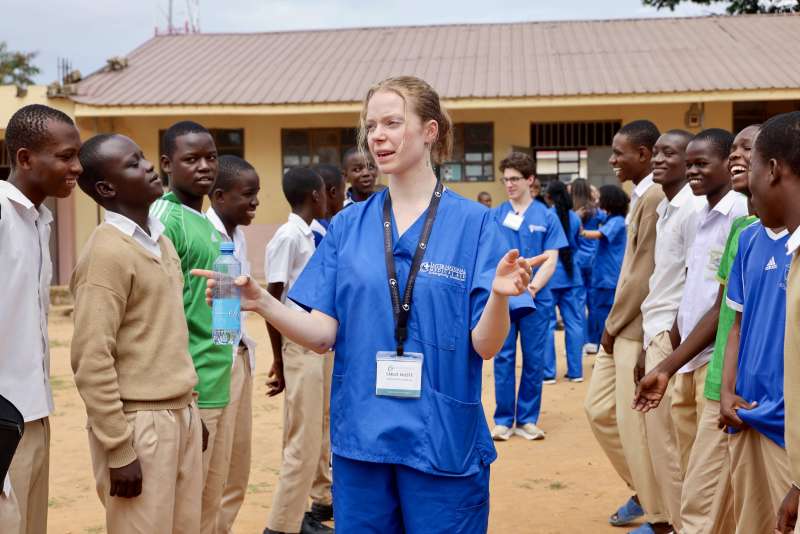
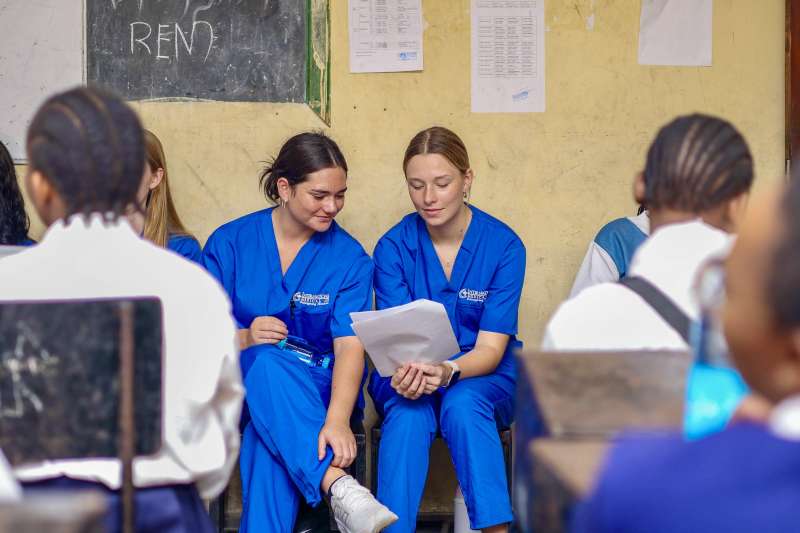
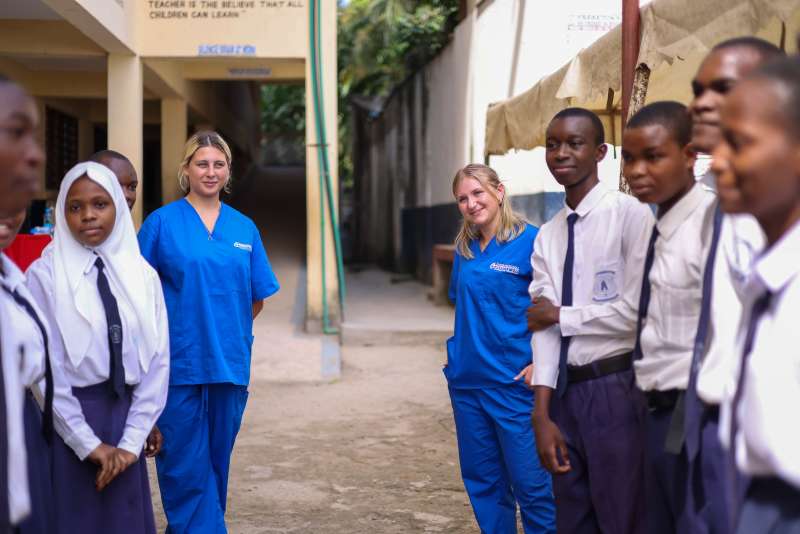
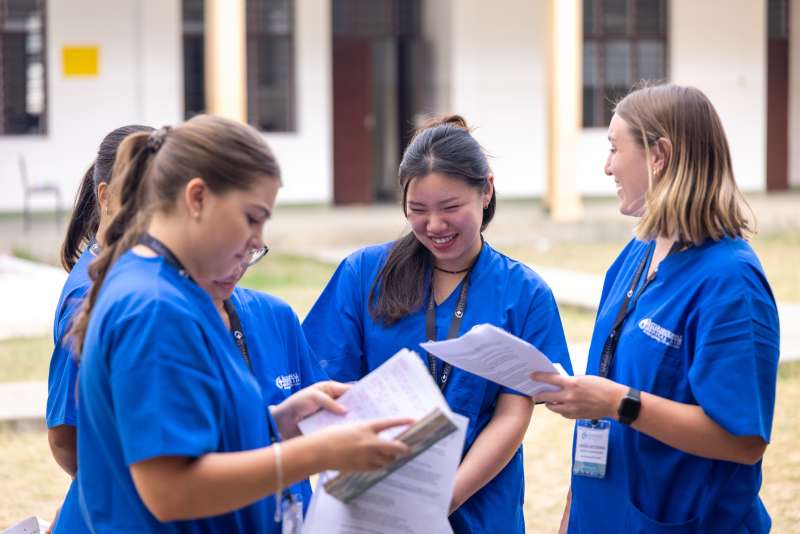
International Medical Aid volunteers
IMA Cross-Cultural Care Mental Health Internships Abroad logo

IMA Cross-Cultural Care Mental Health Internships Abroad

by: International Medical Aid (IMA)

10 (10)Verified

International Medical Aid (IMA) pioneers impactful mental health internships worldwide for undergraduates, graduates, and licensed mental health professionals. Through these programs, developed at Johns Hopkins University, participants provide vital mental health services in underserved regions of East Africa, South America, and the Caribbean. Focused on bridging the gap in mental health access, ...

Read More

Program Highlights

Join programs developed at Johns Hopkins and gain clinical experience in an immersive, structured hospital shadowing experience in the developing world.

Contribute meaningfully to the communities that we work with through our ongoing, socially responsible, and sustainable medical outreach programs.

Guarantee your safety and security, as our team takes into consideration various measures – 24/7 U.S.-based and in-country support as well as basic accident and travel insurance.

Have access to our admissions consulting services and distinguish your application to graduate schools by participating in our competitive healthcare internship.

Explore your host country through a range of weekend activities, including a safari trip, thanks to our partnerships with reputable guides.

Quick Details

Locations:
  • Guayaquil, Ecuador
  • Mombasa, Kenya
  • Cusco, Peru
  • Bogota, Colombia
  • Arusha, Tanzania
  • See more
Availability
Year(s) OfferedYear RoundDuration:
  • 1-2 Weeks
  • 2-4 Weeks
  • 5-8 Weeks
  • 3-6 Months
  • 9-12 Weeks
Age Requirement:Varies
Types & Subjects
Subjects & Courses:
  • Counseling
  • Medicine
  • Pre-Med
Focus Areas:
  • Community Service & Volunteering
  • Experiential Learning
  • Gap Year
  • See more
Guidelines:
  • All Nationalities
See all program details

Awards

HOSA Premier PartnerTop Rated Provider 2023 - Notable MentionAmerican Medical Student Association (AMSA) - International Medical Aid (IMA)GoAbroad Top Rated Adventure Travel - 2022Top Rated Organization 2021 - Adventure TravelAIEA Logo

Program Reviews

Hear what past participants have to say about the programs

Overall Rating

10

Total Reviews

10

A Transformative Mental Health Internship with International Medical Aid in Mombasa, Kenya

November 11, 2025by: Isabel Strelneck - United StatesProgram: IMA Cross-Cultural Care Mental Health Internships Abroad
10

Every aspect of my International Medical Aid internship exceeded my expectations. From the moment I arrived at the Mombasa airport, the incredible IMA staff helped me feel at home. Throughout my five-week internship, they made sure I was safe, comfortable, and supported through every high and low. The program mentors—Michelle, Hildah, and Margaret—checked in daily about my experiences at the hospital and generously shared their knowledge of both Kenyan healthcare and culture. The drivers navigated the often chaotic roads safely while keeping us entertained with conversation and music, and I always felt well cared for. The residence was comfortable, clean, and a genuinely enjoyable place to spend time. The housekeeping team went above and beyond to make sure we had everything we needed and even did our laundry every day. The food—a mix of Kenyan dishes, international options, and familiar comfort foods—was consistently delicious. The kitchen staff took our requests seriously, accommodated our busy schedules, and even surprised us with a cake on Valentine’s Day. I also appreciated the cultural treks, which provided balance to the emotional intensity of hospital work and helped us better understand the communities we were serving so we could connect with them more meaningfully. I cannot say enough positive things about the kind, professional, and supportive staff I interacted with throughout the program. My time with the Psychology team at Coast General Teaching and Referral Hospital was truly transformative. As a mental health intern, I had the opportunity to shadow outpatient counseling sessions, observe psychiatric evaluations, and join ward rounds in maternity, pediatrics, internal medicine, oncology, emergency, and post-operative wards. I expected to learn primarily about conditions like anxiety, depression, autism spectrum disorder, and how they are diagnosed and treated. I did see these cases, but I also saw far more intense situations that revealed the deep intersections between mental health, trauma, poverty, grief, and limited access to care. Over the course of a single week, I witnessed moments that will stay with me: a woman attempting suicide after being unable to leave the hospital because she could not pay her bill; a mother grieving a stillbirth linked to lack of prenatal care; a 15-year-old boy facing amputation after a school bus accident; a family in oncology learning that their child had very little time left without fully understanding what cancer is; and a community mourning two college students who drowned. These experiences, among many others, showed me how deeply human suffering is intensified when health systems are overburdened and resources are scarce. They motivated me not only to support individuals in their mental health in the future, but also to think critically about systemic change. A central theme of my experience was the role of education in patient outcomes. Many patients—especially those from rural or lower-income communities—arrived at the hospital with very limited understanding of their conditions or when to seek medical attention. Because many cannot afford preventive care, they often present late in the disease process, when treatment options are more limited. Gaps in health education, cultural and religious beliefs, and reliance on traditional healing can create communication barriers between patients and hospital staff. At the same time, healthcare workers are understaffed and overextended, leaving little time to thoroughly explain diagnoses or provide emotional support. In this environment, the psychology team often became the bridge: helping patients process difficult news, understand their situation, and feel seen. The demand for mental health support was overwhelming. The psychology team I shadowed could only see a small number of patients each day, yet we were frequently approached by nearby patients and families who asked to be added to the list. Nearly everyone in a hospital like Coast General is in crisis in some form—physically, emotionally, or both—yet mental health services remain limited and, for many, unfamiliar or stigmatized. Through this internship, I came to appreciate the importance of meeting patients where they are, rather than expecting them to navigate unfamiliar systems alone. I was grateful to contribute in a small but meaningful way through IMA’s community outreach efforts. I helped lead clinics on hygiene, menstruation, and mental health at local schools, where we aimed to empower students with knowledge and practical tools, such as sanitary pads and toothbrushes. These sessions reinforced for me how interactive, engaging education—songs, demonstrations, questions, and open dialogue—can help young people retain information and feel more in control of their health. Seeing students connect with these lessons showed me how early education can reshape health outcomes, whether that means recognizing pregnancy, understanding consent, or knowing when to seek care. This internship also brought my academic studies in psychology, community and global health, and epidemiology to life. I observed diagnoses such as schizophrenia, bipolar disorder, anxiety, and depression in real clinical settings. I watched psychiatrists conduct evaluations, form treatment plans, and collaborate with counselors, and I had the opportunity to debrief with them afterward, which added depth and context to everything I witnessed. I also saw, firsthand, the burden of HIV, tuberculosis, and other infectious diseases and how policy decisions—such as cuts to external funding—directly affect access to medications and staffing. The experience tied together theory and practice in a way no classroom ever could. Throughout my time at Coast General, I noticed small but powerful examples of systemic tension: suggestion boxes that no one used, overflowing containers of condoms alongside persistently high rates of HIV and unplanned pregnancy, and brand-new computers sitting unopened while essential supplies like gloves and needles remained limited. These details highlighted the complexity of building effective health systems and the importance of thoughtful implementation, not just resources. Ultimately, this experience deepened my understanding of how culture, stigma, education, and economics shape access to mental healthcare, and it solidified my commitment to being part of positive change. It reinforced my desire to work in the mental health field, to advocate for health education, and to support communities facing structural barriers to care. My internship with International Medical Aid in Mombasa was challenging, eye-opening, and profoundly meaningful, and I will be recommending this program to everyone I know in the pre-health world.

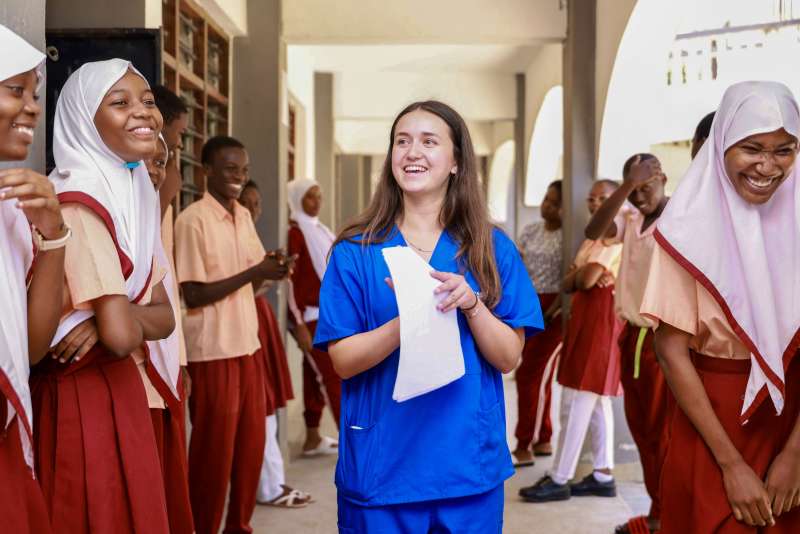
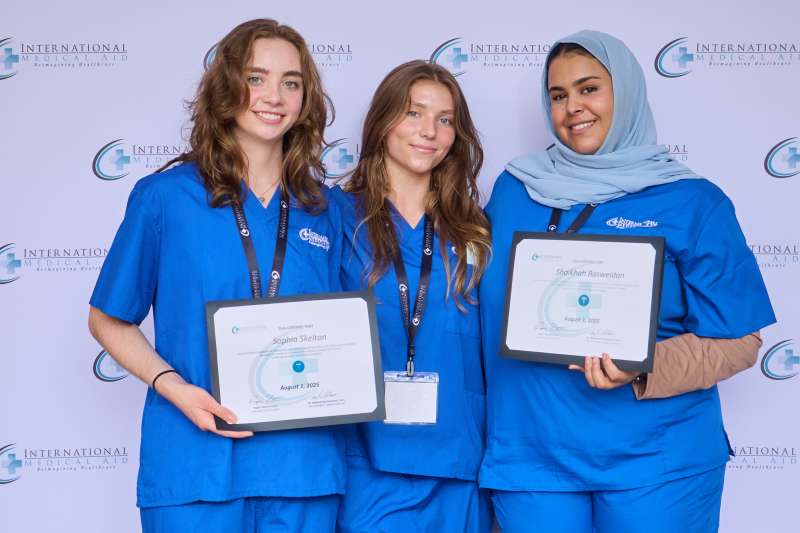
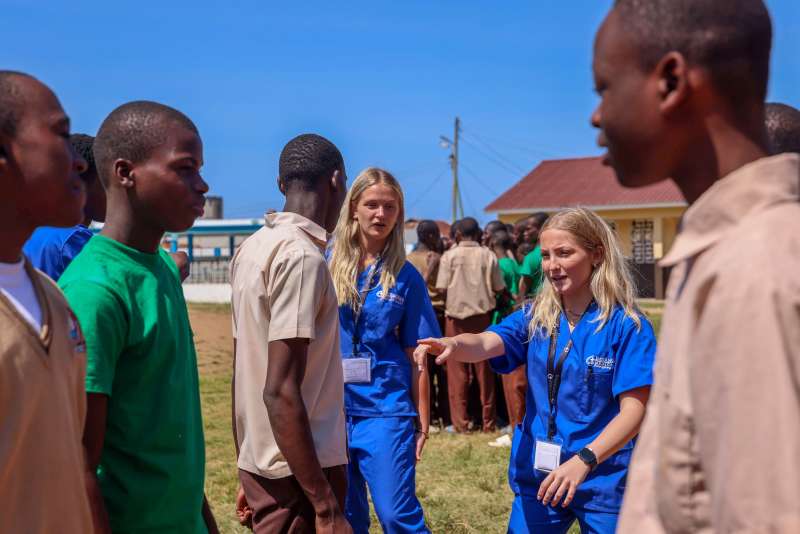
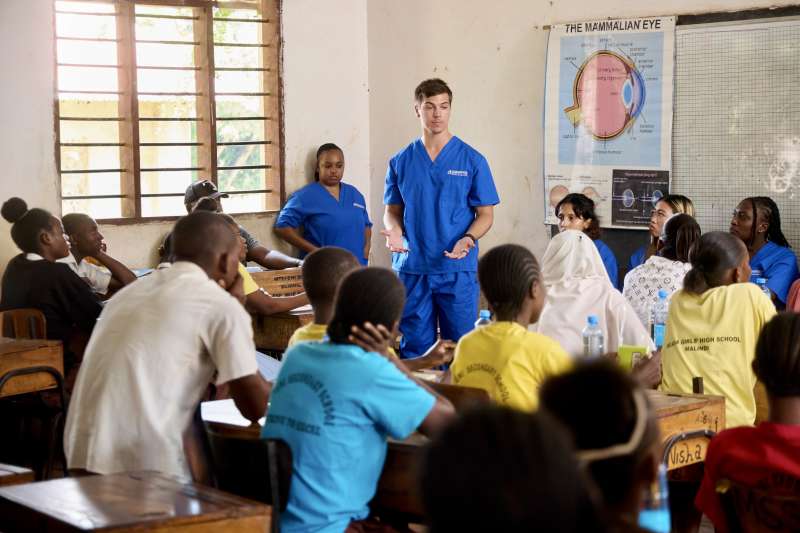
Women’s Health Education Session hosted by IMA at a local high school during my internship.Certificate Ceremony at the end of my Mental Health Internship Program with IMA at Coast General Teaching and Referral Hospital.Visiting Haller Park, a large nature preserve, as part of my program with IMA in Mombasa, Kenya.

Where Healing Begins: Lessons in Empathy, Ethics, and Mental Health from Kenya’s Leading Referral Hospital

April 13, 2025by: Maya Balboni - United StatesProgram: IMA Cross-Cultural Care Mental Health Internships Abroad
10

Staff members were kind, welcoming, and extremely helpful day to day. Hospital placements and community outreach were better than I expected, allowing interns to immerse themselves in hospital and community culture. I was able to make lasting connections with the people I worked with and experience so much more than I anticipated, while still adhering to ethical standards. This is a very difficult line to walk and IMA did it very well. Overall, this was an incredible experience and exceeded my initial expectations. Interning at Coast General Teaching and Referral Hospital (CGTRH) provided the opportunity to observe the psychology department directly, as well as the entire hospital through a psychological lens. Psychologists have a unique role in the healthcare setting because they see patients in every section of the hospital. As a psychologist, with academic focuses in neurology and education, learning about the educational models and cultural beliefs that guide clinician practices provided insight into the systemic workings of the hospital as well as the different types of relationships between patients and providers. This experience yielded a better understanding of the psychological education system, knowledge of the daily workings of a hospital, and an increased perception of the mental healthcare system in Kenya. One thing that stood out is how new psychology is as a field of study. The University of Nairobi offered the first psychology degree beginning in 1999 (Department of Psychology, n.d.). Prior to that, the first psychology classes were offered to healthcare professionals beginning in 1989. Today, psychology is recognized as a degree at 30 institutions across the country, with four different tracks; general psychology, counseling psychology, medical psychology, and psychology with an IT (technology) focus (KUCCPS, n.d.). The formal psychology department at CGTRH was created in 2020. The department is still so new that it is not discoverable on the hospital website (Coast General Teaching & Referral Hospital, n.d.), so the remainder of the given information was provided verbally by psychologists working in the hospital (CGTRH Psychology Staff, personal communication, June 2024). Prior to the pandemic, there was one psychiatrist in the hospital, and a majority of his case load had to do with secondary conditions, such as addiction, insomnia, and anger management. This is a result of a combination of understaffing in the hospital; i.e. a psychiatrist was only called for the most outwardly disruptive cases, and that mental health was, and still is, largely stigmatized. It wasn't until the pandemic hit, and a majority of the neurotypical population was faced with social isolation, that the general public began to accept that mental health conditions, such as depression and anxiety, can arise in otherwise healthy individuals. It was at this time that the previous psychiatrist was reaching retirement age, but realized that there was nobody else in the greater Mombasa area who was certified to replace him. As a result, the hospital paid two students to become certified psychiatrists in order to replace him, but the previous psychiatrist had to work an additional four years past when he wanted to retire, until these two students were able to complete their degrees. In addition to hiring two new psychiatrists, the hospital hired three full-time psychologists, to assist with the growing case load. In addition, there is one visiting psychologist, who works for the government, and a number of students, interning at the hospital, who are still among some of the first psychologists in the country. Currently, the hospital has a large outpatient clinic, several specialized clinics; such as the Gender-Based Violence Clinic (GBV) and the Comprehensive Care Center (CCC), and conducts daily rotations in the wards. Speaking with the Kenyan psychology students about their educational experiences has allowed the ability to learn more about the psychological education model in Kenya. From talking with students, it appears that the lessons taught in the classroom model those taught in the U.S. pretty similarly. The main difference is that because this is still such a new field, there is not a whole lot of guidance in the clinical applications; i.e. students complete a two month clinical rotation during their fourth year of schooling, where students are working alongside certified psychologists in the workforce. Many of the students expressed stress during these rotations because they did not feel they had the guidance needed to effectively handle the given cases. Since there is a language barrier, all IMA interns were paired with a Kenyan student or provider during our rotations. We were also given two comprehensive tours of all departments in the hospital, with both general healthcare and psychology specific focuses. The Kenyan interns, however, were expected to go off on their own from day one and handle cases independently. The interns were not explicitly trained on how to make people feel comfortable while asking questions. Consequently, many of the students struggled to get patients to open up to them; i.e. if someone was not immediately forthcoming with information, students would move on to the next patient without really asking a lot of follow-up questions. From an outsider's perspective, as reported by many of the patients, it appeared that these students didn't care to learn more about the patients. It, however, became quickly apparent that this was not the case at all, but rather students were not properly trained in asking questions in a way that makes people feel comfortable to share. For example, there was one young man who had been in the hospital for several months due to a machete accident, who previously was an orphan living on the streets. This particular gentleman had experienced a lot of betrayal; his adopted family physically abused him and he had to run away from home, some of the friends who he met on the streets robbed him of all his belongings in the middle of the night, and even his current friends never bothered to visit him in the hospital, which is something that he expressed really hurt him. Initially, he did not want to talk to anyone, and it took one psychology student sitting with him every day for weeks before he opened up about his situation. He told her that he felt as though many of the students were simply trying to check a box during rounds, but did not actually care to really get to know him. Although this was definitely not the intent of the other students, this was the impact of their actions. As such, it is so important when working with vulnerable populations to understand how our actions are perceived by others. It is not a fault of the students, because they are all still learning, but rather a gap in the education system. Another thing that was really interesting about the teaching practices, is that there is a wealth of knowledge with regard to mood disorders, such as depression and anxiety, PTSD, and other related trauma response conditions, but there is still a lot of unknown with regard to conditions such as bipolar or schizophrenia, i.e. mental health conditions that don’t have concrete triggers. In the past, mental health conditions were considered to be a result of witchcraft, in that there was an external reason why someone was acting in a particular manner, rather than a biological imbalance. While today this is not a widely accepted belief in the medical community, mental health treatment plans are often still focused on treating external factors. For example, there was a middle aged woman who was admitted to the ER after being hit by a tuk-tuk, but was referred to psychology due to disjointed thoughts and erratic decisions. This woman had late stage HIV, which she believed to be caused by bewitching by her husband’s second wife. While this on its own is not necessarily cause for concern, her actions that followed the onset of this belief are indicative of an underlying mental health condition. When this woman started experiencing these symptoms she ran away from home, leaving behind her three children, and moving to Mombasa to live on the streets and work as a sex worker. She claimed that this was a much needed vacation for her, and that she came to Mombasa to relax, but that she was still worried about her children. Her disjointed thoughts were likely attributed to her HIV, as it is quite common to experience mental disturbances if it is left untreated (National Institute of Mental Health, 2023), but her impulsive actions and observed mood disparities were characteristic of another underlying condition. Unfortunately, there are not enough beds in the hospital to admit psychiatric patients long term, so the treatment plan was centered around relieving HIV symptoms, and hoping that she would realize that her physical symptoms were a result of her condition rather than bewitching. The thing that was most interesting about this is that the mental health treatment practices are focused on treating physiological conditions and assuming that mental health will improve on a parallel basis. While this logically makes sense, someone with a true chemical imbalance is not able to think rationally in this way. The treatment for mental health conditions is still very neurotypical centered and there is still not a lot of knowledge about invisible disorders. A lot of this too comes down to limited resources, so there's not necessarily an easy fix, nor are physicians at fault, but it does illuminate a systemic pattern about how mental health conditions are treated. One aspect of the Kenyan mental health system that could be implemented in the American system, is that care is very patient centered. Despite there being limited staff members, once psychologists get over the initial hurdle of learning how to ask good questions, staff prioritize quality of care over quantity of patients seen. Most psychologists have regular patients that they see daily or weekly (depending on if they are in or out patients) and psychologists never rush conversations or go in with set expectations about appointment times. In the U.S. there are very clearly defined timelines for which a provider will spend with a patient, and once that time is done, the psychologist will leave, even if they are in the middle of a conversation. This, however, is not the case here, as there are no set appointment times and psychologists will stay with the patient until the conversation runs its course. This often means that practitioners don't end up getting to everyone, i.e. they are assigned more cases than they can ever get to in a day, and thus patients often have to wait to speak with someone, but with the knowledge that when it is their turn, they will have the undivided attention of staff members. For example, there was a young girl who came into the outpatient clinic due to anxiety induced muscular pain. Whenever the daughter experienced a lot of anxiety, typically centered around academic performance and exams, she would develop debilitating pain in her legs, which prevented her from walking or performing other necessary tasks of living. The girl was accompanied by her father, who was also experiencing a lot of anxiety around the situation. The father was the only person supporting the daughter, as everyone in the family had dismissed her pain as psychosomatic, and essentially her just being dramatic. Typically an outpatient session runs about thirty minutes, give or take, but this particular session lasted over two hours. Although the session was for the daughter, we spent a large amount of time speaking with the father, as he expressed a lot of guilt and wanted help in deciding how to handle the situation moving forward. We were able to speak with both family members individually, and then bring them back together to have a facilitated conversation in which they could share their respective grievances and come up with a plan of action for moving forward. This personalized care model, in which providers really take the time to get to know patients, is so incredibly important because it builds trust between patient and provider, and helps to make patients more likely to follow through with treatment plans. Providers take the time to explain why they are doing what they are doing, and really break down each step of the process, which is a critical step in building genuine therapeutic relationships. Something that was really emphasized at the hospital, that is also emphasized a lot in my psychology classes at home, is the interconnectedness between mental and physical health. At home we talk a lot about spheres of wellness; physical, mental, social, intellectual, environmental, spiritual, vocational, and financial (Northwestern University, n.d.). These factors all work parallel to one another in order to make a complete and well person. When one factor becomes depleted, imagine the cup metaphor, in which each sphere is represented by a cup of water. When one cup of water (sphere) becomes depleted, all of the other cups must give some of their water to the empty cup, meaning that all other spheres become a little bit depleted as well. This is especially important in the hospital because if someone is in the hospital, by definition, their physical wellness cup is depleted. As such, it is crucial for people to take care of their mental health and fall back on their support systems in order to have the strength and energy to recover physically. It is so incredibly important to speak with patients and allow them to know that there is someone out there who cares about them and wants to see them get better. This is especially true for patients who don't have family members and/or are struggling financially, because multiple of their spheres are depleted at once, which means that there is even less water (energy) to be distributed. Many people who are in the hospital give up mentally long before they give up physically, and as such psychologists play a critical role in patient outcomes. For example, there was an older woman in the oncology department, who was undergoing radiation treatment. The first day we met her she was very withdrawn, talking about how she thought she was going to die, and how she didn’t see a point to traveling to the hospital everyday anymore. We spoke with her and her husband at length, allowing her to talk through her fears, and validating that it was worth it to continue treatment. Over the next several days she slowly came out of her shell and began to appear brighter. By the third day she was walking around the center, instead of sitting in the corner, and was even laughing at jokes. She confirmed that she wanted to continue treatment and that she was feeling much better after our conversations. The main reason being that she previously did not feel like she had an outlet to express her concerns, since she didn't want to further burden her family, and was bottling it all up inside. As a result, the psychology team was able to help her and many other patients realize the importance of their life, and remember that they are not alone in their fight, which can often be the make or break moment in a person’s recovery journey. Interning at CGTRH provided the opportunity for immersion in daily hospital routines, allowing the ability to forge genuine connections with patients, observe noticeable improvement in patient outcomes, and learn about the educational and clinical psychological practices in Kenya. This placement allowed the possession of a deeper understanding of healthcare as a whole, an increased conception of the interconnectedness between the body and mind, and a greater appreciation of the importance of patient centered care in psychology. Additionally, working as a team with providers has fostered the ability to form compassionate therapeutic and professional relationships, as well as a deeper understanding of the factors that inform clinical practices. The knowledge obtained from this experience will guide any and all future work in the field.

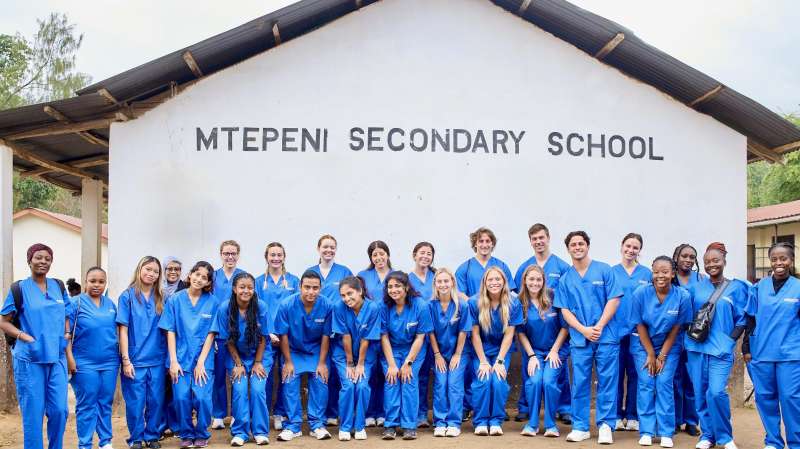
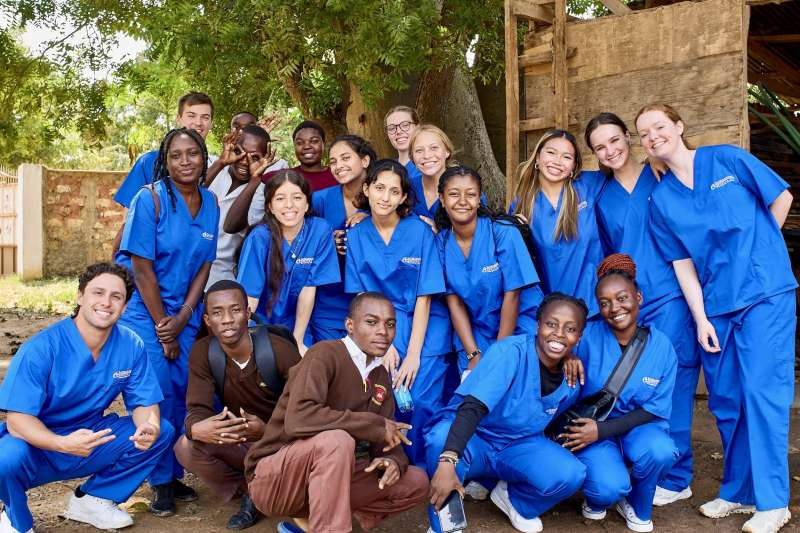
Certificate Ceremony hosted by IMA at the end of my internship, pictured with one of IMA's Clinical Mentors.Women's Health Education Session hosted by IMA at a local secondary school in Mombasa.Members of my cohort at Coast General Teaching and Referral Hospital—Kenya's second-largest public hospital and a key regional referral center for mental health patients.

Bridging Cultures, Healing Hearts: Reflections from a Transformative Internship with IMA in Kenya

February 24, 2025by: Nicole Wolfe - CanadaProgram: IMA Cross-Cultural Care Mental Health Internships Abroad
10

I am SO glad that I made the decision to join IMA in Kenya. After endless vetting for the seemingly most legitimate, meaningful, and impactful internship abroad, I decided to go with IMA. As my parents were initially hesitant, I am glad to report that neither of us are disappointed. There were so many positive experiences, that whatever else paled in comparison. The staff were THE BEST and helped make the trip that much more organized, fun, educating, and memorable! They were always open and receptive with communication and addressed any questions or concerns. I felt truly supported by them. Working in a hospital setting for the first time was extremely eye-opening, and oftentimes heartbreaking. I was admittedly afraid of being thrust into conducting psychiatric sessions and offering helpful advice to patients - but was instantly moved by the abundance of faith and positivity. The impact made me feel as though I had contributed meaningfully and learned so much. Gratefully, IMA planned lots of interesting tours, clinics, and lessons to adequately add to the experience and education. Planned activities were immersive, and enjoyable, and also provided unique cultural perspectives. The treks were incredible and well organized, with great guides and activities. It is quite the luxury, but it is definitely worth having the experience while you're there! When asked to reflect on what I have learned from my internship with International Medical Aid in Mombasa Kenya, my mind floods with an amalgamation of faces, stories, smiles, and painful struggles. It is no easy feat to concisely put into words all of the experiences shared, and lessons gathered. Though cliché, I truly felt as if I was acquiring knowledge in each interaction had – whether it be medical, historical, cultural, or personal, there was always a new perspective to be learned. Made clearer than ever, was the opportunity for growth and connection when one opens their mind, heart, and ears to those around them. By voicing our concerns and deepest struggles to somebody we trust, the grounds for support and healing become fertile. Though community is a powerful agent of health, it is inevitable that individuals will fall through the cracks in the foundation of governmental institutions. When housing, food, and education are a large financial burden for many, accessing quality healthcare becomes a luxury (Odhaimbo & Njeru, 2023). Additionally, there are social constraints such as religion, stigmas and taboos, and gender norms that further dictate health quality and seeking behaviours (Bakibinga et al., 2022; Coast General Teaching and Referral Hospital, October 2023). Throughout this paper, I aim to highlight the disparities and their origins in the Kenyan healthcare system, via resource scarcity, financial instability, lack of health education, social stigmatization, and violence against women and children. Lastly, I seek to draw comparisons from North America to illustrate that these inequities are ubiquitous and cross-cultural in nature. Firstly, I would like to preface that this discussion is from the perspective of a Canadian student, who has never known the struggle of financially supporting my family members, falling short of tuition fees, or only affording one meal a day. I do not know what it is to live in a country that largely pathologizes homosexual relationships, or what it may feel like to be ostracized from my community for engaging in premarital intercourse. While I was aware of these differences before I began my journey, my fear of immersing myself in this culture lay in transitioning to a label that was now “other”. The worry was not aimed internally, but rather at, “how would I adequately understand, support, and respect a culture so different from my own?”. Ingrained deeply in my values and often uncensored personality is a duty to speak up in the face of injustice and inequality. And so navigating a terrain rife with these imbalances was a daunting feat. Without proper experience, training, and cultural knowledge, how was I going to effectively and ethically address the concerns of patients in need of dire help? Sadly, yet thankfully, I quickly learned that any participation would be of enough value. An unfortunate truth made apparent swiftly, was that skill and ethics are cast aside when labourers and resources are scarce. With a meager 8.5% expenditure allocation from the government, considerable mortality rates from treatable ailments, and approximately 1 psychiatrist per 1 million Kenyans, one would be illogical to assume the level of standard practiced in the West (Odhaimbo & Njeru, 2023). In spite of the barriers, I observed many determined doctors and interns. They are passionate about their patients and offer healing in the best ways they know how. As always, there are those who exploit a flawed system. Sadly, this reality is inevitable cross-culturally, where financial gain often remains a top priority. Many practitioners and organizations will cut corners across care and ethics standards to reduce costs and effort output (Odhaimbo & Njeru, 2023). Alternatively, skilled professionals often flock to the private sphere or other nations in search of higher-paying wages (Odhaimbo & Njeru, 2023). Perpetuating a cycle of inaccessible care, those most vulnerable often bear the direst consequences. Whilst the government invests heavily in infrastructure to boost private capital growth and the production of goods, the needs of the population are severely ignored (The World Bank, 2017). Coupled with the fact that mental health is heavily stigmatized and not overtly apparent, seeking help for it is even harder. Alike North America, a historical lack of education, cultural gender norms, and the fear of being labeled ‘crazy’, seem to perpetuate the stigmatization and lack of access to mental health care. Though doctors recognize that targeting prevention is a more effective means of remedying physical and social ailments, the current system and resources in place often inhibit it (Odhaimbo & Mohammed, 2023; Coast General Teaching and Referral Hospital, October 2023). Too frequently, a problem remains untreated until its manifestation becomes critical. Rather than the loss of human lives, this turning point wrongfully often lies in the loss of capital and productivity. To provide a small-scale example, I was pleasantly surprised when one of the head psychologists, Anne, was invited to spend the day at a local shipping company to discuss mental health with their employees. The following day, seemingly exhausted, she shared the alarming degree to which these individuals were suffering at. Until eight o’clock in the evening, she was flocked with pleas for private discussion, where similar tales were divulged of severe stressors, an inability to cope at or prioritize their work, and a deeply rooted shame in the expression of their emotions and struggles (A. Nzioka, personal communication, October 12, 2023). To take time away from work to focus on our health and our dependents is a luxury that many cannot afford. When I praised Anne and the company for their efforts, she non-chalantly remarked that the company had suffered several suicides and a drop in workplace productivity (Coast General Teaching and Referral Hospital, October 2023). Presumably, the company sought to improve their financial returns and efficiency, rather than the health of their staff that allowed it to function. Likely, the most common concern from patients was how they would manage to pay their bills. Though private healthcare providers exist, and are the dominant choice, they are unaffordable and inaccessible to many (Odhaimbo & Njeru, 2023). Additionally, only 26% of Kenyans have insurance, and 36% live below the poverty line (Odhaimbo & Njeru, 2023). In the United States the rate of poverty is estimated at 11.5%, and in Canada 8% (Shrider & Creamer, 2023; Government of Canada, 2023). To risk their family’s being pulled from school or starving, people are unable to afford the time and cost of seeking medical attention. Due to a shift toward decentralized control and a lack of resources, public sectors remain grossly unequipped (Odhaimbo & Njeru, 2023). Statistically, patient outcomes are poorer and the rate of infection from the hospital is larger (Odhaimbo & Njeru, 2023). As a result, having less financial means leads to inequitable access and quality of healthcare. For those with a poorer socioeconomic background, a lack of education and health literacy results in worse health-seeking behaviours (Odhaimbo & Njeru, 2023). These individuals are more likely to delay diagnosis and treatment, or simply do not have the knowledge and tools to create and maintain health promoting habits (Odhaimbo & Njeru, 2023). A reality for some patients is spending weeks in the hospital, unsure of their diagnosis, and unsure of how to ask their doctors about it. From a lack of time or urgency, the role of many doctors and nurses remains to examine patient status, administer medication, and move on to the next. Patients may refrain from demanding explanation or treatment for fear of being labeled difficult, and further ignored by faculty (Coast General Teaching and Referral Hospital, October 2023). Oftentimes, the burden of disclosing the most sensitive and heartbreaking news is delegated to the psychological staff. To highlight the extent of broken communication, Margaret was a young woman teeming with discomfort and pain. She was noticeably underweight, tears leaked from her eyes, and her stomach was distended to the degree that assumed pregnancy. Following a discussion conducted in Swahili by a psychiatrist in training, Dr. Sood, we consulted her medical file. Since 2018, extensive detail had been recorded on Margaret’s treatment and recurrence of cystic ovarian mets (Personal communication, October 15, 2023). Though receiving blood and chemotherapy in the past, it was clear - without medical training, that her condition had catastrophically worsened. Dr. Sood and I were shocked to see that a recent entry had stated the patient was briefed on her condition, yet she and her husband were asking about the course of treatment and surgery that would follow. The file read that Margaret would be transferred to the palliative care unit, as there was no further treatment (Coast General Teaching and Referral Hospital, October 2023). Lastly, a major disparity that I witnessed was in the way that women are treated both inside and outside of the hospital. Touring the labour wards, I was appalled to see each expectant mother alone - a protocol that is enforced by the hospital. In the maternity and other female wards, a male companion was a rare sight. Gender roles seemed much more solidified, where daughters, sisters, and mothers were often relegated to caretaking, and men presumably remained at home and in the workplace. Though many had several family members that were capable, it was the school age girls, elderly matriarchs, and working mothers that assumed the role of personal nurse. In the male wards, a wife was the most common bedside assistant, followed by a son or brother (Coast General Teaching and Referral Hospital, October 2023). Confined in the bleak hospital environment, women frequently risked their physical and mental health, education, income, and free time in order to provide care for their loved ones. Remarkably, Kenya has abolished user fees for labouring mothers in the hospital, a luxury that does not exist in the United States (Odhaimbo & Njeru, 2023). However, several breaches of Western healthcare practice and standards were detailed by my medical peers against birthing women. Though anesthesia is rarely administered to the degree it is in the West, it is seldom used in the process of labour. Additionally, though it is classified as a high-risk procedure, the lack of resources and standard of care employed reflects a greater ignorance of female health. One intern detailed how more than once, after closing a c-section only then did medical personnel count the sponges and realize they were short. The response was that of, “well, she is already closed”. Another intern described the sheer agony a delivering mother was in when her baby was not crowning, devoid of familial support and epidural or pain medication. Mistakenly taking the doctors open hand as an attempt to soothe, he smacked it away. Afterward, they proceeded to inefficiently cut her perineum with a dull pair of scissors. Many Kenyan women avoid delivery in public facilities for these reasons. While other labs at the hospital have received state of the art technology and adhere to proper sanitary protocol, the condition of maternal care reflects the greater inequality and acceptance of violence toward female bodies. Similarly, we were met daily with the harsh realities of violence and abandonment perpetuated by male figures in domestic and public spheres. During my time in the gender violence department, not one survivour was over the age of 25, and the majority were children below the age of 10. Among my consultations, there was only one boy, yet he was brought in by his mother for assaulting their house staff. Rather than fearing his harmful behaviour and seeking psychological treatment, her main concern was that he had been engaging in intercourse and wanted him to be “checked”. With slight gestures to her behind, it was evident that she feared her son was engaging in homosexual intercourse, thus leading him to assault their cleaning lady (Coast General Teaching and Referral Hospital, October 2023). Countless other horror stories were divulged, including one where a man living at the perimeter of a school was coercing female students on a scheduled basis to engage in sex for the exchange of money. Having close connections with the village elder and a relatively corrupt justice system, the process to detain and charge the perpetrator was hampered. Another incident was where a teacher physically reprimanded a 3 1/2-year-old student which resulted in her broken arm (Coast General Teaching and Referral Hospital, October 2023). An image I doubt will fade from mind, is when we visited the Kadzandani primary school for a hygiene information session, and a teacher smacked a child in the head for misbehaving. Such force of power from an authority figure toward a child - or any being for that matter, was completely foreign to me. Instinctively, I audibly gasped and froze in place, though no one around me acted like anything had happened. Admittedly horrified and unable to shake the occurrence, I afterward asked a program mentor if physical punishment is common in Kenya, aware that there are cultural differences in the practice. After a genuine bout of laughter, she replied that it is considered weird if a parent does not do that. Apparently, it is only against the law if you leave a mark or sustained injury. How does one learn that corporal violence is psychologically harmful and has long lasting negative effects, when caregivers freely enact it on children? In all instances, there was some form of institutional authority that minimized or largely perpetuated the acceptability and prevalence of physical and gendered violence. Lastly, a large player dominating the intersection of gender, health, and sexuality is devout religious ideals. Stemming from the amalgamation of colonizing powers in the country, Christianity and Islamic faith are widespread (Odhaimbo & Njeru, 2023). With 94% of Kenyans identifying as religious (Odhaimbo & Njeru, 2023), sex outside the context of marriage and childrearing is taboo and strongly discouraged. Coupled with a lack of health literacy and birth control access, many young individuals do not have the knowledge, tools, and acceptance to engage in healthy sex practices. Unfortunately, this leaves many with sexually transmitted infections, unwanted pregnancies, and ostracism from family and community. The implications of sexual harm are worse for women, where they must unequally bear the outcomes of pregnancy and childrearing, assault, and victim blaming. This effect is even larger for LGBTQ+ individuals, who face immense shame, disapproval, and a lack of community or supportive systems. It was shocking to hear the contempt, perceived ill-nature, and need for cure of “gayism” espoused by psychological professionals. Likewise, in order to “safely” access resources, intimacy, and a family life, many young women are sold the dream of marriage before their minds and bodies have had the chance to fully develop. It is estimated that about one in every five of Kenyan girls aged 15-19 are expecting, or already have a child (African Institute for Development Policy, 2016). At one point, the head psychologist Anne led a small group of interns to speak with an 18 year-old girl who had just lost her baby and her uterus. In many traditional Swahili cultures, men are permitted to have multiple wives (Odhaimbo & Njeru, 2023). In reality, this often allows men to neglect their family once they have grown tired of them, as their attention and income is redirected to alternative dependents. As heard many times by a variety of female patients in the hospital, when a man decides to spend his time and resources elsewhere, it becomes the responsibility of the mother to pay bills, feed their families, and raise their children. Additionally, where abortion is only offered in life-threatening emergencies, similar to some of the United States, women are once again disproportionately restricted to the choices they can make for their own bodies and life. Many women are forced to choose between raising a child they may not want or have the means to support or risking their lives in an underground abortion procedure. It became no wonder why the top cause for admission to the gynecological ward was incomplete abortion (Coast General Teaching and Referral Hospital, October 2023). “But it is not like that where you are from”, or some version of this was a statement I heard often. My immediate and truthful response was to reply that - in fact it is in some ways the same. Despite Kenya having higher poverty and a host of inequitable challenges, many of these same health and social concerns exist in North America and for a large number of people. In Kenya, the poverty and disparity in healthcare is simply more widespread and easier to see. My aim in this statement is not to neglect the health crises and larger gaps that exist in Kenya, but rather to highlight the ubiquitous nature of inequitable global health. Whether in North America or Africa, the resources available to a nation and individual will heavily impact ones’ quality of safety and health. During my time in the hospital, the primary lesson I learned was that positivity and support truly go a long way. Connection and belonging are essential for wellbeing, which was observed in each interaction. Daily, I found myself glowing from the unyielding spirit and hopeful souls of so many people. Though I have never worked in a hospital, I doubt that this radiance exists everywhere. It seems as though it is much easier to appreciate what you have, when one is not constantly striving to gain more. My journey in Kenya magnified the level of privilege that exists in my own life - where travel, education, health, safety, and clean water come relatively easily. Pertinently, my life has allowed me the luxury to question the environment around me and freely decide the paths that I venture. For those in a cycle of poverty or struggling to make ends meet, the same freedoms, safeties, and choices are far less tangible. More than ever, Kenya has shown me that humanity fares much better when we are united in community, rather polarized and interested in our own good. I realize that while stigmas are alive and well to demonize those that stray from the norm, the global community heals when we accept those that are different and learn from new perspectives. While the world of economics and power politics fills us with fear, hatred, and superiority, it distracts us from what it means to be most human - to relate to and care for one another. In summary, the key teaching from my internship abroad in Kenya is that we must critically challenge systems of inequality, and actively work to promote health and safety for the welfare of all global citizens. Though health is a human right, it is far too often treated as a commodified privilege. Unsure of exactly which career path I will end up on, my internship experience has assured me with confidence that I will continue to assist others in achieving safety and support. Gaining this firsthand knowledge, I am eager to continue counselling gender violence survivours, and promoting education on sexual and mental health. Being abroad in a completely new environment ignited my passion to work with the global community and explore other cultures. Overall, my internship with International Medical Aid has provided me with lessons and experiences I would not expect to gain elsewhere. I am forever thankful for the perspective and connections it has opened me toward as I seek to find myself and my career journey.

Women's Health Education Session hosted by IMA during my Mental Health Internship Program in Mombasa, Kenya!Community Medical and Dental Clinic hosted by IMA in a nearby, underserved community in Mombasa, Kenya.Exploring Mombasa with other members of the cohort during IMA's Weekly Cultural Tour.

Program Details

Learn all the nitty gritty details you need to know

Locations

  • Guayaquil, Ecuador
  • Mombasa, Kenya
  • Cusco, Peru
  • Bogota, Colombia

Types and Subjects

  • Subjects & Courses
  • Counseling
  • Medicine
  • Pre-Med

Availability

Years Offered: Year Round

Duration:
  • 1-2 Weeks
  • 2-4 Weeks
  • 5-8 Weeks

Age Requirement

Age Requirement Varies

Guidelines

All Nationalities

This Program is also open to Solo, Couples, Group

Program Cost Includes

  • Tuition & Fees
  • Accommodation / Housing for Program Duration
  • Internship Placement

Accommodation Options

  • Apartment/Flat
  • Guest House

Qualifications & Experience

      Accepted Education Levels

    • University Freshman (1st Year)
    • University Sophomore (2nd Year)
    • University Junior (3rd Year)

    Application Procedures

    • Phone/Video Interview
    • Online Application
    • Resume
    • Transcript

    Frequently Asked Questions

    Interviews

    Read interviews from alumni or staff

    Alice Curtis

    Participated in 2024

    Alumni

    My main academic and professional focus is social justice's role in mental health and learning how to provide care across different cultures. Kenya immediately stood out as I had traveled a little in Africa beforehand and had loved it. I live in a pretty homogenous community and knew that if I wanted to provide the care I was so passionate about, I needed a very different experience under my belt.

    Show Full Interview
    International Medical Aid (IMA)

    International Medical Aid (IMA)

    10Verified

    Ready to Learn More?

    International Medical Aid (IMA) pioneers impactful mental health internships worldwide for undergraduates, graduates, and licensed mental health professionals. Through these programs, developed at Johns Hopkins University, participants provide vital mental health services in underserved regions of East Africa, South America, and the Caribbean. Focused on bridging the gap in mental health access, IMA's internships confront cultural stigmas and enhance community well-being through comprehensive public health initiatives and education. This hands-on experience not only furthers interns' practical skills but also integrates them into meaningful projects that combat the root causes of mental illness. IMA's dedication to ethical, sustainable solutions and its substantial investment in local c...

    Related Programs

    Browse programs you might like