- Home
- Providers
- Back
- International Medical Aid (IMA)
- Dentistry/Pre-Dentistry Shadowing & Clinical Experience


Dentistry/Pre-Dentistry Shadowing & Clinical Experience
Global dental healthcare with International Medical Aid's (IMA) Dental Internships for pre-dental undergraduates, dental students, dentists, and dental hygienists, offers an extraordinary chance to work in some of the world's most underserved regions—East Africa, South America, and the Caribbean. Under the mentorship of professionals, interns delve into the complexities of dental care, from public...
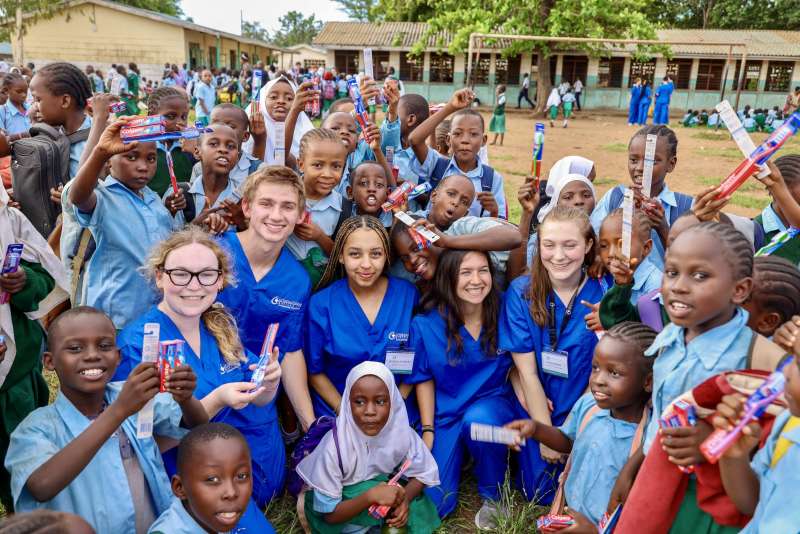
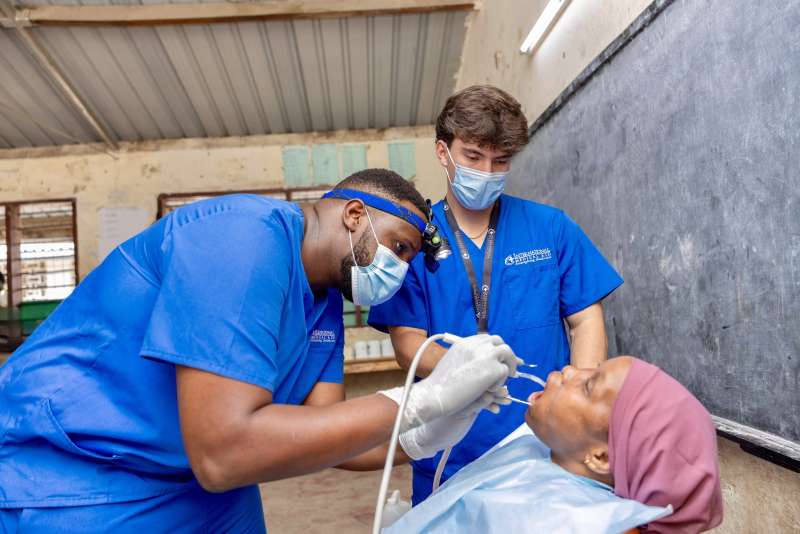
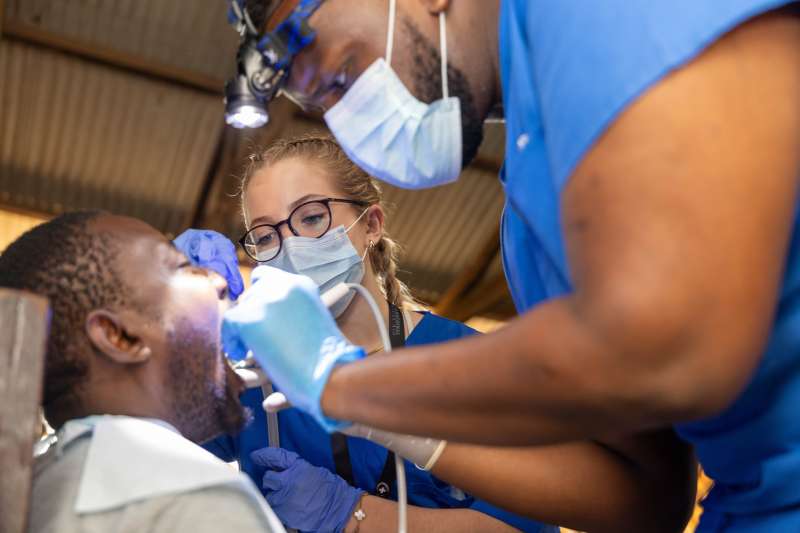
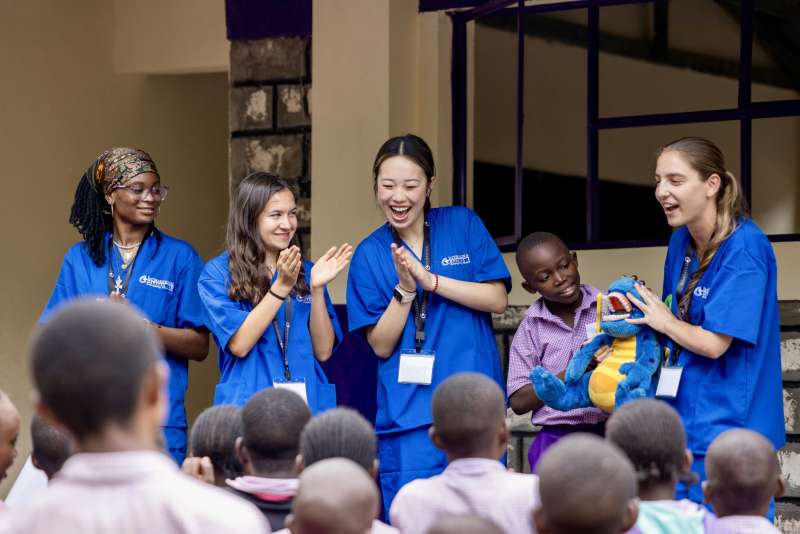
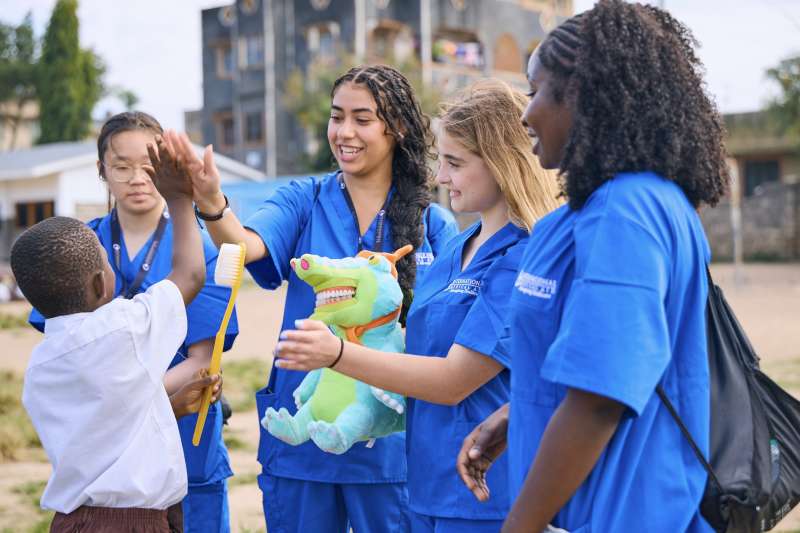
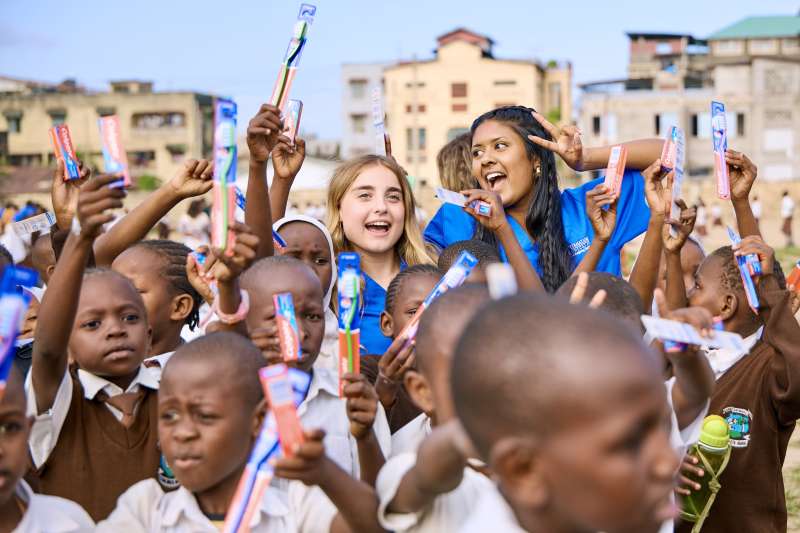
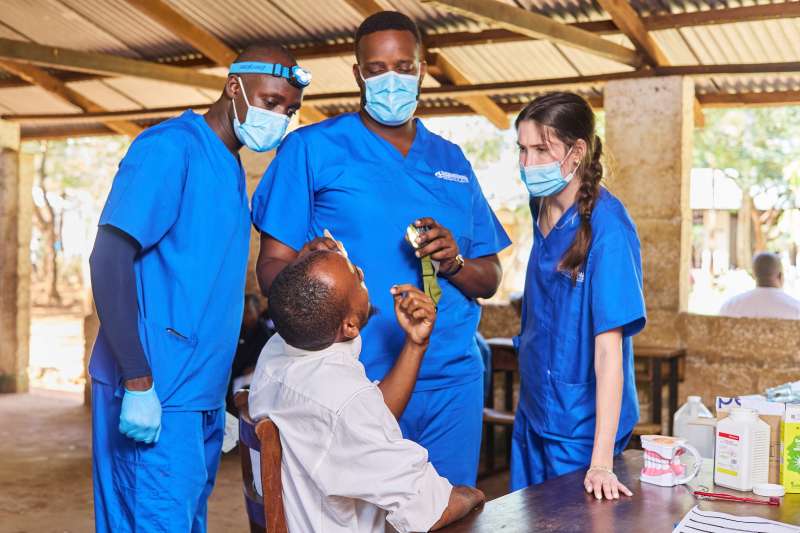
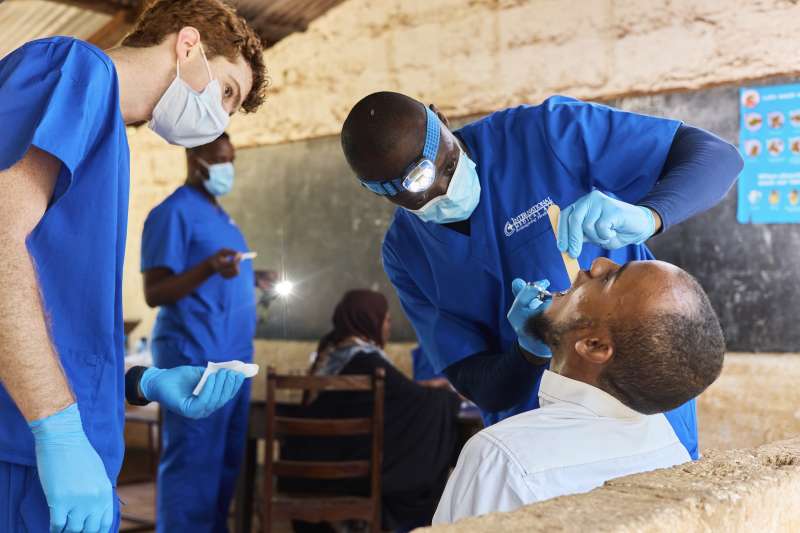
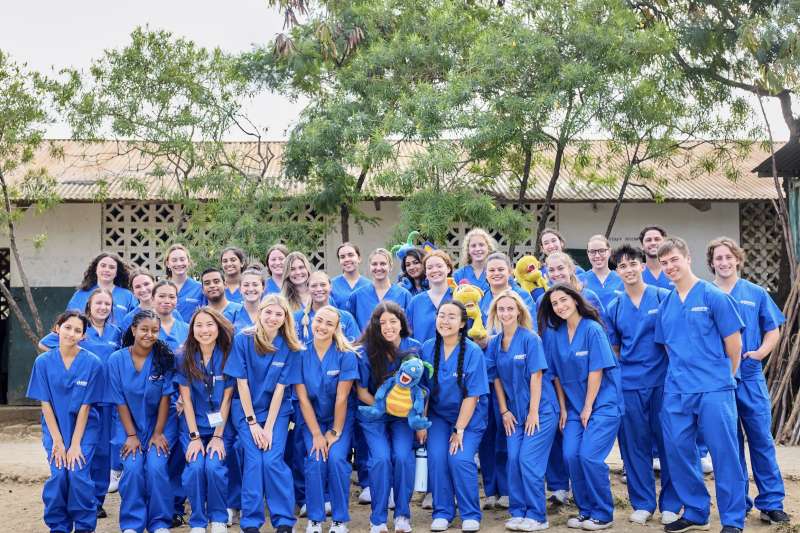
Global dental healthcare with International Medical Aid's (IMA) Dental Internships for pre-dental undergraduates, dental students, dentists, and dental hygienists, offers an extraordinary chance to work in some of the world's most underserved regions—East Africa, South America, and the Caribbean. Under the mentorship of professionals, interns delve into the complexities of dental care, from public health education to community hygiene clinics, addressing dire needs where dental services are scarce. IMA, founded at Johns Hopkins University, is a not-for-profit dedicated to not just providing care but enhancing the communities we serve. We forge ethical, sustainable initiatives focused on preventing disease at its source, going beyond the conventional internship. With comprehensive support...
Program Highlights
Gain clinical experience in an immersive, structured hospital shadowing experience in the developing world by joining programs developed at Johns Hopkins.
Contribute meaningfully to the communities that we work with through our ongoing, socially responsible, and sustainable dental outreach programs.
Guarantee your safety and security, as our team takes into consideration various measures – 24/7 U.S.-based and in-country support as well as basic accident and travel insurance.
Have access to our admissions consulting services and distinguish your application to graduate schools by participating in our competitive healthcare internship.
Explore your host country through a range of weekend activities, including a safari trip, thanks to our partnerships with reputable guides.
Media Gallery
Quick Details
- Guayaquil, Ecuador
- Mombasa, Kenya
- Cusco, Peru
- Bogota, Colombia
- Multiple Countries
- See more
- 1-2 Weeks
- 2-4 Weeks
- 5-8 Weeks
- 3-6 Months
- 9-12 Weeks
- Dentistry
- Health Sciences
- Public Health
- Community Service & Volunteering
- Experiential Learning
- Gap Year See more
- All Nationalities
Awards


Program Reviews
Hear what past participants have to say about the programs
Overall Rating
Total Reviews
Inspired in Peru: How International Medical Aid Helped Me Grow as a Future Clinician — and Find a Second Family Abroad
November 22, 2025by: Talina Vargas - United StatesProgram: Dentistry/Pre-Dentistry Shadowing & Clinical ExperienceOverall, I truly can’t say anything but great things about this program. The bonds I made with my fellow interns turned into strong friendships, and it was incredible to experience the entire internship surrounded by such supportive, inspiring people. Our accommodations and food in Peru were top-notch, which made the whole experience even more enjoyable. I genuinely believe the professional growth I experienced during this internship was invaluable. I gained practical skills that will benefit me throughout my future career. I left feeling deeply inspired to keep working toward my goals, but also extremely grateful for an experience that will stay with me forever. Working in such a supportive environment allowed me to thrive, and I couldn’t have done it without the guidance of the doctors I interacted with and my Program Mentors.


Details, Dignity, and Dentistry: Lessons from My Pre-Dental Internship with International Medical Aid in Mombasa, Kenya
November 19, 2025by: Ximena Vela - SpainProgram: Dentistry/Pre-Dentistry Shadowing & Clinical ExperienceDuring my time in Mombasa, from the moment I exited the airport doors, I felt safe, heard, and cared for. The housekeeping and kitchen staff were all amazing at both their work of keeping our area clean and making delicious meals for us, and at bringing a positive energy into the residence. We would always be reminded of how we need to stay positive and have an amazing day, and those little reminders would be an instant mood booster. Grace was amazing. She would do some morning affirmations with us: I am kind, I am positive, I am worthy. I will never forget her, and I still practice these affirmations in my day to day. The kitchen staff looked after us so incredibly well, accommodated my alimentary preferences, and would always start small talk. I also want to highlight our amazing security guards and how precise they were. I truly felt safe at all times both inside and outside the residence. Overall, I have nothing but kind words to say about my time in Mombasa; the mentors and all the staff made this experience that much better. During my time in the dental unit at Coast General Teaching and Referral Hospital, I learned that dentistry is not only about treating the symptoms patients present with but also about paying attention to the small details. I realized I naturally look for these details, even outside the hospital. One day, while riding to the beach with friends in an Uber, I offered gum I had brought from Madrid to everyone in the car. The Uber driver then asked me about all the gums I've tried. I went on to explain why and describe all the gums I've tried from different parts of the world. He looked at me and said, “You really have an eye not everyone has.” That is true. I am curious as they come, and my curiosity was sparked during my time in the dental department as I sought to understand not just the “what” but the “why” behind each step of care. Every morning, I greeted patients with a cheerful “Habari!” and was rewarded with a smile and curiosity about how I had learned Swahili. Bryan, the staff member responsible for keeping the clinic clean, made sure I practiced by greeting me in Swahili each day. These small cultural exchanges helped me connect with patients before they even sat in the dental chair. Regarding our different backgrounds, life experience, and language barriers, there was a deep level of understanding of the patient in a holistic manner. In Kenya, preventative dental care isn't as common as it is in the US or Europe. The cost of a healthcare premium is $5, although only around 26% of Kenyans have some form of healthcare insurance (IMA, 2025) due to this price being a financial burden for many. Keeping in mind that half of the population are unaware of measures that can be taken to prevent dental disease (Barber S, 2010). This puts into perspective why the condition of the patients' oral health is so poor; the lack of awareness and tools to prevent, combined with the financial burden that it is to get the issue under control. Most of the oral health treatment expenses are out of pocket and with low insurance coverage (Kenya National Oral Health Policy, 2022). Under Dr. Rajeev, “Dr. Raj” to us, I assisted in several procedures and discovered how dentistry adapts to different realities depending on the resources at hand. The first procedure I observed was a root canal. I noticed the absence of tools I was familiar with, such as rubber dams, loupes, different rotary systems, or even a microscope. Despite these limitations, Dr. Raj displayed mesmerizing skills in performing such a complex procedure without magnification or specialized tools for the root canal. He would, some days, bring his own equipment such as mirrors or hand files due to the low quality of the ones provided by the hospital. With the x-ray machine broken in the department, he placed a temporary filling and referred the patient to a private hospital for radiographs. I quickly saw how resource limitations meant root canals often took 3–4 visits to complete, creating financial burdens for patients already from low-income backgrounds. I rotated through periodontics, oral surgery, prosthetics, and orthodontics. The specialties that fascinated me most were endodontics and pediatrics. With Dr. Maria, another intern in the pediatric department, I assisted in procedures such as pulpotomies, pulpectomies, and extractions. One memorable case was a 4-year-old child with autism. Though numb, she became overstimulated by the lights, drilling, and people around her, leading to a meltdown. My initial role was to help restrain her, but I also engaged her with toys I had in my pocket and calming words, which helped her refocus. Dr. Maria worked calmly under pressure, and after the procedure, she congratulated me and asked me to assist again. Another case involved a 3-year-old with advanced cavities in his front incisors. While Dr. Maria stepped out for supplies, I used the time to build trust with him, showing him the suction, water spray, and materials to reduce his fear. Once the procedure began, I distracted him as Dr. Maria administered anesthesia. These experiences taught me that pediatric dentistry requires not only technical skill but also patience, empathy, and creativity in creating a safe environment for children when the resources are limited. In Spain or in the US, pediatric clinics are designed to create a comforting and welcoming environment with toys, etc. Here, I tried to create that with my presence and words. Pediatrics became my favorite specialty because each child reminded me of my dual mission: to relieve pain and to create a safe, welcoming space for them. During our outreach clinics, during my breaks from assisting Dr. Ian in cleanings, I would take the opportunity to interact with the curious kids that were waiting right outside the dental area. I took a dental teeth model from the consult table and would pop quiz them on oral health. I asked them to show me how they would brush the model's teeth, and they were eager to get to do it, and I was eager to answer any questions they had. In addition, I spent two days in the prosthetics laboratory. Mansoor, a technician, showed me their creative but improvised methods of working. For example, they made their own Bunsen burners by filling a container with spirit, inserting a cotton wick, and lighting it to heat tools when working with wax. The lab environment, though functional, was crowded, disorganized, and limited in resources. Mansoor asked me about practices in Spain, and when I explained digital impressions, he and the other technicians were fascinated and eager to learn. They were explaining how their work would be quicker and more efficient with modern technology. In the emergency room, where Dr. Raj was on call, I saw patients with maxillofacial fractures, often from motorcycle or tuk-tuk accidents. Many never returned for definitive treatment because of the high cost of plates required for fixation. These systemic challenges opened my eyes to the intersection between dentistry, medicine, and socioeconomic barriers to care. Low prioritization to implement preventive and promote oral health programs has led to a demand for curative and rehabilitative services outstripping the facilities and human resources available (Kenya National Oral Health Policy, 2022). I also observed the use of products such as chloroform and formocresol without proper isolation. These were used to resolve gutta-percha in root canals and formocresol as intracanal medication. These medications came with negative side effects such as tissue necrosis due to negligent use as an anesthetic or as a dissolver without proper isolation preventing it from coming into contact with tissue in the oral cavity (Taghavi Zenouz, 2022). When I found this out, I asked one of the dentists if these risks were highlighted to the patient, and the short answer was “no”. I realized that whether it was due to the low literacy level of the patients or the lack of patient protection, patients weren’t educated the way they should be with all the risks that the procedure could have. I also noticed this during my night shift in maternity; the lack of provider-patient communication shocked me compared to what I had seen in the US. During one of the labors, the doctors were injecting medications in the mom with no prior warning or explanation as to what it was. As well as with pelvic checks, they just did what they had to do, without reporting the dilatation to the mother or indicating the stage of labor to the mother. This would leave patients disoriented and lost in their procedure, although the ratio of doctors/nurses to patients was so disproportionate that they didn’t have the time to fully educate their patient, because they had 20 other patients waiting for them due to the low amount of doctors and the high number of patients (Okoroafor et al., 2022). My weeks in Mombasa also exposed me to broader realities of the Kenyan healthcare system. Patients or their families were often responsible for transporting blood samples, buying plates, sutures, or even medications themselves. This was at times the nurses' task, although a doctor in the maternity ward was explaining that as a form of strike, due to the high number of patients per nurse and the low pay, nurses wouldn’t do these things at the speed that would be expected. This doctor went on to explain how he would at times go get CT scans, medications, or lab tests for patients to avoid them missing a dose of their medication or waiting all night for results. He seemed burned out due to this situation. He went on to exclaim, “I am tired too, but these people need us no matter how we feel.” As the internship went on, I realized that every x-ray, every case of fluorosis, and every fractured tooth represented more than a medical condition, it represented a person's battle with comfort, confidence, and dignity. This internship not only strengthened my technical understanding of dentistry but also deepened my appreciation for resilience, creativity, and compassion in healthcare, no matter where you are. Mombasa taught me lessons that will stay with me as I continue my journey in dentistry, appreciating the tools I have within my reach, and the team I will work with. I was able to fully grasp the similarities and differences dentistry has across the world. I was aware of the difficulties other developing countries faced, but it is not until you are facing those difficulties that you truly understand what they entail. I aspire to come back one day and be able to give back all the knowledge that I was given during my time in Mombasa. As someone who has called “home” multiple parts of the world, I was eager to see if Mombasa would fit into that category. It did. The people I met, the opportunities I encountered, and the lessons I will carry with me for the rest of my life all made Mombasa feel like home.


Beyond the Dental Chair: My Pre-Dental Internship with IMA in Mombasa, Kenya
November 18, 2025by: Jackson Luhrs - United StatesProgram: Dentistry/Pre-Dentistry Shadowing & Clinical ExperienceFrom the moment I arrived at the airport to the last moment at the residence, I received excellent mentorship and had an amazing experience. All of the mentors were attentive, friendly, and always had everything prepared for us. I was very satisfied with the meals, hospitality, and living arrangements, and I never felt unsafe at any point during my stay. The cultural treks were a wonderful addition to the clinical experience and helped me better understand the local community. Overall, everything exceeded my expectations, and my time in Kenya was truly unforgettable. Spending several weeks in Mombasa, Kenya, interning through International Medical Aid’s Pre-Dental Internship Program was one of the most eye-opening experiences of my life. As an undergraduate student who plans to attend dental school, I knew I wanted more than just classroom knowledge—I wanted to see what healthcare looked like in different parts of the world, especially in places where people don’t always have easy access to care. I hoped the internship would give me a better understanding of dentistry, but what I didn’t expect was how much it would impact the way I see people, healthcare, and my own future. I was placed in the dental unit at Coast General Teaching and Referral Hospital, one of the largest public hospitals in the coastal region of Kenya. From the first day, I was amazed by how busy the clinic was and how many patients arrived seeking care. Many had waited a long time to be seen, often because they couldn’t afford treatment at private clinics or because there simply were not enough dentists in the region. In the oral surgery department, I observed many extractions and abscess drainages. These procedures were often performed under challenging conditions—limited tools, time constraints, and a high volume of patients. Most of the people we saw were in serious pain and had delayed care until their symptoms became unbearable. We also treated patients with jaw fractures, tumors, and cysts—cases that would typically be addressed much earlier in more developed countries. Here, patients often came in only when the pain was no longer tolerable or when the condition visibly affected their daily lives. Beyond oral surgery, I spent time in other areas of the dental unit, including general dentistry, pediatric care, and cosmetic procedures. In the cosmetic area, I developed close friendships with several dental technicians who took the time to show me how they crafted and molded patient impressions. Watching them create these molds by hand, with such attention to detail, helped me see the artistic and technical sides of dentistry coming together. It showed me how much of dentistry is hands-on craftsmanship—and how rewarding that part of the field can be. One thing I noticed early on—and something I will never forget—was how deeply grateful patients were, even for what might seem like basic procedures. In many cases, the dental treatment they received was the first real care they had received in years, or even in their lifetime. Many patients left the clinic smiling, even after a difficult extraction or painful procedure, simply because their pain had been eased. One patient in particular stands out in my memory: a woman who came in with a serious dental abscess. She had been living with swelling and pain for weeks but delayed care because she couldn’t afford treatment or take time off work. When the team finally drained the abscess and relieved her pain, she was overwhelmed with emotion. She held my hand, looked me in the eyes, and thanked the entire team for helping her. That interaction taught me more about the human side of healthcare than any textbook ever could. It reminded me why empathy is so important—not just in medicine, but in life. These moments of connection were everywhere. Whether I was helping a child feel calm before a check-up or observing a young man’s reaction after getting his teeth cleaned for the first time in years, I felt more and more certain that I was on the right path. Dentistry isn’t just about treating teeth—it’s about restoring confidence, easing pain, and helping people live their lives more fully. Before going to Kenya, I had read about healthcare disparities and access issues in developing countries, but it is one thing to read about them and another to witness them firsthand. I quickly saw how the lack of resources, infrastructure, and funding affected both patients and healthcare workers. Coast General is a teaching and referral hospital, yet they often didn’t have enough basic dental supplies. There were days when the team had to get creative or work with whatever was available to treat patients. I also noticed that many of the conditions we saw could have been prevented with earlier treatment or better education. Dental hygiene tools like toothbrushes, floss, or even clean water were not always available to patients. Preventive care—something I had always taken for granted—was not common in many parts of the community. People simply didn’t have access to the resources or information needed to maintain good oral health, which led to more serious and costly issues over time. According to an IMA lecture on healthcare systems in low-resource settings, one of the biggest challenges is the “delayed care model,” where people only seek treatment when their condition becomes critical (IMA, 2023). I saw this everywhere. Patients weren’t neglectful—they were doing the best they could with what little they had. This made me realize how important community-based health education is and how much of an impact even basic awareness can have. Living and working in Mombasa also gave me the chance to engage with a culture very different from my own. From local food and music to traditions and social customs, I learned so much simply by listening, observing, and asking questions. I was especially touched by how welcoming the staff and patients were. Even in moments when I felt out of place or unsure, people took the time to teach me and include me. The dental technicians I grew close to didn’t just show me their work—they welcomed me like a younger sibling. We talked about our different upbringings, laughed about the differences in slang and language, and even arm wrestled. I learned a few phrases in Swahili, and they teased me kindly when I mispronounced words. Through these moments of cultural exchange, I began to appreciate the power of kindness, curiosity, and humility in building trust—not just with coworkers, but also with patients. Working in this environment made me think deeply about my future and how I want to practice dentistry. I realized that I don’t want to be a dentist who only works in a comfortable clinic treating patients who can easily afford care. I want to be someone who actively looks for ways to give back—whether that means volunteering my time, serving underserved communities in my own country, or returning to places like Mombasa to provide care. I also became more aware of how public policy, infrastructure, and government systems shape access to healthcare. Kenya’s national healthcare system has made progress in expanding coverage, but underfunding, political instability, and uneven distribution of services continue to pose challenges (World Health Organization, 2021). This experience showed me that being a healthcare provider isn’t just about what happens in the clinic—it’s also about advocating for systems that support equity and access. The IMA global health curriculum emphasized this as well. One lecture noted that “healthcare providers must understand the sociopolitical structures that influence patient care, particularly in low-income settings” (IMA, 2023). That point stayed with me because it reinforced the idea that medicine doesn’t exist in a vacuum. As a future dentist, I want to use my voice not only for individual patients, but also to support policies and programs that improve health on a larger scale. Looking back, I feel incredibly fortunate to have had this experience. It pushed me out of my comfort zone, helped me grow both personally and professionally, and confirmed that dentistry is the right path for me. More importantly, it showed me the kind of provider I want to become—empathetic, hands-on, and committed to serving those who are often overlooked. I want to use what I’ve learned to help people with their dental needs while also advocating for better access, more education, and more compassion in healthcare. Whether I am treating a child in a high-tech clinic or helping someone in a mobile dental unit, I will carry the lessons from Mombasa with me. I’ll remember the people, their stories, and the moments of gratitude that made every day in that dental unit meaningful. In the future, I hope to work with organizations that serve low-income communities, both at home and abroad. I would love to participate in dental missions and work in community health centers to provide care and education to those who need it most. My goal is to take the privilege of my education and pay it forward—to use my skills to improve lives, one patient at a time. My internship with International Medical Aid didn’t just teach me about dental procedures or hospital systems; it taught me about people. It reminded me that behind every tooth is a story, a struggle, and a human being who deserves care and dignity. It showed me that healthcare is about more than tools and techniques—it’s about listening, learning, and doing the best you can with what you have. This experience will stay with me for the rest of my life. It has shaped not only how I see the world, but also how I see myself. I am more motivated than ever to become a dentist—not just to practice a profession, but to make a real difference in people’s lives.


Program Details
Learn all the nitty gritty details you need to know
Locations
- Guayaquil, Ecuador
- Mombasa, Kenya
- Cusco, Peru
- Bogota, Colombia
Types and Subjects
- Subjects & Courses
- Dentistry
- Health Sciences
- Public Health
Availability
Years Offered: Year Round
- 1-2 Weeks
- 2-4 Weeks
- 5-8 Weeks
Age Requirement
Age Requirement Varies
Guidelines
All Nationalities
This Program is also open to Solo, Couples, Group
Cost per week
Program Cost Includes
- Tuition & Fees
- Accommodation / Housing for Program Duration
- Some Program Activity Costs
- Medical / Accident Insurance
Accommodation Options
- Apartment/Flat
- Dormitory
- Group living
Qualifications & Experience
- English
Language Skills Required
- Any/All Education Levels Accepted
Accepted Education Levels
Application Procedures
- Online Application
- Phone/Video Interview
- Resume
Frequently Asked Questions
Ready to Learn More?
Global dental healthcare with International Medical Aid's (IMA) Dental Internships for pre-dental undergraduates, dental students, dentists, and dental hygienists, offers an extraordinary chance to work in some of the world's most underserved regions—East Africa, South America, and the Caribbean. Under the mentorship of professionals, interns delve into the complexities of dental care, from public health education to community hygiene clinics, addressing dire needs where dental services are scarce. IMA, founded at Johns Hopkins University, is a not-for-profit dedicated to not just providing care but enhancing the communities we serve. We forge ethical, sustainable initiatives focused on preventing disease at its source, going beyond the conventional internship. With comprehensive support...

International Medical Aid (IMA)

International Medical Aid (IMA)
Ready to Learn More?
Global dental healthcare with International Medical Aid's (IMA) Dental Internships for pre-dental undergraduates, dental students, dentists, and dental hygienists, offers an extraordinary chance to work in some of the world's most underserved regions—East Africa, South America, and the Caribbean. Under the mentorship of professionals, interns delve into the complexities of dental care, from public health education to community hygiene clinics, addressing dire needs where dental services are scarce. IMA, founded at Johns Hopkins University, is a not-for-profit dedicated to not just providing care but enhancing the communities we serve. We forge ethical, sustainable initiatives focused on preventing disease at its source, going beyond the conventional internship. With comprehensive support...
Related Programs
Browse programs you might like