GoAbroad

Physical Therapy & Pre-PT Internships Abroad | IMA

VerifiedProvider
5.0 / 5Overall Rating
4Reviews
2012Year established

Program Overview

International Medical Aid’s Physical Therapy Internships are designed for aspiring and established physical therapists. The program welcomes undergraduates, pre-PT and graduate PT students, pre-med and medical students, graduates, and practicing healthcare professionals. High-school applicants follow IMA’s high-school pathway, with activities suited to their age and preparation.

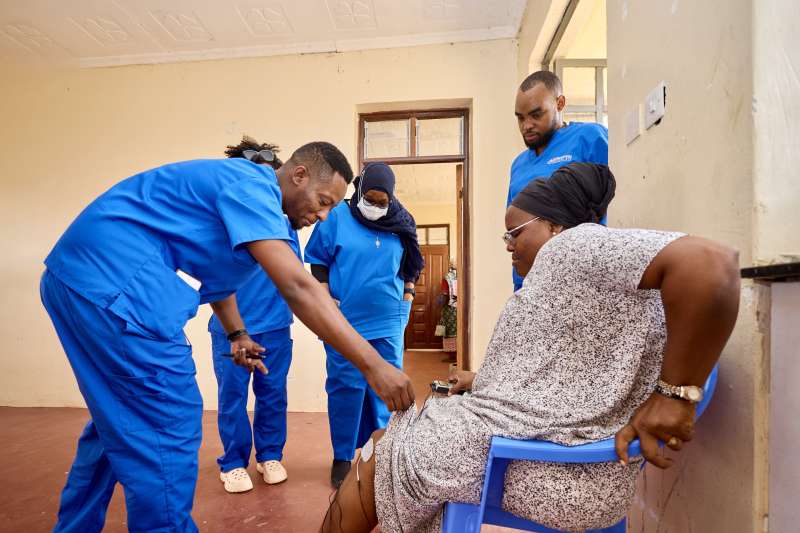
Learn alongside local therapists as they assess patients, plan rehabilitation, and guide therapeutic exercise. Observe how treatment responds to an injury or condition, a patient’s daily activities, and the resources available for recovery. Clinical participation depends on your qualifications, supervision, and local requirements; students do not provide independent therapy.

Join community outreach and learn about injury prevention, disability, and barriers to rehabilitation. IMA’s award-winning healthcare programs include pre-departure training, clinical mentorship, and 24/7 staff support. Discussions with local teams help you connect your observations with your studies or professional practice. Admissions guidance and optional cultural excursions are also available.

Ready to dive deeper into this program?

Jump to the full breakdown of dates, costs, eligibility, and more.

See program details

Program Highlights

Observe rehabilitation assessments, therapeutic exercise, and recovery planning alongside local physical therapists.
Learn how therapists adapt care to patients’ daily activities and the resources available for recovery.
Join community outreach and learn about injury prevention, disability, and access to rehabilitation.
Receive pre-departure training, clinical mentorship, and 24/7 support from IMA staff while learning alongside local healthcare teams.
Strengthen your preparation for PT school or connect international rehabilitation experience with your healthcare studies and professional practice.

What's Included

Tuition & Fees
Accommodation / Housing for Program Duration
Internship Placement
Wifi Costs
Medical / Accident Insurance
Weekday Meals (Breakfast, Lunch, Dinner)
Weekend Meals (Breakfast, Lunch, Dinner)
Airport Transfer (Pick-Up)
Airport Transfer (Drop-Off)
In-Country Transportation To & From Project
On-Site / In-Country Staff Support
Pre-Departure Orientation
In-Country Orientation
Emergency Support

Exclusions

Visa Fees
International Airfare
Laundry
Vaccination Costs
Required $995 Program Deposit; IMA scrubs; malaria prophylaxis; personal spending; transport outside the program
Optional treks/safaris; supplemental health and trip cancellation insurance
Entry processing in East Africa and Peru: $495 for ages 18+; $595 for participants under 18

Program Details

Learn all the nitty gritty details you need to know

Locations

  • Guayaquil, Ecuador
  • Mombasa, Kenya
  • Cusco, Peru
  • Arusha, Tanzania
  • Rural Areas, Cambodia
  • Jacmel, Haiti
  • Kigali, Rwanda
  • Kampala, Uganda

Types & Subjects

  • Subjects & Courses
  • Health Sciences
  • Kinesiology & Exercise Science
  • Physical Therapy
  • Public Health
  • Focus Areas
  • Community Service & Volunteering
  • Experiential Learning
  • Work Experience
  • Fields
  • Health Sciences
  • Physical Therapy
  • Causes
  • Community Development
  • Health Care
  • Health Education
  • Public Health
  • Types
  • Experiential Learning
  • Internships
  • Medical
  • Volunteering

Available Terms / Availability

  • Years Offered
  • Year Round
  • Terms Available
  • Fall
  • Spring
  • Summer
  • Winter
  • Throughout the Year

Eligible Nationalities

  • All Nationalities
  • This Program is also open to Solo, Couples, Group

Education Levels & Language

  • Language
  • English
  • Education
  • University Freshman (1st Year)
  • University Sophomore (2nd Year)
  • University Junior (3rd Year)
  • University Senior (4th Year)
  • University 5th Year or More
  • High School Freshman (1st Year)
  • High School Sophomore (2nd Year)
  • High School Junior (3rd Year)
  • High School Senior (4th Year)
  • High School 5th Year or More
  • Some high school, no diploma
  • High school graduate, diploma or the equivalent (for example: GED)
  • Some college credit, no degree
  • Trade/technical/vocational training
  • Associate degree
  • Bachelor’s degree
  • Master’s degree
  • Professional degree
  • Doctorate degree

Accommodation Options

  • Group living

Application Procedures

  • Phone/Video Interview
  • Online Application
  • Resume
  • Transcript

Age Requirement

14+

Duration

  • 1-2 Weeks
  • 2-4 Weeks
  • 5-8 Weeks
  • 9-12 Weeks
  • Summer
  • Winter
  • Short Term
  • Spring
  • 1-3 Months
  • Fall
  • After College
  • Career Break / Mid-Career
  • During College
  • During High School
  • Post High School

Payment Terms

  • Payment Plan
  • Scholarships
  • Upfront Deposit

Refund Policy

Refund with conditions

View Refund Policy

Program Reviews

Hear what past participants have to say about International Medical Aid (IMA)

5.0
4 reviews

Rating breakdown

5
4
4
0
3
0
2
0
1
0

Top categories

Program Administration
5.0
Living Situation
5.0
Health & Safety
5.0
Internship Placement
5.0
Work Environment
5.0
Social Life
5.0

Participated in this program? Share your experience now.

Review this Program

Showing 1-4 of 4 reviews

Avery NicholasUnited States · November 2025

Holistic Healing and Cross-Cultural Care: My Pre-Physical Therapy Internship with IMA in Cusco, Peru

This was an incredibly full and insightful experience for me as a pre-physical therapy student. I had never had language or cultural experiences like this before, and I learned so much. Everyone at IMA and the hospital was patient and kind to me and supportive of all of my experiences (good or challenging). I loved this internship and would highly recommend it to other students interested in healthcare, rehabilitation, and global medicine. Thank you for everything! Cusco, Perú was a surprise, to say the least. I had not expected to fall more in love with healthcare—or with a place—quite so much. To start, I was nervous to begin my International Medical Aid (IMA) adventure, but I had been in uncomfortably new situations before. I had jumped into the unknown and reminded myself that it wouldn’t be unknown forever. When I first arrived, I remember thoroughly investigating the schedule and looking around at my fellow cohort members. Little did I know that my roommate would become one of my best friends and that I would learn more about what it means to become a healthcare provider—and future physical therapist—than I ever thought possible. One of the most memorable lectures given, in my opinion, was about the differences between Peruvian and U.S. healthcare systems. Dr. Fabricio began the lecture by asking us to define the word health. Health. This word is used in almost every sentence or conversation in the healthcare profession—it’s literally in the name of the field. So it was surprising when we all looked a little incredulous and were unable to give an articulate answer. Health is defined as the complete state of well-being (Fabricio 2025). This understanding—that all parts of being human are essential to understanding the whole—is fundamental to healthcare and especially meaningful in physical therapy, where we treat function, lifestyle, and the person as a whole. I loved this lecture in particular because it highlighted how being holistic is important in becoming and being a great clinician. One of the primary differences between Peruvian and American healthcare is the emphasis on understanding other approaches to medicine, including traditional or holistic methods, apart from symptom-based diagnoses. From herbal remedies such as coca tea to alternative religious or spiritual solutions, doctors in Peru look at a multitude of options when working with patients. “The investigation of plant mixtures used in traditional medicine in Northern Peru yielded a total of 974 herbal preparations used to treat 164 different afflictions” (Bussmann et al. 2010). Traditional medicine is given serious consideration alongside formally trained medicine. There isn’t always a black-or-white solution, but rather many different ways of solving a given issue. This holistic approach is incredibly different from how allopathic medical training in the United States often functions, which is primarily symptom-based. This was very impactful to me, as I think that holistic healthcare is often lacking in the United States. It is invaluable to look at the entirety of a person’s health rather than just their symptoms. One of the main aspects of healthcare that was further developed during my experience with International Medical Aid was the reminder that, whether as a physician, physical therapist, or any provider, you are working with people—not just their symptoms. Your patients are more than the sheet of paper in front of you. A very interesting traditional medicinal approach that was widely used was chewing coca leaves. “Andean Indians have used coca leaves (Erythroxylon coca and related species) for centuries to enhance physical performance” (Casikar et al. 2010). It was common knowledge that coca tea was invaluable at high altitudes and for physical exertion in the Andean climate. For many problems involving headaches, nausea, or other symptoms of altitude sickness, coca leaves were prescribed. While there are some traditional medicine types in the United States, most are not considered central in general practice and are rarely integrated into mainstream care. As I am from a moderate altitude, I did not drink coca tea very often, but the times that I did, I noticed that the caffeine and properties of the leaves helped to alleviate uncomfortable symptoms I was experiencing. One of the most memorable times that I took advantage of coca leaf properties was on IMA’s clinical outreach day in a rural community in the Andean mountains. The community was settled at approximately 13,000 feet in elevation, so I had a slight headache driving up. This was one of my favorite days during my IMA experience due to the connections I made with the doctors and community members, as well as the sheer amount of knowledge I gained. I learned more than I could have imagined about rural health clinics—how doctors and providers properly evaluate patients in low-income settings and how to ask genuine questions that look at an entire person, not just their pain. As someone interested in physical therapy, this was especially powerful: I saw that medicine and rehabilitation are about the health of a person’s life and who they are, not just their list of symptoms or their diagnosis. I was able to see the true care that doctors and providers put into their work and their patients. This is what I wish to emulate when I become a physical therapist. I want to truly see people for who they are, not just their problems or functional limitations. International Medical Aid was an incredibly impactful experience that I would recommend to any student interested in cross-cultural experiences in healthcare, especially those exploring careers in physical therapy, rehabilitation, or patient-centered care. I am incredibly grateful to the IMA staff and the doctors at EsSalud for their patience and guidance, without which I would not have created such valuable connections or learned so deeply about what it means to be a healthcare provider.

Photos

Katie ManningUnited States · March 2025

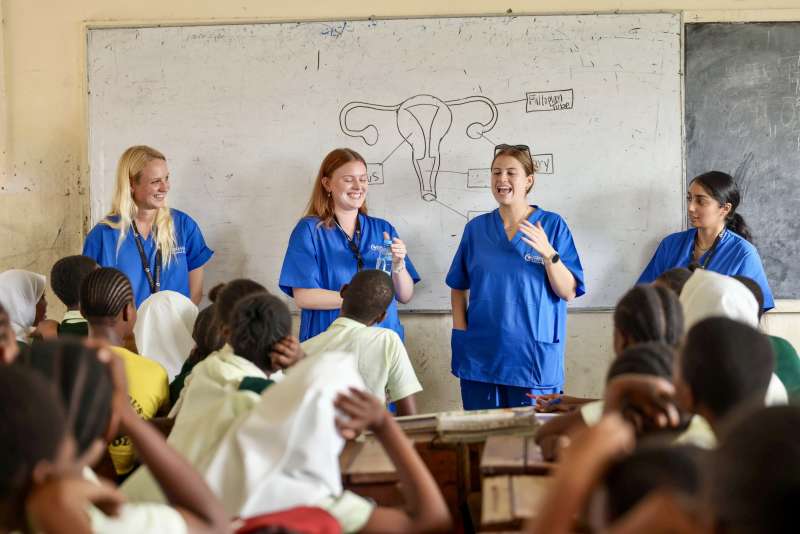
Bridging Cultures Through Care: My Immersion into Kenyan Healthcare with IMA

The program was more than I could have ever expected. When I first arrived in Mombasa, I did not know what to expect. I was not even sure there was going to be a sign from IMA waiting outside of the airport for me. But when I stepped out from the airport I was greeted by an IMA staff member with kindness and hospitality. The staff at the residence was more than helpful by doing laundry daily, providing excellent meals, and willing to help with anything us interns may have needed help with. The program mentors were always very easy to approach and some I have become close with after my time in Kenya. I appreciate everyone's kindness and help during my time in Kenya. At the hospital, I learned more about healthcare than I expected. The doctors were kind, and willing to spend the time to teach us how they were treating the patients. Many of the medical staff also provided us insight on the healthcare system in Kenya. The community in Mombasa was welcoming and everyone I met was nice. When doing the Women's Health clinics, I could immediately see the impact we had on the young women we talked with. I distinctly remember meeting a young girl at one of the school we went to for a clinic and she was asking me if I was a doctor. I explained that I was in school to become one and she looked at me with such excitement and explained that she dreams of becoming a doctor one day. Seeing the girls hope in her eyes to become a doctor makes me realize how much of an impact we have on the schools we attended. I made sure to tell her she could do anything she set her mind to, because I truly believe that. That exchange I had with the young girl is the best example of how much I see we have made an impact on the community, not only by teaching about Women's hygiene but also showing that these girls can pursue the careers they choose to. The experience I had with International Medical Aid was one that more than exceeded my expectations. When I first discovered IMA, I was unsure of how much I may learn or experience, but after reaching Mombasa, I discovered a program that taught me far more about healthcare than I could have imagined. Not only did I learn about the overall experience as a healthcare provider, but also what healthcare looks like in Kenya and some of the differences in the healthcare system between East Africa and America. I have gathered a new appreciation for healthcare providers, especially those in the Coast General hospital. Coming to Coast General, I was not sure what to expect especially on the Physical Therapy side because many of the other interns there were pursuing Pre-Med or Pre-PA. But I met many Physical Therapists that welcomed me with such kindness and taught me a great deal about what it means to be a Physical Therapist. During my days in Coast General I rotated between six different in-patient Physical Therapy areas of the hospital. Each rotation I worked with a different Physical Therapist and learned something new that I will continue to value through my time as I pursue a career in healthcare. I began my first three days in the medical ward of the hospital with Omar. Omar was kind and welcoming, and a wonderful teacher. He showed me to every patient that he had in the ward and discussed with me the details of their prognosis and how a Physical Therapist would treat the patients. Many of the patients we saw in the medical ward were stroke patients. Omar spent time with me and the other Kenyan Physical Therapy students discussing the physiology of a stroke. He taught me many details on stroke patients such as the etiology, risk factors, the two types of strokes, the clinical presentation, and how a physical therapist may help a patient’s condition when presented with a stoke patient. After this discussion, we went to see some of the stroke patients and Omar continued to ask me questions about how I think we should proceed when presented with a stroke patient that had developed hemiplegia. His openness to my own learning experience while I shadowed him in the hospital is something I more than appreciate. Some of the things that PT would do with a stroke patient would be passive physiological exercises. The goal of this exercise would be to maintain joint range of motion, blood circulation, muscle tone and more. The only reason I am able to list these details is because of Omar and his openness in sharing with me his own knowledge. I have shadowed Physical Therapists in America, but I had never been met with such eagerness to teach than the therapists I met in Mombasa such as Omar. After my first three days in the hospital, I had already gathered a new respect for not only Physical Therapists overall, but also the ones I had met at Coast General. The next rotation I had in the hospital was in the surgical ward with the Physical Therapist Joanne. In this ward I saw neurological and general surgery patients who suffered from things like cervical spine fractures, traumatic brain injuries, and severe burns. The PTs would often ask me questions to understand more of my own knowledge on the different cases that we saw. Most of the questions I was unsure of, and the PT would send me home with homework to do some research on the condition of the patients we would see. Even for the Physical Therapist to have me do research outside of the hospital is something I appreciate because it shows even though they have just me they still care for me to learn. One of the more memorable patients we saw in the surgical ward was Nickson. Nickson was a burn patient who suffered from severe burns on both of his legs. I had learned that he had been in the hospital for five months and is still far from fully healing. One of the main tasks of the Physical Therapist when helping Nickson was to apply pressure on his knees to help him fully extend his legs as that what something he was unable to do after being burned. Watching the patient-therapist interaction is something that I have appreciated. I learned though my shadowing the importance of a Physical Therapists encouragement and support especially with a patient that is undergoing severe pain in the process of physical therapy. In addition, there were time it seemed to me that the therapist should have stopped the pressure on the knees to help Nickson fully extend them, but what I have learned is that there would be no progress in his injuries if he was met with insufficient exertion. The experience I had seeing the work Joanne was doing with Nickson made me appreciate the mental strength of a PT. It is hard to see someone suffering in any form, but to be able to have the ability to encourage someone to continue to help themselves and get better takes much strength. Each day I would return to see Nickson I could see the progress being made and it filled me with optimism and hope. Although I could see his pain, I could also see how the work of a Physical therapist can truly help someone’s recovery process. The other rotations I was able to do were in orthopedics, Peds, NBU, and the surgical and medical ICU. These rotations each taught me something new about the importance and purpose of Physical therapists. Each therapist I shadowed showed me something new about how important a physical therapist is when it comes to someone’s recovery or stability. The ability to shadow in several different specialties of physical therapy allowed me to see what I may be more interested in as I continue to pursue a career in physical therapy. The area that I enjoyed the most was orthopedics. During my time in the orthopedic ward the physical therapist was more than willing to teach me about the duties of a physical therapist when it comes to orthopedics. The most memorable aspect of ortho was seeing difference in physical therapy management between pre-surgery versus post-surgery. In addition, seeing the x-rays of the bone fractures before and after surgery seeing the check x-ray. There is so much that the physical therapist taught me one the protocol of therapy when it comes to a patient with a fracture. On the third day in orthopedics there was a new patient with a femur fracture and the therapist asked me how I would begin to help the patient. From what I learned in the past days in orthopedics I was able to share with her what I thought would be important for a physical therapist to have the patient do. To be able to shadow a PT who was willing and able to teach me about the responsibilities of a physical therapist is one that I greatly value. My time at Coast General, shadowing each of these therapists has allowed me to learn far more about physical therapy than I could have imagined. With IMA I was able to attend weekly Women’s health or hygiene clinics that allowed us interns to connect with the community and provide knowledge of various topics. I was able to attend two Women’s health clinics where we attended secondary schools in the community and discussed the female reproductive system as well as educated the students menstrual hygiene. The clinics gave me an opportunity to have a better understanding of the limitations girls face not only in Kenya but globally when it comes to menstrual hygiene. During the clinic we made sure to keep the girls engaged by asking questions to have a better understanding of their knowledge on menstrual hygiene. Most of the girls had a basic understanding, but I could immediately see the impact we had being there and giving the girls more insight on this important topic. Each one of them had many questions to further their knowledge on Women’s health and continued to show their excitement at our presence at their school. After the clinic was over, we were able to hand out pads to the girls. As an American who has grown up privileged to have access to something like pads, I truly gathered a new appreciation for the opportunity to be able to supply these young women with something that can truly help them feel more comfortable with their natural cycles. Not only did I see how educating the girls on Women’s health and supplying them with pads impact them, But I also saw how our presence as students ourselves made an impact. At the second Women’s Health clinic there was a young girl who asked me many questions after the lecture was over and one of them was if I was a doctor. I explained to her I was currently in school to be a doctor, and she looked at me with so much excitement in her eyes and said she dreams of being a doctor one day. This exchanged showed me how much influence we may have on these young girls we can have just by coming to their school. Through reaching out to the community in Mombasa, we had a significant impact on the girl’s lives. The opportunity that IMA gave us to be able to have such an impact on the community is one that has allowed me to have a new appreciation for my own experiences in life and even more being able to share this knowledge with these young women. During my time in Mombasa, IMA presented us interns with several different global health lectures where we learned about the history of pre- and post-colonial Kenya, disease burden in Kenya, and the Kenyan healthcare system. Through attending the lecture on pre- and post-colonial Kenya I was able to grasp a better understanding of the culture and history of Kenya. The lecture taught me of some cultural differences between America and Kenya. One of these differences is the number of ethnic groups in Kenya compared to America. Kenya is a diverse country with 44 ethnic groups and almost all speaking at least two languages. This to me represents the rich culture of Kenya and during my time in Kenya it is important to think about how diverse the country is. Another difference is the economy and poverty in Kenya. While Kenya is continuing to develop as a nation, it was clear to me not only from the lecture, but also during my time at the hospital that there is a great deal of poverty. Many patients at the hospital were unable to financially support themselves to receive treatment they needed from the hospital. This challenge is something I saw the healthcare providers have to navigate as they are trying to care for their patients, but without financial support sometimes they are unable to. In addition to the differences in economy, I also learned of the history of Kenya. Learning about the history of Kenya is something that was important to me during my time with IMA. In order to fully immerse myself into the culture of Kenya, learning of the history is an important step. Through this lecture I was able to better understand the experience of Kenya through history and how it came to be the way it is today. The lecture is one I value and remember during my entire time in Mombasa and still even after I have left that has given me an appreciation for the culture of Kenya. An additional lecture topic that I found to be important to understand during my time with IMA is the Disease Burden in Kenya lecture. During this lecture I was able to grasp more knowledge on the main diseases that are seen in Kenya. I found this lecture to be the most important to use as a resource when in the hospital so I could understand more of what the healthcare providers are mainly treating, one of these diseases being HIV/AIDS. HIV/AIDS is a disease that many patients in the hospital have and as I learned in the lecture has one of the highest mortality rates in Kenya. The lecture also mentions that over 50% of males in Kenya have HIV. This statistic alone exemplifies how prevalent HIV is in Kenya. Learning about these facts made me have a better understanding of what healthcare providers may have to deal with in the hospital and even in the community in HIV prevention education in order to slow the rates of infection in Kenya. In addition, diseases such as malaria, TB, of the respiratory system, skin diseases, and more are extremely prevalent in Kenya. Many of the patients in the Coast General hospital had these diseases and the doctors in the hospital are the ones that have to diagnose and treat these illnesses. It is important to understand how prevalent these diseases are in Kenya in order to understand how the doctors may try to manage these various illnesses. Of course, these are not the only illnesses of the disease burden in Kenya, but they are some of the ones I most frequently saw patients within the hospital. The lecture on Disease Burden in Kenya allowed me to understand the challenges that healthcare providers in Kenya often face and how they may manage the spread of these diseases. The last lecture I was able to attend was on the current state of healthcare in Kenya. This lecture was particularly insightful because I was able to grasp a better knowledge on the working of Kenya’s healthcare system. In Kenya there are three different categories of healthcare which when comparing to America is similar. Where I found more differences between America and Kenya is with the funding, accessibility, and outcomes. American spend much more on healthcare than the citizens of Kenya, but in Kenya many more citizens are paying out of pocket which can become difficult for the patients who cannot afford their needed healthcare services. In the Coast General hospital, this issue of being unable to pay medical bills was prevalent as many of these patients were not allowed to leave the hospital or did not get the service they needed until the bill was paid. It is important to consider the challenges that many healthcare providers must face when working in a hospital such as Coast General where they may be unable to care for a patient due to their economic status. Through this lecture I was able to understand more of the differences between Kenya’s healthcare system and America’s. My experience with International Medical Aid was one that I will never forget or take for granted. To be able to have the opportunity to immerse myself in a new culture is one that has allowed me to grow as a person. Being in the Coast General hospital for the three weeks I had there taught me to be more grateful for the life I have been gifted with. In addition, it has pushed me to want to give back to communities as well as be open minded to new experiences. The list of lessons I have learned during the internship could be endless, but mostly it has taught me what it means to be a physical therapist. The Therapists I worked with were kind, generous, and careful to be sure they gave the patients all the help and support they needed. There is not enough gratitude I can express to be given this opportunity to learn and grow during my time with Internation Medical Aid.

Photos

Kristen ChoiUnited States · January 2025

Beyond My Comfort Zone: A Transformative Dive into Kenyan Healthcare and Culture with IMA

This experience was completely different than anything I've done in my life, but I am so happy that I leaped out of my comfort zone and came to Kenya! Everyone at IMA was very welcoming. They made sure we were safe in and out of the residence and were always available to address concerns. Before coming to Mombasa, I had never shadowed in a hospital before. Seeing the passion of the doctors and medical interns at Coast General taught me a lot about the hard work, dedication, and kindness it took to be a physician. It was interesting to see the differences in healthcare delivery, sanitation, and treatments offered in Kenya compared to the United States. One of the best parts of the trip was getting to interact with the locals. The weekly hygiene and menstrual health education sessions gave me a deeper look into the community of Mombasa. It was so cool to experience a new culture!

Photos

Suzan RainesUnited States · October 2018

Rewarding, impactful and life changing in many ways

As a pre-Physical Therapy intern, I was one of the first interns to ever come to work in the Therapy Department; therefore, it was a new experience both for me, and the therapists that I worked with. Everyone was very open and excited to teach me everything from their treatment methods to their favorite foods. The amount I learned from each therapist in the department, whether I personally shadowed them or not, is immeasurable. On top of the success I had in my department, the relationships that I made with the other IMA interns was something that made my experience even more amazing. Sharing stories from our days in the hospital, having tough conversations concerning things that we saw, and exploring Kenya together is something that I will always cherish. Altogether, my experience with IMA was rewarding, impactful and life changing in many ways. My experience to the Masai Mara was amazing! I loved being able to see wild animals in their natural habitat, without any outside influence from humans. One morning, we even woke up to giraffes and elephants right outside our bedroom window. The safari is a must for all interns! Upon my arrival in Mombasa, Kenya, I was completely unaware of the impact that the International Medical Aid internship program would have on me as an individual, and further, an aspiring Physical Therapist. The culture in Kenya was overwhelming, in the best sense. It completely engulfed me and allowed me to explore the ins and outs of a foreign culture and healthcare system. My experience through this internship program provided me the opportunity to break down various barriers, allowing my perspectives and attitudes towards everyday situations to be transformed. Mombasa, being one of the two cities in Kenya that has major hospitals, has a public teaching hospital called Coast General Provincial Hospital. It is here where my internship began, and where I was able to learn from multiple different therapists to broaden my knowledge on Physical Therapy and foreign healthcare systems. My experience at Coast General, located in an area of extreme impoverishment, provided me with an environment that required me to understand and break down socioeconomic, racial, cultural and language barriers. The way in which Kenyans welcomed me into their country, and made sure I was learning everything that I possibly could, made me have a whole new respect for the way in which they live their day to day lives. Although I was from a different continent, and looked so different than the native population, I never felt as if I was a minority. I have always believed that people should be treated as human beings and not any differently based on their characteristics, and this experience allowed me to gain more perspective on this idea than I ever thought possible. I learned that being open and eager to learn about all groups of people enables individuals to gain insight and understanding of the world as a whole, expanding the capabilities and assets that such people have. I believe that having this desire and drive is important for Physical Therapists working in all settings, and I trust that it will benefit me greatly in the future. Through this perspective, I also learned the impact that a simple smile and wave has when there is a strong language barrier, being calm in situations that are outside one’s comfort zone, and asking tough questions when one does not understand a cultural practice of another group. In addition to these barriers that I learned to overcome through gaining perspective, the atmosphere of the hospital also presented itself with barriers concerning the resources and population of Coast General. The hospital is extremely under resourced and overcrowded, which gives ample opportunity for high stress situations. This atmosphere creates a barrier in itself, which often requires health professionals to make difficult decisions regarding the number of patients they will see in a given amount of time and the amount of resources they will use. From this, I learned from Kenyan Therapists the importance of patience, and giving their undivided attention to each patient in order to see the best results. There would be many times where the therapists would be called to other wards to see other patients, but they were always sure to stay with their current patients until the very end of their care. From the first moments I knew I wanted to become a Physical Therapist, I always admired the relationships that therapists had with patients based on the level of interaction that they had, and how they genuinely cared about their quality of life. By being able to form relationships in Kenya myself, I was able to practice this characteristic of Therapists that I thought so highly of at a whole new level. Through this experience, I learned how to better understand and adapt to stressful situations by remaining patient, but efficient, in order to give each individual that I form relationships with the proper care that they deserve. Altogether, my experience in Mombasa, Kenya allowed me to acquire skills and perspectives that I hope to use in order to become the best Physical Therapist I could be. My experiences with this program not only reaffirmed my interest to become a Physical Therapist, but greatly expanded it due to the characteristics of the therapists and hands on work that I was able to observe. I desire to continue to give and learn from each community that I am able to work with, in order to continue expanding my knowledge on various groups and characteristics of people. The perspectives that I gained from this experience will stick with me throughout the course of my future career, where I will continue to learn and build upon them.

Photos

Inquire

Inquire about this program

Have a question? Send us a message and the program team will get back to you.

Step 1 of 4Timing

How long do you want to travel?

FAQs

Frequently Asked Questions

Get answers to all the most common questions about International Medical Aid (IMA).

What is IMA's Physical Therapy Internship?

IMA's Physical Therapy Internship offers students and licensed PTs the chance to work in global healthcare settings, providing vital services in underserved communities while gaining unparalleled professional experience.

What impact does the PT program aim to have?

The program aims to improve physical health in underserved regions by offering direct care, education, and sustainability.

Is prior physical therapy experience required?

While previous experience is beneficial, the program accommodates all levels of expertise, providing valuable learning opportunities across a range of physical therapy specialties.

What makes IMA’s PT Internship unique?

Developed at Johns Hopkins University, our internships blend clinical practice with comprehensive community service, supported by a structured, ethical approach to healthcare education.

How will this internship benefit my career?

The internship enriches your CV with unique clinical experiences and offers personalized graduate school admissions counseling, enhancing your educational and professional trajectory.

Recognitions & Awards

Awards and accreditations earned by this provider

GoAbroad Top Rated Provider 2025 - Intern Abroad
HOSA Premier Partner
Top Rated Provider 2023 - Notable Mention
American Medical Student Association (AMSA) - International Medical Aid (IMA)
GoAbroad Top Rated Adventure Travel - 2022
Top Rated Organization 2021 - Adventure Travel
AIEA Logo
Diversity Abroad
Forum on Education Abroad

Related Programs

Browse programs you might like

Listing Photo
International Medical Aid (IMA) logo

International Medical Aid (IMA)

No reviews yet

CRNA & Pre-AA Anesthesia Internships Abroad | IMA

Shadow anesthesia teams in IMA’s teaching hospital placements in Kenya and Peru. This educational program welcomes pre-CRNA and pre-anesthesiolog...

Listing Photo
International Medical Aid (IMA) logo

International Medical Aid (IMA)

No reviews yet

Healthcare & Pre-Med Internships in Cusco, Peru | IMA

Join International Medical Aid’s healthcare internships in Cusco, Peru, to observe physicians, physician assistants and other providers in a busy...

Listing Photo
International Medical Aid (IMA) logo

International Medical Aid (IMA)

No reviews yet

High School Medical & Healthcare Internships Abroad | IMA

Explore medicine and public health through International Medical Aid’s supervised healthcare internships for high-school students in Kenya and Pe...

Have more questions?

We're here to help!

The GoAbroad team is here to support you as you choose the best program for you, and International Medical Aid (IMA) is also happy to answer any questions you have.

Trusted by millions of travelers worldwide since 1997