- Home
- Providers
- Back
- International Medical Aid (IMA)
- Global Perspectives in Nutrition Placement/Dietetic with IMA


Global Perspectives in Nutrition Placement/Dietetic with IMA
International Medical Aid (IMA) is a not-for-profit organization that provides travel abroad internships for nutrition and dietetics students. Undergrad and graduate-level students, as well as licensed practitioners, are invited to go to countries in East Africa, South America, and the Caribbean to provide medical care to underserved populations. Interns shadow medical professionals who treat pati...
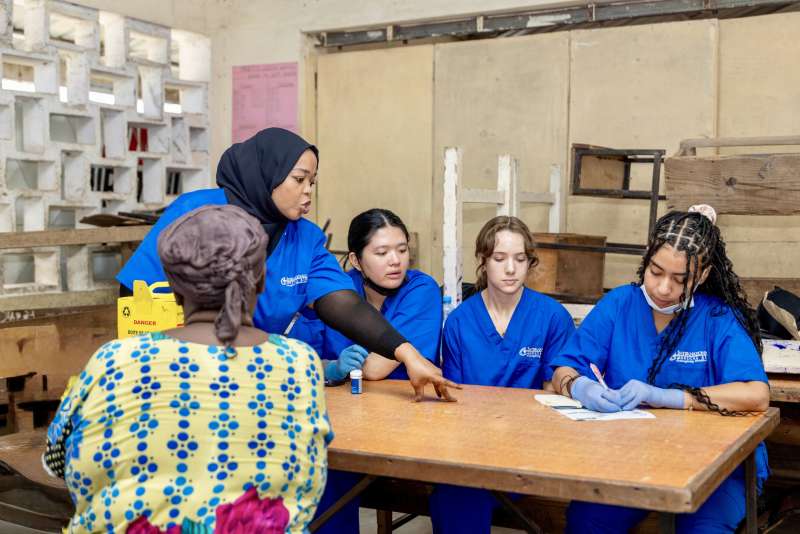
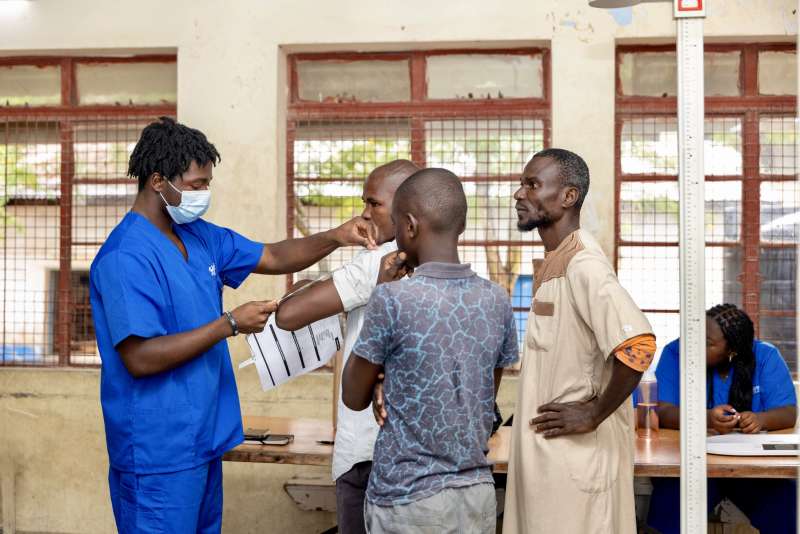
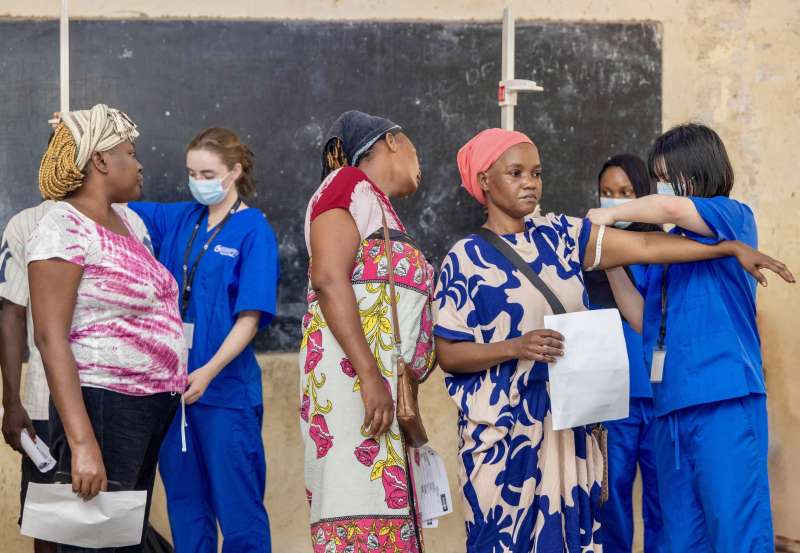
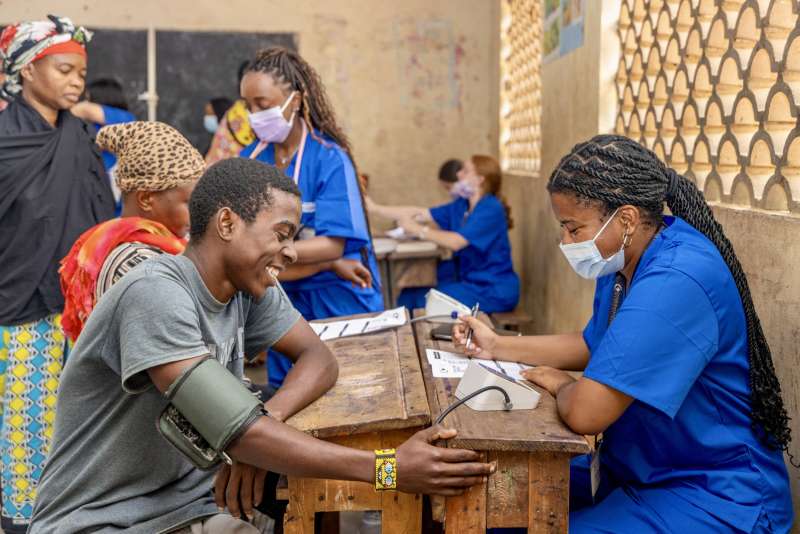
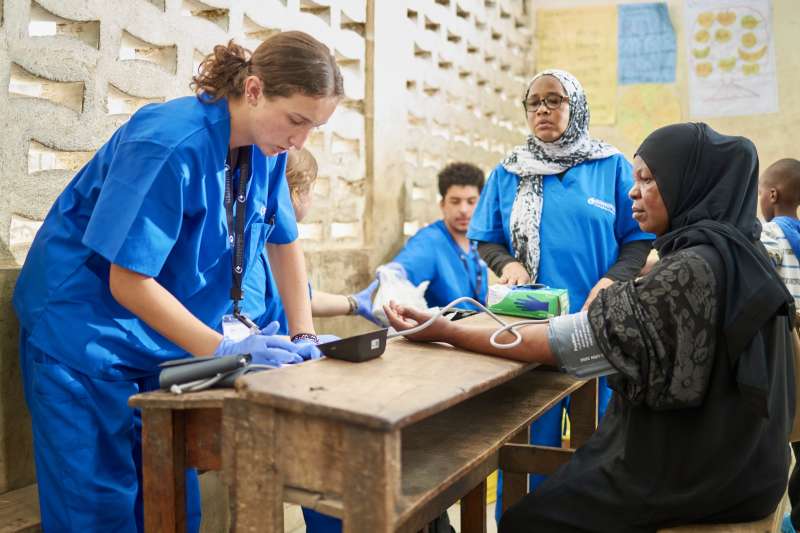
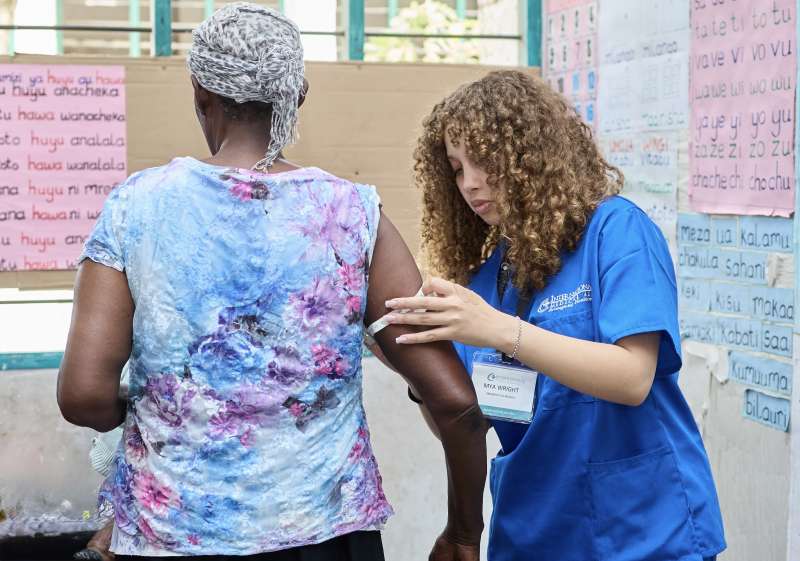
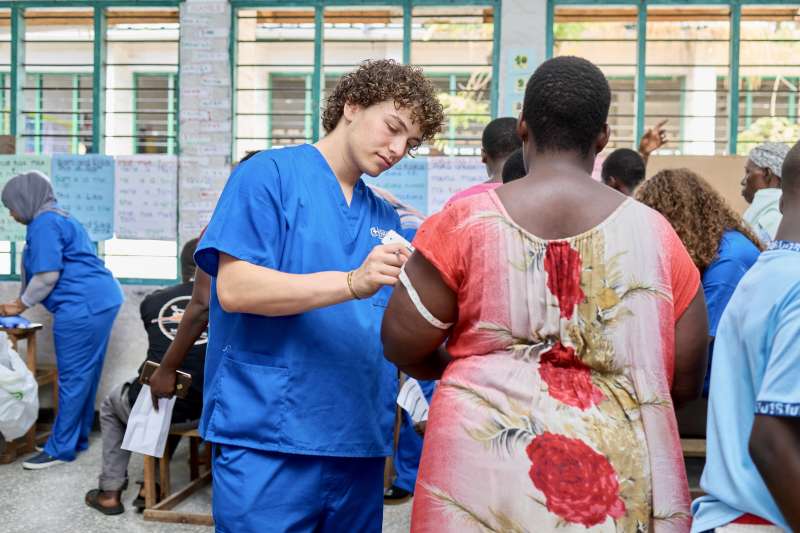
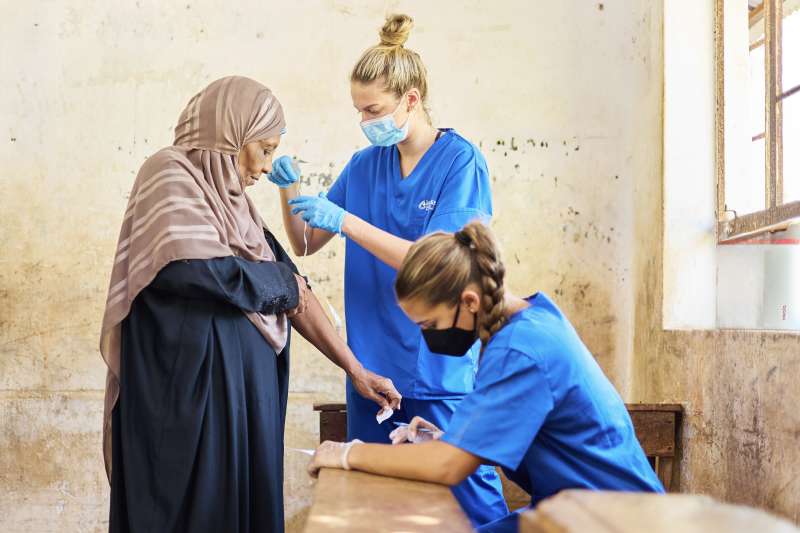
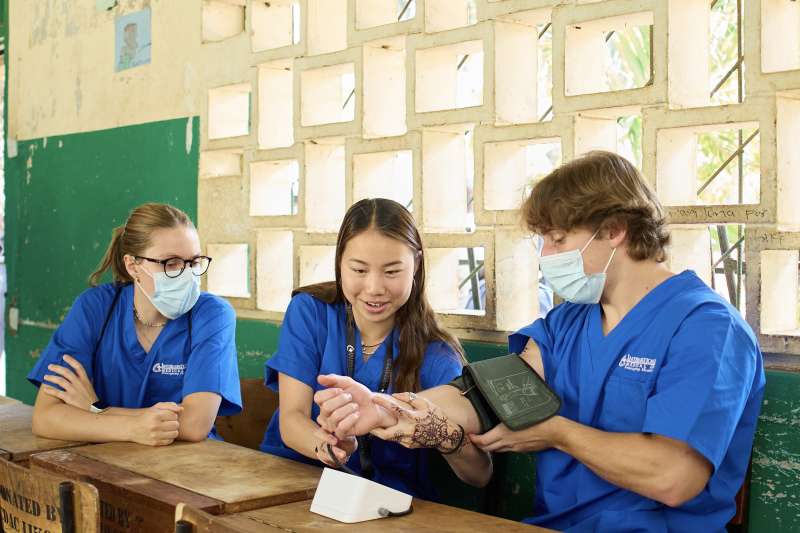
International Medical Aid (IMA) is a not-for-profit organization that provides travel abroad internships for nutrition and dietetics students. Undergrad and graduate-level students, as well as licensed practitioners, are invited to go to countries in East Africa, South America, and the Caribbean to provide medical care to underserved populations. Interns shadow medical professionals who treat patients requiring medical attention. Underserved communities in remote locations generally lack funds and the basic tools to maintain healthy citizens. IMA strives to change that. In addition to shadowing and volunteering, interns are encouraged to take in the beauty and culture of the country. IMA works directly with local communities to provide these trips to students. IMA bases its programs on i...
Program Highlights
Join programs developed at Johns Hopkins and gain clinical experience in an immersive, structured hospital shadowing opportunity in the developing world.
Contribute meaningfully to the communities we work with through our ongoing, sustainable medical outreach programs.
Have assurance of your safety, with our program featuring 24/7 US-based and in-country support teams as well as basic accident and travel insurance.
Receive graduate or medical school support and have access to our admissions consulting services.
Use weekends to go on safaris and explore your host city, with the assistance of our partner guides.
Media Gallery
Quick Details
- Ecuador
- Mombasa, Kenya
- Peru
- Arusha, Tanzania
- Kabale, Uganda
- 1-2 Weeks
- 2-4 Weeks
- 5-8 Weeks
- 3-6 Months
- 9-12 Weeks
- Nutrition
- Community Service & Volunteering
- Experiential Learning
- Gap Year See more
- All Nationalities
Awards


Program Reviews
Hear what past participants have to say about the programs
Overall Rating
Total Reviews
Expanding Horizons: How My Experience with International Medical Aid Transformed My Perspective on Clinical Nutrition
March 17, 2025by: Katharine Hamelin - United StatesProgram: Global Perspectives in Nutrition Placement/Dietetic with IMAI absolutely loved my experience with IMA. The IMA staff were so kind and welcoming right from the start when they picked us up at the airport. All of the peer mentors and IMA staff were constantly there to support us in any way in order to make sure we had the best experience. Their dedication to us was incredible. While there were many staff members at CGTRH, I still felt that I had great mentorship from the nutritionists at the hospital. They were so kind and always made sure I got to learn as much as possible during my time at the hospital. In addition to these amazing clinical experiences, we were truly able to make an impact on members of the community through our weekly education sessions and medical clinics. I am forever grateful to IMA for giving me the chance to experience so much from my time in Kenya, as well as allowing me to meet so many other amazing interns from around the world. It is often said that the best learning happens outside of your comfort zone. One of the greatest ways to do this is to explore other countries or cultures outside of your own. I’ve felt this first hand time and time again through my experiences traveling and studying abroad for my undergraduate degree. Throughout my degree, I studied abroad three separate times to different countries. Each of these trips being different from the last, and allowing me to stretch my comfort zone further and further with each experience. My first experience was my first semester of freshman year. While most of my peers were moving across town to our local university, I was moving all the way to New Zealand to study at the University of Auckland for my very first semester of college. I was again pushed outside of my comfort zone during my junior year when I left my home university again to study abroad in Denmark. These two trips were very different from each other, and I discovered a newfound confidence in my ability to live and study in a place so different from home. Once more in my senior year I pushed the boundaries of my comfort zone when I participated in a study abroad program to South Africa. This trip was different than both of my previous ones, and allowed me to appreciate the world so much more. Needless to say, I’m comfortable being outside of my comfort zone. In fact, I’ve grown to love being outside of my comfort zone. Thus, when I found International Medical Aid and the opportunity to go outside of my comfort zone through this internship in Kenya, I thought I knew exactly what I was getting myself into. While many aspects of this experience were what I expected, I did not expect to fall in love with and learn so much more about my future career in dietetics. In my other experiences studying abroad, I learned so much about myself and skills such as intercultural communication, resilience, adaptability, and problem-solving. And while these skills were definitely in use for this internship experience in Kenya, I specifically feel that I gained a better appreciation for my field of study and future career. Prior to university, I did not have an extensive education on nutrition and did not realize what I wanted to do for my career. I truly struggled trying to decide a career path that I was passionate about. However, the more nutrition classes I’ve taken in my undergraduate experience, the more I have grown to really love the field of nutrition and dietetics. This led me towards my current goal of becoming a Registered Dietitian. Ever since I made this career choice, I have been exploring different domains of dietetics that I may want to pursue further. Since I myself did not get a good nutrition education growing up, I was initially drawn to community nutrition and nutrition education from a public health perspective. Additionally I have explored nutrition counseling and sports dietetics as areas that are interesting to me. This being said, the one area I never really thought I would enjoy was clinical nutrition. Despite my initial disinterest in clinical nutrition I decided to give it a try when I found this internship in Kenya, and I cannot express how grateful I am that I did. This experience really opened my eyes to clinical nutrition as a field that is more interesting than I originally gave it credit for. The reason I have always been drawn to more outpatient settings such as community nutrition or counseling is because I like focusing on prevention efforts more than reactive treatment such as in inpatient hospital settings. During my time shadowing at Coast General Teaching and Referral Hospital, I realized how difficult prevention efforts are in Kenya. On the other hand, when patients are being treated in the hospital, they are often receiving nutrition care and diets that better meet their needs. This is because many of the patients can not afford certain more nutrient dense foods. This makes counseling and outpatient services much more difficult because the patients may not have access to the foods that you would recommend to them. One example of this was during my rotation with the nutritionists in the pediatric department. One of the children was diagnosed with severe acute malnutrition that developed after the child reached 6 months of age. During discussions with the mother, the nutritionist discovered that at 6 months old when the mother was weaning the child to food, the child was not having sufficient protein intakes. When questioning if they could include more eggs into the child’s diet the mother indicated that it was too expensive given her husband’s income. This was very eye opening to me because in an outpatient setting it would be very difficult to find protein options that the family could afford. In the inpatient setting; however, we were able to supplement the child’s intake with high protein formulas and ready to use therapeutic food. In this case, the inpatient setting felt much more helpful for the child than an outpatient counseling setting would have been. While the inpatient setting in Kenya can really help improve an individual’s nutritional status, many Kenyans have very poor health care seeking behavior. Many individuals from lower economic status avoid essential care services due to the cost burden associated with these services (Ilinca et al., 2019). These financial difficulties; however, only increase when these patients later return due to chronic and severe illnesses developed. Thus, the patients in the hospital often had very progressed conditions because they would only come to the hospital once their condition had worsened to the point where care was absolutely necessary. These poverty related issues explain why there were so many cases of preventable diseases such as malnutrition seen in the hospital (International Medical Aid, 2023a). In addition to the learning opportunities at the hospital, I thoroughly enjoyed the educational sessions run by International Medical Aid. While these programs were not related to nutrition and dietetics, they were great for reaching a larger audience and spreading important health knowledge and education. My two favorite experiences were the mental health education session and the women’s health education session. During both of these sessions, the students were very engaged and asked lots of great questions. These topics were also of great importance as at least 1 in 4 individuals in Kenya suffer from a mental disorder during their life (International Medical Aid, 2023b). Additionally, women in Kenya are more vulnerable to HIV infection indicating a stronger need for women’s reproductive health education (International Medical Aid, 2023b). It was very rewarding being open and speaking with these students because they had a limited knowledge on these basic health concepts, and it truly felt like we had made an impact on them. One reason that this experience with International Medical Aid was different from my past experiences studying abroad is because this was the first experience that was directly related to my future career in nutrition and dietetics. While some of my experiences allowed me to study public health and community health in a new setting, none of them were specific to nutrition. This was also my first experience with clinical nutrition. Prior to this experience in Kenya, I have not had the chance to really apply the nutrition knowledge that I have been obtaining in school to real life situations. I loved getting the opportunity to apply this knowledge and see firsthand how the concepts of nutrition are applied in a clinical setting. For example, one day the nutritionist and I finished our rounds fairly early and had some extra time together. During this time, we discussed renal patients and nutrition care for renal cases. This was so exciting because I have taken an anatomy class as well as my nutrition classes, but this was the first time I had to think about how impaired kidney function could impact nutritional status and what types of food would be recommended for these patients. I did not even rotate through the renal department that day at Coast General, but I felt like I learned so much about clinical nutrition care for renal patients that day. To conclude, clinical nutrition was never an area of nutrition that I thought I would enjoy. If it wasn’t for International Medical Aid allowing me to push the boundaries of my comfort zone once more, I would not have discovered this newfound appreciation for clinical nutrition. While I still have a very strong passion for nutrition education and public health efforts, I have gained such a great respect for clinical nutrition throughout this experience. In fact, I am much more excited about my clinical courses that I will be taking this upcoming academic year because of my time in Kenya. Even if I do not pursue a career in clinical nutrition, my outlook on my career and passion for nutrition have been reinforced and I am even more excited about becoming a Registered Dietitian.


A Life-Changing Nutrition Internship in Mombasa: Lessons, Challenges, and Cultural Insights
February 19, 2025by: Grainne Friel - IrelandProgram: Global Perspectives in Nutrition Placement/Dietetic with IMAI had a very positive experience during my time in Mombasa. All the staff I met were very kind and friendly, offering their assistance regularly if needed. During our debriefings, the program mentorship staff would take time to ask each intern about their day and if they had any queries or concerns that they wanted to address. The mentorship staff also made themselves available for one-on-one appointments if an intern wished to speak more privately. The kitchen staff was great; they would check in at every meal to ensure food that fit each individual's dietary needs was available. I loved how they would provide a mixture of cuisines with each meal, always providing a Kenyan dish for everyone to try. The driving staff were also brilliant, navigating the chaotic Mombasa roads quickly while providing knowledge of the area and keeping the music upbeat. I felt very at ease during my stay. The program residence itself was enclosed with security at the gate. We received an orientation presentation during our first few days at the home. This was very informative regarding our internship hospital internship and sessions/clinics. They also provided a wealth of knowledge about the local area, their recommendations, and some tips for our time in Mombasa. Arriving at Mombasa International Airport was like nothing I had experienced before. Stepping off the plane to see such an open-air airport was the first initial shock of my 3-week stay in Mombasa, Kenya. Traveling through the chaotic traffic from the airport to the residence made it clear to me that I would experience many more culture shocks throughout the duration of my stay. My interest in nutrition began when I was a teenager. My grandmother was diagnosed with type 2 diabetes and as a result of this, I witnessed the constant finger pricks and questions of when was the last time she ate. Naturally, I had many questions as to what exactly was going on, and through a broad explanation given to me by my aunt, I began to realize that the foods we consumed on a day-to-day basis had an impact on our bodies. Whenever my grandmother felt weak or shaky she would often go to her cupboard and take a gulp of a carbonated drink. This episode is now what I now know to be hypoglycemia - commonly known as low blood sugar (CDC, 2022) Rather than manage the condition she opted for the quick fixes which in turn led to health complications. Up until that point, I did not have any awareness that the different foods and meals we ate would impact an individual's energy/satiety levels et cetera, and in the longer term their lives. This knowledge intrigued me and is what made me want to pursue a career in nutrition - to understand how best to fuel our bodies and actively promote healthier lifestyle choices. I began my internship quite naively, not anticipating what I would observe or what my daily role would be. On our day of induction, as we walked around the hospital, I was hit by a wall of panic and a mountain of internal questions - how was I going to find my way around, everywhere is so overcrowded, how would I cope with seeing difficult patient cases, would I be able to manage to get through the day with the heat and lack of air conditioning. However now on reflection, the experience I had with International Medical Aid (IMA) in Kenya was so amazing and vividly eye-opening in many ways. I had no clinical experience prior to my time at Coast General Teaching and Referal Hospital (CGTRH) therefore I was so grateful to be able to be there. Any information/knowledge shared with me during my time there was truly so interesting and insightful. From witnessing the daily tasks that had to be completed, learning about the most common conditions in the different wards and how they were treated, to observing how each mentor I had interacted with individual patients and caregivers. The biggest lesson I learned was how important it is to take time to converse with patients/caregivers. Each day it was evidently clear that when dealing with nutritional cases speaking with the patient/caregiver was the best way to gather information. When the individuals in question felt they had the opportunity to speak freely and were being listened to is when a conclusion would be drawn on the condition in question and an intervention would be set in place. Dr. Shazim reiterated weekly at our de-briefing sessions that without nutritional intervention and guidance a patient would not be able to recover completely. During my 3-week internship, I saw this to be true. There would be major rounds done on the wards 2 if not 3 times a week whereby healthcare professionals from different departments would go to each patient to assess their progress and create and agree on a strategy. It was a delight to witness the cohesiveness of the medical departments. As aforementioned, I had no prior professional experience in a hospital/clinical setting therefore, I cannot say exactly how the healthcare system in Ireland is run. However, I have spent days as a patient/visitor within the Irish healthcare system and also, know people working within it so, I can give a point of view. As in Kenya and the majority of countries throughout the world, Ireland has both private and public hospitals. My internship in Kenya was based solely in the public hospital - Coast General hence any comparison I make will be of the public hospitals in Ireland. Healthcare in Ireland is available to all people on the island of Ireland regardless of income. People from a lower socio-economic background can avail of a medical card system whereby medical care is free or at a much-reduced rate. (Citizensinformation.ie) Other categorizations include but are not limited to GP visit cards and health insurance. Healthcare is always available regardless of social/ economic standing and medical expenses can be sorted in the aftermath. The fact that the people availing of healthcare within Coast General could not leave the hospital until their bills had been paid was a real culture shock. In Ireland, healthcare fees are sent out in the postal service where you can choose to pay the balance upfront or a payment breakdown can be made up where you pay in installments. It is not an ideal situation to have to stay in the hospital until bills can be paid however, through the educational presentations we received from IMA (Kagwanja, 2023)(Shazim, 2023) I understand now why this is the case in Kenya. As it would be difficult to locate patients once they have left the hospital due to a lack of housing infrastructure, it would not be possible to send bills to individual home addresses as it is in Ireland. In terms of some of the procedural differences between the two countries, I would say that students definitely get more responsibility in Kenya than they would in Ireland. Students on attachment at Coast General were shown the protocol on their first day in the ward and they were expected to implement it perfectly by the next day without any supervision. I found this difficult to come to terms with as I would want the patient to receive the best care possible and on certain occasions, I would feel that some students were not fully ready for the responsibility. However, I am aware that understaffing is an issue so I can see why this is necessary. The lack of resources can also be tough to navigate. For example, baby formula is not stocked at the hospital so therefore, a child's recovery, depending on their age can only go so far. As a result of this, Susan (my nutrition mentor in the pediatrics ward) informed me that the hospital experiences re-admissions due to dehydration and starvation. While the Irish healthcare system is far from perfect, it does not experience a lack of resources to this extent. Lastly, in terms of differences I initially found it peculiar that most patients have a family member as a caregiver within the hospital. In comparison to Ireland, the nurses would generally perform the tasks that a caregiver does within Coast General. I did come across a case whereby the grandmother had to be a caregiver for a patient as the mother and father could not afford to miss work. These differences highlight that while I am comparing two public healthcare systems, there can be no real comparison as the hospitals are on vastly different wavelengths in terms of staffing, wages, resources, policies et cetra. My first week at Coast General, saw me assigned to the pediatric ward. This ward was separated into 2 sections, the Patient Observation Ward (POW) and the Ward 10 section. For my first 3 days, I was placed in the POW. My mentor (Susan) informed me that the POW was seeing a spike in cases of children suffering from diarrhea/vomiting outbreaks. This spike was a result of the coastal region of Mombasa experiencing higher levels of rainfall than what they normally would have during this time of the year. This rainfall caused sewage runoff which then mixes with rainwater that children subsequently drink causing illness. This emphasizes a real issue in the area showing how children are becoming sick due to not having adequate resources to have access to clean drinking water. The pediatric ward dealt with a vast amount of malnutrition, the majority of those cases were classified as severe acute malnutrition (SAM). Between the SAM and the diarrheal outbreak, the POW was a challenging ward to be placed in. It was almost at capacity with constant cries of children and also mothers/caregivers trying to get your attention. Throughout my first 2 days, I observed a child being treated for septic shock, unfortunately during my 3rd day on the ward the child sadly passed away. What happened next was utterly incomprehensible to me at the time. The mother was told her child had passed and naturally she began to wail. There was not much privacy available to the woman as the POW is a crowded open-planned ward. The woman fell to the floor and continued to wail as life went on around her. Nobody went to console her, she was just left until family members arrived. I could not come to terms with how the rest of the ward continued with its daily operations while a woman was crying on the floor. I was placed in the ward 10 section of pediatrics for the final 2 days of my first week. Ward 10 was defined to me as housing children with medical conditions with some form of malnutrition. It generally saw patients that were older in age whereas the POW was mostly children under 1 year of age. Environmentally the pediatric ward as a whole was startling. A protocol within the ward was to weigh each admitted child regularly, occasionally recording their height also. The weighing scale and measurement tool were both manually operating making them susceptible to human error. My observation was that with some children the length measurement was very much an estimation as the children would often become distressed making it difficult to get an accurate reading. These measurements were needed in all cases to calculate the nutritional needs of the patients however, they were rarely cleaned or sanitized. With the children being in such a delicate state this would make it easier for skin conditions or general illnesses to be passed from child to child. There was no air conditioning in the ward, with only one working ceiling fan which was placed over the nurses' station. I witnessed monkeys, birds, and a cat wandering throughout the ward. On one occasion a monkey came into the ward and stole a loaf of bread from a mother while she was caring for her child. During my second week at Coast General Hospital, I was placed in the post-op surgical ward. Nashon, my mentor for this ward was responsible for patients in ward 7 and also the pediatric surgical ward (PSW). Ward 7 was female-only and was split into 2 sections. The first section consisted of neuro surgeries, general surgeries, and ear, nose, and throat surgeries. The second section was separated and housed patients recovering from surgery as a result of burns. I noticed on this ward that some patients were suffering from diabetic ulcers or amputations as a result of those ulcers. I spoke with one of the Mombasa students that were on attachment about this. She informed me that during her experience in the diabetic center within Coast General, patients suffering from diabetes mellitus generally did not attempt to manage their diabetes as they could not afford medication or transport for treatment. This made me reflect and think about my grandmother and how difficult it was for people to explain to her this condition. Without the support network around her, she would also not have managed the condition. We visited the PSW daily, and on my second day, Nashon highlighted to me the most frequent surgeries that were needed for children. I returned to the residence that evening and researched the top 10 list I was given. I wanted to understand what each surgery entailed but most important (in my case) to find out the nutritional management of each post-op surgical patient. What I found to be highly interesting is that the majority of that list were surgeries that were carried out due to congenital defects. This reality shocked and saddened me. Some of these surgeries could have been prevented if the mother had been taking the recommended pregnancy supplements such as folic acid (CDC, 2022). Within the last 10 years, maternal care within Kenya has been made free to its people and as a result, they have seen a reduction in maternal morbidity and mortality. (Lang’at et al., 2019) This is a positive government action change and should continue to receive positive results. My third and final week at Coast General was a split week where I was based in the Oncology Department for Monday through to Wednesday and then the Maternity Unit for the remainder of the week. The general nutritional ailment in the oncology department was wasting due to the chemotherapy/ radiotherapy and how it was impacting the patients' appetite. Due to this reason, the nutritional intervention for each patient was to counsel them on how to maintain weight and to help them navigate if they were experiencing any appetite-suppressive symptoms such as nausea, or issues of the throat or mouth. (NCI, 2022) The lead nutritionist in this department - Caroline had a very natural approach when it came to the nutritional counseling of the patients. She would take time with each patient, asking them how they were and how the treatment had been affecting them. This would give a solid basis for Caroline to understand how the patients were feeling about their eating habits and in turn, advise what would be best for each individual. My two days in the maternity unit were a mix of emotions. We would first visit the high dependency unit (HDU) which would have expectant mothers that needed more observation as they would potentially have hypertension, anemia, or gestational diabetes so different diets were assigned to each different condition. It also had a mother who had lost their child due to complications and then had a postpartum hemorrhage so she needed to be counseled on foods for when she went home. I witnessed the mental health department visiting with the woman who lost her child which was a welcome sight. As I mentioned earlier, consoling the mother who lost her child in the pediatrics ward, was not a priority potentially due to overcrowding and understaffing, therefore, it was good to see this service made available to the bereaved mother in the HDU. Next would be checking in with the mothers in the vaginal birth ward and the post-caesarian section ward. The purpose of visiting those wards was to counsel on nutrition for breastfeeding, to check the latching of the babies, ensure each mother was producing enough breastmilk and if they were not then prescribe them a supplement to promote production. Lastly, would be visiting the nursery. The mood in the nursery was generally uplifting which was nice to witness in the final two days of my internship - concluding on a lighter note than I started. Through taking several different modules during my undergraduate degree, I picked up a particular interest in pre-conception nutrition. I found it so fascinating how the nutritional status of the mother could determine health outcomes for the unborn child. My time in the pediatric ward emphasized just how immensely important a mother’s dietary intake truly is to the child. Not only is it important while the child is inside the womb - but due to the prevalence of breastfeeding in Kenya, the mother's nutrition status must also be monitored closely as it will determine the quality of the breast milk. This is especially important in the first 6 months of the child’s life during which the only form of feeding is exclusive breastfeeding. For this reason, I understand greatly why in each nutrition review plan within the pediatric ward, the mother is counseled on foods that would enrich their breastmilk to be able to give the child optimal nutrition. The mothers/caregivers are also counseled on hygiene practices to help keep themselves and their children as healthy as possible. This part of my experience at Coast General has solidified the love I had and now have even more for nutrition pre, post, and during pregnancy. I will continue to pursue pre-conception nutrition in the future thanks to the influences of my time in the pediatric ward of CGTRH. Another aspect of my internship that has created a new interest for me would be the clinics we attended and spoke at. I thoroughly enjoyed being able to be part of each clinic that was held during my time in Mombasa. The privilege of being able to educate individuals was unmatched by anything I have experienced before. The women’s health education session stands out for me as the girls we were talking to were genuinely interested in what we had to tell them. I felt as though the information we were presenting to them was going to have a somewhat positive impact on their lives in the future. Since I finished my undergraduate degree I have had nutrition volunteering on my to-do list. I decided this year was the year I was going to do it and so I began researching. Happily, I stumbled across IMA and the information on their internship in Kenya. After reading through all the information I immediately submitted my application with so much hope & anticipation. I felt so privileged to have been given the opportunity when I got accepted. I packed up my bag eager to see what I has signed up for. Upon reflection, my 3-weeks in Kenya were honestly something I could never have dreamed of. Educationally I would have never been able to gain so much knowledge in such a short space of time. Everyone I interacted with went out of their way to ensure I was learning something every day and for that, I am so grateful. The experience reiterated to me my passion for nutrition, specifically nutrition, and pregnancy. Getting to hold education and awareness sessions was a highlight that I would never have expected. I had never been one for public speaking but I immersed myself in my role and came away from it with a fondness for presenting. Being educated on Kenyan history and culture, getting to travel to historical/cultural sites, experiencing the cuisine, and getting to meet so many new people from different backgrounds, as well as sightseeing the beautiful surrounding area. I will forever hold International Medical Aid and Mombasa in my highest esteem with the hopes of returning one day. Asante Sana IMA, CGTRH and Mombasa.


Without question the most extraordinary experience of my life
January 25, 2023by: Alexandra Battaglia - United StatesProgram: Global Perspectives in Nutrition Placement/Dietetic with IMAThis was, without question the most extraordinary experience of my life, and I would recommend this program in the utmost. I cannot speak highly enough of the IMA staff - the program mentors, residence staff, and drivers each went far above and beyond to make this experience as enriching as possible. I cannot adequately express the depth of my gratitude to each of these extraordinary people, all of whom welcomed and supported me every step along the way, despite the unexpected obstacles that were faced. The IMA team afforded me plenty of independence to take the initiative to make this experience my own while invariably grounding me in a strong network of support. The accommodations were fantastic; I felt incredibly safe, both from a security and from a hygiene perspective. The food was phenomenal; the talented cooks were incredibly accommodating of my particular dietary needs while still ensuring I was able to enjoy Kenyan cuisine. The degree to which IMA is embedded into the community through local outreach initiatives is one of the highlights of this program. It’s beyond question that the organization devotes as much of its resources to the community as possible. As I consider my experience as an IMA intern, I would be remiss if I did not begin with a reflection on my ignorance and privilege. Before my venture to Kenya, I was well aware that I am an ignorant and privileged Mmarekani who’s seen so little of the world, but I did not fully grasp the impact of ignorance or appreciate the degree to which one person’s social privilege can affect others. I recall a conversation that I overheard on the flight to Mombasa. Two individuals in the row opposite my own were discussing how the United States uses propaganda to misrepresent African culture. One passenger noted that American media is apt to report on violence and famine but quick to ignore the progress and contributions of African nations. The other replied that Americans also fail to recognize the diversity that exists within Africa. Indeed, in Kenya alone, there are over forty tribes and more than as many languages spoken—and this represents but one of Africa’s 54 countries (American University, n.d.; Balaton-Chrimes, 2020; United Nations, 2021). I was later engaged in dialogue with a local who echoed the sentiment of my fellow passengers, remarking that many Americans think of Africa as a country rather than a continent. I was disheartened to realize, upon reflection, that I agree with him—perhaps not in a literal sense, but I’d wager that the designation as a continent is the extent of most Americans’ expertise on the subject. I’d go so far as to postulate that most—admittedly including myself before this experience—couldn’t name more than a few African countries and, even of those they could name, could hardly tell you a single thing about their history, government, or culture. After all, we Wamarekani seem to be, by and large, ignorant of every part of the world that lies outside our country’s borders. As I contemplated these comments and the perception of America that they reflect, I began to wonder why we are not more alarmed that this is the state of our country. Why do we demonstrate such self-absorption? Particularly considering the vast privilege so many of us carry, should we not endeavor to become deeply embedded within our global community so that we may use our resources to assist others in raising themselves from disadvantaged circumstances? This is certainly not a novel concept, but I suspect one of the obstacles it faces is what I’ve observed to be a natural aversion to accepting that one is privileged; people prefer to maintain that they’ve “earned” everything they have. But we need not be afraid of acknowledging privilege. I’ve come to believe that privilege itself is not the “problem”—it’s what we choose to do with it that matters. I don’t think anyone embodies this quite as poignantly as one of my peers, a medical student whom I had the great honor of befriending through this experience. Much could be said about her—about her passion, medical brilliance, and worldliness. From her, I was fortunate enough to witness the wielding of privilege in a manner that resulted in a resounding positive impact. She engaged her social media presence, connections, and medical knowledge to raise funds for the procurement of supplies for the hospital, two local orphanages, and a home for the elderly. Her courage, industriousness, and dedication in pursuing her own avenue of service cannot be overstated. From her, I learned that within the realm of humanitarian work, one must not be solely occupied with their “program” so to speak—one must go beyond the tasks assigned to them and reflect critically to identify how they, as an individual with unique skills and assets, might leverage the resources their privilege has afforded them to best contribute to the community they serve. We all have attributes and tools that, when fully engaged, allow us to bring something more to what we do. I am deeply grateful for the community work in which I was able to participate as an IMA intern. Assisting at the free, community medical clinic was among the most memorable experiences of my life. Initially, the planning did not include a nutrition station at the clinic; however, a fellow IMA nutrition intern advocated for its addition, having found a Coast General nutritionist willing to attend with us. In the days prior to the event, the two of us worked closely with the nutritionist to prepare materials and coordinate our roles. At the clinic, I was responsible for conducting anthropometric assessments and determining whether to refer patients to the nutritionist for counseling. We assessed hundreds of patients, representing a wide range of health statuses. Considering 60% of Kenya’s population is moderately or severely food insecure, I expected to see predominantly an underweight presentation of malnutrition (World Bank, 2019b). However, I encountered both under- and overweight patients. Indeed, in recent years, Kenya has seen a trending increase in mortality from noncommunicable diseases, many of which are associated with obesity and its contributing lifestyle factors (World Bank, 2019a; WHO, n.d.). This comes as U.S. dietary patterns exert increasing influence and corrupt a diet traditionally bountiful in fruits, vegetables, legumes, and other nutritious staples. I often discussed such topics with the aforementioned nutrition intern, an accomplished dietitian with a strong dedication to charitable works and someone from whom I learned a great deal. Beginning my first days there, he quizzed me with the occasional scientific question of a nutritional nature, on subjects ranging from medium-chain fatty acids to sports drinks. Anytime I did not know the answer, I asked him to tell me, as is my curious nature. He would respectfully reply that I should look it up and tell him the answer. This was initially quite confusing to me; I expected him to provide a response, seeing as he was the one testing me and presumably knew the answer already. However, I came to recognize and appreciate the value of the lesson he was teaching me: that one must have their own mind—that one must review the science to inform their own conclusions rather than blindly accept knowledge imparted to them by others, qualified as those others may be. Nutritional science is a complicated and rapidly-evolving field; on any given subject, there are numerous interpretations of the literature. I realized from my time with him that to become a competent dietitian, it is necessary to traverse these murky waters in order to develop an informed knowledge base, one that can be used to justify every piece of nutritional advice one sets forth. This lesson could not have come at a better time, as it was with this mindset that I entered the pediatric department at Coast General Teaching and Referral Hospital. Having never worked with watoto before, I was keen to gather every ounce of knowledge that I could, as the many pages of notes in my journal can attest. During my week in the department, I learned, for example, about taking MUAC measurements, differences between the presentation of chronic and acute malnutrition, formulas appropriate for the treatment of harisha, and nutritional implications of pediatric hepatitis. I recall a particular child—he was on a restrictive protein regimen of 0.5 g/kg due to his hepatitis. We started him on a formula low in protein but with a higher-than-typical ratio of branched-chain amino acids in an attempt to optimize utilization of what little protein his liver could tolerate. I assisted the nutritionist in designing a menu that would accommodate his nutrition prescription. What I’ll never forget, though, was his smile—it was bright enough to light the city, and I couldn’t help but smile too when he’d laugh and point at the monkeys that scurried along the window sill. The clinical knowledge is important to remember, but so too are these moments. I have suspected for some time that this environment of work would be one in which I would find my calling. However, having never been to a low-resource region of the world, I could not know for certain. My time in the hospital was far too short, but even so, I can report in earnest that I did, indeed, find the sense of purpose that I’d hoped. Coast General can certainly be a challenging environment to say the least, but one must be sensitive to the numerous obstacles that public hospitals face. Lack of staff, lack of resources, and corruption each take their toll. I don’t really know how I’d begin to describe the emotions I experienced on a daily basis, but I can say that there is a complicated pain that accompanies this work. However, I’ve grown to realize that this pain is, in part, what drives me to be in this environment—to be part of a collective committed to serving its most vulnerable, no matter the conditions. I would love to be able to describe, clearly and succinctly, why exactly I feel, despite its challenges, such an intense connection to this particular professional endeavor. Perhaps all I need say is that during my internship, I awoke very early each morning simply because I couldn’t keep myself in bed any longer, as every part of me wished so fervently to do the work before me. As a mere mwanafunzi, I was not, in many situations, able to contribute to the degree that I wished while at the hospital; in my lack of knowledge and experience, I often relied on others to teach me what to do. Of course, there were tasks I could undertake independently—assessments I could conduct, calculations I could perform—but I yearned for the day when I might return, finally able to give time and knowledge rather than take it from others. The nutritionists at Coast General so graciously mentored me, and I vehemently look forward to the opportunity to honor that generosity by returning to use that knowledge in service of communities in need. Alas, until then, I shall wear my bangili, decorated with the Kenyan flag, as a reminder of this most transformative experience and as a tribute to the singular people that I had the exceptional honor of coming to know—people of boundless kindness, profound wisdom, and admirable resilience, people whom I hold dear to my heart and to whose contributions of time and tutelage I hope to do justice as a member of our global community.


Program Details
Learn all the nitty gritty details you need to know
Locations
- Ecuador
- Mombasa, Kenya
- Peru
- Arusha, Tanzania
Types and Subjects
- Subjects & Courses
- Nutrition
- Focus Areas
- Community Service & Volunteering
- Experiential Learning
Availability
Years Offered: Year Round
- 1-2 Weeks
- 2-4 Weeks
- 5-8 Weeks
Age Requirement
Age Requirement Varies
Guidelines
All Nationalities
This Program is also open to Solo, Couples, Group
Cost per week
Program Cost Includes
- Tuition & Fees
- Accommodation / Housing for Program Duration
Accommodation Options
- Apartment/Flat
- Dormitory
- Group living
Qualifications & Experience
- English
Language Skills Required
- University Freshman (1st Year)
- University Sophomore (2nd Year)
Accepted Education Levels
Application Procedures
- Phone/Video Interview
- Transcript
- Resume
- Online Application
Frequently Asked Questions
Ready to Learn More?
International Medical Aid (IMA) is a not-for-profit organization that provides travel abroad internships for nutrition and dietetics students. Undergrad and graduate-level students, as well as licensed practitioners, are invited to go to countries in East Africa, South America, and the Caribbean to provide medical care to underserved populations. Interns shadow medical professionals who treat patients requiring medical attention. Underserved communities in remote locations generally lack funds and the basic tools to maintain healthy citizens. IMA strives to change that. In addition to shadowing and volunteering, interns are encouraged to take in the beauty and culture of the country. IMA works directly with local communities to provide these trips to students. IMA bases its programs on i...

International Medical Aid (IMA)

International Medical Aid (IMA)
Ready to Learn More?
International Medical Aid (IMA) is a not-for-profit organization that provides travel abroad internships for nutrition and dietetics students. Undergrad and graduate-level students, as well as licensed practitioners, are invited to go to countries in East Africa, South America, and the Caribbean to provide medical care to underserved populations. Interns shadow medical professionals who treat patients requiring medical attention. Underserved communities in remote locations generally lack funds and the basic tools to maintain healthy citizens. IMA strives to change that. In addition to shadowing and volunteering, interns are encouraged to take in the beauty and culture of the country. IMA works directly with local communities to provide these trips to students. IMA bases its programs on i...
Related Programs
Browse programs you might like