


Child Family Health International
Why choose Child Family Health International?
Child Family Health International (CFHI), founded in 1992, is a nonprofit, nongovernmental organization based in the United States that collaborates with universities and individuals to provide community-based global health education programs. CFHI positions its participants at the frontline of global health alongside healthcare professionals, patients, and community leaders. The organization places a high priority on assisting them with learning about context and health determinants in order to provide a thorough understanding of the interactions between disease processes, social circumstances, poverty, resiliency, geopolitical realities, historical contexts, and the complexities of health and wellness. This UN-recognized organization utilizes an asset-based community engagement model to ensure that these programs challenge, rather than reinforce, historical power imbalances. CFHI’s programs are founded on ethical principles including reciprocity, sustainability, humility, transparency, nonmaleficence, respect for individuals, and social justice. The specialty of CFHI is to offer "real-life" global health while protecting the integrity of the community's knowledge and nesting programs in the highest ethical/safety standards and educational pedagogies, always in accordance with local laws and universal norms.
Child Family Health International (CFHI), founded in 1992, is a nonprofit, nongovernmental organization based in the United States that collaborates with universities and individuals to provide community-based global health education programs. CFHI positions its participants at the frontline of global health alongside healthcare professionals, patients, and community leaders. The organization places a high priority on assisting them with learning about context and health determinants in order to provide a thorough understanding of the interactions between disease processes, social circumstances, poverty, resiliency, geopolitical realities, historical contexts, and the complexities of health and wellness. This UN-recognized organization utilizes an asset-based community engagement model to ensure that these programs challenge, rather than reinforce, historical power imbalances. CFHI’s programs are founded on ethical principles including reciprocity, sustainability, humility, transparency, nonmaleficence, respect for individuals, and social justice. The specialty of CFHI is to offer "real-life" global health while protecting the integrity of the community's knowledge and nesting programs in the highest ethical/safety standards and educational pedagogies, always in accordance with local laws and universal norms.
Follow Us


Child Family Health International Reviews
Hear what past participants have to say about the programs
Overall Rating
Total Reviews
It was a great opportunity to get to know better one of the islands in the Philippines.
August 14, 2026by: Seiralyn Alexandra Pasia - PhilippinesProgram: Global Health in the Philippines
I joined the CFHI Program, Global Health in the Philippines for 4 weeks, during the month of July, 2026 and I received the Friends of the Philippines scholarship. To be able to join a program such as this was an honor for me. It was a wonderful journey, with a great group of people to be with. CFHI has provided plenty for us during the course of the program and made sure that we were able to soak in the Philippines' beauty, culture, and healthcare. As a Filipino, I appreciate how we got to share our first-hand experiences to our companions from abroad. One of the students with us was also studying medicine, and we appreciated how we were using almost the same materials for our respective degrees. It did not matter whether she was studying in the US, or we were studying in the Philippines, although some information might be tweaked, for example, for diseases endemic to our countries. The girls we were with for the program were just the loveliest of people to be with, along with the local communities that we went to for the program. Our group went to the municipality of Torrijos in Marinduque. During our stay at the municipality, we were not only exposed to the RHU (Rural Health Unit), but because they had an ongoing Barangay Caravan, we also were able to explore different places in the municipality. As an aspiring physician here in the Philippines, it was a great experience to be able to shadow local doctors in the area, knowing that I would be doing the same thing in the future. We got tips on how to talk to patients, how to interact with the locals, and most importantly, how to handle medicine in areas far from the capital. It was a sad realization to hear that the municipality lacked equipment for crucial diagnosis, but we knew that the doctors there are doing their best of their capabilities to provide care for the people despite the disadvantage. Dr. Gellie Ocampo, our local preceptor made sure that we were well taken care of while we were staying there at the island. Ma'am Joan Azares, and her daughter Marnie Azares took us in as guests at their house, and they could not have been more hospitable. To them, we are most grateful for ensuring that we have a roof above our heads and meals to eat that they so lovingly prepared. Before we even got to the island, Ma'am Anabelle Rioflorido made sure that we were safe on the journey from Manila to the homestay in Marinduque. Finally, I would also like to share my gratitude to Dr. Paulo Medina, and Ms. Mae for making sure that the whole program would be smooth and there would not be any mishaps. I am just so immensely happy to be able to participate in such a program, and I hope CFHI is able to continue giving scholarships for deserving students to get in the program. All the best for Child Family Health International!
CFHI Spanish immersion Quito
July 29, 2026by: Caleb Sipwoli - United StatesProgram: Intensive Beginner Spanish & Global Health in Ecuador
In addition to global health exposure, my experience in Ecuador also involved a Spanish language component with Latino Schools, which offers one of the most effective ways to learn Spanish through a combination of classroom instruction and full cultural immersion. The teachers made the classroom experience enjoyable through fun and interactive activities. Students are placed with welcoming host families who invite them into their homes and make them feel like part of the family while encouraging them to practice speaking Spanish in everyday situations. By the end of the program, I was able to understand much more Spanish than before, and I plan to continue practicing with my friends and utilize my new language skills. Thank you, CFHI and Latino schools
CFHI global health quito
July 29, 2026by: Caleb Sipwoli - United StatesProgram: Intensive Beginner Spanish & Global Health in Ecuador
Choosing to participate the CFHI global health program was one of the best decisions I made. Shadowing physicians in Ecuador gave me a deeper appreciation for their universal healthcare system, which utilizes three different models to deliver healthcare to its citizens. Seeing these intertwined systems helped me appreciate the strengths and challenges of each model and their role in creating accessible and sustainable healthcare for all communities. I learned from dedicated preceptors who emphasized compassion, patient education, and, in my case, great mentorship. They made sure to communicate effectively despite the language barrier and to explain their thought processes during patient encounters. I am grateful for CFHI, and I hope to collaborate with you all again in the future.
Impactful Experience in Global Health in Tarija, Bolivia!
July 19, 2026by: Matthew Freeman - United StatesProgram: Global Health in Tarija, Bolivia
Choosing CFHI for a global health experience was the best decision I could have made for my personal and professional growth. The cultural exchange aspect of the program was profoundly impactful. Living and learning within the community allowed me to understand that healthcare is inseparable from culture. Interacting with the local population and learning from the incredible healthcare workers on the ground taught me the true meaning of cultural humility. From navigating daily routines to observing patient care, I learned how to connect with people holistically. As an aspiring clinician, I have found that this internship has given me an invaluable foundation for providing compassionate, culturally competent care to diverse patient populations in the future.
The most life-changing health experience I've had so far!
July 09, 2026by: Nina Francene V. TiburcioProgram: Global Health in the Philippines
I attended the 4-week Global Health in the Philippines Program under CFHI from May 23, 2026 to June 20, 2026. This opportunity was also made possible through a scholarship from Friends of the Philippines, for which I am eternally grateful. For a little context, I’m a Health Sciences graduate from the Philippines, so I’m already relatively familiar with our country’s political, social, economic, and public health landscape. Even so, my experience with CFHI proved that every space I step into is an opportunity for growth and learning – even if it’s in a country I’ve lived in my whole life. The program was divided into two parts: an urban exposure (1 week) and a rural immersion (3 weeks). During the urban exposure, we began by touring historical landmarks around Manila, the country’s capital, and took a deep dive into Philippine history. Afterwards, we traveled to the Municipality of Ternate in Cavite, where we visited the Rural Health Unit and all 10 barangay health stations in a single day. We also toured several tertiary hospitals, including Philippine General Hospital (the country's largest public hospital), St. Luke’s BGC (one of the country's leading private hospitals), and Quiapo Memorial Medical Center (a local community “hospital”). This urban component was thoughtfully structured to provide students with a strong foundation before entering the island immersion. We first understood the country's historical context, then explored its primary healthcare system through the barangay health stations and Rural Health Unit, before progressing to the varying realities of tertiary healthcare. The entire experience was incredibly organized, and I considered it an essential foundation before beginning the rural portion of the program. For the rural immersion, we were assigned to Carabao Island, an isolated municipality composed of five barangays with a population of around 12,000 residents. We shadowed the Municipal Health Officer, who also served as the island’s only primary care physician. Our internship was both structured and spontaneous, making the experience feel authentic and reflective of real-world practice. It was structured because we had scheduled visits to different barangay health stations throughout the week, allowing us to complete clinical rotations across all five barangays. At the same time, it was spontaneous because our daily activities depended largely on the island's ongoing health programs and community needs. During our rotation, we participated in cervical cancer screenings, ultrasound consultations, PhilHealth YAKAP registrations, anti-rabies vaccinations, family planning services, well-baby clinic immunizations, insertion and removal of contraceptive implants, planning for a Nanay-to-Nanay peer support program on nutrition, and many other community-based health initiatives. We were also entrusted with leading patient history-taking under the guidance of our preceptor, which allowed us to build meaningful conversations with residents while applying our understanding of the social determinants of health to better appreciate the context behind their health conditions. Unlike the urban exposure, much of what we learned during the rural immersion depended on how deeply we allowed ourselves to become part of the community – how curious we were about the local health situation, and how observant we were of the island's environmental, social, and cultural context. Personally, that became both the greatest challenge and reward. The lessons were rarely spoon-fed to us. Rather, they had to be intentionally sought out. Fortunately, the local health team was among the most welcoming and accommodating groups of people I have ever met. Because of them, I left the internship having learned and grown far beyond what I could have imagined. I am incredibly grateful to the entire CFHI team for giving me the opportunity to experience my own country through a different lens and for helping shape me not only as an aspiring healthcare professional but also as a human. I entered this internship hoping to gain experience and exposure, but I left with a deeper passion for global and public health and a much clearer vision of the kind of physician I aspire to become. If I could do it all over again, I absolutely would. But today, I know the best way to honor this life-changing experience is to carry its lessons with me as I move forward in my journey toward becoming a physician.🩺 [Additional] Outside of our internship, we also made the most of our weekends by exploring Carabao Island and its neighboring islands. We joined a 5 km fun run, went parasailing and cliff jumping, completed an 18 km bike ride, played pickleball, and experienced so much more. Those side-quests made the program even more memorable, reminding me that some of the best connections and lessons happen outside the workspace as well.
Such a well-designed healthcare immersion program with an amazing group of people!
June 14, 2026by: Jiana Soriano - United StatesProgram: Global Health in the Philippines
I had the opportunity to intern for the Child Family Health International (CFHI) Global Health in the Philippines Program under the Friends of the Philippines Scholarship. This experience was an extremely eye-opening immersion into the Philippine Health System. Our program started off in Manila, the Philippine capital. We observed and learned about the various tiers of health systems in the city, including the highly-regarded public Philippine General Hospital, private St. Luke’s Medical Center, and local Quiapo Medical Center. We even took a day trip to Cavite, a more rural community close to Manila where we were introduced to the healthcare system within rural communities in the Philippines. I found this introduction to the Philippines valuable prior to our journey on the San Jose island as it provided cultural context and awareness, along with a baseline comparison of how health systems functioned within the mainland. Then began our program on the island of San Jose in the Romblon province. Here, we stayed in a lodge within Poblacion, the main barangay (or small village) in the island. For the next few days/weeks, we interned at the San Jose Rural Health Unit (RHU) underneath the Municipal Health Officer (MHO), who was also the only primary care doctor on the island with a population of over 12,000. We experienced clinic days within the RHU, where the doctor would communicate, assess, diagnose, and prescribe treatments to various patient complaints. The doctor involved us in the clinic by supervising our own health history interviews and discussing various symptoms with their corresponding diagnoses and treatments. The RHU was also heavily involved in family planning, prenatal care, animal bite treatment, and dental care, so we were able to observe ultrasounds, birth control injectables, baby vaccinations, anti-rabies injections, etc. I was happily surprised by the organization of the health system on this island. They offered various free services to the people, including health assessments, basic screenings and lab tests (i.e. cervical cancer screenings, urine and blood sugar tests, H&H labs, etc.), and commonly-needed medications (i.e. antihypertensives, diabetes, tuberculosis, etc.). In a lot of ways, I found their system more organized and accessible than from where I come from! The doctor and local government were passionate about providing accessible and equitable care to the entire community. This routine would continue throughout the week in various Barangay Health Units, or smaller and more accessible sectors of the RHU. On weekdays, we were able to enjoy life on and around the island. We visited Boracay beach (one of the world’s most beautiful beaches) , ran a 5K marathon together, biked around the entire San Jose Island, went caving and cliff jumping, sang karaoke, and explored Kalibo, a city within the mainland. Everywhere we went, we were welcomed by the people and the community and were encouraged to immerse ourselves within the culture. We ate Filipino food, participated in the weekly flag raising ceremony, and watched the procession of Flores de Mayo, a May Festival devotion to the Virgin Mary. Overall, I found this program to be an amazing immersion to learn, observe, and experience the Philippine Health System through various settings and sectors, while also involving ourselves with the Philippine people and culture. Each part of this program felt very genuine and purposeful in providing a holistic and well-rounded learning/immersion experience. The local preceptors and coordinators were more than accommodating and talented in not only planning this program, but also teaching and encouraging us and being responsive to all our questions and ideas. I would do it all over again if I could!
Medicine beyond the classroom!
May 16, 2026by: Rosemary Dwoben - GhanaI signed up for the CFHI Durban program in April 2026, and honestly, it felt like stepping into a whole new world. Forget the dry program descriptions—this was real life, full of warmth, culture, and a few surprises along the way. My homestay with the Siwela family was unforgettable. Picture evenings filled with indigenous meals, laughter, and stories that made me feel like part of the family. I didn’t just learn about Zulu traditions—I lived them. And in the clinics, I saw doctors who didn’t just treat patients, but truly knew them. Their empathy and non‑discriminatory approach was inspiring, and it reminded me why I chose medicine in the first place. Of course, it wasn’t all smooth sailing. My exams back home shuffled around, so I arrived late and had to play catch‑up. But CFHI staff were absolute lifesavers, helping me settle in quickly. If anything, I’d say clearer orientation materials for late arrivals would make things even better. Overall, this program gave me more than just clinical exposure—it gave me perspective. It was about health, yes, but also about justice, equity, and community. If you’re looking for an experience that challenges you, feeds you (literally and figuratively), and leaves you with stories worth telling, CFHI Durban is it.


Medicine beyond the Classroom
May 16, 2026by: Rosemary Dwoben - GhanaI signed up for the CFHI Durban program in April 2026, and honestly, it felt like stepping into a whole new world. Forget the dry program descriptions: this was real life, full of warmth, culture, and a few surprises along the way. My homestay with the Siwela family was unforgettable. Picture evenings filled with indigenous meals, laughter, and stories that made me feel like part of the family. I didn’t just learn about Zulu traditions—I lived them. And in the clinics, I saw doctors who didn’t just treat patients, but truly knew them. Their empathy and non‑discriminatory approach was inspiring, and it reminded me why I chose medicine in the first place. Of course, it wasn’t all smooth sailing. My exams back home shuffled around, so I arrived late and had to play catch‑up, but CFHI team were absolute lifesavers, helping me settle in quickly. If anything, I’d say clearer orientation materials for late arrivals would make things even better. Overall, this program gave me more than just clinical exposure—it gave me perspective. It was about health, yes, but also about justice, equity, and community. If you’re looking for an experience that challenges you, feeds you (literally and figuratively), and leaves you with stories worth telling, CFHI Durban is it.


How a Virtual Global Health Internship Reshaped One Medical Student's Understanding of Culture, Systems, and Practice
May 15, 2026by: Joy Barua - United StatesAs a fourth-year medical student in the US, the CFHI Virtual Global & Public Health Internship – India was exactly the kind of experience I had been looking for to expand my understanding of health systems beyond the clinical settings I am accustomed to. The live sessions with India-based public health professionals brought real depth to topics I thought I understood from textbooks, things like infectious disease burden, sanitation gaps, and community-level intervention, and hearing about them directly from people doing the work on the ground reframed how I think about health systems entirely. What made the program stand out even further was the inclusion of personal and professional development, and Hindi language lessons, something I did not expect and found genuinely enriching, since being able to connect even a little with the language added a layer of cultural immersion that you rarely get from a virtual program. The program structure moved at a good pace, the CFHI team was responsive whenever I had questions, and the small group discussions with other participants pushed my thinking in directions I did not expect. What stayed with me most was the shift in how I understand cultural humility, not as a competency to check off, but as something that has to be actively practiced every time you step into a health context that is not your own. I plan to pursue global health as part of my career, and this program clarified what that actually means in practice. I would recommend it to any medical student who wants to move beyond the US health system.
Clinical and Cultural Growth in Oaxaca
May 05, 2026by: Cynthia Arroyo - United StatesProgram: Global Health in Oaxaca, Mexico
During my 4 weeks in Oaxaca, I spent 2 weeks at Hospital Civil where I had the opportunity to rotate through the emergency department, labor and delivery, and the operating room. Each setting offered valuable learning and exposed me to a wide range of clinical scenarios in a resource limited environment. In the emergency department, I observed the management of acute conditions and gained insight into rapid clinical decision making. In labor and delivery, I was able to participate in patient care during critical and emotional moments, which reinforced the importance of compassionate, patient centered care. In the operating room, I observed surgical procedures and developed a deeper understanding of teamwork and technique. The local physicians and staff were incredibly welcoming and committed to teaching. They made a strong effort to include us in patient care and explain their clinical reasoning, creating a supportive and engaging learning environment. In addition to my clinical experience, my time in Oaxaca was shaped in meaningful ways outside of the hospital. Living with a host family gave me a genuine look into daily life and culture in a way that you simply can’t get as a visitor. From sharing meals to everyday conversations, I felt welcomed and supported, which made the experience feel much more personal. The language school was another highlight. It helped me build confidence in my Spanish and gave me a supportive space to improve my communication skills. That growth extended beyond the classroom and helped me feel more connected overall. Outside of structured activities, I also had the opportunity to experience Oaxaca’s culture through its food, traditions, and strong sense of community. These experiences added depth to my time there and reminded me how important cultural understanding is in both life and medicine.


CFHI Quito!
April 07, 2026by: Sydney Ragland - United StatesProgram: Intensive Beginner Spanish & Global Health in Ecuador
Visiting Quito changed me in ways I did not expect. As a new Spanish speaker, I experienced immense kindness, patience, and generosity from those around me as I navigated a new language and culture. Being in that vulnerable position helped me better understand what it feels like to acclimate to a foreign society and rely on the compassion of others. Through this experience, I truly learned what it means to let the world change you. The hospitality and grace I was shown opened my eyes to the importance of extending the same empathy and support to others who find themselves in unfamiliar environments. I am deeply grateful for the people who welcomed me so warmly, and I will carry those lessons with me and share that kindness with others for the rest of my life. Ecuador is a beautiful country and a paradise for nature lovers. During my visit, I had the incredible opportunity to hike my first active volcano. It was an unforgettable experience and just one example of the many adventures available for those who are open to trying new things. Ecuador offers endless opportunities to explore and step outside your comfort zone. Keep an open mind and you may discover something truly amazing. Thank you CFHI for this wonderful experience!
A Transformative Experience
March 24, 2026by: Aiman Shafiq - United StatesProgram: Global Health in the Philippines
My experience in the Philippines has been nothing short of transformative. From the very beginning in Manila to my time in the rural community of Alabat, this rotation provided an গভ গভ (fix) → (remove glitch) incredibly rich and well-rounded understanding of Filipino healthcare, culture, and community. The program thoughtfully combined historical and clinical learning, giving us the foundation to truly understand the structure of healthcare in the Philippines. From exploring national history and visiting major institutions like the Philippine General Hospital and St. Luke’s, to observing care in rural health units and barangay health stations, every experience built on the last in a meaningful way. What made this experience especially impactful was the opportunity to actively engage with patients and healthcare workers. The RHU teams were incredibly welcoming, supportive, and eager to teach. They created an environment where we could both learn and contribute, whether through patient interaction, observing public health programs, or participating in community outreach. One of the most rewarding aspects of my time was building connections within the community. As I developed my Tagalog skills, even simple phrases helped foster more meaningful interactions with patients. I’ll never forget a moment when I was able to help connect a community member to cervical cancer screening services after an organic conversation outside the clinic—an experience that truly highlighted the power of communication, trust, and community-based care. Beyond the clinical setting, the warmth and generosity of the Filipino people made this experience unforgettable. I was welcomed not just as a student, but as a guest and a member of the community. Whether it was sharing meals, singing karaoke, or simply spending time together, there was a deep sense of connection and joy in everyday moments. The spirit of “Mabuhay”—a genuine culture of welcome and hospitality—was something I felt throughout my entire stay. This rotation deepened my understanding of global health, strengthened my cultural humility, and reinforced the importance of community-centered care. It is an experience that has left a lasting impact on both my personal and professional growth. I am incredibly grateful for the relationships I built, the lessons I learned, and the perspective I gained. I would highly recommend this program to any student seeking a meaningful, immersive, and impactful global health experience.

Learning Global Health In the Beautiful Durban!
March 14, 2026by: Jessica Ainooson - United StatesI feel incredibly lucky to have had the opportunity to participate in CFHI’s Global Health Program in Durban. I spent most of my time in the internal medicine wards where I saw a wide range of patient presentations, including patients with end-stage AIDS, TB, hypertension, oncologic conditions, and neurologic pathologies. I learned directly from the house staff and faculty on the ward and also had the opportunity to attend journal clubs and Morbidity & Mortality conferences. A particular highlight was being the first person to see a patient who was coming in with headache and chest pain and presenting her to the medical officer! Outside of the hospital, I had the opportunity to learn more about South African history and culture as well as visit the beautiful beaches, cities, and mountains of the province! I left the program even more dedicated to advocating for patients and to building a career focused on advancing global health equity!


My Global Health Experience in the Philippines
March 12, 2026by: Anu H - United StatesProgram: Global Health in the Philippines
I participated in a two-week Global Health program in the Philippines through the Child Family Health International and found both the on-the-ground experience and the administrative support to be exceptional. The program was thoughtfully structured and provided a meaningful introduction to the culture, history, and healthcare system of the Philippines. Through a mix of educational sessions and site visits, we gained insight into how historical, cultural, and social factors shape health beliefs and medical practice across different healthcare settings. A particularly impactful part of the experience was spending time in a rural community where we observed local health clinics and community health initiatives. The healthcare professionals were incredibly welcoming and eager to share their experiences, helping us understand how care is delivered in resource-limited settings and how strong relationships with the community support better health outcomes. From an administrative perspective, the program staff were consistently responsive and supportive both before and during the program, ensuring everything ran smoothly for participants. Overall, learning about the Philippine healthcare system from its historical foundations to its real-world practice was a rewarding and eye-opening experience. I would highly recommend this program to medical students interested in global health and in learning how healthcare is practiced in different parts of the world.
A Program That Teaches You to See
February 05, 2026by: Renz Rafal - CanadaProgram: Global Health in the Philippines
Participating in the CFHI Global Health in the Philippines program was one of the most grounding and intellectually honest learning experiences I have had in my public health training. Rather than positioning global health as something to “do” to communities, this program teaches you how to observe, listen, and understand systems in context—and that distinction matters. The program began in Manila, where our learning was intentionally framed around history, politics, and structure before any clinical exposure. This was critical. Through site visits, discussions, and guided reflections, I gained a deeper understanding of how the Philippine health system functions within a decentralized governance model, how colonial legacies continue to shape health delivery, and why disparities between public and private care persist. These conversations were not superficial; they asked us to confront uncomfortable realities about financing, access, and trust in health institutions. For someone pursuing public health at the graduate level, this systems-level grounding was invaluable. What stood out immediately was CFHI’s ethical clarity. The program is explicit about scope, responsibility, and humility. Observation is not framed as passivity, but as a discipline—one that requires restraint, respect, and accountability. CFHI’s principle of “If you wouldn’t be allowed to do it at home, don’t do it here” may sound simple, but it profoundly shaped how I approached every interaction. It created space to learn without centering myself, and to value the expertise of local health workers rather than treating communities as training grounds. The remote island placement further deepened this learning. Being based in a Rural Health Unit made it clear that healthcare delivery in resource-limited settings is not just about scarcity—it is about coordination, relationships, and community trust. I observed how Barangay Health Workers, nurses, midwives, and physicians function as an integrated system, often carrying multiple roles out of necessity. Care here is not siloed. It is relational, adaptive, and deeply human. What I found most powerful was witnessing how much of the health system’s strength rests on people who are often invisible in traditional medical narratives. Barangay Health Workers are not auxiliary; they are foundational. They bridge households and clinics, policy and practice, prevention and care. Watching them work reshaped how I think about primary health care and community-based systems—not as “alternatives,” but as essential. CFHI also creates space for reflection, not just observation. Structured debriefs encouraged us to interrogate what we were seeing: Why are services organized this way? What constraints are structural versus political? What solutions are realistic, and who should lead them? These conversations reinforced that global health is not about quick fixes or heroic interventions. It is about patience, systems thinking, and long-term commitment. Beyond the formal learning, the warmth and generosity of the communities we lived among left a lasting impression. Hospitality was not performative; it was genuine. Daily life—shared meals, conversations, quiet moments after clinic hours—became part of the learning. These experiences reminded me that health does not exist in isolation from culture, family, and place. This program did not give me answers—it sharpened my questions. It reaffirmed that meaningful global health work begins with humility, ethical boundaries, and respect for local expertise. CFHI does an exceptional job of modeling what responsible global health education should look like. I would highly recommend this program to students and professionals who are serious about understanding health systems, equity, and ethical engagement. If you are looking for an experience that will challenge your assumptions, deepen your perspective, and stay with you long after you return home, this program will do exactly that.

One of the most transformative experience of my medical training
February 05, 2026by: Salim Abdul-Razak - United StatesMy global health elective with CFHI was one of the most meaningful and transformative experiences of my medical training. Over the course of four weeks in Accra, Ghana, I was given the opportunity to engage deeply with healthcare delivery through a local lens, one that emphasized adaptability, resourcefulness, and community-centered care. What stood out most was CFHI’s intentional approach to ethical global health engagement. Rather than positioning students as observers detached from the system, CFHI fostered thoughtful learning grounded in humility, cultural context, and mutual respect. The clinical exposure was complemented by discussions facilitated by experienced local clinicians that challenged me to critically compare healthcare systems, reflect on structural inequities, and better understand how social determinants shape patient outcomes. Additionally, the staff and preceptors at my placement site, Princess Marie Louise Children’s hospital were exceptional. They were generous with their time, knowledge, and mentorship. They went above and beyond to ensure that learning was both clinically rich, contextual and ethically grounded. Through their guidance, I gained not only clinical insight but also a deeper appreciation for practicing medicine in settings where creativity and collaboration are essential. As someone originally from Ghana and now training in the United States, this experience was particularly meaningful. It allowed me to reconnect with my roots while also reshaping how I envision my future as a physician committed to global health, equity, and service. CFHI did not simply provide an elective; it provided a space for growth, reflection, and rediscovery of purpose. I am profoundly grateful for the scholarship support that made this experience possible and for CFHI’s commitment to responsible, immersive global health education. This elective will continue to influence how I practice medicine long after my training.
Global Health in India
January 24, 2026by: PHU NHAT NGUYEN - VietnamI am honored to have received a full scholarship for the Global Health program in India from Child Health Family International (CFHI). During two weeks of clinical training at hospitals and research facilities across India, I gained a broader and more in-depth perspective on the healthcare system and the public health challenges the country is currently facing. This was truly a valuable experience—not only in terms of healthcare exposure, but also in understanding the culture and people of a nation characterized by remarkable religious and ethnic diversity. I was deeply impressed by India’s culture, perfectly captured by the phrase “countries within a country.” With a population of over 1.4 billion people and still growing, along with a long and proud history as one of the world’s oldest civilizations, India continuously revealed its richness to me. My time there truly brought this to life, especially through the striking diversity of religions, including Hinduism, Buddhism, Islam, and many others. Indian cuisine, often described as “the kitchen of the world,” also left a strong impression on me. Coming from Vietnam—a country well known for its diverse food culture and rich use of spices—I still had to admit that in India, I encountered countless flavors and combinations that I had never even heard of, let alone experienced before. Indian architecture truly stood out to me. From the marble stones of the Taj Mahal to the grandeur of Agra Fort and the intricate details of Qutb Minar, each structure showcased an extraordinary level of craftsmanship, with carvings so delicate and detailed that they were simply breathtaking.

Transformative global health experience in Oaxaca, Mexico!
December 26, 2025by: Jacqueline Villarreal Ibarra - United StatesProgram: Global Health in Oaxaca, Mexico
This previous fall quarter, I had the opportunity to study abroad in Oaxaca, Mexico! I completed an internship with Child Family Health International (CFHI) through their Global Health in Mexico (Oaxaca) program. In Oaxaca de Juárez, I completed a total of 180 hours of clinical rotations at clinics, a hospital, and a rehabilitation center. I visited the following sites: Centro de Salud Urbano No. 1 "Dr. Manuel Martínez Soto,” Hospital General "Dr. Aurelio Valdivieso," Centro de Salud Colonia América, Centro de Salud Tlalixtac de Cabrera, Centro de Salud Urbano 04 Fracc. El Rosario IMSS Bienestar, and Centro de Rehabilitación Infantil Teletón (CRIT). During these rotations, I shadowed medical professionals during general medical consultations, surgical procedures, and physical therapy sessions. I also developed a deeper understanding about systemic barriers within the Mexican healthcare system. Additionally, I visited rural communities in the Sierra Norte, Aguaje del Zapote, and Chacahua. In the Sierra Norte, I learned about traditional medicine from local curanderas and parteras. This is an accessible alternative to allopathic medicine that uses natural remedies from indigenous practices. In Aguaje del Zapote and Chacahua, I learned about Chagas disease and Dengue. I also accompanied Dr. Isabel Saucedo and Don Julio, a vector specialist, to conduct public health inspections in the communities. I also helped deliver presentations about relevant health topics at local primary schools in Puerto Escondido. Being selected as a recipient of the CFHI UC Davis Quarter Abroad Scholarship opened a new door for me. As a first-generation college student, navigating the higher education system can be challenging. This experience reaffirmed that persistence and resilience lead to deeply rewarding opportunities. Studying abroad was a dream come true and a meaningful investment for my future. It has left a profound impact on my academic and professional trajectory, ultimately igniting my interest in pursuing a career in surgery. I am incredibly grateful to the faculty, mentors, and peers who made this such a memorable and transformative experience. Special thanks to Dr. Yvette Flores, Dr. Mónica-Torreiro Casal, Dr. Magaly Chavez, Martha Canseco, and Sandra Rivera.


Great time getting to know the local community!
November 26, 2025by: Natalia Kawalec - United StatesProgram: Global Health in Tarija, Bolivia
Visiting Tarija for 2 weeks with CFHI has been one of the most meaningful summer experiences I could have had. Living in a new country, fully immersed in the culture, leads to growth that's difficult to find otherwise. After completing the program, I better understand the health challenges faced outside of the US. I feel more able and inclined to work to resolve them and discuss potential solutions. In addition, I believe I’m better prepared to help immigrants navigate the US health system now that I understand how their experiences with healthcare might differ from those who were born in the US. Overall, the experience helped me be a more well-rounded person and prepared me to serve diverse populations as a physician.
one of the most meaningful parts of my medical training so far
November 17, 2025by: ANa O. - United StatesProgram: Global Health in Tarija, Bolivia
My CFHI elective in Bolivia was one of the most meaningful parts of my medical training so far. I rotated through surgery, primary care, infectious disease, and psychiatry. Each showed how medicine is practiced when resources are limited in a country with a completely different health system than in the US. The CFHI team was responsive throughout the whole process (before, during, and after) and the local team was extremely supportive and flexible. The medical coordinator went so far to coordinate a new rotation for me when I asked to rotate with a psychiatrist. This was especially meaningful, as I was able to connect with patients and learn from physicians in my preferred specialty. The local team also helped me organize weekend trips to other parts of the country or locally, such as the Uyuni Salt Flats. I walked to clinic almost every morning, which is something I love about Tarija. At midday I went home for almuerzo with my host family. Being able to live with a family added a rich layer to the experience as well—they made me feel like part of the family, exchanged life experiences with me, and we have remained in contact since I left. My Spanish classes were unique and significantly improved my confidence in the language. We discussed Bolivian history and culture, reviewed grammar, medical Spanish, differences between U.S. and Bolivian medical care, Chagas prevention, toured museums, and even visited a folk medicine ‘curandero’ to learn about traditional healing practices. Something that stood out to me about CFHI is that the program addresses the history of global health. They talk openly about how the field has been shaped by colonization, racism, and elitism, and how those patterns still show up now. They also shared how they actively counter this in their organization with concrete examples. Overall, this elective pushed me to think more deeply about health systems, culture, and communication. It made me more comfortable caring for diverse patients and reminded me why cultural humility is essential. I’m grateful I had the chance to learn from local clinicians, families, and patients, and I’ll carry these lessons with me into my training and future work. I hope to return to Bolivia one day and find ways to participate in global health as a resident physician.
My virtual practicum experience
November 14, 2025by: Alyasia Cook - United StatesProgram: Virtual Global Health Practicum
My practicum with CFHI provided me with valuable exposure to global HIV prevention strategies and enriched my understanding of health disparities in Sub-Saharan Africa. Through my project on PrEP education, I strengthened my skills in research translation, curriculum development, and culturally responsive health communication. I appreciated the opportunity to engage in meaningful global health work, deepen my understanding of HIV prevention across different populations, and contribute to educational tools for healthcare professionals. CFHI created a dynamic learning environment that challenged me and supported my growth as a public health professional
I wouldn't mind repeating the program!
November 02, 2025by: George William Tinka - UgandaMy experience with Child Family Health International (CFHI) was nothing short of life-changing. As a Ugandan medical officer with a strong interest in global health, I joined CFHI’s Global Health in India program to deepen my understanding of healthcare systems in a diverse cultural context. The CFHI team, led by Mrs. Hema Pandey, provided unparalleled support throughout the application and travel processes, making me feel welcomed and prepared. The program featured enlightening visits to organizations such as Sulabh International, where I learned about groundbreaking sanitation initiatives, and CanSupport, which focuses on holistic care for cancer patients, among others. Observerships at Dr. Shroff’s Charity Eye Hospital and Landou Community Hospital were particularly impactful to me, as I gained valuable insights into India's clinical care and public health practices. Additionally, the cultural experiences, including visits to the Taj Mahal and other iconic sites, as well as partaking in Diwali, enriched my appreciation for India’s heritage. CFHI’s dedication to cultural sensitivity and global collaboration in medicine is truly commendable. I returned home inspired and equipped with knowledge that will inform my advocacy for equitable healthcare in Uganda and beyond. I highly recommend CFHI to anyone seeking to broaden their horizons and make a meaningful difference in global health. Thank you, CFHI, for this incredible journey!


Beautiful Memories from Tarija, Bolivia
October 22, 2025by: Brooklyn Burgess - United StatesProgram: Global Health in Tarija, Bolivia
I had a wonderful experience with CFHI in Tarija, Bolivia. Just right before the program, I earned a Bachelor of Science in Microbiology, Immunology, and Molecular Genetics. I chose Tarija due to my interests in communicable diseases and also because the description of it being a small, tranquil city appealed to me. I initially felt nervous about the program since I wasn’t pre-med and thought I might not gain as much as my peers, however, I soon found myself deeply engaged in learning about the community’s public health in ways that genuinely interested me. I did rotations in family medicine, surgery, and gynecology, exposing me to different areas and levels of patient care. Through this, I gained a wide understanding of how social and structural factors shape health outcomes in Tarija. Moreover, each week we met with the medical director, where we learned more about the Bolivian health system, providing essential context to better make sense of what we were witnessing in our rotations. The medical director and local coordinator are wonderful people who I’m grateful to have had supporting me throughout the program. My favorite part of the experience was definitely my homestay. My host mother was so sweet and hospitable. I absolutely loved getting to chat with her every day over almuerzo and updating her on all of my program experiences, all the while practicing my Spanish. It felt so special getting to know Tarija and the Bolivian culture through living with her. My Spanish skyrocketed throughout my time there. In addition to practicing at home and on my rotations, there were also afternoon Spanish classes that I was attending. The Spanish teacher truly believes in immersion, so every day for class we would meet at the main plaza and then do different cultural activities together, such as ordering at cafes and visiting museums, to improve our conversational skills. I felt very comfortable in Tarija and was able to reach pretty much anywhere I needed to by foot without worries. Beyond this, I also took a weekend trip with a few of my peers to the Salar de Uyuni. We did a private tour with Sur Bike, which our local coordinator had recommended to us—so worth it! We had such an amazing time, and it was a great opportunity to explore Bolivia beyond just Tarija. Overall, I’m so glad I did this program. I really love what CFHI stands for, and they provided us with a great course on global health ethics to go through beforehand. This was my first time in South America, and it was also my first time doing a global health education program. I cherish the experiences I had and the connections I made there, and feel I found this program at the perfect time in my life as a recent graduate. CFHI’s slogan is “let the world change you,” and I didn’t realize how true that would be until I found myself learning not just about healthcare, but about people, resilience, and community.

My Perspective-Expanding Adventure in La Paz
September 17, 2025by: Lauren Mathios - United StatesProgram: Global Health in La Paz, Bolivia
From riding the teleférico above the city to observing fascinating procedures and talking to medical professionals to exploring breathtaking salt flats and forests, everyday of my CFHI program in La Paz, Bolivia was exciting, educational, and perspective-opening. I had the opportunity to observe a variety of medical specialties in different settings, including private and public from physical therapy to neurosurgery allowing me to explore my interests. While observing procedures and patient exams was very educational, I learned the most in my conversations with doctors, medical students, and hospital professionals. They shared helpful insights on working across cultural barriers and the resource limitations experienced both by patients and medical institutions. I was able to interact with patients through non-clinical tasks such as play therapy which helped me to truly engage. While the language barrier sometimes hindered my full understanding, my clinical rotations were a great opportunity to challenge myself to ask questions, getting greater exposure to a wide range of specialties and patient cases. My homestay was much more than an accommodation — it was a deep, lifelong connection. I have forever gained an abuela in Bolivia, who I hope to stay in contact with forever. She deeply cared about my comfort and wellbeing as she shared her cooking and culture with me and my roommates. I felt strongly supported by my local team and felt my Spanish and health classes really supported my learning. Although it challenged me, I learned so much by delivering a case study to my class and medical director. La Paz is an incredibly vibrant city and a fascinating mix of strong traditions and modern comforts. There is so much to do in the city! Some of my favorite memories include watching a Jazz-Traditional show, a local soccer match, and visiting the El Mercado de Brujas. I loved visiting historical sites and museums through the program, especially the Tiwanku ruins, San Francisco Church, and the National Art Museum. I made the most of my free time on weekends to see the breathtaking nature of Bolivia through trips to Isla del Sol, the Cloud Forest, and Uyeni Salt Flats. My travels not only gave me a sense of adventure, but helped to better understand the bigger cultural picture. Through my time with CFHI, I developed a strong sense of cultural humility and a greater understanding of the social determinants of health, especially disparities faced by those of lower socioeconomic status and those in rural areas. My experience helped me to grow as a future medical professional and as a conscious human being. I would highly recommend this experience to any student looking to expand their perspective through global travel under ethical, safety-focused leadership.

The best month spent in Tarija, Bolivia!
September 12, 2025by: Olivia Toner - United StatesProgram: Virtual Global & Public Health Internship - Bolivia
During my CFHI Global Health Program in Tarija, Bolivia, I had the opportunity to rotate through several different healthcare settings that gave me a well-rounded perspective. I spent one week in a city clinic, two weeks in a rural clinic, and one week on the OB/GYN floor of the main hospital. As a fourth-year medical student applying OB/GYN, I especially appreciated how the local team made sure I had plenty of women’s health exposure. I was able to attend surgeries, follow patients on the wards, and even visit the Chagas Center. The doctors and nurses were welcoming and inclusive, always making sure I was involved while keeping within the ethical guidelines set by CFHI. Beyond my clinical duties, the local team and community made my experience unforgettable. My host family was incredible; they welcomed me into their home as one of their own, and I had some of my favorite memories sharing meals and conversations with them. The Spanish classes were also excellent, completely tailored to my needs, and helped me improve both my medical Spanish and everyday communication. I always felt supported by the CFHI staff and the local team, who went out of their way to make sure I was learning, comfortable, and safe. Tarija itself was the perfect setting for this experience. It’s a beautiful, calm city surrounded by nature and filled with kind, welcoming people. From exploring the plazas to enjoying the local food and culture, I loved every moment of living there. This program not only strengthened my clinical skills and Spanish, but also gave me a much deeper appreciation for global health and the ways providers adapt to serve their communities. I’m leaving with new friendships, meaningful experiences, and an even stronger commitment to serving underserved populations in my future career.

Would Highly Recommend This Program!!
August 10, 2025by: Samantha Cayton - United StatesProgram: Global Health in the Philippines
I am extremely grateful for my experience in the CFHI Global Health in the Philippines program. From the people, the culture, and the history, I am undoubtedly impacted by the things I’ve learned and seen from my time in the program. We started with our first week in Manila where we got to learn about the different parts of the Philippine health system as well as how it fit into the context of Philippines history. The local coordinators, Dr.Katrina and Dr.Lopao were incredibly passionate about the information and history they were sharing with us which made our discussions super engaging and insightful! Not only that but I appreciated how they constantly checked in on us and made sure that we were okay throughout our time in Manila. The local team on the island were also incredibly welcoming. Our group rotated around the different Barangay Health Clinics and had the opportunity to learn about their unique health system on the island. In our free time we were able to explore the island, try different foods, and talk with the locals and BHW’s (Barangay Health Workers). In our 3 weeks here, something that I’ll never forget is the empathy and compassion of the entire health team. From each health clinic we visited and the conversations we had with the staff, it was clear to see how dedicated everyone was in providing the best care even with the obstacles that might come from being on an island. Furthermore, the context and insight provided by our local preceptor is something I know will continue to impact and shape how I think about medicine in the future and in my studies. Something I also really appreciated about CFHI as a whole, was their emphasis on ethical engagement. From their thorough onboarding and the support from the US team, Local team, and alumni, I felt assured that I wasn’t expected to do anything beyond observation. Especially as a second year undergrad, I felt that there wasn’t really anything medical that I would have been qualified to do. Something that really resonated with me was their rule of thumb “If you wouldn’t be allowed to do it here, don’t do it there”. This aspect is something that I feel is extremely unique to CFHI and what made me look into this program in the first place! Overall, my CFHI Global Health Program in the Philippines was extremely informative and worthwhile! I fully recommend it to anyone who is going into medicine or global health or is even just curious about it to apply for a program. Wherever you are in your journey, you are sure to gain valuable information and insight that will continue to impact you long after your program.
It was amazing!
July 30, 2025by: Vivian Nabisere - UgandaParticipating in CFHI’s Health Program in Durban was an unforgettable journey in my global health career. CFHI’s structure gave me a unique opportunity to learn about South Africa’s healthcare system not just from a clinical perspective, but also through lived cultural experiences. From our daily clinical shadowing in hospitals and clinics to our immersion in my homestay, CFHI ensured that our learning was authentic, ethical, and grounded in community realities.
Global Health in the Philippines Program (The best!!!)
July 26, 2025by: Kenzo Navarro - PhilippinesProgram: Global Health in the Philippines
THE PROGRAM The Global Health in the Philippines program has been a one-of-a-kind experience for me! I was assigned to Carabao Island, San Jose, Romblon, Philippines, for a 4-week program that started last June 21, 2025, and ended yesterday, July 19, 2025. From the first week of the program in Manila, the local coordinator and the medical director gave us a quick overview of the historical context of health systems of the Philippines through visits to museums, hospitals, and public health discussions with primary care physicians. That gave us a context before our assignment on an island to have a grasp of the public health systems of the Philippines. From our 2nd to 4th week of the program, I shadowed our local preceptor doing general check-ups for the residents, and observed maternal and child health check-ups. It was truly eye-opening as it gave me a first-hand experience in seeing how the patients and the healthcare workers work hand-in-hand to deliver healthcare in the island. EXPERIENCES IN THE ISLAND I really hope more people will be assigned to Carabao Island! The locals are very kind, friendly, and warm, and will really check up on you from time to time to see how your experiences on the island have been so far. The healthcare workers, particularly the Barangay Health Workers (BHWs), midwives, and nurses, are very hands-on as they always teach us new information about the locals’ perspective in healthcare. Moreover, the Municipal Health Officer, Doc Ian, is also very kind and hands-on. He is very friendly and tries to involve us through shadowing him in consultations with patients and check-ups with pregnant women to see how it works on the island. This became our weekly routine, and we truly enjoyed it. I miss everyone on the island! The location of the island is also very pretty; we always watch the sunset and walk by the beach after our duty to appreciate the beauty of the island. In the afternoon, we eat local snacks and delicacies to have a legit taste of Filipino food. One of the best things in the island is the halo-halo and barbeque, which I never tried before anywhere else in the Philippines. I wish I had more of those before leaving. FEEDBACK I would highly recommend the program to anyone who is looking for a Global Health experience! If you are looking for a sign that this is the program fit for you, this is the sign! It gave me a new perspective and exposure in viewing primary healthcare, local health delivery, and local ethnomedicinal practices engraved into the island's culture in the Philippines. As a Health Sciences graduate, this public health experience is one of the best I have had that I will never trade for anything else. I hope more students, both local and international, get this experience at least once in their lives! I truly loved every single day and the people behind the success of the program. Thank you so much, CFHI, the local team, Doc Lopao, Doc Joel, Doc Kat, Doc Ian, and the generous sponsor of the Friends of the Philippines Scholarship for making this experience possible! I’m forever grateful!
A Journey of Transformation: My Global Health Experience in Kabale, Uganda
July 26, 2025by: Simone Jacot - United StatesProgram: Global Health in Kabale, Uganda
My name is Simone Jacot, and I am an undergraduate student at the University of Nevada, Reno. I recently had the incredible experience of spending four weeks in Kabale, Uganda, for a global health internship through Child Family Health International. I was drawn to this program because of its unique opportunity to learn from community experts about innovative solutions to health challenges such as malnutrition, food insecurity, and maternal and child mortality. During my time in Uganda, I completed a Global Health Practicum under the mentorship of Dr. Geoffrey Anguyo, the founder and executive director of KIHEFO, a Ugandan non-profit dedicated to promoting health and reducing the burden of disease in the Kigezi region and beyond. Observing mobile health clinics, HIV/AIDS treatment processes, maternal/child health initiatives, and KIHEFO's rabbit breeding project profoundly changed my perspective on medicine and the social determinants of health. Throughout my stay in Uganda, I deeply appreciated the warmth, kindness, and support from Dr. Anguyo and the KIHEFO staff. Their willingness to share their time and expertise contributed immensely to my growth, and I was always treated as a valuable member of their team. Dr. Anguyo’s commitment to his students fostered a safe, supportive, and welcoming environment that enriched my experience and provided space to reflect on the many ways my cultural identity and perceptions surrounding healthcare were challenged. The preparation CFHI provided for this experience was thorough, relevant, and comprehensive. I felt supported every step of the way and was given helpful tools for cultivating reflection and self-awareness. This program deeply influenced the kind of person and healthcare provider I hope to become, and I couldn't be more grateful!
Shifting Perspectives: Beginning at Kilometer Zero
July 22, 2025by: Ma. Jen Kyla Aloya - PhilippinesProgram: Global Health in the Philippines
Before entering the Child Family Health International (CFHI) program, I viewed health systems through a narrow lens, one shaped by textbooks, urban hospitals, and structured medical training. But thanks to the Friends of the Philippines Scholarship, I was given the opportunity to step outside of that frame and experience the kind of education that no classroom can offer: an immersion into the reality of Philippine healthcare with all its complexities and contradictions. Our first week in Manila laid the foundation for what would become a life-changing experience. Our visit to Dr. Jose Rizal’s monument reminded us that healing and patriotism are intertwined: doctors have long played a role not just in curing diseases, but also in caring for the nation itself. From there, we explored the Carlos Francisco’s four-panel mural, “The Progress of Medicine in the Philippines.” This artwork painted the story of our country’s journey through time, how our roots in faith-based and spiritual healing evolved toward modern medicine, and how colonial history, cultural belief systems, and science continue to coexist, sometimes in harmony, but also sometimes in tension. I learned about the Philippines’ top ranking in the World Risk Index which is a reminder of how geography, poverty, and politics shape our people’s health. We discussed how some rural areas still resist Western medicine and how paradoxes fill our healthcare system: burdened by limited resources and poor implementation of written laws. In Manila, I began to understand that everything is connected, that health is deeply intertwined with structural building blocks, financing, and local governance. I learned that decentralization led to fragmented care resulting to disparities in funding and outcomes. The Philippine General Hospital, although 2–3 hours away from provinces like Cavite, remains the hospital of choice for many. This tells us not only about the centralization of trust, but also about the underdevelopment of rural health systems. I also learned about the determinants of health and saw how health is not just about the delivered services, but also about systems upheld or neglected. Throughout our week-long stay in Manila, we were confronted by difficult truths yet despite all this, we were reminded to remain hopeful because sincerity, equity, and community-centered care are still possible, and still worth fighting for. We then proceeded to travel to San Jose, Romblon, or more commonly known as Carabao Island. The island’s natural beauty was truly breathtaking with its crystal-clear waters, lush landscapes, and kind-hearted people who welcomed us warmly and shared stories with us. In the seminar hosted by the Department of Health entitled, “PuroKalusugan,” I learned that Barangay Health Workers (BHWs) are the lifeblood of the community as they are the first point of contact for healthcare and manage everything from maternal care to public health initiatives. Their unwavering passion and resilience left a lasting mark on me. I also saw the dedication of the Municipal Health Officer and Rural Health Unit (RHU) staff. Some of them wear multiple hats of responsibilities which made me realize that healthcare is not just clinical, it is political, emotional, and deeply human. I then began to understand that being a doctor is not just about treating disease: it is about listening, empowering, and standing in solidarity with the people. I saw how trust in the healthcare system begins with community-centered care and how the presence of sincere and compassionate physicians like Dr. Joel Buenaventura, Dr. Paolo Medina, and Dr. Ian Buluag, can inspire renewed hope and belief in a system that too often overlooks the realities faced by those it aims to serve. This scholarship did not just support my travel and learning, it shifted my perspective entirely. It challenged me to step outside of my comfort zone and confront the complexities of our healthcare system not as an outsider, but as someone who belongs to the very fabric of it. Professionally, it helped me develop a deeper sense of cultural humility, systems thinking, and social accountability. I have come to see that global health is not about sweeping interventions or short-term fixes. It is about building relationships, understanding context, and remaining grounded in empathy. It is about asking the hard questions: Why are things this way? What can we do to change it? How can we help? I have come to see that the foundation of meaningful healthcare lies in recognizing the humanity in every patient. Every Filipino is born into a system shaped by debt, politics, and deep contradictions, yet each person still deserves dignity and quality care. Hope and hopelessness often coexist and it is our duty as future healthcare workers to help tip the balance toward hope through meaningful action, unwavering advocacy, and compassionate service. I am deeply grateful to Child Family Health International and the Friends of the Philippines Scholarship for opening my eyes to these truths. This was more than an immersion: it was a personal reckoning, a reframing of my purpose, and a reminder of why I chose this path in the first place. Because in the end, when life gives you tangerines, sweet, sour, and complex they may be, you do not just eat them. You learn to taste them fully, share them with others, and let their flavor shape the journey ahead. Throughout this program, I found parts of myself I did not know I had lost. In the stories of patients and health workers, I heard echoes of my own family, community, and dreams that first led me to the path of medicine. Standing in places where care is offered with little more than heart and hope, I began to see my identity not just as a student or future doctor, but as someone deeply rooted in the struggles and strength of the Filipino people. These experiences did not just educate me, they moved me in ways I could not even begin to imagine. There were moments of awe and then moments of heartbreak: standing in under-resourced areas, hearing the stories of overworked health workers, and seeing both the brilliance and the brokenness of our systems. Yet I also found hope, in the laughter of the children we met, in the passion of the doctors who choose to stay, in the hospitality of everyone who welcomed us with open arms, and in the small victories that happen quietly with each passing day. This journey peeled back the layers of privilege and perspective, and what was left was something raw, real, and resolute: a clearer sense of who I am, who I want to be, and who I am called to serve. This was my kilometer zero: the point where everything shifted and began. I now carry with me a deeper understanding, a renewed purpose, and a heart forever changed. This experience opened the world to me and allowed the world to transform me in return.
An Incredible Global Health Experience!
July 20, 2025by: Elizabeth Davidson - United StatesProgram: Global Health in Quito, Ecuador
As an incoming medical student, I applied to CFHI because of its commitment to ethical, community-based global health experiences—and I can honestly say the month I spent in Quito exceeded every expectation. From day one, CFHI set the tone for a supportive, meaningful experience. The team connected us with a CFHI alum even before we arrived, who graciously met with us over Zoom and offered her number for any questions we might have. It created a sense of comfort and camaraderie early on, laying the foundation for friendships I now can’t imagine my experience without. Our clinical rotations offered a dynamic mix of settings: public hospitals, private hospitals, community clinics, and even a space where we could observe traditional Ecuadorian healing practices. We rotated through various departments, such as family medicine, OBGYN, internal medicine, pediatrics, and general surgery, with some flexibility to tailor the experience based on our interests. Each day offered something new, and I learned not just by observing medicine, but by witnessing how care is shaped by culture, tradition, and resourcefulness. The local CFHI team was outstanding: true educators and even better human beings. They led thoughtful orientations, checked in regularly, and eagerly organized weekend trips to help us explore more of Ecuador. When I fell sick, they personally reached out to make sure I had everything I might need. I was pushed out of my comfort zone more than once, yet I never felt alone. I knew I had a team, both local and international, looking out for me every step of the way. One of the most grounding parts of my experience was my host family. My host mother welcomed not only me but also three other students into her home. Every evening, after a full day at the hospital or clinic, I came home to the comfort of a warm, traditional Ecuadorian meal, shared laughter, and a sense of belonging that made Quito feel like a second home. I am deeply grateful to have received a scholarship from CFHI. This gift allowed me, and other recipients, to say yes to something that would’ve otherwise been out of reach. I carried that gratitude with me every day I was in Quito, and I will continue to let that sense of gratitude shape the way I hope to serve others. Thank you to CFHI, the local team, my host family, and everyone who played a role in this journey. Importantly, I want to thank the patients, families, and community members who welcomed me into their homeland and lives. It was an incredible privilege to learn from each and every one of their stories. I have left Ecuador with a fuller heart, new friends, and a deeper sense of the kind of physician—and person—I want to become.
The best 4 weeks in Tarija!
July 20, 2025by: Lucile Seutche - United StatesProgram: Global Health in Tarija, Bolivia
If you're a pre-med student looking to gain real-world global health experience while also exploring a beautiful, culture-rich part of the world, I highly recommend CFHI’s program in Tarija, Bolivia. I spent four weeks rotating through different hospitals and clinics, shadowing doctors in specialties like gynecology, anesthesiology, and general medicine. I even got to observe surgeries and learn how healthcare teams work together under resource constraints. But the program was so much more than just shadowing. I took Spanish classes each week, which really helped me communicate and better understand the patient-provider dynamic in Bolivia. My favorite part, hands down, was living with my host family. They were incredibly kind and made sure I felt safe, comfortable, and immersed in Bolivian culture—from shared meals to local traditions and conversations about life and healthcare in Tarija. This program helped me grow in ways I didn’t expect. It challenged me to think critically, step outside of my comfort zone, and develop soft skills like empathy, patience, and cultural humility. I came home not only more confident in my career path but more inspired to advocate for healthcare equity wherever I go. It was an unforgettable experience that I’ll carry with me for a long time.
Great introduction to global health!
July 19, 2025by: Elizabeth Marhefka - United StatesProgram: Global Health in Kabale, Uganda
My experience with CFHI’s global health program in Kabale, Uganda has had an immeasurable impact on my life and education. In an unfamiliar country, I was met with showers of hospitality and community. Working with the local nonprofit, KIHEFO, I was surrounded by people who were enthusiastic about sharing their wealth of knowledge and expertise. I not only learned about Uganda’s healthcare system and how they address local challenges, but was inspired by the tireless attitude with which they serve those in need. Even amidst funding cuts, staff layoffs, and a turbulent political climate, they remain dedicated to their goal and seek innovative ways to face challenges. KIHEFO is excellent at actively seeking out underserved patients and bringing care to meet them where they are. They gave me a range of valuable experiences that broadened my worldview and increased my commitment to being a global citizen. For example I’ve volunteered in a mobile clinic in a rural village, a maternal health clinic, and multiple HIV clinics. Additionally, I learned about KIHEFO's rabbit project which is addressing food insecurity and unemployment. These activities gave me a clear view of how the social determinants of health impact wellbeing, and different ways that nonprofits can make improvements. Outside of healthcare, some of my favorite parts were learning to cook delicious food with our friend Doreen, playing games every night with the team, and taking in the beautiful views on long walks and drives. I am so grateful for this experience and would recommend it to anyone.
Amazing Experience with CFHI's Global Health in Kabale, Uganda program
July 09, 2025by: Laura Noronha - United StatesProgram: Global Health in Kabale, Uganda
My experience with CFHI in Uganda was transformative, offering a deep understanding of global health systems and the social determinants of health that impact underserved communities. Volunteering with the Kigezi Healthcare Foundation (Kihefo), I saw firsthand how community-driven healthcare initiatives can reduce maternal and neonatal mortality, address HIV/AIDS, and increase access to basic healthcare services. CFHI’s commitment to promoting global health in a sustainable and ethical way allowed me to witness the power of grassroots efforts and the profound impact of local collaboration on improving health outcomes. This experience not only broadened my perspective on public health but deepened my understanding of the intersection between social factors, healthcare systems, and overall well-being. I highly recommend this program to anyone who is interested in global health, especially as an introduction!
Amazing Global Health Experience in Bolivia!
June 25, 2025by: Braeden Rettammel - United StatesProgram: Global Health in Tarija, Bolivia
Spending five weeks in Tarija, Bolivia for CFHI’s Global Health Internship was one of the most enriching and transformative experiences of my public health and medical career journey. I have traveled a lot previously and done a similar program in Spain, but the experience with CFHI stood out due to the ability to live with a host family and experience the culture of Tarija, while also having access to multiple different clinical sites where I could learn from physicians, patients, and technicians in a way that is very hard to find in other programs. I had rotations in a primary health center, a clinic just for Chagas patients, a big teaching hospital, and an entomology lab in the departmental health service. This variety of experience allowed me to learn in depth about the health system, public health initiatives, and the experiences of both physicians and patients. I was able to see firsthand how the physicians and technicians worked in resource-limited settings to provide compassionate care and worked tirelessly to improve the health and well-being of members of their communities. In addition to these rotations, I was able to complete a practicum where I could combine this hands-on experience with a review of literature on the Bolivian health system and vector-borne disease to devise recommendations to improve vector-borne disease control in the department. I was also able to present these recommendations after working with the health coordinator and the head technician of the entomology lab in the department. While having this enriching experience learning from physicians and technicians, I was also able to learn the culture in depth and improve my Spanish fluency. Our Spanish lessons were delivered in a dynamic fashion where we had classes both in the classroom and out in the city in areas such as museums and cultural sites. This allowed me to really learn about the history and culture of the city. I was also able to go on weekend trips to La Paz and Uyuni, where I was able to further learn about the history and culture of Bolivia. All of these experiences were done while living with a host family in the city who always made every effort to make me and the other students feel comfortable and at home. I spent time with my host family every day during meals and formed a close bond with them. We also lived in the center of the city where we could comfortably walk to clinics, coffee shops, restaurants, or stores. This was a great experience, and I would highly recommend it for anyone who wants to gain more experience in medicine/public health!
Unbeatable Experience!
June 01, 2025by: Michaela Forouzan - United StatesChild Family Health International (CFHI) is a global health education nonprofit that partners with local communities and health systems in underserved regions to provide transformative clinical and public health experiences for aspiring health professionals. With a strong emphasis on ethical engagement, cultural humility, and sustainable development, CFHI offers immersive programs that expose participants to real-world healthcare challenges while supporting local providers and promoting global health equity. The CanSupport–Cancer program in New Delhi, India, is one such offering—focusing on palliative and cancer care in a resource-constrained setting. It offers students firsthand experience in home-based care, multidisciplinary teamwork, and the social determinants of health affecting vulnerable populations. As a Medical Observer through CFHI’s CanSupport–Cancer program, I had the privilege of working alongside physicians, nurses, and mental health professionals providing end-of-life care to patients in their homes and local daycare centers. We served individuals facing advanced-stage cancer, HIV/AIDS, muscular dystrophy, stroke, and other serious conditions. I witnessed the importance of dignity, emotional support, and cultural sensitivity in palliative care, and developed a deeper understanding of pain management, family dynamics, and ethical decision-making. This experience not only strengthened my clinical observational skills but also taught me how to provide holistic, patient-centered support during life’s most vulnerable moments. In addition to community-based care, I completed a one-month clinical observership at Apollo Hospitals in New Delhi, one of India’s leading private healthcare institutions. Under neurologists Dr. P.N. Renjen and Dr. Avinash, I observed diagnosis and treatment approaches for strokes, seizures, Parkinson’s disease, and Alzheimer’s, gaining familiarity with neurological exams, neuroimaging, and acute care. I also rotated in pediatric cardiology with Dr. Reetesh Gupta, where I observed echocardiograms, EKG interpretation, and pediatric cardiac surgeries. These combined experiences gave me a holistic view of both public and private healthcare delivery in India and deepened my passion for compassionate, interdisciplinary, and culturally competent medical care.

Amazing Learning Opportunity!
May 21, 2025by: Martina Schatz - ItalyProgram: Virtual Global Health Practicum
Participating in CFHI’s Pillars of Global Health Course was a truly enriching and eye-opening experience. Despite being virtual, the course was thoughtfully designed to foster deep engagement with global health themes, including health equity, social determinants of health, and culturally responsive care. The structure of the program allowed for a dynamic mix of recorded videos, interactive quizzes and research papers, all led by experienced global health professionals and community-based experts. The program promoted critical thinking, self-reflection, and cultural humility — all essential competencies for anyone pursuing a career in global or public health. The flexibility of the online format made it accessible and manageable alongside academic or clinical commitments, without sacrificing depth or quality. I would highly recommend this program to any student or health professional looking to grow their global health knowledge in an ethical, accessible, and academically rigorous way.
Incredible Global Health & Cultural Immersion Experience with CFHI in India
April 26, 2025by: Robel T - United StatesSpending a month in New Delhi through CFHI’s Global Health Program was truly one of the most transformative experiences of my medical and public health journey. The program offered a rare blend of clinical exposure, public health education, and cultural immersion allowing me to grow both professionally and personally. Through rotations with major hospitals and nonprofit organizations, I saw firsthand how healthcare is delivered in resource-limited settings with innovation, empathy, and deep community involvement. I was especially moved by the home-based palliative care model, where patients and families are cared for with dignity and compassion. I also engaged with programs addressing infectious diseases, substance use, and sanitation gaining a more nuanced understanding of social determinants of health and systems-level interventions. Equally impactful were the cultural experiences that gave me insight into the rich history and diversity of India. In Delhi, I explored landmarks like Humayun’s Tomb, Qutub Minar, and the Lotus and Akshardham Temples. On weekends, I traveled to Jaipur to see the Amber Fort and Hawa Mahal, visited the majestic Taj Mahal in Agra, experienced spiritual serenity at the Golden Temple in Amritsar, and found peace in Rishikesh with yoga and a traditional aarti ceremony on the Ganges River. This program helped me become a more reflective, culturally sensitive future physician. It challenged me to think beyond clinical care and consider how public health, community context, and culture intersect in healing. I highly recommend CFHI to anyone passionate about global health, equity, and personal growth. The lessons and memories from India will stay with me for a lifetime.


Tarija, 2025
April 16, 2025by: Natalie Eidson - United StatesProgram: Global Health in Tarija, Bolivia
I’ve had the opportunity to travel abroad throughout my life, but my time with CHFI on a global health trip to Tarija, Bolivia stands out as one of the most rewarding experiences as a pediatric resident in training. After arriving, I was warmly welcomed by the medical director and local coordinator, who provided a comprehensive orientation. My host family was also incredibly kind and hospitable. My host mother went above and beyond to ensure my comfort, even accommodating my dietary restrictions throughout my stay. Once I began working in the hospital, I met weekly with the medical director, who connected me with local specialists in my areas of interest including pediatrics, pulmonology, and infectious disease. During my first week, I focused on the pediatric floor, where I had the unique opportunity of working with residents in the same field and year of training. Together, it was interesting to compare similarities and differences in our medical practices. In the following weeks, I worked one-on-one with a pulmonologist, learning about infectious diseases and teaching medical students how to read chest films that we taped up to windows each day. In addition to my medical rotation, I attended Spanish classes every afternoon which were unlike any I’d taken before. These lessons combined classroom instruction with cultural immersion, as we visited local museums, cafés, and shops to practice Spanish in real-world settings. Despite having studied Spanish for seven years, I learned more during these lessons than ever before and even hope to continue them virtually. During my time in the hospital, I encountered medical conditions I had previously studied in school but had not seen during residency. It was a valuable opportunity to observe how these conditions are managed in a different healthcare setting. At the end of my rotation, I delivered a presentation on respiratory diseases in Bolivia, which served as a meaningful culmination of my experience. This opportunity allowed me to deepen my understanding of respiratory disease management within a different cultural context while fully immersing myself in Bolivian culture. My time in Tarija was an enriching experience that I will always treasure. My host family was truly amazing—and even after the trip, they continue to feel like a second family. I am also deeply grateful to the medical director and program coordinator, who thoughtfully tailored my clinical experience to align with my passions. I will always have close friends and lasting connections in Tarija, and I’m incredibly thankful to CHFI for making it all possible.

Global Health in the Philippines
April 07, 2025by: LeeAnn Marcello - United StatesProgram: Global Health in the Philippines
I recently completed the Global Health in the Philippines program offered by Child Family Health International (CFHI), and it was an incredible experience. Our first week was spent in Manila, where we explored the historical and cultural factors that continue to shape the country’s healthcare system. Dr. Katrina Narcida, our local coordinator, was an engaging and supportive guide who not only answered our questions but also immersed us in Filipino culture. We visited both publicly and privately funded health centers, as well as local markets offering traditional remedies—giving us insight into the wide range of healthcare practices in the Philippines. In the second week, we traveled to Tingloy, a remote island in the Batangas province. Life on the island is quiet and community-centered, with no major roads or cars and only one physician serving the entire population. We worked closely with the Rural Health Unit and observed how healthcare is delivered in this unique setting. One standout experience was witnessing the monthly immunization program, where nurses travel by motorcycle to different Barangays (villages) to administer vaccines to children. Community health workers in each Barangay played an essential role in assisting the nurses, highlighting how healthcare in the Philippines is truly a community-based effort. After each round of vaccinations, the grateful communities welcomed us with delicious home-cooked meals—a touching display of hospitality that reflects the warmth and generosity so deeply rooted in Filipino culture. Whether you're a medical student like me or simply someone interested in global health, I highly recommend this program. It offers not only knowledge, but also the confidence and cultural insight needed to navigate and appreciate healthcare systems around the world. Immersing myself in Filipino culture—where community, compassion, and resilience are deeply woven into everyday life—was an experience that will stay with me both personally and professionally. This unforgettable opportunity was made possible through the support of the Friends of the Philippines Scholarship, for which I am incredibly grateful. Their generosity allowed me to learn firsthand from the communities and healthcare professionals in the Philippines, and I will carry these lessons with me throughout my global health journey.

Transformative Global Health Experience in Durban
March 23, 2025by: Fathi Abdi - United StatesMy experience in Durban, South Africa with CFHI’s Global Health Program was truly transformative. I gained hands-on exposure to HIV/AIDS, tuberculosis, and non-communicable diseases, working alongside dedicated local physicians in resource-limited settings. The local team’s passion and willingness to teach made this experience both educational and deeply impactful. Beyond clinical work, I had the opportunity to immerse myself in South African culture and explore its incredible history. From hiking Table Mountain in Cape Town, visiting Nelson Mandela’s historic sites, and spotting rockhopper penguins, to trying Durban’s famous Bunny Chow, every moment was unforgettable. This experience strengthened my passion for global health, patient advocacy, and health equity. I highly recommend this program to anyone seeking to broaden their medical and cultural understanding while making a meaningful impact.


An amazing experience in Puyo!
March 22, 2025by: Stephen Gadomski - United StatesProgram: Global Health in Puyo, Ecuador
When I arrived in Ecuador, I was welcomed with warmth and hospitality. My host family made me feel at home, introducing me to local traditions, delicious food, and the fascinating world of vector control. Mornings began with fresh fruit and eggs, followed by hands-on learning about malaria and dengue prevention, including local remedies like Palo Santo and vitamin B for mosquito deterrence. Most of my time in Ecuador was in Puyo. Here, life moved at a slower pace with mornings marked by the sound of chickens and steady jungle rain. I worked with the Vector Control team, gaining firsthand knowledge of mosquito species, insecticides, and field techniques. Visiting communities with standing water and high mosquito activity was eye-opening, showing me the direct impact of public health efforts. The generosity of the locals was striking; I was welcomed into homes, offered food, and even had the chance to taste fresh guaba straight from the tree. One of the most fascinating parts of my journey was discovering Ecuador’s rich natural medicine. At an ethnobotanical park, I learned about plants used for everything from wound healing to pain relief. A unique (and unexpected) experience was trying a traditional remedy for back pain: Ortiga. These stinging nettles were surprisingly effective. At a local hospital, I observed a wide range of medical cases, from parasitic infections to chronic illnesses. My supervising physician was excellent—he took his time, listened deeply, and connected with patients on a level that went beyond medicine. His ability to integrate cultural and spiritual aspects into care left a lasting impression and reinforced my own passion for patient-centered medicine. Another highlight was spending time in a remote Kichwa community. With no WiFi or modern distractions, life revolved around nature, family, and tradition. The children were eager to learn, and teaching them English became one of the most rewarding parts of my journey. I fully embraced the experience—bathing in the river, fishing with a machete, painting my face with natural dyes, and learning about traditional healing methods. Meals were fresh and simple, made from ingredients grown right in the backyard. In my final days, I worked at a rural clinic and helped conduct medical visits in an isolated Shuar village. It was a humbling experience, reinforcing the importance of accessible healthcare in underserved areas. This journey wasn’t just about medical training—it was about cultural immersion, learning a new language, personal growth, and human connection. For anyone seeking an authentic and transformative experience, I can’t recommend this opportunity enough!
A Month of Medicine, Culture, and Connection - BEAUTY OF OAXACA !
March 17, 2025by: Natalie Toro - United StatesProgram: Global Health in Oaxaca, Mexico
Spending a month in Oaxaca was more than just a medical experience—it was an immersion into a healthcare system deeply intertwined with culture, resourcefulness, and community. Shadowing physicians in clinics and hospitals, I saw firsthand how providers balanced modern medicine with traditional healing, where resources were scarce but compassion was abundant. I witnessed systemic health challenges firsthand—patients traveling hours for medical attention, hospitals working with limited supplies, and families playing a crucial role in their loved ones’ care. This experience taught me that medicine is not just about treating illness but about understanding the patient’s beliefs, environment, and access to care. Outside of the clinical setting, Oaxaca’s rich culture embraced me—dancing in the streets during festivals, tasting mole in a bustling mercado, and connecting with local healthcare teams who welcomed me as one of their own. This experience reinforced that medicine is universal, but healing is deeply personal, shaped by history, tradition, and human connection.
Durban has my heart!
March 14, 2025by: Samida Ntoko - United StatesMy time with CHFI was unforgettable and enriching. Over the course of 4 weeks, I had their opportunity to rotate through the surgery unit, pediatric wards, malukazi clinic and Hillcrest aids center. It was great clinical exposure. Seeing firsthand how healthcare providers navigate challenges with limited resources while delivering compassionate care gave me a whole new perspective on medicine. I had so much mentorship and support from the physicians, interns, students and other medical students who came from medical schools in the U.S. They took their time to explain pretty much everything to me. Beyond that, Durban is such a beautiful place. There was always something to do, beautiful beaches and nice sunny weather!

My Unforgettable CFHI Experience in Cape Town
February 09, 2025by: Natan Hekmatjah - United StatesWow! Before embarking on my CFHI trip to Cape Town, South Africa, I truly didn’t know what to expect. Looking back, I can confidently say that it was one of the most incredible experiences of my life! From the clinical learning at Red Cross War Memorial Children’s Hospital to the warm hospitality of my homestay family, the breathtaking beauty of Cape Town, and the support of the CFHI team—every aspect of the trip exceeded my expectations. One of the highlights was staying with a local host family. The families who opened their homes to us were incredibly kind, welcoming, and accommodating. They made us feel at home from day one, offering not only a place to stay but also cultural insights, home-cooked meals, and a sense of community. It was an amazing way to truly immerse ourselves in the local way of life. The CFHI coordinators were phenomenal. Whether it was helping us navigate transportation, answering our questions, or ensuring we had everything we needed, they were always available and ready to assist. Their dedication made the experience seamless and stress-free. The hospital experience was equally eye-opening. Being part of the pediatric surgery team at Red Cross War Memorial Children’s Hospital gave me an invaluable perspective on how medicine is practiced in a resource-limited setting. I witnessed diseases and conditions I had only read about in textbooks and saw firsthand how doctors rely heavily on clinical skills and creativity to provide care when diagnostic resources are limited. The physicians and healthcare workers were not only skilled but also incredibly compassionate and dedicated, which was truly inspiring. And then there’s Cape Town itself—absolutely breathtaking! It felt like something out of a dream. From the stunning coastline and rugged mountains to the unreal sunsets and rich cultural history, every moment spent exploring the city was unforgettable. Whether hiking up Table Mountain, visiting the Cape of Good Hope, or simply taking in the ocean views, there was always something incredible to see and do. I wholeheartedly recommend CFHI to anyone considering an international medical rotation. More importantly, I cannot recommend the Cape Town program enough! It was a life-changing experience that deepened my appreciation for global health, expanded my clinical knowledge, and left me with memories that I will cherish forever.

Great experience
January 20, 2025by: Stella Ohakamnu - United StatesThe CFHI Ghana Virtual Internship was an incredibly impactful experience that exceeded my expectations. While the program was virtual, the opportunity to connect with healthcare professionals in Ghana provided me with a unique perspective on global health. Through live sessions and discussions, I gained a deeper understanding of the challenges faced by the healthcare system in Ghana, particularly around maternal health and public health outreach. One of the highlights was the collaborative learning environment—working alongside passionate peers from across the globe and engaging with the local team in Ghana gave me a deeper appreciation for the importance of cultural competence in healthcare. The virtual cultural exchange sessions also helped me better understand Ghanaian traditions, food, and daily life, making the experience feel more personal and immersive. This internship has not only strengthened my understanding of public health in a global context but has also inspired me to continue working toward solutions for healthcare challenges in underserved communities. I highly recommend this program to anyone looking to broaden their global health perspective, regardless of their background.
Unearthing Abundance at Home
December 22, 2024by: Emmanuel Phiri - ZambiaProgram: Global Health in Kabale, Uganda
As African students, we often overlook the incredible wealth of opportunities for growth and adventure right within our own continent. While we’re quick to associate study abroad experiences with Western nations, Africa is bursting with rich cultures and diverse communities just waiting to be explored! How often do we dare to venture beyond our national borders and immerse ourselves in the vibrant social, economic, and cultural tapestry of our neighboring countries? As a fifth-year medical student at the Copperbelt University School of Medicine in Zambia, I felt a profound drive to grasp global health through the lens of Africa. Despite living on this magnificent continent, I realized I knew very little about the intricate cultural nuances and healthcare systems that flourished in other African nations. This gap in knowledge ignited my passion for exploration, and that’s where Child Family Health International (CFHI) came into play, serving as the perfect launching pad for my journey. "The world is a book, and those who do not travel read only one page." This quote by Saint Augustine echoed in my mind throughout my eye-opening experience with CFHI in Kabale, Uganda. It was a powerful reminder of the importance of immersing ourselves in different cultures and embracing unique healthcare systems. The program thrust me into a new culture, gifting me invaluable insights into the significance of intercultural communication and ethics in healthcare. My time at the Kigezi Healthcare Foundation (KIHEFO) clinics was particularly illuminating. Thanks to CFHI's thorough pre-departure courses, I gained essential knowledge that shaped my experience. As I reflect on my journey, the Africa CDC Public Health order comes to mind, emphasizing the need for unity in addressing our continent's health challenges. My interactions with CFHI reiterated the notion that understanding our individual and collective roots is vital to realizing the dream of a united Africa. The adventure began with a twist when I hilariously missed my flight with RwandaAir on Saturday, November 2nd, 2024, at 5 PM GMT+2. My plans to land in Kigali, Rwanda, to meet my local coordinators and head to Kabale, Uganda—a mere two-hour drive across the Gatuna border—had quickly turned chaotic due to unforeseen traffic jams. Anxious and late, I managed to rebook my flight (at a bit of a cost) and decided to spend the night at the airport, rather than face the pricey trip home. Fortunately, I embarked on my journey the next day, Sunday, at 4 PM GMT+2. Despite stormy weather causing some delays, we touched down in Kigali by 9:30 PM. Upon my arrival, I was warmly welcomed by my preceptors, Prosper Ainemukama and Praise, who, despite their tiredness, radiated kindness. By 1 AM, I found myself in Kabale, just minutes from the border, thanks to our skilled driver, Mr. Tony, who expertly navigated the thick fog. Morning broke, and I was greeted with a breakfast of bread and scrambled eggs that tasted like home. Everything around me felt foreign yet inviting, and the genuine warmth of the local people quickly enveloped me. I formed a special bond with my new neighbors in the apartments, particularly with the lovely Madam Bibiana who managed the kitchen and her husband Mr. Fred, alongside the cheerful Doreen, who took care of cleaning. They welcomed me like family. At 9 AM, I set off on a guided stroll around town with my preceptor Prosper, my heart brimming with enthusiasm and curiosity. Together, we explored the bustling KIHEFO clinic, engaged with the dedicated staff, and roamed through local markets filled with vibrant life. Every moment allowed me to soak in the lively spirit of Kabale—a small yet dynamic town where the “boda boda” motorcycles, a novel sight for me coming from Zambia, whizzed by as the primary mode of transport. For longer journeys, larger buses were ready to take travelers to the capital, Kampala, an eight-hour drive away. I fell head over heels for Kabale, captivated by its lush mountainous scenery and cool, refreshing climate. Truly, as the books say, it is the pearl of Africa—a shining gem that embodies the essence of Uganda. My regular visits to the clinic became a canvas for my skills, allowing me to engage in Diabetic Week, where I screened, counseled, and raised awareness about diabetes among community members while honing my communication skills, cultural humility, and competence. My first week was a whirlwind of introductions to the local environment and KIHEFO’s invaluable activities. One standout moment was a 32-kilometer drive along the Mbarara road to participate in a mobile HIV/AIDS clinic. This hands-on outreach experience grounded me in the power of community engagement, as I witnessed locals come together for essential care. Distributing ART drugs and providing necessary counseling alongside the team, particularly Dr. Brighton—the sole licensed physician—filled my heart with fulfillment. His impactful insights during our brief conversations sparked an even greater passion for global health and our collective ability to effect change. Engaging with the local community through mobile clinic outreach was undoubtedly one of the most rewarding highlights of my journey. Traveling beyond the town to meet patients on antiretroviral therapy (ART) offered me a new lens to view how we could enhance follow-up care and amplify peer support. One particularly heartwarming moment was when community members rallied around a colleague who had stopped taking their medication, beautifully illustrating the profound impact of peer encouragement. I also dove into learning about the local language and culture, which allowed me to forge genuine connections with community members through shared laughter and meaningful interactions. Conversations with Dr. Geoffrey Anguyo, KIHEFO’S founder and Executive Director, expanded my understanding of Uganda's health system, delving into maternal and child health and the challenges of malnutrition. I was particularly captivated by the 'Rabbit Project,' a visionary initiative aimed at combating malnutrition by providing both a source of food and an avenue for income. Visiting the rabbit-rearing sites was a true eye-opener, showcasing their innovative approach to sustainable living. My final week in Kabale took me to the indigenous Batwa community, whose story of displacement, marginalization, and immense resilience left a lasting impression on me. Forcibly moved from their ancestral lands to make way for national parks, the Batwa faced daunting challenges, grappling with the loss of their skills and resources to navigate this new reality. Witnessing their strength and determination was a profoundly moving experience. Of course, living and working in a foreign environment came with its share of hurdles. I encountered language barriers, embraced cultural differences, and faced moments of uncertainty. Yet, it was precisely in these challenges that I unearthed invaluable lessons in humility, adaptability, and personal resilience. Initially, I was enthusiastic about the prospect of sharing this experience with fellow students, but when I learned I’d be embarking on this journey alone, I felt a wave of apprehension. My expectations of fun and camaraderie dimmed momentarily, but I soon realized that this individual experience would be rich in its own right. I also anticipated that the lifestyle and healthcare system in Uganda would mirror those of Zambia, given our shared African heritage. To my delight, I discovered distinct cultural nuances and approaches that left me pleasantly astonished and forever changed. Reflecting on my time in Kabale, I can’t help but appreciate the power of immersion and experiential learning. This journey transcended the acquisition of new skills or knowledge; it was a voyage of self-discovery, revealing my strengths, weaknesses, and passions. Kabale has imprinted itself on my heart, and I will carry the lessons and memories from this incredible experience for a lifetime. For anyone considering a global health experience, I wholeheartedly recommend Kabale as your top choice. Immerse yourself in the remarkable work being done by the team at KIHEFO, and embrace the adventure with an open mind, flexibility, and a willingness to take risks. Don't shy away from the unknown or fear making mistakes. Kabale is a treasure trove of beauty, warmth, and resilience—prepare to fall in love with this enchanting town and its extraordinary people!
CFHI Elective Global Health Program
December 19, 2024by: Mohammad IsmailProgram: Virtual Global Health Elective
The CFHI Virtual Global Health Elective provided an exceptional learning experience. The faculty was knowledgeable and supportive, enhancing the quality of lectures and discussions. The program's structure allowed for in-depth exploration of global health issues, including maternal-child health and infectious diseases, while promoting critical thinking and cultural awareness. Facilities were well-organized for online learning, ensuring smooth interactions among participants. Overall, it was a valuable opportunity that enriched my understanding of global health dynamics and fostered connections with peers worldwide.
An Enriching Experience
November 13, 2024by: Tori Daniels - United StatesProgram: Virtual Global & Public Health Internship - Bolivia
Going into the program, I was unsure what to expect, but I'm glad I was able to experience it! I was able to learn about Bolivia's healthcare systems and improve my skills in Spanish, which was a main goal of mine. I realized that Bolivia has a healthcare structure that we in the U.S. should envy. I thought that I was pretty well educated and held little bias, but by learning more about Bolivia, I began to recognize all the ingrained biases that stemmed from the United States media. It inspired me to aspire to learn more about Global Healthcare. Truly, it was a worthwhile experience!
Building a home away from home
October 13, 2024by: Michaela Whitelaw - United StatesProgram: Global Health in Tarija, Bolivia
Several years ago, I spent two years living in a rural village in the Dominican Republic as a Peace Corps Volunteer. Immersed in a different culture, language, and way of life vastly different from my privileged upbringing, I experienced immense personal growth and gained a perspective that informed my path in public health and medicine. Now in my 4th year of medical school, I had the opportunity to spend a month living in Tarija, Bolivia through Child Family Health International, rotating in clinics and hospitals, improving my Spanish language skills, and immersing once again in a vibrant culture and community. While these two experiences were different in many ways, what ultimately remains etched into my mind and my heart remains the same - the people I met and the relationships I built. I lived in a 3 generation household consisting of my host mom, her son (host brother) , and her 6-year-old grandson. My host mom does it all. She works as a dentist, is the chef of the household (cooking not only for her family but also for her fiance and his daughter), attends to her plants, and keeps everything in order. The more time I spent with her, discussing everything from the weather to cooking to U.S. and Bolivian politics, the more it felt like a genuine friendship, similar to that which I have with my own mom. In addition, we realized that we both have a second stomach for sweets, which came in handy when we went to dinner and could back each other up on wanting to order dessert. It also made teaching her how to bake tres leches (my host brother’s favorite cake) a no-brainer. It lasted less than 2 days! My host mom created the sturdy, comfortable envrionment that made me feel like I had a home away from home. She had a genuine curiosity to get to know me as well as teach me about the aspects of her life and Bolivian culture that she loves and appreciates. It was her delicious, traditional meals that kept me energized during my month there (well that and the coffee I enjoyed multiple times a day). Some of my favorite memories in Tarija were the times we spent in the kitchen/dining room, preparing food, eating together, or talking over tea and snacks. The previous student was right when she said that our host “is the best host mother!” Then there was my host brother, who is around my age. When he’s not taking care of his son, working as a dentist, or taking online courses to become a professor, he runs with a local running club. During the first two weeks as I was preparing my residency application, we’d sit together at the living room table after dinner, doing our respective work. The companionship during this somewhat stressful time was unexpected and quite calming. More unexpected, however, was when he invited me to sing-up for a 5k race that he and his running club were participating in. I ran cross-coutry and track in college (over 10 years ago), and it had been a hot minute since I participated in any competition. But as soon as we arrived in the early morning, doing warm-up experciese together, I had the familiar nervous excitement that always comes with racing competitions. After the race was over (I came second in my age group with the prize of a botte of wine made in Tarija!), we joined the rest of the running club members for a celebratory brunch. The following week we ran in another, more low-key 5k, and afterward I chatted with some of the same running club members as the week prior. They tried unsuccessfuly to get me to join the triathlon the following week. Though brief, I felt I was part of this energetic and supportive community. The day before leaving Tarija, my host brother brother messaged me: “You’re not leaving yet, and I’m already missing you ?.” This sentiment alone describes what I find most valuable about my experience: the ability to connect with people, to compartir (share) parts of your lives, even if briefly, in a way that leaves a positive mark.
Ghana Program!
September 30, 2024by: Queenie Ta - United StatesI had the opportunity of participating in the CFHI Virtual Program for Ghana. Through this program, I gained much insight and exposure to what Ghana's healthcare system is like, as well as the societal, political, economic, and cultural factors that contribute to their identity as a country today. The nuances and intersections in much categories was insightful to learn about as well as their rich culture. I learned so much through the activities, modules, and discussions we had in groups with the program director. Overall, I learned to apply many skills and came out with so much learned about Ghana, its identity as a country, its people, and more. I was able to gain a better perspective and understanding of important health issues prevalent in many countries such as the AIDS/HIV epidemic along with numerous communicable and non-communicable diseases.
Wonderful Opportunity for Health Students!
September 01, 2024by: Destiny Daniel - United StatesProgram: Global Health in Quito, Ecuador
My experience with the global health program in Quito, Ecuador, was wonderful. Exploring maternal health and gender disparities in a foreign country was both challenging and rewarding. The program provided me with the unique opportunity to observe numerous births and C-sections, which significantly deepened my understanding of clinical practices and public health in a different cultural context. One of the highlights was the chance to explore these critical issues independently while having a small, supportive team to lean on (asking my homestay, cfhi team, and spanish teacher questions). This balance allowed me to gain valuable insights into the local health landscape while also feeling supported in my journey. My Spanish improved tremendously throughout the program (from knowing just a few greetings to knowing how to function alone in a market), which enhanced my ability to connect with patients and local healthcare professionals. However, there were a few challenges. The weekend excursions werent built into the program and time was limited, also leaving little time for personal exploration during the week due to clinic and spanish class. Additionally, while the CFHI team did an excellent job vetting the homestay, my actual living situation was somewhat chaotic (randomly chaotic though it isn't common in CFHI), and the unreliable WiFi made it difficult to stay connected. Despite these challenges, I am incredibly thankful for the experience. For anyone seeking serious clinical experience in a supportive and affordable setting, I highly recommend the CFHI program. It offers an invaluable opportunity for hands-on learning at a better price point than many other study abroad programs.

I had a great experience!
July 27, 2024by: Michael Phan - VietnamMy time with CFHI in New Delhi was truly transformative, both personally and professionally. From the moment I arrived, I was welcomed into a supportive and enriching environment that allowed me to grow and learn in ways I had never imagined. The CFHI program provided an exceptional range of clinical experiences. I had the chance to observe and participate in various medical practices, which enriched my understanding of healthcare delivery in a resource-constrained setting. The hands-on experience, coupled with insightful lectures, deepened my knowledge and skills. The mentors and healthcare professionals involved in the program were outstanding. Their dedication to teaching and their willingness to share their expertise created a nurturing learning environment. They were always available to answer questions and provide guidance, which made the experience even more valuable. CFHI’s program in New Delhi offered a profound cultural experience. Living in such a vibrant city allowed me to immerse myself in Indian culture, traditions, and daily life. This aspect of the program was incredibly enriching and helped me develop a broader perspective on global health issues. The program is designed with a strong emphasis on community health. I appreciated how CFHI integrates community service into the experience, providing meaningful opportunities to engage with and contribute to local communities. This aspect of the program was particularly rewarding and highlighted the importance of giving back. The CFHI team was exceptionally well-organized and supportive throughout my stay. From pre-departure preparations to on-the-ground support, everything was handled with professionalism and care. Any concerns or issues were addressed promptly, ensuring a smooth and enjoyable experience. Participating in the CFHI program in New Delhi was an incredibly enriching experience that I will cherish for years to come. It provided me with invaluable clinical exposure, cultural insights, and personal growth opportunities. I highly recommend this program to anyone interested in gaining hands-on healthcare experience while making a meaningful impact in a global context.

Highly Recommend !
June 07, 2024by: Emily Greer - United StatesProgram: Global Health in Kabale, Uganda
I participated in Child Family Health International's program in Kabale, Uganda hosted by the Kigezi Healthcare Foundation. I spent an incredible month learning about Uganda's healthcare system, social determinants of health and KIHEFO's innovative solutions to public health issues across the region. From pre-departure training to returning home, I felt supported by CFHI every step of the way. I was impressed by CFHI’s dedication to global health ethics and would highly recommend CFHI to anyone seeking an immersive experience abroad.


CFHI Cape Town, South Africa - March 2024 Experience
May 16, 2024by: A Adepegba - United StatesIn March 2024, the Child Family Health International (CFHI) deemed me the HBCU Leader in Global Health, providing me the opportunity to be a clinical shadow in the Pediatric Division of the Red Cross War Memorial Children’s Hospital of Cape Town, South Africa. Upon my initial arrival, I was welcomed by program leaders, Avril and Marion, at the airport. Following warm hugs, light-hearted conversations, and a short drive, I then met Auntie Carmen, my homestay mother. She is a Christian woman who loves conversing, laughing, and cooking, but she is also lovingly protective, reminding me of all the attributes my real mother possesses. It did not take long before I felt at home with her, and her daughter, Caleigh, a studious University of Cape Town (UCT) sophomore studying Genetics. The day after my arrival, Avril, Marion, and I had orientation while eating breakfast over a beautiful view of the V&A Waterfront. They informed me of the program expectations, safety measures, and support services, if needed. More interestingly, I learned about the long-standing work partnership between Avril and Marion that turned into a lifelong friendship. Truthfully, I was elated, as their kind and warm spirits provided the reassurance that I needed to know this would be a pleasant experience. They, along with Auntie Carmen, truly set the tone for what was to be a harmonious time in South Africa. Monday, March 4th, was when the real immersion began. Mr. T, owner of Tyrin’s Tours, arrived at my homestay with Avril and a local guide to begin my city tour. To start, we went to UCT to obtain my official identification that I needed during my clinical placement and to access university resources. Following this, we visited the Cape Town Tourism Office, Company’s Garden and the District Six Museum, to name a few. Toward the end of the tour, I had lunch in Bo-Kaap at a family-owned restaurant, Faeeza’s Home Kitchen. Surprisingly, we ran into a CFHI alumna from the February cohort who shared her plans to stay in Cape Town for an additional week. She appreciated the beauty of the city and wanted to explore more, which further increased my excitement about being there. Tuesday, March 5th, was the first day of clinical rotations at the Red Cross War Memorial Children’s Hospital, and I was welcomed by Professor Sharon Cox, Head of the Pediatric Surgery Division. She introduced me to her diverse team of surgeons, notably with career-driven women in leadership roles. Despite being the only participant for the CFHI Cape Town March cohort, it provided more specialized learning and growth opportunities. My weekly schedule was meticulously structured. Each day began at 5:30 AM, and by 6:30 AM, I would leave home. Uncle Charles from Tyrin’s Tours would pick me up, always providing an energetic start to the morning filled with lots of laughter and great conversation. I arrived at the hospital by 7:15 AM, just in time to begin my duties at 7:30 AM. Mondays started with handovers, followed by sessions at the surgical and burn outpatient clinic at 1:00 PM, and concluded with time in the operating room. Tuesdays were packed with ward rounds, online oncology meetings, and clinic duties. Wednesdays focused on handovers and surgeries. Thursdays, while offering a quieter pace, provided the opportunity to observe surgeries for most of the day. On Fridays, I returned to the surgical and burn outpatient clinic. Additionally, throughout the week, I had the chance to attend lectures with Cape Town University medical students. These sessions covered a range of topics, including how to examine a child, different types of burns, neurodevelopmental disorders, and non-accidental injuries. During my orientation on my first day, Professor Cox had expressed concerns about my lack of experience in the operating room. Many previous participants from the CFHI program were medical students who had already had such exposure. However, for me, this was a unique and invaluable opportunity. I reassured her by saying, "There's always a first time for everything," demonstrating my eagerness to embrace this crucial step. On Thursday, March 7th, I had the privilege of observing a surgery for the first time, marking a pivotal moment in my journey as an aspiring physician. On this day, I witnessed both a skin grafting procedure and a laparotomy. My background in biology was beneficial as I had already seen plenty of visuals of human organs, and it was fascinating to see them in real life and up close. Although the skin grafting was somewhat difficult to witness, I did not retreat from the experience. Instead, I saw it as a rare and unique opportunity, embracing the learning curve. This was particularly true because certain cases, like the one we observed, are more common in South Africa than in the United States healthcare system. These healthcare differences, new exposures, and my overall experience in Cape Town were discussed at my weekly meetings with Avril and Marion. During one of these sessions, I accompanied Avril to visit Groote Schuur Hospital, the site of the first heart transplant in the world. There, I learned about South African surgeon Christiaan Neethling Barnard, the donor Denise Darvall, and the recipient Louis Washkansky, who were all involved in this pioneering surgery. This tour, along with my clinical placements, profoundly deepened my appreciation for surgery, far beyond what I had previously felt. Each experience in the operating room not only enhanced my understanding but also fueled my passion for the field of medicine. In my last two weeks at the hospital, I connected with Dr. Siyotula, one of the lead pediatric surgeons in the department. Her welcoming and joyful aura made me feel comfortable enough to request a meeting with her. To my delight, she provided sound advice and encouragement that truly motivated me to take the next step in my career. Dr. Siyotula was very intentional about her willingness to be my mentor and continue our relationship beyond the program. Outside of my clinical rotations, I fully immersed myself in the vibrant life of Cape Town. My adventures began with activities like visiting Table Mountain, quad biking in Atlantis Dunes, and enjoying movies at the Galileo Open Air Cinema. My first weekend included a delightful outing with Auntie Carmen to Lagoon Beach for a light lunch, followed by an evening at Grand West where we tried Debonairs Pizza. During my second weekend, I took Friday off to embark on a three-day Garden Route tour, organized by Tyrin’s Tours and led by Mr. T's daughter, Taryn. The tour was packed with memorable experiences: we witnessed a stunning sunrise in the mountains, took a safari tour at Botlierskop Private Game Reserve, visited the Knysna Heads viewpoint, and the Knysna Elephant Sanctuary, where we had the opportunity to feed the elephants. We also explored the Map of Africa viewpoint in Wilderness, enjoyed canoeing on the Kaaimans River to a waterfall, and visited one of the world’s highest bungee park bridges. Although I did not bungee jump myself, I watched others take the plunge. Despite my tour being among a diverse group of Americans, Europeans, and Australians who were volunteering in Cape Town, I formed a particularly close bond with Taryn, enjoying fun conversations and discovering how much she reminded me of her father. Mr. T subsequently took me on a 3-Day Western Cape Tour the following weekend. Our first day included visits to Cape Point, Cape of Good Hope, and a boat tour to see the Cape Fur Seals off Hout Bay, followed by a drive through Chapman’s Peak to enjoy the view. On the second day, I experienced a historical tour of Stellenbosch and visited three vineyards where I enjoyed wine tastings paired with cheesecake, chocolate, and biltong, each offering unique flavors. My final day was filled with a visit to the Hermanus Market, Betty’s Bay penguin colony, and a quick stop at Marion's house. Toward the end of my third week and into my last week, Caleigh, my homestay sister, was finally on school vacation (or 'vac' as they call it). We spent time together, along with her friends, visiting places like the Oranjezicht Market, Cabo Beach Club, and Llandudno Beach, and even enjoyed a traditional Braai at one of their homes! I also had my first Gatsby sandwich, which I shared with Auntie Carmen, her sister-in-law Auntie Sue, and her son and his fiancée, all of whom were incredibly lovely and kind. On my last full day in Cape Town, which fell on Good Friday, I attended a play and church service with Auntie Carmen and Auntie Sue. The night ended with Auntie Carmen and me enjoying another traditional Gatsby sandwich and discussing the importance of community. Although this was merely a glimpse of my time in Cape Town and an enriching experience, it was my willingness, as a solo female traveler, to engage with the community around me that greatly enhanced my time there. My time at the Red Cross War Memorial Children’s Hospital was memorable and career-enriching, but the connections I made in the community truly catalyzed my personal growth. The CFHI motto, "let the world change you," truly resonated with me, and I encourage future participants to embrace it—you might be surprised by what you discover about others and even yourself. With the new family and community I have formed, I now eagerly look forward to returning to Cape Town, South Africa, with plans to visit again very soon.

Global Health in Quito, Ecuador. Highly recommend!
April 01, 2024by: Trevor Hoffman - United StatesProgram: Global Health in Quito, Ecuador
I’m a fourth-year medical student who participated in the Global Health in Quito, Ecuador program through CFHI. I would highly recommend this program to anyone interested in learning more about the unique Ecuadorian healthcare system, practicing Spanish with host families, patients, and other healthcare workers, and exploring Quito, surrounding cities, and the Galapagos! I spent three weeks in Quito and 1 week in Otavalo at many different clinical sites including OBGYN clinic and wards, the OR, the pediatric ED, and primary care clinics. I spent many hours practicing speaking with Spanish and building my physical exam skills. I was able to really explore what makes the Ecuadorian healthcare system so unique and get an understanding of how it operates. Throughout my month, I participated in many home visits for patients that couldn’t make it to the clinic, which allowed me to see more of the country and the people of Ecuador. My host family was amazing. They made me feel very welcomed and treated me as a part of their family. We only spoke in Spanish so that I could be fully immersed and continue to improve my Spanish. They made sure I had everything I needed and gave me wonderful advice on fun things to do in the city and surrounding areas on my free afternoons and weekends. My daily Spanish classes were very helpful and focused on getting a solid foundation in medical Spanish to make my time in clinic easier. The afternoon excursions through the school allowed me even more time to learn about Ecuadorian history and culture and practice Spanish in a real-life setting. After my program ended, I went to the Galapagos Islands where I saw thousands of animals and saw firsthand many of the things I had learned as an undergraduate Biology major – including visiting museums focused on the discoveries of Charles Darwin!
A truly memorable experience!
March 25, 2024by: Rosemary A. - United StatesCFHI is a great program to experience cultural immersion, clinical exposure, and language acquisition. It was a very well rounded experience with a lot of helpful support in place from the coordinators, my host family, and alumni advisor. We had enough structure in our schedule to reap benefits from the experience and enough free time to relax and enjoy the environment. I definitely would recommend it to other students! It was interesting to see some of the common chronic diseases (diabetes, hypertension, hypercholesterolemia) because of diet and food access, also seeing unique tropical diseases like Dengue and Chagas, and seeing the younger age that women tend to have children as a result of social factors. My host mom was very kind and helpful and an amazing cook! She would always be interested to get a recap of our days so we could practice our Spanish. I really enjoyed my stay with her. Spanish classes were also super helpful and I learned a lot that helped me increase my fluency. My teacher, Rocio was extremely kind, patient, and supportive to help us make progress on a lot of grammatical and conversational skills. The many beautiful beaches and the overall environment in Puerto Escondido were very beautiful to enjoy. We even took a weekend trip to Oaxaca which was also a wonderful place to visit.
Medical student rotation in Tarija, Bolivia
March 25, 2024by: Jenna Frantz - United StatesProgram: Global Health in Tarija, Bolivia
My name is Jenna Frantz, and I am a fourth-year medical student (just weeks away from graduating as an MD) at Wright State University Boonshoft School of Medicine. As I am preparing for my residency and career in emergency medicine, I am continually inspired by my foundational goal: to serve Hispanic patients facing barriers to healthcare, both domestically and abroad. When I found the rotation to Tarija, Bolivia, through Child Family Health International (CFHI), it was a great fit with my goals to obtain further education and experience in global health. I had previously rotated in Peru, Guatemala, Ethiopia, and Puerto Rico for service-learning opportunities (not affiliated with CFHI), and I could tell my experience with CFHI would be different. I was so excited for the stellar learning experience and cultural immersion provided by CFHI. While still stateside, CFHI made sure I was well prepared for my trip logistically, culturally, and educationally. To facilitate this, there were multiple required online modules about the program, Bolivian culture, cultural sensitivity, and global health ethics. Additionally, the team remained in close email contact with me, and there was even a virtual orientation session to ensure I was prepared prior to takeoff. Once I arrived in Tarija, I was immediately received with warm, kind smiles from Fabricio – the local program coordinator – and my host family. I got to live with a lovely host family for 8 weeks. The family had 3 daughters about my age, and they took me under their wing immediately, inviting me to hang out with their friends, to walk around the town, to go to the local cultural festivals, and so much more. Aside from the amazing experience I had with my host family, I had a very comprehensive medical rotation. I rotated for 2 weeks in internal medicine, and 1 week in each of the following: rural primary care, urban primary care, Chagas’ disease clinic, emergency medicine, general surgery, and OB/GYN. I quickly found that the rotations through CFHI are not the same as my medical rotations in the United States – despite being fluent in Spanish, it is difficult to be fully-integrated into the care team as a foreign student where the documentation and work-flow are entirely different from the system in the United States. Furthermore, the local students had to start pre-rounding on their patients at 4-6am; as my scheduled arrival time to the rotation was at 7-8am each day, it was hard to be as fully-involved in patients’ care, since much of the decision-making took place in pre-rounds prior to my arrival. Despite this, it was not at all a barrier to my learning experience, but rather a shift of focus. My learning on this rotation was much more focused on cultural influences in medical decision-making, the influence of government in healthcare in a universal healthcare system, and navigating barriers such as broken equipment and out-of-stock medications. Another amazing part of this rotation was the extreme kindness and generosity of the local physicians and medical students. Although they had absolutely no obligation to do so, they frequently invited me out to experience the beautiful nature and the lovely culture and customs in Tarija. While rotating in the rural clinic in San Andrés, the physicians took me to the river in the countryside after clinic to enjoy the gorgeous views and to take a dip in the water. At the urban clinic, the physicians invited me to hang out with them during the Carnaval Chapaco, as they wanted to ensure I could experience this great cultural tradition. While rotating in internal medicine, I became good friends with a local medical student, and she and I learned more about the local cultural importance of wine while we toured the local vineyards together. During my experience in general surgery, the residents invited me to get coffee, dinner, and to take a hike to the Chorros de Marquiri, the most beautiful waterfall I’ve seen in my life. All of these people went above and beyond, helping me to have an amazing time in Tarija, and it was truly one of the best parts of my CFHI experience. My experience with CFHI was valuable and enjoyable learning experience, and I knew I had the constant support of my caring host family and the local team. I would highly recommend an experience through this organization for any students in the medical field who plan on having a career in international medicine.

Medical School Away Elective in Oaxaca!
January 28, 2024by: Emilia Clementi - United StatesProgram: Intensive Beginner Spanish & Global Health in Mexico
As a 4th year medical student, I completed a month-long away rotation in Oaxaca, Mexico through CFHI, which allowed me to receive medical school credits. I was incredibly fortunate to have received the Susan Hersey Memorial Scholarship that covered my expenses for this experience and without which I would have never been able to go. I was motivated to complete this rotation to enhance my Spanish language and cultural competency in order to best serve my patient population at home. This experience exposed me to the ways that medicine is practiced in Mexico with a focus on healthcare disparities. We were able to shadow physicians in many specialties in government-run clinics and have the unique opportunity to participate in after-school childcare at Casa Emilie. With the kids, I was able to practice my Spanish language while we painted, played Legos, and worked on homework. My program was specifically tailored to intensive Spanish language immersion, and I attended 3 hours of class each day at the Becari Language School after taking an entrance exam that assigned me to a teacher based on my level of fluency. I have never had such wonderful language teachers who explained cultural and grammatical concepts in a truly approachable way. Furthermore, I was fully immersed in the Spanish language by living with a host family that only spoke Spanish. My host mother was so kind, and thoughtful, and cooked the most amazing meals for us. I felt truly cared for and looked after. Moreover, I learned more Spanish in the last month than I have in a whole year of traditional classes in the US. In conclusion, I gained valuable insights for my future in emergency medicine, both on a global and local scale, within a captivating, historically rich city that offered a plethora of experiences and opportunities.

My internship at CFHI became a journey back home while I am at Home
January 01, 2024by: Sherina Mae Soliman - United StatesProgram: Global Health in the Philippines
Participating in the Philippines–Remote Island Medicine Internship with Child Family Health International (CFHI) has been personally transformative and eye-opening experience that surpassed my initial expectations. I’ve learned opportunities of studying abroad because of the fellowships I had in my community college. As a transfer student, I spotted a UC Davis flyer promoting the Philippines–Remote Island Medicine Internship in 2022 and envisioned it as a possible goal. At the end of 2022, I found there could be scholarships such as Kerr-Lacy Study Abroad and CFHI Scholarship which we can apply for as an Aggie. I chose the Remote Island Medicine internship in the Philippines to broaden my global health perspective as a dual citizen. I chose it not only because I will have a chance to see my families but reflect on what I can do today to address health disparities in rural and urban areas. I aspire to find ways to integrate professionally. But most importantly, to learn what public health means to me as a global citizen and learn together with my co-interns. The interactions we had could be a way to forge relations with students like ourselves who may someday lead their programs internationally. My internship abroad turned out to be the last class I had as an undergraduate—solidified my future plans of participating in public health as an aspiring nurse. The words of Dr. Joel Buenaventura's sharing on his seven years of community medicine on the island resonates deeply: 'It is not the island that’s changed, it’s me.' This sentiment echoes CFHI’s powerful slogan, 'Let the World Change You.' The immersion and interactions I had in the Philippines and their healthcare system profoundly impacted my perspectives on global health and nursing as a student, seeing essentially how our connections with one another is. We stayed in Metro Manila (capital of the Philippines) for about 2 weeks. From here, one of the experiences that provided me insight into public/global health was walking through UP-PGH (Philippine General Hospital) with Dr. Paulo “Lopao” Medina while talking about a part of the Philippine health system where there is more subspecialty than generalist doctors (inverted primary to tertiary). This topic has been included in the healthcare system/situation lecture at the university along with the reiteration of the disjointed healthcare system where we sat with 4th year medical students. While being mindful of the values of CFHI, another local team experience I appreciate was walking at the 'Quiapo Medical Center' (complementary/alternative medicine) tour and the National Museum of Natural History tour, where Dr. Jerry mentioned how topography (typhoons) affects healthcare distribution and the lifestyles of a culture. In a piece of information in a public health class, I read a women's health article “Why The Philippines Has So Many Teen Moms” informed me about rising teenage pregnancy, access to abortion and the need for sex education. It is a topic I yearn to know more about. One of the most significant experiences I had was learning more about it in Manila and at Tablas Island, Romblon. In Manila, Dr. Jomer led us to see the Red-light District and rotations at the HIV clinic where CFHI opened me to see sensitive patient-doctor interaction, and how affordability could affect referrals/quality of interventions. I remember Dr. Jomer shared that he has been doing an outreach similar to HIV clinics since high school, to community college, at UC Berkeley and meeting him today at CFHI as an Aggie. Another thing that stood out to me in Manila is our CFHI Debriefing Session/Exit Conference at the University of the Philippines where we are presenting what we learned as well as being in conversations between leaders at RHU in Tablas Island and in Manila—how they creatively communicate, collaborate, and value the work that they do in their respective fields in public health. I recall “How the book isn’t always what could occur in actuality and how there could be times of what is needed should be the action. Trial and Error with the importance of guidelines in Public Health. And always remember that at the center of public health are the people”. These immersive experiences reminded me of the significance of words: “pagpapakatao” (humaneness and the importance of narrative humility) and kapwa– “(I) self in the other” in patient care. At CFHI Philippines, I also realized how politics and healthcare are tied together. In our last 3 weeks at Tablas Island in the province of Romblon, we stayed at Mama Le’s home where she also takes care of her granddaughter—it made me reflect on the advantages of close-knit family ties. The “everyday” after our clinicals looks like walking near the pier with my co-interns, where we sometimes stargaze or watch lightning from a far. One of the fun aspects of the program here is having our orientation at the beach, going to Bon Bon Beach and taking boat rides, hiking near the Blue Hole, and exploring another Romblon island—walking more at the Marble Capital of the Philippines with Dr. Jobin Maestro. In addition to that, I am thankful for being invited by the Municipal Health Officer (Dr. Jobin) on his Birthday joined by families and the RHU staff (forever karaoke). On the island, there are clinical observations on the dental clinic and observation of procedures done mostly by the nurses including circumcision, removal of birth control, immunization and outreach/communication on HPV vaccine (since 2023) on HS students. At the Rural Health Unit, observations of what midwives do such as newborn screening tests, assessing mother-child who gave birth at home in a remote place, and vaccines/supplementations given to pregnant women (if luckier, will witness birthing). I noticed that Dr. Jobin and the mayor (she’s a doctor too) have a positive relationship. We also got to visit the DOH Regional Office. I had the chance to observe more about: rural vs urban resources and compare it in global health, private vs public hospitals, the fragmented/disjointed healthcare system, and the task shifting of their nurses and other healthcare workers. Another thing that stood out to me is visiting the Looc Marine Sanctuary with my co-interns on Tablas Island (my first time jumping, ofc with a life vest) and reflecting with Drs. Ged and Ken on the reproductive health presentation to a high school population by the RHU that had a “wasted” acronym. But most importantly, I am grateful for CFHI Philippines because it reminded me of my WHYs. I was also flabbergasted by meeting the CHFI Philippines lead, who is part of the Department of Health International Relations (migration health), as an undergraduate. I learned how they have secured OFWs (Overseas Filipino Workers) health insurance to the country they are about to arrive. The information of fitness goes to the country of arrival or where they will migrate to. I specifically asked this because I heard there are less studies tracing mental health for migrants and the different types of Visas they hold from the Philippines to the US. In here, I perceive that there might be loss of data for analysis of health outcomes and I speculate that transnational ties are already embedded in global health. I am grateful for Child Health Family International for the latitude of insights in global/public health and valuable experiences it provided me. Moreover, I am reminded of the two time zones I have had since growing up. As an Aggie, I’m asked about my hometown that I’ll go home to–-here and there after the program. My internship at CFHI became a journey back home while I am at home.


Good program
December 27, 2023by: Olivia Johnson - United StatesI learned lots and gained lots of shadowing experience through this program. I definitely should have gone in with more of an open mind, my homestay was a little uncomfortable and I felt like I was intruding in their home. It was also in a bit of an unsafe area, and it was difficult to access the rest of the city.
CFHI Oaxaca & Puerto Escondido Study Abroad 2023
December 22, 2023by: Jocelyn Cruz - United StatesProgram: Global Health in Puerto Escondido, Mexico (2 Week Intensive)
My global health study abroad program consisted of about 2 months in Oaxaca city, Mexico and two weeks in Puerto Escondido. Not only did I learn more about health problems that affect Mexico but also how to prevent these chronic conditions. I had the opportunity to shadow doctors in clinics and a hospital and was exposed to the different obstacles that many of these clinics faced. More specifically, in Puerto Escondido our main goal was to learn about public health. We were given the opportunity to give presentations to elementary school classes on sexual education and Vector-related illnesses. The children we presented to were excited and willing to learn more. Overall, this study abroad was an amazing experience. Besides the academic part of the study abroad program, the culture in Oaxaca, Mexico is truly one of a kind. I was exposed to calendas (parades), dia de los muertos celebrations, and the beautiful beaches. Oaxacans are extremely respectful and easygoing, always greeting you when you walk by or eating.

CFHI Accra
November 01, 2023by: Esther Nwozo - United StatesThis summer, I had the opportunity to participate in a global health fellowship as an HBCU Leader in Global Health. Thank you Child Family Health International for this wonderful, life-changing opportunity to experience medicine in Accra, Ghana! During my 4 weeks here, I was able to shadow physicians in various departments, observe surgeries, observe vaginal deliveries & c-section births, and learn about preventative health and malnutrition management. I had an amazing time exploring Accra and shadowing at Princess Marie Louise Children's Hospital and Jamestown Maternity Hospital. I am so grateful to combine my love for medicine with my love for travel! Exploring global health through a service-based lens has given me an invaluable perspective on advocacy and health equity before officially starting my medical school journey.

It was Amazing!
September 21, 2023by: DivineFavour Emmanuel - NigeriaI was selected as the recipient for Susan Hershey Memorial Scholarship (4-Week Virtual) to participate in a Child Family Health International (CFHI) Virtual Global Health Internship - Ghana. Participating in this virtual health internship has been a transformative journey. The program's structure was well-organized, allowing me to delve into various aspects of the healthcare field from the comfort of my home. The areas I found most enriching were the trainings on Global and intercultural competency, Interpersonal effectiveness and engagement strategies. The online platform provided seamless access to resources and opportunities for learning. I was impressed by the guidance and mentorship provided throughout the internship. Dr. Charles Chineme Nwobu: CFHI Ghana Medical and Program Director was approachable and eager to share his expertise. His insights and advice have been invaluable in shaping my understanding of healthcare practices and strategies. During my internship, I had the chance to learnt about Ghana, Health Systems challenges faced by low/middle-income countries, Human Immunodeficiency Virus (HIV) and Factors influencing the Spread of HIV, Case Presentation and Socio-economic Detereminants of Health. This hands-on experience has been instrumental in refining my skills and enhancing my confidence in a virtual healthcare setting. Moreover, the interactive nature of the internship, including virtual group discussions and collaborative projects, allowed for meaningful peer interactions. Connecting with fellow interns and sharing experiences further enriched the overall learning experience. I wholeheartedly recommend Child Family Health International (CFHI) Global virtual ans public health internship to aspiring healthcare professionals. It provides a comprehensive and insightful glimpse into the modern healthcare landscape, preparing individuals for the future of digital healthcare. Thank you once again for this incredible opportunity and for the enriching experience I had during my virtual global and public health internship with your esteemed program. I look forward to applying the knowledge and skills acquired during this internship to my future endeavors in healthcare.

CFHI Accra June 2023
August 30, 2023by: Osasere Eke - United StatesMy global health trip to Ghana was an incredibly transformative experience. Not only did I gain valuable insights into global health, but I also underwent significant personal growth. Collaborating with a diverse group of students enhanced my teamwork and communication skills. Living and working together, I learned to appreciate the importance of compassion in healthcare, transcending cultural differences. Witnessing a range of pathologies in Ghana highlighted both the similarities and nuances in healthcare practices between regions. From severe malnutrition cases and vitamin D deficiency to complex emergencies, I deepened my understanding of medical conditions and their management. The collaborative environment allowed me to learn from experienced peers while mentoring pre-medical students, fostering a sense of unity. In the program's first week, I encountered cases of severe malnutrition, with associated psychological and developmental ramifications. Week two brought exposure to emergency cases, shedding light on resource constraints and the critical role of medical practitioners. Notable observations included meconium aspiration, Edwards syndrome, and various surgical procedures. Week three's experiences included insights into medical education dynamics and the diverse roles of healthcare professionals. Week four delved into the complex social aspects of reproductive healthcare and anxiety stemming from traumatic birth experiences. Exploring the limitations of pain control during childbirth underscored the challenges faced by local obstetric units. Overall, my time in Ghana expanded my medical knowledge, honed my interpersonal skills, and reinforced the universality of compassion in healthcare. The exposure to diverse pathologies and healthcare systems was invaluable, leaving a lasting impact on my understanding of global health.

Una experiencia de la vida!
August 08, 2023by: Gloria Essien - United StatesProgram: Global Health in Quito, Ecuador
My internship experience with CFHI was one that has found a permanent home in my heart. I have nothing to share but endless praises! From weeks before my departure until the moment I landed back home, my experience with the program and staff left me feeling safe and prepared for the entire duration of my journey. Pre-departure, the staff remained kind, accommodating, and responsive. I had the pleasure of corresponding with Madelene for most of my pre-departure experience, and she was so kind and responsive! Even to the point of helping me navigate scholarship options (and I am grateful to call myself a recipient of the CFHI AMSA Scholarship, which helped me fund this experience). My stay was very smooth: transportation was well-organized, regarding a secure pick-up to and from the airport as well as safe transportation to and from our clinical sites. My homestay experience was a blessing, and was incredibly immersive. Mama María (my host mom) only spoke Spanish, which added so much to my growth during my stay. She was loving and accommodating, and I felt that I found a real temporary home while I was there. My experience with my clinical rotations was unforgettable. I indicated interest in OB/GYN, Family Medicine, and Traditional Medicine, and was able to experience each of those so beautifully. With OB, I was able to learn from not only my preceptor, but also from the nurses, anesthesiologists, and other medical students on his team. I spent a lot of time in the operation room (my first time in an OR ever!), and was able to observe hysterectomies, laparoscopic surgeries, births, and so much more! With Family Medicine, because I am a medical student I was able to practice taking vitals (which the doctor triaged beforehand), listen to lung and heart sounds, and witness how Ecuadorian physicians apply different skills that I have been gently exposed to through my clinical studies. My preceptor was patient, and such an excellent teacher. My traditional medicine rotation was life-changing. I accompanied a doctor to home visits, and observed curanderas and parteras as they conducted limpiezas con huevos and other treatments with pregnant patients. It was beautiful to see how integrated and respected traditional medicine is within the Ecuadorian healthcare system. The learning curve with my conversational and medical Spanish during my rotations was very steep, and I was both impressed and humbled to see how much my listening and comprehension improved over the course of the four weeks. My Spanish classes with LatinoSchools were a good balance of pushing us out of our comfort zone to speak and practice, while maintaining an atmosphere comfortable enough for us to want to challenge ourselves. Sra. Antonella will always have a place in my heart! Te amo mucho! The weekends were ours to enjoy, so I had the opportunity to explore so much more than I anticipated throughout Ecuador. I hiked volcanos, visited waterfalls and thermal baths, went tubing and ziplining in the rainforest – the school helped us navigate how to book our transportation and adventures securely. I am still in awe! Everything about my CFHI experience in Ecuador was such a beautiful teacher. I will carry so much of this with me as a medical student and aspiring physician. I am eternally grateful for the experience, and for the scholarship that allowed me the opportunity of a lifetime. Thank you, CFHI!
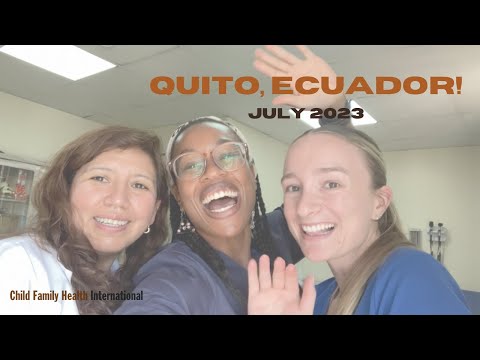
A Transformative Experience!
July 27, 2023by: Linda Etufugh - United StatesMy CFHI experience in Accra, Ghana was extremely invaluable. I had the unique opportunity to serve in a local hospital where I learned about child and maternal health. Each week I rotated through a different sector of the hospital: Week 1 was the emergency room, week two was malnutrition, week 3 was community health/family planning and for the last week I was in the wards/NICU. I appreciated learning about healthcare in Ghana directly from health care providers. I was excited to practice physical exams and interview patients since these are skills I have acquired in my first year of medical school. The malnutrition unit was particularly interesting to me because I haven't had much exposure to working with dieticians. Malnutrition is a massive issue in Ghana, and I learned ways in which the dieticians plan to help their patients recover (utilizing a 4-step re-feeding plan) and how they work with the physicians in other units (ex. OPD or the ED) to ensure the best care for these patients. Culturally, I enjoyed trying different foods such as red red, kenkey and kelewele. As the daughter of Nigerian immigrants, many of these foods reminded me of home as there were similarities between the dishes. Interacting with locals and admiring the art pieces and learning to play the drums at the art center was one of my many highlights. I really appreciate the sense of community I felt in Accra. I appreciated the opportunity to live with other students from different states and countries while learning about Ghana when we went out into the community each day. I will never forget this transformative experience as it strengthened my desire to continue to pursue Global Health in my future career.

Oh Ghana! What a time!
July 11, 2023by: LaTavia Lynn - United StatesProgram: Global Health in Cape Coast, Ghana
“Let The World Change You“ is the slogan of Child Family Health International and that’s exactly what I did during my time of the global health in Ghana program. Becoming a sponge and soaking up the experience to what i was surrounded with is the best thing I could’ve done. From the shadowing at the hospital to being immersed into the culture, everything was amazing. Our coordinator showed us great hospitality as well , we even had home cooked meal EVERY night! Beyond thankful for that. I am beyond grateful for this experience that was both personal and professional. I can’t wait to continue to work toward my career of becoming a physician assistant!

Amazing and Insightful Experience!
July 07, 2023by: Madison Burnstein - United StatesProgram: Global Health in the Philippines
I participated in Global Health in The Philippines Program. I traveled to Manila, Philippines, for one week and then was assigned to the remote island part of the program for three weeks. I was sent to a small island called Tingloy which had a population of 19,000 and was in the Batangas Province of Luzon. The first week when I was in Manila, the group I was traveling with and I were introduced to the rich culture of this country. We visited tourist spots like Rizal Park, the National Museum of the Philippines, and Intramuros. This helped introduce and contextualize what we would learn about the Philippine healthcare system. Then we had an authentic Philippine dinner and saw the national dance called the Tinkling. Furthermore, we were introduced to the disparities of Manila as we went to a part of the city that is very underdeveloped. This opened our eyes to the inequity within Manila. The next day we went to Chinatown, and this Chinatown is considered one of the oldest Chinatowns in the world; we got to try some pretty good frog legs, and then we were taken to an area of Manila called Quiapo and visited the local street markets in vendors. Then we were taken to a church called the minor basilica of the Black Nazarene, and this is where we learned about how Catholicism and religion play a significant role in how some policies, such as reproductive health and rights, are controlled within this country. We were also sent home later that night to watch a documentary called sicko which is about the American healthcare system, and this was going to be used to compare to what we learned about the Philippine healthcare system as we sat through six hours of lecture on the current state of the Philippine health care system. The Philippine healthcare system, in general, is run by the Department of Health, and it very much tries to veer away from an American privatized healthcare system. However, due to the existence of public and private health care, there is a vast disparity between the two, and about a little less than half of the Filipino population pays out of pocket for their medical treatment because the universal national healthcare insurance called Philhealth does not fully cover or provide basic needs. The next day we went to San Juan and Ternate Cavite; we visited the Barangay Health Station, which was pretty underfunded and had limited resources. We also got to watch a baby receive its immunizations. Then after we sat in on a lecture with medical interns who were training volunteer barangay health workers, it was exciting as many of these health workers themselves were volunteers, and two had minimal knowledge of medical-based things such as how to properly track someone's height, how to properly weigh a child, how to calculate BMI. However, they are essential for the Philippine healthcare system as many people within the town will go to these volunteers when they are sick and will only visit the primary healthcare center if there are concerns that do not alleviate or go away. These volunteers are the front-line workers of the structure of the primary health care system. We took some photos with them, which was fun, and they did get to practice all these skills with us. Then we headed to Ternate, Cavite, where we saw the Municipal Health Officer, Dr. Gina. She showed us her facility, which was more underfunded than San Juan. However, a dentist did exist but mainly only for extractions. She also talked about how the DOH does not pay her enough and that she's not provided enough money to deal with Ternate's number one program that they have in place, which is the drug rehabilitation program. The next day, we visited the Philippines General Hospital, the largest public hospital in Manila and the country. As I walked through the facility, it was very crowded, and our local preceptors told us that some people might be sitting there for two to three days to see a doctor. However, they did have a wide range of specialties, and we got to see the ER. It was interesting to see that people were sprawled out in the lobby in beds and that medical interns, so medical students that had just graduated, were doing the job of doctors as there was not enough staff to be spread. They were allowed full diagnosing abilities also. Then we visited BCG, one of the wealthiest parts of Manila, and we got to see St. Luke's Hospital, a private hospital. It was a night and day change as St. Luke's looked like an upscale mall that had restaurants and cafes in very fancy accommodations to come with it. Many upper-class business people and foreigners in general visit St. Luke's. This showed the difference between what money could get you in Manila and the disparities between public and private healthcare. Some experience I had in Manila was I went to Robinsons Mall, which is this massive mall within Eremite. I could get everything there, and I tried Jollibee, the national fast-food chain of the Philippines. I liked it because it was chicken and rice. I also got to ride in a Jeepney, an old war machine/tank turned into a bus-looking thing, you pay for seven kilometers, and they're very hard to navigate, but they were still fun. We also visited a souvenir shop, and there were these cute fish wallets. Also, the night we stayed at BCG, our local preceptors got dinner with us, and we went to a fun karaoke room. I wish they would have them in the US. On the last day of Manila, we just had a lecture about a video that explained how a small child died. We had to analyze the video and develop a web chain to explain what happened. The point of the lecture was to see that public health plays a huge role in someone's well-being and that a lot of outside environmental factors affected the death of this child, and it wasn't just the disease that took her. They wanted us to use this perspective when we were sent to the remote islands as necessary, as many outside factors affect the type of healthcare these populations receive. We got in a car and traveled to Talaga port; we would take a 35-to-40-minute ferry to Tingloy. There we got on a trike, the only mode of transportation on the island except for walking or taking an ATV. Then we went to the rural health unit and met Doc Patt, which was funny because everybody on the island knew who doc pat was, so we just had to say that name, and they knew where to send us. We were the second batch of students on Tingloy, so many of the locals were not used to having foreigners. The homestay we stayed at was excellent, and our host mom Ate Czen was lovely and kind; she introduced us to her kids and cousins, and the word about us on the island spread very quickly. The rural health unit in Tingloy is nice and set up like a hospital due to the last mayor wanting to make this RHU a hospital. However, when the new mayor came in, plans changed, and the local doctor taught us the importance of relationships and how maintaining these good relationships will get you the resources you need when it is not provided initially. We learned that the two main programs on Tingloy are TB and immunizations. We also got to learn the ins and outs of how the Tingloy RHU has explicitly set up its staff. We also visited Masasa Beach, which is a beautiful beach. We also visited the blue lagoon, walked around town, and got invited to a couple of enjoyable celebrations, such as a fiesta hosted by the mayor. Many children on the island like to play Latto which is a game with these two balls that clink next to each other, and sometimes it gets a bit aggravating. However, it was still a wonderful toy and an experience to learn about. They serenaded us when we walked down the streets, which was pretty funny. Every month they go out into the branches or have specific days for certain barangays to come and get their children vaccinated. The parents are handed a vaccination book indicating which vaccine their child is supposed to get at what age and always bring them in their blue. The local doctor said he doesn't see an issue with many against vaccinations, as many people want their children to be vaccinated. We watched many of these vaccination days, and I did notice that they explained this in Manila. Also, families always come in with a companion; if one family member has to leave, another family member comes to replace so that the patient's not alone. I also noticed that HIPAA itself is very wonky, as many patients sit beside each other; the intake form is a desk with two chairs, so patients sit across from each other and hear the nurses talking about their intake information. Lastly, the nurses always work in pairs of two, so one fills out the forms because they are handwritten and filed while the other nurse takes the vitals. I participated in a blood drive and got to shadow and see many other things, this is a once in a lifetime trip, and I would recommend it as I have learned so much in the past month, and it was worth the 30 hours of travel back home, lol. If you are considering it, this is a great program, and CFHI does a great job with cultural competency and integration with local preceptors. I made good friends with them, and they said we should catch up and meet when we visit them.

An amazing experience!
July 02, 2023by: Lauren Delgado - United StatesProgram: Global Health in Cordoba, Argentina
This experience was an opportunity of a lifetime. My time within the 4-week CFHI program immersed me within the culture of Argentina and allowed me to experience a different side to medicine. Throughout the time I spent in Argentina, I learned so much about how their medical system operates and was able to learn more within medicine. The time in the hospital, I was able to rotate around to many different specialties like radiology, the emergency room, gastrology, and cardiology, which showed me many of the options that I have to further my studies in medicine. Although, the hardest part was the language barrier at times since I was not fluent in Spanish. Even with this present all the healthcare staff took their time to ensure that I understood what was occurring to help with my learning. Moreover, CFHI provided Spanish classes during the time of my program where I spent 2 hours a day learning the language. This helped me greatly as I developed a deeper understanding of the grammar but being completely immersed within the culture significantly helped me develop my Spanish speaking skills. I was always able to work on speaking when exploring the city and when I was spending time with my host family. Being with a host family was a great experience as I was able to spend so much time with them and they would show me hidden spots of the city and different aspects of the culture. They became my second family that I continue to stay in touch with as I am now back home. Overall, this experience was one that I would do again, and I will always remember what I learned here. I created so many friendships within others that attended the program and many from the city of Córdoba, Argentina, which will be connections that I continue to keep and will remember for a lifetime. When studying abroad I expected to learn a lot about another culture and country, which I did, but I learned so much more about my home country and who I am as a person.
My experience in Argentina
June 18, 2023by: Olivia Ferguson - BahamasProgram: Global Health in Cordoba, Argentina
My experience in the CFHI Global Health-Argentina was an enjoyable one. I participated in the program for 3 weeks and was able to shadow doctors in mental health and oncology. During my days in the hospital, I saw patients with many different conditions. I also was lucky enough to see the collaboration of the mental health and oncology sectors. Some of my days in the hospital were very difficult because I spoke very little Spanish and the doctors whom I was shadowing spoke very little English, but they always did their best to help me understand what was going on. Also, during my time in mental health another CFHI student who was fluent in Spanish helped by translating for me. Other than going to the hospital, my experience consisted of Spanish classes 5 days a week and planned group activities. I truly enjoyed and definitely needed the Spanish lessons. My instructor did her best to make our classes conversational but also ensuring that we internalized the material. The classes were really fun compared to normal college classes, for example we played charades and tumbling monkeys but changed them so that we were learning as we played. Some of our group activities included a wine tasting, presentations about viruses in Argentina, and lunch as a program. The program advisors were absolutely amazing. They always did their best to make me feel comfortable, whether it was just asking if I needed a snack before Spanish class or checking how living with my host was going. After my classes, I normally went out to eat with some of the other CFHI participants. I got to try a lot of the food in Argentina, which I absolutely fell in love with, especially dulce de leche. Every time I went for ice cream, I got a flavor with dulce de leche. I also had the chance to go sightseeing and I must say that Cordoba is a beautiful place once you take the time to enjoy it. One of my favorite things that I saw in Argentina was looking at the city from on top of the Sarmiento Park Stairs. The host that I had during my stay in Cordoba also made my stay all the more enjoyable. We had a bit of a language barrier, but we did our best to communicate. She always gave me the best restaurant recommendations and gave me a lot of recommendations of things to do while in Cordoba. Overall, I truly enjoyed my global health experience in Argentina and would recommend others to do it if they have the opportunity to. I hope to do another soon.
Diverse cultures and environments to explore in ecuador
May 17, 2023by: Dana Rector - United StatesProgram: Global Health in Quito, Ecuador
I decided to study abroad during my 4th year of medical school in order to practice my medical Spanish and learn about healthcare in a developing country. My medical school advisor suggested CFHI. While reading the description of each program, I was particularly drawn to the Quito, Ecuador program because they offered rotations in Obstetrics and Gynecology (my future specialty) as well as Indigenous, ancestral medicine (which has contributed significantly to modern medicine). I was also granted the CFHI Loeliger 4th year International Elective Scholarship, without which, this incredible experience would not have been possible. Throughout the program, I was impressed by the thoroughness and organization. The program organized drivers to pick us up from the airport when we arrived and the same drivers also picked us up from the school to take us to the hospital each day. The drivers themselves were incredible! They spoke slowly, clearly, and were incredibly patient, so they functioned as great impromptu teachers. They taught us about the local culture (plata y placa driving system based on license plates, education system, growing pains of the Metro, etc) and gave us great suggestions for where to go on our weekend trips. CFHI did a great job choosing a host family. I also really appreciated that I was placed with two other American medical students who were also participating in the program. Because there were three of us, it made it feel safer to walk around and explore the city and it was easier to make plans for the afternoons and weekends. They were built-in travel buddies, and it was perfect! Our host mom was incredibly welcoming and experienced in hosting students. She spoke slowly enough so that we could converse and understand her Spanish. She had previously worked in the tourism business, so she knew all of the good places to go and gave us recommendations for what to do and how to get there, etc. Her food was also absolutely amazing! She introduced us to so many Ecuadorian dishes. When we left for weekend trips, she also packed us breakfasts for the road which was super sweet of her. CFHI also did an impeccable job choosing hospitals and doctors to work with. I learned so much from all the doctors, medical students, and medical staff. Dr. Cadena in the ER was very patient and helped us practice taking patient histories in Spanish. Working with Dr. Jacome in Family Medicine was an incredible experience even though I'm not going into family medicine; she's a great teacher and the patients love her. Dr. Carrera, in the ObGyn clinic, was also very patient and an excellent teacher. It was great to learn more Obstetric and Gynecology vocabulary in Spanish and learn about some of the cultural differences in the field. We discussed the similarities and differences in our healthcare systems. She told me about the frustrations regarding medication shortages and the months-long wait to get an appointment (similar to the US). At the Jambi Huasi clinic in Otavalo, we observed the interactions between Western and Indigenous medicine practices. Jambi Huasi means Health House in Quichua, the native language. We had the privilege of watching one of the indigenous parteras (mid-wives), Mama Michi, perform "La limpia con cuy" (direct translation: the cleaning with a guinea pig). It was a unique opportunity to witness this centuries old tradition (the earliest references are around the 1500s) and how the indigenous use guinea pigs as both a diagnostic tool and treatment. We also did some house calls for the people who couldn’t make it to the clinic, During the first two weeks of the program, we had class in the afternoon, in addition to the morning hospital observation. Our teacher, Monica, was very receptive to reviewing vocabulary and grammar topics that we wanted to practice. I also really enjoyed the class excursions. The first week we went to the market where we tried a variety of fruit (taxo, granadilla, granada, mango, zapote, pitahaya, piel de serpiente (salak), guanabana, caqui, orito, chirimoya, uvilla, gulupa, achotillo, pepino dulce). The next week we went to el Museo de Guayasamin and the professors got us a half off discount! In addition to the market and Museo de Guayasamin, there’s an endless list of activities to do in Quito! The first weekend we explored Parque Carolina and Metropolitana. We also visited La mitad del mundo (middle of the world) and made sure to check out the two museums. Fun fact: the larger, more well known, monument is actually not the true middle; the true middle is actually at El Museo Intinan where you can do fun scientific tests like the Coriolis effect and balance an egg on a nail. We rode the teleférico (cable car) up the mountain side to get an incredible view of Quito- just make sure to go on a sunny day without clouds and bring a jacket because it’s surprisingly cold up there. Centro Histórico was also full of history and we found out that the hostel, Secret Garden, did free tours- I would highly recommend it! We also happened to be in Quito during Semana Santa (Holy Week) so we saw the parade (La Procession de Jesus de Gran Poder). On the weekends, we ventured outside of Quito to Baños and Quilotoa. After the program, we went to the Galapagos and the Amazon. Ecuador has so much to offer in terms of culture and dramatically different environments. It was a privilege to be welcomed into so many communities; I learned so much from the medical staff, the patients, CFHI staff, and my host mom. I'm so glad I found CFHI and that they helped make this trip possible with the scholarship. I'm looking forward to starting residency soon and incorporating the language skills, cultural competencies, and medical knowledge that I have learned in Quito, Ecuador to benefit future patients.
Oaxaca Spanish immersion
May 13, 2023by: Brigid Garrity - United StatesProgram: Virtual Global Health Elective
Practicing my Spanish while immersing myself in another culture prior to residency had long been a goal of mine, and CFHI helped make that happen. I really enjoyed both my language classes and homestay in Oaxaca and was able to take part in local art and cooking classes outside of the hospital as well. I'm grateful for the opportunity and would love to participate in a similar program with CFHI again.
Global Health in India (Delhi, Dehradun, Patti)
May 07, 2023by: Sixtus Akinlosotu - United StatesProgram: Global Health in Dehradun and Rural Himalayas, India
Overall, I had a good experience with CFHI in India. My goals for the trip were to get out of my comfort zone and immerse myself in a new culture, meet and interact with the community directly, directly observe healthcare and health practice in India, and to expand my cultural awareness and humility. I was able to accomplish all of these things. For four weeks we stayed with hosts families and we got to know them as well as the culture they belonged to. There were many opportunities to interact with the community whether it be visits to public health sites while in Delhi, visiting the various clinics, or day-to-day interactions we had as we navigated unfamiliar terrain. In the clinics, Hindi was spoken most of the time so we did not always know what was going on, which was a minor detriment. However, there were many moments where guidance and clarification was given by the preceptors, often times when we were confident enough to ask quickly between patients. Some preceptors were intentional about making sure we understood what was going on and answering questions before or after clinic or during planned pauses in the clinic. A few were too busy to do such things, which is understandable. The experience also allowed for enormous growth. There were many times that I had to question my assumptions, evaluate my own perceptions, and/or genuinely challenge my beliefs, which I think has resulted in me being much more open-minded than before. With the intricate belief systems in India and resulting integration in daily life, I was able to begin learning what it truly means to acknowledge that I am no expert in the culture of another, and should be curious and open to learning about it. This is something I think I will take with me as I continue in Global Health.
Traditional medicine in Oaxaca City, Mexico
May 06, 2023by: Alysia Swint - United StatesProgram: Global Health in Oaxaca, Mexico
My experience with CFHI allowed me to compare the uses of traditional medicine practices in Oaxaca to the understanding of integrative medicine and traditional practices in the United States. I am so incredible grateful for the opportunity to learn in such an expansive and lively city. Being able to immerse myself in the Oaxacan culture was an experience I will never forgot and will only continue to inform my practice as a physician during residency. I improved my medical and conversational Spanish to the point of intermediate learner and was able to engage in learning that was entirely in Spanish. I learned so much about the traditional medicine practice in Oaxaca and different herbs that I can continue to learn about and utilize in my medical practice. I developed a deeper understanding of the interactions between traditional medicine and hospital medicine to inform my practice as an integrative medicine – family medicine physician. I also immersed myself in the Oaxacan culture and food and found a deeper appreciation for the way of life present in Oaxaca. The local team in Oaxaca is so responsive and really helped to create an experience for me that was both incredibly unique and also representative of the culture of Oaxaca. I met my objectives for medical school and beyond during my time there. I am so grateful I applied for this program and will continue to draw on experiences from this journey for the rest of my life.
An incredible experience
March 27, 2023by: Sam Fugate - United StatesProgram: Global Health in the Philippines
In February 2023, I attended a month-long CFHI program in the Philippines. My time in the Philippines was everything I had hoped for and more. I have been a part of global health trips in the past, but nothing to this extent. Using what I had learned from my previous trips, as well as thinking about my future career, I developed four goals for this program: to understand the Philippines health system (including both the pros and cons), gain some knowledge within maternal and reproductive health, become more comfortable immersing into a culture different than my own, and get a better idea of what I want in my future career of global health. I am excited to say that with the help of so many incredible people, I successfully accomplished all of these. My time in the Philippines was split into two parts: Manila (week 1) and the Remote Island Medicine (weeks 2-4). In Manila, we spent time familiarizing ourselves with the Filipino culture as well as the Philippines Health System. We got to tour local hospitals (both public and private), as well as attend lectures about their healthcare. The first week was crucial to having a successful experience because it laid the necessary groundwork that allowed us to truly learn from our time on the remote island. For majority of our time, we were on the remote island, specifically Tablas Island. We stayed and worked in the municipality of Alcantara with the local doctor, Dr. Jobin Maestro. Dr. Maestro was such a blessing to our experience; he made sure that we not only understood the health system and surrounding issues, but he also ensured we really learned about and immersed into the Filipino culture. Some of the medical aspects of this trip that we observed included prenatal checks, postpartum home visits, immunization clinics, animal bite clinics, and dental visits. I specifically chose this program because it offered some learning experiences in Maternal and Reproductive Health, so it was a blessing to learn about pregnancy care in this area of the world. In addition to so many educational opportunities, we also got to have a lot of fun in the process. We traveled to nearby islands (Romblon and Boracay), explored Tablas Island, and attended some events around town. Overall, the program was very well run. The other leadership involved in this program, including Dr. Joel Buenaventura, Dr. Paolo Medina, and Dr. Angelo Aquino, were all fantastic and worked very hard to make this experience a meaningful one. Between all the doctors, the patients, and everyone else I met along the way, my Philippines program changed the way I think about medicine as well as my future career as an Ob/Gyn. I am very thankful for my time in the Philippines, and I am very thankful for CFHI allowing me to participate in this experience.

With CFHI in Delhi
January 16, 2023by: Grace Shelton - United StatesI went to Delhi, India for two weeks with CFHI and I couldn't have imagined what an amazing experience it would be! I have always wanted to study abroad and I will be wrapping up my Health Sciences undergraduate degree in a semester so I decided now was the time. During my two weeks I went to various rotations in palliative end-of-life care, adolescent de-addiction centers, HIV treatment and prevention centers, and had discussions with a LBGTQ organization, pediatrician, acupressure therapist, and more! I am planning on going on to graduate school to get my doctorate of physical therapy. Although this wasn't all physical therapy related, it was all people related which is the first step of physical therapy. I had also never traveled out of the country by myself and while intimidating at first, CFHI was so supportive in every aspect of travel! And so helpful with whatever I needed or wanted while in country. The coordinators and country director helped plan weekend excursions and little sight seeing and immersion opportunities during the weeks too!


My first virtual experience!
November 10, 2022by: K Zara - IndiaThis will be a memorable virtual internship since it is the first one I've ever participated in. Learnt several aspects of healthcare, both academically and culturally as well. The program highlighted the major burdens and the policies implemented to tackle all these issues.
Great intro experience to the world of Global Health!
October 06, 2022by: Marcela Trocha - PolandThis experience is perfect for those curious about global health and looking to further their knowledge through the lens of a particular country. During the program, you have the opportunity to learn from the perspective of your program host and create a relationship both with the host and your classmates, who all bring valuable perspectives. The program also allows the opportunity to collaborate with students from other programs and backgrounds, which creates a wonderful atmosphere to learn about some important general topics in global health. Each expert was engaging and welcoming, inspiring creativity and curiosity in all students! I felt comfortable to ask my program host anything and feel comfortable to reach out after the program about more opportunities for furthering my knowledge. On top of that, participants have access to a wealth of resources from CFHI that allow you to expand upon topics of curiosity, and importantly, to view global health work ethically. I would recommend this program to someone with a hunger to know what the field of global health is all about, and to those who want to open their minds to health care in a global context
Best experience yet
October 04, 2022by: Whitney Balusi - United StatesI always dreamed and yearned to leave the country for study or internships while I was in college. At the beginning of August, I was finally given the chance to travel to Ghana with CFHI, not just for a practicum but also to take in the sights of a different nation. I merely adored it. I was quite nervous and eager because I was traveling to a nation where I didn't know anyone, but I realized that this was an opportunity for me to overcome my introversion. Contrary to my expectation, I adjusted quickly since the CFHI made sure a coordinator and a preceptor were present for each step we took. Yes, there were instances when we solved problems on our own; that was also a valuable part of the experience. I improved my freedom and started to operate with less guidance. I had a great time and learned a lot during my rotations at Princess Marie Luis Hospital. In the classes I took at Liberty University, I came into contact with and experienced all the health facts I had learned. Through my interactions with others, I developed cultural sensitivity, but I never saw myself as superior to them. Instead, I learned to value the beauty in our differences. I also gained cultural humility as a result. I will always be grateful to CFHI for this transformation, and I eagerly anticipate traveling to other places with them. This program has my recommendation.
I had a time of my life!
August 17, 2022by: Maria Danial - EgyptProgram: Virtual Global & Public Health Internship - Quito, Ecuador
I never thought virtual experience can be this enriching until I participated in the internship program by CFHI. They made sure to make this virtual space the most engaging and interacting one. Everything starting from the correspondence, timely response and process of selection is highly appreciable. The program, discussions and content gave me Public and Global Health perspectives from a lens I had never imagined. This experience had definitely added value to my professional and academic journey by allowing me to explore different health care systems in an innovative manner. I had the opportunity to: Virtually engage with different countries and health care systems added value to my existing knowledge and experience, Self paced learning and activities provided the time of self reflection and evaluation and helped me design my own pathway towards work in domain of public and global health issues, and More time to interact with fellows and colleagues from different demographic regions created opportunities for more networking and socializing.
First dip learning how to work internationally!
August 13, 2022by: Franly Rivera - United StatesWorking with Child Family Health Internationally was wonderful! I had opportunity to expand my knowledge and awareness about cultural differences, and how to have better interpersonal communication. They provided me with great tools to learn about professionalism and intercultural effectiveness within the global health field during my 4-week virtual internship. I really enjoy the space they created for us to meet doctors and professionals from all over the world to bring awareness to disparities within health systems and global issues. Their realities and how it is important to dig deeper to understand how we can make a change was a great start to learning how to support my own community. I enjoyed learning about my country of choice from home and found it very meaningful to learn about its culture and traditions. I feel more confident now approaching and communicating with people from different backgrounds and plan to use the tools from CFHI throughout my career working internationally.
After CFHI, I knew I want to be a doctor in international public health
August 09, 2022by: Tina Duong - United StatesPrior to the program, I had never had the opportunity to travel alone and never really got to explore healthcare in other countries even though I always had interest in global/public health. Before CFHI, I didn’t know who to ask or where to go in order to find shadowing opportunities overseas that would allow me to learn about medicine and culture. I learned about CFHI at the UC Davis Pre-Health Conference during two lecture sessions about global health (one anecdotal and one from the program on ethics) and I knew immediately that this program was what I had been looking for. Dr. Jenny was even kind enough to exchange her contacts with me for a one on one zoom call where she talked to me and my friend for 2 hours about all our concerns post-COVID. The program even granted me the Community College Scholarship to help my family with the cost. I learned quickly the best way to reach the staff is by email pre-departure, though information on logistics could be more readily available, sooner released, or clearer. The application and training is very straightforward. The entire month in Puerto Escondido passed by too soon. I loved my clinic placements! The doctors, nurses, “chemicos,” and entomologist I met were all willing to teach and they are super sweet. I definitely find that you need to be willing to step out of your comfort zone, ask questions, and come in with an open mind. Anything I asked was answered in detail. Clinics themselves had a limited scope of practice focused on prevention, metabolic disease, and there was a lot of visits on women’s health, mostly prenatal care and family planning. Between the clinics and Spanish class, I learned how Mexico organized their medical care in the public sector, public programs, culture, and from many conversations with medical professionals and my professor, what is working and what needs to be done. The medical staff, including Dra. Isabela the Medical Director, even helped me learn in depth about violence against women in Mexico (an issue I want to address in the future as a doctor). When when things were slow, the doctors would explain the procedures we had done and taught us to take blood pressure (of course only taking hers and a fellow CFHI student to practice). In terms of the homestay, I was blessed to be placed with a sweet older lady who cooked bomb foods, mixing it up with traditional stewed meats to steamed veggies and rice when my roommate had gotten sick. The host sister even invited us to her birthday, took me out my first few days, and everyone made sure we got our conversations in. This being said, the experience is what you make of it and what you put in, you get out. For me, it was everything I could ask for. This is what I want to do for the rest of my life.
Went from minimal Spanish to conversational in 6 weeks!
August 07, 2022by: Courtney Chan - United StatesProgram: Virtual Global & Public Health Internship - Quito, Ecuador
As a medical student, I had an amazing experience with CFHI. I had thoroughly researched global learning experiences prior to choosing CFHI, as I wanted a program that was committed to doing global health work and teaching students in a sustainable and culturally-appropriate way. I felt like CFHI truly prioritized the wellness of the local communities they were in and were very cognizant to avoid the common pitfalls of volontourism, lack of sustainability, and the white savior complex. I couldn't have been more right. From the start, the CFHI staff were kind, responsive, and cared about my personal needs as a program participant. They helped me identify a scholarship (the AMSA Global Health Scholarship) that helped fund my entire global experience. While I originally planned to participate in the on-site Global Health and Intensive Spanish Program in Quito, Ecuador, the program was unfortunately cancelled last minute due to unforseen political circumstances. Even though the situation evolved rapidly only days before we were set to leave for Quito, I could tell how much the CFHI team cared about prioritizing the well-being of the local community and not placing extra burden on that community with our visit, as well as protecting student safety. The team was communicative and quick in these stressful circumstances, and I ended up switching my scholarship to the Virtual version of this program. My virtual experience was nothing short of incredible. While I was doubtful that it could fulfill the my expectations in the same way that an on-site program would, CFHI did an incredible job of choosing local experts to speak to us on global health issues and medical ethics. We were assigned a local Spanish teacher from Quito. I had minimal Spanish knowledge before - after 6 weeks of this course, I feel like participating in this program has vastly accelerated my learning in a way that would have taken months or years during a normal academic year. Participating in this experience has helped me take the first steps in becoming a more culturally-competent physician. I also plan to continue learning Spanish, with the goal of hopefully helping Spanish-speaking patients feel more comfortable if I am their provider. I could not thank CFHI enough and would highly recommend this program to anyone in the medical field or not.
This experience changed my life!
July 29, 2022by: Haley Deardorff - United StatesProgram: Global Health in Oaxaca, Mexico
Child Family Health International understands how to lead the nation in global health experiences in an ethical and educational manner. They value the local community, and work to partner with them so that participants can recieve a full cultural immersion. I shadowed in different clinics each morning, learning about the Mexican healthcare and insurance systems. I learned so much from observing the local healthcare providers and engaging in open conversations with them! In the afternoons, I took Spanish classes that were tailored towards medical vocabulary. Our evenings and weekends were free to explore the wonderful city of Oaxaca and make memories that would last a lifetime! I felt safe, supported, and encouraged my entire time abroad. I learned so much more than a classroom could have ever taught me and my Spanish improved immensly. This experience changed my life and made me a better human, as well as a better future physician. I learned empathy, independence, and adventure and I cannot wait to continue exploring the world of global health!

An experience worth living
July 13, 2022by: Roshni Ashiq - PakistanGlobal Health Comparative-Virtual Internship is one of its kind of a program that I had never thought, experienced or had participated in. I never thought virtual learning can give me this enriching and lifetime experience but CFHI's internship program exceeded far beyond my expectations. I did not only learn the theoretical aspect of different health care systems but I was also able to learn how to practically apply the learned knowledge in my professional practice. It seemed that within a month, I had explored the global health issues from different countries and from different perspectives which otherwise seemed impossible if CFHI virtual internship was not there to help me learn all this. Despite selecting one country, I was able to explore other regions, compare the situations and learn how similar or different issues and health care systems are across the globe. Round tables and seminars were the thing that only seemed doable in-person but CFHI internship's approach of virtual round table discussions and seminars made this experience more valuable for me. The diversity of the participants was yet another thing that added to my experiential learning. The professional development plan and the online tools helped me self reflect and self evaluate on different areas of my personality and helped in guiding way forward for the future. I clearly feel a positive difference in me as a academic person, as a professional and as an individual being before and after the internship. This one month changed my perspective about global health issues for a better cause and I am more determined to continue my journey for the greater good of society. All Thanks to CFHI.
Global Health in Argentina- amazing experience
June 10, 2022by: Cameron Kircher - United StatesProgram: Global Health in Cordoba, Argentina
I was fortunate to be a part of the CFHI program in Argentina. This program was an immersive experience that provided me with invaluable information about Global Healthcare and specifically the culture and practices of medicine in Argentina. Going into the program, I knew I was going to be placed in hospitals. However, I was unaware of just how supportive the CFHI staff was going to be, they truly made my experience the best it could possibly have been. CFHI provided incredible hosts families that made me feel at home and welcome in my month spent across the world. They also talked closely with the coordinators in the hospital to make sure each student was taken care of based on their individual interests. The program also expanded farther than just the medicine present in Argentinian hospitals, providing us students with cultural immersion classes covering topics such as tango, wine and history. These additions made the experience more holistic and thus it was able to contribute to me as a person and not solely just as a future healthcare provider. In addition, I would like to mention the quality of the staff that CFHI has employed. I was blessed with three amazing program directors (Carlos, Charly and Agustín) who served as helpful advisors, fierce advocates, strong support systems and wonderful friends. The staff was available at all hours and willing to assist in any issues that appeared during the trip. CFHI and their staff are what made the experience one that I will cherish for the rest of my life and I cannot put into words just how grateful I am for this organization.

Virtual Ghana CFHI internship
June 01, 2022by: Tanyaradzwa Tom - ItalyMy experience with the virtual CFHI Ghana program was a memorable one and a great learning opportunity. Not only did I learn about the Ghanian culture and traditions such as the many staple foods. I learn't about the different social factors that may influence the decisions and choices of people and as patients. This also helped me to understand how I would need to approach patients in similar settings. Through the program we discussed and analysed clinical case scenarios, this has contributed to my preparation for my internship once I graduate from medical school. This program has been very enlightening and through it I have also met people from different countries and learned about the healthcare practices in their respective countries. I have enjoyed being a part of the CFHI program and I would recommend this opportunity, I learned about many different aspects beyond the healthcare system and I will forever be grateful for this opportunity.
Best experience!
May 02, 2022by: Michaela ForouzanMy name is Michaela Forouzan and I was very fortunate to be a part of the April Virtual Program focusing on the nation of India. Throughout this program, I have learned from a series of health and global professionals about illnesses throughout India. At the end of the session, I was able to apply all my knowledge through the creation of a presentation that I believed to medical professionals. It was absolutely amazing to receive such great feedback and inspiration from these medical professionals, and apply my knowledge to the future of global health.
What a time in Oaxaca!
March 09, 2022by: Felipe De La Barra - United StatesProgram: Global Health in Oaxaca, Mexico
CFHI offers sites across the world for a variety of students, and I absolutely loved my rotation in Oaxaca, Mexico as a medical student. This trip was specifically designed to help us learn about medicine in Latin America, with a focus on appreciating healthcare disparities. We were able to shadow physicians in many specialties in government-run clinics and even the Civil Hospital of the city. From outpatient work, to prenatal care, and even surgeries and the Emergency Department, we were able to participate and learn so much. In the afternoon's, part of your learning was Spanish class, tailored to your level of fluency. Even as a fluent speaker, the expertise of our teachers was apparent and they helped me learn so much about Medical Spanish and grammar. They have host families for us to live with who in my experience were absolutely so kind and excited to have international students (and cooked AMAZING food). Overall, I felt I learned so much for my future career in medicine and what I can do to serve internationally and locally, all encompassed in a beautiful, historic city with so much to do and see.
Highly recommended Global Health virtual program
December 30, 2021by: Brian - United StatesProgram: Virtual Global Health Practicum
I appreciated the adaptations that were made with CFHI to engage students in global health work during the pandemic. It emphasized aspects of global health that would have likely been overlooked during an in person experience, and really highlighted some of the important foundational work that needs to be done to strengthen communities in the long run.
An eye-opening and insightful experience in global health!
December 22, 2021by: Driss Davy Duhiteka - BurundiAs a young aspiring African intern of the CFHI Global Health Comparative Virtual Internship, and a national of a Low Resource Country (Burundi), I would highly recommend the program to more college graduates in the relevant fields of public health as well as any entry-level professionals to participate in the virtual internship with the CFHI to gain ground in the ins-and-outs of how international NGOs promote health for all and intervene holistically in sometimes-familiar settings as the ones I come from; while gaining cultural exposure and learning to team work with like-minded global health professionals. The internship taught me that sometimes less is better. As a prospective global health professional born and raised in Africa but educated at a medical college outside the continent, I had to experience major incongruities between the theoretical framework of medicine and the efforts needed to implement health equity in hospital settings and community health services. To understand how this gap applies less extensively in the social and economic settings of African LMICs, I had to surmise how the fine line between the two fields affect health delivery and outcomes, and how I can participate in bettering the healthcare systems of my continent in the near future. Due to the short-bits format of the teachings I received during Dr. Charles Nwobu’s online lectures in Ghana, Dr. Hema Pandey from India, as well as the Director’s Seminars and multinational Global Health Roundtables, I was able to capture the essence of cultural effectiveness and adaptability as the bases of successful collaborative efforts to bring affordable and accessible healthcare for all. Additionally, as an intern under the Outpatient & Community Health Services Department of Village Health Works—an international NGO based in New York and Burundi, I am now using the knowledge I acquired to help build self-reliant community health systems in Kigutu, one of the most remote regions of the country. I am grateful to have been awarded the Thomas Hall Scholars Program scholarship for the virtual internship and hope to see more young aspiring global health professionals enroll in the different programs CFHI has to offer.
Insightful, eye opening and a rare experience
December 20, 2021by: Kalsang Choedon - IndiaProgram: Virtual Global Health Elective
It was such a great and rare opportunity to learn from various people around world so definitely I would recommend to my friends and juniors. It was a very insightful, eye opening and a rare experience of getting to learn about and from different people around the world. Firstly, the planetary health seminars was interesting and secondly, the community engagement seminars of Dr. Charles was so engaging and learnt lots of new things such as transactional sex. Thirdly, the global ethics seminars were very eye opening and need many things consider before seeking international grants, funding and humanitarian aid.
Loved the program!
December 20, 2021by: Martha Nabatanda - United StatesProgram: Virtual Global Health Elective
The program has a lot of eye-opening concepts which everyone deserves to learn. The main highlights of the program were learning the different perspectives of health from a diverse background comprising both low/middle income and high income countries. I liked the group discussions and activities most.
It's a really nice and fun program
December 20, 2021by: Kevin Otim - United StatesProgram: Virtual Global Health Elective
There's a lot to learn and exposure to get. Getting to work with different people from different nationalities was really exciting. The low resources clinical reasoning sessions were also amazing. The most interesting activities were the Low resources clinical reasoning and Global health ethics.
Enjoyed the program!
December 16, 2021by: Rand - United StatesI learned a lot about topics that I would not have studied before, I think those are my highlights. Reading CoVid research that was not necessarily medical. I enjoyed the public health and technology aspects immensely. I would definitely recommend this program.
It was an amazing experience.
December 15, 2021by: Ronda - United StatesProgram: Virtual Global Health Elective
It is among those experiences that teaches not only clinical medicine but also things like planetary health and research ethics which we dont often learn in school. Planetary health came to light very well for me. It was an amazing experience. The clinical reasoning in low resource setting really interested me as it was extremely engaging, I participated, learn and enjoyed every bit of it.
An interactive program
December 12, 2021by: Derek Ngabirano - UgandaProgram: Virtual Global Health Elective
It is a very good learning experience, I would recommend it to all the medical students internationally. It was a very interactive program. The Planetary health Community engagement program and Low resource clinical reasoning were most interesting to me.
A great platform
December 10, 2021by: Farah Niazi - IndiaProgram: Virtual Global Health Elective
I think it's a great platform to engage with people across the world and also learn enormous things within a month. So I would definitely recommend this programme to my friends or colleagues. Group case analysis during Global Health Ethics was the most interesting activity to get engaged in as it provided the opportunity to connect with other students as well.
An eye-opening experience
December 09, 2021by: Lakisha Taylor - United StatesThe program definitely opened my eyes and made me see things from a different perspective. My highlight was working with Uganda and helping to design programs that will be beneficial. The round table discussions and director seminars were most interesting.
Great program!
December 08, 2021by: Jenny - United StatesIt was great that the program is now offered virtually. The highlights of the program were, learning about the different public health issues in different countries, meeting new people and Dr. Nwobu was the best. The most interesting activity was creating Papers about your specific country.
A great global experience
December 06, 2021by: Sherri McAlindon - United StatesI got some global experience despite challenging healthcare times. I think the roundtable discussions were excellent, that was the main highlight of the program. All of the schedules meetings were very interesting and valuable - greatly broadened my culture awareness
Challenged me to push my clinical knowledge
December 05, 2021by: Lincoln - United StatesProgram: Virtual Global Health Elective
I really enjoyed the various seminars and lectures. Even though the content was given virtually, I learned a lot from the lecturers and my peers. Meeting different people from many different countries was the highlight. I really enjoyed the reasoning without resources clinical case write ups because it really challenged me to push my clinical knowledge and think about how other countries run their healthcare system.
Leave with an open mind
December 03, 2021by: Adam - United StatesYou leave with an open mind and an even bigger desire to go out in the world to learn and work more with others. The small group discussions based off readings and videos we watched was very interesting. The biggest highlight of the program was learning all about the culture of Ghana.
An enlightening experience!
December 01, 2021by: Uche Ndu - NigeriaChoosing to participate in this program is easily one of the best decisions I made this year. I have always wanted to participate in the internship program without success so I was very excited when I was awarded the Susan Hershey Scholarship for this program. The program director did a great job of curating Public Health classes, virtual facility tours, and even Hindi language classes. Even though it was virtual, I felt like I was really in India learning about the public health system and some of the successful interventions. I had the privilege of interacting with some of the NGO managers and getting their insight on solving their public health challenges. I also learned about cultural adaptability and found the global health lectures very informative. This experience was very enlightening and rewarding. I look forward to sharing my learnings and experiences with my colleagues.
Loved learning about the Indian culture
November 28, 2021by: Holly - United StatesThis program was a good mixture of clinical knowledge and cultural competency. I really enjoyed learning more about Indian culture. The Hindi teacher is awesome! She definitely helped me a lot. I loved learning about the Indian culture. I think the Hindi lessons was the most interesting activity.
Learned a lot from this opportunity
November 22, 2021by: Christina Leary - United KingdomProgram: Virtual Global & Public Health Internship - Bolivia
This is a wonderful opportunity for any student that desires a cross-cultural internship experience to add to their CV. The support from CFHI and my site preceptor really made me feel engaged, connected, and valued and I felt like I really learned a lot throughout the experience!
A valuable experience
November 18, 2021by: Manuel - United StatesProgram: Virtual Global Health Practicum
I think this Virtual program was amazing. Even though we were not there in person I still feel as though I learned so much and gained so much valuable experience. It was an opportunity I would do again in a heartbeat. The Director Seminars and Roundtable meetings were an amazing learning experience.
Great support and very helpful content
November 11, 2021by: Sondre - United StatesProgram: Virtual Global Health Practicum
I think that the combination of self learning and seminars gave me a deeper understanding of global health. I really enjoyed the program. I especially experienced the content. I was able to get involved in the field I am interested in which make me very excited to learn and continue with the deliverables. My preceptor was especially helpful by meeting with me twice a week and guiding me along the entire time.
Great Global Health program opportunity
November 11, 2021by: Shomita Kharangate - United StatesI am glad to be able to complete the virtual practicum experience despite the Covid-19 pandemic. It was great to be able to get a Global Health experience virtually. I was also able to connect with the host experience and work on a project that would potentially be beneficial. I liked being able to directly engage with the preceptor and work with him to create a project that is most relevant to the host organization and also one that is structured around my own work field.
Very interesting and educational
November 10, 2021by: Mildred Max-George - United StatesThe main highlights of the program were the Friday Global Professional Discussion, Learning about the healthcare systems in various countries. I think Learning about the culture of Ghana and the Global Health Professional Seminars were the most interesting activities.
Learned a lot of other countries
November 04, 2021by: Nick - United StatesProgram: Virtual Global & Public Health Internship - Quito, Ecuador
The Spanish classes, The thursday sessions, The Global round table discussions where I learned about the challenges of different countries, the global health impact and how each handled it in comparison to the US. I would definitely recommend the program.
Once-in-a-lifetime opportunity
November 04, 2021by: Erica Conrad - United StatesIf one can afford it, I definitely recommend the program. It is a once-in-a-lifetime opportunity and I learned a lot about global health problems. The roundtable sessions were my favorite highlight. Rebeka (the Spanish teacher) was incredible as well.
Insightful online experience
October 30, 2021by: Oscar - United StatesProgram: Virtual Global Health Practicum
The GlobeSmart activity was really insightful and helpful. I liked learning about another culture and the unique concerns of the community. Overall I enjoyed the program and thought it was well done the biggest barrier for me was technological glitches.
I learned a lot from this program
October 26, 2021by: Heather - United StatesI found that I learned a lot from this program that I wouldn't have been likely to find anywhere else. Some of the highlights: - learning about Ghana and its culture - listening to people speak from all around the world who had different stories and went through different career paths - learning more about the HIV/AIDS pandemic and comparing it to the coronavirus - being exposed to different career paths and gaining a better sense of what I want to do in the future - learning about what global health is and how people are involved in it in different ways
I would recommend this program
October 26, 2021by: Stewart - United StatesProgram: Virtual Global & Public Health Internship - Bolivia
I would recommend this program to anyone that wants to gain a bigger perspective on our world. My program highlights were gaining new ways of asking intelligent questions and learning to be courteous to new customs. I like the activity where I set goals for myself at the start of the program.
Enjoyed and learned a lot
October 20, 2021by: Richard - United StatesProgram: Virtual Global & Public Health Internship - Quito, Ecuador
I enjoyed learning more about Global Health, Improving my Spanish Language Skills, and learning more about the Ecuadorian Healthcare system and Traditional Medicine. I enjoyed the different public and global health lectures. I would recommend the program.
A truly sustainable program
October 19, 2021by: Marc Neith - United StatesProgram: Virtual Global Health Practicum
It is truly a sustainable program that ensures equal reciprocity for partnerships. The main highlight of the program was compiling all of the information into the policy brief. I think learning from my preceptor on a personal level was very interesting.
Incredible program
October 12, 2021by: Leo - United StatesProgram: Virtual Global & Public Health Internship - Bolivia
Meeting with Gonzalo was the most valuable to me. Speaking with the expert and being able to get the first hand stories or analysis was very valuable to the work he had me do. I loved learning about nutrition in general. It was not something that I was overly knowledgeable about in the beginning of this experience and the general, baseline knowledge that I was able to learn was incredible!
Loved learning from traditional doctors
October 08, 2021by: Vicky - United StatesProgram: Virtual Global & Public Health Internship - Bolivia
I would recommend this program online but also if possible to do a in person version I would recommend that as well. The highlights of the program were the case studies and virtual tours of the health services, and Spanish courses. I liked learning from traditional doctors and learning about the clinics patient centered care and intercultural practices.
Gave me new perspectives and opportunities
October 07, 2021by: Lanie - United StatesProgram: Virtual Global & Public Health Internship - Quito, Ecuador
It was great to hear from medical practitioners based all across the world, because it provides insight into the real life experiences of others within the healthcare profession, and how different countries operate. It also helps you to draw comparisons between countries, such as differences in the use of traditional medicines, which provides new perspective and gives you opportunity to learn and develop new understanding of certain issues.
Learned a lot
October 07, 2021by: Maurice Abiagom - United StatesThe biggest highlight of the program for me was that I really learned how to do research. And because I learned so much, I would definitely recommend this program. The most interesting activity was researching about Covid 19.
An amazing experience
October 05, 2021by: Tanya Schenk - United StatesThis was definitely a challenging and engaging program that gave me an amazing experience which will serve me greatly in my future endeavors. Working directly, even though virtually, with a local NGO in India and virtual fieldwork were the highlights of the program. I also very much enjoyed the Friday Roundtable discussions with seasoned experts in the field.
A good eye-opener
October 04, 2021by: Jennifer Nguyen - United StatesThis program is a good eye-opener for those who want to pursue global health or those who want to learn more about different cultures and the problems that afflict them. I like interacting with my classmates and reflecting on the material that we learned together.
An impactful experience
October 04, 2021by: Vivian Kalu - NigeriaI participated in the Global Health Comparative Virtual Internship in Ecuador and loved it! From the virtual tours to the cooking session to Spanish classes, it felt like I was there. The teachers were genuinely interested in the students and provided so much insight. That was one aspect. Then there were the discussions with CFHI leaders from different countries, which was very informative. For each public health challenge, we would learn about the obstacles in each country, how they impact the people, and reflect on our roles as future leaders. We also had interactive seminars with our peers and experts, which challenged our thought process and preconceived notions about Global Health, culture, and health. This program was beneficial and aligned with my goals!
Unique educational program
October 03, 2021by: Jay - United StatesIt is very helpful to learn about the health systems in different countries because it can help us address the limitation in our own country's health system. This program also trains our ethical awareness when working in foreign countries. Learning different healthcare systems in different countries. I liked having new insight about ethical awareness and indigenous people.
Valuable online program experience
October 02, 2021by: Valerie - United StatesI would highly recommend this program because the sessions were extremely informative and engaging. The main highlights were being able to attend virtual lectures and discussions with highly established individuals from WHO, NGOs, and other areas. The Hindi classes were helpful in making basic sentences and phrases to communicate with others. The lectures were all valuable in learning more about India's culture and India's healthcare system.
Loved the program
October 02, 2021by: Jan - United StatesI got to see a global perspective, learn about new cultures, meet new people, and get well acquainted with healthcare systems in different countries. I liked learning about the different cultures, meeting new people, and learning about the different healthcare techniques and challenges in each country.
Highly Recommended
October 01, 2021by: Jane - United StatesI would recommend this program to others because it is so immersive and includes a wide variety of global health professional skills to learn. The main highlights of my CFHI virtual program experience was learning about the variety of global health terminology and research occurring through Dr. Carlos A. Faerron Guzman during the weekly Director Seminars.
An amazing opportunity
September 30, 2021by: Eve Banas - United StatesThis was an amazing opportunity to learn about many different cultures in a short period of time. I believe everyone should understand the things discussed in this internship. I enjoyed learning about different cultures and how culture influenced health systems.
A good experience
September 27, 2021by: Thomas - United StatesIt is a good experience to get to work with other countries. If I could do it again and not during a pandemic I would have like to travel. Getting to know the issues that exist in teen pregnancy in Ghana was my highlight. I really liked the director seminars as well.
Wonderful program experience
September 27, 2021by: Todd - United StatesProgram: Virtual Global & Public Health Internship - Quito, Ecuador
This program was a wonderful exploration of global health. It is a good opportunity for those who are unsure if or how they want to pursue their medical careers as you are exposed to various jobs and paths. The highlights of the program were the seminars and round tables. It was great to learn about global health and gather multiple perspectives of different healthcare systems.
A great experience
September 24, 2021by: Hamna Siddiqui - United StatesProgram: Virtual Global Health Practicum
Interacting with local families and understanding their socio-economic and cultural backgrounds were the main highlights of the program. I would definitely recommend the program because I have had a great experience working with them.
Deeply enlightening
September 24, 2021by: Mark McDonald - United StatesProgram: Virtual Global Health Practicum
The support from Dr. Uribe was awesome. She enabled great subjects for the interviews. The openness of the interviewee’s was also excellent - I felt like there was very open conversations and sharing. Yes, this was a great program, especially in the virtual set up. The interviews with the resources were deeply enlightening.
An awesome experience
September 24, 2021by: Leonard - United StatesThe biggest highlight for me was meeting new people from across the world and getting to know them. Learning about a culture from someone who is a part of that culture is really cool. This experience opened up my world and gave me hope that health can improve. I liked the Global Roundtables and making the infographic the most.
Very valuable program
September 23, 2021by: Amy - United StatesI think this program is very valuable in terms of the different health topics and competencies covered. It is great for developing awareness and cultural sensitivity. I liked working with other students during group projects and participating in cultural activities of each country.
I absolutely loved this program.
September 22, 2021by: Erin Fitch - United StatesIt far exceeded my expectations. My only regret is that I had to attend virtually. While it was probably the most difficult for me emotionally, visiting the drug rehabilitation center for children was an incredible experience. I learned so much.
A great virtual experience
September 21, 2021by: Mikayla Bowen - United StatesProgram: Virtual Global Health Practicum
Dra. Uribe was a great preceptor! I feel I learned a lot from her. I've had a great experience so I would recommend this program. Conducting the interviews, literature search, meetings with Dra. Uribe, the virtual tour of Bolivia were the most interesting activities.
Wonderful Public Health program
September 20, 2021by: Natasha - United StatesI think this program is wonderful for those who are in the Public Health field. It allows us to learn about things going on in different countries that we do not encounter here. I loved learning about different portions of the world and being able to learn from different directors from different programs.
A worthwhile experience
September 19, 2021by: Zayne - United StatesProgram: Virtual Global & Public Health Internship - Bolivia
The cultural events and meeting our instructors were the highlights of the program! I would recommend this program, it was a very worthwhile experience and I feel that everything we did improved my knowledge on global health. The lectures with our medical directors were the most interesting.
Greatly enjoyable program
September 18, 2021by: Paul - United StatesI greatly enjoyed learning from local community leaders regarding their current projects and their plans of action. I also enjoyed coming together with other CFHI students for larger group sessions on more generalized global health topics. The lecture from my country specific director was interesting.
I really enjoyed all aspects of this program!
September 18, 2021by: Laura Cunningham - United StatesThe presentations and video elements were very informative, but I particularly enjoyed the candid conversation amongst my group and our teacher about real issues and how they are being tackled. I have gained such valuable insight into other cultures and ways of life through these discussions, and my mindset has been expanded for the better. I think that the experience I have had learning about and experiencing aspects of other cultures and ways of life has been incredibly valuable, and will help me to be more empathetic and understanding in both daily life and in my career.
Great group online experience
September 17, 2021by: Sheila - United StatesGetting to hear from local experts about the various parts of India's healthcare were the highlights for me. I would recommend this program to my friends. I think collaborating with my fellow team members on assignments and learning Hindi (I really appreciated Hema, our coordinator, and our Hindi teacher, Anuradha)
A great experience
September 17, 2021by: Lee - United StatesThe main highlights of the program were Global health roundtables, sessions with preceptors. I would recommend it. I had a great experience with CFHI and learned a lot! Some of the interesting activities were the Project and presentation language lessons, and the director seminars.
Insightful and collaborative
September 14, 2021by: George - - United StatesThe Group Collaboration during weekly seminars and the insight provided by Dr. Nwobu were the highlights of the program. Yes, I would recommend the program to other people. I think the most interesting activities were the live sessions and small group discussions.
Provided great research experience
September 14, 2021by: Wayne - United StatesProgram: Virtual Global & Public Health Internship - Quito, Ecuador
Highlights for me were the spanish classes and virtual tours. Depending on what they are looking for I would recommend to learn more about a specific latin american country as well as latin american culture. Spanish medical terminology and discussion of several health subjects in spanish would definitely help improve one's language. It was interesting doing mini-presentations in class. It allowed me to do some research and practice spanish as well.
Great experience online!
September 13, 2021by: Travis - United StatesProgram: Virtual Global Health Practicum
It was great to experience global health this way, especially since I wasn't able to travel due to COVID. My biweekly sessions with Dr. Nwobu and learning about the status of global health across the world in the CFHI Global Health Round Tables. I really liked the personalized intercultural effectiveness scale report
An amazing experience
September 13, 2021by: Janet Kuzmenko - United StatesI think that it opened my mind about how healthcare and medicine is in other parts of the world. Even though I was not able to full experience Ghana through travel I think this program did well in teaching me about Ghana and the people that live there. Learning about such a different culture is such a amazing experience and I am so happy I was able to do it.
Incredibly interesting!
September 13, 2021by: Melinda Johnson - United StatesI found this internship so eye-opening and incredibly interesting. Whether you're going into the medical field or not, this internship is for anyone who wants to become more culturally aware. I really enjoyed the mix of learning about countrys' health systems and the culture of each country. I had a great time during the Bolivian cooking class and loved the Spanish classes because I have been wanting to work on my medical Spanish!
A great opportunity to learn
September 12, 2021by: Claire Swedberg - United StatesI would absolutely recommend this program to others because it was a great opportunity to learn about other cultures and connect with people from other countries during a time where I could not leave the country. I loved the Spanish language learning aspect, and I loved the opportunity to learn from health professionals around the world on the same zoom call.
Valuable experience in Global Health
September 11, 2021by: Stella Choi - United StatesI would recommend this program to anyone who wants to know what working in global health is like and seeks to work in global/public health to fight against poverty, disease, and ignorance during school and in the future. Through the CFHI virtual program experience, I am grateful to have met with Dr. Geoffrey Anguyo, a local leader in Uganda and Founder of Kigezi Healthcare Foundation. He provided us with perspective on poverty, disease, and ignorance in Uganda beginning with the history of Uganda (colonialism and political instability) onto healthcare, religious influences, traditional medicine, HIV/AIDS, and various problems in daily living including water sanitation and hygiene facilities. He told us valuable stories of people living in these conditions that can't be found on the internet related to these topics. I've come out of this experience with greater knowledge of poverty and disease in Ugandan and the importance of nutrition and HIV/AIDS education and feel inspired to possibly tackle these issues in the future. In addition to the learning experience, we were able to contribute to a novel initiative called the Vurra Development Cooperative Initiative. Writing up a possible research grant proposal was a new experience, and it was really great being able to work with the interns to discuss and work towards a common mission.
I found it amazing
September 10, 2021by: Madelene Sciortino - United StatesI found it amazing and would recommend anyone interested in public health to participate. I learned so much and was given the opportunity to ask questions which furthered my learning. I personally really enjoyed the discussions.
An enriching experience
September 09, 2021by: Luis Mora - United StatesIt was a very enriching experience and offered new perspectives on a lot of health issues, so I would recommend it to anyone going into the healthcare field. Definitely learning about the cultures, customs, and health systems of four different countries were my highlights. Bolivia was my favorite.
I absolutely loved it!
September 08, 2021by: Crystal DiBiase - United StatesProgram: Virtual Global & Public Health Internship - Bolivia
I loved the cooking classes that we had through CFHI; it allowed me to see a bit deeper into the culture and daily life in Bolivia. I absolutely loved my language classes with Gonzalo and I learned so much from him everyday about different health topics that were all so interesting. I also loved the lectures of Dra. Uribe who was absolutely fantastic and so knowledgable. I absolutely loved it and I feel like I learned so much from this program. Language learning has helped me so much especially going into my study abroad experience next semester.
Fun and encouraging
September 06, 2021by: Chika Ekezie - United StatesProgram: Virtual Global & Public Health Internship - Quito, Ecuador
I loved the virtual tour and the guest speakers who joined us.I would recommend this program for those wanting to understand global health in a fun and encouraging environment. I liked the virtual tours and speaking with healthcare providers from the country.
Great online program!
September 06, 2021by: Matt - United StatesProgram: Virtual Global & Public Health Internship - Bolivia
I really enjoyed each of my classes, and I felt that the program had been adapted well to an online platform. I mainly enjoyed my language classes and learning about the local health system from the professionals who work there. I also liked the medical director seminars and language learning sessions.
Found it very valuable
September 02, 2021by: Olivia - United StatesProgram: Virtual Global & Public Health Internship - Bolivia
I would recommend this program to others, particularly because it was so well organized and everyone was working to make sure we had the best experience possible (even with the limitations). I think one of the main highlights of the CFHI virtual program was being able to hear directly from the medical professionals and experts in Bolivia and feel connected to the people there. Even though the program was remote, I found it very valuable to learn about the culture and I feel as though I will be much more educated for when I come to visit in the future.
I had a really great time
September 01, 2021by: Samantha Schild - United StatesProgram: Virtual Global & Public Health Internship - Bolivia
I had a really great time, and will likely look into some of the other programs CFHI has to offer, especially once in person opportunities begin to open up again! I really enjoyed this experience! Although I wish it could have been in person, I found the cultural activities, such as the tours of La Paz, to be fascinating. Also, the Spanish classes were very helpful and intriguing, since they were centered around various health topics.
An opportunity to connect with global health leaders
August 31, 2021by: George - United StatesProgram: Virtual Global Health Practicum
The main highlights for the CFHI virtual program were being able to connect with global health leaders in the host country (India) and learn from their experiences and perspective and have them provide additional context to global health issues as it affects their communities. I liked being able to meet and learn from local health leaders in the host country.
Gained invaluable knowledge
August 31, 2021by: Grace Davis - United StatesProgram: Virtual Global & Public Health Internship - Bolivia
This program was my first real experience in the field of global health. The knowledge and experience that I gained has been invaluable. My perspective about what health looks like has been changed, as has how I view interculturality and the role of culture in an increasingly globalized world. I cannot recommend this program enough.
Absolutely loved it!
August 28, 2021by: Claire Swedberg - United StatesProgram: Virtual Global & Public Health Internship - Quito, Ecuador
I would absolutely recommend this program to other people. It was a wonderful way to learn about other health systems and other cultures and elevated my thinking as a global citizen. I absolutely loved meeting the different global health professionals and hearing the comparison between health systems.
A good introduction into the global health
August 27, 2021by: Sarah Muniz - United StatesIt is a good introduction into the global health sector, and I enjoyed the focus on expanding cultural competency skills. I loved the live seminars with Dr. Anguyo from Kihefo. The IES assessment and the live sessions from Kihefo in Uganda were very interesting.
An eye-opener
August 27, 2021by: Maureen - - United StatesThis program was eye-opening in the sense of bringing in many perspectives to one topic. This allows for people to understand the power of their words and knowledge, making one know the importance of research. The main highlights of my CFHI virtual experience were learning about communities, healthcare systems, and cultural awareness. I think it was very important that we got all this insight and perspective on health care systems by residents of these countries to truly understand the circumstances.
Enjoyable virtual internship
August 26, 2021by: Xavier - - United StatesProgram: Virtual Global Health Practicum
The Practicum project and the CFHI Director Seminar were the main highlights of the program. I thoroughly enjoyed the program and I definitely would recommend it. I think it was the Meetings with my preceptor and CFHI Director summit were interesting.
Experience was extremely valuable
August 26, 2021by: Warren - - United StatesI would definitely recommend this program to others. I think this is a great program to learn about other cultures as well as how healthcare is handled in different countries. This program exposed me to new information and forced me to think in ways I had not previously thought. I believe the experience was extremely valuable.
Gain a great perspective on global health
August 26, 2021by: Ian - - United StatesYou gain a great perspective on global health and how to help build the health of a community. Main highlights: - learning about Ghana culture - learning and gaining a deeper understanding of the main health issues in Ghana - learning how to help build the health of a community
A fruitful experience
August 23, 2021by: Terry - - United StatesI think this program was a fruitful experience to learn about a health professional's experience especially in the midst of their second wave. I'm sure that in person programming will likely be more interesting too as it will be easier to have direct contact with the culture and interact with different community leaders to learn more about the health system.
A great introduction to global health
August 22, 2021by: Daphne - - United StatesProgram: Virtual Global & Public Health Internship - Quito, Ecuador
Taking a medical Spanish class and being able to write my own literature review were the best features of the program. I would recommend the program because it is a great introduction to global health. I probably liked the medical Spanish classes the most since I never learned medical terms in Spanish.
A truly rewarding experience
August 20, 2021by: Matthew Trotter - United StatesI would definitely recommend it, it was truly rewarding even in a virtual format. I learned a lot about the culture and the people, and I can only imagine that would be even better if I could learn it in person and in country. I really enjoyed learning about the culture and area of Oaxaca, what it was like to live there, about the people, the architecture, the food, the shops, the nature, environment, and attractions.
A great cultural and health program
August 16, 2021by: Aidan - - United StatesIt is a great way to learn about aspects of global public health and the challenges countries face. I loved meeting people from around the world and learning about their cultures. The cultural lessons and language learning and the current challenges that countries face/are still facing were the most interesting activities.
Had an excellent experience
August 15, 2021by: Keara Gilligan - United StatesProgram: Virtual Global & Public Health Internship - Bolivia
It was an incredible learning opportunity. Although I would not describe it so much as an internship, I had an excellent experience learning language skills, cultural skills, and building my public health understanding. Building an increased awareness of different cultures and understanding the complexities of public health were both main highlights of my program experience
Eye-opener
August 11, 2021by: Karsen McCord - United StatesI felt that this program really opened my eyes to different jobs within the global health field. I also know that so many of my public health friends and colleagues struggle with getting hands on experience without being exploitative, and I felt that CFHI actually addressed this issue, as opposed to avoiding it altogether or pretending that it isn’t an issue within the field.
Provided great understanding about public health
August 09, 2021by: Bonnie - - United StatesProgram: Virtual Global & Public Health Internship - Bolivia
Yes, I would recommend this program to others as it provided me with a greater understanding of the broader health problems that affect lower income nations such as Bolivia and the barriers in Latin America that deter the country from achieving optimal health outcomes for different chronic and communicable illnesses. The exposure to a different culture allowed me to interact with individuals who shared different perspectives than myself and came from a diverse set of backgrounds. Engaging in dialogue with other participants and researching a specific health concern in Bolivia enabled me to apply the knowledge that I learned in the lectures to a tangible project that synthesized my learning. Overall, this program did an excellent job of exposing participants to the host country's culture and introducing them to a wide array of global health topics.
Wonderful summer
August 06, 2021by: Linh Le - United StatesI really enjoy this virtual internship because it helps me become more aware of what is happening around the world especially when it comes to health-related topics. I am so thankful to have a chance to interact with medical professionals and local experts in the host communities even in the time of COVID-19 when traveling is highly restricted. All of the seminars, discussions, and weekly assignments helped me improve my intercultural effectiveness which brought a lot of benefits to my future endeavors.
Connected with medical professionals around the world
July 28, 2021by: Eric - - United StatesProgram: Virtual Global Health Practicum
I would say besides connecting with a Ugandan partner, the zoom meetings with medical directors all around the world during the seminars were the highlights of the program. I definitely would recommend the program. I liked the opportunity to connect overseas
The perfect experience for an uncertain time
July 09, 2021by: Karsen McCord - United StatesMy experience with Child Family Health International was one of kind, and truly one of the best learning periods in my life. I wanted an internship that I could do online because of my job and uncertainty with the pandemic, and this was the perfect fit for me. The instructors offered flexibility and grace, and the physician in charge of directing my cohort and teaching us about Ghana was living there at the time, so we learned from someone in the field, rather than someone talking about their time in the country you choose. CFHI also does a fantastic job of cultural respect, humility, and making sure that their practices are sustainable long term. I can't say enough positive things about my time with CFHI!
Diverse program opportunity
July 05, 2021by: Yuliya Gluhova - RussiaI will share my experience with CFHI on social media and tell friends about it.I loved listening to my fellow classmates' perspectives on the things we discussed in class. It is much better to study culture and any topic with a group because everyone has different points to bring to the table during the discussions. Also, my group was so diverse, we had people from Ghana, Canada, the US, Central Asia, and India.
A great alternative for an in-person program
July 04, 2021by: Ciara - - United StatesProgram: Virtual Global & Public Health Internship - Bolivia
I think that an in-person experience would be amazing, but I completely recommend the virtual experience as well. It is a great alternative for people unable to travel and still had an amazing effect on me.I thought the facilitators were absolutely amazing! I was so excited for this experience, and it exceeded my expectations 10 fold. I loved the variety of presentations, from CFHI-led global scale presentations to patient interactions and panels with local clinicians. It really helped with perspective, and I really loved how passionate our leaders were in all the presentations.
The best virtual internship
June 02, 2021by: Ibtesam-e-Fajar - - PakistanProgram: Virtual Global Health Elective
I, Ibtesam-E-Fajar, a final year medical student doing my MBBS from Pakistan, believe that joining CFHI internship program was the best decision for my career as well as for my self-reflection and personal development. Till today I had only seen what Pakistan as a developing country was suffering from, but CFHI, with the help of the best mentors and the best virtual internship gave me an informative world tour showing the struggles of different countries, I was introduced to new terminologies, new ideologies, new techniques, new information, new concepts, new methodologies, new people, different cultures that I had never explored before. My level of awareness, knowledge and concepts has increased so much that it will help me spread further awareness among people around me. I can't bring a change in the society unless I know what the actual problems are and what's the right and most ethical way to deal with them but now I feel confident as I developed understanding of the interplays between disease processes, poverty, social circumstances, culture, geopolitical realities, historical contexts, and the complexities of health and wellness, it makes me feel that, if I'm given the right opportunities and the right platform, I can now play my role in providing health equity and justice to everyone without any discrimination, not only will I focus on human health but equally on planetary health. I thank CFHI for polishing me into a better health professional and a better human. I look forward to working with you all in future as well by being your representative in Pakistan. I have already recommended it to numerous other people through my social media platforms and encouraged my seniors and juniors to myst enroll in thus program!
Great facilitators and discussion
June 02, 2021by: Yana - - United StatesProgram: Virtual Global Health Elective
The facilitators were great at promoting discussion. I enjoyed the blend of learning about Costa Rican culture and healthcare and how they intertwined. I would definitely recommend the program. Great facilitators and discussion for a short program. The discussion about comparative health systems of different countries was interesting.
A helpful medical course
June 01, 2021by: Jimba Jatsho - United StatesProgram: Virtual Global Health Elective
Concepts of planetary health, Ethics in global health, Low resource reasoning concepts were my highlights for the program. It is a very helpful course for all in the medical field. I would recommend it to my colleagues and residents as well. The in session assignments and the building of E portfolios were very interesting.
Recommended experience
May 20, 2021by: Corazon - - United StatesBeing exposed to people from different cultures, being able to communicate with physicians from around the world and also being challenged in the thought process and in assignments were the main highlights of the program. I would definitely recommend this experience.
A great learning experience
May 13, 2021by: Jamil Jomaa - United StatesProgram: Virtual Global Health Elective
This was a great learning experience and really opens your eyes to the lifestyle, culture, and healthcare of other countries. I think it's important for other students and faculty in healthcare to understand the various ways in which healthcare operates and interacts with society in other countries.
Recommended program
May 07, 2021by: Brian Mujurizi - United StatesProgram: Virtual Global Health Elective
I can recommend this program because it helps to get exposed to the outside word and other things in the medicine and global health. The program highlights were learning about the Health systems in Uganda, Maternal Health, HIV, Nutrition, Planetary health, Public health, and Global Health.
I learned a lot!
May 06, 2021by: Peter - - United StatesThe preceptor, Dr. Charles Nwobu was very professional, down-to-earth, and knowledgeable about the health care systems in Ghana. The members of my cohort contributed to our class discussions on different topics and I learned a lot from their perspectives.
Loved the virtual program!
May 03, 2021by: Leigh - - United StatesProgram: Virtual Global Health Elective
I think this program was invaluable with regards to enhancing my world perspective. The fact that I loved my virtual experience makes me want to participate in an on-site experience in the coming years. I would recommend this course to just about anyone.
Enjoyed meeting other students from other countries
May 01, 2021by: Philip - - United StatesThe main highlight of the program was meeting students from all over the world. I think that the lectures on planetary health low resource clinical reasoning sessions were the most interesting activity the program offered. I would recommend this program.
Learned about different cultures and health systems
April 26, 2021by: Lucero Sangster - United StatesProgram: Virtual Global Health Elective
I learned from and about different cultures and about the health system all over the world. I would recommend the program. I was interested in the Friday meetings with specialists from all over the world talking about covid and other main health problems
An amazing virtual experience
April 21, 2021by: VENKATA RAGHAVA - IndiaProgram: Virtual Global Health Elective
It was an amazing experience throughout the virtual internship. It was great learning about how to reach a clinical diagnosis based on symptoms/ signs with low resources in developing countries. Planetary health is a novel term that I have learnt through the course and the Professor made the webinars very interesting and informative. I think the E-portfolio was the most challenging one for me, as I never made a portfolio before. Also, in-class case studies during ethics webinars and clinical reasoning were an interesting experience.
Contributed to my professional training
April 14, 2021by: Victor - - United StatesProgram: Virtual Global Health Elective
It is a very interesting program, all the classes are very different and there is a great growth in learning throughout the program which contributes to your professional training. I loved sharing with other cultures, seeing other realities and problems.
Contributed a lot for my professional growth
April 13, 2021by: María José Vera Vargas - United StatesProgram: Virtual Global Health Elective
For me the whole opportunity was amazing because we don't have any global health electives at my university, so I learned a lot about global health, planetary health, global health ethics, low resource clinical reasoning, ... But my favorite part of the elective was the health systems comparatives sessions, I really enjoyed learning from other cultures. The elective make me grew a lot personally and professionally.
Holistic view
April 06, 2021by: Jamie - - United StatesThe main highlights of the program were the class discussion about different public health topics in my specific country of choice. It is a holistic view of global public health cultural competency, covid-19 responses. I would recommend the program to people I know.
The best virtual experience
April 01, 2021by: Kevin - - United StatesProgram: Virtual Global & Public Health Internship - Quito, Ecuador
I thought it was a great way to learn about global health as well as improve language. Ultimately nothing could compare to an in person experience, but this is the best virtual experience one could get. My main highlights of the program came from learning more about the Ecuadorian healthcare system and learning more Spanish.
Informative virtual program
March 31, 2021by: Sammy - - United StatesProgram: Virtual Global Health Elective
We need to scale up the engagement of allied health professionals probably by recruiting a clinical officer on your team because they understand the system better. I think the Plenary sessions were most interesting. The program as a whole was very informative.
Insightful and unique
March 11, 2021by: Gary - - United StatesI was able to gain a better understanding about public health, global health and health determinants. All the classes were very insightful and provided a unique learning experience. Classes, assignments, group presentations were very interesting. I would recommend it.
Enjoyed the entire process
March 09, 2021by: Kate - - United StatesI really enjoyed meeting so many new people and being able to hear from professionals about their work! I learned a lot from this program, was able to make new connections, and enjoyed the entire process! The guest lectures from various doctors and health professionals in India were very interesting. I also enjoyed being able to ask them questions directly and they were all very happy to respond!
A meaningful learning experience
March 04, 2021by: John - - United StatesProgram: Virtual Global Health Elective
Attending the CFHI Global Health Elective and being part of the internship has been a greatly rewarding experience for me. Currently the elective has had a positive impact on my personal development, and I imagine it will have a long-term positive impact on my professional development as well. As a doctor I have enhanced my skillsets and gained many insights to better serve my future patients. I chose the medical profession because I always had a passion for making a positive impact in people's lives. With this elective I have learned how I can consciously choose opportunities to further help people on a larger scale. The elective provided a valuable learning experience in improving my cross-cultural and interpersonal competencies. Additionally, I now have a heightened level of awareness of social determinants of health and a better understanding of barriers to health and health disparities. The critical reflections and informative discussions I was able to have about health systems and planetary health with the international faculty and students in this elective have been very educational. I feel I have also improved my capability as a global health advocate. Most importantly, I learned that the first step for making a meaningful impact on the world is letting the world change me.
A great way to connect with others
March 01, 2021by: Flora - - United StatesProgram: Virtual Global & Public Health Internship - Quito, Ecuador
The main highlights of my CFHI experience were collaborating with other students from around the country and the globe, learning more about what it means to be a good global citizen and taking advantage of participating in intensive Spanish classes weekly. I think this was a great way to connect with others in the face of the pandemic. I was most interested in the Spanish classes as well as the Executive Director Seminars.
Virtual global & public health internship
February 27, 2021by: Nayana Jose - IndiaThe Child Family Health International (CFHI) Virtual Global and Public Health Internship was an enriching and valuable learning experience for me. The sessions were very well organised, and it enabled me to gain a better understanding of the public healthcare system in India and the local and national public health programs. The sessions on personal and professional development, as well as cultural sensitivity, were very insightful. Thank you CFHI for this amazing and excellent internship experience and I highly recommend the CFHI Internships to students interested in Global Health and Public Health.
A unique virtual experience
February 02, 2021by: Maryam F - United StatesAs an adult graduate student with school-aged children, I was always looking for internship and practicum opportunities to participate. The internships that I came across were good but the timing was always an issue. I was looking for a specific internship that will give me the flexibility to work around my family's schedule. So, when CFHI announced last May that it was opening the doors of virtual internship opportunities, I was all over the place! It was a dream come true for me. Even though it was a virtual one, as far as I am concerned, an internship is an internship. Of course, the face-to-face, in-person internship in a global setting has its perks and advantages. No doubt about that. Without the COVID-19 pandemic, I would have opted for an in-person internship abroad as well. However, due to the pandemic, the CFHI staff was strategic enough to think beyond the traditional internship format and bring forth an innovative virtual one that will suit many adult students like me, including much younger students. It is a matter of opportunity and such opportunities never last. So, if one appears, just grab it! And that is exactly what I did. I grabbed the opportunity and participated in my first-ever (virtual) internship with CFHI. It was an amazing, eye-opening experience. From our Ghana preceptor to my cohort colleagues, and all the lessons learned and videos shared with us about the healthcare systems, food, history, and cultural traditions in Ghana, everything in between was enriching, enlightening, and exciting. I concluded my one-month CFHI'S global public health internship (Ghana) just last week and I am already thinking of when to enroll for another CFHI internship in another part of the world. This is how fulfilled I am with my CFHI experience!
A great internship!
September 17, 2020by: Anjali Pushkaran - IndiaI did my first virtual internship with CFHI in August 2020. As a Master of Public Health student from India, it was a great learning opportunity for Public Health management in low resource settings of Uganda. Though it was completely online, Dr. Geoffrey literally walked me through the health burdens, health systems, pandemic management, and cultural aspects of Uganda. I developed a well informed critical thinking mindset to approach Global Health and Public Health from the grassroots/community level. The entire CFHI team immensely helped to bridge the possible gap of cross-cultural differences. The quality of the internship teaching materials is so superior that I delved into multiple features of Public Health. Thank you CFHI and the partner organization KIHEFO, Uganda, for that awesome Internship experience.
CFHI Uganda
September 13, 2020by: Rachel Kulchar - United StatesI interned with CFHI this summer, and although it was virtual, I learned a lot about global health, cultural competencies, and Ugandan culture. A great experience with Dr. G! It was great to learn more about the world even in a remote setting.
I would recommend this program
July 28, 2020by: elise ramos - United StatesProgram: Global Health in the Philippines
I participated in the Remote Island Medicine program in Quezon, Philippines. The entire process leading up to the trip was smooth and informative. I also appreciated that my capstone project topic was selected by the local hosts themselves and not by CFHI. My experience in the Philippines went just as smoothly as the trip preparation. The hosts I was working with were excellent mentors, super ambitious and successful in their fields, and well connected as well. This meant that besides the rich knowledge and context they provided us, they were also able to provide additional experiences, like a visit to the WHO HQ. The experience helped me to begin to build an international professional network. Besides the professional connections I made, I continue to cherish the personal ones I made even 2 years later. My host "family" and neighborhood friends, as well as the medical student traveling with me, enriched my experience and really helped push me into the culture. The time we had off to explore our surroundings and connect with the community provided just as much growth as our time working.
An amazing experience in Pune
July 22, 2020by: abbie johnson - United StatesAs my first time traveling internationally and first time on a learning trip, I was nervous and excited to head to Pune (by myself, nonetheless). After arriving there, I was met by the company who drove me from Mumbai to Pune and immediately felt welcomed to a new country. Arriving in Pune, our host was an incredible man and his family who I stay in contact with today! A variety of experiences were had--surgical sites, clinic settings, rural settings, and NUMEROUS other cultural experiences. I am incredibly grateful to CFHI India for this incredible opportunity. If you are debating if you should go--go!
Island of Marinduque
July 18, 2020by: Joyce Marri - CanadaProgram: Global Health in the Philippines
I went to the Philippines in Jan ' 20 before the whole Covid lockdown went into full effect. I was assigned to one of the small islands to work on a rural health community medicine project. It was one of the most amazing things I have ever done. Not only was the teaching incredible, the experience was everything that I could have asked for. As a senior medical student, I saw how community workers cared for rural communities, worked with medical centers both on the coast, and all the way up into the mountains and assisted in public health initiatives like family planning, and vaccinations. I can honestly say that I have a little Filipino family on the island of Marinduque. So much love, and care is shown by both the community, healthcare workers and professors. I want to return back as a resident, hoping to be working in ER medicine/Disaster Medicine someday.
Outstanding experience in community and tropical medicine!
April 11, 2020by: Amanda Amen - United StatesThis was an outstanding experience in community and tropical medicine! I was a global health major in undergrad but had still not explored global health abroad by the time I was a 4th year medical student. One reason for this was because I was hesitant about how ethical a lot of medically focused opportunities abroad were. CFHI was the perfect answer to my questions and I am so grateful for the opportunity to have learned global health first hand from the physicians and community health workers who lived and served in the area I studied. The clinical experiences were varied and informative and I really enjoyed the opportunity to practice the Spanish I was learning in my afternoon classes with the doctors and nurses I was working with as well as patients. One of my favorite clinical experiences was getting to take part in vector control with one of the community health workers who taught us as we went door to door interviewing and educating community members. Both teams in the US and in Mexico were super helpful and responsive with everything from the beginning to the end and the pre departure information and trainings prepared me well for the experience. I felt super safe while traveling alone as a woman in Puerto Escondido and thoroughly enjoyed leisure time on the gorgeous beaches, strolling the markets, and taking weekend trips to nearby cities. My experience in Puerto Escondido was overwhelmingly positive and will definitely influence the way I practice medicine as a physician. I am most grateful for the cultural insight I gained through this immersive experience and the huge improvement in my Spanish language skills, and I look forward to continuing my language study.
Definitely an experience
March 09, 2020by: Ka'la Drayton - United StatesProgram: Global Health in Cape Coast, Ghana
I decided to go with CFHI as part of my global health elective for medical school because of the wide variety of locations they have. I really wanted to go to Ghana and experience healthcare in another country, predominately in a hospital setting. CFHI provided me with an opportunity to rotate with different services at the Cape Coast Teaching Hospital and also provided me with everlasting memories that I will never forget. I made connections with residents and house officers who I deeply respect. There wasn't much help in getting there but once I was there things just started to fall together. I would suggest to anyone wanting to go to another country to look into CFHI due to its variety of program locations and also the ability to work in an already established setting. In addition, there are weekly lectures that introduce students to Ghana and public health. I do suggest that you be diligent and on top of making sure you have all of your required documents before hand and its correct because there wasn't much assistance with ensuring the information was up-to-date. Take a look at the variety of things to do in both Cape Coast and Accra (3hrs away by van) for weekend activities as well. The program is what you make out of it. There is definitely time to explore and to learn so your trip is what you want it to be.
Definitely an experience
March 08, 2020by: Kala Drayton - United StatesProgram: Global Health in Cape Coast, Ghana
I decided to go with CFHI as part of my global health elective for medical school because of the wide variety of locations they have. I really wanted to go to Ghana and experience healthcare in another country, predominately in a hospital setting. CFHI provided me with an opportunity to rotate with different services at the Cape Coast Teaching Hospital and also provided me with everlasting memories that I will never forget. I made connections with residents and house officers who I deeply respect. There wasn't much help in getting there but once I was there things just started to fall together. I would suggest to anyone wanting to go to another country to look into CFHI due to its variety of program locations and also the ability to work in an already established setting. In addition, there are weekly lectures that introduce students to Ghana and public health. I do suggest that you be diligent and on top of making sure you have all of your required documents before hand and its correct because there wasn't much assistance with ensuring the information was up to date. Take a look at the variety of things to do in both Cape Coast and Accra (3hrs away by van) for weekend activities as well. The program is what you make out of it. There is definitely time to explore and to learn so your trip is what you want it to be.
Great Spanish Language medical elective!
March 06, 2020by: Akshaya Kannan - United StatesI spent an incredible month in Puerto Escondido, Mexico, in the Women's Reproductive Health Elective with CFHI. CFHI handles it all- from the homestay to the clinical experiences to the language learning. As a busy medical student, I'm extremely grateful for this once in a lifetime opportunity to do clinical learning alongside language learning. Additionally, one of the best things about the program was the opportunity to learn alongside incredible peers from other medical schools who were also participating in the program. Our group of CFHI-ers provided a supportive space to reflect on experiences as well as a space to go through the growing pains of being in a new country with different customs. Through Spanish language classes, I learned Spanish grammar concepts and Medical Spanish with my peers. I left the program ready to learn even more Spanish and excited about all that I had accomplished in just one month. I also appreciated the opportunity to practice interviewing patients in Spanish at one of the clinics in Puerto, but hope that this opportunity will be expanded to all the clinics. I highly recommend this program to others. I will say that I think students who have studied Spanish before will likely get the most out of this program compared to those who have not studied Spanish at all.
This trip changed me for the better!
January 28, 2020by: Gabriella Walker - United StatesProgram: Global Health in Puyo, Ecuador
This experience allowed me to see the different medical and health conditions faced in each community and how it is addressed and treated. From Guayaquil's urban centers to Puyo's indigenous community, medicine and health education is used different to create valuable impacts. This experience allowed me to create a network of people interested in the same goals. What surprised me was how tight knit and close we got to the people we shadowed and met. I never expected to come back from this trip with such valuable relationships, many made in 1-2 days. I most definitely gained more than I expected!
Best time of my life
November 22, 2019by: Maya Sahtout - United StatesProgram: Global Health in La Paz, Bolivia
In August 2019, I participated in the Pediatric and Adolescent Medicine Program in La Paz, Bolivia. It was the best trip of my entire life. I was able to shadow many different doctors and nurses, make new friends, try new foods, and travel to amazing places in Bolivia. I grew as a person. My career choices were narrowed down as well. Before going on this trip, I was unsure about if I wanted to be a doctor and go to medical school. While shadowing the doctors in the hospitals, I realized how much joy it brings me to help alleviate the pain of others. I also realized that I want to be involved in global health and continue outreach work. Before departing for Bolivia, CFHI made sure I was well informed on my accommodations, health, safety, and exactly what to expect. My homestay was amazing and each day for lunch and breakfast we had the best Bolivian food. The program directors in La Paz are very nice, available at all times, and super accommodating. La Paz itself is a beautiful and unique city that I miss so much. I grew very close to the girls who were also staying in my homestay. On the weekends, I would travel around Bolivia to amazing places such as Isla del Sol and Salar de Uyuni.
Ready to go back!
September 06, 2019by: Tinu Bello - NigeriaProgram: Global Health in Cape Coast, Ghana
I'm Tinu. A 4th year medical student at Boston University School of Medicine. I participated in a hybrid program in Cape Coast Ghana: Social Development, Empowerment & Health at a community clinic, and Hospital Medicine at a Teaching Hospital. My experience with CFHI Ghana was great! The local institutions I worked with were clearly accustomed to having visiting students and their familiarity allowed for my experience with them to be productive for both me and them. The individuals I worked with at these institutions did a solid job of incorporating me into their team by delegating clear discrete tasks to me which made me feel like a valued member of the team. My last day at the community clinic where I was serving as an outreach intern was one of many rewarding days during this experience. The morning began with HIV testing at the Cape Coast School for the Deaf and Blind – a school that had been targeted due to the vulnerability of its students. Students were taught about HIV and at the start of the session, few hands went up with regards to interest in HIV testing. At the end of the session, which included counseling on the benefits of HIV testing, many more students were interested in testing. We ended up testing over 200 individuals over the course of four hours. While it was incredibly busy, it was rewarding to partake in providing care that they might have otherwise not received. Later that afternoon, a CFHI co-intern and I led a comprehensive sexuality education session for 15 adolescent girls in the clinic conference room. We spoke on “How Pregnancy Occurs” and “Sexual and Reproductive Health Rights”. It felt good to nerd out about some basic obstetrics/gynecology concepts that I had learned in way back in the 1st and 2nd years of medical school. Left to my devices I would have drawn out the menstrual cycle with estrogen, progesterone, LH, and FSH levels (LOL). The girls had a lot of great questions and by the end of the session they were able to echo back some of our teaching points. It was again rewarding to know that they were armed with more knowledge about their bodies and rights. My experiences at the various local institutions weren’t the only great things about my CFHI experience. The CFHI local coordinators went out of their way to ensure that I was well settled. They checked in frequently about ways my experience could be improved and made many changes in real-time. The country director was also clearly invested in participants having the most meaningful experience possible and made arrangements - such as my hybrid experience - to this effect. I left the experience wishing my stay was for more than four weeks, and I am already thinking about my next global health experience with CFHI!
The best HIV/AIDS internship one could imagine
September 02, 2019by: Marie Heloury - FranceThe internship provided me with a very enriching opportunity to explore the complexity of HIV management in the South African context. With a variety of healthcare environments such as hospices, hospitals and clinics, I got to experience first hand the operation of the three-tier healthcare system of South Africa in a ver populous and predominantly Zulu province. The culture of the Kwa-Zulu Natal was fascinating from their marital parches to their language via their colourful fashion, I absolutely loved being immersed in this dynamic environment. I even learnt some Zulu! The South African country is also incredibly beautiful and I was lucky enough to explore some highlights like Cape Town or Kruger National Park. Visiting other cities like Johannesburg or Cape Town made me understand the cultural and economics differences between the provinces. Overall, the internship was the most defining experience in my public health career thus far.

CFHI Accra
August 06, 2019by: Elsie Ikpot - United StatesProgram: Global Health in Cape Coast, Ghana
I am a second-year medical student and I went to Accra, Ghana through the CFHI program! I rotated in the ER department and was able to round with the fifth-year medical students from Accra College of Medicine and Family Health Medical School. On my first day I rounded with the fifth-year medical students and I was terrified and intimidated. The way they presented, answered the doctor’s questions and interrogations on details about their cases, and dissected their differentials was astounding. With only one year of medical school under my belt, I felt useless and unknowledgeable compared to them. However, I tried to stay as engaged as I could, listening to patients’ hearts and lungs, interpreting x-rays and EKGs, and perfecting the craft of the history and physical exam. This coming year we’ll learn more about chronic illnesses and management, so I’ll be able to deepen my clinical knowledge and skills. I was happy that I was able to recognize a lot of drug names since Pharm is one of my favorite classes and could ask questions about treatment plans and care management. Most of the pediatric cases were acute tonsillitis, acute otitis media, bronchopneumonia, bronchiolitis, and complications of sickle cell disease (SCD). I was able to see an infant that was diagnosed with Trisomy 21 aka Down syndrome and had a heart murmur. I was also able to see a patient that had a palpable thrill and murmur. I sat in on my first Morbidity and Mortality (M&M) meeting and learned a lot about that part of medical care. I also participated in various lectures on proper handwashing skills, stages and treatment of malnutrition, how to properly clean the umbilical cord postpartum, triaging, and common respiratory/cardiovascular diseases in children. One of the most memorable days was when I clerked with one of the fifth-year medical students. His partner wasn’t coming till the afternoon, so I was there to make sure he asked all of the right questions. We exchanged mnemonics on the history of present illness (we learned OLDCARTS and he learned SOCRATES) and social history. I quickly jotted down all the aspects of the history that should be asked and felt grateful that my school had forced us to create our own SOAP note from scratch countless times. He was grateful that I was able to ensure he asked all of the necessary questions. Our main differential was Vaso-occlusive crisis as a complication of SCD. Our other differentials were osteomyelitis and cellulitis. Both doctors ended up supporting our top differential and it felt good to be able to come up with the correct diagnosis. The child also had otitis media but we weren’t sure if it was secondary to the SCD since they are more prone to infections, or independent of the SCD. All in all I learned a lot this week, more than I ever thought I would and I’m so excited to rotate in other parts of the hospital. This experience is strengthening my desire to go into Family Medicine even more apparent and necessary.
International medical student rotation
May 20, 2019by: Sara Fassio - United StatesI just returned from my second internship abroad with Child Family Health International (CFHI). The first was as a premedical student to Ecuador (Urban/Rural Comparative Health) for 10 weeks, and this most recent was as a 4th year medical student to Argentina (Hospital Medicine in Latin America) for 4 weeks. My rotation in Argentina was also supported by a scholarship through CFHI and the American Medical Student Association (AMSA). My first experience was so positive and meaningful that I was ecstatic to have the opportunity to do a second program with CFHI. I really stand behind their organization, I love that they provide learning experiences for students and health-professionals across the entire spectrum of your educational journey. They emphasize using traveling to learn from your host country and “letting the world change you” (not the other way around). You are there to learn and absorb from your host culture, which I think is the most sustainable and responsible form of travel/volunteerism. After returning from my program in Argentina, I feel ready to start my career as a physician. My confidence in medical Spanish has been boosted over the last month working in the hospital and taking Spanish classes through CFHI and I now feel capable of providing competent care to my Spanish- speaking patients. I also feel privileged to have had the opportunity to learn about a healthcare system outside my own. It has made me more aware of how other countries structure their health care system, prioritize health care delivery, and provide care to their patients. Having this experience will make me a better physician. I’m grateful to CFHI and the AMSA for mediating this experience, for all the wonderful doctors I worked with in Argentina, and for each and every patient I have had the honor of taking care of.
Pediatric care in Ghana
March 19, 2019by: Leila Mende - United StatesProgram: Global Health in Cape Coast, Ghana
In February I traveled to Accra, Ghana and worked in Princess Marie Louise, a Pediatric hospital partnering with Child Family Health International. The attending physicians, residents and staff were happy to have us and worked to make our experience as fourth year medical students rewarding and professionally enriching. The in-country staff described the many ways CFHI helps to support the work of the hospital, including contributing to a needy fund for patients and fixing equipment in the facility. This gave me confidence that my program fee was well spent. CFHI coordinators also worked to make sure we had a fun and safe experience. The CFHI home team in San Fran followed up with us on our experience when we got back to the US. I recommend the program to those interested in learning more about West Africa and seeing how medicine is practiced in resource-challenged settings.
Excellent experience!
March 11, 2019by: Jackie Powell - United StatesProgram: Global Health in Quito, Ecuador
This was a great program. Everything was very organized and structured so that I didn't have to worry about not knowing where I was supposed to be at any given moment. There were many points of contact throughout the whole process. From being picked up at the airport, adequate knowledge about the program from the host family, tour of the city and public transportation on the first day, coordination of hospital sites and physicians, the whole process was very seamless. Quito is a very easy city to navigate with great and cheap public transportation. Uber is also very cheap there. There are also lots of weekend trips that can be done to explore more of Ecuador. The rotations were all interesting and educational, with physicians teaching in between seeing patients. You get to work in a maternity hospital ER, adolescent pregnancy clinic, postpartum floor, outpatient clinics, and labor and delivery. I felt that the Spanish classes were excellent especially since there were only 4 students or so in each class. I would recommend this program!
A great experience in Kabale!
March 06, 2019by: Erika A - United StatesProgram: Global Health in Kabale, Uganda
On a typical day during this experience, I’ll wake up early and go for a jog around a local golf course up the hill from the apartments. Lots of local people jog there too! I’ve made it up to 5 miles of mountainous jogging at a high elevation, which I think will serve me well when I go back to Texas. We’ll typically have breakfast of chapatti and eggs, a combination Ugandans call “Rolex”. It’s so delicious I’ll definitely be craving it when I get back home. Most of our meals are served by Patricia, who’s in charge of the Kihefo apartments. She also makes fabulous peanut butter. After breakfast, we’ll head down to clinic, go on an outreach, or spend some time with the medical students at Kabale Medical School and attend rounds at the local hospital. We’ll generally head back to the apartment for lunch (typically vegetarian with potatoes and vegetables) at around 1 PM and then either return to clinic in the afternoon or do laundry. We also attended yoga downtown one afternoon. This was actually an awesome, lighthearted experience where everyone high-fived each other at the beginning of class and laughed at themselves throughout the entire yoga session.After the afternoon’s activities, I’ll typically put on some bug spray (I don’t want dengue or malaria) and head down to dinner at around 8 PM. We’ll typically have rice, beans, plantains (matooke), and some form of meat. After dinner, we’ll usually watch a movie or episode of a TV show on my laptop before heading to bed.
Wonderful! do it
February 21, 2019by: Madeline Goldberg - United StatesI loved my CFHI program in Argentina. I was with all fourth-year medical students and went in the summer (February in Argentina). The program was very organized, picking me up from the airport and having an orientation the following day. The facilities are beautiful and located in the center of the city. My housing was one block away from where we took Spanish classes and the hospital was a short bus ride (the organizer came with us to the hospital the first time and we were provided with a bus pass).
An incredible experience
February 03, 2019by: Tesiah Coleman - United StatesProgram: Global Health in Kabale, Uganda
I attended the 2 week intensive to Kabale, Uganda. I had an incredible time with the local Ugandan people. The staff and clinicians of Kihefo were so kind, welcoming, and willing to share their knowledge with us. They are doing such incredible and important work, the positive evidence of the organization is evidenced throughout Kabale town. I will definitely be returning to volunteer with Kihefo!
Human Resilience and Ingenuity
January 04, 2019by: Marie Vera - United StatesMy arrival in Oaxaca State, MX was unremarkable, except for the fact that I failed to buy a ticket all the way into Puerto Escondido (Puerto). As a result, I had to pay for a van ride from Oaxaca city to Puerto. There was a couple there to meet and drive me to the hostel from which I rented an overnight room. As we drove, I saw crowds of young people congregating in the doorways of several buildings, but I did not make any connection as to why. I simply thought, “It’s Friday night and the young people are having a great time; much like those in the states.” Dr. Moira Rogers met me at the hostel and told me that the other students wanted to get an early start (7am) to Puerto and that I needed to be ready to leave the hostel by 6:40. Then she bid me a good night’s rest. At 6:30 am, Dr. Rogers knocked on my door and asked if I were awake. I was not because my flight to Oaxaca really was exhausting, a good 10-12 hours. I rushed to get ready then she and I walked to the meeting location. As we walked, I noticed that the different buildings were brightly colored with yellows, oranges, greens and blues. The homes/ hostels were a beautiful mix of stucco and brick and some of the doors had painted ghouls on them. That’s when it hit me that those groups of young people were celebrating “el Día de Muertos (The day of the dead.)” Like Halloween, people sometimes get dressed up, or will wear makeup to make them look like skeletons. But unlike Halloween, the celebration is more a veneration of one’s ancestors. It was interesting to see what my high school Spanish class taught me. And the depictions that I could remember came rushing back to me as Dr. Rogers and I made our way toward the pre-arranged meeting spot. The city was a wonderful mix of old-world charm and new world technology. The hostels were simple, yet functional but there were a few creature comforts, like one electrical outlet so I could charge my phone. No, seriously. When we arrived at the meeting place, there was no one there, and so we waited. I knew not to get upset or even a little irked because the concept of time is different in Mexico. Basically, everyone in the world knows that time is a human made concept that helps us to make appointments or track months and years. My travel training warned me of the cultural shift I would have to make in that, time was not under human control, so while people respected it, it’s not a huge deal if one was a little late. So, when there was no one there to meet us, Dr. Rogers and I simply chatted. As the time passed 7:30, in the back of my mind I kept hearing, “THESE are my people! I am finally HOME!” At about 7:45 am, the vans arrived, and I took more than the recommended amount of anti-nausea pills because the ride was going to be 6-7 hours, and y’all know that my chemotactic trigger center (the area of the brain that triggers vomiting, named thus because it was 1st identified in cancer patients who experienced vomiting after receiving chemo), otherwise known as Homey the Clown, don’t play that. I get motion sick with even a little jostling, so I prepared myself accordingly. The fact that the van was a Mercedes, helped to quell my worries, but what did I know? As we started the trip, everything was going well, and I felt no discomfort at all. As a matter of fact, I fell asleep and did not awaken until our first stop. Everyone was talking about the motion sickness they were experiencing and even a few of the students had Dramamine© with them, which they were all too happy to share (for the good of the community). I had my own anti-nausea medication and loaded up on that, pleasantly surprised that, so far, the ride up the mountain was not so bad. Our first stop was at a little place that served breakfast and coffee. Across from that, was “el baño” for those who needed to use the bathroom. Unbeknownst to me and several of my comrades, it was a pay bathroom with a tall-as-human turnstile. Even though it was not a lot in terms of US dollars, I still had an attitude that my pee was only worth 3 pesos. Unfortunately, I was not informed about the toilets themselves, so I wasted my 3 pesos because there were no toilet seats on the toilet (Yes, that means that I refused to use the toilets and put enormous amounts of pressure on my bladder and whatever nerve controls my bladder’s sphincter). The view from the little cafe was breathtaking. In almost every direction there were vast and verdant mountains with magnificent trees that hid the animals that made wild sounds we heard. The clouds were striking because of the way they blanketed the peaks and the fact that we were already up the mountain made me feel encouraged. After eating, we all loaded into our vans and began the next leg of the trip. Everyone was strategically passing Dramamine© around and I took that as my cue to take some more of my generic brand. As we continued our way up the mountains, life was fine, until we started down the mountain range, when one of my fellow travelers took ill into a plastic shopping bag. The bus driver pulled over and the young traveler quickly left the van. However, she and her bag went right past my nose and the smell made my chemotactic trigger center…begin to trigger. It was all I could do to keep from throwing up as well, but I had to recall all of my meditation techniques, like breathing deeply. To divert myself, I piled in some more of my generic anti-nausea medication, and that seemed to do the trick, constipation be damned. It turns out that the mountains that separate Oaxaca City and Puerto are called the Sierra del Sur, and our descent was jammed pack with non-stop hairpin turns: I’m not sure y’all read that with the gasp and horrified looks you were supposed to have… We were descending a mountain with HAIR. PIN. TURNS. every 30-50 feet for at least a few hours. Luckily, my anti-nausea medication from earlier, while it did not alleviate the headache portion of the motion sickness, did prevent me from vomiting. But only because, previously, I had a nominal meal. When we finally arrived in Puerto, I don’t think I had ever been happier to see level ground in my life! My contact, Soledad, drove me to the home of my host family, introduced us and then left. My host family is Mama Luz and Papa Juan, their daughter, Linnett and her son, Kennith. And they all greeted me in Spanish. I followed Mama Luz upstairs and was introduced to my room, given keys to the house and the password to the Wi-Fi. I was a little shell-shocked because I was thinking that I would be eased into the expectation of speaking Spanish. But no. I had to make the best of it, so I pretended to understand more than I did. Haha, not really (but yeah!) It turned out that Linnett speaks English, so I was ok although I often had to say, “Repitas, por favor?” Be that as it may, the best part of my introduction was…LUNCH! I was expecting a wonderful Mexican meal with all the fixins, including mole’, frijoles, carne, cheese, etc. What I got was a light meal of carne con mole’ and a dinner roll. Welp, the went my first culturally insensitive expectation! Their home is white stucco with red trim and is large. One needs keys to enter through the exterior gate which opens into a large atrium. Directly to the left is a section of the house that contains two apartments. The one on the bottom houses a single mom and her toddler son, Mati (Matty). Above that is an apartment that houses two male architect students. If one continues to walk straight, Mama Luz and Papa Juan’s house opens into a large room that doubles as a dining/family room and study area. To the left are, from front to rear, a master bedroom with private bath, a hall with a half bath, another bedroom with a private bath, and then ahead is the kitchenette with a rear entry to an open area, where they keep the dog. The kitchenette has a small island with a small 4-burner gas stove with a small amount of counter space. Across from it and at the rear of the house is a small sink with cabinets to the right and a refrigerator and cabinetry to the left. Above all of that is my room, which requires that I climb a winding stair case, but at the top is my spacious bedroom to the right and a bathroom adjacent to it. There is a large common area that separates my room from two other rooms that sit empty. At the bottom of the steps is a gated common area that links to the rear of the kitchen, and houses Baguira. Her area is the link to the kitchenette on the opposite end which is also gated to prevent Baguira from having full run of the house and atria. Everything is perfectly simple and functional, and the family is considered middle class. However, much to my horror and disbelief, they have no AC! I am melting just writing about it! I have been in sweltering heat my entire stay so far, requiring that I shower at least twice a day because of the epic amounts of sweating I do on a daily basis. Later, Mama Luz took me on a little trip to Playa Bacocho (Bacocho Beach) to see hatchling turtles make it from their release buckets into the Pacific. The process was interesting to watch as the hatchlings are a protected species and are collected during the day to prevent them from succumbing to predators. At early evening, they are released from the safety of the buckets into the oceans. It is a human-turtle friendly process that is monitored by a government employee or veterinary students. Once the turtles are released, their instincts kick in and they enthusiastically crawl towards the Pacific Ocean as the evening waves crash into the beach. The further up the water flows onto the beach, the easier it is for the baby turtles to catch a wave and ride it into the ocean, the point being, to make it into the water before a hungry land predator takes advantage of their vulnerable state. Except there was this one little guy who had a hard time figuring out which way to go. He was crawling at an angle to the waves, so while he would catch water, he was never positioned well enough to ride the receding wave into the ocean. Bless his little hatchling heart, it seemed he could not make heads nor tails of this particular goal. He reminded me of an article I read about bats whose ability to echolocate was gone, and whether they crashed into things when flying at night looking for a meal. Or maybe, the hatchling was like Jonathon Livingston Seagull? But I digress. The little turtle tried and tried to get caught up in a wave, but he just could not seem to do it. He almost made it several times to the applause of us all. But at the last minute it seemed as though he couldn’t get his little flippers worked out and always ended up on the beach at the last minute. At one point, a couple took pity on him and crossed the beach’s threshold. They used a piece of cardboard to turn him perpendicular to the oncoming wave so that he could get washed into the ocean. But try though that little guy might, he always managed to end up on the wet sand. He must have tried about 20 times before he seemingly said, “Eff it! I am going to take my chances with these two-legged turtles who tried to help me!” I kid you not, he just started walking towards the humans like, if he did not belong to the ocean, perhaps he belonged on dry earth. And the kind humans would take him back to the ocean’s edge and release him again. This went on until it was almost dark and then finally a strong wave came in and the water gathered around him from behind and washed him out to sea. We clapped for him and laughed with each other and retreated to our respective cars. Mama Luz and I walked silently back to the car and drove home, feeling almost reverent at what we just witnessed. Oh, and earlier in the day, we went food shopping at the open market in town, and I tried Chapulines for the first time…Go look it up…I’ll wait. The following morning, it was time to learn about the transit system in Puerto. The directions I got previously was to wait for a “collectivo” which would take me to my work assignment in Colotepec, a rural community with one small health center. However, because my hosts are lovely people, Papa Juan drove me, Linnett and Kennith into town. Linnett and I got out of the car and walked to our pick-up places and Papa Juan took Kennith to school. Little did I know that the collectivos were very much like buses. They picked up anyone who indicated they were going in the same direction; however, the car size is along the lines of a Nissan Versa and seats four people comfortably, one of them being the driver. The cost of our trip was 20 pesos, however, by the time we reached “la Clinica Salud” in Colotepec, there were six passengers in the car. No lie. Six! We learned quickly that the collectivo doesn’t stop because one is waiting for it. My student partner had to yell at the collectivo marked COLO on the windshield and they suddenly stopped in traffic, as we ran across said traffic to hop in the car. Another day, we missed the collectivo, so we had to await the next one, as they come every few minutes. It turns out, that there are pickup trucks with the rear encased in a metal skeleton and is draped with a tarp. The seats looked handmade but did not provide enough butt room to be seated comfortably. And again, no seatbelts or anything protective of passengers. My partner said, “I don’t know, Marie, this looks a little sketchy. I just laughed and climbed in because…because in for a penny, in for a pound. Oh! And traffic laws? Can we talk about that? So, as it turns out, the system of traffic lights exists primarily on the main thoroughfares, in this case Rt. 200, of Puerto. Once we turn from the main road into town, we were pretty much on our own as it pertains to driving. For instance, in my adopted neighborhood, one does not generally stop unless there is a stop sign. Except, THERE! ARE! NO! STOP! SIGNS! Which means that if driving, you just slow down at the intersections and decide if you can make it across before the oncoming vehicle becomes a danger to your safety, life, or limb. During the morning rush, while waiting for the collectivo in town, the streets are like typical rush hour traffic, except no one stops at the busy intersections. Everyone just slows down and if one happens to be among the group with the most traffic, everyone else stops. It seems that if in Puerto long enough, one develops the superhero ability of anticipating when to stop or go. All joking aside, the other thing I noticed was that many people use mopeds or “crotch rockets” to get around, and frequently there are two or three people on them. However, it seems there are no helmet laws nor laws regarding safety for children. For example, I saw a woman on a moped pause at an intersection, and her child passenger is slumped over the gas tank, legs dangling freely, still asleep. I also saw a couple and their infant riding a crotch rocket; the woman was seated behind the man and the woman was holding the baby to the side so that the baby was facing the sidewalks. Seeing those images, really made me think about my new home. Generally, people do what they must do to survive, and Puerto is no different. The lack of safe travels, car seats, helmets and whatnot are a function of the marginalization of poor people and nothing else. Both parents must work to support the family and they share the moped because they have an unforgiving work schedule that keeps them from being able to catch the collectivos. The fact that helmets are often not used is a function of poverty, not irreverence, much like the lack of car seats or safe riding situations for infants and children. My first day at the Clinica Salud, I participated in a seminar for women regarding an upcoming inspection by a health organization. After an ice breaker, the women were handed a questionnaire to fill out. However, many of the women don’t know how to read so one of the midwives would read the directions out loud to her group and they ladies would answer. After that was done, three separate people spoke to the ladies about the importance of keeping things clean and making sure the trash does not build up. One of the women said that the trash truck doesn’t always make it out to her community, so the trash would end up being ripped through by dogs and other animals. The solution was to notify trash pickup that the community needs to have trash hauled. It didn’t necessarily alleviate the situation because every day since, I pass trash bags in various locations awaiting pickup. Riding the collectivo home, I relaxed and marveled at the sheer beauty of Colotepec. The Sierra del Sud mountain range is the backdrop of the clinic on the ride away and I thought about the communities hidden in the forestry who have likely never received health care in the way the US is accustomed to. For instance, the examination rooms have a desk and an examination table. That’s pretty much it…Oh, and tongue depressors. There were no paper rolls attached to the edge of the exam table. Just a folded sheet. There were no otoscopes (used to look into ears), no computers, no gloves, no AEDs, no stirrups and no sinks! Rather, the doctor had to use her cell phone light to examine the throat; she made file notes using a typewriter, and she had to hand write prescriptions. The really amazing thing is that the doctors make the situation work, regardless of the encumbrances. For instance, a teacher brought in a child complaining of nausea, a fever, and abdominal pain. The doctor pressed and prodded, getting a small wince when she palpated the right side of his abdomen. Then she used a tongue depressor to look at his throat; which was a little red but nothing more. However, because of the fever and nausea, and she also hit the bottom of his feet, which I recognized as her attempt to discern whether he was brewing appendicitis. She had no access to abdominal CTs and had to rely on her physical exam to narrow down his illness. Because he was mildly uncomfortable, she also sent him to the in-house lab for a finger prick because Dengue is extremely common in this part of Mexico. After Dengue was eliminated, she instructed the teacher to speak with his mother when she came to pick him up about watching out for an exacerbation of his symptoms, especially if his fever spiked or he began to vomit. I have much more to write about, but I will stop here in the interest of time management. Stay tuned for more excitement as I learn to navigate my life without the niceties that come with living in the states. So, the last post I made was with respect to my first day working at La Centre de Salud in Ste. Maria, Colotepec. I was musing about my time there and taking in all the beautiful scenery. But that isn’t a fair description of my days… So, after arriving back in El Centre in Puerto I decided that I was going to walk the rest of the way home. Now mind you, the temperature was probably in the low 90s with a 99° heat index by the time I returned and made that insane decision. Perhaps I was already electrolyte deprived because it seemed like a good idea at the time. However, I had my water and Gatorade and felt completely confident and safe on my journey. The problem was, I thought I knew my way home by foot, and nothing could be further from the truth. First, my sense of direction was slightly off. I was doing fine until I turned too early down a side street and was suddenly fighting with sand. It was the epitome of a trap and I panicked a little (I peed a little when I panicked.) And every attempt I made to get onto solid ground was the exact wrong thing to do, but eventually, I got away from it. At one point, I ended up in a cul-de-sac with very attractive stucco homes. I checked my GPS for the 10,587-1/2 time and for the 10,587-1/2 it told me it was offline, and that I was one block away from where I needed to be. Eventually, I had finished my Gatorade and my water, so I sat down on a curb, completely exhausted. I still had the presence of mind to text Linnett and tell her where I was. Unfortunately, she couldn’t help me because she was still on campus (I probably did not mention she teaches at a college while working on her Masters.) By that time, I was feeling nauseated, I had a pounding headache, I missed lunch and I had to pee. And I sat in the sun and texted Linnett that I didn’t think I could make the walk home because I was simply too tired. As I continued to sit on the street, whose sign said the name was Mixtepec, I pondered what I was sure my final days. I was going to die in Mexico, on a side street whose name I could not pronounce, of heat exhaustion. Or heat stroke perhaps, I thought randomly; not that the method really mattered. I thought of the poor medic or policeman who would find my plumpness on the corner of Mixtepec and Montealban, puzzled as to why I stopped at that point to sit down and die on a hot curb with an empty bottle of water and an empty bottle of Gatorade. Surely, the medics (or coroner) who would be tasked with getting me onto the gurney would be the one(s) who ended up drawing the short straw. And I would be too dead to apologize for him/her/them for putting them in that position, because I know what it feels like to lift dead weight. (<<<I did not mean for that pun to happen, yet, there it is.) I decided to close my eyes for a minute just to rest them from the glare of the sun and cleanse them from the hot salty sweat that kept dripping into them. When I closed my eyes, I mused about why my lids were always red from my perspective. I am really not sure how long I was sitting there, but in my reverie, I noticed a dark shadow that kept crossing in my field of vision, such that it was on the inside of my lids. I am nothing if not curious, so I opened my eyes and could not figure out what was causing my eyelids from going dark. Something told me to look up in the sky and I found the source of the darkness. There were two large vultures circling over me! We-hel-hell! I decided that I was not going out like that and managed to force myself to my feet. I mean, in retrospect I’ll admit it was my vanity that forced me to get up, because perhaps the one thing that trumped medics choosing straws to see who would have to get me onto the gurney, was the thought of medics choosing straws as to who would distract the vultures while the others got my half eaten corpse onto a gurney and into a truck before they noticed that their lunch was being pilfered. The scene in my head was like something I saw when I lived in Carbondale, IL one summer. I was driving home from the local Wal-Mart and turned onto a main thoroughfare. I had to step hard on my brakes because in the middle of the road was a small dear that had died from something or another. But the two rather large vultures are what I see in my dreams to this very day. They looked at me, then looked at each other, and then cooperated to move the carcass out of the street so that their dinner was not constantly interrupted by us pesky humans. Kid. You. Not. But I have digressed again. Apologies. So, up I stand on the corner of Montealban and Mixtepec and, much to my vulture’s dismay, I began to walk again, down Montealban. And one block later and a left turn, there sat my new home! I let myself in, greeted Mama Luz, ate a light lunch and went to take a shower and a short nap. During my nap, I suppose Linnett called Mama Luz, my immersion coordinator, the director, and my travel companion, Sarah – or may there was a telephone tree. I don’t know. But when I tell you that I received no fewer than five text messages or calls, apologizing to me! I mean, I’ll accept those apologies if that’s what would help them sleep at night, but yeah…none needed, because that experience was all about me and my bravado. The following day went well, but rather than test my wits against the hot sun, I hailed a taxi to take me home. And I made it there a whole two hours earlier than the day before! The next afternoon, after a good day in Colotepec, I decided that I would walk to my Spanish class, which is about 20 minutes away from home. It was however, hot, but I was prepared this time. I had my water, another Gatorade and a much shorter walk with which I was infinitely surer of. As I walked, I noticed one of a thousand dogs in the area that roam freely. They are not a threat to anyone as it appears, they are cared for by everyone. There is an organization in Puerto that sterilizes dogs and cats, for free or at a reduced cost, and local people can foster or adopt. It is, perhaps predictably named, Perros en Puerto (PEP - Dogs in Puerto), and I think the organization has a catch, sterilize release program – or perhaps another organization does. PEP seeks to help dogs and cats find their “forever home,” but they also feed and water the dogs that are housed there. Back to my adventure. So, I notice the dog sleeping in front of a nice home with a gate entrance. I, naturally, assumed that the dog was sleeping in front of its home. However, while have that thought, I notice an additional shadow next to mine, and lo and behold, el perro was walking next to me. It might help to put this scene into perspective for those who do not know me very well…In certain circles, I am known as the “Animal Whisperer,” because I have compassion for just about any animal in distress, even the upright, two-legged kind. So, naturally, I greeted the dog with a “Hola, perrito, cómo estás?” Which he interpreted as an invitation to guide my steps. Now, I grant you that it was extremely hot that day, because that’s what happens around 3pm every day. But I really did have water and Gatorade. I mean, yes, I was sweating profusely, but I was fine. Fiiiinnnne! Now be patient with me here, as I explore the possibilities of the next events. Anyway, the dog literally pushed himself against my locomotion as if to tell me to get closer to the buildings, as I was walking in the street. There were no cars in the street, only me, the dog and the sun, beating down mercilessly. I stopped and took a sip of water and began to walk again, and again, the dog pushed me towards the buildings. It was at this point that I mused that maybe he was trying to help me, and that I must’ve been unaware that I needed help! I know what you are about to say, but bear with me, because, see…There was a news article recently, about a woman who was snorkeling when a whale swam up to her. It scared her, understandably, but it was very gentle with her. It put her under a fin, rolled her, put its eye up to her face and started to push her from the direction she was going. It took some time, but she realized that there was a tiger shark in the area, which are known to be one of the most aggressive shark-to-human sharks there are, second only to the Great White. Whales are also known for their altruism, sometimes helping seals to escape detection from Killer Whales, or outright challenging Killer Whales intent on eating a seal that it has cornered. So, maybe the dog was being altruistic towards me because it could detect I was in some sort of distress, like the lady on YouTube, and that only he was knowledgeable about it. This was the only reason that I could fathom that a dog would force me to walk alongside a building in the shade! I mean, it did not know me, and I certainly did not know it, yet it kept me from walking in the sun, until I got to the Oasis – the surfer building in which my classes are held. So, this final adventure is one I hesitate to share only because the incident was so very…shall I say, private. Apparently…there was this guy named Emperor Monteczuma II. He was the Aztec emperor that initially faced off with Hernán Cortés, a Spanish Conquistador. If you, dear reader, remember your European history, you will recall the Aztecs were nearly wiped out by European small pox which made it extremely easy for Cortés to conquer the Aztecs with only 500 men. I am not sure, but I do not think it happenstance that Cortés was from Medellín, Spain. Ok, back to my tale of woe. So, the story says, that prior to his death Monteczuma put a curse on the Europeans, and whenever they travel to Mexico, the curse culminates in…shall we say…the trots. The runs. Or more politely (? Is there such a thing when this happens?), Traveler’s Diarrhea. Now, let me share with you why I balk at the nomenclature regarding this most egregious event. Firstly, the emperor’s curse was on the Europeans, the Spanish to be exact. I am neither of those. Second, traveling to Mexico was a lot like me returning home. I recognize Mí Gente (my people), even though distantly so. And finally, Monteczuma II knew I would’ve been riding shot-gun for had I been alive then! Anyhow, early Friday morning, let’s say 3-4a.m., I was awakened by my stomach. It was not an urgent awakening, but it got my attention. So, I got up and went to the restroom (this might be a good time to tell you that toilet seats are apparently for only the wealthy). A little muss, but no fuss. I went directly back to sleep. My alarm went off at 6:30 a.m. as usual, and I put the snooze on. At 6:45 I got up, took my shower, and went down for breakfast, which was my usual coffee and toast (this might also be a good time to tell you that coffee stimulates the bowels, something I have known for some time). I don’t think I was two steps onto the sidewalk to catch the collectivo when something happened, that can only be described as betrayal by my body and my distant ancestor, Emp. Monteczuma Xocoyotzin. Now, I ask for your indulgence and forgiveness when I tell you that I was given exactly ZERO warning about what was about to happen; nor was I given control and I do not exaggerate. When the first wave hit me, I turned right around and went back through the door and began swiftly walking back to my room. But my pace mattered not, because with every step I attempted I lost control over, ahem, other parts of my anatomy. Eventually, I no longer cared, and I sprinted up the steps to my bathroom. By the time I disrobed and sat, my clothes were ruined, the floor was ruined, the steps were ruined, and I am sad to say, I was ruined. Utterly and most completely. I sat there, and things just fell out of my body with no concern for my emotional welfare. I could not even take a breath in any attempt to reduce the flow, because such attempts were met with cosmological laughter, that I recognized as my ancestor, the Noble and Kingly, Emp. Monteczuma Xocoyotzin. The aftermath of that was somewhat more kind to me, as I had an antibiotic prescription at the ready before I left Ohio. I also packed Imodium, which was also invaluable. I had only some mild nausea, and my program coordinator was kind enough to bring me some liquid electrolytes, which I found out later, is one of the best sellers at drug and grocery stores. But the story here is not how kind everyone was to me as I lay in bed, afraid to move for fear of more vengefulness despite having taken my medications. No…The real story here is that on that day, the most Emp. Monteczuma Xocoyotzin, made me his one and true bi-atch! Ok, that was the end of my first week, like, for realz. I will stop here as I need to begin adding the pictures, I took to give you the birds eye view, so you have a better frame of reference, Dear Reader. I know, I know, I said that before, but THIS time, I am for realz! Adiós! So last time, I left you with a loving tale of my on-again-off-again lovefest with the Most Honorable, and Deserving, Emp. Monteczuma Xocoyotzin. Clearly, I survived our little tryst, but not for lack of his efforts. I decided to combine weeks two and three herein because there is an overall theme that is present in both locations in which I worked. Hence, today’s post will take on a more serious tone because of the subject matter. As you know by now, I spent two weeks at the clinic in Colotepec. It is more a community clinic than anything, however the focus is usually on the women and their infants. There are a couple of things I found interesting while serving there. Many of the women were young, some barely out of their preteens. However, there is never any shame, covering up for, nor hesitation to breast feed their children when they are hungry. None. Crying baby? Great! Expose breast. Feed. For me, at least, that was quite remarkable. Coming from a society that frowns on the baring of breasts while feeding children but has no problem with women walking around on beaches in the summer with bikinis that have triangles to barely cover the areolas and one to cover the pubis, and then a string in their butts and to their backside, provides me with a little cognitive dissonance. I have seen women be admonished by people they don’t know for feeding their infants. I have seen women lambasted for not “covering” themselves up while trying to feed their children in peace. Mexico – on average – has 90° days with +100° heat indices. There is no instance in which a woman should be expected to place a cover over most of her body to feed her infant(s). And I think that more women in the US should challenge the sexualization of the breast by feeding their infants in public, because the only way to remove the stigma is to normalize the behavior. Negative commentary, disparaging/sexualized remarks, suggesting that an infant should not be fed when he/she is hungry is harassment and should not be tolerated. And that is too bad when one considers that breastmilk aids in so many neurological milestones, as well as builds antibodies, because what those naysayers are suggesting is quite a bit like encouraging mothers to neglect the needs of their children’. And your feelings about breastfeeding in public should not be a factor when a mother needs to feed her child. None. Of the many patients that we saw, most were women and children. For instance, one day a mother came in to speak with la Dra. About getting contraception for her daughter, who was but 14 years old. The mother stated, that she wanted to give her daughter the chance at getting an education and having a better life. La Dra. Spoke with the woman and told her that if her daughter came in and asked for birth control herself, then she would provide the daughter with her options and allow her to choose. The following day, a sad and withdrawn 14-year-old girl came into the office during her school lunch break and shyly asked la Dra. for contraceptive services. La Dra. began to ask her about her sexual history and the girl completely shut down. She could not look La Dra. directly in the eye and held her head down and slightly to her left so that at least one eye met her patient gaze. La Dra. Continued with her line of questioning and asked the girl how many times a week she was having sex? “Two.” “Are you able to bring up the subject of condom use with your partner?” Silence. “It says here that you had a baby last month. Is that true?” “Si.” “Do you have help with your baby?” “Si.” “Does the father help you with your baby/” Silence. “Does the father help you with your baby?” Silence. “Were you sexually assaulted? Raped?” Silence. Though her eyes betrayed her reality with tears, as she attempted to cool her visceral response to the question. Which worked, as evidenced by the fact that those tears never made it out of her eyes. Finally recognizing the source of the grief and sadness, La Dra. asked the girl if she wanted to be examined and tested for STIs. The girl shook her head no. La Dra. Asked her young patient if she wanted to report the rape, and the girl shook her head no, as she was no longer able to hold her head up. La Dra. Asked the child if she knew what type of contraceptive she wanted, and she indicated that she wanted to get the monthly shot or the arm implant. La Dra. explained the risks and benefits between the two options and the girl chose the implant. La Dra. enthusiastically endorsed the child’s choice and made the arrangements. She also prescribed the child a broad-spectrum antibiotic on the chance she has been exposed to an STI, as Chlamydia is extremely common in the population, but more so in young women of reproductive age. After the child left the office, I expressed my moral outrage and heartbrokenness at what this child has had to endure in the last year. We all zeroed in on the possibility that the offender was a family member, and that her desire not to file the report was due to a warped sense (to us of course, because our sensibilities were informed by our “progressive” experiences) of familial responsibility. One thing I wanted to clear up, just in case I left you with any stereotypical notions through my humor. There are speed limit signs posted. But I realized that it is no accident that the speedometers in most of the cars in which I have ridden are broken. The last working one I saw was last week and the car was new. So if you don’t know what to look for, you could miss a posted speed limit sign (like I did). There are two different speed limits that most drivers adhere to. Stop, and Faster. The reason should be clear to you based on some of my other descriptions. A driver benefits more if he can increase the number of fares he would get if he obeyed the speed limits. Needing to do that is another one of those things that are not necessarily the fault of the drivers. They “steal” fares from their fellow drivers because they do not get paid a living wage and nine times out of ten, they have a family and/or extended family for whom they are responsible. Even by our minimum wage standards, the drivers do not earn a living wage. Everyone here, everyone, regardless of age or socio-economic strata, works extremely hard. I have seen little gray-haired ladies climb up in the back of those retro-fitted pickup trucks with two buckets full of whatever and claim their seat amongst the rest of us workers. I have seen young ladies, no more than 16 or 17, with two or three children trying to get to the children’s schools so that she can go to work, because at this point in her life, school is done for her. The fact that she had to quit school is a difficulty as well because she cannot hope to earn the money to support her family without a more advanced education, yet she cannot get a more advanced education if she cannot make informed decisions regarding her reproductive health. Culturally, there are some fundamental problems surrounding the issue of women’s reproductive health. In many areas, not just Puerto Escondido, there are communities descended from Aztec and other indigenous peoples. As it currently stands, there are at least 37 indigenous languages spoken and these communities often have their own codes of conduct. One of the main issues in almost every community throughout the world is that there is often an unspoken rule regarding sex and sexuality and whether women have choices about what happens to their bodies. It has been a difficult realization that the girls and women have nearly zero agency when it comes to deciding when and with whom they have sex. While marriage is encouraged at certain ages, many young people here remain ignorant about the fact that sex often makes babies, what sex is or isn’t, what STI’s are, how to avoid these myriad situations. Sometimes very driven by hormones girls as young as 11 have gotten pregnant without having had their first menses, if they even know what a menstrual cycle is and what its presence, or absence, means. Having access to necessary feminine hygiene products and starting one’s period is often the end of one’s daily education because young girls cannot attend classes when they are menstruating. Further complicating the life of a teenager, is the notion that her body is not her own. Once a teenager begins to have secondary sex characteristics, avoiding pregnancy is nearly impossible. And as young women are made aware of their options, two or three different social attitudes emerge. First, there is the problem of negotiating (or not) sexual activities that include using condoms and/or oral contraception. There is a large amount of misinformation about what contraceptives do to one’s body. The beliefs range from using contraception will make the women have more sex with different people, to the age-old complaint of “it” feeling different or less pleasurable for the male partner if condoms are used. When young women do get pregnant in their teens and younger, their pregnancy is automatically considered high risk because their bodies are still growing and changing and her, often too small, pelvis is not large enough to house a growing baby. Often when complications arise, and they do so more frequently in teens, there may be a reluctance to seek out help in the local ER. This is because either, the father objects to his spouse being removed from the home, especially if there are other children who need care; or a reluctance by pregnant women to go to the hospital because they are afraid the doctor will do something to make them sterile. If they cannot read or speak Spanish, any amount of encouragement to go to the ER may fall on deaf ears because, like many women in Mexico they believe in their Doula’s abilities well past agreeing to any outside help. The second issue that often prevails is the notion of the doctor/patient relationship as sacrosanct. When women decide they want to use contraception, they will do so without their sex partners’ knowledge. This is necessary because using contraception is thought to be an attack on men’s virility. And, in order to protect their privacy, some women will often opt for the Norplant, or a monthly shot. Being able to make an informed decision about birth control means births among young girls will begin to fall. In conjunction with that, women can avoid the physical burden of getting pregnant immediately after the previous infant, giving her body a chance to completely heal before becoming pregnant again. Further, not having more babies means girls and young teens have a chance to complete their primary and secondary educations, which logically increases their earning potential over their life time, especially if she has an opportunity to get her formal education at the local Universidad. I think this is a good place to stop, especially since my third week of work was not as advertised. There are some great experiences I want to share with you from this week (#4), and I have not decided if it would be better to post as each day goes by, or to post once I have finished my immersion. I don’t know, Dear Reader. What do you think? So, I am quite tardy with this post, Dear Reader and I must beg your forgiveness, for I have been home for ten days and I have yet to complete the information necessary for you to see Puerto through my eyes. At the end of week 3, I met with Dra. Isabel, and she questioned me about my experiences at La Clinica Barra. “Bueno o Malo,” she asked? I tried to finesse it with my broken Spanish, but I think I may have done more harm than good. My third week experience was very disappointing because I thought I would, finally, be able to shadow a Partera and help indigenous pregnant women. Unfortunately, Dra. Antoinette, my preceptor for week three was mostly unavailable for a variety of reasons. Additionally, there were not very many patients and besides the patient base of mostly men and boys, a very few were women of childbearing age. The clinic itself was newly built – perhaps a few years ago – and it had many “perks” compared to the other clinics. For instance, in addition to consultation rooms, there was also a “Psychologia” room, from which patients could obtain emotional support for problems. There was also a pharmacy which housed the most common medications needed, like anti-biotics, prednisone, and anti-hypertensives. The really striking difference was what the staff had access to in Barra versus Colotepec. For instance, if you recall my earlier description of Colo, you will remember that the doctors there had access to tongue depressors and exam tables. Even though Colo had a pap and mammography push, when the women returned with their results on DVDs, there was no way for the Doctoras to pull up a scan as a frame of reference. The only thing the Doctoras could do was to read the diagnostic by the radiologists. Comparatively speaking, Barra not only had desk top computers, but they could input patient information instead of having to use a typewriter. Barra also had a bona fide delivery room as well as a recovery room that could house two women and their newborns. However, that is not the difference that really impressed me, thought the differences were stark. What really impressed me was that for one of the very few pregnant women that did have an appointment, Dra. Antoinette used a handheld ultrasound to locate and listen to the baby’s heartbeat. And the story became even more fantastic when she told me that they had FIVE units in-house! The reason I found that so remarkable was because the clinic in Colo has exactly ZERO, and the Barra location would probably never have more than one other doctor, which means that three would always go unused. While I did not say that to anyone, it is an observation that I intend to place in my final submission, because in an area where healthcare access was, at best tenuous, resources like handheld ultrasound units should not be sitting idle in one location while another location has no access to even the most basic resources. Additionally, the type of ultrasound machine would be a great asset for the Parteras to use as they made their rounds to the villages to see their patients. And teaching the Parteras to use them properly would probably not take more than an hour or so. It really was frustrating that I did not have an opportunity to shadow any of the Parteras while I was in Barra. By the end of the week, I had already decided that I was going to ask for a different assignment location because there was literally nothing for me to observe. So, when Dra. Isabela asked me if La Clinica Barra was “bueno o malo,” my attempt to finesse my experience was unnecessary, because Dra. Isabel already knew. And when we met for our weekly meeting at the end of week three, I didn’t have to say anything, because la Dra, had already had me reassigned to a different clinic. A busier clinic, I was soon to discover. But I so appreciated her intuitive nature regarding my experiences. It was plain that it was important to Drs. Isabela that I have a positive experience, and she made certain to facilitate that. On Monday morning of week four, Dra. Isabel came by the house to pick me up and take me to La Clinica Zicatela. Zicatela was closer to the center of town and only cost me ten pesos a day, provided I caught the appropriate collectivo. When we arrived, I introduced myself and was quickly ushered into the examination room of Dr. Andres. Dr. Andres motioned me to sit, because he was still collecting information from the patient whose intake I had just interrupted. After he finished, I introduced myself in Spanish and he immediately started to talk in that rapid-fire way and I was completely lost. It wasn’t that I did not understand what was being said, it was that my brain was not able to keep up. He did slow down at one point, but then my jitters at attempting to speak Spanish to someone fluent kicked in and I am sure I seemed like I was someone who did not care to learn the language before coming to visit. When I froze up like that, my eyes would wander trying to search for the words in my brain, and despite the reassurances of my family and my teacher, I was not able to shake that initial insecurity; which made me feel worse. As it turned out, Dr. Andres only had one or two more patients for the morning and let me go earlier than anticipated, and told me to come back the next day at 8:30 a.m. I was late the next morning because all the taxis that I would have taken to Zicatela were full of smarter people who caught the collectivo before it reached me. The ride was all of 3 minutes long and I hated letting go of that 30 pesos for the privilege of being late for 5 minutes verses being late for 6 minutes because the collectivo behind us was the one I was initially supposed to take, and the vehicle had exactly ZERO fares in it. I was SO aggravated by that! I felt like…like Captain Kirk in the Wrath of Khan movie. You know, the scene where Kirk shakes his fist menacingly in the air (Not really, but literary license maybe?) at the distant space ship Khan outwitted Kirk to get? Yeah, that one, with Kirk yelling, “KHHAAAAAANNNN!!!” That’s what I felt like. (Side bar): Early in my trip, I learned one of the best things about the population in Puerto. Everyone, and I mean everyone is so polite that when one walks into a room of people, one must greet those people. So, for the last three weeks, I had been saying “Buen dia,” to rooms of people who were unrelated to me, and every single one of them greeted me back. Anyway, I walked in to see Dr. Andres, but he was already in the middle of questioning a 45-year-old female whom the doctor had treated for TB. TUBERCULOSIS! Which he did not tell me about until the patient left. The doctor did a light physical exam which consisted of listening to her heart and lungs. He then invited me to listen. I had the heart exam done, and then thought I heard some “rubbing” in her right lung. I didn’t say anything and then when the patient left, I (stutteringly) said: ”Escuché un roce en su pulmón derecho. (I heard rubbing in her right lung.)” Dr. Andres nodded “si’,” and then asked me what I thought was wrong. Without knowing more, I told him I thought she might have had a bout of bronchitis or pneumonia. Dr. Andres shook his head no, and then got up to wash his hands, inviting me to follow suit when he finished. I did as commanded and when I sat down, Dr. Andres said, “Tuberculosis.” My eyes widened with, oh I don’t know…Shock? Fear? And then he said to me, though it took me a while to get the message, “Siempre, siempre lávese las manos entre los pacientes.” “Always, always wash your hands between patients.” (Side bar): That’s the other thing I liked about being in Puerto. Before my trip, I had been told that I can be very…Verbose. (Me?) And I have really tried to be more succinct. I realized, however, that my inability curb that habit directly interfered with my ability to speak Spanish well because I was wasting time thinking about the Spanish equivalent of “succinct.” In Spanish, one says what one means. Dr. Andres and I saw a total of nine patients that morning, all interesting, three of whom were from the target population I wanted to serve. The other patients, for instance, were comprised of two female patients with diabetes and hypertension. One was aged 25 and needed treatment for chlamydia, and the other was 51 and experiencing low back pain. I found the difference in age important because it demonstrates the burden of disease among certain populations regardless of age. We also had two older women (I learned not to use the term “vieja” to describe older women. It is better to use the words, “Ella tiene gran años.” – she has many years). One had hypertension and a red, swollen left knee, while the other had painful varicose veins. We also had three patients who were of child-bearing age. One patient had an 18-month-old toddler with dermatitis. One 16-year-old patient was 16 weeks pregnant, herself only weighing in at less than 100 lbs. The last patient we saw was 16, with a two-year-old son and she was seeking contraception. The note that I made to myself at that point was that she was pregnant at the age of 13, having had her baby at 14. This is a very common situation and again, falls along socioeconomic lines in terms of shouldering the burden of maternal and neonatal deaths among indigenous populations in Mexico. The following day, Dr. Andres and I only saw four patients. Our first patient was an 88-year-old-woman with diabetes. Her heart and lungs were clear, but she was complaining of pain in her left hand that ran up her arm to her neck. The doctor added Diclofenac to her list of diabetic medications, Metformin and Glyburide. We next saw a 50-year-old-woman who looked 25. She had four children and weighed in at 105 lbs. Unfortunately, she was one of the people who bore the burden of diabetes which undoubtedly caused the caused her right-side heart murmur. Later we saw a young woman who was 16 and pregnant and already had a child who was two. At the end of our morning we saw a woman, about 74 years old (she did not know her birth date), with a red and painful lower left leg, initially due to a falling injury that left a scab on her left knee. For this patient, Dr. Andres prescribed Diclofenac and an antibiotic because he was concerned about her ability to fight a possible infection. That Wednesday, Dr. Andres was not available, so I shadowed Dr. Elvis, a young man who looked younger than my children. He was very personable, and he told me that we could help each other because he was learning English! Dr. Elvis tried to accommodate my request to speak slower, but it quickly became apparent that he was as incapable of slowing the cadence of his speech as I was of looking up and to the left when trying to form a coherent sentence in Spanish. If I were to compare my observational experiences this day would probably rank at the top in terms of variety. I had already accepted that most of my last patient observations were not going to be women of child bearing age, so I (finally) decided that I would take a step back and simply enjoy the experience. Our first patient of the morning was a 76-year-old-woman with hypertension who needed a new prescription of Captopril for her 91-year-old-mother’s hypertension. The next patient was a 75 -year-old-woman with hand and foot pain. After examining the patient’s foot, Dr. Elvis prescribed Ibuprofen cautioning her to make sure she ate a good meal before taking the medication. Surprisingly (for me at least), the patient spoke very little Spanish because she had been living in Puerto for only three years. Her native tongue was “Chinantec,” one of the 37 or so indigenous languages spoken in Mexico, primarily by indigenous people living in Veracruz and northeastern Oaxaca. Increasingly, indigenous people are leaving their villages and moving to larger cities because gaining access to certain resources required that. I’m not sure how to feel about that, because it was obvious that staying in one’s birthplace meant that access to resources controlled by the government was limited. And this is true for most, if not all indigenous peoples in Mexico. This necessarily means that the indigenous populations were suffering from institutionalized racism, despite the government’s provision of, for example, text books in indigenous languages. But that provision assumes that there are schools in remote areas staffed by educators who are aware of the resource and understand how to gain access to them. The situation is similar about health care access. I observed at three different federally funded clinicas whose primary mission is to provide the health and health care services to indigenous populations. My observations were to be focused on women’s reproductive health, but every indigenous person I saw needed to have access to health care, and the presence of those clinics are the Mexican government’s outreach to traditionally marginalized indigenous groups. One of the (unintentional?) impacts that the outreach effort has is that of removing the indigenous people from their traditions and culture. The Parteras aside, that inherently means there will be an eventual loss of identity, traditions, and culture that can never be undone. So, on the one hand we have marginalized people who deserve a seat at the government’s economic table, but on the other hand, in order to get and maintain that seat, one must be willing to lose certain aspects of their culture. That conundrum is as old as colonialism and so far, reeks of racism and classism. But I do not know what the solution is. Next, we saw a 78-year-old-man who was a lifelong smoker. He was complaining of chest pain when he inhaled. Interestingly though, his heart and lungs sounded unremarkable. Dr. Elvis sent him for chest xrays anyway. One of my favorite patient interactions was with a 68-year-old-woman who weighed about 105 lbs. She had episodes of eye pain followed by dark or blurry vision. When Dr. Elvis began to ask her health and social history questions, the woman either nodded enthusiastically or repeated the question back to Dr. Elvis as a statement. Once Dr. Elvis realized what was happening, he stopped and simply asked her, “¿Hablás Español?” And, bless her heart, she said “Oh! No! Hablo español un pequeñito.” Dr. Elvis did not need to translate that for me because I felt her pain! I really wanted to tell her that the struggle was real, but I am sure she would not have understood the context of my comment. Dr. Elvis asked the patient what her native tongue was, and she said “Mixteco y Zapotec.” Dr. Elvis then left the room to see if he could find another patient who spoke either language but came back empty-handed. Instead, he motioned to the patient to sit on the exam table and as soon as she did, I saw the tell-tale signs of serious eye disease: the cloudy halo around the retinas. The doctor prescribed eye drops and asked the lady if her daughter (who spoke both Spanish and Mixteco) would take her to the hospital. The lady gave an enthusiastic sí, and then prepared to leave. As she gathered her belongings, I said in my broken Spanish, “¡Tu y yo somos familia, por que no entendémos el Doctor! (You and I are family because we do not understand the doctor!)” We all laughed, but I had no idea if she understood me or not. But then she shook the doctor’s hand and followed by mine. Then she surprised me and leaned in for a two-cheeked kiss and said, “Gracías.” Best patient ever! The patient after her had a sinus infection, and then we saw a 78-year-old-man with hearing loss, but who was able to read lips. Dr. Elvis started with the usual health and social history questions. Then he looked at me and smiled and then asked the patient how old he was when he lost his hearing? The patient stated he was about 58. Then the doctor asked what happened to cause his deafness and the patient said that he was struck by lightning! Dr. Elvis asked if I understood what the patient said, which I must admit the phrase “I was struck by lightning,” was not among my Spanish speaking repertoire. You know, like “¿Donde está la bibliotéca?” It just never came up in conversation. Once Dr. Elvis translated that part for me, our patient, who was only there for a new prescription for Captopril, became the most interesting patient in the world to me! I asked for permission to exam his ears, which he granted, and I used the otoscope to peer down his ear canals. (Side bar: In all the clinicas that I visited, there was a sore lack of “basic” supplies like otoscopes, much less the specula attachment needed to guide one’s view. Dr. Elvis had three specula that were cleaned with alcohol and re-used.) Now, I know there are those of you who love me despite my weird fascination with odd things the human body does like making mush-filled cysts on just about any part of the human body. But please bear with me…The left tympanic membrane was completely covered in scar tissue and the canal was completely clear of any earwax. I don’t know if that was functional due to the scarring or not, and I made a mental note to ask, but I forgot. The right tympanic membrane was also covered in scar tissue as well except for a small shimmery spot at the bottom left hand side, if you can imagine that. Anyway, I thanked the patient for allowing me to examine his ears and he waved me away like, “No problemo!” The last two patients of the day were interesting as well and both were women. The first lady was 68 and had diabetes and hypertension. The doctor rambled off his questions, but when she stated that she had ten children he stopped her to double check that number. Clearly, he saw something in her chart that made him repeat the question, but who knew it was the fact that she really had 12 children? She stated that her last two were “sopresas,” and that she sometimes forgets to include them because they came so late. Turns out, she had baby #11 when she was 53 and baby #12 when she was 55! That meant her youngest child was only 13 years old!! In her shoes, I can only imagine myself throwing another “Khan” fist shaking fit at the universe if this had been me. Our last patient of the day, Dear Reader, was one of the saddest situations I observed, because of the level of fear on our patient’s face as the doctor spoke with her. This patient was 28 years old and had a recent history of kidney infection that the doctor treated with antibiotics. Following treatment, the doctor sent her for follow-up blood work and urinalysis, and the news was not good. Her blood test results were irregular, and her urine was cloudy and contained red blood cells, proteins, (white blood cells) and pus. As soon as I looked at her results, I knew what he was telling her, and the look in her eyes was unmistakable. She was scared shitless, and all I wanted to do was to tell her everything would be alright. I desperately wanted to reassure her, but it would have been highly irresponsible and unethical for me to have done so. The doctor explained that he wanted her to get a family member to return to the hospital with her to get imaging with contrast. I saw the patient’s eyes fill with tears, and all I wanted to do was to hug her and encourage her to follow through with the doctor’s orders, but I just sat there trying to will calm in her so that she remained clear-headed throughout this ordeal because she had three children who needed her. Big Side Bar: I realize that my assessment regarding her children’s need of her presence is couched in my biases, both cultural and social, but in this case, I do not think that I am incorrect. In many cultures in Mexico, childcare and rearing is done by women. If the mother is unavailable, the father is not expected to provide day to day care for his children. That reality is one of the issues regarding the high death rate among indigenous women in Oaxaca following childbirth. When a pregnant mother has been told by her Partera that she needs to go to the hospital, there are many cultural realities that are in opposition of her healthcare needs. We discussed such cultural issues with Dra. Isabela during one of our weekly meetings, and the reality is that so many young girls and women die during or shortly after delivery because they, or their spouses, have refused hospital care after the Partera has evaluated the need of it. One of the primary causes of maternal deaths is infection of the episiotomy (whether surgical or torn) leading to sepsis. Once a mother has died, her newborn is at greater risk of neglect, abuse, and death. If there are any older children left behind, those children are at greater risk of neglect and abuse, because the expectation is that the older children care for their younger siblings, to the exclusion of everything else. This situation is often magnified if there are no extended family-members to help. This is a very difficult situation because the way out of the conditions in which the children may currently live is education. But if they stay home, they cannot continue their studies. This is another one of those burdens discussed earlier that are borne by indigenous populations, piled on top of the premature deaths of mothers. Another barrier to emergency or hospital care following childbirth are societal ills. If fathers do not object to the mother going to the hospital, the mother may still object to going. Among many people, there is a belief (that is probably grounded in truth), that going to the hospital opens one up to sterilization without consent, or other procedures not fully understood. It is an unfortunate reality that marginalization opens communities up to abuses by those in government, education, and medicin
The hidden gem of Tarija
October 23, 2018by: Jacqueline Carranza - United StatesProgram: Global Health in Tarija, Bolivia
I participated in this program because it focused on primary care and rural medicine. I am currently pursuing an MPH and with the help of CFHI, this program was more tailored towards me due to the community outreach it had and its global health components. My program consisted of a one week orientation in La Paz, Bolivia followed by a shorter orientation in Tarija. Most people that I met in the La Paz program rejected the idea of spending 4 weeks in a “rural” setting. Actually, Tarija is a hidden gem. You will be able to live with an amazing family and get to meet so many friendly locals, and to understand the culture as well. My program consisted of clinical/hospital rotations. The physicians and med-students that I encountered were very helpful and were willing to answer our questions during the rotations. Also, we had weekly meetings with our medical coordinator and spanish classes. Not only, that you will have the option to volunteer at youth center to serve as an after school tutor for children. We also had the opportunity to do weekend trips like for example the Salar de Uyuni. CFHI welcomes students from different backgrounds and give us the opportunity to live in another country a see their healthcare system. I appreciate the resources that CFHI provides before, during and after the program. Thus, take advantage of this wonderful opportunity!
Grateful Uganda CFHI experience
September 12, 2018by: Julia Quon - United StatesProgram: Global Health in Kabale, Uganda
As a student, I have to complete a field experience in order to graduate. I had already completed the requirements for field experience but wanted to learn more about maternal health. So when I found at that Child Family International had a program dedicated to HIV and Maternal Health, I immediately jumped on the opportunity. I had the honor to receive a scholarship from CFHI which allowed me to go to Uganda. I chose CFHI because of their message of sustainable and ethical methods when sending students overseas. There are many volunteer programs out there but none with such a strong message. In the pre-departure packet, CFHI has students read about cultural competency, volunteerism, and even discussed the savior complex. The program itself was an amazing experience. CFHI has a partnership with a local Kegezi clinic called Kihefo. The clinic has many departments so students who don't necessarily want to focus just on maternal health have the opportunity to shadow different departments. There is a dental clinic, an HIV/AIDS clinic, a maternal clinic, and a general practice clinic. As an aspiring midwife, I loved going to the maternal health clinic. There I learned how to measure/record a fetal heartbeat, measure how far along a baby is, and common complications. A big highlight for me was watching a live birth. It was amazing and something I would never forget. The living conditions were very good. We received three meals a day and a water bottle for each meal. The Kihefo apartments are quite nice. There is not hot water all the time but it was totally worth it. The staff here is excellent and everyone is very supportive. I would caution LGBTQA+ students as this is a conservative country that is not that open to students from different sexualities. There are of course students from these backgrounds who did not experience any type of discrimination and harassment but it is important to note. Overall, this was a good experience.
Great opportunity for medical students!!
August 09, 2018by: Chivon Stubbs - United StatesProgram: Intensive Beginner Spanish & Global Health in Mexico
I was fully immersed into Mexican culture from the time I arrived. It took me a few days to overcome the language barrier since my family did not speak very much English. The staff at the Spanish school were amazing and very helpful with helping me get acquainted with the city. The host family was very sweet, feed me well, and really helped to reinforce my language skills. I preferred the teaching public hospital over the government hospital for the learning experience and exposure to medicine. The physicians, and residents were a lot more engaging. I did this program as a fourth year elective and feel that it was very worthwhile.
Above and beyond expectations
August 03, 2018by: Winnie Ellerman - United StatesProgram: Global Health in Dehradun and Rural Himalayas, India
I came into my experience with Child Family Health International thinking that I would get some hands-on healthcare experience that would make me a better healthcare professional in the future. I came out of it with a new perspective on what health means and a trip that - although different than I was expecting and not "hands-on" - will truly make me a better, more culturally conscious and stronger global citizen and health advocate. Through CFHI, I learned to question my perspective and learn from local experts. I learned that health is not only the classes I took, the biological processes I studied or the hospitals I was familiar with, it is social, it is personal and it looks different to each of us. Healthcare in India is something that I am by no means an expert in, which is why I was refreshed that CFHI fosters a learning environment where participants are learners and local experts are teachers, guiding students through the intricacies of global health and social determinants of healthcare in different environments. Participating in the CFHI program in Delhi and Dehradun, India broadened my horizon and opened my mind to what it means to provide quality health care around the world, and I am forever grateful. Thank you CFHI!
CFHI: public health & community medicine in New Delhi, India
February 25, 2018by: John Lee - United StatesIt’s interesting how I entered into CFHI’s Public Health and Community Medicine program in New Delhi with a number of assumptions, both concerning study abroad programs and the country of India. At the end of the program, however, I stood corrected. CFHI’s sweet yet concise motto states, “Let the world change you”, and how appropriate. The two-week intensive program provided me with both an educational and cultural understanding of the public health system and in the context of India’s vibrant and dynamic culture. Given the nature of short-term study abroad programs, CFHI allowed me the opportunity and the means to delve into the most challenging issues that exist concerning global medicine, and in a professional and ethical, but above all, meaningful approach. As a young and aspiring pre-medical student, I can state with much confidence that I have been changed.

Great experience and love the environment
January 06, 2018by: Marco Velarde - United StatesThe first day of arrival was exciting yet overwhelming. Arriving at 5 am, I was worried I would have no way to get to my homestay. Yet I am glad that the program coordinators had arranged a pick-up time from the airport to a hostel until later in the morning. Charly (local coordinator) picked me up and took me to my homestay where my hostess was wonderful and a source of information of the city. Getting lost in the city was intimidating but Carlos (program coordinator) and Charly make the transition easier and educated us in the culture, language, what and where to eat, our schedules, and hospital location and rotations. Truly well organized and made the transition much easier. I was assigned to Cordoba hospital and I chose the burn unit because it uses different specialties such as dermatology, and post-op care to treat and manage a burned patient. Dr. Olmos showed me around and taught me many things she felt were important in the recovery room. I can tell that the physicians I interacted with had a personal connection with patients and spoke to them like family. Everyday, majority of patients and doctors pass by a hallway that has the words written in Spanish "No perder la humalidad" meaning "do not lose your humanity" and the words do inspire providers to do their best for their patient's best interest in managing care. Overall, it was a truly humbling experience, and yet two weeks in Cordoba was not enough and I yearned to stay longer. Knowing the Spanish language does help and being able to communicate with others is amazing. I could never speak in Spanish with anyone other than my family and speaking my mother tongue felt great. I thank CFHI commitment and mission for helping me participate in this wonderful journey. CFHI's official facebook page can be found here: https://www.facebook.com/ChildFamilyHealthInternational/


My first trip abroad!
February 22, 2017by: Akiba - United StatesProgram: Global Health in Kabale, Uganda
My very first trip abroad was certainly one for the books and I thank CFHI for that! During the four weeks I was away, I was able to travel to three different countries within East Africa; Kenya, Rwanda and Uganda. After vacation in Kenya, I completed the 2 week intensive global health education program with Child Family Health International. The program was called "Maternal & Child Health, HIV and Realities of Health Access", and took place in a rural town called Kabale, located within South Western Uganda. The experience was phenomenal; from the people I met, the breathtaking scenery, the delicious food I tasted, the sights I saw, and the information I obtained. One of my favorite parts of the trip was being able to visit different clinical settings, shadowing the clinical staff, and learning how our American health systems compare and contrast with health systems in these countries. I am from Washington D.C., where the rate of people living with HIV is still very high, so it was eye-opening to witness HIV diagnosis, counseling and treatment in another country. I also enjoyed visiting the beneficiaries of a public health project which was being implemented to decrease rates of malnutrition. My own personal public health interests include chronic and infectious diseases, maternal/ child health, social justice issues, and eliminating health disparities among under-served populations; all areas of which this trip covered. I am forever grateful for the opportunity to experience a world so different from mine, and will move forward in pursuing my career in public health with a new interest in global health as well!


Combining my passion in healthcare and travel
August 02, 2016by: HY429 - United StatesProgram: Global Health in La Paz, Bolivia
I participated in the Pediatric and Adolescent Medicine program in La Paz, Bolivia for four weeks and loved it! I liked that I was able to see healthcare in La Paz in different settings: I had two weeks of rotations at two different local community clinics and two weeks at the city's largest children's hospital (one week in surgery and one week in the pulmonary unit). The physicians I worked with were patient, kind, and very willing to work with me. I saw patients with cases that I would never see in the United States such as echinococcus granulosus. Not only was the clinical experience great, but the cultural experience was even better. My group and I were able to visit a new tourist site every weekend and our language facility made it so easy to plan the weekends. I also loved my homestay mother. The homestay experience was key in helping me practice and improve my conversational Spanish. I would definitely recommend this program to anyone looking to combine their interests in healthcare and experiencing new cultures!
Better experience than I could've imagined
February 29, 2016by: StudentnurseProgram: Global Health in Puerto Escondido, Mexico (2 Week Intensive)
I attended CFHI's two week intensive Tropical Medicine and Community Health program in Puerto Escondido. CFHI programs appealed to me because they are not for profit and based in partnership and exchange. Their motto, “Let the world change you,” is real and something that all of us in dominant cultures should do more. Being in Puerto with CFHI was a transformative experience. It was helped me to expand my view of community and global health, and see the ways in which our actions in the United States and modern medicine affect the rest of the world. I was welcomed into the clinical settings and appreciated the ethical approach of CFHI surrounding international experiences in healthcare. Volunteering to "fix" problems in other countries from an ethnocentric position doesn't usually create sustainable change - and often is damaging to communities. I really appreciated how the medical director in Puerto was a public health doctor in the community. Our (excellent) language classes and homestay were through another local business - and very professional. My whole experience in Puerto felt like real service learning, and was built upon long-term sustainable relationships. My time in Oaxaca was illuminating in that I could see how all different kinds of medicine can coexist. And I also found people that I could relate to, especially in terms of the paradigm shift we want to create. It’s not always easy to merge the old with the new. We need evidence-based practices in healthcare, but we also need the wisdom and knowledge of our ancestors – and we are losing this with each passing generation. We need to reconnect the mind and spirit to the body when we’re working with patients and we desperately need all forms of healing on all levels – from individual to community to global.
Better experience than I could've imagined!
February 29, 2016by: StudentnurseCFHI programs appealed to me because they are not for profit and based in partnership and exchange. Their motto, “Let the world change you,” is real and something that all of us in dominant cultures should do more. Being in Puerto with CFHI was a transformative experience. It was helped me to expand my view of community and global health, and see the ways in which our actions in the United States and modern medicine affect the rest of the world. I was welcomed into the clinical settings and appreciated the ethical approach of CFHI surrounding international experiences in healthcare. Volunteering to "fix" problems in other countries from an ethnocentric position doesn't usually create sustainable change - and often is damaging to communities. I really appreciated how the medical director in Puerto was a public health doctor in the community. Our (excellent) language classes and homestay were through another local business - very professional. My whole experience in Puerto felt like real service learning, and was built upon long-term sustainable relationships between all parties. My time in Oaxaca was illuminating in that I could see how all different kinds of medicine can coexist. And I also found people that I could relate to, especially in terms of the paradigm shift we want to create. It’s not always easy to merge the old with the new. We need evidence-based practices in healthcare, but we also need the wisdom and knowledge of our ancestors – and we are losing this with each passing generation. We need to reconnect the mind and spirit to the body when we’re working with patients and we desperately need all forms of healing on all levels – from individual to community to global.
January 2016
February 25, 2016by: CamilleProgram: Global Health in Oaxaca, Mexico
I went to Oaxaca, Mexico with CFHI for a month. This was my first time practicing medicine abroad and I appreciate how careful they were about making sure that I only did what I was qualified to do unlike other programs which sometimes let premeds do things way above their level. They were always available which made me feel safe at any point I was in Mexico. My home stay, clinics and hospitals I visited, and Spanish school were all set up and ready to go upon my arrival. I rotated through peds, surgery, internal med, L&D, ED... My medical director was extremely receptive of what I wanted out of my experience. I got way more out of this experience than I could have possibly imagined. I previously shied away from short missions trips because I was afraid I wouldn’t be able to fully immerse myself in the culture and really get something out of it while giving back. This trip with CFHI was perfect because my role often fell at the same level as it would be in the US which made it easier to feel immersed into the environment. The only down side is that it was quite expensive, but CFHI did help cover half my funds with a scholarship which was easy to apply for. A month was also the perfect amount of time to get to know plenty of people, learn medical knowledge in Spanish, and get to know the area well enough that I would feel comfortable visiting another time (which I can't wait to do). I absolutely recommend it to any other med (or nursing) students!
Amazing!
January 24, 2016by: Sophia - San FranciscoIt’s been one week since I got home from my amazing trip to Argentina and there has not been a single day where I haven’t talked about the incredible experience I had. I enjoyed it so much that my only regret is not staying longer than two weeks. When I arrived in Cordoba for the Hospital Medicine program, I was greeted by Carlos (one of the local coordinators for CFHI) at the airport and he took me to my homestay. I got to stay with an incredibly kind woman whose daughter and two granddaughters lived in their own apartment not far from us so I really got to bond with all four of them. The other local CFHI coordinator, Charly, taught me how to get to the hospital using the local bus system and after that I was set to make the most of my two weeks. All of the doctors, residents, and students in the hospital were so helpful and always took the time to explain what they were doing whether it was a basic physical exam, an EKG, or stitching up a wound. I got to spend every morning in the local emergency hospital and I learned so much it was amazing. As soon as I told people that I was a student from the United States, they would ask me lots of questions about California (where I’m from) and about the medical school process in the US compared to Argentina. Everyone was really friendly so I felt very comfortable right away. I loved getting up and going to the hospital every morning because I knew that in the four hours that I was there, I was going to learn so much. I really wish I had planned to stay for at least a month because two weeks was not nearly enough! I am so grateful that CFHI put together this amazing program and I definitely plan on participating in more CFHI programs in the future!!

Life changing Experience!
December 28, 2015by: cjglobalhealth - Baton Rouge, LAProgram: Global Health in Kabale, Uganda
I am forever changed by my Ugandan experience. Thank you CFHI for this amazing opportunity, and thank you KIHEFO for accepting me like family. This was truly a once in a lifetime adventure. CFHI provided me with an opportunity to be immersed in Ugandan culture. This is the way to experience global health! I was forced to put my own assumptions aside and learn to think about health from a different perspective. I left Uganda with a new sense of purpose and a renewed passion for global healthcare. Uganda is a great country with even greater people. I will never forget the special people that I met. The KIHEFO staff was incredible and truly did everything possible to ensure that I enjoyed my stay. I am forever grateful for there amazing hospitality. This entire experience has changed my outlook on not only health but also on life.
KIHEFO CLINIC
August 06, 2015by: Selem - Washington DCProgram: Global Health in Kabale, Uganda
I am a medical student who was looking for clinical experience in an East African setting. I found that staff at KIHEFO were incredibly warm and welcoming. They worked very hard to adjust the experience to my educational and clinical level. There was also community work involved through their outreach programs which involve providing healthcare in the villages for those unable to come to clinic. There was a cultural component as well. The people were eager to teach and share their traditions and history. Time is sectioned off to tour the western region of Uganda, attend sight seeing trips, safari and animal tracking like gorillas. Many students found this experience to be worthwhile and a safe bet especially for those who have not traveled to Africa in the past.
Great experience for global health
August 03, 2015by: Chrissa - Santa CruzProgram: Global Health in La Paz, Bolivia
I participated in the Pediatric and Adolescent Medicine program in La Pax, Bolivia this past June 2015, and it was an extremely beautiful and illuminating experience. My time spent working with doctors and nurses in varying specialties was invaluable in giving me a chance to learn more about the health care field, as well as about intercultural medicine. I would highly recommend this experience to anyone who wants more exposure to the medical field, or to those who aren't sure if this career is right for them. As for me, as a result of this program I have decided to continue along my path into medicine. CFHI does a great job finding inspiring and intelligent doctors to shadow during our time at the program. Before I left, they were extremely helpful, accommodating, and answered all questions and concernsi I had about my trip. They also provide many resources to fundraise for the program. During the program itself, we are connected with a coordinator who lives in the country, in my case the kind and wonderful Gonzalo Claire. He was available for us whenever we needed him, and worked with us to give us each experience we desired. With his help I was able to shadow a doctor in a women and children's clinic that no other student had worked in before. Overall, I would recommend this program, and CFHI specifically, for anyone who desires to expose themselves to global medicine.


End-of-Life and Palliative Care in Kerala
May 18, 2015by: pwally18 - LexingtonIn April 2015, I participated in CFHI’s “End-of-Life and Palliative Care” program in Trivandrum, Kerala India. This was a four-week program volunteering with Pallium India, a charitable trust founded by Dr. M.R. Rajagopal (known as the “Father of Palliative Care” in India) that provides palliative care to Trivandrum and the surrounding villages and seeks to educate nurses and doctors in the art of palliative care. As part of Pallium’s mission to educate healthcare providers, Dr. Rajagopal and his team provide a few six-week training courses per year that will allow doctors and nurses to become certified in palliative care. My four-week program coincided with the first four weeks of one of these training courses, so I was able to gain valuable, classroom-based education in palliative care as well as clinical experience on the inpatient ward, in pediatric and adult outpatient clinics, and on home visits in the city and multiple surrounding villages. Palliative care is all about providing patient-centered, holistic care as well as psychosocial and spiritual support for the patient and family. It’s a team effort (doctors, nurses, social workers, and volunteers), and Pallium recognizes this. They have developed a grassroots, community-driven model for delivering palliative care that relies on the generosity of the community for financial support and the commitment of local volunteers as the backbone of their home visit teams. As a fourth-year medical student, I found great value in the classroom instruction in communication, symptom management, bioethics, and end-of-life care. However, I was most touched by my clinical experiences with the patients, especially on the home visits. Getting to step inside someone’s home and observe the home-care team’s interactions with the patients and families was a privilege. Empathizing with a patient’s situation is necessary in palliative care, and there is no better way to do this than to visit a patient in his or her home. I highly recommend the “End-of-Life and Palliative Care” program to anyone who is interested in palliative care, whether you are a student, doctor, nurse, social worker, or just someone looking to learn more about palliative care and experience the hospitality and beauty of Kerala (also known as “God’s Own Country”). It was a life-changing experience for me, and I am grateful to CFHI and Pallium India for allowing me to take part in the program.
Ecuadorian Adventure!
April 08, 2015by: Anonymous - Columbus, OHProgram: Intensive Beginner Spanish & Global Health in Ecuador
I participated in CHFI’s Intensive Beginner Spanish in Quito, Ecuador! I chose this location because I wanted exposure to South American culture and I also wanted to work on my Spanish. I went to Ghana during the summer between my first and second year of medical school and that trip was amazing. Studying abroad creates opportunities to challenge yourself on many levels and expand your world-view. I was truly blessed to have another opportunity to study aboard. The Ecuadorian landscape is truly amazing! Definitely beyond any of my expectations! In addition to Quito, we spent time in Otavalo, Mindo and Banos! The Spanish classes were helpful and I was able to use this Spanish while volunteering with the elementary school kids. The healthcare experience was also interesting. The attendings were eager to answer questions and discuss the local healthcare issues. Over all this trip was a great experience! I will be a family medicine resident in a couple months and I am grateful for the additional Spanish I learned and the opportunity to experience a culture different from my own. I've always been committed to helping underserved populations and expanding my worldview and through this program I was able to do both!
First taste of Cordoba
March 26, 2015by: Sara Fontanez - MaywoodProgram: Global Health in Cordoba, Argentina
When I first arrived in Cordoba, I was more than little enthusiastic to see how my experience in Argentina will be shaped by my perspective as a (dare I say) adult and young almost-doctor. I arrived in Córdoba, the second-largest city in Argentina, renowned for it's beautiful colonial structures and for being a center of higher education since the Jesuits established the first National University here in 1613. As a soon-to-be double graduate of Jesuit universities, I was obviously excited to be immersed in a city built on the same foundation. I was met by, Charly, the coordinator of Intercambio Cultural, the local partner of CFHI who made this trip come together for me. Charly greeted me like an old friend with the one-cheek-kiss hello, a simple reminder of the warmth that makes Latin America feel like a second home. The warm welcome of the ICC team lasted throughout the entire trip, with lectures and day trips that made for an easy, educational transition and very difficult parting from my life in Argentina!
Working in the maternity hospital
September 16, 2014by: Solbol - United StatesProgram: Global Health in Cordoba, Argentina
Working at Hospital Maternidad was such a fulfilling opportunity where I saw different sides of the field and also conducted my research. As for my research, I ended up interviewing adults instead of adolescents to avoid issues with consent and minorities. I conducted close to 100 interviews in the Obstetrics clinic and in the E.R.. Seeing to better understand what caused such high pregnancy rates. Women were generally open and comfortable with the questions I asked that had to do with level of school completed, if they seeked the pregnancy, and what their future plans were. I felt very comfortable doing the interviews, but at times wish I had more time to talk to the patients but since I was doing the interview during their doctor’s visit, we didn’t have much time. My first questionnaire investigated if women controlled their pregnancies and if they think that it is important to do so. Most replied that it is important, but this didn’t give my any depth. I tried to explore that other factors that I could investigate to better understand why so many women became pregnant at the age of 16-17 and why so many left school even before they were pregnant. Especially when school is free! Even graduate school! To discover these factors I included the following questions:” what is your hobby? And what is your dream?” These responses to these questions surprised both I and the patients. The patients did not know how to respond because no one had asked them such a question before. Many said “I don’t know”, “I don’t have a dream”, and “I like to clean the house”. I couldn’t understand that with all the free schools, why people did not take this opportunity to achieve their dreams. I learned that the Argentinian culture is very different from the United States because in the United States everyone has a dream despite their level of school or their level of economy. After talking with the directors of hospitals, nurses and doctors, many explained that the government subsidies is a major factor contributing the high percentage of people who drop out of school and settle to have a family at a young age. With the government subsidy, the people have a better quality of life compared to those who do work and therefore no one wants to study or work. I went to talk to the director of the Maternity Hospital and Pediatric Hospital to talk about my data and see how we can use the information to improve the conditions. I am in contact with some programs that help pregnant women and they will review my information to talk more with the women about their dreams and hobbies. Also I want to give my information to secondary and primary schools so that schools and teachers can include this sentiment of pursuing one’s dreams in their curriculum.
Working in the Maternity Hospital in Cordoba, Argentina
September 09, 2014by: cordobaProgram: Global Health in Cordoba, Argentina
Working at Hospital Maternidad was such a fulfilling opportunity where I saw different sides of the field and also conducted my research. As for my research, I ended up interviewing adults instead of adolescents to avoid issues with consent and minorities. I conducted close to 100 interviews in the Obstetrics clinic and in the E.R.. Seeing to better understand what caused such high pregnancy rates. Women were generally open and comfortable with the questions I asked that had to do with level of school completed, if they seeked the pregnancy, and what their future plans were. I felt very comfortable doing the interviews, but at times wish I had more time to talk to the patients but since I was doing the interview during their doctor’s visit, we didn’t have much time. My first questionnaire investigated if women controlled their pregnancies and if they think that it is important to do so. Most replied that it is important, but this didn’t give my any depth. I tried to explore that other factors that I could investigate to better understand why so many women became pregnant at the age of 16-17 and why so many left school even before they were pregnant. Especially when school is free! Even graduate school! To discover these factors I included the following questions:” what is your hobby? And what is your dream?” These responses to these questions surprised both I and the patients. The patients did not know how to respond because no one had asked them such a question before. Many said “I don’t know”, “I don’t have a dream”, and “I like to clean the house”. I couldn’t understand that with all the free schools, why people did not take this opportunity to achieve their dreams. I learned that the Argentinian culture is very different from the United States because in the United States everyone has a dream despite their level of school or their level of economy. After talking with the directors of hospitals, nurses and doctors, many explained that the government subsidies is a major factor contributing the high percentage of people who drop out of school and settle to have a family at a young age. With the government subsidy, the people have a better quality of life compared to those who do work and therefore no one wants to study or work. I went to talk to the director of the Maternity Hospital and Pediatric Hospital to talk about my data and see how we can use the information to improve the conditions. I am in contact with some programs that help pregnant women and they will review my information to talk more with the women about their dreams and hobbies. Also I want to give my information to secondary and primary schools so that schools and teachers can include this sentiment of pursuing one’s dreams in their curriculum.
CFHI Himalayan Rotation
July 07, 2014by: chetan86 - COLUMBUSProgram: Global Health in Dehradun and Rural Himalayas, India
My goals for the time in India were to obtain an understanding of the very complex Indian healthcare system and improve my Hindi skills. Both of these goals I was able to accomplish with my Hindi reaching the level of being able to interview patients towards the end of my time there. I have visited India many times in the past, but usually in the comfort of my grandparents’ large home in the metropolis of New Delhi. This time, I was able to see the country in a new light. CFHI truly allowed me to truly get a taste of the many different levels of Indian healthcare. I was able to see patients in the city with hypertension all the way to patients in small villages who had been in farming accidents. With my Hindi skills and knowledge of the culture I began to connect with the Indian patient population. I was able to understand their problems and complaints in the greater context of Indian society and values. I was also able to closely see the many issues like pollution and poverty that plague India and became resolved to help in a more meaningful way as I develop the skills to become involved in global health in the future.
Learning about healthcare in India
July 07, 2014by: Chetan Amar - COLUMBUSProgram: Global Health in Dehradun and Rural Himalayas, India
My goals for the time in India were to obtain an understanding of the very complex Indian healthcare system and improve my Hindi skills. Both of these goals I was able to accomplish with my Hindi reaching the level of being able to interview patients towards the end of my time there. I have visited India many times in the past, but usually in the comfort of my grandparents’ large home in the metropolis of New Delhi. This time, I was able to see the country in a new light. CFHI organized the program so that I truly got a feel for the great variety that exists in Indian healthcare. I met patients from city who had hypertension and the patients from the village who had been involved in farming accidents. I was able to connect with the Indian patient population. I began to understand their problems and complaints in the greater context of Indian society and values. I was also able to closely see the many issues like pollution and poverty that plague India and became resolved to help in a more meaningful way as I develop the skills to become involved in global health in the future.
My Experience in Ecuador
July 06, 2014by: cachun24 - Nashville, TNProgram: Intensive Beginner Spanish & Global Health in Ecuador
This April I went to Quito, Ecuador as part of CFHI's Intensive Spanish program. I had a lot of fun! I met some amazing people who I still keep in touch with and we had a great time. We have Spanish classes Monday through Thursday with Fridays usually free for weekend travel. You have the option to take a full week of all day Spanish classes your first week, which I definitely recommend if you speak very limited Spanish. My first 2 weeks I volunteered at a school for 3-5 year olds, which was super helpful to practice my Spanish. My second 2 weeks were spent shadowing in clinics. I spent one week in pediatrics and another week in a family medicine clinic. Both gave me opportunities to see how medicine is practiced in Ecuador. I wish my Spanish was a little stronger so that I could've understood more out of clinic. I definitely recommend studying before you come! The people in the program and I got to do a lot of weekend trips, which gave us a lot of opportunities to see other parts of Ecuador. I did give myself one weekend in Quito and my favorite part was our adventure out to Quito Zoo. While CFHI plans a lot of the touristy excursions around Quito that both show us the culture and let us practice our Spanish (which are a lot of fun!), some of my friends and I decided to spend one of our off weekends traveling to the zoo. While it took us 2 bus rides and a taxi to get there, it was a great way to practice our Spanish on our own in a familiar setting. We also got to see a lot of animals native to Ecuador, which was nice since trips to the Galapagos Islands are so expensive! All in all my experience in Ecuador was a lot of fun!
CFHI HIV/AIDS Durban, South Africa
June 19, 2014by: Tamaraben - Columbus, OhioI had an absolutely amazing experience with CFHI’s HIV/AIDS program in Durban, South Africa. As an incoming 3rd year medical student at the Ohio State University, this was one of my first hand’s on clinical experiences. Our coordinator, Maureen, housed all 6 of us with local Zulu families. They provided us with a place to stay and home cooked traditional Zulu meals. Many of them had children our age that we were able to spend time with. This greatly enhanced our understanding of the Zulu culture and language. Over the following 3.5 weeks I rotated through various departments at King Edward Hospital in Durban, a public secondary hospital. During the first week I was able to participate in Pediatric morning rounds, Intern lectures, and assist in my first Caesarean section. I spent the following week with a team of general surgeons. I was able to observe various endoscopic procedures, observe general clinic days and stay on overnight calls to observe and assist in surgeries. I was able to assist in a leg amputation and observe an appendectomy, gastrectomy, lymph node biopsy, inguinal hernia repair, exploratory laparotomy, as well as other smaller procedures. I learned procedural skills for the first time as well as continued to expand my medical knowledge. During the 3rd week I rotated through various departments including Psychiatry, Urology, and Casualty. Although many of the conditions were similar to those seen in the US (burns, asthma, GSWs, hydrocele, etc) many cases were complicated by concurrent HIV/AIDS and/or Tuberculosis. Virtually every patient is screened for both of these conditions- something that is rarely done in the US. It was incredible to see how these diseases can manifest in hundreds of different ways-ways that I may never observe in the US. In my final week I worked at the Blue Roof Clinic, a clinic providing free HIV/AIDS care to the community. I was able to shadow a HIV specialist and observed how she incorporated education and wellness into each of her patients care. Aside from the clinical experience there was ample time to explore South Africa. On my first weekend, I went on a Safari in St. Lucia and Hluhlwe Game Reserve. Maureen helped coordinate this experience with a local tour guide. On the second weekend, our group stayed in Durban to go horseback riding , experience the local nightlife and attend a township tour organized by CFHI. On my third weekend, I went to Cape Town-which was certainly a highlight of my time here. During the week days, we had most of our afternoons free. We were able to go to the beach on various occasions (Durban weather is warm almost every day of the year), Victoria Market, Durban Botanical Garden, Pavilion Mall, and Florida Road. Overall, the CFHI clinic schedule allowed for a balance of educational clinical experience and social and cultural exploration of South Africa. With no reservations, I would recommend this program to any student interested in pursing a health care related field that has an interest in exploring a new culture and health care system.
A wonderful experience in the beautiful Oaxaca!
June 09, 2014by: NatProgram: Intensive Beginner Spanish & Global Health in Mexico
I loved my trip to Oaxaca, Mexico with CFHI! The organization is very well run- they were there for me every step of the way and helped me organize all of my travel plans, and ease any of my pre-travel concerns. They even offer scholarships, which is a great opportunity for those who need a little extra help funding their trip! Oaxaca is a beautiful city to visit, lots of unique culture! My Spanish school and homestay exceeded my expectations! Seeing different aspects of their healthcare system was also really rewarding and got me thinking a lot about what I want my next steps in healthcare to be! All in all, I would definitely recommend CFHI, and this program!
Pediatric and Adolescent Medicine in La Paz - February 2014
March 05, 2014by: RachaelJ - Saint Louis, MOProgram: Global Health in La Paz, Bolivia
I just returned from the Pediatric and Adolescent Medicine in La Paz, Bolivia program. I had a wonderful experience and definitely feel that the time I spent participating in the program will have a positive impact on my future career as a pediatrician. I saw some interesting diseases (i.e. Leishmaniasis) that are very uncommon in the United States. I also had the opportunity to explore some beautiful sites within the country. My host family was phenomenal and all of the food was delicious. Although I am still not fluent in Spanish, I feel that my language ability has improved and I have gained cultural perspective that will most definitely be beneficial in my future interactions with patients. I highly recommend this program, especially to those considering careers in pediatrics!
Healthcare and Cultural adventure in Oaxaca
January 27, 2014by: bharo14Program: Global Health in Oaxaca, Mexico
I recently got back from my experience in Oaxaca, Mexico this January. Not only was it great to get out of the cold, but the amount of learning and cultural experience was absolutely impeccable. To start off, the home stay was perfect. As a vegetarian, I was a little bit nervous with the meals that would be served, fortunately I was perfectly placed in a home with vegetarian hosts! For those in the home who weren't vegetarians, meat was still courteously provided for them. I was able to experience and learn about the private and public sector in healthcare through my visits in two different clinics, a private and public hospital, and a rehabilitation center for adults and children. On the weekends I visited some of Oaxaca's most treasured sites such as the ruins of the ancient Zapotecs at Monte Alban. All in all I would recommend this experience to anyone who wants to learn more about healthcare in a different country. I feel confidant that this experience will help me in my job search as graduation approaches!
My adventure in Oaxaca, Mexico
January 06, 2014by: Amanda D. - SacramentoProgram: Intensive Beginner Spanish & Global Health in Mexico
Being apart of CFHI's Intensive Beginner Spanish and Healthcare program in Oaxaca, Mexico during the month of October 2013 was by far one the most amazing experiences I have had so far in my lifetime. I had a great time learning about the health system in Mexico and becoming more fluent in the Spanish language. Through CFHI's program I was able to gain a lot of first hand experience in Mexico's health system. I volunteered at a rehabilitation center where I was able to work with disabled children. Then I rotated through one of Oaxaca's hospitals and a clinic targeted towards the low-income population of Oaxaca. As a pre-med student I found the exposure to be really beneficial to anyone that hopes to one day work in the health field. Being able to see the similarities and differences between American and Mexico's health systems was an interesting comparison. One of my most memorable experiences I had through my rotations was being able to witness a child birth. Besides gaining insight on the health system and learning Spanish, exploring and just being in the city of Oaxaca was wonderful. The city is beautiful, full of culture, and easy to explore. Thank you CFHI for the awesome experience!!
Oaxaca Immersion Experience
December 07, 2013by: joeseif - Tustin, CaliforniaProgram: Global Health in Oaxaca, Mexico
I just finished volunteering with the Child Family Health International organization in Oaxaca, Mexico. I absolutely loved this experience. I am extremely thankful for being able to maximize my Spanish speaking ability during the experience. I stayed with a Mexican host family which had a very limited ability to converse in English . The hospitality that my host family provided was excellent. They made very authentic Mexican and Oaxacan foods, and accompanied me to different regions of Oaxaca to explain the location to me. The program itself was a mix of clinics and Spanish courses, but there was enough time for sightseeing and exploration of the city of Oaxaca. The language school had a great director who facilitated everything related to the stay, including allowing for changing the host family if there was any discomfort. The language school director also gave us advice on where to visit around the city, as well as tourist locations in Oaxaca. To conclude, I had a fantastic time in Oaxaca. I got to learn Spanish, as well as benefiting significantly from the clinical primary care experience, while learning the differences between the Mexican and American Health Care systems, as well as having ample time to visit various locations in Oaxaca. If I had the opportunity, I would surely visit Oaxaca again, and do this program all over again!
Cultural competency, medical Spanish skills, and surfing? ... Perfect!
November 25, 2013by: LauraMonroeWill - New York CityThe program was outstanding, and the people at CFHI both in the US and while in Mexico were all committed to the wellbeing of the participants and the communities they serve. I am so thankful for having had the opportunity to go abroad with CFHI -- what an adventure! Beautiful beaches, fun music, local food, and surf lessons filled the afternoons and weekends. And best of all, this vacation-like experience included an altruistic mission: supporting the health of the local community. With subtle lessons in cultural competency, the daily experiences abroad have forever made me a better healthcare practitioner to all patient populations. It was both humbling and rewarding to provide primary care in the local health clinics of rural towns surrounding Puerto Escondido. Now, back in NYC, I realize that I am more understanding of many of my patients, in particular who are immigrants, who struggle with a language barrier, or who are from cultures different than my own. Lastly, I am thankful for the language skills acquired in Mexico during the Spanish classes as well as in the clinics, on the beach, and at the homestay. Knowing Spanish, especially medical Spanish, enables me to provide better care for many of my Spanish-speaking patients and allows me to pursue a greater diversity of career opportunities. I am a nurse; now back in school to become a Nurse Practitioner. I have student loans and very little time off from school; regardless, I found a way to be an international volunteer. If you like traveling, enjoy challenging yourself, and aspire to be the best healthcare professional you can be, then make the time, find the funds, and go abroad with Child Family Health International – ‘let the world change you’.
Child Family Health International Programs
Browse programs you might like

Child Family Health International
5
21 reviews
The CFHI Virtual Global Health elective offers inter-professional trainees a unique opportunity to build key Global Health competencies. Students...

Child Family Health International
4.9
21 reviews
The Virtual Global & Public Health Internship in Ghana offers undergraduate, pre-health, and graduate-level participants the unique opportunity t...

Child Family Health International
5
18 reviews
The virtual internship offers undergraduate, pre-health, and graduate-level participants a unique opportunity to “travel” to several countries in...

Child Family Health International
4.73
15 reviews
Learn about the organization of the Philippines' mostly devolved health system and the different issues in providing appropriate healthcare in th...

Child Family Health International
4.93
15 reviews
The Virtual Global & Public Health Internship- Bolivia offers undergraduate, pre-health, and graduate-level participants the unique opportunity t...

Child Family Health International
4.93
14 reviews
The CFHI Virtual Global Health Practicum is a structured, supervised, and evaluated professional experience for Master's level students to apply ...
Media Gallery
Frequently Asked Questions
What makes CFHI unique?
For over 30 years, CFHI’s work and award-winning programs have centered around offering safe, ethical, and sustainable global health education opportunities to trainees and academic partners. Program participants are embedded in existing health settings under appropriate supervision to learn about determinants of health, Burden of Disease, build deep cultural learning, and form lasting relationships. CFHI’s leadership model offers an alternative
Can I get academic credit for CFHI programs?
Over 60% of CFHI participants get academic credit from their school for CFHI programs. A great way to receive academic credit for a CFHI program is to inquire with your study abroad office or academic advisor to see if your institution partners with CFHI and offers credit for our programs. If a agreement or partnership is not in place, CFHI is happy to assist with program enrollment, confirmation letters, evaluations, and other documentation you
Who can participate in CFHI Programs?
CFHI programs are inter-professional and available for undergraduate, graduate, professional and post-graduate students. Clinical and public health education is tailored to participants based on their educational level, language skills, and professional objectives. Participants must be 19 years of age or older. Our programs are educational and interdisciplinary, meaning we encourage students from different majors, levels of education, fields, an
How Does CFHI help ensure safety for program participants?
For 30+ years, we have hosted over 15,000 participants in more than 30 programs around the world. Our first priority is student safety. Visit our Health & Safety page to learn more about the various strategies CFHI uses to minimize risks on-site risks and prioritize participant safety.
Does CFHI have programs for universities, schools, and faculty?
Along with providing programs directly to students, CFHI offers academic partnerships for schools and departments to scale up global health offerings and international engagement. CFHI academic partnerships include a range of options such as custom faculty-led and non-faculty-led programs to meet speific learning objectives. Some academic partnership offer semi-custom or even non-custom programs by place CFHI on a preferred provider list to make
Interviews
Read interviews from alumni or staff

Emmanuel Phiri
Participated in 2024
Emmanuel Phiri is a fifth-year medical student at the Copperbelt University School of Medicine in Ndola, Zambia. Passionate about global health and re...
Emmanuel Phiri
Participated in 2024
As a fifth-year medical student at the Copperbelt University School of Medicine in Zambia, I felt a profound drive to grasp global health through the lens of Africa. Despite living on this magnificent continent, I realized I knew very little about the intricate cultural nuances and healthcare systems that flourished in other African nations.

Winnie Ellerman
Participated in 2015
Winnie believes that traveling abroad is an amazing and challenging opportunity. She is oftentimes the first point of contact at CFHI, where she answe...
Winnie Ellerman
Participated in 2015
I was interested to learn from a new place and get out of my comfort zone. I was interested in learning about how healthcare looks in different places around the world.

Robin Young
Interviewed in 2019
As Managing Director at Child Family Health International, Robin supports community-based Global Health Education Programs for students and institutio...
Robin Young
Interviewed in 2019
What inspired you to travel abroad?
Aside from CFHI's focus on ethical, fair trade engagement with our global partners (which was a huge motivation and inspiration for me to join the team!), I think what I love about CFHI is that we are especially responsive about working with participants in the pre-departure stages of their trip to ensure that their questions are answered and they feel comfortable with their program.

Jackie Powell
Participated in 2019
Jackie is a fourth year medical student who plans to pursue OB/GYN residency after graduation. During medical school, she traveled to Nepal to assist ...
Jackie Powell
Participated in 2019
I have always had the desire to learn about cultures that are different from mine. I think that we can learn more about ourselves by being immersed in a completely different lifestyle. Also, as a fourth year medical student, I have seen diverse patient populations and understand the importance of cultural sensitivity in the patient-physician relationship. I wanted to do a medical rotation abroad for all these reasons!

Hema Pandey
Interviewed in 2018
Working with CFHI since 2005, Hema holds a Bachelor’s Degree in Business & Commerce and a PG diploma Fashion Design. She holds a certificate in Nutrit...
Hema Pandey
Interviewed in 2018
What inspired you to travel abroad?
What inspired you to join the Child Family Health International (CFHI) team in India?
Ready to Learn More?
Child Family Health International (CFHI), founded in 1992, is a nonprofit, nongovernmental organization based in the United States that collaborates with universities and individuals to provide community-based global health education programs. CFHI positions its participants at the frontline of global health alongside healthcare professionals, patients, and community leaders. The organization places a high priority on assisting them with learning about context and health determinants in order to provide a thorough understanding of the interactions between disease processes, social circumstances, poverty, resiliency, geopolitical realities, historical contexts, and the complexities of health and wellness. This UN-recognized organization utilizes an asset-based community engagement m...

Child Family Health International
Child Family Health International
Ready to Learn More?
Child Family Health International (CFHI), founded in 1992, is a nonprofit, nongovernmental organization based in the United States that collaborates with universities and individuals to provide community-based global health education programs. CFHI positions its participants at the frontline of global health alongside healthcare professionals, patients, and community leaders. The organization places a high priority on assisting them with learning about context and health determinants in order to provide a thorough understanding of the interactions between disease processes, social circumstances, poverty, resiliency, geopolitical realities, historical contexts, and the complexities of health and wellness. This UN-recognized organization utilizes an asset-based community engagement m...
Awards
Check out awards and recognitions Child Family Health International has received


