GoAbroad
Global Health in Cordoba, Argentina logo

Global Health in Cordoba, Argentina

by: Child Family Health International

9.33 (6)Verified

Learn about hospital medicine through rotations at some of the oldest and most renowned teaching hospitals in Latin America, such as the premier infectious disease hospital and the largest public pediatric hospital in the region. During your time in Cordoba, witness government efforts to provide care to a large percentage of the population without health insurance. Alongside local healthcare perso...

Read More

Program Highlights

Become immersed in Argentinian culture and language.

Enroll in conversational and medical Spanish classes.

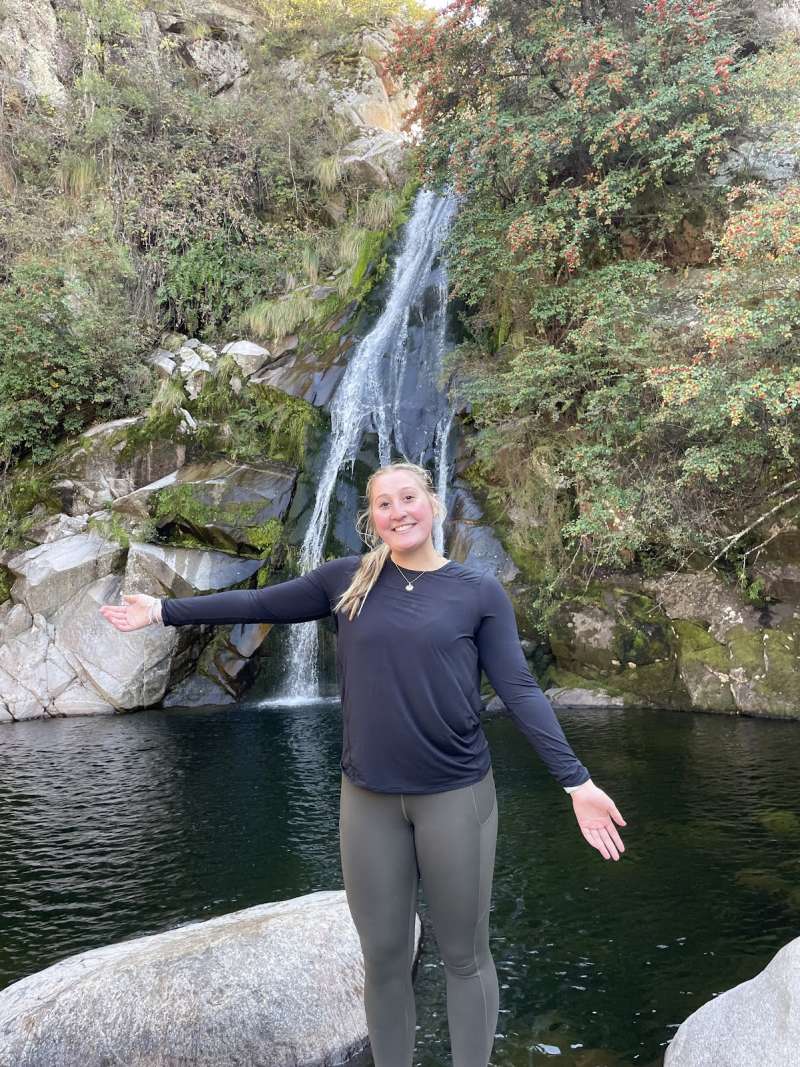
Organize weekend trips to destinations such as Villa Carlos Paz lake region, La Cumbrecita, and other hill towns for hiking and outdoor activities.

Enjoy the lively nightlife and vibrant cultural scene including museums, theaters, and cafes within Cordoba.

Learn about hospital medicine through clinical rotations.

Quick Details

Locations:
  • Cordoba, Argentina
Availability
Year(s) OfferedYear RoundTerms Available:
  • Throughout the Year
Cost Per Week$900-1250
Age Requirement:Varies
Types & Subjects
Subjects & Courses:
  • Health Administration
  • Health Sciences
  • Medicine
  • See more
Guidelines:
  • All Nationalities
See all program details

Awards

The ForumGoAbroadCandidGreat Non-ProfitsDiversity AbroadTop Rated Organization 2021 - Internships Abroad

Program Reviews

Hear what past participants have to say about the programs

Overall Rating

9.33

Total Reviews

6

Working in the Maternity Hospital in Cordoba, Argentina

September 09, 2014by: cordoba

Program: Global Health in Cordoba, Argentina

8

Working at Hospital Maternidad was such a fulfilling opportunity where I saw different sides of the field and also conducted my research. As for my research, I ended up interviewing adults instead of adolescents to avoid issues with consent and minorities. I conducted close to 100 interviews in the Obstetrics clinic and in the E.R.. Seeing to better understand what caused such high pregnancy rates. Women were generally open and comfortable with the questions I asked that had to do with level of school completed, if they seeked the pregnancy, and what their future plans were. I felt very comfortable doing the interviews, but at times wish I had more time to talk to the patients but since I was doing the interview during their doctor’s visit, we didn’t have much time. My first questionnaire investigated if women controlled their pregnancies and if they think that it is important to do so. Most replied that it is important, but this didn’t give my any depth. I tried to explore that other factors that I could investigate to better understand why so many women became pregnant at the age of 16-17 and why so many left school even before they were pregnant. Especially when school is free! Even graduate school! To discover these factors I included the following questions:” what is your hobby? And what is your dream?” These responses to these questions surprised both I and the patients. The patients did not know how to respond because no one had asked them such a question before. Many said “I don’t know”, “I don’t have a dream”, and “I like to clean the house”. I couldn’t understand that with all the free schools, why people did not take this opportunity to achieve their dreams. I learned that the Argentinian culture is very different from the United States because in the United States everyone has a dream despite their level of school or their level of economy. After talking with the directors of hospitals, nurses and doctors, many explained that the government subsidies is a major factor contributing the high percentage of people who drop out of school and settle to have a family at a young age. With the government subsidy, the people have a better quality of life compared to those who do work and therefore no one wants to study or work. I went to talk to the director of the Maternity Hospital and Pediatric Hospital to talk about my data and see how we can use the information to improve the conditions. I am in contact with some programs that help pregnant women and they will review my information to talk more with the women about their dreams and hobbies. Also I want to give my information to secondary and primary schools so that schools and teachers can include this sentiment of pursuing one’s dreams in their curriculum.

Working in the maternity hospital

September 16, 2014by: Solbol - United States

Program: Global Health in Cordoba, Argentina

8

Working at Hospital Maternidad was such a fulfilling opportunity where I saw different sides of the field and also conducted my research. As for my research, I ended up interviewing adults instead of adolescents to avoid issues with consent and minorities. I conducted close to 100 interviews in the Obstetrics clinic and in the E.R.. Seeing to better understand what caused such high pregnancy rates. Women were generally open and comfortable with the questions I asked that had to do with level of school completed, if they seeked the pregnancy, and what their future plans were. I felt very comfortable doing the interviews, but at times wish I had more time to talk to the patients but since I was doing the interview during their doctor’s visit, we didn’t have much time. My first questionnaire investigated if women controlled their pregnancies and if they think that it is important to do so. Most replied that it is important, but this didn’t give my any depth. I tried to explore that other factors that I could investigate to better understand why so many women became pregnant at the age of 16-17 and why so many left school even before they were pregnant. Especially when school is free! Even graduate school! To discover these factors I included the following questions:” what is your hobby? And what is your dream?” These responses to these questions surprised both I and the patients. The patients did not know how to respond because no one had asked them such a question before. Many said “I don’t know”, “I don’t have a dream”, and “I like to clean the house”. I couldn’t understand that with all the free schools, why people did not take this opportunity to achieve their dreams. I learned that the Argentinian culture is very different from the United States because in the United States everyone has a dream despite their level of school or their level of economy. After talking with the directors of hospitals, nurses and doctors, many explained that the government subsidies is a major factor contributing the high percentage of people who drop out of school and settle to have a family at a young age. With the government subsidy, the people have a better quality of life compared to those who do work and therefore no one wants to study or work. I went to talk to the director of the Maternity Hospital and Pediatric Hospital to talk about my data and see how we can use the information to improve the conditions. I am in contact with some programs that help pregnant women and they will review my information to talk more with the women about their dreams and hobbies. Also I want to give my information to secondary and primary schools so that schools and teachers can include this sentiment of pursuing one’s dreams in their curriculum.

First taste of Cordoba

March 26, 2015by: Sara Fontanez - Maywood

Program: Global Health in Cordoba, Argentina

10

When I first arrived in Cordoba, I was more than little enthusiastic to see how my experience in Argentina will be shaped by my perspective as a (dare I say) adult and young almost-doctor. I arrived in Córdoba, the second-largest city in Argentina, renowned for it's beautiful colonial structures and for being a center of higher education since the Jesuits established the first National University here in 1613. As a soon-to-be double graduate of Jesuit universities, I was obviously excited to be immersed in a city built on the same foundation. I was met by, Charly, the coordinator of Intercambio Cultural, the local partner of CFHI who made this trip come together for me. Charly greeted me like an old friend with the one-cheek-kiss hello, a simple reminder of the warmth that makes Latin America feel like a second home. The warm welcome of the ICC team lasted throughout the entire trip, with lectures and day trips that made for an easy, educational transition and very difficult parting from my life in Argentina!

Program Details

Learn all the nitty gritty details you need to know

Locations

  • Cordoba, Argentina

Types and Subjects

  • Subjects & Courses
  • Health Administration
  • Health Sciences
  • Medicine

Availability

Years Offered: Year Round

Terms Available:
  • Throughout the Year

Age Requirement

Age Requirement Varies

Guidelines

All Nationalities

Cost per week

$900-1250

Program Cost Includes

  • Tuition & Fees
  • Accommodation / Housing for Program Duration
  • Travel Insurance
  • On-Site / In-Country Staff Support

Accommodation Options

  • Home-stays

Qualifications & Experience

      Accepted Education Levels

    • Any/All Education Levels Accepted

    Application Procedures

    • Online Application
    Child Family Health International

    Child Family Health International

    9.33Verified

    Ready to Learn More?

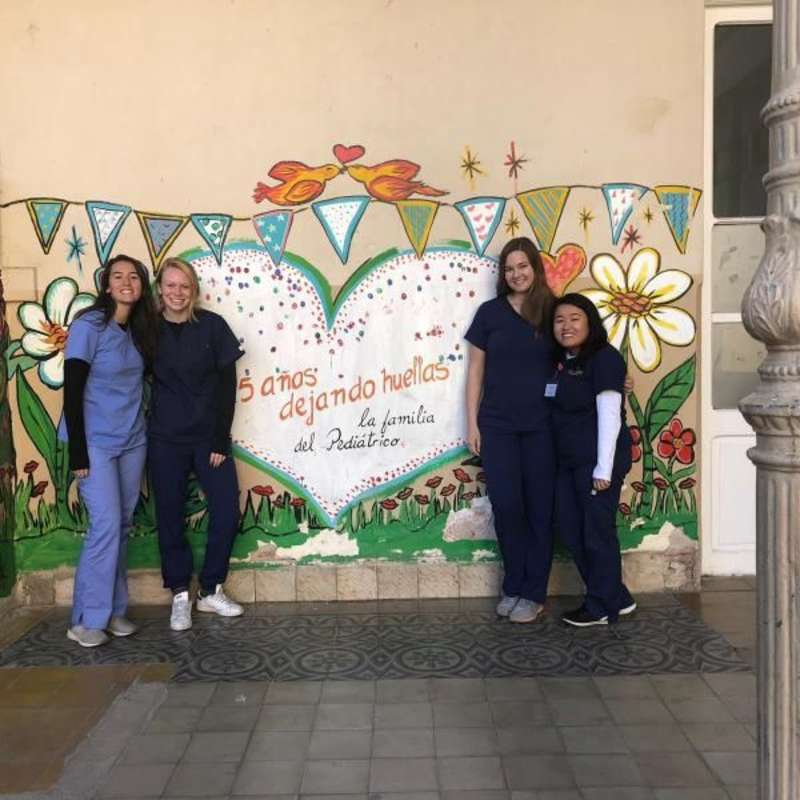
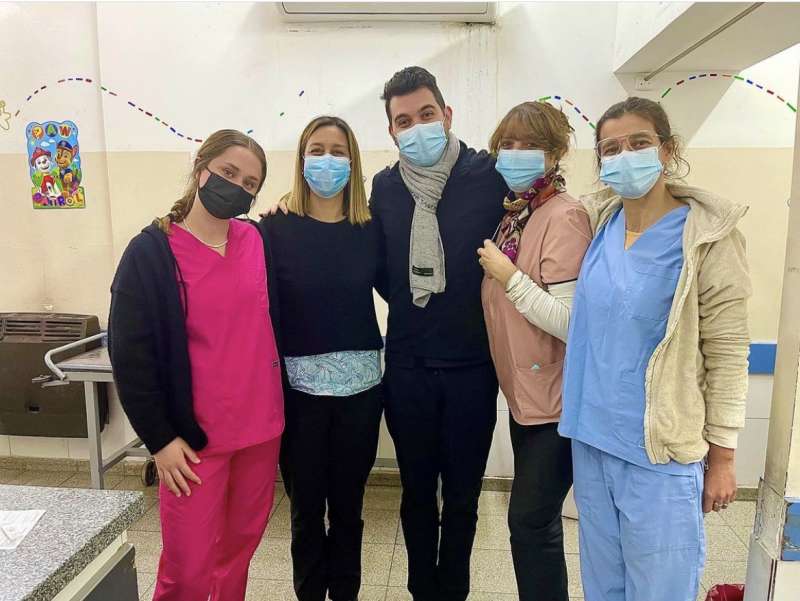
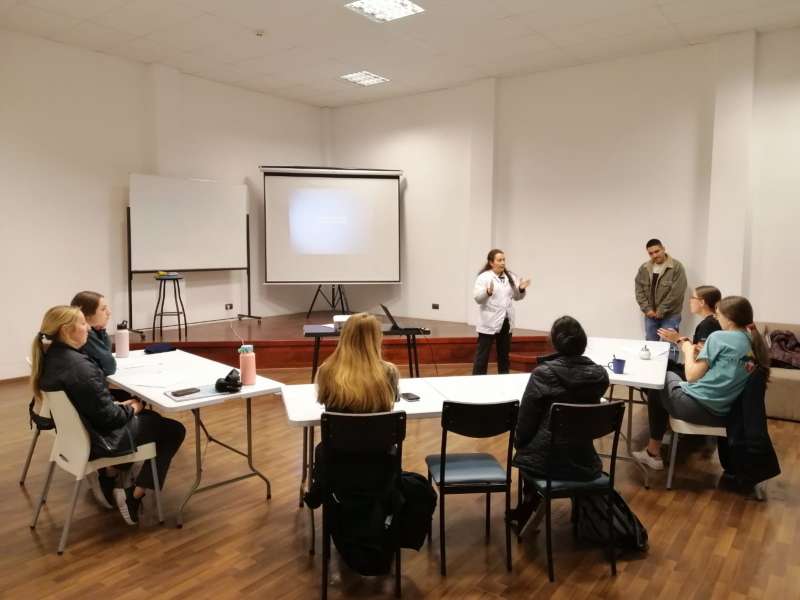
    Learn about hospital medicine through rotations at some of the oldest and most renowned teaching hospitals in Latin America, such as the premier infectious disease hospital and the largest public pediatric hospital in the region. During your time in Cordoba, witness government efforts to provide care to a large percentage of the population without health insurance. Alongside local healthcare personnel, take part in focused physical exams, patient histories and daily hospital rounds. Join lectures and discussions on case studies with local residents and medical students. Shadow healthcare professionals in various rotations in specialties including infectious disease, HIV/AIDS, surgical care, oncology, dermatology, pediatrics and psychology.

    Related Programs

    Browse programs you might like