- Home
- Providers
- Back
- Child Family Health International
- Global Health Programs in Delhi, India

Global Health Programs in Delhi, India
India is the world’s largest democracy and is considered a newly industrialized country. Yet despite its large workforce and immense growth, India continues to face the hurdles of poverty, illiteracy, malnutrition, and inadequate public healthcare. Funds for health in India have long focused largely on medical services, reflected in a lack of modern public health regulations and delivery of services. Travel to Delhi, India, the second most populous city on the planet. Join NGOs working to implement social reforms and improve public health outcomes through educational campaigns and trainings with emphasis on the spread of HIV/AIDS in India, tuberculosis, and management of infectious diseases. Learn about key public health challenges such as low rates of immunization, poor sanitation and waste management, and unsafe drinking water. Understand the lingering impact of India’s caste system and challenges in implementing public health initiatives within a culturally and linguistically diverse population.
Program Highlights
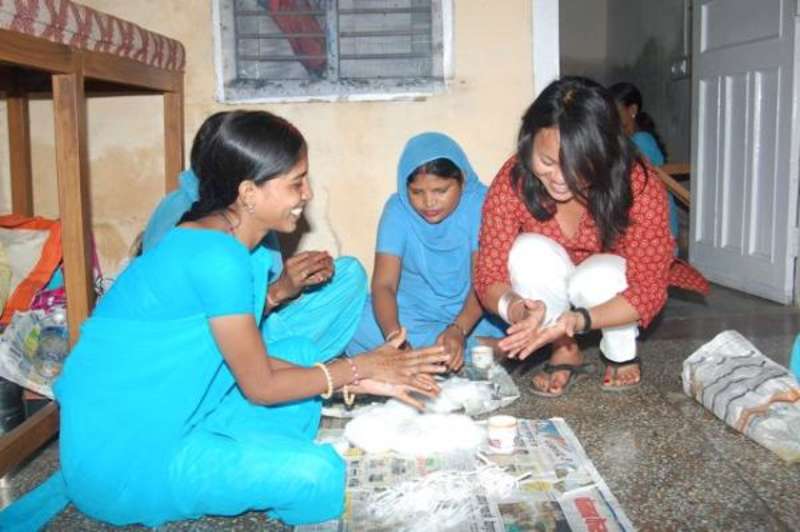
Learn from non-governmental organizations (NGO) stepping in to address the gaps in health services and the most needy populations.
Understand the lingering impact of India’s caste system and challenges in implementing public health initiatives within a culturally and linguistically diverse population.
Learn about key public health challenges such as low rates of immunization, poor sanitation and waste management, and unsafe drinking water.
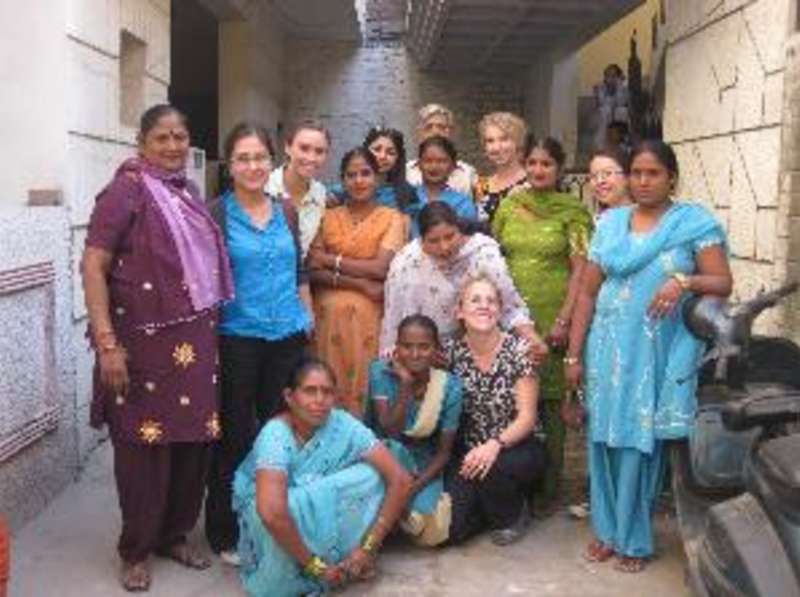
Live amongst locals in a residential area of Delhi.
Become immersed in Indian culture while living in a private apartment in a residential neighborhood in south Delhi.
Media Gallery
Quick Details
- Delhi, India
- 2-4 Weeks
- 5-8 Weeks
- 9-12 Weeks
- Medicine
- Nursing
- Social Work
- AIDS
- Grassroots Organization
- Health
- Health Care
- Hospital
- Medicine
- Nursing
- Public Health
- American
- Asian
- Australian
- Canadian
- European
- Kiwi
- South African
- All Nationalities
Awards


Program Reviews
Hear what past participants have to say about the programs
Overall Rating
Total Reviews
Global Health in India
January 24, 2026by: PHU NHAT NGUYEN - VietnamI am honored to have received a full scholarship for the Global Health program in India from Child Health Family International (CFHI). During two weeks of clinical training at hospitals and research facilities across India, I gained a broader and more in-depth perspective on the healthcare system and the public health challenges the country is currently facing. This was truly a valuable experience—not only in terms of healthcare exposure, but also in understanding the culture and people of a nation characterized by remarkable religious and ethnic diversity. I was deeply impressed by India’s culture, perfectly captured by the phrase “countries within a country.” With a population of over 1.4 billion people and still growing, along with a long and proud history as one of the world’s oldest civilizations, India continuously revealed its richness to me. My time there truly brought this to life, especially through the striking diversity of religions, including Hinduism, Buddhism, Islam, and many others. Indian cuisine, often described as “the kitchen of the world,” also left a strong impression on me. Coming from Vietnam—a country well known for its diverse food culture and rich use of spices—I still had to admit that in India, I encountered countless flavors and combinations that I had never even heard of, let alone experienced before. Indian architecture truly stood out to me. From the marble stones of the Taj Mahal to the grandeur of Agra Fort and the intricate details of Qutb Minar, each structure showcased an extraordinary level of craftsmanship, with carvings so delicate and detailed that they were simply breathtaking.

I wouldn't mind repeating the program!
November 02, 2025by: George William Tinka - UgandaMy experience with Child Family Health International (CFHI) was nothing short of life-changing. As a Ugandan medical officer with a strong interest in global health, I joined CFHI’s Global Health in India program to deepen my understanding of healthcare systems in a diverse cultural context. The CFHI team, led by Mrs. Hema Pandey, provided unparalleled support throughout the application and travel processes, making me feel welcomed and prepared. The program featured enlightening visits to organizations such as Sulabh International, where I learned about groundbreaking sanitation initiatives, and CanSupport, which focuses on holistic care for cancer patients, among others. Observerships at Dr. Shroff’s Charity Eye Hospital and Landou Community Hospital were particularly impactful to me, as I gained valuable insights into India's clinical care and public health practices. Additionally, the cultural experiences, including visits to the Taj Mahal and other iconic sites, as well as partaking in Diwali, enriched my appreciation for India’s heritage. CFHI’s dedication to cultural sensitivity and global collaboration in medicine is truly commendable. I returned home inspired and equipped with knowledge that will inform my advocacy for equitable healthcare in Uganda and beyond. I highly recommend CFHI to anyone seeking to broaden their horizons and make a meaningful difference in global health. Thank you, CFHI, for this incredible journey!


Unbeatable Experience!
June 01, 2025by: Michaela Forouzan - United StatesChild Family Health International (CFHI) is a global health education nonprofit that partners with local communities and health systems in underserved regions to provide transformative clinical and public health experiences for aspiring health professionals. With a strong emphasis on ethical engagement, cultural humility, and sustainable development, CFHI offers immersive programs that expose participants to real-world healthcare challenges while supporting local providers and promoting global health equity. The CanSupport–Cancer program in New Delhi, India, is one such offering—focusing on palliative and cancer care in a resource-constrained setting. It offers students firsthand experience in home-based care, multidisciplinary teamwork, and the social determinants of health affecting vulnerable populations. As a Medical Observer through CFHI’s CanSupport–Cancer program, I had the privilege of working alongside physicians, nurses, and mental health professionals providing end-of-life care to patients in their homes and local daycare centers. We served individuals facing advanced-stage cancer, HIV/AIDS, muscular dystrophy, stroke, and other serious conditions. I witnessed the importance of dignity, emotional support, and cultural sensitivity in palliative care, and developed a deeper understanding of pain management, family dynamics, and ethical decision-making. This experience not only strengthened my clinical observational skills but also taught me how to provide holistic, patient-centered support during life’s most vulnerable moments. In addition to community-based care, I completed a one-month clinical observership at Apollo Hospitals in New Delhi, one of India’s leading private healthcare institutions. Under neurologists Dr. P.N. Renjen and Dr. Avinash, I observed diagnosis and treatment approaches for strokes, seizures, Parkinson’s disease, and Alzheimer’s, gaining familiarity with neurological exams, neuroimaging, and acute care. I also rotated in pediatric cardiology with Dr. Reetesh Gupta, where I observed echocardiograms, EKG interpretation, and pediatric cardiac surgeries. These combined experiences gave me a holistic view of both public and private healthcare delivery in India and deepened my passion for compassionate, interdisciplinary, and culturally competent medical care.

Incredible Global Health & Cultural Immersion Experience with CFHI in India
April 26, 2025by: Robel T - United StatesSpending a month in New Delhi through CFHI’s Global Health Program was truly one of the most transformative experiences of my medical and public health journey. The program offered a rare blend of clinical exposure, public health education, and cultural immersion allowing me to grow both professionally and personally. Through rotations with major hospitals and nonprofit organizations, I saw firsthand how healthcare is delivered in resource-limited settings with innovation, empathy, and deep community involvement. I was especially moved by the home-based palliative care model, where patients and families are cared for with dignity and compassion. I also engaged with programs addressing infectious diseases, substance use, and sanitation gaining a more nuanced understanding of social determinants of health and systems-level interventions. Equally impactful were the cultural experiences that gave me insight into the rich history and diversity of India. In Delhi, I explored landmarks like Humayun’s Tomb, Qutub Minar, and the Lotus and Akshardham Temples. On weekends, I traveled to Jaipur to see the Amber Fort and Hawa Mahal, visited the majestic Taj Mahal in Agra, experienced spiritual serenity at the Golden Temple in Amritsar, and found peace in Rishikesh with yoga and a traditional aarti ceremony on the Ganges River. This program helped me become a more reflective, culturally sensitive future physician. It challenged me to think beyond clinical care and consider how public health, community context, and culture intersect in healing. I highly recommend CFHI to anyone passionate about global health, equity, and personal growth. The lessons and memories from India will stay with me for a lifetime.


I had a great experience!
July 27, 2024by: Michael Phan - VietnamMy time with CFHI in New Delhi was truly transformative, both personally and professionally. From the moment I arrived, I was welcomed into a supportive and enriching environment that allowed me to grow and learn in ways I had never imagined. The CFHI program provided an exceptional range of clinical experiences. I had the chance to observe and participate in various medical practices, which enriched my understanding of healthcare delivery in a resource-constrained setting. The hands-on experience, coupled with insightful lectures, deepened my knowledge and skills. The mentors and healthcare professionals involved in the program were outstanding. Their dedication to teaching and their willingness to share their expertise created a nurturing learning environment. They were always available to answer questions and provide guidance, which made the experience even more valuable. CFHI’s program in New Delhi offered a profound cultural experience. Living in such a vibrant city allowed me to immerse myself in Indian culture, traditions, and daily life. This aspect of the program was incredibly enriching and helped me develop a broader perspective on global health issues. The program is designed with a strong emphasis on community health. I appreciated how CFHI integrates community service into the experience, providing meaningful opportunities to engage with and contribute to local communities. This aspect of the program was particularly rewarding and highlighted the importance of giving back. The CFHI team was exceptionally well-organized and supportive throughout my stay. From pre-departure preparations to on-the-ground support, everything was handled with professionalism and care. Any concerns or issues were addressed promptly, ensuring a smooth and enjoyable experience. Participating in the CFHI program in New Delhi was an incredibly enriching experience that I will cherish for years to come. It provided me with invaluable clinical exposure, cultural insights, and personal growth opportunities. I highly recommend this program to anyone interested in gaining hands-on healthcare experience while making a meaningful impact in a global context.

With CFHI in Delhi
January 16, 2023by: Grace Shelton - United StatesI went to Delhi, India for two weeks with CFHI and I couldn't have imagined what an amazing experience it would be! I have always wanted to study abroad and I will be wrapping up my Health Sciences undergraduate degree in a semester so I decided now was the time. During my two weeks I went to various rotations in palliative end-of-life care, adolescent de-addiction centers, HIV treatment and prevention centers, and had discussions with a LBGTQ organization, pediatrician, acupressure therapist, and more! I am planning on going on to graduate school to get my doctorate of physical therapy. Although this wasn't all physical therapy related, it was all people related which is the first step of physical therapy. I had also never traveled out of the country by myself and while intimidating at first, CFHI was so supportive in every aspect of travel! And so helpful with whatever I needed or wanted while in country. The coordinators and country director helped plan weekend excursions and little sight seeing and immersion opportunities during the weeks too!


End-of-Life and Palliative Care in Kerala
May 18, 2015by: pwally18 - LexingtonIn April 2015, I participated in CFHI’s “End-of-Life and Palliative Care” program in Trivandrum, Kerala India. This was a four-week program volunteering with Pallium India, a charitable trust founded by Dr. M.R. Rajagopal (known as the “Father of Palliative Care” in India) that provides palliative care to Trivandrum and the surrounding villages and seeks to educate nurses and doctors in the art of palliative care. As part of Pallium’s mission to educate healthcare providers, Dr. Rajagopal and his team provide a few six-week training courses per year that will allow doctors and nurses to become certified in palliative care. My four-week program coincided with the first four weeks of one of these training courses, so I was able to gain valuable, classroom-based education in palliative care as well as clinical experience on the inpatient ward, in pediatric and adult outpatient clinics, and on home visits in the city and multiple surrounding villages. Palliative care is all about providing patient-centered, holistic care as well as psychosocial and spiritual support for the patient and family. It’s a team effort (doctors, nurses, social workers, and volunteers), and Pallium recognizes this. They have developed a grassroots, community-driven model for delivering palliative care that relies on the generosity of the community for financial support and the commitment of local volunteers as the backbone of their home visit teams. As a fourth-year medical student, I found great value in the classroom instruction in communication, symptom management, bioethics, and end-of-life care. However, I was most touched by my clinical experiences with the patients, especially on the home visits. Getting to step inside someone’s home and observe the home-care team’s interactions with the patients and families was a privilege. Empathizing with a patient’s situation is necessary in palliative care, and there is no better way to do this than to visit a patient in his or her home. I highly recommend the “End-of-Life and Palliative Care” program to anyone who is interested in palliative care, whether you are a student, doctor, nurse, social worker, or just someone looking to learn more about palliative care and experience the hospitality and beauty of Kerala (also known as “God’s Own Country”). It was a life-changing experience for me, and I am grateful to CFHI and Pallium India for allowing me to take part in the program.
Program Details
Learn all the nitty gritty details you need to know
Locations
- Delhi, India
Types and Subjects
- Fields
- Medicine
- Nursing
- Social Work
- Causes
- AIDS
- Grassroots Organization
- Health
- Health Care
- Hospital
- Medicine
- Nursing
- Public Health
Availability
Years Offered: Year Round
- 2-4 Weeks
- 5-8 Weeks
- 9-12 Weeks
- 1-3 Months
Age Requirement
18+
Guidelines
All Nationalities
Starts At
Program Cost Includes
- Internship Placement
- Tuition & Fees
- On-Site / In-Country Staff Support
- Pre-Departure Orientation
- In-Country Orientation
- Cultural Training / Program / Orientation
Accommodation Options
- Home-stays
- Other
Qualifications & Experience
- English
Language Skills Required
- Any/All Education Levels Accepted
Accepted Education Levels
Application Procedures
- Online Application
Ready to Learn More?
India is the world’s largest democracy and is considered a newly industrialized country. Yet despite its large workforce and immense growth, India continues to face the hurdles of poverty, illiteracy, malnutrition, and inadequate public healthcare. Funds for health in India have long focused largely on medical services, reflected in a lack of modern public health regulations and delivery of services. Travel to Delhi, India, the second most populous city on the planet. Join NGOs working to implement social reforms and improve public health outcomes through educational campaigns and trainings with emphasis on the spread of HIV/AIDS in India, tuberculosis, and management of infectious diseases. Learn about key public health challenges such as low rates of immunization, poor sanitation and wa...

Child Family Health International

Child Family Health International
Ready to Learn More?
India is the world’s largest democracy and is considered a newly industrialized country. Yet despite its large workforce and immense growth, India continues to face the hurdles of poverty, illiteracy, malnutrition, and inadequate public healthcare. Funds for health in India have long focused largely on medical services, reflected in a lack of modern public health regulations and delivery of services. Travel to Delhi, India, the second most populous city on the planet. Join NGOs working to implement social reforms and improve public health outcomes through educational campaigns and trainings with emphasis on the spread of HIV/AIDS in India, tuberculosis, and management of infectious diseases. Learn about key public health challenges such as low rates of immunization, poor sanitation and wa...
Related Programs
Browse programs you might like