GoAbroad
Global Health in Quito, Ecuador logo

Global Health in Quito, Ecuador

by: Child Family Health International

9.5 (6)Verified

Experience the rich culture and history of Ecuador's vibrant capital city while learning about the healthcare challenges facing the region. One of Child Family Health International's longest-running programs, the Andean Health program offers a comprehensive learning experience that encompasses both unique cultural opportunities and the chance to work at a variety of clinical sites. This program i...

Read More

Program Highlights

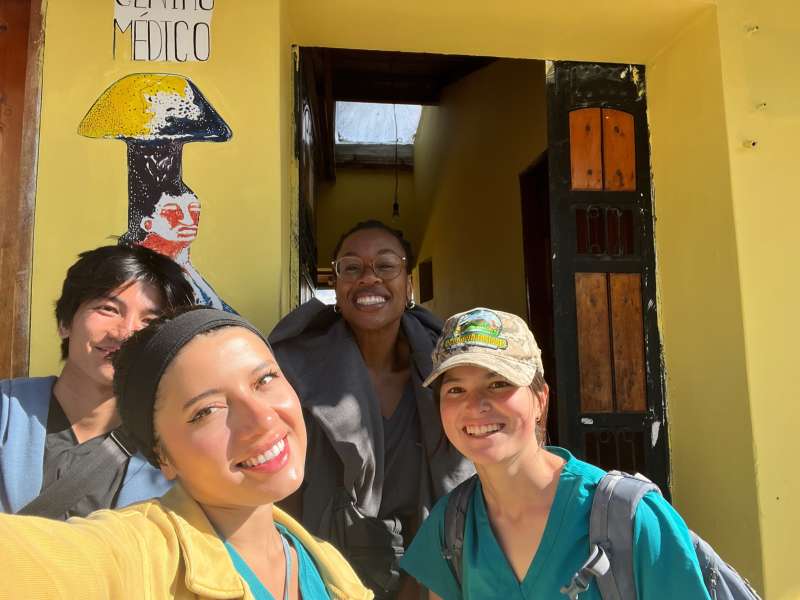
Experience firsthand the state of healthcare in Quito through clinical rotations.

Take on exciting and interesting rotations, with the range of clinical sites available—from general primary care to specialized clinics.

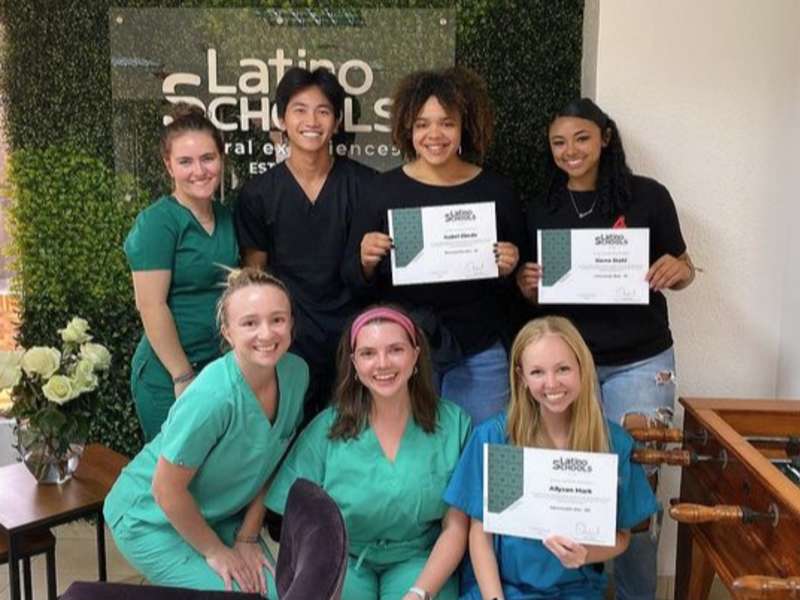
Join medical and conversational Spanish classes at a local language school.

Continue your cultural education outside the classroom through homestay experience and interaction with medical staff during clinical rotations.

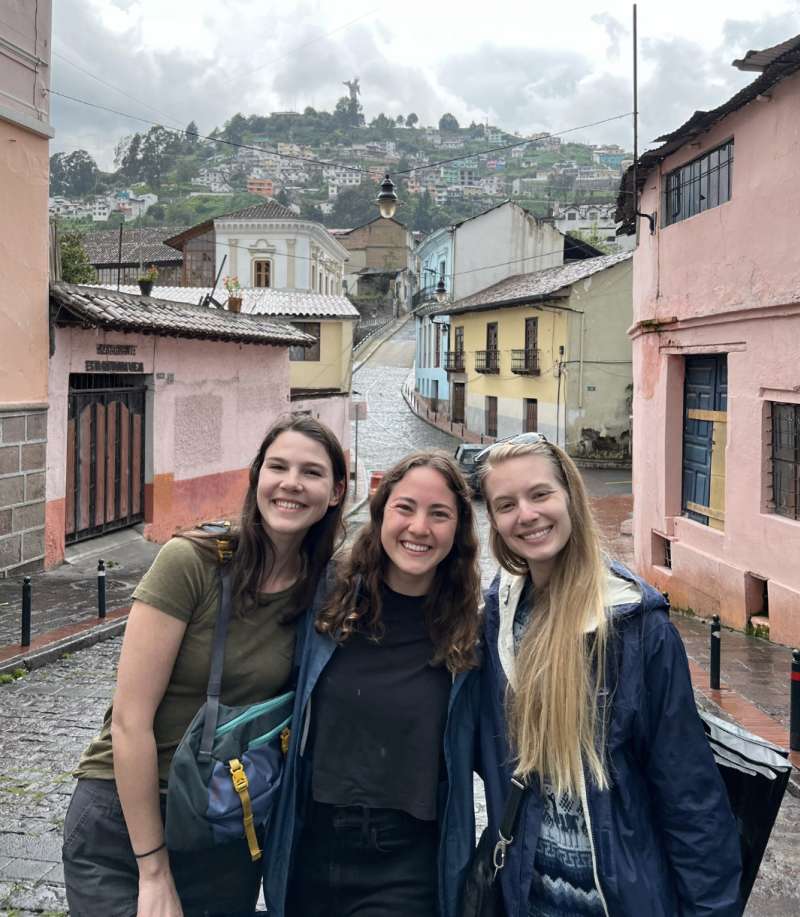
Enjoy sightseeing opportunities in the evenings and eye-opening weekend trips, visiting museums, historical sites, and other attractions around the lively city of Quito.

Quick Details

Locations:
  • Quito, Ecuador
Availability
Year(s) OfferedYear RoundDuration:
  • 2-4 Weeks
  • 5-8 Weeks
  • 9-12 Weeks
Cost Per Week$900-1250
Age Requirement:Varies
Types & Subjects
Fields:
  • Health Sciences
  • Medicine
  • Nursing
Causes:
Guidelines:
  • American
  • Asian
  • Australian
  • Canadian
  • European
See all program details

Awards

The ForumGoAbroadCandidGreat Non-ProfitsDiversity AbroadTop Rated Organization 2021 - Internships Abroad

Program Reviews

Hear what past participants have to say about the programs

Overall Rating

9.5

Total Reviews

6

Excellent experience!

March 11, 2019by: Jackie Powell - United States

Program: Global Health in Quito, Ecuador

10

This was a great program. Everything was very organized and structured so that I didn't have to worry about not knowing where I was supposed to be at any given moment. There were many points of contact throughout the whole process. From being picked up at the airport, adequate knowledge about the program from the host family, tour of the city and public transportation on the first day, coordination of hospital sites and physicians, the whole process was very seamless. Quito is a very easy city to navigate with great and cheap public transportation. Uber is also very cheap there. There are also lots of weekend trips that can be done to explore more of Ecuador. The rotations were all interesting and educational, with physicians teaching in between seeing patients. You get to work in a maternity hospital ER, adolescent pregnancy clinic, postpartum floor, outpatient clinics, and labor and delivery. I felt that the Spanish classes were excellent especially since there were only 4 students or so in each class. I would recommend this program!

Diverse cultures and environments to explore in ecuador

May 17, 2023by: Dana Rector - United States

Program: Global Health in Quito, Ecuador

10

I decided to study abroad during my 4th year of medical school in order to practice my medical Spanish and learn about healthcare in a developing country. My medical school advisor suggested CFHI. While reading the description of each program, I was particularly drawn to the Quito, Ecuador program because they offered rotations in Obstetrics and Gynecology (my future specialty) as well as Indigenous, ancestral medicine (which has contributed significantly to modern medicine). I was also granted the CFHI Loeliger 4th year International Elective Scholarship, without which, this incredible experience would not have been possible. Throughout the program, I was impressed by the thoroughness and organization. The program organized drivers to pick us up from the airport when we arrived and the same drivers also picked us up from the school to take us to the hospital each day. The drivers themselves were incredible! They spoke slowly, clearly, and were incredibly patient, so they functioned as great impromptu teachers. They taught us about the local culture (plata y placa driving system based on license plates, education system, growing pains of the Metro, etc) and gave us great suggestions for where to go on our weekend trips. CFHI did a great job choosing a host family. I also really appreciated that I was placed with two other American medical students who were also participating in the program. Because there were three of us, it made it feel safer to walk around and explore the city and it was easier to make plans for the afternoons and weekends. They were built-in travel buddies, and it was perfect! Our host mom was incredibly welcoming and experienced in hosting students. She spoke slowly enough so that we could converse and understand her Spanish. She had previously worked in the tourism business, so she knew all of the good places to go and gave us recommendations for what to do and how to get there, etc. Her food was also absolutely amazing! She introduced us to so many Ecuadorian dishes. When we left for weekend trips, she also packed us breakfasts for the road which was super sweet of her. CFHI also did an impeccable job choosing hospitals and doctors to work with. I learned so much from all the doctors, medical students, and medical staff. Dr. Cadena in the ER was very patient and helped us practice taking patient histories in Spanish. Working with Dr. Jacome in Family Medicine was an incredible experience even though I'm not going into family medicine; she's a great teacher and the patients love her. Dr. Carrera, in the ObGyn clinic, was also very patient and an excellent teacher. It was great to learn more Obstetric and Gynecology vocabulary in Spanish and learn about some of the cultural differences in the field. We discussed the similarities and differences in our healthcare systems. She told me about the frustrations regarding medication shortages and the months-long wait to get an appointment (similar to the US). At the Jambi Huasi clinic in Otavalo, we observed the interactions between Western and Indigenous medicine practices. Jambi Huasi means Health House in Quichua, the native language. We had the privilege of watching one of the indigenous parteras (mid-wives), Mama Michi, perform "La limpia con cuy" (direct translation: the cleaning with a guinea pig). It was a unique opportunity to witness this centuries old tradition (the earliest references are around the 1500s) and how the indigenous use guinea pigs as both a diagnostic tool and treatment. We also did some house calls for the people who couldn’t make it to the clinic, During the first two weeks of the program, we had class in the afternoon, in addition to the morning hospital observation. Our teacher, Monica, was very receptive to reviewing vocabulary and grammar topics that we wanted to practice. I also really enjoyed the class excursions. The first week we went to the market where we tried a variety of fruit (taxo, granadilla, granada, mango, zapote, pitahaya, piel de serpiente (salak), guanabana, caqui, orito, chirimoya, uvilla, gulupa, achotillo, pepino dulce). The next week we went to el Museo de Guayasamin and the professors got us a half off discount! In addition to the market and Museo de Guayasamin, there’s an endless list of activities to do in Quito! The first weekend we explored Parque Carolina and Metropolitana. We also visited La mitad del mundo (middle of the world) and made sure to check out the two museums. Fun fact: the larger, more well known, monument is actually not the true middle; the true middle is actually at El Museo Intinan where you can do fun scientific tests like the Coriolis effect and balance an egg on a nail. We rode the teleférico (cable car) up the mountain side to get an incredible view of Quito- just make sure to go on a sunny day without clouds and bring a jacket because it’s surprisingly cold up there. Centro Histórico was also full of history and we found out that the hostel, Secret Garden, did free tours- I would highly recommend it! We also happened to be in Quito during Semana Santa (Holy Week) so we saw the parade (La Procession de Jesus de Gran Poder). On the weekends, we ventured outside of Quito to Baños and Quilotoa. After the program, we went to the Galapagos and the Amazon. Ecuador has so much to offer in terms of culture and dramatically different environments. It was a privilege to be welcomed into so many communities; I learned so much from the medical staff, the patients, CFHI staff, and my host mom. I'm so glad I found CFHI and that they helped make this trip possible with the scholarship. I'm looking forward to starting residency soon and incorporating the language skills, cultural competencies, and medical knowledge that I have learned in Quito, Ecuador to benefit future patients.

Wonderful Opportunity for Health Students!

September 01, 2024by: Destiny Daniel - United States

Program: Global Health in Quito, Ecuador

7

My experience with the global health program in Quito, Ecuador, was wonderful. Exploring maternal health and gender disparities in a foreign country was both challenging and rewarding. The program provided me with the unique opportunity to observe numerous births and C-sections, which significantly deepened my understanding of clinical practices and public health in a different cultural context. One of the highlights was the chance to explore these critical issues independently while having a small, supportive team to lean on (asking my homestay, cfhi team, and spanish teacher questions). This balance allowed me to gain valuable insights into the local health landscape while also feeling supported in my journey. My Spanish improved tremendously throughout the program (from knowing just a few greetings to knowing how to function alone in a market), which enhanced my ability to connect with patients and local healthcare professionals. However, there were a few challenges. The weekend excursions werent built into the program and time was limited, also leaving little time for personal exploration during the week due to clinic and spanish class. Additionally, while the CFHI team did an excellent job vetting the homestay, my actual living situation was somewhat chaotic (randomly chaotic though it isn't common in CFHI), and the unreliable WiFi made it difficult to stay connected. Despite these challenges, I am incredibly thankful for the experience. For anyone seeking serious clinical experience in a supportive and affordable setting, I highly recommend the CFHI program. It offers an invaluable opportunity for hands-on learning at a better price point than many other study abroad programs.

Clinics 7:30-12 and Spanish Class 2-4 pm

Program Details

Learn all the nitty gritty details you need to know

Locations

  • Quito, Ecuador

Types and Subjects

  • Fields
  • Health Sciences
  • Medicine
  • Nursing

Availability

Years Offered: Year Round

Duration:
  • 2-4 Weeks
  • 5-8 Weeks
  • 9-12 Weeks
Intern Duration:

    Age Requirement

    Age Requirement Varies

    Guidelines

    All Nationalities

    Cost per week

    $900-1250

    Program Cost Includes

    • Tuition & Fees
    • Accommodation / Housing for Program Duration
    • Some Program Activity Costs
    • Travel Insurance

    Accommodation Options

    • Home-stays

    Qualifications & Experience

      Language Skills Required

    • Spanish

      Accepted Education Levels

    • Any/All Education Levels Accepted

    Application Procedures

    • Online Application
    Child Family Health International

    Child Family Health International

    9.5Verified

    Ready to Learn More?

    Experience the rich culture and history of Ecuador's vibrant capital city while learning about the healthcare challenges facing the region. One of Child Family Health International's longest-running programs, the Andean Health program offers a comprehensive learning experience that encompasses both unique cultural opportunities and the chance to work at a variety of clinical sites. This program is open to those who possess: * Minimal Spanish * Conversant Spanish or * Fluent Spanish This program is open to individuals who are 20 or over at the time of participation. We accept students of all nationalities with interest in international health and relevant educational background. Participants may be any of the following: * Medical Residents, MD & DO * Medical Students, MD & DO 1-2 * Medic...

    Related Programs

    Browse programs you might like