GoAbroad
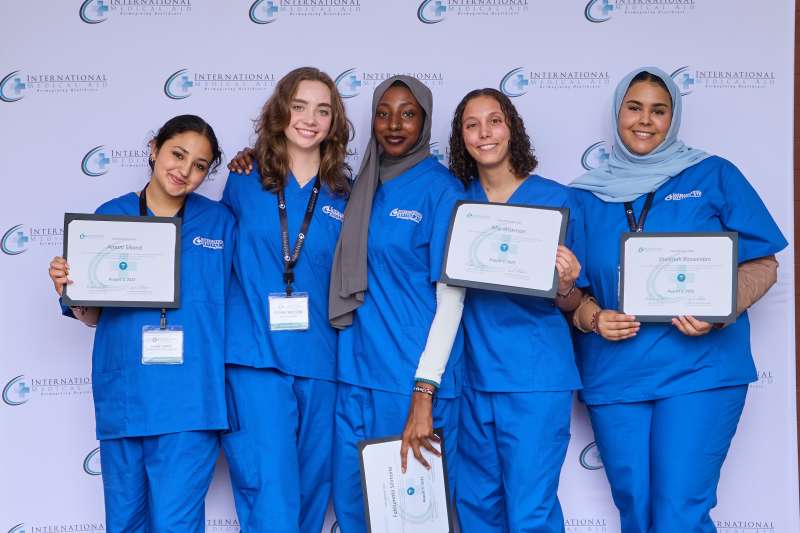
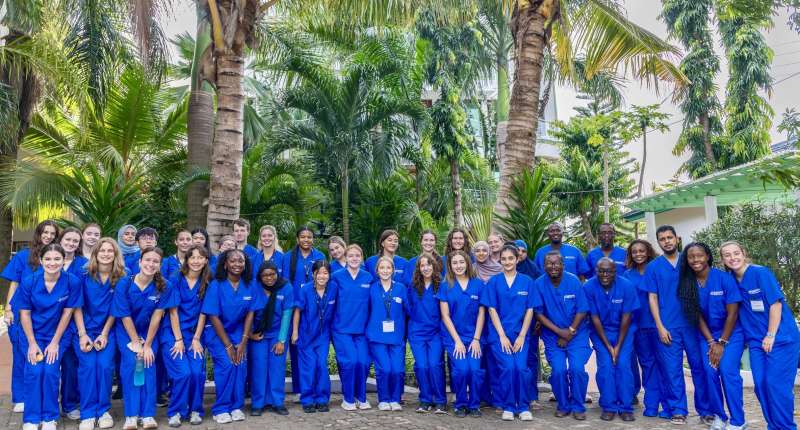
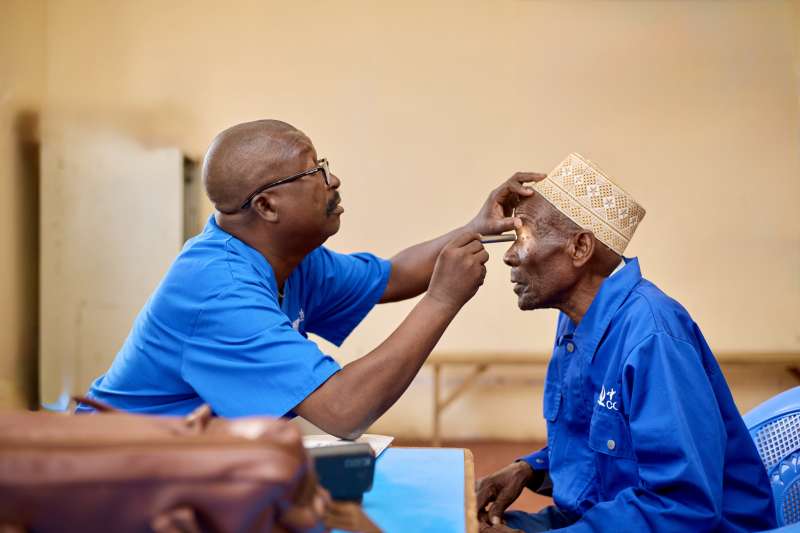
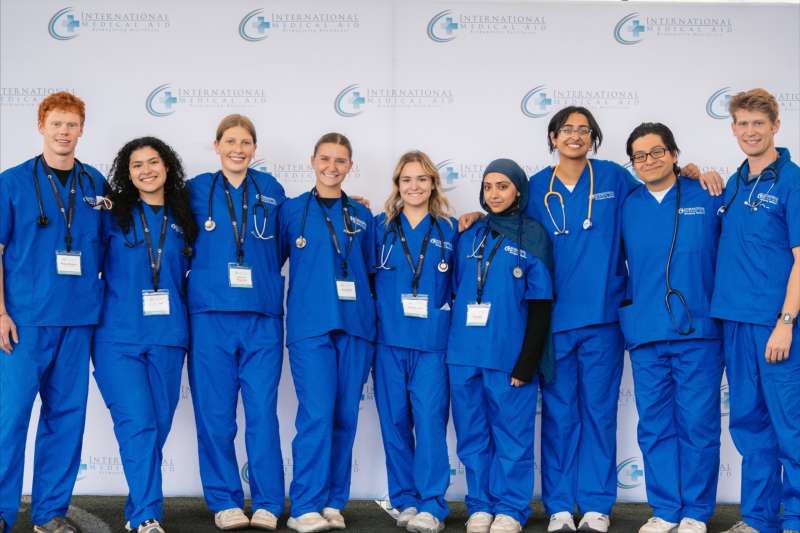
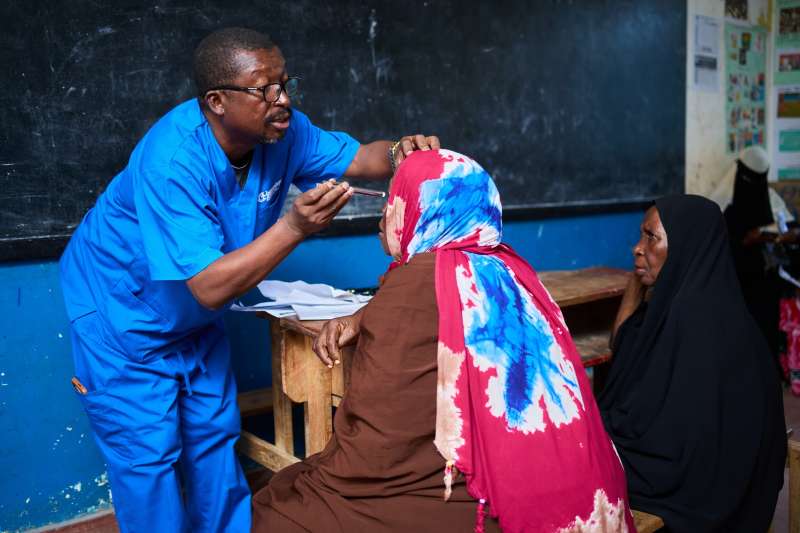
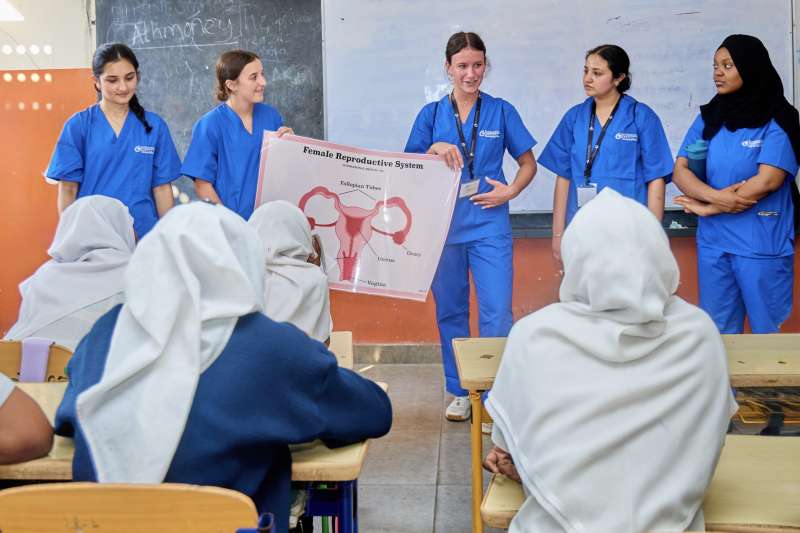
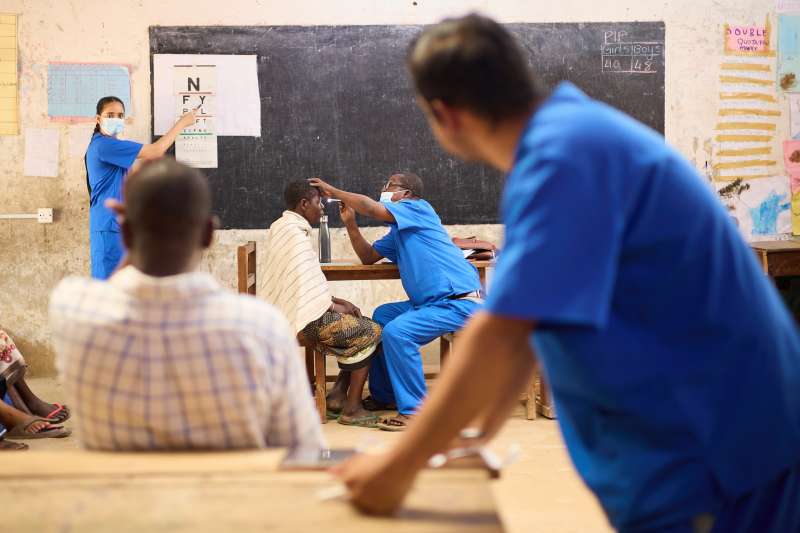
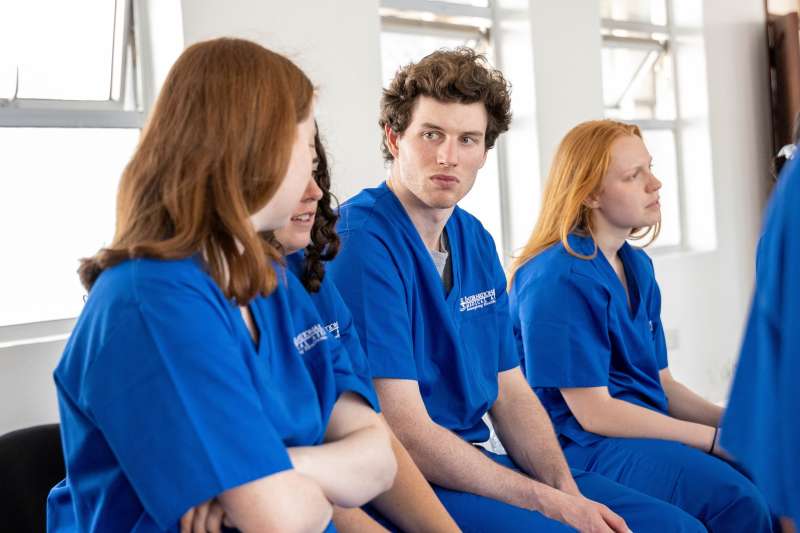
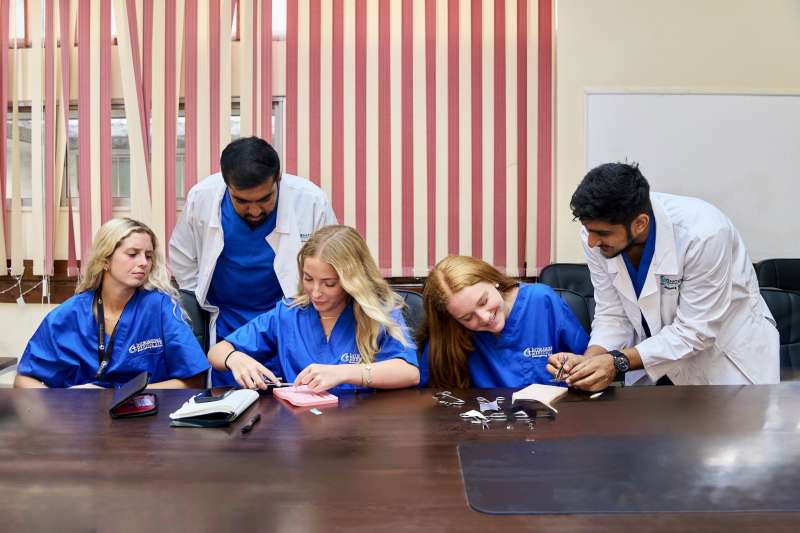
International Medical Aid volunteers
International Medical Aid (IMA) logo

International Medical Aid (IMA)

4.97 (411)VerifiedSince 201213 Programs

Why choose International Medical Aid (IMA)?

International Medical Aid (IMA) is a distinguished nonprofit organization standing at the forefront of global healthcare study-abroad endeavors. As the premier provider of pre-health programs, we offer unparalleled study abroad experiences and healthcare internship opportunities to students and professionals. With programs developed at Johns Hopkins University, IMA's commitment extends to delivering essential healthcare services in underserved regions, spanning East Africa, South America, and the Caribbean. IMA programs align with the AAMC Core Competencies, focusing on developing critical thinking, communication, and cultural competence. Undergraduates, medical students, residents, and practicing professionals gain hands-on experience in medicine, nursing, mental health, dentistry, physical therapy, and public health with a strong grasp of ethical healthcare delivery practices. IMA also fosters an early interest and foundational understanding in healthcare professions by extending opportunities to high-school students. Our approach ensures a broad spectrum of participants can benefit from IMA's comprehensive programs, setting a high standard for experiential learning in global health. Beyond clinical skills, IMA interns immerse themselves in the local culture and beauty of our destinations through our adventure programs. By joining IMA, you will make a tangible impact in underserved communities while advancing your personal and professional growth in healthcare.

Follow Us

FacebookXInstagramLinkedIn

International Medical Aid (IMA) Reviews

Hear what past participants have to say about the programs

Overall Rating

4.97

Total Reviews

411
Leave a Review

Clinical Exposure, Mentorship, and Growth Through IMA’s Pre-Medicine Internship

April 04, 2026by: Victoria Slaven - United States

Program: Global Health & Pre-Medicine Internships Abroad | IMA

5

This program allowed me to grow as an ethical leader in my community, a leader who leads by example. My experiences at Coast General will forever shape my perspective on health care and scarce resources in healthcare settings. While in Kenya, I received constant support from the IMA staff. One specific example that stands out to me was when I was left in the lab by one of the CCC doctors. I called Hilda for support, and even though she was not working that day, she immediately sent Dr. Shaziim to support me. In the residences, the mentors would always be looking out for me, making sure I was healthy and happy as I completed the program. One specific moment in Internal Medicine that stood out to me was when I did rounds in the women's ward with Dr. Shaziim and the gastroenterologist. Dr. Shaziim incorporated my previous knowledge of HIV from the CCC into explanations to help me learn and build upon my knowledge. Thanks to their efforts to involve me in their diagnosis process, I now want to pursue gastroenterology.

Leading a health education session alongside fellow interns during a community outreach initiative organized by IMA in Mombasa, Kenya, as part of my Pre-Medicine Internship Program.Certificate Ceremony at the end of my Pre-Medicine Internship Program with one of IMA’s Physician Mentors.Participating in a Hygiene Education Session hosted by IMA at a local primary school in Mombasa, Kenya, during my Pre-Medicine Internship Program.

How My Pre-PA Internship in Kenya Reshaped My Understanding of Medicine, Advocacy, and Global Health

April 03, 2026by: Muna Mohamed - United States

Program: Physician Assistant/Pre-PA Internships Abroad | IMA

5

When I boarded the plane to Kenya to begin my internship with International Medical Aid, I was filled with excitement, curiosity, and a desire to serve. I have long aspired to become a physician assistant, but I also wanted to ensure that this goal was driven by genuine passion rather than simple interest. I had always hoped to participate in global health efforts and provide care to populations with limited access to healthcare. I wanted to understand patient care outside the modern diagnostic tools, fast-paced hospital systems, and technological resources that shape much of medicine in the United States. During my time at Coast General Teaching and Referral Hospital in Mombasa, I discovered far more than I anticipated: a deeper understanding of healthcare disparities, a profound respect for resilience and community, and a renewed commitment to pursue my career with purpose. When I landed in Mombasa, I felt a mix of familiarity and astonishment. Palm trees swayed over busy streets, and the air carried a warmth that extended beyond the weather. Cars moved in a chaotic harmony, with drivers honking and weaving through traffic while somehow avoiding collisions. Tuk-tuks sped between cars and motorcycles, while pedestrians crossed roads amid the flow of traffic. Vendors lined the roadside selling everything from fresh fruit to clothing, their voices full of energy and persistence. As a Somali born and raised in the United States, these sights felt both foreign and strangely comforting. They reminded me of the stories my family shared about home, full of movement, community, and constant hustle. For the first time, I felt connected to a place I had never lived, yet somehow carried within me. The warmth I received from the IMA staff, doctors, nurses, and local community helped me transition from feeling like an outsider to feeling accepted. Coming from the United States, I have grown up in a healthcare system that, despite its high cost, is equipped with advanced technology and support systems for many patients through insurance programs and government assistance. In the United States, individuals facing financial barriers often still have access to emergency care, routine screenings, and early diagnosis. In Kenya, I learned that healthcare accessibility is shaped not only by cost, but also by location, transportation, and the uneven distribution of medical resources. Many patients travel long distances to reach facilities like Coast General Teaching and Referral Hospital, a public hospital that serves a large population with limited supplies and staffing. Unlike private hospitals, public hospitals operate with restricted funding, yet they remain the primary option for most families. Witnessing doctors and nurses provide care despite shortages in equipment, staff, and funding reshaped my understanding of healthcare. I realized that medical systems are defined not only by their resources, but also by the resilience of the people working within them and the accessibility they provide to those who need care most. My first week was spent shadowing in the pediatric ward at Coast General. There, I learned that caring for a child involves far more than treatment and diagnosis. A child’s well-being is also deeply influenced by the social, political, and economic circumstances surrounding them. The ward was filled with young patients, each with conditions shaped by a different combination of medical and social determinants. Many children were battling illnesses such as malaria, pneumonia, and tuberculosis, conditions that are often preventable or treatable when identified early. However, because of delayed diagnosis and limited access to healthcare, relatively manageable illnesses often developed into serious complications. It became clear that a child’s health in Kenya is influenced not only by biology, but also by access, opportunity, and affordability. One of the most valuable lessons I took away was observing how healthcare providers approached diagnosis through close observation, critical thinking, and thorough physical examination. Dr. Ken, whom I shadowed throughout the week, emphasized that medicine begins with asking the right questions, listening carefully to caregivers, and using physical examination as a primary diagnostic tool rather than relying immediately on testing. For example, a nine-month-old baby who was struggling to breathe needed to be evaluated for either pneumonia or asthma. The physician assistant used chest auscultation, history-taking, and observation to guide treatment. This demonstrated a high level of clinical judgment and confidence. It showed me that good medicine does not always require advanced technology, but it always requires close attention. Another case that deepened my understanding of pediatric care involved a twelve-year-old child suspected of having leukemia with a critically low platelet count of 7. A normal platelet count ranges from 150,000 to 450,000 per microliter. The providers were not yet certain whether the child had cancer, and additional testing was needed before a definitive treatment plan could be made. In the meantime, the child was closely monitored and treated as necessary, highlighting how medical teams must make critical decisions even when full information is not immediately available. Witnessing this balance of caution, urgency, and hope was both shocking and eye-opening. I realized how fragile a child’s health can be, and how every clinical decision carries immense weight. The patient who affected me most was a child admitted with aspiration pneumonia, a bacterial lung infection caused by inhaling substances other than air, such as vomit, saliva, or liquids. His bones were fragile, his legs were extremely thin, and swallowing placed him at constant risk of aspiration. The recommended treatment was a PEG tube to provide nutrition, but the procedure had been delayed because of his mother’s financial hardship. It was heartbreaking to watch her sit beside him each day waiting for a solution. Another intern and I spoke with her, and with her permission, we organized a GoFundMe fundraiser. Within a few days, we raised enough money to cover the PEG tube and his hospital bills. For the first time, I truly understood the role of advocacy in patient care. This experience taught me that healing can depend not only on medical expertise, but also on community action and compassion. By the end of the week, I saw pediatrics differently. It was not just a place where children received treatment, but a setting that reflected larger public health challenges such as malnutrition, sanitation, infectious disease, and socioeconomic inequality. I learned that healthcare professionals in Kenya practice medicine with deep dedication, knowledge, and resourcefulness. Their work reinforced my belief that becoming a physician assistant means not only treating illness, but also understanding the realities that shape health. Pediatric care reminded me that every child is more than a diagnosis; each is a life shaped by family, environment, and access to opportunity. My second week was spent in the maternity ward, where I witnessed joy, strength, and hardship. Unlike pediatrics, where children often arrived after days or weeks of illness, maternity care centered on the very beginning of life. Most of the births I observed were cesarean sections, and seeing the surgery in person was very different from reading about it in a textbook. I was struck by how quickly and confidently the surgical team delivered each baby. What impressed me even more was the precision required afterward. While the actual delivery took only a few minutes, closing the uterus and carefully suturing the abdominal wall required patience, skill, and focus. Observing a C-section up close felt surreal. Witnessing a stillbirth was one of the most emotionally difficult experiences I had during my time at Coast General. I had read about fetal mortality rates and the impact of inadequate prenatal care and delayed access to hospitals, but no statistic could capture the silence in the room or the quiet empathy of the nurses, who understood exactly how to offer comfort without words. In that moment, I realized that healthcare providers must possess not only medical knowledge, but also emotional strength. The ability to support patients and families in their worst moments is just as important as providing skilled care during successful ones. As a future physician assistant, I will need to approach moments of loss with the same clarity, compassion, and devotion I bring to moments of healing. This experience taught me that clinical success does not always mean a positive outcome, but compassion is always part of the responsibility. My time in maternity showed me that medicine is not only about welcoming new life, but also about honoring lives that do not begin as hoped. One of the clearest takeaways from my internship was the contrast between healthcare delivery in Kenya and in the United States. In Kenya, medical care is often provided with limited resources and equipment that would be considered standard elsewhere. Yet the system compensates for these limitations through resilience, teamwork, and creativity. Doctors and nurses consistently made the most of what they had. For example, I observed nurses using part of a surgical glove as a tourniquet when drawing blood. These realities reflect a broader systemic difference in healthcare spending and infrastructure. Recognizing that disparity helped me understand why the two systems function under such different conditions. My internship with International Medical Aid changed how I see healthcare, the world, and myself. I learned that medicine involves far more than treatment plans and clinical skills. It also requires advocacy, cultural humility, emotional intelligence, and adaptability. I encountered illnesses that are uncommon in the United States but prevalent in Kenya. More importantly, Kenya will remain part of my story, not simply as a place I visited, but as the place that reshaped my understanding of medicine, taught me the power of empathy and resilience, and showed me what it truly means to care for others.

Participating in a Hygiene Education Session hosted by IMA at a local primary school in Mombasa, Kenya during my Pre-PA Internship Program.

Exploring Bamburi Nature Trail during cultural immersion activities organized by IMA in Mombasa, Kenya during my Pre-PA Internship Program.Certificate Ceremony at the end of my Pre-PA Internship Program with International Medical Aid in Mombasa, Kenya.

A Drop to a Ripple: How My Pre-Medical Internship in Kenya with IMA Changed My Perspective

March 14, 2026by: Min Ji Cha - United States

Program: Global Health & Pre-Medicine Internships Abroad | IMA

5

This internship was an amazing once-in-a-lifetime experience that I am very grateful for. I have met so many wonderful people, including all of the program staff, interns, and hospital staff. Safety was a major concern for my family and me before my internship, but the program mentors and staff were very informative and cautious, so I felt very safe throughout my stay. The accommodations and food were also beyond what I expected. I have learned so much not only clinically, but culturally as well, and I would love to go back once more in the future. My internship this past winter with International Medical Aid in Mombasa, Kenya has opened my eyes to different perspectives and has given me a glimpse of what life is like in a place that is more than 10,000 miles away from my home. I have learned so much in not only medicine but in culture as well. Through the cultural treks and language classes provided by this program, I was able to learn about the history of the Swahili people, how the Kiswahili language came about, along with the traditions and practices of the culture of the people of Kenya. This opportunity has allowed me to gain meaningful experiences and relationships that I will forever cherish. I spent my internship at Coast General Teaching & Referral Hospital, where I had the opportunity to shadow both medical and clinical officers who play a large role in healthcare in three major departments: Emergency Medicine, Pediatrics, and General Surgery. Alongside these healthcare providers were nurses who play a critical role in patient-centered care and whom I came to befriend. Every day of my three weeks of this internship contained precious moments and learning points that have only furthered my passion for the medical field. Even through a slight language barrier, sincerity shines through, which is something that I will always carry into my practice as a future healthcare provider in the United States. If there is anything that has had a profound impact on my view of life, it is the realization that there is a limit to what I am able to control. From my experiences so far, whether in a medical setting or daily life, there is only so much I am capable of doing for people. This realization crossed my mind countless times as I thought about ways in which I could do more because in my current position, I have no say or control in a life-or-death situation, regardless of how dear someone may be to me. Especially as an intern and student, I was limited to speaking words of encouragement as I watched patients suffer, or simply waiting and hoping for good news. The desire to be able to do more than that has sparked my passion to pursue a career as a medical professional. The healthcare system I experienced in Kenya is notably different from the United States in terms of access to care, disease burden, and health coverage for patients. From the medical officers, clinical officers, nurses, and patients that I spoke to, I found that many patients do not seek care due to long distances and lack of transportation. Although hospitals are scattered throughout the country, they may not be evenly distributed throughout each region or neighborhood. Furthermore, some patients live closer to private hospitals but cannot afford them because they charge much more than public hospitals, which many patients are also unable to afford. This relates to Kenya’s poverty rates, with about one-third of the population living below the national poverty line in 2019 (World Bank, 2023). Additionally, the disease burden in Kenya is very high, with human immunodeficiency virus (HIV), which can develop into acquired immunodeficiency syndrome (AIDS), being one of the major communicable diseases. As for non-communicable diseases, major ones include cardiovascular disease (CVD) and metabolic diseases such as chronic kidney disease, diabetes, and hypertension, all of which contribute to the high disease burden in Kenya. The need for non-communicable disease services to be expanded has been recognized, with guidelines supporting these provisions in patients with HIV, but coverage still remains low (Smit et al., 2019). Additionally, during the Global Health Lecture Series presented by Dr. Shazim during our internship, we learned that the high burden of HIV and AIDS in Kenya accounts for about 29% of annual adult mortality, 20% maternal mortality, and 15% mortality in children under the age of five, which are much higher than mortality rates in the United States. Similarly, non-communicable diseases contribute to more than 50% of inpatient admissions and 40% of hospital mortality, which is also linked to a financial burden for these patients that is further connected to nationwide poverty. With a high disease burden in Kenya also comes a high financial burden, with a major issue being health coverage. Informal sector workers, a population that drives a significant portion of employment in Kenya, have a low rate of national healthcare insurance (NHI) enrollment. This may be due to existing socioeconomic inequalities and barriers they face, including limited access and having to pay NHI premiums out-of-pocket (Wamalwa et al., 2025). This contributes to increased morbidity and mortality due to inequitable access to care, as high out-of-pocket costs prevent patients in this population from seeking care. Studies suggest strategies such as using a tax-based system or expanding subsidies to support NHI enrollment among populations like this, though more research may be needed. Diving deeper into the healthcare system in Kenya showed me the existing gaps that prevent patients from receiving the care they need and ultimately contribute to mortality. My first thought when I learned about the healthcare system in Kenya was that these gaps seemed almost impossible to close. However, it made me think about how these gaps could be reduced, even slightly—whether by addressing health disparities through a health equity lens, focusing on advocacy, or working as a healthcare provider in a hospital setting. This led me to ask further questions, which eventually instilled in me a desire to contribute to making a difference. Although my role as an intern may have seemed insignificant in terms of what I was able to practice, I built many meaningful relationships with various people there and I would like to believe that I made a difference in at least one person’s life. Even though I cannot change the world, brightening one person’s day may feel to them as if something meaningful has changed. This could be the drop that turns into a ripple and has a lasting effect. If one drop can turn into a ripple, I can only imagine what numerous drops can do. I believe International Medical Aid is a wonderful example of how gaps in Kenya’s healthcare system can begin to close. Each intern interacts with numerous patients and healthcare providers and brings back a piece of their journey home to share their stories. Each intern may have also offered words of consolation, encouragement, and hope to the patients they encountered, giving them strength during what may have been the lowest points of their lives. I learned that the smallest acts can accumulate and become something deeply meaningful that touches people’s lives. Each person’s life holds immense value, and I want to be part of something that gives people the opportunity to value their own lives—whether by providing treatment options or simply being there to reassure and brighten their days. I want to be someone who brings joy into people’s lives, a shoulder to cry on when they are hurt, and a source of peace for those in their final moments of life, because that is what I would want if I were in such a position. I want to bring good news to families of patients who have recovered, console them when unexpected things occur, reassure them when they express concerns, and be someone not only patients can trust and rely on, but someone their families can rely on as well. My perspective on life has changed, and for that I am eternally grateful.

Participating in a Clinical Skills Workshop during the Global Health Lecture Series with an International Medical Aid Physician Mentor, practicing airway management techniques in Mombasa, Kenya.Certificate Ceremony at the end of the Pre-Medicine Internship Program with one of International Medical Aid’s Physician Mentors at Coast General Teaching and Referral Hospital in Mombasa, Kenya.Leading a Hygiene Education Session with local students in Mombasa, Kenya, where members of our cohort demonstrated proper handwashing techniques as part of International Medical Aid’s Community Health Initiatives.

Hearing “Daktari”: The Internship in Kenya That Deepened My Commitment to Medicine

March 13, 2026by: Nia Moshari - Canada

Program: Global Health & Pre-Medicine Internships Abroad | IMA

5

My experience with International Medical Aid in Kenya was truly exceptional and profoundly impactful, both personally and professionally. From the moment I arrived, it was clear that the program was thoughtfully designed with intern safety, learning, and well-being at its core. The structure and support provided allowed me to fully immerse myself in the experience while feeling consistently supported and valued. The in-country support team was outstanding. Orientation sessions were thorough and reassuring, covering safety, cultural expectations, and hospital dynamics in a way that made the transition into a new healthcare system feel manageable and exciting rather than overwhelming. Throughout the program, staff members were consistently available, responsive, and genuinely invested in our experience. Whether addressing logistical questions, health concerns, or simply checking in on how we were adjusting, their presence made a meaningful difference and created a strong sense of trust and community. Safety was clearly prioritized at every level. Transportation to and from clinical sites was reliable and well coordinated, housing was secure and comfortable, and clear guidance was provided on navigating the local environment responsibly. This allowed me to focus fully on learning and engagement rather than worry. Accommodations were welcoming and well maintained, offering a restorative space after long hospital days, and the food provided was both nourishing and culturally enriching, giving us the opportunity to experience local cuisine while meeting dietary needs. Clinically, the experience was transformative. Exposure to high-acuity cases and diverse patient populations in a resource-limited setting deepened my understanding of medicine, adaptability, and health equity. Despite demanding clinical environments, clinicians and mentors made time for teaching, discussion, and reflection. Case debriefs and guided conversations helped contextualize what we observed and strengthened my clinical reasoning. I gained invaluable insight into patient-centered care, interdisciplinary teamwork, and ethical decision-making in global health contexts. Importantly, the program emphasized respectful engagement with the community. Interns were encouraged to learn with humility, prioritize patient dignity, and understand the broader systemic challenges facing the healthcare system. The presence of the program supported busy clinical teams while fostering meaningful cross-cultural exchange. Overall, this internship reinforced my commitment to medicine and global health. It strengthened my cultural competence, resilience, and sense of purpose, and it was made exceptional by the dedication, compassion, and professionalism of the International Medical Aid staff and local clinicians. This experience will continue to shape my approach to healthcare, service, and learning moving forward. When I arrived in Mombasa, Kenya, to begin my clinical internship with International Medical Aid (IMA), I expected to gain experience in medicine, but I did not expect to feel so immediately immersed. On my first morning at Coast General Teaching and Referral Hospital, voices in the corridor found me before I found the ward: “Daktari, daktari!” The word—Swahili for “doctor”—warmed and unsettled me in equal measure. I wasn’t wearing a white coat, only IMA-branded scrubs, and I was not yet a doctor. But in that moment, the title wasn’t about qualifications; it was about need. “Daktari” carried a weight of expectation that followed me through every ward, every patient encounter, and every conversation. I rotated through the intensive care unit (ICU), emergency department, cardiology, and surgery, with overnight shifts in maternity when the ward was stretched thin. Over weeks, the hospital’s sounds and textures became my syllabus: the oxygen concentrator’s steady sigh, the antiseptic mingled with ocean air, the clink of enamel mugs as tired clinicians shared tea. I learned to say habari (how are you?), asante sana (thank you very much), pole and pole sana (I’m sorry/so sorry), tafadhali (please), samahani (excuse me), ndiyo (yes), hapana (no), kidogo (a little), and polepole (slowly). People smiled at my first crooked attempts and coached me kindly—“Sawa, daktari, polepole.” It mattered to them that I tried. It mattered to me that they let me. A question became inseparable from my days in the hospital: What have I learned—and how will I use it? My answer lives in stories: of scarce resources and stubborn hope, of ethical lines that felt like cliffs, of laughter shared over tea and cake during a ten-minute truce in an endless day, of a husband in a plastic chair at 3 a.m. asking me if everything would be okay and knowing I could not promise it would. These experiences clarified not only the kind of physician I want to be—clinically excellent and radical in empathy—but also the kind of advocate I must become for equity in global health (Afulani et al., 2021; Kinuthia et al., 2022; WHO, 2023). Being called daktari by patients was an honor, but it was also one of the most sobering experiences of my internship. In Canada, I am “Nia, the student.” In Mombasa, I was “Doctor,” simply because I wore a pair of scrubs and stood beside physicians. Patients would look at me expectantly, asking questions, sometimes holding out prescriptions for me to explain. Their trust was profound, but it also reminded me of the immense responsibility medicine carries. The most challenging moments came when Kenyan doctors asked me to do things far beyond my training. In the emergency department, a physician once handed me a syringe and said: “You give the injection — I will show you this one, and you will do the next patient.” I froze. I had never given an injection in my life. I explained that I wasn’t trained, and he smiled, a little surprised, but then proceeded to demonstrate. When he turned back to me, I shook my head. I had to refuse. He looked puzzled at first, but eventually nodded and moved on. That moment taught me two things. First, the scarcity of staff often pushes students into roles they are not prepared for, out of necessity rather than negligence. Second, I realized the importance of knowing my limits. Patient safety must always come before pride or the desire to fit in. The moment branded a lesson I will carry for a lifetime: in settings where task sharing is a pragmatic response to workforce shortages, clarity about scope and competence is an ethical anchor (Kinuthia et al., 2022; Okoroafor et al., 2023). Even without doing procedures, there was plenty I could do. I learned to read the room quickly, to fetch, translate, listen, soothe, count breaths, find a blood pressure cuff that almost fit, and—most of all—to communicate honestly. Briefly as I remember it, a senior physician offered an unforgettable lesson on empathy versus sympathy: “Sympathy stands beside the cliff and waves,” he said. “Empathy climbs down, sits on the ledge, and helps someone look up.” The next day he put me to the test: a family’s matriarch was failing, and we knew she was unlikely to survive the night. He asked me to speak with them first. I used the SPIKES framework—Setting, Perception, Invitation, Knowledge, Emotions, Strategy—pulling chairs into a circle, asking what they understood, inviting permission to share more, delivering information in short sentences, then letting silence do the rest before outlining next steps (Baile et al., 2000; Buckman, 2005). I did not tell them it would be okay. I told them we would not let her suffer and that we would stay. They wept; I listened. When we stood, the physician squeezed my shoulder and said, “Asante, daktari.” It was especially then that I realized how deeply I want to be a doctor who does not only prescribe but also accompanies (Jeffrey, 2016; Byrne et al., 2024). The ICU taught me the arithmetic of scarcity. Beds were almost always full; positions, too. Kenya has grown critical care capacity since 2020, but the distribution remains uneven, and functionality is a persistent challenge—by one national survey, more than a quarter of ICU beds were nonfunctional on the day of assessment (Barasa et al., 2020; Mwangi et al., 2023). On rounds I juggled vitals and vocabulary: pumua polepole—breathe slowly—repeated to a hypoxic patient as we watched an oxygen cylinder’s needle drift toward red. Families seldom entered the ICU; most waited outside or at home, a difference from many North American units where bedside family presence is standard. This wasn’t indifference; it was infrastructure and policy. And still, even behind glass, love found a way—caregivers pressing palms to doors, whispering their person’s name, and trusting us to be their hands for now. One night, we faced a quiet ethical storm. Four patients needed dialysis by dawn: an elderly man with septic AKI, a young teacher with rapidly rising potassium, a diabetic woman in pulmonary edema, and a middle-aged patient with chronic kidney disease who looked relatively stable. We had one machine available. By clinical urgency, the choice seemed clear. Yet the machine went to the one with the lowest immediate risk. A doctor muttered why: “She’s connected… a politician’s prostitute.” I felt my stomach turn. I had been reading about how procurement, politics, and favoritism can distort resource allocation in Kenyan health systems; now the literature had a face (EACC, 2023; Musiega et al., 2023; Munywoki et al., 2023). We stabilized who we could, improvised where we must, and documented everything. That night hardened my resolve to fight corruption and inequity as fiercely as I fight disease. It also pushed me deeper toward policy: devolution has created possibility and variation across Kenya’s 47 counties, but budget execution, cash flow, and procurement bottlenecks still undercut efficiency (Barasa et al., 2021; Musiega et al., 2023). Scarcity is not an abstraction in nephrology. In Kenya, chronic kidney disease affects millions, dialysis is expanding but remains unreachable for many, and transplant capacity meets only a fraction of need (Maritim, 2022; Japiong et al., 2023; Hathaway et al., 2023; Sawhney et al., 2024). That night, the human cost of those percentages sat at the edge of one bed, wrapped in a paper gown, waiting her turn that didn’t come. I want to be the kind of physician who refuses to accept a world where political proximity sets triage. I also want to be the kind of advocate who helps build systems where such choices never arise. The emergency department compressed hours into heartbeats. One evening a boy arrived listless, skin tented over his knuckles, his mother murmuring tafadhali as we lifted him. The chart said suspected cholera. I had read WHO updates about multi-country cholera surges and Kenya’s intermittent outbreaks; suddenly the textbook was on the gurney (WHO, 2024a; WHO, 2024b). We warmed fluids between our palms, counted capillary refill, measured stool in a basin the color of the sea—only thinner, crueler. When he finally sat up and sipped, his mother clasped my hands and said, “Asante sana.” I shook my head: hapana, pamoja—no, together. It was true. The nurse who found an elusive vein, the clinical officer who triaged quickly, the cleaner who changed the soiled sheets in seconds—medicine is choreography, and everyone had a step. In that same department, the cleavage between can and should appeared again in small ways. Could I interpret an ECG? Yes. Should I be the one to adjust a drip? No. Kenya’s Emergency Medical Care Policy and Strategy envision a coherent, universal emergency system; the WHO Basic Emergency Care curriculum is training first-contact providers to act fast and act right (Republic of Kenya, 2020; Lee et al., 2022; WHO, 2024c; Michaeli et al., 2023). I saw the promise—and the gap between policy and practice when volume surged. Strengthening emergency care is not a luxury; it is a multiplier for survival in trauma, sepsis, obstetrics, and cardiac crises. Cardiology days stitched physiology to story. I will never forget a gentle woman in her forties with poorly controlled hypertension and shortness of breath. She had missed clinic visits—money for transport had gone to school fees. Her ECG muttered strain, her ankles told the rest. I sat beside her and tried my Swahili: Tutapanga pamoja—we’ll plan together. The doctor drew a medicine grid with the colors of her cooking spices: red pill with lunch (chapati day), small white at bedtime (lala salama, sleep well). She laughed, promised to try, and pressed a warm orange into my hand from her bag when we were done. Across Kenya and globally, noncommunicable diseases are rising fast while specialist numbers remain thin; in settings like this, patient education is not a bonus but a therapy (World Heart Federation, 2023; Smit et al., 2020; Oguta et al., 2024). Another morning, I helped a young man with suspected rheumatic heart disease understand why stairs stole his breath. With the team’s okay, I only echoed what the physicians had already explained—nothing more—turning their guidance into quick sketches of valves in my IMA notebook while his friend filmed on a cracked phone. We spoke, strictly within those instructions, about prophylaxis and when to seek help if the chest began to thud like a drum; I made clear I wasn’t adding my own opinions, just passing along accurate information from his clinicians. He shook my hand with both of his and whispered, “Asante sana.” Teaching—faithful to the team’s advice—is a clinical intervention; in low-resource settings, it is sometimes the only one you can leave behind. Surgical days carried a ritual clarity—checklists, cleansing, exactness. After shadowing several operations and taking pages of notes, I followed the team to a break room with practically destroyed leather couches. Someone produced a dented tin and a flask. “You must try our tea and cake,” the doctor insisted, breaking the slice into generous pieces though everything was rationed—time, sutures, sanity. We joked about my Swahili and the way I said ndiyo like a question. We also spoke plainly about weight. One surgeon rubbed his eyes and said, “Sometimes I just want to get out of this place.” He didn’t mean Kenya; he meant the machinery of exhaustion: blocked procurement, too few hands, too many late-stage presentations. He was not cruel, only human. Studies from Kenya echo what I saw—burnout is real among providers, especially in high-acuity, under-resourced settings (Afulani et al., 2021; Lusambili et al., 2022). I could not blame him; I could only admire the way he scrubbed again ten minutes later and went back in. Those same surgeons modeled another kind of abundance. They let me stand a little closer, ask one more question, listen a little longer to a patient’s fear before anesthesia. When I thanked them, they shrugged. “We were also students,” they said. Then they handed me another piece of cake. It tasted like saffron and solidarity. On a night shift that still wakes me, a man found me outside the maternity ward. “Daktari, where is my wife?” His hands trembled. I had observed the birth and learned quickly: his wife had delivered a stillborn baby and was now hemorrhaging. She had lost roughly two litres. The team had rushed her to theatre for uterotonics and transfusion. He asked if she would be okay. I wanted to say yes. I could not. I remembered the lesson: empathy sits on the edge of the cliff. I sat with him in plastic chairs for an hour that felt like a day, using the best therapeutic communication I had—short sentences, honest pauses, simple words, pole sana—and I did not make promises. He told me this wasn’t the first time they had tried, how badly he wanted to become a father, how brave his wife was. He held his head and sobbed. I handed him tissues and spoke to the theatre when I could. When the nurse finally waved us closer and said the bleeding was controlled, he broke again—this time with relief, not joy. We had saved a life; we had also witnessed a loss that would live in the room for a long time. Postpartum hemorrhage is the leading cause of maternal mortality in Kenya, responsible for a staggering share of preventable deaths (Clarke-Deelder et al., 2023; WHO, 2023; Miller et al., 2024). Policy and innovation—from calibrated drapes to E-MOTIVE care bundles—are making a dent, but systems strain at three a.m. (Forbes et al., 2023; WHO, 2023). That night honed my understanding of what “advocacy” must mean for me: not speeches, but the slow, procedural work of ensuring blood is in the fridge, oxytocin is not expired, and referral roads are passable. I learned to see difference not as deficit but as context. Kenya’s health system is decentralized; counties hold power over budgets and hiring, yielding both innovation and inequity (Barasa et al., 2021). Emergency care policy is advancing but remains a patchwork in implementation; critical care capacity has expanded yet is uneven and sometimes nonfunctional; task sharing is both policy and necessity (Republic of Kenya, 2020; Mwangi et al., 2023; Kinuthia et al., 2022). These structural variances mattered in daily decisions—who got a bed; which lab test we could run; whether a consultant could be reached. Politics walked the corridors, too. I saw the best of it—county investments that opened new ICU wings—and the worst of it—procurement shortcuts that warped triage, whispers of favoritism, and morale that bent under both (EACC, 2023; Musiega et al., 2023). Culture threaded everything: family structures, faith, the communal cadence of waiting rooms, the hospitality of tea that no one could afford and everyone insisted you take. I also learned that language is a clinical tool. Saying pole at the right time with the right tone mattered as much as any manual skill I had. People corrected me gently—hapana, not hapoana—and then used my effort as a bridge to trust. Competence before confidence. In resource-limited settings, the temptation to “just do it” is real. I learned to hold the line, graciously and firmly. My future self will keep that boundary for patients’ sake and my own (International Medical Aid, 2025; Kinuthia et al., 2022; Okoroafor et al., 2023). Communication is care. Breaking bad news with the SPIKES framework, listening more than I spoke, and choosing empathy over sympathy are not soft skills; they are lifesaving ones. I will keep training this muscle, because it determines how patients endure what medicine cannot yet cure (Baile et al., 2000; Jeffrey, 2016; Byrne et al., 2024). Systems shape outcomes. Clinical excellence cannot outrun broken procurement, underfunded emergency systems, or nonfunctional ICU beds. My internship turned my interest into commitment: I will pair practice with policy, advocating for anti-corruption safeguards, budget transparency, and county-by-county strengthening (Barasa et al., 2021; EACC, 2023; Musiega et al., 2023). Equity is a clinical competency. Dialysis for the connected instead of the sickest is not only unjust; it is deadly. I want to help build guardrails—triage protocols, ethics support, and public accountability—that make fairness the default, not the miracle (Munywoki et al., 2023; Japiong et al., 2023; Maritim, 2022). Joy sustains the work. Tea and cake in a cramped break room were not trivial; they were resistance. Laughter over my rookie Swahili reminded me that hope is a renewable resource. I will carry that with me—and reciprocate it—for my teams and my patients. These lessons have already recharted my academic path. I am minoring in Global Peace and Social Justice to deepen my understanding of health equity, ethics, and policy. I seek coursework in health systems, anti-corruption in public procurement, emergency care strengthening, and community-centered research. Clinically, I envision a life as a traveling physician-scholar who rotates through hospitals like Coast General, supports county health teams, mentors trainees, and returns regularly—not as a parachute, but as a partner (International Medical Aid, 2025; Kinuthia et al., 2022; WHO, 2024c; Siegel et al., 2024). On my last week, a nurse in surgery pressed my hand and said, “When you come back, will you be a real doctor?” I swallowed. Ndiyo. Nitarudi. Yes. I will come back. I want to be the physician who hears “daktari, daktari” in a crowded corridor and knows both the science and the story behind the plea; who can titrate a drip and also sit in the dark with a husband while the theatre doors stay closed; who insists on ethical triage even when the room grows quiet; who fights for emergency systems that answer in minutes, not hours; who teaches in simple metaphors and shaky Swahili until a patient laughs and understands; who accepts cake and offers it; who returns. One day I hope to wear that word without hesitation—daktari—and to bring it back to the very wards that taught me what it means. Until then, I will study hard, listen harder, and carry Kenya with me into every exam room. Asante sana. All patient stories are de-identified and composite to protect privacy. Details altered or composited for confidentiality include: the exact sequence of the four dialysis candidates; the names, ages, and non-essential demographics of patients in emergency, cardiology, and maternity; and the particular phrasing of clinicians’ quotes (the sentiments are faithful to actual conversations). Specifics about procurement favoritism were reported to me verbally during a night shift and are presented here as a firsthand account consistent with published reports on health-sector corruption in Kenya (EACC, 2023; Munywoki et al., 2023). The scenes of tea and cake with surgeons, the SPIKES conversation with a family, turning down an injection at the bedside, being called “daktari” while in IMA scrubs, learning and using basic Swahili with patient interactions, and sitting with a husband during his wife’s postpartum hemorrhage are drawn directly from my internship experience.

Certificate Ceremony at the end of my Pre-Medicine Internship with Dr. Shazim, one of IMA’s Program Mentors, in Mombasa, Kenya.

Hygiene Education Session hosted by IMA at a local primary school during my internship in Mombasa, Kenya.Volunteering with other members of my cohort in the local community in Mombasa, hosted by IMA.

Beyond the Safari: Cultural and Wildlife Experiences That Made Kenya Unforgettable

March 13, 2026by: Nia Moshari - Canada

Program: Group & Student Travel | IMA Safaris Africa & South America

5

The cultural and wildlife experiences outside of the major safari components were exceptionally well organized and added tremendous depth to the overall program. Each activity felt thoughtfully selected and seamlessly integrated into the itinerary, enhancing cultural understanding, wildlife appreciation, and overall engagement. Walking with giraffes was a truly unforgettable experience. Observing these animals up close in a calm, respectful environment was both humbling and inspiring. The guides were highly knowledgeable and passionate about conservation, and their explanations added meaningful context that elevated the experience beyond observation. The wildlife interaction experience that included giraffe feeding and crocodile feeding was equally engaging and memorable. Learning about animal behaviour, conservation efforts, and ethical wildlife interaction while witnessing these moments firsthand made the experience both exciting and educational, with safety and professionalism clearly prioritized throughout. The first-day visits to Fort Jesus and the spice warehouse were an outstanding introduction to Kenya. Fort Jesus provided powerful historical context, and the guided tour brought the site’s significance to life in a way that was engaging and informative. The spice warehouse visit offered a vibrant, sensory introduction to local culture, trade, and daily life, creating an immediate sense of connection to the community. Transportation to and from each site was smooth and well coordinated, allowing the experience to feel effortless and well supported. Overall, these treks were immersive, enriching, and exceptionally well executed, and they played a major role in making the program feel thoughtful, well balanced, and truly memorable.
An intern participating in International Medical Aid’s East Africa program stands beside towering giraffes during a wildlife conservation experience in Kenya. The encounter allows students to observe these iconic animals up close while learning aboutInside a historic spice warehouse in Mombasa, vibrant murals decorate the walls surrounding piles of spices and goods used in local trade. Visits like this provide interns with a deeper understanding of Kenya’s cultural heritage, trade history, and tA group of International Medical Aid interns and local staff gather at a wildlife sanctuary in Kenya during a cultural excursion organized as part of the program. These experiences allow interns to explore Kenya’s natural beauty while building friend

I gained a lot of knowledge about Zanzibar and made very meaningful friendships

February 23, 2026by: Elle Johnson

Program: Dentistry/Pre-Dentistry Shadowing & Clinical Experience

4

What I enjoyed most about my Dental internship in Zanzibar was meeting new people and learning about a new culture. I gained a lot of knowledge about Zanzibar and made very meaningful friendships with those I met.

An IMA Pre-Medicine Internship At Coast General Teaching And Referral Hospital That Deepened My Commitment To Medicine

December 25, 2025by: Yuto Nakada-Sasaki - Canada

Program: Global Health & Pre-Medicine Internships Abroad | IMA

5

My experience with International Medical Aid in Kenya was transformative, not only because of the extensive clinical exposure but also due to the rich cultural immersion. From the moment I arrived, the program mentor ensured that I felt safe and welcomed. Accommodations were comfortable and secure, and cultural treks and team-bonding activities fostered a strong sense of community with fellow interns and mentors while deepening my appreciation of Kenyan culture. By engaging with patients in the hospital, participating in clinic outreach to underserved communities, and interacting with young students during educational sessions, I witnessed the generosity and compassion of the community despite the significant hardships they faced. Shadowing in the hospital was invaluable, as doctors guided me through clinical presentations, diagnoses, and treatments while linking them to underlying pathophysiology, allowing me to bridge my academic knowledge with the real-world challenges of healthcare delivery in Kenya. One of the most striking cases I witnessed involved a pregnant woman with severe mitral stenosis who required an emergency cesarean section—the first surgery ever performed inside the ICU at Coast General Teaching and Referral Hospital. Systemic challenges common in resource-limited settings, including non-functional equipment and a shortage of trained staff, had delayed intubation overnight, leaving the baby without a heartbeat and placing the mother at risk of hypoxic brain injury by the time I arrived. These limitations ultimately forced clinicians to perform the c-section within the ICU, a decision that highlighted both the difficult trade-offs in patient safety and the resilience and ingenuity of providers working under immense pressure. During community outreach to rural areas, I met a teenage boy with osteosarcoma who presented with a large knee mass he initially believed was from a soccer injury. The doctors explained that amputation was the only available option, as both the financial burden and the lack of chemotherapy resources and training made limb-salvage treatment impossible in Kenya. Watching his tears and the worried faces of his family was deeply difficult, yet it became a profound lesson in empathy and the realities of delivering care in resource-limited settings. I also had the opportunity to observe the neurosurgery camp, where neurosurgeons from Germany traveled to Kenya to perform procedures and follow up on patients from previous years. During outpatient clinics, a neurosurgeon explained that their work has two sides: the heartbreak when patients arrive too late for treatment, and the hope and fulfillment of witnessing patients improve from the condition they initially presented with. The gratitude of families who previously had no access to specialized care is what motivates them to continue returning. Their work highlighted the power of global collaboration in medicine and showed me how compassion and cultural humility truly transcend borders. Overall, the strong support I received from mentors, the meaningful clinical immersion, and the kindness of the local community made this program an experience I will carry with me into my medical career. It not only strengthened my commitment to global health but also underscored the importance of adaptability and empathy in delivering care across diverse cultural and resource settings. but show the full text Thought for 1m 8s My experience with International Medical Aid in Kenya was transformative, not only because of the extensive clinical exposure but also due to the rich cultural immersion. From the moment I arrived, the program mentor ensured that I felt safe and welcomed. Accommodations were comfortable and secure, and cultural treks and team-bonding activities fostered a strong sense of community with fellow interns and mentors while deepening my appreciation of Kenyan culture. By engaging with patients in the hospital, participating in clinic outreach to underserved communities, and interacting with young students during educational sessions, I witnessed the generosity and compassion of the community despite the significant hardships they faced. Shadowing in the hospital was invaluable, as doctors guided me through clinical presentations, diagnoses, and treatments while linking them to underlying pathophysiology, allowing me to bridge my academic knowledge with the real-world challenges of healthcare delivery in Kenya. One of the most striking cases I witnessed involved a pregnant woman with severe mitral stenosis who required an emergency cesarean section—the first surgery ever performed inside the ICU at Coast General Teaching and Referral Hospital. Systemic challenges common in resource-limited settings, including non-functional equipment and a shortage of trained staff, had delayed intubation overnight, leaving the baby without a heartbeat and placing the mother at risk of hypoxic brain injury by the time I arrived. These limitations ultimately forced clinicians to perform the c-section within the ICU, a decision that highlighted both the difficult trade-offs in patient safety and the resilience and ingenuity of providers working under immense pressure. During community outreach to rural areas, I met a teenage boy with osteosarcoma who presented with a large knee mass he initially believed was from a soccer injury. The doctors explained that amputation was the only available option, as both the financial burden and the lack of chemotherapy resources and training made limb-salvage treatment impossible in Kenya. Watching his tears and the worried faces of his family was deeply difficult, yet it became a profound lesson in empathy and the realities of delivering care in resource-limited settings. I also had the opportunity to observe the neurosurgery camp, where neurosurgeons from Germany traveled to Kenya to perform procedures and follow up on patients from previous years. During outpatient clinics, a neurosurgeon explained that their work has two sides: the heartbreak when patients arrive too late for treatment, and the hope and fulfillment of witnessing patients improve from the condition they initially presented with. The gratitude of families who previously had no access to specialized care is what motivates them to continue returning. Their work highlighted the power of global collaboration in medicine and showed me how compassion and cultural humility truly transcend borders. Overall, the strong support I received from mentors, the meaningful clinical immersion, and the kindness of the local community made this program an experience I will carry with me into my medical career. It not only strengthened my commitment to global health but also underscored the importance of adaptability and empathy in delivering care across diverse cultural and resource settings. To provide additional context for why this Pre-Medicine Internship meant so much to me, I want to share the personal experiences and reflections that shaped how I approached this opportunity and what I learned through it. From a young age, I became acutely aware of the challenges of living with illness. As a child, I struggled with severe atopic eczema, which affected me physically and also introduced me to the emotional weight of managing a chronic condition. At sixteen, I was diagnosed with keratoconus—a progressive eye condition where the cornea thins and changes shape, leading to blurred vision. The exact cause of keratoconus remains uncertain, with both genetic and environmental factors implicated; in my case, it was suspected that repetitive eye rubbing due to chronic eczema contributed to the disease. Undergoing treatment to halt its progression was a formative experience and one of the first moments that truly drew my curiosity toward medicine. I became deeply interested in how diseases can arise from different etiologies yet converge in their pathophysiology, and I wanted to understand the mechanisms behind those connections. During middle and high school, I dedicated much of my energy to lifesaving sport. The hours of training instilled discipline, initiative, and a readiness to step into leadership roles—especially when preparing for basic life support scenarios. These experiences taught me teamwork, responsibility, and the ability to stay calm in moments of urgency. Together, my medical history and my training offered a glimpse into what a career in healthcare might involve. Still, at that time, those influences felt more like inspiration than conviction; while they sparked my admiration for medicine, I had not yet fully envisioned myself carrying the immense responsibility of caring for patients in a clinical setting. That perspective changed profoundly through my Pre-Medicine internship experience with International Medical Aid (IMA) in East Africa—one of the most transformative opportunities of my life. Immersing myself in a healthcare system so different from the one I knew in Canada not only deepened my understanding of medicine, but also reshaped how I think about what it means to serve as a healthcare provider. I witnessed the resilience of patients facing significant barriers to care, the ingenuity of clinicians working resourcefully with limited supplies, and the strength of community that was woven into daily life. These experiences challenged me to think critically about global health disparities, the importance of cultural humility, and the role of empathy and gratitude in clinical practice. More importantly, they gave me a clear and undeniable sense of direction: I want to dedicate myself to medicine—not only to treat patients, but also to contribute to bridging systemic inequities in healthcare. I invite you to follow along with my journey as I reflect on the knowledge and perspective I gained through this internship, and how these lessons will guide my path toward a career in healthcare. During my first week, I rotated through the intensive care unit (ICU), a critical care environment dedicated to managing patients with acute, life-threatening organ dysfunction. In Canada, where I am from, the closed model of care—intensivist-led management—is the standard. At Coast General Teaching and Referral Hospital (CGTRH), however, I experienced a more open model. Although medical officers were designated in ICU, patient management was largely directed by surgeons and primary physicians in the absence of intensivists. In conversations with staff, I was struck to learn that only one nurse in the unit had specialized in critical care. Beyond human resource challenges, equipment limitations also played a major role. For example, the blood gas analyzer—essential for monitoring critical respiratory conditions—was non-functional, and these systemic constraints were not abstract; they had direct and visible consequences for patients. One case left a lasting impression on me because it had never happened in the hospital before. A 31-week pregnant woman with severe mitral stenosis, complicated by heart failure and pulmonary edema, was admitted to the medical ICU following cardiology consultation. On the night prior to my observation, her oxygen saturation had dropped below 65%, and fetal distress was documented. At that time, the medical ICU lacked access to non-invasive oxygen delivery devices, and the blood gas analyzer was non-functional. Despite multiple indications for airway intervention, limited equipment and a shortage of trained personnel led to intubation being deferred overnight. When I arrived the following morning, the unit was in a state of urgency, with ongoing debate about whether to transfer the patient to the operating theatre. Given her critical status, disconnecting her from mechanical support for transfer was not feasible. She had already endured prolonged hypoxemia overnight, raising grave concern for hypoxic brain injury. As a result, an emergency cesarean section was performed in the ICU—the first surgical operation in the hospital’s history to be conducted in that setting, without standard infection-control infrastructure. That morning, no heart rate was detected on fetal assessment. Neonatal resuscitation with CPR was attempted but unsuccessful. After delivery, the mother experienced a period of profound hypotension, with persistently low perfusion pressures despite intensive resuscitative measures, before eventually stabilizing and surviving. This case illustrated both the complexity of critical care in resource-limited settings and the devastating consequences of systemic constraints. Beyond observing these systemic challenges, I also gained direct exposure to critical care procedures, including placement of a central line. A patient presented with hepatic encephalopathy in the setting of hepatic, hypovolemic, and septic shock—likely secondary to chronic alcohol use and underlying liver cirrhosis. The patient suffered cardiac arrest but was successfully resuscitated with CPR. A central venous catheter (CVC) was then inserted to provide rapid access to a major central vein for administration of medications and fluids. Vasopressors such as adrenaline (epinephrine), dopamine, or norepinephrine were administered to restore adequate blood pressure and perfusion to vital organs by constricting blood vessels, as the patient remained in a state of shock. Inotropes were also considered when low cardiac output was present. The catheter was primed with heparinized saline to prevent clot formation. I learned that a triple lumen central line has three ports, and that the distal (blue) port provides the closest access to the right atrium—one reason it is used for vasoactive medication and central venous pressure monitoring. In this patient, the CVC was inserted via the subclavian vein for palliative care, as this site offers longer-term access due to thicker surrounding soft tissue and carries a lower infection risk compared to femoral and internal jugular sites. Aside from clinical learning, I also witnessed a case involving mob justice—where community members collectively punish a suspected offender outside the formal legal system. The patient I encountered in the ICU had sustained extensive burns as a result. Cases like this underscore deep societal distrust in law enforcement and the judiciary, often fueled by perceptions of corruption and impunity. Immersed in the intensity of the ICU, I came to appreciate that empathizing—rather than simply sympathizing—with patients’ families is crucial for effective care. Sympathy can cloud clinical judgment and decision-making, especially in sensitive discussions like signing a do-not-resuscitate (DNR) order or explaining a poor prognosis. I observed this challenge in cases ranging from a patient dying of a pulmonary embolism to a cerebral malaria patient in a coma for several days. These experiences showed me how empathy allows physicians to acknowledge emotions while maintaining clarity, objectivity, and professionalism. Similarly, during a community medical outreach clinic to underserved populations, I witnessed the importance of strong collaboration with local communities in providing accessible and compassionate care. One patient remains vivid in my memory: a teenage boy who presented with a progressively enlarging, painful lump around his knee. He initially thought the swelling was from a minor soccer injury, but Dr. Katana, whom I shadowed, had to explain that it was osteosarcoma. While limb-salvage surgery has become the standard of care worldwide, amputation remains the predominant surgical practice in much of Africa. Watching tears well up in this young boy’s eyes as he processed the reality of amputation was heartbreaking. The moment brought to mind my visit to Bombolulu Workshop, where I learned how cultural stigma around disability can intensify psychosocial burden. This experience underscored the importance of building emotional resilience while staying grounded in empathy. During my second week in the surgery department, I learned extensively about medical terminology and surgical procedures. This week coincided with a neurosurgery camp, where neurosurgeons from the SAWUBONA Foundation (Germany) visited to perform procedures and follow up on patients from previous years. With less than 1% of the world’s neurosurgeons serving the African continent, neurosurgical cases are an emerging public health concern. I was struck by how critical it is to exchange knowledge globally and build local capacity to advance neurosurgical care across Africa. My week in surgery began in the outpatient clinic, where I engaged directly with patients, observed clinical assessments in practice, and listened to patients describe their experiences confronting disease. I observed a patient with cervical myelopathy undergoing reflex testing, where hyperreflexia (an exaggerated knee-jerk response) served as a key clinical sign. In contrast, I was taught about the relevance of myelomalacia—an MRI finding reflecting spinal cord softening due to compression. Importantly, patients can present clinically with cervical myelopathy even without visible myelomalacia on MRI, and conversely, myelomalacia can appear when clinical signs are subtle or absent. This reinforced that understanding disease requires actively capturing the clinical picture and integrating—rather than confusing—signs and imaging findings. While shadowing Dr. Degiannis from Germany, I encountered a patient who had undergone resection of a pilocytic astrocytoma a year prior and now presented with a new lesion at the original tumor site. The patient remained seizure-free post-surgery, and histological analysis again showed no atypia or mitotic activity—consistent with a low-grade pilocytic astrocytoma—suggesting residual or recurrent disease rather than a new glioma. Unlike diffuse low-grade gliomas that can transform aggressively, pilocytic astrocytomas rarely progress to higher grades. Even with this relatively reassuring pathology, I observed the difficult decisions the surgeon had to make, especially in a setting where chemotherapy and radiotherapy are nonexistent and remain financially out of reach for many patients despite the oncology department at CGTRH. As Dr. Degiannis explained, outcomes often fall at two extremes: some patients arrive too late for treatment and face a poor prognosis, while others experience remarkable recoveries after surgery. I witnessed this spectrum firsthand—from an elderly patient who underwent lumbar decompression and fusion and later regained the ability to stand independently, to a child with an encephalocele who overcame ataxia and was able to walk with stability. Dr. Degiannis described these moments as joyful and fulfilling, and emphasized that they are why he continues providing care in settings where neurosurgeons are scarce. In the operating theatre, I observed craniotomy and tumor resection for various intracranial tumors. One particularly challenging case involved a giant pituitary macroadenoma with suprasellar extension. Unlike typical pituitary adenomas that are removed via a transsphenoidal approach, this surgery required a craniotomy and entry into the ventricle for safe aspiration. The tumor was soft and easily aspiratable, consistent with a benign adenoma, but its superior boundary was unclear. The surgeons encountered a thin layer over the tumor and could not immediately determine whether it was the tumor’s pseudocapsule or the diaphragma sellae—the dural layer forming the roof of the sella. Removing the diaphragma forcefully could cause a cerebrospinal fluid (CSF) leak or damage critical structures such as the optic apparatus or hypothalamus. Although intraoperative assessment (visual inspection, tactile evaluation, gentle suction, and observation of CSF pulsations) was used to distinguish capsule from diaphragm, it was unlikely that the entire tumor was resected. This case highlighted the importance of meticulous surgical technique and real-time intraoperative judgment, and it inspired me to deepen my understanding of neuroanatomy. I also cannot conclude my surgery week without emphasizing pediatric hydrocephalus. Hydrocephalus is highly prevalent in Kenya, partly due to limited prenatal screening and folic acid supplementation, which increases the risk of neural tube defects. Children often present with complications such as meningitis, and because Kenya is a high TB-burden country, infectious diseases must also be considered as contributing factors. To manage these cases, an external ventricular drain (EVD) was placed to temporarily drain CSF, relieve intracranial pressure, and obtain CSF for diagnostic infection testing. The procedure involved creating a small burr hole, opening the dura, and advancing a catheter 1–2 cm into the lateral ventricle. CSF can appear clear if normal or cloudy if infection is present. This step stabilizes the patient before a definitive procedure, such as ventriculoperitoneal (VP) shunt placement. EVD also allows CSF sampling for culture or PCR to ensure no acute infection is present before proceeding with a VP shunt. During VP shunt placement, CSF is diverted from the ventricle to the peritoneal cavity, where it can be safely absorbed. One case stood out in particular: isolated dilation of the left temporal horn, which required two shunts. Hydrocephalus can be classified as noncommunicating (obstruction within the ventricular system) or communicating (impaired CSF absorption). The case I observed represented an extreme localized form of noncommunicating hydrocephalus, where the affected ventricular compartment becomes sealed off from the rest of the CSF system. This rare presentation often occurs due to post-infectious scarring or post-hemorrhagic fibrosis. By the end of this extensive neurosurgery exposure, my curiosity about neuroanatomy had grown more than ever—along with an even deeper understanding of why global collaboration matters. During the third week, I rotated in internal medicine after requesting a change from pediatrics. I had met Dr. Faruk during a clinical outreach, and his passion for teaching and thorough explanations inspired me to learn from him. In internal medicine, morning rounds were conducted with Dr. Faruk, where a group of interns followed him while medical officers presented their patients. Although crowded rounds are not common in North America, in Kenya this approach was necessary given the level of medical training. I appreciated being part of the intense atmosphere as Dr. Faruk rigorously tested medical officers on diagnosis, management plans, and broader medical knowledge. His questions spanned multiple specialties and consistently emphasized pathophysiology and how drugs act to alleviate disease. He often reminded us that as doctors we are constantly reading, forgetting, and relearning—and that even brief daily study is essential to keep clinical knowledge alive, a habit I intend to maintain. Possibly influenced by neurosurgery camp, I will share one in-depth diagnostic challenge discussed repeatedly by Dr. Faruk that week: a suspected tuberculoma. The patient was admitted with neurological symptoms including progressive leg weakness, episodes of unconsciousness, recurrent vomiting, and convulsions. MRI revealed extensive vasogenic cerebral edema, obliteration of the ventricular system, and a significant midline shift—raising concern that untreated intracranial pressure could progress to brainstem herniation. The initial suspicion was tuberculoma, a granulomatous CNS lesion due to an immune response to Mycobacterium tuberculosis, based on two ring-enhancing lesions on MRI and the patient’s TB history. From there, I was drawn into the essence of internal medicine: evidence-based evaluation and differential diagnosis, acknowledging multiple possible diseases with similar presentations and working to distinguish them by underlying pathology. PCR for TB was inconclusive, HIV serology was negative (despite HIV being a major risk factor for TB), and the white blood cell pattern—elevated neutrophils and reduced lymphocytes—did not strongly support tuberculoma. With limited evidence, attention turned to distinguishing the lesion from metastases and primary brain tumors. Metastasis was considered given the patient’s age, though there was no known malignancy history. A primary brain tumor such as glioblastoma was also considered, though two separate lesions would be unusual. Dr. Faruk suggested a brain biopsy, but it was not recommended due to high intracranial pressure and the risk of spreading infection if the lesion were an abscess. Later that week, a colonoscopy revealed something suspicious, but before confirmation could be reached, the patient passed away—leaving the underlying cause unknown. Kenya is undergoing an epidemiological transition, where infectious diseases remain prominent while non-communicable conditions continue to rise. At the bedside, this reality is complex. The patient above had battled TB yet also carried epilepsy and what may have been an untreated malignancy. This double burden places families under major financial strain and stretches an already overburdened healthcare system, where layered illness complicates both diagnosis and management. In the internal medicine ward, this shift was reflected in the range of commonly encountered cases: acute decompensated heart failure, hypertensive emergencies, acute decompensated liver disease, and multiple myeloma. This trend became even more evident during my final-week rotation in the emergency department. While pediatric emergencies were dominated by communicable conditions such as pneumonia, sepsis, meningitis, and gastroenteritis with dehydration, I was surprised by how often adult emergencies were driven by non-communicable disease—more frequently than trauma, which I initially expected to predominate. One emergency department case remains with me. CPR was attempted on a patient for over ten minutes. As resuscitation continued and no circulation was detected in his foot, I realized he had passed away. His wife collapsed beside him in grief. He had a long history of uncontrolled hypertension, which damaged renal vasculature over time, leading to chronic kidney disease and eventually end-stage renal disease. He required hemodialysis, but financial constraints prevented consistent treatment. Severe electrolyte disturbances, including hyperkalemia and metabolic acidosis, likely triggered arrhythmias that progressed from ventricular tachycardia to ventricular fibrillation, prompting resuscitation. This case highlighted the consequences of limited health literacy around non-communicable disease, poor medication adherence, and the financial barriers that prevent access to essential therapies and follow-up care. Finally, seeing an unconscious patient brought into emergency following a suicide attempt with paracetamol poisoning reinforced that mental health cannot be ignored. Being involved in mental health education for secondary school students reinforced for me how important education is for improving community health literacy. It also reminded me of the value of offering support, sharing perspective, and being someone who listens—qualities I intend to carry forward as I take on greater leadership roles in my community. Experiencing international healthcare collaboration in Kenya was deeply inspiring. From the neurosurgery camp organized by the SAWUBONA Foundation in Germany to the establishment of the medical ICU at CGTRH through support from JICA, I witnessed dedication and expertise that truly transcend borders. Every time I introduced myself, doctors noticed my Japanese background and eagerly shared their experiences, expressing appreciation for doctors from Japan who worked with them during the challenging COVID-19 period. It made me proud of my background and inspired me to one day serve underserved communities similarly—collaborating with cultural sensitivity, sharing expertise that is valued and empowering, and contributing to lasting development of local healthcare systems. Beyond shaping my ambitions, my time in Kenya profoundly reshaped me as a person. One of the most powerful lessons I gained was a deeper recognition of gratitude. Being in a setting where resources were scarce yet generosity flowed freely gave me perspective on privileges I often take for granted. Whether it was patients sharing their stories or students welcoming me openly, I was struck by compassion and kindness that persisted despite hardship. Their resilience redefined what I believe is most essential in life: meaningful human connections, bonds of community, and the ability to appreciate what we already have. Reflecting on these experiences, I see how closely they connect to the personal health challenges and curiosity about medicine that first shaped my journey. Just as navigating my own illnesses ignited a desire to understand disease and provide meaningful care, my time in Kenya deepened my appreciation for empathy, cultural insight, and the responsibility of serving others with humility. These lessons strengthened my resolve to pursue medicine not merely as a profession, but as a lifelong commitment to addressing healthcare disparities, supporting communities, and continually learning from diverse perspectives. I am deeply grateful to the friends and colleagues I met from around the world through this program, as well as the doctors, medical officers, nurses at Coast General Teaching and Referral Hospital, and the program mentors who taught me and offered new perspectives. The medical knowledge I gained, along with the opportunity to immerse myself in healthcare in Kenya, is an experience I will carry with me throughout my continued studies in medicine.

Small-Group Reflection and Clinical Debrief with my cohort and an IMA Physician Mentor during my Pre-Medicine Internship Program at Coast General Teaching and Referral Hospital.Clinical Simulation Session during my Pre-Medicine Internship Program at Coast General Teaching and Referral Hospital, where we practiced airway management and emergency response techniques with physician guidance.Certificate Ceremony at the end of my Pre-Medicine Internship Program with one of IMA’s Physician Mentors at Coast General Teaching and Referral Hospital in Mombasa, Kenya.

A Pre-Medicine Internship With International Medical Aid In Mombasa That Changed How I Understand Healthcare And Humanity

December 25, 2025by: Morgan Brill - United States

Program: Global Health & Pre-Medicine Internships Abroad | IMA

5

“Pole! Pangusa,” I said gently as I poked a woman’s finger to check her blood sugar at a remote community clinic. Her daughter clung tightly to her leg, scared. The woman paused for a moment—then her face lit up. “You know Swahili!” she said, smiling. My Swahili is far from fluent, but I never expected a simple phrase to bring someone that much joy. As patients continued rotating through the vitals station, I realized how easily a small gesture can build connection. It also felt like a meaningful way to give back, even in a small way, for the immense hospitality I had already received in Kenya. That hospitality began the moment I stepped out of Mombasa International Airport. I was greeted with warmth and kindness that exceeded my expectations. The mentors and staff at International Medical Aid made me feel instantly at home, and even small moments early on reassured me that I had made the right decision. Before I had even set foot in the hospital, I met Kate—an intern from a previous cohort who was packing to leave after two months. As she tearfully described how moving and powerful the experience had been, something in me settled. I had arrived worried about travel complications, communication barriers, and whether I’d feel supported. That conversation affirmed that I was exactly where I was meant to be. My relationship with medicine started long before I arrived in Mombasa. In third grade, my dad experienced pituitary apoplexy—a rare hemorrhaging brain tumor. I still remember paramedics rushing into my parents’ room, asking rapid-fire questions, attaching electrodes, and moving with urgency. My mom’s advocacy ultimately helped get him transferred to a facility with the specialized resources he needed. After two brain surgeries, he made a near-full recovery, but as a kid I was confused and scared, desperate to understand what was happening. For years I followed his journey through appointments and specialists, and those early experiences planted the questions that eventually became my motivation. A few years later, I found myself in that same ambulance again—this time as an EMT. Serving predominantly low-income communities taught me how deeply social determinants of health shape outcomes. I learned to meet people with the same empathy and patience I would want for my own family: an elderly patient nearing the end of life, a scared immigrant mother relying on her child to translate, a veteran coping with PTSD. Over time, I stopped seeing “patients” as categories and started seeing whole individuals with layered histories—and loved ones waiting anxiously nearby. That work strengthened my commitment to medicine and to the idea that equitable healthcare must extend beyond treating symptoms: it must restore dignity and hope, especially for people society often overlooks. Kenya expanded that understanding further. During my weeks at Coast General Teaching and Referral Hospital (CGTRH), my view of medicine and humanity deepened in ways no textbook could teach. In Adult and Children’s Accident & Emergency, the pace and volume were unrelenting. Sometimes it truly felt like trying to steady a sinking ship. On my first day, I hated the helplessness of watching people suffer—patients pleading for relief while staff balanced constant urgency with limited resources. But as the days passed, I began to find my role. Some days that meant small, practical acts: comforting families, collecting supplies, helping with vitals and charting, and doing whatever I could to keep the workflow moving. Other days required stepping into high-stakes moments—joining resuscitation efforts, doing CPR, assisting with ventilations, and witnessing how teams function under extreme pressure. Those experiences reminded me why emergency medicine draws me in: the demand for critical thinking, adaptability, and calm decision-making when you don’t know what you’re walking into. In A&E, I saw clinicians and trainees constantly adjusting—using skill, teamwork, and creativity to provide care despite resource gaps. It challenged my assumptions about what “good medicine” looks like. I realized that great care isn’t defined only by pristine facilities or the newest equipment. It is defined by empathy, clinical judgment, creativity, and cultural understanding—especially when the margin for error is small. In the New Born Unit (NBU), I found a different kind of purpose. Caring for fragile new lives brought both joy and heartbreak, sometimes in the same shift. My rotations in NBU and Labor & Delivery exposed me to the raw intensity of birth, loss, and resilience. I was struck by the way staff leaned on each other, on faith, and on community to keep moving forward through grief and exhaustion. Their approach to death and dying also differed from what I had been used to at home. Rather than framing every loss as a “medical failure,” there was often a sense of acceptance grounded in spirituality and shared strength—without diminishing the seriousness of what had happened. Over and over, I witnessed life-saving adaptations in resource-limited settings—workarounds that were clever, effective, and grounded in experience. It made me rethink the “extras” I took for granted in the U.S. I saw how much can be accomplished when teams are resourceful and determined, and how survival does not always depend on the most advanced technology. That discomfort I initially felt—like the absence of certain monitoring or supplies—became a lesson in humility and perspective. I also gained deep respect for healthcare professionals who carry extraordinary responsibility while navigating systemic strain. Conversations with clinicians revealed challenges that extended beyond the bedside—financial uncertainty, heavy workloads, and the ongoing pressure to meet unrealistic standards. Those reflections naturally connected back to what I have witnessed in the U.S. as well: barriers created by insurance, delayed care until problems become critical, and the ways cost and access shape outcomes for marginalized communities. In both contexts, I saw how often the root causes of suffering exist outside hospital walls—embedded in systems that fail to provide consistent, accessible, and equitable care. That theme came into sharper focus as I reflected on rural health and “medical deserts,” where geography, poverty, transportation, and historical injustice can fuel mistrust and limit access. In Kenya, I noticed similar patterns—gaps in health literacy, financial burden, infectious disease concerns, and barriers that weaken trust between patients and the healthcare system. After speaking with people working in emergency settings, I also recognized how different infrastructure can be: when formal EMS systems are limited, communities often rely on family networks, friends, and local support systems to respond. In many places, community becomes both the first line of care and the long-term safety net. One of the greatest takeaways from my time in Mombasa is that kindness and optimism are not byproducts of circumstance—they are conscious choices people make every day. Despite limited resources and immense need, I witnessed gratitude, humor, generosity, and perseverance. The kindness I received—from program mentors to hospital staff to strangers on the streets—left a lasting imprint on me and reinforced a truth I want to carry forward: compassion doesn’t require abundance; it requires intention. I returned home with more than clinical exposure. I returned with a deeper commitment to advocacy—the kind my mother showed for my father—along with a renewed dedication to listening closely, seeing patients as whole people, and challenging the systems that repeatedly fail them. Kenya opened my eyes to a new world, a new culture, a new healthcare system, and a new reality many patients navigate daily. I am forever grateful for the experiences, lessons, and people who shaped me there, and I will carry what I learned in Mombasa into every step of my journey toward medicine.
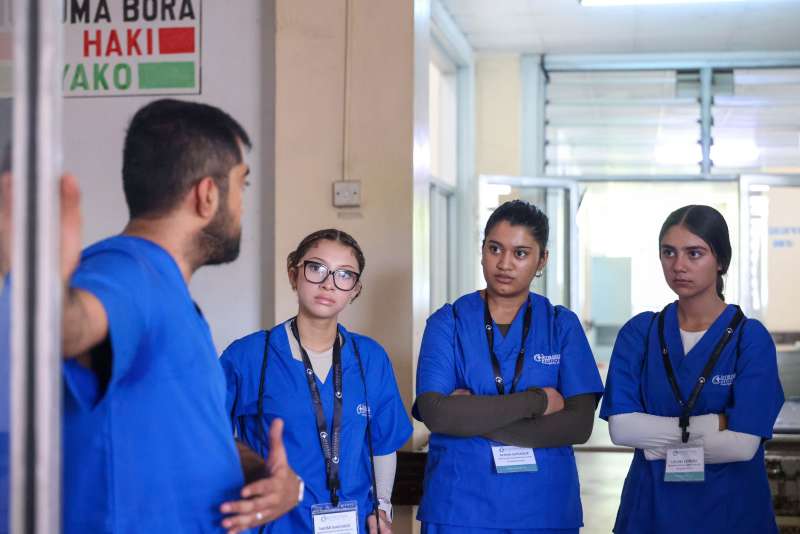
Clinical Simulation Sessions led by IMA at Coast General Teaching and Referral Hospital where we practiced suturing techniques and reviewed sterile technique fundamentals.Certificate Ceremony at the end of my Pre-Medicine Internship Program with one of IMA’s Physician Mentors at Coast General Teaching and Referral Hospital in Mombasa, Kenya. Other members of my cohort during the Certificate Ceremony at Coast General Teaching and Referral Hospital in Mombasa, Kenya.

A Pre-Physician Assistant Internship Program in Kenya With IMA: Global Health Perspective, Cultural Immersion, and Growth Beyond My Comfort Zone

December 25, 2025by: Taylor Breiby - United States

Program: Physician Assistant/Pre-PA Internships Abroad | IMA

5

This program was a great experience in exploring global health differences and disparities, gaining shadowing experience, and immersing myself in a different culture. The mentors were very welcoming and supportive, even checking in on us when we seemed down or quiet. Hilda in particular checked in on us frequently. The food was 10/10, and the kitchen staff was very hospitable. I enjoyed Dr. Shazim's collaboration with the program, where I learned a great deal from his knowledge and experiences. He was always witnessing to discuss clinical experiences and took it upon himself to give us new facts or wisdom. Additionally, I enjoyed the effort put into the cultural treks, and the mentors always encouraged us to explore while giving us tips on staying safe in the area. I appreciated the gated location of the residence with a guard and locked doors in keeping us safe at night. I gained a lot out of observing the public health system and the impact that access, socioeconomic status, health literacy, local diseases, etc. has on a population's health outcomes. I tend to be a shy person as well, and so this opportunity helped me grow out of my comfort zone a bit in getting to know the other interns and the staff at CGTRH, as well as exploring the city. Lastly, I appreciate that IMA enforces the ethical standards of students participating within their scope of practice. Because the vast majority of interns are students with minimal to no experience, it did feel as though not much of an impact was made from us to the hospital, at least for my duration (except for the medical clinic, where I felt useful). Everyone comes into this world with nothing. Most people spend their whole lives working to have something—then leave this world with nothing again. So, your soul must gain more than your hands. That sentiment has come to define the way I view my daily life after my internship in Mombasa, Kenya. I've always struggled to find my passion and purpose. Yes, I have things I enjoy doing, but nothing defines who I am as an individual. It's something I’ve prayed about for as long as I can remember but never quite felt to come to fruition. That changed during my time in Mombasa. I found the importance of being a part of a community greater than myself and the impacts small actions can have on others for an eternity. I can truly say it set me on the path to becoming a better version of myself—a better future physician and a better friend. I witnessed the beginning of life, formed lifelong friendships, and saw the end of life. The full cycle. And through it all, I was challenged to value every part of my life more deeply. Birth. As Dr. Shazim would say in every debrief, “Let’s start at the beginning of life. Maternity.” Before arriving at Coast General Teaching and Referral Hospital, I was pretty determined to become a pediatrician. I have always been somewhat apprehensive about going into a specialty where death was on the line, and admittedly I had never stepped into a surgery prior to theater 2 at Coast General. Thus, I have spent most of my shadowing hours in a pediatric clinic. However, surprisingly, the maternity ward quickly became my favorite rotation. I could directly see my feelings about Kenya correspond to labor. Mothers spend months preparing to deliver their babies. They feel everything—excitement, fear, anxiety. There’s always an adrenaline rush. No one knows exactly what will happen, but the mothers, nurses, and physicians prepare for the moment a baby finally comes into this world expectantly. That’s exactly how I felt arriving in Kenya—a rush of emotions and so much uncertainty. A dream I’d held since high school was finally coming true, but I had no idea what to expect. The culture shock, the unknown, the lack of healthcare resources—it was all very real. But the maternity ward shaped me into the kind of physician I want to become. Witnessing a woman’s intense pain during labor to then peacefully hold her newborn is a moment I will carry with me. Despite the challenges of pursuing a career in medicine, like labor, being a part of some of the most shaping and important aspects of someone’s lives will make it worth it. In Mombasa I thought I’d be most influenced by the physicians, but it was the strength of the women that inspired me. They made me want to be the best physician I can be—for them. From C-sections to natural births, witnessing the beginning of life reminded me that nothing is guaranteed. I walked away with a new calling: to pursue a career in obstetrics and gynecology. I looked back on my journal entries for my rotation in the maternity ward, and I couldn't help but smile. The women I directly got to help, either by stretching with them during labor or holding their hands, I will always remember, and that empathy I learned while in Kenya will shape me into the best physician I can become. Friendship. Throughout my life, many people have influenced me. I’m a firm believer in “friends for different seasons”—some friendships fade, and some stand the test of time. Friendship is an impactful aspect of a person’s life and shapes who they are and become. In Mombasa, I saw the true value of friendship: in patients, mentors, fellow interns, and strangers. Growing up, I attended the same private school from kindergarten to senior year. I graduated with seven people, and I was not challenged to step outside my comfort zone and interact with different types of individuals. However, during my time in Kenya, I was able to reflect on different friendships I had encountered and truly what I had learned from other individuals in my daily life. There were friends who rallied together after tough shifts at the hospital. Friends like Hilda and Michelle, who made Mombasa feel like home. Patients who opened up to me—confided in me—as if we had known each other for years. Strangers asking me what I was doing in Mombasa and fully welcoming me into their city and culture. There were friends who became like family. I watched physicians rally around one another to care for a community in need. That kind of camaraderie—rooted in compassion—deepened my belief in the importance of human connection in medicine. According to Harvard Medical School, medicine has somewhat lost its human connection due to technology: “At its best, being a doctor is an extraordinary and intimate privilege. We build relationships with our patients and see them through times of both joy and suffering; our relationships with each other help us through the same. It's hard to do that in a way that's truly satisfying when we spend most of the day at the computer screen” (Harvard Health, 2016). At Coast General, resources and technology are very limited, and these physicians and nurses must communicate with the patients and peers, which depends on human connection and in turn often creates a more positive experience for the patient. I specifically saw this at the medical clinics, as physicians had limited resources but collaborated and did their best to help every individual, which is something I deeply admire. Death. I wasn’t prepared to see someone take their last breath. I expected panic, sadness, maybe fear. Whenever I have had a loved one die in the past, I usually view it in a negative way. But the death I witnessed was peaceful—like the patient was ready. In a strange way, that’s how I felt leaving Mombasa. I expected to be in tears, not ready to leave the place I had called home for the past month. But instead, I felt peace. Peace that I had experienced something life-changing. Peace that I had grown spiritually, emotionally, and personally. Peace that I had found friendships that would last a lifetime. In a way, this feeling of “death” will stick with me as I start my career to become a physician. The feeling of peace is advice I can pass onto others who are losing a loved one. Death is inevitable, but while in Kenya I learned it can also be peaceful. Death does not have to have a negative connotation, but the narrative of death can be changed for the better. “If you think about it, life is nothing but thoughts, and our thoughts come from the mind. Our thoughts are an internal path leading us somewhere. To the next thought, the next idea, the next life. Everything is created with thought—emotions, designs, and theories. Where thoughts lead us is the most important thing; it’s our inner path leading to freedom or suffering” (At Peace With Death | Bennington College, n.d.). The people in Kenya were steadfast in their faith, and this helped me realize that in some way we are all just walking each other home. I feel like this is an important lesson to take with me in my journey to become a physician, as I have to come to peace with death and help loved ones keep moving forward in their lives. Souls. Souls tie people together. A soul is what makes someone who they are—and it’s shaped by every experience, every relationship. Kenya changed my soul for the better. I poured into others. I learned patience. I experienced a completely different culture and let it shape me. In the pediatric outpatient ward, I met a young girl named Nora who became obsessed with a balloon glove I made for her. That small gesture—something so simple—brought her joy, and in turn, filled me with joy. It made me more aware of how even the smallest acts can have a big impact on someone else’s soul. Yes, Kenya was culturally different from my small town in Georgia. But what struck me most was the people—their outpouring of love and gratitude. They valued what they had. They didn’t take life for granted. In the Western world, we often measure worth by material things—by how much we have, not by how full our lives are. But in Kenya, I saw the meaning of the phrase “Make sure your soul gains more than your hands.” Even amidst poverty and corruption, people remained faithful, grounded, and fulfilled. That lesson is one I’ll carry for life. Before Kenya, I struggled to articulate my "why" for medicine. My answer was something generic—“I enjoy helping others.” But now, I understand it's deeper than that. Medicine isn’t just about helping others—it’s about having a soul-level impact. What I saw, experienced, and endured in Kenya wasn’t easy. The children begging for food outside our Ubers, the lack of basic life-saving devices in the hospital, and people dying due to lack of ICU beds. None of this was glorious, but the community of people that rallied around each other was. Despite differences in ethnic and religious backgrounds, I saw new mothers look out for each other and their newborns, which is a testament to the people in Kenya and the type of person I want to be for others in my life and when I become a physician. Following my arrival home from Kenya, I was asked to speak at church about my experience. I gave my presentation about my time in Kenya and the ways Mombasa and Coast General impacted my life. I will still struggle to put into words the impact the experience had on me. However, unbeknownst to me, the sermon directly following my speech was about souls. About how people have started to value what they materially have in this life over friendships and the impact they have on others. But whenever one dies, none of those materialistic things goes with them, but their soul does. The experiences and impacts that others have on their soul go with them to their next life. Thus, I realized that the impact Kenya had on my life will stay with my soul forever, and consequently the impact I had on others will stay with their souls. Those who connect medicine with the soul are the difference between a good physician and a great physician. The main physician I saw this connection in was Dr. Faruk. Spending the day with him in the diabetes and thyroid clinic, he taught me the importance of finding my voice and passion in medicine that subsequently has an impact on others' lives. He is starting his own nonprofit to help children with type 1 diabetes get access to insulin. This is something he is passionate about and will have an amazing impact when accomplished. Dr. Faruk is an inspiration for me, as he is the physician I want to become. A physician who is not in it for the money or for the fame but is in it for the direct impact that they have on others' souls and daily lives. As Sir William Osler said, “The good physician treats the disease; the great physician treats the patient who has the disease” (Centor, 2007) International Medical Aid has shaped me into the physician I want to become. My time in Mombasa taught me the importance of understanding each patient’s story and beliefs, and the responsibility I have now to leave a lasting impact on everyone I meet. These challenges and lessons will stick with me forever and my growth as an individual is all accredited to my experience in Mombasa, Kenya.
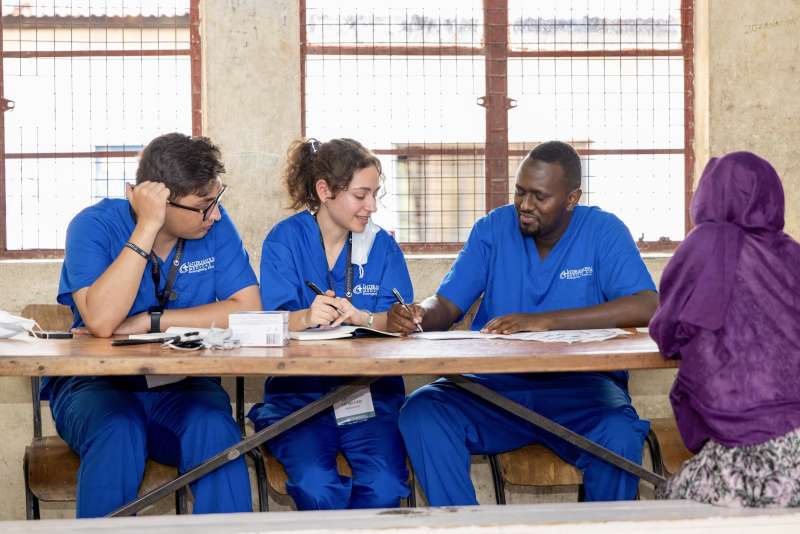
Certificate Ceremony at the end of my Pre-Physician Assistant Internship Program with one of IMA’s Physician Mentors.Women’s Health Education Session hosted by IMA at a local high school, supporting women’s health education and access to essential supplies in an underserved community in Kenya. Child Welfare Society of Kenya Visit during my Pre-Physician Assistant Internship Program in Mombasa, Kenya with fellow interns as part of IMA’s community engagement programming.

A Transformative Pre-Medicine Internship Program in Mombasa, Kenya With International Medical Aid: Mentorship, Clinical Growth, and a Deeper Commitment to Maternal and Child Health

December 25, 2025by: Tyra Dennis - United States

Program: Global Health & Pre-Medicine Internships Abroad | IMA

5

My experience with International Medical Aid in Mombasa, Kenya, was deeply meaningful and transformative. From the moment I arrived, the in-country support team made me feel grounded and safe. Margaret, my program mentor, was incredibly supportive, always checking in on my well-being and helping me process the emotional weight of clinical work. Janet was equally encouraging, offering guidance, reassurance, and genuine care throughout my placement. Their leadership made the experience both structured and personally empowering. At Coast General Teaching and Referral Hospital, the nursing staff, physicians, and medical students were welcoming and eager to teach. They explained cases in detail, demonstrated procedures, and trusted me to participate in ways that helped me grow. I felt respected as a learner, and I appreciated how open everyone was to sharing their knowledge despite the fast-paced and resource-limited environment. The local community also showed tremendous kindness. Whether in the hospital, at outreach sites, or in everyday interactions, people were supportive, patient, and willing to help us understand cultural norms and the realities that shape healthcare access. This experience strengthened my passion for maternal and child health and further inspired my interest in child neurology, especially after witnessing how delays in early care can affect long-term outcomes. Living and working in Kenya taught me that compassion, cultural understanding, and preventative care are just as essential as clinical knowledge. Overall, this program was a powerful step in my journey toward becoming a physician who serves vulnerable populations with empathy, humility, and a global perspective.

Women’s Health Education Session hosted by IMA at a local high school, supporting women’s health education and access to essential supplies in an underserved community in Kenya.Certificate Ceremony at Coast General Teaching and Referral Hospital at the end of my Pre-Medicine Internship Program with one of IMA’s Physician Mentors.Clinical Simulation Session hosted by IMA during my Pre-Medicine Internship Program in Kenya, practicing foundational airway and emergency response skills.

A Pre-Medicine Internship Program in Kenya That Shaped My “Why”: Cultural Immersion, Clinical Insight, and a Community That Felt Like Family With IMA

December 24, 2025by: Kayla McBride - United States

Program: Global Health & Pre-Medicine Internships Abroad | IMA

5

My experience in Kenya was amazing. I loved fully embracing the culture and meeting so many new people. The people who worked at IMA and in the hospital were wonderful. From the moment Michelle picked me up from the airport, she made IMA feel like home. She was so welcoming, and we quickly became very good friends. I also grew very close with Hilda, who always went above and beyond to make me feel at home and let me know I had a friend in her. The kitchen and housekeeping staff made my time at IMA even more enjoyable. The housekeeping team once even washed my scrubs when I forgot to put them out—something I truly appreciated. I loved the food at the residence, especially the cake! It was really fun when a few of my friends and I got to help make a cake and cinnamon rolls. The residence quickly became my home, and I’m so grateful for that. I feel that I grew as a person both in the hospital and in everyday life, as I was constantly challenged to step out of my comfort zone. The special relationships I formed and every moment I spent in Kenya will stick with me forever. I truly cannot wait to return someday. Everyone comes into this world with nothing. Most people spend their whole lives working to have something—then leave this world with nothing again. So, your soul must gain more than your hands. That sentiment has come to define the way I view my daily life after my internship in Mombasa, Kenya. I've always struggled to find my passion and purpose. Yes, I have things I enjoy doing, but nothing defines who I am as an individual. It's something I’ve prayed about for as long as I can remember but never quite felt to come to fruition. That changed during my time in Mombasa. I found the importance of being a part of a community greater than myself and the impacts small actions can have on others for an eternity. I can truly say it set me on the path to becoming a better version of myself—a better future physician and a better friend. I witnessed the beginning of life, formed lifelong friendships, and saw the end of life. The full cycle. And through it all, I was challenged to value every part of my life more deeply. Birth. As Dr. Shazim would say in every debrief, “Let’s start at the beginning of life. Maternity.” Before arriving at Coast General Teaching and Referral Hospital, I was pretty determined to become a pediatrician. I have always been somewhat apprehensive about going into a specialty where death was on the line, and admittedly I had never stepped into a surgery prior to theater 2 at Coast General. Thus, I have spent most of my shadowing hours in a pediatric clinic. However, surprisingly, the maternity ward quickly became my favorite rotation. I could directly see my feelings about Kenya correspond to labor. Mothers spend months preparing to deliver their babies. They feel everything—excitement, fear, anxiety. There’s always an adrenaline rush. No one knows exactly what will happen, but the mothers, nurses, and physicians prepare for the moment a baby finally comes into this world expectantly. That’s exactly how I felt arriving in Kenya—a rush of emotions and so much uncertainty. A dream I’d held since high school was finally coming true, but I had no idea what to expect. The culture shock, the unknown, the lack of healthcare resources—it was all very real. But the maternity ward shaped me into the kind of physician I want to become. Witnessing a woman’s intense pain during labor to then peacefully hold her newborn is a moment I will carry with me. Despite the challenges of pursuing a career in medicine, like labor, being a part of some of the most shaping and important aspects of someone’s lives will make it worth it. In Mombasa I thought I’d be most influenced by the physicians, but it was the strength of the women that inspired me. They made me want to be the best physician I can be—for them. From C-sections to natural births, witnessing the beginning of life reminded me that nothing is guaranteed. I walked away with a new calling: to pursue a career in obstetrics and gynecology. I looked back on my journal entries for my rotation in the maternity ward, and I couldn't help but smile. The women I directly got to help, either by stretching with them during labor or holding their hands, I will always remember, and that empathy I learned while in Kenya will shape me into the best physician I can become. Friendship. Throughout my life, many people have influenced me. I’m a firm believer in “friends for different seasons”—some friendships fade, and some stand the test of time. Friendship is an impactful aspect of a person’s life and shapes who they are and become. In Mombasa, I saw the true value of friendship: in patients, mentors, fellow interns, and strangers. Growing up, I attended the same private school from kindergarten to senior year. I graduated with seven people, and I was not challenged to step outside my comfort zone and interact with different types of individuals. However, during my time in Kenya, I was able to reflect on different friendships I had encountered and truly what I had learned from other individuals in my daily life. There were friends who rallied together after tough shifts at the hospital. Friends like Hilda and Michelle, who made Mombasa feel like home. Patients who opened up to me—confided in me—as if we had known each other for years. Strangers asking me what I was doing in Mombasa and fully welcoming me into their city and culture. There were friends who became like family. I watched physicians rally around one another to care for a community in need. That kind of camaraderie—rooted in compassion—deepened my belief in the importance of human connection in medicine. According to Harvard Medical School, medicine has somewhat lost its human connection due to technology: “At its best, being a doctor is an extraordinary and intimate privilege. We build relationships with our patients and see them through times of both joy and suffering; our relationships with each other help us through the same. It's hard to do that in a way that's truly satisfying when we spend most of the day at the computer screen” (Harvard Health, 2016). At Coast General, resources and technology are very limited, and these physicians and nurses must communicate with the patients and peers, which depends on human connection and in turn often creates a more positive experience for the patient. I specifically saw this at the medical clinics, as physicians had limited resources but collaborated and did their best to help every individual, which is something I deeply admire. Death. I wasn’t prepared to see someone take their last breath. I expected panic, sadness, maybe fear. Whenever I have had a loved one die in the past, I usually view it in a negative way. But the death I witnessed was peaceful—like the patient was ready. In a strange way, that’s how I felt leaving Mombasa. I expected to be in tears, not ready to leave the place I had called home for the past month. But instead, I felt peace. Peace that I had experienced something life-changing. Peace that I had grown spiritually, emotionally, and personally. Peace that I had found friendships that would last a lifetime. In a way, this feeling of “death” will stick with me as I start my career to become a physician. The feeling of peace is advice I can pass onto others who are losing a loved one. Death is inevitable, but while in Kenya I learned it can also be peaceful. Death does not have to have a negative connotation, but the narrative of death can be changed for the better. “If you think about it, life is nothing but thoughts, and our thoughts come from the mind. Our thoughts are an internal path leading us somewhere. To the next thought, the next idea, the next life. Everything is created with thought—emotions, designs, and theories. Where thoughts lead us is the most important thing; it’s our inner path leading to freedom or suffering” (At Peace With Death | Bennington College, n.d.). The people in Kenya were steadfast in their faith, and this helped me realize that in some way we are all just walking each other home. I feel like this is an important lesson to take with me in my journey to become a physician, as I have to come to peace with death and help loved ones keep moving forward in their lives. Souls. Souls tie people together. A soul is what makes someone who they are—and it’s shaped by every experience, every relationship. Kenya changed my soul for the better. I poured into others. I learned patience. I experienced a completely different culture and let it shape me. In the pediatric outpatient ward, I met a young girl named Nora who became obsessed with a balloon glove I made for her. That small gesture—something so simple—brought her joy, and in turn, filled me with joy. It made me more aware of how even the smallest acts can have a big impact on someone else’s soul. Yes, Kenya was culturally different from my small town in Georgia. But what struck me most was the people—their outpouring of love and gratitude. They valued what they had. They didn’t take life for granted. In the Western world, we often measure worth by material things—by how much we have, not by how full our lives are. But in Kenya, I saw the meaning of the phrase “Make sure your soul gains more than your hands.” Even amidst poverty and corruption, people remained faithful, grounded, and fulfilled. That lesson is one I’ll carry for life. Before Kenya, I struggled to articulate my "why" for medicine. My answer was something generic—“I enjoy helping others.” But now, I understand it's deeper than that. Medicine isn’t just about helping others—it’s about having a soul-level impact. What I saw, experienced, and endured in Kenya wasn’t easy. The children begging for food outside our Ubers, the lack of basic life-saving devices in the hospital, and people dying due to lack of ICU beds. None of this was glorious, but the community of people that rallied around each other was. Despite differences in ethnic and religious backgrounds, I saw new mothers look out for each other and their newborns, which is a testament to the people in Kenya and the type of person I want to be for others in my life and when I become a physician. Following my arrival home from Kenya, I was asked to speak at church about my experience. I gave my presentation about my time in Kenya and the ways Mombasa and Coast General impacted my life. I will still struggle to put into words the impact the experience had on me. However, unbeknownst to me, the sermon directly following my speech was about souls. About how people have started to value what they materially have in this life over friendships and the impact they have on others. But whenever one dies, none of those materialistic things goes with them, but their soul does. The experiences and impacts that others have on their soul go with them to their next life. Thus, I realized that the impact Kenya had on my life will stay with my soul forever, and consequently the impact I had on others will stay with their souls. Those who connect medicine with the soul are the difference between a good physician and a great physician. The main physician I saw this connection in was Dr. Faruk. Spending the day with him in the diabetes and thyroid clinic, he taught me the importance of finding my voice and passion in medicine that subsequently has an impact on others' lives. He is starting his own nonprofit to help children with type 1 diabetes get access to insulin. This is something he is passionate about and will have an amazing impact when accomplished. Dr. Faruk is an inspiration for me, as he is the physician I want to become. A physician who is not in it for the money or for the fame but is in it for the direct impact that they have on others' souls and daily lives. As Sir William Osler said, “The good physician treats the disease; the great physician treats the patient who has the disease” (Centor, 2007) International Medical Aid has shaped me into the physician I want to become. My time in Mombasa taught me the importance of understanding each patient’s story and beliefs, and the responsibility I have now to leave a lasting impact on everyone I meet. These challenges and lessons will stick with me forever and my growth as an individual is all accredited to my experience in Mombasa, Kenya.
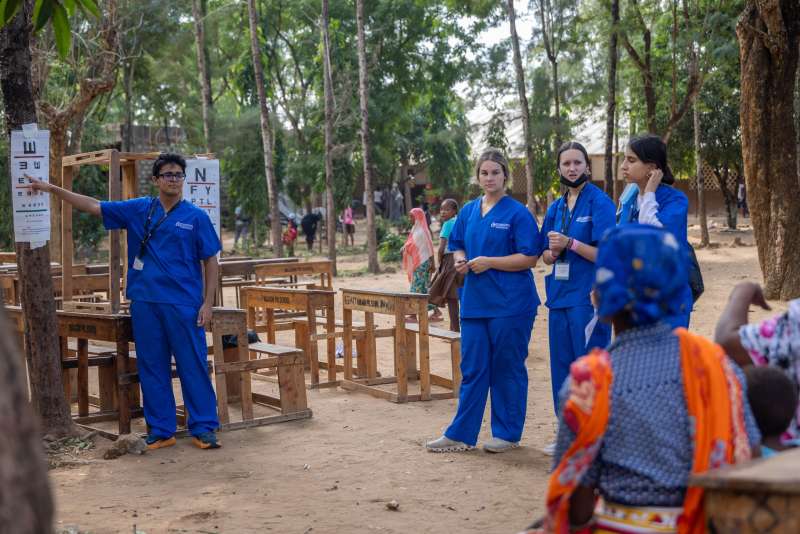
Community Medical Clinic in Kenya hosted by IMA where we assisted with medication sorting and clinic preparation to support care delivery in a medically underserved community.Certificate Ceremony at the end of my Pre-Medicine Internship Program with one of IMA’s physician mentors.Clinical Simulation Session during my Pre-Medicine Internship Program in Kenya, practicing suturing techniques with fellow interns.

A Life-Changing Kenya Journey of Growth and Purpose Through My Pre-Physician Assistant Internship With IMA

December 22, 2025by: Grace Munoz - United States

Program: Physician Assistant/Pre-PA Internships Abroad | IMA

5

This trip was truly life-changing and inspiring, and I am very thankful for all of the staff for their amazing support through the process. I loved everything—the food and culture were beyond amazing. I want to give a shout out to my bestie Janet; she accompanied me through my weekend treks. I had a blast with her, and I’m so glad she’s the one that went with me. I never felt unsafe during my time in Kenya, and for that I am so appreciative. I think one of the most positive experiences I made on this trip were the friendships I made, but also the community outreach events we had. There was nothing more eye-opening than going to underprivileged communities and providing the extra support that they desperately needed, which is proper healthcare. I am so blessed to have been able to experience something like this with such a well rounded program. Thank you!! The first time I heard about IMA, I was immediately intrigued. I remember seeing the program, and it fueled my curiosity that had been growing ever since I thought about doing an internship. The idea of actually getting accepted into such a program felt almost far-fetched. I have never taken the time to apply to anything like this before, so the idea of stepping into this opportunity was so thrilling yet nerve wracking. I was lucky enough to have a supportive circle around me—people that encouraged and reminded me that I was capable of doing anything I set my mind to. With enough convincing, I applied. In my mind, I thought, “What’s the worst that could happen? I don’t get accepted—or I could end up having the craziest experience in Kenya.” Fast forward a couple months, and I find myself at the Royal Suites residence, staring in awe at what the next three weeks of my life would hold. I was greeted by a wonderful group of peers and staff, and from that moment, I knew I would be in good hands. Walking into this program, I had some experience as a medical assistant in a neurology office. However, that was completely different from what I encountered at Coast General Teaching and Referral Hospital. I vividly recollect the first day I arrived at the hospital, knowing I would encounter far more striking cases than those back home. During my time there, I rotated through the Emergency, Pediatrics, and Surgery departments, and I also participated in night rotations at least once a week in other departments. Before beginning, I received an orientation that included discussions on what to expect in terms of medical cases, as well as the local culture and customs. I was told that healthcare in Kenya was severely understaffed and poorly supplied due to location and financial reasons (Cultural Approaches to Pediatric Palliative Care in Central Massachusetts: Kenyan, n.d.). I was also informed that many patients present with advanced stages of illness, often as a result of financial constraints or religious beliefs. During my time in the Emergency Room, I saw many patients that would arrive with advanced cancers, severe infections, and untreated wounds. When asked about the situation, the most common response was that they simply did not have the money for treatment. Others would say the nearest medical facility was too far from their homes, requiring them to strategically plan when they could make the trip. One response in particular really struck me: a patient’s family explained that they were relying on prayer to heal their loved one, believing it was best to let God provide the cure. As a believer myself, I was impacted and inspired by that statement. However, it was hard to reconcile because many of the situations I saw needed urgent attention. In those moments, it felt challenging to accept that faith alone was being relied upon in circumstances where timely medical care was critical. There are many traditions of healing and medicine that Kenyans use. Various natural remedies are commonly used such as African potatoes, rooibos, and the hoodia cactus. Additionally, there are rituals that are performed for spiritual healing. For example, shells, bones, and stones are used to communicate with ancestors or spirits to learn more about the patient’s health condition (Brooke, 2023). When I was in the hospital I never encountered someone that firmly believed in these practices, but I heard from the nurses around that it was used by many patients. In terms of patient care, I witnessed a wide range of cases. Being in a public hospital, I observed severe understaffing as well as lack of essential tools equipment. There were many moments when I would instinctively look for an instrument we would normally have back home, only to find it unavailable. In those situations, we often had to improvise and make do with what was already on hand. I vividly recall one night during a shift a patient began coding. One of the nurses was desperately searching for a BVM (bag valve mask), going drawer by drawer in an attempt to find one. The search took four or five minutes, and by the time the mask was finally located, the patient had already been declared deceased. I don’t know if the patient would have survived had the mask been found and used sooner; regardless, the situation highlighted the critical lack of necessary resources. Another example of improvisation was when gloves were used as tourniquets, which led to supplies running out more quickly. I remember one shift in the PICU, I was reminded that one of the mothers that gave birth to two beautiful boys was in intensive care due to birthing complications. One of the nurses approached me and one of my peers, asking if we were interested in feeding the babies. Without hesitation, we both agreed. I have never fed a premature baby before, so I was incredibly nervous and assumed there would be a machine of some sort. I was wrong. We had to use a syringe, carefully letting the milk independently go through the tube. This process was time-consuming, as we had to hold the syringe up in the air to allow the milk to flow, which took roughly ten to fifteen minutes. At times, the milk would get stuck in the tubes or even harden, creating additional challenges. I remember hearing that these methods were used back in the day, so it wasn’t uncommon—just time-consuming and requiring extra attention. Typically, Nairobi and the Central Province are considered to offer the best public healthcare, while the North Eastern Provinces are generally more underdeveloped in terms of medical infrastructure and resources. There are private hospitals in Nairobi that are very respected and known to be top tier (Healthcare in Kenya, n.d.). After all that I have learned during this trip, I returned home with a deep sense of appreciation for the healthcare providers I had worked alongside, as well as a strong desire to continue learning more about global healthcare practices and the challenges faced in resource-limited settings. Witnessing the dedication of the healthcare providers who worked tirelessly despite limited supplies and overwhelming patient needs gave me a deep sense of respect and admiration for their commitment to their patients. I recall all of the conversations I had with the providers and students—one thing was clear: they all shared a deep love for the field. They acknowledged that their work could be challenging and frustrating at times, yet none could imagine doing anything else. There was genuine passion and grit behind every single provider, evident in the care they provided and the dedication they showed to their patients. I witnessed what it was like to think quickly on my feet and rely on the limited skills I had. These experiences taught me that healthcare isn’t just about medicine—it’s about human connection, understanding, and trust. I will be sure to bring these lessons into my career by prioritizing empathy, effective communication, and cultural sensitivity. I’ve always had a deep passion for healthcare, shaped both by my childhood interests and personal experiences. This trip has only intensified my passion, leaving me with a strong desire to learn and do even more in the field. I fully plan to return to Kenya and work at Coast General once I am a certified Physician Assistant, so that I can gain more practical experience while contributing to the healthcare system and properly helping patients in need. My time in Kenya was transformative. It exposed me to the realities of healthcare in resource limiting settings, challenged me to develop critical thinking skills and adaptability, reignited my passion for healthcare, and strengthened my commitment to pursuing a career as a Physician Assistant. I am determined to apply all that I have learned in every aspect of my future practice—fully dedicated to serving patients with compassion and cultural competency while continuing to seek opportunities to learn and grow as a healthcare professional. Beyond the clinical skills, this experience taught me the importance of patience and resiliency. This applies to myself and the patients. I learned how small gestures like listening, showing empathy, and providing reassurance can have a profound impact on the patient’s wellbeing and steps to recovery. Allowing myself to see how other providers navigate such a challenging system inspired me to think of more solutions and think proactively about improving healthcare, even in similar situations where resources are limited. I have gained an appreciation for proper teamwork and collaboration. It was refreshing to see how providers rely on one another to manage heavy workloads and ensure the patients’ comfortability—some demonstrated it better than others. This experience has diligently motivated me to approach my future career with a humbled mindset of service, humility, and continuous growth. Every patient encounter is an opportunity to make a meaningful difference. I am now more committed than ever to properly advocating for patients, embracing diverse perspectives, and integrating proper cultural competency in all aspects of my future practice.

Certificate Ceremony at the end of my Pre-Physician Assistant Internship Program with one of IMA’s Clinical Mentors—celebrating program completion and the growth, mentorship, and meaningful experiences from my time in Kenya.Women’s Health Education Session hosted by IMA at a local high school in Mombasa, Kenya—supporting adolescent health through outreach, sharing practical resources, and creating a respectful space for questions and learning.Community Medical Clinic during my Pre-Physician Assistant Internship Program with IMA—supporting patient intake and health education through compassionate, culturally respectful care.

Amazing Mentors, Meaning, and Medicine Through My Pre-Physician Assistant Internship Program in Kenya With IMA

December 22, 2025by: Ija Mumford - United States

Program: Physician Assistant/Pre-PA Internships Abroad | IMA

5

My experience in Kenya with International Medical Aid was incredible. The in-country support was excellent, and I always felt safe thanks to clear guidance and protocols. Accommodations were comfortable, and the food was a wonderful introduction to Kenyan cuisine. The clinical experience was invaluable. I got to shadow PAs and physicians, learning how they provide compassionate care even with limited resources. My mentors Mitchel, Margaret, Benson, and Hilda were especially amazing; they guided me, answered questions, and made the experience meaningful and inspiring. Overall, this program deepened my understanding of healthcare, strengthened my communication and cultural awareness, and reinforced my commitment to becoming a healthcare provider. It was a truly memorable and transformative experience. I came to Mombasa, Kenya, with a curiosity about global healthcare. What I left with was far more than observation—I left with a deeper understanding of resilience, compassion, and the creativity required of healthcare providers in resource-limited settings. My two weeks at Coast General Teaching and Referral Hospital through International Medical Aid shaped not only my perspective on medicine, but also the kind of provider I aspire to become. The resource-limited setting of a Kenyan referral hospital highlighted the importance of adaptability, clinical judgment, and teamwork in medicine. It also deepened my appreciation for cultural competence and reinforced my desire to pursue a career that bridges patient care with compassion, equity, and access. I reflected throughout my internship on how these lessons shaped my personal and professional goals, and how I plan to apply this knowledge to my future career in healthcare. My first week at the hospital was spent in pediatrics, including the High Dependency Unit, the inpatient ward, and the outpatient clinic. Each area exposed me to different aspects of pediatric medicine and highlighted the challenges of providing care in a resource-limited setting. In the High Dependency Unit, I saw children critically ill with conditions such as malaria, pneumonia, and severe dehydration. With limited monitoring equipment, providers relied heavily on careful physical exams and clinical judgment. Watching physicians and nurses act with such precision reminded me that medicine depends as much on knowledge and presence as it does on technology. I also noticed how central families were to care—mothers and caregivers often stayed at the bedside, feeding and comforting their children. It underscored for me that treating a child means supporting the entire family. The inpatient ward was crowded but full of resilience. Children admitted for longer-term care still found ways to laugh, play, and smile, even while battling illness. This reminded me that pediatrics requires not only medical skill but also creativity, optimism, and patience. The outpatient clinic emphasized communication and trust. I shadowed physicians and medical students as they diagnosed fevers and infections, counseled parents, and provided follow-up care. One memorable encounter was a mother worried about her child’s persistent cough. The physician took time not only to examine the child but to reassure her and explain how to monitor symptoms. That interaction showed me how powerful reassurance and education can be. That week in pediatrics taught me that medicine is not only about addressing immediate illness but also about building trust, supporting families, and adapting to circumstances. The lack of abundant resources revealed how powerful strong clinical reasoning, communication, and compassion can be. As an aspiring PA, I want to carry these lessons forward by becoming a provider who combines medical expertise with cultural sensitivity and emotional intelligence. In the United States, I may not always encounter the same level of resource scarcity, but disparities still exist. This experience showed me that effective providers don’t just treat patients; they meet them where they are, partner with their families, and offer care that is both competent and compassionate. During the second week of my internship, I rotated through the emergency department, including both adult and pediatric units. The emergency department was fast-paced, unpredictable, and often chaotic—a contrast to the structured environment of the outpatient clinic. I witnessed cases ranging from acute infections to trauma. One case that stayed with me was a toddler with severe malaria whose rapid deterioration required immediate intervention. Observing how the team coordinated care under pressure highlighted the importance of quick decision-making and clear communication. Another case involved a man who was involved in a street traffic accident and sustained a significant injury to his face, including a compound fracture and mandible dislocation. The attending physician quickly assessed the situation, coordinated imaging, and explained the care plan to the anxious patient. Observing this interaction, I realized how crucial clear communication is—not just with the patient but also with the family. Every word mattered in building trust and helping the family feel involved in care decisions, and it made me feel content with how everything was handled. The adult ED presented different challenges. Patients often arrived with complex conditions, and resources were limited compared to what I have seen in U.S. hospitals. I saw providers rely on careful observation, prioritization, and creative problem-solving to stabilize patients efficiently. Overcrowding was common, and staff had to make rapid decisions about who required immediate intervention versus who could wait. I had the opportunity to observe the triage process firsthand, watching nurses and physicians quickly assess vital signs, symptoms, and overall condition to determine urgency. This experience emphasized the importance of staying calm under pressure, making swift decisions, and trusting one’s clinical judgment—skills I hope to carry forward as a future physician assistant. Beyond clinical skills, the ED also highlighted the human side of medicine. Many patients were in distress not only from illness or injury but also from fear, uncertainty, or socioeconomic stressors. I observed how providers offered reassurance, listened attentively, and made patients feel heard even in brief interactions. This reinforced a lesson I had learned in pediatrics: effective care is not just about diagnosis and treatment, but about empathy, communication, and emotional support. Experiencing this firsthand strengthened my desire to pursue a career where I can provide competent and compassionate care, especially in moments when patients are most vulnerable. During my overnight shift in the Labor and Delivery ward, I witnessed the intensity, urgency, and profound humanity of bringing new life into the world. Even though my time there was brief, I observed the critical teamwork between medical officers, nurses, and midwives, and how every decision carried weight for both mother and child. I was shocked to learn that epidurals were generally not offered unless the mother was undergoing a C-section, and I felt for the women laboring without this form of pain relief. Seeing their strength and resilience firsthand was both humbling and inspiring. I also had the opportunity to view a C-section, which was an eye-opening experience. Observing the surgical team’s coordination and focus, as well as the immediate transition of the newborn to care, highlighted the precision and teamwork required in critical situations. This experience reinforced lessons I had already begun to understand in pediatrics and the emergency department: medicine is not just about technical skill, but also about empathy, communication, and presence. Providers balanced clinical urgency with compassion, comforting patients and offering reassurance even in high-stress moments. Being in the ward overnight gave me a deep appreciation for the emotional and human side of healthcare and reminded me that being a provider is as much about supporting people through life’s most vulnerable moments as it is about treating disease. These lessons strengthened my aspiration to become a physician assistant who can deliver competent care while also connecting with patients on a human level. Mombasa County has a higher HIV prevalence than the national average, and that statistic became profoundly real during my time at the hospital. I encountered numerous patients—both adults and children—whose lives were directly affected by HIV. The emotional weight of these encounters was palpable, especially when discussing treatment plans and the challenges of medication adherence. One particularly memorable interaction involved a mother in the pediatric ward, deeply concerned about her child’s health. The physician took extra time to explain the child’s condition, the importance of antiretroviral therapy, and the need for consistent follow-up care. Witnessing this compassionate communication underscored the significance of not only medical treatment but also emotional support and education in managing chronic conditions like HIV. My two weeks in Mombasa were transformative, offering lessons that extended far beyond clinical knowledge. From pediatrics, I learned the power of observation, clinical reasoning, and compassion. The emergency department taught me adaptability, rapid decision-making, and the importance of clear communication under pressure. Labor and Delivery showed me the courage and resilience of patients and the teamwork required in critical moments. Encountering patients affected by HIV deepened my appreciation for the intersection of medical care, patient education, and emotional support. I realized that effective healthcare requires not only knowledge and skill but also cultural sensitivity and the ability to support patients through their most vulnerable moments. Together, these rotations solidified my desire to become a physician assistant who can provide competent, compassionate care in a variety of settings. I am inspired to carry forward the lessons I learned in Kenya—the importance of empathy, communication, adaptability, and partnership with patients and families. This internship has not only reinforced my commitment to healthcare but has also shaped my vision for the kind of PA I aspire to be.
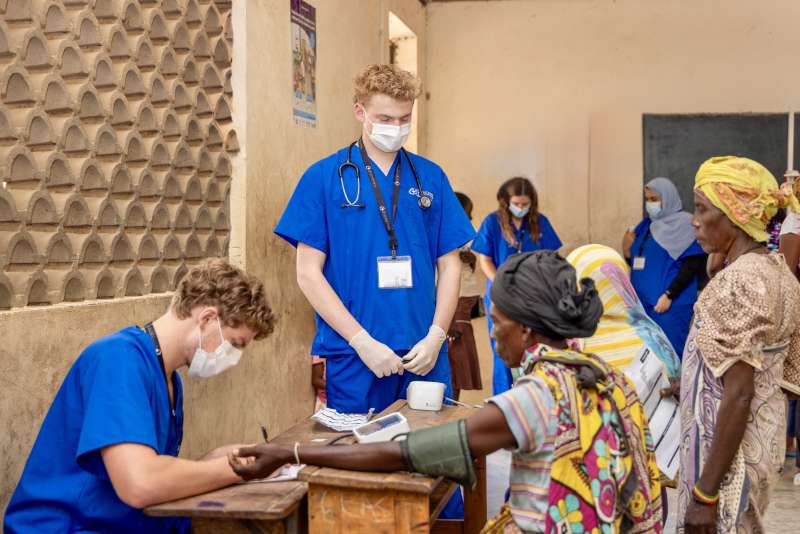
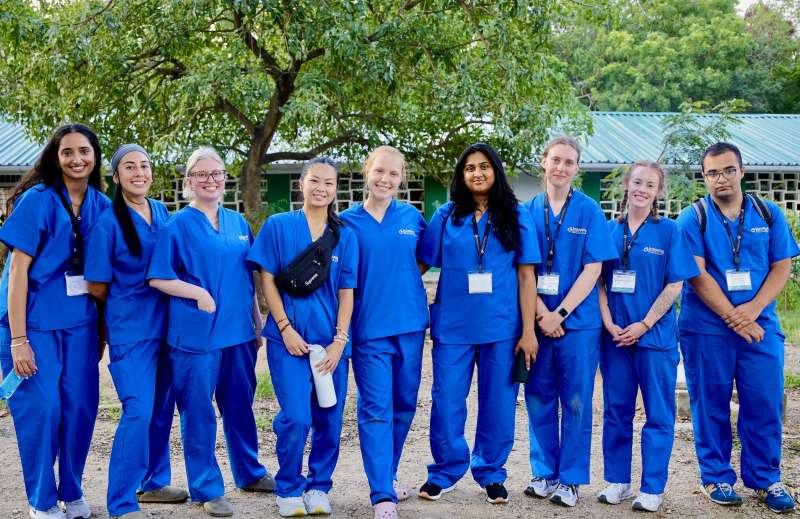
Hospital and Clinical Orientation with my IMA cohort—reviewing expectations, safety protocols, and what it means to show up with professionalism and compassion in the clinical setting.Certificate Ceremony at the end of my Pre-Physician Assistant Internship Program with one of IMA’s Clinical Mentors—celebrating program completion and the growth, mentorship, and meaningful experiences from my time in Kenya.Clinical Training and Simulation Session during my Pre-Physician Assistant Internship Program with IMA—practicing BLS, focusing on high-quality compressions, and building confidence in emergency response fundamentals.

Learning Clinical Psychology Where Resilience Lives and Understanding Mental Health Through Compassion, Culture, Care, and Outreach in Kenya

December 22, 2025by: Sophia Skelton - United States

Program: IMA Cross-Cultural Care Mental Health Internships Abroad

5

I felt safe and supported in all areas during the program. Staff and fellow interns made me feel welcome and comfortable during my stay. The whole experience has helped me to realize that I am pursuing what I would like to do as a career - clinical psychology. The staff in the psychology department at Coast General were open, friendly, and knowledgable. I had the opportunity to see diverse mental health cases and learn how different cultures address mental health issues. The most influential part of the program was the outreach we participated in at schools and community clinics. Speaking with the kids and community members was moving because I encountered both kindness and resilience. “Although the world is full of suffering, it is also full of the overcoming of it,” Helen Keller. My time with IMA and at Coast General Teaching and Referral Hospital in Kenya was utterly life-changing and exemplified that quote. The role of psychologists at Coast General Teaching and Referral Hospital is multifaceted. They are counselors for patients, their families, and doctors; they are the support system for those patients without family or friends; they are educators, explaining the health implications to patients for their individual physical ailments; and they are called in to convince patients to get crucial surgeries. Every day there are cases of schizophrenia, bipolar disorder, major depressive disorder, anxiety, postpartum depression, postpartum psychosis, post-traumatic stress disorder (PTSD), autism, cerebral palsy, and learning disabilities. Cases of deteriorating mental health continue to increase, particularly anxiety and depression, as a large portion of the population deals with poverty and fear from political instability. According to the IMA lecture on the disease burden in Kenya, “one in four Kenyans is likely to suffer from a mental disorder at some point in their lives” (IMA, 2025). The psychologists have an added barrier to their work because of widespread stigma against mental health care. Mental health professionals have a battle to fight against stigma in every country and society, but people’s preconceptions differ from culture to culture. I arrived in Kenya with an understanding that there was pervasive skepticism and distrust towards mental health, but I did not expect to encounter a widespread belief in witchcraft. Almost every day, at least one patient would blame witchcraft or karma as the reason for their suffering or the suffering of a loved one. Someone experiencing psychosis, addiction, depression, or the loss of a child in childbirth might explain it away as the result of being cursed by a witch, or a consequence of wrongdoing by them or a relative. Thus, patients refused psychological care, disbelieving that anything other than praying to God or seeing a traditional healer could free them from their suffering. When the psychology department was called to the wards for specific patients, many of them would ask, “Are you talking to me because you think I’m crazy?” They feared this label and made it clear that we could talk to them if we wanted, but they were nothing like the “crazy people” we usually speak to. Mental health stigmas come from more than fear of the supernatural. In the United States, people also fear seeking treatment because of potential discrimination. This discrimination is a product of centuries of misunderstanding the brain and mental illness, and viewing negative representations of those with mental health disorders in the media. According to the American Psychiatric Association, even when people understand the medical and biological aspects, mental disorders still have a bad connotation and people will go out of their way to avoid those who suffer from these conditions (Singhal, 2024). The better my understanding of these social and cultural stigmas, the better clinician I will be in the future. Treatment of patients who believe their disease is a spiritual or metaphysical problem will be different from treatment of those who see it as biological or emotional. It is not helpful to deny the patient’s belief and attempt to psychoeducate them because such beliefs are often deep-rooted. The delivery of mental health care at Coast General is largely the same as treatment in the West, though provider strategies differ slightly. A combination of counseling and prescription medications are used for psychological disorders, but care at Coast General goes far beyond mental disorders. As the medical doctors have limited time to spend with their patients, psychologists fill in the gaps and take on the responsibility of explaining patient conditions and treatments. Low levels of health literacy among patients complicate communication between the patient and health care provider. I witnessed multiple difficult moments with patients’ family members and real moral dilemmas in terms of approaches used to communicate the need for certain treatments. At least once a week we visited the mother of a three-year-old boy who was being cared for in the ICU. I sat with her for the first time as the psychologist explained that her son was initially misdiagnosed. The doctor understated the severity of the boy’s heart condition and missed the gangrene consuming his left foot, up to his ankle. We informed her that her son needed heart surgery as soon as possible, required his leg amputated, and still only had a 50% chance of surviving. The mother held an immense sadness behind her eyes but sat stone-faced and strong as she expressed gratitude for the psychologist’s honesty. The doctors avoided her and she was in the dark before we saw her. She said she understood the limited resources of the hospital and would be satisfied with the doctors’ best efforts. We visited her multiple times to update her on her son’s condition, finally giving her the date of his upcoming surgery after three weeks of waiting. She was grateful and I was hopeful for the boy until my final day at Coast General, when the psychologist informed me she had to tell his mother her son could no longer get surgery. He was too malnourished and his vitals were too low to survive the procedure. He would die in a few days. Patients often expressed distrust of the medical providers at Coast General. Some, such as the three-year-old boy’s mother, understood that few other choices exist, despite a lack of resources at this hospital. However, others preferred to take their chances without treatment. In these cases, the psychologists applied any strategy they could to change the patient’s mind, even if it required strong persuasion. One mother refused to let her five-year-old son receive heart surgery that would increase his chance of living by 20% because she did not trust the capabilities of the doctors. The psychologist sent to speak with the mother told her that she was in luck: a specialist from Nairobi was coming to the hospital. He visited only once a year and received a limited list of patients to perform surgery on, and her boy made it onto the list. At this news, the mother agreed for her son to receive the surgery. However, this specialist from Nairobi did not exist and the surgery would be performed by a Coast General surgeon. The psychologist explained her choice as the only option because the mother was risking her son’s life based on fear and this was unfair to the child. Another patient, a sixteen-year-old girl who had just given birth, had a tear from her vagina to her anus and needed to get stitches, but refused. She was afraid of experiencing more pain after the agony of childbirth. The psychologist began the conversation explaining the risk of infection and other health problems that could result without suturing the tear. However, as the girl did not seem convinced, the psychologist switched tactics and told her that without stitches, her husband would leave her because she would no longer have a tight vagina. This, the psychologist explained, was a greater fear than the risk of infection and death. I continue to wrestle with whether these decisions to scare patients outweigh the problems that might result from declined procedures. A population of people the psychologists treat with regularity are those who have experienced gender-based violence (GBV). GBV has been a long-time problem in Kenya, and similar to mental illness, it is a taboo topic. The GBV patients I encountered were often soft-spoken and reluctant to talk about their specific experiences with violence, while able to converse on other topics. This is particularly the case for male victims. The GBV clinic psychologists explained that male victims do not often come forward because of shame and the feeling of weakness. However, the psychologists also said that any victim who does not speak about their experiences has a higher likelihood of becoming a perpetrator to others. It is also common for families to try and handle the situation among themselves, making it difficult to pursue justice. The fear of stigmatization by others outweighs the desire to report the incident to police. The GBV clinic at Coast General is one of very few in the country and was partly funded by the United States Agency for International Development (USAID) before it was disbanded by the Trump administration. USAID targeted GBV in Kenya by funding “shelters, medical care, counseling, legal aid, and educational initiatives” (Burkybil, 2025). A plaque in the psychology office read, “The Medically Assisted Therapy (MAT) Clinic at Coast General Hospital was officially handed over to the Governor of Mombasa County H.E. Ali Hassan Joho on the 11th September 2015. The facility was refurbished and equipped by UNODC [United Nations Office on Drugs and Crime] with financial support from USAID”. I saw similar signs and brandings of USAID around the hospital, on trash cans and equipment, with the words “From the American People”. My breath caught in my throat the first time I saw this as I had never seen firsthand evidence of the work done by USAID abroad. It made me reflect on how much these programs matter, and how real their impact is on everyday care. Based on these experiences, I feel inspired to write my college senior thesis on gender-based violence and the effects that ending USAID has internationally. My time with IMA in Kenya confirmed my desire to pursue clinical psychology and work for a humanitarian organization, like Doctors Without Borders. Trauma psychology, advocating for better mental health care, and education on mental health are my primary interests. Since returning to my home in the United States and sharing my stories with others, I realize that simply sharing makes an impact on those around me. Describing my experiences and recounting interactions with patients and children, and the examples of USAID’s impact in the country, are transformative to others I’m told. My participation in the East Africa IMA program is a lifetime gift resulting in an increased understanding of cultural differences, helping me be a better global citizen, and impacting my future career.
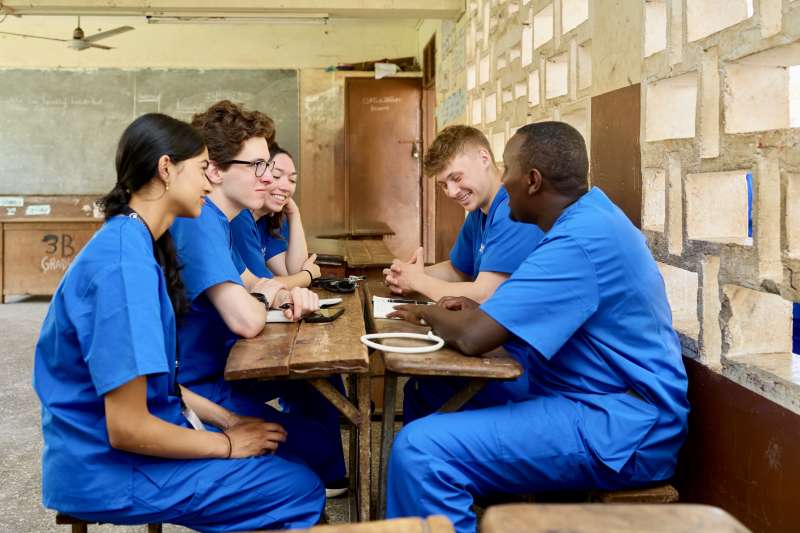
Hygiene Education Session hosted by IMA at a local elementary school in Mombasa, Kenya during my internship—connecting with students, sharing practical prevention tips, and supporting community health through outreach.Mental Health Awareness Clinic hosted by IMA at a local high school—speaking with students about healthy coping strategies, stress management, and the importance of seeking support in a safe, respectful space.
Certificate Ceremony at the end of my internship program with one of IMA’s Clinical Mentors—celebrating program completion and reflecting on an experience that strengthened my commitment to clinical psychology and global health.

Learning Nutrition in Kenya with IMA: Resource-Limited Care, Real Impact, and Lessons I’ll Never Forget

December 21, 2025by: Emily Green - United States

Program: Global Perspectives in Nutrition Placement/Dietetic with IMA

5

My time in Kenya was one of the best experiences of my life. Interning in the hospital taught me so much about myself, nutrition, and the world. The clinical mentor Nashon in the ICU was one of the more helpful nutritionists I worked with—and while he challenged me, he also taught me so much. Each individual, from the mentors to the chefs to the interns, was so kind and made the experience so fun. The Masai Mara safari was definitely a highlight as well. The tour guide, Shadi, was so kind and really made the experience. I did feel that the program was geared a lot more toward pre-med fields, with mandatory sessions about suturing and clinical skills like that. As a nutrition intern, I sometimes felt out of place and that my time was not as well organized—but I still got so much out of the experience and would not trade it for the world! My recent nutrition internship with International Medical Aid in Mombasa, Kenya, was nothing short of transformative. Throughout my three week internship, I had the opportunity to experience hospital rotations in the pediatrics, oncology, and ICU units, participate in community health clinics about hygiene and women's health, and participate in cultural treks that gave me an expansive view of Kenya and its healthcare system. This experience opened my eyes to new aspects of healthcare delivery, nutrition practice, and political and cultural dynamics that will forever impact my career in nutrition and my approach to healthcare equity and global health overall. During my rotations at Coast Provincial General Teaching & Referral Hospital, I encountered a variety of nutrition-related conditions during my rotations in pediatrics, oncology, and the medical and surgical ICUs. The healthcare professionals I shadowed were working in an environment constrained by limited supplies and strained infrastructure despite having patients plagued by advanced malnutrition, dehydration, and complications resulting from infectious disease and poverty. However, I was most stricken by the lack of basic nutrition information from patients, especially during my rotation in the pediatric department. Formula feeding is very stigmatized in Kenya because breast milk is considered a safe feeding option for mothers battling with HIV/AIDS. Due to the stigmatization of formula feeding, mothers face excessive stress to ensure that their child is being fed properly, especially within the first six months of life. I saw many cases of children who were malnourished from the start of their life with symptoms such as muscle wasting, edema, weakened immune systems, and cognitive defects. On top of the stigmatization of breast feeding, mothers often failed to have adequate knowledge of breastfeeding despite it being the predominant form of feeding for their infants. The other nutrition interns and I performed breast feeding information sessions to large groups of mothers in the pediatrics unit to inform them on the proper way to hold their child when breastfeeding, how to get the child to suckle, and more. Being able to educate patients is the first step in making a change so being able to do this felt very impactful. Another example of limited access to nutrition education was during my rotation in the oncology department. Nutrition interns were given a pamphlet that outlined how to take care of yourself with cancer through methods like food, exercise, and sleep. While working in the oncology clinic taking the height, weight, and BMI of patients I left the pamphlet on the desk. An older man came in and shared that he had prostate cancer and had about six months left to live. He picked up the pamphlet and was immediately taken by the information inside. I told him he could keep it and he was incredibly grateful. I wondered why he was not given a care guide like this alongside his diagnosis and if he had, would his outcome have been different? Coming from America where the predominant nutrition related issues are obesity and chronic disease, I was shocked by the amount of kids facing food insecurity. According to the article Preventing and Treating Maternal, Adolescent, and Child Malnutrition written by UNICEF, “11 per cent of children are underweight, with four per cent wasted. Wasting and severe wasting are linked to increased and preventable deaths among young children,” (UNICEF). This was very prevalent in the pediatrics ward at Coast General Hospital and with just one nutritionist for the whole ward, this posed a challenge. Treatment options for these cases included vitamin supplements such as F-75, F-100, AminoGuard, and more in addition to counseling patients on how to increase their caloric intake. I found it challenging to see that even though a patient may have the proper nutrition information, a lack of monetary stability didn’t always make it possible for patients to have access to the food or supplements that they needed. This was new for me because in America, it is more common to have access and money to ensure that the changes a healthcare professional is providing can be implemented. Despite this, the problem solving techniques and resilience demonstrated by the medical professionals in these scenarios taught me that nutrition interventions can be creative and require deep contextual understanding. Kenya’s healthcare system operates under complex political dynamics. Areas such as Mombasa are historically underrepresented and underfunded. I saw firsthand how malnutrition in marginalized communities are deeply tied to such structural inequalities. For example, during my rotation in the surgical ICU, we saw a patient that needed liquid feed during his recovery from an Ileostomy because he was not able to properly break down micro and macro nutrients. These feeds were too expensive for him to purchase, however, so the nutrition team had to come up with a creative solution to this problem: Mala. Mala, fermented milk, naturally breaks itself down into glucose and galactose due to its enzymes. Therefore, Mala is very easy to digest and a cheap option for individuals who cannot afford the medication they need. This experience taught me that as a future nutritionist, it isn’t enough to focus solely on nutrient science. I must understand, and whenever possible help improve, the political, administrative, and infrastructural systems that determine supply chains, health education, and equitable program implementation. One unique experience that I had during my time in Mombasa was that I was present during a medical personnel strike. According to Daily Nation, “Doctors were promised salary adjustments and payment of arrears spread across different financial years, to be implemented in phases. However, the implementation has been plagued by delays, with healthcare workers pointing to bureaucratic inefficiencies and a lack of political will to honour the agreements,” (Daily Nation, 2025). This leads to healthcare workers' payment being delayed and them not getting the money they need in time. Many student nutritionists that I spoke with during my time at Coast General explained how even though you can be educated, it is extremely hard to get a job in Kenya. This is because it is necessary to have a connection to the place in which you are trying to get a job through family or status. This corrupt system leaves educated people working under-paying jobs and a shortage of healthcare workers overall. Political and structural issues directly impact a patient's access to care and this became evident during my time at Coast General. I found myself in a hospital lacking attending nutritionists, while hundreds of patients still needed basic care. This experience revealed the relationship between labor relations, government, and healthcare access and highlighted that effective nutrition care depends not only on clinical skills but also on policy stability and the rights of workers. My experience at IMA was more than just clinical exposure. It provided me with the opportunity to participate in community outreach. Being a part of the Women's Health Clinic and Hygiene Clinic were some of the highlights of my time in Kenya. Co-leading information sessions to educate kids about their bodies and how to take control of their health was such a unique experience. We were able to tell how genuinely interested they were about what we had to teach them and how much this information meant to them. Although it was hard to see the lack of basic knowledge when it comes to hygiene and health, we were really able to make a difference in the lives of these individuals. A particular moment when I felt really affected was during my first Women's Health Information Session. While we were handing out menstrual pads, girls were taking multiple and hiding them under their chairs or in their desks in order to get more. Although this could be seen as a practical joke done by the kids, I took it as an indicator of just how limited resources are in this area and what a need there is for help. Cultural norms, oral tradition, and location all affect access to accurate health information and resources so being able to set the facts straight with these populations can make a great impact. One thing that I was not anticipating to be such a challenge during the internship was the language barrier. While English is an official language in Kenya, many patients and community members are more comfortable speaking in Swahili. Communication required patience, empathy, and occasional translation support. I learned a greater message in this struggle, however. I learned that the basis of healthcare is always built on trust, mutual respect, and cultural humility. It is so important for nutrition professionals to be culturally competent and understand how to interact with those different from us because nutrition is such a personal topic. Things like religion, socioeconomic status, and environmental factors have a large impact on nutrition care and it is necessary to have a grasp on a patient's history before providing care. One thing that I found interesting was that on the front of each patient file was the patient's religion. Religion greatly affects how patients will respond to care in Kenya. For example, Muslim patients do not eat pork which is something that you would not want to overlook when having a conversation with a patient or creating their food regime. Even though I did not fully understand each religion or tribe in Kenya, I learned that moving forward in my career it is necessary that I stay curious and aware of the differences in patients. Before Kenya, public speaking was not one of my strengths. Although it is still not my favorite thing, my time in Kenya taught me to be a lot more confident in myself. From traveling halfway across the world on my own, to leading women's health information sessions, teaching about hygiene in schools, and having group discussions with nutrition professionals and interns my confidence improved exponentially. Teaching during health education sessions made me feel more confident in the field of nutrition as it combined nutrition science and food hygiene with community engagement. I learned to enjoy sharing health information with large groups of individuals which is something that I can definitely pursue in America especially as I get further along in my nutrition career. Healthcare environments at Coast General Hospital showed me the power of resourcefulness and problem solving. I learned new techniques and ways of looking at nutrition issues that I would never be able to find in a textbook. I learned how to listen to patients and complete urgent and challenging tasks with limited and underwhelming resources. One example of this is how all medical records are hand written. Charting took much longer than it would in America because everything was done on pen and paper. There was also a plethora of missing information on many charts because they were not available to Coast General or they were just never updated. Additionally, I saw nutrition professionals pivot when supplements ran out. In the pediatrics ward, one of the main supplements for malnourished children ran out, F-75. The nutritionist swiftly found another supplement, F-100, that could be used instead with a few modifications. This taught me how to deal with contingencies that are bound to happen in the medical field and emphasized the importance of problem solving that I will carry into my future career. My experience in Mombasa cemented my desire to become a nutritionist who also understands the social, political, and infrastructural drivers of nutrition. I envision a career that designs culturally adapted nutrition education for all individuals. It is important to recognize how factors such as funding inequities determine nutrition and healthcare access. In Kenya, there is a large difference between the public and private sectors of care. Public healthcare is government funded leading them to be understaffed, poorly equipped, and lacking supplies. Private hospitals have much better funding and facilities and they can handle more rare and serious cases of illness. According to The Center for Human Rights and Global Justice, “The wealthy may be able to access high-quality private care, for many, particularly in lower-income areas, the private sector offers low-quality services that may be inadequate or unsafe,” (The Center for Human Rights and Global Justice). It is unfair that individuals have to be wealthy in order to receive quality care. If I had to sum up my nutrition internship with two words it would be life changing. I learned that science and medicine are only powerful when paired alongside cultural empathy, political awareness, and peer collaboration. I saw that structural inequities greatly affect lives, that clinical skills must be flexible, and that meaningful change often begins with listening, adapting, and teaching. Going forward, I will build a career that incorporates both nutrition science and health equity. I am committed to respecting culture, navigating resource limitations, and advocating for policies that ensure every community has access to the nourishment they need to not only survive, but to thrive. While Kenya is very different from America, these are messages that can transcend continents, languages, and lives.
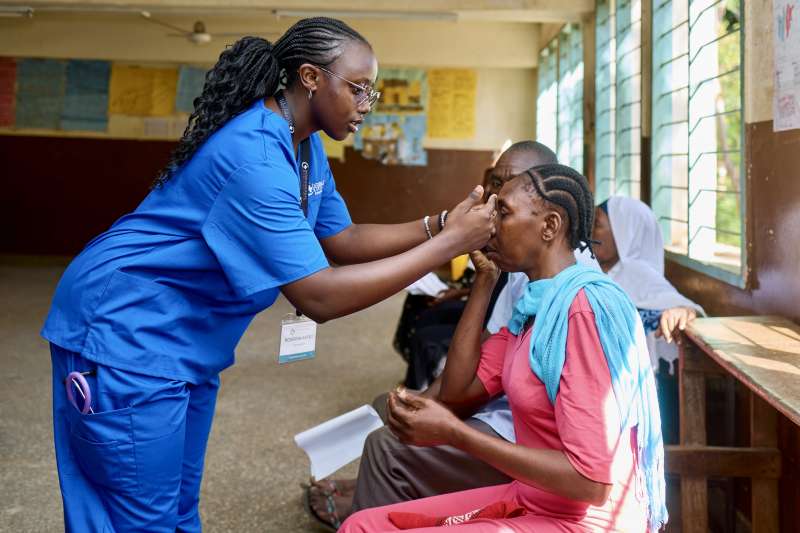
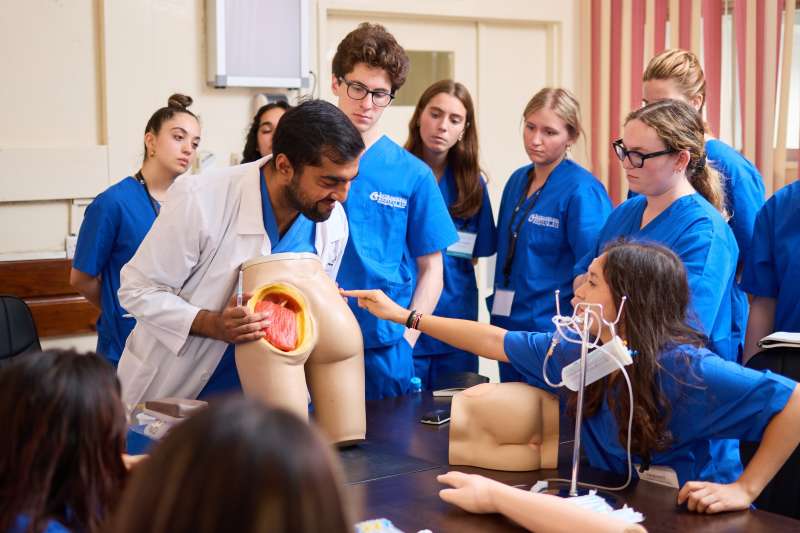
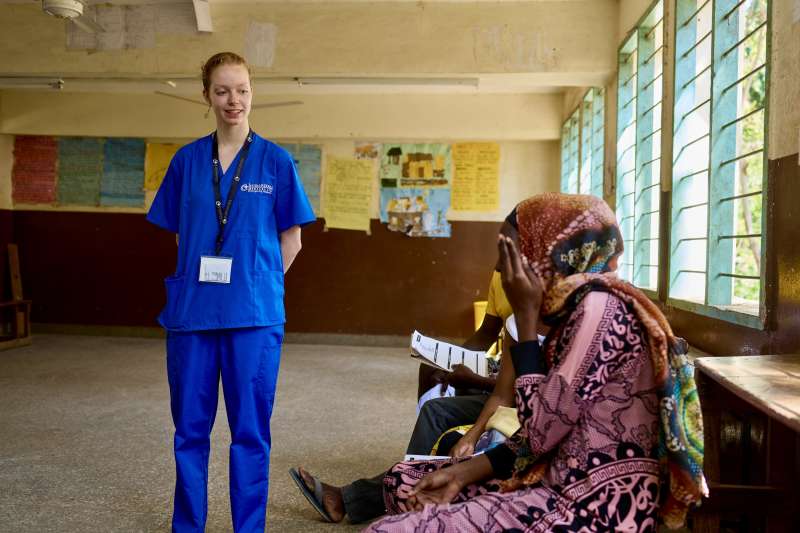
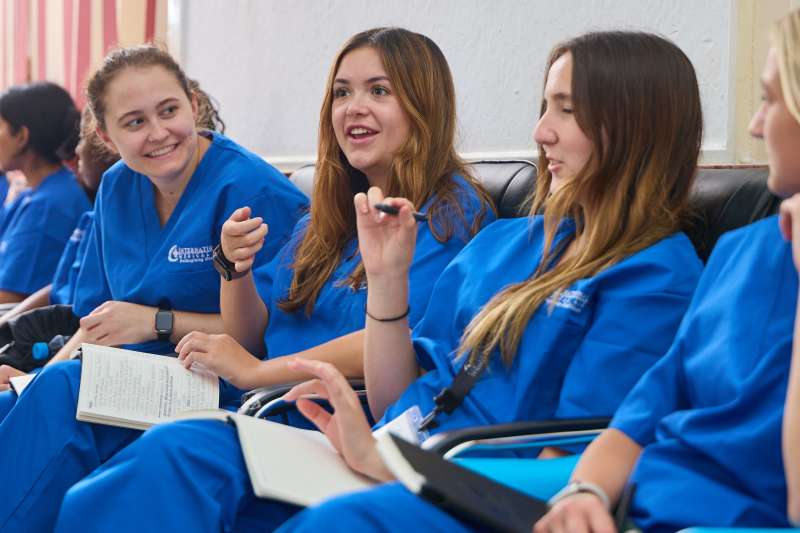
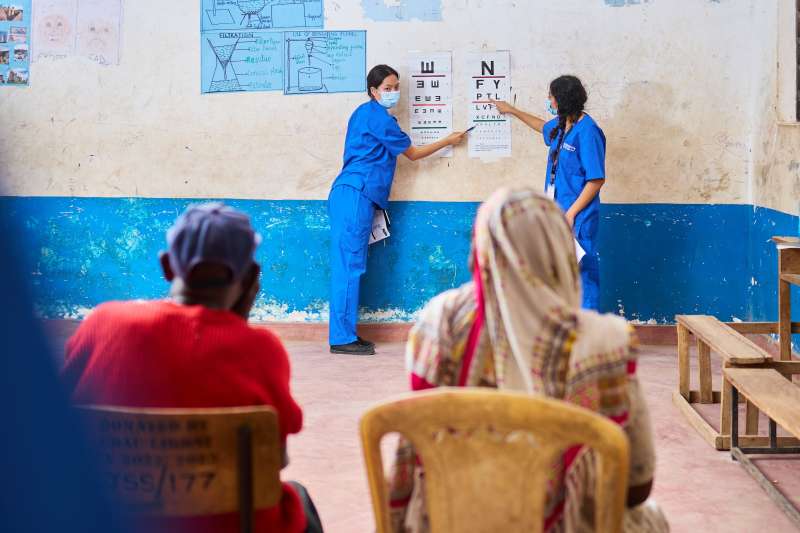
Global Healthcare Lecture Series during my Nutrition/Dietetics Internship Program with IMA in Mombasa, Kenya—learning through guided discussion and real-world case reflection.Program Orientation at Coast General Teaching and Referral Hospital during my Nutrition/Dietetics Internship Program with IMA in Mombasa, Kenya—connecting with my cohort and preparing for hospital rotations and community outreach.Certificate Ceremony at the end of my Nutrition/Dietetics Internship Program with IMA—celebrating program completion with one of IMA's Clinical Mentors.

Shadowing Across Wards in Kenya: My Pre-Medicine Internship in Mombasa with International Medical Aid—Clinical Learning, Public Health Insight, and Personal Growth

December 21, 2025by: Avery Oppenheimer - United States

Program: Global Health & Pre-Medicine Internships Abroad | IMA

5

I spent three weeks in Mombasa, Kenya completing a medical internship that combined hospital rotations with community outreach. I shadowed doctors in surgery, the labor ward, and pediatrics, gaining valuable insight into patient care and healthcare delivery in a new environment. The hands-on learning and exposure to different medical challenges broadened my perspective and strengthened my passion for medicine. Outside the hospital, our community outreach work showed me how education can make a lasting impact in the lives of others. The accommodations were comfortable, and I especially enjoyed the local food—like the chicken dishes and chapati quickly became my favorites. When I was young, the doctor’s office was one of my least favorite places to be. I hated the smell of antiseptic wipes, the crinkle of the exam table paper, and especially the sharp sting of shots. If someone had told my childhood self that eight years later I would spend my summer in an East African hospital, shadowing doctors, observing surgeries, and rushing from ward to ward, I would have laughed and run in the opposite direction. But my fear of healthcare did not last forever. As I grew older, the very things that once scared me began to fascinate me: how the body works, how diseases disrupt it, and how doctors step in to restore balance. That curiosity is what caused me to apply for an internship with International Medical Aid and board a plane alone to a very unfamiliar location: Mombasa, Kenya. After interning in a hospital in San Ramon, California for a year, I thought I knew what to expect from my experience with International Medical Aid. I would be rotating through obstetrics, surgery and pediatrics. Also, because I have traveled in a handful of developing counties, I thought I knew what to expect from the environment around me. However, nothing could have prepared me for the totality of the experience in Mombasa. The city was chaotic, with crowded streets, blaring horns, and a humid air with the lingering smell of cooking fires and burning trash. A constant reminder that life here moved quickly and under challenging conditions. I was initially overwhelmed. Looking back, this experience has profoundly changed me. It enabled me to make a real difference in another human being’s life. Beyond a single patient’s case, the experience ignited my interest in global public health because I witnessed firsthand the disparities in healthcare delivery in such a resource-limited setting. I will never forget the day I observed an emergency C-section. Although Kenya is not among the top 10 African countries with the highest maternal mortality rates, it continues to experience a high maternal mortality (OD AWE 2023). In 2015, Kenya’s maternal mortality rate was 510 maternal deaths per 100,000 live births (Muthee R 2025). This is an exceedingly high number when compared, for instance, to the US maternal mortality rate of 17 per 100,000 live births in 2023 (WHO 2025). That day at Coast General, the mom was in distress, lying on her side in pain because she had been in labor for hours, and everyone in the room was tense. When the doctor finally delivered the baby, I felt such relief when I heard the first cry. But then, everything changed as the baby stopped crying and became limp, not showing any of the normal reflexes babies usually have. I kept waiting for someone to do something fast to address the situation, but the nurse did not seem worried at all. The seconds seem to drag on like minutes. The nurse moved slowly, cleaning the instruments like nothing was wrong. My heart raced. I knew the baby was not breathing, and I could not just stand there, so Dani and I gently but urgently tried to stimulate the baby’s body, which did not open the baby's airway. I spoke up and asked if they could suction the baby’s airway, and the nurse finally grabbed the bulb and cleared the mucus, and after what felt like forever, the baby gasped and started to cry again. I could finally breathe, too. That moment shook me. In a hospital back home, a whole team would have rushed in right away. But here, with fewer resources and a calmer attitude toward emergencies, things moved more slowly. The nurse was operating in an environment that was under-staffed and to her the baby’s status was not an emergency. In that moment, I felt I witnessed a situation that teetered on the edge of life and death. Responding to my perception of an emergency, I also learned that even as a student, I have a voice, and using it can make a difference. I believe it is crucial to act quickly when someone’s life is at risk, regardless of where the emergency takes place. As I reflect back on this moment, however, I can see that “less” does not necessarily mean “worse.” It means using the tools around you to the best of your abilities. In this case, for the busy nurse, that included relying on the two interns to try to revive the newborn. After that moment in the operating room, I started paying closer attention not only to individual cases, but to the entire healthcare system around me. Working at Coast General gave me an unfiltered view of what it means to practice medicine in a public hospital in Kenya. The wards were crowded, sometimes with 70 patients in one large room, and just a couple of nurses caring for everyone. Each morning, before even entering the wards, lines of patients waited in areas overflowing with people, and many of them had been waiting since dawn. It looked very different from hospitals at home, where there is privacy, access to technology, and a sufficient number of staff. Even though the doctors were working with so little, they were incredible. They cared about their patients and took time to explain things to us students. They were patient teachers, despite being clearly exhausted. When the doctor could not do well, it was not because they did not care, but rather because they lacked sufficient resources, staff, or equipment. Or the patient came in too late in the evolution of a disease process. Sometimes doctors had to make hard choices about which patients to treat first because there simply was not enough time or supplies for everyone. My experience in Kenya taught me that healthcare outcomes are not purely just about medicine and physician expertise, but also about systems, access, and resources. I saw how strong clinical skills mattered more without advanced technology to rely on. And I learned how important it is to speak up when something feels wrong, even as a student. My internship with International Medical Aid was more than just a learning experience, it was a life-changing journey. I came to Kenya eager to observe medicine in action and care for people, but I left with so much more: a deeper understanding of health inequities, a stronger sense of compassion and independence, and a clearer vision for my future career. In the developing world, healthcare, I learned, is not just about curing disease; the human being, who has come into the clinic for help, has a particular life story and background that is relevant to their reason for being there. Their treatment is embedded within a complex health care delivery system with its own limitations. In a developing country, what I witnessed is that delivering healthcare means working to create the best outcome possible for that patient. I will continue to carry the lessons of Mombasa with me into every classroom I sit in, every patient I meet, and every decision I will make as a future healthcare professional. Through this experience, I learned that fear can evolve into passion, challenges can lead to growth, and even the smallest acts of care can change or even save another person’s life. Most importantly, this journey showed me that medicine is not just a career, it is a calling to help people who need it most in the worst or hardest moments of their lives. And it has shown me how great the need is in other parts of the world.

Surgery Rotation during my Pre-Medicine Internship Program with IMA in Mombasa, Kenya—observing procedures and learning firsthand in the operating theatre.Certificate Ceremony with IMA at the end of my Pre-Medicine Internship Program with IMA—celebrating alongside my cohort and Program Mentors.Women’s Health Education Session during my Pre-Medicine Internship Program with IMA in Mombasa, Kenya—supporting local young women through health education and essential hygiene supply distribution.

The Perfect Reset After Shadowing: How International Medical Aid Combined Big Five Adventure with Meaningful Cultural Immersion

December 21, 2025by: Samantha Aldridge - United States

Program: Group & Student Travel | IMA Safaris Africa & South America

5

My experience on the Masai Mara Game Reserve and Nairobi Overnight Trek was one of the most unforgettable highlights of my time in Kenya with International Medical Aid. It was a perfect combination of adventure, cultural immersion, and relaxation after intense clinical shadowing. The overall itinerary was well thought out and offered a great balance between travel, exploration, and rest. The progression, from the drive to Masai Mara, the game drives, cultural interactions, and the overnight stay in Nairobi allowed us to experience a diverse range of Kenyan landscapes, wildlife, and local traditions. Everything felt well-coordinated and paced, without being rushed. Transportation was smooth and reliable throughout the trek. The safari vehicles were clean, spacious, and perfect for wildlife viewing, with pop-up roofs that made the experience even more immersive. Our driver-guide was incredibly skilled, both in navigating the terrain and spotting wildlife. The long drives were made enjoyable through engaging commentary and beautiful scenery. The transfer between Nairobi and Masai Mara, though long, was comfortable, and our drivers ensured we had adequate rest stops and water throughout the journey. Our guide in Masai Mara was phenomenal. His knowledge of the ecosystem, animal behavior, and Masai culture added so much depth to the trip. He made an effort to ensure everyone had a great view during game drives and was always open to questions. We saw all the "Big Five," along with countless other animals like giraffes, zebras, cheetahs, and even a leopard sighting, something I’ll never forget. The visit to a traditional Maasai village was another highlight. It felt authentic, respectful, and educational. We were welcomed with open arms and learned about Maasai customs, daily life, and their close relationship with nature.

Lion Sighting in the Masai Mara during the Masai Mara Game Reserve and Nairobi Overnight Trek with IMA—an up-close view of lions resting in the grasslandsGolden-Hour Game Drive Moment in the Masai Mara during the Masai Mara Game Reserve and Nairobi Overnight Trek with IMA—elephants in the background and the savannah lit up at sunset.Elephant Encounter in the Masai Mara during the Masai Mara Game Reserve and Nairobi Overnight Trek with IMA—watching a gentle giant move through the tall grass.

Big Five Sightings, Cheetah Cubs Up Close, and a Picnic in Tanzania—My Once-in-a-Lifetime Masai Mara Trek with IMA

December 21, 2025by: Daniella Bowen - United States

Program: Group & Student Travel | IMA Safaris Africa & South America

5

The Masai Mara Game Reserve Trek was an incredible, once-in-a-lifetime experience. From the knowledgeable guide to smooth transportation and comfortable accommodations, I’m forever grateful to IMA for coordinating everything. One tip I’d offer: if you tend to get car sick, bring nausea medication, the roads can be quite bumpy. Despite that, I felt safe the entire time and shared the adventure with five other interns. We were lucky enough to see the Big Five and so much more. One funny moment was when one of us spotted a cheetah in the distance. Our guide immediately grabbed the radio and maneuvered us into a perfect viewing spot, where we saw the cheetah and her cubs up close- it was incredible! A few days after arriving in Kenya, I got an eSIM card, which gave me access to the internet throughout my stay. Some interns used international plans with their carriers, but the eSIM worked perfectly for me during my two-week stay. Our days were packed with unforgettable activities- from visiting an elephant orphanage and feeding giraffes to the safari rides. We were always provided with water bottles, and the camp we stayed at in the Masai Mara was peaceful and well-kept. The food was delicious! One night, some of us played cards at camp, and it became one of the highlights of the trip. Another unforgettable moment was the picnic we had in Tanzania, surrounded by the wildebeest and zebra migration. Overall, I wholeheartedly recommend this experience to anyone considering it!

Sunrise Game Drive in the Masai Mara on the Masai Mara Game Reserve and Nairobi Overnight Trek with IMA—early morning light, open-air views, and an unforgettable start to the day.Candid Moment during a Game Drive in the Masai Mara on the Masai Mara Game Reserve and Nairobi Overnight Trek with IMA—taking in the views between wildlife sightings.Picnic Lunch in the Masai Mara during the Masai Mara Game Reserve and Nairobi Overnight Trek with IMA—sharing a meal on the savannah with other interns

Masai Mara Game Reserve and Nairobi Overnight Trek with IMA: A Magical Safari You Truly Have to Experience

December 21, 2025by: Nathan Homsey - United States

Program: Group & Student Travel | IMA Safaris Africa & South America

5

The Masai Mara Game Reserve and Nairobi Overnight Trek was absolutely magical. The tour guide was clearly an expert and was basically a search engine in the sense that I could point at an animal and he'd know the answers to every question I could have about it. The accommodations were great as well, the hotel was nice and the Simba + Oryx resort was incredible. The most enjoyable part of the safari was self evident, and can only be described in pictures. The only thing that I would've changed is the compactness of everything. While I certainly got the most out of the experience with the current structure, maybe some of the safari could be designed with some sleep built in. Waking up at 2 am and having a full 16 hours of activities wasn't the easiest, especially when the next day we'd be waking up before sunrise, but at the same time it was still manageable and worked out. I understand my response to this is relatively brief but I don't think I could ever capture the spirit of this safari with words in a prompt. Just have to experience it to understand. Also, our tour guide was the best and deserves a quadruple raise!

Lion Sighting during the Masai Mara Game Reserve and Nairobi Overnight Trek with IMA—an unforgettable moment in the wild.Sunrise Views across the Masai Mara during an early morning game drive on the Masai Mara Game Reserve and Nairobi Overnight Trek with IMA—worth every early wake-up.Giraffe Centre Visit in Nairobi, Kenya during the Nairobi portion of the Masai Mara Game Reserve and Nairobi Overnight Trek with IMA—getting up close with one of Kenya’s most iconic animals.

Masai Mara Game Reserve and Nairobi Overnight Trek: Expert Guides, Comfortable Travel, and an Elephant Encounter I’ll Never Forget

December 18, 2025by: Mackenzie Meyer - United States

Program: Group & Student Travel | IMA Safaris Africa & South America

5

My Masai Mara Game Reserve and Nairobi Overnight Trek was both well-organized and deeply meaningful. The itinerary struck a thoughtful balance between activity and rest, with smooth transportation, comfortable accommodations, and meals that were plentiful and reflective of the local culture. What truly made the trek memorable were the guides and their deep knowledge of the land, wildlife, and culture. One moment I will never forget was observing a family of elephants rolling in the mud. Watching them play together, completely at ease in their natural environment, was both humbling and awe-inspiring, and it perfectly captured the beauty of being fully present in that place. The group dynamics also added to the experience—sharing these moments with peers created a real sense of camaraderie and connection that made the journey even more meaningful.

An unforgettable lion sighting in the Masai Mara, observing a pride resting in the grass as our safari vehicles kept a respectful distance during the Masai Mara Game Reserve and Nairobi Overnight Trek.A rare rhino sighting in the Masai Mara Game Reserve, watching them rest peacefully in the grass during the Masai Mara Game Reserve and Nairobi Overnight Trek.A quick photo inside our safari vehicle between game-drive stops, taking in the open plains of the Masai Mara during the Masai Mara Game Reserve and Nairobi Overnight Trek.

International Medical Aid (IMA) Programs

Browse programs you might like

International Medical Aid (IMA)

International Medical Aid (IMA)

4.96

168 reviews

Top Rated Program Intern Abroad in Kenya 2026
Global Health & Pre-Medicine Internships Abroad | IMA

IMA offers an opportunity to enhance your medical and healthcare knowledge with International Medical Aid's Pre-Med and Health Fellowships. Craft...

IMA - Safari

International Medical Aid (IMA)

5

109 reviews

Top Rated Program Adventure Travel in Kenya 2026
Group & Student Travel | IMA Safaris Africa & South America

IMA Safaris Africa and South America, an initiative of International Medical Aid, offers student travel programs, treks, and educational tours ac...

International Medical Aid (IMA)

International Medical Aid (IMA)

5

70 reviews

Top Rated Program High School Abroad in Multiple Countries 2026
Physician Assistant/Pre-PA Internships Abroad | IMA

Join the ranks of forward-thinking healthcare professionals through International Medical Aid's (IMA) Physician Assistant and Pre-PA Internships....

International Medical Aid (IMA)

International Medical Aid (IMA)

5

23 reviews

Nursing/Pre-Nursing Internships Abroad for Aspiring Nurses

International Medical Aid (IMA) proudly pioneers nursing and pre-nursing internships globally, catering to students and practitioners eager to am...

International Medical Aid (IMA)

International Medical Aid (IMA)

4.89

18 reviews

Dentistry/Pre-Dentistry Shadowing & Clinical Experience

Global dental healthcare with International Medical Aid's (IMA) Dental Internships for pre-dental undergraduates, dental students, dentists, and ...

International Medical Aid (IMA)

International Medical Aid (IMA)

5

11 reviews

IMA Cross-Cultural Care Mental Health Internships Abroad

International Medical Aid (IMA) pioneers impactful mental health internships worldwide for undergraduates, graduates, and licensed mental health ...

Frequently Asked Questions

What are IMA's Global Healthcare Fellowships?

International Medical Aid offers healthcare fellowships abroad designed for aspiring medical professionals. These fellowships provide extensive clinical, public health, and community service experience across East Africa, South America, and the Caribbean, fostering a global perspective on healthcare challenges and solutions.

Who can apply for these fellowships?

The fellowships are open to pre-med undergraduates, medical students, and high school students who seek to broaden their medical knowledge and experience through immersive global healthcare settings.

Where are the fellowships located?

IMA's fellowships are strategically placed in East Africa, South America, and the Caribbean, regions known for their diverse healthcare challenges and rich cultural heritage.

What will I do during the fellowship?

Fellows have the opportunity to shadow experienced healthcare professionals, participate in community  medical clinics, and engage in significant public health projects that aim to improve community health outcomes.

What makes these fellowships unique?

Our fellowships were originally developed by our founders at Johns Hopkins University. They designed and established these programs with the aim of offering a unique and immersive experience to participants while upholding the highest standards of clinical and ethical practice. The emphasis on quality and professionalism has been ingrained in the core values of our fellowships since their inception.

Interviews

Read interviews from alumni or staff

Colin Wiechmann

Colin Wiechmann

Participated in 2025

Alumni

I have long been inspired by organizations such as Doctors Without Borders and their commitment to delivering high-quality healthcare in underserved and resource-limited settings. For nearly four years, I have been volunteering in healthcare while studying medicine, which has solidified my desire to work with diverse patient populations and address health inequities on a global scale.

Show Full Interview
Connor Nicholas

Connor Nicholas

Participated in 2025

Alumni

I wanted to gain new perspectives and new experiences. Going abroad challenges the way you have been taught to think and do things. 

Show Full Interview
Zihui Qiu

Zihui Qiu

Participated in 2025

Alumni

I was inspired by the doctors volunteering with Doctors Without Borders and other medical humanitarian organizations in areas such as Gaza and Sudan. Their willingness to sacrifice safety for the care of their patients is what inspires me to pursue a global perspective of medicine. 

Show Full Interview
Macy Collins

Macy Collins

Participated in 2025

Alumni

I wanted to expand on what I was learning in the classroom when it came to health disparities. I knew what these things looked like as abstract concepts, but I needed real-life experiences to support my understanding. 

Show Full Interview
Yuto Nakada-Sasaki

Yuto Nakada-Sasaki

Participated in 2025

Alumni

Although I was born and raised in Canada, I have a strong Japanese background, and through numerous trips to Japan, I developed an early appreciation for viewing the world through different cultural and systemic perspectives. 

Show Full Interview
Saboor Zeeshan

Saboor Zeeshan

Participated in 2025

Alumni

A goal of mine, ever since I developed an affinity for altruism and human compassion, has been to serve in underprivileged parts of the world. 

Show Full Interview
Melody Vail

Melody Vail

Participated in 2025

Alumni

"To be loved is to be known" - T. Keller. 

Show Full Interview
Kathryn Page

Kathryn Page

Participated in 2025

Alumni

Growing up in a rural community in interior British Columbia, I became aware early on of how geography, staffing shortages, and limited resources shape access to healthcare. Even in Kelowna, these challenges persist, reinforcing my curiosity about how social determinants influence patient outcomes beyond a Western or Canadian context. 

Show Full Interview
Anna (Anna Clair) Wiggins

Anna (Anna Clair) Wiggins

Participated in 2025

Alumni

My interest in global health began through my public health coursework, where I learned about health disparities, access to care, and social determinants of health. While these topics were academically engaging, I felt limited by learning them only in a classroom setting. 

Show Full Interview
Nathan Homsey

Nathan Homsey

Participated in 2021

Alumni

I was initially inspired to go abroad after hearing from other clinicians about how beneficial their time was. 

Show Full Interview
Jada Mann

Jada Mann

Participated in 2025

Alumni

When I was younger, I often overheard fascinating stories from one of our dear family friends, who was an OR nurse. Every year, this incredible nurse and father of two would leave for 2-3 weeks with an organization of nurses and doctors to Ecuador. This was not a vacation among friends, but rather a mission abroad to administer essential medical aid. They were constantly working in makeshift hospitals where their skills were desperately needed. When he returned home, he often spared me the details but never left out the poverty and sheer need he witnessed. 

Show Full Interview
Hana Nixon

Hana Nixon

Participated in 2025

Alumni

I have been very fortunate to have been able to travel frequently during my childhood. Going on a safari somewhere in Africa has always been at the top of my bucket list. Making this happen was proving to be difficult as the flight routes were complicated and I had no idea where to start, so I quickly dismissed the idea as something that I would do when I was older and settled into a career. 

Show Full Interview
Sophia Skelton

Sophia Skelton

Participated in 2025

Alumni

I believe it is important for future healthcare professionals to experience differences in medical care depending on location and culture, especially how to adapt when under-resourced. 

Show Full Interview
Bitanya Ephrem

Bitanya Ephrem

Participated in 2025

Alumni

I was inspired to go abroad because I wanted to understand healthcare beyond textbooks and well-resourced hospitals. As a pre-nursing student, I felt it was important to witness how care is delivered when systems are strained and resources are limited. 

Show Full Interview
Fatoumata Silimana

Fatoumata Silimana

Participated in 2023

Alumni

I was inspired to go abroad to continue expanding my knowledge of healthcare across different cultures and countries. As a public health science major on the pre-pa track, I wanted to explore how medicine is delivered in resource-limited settings. 

Show Full Interview
Paige Sowitch

Paige Sowitch

Participated in 2025

Alumni

My family has a zeal for adventure and a profound love of travel. During college, my parents moved to Sweden for a two-year period, and I had the opportunity to immerse myself in a new culture and travel independently around Europe. That experience greatly developed my character, and I returned to the United States as a more well-rounded, empathetic, and intelligent person. 

Show Full Interview
Krithika Natarajan

Krithika Natarajan

Participated in 2025

Alumni

After the pandemic, learning behind my desk was no longer enticing. From the hours of online instruction and Zoom calls with teachers, I ironically began to see the true value behind face-to-face meetings and in-person classrooms. 

Show Full Interview
XIMENA VELA ROMERO

XIMENA VELA ROMERO

Participated in 2023

Alumni

I have always been raised in an international context in countries like Argentina, Bolivia, Trinidad and Tobago, Spain, and the USA. Throughout my life, I have moved to six different countries, allowing me to experience six completely different cultures and ways of life. 

Show Full Interview
Savannah Prozik

Savannah Prozik

Participated in 2025

Alumni

As a child of a military family, I have learned the importance of experiencing diverse cultures and languages. From living on the Island of Guam to the city of Bucharest, I have learned valuable lessons about myself and my perspectives on the world. 

Show Full Interview
Isaac Simon

Isaac Simon

Participated in 2024

Alumni

I was inspired to go abroad firstly because I love to travel. Growing up in a diverse and multicultural city, I feel great joy when appreciating other cultures in their truest form. When I travel, I’m able to fully immerse myself in a new culture rather than reading articles about it.

Show Full Interview
International Medical Aid (IMA)

International Medical Aid (IMA)

4.97Verified

Ready to Learn More?

International Medical Aid (IMA) is a distinguished nonprofit organization standing at the forefront of global healthcare study-abroad endeavors. As the premier provider of pre-health programs, we offer unparalleled study abroad experiences and healthcare internship opportunities to students and professionals. With programs developed at Johns Hopkins University, IMA's commitment extends to delivering essential healthcare services in underserved regions, spanning East Africa, South America, and the Caribbean. IMA programs align with the AAMC Core Competencies, focusing on developing critical thinking, communication, and cultural competence. Undergraduates, medical students, residents, and practicing professionals gain hands-on experience in medicine, nursing, mental health, dentistry, ph...

Awards

Check out awards and recognitions International Medical Aid (IMA) has received

Top Rated Program High School Abroad in Multiple Countries 2026
Top Rated Program Intern Abroad in Kenya 2026
Top Rated Program Adventure Travel in Kenya 2026
Top Rated Program High School Abroad in Ecuador 2025
Top Rated Program High School Abroad in France 2025
GoAbroad Top Rated Provider 2025 - Intern AbroadHOSA Premier PartnerTop Rated Provider 2023 - Notable MentionAmerican Medical Student Association (AMSA) - International Medical Aid (IMA)GoAbroad Top Rated Adventure Travel - 2022Top Rated Organization 2021 - Adventure TravelAIEA Logo