1. Brief description of the host company/ organisation and supervisor(s)
ERITAGE Studio Gallery is a vibrant contemporary art space in Lisbon that champions artistic plurality and uses art as a tool for human development and corporate engagement. It is a dynamic hub where international exhibitions foster intercultural dialogue. The gallery is led by its Founder and Creative Director, Joao Marcus Cavalcanti—a former finance professional from Rio de Janeiro who transitioned to gallerist in Portugal. He has built a remarkable cultural bridge between Brazil, Portugal, and Africa through artist residencies and shared productions. Committed to social dialogue and sustainability, Cavalcanti steers ERITAGE as a space where contemporary art intersects with social consciousness, making it an incredibly inspiring environment to learn from.
2. Your job duties, contributions and accomplishments
My role as a Public Relations Intern was varied. My main responsibility was social media content creation and curation. I created and scheduled engaging visual content for Instagram including photography, reels and behind-the-scenes stories to promote current exhibitions and artists, greatly increasing the gallery's online engagement. I also carried out extensive research and reporting on galleries, visiting contemporary art spaces across Lisbon, looking at curatorial strategies and producing detailed reports that fed into our strategic programming. I provided direct support during the installation and de-installation of exhibitions, including handling artworks, setting lighting and display materials, and the safe packing and storage of works. These contributions have given me a holistic view of gallery operations from the public facing promotion to the physical logistics that take place behind the scenes.
3. Difficulties encountered during the internship (if any)
The internship was not without its challenges. Professionally, I was initially daunted by the physicality of the role – in Hong Kong, gallery assistants rarely engage in manual construction, but here I was drilling into gallery walls to hang installations, meaning I had to learn proper techniques from scratch. Culturally, the language barrier was sometimes tough, as many locals do not speak fluent English outside of the tourism sector. I had to use hand gestures and basic Portuguese phrases. The city’s notorious topography, built on seven steep hills, was a real workout when commuting. This was personally my first experience living in an 8 bedroom flat with 7 other flat mates which really tested my patience and communication skills on a daily basis as well as bouts of homesickness over the holidays.
4. Knowledge/ skills/ benefits acquired from the internship
I have learned a great deal professionally. I deepened my understanding of the artists' backgrounds, creative processes, and thematic concerns, which greatly enriched my appreciation for Portuguese art history and its cultural context. Translating these insights into words, I had the rewarding opportunity to write articles for the gallery's official Substack account—crafting engaging narratives that bridged the artists' visions with our audience, and sharpening my ability to communicate complex artistic ideas with clarity and warmth. On the practical side, I also gained hands-on technical skills in the safe installation and de-installation of artworks, from precise measuring and levelling to correct wrapping, safe transport, and meticulous inventory documentation—skills I never imagined I would learn but now value immensely. Most notably, I developed invaluable interpersonal and adaptability skills, learning to think quickly on my feet when my supervisor assigned last-minute work, and consistently delivering quality output under pressure without losing my composure.
5. Insights into the culture and people of the destination
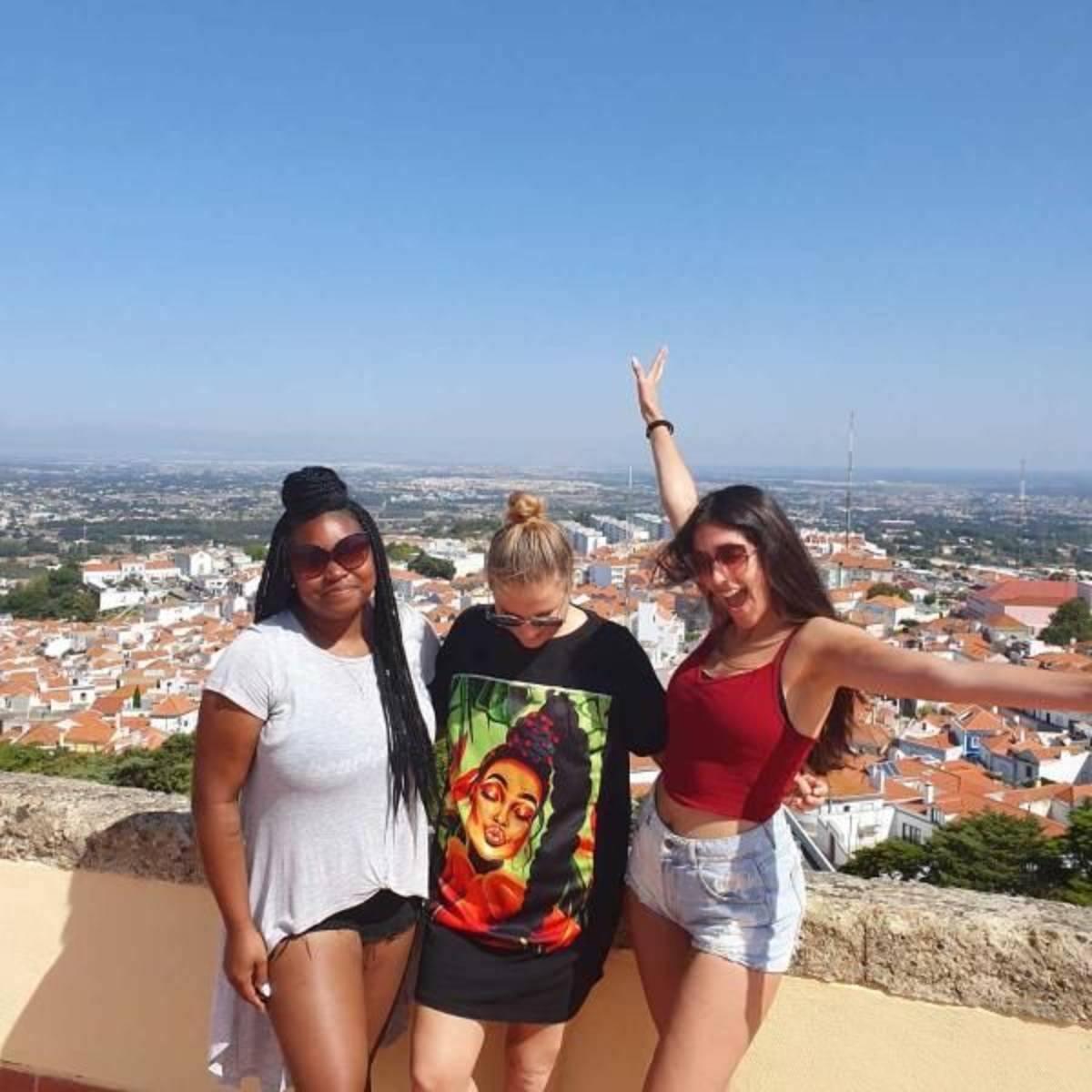
What impressed me most about Lisbon was not just its postcard beauty but its emotional depth, a kind of poetic melancholy that the Portuguese call saudade. This bittersweet longing is in the air all over the city, most distinctly in the plaintive guitar of Fado music drifting from dimly lit taverns, but it does not weigh down the culture. Instead it coexists with an extraordinary warmth and a deep sense of community. I loved the neighborhood life, like in Alfama, where old ladies gossip across clothes-lined balconies, and in the Santos Populares festivities, whole streets become open-air banquets, with neighbors grilling sardines together. The locals taught me desenrascanço — the uniquely Portuguese ability to improvise with charm and resourcefulness. They’re not on the clock, but on the clock of the golden descent of the sun over the Tagus River, valuing human connection over relentless efficiency. Whether it’s a long coffee in a quiet pastelaria or an informal greeting from shopkeepers, Lisboetas are quietly resilient and welcoming, making me feel less like a foreigner and more like a temporary piece of their lively, unhurried story.