

Marine Research Assistant Internship in South Africa


Program Overview
Make your first steps in a career in marine science in one of the most biodiverse regions of South Africa’s Western Cape. This is the ideal program for a young biologist to make a big difference protecting our oceans. You’ll receive theoretical and practical training, then gain real-world, in-field scientific research experience.
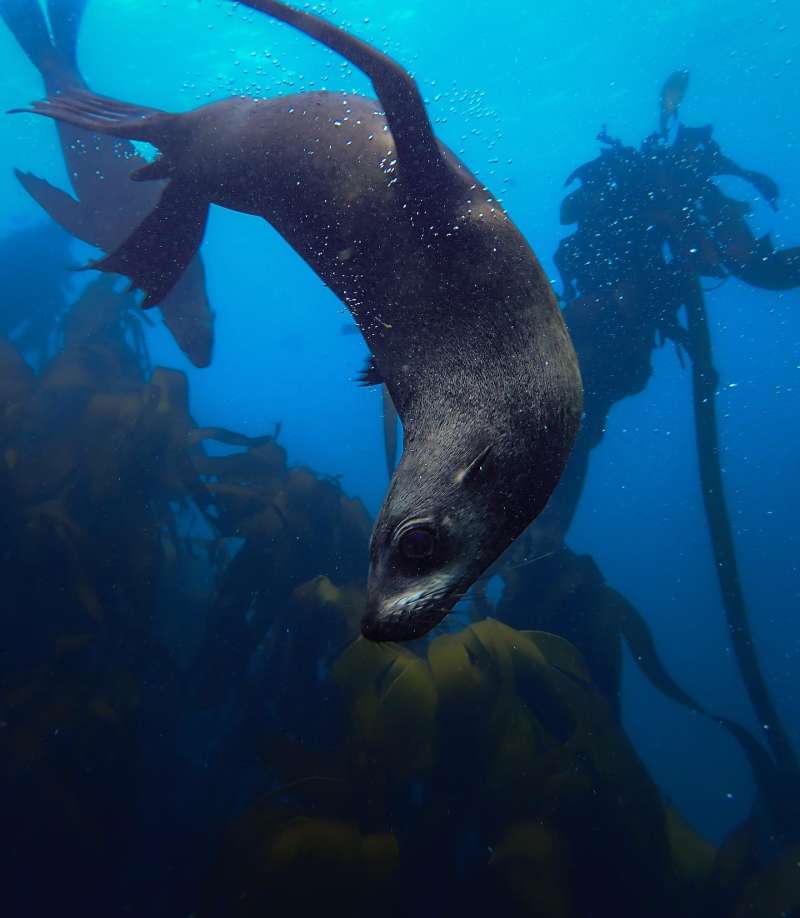
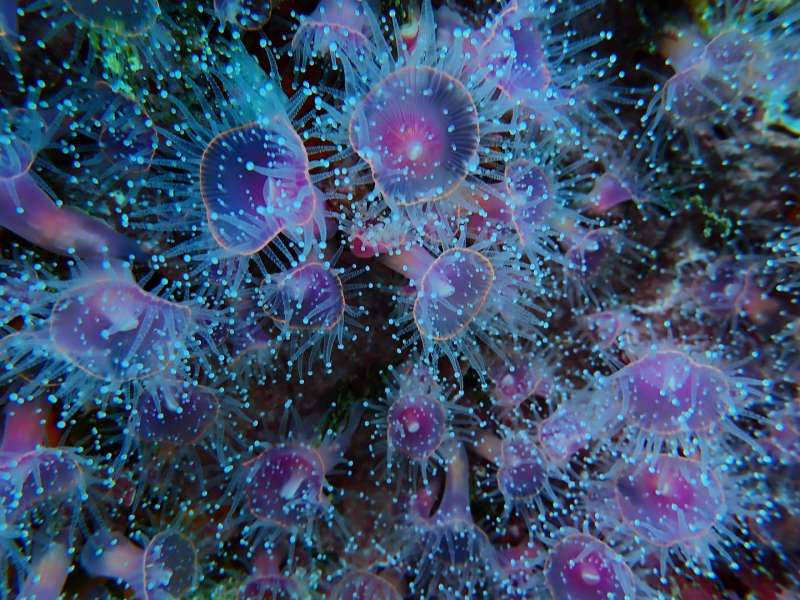
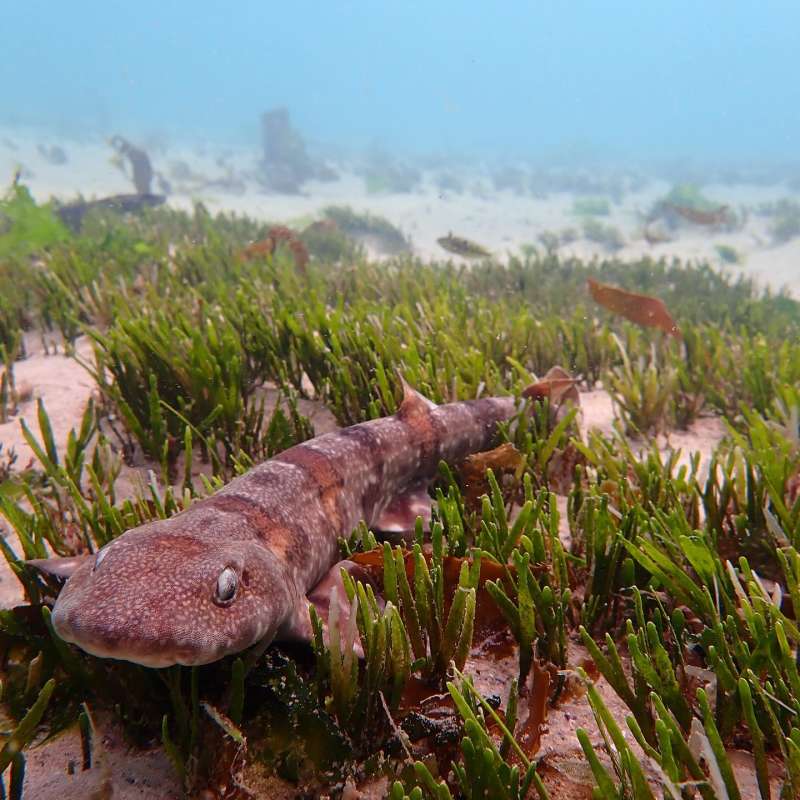
You'll be joining a team of dedicated, passionate marine scientists to study a site of unique significance for ocean conservation. Found in the False Bay area of Cape Town - a global hotspot for marine biodiversity boasting over 3500 endemic species which include sharks, rays, cetaceans, seals, fish as well as kelp forests and natural coral systems - you'll be working at a marine field station committed to furthering knowledge of marine ecosystems so as to develop better methods of conserving our oceans.
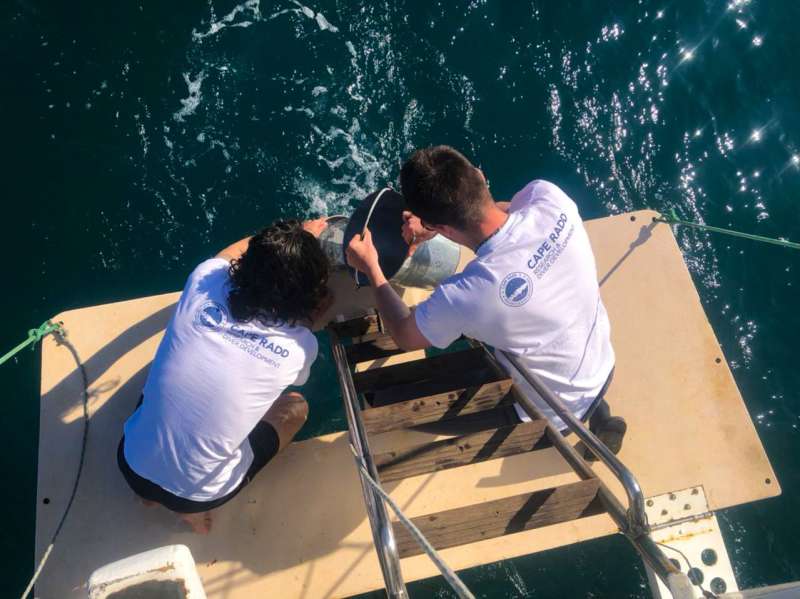
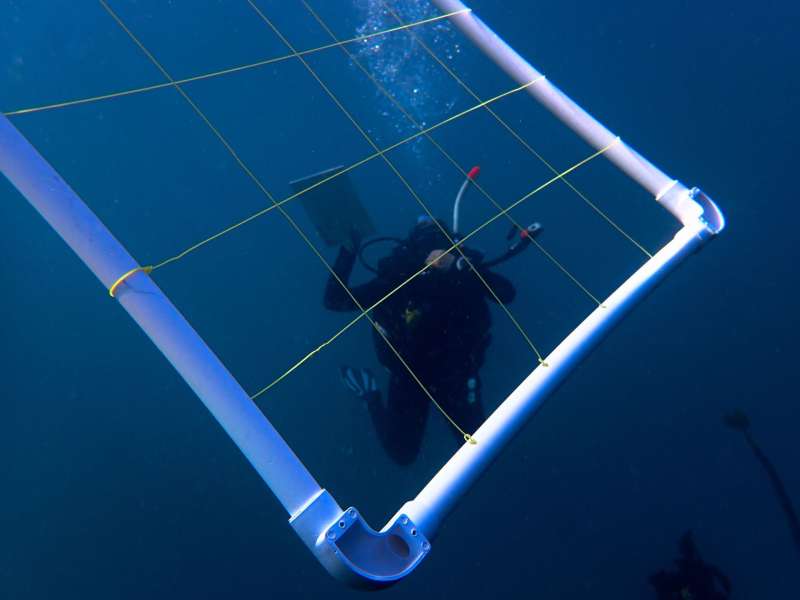
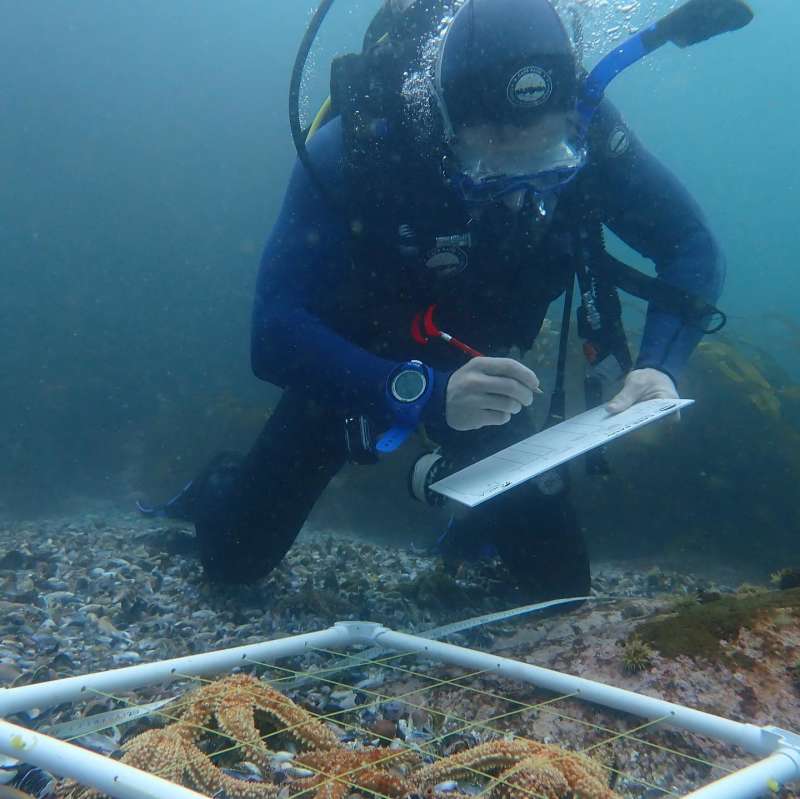
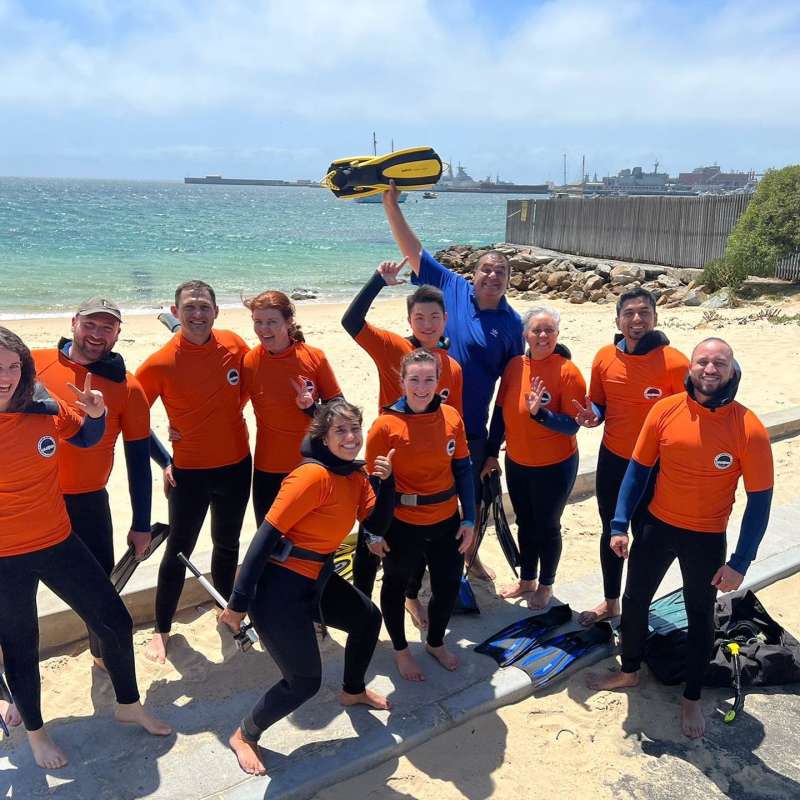
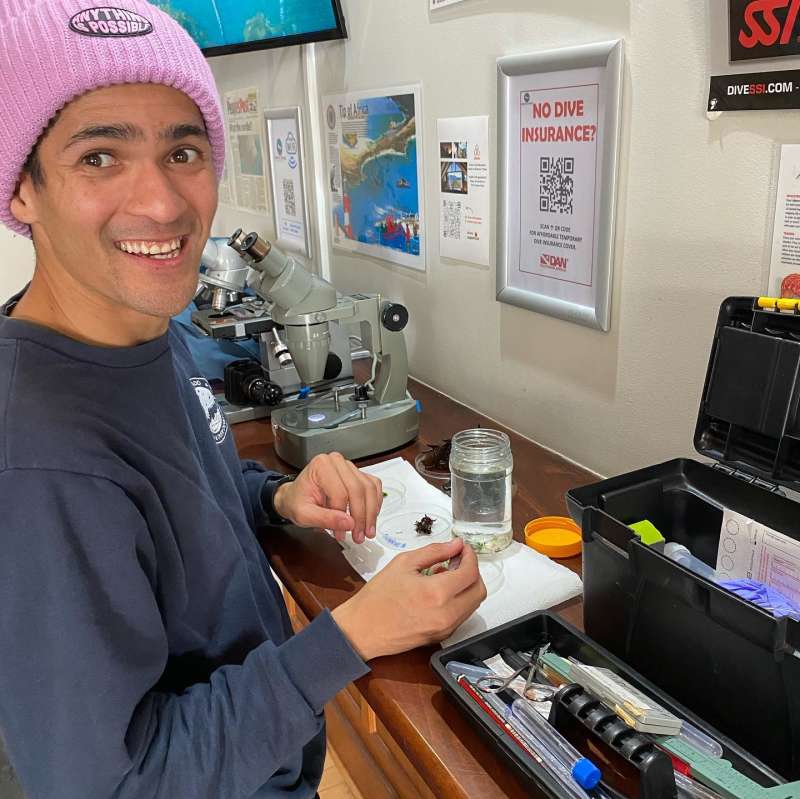
The program begins with a month-long field course to equip you with a comprehensive understanding of specialized marine research methods and equipment, as well as the opportunity to help maintain and develop the ongoing research projects, go on regular research dives, conduct underwater surveys, monitor habitats, process and analyze collected data.
Ready to dive deeper into this program?
Jump to the full breakdown of dates, costs, eligibility, and more.
Program Highlights
What's Included
Quick Details
- 5-8 Weeks
- 9-12 Weeks
- Marine Science
- Marine Conservation
- Albanian
- American
- Andorran
- Antarctica
- Antiguan & Barbudan
- Argentinian
- Armenian
- Aruban
- Asian
- Australian
- Austrian
- Azerbaijani
- Bahamian
- Bahraini
- Barbadian
- Belarusian
- Belgian
- Belizean
- Bermudian
- Bhutanese
- Bissau-Guinean
- Bolivian
- Bonaire
- Bosnian
- Brazilian
- British
- British Virgin Islander
- Bruneian
- Bulgarian
- Cambodian
- Canadian
- Cape Verdean
- Caymanian
- Channel Islander
- Chilean
- Chinese
- Colombian
- Comoran
- Cook Islander
- Costa Rican
- Creole
- Croatian
- Cuban
- Curacao
- Cypriot
- Czech
- Danish
- Dominican
- Dutch
- Ecuadorian
- Egyptian
- Emirati
- English
- Estonian
- European
- Fijian
- Finnish
- French
- Georgian
- German
- Gibraltarian
- Greek
- Greenlandic
- Grenadian
- Guadeloupian
- Guatemalan
- Guinean
- Guyanese
- Haitian
- Hawaiian
- Honduran
- Hungarian
- I-Kiribati
- Icelandic
- Indonesian
- Iranian
- Iraqi
- Irish
- Israeli
- Italian
- Jamaican
- Japanese
- Jordanian
- Kazakhstani
- Kittitian, Nevisian
- Kiwi
- Korean
- Kuwaiti
- Kyrgyzstani
- Lao or Laotian
- Latvian
- Lebanese
- Liechtenstein
- Lithuanian
- Luxembourg
- Macedonian
- Malagasy
- Malaysian
- Maldivian
- Malian
- Maltese
- Manx
- Marshallese
- Martiniquais
- Mauritanian
- Mauritian
- Mexican
- Micronesian
- Moldovan
- Monegasque
- Mongolian
- Montenegrin
- Montserratian
- Moroccan
- multi
- Myanmar
- Nauruan
- Nepalese
- New Caledonian
- Ni-Vanuatu
- Nicaraguan
- Niuean
- Norwegian
- Omani
- Palauan
- Palestinian
- Panamanian
- Papua New Guinean
- Paraguayan
- Peruvian
- Polish
- Polynesian
- Portuguese
- Puerto Rican
- Qatari
- Reunionese
- Romanian
- Russian
- Saban
- Sahrawian, Sahraouian
- Saint Helenian
- Saint Lucian
- Saint Vincentian or Vincentian
- Salvadoran
- Sammarinese
- Samoan
- Sao Tomean
- Saudi Arabian
- Scottish
- Serbian
- Serbian; Montenegrin
- Seychelles
- Singaporean
- Slovak
- Slovenian
- Solomon Islander
- Spanish
- St. Barts
- Statian
- Surinamese
- Swedish
- Swiss
- Syrian
- Tahiti
- Taiwanese
- Tajikistani
- Thai
- The Vatican
- Tibet
- Timorese
- Tongan
- Trinidadian, Tobagonian
- Turkish
- Turkmen
- Turks and Caicos
- Tuvaluan
- Ukrainian
- Uruguayan
- Uzbekistani
- Venezuelan
- Vietnamese
- Virgin Islander
- Welsh
- Yemeni
Updated Jan 15, 2026
Program Details
Learn all the nitty gritty details you need to know
Locations
- Cape Town, South Africa
Types & Subjects
- Fields
- Marine Science
- Causes
- Marine Conservation
Eligible Nationalities
- Albanian
- American
- Andorran
- Antarctica
- Antiguan & Barbudan
- Argentinian
- Armenian
- Aruban
- Asian
- Australian
- Austrian
- Azerbaijani
- Bahamian
- Bahraini
- Barbadian
- Belarusian
- Belgian
- Belizean
- Bermudian
- Bhutanese
- Bissau-Guinean
- Bolivian
- Bonaire
- Bosnian
- Brazilian
- British
- British Virgin Islander
- Bruneian
- Bulgarian
- Cambodian
- Canadian
- Cape Verdean
- Caymanian
- Channel Islander
- Chilean
- Chinese
- Colombian
- Comoran
- Cook Islander
- Costa Rican
- Creole
- Croatian
- Cuban
- Curacao
- Cypriot
- Czech
- Danish
- Dominican
- Dutch
- Ecuadorian
- Egyptian
- Emirati
- English
- Estonian
- European
- Fijian
- Finnish
- French
- Georgian
- German
- Gibraltarian
- Greek
- Greenlandic
- Grenadian
- Guadeloupian
- Guatemalan
- Guinean
- Guyanese
- Haitian
- Hawaiian
- Honduran
- Hungarian
- I-Kiribati
- Icelandic
- Indonesian
- Iranian
- Iraqi
- Irish
- Israeli
- Italian
- Jamaican
- Japanese
- Jordanian
- Kazakhstani
- Kittitian, Nevisian
- Kiwi
- Korean
- Kuwaiti
- Kyrgyzstani
- Lao or Laotian
- Latvian
- Lebanese
- Liechtenstein
- Lithuanian
- Luxembourg
- Macedonian
- Malagasy
- Malaysian
- Maldivian
- Malian
- Maltese
- Manx
- Marshallese
- Martiniquais
- Mauritanian
- Mauritian
- Mexican
- Micronesian
- Moldovan
- Monegasque
- Mongolian
- Montenegrin
- Montserratian
- Moroccan
- multi
- Myanmar
- Nauruan
- Nepalese
- New Caledonian
- Ni-Vanuatu
- Nicaraguan
- Niuean
- Norwegian
- Omani
- Palauan
- Palestinian
- Panamanian
- Papua New Guinean
- Paraguayan
- Peruvian
- Polish
- Polynesian
- Portuguese
- Puerto Rican
- Qatari
- Reunionese
- Romanian
- Russian
- Saban
- Sahrawian, Sahraouian
- Saint Helenian
- Saint Lucian
- Saint Vincentian or Vincentian
- Salvadoran
- Sammarinese
- Samoan
- Sao Tomean
- Saudi Arabian
- Scottish
- Serbian
- Serbian; Montenegrin
- Seychelles
- Singaporean
- Slovak
- Slovenian
- Solomon Islander
- Spanish
- St. Barts
- Statian
- Surinamese
- Swedish
- Swiss
- Syrian
- Tahiti
- Taiwanese
- Tajikistani
- Thai
- The Vatican
- Tibet
- Timorese
- Tongan
- Trinidadian, Tobagonian
- Turkish
- Turkmen
- Turks and Caicos
- Tuvaluan
- Ukrainian
- Uruguayan
- Uzbekistani
- Venezuelan
- Vietnamese
- Virgin Islander
- Welsh
- Yemeni
- This Program is also open to Solo
Education Levels & Language
- Education
- Any/All Education Levels Accepted
Accommodation Options
- Dormitory
- Group living
Application Procedures
- Online Application
- Resume
Age Requirement
18-35
Duration
- 5-8 Weeks
- 9-12 Weeks
- 1-3 Months
Starts At
Program Reviews
Hear what past participants have to say about Roots Interns
Be the first to review Roots Interns
If you've participated in this program, your review helps future students decide.
Review this ProgramInquire
Inquire about this program
Have a question? Send us a message and the program team will get back to you.
FAQs
Frequently Asked Questions
Get answers to all the most common questions about Roots Interns.
Do I need to have a prior experience in SCUBA diving?
Dive qualifications are recommended for this program, ideally a DiveMaster certificate. However, dive training can be provided at an additional cost during your program, if necessary.
What will I need to bring?
All equipment will be provided and rentals are included in the price. You will need to bring your own laptop, other than that all you will need is weather-appropriate clothing and other travel essentials. If you have your own dive equipment, it’s recommended to bring this as well.
Is it safe to travel to this area of Cape Town?
Simon’s Town is a quiet suburb on the outskirts of the greater Cape Town area and one of the safer neighborhoods. Nonetheless, you should exercise precautions. Avoid going out alone at night, take care of valuables, and be aware of your surroundings.
Recognitions & Awards
Awards and accreditations earned by this provider




Related Programs
Browse programs you might like


Roots Interns
No reviews yet
Step into the role of a working researcher and contribute to projects tackling some of the most pressing social issues facing communities across ...
Roots Interns
No reviews yet
Become part of social change in South Africa as a communicator who contributes through writing and community involvement to address real-world so...
Roots Interns
No reviews yet
Between research, material development, and community engagement, contribute to human rights advocacy through initiatives addressing some of Sout...
Have more questions?
We're here to help!
The GoAbroad team is here to support you as you choose the best program for you, and Roots Interns is also happy to answer any questions you have.
Trusted by millions of travelers worldwide since 1997