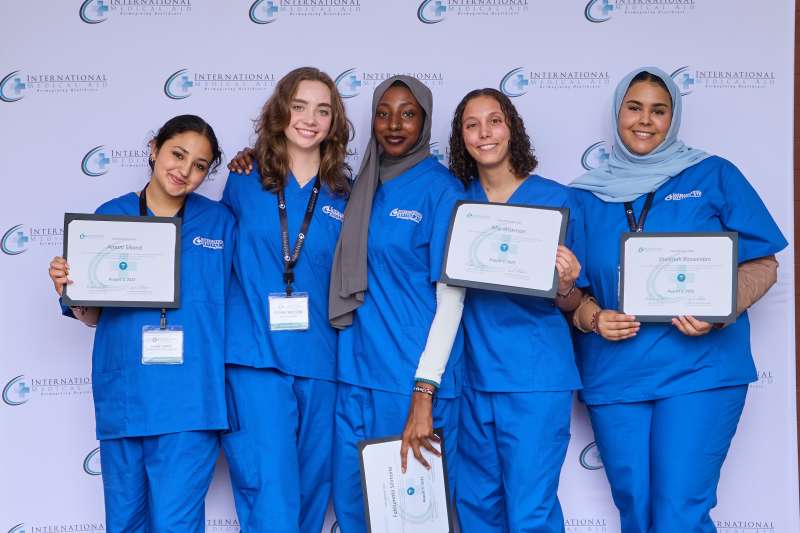
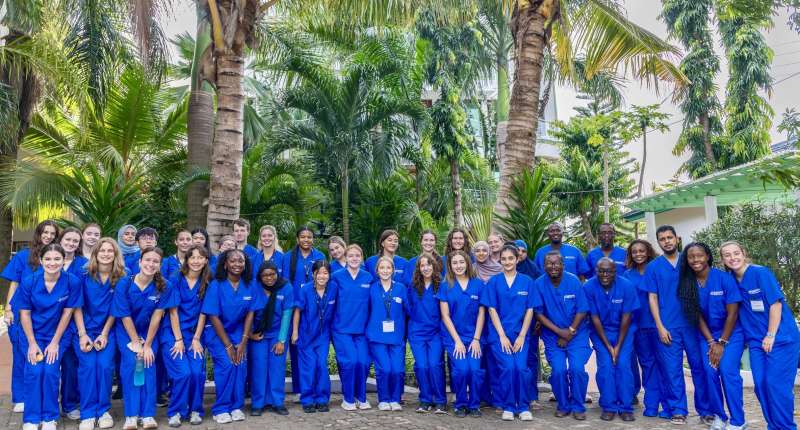
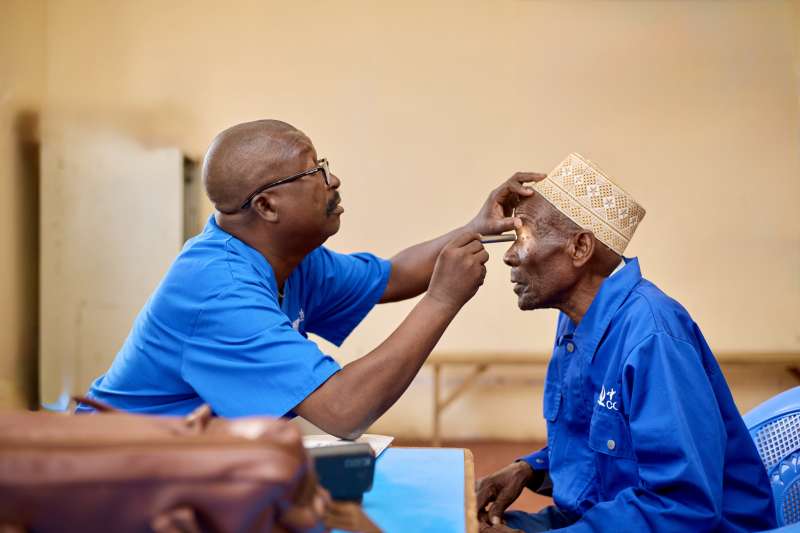
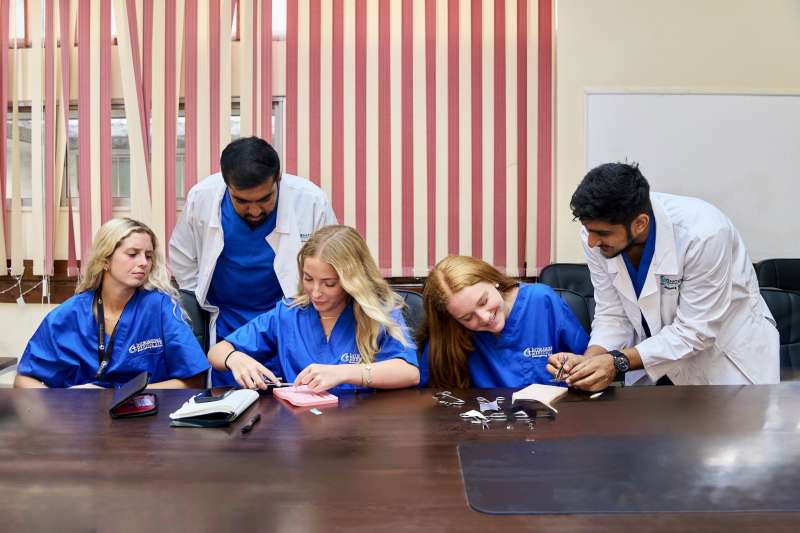
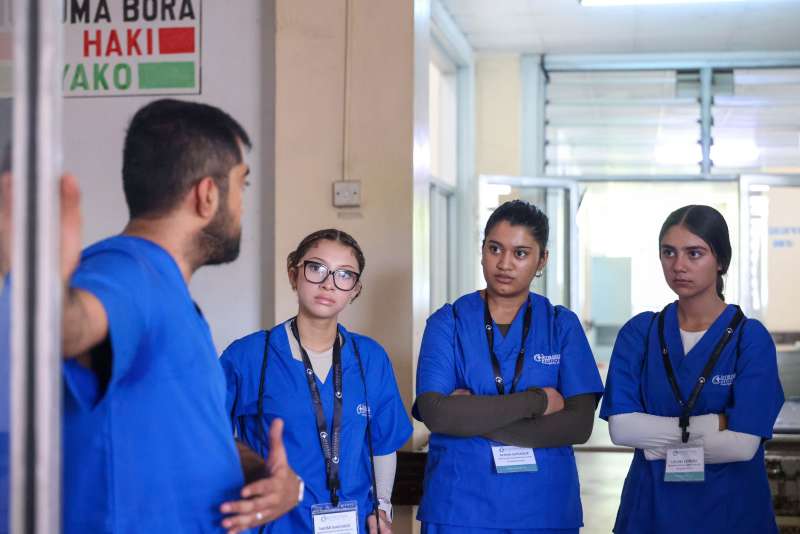
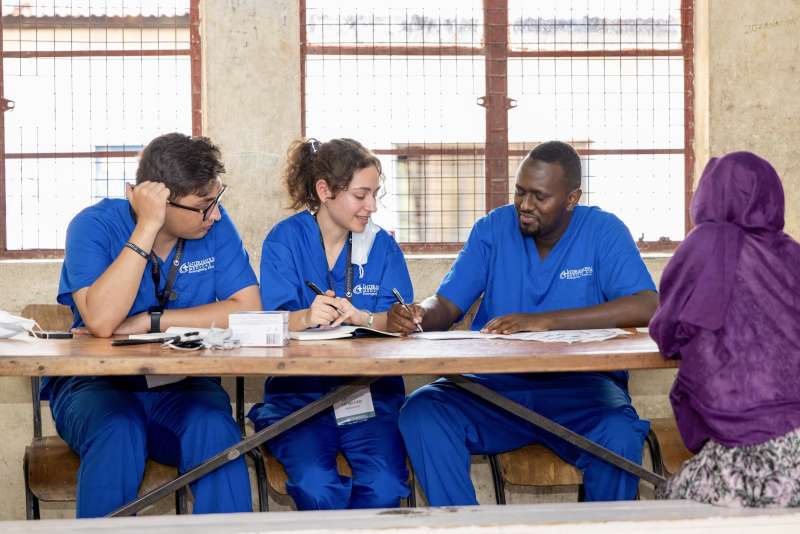
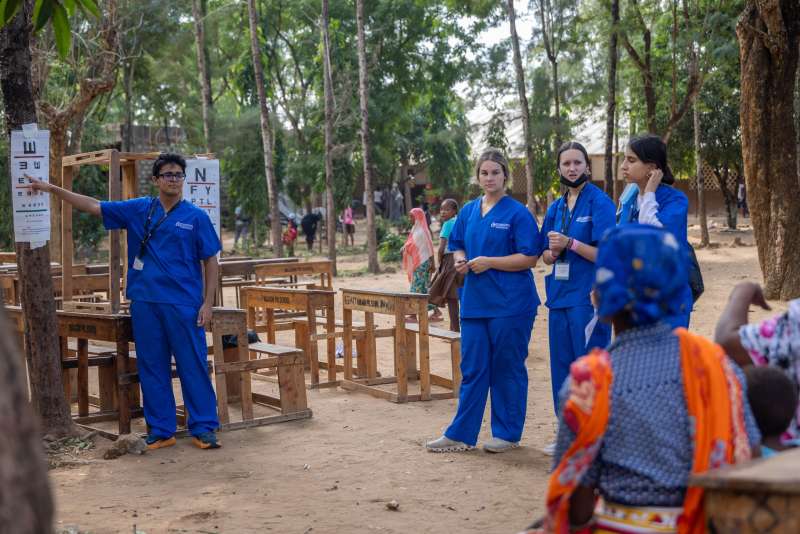
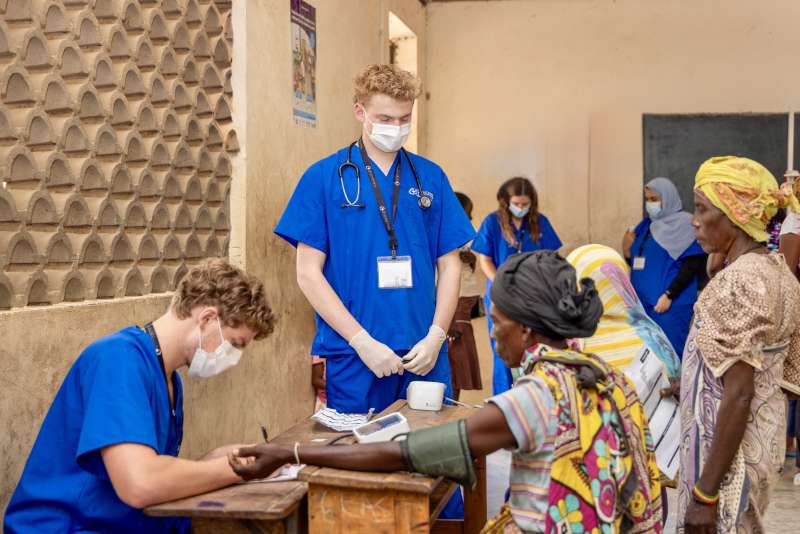
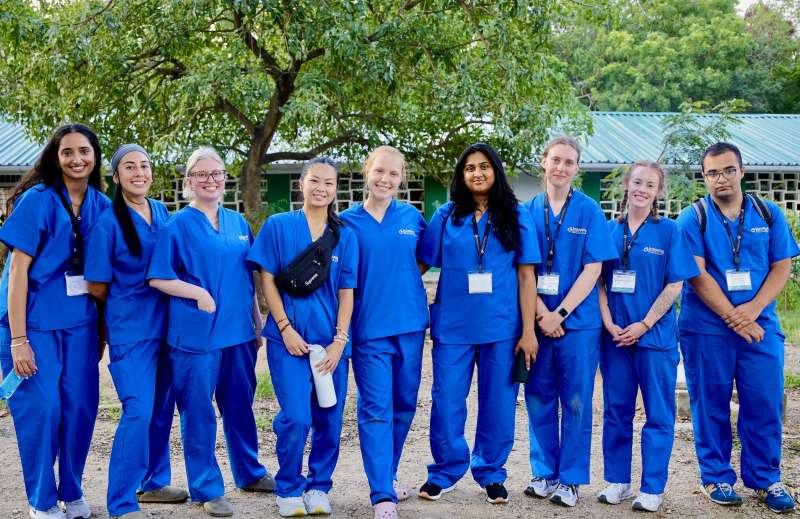
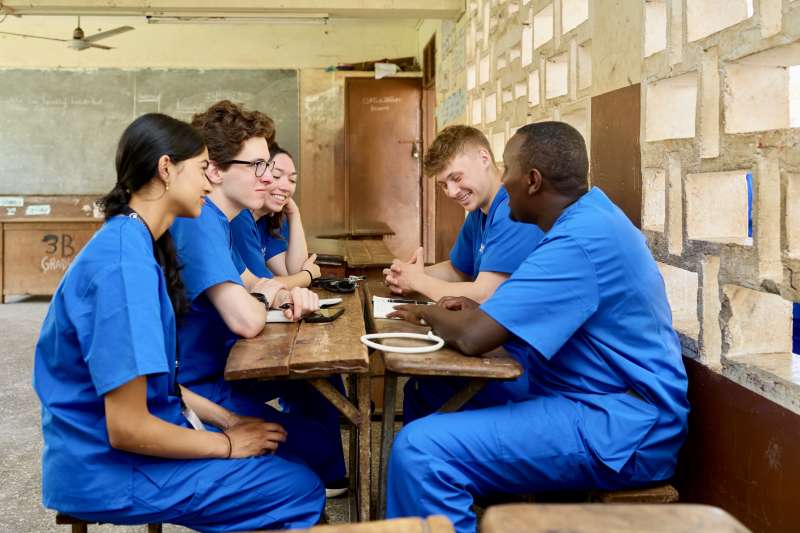
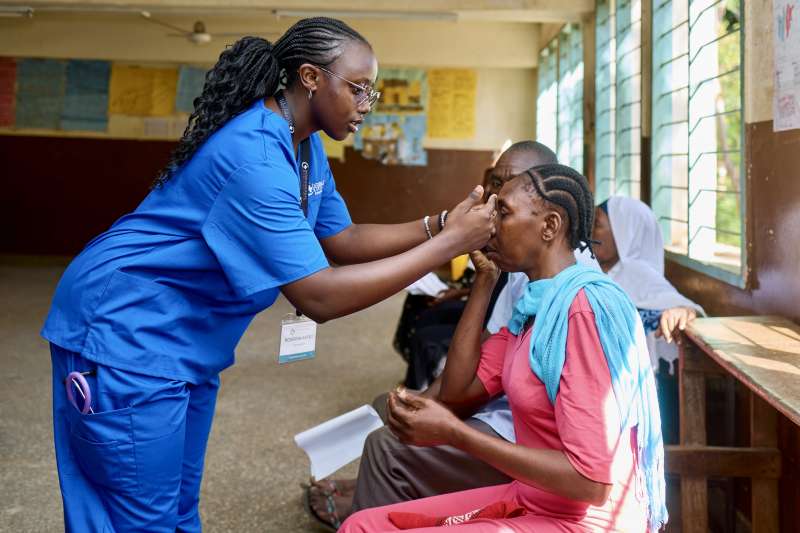
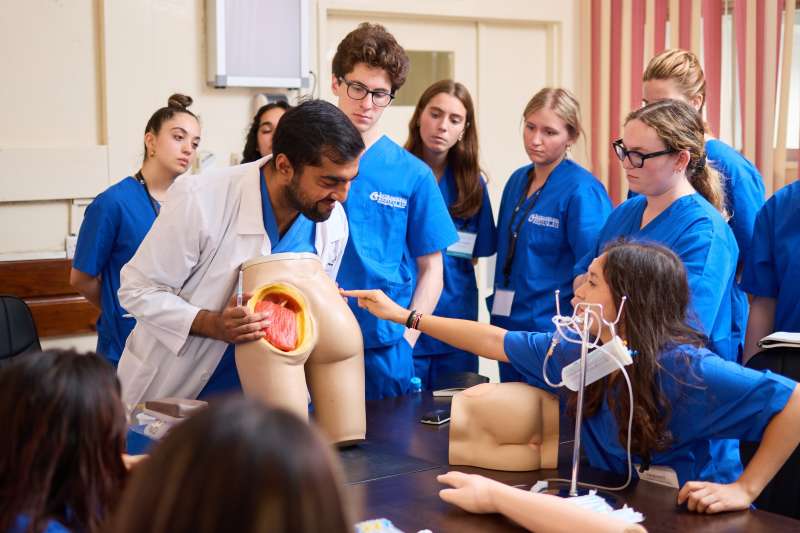
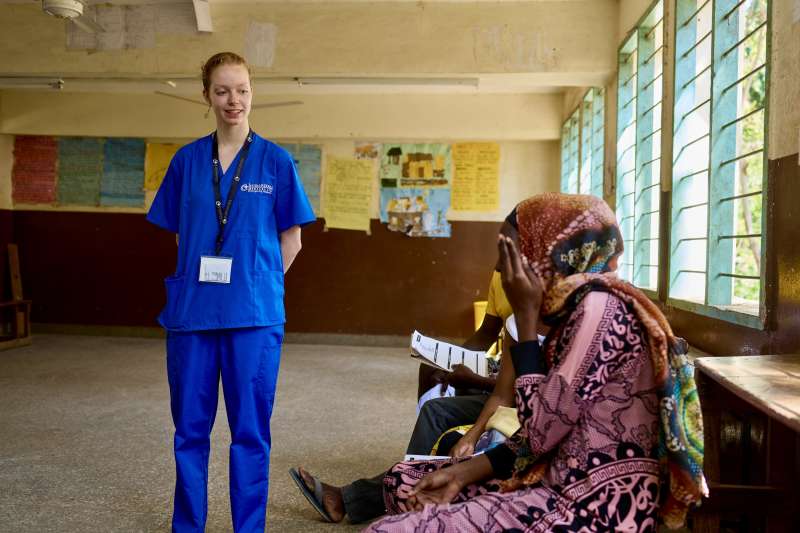
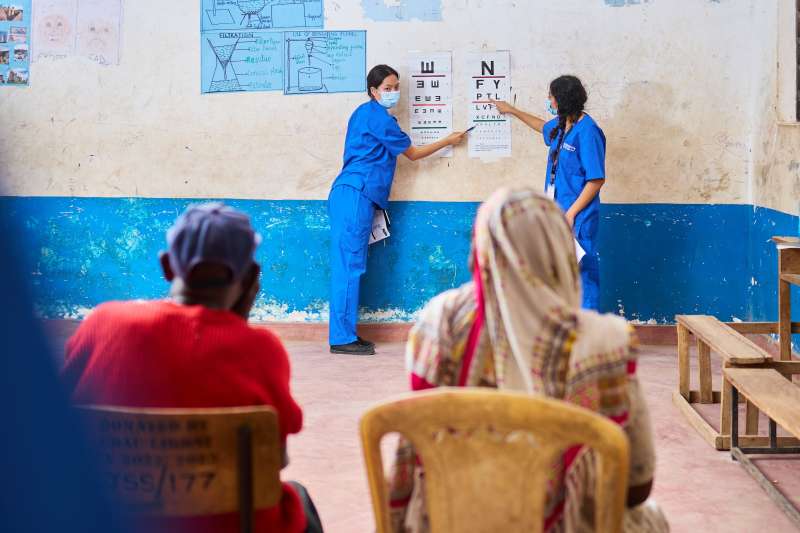
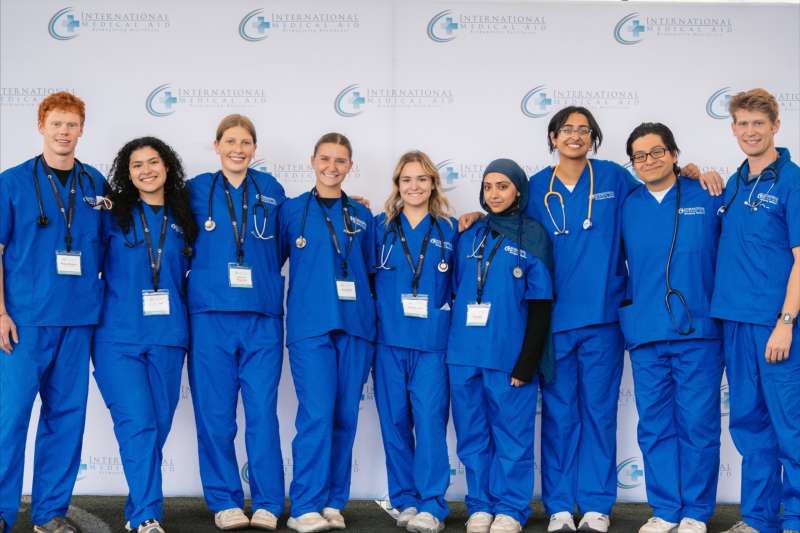
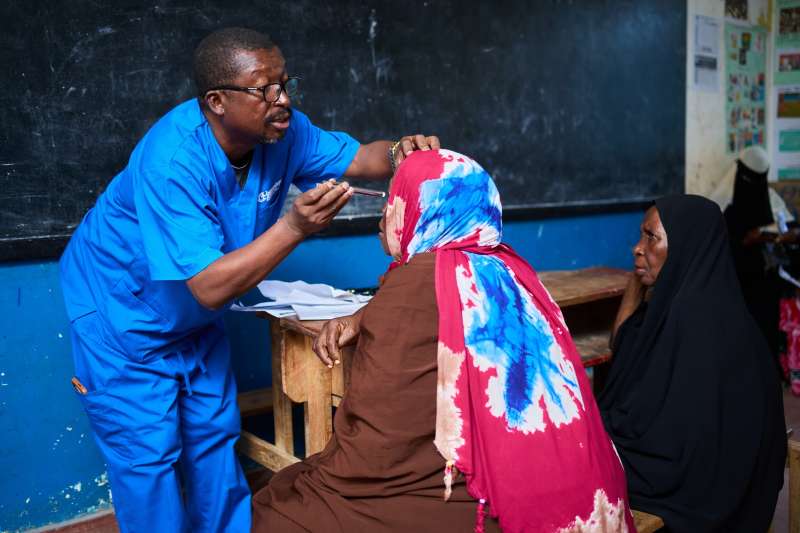
My experience with International Medical Aid in Kenya was truly exceptional and profoundly impactful, both personally and professionally. From the moment I arrived, it was clear that the program was thoughtfully designed with intern safety, learning, and well-being at its core. The structure and support provided allowed me to fully immerse myself in the experience while feeling consistently supported and valued. The in-country support team was outstanding. Orientation sessions were thorough and reassuring, covering safety, cultural expectations, and hospital dynamics in a way that made the transition into a new healthcare system feel manageable and exciting rather than overwhelming. Throughout the program, staff members were consistently available, responsive, and genuinely invested in our experience. Whether addressing logistical questions, health concerns, or simply checking in on how we were adjusting, their presence made a meaningful difference and created a strong sense of trust and community. Safety was clearly prioritized at every level. Transportation to and from clinical sites was reliable and well coordinated, housing was secure and comfortable, and clear guidance was provided on navigating the local environment responsibly. This allowed me to focus fully on learning and engagement rather than worry. Accommodations were welcoming and well maintained, offering a restorative space after long hospital days, and the food provided was both nourishing and culturally enriching, giving us the opportunity to experience local cuisine while meeting dietary needs. Clinically, the experience was transformative. Exposure to high-acuity cases and diverse patient populations in a resource-limited setting deepened my understanding of medicine, adaptability, and health equity. Despite demanding clinical environments, clinicians and mentors made time for teaching, discussion, and reflection. Case debriefs and guided conversations helped contextualize what we observed and strengthened my clinical reasoning. I gained invaluable insight into patient-centered care, interdisciplinary teamwork, and ethical decision-making in global health contexts. Importantly, the program emphasized respectful engagement with the community. Interns were encouraged to learn with humility, prioritize patient dignity, and understand the broader systemic challenges facing the healthcare system. The presence of the program supported busy clinical teams while fostering meaningful cross-cultural exchange. Overall, this internship reinforced my commitment to medicine and global health. It strengthened my cultural competence, resilience, and sense of purpose, and it was made exceptional by the dedication, compassion, and professionalism of the International Medical Aid staff and local clinicians. This experience will continue to shape my approach to healthcare, service, and learning moving forward. When I arrived in Mombasa, Kenya, to begin my clinical internship with International Medical Aid (IMA), I expected to gain experience in medicine, but I did not expect to feel so immediately immersed. On my first morning at Coast General Teaching and Referral Hospital, voices in the corridor found me before I found the ward: “Daktari, daktari!” The word—Swahili for “doctor”—warmed and unsettled me in equal measure. I wasn’t wearing a white coat, only IMA-branded scrubs, and I was not yet a doctor. But in that moment, the title wasn’t about qualifications; it was about need. “Daktari” carried a weight of expectation that followed me through every ward, every patient encounter, and every conversation. I rotated through the intensive care unit (ICU), emergency department, cardiology, and surgery, with overnight shifts in maternity when the ward was stretched thin. Over weeks, the hospital’s sounds and textures became my syllabus: the oxygen concentrator’s steady sigh, the antiseptic mingled with ocean air, the clink of enamel mugs as tired clinicians shared tea. I learned to say habari (how are you?), asante sana (thank you very much), pole and pole sana (I’m sorry/so sorry), tafadhali (please), samahani (excuse me), ndiyo (yes), hapana (no), kidogo (a little), and polepole (slowly). People smiled at my first crooked attempts and coached me kindly—“Sawa, daktari, polepole.” It mattered to them that I tried. It mattered to me that they let me. A question became inseparable from my days in the hospital: What have I learned—and how will I use it? My answer lives in stories: of scarce resources and stubborn hope, of ethical lines that felt like cliffs, of laughter shared over tea and cake during a ten-minute truce in an endless day, of a husband in a plastic chair at 3 a.m. asking me if everything would be okay and knowing I could not promise it would. These experiences clarified not only the kind of physician I want to be—clinically excellent and radical in empathy—but also the kind of advocate I must become for equity in global health (Afulani et al., 2021; Kinuthia et al., 2022; WHO, 2023). Being called daktari by patients was an honor, but it was also one of the most sobering experiences of my internship. In Canada, I am “Nia, the student.” In Mombasa, I was “Doctor,” simply because I wore a pair of scrubs and stood beside physicians. Patients would look at me expectantly, asking questions, sometimes holding out prescriptions for me to explain. Their trust was profound, but it also reminded me of the immense responsibility medicine carries. The most challenging moments came when Kenyan doctors asked me to do things far beyond my training. In the emergency department, a physician once handed me a syringe and said: “You give the injection — I will show you this one, and you will do the next patient.” I froze. I had never given an injection in my life. I explained that I wasn’t trained, and he smiled, a little surprised, but then proceeded to demonstrate. When he turned back to me, I shook my head. I had to refuse. He looked puzzled at first, but eventually nodded and moved on. That moment taught me two things. First, the scarcity of staff often pushes students into roles they are not prepared for, out of necessity rather than negligence. Second, I realized the importance of knowing my limits. Patient safety must always come before pride or the desire to fit in. The moment branded a lesson I will carry for a lifetime: in settings where task sharing is a pragmatic response to workforce shortages, clarity about scope and competence is an ethical anchor (Kinuthia et al., 2022; Okoroafor et al., 2023). Even without doing procedures, there was plenty I could do. I learned to read the room quickly, to fetch, translate, listen, soothe, count breaths, find a blood pressure cuff that almost fit, and—most of all—to communicate honestly. Briefly as I remember it, a senior physician offered an unforgettable lesson on empathy versus sympathy: “Sympathy stands beside the cliff and waves,” he said. “Empathy climbs down, sits on the ledge, and helps someone look up.” The next day he put me to the test: a family’s matriarch was failing, and we knew she was unlikely to survive the night. He asked me to speak with them first. I used the SPIKES framework—Setting, Perception, Invitation, Knowledge, Emotions, Strategy—pulling chairs into a circle, asking what they understood, inviting permission to share more, delivering information in short sentences, then letting silence do the rest before outlining next steps (Baile et al., 2000; Buckman, 2005). I did not tell them it would be okay. I told them we would not let her suffer and that we would stay. They wept; I listened. When we stood, the physician squeezed my shoulder and said, “Asante, daktari.” It was especially then that I realized how deeply I want to be a doctor who does not only prescribe but also accompanies (Jeffrey, 2016; Byrne et al., 2024). The ICU taught me the arithmetic of scarcity. Beds were almost always full; positions, too. Kenya has grown critical care capacity since 2020, but the distribution remains uneven, and functionality is a persistent challenge—by one national survey, more than a quarter of ICU beds were nonfunctional on the day of assessment (Barasa et al., 2020; Mwangi et al., 2023). On rounds I juggled vitals and vocabulary: pumua polepole—breathe slowly—repeated to a hypoxic patient as we watched an oxygen cylinder’s needle drift toward red. Families seldom entered the ICU; most waited outside or at home, a difference from many North American units where bedside family presence is standard. This wasn’t indifference; it was infrastructure and policy. And still, even behind glass, love found a way—caregivers pressing palms to doors, whispering their person’s name, and trusting us to be their hands for now. One night, we faced a quiet ethical storm. Four patients needed dialysis by dawn: an elderly man with septic AKI, a young teacher with rapidly rising potassium, a diabetic woman in pulmonary edema, and a middle-aged patient with chronic kidney disease who looked relatively stable. We had one machine available. By clinical urgency, the choice seemed clear. Yet the machine went to the one with the lowest immediate risk. A doctor muttered why: “She’s connected… a politician’s prostitute.” I felt my stomach turn. I had been reading about how procurement, politics, and favoritism can distort resource allocation in Kenyan health systems; now the literature had a face (EACC, 2023; Musiega et al., 2023; Munywoki et al., 2023). We stabilized who we could, improvised where we must, and documented everything. That night hardened my resolve to fight corruption and inequity as fiercely as I fight disease. It also pushed me deeper toward policy: devolution has created possibility and variation across Kenya’s 47 counties, but budget execution, cash flow, and procurement bottlenecks still undercut efficiency (Barasa et al., 2021; Musiega et al., 2023). Scarcity is not an abstraction in nephrology. In Kenya, chronic kidney disease affects millions, dialysis is expanding but remains unreachable for many, and transplant capacity meets only a fraction of need (Maritim, 2022; Japiong et al., 2023; Hathaway et al., 2023; Sawhney et al., 2024). That night, the human cost of those percentages sat at the edge of one bed, wrapped in a paper gown, waiting her turn that didn’t come. I want to be the kind of physician who refuses to accept a world where political proximity sets triage. I also want to be the kind of advocate who helps build systems where such choices never arise. The emergency department compressed hours into heartbeats. One evening a boy arrived listless, skin tented over his knuckles, his mother murmuring tafadhali as we lifted him. The chart said suspected cholera. I had read WHO updates about multi-country cholera surges and Kenya’s intermittent outbreaks; suddenly the textbook was on the gurney (WHO, 2024a; WHO, 2024b). We warmed fluids between our palms, counted capillary refill, measured stool in a basin the color of the sea—only thinner, crueler. When he finally sat up and sipped, his mother clasped my hands and said, “Asante sana.” I shook my head: hapana, pamoja—no, together. It was true. The nurse who found an elusive vein, the clinical officer who triaged quickly, the cleaner who changed the soiled sheets in seconds—medicine is choreography, and everyone had a step. In that same department, the cleavage between can and should appeared again in small ways. Could I interpret an ECG? Yes. Should I be the one to adjust a drip? No. Kenya’s Emergency Medical Care Policy and Strategy envision a coherent, universal emergency system; the WHO Basic Emergency Care curriculum is training first-contact providers to act fast and act right (Republic of Kenya, 2020; Lee et al., 2022; WHO, 2024c; Michaeli et al., 2023). I saw the promise—and the gap between policy and practice when volume surged. Strengthening emergency care is not a luxury; it is a multiplier for survival in trauma, sepsis, obstetrics, and cardiac crises. Cardiology days stitched physiology to story. I will never forget a gentle woman in her forties with poorly controlled hypertension and shortness of breath. She had missed clinic visits—money for transport had gone to school fees. Her ECG muttered strain, her ankles told the rest. I sat beside her and tried my Swahili: Tutapanga pamoja—we’ll plan together. The doctor drew a medicine grid with the colors of her cooking spices: red pill with lunch (chapati day), small white at bedtime (lala salama, sleep well). She laughed, promised to try, and pressed a warm orange into my hand from her bag when we were done. Across Kenya and globally, noncommunicable diseases are rising fast while specialist numbers remain thin; in settings like this, patient education is not a bonus but a therapy (World Heart Federation, 2023; Smit et al., 2020; Oguta et al., 2024). Another morning, I helped a young man with suspected rheumatic heart disease understand why stairs stole his breath. With the team’s okay, I only echoed what the physicians had already explained—nothing more—turning their guidance into quick sketches of valves in my IMA notebook while his friend filmed on a cracked phone. We spoke, strictly within those instructions, about prophylaxis and when to seek help if the chest began to thud like a drum; I made clear I wasn’t adding my own opinions, just passing along accurate information from his clinicians. He shook my hand with both of his and whispered, “Asante sana.” Teaching—faithful to the team’s advice—is a clinical intervention; in low-resource settings, it is sometimes the only one you can leave behind. Surgical days carried a ritual clarity—checklists, cleansing, exactness. After shadowing several operations and taking pages of notes, I followed the team to a break room with practically destroyed leather couches. Someone produced a dented tin and a flask. “You must try our tea and cake,” the doctor insisted, breaking the slice into generous pieces though everything was rationed—time, sutures, sanity. We joked about my Swahili and the way I said ndiyo like a question. We also spoke plainly about weight. One surgeon rubbed his eyes and said, “Sometimes I just want to get out of this place.” He didn’t mean Kenya; he meant the machinery of exhaustion: blocked procurement, too few hands, too many late-stage presentations. He was not cruel, only human. Studies from Kenya echo what I saw—burnout is real among providers, especially in high-acuity, under-resourced settings (Afulani et al., 2021; Lusambili et al., 2022). I could not blame him; I could only admire the way he scrubbed again ten minutes later and went back in. Those same surgeons modeled another kind of abundance. They let me stand a little closer, ask one more question, listen a little longer to a patient’s fear before anesthesia. When I thanked them, they shrugged. “We were also students,” they said. Then they handed me another piece of cake. It tasted like saffron and solidarity. On a night shift that still wakes me, a man found me outside the maternity ward. “Daktari, where is my wife?” His hands trembled. I had observed the birth and learned quickly: his wife had delivered a stillborn baby and was now hemorrhaging. She had lost roughly two litres. The team had rushed her to theatre for uterotonics and transfusion. He asked if she would be okay. I wanted to say yes. I could not. I remembered the lesson: empathy sits on the edge of the cliff. I sat with him in plastic chairs for an hour that felt like a day, using the best therapeutic communication I had—short sentences, honest pauses, simple words, pole sana—and I did not make promises. He told me this wasn’t the first time they had tried, how badly he wanted to become a father, how brave his wife was. He held his head and sobbed. I handed him tissues and spoke to the theatre when I could. When the nurse finally waved us closer and said the bleeding was controlled, he broke again—this time with relief, not joy. We had saved a life; we had also witnessed a loss that would live in the room for a long time. Postpartum hemorrhage is the leading cause of maternal mortality in Kenya, responsible for a staggering share of preventable deaths (Clarke-Deelder et al., 2023; WHO, 2023; Miller et al., 2024). Policy and innovation—from calibrated drapes to E-MOTIVE care bundles—are making a dent, but systems strain at three a.m. (Forbes et al., 2023; WHO, 2023). That night honed my understanding of what “advocacy” must mean for me: not speeches, but the slow, procedural work of ensuring blood is in the fridge, oxytocin is not expired, and referral roads are passable. I learned to see difference not as deficit but as context. Kenya’s health system is decentralized; counties hold power over budgets and hiring, yielding both innovation and inequity (Barasa et al., 2021). Emergency care policy is advancing but remains a patchwork in implementation; critical care capacity has expanded yet is uneven and sometimes nonfunctional; task sharing is both policy and necessity (Republic of Kenya, 2020; Mwangi et al., 2023; Kinuthia et al., 2022). These structural variances mattered in daily decisions—who got a bed; which lab test we could run; whether a consultant could be reached. Politics walked the corridors, too. I saw the best of it—county investments that opened new ICU wings—and the worst of it—procurement shortcuts that warped triage, whispers of favoritism, and morale that bent under both (EACC, 2023; Musiega et al., 2023). Culture threaded everything: family structures, faith, the communal cadence of waiting rooms, the hospitality of tea that no one could afford and everyone insisted you take. I also learned that language is a clinical tool. Saying pole at the right time with the right tone mattered as much as any manual skill I had. People corrected me gently—hapana, not hapoana—and then used my effort as a bridge to trust. Competence before confidence. In resource-limited settings, the temptation to “just do it” is real. I learned to hold the line, graciously and firmly. My future self will keep that boundary for patients’ sake and my own (International Medical Aid, 2025; Kinuthia et al., 2022; Okoroafor et al., 2023). Communication is care. Breaking bad news with the SPIKES framework, listening more than I spoke, and choosing empathy over sympathy are not soft skills; they are lifesaving ones. I will keep training this muscle, because it determines how patients endure what medicine cannot yet cure (Baile et al., 2000; Jeffrey, 2016; Byrne et al., 2024). Systems shape outcomes. Clinical excellence cannot outrun broken procurement, underfunded emergency systems, or nonfunctional ICU beds. My internship turned my interest into commitment: I will pair practice with policy, advocating for anti-corruption safeguards, budget transparency, and county-by-county strengthening (Barasa et al., 2021; EACC, 2023; Musiega et al., 2023). Equity is a clinical competency. Dialysis for the connected instead of the sickest is not only unjust; it is deadly. I want to help build guardrails—triage protocols, ethics support, and public accountability—that make fairness the default, not the miracle (Munywoki et al., 2023; Japiong et al., 2023; Maritim, 2022). Joy sustains the work. Tea and cake in a cramped break room were not trivial; they were resistance. Laughter over my rookie Swahili reminded me that hope is a renewable resource. I will carry that with me—and reciprocate it—for my teams and my patients. These lessons have already recharted my academic path. I am minoring in Global Peace and Social Justice to deepen my understanding of health equity, ethics, and policy. I seek coursework in health systems, anti-corruption in public procurement, emergency care strengthening, and community-centered research. Clinically, I envision a life as a traveling physician-scholar who rotates through hospitals like Coast General, supports county health teams, mentors trainees, and returns regularly—not as a parachute, but as a partner (International Medical Aid, 2025; Kinuthia et al., 2022; WHO, 2024c; Siegel et al., 2024). On my last week, a nurse in surgery pressed my hand and said, “When you come back, will you be a real doctor?” I swallowed. Ndiyo. Nitarudi. Yes. I will come back. I want to be the physician who hears “daktari, daktari” in a crowded corridor and knows both the science and the story behind the plea; who can titrate a drip and also sit in the dark with a husband while the theatre doors stay closed; who insists on ethical triage even when the room grows quiet; who fights for emergency systems that answer in minutes, not hours; who teaches in simple metaphors and shaky Swahili until a patient laughs and understands; who accepts cake and offers it; who returns. One day I hope to wear that word without hesitation—daktari—and to bring it back to the very wards that taught me what it means. Until then, I will study hard, listen harder, and carry Kenya with me into every exam room. Asante sana. All patient stories are de-identified and composite to protect privacy. Details altered or composited for confidentiality include: the exact sequence of the four dialysis candidates; the names, ages, and non-essential demographics of patients in emergency, cardiology, and maternity; and the particular phrasing of clinicians’ quotes (the sentiments are faithful to actual conversations). Specifics about procurement favoritism were reported to me verbally during a night shift and are presented here as a firsthand account consistent with published reports on health-sector corruption in Kenya (EACC, 2023; Munywoki et al., 2023). The scenes of tea and cake with surgeons, the SPIKES conversation with a family, turning down an injection at the bedside, being called “daktari” while in IMA scrubs, learning and using basic Swahili with patient interactions, and sitting with a husband during his wife’s postpartum hemorrhage are drawn directly from my internship experience.