GoAbroad
International Medical Aid volunteers
International Medical Aid (IMA) logo

International Medical Aid (IMA)

9.96 (405)Verified13 Programs

Why choose International Medical Aid (IMA)?

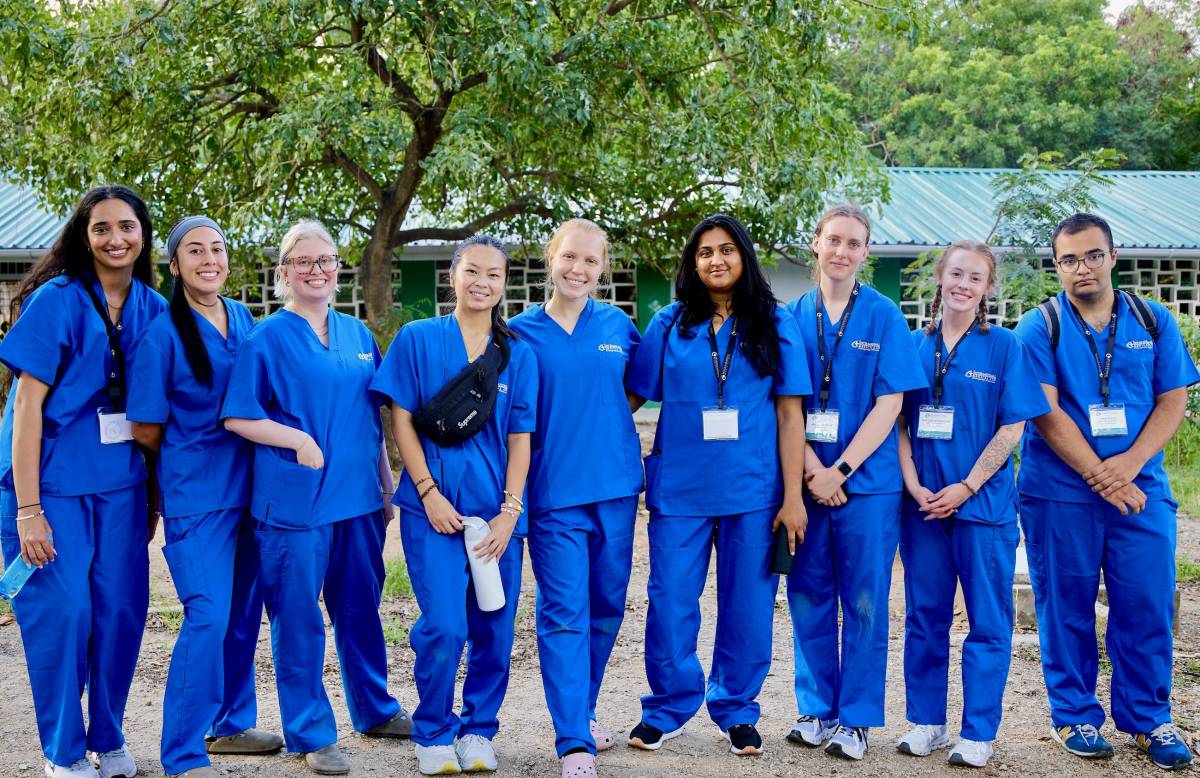
International Medical Aid (IMA) is a distinguished nonprofit organization standing at the forefront of global healthcare study-abroad endeavors. As the premier provider of pre-health programs, we offer unparalleled study abroad experiences and healthcare internship opportunities to students and professionals. With programs developed at Johns Hopkins University, IMA's commitment extends to deliveri...

Read More

Follow Us

FacebookXInstagramLinkedIn

International Medical Aid (IMA) Reviews

Hear what past participants have to say about the programs

Overall Rating

9.96

Total Reviews

405
Leave a Review

An IMA Pre-Medicine Internship At Coast General Teaching And Referral Hospital That Deepened My Commitment To Medicine

December 25, 2025by: Yuto Nakada-Sasaki - CanadaProgram: Global Health & Pre-Medicine Internships Abroad | IMA
10

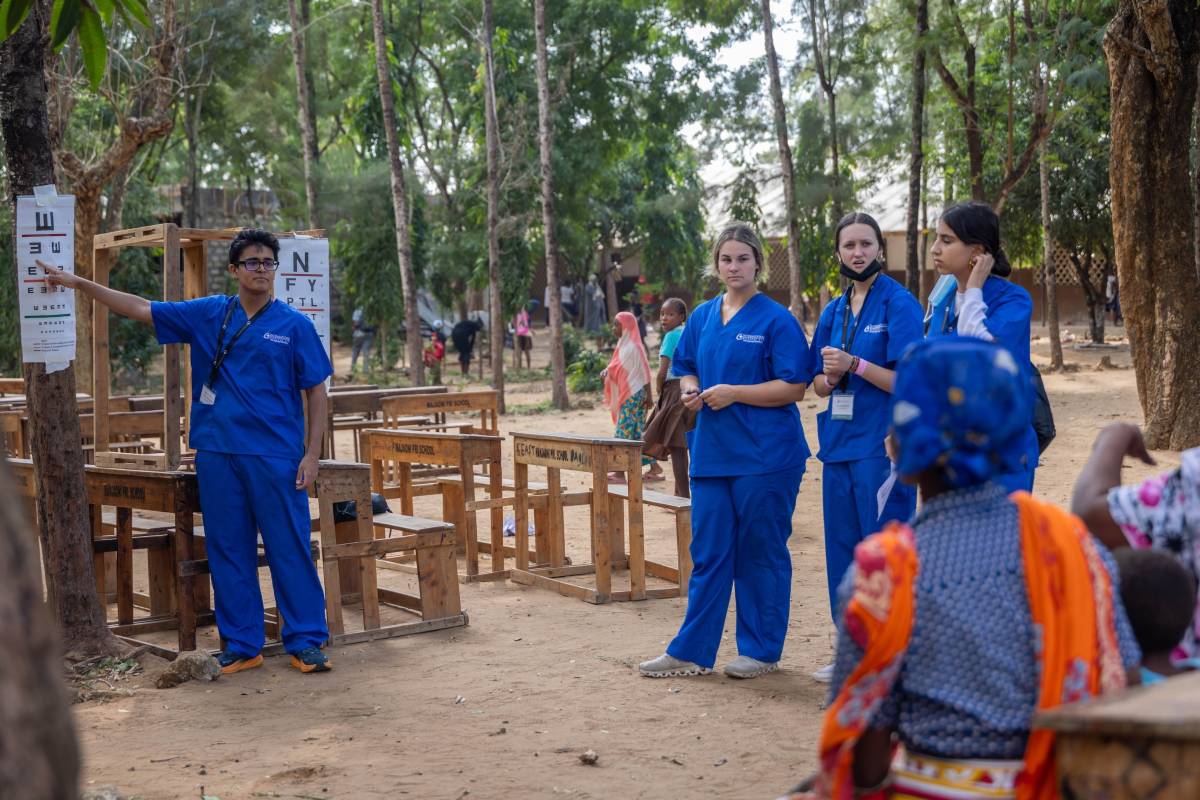
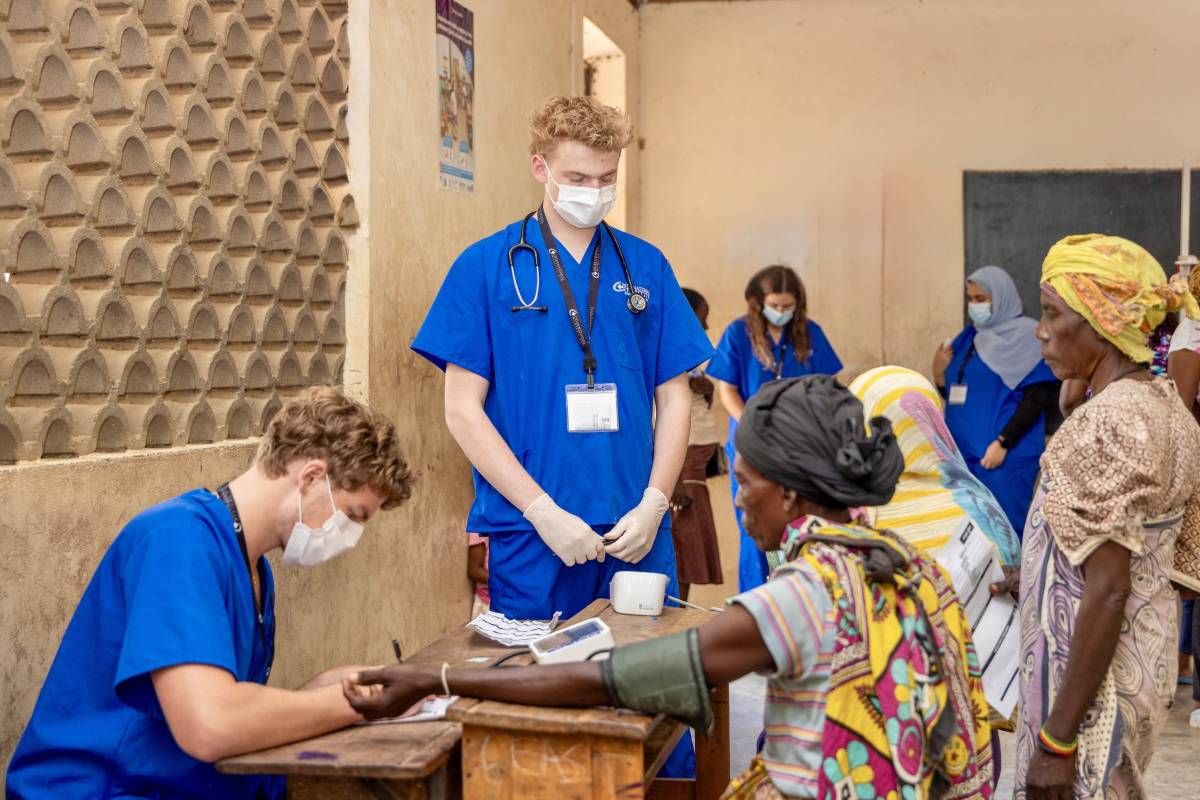
My experience with International Medical Aid in Kenya was transformative, not only because of the extensive clinical exposure but also due to the rich cultural immersion. From the moment I arrived, the program mentor ensured that I felt safe and welcomed. Accommodations were comfortable and secure, and cultural treks and team-bonding activities fostered a strong sense of community with fellow interns and mentors while deepening my appreciation of Kenyan culture. By engaging with patients in the hospital, participating in clinic outreach to underserved communities, and interacting with young students during educational sessions, I witnessed the generosity and compassion of the community despite the significant hardships they faced. Shadowing in the hospital was invaluable, as doctors guided me through clinical presentations, diagnoses, and treatments while linking them to underlying pathophysiology, allowing me to bridge my academic knowledge with the real-world challenges of healthcare delivery in Kenya. One of the most striking cases I witnessed involved a pregnant woman with severe mitral stenosis who required an emergency cesarean section—the first surgery ever performed inside the ICU at Coast General Teaching and Referral Hospital. Systemic challenges common in resource-limited settings, including non-functional equipment and a shortage of trained staff, had delayed intubation overnight, leaving the baby without a heartbeat and placing the mother at risk of hypoxic brain injury by the time I arrived. These limitations ultimately forced clinicians to perform the c-section within the ICU, a decision that highlighted both the difficult trade-offs in patient safety and the resilience and ingenuity of providers working under immense pressure. During community outreach to rural areas, I met a teenage boy with osteosarcoma who presented with a large knee mass he initially believed was from a soccer injury. The doctors explained that amputation was the only available option, as both the financial burden and the lack of chemotherapy resources and training made limb-salvage treatment impossible in Kenya. Watching his tears and the worried faces of his family was deeply difficult, yet it became a profound lesson in empathy and the realities of delivering care in resource-limited settings. I also had the opportunity to observe the neurosurgery camp, where neurosurgeons from Germany traveled to Kenya to perform procedures and follow up on patients from previous years. During outpatient clinics, a neurosurgeon explained that their work has two sides: the heartbreak when patients arrive too late for treatment, and the hope and fulfillment of witnessing patients improve from the condition they initially presented with. The gratitude of families who previously had no access to specialized care is what motivates them to continue returning. Their work highlighted the power of global collaboration in medicine and showed me how compassion and cultural humility truly transcend borders. Overall, the strong support I received from mentors, the meaningful clinical immersion, and the kindness of the local community made this program an experience I will carry with me into my medical career. It not only strengthened my commitment to global health but also underscored the importance of adaptability and empathy in delivering care across diverse cultural and resource settings. but show the full text Thought for 1m 8s My experience with International Medical Aid in Kenya was transformative, not only because of the extensive clinical exposure but also due to the rich cultural immersion. From the moment I arrived, the program mentor ensured that I felt safe and welcomed. Accommodations were comfortable and secure, and cultural treks and team-bonding activities fostered a strong sense of community with fellow interns and mentors while deepening my appreciation of Kenyan culture. By engaging with patients in the hospital, participating in clinic outreach to underserved communities, and interacting with young students during educational sessions, I witnessed the generosity and compassion of the community despite the significant hardships they faced. Shadowing in the hospital was invaluable, as doctors guided me through clinical presentations, diagnoses, and treatments while linking them to underlying pathophysiology, allowing me to bridge my academic knowledge with the real-world challenges of healthcare delivery in Kenya. One of the most striking cases I witnessed involved a pregnant woman with severe mitral stenosis who required an emergency cesarean section—the first surgery ever performed inside the ICU at Coast General Teaching and Referral Hospital. Systemic challenges common in resource-limited settings, including non-functional equipment and a shortage of trained staff, had delayed intubation overnight, leaving the baby without a heartbeat and placing the mother at risk of hypoxic brain injury by the time I arrived. These limitations ultimately forced clinicians to perform the c-section within the ICU, a decision that highlighted both the difficult trade-offs in patient safety and the resilience and ingenuity of providers working under immense pressure. During community outreach to rural areas, I met a teenage boy with osteosarcoma who presented with a large knee mass he initially believed was from a soccer injury. The doctors explained that amputation was the only available option, as both the financial burden and the lack of chemotherapy resources and training made limb-salvage treatment impossible in Kenya. Watching his tears and the worried faces of his family was deeply difficult, yet it became a profound lesson in empathy and the realities of delivering care in resource-limited settings. I also had the opportunity to observe the neurosurgery camp, where neurosurgeons from Germany traveled to Kenya to perform procedures and follow up on patients from previous years. During outpatient clinics, a neurosurgeon explained that their work has two sides: the heartbreak when patients arrive too late for treatment, and the hope and fulfillment of witnessing patients improve from the condition they initially presented with. The gratitude of families who previously had no access to specialized care is what motivates them to continue returning. Their work highlighted the power of global collaboration in medicine and showed me how compassion and cultural humility truly transcend borders. Overall, the strong support I received from mentors, the meaningful clinical immersion, and the kindness of the local community made this program an experience I will carry with me into my medical career. It not only strengthened my commitment to global health but also underscored the importance of adaptability and empathy in delivering care across diverse cultural and resource settings. To provide additional context for why this Pre-Medicine Internship meant so much to me, I want to share the personal experiences and reflections that shaped how I approached this opportunity and what I learned through it. From a young age, I became acutely aware of the challenges of living with illness. As a child, I struggled with severe atopic eczema, which affected me physically and also introduced me to the emotional weight of managing a chronic condition. At sixteen, I was diagnosed with keratoconus—a progressive eye condition where the cornea thins and changes shape, leading to blurred vision. The exact cause of keratoconus remains uncertain, with both genetic and environmental factors implicated; in my case, it was suspected that repetitive eye rubbing due to chronic eczema contributed to the disease. Undergoing treatment to halt its progression was a formative experience and one of the first moments that truly drew my curiosity toward medicine. I became deeply interested in how diseases can arise from different etiologies yet converge in their pathophysiology, and I wanted to understand the mechanisms behind those connections. During middle and high school, I dedicated much of my energy to lifesaving sport. The hours of training instilled discipline, initiative, and a readiness to step into leadership roles—especially when preparing for basic life support scenarios. These experiences taught me teamwork, responsibility, and the ability to stay calm in moments of urgency. Together, my medical history and my training offered a glimpse into what a career in healthcare might involve. Still, at that time, those influences felt more like inspiration than conviction; while they sparked my admiration for medicine, I had not yet fully envisioned myself carrying the immense responsibility of caring for patients in a clinical setting. That perspective changed profoundly through my Pre-Medicine internship experience with International Medical Aid (IMA) in East Africa—one of the most transformative opportunities of my life. Immersing myself in a healthcare system so different from the one I knew in Canada not only deepened my understanding of medicine, but also reshaped how I think about what it means to serve as a healthcare provider. I witnessed the resilience of patients facing significant barriers to care, the ingenuity of clinicians working resourcefully with limited supplies, and the strength of community that was woven into daily life. These experiences challenged me to think critically about global health disparities, the importance of cultural humility, and the role of empathy and gratitude in clinical practice. More importantly, they gave me a clear and undeniable sense of direction: I want to dedicate myself to medicine—not only to treat patients, but also to contribute to bridging systemic inequities in healthcare. I invite you to follow along with my journey as I reflect on the knowledge and perspective I gained through this internship, and how these lessons will guide my path toward a career in healthcare. During my first week, I rotated through the intensive care unit (ICU), a critical care environment dedicated to managing patients with acute, life-threatening organ dysfunction. In Canada, where I am from, the closed model of care—intensivist-led management—is the standard. At Coast General Teaching and Referral Hospital (CGTRH), however, I experienced a more open model. Although medical officers were designated in ICU, patient management was largely directed by surgeons and primary physicians in the absence of intensivists. In conversations with staff, I was struck to learn that only one nurse in the unit had specialized in critical care. Beyond human resource challenges, equipment limitations also played a major role. For example, the blood gas analyzer—essential for monitoring critical respiratory conditions—was non-functional, and these systemic constraints were not abstract; they had direct and visible consequences for patients. One case left a lasting impression on me because it had never happened in the hospital before. A 31-week pregnant woman with severe mitral stenosis, complicated by heart failure and pulmonary edema, was admitted to the medical ICU following cardiology consultation. On the night prior to my observation, her oxygen saturation had dropped below 65%, and fetal distress was documented. At that time, the medical ICU lacked access to non-invasive oxygen delivery devices, and the blood gas analyzer was non-functional. Despite multiple indications for airway intervention, limited equipment and a shortage of trained personnel led to intubation being deferred overnight. When I arrived the following morning, the unit was in a state of urgency, with ongoing debate about whether to transfer the patient to the operating theatre. Given her critical status, disconnecting her from mechanical support for transfer was not feasible. She had already endured prolonged hypoxemia overnight, raising grave concern for hypoxic brain injury. As a result, an emergency cesarean section was performed in the ICU—the first surgical operation in the hospital’s history to be conducted in that setting, without standard infection-control infrastructure. That morning, no heart rate was detected on fetal assessment. Neonatal resuscitation with CPR was attempted but unsuccessful. After delivery, the mother experienced a period of profound hypotension, with persistently low perfusion pressures despite intensive resuscitative measures, before eventually stabilizing and surviving. This case illustrated both the complexity of critical care in resource-limited settings and the devastating consequences of systemic constraints. Beyond observing these systemic challenges, I also gained direct exposure to critical care procedures, including placement of a central line. A patient presented with hepatic encephalopathy in the setting of hepatic, hypovolemic, and septic shock—likely secondary to chronic alcohol use and underlying liver cirrhosis. The patient suffered cardiac arrest but was successfully resuscitated with CPR. A central venous catheter (CVC) was then inserted to provide rapid access to a major central vein for administration of medications and fluids. Vasopressors such as adrenaline (epinephrine), dopamine, or norepinephrine were administered to restore adequate blood pressure and perfusion to vital organs by constricting blood vessels, as the patient remained in a state of shock. Inotropes were also considered when low cardiac output was present. The catheter was primed with heparinized saline to prevent clot formation. I learned that a triple lumen central line has three ports, and that the distal (blue) port provides the closest access to the right atrium—one reason it is used for vasoactive medication and central venous pressure monitoring. In this patient, the CVC was inserted via the subclavian vein for palliative care, as this site offers longer-term access due to thicker surrounding soft tissue and carries a lower infection risk compared to femoral and internal jugular sites. Aside from clinical learning, I also witnessed a case involving mob justice—where community members collectively punish a suspected offender outside the formal legal system. The patient I encountered in the ICU had sustained extensive burns as a result. Cases like this underscore deep societal distrust in law enforcement and the judiciary, often fueled by perceptions of corruption and impunity. Immersed in the intensity of the ICU, I came to appreciate that empathizing—rather than simply sympathizing—with patients’ families is crucial for effective care. Sympathy can cloud clinical judgment and decision-making, especially in sensitive discussions like signing a do-not-resuscitate (DNR) order or explaining a poor prognosis. I observed this challenge in cases ranging from a patient dying of a pulmonary embolism to a cerebral malaria patient in a coma for several days. These experiences showed me how empathy allows physicians to acknowledge emotions while maintaining clarity, objectivity, and professionalism. Similarly, during a community medical outreach clinic to underserved populations, I witnessed the importance of strong collaboration with local communities in providing accessible and compassionate care. One patient remains vivid in my memory: a teenage boy who presented with a progressively enlarging, painful lump around his knee. He initially thought the swelling was from a minor soccer injury, but Dr. Katana, whom I shadowed, had to explain that it was osteosarcoma. While limb-salvage surgery has become the standard of care worldwide, amputation remains the predominant surgical practice in much of Africa. Watching tears well up in this young boy’s eyes as he processed the reality of amputation was heartbreaking. The moment brought to mind my visit to Bombolulu Workshop, where I learned how cultural stigma around disability can intensify psychosocial burden. This experience underscored the importance of building emotional resilience while staying grounded in empathy. During my second week in the surgery department, I learned extensively about medical terminology and surgical procedures. This week coincided with a neurosurgery camp, where neurosurgeons from the SAWUBONA Foundation (Germany) visited to perform procedures and follow up on patients from previous years. With less than 1% of the world’s neurosurgeons serving the African continent, neurosurgical cases are an emerging public health concern. I was struck by how critical it is to exchange knowledge globally and build local capacity to advance neurosurgical care across Africa. My week in surgery began in the outpatient clinic, where I engaged directly with patients, observed clinical assessments in practice, and listened to patients describe their experiences confronting disease. I observed a patient with cervical myelopathy undergoing reflex testing, where hyperreflexia (an exaggerated knee-jerk response) served as a key clinical sign. In contrast, I was taught about the relevance of myelomalacia—an MRI finding reflecting spinal cord softening due to compression. Importantly, patients can present clinically with cervical myelopathy even without visible myelomalacia on MRI, and conversely, myelomalacia can appear when clinical signs are subtle or absent. This reinforced that understanding disease requires actively capturing the clinical picture and integrating—rather than confusing—signs and imaging findings. While shadowing Dr. Degiannis from Germany, I encountered a patient who had undergone resection of a pilocytic astrocytoma a year prior and now presented with a new lesion at the original tumor site. The patient remained seizure-free post-surgery, and histological analysis again showed no atypia or mitotic activity—consistent with a low-grade pilocytic astrocytoma—suggesting residual or recurrent disease rather than a new glioma. Unlike diffuse low-grade gliomas that can transform aggressively, pilocytic astrocytomas rarely progress to higher grades. Even with this relatively reassuring pathology, I observed the difficult decisions the surgeon had to make, especially in a setting where chemotherapy and radiotherapy are nonexistent and remain financially out of reach for many patients despite the oncology department at CGTRH. As Dr. Degiannis explained, outcomes often fall at two extremes: some patients arrive too late for treatment and face a poor prognosis, while others experience remarkable recoveries after surgery. I witnessed this spectrum firsthand—from an elderly patient who underwent lumbar decompression and fusion and later regained the ability to stand independently, to a child with an encephalocele who overcame ataxia and was able to walk with stability. Dr. Degiannis described these moments as joyful and fulfilling, and emphasized that they are why he continues providing care in settings where neurosurgeons are scarce. In the operating theatre, I observed craniotomy and tumor resection for various intracranial tumors. One particularly challenging case involved a giant pituitary macroadenoma with suprasellar extension. Unlike typical pituitary adenomas that are removed via a transsphenoidal approach, this surgery required a craniotomy and entry into the ventricle for safe aspiration. The tumor was soft and easily aspiratable, consistent with a benign adenoma, but its superior boundary was unclear. The surgeons encountered a thin layer over the tumor and could not immediately determine whether it was the tumor’s pseudocapsule or the diaphragma sellae—the dural layer forming the roof of the sella. Removing the diaphragma forcefully could cause a cerebrospinal fluid (CSF) leak or damage critical structures such as the optic apparatus or hypothalamus. Although intraoperative assessment (visual inspection, tactile evaluation, gentle suction, and observation of CSF pulsations) was used to distinguish capsule from diaphragm, it was unlikely that the entire tumor was resected. This case highlighted the importance of meticulous surgical technique and real-time intraoperative judgment, and it inspired me to deepen my understanding of neuroanatomy. I also cannot conclude my surgery week without emphasizing pediatric hydrocephalus. Hydrocephalus is highly prevalent in Kenya, partly due to limited prenatal screening and folic acid supplementation, which increases the risk of neural tube defects. Children often present with complications such as meningitis, and because Kenya is a high TB-burden country, infectious diseases must also be considered as contributing factors. To manage these cases, an external ventricular drain (EVD) was placed to temporarily drain CSF, relieve intracranial pressure, and obtain CSF for diagnostic infection testing. The procedure involved creating a small burr hole, opening the dura, and advancing a catheter 1–2 cm into the lateral ventricle. CSF can appear clear if normal or cloudy if infection is present. This step stabilizes the patient before a definitive procedure, such as ventriculoperitoneal (VP) shunt placement. EVD also allows CSF sampling for culture or PCR to ensure no acute infection is present before proceeding with a VP shunt. During VP shunt placement, CSF is diverted from the ventricle to the peritoneal cavity, where it can be safely absorbed. One case stood out in particular: isolated dilation of the left temporal horn, which required two shunts. Hydrocephalus can be classified as noncommunicating (obstruction within the ventricular system) or communicating (impaired CSF absorption). The case I observed represented an extreme localized form of noncommunicating hydrocephalus, where the affected ventricular compartment becomes sealed off from the rest of the CSF system. This rare presentation often occurs due to post-infectious scarring or post-hemorrhagic fibrosis. By the end of this extensive neurosurgery exposure, my curiosity about neuroanatomy had grown more than ever—along with an even deeper understanding of why global collaboration matters. During the third week, I rotated in internal medicine after requesting a change from pediatrics. I had met Dr. Faruk during a clinical outreach, and his passion for teaching and thorough explanations inspired me to learn from him. In internal medicine, morning rounds were conducted with Dr. Faruk, where a group of interns followed him while medical officers presented their patients. Although crowded rounds are not common in North America, in Kenya this approach was necessary given the level of medical training. I appreciated being part of the intense atmosphere as Dr. Faruk rigorously tested medical officers on diagnosis, management plans, and broader medical knowledge. His questions spanned multiple specialties and consistently emphasized pathophysiology and how drugs act to alleviate disease. He often reminded us that as doctors we are constantly reading, forgetting, and relearning—and that even brief daily study is essential to keep clinical knowledge alive, a habit I intend to maintain. Possibly influenced by neurosurgery camp, I will share one in-depth diagnostic challenge discussed repeatedly by Dr. Faruk that week: a suspected tuberculoma. The patient was admitted with neurological symptoms including progressive leg weakness, episodes of unconsciousness, recurrent vomiting, and convulsions. MRI revealed extensive vasogenic cerebral edema, obliteration of the ventricular system, and a significant midline shift—raising concern that untreated intracranial pressure could progress to brainstem herniation. The initial suspicion was tuberculoma, a granulomatous CNS lesion due to an immune response to Mycobacterium tuberculosis, based on two ring-enhancing lesions on MRI and the patient’s TB history. From there, I was drawn into the essence of internal medicine: evidence-based evaluation and differential diagnosis, acknowledging multiple possible diseases with similar presentations and working to distinguish them by underlying pathology. PCR for TB was inconclusive, HIV serology was negative (despite HIV being a major risk factor for TB), and the white blood cell pattern—elevated neutrophils and reduced lymphocytes—did not strongly support tuberculoma. With limited evidence, attention turned to distinguishing the lesion from metastases and primary brain tumors. Metastasis was considered given the patient’s age, though there was no known malignancy history. A primary brain tumor such as glioblastoma was also considered, though two separate lesions would be unusual. Dr. Faruk suggested a brain biopsy, but it was not recommended due to high intracranial pressure and the risk of spreading infection if the lesion were an abscess. Later that week, a colonoscopy revealed something suspicious, but before confirmation could be reached, the patient passed away—leaving the underlying cause unknown. Kenya is undergoing an epidemiological transition, where infectious diseases remain prominent while non-communicable conditions continue to rise. At the bedside, this reality is complex. The patient above had battled TB yet also carried epilepsy and what may have been an untreated malignancy. This double burden places families under major financial strain and stretches an already overburdened healthcare system, where layered illness complicates both diagnosis and management. In the internal medicine ward, this shift was reflected in the range of commonly encountered cases: acute decompensated heart failure, hypertensive emergencies, acute decompensated liver disease, and multiple myeloma. This trend became even more evident during my final-week rotation in the emergency department. While pediatric emergencies were dominated by communicable conditions such as pneumonia, sepsis, meningitis, and gastroenteritis with dehydration, I was surprised by how often adult emergencies were driven by non-communicable disease—more frequently than trauma, which I initially expected to predominate. One emergency department case remains with me. CPR was attempted on a patient for over ten minutes. As resuscitation continued and no circulation was detected in his foot, I realized he had passed away. His wife collapsed beside him in grief. He had a long history of uncontrolled hypertension, which damaged renal vasculature over time, leading to chronic kidney disease and eventually end-stage renal disease. He required hemodialysis, but financial constraints prevented consistent treatment. Severe electrolyte disturbances, including hyperkalemia and metabolic acidosis, likely triggered arrhythmias that progressed from ventricular tachycardia to ventricular fibrillation, prompting resuscitation. This case highlighted the consequences of limited health literacy around non-communicable disease, poor medication adherence, and the financial barriers that prevent access to essential therapies and follow-up care. Finally, seeing an unconscious patient brought into emergency following a suicide attempt with paracetamol poisoning reinforced that mental health cannot be ignored. Being involved in mental health education for secondary school students reinforced for me how important education is for improving community health literacy. It also reminded me of the value of offering support, sharing perspective, and being someone who listens—qualities I intend to carry forward as I take on greater leadership roles in my community. Experiencing international healthcare collaboration in Kenya was deeply inspiring. From the neurosurgery camp organized by the SAWUBONA Foundation in Germany to the establishment of the medical ICU at CGTRH through support from JICA, I witnessed dedication and expertise that truly transcend borders. Every time I introduced myself, doctors noticed my Japanese background and eagerly shared their experiences, expressing appreciation for doctors from Japan who worked with them during the challenging COVID-19 period. It made me proud of my background and inspired me to one day serve underserved communities similarly—collaborating with cultural sensitivity, sharing expertise that is valued and empowering, and contributing to lasting development of local healthcare systems. Beyond shaping my ambitions, my time in Kenya profoundly reshaped me as a person. One of the most powerful lessons I gained was a deeper recognition of gratitude. Being in a setting where resources were scarce yet generosity flowed freely gave me perspective on privileges I often take for granted. Whether it was patients sharing their stories or students welcoming me openly, I was struck by compassion and kindness that persisted despite hardship. Their resilience redefined what I believe is most essential in life: meaningful human connections, bonds of community, and the ability to appreciate what we already have. Reflecting on these experiences, I see how closely they connect to the personal health challenges and curiosity about medicine that first shaped my journey. Just as navigating my own illnesses ignited a desire to understand disease and provide meaningful care, my time in Kenya deepened my appreciation for empathy, cultural insight, and the responsibility of serving others with humility. These lessons strengthened my resolve to pursue medicine not merely as a profession, but as a lifelong commitment to addressing healthcare disparities, supporting communities, and continually learning from diverse perspectives. I am deeply grateful to the friends and colleagues I met from around the world through this program, as well as the doctors, medical officers, nurses at Coast General Teaching and Referral Hospital, and the program mentors who taught me and offered new perspectives. The medical knowledge I gained, along with the opportunity to immerse myself in healthcare in Kenya, is an experience I will carry with me throughout my continued studies in medicine.

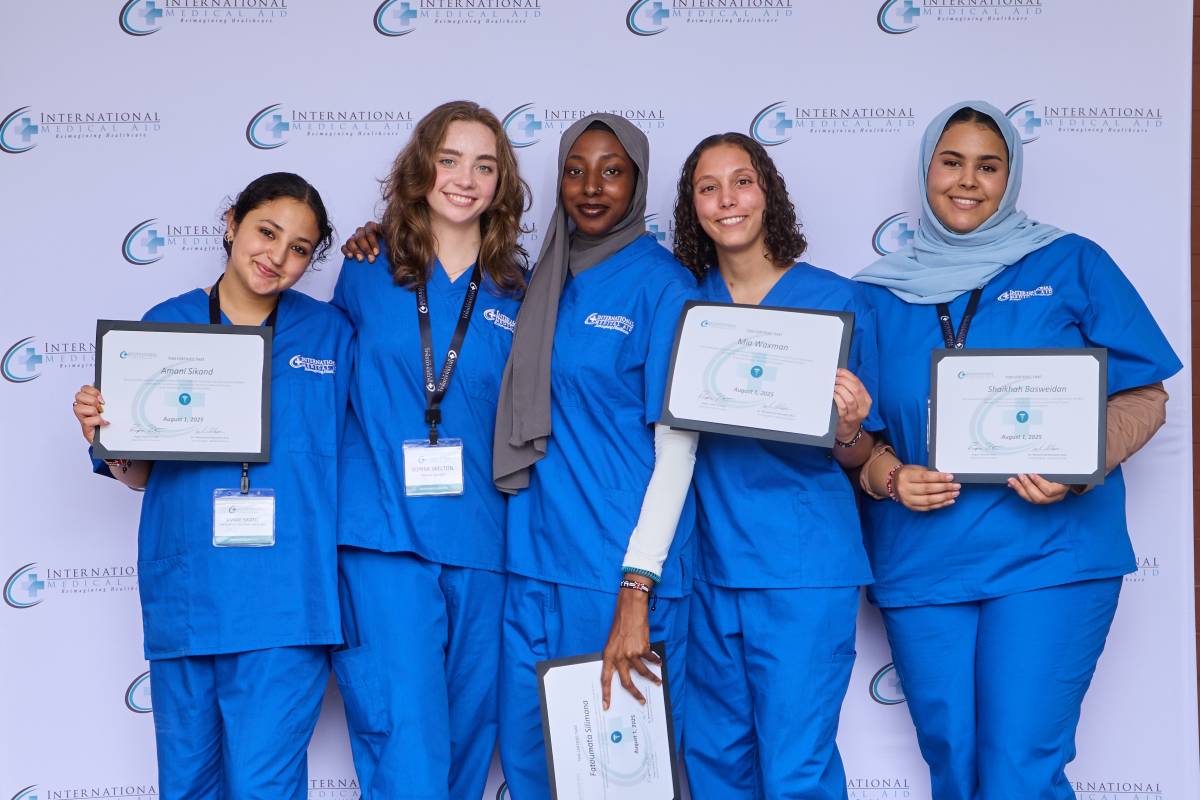
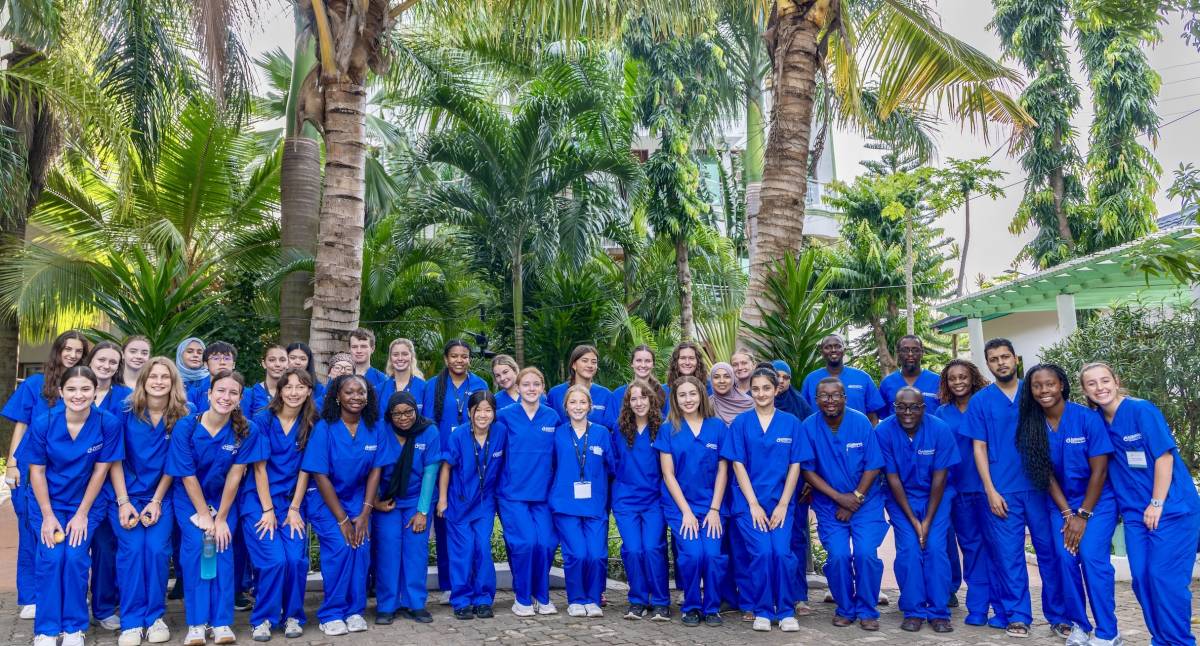
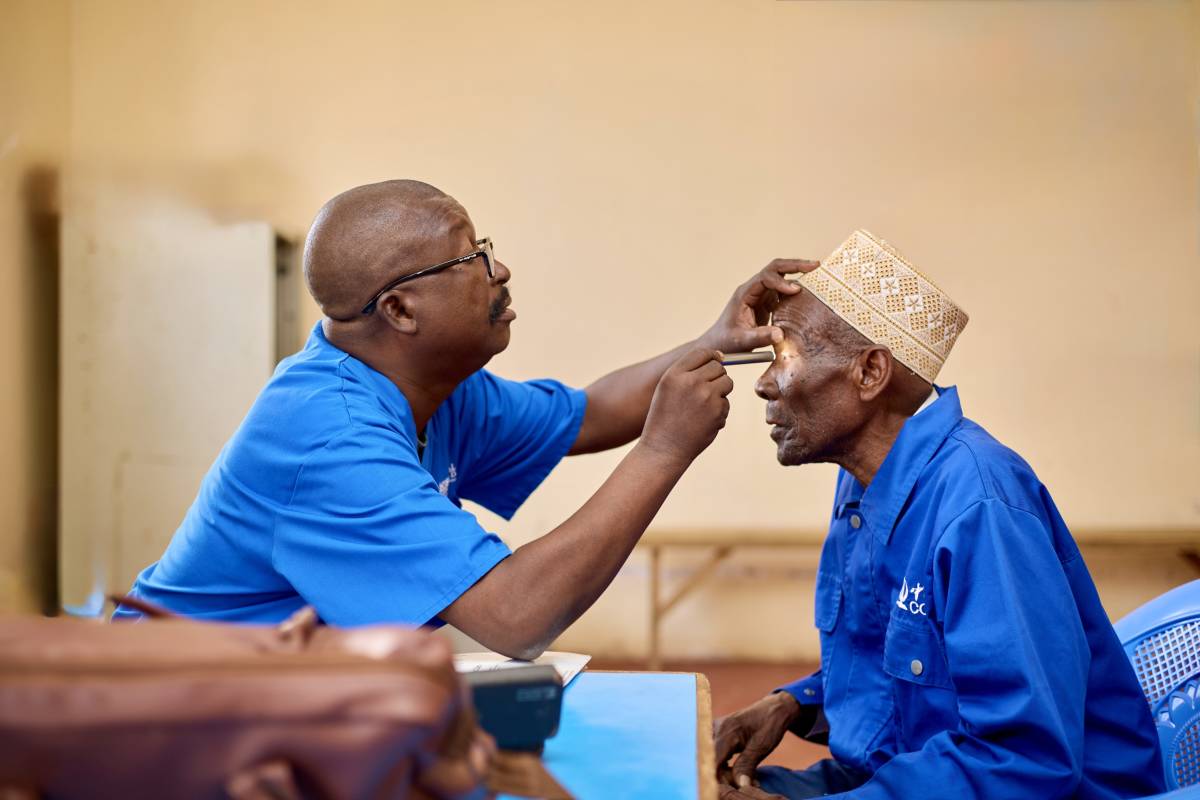
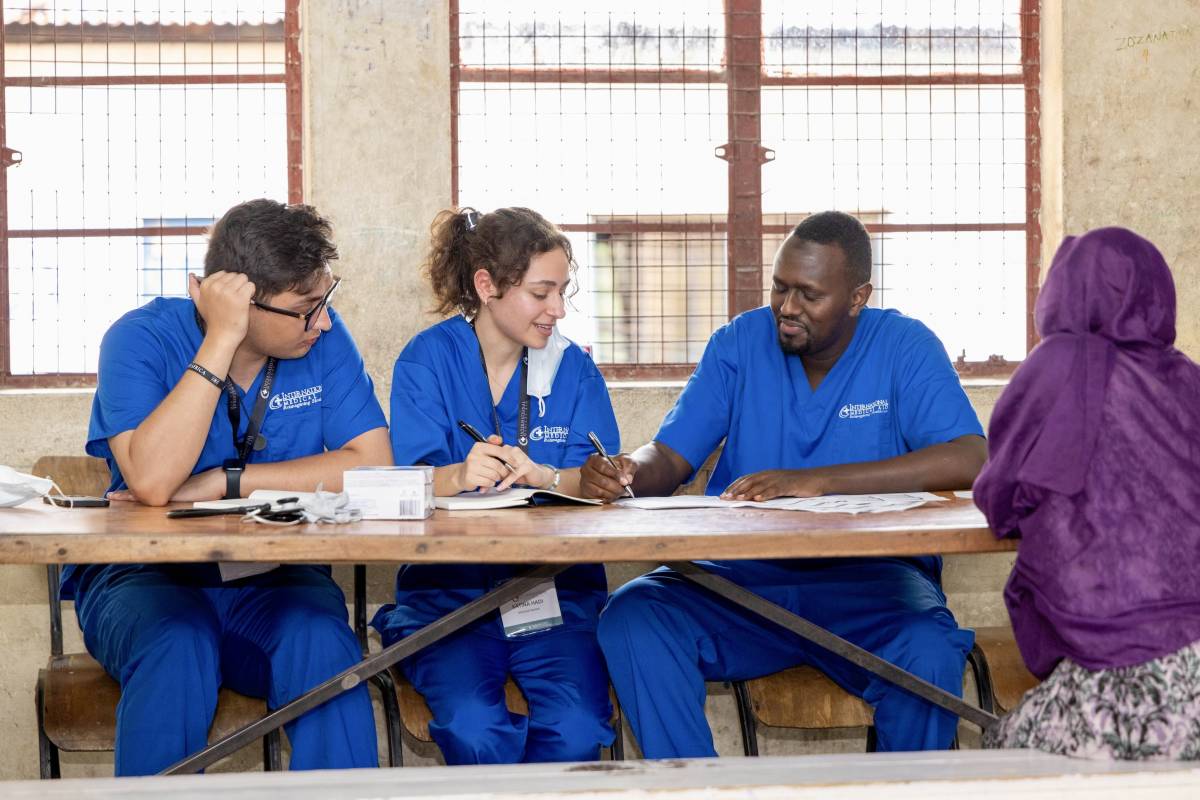
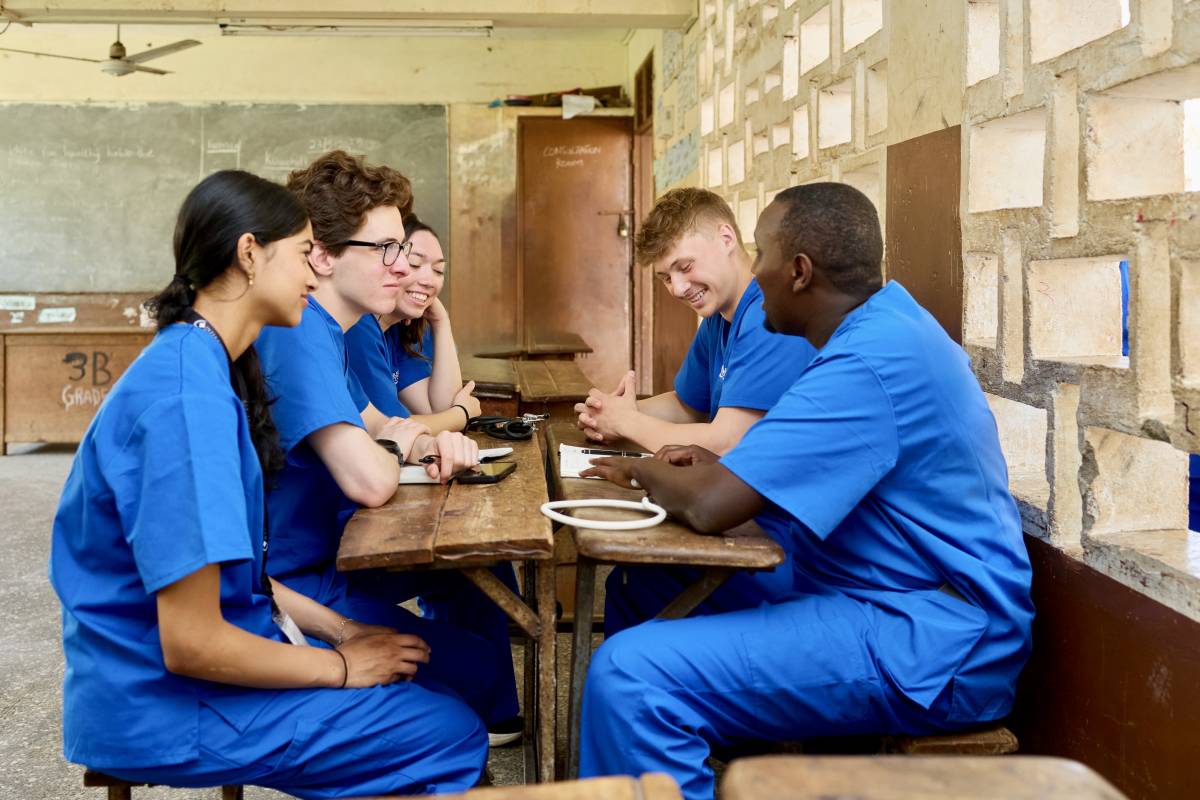
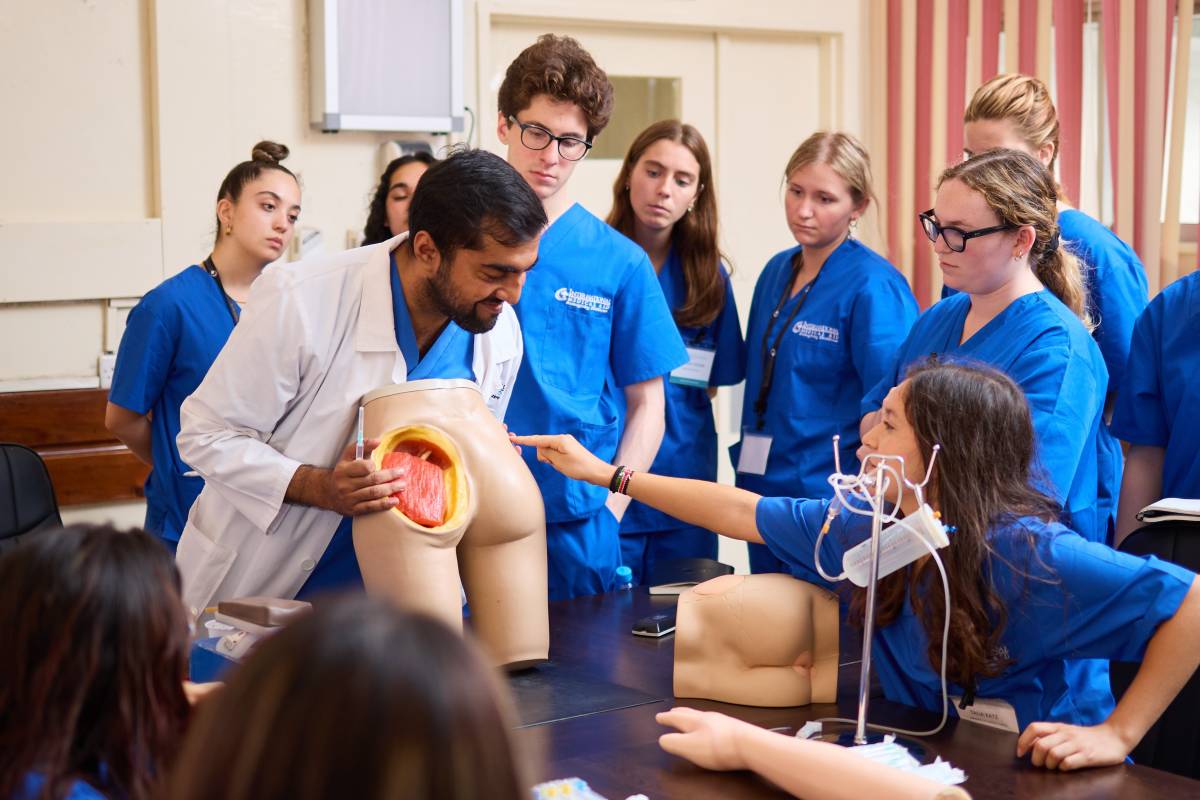
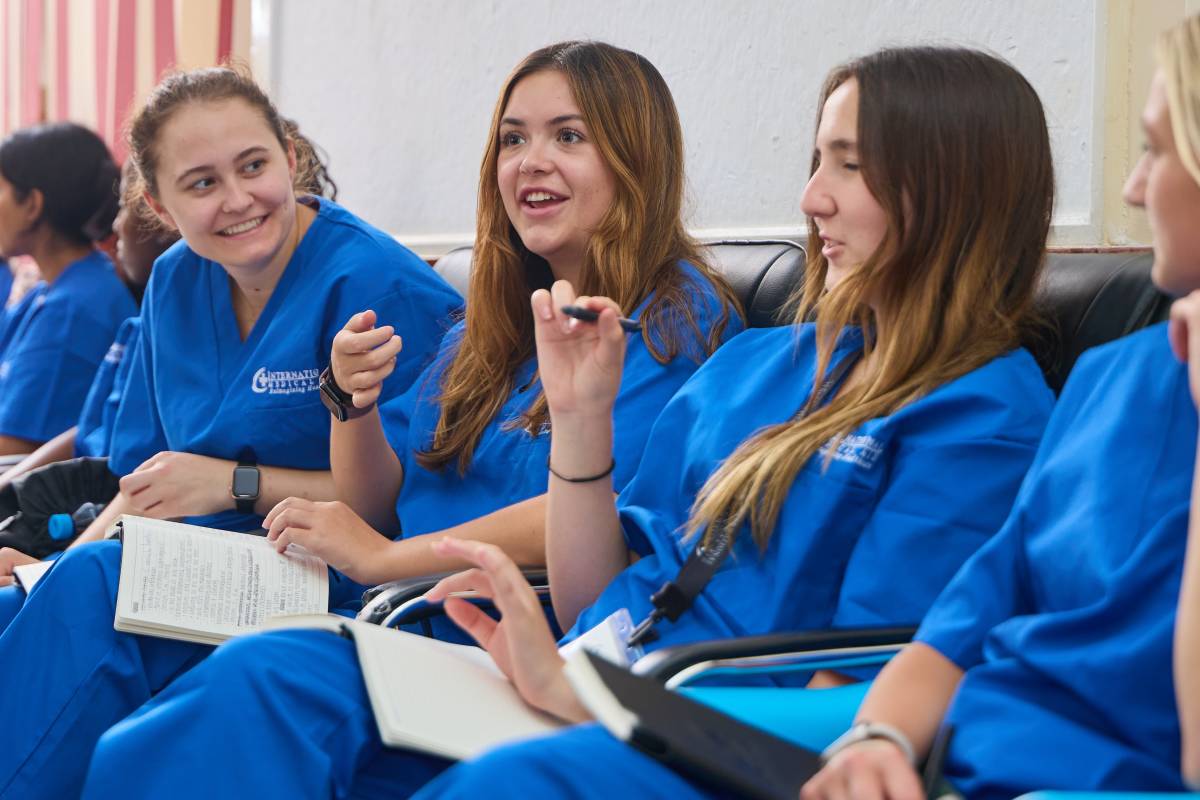
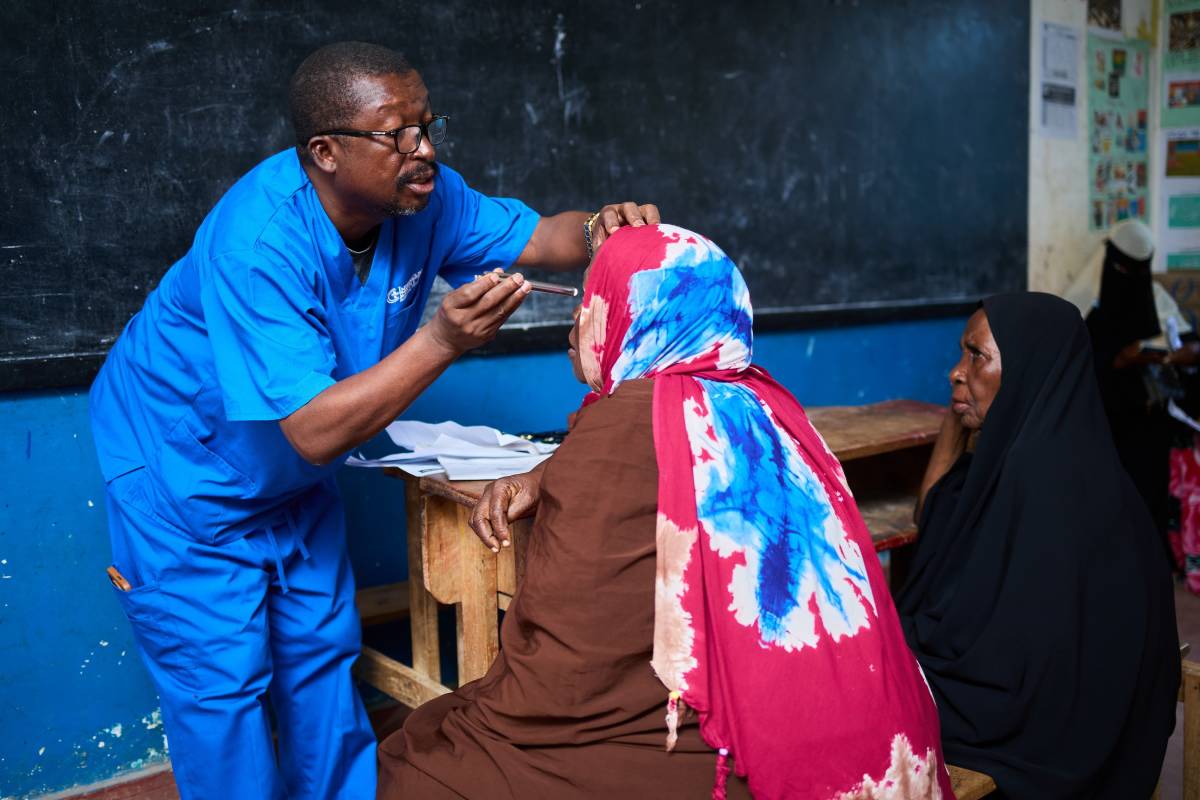
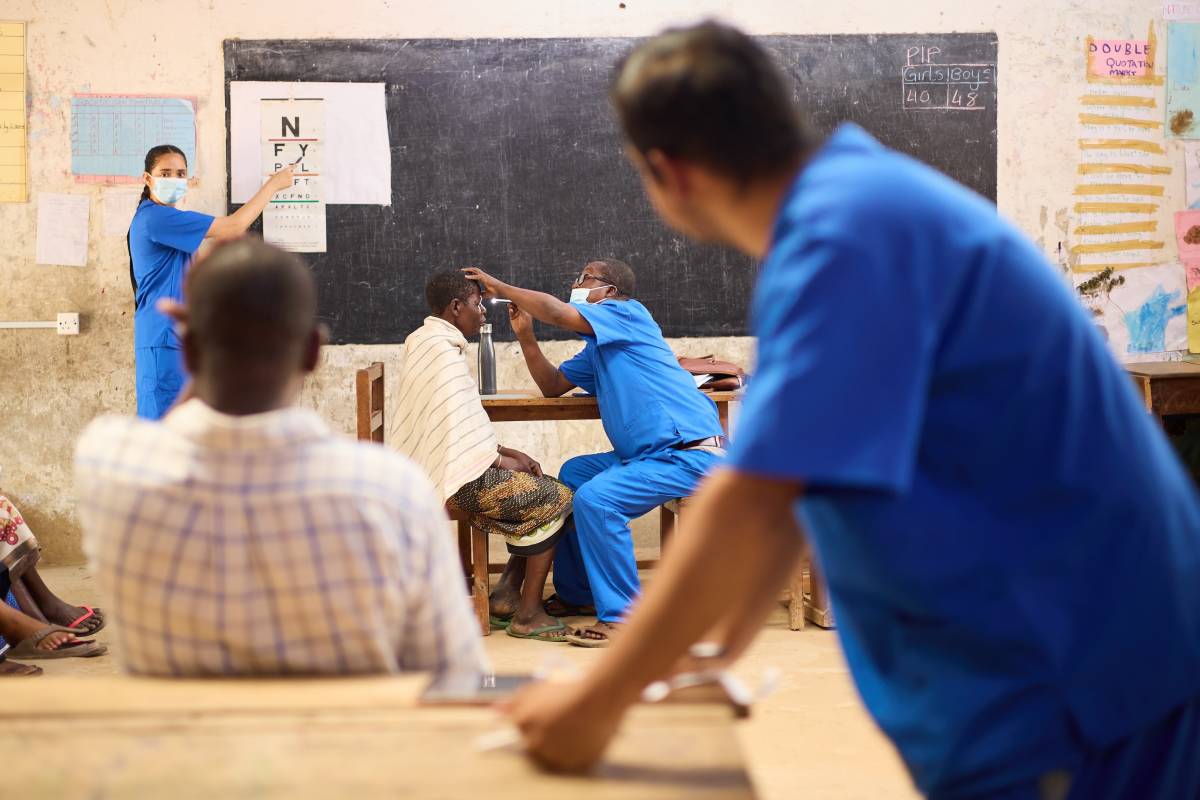
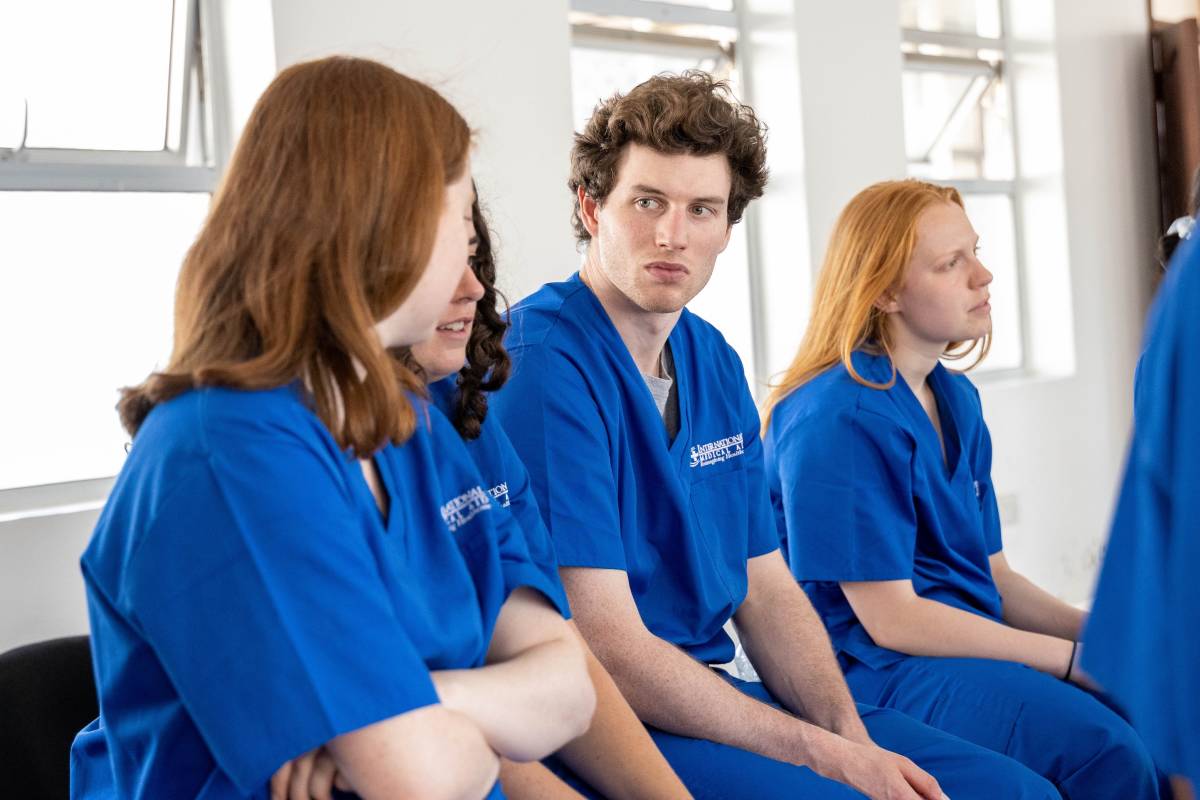
Small-Group Reflection and Clinical Debrief with my cohort and an IMA Physician Mentor during my Pre-Medicine Internship Program at Coast General Teaching and Referral Hospital.Clinical Simulation Session during my Pre-Medicine Internship Program at Coast General Teaching and Referral Hospital, where we practiced airway management and emergency response techniques with physician guidance.Certificate Ceremony at the end of my Pre-Medicine Internship Program with one of IMA’s Physician Mentors at Coast General Teaching and Referral Hospital in Mombasa, Kenya.

A Pre-Medicine Internship With International Medical Aid In Mombasa That Changed How I Understand Healthcare And Humanity

December 25, 2025by: Morgan Brill - United StatesProgram: Global Health & Pre-Medicine Internships Abroad | IMA
10

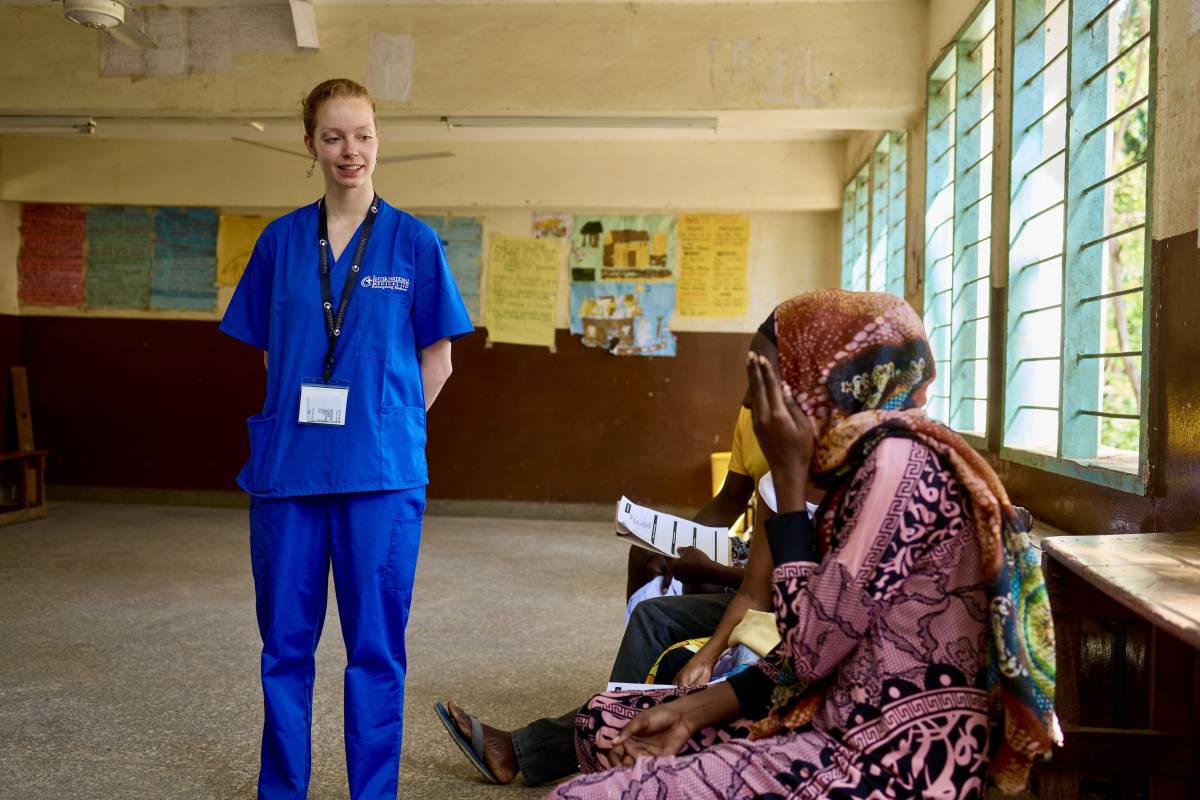
“Pole! Pangusa,” I said gently as I poked a woman’s finger to check her blood sugar at a remote community clinic. Her daughter clung tightly to her leg, scared. The woman paused for a moment—then her face lit up. “You know Swahili!” she said, smiling. My Swahili is far from fluent, but I never expected a simple phrase to bring someone that much joy. As patients continued rotating through the vitals station, I realized how easily a small gesture can build connection. It also felt like a meaningful way to give back, even in a small way, for the immense hospitality I had already received in Kenya. That hospitality began the moment I stepped out of Mombasa International Airport. I was greeted with warmth and kindness that exceeded my expectations. The mentors and staff at International Medical Aid made me feel instantly at home, and even small moments early on reassured me that I had made the right decision. Before I had even set foot in the hospital, I met Kate—an intern from a previous cohort who was packing to leave after two months. As she tearfully described how moving and powerful the experience had been, something in me settled. I had arrived worried about travel complications, communication barriers, and whether I’d feel supported. That conversation affirmed that I was exactly where I was meant to be. My relationship with medicine started long before I arrived in Mombasa. In third grade, my dad experienced pituitary apoplexy—a rare hemorrhaging brain tumor. I still remember paramedics rushing into my parents’ room, asking rapid-fire questions, attaching electrodes, and moving with urgency. My mom’s advocacy ultimately helped get him transferred to a facility with the specialized resources he needed. After two brain surgeries, he made a near-full recovery, but as a kid I was confused and scared, desperate to understand what was happening. For years I followed his journey through appointments and specialists, and those early experiences planted the questions that eventually became my motivation. A few years later, I found myself in that same ambulance again—this time as an EMT. Serving predominantly low-income communities taught me how deeply social determinants of health shape outcomes. I learned to meet people with the same empathy and patience I would want for my own family: an elderly patient nearing the end of life, a scared immigrant mother relying on her child to translate, a veteran coping with PTSD. Over time, I stopped seeing “patients” as categories and started seeing whole individuals with layered histories—and loved ones waiting anxiously nearby. That work strengthened my commitment to medicine and to the idea that equitable healthcare must extend beyond treating symptoms: it must restore dignity and hope, especially for people society often overlooks. Kenya expanded that understanding further. During my weeks at Coast General Teaching and Referral Hospital (CGTRH), my view of medicine and humanity deepened in ways no textbook could teach. In Adult and Children’s Accident & Emergency, the pace and volume were unrelenting. Sometimes it truly felt like trying to steady a sinking ship. On my first day, I hated the helplessness of watching people suffer—patients pleading for relief while staff balanced constant urgency with limited resources. But as the days passed, I began to find my role. Some days that meant small, practical acts: comforting families, collecting supplies, helping with vitals and charting, and doing whatever I could to keep the workflow moving. Other days required stepping into high-stakes moments—joining resuscitation efforts, doing CPR, assisting with ventilations, and witnessing how teams function under extreme pressure. Those experiences reminded me why emergency medicine draws me in: the demand for critical thinking, adaptability, and calm decision-making when you don’t know what you’re walking into. In A&E, I saw clinicians and trainees constantly adjusting—using skill, teamwork, and creativity to provide care despite resource gaps. It challenged my assumptions about what “good medicine” looks like. I realized that great care isn’t defined only by pristine facilities or the newest equipment. It is defined by empathy, clinical judgment, creativity, and cultural understanding—especially when the margin for error is small. In the New Born Unit (NBU), I found a different kind of purpose. Caring for fragile new lives brought both joy and heartbreak, sometimes in the same shift. My rotations in NBU and Labor & Delivery exposed me to the raw intensity of birth, loss, and resilience. I was struck by the way staff leaned on each other, on faith, and on community to keep moving forward through grief and exhaustion. Their approach to death and dying also differed from what I had been used to at home. Rather than framing every loss as a “medical failure,” there was often a sense of acceptance grounded in spirituality and shared strength—without diminishing the seriousness of what had happened. Over and over, I witnessed life-saving adaptations in resource-limited settings—workarounds that were clever, effective, and grounded in experience. It made me rethink the “extras” I took for granted in the U.S. I saw how much can be accomplished when teams are resourceful and determined, and how survival does not always depend on the most advanced technology. That discomfort I initially felt—like the absence of certain monitoring or supplies—became a lesson in humility and perspective. I also gained deep respect for healthcare professionals who carry extraordinary responsibility while navigating systemic strain. Conversations with clinicians revealed challenges that extended beyond the bedside—financial uncertainty, heavy workloads, and the ongoing pressure to meet unrealistic standards. Those reflections naturally connected back to what I have witnessed in the U.S. as well: barriers created by insurance, delayed care until problems become critical, and the ways cost and access shape outcomes for marginalized communities. In both contexts, I saw how often the root causes of suffering exist outside hospital walls—embedded in systems that fail to provide consistent, accessible, and equitable care. That theme came into sharper focus as I reflected on rural health and “medical deserts,” where geography, poverty, transportation, and historical injustice can fuel mistrust and limit access. In Kenya, I noticed similar patterns—gaps in health literacy, financial burden, infectious disease concerns, and barriers that weaken trust between patients and the healthcare system. After speaking with people working in emergency settings, I also recognized how different infrastructure can be: when formal EMS systems are limited, communities often rely on family networks, friends, and local support systems to respond. In many places, community becomes both the first line of care and the long-term safety net. One of the greatest takeaways from my time in Mombasa is that kindness and optimism are not byproducts of circumstance—they are conscious choices people make every day. Despite limited resources and immense need, I witnessed gratitude, humor, generosity, and perseverance. The kindness I received—from program mentors to hospital staff to strangers on the streets—left a lasting imprint on me and reinforced a truth I want to carry forward: compassion doesn’t require abundance; it requires intention. I returned home with more than clinical exposure. I returned with a deeper commitment to advocacy—the kind my mother showed for my father—along with a renewed dedication to listening closely, seeing patients as whole people, and challenging the systems that repeatedly fail them. Kenya opened my eyes to a new world, a new culture, a new healthcare system, and a new reality many patients navigate daily. I am forever grateful for the experiences, lessons, and people who shaped me there, and I will carry what I learned in Mombasa into every step of my journey toward medicine.
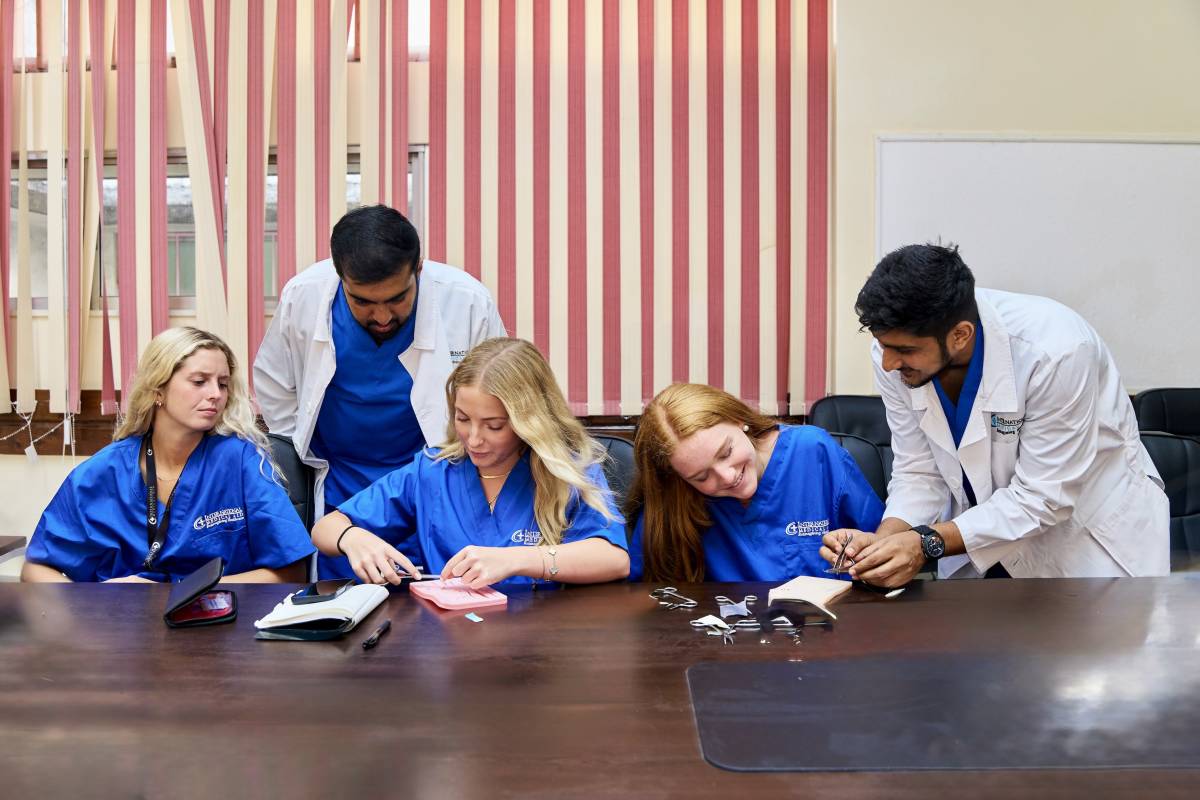
Clinical Simulation Sessions led by IMA at Coast General Teaching and Referral Hospital where we practiced suturing techniques and reviewed sterile technique fundamentals.Certificate Ceremony at the end of my Pre-Medicine Internship Program with one of IMA’s Physician Mentors at Coast General Teaching and Referral Hospital in Mombasa, Kenya. Other members of my cohort during the Certificate Ceremony at Coast General Teaching and Referral Hospital in Mombasa, Kenya.

A Pre-Physician Assistant Internship Program in Kenya With IMA: Global Health Perspective, Cultural Immersion, and Growth Beyond My Comfort Zone

December 25, 2025by: Taylor Breiby - United StatesProgram: Physician Assistant/Pre-PA Internships Abroad | IMA
10

This program was a great experience in exploring global health differences and disparities, gaining shadowing experience, and immersing myself in a different culture. The mentors were very welcoming and supportive, even checking in on us when we seemed down or quiet. Hilda in particular checked in on us frequently. The food was 10/10, and the kitchen staff was very hospitable. I enjoyed Dr. Shazim's collaboration with the program, where I learned a great deal from his knowledge and experiences. He was always witnessing to discuss clinical experiences and took it upon himself to give us new facts or wisdom. Additionally, I enjoyed the effort put into the cultural treks, and the mentors always encouraged us to explore while giving us tips on staying safe in the area. I appreciated the gated location of the residence with a guard and locked doors in keeping us safe at night. I gained a lot out of observing the public health system and the impact that access, socioeconomic status, health literacy, local diseases, etc. has on a population's health outcomes. I tend to be a shy person as well, and so this opportunity helped me grow out of my comfort zone a bit in getting to know the other interns and the staff at CGTRH, as well as exploring the city. Lastly, I appreciate that IMA enforces the ethical standards of students participating within their scope of practice. Because the vast majority of interns are students with minimal to no experience, it did feel as though not much of an impact was made from us to the hospital, at least for my duration (except for the medical clinic, where I felt useful). Everyone comes into this world with nothing. Most people spend their whole lives working to have something—then leave this world with nothing again. So, your soul must gain more than your hands. That sentiment has come to define the way I view my daily life after my internship in Mombasa, Kenya. I've always struggled to find my passion and purpose. Yes, I have things I enjoy doing, but nothing defines who I am as an individual. It's something I’ve prayed about for as long as I can remember but never quite felt to come to fruition. That changed during my time in Mombasa. I found the importance of being a part of a community greater than myself and the impacts small actions can have on others for an eternity. I can truly say it set me on the path to becoming a better version of myself—a better future physician and a better friend. I witnessed the beginning of life, formed lifelong friendships, and saw the end of life. The full cycle. And through it all, I was challenged to value every part of my life more deeply. Birth. As Dr. Shazim would say in every debrief, “Let’s start at the beginning of life. Maternity.” Before arriving at Coast General Teaching and Referral Hospital, I was pretty determined to become a pediatrician. I have always been somewhat apprehensive about going into a specialty where death was on the line, and admittedly I had never stepped into a surgery prior to theater 2 at Coast General. Thus, I have spent most of my shadowing hours in a pediatric clinic. However, surprisingly, the maternity ward quickly became my favorite rotation. I could directly see my feelings about Kenya correspond to labor. Mothers spend months preparing to deliver their babies. They feel everything—excitement, fear, anxiety. There’s always an adrenaline rush. No one knows exactly what will happen, but the mothers, nurses, and physicians prepare for the moment a baby finally comes into this world expectantly. That’s exactly how I felt arriving in Kenya—a rush of emotions and so much uncertainty. A dream I’d held since high school was finally coming true, but I had no idea what to expect. The culture shock, the unknown, the lack of healthcare resources—it was all very real. But the maternity ward shaped me into the kind of physician I want to become. Witnessing a woman’s intense pain during labor to then peacefully hold her newborn is a moment I will carry with me. Despite the challenges of pursuing a career in medicine, like labor, being a part of some of the most shaping and important aspects of someone’s lives will make it worth it. In Mombasa I thought I’d be most influenced by the physicians, but it was the strength of the women that inspired me. They made me want to be the best physician I can be—for them. From C-sections to natural births, witnessing the beginning of life reminded me that nothing is guaranteed. I walked away with a new calling: to pursue a career in obstetrics and gynecology. I looked back on my journal entries for my rotation in the maternity ward, and I couldn't help but smile. The women I directly got to help, either by stretching with them during labor or holding their hands, I will always remember, and that empathy I learned while in Kenya will shape me into the best physician I can become. Friendship. Throughout my life, many people have influenced me. I’m a firm believer in “friends for different seasons”—some friendships fade, and some stand the test of time. Friendship is an impactful aspect of a person’s life and shapes who they are and become. In Mombasa, I saw the true value of friendship: in patients, mentors, fellow interns, and strangers. Growing up, I attended the same private school from kindergarten to senior year. I graduated with seven people, and I was not challenged to step outside my comfort zone and interact with different types of individuals. However, during my time in Kenya, I was able to reflect on different friendships I had encountered and truly what I had learned from other individuals in my daily life. There were friends who rallied together after tough shifts at the hospital. Friends like Hilda and Michelle, who made Mombasa feel like home. Patients who opened up to me—confided in me—as if we had known each other for years. Strangers asking me what I was doing in Mombasa and fully welcoming me into their city and culture. There were friends who became like family. I watched physicians rally around one another to care for a community in need. That kind of camaraderie—rooted in compassion—deepened my belief in the importance of human connection in medicine. According to Harvard Medical School, medicine has somewhat lost its human connection due to technology: “At its best, being a doctor is an extraordinary and intimate privilege. We build relationships with our patients and see them through times of both joy and suffering; our relationships with each other help us through the same. It's hard to do that in a way that's truly satisfying when we spend most of the day at the computer screen” (Harvard Health, 2016). At Coast General, resources and technology are very limited, and these physicians and nurses must communicate with the patients and peers, which depends on human connection and in turn often creates a more positive experience for the patient. I specifically saw this at the medical clinics, as physicians had limited resources but collaborated and did their best to help every individual, which is something I deeply admire. Death. I wasn’t prepared to see someone take their last breath. I expected panic, sadness, maybe fear. Whenever I have had a loved one die in the past, I usually view it in a negative way. But the death I witnessed was peaceful—like the patient was ready. In a strange way, that’s how I felt leaving Mombasa. I expected to be in tears, not ready to leave the place I had called home for the past month. But instead, I felt peace. Peace that I had experienced something life-changing. Peace that I had grown spiritually, emotionally, and personally. Peace that I had found friendships that would last a lifetime. In a way, this feeling of “death” will stick with me as I start my career to become a physician. The feeling of peace is advice I can pass onto others who are losing a loved one. Death is inevitable, but while in Kenya I learned it can also be peaceful. Death does not have to have a negative connotation, but the narrative of death can be changed for the better. “If you think about it, life is nothing but thoughts, and our thoughts come from the mind. Our thoughts are an internal path leading us somewhere. To the next thought, the next idea, the next life. Everything is created with thought—emotions, designs, and theories. Where thoughts lead us is the most important thing; it’s our inner path leading to freedom or suffering” (At Peace With Death | Bennington College, n.d.). The people in Kenya were steadfast in their faith, and this helped me realize that in some way we are all just walking each other home. I feel like this is an important lesson to take with me in my journey to become a physician, as I have to come to peace with death and help loved ones keep moving forward in their lives. Souls. Souls tie people together. A soul is what makes someone who they are—and it’s shaped by every experience, every relationship. Kenya changed my soul for the better. I poured into others. I learned patience. I experienced a completely different culture and let it shape me. In the pediatric outpatient ward, I met a young girl named Nora who became obsessed with a balloon glove I made for her. That small gesture—something so simple—brought her joy, and in turn, filled me with joy. It made me more aware of how even the smallest acts can have a big impact on someone else’s soul. Yes, Kenya was culturally different from my small town in Georgia. But what struck me most was the people—their outpouring of love and gratitude. They valued what they had. They didn’t take life for granted. In the Western world, we often measure worth by material things—by how much we have, not by how full our lives are. But in Kenya, I saw the meaning of the phrase “Make sure your soul gains more than your hands.” Even amidst poverty and corruption, people remained faithful, grounded, and fulfilled. That lesson is one I’ll carry for life. Before Kenya, I struggled to articulate my "why" for medicine. My answer was something generic—“I enjoy helping others.” But now, I understand it's deeper than that. Medicine isn’t just about helping others—it’s about having a soul-level impact. What I saw, experienced, and endured in Kenya wasn’t easy. The children begging for food outside our Ubers, the lack of basic life-saving devices in the hospital, and people dying due to lack of ICU beds. None of this was glorious, but the community of people that rallied around each other was. Despite differences in ethnic and religious backgrounds, I saw new mothers look out for each other and their newborns, which is a testament to the people in Kenya and the type of person I want to be for others in my life and when I become a physician. Following my arrival home from Kenya, I was asked to speak at church about my experience. I gave my presentation about my time in Kenya and the ways Mombasa and Coast General impacted my life. I will still struggle to put into words the impact the experience had on me. However, unbeknownst to me, the sermon directly following my speech was about souls. About how people have started to value what they materially have in this life over friendships and the impact they have on others. But whenever one dies, none of those materialistic things goes with them, but their soul does. The experiences and impacts that others have on their soul go with them to their next life. Thus, I realized that the impact Kenya had on my life will stay with my soul forever, and consequently the impact I had on others will stay with their souls. Those who connect medicine with the soul are the difference between a good physician and a great physician. The main physician I saw this connection in was Dr. Faruk. Spending the day with him in the diabetes and thyroid clinic, he taught me the importance of finding my voice and passion in medicine that subsequently has an impact on others' lives. He is starting his own nonprofit to help children with type 1 diabetes get access to insulin. This is something he is passionate about and will have an amazing impact when accomplished. Dr. Faruk is an inspiration for me, as he is the physician I want to become. A physician who is not in it for the money or for the fame but is in it for the direct impact that they have on others' souls and daily lives. As Sir William Osler said, “The good physician treats the disease; the great physician treats the patient who has the disease” (Centor, 2007) International Medical Aid has shaped me into the physician I want to become. My time in Mombasa taught me the importance of understanding each patient’s story and beliefs, and the responsibility I have now to leave a lasting impact on everyone I meet. These challenges and lessons will stick with me forever and my growth as an individual is all accredited to my experience in Mombasa, Kenya.
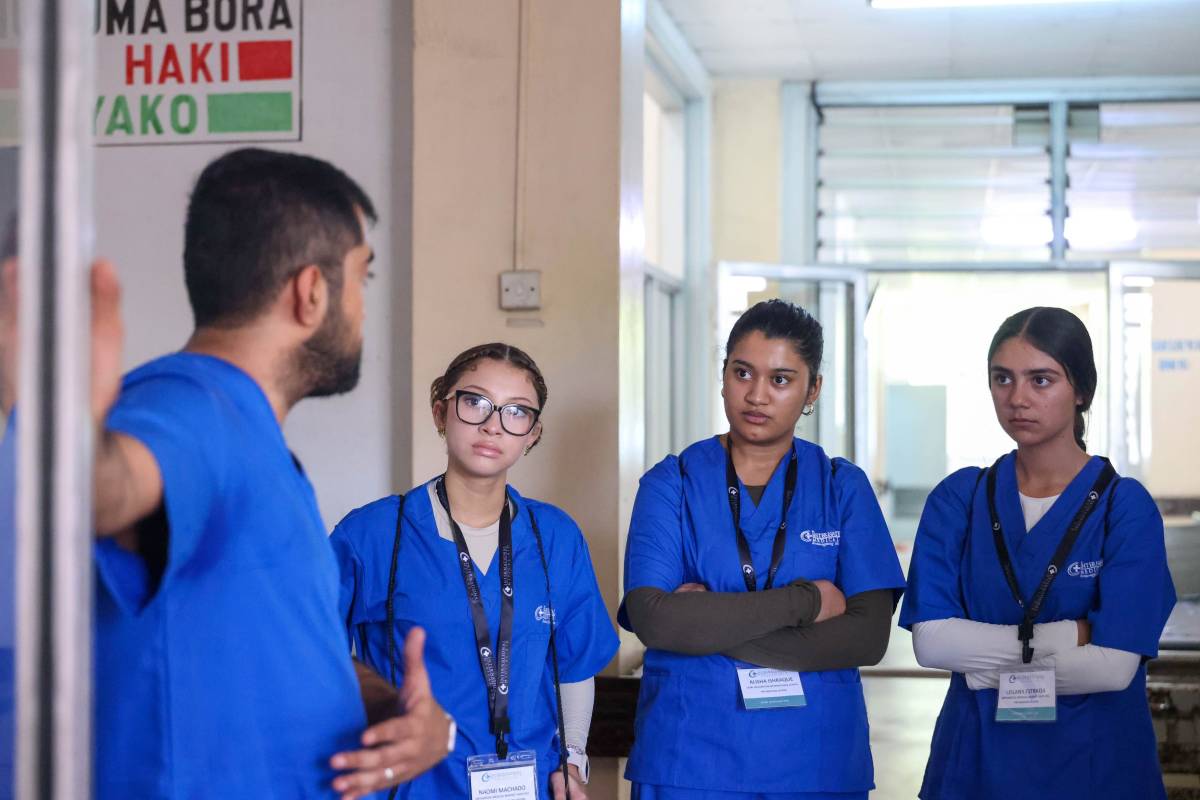
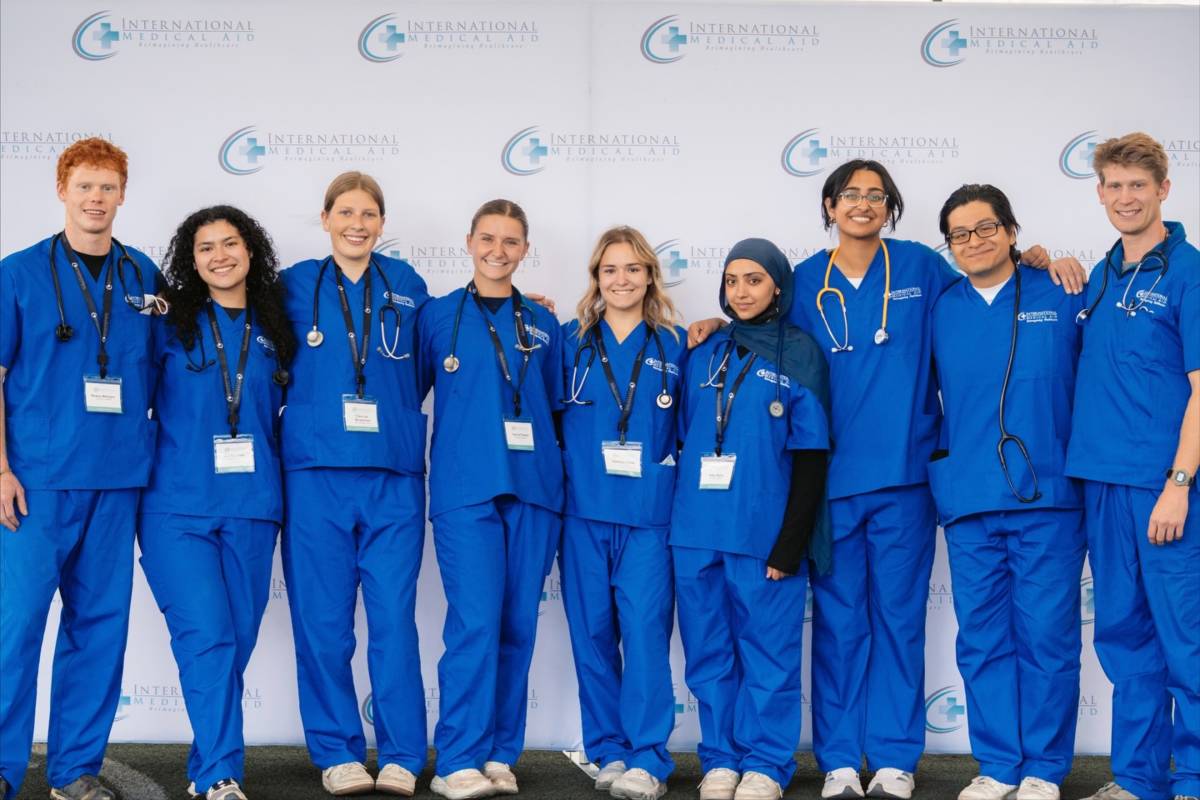
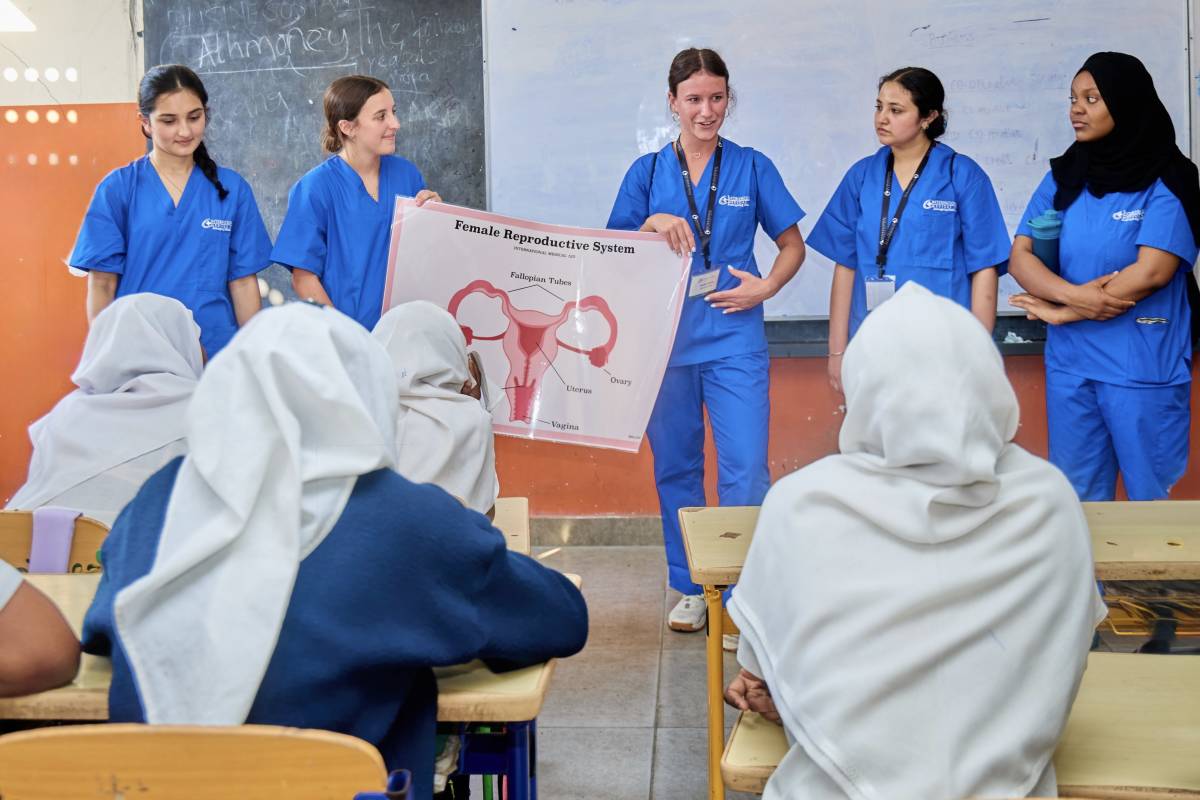
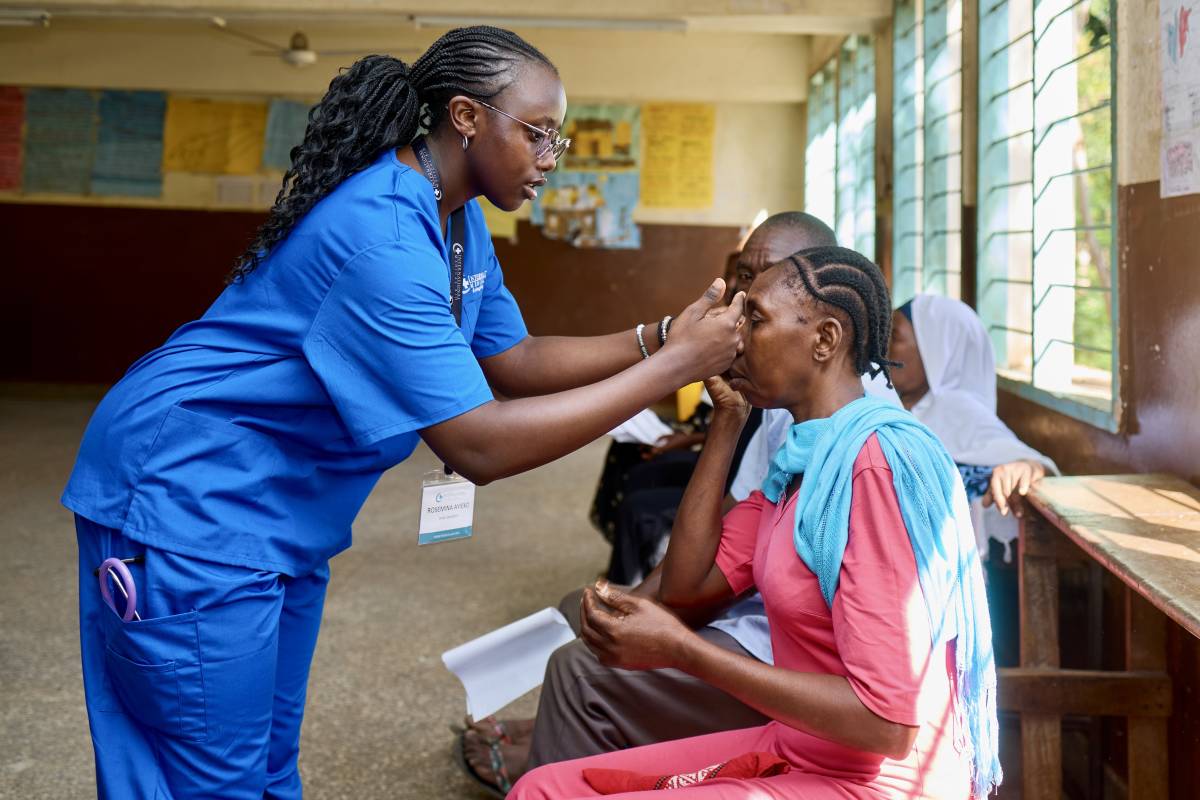
Certificate Ceremony at the end of my Pre-Physician Assistant Internship Program with one of IMA’s Physician Mentors.Women’s Health Education Session hosted by IMA at a local high school, supporting women’s health education and access to essential supplies in an underserved community in Kenya. Child Welfare Society of Kenya Visit during my Pre-Physician Assistant Internship Program in Mombasa, Kenya with fellow interns as part of IMA’s community engagement programming.

International Medical Aid (IMA) Programs

Browse programs you might like

International Medical Aid (IMA)
9.96165 reviews
Global Health & Pre-Medicine Internships Abroad | IMA

IMA offers an opportunity to enhance your medical and healthcare knowledge with International Medical Aid's Pre-Med and Health Fellowships. Craft...

IMA - Safari
10108 reviews
Group & Student Travel | IMA Safaris Africa & South America

IMA Safaris Africa and South America, an initiative of International Medical Aid, offers student travel programs, treks, and educational tours ac...

International Medical Aid (IMA)
1069 reviews
Physician Assistant/Pre-PA Internships Abroad | IMA

Join the ranks of forward-thinking healthcare professionals through International Medical Aid's (IMA) Physician Assistant and Pre-PA Internships....

International Medical Aid (IMA)
1023 reviews
Nursing/Pre-Nursing Internships Abroad for Aspiring Nurses

International Medical Aid (IMA) proudly pioneers nursing and pre-nursing internships globally, catering to students and practitioners eager to am...

International Medical Aid (IMA)
9.9417 reviews
Dentistry/Pre-Dentistry Shadowing & Clinical Experience

Global dental healthcare with International Medical Aid's (IMA) Dental Internships for pre-dental undergraduates, dental students, dentists, and ...

International Medical Aid (IMA)
1011 reviews
IMA Cross-Cultural Care Mental Health Internships Abroad

International Medical Aid (IMA) pioneers impactful mental health internships worldwide for undergraduates, graduates, and licensed mental health ...

Frequently Asked Questions

Interviews

Read interviews from alumni or staff

Isaac Simon

Participated in 2024

Alumni

I was inspired to go abroad firstly because I love to travel. Growing up in a diverse and multicultural city, I feel great joy when appreciating other cultures in their truest form. When I travel, I’m able to fully immerse myself in a new culture rather than reading articles about it.

Show Full Interview

Blessing Omolafe

Participated in 2024

Alumni

I was inspired to go to Kenya because of the opportunity to branch out of my bubble and knowledge of what I thought healthcare meant. Being a Pre-Physician Assistant student, I was motivated to be the best future provider I could be. I had worked in the US as an Emergency Medical Technician for the past year in my hometown.

Show Full Interview

Lakshana Raja Annamalai

Participated in 2024

Alumni

I chose to travel to Kenya because I wanted to experience a healthcare system that was very different from what I was used to in North America and push myself beyond my comfort zone. I was interested in learning how healthcare workers deal with cultural diversity, accessibility, and resource constraints.

Show Full Interview
International Medical Aid (IMA)

International Medical Aid (IMA)

9.96Verified

Ready to Learn More?

International Medical Aid (IMA) is a distinguished nonprofit organization standing at the forefront of global healthcare study-abroad endeavors. As the premier provider of pre-health programs, we offer unparalleled study abroad experiences and healthcare internship opportunities to students and professionals. With programs developed at Johns Hopkins University, IMA's commitment extends to delivering essential healthcare services in underserved regions, spanning East Africa, South America, and the Caribbean. IMA programs align with the AAMC Core Competencies, focusing on developing critical thinking, communication, and cultural competence. Undergraduates, medical students, residents, and practicing professionals gain hands-on experience in medicine, nursing, mental health, dentistry, ph...
Awards

Check out awards and recognitions International Medical Aid (IMA) has received

Top Rated Program High School Abroad in Ecuador 2025
Top Rated Program High School Abroad in France 2025
HOSA Premier PartnerTop Rated Provider 2023 - Notable MentionAmerican Medical Student Association (AMSA) - International Medical Aid (IMA)GoAbroad Top Rated Adventure Travel - 2022Top Rated Organization 2021 - Adventure TravelAIEA Logo