

Dolphin & Whale Research in Tenerife, Canary Islands

Program Overview
Monitor wild dolphins and pilot whales in the Teno-Rasca Marine Reserve off Tenerife — Europe's first Whale Heritage Site. Whether you come for two weeks or a full season, you are directly on the water, on the boats and in the data, alongside MutatioMare's own research team.
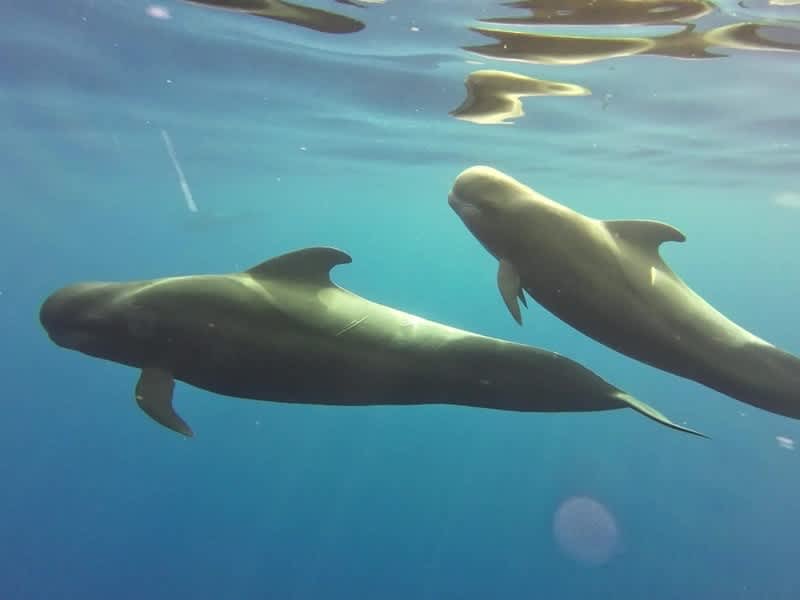
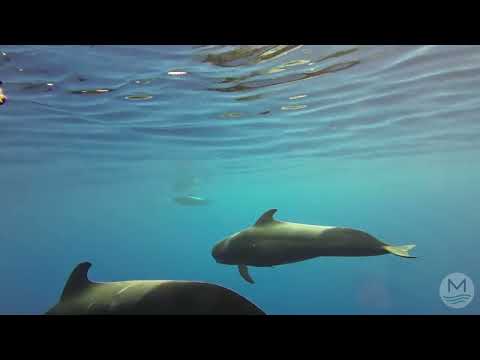
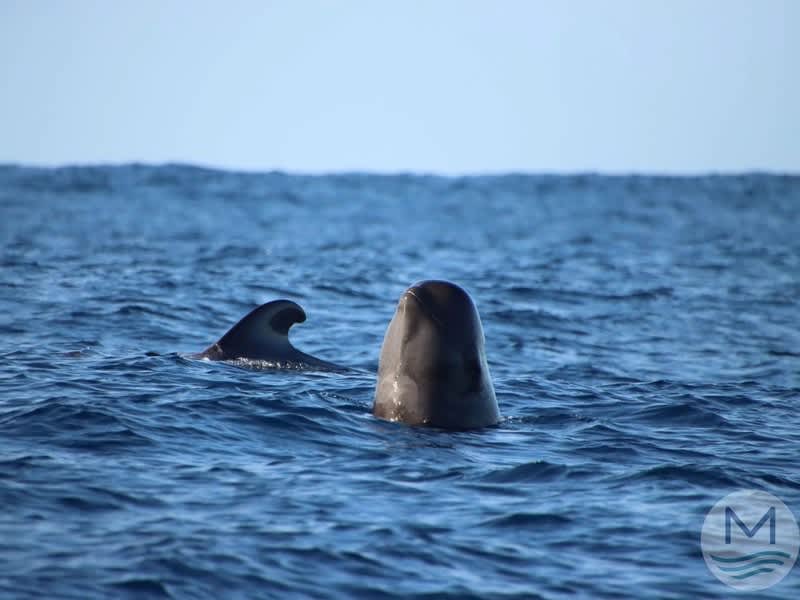
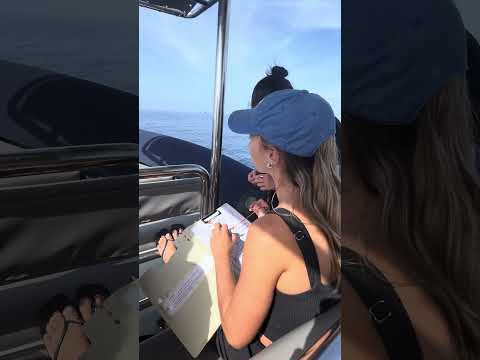
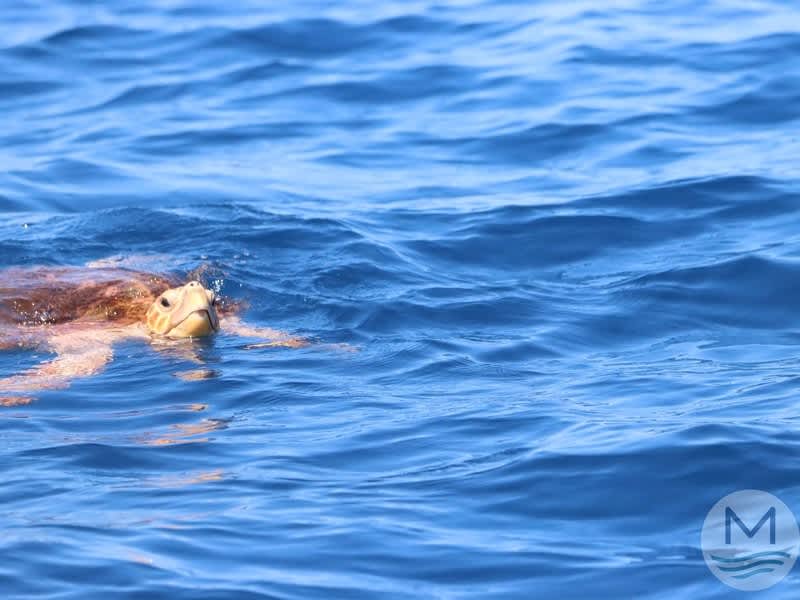
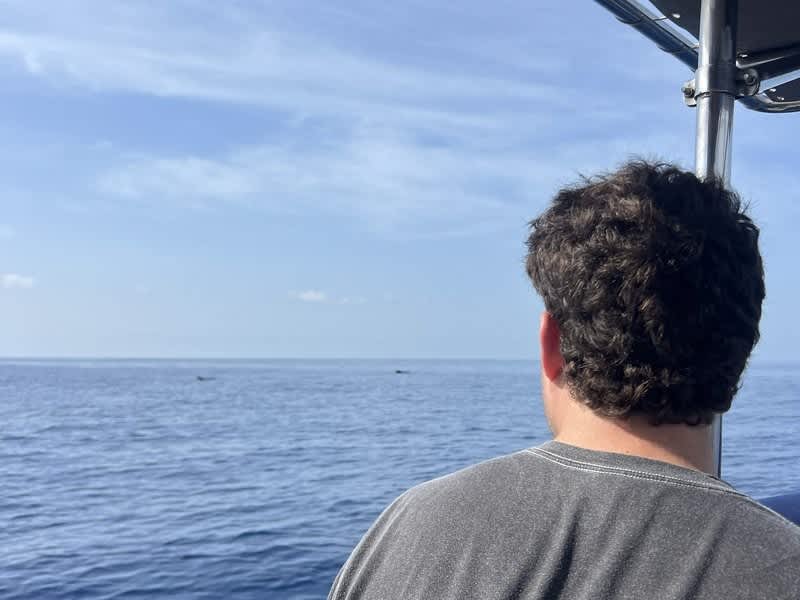
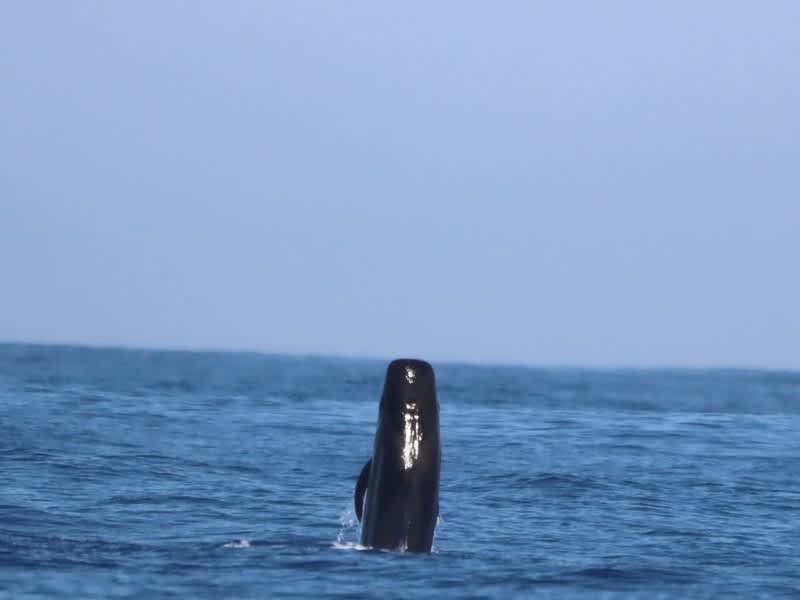
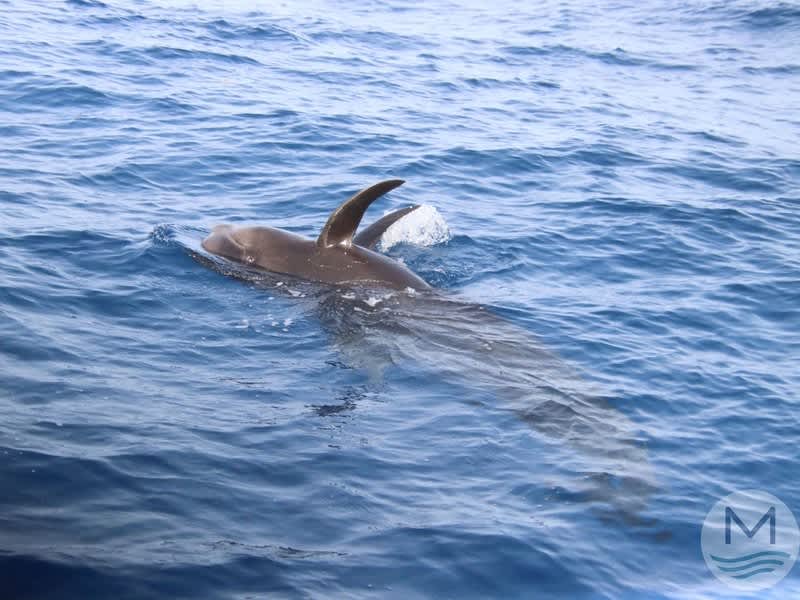
Up to 30 cetacean species use these waters: pilot whales and bottlenose dolphins most days, with orcas, sperm whales and false killer whales recorded, along with loggerhead turtles. Your first week includes practical training in cetacean identification and survey methods, taught as you go. Dorsal fins are as distinctive as fingerprints, and reading them is how the team works out how many individuals are out there. On boat surveys you photograph animals at sea, log their behavior and record their calls on hydrophones, then match the images to known individuals and log them in the database. The catalogue MutatioMare has built since 2021 now holds more than 600 identified short-finned pilot whales, and is shared with RedPROMAR, the Canary Islands government's biodiversity network.
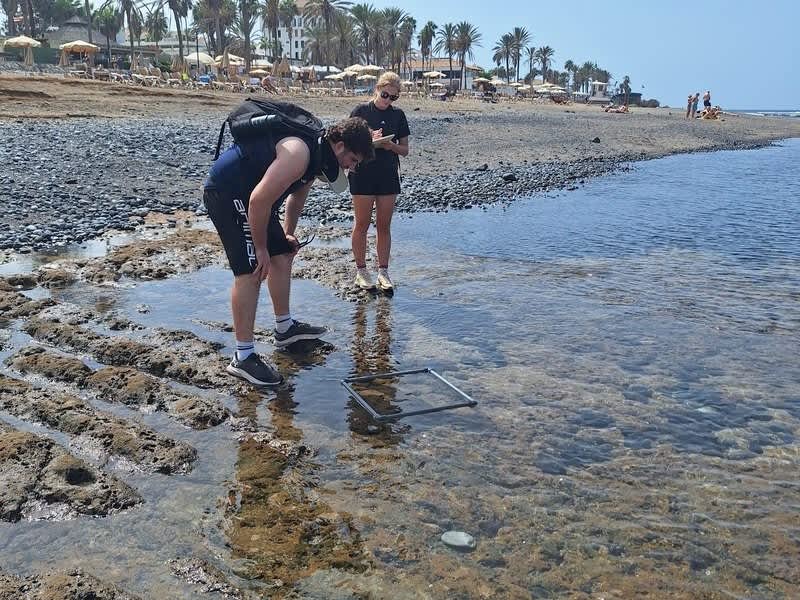
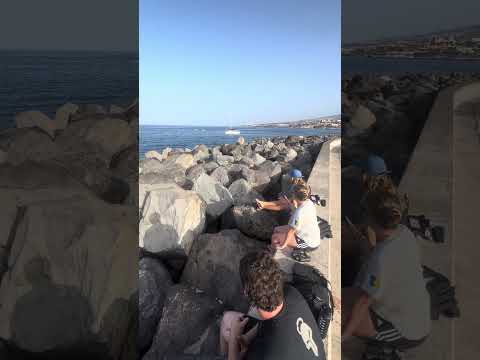
You also survey boat traffic from land, measuring the pressure five million annual visitors put on it, join beach cleans and biodiversity surveys, and support environmental and conservation education.
Fieldwork is Monday to Friday, with weekends free to explore the island.
You stay in shared dormitories in a hostel a short walk from the beach, with staff on site. Accommodation, weekday meals, airport transfers, in-country support and all project costs including boat trips are covered, and your fee also funds the research you take part in.
Starts every second Sunday, 2 to 24 weeks. Age 18+.
MutatioMare is a Canarian nonprofit based in Adeje, working in the reserve since 2021. It is one of nine independent organizations in The Impact Network, which gives small local nonprofits the training, standards and systems larger operators have, so the organization you volunteer with is the one doing the work.
Ready to dive deeper into this program?
Jump to the full breakdown of dates, costs, eligibility, and more.
Program Highlights
What's Included
Quick Details
- 2-4 Weeks
- 5-8 Weeks
- 3-6 Months
- 9-12 Weeks
- Summer
- Winter
- Biological Research
- Conservation
- Environment
- Marine Conservation
- Photography
- Wildlife
- Adventure Travel
- Animals
- Experiential Learning
- Volunteering
- Wilderness
Updated Nov 5, 2026
Program Details
Learn all the nitty gritty details you need to know
Locations
- Tenerife, Spain
Types & Subjects
- Causes
- Biological Research
- Conservation
- Environment
- Marine Conservation
- Photography
- Wildlife
- Types
- Adventure Travel
- Animals
- Experiential Learning
- Volunteering
- Wilderness
Available Terms / Availability
- Years Offered
- Year Round
Eligible Nationalities
- All Nationalities
- This Program is also open to Couples, Families, Group
Education Levels & Language
- Language
- English
- Education
- Any/All Education Levels Accepted
Accommodation Options
- Dormitory
- Group living
Application Procedures
- Written Application
- Letters of Reference
- Phone/Video Interview
- Deposit
Age Requirement
18+
Duration
- 2-4 Weeks
- 5-8 Weeks
- 3-6 Months
- 9-12 Weeks
- Summer
- Winter
- After College
- Career Break / Mid-Career
- During College
- Post High School
Starts At
Deposit / Application Fee
Deposit: $650
Payment Terms
- Payment Plan
- Upfront Deposit
Refund Policy
Refund with conditions
Program Reviews
Hear what past participants have to say about The Impact Network
Be the first to review The Impact Network
If you've participated in this program, your review helps future students decide.
Review this ProgramInquire
Inquire about this program
Have a question? Send us a message and the program team will get back to you.
FAQs
Frequently Asked Questions
Get answers to all the most common questions about The Impact Network.
Will I see whales and dolphins every day?
Most days, but not every trip. Short-finned pilot whales and bottlenose dolphins are resident here, so sightings are common rather than lucky. This is wild fieldwork though, not a guaranteed encounter, and survey days with no sightings are still data: recording where animals are not present matters as much as recording where they are.
How close do you get to the whales and dolphins?
All fieldwork is non-invasive. Animals are observed from a distance, never fed, touched or approached in a way that changes their behavior. That is both an ethical position and a scientific one: undisturbed animals give you accurate behavioral data. The research also promotes responsible whale and dolphin watching across the reserve.
What happens to the data I collect?
It goes into MutatioMare's photo-identification catalogue, which now holds more than 600 individually identified short-finned pilot whales, and is shared with RedPROMAR, the Canary Islands government's biodiversity network. Long-term records like these are what conservation decisions and marine protected area management are built on.
Can I use this towards a dissertation or university credit?
Yes. Alongside the volunteer placement there is a Marine Conservation Research Fellowship for independent, dissertation-level research with academic supervision from a qualified biologist, and an internship with leadership responsibilities and a personal project. Speak to us before you apply so the placement can be planned around your deadlines.
Do I need to be able to swim or dive?
No. All fieldwork is done from the survey boat or from land, and there is no diving or snorkelling in the program. Snorkelling and kayaking are available as optional activities
What if I get seasick?
Boat surveys are around two hours at a time in coastal water, not open ocean, and most people adjust within the first week. Bring motion sickness tablets if you are unsure, and tell the team so they can keep an eye on you. If a trip is difficult, there is land-based survey work, data analysis and beach work on the same days.
How much is the program fee, and what are the inclusions?
From $1,735 USD for two weeks, then $795 USD for each additional week. That covers dorm accommodation, three meals on weekdays, an airport transfer from Tenerife South on your start date, training, in-country support and all project costs including every boat trip. Weekends are self-catering, and flights and travel insurance are not included.
How long can I join for?
From two weeks up to six months. Placements start every second Sunday, year round.
Are meals provided in the program fee?
Three meals a day are provided on weekdays, with vegetarian and vegan options. Lunches often feature Canarian dishes made by a local cook. Weekends are self-catering, using the shared kitchen.
Does the program include excursions?
Fieldwork runs Monday to Friday and weekends are free. Optional extras include a Canarian cooking class, Garachico old town, stargazing and camping in Teide National Park, the Mount Teide cable car, kayaking and snorkelling. These are booked and paid for locally.
Related Programs
Browse programs you might like


The Impact Network
No reviews yet
The Puerto Morelos Reef Project offers a rare opportunity to contribute to the protection of the Mesoamerican Barrier Reef, the world's second-la...
The Impact Network
No reviews yet
Nestled below the Annapurna range, Pokhara is both a breathtaking destination and a community under pressure from the demands of trekking tourism...
The Impact Network
No reviews yet
Volunteer on the island of Nosy Be, off Madagascar's north-west coast, with Mora Mora — a locally run NGO conducting marine and forest conservati...
Have more questions?
We're here to help!
The GoAbroad team is here to support you as you choose the best program for you, and The Impact Network is also happy to answer any questions you have.
Trusted by millions of travelers worldwide since 1997