

Marine Research Fellow Internship in the Philippines


Program Overview
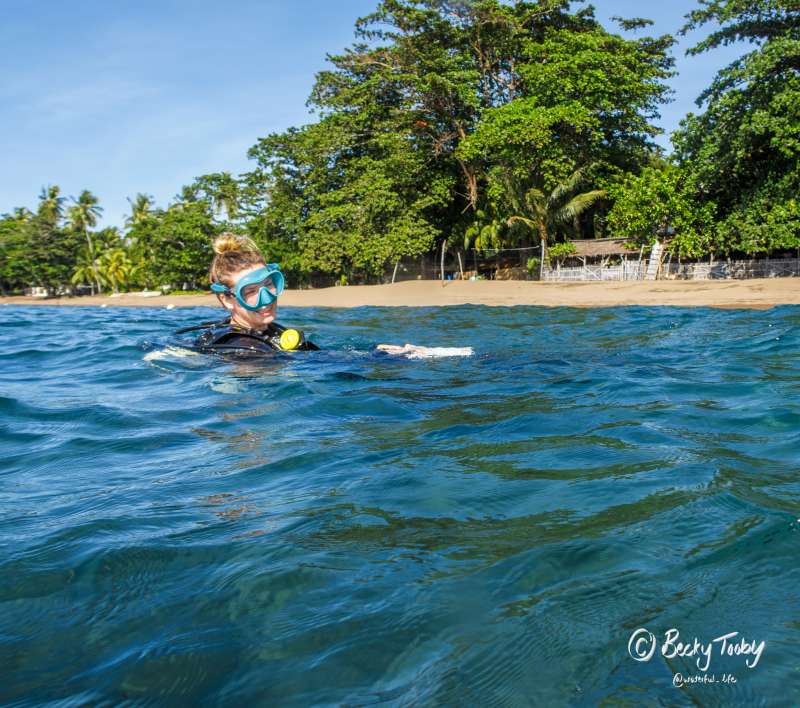
Lead your own research projects and get work published as you live, work, and dive in one of the most biodiverse marine regions in the world.
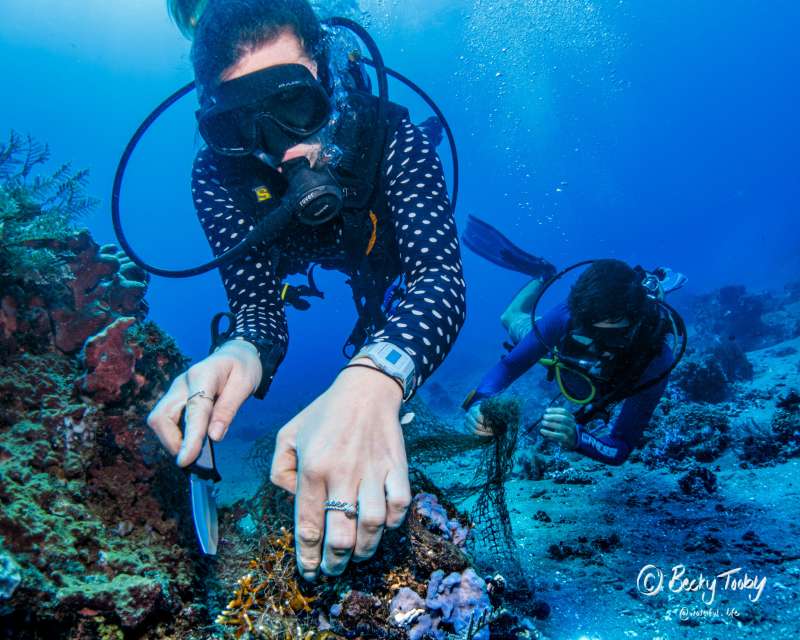
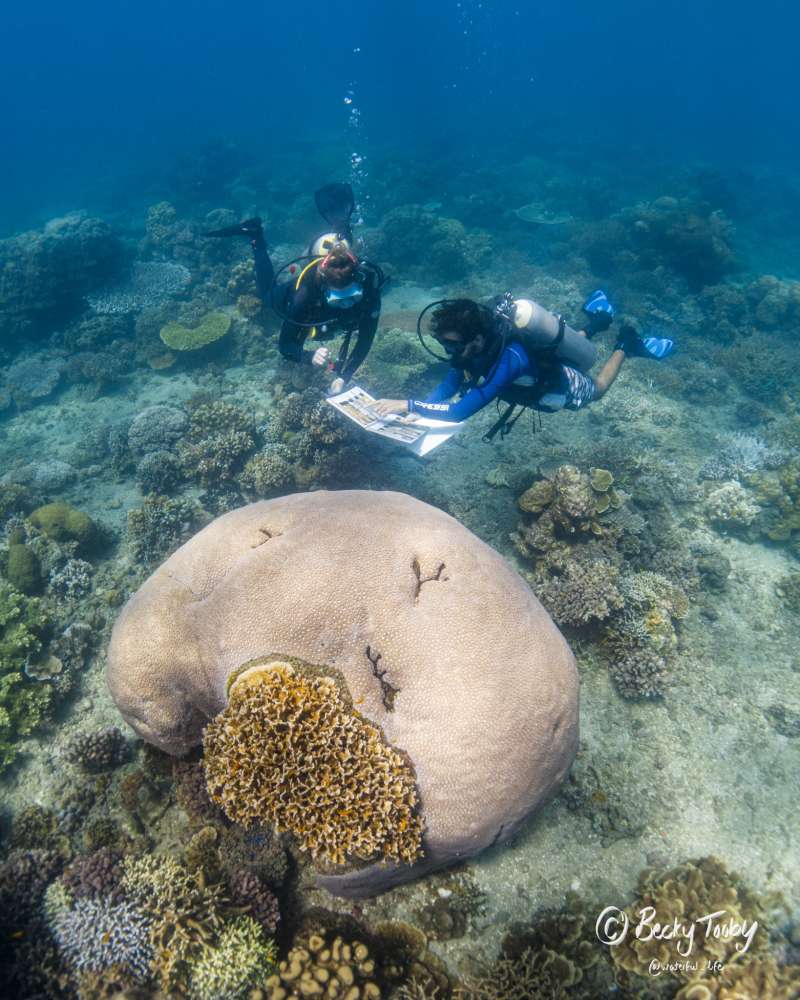
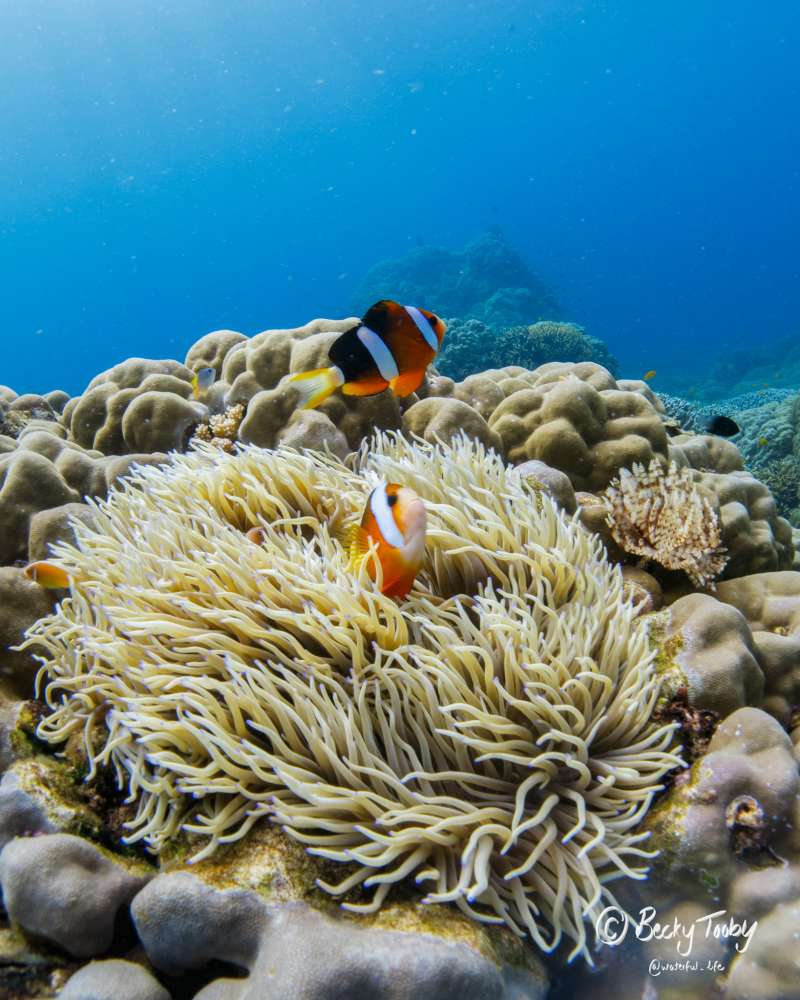
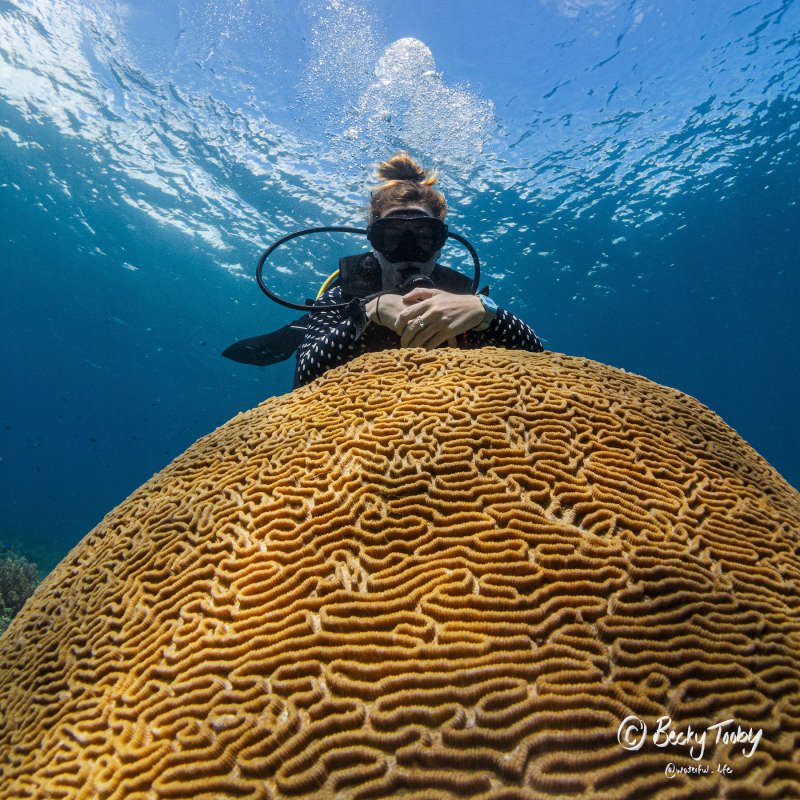
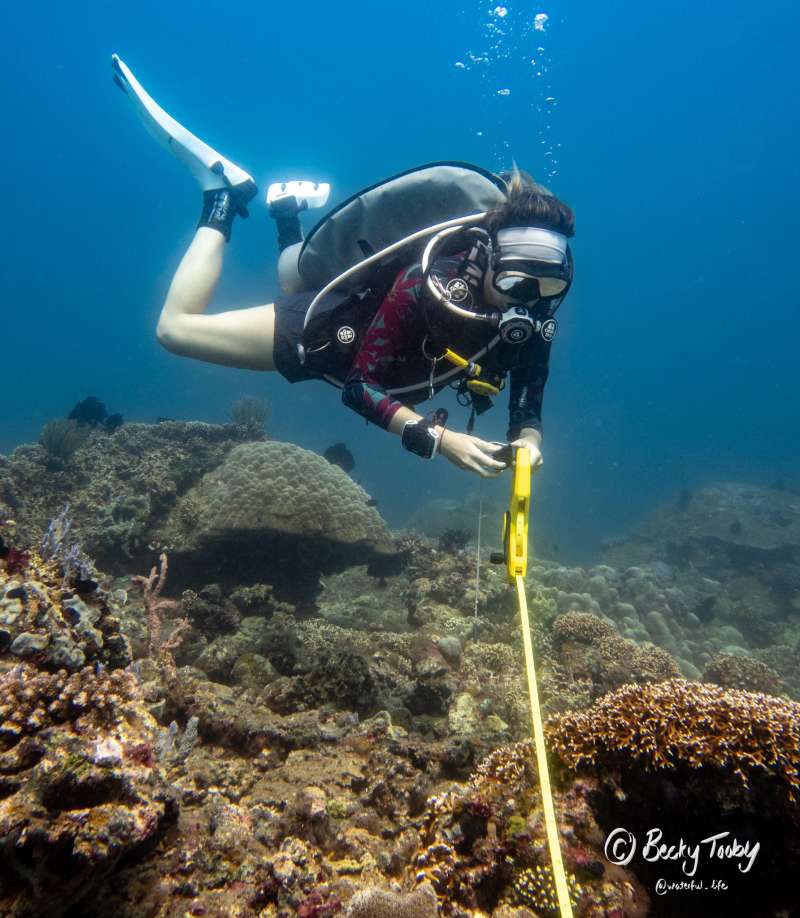
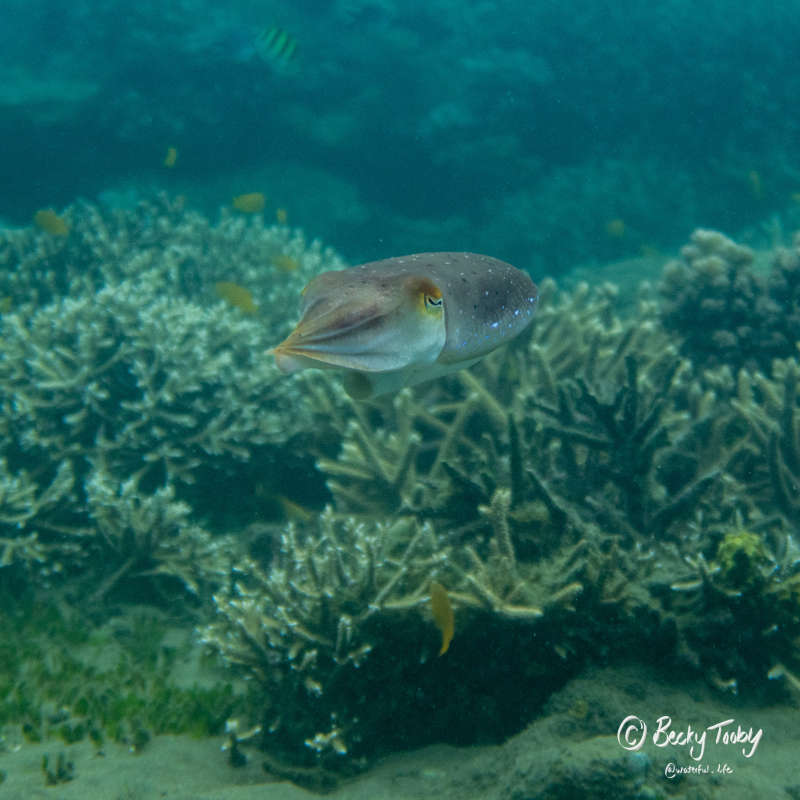
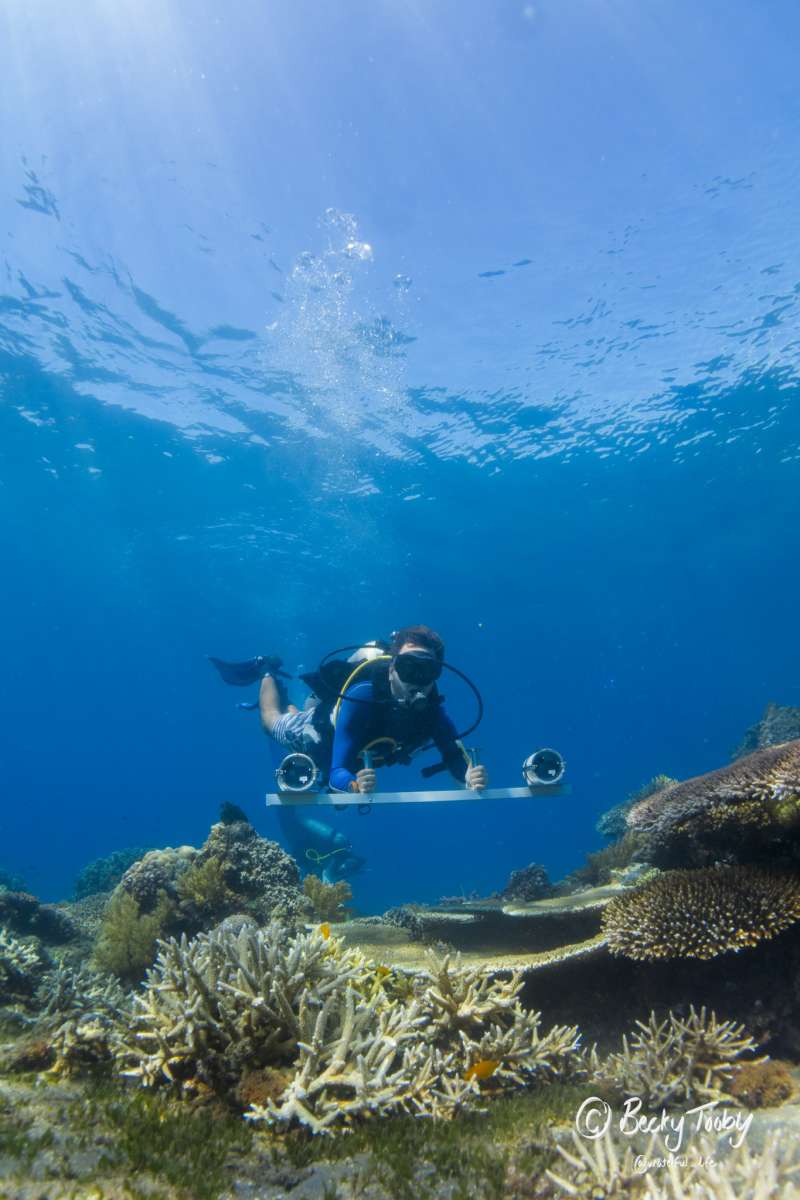
Here’s an incredible opportunity for marine science students and early-career researchers. Come work alongside experts as you study coral bleaching, corallivorous invertebrates, and ocean pollution, with a focus towards developing community-based, grassroots conservation strategies. You’ll be responsible for leading, maintaining, and developing their ongoing research projects, whilst also having the chance to devise your own.
Part of your work here will be to communicate your findings on two levels: in high-quality reports & journals directed at the scientific community; and in info packs & educational resources for community outreach.
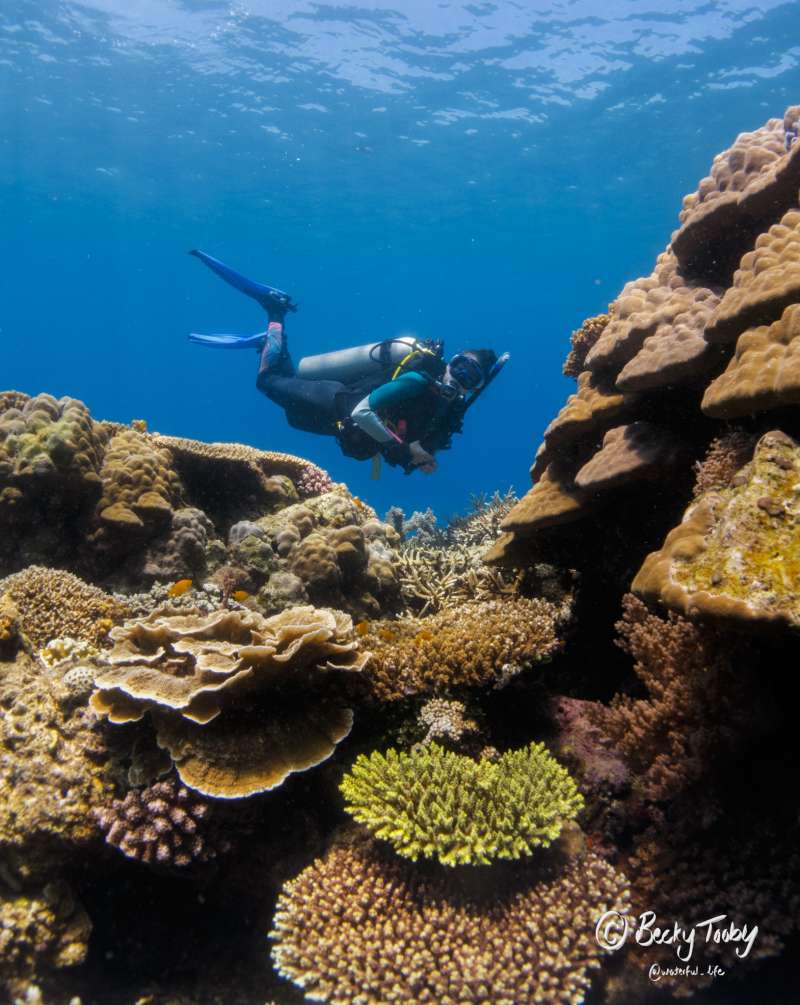
As a Research Fellow you’ll also be in charge of training the research assistants. So, not only will you develop expert knowledge on ecology and marine science, not only will you gain in-field experience conducting underwater research dives, you’ll be teaching others too. You'll experience lecturing on topics of marine conservation, instructing SCUBA dives, and managing teams on projects.
Ready to dive deeper into this program?
Jump to the full breakdown of dates, costs, eligibility, and more.
Program Highlights
What's Included
Quick Details
- 3-6 Months
- Marine Biology
- Communications
- Ecology
- Education
- Marine Science
- Scuba
- Biological Research
- Education
- Marine Conservation
- Albanian
- American
- Andorran
- Antarctica
- Antiguan & Barbudan
- Argentinian
- Armenian
- Aruban
- Asian
- Australian
- Austrian
- Azerbaijani
- Bahamian
- Bahraini
- Barbadian
- Belarusian
- Belgian
- Belizean
- Bermudian
- Bhutanese
- Bissau-Guinean
- Bolivian
- Bonaire
- Bosnian
- Brazilian
- British
- British Virgin Islander
- Bruneian
- Bulgarian
- Cambodian
- Canadian
- Cape Verdean
- Caymanian
- Channel Islander
- Chilean
- Chinese
- Colombian
- Comoran
- Cook Islander
- Costa Rican
- Creole
- Croatian
- Cuban
- Curacao
- Cypriot
- Czech
- Danish
- Dominican
- Dutch
- Ecuadorian
- Egyptian
- Emirati
- English
- Estonian
- European
- Fijian
- Finnish
- French
- Georgian
- German
- Gibraltarian
- Greek
- Greenlandic
- Grenadian
- Guadeloupian
- Guatemalan
- Guinean
- Guyanese
- Haitian
- Hawaiian
- Honduran
- Hungarian
- I-Kiribati
- Icelandic
- Indonesian
- Iranian
- Iraqi
- Irish
- Israeli
- Italian
- Jamaican
- Japanese
- Jordanian
- Kazakhstani
- Kittitian, Nevisian
- Kiwi
- Korean
- Kuwaiti
- Kyrgyzstani
- Lao or Laotian
- Latvian
- Lebanese
- Liechtenstein
- Lithuanian
- Luxembourg
- Macedonian
- Malagasy
- Malaysian
- Maldivian
- Malian
- Maltese
- Manx
- Marshallese
- Martiniquais
- Mauritanian
- Mauritian
- Mexican
- Micronesian
- Moldovan
- Monegasque
- Mongolian
- Montenegrin
- Montserratian
- Moroccan
- multi
- Myanmar
- Nauruan
- Nepalese
- New Caledonian
- Ni-Vanuatu
- Nicaraguan
- Niuean
- Norwegian
- Omani
- Palauan
- Palestinian
- Panamanian
- Papua New Guinean
- Paraguayan
- Peruvian
- Polish
- Polynesian
- Portuguese
- Puerto Rican
- Qatari
- Reunionese
- Romanian
- Russian
- Saban
- Sahrawian, Sahraouian
- Saint Helenian
- Saint Lucian
- Saint Vincentian or Vincentian
- Salvadoran
- Sammarinese
- Samoan
- Sao Tomean
- Saudi Arabian
- Scottish
- Serbian
- Serbian; Montenegrin
- Seychelles
- Singaporean
- Slovak
- Slovenian
- Solomon Islander
- Spanish
- St. Barts
- Statian
- Surinamese
- Swedish
- Swiss
- Syrian
- Tahiti
- Taiwanese
- Tajikistani
- Thai
- The Vatican
- Tibet
- Timorese
- Tongan
- Trinidadian, Tobagonian
- Turkish
- Turkmen
- Turks and Caicos
- Tuvaluan
- Ukrainian
- Uruguayan
- Uzbekistani
- Venezuelan
- Vietnamese
- Virgin Islander
- Welsh
- Yemeni
Updated Jan 15, 2026
Program Details
Learn all the nitty gritty details you need to know
Locations
- Negros Oriental, Philippines
Types & Subjects
- Subjects & Courses
- Marine Biology
- Fields
- Communications
- Ecology
- Education
- Marine Science
- Scuba
- Causes
- Biological Research
- Education
- Marine Conservation
Available Terms / Availability
- Terms Available
- Throughout the Year
Eligible Nationalities
- Albanian
- American
- Andorran
- Antarctica
- Antiguan & Barbudan
- Argentinian
- Armenian
- Aruban
- Asian
- Australian
- Austrian
- Azerbaijani
- Bahamian
- Bahraini
- Barbadian
- Belarusian
- Belgian
- Belizean
- Bermudian
- Bhutanese
- Bissau-Guinean
- Bolivian
- Bonaire
- Bosnian
- Brazilian
- British
- British Virgin Islander
- Bruneian
- Bulgarian
- Cambodian
- Canadian
- Cape Verdean
- Caymanian
- Channel Islander
- Chilean
- Chinese
- Colombian
- Comoran
- Cook Islander
- Costa Rican
- Creole
- Croatian
- Cuban
- Curacao
- Cypriot
- Czech
- Danish
- Dominican
- Dutch
- Ecuadorian
- Egyptian
- Emirati
- English
- Estonian
- European
- Fijian
- Finnish
- French
- Georgian
- German
- Gibraltarian
- Greek
- Greenlandic
- Grenadian
- Guadeloupian
- Guatemalan
- Guinean
- Guyanese
- Haitian
- Hawaiian
- Honduran
- Hungarian
- I-Kiribati
- Icelandic
- Indonesian
- Iranian
- Iraqi
- Irish
- Israeli
- Italian
- Jamaican
- Japanese
- Jordanian
- Kazakhstani
- Kittitian, Nevisian
- Kiwi
- Korean
- Kuwaiti
- Kyrgyzstani
- Lao or Laotian
- Latvian
- Lebanese
- Liechtenstein
- Lithuanian
- Luxembourg
- Macedonian
- Malagasy
- Malaysian
- Maldivian
- Malian
- Maltese
- Manx
- Marshallese
- Martiniquais
- Mauritanian
- Mauritian
- Mexican
- Micronesian
- Moldovan
- Monegasque
- Mongolian
- Montenegrin
- Montserratian
- Moroccan
- multi
- Myanmar
- Nauruan
- Nepalese
- New Caledonian
- Ni-Vanuatu
- Nicaraguan
- Niuean
- Norwegian
- Omani
- Palauan
- Palestinian
- Panamanian
- Papua New Guinean
- Paraguayan
- Peruvian
- Polish
- Polynesian
- Portuguese
- Puerto Rican
- Qatari
- Reunionese
- Romanian
- Russian
- Saban
- Sahrawian, Sahraouian
- Saint Helenian
- Saint Lucian
- Saint Vincentian or Vincentian
- Salvadoran
- Sammarinese
- Samoan
- Sao Tomean
- Saudi Arabian
- Scottish
- Serbian
- Serbian; Montenegrin
- Seychelles
- Singaporean
- Slovak
- Slovenian
- Solomon Islander
- Spanish
- St. Barts
- Statian
- Surinamese
- Swedish
- Swiss
- Syrian
- Tahiti
- Taiwanese
- Tajikistani
- Thai
- The Vatican
- Tibet
- Timorese
- Tongan
- Trinidadian, Tobagonian
- Turkish
- Turkmen
- Turks and Caicos
- Tuvaluan
- Ukrainian
- Uruguayan
- Uzbekistani
- Venezuelan
- Vietnamese
- Virgin Islander
- Welsh
- Yemeni
- This Program is also open to Solo
Education Levels & Language
- Language
- English
- Education
- Any/All Education Levels Accepted
Accommodation Options
- Dormitory
- Group living
- Guest House
Application Procedures
- Online Application
- Resume
Age Requirement
18-35
Duration
- 3-6 Months
- 1-3 Months
Starts At
Program Reviews
Hear what past participants have to say about Roots Interns
Be the first to review Roots Interns
If you've participated in this program, your review helps future students decide.
Review this ProgramInquire
Inquire about this program
Have a question? Send us a message and the program team will get back to you.
FAQs
Frequently Asked Questions
Get answers to all the most common questions about Roots Interns.
What is the selection process for this program?
This is a competitive program, with spaces limited to 4 people at a time. Suitable applicants will submit a CV with relevant experience and be available for Skype interview.
How often will I dive during this program?
Weather permitting, up to 50 times a month.
Is a degree required for this program?
Applicants should have completed or be studying towards a Bachelor’s degree in Marine Science or a related field.
Recognitions & Awards
Awards and accreditations earned by this provider

Related Programs
Browse programs you might like


Roots Interns
No reviews yet
Experience life as a marine scientist, contributing valuably to marine conservation, whilst learning all you need to know to become a professiona...

Roots Interns
No reviews yet
Raise awareness and funds for an impactful education nonprofit based in Tacloban City, the Philippines. You’ll build a versatile skill set in dig...

Roots Interns
No reviews yet
This is an exciting opportunity to build diverse business skills and experience supporting a unique organization dedicated to positive change. Yo...
Have more questions?
We're here to help!
The GoAbroad team is here to support you as you choose the best program for you, and Roots Interns is also happy to answer any questions you have.
Trusted by millions of travelers worldwide since 1997