I am part of a program at my university that provides students with funding to pursue independent research over a summer. My project aimed to better understand holistic nutrition and medicine in a traditional context and compare it to the holistic culture that has developed in the U.S., largely through social media. My hope for this experience with Linguistic Horizons was simply that I would learn about holistic medicine from people with strong ties to a community that has it in its history, and that I would hear about the significance of nutrition in that culture. My expectations were more than met, and I will give the highlights of the trip below.
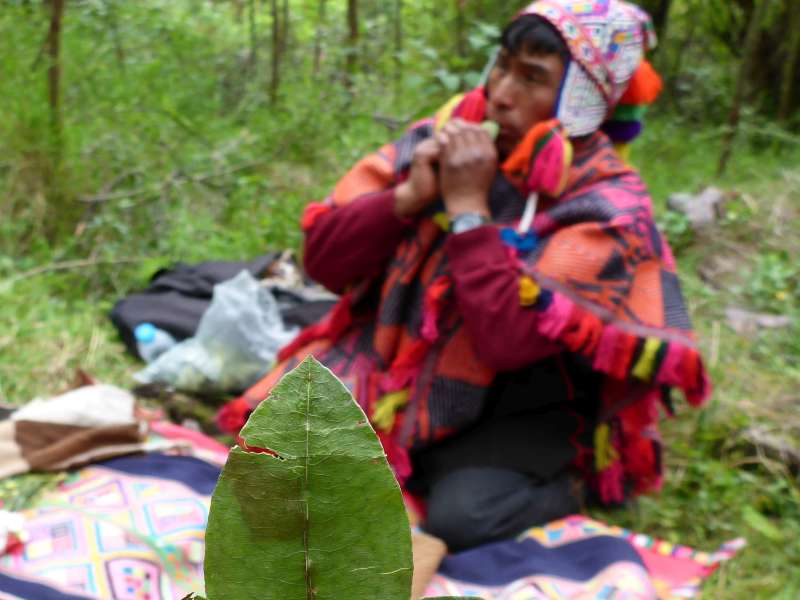
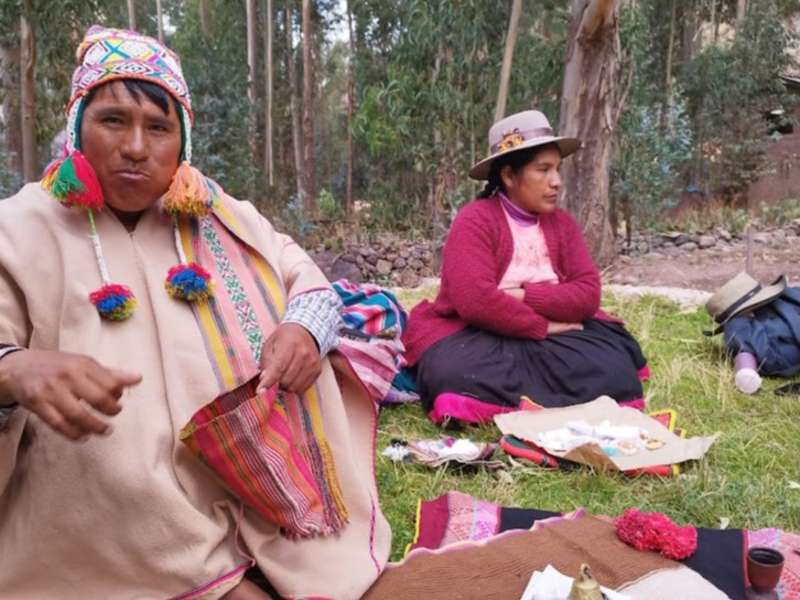
My group met with Eva, an 80- or 90-something-year-old herbalist, and her apprentice, who explained the history and uses of more than 20 herbs, both traditional and contemporary. They went into the theory of plant classification, which drew parallels to Traditional Chinese Medicine, Ayurveda, and Unani. At the close of the session, we also experienced a spiritual cleansing with herbs and smoke. It was exactly the kind of passed-down tradition I had hoped to find, taught by those who grew up with it. It also helped answer the question behind my research. In the U.S., alternative medicine tends to define itself against Western medicine, often positioning itself as a counter to, or rejection of, it. In Peru, traditional medicine exists more humbly, without fighting for relevance among the locals. In this way, it is less divisive, with less pressure to fully accept or reject the practice.
The most impactful part of this trip was the 3-day nutrition class with Felipe. I learned a lot about fermentation techniques, as well as alternative schools of thought around food. His opening remark was on the etymology of “diet,” which translates to “way of life” in Greek. As a class, we were invited to reflect on our relationships with food and meditate on how our diet has impacted our manner of living. We also did a non-food-related guided meditation that I still talk about almost a year and a half later. I was pleasantly surprised by how much of what we covered went beyond nutrition and into existentialism. These hours with Felipe, without exaggeration, have changed the way I view my relationship with the world around me and the materials I consume.
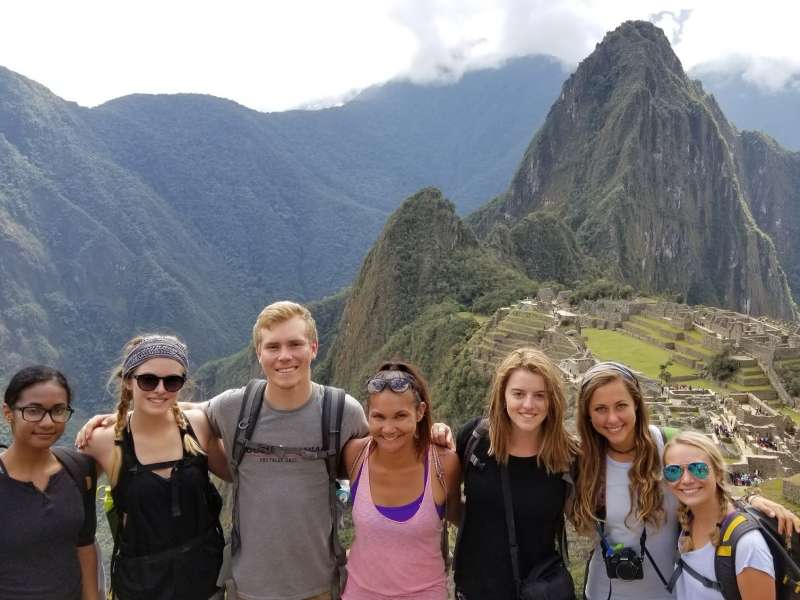
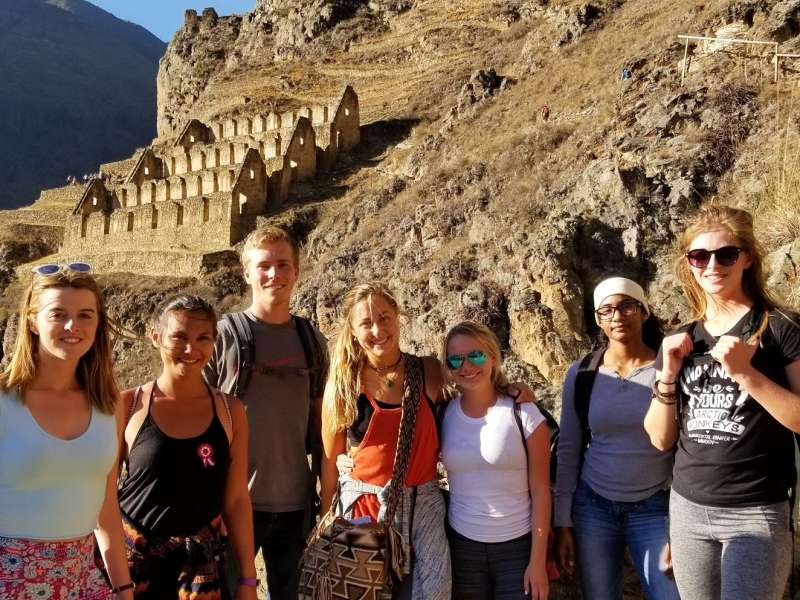
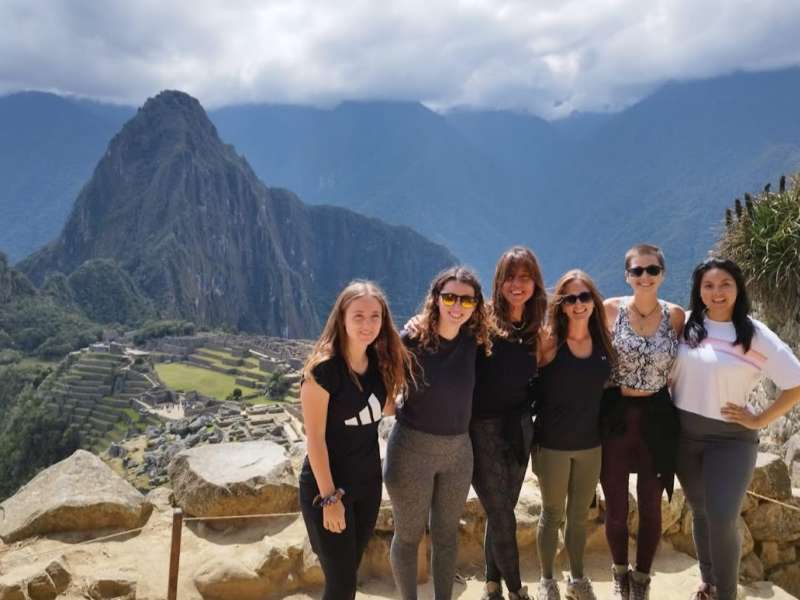
Beyond this core curriculum, which also included a session on breath/bodywork with a holistic therapist, the group made numerous excursions for meals and hikes in the surrounding mountains. At one point, we ventured to see the stone structures built into the hills that were used to “refrigerate” food. I love nature, so I was happy to see the land tied directly into what we were learning about food. We also learned a bit about alpaca wool, and I bought an alpaca sweater that I wear all the time. The biggest excursion, if you can even call it that, was to Machu Picchu. It was unforgettable, of course.
This trip would not have been the same without our fabulous local contacts, Francis and Erika. I believe Nicole (the Linguistic Horizons director) met these wonderful friends during her time in Urubamba, and I am so glad she did. They helped us navigate the area, arranged and assisted with local travel, were present at meals, and generally made the group feel like friends. I immediately felt like I belonged. The living arrangements were comfortable, and the breakfasts provided at our stay were satisfactory. I am not particularly fussy, but if you’re thinking of this program, know that hot water is only available at set times. That’s common abroad, so plan your showers accordingly. My one regret is that we were unable to shadow at the local holistic medicine/chiropractic clinic. That was due to unforeseen circumstances and not at all the fault of the program facilitators, but I was looking forward to it.
I wish I could experience this program again for the first time. It was my first time abroad without family, and I was very nervous, but I really had no reason to be. Nicole was extremely available and communicative via WhatsApp even though she was not in the country, and Francis and Erika were eager to help while in town. I took this trip in July 2025, well over a year before writing this review, and my memories are still vivid and fond, which I think is a testament to the quality of the program. One packing tip: The weather in July was just right for pants/athletic pants at all times. I wish I had left my shorts at home, since they just ended up taking up space in my luggage. Overall, 10/10 for Linguistic Horizons, Francis, Erika, and Nicole.