
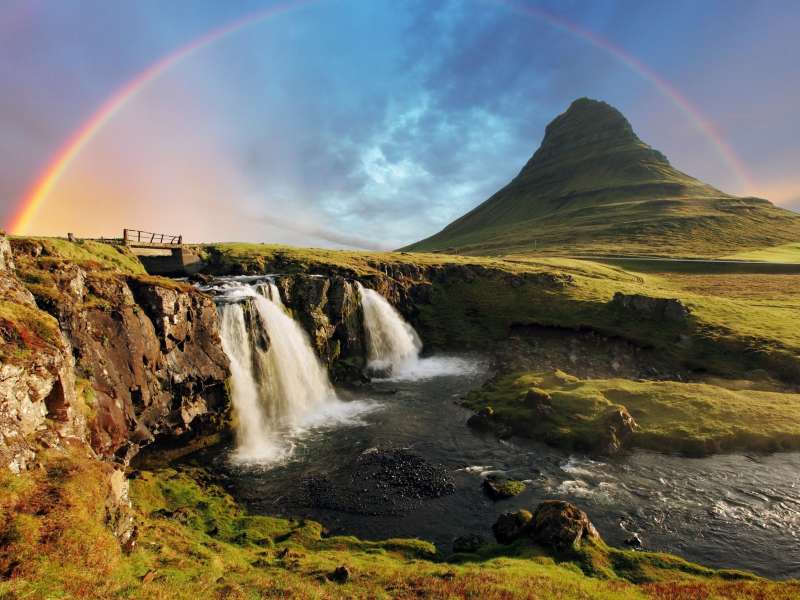
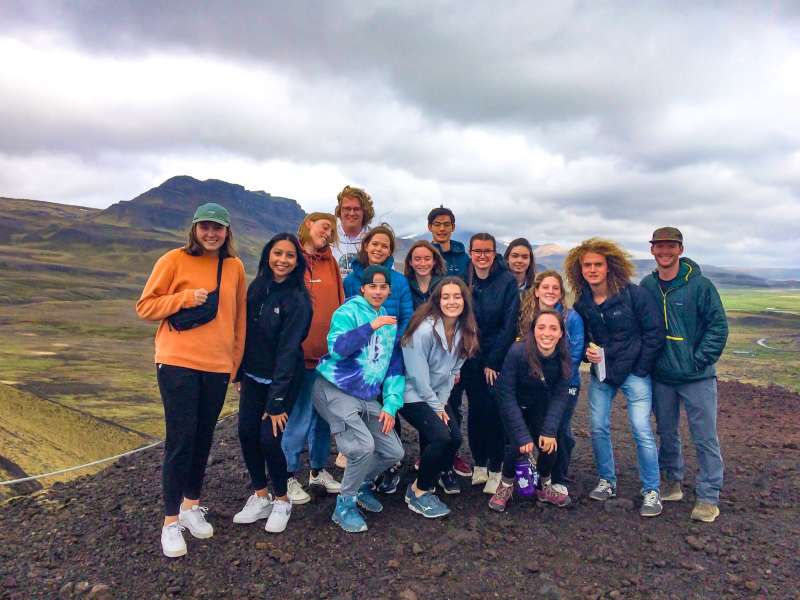
Choose this program for its beautiful scenery, not for its food and affordability.
I initially thought that the experience would be much more academically intense than it actually was. This notion was based on the information in the syllabi. The seminar syllabus listed weekly required readings and even an in-class exam, but neither occurred. In the project class, the weights for each assignment were far from accurate, and the required word count was double what it should have been. I am not complaining that I did not have much work to do, but the syllabi should be updated to represent the classes accurately. The two individuals who led the program did a good job planning the experience and ensuring that students were in the know about the activities that would be done each day. However, some activities and site visits felt like fillers to make sure students did not have too much free time. The dorms and hostel we stayed at were overall very solid. The only negative was the kitchen at the hostel in Akureyri, which only contained a mini fridge, a microwave, and one burner. The food in Iceland is extremely mediocre due to its reliance on imported products. This means that produce and food overall were often below the standards of food in the U.S. On top of this, any above-average food you want to eat will cost you an arm and a leg, so eating out often is impossible if you want to stay within budget. One positive of Iceland is that almost everyone knows English. This made traveling and communicating very easy. Icelanders are known to be very honest and can sometimes be judgmental if tourists are not abiding by the country's norms.