- Home
- Providers
- Back
- Roots Interns
- Marine Research Assistant Internship in the Philippines


Marine Research Assistant Internship in the Philippines
by: Roots Interns
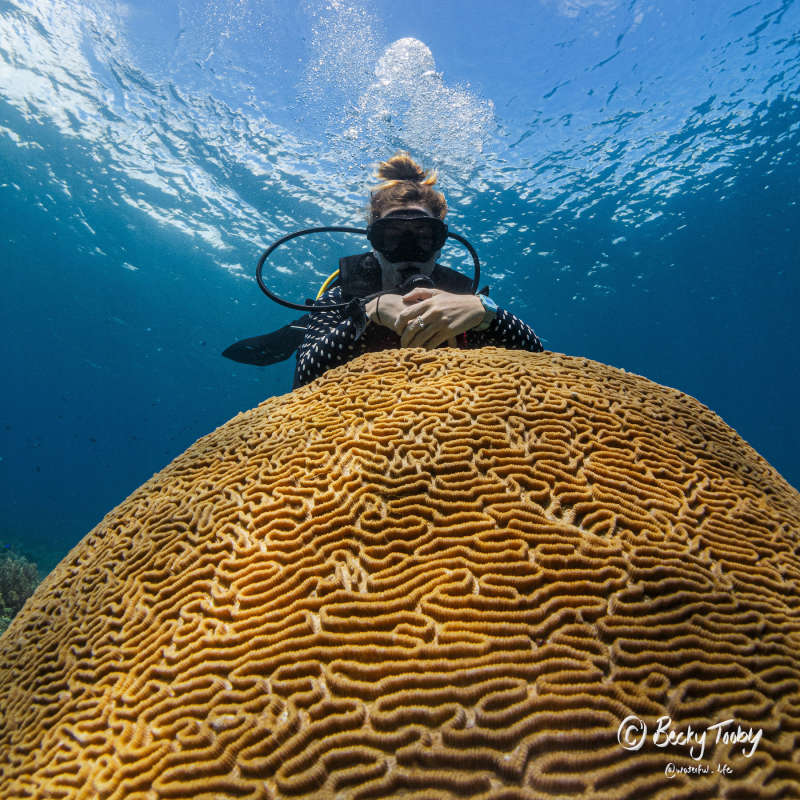
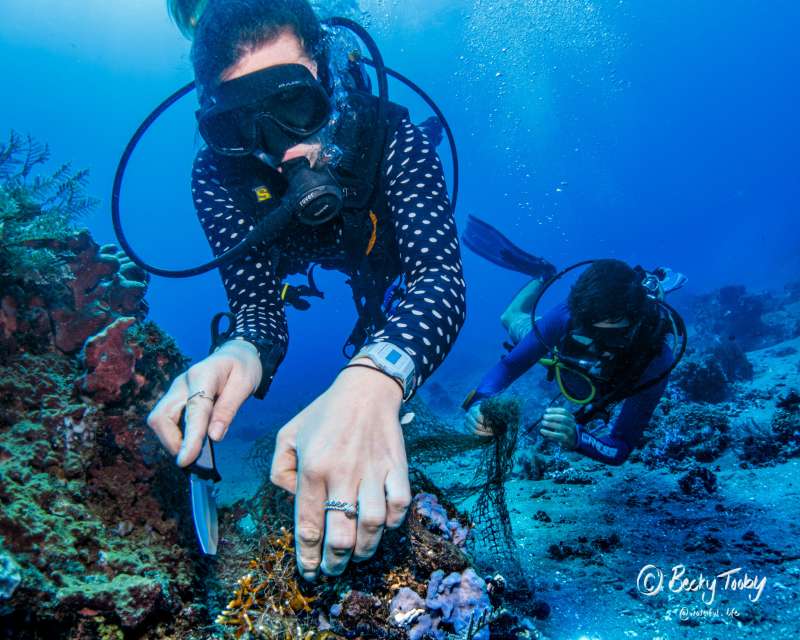
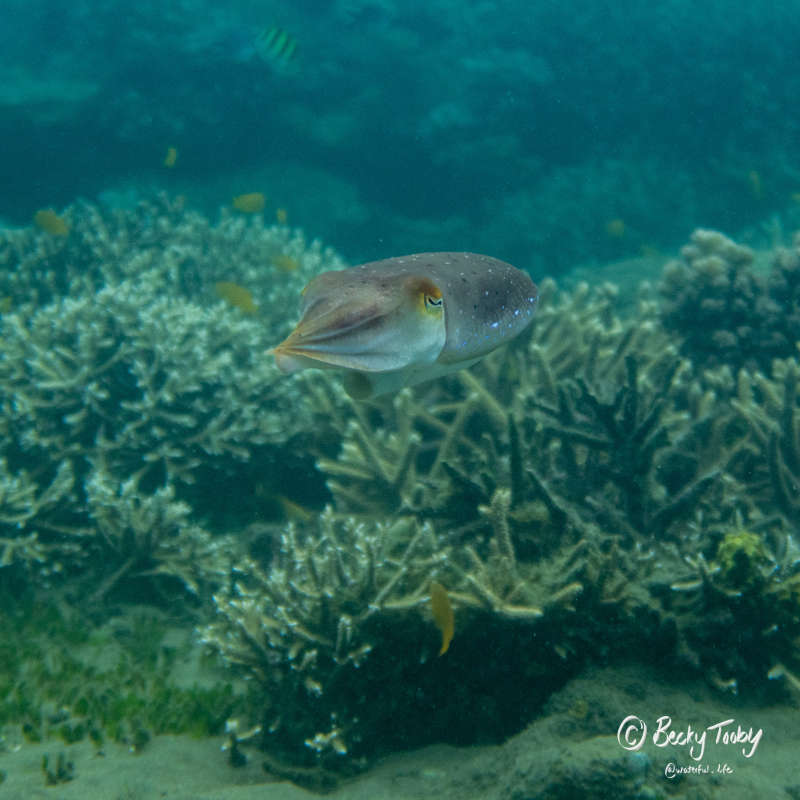
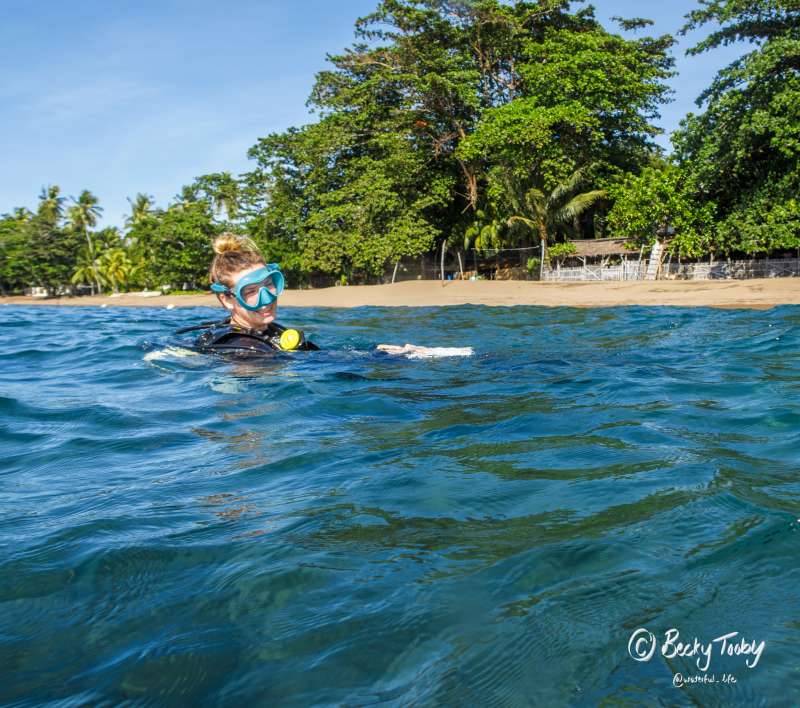
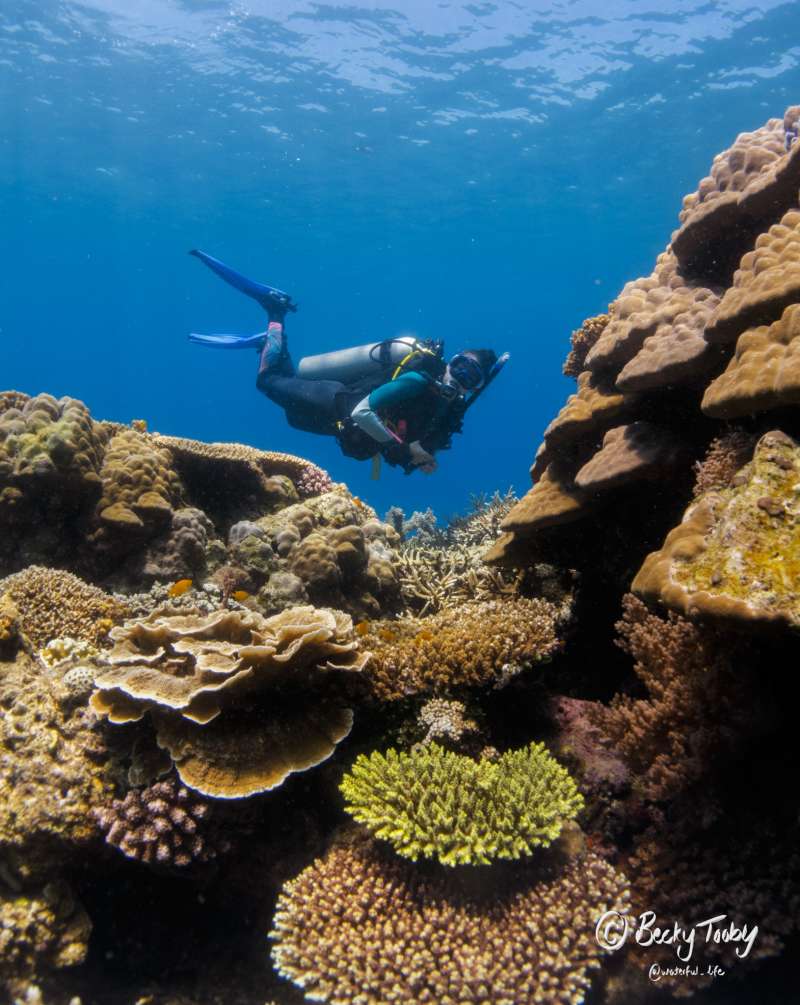
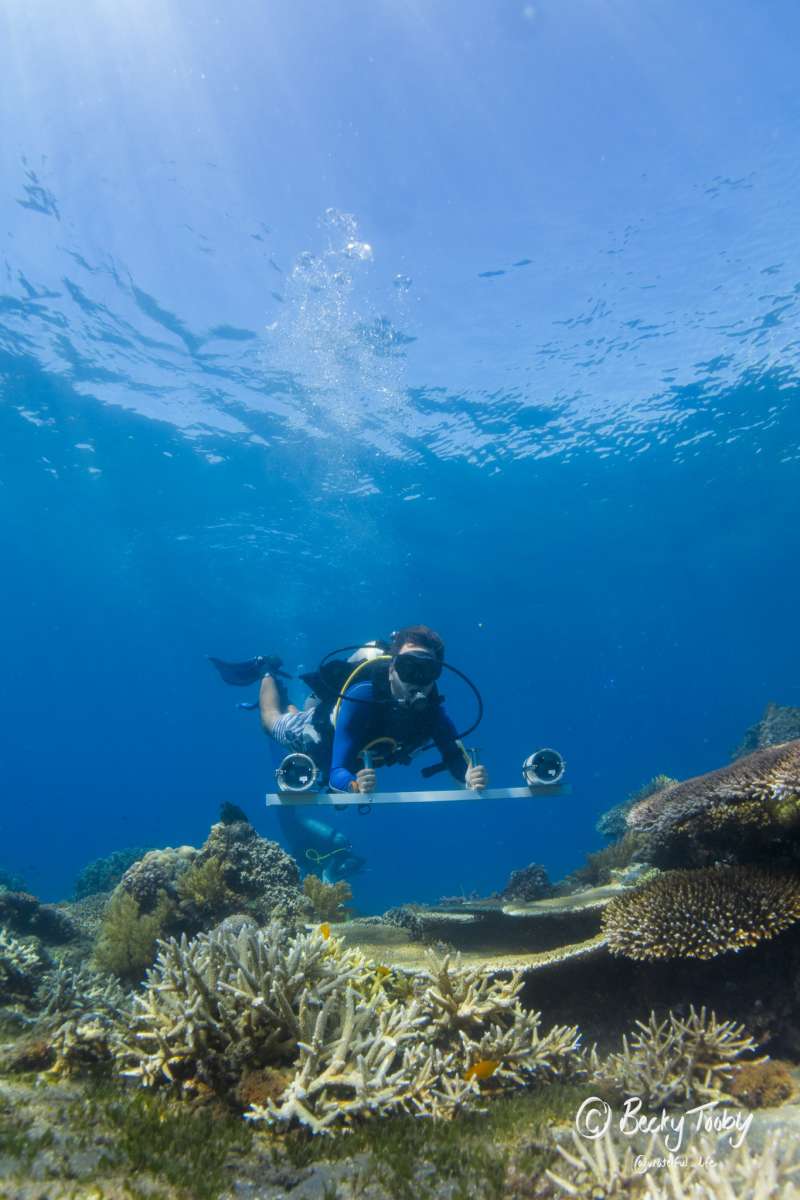
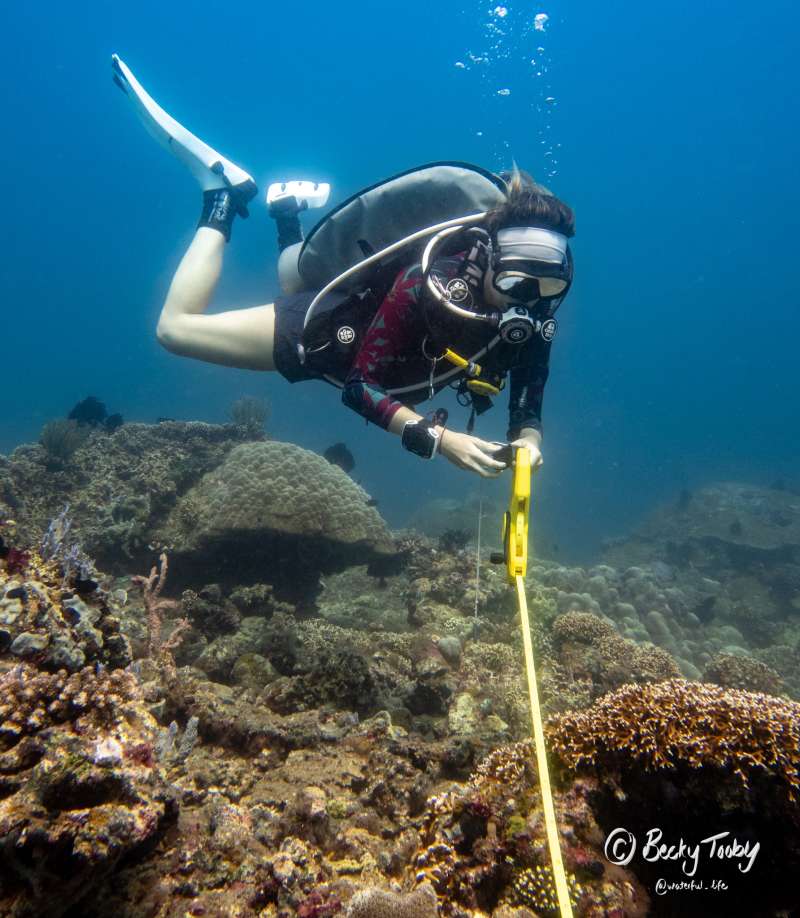
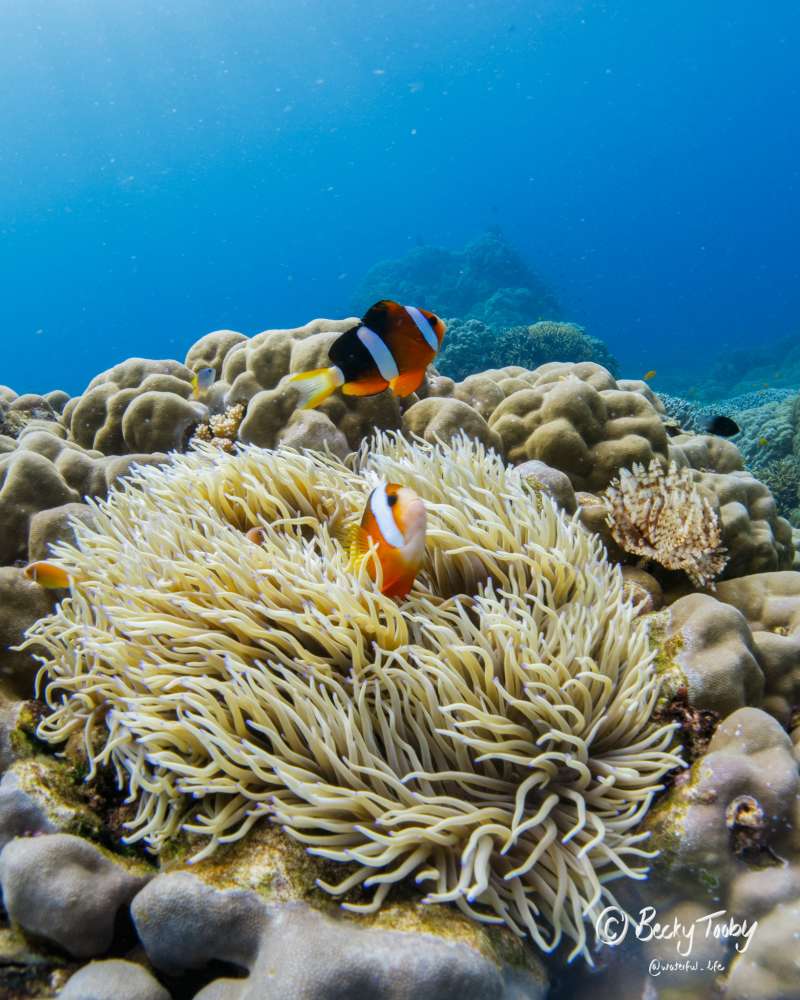
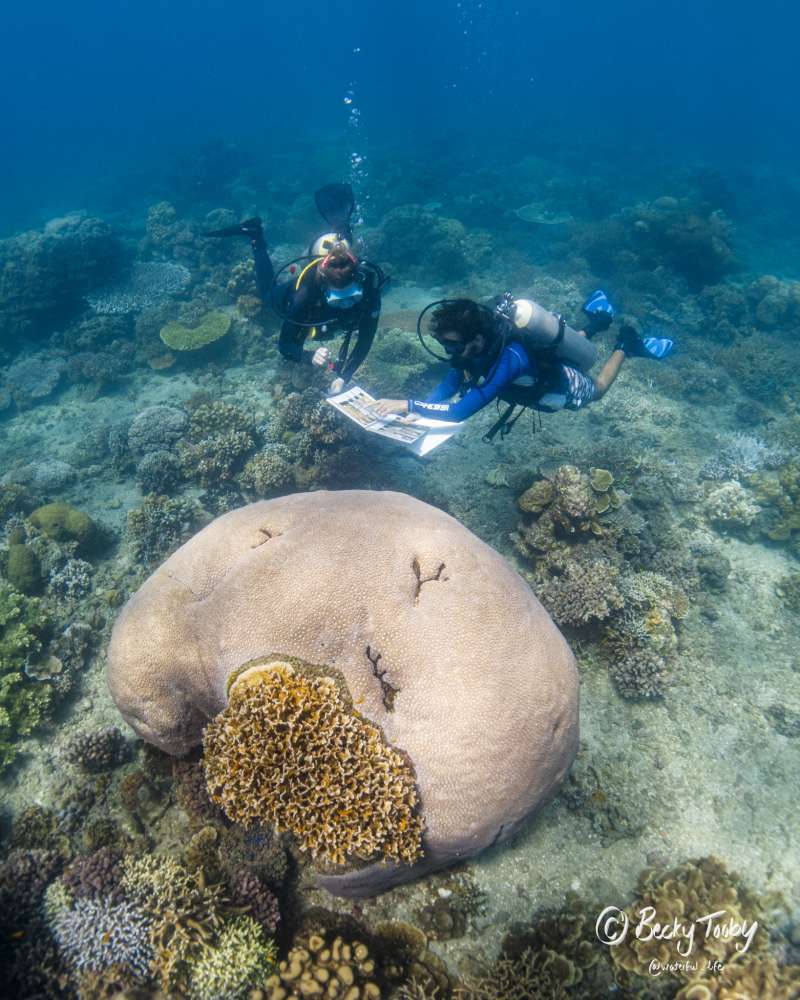
Travel to the Coral Triangle, learn to SCUBA dive in one of the most biodiverse marine regions in the world, and contribute to marine conservation science. You’ll be assisting a team of marine scientists to conduct critical research on coral reef systems and develop community-based conservation systems. This organization operates from Bulak, Dauin, Philippines, conducting long-term and fine-scale research on coral bleaching, corallivorous invertebrates, and ocean pollution. As they aim to involve the scientific community by publishing their findings in reports and journals, they also work to encourage and support locally-led, grassroots conservation strategies through evidence-based community outreach programs. They are a valuable asset to marine ecology in the Philippines and the furtherment of Marine Conservation Science worldwide. As an intern, you'll be assisting with the collection, processing & analysis of data from their Dauin Long-Term Reef Monitoring Project - going underwater research dives where you’ll catalog species, map habitats, & monitor biodiversity. You’ll also work on the data-analysis of images gathered using marine science software systems & equipment.
Program Highlights
Gain practical, in-field scientific research experience.
Learn to use state-of-the-art marine science research equipment.
Develop your data collection and analytical skills.
Make an impact for marine conservation
Experience SCUBA diving in the Coral Triangle.
Media Gallery
Quick Details
- Negros Oriental, Philippines
- 2-4 Weeks
- Administrative
- Ecology
- Education
- Marine Science
- Scuba
- Sustainable Development
- Marine Conservation
- Albanian
- American
- Andorran
- Antarctica
- Antiguan & Barbudan
- Argentinian
- Armenian
- Aruban
- Asian
- Australian
- Austrian
- Azerbaijani
- Bahamian
- Bahraini
- Barbadian
- Belarusian
- Belgian
- Belizean
- Bermudian
- Bhutanese
- Bissau-Guinean
- Bolivian
- Bonaire
- Bosnian
- Brazilian
- British
- British Virgin Islander
- Bruneian
- Bulgarian
- Cambodian
- Canadian
- Cape Verdean
- Caymanian
- Channel Islander
- Chilean
- Chinese
- Colombian
- Comoran
- Cook Islander
- Costa Rican
- Creole
- Croatian
- Cuban
- Curacao
- Cypriot
- Czech
- Danish
- Dominican
- Dutch
- Ecuadorian
- Egyptian
- Emirati
- English
- Estonian
- European
- Fijian
- Finnish
- French
- Georgian
- German
- Gibraltarian
- Greek
- Greenlandic
- Grenadian
- Guadeloupian
- Guatemalan
- Guinean
- Guyanese
- Haitian
- Hawaiian
- Honduran
- Hungarian
- I-Kiribati
- Icelandic
- Indonesian
- Iranian
- Iraqi
- Irish
- Israeli
- Italian
- Jamaican
- Japanese
- Jordanian
- Kazakhstani
- Kittitian, Nevisian
- Kiwi
- Korean
- Kuwaiti
- Kyrgyzstani
- Lao or Laotian
- Latvian
- Lebanese
- Liechtenstein
- Lithuanian
- Luxembourg
- Macedonian
- Malagasy
- Malaysian
- Maldivian
- Malian
- Maltese
- Manx
- Marshallese
- Martiniquais
- Mauritanian
- Mauritian
- Mexican
- Micronesian
- Moldovan
- Monegasque
- Mongolian
- Montenegrin
- Montserratian
- Moroccan
- multi
- Myanmar
- Nauruan
- Nepalese
- New Caledonian
- Ni-Vanuatu
- Nicaraguan
- Niuean
- Norwegian
- Omani
- Palauan
- Palestinian
- Panamanian
- Papua New Guinean
- Paraguayan
- Peruvian
- Polish
- Polynesian
- Portuguese
- Puerto Rican
- Qatari
- Reunionese
- Romanian
- Russian
- Saban
- Sahrawian, Sahraouian
- Saint Helenian
- Saint Lucian
- Saint Vincentian or Vincentian
- Salvadoran
- Sammarinese
- Samoan
- Sao Tomean
- Saudi Arabian
- Scottish
- Serbian
- Serbian; Montenegrin
- Seychelles
- Singaporean
- Slovak
- Slovenian
- Solomon Islander
- Spanish
- St. Barts
- Statian
- Surinamese
- Swedish
- Swiss
- Syrian
- Tahiti
- Taiwanese
- Tajikistani
- Thai
- The Vatican
- Tibet
- Timorese
- Tongan
- Trinidadian, Tobagonian
- Turkish
- Turkmen
- Turks and Caicos
- Tuvaluan
- Ukrainian
- Uruguayan
- Uzbekistani
- Venezuelan
- Vietnamese
- Virgin Islander
- Welsh
- Yemeni
Awards


Program Reviews
Hear what past participants have to say about the programs
Overall Rating
Total Reviews
IMR Review
July 04, 2025by: seb.borgAn excellent opportunity for aspiring Marine Biologists. Learn how to do real scientific methodologies in research paradise and comprehensive lectures and analysis.
Program Details
Learn all the nitty gritty details you need to know
Locations
- Negros Oriental, Philippines
Types and Subjects
- Fields
- Administrative
- Ecology
- Education
- Marine Science
- Scuba
- Sustainable Development
- Causes
- Marine Conservation
Availability
- 2-4 Weeks
- Short Term
- 1-3 Months
Age Requirement
18-35
Guidelines
- Albanian
- American
- Andorran
- Antarctica
- Antiguan & Barbudan
- Argentinian
- Armenian
- Aruban
- Asian
- Australian
- Austrian
- Azerbaijani
- Bahamian
- Bahraini
- Barbadian
- Belarusian
- Belgian
- Belizean
- Bermudian
- Bhutanese
- Bissau-Guinean
- Bolivian
- Bonaire
- Bosnian
- Brazilian
- British
- British Virgin Islander
- Bruneian
- Bulgarian
- Cambodian
- Canadian
- Cape Verdean
- Caymanian
- Channel Islander
- Chilean
- Chinese
- Colombian
- Comoran
- Cook Islander
- Costa Rican
- Creole
- Croatian
- Cuban
- Curacao
- Cypriot
- Czech
- Danish
- Dominican
- Dutch
- Ecuadorian
- Egyptian
- Emirati
- English
- Estonian
- European
- Fijian
- Finnish
- French
- Georgian
- German
- Gibraltarian
- Greek
- Greenlandic
- Grenadian
- Guadeloupian
- Guatemalan
- Guinean
- Guyanese
- Haitian
- Hawaiian
- Honduran
- Hungarian
- I-Kiribati
- Icelandic
- Indonesian
- Iranian
- Iraqi
- Irish
- Israeli
- Italian
- Jamaican
- Japanese
- Jordanian
- Kazakhstani
- Kittitian, Nevisian
- Kiwi
- Korean
- Kuwaiti
- Kyrgyzstani
- Lao or Laotian
- Latvian
- Lebanese
- Liechtenstein
- Lithuanian
- Luxembourg
- Macedonian
- Malagasy
- Malaysian
- Maldivian
- Malian
- Maltese
- Manx
- Marshallese
- Martiniquais
- Mauritanian
- Mauritian
- Mexican
- Micronesian
- Moldovan
- Monegasque
- Mongolian
- Montenegrin
- Montserratian
- Moroccan
- multi
- Myanmar
- Nauruan
- Nepalese
- New Caledonian
- Ni-Vanuatu
- Nicaraguan
- Niuean
- Norwegian
- Omani
- Palauan
- Palestinian
- Panamanian
- Papua New Guinean
- Paraguayan
- Peruvian
- Polish
- Polynesian
- Portuguese
- Puerto Rican
- Qatari
- Reunionese
- Romanian
- Russian
- Saban
- Sahrawian, Sahraouian
- Saint Helenian
- Saint Lucian
- Saint Vincentian or Vincentian
- Salvadoran
- Sammarinese
- Samoan
- Sao Tomean
- Saudi Arabian
- Scottish
- Serbian
- Serbian; Montenegrin
- Seychelles
- Singaporean
- Slovak
- Slovenian
- Solomon Islander
- Spanish
- St. Barts
- Statian
- Surinamese
- Swedish
- Swiss
- Syrian
- Tahiti
- Taiwanese
- Tajikistani
- Thai
- The Vatican
- Tibet
- Timorese
- Tongan
- Trinidadian, Tobagonian
- Turkish
- Turkmen
- Turks and Caicos
- Tuvaluan
- Ukrainian
- Uruguayan
- Uzbekistani
- Venezuelan
- Vietnamese
- Virgin Islander
- Welsh
- Yemeni
This Program is also open to Solo, Group
Starts At
Program Cost Includes
- Accommodation / Housing for Program Duration
- All Program Activity Costs
- Wifi Costs
- Weekday Meals (Breakfast, Lunch, Dinner)
- Some Meals / Partial Meal Plan
- Airport Transfer (Pick-Up)
- In-Country Transportation To & From Project
- Required Equipment
- On-Site / In-Country Staff Support
- In-Country Orientation
- Pre-Departure Orientation
- Training
- Assistance Booking Travel
Accommodation Options
- Dormitory
- Group living
- Guest House
Qualifications & Experience
- English
Language Skills Required
- Any/All Education Levels Accepted
Accepted Education Levels
Application Procedures
- Online Application
- Resume
Frequently Asked Questions
How many underwater research dives do interns go on?
As long as weather allows it, interns will dive up to 50 times a month
What form will the academic side of the program take?
Interns will receive a 10-day series of lectures on reef ecology and physiology, and regular workshops on Indo-Pacific marine life identification
Does renting SCUBA equipment cost extra?
No, all equipment rentals and marine sanctuary fees are included in the cost.
Ready to Learn More?
Travel to the Coral Triangle, learn to SCUBA dive in one of the most biodiverse marine regions in the world, and contribute to marine conservation science. You’ll be assisting a team of marine scientists to conduct critical research on coral reef systems and develop community-based conservation systems. This organization operates from Bulak, Dauin, Philippines, conducting long-term and fine-scale research on coral bleaching, corallivorous invertebrates, and ocean pollution. As they aim to involve the scientific community by publishing their findings in reports and journals, they also work to encourage and support locally-led, grassroots conservation strategies through evidence-based community outreach programs. They are a valuable asset to marine ecology in the Philippines and the furth...

Roots Interns

Roots Interns
Ready to Learn More?
Travel to the Coral Triangle, learn to SCUBA dive in one of the most biodiverse marine regions in the world, and contribute to marine conservation science. You’ll be assisting a team of marine scientists to conduct critical research on coral reef systems and develop community-based conservation systems. This organization operates from Bulak, Dauin, Philippines, conducting long-term and fine-scale research on coral bleaching, corallivorous invertebrates, and ocean pollution. As they aim to involve the scientific community by publishing their findings in reports and journals, they also work to encourage and support locally-led, grassroots conservation strategies through evidence-based community outreach programs. They are a valuable asset to marine ecology in the Philippines and the furth...
Related Programs
Browse programs you might like