GoAbroad
Marine Conservation Philippines logo

Marine Conservation Philippines

4.92 (12)Since 20151 Programs

Why choose Marine Conservation Philippines?

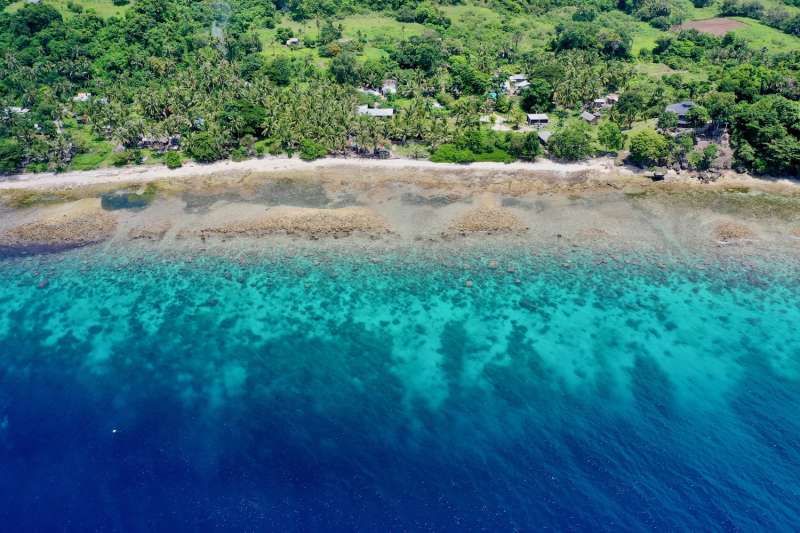
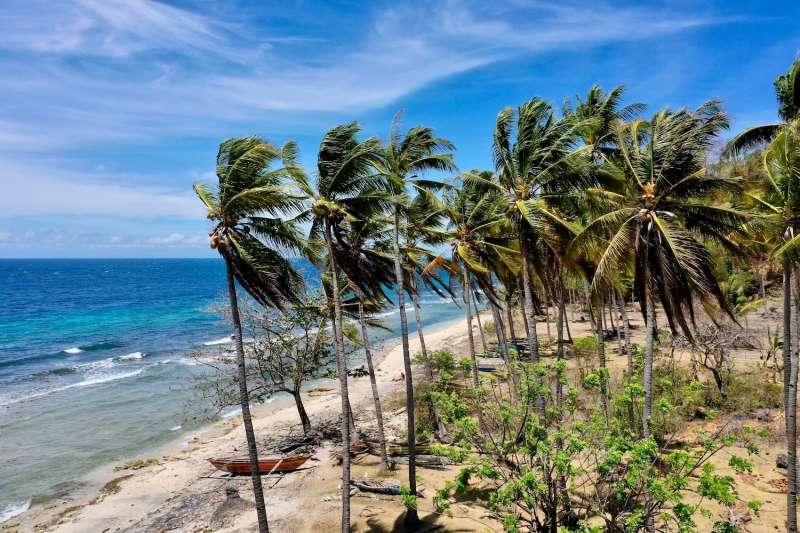
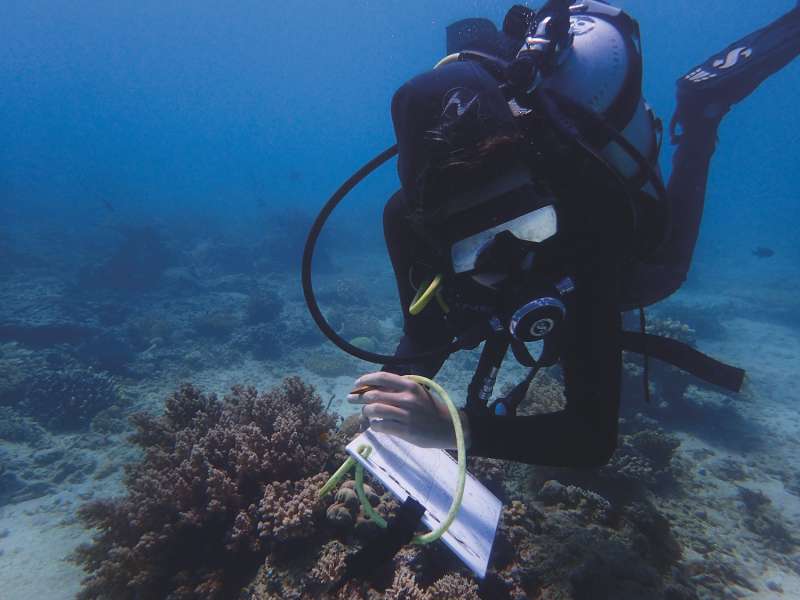
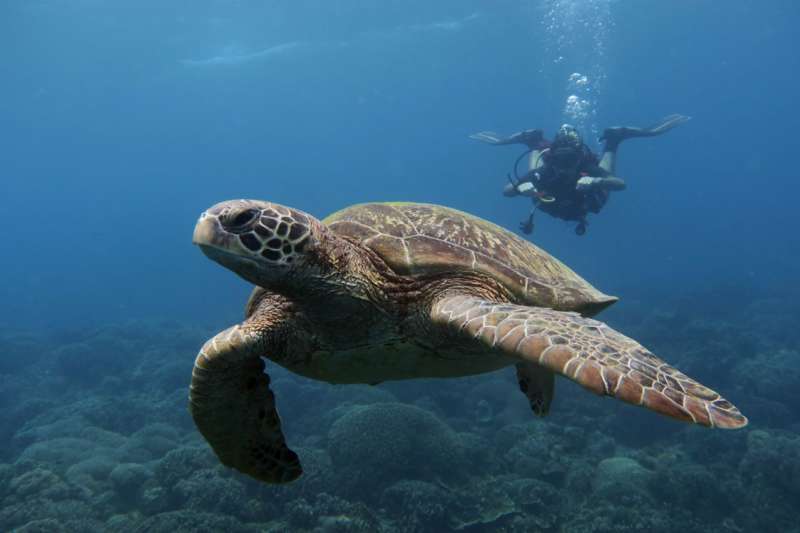
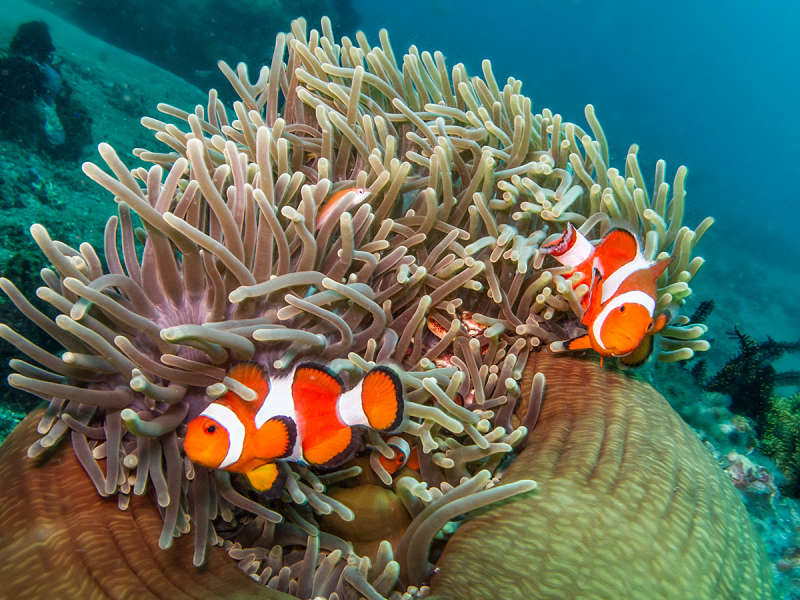
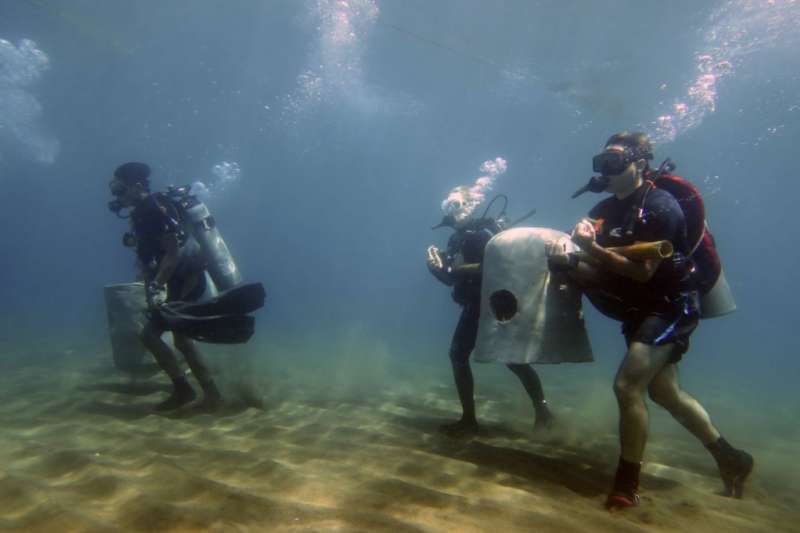
Marine Conservation Philippines is a registered scientific non-profit that uses citizen science as a tool to monitor marine protected areas in the central Philippines. International volunteers join the organization and learn scientific scuba diving protocols after which they dive twice a day, providing valuable insights into the health and resilience of critical marine areas providing food security and tourism opportunities for local communities. In addition to participating in scientific diving, most volunteers also use the opportunity to further their credentials and skills in scuba diving, as free PADI scuba courses are provided by award-winning instructors working for the NGO. The Philippines is considered the center of marine biodiversity. Situated right in the middle of the coral triangle with a land mass of 7000 islands it has a unique topography with a collective stretch of shoreline longer than any other nation in the World. This means that the Philippines is home to more coastal reefs than anywhere else, making it the frontline of the fight for pthe reservation of reefs for the future. At Marine Conservation Philippines you can take part in this fight for our seas, our reefs, and our future.

Follow Us

FacebookInstagramYoutubeLinkedInBlog

Marine Conservation Philippines Reviews

Hear what past participants have to say about the programs

Overall Rating

4.92

Total Reviews

12
Leave a Review

Why staying longer at MCP is worth it

September 26, 2025by: Alison

Program: Volunteer Abroad with Marine Conservation Philippines

5

If you're thinking of volunteering here, go for at least six weeks. It takes a little while to settle in, to adjust to the rhythms of marine surveying and base life. But once you do, the growth is remarkable. I came not knowing much about reef science; I left with hands‑on skills, deeper environmental awareness, and a commitment to advocate for marine protection in my own community. Many of the volunteers here have come several times, and while I was there I met people from at least a dozen different countries.

Learning to dive and helping with reef surveys

September 14, 2025by: J Harris

Program: Volunteer Abroad with Marine Conservation Philippines

5

Volunteering with MCP changed how I see marine conservation altogether. During my time there, I completed both the Open Water and Advanced courses, then joined coral reef monitoring. The hands‑on science side of things—identifying coral species, learning about reef health, doing clean up dives —made me feel like I was contributing, not just observing. The staff are knowledgeable but also kind and patient, especially with newcomers. The staff is a good mix of foreigners and locals, and really made me feel welcome

Simple living and a welcoming community

September 10, 2025by: Ben

Program: Volunteer Abroad with Marine Conservation Philippines

5

At first, I wasn’t sure how I’d cope with the basic living conditions—shared huts, limited showers, and living in the forest. But honestly, they exceeded my expectations. The huts are clean, the communal areas comfortable, and the simple pleasures—like gathering around a fire, playing board games, quietly watching the stars—were just awesome highlights. Also, the food was great; even with a remote base, there was variety and care taken in preparing meals, which made a big difference. Being vegan I appreciated they could do special meals for me!

My six weeks volunteering with marine conservation philippines

July 07, 2025by: Megan F

Program: Volunteer Abroad with Marine Conservation Philippines

5

I spent six weeks at MCP and it was more than just volunteer work—it was a total journey. The diving instructors really pushed me to improve, especially with buoyancy control, safety protocols, and scientific survey techniques. Living on base is a bit remote, but the community vibe, the shared meals, and the friendships I built made every single day meaningful. I left more confident underwater, and more aware of reef conservation than I ever thought possible, and I think I made life long friends!

Awesome balance between volunteering and downtime

June 22, 2025by: G. B.

Program: Volunteer Abroad with Marine Conservation Philippines

5

One of the things I appreciated most was the balance between work and downtime. Days are full—with dives, surveys, community outreach—but there are also moments of rest: reading in the cozy room, cooking together on Sundays, quiet walks nearby. The sense of camaraderie among volunteers, staff, and local people made the whole experience feel grounded and human. I will definitely come back!

Doing my divemaster training with mcp

May 12, 2025by: Oli

Program: Volunteer Abroad with Marine Conservation Philippines

4

I stayed at MCP for sixteen weeks, doing the divemaster training. Each week brought new challenges, but also new achievements: first mastering a rescue scenario, then leading dives, finally guiding smaller groups underwater. The science officers are amazing—they don’t just lecture, they dive in with you, help you spot tiny critters, explain ecological relationships, and encourage questions. I left not just with a (many) certifications, but with deeper respect for marine ecosystems.

Living simply and learning deeply about the ocean

March 22, 2025by: German friend of the Ocean

Program: Volunteer Abroad with Marine Conservation Philippines

5

MCP doesn’t provide luxury, but OMG does it provides personal development. Not only in diving ability, but in ecological understanding, community awareness, and in feeling like you’ve done something that matters. I cannot recommend enough, and will for sure come back one day.

What I learned during my internship at mcp

February 22, 2025by: Bubble O 7

Program: Volunteer Abroad with Marine Conservation Philippines

5

After my internship, I realise I didn’t just volunteer—It was like joining a learning lab haha. The lectures, fieldwork, mangrove planting and the intense scuba lessons and mentorship—all these tools weren’t just for show. They built up my confidence, showed me how scientific work can drive local conservation, and gave me a clearer idea of what it means to live and work in a conservation NGO. Anytime you guys are hiring, call me!

A well organized and supportive volunteer program

February 15, 2025by: Lukas

Program: Volunteer Abroad with Marine Conservation Philippines

5

What stands out is how well organised MCP is. Even though it’s remote, logistics are handled smoothly—gear is well maintained, safety briefings are thorough, schedules are balanced. On “dry” days (when diving is weather‑affected which happened once while I was there), they adapt; extra classroom sessions, outreach, or downtime fill the gap. I felt supported every step of the way.

More than diving: real conservation experience!

February 05, 2025by: Anders

Program: Volunteer Abroad with Marine Conservation Philippines

5

I was drawn in by the idea of learning to dive, but what kept me there was how MCP weaves together diving, science, and conservation action. From collecting data on reef degradation to outreach in local schools, everything is integrated. The staff believe not just in teaching, but in building respectful relationships with local communities. That made the experience both ethical and impactful. I have been to two other conservation projects involving diving, and this program was SO MUCH better. Much more diving and actually doing something that matters.

Special moments from my time in the philippines

February 05, 2025by: Simon

Program: Volunteer Abroad with Marine Conservation Philippines

5

The stuff you don’t always expect: Incredible boat rides to Apo Island, watching crustaceans emerge on night dives, collaborating with local fishers, learning about mangrove restoration. And my personal highlight was seeing a whaleshark at Malatapay haha! These moments are what made my stay unforgettable. Do keep in mind that the facilities are a bit modest (water pressure could be better guys!), remote location and you won’t be disappointed —but the rewards (personal, educational, ecological) far outweigh those.

Working hard and making a real impact

February 01, 2025by: Wanderlust

Program: Volunteer Abroad with Marine Conservation Philippines

5

This experience wasn’t a resort holiday, but in its own way, it was deeply rich. I learned scientific diving with staff who balance rigorous training with enthusiasm and humor. Some days were physically demanding I have to say with lots of early mornings, hours spent underwater—but they never let safety or learning take a backseat. Volunteering at MCP felt like I was part of something bigger: helping with real data collection, mangrove planting, reef health surveys, engaging with local communities. This is the real deal - just go!

Marine Conservation Philippines Programs

Browse programs you might like

Coral reef

Marine Conservation Philippines

4.92

12 reviews

Top Rated Program Volunteer Abroad in Philippines 2026
Volunteer Abroad with Marine Conservation Philippines

Discover the wonders of marine life in the Philippines while helping to save its oceans with Marine Conservation Philippines (MCP). As a voluntee...

Frequently Asked Questions

Who are the other volunteers?

People who volunteer with us have very diverse backgrounds. Some come with no prior dive training and others are divemasters. Some have a degree in marine biology or a related field, and others are just passionate and want to help make the world a better place and are eager to experience life as a volunteer on a project like this. We welcome all, as long as they are ok with our expectations of volunteers. 

Will I need to bring, purchase or rent scuba gear?

No. We have everything you’ll need, and complete scuba gear rental is included in the volunteer fee. As a volunteer you are provided with free rental of brand new and well serviced scuba equipment during your stay. A few volunteers, especially those doing a PADI divemaster internship may wish to purchase or bring their own gear. That is completely fine. 

What should I know about visas and traveling to the Philippines?

Most of our volunteers are foreigners needing a visa during their stay, and getting a visa and extending your stay in the Philippines is very easy. You can stay and volunteer on a normal tourist visa, and almost all nationalities get a one month free tourist visa in the airport when you arrive in the Philippines. Once in the country you can keep extending your visa (easy online application) for as long as you need. 

Who much will I scuba dive as a program participant?

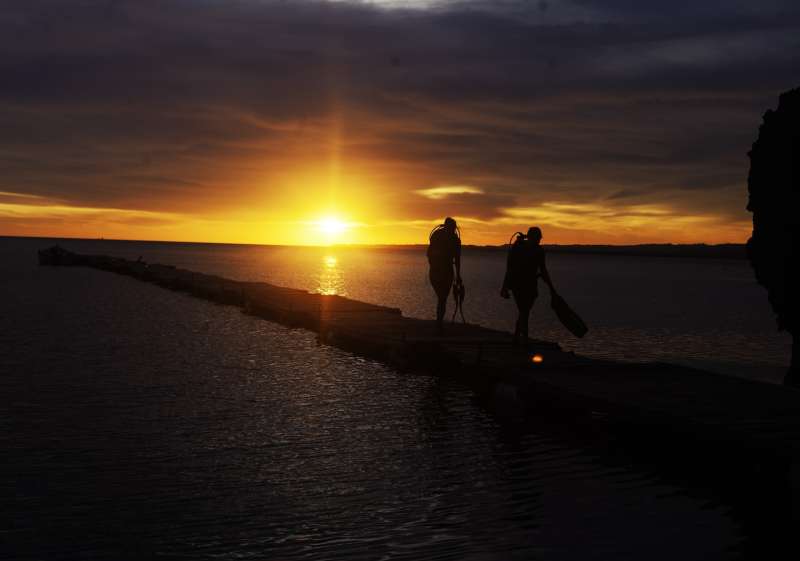
We generally dive twice a day, five days a week. Sunday is off for everyone and Saturday is usually half a day, meaning we do one dive. From time to time we may do a recreational night dive, (usually in conjunction with someone doing the Advanced Open Water course. If there are additional dive torches, extra spots may be used by other volunteers.) Every second month we organize a trip to world famous Apo Island for a day of diving.

How can I help with conservation and science?


We make sure that the main part of our research can be carried out by any volunteer, no matter your background. We will train you to become a confident diver with good buoyancy, and teach you to identify different species or help you master whatever work you will be involved with. After your first week or after your initial dive course(s) you will be trained each day until you are ready to take part in the scientific diving. 

Interviews

Read interviews from alumni or staff

Soren Knudsen

Soren Knudsen

Interviewed in 2025

Staff

What inspired you to travel abroad?

For years, it was a goal for me to work as a dive instructor and see the splendor of the seas in as many incredible destinations as I could. As I worked in more and more places and the years passed—and hundreds of scuba dives became thousands—I started seeing things differently.

Show Full Interview
Marine Conservation Philippines

Marine Conservation Philippines

4.92

Ready to Learn More?

Marine Conservation Philippines is a registered scientific non-profit that uses citizen science as a tool to monitor marine protected areas in the central Philippines. International volunteers join the organization and learn scientific scuba diving protocols after which they dive twice a day, providing valuable insights into the health and resilience of critical marine areas providing food security and tourism opportunities for local communities. In addition to participating in scientific diving, most volunteers also use the opportunity to further their credentials and skills in scuba diving, as free PADI scuba courses are provided by award-winning instructors working for the NGO. The Philippines is considered the center of marine biodiversity. Situated right in the middle of the c...

Awards

Check out awards and recognitions Marine Conservation Philippines has received

Top Rated Program Volunteer Abroad in Philippines 2026
DENR partner organisationAWARE foundation supportPADI logo