

Childcare program in Quito

Program Overview
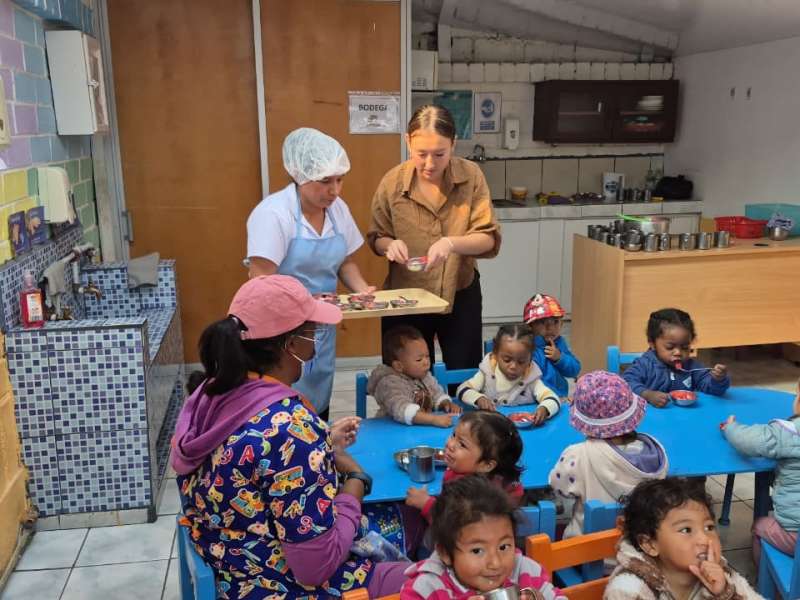
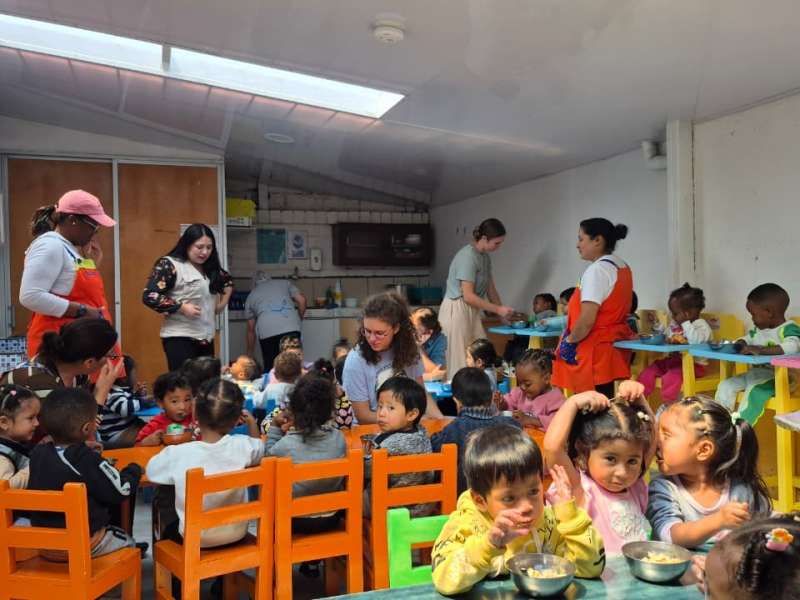
The population of Quito includes native residents and a transient population that has moved to the capital from other provinces (coast, Andes, Amazon) seeking new opportunities. This latter group often resides in vulnerable communities on the outskirts of the city.
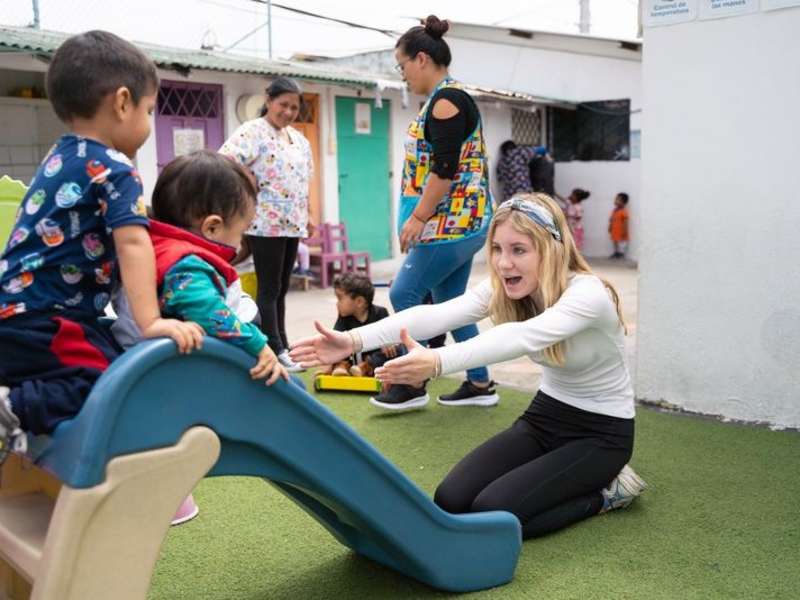
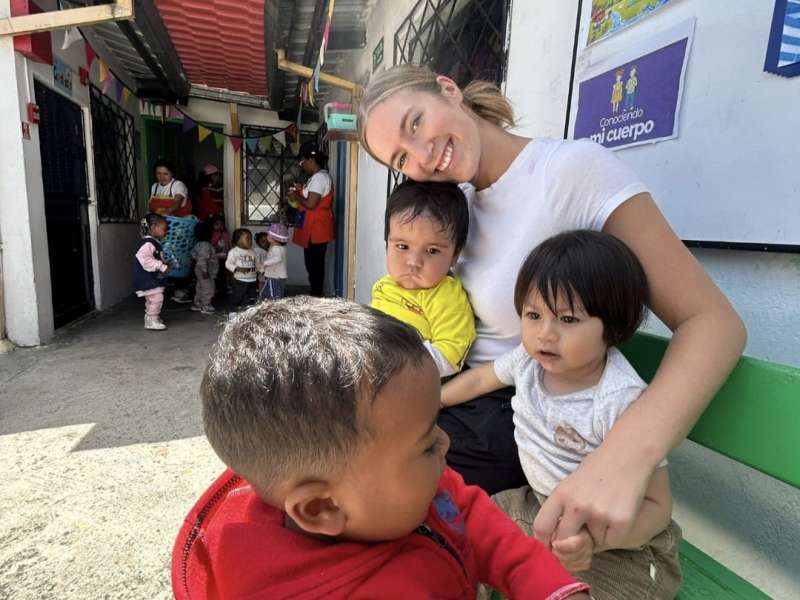
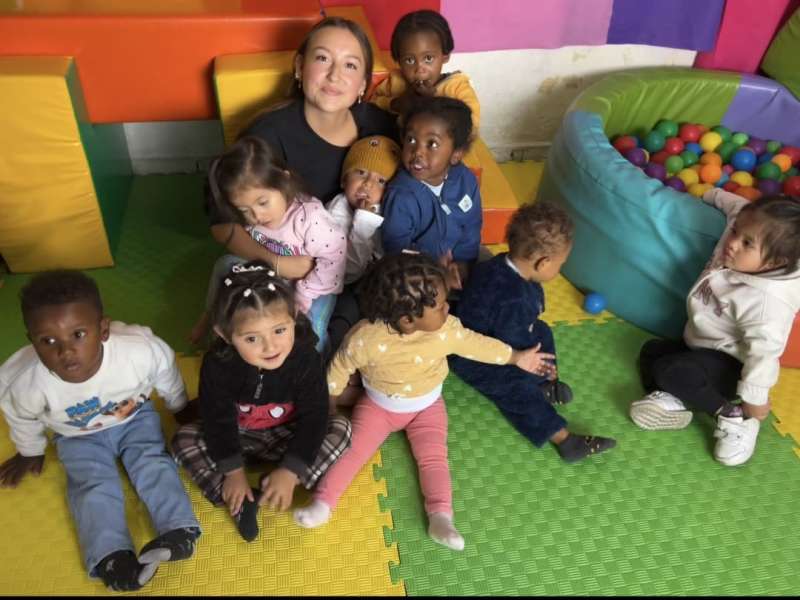
Parents in these communities work during the day, and their young children attend local childcare centers. These centers are crucial, providing children aged one to four with food, care, education, and entertainment. The centers are segmented by age, with each group having a dedicated educator, and are supported by the government, foundations, and international organizations.
Ready to dive deeper into this program?
Jump to the full breakdown of dates, costs, eligibility, and more.
Program Highlights
What's Included
Quick Details
- 2-4 Weeks
- Childcare & Children
Updated Oct 14, 2026
Program Details
Learn all the nitty gritty details you need to know
Locations
- Quito, Ecuador
Types & Subjects
- Causes
- Childcare & Children
Available Terms / Availability
- Years Offered
- Year Round
Eligible Nationalities
- All Nationalities
Education Levels & Language
- Language
- Spanish
- Education
- Any/All Education Levels Accepted
Accommodation Options
- Home-stays
Application Procedures
- Online Application
Age Requirement
All Ages
Duration
- 2-4 Weeks
Starts At
- 2 weeks: $620
Refund Policy
Full Refund
Program Reviews
Hear what past participants have to say about Fundación Bolívar Education
Be the first to review Fundación Bolívar Education
If you've participated in this program, your review helps future students decide.
Review this ProgramInquire
Inquire about this program
Have a question? Send us a message and the program team will get back to you.
FAQs
Frequently Asked Questions
Get answers to all the most common questions about Fundación Bolívar Education.
What level of Spanish do I need to participate?
It is necessary from a basic level.
Do I need to bring teaching materials to work with the children?
It is not necessary to bring materials, but you can bring certain materials that you feel comfortable working with.
How far are the childcare centers from my homestays?
We help the centers with the greatest need, which are located on the outskirts of the city.
How safe is it to travel to childcare centers by public bus?
We offer an orientation tour on the first day, where you'll receive general safety information. Taking public buses in the city is very safe.
Recognitions & Awards
Awards and accreditations earned by this provider

Related Programs
Browse programs you might like


Fundación Bolívar Education
No reviews yet
The Ecuador Volunteers Foundation offers a wide array of volunteer opportunities across Ecuador, catering to diverse interests and skills. From e...

Fundación Bolívar Education
No reviews yet
We are pleased to share details about our Health Program at a public hospital in Quito, tailored for students and professionals interested in the...

Fundación Bolívar Education
No reviews yet
Ecuador is one of the most biodiverse countries in the world, home to monkeys, reptiles, exotic birds, wild cats, and over 15,000 unique plant an...
Have more questions?
We're here to help!
The GoAbroad team is here to support you as you choose the best program for you, and Fundación Bolívar Education is also happy to answer any questions you have.
Trusted by millions of travelers worldwide since 1997