- Home
- Providers
- Back
- Beyond Travels
- Amazonian Forest Conservation & Regenerative Agriculture

Amazonian Forest Conservation & Regenerative Agriculture
by: Beyond Travels
Live in an Indigenous Amazonian community in the buffer zone of a protected forest and support conservation and reforestation efforts led by local stewards of the land. Most families manage their land in diverse zones: food and medicine, animals or fish ponds, timber species, and protected forest areas. Interns live with a Kichwa host family, where everyday life is closely tied to the chakra, a t...
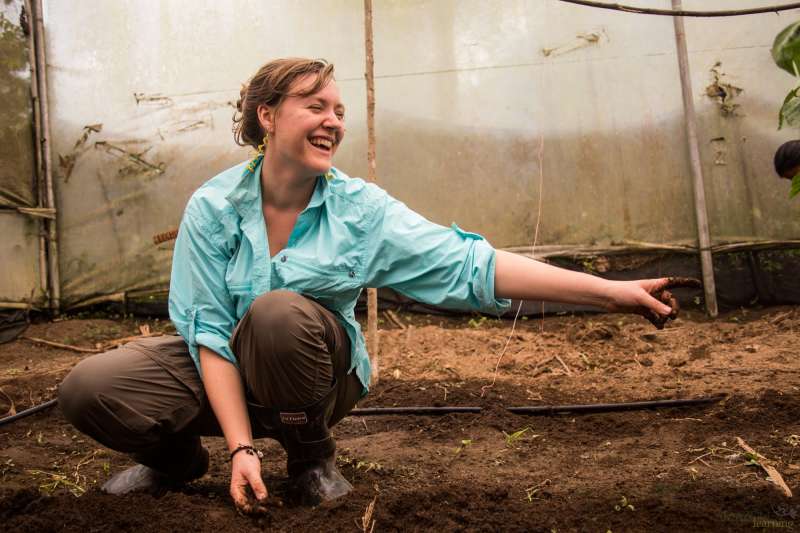
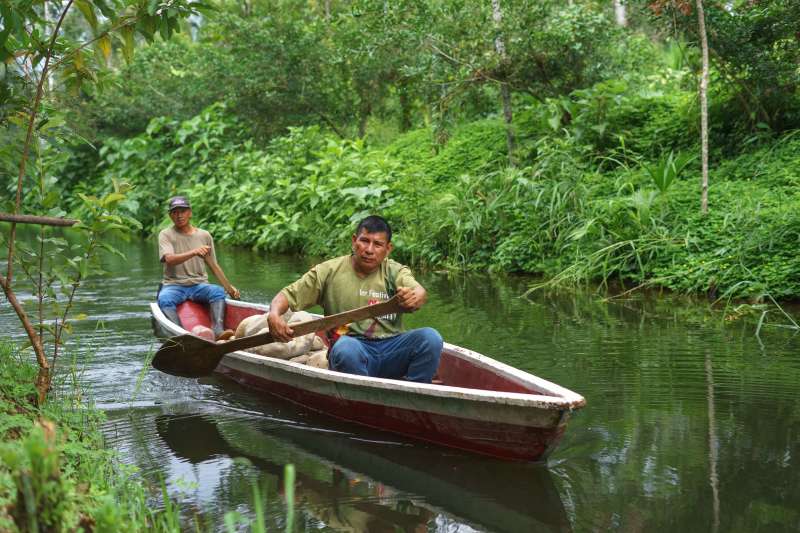
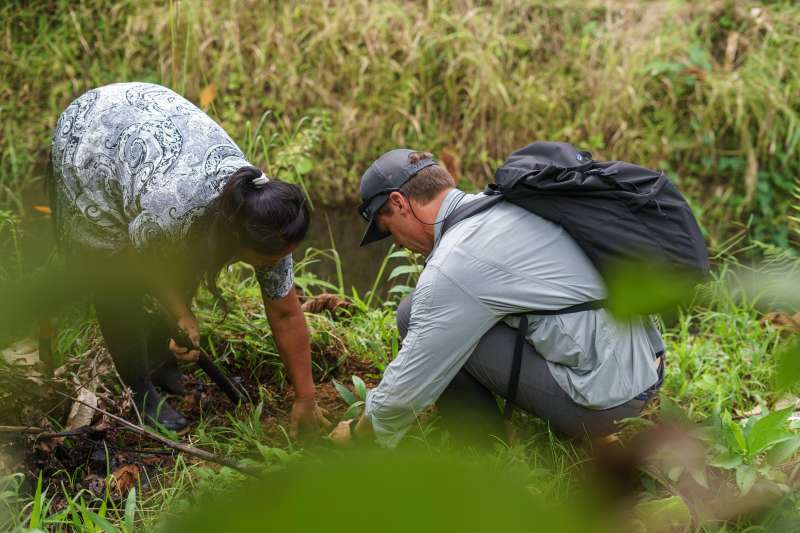
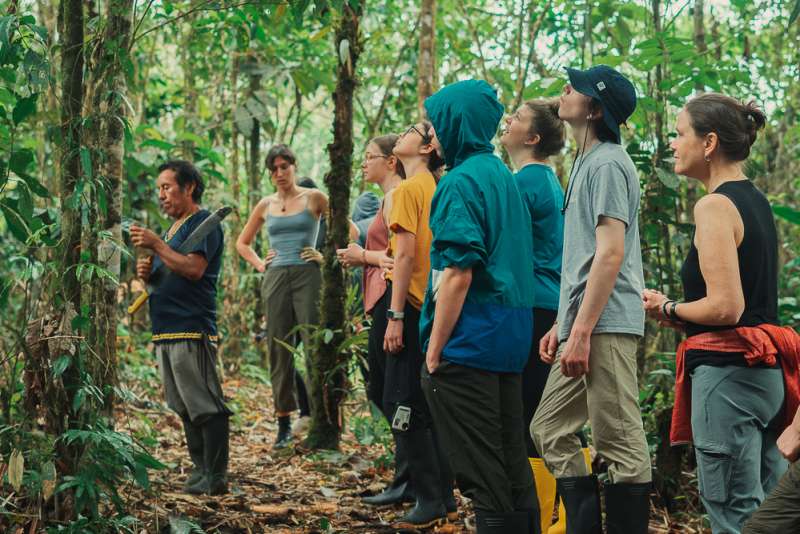
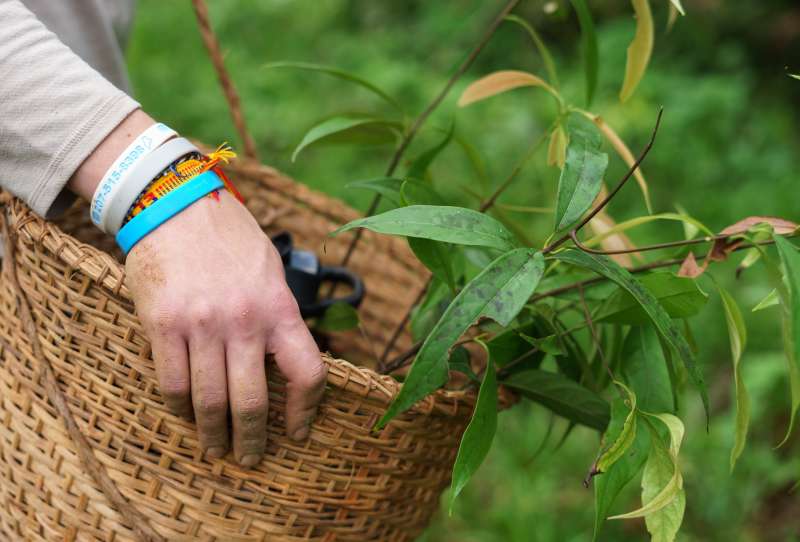
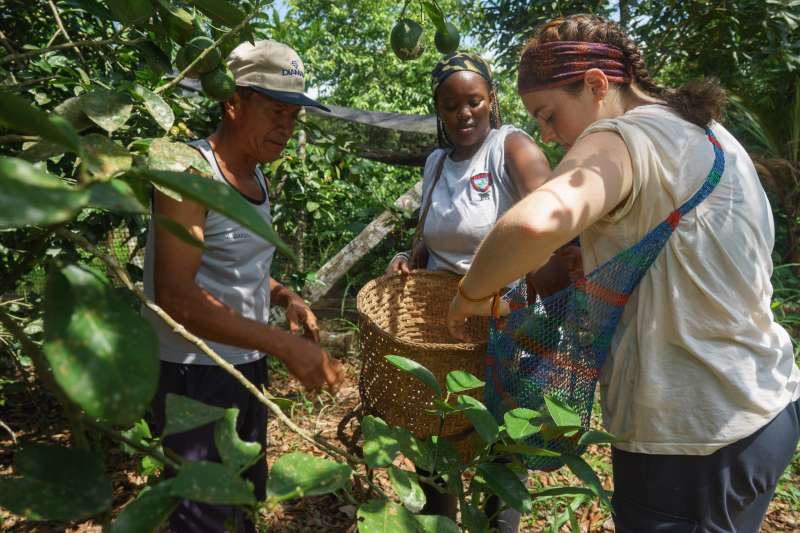
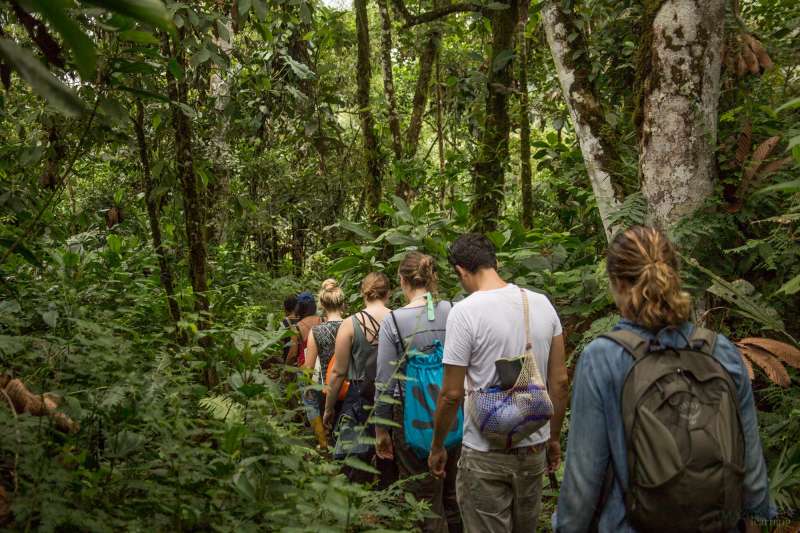
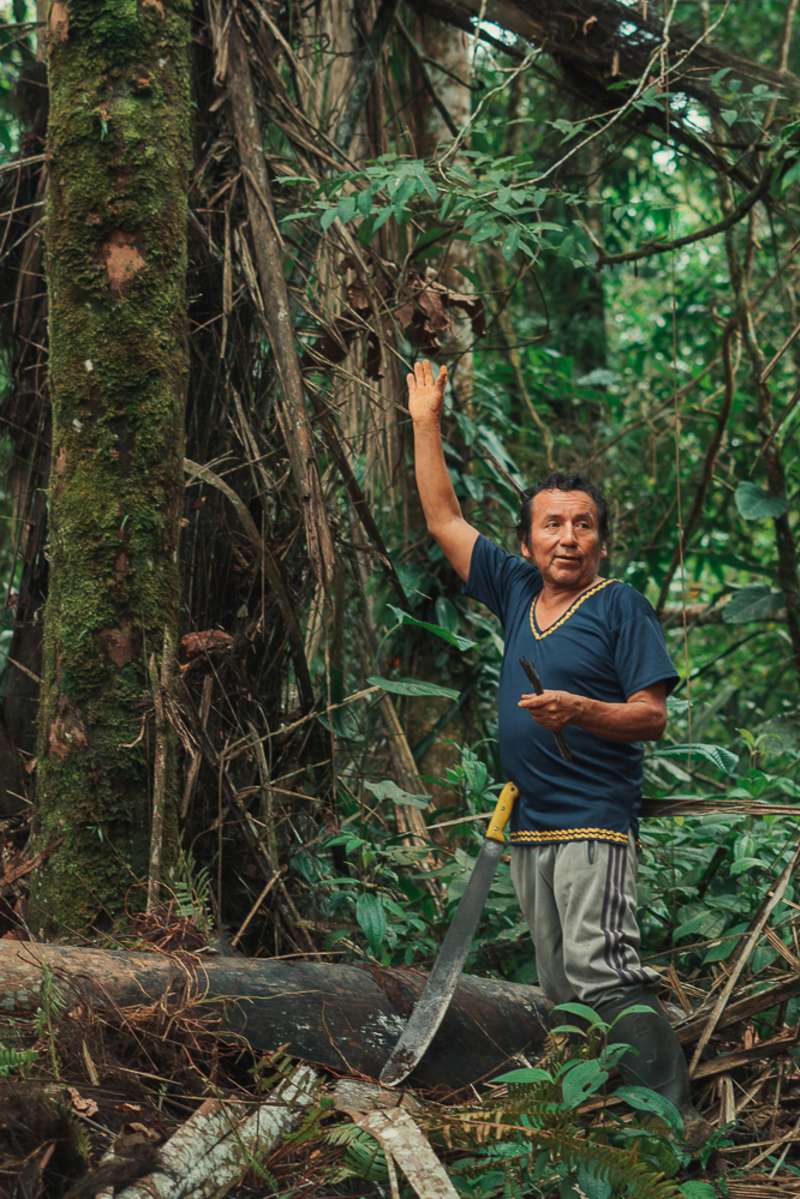
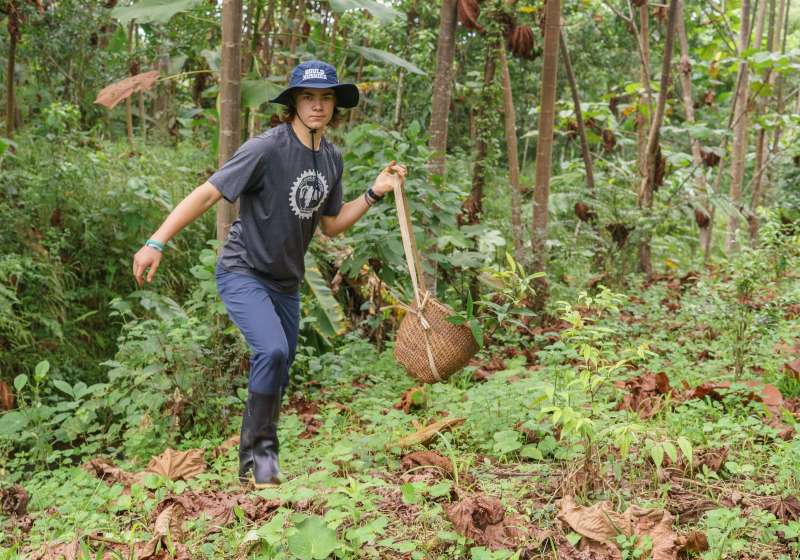
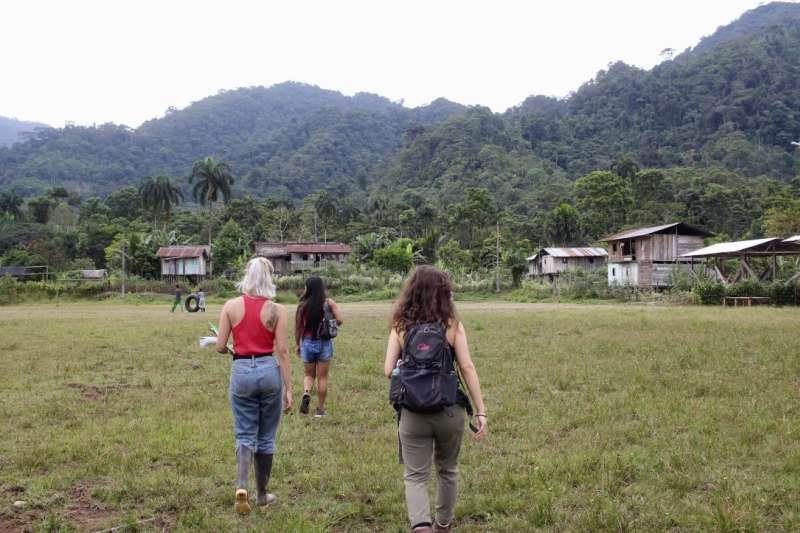
Live in an Indigenous Amazonian community in the buffer zone of a protected forest and support conservation and reforestation efforts led by local stewards of the land. Most families manage their land in diverse zones: food and medicine, animals or fish ponds, timber species, and protected forest areas. Interns live with a Kichwa host family, where everyday life is closely tied to the chakra, a traditional forest-farm system that is deeply embedded in Kichwa culture. The chakra is the nucleus for maintaining and revitalizing ancestral knowledge, sustaining both people and the environment. Interns take part in activities such as seed collection, nursery maintenance, tree planting, soil improvement, and tree care, while also learning about traditional land-use systems and contributing to e...
Program Highlights
Work with local farmers, foresters, and/or environmental engineers experienced in forest conservation, agroforestry, and sustainable community development.
Learn about national and local efforts to mitigate climate change and support ongoing projects to diversify local farms and make the region more resilient to climate change.
Learn about Amazonian cultures and their connection to ethnobotany, agroforestry, and plant medicine.
Accompany locals into chakras (agroforestry farms) and plant, weed, and harvest.
Support communities with eco-tourism and other sustainable livelihood projects.
Media Gallery
Quick Details
- Tena, Ecuador
- 1-3 Months
- Agriculture
- Biology
- Development See more
- All Nationalities
Program Reviews
Hear what past participants have to say about the programs
Overall Rating
Total Reviews
A Life-Changing Journey
April 25, 2026by: Anton PreussProgram: Amazonian Forest Conservation & Regenerative Agriculture
I honestly wouldn't know what to improve — I had the best time and would 100% recommend it to others. During my internship, it started with the Ministry of the Environment, which began great. However, at a certain moment I realized that it didn't work out for me personally. Luckily, I was able to shift my focus to the chakra systems and Guayusa! Andy and Mirka were both lovely and super helpful. What I'm most proud of is deepening my understanding of nature and its global, border-transcending impact. The most impactful part was my host family. It was hard to hear of and see so much environmental destruction and social inequalities — it is one thing to learn about it at University, but to witness it can be very hard to process and deal with. So I'd say I learned how to cope with that and channel it into something useful. I think I could have tried to learn Kichwa better, but speaking Spanish for most days was already challenging. Looking back, I improved my Spanish and learned a ton about the complex realities that people face in the region — it also got me to think about ways to alleviate some of the issues, and I was able to practically use the skills I learned at University. If it works out, this program might have given me the inspiration to start my own business! Beyond that, it changed my life and made me affirm the life choices that I have made and the ones that I am about to make. I am immensely grateful for my host family's hospitality and kindness — they took me in and made me feel welcome and happy. I would recommend this to anyone, outside or inside of a university program, who is open to getting to know a culture and themselves on a deeper level.
Unforgettable Experience
March 31, 2026by: Hannah RigdonProgram: Amazonian Forest Conservation & Regenerative Agriculture
During my internship, my main project was teaching English in 5 de Octubre — three hour-long classes twice a week for about six weeks. In my community, I spent a lot of time taking care of the big vegetable garden, and I also helped out with the tourism business in my community, whether that was cooking, translating, or helping them with money stuff. I really liked the 1:1s I had with Mika — I always left our conversations feeling good about what I had done and inspired for the future. Once we started, I could see a change in the way I approached my internship — with more focus, purpose, and confidence! I loved every single minute I spent in 9 de Junio and would not have changed anything about my time there. The people are so kind and friendly and welcoming. What I'm most proud of is the relationships that I built with everyone in my community — it was one of my goals to get to know everyone in 9 de Junio and I feel like I both met and exceeded that goal. I was proud of how openly I trusted and shared about myself in order to build trust, and then how people reciprocated that by telling me about their lives, inviting me to come live with them or go visit their family. When I left, I truly felt like I was leaving a second family. The most impactful part was my host family. While living with a host family, I found the lack of personal space challenging at times — I learned to keep my things very tidy and to take intentional time out of my day or week to be by myself to recharge and then return home at my best energy. I was really proud of how my Spanish improved, and I also think I practiced and learned a lot about self-accountability and taking initiative. From my experience in my Kichwa community, I learned a lot of spiritual practices about the earth, the jungle and our world that I want to take with me into my personal life. I am most grateful for having gotten to know my community — I am so grateful for the way they opened their homes and their arms to me, and for all the laughter and fun times we shared, but also for the way they opened up to me about their lives and their challenges. I had a lot of personal transformations about the way I view the world and my place and responsibility in it. I think this is a super program, especially for gap year students — it was the perfect combination between support and freedom, and I think the freedom also pushed me to grow more than I would have in a structured program, all while knowing that if I ever needed anything, you both were right there to help me.
Amazing Experience
March 13, 2026by: Destiny TreloarProgram: Amazonian Forest Conservation & Regenerative Agriculture
During my internship, I worked with the Ministry of Environment to write a story about the history of Santa Rita, and I accompanied my supervisor for her daily activities, including tour guide. They were incredible — 10000/10. Stephanie was awesome! She helped me with any struggles I faced and was there with a tremendous amount of support and guidance, and I felt very comfortable speaking to her and expressing my feelings. What I'm most proud of is the friendships and relationships that I fostered. The most impactful part was my host family. I struggled with my lower level of Spanish, but I learned to practice it and learn from others. I could have reached out to more actors to help jumpstart the trash program in my community. Looking back, I became more selfless, resilient, and learned to be more curious rather than judgmental. I believe I gained a multitude of skills from working at MAE which will benefit my career in the environmental studies realm, and I would want to focus my work in Latin America, where practicing Spanish will serve as a huge benefit. I really loved Ecuador and I would hope to live here one day. I am super grateful for this experience, but I am most grateful for living in Santa Rita.
Program Details
Learn all the nitty gritty details you need to know
Locations
- Tena, Ecuador
Types and Subjects
- Fields
- Agriculture
- Biology
- Development
Availability
Years Offered: Year Round
- 1-3 Months
Age Requirement
18+
Guidelines
All Nationalities
This Program is also open to Solo, Couples, Families
Starts At
- 2 weeks: $1,200
- 4 weeks: $2,200
Program Cost Includes
- Accommodation / Housing for Program Duration
- Weekday Meals (Breakfast, Lunch, Dinner)
- Weekend Meals (Breakfast, Lunch, Dinner)
- On-Site / In-Country Staff Support
Program Cost Excludes
- Travel Insurance
- In-Country Transportation To & From Project
- International Airfare
- Vaccination Costs
Accommodation Options
- Home-stays
Qualifications & Experience
- English
Language Skills Required
- University Freshman (1st Year)
- University Sophomore (2nd Year)
- University Junior (3rd Year)
Accepted Education Levels
Application Procedures
- Resume
- Phone/Video Interview
- Online Application
Frequently Asked Questions
Ready to Learn More?
Live in an Indigenous Amazonian community in the buffer zone of a protected forest and support conservation and reforestation efforts led by local stewards of the land. Most families manage their land in diverse zones: food and medicine, animals or fish ponds, timber species, and protected forest areas. Interns live with a Kichwa host family, where everyday life is closely tied to the chakra, a traditional forest-farm system that is deeply embedded in Kichwa culture. The chakra is the nucleus for maintaining and revitalizing ancestral knowledge, sustaining both people and the environment. Interns take part in activities such as seed collection, nursery maintenance, tree planting, soil improvement, and tree care, while also learning about traditional land-use systems and contributing to e...

Beyond Travels

Beyond Travels
Ready to Learn More?
Live in an Indigenous Amazonian community in the buffer zone of a protected forest and support conservation and reforestation efforts led by local stewards of the land. Most families manage their land in diverse zones: food and medicine, animals or fish ponds, timber species, and protected forest areas. Interns live with a Kichwa host family, where everyday life is closely tied to the chakra, a traditional forest-farm system that is deeply embedded in Kichwa culture. The chakra is the nucleus for maintaining and revitalizing ancestral knowledge, sustaining both people and the environment. Interns take part in activities such as seed collection, nursery maintenance, tree planting, soil improvement, and tree care, while also learning about traditional land-use systems and contributing to e...
Related Programs
Browse programs you might like
