GoAbroad
African Conservation Experience logo

African Conservation Experience

4.87 (188)VerifiedSince 19998 Programs

Why choose African Conservation Experience?

African Conservation Experience are working to create a brighter future for Africa’s wildlife. By bringing together people from around the world to work on real conservation projects, they’re turning a local challenge into an international movement. What makes them different to other companies? As southern Africa’s original conservation travel specialist, they have an unrivalled level of knowledge and connections within the region. Since 1999, they’ve helped thousands of travellers realise their ambition to work hands-on with African wildlife, learn from conservation experts, and move forward in their careers. Every traveller receives personal guidance before they book to find the right experience for their goals and passions. And by choosing African Conservation Experience, travellers can discover Africa with the knowledge they’re making a meaningful difference to the area’s wildlife.

Follow Us

FacebookInstagramYoutubePinterestLinkedInBlog

African Conservation Experience Reviews

Hear what past participants have to say about the programs

Overall Rating

4.87

Total Reviews

188
Leave a Review

There was too much beauty and happiness contained over the course of two weeks for it to feel real. I can’t wait to go back, it’ll be a way of pinching myself, to make sure it wasn’t just a dream.

July 15, 2026by: Giulia Polvara - Italy

Program: Help Preserve the Wilderness of Botswana

5

If I had to sum up my experience at the Okavango Wilderness Project in one word it would be “monate”, which, coincidentally, is one of the only two words in Setswana I managed to learn in my two weeks there. It roughly translates to “good” in English, which might sound a bit anticlimactic, but the kind of “good” you'd use for a good day, a good meal or a good life. And I find that quite fitting. Botswana had been on my bucket list for quite a long time, especially after my time in Zimbabwe, South Africa and Namibia, which made me fall more in love with Africa and its breathtaking nature each time. The Okavango Delta, specifically, was one of those destinations I had kept in my list of “places to visit before I die”. I didn’t want to see it from an outsider’s perspective however, I wanted to experience it from an active conservation perspective and see it through the eyes of the people who call it their home. Finding a project which ticked all my boxes seemed like quite a difficult search, but African Conservation Experience offered me exactly that. They took the time to answer each and every one of my questions (before, during and after my trip) with patience, and believe me, it took a lot of kindness and care. They ensured my experience was smooth and hassle-free each step of the way, from my first enquiry to my check-in at Johannesburg airport after my experience, when I was feeling absolutely miserable because I was going back home. Whoever knows me also knows that two weeks in a bush camp with minimal facilities would be a challenge, but I was up for it. It actually made the experience even more memorable. The hecticness and chaos of ordinary life was shut down, and we were free to enjoy and truly experience our surroundings. And if I survived it (and loved it), believe me, anyone can. The transect we went on each day actually fed data to a government database, as Dr. Christiaan Winterbach, in charge of the research project, took the time to explain to us. With so many variables simultaneously interacting and impacting the wellbeing of the Delta, of its wildlife and of its people, this monitoring becomes a vital activity. Knowing that by participating, you actively support such an endeavour gives you peace of mind. You get to enjoy the beauty of the Delta while also giving something back. While we were going on daily game drives, each one with new, marvellous sightings, we knew we were actively contributing to wildlife management in the Delta. I’ll forever remember the sunsets, the sense of freedom and complete contentment as the jeep drove on the bumpy roads of Botswana, the sense of awe and surprise each sighting brought. From the majestic elephants trumpeting at us to the colourful and graceful lilac-breasted roller, from a lioness nursing her four cubs to a leopard crouched down in the shrubs waiting to hunt a group of impalas. This, in and of itself, would have already made the experience absolutely priceless. But what really made this experience exceptional for me was the people who shared these two weeks with me and the sense of community we managed to create, even over a short period of time. I’ll always be grateful to Okavango project staff, for their kindness and experience, and for making us feel like we were truly part of a team. The same goes for the volunteers who shared this experience with me. I’ll remember the endless laughter and the banter around the dinner table after a day of beautiful sightings. I’ll also remember the Setswana lessons, one of my fellow volunteer’s snoring covering the roars of lions and the hyenas’ calls at night, and our guides asking us to identify plants and trees while already knowing they would be met by general confusion. It really feels like I’ve just dreamt all of this. There was too much beauty and happiness contained over the course of two weeks for it to feel real. I can’t wait to go back, it’ll be a way of pinching myself, to make sure it wasn’t just a dream. In the meantime, all I can do is cherish all of the memories and nostalgically go through my photos from a wonderful two weeks at the Okavango Wilderness Project.

Beyond the volunteering, I was lucky enough to have amazing experiences like watching a giraffe be released, vulture feedings, as well as making great memories with the staff and my fellow volunteers.

July 03, 2026by: Alexander Parillo - United States

Program: Save Africa’s Iconic Wildlife at Moholoholo

5

My volunteering experience with African Conservation Experience involved spending a month at Moholoholo Wildlife Rehabilitation Centre as an intern on the Wildlife Rehabilitation Placement. As soon as I arrived, it was clear that Moholoholo is an amazing place filled with passionate staff who are all dedicated to helping wildlife. During my time on the project, I was able to learn new skills and techniques for animal care and husbandry. I had such a variety of experiences, not only through conversations with the staff, but also in the hands-on experience I was able to do as well. Whether it was how to hold an owl during routine medical examinations, proper procedures for quarantine and animal releases, or new and interesting enrichment activities for animals. Beyond the volunteering, I was lucky enough to have amazing experiences like watching a giraffe be released, vulture feedings, as well as making great memories with the staff and my fellow volunteers. The sanctuary is also located beneath a beautiful mountain that is never tiring to wake up to, in addition to being near a small town with plenty of shops. The time I spent volunteering at Moholoholo is one of the most fulfilling and enriching experiences of my life. The work can be tiring, but for anyone and everyone who is interested in learning the correct and modern methods for wildlife conservation and care (or simply wishes to do work that directly helps wildlife), Moholoholo, with its knowledgeable and dedicated staff, is absolutely the best place to visit and volunteer.

Words are hard to find to describe such a unique experience.

June 17, 2026by: Aliénor de Boucaud - France

Program: Personalized Veterinary Experience in South Africa

5

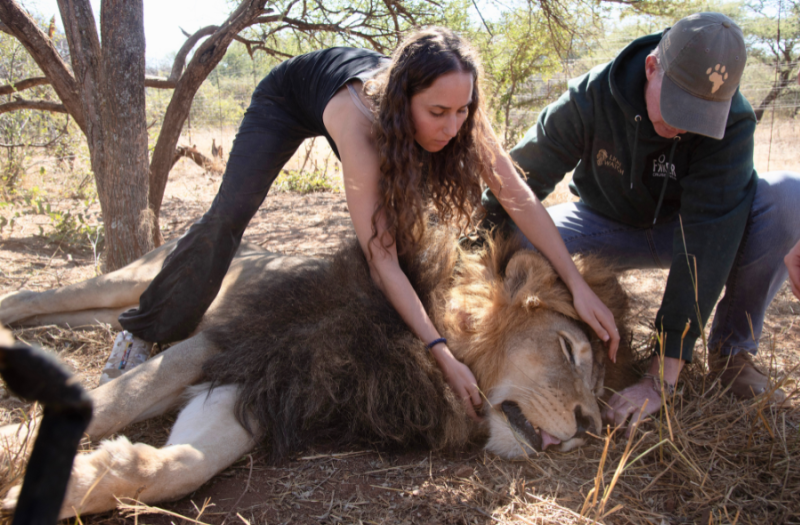
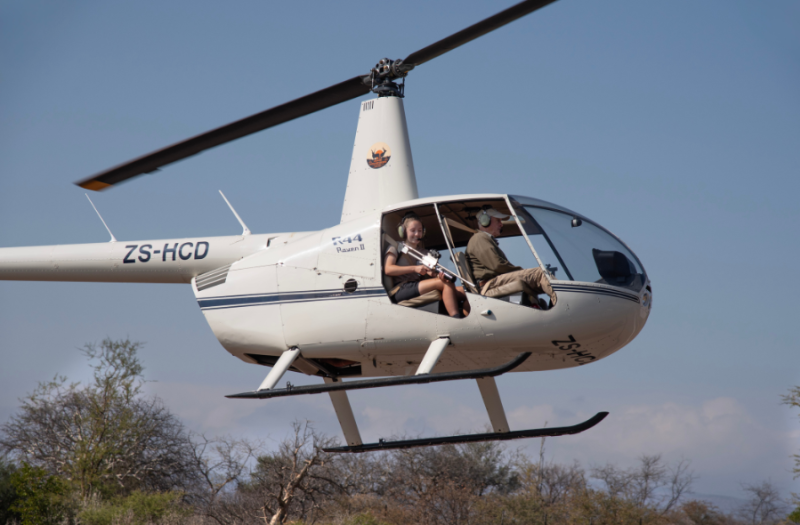
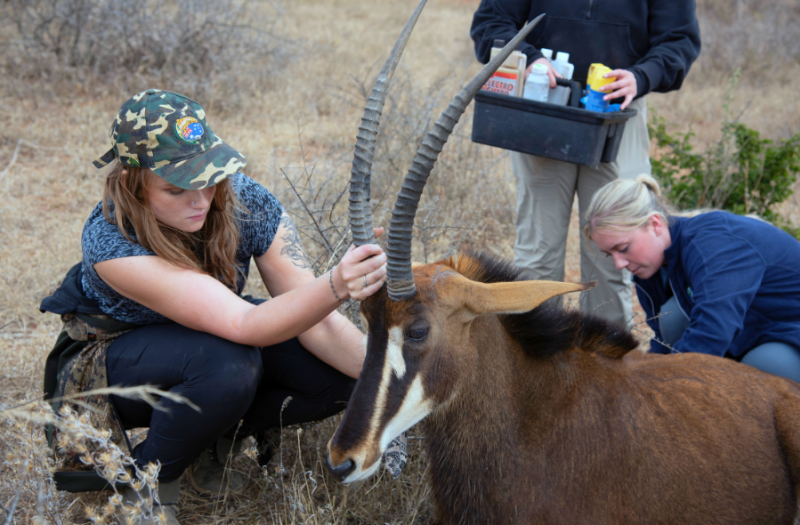
My time with African Conservation Experience (ACE) has been an amazing three-week journey, spent alongside a very welcoming and highly skilled team who were always eager to share their knowledge of wildlife, conservation, and their beautiful country. Words are hard to find to describe such a unique experience. During my time at the Shimongwe Wildlife Veterinary Experience, I learned so much about wildlife veterinary medicine in the field. I also discovered what conservation truly means and involves. Some of the most thrilling moments were spent deep in the bush, taking part in wildlife captures and interventions. I will never forget the adrenaline of tracking and managing different species, from sables and kudus to rhinos and agile impalas, often working in tandem with a helicopter to herd and dart them across challenging terrain safely. The adventure didn't stop in the field. The weekends offered an incredible escape into some of the most magnificent, timeless landscapes I have ever seen. Spending time amongst the breathtaking, mystical cliffs of the Leshiba Wilderness and exploring the vast, untamed expanses of the Kruger National Park were absolute highlights that left me in complete awe of South Africa's natural beauty. I came home with new perspectives, valuable skills, and beautiful memories to last a lifetime. I am so grateful to the Shimongwe team and ACE for this unforgettable adventure, one that has been deeply enriching on both a professional and personal level. I already miss it, and I truly hope I will be able to go back soon!

Highly recommend. Meaningful hands-on involvement and exposure to unique conservation experiences.

June 13, 2026by: Andrew McWhinney - Australia

Program: Wildlife Conservation in the Greater Kruger National Park

5

Volunteering at the Vikela Kruger Conservation Experience was easily one of the most memorable and rewarding experiences I’ve ever had. From the moment I arrived, the team made me feel welcome and supported, and I was well looked after throughout the entire program. Everything ran smoothly, from airport transfers to daily activities, which made it easy to settle in and fully enjoy the conservation experience. The project is extremely well organised, and it’s clear that volunteer safety and wellbeing are a genuine priority for the team. The experience itself offered far more than just wildlife encounters, although those were certainly incredible. It provided meaningful, hands-on involvement in conservation work, opportunities to learn from knowledgeable and passionate staff, and exposure to experiences that are difficult to find elsewhere. Every day offered something different and unique. Some of the activities can be physically demanding at times, for example we helped the project with some bush clearing, and the days often begin early in the morning. However, the environment is highly supportive and the experience is immensely rewarding. If you come with an open mind and a willingness to get involved, you’ll get so much out of the experience. My only regret is that I only stayed for one week, I could easily have stayed longer. I left with a deeper appreciation for wildlife conservation, as well as memories and friendships to last a lifetime. I would highly recommend the Vikela Kruger project to anyone looking for a unique, meaningful, and genuinely worthwhile volunteer experience.

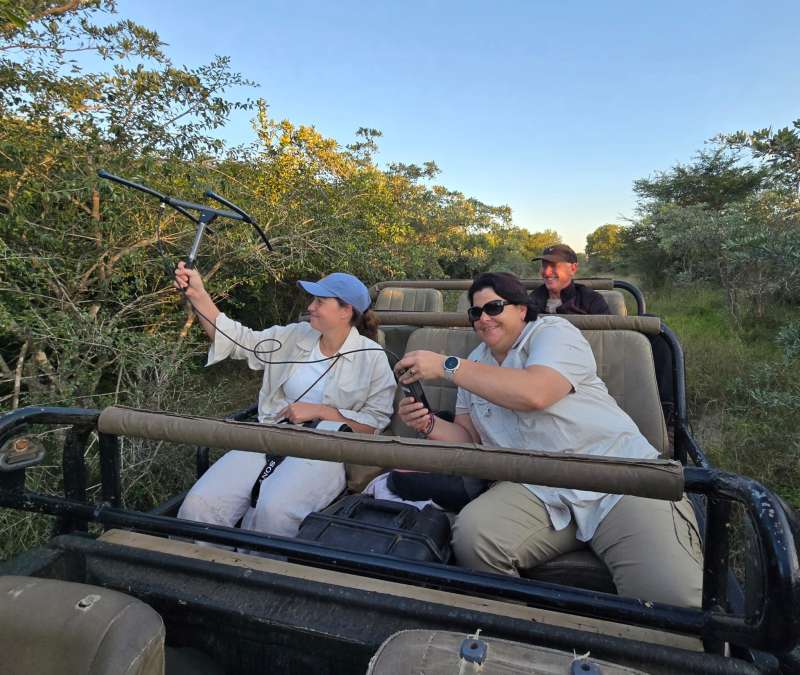
Early morning research and monitoring

This made me appreciate the real value of volunteering within large, open ecosystems where nature has the space to act naturally.

June 02, 2026by: Carter Whitehair - United States

Program: Wildlife Conservation in the Greater Kruger National Park

5

The drive to Vikela Kruger Conservation Experience set the tone for everything that followed. Winding through the mountains, taking in that landscape, it was stunning! It was the kind of arrival that tells you straight away you're somewhere special. At the project, the tracking was something I'll never forget. Our guide at the project was a master tracker and expert in bushcraft. They were so patient and generous with their knowledge. They really were a brilliant teacher! Having the opportunity to follow fresh rhino footprints through the bush was stunning. At times, I genuinely couldn't see what they were seeing at first. It was incredible to see how they worked. They could tell you that a rhino has passed through just by pointing out the broken twigs on the tree! The moment the tracker got excited about something, everyone around them got excited too. That passion is contagious. By the end, I was starting to understand the landscape in a completely different way, not just looking at it, but reading it. When at the project, we also got to enjoy the excursions. Visiting Moholoholo, a fantastic Wildlife Rehabilitation Centre, and then also the Blyde River Canyon, where we got to see hippos and crocodiles. The landscape there is so special, no photograph does it justice. One of the most valuable things I took away from the experience was a conversation about ethics in wildlife tourism with the African Conservation Experience (ACE) team when I arrived at the airport. It was refreshing and honest, the kind of conversation you don't often have. It really gave me a great perspective right before joining the project, as it was so fascinating to hear about the scale of unethical volunteering across Southern Africa. It made me very grateful to have chosen ACE, as from everything I witnessed, it was clear to see their ethical approach towards conservation volunteering. Just learning about how many people think they're helping when, in reality, they are in fact causing harm is eye-opening. I had never really considered how so many wildlife areas are artificially managed for tourist purposes, created so that sightings of iconic species can be pretty much guaranteed. Whereas ACE only works in large intact ecosystems and reserves that still have a conservation value due to their size, as they can maintain healthy wildlife populations! This made me appreciate the real value of volunteering within large, open ecosystems where nature has the space to act naturally. For some people, sightings are very important, but one idea that stuck with me was that not seeing an animal is never a failure; the tracks in the ground are real, the animal was there. That is enough. Being in that environment, present and aware of everything around you, is extraordinary in itself. If you get to see that animal, that is a wonderful bonus! Looking back, before the trip, I was a little nervous about travelling alone and whether I'd find my people. That worry didn't last long. The booking process was seamless, and from the moment I arrived, everything felt taken care of. Thank you very much to the ACE team for making this trip possible!

Elephant in the bush!

If I could describe this experience in one word, it would be inspiring!

May 14, 2026by: Juan Linares - Brazil

Program: Wildlife Conservation in the Greater Kruger National Park

4

I must confess I had no idea that volunteering with wildlife in Africa existed before this! African Conservation Experience (ACE) took care of me by advising and placing me in the program that best suited my needs. That’s how I arrived at the Vikela Kruger Conservation Experience. If I could describe this experience in one word, it would be inspiring! I spent 14 days at Vikela, and I feel it completely changed the way I see conservation. I used to think I knew something about wildlife and conservation. All of my prior knowledge was derived from reading wildlife books or watching documentaries, but being at the project opened my eyes and gave me a new perspective. I now feel like I have a better understanding of what conservation really means. Conservation isn't just about actions; it’s about changing and impacting mindsets, and if I can assure you of one thing, it’s that absolutely everyone at Vikela dedicates their lives to this, and being able to see and feel it is absolutely wonderful. All activities were amazing, from tracking footprints to anti-poaching activities, as well as hiking, sleeping out in the bush, spending the night listening to lions and hyenas, and sharing this experience with people from different cultures and different parts of the planet! We all bonded over our shared passion for wildlife conservation. Every day, we got up at around 6:30am to be ready to leave shortly after. To be honest, this part of the day was my favourite! It was so beautiful because all still felt quiet, with the river flowing nearby and the first animals slowly waking up in the distance. Another highlight for me was the tracking - it was so interesting! Walking through the bushes following tracks and then finally finding the animal we were looking for, and seeing many others along the way, was simply amazing! Can you imagine doing this every day and also constantly encountering many animals? It was mind-blowing. We usually returned to camp around 11:30am for lunch and a short rest, then we were ready to go out again. Sometimes we would cut down the tree branches that the elephants knocked down onto the road, sometimes we would be learning about poaching, and sometimes we would go out tracking again, but every activity had the same objective - to monitor the balance and equilibrium in the ecosystem to help with conservation. I am so grateful to ACE and the people of Vikela because they opened my eyes and gave me an experience that I will never forget. Throughout this entire process, the ACE team was always there for me, answering my questions and guiding me along the way. I never felt alone on this adventure! If I could give one piece of advice to people interested in volunteering in wildlife conservation, it would be to have zero expectations and give it your all because every day, everywhere, there will be many things that make it so worthwhile. Believe me, it’s something you will never forget!

Me working in the bush!ElephantCamping out under the stars

This was a life-changing trip for me!

May 13, 2026by: Suzanne Hopkins - United States

Program: Go Behind the Scenes at a Big 5 Wildlife Reserve

5

Recently, I had the incredible opportunity to complete one week at the Phinda Wildlife Research Project with African Conservation Experience (ACE). I took a sabbatical from work and I wanted to immerse myself in a completely new experience with the opportunity to help out in the conservation world. The primary reason I chose ACE out of the many other programs available was the focused nature of ACE on wildlife conservation and working directly with conservationists. From the moment I connected with ACE, I knew this was the right fit. Between the consultative nature of the team to help place me in the right project and the top-notch customer service that the team answered all my questions, I felt very comfortable. The pre-departure packet in particular, was extremely helpful. Having everything handled from arrival to departure allowed me to fully be part of the experience. Being on-site at Phinda was amazing. It was the perfect balance of being well programmed but open enough for any last-minute adventures too. I particularly loved the hands-on experience, it was amazing! It was nice to have a group of other volunteers in the house to compare notes with and spend time with too. Our staff at Phinda were phenomenal! I would absolutely recommend this to others and am considering doing another trip myself! This was a life-changing trip for me. From connecting with my housemates on the project, to doing something totally different. I've already started taking some classes in my spare time that focus on various aspects of conservation. I'm not sure where it will lead yet, but I know this will go down as an experience that left a true impact on my life. I hope that I was able to give Phinda just a fraction (at least) of what I got from this experience. Thank you to the whole team at Phinda and at ACE. I truly appreciate you!

If my friends wanted to go to South Africa, I would definitely tell them to volunteer at Moholoholo. They would have the best time of their lives!

May 13, 2026by: Helena Rühlemann - Germany

Program: Save Africa’s Iconic Wildlife at Moholoholo

5

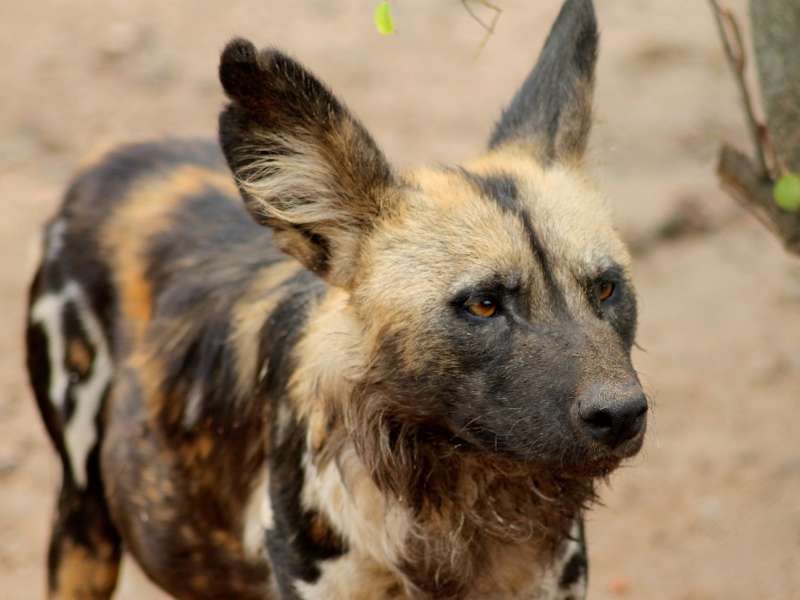
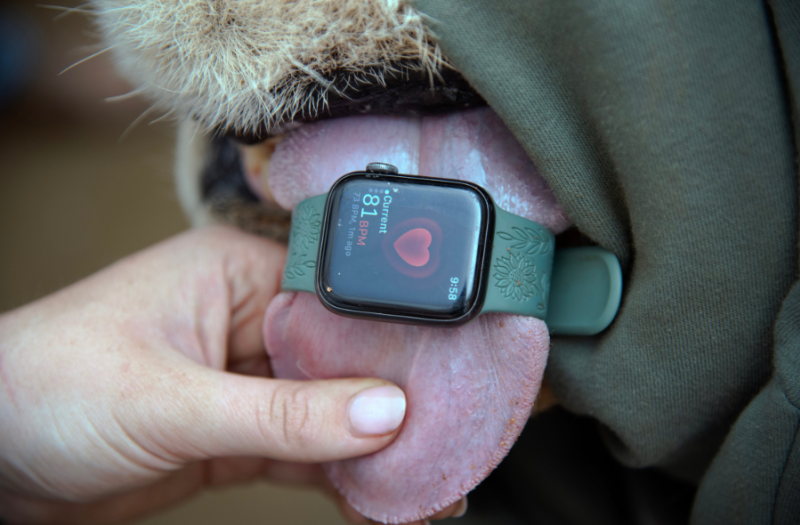
When I first arrived at Moholoholo Wildlife Rehabilitation Centre, there were impala, nyala and duikers running around, and because I come from Germany, I couldn’t believe it! My favourite moments at Moholoholo were either when a vet came in, and we got to hear the heartbeat of a cheetah or when I got to see a duiker being released after it had been rehabilitated! When that duiker was brought in, he had severe swelling, and it was amazing to see him become fully healed before releasing him! Before speaking with an African Conservation Experience (ACE) consultant, I thought I would be working with lots of sick and injured animals. After speaking with ACE, I learned that my responsibilities would be with animals at different stages of their rehabilitation. I’m glad I wasn’t only working with severely injured animals, because despite learning lots through my time at Moholoholo, that job should definitely be left to the qualified staff or interns. Instead, a lot of my responsibilities were with the animals that cannot be released, either due to severe injuries or because they had been rescued from being raised in captivity and wouldn’t have the skills to survive in the wild. They were residents there, and I really loved everything I did for them. The manager of Moholoholo gave us a talk when we first arrived about the rehabilitation they do there, and it was really powerful. He talked about what they’re doing with the animals, how they’re going to release them and the importance of minimising human contact. I learned that if the animals bond with humans, they cannot be released for their own safety and for the safety of the people around them. That’s the reason some of the resident animals are at Moholoholo, because they were rescued from people who tried to raise them like pets in captivity, and now they can never be released into the wild. It’s terrible that people do that, but it’s why Moholoholo are so careful with minimising human contact. An example where I saw this in action was when a baby giraffe needed to be fed. In order to feed her, there was a wall between the giraffe and me so she wouldn't see I was a human. Instead, all she saw was a wall that had a print of a giraffe. Moholoholo are doing a really good job and they really try to be as ethical as possible. Before I volunteered with ACE, if I ever saw an injured animal, I would think I needed to take it to the vet immediately and try to help it. But I’ve learned that sometimes the best thing you can do is leave the animal for a while to see if its mother returns, and only if no other animal comes back for it should you get help from a professional rehabilitation centre or veterinary clinic. Moholoholo are really trying to do the best job they can. They are always trying to find new ways to improve in every aspect of what they do. My favourite activities were definitely the enrichment. For the African wild dogs, we used a plastic ball with holes in it and stuffed meat inside, then threw it into their enclosure so they could play with it and figure out how to get to the food. For the honey badgers, we gave them a box filled with leaves for them to dig through. Later on, we gave them their dinner in a similar way but smothered in honey, and they went crazy because they love honey! During my time at Moholoholo, I really bonded with two of the girls in the same room as me. We are all into photography, and they taught me more about their skills and techniques. I learned a lot from them and left my experience with around 3,000 photos! That’s what was so great about Moholoholo, I loved all the people that were there because I learned so much from them. They even taught me how to braid my hair and how to sew, too! My trousers were really long, and they taught me how to sew them shorter. The girls were really crafty! The staff were really nice too. You could always go to them with questions or jokes, and they were always lovely, even when you could see how much work they had to do. During the excursion to Kruger National Park on my day off, we stopped for 20 minutes by the first elephant we saw. We thought it was amazing, but the guide told us there would be loads more. By the time we finished the safari, it felt like we had seen millions of elephants and giraffes! We saw so many baby elephants too, and they were so sweet! Even on the Kruger excursion, we learned so much from the guide. Because we had stopped so frequently to see the elephants and giraffes on the first excursion, when the opportunity to go again came the next week, I had to go for it! During the second safari to the Kruger, I got to see a jackal, hyena, leopard and lions too! The lionesses are beautiful, and throughout this trip, I felt like I was falling in love with them! I’ve never been on a trip alone before because I’m 16, so it really helped meeting the ACE team at the airport. I really like being independent, and I knew I wanted to do this alone. I did my own research, and when I had a call with one of the ACE consultants, she told me about Moholoholo, and I knew that’s where I wanted to go. My parents were a bit nervous and wanted to know the contact information of a staff member who they could call if they needed to, but when they realised ACE had already passed on that information, they relaxed a lot more. Even though I am someone who likes doing stuff on my own, one of the other volunteers on my travel buddies list texted me before I left Germany, so I had a friend before even arriving! It really helped to know that there was a person waiting for me when I landed and that someone I was meeting at the airport was going on the same project as me too. If my friends wanted to go to South Africa, I would definitely tell them to volunteer at Moholoholo. They would have the best time of their lives!

Meaningful, inspirational, educational!

May 01, 2026by: Zoe Ng - China

Program: Save Africa’s Iconic Wildlife at Moholoholo

4

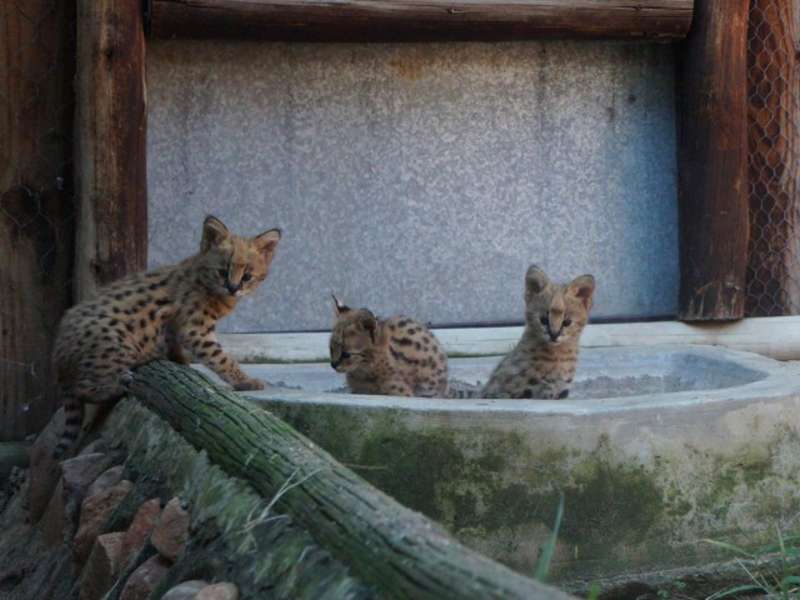
In February, I took part in a volunteer project at Moholoholo Wildlife Rehabilitation Centre. It was my first experience in animal conservation work, and I was struck by how clearly defined and meaningful the volunteer roles and responsibilities were. My favourite part was preparing meals for the servals and owls. The process was surprisingly labour-intensive: a nearby farm donates chicks which have been humanely killed and are used to feed the centre’s larger birds of prey. We had to carefully deyolk and wash the chicks before they could be fed to the birds. It felt really rewarding to see the larger birds eagerly finish their food the next morning. Beyond the hands-on care, the project broadened my perspective on wildlife rehabilitation. I was inspired to learn that the most effective way to prepare an animal for release is to minimise unnecessary human interaction. The team at Moholoholo is really passionate about rehabilitating and releasing as many animals as possible, and you can feel their genuine care and dedication coming straight from the heart. What surprised me most, however, was discovering how limited the availability of suitable habitat is in South Africa. This is mainly due to agricultural expansion and urbanisation. Some rehabilitated animals never get the chance to return to the wild simply because there isn’t enough space left for them. Every decision, whether to release or provide lifelong sanctuary, is made with the animal’s long-term well-being in mind. This experience not only allowed me to contribute directly to the animals’ care but also left me with a deeper appreciation for the complexities and quiet commitment behind conservation work. On top of the excellent experience at Moholoholo, African Conservation Experience (ACE) did a fantastic job organising the entire volunteer placement. They provided us with very detailed project information well before the trip, and the airport pickup was smooth and hassle-free. What touched me the most was their thoughtful messages during the project and even after we returned home. The whole ACE team genuinely made sure we felt supported, valued, and safe throughout our time in South Africa. If you’re considering volunteer work in South Africa but don’t have a travel partner, don’t hesitate to go alone. It’s absolutely fine, you’ll quickly make friends along the way, and ACE does an outstanding job of ensuring you feel secure from arrival until you leave the country!

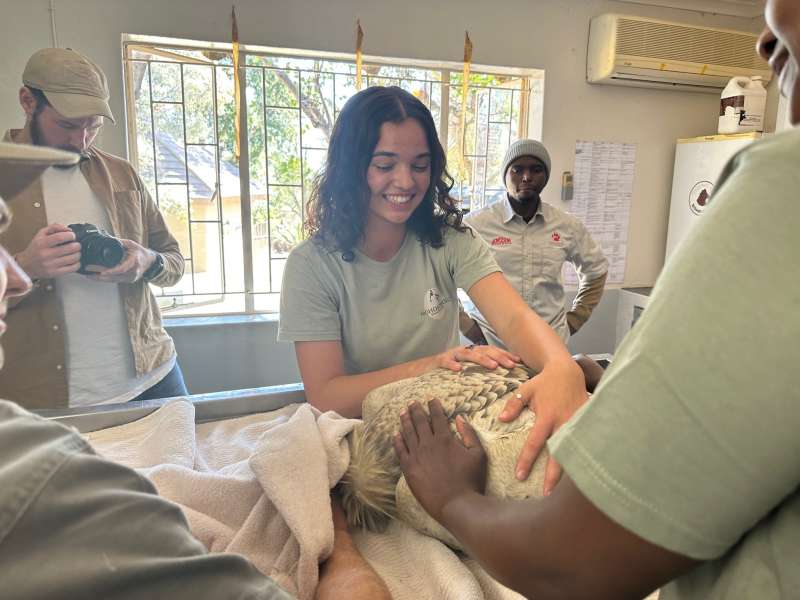
A serval which is a type of wild cat!Vet work on a vulture

The Vikela Kruger Conservation Experience was fantastic. The experiences there were amazing, but I feel like the project staff really made it the best experience it possibly could be.

April 17, 2026by: Kelly Cribari - United States

Program: Wildlife Conservation in the Greater Kruger National Park

5

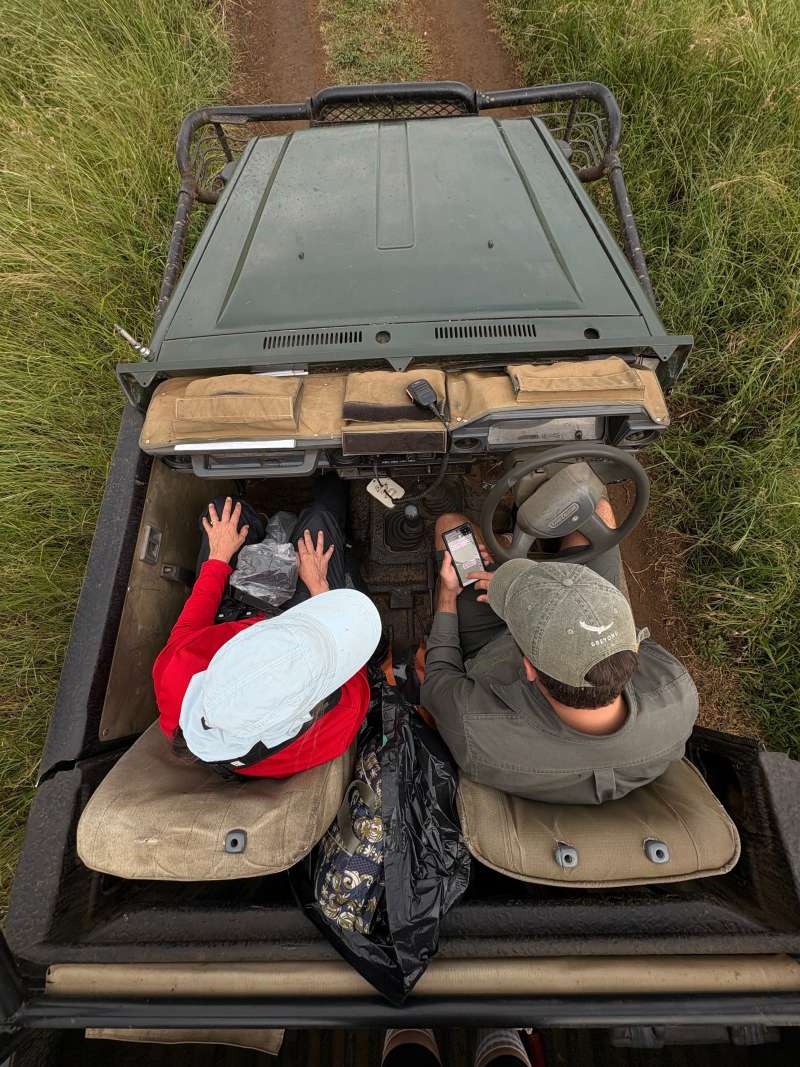
The Vikela Kruger Conservation Experience was fantastic. The experiences there were amazing, but I feel like the project staff really made it the best experience it possibly could be. The staff on the project were so personal and took the time to connect with each one of us. We had such meaningful conversations on our off day on Sundays. We sat together over coffee, discussing the ethics of hunting, the role of game lodges in conservation, and the wider implications their presence has on wildlife and local ecosystems. It was great to sit down and talk with the project staff about all of the things we didn’t know about because they were just so interesting to listen to. Hearing from someone who's on the ground, and their thoughts about all of these complex issues, really changed my perspective on how I view these things. The team’s sense of humour and sarcasm just added to how much fun we had, too. We all got along, we teased each other, we became part of a family, and the staff there really helped to encourage that. Talking with people about other previous experiences, they didn't always have that sense of family. Whereas we had sit-down meals together twice a day, and we'd be free throughout the day to talk about the plan for what we’d be doing. It just made it a really immersive experience. Our project lead was happy with everybody asking questions, which was lucky because he had such a wealth of knowledge! I had talked with an African Conservation Experience (ACE) consultant about what the project was, and how this project was described to me was spot on for what I experienced. If anything, the ACE consultant I spoke with downplayed what I was going to expect. I knew I was coming for volunteer work, so I thought, "There's no guarantee that I'm going to see any kind of animal. You just don't know". I didn’t want my expectations to be too high, but this experience wildly surpassed what I was expecting. We were able to do a lot of game drives and a lot of bushwalks. The project staff taught us about different tracks and how to spot them. By the second week, we had the opportunity, with all of the skills that we had learned for tracking, to try to track for ourselves! It was cool to be at the front of the line and look for the signs myself. We were able to track white rhinos, elephants, leopards and lions too! I really liked the structure of the morning drive and the afternoon drive. And it was nice how the afternoon drive always extended into the evening, so we got to see the landscapes as the sun set. Hearing the project staff explain how the costs of this experience help to fund the project itself, really highlighted the true conservation aspect that ACE advertises. Even something as simple as when we were going to check the water pumps, there were solar panels next to them. While I was kneeling on the ground, I asked what all the names were around the solar panels. Our guide said that those are the names of the volunteers who were here to help install them. It was cool because he said this project only started in 2002, but you could see from the reserve management work that had been done by past volunteers, that you can make a lasting impact on this project. You can actually see the impact past volunteers have made, it's not just talk. It was mentioned to me in the initial chat with the ACE consultant that there was a possibility of sleeping out in the bush. Luckily, everybody in my group was on board, so we actually did it two weeks in a row! There was nothing better. I could hear leopards, lions, hyenas, and wild dogs all calling out in the night! It was incredible to be sitting on a log late at night and looking up at the stars. We saw the Milky Way, Mars, Saturn, and shooting stars. It was insanity for me! I’d never seen any of that before, and it was just incredible. I didn't know what the makeup of the group was going to be. If it was going to be for retirees or kids, and I think we had a great mix. I was so pleasantly surprised that in my first week, I had two girls my age who were also solo travelling, so the three of us got really close. I’m incredibly grateful I chose Vikela and to travel with ACE, it exceeded my expectations and gave me an experience I’ll never forget!

I couldn't have asked for a nicer three weeks. It's been amazing. It really has. It’s definitely money well spent, and even though I’d happily do another program with ACE, I definitely will go back to Golola.

April 17, 2026by: Claire Cameron - United Kingdom

Program: Volunteer at a Rhino Orphanage in UNESCO World Heritage Site

5

The Golola Rhino Orphanage staff are some of the most passionate people I've ever met. One of the staff members was particularly enthusiastic, and every time she would tell a story or answer a question, she would answer it with the same passion as if she were speaking about it for the very first time. They truly are an incredible group of people. I could listen to the project staff tell stories all day, every day. It's so interesting. I was at Golola for three weeks. I thoroughly enjoyed the work during my time at Golola, and I could tell my input was needed. If they didn't have volunteers there, I honestly don't know how they would manage. They do manage regardless, but having the volunteers there really does help them. During my time at Golola, I was able to bottle-feed one of the youngest rhinos there. Each rhino has its own history, and some are sadder than others, so I felt really sorry for some of them, but it made me love them even more. I would love to go back and see the rhinos again, particularly if I could see them go from being in the orphanage to eventually being out in the field! The team at Golola go above and beyond to do anything they can to make the calves not feel alone after being separated from their mothers due to poaching incidents. For example, they bring in foster mothers who are technically now their surrogate mothers, so they can try to put the calves at ease. This is to help the calves adjust to their new lifestyle at the rhino orphanage before they’re eventually ready to be released. I really felt like what I was doing on a day-to-day basis made an impact. Even the small things like scooping the rhino poo, putting it back into the earth, then replanting it into the plains, where the grass can grow. Even doing seemingly minor things like that, that's contributing towards the rhinos' welfare and getting them back into the wild. The people there definitely make me feel appreciated. The staff would always be checking in to see how you are. They would ask “Are you still enjoying it? Are you still happy?" And I would reply, "You don't need to ask me that, I’m loving it!" Being a vet nurse back home can be hard at times, but with the amount of work that these guys put in, what I do at home is nothing compared to what they do. Wild animals are completely different. One day, the vet came out to check one of the rhinos, and he ended up darting her to recast her leg and get a new boot for her injured leg. I was so lucky that I was there because I monitored the anaesthetic on the rhino using my training. But even just listening to the drugs used and comparing them to what we use at home in dogs and cats, it's really nice to have the background knowledge and actually know what the vet was talking about. It was so cool. A highlight for me was getting up every morning and working so close to the rhinos. Some of the roads were difficult to get through after a storm hit, so we couldn't go up to certain areas. And then we would see the rhinos finding their way around. I think it made me realise how intelligent the species actually is. On social media, you see the good things and the pretty things, but you don't see the behind-the-scenes work and all the hard work that goes into it. What I learned is that this kind of work doesn’t happen overnight. It takes years to release them back into the wild. When a member of staff was teaching me about how many people are involved in poaching and rhino deaths, it made me realise that the Golola team must feel like they're just swimming against the tide. But they're still going, they still get up every single day, and they're still trying to save the species. This project allows you to get fully involved, and it can be hard work, but if that's what it takes to help save sick species, then I would do it for the rest of my life. My top 3 reasons people should volunteer at Golola would be: 1. The people, because they really are the most amazing group of people to work with, they're so welcoming from the minute you get there. Everyone is so down to earth, everyone's there for the same thing. 2. You get to see the difference you’re making. Even in the short three weeks that I've been there, the work that I have done has made some sort of contribution to saving the species. So if you can spare a tiny bit of time, even just a week, go out there and you’ll be contributing helping to save the species. 3. Definitely bottle feeding the rhinos - It’s just incredible. It's a really good experience to meet like-minded people and people who are passionate towards animals in general, because animals are so much more precious than humans. I couldn't have felt more looked after during my time in South Africa. From the minute we landed and met the African Conservation Experience (ACE) team to the minute we got to the project, I felt so safe and looked after. Especially when you are coming out by yourself. I couldn't have asked for a nicer three weeks. It's been amazing. It really has. It’s definitely money well spent, and even though I’d happily do another program with ACE, I definitely will go back to Golola.

I read a testimonial that said, “just do it, you won’t regret it”, and that’s exactly what I did.

March 18, 2026by: Louise Jane Waugh - United Kingdom

Program: Volunteer at a Rhino Orphanage in UNESCO World Heritage Site

4

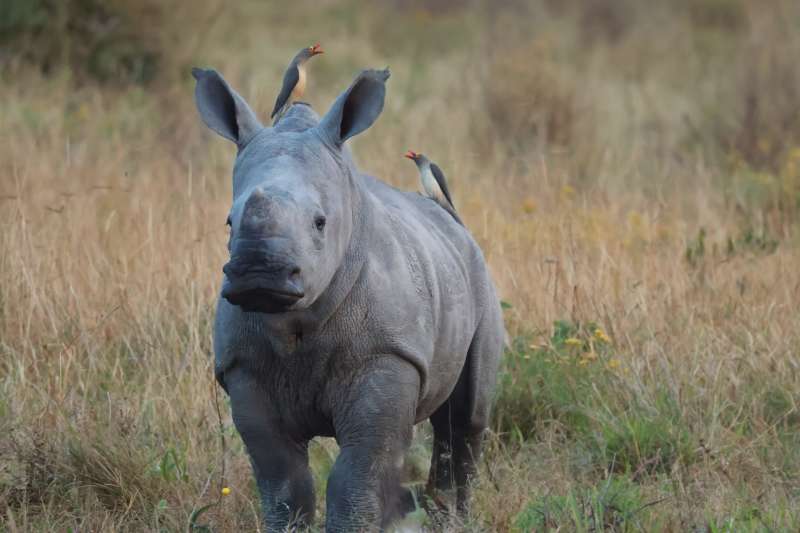
I first came across African Conservation Experience (ACE) when I read a testimonial on their website that said, “just do it, you won’t regret it”, and that’s exactly what I did. I knew I was with the right organisation when that first phone call was made, the staff took time to make sure I found the project that was right for me! My passion for rhinos made the Golola Rhino Orphanage And Rehabilitation Centre the obvious pick. Travelling alone seemed daunting, but the staff in the UK and South Africa put all my worries aside, making sure I was safe and always a phone call away. Arriving at the project was amazing. The team at Golola are 100% committed to taking care of the precious rhinos, and I felt privileged to be part of that. I learned so much working alongside them and appreciated their patience and sharing their invaluable knowledge with me. Because of this project, these amazing, beautiful rhinos who were brought in as babies are now thriving and given the best level of care and even going on to reproduce, which is wonderful, especially at a time when rhino populations are declining. I have booked my fourth trip with ACE, so I think that says it all!

Such a magical experience!

A week full of adventure!

March 16, 2026by: Elisabeth Zoja - Italy

Program: Wildlife Conservation in the Greater Kruger National Park

4

If I had to sum up my experience on the Vikela Kruger Conservation Experience in one word, it would be “Adventure”. The work was varied and full of surprises: Once, the guide suddenly said, "In five minutes, I have to leave the camp for a brief but quite physical tracking task. It involves walking barefoot in the sand. Who wants to come?" Everyone, of course! In that case, as in others, we were explained the meaning of every action or movement: the guide's maneuvers, our contribution as volunteers, and of course, the animals themselves. The Vikela Kruger Conservation Experience was all about learning from experience: a game between when the guide answered our questions about what we saw, and when he asked us questions that allowed us to reflect. A reflection to begin seeing how everything in the bush is truly connected: not only plants and animals (down to the smallest of insects), but also and especially the soil. Our guide was extremely experienced both as a bush guide and in managing volunteers: through clarity, patience, and a sense of humor, he enabled us to begin to understand even complex aspects of conservation. Especially from a long-term perspective. All this without getting into right-wrong thinking, but showing the positive and potentially problematic sides of different human interventions for animal and nature protection. This experience reminded us that we humans are originally part of this nature, even if we tend to forget it.

Loads of hands-on experience working with wildlife. It was better than I could have ever imagined!

February 24, 2026by: Caleb Poulsen - United Kingdom

Program: Personalized Veterinary Experience in South Africa

4

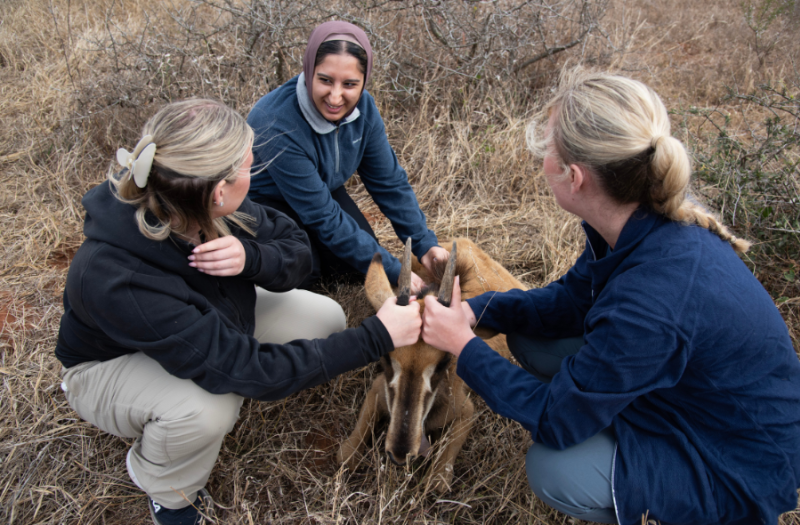
The personalised veterinary experience offered me loads of hands-on experience working with wildlife, and it was better than I could have ever imagined. Right from the start, I was straight into the action. Our first job was to help relocate six kudu antelopes from one farm to another. It was an early start, as we had to wake up at 3am to travel to the farm! When we arrived, we helped with drawing blood and administering vitamins before we assisted the vet in transporting them and releasing them into the new property. Over the next few days, I got to work with more antelope species, including waterbucks and my favourite, sable antelopes. At the end of my first week, I also got to help an injured rhino. First, I helped to draw some blood, and then we helped clean its wound. It was an awesome experience. I got to ride up in a helicopter with the vet, which was awesome. We also helped relocate not one but two prides of lions into larger spaces, which was incredible. Apart from riding in a helicopter, a highlight for me was working with six Buffalo, where I got to administer vitamins and tick spray. It’s too hard to choose the best moment, because every day was so amazing and different. I was actually initially supposed to travel with African Conservation Experience (ACE) in 2024. However, two weeks before I was due to leave home, I broke my ankle playing rugby. We were a bit worried about whether it would be possible to change my trip at such short notice, but the ACE team were really supportive and managed to transfer my trip to the following year. I’m so glad that it worked out. I would 100% recommend this experience to anyone who is going into the veterinary field and wants to build up their practical experience. I’ve done work experience in a clinic before, but I wanted a more hands-on experience, which is why I got in touch with ACE. I had such a great time working with the vets. The work could be stressful at times, as it’s fast-paced and you’re working with these amazing, big animals. But once the work was over, you just had this sense of gratitude wash over you. I’ve always known that I want to work with wildlife, and this experience definitely confirmed that for me.

I learned so much more than I expected and this trip changed my understanding of conservation.

February 12, 2026by: Katie Marshall - United States

Program: Wildlife Conservation in the Greater Kruger National Park

4

The phone call I had with one of the African Conservation Experience (ACE) consultants before booking was so helpful in painting a picture of the project and what to expect, and ACE delivered exactly what was promised and more! I love that ACE meets you at the airport. Meeting the team and other volunteers before heading off to the Vikela Kruger Conservation Experience really put me at ease. As soon as we met the guide we would be working with at Vikela, I immediately knew this was going to be a great experience. The vibe within the group was high, and only increased as we listened to old school pop music on our drive into camp! At Vikela, every day was different. We were involved in everything from clearing roads, moving rocks to protect solar water pumps from elephants, and going on incredible bushwalks! What I loved most was that we worked as a team. Everyone mucking in together, not splitting off to do separate tasks. And, you could actually see the impact of your work right in front of you as you were doing it, which made it so rewarding. Aside from the work, the wildlife encounters were unforgettable. On one game drive, we got incredibly near to an elephant - I would estimate around 5 metres away! We also had a close encounter with a small pride of lions after one of our bush braais. We could hear them roaring in the distance, so we jumped into the vehicle and drove out to get a closer look. We got within about 15 to 20 feet of a lion just walking along, completely unbothered by us. Seeing a lion that close in the wild ignites something in you - it was really cool. I learned so much more than I expected and this trip changed my understanding of conservation. I’m currently studying environmental sciences, so I thought I knew what to expect, but this was completely different to learning in a classroom. Our guides would stop during our bush walks to explain everything - even pointing out details as small as a black rhino midden and explaining how they could tell it was from a black rhino by the 25-degree bite angle on the vegetation! I’d think to myself, How do you even know that?! Their wealth of knowledge was incredible! And they approached every question you asked with enthusiasm and clarity. They never made you feel silly for asking anything. The accommodation was also something that exceeded my expectations. I was expecting tents and no hot water (the last volunteer project I joined had no hot water at all), but the team at Vikela has really put effort into making it comfortable. It's not fancy with unnecessary frills, but it's really good quality and has everything you need. The food was excellent too! I'm a vegetarian, and they had something delicious for me every single meal. The social aspect of this project wasn’t something I went into it for, but it was another highlight for me. I have so many inside jokes with my fellow volunteers. It's crazy how fast you get to know people when you spend every day with them. I had to remind myself I'd only been there for three days because Johannesburg already felt like a lifetime ago. Everyone who was there genuinely wanted to be there, and you could tell. There was no one who wasn't pulling their weight or didn't care. This week was one of the most memorable of my life so far. I would definitely do it again - I'm already thinking about coming back in a couple of years with friends!

I’m really happy I went! The Veterinary EMS experience felt like such a great team where we did everything together.

February 06, 2026by: Maëlis Labatut - Canada

Program: Personalized Veterinary Experience in South Africa

5

I did most of this experience with my friend Madeline who I met on the project! We travelled separately for this experience and had never met each other before, but bonded quickly during our time on the Shimongwe Veterinary EMS placement when I spent three weeks on the project and Madeline joined for the final two weeks. On Madeline’s first day, we were taken to a reptile centre with 150 different species of venomous snakes. Wow. That was incredible. These snakes and lizards were from all over the world, and the staff there collect venom from them every week! This was purely observational for us because they do have some dangerous snake species there, so we were kept safe at all times. We learned about how there is an antivenom shortage in South Africa, which is what made this so interesting, because there is a real need for this work. Instead of working directly with the snakes, we drew blood from different lizards for DNA testing. We split into teams of two and ended up being much faster than we expected. We got to work with geckos, Sungazers and lots of other types of lizards. We called this ‘Lizard day’, and it was so cool to work with so many different species. The vet placement was amazing, and we ended up working on over 140 buffalo in one week! The project staff were constantly on the move to help us, as there was a lot of work to do. There was darting, loading the buffalo into trailers and moving them to different farms. Every time the vet darted them, we did injections of dewormer, medication, or vitamins. Some of them needed to be microchipped, some of them needed to be checked for pregnancy, some needed tuberculosis testing and brucellosis testing, so we drew blood for analysis too. We even found some pregnancies and could see them through the ultrasounds. My main hope before going was to see a lion, and during my time on the project, I got to work with one! I even had the rare opportunity to give a lion an injection, which was my favourite part of the whole experience! Madeline hadn’t worked on big animals very much before going on this experience, so she thought the darting, anaesthesia, and learning how to handle these big, dangerous animals was really worthwhile. During the weekend, we went to Leshiba Wilderness, which is a private game reserve that has lots of rhinos. We got to go for a hike through this incredible environment, and it was so fun. We had a good view of the valley, went on a night drive, and saw a bunch of rhinos. We really appreciated the project helping to organise this excursion for us. The farm day with one of the vets was really fun. We had more of a quiet day in terms of the workload on Friday, so the vet found some work for us to do on his farm involving working with different animals, then helping to move them to the stables. After a long day of work, the vet organised a braai (traditional South African barbecue) for us and we got to eat it in the bush, which was pretty cool. We never knew what we were going to get, but we loved everything we did. Madeline says that after this experience, she definitely wants to pursue a career in wildlife. This experience helped her understand which areas she’s less experienced and less knowledgeable in, so she knows what to work on if she moves forward with this career path. I felt this experience was really valuable, and I really enjoyed it. I definitely want to do more of it in the future! Madeline felt management of wildlife is pretty different than in the U.S. It was really eye-opening to learn about the farms that people have in South Africa and the conservation work that’s done. Before I organised my placement, I didn't know what to expect, but when I booked a call with ACE, we spoke a lot about how conservation and vet work is done in South Africa. It’s hard to understand until you see and experience it for yourself. When we went out to do the vet work, we were in huge areas that aren’t just enclosures with animals, so I really understood how the whole ecosystem functions once we saw it and got to work in it too. I am really happy that I have more knowledge on the reality of vet work now, because when I was looking on the internet at the different options, I just did not understand how vet teams and procedures worked. Now I know why the unique work we did was so important! It’s similar to back home in Canada, except more exciting as we swapped deer and moose for buffalo, impala and sable!

I still think about it every day: the people, the animals, the sunsets, the feeling of purpose!

February 04, 2026by: Tereza Pacíková - Czech Republic

Program: Personalized Veterinary Experience in South Africa

5

From the moment I landed, everything ran perfectly. I was met at the airport by the African Conservation Experience (ACE) staff, and they immediately made me feel welcome. Even the drive out to the project was fantastic. Our driver was hilarious and knowledgeable, telling stories about the country, which set the tone for the trip ahead! Shimongwe Wildlife Veterinary Experience itself was incredible. As a small animal vet, it was such a precious opportunity to work with large wildlife species, as we worked with some rare and beautiful animals. For example, one day we darted and treated a roan antelope (locals even told us they’d never handled one before!), another day we treated sable and nyala bulls and helped relocate them safely to other farms. On our final day, we darted a nyala, administered injections, and helped load him into a trailer for relocation. Watching how smoothly the team worked together was truly impressive. You felt part of something meaningful every single day, and I loved getting to know the dedicated people behind the conservation efforts! We also worked with an incredible number of buffalo. By the end, I was joking that I’d become a buffalo specialist! We helped the vets take blood samples for tuberculosis testing on the buffalo and also gave vitamin and anti-parasitic treatments, and assisted with relocations. It was physical, sometimes chaotic work, but in the best possible way. Every day was different. I can’t say there was one special day, I loved all of it! One day drawing blood, another treating, another relocating, never boring, never repetitive. The sunsets after long field days were something else, too. By the end, I lost count of how many times we just stopped to take it all in! In the clinic, the team was also brilliant. For students, it’s an incredible learning environment where they deal with everything: coughing, diarrhoea, vomiting, wounds, you name it. The vets, nurses, and technicians were all so kind and open. They shared everything: dosages, protocols, and their reasoning behind treatments. Even though I already work as a vet, I loved hearing their different approaches and seeing how they worked with wildlife species. They were also just genuinely fun people to be around, warm, professional, and easy-going. The accommodation was great too. It was clean and comfortable, with our own kitchen, bathroom, and even a terrace to relax on. There was a pool to cool off in after long days, and our host was super friendly! On weekends, we went exploring. Our first trip was to the famous Kruger National Park, my first time there! We saw so many elephants (they were everywhere), giraffes, birds, and even a lioness. Then another weekend, we visited Leshiba Wilderness, which was one of the most magical places I’ve ever seen. We went hiking during the day, and in the evenings, we could sit by the pool with a view over the bush, watching rhinos, giraffes, and zebras walking past. It honestly felt surreal! The people I met made the trip even more special. There were volunteers from the UK, the US, and a few other Czechs, too, which was such a nice surprise! One of the Czech girls and I are still in touch. We text and call all the time. Everyone at the project was like a supportive, funny family, and I would work with them again in a heartbeat! When I had to leave, I cried. That’s how much I loved the people there! I came home, went straight back to small animal practice, but a part of me stayed in Africa. I still think about it every day: the people, the animals, the sunsets, the feeling of purpose. I honestly think my friends are tired of me always talking about it! If anyone’s thinking about going, just do it. It was organised perfectly, the team was professional and kind, and the experience itself was everything I hoped for and more. I am already in talks with ACE to plan my trip out with them again next year, and I absolutely can’t wait!

Living my dream!

One of the most magical weeks of my life

November 18, 2025by: John Turtz - United States

Program: Volunteer at a Rhino Orphanage in UNESCO World Heritage Site

5

I grew up in a family that loved animals, and I’ve always felt a deep connection to the natural world. I’ve always found rhinos adorable, but to actually see them up close, to work with them and play a part in their recovery… it was beyond anything I had ever imagined. One of my fondest memories was bottle-feeding milk to a younger rhino at the orphanage. To know that I was making a difference to her life was incredibly moving. What I loved the most was how I was made to feel like such a valuable member of the team. Before arriving, I worried that we would be treated like tourists, but that couldn’t have been further from the truth. The staff were warm, welcoming, and treated us as part of the team. Whatever they did, we helped too. It was totally different from visiting a zoo or going on a safari. As a volunteer, you get really involved, not only in the fun stuff like feeding rhinos, but in all of the real, behind-the-scenes work that is necessary to care for orphaned rhinos. There was a lot of hard work, from cleaning up after the rhinos to unloading gigantic grass bales. There was only one day when I was physically unable to help with lifting the grass bales as they were too heavy for me, and I have had some back problems in the past, but the staff were extremely understanding and accommodating; they really could not have been any kinder. We learned so much during our stay, and even had some fascinating talks from the orphanage’s founder. It was great learning about every aspect of rhino rehabilitation, from how precise you have to be when preparing milk formula for the babies, to all of the extensive measures taken to reduce the risk of poaching. One day, the staff took us for a three-hour hike through the reserve surrounding the orphanage. It was one of the most beautiful places I have ever been. We spotted incredible wildlife, including a baby giraffe and, my favourite sighting, a baby rhino calf, only one month old, with its mum! This experience changed me. Working alongside such dedicated staff and being so close to the rhinos reinforced my connection to nature and deepened my respect for the remarkable people fighting to protect it. I really can’t thank the staff at the orphanage enough for everything that they do!

This experience opened my eyes to the realities of conservation and veterinary work in Africa, and it strengthened my passion for wildlife medicine even more.

November 13, 2025by: Evžen Lomák - Czech Republic

Program: Personalized Veterinary Experience in South Africa

5

Before I set off on my five-week veterinary adventure with African Conservation Experience (ACE), I wasn’t entirely sure what to expect. I had read about the Shimongwe Wildlife Veterinary Experience and knew it would be hands-on, but I couldn’t have imagined just how rewarding and eye-opening it would turn out to be. From the moment I landed in Johannesburg, I felt completely taken care of. An ACE representative was waiting to welcome me at the airport, and after a good meal and introductions, we set off on the five-hour drive north to Louis Trichardt. The journey flew by, our driver shared fascinating stories about South Africa’s history, culture, and wildlife along the way, giving us a glimpse into the country we were about to discover! When we arrived at the project, we were greeted warmly by the team before settling into our guesthouse. The accommodation was wonderful, surrounded by a peaceful garden and a swimming pool, and often visited by a few friendly dogs who quickly became part of our daily life. Our very first day set the tone for the entire experience. We were up at three in the morning to help with the tranquilisation and transport of a kudu. Watching these animals up close was something I’ll never forget. Over the next few weeks, we worked with a wide range of wildlife, including sable, tsessebe, blesbok, waterbuck, buffalo, and even lions. Being part of wildlife veterinary procedures like health checks, immobilisations, and administering medicines gave us a real sense of purpose and excitement each day. Working with rescued lions at the rehabilitation sanctuary was an unforgettable highlight. To be so close to these powerful creatures and assist in their care was both humbling and exhilarating! Alongside wildlife work, we also gained valuable experience with domesticated animals such as cattle, goats, and horses. It was a reminder of how veterinary medicine plays a crucial role not just in conservation, but in supporting local communities as well! The vets at the project were exceptional mentors. They were patient, knowledgeable, and passionate about teaching. Every day with them was an opportunity to learn something new, whether in the field or at the clinic. On weekends, we explored more of South Africa’s natural beauty. Visiting the infamous nearby Kruger National Park and the breathtaking Leshiba Wilderness Reserve gave us time to reflect on the importance of what we were learning. Horse riding and hiking on our time off also added even more adventure to an already incredible experience! Looking back, what made this journey so meaningful was how it offered a complete picture of conservation in practice! I came to understand that wildlife management, population control, and habitat balance are all essential parts of protecting nature, each connected and equally important. My time with ACE was truly unforgettable. I’m deeply grateful to everyone who made it possible, from the ACE staff who made everything run smoothly to the dedicated veterinarians who shared their knowledge so generously! This experience opened my eyes to the realities of conservation and veterinary work in Africa, and it strengthened my passion for wildlife medicine even more. See you next time!

Giraffes in the field!

Much more than a typical safari!

November 05, 2025by: Edgar Madsen - United States

Program: Go Behind the Scenes at a Big 5 Wildlife Reserve

5

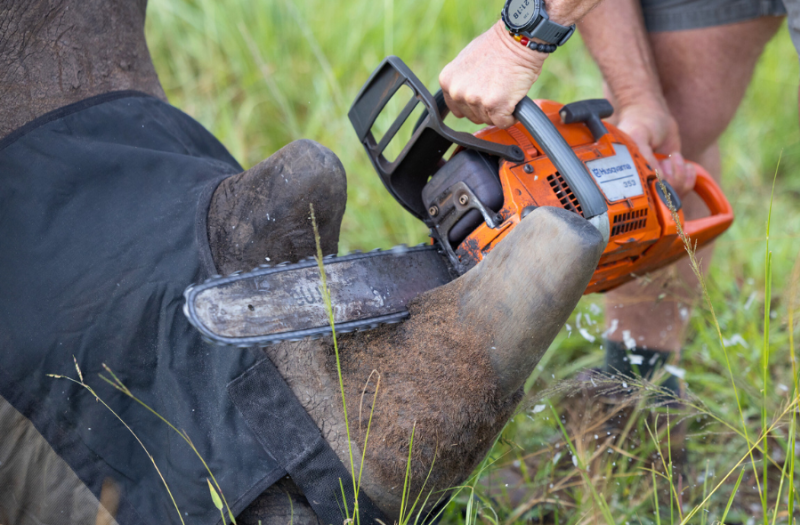
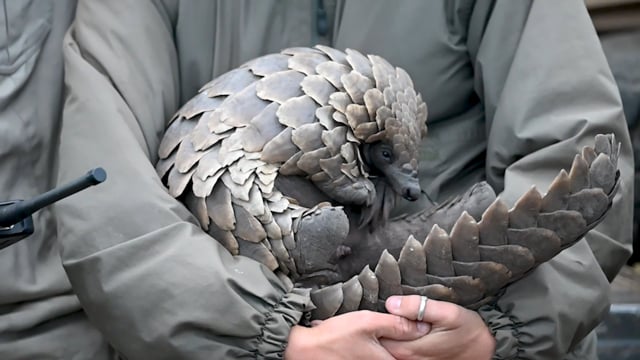
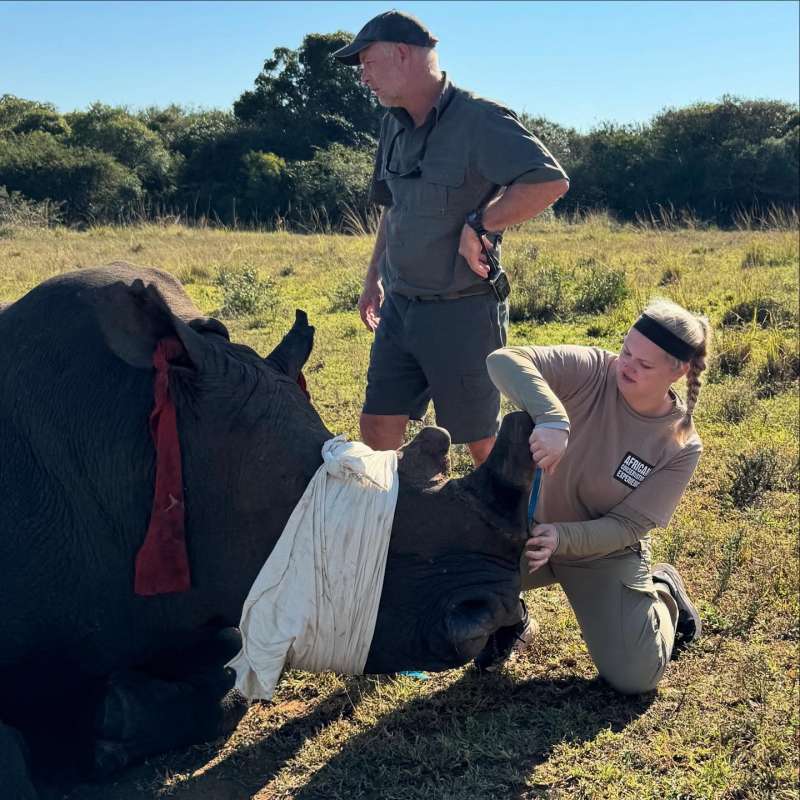
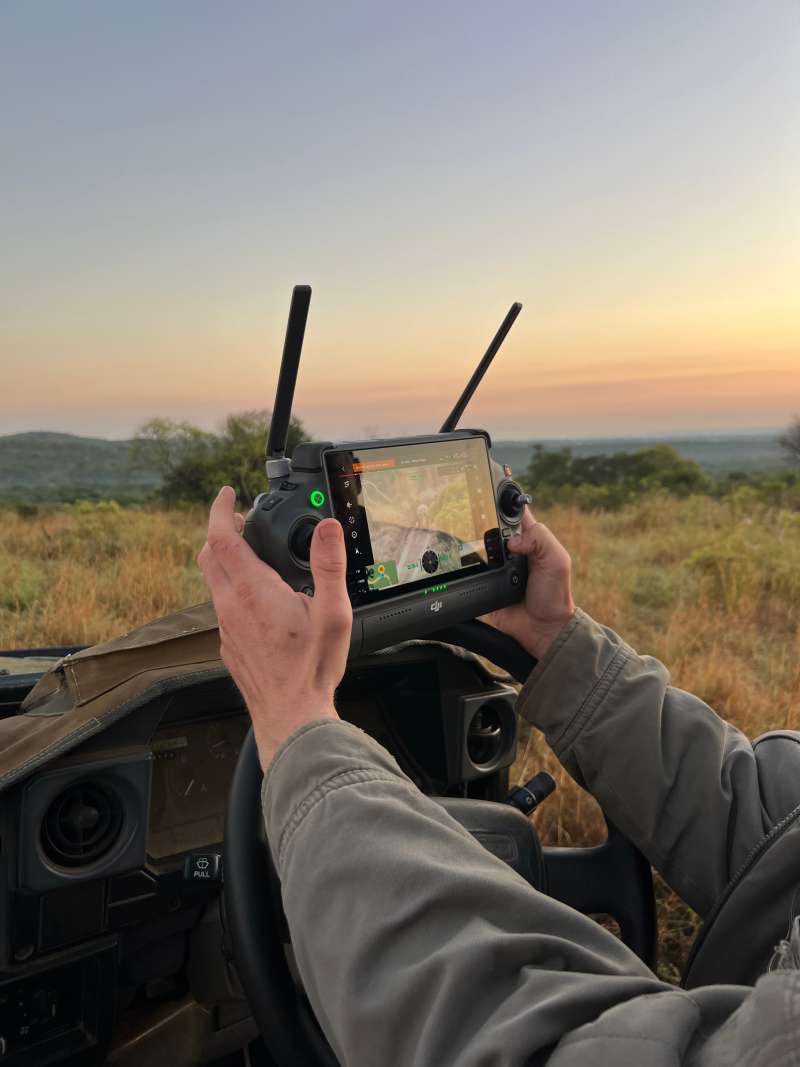
I booked this trip as a graduation gift for my daughter, Megan. She had never been to Africa before, and I wanted her first experience to be something meaningful. We wanted the chance to see wildlife in its natural habitat, get involved in hands-on work, and most importantly, give back to a worthwhile cause. The African Conservation Experience team organised for us to join the team at Phinda Wildlife Research Project, and it turned out to be everything that we hoped for and more. What really stood out about ACE was the variety of projects that we could join and the focus on real conservation work. From our very first call with the team, it was obvious that this wasn’t going to be anything like a typical safari experience. ACE offers something much deeper - the chance to actively take part in genuine, impactful wildlife conservation work alongside professionals in the field. We also felt reassured by what ACE doesn’t offer. Whilst we were planning our trip, we came across other organisations promoting experiences like lion or cheetah cub petting. Megan did some research and discovered how unethical those activities are. It was a relief to find out that ACE not only refuses to support these unethical practices, but also helps travellers understand why they’re harmful. On our first day at the Phinda reserve, we were lucky enough to assist with a rhino horn trimming. Watching the wildlife vet dart the rhino from a helicopter and then seeing the procedure up close was an incredible experience. A pretty good first day! We also had the pleasure of seeing lots of big cats. Cheetahs have always been Megan’s favourite animal, and she was thrilled when we got to see a coalition of three males, three days in a row! We also got to see a mum and her cub, another exciting moment. Another day, we were driving through a forested part of the reserve, and as we rounded a corner on the dirt path, we came across a pride of lions, sitting just metres away! I was surprised at how much wildlife we got to see; it was constant. Every day brought something new… From spotted hyena cubs coming to sniff our car to waking up early in the morning to search for pangolins and finding one! One of the most interesting things for me was seeing how technology is used to help track wildlife. Our ecological monitor showed us how to use an infrared drone to track down rhinos - we found several white rhinos, but the black rhinos proved more elusive! We also got to learn more about the history of Phinda and all of the research being carried out at the reserve. It was a very informative experience. Travelling like this opens your eyes. It gives you a new perspective on the world and the challenges faced by conservationists every day. We could have stayed in a lodge and done a traditional safari, but this was something entirely different. To get hands-on, to see behind the scenes, and understand the struggles and successes of conservation work is invaluable. I would absolutely come back to help again.

African Conservation Experience Programs

Browse programs you might like

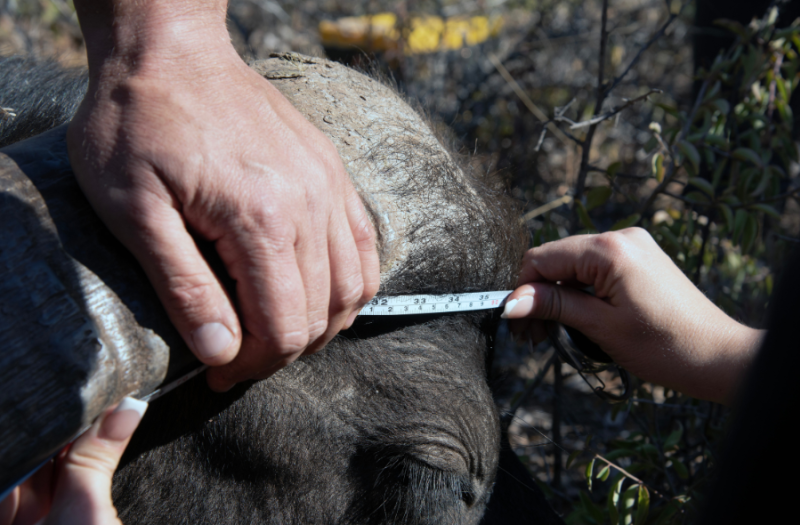
Rhino horn trimming done for anti-poaching purposes by qualified professional

African Conservation Experience

4.95

41 reviews

Personalized Veterinary Experience in South Africa

Dive into ethical, meaningful, and practical veterinary work tailored to your goals, interests, and abilities! This program meets the requirement...

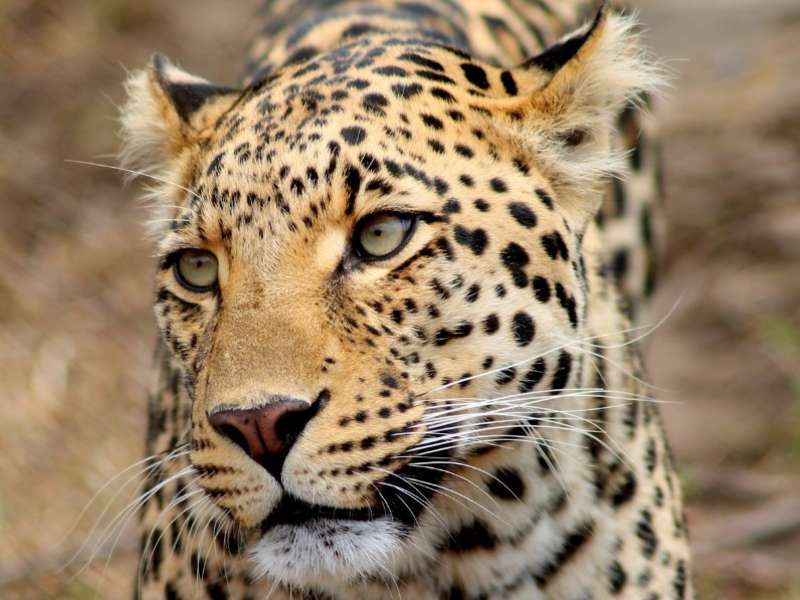
A leopard at Moholoholo

African Conservation Experience

4.79

38 reviews

Save Africa’s Iconic Wildlife at Moholoholo

Save animals' lives at one of Africa's largest and longest-serving rehabilitation centres! Spend your days nursing injured, poisoned, and orphane...

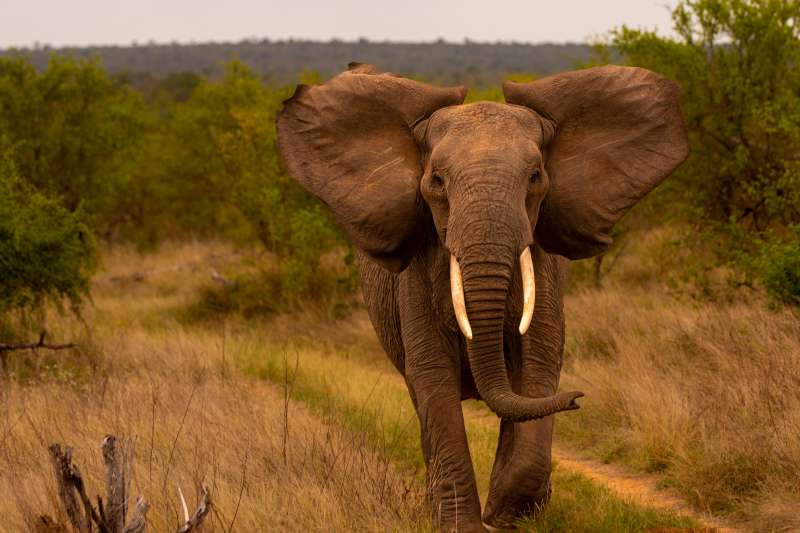
Elephant with its ears our walking through the African bush

African Conservation Experience

4.92

37 reviews

Go Behind the Scenes at a Big 5 Wildlife Reserve

Help preserve the famous Big 5 safari reserve, seeing a side of Phinda that many tourists don’t get to experience. Become part of the main resear...

Male guide cooking in the Okavango on a campfire

African Conservation Experience

4.95

20 reviews

Help Preserve the Wilderness of Botswana

Disconnect from the modern world and immerse yourself in one of Africa’s last true wilderness areas while having a positive impact on wildlife su...

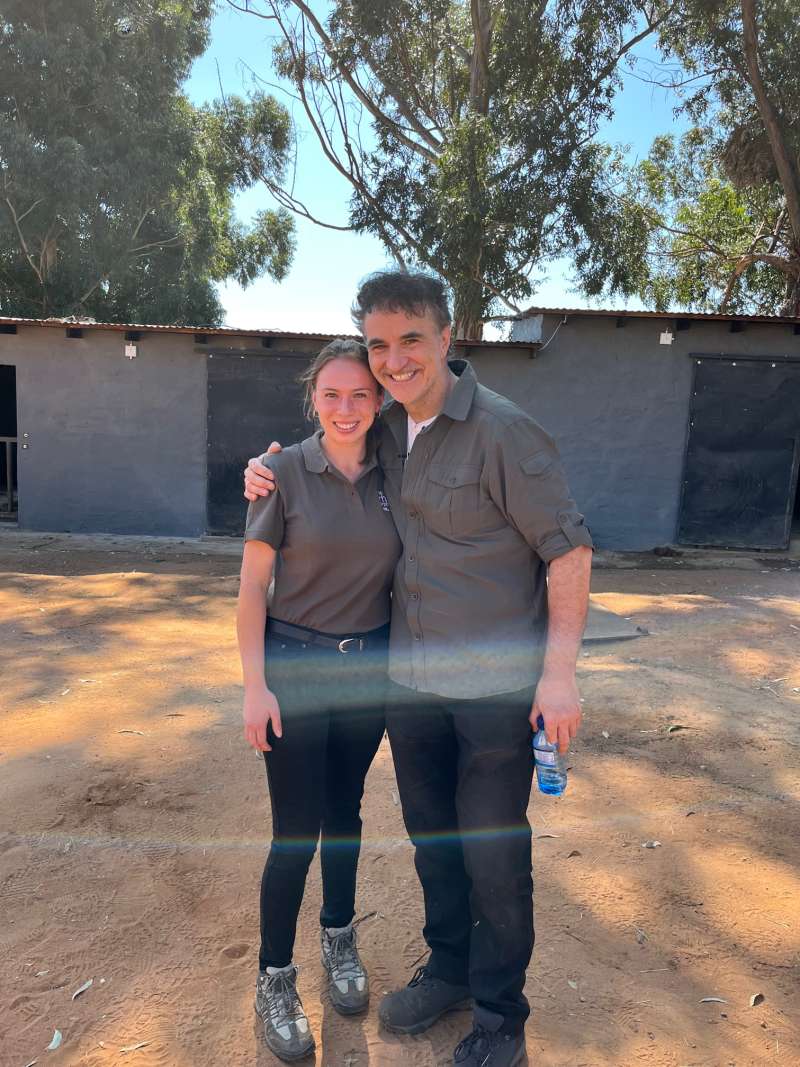
ACE Volunteer with Noel Fitzpatrick, The Supervet

African Conservation Experience

4.74

19 reviews

Volunteer at a Rhino Orphanage in UNESCO World Heritage Site

Help save orphaned and injured rhinos and protect a UNESCO World Heritage Site by monitoring the rhinos released into the wild. You will not just...

Elephant Calf in the Kruger National Park

African Conservation Experience

4.83

18 reviews

Wildlife Conservation in the Greater Kruger National Park

Volunteer at one of the most exciting destinations in Africa! The Greater Kruger National Park is a protected landscape that hosts a mega populat...

Interviews

Read interviews from alumni or staff

Lauren Locke

Lauren Locke

Interviewed in 2014

Staff

What inspired you to travel abroad?

ACE offers experience oriented placements on wildlife conservation projects in Southern Africa for two to12 weeks. We currently have partners in South Africa, Zimbabwe, Botswana, and Mauritius. Our programs offer opportunities for students from all backgrounds to work in a variety of areas including research, wildlife rehabilitation, marine conservation, game capture, and field veterinary work.

Show Full Interview
Rob Harris

Rob Harris

Interviewed in 2014

Staff

What inspired you to travel abroad?

A lot of parents are reluctant to send off their children on programs abroad despite the benefits of experiential education. What made you grant your son Mark's desire to gain work experience on a game reserve in South Africa before starting university?

Show Full Interview
William Davies

William Davies

Participated in 2006

Alumni

To gain experience in the field, whilst being aboard to expose myself to a different culture, techniques and methods.

Show Full Interview
African Conservation Experience

African Conservation Experience

4.87Verified

Ready to Learn More?

African Conservation Experience are working to create a brighter future for Africa’s wildlife. By bringing together people from around the world to work on real conservation projects, they’re turning a local challenge into an international movement. What makes them different to other companies? As southern Africa’s original conservation travel specialist, they have an unrivalled level of knowledge and connections within the region. Since 1999, they’ve helped thousands of travellers realise their ambition to work hands-on with African wildlife, learn from conservation experts, and move forward in their careers. Every traveller receives personal guidance before they book to find the right experience for their goals and passions. And by choosing African Conservation Experience, travelle...

Awards

Check out awards and recognitions African Conservation Experience has received

Year Out Group LogoInnovative Volunteer Abroad Program 2023 FinalistGoAbroad Innovative Volunteer Abroad Program, 2023 FinalistTop Rated Notable Mentions 2022ATOL: African Conservation ExperienceABTA: African Conservation Experience