- Home
- Providers
- Back
- African Conservation Experience
- Personalized Veterinary Experience in South Africa

Personalized Veterinary Experience in South Africa
Dive into ethical, meaningful, and practical veterinary work tailored to your goals, interests, and abilities! This program meets the requirements for Extra Mural Studies (EMS) and Animal Husbandry Extra Mural Studies (AHEMS). Depending on the skills you’d like to gain, get paired with either an individual or a team of qualified vets for the best possible exposure and experience. Work with some of...
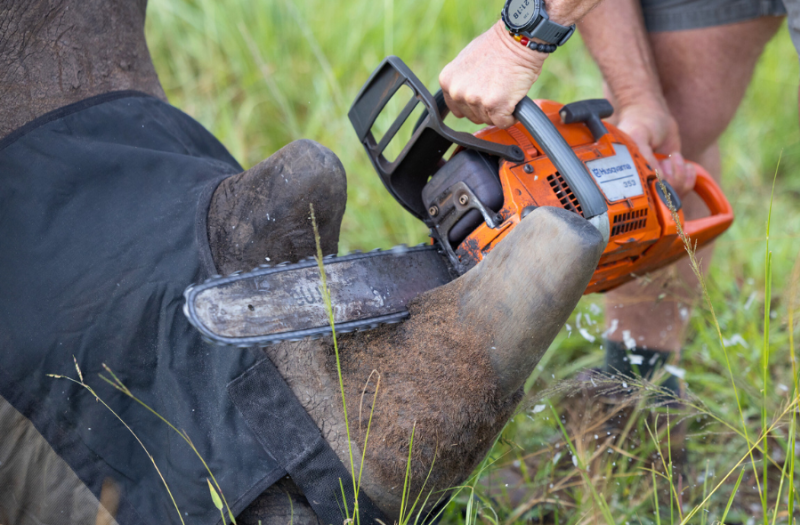
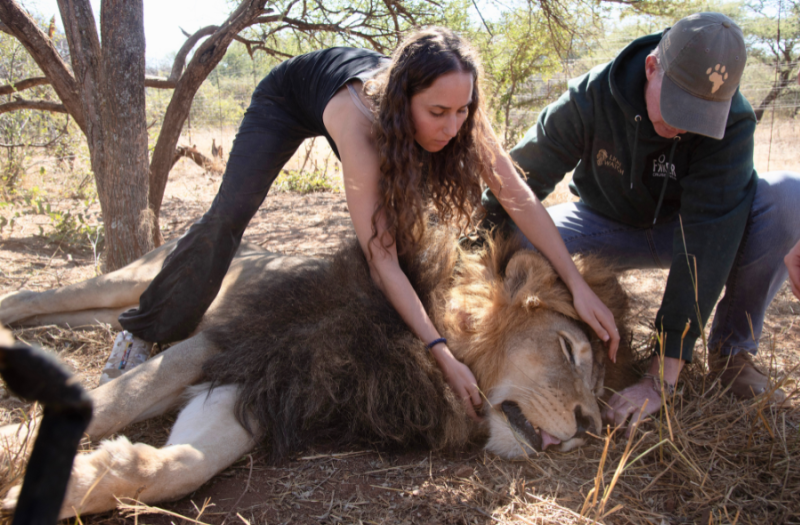
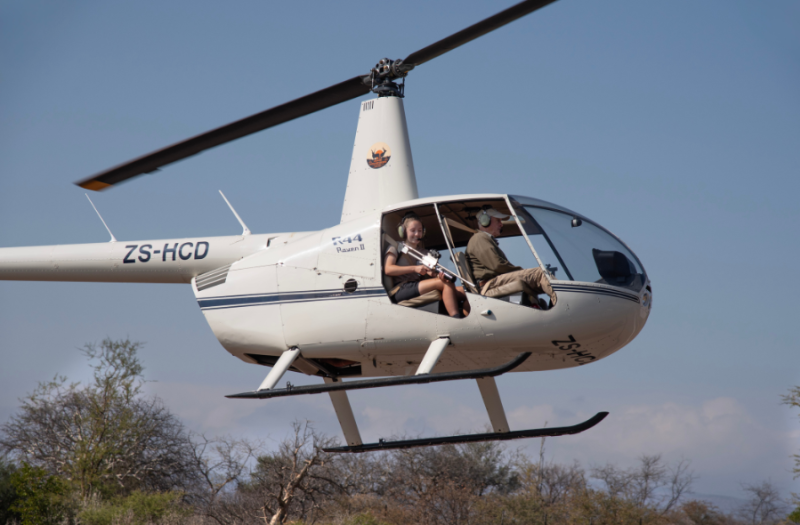
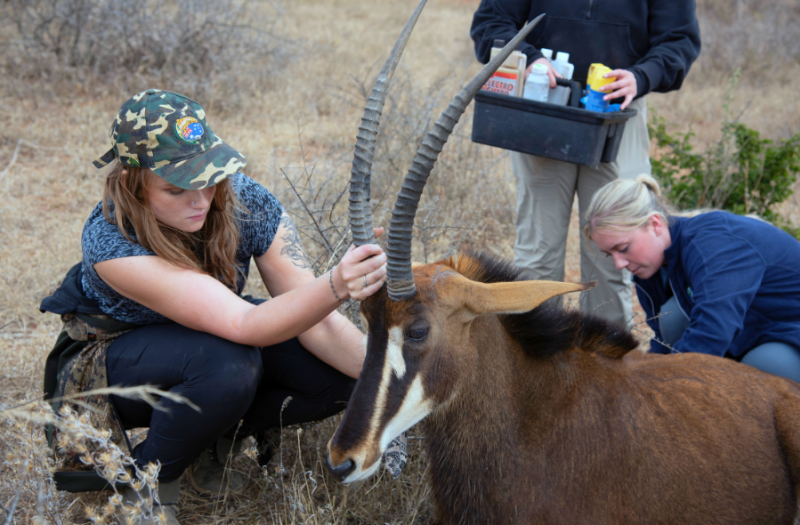
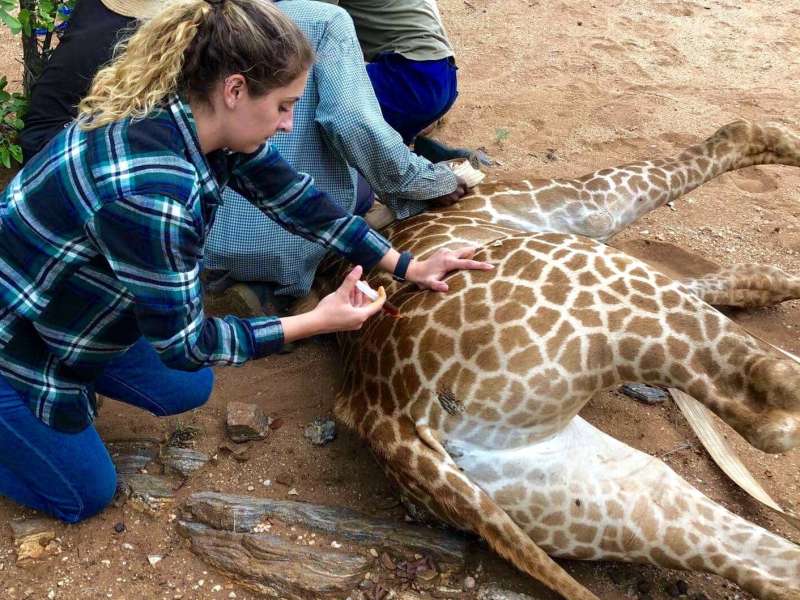
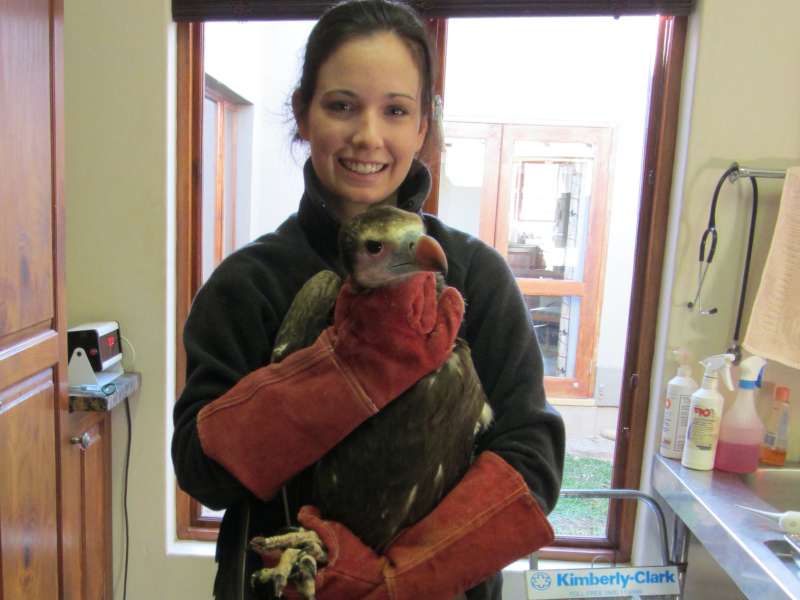
Dive into ethical, meaningful, and practical veterinary work tailored to your goals, interests, and abilities! This program meets the requirements for Extra Mural Studies (EMS) and Animal Husbandry Extra Mural Studies (AHEMS). Depending on the skills you’d like to gain, get paired with either an individual or a team of qualified vets for the best possible exposure and experience. Work with some of Africa’s most respected vets in their everyday work wherein you don’t just treat injured and sick animals, but you also play a key role in conservation. You could be assisting with wildlife relocation, immobilizing and moving animals to help manage their population, testing for diseases, and even performing necropsies. From fieldwork to clinical work, become engaged in responsible veterinary act...
Program Highlights
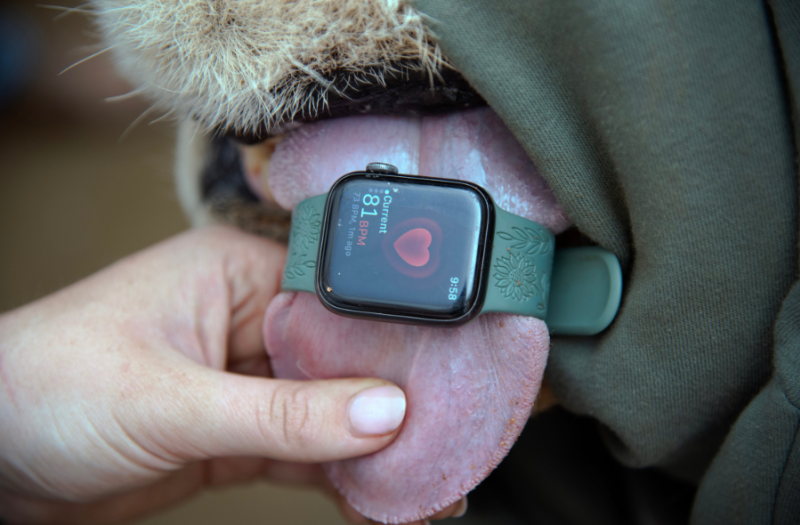
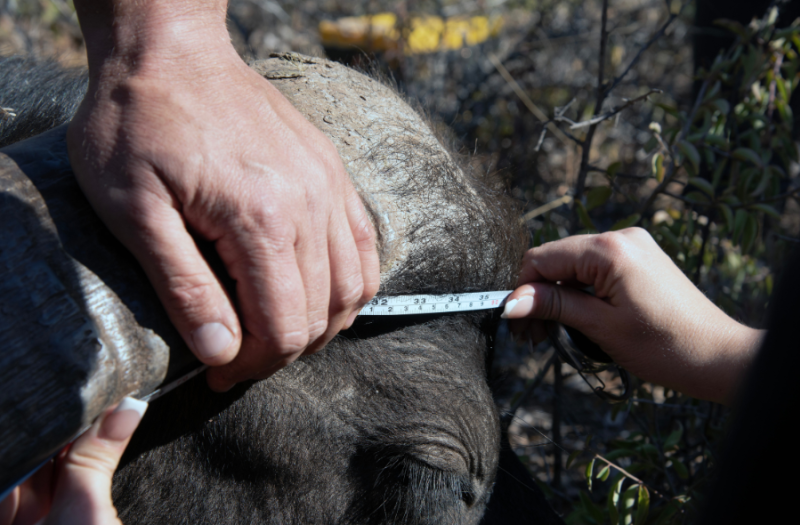
Gain hands-on work, from assisting with disease prevention to pregnancy testing in the field—every day is a unique experience right in the heart of the action!
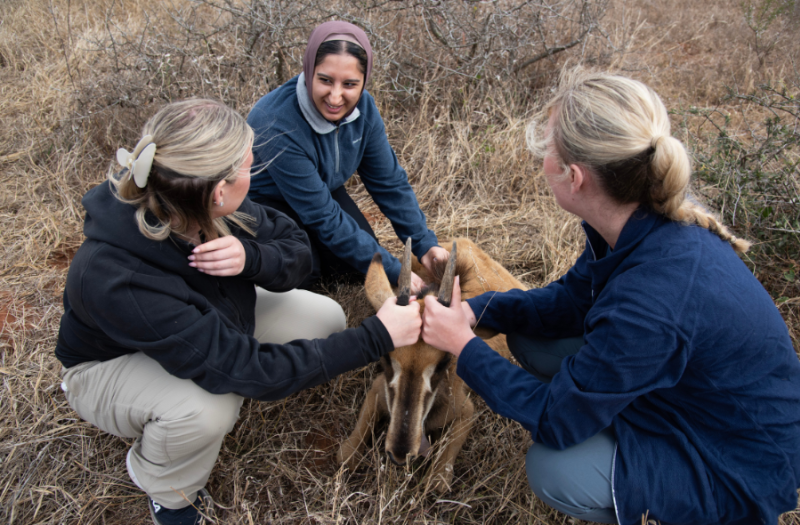
Acquire tailored training while working alongside some of Africa’s most experienced wildlife vets and learning new skills—all helping to progress your career.
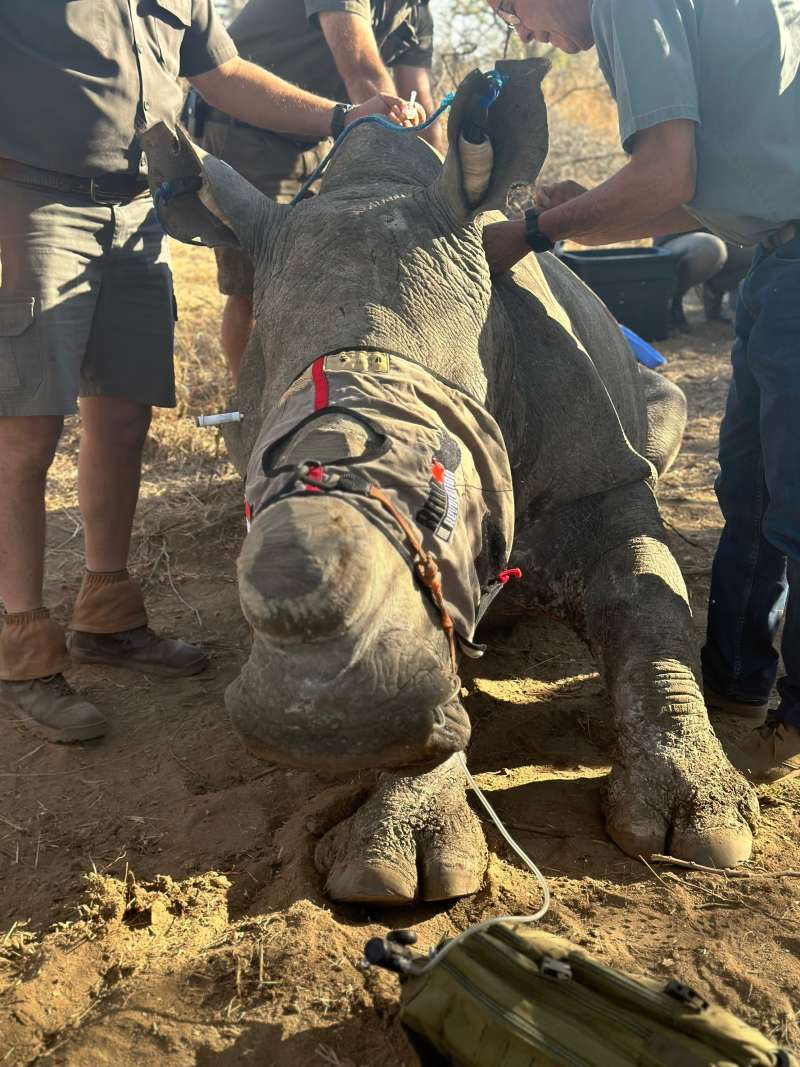
Experience variety, from darting animals like buffalos and rhinos to the physical handling and administration of low-schedule drugs, ensuring their best possible welfare.
Make connections with students, graduates, and experienced professionals; meet like-minded people; and learn and share stories from those who are just as passionate as you about veterinary science.
Immerse yourself in the local culture through excursions to nearby rehabilitation facilities and sanctuaries, and meet the community to see first-hand the impact your work has on the local area.
Media Gallery
Quick Details
- Kruger Park, South Africa
- 1-2 Weeks
- 2-4 Weeks
- 5-8 Weeks
- 9-12 Weeks
- Animal Sciences
- Zoology & Wildlife Sciences
- Biological Research
- Veterinary Science
- All Nationalities
Awards


Program Reviews
Hear what past participants have to say about the programs
Overall Rating
Total Reviews
I’m really happy I went! The Veterinary EMS experience felt like such a great team where we did everything together.
February 06, 2026by: Maëlis Labatut - CanadaI did most of this experience with my friend Madeline who I met on the project! We travelled separately for this experience and had never met each other before, but bonded quickly during our time on the Shimongwe Veterinary EMS placement when I spent three weeks on the project and Madeline joined for the final two weeks. On Madeline’s first day, we were taken to a reptile centre with 150 different species of venomous snakes. Wow. That was incredible. These snakes and lizards were from all over the world, and the staff there collect venom from them every week! This was purely observational for us because they do have some dangerous snake species there, so we were kept safe at all times. We learned about how there is an antivenom shortage in South Africa, which is what made this so interesting, because there is a real need for this work. Instead of working directly with the snakes, we drew blood from different lizards for DNA testing. We split into teams of two and ended up being much faster than we expected. We got to work with geckos, Sungazers and lots of other types of lizards. We called this ‘Lizard day’, and it was so cool to work with so many different species. The vet placement was amazing, and we ended up working on over 140 buffalo in one week! The project staff were constantly on the move to help us, as there was a lot of work to do. There was darting, loading the buffalo into trailers and moving them to different farms. Every time the vet darted them, we did injections of dewormer, medication, or vitamins. Some of them needed to be microchipped, some of them needed to be checked for pregnancy, some needed tuberculosis testing and brucellosis testing, so we drew blood for analysis too. We even found some pregnancies and could see them through the ultrasounds. My main hope before going was to see a lion, and during my time on the project, I got to work with one! I even had the rare opportunity to give a lion an injection, which was my favourite part of the whole experience! Madeline hadn’t worked on big animals very much before going on this experience, so she thought the darting, anaesthesia, and learning how to handle these big, dangerous animals was really worthwhile. During the weekend, we went to Leshiba Wilderness, which is a private game reserve that has lots of rhinos. We got to go for a hike through this incredible environment, and it was so fun. We had a good view of the valley, went on a night drive, and saw a bunch of rhinos. We really appreciated the project helping to organise this excursion for us. The farm day with one of the vets was really fun. We had more of a quiet day in terms of the workload on Friday, so the vet found some work for us to do on his farm involving working with different animals, then helping to move them to the stables. After a long day of work, the vet organised a braai (traditional South African barbecue) for us and we got to eat it in the bush, which was pretty cool. We never knew what we were going to get, but we loved everything we did. Madeline says that after this experience, she definitely wants to pursue a career in wildlife. This experience helped her understand which areas she’s less experienced and less knowledgeable in, so she knows what to work on if she moves forward with this career path. I felt this experience was really valuable, and I really enjoyed it. I definitely want to do more of it in the future! Madeline felt management of wildlife is pretty different than in the U.S. It was really eye-opening to learn about the farms that people have in South Africa and the conservation work that’s done. Before I organised my placement, I didn't know what to expect, but when I booked a call with ACE, we spoke a lot about how conservation and vet work is done in South Africa. It’s hard to understand until you see and experience it for yourself. When we went out to do the vet work, we were in huge areas that aren’t just enclosures with animals, so I really understood how the whole ecosystem functions once we saw it and got to work in it too. I am really happy that I have more knowledge on the reality of vet work now, because when I was looking on the internet at the different options, I just did not understand how vet teams and procedures worked. Now I know why the unique work we did was so important! It’s similar to back home in Canada, except more exciting as we swapped deer and moose for buffalo, impala and sable!
I still think about it every day: the people, the animals, the sunsets, the feeling of purpose!
February 04, 2026by: Tereza Pacíková - Czech RepublicFrom the moment I landed, everything ran perfectly. I was met at the airport by the African Conservation Experience (ACE) staff, and they immediately made me feel welcome. Even the drive out to the project was fantastic. Our driver was hilarious and knowledgeable, telling stories about the country, which set the tone for the trip ahead! Shimongwe Wildlife Veterinary Experience itself was incredible. As a small animal vet, it was such a precious opportunity to work with large wildlife species, as we worked with some rare and beautiful animals. For example, one day we darted and treated a roan antelope (locals even told us they’d never handled one before!), another day we treated sable and nyala bulls and helped relocate them safely to other farms. On our final day, we darted a nyala, administered injections, and helped load him into a trailer for relocation. Watching how smoothly the team worked together was truly impressive. You felt part of something meaningful every single day, and I loved getting to know the dedicated people behind the conservation efforts! We also worked with an incredible number of buffalo. By the end, I was joking that I’d become a buffalo specialist! We helped the vets take blood samples for tuberculosis testing on the buffalo and also gave vitamin and anti-parasitic treatments, and assisted with relocations. It was physical, sometimes chaotic work, but in the best possible way. Every day was different. I can’t say there was one special day, I loved all of it! One day drawing blood, another treating, another relocating, never boring, never repetitive. The sunsets after long field days were something else, too. By the end, I lost count of how many times we just stopped to take it all in! In the clinic, the team was also brilliant. For students, it’s an incredible learning environment where they deal with everything: coughing, diarrhoea, vomiting, wounds, you name it. The vets, nurses, and technicians were all so kind and open. They shared everything: dosages, protocols, and their reasoning behind treatments. Even though I already work as a vet, I loved hearing their different approaches and seeing how they worked with wildlife species. They were also just genuinely fun people to be around, warm, professional, and easy-going. The accommodation was great too. It was clean and comfortable, with our own kitchen, bathroom, and even a terrace to relax on. There was a pool to cool off in after long days, and our host was super friendly! On weekends, we went exploring. Our first trip was to the famous Kruger National Park, my first time there! We saw so many elephants (they were everywhere), giraffes, birds, and even a lioness. Then another weekend, we visited Leshiba Wilderness, which was one of the most magical places I’ve ever seen. We went hiking during the day, and in the evenings, we could sit by the pool with a view over the bush, watching rhinos, giraffes, and zebras walking past. It honestly felt surreal! The people I met made the trip even more special. There were volunteers from the UK, the US, and a few other Czechs, too, which was such a nice surprise! One of the Czech girls and I are still in touch. We text and call all the time. Everyone at the project was like a supportive, funny family, and I would work with them again in a heartbeat! When I had to leave, I cried. That’s how much I loved the people there! I came home, went straight back to small animal practice, but a part of me stayed in Africa. I still think about it every day: the people, the animals, the sunsets, the feeling of purpose. I honestly think my friends are tired of me always talking about it! If anyone’s thinking about going, just do it. It was organised perfectly, the team was professional and kind, and the experience itself was everything I hoped for and more. I am already in talks with ACE to plan my trip out with them again next year, and I absolutely can’t wait!

This experience opened my eyes to the realities of conservation and veterinary work in Africa, and it strengthened my passion for wildlife medicine even more.
November 13, 2025by: Evžen Lomák - Czech RepublicBefore I set off on my five-week veterinary adventure with African Conservation Experience (ACE), I wasn’t entirely sure what to expect. I had read about the Shimongwe Wildlife Veterinary Experience and knew it would be hands-on, but I couldn’t have imagined just how rewarding and eye-opening it would turn out to be. From the moment I landed in Johannesburg, I felt completely taken care of. An ACE representative was waiting to welcome me at the airport, and after a good meal and introductions, we set off on the five-hour drive north to Louis Trichardt. The journey flew by, our driver shared fascinating stories about South Africa’s history, culture, and wildlife along the way, giving us a glimpse into the country we were about to discover! When we arrived at the project, we were greeted warmly by the team before settling into our guesthouse. The accommodation was wonderful, surrounded by a peaceful garden and a swimming pool, and often visited by a few friendly dogs who quickly became part of our daily life. Our very first day set the tone for the entire experience. We were up at three in the morning to help with the tranquilisation and transport of a kudu. Watching these animals up close was something I’ll never forget. Over the next few weeks, we worked with a wide range of wildlife, including sable, tsessebe, blesbok, waterbuck, buffalo, and even lions. Being part of wildlife veterinary procedures like health checks, immobilisations, and administering medicines gave us a real sense of purpose and excitement each day. Working with rescued lions at the rehabilitation sanctuary was an unforgettable highlight. To be so close to these powerful creatures and assist in their care was both humbling and exhilarating! Alongside wildlife work, we also gained valuable experience with domesticated animals such as cattle, goats, and horses. It was a reminder of how veterinary medicine plays a crucial role not just in conservation, but in supporting local communities as well! The vets at the project were exceptional mentors. They were patient, knowledgeable, and passionate about teaching. Every day with them was an opportunity to learn something new, whether in the field or at the clinic. On weekends, we explored more of South Africa’s natural beauty. Visiting the infamous nearby Kruger National Park and the breathtaking Leshiba Wilderness Reserve gave us time to reflect on the importance of what we were learning. Horse riding and hiking on our time off also added even more adventure to an already incredible experience! Looking back, what made this journey so meaningful was how it offered a complete picture of conservation in practice! I came to understand that wildlife management, population control, and habitat balance are all essential parts of protecting nature, each connected and equally important. My time with ACE was truly unforgettable. I’m deeply grateful to everyone who made it possible, from the ACE staff who made everything run smoothly to the dedicated veterinarians who shared their knowledge so generously! This experience opened my eyes to the realities of conservation and veterinary work in Africa, and it strengthened my passion for wildlife medicine even more. See you next time!

Program Details
Learn all the nitty gritty details you need to know
Locations
- Kruger Park, South Africa
Types and Subjects
- Fields
- Animal Sciences
- Zoology & Wildlife Sciences
- Causes
- Biological Research
Availability
Years Offered: Year Round
- 1-2 Weeks
- 2-4 Weeks
- 5-8 Weeks
Age Requirement
Age Requirement Varies
Guidelines
All Nationalities
This Program is also open to Solo, Couples, Group
Cost per week
Program Cost Includes
- Accommodation / Housing for Program Duration
- All Program Activity Costs
- Weekday Meals (Breakfast, Lunch, Dinner)
- Weekend Meals (Breakfast, Lunch, Dinner)
Accommodation Options
- Dormitory
- Group living
- Guest House
- Other
Qualifications & Experience
- English
Language Skills Required
- Any/All Education Levels Accepted
Accepted Education Levels
Application Procedures
- Online Application
Frequently Asked Questions
Ready to Learn More?
Dive into ethical, meaningful, and practical veterinary work tailored to your goals, interests, and abilities! This program meets the requirements for Extra Mural Studies (EMS) and Animal Husbandry Extra Mural Studies (AHEMS). Depending on the skills you’d like to gain, get paired with either an individual or a team of qualified vets for the best possible exposure and experience. Work with some of Africa’s most respected vets in their everyday work wherein you don’t just treat injured and sick animals, but you also play a key role in conservation. You could be assisting with wildlife relocation, immobilizing and moving animals to help manage their population, testing for diseases, and even performing necropsies. From fieldwork to clinical work, become engaged in responsible veterinary act...

African Conservation Experience

African Conservation Experience
Ready to Learn More?
Dive into ethical, meaningful, and practical veterinary work tailored to your goals, interests, and abilities! This program meets the requirements for Extra Mural Studies (EMS) and Animal Husbandry Extra Mural Studies (AHEMS). Depending on the skills you’d like to gain, get paired with either an individual or a team of qualified vets for the best possible exposure and experience. Work with some of Africa’s most respected vets in their everyday work wherein you don’t just treat injured and sick animals, but you also play a key role in conservation. You could be assisting with wildlife relocation, immobilizing and moving animals to help manage their population, testing for diseases, and even performing necropsies. From fieldwork to clinical work, become engaged in responsible veterinary act...
Related Programs
Browse programs you might like