

Marine Biology Field Research Training in South Africa

by World Unite!
Program Overview
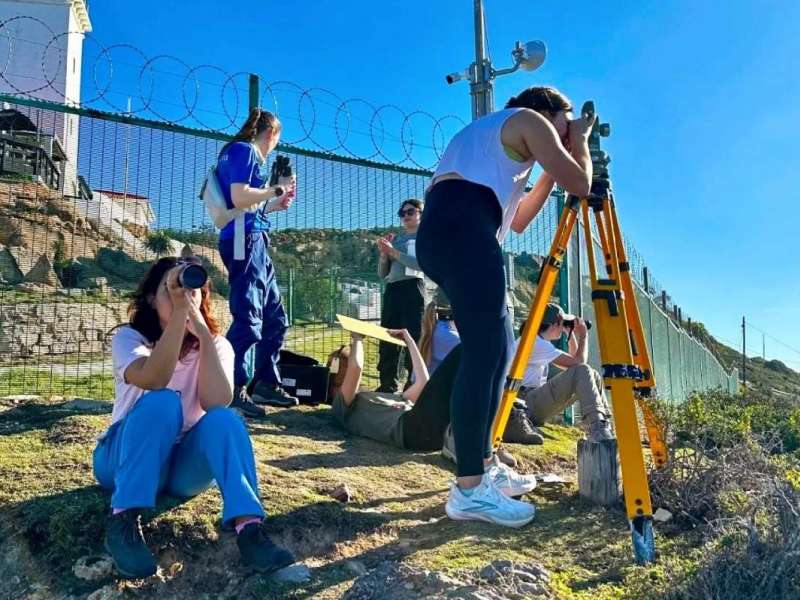
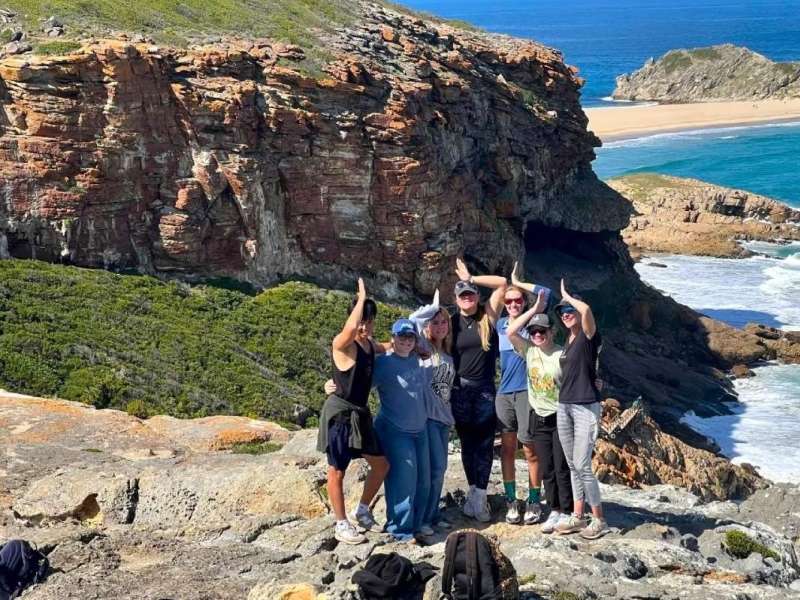
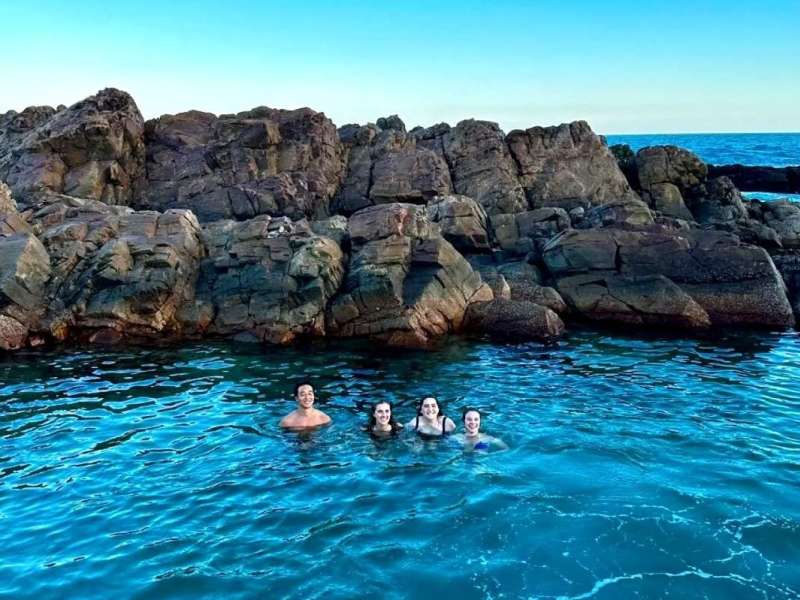
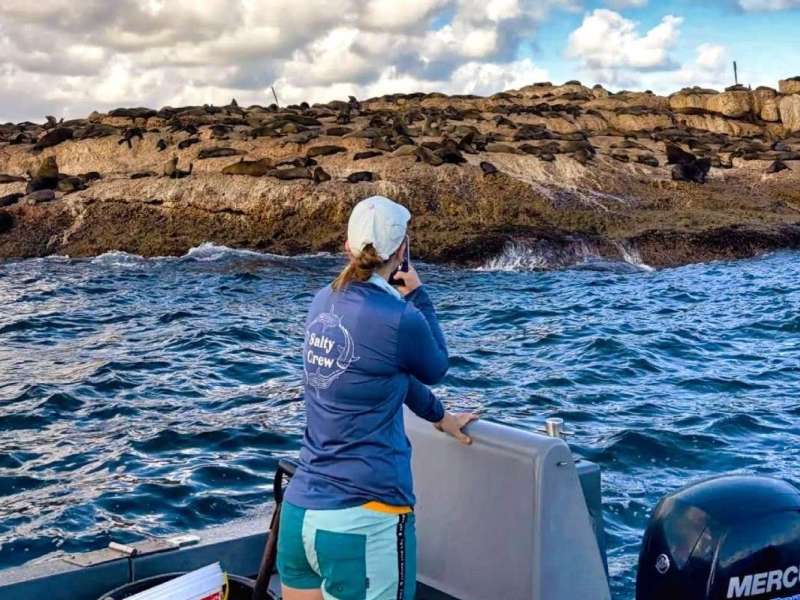
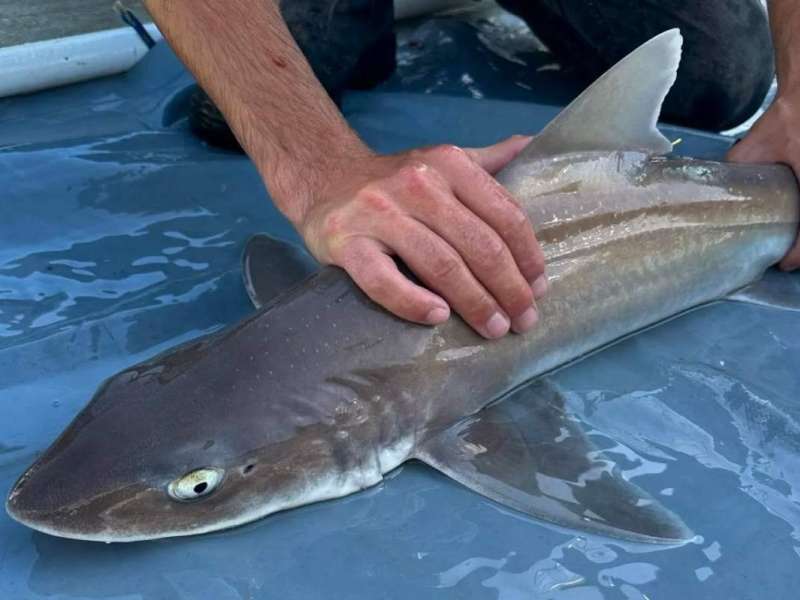
The Marine Biology Field Research Training Course in Mossel Bay, South Africa, offers hands-on experience in marine science and conservation within one of the world’s richest marine ecosystems. Participants work alongside marine biologists on projects involving sharks, whales, dolphins, and coastal habitats, contributing to real research while developing practical skills. The program covers topics such as behavioral ecology, predator–prey interactions, bioacoustics, and marine pollution.
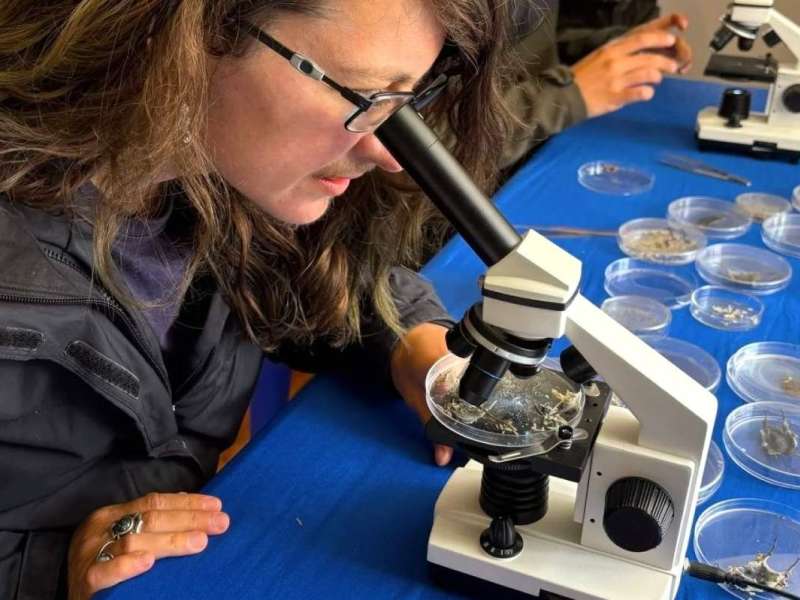
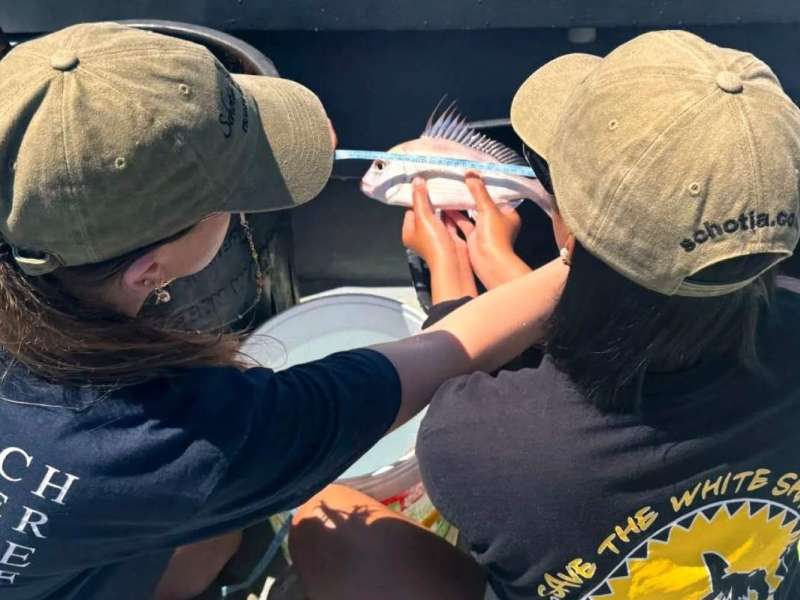
Most time is spent in the field, on research vessels, along the coast, and in the water, collecting and analyzing data. Participants also gain experience using advanced equipment like BRUVs, ROVs, and drones, and can earn diving certifications. With small groups, expert guidance, and an interdisciplinary approach, this course is ideal for anyone interested in marine biology, research, and conservation.
Ready to dive deeper into this program?
Jump to the full breakdown of dates, costs, eligibility, and more.
Program Highlights
What's Included
Quick Details
- Summer
- Spring
- Fall
- Conservation & Preservation
- Ecology
- Environmental Studies
- Marine Biology
- Zoology & Wildlife Sciences
Updated Jun 2, 2026
Program Details
Learn all the nitty gritty details you need to know
Locations
- Mossel Bay, South Africa
Types & Subjects
- Subjects & Courses
- Conservation & Preservation
- Ecology
- Environmental Studies
- Marine Biology
- Zoology & Wildlife Sciences
Available Terms / Availability
- Years Offered
- 2026
- Terms Available
- Summer
- Spring
- Fall
Eligible Nationalities
- All Nationalities
Education Levels & Language
- Language
- English
- Education
- University Sophomore (2nd Year)
- University Junior (3rd Year)
- University Senior (4th Year)
- University 5th Year or More
- High School Sophomore (2nd Year)
- High School Junior (3rd Year)
- High School Senior (4th Year)
- High School 5th Year or More
- High school graduate, diploma or the equivalent (for example: GED)
- Some college credit, no degree
- Trade/technical/vocational training
- Associate degree
- Bachelor’s degree
- Master’s degree
- Professional degree
- Doctorate degree
- University Freshman (1st Year)
Accommodation Options
- Group living
Application Procedures
- Online Application
Age Requirement
18+
Starts At
Program Reviews
Hear what past participants have to say about World Unite!
Be the first to review World Unite!
If you've participated in this program, your review helps future students decide.
Review this ProgramInquire
Inquire about this program
Have a question? Send us a message and the program team will get back to you.
FAQs
Frequently Asked Questions
Get answers to all the most common questions about World Unite!.
Do I need prior experience in marine biology to join?
No, the program is open to beginners as well as students and graduates. Training is adapted to your level.
Will I receive a salary or compensation?
No, this is a training course, so participants do not receive a salary.
What kind of activities will I take part in?
You’ll assist with field research on sharks, whales, and dolphins, collect data, and use scientific equipment.
Is accommodation included in the program fee?
Yes, shared accommodation and full-board meals are included in the program price.
Can I earn academic credit for participating?
In some cases, yes—this depends on your university, so you should check with your institution in advance.
Related Programs
Browse programs you might like


World Unite!
No reviews yet
Do you love horses? Then, volunteering at a Horse Ranch on the beach at one of South Africa's most beautiful landscapes is your dream placement! ...
World Unite!
No reviews yet
Dive into a captivating experience for all wildlife lovers! This program is open to volunteers and interns. The placement is in a wildlife sanct...

World Unite!
No reviews yet
The non-profit organization TLC Outreach Projects supports individuals from socially challenging backgrounds through several initiatives: - The "...
Have more questions?
We're here to help!
The GoAbroad team is here to support you as you choose the best program for you, and World Unite! is also happy to answer any questions you have.
Trusted by millions of travelers worldwide since 1997