- Home
- Providers
- Back
- Vocational Impact
- Psychology and Mental Health Programme in South Africa

Psychology and Mental Health Programme in South Africa
Gain hands-on experience in psychology, mental health, or social work through this dynamic volunteer programme in one of South Africa’s major cities. Perfect for students and graduates, this opportunity offers real-world exposure, research potential, and professional growth in a global context. Support a foundation that aids abuse victims by assisting with psychological and forensic assessments, ...
Gain hands-on experience in psychology, mental health, or social work through this dynamic volunteer programme in one of South Africa’s major cities. Perfect for students and graduates, this opportunity offers real-world exposure, research potential, and professional growth in a global context. Support a foundation that aids abuse victims by assisting with psychological and forensic assessments, providing counselling and therapies, and offering victim support and youth diversion programmes. Help prepare families and children for court cases, ensuring victims have the support they need to pursue justice. Collaborate with a second foundation focused on community outreach, where you’ll deliver psychosocial training and workshops for children, social workers, and community leaders on issues ...
Program Highlights
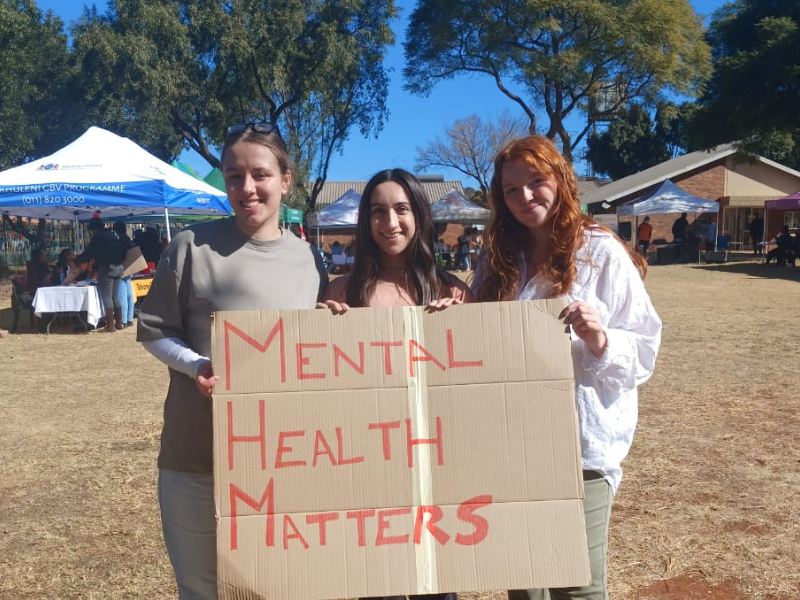
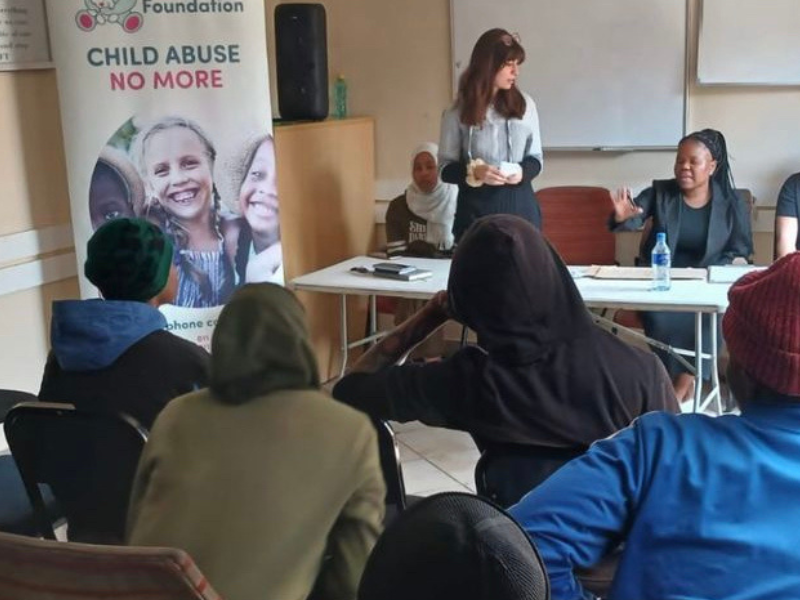
Gain hands-on experience with a foundation supporting abuse victims through assessments, counselling, therapies, and victim care.
Experience their Support Programme for Abuse Reactive Children and learn how they divert young offenders from their behaviours, break the cycle of abuse, and provide rehabilitative justice.
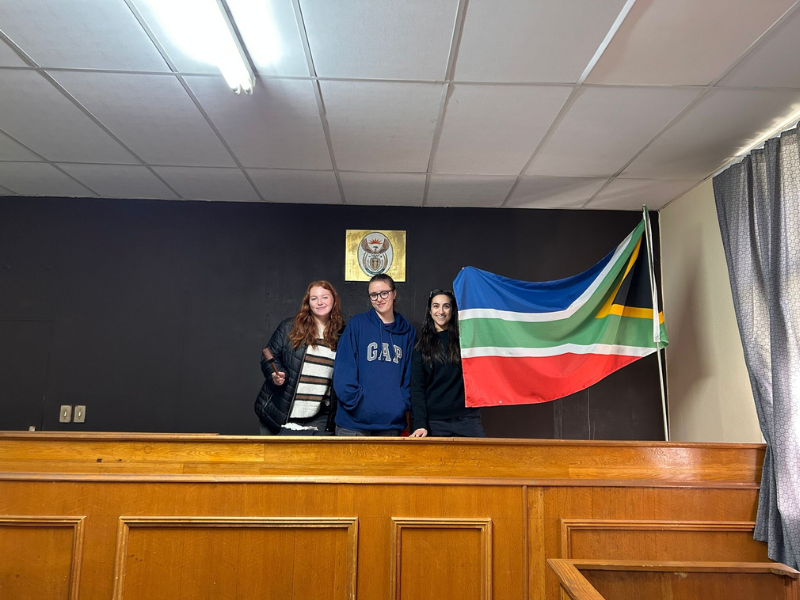
Prepare children and families for the court process and testimony, ensuring they feel confident and ready to go into the courtroom to share their stories to help seek justice for victims.
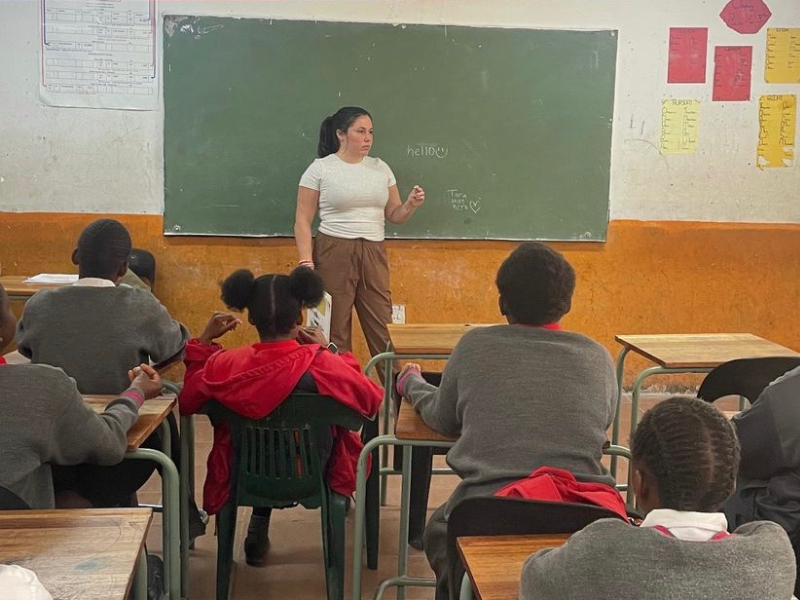
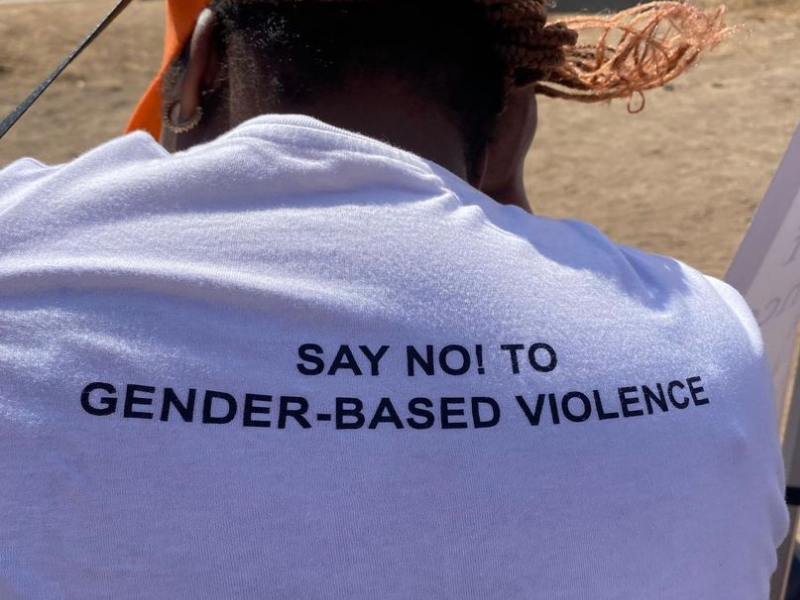
Deliver psychosocial community projects helping educate and support community leaders, social workers, and young people, and experience their rapid response programme should anything be revealed.
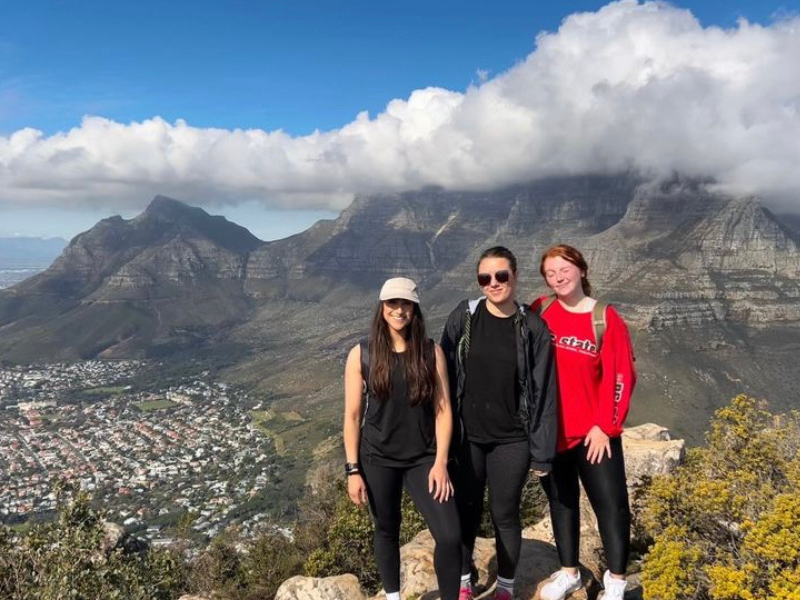
Spend your evenings and weekends travelling South Africa, immersing yourself in its diverse culture while gaining invaluable work experience!
Media Gallery
Quick Details
- Johannesburg, South Africa
- 2-4 Weeks
- 5-8 Weeks
- 9-12 Weeks
- Community Centers
- Community Development
- Counseling See more
- All Nationalities
Program Reviews
Hear what past participants have to say about the programs
Overall Rating
Total Reviews
We observed play therapy and so much more
February 27, 2020by: Nele GewertProgram: Psychology and Mental Health Programme in South AfricaWe caught up with Bath University second-year psychology student Nele, on her return from volunteering at Nkosi’s Haven in South Africa over the summer. “I really enjoyed it and I was completely involved in it. I believe I made the most out of it because I ended up tking over the baby day-care for two or three weeks and I offered to help with CV and job applications for the mums, and that was all taken on really really well, everyone was really happy with that." “I had quite a lot to do, there were different ways to handle the whole situation. I went with a ‘I can’ attitude, which gave me the motivation to find something to do that would benefit both sides. “We observed play therapy which actually happened with one of the kids that I had in day-care which was incredibly interesting and I really enjoyed it, I genuinely thought I got a lot out of it and I was very sad to leave in the end." Nele was able to work with other volunteers in creating a workshop for the children at the centre: “We did a workshop on sexuality and transgender themes with the teenagers. One of them even came up and asked questions afterwards. They wanted us to go talk to the mums and even thought it was such a zero-tolerance society. The people were great, the kids were great." Nele was also able to go outside of Nkosi’s Haven to see how other NGOs function in the country; We organised and went to a creche in Soweto so we made use of the time and we explored South Africa and Johannesburg, it was a great experience and I loved every second of it. The day trips were a great idea, every time we did one I had an amazing time. Gail organised for us to see the Teddy Bear Clinic which was incredibly interesting and it was really nice to see how other organisations in South Africa work. “Gail is one of the most hardworking women I have ever met, everyone knew who she was. I was really really attached to the kids and loved building something that will last.” “It was great to see that we are working for a cause that was so useful and well known." I think psychology can be involved under very specific circumstances, we’ve seen the places that Nkosi’s works with, which could definitely involve psychology aspects like, life skills workshops and psychology workshops. We suggested things like movie nights and dance nights to help boost the children’s self-esteem. There is also opportunity to participate in play and art therapy. “I cried when I left, it really is what you make of it. I loved working for a project that is doing such good work in the community”

It changed me as a person. You never forget the stories and experience
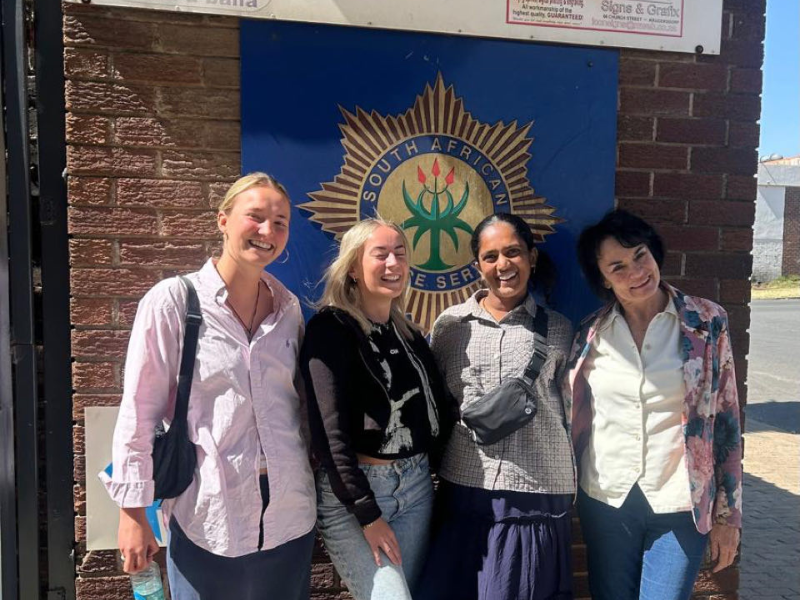
February 27, 2020by: Emily MooreProgram: Psychology and Mental Health Programme in South AfricaWe caught up with one of our volunteers to Operation Bobbi Bear, second-year Leeds University, psychology student Emily Moore Emily explained that Bobbi Bear is a centre based in Durban for young victims of sexual abuse, in which volunteers helped the children with their pre and post-school routines whilst simultaneously helping with the local community. "The most amazing trip ever." Emily described it as “the most amazing trip ever.” She went to Bobbi Bear for three weeks. When we asked about her impressions of the centre itself, she said; “it might seem daunting at first but they’re so welcoming. Their work is tied mainly around sexual abuse and working with children, but they are such a huge part of the community, everyone comes to Bobbi Bear even if they’re not in the centre.” Emily recalls one incident specifically: “we worked with a couple whose child Bobbi Bear had helped, and even though it had all been sorted, they had kept up the association with them to help them get over drug addiction. They were such a nice couple and Bobbi Bear wanted to try to get them to rehab even though it’s not their specialisation. It happened and they even paid for them to go. It was really amazing. That’s one of my highlights, I think. I would say that there are so many different things to experience. It’s not just children, they get you involved in everything and you’ll always feel a part of the team, you feel like you’re a top priority to them, it’s really special.” ″You'll always feel a part of the team, you feel like you're a top priority to them, it's really special." Operation Bobbi Bear, High Court Visit, Psychology Placement, South Africa, Vocational Impact “You'd either travel to different centres or courts, hospitals and schools." When asked to describe a typical day during her trip Emily said, “it’s actually really hard to describe because there are no typical days as such. The craziest things happen every day. We lived at the Bobbi Bear House, which is the main rescue centre, so towards the end, we had six kids living with us so we would wake up to screaming children in the morning. We’d go down and everybody would already be there. It was very chill, it was very relaxed really, we’d go to the office and chat about the day ahead. Then it depended on the day, you’d either travel to different centres or courts, hospitals and schools. Towards the end, we just spent a lot of time in the house looking after the kids.” “They didn't know what a pillow was. They couldn't believe that a toilet flushed, they didn't know what toilet roll was." Emily was able to see one of the largest abuse cases Bobbi Bear had ever seen. The children arrived at the centre from the extremely poor conditions in which they had been staying previously. “They were in the most awful conditions, we needed to get them into the Bobbi Bear house. When we first arrived, they didn’t know what a pillow was, they just didn’t get it. They just couldn’t believe that a toilet flushed, they didn’t know what toilet roll was, it was really sad and it put everything into perspective for me. When I first heard they were coming I was so happy. They were the best part of the trip, it was stressful but I didn’t care. I just wanted to do whatever I could to help. That last week, it was like 24-hour care, that was the best thing because we really felt we made a difference. The six kids were a massive part of our trip.” “You wouldn't get that experience here in the UK" When we asked Emily to highlight some more memorable aspects of her stay, she said; “I think for me it was the courts, they were so interesting. It was so shocking really to be in that environment, it was so strange, the lawyers were just chatting with each other, everything was just so laid back. It’s just such a difficult situation, but it was fascinating really. You would never get that experience here in the UK. One hugely powerful moment for me was when this guy was sentenced to like 200 years in prison for rape and murder. All the victims and family and friends all burst into tears and were so happy, and when outside they chanted and sung Zulu songs, it was such a powerful moment. You could see the hurt that they had all experienced from this one man. We also went to police stations and talked to them about doing talks in schools. The police spoke about past talks and how successful they were. They had a lot of success stories about action happening after their talks because from that point the children would be educated about what rape was whereas before they wouldn’t have been.” “Working to uplift the country and sort out corruption in the police and court system" We asked Emily about her expectations before the trip and she said; “I feel like I wasn’t nervous until I got off the plane, but then it was very daunting. There was a culture shock as well. I didn’t go in having expectations as such, I just went in looking to see what it was like there. I would say I was really overwhelmed by how welcoming they were, they made you feel so relaxed and at ease, they were always there for us and it really felt like they wanted us there.” Emily said her impressions of South Africa were, “shocking, some areas were so backwards, but there were so many amazing people working at Bobbi Bear and the community. It’s really amazing to see how many South African people are working to uplift the country and sort out corruption in the police and the court system, it seems like they are working towards the right way to fix things.” “There was a focus on uplifting mothers and women, educate women and promote women's rights" Having mentioned uplifting, Emily spoke about the efforts made by women to educate other women and promote things like women’s rights at a help centre called the Tree. “There was a focus on uplifting mothers and women. In South Africa, there’s such a big focus on HIV and AIDS which Bobbi Bear has done so well in bringing attention to. Everyone knows what HIV is, the next step is women’s violence. People travel two and a half hours on foot to be there, one or twice a week, it was about the women uplifting themselves. Kids would come and get food and clothes donations there as well. We went twice and played with all the kids with hula hoops and balls and stuff like that. I met Jackie Branfield there, she was such an amazing woman, she made us feel so so welcome, she even said she had a psychologist on hand if we had been affected by what we were doing. She explained to all the Zulu ladies who we were, saying that we’d paid to come out there to help the community, got us to do a presentation on who we were and why we were there. They just make you really get involved and you’re never just watching, you’re always interacting. It was such an amazing experience. We also met this Zulu lady who sung in the most powerful voice and only after did we find out that she only had days to live, that was a powerful moment.” "It changed me as a person. You never forget the stories and the experience." Emily said that the experience had helped her clarify her career path. “I think I always wanted to work with children, especially in clinical psychology. I think it’s been confirmed that I really like working with children, I find it easier to talk to a child than an adult. Even when there’s a language barrier, I can play and use my initiative to interact with them, it’s just so easy. I’d love to work with children in an environment like that, where it’s so useful for mental health issues. I think it changed me as a person. It sounds cliché, but you never forget the stories and the experience, you don’t feel like you want to go back to your old lifestyle, it’s so hard to accept that that is their lifestyle. I’m already looking at what else I can do and I’m keeping in touch with Bobbi Bear. Once or twice a year we want to do something to raise money to send them.” “There are a lot of projects around the world but this one you get so involved. It's a particularly good placement I think" Finally, when asked if she would recommend the experience to others Emily said; “definitely, I made an Instagram account and we got all our friends to follow that and the number of messages I got was great, I told them all to get in touch with Vocational Impact. There are a lot of projects around the world but with this one, you get so involved in so many different avenues, so many projects when you’re there, it’s a particularly good one I think.”
We planned workshops
February 14, 2020by: Sophie BaronProgram: Psychology and Mental Health Programme in South AfricaWe spoke with York University third-year psychology student Sophie, on her return from volunteering at Nkosi’s Haven in South Africa for three weeks, working primarily with young children, but also older teens. We asked Sophie what a typical day at Nkosi’s Haven was like. “We would wake up and go to the day-to-day care centre from 9 to about half 12, there would just be a different activity each day with the little ones. We’d make sure they got fruit and had a lot of naps, and then after that, it would be a half hour break until lunch time. The kids start getting back from school around three and do homework, so we helped with that. In the evenings after dinner, we sat with the older ones and helped with the harder homework and helped with CV’s. They all wanted to go to university so we talked with them about that, we definitely felt connected to the older teenagers. It’s a nice place and all the kids and people are very friendly, everyone’s happy and say hello to you as you walk past.” Sophie was hoping to be able to use her psychological expertise during her trip and was able to create a workshop for older students. “We couldn’t really do a lot directly because we weren’t qualified therapy wise. “We planned a couple of workshops on transgender and sexual orientation because in the culture it's not very talked about." Sophie said; “It was always great to see the kids having fun. We had a disco evening for them. I was amazed by how good of dancers they all were, and they tried to get us to dance with them. Everyone was just smiling.” Sophie reflected on how it changed her as a person. “It gave me a whole different culture to experience while volunteering there. “It's definitely given me some personal development and some great life experience." Sophie also managed to spend time outside of Nkosi’s Haven: “We went to Teddy Bear Clinic that dealt with child abuse and we were shown around and talked with the woman who ran it who took us through some of the really high-profile cases they’ve had. We also met with the play therapist who comes to Nkosi’s Haven a few times a week. That was really interesting, it was like she was just playing with toys but then she’d told us what she meant through it. We went out with someone who tours around clinics as well, which was something I really enjoyed. You didn’t have to be on-site on the weekends so we got to do our own exploring. ‘We were really supported by Nkosi’s Haven staff and Vocational Impact, who helped us find our feet. I will remember the friendly atmosphere and the chance to observe play therapy.

Program Details
Learn all the nitty gritty details you need to know
Locations
- Johannesburg, South Africa
Types and Subjects
- Causes
- Community Centers
- Community Development
- Counseling
Availability
Years Offered: Year Round
- 2-4 Weeks
- 5-8 Weeks
- 9-12 Weeks
Age Requirement
Age Requirement Varies
Guidelines
All Nationalities
This Program is also open to Couples, Group
Cost per week
Program Cost Includes
- Accommodation / Housing for Program Duration
- All Program Activity Costs
- Wifi Costs
- Airport Transfer (Drop-Off)
Accommodation Options
- Dormitory
- Group living
- Guest House
- Home-stays
Qualifications & Experience
- English
Language Skills Required
- University Freshman (1st Year)
- University Sophomore (2nd Year)
Accepted Education Levels
Application Procedures
- Phone/Video Interview
- Online Application
- Resume
Frequently Asked Questions
Ready to Learn More?
Gain hands-on experience in psychology, mental health, or social work through this dynamic volunteer programme in one of South Africa’s major cities. Perfect for students and graduates, this opportunity offers real-world exposure, research potential, and professional growth in a global context. Support a foundation that aids abuse victims by assisting with psychological and forensic assessments, providing counselling and therapies, and offering victim support and youth diversion programmes. Help prepare families and children for court cases, ensuring victims have the support they need to pursue justice. Collaborate with a second foundation focused on community outreach, where you’ll deliver psychosocial training and workshops for children, social workers, and community leaders on issues ...

Vocational Impact

Vocational Impact
Ready to Learn More?
Gain hands-on experience in psychology, mental health, or social work through this dynamic volunteer programme in one of South Africa’s major cities. Perfect for students and graduates, this opportunity offers real-world exposure, research potential, and professional growth in a global context. Support a foundation that aids abuse victims by assisting with psychological and forensic assessments, providing counselling and therapies, and offering victim support and youth diversion programmes. Help prepare families and children for court cases, ensuring victims have the support they need to pursue justice. Collaborate with a second foundation focused on community outreach, where you’ll deliver psychosocial training and workshops for children, social workers, and community leaders on issues ...
Related Programs
Browse programs you might like