- Home
- Providers
- Back
- The Real Uganda
- Agriculture, Conservation, and Food Security in Uganda


Agriculture, Conservation, and Food Security in Uganda
by: The Real Uganda
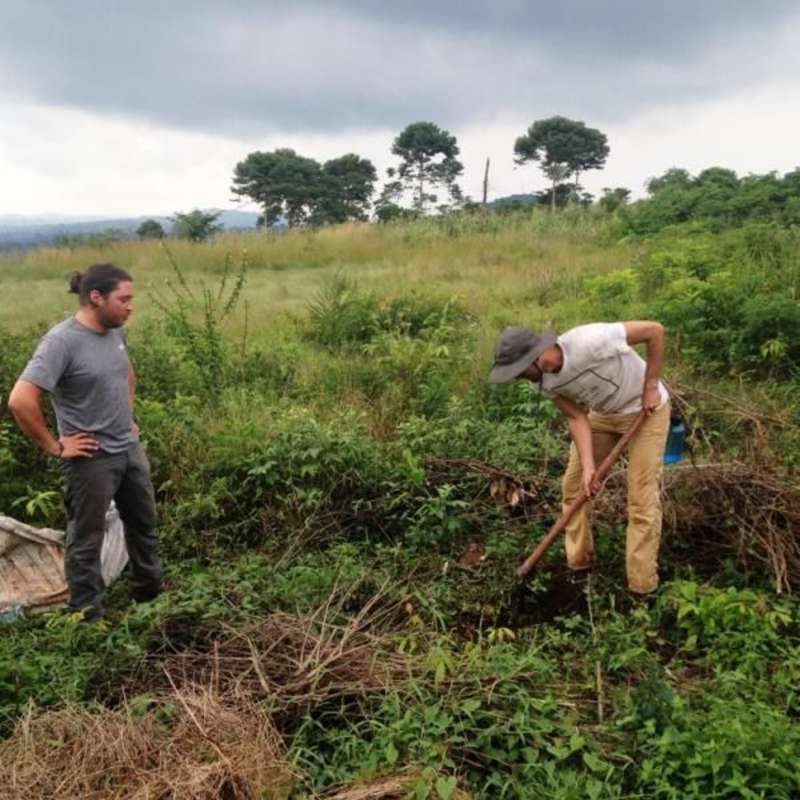
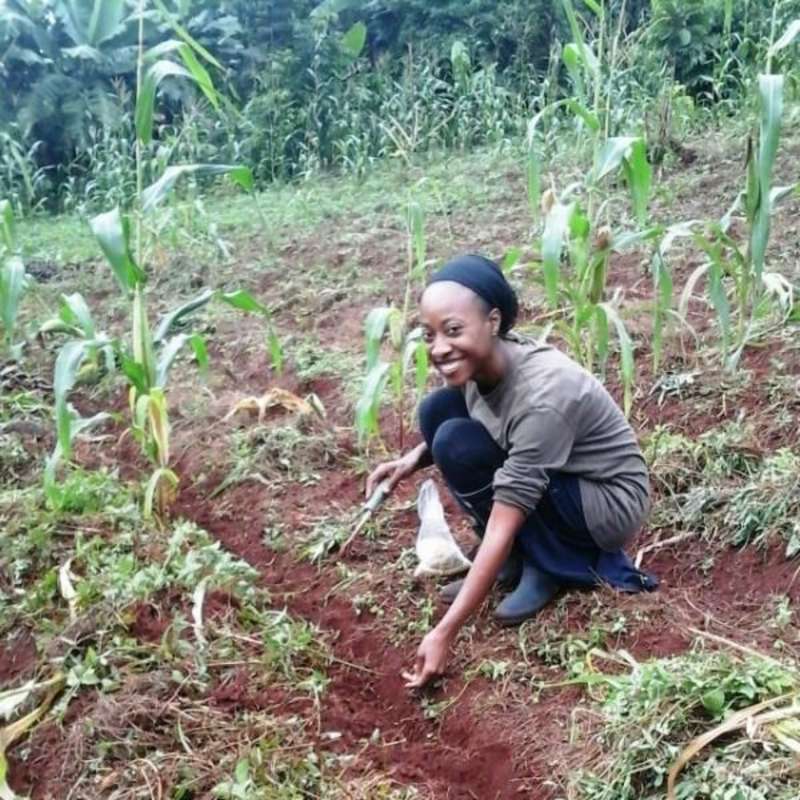
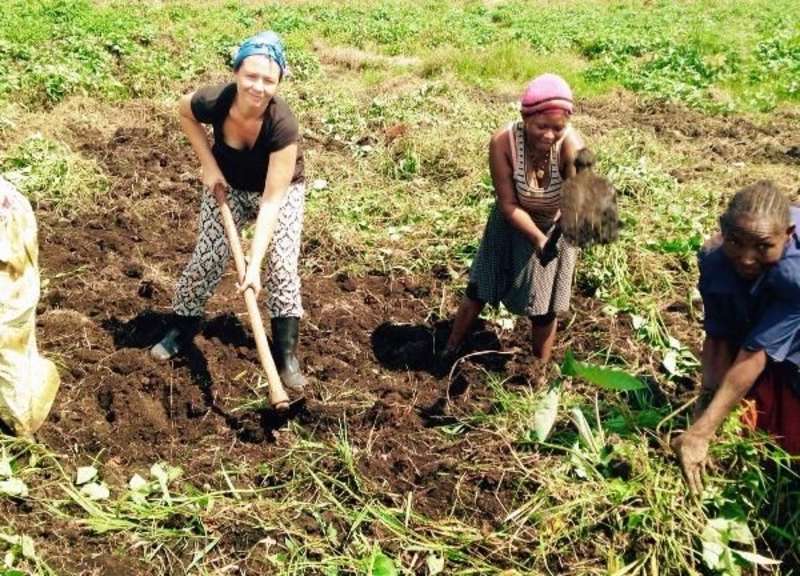
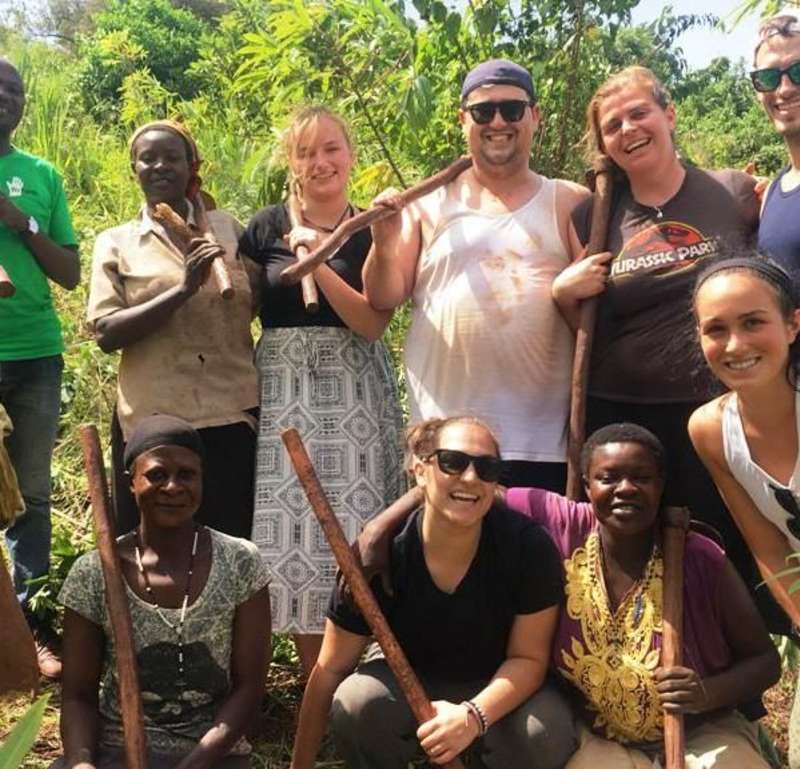
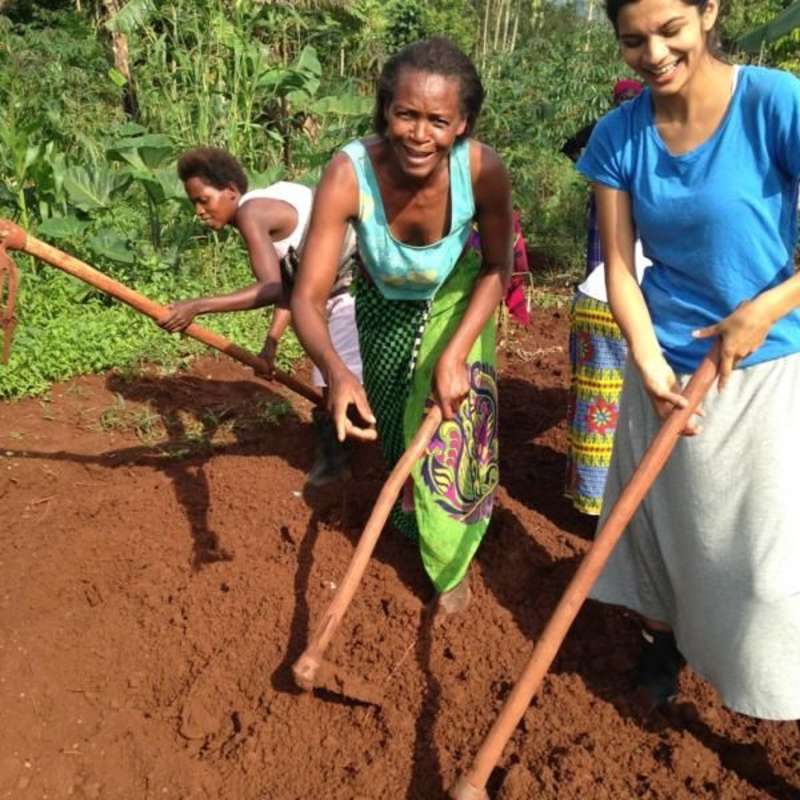
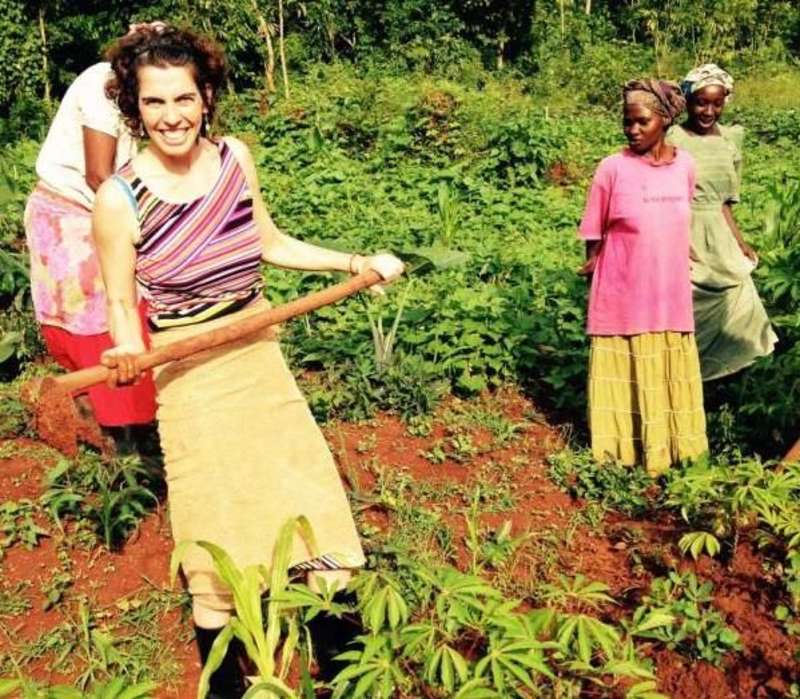
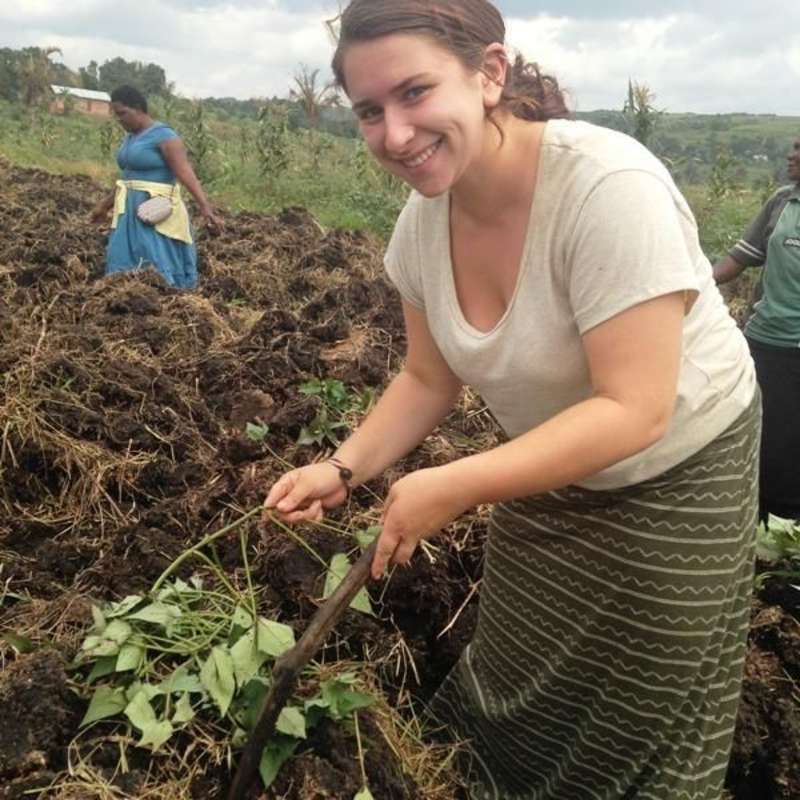
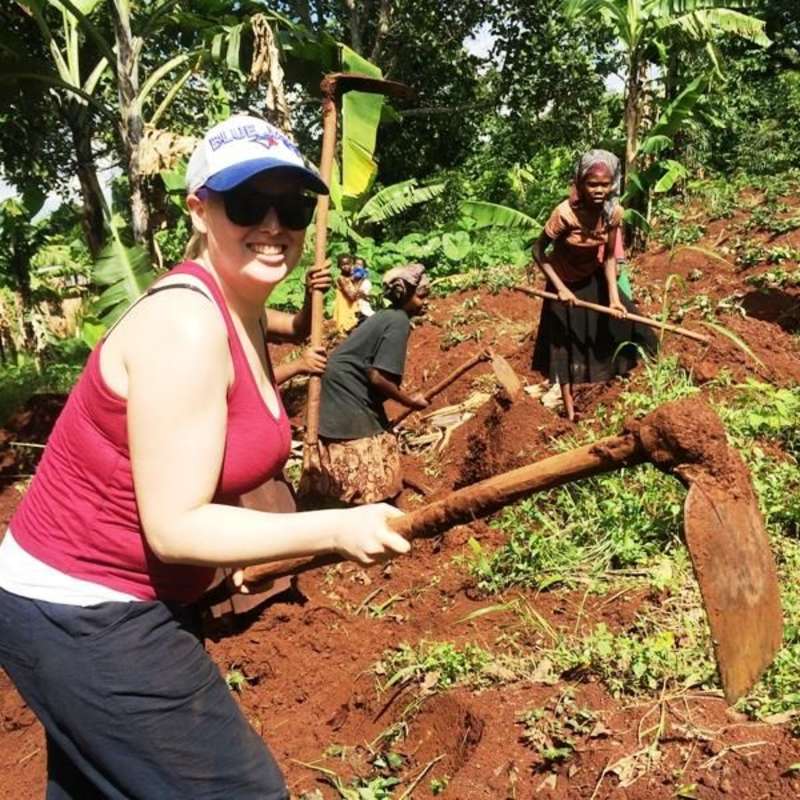
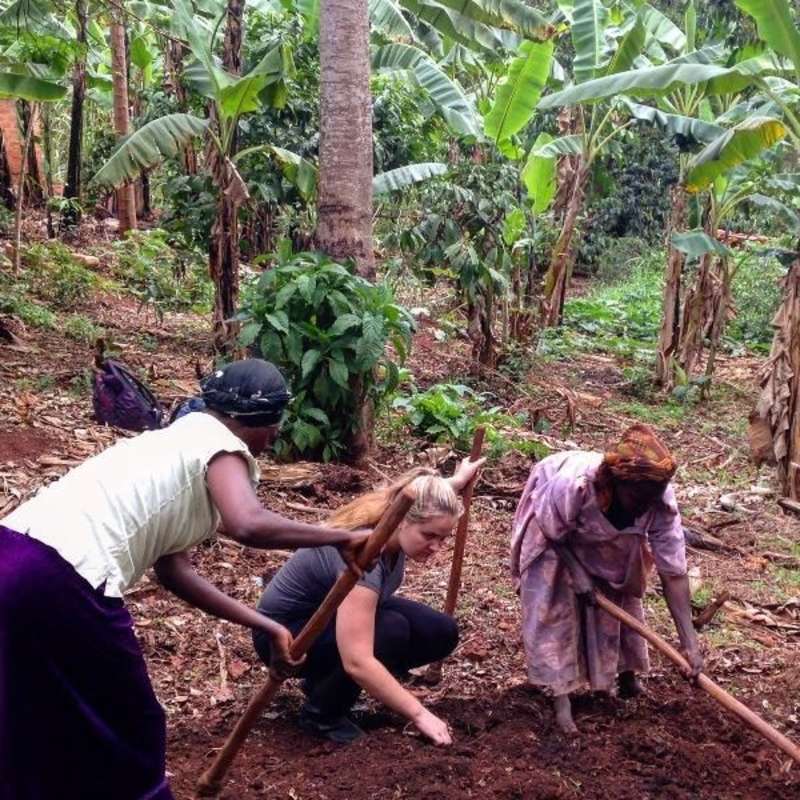
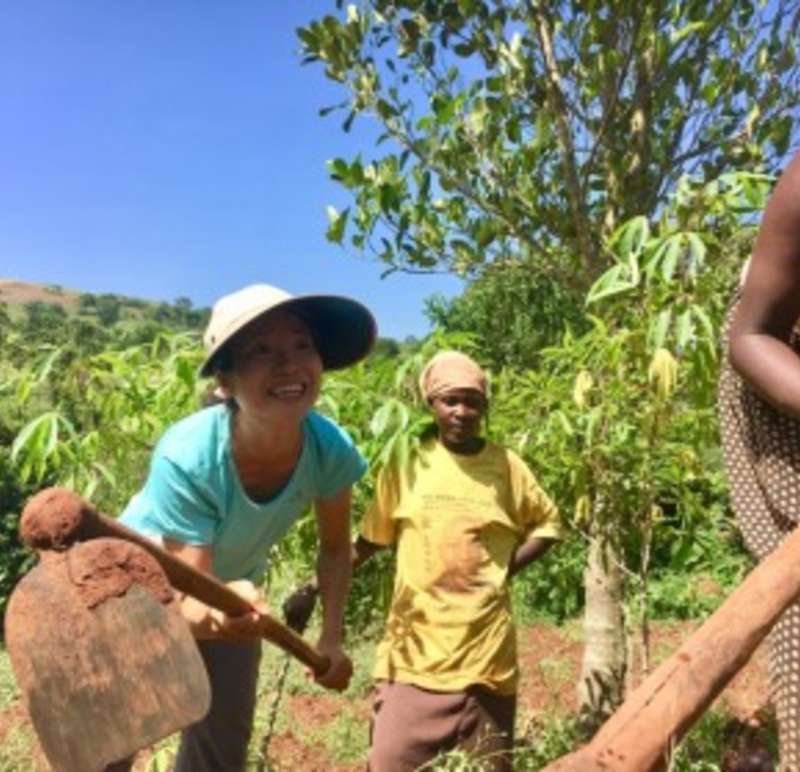
The Real Uganda's volunteers assist our partners with a variety of agriculture and conservation activities. Because subsistence farming is a way of life in Uganda, efficient agricultural techniques and extra hands help improve the lives of rural Ugandans. Volunteers work on communal farms. They clear land, prepare soil, plant food crops and trees, weed, harvest, and chase away pests. Volunteer ideas and energy encourages our farmers and eases their work. Garden tools and training are provided on-site, but volunteers are encouraged to bring appropriate garden boots, gloves, and sun hat. This is a challenging and rewarding program for volunteers interested in hard work, and learning about food security and the effects of global climate change in developing countries. Other activities such as women empowerment and primary school teaching may be on offer by the host organization. Volunteers should dig in and try everything. The exchange of ideas and culture is highly valued in Uganda.
Program Highlights
Work directly with rural Ugandans, learn about their diet, and help ensure community food security.
Sink your hands into Uganda’s rich, fertile soil.
Witness the effects of global climate change in a developing country.
Spend your time with hard working, empowered people, totally immersed in Ugandan culture and way of life.
Use your weekends to explore Uganda. Choose from zip-lining in a rain forest, white water rafting the Nile, wildlife safari, and primate tracking.
Media Gallery
Quick Details
- Rural Areas, Uganda
- 2-4 Weeks
- 3-6 Months
- 5-8 Weeks
- 1-2 Weeks
- Agriculture
- Conservation
- Organic Farming
- Tree Planting
- All Nationalities
Program Reviews
Hear what past participants have to say about the programs
Overall Rating
Total Reviews
Don't Just 'See' Uganda - Experience the Real Uganda. It will change your life.
September 10, 2025by: Lisa Cork - New ZealandI chose the Real Uganda volunteer experience because it seemed a trustworthy program that offered genuine volunteer activities, not just tokenism. The program delivered in every way. I loved living with a Ugandan family. This created a deep level of empathy and understanding for day-to-day life. I loved the groups I volunteered with. The women were so genuinely welcoming and appreciative of having a volunteer. And while my world and theirs is vastly different, my life has been enriched by spending time understanding their world and their lives. If you want to do more than just travel Uganda, I highly recommed the Real Uganda. The program is professionally run, provides great communication and Leslie is a dream to work with. A+++++


Real cultural experience
March 19, 2019by: Clare - ChinaEven thought it's a volunteer program I felt I have taken so much more than I gave during my time in Uganda. I spent two weeks working with the village ladies in the farm in the morning and playing with kids of different ages in the evening. They were all extremely welcoming and fun and they took me in as part of their family right away. I particularly enjoyed the discussion time with them, both the ladies and kids were very open to share about their life and problems and also keen to learn about me and my culture. My hosts, Leslie from The Real Uganda and Robert and Vivian from the local NGO partner Lugacraft, not only took very good care of me while I was there but also taught me so much about the local culture. Because of this I felt I have built a special tie with Uganda compared to other countries I visited in Africa. Special thanks to Leslie who gave me plenty of useful information and managed my expectation prior to my arrival so that I left the program and country with only very fond memories.
The real Uganda
March 01, 2018by: Josh Poyser - United KingdomI didn't really think about the name of the charity - the Real Uganda - until I reflected upon my volunteering experience when I got back home, but I think it sums it up pretty well. I experienced living with a real Ugandan family, in a real Ugandan community, experienced real Ugandan life and made a real difference. I lived with a couple who ran the local church and school and their four kids, plus their extended family and community who are all around to interact with and help you out and talk to you; you really do become part of the family and community. I helped out on the farm (all though not as much as planned due to the dry weather, the soil was to hard to do much!), as well as at the local school painting, playing games with the children, and helping the school cook, or matron. On the weekends there is plenty to see and do in Uganda; safaris, visit the river Nile, Kampala, there is a lot to experience. If this is what you are looking for then then The Real Uganda is a perfect choice for you.
Dreams come true
February 28, 2018by: Cathy - AustraliaI spent 6 weeks with this program and only wish I could have afforded to stay longer. The people are the kindest most humble people I have ever come across. Leslie was so helpful and a pleasure to be around with a wealth of local knowledge! Uganda is such a beautiful country!
Tasks changed from day to day
December 05, 2017by: Nighttrain Schickele - United StatesI signed up for the “Agriculture and Conservation” but my volunteering was not as straightforward as picking up a shovel and being shown what to do. I was given time with another volunteer to brainstorm on things we could add or improve in our designated school, “Hopeland”. We formed dozens of ideas for the farm, soccer pitch, kitchen, garden, school beautification and education. Then we just went for it and started digging. There was plenty of undeveloped land and we tried to tackle every idea we had. In between, there were errands that needed to be done around the school, so we would give a helping hand. We dug out the foundation of an old building to plant grass, dispersed rubble from the demolished building to divert rainwater and to build a ramp for walking, cleared out land for the garden, used broken bricks to improve a pathway and border the garden, planted seeds that we bought and watered everyday, taught classes for a week on environmental concern and our home-countries, helped the construction of a temporary farmhouse, and started a “Bottlebrick” project to collect plastic waste with students all over the school and reduce burned rubbish. Tasks changed from day to day. Some weeks were labor intensive and others were interacting with the children.
Jump in, try everything, step out of your comfort zone
December 05, 2017by: Kate Silverman - United StatesI spent weekday mornings (roughly 8:30am-1pm) at the “garden”—a much too modest translation for the extensive fields they own. I was always there with someone else and would help them with our tasks for the day. I often helped clear land for planting, mulch or add manure, plant beans and cover the seeds. After time back at home for lunch, I would go to the school to help out. The students were on holiday break, so my first week I found various ways to help the teachers, like making educational posters for the classrooms. My last few weeks, I ran an afterschool recreation program for the kids. About 30 kids attend optional school during the holidays, and by 3pm they’re ready to be out of class running around. From about 3pm-5pm we would go to a field and play lots of games and soccer. Jump in, try everything, step out of your comfort zone (even if it’s just one step at a time!) Learn some Luganda—it goes a long way. Embrace the mzungu calls and throw back a greeting in Luganda. Introduce yourself and get to know the local kids. They’ll see you everywhere and it’s nice to be greeted by your own name for a change. Spend time at your homestay and at least a couple weekends in the village. Go to church with your family. Play with the kids. Walk through town. Buy fruit at the market. Play soccer with the males in town. Learn how to make chapatti. Be smart, but don’t be afraid of street food. Eat a lot of sugar cane, especially if you’re working in the garden. Be patient and go with the flow. Things and time operate differently there and it’s best if you’re open to experiences and ready for anything! Be flexible. Take it all in. Unplug from home. Enjoy the simple life and inspiring people you’ll meet.
Stay in the moment
December 05, 2017by: Kisha Spears - United StatesWhen volunteering for the Real Uganda, I split my time between a village farm and the owners’ small community school. While working in several of the farm’s gardens, I helped to till land, add natural fertilizers and plant seeds of different varieties. I was able to assist in digging holes for and plant fruit tree seedlings. I also had the opportunity to learn about how various fruits and vegetables grow. Additionally, I was able to share my knowledge about producing soymilk from soybeans, which was used to further develop a sustenance food program for the school’s elementary students. While working in the school, I spent time visiting classes and was able to help improve the school by providing teacher-training workshops to the school’s staff. I conducted several workshops on enhancing reading skills amongst learners and creating child friendly lesson plans. I would suggest that future volunteers come to their placements with an open mind, leaving any expectations of personal gain out of their journey. They should stay in the moment each day and give fully from the heart. Since volunteering is a path of giving, people should share their knowledge but also stay humble. And, they should conduct themselves, as respectable individuals in all situations to produce greater esteem.
Program Details
Learn all the nitty gritty details you need to know
Locations
- Rural Areas, Uganda
Types and Subjects
- Causes
- Agriculture
- Conservation
- Organic Farming
- Tree Planting
Availability
Years Offered: Year Round
- 2-4 Weeks
- 3-6 Months
- 5-8 Weeks
- 1-2 Weeks
Age Requirement
18+
Guidelines
All Nationalities
This Program is also open to Couples
Starts At
Accommodation Options
- Home-stays
Qualifications & Experience
- Any/All Education Levels Accepted
Accepted Education Levels
Application Procedures
- Essay
- Online Application
Ready to Learn More?
The Real Uganda's volunteers assist our partners with a variety of agriculture and conservation activities. Because subsistence farming is a way of life in Uganda, efficient agricultural techniques and extra hands help improve the lives of rural Ugandans. Volunteers work on communal farms. They clear land, prepare soil, plant food crops and trees, weed, harvest, and chase away pests. Volunteer ideas and energy encourages our farmers and eases their work. Garden tools and training are provided on-site, but volunteers are encouraged to bring appropriate garden boots, gloves, and sun hat. This is a challenging and rewarding program for volunteers interested in hard work, and learning about food security and the effects of global climate change in developing countries. Other ...

The Real Uganda

The Real Uganda
Ready to Learn More?
The Real Uganda's volunteers assist our partners with a variety of agriculture and conservation activities. Because subsistence farming is a way of life in Uganda, efficient agricultural techniques and extra hands help improve the lives of rural Ugandans. Volunteers work on communal farms. They clear land, prepare soil, plant food crops and trees, weed, harvest, and chase away pests. Volunteer ideas and energy encourages our farmers and eases their work. Garden tools and training are provided on-site, but volunteers are encouraged to bring appropriate garden boots, gloves, and sun hat. This is a challenging and rewarding program for volunteers interested in hard work, and learning about food security and the effects of global climate change in developing countries. Other ...
Related Programs
Browse programs you might like
