GoAbroad
SIT Study Abroad: Peru: Indigenous Peoples & Globalization logo

SIT Study Abroad: Peru: Indigenous Peoples & Globalization

by: SIT Study Abroad

4.22 (18)VerifiedSince 1932

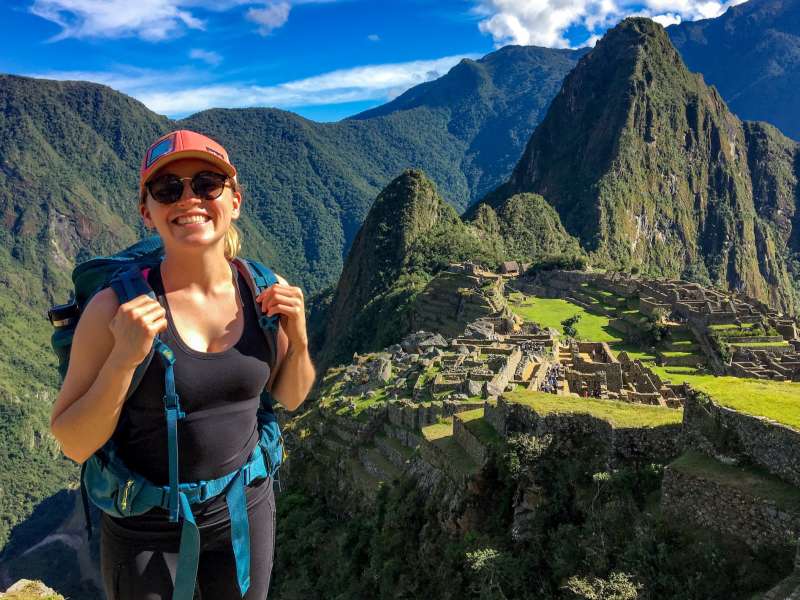
Explore how Indigenous peoples in Peru are adapting and innovating to preserve their cultural values and shape their own future in the face of globalization. With nearly half the population of Peru identifying as Indigenous, witness the impacts of globalization on identity, transformation, and marginalization. Live with homestay families and travel to the Peruvian Amazon, Machu Picchu, and Lake Ti...

Read More

Program Highlights

Examine how globalization impacts indigenous peoples and communities.

Rapidly advance your Spanish and learn introductory Quechua.

Travel throughout Peru for three weeks and live with two homestay families.

See how communities work toward their own development and cultural preservation.

Visit the Sacred Valley of the Incas, explore archeological sites such as Ollantayambo.

Quick Details

Locations:
  • Arequipa, Peru
Availability
Year(s) Offered: 2026, 2027Terms Available:
  • Fall
  • Spring
Age Requirement: 18-30
Types & Subjects
Subjects & Courses:
  • Arts
  • Culture
  • Ethnic Studies
  • Literature
  • Spanish
Guidelines:
  • All Nationalities
See all program details
Last Updated: Jul 01, 2026

Awards

GoAbroad Top Rated Provider 2025 - Notable MentionGoAbroad Innovation Awards 2024 Winner - Marketing & Digital MediaInnovation in Marketing & Digital Media Winner 2022

Program Reviews

Hear what past participants have to say about the programs

Overall Rating

4.22

Total Reviews

18

A Challenging but Incredibly Rewarding Semester in Cusco

July 13, 2026by: Maria Herr - United States
4

I studied abroad in Cusco, Peru, in Fall 2025 through SIT Peru: Indigenous Peoples and Globalization. I absolutely loved this program! The immersive learning was the best aspect. We visited Indigenous communities, including Huilloc, Puerto Maldonado in the Amazon, and Taquile Island. There is no substitute for actually visiting these places. These experiences helped me understand the course material and develop empathy in a way that classroom learning alone could not. The independent research process was conducted in Spanish, including interviews, the final paper, and presentation. I became close with the family I stayed with during research, and I still have the contact information of Indigenous women textile weavers I met, and have spoken with some of them since returning home. I had an amazing experience with my host family in Cusco. I am still very close with them, and they are like a second family to me! They introduced me to their extended family, took me on day trips, to different restaurants, and really helped me get to know Cusco. I still carry a pendant with their family crest on my keychain. Cusco itself was also a major part of why I loved the program. The city has many museums, Inca archaeological sites, restaurants, and opportunities for hiking and day trips, including Humantay Lake. Living there gave me time to explore both the historic center and everyday life outside the main tourist areas. My neighborhood felt very safe, and the program classes were a ten-minute walk away. Our Spanish classes were held at a local school. Our small class became close with our professor, and my Spanish improved. For the program classes, different lecturers came in, and the material is very interesting, focusing on Peruvian and Indigenous history. Prospective students should know that this is different from a typical university exchange. You are not enrolled at a local university, and classes are only with your SIT cohort. Cultural immersion comes through your host family, excursions, research, and your effort to explore Cusco and meet people. There is less unstructured time for hobbies or travel. However, this structure allows for community visits and direct learning about Indigenous cultures that would be difficult through a standard exchange. Students should prepare for basic living conditions during some community stays. On Taquile Island, accommodations had limited running water, no hot water, and early mornings. These stays were difficult, but also among the program’s greatest benefits. We worked on chacras, participated in local activities, and even attended a wedding! I strongly recommend the program, but students should be ready for unfamiliar environments and moments of loneliness or doubt. Those feelings are normal and should not be taken as a sign not to do the program. For me, it was life-changing. I met incredible people, broadened my understanding of Peru and Indigenous communities, and formed relationships I expect to maintain for the rest of my life. I would without hesitation make the same decision again.

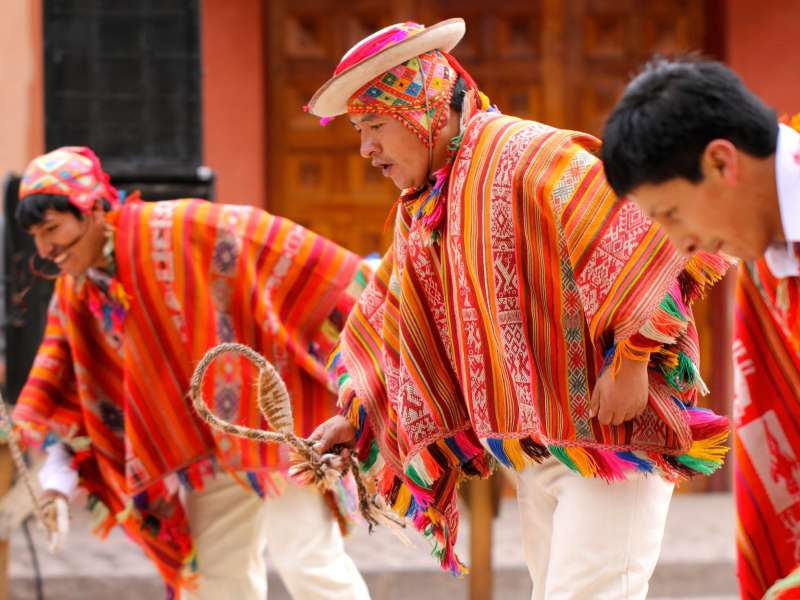
Taquile Island Traditional ClothingView of Cusco from Saqsaywaman, an Inca archaeological site.Cusco Plaza de Armas

An indigenous learning experience

May 03, 2025by: Mackenzie Cooley - United States
5

The SIT program in Cusco offers an extraordinary immersion into the Andes—an experience that is at once academically rigorous, intellectually generative, and deeply human. Over the course of just a few days, we moved from high-level institutional briefings to intimate conversations with rural cooperatives, from formal lectures on extractivism and globalization to storytelling sessions with weavers and community leaders in Huilloc. The pacing is demanding, but the richness of the experience more than rewards the effort. One of the most powerful moments for me was the rural homestay in Huilloc. It was not simply about staying in an Indigenous community; it was about encountering knowledge systems embodied in daily life. Our group was welcomed with such grace and generosity, and the conversations about weaving, land use, and autonomy gave texture to broader themes of Indigenous resistance and adaptation. I came away with a renewed sense of what field-based learning can be. SIT’s team in Peru is extraordinary. Their ability to move between Spanish and Quechua, and between academic and community settings, models what it means to be an engaged scholar-practitioner. The program doesn’t shy away from complexity—in fact, it leans into it. The conversations on extractivism, mining conflicts, and intercultural health (especially the visit to the Universidad Nacional de San Antonio Abad del Cusco’s ethnobotany program) were thoughtful and challenging. Students are invited not to consume knowledge but to co-create it with those they meet. Also worth noting: the logistics are handled with care, which allows participants to be fully present. The group sessions back at the hotel—many of them debriefs or structured reflections—are where so much of the integration happens. And in a city like Cusco, that holds its own tensions between tourism and tradition, the chance to reflect collectively is crucial. In sum, SIT’s Spring 2025 Cusco itinerary offers more than a study abroad experience—it cultivates relational, embodied, place-based learning. I’d recommend it to any student ready to engage Peru not as a destination, but as a dialogue

A special semester in Cusco

January 16, 2025by: Gillian Foley - United States
4

Through this program, I improved my Spanish language skills a lot, saw many beautiful parts of Peru, ate delicious food, and had the unique opportunity to learn about relevant social issues from indigenous leaders and communities throughout the country. These experiences broadened my worldview and shaped my future interests. I had a great time living with my host family and acquainting myself with Cusco during my free time. My experience abroad was safe, well-run, and interesting, and I made friends with everyone in the program. It was incredibly special!

Program Details

Learn all the nitty gritty details you need to know

Locations

  • Arequipa, Peru

Types and Subjects

  • Subjects & Courses
  • Arts
  • Culture
  • Ethnic Studies

Availability

Years Offered: 2026, 2027

Terms Available:
  • Fall
  • Spring

Age Requirement

18-30

Guidelines

All Nationalities

Program Cost Includes

  • Tuition & Fees
  • Accommodation / Housing for Program Duration
  • All Program Activity Costs
  • Medical / Accident Insurance

Refund Policy

Refund with conditions

Accommodation Options

  • Guest House
  • Home-stays
  • Other

Qualifications & Experience

    Language Skills Required

  • English

    Accepted Education Levels

  • University Freshman (1st Year)
  • University Sophomore (2nd Year)
  • University Junior (3rd Year)

Application Procedures

  • Letters of Reference
  • Physical Exam/Health Records
  • Transcript
  • Other
SIT Study Abroad

SIT Study Abroad

4.22Verified

Ready to Learn More?

Explore how Indigenous peoples in Peru are adapting and innovating to preserve their cultural values and shape their own future in the face of globalization. With nearly half the population of Peru identifying as Indigenous, witness the impacts of globalization on identity, transformation, and marginalization. Live with homestay families and travel to the Peruvian Amazon, Machu Picchu, and Lake Titicaca to see how communities pursue cultural preservation and development. Learn research methods and strengthen your Spanish and Quechua language skills through immersion. SIT’s program in Peru offers the opportunity to earn a minor in Indigenous studies or anthropology. MONEY MATTERS SIT has given an average of over $1.3 million in scholarships and grants to SIT Study Abroad students in recen...

Related Programs

Browse programs you might like