The SIT Study Abroad Nepal: Tibetan and Himalayan Peoples program was much more impactful on my life than I thought it would be.
Of utmost importance in this was the way the academic staff handled the course topic. The SIT academic staff created a curriculum emphasizing the true complexity of Tibetan and Himalayan socio-cultural and religious politics. This is not an easy task and indeed required the guidance of individuals who have spent their lives living and specializing in this region. Classes were overseen by experts who made sure to indicate the ambiguities of sovereignty, territory, cultures across borders. This was all done with great sensitivity and nuance in a way that inspired me to reconsider not only what I understood about the region, but more importantly what I considered myself to know about other notions of authenticity, place, space, nation-states, and knowledge as a foreigner. In short, this course was intellectually demanding because it did not provide clear answers. Clear answers in many instances would not capture the nuances at play. Some students felt uncomfortable with these tactical semi-conclusions, but I found it personally groundbreaking. Be prepared to let go of your American paradigms.
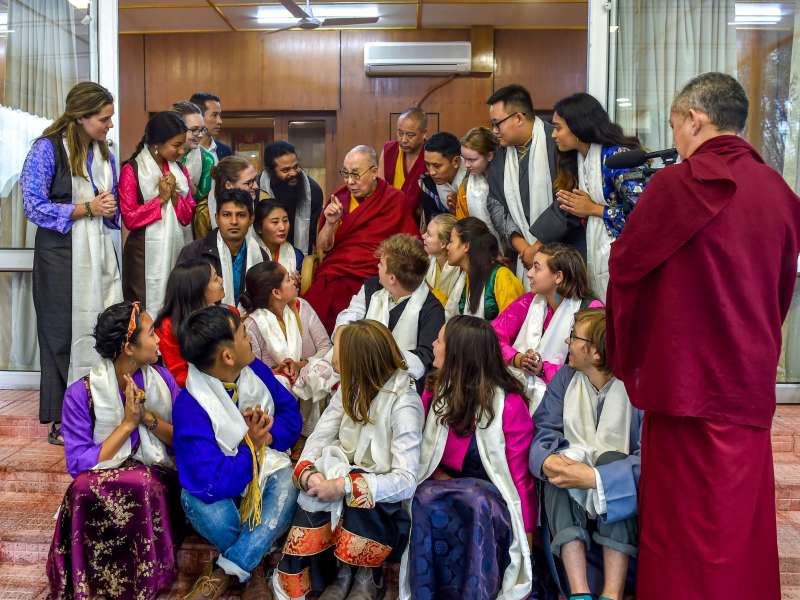
The course topic itself was extremely moving and presented as a human issue. Tibetans were key in leading aspects of the program, sharing their experiences and grounding the texts in reality. Having the chance to work with Tibetans and Himalayn peoples was a necessary component and was prioritized by the program. This is not an emotionally easy topic to tackle. The manner in which occupation and displacement were addressed did not overlook the intensity of the Tibetan situation, nor shy away from its controversial nature.
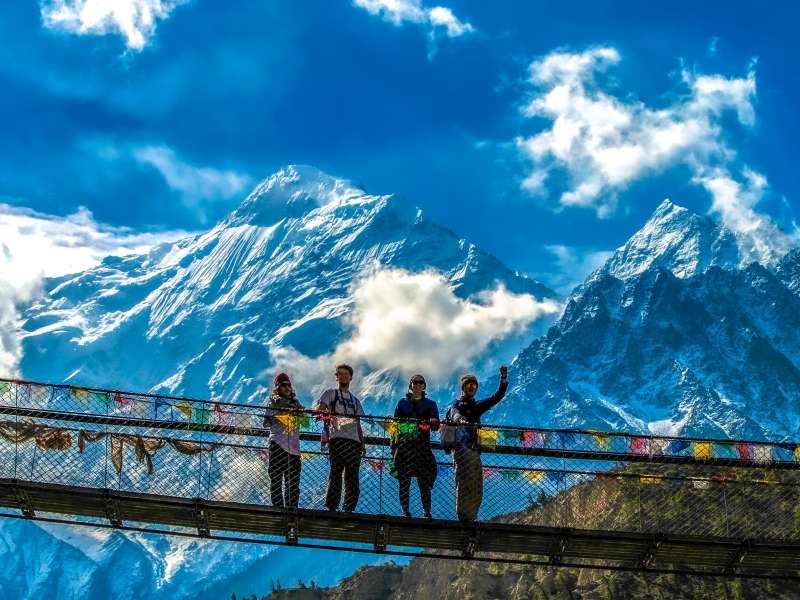
For me personally, the opportunity to conduct field research was invaluable. On one occasion, I conducted a week long fieldwork in the Tsum Valley on local law. On another, I conducted a month long independent study on Tibetan refugees in Nepal. Both of these experiences were completely life altering. In them, I found my calling to be a researcher of issues surrounding migration and displacement. Having the opportunity to be out in the community, talking directly with Tibetans and Himalayan peoples about their experiences and opinions regarding current politics, changed the course of my life. I cannot stress enough how powerful these experiences were. I have the program to thank for this since it prioritized fieldwork through the curriculum.
The living situation was also well done. With my host family, I felt safe, welcomed, included, and challenged. They did not speak much english, so I had to use Tibetan I learned in class. This was certainly difficult, but allowed me to develop a relationship with them in another language. I was living in a home with Tibetan refugees. This drove the truth of the situation home. It made it all real in a tangible way. I never had any problems with them and in fact went to visit 5 years later, finding we were able to reconnect very easily.
Some students were disappointed or surprised by aspects of the program. For several, there was too much emphasis on learning the Tibetan language. They did not find it useful for navigating the Nepali context. Or they found it simply too difficult and mentally opted out. While I empathize with their concerns, I personally found it important given the focus of the curriculum. It was certainly hard, however, and I did not come away feeling my grasp of the language was profound.
The long-term support of the program faculty has also been helpful. I have been able to stay in touch, seek council, and facilitate valuable connections. Their enthusiasm is evident. They care about their students and want to help.
Nepal is itself a very intense country with incredible diversity, cultural significance, poverty, and political intrigue. Living their is no small undertaking. Understanding it is on the verge of impossible. But going there and seeing for yourself, if you are open to enduring what it has to offer, can forever shift your point of view. All I can recommend really is to jump in, be patient, pay attention, and be satisfied with what can be learned.
In conclusion, this program exceeded all expectations. It was a turning point in my life as a researcher. It moved me. It inspired and supported my interests. It was challenging yet able to work with me when I struggled. It has continued to support me for years afterwards. I am confident these experiences would not have occurred at another program. As a result, I would choose this program again and again.