- Home
- Providers
- Back
- SIT Study Abroad
- SIT Study Abroad: Ecuador: Compar. Ecology and Conservation

SIT Study Abroad: Ecuador: Compar. Ecology and Conservation
by: SIT Study Abroad
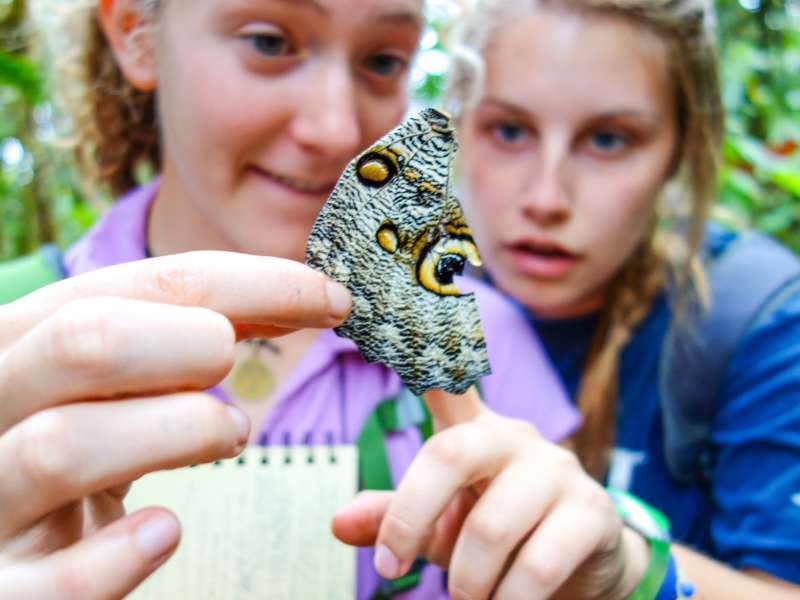
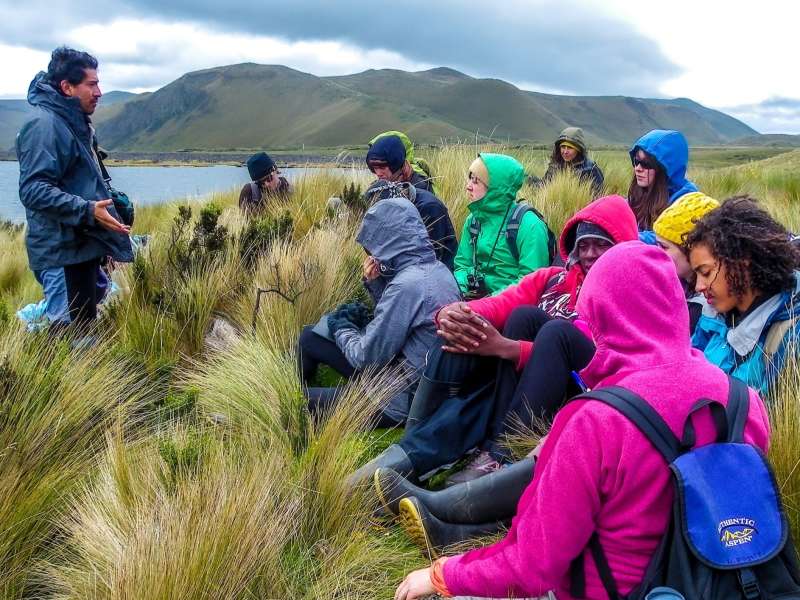
You will live like a biologist as you explore the Amazon basin, the Andes, cloud forests, Pacific Ocean coastline, and the Galápagos Islands of Ecuador—unique climatic niches that harbor ecological treasures and a wealth of flora and fauna. Within these diverse and vulnerable settings, you will conduct fieldwork and live with homestay families in Quito and the rural cloud forest. Excursions include the Andean páramo, the Amazon, and a week in the Galápagos Islands. SIT's program in Ecuador offers the choice to do a minor in environmental science or conservation biology. MONEY MATTERS SIT has given an average of over $1.3 million in scholarships and grants to SIT Study Abroad students in recent years and is committed to ensuring you have the information necessary to apply for such funding. Our program costs include academics, excursions, accommodations, airport transfers, meals, and health insurance. Be sure to discuss how study abroad costs are handled at your school with your study abroad advisor and read the website for more specific information.
Program Highlights
Study biology and ecology in one of the world’s most biodiverse countries.
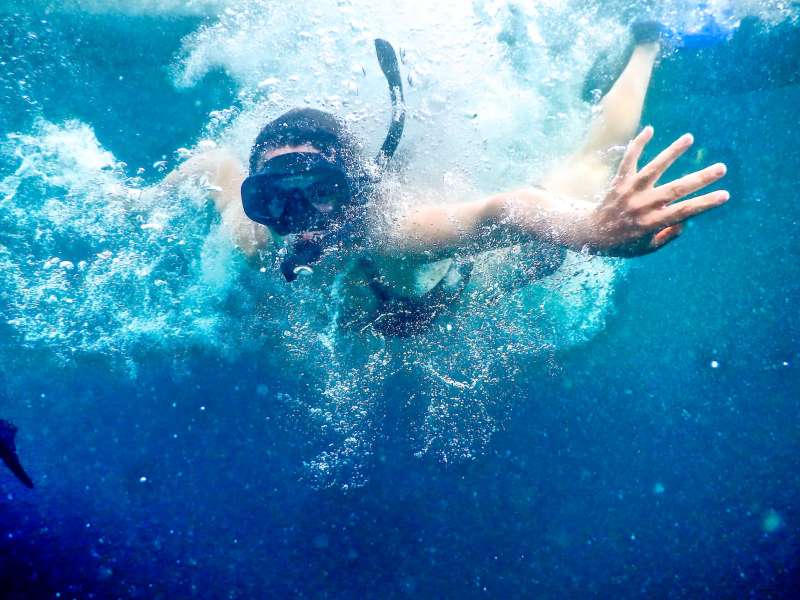
Visit the Andes, the cloud forests, the Amazon basin, and the Galápagos Islands.
Live like a biologist: use field research methods to study plants and animals.
Study in beautiful Quito and live with a local host family.
Learn about the ecosystem, field research methods, local environmental movements, and communities living in the Saint Lucia Cloud Forest.
Media Gallery
Quick Details
- Galapagos Islands, Ecuador
- Fall
- Spring
- Anthropology
- Biology
- Culture
- Ecology
- Environmental Studies
- Spanish
- American
- All Nationalities
Awards


Program Reviews
Hear what past participants have to say about the programs
Overall Rating
Total Reviews
A time in my life that will last forever in me!
July 10, 2026by: Danica Ginsberg - United StatesNo words can describe how incredible this program is with its passionate academic directors, incredibly planned excursions, and the welcoming host families with whom students live for the majority of the time in Ecuador. During this program, I was taught courses in Quito and took my learning every other week on a different excursion, where we did field-based work. We went on planned excursions to the Paramo Highlands, multiple parts of the Cloud Forest, the Amazon rainforest, and the Galapagos Islands. Overall, the cultural and educational experiences I had here cannot be compared to anything I had experienced in my life until coming to this incredible country with SIT.

Life changing experience!
January 27, 2026by: Emma Klemmensen - United StatesSIT's Comparative Ecology program was a life changing experience that I will never forget! Due to the nature of the program, including living with host families and going on trips to different ecosystems so frequently, every second was an opportunity to learn, grow, and laugh. Each of our excursion destinations holds a very special place in my heart. From the biodiversity of hummingbirds in the Paramo to swimming with sea lions in the Galapagos, each day in Ecuador inspired me more. In addition to the time spent experiencing new cultures and biomes with a great group of new friends and our professors, I had the opportunity to complete an individual research project. With this I had the chance to live and work in the Amazon Rainforest, completing research that has implications on my current position post-grad and being lucky enough to experience life with a Quichuan family. If you're considering this program, my advice would to be to get lots of rest before you go and prepare to trust in the process of things, but to definitely do it! I love and adore this program and everything it taught me, and hope you do too!
One of the Best Decisions I've Made
July 02, 2025by: Jacob Cummings - United StatesBefore applying, I had doubts about whether I should study abroad and whether or not it should be with this program. Now that I have completed it, however, the thought that I might have gone elsewhere haunts me. I am so thankful to have been a student in Ecuador with SIT, and it has had major positive impacts on my plans for the future. As a student of Environmental Biology in St. Louis, this program gave me field research experiences I couldn't have gotten anywhere else that perfectly complemented what I had already learned in school. After numerous trips to conduct research in some of the coolest places on Earth (cloud forests, the Amazon, the Paramo, and the Galapagos islands), I spent a month studying spider populations in the Amazon for an independent research project that I was able to bring from initial concept to a completed research paper. If this seems intense, fear not! The lovely professors of this program will help build your confidence over the semester and teach you the skills necessary to do something similar yourself (I certainly felt that way). On top of all of this, I met lovely people along the way and felt truly comfortable and informed within the Ecuadorian cultural context. If you are interested in gaining field research experience, seeing some of the most gorgeous parts of the world, and applying theoretical ecology concepts that you've learned in school, look no further. This program is perfect.
The Most I've Ever Learned
June 18, 2025by: Peyton MunroeSIT Ecuador was an incredibly challenging, but incredibly rewarding semester. I am an ecological and evolutionary biology major in New York City, so I had not had many field experiences before this program. I have now stayed on an island in the Amazon River Basin for 3 weeks by myself researching monkey behavior. Throughout the program I learned how to conduct my own research, write papers, and analyze data. I had a heavier work load than typical semesters, but the field excursions that caused them were well worth the late nights. The professors are incredibly knowledgeable and genuinely care about the students. I could not have asked for a better program.
The best possible semester abroad!
June 20, 2024by: Julia Schwartz - United StatesI was very hesitant about leaving my college and missing out on a semester, but I'm so glad I made this choice! This program is an amazing combination of hands-on environmental science and ecology fieldwork, program-organized travel to all major ecoregions (that wouldn't be accessible to typical tourists), exposure to very different styles of life and groups of people, and experiencing Ecuador through living with host families and exploration with other students in the program. The excursions were the highlight of this program- it was such a refreshing change of pace to have days filled with setting up mist nets for birds in the morning, learning about macroinvertebrates and sampling in the afternoon, and looking for monkeys or using moth light traps in the evenings. They were exhausting, with long days of hiking, collecting data, and listening to guest lectures about topics related to that region, but so incredible and never felt like "work" in a burdensome way. Snorkeling in the Galápagos is certainly not a normal type of schoolwork. Less mentioned in program material is how easy it is to travel and explore independently, too. Almost every weekend, members of our group took buses to different parts of the country and got to see awesome volcanos, visit indigenous markets, ride bikes down waterfall routes, climb mountains, and explore the awesome food, museums, and neighborhoods of Quito, all for very cheap. For me, the independent research project was the most rewarding and challenging experience. I had a wonderful month spent living with a rural community and 2 other SIT students and designing and carrying out a project that was very relevant to my community's needs. I am a much more confident researcher now, have great professional contacts who served as my advisors, and feel more qualified for a variety of field research positions and academic work in Spanish in the future. This program is not based around a university, which meant an adjustment to a very different academic structure, but people are drawn to this program for its uniqueness and we became a very close-knit group. In addition, I felt very connected to my host family, my host community from the research month, and others who I met throughout my time in Ecuador and can't wait to visit some of them again. Ecuador is a very friendly country and I absolutely loved getting to talk to people in academic and social settings and learn about their lives. I would do this program again in a heartbeat.
A unique program full of travel, purposeful academics, learning, and fun
August 22, 2023by: Grace Mazur - United StatesPrior to the program, I realized I didn't love learning as much as I used to. I hoped this program would remedy that...and boy did it deliver! Our classes were purposeful, but engaging. Excursions were the highlight, and classes during these portions consisted of long, leisurely hikes or snorkeling multiple times a day. Learning was fun. Our more traditional classes in the city were also engaging, with many breakouts into small-groups or with guest lecturers from a variety of fields. This program gave me so much I would not have had at my university. It was extremely hands-on (think getting up at 6 to go on a 2-hr birding expedition before breakfast, then going to a river after breakfast to collect water samples and analyze them yourself), comprehensive (we visited so many places in the country), taught me how to do independent research (the program culminates for a month-long research project you do yourself), and provided me connections I still maintain. On top of this, it was extremely supportive (the professors were always available and approachable). Though it was a tough decision to leave my university for the semester, I am glad I did. Additionally, I study environmental engineering; as such, I am used to examining similar issues we learned about but from a completely different angle. I was glad to gain an understanding of the biological/conservation side of environmental issues. I was able to learn what other considerations should go into decisions of engineering rather than just efficiency. While this program is not at a university with student groups, clubs, and events, the community in this program was tightly knit and so supportive. The 14 other students in the program were a delight to get to know, and our professors supported us in our academics but also in our wellbeing. It truly felt like a family.
An unforgettable experience
January 28, 2019by: Sarah Tobey - United StatesThis program allowed me to get to know Ecuador in the best way possible. As a group, the 23 other US students and I traveled with our professors to many beautiful places in Ecuador, some of which would not be accessible to me as a regular tourist. I learned about important environmental issues while visiting some of the most biodiverse places in the world. I also made amazing friends who share my passions and values, both from Ecuador and the US, who I have been staying in contact with even after the program. The homestay enriched my experience and provided the most opportunities for Spanish practice. The style of learning can be tiring, because it is rigorous, but it is easily justified by the hikes through the Amazon, the early morning bird watching, or snorkeling and seeing marine life in the Galápagos. Throughout this program, I gained confidence in myself, as well as an appreciation for familial bonds and a different perception of life and family structure.
Great friends, great nature, and great food
March 02, 2018by: Phoebe Merrick - United StatesThis program is an incredible opportunity for students studying ecology or environmental science! I had had great experiences traveling throughout Ecuador, learning about local ecology, and making new friends. The classes, and especially the independent research project, made me more qualified for ecology research positions. Taking classes in Spanish and living with a host family has made me much more confident in Spanish classes at my home university. I loved living with my host family, and I'll never forget all of the local traditions and foods they introduced me to. The program directors and host families are so proud of their country, and it's easy to see why! This was an incredible experience and I would recommend it to anyone interested in ecology and conservation.
Amazing field study abroad in Ecuador
February 25, 2018by: Nicole C. - United StatesThis is an amazing program for anyone looking to further their Spanish and learn a lot about biology, ecology, geology, and natural sciences. The program is very structured and intensive but this is what makes it so rewarding. The academics are interesting, challenging, and supported by real experiences in the field. You will travel to a number of amazing locations including the Galapagos, Amazon, páramo, and cloud forest. While the program itself is heavily oriented towards science and conservation you will also learn about culture through school and through your host families. One of the aspects of this program that makes it so unique is the independent study project. This was also one of the things I was most nervous about, but you will feel prepared and confident with the help of professors and staff. Students use this opportunity to study a topic of interest, practice research techniques, build their resume, gain field experience, do their senior thesis, and have an independent and immersive experience. Do not expect to have a ton of free time. The days in the city are spent in class and nights spent with your host family. Excursions are spaced about a week apart. This allows you time to reflect on the last trip, prepare for the next, and have time to explore the city. This is by no means an easy study abroad program academically or culturally. However if you are open-minded and passionate about ecology and conservation this will be an amazing and worthwhile experience. There are many people both in and out of the program that are kind, helpful, and excited to share their culture with you. One things this program really stresses is how to be a conscious and respectful student abroad. Overall, this is amazing experience and you will learn so much personally and academically!
An adventurous exploration of the Ecuadorian people and ecosystems
February 24, 2018by: Keifer Nace - United StatesWhat I loved most about this program was its experiential learning aspects. Living in a homestay taught me about the culture and people in Ecuador, while improving my Spanish skills. I also loved the excursions we went on, including to the paramo, the cloud forest, the Amazon, and the Galapagos. Learning about these places in the classroom and then being able to physically be in them to learn deeply about them was incredible. I felt that I had a great opportunity to learn a lot about myself as I learned how to live within a different culture and also how to take advantage of all the amazing things I was learning while being outside in unique ecosystems. Overall, this program was absolutely fantastic. If you're looking for a program that will challenge you while offering you a very remarkable experiences in many beautiful places, this is the program for you!
Best semester yet!
August 05, 2017by: SB876 - United StatesThis program was all that I was hoping for and more! In terms of academics, lectures consisted of field lectures and classroom lecture, both of which were in a mixture of Spanish and english. That said, don't expect total language immersion in the classroom. There was a lot of flexibility in this regard and one could write papers in either Spanish or english in many cases. The course load was rather challenging, but I learned more ecology this semester in Ecuador that in the entirety of my undergraduate experience thus far (especially botany) Lectures were also very hands on and we learned a lot about field techniques. However, despite claiming to be a program about conservation, this program was definitely highly skewed towards ecology! Beware: I did not receive any Spanish credit from this program because my institution would only accept credit if I was placed in the upper two Spanish classes (which was unfortunate because the placement process was rather unfair and from what I could tell the different leveled classes differed very little). Regardless, I loved most of all the opportunity to do an independent study project at the end of the term. While a common complaint about SIT programs in general is that the ISP is underwhelming, that was not the case for me in this program! It was a wonderful opportunity to conduct my own research, connect with people in the community, and learn how to be independent in Ecuador. My living situation was with a host family which was also a wonderful experience! It was very immersive in Spanish and the culture and really challenged me to focus on family along with academics—something thats harder to do if you are living at a university away from a family as many of us do in the US. Cultural immersion in this program was pretty good! Our professors and advisors did what they could to try to educate us about norms and make us less like tourists and more like part of the community. However, I would have loved more of a focus here! There was wonderful student support in this program as well and professors and advisors genuinely cared about each student! Within our group, we cared about each other as well, so I always had somewhere to turn if I needed help in anyway! Quito and the rest of Ecuador seemed rather safe to me. In our program there was one or two safety incidents (robbing), but they were resolved and no one got hurt. Its just important to keep safety in mind here and be smart.
Memories, friends, and family to last a lifetime
July 31, 2017by: Alyssa Kullberg - United StatesIf you love nature/ecology and being outdoors, but you're also interested in foreign cultures and Spanish, this is the perfect program for you. This program provides the best sort of combination between outdoors field experiences with strong science and city living. When I began this program, I was most excited for all of the excursions to the different ecosystems Ecuador has to offer, which I promise will not disappoint--Ecuador is truly a beautiful and special place to be! I swam among river dolphins in the Amazon and with sea turtles and sea lions in the Galapagos. We hiked mountains in the paramo next to glaciers and in the cloud forests, tracking signs of Andean bears. What I didn't realize was how I would also fall in love with the culture and how I would come to feel at home with my host family in Quito, whom you live with between excursions. I quickly became integrated into my host brother's friend group, and I would join them to the movies, the discotheque, or pick-up soccer games. Typically, science majors go on this program, and typical science-y study abroad programs are mostly in the field, and often away from people. This program is so special, because you are focused on science and conservation in class, but you also get to experience the Quito way of life by living with a family, and you will become so much more intimately aware of the culture.
Amazing experiences!
July 27, 2017by: Zoe - United StatesI learned so much through this program that I never would have learned at my home college because of the program's focus on experiential field learning. The field excursions are their own reason to do this program--we got to go to a cloud forest and a high-altitude paramo on the slopes of the tallest volcano in Ecuador, not to mention our week-long trips deep into the Amazon and the Galapagos Islands! These were phenomenal experiences and we got to experience these places in a way that simple tourists would never be able to. My Spanish also got a lot better through talking with my host family.
Ecology in Ecuador
February 19, 2017by: Sophie Wolbert - United StatesThis program was perfect for me--as someone who is very interested in ecological and conservation science, Ecuador was the ideal place to be. Ecuador has a variety of different ecosystems, including tropical rainforest, mountain highlands, cloud forests, and the Galapagos, all of which I got to visit on this program. A few of my highlights were: swimming with penguins and sea lions in the Galapagos, birdwatching on a canopy-level platform in the Amazon rainforest, and seeing a jaguar from our boat along the Napo river. My favorite part about the program itself was definitely the experiential learning style that was emphasized. We had lectures from renowned scientists in Quito (our home base) which were balanced out and enhanced by our in-the-field lectures, where we could learn about all the plants and animals that we were actually seeing in their natural habitat. If you're someone who loves being outside and learning about the nature around you, this program will be a good fit.
An absolutely amazing semester!
February 14, 2017by: Henry - United StatesI don't study science, so this program was a bit of a stretch for me to start. That said, I had the best semester of my life. I learned all about the diverse ecosystems of one of the most amazing countries on the planet, visited the páramo (highlands), cloud forest, Amazon, and the Galápagos, made 20 incredible friends, learned from several amazing professors, and grew to love my homestay family. What more could you ask for?
Excursioning in Ecuador's Wilds
February 03, 2015by: Ben - MaineThe highlight of this program is definitely the excursions, my favorites being to a cloud forest lodge and an Amazonian lake. The former had a ridiculous number of hummingbirds, some of which landed on my hand, while the latter had water birds, caimans, and millions of fireflies. The independent study project was also great; I was high in the mountains studying birds and it was a fantastic field research opportunity. That being said, I found the academics (barring the independent study) to be quite easy, especially the ecology and biology. However, I found the botany portion interesting, as I was not familiar with plant families before the program. Also, traveling so much with other Americans reduces the chances for immersion, going out, and language learning, but I was there for the flora and fauna, so that trade off was totally fine.
Fantastic program! Would do it over a million times
January 30, 2015by: SavannahThis program was definitely a once-in-a-lifetime experience. From the excursions to the wonderful homestays, every aspect of the semester was fantastic. At the end of the semester we each got to do an independent study project for a month, which was a great opportunity and life-changing experience. After this semester, I felt more confident, more fluent in Spanish, and more experienced with environmental science--and I had a great time!!
Learning Ecology in the Field in Ecuador!
January 27, 2015by: JuliaSIT Ecuador: Comparative Ecology and Conservation is a phenomenal program for students looking to learn more about ecology and to learn Spanish better while continuing to study biology. The excursions are the best part of the program, and you get to travel to the Galapagos, the Amazon, the Cloud Forest, and the paramo (an ecosystem high in the mountains that are mainly grasslands). Moreover, you get to spend a month doing an independent study, and it is a great time to learn about scientific methods and research, while becoming very independent.
An experience so amazing!
March 18, 2014by: RuinaThis is a hard one, as there are many amazing moments. Overall, my experience during ISP will be the most memorable. I spent a month in a small village, where I was immersed in the life of an Ecuadorian family. This experience was so different from my daily life in the US, and I had lots of time to ponder my own life while I was there. Conducting an independent research project successfully was also a valuable experience for my personal and academic development. I wanted to go to a Spanish speaking country and learn about ecology and conservation, with opportunity to travel. This was the perfect program for my interests. While in Quito, I lived with a host family in the Northern end of town. I had my own bedroom and they provided me three meals a day. Their apartment was 30-40 minutes away from our classroom building. I also stayed in hostels, 2 very short-term rural home-stays, and a month long rural home-stay during my ISP.
An Amazing Experience!
March 03, 2014by: lolabryantI would recommend this program to anyone interested in ecology and conservation, with some sense of adventure. I wasn't sure what to expect from my experience, but ended up incredibly happy with my time there. I can't deny that there are flaws in the program, but I enjoyed almost every moment in Ecuador and feel lucky to have seen and learned things that I would not have otherwise.
Program Details
Learn all the nitty gritty details you need to know
Locations
- Galapagos Islands, Ecuador
Types and Subjects
- Subjects & Courses
- Anthropology
- Biology
- Culture
- Ecology
- Environmental Studies
- Spanish
Availability
Years Offered: 2026, 2027
- Fall
- Spring
Age Requirement
18-30
Guidelines
All Nationalities
Starts At
- semester: $20,450
Program Cost Includes
- Tuition & Fees
- Accommodation / Housing for Program Duration
- All Program Activity Costs
- Medical / Accident Insurance
- Weekday Meals (Breakfast, Lunch, Dinner)
- Weekend Meals (Breakfast, Lunch, Dinner)
- On-Site / In-Country Staff Support
- Internship Placement
- Emergency Support
Refund Policy
Refund with conditions
Accommodation Options
- Home-stays
- Other
Qualifications & Experience
- English
Language Skills Required
- University Freshman (1st Year)
- University Sophomore (2nd Year)
- University Junior (3rd Year)
- University Senior (4th Year)
- University 5th Year or More
Accepted Education Levels
Application Procedures
- Letters of Reference
- Physical Exam/Health Records
- Transcript
- Other
- Online Application
Ready to Learn More?
You will live like a biologist as you explore the Amazon basin, the Andes, cloud forests, Pacific Ocean coastline, and the Galápagos Islands of Ecuador—unique climatic niches that harbor ecological treasures and a wealth of flora and fauna. Within these diverse and vulnerable settings, you will conduct fieldwork and live with homestay families in Quito and the rural cloud forest. Excursions include the Andean páramo, the Amazon, and a week in the Galápagos Islands. SIT's program in Ecuador offers the choice to do a minor in environmental science or conservation biology. MONEY MATTERS SIT has given an average of over $1.3 million in scholarships and grants to SIT Study Abroad students in recent years and is committed to ensuring you have the information necessary to apply for such fundi...

SIT Study Abroad

SIT Study Abroad
Ready to Learn More?
You will live like a biologist as you explore the Amazon basin, the Andes, cloud forests, Pacific Ocean coastline, and the Galápagos Islands of Ecuador—unique climatic niches that harbor ecological treasures and a wealth of flora and fauna. Within these diverse and vulnerable settings, you will conduct fieldwork and live with homestay families in Quito and the rural cloud forest. Excursions include the Andean páramo, the Amazon, and a week in the Galápagos Islands. SIT's program in Ecuador offers the choice to do a minor in environmental science or conservation biology. MONEY MATTERS SIT has given an average of over $1.3 million in scholarships and grants to SIT Study Abroad students in recent years and is committed to ensuring you have the information necessary to apply for such fundi...
Related Programs
Browse programs you might like