

Marine Science Field Course in South Africa


Program Overview
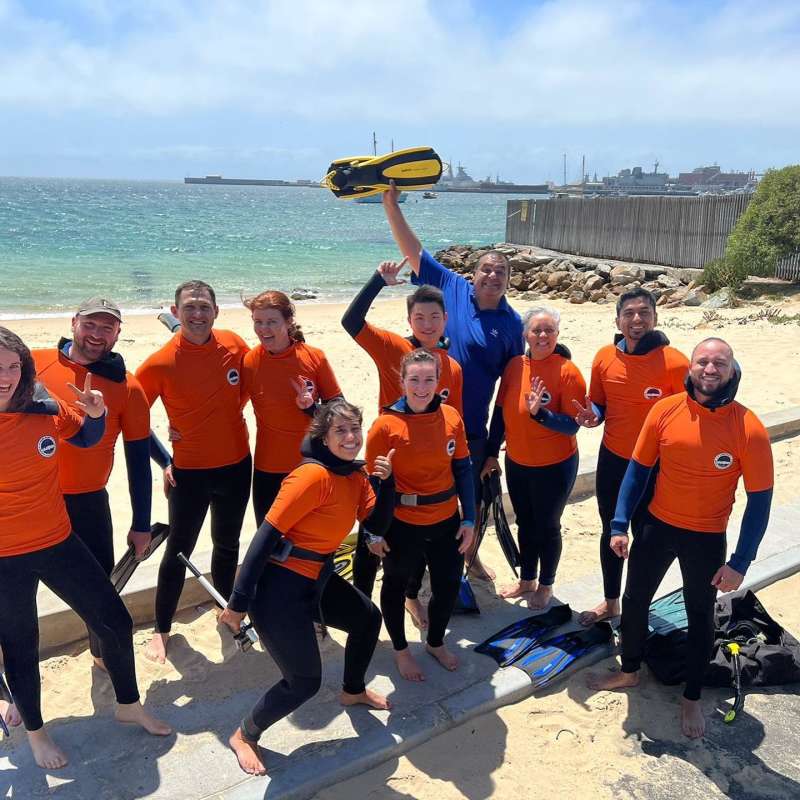
Take a comprehensive crash course in marine science research and professional diving. This exciting program takes you to one of the most biodiverse stretches of South Africa’s Western Cape.
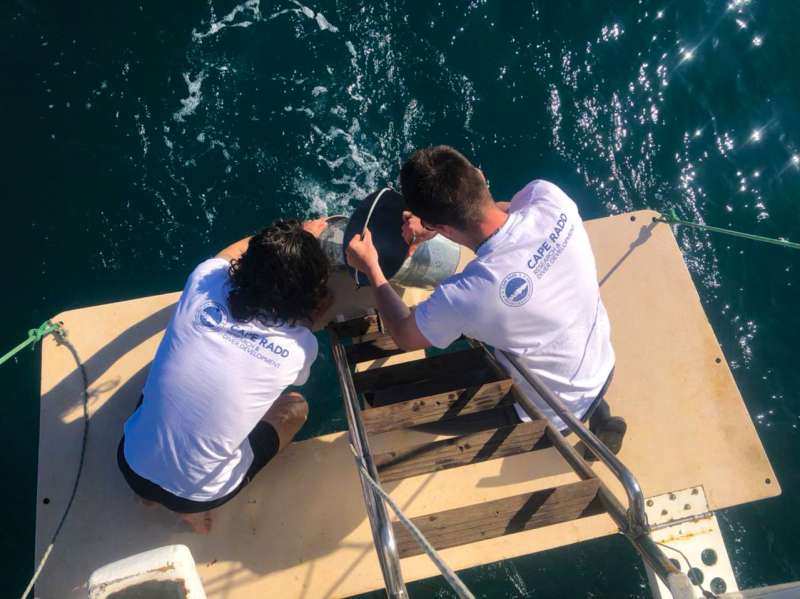
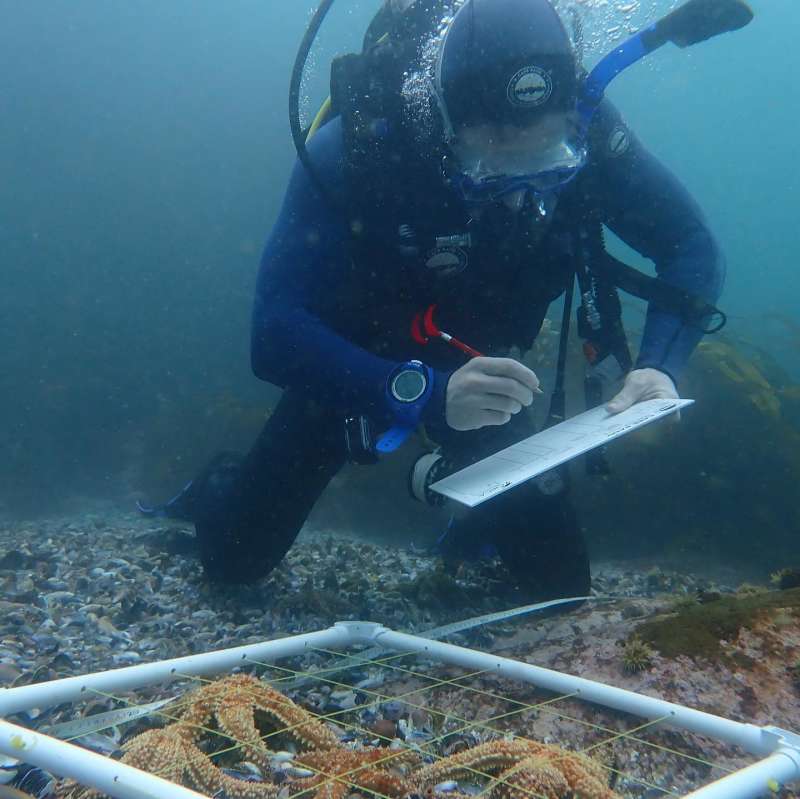
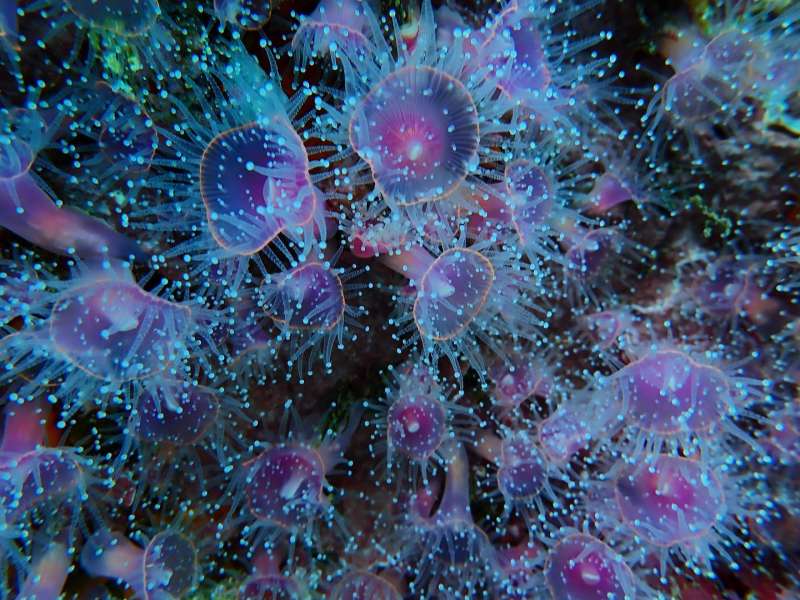
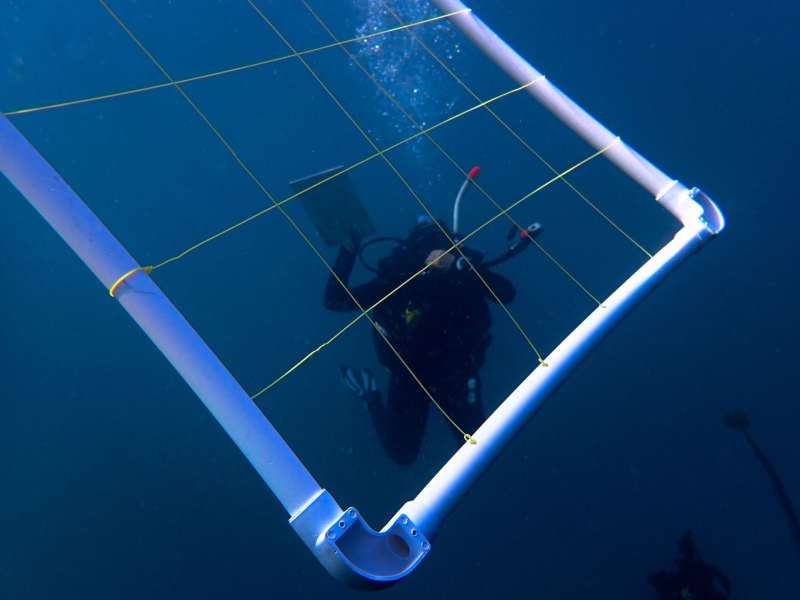
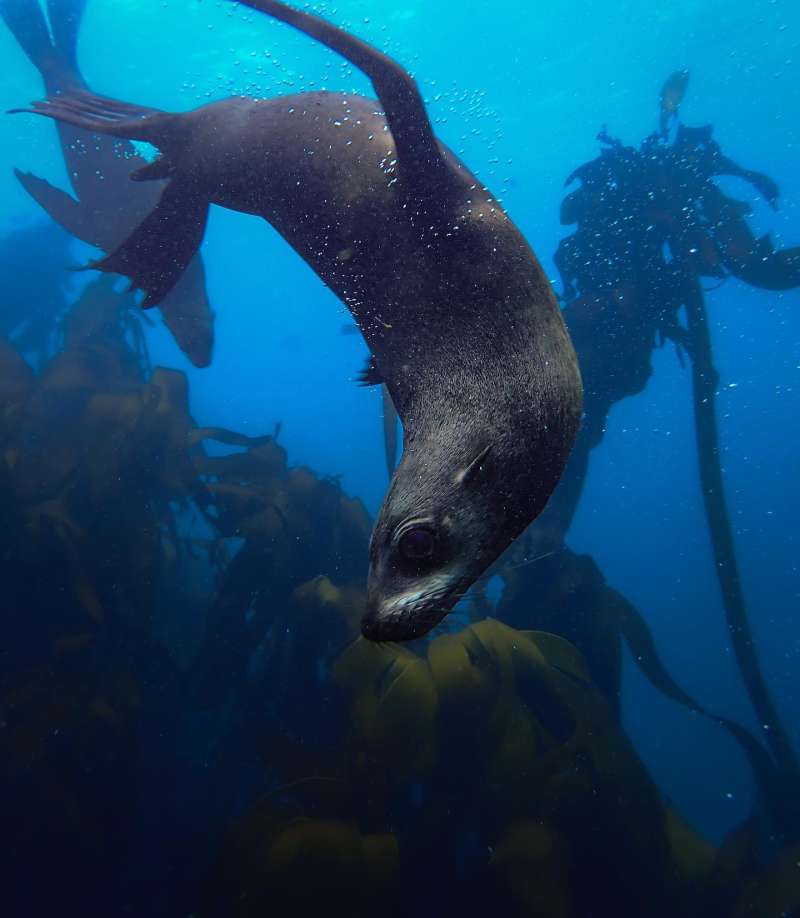
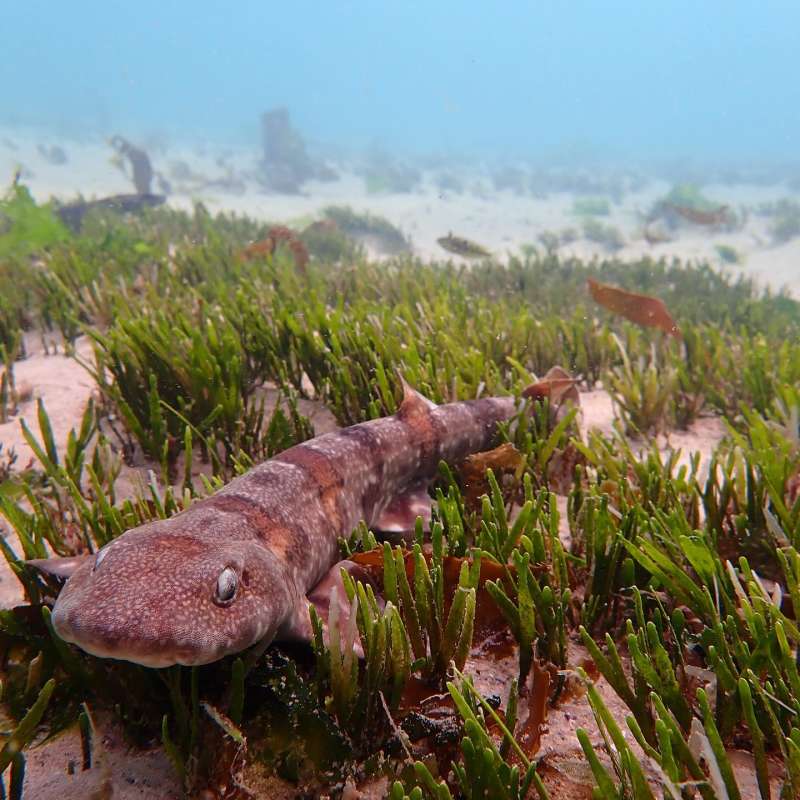
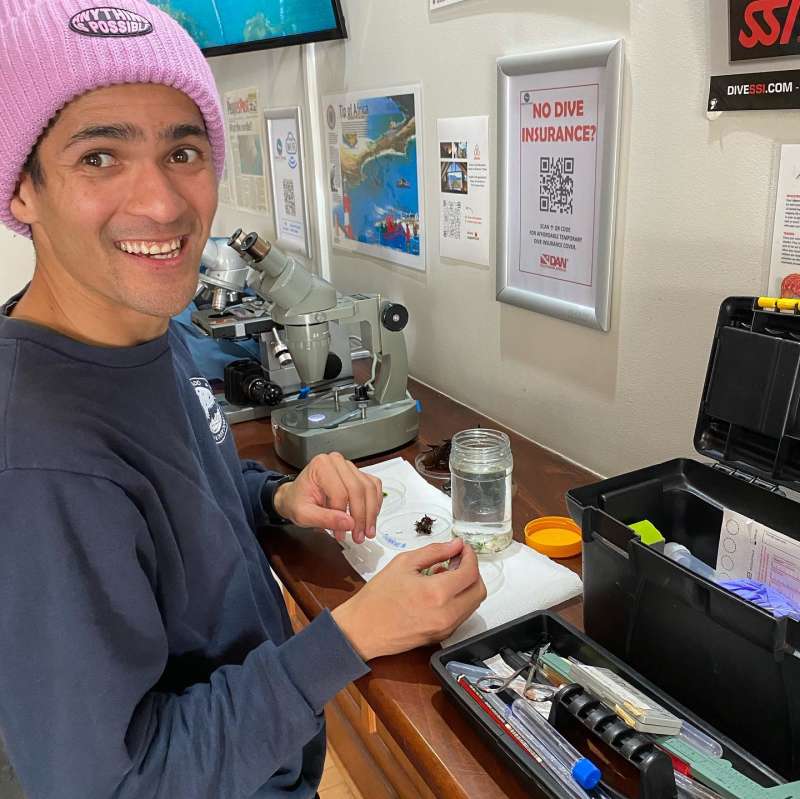
You’ll join an experienced team of passionate marine scientists and assist with a variety of on-land, boat-based, and underwater research. On the outskirts of the greater Cape Town area, this marine science center conducts a range of research programs on the area's varied shark, cetacean, seal and fish species as well as kelp forests and natural coral systems. As part of their work, they run a number of ecotourism activities, utilizing citizen science as a method of mass data-collection whilst broadening the reach of their community engagement. Your work will revolve around assisting with their ongoing research projects and facilitating citizen science programs - this includes underwater surveys, monitoring habitats on research dives, and collecting and processing data from their independently developed AI shark tagging system. You’ll develop theoretical and practical knowledge of specialized marine science equipment tools including underwater cameras, transect tapes, and quadrats.
Ready to dive deeper into this program?
Jump to the full breakdown of dates, costs, eligibility, and more.
Program Highlights
What's Included
Quick Details
- 2-4 Weeks
- Marine Science
- Marine Conservation
- Albanian
- American
- Andorran
- Antarctica
- Antiguan & Barbudan
- Argentinian
- Armenian
- Aruban
- Asian
- Australian
- Austrian
- Azerbaijani
- Bahamian
- Bahraini
- Barbadian
- Belarusian
- Belgian
- Belizean
- Bermudian
- Bhutanese
- Bissau-Guinean
- Bolivian
- Bonaire
- Bosnian
- Brazilian
- British
- British Virgin Islander
- Bruneian
- Bulgarian
- Cambodian
- Canadian
- Cape Verdean
- Caymanian
- Channel Islander
- Chilean
- Chinese
- Colombian
- Comoran
- Cook Islander
- Costa Rican
- Creole
- Croatian
- Cuban
- Curacao
- Cypriot
- Czech
- Danish
- Dominican
- Dutch
- Ecuadorian
- Egyptian
- Emirati
- English
- Estonian
- European
- Fijian
- Finnish
- French
- Georgian
- German
- Gibraltarian
- Greek
- Greenlandic
- Grenadian
- Guadeloupian
- Guatemalan
- Guinean
- Guyanese
- Haitian
- Hawaiian
- Honduran
- Hungarian
- I-Kiribati
- Icelandic
- Indonesian
- Iranian
- Iraqi
- Irish
- Israeli
- Italian
- Jamaican
- Japanese
- Jordanian
- Kazakhstani
- Kittitian, Nevisian
- Kiwi
- Korean
- Kuwaiti
- Kyrgyzstani
- Lao or Laotian
- Latvian
- Lebanese
- Liechtenstein
- Lithuanian
- Luxembourg
- Macedonian
- Malagasy
- Malaysian
- Maldivian
- Malian
- Maltese
- Manx
- Marshallese
- Martiniquais
- Mauritanian
- Mauritian
- Mexican
- Micronesian
- Moldovan
- Monegasque
- Mongolian
- Montenegrin
- Montserratian
- Moroccan
- multi
- Myanmar
- Nauruan
- Nepalese
- New Caledonian
- Ni-Vanuatu
- Nicaraguan
- Niuean
- Norwegian
- Omani
- Palauan
- Palestinian
- Panamanian
- Papua New Guinean
- Paraguayan
- Peruvian
- Polish
- Polynesian
- Portuguese
- Puerto Rican
- Qatari
- Reunionese
- Romanian
- Russian
- Saban
- Sahrawian, Sahraouian
- Saint Helenian
- Saint Lucian
- Saint Vincentian or Vincentian
- Salvadoran
- Sammarinese
- Samoan
- Sao Tomean
- Saudi Arabian
- Scottish
- Serbian
- Serbian; Montenegrin
- Seychelles
- Singaporean
- Slovak
- Slovenian
- Solomon Islander
- Spanish
- St. Barts
- Statian
- Surinamese
- Swedish
- Swiss
- Syrian
- Tahiti
- Taiwanese
- Tajikistani
- Thai
- The Vatican
- Tibet
- Timorese
- Tongan
- Trinidadian, Tobagonian
- Turkish
- Turkmen
- Turks and Caicos
- Tuvaluan
- Ukrainian
- Uruguayan
- Uzbekistani
- Venezuelan
- Vietnamese
- Virgin Islander
- Welsh
- Yemeni
Updated Jan 15, 2026
Program Details
Learn all the nitty gritty details you need to know
Locations
- Cape Town, South Africa
Types & Subjects
- Fields
- Marine Science
- Causes
- Marine Conservation
Eligible Nationalities
- Albanian
- American
- Andorran
- Antarctica
- Antiguan & Barbudan
- Argentinian
- Armenian
- Aruban
- Asian
- Australian
- Austrian
- Azerbaijani
- Bahamian
- Bahraini
- Barbadian
- Belarusian
- Belgian
- Belizean
- Bermudian
- Bhutanese
- Bissau-Guinean
- Bolivian
- Bonaire
- Bosnian
- Brazilian
- British
- British Virgin Islander
- Bruneian
- Bulgarian
- Cambodian
- Canadian
- Cape Verdean
- Caymanian
- Channel Islander
- Chilean
- Chinese
- Colombian
- Comoran
- Cook Islander
- Costa Rican
- Creole
- Croatian
- Cuban
- Curacao
- Cypriot
- Czech
- Danish
- Dominican
- Dutch
- Ecuadorian
- Egyptian
- Emirati
- English
- Estonian
- European
- Fijian
- Finnish
- French
- Georgian
- German
- Gibraltarian
- Greek
- Greenlandic
- Grenadian
- Guadeloupian
- Guatemalan
- Guinean
- Guyanese
- Haitian
- Hawaiian
- Honduran
- Hungarian
- I-Kiribati
- Icelandic
- Indonesian
- Iranian
- Iraqi
- Irish
- Israeli
- Italian
- Jamaican
- Japanese
- Jordanian
- Kazakhstani
- Kittitian, Nevisian
- Kiwi
- Korean
- Kuwaiti
- Kyrgyzstani
- Lao or Laotian
- Latvian
- Lebanese
- Liechtenstein
- Lithuanian
- Luxembourg
- Macedonian
- Malagasy
- Malaysian
- Maldivian
- Malian
- Maltese
- Manx
- Marshallese
- Martiniquais
- Mauritanian
- Mauritian
- Mexican
- Micronesian
- Moldovan
- Monegasque
- Mongolian
- Montenegrin
- Montserratian
- Moroccan
- multi
- Myanmar
- Nauruan
- Nepalese
- New Caledonian
- Ni-Vanuatu
- Nicaraguan
- Niuean
- Norwegian
- Omani
- Palauan
- Palestinian
- Panamanian
- Papua New Guinean
- Paraguayan
- Peruvian
- Polish
- Polynesian
- Portuguese
- Puerto Rican
- Qatari
- Reunionese
- Romanian
- Russian
- Saban
- Sahrawian, Sahraouian
- Saint Helenian
- Saint Lucian
- Saint Vincentian or Vincentian
- Salvadoran
- Sammarinese
- Samoan
- Sao Tomean
- Saudi Arabian
- Scottish
- Serbian
- Serbian; Montenegrin
- Seychelles
- Singaporean
- Slovak
- Slovenian
- Solomon Islander
- Spanish
- St. Barts
- Statian
- Surinamese
- Swedish
- Swiss
- Syrian
- Tahiti
- Taiwanese
- Tajikistani
- Thai
- The Vatican
- Tibet
- Timorese
- Tongan
- Trinidadian, Tobagonian
- Turkish
- Turkmen
- Turks and Caicos
- Tuvaluan
- Ukrainian
- Uruguayan
- Uzbekistani
- Venezuelan
- Vietnamese
- Virgin Islander
- Welsh
- Yemeni
- This Program is also open to Solo
Education Levels & Language
- Education
- Any/All Education Levels Accepted
Accommodation Options
- Dormitory
- Group living
Application Procedures
- Online Application
- Resume
Age Requirement
18-35
Duration
- 2-4 Weeks
- Short Term
- 1-3 Months
Starts At
Program Reviews
Hear what past participants have to say about Roots Interns
Be the first to review Roots Interns
If you've participated in this program, your review helps future students decide.
Review this ProgramInquire
Inquire about this program
Have a question? Send us a message and the program team will get back to you.
FAQs
Frequently Asked Questions
Get answers to all the most common questions about Roots Interns.
Will I need SCUBA diving qualifications to apply for this program?
Yes, you need to have Open Water level 1 (PADI, NAUI, SSI, BSAC, etc.). If you don’t have this, you can arrive one week earlier to complete the PADI Open Water training at an additional cost.
Where will I stay during the program?
Accommodation is arranged on a case-by-case basis at local rental properties within walking distance of the research center.
What can I do during my downtime?
Simon’s Town has a choice of restaurants and bars, there are incredible hikes around the local area, and you will be within visiting-distance Cape Town.
Recognitions & Awards
Awards and accreditations earned by this provider

Related Programs
Browse programs you might like


Roots Interns
No reviews yet
Step into the role of a working researcher and contribute to projects tackling some of the most pressing social issues facing communities across ...
Roots Interns
No reviews yet
Become part of social change in South Africa as a communicator who contributes through writing and community involvement to address real-world so...
Roots Interns
No reviews yet
Between research, material development, and community engagement, contribute to human rights advocacy through initiatives addressing some of Sout...
Have more questions?
We're here to help!
The GoAbroad team is here to support you as you choose the best program for you, and Roots Interns is also happy to answer any questions you have.
Trusted by millions of travelers worldwide since 1997