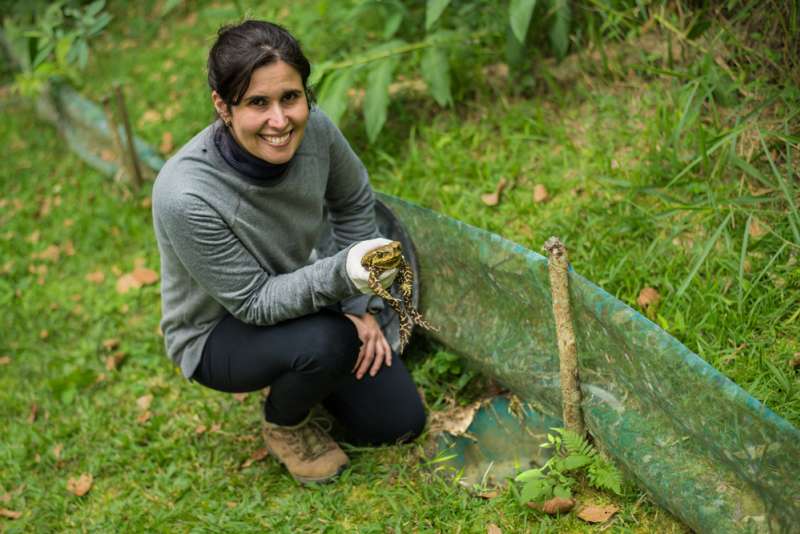
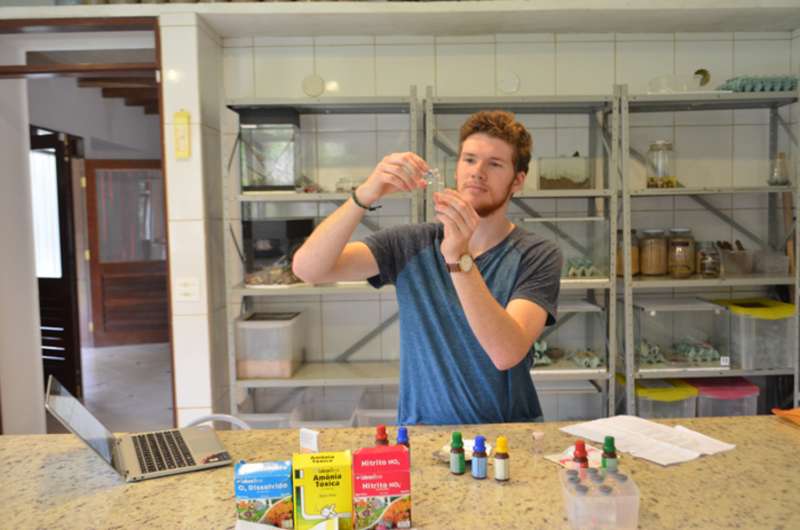
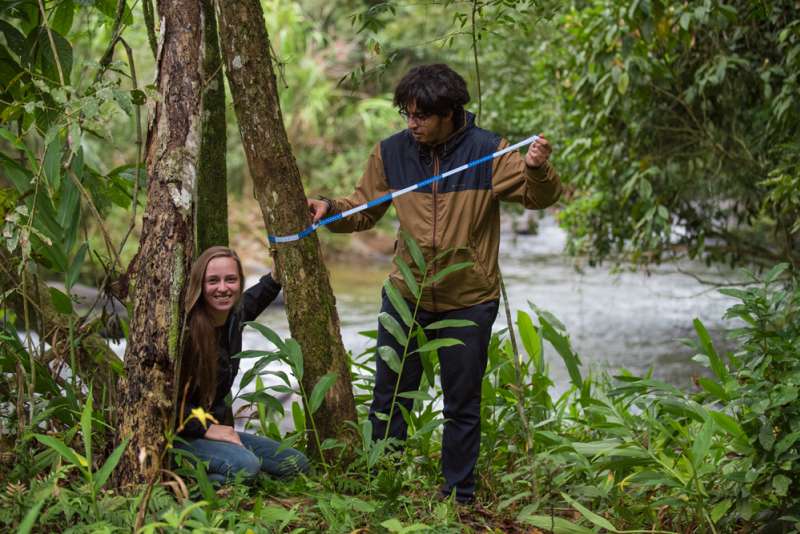
My time at IPBio was an amazing first abroad experience! During my two month stay, I served as a research assistant for the numerous amphibian studies, as well as an eco-volunteer, assisting with various other projects in the field. Every day, I spent either the morning or the afternoon in the lab with tadpoles and frogs; I collected data like length and mass, as well as examining some under a microscope to assess their health and take photos. I had the opportunity to write up new research protocol for the studies, and I also got to participate in one night collection of frogs to inform our understanding of the biodiversity on the reserve! The other half of my day was spent in the field, overseen by the lovely and super knowledgeable Marleen, collecting data for a variety of other projects at IPBio. One of my favorites was the pond habitat monitoring, which was set up by a fellow volunteer during my time at IPBio. Lily created a monitoring system to track the health of a variety of aquatic habitats on the reserve, and once a week we would collect data from one of the ponds, rotating through them over the weeks. My favorite part was probably identifying the macro-invertebrate species in each pond, which required us to sift through a small sample size that we collected, picking out a variety of insect larvae, tiny crustaceans, snails, and aquatic worms to identify. I also assisted in sorting through loads of camera trap footage, which led to watching a little family of birds basically grow up before my eyes, as they passed in front of the same camera consistently for upwards of a month.
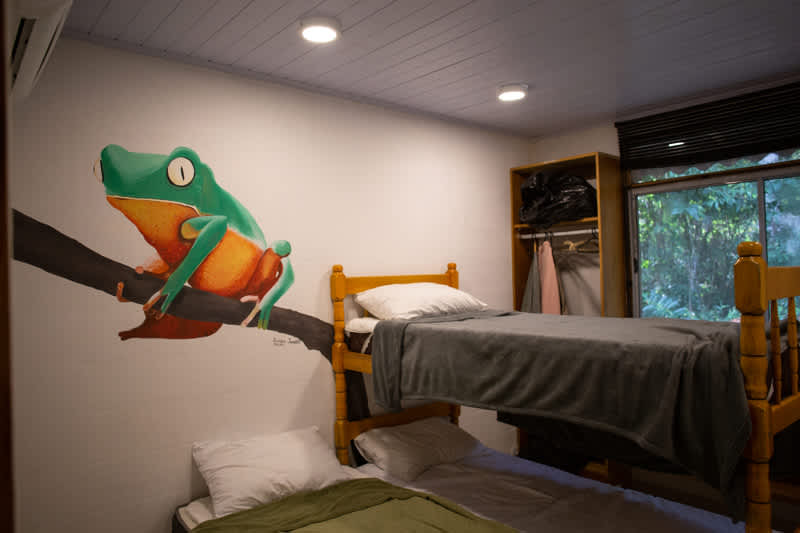
My fellow volunteers during my stay were all so interesting and wonderful, and it was an honor and pleasure to get to know them, for whatever the length of time our paths crossed. The staff were all amazing and so knowledgeable in their respective fields. Marleen taught me so much about field biology and data collection, Henrique taught me loads about birds, and Anna was so helpful answering all of my questions in the lab. Being my first trip out of my home country, Imran was so supportive and answered my questions every step of the way, all the way up until I got off the bus at the Reserve the day I arrived. I was more than pleasantly surprised to find my room even had its own AC unit, which was a total luxury! And I don’t even know how she does it with all of the tromping around in muddy boots we do, but Adriana keeps everything on the reserve sparkling clean 24/7, and always greets you with an equally sparkling smile. Not only is everybody on staff excellent at what they do, they are so much fun to just hang out with!
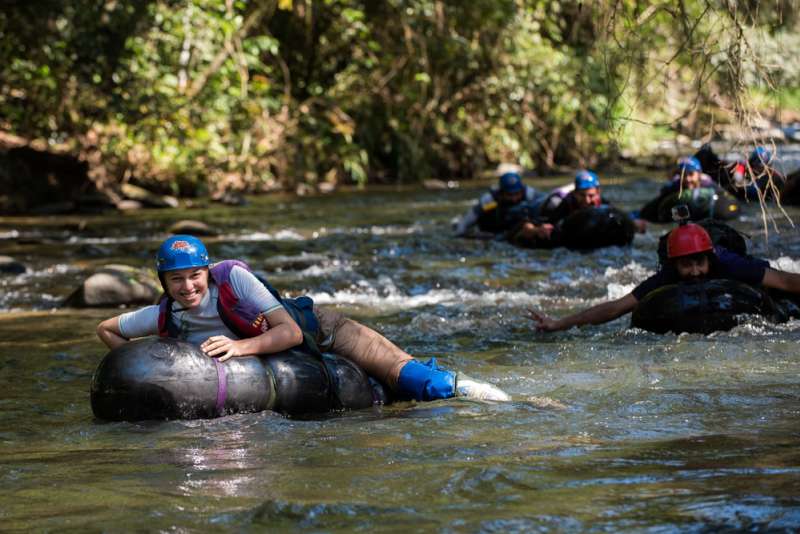
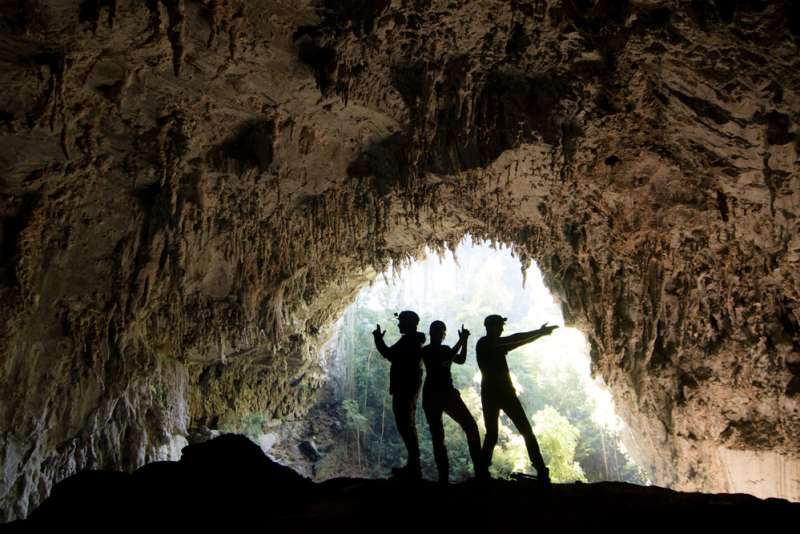
When you are not involved in the exciting and interesting projects on the Reserve, you will not lack for activities to occupy your time! There are so many amazing trips to be taken on your weekends off, and it is 110% worth it to budget out some extra money to take at least one or two. Whether you take a day to lay out on the beach in Cananaeia and watch dolphins play just meters from shore, or hike deep into the jungle to swim in remote waterfalls and explore captivating caves, you will NOT be disappointed.
Being an Ecology and Environmental Science student in the US, I was drawn to IPBio’s projects in general, but had no special interest in amphibians. After my time volunteering, I have decided to go on for my masters and hopefully become a PhD candidate in herpetology down the line! I had no idea how much I would come to love and be inspired by a single family of animals, as well as the places they live. They are fascinating creatures and I think anyone who has the chance should get to know them a little better; they are an important bioindicator for many biomes, and can tell us so much about the health of the environments they inhabit. So, thank you IPBio for igniting this passion in me, and for giving me the opportunity to find it! I hope to return soon, and see all of the wonderful people (and frogs) I got to know during my stay. Obrigada, Brazil <3