Intercultural Outreach Initiative (IOI)
Why choose Intercultural Outreach Initiative (IOI)?
Intercultural Outreach Initiative (IOI) aims to help establish ecological sustainability and social stability in our host communities. We provide international education programs that support the education, conservation, and social development of isolated communities by assisting local institutions in sustainably handling the human-environmental intersection. Our nonprofit model finances con...
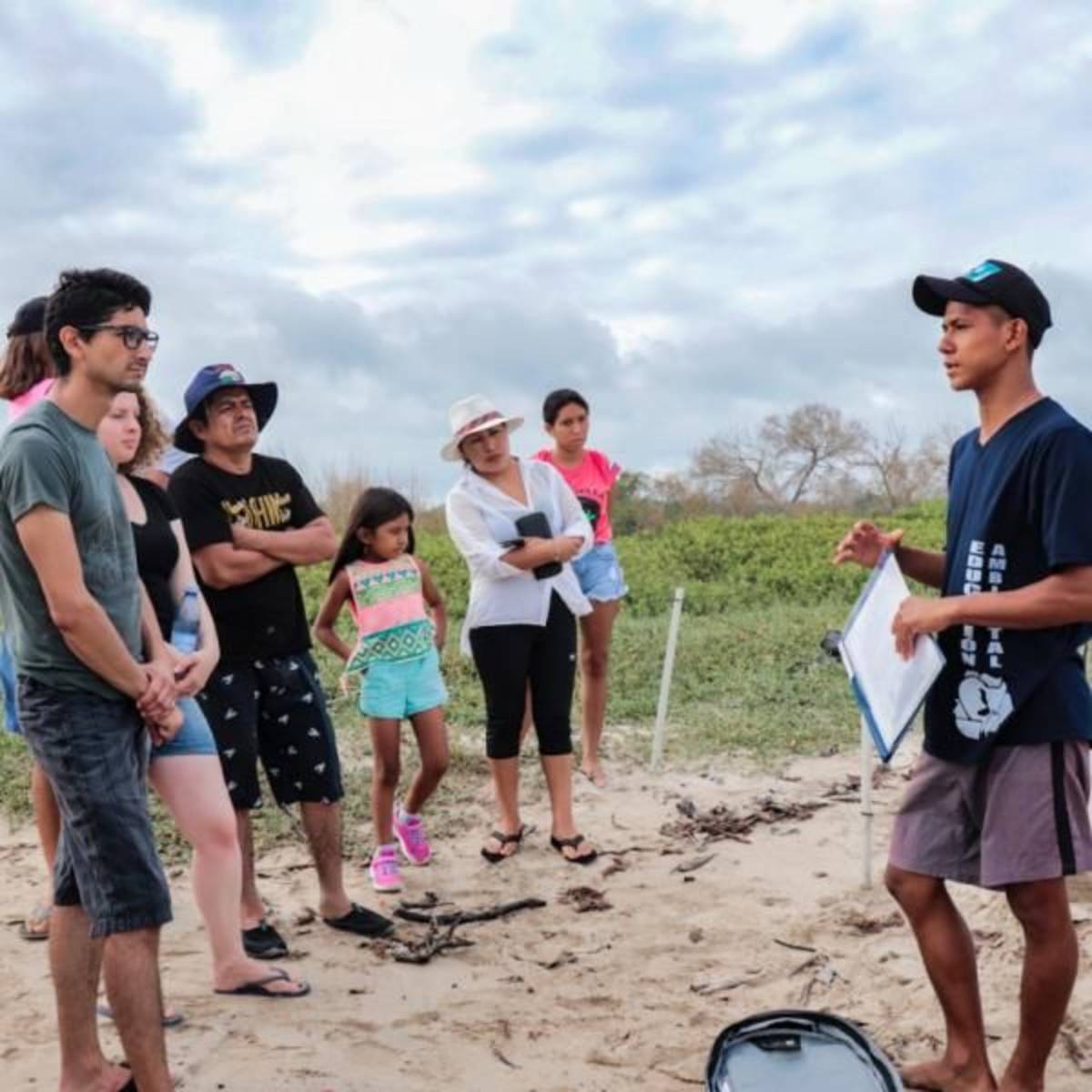
Intercultural Outreach Initiative (IOI) aims to help establish ecological sustainability and social stability in our host communities. We provide international education programs that support the education, conservation, and social development of isolated communities by assisting local institutions in sustainably handling the human-environmental intersection. Our nonprofit model finances conservation of isolated and unique places of particular natural beauty or relevance by inviting our clients to participate in our preservation efforts. In other words, our core competency is educational travel financed, environmental sustainability. The contribution of the visitor may vary by topic and place from research, to service learning or volunteering -- all embedded in a sustainable trave...
Intercultural Outreach Initiative (IOI) Reviews
Hear what past participants have to say about the programs
Overall Rating
Total Reviews
Dog Shelter Blog - Jason Mostowy
October 21, 2014by: Jason Mostowy - Galapagos IslandProgram: Giant Tortoise Breeding Center Volunteer in Galapagos
During my time on Isla Isabela, I volunteered at a dog shelter run by the ABG, the Agencia de Regulación y Control de la Bioseguridad para Galápagos. I was inspired to volunteer at this place in particular mostly because of the dichotomy in the treatment of dogs on the islands. Within the first two weeks of my semester on the island, I saw many dogs that were well cared for by loving owners and yet also saw two dogs poisoned with no repercussions. I decided that my volunteer time would best be spent trying to help some of these dogs. My time at this shelter taught me that working with shelter dogs is equal parts heartbreak and satisfaction. It also showed me the determination of a community trying to balance their own needs with the welfare of animals. Since I knew that the dogs that were being captured for the shelter were wandering animals, I knew ahead of time that some of them might be in bad shape. Still, it was both frustrating and depressing to receive a dog who is sweet and friendly yet still shows signs of neglect. One dog in particular stuck out to me, a little tan puppy. When the dog first arrived in the shelter, he had a hank of yellow and red yarn tied around his neck, so he clearly belonged to someone. However, his ribs were clearly visible through his fur, and his stomach was so distended and swollen that he couldn’t really walk. Another dog essentially lives in the dog shelter now, because her owners no longer want her. Cases like this weren’t uncommon, but for every dog that showed up to the shelter malnourished and tick-ridden, two or three showed up that were clean, fed and clearly well loved. Seeing dogs like that was always reassuring, because it showed me that most people on the island do care for their dogs. While I expected that some of the dogs we would be receiving in the shelter would not have been well taken care of, I never expected how much good we could do for those dogs even in the short time that they were in our care. Take the puppy I talked about above, for example. When we first got him at the shelter, all we could do was spray him for ticks, give him some medicine for worms and try to feed him. He was so weak that I honestly thought he wouldn’t live more than a few days. However, after only two days of consistent food and medication it was like we had a whole new dog. The swelling in his stomach went down and his skin was free of parasites. Now, he bounds around after the other dogs when we let him out to play, and he devours every bite of food we put in front of him. The dog shelter isn’t just a holding pen for strays, it can really do good for the dogs that need help. The dog shelter on Isla Isabela is so new that it still has many things to improve on. Finding food for the dogs is sometimes difficult, and veterinary care is essentially nonexistent. But ABG and the people who run the shelter are determined to turn it into a beneficial part of the community.
Galapagos Giant Tortoises (Chelonoidis nigra) - April 6, 2014
October 21, 2014by: Yishen Li - Galapagos IslandsProgram: Giant Tortoise Breeding Center Volunteer in Galapagos
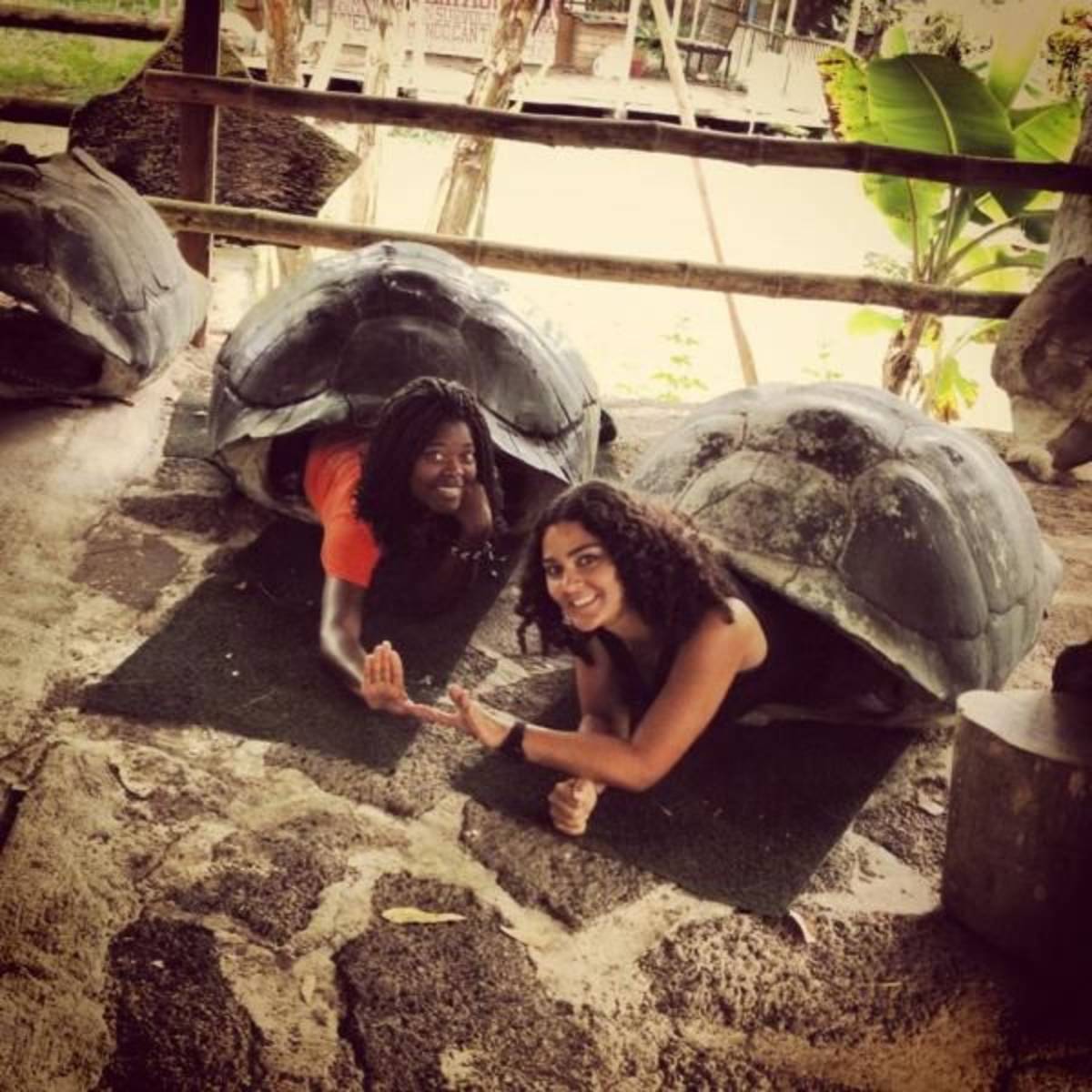
Galapagos Giant Tortoises (Chelonoidis nigra) are an endemic species unique to the Galapagos Islands. It has long been the symbol of Galapagos tourism and more recently conservation efforts. Once abundant throughout the archipelago, these gigantic terrestrial reptiles were decimated by sailors and whalers for their meat during the eighteenth and nineteenth centuries. Today, these animals face new challenges such as loss of habitat due to human activities and rampant invasive species which easily destroy tortoise nests or directly predate on the young. Centro de Crianza de las Tortugas Gigantes (Giant Tortoises Breeding Center) in Puerto Villamil, Isabela was established by the Galapagos National Park to breed, raise, and repatriate these charismatic animals to help restore their population size in the wild. Meanwhile, the National Park hopes that interaction with tourists would be a great way to promote conservation. Over 10 weeks of the Spring 2014 UGalapagos semester, I was very fortunate to volunteer at Centro de Crianza as my community service project. Every Wednesday and every other Friday, my partner Kevin Kahover and I fed about 200 adult and sub-juvenile tortoises with a type of juicy plant called otoy (Xanthosoma sagnittifolium). The adults were fed with 25kg of otoy, and the sub-juveniles were given 15kg each time. On Thursdays we cleaned up their waste and fallen poison apples in the pens. Quite often, early morning visitors would be very curious about our job, and Kevin and I would always be willing to answer their questions on what we were doing, why these tortoises needed to be protected, and how Foundación IOI coordinated various community outreach programs to benefit Isabela. The work is highly physically demanding, and on hot, sunny days, sweat would easily soak our shirts within ten minutes. However, I loved the work not only in that it was such an enjoyment watching these giants chewing large chunks of otoy up close and personal (we did not have to stay 2 meters away from these tortoises and sometimes they would approach and surround me if they saw me carrying a bundle of otoy), but also I felt I was accepted as a member of the Isabela community instead of a temporarily visiting tourist. What we did, even little, did help Centro de Crianza operate.
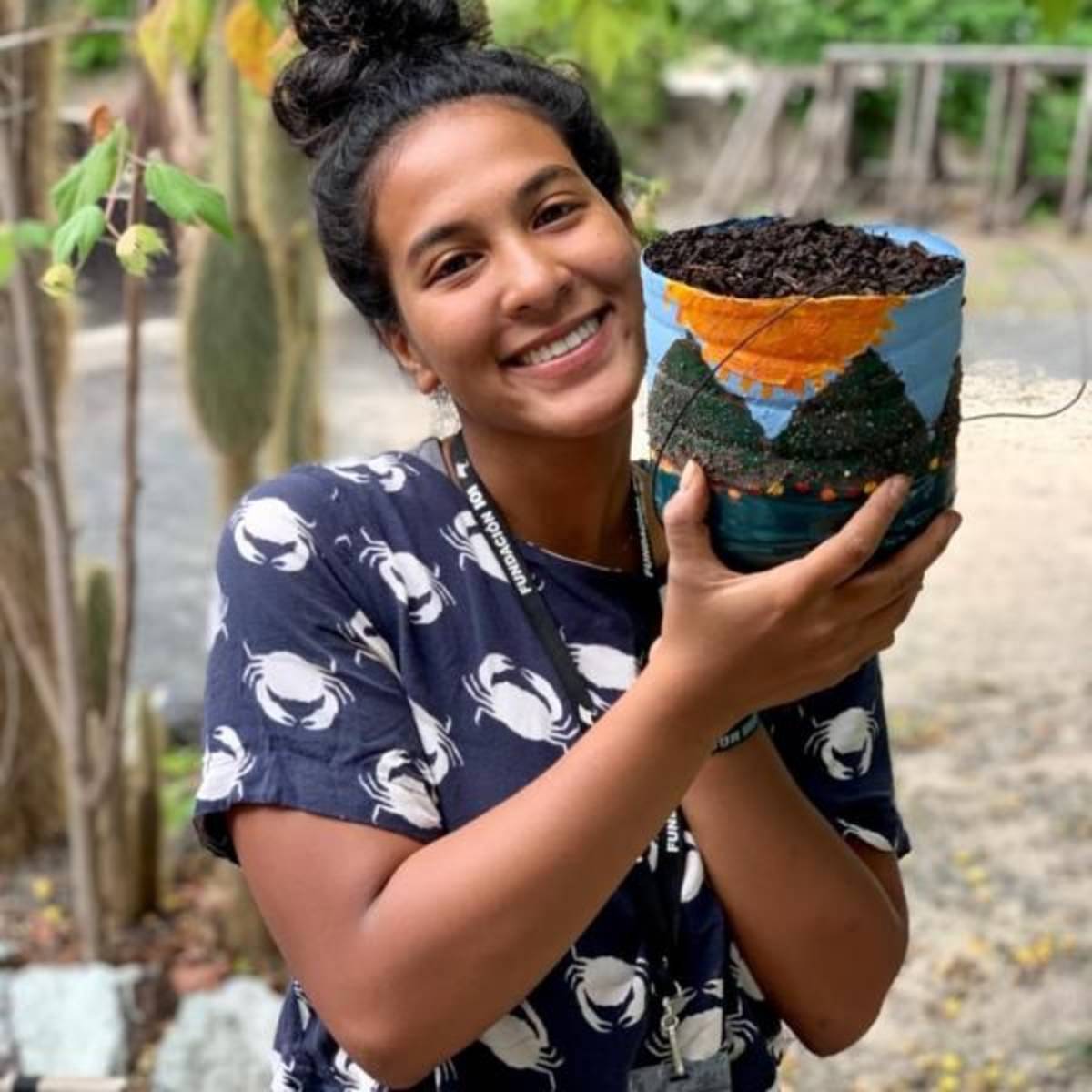
Biodiversity Protection - Conservation volunteer
October 21, 2014by: Jessie Wingar - Galapagos IslandsProgram: Giant Tortoise Breeding Center Volunteer in Galapagos
Walking into the dog shelter, I wasn’t quite sure what to expect. It looked like just a house. Once I stepped in for our orientation, I realized that the house was actually where the vets office is eventually going to be and there were eight cages. At the present time they were empty. On our first official day of community service at the dog shelter, I was feeling very excited. There were a couple of dogs at the shelter. One being a very energetic, medium size, brown and black dog. Over the next several weeks, a couple of dogs came and went, but the brown and black dog remained. We found out that her owners didn’t want her back and that she was going to be put up for adoption. Although, when I first met this dog she was insane and all over the place, I got to know her and most of the time when I get her by my side she remained calm and she could even sit. Hopefully someone will adopt her soon. A significant change occurred at the dog shelter after the elections of the major of the island ended. Before the elections happened, the shelter was not fully staffed and did not have anyone that helped us with the dogs. For some reason, after the election, these people came back to work. We noticed that there was a steady increase in the number of dogs in the shelter because more time was spent catching the dogs. In addition, on some days we had people to help us clean the cages, which was a great help when there were at least eight dogs in the shelter. The highest number of dogs at one time was ten and that was quite difficult because there were more mouths to feed and more cages to clean. I quite enjoyed having more dogs in the shelter because it gave us more to do and the dogs were always so happy when we came and played with them for a while. One of the reasons why I really don’t want to leave Isabela is because of the work we are doing at the dog shelter. I am quite sad to leave crazy dog without her being adopted, but I look forward to hearing about when she does get adopted.
Intercultural Outreach Initiative (IOI) Programs
Browse programs you might like

Intercultural Outreach Initiative (IOI)
9.79
70 reviews
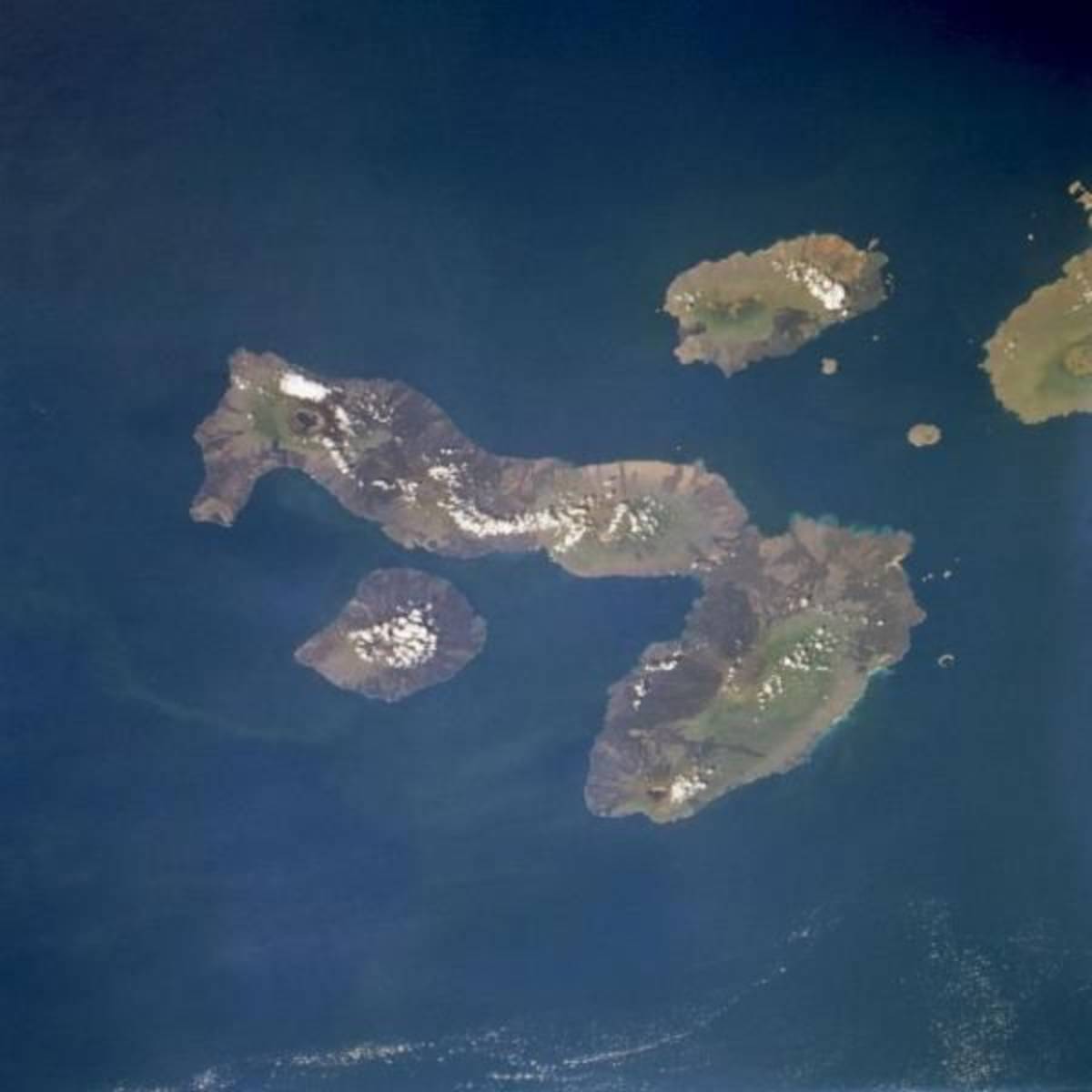
Volunteer at the Galápagos National Park and get the chance to assist at the tortoise breeding center. You will be a member of the research and z...

Intercultural Outreach Initiative (IOI)
9.41
27 reviews
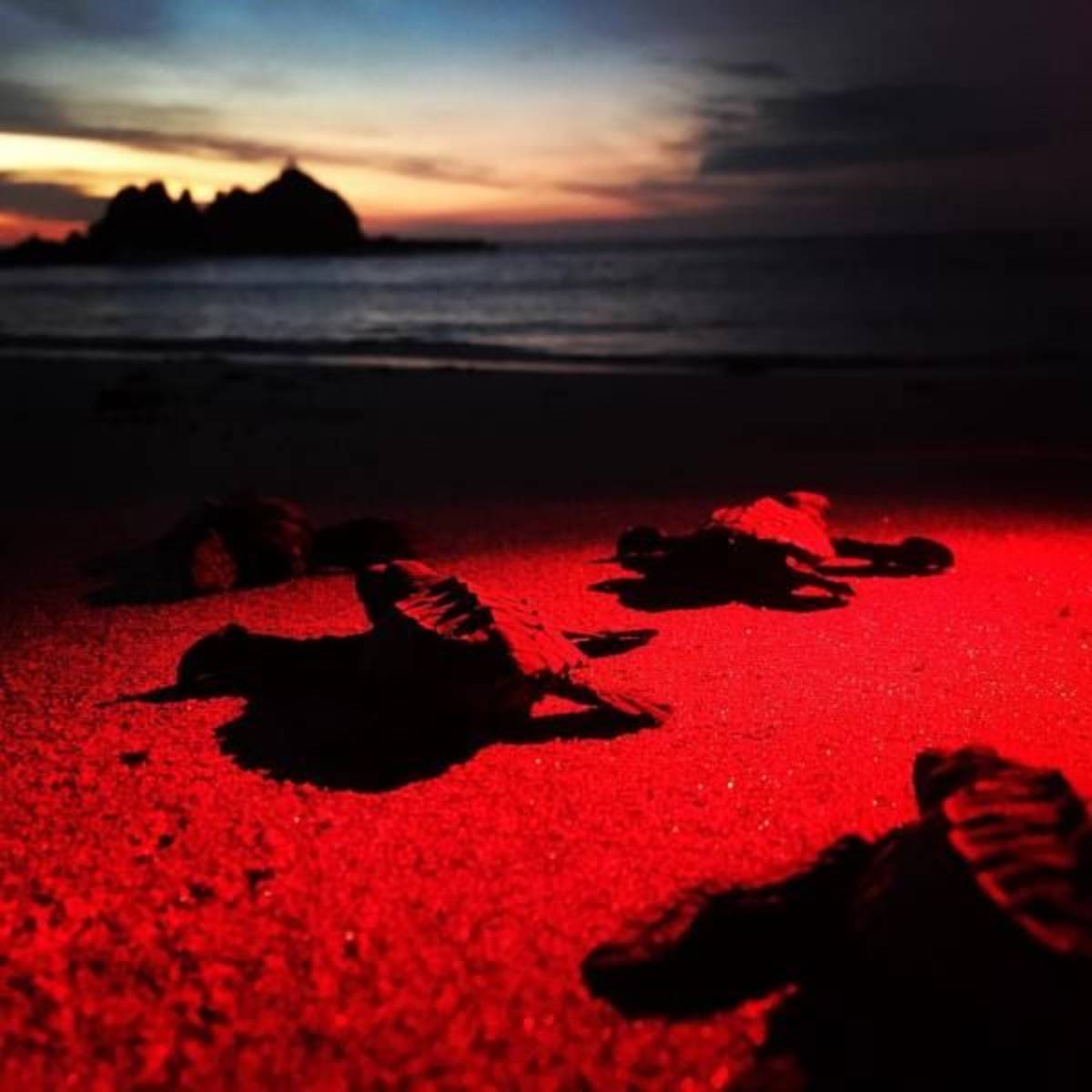
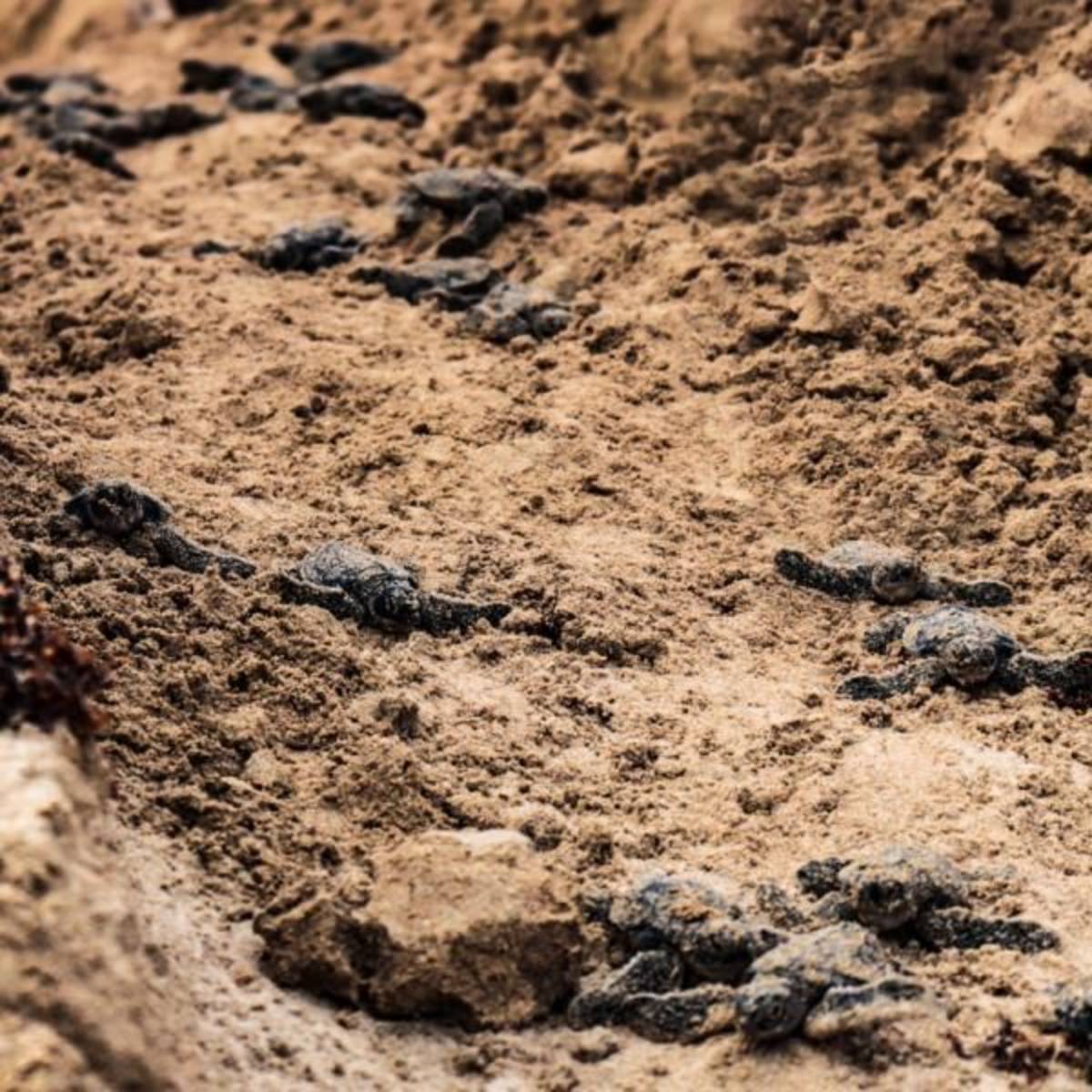
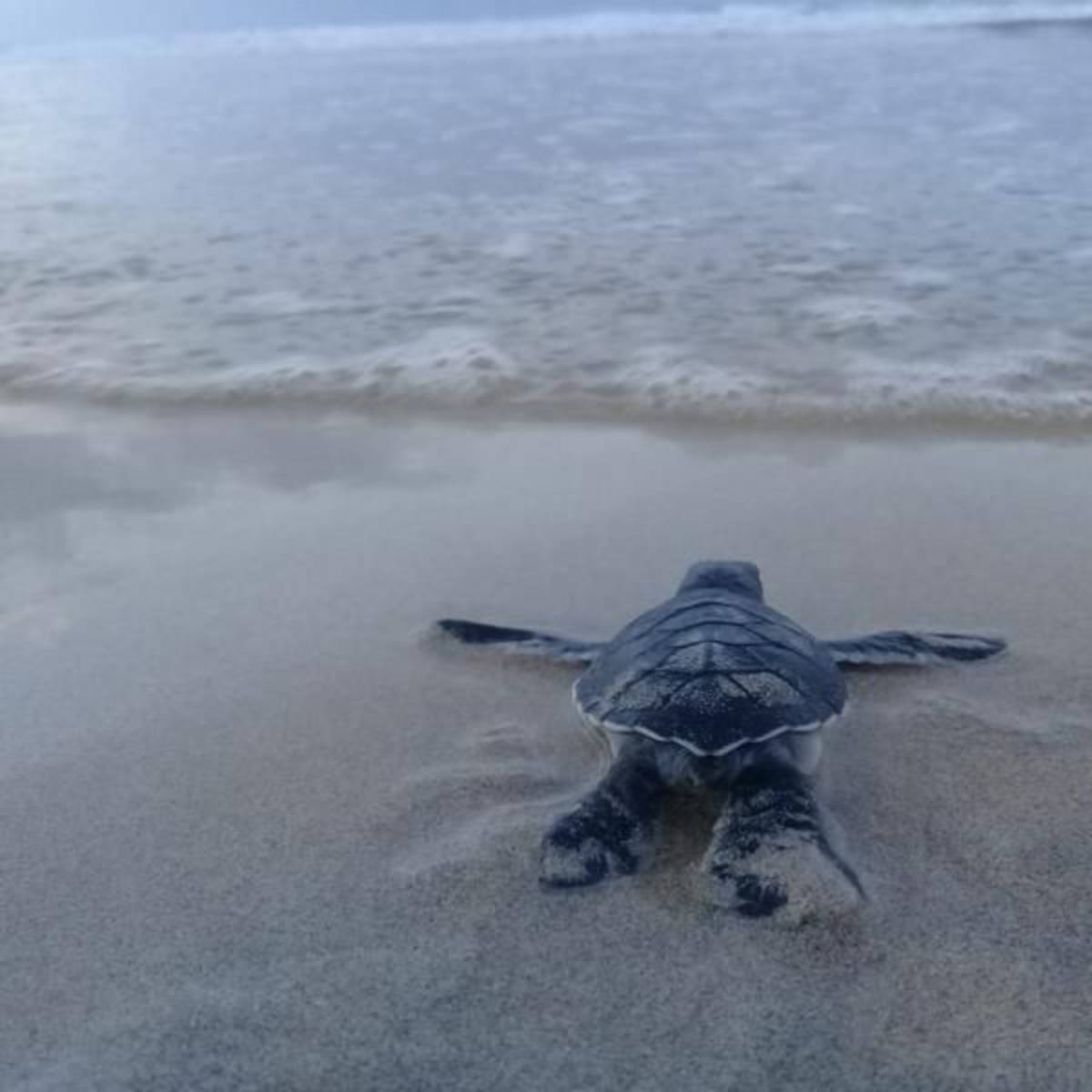
Travel to the island that inspired Charles Darwin’s theory of evolution, and do more than explore. Help support sea turtle conservation! As a se...

Intercultural Outreach Initiative (IOI)
9.8
10 reviews
Established in 1959 and starting operations in 1968, Galápagos National Park is the first of its kind in Ecuador. A UNESCO World Heritage Site, i...

Intercultural Outreach Initiative (IOI)
9.88
8 reviews
This project is part of a Galapagos Government Council project seeking to strengthen small, local entrepreneurs through social networks to genera...

Intercultural Outreach Initiative (IOI)
9.67
6 reviews
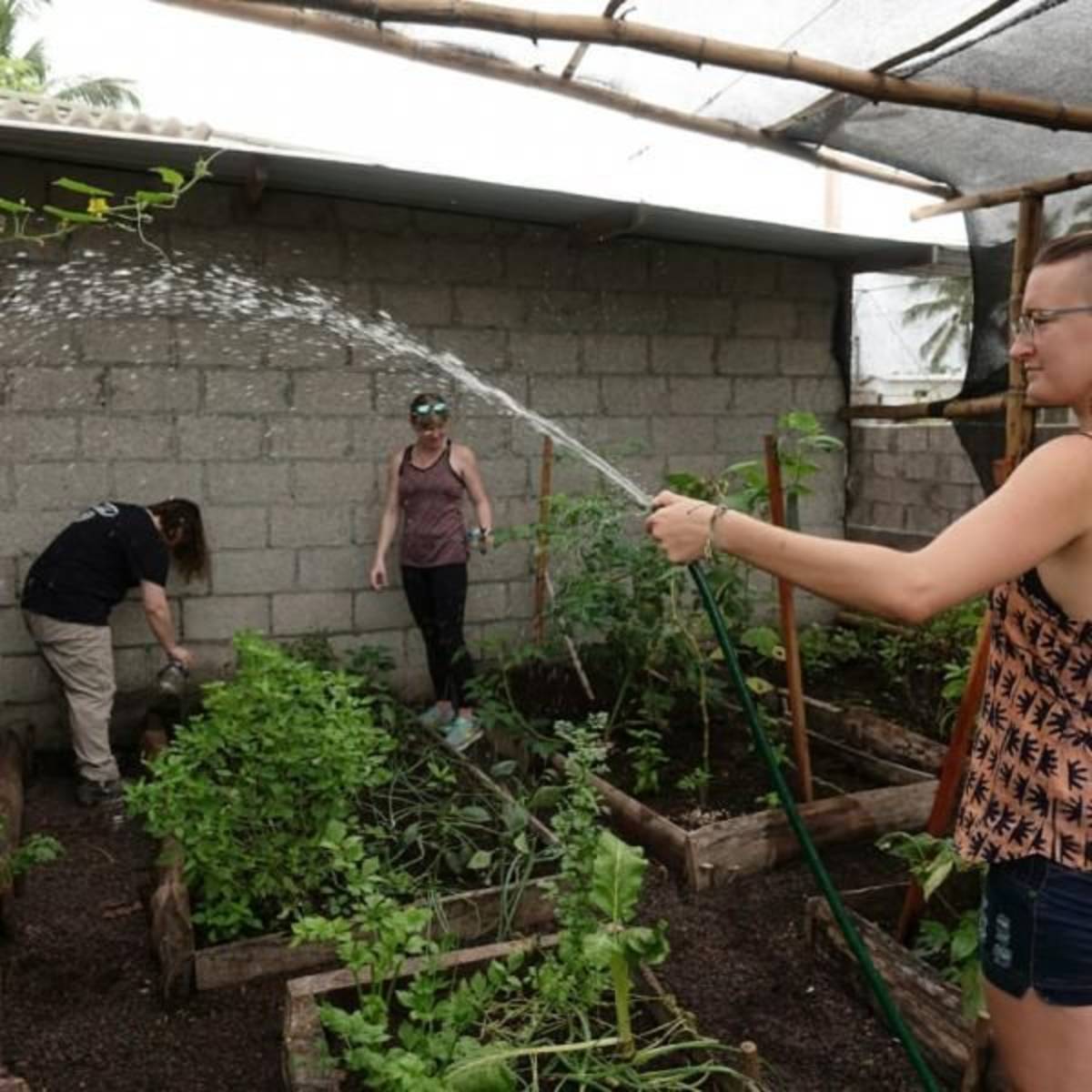
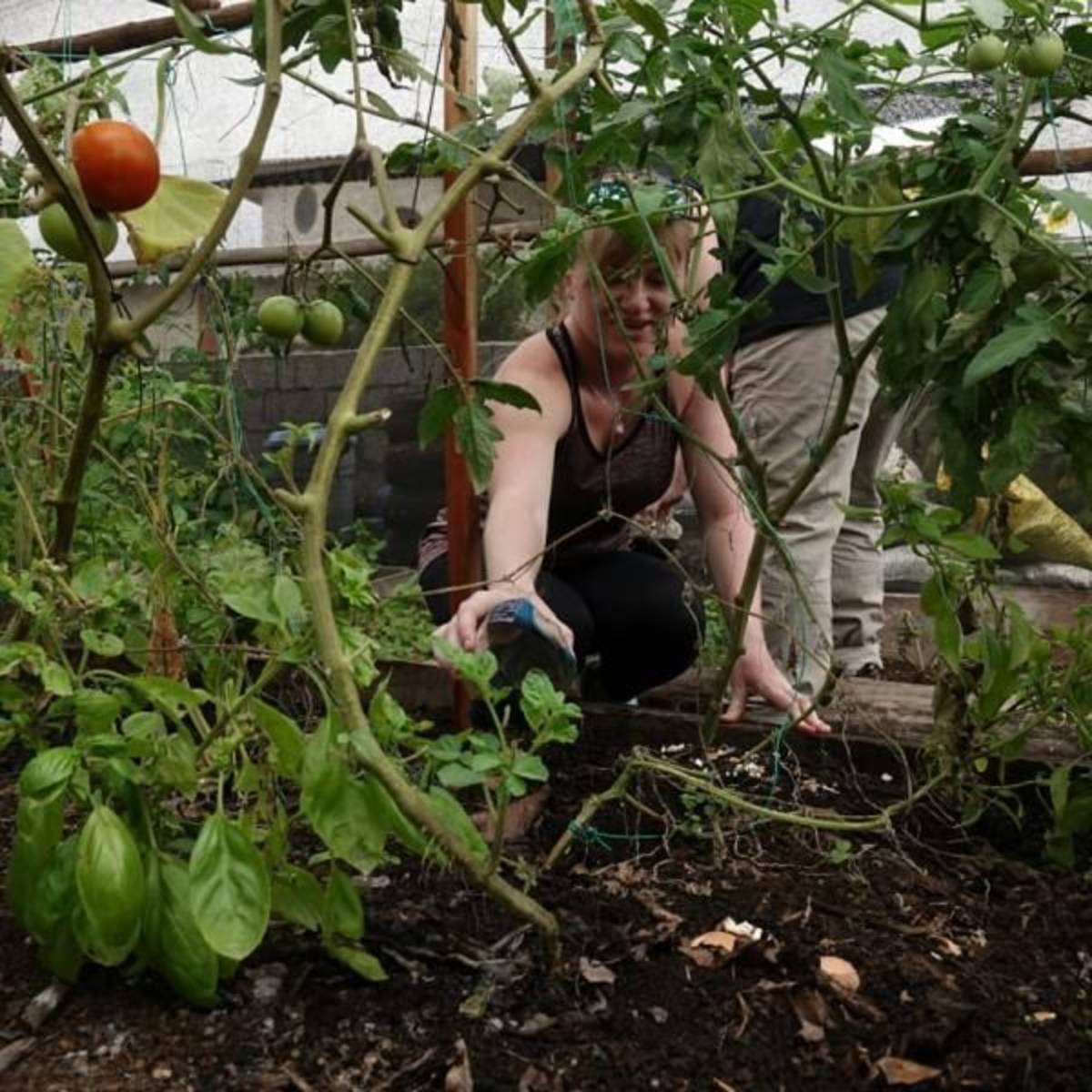
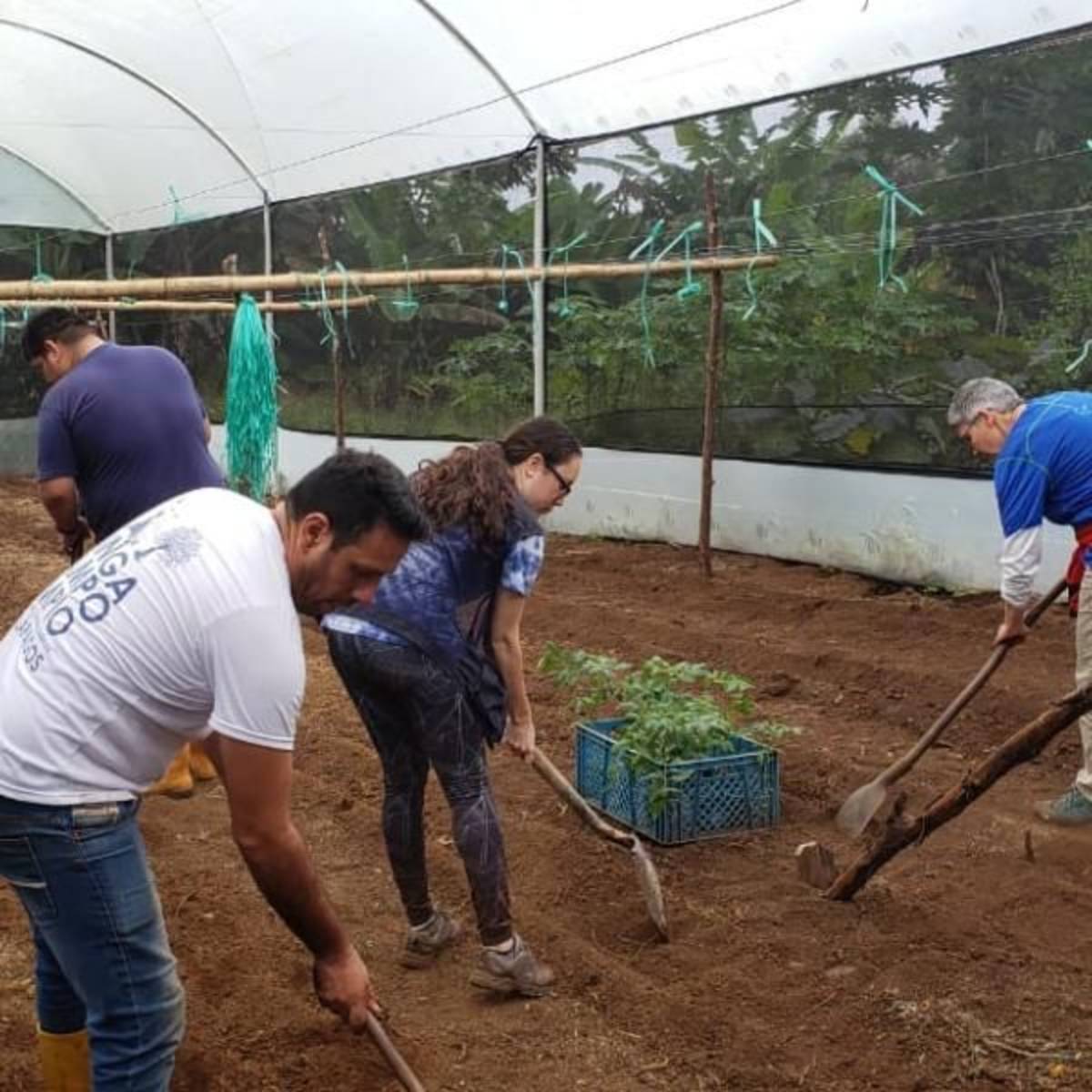
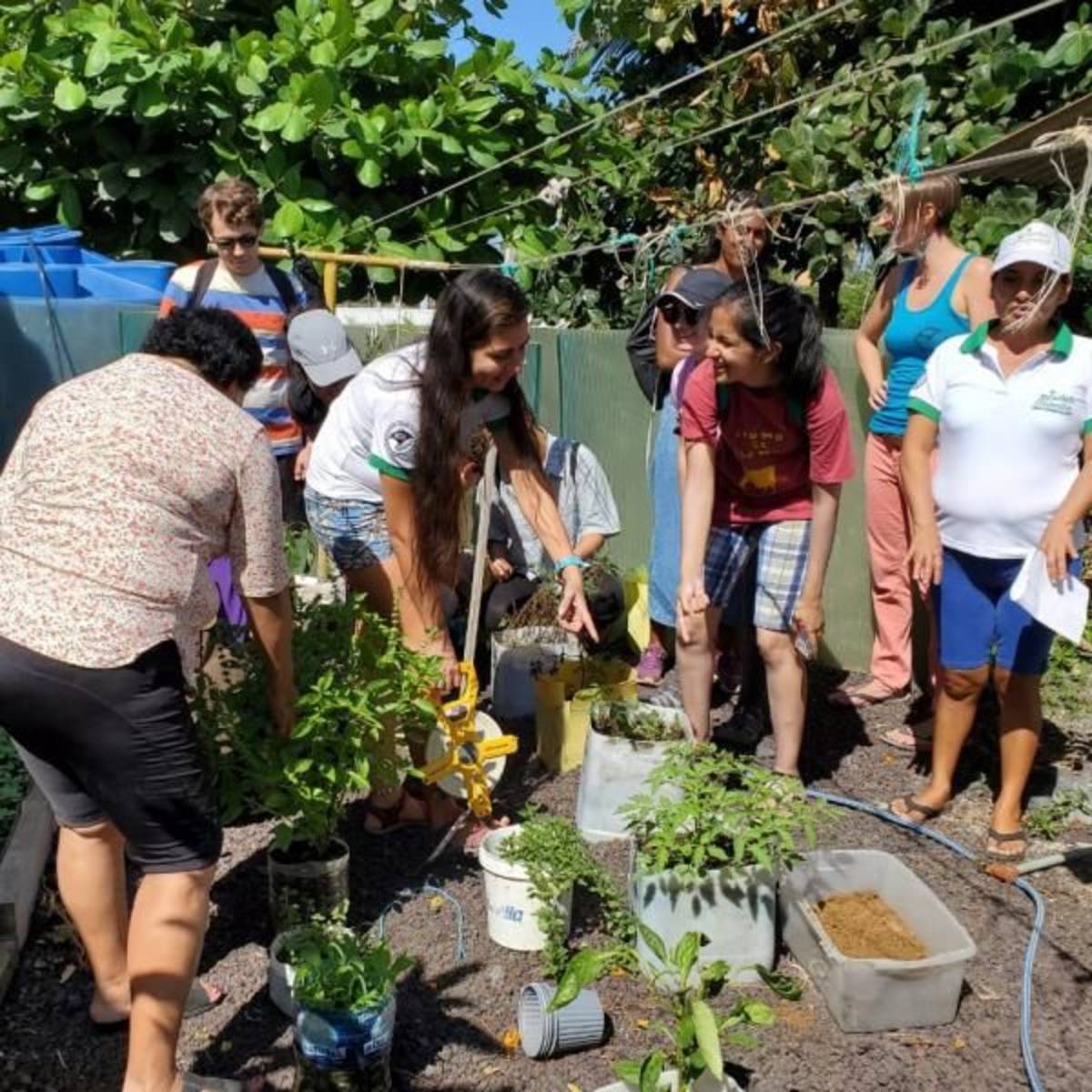
The farms of Isabela Island are working in greenhouses to optimize production year-round in a sustainable and environmentally friendly way. The h...

Intercultural Outreach Initiative (IOI)
0
0 reviews
Prepare for your experience abroad with the GCC, an innovative course that supports individuals participating in international study, volunteer, ...
Media Gallery
Interviews
Read interviews from alumni or staff

Amanda Marie Lyons
Interviewed in 2017
Amanda grew up on Long Island, and went to University at the New York Institute of Technology, where she studied communication arts and TV production....

Amanda Marie Lyons
Interviewed in 2017
What inspired you to travel abroad?
How did you get connected with IOI Galapagos Adventures?

Katie Thompson
Interviewed in 2017
Katie grew up in the American Midwest, and went on to study biology at Oberlin College in Ohio. After graduation, she spent time working in Costa Rica...

Katie Thompson
Interviewed in 2017
What inspired you to travel abroad?
How did your passion for conservation come about?
Ready to Learn More?
Intercultural Outreach Initiative (IOI) aims to help establish ecological sustainability and social stability in our host communities. We provide international education programs that support the education, conservation, and social development of isolated communities by assisting local institutions in sustainably handling the human-environmental intersection. Our nonprofit model finances conservation of isolated and unique places of particular natural beauty or relevance by inviting our clients to participate in our preservation efforts. In other words, our core competency is educational travel financed, environmental sustainability. The contribution of the visitor may vary by topic and place from research, to service learning or volunteering -- all embedded in a sustainable trave...

Intercultural Outreach Initiative (IOI)

Intercultural Outreach Initiative (IOI)
Ready to Learn More?
Intercultural Outreach Initiative (IOI) aims to help establish ecological sustainability and social stability in our host communities. We provide international education programs that support the education, conservation, and social development of isolated communities by assisting local institutions in sustainably handling the human-environmental intersection. Our nonprofit model finances conservation of isolated and unique places of particular natural beauty or relevance by inviting our clients to participate in our preservation efforts. In other words, our core competency is educational travel financed, environmental sustainability. The contribution of the visitor may vary by topic and place from research, to service learning or volunteering -- all embedded in a sustainable trave...
Articles

Awards
Check out awards and recognitions Intercultural Outreach Initiative (IOI) has received