The European Union (EU) was created in the wake of the Second World War, largely to prevent further mass conflict by focusing on economic and political integration.
Beginning in 1951 with six members, the EU has grown to a current membership of 27 nations, with almost half a billion citizens, covering most of the European continent. It is the first time in history that so many nations have been willing to sacrifice aspects of national sovereignty to achieve not just peace and stability but also economic and social justice. The ‘European Experiment’ is now an established reality. However, Europe’s future is far from certain. With Brexit, immigration challenges and the rise of the political far-right, it is poised between protecting national interests and further integration.
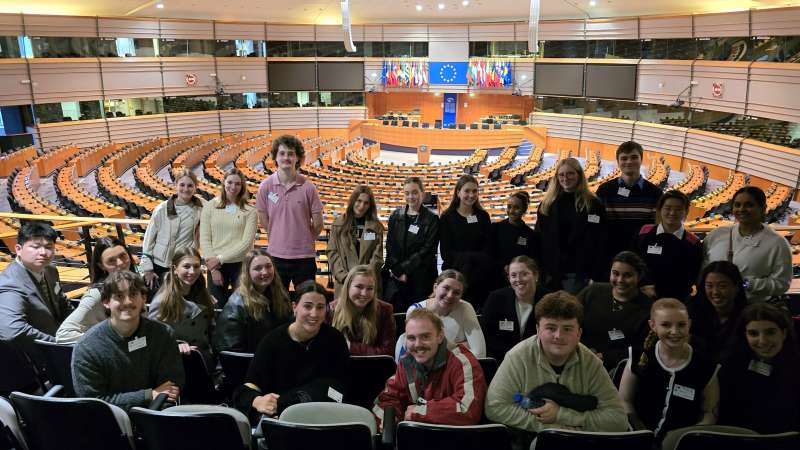
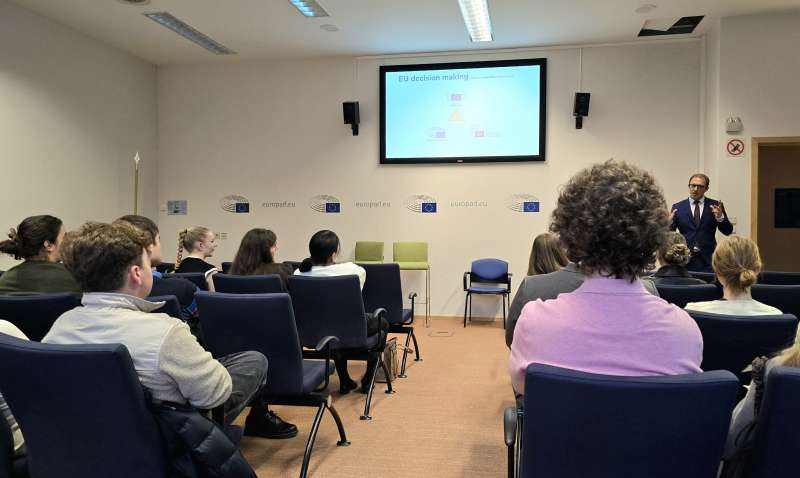
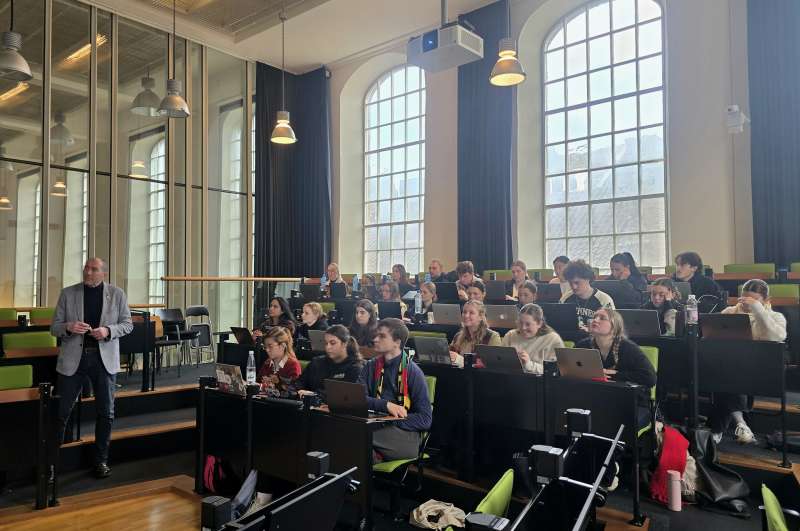
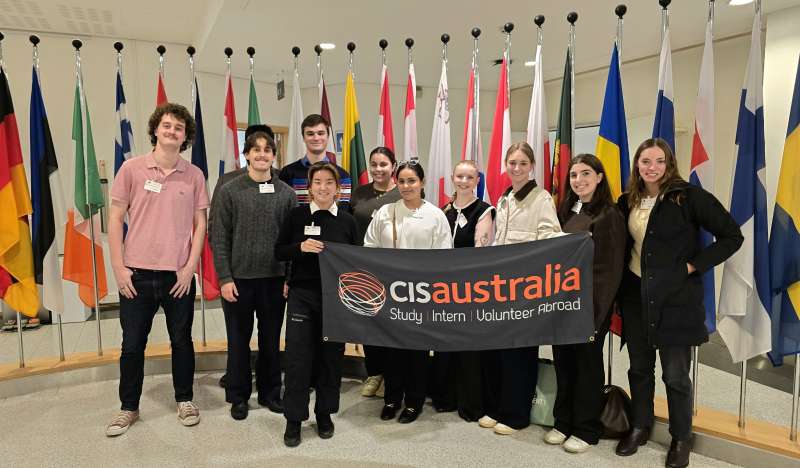
True to the tradition of applied learning, this program is not confined to the classroom. During field trips to The Hague and Brussels, students’ understanding of the EU and its political and legal processes will be deepened through visits to key institutions.