GoAbroad
Indigenous Plant Medicine & Ethnobotany Internship – Ecuador logo

Indigenous Plant Medicine & Ethnobotany Internship – Ecuador

by: Beyond Travels

9.67 (15)Since 2015

Explore traditional plant medicine and community-based healing practices in the Ecuadorian Amazon through an immersive internship rooted in cultural exchange, ethnobotany, and sustainable living. Participants live with Indigenous Kichwa host families and gain firsthand exposure to the chakra system — a traditional form of agroforestry that supports food sovereignty, biodiversity, and holistic wel...

Read More

Program Highlights

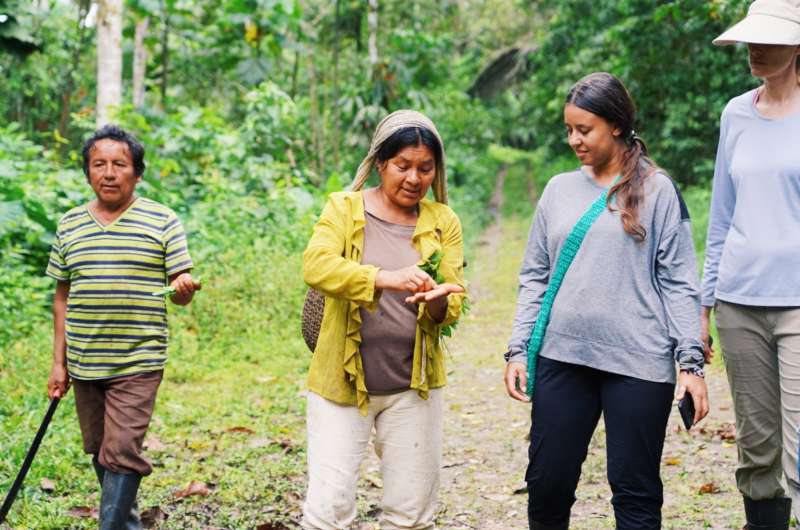
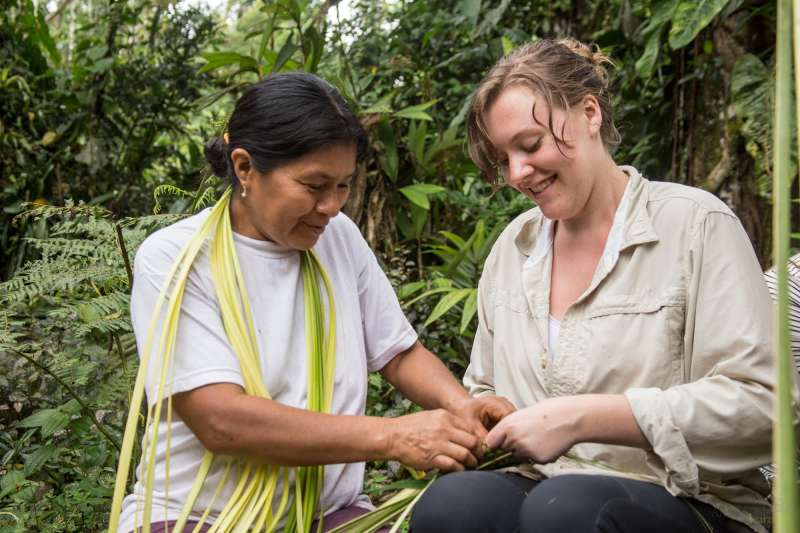
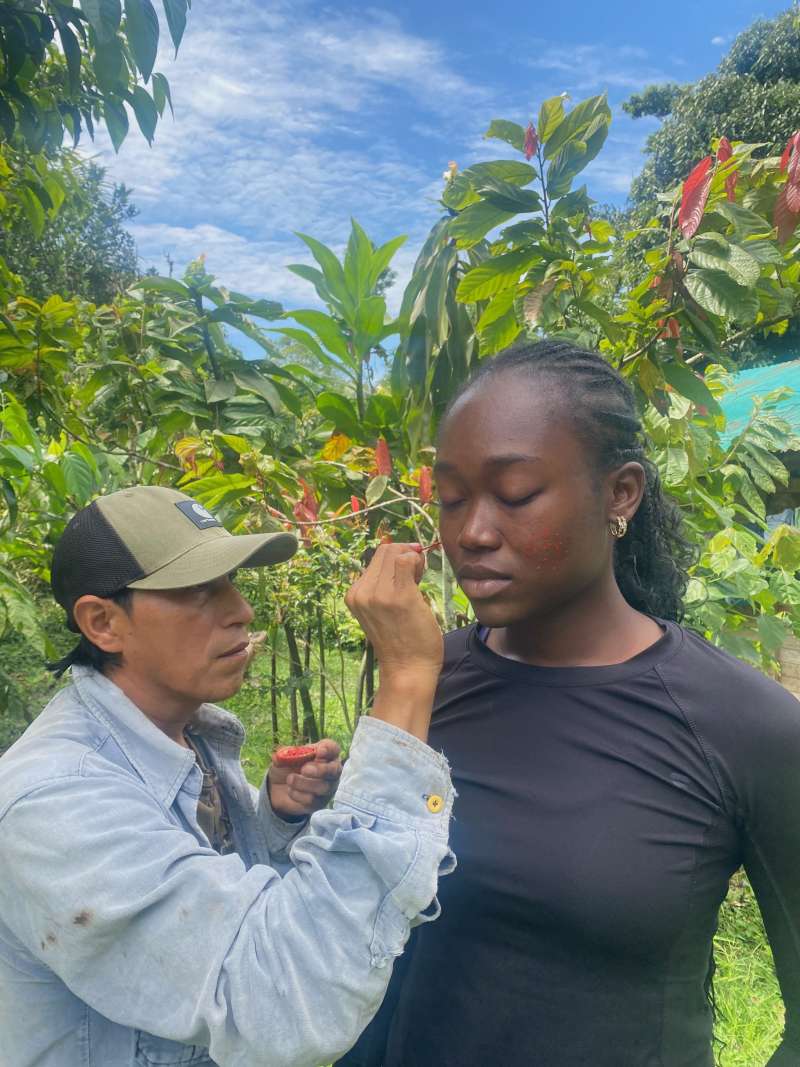
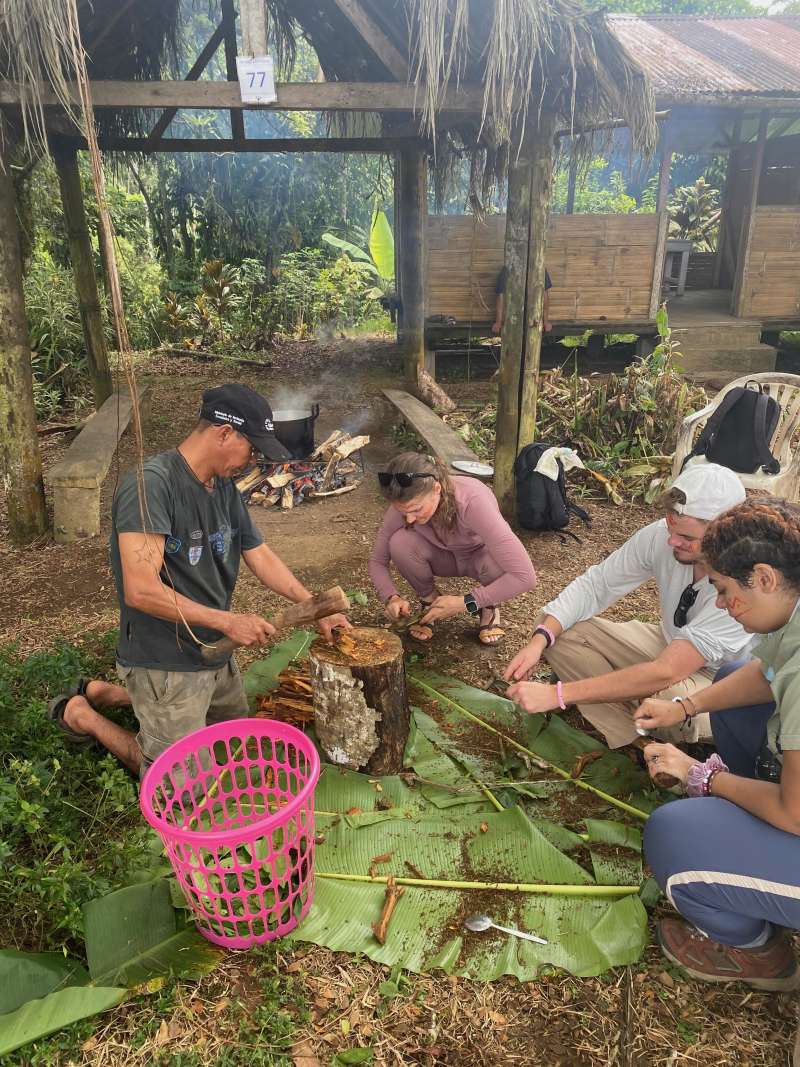
Live with a Kichwa host family and gain firsthand insight into how traditional medicine, agriculture, and daily life are interconnected within the chakra system.

Learn about the ethnobotany of Amazonian medicinal plants and participate in sustainable cultivation practices rooted in Indigenous ecological knowledge.

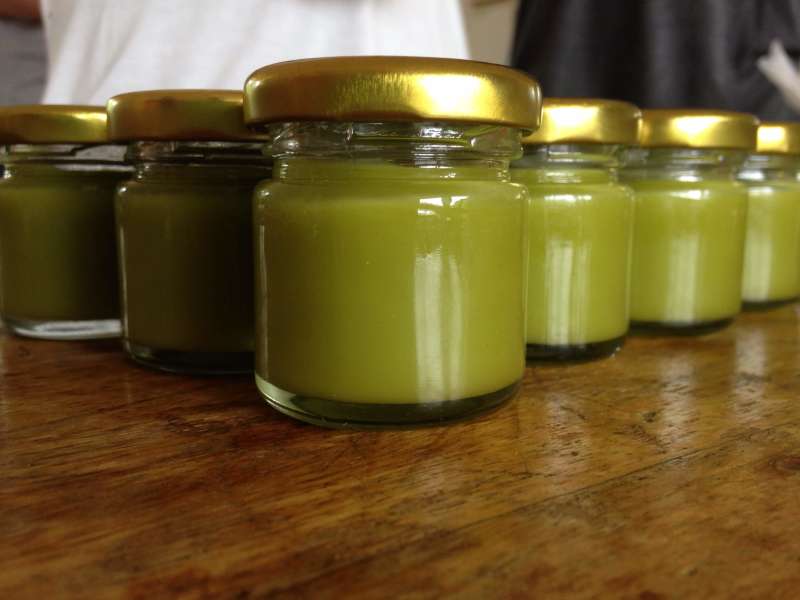
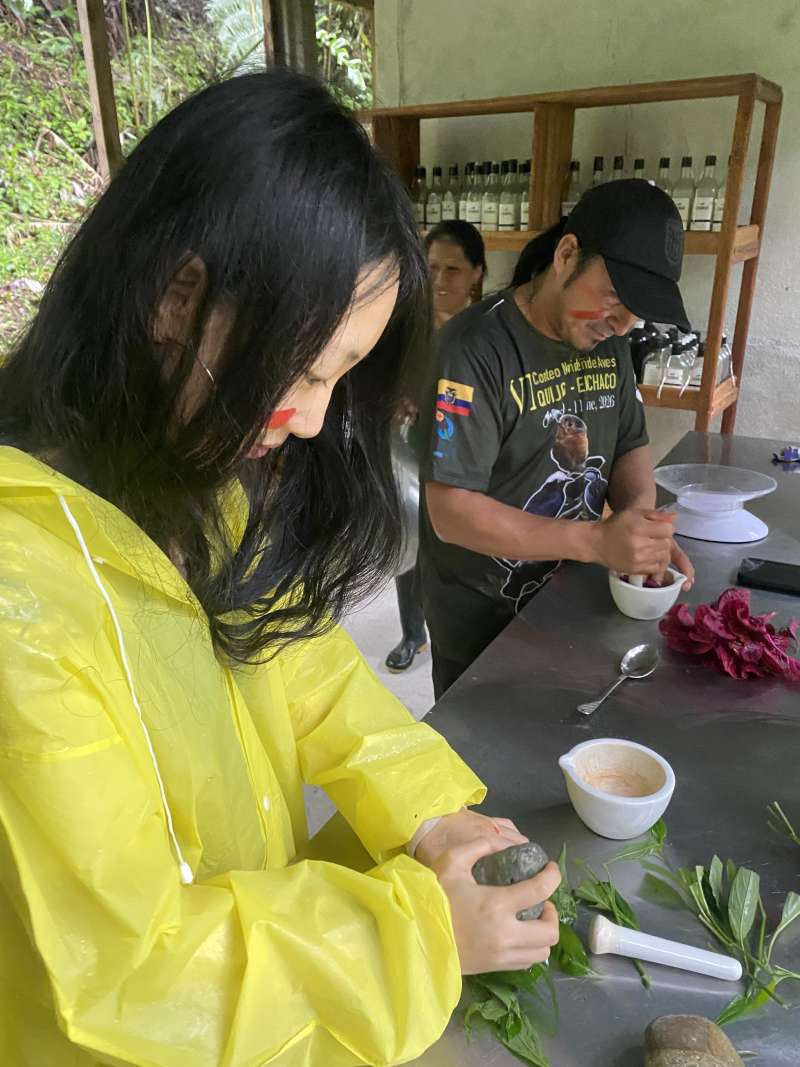
Observe and assist with the preparation of traditional herbal remedies such as infusions, tinctures, salves, and plant steam baths alongside local families and practitioners.

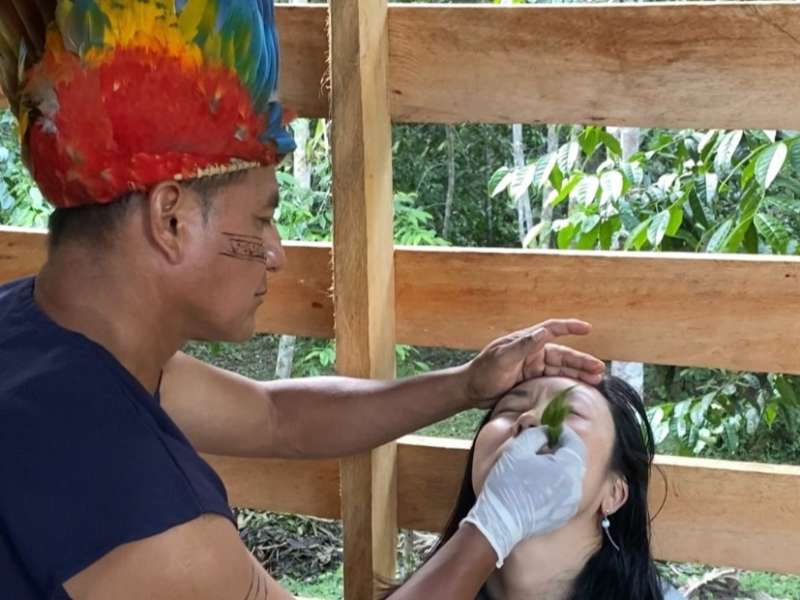
Gain exposure to intercultural approaches to health and wellbeing through workshops, community activities, and visits with other traditional medicine practitioners and organizations in the region.

Develop cross-cultural communication, adaptability, and experiential learning skills while living and working in a rural Indigenous community.

Quick Details

Locations:
  • Tena, Ecuador
Cost Per Week: $300-600
Availability
Year(s) Offered: Year RoundIntern Duration:
  • 1-3 Months
Age Requirement: Varies
Types & Subjects
Fields:
  • Biology
  • Ecology
  • Environmental Studies
  • Health Sciences
  • Medicine
Guidelines:
  • All Nationalities
See all program details
Last Updated: May 20, 2026

Program Reviews

Hear what past participants have to say about the programs

Overall Rating

9.67

Total Reviews

15

A Life of Learning, Culture, and Connection in Traditional Medicine

April 18, 2026by: Danielle De Vito Halevi

Program: Indigenous Plant Medicine & Ethnobotany Internship – Ecuador

9

During my internship, I conducted masters research on female corporality and its relation to environment, talking with family, a variety of shamans, Amupakin mamas and more contacts. I also learned procedural skills and taught dance. My host family was absolutely incredible — I 1000000000% recommend them. Always felt safe, was well taken care of, learnt a lot, and lots of fun. Very responsible, incredible food. Timing is not always on the side of an academic who has a time limit — that can pose problems which usually wouldn't be a problem, and it's something I'd plan ahead for next time. The check-ins had good structure, though they could be timed better. What was most impactful was interacting with locals. What I learned from the challenge of timing in the Amazon is that it's not what they verbally say — plan ahead and keep open timing. Beyond that, I developed artesanias, cooking, plant knowledge, survival skills, natural world knowledge, and spiritual and energy level skills. I will carry this experience for my life, both as an academic enhancement and to show the ability to work in different contexts. I felt very comfortable and was inspired every day — I see myself coming back. There's lots of projects happening. It's a great way to get access, be safe, have information and a security net for personal work. I would recommend for students!

An Unforgettable Journey Into Traditional Medicine and Amazonian Life

April 07, 2026by: Moritz Dylan Dehnen

Program: Indigenous Plant Medicine & Ethnobotany Internship – Ecuador

10

The training days, for me, were essential. It was my very first trip alone, so I really appreciated the orientation days in Tena. During my internship, I visited Viktor from Wayta Chocolate, Patricio Andy and his Casa Ingaru, the Ikiam University, Ali Mamallacta and his Chakra, and Amupakin and Pakarina's chakra. I also learned a lot about the cooperation between the University and Indigenous communities and families. Every project was incredibly interesting and unique in its own way — with everybody I learned something different and got another point of view on the things around us. The main project basically was the life at Clemente's and Elena's, where I learned something new every day. I just loved the place and like Clemente's family so much. They really inspired me and I learned more than a lot from them and their way of life. Hopefully I get the chance to visit them soon again. The check-ins were super exciting and a great opportunity to get to the city — they were the guarantee that everything was in order, and on top of that, they were super interesting. So thank you very much for that. What I'm most proud of is clearing a whole area in the Chakra with Clemente one day and producing a ton of wine to sell at the market in Archidona — it was a great day. In the beginning it was some of the foods they eat there, but I realised that almost everything was really good. You have to accept that the time in your family and community will change you as a person, and be ready for this as a process — this really is important for the best time you can have there. If you haven't changed at all, you should rather consider whether you've done everything right. I could have learned even more Spanish and Kichwa and worked a little harder. Next time I would also reduce the contact to Germany a lot more. Looking back, I developed Spanish, working in the field with a machete, cooking, talking to strangers, and many more small things. This experience is definitely going to be part of my bachelors exam — I am also more open to traditional knowledge and have perfected my methods for writing fieldnotes. The things I learned can be used at my home as well, and I also made the decision to come again, even though this was not my idea before I went to Tena and San Luis. I will certainly never forget this time — and I'm sure it won't be my last visit to the Amazon. So thank you very much for everything, and hopefully see you in the future.

A Deeply Meaningful Journey

March 14, 2026by: Kennah Taylor

Program: Indigenous Plant Medicine & Ethnobotany Internship – Ecuador

10

During the program, I focused on recording medicinal plant species and their traditional uses at Amupakin. The end result was adding signs to their Chakra to support the ecotourism component in communicating their wisdom across the barriers of language. This project helped me crystallize the next phases of other work I am currently pursuing — it was an incredibly valuable experience for my path. I love Elena and Clemente so deeply, they are amazing hosts and incredible chefs! There were moments of really intense confrontation of alcoholism in the community which were difficult to observe and be exposed to, but ultimately it gave me a more panoramic perspective of the challenges going on in Kichwa culture, and I am grateful to have a very real, unromanticized view of Indigenous peoples of the region. For me the check-ins felt very necessary being alone in the program — they gave me an opportunity to reflect and process my experiences. What I am most proud of is connecting deeply with all who surrounded me regardless of language barriers. It was hard not feeling fully comfortable at Clemente's after some very strange and invasive questions and conversations with other family members, but I am grateful to have had two host families — it actually made the experience better. I would have liked to hold a Conversatorio and share my ideas around herbalism more formally. Looking back, I expanded my view of traditional medicine, the process of recording ancestral knowledge, and also increased my Spanish. I am currently applying for a Fulbright to do something similar in another Indigenous community in Costa Rica, and the on-ground experience I received in this program has helped me frame a solid grant proposal and gives me real experience to draw upon going forward. I better understand the challenges rural Indigenous communities face and will be integrating that into my work in International development and ancestral herbalism. I see myself gathering so much knowledge from around the world to synthesize and gift back to all communities in support of an ancient future — a future that amplifies marginalized voices, centers the Earth, and values the traditions of our ancestry. What I am most grateful for is the love I feel from and for the land of the Amazon. I have a lot of people in my circle who could benefit from this program and will surely pass it on.

Program Details

Learn all the nitty gritty details you need to know

Locations

  • Tena, Ecuador

Types and Subjects

  • Fields
  • Biology
  • Ecology
  • Environmental Studies

Availability

Years Offered: Year Round

Intern Duration:
  • 1-3 Months

Age Requirement

Age Requirement Varies

Guidelines

All Nationalities

This Program is also open to Solo, Couples, Families

Cost per week

$300-600

Program Cost Includes

  • Accommodation / Housing for Program Duration
  • All Program Activity Costs
  • Weekday Meals (Breakfast, Lunch, Dinner)
  • Weekend Meals (Breakfast, Lunch, Dinner)

Accommodation Options

  • Home-stays

Qualifications & Experience

    Language Skills Required

  • English

    Accepted Education Levels

  • University Freshman (1st Year)
  • University Sophomore (2nd Year)
  • University Junior (3rd Year)

Application Procedures

  • Resume
  • Phone/Video Interview
  • Online Application

Frequently Asked Questions

Beyond Travels

Beyond Travels

9.67

Ready to Learn More?

Explore traditional plant medicine and community-based healing practices in the Ecuadorian Amazon through an immersive internship rooted in cultural exchange, ethnobotany, and sustainable living. Participants live with Indigenous Kichwa host families and gain firsthand exposure to the chakra system — a traditional form of agroforestry that supports food sovereignty, biodiversity, and holistic wellbeing. Through daily activities alongside local community members, interns observe how medicinal plants are integrated into healthcare, spirituality, agriculture, and everyday life. Interns assist with cultivating medicinal plants, preparing natural remedies, and learning about the traditional uses of Amazonian flora. Participants may also attend workshops and community activities that provide d...

Related Programs

Browse programs you might like