GoAbroad
Social Entrepreneurship with Indigenous Farmer Association logo

Social Entrepreneurship with Indigenous Farmer Association

by: Beyond Travels

10 (5)Since 2015

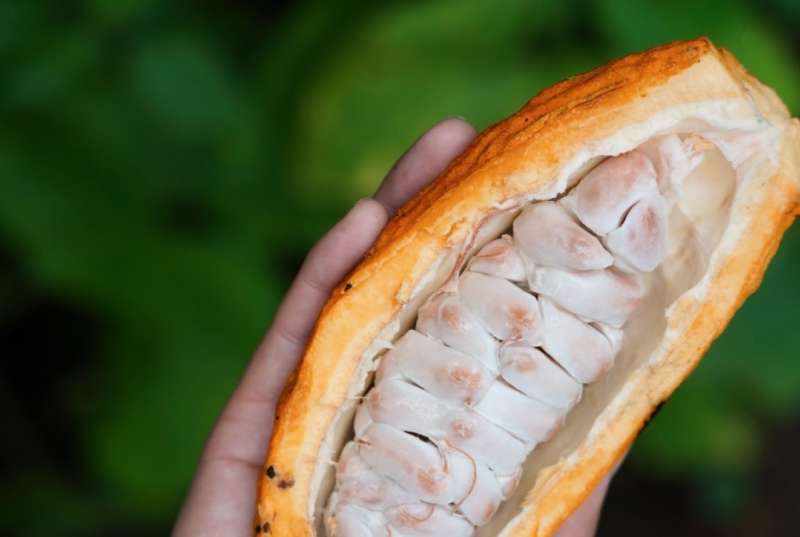
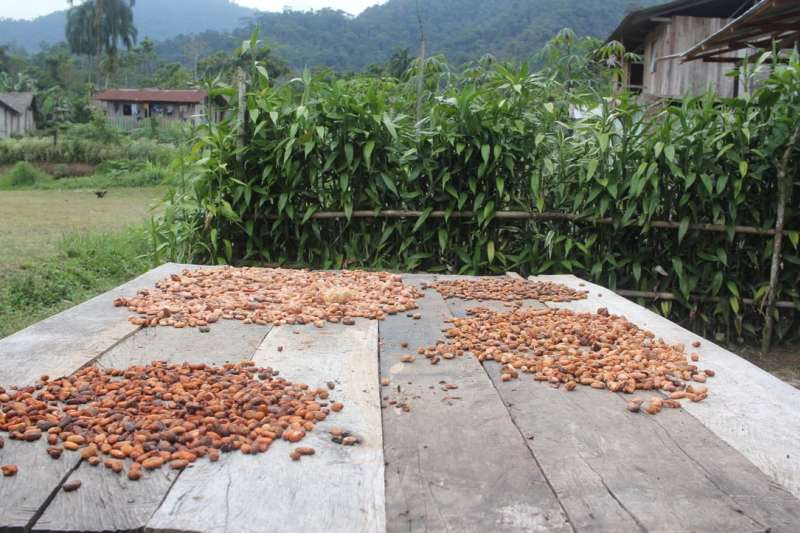
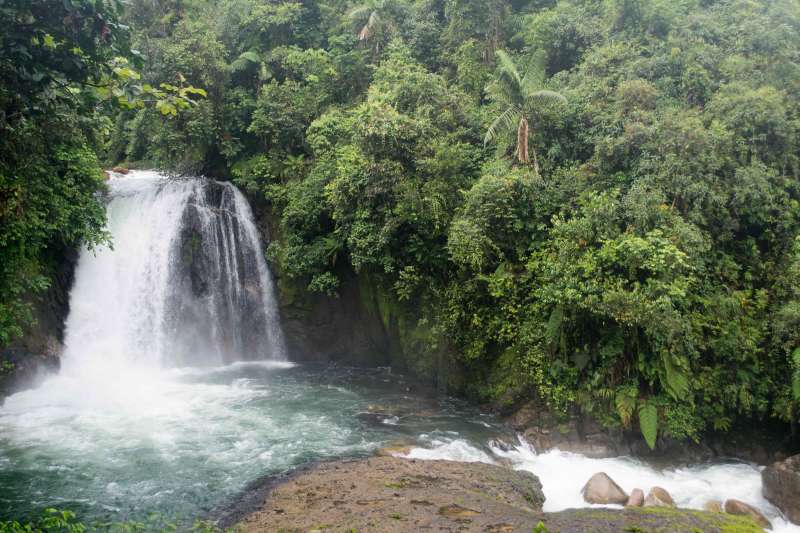
The Amazon rainforest is one of the most biodiverse ecosystems in the world, with over 40,000 plant and tree species that produce edible fruits and can be used for medicine, lumber, and artisan goods. Most Amazonian products have not been commercialized, with the exception of cacao and guayusa leaf tea, two major exports that are cultivated by local farmers in the Ecuadorian Amazon. The emergence ...

Read More

Program Highlights

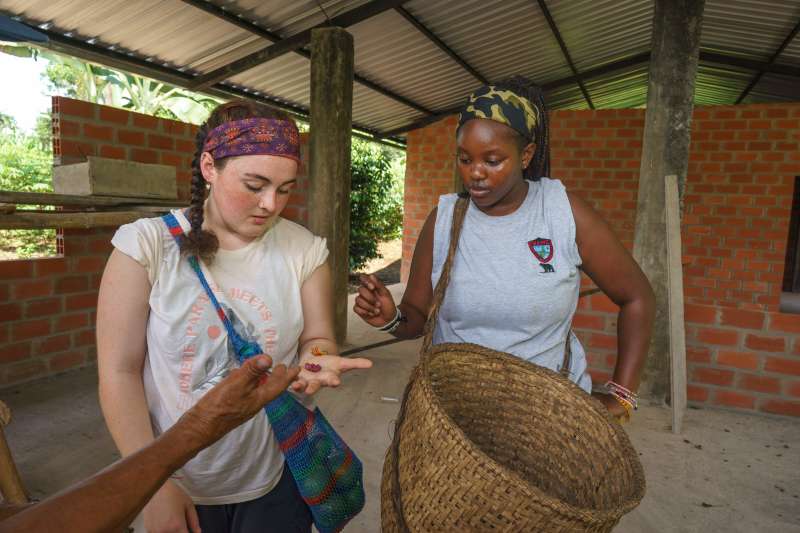
Work with an association of indigenous farmers who produce chocolate or other products for national and international distribution.

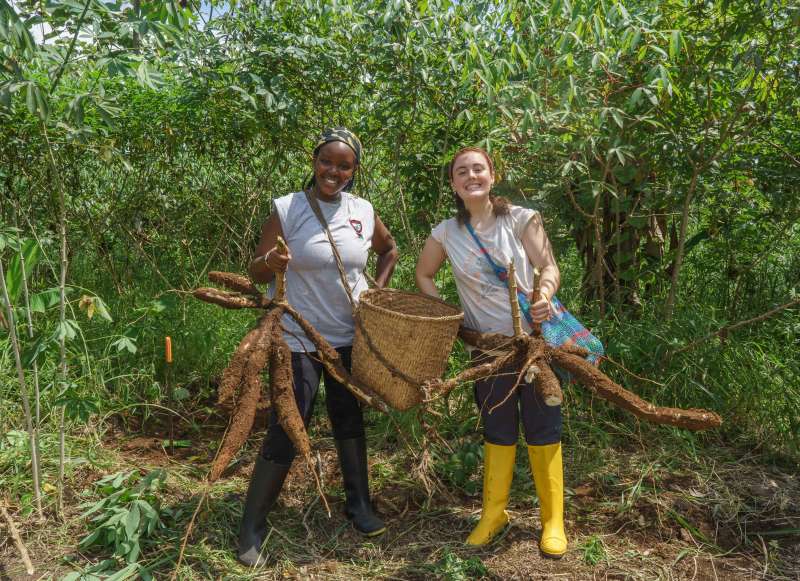
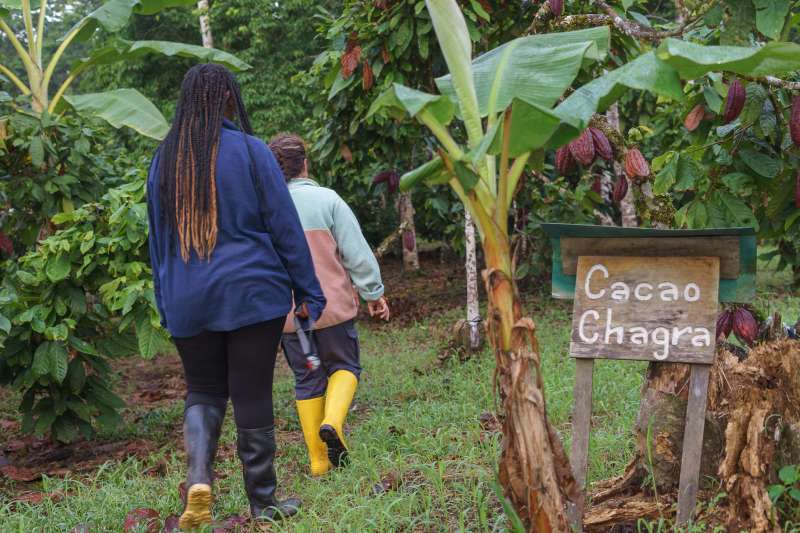
Live with a local farmer in a rural community and support them with planting, maintenance and harvesting in their organic agroforestry farm.

Learn about social impact marketing, sustainable practices, and Fair Trade and organic certifications.

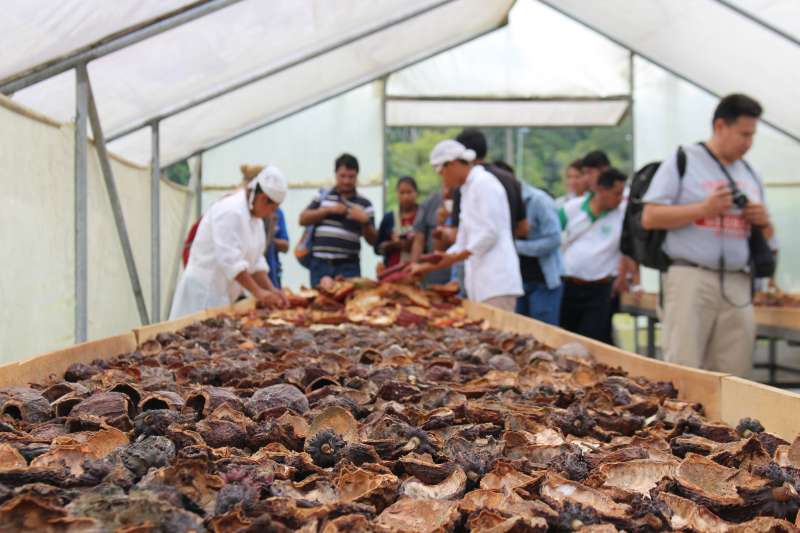
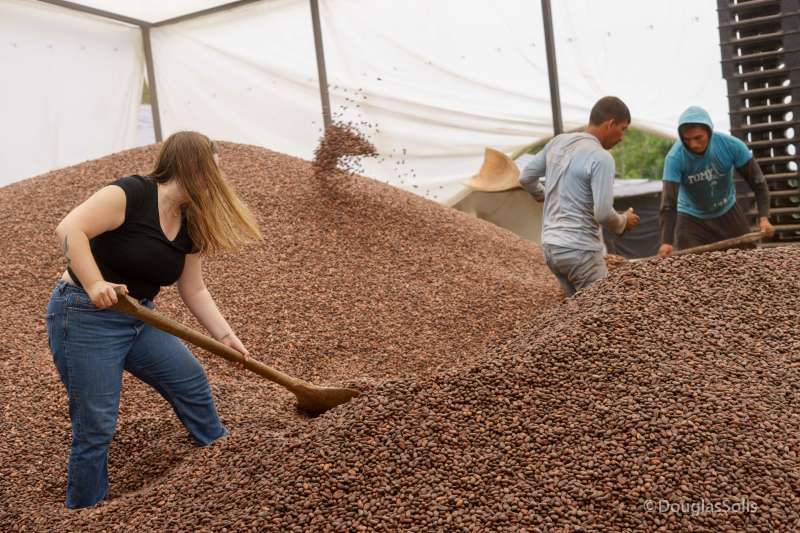
Understand the process for transforming raw crops into products like chocolate, teas, tinctures, or crafts.

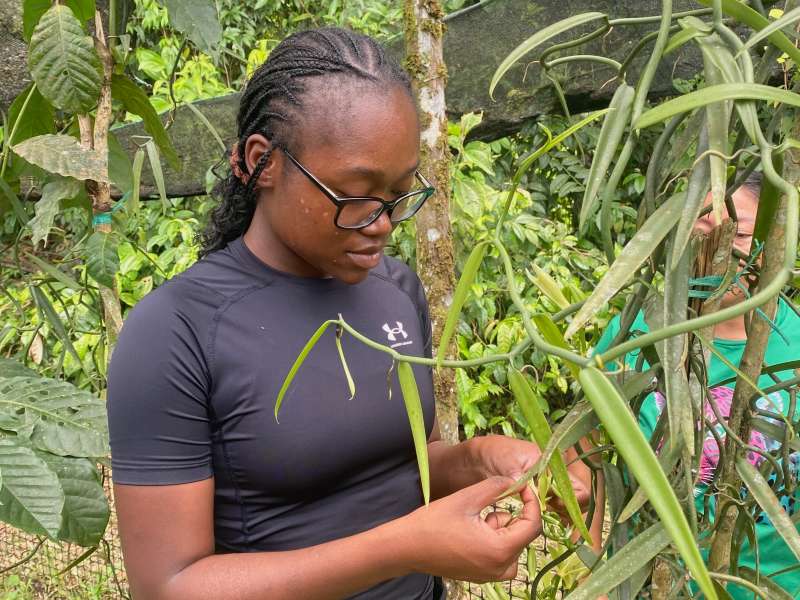
Contribute to market research about new local products and how to introduce them into bigger markets (e.g. guayusa leaf tea, macambo, or vanilla).

Quick Details

Locations:
  • Tena, Ecuador
Cost Per Week: $300-600
Availability
Year(s) Offered: Year RoundIntern Duration:
  • 1-3 Months
Age Requirement: Varies
Types & Subjects
Fields:
Guidelines:
  • All Nationalities
See all program details
Last Updated: Mar 31, 2026

Program Reviews

Hear what past participants have to say about the programs

Overall Rating

10

Total Reviews

5

Growth Through Sustainable Development Work

April 20, 2026by: Megan Knox

Program: Social Entrepreneurship with Indigenous Farmer Association

10

During my internship, I conducted a study for the GIZ to determine social impacts and barriers for chakra farmers. I am very proud of my final product for the GIZ — getting to do the interviews and having such a hands-on role in the whole project was amazing! The most impactful part was all of the above. The home stay was challenging because I often didn't feel like my family was very welcoming or wanted a volunteer in their household. I think I did learn resiliency from this relationship, as well as gain a better understanding of the struggles my host family was going through. The relationships I made were still ultimately very meaningful to me. I wish that I had taken more advantage of opportunities available and been more assertive, because I do feel like I lost some time my first few weeks. Looking back, I feel more liberated to pursue what I truly want from life and I am also putting less pressure on myself to find a single path to success — there are so many ways to be successful! I believe the program helped me determine what's important to me in my future career, such as having work that I am passionate about but also a work environment that I enjoy. I feel more passionate about food justice and public health for the future. I gained more confidence in my day-to-day life. I'm super grateful for this experience, the connections and friendships I made, and the growth I experienced as a result of pushing myself outside of my comfort zone. I would recommend Amazon Learning to anyone who wants to participate in a unique program with true cultural immersion.

My Internship Experience in Ecuador

March 26, 2026by: Maci Davies

Program: Social Entrepreneurship with Indigenous Farmer Association

10

During my internship, I did translation of documents, marketing, and web design. When I did check in with Mika they were always awesome — I didn't do it near enough as I was so busy, but it was great to get reconnected when I did. I loved my family and am still in contact with them to this day. What I'm most proud of is being grateful to have helped Winak with their website and Guayusa manual. The most impactful part was my host family. The drunk community members were really difficult at first, but I learned so much about how to handle it and remain safe. Looking back, I developed Spanish and critical thinking skills. I am now thinking of how to create a business to employ Kichwa women for an artisan social enterprise of my own. Beyond that, it literally changed how I live, what I eat, how I think. I am so grateful for my host family that supported me and cared for me so well. I developed a love for Spanish, indigenous people, and social enterprise. I would recommend anyone to Amazon Learning in a heartbeat. Love Ecuador and can not wait to come back.

Life in Shandia: Work, Growth, and Perspective

March 10, 2026by: Jacob Lujan

Program: Social Entrepreneurship with Indigenous Farmer Association

10

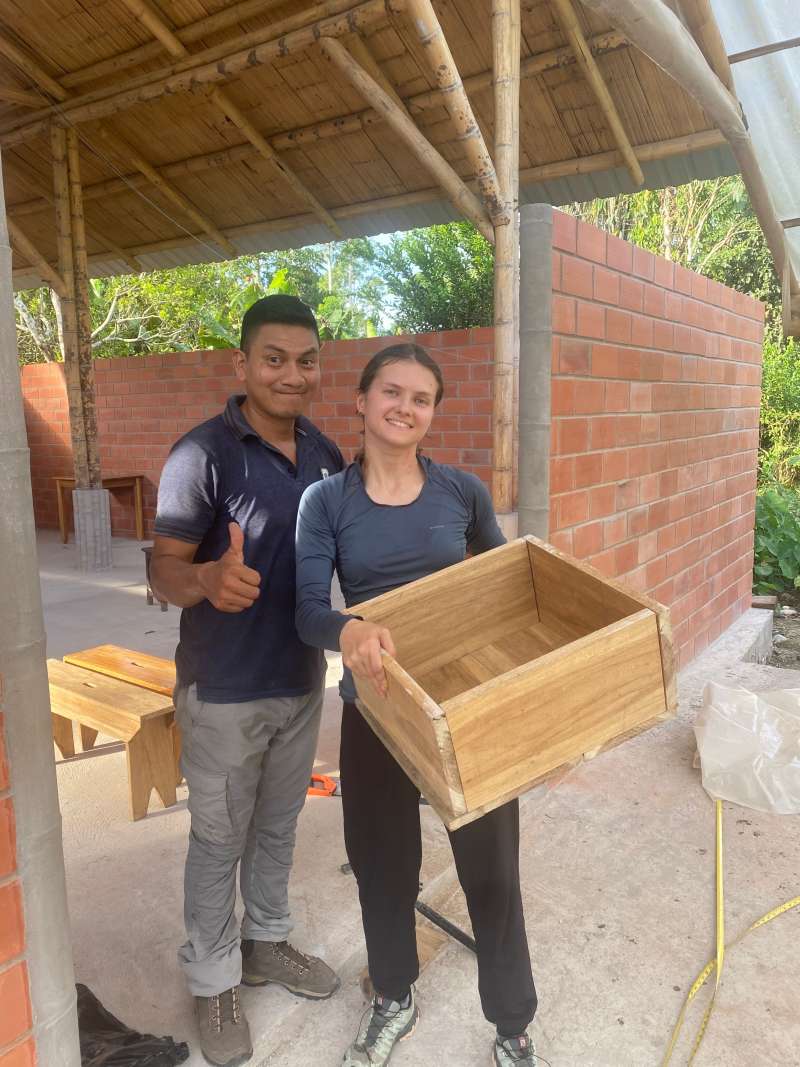
During my internship, the first week had me doing manual labor with bamboo stocks and constructing a hut. I would also work in the chacras on most days — various tasks from cutting cacao to pruning banana trees. Other days I would head to Tena for internet and do market research on cacao, cho cho, and soybeans. My host family, community, and accommodations were perfect — they are doing things the right way over there. I felt safer there than I do back at school and home in California. Everything went so well in Shandia that it is hard being this far away from them at this point. The check-ins were nice to have for extended conversations — at no point did I think I was alone; if things got ugly I knew who to contact and felt comfortable with that idea. What I'm most proud of is making a second home. The most impactful part was my host family. My health was compromised at some points, which inevitably led me to be much more of a believer in natural remedies — I was used to knowing things a certain way, but I could go on about other things that were done differently and helped me open my mind up. My Spanish improved immensely, in addition to my comfort level with those of different backgrounds. I had never been around little kids so often and I think I may have improved my future skills of raising a child. I am now much more adept in conversing with strangers and would love to have a career in Ecuador or elsewhere in Latin America. Completely, my needs and wants out of this life changed vastly. My future decisions will be influenced by the time I spent in Ecuador because it truly changed the way I perceive the world and my place in it. I don't see money or other material items the way I used to — in Shandia, we had everything we really needed to live and be happy. My host family had much less in some cases, but a lot more of the things that mattered. Thankful for every minute I had in Ecuador. There is still a somber feeling when writing the evaluation, but I'm forever grateful for this opportunity and carrying these bliss memories with me as I go on.

Program Details

Learn all the nitty gritty details you need to know

Locations

  • Tena, Ecuador

Types and Subjects

  • Fields
  • Administrative
  • Agriculture
  • Business

Availability

Years Offered: Year Round

Intern Duration:
  • 1-3 Months

Age Requirement

Age Requirement Varies

Guidelines

All Nationalities

This Program is also open to Solo, Couples, Families

Cost per week

$300-600

Program Cost Includes

  • Accommodation / Housing for Program Duration
  • All Program Activity Costs
  • Pre-Departure Orientation
  • In-Country Orientation

Accommodation Options

  • Home-stays

Qualifications & Experience

    Language Skills Required

  • English

    Accepted Education Levels

  • University Freshman (1st Year)
  • University Sophomore (2nd Year)
  • University Junior (3rd Year)

Application Procedures

  • Resume
  • Phone/Video Interview
  • Online Application

Frequently Asked Questions

Beyond Travels

Beyond Travels

10

Ready to Learn More?

The Amazon rainforest is one of the most biodiverse ecosystems in the world, with over 40,000 plant and tree species that produce edible fruits and can be used for medicine, lumber, and artisan goods. Most Amazonian products have not been commercialized, with the exception of cacao and guayusa leaf tea, two major exports that are cultivated by local farmers in the Ecuadorian Amazon. The emergence of new global markets opens the way for more innovative Amazonian products to be developed sustainably. Interns live and work with an Indigenous Amazonian farming family and gain experience in regenerative agriculture and sustainable value chains. Interns help with planting, harvesting, composting, processing crops such as cacao or guayusa, and supporting product development through labeling, mar...

Related Programs

Browse programs you might like