GoAbroad

Traditional Plant Medicine, Herbalism, and Ethnobotany

by: Beyond Travels

9 (4)

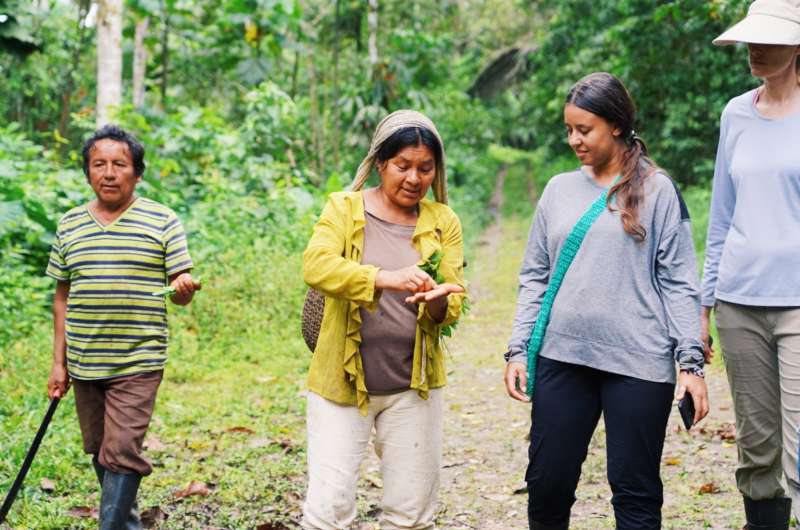
The Amazon rainforest stands as one of the most biodiverse ecosystems globally, hosting over 40,000 plant species and 2.5 million insect species. Additionally, numerous Amazonian flora and fauna species possess medicinal properties, contributing to about 25 percent of pharmaceutical drugs derived from the rainforest. The primary indigenous group in the region, the Kichwa nation, is renowned for th...

Read More

Program Highlights

Live with a host family that uses plant medicine and traditional healing practices.

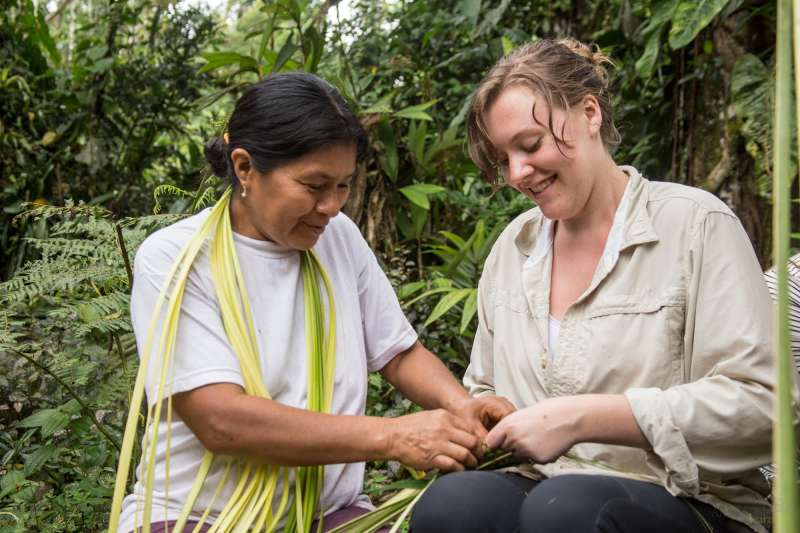
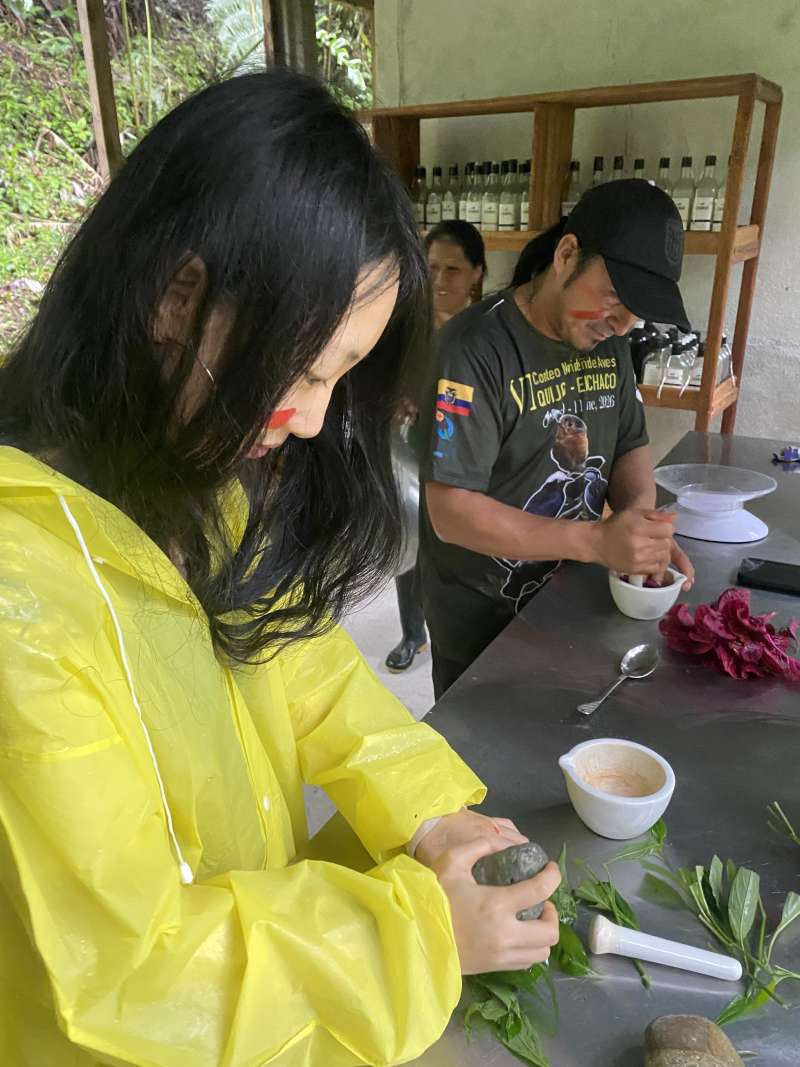
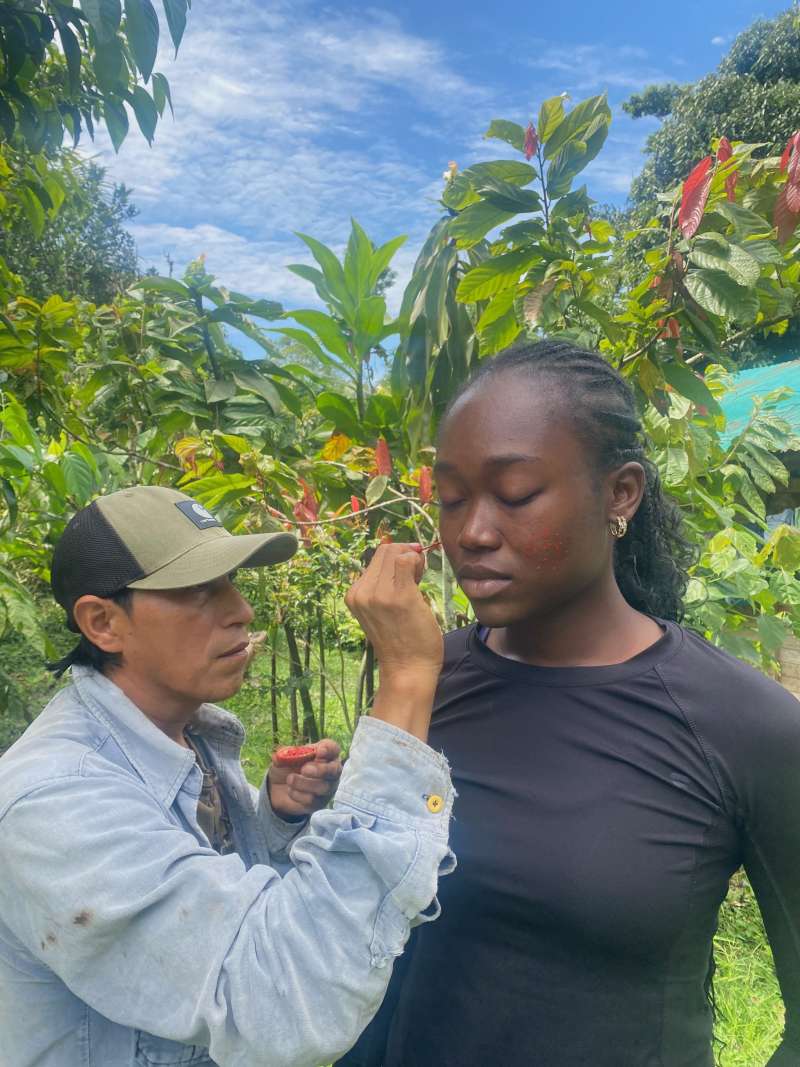
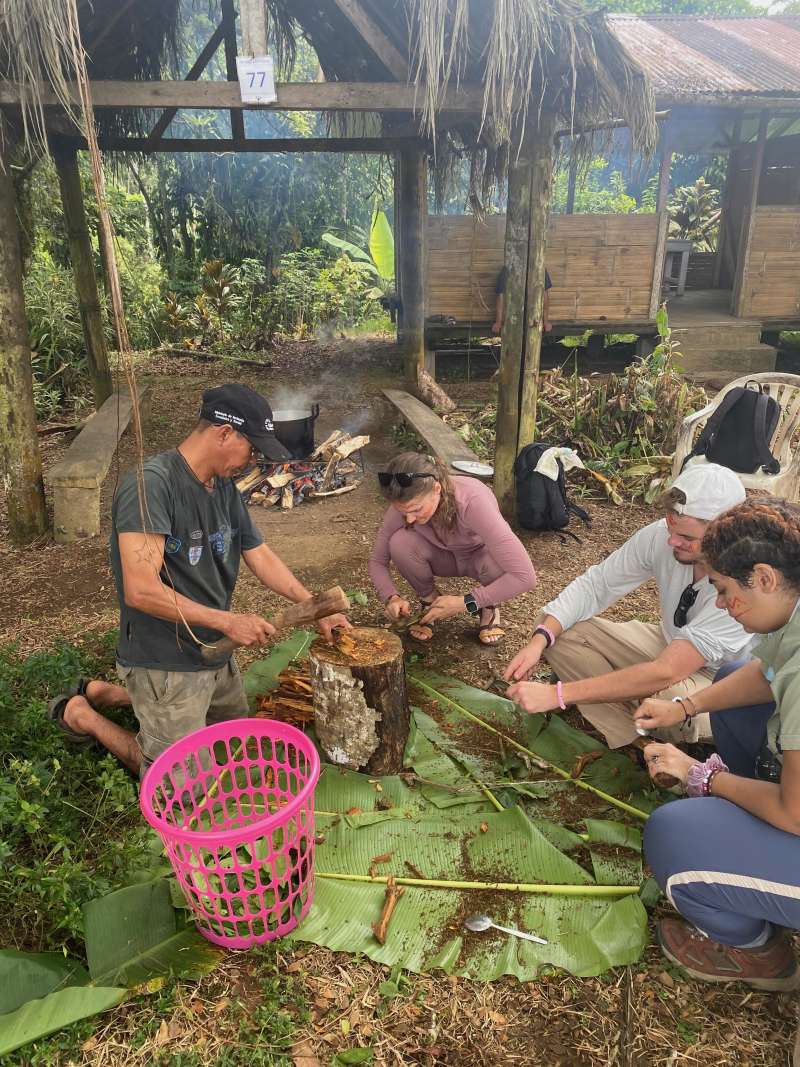
Learn about Amazonian herbalism, traditional medicine practices, and traditional farming practices.

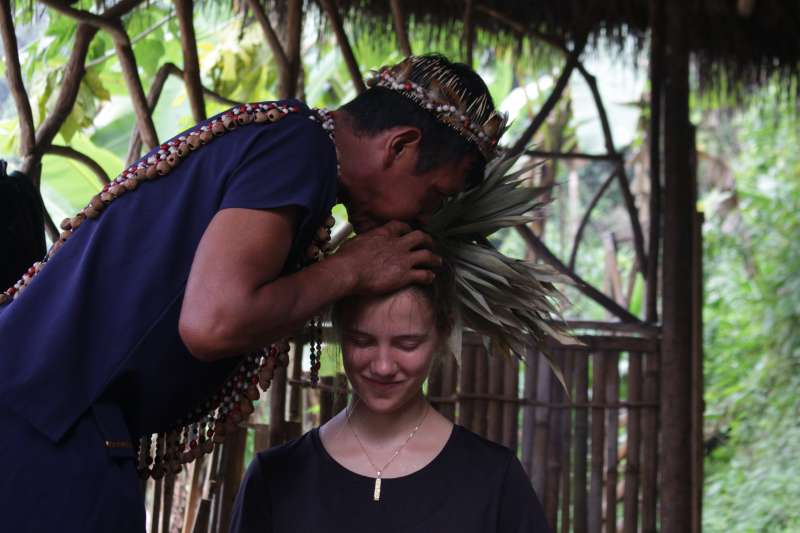
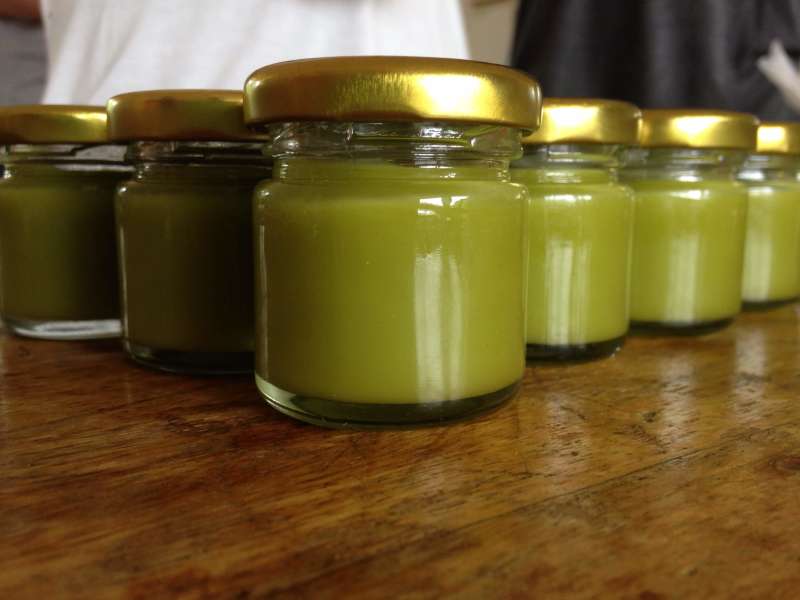
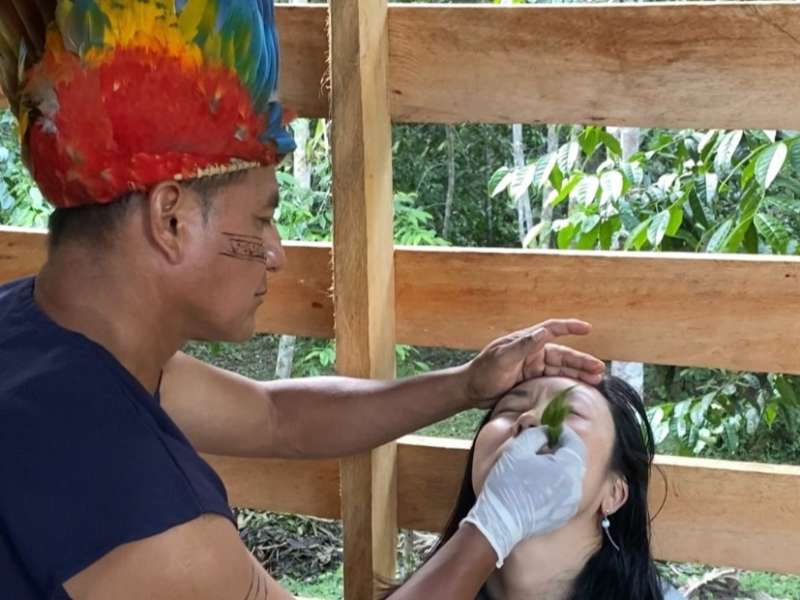
Have the opportunity to make salves, tinctures, balms, and more. As well as observe and/or participate in traditional cleansing.

Collaborate on projects that disseminate knowledge of indigenous, traditional medicine.

Support local community tourism projects with their goals to make and sell plant medicine.

Quick Details

Locations:
  • Tena, Ecuador
Availability
Year(s) OfferedYear RoundIntern Duration:
  • 1-3 Months
Cost Per Week$300-600
Age Requirement:Varies
Types & Subjects
Fields:
  • Biology
  • Ecology
  • Environmental Studies
  • Health Sciences
  • Medicine
Guidelines:
  • All Nationalities
See all program details

Program Reviews

Hear what past participants have to say about the programs

Overall Rating

9

Total Reviews

4

If you are interested in engaging in community health work, look no further !

June 07, 2019by: Cindy B - United States

Program: Traditional Plant Medicine, Herbalism, and Ethnobotany

10

I interned with Amazon Learning from May to July 2018. Over the course of 6 weeks, I participated in their Public Health and Traditional Medicine internship in completion of my MPH program’s curriculum. Given my concentration in global health and strong interest in investigating the intersection between Western and traditional health care practices/systems, this direction seemed suitable because it would allow me to engage in an under-researched topic within a global setting. During my interview process, my interviewer was attentive to my interests and expressed flexibility in allowing me to combine aspects of different internships to meet my learning objectives. As part of my internship orientation, I received a cultural competency training in a group setting (this was my first time being exposed to a training of this nature). Take away points from this training established the foundation for my research (including ethical data collection methods). During my internship, I was placed in contact with local community members and experts (I lived with a local family), which enabled me to conduct ethnographic fieldwork. This facilitated a community-involved needs assessment, that informed the development and implementation of a culturally humble health promotion program for older adults. In short, this experienced encouraged my professional growth. Beyond putting theories into practice, I took initiative to achieve my learning objectives, which helped me hone research and leadership skills. Drawing from the successes and challenges of this experience, I feel confident engaging in community needs assessments, as well as developing and implementing health programs in underinvested settings. For anybody wondering, staff members were accessible and responsive to my physical, mental, and spiritual well-being throughout the entirety of my internship. I would highly recommend interning with Amazon Learning!

Can't wait to go back!

March 18, 2019by: April Leahy - United States

Program: Traditional Plant Medicine, Herbalism, and Ethnobotany

8

I was paired with the most amazing host family, who are growing dozens, if not hundreds of medicinal plants in their chakra (permaculture rainforest garden). I learned so much from them, and it was also a good learning experience to be volunteering with Amu Pakín, the Kichwa midwives association. There are also lots of botanical gardens you can go to that have information about medicinal plants. There’s so much to learn, I will definitely be coming back because in two months I barely scratched the surface!

One of the very best things I’ve ever done!

March 06, 2019by: Alexis Power - United States

Program: Traditional Plant Medicine, Herbalism, and Ethnobotany

9

Choosing to go to Ecuador’s Amazon with Amazon Learning was one of the best decisions I ever made. Andy connected me with just the kind of people I wanted to live and work with. It is 6 months later and I still regularly call my host family. I grew so much as a person while I was there and I got to learn and experience things that most people in the world will never get to experience!

Program Details

Learn all the nitty gritty details you need to know

Locations

  • Tena, Ecuador

Types and Subjects

  • Fields
  • Biology
  • Ecology
  • Environmental Studies

Availability

Years Offered: Year Round

Intern Duration:
  • 1-3 Months

Age Requirement

Age Requirement Varies

Guidelines

All Nationalities

This Program is also open to Solo, Couples, Families

Cost per week

$300-600

Program Cost Includes

  • Accommodation / Housing for Program Duration
  • All Program Activity Costs
  • Weekday Meals (Breakfast, Lunch, Dinner)
  • Weekend Meals (Breakfast, Lunch, Dinner)

Accommodation Options

  • Home-stays

Qualifications & Experience

    Language Skills Required

  • English
  • Spanish

    Accepted Education Levels

  • Any/All Education Levels Accepted

Application Procedures

  • Resume
  • Phone/Video Interview
  • Online Application

Frequently Asked Questions

Related Programs

Browse programs you might like