- Home
- Providers
- Back
- IES Abroad
- IES Abroad Nagoya Direct Enrollment – Nanzan University


IES Abroad Nagoya Direct Enrollment – Nanzan University
by: IES Abroad
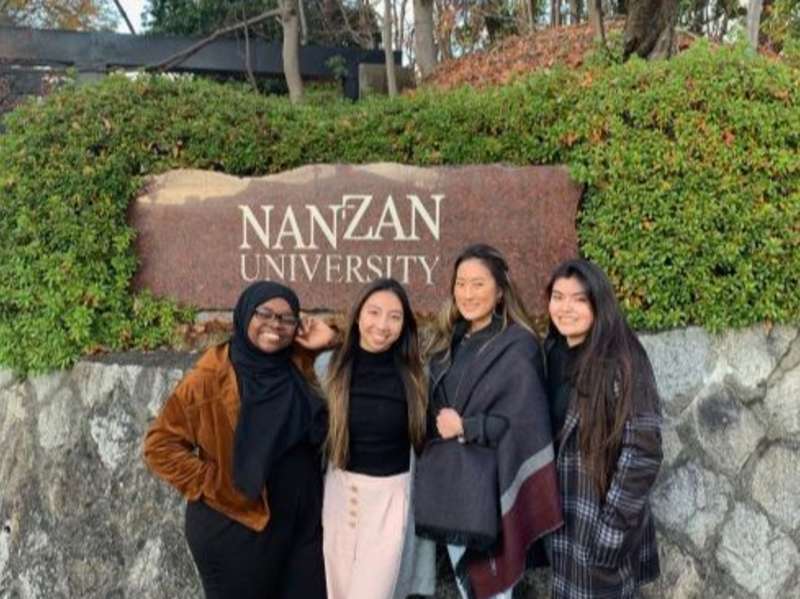
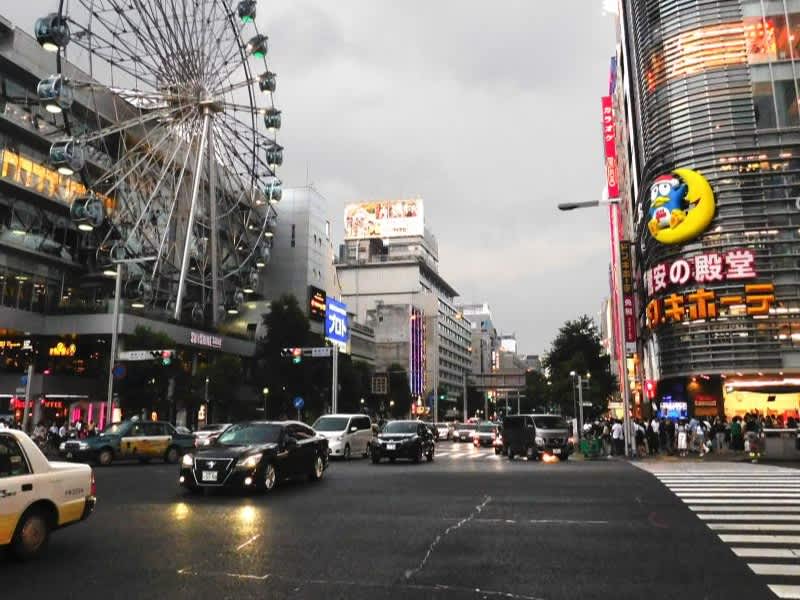
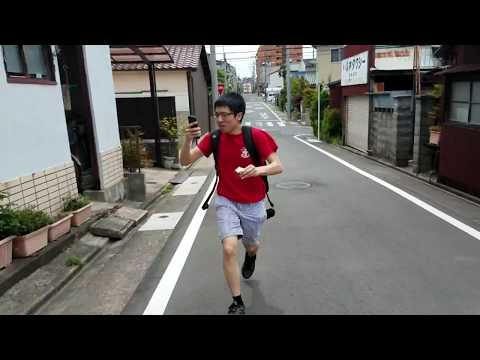
Students with a desire to deeply experience Japanese culture will find their perfect study abroad experience in Nagoya. Students will be directly enrolled into the university which will allow for a full immersion experience. Nagoya is the fourth largest city in Japan and is located in central Japan. It is know for its many rituals and festivals. Students have the opportunity to learn Japanese through intensive language courses. In addition, they are able to choose from a variety of courses taught in English including Business, Social Science, and Humanities. Learning is not limited to the classroom in Nagoya, students will experience Japanese culture through the variety of museums and ancient architecture. Depending on which semester students attend, two to three semesters of college-level Japanese are required.
Program Highlights
Opportunity to attend field trips to location such as Nara, Nagahama, and Kanazawa
Students have the option to choose between a homestay, living at Nanzan University, or private residence halls which are a short distance from campus
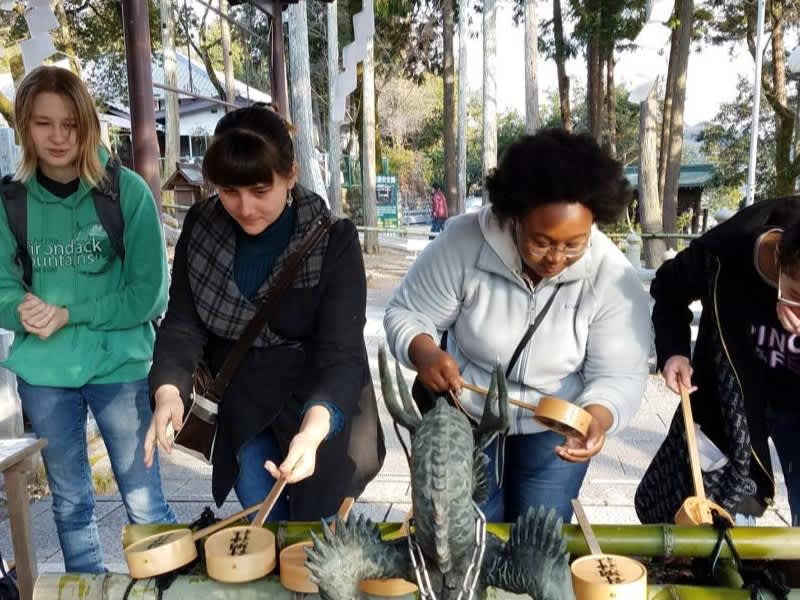
Students have the ability to attend cultural events during their time abroad such as visiting local temples, attending a shamisen concert, and enjoying Japanese cuisine
Students will take between 15 and 18 credits each semester, eight of which must be in Japanese Language
The IES staff provides advising for students to help them select the best courses for them
Media Gallery
Quick Details
- Nagoya, Japan
- Fall
- Spring
- Academic Year
- Creative Writing
- Culture
- Education
- History
- Humanities
- Japanese
- Literature
- Philosophy
- Political Science & Politics
- Religious Studies
- Social Sciences
- Sociology
- Visual Arts
- All Nationalities
Awards


Program Reviews
Hear what past participants have to say about the programs
Overall Rating
Total Reviews
My Best Memories
December 20, 2024by: Abby Kong - United StatesI had the time of my life while abroad, and it’s all because of IES Abroad. Going into college, I wasn’t sure if I would be able to study abroad and achieve my goals of traveling while abroad, but through my IES Program I was able to participate in an abroad program that changed my life. Not only did I make lifelong friends in my program and school, but I got to go on field trips provided by the program to explore the culture and experiences of locals and learn about the rich history of Japan. I got to live with a host family who has become real family, and every day I woke up so excited to be in Japan. I only wish I had more time to spend here. I got to explore different cities, try so many new foods, and even met some really cool animals like capybaras and deer!


Study abroad in Japan, widen my perspective to view the Japanese society
April 11, 2024by: Hamin Kim - South KoreaBefore I provide my review, I would like to highlight that I speak Japanese well, which made my life in Japan easier than for others. My study abroad with the IES Nagoya program was enjoyable. Since it involved direct enrollment at the Japanese school (Nanzan University), I really needed help filling out tons of applications. However, IES guided me through filling out all of the applications, and there weren't even many things to do at my level. Even though I could speak Japanese, I was definitely worried about adjusting myself to the new places. However, IES provided field trips to its students, which was actually an awesome experience for me. I took thousands of pictures on those field trips and even experienced many authentic Japanese places that I couldn't visit just in Nagoya. Adding more here, Nagoya is just the perfect place if you are first visiting Japan. Nagoya is a city with good authentic Japanese food, historical sites, and even a well-managed downtown area where you can enjoy East Asian culture with your local friends. In terms of learning, Nanzan offers great language classes where you can actually improve your Japanese skills. They also have a program where you can meet other Japanese students and exchange your own culture with them. Since you cannot meet local Japanese students in class, that program was really helpful for me to make some Japanese friends with whom I could practice the Japanese that I learned in class. I chose the homestay program while I was studying abroad, and I would say that was the highlight of my stay in Japan. You can engage with your host family who are willing to exchange their culture and help you practice your Japanese while you are at home. That helped me to understand Japanese society and people more deeply. I learned lots of etiquette that I need to know to live in Japan.
I not only learned, but also made many friends!
August 20, 2019by: Jessalin Urbano - United StatesI went abroad for the purpose of furthering my Japanese ability, and I was not disappointed. Nanzan's Japanese program is intense and rewarding; it took a lot of work, but I learned so much! Not to mention, I loved being able to learn alongside other students who cared as much as I did about Japanese. The professor's also cared about our progress and health, which made it easier during difficult classes. One of the really helpful aspects of having IES support me through the experience was the practical advice about the area, and the time spent with other international students. I especially liked having the orientation before the classes started so I had time to get used to things. The only thing I found a bit frustrating was it was nearly impossible to enter clubs at the university. But overall, the program was great.

A life changing experience
August 12, 2019by: Jacob Scarani - United StatesI studied abroad through IES Abroad Nagoya for the Spring of 2019 through my school. The IES Abroad Nagoya program was really amazing, The program staff seem to truly care about the participants and bring you on some amazing trips. The Nanzan University program can be a bit intense due to the speed of the program (The entire Genki 2 book in 4-5 months) hence the 3.0 GPA requirement. It can be a bit stressful at times but I really forces to practice your Japanese more and improves your Japanese at a very fast rate. The staff there are amazing. They are super kind and super helpful if you have any trouble. Because the program runs from January to May, it allows you time to take a Summer internship/co-op as well. In my case, I did an internship in Tokyo afterwards. I spent my first 4 month with a host family and the last month at a dorm due to host family circumstances. If I'm to be honest, my host family situation wasn't ideal but I learned a lot and it was a very big learning experience. The dorm I moved to was also very close to campus (4 stations away) and was a very convenient location. the dorms are also not huge dorms you might find in other places and are typically pretty small allowing you to easily make friends with everyone in the dorm. Nagoya is a great city as well. While it doesn't have as much, Its much cheaper than Tokyo. Nanzan is also in an area that doesn't typically get many foreigners so you typically won't have problems with people treating you like you don't know any or very little Japanese. You can also very easily get to Shizuoka, Gifu, Mie, Kyoto, and much more. If you like to avoid heavy tourist locations, Nagoya is a great location to be to travel from. Overhaul, after the program I changed and grew a lot. Having to Be independent in a foreign country allows you to grow a lot more than in your home country. I also became a lot more proactive at getting out. Having such a convenient and cheap public transport system really encourages you to go out and do things. I highly recommend going on this program if you get the chance.
Spring Semester 2017: Living in Nagoya
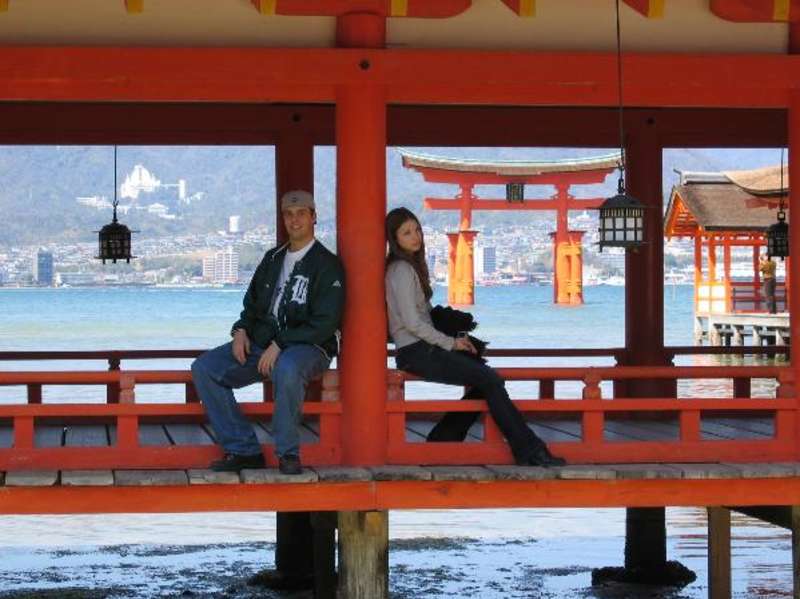
September 17, 2017by: Sarah Curtis - United StatesMy experience abroad was something that I will never forget. I often find myself looking through pictures I gathered throughout my experience and reminiscing about the amazing people I met and the beautiful country that I had the opportunity to see so much of, thanks to IES. My IES program in Japan allowed me to go on many field trips to various places such as Hiroshima, Miyajima, and Nara. One of my fondest memories of my time abroad was when IES took the group on a field trip to Iga where we got to dress up as ninjas and watch a ninja show! Through these trips, I felt as though I developed a deeper understanding of Japan's culture and rich history. At Nanzan, my Japanese skills improved quickly and immensely. Before I came to Japan, I could barely hold up a conversation and now that I am no longer in Japan, I am always itching to speak in Japanese! I did not expect my language skills to improve as much as they did. Though the coursework was challenging and often took me a while to figure out, all of the extra work and studying really paid off. I am so grateful everyday that I was able to have this opportunity and to learn so much. I wish I could do it again!
A Semester in Nagoya, Japan
February 14, 2017by: Emily - United StatesI really couldn't have imagined my experience without going abroad with IES! IES provided so much support and opportunities for all of us during the semester. My friends who also studied abroad at Nanzan (but not with IES) were always really jealous of all of the incredible performances we saw and field trips we went on as a part of IES! Would DEFINITELY recommend this program, and I do!
Worth it
August 14, 2016by: Tatianna Banci - United StatesMy choice to study abroad in Japan, with IES Abroad Nanzan in particular, was probably the best decision I've made to date. The administrators of the program are very helpful, those who help you with the application process and those on site in Japan. This program offers spectacular trips around Japan that other abroad programs don't necessarily offer. I was amazing to be able to see all of these great cultural cities that, if i had had to plan myself, I probably would not have been able to see. My home stay was a very authentic view of Japanese culture. Admittedly, it was hard to get used to at first, but my family was very nice and went the extra mile to make my stay comfortable. Nanzan University offers a large variety of clubs to join and it has a center called The Japan Plaza where students can go to speak only Japanese and get help from other international students as well as native Japanese students. The university itself also offers trips that you can go on in addition to the ones held by IES. The Japanese education system is different from the American one, so it can be frustrating at times, but the teachers at Nanzan are very approachable and willing to help. Studying in Japan really made me comfortable speaking Japanese on a daily basis, to the point where upon my return it occasionally felt strange to speak in English. IF you have the chance to study abroad with IES, it would be a mistake not to take it.
The true face of Japan
July 28, 2016by: Jordain - United StatesI can easily say that the 5 months I spent in Nagoya were the best of my life. I wish I could have stayed for the full 10 months, and I was incredibly sad to return to the states. The intensive courses were challenging but very rewarding; by the end of the program I had made noticeable leaps in my language abilities. While I enjoyed going out on my own cultural excursions, the trips arranged by IES were incredibly enjoyable. I was able to visit places that I never would have on my own, and got to interact with locals during origami and pottery workshops. However, I would not recommend this program for those without any prior Japanese experience. The classes are very difficult and require a high level of work ethic and skill.
A growing experience
July 28, 2016by: Nicole Lynn - United StatesI studied abroad in Nagoya for a spring semester through IES Abroad. In short, I would definitely recommend the program to anyone considering study abroad in Japan. For a longer explanation: 1.) The IES Program The IES orientation in Inuyama was a great way to brush up on the language and be eased into the different culture in an informative and supportive environment that also allowed me to meet people and make friends before being sent off to Nanzan proper. The two IES representatives were incredibly helpful and genuinely seemed to care about the well-being of each individual in the program. The field trips (Hiroshima, Iga, etc.) and cultural activities (arts and cuisine workshops, etc.) set up by IES were also incredibly fun. I wouldn't have experienced half the cultural things I did without the help of IES, and I definitely appreciated the trips to other cities that I wouldn't have been able to finance on my own. Even if you don't go to Japan, I would recommend working with IES since they provide so much support. 2.) Nanzan Academics The Center for Japanese Studies at Nanzan was staffed by universally nice and helpful people. The entrance process to determine what level of Japanese class you should be in is very extensive, so you'll most likely be placed in the best level for you. The language instructors were also very nice and supportive, and I thought the packets made for the classes were very helpful (oftentimes better than the textbook). I wish that the other academic courses would be given the same level of consideration as the language classes (the other ones are hit-and-miss as far as quality), but this ultimately is a language-learning program. The Japanese methods of teaching are something to get used to if you come from a Western country, and it can sometimes be frustrating. I have my complaints about it, but they're very subjective complaints, and it's more of a cultural difference than something being overtly negative. For those of you looking for a low-stress school year, though, Japanese universities are famously laid back, and the CJS program is no exception. Around mid-terms or finals you may scramble around to remember your kanji, but, for the most part, you have the leeway to put classes on the back-burner and just enjoy being in the country. 3.) The City I really love the city of Nagoya. I'm not a city-kid. I would not have survived in Tokyo (good place to visit once, though). If you're someone looking for a huge, bustling city, Nagoya may be a bit too quiet for you. For me, though, it was the perfect size. Sakae and Kanayama have the night life you want. Fushimi has a very interesting science museum even if you can't read the signs. There's a zoo; there's the Boston Museum of Art (free for students, by the way); there's an aquarium; there's a huge park with My Neighbor Totoro references that is constantly holding festivals; there are shopping centers everywhere for any need you could possibly have. You can get manga extremely cheap. There are nooks and crannies with very interesting bars and restaurants and shops. And you still have to take the subway everywhere, so you still feel like you're in a city. I had about a 40 minute commute by subway from my homestay to Nanzan, which was typical from what I saw. You get used to it, though. It's also extremely safe, or I at least felt extremely safe. Walking home late at night from the subway station wasn't in any way unpleasant. I had to go to a clinic twice while abroad -- once for getting sick and the second time after twisting my ankle -- and, even if they don't speak English and you haven't memorized your "trip to the hospital" Japanese vocabulary, I found that the doctors really try their best to help you to the best of their capacity, so don't be afraid of getting medical help if you think you need it either. 4.) Social Life I am an introvert, so making friends or having a vibrant nightlife were not things that I've found easy doing in the past. But it was surprisingly easy to build a social circle and have things to do on Friday and Saturday nights while I was in Nagoya. My host family was wonderful -- home cooked family dinner every night, trips to museums and zoos, going to Sushi Roll to make the kids happy, etc. As I said above, the IES orientation was a great way to establish a friend group in a foreign country full of people you've never met. If I didn't have something to do with my native or other ex-pat friends -- who I met through international parties, mostly -- I could also hang out with my IES friends on Fridays. As a note, Japanese social lives tend to involve bars, alcohol, and lots of karaoke. You will go out for karaoke more in one month in Japan than you've ever thought possible. Drinking isn't a necessary thing, but be warned that it's going to happen around you if you're out late enough. You'll also find yourself going to a lot of cafes if you meet with anyone during the day. I also taught English (it's incredibly easy to become a tutor if you want to) in my free time, which was a wonderfully rewarding experience. My going away party with my students was one of the happiest moments that I had abroad. Overall, though there were negative points, as there are with anything, I still love the city and I love the friends I made there. If you have reservations about being a gaijin in such an ethnically homogeneous country: Yes, you do tend to stick out like a sore thumb if you're not on campus with the other study abroad students, sometimes people stare, but I didn't experience anything hostile or mean-spirited for the entire time I was there, and I'm a black woman. So no worries. I definitely want to return to Japan soon.
Things to keep in mind & check
February 14, 2016by: Ah - brooklyn parkNanzan University Program Before you think about seriously applying to IES Abroad for Nanzan University, you should check if their Japanese courses are align with yours. From my experience, I was not planning to be in the upper Japanese courses, because I have only gone over GENKI 1. But Nanzan University of second year Japanese does not start off with GENKI 2, it starts off with GENKI 2 chapter 15. That’s about 2 or 3 chapters behind if you think about how fast they will be going. I highly advise you to go over your materials if you want to get into the right level, especially since Nanzan University makes you take two placement test upon arrival. If you get placed in the level that you did not want, there is almost no way you can change that. A friend of mine got placed into a lower level and had to repeat a Japanese class she already knew. She tried talking to the professors, but they said they wanted her to stay in the current level she was put in. The good news is that, you can take the test again after a week if you truly feel that you are in the wrong level. Host family All host families are different and all my friends had different experiences with their host family. My experience however was not as satisfying. I originally thought I would be spending a lot of time with my host family, such as going out with them on their daily errands or learning Japanese culture from them. Instead, my experience was very mundane. They spent the majority of their time watching television, going over assignments with their children and preparing for dinner. My host parents seemed to like routines, and were independent. I tried asking them about their life in Japan several times and what they would advise to do in Japan. It was a bit difficult to communicate with them because my Japanese level was not as high and elaborating on topics was very difficult on both ends. I do not advise living with a host family if you have not studied Japanese for at least 3 years. My host family was also fairly new and had only hosted one student before me. With that being said, I often had to solve my problems on my own. Other than that, I was really happy that my host family had two children. It was fun playing with them, introducing them to American games and also learning from them as to what’s popular in Japan. Everyday was definitely rowdy, but very warm and engaging. I was one of the few who were lucky enough to have host children and those who did have host children said they enjoyed their stay more versus having a parent/parents as their host. IES Program This was the best decision I made on deciding which program to go on. IES took us to various locations that were popular in Japan. Basically, they took us to must-see sites and it definitely was a must see! Fushimi Inari, which is a shrine in Kyoto, was probably one of the best ones in my opinion. The only downside was that it rained that day, and just on a side note, it rains a lot in Japan, so be prepare to bring an umbrella wherever you go. The hotels we stayed in were amazing and I love all the onsen we went to. The food was also excellent. Be sure to at least try everything on your plate before deciding you don’t like it, even if your food has eyeballs. The coordinators were very nice and helpful as well and were able to share many cultural aspects to us, especially when we first dined and had no idea how to eat certain Japanese food. Also, just be prepared to have a jam-packed schedule whenever you go on your trips. You do have a short breaks in between activities to rest, but at most we got around 2 hours to rest, which is not a lot when you are always on the go. Tips 1) Bring good and comfy shoes to Japan. You’ll be doing a lot of walking or even running if you’re trying to catch a train. 2) If you’re planning to go during the fall, bring more summer clothes versus winter because in Japan it’s a lot warmer. DO NOT bring your boots or coats because Japan most likely will not snow at all until February.
A Semester and Summer in Nagoya, Japan
July 15, 2015by: Leilah-RoseI spent the last 7 months studying abroad in Nagoya, Japan at Nanzan University through IES Abroad. IES: I chose to study abroad with IES mostly because my siblings had used IES to study abroad while they were in college. I did not really know that many other options for studying abroad, but after researching a bit more, I stuck with my previous decision. The application process itself was a bit stressful, but I attribute that to Nanzan's strict application, and the whole process of applying for a visa. (Hint: You are probably going to want to budget many occasions of overnight shipping pieces of your application.) Despite the stress before leaving the country, IES does a great job of handling everything for you afterwards! I appreciated not having to plan for travel and trips, but also not having to deal with the academic paperwork (especially when compared to students not in a program). The local (your country of study) IES director and staff were also pretty accessible, and always happy to help you if you had any questions or needed assistance! I recommend IES simply based on the fact that they are a big help in an otherwise highly stressful time. They really work towards simplifying and streamlining your study abroad experience as much as possible, so you can focus on having fun and/or studying. I also really appreciated the trips that IES planned for us. We were able to see some really great places and have really good experiences, while not having to worry about planning it! The quality of hotel and travel was always top notch as well. Nanzan University's Center for Japanese Studies: I recommend for anyone studying abroad not just to look at Study abroad programs like IES, but to look carefully at the university they are attached to, as if you were picking out your first university all over again. While I am pleased with the level of education and intensive study I received at Nanzan University (Center for Japanese Studies), but there were a few things I would have liked to know beforehand. First of all, the Center for Japanese Studies runs an intensive Japanese study program and it is just that. If you are not prepared for a heavy workload and speaking only Japanese in the classroom, then I would look elsewhere. If you are interested in developing your Japanese level significantly, then I have two recommendations. 1) Look into Nanzan's teaching style and curriculum (including textbooks) and compare it to your own University or your own study experience. While I believe that my own University's curriculum is quite good, I ended up placing in a lower level than I had anticipated, mostly because there were gaps between what my University views as important and what Nanzan University views as important at a certain level. It really wasn't a big problem and I still learned quite a lot, but you should be aware of it, especially if your home University is picky about what level you place into. 2) Do not do the summer session. If you are trying to make a big difference in your Japanese ability then the Year or Semester option is probably best. The summer session is a great 6 weeks of intensive learning, but it can be a lot for only 6 weeks, and is very fast paced. Housing: I had a really wonderful 7 months living in Nagoya! I spent the first five months living with my host family. I chose a homestay rather than the dorms, because I had heard from previous students that due to the Japanese academic schedule, there would be a large period of time where Japanese students would not be on campus. It is already such a short semester, and so I decided that living with a host family would allow me to use my Japanese on a regular basis. I highly recommend it! (Disclaimer: Everyone's experience with host families are different, it simply depends on you and the host family.) I owe a large portion of my Japanese language speaking ability development to my host parents and their willingness to talk with and help me. I spent June and July living in Nanzan University's International student (female) dorm (disclaimer: the male international dorm is set up a bit differently). The rooms are nice and set up in a suite style with a kitchen and common area, shared shower and two bathrooms, everyone has their own bedroom. Usually you will have at least one Japanese roommate. The rooms also come pre-furnished, but you may or may not have to pay for your own internet (this has changed between the spring and summer semester and may undergo more changes). Nagoya: I am before choosing a study abroad program or University, choosing the right city in Japan was important to me. I did not want to go to either Tokyo or Kyoto for fear of being stuck with a "tourist" image, rather than the "resident" image that I wanted. In addition, (as I learned from traveling) it is easier to get a lot more Japanese speaking real world application if you are not in a city where everyone will try to use English with you. Nagoya is the perfect halfway point between big city and just outside of the tourist range. There are quite a few foreigners that attend some of the universities here or come to work, but definitely not to the degree of Tokyo or Kyoto. Nagoya is also very residential compared to Tokyo or Kyoto, so while there are bustling areas to have fun, it actually fits a slower pace that I was kind of happy with. Realizing IES had a program in Nagoya is what really drew me in, and I am very happy with the results!
A Year In Nagoya
June 27, 2015by: Ashley Bell - CaliforniaI participated in the IES Nagoya program for the 2014-2015 academic year. The program itself was wonderful. I was directly enrolled into the Center for Japanese Studies (CJS) program at Nanzan University. I met people from all over the world that shared a common interest in Japanese culture and language. I joined a dance circle and performed with other Japanese students at the Nanzan Festival. I was taught Japanese in Japanese and really got to see myself improve on a daily basis. The CJS staff were very helpful in aiding foreign students in anything academic and with housing concerns. During school hours, they were my go to for any problems and questions I had about anything. My professors were also really supportive and were always concerned about my well-being and how I was handling the workload. For academic support, I felt that I could rely on the CJS staff to help me when I needed it. Instead of living in the Nanzan dorm, I chose to live with a host family. I lived in a small apartment outside of Nagoya with a host mom, dad and 2 year old sister. Living with a host family was one of the best decisions I made when I decided to study abroad with IES. Through my host family, I was able to gain a third support system. My host family helped me with learning Japanese, took care of me when I was sick, took me to places within and around Nagoya and made me the most delicious meals. Without my host family, I feel as if my first few months in Japan would have been more stressful than fun in regards to adjustment. I also had to commute 40 minutes to get to school every day, and although that may seem like a chore, the commute helped me gain confidence and comfort in using navigating around Nagoya. Since Nagoya is situated right in the middle of Japan, it was the ideal place for traveling to other places to experience different aspects of Japanese culture. IES planned monthly trips, concerts and other culture related activities for me to participate in for cultural immersion and adjustment. The IES Nagoya staff did an amazing job at planning the trips/events. I got to learn about different topics and go to places that I probably would not have been able to go to by myself. I felt the IES Nagoya staff became more than just staff; they became friends. They really took care of me while I was in Nagoya and did everything that they could to have us enjoy living and studying in Japan. My host mom would always look at my travel itineraries and say that I was lucky to be a part of IES and other CJS students would be envious of everything IES provided for its students (commuting subsidies, lunches at delicious local restaurants, exclusive experiences such as meeting geisha and maiko in Kyoto). I am definitely grateful to IES for helping to make my study abroad experience so memorable.
Great Learning Experience
June 26, 2015by: EveI would suggest this program for anyone who has already taken Japanese classes and wants to go to Japan in order to improve their Japanese. Nagoya is the third largest city in Japan, but less international than Tokyo, and so there are fewer people who will try to speak English to you. The Japanese classes at Nanzan are also manageable, but intensive, and there’s a decent amount of homework. You’re more or less forced to use Japanese and to improve in Japanese. If you don’t speak a lot of Japanese and want to go to Japan because you like anime… this program probably isn’t for you. Other than Japanese, I took Japanese Society, Traditional Japanese Literature, and Woodblock Printing. Japanese Society and Woodblock Printing were both fantastic (although not as intense as the Japanese classes). Both were done in a style that let you personalize your learning experience and read/make what you wanted to. Traditional Japanese Literature was pretty disappointing – the professor rambled a lot, and we didn’t get to discuss literature very much. I heard other students complaining that non-Japanese classes at Nanzan can be very hit or miss. I stayed with a host family, which ended up being a pretty negative experience. The members of my host family fought constantly and didn’t seem to want to spend a lot of time with me. I’m not really sure why they decided to host an international student. A lot of other people had more positive experiences with host families, but signing up for a host family means taking a chance that you could have an experience more like mine. If you’re worried about that, I’d suggest living in the dorm. Everyone I knew who lived in the dorm had a great time, and it’s in a really convenient location right across the street from Nanzan. I loved the friends I made in at Nanzan, and I got a lot of chances to explore Japan with them. On top of traveling with friends, the IES field trips were really fun (and a part of the reason I chose this program). You get the opportunity to stay in traditional Japanese inns and eat traditional meals. Definitely a highlight of the program.
Great Growth Experience
January 18, 2015by: midoyamI participated in IES Nagoya during the Fall 2014 semester. I recommend this program for anyone who is serious about learning the Japanese language and is adventurous and enthusiastic about exploring Japan and its culture. Compared to Tokyo, Nagoya has few tourists, so it is a great place if you want to meet locals and speak primarily in Japanese, as I did. For that reason, I was hoping to live in a homestay, but was instead placed in an international dormitory where was the primary language spoken was English. Because I did not want to spend most of my day speaking English and playing video games, I felt isolated at times. However, there were a few local students living there, and I became good friends with one of them. Also, a major advantage of living in the dorm is that it’s only a five-minute walk from the Nanzan campus. If you live in the dorm, I would suggest branching out and meeting as many local students as possible. Nanzan is a great place to study Japanese intensively. The professors are friendly and supportive, and encourage active participation. The workload was sometimes challenging, but never overwhelming, leaving plenty of time for you to pursue other interests. The Japan Plaza is a comfortable environment to practice speaking in only Japanese, hang out, and seek help with homework. Nanzan is also a great place to meet local students, especially during the fall semester when they are on campus. I joined a group called International Friendship Circle, where twice a week I ate lunch and chatted with Japanese students. I also joined a basketball circle. These were great opportunities to make friends and feel more connected to the school, and so I would encourage everyone to participate in activities outside of class at Nanzan. A major benefit of IES is the inclusion of pre-paid field trips to places like Kyoto and Kanazawa. We stayed at very nice traditional Japanese inns with hot springs (onsen) and multi-course dinners. IES also provided tickets to arts performances, including a taiko drumming concert, which I especially enjoyed. The IES staff were also friendly and supportive, and events were well-organized. Especially useful was a three-orientation immediately upon arrival that helped me adjust to Japanese life. Although I enjoyed several fun moments in Japan, the best thing about going abroad was the self-confidence I gained from adapting to and succeeding in a foreign environment. It wasn’t always easy or fun, but it was a tremendous growth experience, and I’m glad I made the decision to go.
Great Growth Experience
January 17, 2015by: midoyamI participated in IES Nagoya during the Fall 2014 semester. I recommend this program for anyone who is serious about learning the Japanese language and is adventurous and enthusiastic about exploring Japan and its culture. Compared to Tokyo, Nagoya has few tourists, so it is a great place if you want to meet locals and speak primarily in Japanese, as I did. For that reason, I was hoping to live in a homestay, but was instead placed in an international dormitory where was the primary language spoken was English. However, there were a few local students living there, and I became good friends with one of them. Also, a major advantage of living in the dorm is that it’s only a five-minute walk from the Nanzan campus. If you live in the dorm, I would suggest branching out and meeting as many local students as possible. Nanzan is a great place to study Japanese intensively. The professors are friendly and supportive, and encourage active participation. The workload was sometimes challenging, but never overwhelming, leaving plenty of time for you to pursue other interests. The Japan Plaza is a comfortable environment to practice speaking in only Japanese, hang out, and seek help with homework. Nanzan is also a great place to meet local students, especially during the fall semester when they are on campus. I joined a group called International Friendship Circle, where twice a week I ate lunch and chatted with Japanese students. I also joined a basketball circle. These were great opportunities to make friends and feel more connected to the school, and so I would encourage everyone to participate in activities outside of class at Nanzan. A major benefit of IES is the inclusion of pre-paid field trips to places like Kyoto and Kanazawa. We stayed at very nice traditional Japanese inns with hot springs (onsen) and multi-course dinners. IES also provided tickets to arts performances, including a taiko drumming concert, which I especially enjoyed. The IES staff were also friendly and supportive, and events were well-organized. Especially useful was a three-orientation immediately upon arrival that helped me adjust to Japanese life. Although I enjoyed several fun moments in Japan, the best thing about going abroad was the self-confidence I gained from adapting to and succeeding in a foreign environment. It was a tremendous growth experience, and I’m glad I made the decision to go.
Lots of good memories
October 10, 2014by: Anh - HaverfordI had two programs to choose from for my study abroad semester in Japan: IES Tokyo or IES Nagoya. My Japanese teacher suggested the Nagoya program for a few reasons. First, since with the Nagoya program you are a student of Nanzan University, a Japanese university, you get more immersion and although you are still taking classes with foreigners, you can join university clubs and socialize with Japanese students. Secondly, Nagoya is less tourisity than Tokyo, which means not everyone speaks English and you are forced to use Japanese in your daily life. Thirdly, Nagoya is a major train / bullet train stop, and is situated between Kyoto and Tokyo. I prefer the old capital Kyoto to Tokyo, and so the location is perfect for me as I can visit Kyoto as often as I want, whereas it might take 4 times as long to get to Kyoto from Tokyo. For my semester in Nanzan University I took Japanese (obviously), Japanese translation, Japanese Society, Tea Ceremony, and Woodblock Printing. All of the classes were extremely interesting, and the workload did not at all hinder my plans to travel every weekend. Japanese translation was fun because we got to work with a variety of materials such as short stories, manga, and song lyrics, while getting extra practice on what we learned in the other Japanese classes. For some classes, such as Tea Ceremony and Woodblock Printing, the teachers could not speak English very well, but they spoke Japanese very clearly and used simple words so that we could understand them. The teachers got us involved in seasonal Japanese events as they happen - we got to do flower arrangement in the Tea Ceremony class on Girls' Day, for example, and got to do a tea ceremony outside during cherry blossom season. Our accommodation arrangements were made through Nanzan University. I am a vegetarian, and since there are not a lot of vegetarians in Japan I did not expect to get a host family which was my first option. However, Nanzan was able to match me with a host family! The host mother was very attentive to my needs, and asked me upon our first meeting what I could and could not eat in detail. She would always check with me when she was unsure of something, too. During a trip with my host mother to Shirakawa-go, we stayed at a traditional, family-run Japanese inn that my host mother stayed at way back when she was in high school! She taught me about the inn, and pointed me to good spots to visit or to get food that I otherwise would not have known about had I travelled alone. It was a great experience being on a host program, since you get to experience daily life as part of a Japanese family: you don't just read about what the Japanese have for breakfast, or what they do during certain festivals, and so on - living with a host family, these daily activities become a part of who you are. I was able to explore Nagoya as well as travel outside of it every weekend. Transportation in Japan is very very expensive, but there are things you can do to minimize the costs, such as taking normal trains or buses instead of more the more costly Shinkansen (bullet train). Being on an IES Abroad program as well as a Nanzan University program, you get the best of both worlds: you get to go on on excursions organized by both programs. With IES we have been to Hiroshima, Nara, and Nagahama, and with Nanzan we have been to places inside Nagoya such as Nagoya Castle, or the Toyota Manufacturing Plant. On the IES program trips we were able to stay at traditional Japanese inns and have traditional Japanese set meals (kaiseki) - they are very costly and if I had travelled alone I probably would not be able to experience these things. One thing that might count as a negative for Spring-semester students: in Japan, the new semester does not start until April, so you will not get to meet the local students for the first 4 months that you are here. However, there are still Japanese students in the dorms, or if you have a host family, you can talk with them! April is when all of the club activities start, too, and you can join them if you want to befriend Japanese students. I was in the Shorinji Kempo club, and even though my Japanese was not fluent the members there were extremely nice.
An Amazing Japanese Learning Experience
April 29, 2014by: JenniferOne of my favorite memories from my study abroad experience in Japan was going to the Nagoya Festival! I went with a group of my friends, and we all dressed up in traditional Japanese attire for fun. There were lots of food stalls everywhere that sold all kinds of interesting and delicious foods. They also had a parade and Japanese games/ activities. It was a lot of fun! I chose this program because I wanted to experience daily life in Japan, and I wanted to improve my Japanese language skills. I also chose this program because of the field trips that were included. I lived in the Nagoya Koryu Kaikan (NKK), which is the dormitory right across the street from Nanzan University. The rooms are set up in an apartment style, with a kitchen, bathroom, and 4 single bedrooms in each apartment. Both Japanese and international students live here, so it is easy to make friends with both the Japanese students and other international students. However, most students living here tend to speak in English, so it can be challenging to practice using Japanese all the time. I still enjoyed living in this dorm because of all the friends I made here during my time in Japan.
An Amazing Japanese Learning Experience
March 30, 2014by: JenniferI would definitely recommend this program to anyone who is interested in studying abroad in Japan! While you do not need to be fluent in Japanese to be in this program, you will definitely get a lot more out of the experience if you have taken a couple years or more of Japanese before starting this program. Since many people in Nagoya do not speak very much English, you will definitely be practicing your conversational Japanese often. This can be challenging at times, but your Japanese will definitely improve! At Nanzan University, you will be required to take Japanese classes, and you can also choose from a number of elective classes. I definitely recommend trying at least one of the arts classes if you can. If you ever need help with anything, the CJS and IES staff members are very friendly and always willing to help! The subway system is pretty good in Nagoya, so it is very easy and safe to get around the city, and you can also visit other nearby cities such as Tokyo, Osaka, or Kyoto. In addition to traveling on your own, IES also offers awesome weekend field trips which are already included in the program fee! On these trips, you will get to eat a lot of great food, stay in nice Japanese inns, and do a lot of exciting activities that you probably wouldn't have the opportunity to do on your own. The field trips were definitely one of the best parts of the experience! You won't be disappointed!
The Adventure of a Lifetime
April 17, 2013by: Sam DrehmelCertainly a life altering experience and adventure for me. Living in Japan taught me so much about a culture that was so foreign to me.. Not only did I have fun and meet new friends, but I also was submerged in an amazing culture that allowed me to grow and mature like never before in my life. My mind has been so much more globalized after participating in this trip of a lifetime.
The IES program Nagoya can be anything you...
May 04, 2009by: Joanna - JapanThe IES program Nagoya can be anything you want it to be. I liked to party, but only on the weekends, and Nagoya was a great place for people like me. I lived in a homestay where no English was spoken, so I definintely improved my casual Japanese. My only "complaint" was that you spend so much time with other IES and CJS (exchange) students, that unless you push the bubble, it will be difficult to meet Japanese students. If I'd been more proactive, there would've been hundreds of students willing to hang out with me; I know this because they were hanging out with a lot of my good friends. IES is by far the best-organized of all the of study abroad programs I looked at, and CJS at Nanzan University was a fantastic complement to American-only IES. A major plus of IES that CJS-only students didn't get was the opportunity to take pre-organized "field trips" around the region. Not having to worry about my travel budget for these trips was a huge plus (they'd been paid in advance). Totally worth the extra fees.
Program Details
Learn all the nitty gritty details you need to know
Locations
- Nagoya, Japan
Types and Subjects
- Subjects & Courses
- Creative Writing
- Culture
- Education
- History
- Humanities
- Japanese
- Literature
- Philosophy
- Political Science & Politics
- Religious Studies
- Social Sciences
- Sociology
- Visual Arts
Availability
Years Offered: Year Round
- Fall
- Spring
- Academic Year
Age Requirement
18+
Guidelines
All Nationalities
Starts At
Program Cost Includes
- Tuition & Fees
- Accommodation / Housing for Program Duration
- Some Program Activity Costs
- Wifi Costs
- Medical / Accident Insurance
- On-Site / In-Country Staff Support
- Pre-Departure Orientation
- In-Country Orientation
- Academic Advising
- Financial Aid Counseling
- Academic Credit
- Emergency Support
Accommodation Options
- Dormitory
Qualifications & Experience
- English
- Japanese
Language Skills Required
- Any/All Education Levels Accepted
Accepted Education Levels
Application Procedures
- Online Application
- Transcript
Interviews
Read interviews from alumni or staff

Grace Conant
Participated in 2023
Grace is a senior at Hope College studying Global Studies and Japanese with a minor in Spanish. She works as a Student Consultant and is involved with...

Grace Conant
Participated in 2023
I have always had a love and interest in travel abroad. Being a double major in Global Studies and Japanese, it was a no brainer for me with my Japanese degree.

Jacob Scarani
Participated in 2019
Jacob Scarani is in his fourth year at Rochester Institute of Technology pursuing a B.S. in Human-Centered Computing with a minor in Japanese. He come...

Jacob Scarani
Participated in 2019
I always wanted to study abroad even before I entered college as I wanted to see the world. My family was never wealthy enough to take me overseas so I never really got the chance to go abroad until I went to Israel for communion and then in my 2nd year at college for birthright. I've always been yearning to go to all sorts of places and I still have many places on my list. I was learning Japanese long enough to know that If I was going to study abroad, I had to study abroad in Japan.

Nicole Lynn
Participated in 2016
Nicole is currently a senior at Swarthmore College, where she is studying cognitive science and Japanese. She is from a small town in southern Tenness...

Nicole Lynn
Participated in 2016
I have always wanted to study abroad. I am a first generation student, and when I entered college, I was determined to eventually study overseas, since that could very well be my only opportunity to leave the U.S to go anywhere else. I was convinced that I was going to Ireland, pamphlets and UK study abroad emails and all. I started learning Japanese on a whim because I had a foreign language requirement and had a passing interest in anime. When I wound up loving the language and dedicating more of my time to it, I turned my sights to Japan and do not regret that decision in the slightest. I still need to go to Ireland, though.

Andrea Fortner
Participated in 2015
Andrea is a rising senior from Peoria, Illinois. She is majoring in international studies with a focus on Asian studies and minoring in business admin...

Andrea Fortner
Participated in 2015
As an international studies/Asian studies major, it was a requirement of my major to study abroad. Up to this point in my life, I had traveled abroad a few times and had made it a goal of mine to study abroad during college.

Ashley Bell
Participated in 2015
Ashley is a senior political science major at Santa Clara University. She really loves traveling, and even traveled to Ghana on a medical service proj...

Ashley Bell
Participated in 2015
It has always been a dream of mine to study abroad. I also am studying a language, so I decided to apply to go for an entire academic year to really immerse myself in improving my language skills.
Ready to Learn More?
Students with a desire to deeply experience Japanese culture will find their perfect study abroad experience in Nagoya. Students will be directly enrolled into the university which will allow for a full immersion experience. Nagoya is the fourth largest city in Japan and is located in central Japan. It is know for its many rituals and festivals. Students have the opportunity to learn Japanese through intensive language courses. In addition, they are able to choose from a variety of courses taught in English including Business, Social Science, and Humanities. Learning is not limited to the classroom in Nagoya, students will experience Japanese culture through the variety of museums and ancient architecture. Depending on which semester students attend, two to three semesters of college-...

IES Abroad

IES Abroad
Ready to Learn More?
Students with a desire to deeply experience Japanese culture will find their perfect study abroad experience in Nagoya. Students will be directly enrolled into the university which will allow for a full immersion experience. Nagoya is the fourth largest city in Japan and is located in central Japan. It is know for its many rituals and festivals. Students have the opportunity to learn Japanese through intensive language courses. In addition, they are able to choose from a variety of courses taught in English including Business, Social Science, and Humanities. Learning is not limited to the classroom in Nagoya, students will experience Japanese culture through the variety of museums and ancient architecture. Depending on which semester students attend, two to three semesters of college-...
Related Programs
Browse programs you might like