
Internships Abroad
Build your professional experience! Expand your network, meet industry leaders, and grow your resume.
Top Intern Abroad Providers

Featured Provider of the Month
with Go Abroad China Ltd.
Featured Internship Opportunities
This Month’s Recommended Intern Abroad Programs

MAXIMO NIVEL

Get practical work experience in Costa Rica, Guatemala, and Peru with Maximo Nivel’s professional International Internships. Gaining high-impact hands-on experience abroad sets you apart in competitive job markets and can help define long-term career g...

Intern Abroad HQ

Are you a student or young professional looking to enhance your career prospects through international work experience and hands-on learning? At Intern Abroad HQ, we help students and young professionals turn career aspirations into reality. We organiz...

The Intern Group

Step into Dublin, known as the “Silicon Valley of Europe,” and gain international internship experience in one of the most innovative and fast-paced cities in the world. Dublin is home to the European headquarters of global tech leaders like Microsoft,...

AIFS Abroad

Want to stand out to future employers, boost your resume, and grow your global network? Intern abroad with AIFS Abroad in France for the chance to grow both personally and professionally while gaining real-world experience. Programs are available in ic...

JENZA

Looking to get ahead over the summer, need academic credit as part of your degree, or just graduated and wondering what’s next? Turn your academic achievements into professional work experience with a 1-12 month internship in the UK. What is Intern UKA...

Beyond Academy

Beyond Academy is GoAbroad’s Top-Rated Intern Abroad Program. Our Tokyo Internship Program holds a 9.25/10 rating from 60+ verified student reviews. We combine tailored internships, deep cultural immersion, and a supportive community to help you thrive...

WorldStrides

Intern abroad in Vietnam, one of Southeast Asia’s fastest-growing economies, and experience the energy of Ho Chi Minh City or the rich history of Hanoi. Gain full-time professional experience in fields like healthcare, education, agriculture, engineeri...

Adelante Abroad

Ready to gain professional work experience and perfect your skills while immersing in a new culture? It's time for you to take part in our internships in Ecuador! Adelante Abroad offers affordable international programs in Quito and Ambato. Available f...

Adelante Abroad
Expand your research knowledge and skills over a summer in Scotland. The city features a fascinating blend of Old and New Towns with luscious gardens and historic buildings. Explore the Edinburgh Castle and Calton Hill on the weekends. Our one-of-a-kin...

Go Abroad China Ltd.

Launch your global career with a paid internship at a Fortune 500, multinational, or high-growth startup in China — matched to your field, backed by 20+ years of placement expertise. Go Abroad China guarantees access to 2,000+ positions across 20+ sect...

Connect-123 Internship Programs

Looking for an international internship that will set you apart—and give you the skills, experience, and confidence to thrive in your career? Connect-123 designs fully customized programs that match your background and goals, offering hands-on experien...

CIEE College Study Abroad

CIEE offers the most extensive network of internship programs.Are you a U.S. college student looking to study and intern abroad? We have full-time and part-time placements across 40+ locations worldwide and in diverse fields, from AI and engineering to...
How to Intern Internationally
Overview
How to get an internship abroad
If you want to know how to get an international internship, it’s actually quite similar to finding a study abroad program. Start by asking yourself two key questions:
- What are your career goals? Finding internships abroad largely depends on narrowing down your career goals. Once you know what it is that you want to do or which skills you want to improve, you’ll be that much closer to finding the right internship abroad for you.
- Do you need college credit? - Are you a college student seeking credit towards your degree, or are you a post grad or even mid-career professional? If you don’t require college credit for your international internship, it will actually greatly widen your options, since some university degree programs can be strict about what they accept for credit. If you don’t need college credit, your program options are basically limitless—meaning your dream internship is practically guaranteed. Intern abroad organizations have connections all over the world, so if you’re willing to pay the program fee, you’ll get unrivaled experience to add to your resume or CV.
Locations
Where to find an international internship
If you’re looking for internships overseas rather than in your home city or country, then we can guess you have an affinity for travel. If you have a specific type of internship abroad in mind, it might make the destination obvious. However, if you simply want professional experience in a certain destination in order to perfect your language skills or learn the cultural norms, then you should let that guide your program search.
If you're trying to improve your Spanish skills, then choosing Spain, Mexico, or Peru could be good places to start with. But if you want to immerse yourself in Japanese culture then you're going to have to go to Japan.
International internships exist everywhere in the world! But if you want to know where to start looking, start with where you want to go. It can also be helpful to either look for international internships at your companies of interest, or to ask your program advisor where the best internships in your career field are located. When looking for the best places to intern abroad, it helps to think about your career goals first.
If you want to explore the business world, then places like France, China, and Italy could be a great start. But if you're more interested in wildlife or conservation, then you'll want to consider destinations like Costa Rica, South Africa, or Thailand.
Finances
How to afford an internship
How will you pay for an internship abroad? Interning abroad through a program can be pricey, but worth it. Your internship provider will find you a killer placement in your chosen field, while taking care of details like accommodation and meals. Some even offer post-internship job finding assistance! All of these benefits come at a price, but it pays off (sometimes literally). Plus, it’s not impossible to find a paid internship abroad (although you’ll have to do a bit more digging).
Many students and young professionals opt to fundraise for their international internships, but scholarships and grants for interning abroad also exist!
Popular Providers


Frequently Asked Questions
How to find internships abroad
If you’re looking for an internship abroad, a common misconception is that you need to find and apply for specific opportunities, as you would normally do with jobs.
However, there are actually thousands of opportunities to custom-build a guaranteed internship abroad. These opportunities operate similarly to study abroad, but are instead focused specifically on professional growth and experience. Our internships abroad directory is a great place to start your search. This is an excellent resource if you want to search by destination, career field, or timeframe.
Are there paid internships abroad?
Yes, there are definitely paid internships abroad. However, it will be far more common to find unpaid internships. Depending on your field and destination, paid internship opportunities are few and far between and tend to be a lot more competitive.
If you want to intern abroad but can only find unpaid internships, then you’ll need to find the additional value in the experience. Will you be able to network with important professionals in your industry? Will you receive help with writing your resume and cover letter? Will you get a letter of recommendation or two? Early in your career, these types of benefits can change the trajectory of your career.
Are internships abroad useful?
Internships abroad are highly useful! This is true no matter what your academic or career field is, but especially so if you plan to live or work abroad someday, or really want a way to make your resume more competitive. Interning abroad is an excellent way to get work experience while availing all the other benefits offered by studying abroad.
What are some benefits of internships abroad?
There are many benefits of interning abroad—namely, the exceptional personal and professional growth that comes hand-in-hand with the experience. Plus, internships abroad are flexible. You can intern abroad during college, after graduation, or if you’re interested in a career change, and there are thousands of opportunities across dozens of fields.
And not to mention, you’ll have life-changing adventures and make tons of new friends and connections!
What are the best intern abroad programs like?
With thousands of opportunities around the world, how do you find the best of the best when it comes to internships abroad? It’s actually pretty simple—it all comes down to what your goals are and what you want out of an internship abroad!
A few things your internship should absolutely have are pre-departure support, resume writing help, help with your job search post-internship, and alumni networking. And if the entire premise of your internship is a custom placement, you should expect them to deliver on your initial wants and requests.
Latest Program Reviews
I would recommend this program to everyone
October 25, 2026by: Owen McElfresh - United StatesI lived in Madrid for 10 weeks and was astounded by the culture of Spain and its diversity! Sage Corps helped me get to experience the wonders of traveling abroad as a college student and be able to intern abroad! They were very supportive and led us in many group activities to interact with local experiences.
Wildlife and Hands-On Fieldwork
October 24, 2026by: Jaime Yaukey - United KingdomProgram: Wildlife Research in Greece
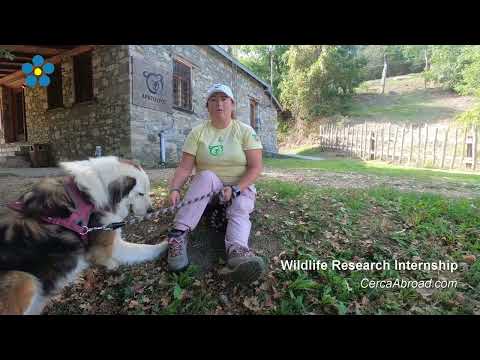
My name is Jamie. I am from Pennsylvania, USA. I am a recent graduate from Penn State University with a bachelor’s in animal science. I am here with the international internship program for Arcturos. I was here assisting with monitoring and field work with brown bears and grey wolves as well as helping out with animal husbandry with the Greek shepherd dogs. I very much enjoyed my experience and I would recommend it to anyone.

Connecting Dentistry and Heritage
October 24, 2026by: Breanna Bolliger - CanadaProgram: Dental Shadowing in Greece
Hi, my name is Brianna, I am from Toronto, Canada. I decided to join Cerca Abroad, specifically their dental shadowing program, to gain more experience in the dental profession. I also decided to choose this program because of my Greek heritage roots. This opportunity has not only allowed me to connect with the Greek community, but also to explore many different areas of Athens, including trying different ethnic foods as well as exploring historic sites of Athens. The last couple of weeks I have been in the dental clinic shadowing many different procedures, including tooth extractions and root canal treatments as well as getting hands-on experience with the actual dentists themselves, practicing some surgical techniques as well as my own, personal canal treatment. Overall, I highly recommend this program to any students who are interested in pursuing dentistry in the future. The Cerca team has made this transition to Athens very smooth and they’re always willing to help you when you have questions. I also want to say I’m grateful to the staff and patients here who have come to the clinic here. Dr Costas has made this experience very memorable for us and he always answered our dental-related questions. For that reason, I highly recommend this program to anyone.

Physiotherapy Life Lessons Abroad
October 23, 2026by: Cassidy Monroe - United StatesProgram: Physical Therapy Shadowing in Greece
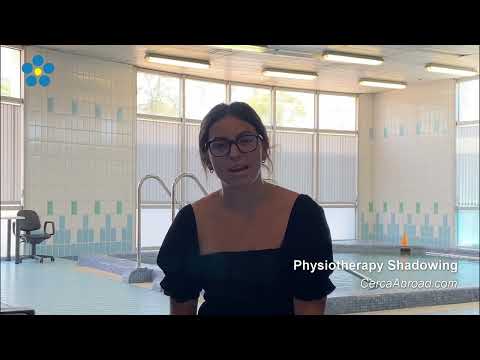
Hello, my name is Cassidy, I come from Denver, Colorado, USA and I go to Whitman College. I chose to intern this summer because I wanted to experience other cultures outside the United States. I also wanted to gain some more experience in the physiotherapy world. During this internship I have learned so many different things, whether that was electrotherapy, stone therapy or how to move or maneuver somebody who is in a coma. I’ve learned so many different things and I am really grateful that I’ve been able to experience so much within this internship and learn so much from my peers and those around me. I am very happy with my internship experience with Cerca Abroad. It truly has been a life-altering experience and I hope to take what I learned here in this program and apply it back to America and my practice in the future. I one hundred percent enjoyed my stay in the country. Thessaloniki is a beautiful city. The food is amazing. There’s so much to do. All the people have been so much more than welcoming to me and my friends. It’s been a very great time. Hopefully I will come back when I’m older and visit again.

Seeing a Bit of Everything in Medicine
October 23, 2026by: Paxton Turner - United StatesProgram: Medical Shadowing in Greece
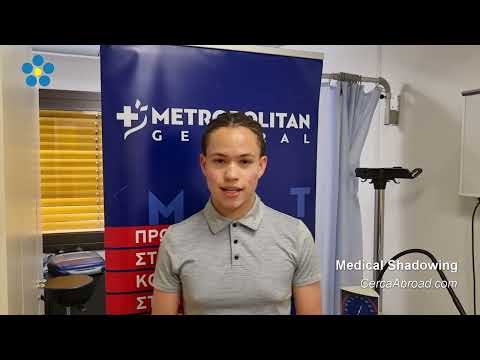
Hi, my name is Paxton, I go to UC Berkeley. I came to the Athens Metropolitan Hospital for a two-week program. I got to see a lot of different stuff at the hospital. I got to see the clinic as well as the OR. In the clinic I got to see cardiology and neurology and in the OR I got to see orthopedic surgery and plastic surgery. I think this program has been very valuable for me as a premed student. I would say that I actually gained a lot of insight during this experience. I got to see some medical fields that I otherwise wouldn’t have gotten to. The program itself has been super amazing and the staff has been super accommodating, especially on helping me get all my documents in order and navigate Athens. Being in Athens has also been absolutely amazing, beautiful city, lots of great landmarks. I was able to see Hadrian’s Library, the Acropolis, and many great things. So, I definitely enjoyed my time here.

Highly recommended place!
October 22, 2026by: Peter Čisárik - SlovakiaProgram: Wildlife Research Internships at Mogalakwena Research Centre
I did my month and a half long herpetological internship there. It is an amazing place in the heart of the South African savannah. If you really enjoy fieldwork, as I do, this is the right place to spend time in. The people working in the reserve are also very kind, friendly, and helpful. I would definitely like to come back one day.


Learning Medicine Abroad, Growing Personally
October 20, 2026by: Rita T - AustraliaI had a good time here. The VAC staff were so welcoming and friendly and definitely one of the best parts. My internship was fulfilling, the doctors were patient and friendly, and I got to do a lot of things as well!! During my internship, I pushed myself to be a bit more confident and not afraid to try new things at the hospital. My advice for future interns is to be open and friendly, learn some isiXhosa, and don’t hold yourself back. I stayed for four weeks and definitely see how staying longer would be even more beneficial educationally. Outside of the internship, there were some fun things to do in Cape Town and lots of places to try. The pre-arrival information had so much detail and made me feel reassured, and the airport pickup was very friendly and reassuring. I also really appreciated the internship placement and the weekly activities.
Support, Friendship, and Growth with VAC
October 20, 2026by: Natalie R - United StatesI chose Cape Town because I wanted to understand how youth programs work here because I’m interested in working for a youth program back in the States. During my internship, I was able to learn more about different political issues here in Cape Town. I also really appreciated the weekly activities, the support and knowing I could call VAC staff if I needed anything. I really love the VAC staff <3
Growing as an Artist Abroad
October 20, 2026by: Alana Brevick - United StatesMy internship gave me the opportunity to grow both creatively and personally. It was an incredibly open-minded and creative environment, with a strong sense of belonging and community. There were so many opportunities to get involved, build meaningful relationships with the students, and contribute to different creative projects. During my time there, I gained much more confidence in my creative process as an artist and developed a clearer sense of direction about what I want to pursue in the future. I was able to contribute to projects that supported the organization’s mission while also supporting students on their own creative journeys as artists. What stood out to me most was seeing how music and creativity can create opportunities for young people to express themselves, heal, and shape the direction of their lives. Being part of an environment driven by creativity and a genuine sense of community made my internship especially meaningful. I also really appreciated the support I received from VAC. The calls and communication before arriving made me feel much more confident about joining the program, and I especially appreciated how responsive my placement advisor was throughout the process. Once in Cape Town, I enjoyed the weekly check-ins, Friday meetups, and Monday culture series, which gave us opportunities to connect throughout the program. My advice to future interns is to really take advantage of the opportunities around you. Get involved, make connections with the people at your internship, and don’t be afraid to ask if there are projects you can help with. There is an abundance of opportunity if you’re willing to put yourself out there.


Building Boards, Building Friendships
October 20, 2026by: Sophia Weedon - United KingdomProgram: Engineering Internships in Cape Town
I have loved my time here in Cape Town. My internship was a perfect fit for me, and having the independence to drive myself to my internship was a nice bonus to my stay here. I gained a lot of experience in areas that weren’t familiar to me during my studies. I designed PCB boards on DipTrace, saw the ordering process, as well as the coding behind certain PCB boards. I also designed and purchased boards which will be used on their models and in their everyday testing. Having this kind of responsibility was really nice and ensured a good working standard. I felt useful in the company and not like I was just a temporary addition. The employees were lovely and welcoming, and it was a relaxed working environment where everyone was helpful and wanted to teach. My advice for future interns would be to get involved. It can seem like a lot at first, but ask your questions so that you make the most out of the experience. I also really enjoyed the housing during my time in Cape Town and feel like I have made friends for life. I appreciated knowing that I could call VAC staff if I needed anything, and Kus and Serena were always quick to respond. I want to personally thank them for being so welcoming and making my stay extra enjoyable.


Learning Human Rights in South Africa
October 20, 2026by: Allison Doss - United StatesMy experience in Cape Town was truly amazing. I was able to learn so much about the history of South Africa and the way that apartheid is continuing to affect communities. I have loved the access to nature, with both the oceans and the mountains so close. During my internship, I was able to create a Climate Change manual for migrant women that describes what it is and how it disproportionately affects migrant women. I also went to visit several schools and was able to work with young learners on a walkway games and art project, which was super fun. The organization I worked with is directly involved in community work in many of Cape Town’s townships, contributing to social cohesion and human rights. Once I got adjusted, I loved the ability to go out into communities, work on really cool projects, and work with young people. I will never forget watching the sunrise on top of Lion’s Head and swimming during incredible sunsets at Llandudno. But most of all, I will miss the people that I met along my journey and the friends I made, both from South Africa and from all over the world. The VACtivities and Culture Series were so fun and a great way to experience all the different parts of Cape Town, from the food to music to hiking.


Hands‑On Film Experience Abroad
October 20, 2026by: Jackson Lewis - United StatesI chose Cape Town because of South Africa’s vibrant film industry and because I wanted to do an internship abroad somewhere other than Los Angeles. I also needed to complete a semester-long media internship for my university honors program, so Cape Town felt like an exciting opportunity to get the practical experience I was looking for. I loved how hands-on my internship was. I got experience with actual television production and was able to do a little bit of everything. Some days were spent in the studio, while others involved going out on location to shoot events around Cape Town. I edited about five inserts that aired on television and shot all but one of them myself. I’m really proud of the work I did and especially proud that those pieces were actually broadcast. Outside of the internship, Cape Town was a wonderful experience. I met amazing people, saw incredible places, ate great food, and had a phenomenal time overall. The weekly VAC activities were great opportunities to explore different parts of South Africa, and the Culture Series events gave us a chance to learn more about the many cultures of the Cape. My advice to future interns is to keep an open mind and be ready to learn. At an internship like mine, you might find yourself doing something completely different from one day to the next, which is part of what makes it so interesting. Stay aware of your surroundings when you’re out, and if you ever have an issue, don’t be afraid to speak to someone at VAC. I always felt like the team was there if I needed help. I spent three months in Cape Town, and if I could, I would do it all over again.


Uncovering Cape Town’s Hidden Histories
October 20, 2026by: Thandi Agbetorwoka - ZimbabweInterning in Cape Town has been a great experience. I feel that I have grown a lot as a person, and navigating life here has taught me about self-trust. I’ve learnt to be open to trying new things and activities. I really enjoyed making new friends and creating memories together. I started my internship hoping to learn a lot more about Cape Town’s history, and I certainly achieved this. I was exposed to a lot of information and had the chance to engage in interesting and insightful conversations with a variety of people from different backgrounds. The organization I worked with aims to decolonize its history by centering the experiences of those who have been silenced by forces of oppression. It critically examines past narratives and questions whether these messages truly reflect the history of the Cape and its people. I was able to support this objective by working with the marketing department to develop a social media strategy that would help raise awareness of the organization and its objectives to both international and domestic tourists. My advice for future interns is to come in with an open mind and feel free to ask questions about the history. There is a lot to learn, so take the time to get familiar with the different exhibitions as this will help develop your understanding. The weekly activities with VAC were also a highlight for me, as I got to do things that I typically wouldn’t have done before. The Culture Series provided an opportunity to be exposed to and learn more about the diverse cultures that make Cape Town what it is. There was a lot of variety in the weekly activities, which meant there was always something to look forward to.


From Startups to Safari: My Internship Journey
October 20, 2026by: Lucas Posern - GermanyProgram: Business Internships in Cape Town
I chose Cape Town because I had always wanted to visit South Africa, but I was also very interested in the country from an economic perspective. Doing an internship in venture capital gave me the opportunity to understand much more about how startups, innovation and investment contribute to the local economy. My internship gave me exposure to several different parts of the venture-capital process. I helped write a funding proposal that was accepted, supported financial models for startups and the venture fund itself, screened startup applications and contributed to work around raising capital and monitoring existing portfolio companies. Through that experience, I gained a much better understanding of how venture funds work, what investors look for in an early-stage business and some of the factors that help startups succeed. I especially enjoyed being able to work with companies focused on innovation and seeing how financial decisions can influence whether those ideas are able to grow. The internship also taught me to be proactive. There were times when everyone was busy, so I learned that it was important to clarify my skills, ask what I could work on next and actively look for ways to contribute. That is something I would recommend to future interns as well. Outside of work, I loved the lifestyle in Cape Town. The combination of the city, nature, music and people made every week feel different. I travelled along the Garden Route, went on safari, did a bungee jump and spent a lot of time with friends in Observatory. I also strengthened my English and learned a lot about myself by living and working in a completely different environment. Seven weeks went by very quickly. If I were doing it again, I would stay longer. The experience gave me a much clearer picture of venture capital, startups and the kind of innovative work I would like to be involved in in the future.


Exploring Business Development Abroad
October 20, 2026by: Linda Roth - AustriaProgram: Business Internships in Cape Town
I came to Cape Town wanting to gain experience in sales and business development before starting university, and my internship gave me a much better understanding of what that kind of work actually involves. One of the most valuable parts of the experience was working directly with customers. During one week, we visited distribution centres around Cape Town, where I explained the company’s healthcare product to employees, spoke with them about how it worked and helped people sign up. It pushed me outside my comfort zone and gave me much more confidence speaking to people I had never met before. The internship also helped me learn something important about my future career. I discovered that I really enjoy talking to people, explaining products and the sales side of business, but I also realised that I would not want a role focused entirely on sales. I would like a career where I can combine that with other areas of business as well. That kind of clarity was one of the biggest things I took away from the experience. I also appreciated being able to see how a growing healthcare business was trying to make its services easier and more affordable for people to access. Being involved in introducing the product to new customers gave me a practical sense of how sales and business development connect to the wider goals of a company. Outside of work, Cape Town became a place I felt very comfortable very quickly. Living close to the other participants made it easy to spend time together, and the friendships I made were a huge part of the experience. I also knew that VAC was there when I needed support, which made living independently in another country much easier. I would definitely recommend staying for at least three months if you can. It takes time to settle into the city, build friendships and really feel part of everyday life here. My time in Cape Town gave me professional experience, more confidence and a much clearer idea of the kind of business career I would like to pursue.


Designing for Innovation in Cape Town
October 20, 2026by: Farah Sarrell - United StatesProgram: Engineering Internships in Cape Town
I enjoyed my time in Cape Town and at my internship. The people from VAC were kind to me and helped me and the other interns better integrate ourselves. They also organized fun and thoughtful activities each week for our great pleasure. The people at my internship were also welcoming, especially the engineering team, who helped me learn more and become a better engineer. During my internship, I was able to do more lab testing and 3D CAD designs. The organization is working on medical implants, and I helped with lab tests and designing tools and apparatus for the tests. My advice for future interns is to communicate early on what you want to learn, and communicate it every week. Overall, I enjoyed my time in Cape Town and would definitely recommend it to someone else.
Engineering Dreams Take Flight in Cape Town
October 20, 2026by: Elly J - United StatesProgram: Engineering Internships in Cape Town
I chose Cape Town as my place for an internship because I wanted to explore the world and get job experience. I had heard so many great things about Cape Town that when I saw this program, I just had to do it. During my internship, I reaffirmed my decision that engineering is the right path for me and that I will be going back to school to finish my degree. The organization I worked with is developing green-energy aviation technology that can be used for purposes such as ground scanning and cargo delivery. The technology provides a cheaper and more eco-friendly alternative to using satellite or airplane imagery. My advice for future interns is not to be shy about asking questions. Everyone was very friendly, and if you’re interested in engineering and computer science, there is a lot to learn. My favorite thing about my time in Cape Town was the social interactions with all the friends I made. I am so grateful to have experienced this with them. I am very sad to be leaving, as I will miss the daily activities with friends and the weekend expeditions. If I could, I would definitely stay longer!
Cape Town Became My Second Home
October 20, 2026by: Carla Zitta - AustriaI wanted to experience new possibilities abroad, both culturally and to gain medical experience before finishing university. I met incredible people and felt so welcomed that Cape Town truly became a second home for me. I will always remember this time and the adventures I had here with VAC. I will definitely come back. Cape Town and the people from VAC have a place in my heart. During my internship, I got to see pathologies that are not common in Austria and work with people living in different circumstances. It gave me the opportunity to experience healthcare in a very authentic way and close to traditional culture and changes in society. My advice for future interns is to be friendly and willing to see and learn. The people who work there really appreciate your curiosity. I really appreciated the internship placement, the support and knowing I could call VAC staff if I needed anything, the weekly activities and the Culture Series. The Culture Series was very interesting and gave me the opportunity to dive into the culture. From the beginning, I felt really safe and welcomed. The orientation was a good start to daily life and provided important information. I also liked having direct contact before coming to Cape Town, so I could meet the people beforehand.


Justice and Care in Cape Town
October 20, 2026by: Sadie M - United StatesProgram: Law internships in Cape Town
I first became interested in interning in Cape Town because of my desire to apply my studies in countries other than my own. As someone who studies Public Health and Law, I am always interested in how the government works to support its people, and I believe the best way to learn is to speak directly with the community. I quickly realized that Cape Town was a great city for this because of how friendly and willing to chat the locals are. My personal goal was to simply learn more about the legal system in South Africa. I anticipated this to come from my work, but I found that my best learning happened when I was speaking with locals throughout the day. I am particularly interested in social services and how a community is supported by the government and local organizations. Through my internship, I was able to learn directly from community members about how they navigate their legal issues and how South Africa has been supporting them. The organization provides underprivileged community members with access to essential legal services for free. Many clients are unfamiliar with the legal system and need guidance navigating important tasks such as drafting wills, reporting deceased estates and handling disputes. My role primarily consisted of face-to-face contact with clients. I assisted with their applications and helped gather relevant documentation. As I was often the first point of contact, I tried my best to be friendly and kind to ensure community members felt comfortable going through the process of receiving the assistance they needed. My advice for future interns is to keep an open mind and be prepared to speak with a large variety of people from different backgrounds each day. You will speak with people who are experiencing significant hardship, and it is important to stay empathetic. I stayed in Cape Town for four months, and I believe this was the perfect amount of time to fully immerse myself in the area. I was able to visit all the classic tourist spots, but also had enough time to explore on my own and discover my favorite hidden places around the city. The weekly VAC activities also provided me with a great opportunity to explore new places with other interns, and I am grateful to the VAC team for organizing these events and for their support.
Empowering Communities Through Legal Education
October 20, 2026by: Shelly B - United StatesProgram: Law internships in Cape Town
My internship in Cape Town gave me the opportunity to learn much more about South Africa’s legal and political systems while gaining practical experience in a community-focused legal environment. I especially enjoyed contributing to projects connected to community participation and paralegal education. One of the most interesting parts of the experience was seeing how legal knowledge can be shared outside traditional legal settings and used to support people who are already active in their communities. I learned about efforts to equip community activists with practical legal knowledge so they can better support the people around them. The internship also taught me the importance of being patient and proactive when entering a new workplace. It took a little time to understand the flow of the organization, but once I settled in, I found the team incredibly welcoming. My advice to future interns would be to ask where you can help rather than waiting for someone to give you something to do. Taking that initiative made it much easier to become involved and learn from the people around me. I also valued the opportunity to network and learn from people working within a legal system different from the one I was familiar with at home. It gave me a broader perspective on the relationship between law, politics and community advocacy. VAC made the overall experience feel very supportive. From the beginning, I knew there were people I could turn to if I needed help, which made settling into life in Cape Town much easier. Overall, the experience gave me greater insight into community-based legal work and helped me understand how legal education can contribute to improving access to justice.
Latest Interviews

Rhys Foulke
Go Elective
As a pre-med student, I wanted to experience healthcare outside the United States and get a better understanding of what a career in medicine involves...

Elle Russell
Go Elective
After previously going to Africa on a family trip, I knew I wanted to experience its healthcare side. I could not think of a better way than to do an ...

Sophia Sørensen
Korea Gapyear
I have always wanted to experience living in another country while developing skills that would help me in my future career. South Korea stood out to ...

Samantha Haase
ArtBound Initiative
I stayed local for my internship, but I still feel that traveling abroad is important. I think going abroad is important culturally, as immersing your...

Lillian Miks
Beyond Travels
A few years prior to this trip, I went to Peru with my family. Ever since that trip, I knew I wanted to visit the Amazon again, but I didn't think it ...

Marlies Leysen
Beyond Travels
I love traveling abroad to discover new countries, new people, and cultures. I have already traveled abroad in the past, but not for an extensive peri...

Juwairiah Ishaq
Roots Interns
I was inspired to gain experiences in new cultures and different perspectives. Despite this being a remote internship, it was an enlightening experien...

Myles Carpenter
FIEN Foundation
I decided to go abroad because I wanted to challenge myself and step out of my comfort zone by traveling internationally for the first time.

Pablo Quintanilla Berriochoa
Future For Africa
I was inspired to go abroad by a strong desire to step outside my comfort zone, experience a different reality, and contribute to something meaningful...

Mariana Davila
ArtBound Initiative
Studying abroad had always been something I wanted to experience because I believe the best way to grow creatively and personally is to step outside y...

Fiona Dolan
The Intern Group
I’ve always been motivated by personal growth, and going abroad felt like the perfect opportunity to challenge myself. I wanted to build independence,...

Carlos Jose Lopez Tort
The Intern Group
I was inspired to go abroad because I wanted to grow beyond the limits of my usual environment and challenge myself both personally and professionally...

Soham Kamble
The Intern Group
What inspired me to go abroad was the opportunity to gain global exposure and step outside of my comfort zone. I wanted to experience a different cult...

Maria Plugatyr
The Intern Group
Aside from the overall desire to spend time abroad, my decision was actually a result of my university program requirement. In my international relati...

Connor Nicholas
International Medical Aid (IMA)
I wanted to gain new perspectives and new experiences. Going abroad challenges the way you have been taught to think and do things.

Colin Wiechmann
International Medical Aid (IMA)
I have long been inspired by organizations such as Doctors Without Borders and their commitment to delivering high-quality healthcare in underserved a...

Yuto Nakada-Sasaki
International Medical Aid (IMA)
Although I was born and raised in Canada, I have a strong Japanese background, and through numerous trips to Japan, I developed an early appreciation ...

Zihui Qiu
International Medical Aid (IMA)
I was inspired by the doctors volunteering with Doctors Without Borders and other medical humanitarian organizations in areas such as Gaza and Sudan. ...

Macy Collins
International Medical Aid (IMA)
I wanted to expand on what I was learning in the classroom when it came to health disparities. I knew what these things looked like as abstract concep...

Kathryn Page
International Medical Aid (IMA)
Growing up in a rural community in interior British Columbia, I became aware early on of how geography, staffing shortages, and limited resources shap...


Travel Tools


Popular Searches
Recent Intern Abroad Articles


